Advertisement

Is the foldable smartphone hype finally justified in 2025?

The foldable smartphone market has undergone a transformative journey, evolving from fragile novelties to robust, functional devices. By 2025, foldables have made significant strides, leading many to believe the long-standing hype surrounding them is finally justified. With advancements in design, durability, and affordability, foldables are carving a niche in the tech landscape.

Samsung Galaxy Z Fold 6 and Galaxy Z Flip 6

1. The evolution of foldable smartphones

The foldable journey began in 2019 with devices like the Samsung Galaxy Fold and Huawei Mate X, which, although innovative, had issues such as fragile screens, bulky designs, and high costs. These early models were more experimental than practical choices for everyday users.

By 2025, however, the narrative has shifted. Brands like Samsung, Huawei, Vivo Oppo, Xiaomi, Honor, and Google have invested heavily in overcoming these challenges. Foldables now boast enhanced durability, refined features, and prices that appeal to a broader audience. Technologies such as ultra-thin glass, crease-less designs, and water resistance have become standard, redefining the category.

2. Improved durability and cutting-edge designs

Early criticisms of foldables centred around their vulnerability to wear and tear. Screens scratched easily, and hinges failed with extended use. However, recent innovations have addressed these issues. Ultra-thin glass reinforced with strong coatings ensures screens are more resilient. Devices like the Samsung Galaxy Z Fold 6, Vivo X Fold 3 series, and Oppo Find N3 feature durable, smooth hinge systems.

Foldables are also sleeker and lighter, making them more practical for daily use. Structural improvements, including reinforced frames and adhesives, contribute to better build quality. Features like IP ratings for water and dust resistance are now common, making foldables more reliable and versatile than ever before. Initially, foldable phones faced prominent screen crease issues, which became more noticeable as the device aged and experienced more folds. However, brands have made significant strides in reducing the screen crease in newer models, so it is no longer a major concern.

3. Enhanced functionality for diverse needs

Foldables are no longer just eye-catching gadgets but offer functionality that sets them apart from traditional smartphones. Their larger fold-out displays are perfect for multitasking, gaming, and immersive media consumption. Features like split-screen multitasking and app continuity have been optimised, allowing seamless transitions between folded and unfolded modes.

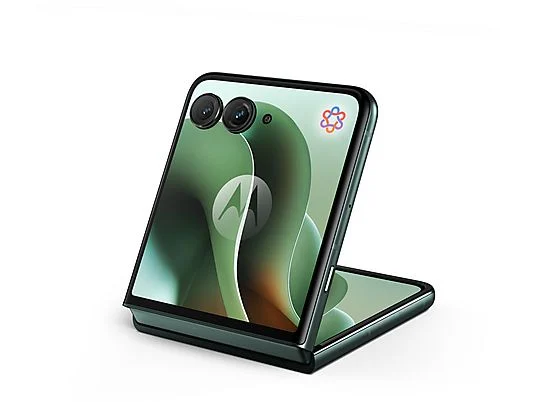
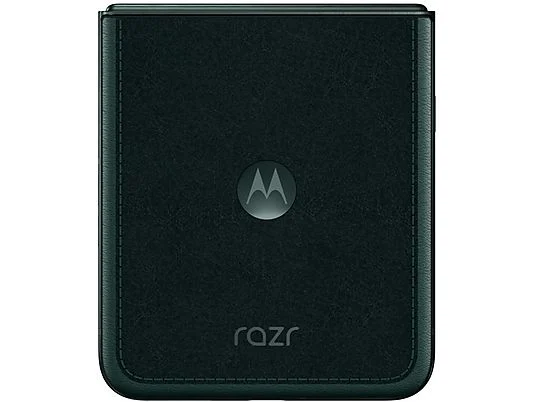
The flip-style foldables, such as the Motorola Razr 50 Ultra, Huawei Magic V Flip, Xiaomi Mix Flip, and Samsung Galaxy Z Flip 6, have seen significant improvements in hinge durability, better cameras, and decreased screen creases. These updates have made it easier for users to perform multiple tasks without needing to open the phone, enhancing the overall user experience. The increase in external screen sizes on these devices allows for more functionality without unfolding, making them even more convenient for daily use.

Foldables come in different form factors to cater to various user preferences. Compact and stylish models like the Samsung Galaxy Z Flip 6 appeal to trend-conscious users, while productivity-focused devices like the Huawei Mate X6 target professionals. This diversity ensures foldables can meet a range of needs, making them more than just a niche product.

4. Breaking the price barrier

Affordability has historically been a major roadblock for foldable adoption. Early models often cost upwards of $2,000, limiting their appeal to affluent consumers. However, by 2025, the landscape has shifted. Manufacturing advancements and competitive pricing have brought foldable smartphones closer to the cost of premium flagships. Devices like the Xiaomi Mix Fold 4 and Vivo X Fold 3 are available at more reasonable prices.

Trade-in programs and carrier subsidies have further reduced the cost barrier, making foldables more accessible to a wider audience. As these trends continue, foldable adoption is expected to grow rapidly.

5. Final Thoughts

Looking ahead to this year, foldable phones are expected to become even thinner and lighter. The upcoming Oppo Find N5, measuring around 4.2mm in its unfolded state, is being touted as the world’s thinnest foldable phone. The Magic V3, currently holding the title of the lightest foldable phone at 226 grams, may soon see competition from upcoming models weighing under 220 grams.

While challenges remain, the rapid pace of innovation suggests that foldables are no longer a passing trend but a cornerstone of the smartphone industry. Foldables are finally fulfilling the hype for those seeking a blend of cutting-edge technology and practicality.

For more daily updates, please visit our News Section.

Stay ahead in tech! Join our Telegram community and sign up for our daily newsletter of top stories! 💡

Realme Neo 7 SE full specifications revealed via updated certification listing

Earlier this month, the upcoming Realme Neo 7 SE bearing the RMX5080 model number emerged in the database of Chinese certification platforms, such as 3C and TENAA. The TENAA listing, which initially revealed the images and battery information, is now updated with the rest of the specs of the phone. Here’s a look at all the information that has emerged in the updated listing.

Realme Neo 7 SE specifications

Realme Neo 7 SE’s TENAA listing

Realme has already confirmed that the Realme Neo 7 SE will feature the Dimensity 8400-Max chipset. The previously seen TENAA listing revealed that it will pack a 6,850mAh rated-value battery, hinting that its typical value could be 7,000mAh.

The updated TENAA listing reveals that the Realme Neo 7 SE has a 6.78-inch AMOLED panel that offers a 1.5K resolution of 2780 x 1264 pixels. It has a 16-megapixel front camera and a 50-megapixel + 8-megapixel dual-camera system.

The TENAA listing further reveals that the Neo 7 SE will come in 8 GB, 12 GB, 16 GB, and 24 GB RAM variants, along with 128 GB, 256 GB, 512 GB, and 1 TB storage options. However, not all of these configurations may be available at launch. As per the 3C certification of the device, it may arrive with support for 80W charging.

The Neo 7 SE is also equipped with an in-screen fingerprint sensor and an IR blaster. The handset measures 162.53 x 76.27 x 8.56mm and weighs 212.1 grams.

Realme Neo 7 SE TENAA images

To conclude, the Realme Neo 7 SE packs similar specs as the Neo 7, which debuted in December 2024 in China. However, the key difference between the two lies in the chipset department. While the SE model is equipped with the Dimensity 8400, the Neo 7 features the more powerful Dimensity 9300 Plus. As far as launch is concerned, the Neo 7 SE is scheduled to debut in February in China.

For more daily updates, please visit our News Section.

Stay ahead in tech! Join our Telegram community and sign up for our daily newsletter of top stories! 💡

iQOO Neo 10R 5G to arrive with 6,400mAh battery, 144Hz AMOLED display

After announcing the iQOO 13 in December 2024, iQOO hasn’t launched a new phone in India. Speculations suggest that the iQOO Neo 10R 5G that is being officially teased by the brand is scheduled for a February 2025 launch. It’s landing available on Amazon has revealed its dual-tone design and chipset. At the same time, a report that has emerged on Gadgets360 has revealed details about its battery and display.

iQOO Neo 10R 5G key specs tipped

iQOO Neo 10R 5G

The publication has learned from industry sources that the iQOO Neo 10R 5G will feature a huge 6,400mAh battery, the largest battery ever seen on an iQOO phone. While there is no information about the fast charging capabilities of the device, it is officially confirmed to feature the Snapdragon 8s Gen 3 chip.

The new report states that the iQOO Neo 10R will have an AMOLED panel that offers a 1.5K resolution and a 144Hz refresh rate. The rest of the specs are expected to be revealed gradually ahead of its launch date in February.

As far as pricing is concerned, the device will be priced under Rs 30,000. This indicates that it could be a good rival for the Dimensity 8400-powered Poco X7 Pro, which debuted in India recently.

iQOO Neo 10R 5G: What to expect?

The above-mentioned specifications suggest that the iQOO Neo 10R 5G could be a rebranded version of the iQOO Z9 Turbo Endurance Edition, which debuted earlier this month in China. Therefore, the handset is expected to feature 12 GB of LPDDR5x RAM, 256 GB of UFS 4.0 storage, and 90W fast charging.

For photography, the device may come equipped with a 16-megapixel front camera and a 50-megapixel (OIS) + 8-megapixel (ultra-wide) dual-camera setup. The phone runs on FunTouch OS 15-based Android 15. It may come with other specs, such as an in-screen fingerprint sensor and an IR blaster.

For more daily updates, please visit our News Section.

Stay ahead in tech! Join our Telegram community and sign up for our daily newsletter of top stories! 💡

(source)

DeepSeek: The Chinese AI startup challenging OpenAI’s dominance

A new player, DeepSeek, a Chinese AI startup, has shaken up Silicon Valley with its cost-efficient language model, DeepSeek-R1, rivaling OpenAI’s ChatGPT. Despite US export controls on advanced AI chips, the company has achieved breakthroughs through innovative strategies, prioritizing efficiency and performance. This development is reshaping the AI landscape—read on to learn more.

DeepSeek

1. DeepSeek’s V3 and R1 AI language models

Unlike many Western AI companies that focus on scaling up by acquiring vast amounts of computing power, DeepSeek has taken a different approach. Faced with US export controls on advanced chips, the company focused on optimizing software and algorithms to maximize efficiency.

DeepSeek offers two advanced AI models: DeepSeek-V3, designed for a wide range of applications, and DeepSeek-R1, a cost-effective alternative to ChatGPT.

DeepSeek-V3, an advanced AI language model, is designed for a broad spectrum of applications, including natural language processing, customer service, education, and healthcare. Optimized for understanding the Chinese language and its cultural context, DeepSeek-V3 also supports global use cases. The model is focused on delivering high performance while being cost-effective and efficient, making it a versatile tool for various industries, particularly within the Chinese market but adaptable for international markets as well.

DeepSeek-R1, another model from DeepSeek, offers performance comparable to OpenAI’s ChatGPT at a significantly lower cost. Despite facing challenges such as US export controls on advanced AI chips, the model maintains high-quality results through efficiency and innovative approaches. Its primary goal is to serve as a cost-effective alternative to other AI models like ChatGPT, positioning DeepSeek as a competitive player in the global AI market. With a focus on overcoming resource limitations, DeepSeek-R1 embodies the company’s commitment to innovation and performance at scale.

DeepSeek’s founder, Liang Wenfeng, a former quant hedge fund manager, has assembled a team of young, ambitious researchers from China’s top universities, providing them with ample resources and freedom to explore unconventional ideas. This approach has led to the development of groundbreaking techniques like Multi-head Latent Attention (MLA) and Mixture-of-Experts, which significantly reduce the computational resources required to train their models.

2. DeepSeek vs. ChatGPT: A short comparison 

DeepSeek-V3 and ChatGPT are both advanced AI models, but they differ in key aspects. DeepSeek-V3 is optimized for Chinese language understanding and cultural context, while also supporting global applications. It is particularly tailored for industries like education, healthcare, and customer service, with a strong focus on the Chinese market. In contrast, ChatGPT, developed by OpenAI, is trained on a globally diverse dataset with a stronger emphasis on English and Western contexts, making it widely used for general-purpose tasks, creative writing, coding, and more.

Both models are highly capable, but their performance may vary depending on the task and language, with DeepSeek-V3 potentially excelling in Chinese-specific tasks and ChatGPT performing better in English-heavy or globally diverse scenarios. Additionally, while both models adhere to strict ethical guidelines, their alignment may differ slightly based on regional regulations and cultural norms.

3. DeepSeek’s Global Impact

DeepSeek’s commitment to open-source development has garnered praise from the international AI community. By making its models freely available, DeepSeek is fostering collaboration and accelerating AI research worldwide. This is particularly significant for researchers and developers in the Global South who may have limited access to expensive proprietary models.

DeepSeek’s open-source approach also challenges the current trend of closed-source models developed by major tech companies. This shift towards greater transparency and accessibility could democratize AI technology, allowing a wider range of individuals and organizations to contribute to its development and benefit from its potential.

DeepSeek’s models, including the powerful DeepSeek-R1, are available globally using its URL: https://chat.deepseek.com/. While the company is based in China, its open-source approach allows anyone, regardless of location, to access and utilize its technology. This has significant implications for the future of AI development, as it allows for a more diverse range of contributors and accelerates the pace of innovation.

For more daily updates, please visit our News Section.

Stay ahead in tech! Join our Telegram community and sign up for our daily newsletter of top stories! 💡

The 10 Best Artificial Intelligence (AI) Apps of 2025

Artificial intelligence has taken a firm grip on the technology landscape, and in 2025, AI-powered apps are driving innovation in diverse fields, from professional productivity to creative exploration. Here, we dive into the top 10 AI apps of 2025, showcasing how they’re revolutionizing everyday life and work.

Top AI Apps 2025

1. ChatGPT

OpenAI’s ChatGPT app remains one of the most prominent AI tools of the year. Designed for instant answers, inspiration, and on-the-go assistance, it integrates the powerful GPT-4o model for unparalleled language capabilities.

The app includes features such as voice interaction, enabling real-time conversations for those who prefer speaking over typing, and photo uploads, allowing users to transcribe handwritten notes or identify objects and landmarks with ease.

The app also supports creative and practical applications, making it a go-to for brainstorming ideas, writing personalized messages, or planning day-to-day tasks.

2. Google Gemini

Google Gemini represents a significant step forward in AI-driven personal assistants. Available on both Android and iOS devices, the app provides a sophisticated suite of features that enhance everyday productivity and convenience. On Android devices, Gemini replaces the conventional Google Assistant, offering a more advanced and comprehensive experience, while on iOS, it functions as a standalone AI assistant.

Gemini leverages Google’s powerful AI models to streamline tasks such as summarizing Gmail emails, retrieving documents from Google Drive, and planning trips with Google Maps and Flights. It supports voice, text, and photo input just like ChatGPT, enabling users to interact with the app in the way that suits them best.

3. Microsoft Copilot

Microsoft Copilot combines the latest OpenAI models, such as GPT-4o and DALL·E 3, for a comprehensive productivity tool. Designed to be your constant companion, it excels in brainstorming, editing, and even generating custom visuals. Whether you’re drafting business plans, crafting creative stories, or visualizing concepts with AI-generated illustrations, Copilot is versatile and user-friendly.

Its seamless integration with Microsoft 365 apps like Word, Excel, and Outlook ensures enhanced productivity for professionals. Copilot also supports advanced multilingual capabilities, proofreading, and text optimization, making it an indispensable tool for workplace efficiency.

4. Perplexity AI Assistant

Perplexity AI Assistant carves a niche as a reliable source for credible, up-to-date answers. Leveraging the strengths of OpenAI’s GPT-4 and Anthropic’s Claude 2, the app offers a guided AI search feature that ensures deep exploration and clarity.

With its Thread Follow-Up feature, Perplexity allows users to maintain ongoing conversations for comprehensive understanding. The standout aspect is its commitment to trust and transparency, with every answer backed by cited sources, making it a go-to app for students, researchers, and professionals who value accuracy.

5. Otter.ai

Otter.ai continues to redefine meeting productivity in 2025 with its AI-powered OtterPilot assistant. This app automatically records, transcribes, and summarizes meetings, saving hours of note-taking effort. From capturing live discussions on Zoom or Google Meet to summarizing hour-long sessions in seconds, Otter.ai has become indispensable for team collaboration.

Users can highlight key points, add comments, and assign tasks within the app, ensuring efficient follow-up. Its ability to share and edit notes in real-time cements Otter.ai as a must-have tool for professionals managing multiple projects.

6. Duolingo

Duolingo remains the go-to app for language learning, thanks to its innovative approach and widespread popularity. With over 40 languages to choose from, the app uses AI to deliver personalized, bite-sized lessons that help users develop their speaking, reading, listening, and writing skills.

What makes Duolingo so engaging is its game-like design, featuring competitive leaderboards, streak tracking, and rewards to keep learners motivated. The app’s AI also adapts lessons based on individual progress, striking the perfect balance between challenge and accessibility to keep users on track.

7. FaceApp

FaceApp continues to be a popular choice for users who want to take their selfies to the next level with photorealistic editing. Powered by AI, the app offers filters and effects that can modify facial features, swap genders, experiment with aging, or preview new hairstyles, all with just one tap.

From blemish removal and teeth whitening to wrinkle smoothing, FaceApp delivers professional-quality results that are perfect for enhancing personal photos. It’s also a fun platform for playing with creative effects like light adjustments and artistic styles, making it a versatile tool for both personal use and social media-ready content.

8. Grammarly Keyboard

Grammarly Keyboard has evolved beyond basic grammar and spell checks, bringing generative AI into the mix for 2025. The app can now rewrite sentences, refine vocabulary, and adjust tone, making it a powerful tool for composing emails, drafting formal documents, or crafting social media posts with clarity and professionalism.

For those who opt for the premium subscription, Grammarly offers advanced features like fluency enhancement and smart vocabulary suggestions. Combined with its smooth integration into Android keyboards, it delivers a seamless, user-friendly experience across all your favorite apps.

9. Lensa

Lensa has established itself as a go-to app for AI-powered photo editing, especially when it comes to enhancing portrait selfies. Its intuitive tools make it easy to refine backgrounds, smooth skin, and add artistic effects, helping users create polished, social-media-ready images with minimal effort.

What sets Lensa apart are features like adjustable blur, acne removal, and a wide range of customizable filters that let users personalize their photos to match their unique style. Thanks to its simple interface and versatile functionality, Lensa remains a favorite for both casual users and visual creatives looking to elevate their content.

10. Youper

Youper is transforming the way we approach mental health by bringing AI into the space of emotional well-being. Designed as an interactive CBT (Cognitive Behavioral Therapy) assistant, it helps users navigate challenges like anxiety, improve their mood, and foster healthier relationships.

The app takes a thoughtful approach, incorporating proven techniques like thought journaling and mood tracking to deliver tailored advice. It’s an ideal solution for people who want mental health support but struggle to find the time for traditional therapy. By seamlessly weaving therapeutic exercises into daily life, Youper has become a valuable companion for anyone prioritizing self-care.

If you are looking for the best smartphones to use these AI features seamlessly, I recommend reading our article on the best AI smartphones of 2024.

For more daily updates, please visit our News Section.

Stay ahead in tech! Join our Telegram community and sign up for our daily newsletter of top stories! 💡

Sony and Xiaomi collaborate for a limited edition PlayStation fitness tracker

Sony is celebrating a decade of PlayStation in China with a rather unexpected product—a PlayStation-branded fitness tracker. The special edition wearable surfaced on PlayStation China’s Weibo account in a blue box. And by the looks of it, it seems like a reskinned Xiaomi Smart Band 9 Pro rather than an entirely new device.

Take a look at the PlayStation-branded fitness tracker

At first glance, the PlayStation version of the tracker doesn’t bring any major design overhauls. The main visual change is the strap, which now features PlayStation’s signature face button icons and the familiar logo. 

Alongside the themed strap, the package reportedly includes a plain black alternative, a commemorative card, and a charging cable. However, Sony hasn’t revealed whether there are any software customizations to reflect the gaming brand’s presence on the device.

Under the hood, the Xiaomi Smart Band 9 Pro comes with solid hardware for a budget fitness tracker. It sports a 1.74-inch OLED screen with a 60Hz refresh rate and 1200 nits of brightness. 

Its shell is made out of aluminum and is water-resistant up to 5 ATM, allowing you to wear it worry-free during swims.  It’s also feather-light at 24.5 grams and a mere 10.8 millimeters thin.  

As a fitness band, it’s natural that the Band 9 Pro offers standard health-tracking features such as heart rate, SpO2, sleep monitoring, and menstrual cycle tracking. Fitness enthusiasts also get support for over 150 sports modes, GPS tracking, and an impressive battery life claim of up to 21 days.

Sony hasn’t shared whether this PlayStation-themed fitness tracker will be available outside China. Given that limited-edition PlayStation products often remain exclusive to specific markets, global availability seems unlikely. Still, if you’re a hardcore PlayStation fan and happen to be in China, this could be a unique addition to your collection.

For more daily updates, please visit our News Section.

Stay ahead in tech! Join our Telegram community and sign up for our daily newsletter of top stories! 💡

(Via)

Oppo Find X8 Ultra may ditch curved screens for a new look

Oppo‘s Find X series has consistently rivaled the likes of Vivo’s X lineup for the title of best-equipped smartphone on the market. Following the launch of the Find X8 and Find X8 Pro last year, the company is now gearing up to unveil the even more premium Find X8 Ultra. And a new leak suggests Oppo is making a big change in the upcoming model. 

Oppo Find X8 Ultra might have a flat display

The leak comes from reliable tech insider Digital Chat Station, who claims that, unlike its curved-screen predecessors, the Find X8 Ultra will feature a flat display. This could be a welcome change for users who prefer a more traditional form factor and want to avoid the accidental touches often associated with curved screens.

Oppo Find X8 Ultra flat display

The leak also suggests that the phone might utilize LIPO (Low-Injection Pressure Overmolding) packaging technology to reduce bezel size. Xiaomi has already implemented LIPO technology in its Xiaomi 15 series and is expected to extend it to the upcoming Xiaomi 15 Ultra. To stay competitive, Oppo appears to be next in line to adopt this technology.

Other Expected Features and Launch Timeline

The Find X8 Ultra is rumored to boast a 50MP IMX 882 sensor with 6x periscope zoom, a significant upgrade over the 5x periscope zoom offered by the Find X7 Ultra’s IMX 858 sensor. The 3x periscope lens is also said to receive an upgrade, featuring a 50MP IMX 906 sensor with a large 1/1.56-inch size.

Rounding out the quad-camera system will be a familiar 50MP IMX 882 ultrawide sensor and the same 1-inch LYT 900 main sensor found in the Find X7 Ultra. As with previous Find X models, Oppo is expected to collaborate with Hasselblad on the camera tuning.

The Find X8 Ultra is also rumored to pack a large 6000mAh battery with support for 100W fast wired charging. Powering the device will likely be the top-of-the-line Snapdragon 8 Elite chipset, and additional features might include an ultrasonic fingerprint scanner and an IP68/69 dust and water resistance rating.

Based on the leak, the Oppo Find X8 Ultra is expected to launch first in China in March 2025. The global launch timeline remains unclear, but rumors suggest a wider release is a possibility.

For more daily updates, please visit our News Section.

Stay ahead in tech! Join our Telegram community and sign up for our daily newsletter of top stories! 💡

(Source)

Poco may not launch F7 Pro and F7 Ultra in India

Poco is reportedly gearing up for the launch of the Poco F7 series. The lineup includes three devices—the Poco F7, Poco F7 Pro, and Poco F7 Ultra—all of which have been making rounds on certification websites, hinting that their launch could be imminent.

However, a new leak from tipster Yogesh Brar suggests that Indian consumers might not see the Poco F7 Pro and F7 Ultra hitting local shelves this year. According to the leak, the brand has “ambitious” plans (though it’s not clear exactly what that means), but if the leak is true, only the base model, Poco F7, will launch in India.

In fact, the F7 has already surfaced on India’s BIS and Singapore’s IMDA certification platforms. It is rumored to be a rebranded version of the Redmi Turbo 4, which recently debuted in China.

While Indian markets may miss out on the Pro and Ultra variants, the devices are expected to roll out in global markets. The Poco F7 Pro has reportedly cleared multiple certifications, including IMEI, IMDA, TDRA, EMVCo, and SDPPI. Meanwhile, the Poco F7 Ultra has appeared on databases like IMEI, SDPPI, IMDA, and others.

Poco’s decision to potentially hold back the F7 Pro and F7 Ultra from the Indian market this year could be due to various factors. Market saturation, pricing strategies, or the desire to gauge consumer reception for the F7 before committing to a wider rollout are all possibilities.

What to expect from Poco F7

If the Poco F7 is a direct rebrand of the Turbo 4, you can expect it to feature a 6.67-inch AMOLED display with a 120Hz refresh rate, along with support for Dolby Vision and HDR10+.

It could be powered by the 4nm Dimensity 8400 Ultra chip, paired with up to 12GB of RAM and 512GB of storage. 

The phone’s camera system might include a 50MP main sensor and an 8MP ultrawide lens on the back, while for selfies, we might get a 20MP front-facing shooter.

Last but not least, the phone will be fueled by a 6,550mAh battery that supports 90W fast charging.

For more daily updates, please visit our News Section.

Stay ahead in tech! Join our Telegram community and sign up for our daily newsletter of top stories! 💡

4 Best Gaming Phones Under $500 in 2025

Not too long ago, handheld gaming consoles like the PlayStation Portable and Nintendo DS dominated the mobile gaming scene. Fast-forward to today and smartphones have become the go-to gaming devices for millions. 

Thanks to powerful processors, high-refresh-rate displays, and optimized gaming software, modern smartphones can deliver on par with or even better than dedicated handheld consoles. 

However, not all smartphones are built for gaming, and picking the wrong one means sluggish performance, overheating, and a disappointing gameplay experience. 

So if you’re looking for a great gaming phone without spending over $500, we’ve rounded up the best options available in 2025. These phones offer the perfect balance of performance, battery life, and display quality—ensuring you get a smooth and immersive gaming experience without breaking the bank.


1. Poco F6

Poco F6

Price: INR 24,999

The Poco F6 is a standout option for gamers on a budget. It’s powered by the Snapdragon 8s Gen 3 chipset, which brings performance closer to flagship-level chips like the Snapdragon 8 Gen 2. 

Its Adreno 735 GPU can handle titles like PUBG Mobile and Apex Legends Mobile effortlessly, while the phone’s liquid cooling system keeps temperatures under control during long sessions.

The front is home to a 6.67-inch AMOLED display with 120Hz refresh rate support. And its fueled by a big enough 5000mAh cell with 90W fast charging support. Additionally, the device also supports PD charging which is another convenience for mobile gamers. 

Please Note: When you buy something using the links in our articles, we may earn a small commission at no cost to you.


2. iQOO Neo 9 Pro 

Price: INR 33,999

The iQOO Neo 9 Pro is another strong contender for gaming enthusiasts. It features the last generation’s flagship Snapdragon 8 Gen 2 chipset paired with an in-house Q1 gaming chip to deliver a smooth gaming experience. This is further combined with a 120Hz AMOLED display with 1,300 nits peak brightness.

What sets it apart is the software optimization tailored for gaming. The phone has features like Game Super Resolution and Game Super Frame Rate to give you an give you an edge in competitive titles. 

Like the F6, it has a 5,000mAh battery but with more speedy 120W fast charging support. On the downside, iQOO’s Funtouch OS doesn’t match the polish of some competitors’ software, and the camera system is average at best. But as a gaming device, it’s one of the best options in this price range.

Please Note: When you buy something using the links in our articles, we may earn a small commission at no cost to you.


3. Realme GT 6

Price: INR 34,999

The Realme GT 6 offers one of the best all-around packages for gamers. It flaunts a 6.78-inch LTPO AMOLED display with a 120Hz refresh rate and a whopping 6000 nit of brightness. 

Powering the device is the same Snapdragon 8s Gen 3 chipset as the Poco F6, so you can expect a similar level of performance here. What sets the Realme GT 6 apart is its 5500mAh battery, the largest among the options here. This is combined with 120W fast charging which recharges the battery to full in under 30 minutes. 

The device is also IP65 dust and splash-resistant, while the Corning Gorilla Glass Victus 2 protects the display from scratches and drops.

Please Note: When you buy something using the links in our articles, we may earn a small commission at no cost to you.


4. OnePlus 13R

OnePlus 13R vs OnePlus 12R

Price: INR 42,999

The OnePlus 13R brings flagship-level features to a sub-$500 price point. Launched just a week ago globally, it is powered by the Snapdragon 8 Gen 3 chipset, making it the fastest in its category.

The device will also receive more software updates compared to previous models from last year, making it a better choice for the long term.

Its 6.78-inch LTPO 4.1 AMOLED display offers vibrant colors and a smooth 120Hz refresh rate, with a peak brightness of 4500 nits.

The OnePlus 13R is also IP65-rated and features Gorilla Glass 7i protection on the front. With an aluminum frame and glass back, it should feel premium, setting it apart from the plastic-heavy designs of its competitors.

One of the biggest strengths of the 13R is its battery. Packed with a massive 6000mAh cell, it charges via an 80W adapter. While the larger battery should technically offer more life, its efficiency will depend on how well OnePlus has optimized the software. 

Please Note: When you buy something using the links in our articles, we may earn a small commission at no cost to you.


5. Things to Keep in Mind

While these phones excel in gaming, they each come with compromises. Plastic builds, average cameras, and software quirks are common in this price range. However, prioritizing performance, display quality, and battery life will ensure you get the best gaming experience for your money.

If you care about software updates and long-term usability, the OnePlus 13R edges out the competition. But for raw performance for a comparatively lower price, you can consider options like Poco F6 or iQOO Neo 9 Pro.


6. Conclusion

Gaming on a budget doesn’t mean settling for a subpar experience anymore. Phones under $500 have become incredibly capable, offering features that were once exclusive to flagship devices. Whether you prioritize performance, display quality, or battery life, there’s a gaming phone here to match your needs.

When choosing, consider what matters most for your gaming habits. Do you need sustained performance for hours of competitive play? Or are you looking for a device that balances gaming with other features like software longevity and design? Once you’ve set your priorities, it’s easier to find the perfect gaming phone that fits all your needs.

For more daily updates, please visit our News Section.

Stay ahead in tech! Join our Telegram community and sign up for our daily newsletter of top stories! 💡

HMD’s first earbuds surface with Nokia Lumia-inspired charging case

HMD began launching phones under its own brand with the HMD Pulse back in April 2024. Now, nearly a year and nine phones later, the company appears ready to expand its brand into audio accessories as well.

Evidence of this comes from an FCC filing, which reveals a TWS earbud called ‘Ampd Buds’ under the HMD brand. The regulatory listing showcases the buds and case design, along with color options and battery specifications. Let’s take a closer look.

HMD Ampd Buds Details

The buds themselves seem fairly standard in terms of look. It has a flat stem-style design with a connecting module that houses the driver. But the charging case is where things get interesting. 

It draws clear inspiration from the design of the HMD Skyline smartphone, which, in turn, echoes the classic Nokia Lumia phones. Even the color options of the buds—Black, Blue, and Pink—are similar to those of the HMD Skyline series.

The most intriguing feature, however, seems to be the inclusion of built-in magnets in the charging case. These magnets should allow the case to attach to the HMD Skyline phone (or any other wireless charging phone, for that matter) to enable reverse wireless charging from the phone to the earbuds. 

This can be a handy feature for topping up the earbuds on the go, especially if you’re someone who forgets to keep their charging cables handy.

Unfortunately, the FCC filing doesn’t reveal the exact battery capacity of the charging case. The earbuds themselves are reported to have 35mAh batteries, which are claimed to provide up to 5 hours of music playback time on a single charge.

It’s unclear when HMD will launch these earbuds in the market. However, it could happen at the 19th Mobile World Congress (MWC 2025), where HMD is expected to unveil other gadgets and accessories as well.

For more daily updates, please visit our News Section.

Stay ahead in tech! Join our Telegram community and sign up for our daily newsletter of top stories! 💡

(Via)

Ayaneo 3 debuts as the world’s first modular Windows handheld gaming PC

Ayaneo has unveiled the Ayaneo 3, a modular Windows handheld gaming device designed for gamers and PC users who value performance and customization. Featuring a modular design, customizable controls, and powerful AMD processor options, the Ayaneo 3 offers exceptional flexibility and performance, setting it apart from other handheld devices. Let’s check out its key specs and pricing.

Ayaneo 3

Ayaneo 3 Specifications

The handheld features two powerful processor options: the AMD Ryzen 7 8840U and the AMD Ryzen AI 9 HX 370. The AI 9 HX 370 equips 4 Zen 5 CPU cores, 8 Zen 5c cores, and 16 RDNA 3.5 GPU cores, offering exceptional performance for gaming and productivity. It comes with configurations ranging from 16GB of LPDDR5X RAM with 512GB of PCIe 4.0 SSD storage to an impressive 64GB RAM and up to 4TB of storage.

It equips a 7-inch display available in OLED and LCD variants. The OLED model sports a 144Hz refresh rate, 800 nits of brightness, and 110% DCI-P3 color gamut coverage, while the LCD version offers a 120Hz refresh rate, 500 nits of brightness, and VRR support.

Ayaneo 3

The Ayaneo 3 features a standout modular design with Magic Module detachable controllers, allowing gamers to customize their experience like never before. It comes with swappable ABXY buttons and multiple controller configurations, offering up to 56 layout options. It equips touchpad-enabled controllers, fighting-specific setups, and fully customizable button mappings, all managed through the newly introduced AYASpace 3.0 software.

Ayaneo 3

The handheld also introduces advanced control mechanisms like dual-stage Hall-effect triggers with lock switches, dual six-axis gyroscopes, and customizable rear buttons. These features, combined with the proprietary AYASpace 3.0 software, allow gamers to assign macros, scripts, and complex input configurations, making the device a hybrid between a gaming console and a portable PC.

Ayaneo 3

In terms of audio, it features HyperSound 2.0 symmetrical dual speakers for powerful and clear sound. The device runs Windows 11, ensuring compatibility with popular gaming platforms like Steam, Epic Games, and Battle.net.

The device is equipped with dual USB4 ports, an OCulink interface for high-speed connections, and a microSD card slot. It also includes a 49Wh battery supported by a 65W USB-C power adapter. Ayaneo has also ensured robust thermal performance with triple copper pipes, a large turbo fan, and graphene patches for efficient cooling.

Pricing and Availability

In China, the base model with a Ryzen 7 8840U, 16GB RAM, and 512GB storage starts at 4,999 yuan, while the high-end Ryzen AI 9 HX 370 variant with 32GB RAM and 1TB storage starts at 8,699 yuan.

Globally, early-bird pricing begins at $699 for the base model via Indiegogo, with the top-tier configuration priced at $1,799. Retail prices will range from $899 to $2,099, and the Magic Module accessory kit costs $139.

The device is available for pre-order, with shipping expected in late March 2025. Chinese buyers can purchase through JD.com, while international customers can order via Indiegogo and Ayaneo’s official website.

In related news, the Xiaomi Pad 6S Pro 12.4 is testing Windows gaming via HyperOS’ WinPlay engine, enabling users to run Steam and play Windows games offline with minimal GPU performance loss. This marks a step forward in local gaming support on Xiaomi tablets.

For more daily updates, please visit our News Section.

Stay ahead in tech! Join our Telegram community and sign up for our daily newsletter of top stories! 💡

Samsung slashes Galaxy S25’s starting price from Rs 80,999 to Rs 73,999 with a 128GB variant

Samsung plans to add a 128GB storage option for the base Galaxy S25 in India that brings the starting price down from Rs 80,999 to Rs 73,999. It also includes the same 12GB RAM as the higher variants. However, there a little catch that I’ll discuss in a minute.

X user @yabhishekhd shares an image that appears to be a notice from Samsung introducing an 128GB storage option for the Galaxy S25 in India, which will have the same 12GB RAM. The dealer price is pegged at INR 73,999, while the list price stands at INR 74,999.

This new variant is great for people who don’t see themselves needing 256GB or more of storage. But, as with most budget-friendly options, there’s a small trade-off you should be aware of.

UFS 3.1 instead of UFS 4.0

Here’s the catch: this new 128GB variant reportedly uses UFS 3.1 storage instead of the faster UFS 4.0 found in the other configurations. UFS 4.0 offers quicker data transfer speeds, which helps the phone achieve a faster load time, for most cases. It may also offer faster file transfer speeds and overall a bit quicker file management.

galaxy-s25-features-kv-tb

Pre-order Samsung Galaxy phones now & get up to $1,250 off + a chance to win $5,000 credit (US only) – https://howl.link/erlejlgnge89i

Now, before you panic, UFS 3.1 is still pretty solid and more than capable for everyday tasks. Its only noticeable in one of those cases where you compare two devices side by side to find out which one opens your 30GB game faster.

Being practical, it can only offer slight edge which you won’t even realize you have. That said, for most users, it shouldn’t dealbreaker.

When and where can you buy it?

Here’s the tricky part: as of now, Samsung hasn’t listed the 128GB variant on its official website. So, if you’re interested, you might need to wait a bit longer or keep an eye out for announcements on where to grab one.

All in all, this new variant is an exciting option for anyone who wants to get their hands on the Galaxy S25 without shelling out extra for storage they might never utilize. For more daily updates, please visit our News Section.

Stay ahead in tech! Join our Telegram community and sign up for our daily newsletter of top stories!
(Source)

Honor trolls Galaxy S25’s lack of upgrades with Dedicated Unboxing Video

Samsung has launched its Galaxy S25 series, with a key focus on Galaxy AI. Aside from a shift in external design, there’s not much to talk about when it comes to hardware. In fact, Samsung itself barely talked about the base and plus models in the launch event, except for revealing the prices at the end.

Honor takes a jab at Galaxy S25’s lack of hardware upgrades

We are not sure about every Galaxy fan, but Honor‘s marketing team definitely took it seriously. The company posted a video on X unboxing a giant gift box with the tag “Gift for Sam” on a busy street in London. It includes a set of accessories – a charger, a tripod, a ring light, several small boxes that look like gifts, and a large poster that reads the following:

“HAPPY 25th SAM
May these make it your best year yet
Or use an
HONOR Magic 7 Pro 5G”

The post itself notes: “No true companion is complete without these… or just use an HONOR Magic 7 Pro. #HONORMagic7″

For those unfamiliar, the Galaxy S25 Ultra brings a larger VC cooling, and a 50MP ultrawide (upgraded from the old 12MP one), which now enables the phone to record in 8K from the ultrawide. While Samsung talked about many other camera improvements and new features across different aspects, mostly all of them are software-based, and hence it’s possible to implement them in last year’s model as well.

For example, Samsung talked about how the Galaxy S25 helps capture a perfect selfie by capturing multiple frames and merging the best faces together—a feature already available to the much less capable Tensor G4-powered Pixel devices. This is just one of the several Gemini-powered features showcased to highlight the Galaxy S25’s capabilities—the best of Samsung for 2025. This is where the post makes a bit of sense.

Surely, the Magic 7 Pro (announced in October 2024) doesn’t undercut the Galaxy S25 series in every aspect. But Honor has made significant additions to the camera hardware, which according to the company, can replace the need for many of the accessories that the S25 series will need to be paired with to achieve similar results. For more daily updates, please visit our News Section.

Stay ahead in tech! Join our Telegram community and sign up for our daily newsletter of top stories!
Pre-order Samsung Galaxy phones now & get up to $1,250 off + a chance to win $5,000 credit (US only) – https://howl.link/erlejlgnge89i

(Source)

Apple defends product safety amid allegations of harmful chemicals in watch bands

Apple has officially addressed the class-action lawsuit alleging that some Apple Watch bands contain harmful levels of “forever chemicals” known as PFAS (per- and polyfluoroalkyl substances). The company firmly stated that all its watch bands undergo strict quality testing and meet regulatory safety standards, assuring users that they are safe for everyday wear.

Apple Watch Nike Band

Apple Responds to PFAS Concerns in Watch Bands

In a statement shared by Macrumors, Apple emphasized its commitment to user safety: “Users can wear Apple Watch bands with confidence and safety. Before the Apple Watch leaves the factory, it undergoes rigorous testing. Additionally, we collaborate with independent laboratories to conduct thorough analysis of the materials used in our products, including Apple Watch bands.”

This response comes amid rising scrutiny following a lawsuit filed in California, which claims that Apple’s Sport Band, Ocean Band, and Nike Sport Band contain hazardous levels of PFAS. Often referred to as “forever chemicals,” PFAS are widely used for their resistance to water and oils but are linked to severe health risks, including cancer, immune system suppression, and developmental harm.

Research from the University of Notre Dame in 2024 identified elevated PFAS levels in multiple smartwatch bands, including some from Apple. The study highlighted the potential for these chemicals to penetrate the skin during exercise, with sweat and open pores increasing absorption risks.

Apple previously pledged in 2022 to eliminate PFAS from its products and acknowledged the challenges involved in finding alternatives that meet its stringent performance requirements. Despite this pledge, the lawsuit accuses the company of knowingly selling bands containing PFAS while failing to inform consumers about the potential dangers.

The legal battle has prompted Apple to reiterate its commitment to safety and transparency. Critics have continued to call for tighter regulations and safer manufacturing practices. Consumers seeking alternatives may want to explore PFAS-free or silicone bands for added safety.

You can also read our article on how smartphone chips are transforming on-device AI, with advancements like Neural Processing Units (NPUs) enabling faster, energy-efficient AI tasks while enhancing privacy and security. Leading manufacturers like Apple, Qualcomm, MediaTek, and Samsung are driving innovations in performance, thermal management, and localized data processing.

For more daily updates, please visit our News Section.

Don’t miss a thing! Join our Telegram community for instant updates and grab our free daily newsletter for the best tech stories! 🚀

(Via)

Leaked Exynos 2500 specs for Galaxy Z Flip 7 reveal major changes

Samsung has just launched its Galaxy S25 series globally, featuring the powerful Snapdragon 8 Elite chipset. Last year, the company faced significant challenges in maintaining a seamless chipset manufacturing process. Issues in both organizational structure and fabrication led to speculation that Samsung might shut down its flagship chipset division entirely.

However, the company managed to recover, and rumors about its upcoming Exynos 2500 chipset have been circulating since last year. Initially, there were reports that Samsung intended to use this chipset in the S25 series, but production yield issues prevented this.

Samsung Exynos

Exynos 2500 Chipset Details

Later, leaks suggested that Samsung plans to debut the Exynos 2500 in the upcoming Galaxy Z Flip 7. This information was supported by a series of leaks in December 2024. Now, a tipster named Jukanlosreve has shared further details on X (formerly Twitter), revealing the architecture and key specifications of the chipset.

According to the leak, the Exynos 2500 will feature a 10-core CPU, similar to the Exynos 2400 but with a new 1+2+5+2 configuration. The CPU will include one Cortex-X925 core clocked at 3.3GHz for peak performance, two Cortex-A725 cores running at 2.75GHz for demanding tasks, five Cortex-A725 cores at 2.36GHz for balanced performance, and two Cortex-A520 cores at 1.8GHz to maximize energy efficiency.

The chipset will also integrate Samsung’s new Xclipse 950 GPU, based on AMD’s RDNA3.5 architecture. This GPU features eight custom Work Group Processors running at 1.3GHz, promising significant improvements in graphics and computing performance.

Samsung is pairing this chipset with high-performance memory and storage solutions, including 9.6Gbps quad-channel LPDDR5X memory and UFS 4.x storage for ultra-fast data access. The Exynos 2500 will also include an NPU capable of 56 TOPS, support for a 320MP ISP, and the ability to record 8K videos at 60fps. However, the Galaxy Z Flip 7 is unlikely to feature such high-resolution cameras.

Expected to launch in late 2025, the Galaxy Z Flip 7 is positioned as a flagship testbed for Samsung’s 3nm GAA manufacturing process. With a limited production run of just 3 million units, the foldable device will serve as a proving ground for Samsung Foundry’s advanced node capabilities. If successful, the Exynos 2500 could mark a significant resurgence for Samsung in the premium chipset market. Whether it can compete with the Dimensity 9400 or Snapdragon 8 Elite remains to be seen.

For more daily updates, please visit our News Section.

Stay ahead in tech! Join our Telegram community and sign up for our daily newsletter of top stories! 💡

(Via)

iQOO Neo 10R design revealed, confirmed to be powered by Snapdragon 8s Gen 3

iQOO is gearing up to launch the Neo 10R smartphone in India soon. The first teaser dropped just yesterday, and the brand has confirmed the phone’s design and chipset via Amazon.

iQOO Neo 10R Design and Chipset

The Neo 10R features a distinct design compared to the Neo 10 and Neo 10 Pro, which were launched in China in November. While the latter have a rectangular camera layout, the Neo 10R opts for a square module with rounded edges to house its dual-camera setup. 

The LED flash is positioned on the left, outside the module. Additionally, an imprint of “OIS” confirms that the main lens will support optical image stabilization.

More importantly, another teaser confirms that the phone will be powered by the Snapdragon 8s Gen 3 SoC. The processor consists of one Cortex-X4 core clocked at 3GHz, four Cortex-A720 cores at 2.8GHz, and three Cortex-A520 cores at 2GHz.

Rest of the specs

According to a previous report, iQOO will pair the Snapdragon 8s Gen 3 with two RAM and storage options: 8GB + 256GB and 12GB + 256GB.

On the front, the device will feature a 6.78-inch AMOLED panel with a 144Hz refresh rate and a 16MP selfie camera. On the back, it will sport a 50MP Sony LYT-600 primary sensor alongside an 8MP ultrawide lens.

Powering the device will be a massive 6,400mAh battery, supported by 80W fast charging. The Neo 10R is expected to launch in two color options: Blue White Slice and Lunar Titanium.

The device is expected to be priced under INR 30,000. At this price point, the Neo 10R 5G will compete with devices like the recently launched POCO X7 Pro, powered by the Dimensity 8400 (check out our Dimensity 8400-Ultra vs. Snapdragon 8s Gen 3 for a detailed comparison), as well as the POCO F6 and Motorola Edge 50 Pro.

For more daily updates, please visit our News Section.

Tech enthusiast? Get the latest news first! Follow our Telegram channel and subscribe to our free newsletter for your daily tech fix! ⚡

LG UltraGear GX7 480Hz QHD OLED gaming monitor arrives in China

Back in November 2024, LG launched the UltraGear GX7 (27GX790A), a record-breaking 480Hz QHD OLED gaming monitor in some markets including the US. The monitor is now also available to buy in China.

LG UltraGear GX7

LG UltraGear GX7 features

The GX7’s standout feature is its 480Hz refresh rate and 0.03ms Gray-to-Gray (GTG) response time, making it the fastest QHD (2,560 x 1,440) OLED monitor currently available.

Powered by LG’s WOLED technology, the monitor offers vibrant colors, deep blacks, and an infinite contrast ratio. It is certified with VESA DisplayHDR True Black 400, resulting in exceptional HDR performance, while its 98.5% DCI-P3 color gamut ensures accurate color reproduction. The monitor has an AGLR coating that reduces glare and reflections in well-lit environments.

The GX7 features a minimalist design with a virtually borderless 27-inch screen, maximizing immersion. Its ergonomic L-shaped stand saves desk space and provides a range of height, tilt, and pivot adjustments for optimal comfort during extended use.

Key gaming features include NVIDIA G-SYNC and AMD FreeSync Premium Pro, which eliminate screen tearing and stuttering for smoother gameplay. Connectivity options include DisplayPort 2.1 and HDMI 2.1, future-proofing the setup for high refresh rates and resolutions. Additionally, a 4-pole headphone jack with DTS headphones delivers 3D spatial audio.

Pricing & availability

The LG GX7 model “27GX790A” comes with an 8,499 yuan ($1,173) price tag in China, and is available to buy through JD.com. In the US, the monitor is priced at $1,000.

Don’t miss a thing! Join our Telegram community for instant updates and grab our free daily newsletter for the best tech stories!

(via)

Acer Unveils Durable Chromebooks with 360° Hinges, 1080p Webcams, 10-Hour Battery Life for Schools

Acer has introduced a new line of Chromebooks designed to improve educational experiences for K-12 students. These devices combine durability, innovative features, and cost-effectiveness to meet the needs of students, teachers, and administrators.

New Chromebook Models for Education

Acer’s updated Chromebook lineup includes the Chromebook Spin 512 (R857T), Chromebook Spin 511 (R757T), and Chromebook 511 (C737). Each model is powered by Intel N250 processors and provides features tailored for classroom use and rugged durability.

The Chromebook Spin 512 features a 12.2-inch WUXGA (1920×1200) IPS display with a 16:10 aspect ratio. The Chromebook Spin 511 offers an 11.6-inch IPS display available in either FHD (1920×1080) or HD (1366×768) resolutions. Both models are convertible with 360-degree hinges, enabling tablet mode for reading and note-taking. They are built to meet MIL-STD 810H standards, ensuring resistance to drops and rough handling. Antimicrobial Corning Gorilla Glass reduces bacteria buildup on the touch displays. An optional USI 2.0 stylus can be stored in an integrated garage for easy access. Both devices provide up to 10 hours of battery life, and the Spin 512’s display is TÜV Rheinland Eyesafe-certified to minimize harmful blue light.

Acer Chromebook Spin 512

The Chromebook 511 is a compact clamshell model with an 11.6-inch LED-backlit display available in HD and FHD resolutions. It is lightweight and easy to transport, making it ideal for younger students and 1:1 programs. It includes shock-absorbent bumpers and a spill-resistant keyboard with mechanically anchored keys to withstand demanding classroom environments. This model also complies with MIL-STD 810H standards for durability.

Acer has reinforced these Chromebooks to handle heavy usage in schools. LCD panels and I/O ports are strengthened to minimize damage from rough handling. The serviceable keyboards can be replaced by removing just two screws, reducing repair time and costs. The spill-resistant design protects internal components from up to 330 ml of liquid, while rubber bumpers offer additional shock absorption to guard against drops from up to 122 cm. Modular USB Type-C ports simplify repairs and lower the total cost of ownership.

Connectivity options include Wi-Fi 7 or Wi-Fi 6E for fast and reliable internet access. Optional 4G LTE is available for schools without consistent Wi-Fi connectivity. The Chromebooks feature 1080p webcams with Blue Glass Lens and Temporal Noise Reduction technology, delivering high-quality visuals even in low-light settings. HDMI and dual USB Type-C ports provide flexible connection options, while screen casting is straightforward, enabling collaboration in classrooms.

Pricing and Availability

The new Acer Chromebooks will be available in North America starting in Q1 2025. The Chromebook Spin 512 will start at $529.99 USD, the Chromebook Spin 511 at $499.99 USD, and the Chromebook 511 at $429.99 USD.

(source)

The Rise of Budget Flagships: Are They Worth the Trade-offs?

It wasn’t long ago that premium features and performance were reserved for the best smartphones around—devices that often cost north of $1,000. They deliver the best in terms of performance, design, and innovation, but not everyone needs—or wants—to pay top dollar for those upgrades. 

This is where “budget” flagships, or sub-flagship phones, come into play. These devices offer many of the same premium features found in high-end smartphones but at a much more digestible price. The rise of budget flagships has made it possible for consumers to get a flagship-like experience without the hefty price tag. But are these more affordable alternatives truly worth the trade-offs?

iQOO-Neo-9s-Pro-1

1. What Defines a Budget Flagship?

A budget flagship is essentially a device that sits between mid-range and premium-tier smartphones. It typically includes flagship processors, solid build quality, and competitive cameras, but avoids premium extras like advanced telephoto lenses, flagship-level displays, or wireless charging. These devices are designed for users who want strong performance and good cameras but can live without top-tier features.

For example, the OnePlus 13R features Qualcomm Snapdragon 8 Gen 3 SoC, a chipset that powered last year’s flagships. At the same time, brands cut costs in areas like camera sensors, display quality, or software support to maintain lower price points.

2. Handling your everyday tasks — and then some

Performance is a key selling point for budget flagships. They typically include high-end processors, making them ideal for gaming, multitasking, and demanding apps. However, these devices often use last-generation chipsets rather than the latest ones found in true flagship models.

For instance, the Snapdragon 8 Gen 2 in the iQOO Neo 9 delivers excellent day-to-day performance, but it may lack the efficiency gains or AI features of newer chipsets like the Snapdragon 8 Gen 3 or 8 Elite. 

This difference might not matter to casual users, but for gamers or professionals seeking the best, the trade-off becomes noticeable. Still, the majority of users will find these processors more than capable of handling their needs. 

3. Capturing your best moments 

OnePlus 13R vs OnePlus 12R

Cameras are another area where these affordable flagships shine—but only to a point. These devices often include a solid main sensor, sometimes borrowed from older flagship models, but they usually skimp on secondary sensors.

Take the Pixel 8a, for example. It delivers excellent still photography thanks to Google’s computational photography algorithms, but it lacks a telephoto lens for those crisp portrait shots. Similarly, devices like the OnePlus 13R include a good 50MP primary sensor but offer a mediocre 8MP ultrawide lens. 

This makes budget flagships great for everyday photography but less versatile than premium flagships, which often include advanced zoom and ultra-wide capabilities.

4. A premium-ish look

pixel 8a

When it comes to design, budget flagships do a decent job of mimicking premium devices. Glass backs, metal frames, and slim bezels are increasingly common. However, these phones often make small compromises, such as using plastic frames or skipping advanced durability features like IP68 water resistance. 

While these trade-offs might not matter to everyone, they can make a difference over time. Premium flagships with Gorilla Glass Victus and ceramic builds tend to hold up better against wear and tear, whereas affordable flagships might start showing signs of use sooner.

5. Software

Software is arguably one of the most significant trade-offs for budget flagships. While brands like Samsung and Google offer extended software support even for mid-range devices, others don’t.

For instance, Poco and iQOO typically promise two or three major OS updates for their budget flagships, compared to four or five years of updates on premium devices. 

Additionally, software experiences on budget flagships often include bloatware or lack the polish found in true flagships. If you’re someone who values timely updates and a clean user experience, this is worth considering.

6. Price vs. Value

The biggest draw of budget flagships is their price. Devices like the OnePlus 13R and Pixel 8a offer flagship-grade processors and decent cameras for nearly half the cost of premium models. But do the savings justify the trade-offs?

For many users, the answer is yes. Budget flagships strike a balance that works for those who want high performance without spending $1,000 or more. However, if you prioritize features like advanced cameras, premium materials, or extended software support, the trade-offs might outweigh the benefits.

7. Who Should Buy a Budget Flagship?

Budget flagships are ideal for users who:

  • Prioritize performance and value over premium features.
  • Don’t mind settling for last year’s processors or scaled-back cameras.
  • Prefer spending less upfront, even if it means upgrading sooner.

On the other hand, if you’re someone who values durability, software updates, or cutting-edge features, it’s worth saving up for a true flagship—or even considering older flagship models, which often offer better hardware and longer support at a similar price point.

For more daily updates, please visit our News Section.

Don’t miss a thing! Join our Telegram community for instant updates and grab our free daily newsletter for the best tech stories!
Why You Shouldn’t Buy a Foldable Smartphone

Foldable smartphones have captured plenty of headlines over the past few years, thanks to their futuristic designs and promises of versatility. But despite all the hype, they remain a questionable choice for most buyers. 

Huawei-Mate-X6-Foldable-phone

If you’re considering spending your hard-earned money on one, you might want to take a step back and evaluate the practical realities of owning a foldable device. Here’s why you should hold off.

1. Durability Is Still a Major Concern

The most obvious issue with foldable phones is their durability. Foldable displays are made of ultra-thin glass or plastic, which is inherently more fragile than the glass used in conventional smartphones. 

Scratches, dents, and even permanent creases can appear much sooner than you’d expect—and that’s if you handle the phone carefully. Accidental drops or exposure to everyday dust and debris can also cause significant damage to the foldable display.

And let’s not forget about hinges. The backbone of any foldable isn’t impervious to wear and tear. Over time, the mechanism can loosen or become stiff, impacting the smoothness of the folding experience. For people living in dusty or humid environments, hinge degradation can accelerate, leaving you with an expensive device that doesn’t feel premium anymore.

2. Price vs. Practicality

Foldables are expensive. Whether it’s Samsung’s Galaxy Z Fold series, the Huawei Mate X, or any other foldable on the market, you’re often looking at a price tag that’s double or even triple that of a conventional smartphone. For the same price, you could buy a high-end flagship device and still have enough left over for a mid-range phone or tablet.

This steep cost wouldn’t be a problem if foldables offered unmatched utility, but that’s rarely the case. While the larger screen might seem like a productivity dream, most foldable software isn’t optimized to make full use of the extra space. Multitasking on foldables often feels clunky and inconsistent compared to using a laptop or tablet. Unless you’re someone who’s deeply invested in a specific use case, the premium price is hard to justify.

3. Software Issues Persist

Speaking of software, foldables aren’t as polished as traditional smartphones. Android developers have only recently begun optimizing apps for larger, foldable screens, and even then, the experience can be hit or miss. 

Many apps either don’t scale well or don’t take full advantage of the unique form factor. This lack of optimization becomes especially frustrating when you’re trying to use multiple apps simultaneously, which is supposed to be a foldable’s main selling point.

4. Questionable Longevity

Smartphones are long-term investments for most people. We expect them to last three, four, or even five years. But foldables are unproven in this regard. The combination of fragile screens, complex hinges, and limited repairability raises questions about their longevity. 

While manufacturers have made strides in improving durability, foldables still don’t have the track record of traditional smartphones.

Repair costs are another factor to consider. If you crack the inner display or damage the hinge, the repair bill can be astronomical. For example, replacing the main screen on a Galaxy Z Fold 6 costs $429. You can get a decent mid-range phone at that price. 

5. Battery Life Trade-offs

Foldables often struggle to match the battery life of traditional smartphones. The larger screens and complex designs consume more power, yet these devices are often constrained by smaller batteries due to their form factor. 

While manufacturers try to mitigate this with optimizations and dual-battery setups, real-world usage often falls short of expectations. If you’re someone who relies on all-day battery life, a foldable might not keep up.

6. Limited Accessories and Cases

Another downside of foldables is the lack of third-party accessories. While conventional smartphones have an abundance of cases, screen protectors, and other add-ons, foldables have fewer options. 

Even when cases are available, they’re often bulky and expensive, detracting from the sleek look and feel of the device. And given the fragility of foldable, going without a case isn’t a practical option for most people.

7. Better Alternatives Exist

If you’re tempted by the idea of a foldable because of its larger screen, it’s worth considering other options. Tablets like the iPad or Samsung Galaxy Tab series offer larger displays, better battery life, and a wider selection of optimized apps—all at a fraction of the cost. 

If you’re looking for multitasking capabilities, a standard smartphone paired with a laptop or tablet often provides a more seamless and cost-effective experience.

8. The Foldable Market Is Still Evolving

Foldables are an exciting glimpse into the future of smartphones, but they’re still very much a work in progress. Manufacturers are constantly iterating on designs, addressing flaws, and experimenting with new features. 

While these advancements are promising, they also mean that today’s foldable could feel outdated much sooner than conventional smartphones. If you’re set on owning a foldable, it might make sense to wait until the technology matures further.

9. Who Are Foldables Really For?

At the end of the day, foldables aren’t for everyone. They cater to a niche audience—enthusiasts who are willing to pay a premium for cutting-edge designs and don’t mind dealing with the associated drawbacks. For the average consumer, though, the compromises in durability, software, and price make them hard to recommend.