Smart glasses usually force you to make a choice between sunglasses or clear lenses, which can be frustrating if you want to use them both at your desk and outside. Rogbid is trying to solve that with its new VisionW smart glasses. The glasses come with a modular design that lets you detach the electronic arms and snap them onto different frame styles depending on where you are.
Rogbid VisionW Specifications
Instead of buying multiple pairs of audio glasses, the VisionW system comes with three interchangeable front frames. There is a metal aviator style with dark UV lenses, a standard square half-rim frame for indoor office use, and a thicker vintage-style acetate frame for heavier sun protection. The arms, which house all the actual technology and batteries, are made from TR90 plastic to keep the overall weight down.
As for what the glasses actually do, they function similarly to most other audio frames on the market right now. They use open-ear speakers built into the stems to direct sound into your ears without blocking out the physical world around you. There is also a single microphone setup for taking phone calls, which you can answer by tapping the side of the frames.
Rogbid is also pushing AI integration. The glasses connect to your phone over Bluetooth and allow you to use voice commands to talk to large language models like ChatGPT, DeepSeek, and Grok. Essentially, you can ask the glasses questions, get directions, or control audio playback without needing to pull out your phone.
To power the audio and Bluetooth connection, the VisionW relies on dual 200mAh batteries split between the two arms. Rogbid claims this setup will get you about nine hours of continuous audio playback and up to 30 days of standby time. When the battery dies, the glasses recharge via a magnetic pin connector located on the bottom of the stems.
Pricing and Availability
The Rogbid VisionW is priced at $69.99 and is now available to purchase on the official Rogbid store.
In related news, Rogbid has launched the Breeze handheld fan with a metal unibody, cooling plate, and LED light, alongside the Loop Air, a screenless fitness band with ECG and GPS.
For more daily updates, please visit our News Section.
Google has officially launched the Pixel 11 Pro Fold, its latest foldable smartphone, alongside the rest of the Pixel 11 phones. The foldable starts at $1,899 and is available in Obsidian and Olive color options.
Google has kept the overall design close to the previous generation, but the Pixel 11 Pro Fold is thinner, lighter, brighter, and more durable. It is also powered by the company’s new Tensor G6 processor.
The Pixel 11 Pro Fold is Google’s thinnest foldable phone so far. Compared with the previous generation, the new model is just under 1mm thinner and nearly 10% lighter. Despite the reduction in size and weight, Google claims the new foldable is three times more durable than the previous Pixel 10 Pro Fold.
The company has made several changes to improve the so-called durability. The hinge has been redesigned to reduce the risk of damage to the inner display when the phone takes an impact around the hinge area.
The outer display is protected by ceramic glass, while the rear uses a glass-fiber composite material. The phone also has an IP68 rating for dust and water resistance. When folded, the Pixel 11 Pro Fold measures 155.2mm in height, 76mm in width, and 10.1mm in thickness. Once unfolded, it is 5mm thick. The phone weighs 239 grams.
Brighter displays are a major upgrade
Both the inner and outer screens can now reach up to 3,600 nits of peak brightness. Google says this is a 20% improvement over the previous generation.
The internal display is an 8-inch OLED Super Actua Flex panel with a resolution of 2,076 x 2,152 pixels. The external screen measures 6.5 inches and has a resolution of 1,080 x 2,342 pixels.
Google has also increased the thickness of the ultra-thin glass used for the inner display and added two layers of impact-resistant film. These changes are designed to provide better protection without giving up the benefits of the foldable design.
Tensor G6 brings more AI power
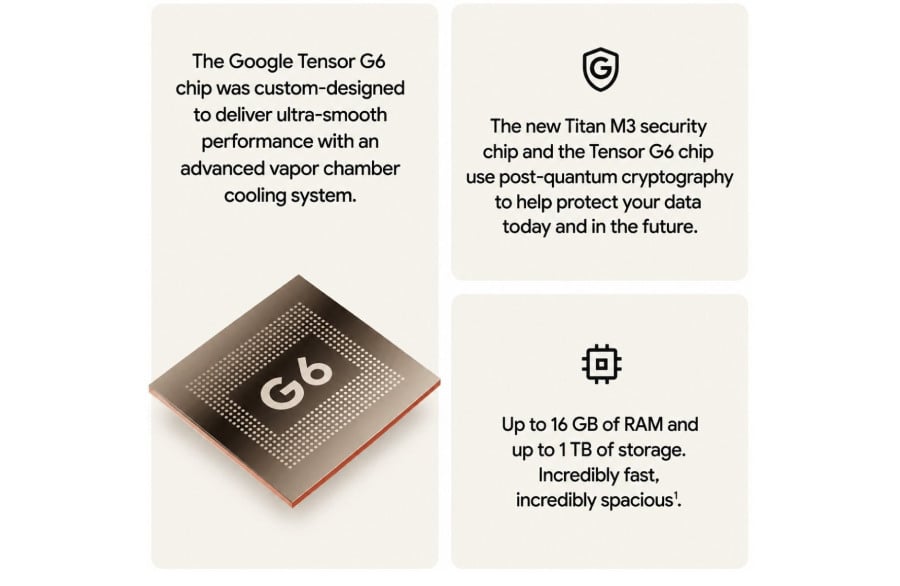
Like the rest of the Pixel 11 lineup, the Pixel 11 Pro Fold is powered by Google’s Tensor G6 processor. Google says the new Tensor chip has an upgraded TPU that is optimized for on-device AI models such as Gemini Nano. The company claims that the new TPU provides 50% more computing power than the Tensor G5 for these workloads.
The phone also comes with 16GB of RAM and Google’s Titan M3 security coprocessor. The Pixel 11 Pro Fold launches with Android 17 and will receive seven years of operating system updates, security patches, and Pixel Drop updates.
Camera hardware gets a small upgrade
Google has kept much of the Pixel 11 Pro Fold’s camera system similar to the previous generation, but the main camera does get an upgrade.
The foldable now features a 48MP primary camera, along with a 10.5MP ultrawide camera and a 10.8MP telephoto camera with 5x optical zoom. Super Res Zoom can reach up to 30x. The new main camera is claimed to offer 56% better light sensitivity than the previous model.
There are also two 10MP selfie cameras, one on the outside and another on the inner display.
Google is also adding software-based camera features, including Magic Capture, which can automatically select moments and capture photos, while Camera Looks lets users apply customizable visual styles.
The camera strip also includes the new HiLight indicator. It glows in different colors to indicate messages and other activities. Google says the system can even work with WhatsApp notifications.
Smaller battery but faster wireless charging
The Pixel 11 Pro Fold comes with a 4,750mAh battery, which is smaller than the 5,015mAh battery found in the previous model. However, Google says the Tensor G6 is 20% more power efficient than the Tensor G5. The company claims the phone can provide more than 24 hours of use on a single charge.
Wired charging can take the phone to 50% in around 30 minutes with a compatible charger. The foldable also supports 25W Qi2.2 wireless charging through Google’s Pixelsnap system.
Price and availability
The Pixel 11 Pro Fold starts at $1,899. Storage options include 256GB, 512GB, and 1TB, with higher-capacity versions costing more.
The new foldable is $100 more expensive than the equivalent Pixel 10 Pro Fold configurations at launch. Google is trying to offset some of the increase by offering six months of Google AI Pro, which includes Google Health Premium and 5TB of Google One cloud storage.
The Pixel 11 Pro Fold is available in Obsidian and Olive. It also includes a physical SIM card slot, unlike the US versions of the standard Pixel 11, Pixel 11 Pro, and Pixel 11 Pro XL.
Google has officially launched its new Pixel 11 lineup containing three slab phones, Pixel 11, Pixel 11 Pro, and Pixel 11 Pro XL, and one foldable. More on the foldable here.
Pre-orders for the Pixel 11 series have started in the US, while sales are scheduled to begin on August 20.
One of the biggest changes across the Pixel 11 range is the increase in base storage. All models now start at 256GB, compared with 128GB on the previous generation. Google says this allows the Pixel 11 and Pixel 11 Pro to maintain the same effective pricing as the 256GB versions of last year’s Pixel 10 and Pixel 10 Pro.
The Pixel 11 series is powered by Google’s new Tensor G6 chipset. According to Google, the new processor improves web browsing performance by 25% and app launch speeds by 15% compared with the previous-generation Tensor G5.
The chip is also designed to work with the latest Gemini Nano models, allowing Google to put more AI processing directly on the phone. Google has also added a new Titan M3 security co-processor on all Pixel 11 phones, while the new Pixel generation puts Gemini features more prominently into the software experience.
All three conventional Pixel 11 models have a thinner body than their predecessors. Google has also redesigned the camera strip to make it narrower and extend the glass design across the back of the phone. Another new addition is called HiLight. It is a small indicator built into the camera strip that lights up during calls or when Gemini wakes up.
2. Pixel 11 specifications and price
The standard Pixel 11 comes in Frost Purple, Hibiscus Peach, Pistachio Green, and Obsidian Black.
The phone has a 48MP primary camera, a 10.8MP 5x optical telephoto camera, and a 13MP ultrawide camera. The telephoto camera supports up to 30x Super Res Zoom. For selfies, the phone has a 10.5MP autofocus front camera.
The Pixel 11 starts at $899 for the 12GB RAM and 256GB storage version. The 12GB/512GB model costs $1,019.
Cameras: 48MP main + 13MP 120° ultrawide + 10.8MP 5x telephoto + 10.5MP 95° front camera
Battery: 4,985mAh
Charging: 30W wired, 25W Qi2.2 Pixelsnap wireless
Software: Android 17
Connectivity: 5G SA/NA, 4G VoLTE, Wi-Fi 6E, Bluetooth 6 LE, UWB, NFC, USB Type-C 3.2, dual-band GNSS, Satellite SOS (US only)
SIM: Dual SIM (nano-SIM + eSIM)
Security: Ultrasonic in-display fingerprint scanner, face unlock
Video: Up to 4K at 60fps, 10-bit HDR recording, Cinematic Blur, Super Res Zoom up to 20x
Durability: IP68 dust and water resistance
Dimensions: 152.8 × 72 × 8.6mm
Weight: 197g
3. Pixel 11 Pro gets a larger camera upgrade
The Pixel 11 Pro sits above the standard model and comes with a more advanced camera system. It features a 50MP main camera, a 48MP ultrawide camera with macro focus, and a 48MP 5x telephoto camera. There is also a 42MP front-facing camera.
The Pro model is available with 12GB or 16GB of RAM, depending on storage configuration. The base 12GB/256GB version costs $1,099, while the 16GB/512GB model costs $1,219. The 16GB/1TB version is priced at $1,499.
The phone is offered in Sandstone Pink, Olive Green, Mystic Gray, and Obsidian Black with a matte finish.
The Pixel 11 Pro also gets a Super Actua display with up to 3,600 nits of peak brightness. Google has added a new scratch-resistant coating to the display as well.
Google Pixel 11 Pro specifications
Display: 6.3-inch 1.5K LTPO AMOLED display, 1280 × 2856 pixels, adaptive 1–120Hz refresh rate, up to 2,400 nits HDR brightness and 3,600 nits peak brightness, Corning Gorilla Glass Victus 2
Processor: Google Tensor G6 with Titan M3 security chip
Cameras: 50MP main + 48MP 123° ultrawide with macro support + 48MP 5x telephoto + 42MP 103° autofocus front camera
Battery: 4,850mAh
Charging: 30W wired, 25W Qi2.2 Pixelsnap wireless
Software: Android 17
Connectivity: 5G SA/NA, 4G VoLTE, Wi-Fi 7, Bluetooth 6 LE, NFC, USB Type-C 3.2, dual-band GNSS
SIM: Dual SIM (nano-SIM + eSIM)
Security: Ultrasonic in-display fingerprint scanner, face unlock
Video: Up to 4K at 60fps and 8K at 24/30fps with Video Boost, 10-bit HDR recording, Cinematic Blur, Pro Res Zoom up to 100x
Durability: IP68 dust and water resistance
Colors: Canyon, Fog, Obsidian, Olive
4. Pixel 11 Pro XL is the most expensive traditional Pixel
The Pixel 11 Pro XL shares most of its hardware with the Pixel 11 Pro but comes in a larger form factor.
It starts at $1,299 for the 12GB/256GB version. The 16GB/512GB variant costs $1,419, while the 16GB/1TB model is priced at $1,649.
The Pro XL is available in the same color range as the Pro model and also features the Super Actua display with a peak brightness of 3,600 nits.
There is, however, a notable pricing change compared with the previous generation. Google says the 256GB Pixel 11 Pro XL costs $100 more than the equivalent Pixel 10 Pro XL at launch. The base configuration also drops from 16GB to 12GB of RAM.
Google Pixel 11 Pro XL specifications
Display: 6.8-inch QHD+ AMOLED display, 1344 × 2992 pixels, adaptive 1–120Hz refresh rate, up to 2,400 nits HDR brightness and 3,600 nits peak brightness, Corning Gorilla Glass Victus 2
Processor: Google Tensor G6 with Titan M3 security chip
Cameras: 50MP main + 48MP 123° ultrawide with macro support + 48MP 5x telephoto + 42MP 103° autofocus front camera
Battery: 5,115mAh
Charging: 45W wired, 25W Qi2.2 Pixelsnap wireless
Software: Android 17
Connectivity: 5G SA/NA, 4G VoLTE, Wi-Fi 7, Bluetooth 6 LE, NFC, USB Type-C 3.2, dual-band GNSS
SIM: Dual SIM (nano-SIM + eSIM)
Security: Ultrasonic in-display fingerprint scanner, face unlock
Video: Up to 4K at 60fps and 8K at 24/30fps with Video Boost, 10-bit HDR recording, Cinematic Blur, Pro Res Zoom up to 100x
Durability: IP68 dust and water resistance
Colors: Canyon, Fog, Obsidian, Olive
5. Seven years of software support
Google is continuing its long software support policy with the Pixel 11 series. The new phones will receive seven years of operating system updates, security patches, and Pixel Drop updates.
The Pro models also come with six months of Google AI Pro at no additional cost. The package includes access to Google’s Gemini Premium plan, 5TB of cloud storage, and Google Health Premium.
The Pixel 11, Pixel 11 Pro, and Pixel 11 Pro XL sold in the US are eSIM-only. Physical SIM support remains available in Canada and other international markets.
For more daily updates, please visit our News Section.
Citizen has expanded its recently launched Peyten watch series in the UK with a new gold-tone variant, the EM1232-59D. It is priced at £269.00 and joins the blue and purple dial variants introduced earlier this month.
Edited
Design Details
The EM1232-59D is built around a 30mm gold-tone stainless steel case, placing it firmly in the category of smaller, more traditional wristwatches rather than the oversized designs often seen in modern smartwatches or chronographs. The dial features a mother-of-pearl finish, standard applied hour markers, and a basic three-hand layout for standard timekeeping. There are no date windows or additional complications on the face.
Citizen has opted for a mineral crystal to protect the dial. While this is standard for watches in the sub-£300 price tier, mineral glass is more susceptible to scratches over time compared to the sapphire crystal materials usually reserved for higher-end models. The watch is paired with a matching gold-tone stainless steel bracelet that fastens using a standard fold-over clasp with push buttons.
The watch is powered by Eco-Drive technology, a proprietary solar-powered system. Instead of relying on a standard replaceable quartz battery or a mechanical mainspring, Eco-Drive uses a solar panel located beneath the dial to draw in both natural and artificial light. This light is converted into electrical energy and stored in a rechargeable cell. As long as the watch receives regular exposure to light, it will continue to run without requiring a battery replacement.
For durability, the watch carries a water resistance rating of 50 meters (5 Bar). This means the case is sealed well enough to handle exposure to water during surface swimming or showering, but it is not intended for diving or high-impact water activities.
The Peyten EM1232-59D is currently available for purchase in the UK.
Redmi officially introduced its latest flagship smartphones, the Redmi K100 Pro and Redmi K100 Pro Max, in China yesterday. Just a day after launch, we are here with our first impressions of the two devices.
After going hands-on with both phones, it is clear that Redmi has made some interesting choices. The K100 Pro series brings massive batteries, fast charging, high-refresh-rate displays, upgraded cameras, and, on the Pro Max, a unique 2.1-channel speaker system.
The design, however, remains the same as the previous generation. They feature an aluminum alloy frame, a glass back, and IP68 and IP69 ratings for dust and water resistance. Other useful features include NFC and an IR blaster.
The standard K100 Pro also gets an interesting green color option. Its fluorescent back can absorb light and glow in the dark. You can even shine a light on the back to create custom glowing patterns.
However, there is one downgrade. The regular K100 Pro uses a USB 2.0 port. In the box, both phones come with a 100W charger, USB cable, SIM ejector tool, documentation, and a clear hard plastic case.
K100 Pro Max Brings a Unique Speaker Setup
One of the biggest differences between the two phones is their audio system. The Redmi K100 Pro Max features a 2.1-channel speaker system co-engineered with Bose. It includes a dedicated rear subwoofer placed next to the camera module, along with upgraded acoustic outlets and stereo speakers.
The bottom speaker module also gets a new LED accent light for some visual flair. On the contrary, the regular K100 Pro does have stereo speakers, but does not include the dedicated subwoofer.
Another difference is that the K100 Pro Max is powered by the Snapdragon 8 Elite Gen 5, while the standard K100 Pro uses the Snapdragon 8 Gen 5V series processor.
The 8 Elite Gen 5V is a slightly cut-down version, with four fewer GPU compute units and 6MB less GPU cache than the standard Snapdragon 8 Elite Gen 5.
Both chips are still high-end platforms and should handle demanding apps, gaming, and other heavy workloads without major problems.
185Hz Displays on Both Models
The display is another major highlight. Both smartphones use panels with the same overall technology, with the main difference being their physical size.
The refresh rate has been increased to 185Hz, and the panels use an RGB S-strip pixel layout with improved green emissive materials. According to Redmi, the new display technology improves clarity while also reducing power consumption.
Both phones now feature a 200MP primary camera. The K100 Pro Max retains a dedicated telephoto camera and a 17mm ultra-wide camera from its predecessor.
Interestingly, the regular K100 Pro has some advantages of its own. Its telephoto camera can also be used for macro photography, with a minimum focusing distance of just 10cm. It also offers a wider ultra-wide field of view than the Pro Max.
The standard Redmi K100 Pro comes with an 8,580 mAh battery, while the K100 Pro Max packs a battery larger than 9,000mAh. Despite the huge batteries, both support 100W wired charging and 50W wireless charging.
For more daily updates, please visit our News Section.
Honor has unveiled the much anticipated and futuristic Robot Phone, which comes with a robotic gimbal camera, in China. At the same event, the brand also offered the first official glimpse of the upcoming Honor Magic 9 series, revealing its new camera design and ARRI imaging collaboration ahead of its September launch.
Honor Magic 9 series design revealed with ARRI imaging collaboration
Honor Magic 9 blind pre-orders are now live in China
The Honor Magic 9 series is officially set to arrive in September, and the company has already started receiving its blinders through the Honor Shop (online store) in China. The first official glimpse reveals a large circular rear camera module placed towards the upper-left corner, marking a departure from the previous generation’s centred circular camera design.
The visible design shows a premium metal frame, a refined antenna layout, and an ARRI branding mark placed around the camera module. The camera island appears inspired by professional cinema equipment, with a large circular layout housing multiple sensors. Honor is expected to bring ARRI’s color science and imaging technologies to the Magic 9 series, including ARRI LogC3, ARRI Look, and an ARRI cinema mode.
Honor Magic 9 design teased
Honor previously announced a global imaging partnership with ARRI, a German cinema technology company known for its professional cameras and film-making solutions. The Magic 9 series is expected to be among the upcoming consumer devices that benefit from this collaboration.
The lineup is expected to include three models: the standard Magic 9, Magic 9 Pro, and Magic 9 Pro Max. The series is tipped to be among the first smartphones powered by the Snapdragon 8 Elite Gen 6 Pro flagship platform. Other expected upgrades include enhanced AI features and improved imaging capabilities.
Reports suggest the series may include dual 200-megapixel cameras and Honor’s in-house imaging chip. The phones are also expected to introduce a new software experience focused on more advanced AI interactions.
If you carry a laptop, a smartphone, and a few accessories like wireless earbuds or a tablet on a daily basis, you already know how inconvenient it can be to manage all their separate power adapters. Over the last few years, Gallium Nitride (GaN) technology has become the standard for consumer electronics, allowing manufacturers to build chargers that handle high wattages without taking up too much space in a bag.
Now that we are in 2026, the current generation of chargers easily surpasses the 100W mark, which is generally enough to power a large laptop while simultaneously charging a phone. Many of these newer models also include helpful additions like digital displays and better heat management. Here is a look at some of the most capable 100W+ GaN chargers currently on the market, categorized by what they do best.
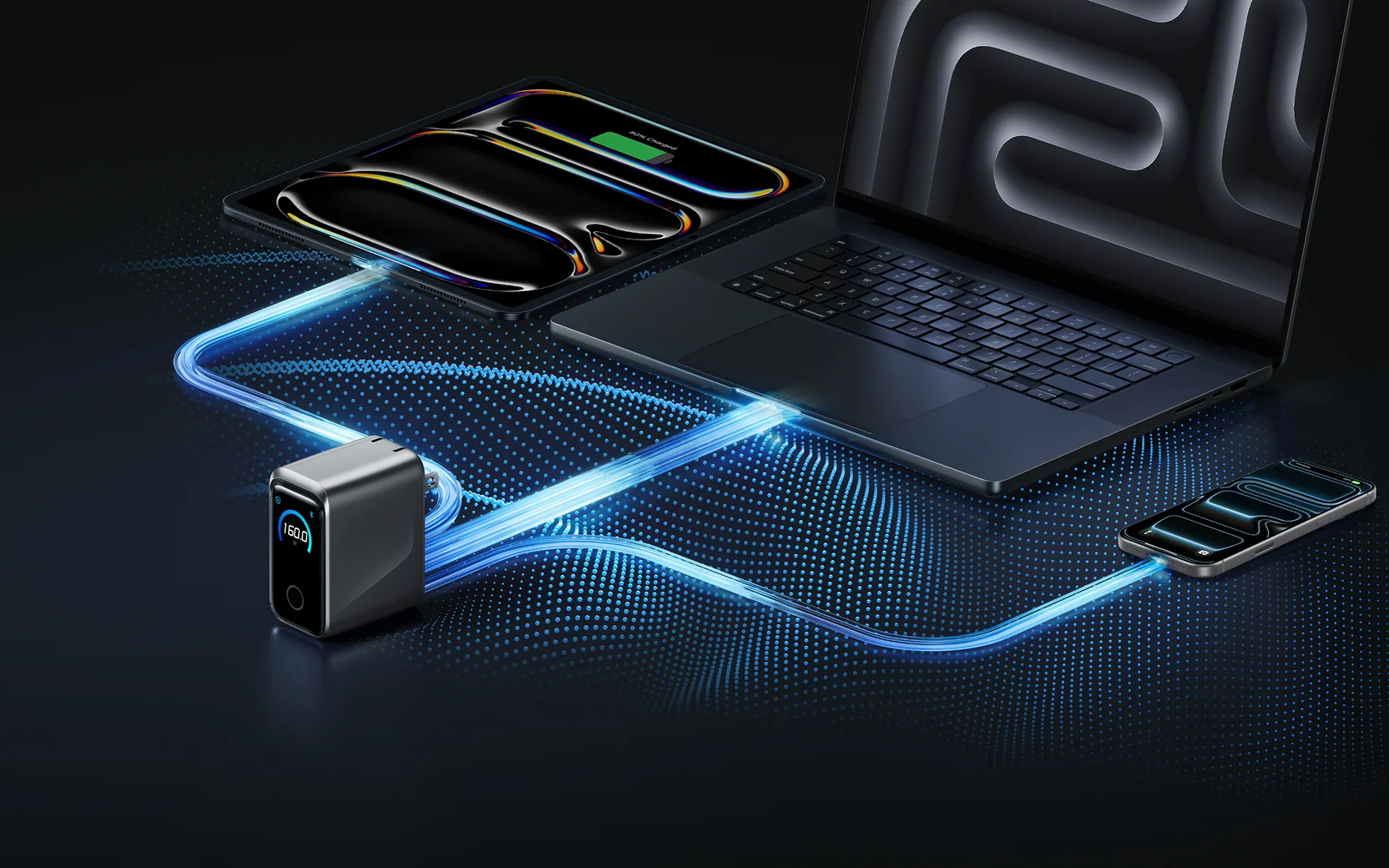
The Prime series is designed for users who want high power output in a small package. The 160W Prime Charger is compact enough to easily fit into a travel bag, with a footprint roughly the size of a wireless earbuds case. It features three USB-C ports with a total combined output of 160W. If you are only plugging in one device, a single port can deliver up to 140W, which is enough to charge a 16-inch MacBook Pro at its maximum speed.
To manage heat, it uses Anker’s active thermal management system that continuously monitors the temperature to prevent the charger from getting too hot during extended use. It also includes a smart display that shows real-time power distribution for each port. You can use the screen to switch between different power allocation modes, or you can manage these settings via Bluetooth using the Anker app.
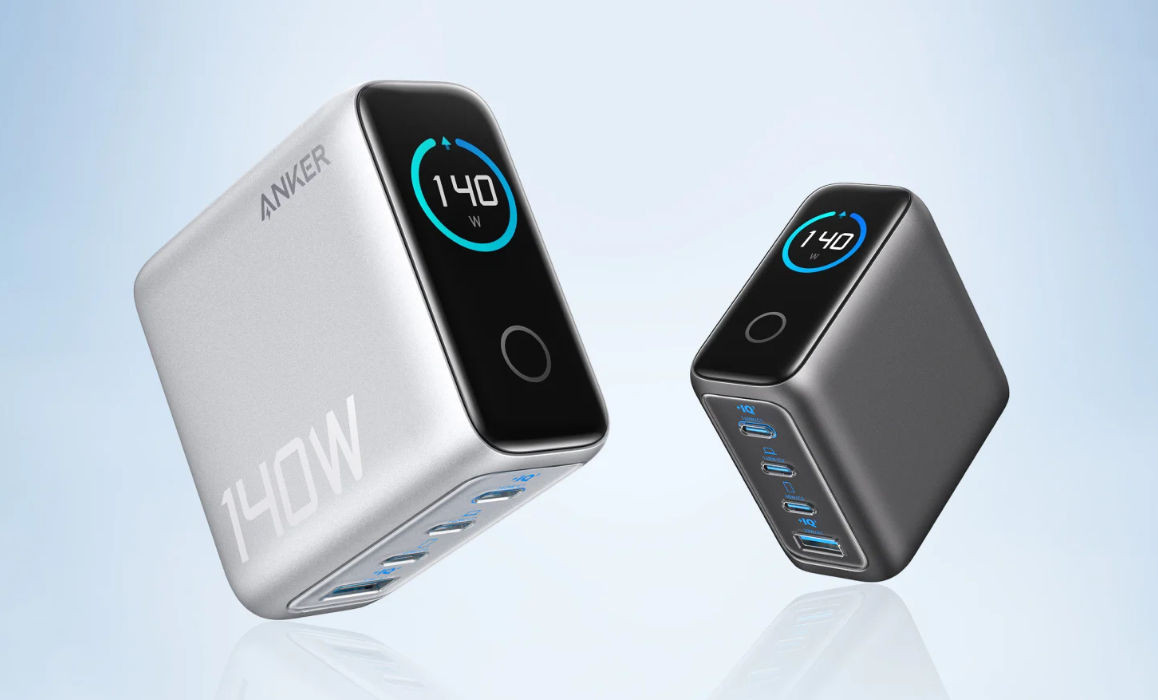
If you need to charge four devices at once and still have legacy cables, Anker’s 140W 4-Port model is a practical alternative. It has a stacked design with covered pins to help it stay securely plugged into loose wall outlets. This model provides three USB-C ports and one USB-A port. It supports the PD 3.1 standard, allowing for a 140W maximum output from a single USB-C port, or it can evenly split the power to 70W per port if you plug in two laptops.
Built with GaN technology, it includes an AI-driven temperature control system that automatically reduces power output if the charger reaches its thermal limit under a full load. It also features a touchscreen display that provides instant updates on the power output, the status of each port, and the internal temperature.
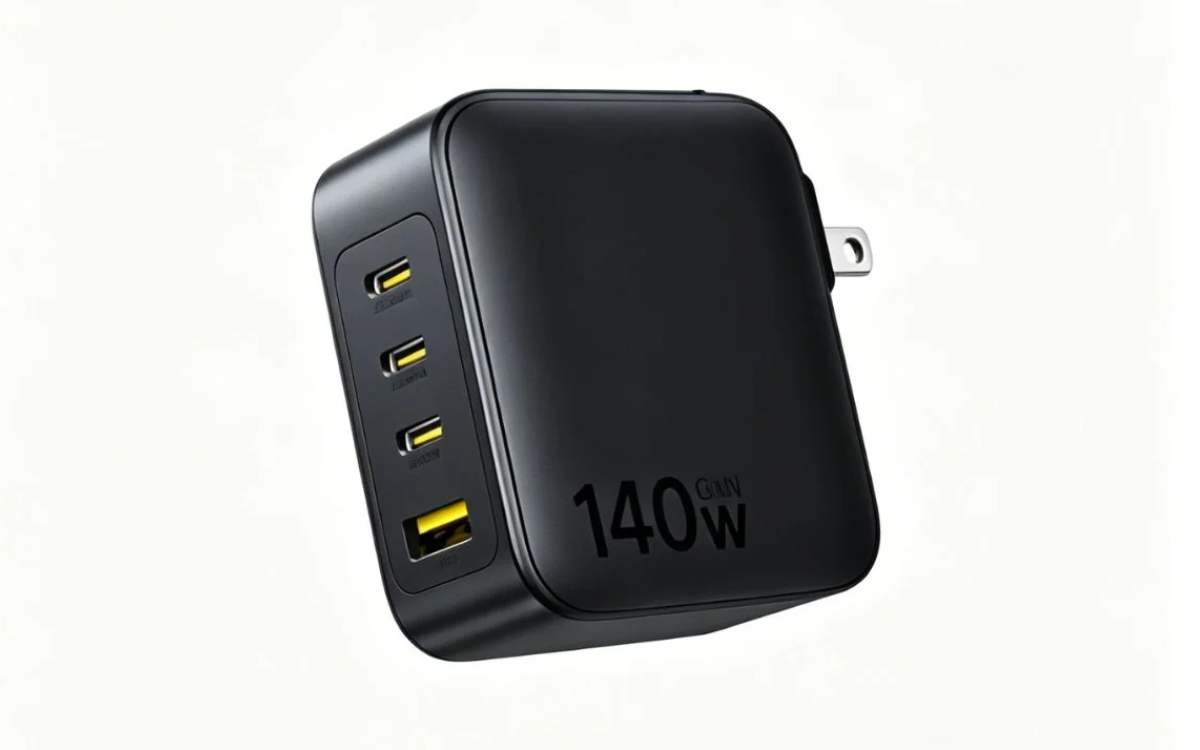
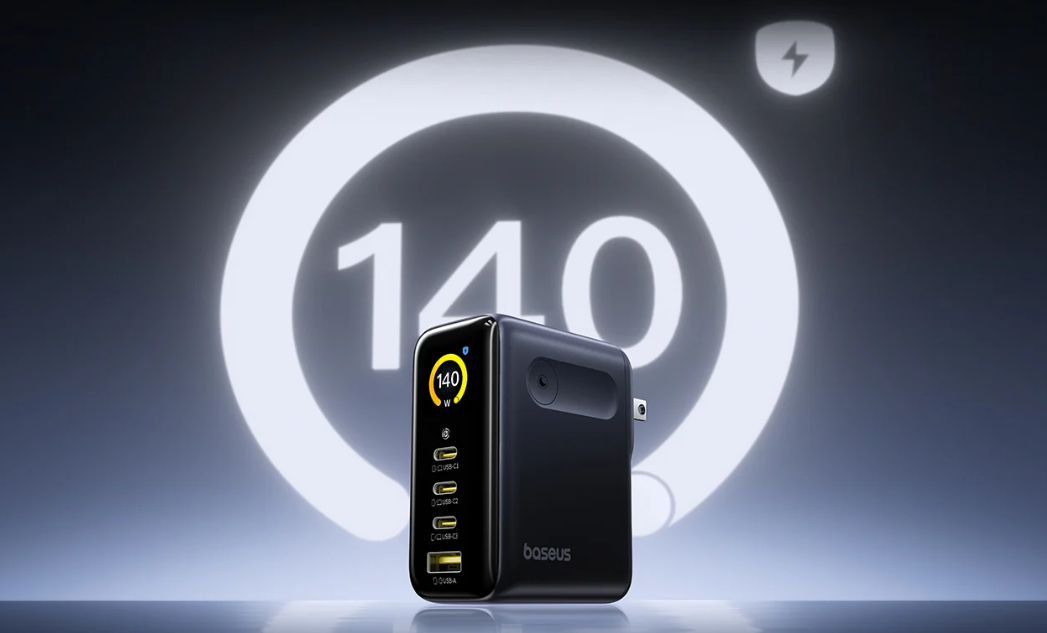
The Baseus EnerFill FH11 is a straightforward, functional charger. It skips the built-in screens and Bluetooth connectivity in favor of a simple design that gets the job done. It comes with three USB-C ports and one USB-A port, supporting PD 3.1 to output 140W from a single port or 70W each to two laptops simultaneously.
The internal GaN tech allows for a high energy conversion rate, and it monitors its own temperature frequently to keep the exterior relatively cool. Its main appeal is its physical design, which includes foldable prongs and a footprint that is notably smaller than standard 140W adapters. Because it lacks the smart screens of its competitors, it comes in at a more affordable price point.
For those who like the Baseus port layout but want the visual feedback of a screen, the PicoGo AH11 is the upgraded option. It shares the same layout of three USB-C ports and one USB-A port, and supports 140W full-speed charging. Baseus put a lot of focus on cooling for this model, using an active cooling structure and graphene thermal materials to maintain a safe operating heat.
The built-in smart display shows the current power flow, temperature, and an estimate of the remaining charging time. You can turn the screen off with a button press if you find the light distracting. It also uses dynamic power distribution to allocate wattage without interrupting the charge when you connect a new device.
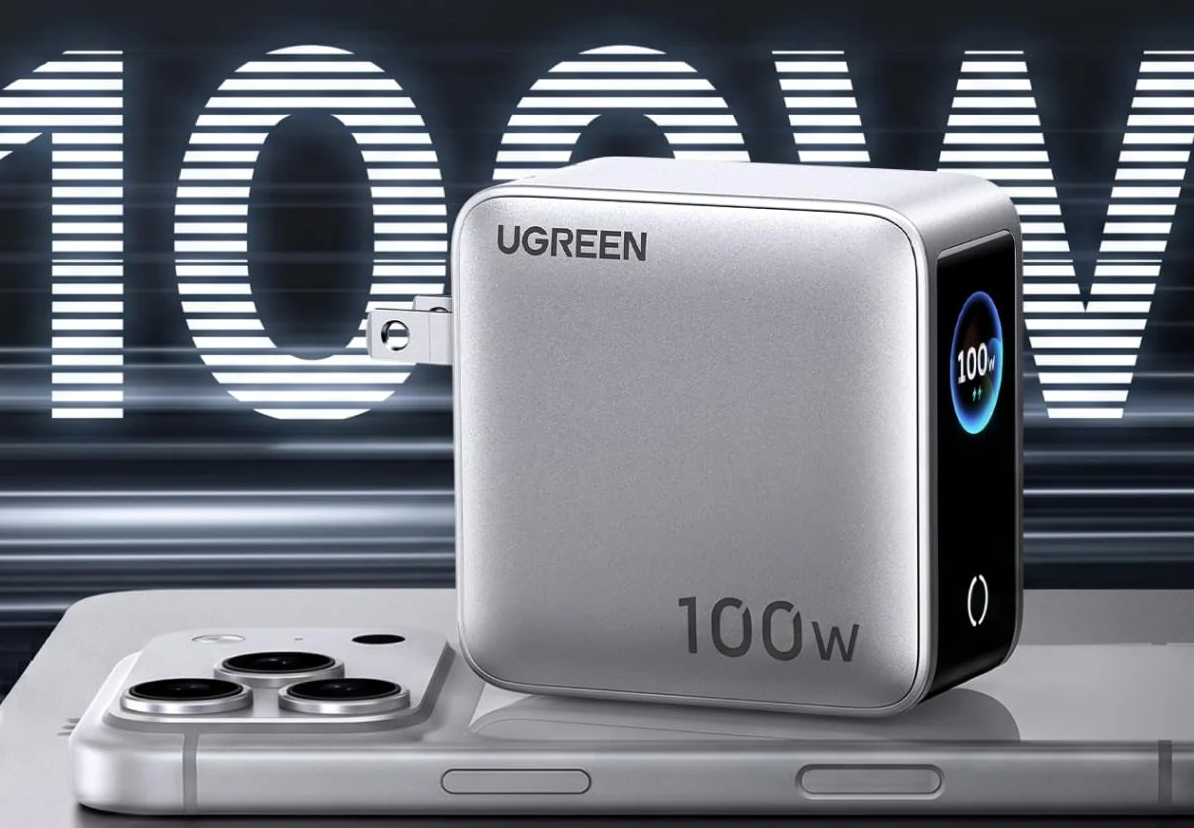
Not everyone needs 140W of power. If you use a 13-inch or 14-inch laptop, a 100W charger is usually more than enough. The Ugreen Nexode Pro 100W is a well-built option with a metal exterior that looks nice on a desk. It offers three USB-C ports and one USB-A port, with a maximum output of 100W from a single port.
It includes standard protections against overheating, overvoltage, and short circuits to ensure a steady power delivery. It also features a rotatable touch screen that displays the total wattage, single-port power, and internal temperature. Ugreen programmed interactive emoticons into the display as well.
This charger comes with a built-in retractable cable, offering a convenient take on the increasingly common integrated-cable design. It delivers up to 160W of total output across the retractable USB-C cable, two standard USB-C ports, and one USB-A port. The built-in cable or a single port can provide up to 140W of power.
It uses a thermal guard system that utilizes graphene for heat dissipation, housed in a flame-retardant shell. The retractable cable is rated for over 10,000 stretches. It also has a rotatable touch screen and connects to a phone app via Wi-Fi or Bluetooth for remote management and firmware upgrades.
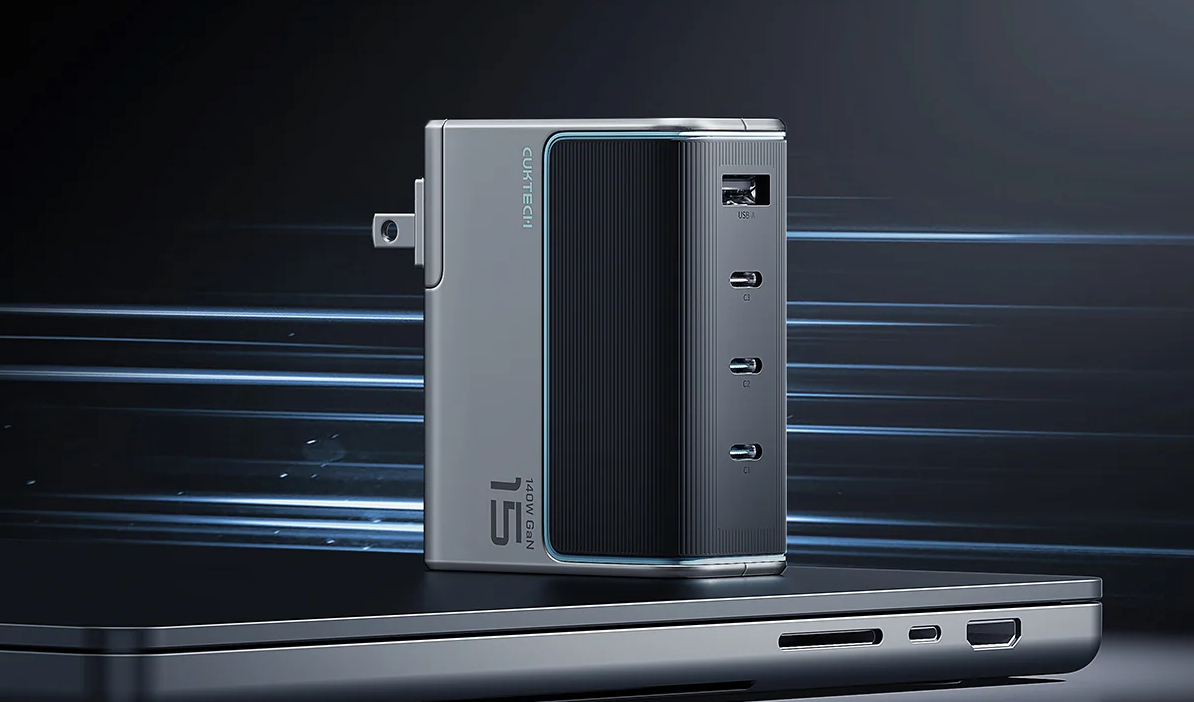
Cuktech is a reliable brand that often provides good value. Their 140W 4-in-1 charger is a compact device that conveniently includes a high-capacity cable in the box. It features three USB-C ports and one USB-A port, supporting the PD 3.1 protocol for a maximum 140W output.
It is quite small, weighing 335 grams, and relies on an internal system for real-time temperature monitoring and dynamic power distribution. It doesn’t have a screen, but it smartly adjusts its output based on the charging status of connected devices. It comes with a 1.5-meter 240W USB-C cable, saving you from having to buy a separate cord.
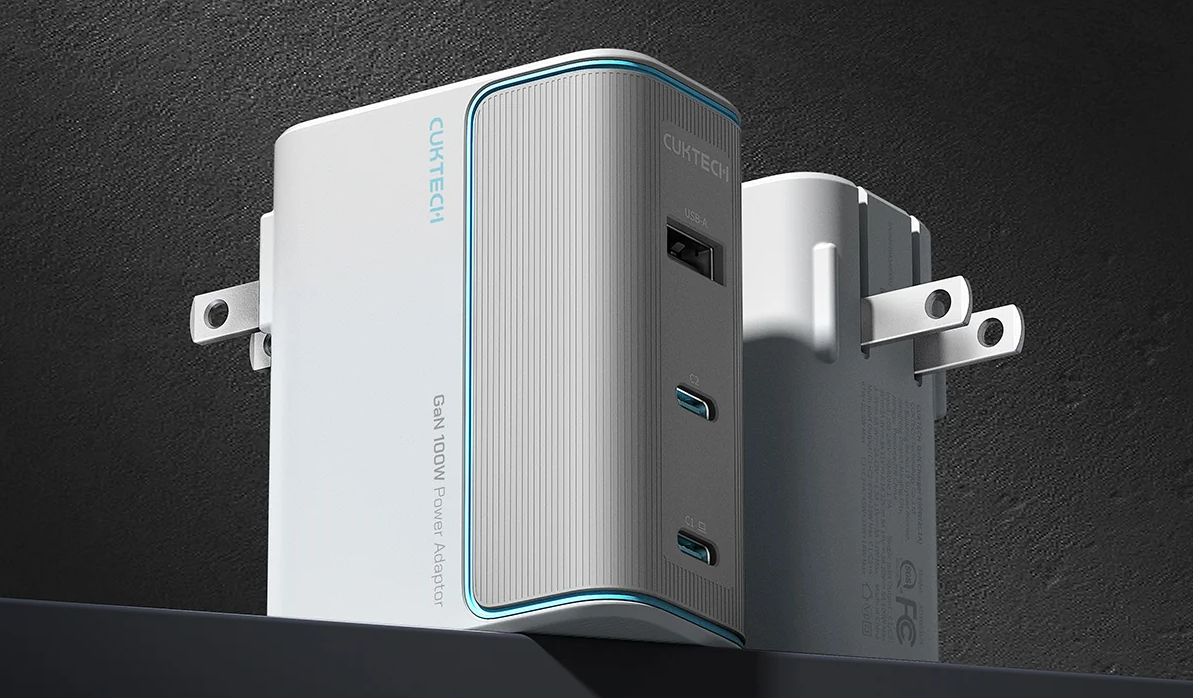
The Cuktech N0.10 is a solid baseline option if you want a modern GaN charger without any extra frills. It is designed for everyday carry and standard charging needs, featuring two USB-C ports and one USB-A port. The maximum output is 100W, which is suitable for charging a standard laptop alongside a phone and a tablet.
It uses GaN technology to maintain a stable power output over long periods, and the internal layout is designed to minimize heat generation. It automatically detects the connected device to provide the correct charging protocol. Like the 140W version, it includes a high-wattage cable in the box.
India’s smartphone market is shipping fewer phones, but the money side of things is still growing. That’s the main takeaway from IDC’s latest numbers for the first half of 2026. Chinese brands that have long ruled the volume charts are taking the biggest hits, while Samsung and Apple are holding steady or even gaining ground.
Total shipments dropped 7.9% year-on-year in H1 to 64.2 million units, the lowest first-half figure in five years. Q2 was even softer, down 11.1% to 33.2 million units. Despite the lower volumes, market value actually rose 3.6%. Higher average selling prices are the reason, as brands pass on the increased costs of memory, storage and displays. Online discounts have also become harder to find, which has taken some of the shine off the big flash sales that used to drive a lot of volume.
Chinese brands have felt it the most. Vivo stayed on top but still saw shipments fall 13.9% in Q2, dropping its share to 18.4% from 19%. Xiaomi was down 10%, Oppo 8.5%, Realme 14.2% and Poco 12.3%. iQOO took a particularly rough hit with a 61% decline. These brands have traditionally relied on aggressive online promotions and strong budget-to-midrange line-ups, a formula that’s looking less effective as prices climb and buyers get pickier.
Samsung and Apple went the other way. Samsung’s shipments ticked up 0.4%, lifting its share to 16.4% from 14.5%. Apple grew 0.7% and moved to 8.5% share from 7.5%. On the value side Apple did even better, leading the market with a 27% revenue share after a 22.2% year-on-year jump. The iPhone 17 was the single best-selling model in both Q1 and Q2, even with supply constraints on several iPhone generations.
Looking ahead, IDC expects the second half of 2026 to stay tough. Shipments could fall more than 15% year-on-year, putting full-year volumes somewhere around 128-130 million units. The Indian market is starting to look a bit more like mature ones: longer replacement cycles, less automatic brand loyalty, and people still ready to spend, but only when they feel they’re getting clear value.
Brands that depend on pushing huge unit numbers are under pressure, while those with stronger pricing power and more premium offerings are better placed to handle the slowdown.
Honor Robot Phone is all about its robotic gimbal camera
You get a phone that folds a full camera rig into its body. Honor calls it a titanium alloy gimbal, which the company built from aerospace-grade titanium and shrank the whole mechanism by 65% compared to typical gimbals you’d find on a standalone camera.
The motor driving it weighs just 2.6 grams, yet it can spin the camera at up to 360 degrees per second, so it keeps up with fast subjects, quick pans, and sudden stops without a stutter. Honor says it packed over 100 precision parts and more than 60 manufacturing processes into that tiny structure, backed by over 100 patents the company developed in-house.
The camera hardware itself is just as ambitious. You’re looking at a 200MP main sensor sitting on the gimbal, paired with a 50MP ultra-wide lens covering 122 degrees and a 200MP periscope telephoto lens with 2.7x zoom. Honor even built its own image chip for the phone, called the Driving Light H1.
The company has worked with camera manufacturer ARRI to bring professional video features to the smartphone. The Robot Phone supports ARRI LogC3 encoding and LUT color grading files.
Honor is also introducing ARRI Look for mobile imaging, which lets users apply cinematic color effects with a single tap. The more advanced ARRI Cinema Mode includes features such as false-color monitoring, focus peaking, and cinematic aspect ratios.
YOYO Pro brings AI automation to the phone
The other major part of the Robot Phone is its AI system. Honor introduced its new YOYO Pro mode that can apparently perform long and complicated tasks automatically.
According to Honor, YOYO can execute more than 100 steps consecutively from a single command. Honor has also worked with Alibaba’s Qwen large language model to develop an AI solution optimized for mobile devices.
The company is positioning YOYO Pro as more than a traditional voice assistant. It can understand the user’s situation, recognize emotional states, and learn from usage habits and the surrounding environment. Honor says this is part of its larger push toward “embodied intelligence,” where AI can interact with the physical world and perform actions on behalf of the user.
The Robot Phone also introduces a YOYO Skills Store where users can install new skills with a single click. Honor says developers and creators can also use more than 100 system resources to create their own features.
Compact display and flagship hardware
The Honor Robot Phone features a 6.31-inch flat LTPO display with a 2640 x 1216 resolution. The screen can reach a peak brightness of 6,800 nits and uses an AR reflective film.
Under the hood, the phone is powered by Qualcomm’s Snapdragon 8 Elite Gen 5 processor. It comes with up to 16GB of RAM and 1TB of storage.
The phone also uses a four-microphone array with an AI intelligent pointing algorithm. Honor says the direction of sound pickup can follow the camera’s gaze.
The combination of the mechanical camera system, large battery, and flagship hardware makes the Robot Phone a relatively heavy smartphone at 248 grams. However, Honor says its engineering work allowed all of these components to fit into a body that is just 9.59mm thick.
Honor Robot Phone Price and Availability
The Honor Robot Phone has been launched in two configurations. The 12GB RAM and 512GB storage model costs 9,999 yuan ($1,482), while the 16GB RAM and 1TB storage model will go for CNY 12,999 ($1,927).
The phone will be available in two colors: Star Trail Silver and Moon Shadow Gray. It will officially go on sale on August 18.
For more daily updates, please visit our News Section.
Boat has expanded its home audio lineup in India with the launch of the new Aavante Bar Prime series. The range includes three soundbars designed to deliver immersive audio experiences for movies, gaming, sports and music, with features such as Dolby technologies, multi-channel sound and powerful bass.
Boat Aavante Bar Prime series: All the key features
Boat Aavante Bar Prime soundbar series unveiled
The new Boat Aavante Bar Prime series includes the Aavante Bar Prime DA600, Aavante Bar Prime B450 and Aavante Bar Prime Thunder-D. The flagship DA600 model delivers 600W sound output with 5.2-channel surround sound, Dolby Atmos support, dual wired subwoofers and dual rear satellite speakers.
The Aavante Bar Prime B450 offers 450W sound output along with 5.2-channel surround sound, dual wired subwoofers and rear satellite speakers. Meanwhile, the Aavante Bar Prime Thunder-D is designed as an everyday entertainment soundbar with Dolby Audio and balanced acoustics.
Across the lineup, the soundbars support multiple connectivity options, including Bluetooth v5.3, HDMI eARC, USB, AUX and Optical connectivity. This allows users to connect them with televisions, gaming consoles and other entertainment devices.
The series is designed for users looking to enhance their home entertainment setup with a dedicated audio solution. With features such as Dolby audio technologies, dual subwoofers and surround sound support, the Aavante Bar Prime range aims to deliver a more immersive experience while watching movies, streaming content, gaming or listening to music.
Price and availability
The Boat Aavante Bar Prime DA600, Aavante Bar Prime B450 and Aavante Bar Prime Thunder-D are priced between Rs 12,999 and Rs 18,999 in India. The soundbars are available through Boat’s official website, Amazon India, Flipkart and leading offline retail outlets across the country.
Vivo unveiled the Vivo X300 FE in May this year. At the time, the smartphone was introduced in 256GB and 512GB storage versions, with both variants offering 12GB of RAM. Now, the brand has introduced a new RAM configuration for the phone, making it the most affordable variant in the lineup, but there is a catch.
The newly launched Vivo X300 FE 8GB+256GB variant is priced at Rs 84,999 (~$890) in India. It is now available for purchase through Flipkart, Amazon, Vivo’s official online store, and authorized retail partner outlets across the country. It comes in color options like Urban Olive, Lilac Purple and Noir Black color options.
The new variant joins the existing 12GB+256GB and 12GB+512GB models, which are currently priced at Rs 89,999 (~$943) and Rs 99,999 (~$1,048), respectively. It offers the same storage capacity as the base model but comes with 8GB of RAM instead of 12GB, making it the most affordable way to get the Vivo X300 FE.
Vivo is offering several launch benefits with the new variant. Online buyers can avail a flat 10% instant bank discount or UPI offer using select SBI, HDFC, and Axis Bank cards. Customers can also choose up to 24 months of no-cost EMI or a 10% exchange bonus.
Offline buyers can get up to 24 months of no-cost EMI at Rs 3,542 per month with zero down payment. Other benefits include up to 10% instant cashback on select bank cards from SBI, HDFC, IDFC, DBS, Kotak, Axis and other banks, along with an upgrade bonus of up to 10%. Buyers can also opt for V-Shield protection plans starting at Rs 2,550 (~$27), a 60% assured buyback plan for Rs 799 (~$8), and Jio benefits offering up to 5,000GB of data.
What’s the catch?
Vivo X300 FE and its telephoto extender accessory
While the new model is the most affordable variant of the Vivo X300 FE, it still carries a premium price tag. The smartphone initially launched in May at Rs 79,999 (~$838) for the 12GB+256GB variant and Rs 89,999 (~$943) for the 12GB+512GB model. The pricing was later revised, with the two variants increasing to Rs 86,999 (~$912) and Rs 96,999 (~$1,017), respectively.
The latest price revision has pushed the existing models further up, with the 12GB+256GB and 12GB+512GB variants now listed at Rs 89,999 (~$943) and Rs 99,999 (~$1,048) on Flipkart and Vivo’s website. As a result, the new 8GB+256GB variant provides a lower entry point into the Vivo X300 FE series, although it remains a premium smartphone offering.
To know more about the Vivo X300 FE and its complete specifications, readers can check out our review.
Realme has added another phone to its Number series in India with the 16x 5G. It’s a mid-range device that focuses on solid battery life and a high-refresh display. The phone goes on sale from August 13 and is aimed at people who want reliable everyday performance without jumping into premium prices.
Under the hood sits the MediaTek Dimensity 6300, a 6nm chip, paired with LPDDR4X RAM and UFS 2.2 storage. It runs Realme UI 7.0 based on Android 16. Cooling is handled by a 5,300mm² “AirFlow EV System” along with GT Boost. Realme is claiming five years of smooth performance.
The 6.81-inch HD+ LCD display runs at 144Hz and can hit up to 1,200 nits in high-brightness mode. Battery is a big 7,000mAh unit with 45W SUPERVOOC charging, bypass charging, and 6.5W reverse charging. Realme says it should still hold over 97.28% health after one year and over 94.48% after two years.
Camera setup is straightforward: a 50MP main sensor on the back and an 8MP selfie camera. There are the usual AI tools like Ultra Clarity, Eraser, Glare Remover, Motion Photo, and Dual-View Video, plus Google Gemini support. On the build side an IP65 rating and Rain Touch Mode, so you can use it with wet fingers. The back has a textured finish with metal accents under Realme’s Blooming Design language.
All in all, the Realme 16x 5G is aimed at people who care more about battery life and decent everyday usability than raw performance or a versatile camera setup. It’s trying to be a dependable daily driver for work, streaming, and regular use.
It’s available in three variants: 4GB + 128GB for ₹25,999, 6GB + 128GB for ₹27,999, and 6GB + 256GB for ₹30,999. Colour options are Glory White and Endurance Brown. There’s a ₹2,000 exchange bonus or a ₹1,000 instant discount on EMI, plus no-cost EMI options, so the effective starting price can come down a bit. Sales kick off at 12 PM on August 13 on Flipkart, realme.com, and at regular retail stores.
Noise has entered the gaming audio segment in India with its new Clutch lineup, starting with the Clutch HP-P01 gaming headphone. Designed for Indian gamers, the headset focuses on low-latency audio, long gaming sessions, and cross-platform compatibility.
Noise Clutch HP-P01 specifications and features
Noise Clutch HP-P01
The Noise Clutch HP-P01 comes with a 50mm dynamic driver tuned for directional audio and improved footstep detection during gaming. It supports low-latency wireless connectivity with up to 24ms latency, helping keep audio and gameplay closely synchronised.
The gaming headphone features four connection modes, including 2.4GHz wireless, Bluetooth 6.0 and 3.5mm wired connectivity. It is compatible with PCs, laptops, PlayStation 4, PlayStation 5, Xbox, Nintendo Switch and mobile devices.
For communication during multiplayer sessions, the HP-P01 comes with a detachable cardioid boom microphone. It also supports 7.1 virtual surround sound and includes on-ear controls with microphone mute functionality.
Noise Clutch HP-P01
The headset packs a 600mAh battery that offers up to 40 hours of playback with RGB lighting turned off and up to 20 hours with RGB lighting enabled. It supports USB Type-C charging and takes around two hours to fully charge.
The Clutch HP-P01 features a full-metal frame, fabric-wrapped cushions and weighs 300±5g. It also comes with multi-mode RGB lighting with seven lighting modes. The headset is available in Black/Red, Purple/Gold and Grey/Green colour options.
Noise Clutch HP-P01 price and availability
The Noise Clutch HP-P01 is available for pre-booking through gonoise.com at an introductory price of Rs 4,999. The gaming headphone will officially launch in India on August 27, with deliveries expected to begin around the launch date.
Noise is also offering a pre-order Pass priced at Rs 999, which provides a Rs 2,000 coupon and a Rs 1,000 HDFC card discount. With the Pass benefits, customers can get the headset at an effective price of Rs 3,999, offering total savings of Rs 3,000.
The headset has a listing price of Rs 5,999 and will be available through Noise’s official website. The company plans to expand its Clutch gaming range through 2026.
For more daily updates, please visit our News Section.
A 200MP sensor by itself doesn’t guarantee a good camera. What decides that is the lens attached to it, the size of individual pixels, and the processing that turns raw sensor data into a photo. Most of these phones don’t even shoot at 200MP by default because of what we call pixel binning. The latter is a camera technology that bins pixels together for a cleaner, but lower-resolution image and saves the full count for situations where you specifically want it, like heavy cropping or long-range zoom.
With that out of the way, here are the best camera phones with 200MP sensors that you can get in 2026.
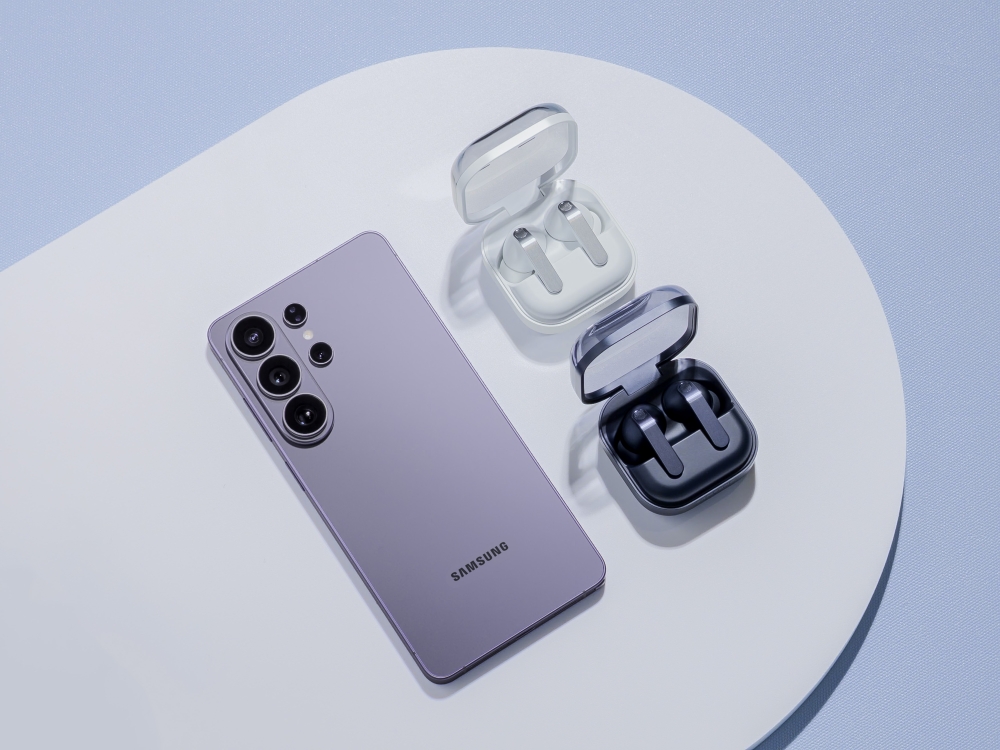
If you want a 200MP camera phone without compromises on other aspects like software reliability or after-sales support, the Galaxy S26 Ultra from Samsung is the best pick.
The phone uses an ISOCELL HP2 200MP sensor as its main unit, and interestingly, it’s the same lens that Samsung has been using since the Galaxy S23 Ultra, but with a bigger f/1.4 aperture instead of f/1.7. That’s the case for and against it. Samsung has been iterating on the same setup for a few years now, so you’re getting a known quantity rather than a leap. As we mentioned before, the phone bins 200MP down to 12.5MP or 50MP for most shots, but you can always switch to full 200MP in settings for more detailed shots.
The rest of the camera lineup includes a 50MP ultrawide, a 50MP periscope for 5x zoom, and a 3x telephoto. The S26 Ultra is best if you want reliable, predictable results and don’t want to think about which lens is doing what.
2. Vivo X300 Pro
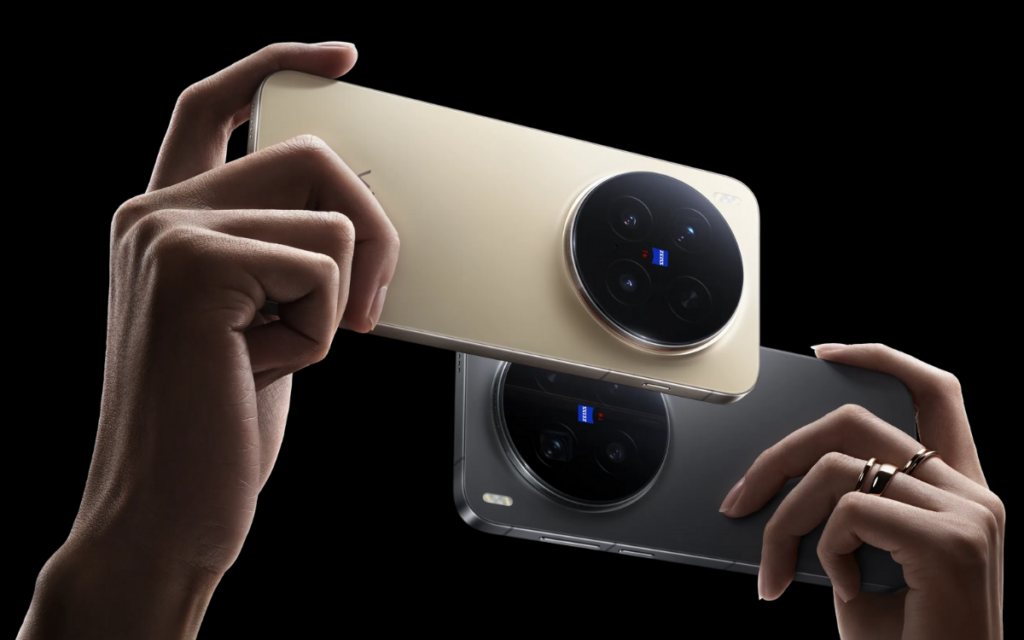
Unlike Samsung, the X300 Pro uses a 200MP sensor behind the telephoto instead of the main camera. Telephoto is the one sensor I love playing with most, and a 200MP in it means it can capture great long-range shots.
The X300 Pro uses a 200MP Samsung ISCOELL HPB sensor at 1/1.4 inches for its 85mm periscope lens, which is actually larger than what most phones use on the main camera, let alone a zoom lens. As a result, the images can even hold up at 3.5x cropping without losing the scene details. Not to forget, the telephoto system also runs through Vivo’s own imaging chip for noise reduction and color processing.
The main camera is a 50MP Sony sensor co-developed with Zeiss, and with gimbal-style stabilization.
3. Vivo X300 Ultra
If the X300 Pro’s single 200MP sensor isn’t enough, Vivo has the X300 Ultra that uses a 200MP for both main and telephoto units. The main camera moves to a new Sony LYTIA 901 sensor, also 200MP and at 1/1.12 inches, one of the largest sensors currently used in a phone. The telephoto keeps a 200MP Samsung HP0 sensor, now with a CIPA 7.0 stabilization rating, so you’re not trading main-camera resolution for zoom performance the way you are on the Pro.
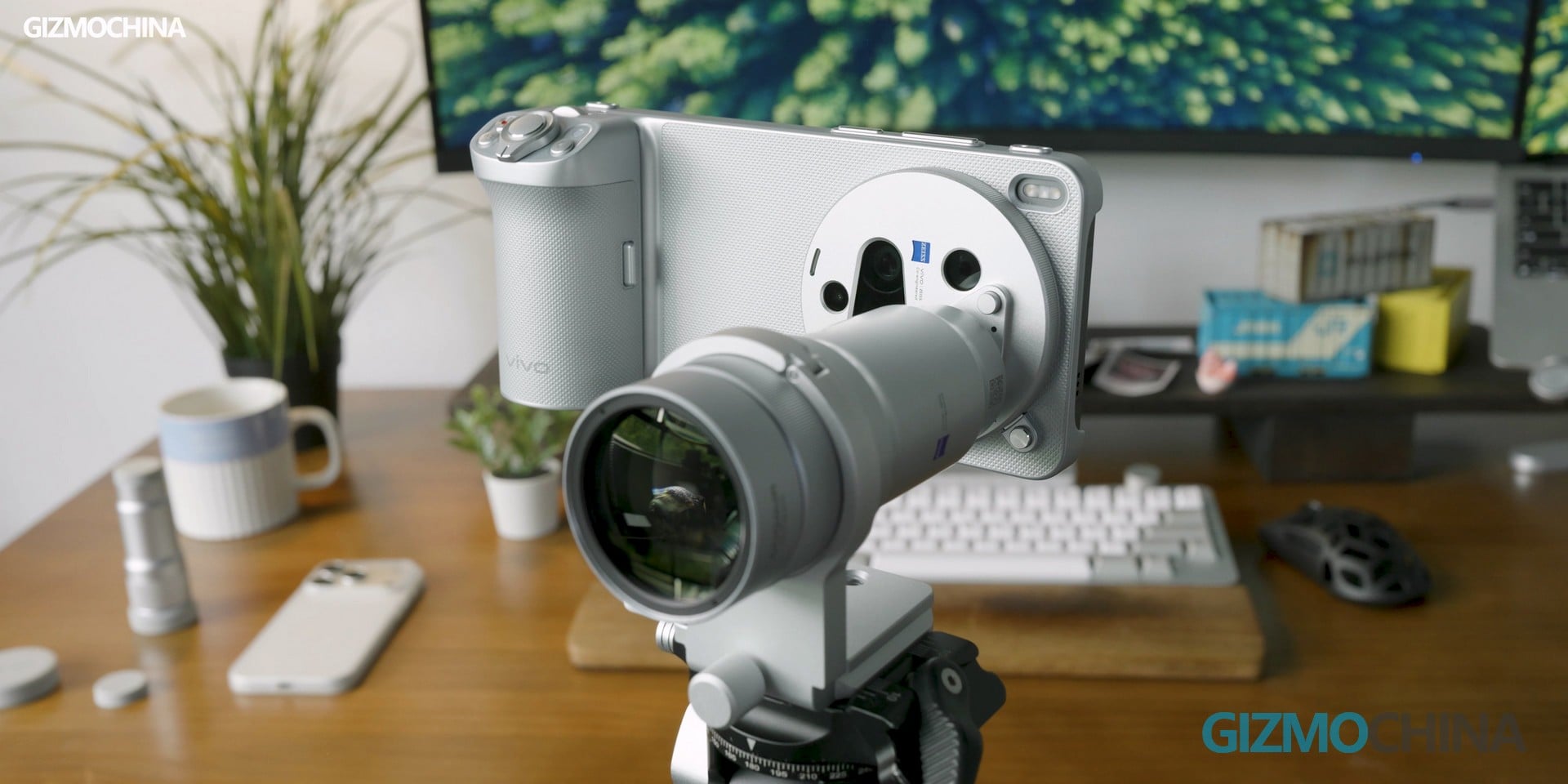
You can even pair the X300 Ultra with an external teleconverter kit that effectively stretches the zoom range to 400mm. Most people won’t use it regularly, but it’s there if you photograph wildlife, sports, or anything else far away.
Rounding out the setup is a 50MP ultrawide unit. This is the pick if you want high resolution everywhere rather than concentrated on one lens, and don’t mind paying the price difference over the Pro to get it.
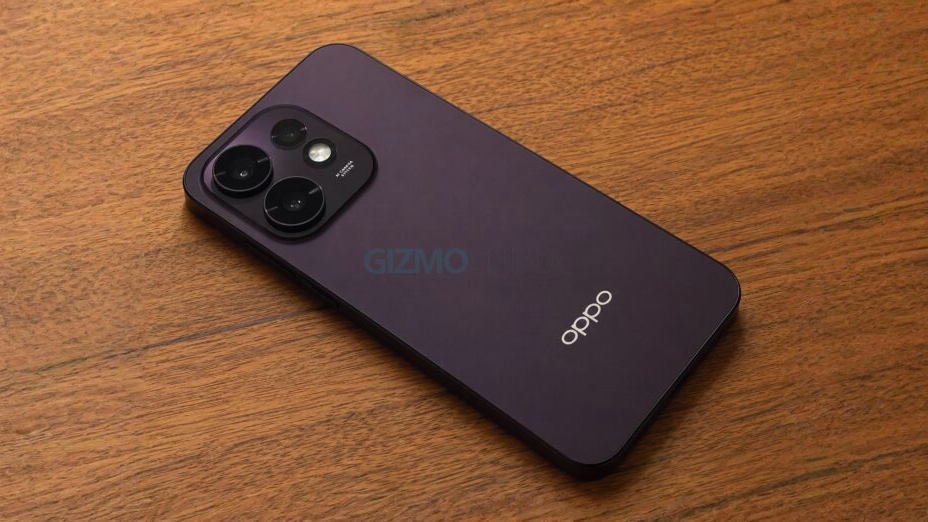
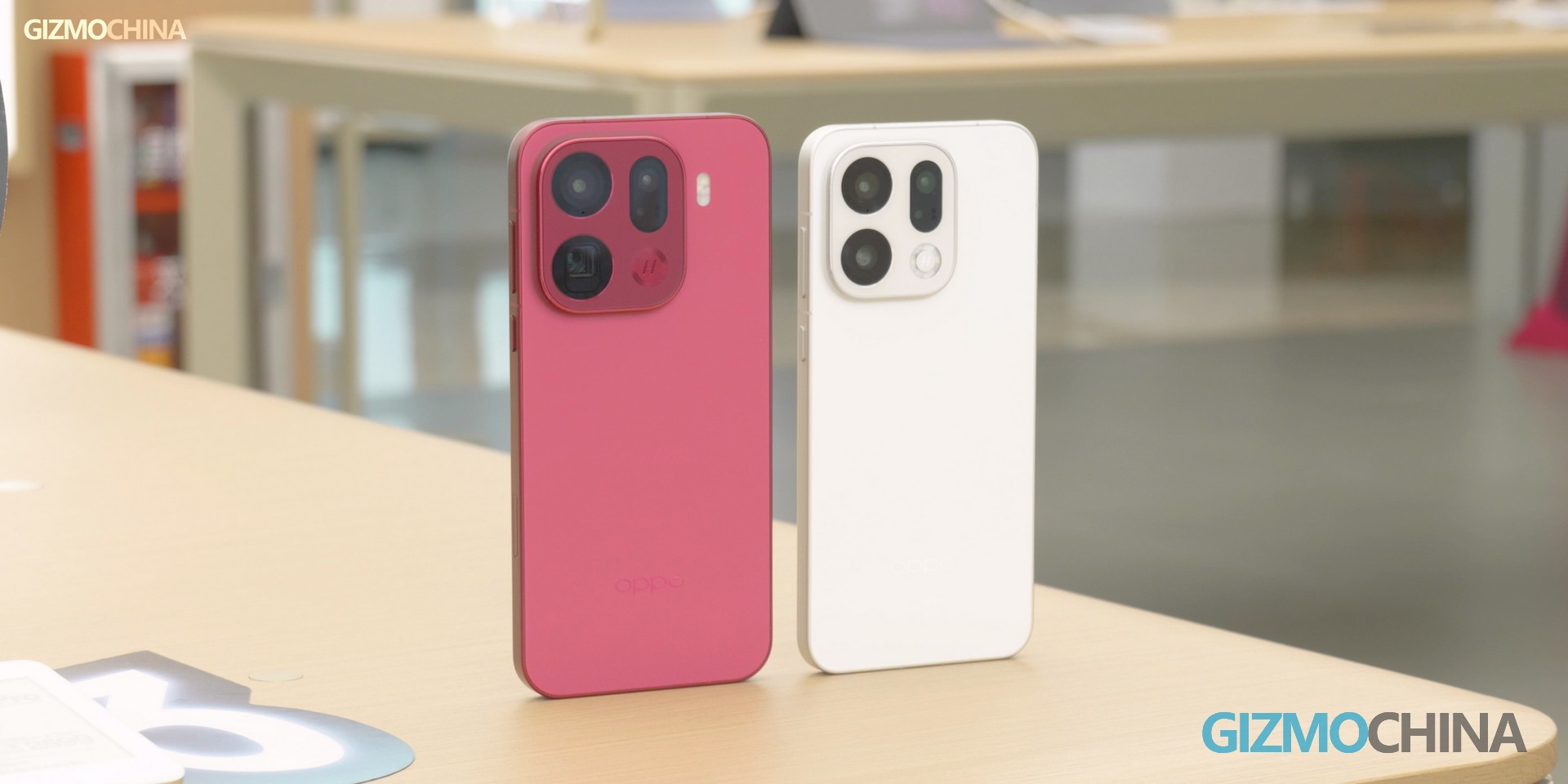
4. Oppo Find X9 Pro
The raw hardware on the Find X9 Pro and the Find X9 Ultra rivals the X300 Pro and X300 Ultra, respectively — except in a few aspects. It’s the post-processing and camera tuning that makes them essentially different.
The Find X9 Pro features a 200MP telephoto, with 3x optical zoom, f/2.1 aperture and Hasselblad tuning. In comparison, Vivo X300 Pro has a better zoom range at 3.7x, but it’s a deliberate choice that Oppo made with X9 Pro. The company is using the telephoto unit for macro shots too, as it can focus as close as 10cm.
Moreover, Oppo says it’s using an active alignment process during assembly to keep the lens element calibrated, which the company says gives a modest resolution bump over standard manufacturing. This aside, both the main and ultrawide camera are 50MP in resolution.
5. Oppo Find X9 Ultra
Moving to the Find X9 Ultra, it has 200MP sensors on two units — main and 3x telephoto. Plus, you get a 50MP ultrawide and a separate 50MP telephoto for 10x optical zoom. This is the most stacked camera phone in this list, and ensures that you have high-resolution photos at both close range and distance.
The main sensor measures 1/1.12 inches, among the largest currently used in a phone, paired with an f/1.5 aperture. The second 200MP camera in telephoto is tuned specifically for portraits, which plays to what a larger sensor does well — softer background separation from the hardware itself.
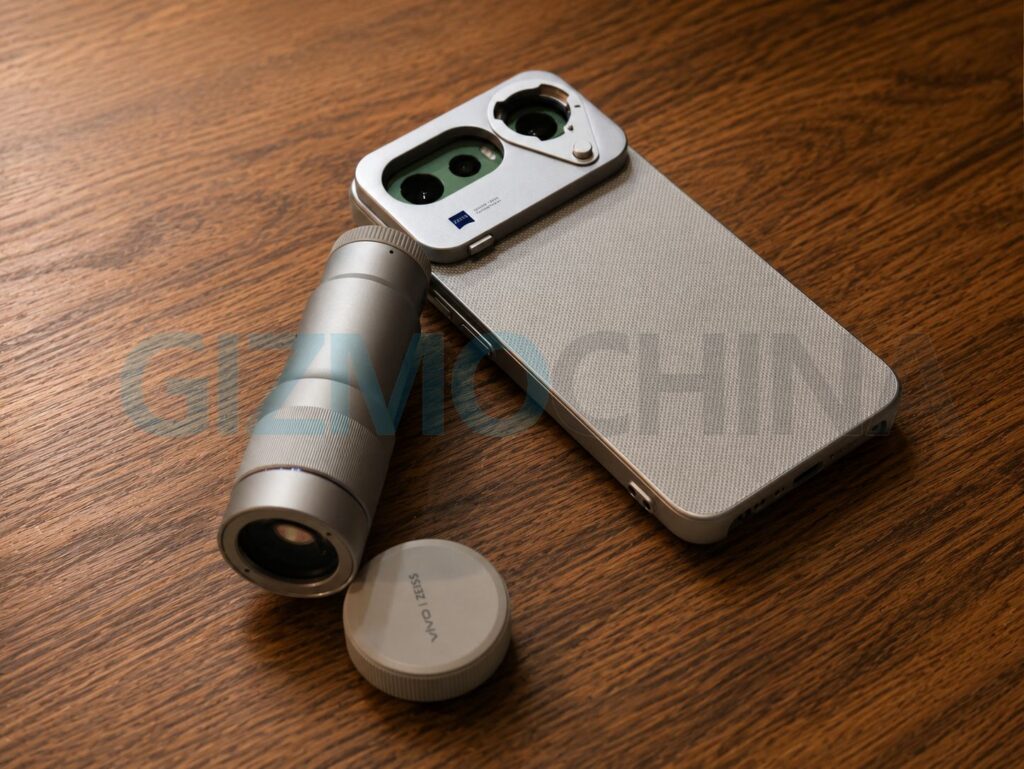
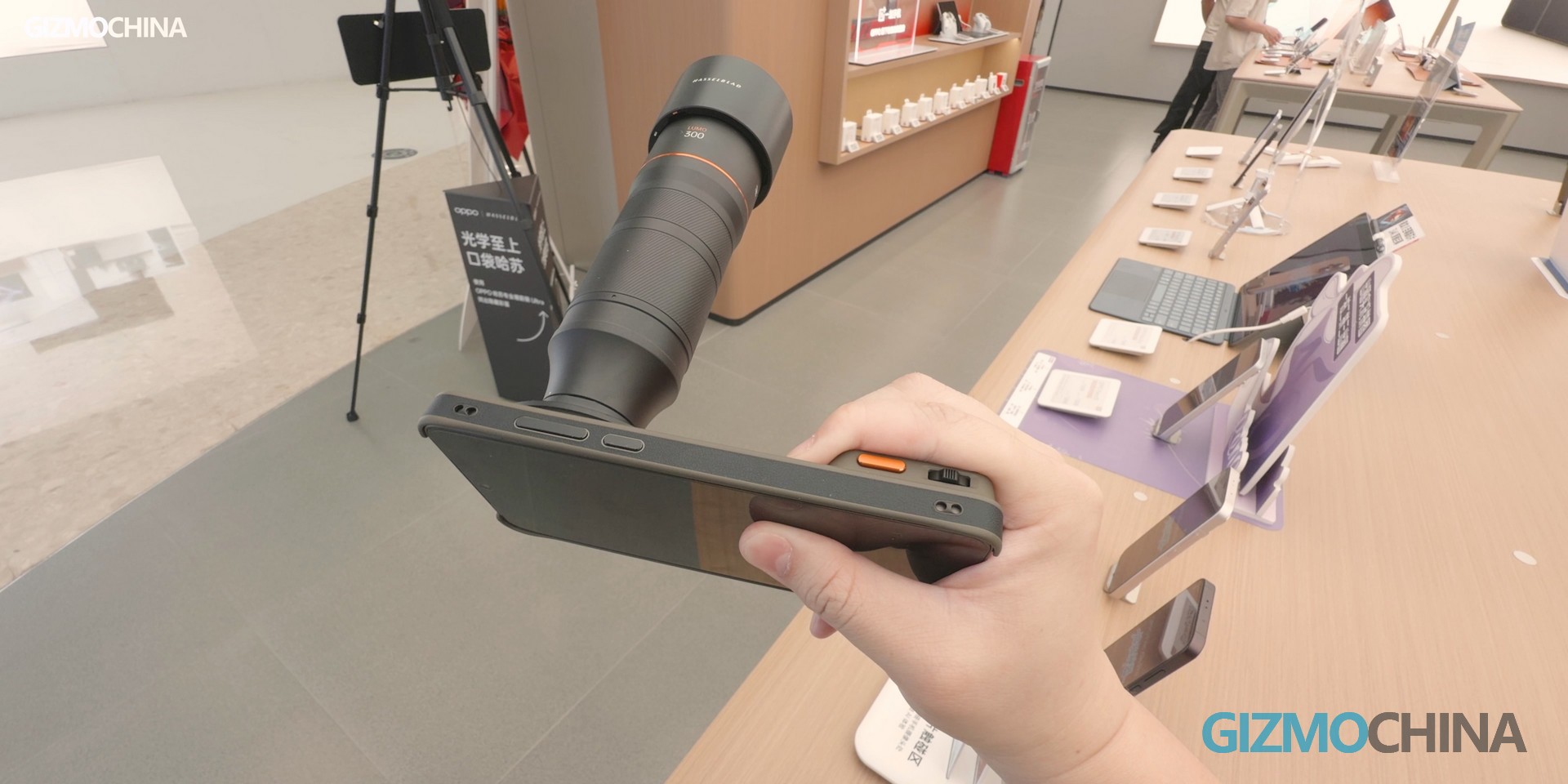
Oppo also has an accessory kit with a screw-on teleconverter and a grip attachment for those who want to treat their phone like a dedicated camera body. It’s a niche add-on, nonetheless, best for those who are extremely passionate about photography. Because after all, it’s going to cost you a few hundred extra dollars.
6. Which one should you actually get?
If you just want a capable camera and don’t want to think about it, the Galaxy S26 Ultra is the safe choice. If zoom is your priority, the Vivo X300 Pro or X300 Ultra will get you further with less loss of quality.
If you shoot a lot of portraits or close-up detail shots, the Find X9 Pro’s telephoto is built specifically for that. And if you want one phone that covers all of it without an obvious weak point, the Find X9 Ultra is the closest thing to a complete setup.
Whichever one you pick, don’t choose based on the 200MP label alone. Check where the sensor is — main camera or telephoto — since that tells you more about what the phone is actually good at than the megapixel count ever will.
For more daily updates, please visit our News Section.
Last week, the unreleased Galaxy S27 models were spotted on Samsung’s test servers for the first time running One UI 9.5. Well, it was an internal build, which isn’t available for public release. It’s not so surprising, as the company did a similar thing for the Galaxy S26 series. But internal testing has now expanded to additional models, while users await the One UI 9.0 update.
Tipster Tarun Vats claims Samsung has begun developing One UI 9.5 for the Galaxy S26 series, with a build version ending with CZH1. He hasn’t provided a release timeframe, though.
Samsung had begun One UI 8.5 development last year around mid-September, followed by an official announcement in December. Since the company has begun developing One UI 9.5 earlier, we could see it sooner than One UI 8.5.
Samsung released the first One UI 9.0 beta for the Galaxy S26 series in May, followed by a couple more betas at regular intervals. The company has confirmed that the fifth One UI 9.0 for the S26 models will be released this week, but there’s no official word on when the stable rollout will begin.
The stable build has already debuted on the latest foldable phones launched in July, namely the Galaxy Z Fold 8, Galaxy Z Fold 8 Ultra, and Galaxy Z Flip 8. The One UI 8.5 debuted in the same month last year on the previous-gen foldable phones. The One UI 9.0 beta launch and its progress so far also closely mimics One UI 8.5’s beta progress. That means the stable rollout of One UI 9.0 could begin in the same month as One UI 8.5.
The company will expand the One UI 9.0 beta to the Galaxy S25 series and a few devices in the coming weeks, while the stable rollout could begin sometime in September. We’ll update you on this blog when an official announcement is made.
Earlier this year, Poco unveiled the Poco X8 Pro and X8 Pro Max in multiple markets. At that time, it was believed that the company may not launch the standard Poco X8 this year. However, recent certification sightings have suggested that the standard X8 is indeed in development. It appears that the X8’s launch could be close at hand as the brand has seemingly started teasing its arrival.
Poco X8 seemingly teased
♾️ Infinity Identity Activated Mission Update. A new route has appeared inside the POCO Infinite Universe. Only those who move faster than the moment can unlock it.
🟡 POCO X Series The Spacetime Pilot eXplore. eXceed. eXpand.
The above X post reveals that Poco has started teasing a new X-series phone. While the company has not explicitly mentioned the device, it appears that the brand could be teasing the Poco X8’s arrival.
The teaser shows a smartphone in Poco’s signature Yellow color, which has been associated with several of the company’s X-series devices in the past. However, the brand is yet to confirm the name or launch details of the upcoming phone.
Poco X8 specifications: what to expect?
Recent reports have suggested that the Poco X8 could be a rebranded version of the Redmi Note 17 Pro 5G, which debuted in China last month. Therefore, it is expected to feature a 6.83-inch AMOLED panel offering a 1.5K resolution and a 120Hz refresh rate.
Under the hood, it could feature the Snapdragon 6s Gen 4 chipset and a massive 9,000mAh battery. For photography, it may feature an 8-megapixel selfie camera and a 50-megapixel + 2-megapixel dual-camera setup on the back. It is also expected to have other features, such as HyperOS 3-based Android 16, an in-screen fingerprint sensor and an IP68/69-rated body.
As far as the Redmi Note 17 Pro’s global edition is concerned, it is being said that it will have an 8-megapixel ultra-wide lens instead of a 2-megapixel camera. It may pack a smaller 8,340mAh battery. The rest of its specifications could remain the same as its Chinese version.
For more daily updates, please visit our News Section.
Oppo has quietly raised prices on a bunch of its popular K14 and A6 phones in India again. Several variants are now up by as much as ₹2,000, and this isn’t the first time. A few of these models have already been hiked more than once, so some phones are noticeably more expensive than when they first launched.
The latest changes cover the K14x, regular K14, A6c 4G, A6, and A6 Pro. On the K14x, the 4GB + 64GB version is now ₹17,999 (was ₹16,999), the 4GB + 128GB is ₹19,999 (from ₹18,999), and the 6GB + 128GB sits at ₹22,999 (up from ₹20,999). The standard K14 follows the same pattern: 6GB + 128GB moves to ₹23,999, 6GB + 256GB to ₹25,999, and 8GB + 256GB to ₹28,999.
That said, not every listing has caught up yet. The K14x 4GB + 128GB is still showing up at ₹18,499 or ₹18,999 on Amazon depending on the seller, even though Flipkart has already moved to the new price. The 6GB + 128GB variant is still floating around the ₹20,000 mark on both Amazon and Flipkart in some places. Similar older deals are still hanging around for the K14 6GB + 128GB and 6GB + 256GB on Amazon right now, while the top configuration already seems to have been updated.
In the A6 series, the A6c 4G jumps to ₹16,999 for the 4GB + 64GB and ₹18,999 for the 4GB + 128GB. The regular A6 sees its 4GB + 128GB at ₹26,999, 6GB + 128GB at ₹28,999, and 6GB + 256GB at ₹31,999. The A6 Pro lands at ₹32,999 (8GB + 128GB) and ₹35,999 (8GB + 256GB).
Same situation here: a few of these are still available at the previous prices on Amazon as of writing. If you’re eyeing one of these models, it might be worth checking the listings sooner rather than later before the older stocks disappear.
The price increase has been happening in stages. The K14x base model started at ₹15,999, went to ₹16,999, and is now ₹17,999 after hikes in April and July. The K14 has climbed from its earlier ₹19,999 level as well. The A6 Pro has been through at least three increases since it launched around the low ₹20,000s in March, adding up to roughly ₹8,000–₹11,000 more depending on the variant, all without any hardware changes. The A6c and A6 have seen similar stepwise jumps.
The Motorola Edge 70 Max is the latest smartphone to join the company’s ongoing Android 17 beta program. Ideally, the device should have launched with the newest Android OS since it was launched in July 2026, but anyway, it’s good to see Motorola acting quickly to bring the update.
According to the official community post, the Android 17 beta program for the Edge 70 Max is live in EMEA (Europe, the Middle East, and Africa) and India. This doesn’t just mean the beta build is rolling out; it means the company is now allowing people to register for the beta testing opportunity.
As always, the number of testers should be limited, and you must therefore submit your participation as early as possible to stand a chance. Unlike beta applications from other brands, Motorola’s require a few extra steps. We have a detailed step-by-step guide on how you can register for Motorola’s Android 17 beta program that you can refer to.
Once you’ve upgraded to Android 17 beta, you’ll have many new features and plenty of upgrades to explore. For instance, there’s a new Classic Control Center, new status bar icons, and updated home screen icons. Motorola has also improved haptics that now feel different when you swipe a notification.
Motorola has integrated Live Updates into the camera cutout in the middle, similar to Apple’s implementation. Previously, it would appear on the left side of the Status bar. The update also adds support for most day-to-day apps.
The lock screen gets new clock faces and new font styles. Motorola has made it a lot easier to take screenshots and open split-screen. Now, you can swipe down three fingers to take a screenshot. To open a split-screen, simply swipe up three fingers. The update also brings some new features, including Landscape Stereo, Enhanced HDR Brightness, and Battery health.
iQOO is all set to unveil the iQOO Z11 on Aug. 20 in India. Ahead of the official launch, the brand has started revealing key details about the upcoming smartphone through official announcements. The company has now confirmed the battery capacity, AI features and the price segment of the device.
iQOO Z11 price segment and battery details revealed
iQOO Z11 launch date
The iQOO Z11 will be positioned in the under Rs 40,000 price segment in China. Alongside confirming its pricing category, iQOO has revealed that the smartphone will pack a massive 7,050mAh battery. The large battery is aimed at supporting extended usage for activities such as learning, content creation, entertainment and multitasking. At present, there is no information about the device’s fast charging capabilities.
The company has also highlighted the phone’s AI capabilities, with the iQOO Z11 featuring AI-powered tools designed for everyday productivity. These include AI Captions, which combines Google Gemini and Microsoft Azure to provide transcription and translation features. The smartphone also supports AI Creation tools for summarising documents, refining assignments, generating ideas and assisting with content creation.
The iQOO Z11 will also feature AI routing technology that assigns different tasks to suitable Gemini models. It supports real-time AI processing and conversation memory, allowing users to continue refining content through follow-up prompts. The device will also support Circle to Search for quicker information discovery.
Previously confirmed details revealed that the iQOO Z11 will be India’s first smartphones to feature the MediaTek Dimensity 7500 Turbo chipset. It will also come with a 6.83-inch curved AMOLED display featuring a 144Hz refresh rate, 2,000 nits HBM brightness and 3,000 nits local peak brightness.
The smartphone will be available in Celestial Blue and Aurora Green colour options. While iQOO has confirmed several details ahead of launch, other specifications, including camera details, RAM and storage configurations, are still under wraps.
For more daily updates, please visit our News Section.
The Legion Y700 Infinite is set to arrive on August 25, 2026, in China. Official details confirm an 8.4-inch OLED display with a 165 Hz refresh rate. That size and refresh rate trail the RedMagic Astra 2 (9.06-inch, 185 Hz), but the Lenovo tablet pulls ahead with its processor, an overclocked Snapdragon 8 Elite Gen 5 Leading Version. The prime cores hit 4.74 GHz versus 4.61 GHz on the standard version, and the GPU is also clocked higher at 1.3 GHz compared to 1.2 GHz.
Lenovo has shared an AnTuTu score of 4,585,844 points for the device, which sits above the average results (roughly 4,159,341 to 4,297,377) the RedMagic Astra 2 has been posting in the latest monthly charts.
A recent promo video also shows off 2.89 mm bezels, giving the tablet a pretty slim-looking frame. Unlike the Legion Tab Gen 5 (also known as the Y700 Gen 5), the Y700 Infinite uses a punch-hole cutout for the front camera. Some people might see that as a small step back from a completely uninterrupted display, but it does help achieve those tighter bezels.
Battery capacity hasn’t been officially confirmed yet. A leak from tipster Panda is Bald points to a 7,500 mAh cell with 68 W fast charging. If that turns out to be accurate, it would put the tablet behind the RedMagic Astra 2 in both capacity and charging speed. Pricing is still under wraps, and it’s unclear whether this OLED Legion model will make it to global markets.
Overall, the mix of a high-refresh OLED panel, flagship-level silicon, and strong benchmark results makes the Y700 Infinite look like a solid contender in the compact gaming tablet space. With the Chinese launch only a couple of weeks away, we should get more official specs soon, including exact memory configs, camera details, and final pricing.
We use cookies on our website to give you the most relevant experience by remembering your preferences and repeat visits. By clicking “Accept”, you consent to the use of ALL the cookies.
This website uses cookies to improve your experience while you navigate through the website. Out of these, the cookies that are categorized as necessary are stored on your browser as they are essential for the working of basic functionalities of the website. We also use third-party cookies that help us analyze and understand how you use this website. These cookies will be stored in your browser only with your consent. You also have the option to opt-out of these cookies. But opting out of some of these cookies may affect your browsing experience.
Necessary cookies are absolutely essential for the website to function properly. This category only includes cookies that ensures basic functionalities and security features of the website. These cookies do not store any personal information.
Any cookies that may not be particularly necessary for the website to function and is used specifically to collect user personal data via analytics, ads, other embedded contents are termed as non-necessary cookies. It is mandatory to procure user consent prior to running these cookies on your website.