Realme launched the GT7 Pro back in November last year, and the base model is now confirmed to launch sometime in April. According to a previous teaser, this phone will be powered by the Dimensity 9400+, which is expected to be paired with a 7000 mAh+ battery.
Now, the company reveals an even more interesting aspect: a new back material that is reportedly achieves 600% the thermal conductivity of a traditional glass material. The brand is calling it a “graphene fiberglass fusion”, which is reportedly an industry first.
Why this is important
Most of the performance-centric devices and flagships (at least from China) have been using larger and larger VC cooling plates that are attached to the SoC. However, the heat absorbed by the VC plate also needs to be dissipated into the environment, which makes neither the front nor the back function as a good conductor of heat. Manufacturers experimented with metal back plates, but they had their own issues. Now, given Realme’s claim regarding the 600% thermal conductivity is true, it’s going to benefit the sustained performance of the GT7. This new back plate material is also reportedly thinner, lighter, and more drop-resistant.
The GT7 is also expected to be thinner and lighter than the GT6, which measures 8.4mm in thickness and weighs 207g. The predecessor has a plastic back, so the improvement in both heat dissipation and in-hand experience will be clearly noticeable.
As for the imaging system, the predecessor packs three lenses on the back: a 50MP main, a 50MP 47mm telephoto paired with an 8MP ultrawide. This setup supports up to 4K at 60fps and 1080p at 240fps recording, which should remain the same for the successor—if not see an improvement. There’s a 32MP shooter on the front for selfies, supporting up to 4K at 30fps recording, but no slow-motion.
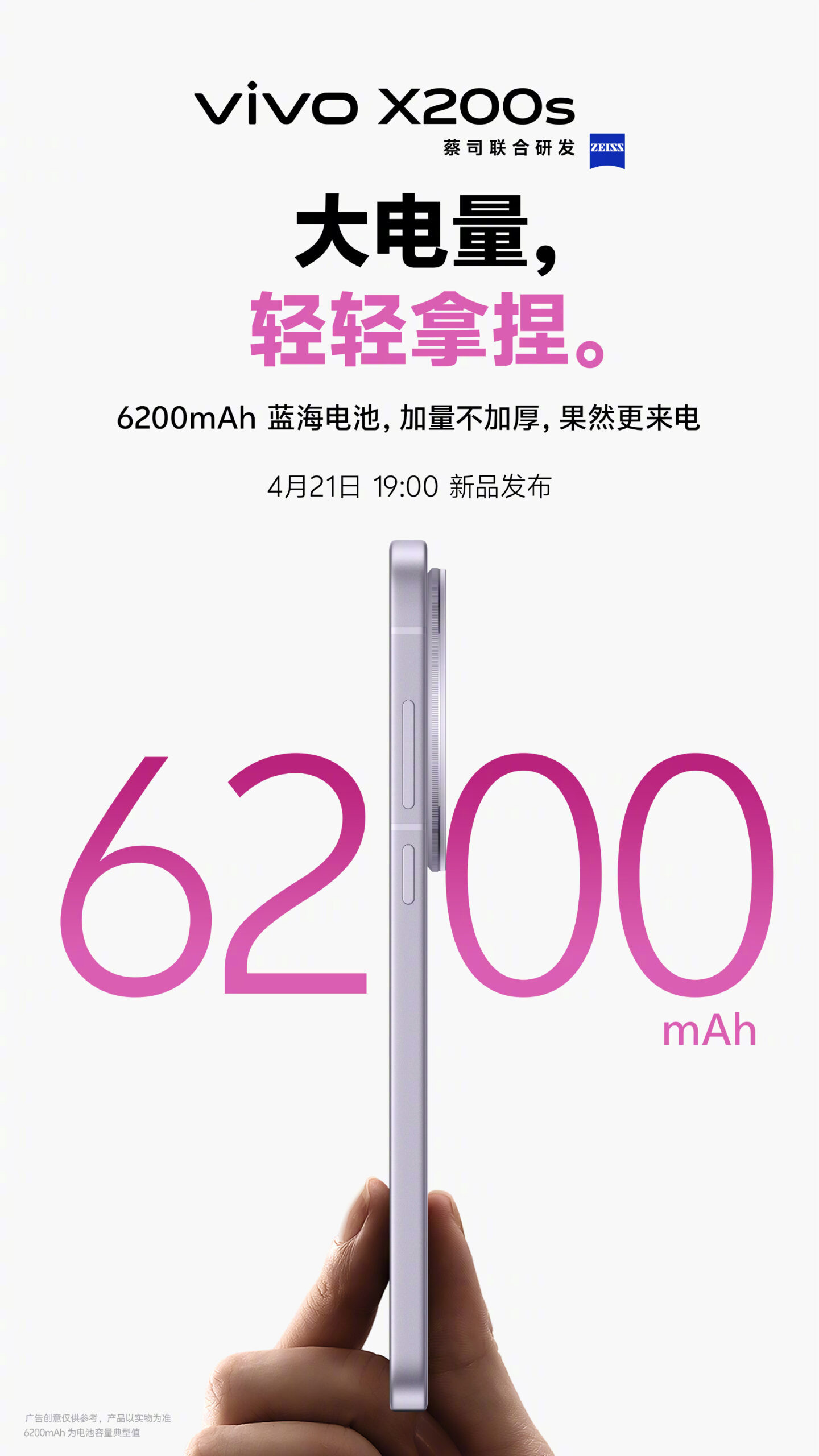
Vivo is all set to unveil the Vivo X200s on April 21 in China. While it is supposed to be an incremental upgrade over last year’s X200, it appears to pack several improvements. Today’s official reveal confirms that the X200s not only packs a larger battery but also offers improved charging capabilities.
Vivo X200s confirmed with 6,200mAh battery
VIvo X200s – 6,200mAh batteryVivo X200s – 40W wireless charging
After the Oppo Find X8s and X8 Plus, which are set to launch today in China, the Vivo X200s is set to be the next smartphone to feature the Dimensity 9400+. Today, the brand confirmed the above poster to confirm that the X200s will pack a massive 6,200mAh battery.
Despite the large battery, the phone maintains a slim 7.99mm profile thanks to third-generation silicon-carbon negative electrode battery tech. Apart from 90W wired charging, the X200s will also support 40W wireless charging—rare among flat-screen flagships in its class. In comparison, the X200 packed a 5,700mAh battery. While it supports 90W charging, it lacks wireless charging.
Vivo previously confirmed that the X200s will feature a 6.67-inch BOE Q10 flat panel with 1.5K resolution, 120Hz refresh rate, and 2,160Hz PWM dimming for eye comfort. Vivo also introduces a new single-point ultrasonic fingerprint sensor that works with wet fingers and has been ergonomically repositioned for ease of access.
Vivo X200s to offer iOS-friendly features
One of the major highlights of the Vivo X200s is its deep iOS-style ecosystem integration. The device will be able to mirror iPhone notifications, enable app continuity across Vivo and Apple devices, and support fast file transfers with just a tap.
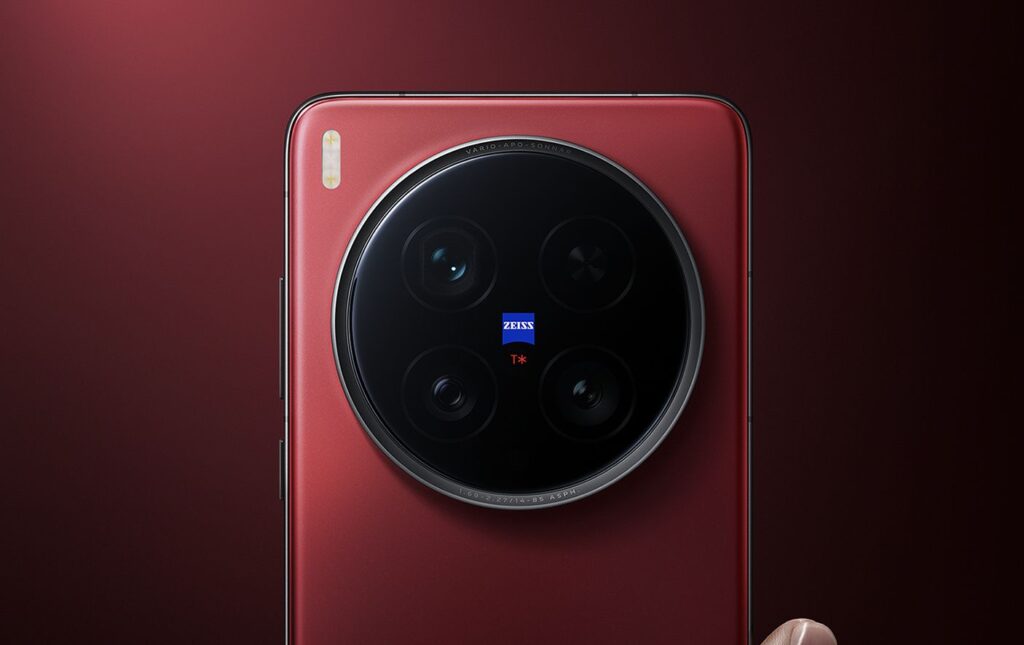
According to reports, the X200s’ rear camera setup will include a 50-megapixel Sony IMX921 primary sensor, a 50-megapixel Samsung JN1 ultra-wide lens, and a 50-megapixel LYT-600 3x periscope telephoto lens with OIS—each benefiting from Zeiss T* coating for reduced glare and improved clarity. The setup promises reliable performance in both daylight and low-light conditions. The phone will be available in shades like black, white, lavender, and mint.
For more daily updates, please visit our News Section.
Realme will unveil the Realme GT 7 in China later this month. The brand has already confirmed that it will feature the Dimensity 9400 Plus chipset. A new development reveals that the brand is also working on a new Neo 7-branded phone. Here’s a look at the initial details about the device.
Realme Neo 7 Pro: What to expect?
Alleged Realme Neo 7 Pro to debut in May
Realme has already launched the Realme Neo 7, Neo 7 SE, and Realme Neo 7x smartphones in China. These devices are equipped with the Dimensity 9300 Plus, Dimensity 8400, and Snapdragon 6 Gen 4 chipsets, respectively. As can be seen above, reliable tipster Digital Chat Station has claimed that the brand is working on a fourth Neo 7-series phone. While the name of the device has not been disclosed, it is likely that the brand may call it the Realme Neo 7 Pro.
The tipster added that the alleged Neo 7 Pro will feature the upcoming Dimensity 9400e and will debut in May. He did not reveal anything else about the device. In a newer Weibo post, the tipster is seen talking about the OnePlus Ace 5s and Ace 5V coming with Dimensity 9400+ and 9400e chipsets launching in May in China.
About the Dimensity 9400e’s performance, the tipster claims that the chipset is a minor upgrade with custom-tuned cores as compared to the existing Dimensity 9400 chip. Nevertheless, the new chip can offer better performance than the recently unveiled Qualcomm Snapdragon 8s Gen 4 chip by achieving 2.1M points on AnTuTu and hitting around 95fps in the Aztec 1440p graphics test.
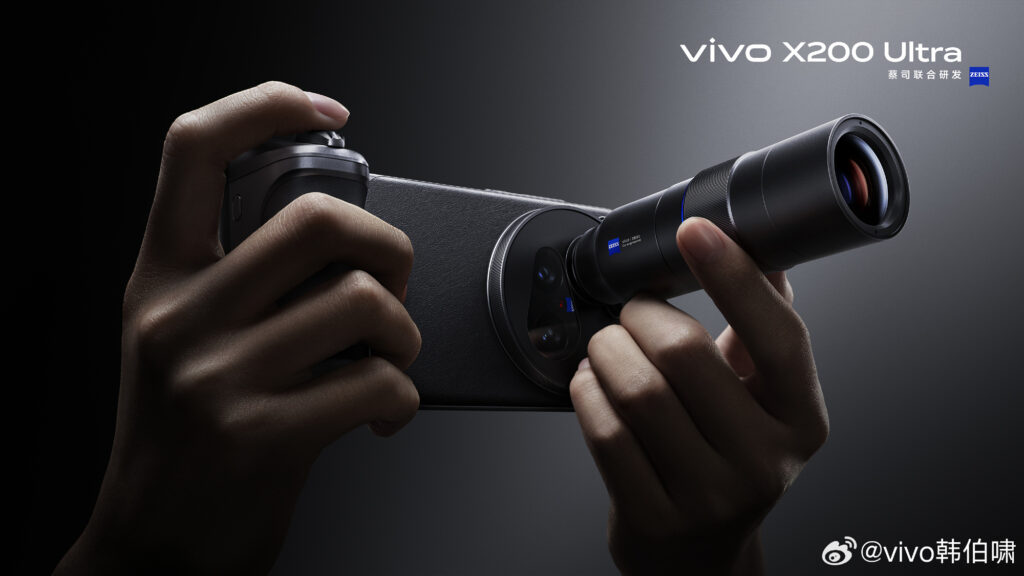
Earlier this week, Vivo’s Product Vice President, Huang Tao, teased a secret fourth camera on the upcoming X200 Ultra. While the device already features a triple camera setup, speculation pointed to an external accessory that would enhance its photography capabilities. Now, Vivo Product Manager Han Boxiao has officially confirmed this rumour.
Vivo X200 Ultra: 200MP super telephoto lens attachment revealed
Vivo X200 Ultra with detachable lens
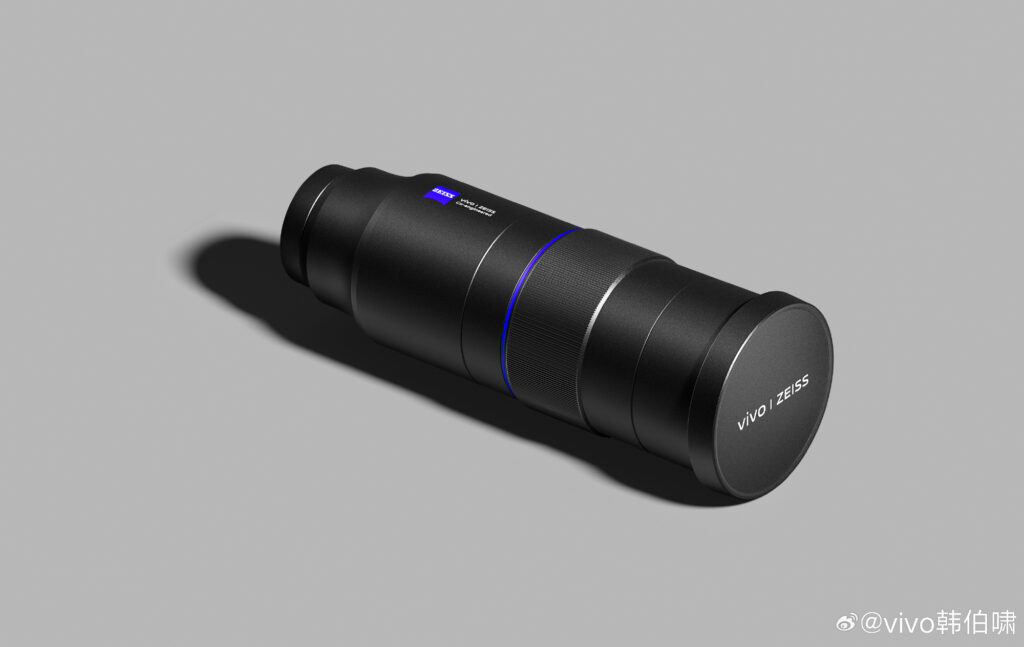
The Vivo X200 Ultra’s fourth camera is a standalone external super telephoto lens developed in collaboration with ZEISS. Carrying the ZEISS Blue Label branding, it houses a 200-megapixel sensor with a 200mm focal length and an f/2.3 aperture. The result is a powerful 8.7x optical zoom, aimed at elevating mobile photography.
Vivo X200 Ultra’s fourth camera: A 200MP super telephoto lens
This external lens uses a 3-group, 13-element Kepler-style construction with high-transmittance glass elements to maximize clarity and precision. It supports RMSC technology, enabling a second zoom stage that delivers 800mm equivalent (35x) zoom and up to 1600mm (70x) digital zoom with image quality similar to traditional 30x systems.
Vivo X200 Ultra camera specifications (rumored)
Vivo X200 Ultra
In addition to the external lens, the X200 Ultra features a powerful internal setup with:
It supports 4K 60fps 10-bit Log and cinematic 4K 120fps video recording. Vivo’s in-house VS1 and V3+ imaging chips enhance pre- and post-processing for DSLR-like output. Additionally, the phone features a physical camera control key, dubbed the Action Button, on the right edge, which also controls the customizable zoom flash system for DSLR-like portrait photography.
Vivo X200 Ultra Photography Kit built for creators
Vivo X200 Ultra Photography Kit
The external lens is bundled as part of the Vivo X200 Ultra Photography Kit, which connects to the device via USB Type-C for low-latency usage. It includes a 2,300mAh battery, a retro-style case with a kickstand, a professional shoulder strap, and a dedicated video recording button.
With its advanced optics and external ZEISS lens system, the Vivo X200 Ultra appears to be a true professional-grade photography beast.
For more daily updates, please visit our News Section.
There have been reports that OnePlus plans to launch three phones, such as the OnePlus 13T, Ace 5S, and Ace 5V, within the second quarter of this year in China. The brand has already confirmed that the 13T will be unveiled this month. A new leak, courtesy of tipster Digital Chat Station, mentions the launch timeframe and chipsets of the Ace 5S and Ace 5V.
OnePlus Ace 5S, Ace 5V launch timeframe and chipsets tipped
According to the tipster, OnePlus phones launching in May in China will feature the Dimensity 9400 Plus and Dimensity 9400e (previously known as Dimensity 9350) chipsets. While these are new chipsets, they will be custom-tuned versions of the existing D9400. For those who don’t know, the D9400+ will also power the Oppo Find X8s, Find X8s Plus, Vivo X200s, and Realme GT 7 launching this month in China.
The OnePlus phone with the Dimensity 9400+ chip is said to be the Ace 5S. On the other hand, the one featuring the Dimensity 9400e could be the Ace 5V. The latter is said to be equipped with a 1.5K flat OLED panel and a massive 7,000mAh battery.
Speaking of the Dimensity 9400e’s performance, it will be designed to offer better performance than the Snapdragon 8s Gen 4. DCS added that the D9400e can achieve up to 2.1 million points on AnTuTu, while the Aztec 1440p graphics test hits around 95fps. This indicates that the Ace 5V may offer better performance, especially in gaming, as compared to forthcoming Snapdragon 8s Gen 4 phones, such as the iQOO Z10 Turbo and Redmi Turbo 4 Pro. Additionally, the Ace 5V is said to carry aggressive pricing.
OnePlus is currently mum on the existence of the Ace 5S and Ace 5V. Likely, the brand will share details about these models only after the April launch of the OnePlus 13T.
For more daily updates, please visit our News Section.
In January, Asus India confirmed a partnership with quick delivery e-commerce platform Zepto to deliver its accessories, like keyboards and mice, in major cities such as Mumbai, NCR, Chennai, and Bengaluru. Now, the Taiwanese tech brand has announced that it is collaborating with Swiggy Instamart, another popular quick-commerce platform, to deliver its accessories.
Asus accessories now just minutes away
Asus announces collaboration with Swiggy Instamart
Under this partnership, Asus will offer rapid delivery—within 10 minutes—of a selection of its popular accessories via Swiggy Instamart across key Indian cities, including Pune, Gurgaon, Chennai, Hyderabad, Kolkata, Lucknow, and Ahmedabad. The lineup includes a wide range of accessories, as follows:
Chargers:
ASUS 65W Type-C Universal Adapter (Black)
ASUS 65W Type-C GaN Universal Adapter (White)
Keyboards:
ASUS KW100 Marshmallow Keyboard – Oat Milk (Beige)
ASUS KW100 Marshmallow Keyboard – Green Tea Latte (Green)
ASUS CW100 Wireless Keyboard and Mouse Combo (with Silent Mouse, 1600 DPI, Black)
Mice:
ASUS MD102 Silent Ergo Mouse (Multi-device Connectivity, 1600 DPI, Dark Grey)
ASUS MW103 Wireless Silent Mouse (1000 DPI, Black)
ASUS MD100 Marshmallow Multi-device Wireless Mouse (1600 DPI, Quiet Blue & Solar Blue)
ASUS MW203 Ergonomic Multi-device Wireless Silent Mouse (2400 DPI, Black)
ASUS MD200 Smart O Wireless Mouse (4200 DPI, 6 Programmable Buttons, Multi-device, Black)
ASUS MD200 Smart O Wireless Silent Mouse (4200 DPI, 6 Programmable Buttons, Multi-device, Green)
Leveraging Swiggy Instamart’s fast delivery model, Asus aims to eliminate the waiting time for essential accessories—making them readily available when consumers need them the most. Whether it’s a last-minute charger before a work call or a new mouse for late-night entertainment, Asus accessories are now just minutes away.
For more daily updates, please visit our News Section.
It’s no secret that Poco is plotting the next major move in its F-series lineup. While the company already lifted the curtain on the Poco F7 Pro and F7 Ultra in select global markets, the vanilla Poco F7 has been conspicuously absent—until now. A new listing on India’s BIS (Bureau of Indian Standards) virtually confirms its imminent debut, and if the leaks and rumors hold true, the F7 might just be the brand’s most pragmatic power play in months.
Poco F7 Ultra
Redmi Turbo 4 Pro Rebrand?
Let’s start with what this phone probably is—a rebranded Redmi Turbo 4 Pro with tweaks for the Indian market. The model number spotted on the BIS site, 25053PC47I, closely mirrors that of the Turbo 4 Pro, a device expected to debut in China later this month. If Poco follows its usual rebranding playbook (as it did with the F6 and Redmi Turbo 3), we already have a good sense of what the F7 might look and feel like.
At its core, the Poco F7 is expected to feature a 6.83-inch flat OLED LTPS panel with a 1.5K resolution and 120Hz refresh rate—sharp, fast, and flat, ticking all the boxes for gamers and streamers who don’t care for curves. There’s a chance it also comes with ultra-narrow bezels, which would help it stand out in a mid-premium segment that often skimps on design finesse.
Snapdragon 8s Gen 4
The real headliner here is Qualcomm’s new Snapdragon 8s Gen 4, a chip aimed at delivering near-flagship performance without the thermal and battery baggage of its elder siblings. Built on a 4nm process and optimized for efficiency, the 8s Gen 4 should be more than capable of handling high refresh rate gaming, multitasking, and advanced AI tasks. And if past benchmarks are anything to go by, it will get very close to the performance of last year’s flagship SoCs.
Couple that with a rumored 7,500mAh battery and 90W fast charging, and the F7 is shaping up to be a marathon runner. These are battery specs that could put most flagships to shame—especially considering the Pro and Ultra versions don’t get that kind of juice. It’s a bit of an ironic twist: the vanilla F7 might outlast its more expensive siblings.
Cameras and Build
On the camera front, expectations are modest but reliable. A 50MP main sensor with OIS should deliver clean daytime shots and passable low-light performance, while the 8MP ultrawide will likely serve as a secondary eye for landscapes and group shots. There’s no word yet on a telephoto lens, and it’s probably safe to assume it won’t have one—keeping with Poco’s cost-effective approach.
Build-wise, the F7 is tipped to offer a metal middle frame, an optical in-display fingerprint scanner, and IP68/IP69 water and dust resistance. That last bit is rare in this price range and might be the key spec that helps Poco sell the phone to a clumsy audience.
No F7 Pro or Ultra for India?
Here’s where it gets a little murky. Despite launching the F7 Pro and Ultra globally, Poco doesn’t seem to have plans to bring them to India—at least not yet. Multiple reports, and now the BIS listing, strongly suggest the vanilla F7 will be the only one arriving. That makes this launch a bit of a solo act, but also a significant one. India was a major market for the F-series last year, and skipping the higher-end variants signals a shift in strategy—perhaps Poco sees more long-term value in pushing powerful mid-rangers than going head-to-head with flagship giants.
Should You Wait for the Poco F7?
If you’re in the market for a sub-₹30K phone that doesn’t compromise on performance, the Poco F7 might be worth the wait. Between the new Snapdragon 8s Gen 4, a big battery, and premium build touches like IP rating and an OLED display, it looks like Poco is aiming to check all the right boxes.
However, it’s also walking a tightrope. The real competition isn’t just the Realmes and iQOOs—it’s last year’s flagships, now heavily discounted, that still offer proven camera systems and longer software support. And let’s not forget the Redmi Turbo 4 Pro will launch in China first—so if anything goes wrong there, it could raise red flags for Indian buyers.
But if Poco nails the pricing—say, somewhere around the ₹30,000 mark like the F6—it could once again disrupt the upper-midrange space.
Bottom line: Yes, it’s probably worth waiting. Especially if you want flagship-grade internals without the flagship price tag. Just don’t expect a Pro or Ultra to follow anytime soon.
For more daily updates, please visit our News Section.
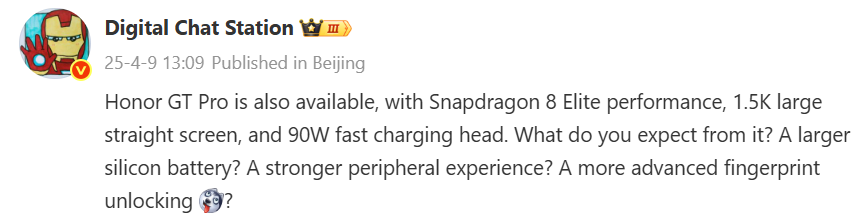
Honor is reportedly working on the Honor GT Pro, an affordable and performance-focused flagship phone, for the Chinese market. While the brand is currently teasing the Honor Power ahead of its April 15 China launch, it is also expected to announce the Honor GT Pro as early as this month. Ahead of the launch, the handset has seemingly received certification from the country’s 3C authority. Additionally, reliable tipster Digital Chat Station has leaked the key specifications of the phone once again.
Honor GT Pro key specifications (rumored)
Honor GT Pro key specifications
As per the above Weibo post, the upcoming Honor GT Pro will feature the Snapdragon 8 Elite chipset. He added that the phone will be equipped with a flat display that offers a 1.5K resolution and will have support for 90W fast charging. As can be seen, he also hinted that the GT Pro will be equipped with a large silicon battery, enhanced peripheral experiences, and more advanced fingerprint unlocking.
This is not the first time that the tipster has leaked details about the GT Pro. In February, the tipster claimed that it would feature a 6.78-inch OLED panel with 1.5K resolution and an ultrasonic in-screen fingerprint sensor. It is also said to feature a 50-megapixel main camera and a battery of around 6,000mAh capacity.
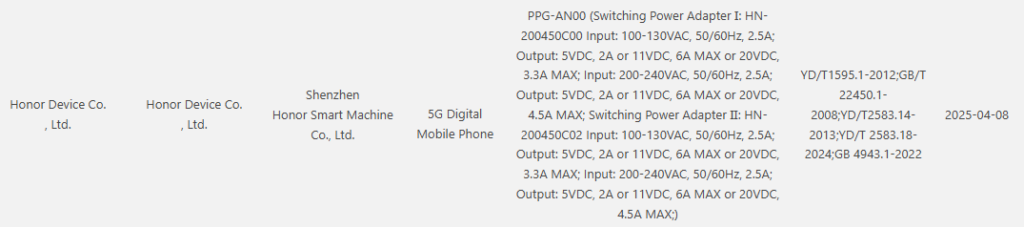
While the tipster previously claimed that the Honor GT Pro will support 100W charging, it appears that the tipster has clarified in the latest leak that it supports 90W wired charging. To put it into context, an Honor phone with model number PPG-AN00 has been recently approved by the 3C authority in China. The certification revealed that the device may support 90W wired charging, which indicates that this device could be the upcoming Honor GT Pro.
Honor PPG-AN00 3C certifiedf
Honor is currently silent on the existence of the Honor GT Pro. However, it is expected to share details about it after the launch of the Honor Power.
For more daily updates, please visit our News Section.
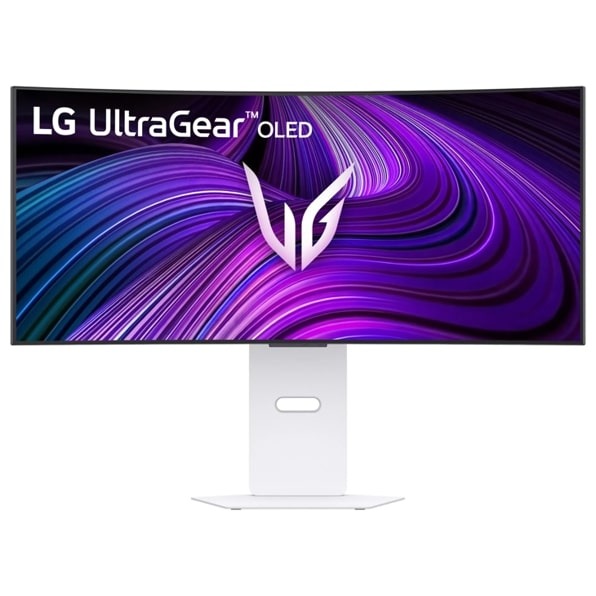
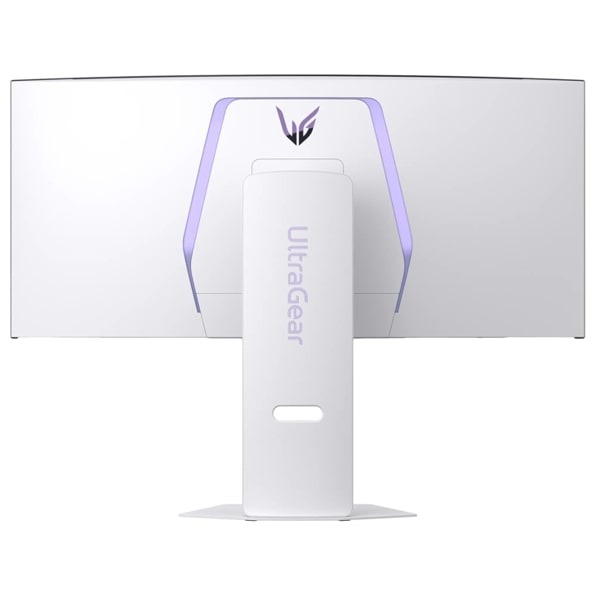
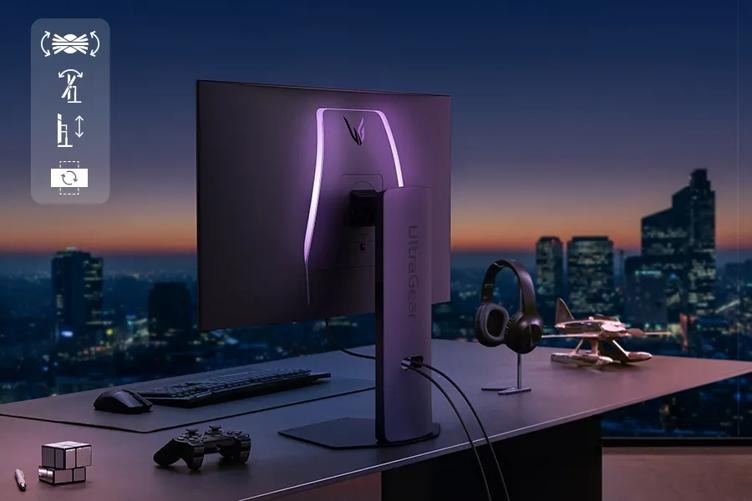
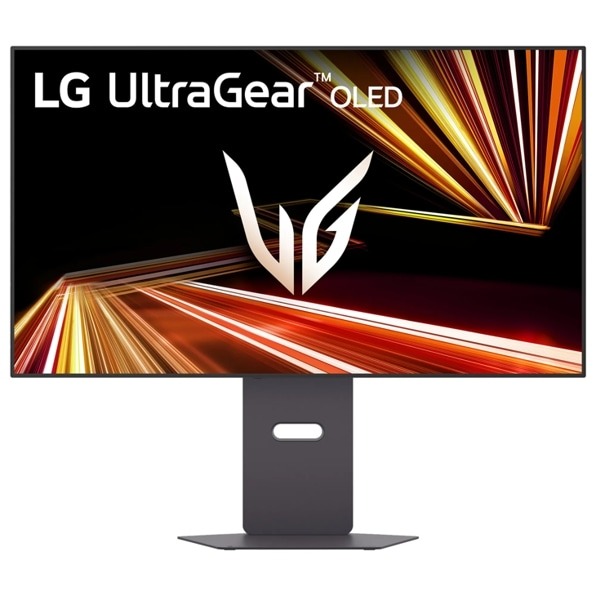
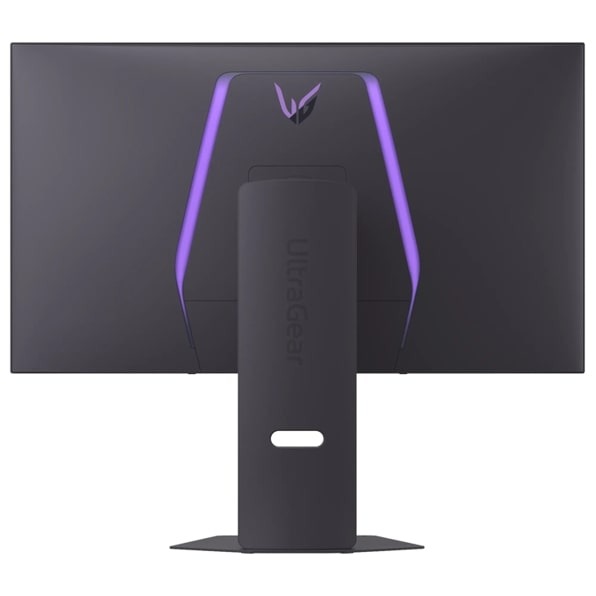
LG just dropped another curved OLED gaming monitor in the U.S.—the UltraGear 34GX90SA—and it’s going for $1,399.99 on Amazon and LG’s own site. If you’re into fast-paced games and flashy screens, this one’s worth a look.
It’s a 34-inch WQHD OLED panel with a pretty aggressive 800R curve. The screen gets up to 1300 nits brightness (APL 1.5%), has a 240Hz refresh rate, and a crazy-fast 0.03ms response time.
It supports AMD FreeSync Premium and NVIDIA G-SYNC, helping reduce screen tearing and stuttering. The screen covers 98.5% of the DCI-P3 color range and has a 1.5 million to 1 contrast ratio. It’s also certified for DisplayHDR True Black 400.
It also runs webOS24, so you can stream straight from the monitor. Netflix, Prime Video, Disney+, Apple TV, HBO Max. Plus, you can hop into cloud gaming on GeForce NOW, Amazon Luna, or Blacknut without hooking up a console or PC. webOS comes with a few AI tricks like tone mapping, sound tweaking, and a picture wizard to fine-tune settings.
Other gamer-friendly features include Dynamic Action Sync (less input lag), Black Stabilizer (better visibility in dark scenes), an FPS counter, and a built-in crosshair for shooters. The screen’s also flicker-free, glare-resistant, and easy on the eyes with low blue light tech.
Ports include HDMI 2.1, DisplayPort 1.4, and USB-C with 65W power delivery. The LG Switch app allows for screen splitting into up to six sections and makes it easier to switch between PC and webOS.
In other news, LG has also recently launched the UltraGear OLED 32GX870A, a 32-inch gaming monitor, in the U.S. for $1,399.99, offering Dual Mode switching between 4K at 240Hz and Full HD at 480Hz.
Honor recently confirmed that it will launch the Honor Power smartphone on April 15 in China. The recent teasers haven’t revealed anything significant about its specifications but have given a glimpse of its front design. However, a recent post by reliable tipster Digital Chat Station sheds information about its chipset, battery size, and charging capabilities.
Honor Power key specifications (rumored)
Honor Power key specs
According to the tipster, the Honor Power will be equipped with an SM7550 Qualcomm chipset, which is nothing but the Snapdragon 7 Gen 3 chipset. He further revealed that the device will pack a huge 8,000mAh battery with 80W charging support.
Some reports have claimed that the Honor Power will come with support for messaging via satellite connectivity. However, the other details of the phone are under wraps.
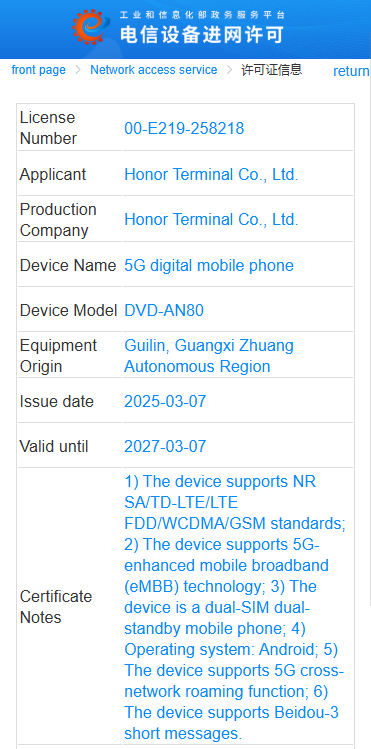
Honor DVD-AN80 CMIIT certified
In the recent past, a couple of Honor phones have received approval from the 3C authority in China. These include DVD-AN00/AN80, AGN-AN00, and PPG-AN00. Among these, the first two models are said to support 80W charging, whereas the third one may offer 90W charging. It has also been found through the MIIT certification that the DVD-AN80 has support for satellite messaging, which suggests that this device could be the upcoming Honor Power handset.
Honor is said to be working on a slew of other phones, such as the Honor GT Pro, 400 series, Honor X70 lineup, Magic V2 Flip, and Magic V5. Speculations are rife that the GT Pro may launch soon after the Power handset. The 400 series may go official in May, followed by the new foldables in June.
For more daily updates, please visit our News Section.
As per a recent IDC report, Global PC shipments reached 63.2 million units in Q1 2025, up 4.9% year-over-year, driven by pre-tariff stockpiling of Chinese components. However, newly imposed U.S. tariffs of up to 104% on Chinese parts now threaten these gains. Major manufacturers—Lenovo, HP, Dell, Acer, and ASUS—have halted all U.S. notebook and component shipments for at least two weeks to evaluate pricing and logistics impacts.
Key Q1 Performance Highlights
Lenovo led the market with 15.2 million units shipped, a 10.8% annual increase, capturing 24.1% market share. Apple saw a 14.1% surge in shipments, fueled by demand for its AI-powered Macs. HP and Dell reported modest growth, shipping 12.8 million (+3.2%) and 9.6 million units (+2.4%), respectively.
Immediate Risks and Industry Response
IDC analysts warn that tariffs will force price hikes on consumers, exacerbating inflation. The industry faces three likely scenarios: shifting manufacturing out of China to avoid tariffs, absorbing higher costs to protect margins, or passing costs to buyers and risking sales declines. Mid-range PCs are most vulnerable to price sensitivity, while premium brands like Apple may better absorb tariff impacts.
Market Uncertainty Ahead
Supply chain disruptions and potential price increases are expected to ripple through Q2–Q4 2025, heightening recession risks. IDC analysts Ryan Reith and Jean Philippe Bouchard attribute Q1 growth to pre-tariff stockpiling (“pull-in” effect) but emphasize that policy changes and economic instability now overshadow positive drivers like Windows 10 upgrades and AI adoption.
For more daily updates, please visit our News Section.
LG has launched the UltraGear OLED 32GX870A, a 32-inch gaming monitor with Dual Mode in the US market. It runs 4K resolution at up to 240Hz or Full HD at up to 480Hz. The response time is 0.03ms (GtG).
The monitor supports NVIDIA G-SYNC and AMD FreeSync Premium Pro. It has a 1.5M:1 contrast ratio, 98.5% DCI-P3 color gamut, and a color depth of 1.07 billion colors. DisplayHDR True Black 400 is included. Brightness is 275 nits typical, 1300 nits peak. Viewing angles are 178° horizontal and vertical.
It includes features like Black Stabilizer, Crosshair, FPS counter, Dynamic Action Sync, Reader Mode, Color Weakness Mode, HDR10, HDR Effect, Auto Input Switch, Dual Controller, H/W Calibration (True Color Pro), True Color Pro, and User Define Key.
Connectivity options include DisplayPort 2.1, two HDMI 2.1 ports, USB Type-C with 90W power delivery, USB downstream, and headphone out. It supports RGB hexagon lighting, DTS Headphone:X, VESA Adaptive Sync, and VESA mount size 100x100mm.
The monitor has built-in speakers. You can adjust height, tilt, swivel, and pivot. Weight with stand is 21.6 lbs. Without stand, it weighs 12.3 lbs. The monitor comes with DisplayPort, HDMI, and USB-C cables. It comes with a 2-year limited warranty. OLED Care tools like pixel cleaning are included. LG Switch app allows screen splitting, layout changes, and switching between PC and built-in webOS.
In other news, LG has recently launched the 27G850A in Europe for €899, featuring a 27-inch IPS Black panel with 4K resolution, 240Hz refresh rate, and 2000:1 contrast ratio. It has a unique dual mode that lets users switch to 1080p/480Hz with a reduced 24-inch display size.
For more daily updates, please visit our News Section.
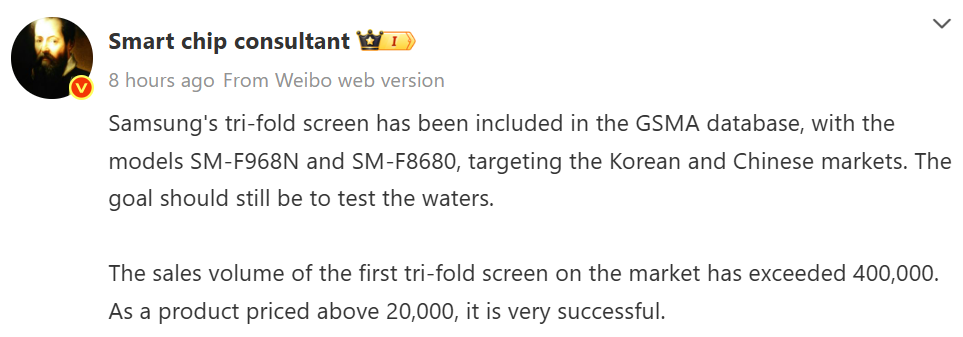
Huawei’s Mate XT three-fold flagship is making waves once again. According to the tech blogger known as ”Smart Chip Consultant” on Weibo, Huawei’s ambitious foldable has now crossed an impressive milestone in terms of sales.
Mate XT continues to defy premium market expectations
The source claims the Mate XT has already sold over 400,000 units, an exceptional figure for a smartphone priced at a luxury tier. Launched in September last year, the Huawei Mate XT debuted as the world’s first tri-foldable smartphone. It instantly captured attention for its unique form factor and engineering innovation. Initial demand far exceeded supply, with listings on third-party platforms inflating to 50,000 Yuan ($6,800).
Currently, the 16GB+512GB and 16GB+1TB models are available at 21,999 Yuan ($2,990) and 23,999 Yuan ($3,260) respectively. However, the entry-level 16GB+256GB variant, priced at 19,999 Yuan ($2,720), remains out of stock—possibly due to low production or limited demand.
In February, the Huawei Mate XT debuted outside of China in markets, such as Malaysia, Indonesia, the Philippines, Mexico, Saudi Arabia, and the UAE. In the global market, it comes in only 16GB+1TB configuration.
Huawei Mate XT
With Huawei leading the charge in the tri-fold arena, Samsung is preparing to enter the scene. Its first triple-fold smartphone, internally labelled Q7M with model number SM-F968, is expected to launch in October. Early regulatory filings show versions tailored for China and South Korea, with no immediate signs of a global rollout.
Industry watchers speculate that Samsung may be testing local markets to gauge demand before wider expansion. With Huawei setting a high bar, Samsung’s upcoming entry will face significant scrutiny in terms of design, pricing, and performance.
For more daily updates, please visit our News Section.
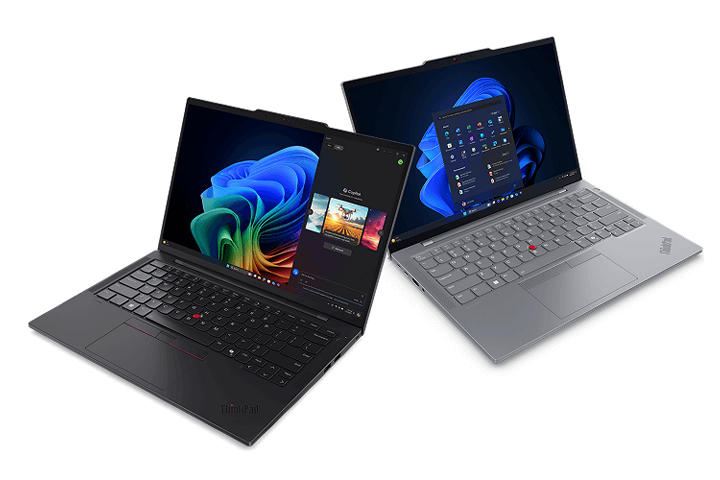
Major laptop makers have stopped all notebook and component shipments to the U.S. after new import tariffs of up to 104% took effect. Acer, Asus, Lenovo, Dell, and HP have paused deliveries for at least two weeks while they review the cost impact.
Lenovo ThinkPad T14s Gen 6
Smaller companies have also pulled back. Razer stopped U.S. laptop sales right after the tariffs were announced. Framework has paused sales of certain models that are no longer profitable under the new fees. Many brands are waiting to see how to handle the price jump.
This comes just after a rise in global PC demand. Shipments grew 4.9% year-over-year in the first quarter of 2025. The increase came as companies and buyers rushed to place orders before the tariffs started and ahead of Windows 10’s end-of-life updates. But analysts say that bump won’t last. IDC says the tariffs will push prices up and slow down sales for the rest of the year. Ongoing economic uncertainty is also expected to hurt demand.
U.S. consumers are likely to face both shortages and higher prices. With imports paused, inventory of key laptop models may run low in the coming weeks. Acer’s CEO confirmed an expected 10% price hike to offset the tariff burden.
Apple is the only major brand not halting shipments. It prepared in advance, filling U.S. warehouses before the tariffs hit. Apple is also flying in more iPhones from India, where the U.S. tariff is 26%, compared to the 104% rate on China-made goods. This has allowed Apple to keep its supply steady and avoid raising prices for now.
The rest of the industry is still figuring out how to deal with the sudden changes.
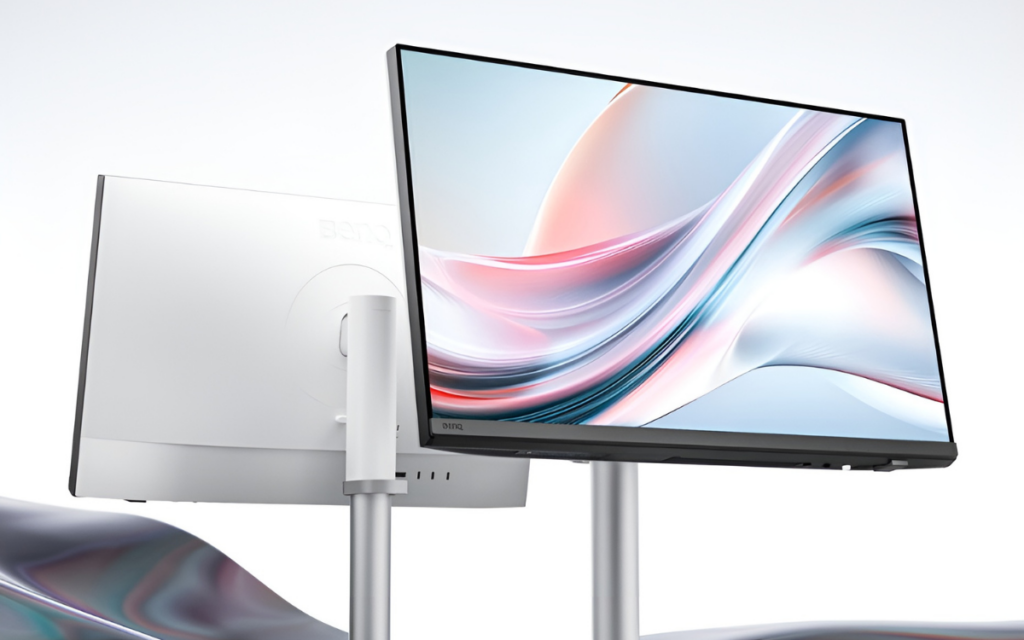
BenQ is stepping into new territory with the launch of its first 4K 144Hz professional monitor, the PD3226G, designed for creatives who need high fidelity and fluid performance. Priced at 8,499 yuan ($1,158), it’s set to hit JD.com on April 14, following the debut of BenQ’s 5K PD2730S.
BenQ PD3226G Monitor Specifications
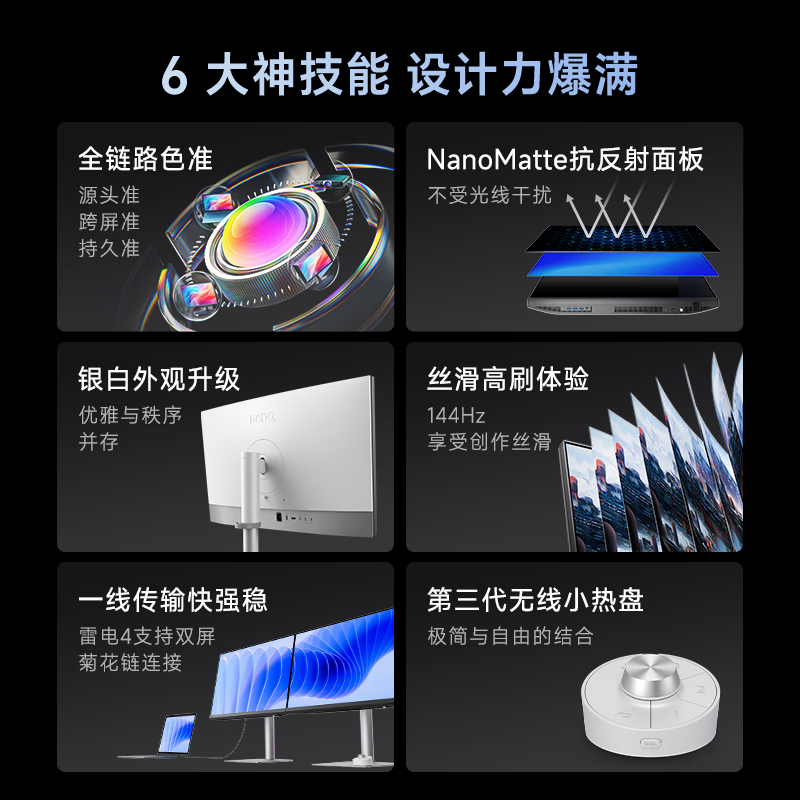
The PD3226G is a 31.5-inch 4K display (3840 x 2160) built around a 10-bit panel with HDR10 and VESA DisplayHDR 400 certification. What makes it stand out is its 144Hz refresh rate—unusual for professional-grade monitors—which makes it a compelling option for designers and animators who work across both static and motion graphics. The display is coated in BenQ’s Nano Matte anti-reflective layer, which helps cut down glare in bright workspaces without sacrificing image clarity.
Color accuracy is a major focus here. The PD3226G ships factory-calibrated, with 25-zone individual color tuning and Calman certification. It supports 100% sRGB, 100% Rec.709, and 95% DCI-P3, with presets for Display-P3 and Apple’s P3 color mode. BenQ’s in-house AQCOLOR technology backs all of this, aiming to deliver out-of-the-box accuracy for everything from photo editing to CAD/CAM work.
Port selection is comprehensive. You get Thunderbolt 4 with 90W power delivery, HDMI 2.1, DisplayPort 1.4, USB-C, three USB-A ports, and a headphone jack. It also supports daisy-chaining dual 4K 144Hz displays, a rarity in this category. The monitor is compatible with both macOS and Windows workflows and is clearly aimed at creators who want fewer dongles and more direct connectivity.
The PD3226G features a sleek silver-white chassis with better cable management and a revamped port layout. It includes a third-gen Hotkey Puck for quick access to key functions, while Display Pilot 2 software manages audio and advanced color tuning.
You’ll also find dual 3W speakers, flicker-free tech, low blue light, ePaper mode, and a built-in colorimeter for long-term calibration accuracy. An ergonomic stand with height, tilt, swivel, and pivot adjustments rounds out a feature set aimed squarely at pros who spend long hours in front of the screen.
In related news, BenQ recently introduced a new premium home cinema projector in India, featuring AI capabilities and 4K support. Meanwhile, the BenQ LH750 projector, offering Full HD resolution and 5,000 lumens of brightness, was launched earlier this year in Europe.
For more daily updates, please visit our News Section.
The handheld gaming scene is heating up with the introduction of the Nintendo Switch 2. But since the first gen Switch, the competition in this segment has grown exponentially with models like the ASUS ROG Ally and Steam Deck. We have already compared the Switch 2 with the Steam Deck, so now, let’s see how Nintendo’s latest handheld stacks up against the ROG Ally.
Design, Display, and Build
One of the biggest advantages of the Nintendo Switch 2 is its hybrid design. It offers greater versatility with its three modes: handheld, tabletop, and TV. The removable JoyCons allows for a fun and engaging multiplayer experience as well. It sports a 7.9-inch LCD display with a 1080p resolution and a 120Hz refresh rate.
ASUS ROG Ally X
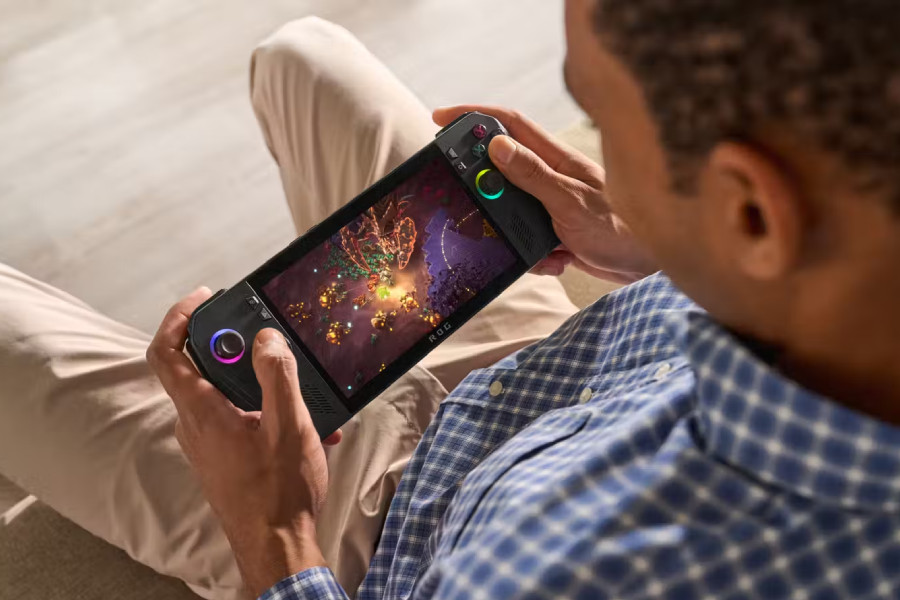
On the other hand, the ASUS ROG Ally is similar to the Steam Deck as a standard gaming handheld. So you’re getting a 7-inch display that is flanked by a typical controller layout. These aren’t removable and are built for a single person. There is a 1080p screen that also offers a 120Hz refresh rate.
Please Note: When you buy something using the links in our articles, we may earn a small commission at no cost to you.
Hardware & Games
Powered by up to AMD’s Ryzen Z1 Extreme processor, the ROG Ally is one of the more powerful handhelds that can take run a plethora of PC titles. This chip brings RDNA 3 graphics, 6GB of LPDDR5 RAM and a 512GB PCIe 4.0 NVMe M.2 SSD. A 40Wh battery pack powers this device, which weighs 608 grams. Battery life was one aspect that the ROG Ally faced criticism on, but its later iterations like the ROG Ally X brought major improvements. The Ally X has an 80Wh cell, with 24GB RAM, improved joysticks, and improved cooling. Since it is a Windows PC, you get access to your massive gaming library from popular platforms like Steam.
Nintendo Switch 2
While specific hardware details are limited, the Nintendo Switch 2 was announced with a custom Nvidia processor which brings support for 4K gaming when docked for TV play. Docking enables faster performance for the console, although handheld gaming is still possible thanks to its 5,220mAh battery pack. Nintendo is known for its massively popular exclusive franchises. From Mario to The Legend of Zelda, there’s plenty of experiences that you just can’t find anywhere else.
Price & Verdict
The Nintendo Switch 2 is set to release on 5th June 2025 for 449.99 US Dollars. Meanwhile, the ROG Ally is available in different configurations that can go for anywhere between 600 to 700 US Dollars. But unlike the Switch 2, it is already available in the market, including the upgraded Ally X variant.
So choosing between the Nintendo Switch 2 and the ASUS ROG Ally depends largely on your gaming preferences. If you’re drawn to Nintendo’s exclusive titles and the flexibility of a hybrid console, the Switch 2 is an appealing choice. However, the ROG Ally has a vast PC library and brings Windows 11 functionality as well.
For more daily updates, please visit our News Section.
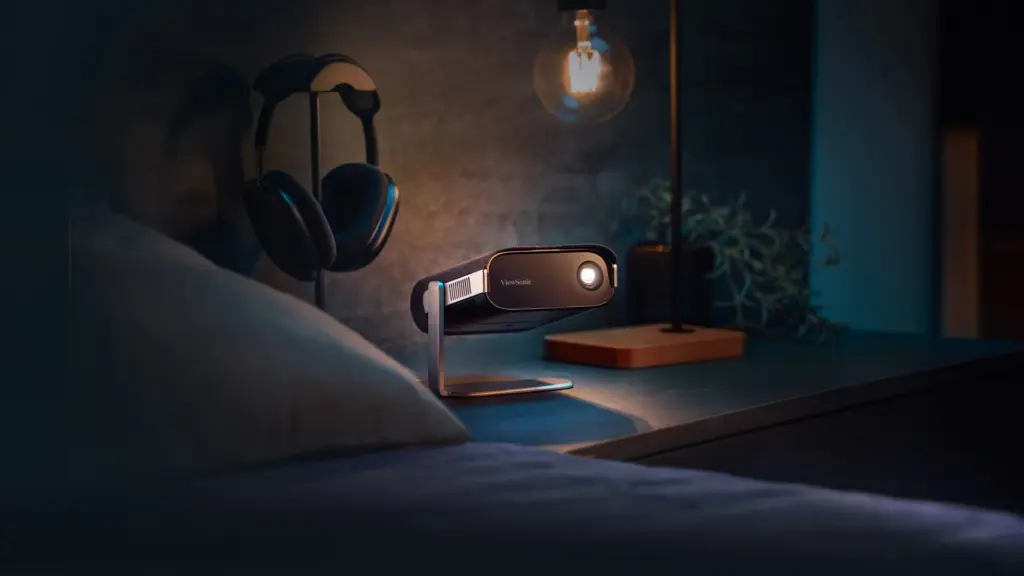
ViewSonic has introduced the M1 Max globally, the newest addition to its iF Design Award-winning M1 projector lineup. Despite its compact, hand-sized design and a weight of under one kilogram, the M1 Max delivers impressive functionality, positioning itself as a capable all-in-one media hub.
ViewSonic M1 Max Specifications
The M1 Max runs on Google TV, giving you access to Netflix, Disney+, YouTube, and a host of other apps without needing an extra dongle. It’s a fully self-contained streaming system, bolstered by a pair of surprisingly loud and crisp Harman Kardon 3W speakers that aim to bring theater-quality sound to your bedroom, backyard, or wherever you decide to set up.
The projector comes with a 360-degree metal stand, which doubles as a lens cover and power switch. Just swivel it open, and the projector powers on—clean, simple, and satisfying. The rotating design means you can easily project onto walls, ceilings, or even the floor, and thanks to automatic horizontal/vertical keystone correction and instant Time-of-Flight (ToF) autofocus, setup is practically frictionless. It takes seconds to get a sharp, perfectly aligned image—even at odd angles.
Image quality is solid, with Full HD 1080p resolution and ViewSonic’s Cinema SuperColor+ tech delivering vivid colors and sharp detail. It maxes out at 100 inches from just 2.5 meters away and offers 500 LED lumens of brightness. It won’t light up a sun-drenched room, but for dimmer environments or nighttime viewing, it more than holds its own.
The projector houses a 12,000mAh built-in battery, supporting up to two hours of playback, and can be recharged or powered via USB-C. It can also act as a power bank for mobile devices. Connectivity options include HDMI 1.4, USB-A, USB-C with video input, 3.5mm audio out, and Bluetooth 5.0 for wireless headphones or external speakers. The ultra-quiet cooling system keeps noise down to 26dB, ideal for immersive viewing.
The M1 Max also supports wireless screen mirroring and direct USB-C streaming, including FaceTime calls and gaming on devices like the Nintendo Switch.
Pricing and Availability
Availability begins in Europe this April, with an Asia rollout to follow in May. Pricing details haven’t been revealed yet, but if ViewSonic gets it right, the M1 Max might just be the most fun you can have with a projector under 1kg.
For more daily updates, please visit our News Section.
BenQ is stepping into the 5K monitor space with the launch of its new PD2730S — a sleek 27-inch display designed for creatives who demand accurate color, sharp resolution, and a solid set of ports. It’s now officially available in China, priced at 9,499 yuan ($1,294) on JD.com, with sales kicking off at midnight.
BenQ PD2730S Monitor Specifications
The PD2730S has been quietly rolling out in other markets earlier this year, but this marks its proper debut in China. It’s also BenQ’s first 27-inch display to feature a 5K resolution (5120 x 2880), delivering a super-crisp 218 PPI. That’s ideal for designers, editors, and photographers who need every pixel to count — and thanks to a matte Nano Anti-Glare coating, you can get that clarity without annoying screen reflections.
Color performance is clearly a priority. The PD2730S arrives factory-calibrated and CalMAN-verified, with 98% coverage of the DCI-P3 color space and full coverage of both sRGB and Rec.709. It also supports Apple’s Display P3 mode and includes BenQ’s ICCsync tech via the Display Pilot 2 software, so switching between color profiles on macOS or Windows is just a click away.
Specs-wise, it runs at 60Hz with a 2000:1 contrast ratio, 10-bit color, and a peak brightness of 400 nits. Not built for gaming, but absolutely geared for content creation.
The I/O setup is stacked. You get dual Thunderbolt 4 ports — one with 90W charging for your laptop and the other for daisy-chaining another 5K monitor — plus HDMI 2.1, DisplayPort 1.4, two USB-C (3.2 Gen), three USB-A ports, and a headphone jack. It even includes built-in 3W stereo speakers and BenQ’s updated wireless Hotkey Puck, which lets you quickly switch color modes or settings on the fly.
The stand is fully adjustable — height, tilt, swivel, and pivot — and designed with creative pros in mind. BenQ also adds its usual eye-care features like TÜV Rheinland-certified low blue light and flicker-free tech, which can help reduce strain during long editing sessions.
In related news, BenQ has introduced a new premium home cinema projector in India, featuring AI capabilities and 4K support. Meanwhile, the BenQ LH750 projector, offering Full HD resolution and 5,000 lumens of brightness, was launched earlier this year in Europe.
For more daily updates, please visit our News Section.
The Snapdragon 8 Plus Gen 1 is a high-end chipset from Qualcomm. It features a powerful octa-core CPU with up to 3.2GHz speed and a capable Adreno 730 GPU for a smooth gaming experience. It has the same architecture as the original Snapdragon 8 Gen 1, but Qualcomm has fine-tuned the CPU and GPU to deliver better performance.
To see how the Snapdragon 8 Plus Gen 1 stacks up with its competitors, we tested it through multiple benchmarks such as AnTuTu and Geekbench. Let’s look at the numbers.
[Note: The following benchmark tests were conducted on the Poco F5 Pro (powered by Snapdragon 8 Plus Gen 1).]
Snapdragon 8 Plus Gen 1 AnTuTu score
AnTuTu is a popular benchmarking tool that evaluates a device’s performance by running a series of tests across multiple components, including CPU, GPU, memory, and UX (user experience). The overall score represents the combined strength of these individual tests.
On the AnTuTu benchmark (version 10), the Snapdragon 8 Plus Gen 1-powered Poco F5 Pro scored above 1.3 million points. As for the breakdown, the CPU scored 339,745 points, the GPU scored 482,109 points, the memory scored 237,702 points, and the user experience (UX) got 241,869 points.
AnTuTu score
1,301,426
CPU
339,745
GPU
482,109
Memory
237,702
UX
241,869
Snapdragon 8 Plus Gen 1 Geekbench score
Geekbench is a widely used benchmarking tool for measuring the CPU capability of a device. It performs real-world and synthetic tests, such as image processing, machine learning, and file compression, to assess how well a processor handles various workloads.
On Geekbench (version 6), the Poco F5 Pro, driven by Snapdragon 8+ Gen 1, claimed 1,732 points in the single-core test and 4,361 points in the multi-core performance.
Geekbench 6
Single core
1,732
Multi core
4,361
Snapdragon 8 Plus Gen 1 3DMark score
We also tested the Snapdragon 8+ Gen 1 on 3DMark, a widely used gaming benchmark tool that measures how well a device performs under prolonged heavy graphical workloads.
Here are the scores:
Wild Life score
8,097 points
Wild Life Unlimited score
8,291 points
Wild Life Extreme score
2,122 points
Wild Life Extreme Unlimited score
2,078 points
Stability test:
Wild Life Stress Test
69.7% stability
Wild Life Extreme Stress Test
99.6% stability
Snapdragon 8 Plus Gen 1 spec sheet
SD 8+ Gen 1
Announced
May 2022
Process node
4nm
Manufacturer
TSMC
Cores
8
CPU architecture
1 x Cortex-X2 — 3.2 GHz 3 x Cortex-A710 @ 2.75 GHz 4 x Cortex-A510 @ 2 GHz
GPU
Adreno 730
NPU
Hexagon NPU
Camera
Spectra 18-bit triple ISP Up to 200MP single camera Up to 108MP camera with zero shutter lag Up to 8K/30fps video recording
RAM
LPDDR5 RAM — 3200 MHz
Connectivity
Snapdragon X65 5G modem Downlink: 10 Gbps Qualcomm FastConnect 6900 Wi-Fi 6E (peak speed: 3.6 Gbps) Bluetooth 5.3
Oppo has officially announced that it is planning to launch a new smartphone in the Indian market soon. The Oppo K13 is the model in question, but it isn’t just a smartphone that the company is bringing over from China. This model is making its first debut in India. So here’s what we know.
Oppo K13 5G arriving in India soon
The Chinese tech giant officially shared a teaser on Flipkart, which is a popular e-retailer in India. This confirms the availability of the Oppo K13 in the region and hints at its imminent release. The Oppo K13 has been rumored to be in the work for sometime now along with its higher end Oppo K13 Pro model. As the name suggests, the Oppo K13 is the direct successor of the Oppo K12, which launched as the rebranded version of the OnePlus Nord CE 4.
Based on our previous report, the Oppo K13 is rumored to feature the Dimensity 8400 SoC. The Oppo K13x was also leaked as an entry level model in the series, which features the Snapdragon 6 Gen 4, an FHD+ AMOLED display, and a massive 7,000mAh battery pack with 80W wired fast charging. In other words, the more expensive base Oppo K13 would likely bring similar if not better specs.
Oppo K13 series TENAA image
We can expect a large battery capacity (that has quickly become the norm for Chinese smartphones), and fast charging. Unfortunately, there is not a lot of information to go on at the moment, so stick around for more as we will be covering more information that surfaced regarding the Oppo K13.
For more daily updates, please visit our News Section.
We use cookies on our website to give you the most relevant experience by remembering your preferences and repeat visits. By clicking “Accept”, you consent to the use of ALL the cookies.
This website uses cookies to improve your experience while you navigate through the website. Out of these, the cookies that are categorized as necessary are stored on your browser as they are essential for the working of basic functionalities of the website. We also use third-party cookies that help us analyze and understand how you use this website. These cookies will be stored in your browser only with your consent. You also have the option to opt-out of these cookies. But opting out of some of these cookies may affect your browsing experience.
Necessary cookies are absolutely essential for the website to function properly. This category only includes cookies that ensures basic functionalities and security features of the website. These cookies do not store any personal information.
Any cookies that may not be particularly necessary for the website to function and is used specifically to collect user personal data via analytics, ads, other embedded contents are termed as non-necessary cookies. It is mandatory to procure user consent prior to running these cookies on your website.