Advertisement

Honor 400 series to pack 7,000mAh battery, metal frame

Honor is known for launching its number series of smartphones twice a year in China. In December 2024, the brand announced the Honor 300 lineup, which included the Honor 300, Honor 300 Pro, and Honor 300 Ultra. Likely, the brand will unveil the Honor 400 series in the first half of this year. A new leak by a Chinese tipster appears to have revealed initial details about the battery size and build of the Honor 400 series.

Honor 400 series battery size tipped

曝荣耀400系列或内置7000mAh超大电池 还有金属中框
Honor 400 series leak

The above leak reveals that Honor has adopted a big battery strategy for its 2025 smartphones. Regarding the upcoming number series, which seems to be the Honor 400 series, the tipster hinted that it would feature a 7,000mAh+ battery and a metal frame for improved durability.

Likely, the Honor 400 series may launch in May 2025 and may comprise of three models, such as the Honor 400, 400 Pro, and 400 Ultra. Unfortunately, nothing else is known about the Honor 400 series.

To recall, while the Honor 300 Ultra and 300 Pro have the Snapdragon 8 Gen 3, the Honor 300 features the Snapdragon 7 Gen 3. There’s a possibility that the upcoming Honor 400 Pro and 400 Ultra may feature the upcoming Snapdragon 8s Elite chip.

A recent Geekbench listing revealed that the configuration of the Snapdragon 8s Elite chip is as follows: 1 core at 3.21GHz, 3 cores at 3.01GHz, 2 cores at 2.80GHz, and 2 cores at 2.02GHz, paired with the Adreno 825 GPU. The said chip is expected to power other phones, such as the iQOO Z10 Turbo / Turbo Pro, Redmi Turbo 4 Pro, Poco F7, and Xiaomi Civi 5 Pro.

Don’t miss a thing! Join our Telegram community for instant updates and grab our free daily newsletter for the best tech stories! 🚀

(via)
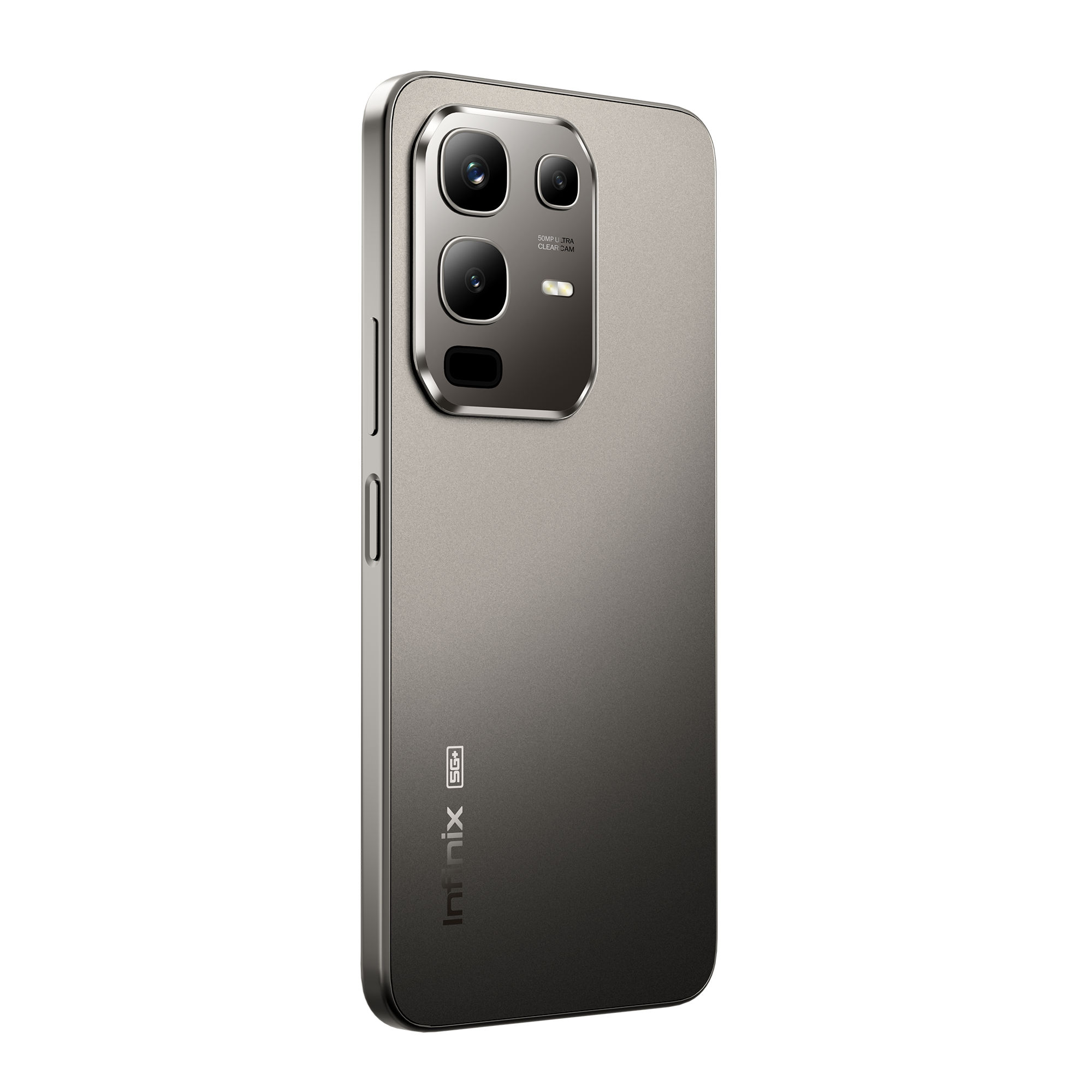
Snapdragon 8s Elite configuration revealed via alleged iQOO Z10 Turbo / Turbo Pro’s Geekbench listing

Qualcomm is reportedly working on the Snapdragon 8s Elite, a toned-down version of the Snapdragon 8 Elite chip. This new chip, which is expected to debut in Q2 2025, will succeed last year’s Snapdragon 8s Gen 3. The SD8sG3 powered the likes of Realme GT 6, Realme GT Neo 6 (China), Motorola Edge 50 Ultra, Poco F6, Xiaomi Civi 4 Pro, Civi 14 Pro, Redmi Turbo 3, Honor 200 Pro, and iQOO Z9 Turbo. It is speculated that the upcoming Snapdragon 8s Elite will power the successor edition of these smartphones. In a new development, a Vivo / iQOO phone featuring the unannounced chip has emerged in Geekbench’s database. The listing has revealed its CPU and GPU details.

Snapdragon 8s Elite Geekbench listing spotted

As can be seen, a new Vivo / iQOO phone with the V2453A model number has emerged on Geekbench. The Qualcomm chip that powers the device has a 1+3+2+2 configuration with a prime CPU core working at 3.21GHz. It is accompanied by three CPU cores clocking at 3.01, two CPU cores working at 2.80GHz, and two CPU cores operating at 2.02GHz. For graphics, the chip is equipped with an Adreno 825 chip.

These details do not match with any of the existing Qualcomm chips, which indicates that it is an upcoming chip. According to tipster Digital Chat Station, it is the upcoming Snapdragon 8s Elite, which has the SM8735 part number. The tipster previously mentioned that the Snapdragon 8s Elite’s architecture would remain X4 + A720, featuring a 1+3+2+2 configuration, akin to the Snapdragon 8 Gen 3.

The Geekbench listing further reveals that the device runs on Android 15 and has 12 GB of RAM. While the identity of the phone is not known yet, it could be the iQOO Z0 Turbo or Turbo Pro, which is expected to debut as one of the first phones powered by the Snapdragon 8s Elite chip.

Apart from the Z10 Turbo, the Snapdragon 8s Elite is expected to power other phones, such as the Redmi Turbo 4 Pro, Poco F7, Xiaomi Civi 5 Pro, and a Realme flagship. 

Don’t miss a thing! Join our Telegram community for instant updates and grab our free daily newsletter for the best tech stories! 🚀

Apple’s iPhone sales decline in China, faces fiercer competition from local brands

Apple has been facing a challenging landscape in China, with iPhone sales continuing to decline. Recent reports indicate that iPhone shipments in December 2024 dropped by 10–12 percent compared to the same period in 2023, highlighting the company’s waning market share in one of its largest markets. While the overall smartphone market in China has remained stable, Apple appears to be losing ground to local competitors who offer more feature-rich devices at competitive prices.

2025 iPhones may not help save Apple’s weakening position in China

iPhone 16 Pro Max
iPhone 16 Pro Max

Looking ahead, Apple’s cautious approach to production planning for 2025 reflects its awareness of these challenges. Even the launch of the iPhone SE 4 (aka iPhone 16e), anticipated in the first half of 2025, may not be enough to reverse this trend. With shipments for the first half of 2025 expected to decline by 6 percent year-on-year, it’s evident that Apple is bracing for a tough year.

The iPhone 17 series, expected in September 2025, includes models with bold design innovations such as an ultra-thin form factor and a foldable variant. While these features could appeal to a niche audience, they come with potential drawbacks. The ultra-thin iPhone (dubbed iPhone 17 Slim by rumor mill), with parts as slim as 5.5mm, and the foldable model may rely solely on eSIM technology. This could pose challenges in the Chinese market, where eSIM-only devices are not widely supported.

Moreover, the ultra-thin iPhone 17 may ship in higher volumes than the iPhone Plus, but its impact on overall sales may be limited due to downgraded components, high pricing, and a user experience that doesn’t substantially differentiate it from current offerings.

As competition intensifies and structural barriers like eSIM adoption persist, Apple’s ability to regain momentum in China will depend on aligning its future products more closely with local market preferences while offering meaningful upgrades to justify its premium pricing.

Don’t miss a thing! Join our Telegram community for instant updates and grab our free daily newsletter for the best tech stories! 🚀

(source)

Tipster confirms no telephoto lens on Mix Flip 2, shares further details

Xiaomi is expected to launch its next generation of clamshell foldables, likely dubbed the Flip 2, in late June this year. While the launch is still some time away, leaks have been steadily trickling in, revealing details about the phone.

For instance, the Flip 2 is expected to feature a larger battery and a slimmer, lighter body compared to its predecessor. Additionally, a report earlier this week hinted at a major camera change for the device. Unlike its predecessor, the Flip 2 may not include a telephoto lens.

Now, a reliable tipster, Digital Chat Station, has reaffirmed this report in a recent post on Weibo, while also sharing other specifications of the device.

Xiaomi Mix Flip 2 Specs

According to Digital Chat Station, the Mix Flip 2 will reportedly feature a 50MP 1/1.5” main camera and a 50MP 1/2.76” ultrawide-angle camera, but no telephoto lens.

The original Mix Flip included a dual-camera setup with a 50MP main lens and a telephoto lens. Omitting the telephoto lens in its successor seems like a bold move, as many users may prefer telephoto functionality over an ultrawide lens.

While this is our perspective, Xiaomi likely has its own reasons for this decision, which we will understand better when the device officially launches.

Nevertheless, the tipster suggests that the Flip 2 will address some shortcomings of its predecessor, such as the lack of wireless charging and an official water resistance rating. The new model is expected to feature an IPX8 rating.

Furthermore, Flip 2 is said to have a 6.85-inch LTPO AMOLED main screen with a 1.5K resolution. It will also include NFC support and a side-mounted fingerprint sensor.

In addition, a previous report suggests that the smartphone will be powered by a Snapdragon 8 Elite processor and will house a battery with a capacity of approximately 5,600mAh to 5,700mAh.

Don’t miss a thing! Join our Telegram community for instant updates and grab our free daily newsletter for the best tech stories! 🚀

(Source)

Oppo Find N5’s first teaser released, world’s thinnest foldable phone to launch in February

Yesterday, the Oppo Find Product Manager revealed that Oppo will be soon releasing the first teaser of the upcoming Oppo Find N5 foldable phone. Today, the brand rolled out the following poster to tease the N5’s design. Additionally, it has confirmed that the foldable phone will break cover in February in China.

Oppo Find N5 teaser

According to Oppo Chief Product Officer and OnePlus founder Pete Lau, the Oppo Find N5 will be the world’s thinnest foldable phone. To hint at its thickness, the company has compared it with a pencil. It indicates that the N5 in its unfolded state will be thinner than a pencil, which measures around 7mm in thickness. There’s a possibility that the N5 may measure around 4mm in the unfolded state and under 10m in the folded state.

Oppo Find N5’s first teaser

The Opo Find N5 also features a titanium build, indicating improved durability. Speculation is rife that the N5 will arrive with an IPX8 rating. To recall, the Find N3, which debuted in 2023, lacked an IP rating.

Reports also state that the Find N5 will pack a battery of around 6,000mAh capacity. It may support 80W or 100W fast charging and 50W magnetic wireless charging. The phone is expected to run on ColorOS 15-based Android 15. Under the hood, it will feature the Snapdragon 8 Elite chipset.

There are reports that the internal screen of the Find N5 will support a 2K resolution. Its rear camera module is expected to sport a thinner design and house an OIS-enabled 50-megapixel main camera, a 50-megapixel ultra-wide lens, and a 50-megapixel periscope telephoto camera with 3x optical zoom support.

Rumors suggest that the Oppo Find N5 might not be the only device set to launch in China in February. Rumors are rife that the Oppo Watch X3 series of smartwatches will also debut with the N5. As far as the Find X8 Ultra and X8 Min are concerned, both devices are expected to launch in March in China.

The Find N5 is also expected to be released globally, probably in some Southeast Asian markets. In markets like the US, Europe, and India, it may get rebranded as the OnePlus Open 2.

Don’t miss a thing! Join our Telegram community for instant updates and grab our free daily newsletter for the best tech stories! 🚀

OnePlus 13 vs iPhone 16: A Head-to-Head Comparison

Flagship smartphones have always sparked debates about value and performance, and the battle gets even tougher when you consider comparisons between Apple and Android phones.

Today, we have a similar comparison as we take a closer look at the recently launched OnePlus 13 and Apple’s iPhone 16, both of which are priced similarly in India. While both devices offer premium features, their approaches differ significantly. Let’s dive into a detailed comparison to see how these two devices stack up against each other.

OnePlus 13 vs iPhone 16

1. Price in India

The OnePlus 13 is priced at Rs 69,999 for its 12GB RAM and 256GB storage variant, continuing OnePlus’ tradition of undercutting flagship competitors. On the other hand, the iPhone 16’s 128GB model officially costs Rs 79,900 but is available at Rs 70,900 on Vijay Sales, thanks to ongoing discounts. This narrow Rs 900 difference means price won’t likely be the deciding factor for most buyers.

Please Note: When you buy something using the links in our articles, we may earn a small commission at no cost to you.

2. Design

Design preferences often come down to personal taste, and both phones bring unique aesthetics to the table. The iPhone 16 sticks to Apple’s signature boxy design with slightly curved edges for enhanced grip. Its compact and lightweight form factor makes it easy to handle, and it’s available in a variety of colors, including green, blue, pink, and white.

The OnePlus 13, while similar to its predecessor, introduces flat sides and a sleeker, more modern look. The rear panel options include leather or glass finishes, and a circular camera module houses four sensors. Both devices excel in build quality, but the iPhone’s compact size may appeal to those seeking a smaller device, whereas the OnePlus 13 offers a larger, more premium feel.

3. Display

The display is where the OnePlus 13 takes a clear lead. It features a larger 6.82-inch QHD+ LTPO 4.1 AMOLED screen with a 120Hz refresh rate. The iPhone 16, in contrast, sports a smaller 6.1-inch OLED display limited to 60Hz.

In terms of brightness, the OnePlus 13’s 4500nits peak brightness far surpasses the iPhone’s 2000nits, making it more suitable for outdoor usage. Although the higher pixel density on the OnePlus 13 gives it an edge, the difference in sharpness is negligible during everyday use. Both displays deliver vibrant and accurate colors, ensuring a high-quality viewing experience.

4. Performance and Software

Under the hood, the OnePlus 13 is powered by the Snapdragon 8 Elite chipset, which outperforms Apple’s A18 Bionic in multi-core benchmark tests. On Geekbench, the OnePlus 13 scored 9125 compared to the iPhone 16’s 8393. However, real-world performance will likely be virtually identical, as both devices can handle intensive tasks and gaming seamlessly.

The software experience is where the decision becomes more subjective. The OnePlus 13 runs on Android 15 with OxygenOS 15 and promises four years of platform updates and extensive customization options. Its near-stock Android feel, coupled with practical AI features of its own and from Google makes it highly adaptable to user preferences.

The iPhone 16 is powered by iOS 18 and delivers a seamless, privacy-focused experience. You get features like Face ID and five years of software support, it’s a reliable choice for long-term use. While customization is limited compared to Android, Apple’s ecosystem integration remains unmatched.

5. Camera Performance

The OnePlus 13 features a versatile triple-camera setup:

  • 50 MP wide-angle
  • 50 MP periscope telephoto with 3x optical zoom
  • 50 MP ultrawide

This setup excels in capturing detailed, vibrant images and offers superior zoom capabilities. Its Hasselblad Color Calibration enhances color accuracy, making it a favorite for scenic shots.

The iPhone 16 sports a dual-camera system:

  • 48 MP wide-angle
  • 12 MP ultrawide

While less versatile on paper, the iPhone delivers consistent performance in dynamic range and excels in video recording. Apple’s computational photography ensures natural-looking photos, while smoother zoom transitions enhance videography.

6. Battery and Charging

Battery life is another area where the OnePlus 13 outshines the iPhone 16. With a 6,000mAh battery, the OnePlus 13 easily lasts 1.5 days of moderate usage. In comparison, the iPhone 16’s 3,500mAh battery might only provide close to a full day of usage, thanks to Apple’s software optimizations.

OnePlus has a clear advantage in terms of charging too. It supports 100W fast charging and includes a charger in the box, while the iPhone 16 is limited to 20W charging and does not come with a charger. For users who value quick top-ups, the OnePlus 13 is the obvious choice.

7. Final Thoughts

Choosing between the OnePlus 13 and iPhone 16 ultimately boils down to individual priorities. The OnePlus 13 offers a better display, longer battery life, faster charging, and superior customization options, making it an excellent choice for Android enthusiasts and power users. 

Meanwhile, the iPhone 16’s compact design, robust ecosystem, and superior video capabilities cater to those deeply invested in Apple’s ecosystem or who prioritize simplicity and security.

Both phones are strong contenders in the flagship market. Consider what matters most to you—be it software, design, or battery life—and you’ll find either device more than capable of meeting your needs.

Don’t miss a thing! Join our Telegram community for instant updates and grab our free daily newsletter for the best tech stories!

Should you buy iQOO 13 over OnePlus 13?

iQOO 13 and OnePlus 13 are two of the latest flagship smartphones introduced recently in the global market, offering premium features and cutting-edge technology.

While both devices excel in several areas, they cater to slightly different audiences, with iQOO targeting gamers and performance enthusiasts, and OnePlus focusing on an all-round premium experience. Let’s break down the features of both devices to help you decide whether you should choose the iQOO 13 over the OnePlus 13.

iQOO 13
iQOO 13

1. Display

Both smartphones feature 2K+ AMOLED displays with incredible brightness levels and high refresh rates. The iQOO 13 boasts a 6.82-inch flat BOE Q10 panel with a 144Hz variable refresh rate (1-144Hz), 2592Hz PWM dimming, and a peak brightness of up to 4500 nits. This makes it a standout for gamers who demand fast response times and vibrant visuals.

On the other hand, the OnePlus 13 also offers a 6.82-inch BOE X2 LTPO AMOLED screen with a 120Hz variable refresh rate (1-120Hz), Dolby Vision, and DisplayMate A++ certification. Its superior color calibration and Crystal Shield ceramic glass protection make it ideal for multimedia consumption and daily use.

While both displays are excellent, the iQOO 13’s higher refresh rate gives it an edge for gamers.

Please Note: When you buy something using the links in our articles, we may earn a small commission at no cost to you.

2. Performance

Both devices are powered by Qualcomm‘s Snapdragon 8 Elite chipset, making them incredibly powerful. The iQOO 13 claims a slightly lower AnTuTu score (3.15 million) compared to the OnePlus 13 (3.18 million), but this difference is negligible in real-world performance. Both phones support UFS 4.0 storage, with iQOO offering up to 1TB and OnePlus taking it a step further with 24GB of RAM on its top variant.

The iQOO 13 is particularly optimized for gaming, featuring a Q2 self-developed chip that supports 144fps native frame rates, PC-level texture resolution, and advanced thermal management. Additionally, it supports high-frame-rate gaming for titles like Naraka: Bladepoint and Dark Zone Breakout with ray-tracing capabilities.

The OnePlus 13, while also excellent for gaming and comes with a bigger vapor chamber, focuses on a balanced approach, offering gaming enhancements such as its “Bionic Vibration Motor Turbo” for richer haptic feedback, but it lacks some of iQOO’s extreme gaming-specific features.

3. Cameras

When it comes to photography, the OnePlus 13 has a clear edge. Its 50MP Sony LYT-808 main camera, paired with a 50MP ultra-wide and a 50MP 3x periscope telephoto lens with advanced Hasselblad tuning, promises superior image quality. Features like a multi-prism reflection periscope and up to 120x digital zoom add to its versatility for photography enthusiasts.

The iQOO 13 also offers a strong camera setup, with a 50MP Sony IMX921 main sensor, a 50MP ultra-wide-angle camera, and a 50MP 2x telephoto lens. While the quality is impressive, it doesn’t quite match the periscope zoom or Hasselblad optimization of the OnePlus 13.

4. Battery and Charging

iQOO 13 packs a 6150mAh silicon-carbon battery with 120W wired charging, capable of a full charge in just 30 minutes. It also supports 44W UFCS and 100W PPS charging standards but lacks wireless charging.

The OnePlus 13, meanwhile, features a slightly smaller 6000mAh battery with 100W wired charging (full charge in 36 minutes) and 50W wireless charging, along with magnetic charging support. For those who value the convenience of wireless charging, OnePlus takes the lead.

5. Design and Build

The iQOO 13 uses an aviation-grade aluminum frame and offers bold color options, including Legend, Track, and Green editions. It also features a gaming-centric halo light around the camera that adapts to in-game effects.

The OnePlus 13 offers a more premium and minimalistic design with finishes like Obsidian (ebony wood grain glass), Blue (velvet leather), and White (silk glass). Its ultra-narrow micro-arc frame and Alert Slider enhance usability and style. Both devices have IP68+IP69 dust and water resistance.

For those who value aesthetics, OnePlus 13 feels more polished, while the iQOO 13 leans toward a functional gaming design.

6. Pricing

The iQOO 13 starts at 3999 yuan and Rs. 54,999 for the 12GB + 256GB variant, with the top 16GB + 1TB model priced at 5199 yuan and Rs. 59,999 for the 16GB + 512GB variant.

The OnePlus 13 starts at 4499 yuan and Rs. 69,999 for the 12GB + 256GB model, going up to 5999 yuan and Rs. 89,999 for the top-end 24GB + 1TB (Black Eclipse only) version.

The iQOO 13 offers slightly better value for money, especially for gamers looking for extreme performance and gaming-centric features.

7. iQOO 13 or OnePlus 13?

If you’re a gamer or someone who prioritizes raw performance, thermal management, and frame rates, the iQOO 13 is the clear winner. Its gaming-focused optimizations, 144Hz display, and aggressive pricing make it a great choice for gaming enthusiasts.

However, if you’re looking for an all-round premium smartphone with superior cameras, better design, and wireless charging, the OnePlus 13 (our review) is worth the extra cost. It excels in photography, display quality, and user experience, making it a great option for everyday use.

Ultimately, your choice should depend on whether you prioritize gaming or a more balanced flagship experience.

If you’re interested in TVs, be sure to check out our list of the Best TVs at CES 2025.

Tech enthusiast? Get the latest news first! Follow our Telegram channel and subscribe to our free newsletter for your daily tech fix! ⚡

Aurzen Zip: World’s First Tri-Fold Projector That Fits in Your Pocket

At CES 2025, Aurzen introduced the Aurzen Zip, the world’s first tri-fold portable projector. This innovative projector combines advanced features with unmatched portability, setting a new standard for the portable projector market.

Aurzen Zip

Aurzen Zip Specifications

The Aurzen Zip features an ingenious tri-fold design that makes it ultra-compact and lightweight, measuring just 3.31 x 3.07 x 1.02 inches (84 x 78 x 26mm) and weighing 9.88 ounces (280 grams). It comes with the world’s thinnest 8mm high-definition optical engine and an ultra-compact DLP microchip housed in the first fold.

The second fold equips dual high-strength aluminum hinges and stereo speakers, while the third sports a non-slip base and a built-in battery. This Z-shaped structure eliminates the need for external tripods, ensuring a hassle-free setup anywhere.

The Zip features one-tap screen mirroring that works without Wi-Fi, offering effortless connectivity with iOS, Android, macOS, and Windows devices. It comes with an optional CastPlay dongle, which equips it with compatibility for HDMI devices like gaming consoles and TV boxes, enhancing its versatility.

Aurzen Zip

Aurzen has also integrated ToF zero-lag autofocus technology, ensuring instant focus and vertical keystone correction by measuring distances 30 times per second. Additionally, it comes with a built-in gyroscope that equips the projector to adapt seamlessly to horizontal and vertical orientations, making it perfect for full-screen, borderless viewing of mobile content from apps like TikTok and Instagram.

Despite its compact size, the Zip features a native 720p resolution with 100 ANSI lumens brightness and 4K playback support. It comes with a 5000mAh battery that offers 1.5 hours of usage per charge and sports 24W fast charging via USB-C, ensuring quick and efficient power top-ups.

The projector is now available for pre-order on Kickstarter, with early-bird pricing starting at $249, well below its $399 retail price. Shipping is expected to begin in March 2025.

You must also check out our best of CES 2025 for all the coolest tech announcements.

Stay ahead in tech! Join our Telegram community and sign up for our daily newsletter of top stories! 💡

Casio Introduces G-Shock Urban Utility Watches Made with Biomass Plastic and Food-Waste-Derived Colors

Casio Japan has announced two new G-Shock models, GD-010CE-5JF and GA-010CE-2AJF, designed with a focus on durability and sustainability. These watches will be available in January 2025, with the GD-010CE priced at ¥17,050 ($110) and the GA-010CE at ¥20,350 ($132).

The main resin parts, including the case and bezel, are made from biomass plastic, helping reduce environmental impact. The bands are created from CORDURA re/cor, a strong material made using recycled Cordura and PET yarn. The bands are dyed using FOOD TEXTILE’s process, which turns food waste into natural dyes. The GA-010CE’s band is colored with dye from red turnips, while the GD-010CE’s band uses echinacea dye. This process results in soft, natural colors and unique textures.

G-Shock GA 010CE 2AJF

Both models are built for reliability and offer a 10-year battery life, achieved by combining a large-capacity battery with efficient power use. The carbon core guard structure ensures strength while keeping the watches lightweight. They are water-resistant up to 20 ATM (200 meters) and include LED lights for visibility in dark environments—on the dial for the GA-010CE and the LCD for the GD-010CE.

The watches also feature world time for 48 cities, a stopwatch, a timer, five alarms (including one with snooze), and a fully automatic calendar. A needle retraction function helps improve LCD readability, and users can switch the operation sound on or off. The Neo Bright coating adds extra visibility.

Don’t miss a thing! Join our Telegram community for instant updates and grab our free daily newsletter for the best tech stories!

(Source: 1, 2, via)

Qualcomm Snapdragon 8s Elite key details and benchmark insights leaked

Qualcomm is reportedly gearing up to launch the Snapdragon 8s Elite (SM8735), a new mid-range chipset aiming to bridge the performance gap between premium and budget-friendly devices. Leaks suggest the 8s Elite will deliver impressive performance, rivaling even some Snapdragon 8 Gen 3 flagships, while maintaining a more competitive price point.

Snapdragon 8s Elite

According to renowned leaker Digital Chat Station, the 8s Elite is expected to achieve an AnTuTu score of around 2 million, placing it in a similar performance range as Snapdragon 8 Gen 3-powered devices, though slightly trailing behind.

It will not use the new Oryon cores

The tipster also says, the new chipset will not utilize Qualcomm’s custom-designed Oryon cores, which were introduced with the Snapdragon 8 Elite. Instead, it will rely on a more conventional CPU architecture, featuring a Cortex-X4 prime core and A720 efficiency cores, resulting in a performance similar to Snapdragon 8 Gen 3.

Snapdragon 8s Elite leak DCS

It is also expected to exhibit a slight performance dip in GPU-intensive tasks compared to the Snapdragon 8 Gen 3. This trade-off could be a strategic move by Qualcomm to optimize power consumption and maintain competitive pricing for the mid-range segment.

The SM8735 chipset was previously spotted in Xiaomi’s HyperOS software earlier this year. Rumors suggest it could power upcoming devices like the Redmi Turbo 4 Pro or Redmi K90.

DCS also says that the Snapdragon 8s Elite is likely to gain widespread adoption among leading smartphone brands. Alongside Xiaomi, manufacturers such as Honor, iQOO, and Oppo are also rumored to be developing ultra-slim photography-focused phones powered by this chipset. These smartphones are expected to launch around April, hinting at a possible unveiling of the 8s Elite in March or April.

The arrival of the Snapdragon 8s Elite would intensify competition in the mid-range segment, pushing manufacturers to deliver even more powerful and feature-rich devices at attractive price points. Consumers can also expect to see a wider range of high-performance options at more affordable price points, offering a compelling alternative to flagship devices for those seeking a powerful and feature-packed smartphone experience without the premium price tag.

Stay ahead in tech! Join our Telegram community and sign up for our daily newsletter of top stories! 💡

Lenovo Tab: Affordable Tablet with 10.1″ Display, Helio G85, and 5,100mAh Battery

Lenovo has unveiled the Lenovo Tab, a budget-friendly tablet designed for users who need an affordable device for basic tasks.

Lenovo Tab

Design and Build

The Lenovo Tab has a clean and simple design with a single rear camera and a Lenovo logo. It is available in Luna Grey and Polar Blue and measures 7.5 mm in thickness, giving it a slim and lightweight profile. Lenovo offers additional cases, including a clear stand case, a folio case, and a kid-friendly Play Suite case, providing extra protection and functionality.

Everyday Display and Reliable Performance

The tablet has a 10.1-inch display with a resolution of 1920x1200px and an 83% screen-to-body ratio. It has a 60Hz refresh rate and can reach up to 400 nits of brightness, making it suitable for casual activities like watching videos, reading, or browsing.

Lenovo Tab

Powered by the Helio G85 chipset and Mali-G52 GPU, the tablet handles basic tasks efficiently. It comes with 4GB of RAM and offers 64GB or 128GB of storage, expandable via a MicroSD card. While it isn’t designed for demanding applications or gaming, it provides consistent performance, with an approximate AnTuTu score of 265K.

Practical Features for Everyday Use

The tablet includes an 8MP rear camera for simple photos and a 5MP front camera for video calls. It has dual speakers tuned by Dolby Atmos for better sound and a 3.5mm headphone jack for convenience.

The 5,100mAh battery supports 15W Quick Charge and provides sufficient power for a day of light to moderate use. Connectivity features include Wi-Fi 5 and Bluetooth 5.3. It runs on Android 14 out of the box.

Affordable and Accessible

Priced at $159, the Lenovo Tab will be available in June 2025. It offers a straightforward and reliable option for those looking for an affordable tablet to meet everyday needs.

Tech enthusiast? Get the latest news first! Follow our Telegram channel and subscribe to our free newsletter for your daily tech fix!

Galaxy S25 series price leaks for all variants, and they’re going up

The Galaxy S25 series is gradually shedding its veil of secrecy. At this point, we are well-acquainted with its specifications, and its design is no longer a mystery. 

Now, completing the puzzle with pricing details, SpillSomeBeans has leaked the full price list for the Galaxy S25 series for the Vietnamese market.

Galaxy S25 Series Pricing

Previous rumors have suggested that the Galaxy S25 series might come with a price hike, and the latest leak seems to confirm this.

According to the report, the base Galaxy S25 model in Vietnam will cost 23,990,000 VND (~$999) for the 256GB version, while the 512GB variant will be priced at 27,490,000 VND (~$1,149).
Similarly, the Galaxy S25 Plus will be available at 27,990,000 VND (~$1,169) for the 256GB version and 31,490,000 VND (~$1,299) for the 512GB variant.

For the top-tier Galaxy S25 Ultra, the base 256GB model will retail at 34,990,000 VND (~$1,449), the 512GB version at 38,490,000 VND (~$1,599), and the 1TB variant at 45,790,000 VND (~$1,899).

That’s a consistent $40 price increase across the lineup compared to the launch prices of the S24 series, with the exception of the S25 Ultra, which sees a slightly higher $50 hike. Here’s how the Galaxy S25 series pricing stacks up against the S24 series.

ModelMemory ConfigurationGalaxy S25 Series (2025)Galaxy S24 Sereis (2024)Price Difference
Galaxy S Ultra256GB34,990,000 VND33,990,000 VND+1,000,000 VND (~$40)
Galaxy S Ultra512GB38,490,000 VND37,490,000 VND+1,000,000 VND (~$40)
Galaxy S Ultra1TB45,790,000 VND44,490,000 VND+1,300,000 VND (~$50)
Galaxy S Plus256GB27,990,000 VND26,990,000 VND+1,000,000 VND (~$40)
Galaxy S Plus512GB31,490,000 VND30,490,000 VND+1,000,000 VND (~$40)
Galaxy S256GB23,990,000 VND22,990,000 VND+1,000,000 VND (~$40)
Galaxy S512GB27,490,000 VND26,490,000 VND+1,000,000 VND (~$40)

Don’t miss a thing! Join our Telegram community for instant updates and grab our free daily newsletter for the best tech stories! 🚀

Best TVs at CES 2025

At CES 2025, a variety of groundbreaking televisions were showcased, each bringing unique innovations to the market. Here’s a detailed look at four standout models: the TCL QM6K Mini LED TV, Hisense 116UX TriChroma LED TV, LG G5 OLED, and Samsung The Frame Pro.

1. TCL QM6K Mini LED TV

TCL QM6K TV series
TCL QM6K Mini LED TV

The TCL QM6K 50-inch TV has been making waves as an impressive entry-level option that doesn’t compromise on quality. Featuring Mini LED technology, this TV offers significant brightness improvements over its predecessors, with a 53% brighter output and a 10% increase in light efficiency. This results in superior backlight uniformity and a 67% reduction in blooming artifacts, ensuring a crisp, vivid viewing experience. It supports a static contrast ratio of 7,000:1 and covers 98% of the DCI-P3 color gamut, which is remarkable for its price point.

The QM6K also offers a 144Hz native refresh rate, which, with TCL’s Game Accelerator, can reach up to 288Hz, making it a formidable choice for gamers. With Dolby Vision IQ, Dolby Atmos, and a 2.1-channel Onkyo speaker system, this TV is not just about visuals but also about immersive audio. Running on Google TV, it provides a user-friendly interface for streaming services.

The 50-inch model is priced at $749.99, the 55-inch at $799.99, the 65-inch at $999.99, the 75-inch at $1,299.99, the 85-inch at $1,999.99, and the largest 98-inch screen at $3,499.99 MSRP. Pre-orders for the 65″, 75″, and 85″ models are currently open on TCL’s website, and each comes with a free TCL Q75H sound bar.

2. Hisense 116UX TriChroma LED TV

Hisense 116UX TriChroma LED TV

Hisense’s 116UX stands out for its sheer size and technological prowess. This 116-inch monster introduces RGB Local Dimming, an innovation where red, green, and blue LEDs work in clusters for unparalleled color accuracy, covering 97% of the BT.2020 color space, which is a landmark achievement for LED TVs. The TV’s peak brightness can reach up to 10,000 nits, making it one of the brightest displays at the show. It employs black nanocrystals to reduce reflectivity, ensuring that even in bright environments, the display remains clear and vibrant.

The integration of Dolby Vision IQ, HDR10+, Dolby Atmos, and DTS Virtual X, along with a 6.2.2 multi-channel surround sound system, creates an enveloping theater-like experience. Running on Hisense’s proprietary VIDAA OS, this TV aims at both the cinephile and the tech enthusiast, earning multiple accolades at CES 2025.

The pricing and availability of the Hisense 116UX TriChroma LED TV have not been disclosed.

3. LG G5 OLED

LG G5 OLED
LG G5 OLED

LG’sv G5 OLED has been noted for its brightness without the use of Micro Lens Array (MLA) technology, instead leveraging what LG calls “Brightness Booster Ultimate”. This innovation claims to triple the brightness compared to conventional OLEDs, making the G5 one of the brightest OLED TVs showcased.

With a new four-stack OLED panel, the G5 not only competes on brightness but also on color accuracy and contrast. Available in sizes from 55 to 97 inches, it’s versatile for different room sizes. It supports Dolby Vision IQ and Dolby Atmos, with an integrated Onkyo 2.1-channel system, enhancing its appeal for both video and audio enthusiasts. The G5 also introduces AI-driven features, making it a smart choice for those seeking the latest in display technology.

Pricing is anticipated to start from around $3,000 for the smaller models, with larger sizes like the 83 and 97-inch models expected to exceed $5,000, though specific prices are yet to be confirmed. Availability details have not been disclosed, following its announcement at CES 2025.

4. Samsung The Frame Pro

Samsung Frame Pro
Samsung Frame Pro

Samsung’s The Frame TV has always been favored for its dual functionality as both a television and an art display. The Frame Pro elevates this concept with Mini LED technology, offering enhanced brightness and contrast while maintaining the matte screen finish that reduces glare.

A key highlight is the introduction of a wireless connection to its breakout box, simplifying installation and eliminating the need for multiple cables. This model not only continues to blend seamlessly into home decor but also provides an exceptional viewing experience with its advanced display capabilities, making it a favorite for those who value aesthetics alongside performance.

The pricing and availability for the Samsung The Frame Pro have not been disclosed. Given its positioning as a premium version of the existing model, it is expected to be priced higher than standard The Frame TVs. Following typical product release patterns, The Frame Pro should become available for purchase soon after its CES reveal, likely within the first half of 2025.

Each of these TVs from CES 2025 showcases a blend of innovation, practical features, and design, catering to different consumer priorities, whether it’s price, size, picture quality, or integration into home aesthetics. They represent the pinnacle of TV technology at the start of 2025, setting new standards for what consumers can expect from their home entertainment systems.

Don’t miss a thing! Join our Telegram community for instant updates and grab our free daily newsletter for the best tech stories! 🚀

Vivo X200S, Vivo X200 Ultra color options leaked, first Vivo X300 series leak reveals no Pro Mini variant

Reports have revealed that Vivo is working on a new X-series phone called the Vivo X200S for the Chinese market. The “S” branded device will be an incremental upgrade over the existing Vivo X200, which went official in October 2024 in China. The X200S is expected to debut alongside the X200 Ultra in the second quarter of this year. Well before the launch, tipster Panda is Bald leaked the color variants of both smartphones.

Vivo X200S, Vivo X200 Ultra color options (rumored)

The Vivo X200 has been available in the Chinese market in multiple colors, such as black, white, titanium, and blue. The new leak reveals that the Vivo X200S will arrive in shades, such as black and silver.

The X200 Ultra will be available in black and a new shade. To recall, last year’s X100 Ultra was sold in shades like titanium, white, and grey.

The Chinese tipster has also revealed that Vivo plans to launch the Vivo Watch 4 smartwatch alongside the X200S and X200 Ultra. However, there won’t be S-branded versions of the Vivo X200 Pro Mini and X200 Pro.

The leaker did not share any information about the Vivo Watch 4. This watch will be the successor to the Watch 3, which was announced in November 2023. The Watch 3 came with a round dial, but the Watch GT, which went official in 2024, was Vivo’s first smartwatch with a square dial. It appears that the Watch 4 will continue to house a round dial.

Vivo X300 to sport a compact design like Pro Mini

In related news, a recent Weibo post by tipster Digital Chat Station hints at initial details about the Vivo X3000, which is expected to launch in Q4 2025 in China. The current X200 series includes three models: the X200, X200 Pro, and X200 Pro Mini. It appears that this year the company will return to launching dual flagship phones, suggesting the lineup will include the X300 and X300 Pro, and there won’t be a Pro Mini offering. As for the X300 Ultra, it may launch in the first half of 2026.

The above leak suggests that the launch of the Vivo X200 Pro Mini was a test to gauge market response for a mini phone with a 6.31-inch screen. DCS has boldly speculated that the X300 will feature a similar-sized screen instead of the 6.6-inch display seen on the X200. Therefore, it is likely that the X300 with a mini display will be marketed as the standard Vivo X300. Hopefully, it will address the shortcomings of the Vivo X200 by offering features such as better cameras and wireless charging.

Don’t miss a thing! Join our Telegram community for instant updates and grab our free daily newsletter for the best tech stories! 🚀

Redmi K80 Ultra tipped to feature the largest battery in Redmi’s history

This year, Redmi plans to expand its K80 series with the upcoming launch of the Redmi K80 Ultra. Reports suggest that it could be the first Redmi flagship to launch in the second half of this year. The rumor mill has already started leaking details about the K80 Ultra. A recent leak revealed that the Ultra model will arrive with a significantly improved battery. Now, a new leak, courtesy of tipster Smart Pikachu, has revealed key details about the K80 Ultra.

Redmi K80 Ultra key details tipped

The above leak reveals that the Redmi K80 Ultra will have a glass body and a metal middle frame. While the Redmi K70 Ultra featured an optical-type fingerprint sensor, the K80 Ultra is tipped to feature an ultrasonic in-screen fingerprint sensor.

The leak reveals that the Redmi K80 Ultra will lack a periscope camera, which is unsurprising given that it is designed as a performance-driven phone rather than one focused on photography. Upon questioning the leaker about the K80 Ultra’s battery size, he revealed that it will pack the largest battery ever seen on a Redmi phone. As per a recent report, the K80 Ultra’s battery size will not be less than 6,500mAh, suggesting that the battery life may exceed 7,000mAh. As far as the design is concerned, it is likely to be similar to the existing Redmi K80 series models.

The Redmi K70 Ultra went official in July 2024. When asked if the K80 Ultra’s launch timeframe would be the same as the K70 Ultra, Smart Pikachu responded, saying that its launch will be slightly advanced, which indicates it may launch in June or early July this year.

In terms of the chipset, the Redmi K80 Ultra is expected to debut as one of the first phones to feature the Dimensity 9400 Plus chip, an overclocked version of the D9400. The leak also claims that there will be a high-end version, although it does not specify what this entails. There is a possibility that this could refer to a special edition or a 24GB+1TB variant, like the Redmi K70 Ultra. Other reports have revealed that the K80 Ultra will feature a flat OLED panel with super-thin bezels and 1.5K resolution support.

Don’t miss a thing! Join our Telegram community for instant updates and grab our free daily newsletter for the best tech stories! 🚀

Snapdragon X vs Snapdragon X Plus: What’s the difference?

Qualcomm has recently expanded its Snapdragon X lineup, introducing the Snapdragon X as an entry-level SoC alongside its already popular Snapdragon X Plus. With these two processors, Qualcomm is aiming to capture a wide spectrum of the laptop market from budget-friendly models to mid-range options, while also challenging traditional x86 players like Intel and AMD. But how do these two Snapdragon chips stack up against each other? Let’s dive into the details and explore their differences, strengths, and use cases.

Qualcomm Snapdragon X

1. Core Architecture and Performance

Both the Snapdragon X and Snapdragon X Plus are based on Qualcomm’s custom Oryon CPU cores, which are designed to deliver high efficiency and competitive performance using the ARM architecture. The Snapdragon X features eight CPU cores clocked at up to 3.0 GHz, whereas the Snapdragon X Plus comes in two configurations: a 10-core variant clocked at up to 3.4 GHz and an 8-core version clocked at up to 3.2 GHz.

The additional cores and higher clock speeds in the Snapdragon X Plus allow it to handle more demanding workloads, making it better suited for professional users and multitasking-heavy scenarios.

In terms of cache, the Snapdragon X offers 30 MB of total cache, while the Snapdragon X Plus configurations boast 42 MB. This difference contributes to the X Plus’s superior performance in applications that rely on high memory bandwidth, such as content creation and software development.

2. Graphics and GPU Capabilities

Both processors are equipped with an Adreno GPU, but their performance levels vary significantly. The Snapdragon X features a GPU capable of delivering up to 1.7 TFLOPS, which is sufficient for light gaming, older titles, and casual media editing.

On the other hand, the Snapdragon X Plus has a more powerful GPU with a performance capability of up to 3.8 TFLOPS in its 10-core version, making it ideal for more graphics-intensive tasks like 3D rendering and gaming at higher resolutions.

Both chips support DirectX 12 and hardware acceleration for modern video codecs such as AV1, HEVC, and H.264, ensuring smooth video streaming and multimedia playback.

3. AI and NPU Performance

The Snapdragon X series integrates Qualcomm’s Hexagon NPU, delivering 45 TOPS (trillion operations per second) of AI performance. This advanced NPU powers both the Snapdragon X and Snapdragon X Plus, enabling features such as real-time voice transcription, image enhancement, and AI-based productivity tools like Microsoft‘s Copilot+ features. With identical NPU performance, both processors offer exceptional AI-driven capabilities while maintaining affordability.

4. Memory, Connectivity, and Battery Life

Memory configurations are identical across both chips, with support for LPDDR5x RAM running at up to 8448 MT/s, delivering bandwidths of 135 GB/s. This ensures efficient multitasking and seamless AI processing, regardless of the chosen processor.

Connectivity features are also consistent, with both processors supporting Wi-Fi 7, Bluetooth 5.4, and Snapdragon X65 5G modems for ultra-fast wireless communication.

However, due to its higher performance ceiling, the Snapdragon X Plus is slightly more power-hungry, operating between 15W and 35W, compared to the Snapdragon X’s range of 15W to 30W. This translates to a minor trade-off in battery life for the X Plus in exchange for its superior performance.

5. Use Cases and Target Markets

The Snapdragon X is tailored for entry-level laptops priced around $600. It is ideal for students, freelance workers, and budget-conscious consumers who prioritize battery life and basic computing tasks over raw power. Its 8-core design and efficient power consumption make it a compelling option for thin-and-light laptops with long battery life.

Conversely, the Snapdragon X Plus is aimed at mid-range laptops and ultraportable professional devices priced between $800 and $1,000. It’s better suited for users who need more performance for productivity applications, creative workflows, and occasional gaming. The 10-core variant, in particular, caters to professionals looking for a balance of performance and efficiency without stepping into the premium Snapdragon X Elite territory.

We recently reviewed the compact Zaopin Z2 Mini 4K Gaming Mouse, featuring a lightweight design, hot-swappable functionality, and affordability—check it out!

Stay ahead in tech! Join our Telegram community and sign up for our daily newsletter of top stories! 💡

Oppo Find N5 official teasers to begin this week as February launch draws near

There have been reports that Oppo will unveil the Oppo Find N5 foldable phone next month (February) in China. While the N5 is expected to launch this month, competing foldable phones from other brands are expected to launch in the second half of this year. This suggests that the N5 will have a significant advantage over its competitors. A new development reveals that Oppo will release the first teasers of the N5.

Oppo Find N5 first teasers to be out soon

As can be seen above, Oppo Find Product Manager Zhou Yibao has revealed that the Find N5’s first teasers will be out this week. With the first details of the highly anticipated foldable coming out this week, it appears that it may debut soon after the upcoming Chinese Spring Festival, which will be expected to end in the third week of February. Therefore, the Find N5 will likely launch in the second half of February.

Apart from China, the Find N5 is also expected to be released in Southeast Asian markets. The global launch of the N5 is rapidly approaching, as the device has already received certification in multiple markets.

Oppo Find N5 specifications (rumored)

As per reports, the Oppo Find N5 will be a thinner and lighter device with a titanium build. Despite housing an improved form factor than the Find N3 from 2023, the N5 may house a larger battery of nearly 6,000mAh capacity. It is also expected to support 50W wireless charging apart from wired fast charging. It will debut as the world’s first foldable phone powered by the Snapdragon 8 Elite chipset.

The Find N5 is expected to arrive with a 2K resolution internal foldable screen. On the back, it will have a round camera module featuring a 50-megapixel main camera, a 50-megapixel ultra-wide lens, and a 50-megapixel periscope telephoto camera with 3x optical zoom. It is expected to run on ColorOS 15, based on Android 15.

Don’t miss a thing! Join our Telegram community for instant updates and grab our free daily newsletter for the best tech stories! 🚀

Tipster shares list of foldable and flip phones confirmed to launch in 2025

Reports in 2024 suggested major brands might pause foldable phone development due to declining sales. While it’s too early to confirm how this will unfold, one thing is clear—foldable phones are not going extinct just yet.

A reliable tipster, Digital Chat Station (DCS), has shared a list of foldable and clamshell flip-style devices we can expect to see in 2025.

Clamshell Flips in 2025

If you’re looking for a foldable phone that offers a more compact design, 2025 appears to be a promising year. According to DCS, we can expect to see the Huawei Pocket 3, Xiaomi Mix Flip 2, and Honor Magic V Flip 2 launch this year. 

These phones will sport a clamshell design that unfolds to reveal a larger tablet-sized display, making them ideal for multitasking or consuming media on the go.

Foldables in 2025

The foldable phone market isn’t just about reliving the flip phone era. The competition for larger, tablet-like foldables is heating up as well. The tipster suggests that Oppo, Honor, Vivo, and Huawei will all be upgrading their existing foldable offerings in 2025. 

Foldables in 2025

Specifically, we can expect to see the Oppo Find N5, Honor Magic V4, Vivo X Fold 4, and Huawei Mate X7. The Find N5 is likely to be launched in international markets as the OnePlus Open 2. Additionally, we expect all the other foldables to be released globally in 2025.

It’s important to remember that this is based on information from a tipster, and official announcements from the brands themselves may vary. 

However, it does provide some insight into what we might see from the foldable phone market in 2025. With several major brands expected to release new models, it seems like foldable isn’t going anywhere just yet. 

Tech enthusiast? Get the latest news first! Follow our Telegram channel and subscribe to our free newsletter for your daily tech fix!

OnePlus 13 vs Oppo Find X8: Which 2025 flagship stands out?

As we step into 2025, smartphone manufacturers have begun unveiling their flagship devices for the year. Among them, Oppo and OnePlus have also introduced their latest flagship models.

For Oppo, it’s the Find X8, while OnePlus has launched the OnePlus 13. It’s no surprise that Oppo and OnePlus operate under the same umbrella, and the similarities between their devices are evident—such as the Hasselblad-tuned cameras featured on both. However, there are some key differences that set them apart.

So, which smartphone is worth your money? Let’s dive into a quick comparison.

Oppo Find X8 vs OnePlus 13

1. Design and Build Quality

Both the Oppo Find X8 and the OnePlus 13 exude premium craftsmanship, but they do so in their own unique ways. The Find X8 is a sleek and lightweight device, measuring 157.4 x 74.3 x 7.9 mm and weighing 193g. Its combination of Gorilla Glass 7i on both the front and back, framed by aluminum, ensures durability while maintaining an elegant feel. 

Meanwhile, the OnePlus 13 is slightly larger and heavier, measuring 162.9 x 76.5 x 8.5 mm and weighing up to 213g. It offers a choice between a glass back or eco-leather finish, while its front is protected by Ceramic Guard glass. Both phones boast IP68/IP69 ratings for dust and water resistance.

Please Note: When you buy something using the links in our articles, we may earn a small commission at no cost to you.


2. Display

Displays are one of the standout features of flagship smartphones, and these two don’t disappoint. The Oppo Find X8 features a 6.59-inch AMOLED panel with a resolution of 1256 x 2760 pixels, and 460 ppi pixel density. It supports Dolby Vision, and HDR10+, and boasts an incredible peak brightness of 4500 nits.

The OnePlus 13 takes it a notch further with a 6.82-inch LTPO 4.1 AMOLED display at a higher resolution of 1440 x 3168 pixels and a pixel density of 510 ppi. 

The phone’s peak brightness matches that of Oppo and they also share the 120Hz refresh rate support. But unlike the OnePlus, the Find X8 uses regular LTPS tech rather than LTPO. As a result, if you prefer a larger screen equipped with the latest tech, the OnePlus 13 is undoubtedly the better choice.


3. Performance

Under the hood, the Oppo Find X8 is powered by MediaTek’s Dimensity 9400 chipset, built on a 3nm process. Its octa-core CPU configuration includes ARM’s latest Cortex-X925 prime core clocked at 3.63 GHz. 

The OnePlus 13, on the other hand, features Qualcomm’s Snapdragon 8 Elite processor, also fabricated at 3nm. It boasts innovative Oryon core architecture, with its highest-performing cores running at 4.32 GHz.

Although the Snapdragon 8 Elite’s higher clock speed might suggest greater raw power compared to the Dimensity 9400, note that both are flagship SoCs of 2025. So you can expect a smooth and seamless experience on either device, whether for everyday tasks or intense gaming.


4. Camera Systems

The smartphones have much in common when it comes to cameras. The Oppo Find X8 Pro features a triple 50MP setup, consisting of a wide-angle lens, a periscope telephoto lens with 3x optical zoom, and an ultrawide lens. 

The cameras come with the expected Hasselblad Color Calibration and can record up to 4K videos at 60fps, along with Dolby Vision and 10-bit HDR for enhanced video quality.

OnePlus essentially has the same camera setup with a 50MP triple-camera system, also co-engineered with Hasselblad. The OnePlus 13 matches the Find X8 in optical zoom and ultrawide capabilities but adds 8K video recording at 30fps. It also offers higher slow-motion recording at 480fps in 1080p.

On the selfie front, both devices sport 32MP front cameras with gyro-EIS for stable videos. The competition is close here, and the better camera experience ultimately depends on each device’s optimization and post-processing capabilities. We suggest you check detailed comparisons and reviews instead of relying solely on specifications.


5. Software

Both phones ship with Android 15 out of the box. The Find X8 runs on ColorOS 15, while the OnePlus 13 features OxygenOS 15. These Android skins share a common codebase, so they are quite similar in terms of features and functionality.

However, there’s an interesting difference when it comes to software support. Oppo is offering five major Android updates for the Find X8 Pro, while OnePlus, for some reason, guarantees only four updates for the OnePlus 13.


6. Battery and Charging

The Oppo Find X8 packs a 5630mAh battery with support for 80W wired and 50W wireless charging. It also offers reverse wireless charging at 10W.

The OnePlus 13 steps it up with a larger 6000mAh battery. Its 100W wired charging can take the device from 0 to 50% in just 13 minutes, with a full charge in 36 minutes. Both smartphones have 50W wireless charging and OnePlus also supports reverse wired charging at 5W.


7. Connectivity and Extras

Both devices support the latest connectivity standards, including Wi-Fi 7, Bluetooth 5.4, NFC, and GPS with dual-band support. The Find X8 includes USB 3.0 (global), while the OnePlus 13 features the faster USB 3.2 standard. Both also include stereo speakers but lack a headphone jack.

Unique to OnePlus is a barometer sensor, which could be useful for outdoor enthusiasts. Oppo, however, may win over fans of a lighter and more compact device.


8. Pricing and Availability

  • Oppo Find X8: ₹62,999
  • OnePlus 13: ₹69,999

At these prices, the Find X8 provides excellent value with comparable features, while the OnePlus 13 justifies its higher cost with better performance and a larger battery.


9. Conclusion

The Oppo Find X8 and OnePlus 13 are two of the best flagship smartphones for 2025. If you value sleek design, long-term software support, and a strong camera system, the Find X8 is an excellent choice. However, if you need leading performance, a larger battery, and better video capabilities, the OnePlus 13 could be worth the extra money.

Tech enthusiast? Get the latest news first! Follow our Telegram channel and subscribe to our free newsletter for your daily tech fix!

Lenovo Yoga Tab Plus & Idea Tab Pro Released with 12.7″ Displays, 144Hz Refresh Rates, and Powerful SoCs

Lenovo has announced two new Android tablets for 2025: the Yoga Tab Plus and the Idea Tab Pro, both featuring 12.7-inch displays with a 2944 x 1840 resolution and a 144Hz refresh rate. The Yoga Tab Plus is a high-end device aimed at power users, while the Idea Tab Pro offers a more affordable option with balanced features.

Lenovo Yoga Tab Plus: Premium Features

Priced at $700, the Yoga Tab Plus is powered by a Snapdragon 8 Gen 3 processor, 16GB of LPDDR5x RAM, and 512GB of UFS 4.0 storage. Its 12.7-inch display includes anti-reflective technology, 3K resolution, and a brightness of up to 900 nits, making it suitable for various lighting conditions.

Lenovo Yoga Tab Plus

The tablet introduces AI capabilities through its Snapdragon processor, delivering up to 20 TOPS of AI performance. Key features include the Lenovo AI Note writing assistant and AI Transcript for multilingual voice-to-text conversion.

Lenovo Yoga Tab Plus

Other highlights include a dual-camera setup (13MP front and rear), six Harman Kardon speakers for high-quality audio, and Wi-Fi 7 support. The tablet runs Android 15 and is backed by a 10,200mAh battery with 45W fast charging. Weighing 1.41 lbs (0.64 kg) and measuring 6.69mm thick, it is portable and well-suited for demanding tasks.

Lenovo Idea Tab Pro: Affordable and Functional

Starting at $350, the Idea Tab Pro is equipped with a MediaTek Dimensity 8300 processor, up to 8GB of LPDDR4x RAM, and 256GB of UFS 4.0 storage. It has the same 12.7-inch, 3K resolution display with a 144Hz refresh rate but offers a lower brightness of 400 nits.

Lenovo Idea Tab Pro

The tablet features an 8MP front camera, a 13MP rear camera, and four JBL speakers with Dolby Atmos. It supports Wi-Fi 6E, runs Android 14, and includes a 10,200mAh battery with 45W fast charging. Optional accessories like a pen and keyboard add versatility.

Availability and Design

The Yoga Tab Plus is available in Tidal Teal and Seashell and launches this month. The Idea Tab Pro, available in Luna Grey and Seafoam Green, will be released in April 2025.

Tech enthusiast? Get the latest news first! Follow our Telegram channel and subscribe to our free newsletter for your daily tech fix!

(Source)