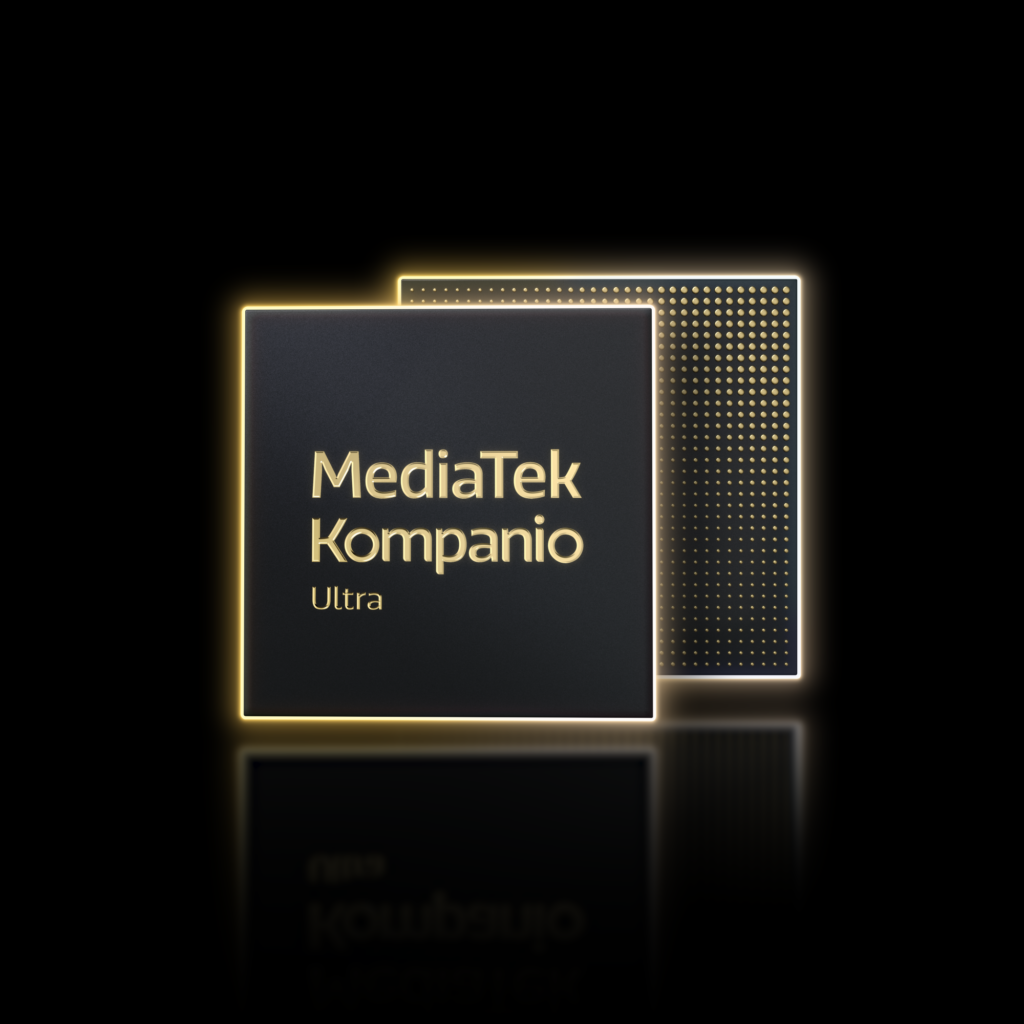
MediaTek has introduced its latest processor, the Kompanio Ultra 910, designed to enhance Chromebook performance. The new chipset focuses on AI capabilities, improved power efficiency, and high-speed connectivity. It brings advanced computing features aimed at productivity, creativity, and immersive multimedia experiences. Here’s a closer look at what the Kompanio Ultra 910 has to offer.
MediaTek Kompanio Ultra 910 specifications and features
MediaTek Kompanio Ultra 910
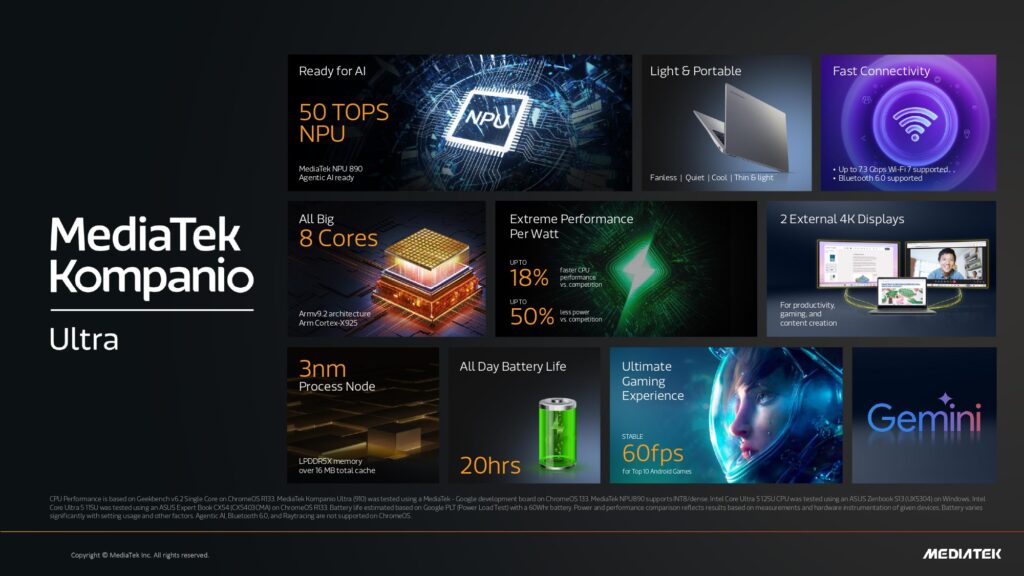
Built on TSMC’s 2nd-gen 3nm process, the MediaTek Kompanio Ultra 910 chip delivers exceptional power efficiency, allowing Chromebooks to maintain all-day battery life while offering significant performance gains. At its core, the Kompanio Ultra 910 features an 8-core CPU architecture, including a powerful Arm Cortex-X925 core clocked up to 3.62GHz, three Cortex-X4 cores, and four Cortex-A720 cores.
This combination, coupled with 12MB of L3 cache and 10MB of system-level cache (SLC), ensures seamless handling of single-threaded and multi-threaded workloads. For graphics, the processor includes the 11-core Immortalis-G925 MC11 GPU, which is ray tracing-capable, enhancing gaming and graphics-intensive applications.
MediaTek Kompanio Ultra 910
To complement its processing power, the Kompanio Ultra 910 supports LPDDR5X memory (8533Mbps), ensuring that the CPU, GPU, and NPU receive data without delays. Benchmarks indicate impressive results, with a Geekbench 6 single-core score of 2600 and a multi-core score of 8000.
One of the major highlights of the Kompanio Ultra 910 is its 8th-generation NPU, which significantly boosts on-device AI performance, making it capable of real-time AI image and video generation. The NPU can handle up to 50 TOPS AI performance, making it a leader in ETHZ v6 AI benchmarks, particularly in Generative AI tasks. The AI acceleration also enhances power efficiency by offloading workloads from the CPU and GPU.
In terms of connectivity, the Kompanio Ultra 910 is designed for fast wireless connections, supporting Wi-Fi 7 with speeds up to 7.3Gbps and Bluetooth 6.0 with a dual Bluetooth engine for improved signal range and stability.
For multimedia experiences, the processor can drive up to three 4K displays simultaneously—one on-device and two external. It supports 4K 10-bit video decoding and encoding in formats like HEVC, AVC, VP9, and AV1, ensuring smooth video playback and streaming. Additionally, dedicated Hi-Fi Audio DSPs enhance sound effects and low-power keyword detection, making it ideal for voice-assisted applications.
For more daily updates, please visit our News Section.
Samsung is reportedly working on an affordable clamshell foldable, the Galaxy Z Flip 7 FE. Earlier this week, CAD renders of the device surfaced, offering a first look at its design. Now, GalaxyClub has published a report revealing key specifications of the Fan Edition flip phone. Here’s what to expect from the device.
Samsung Galaxy Z Flip 7 FE specifications (rumoured)
Samsung Galaxy Z Flip 7 FE CAD renders
According to the publication, the Galaxy Z Flip 7 FE will be powered by the Exynos 2400e chipset, paired with 8GB of RAM. Samsung previously used this chip in the Galaxy S24 FE. This information pertains to the European variant, which carries the SM-F761B model number. It remains unclear whether the US version will feature the same processor or a different one.
For optics, the Z Flip 7 FE is said to feature a 12-megapixel main camera alongside a 10-megapixel ultra-wide sensor. On the front, it will sport a 10-megapixel selfie camera—the same camera setup found on the Galaxy Z Flip 5, which debuted in 2023.
While other details remain under wraps, the report speculates that the Z Flip 7 FE could be a rebranded version of the Z Flip 5, upgraded with a newer chipset. It is yet to be confirmed whether the device will retain the 3,700mAh battery found in the Flip 5.
The Galaxy Z Flip 7 FE is expected to be a more affordable alternative to the Galaxy Z Flip 7, which is likely to start at $1,099. The FE model could be priced around $700 in the US.
For more daily updates, please visit our News Section.
Samsung has already mastered book-style and clamshell designs and is currently working on several foldable and rollable concepts. Now, a new patent reveals the company’s wildest idea yet: a quad-fold device with three hinges and four panels, pushing the boundaries of foldable tech.
Samsung quad-foldable phone concept
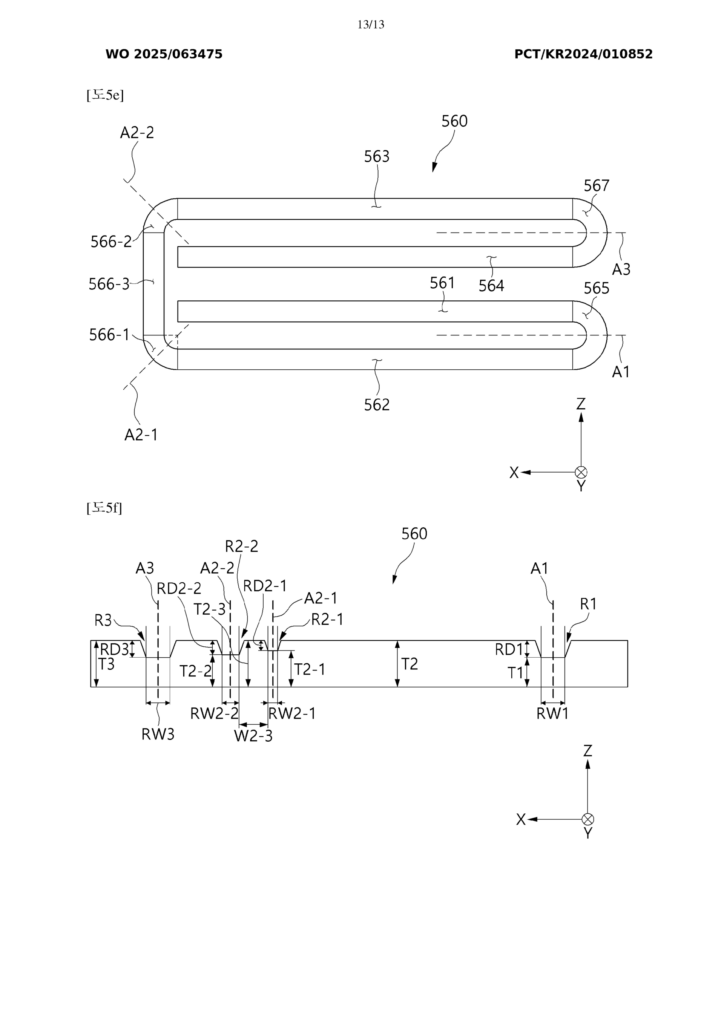
The patent is titled “ELECTRONIC DEVICE INCLUDING BENDABLE DISPLAY
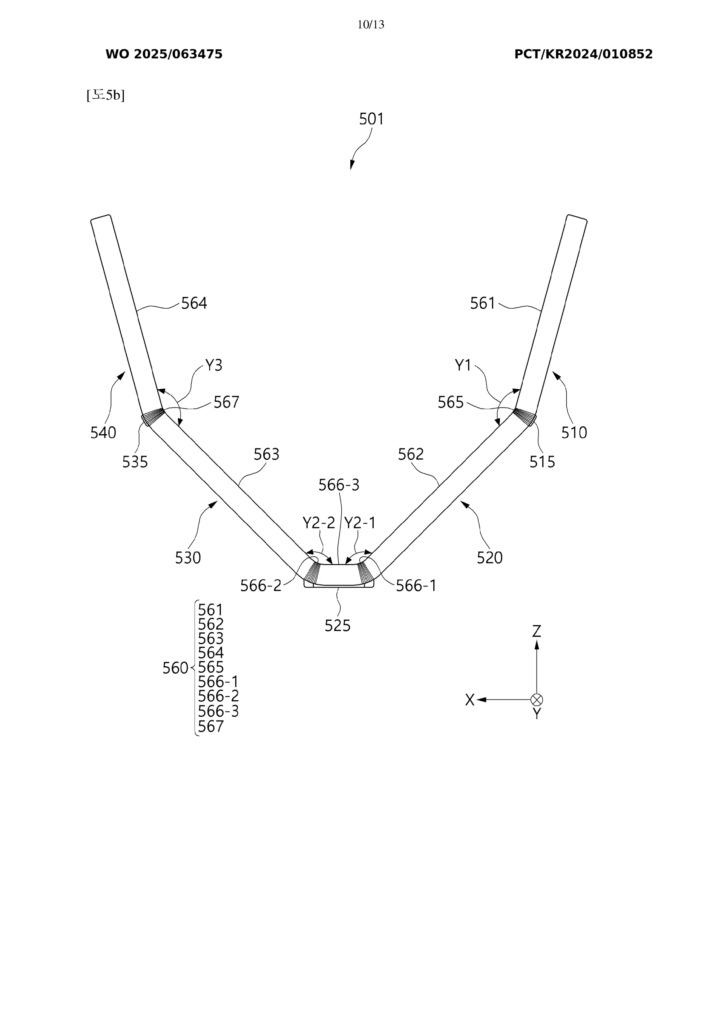
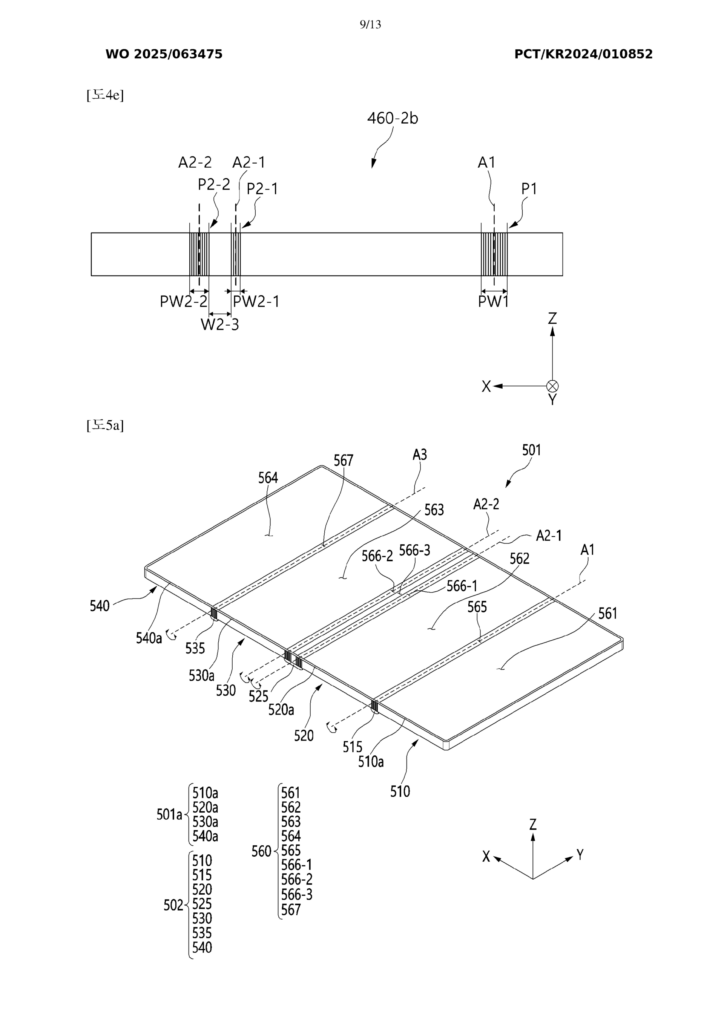
This patent showcases a device with four horizontal panels linked by three hinges, all under a single foldable screen. Accompanying drawings hint at a quad-fold smartphone—Samsung’s boldest concept to date. It’s early days, though; this could be a rough draft, subject to tweaks, or even a strategic patent grab to lock down the idea for a future when the technology and market demand align.
The filing also details a tri-fold phone—it includes three panels, two hinges, with a USB-C port and triple-camera setup. It looks polished and is possibly tied to the dual-hinge tease from Galaxy Unpacked 2025. While this tri-fold feels closer to reality, the quad-fold’s ambition steals the spotlight.
Samsung’s foldable journey started over six years ago, and this patent cements its lead over rivals like Apple, which has yet to enter the foldable space. The South Korean giant’s relentless innovation on the foldable form factor—from the original Galaxy Z Fold to this quad-fold concept—keeps it ahead of its competition.
Nonetheless, it’s worth mentioning that neither the tri-fold nor the quad-fold device have a confirmed launch date, and the latter one might stay a concept for a couple of years before it sees the light of day. But two different variants of the tri-fold were recently been spotted on the GSMA database with model number SM-F9680 (likely Chinese version) and SM-F968N (possibly the South Korean variant), suggesting the availability will be limited to these two countries.
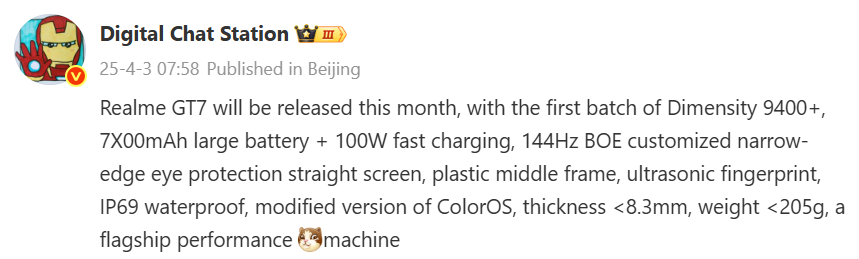
Recently, Realme confirmed that it will launch the Realme GT 7 phone, equipped with the all-new Dimensity 9400+, this month in China. Today, Realme Vice President, Global Marketing President, and China Region President Xu Qi Chase released a Weibo post to share insights about the GT 7. At the same time, tipster Digital Chat Station published a Weibo post revealing the key specs of the device.
According to Xu Qi Chase, Realme’s internal research highlighted how many users compromise on gaming visuals to conserve battery life, which he sees as an industry-wide issue. He strongly believes that flagship devices should not force users to choose between performance and endurance.
He added that Realme has tackled this challenge on the Realme GT 7 by integrating the Dimensity 9400+ processor with a 7,000mAh+ battery and 100W fast charging, ensuring users get both raw power and extended battery life. The GT 7 is designed to eliminate battery anxiety, allowing users to enjoy their games and daily tasks without restrictions.
Realme GT 7 key specifications (rumored)
Realme GT 7 specs leak
Digital Chat Station’s leak further reveals that the Realme GT 7 will feature a BOE-made 144Hz flat display with ultra-narrow bezels, promising an immersive viewing experience. The device will maintain a lightweight and slim profile, measuring under 8.3mm in thickness and weighing less than 205g.
The leak further reveals that the Dimensity 9400 Plus-powered GT 7 will borrow some of its software features from ColorOS. Additionally, the device will feature an ultrasonic fingerprint sensor for advanced security and an IP69-rated water-resistant body with a plastic middle frame.
The Realme GT 7 will face competition from the likes of the Redmi K80 Ultra and OnePlus Ace 5s Pro, which are also expected to feature the Dimensity 9400+ chip.
For more daily updates, please visit our News Section.
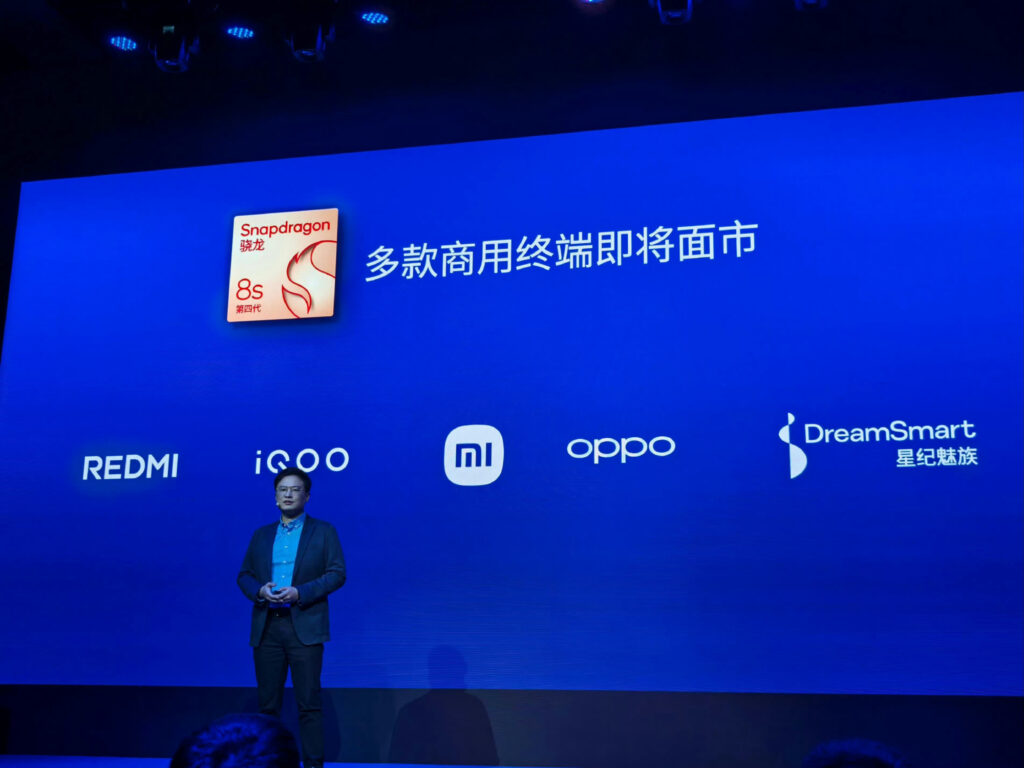
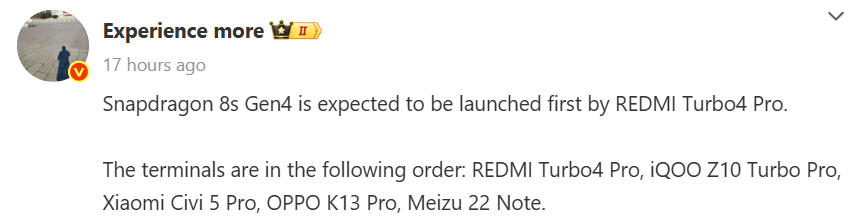
Yesterday, Qualcomm unveiled the Snapdragon 8s Gen 4 chipset for affordable flagship phones. At the event, the brand also confirmed the names of the brands that will launch Snapdragon 8s Gen 4-powered phones in the coming days. As can be seen in the image below, Redmi, iQOO, Xiaomi, Oppo, and DreamSmart (Meizu) will be launching phones equipped with the Snapdragon 8s Gen 4. Here’s a look at the exact names of the phones that will feature it.
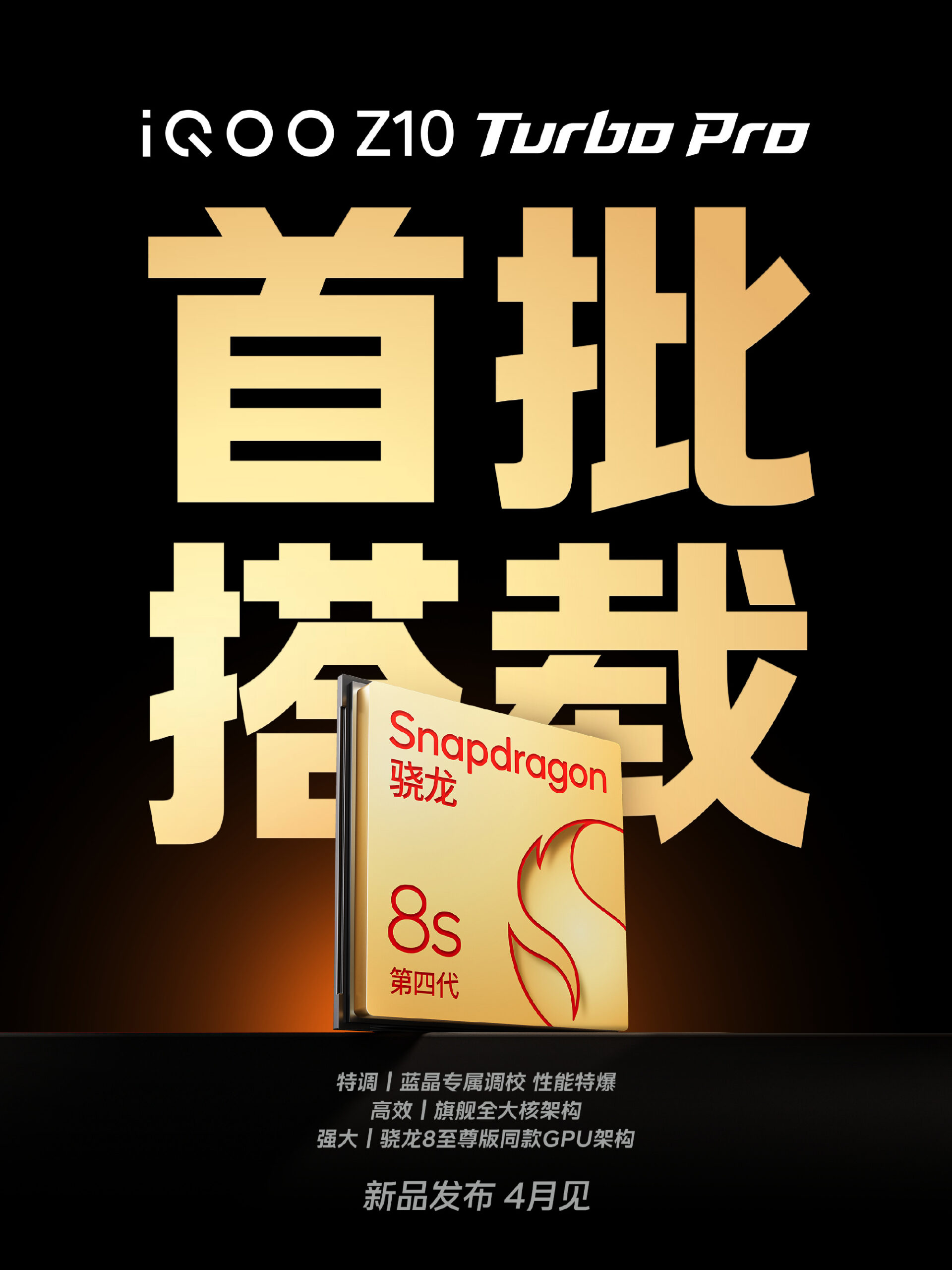
Soon after the Snapdragon 8s Gen 4 launch, iQOO released the above poster to confirm that the Z10 Turbo will be the first phone to feature it. While the Vivo sub-brand did not reveal the other specifications of the device, it confirmed that the Z10 Turbo Pro will debut this month.
Reports have revealed that it will feature a 6.78-inch flat OLED 1.5K 144Hz display and a 7,000mAh battery with 120W charging. For photography, it may feature an OIS-assisted 50-megapixel + 8-megapixel dual-camera unit and a 16-megapixel selfie camera.
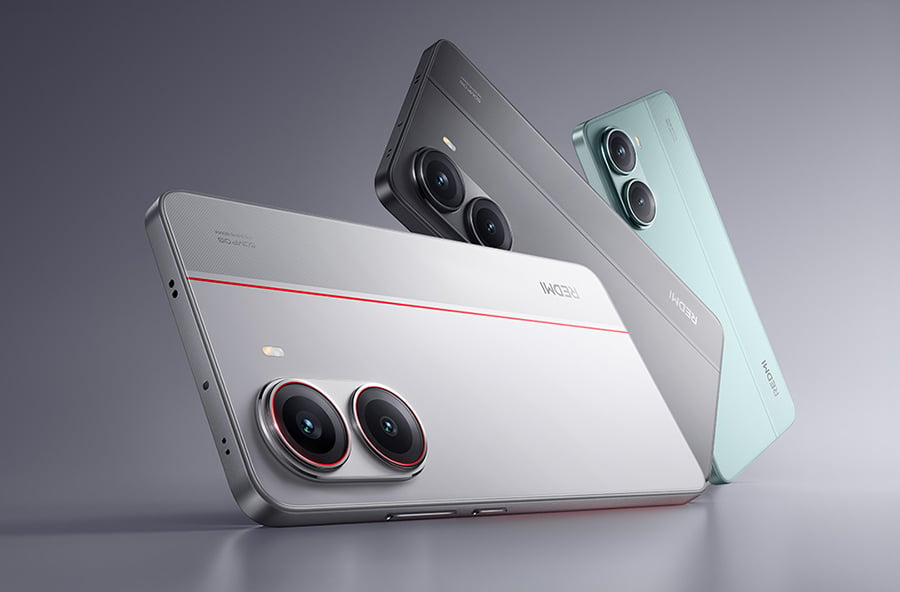
Upcoming REdmi
As seen above, tipster Experience More has claimed that the Redmi Turbo 4 Pro, Xiaomi Civi 5 Pro, Oppo K13 Pro, and Meizu 22 Note will also feature the Snapdragon 8s Gen 4. It is speculated that the Poco F7 and Xiaomi 15 Civi, aimed at the global market, will also feature the new chip. These phones are expected to be rebranded versions of the Redmi Turbo 4 Pro and Civi 5 Pro.
2. Redmi Turbo 4 Pro
Redmi Turbo 4
According to reports, the Redmi Turbo 4 Pro will feature a 6.8-inch flat OLED 1.5K screen, a 50-megapixel dual-camera setup, and a 7,550mAh battery with 90W fast charging support. In terms of build, it is expected to feature a metal middle frame, a glass back, and an IP68 rating for dust and water resistance.
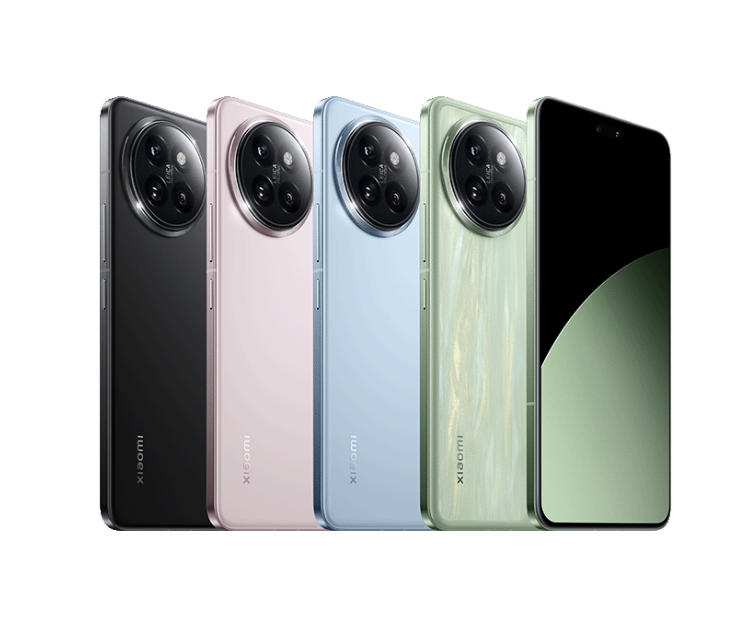
3. Xiaomi Civi 5 Pro
Xiaomi Civi 4 Pro
Reports have revealed that the Xiaomi Civi 5 Pro is said to feature a quad-curved OLED panel with support for a 1.5K resolution and a 6,000mAh battery with 67W charging. It is expected to sport a slim profile of 7mm.
The rumour mill is yet to leak concrete details about the Oppo K13 Pro and Meizu 22 Note.
For more daily updates, please visit our News Section.
OnePlus has always prided itself on being more than just a phone brand. It’s built a reputation around community-driven features, aggressive pricing, and a close-knit base of users who feel like insiders.
That sense of community has evolved into the Red Cable Club (RCC), a loyalty program that promises real benefits in exchange for brand engagement. But as with most things in tech, the fine print matters — and RCC is no exception. Depending on where you live, the perks can look very different. So, is it actually worth joining?
In India — OnePlus’s largest market — RCC is surprisingly robust. The program splits users into four tiers based on accumulated Red Cable Experience Points (RedExp): Explorer, Insider, Elite, and Maestro. These points are earned through purchases and brand engagement, and each tier unlocks deeper benefits.
At the lower end, Explorer members get modest perks like ₹350 off select audio products. But climb the ladder to Maestro status (750,000+ RedExp), and you’ll find meatier rewards: ₹1,000 discounts, priority service, exclusive events, and surprise gifts on your birthday.
There’s also one notable omission — the Indian RCC doesn’t include discounts on smartphones. Discounts are primarily limited to accessories like audio gear, tablets, and wearables. While the fixed-value coupons are nice, they don’t match the savings potential seen in other regions.
2. RCC in the U.S.: Slimmer, But Rewarding
Across the pond, RCC operates on a leaner scale. There are four tiers here too, but the RedExp thresholds are lower — maxing out at 10,000+ points for the Supreme level. The structure is simpler, but so are the benefits. That said, the U.S. version comes with percentage-based discounts on smartphones, which is a major win for device buyers.
Explorer members get 5% off phones, while Supreme members enjoy 10% off — a far more substantial saving than the fixed ₹1,000 coupon offered to Indian users for accessories. For a $799 phone, that’s almost $80 back in your pocket. Members also receive free shipping coupons and access to RCC Member’s Day sales.
While the U.S. RCC lacks the holistic service and support perks previously available in India, its value for device purchases is arguably more impactful — especially for users primarily buying OnePlus phones.
3. So, Is It Worth It?
If you’re already deep in the OnePlus world — buying every new phone, picking up Nord earbuds or a OnePlus Watch along the way — then RCC is a no-brainer. The cumulative discounts and service perks can translate into real savings. And in India especially, the program feels mature and thoughtfully structured, with enough hooks to justify its presence. But if you’re a casual user? The story’s a little different. Not all benefits will align with your needs.
In the U.S., the bar is lower for entry, but the reward ceiling is stronger for core device buyers. Even lower-tier members enjoy decent savings, thanks to percentage-based discounts on phones — something Indian users don’t get. However, India’s RCC still offers community engagement and occasional lifestyle perks, even though its most premium benefits have been phased out.
We also recently explored whether AppleCare and Samsung Care+ are really worth it—be sure to check out those articles as well.
For more daily updates, please visit our News Section.
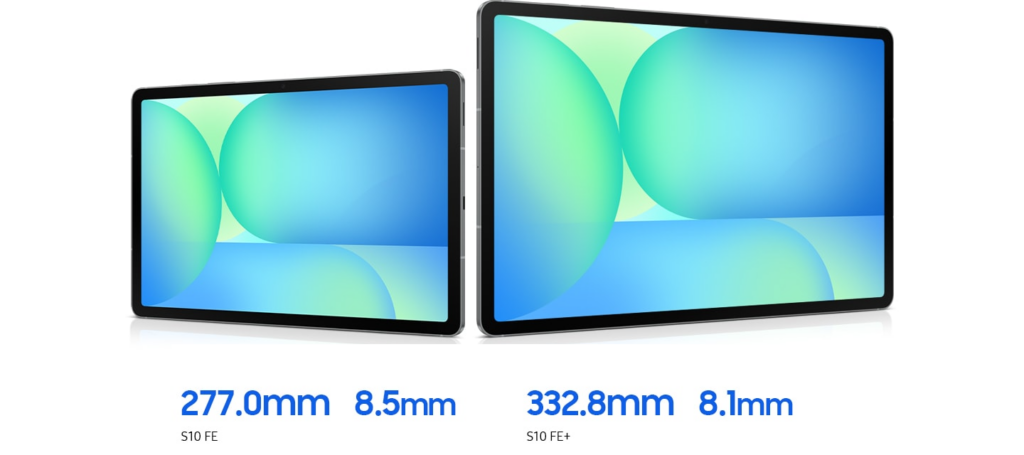
Samsung has introduced the latest additions to its Fan Edition lineup – the Galaxy Tab S10 FE and Galaxy Tab S10 FE+. These midrange tablets bring a host of enhancements in display, performance, and AI-driven capabilities, making them ideal for both productivity and entertainment. Continue reading to explore the specifications and features of the Galaxy Tab S10 FE series.
Galaxy Tab S10 FE, Galaxy Tab S10 FE+ specifications and features
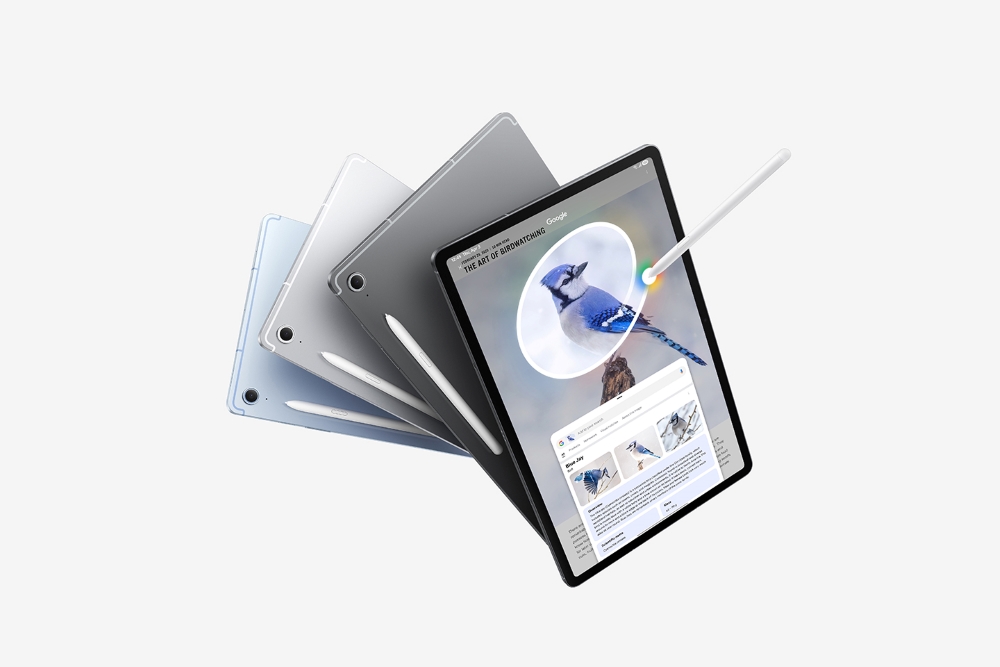
Samsung Galaxy Tab S10 FE series
The Galaxy Tab S10 FE sports a 10.9-inch LCD screen with a 90Hz refresh rate and 800 nits of brightness. It houses an 8,000mAh battery and measures 254.3 x 165.8 x 6mm, weighing 497 grams for the Wi-Fi model and 500 grams for the 5G variant. Meanwhile, the Galaxy Tab S10 FE+ features a larger 13.1-inch LCD screen with similar brightness and refresh rate. It is powered by a 10,090mAh battery and has dimensions of 300.6 x 194.7 x 6mm, with the Wi-Fi model weighing 664 grams and the 5G version weighing 668 grams.
Samsung Galaxy Tab S10 FE series
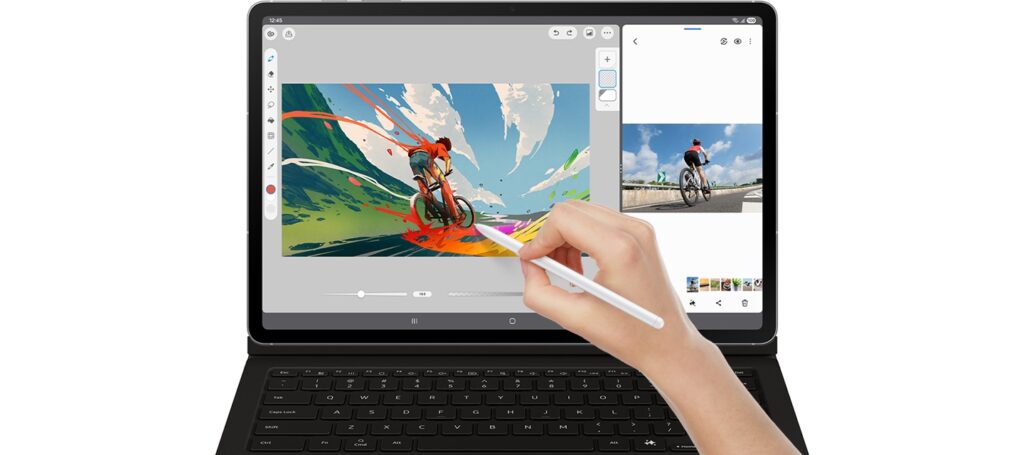
Both tablets are powered by the Exynos 1580 chipset, and they run on Android 15. For photography, the device is equipped with a 12-megapixel ultra-wide front sensor and a 13-megapixel rear camera. The tablets offer other common features, such as S Pen support (included in the retail box), dual speakers, 45W fast charging, and an IP68-rated dustproof and water-resistant chassis. Connectivity options on both tablets include dual SIM with eSIM support, Wi-Fi 6, and Bluetooth 5.3.
Samsung Galaxy Tab S10 FE series S Pen
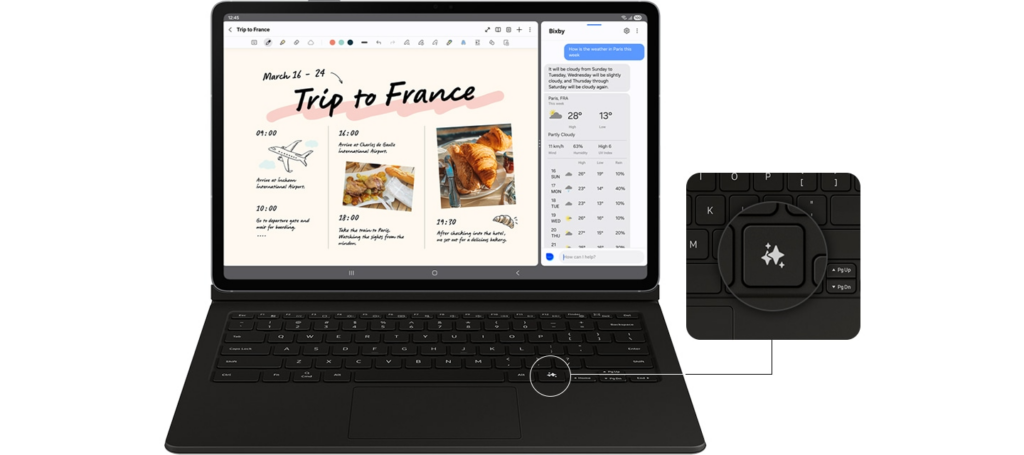
The Galaxy Tab S10 FE series integrates powerful AI features to enhance user convenience. Circle to Search allows users to find information instantly, while Samsung Notes introduces Solve Math and Handwriting Help for improved productivity. AI assistants are accessible via a dedicated Galaxy AI Key on the Book Cover Keyboard. The Object Eraser tool simplifies photo editing, while Best Face ensures optimal expressions in group photos. Auto Trim refines videos by creating highlight reels, and the tablets come preloaded with apps like LumaFusion, GoodNotes, and Clip Studio Paint for creative professionals.
Galaxy Tab S10 FE series price and accessories
Samsung Galaxy Tab S10 FE series
In Europe, the Galaxy Tab S10 FE is priced at €580 for the 8GB+128GB Wi-Fi model and €680 for the 5G version. The 12GB+256GB variant costs €630 for Wi-Fi and €730 for 5G. The Galaxy Tab S10 FE+ is available at €750 (8GB+128GB Wi-Fi) and €850 (5G), while the 12GB+256GB model costs €730 (Wi-Fi) and €900 (5G).
In the US, the Galaxy Tab S10 FE Wi-Fi model starts at $499, while the 5G version costs $599. The Galaxy Tab S10 FE+ Wi-Fi edition is priced at $699, with no confirmed 5G pricing yet
Please Note: When you buy something using the links in our articles, we may earn a small commission at no cost to you.
Both tablets will be available in three colour options: Light Blue, Grey, and Silver. Samsung also offers several accessories, including the Book Cover Keyboard, Book Cover Keyboard Slim, Smart Book Cover, and an anti-reflective screen protector.
For more daily updates, please visit our News Section.
OnePlus 12 is on sale in India, and there is an Rs 6000 Instant Discount via bank credit card. The OnePlus 12, bundling the Snapdragon 8 Gen 3, is set to offer high-end performance and a flawless gaming experience for extended periods. It is an instant discount, and will reflect once you add the ICICI Bank Credit Card. The final price after the Instant Discount would be Rs 45,998, down from Rs 51,998 for the 12GB RAM and 256GB Storage.
OnePlus 12 Deal
The price discount is not only applicable to the ICICI Bank Credit Card, but the interested folks can also receive up to Rs 1000 discount on other bank credit cards. All the participating banks are Jammu and Kashmir Bank, Federal Bank, UCO Bank, and HSBC Credit Card. However, the Amazon ICICI Bank Credit card is not applicable for the Instant Rs 6000 Discount. Instead, there’s a 5% unlimited cashback for the users.
OnePlus 12 features a 6.82-inch LTPO AMOLED display that offers HDR10+ and a 120Hz refresh rate. The display supports up to 1440 x 3168 pixels resolution and 600 nits typical brightness. It is well-protected with Corning Gorilla Glass Victus 2. Running the latest Android on top of OxygenOS 15, the smartphone bundles some surprising features.
The smartphone is available in different storage and RAM variants with UFS 4.0 support. In the optics department, you get a 50MP primary sensor, a 64MP telescope, and a 48MP ultrawide sensor. The Hasselblad color calibration improves the image output. A 32MP sits on the front for selfies and video calling.
It bundles a 5400 mAh battery with 100W fast wired charging and 50W wireless fast charging.
The interested folks can choose between four different colors of Flowy Emeralf, Silky Black and Silver.
Lumio shared a teaser for its first ever product back in February and now we finally have an official launch date for its new range of smart TVs. The consumer electronics and home appliance is a tough market to crack but Lumio is entering the segment with the fastest smart TVs with Vision 9 and Vision 7. So here’s everything you need to know.
Lumio Vision Series Smart TV Drops in India Next Week
We recently got invited to meet the team behind Lumio and also get a sneak peek at these upcoming “ultra smooth” smart TVs, which are launching in India on 10th April 2025. During the media briefing, it was clear that the company was placing an emphasis on a smoother user experience that was both intuitive and responsive. The live demonstration showcased the Vision 9 and the Vision 7 with its competitors, showcasing its blazing fast app loading times and much more.
Lumio Vision 9
Lumio is claiming that its new smart TVs are the fastest thanks to a custom built chip, which it refers to as the boss processor. This is coupled with 3GB of DDR4 RAM, which helps in keeping the operations fast and efficient. The brand boasts faster load times, faster app installation, better WiFi connectivity (with a dedicated WiFi chip), and support for 4K 60fps video playback with minimal frame drops.
Lumio’s Vision lineup is powered by an optimized Google TV interface and was seen handily beating a Sony Bravia in both boot time and app launch time. The launch is set for next week, so stick around for more as we will be covering its release and possibly something more interesting as well.
For more daily updates, please visit our News Section.
Viltrox has introduced the AF 50mm F2.0 Air, a compact and lightweight full-frame lens designed for Sony E (FE) and Nikon Z mount cameras. Priced at $199 and currently available for $183.08, the lens offers a versatile 50mm focal length and brings several high-end features to a budget-friendly package.
Viltrox AF 50mm F2.0 Air Specifications
The lens features a solid optical construction of 13 elements in 9 groups, including 3 ED (extra-low dispersion) elements, 4 high-refractive index elements, and 1 aspherical element. It also comes with an HD nano multi-layer coating, which helps reduce glare and ghosting while enhancing contrast and color accuracy.
It sports a fast F2.0 maximum aperture, allowing for excellent subject isolation, smooth bokeh, and better performance in low-light conditions. The aperture is formed by 9 rounded blades, ensuring a pleasing out-of-focus rendering.
Despite its full-frame coverage, the lens weighs just 205 grams (FE mount) and 220 grams (Z mount), making it ideal for handheld shooting, street photography, and travel. It also features a minimum focusing distance of 0.51 meters, offering flexibility for closer shots and tighter compositions.
Autofocus is powered by a quiet STM motor paired with a lead-screw mechanism, enabling fast and accurate focusing. It supports features like eye and face detection and offers minimal focus breathing, making it a dependable choice for both photography and video work.
The Viltrox AF 50mm F2.0 Air comes equipped with a durable metal mount, a USB-C port for firmware updates, and EXIF data transmission support. The front element also features a waterproof and anti-fouling coating, while the lens accepts standard 58mm filters and includes an upgraded smooth cylindrical hood for added protection and flare control.
Earlier this month, Viltrox also introduced its new 25mm F1.7 Air lens, an excellent choice for travel and street photography. We’ve already reviewed it—be sure to check it out!
For more daily updates, please visit our News Section.
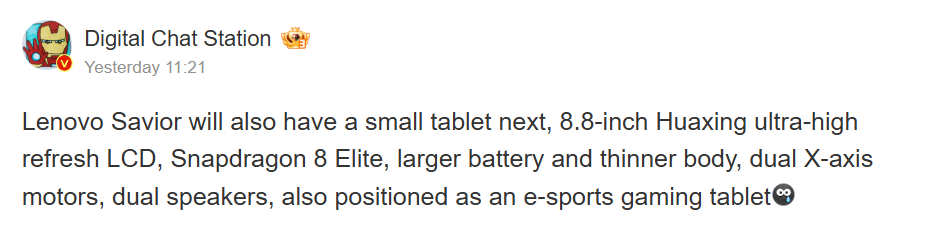
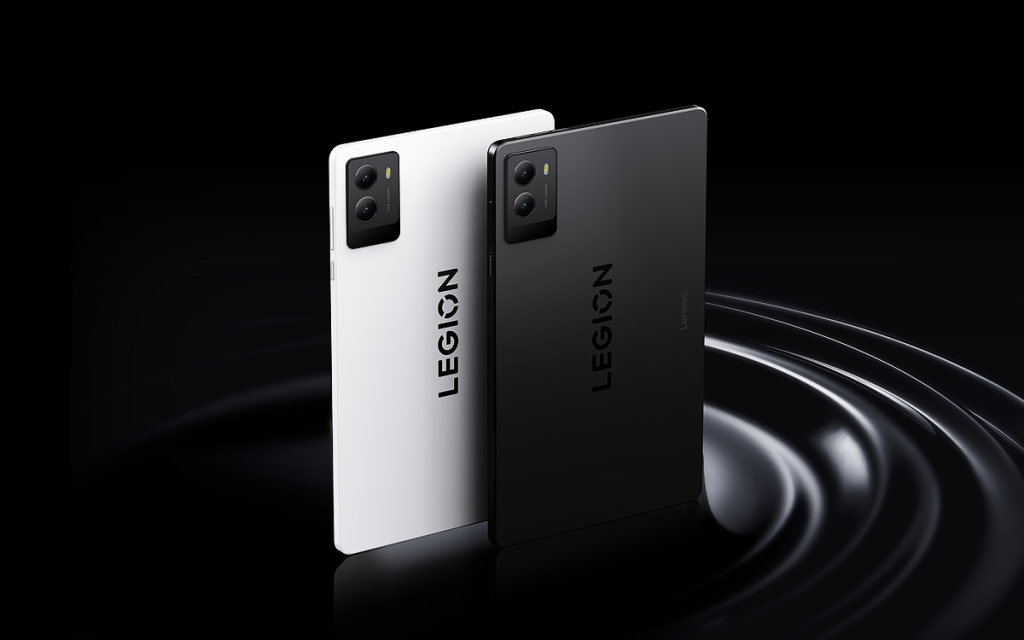
Lenovo is reportedly working on an updated version of its Legion Y700 (2024) gaming tablet (Legion Tab 2025), according to leaks from tipster Digital Chat Station. The new model is expected to replace the Snapdragon 8 Gen 3 chip in the 2023 Y700 with Qualcomm’s Snapdragon 8 Elite.
It will retain the 8.8-inch display size with a high refresh rate, likely 144Hz or 165Hz, but feature a larger battery than its predecessor’s 6,550mAh capacity, along with a slimmer design, dual speakers, and dual X-axis vibration motors. Specific battery details remain unconfirmed. We can take a look at its predecessor, the Legion Y700 (2024) to get a better idea of what to expect from the upcoming Lenovo tablet.
Legion Y700 (2024)
The current Legion Y700 (2024) offers an 8.8-inch 2560×1600 LCD screen with a 165Hz refresh rate, 343 PPI density, 500 nits brightness, and TÜV Rheinland certifications for eye comfort. Its successor is expected to maintain most of these specs, including DCI-P3 color gamut support and DeltaE<1 color accuracy.
Powered by the Snapdragon 8 Gen 3, the Y700 features LPDDR5X RAM, UFS 4.0 storage, and Lenovo’s QianKun cooling system with a 10,004mm² vapor chamber. The Y700 incorporates Lenovo’s Lingjing Engine, reducing touch and network latency. Dual USB-C ports, dual X-axis linear motors, and dual ultra-linear speakers enhance gaming immersion. The device weighs 350g, runs ZUI 16.1, and has a 6,550mAh battery, providing up to 14.6 hours of video playback or 8.9 hours of gaming.
In other news, Lenovo’s Legion Go S, now priced at $549.99, directly competes with Valve’s Steam Deck OLED. It matches the OLED model in price but offers extras like Hall effect joysticks, adjustable triggers, and a variable refresh rate display.
For more daily updates, please visit our News Section.
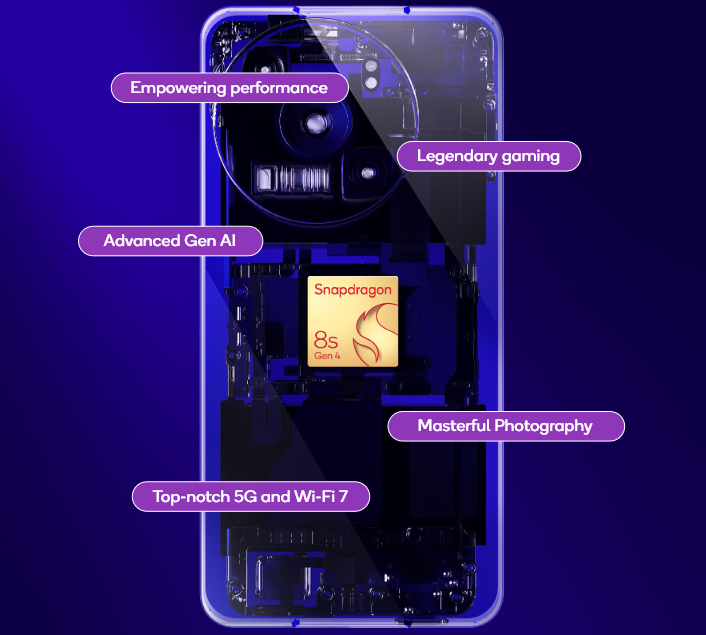
Qualcomm has officially unveiled a new high end chipset from its premium Snapdragon 8 series. The new Snapdragon 8s Gen 4 is the latest chipset in question, which brings upgraded performance over its predecessor. So here’s everything you need to know.
Qualcomm Snapdragon 8s Gen 4: What does it offer?
The brand’s latest Snapdragon 8s Gen 4 is the latest chip that carries the SM8735 model number and is fabricated on TSMC’s N4P 4nm process. Unlike the flagship Snapdragon 8 Elite, the Snapdragon 8s Gen 4 employs the older Kyro CPU cores over the newer Oryon cores. The chip consists of 1x Cortex-X4 prime core clocked at up to 3.2GHz, 3x Cortex-A720 cores at 3.0GHz, 2x Cortex-A720 cores at 2.8GHz, and 2x Cortex-A720 cores at 2.0GHz.
Snapdragon 8s Gen 4
Qualcomm claims that this chipset is around 31 percent faster than the older Snapdragon 8s Gen 3 while offering 39 percent improvement in power efficiency. The CPU is paired with a new Adreno 825 GPU that brings a 49 percent upgrade in graphics performance over the last gen Snapdragon 8s Gen 3 chipset. This allows the chip to offer ray tracing support, Snapdragon Game Super Resolution 2.0, and Adreno Image Motion Engine 2.0.
That’s not all, even the Qualcomm Hexagon NPU is getting a 44 percent performance upgrade, allowing for on-device AI functions. For connectivity, the high end chipset arrives with an integrated Snapdragon X75 5G modem, WiFi 7, and Bluetooth 6.0 support. The Snapdragon 8s Gen 4 features an 18-bit triple IPS that can support up to 320MP camera sensors and 4K recording at 60fps. Qualcomm’s latest processor will likely power upcoming affordable flagship smartphones.
For more daily updates, please visit our News Section.
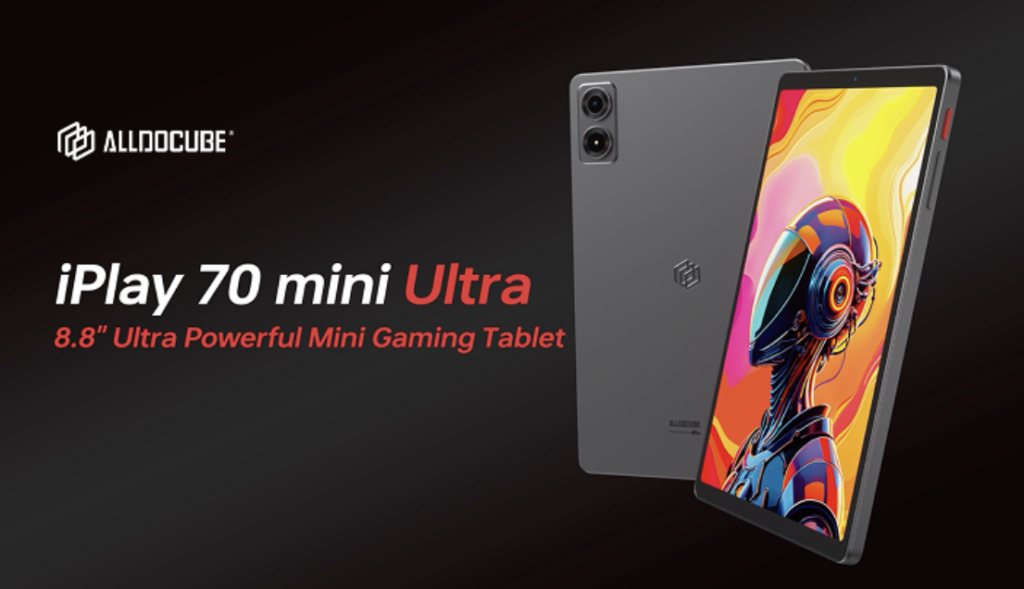
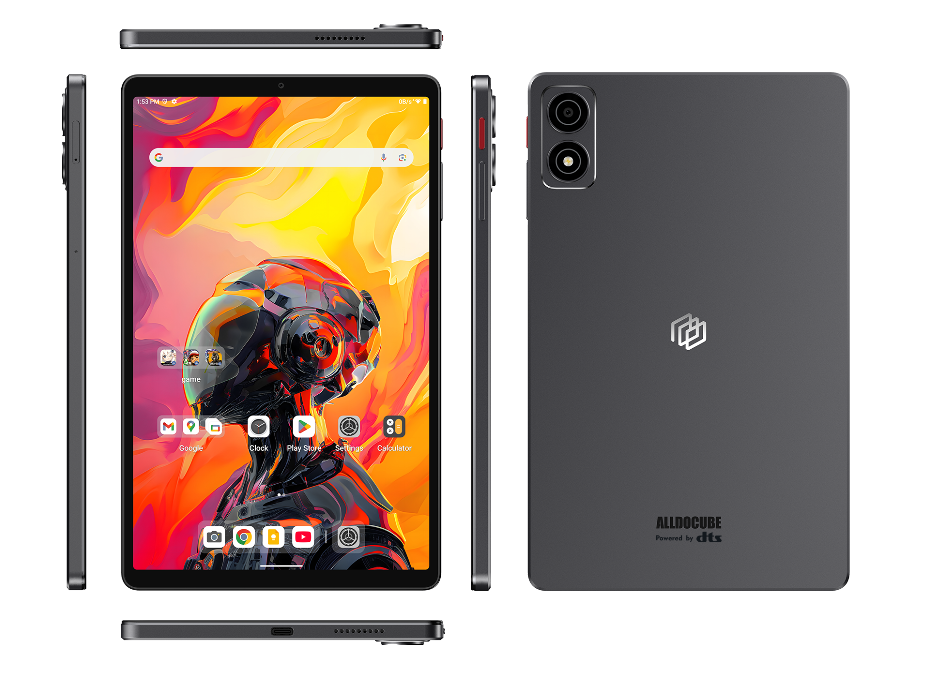
ALLDOCUBE has confirmed the iPlay 70 mini Ultra, the mini gaming tablet will make its global debut in Japan on April 10. Featuring the powerful Qualcomm Snapdragon 7+ Gen 3 mobile platform, this compact yet performance-packed device is poised to redefine the gaming tablet experience. The iPlay 70 mini Ultra stands out as a significant upgrade over its predecessor, the iPlay 60 mini Turbo, boasting enhanced processing power, a high-refresh-rate display, and a long-lasting battery. The tablet will be available in other regions, including Europe, South Korea, North America, and China, with sales starting in late April.
Powerful Snapdragon 7+ Gen 3 for High-Speed Gaming
At the heart of the iPlay 70 mini Ultra lies the Snapdragon 7+ Gen 3 processor, offering an impressive 195% performance boost in CPU and GPU capabilities compared to the previous model. This makes the tablet an ideal choice for mobile gamers who demand high-speed processing and smooth graphics rendering.
Coupled with an 8.8-inch 2.5K LCD display (2560×1600 resolution) and a 144Hz refresh rate, the device ensures ultra-fluid visuals with low-latency touch response, making gameplay more immersive than ever before. The enhanced refresh rate is particularly beneficial for fast-paced games, where smooth motion can make a difference in competitive play.
Extended Gaming with 7300mAh Battery and Advanced Cooling
One of the key highlights of the iPlay 70 mini Ultra is its impressive 7300mAh battery, designed to provide extended gaming sessions without constant recharging. In real-world performance tests, the device is capable of delivering 5-7 hours of continuous gameplay on demanding titles like Genshin Impact at 60fps with medium settings. This extended battery life, combined with fast charging capabilities, ensures that users can enjoy their favorite games without frequent interruptions.
Moreover, the device features an advanced cooling system, incorporating a VC vapor chamber and a multi-layer graphene sheet for efficient heat dissipation, preventing thermal throttling during long gaming sessions.
Sleek, Lightweight Design for Portability and Comfort
Despite its powerful internals, the iPlay 70 mini Ultra remains impressively lightweight at just 335g, with an ultra-slim 7.9mm profile. The tablet’s curved metal frame enhances its ergonomic design, providing a comfortable grip for extended use. This combination of portability and performance makes the device a compelling choice for users seeking a high-performance gaming tablet that can be easily carried anywhere. Whether for gaming, media consumption, or everyday multitasking, the iPlay 70 mini Ultra offers a well-balanced mix of aesthetics and functionality.
Competitive Pricing and Japan Market Launch
The iPlay 70 mini Ultra is set to launch in Japan at a special introductory price of under ¥40,000 for the 12GB RAM + 256GB storage variant. This pricing makes it 25% more affordable than competing models in the same category, offering an excellent value proposition for gamers and tech enthusiasts.
ALLDOCUBE’s Exciting Tablet Lineup for 2025
Looking ahead, ALLDOCUBE has an ambitious roadmap for its tablet lineup, with multiple innovative devices planned for release in Q2 2025. The brand is set to introduce an 8.4-inch 4G-enabled mini tablet with an AnTuTu score exceeding 500,000, ensuring outstanding power and efficiency.
Additionally, a 12.95-inch AI-powered productivity tablet featuring a 40TOPS NPU and a magnetic keyboard is in development, catering to professionals and AI enthusiasts. The company also plans to launch a 13-inch Windows/Android dual-boot 2-in-1 device powered by an Intel Core Ultra processor, providing users with a versatile, high-performance hybrid solution.
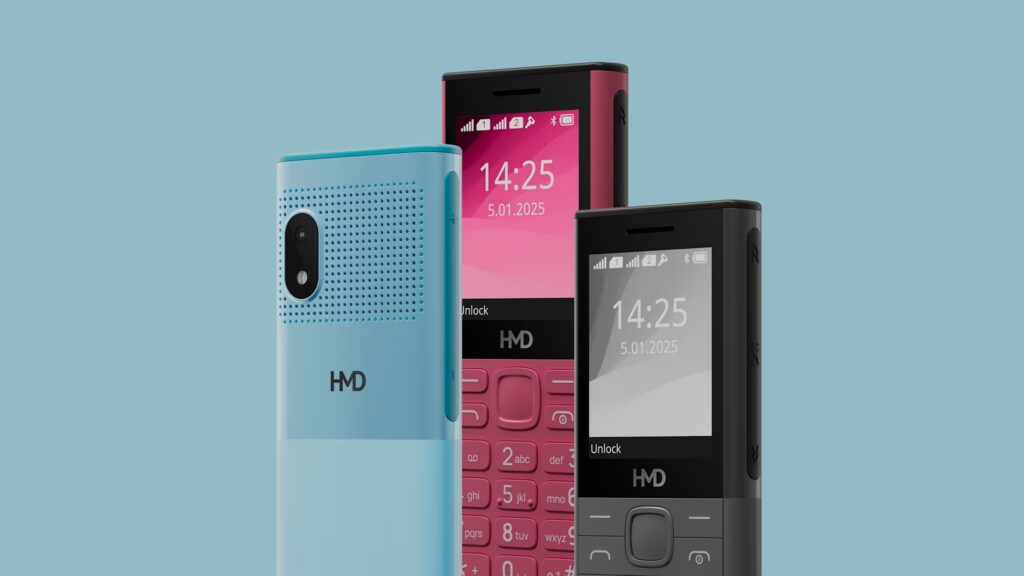
HMD had a loud announcement today with two new feature phones that were just launched in India. These models are HMD 150 Music and HMD 130 Music which continue the company’s commitment to the feature phones section in the region. So let’s check it out.
HMD 150 Music & HMD 130 Music
Both models adopt a simple polycarbonate design with a numerical keypad on the front and large speaker grilles on the back. The duo pack a 2.4-inch QVGA display but the main highlight of this phone is undoubtedly the 2W speakers that are integrated into the device. HMD claims that this speaker can output loud audio, with dedicated music control buttons on the side. These feature a 3.5mm headphone jack along with support for both wired and wireless FM radio and FM Recording support.
HMD 150 Music and HMD 130 Music
Users can expand the storage by up to 32GB via an SD card slot. Bluetooth 5.0 support is a key connectivity option that allows for pairing with wireless headphones or speakers. A 2,500mAh battery pack that can be removed. On a single full charge, HMD’s 150 Music and 130 Music promise to offer up to one month of standby time. Other notable features include built-in UPI payment support and an integrated flashlight. Only the HMD 150 Music has a QVGA camera on the back, allowing for scan and pay UPI transactions as well.
Please Note: When you buy something using the links in our articles, we may earn a small commission at no cost to you.
The HMD 130 Music and HMD 150 Music have just been launched in India and are already on the sale. The former has a 1,899 INR price tag while the latter costs 2,399 INR. Both of these models are available on leading retail stores in the Indian market, HMD’s official website, and major e-commerce platforms.
For more daily updates, please visit our News Section.
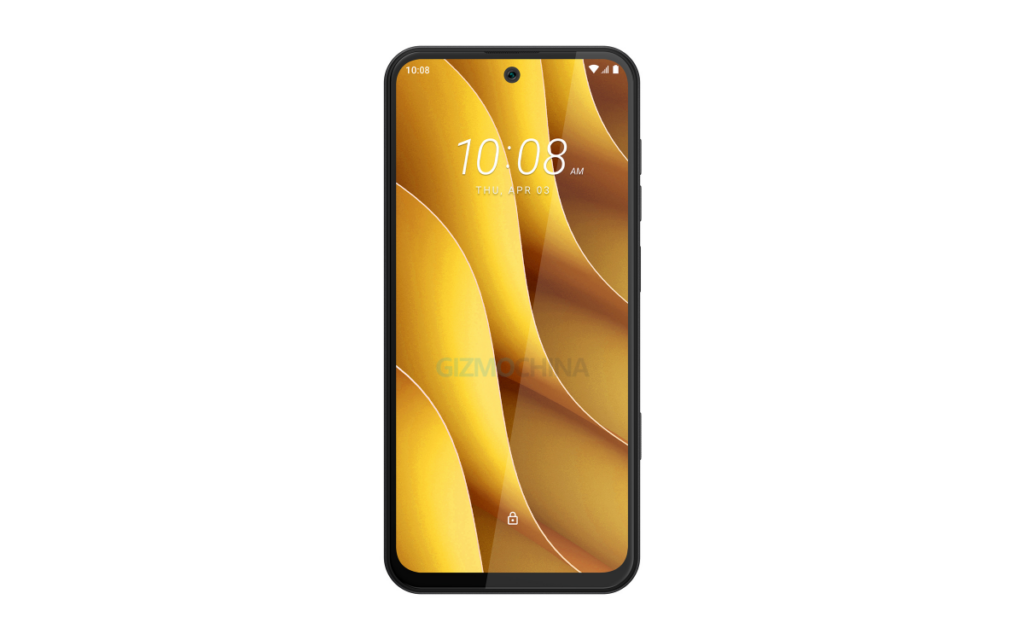
HTC is preparing to expand its budget smartphone lineup with the upcoming Wildfire E7, which is expected to launch soon in the UAE, according to our exclusive report. Although the official release date has yet to be confirmed, the device appeared on the Google Play Console back in January—and now, we’ve obtained the official specifications exclusively.
HTC Wildfire E7 Specifications
The HTC Wildfire E7 sports a 6.67-inch HD+ punch-hole display with a 19.5:9 aspect ratio and a resolution of 720 x 1600 pixels. The screen supports a 90Hz refresh rate and peaks at 420 nits of brightness, which should offer smoother scrolling and adequate visibility under normal lighting conditions. Under the hood, the device is powered by MediaTek’s Helio G81 chipset, featuring an octa-core CPU (2x Cortex-A75 at 2.0GHz + 6x Cortex-A55 at 1.7GHz) and a Mali-G52 MC2 GPU clocked at 820MHz.
The Wildfire E7 comes equipped with 6GB of RAM and 256GB of internal storage, with additional expandability via a microSD card slot. It supports dual Nano SIMs along with a dedicated TF card slot. On the software front, the phone runs Android 14 out of the box, ensuring a current and clean software experience.
Camera-wise, HTC has opted for a dual rear setup comprising a 50MP main sensor paired with a secondary 0.08MP depth sensor. On the front, the phone houses a 16MP selfie shooter. Powering the device is a 4920mAh battery with 10W standard charging via USB Type-C.
Talking about other features, it comes with 2.4GHz and 5GHz Wi-Fi (IEEE 802.11 a/b/g/n/ac), Bluetooth 5.0, GPS/GLONASS, OTG, and essential sensors such as a fingerprint scanner, gravity sensor, proximity/light sensors, and a compass. The device also includes a mono loudspeaker and a single microphone setup.
Physically, the Wildfire E7 measures 166.2 x 77.6 x 8.8mm and weighs 204 grams. It’s built using ABS+PC housing materials and will be available in Black Blue and Light Blue color options. HTC will bundle a charger, USB cable, TPU case, and SIM ejection pin in the box. While the exact launch date in the UAE remains unconfirmed, the device is expected to hit the market very soon.
For more daily updates, please visit our News Section.
For years, many of us in the tech media fraternity have confidently recommended Amazon over other retailers in India. The reason was pretty simple: Amazon’s reputation for stellar customer service and hassle-free resolution of issues.
But lately, for some reason, I’ve been hearing an increasing number of complaints regarding the brand’s customer service and resolution offers.
And a couple of weeks ago, I personally had to go through with something similar.
The Incident: Car Polish Instead of Headphones
In March, my sister reached out to me for recommendations on a cheap pair of headphones. For someone who has personally used the OnePlus neckband earphones before, my recommendation was pretty straightforward – get a pair of the OnePlus Bullets Z2 Earbuds. And I was the one who asked her to go with Amazon since I was confident that there wouldn’t be any issues and even if there were, it would be handled properly.
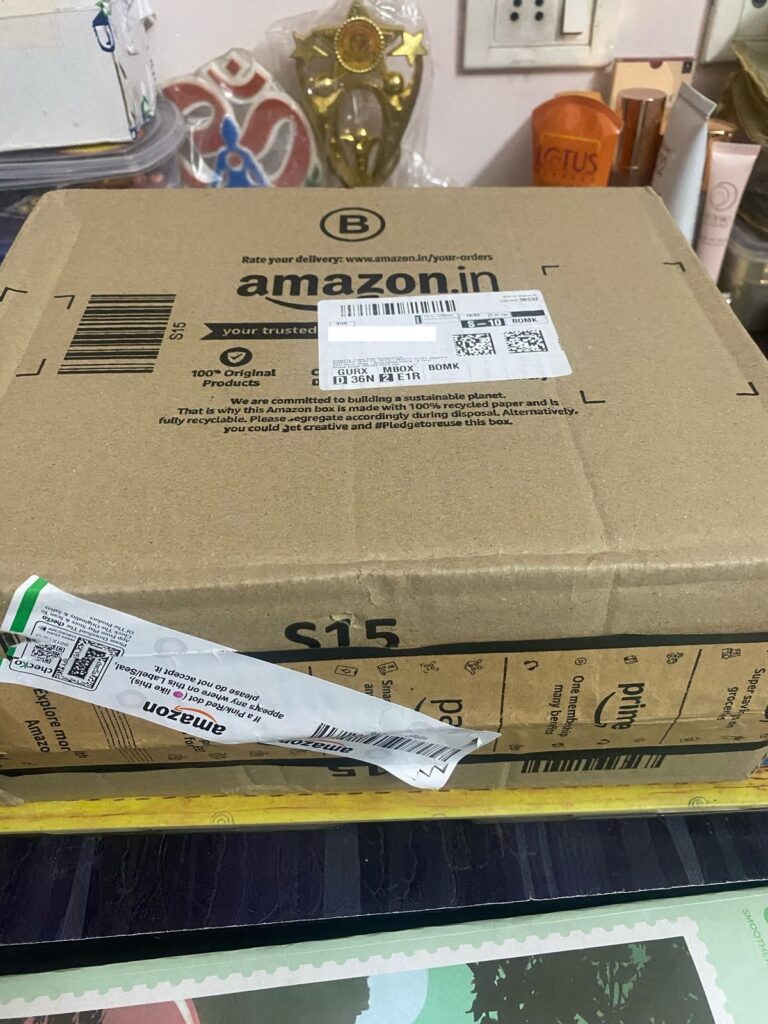
But imagine our shock when, upon opening the package, she discovered not the Z2 earphones that she had ordered but a box of car polish instead.
The mix-up was so absurd it would be comical if not for the frustrating aftermath.
When she called me, honestly, I was laughing. We have seen such cases before, but I never thought I would hear this about an Amazon shipment.
But immediately, I asked her to report it to Amazon customer service; I assured her not to worry. “It’s Amazon, not some other retailer,” I told her confidently. “They’ll sort this out without any hassle.”
My confidence was clearly misplaced.
The Response: “Nothing Can Be Done”
After what Amazon claimed was a thorough “investigation,” my sister received a stunning response: nothing could be done about the mix-up.
This was not merely disappointing; it was shocking. The fundamental principle of retail is that the customer should receive what they pay for. If they don’t, the retailer has an obligation to make it right—regardless of where in the supply chain the error occurred.
I personally had a chat with one of their executives, and they said our fulfillment center placed the item in the box properly. So we can’t do anything about it.
Now, I checked the box – there was no visible damage that could have hinted at any kind of tampering when we accepted the package. No holes, or visible patch-up work. No evidence that could have forced us to not accept the shipment.
So Amazon’s refusal to acknowledge this basic responsibility represents a troubling shift in their approach to customer service, at least in the Indian market.
The end result — my sister has a nice car polish instead of a pair of earphones.
A Matter of Trust
Honestly, I’m just glad that this was with a relatively inexpensive item. But it definitely shatters my trust in Amazon and its delivery service. Imagine if I had ordered a phone from Amazon (which I have done and recommended plenty of times before).
Like many Amazon customers, I’ve developed such trust in their service that I often leave packages unopened for days after delivery, confident that:
Mix-ups are extremely rare with Amazon
If a genuine issue occurs, their support team would promptly resolve it
That confidence has now been shattered.
If Amazon can simply wash their hands of responsibility for delivering the wrong product, what does this mean for customers purchasing higher-value items?
The Broader Concern: Industry Standards Slipping?
What’s particularly concerning is that Amazon has long set the gold standard for customer service in e-commerce. If they’re lowering their standards, what can consumers expect from other platforms that have historically offered less robust customer protection?
The message seems clear: the burden of verification is shifting increasingly to the consumer. In an era of fast-paced deliveries and increasing automation, customers can no longer assume what’s inside the package matches what was ordered—even from retailers they’ve trusted for years.
It is now your duty to ensure that the package contains the right product.
Protecting Yourself: What Consumers Should Do?
In light of this experience, here are some precautions I now recommend to all online shoppers:
Open and inspect all packages immediately upon delivery even for retailers like Amazon, ideally while the delivery person is still present.
Record unboxing videos for high-value items as evidence.
Check the packaging for signs of tampering before accepting delivery.
Save all order confirmation emails and screenshots of your purchases.
Document any communication with customer service in writing.
The Bottom Line: Trust But Verify
For years, I’ve enthusiastically recommended Amazon to my readers, friends, and family. While I won’t stop using their services, I’ll certainly be more cautious with my Amazon orders. More importantly, I can no longer recommend them with the same confidence I once did.
Genuine and excellent customer support was Amazon’s biggest selling point in a competitive market. It appears that this advantage may be eroding, and consumers would be wise to adjust their expectations accordingly.
Whether this incident represents an isolated failure or a broader policy shift remains to be seen. What’s clear is that even with the most trusted retailers, the age-old advice applies more than ever: trust, but verify.
Have you experienced similar issues with Amazon or other online retailers?
Samsung will begin rolling out the stable One UI 7 update starting next week in many countries. As anyone would expect, premium devices will receive the update first, and then mid-range and budget devices will join the party.
While Samsung has not officially announced the One UI 7 rollout timeline for Galaxy A-series phones, it shouldn’t take long once the initial rollout begins. This major release brings a host of new features and improvements, making Galaxy users eager to receive the update. But is your Samsung Galaxy device eligible for the One UI 7 upgrade? Review the list below to find out.
Galaxy A-series phones that will get One UI 7 update
Galaxy A73
Galaxy A55
Galaxy A54
Galaxy A35
Galaxy A34
Galaxy A33
Galaxy A25
Galaxy A24
Galaxy A23
Galaxy A16 (LTE)
Galaxy A16 (5G)
Galaxy A15 (LTE)
Galaxy A15 (5G)
Galaxy A14 (LTE)
Galaxy A14 (5G)
Galaxy A06
Galaxy A05
Galaxy A05s
Samsung has yet to release an official list of Galaxy devices set to receive One UI 7. But then how did we create this list? Well, we did this by analyzing the software update policy for all Galaxy A-series devices. While not official, it is unlikely to differ significantly from Samsung’s final announcement.
Samsung has confirmed that the One UI 7 rollout will begin on April 7. While most countries will receive the update on this date, some regions, including the US and Canada, will have to wait until April 10. Users in Malaysia and Singapore will experience a further delay, with the rollout beginning there on April 14.
The update will first arrive on the Galaxy S24 series, Galaxy Z Fold 6, and Galaxy Z Flip 6. However, later in April, it will also reach dozens of other Galaxy devices such as the Galaxy S24 FE, Galaxy S23 series, Galaxy Tab S10 series, and more. You can click here the complete list of devices scheduled to receive the update in April.
Interestingly, Samsung’s current rollout plan does not mention any Galaxy A-series devices, which suggests they may not receive the update this month. However, given that the Galaxy A55 is part of the One UI 7 beta program, there’s a possibility it could receive the update this month alongside high-end phones. That said, given the overall delays in the One UI 7 rollout, we wouldn’t count on it just yet.
We’ll know more about the One UI 7 rollout timeline in the coming days. Stay tuned and regularly visit our One UI 7 section for the latest news and updates.
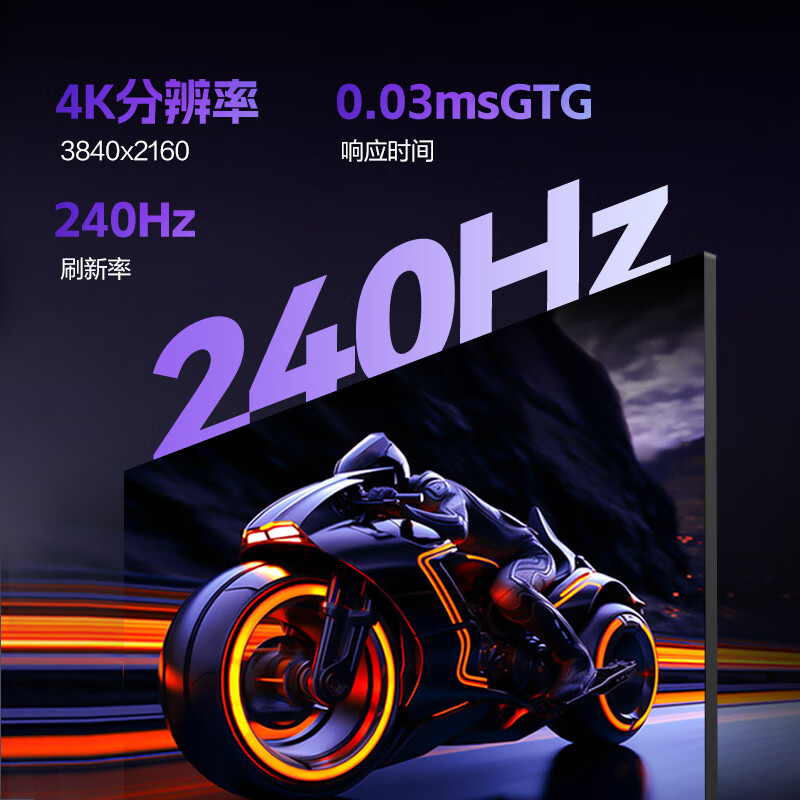
AOC is back with a high-end addition to its AGON Pro lineup, and this one’s built for gamers who want speed, clarity, and serious color accuracy. The new AG276UZD is a 26.5-inch monitor with a 4K QD-OLED panel that pushes a staggering 240Hz refresh rate, and it’s officially available now on JD.com for 7,499 yuan (about $1,040).
AOC AG276UZD Monitor Specifications
At the heart of this display is Samsung’s fourth-gen QD-OLED panel, delivering sharp 3840 x 2160 resolution with deep blacks and punchy highlights, thanks to DisplayHDR True Black 400 support and peak brightness up to 1000 nits. Response time is a nearly-instant 0.03ms (GtG), and it supports Adaptive-Sync for smooth, tear-free gameplay.
AOC also brings some pro-level color work to the table—there’s factory calibration with an average Delta E < 1, native 10-bit color, and wide gamut coverage (100% sRGB, 99% DCI-P3). Basically, it’s not just for gaming—creators will feel right at home here too.
You’re also getting an impressive spread of ports: two HDMI 2.1, one DisplayPort 2.1 (UHBR20, 80Gbps), and a USB-C port that handles 4K@240Hz video along with 65W charging. There’s also USB hub support with two USB-A 3.2 Gen1 ports, a USB-B upstream port, and even KVM switch support for managing two devices with one set of peripherals.
The design leans gamer without going overboard; there’s customizable RGB Light FX lighting, a clean compact stand with height, tilt, swivel, and pivot adjustments, plus thoughtful extras like a headphone hook and cable management clips. The monitor includes dual 5W speakers, hardware-level low blue light protection (TÜV-certified), and support for 100x100mm VESA mounting.
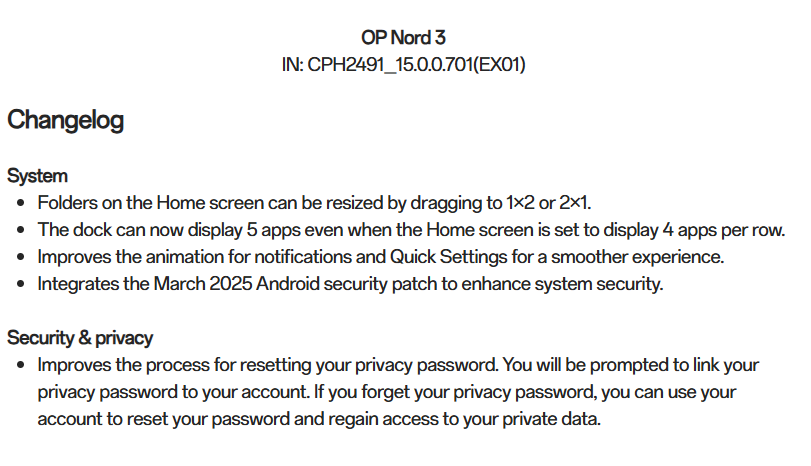
OnePlus has started rolling out the OxygenOS 15.0.0.701 update for the Nord 3 in India (build CPH2491_15.0.0.701), introducing some interface tweaks and security updates.
Key updates include the ability to resize home screen folders to 1×2 or 2×1 layouts and an expanded dock that displays five apps even when the home screen is set to four apps per row. Animations for notifications and Quick Settings have been optimized for smoother transitions. The update also integrates the March 2025 Android security patch.
For privacy, users can now link their privacy password to their OnePlus account. If the password is forgotten, it can be reset via account verification to regain access to private data.
As usual, the update is incremental and is currently available to a limited number of users, with broader availability expected soon. If the update notification has not popped up on your device yet, you can manually check for it under Settings > System > System Updates. Indian users can report issues through the OnePlus Community App’s “Bug Report” section or by dialing *#800# to access a feedback tool.
In other news, the OnePlus 13T is set to debut in China this month as a premium compact device, reportedly packing flagship-grade hardware. Headlining specs include a 6.3-inch 1.5K display, a 6,200mAh battery with 80W fast charging, and Qualcomm’s Snapdragon 8 Elite chipset.
For more daily updates, please visit our News Section.
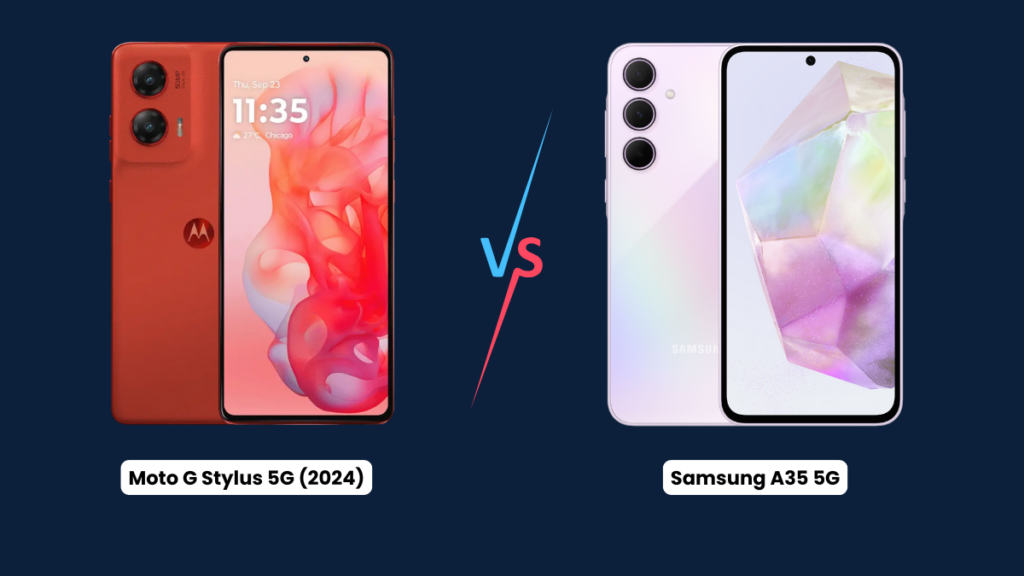
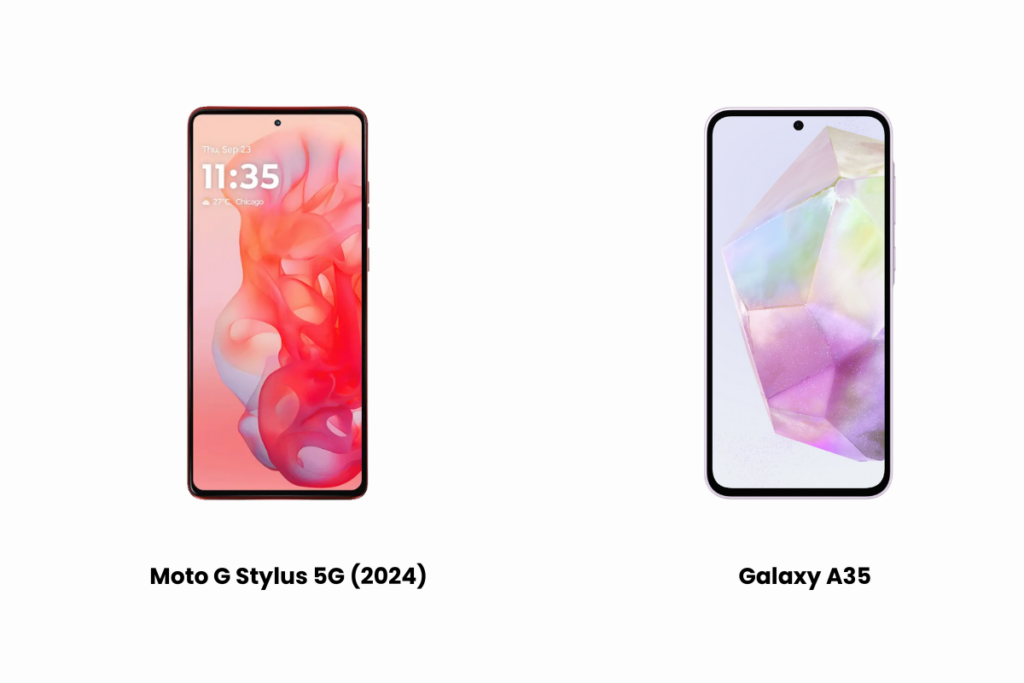
The Moto G Stylus 5G (2024) is a popular budget-friendly smartphone that offers excellent value for its price. It features a high-quality screen, a good camera setup, and an octa-core processor. The battery lasts more than a day, and most importantly, it brings wireless charging support and a built-in stylus that we typically don’t see in budget phones.
The Galaxy A35 isn’t without its benefits. It’s an excellent mid-range option with longer software support, strong battery backup, and capable cameras. It costs $100 more than the Moto G Stylus 5G. So, is it worth spending the extra $100, or is the Moto G Stylus 5G (2024) still the better deal? Here, we break down the differences to help you make a better decision.
Moto G Stylus 5G (2024) vs Samsung Galaxy A35: Design and build
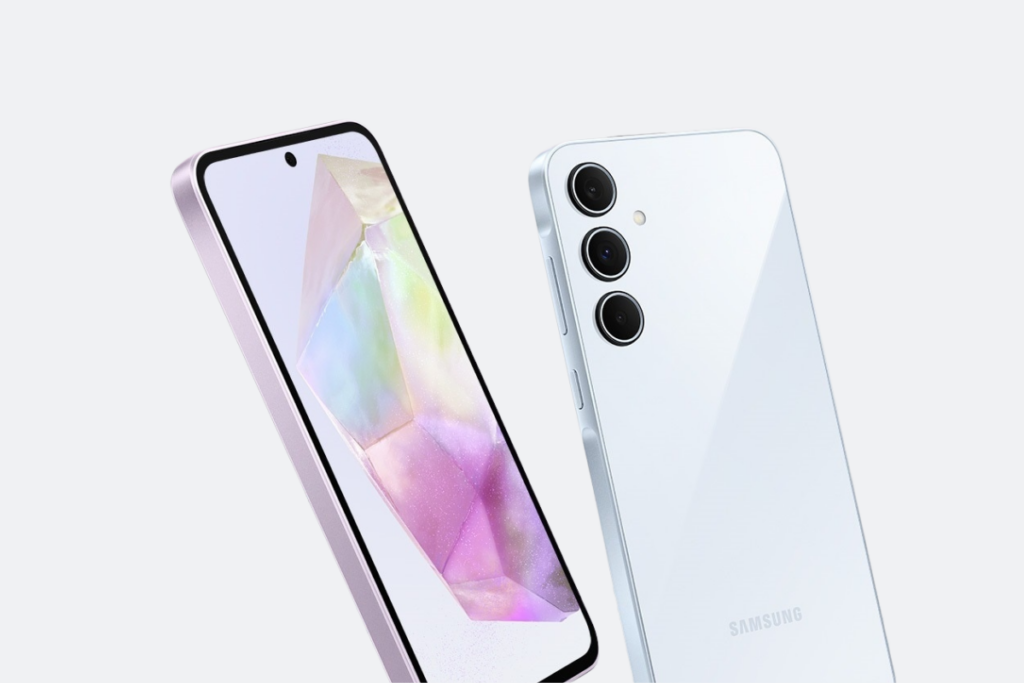
Both smartphones have clean, modern aesthetics. The Galaxy A35 has slightly thicker bezels and more rounded corners, which results in a lower screen-to-body ratio compared to the Moto G Stylus 5G. The selfie cutout also takes more space on the Samsung phone.
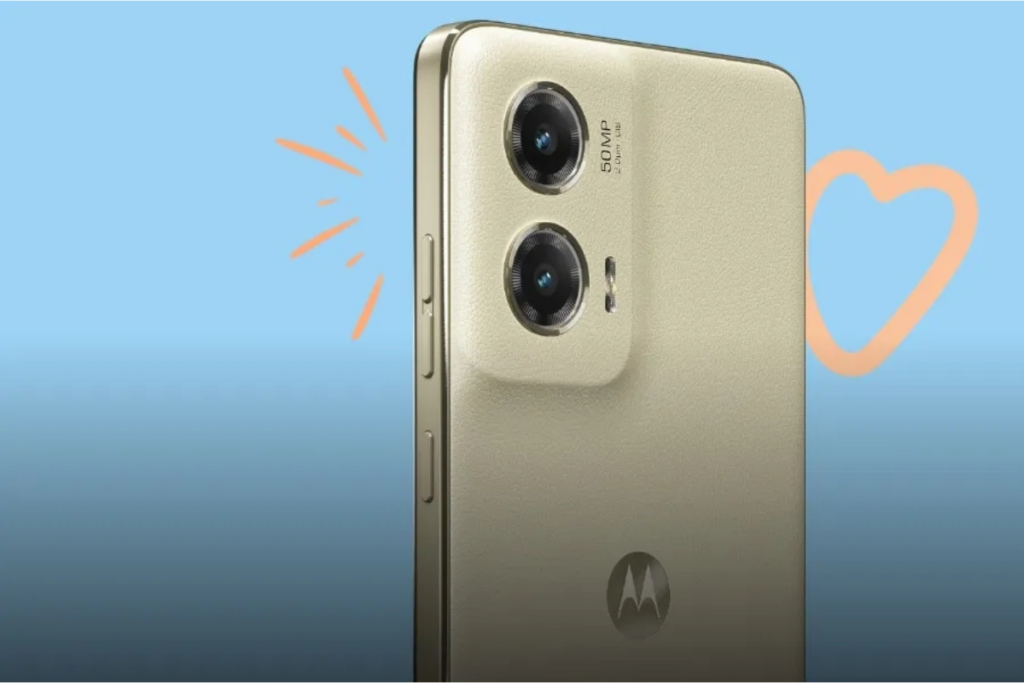
The Galaxy A35 features Gorilla Glass Victus+ for added protection, while the Moto G Stylus 5G has a vegan leather back, giving it a more premium feel and better resistance to fingerprints compared to the glass back of the Galaxy A35.
Additionally, the Galaxy A35 is IP67-rated for dust and water resistance, whereas the Motorola phone lacks an IP rating. The Samsung phone is also a little heavier and thicker.
On top of everything, the Moto G Stylus 5G has a built-in stylus, which is rare among budget phones. This unlocks a whole new level of creativity and makes the device more senior-friendly. The Galaxy A35 doesn’t have a stylus.
Moto G Stylus 5G (2024) vs Samsung Galaxy A35: Display
Both smartphones have flat, high-quality displays with 120Hz refresh rate support and almost the same screen resolutions. However, there are some key differences as well. For instance, the Moto G Stylus 5G (2024) supports 10-bit color depth, whereas the Galaxy A35 supports 8-bit color depth. This means the Motorola phone can show a wider range of colors for a more immersive viewing experience.
The Motorola phone’s screen is a little bigger, at 6.7 inches (vs. 6.6 inches on the Galaxy A35). Additionally, it has a higher peak brightness for better visibility outdoors.
Moto G Stylus 5G (2024) vs Samsung Galaxy A35: Performance and software
The Motorola smartphone has the Snapdragon 6 Gen 1 chipset at its heart, whereas the Samsung Galaxy A35 is driven by the in-house Exynos 1380. While both chips use the same CPU cores, those in the Exynos chip run at a higher speed, offering additional performance boost.
The Mali-G68 MP5 GPU inside the Exynos 1380 also performs better than the Adreno 710 GPU inside the Snapdragon 6 Gen 1. Here are benchmarking scores to give you a better picture:
AnTuTu v10 score (higher is better):
Moto G Stylus (2024)
Galaxy A35
AnTuTu score
554,132
602,845
CPU
197,313
198,446
GPU
94,070
136,210
Memory
118,839
111,256
UX
143,910
156,932
Geekbench v6 score (higher is better):
Moto G Stylus (2024)
Galaxy A35
Single core
934
1,021
Multi core
2,674
2,937
3DMark Wild Life Stress Test (higher is better)
Moto G Stylus (2024)
Galaxy A35
Best loop score
2,362
2,822
Lowest loop score
2,351
2,779
Stability
99.6%
98.6%
On all three benchmarking platforms that we tested both phones on, the Samsung phone comes at the top.
Overall, the Galaxy A35 offers better performance, but the Moto G Stylus 5G still provides a smooth, lag-free experience for everyday tasks like browsing, messaging, and scrolling through social media feeds.
The software support goes entirely in favor of Samsung, thanks to its impressive update policy. The Galaxy A35 promises four generations of OS updates, whereas the Moto G Stylus 5G (2024) will get just one. This has been a long-standing problem with Motorola phones. Newer models, however, do come with extended software support.
Moto G Stylus 5G (2024) vs Samsung Galaxy A35: Camera
The Motorola phone’s cameras have been upgraded from its predecessor. The 50MP primary camera now comes with OIS support. While it doesn’t match Google Pixels, the shots are nice and detailed in daylight. However, the low-light performance is just okay-ish.
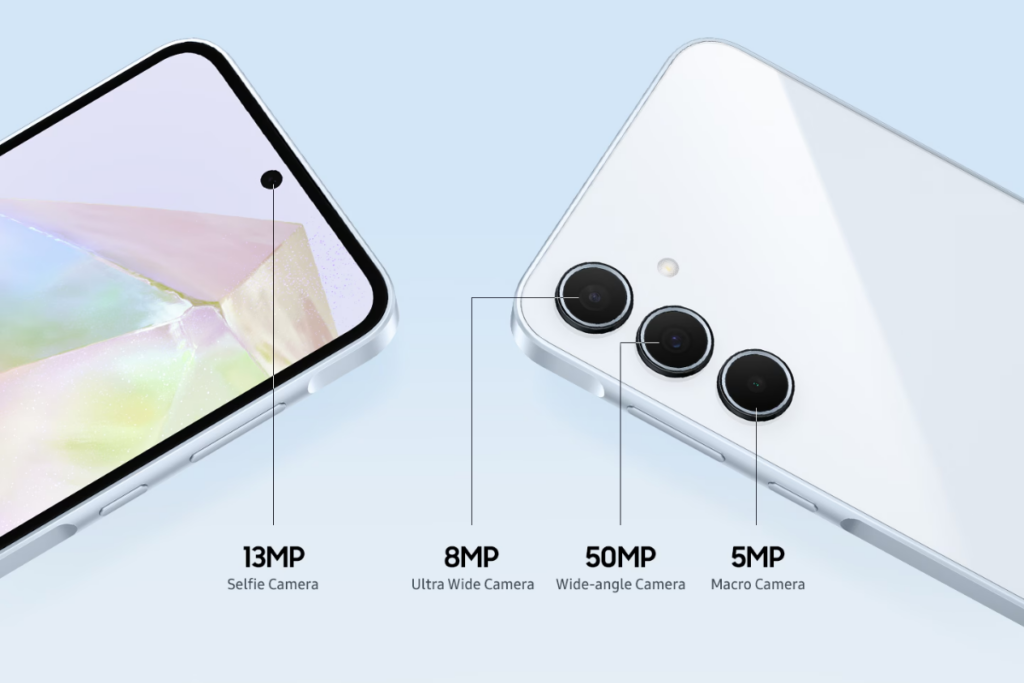
The Galaxy A35’s primary camera also retains good details and produces share-worthy shots when there’s sufficient light but struggles with low-light shots. It has an 8MP ultrawide camera, while the Motorola phone has a 13MP ultrawide sensor.
The Galaxy A35 also has a 2MP macro shooter, which is just useless. The Motorola phone doesn’t have a dedicated macro camera but instead uses the 13MP ultrawide sensor to achieve good macro shots, which look way better than the Galaxy A35.
Motorola phone takes good selfie photos and videos with its 32MP camera. The Galaxy A32 features an 8MP selfie camera that can also take decent photos and videos. As for the video quality, both smartphones support 4K recording using front and rear cameras.
Moto G Stylus 5G (2024) vs Samsung Galaxy A35: Battery and charging
While both phones have the same 5,000mAh battery capacity, the battery backup isn’t the same as it depends on various factors such as chip efficiency, software optimizations, and more. In our case, the Moto G Stylus 5G (2025) comes at the top with an extra hour of battery life over the Galaxy A35. However, the Samsung phone lasts a little longer when gaming. Both phones comfortably last for at least a day, though.
Additionally, the Moto G Stylus 5G (2024) supports 30W wired charging, whereas the Galaxy A35 peaks at 25W. However, both take nearly one and a half hours to reach 100%. The Motorola phone also benefits from 15W wireless charging support. The Samsung phone doesn’t let you power it wirelessly.
Moto G Stylus 5G (2024) vs Samsung Galaxy A35: Misc
The Samsung phone has better connectivity features. It brings Wi-Fi 6 support for enhanced speed and efficiency. It should also provide better Wi-Fi performance in crowded spaces. The Galaxy A35 also supports a newer Bluetooth standard, which offers better connection stability and data transmission.
Another plus point for the Motorola phone is the 3.5mm headphone jack, which is absent on the Galaxy A35.
Moto G Stylus 5G (2024) vs Samsung Galaxy A35: Which one should you buy?
The Motorola phone offers a high-quality display experience, decent camera performance, and slightly better battery life. Its standout features include a built-in stylus, a 3.5mm headphone jack, and wireless charging support—none of which are found on the Galaxy A35.
On the other hand, the Galaxy A35 is more durable with Corning Gorilla Glass Victus+ and an IP67 rating. It also delivers faster performance, longer OS updates, and better connectivity with newer Bluetooth and Wi-Fi standards.
If durability and long-term software support are your top priorities, the Galaxy A35 is the better choice. Otherwise, the Moto G Stylus 5G (2024) offers great value and saves you around $120.
We use cookies on our website to give you the most relevant experience by remembering your preferences and repeat visits. By clicking “Accept”, you consent to the use of ALL the cookies.
This website uses cookies to improve your experience while you navigate through the website. Out of these, the cookies that are categorized as necessary are stored on your browser as they are essential for the working of basic functionalities of the website. We also use third-party cookies that help us analyze and understand how you use this website. These cookies will be stored in your browser only with your consent. You also have the option to opt-out of these cookies. But opting out of some of these cookies may affect your browsing experience.
Necessary cookies are absolutely essential for the website to function properly. This category only includes cookies that ensures basic functionalities and security features of the website. These cookies do not store any personal information.
Any cookies that may not be particularly necessary for the website to function and is used specifically to collect user personal data via analytics, ads, other embedded contents are termed as non-necessary cookies. It is mandatory to procure user consent prior to running these cookies on your website.