Huawei has officially announced that it will hold the Pura Pioneer Ceremony and HarmonyOS Smart Mobility New Product Launch at 2:30pm (local time) on March 20 in China. According to reports, the event will introduce a range of major products, including an innovative smartphone running the official version of HarmonyOS. Huawei’s Executive Director Richard Yu has hinted that this device is something other manufacturers would not have considered or dared to create.
Huawei’s first stable HarmonyOS Next phone incoming
Huawei confirms March 20 event
The biggest highlight of the upcoming launch event is expected to be Huawei’s first smartphone powered by the stable version of HarmonyOS Next. Multiple sources suggest that this groundbreaking device might feature an unconventional form factor, possibly a small foldable phone with a 3:2 screen ratio and a 6.28-inch inner display.
The device is expected to feature a 50-megapixel primary camera backed by a larger sensor. Its other rumored features include a dust and water-resistant build and a side-facing fingerprint sensor. Another highlight of this device is that it is expected to be priced affordably, allowing more users to adopt the HarmonyOS ecosystem. While it is being dubbed as Pocket 3 or P70 Pocket by the rumor mill, there is a possibility that it may carry the Pura branding.
Apart from the smartphone, Huawei is also expected to unveil new tablet and automotive products. Reports indicate that the company is working on the Huawei MatePad Pro 12.2-inch 2025 edition, which could come with improved performance, battery life, and other upgrades over the 2024 model.
In the automotive segment, Huawei-backed AITO recently started pre-orders for the Wenjie M9 2025 and Wenjie M8 models. Their final pricing is expected to be confirmed at the March 20 event.
For more daily updates, please visit our News Section.
Oppo has proven that cutting-edge technology can be both sleek and sturdy. In a recently released YouTube video, the company demonstrated the remarkable toughness of the hinge on its recently released ultra-thin Find N5 book-style foldable.
The demonstration:
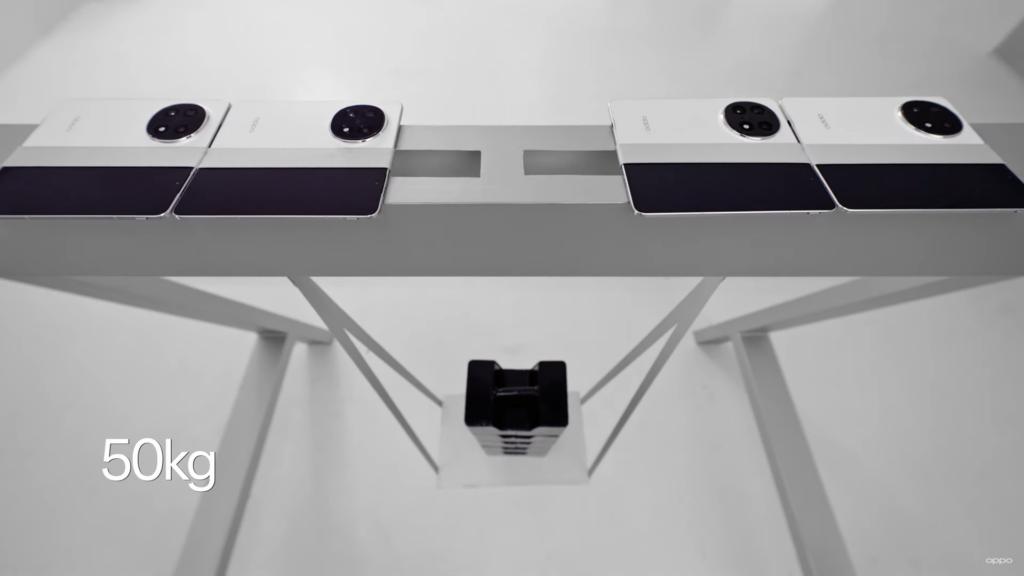
The video showcased four unfolded Find N5 devices supporting a dangling weight of 50 kg, which highlights the slim hinge’s exceptional strength and durability. However, it’s important to note that the test was conducted in a controlled setting. The devices were properly positioned to maximize their load-bearing capacity.
The video also showcased a person seated in the swing, which further emphasized the hinges’ robustness as the phones effortlessly withstood the stress. For those unfamiliar, the phone is just 4.2 mm thick when unfolded. Four of the hinges withstood 50kg of load, which, indeed, is impressive.
As for ingress protection, the Find N5 comes with IPX8 and IPX9 certifications, which means the phones can be submerged in clean water, and they can even withstand hot water jets, despite having moving parts that could serve as an entry point for the water to get inside. This places it among the most resilient foldable smartphones on the market. For the sake of comparison, the Galaxy Z Fold 6 is IP48 dust and water resistant, which means it can be submerged in water, but dust particles smaller than 1mm in diameter can still get inside the hinge. This isn’t the case for the latest Oppo foldable, at least on paper.
On the inside, the Find N5 packs the 7-core Snapdragon 8 Elite chip and a 5600 mAh Si/C battery that supports 80W wired and 50W wireless fast charging. The crease has also improved as compared to last year, which makes it a great choice for those okay with the typical ColorOS experience.
Unfortunately, the Find N5’s availability remains limited. Currently, the device is only sold in a few Asia-Pacific countries.
For more daily updates, please visit our News Section.
OnePlus has started a phased rollout of the OxygenOS 15.0.0.610 update for the OnePlus Open foldable phone in North America. This update moves devices from OxygenOS 14 to 15, with a focus on smoother animations, a more consistent look, and improved customization options.
OnePlus Open
The update includes a redesigned system graphics engine that aims to improve rendering performance and keep animations smooth, even when multitasking. The transitions for widgets, folders, and system elements have been refined, and swipe gestures are now designed to work more consistently with third-party apps.
In terms of visuals, the Home screen icons and system icons have been updated with changes to their proportions and color profiles. There’s also been an effort to standardize the rounded corners of interface elements. The new Flux Themes feature allows users to personalize the phone’s appearance using system wallpapers or their own photos, and the transitions between the Always-On Display, Lock screen, and Home screen are designed to be smoother.
For notifications and alerts, Live Alerts are now used, which display notifications in a simplified layout in the center of the screen.
Productivity features include Floating Window gestures to help users manage mini-app windows, and the notifications and Quick Settings panels have been separated. The Quick Settings panel also has some layout and animation improvements.
Photo editing now includes a global edit reversal feature, which allows users to go back to previous settings when making adjustments.
The update also adds new OxygenOS app icons and includes improvements to system stability. The rollout is being done in phases, starting in North America, with wider availability planned for later. We have also provided the official changelog below.
OnePlus OxygenOS 15.0.0.610 Changelog
Animations
A cutting-edge system graphics engine is available to deliver superior rendering and animation performance. Its innovative parallel drawing architecture ensures smooth, uninterrupted visuals, even when switching between multiple apps or pushing the system to its limits. Stability and fluidity are guaranteed under any conditions.
Parallel animation covers more elements like widgets, components, and folders, ensuring seamless transitions and smooth animations, even during frequent interruptions.
System-wide swipe consistency is extended to third-party apps, including WebView interfaces, for a uniform scrolling experience across the entire system.
Visual effects
The Home screen is revamped with newly designed icons, presenting a fresh look with balanced proportions and enhanced colors for fuller and sharper visuals.
Numerous system function icons are overhauled for improved visual uniformity throughout the system.
The rounded corner design is enhanced for uniformity and continuous curvature is applied throughout the system.
Themes
The new flux themes feature a vast array of high-quality themes, allowing customization with system wallpapers and personal photos for a personalized touch.
The new flux themes present fluid and seamless transition animations among Always-On Display, Lock screen, and Home screen for improved visual consistency.
Live Alerts
The new Live Alerts design is concentrated on efficient information visualization, positioned centrally for a balanced and streamlined display.
The new Live Alerts interaction allows capsules to expand into detailed cards with a tap, providing efficient access to multiple live activities by swiping in the status bar.
The new Live Alerts animation system brings a fluid, elastic design and dynamic blurring effects in real time, making card visuals smoother and more refined.
Photo editing
The new globally reversible photo editing capability saves previous edit settings for seamless subsequent edits, ensuring uninterrupted creative flow.
Floating Window and Split View
The new Floating Window gestures: you can swipe down a notification banner to open a floating window, swipe down to enlarge it, swipe up to close it, and swipe sideways to hide it.
Notifications & Quick Settings
The new Split mode allows separate access to the notification drawer (top-left swipe) and Quick Settings (top-right swipe), with swipe left or right to switch.
Quick Settings is revamped with a more visually appealing and consistent layout, along with refined and enhanced animations.
More
Exclusive app icon designs for OxygenOS are added, offering a fresh visual experience.
Users can check for updates by going to Settings > System > System Update. The update is focused on improving animation smoothness and the overall consistency of the user interface, with consideration for user feedback.
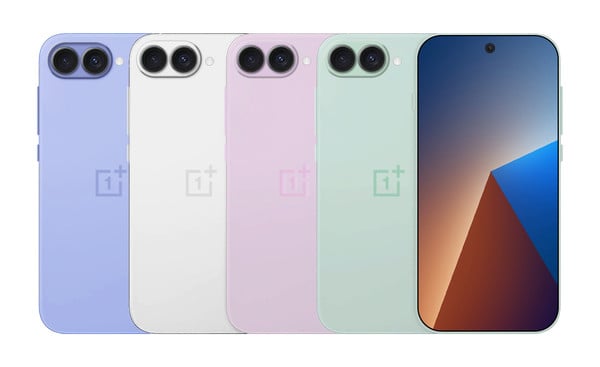
Renowned tipster Digital Chat Station has hinted at an upcoming compact flagship smartphone from OnePlus will offer high-end performance and long battery life. While the tipster did not explicitly mention the name, the use of a specific emoji in his Weibo post suggests that he might be referring to the OnePlus 13T (aka. OnePlus 13 Mini).
OnePlus 13T to sport a compact and beautiful design
DCS’ Weibo post suggests that the OnePlus 13T will feature a simple camera module with an international aesthetic. He added that it will be one of the most visually appealing compact phones. Shown above is one of the unofficial renders of the 13T that’s being circulated on Chinese social media platforms.
OnePlus 13T specifications (rumored)
OnePlus 13T mock render-
Previous reports have revealed that the OnePlus 13T is likely to feature a 6.31-inch LTPO OLED 120Hz screen with a 1.5K resolution and minimal bezels on all four sides. The screen is expected to house a short-focus in-display fingerprint sensor.
Under the hood, the OnePlus 13T is expected to be powered by the Snapdragon 8 Elite, the same chipset as the standard OnePlus 13. The phone will reportedly feature a metal middle frame and a glass back, contributing to a premium build.
The rear camera setup may consist of a 50-megapixel primary camera and a 50-megapixel telephoto camera with 2x optical zoom. However, the final camera specifications remain uncertain. Despite its compact size, the device is rumoured to include a 6,000mAh battery, which is unusually large for a phone in this category. It is also expected to have support for wireless charging.
If the leaked details are accurate, the OnePlus 13T could be positioned as the most affordable Snapdragon 8 Elite-powered phone, with an expected price of around 3,000 Yuan (~$415). At present, the Realme GT 7 Pro Racing Edition, with a starting price of 3,099 Yuan (~$430), is the most affordable Snapdragon 8 Elite phone in China.
For more daily updates, please visit our News Section.
Reports initially suggested that Oppo’s upcoming 6.3-inch model might be called the Find X8 Mini, while the 6.6-inch version was speculated to be the Find X8S. However, tipster Digital Chat Station previously clarified that “Find X8 Mini” was merely a placeholder name. Now, the latest leak confirms that the 6.3-inch variant will indeed be named the Oppo Find X8S, while the official branding for the 6.6-inch model remains undisclosed. It remains to be seen whether Oppo will name it the Find X8S Pro or Find X8 Next.
Oppo Find X8S key details tipped
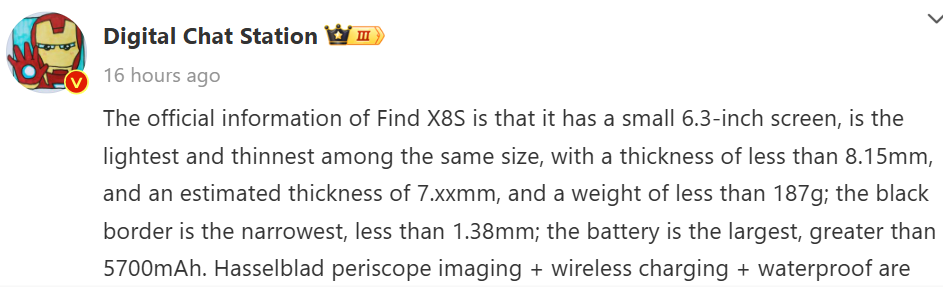
The Oppo Find X8S is expected to feature a 6.3-inch OLED display, making it one of the most compact premium smartphones in the market. With a thickness of under 8.15mm, likely around 7.xxmm, and a weight of less than 187g, it aims to be the thinnest and lightest in its category. It will also have ultra-narrow bezels measuring under 1.38mm, maximizing screen space for an immersive experience.
Oppo is reportedly equipping the Find X8S with a battery exceeding 5,700mAh, the largest among similar-sized smartphones. Additionally, the device will support wireless charging, offer IP certification for water and dust resistance, and feature Hasselblad-branded periscope zoom imaging for an enhanced photography experience.
Under the hood, the Oppo Find X8S is likely to be powered by the forthcoming MediaTek’s latest Dimensity 9400+ chipset, which offers a high-performance Cortex-X925 core clocked at 3.7GHz. The chipset is expected to debut on April 11.
As per a recent report, the Find X8S’ rear camera setup will include a 50-megapixel primary camera with OIS support, an 8-megapixel ultra-wide lens, and a 50-megapixel Samsung JN5 periscope telephoto camera with 3.5x zoom. It is also expected to support 80W wired charging, 50W wireless charging, and feature the new push-type Magic Cube hardware key instead of an Alert Slider.
Oppo is set to unveil the Find X8S in April in China, alongside the Find X8S Pro / X8 Next, and Find X8 Ultra. At the same event, the company may also announce other devices, such as the Oppo Pad 4 Pro tablet, Enco Free 4 TWS earbuds, and the Watch X2 Mini.
For more daily updates, please visit our News Section.
In December 2024, Oppo unveiled the Oppo A5 Pro 5G equipped with the Dimensity 7300 chip in China. Last month, the brand unveiled the Oppo A5 Pro 5G with modified specs and design for the global market. Now, the brand has also unveiled the 4G edition of the A5 Pro for the Malaysian market. Here is a look at everything known about the device.
Oppo A5 Pro 4G specifications and features
Oppo A5 Pro 4G
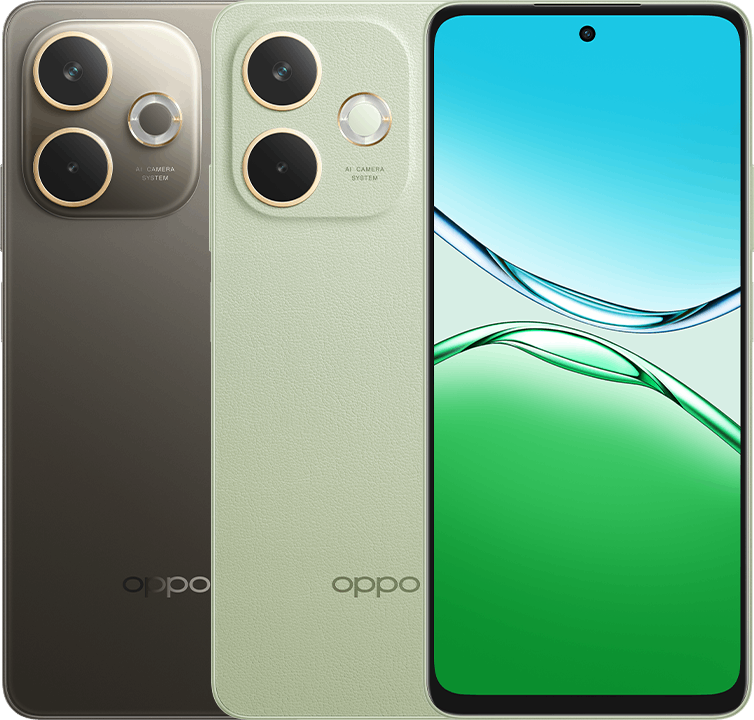
The Oppo A5 Pro (4G) is a budget smartphone that stands out with its rugged durability, featuring an IP69 rating for water resistance. This means it can withstand submersion in water up to 1.5 meters for 30 minutes. Additionally, it has passed 14 military-grade durability tests, enhancing its resistance to accidental drops.
The device sports a 6.67-inch HD+ (1604×720 pixels) LCD screen with a peak brightness of 1000 nits and a 90Hz refresh rate. It is powered by the Snapdragon 6s Gen 1 chipset built on an 11nm process. The phone is equipped with 8GB of LPDDR4X RAM and 256GB of UFS 2.1 storage. Powering the Oppo A5 Pro (4G) is a large 5,800mAh battery with 45W fast charging support.
For photography, the A5 Pro features a dual-camera setup, including a 50-megapixel camera and a 2-megapixel monochrome sensor for depth effects. On the front, it has an 8-megapixel camera for selfies and video calls. It offers other features, such as dual SIM, Wi-Fi 5, Bluetooth 5.0, dual speakers, USB-C, ColorOS 15-based Android 15, and a side-facing fingerprint scanner.
Oppo A5 Pro (4G) price and availability
The Oppo A5 Pro (4G) is available in Mocha Brown and Olive Green colour options. It comes in a single 8GB RAM + 256GB storage variant, priced at RM 899 (~$200).
For those looking for a 5G variant, the Oppo A5 Pro 5G is also available in Malaysia with the same 8GB + 256GB configuration, priced at RM1,099 (~$250). Readers can read about the 5G version’s specs here.
For more daily updates, please visit our News Section.
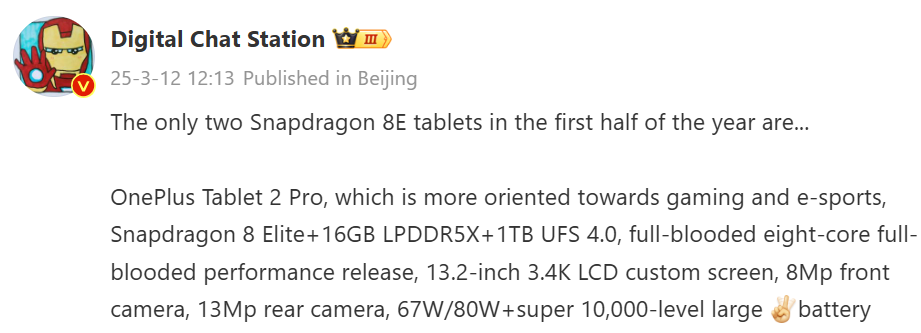
A recent report revealed that the Oppo Pad 4 Pro, Vivo Pad 4 Pro, and Xiaomi Pad 7s Pro are the flagship tablets that will hit the Chinese market in the first half of this year. These tablets are said to be equipped with the Snapdragon 8 Elite, Dimensity 9400, and Snapdragon 8s Gen 3. Now, a new leak, courtesy of tipster Digital Chat Station, has revealed that the OnePlus Pad 2 Pro will also debut soon within the first half of this year. The source also revealed the tablet’s key specifications.
OnePlus Pad 2 Pro specifications (rumored)
OnePlus Pad 2 Pro keys specifications tipped
According to the tipster, the OnePlus Pad 2 Pro will be another Snapdragon 8 Elite-powered tablet set to launch in the Chinese market in H1 2025. The tipster revealed that the tablet sports a 13.2-inch custom LCD screen that offers a 3.4K resolution.
The Pad 2 Pro, designed with a gaming-focused approach, will feature the Snapdragon 8 Elite chipset, 16GB of LPDDR5X RAM, and up to 1TB of UFS 4.0 storage. Powering the device will be a massive battery of around 10,000mAh capacity, supported by 67W or 80W fast charging. For cameras, it will include an 8-megapixel front-facing sensor and a 13-megapixel rear camera.
To recall, OnePlus unveiled the OnePlus Pad Pro powered by the Snapdragon 8 Gen 3 chip in June 2024. A couple of months later, Oppo announced the Oppo Pad 3 Pro equipped with the faster Snapdragon 8 Gen 3 Leading Edition chipset. However, the rest of the core specs were identical on both devices.
Therefore, it is likely that the Oppo Pad 4 Pro will bear a resemblance to the OnePlus Pad 2 Pro. Recent reports have revealed that the Pad 4 Pro will feature a 13.2-inch LCD panel, a Snapdragon 8 Elite chipset, and support 80W charging.
For more daily updates, please visit our News Section.
JBL has long been a dominant name in the world of consumer audio, known for its high-quality speakers, soundbars, headphones, and earbuds. However, the competition has caught up, and in 2025, several brands offer compelling alternatives that often provide better features, sound quality, and value. Whether you’re looking for a rugged Bluetooth speaker, a Dolby Atmos soundbar, or premium noise-canceling headphones, there are plenty of alternatives to explore.
Best Bluetooth Speaker Alternatives
For those seeking portable Bluetooth speakers, brands like Ultimate Ears (UE), Bose, Sony, and Tribit have solid offerings. The UE Megaboom 4 stands out with its 360-degree sound, waterproof build, and 20-hour battery life, making it a rugged and reliable alternative to JBL’s lineup. Its smaller sibling, the UE Wonderboom 4, offers excellent sound for its size and outlasts the JBL Go 4 with nearly double the battery life.
Bose, a brand known for premium sound quality, offers the SoundLink Flex, a mid-sized speaker with crisp, clear audio and an IP67 rating for durability. Sony’s SRS-XG300 and XB100 cater to bass lovers, while Tribit StormBox Micro 2 provides a budget-friendly yet high-quality alternative, outshining JBL in battery life and durability. Anker Soundcore Motion+ is another strong option, undercutting JBL in price while offering big sound and long battery life.
Please Note: When you buy something using the links in our articles, we may earn a small commission at no cost to you.
Best Soundbar Alternatives
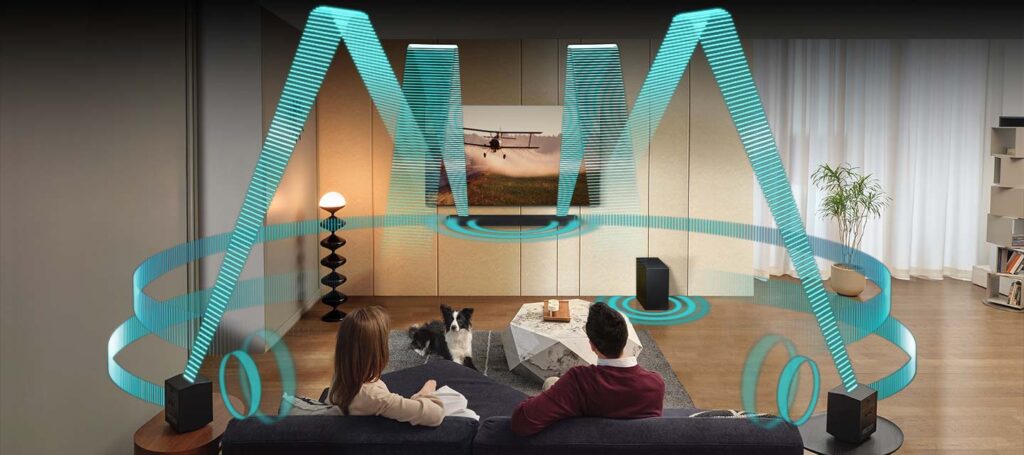
When it comes to home audio, JBL’s soundbars face tough competition. Samsung’s HW-Q990D, a premium Dolby Atmos soundbar with an 11.1.4-channel setup, creates an immersive cinematic experience that surpasses JBL’s top models. It includes wireless rear speakers and a subwoofer, making it ideal for serious home theater enthusiasts.
For a more compact but powerful option, the Sonos Arc Ultra delivers outstanding Dolby Atmos immersion, deep bass, and a sleek design. It integrates seamlessly with smart home systems and offers multi-room audio. At a mid-range price, the Samsung HW-Q800D provides 5.1.2 Dolby Atmos support with a wireless subwoofer, making it an excellent alternative to JBL’s Bar series.
Budget-conscious buyers can explore Vizio’s M-Series 5.1.2 soundbar, which includes a subwoofer and discrete surround speakers for under $500. Meanwhile, the Hisense AX5125H delivers remarkable performance for its price, featuring a full 5.1.2 Dolby Atmos setup.
Best Headphone Alternatives
For noise-canceling headphones, Sony and Bose lead the way. The Bose QuietComfort Ultra Headphones offer industry-leading noise cancellation and adaptive tuning, making them ideal for travelers and professionals. Sony’s WH-1000XM5, with customizable sound, excellent ANC, and 30+ hours of battery life, provides a well-rounded alternative with deep bass and rich detail.
Sennheiser’s Momentum 4 headphones cater to audiophiles, delivering exceptional sound clarity and a staggering 60-hour battery life. For budget buyers, the Soundcore Space Q45 offers excellent ANC and long battery life at a fraction of the cost.
Please Note: When you buy something using the links in our articles, we may earn a small commission at no cost to you.
Best Earbud Alternatives
Wireless earbuds have seen immense innovation, and Bose, Sony, and Apple offer top-tier alternatives to JBL. The Bose QuietComfort Earbuds II have the best ANC on the market, creating an ultra-quiet listening environment. The Sony WF-1000XM5 closely rivals Bose with adaptive ANC and superior sound quality.
For iPhone users, Apple’s AirPods Pro 2 provide seamless integration, outstanding transparency mode, and immersive spatial audio. Samsung’s Galaxy Buds2 Pro and Google’s Pixel Buds Pro are great choices for Android users, offering premium features at competitive prices.
Budget-friendly alternatives include the Soundcore Liberty 4 Pro, which delivers impressive sound and ANC for under $150, and the Jabra Elite 7 Pro, known for its durability and clear call quality.
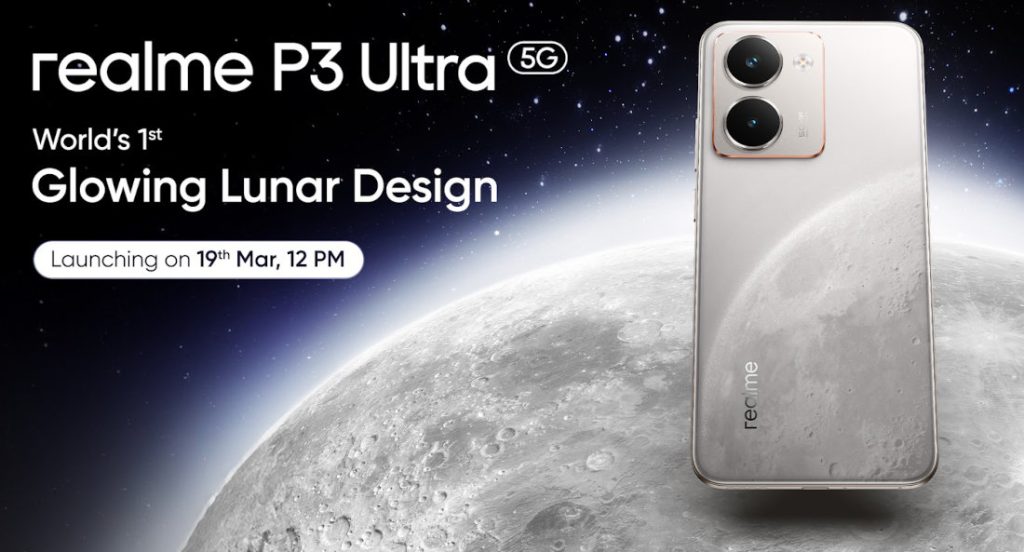
Realme has confirmed the launch of its P3 Ultra 5G and P3 5G smartphones in India on March 19. Both models focus on design and performance and will be sold through Realme’s website and Flipkart. Ahead of the launch, the brand has shared some key details about the device through teasers.
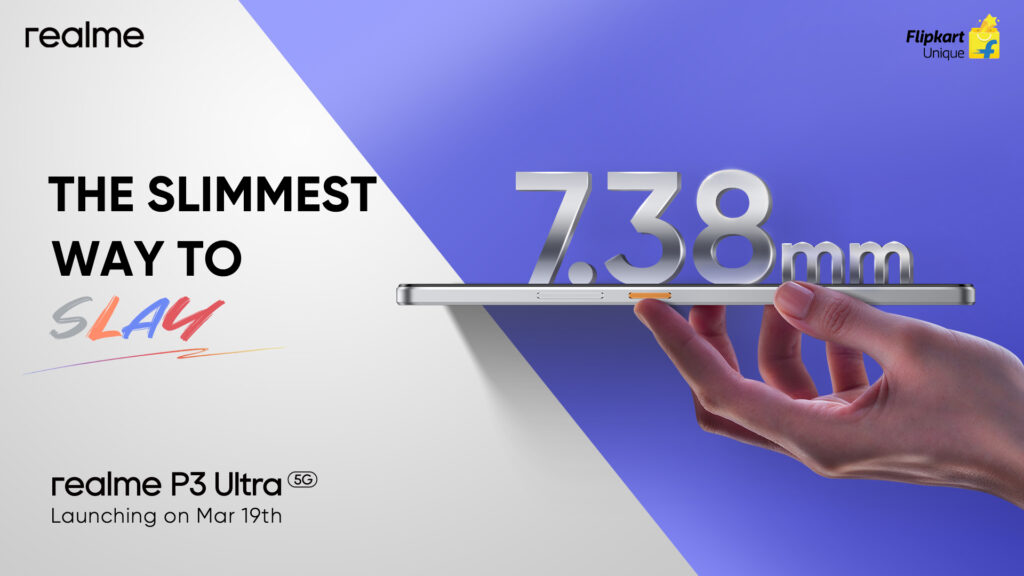
As per the recent teaser, the P3 Ultra 5G has a glow-in-the-dark “Lunar Design” back panel that changes color and gives off a green glow in low light. The back is textured to resemble lunar soil and has reflective particles added through the “Starlight Ink Process.” It comes in vegan leather finishes (Orion Red, Neptune Blue), measures 7.38mm thick, and weighs 183g. Realme claims it is India’s slimmest quad-curved phone.
Previous teasers have confirmed that the P3 Ultra runs on the MediaTek Dimensity 8350 Ultra chipset with LPDDR5x RAM and UFS 3.1 storage. The phone supports 90fps gaming with a 2500Hz touch sampling rate and has a 6,000mAh battery with 80W charging. Other features include a 6050mm² cooling system and 4K 60fps video recording.
The P3 5G has a “Space Design” back panel with a 3D texture made using nano-scale photolithography. It features a bright orange power button and comes in Space Silver, Comet Grey, and Nebula Pink. Key features include a 120Hz AMOLED display with 2,000 nits peak brightness, a Snapdragon 6 Gen 4 processor, a 6,000mAh battery with 45W charging, an IP69 rating, and an aerospace-grade cooling system. The device may share hardware with the recently launched Realme Neo 7x 5G.
Although pricing details are yet to be confirmed, the P3 Ultra is likely to be priced under Rs 30,000, while the P3 may be available for around Rs 20,000.
For more daily updates, please visit our News Section.
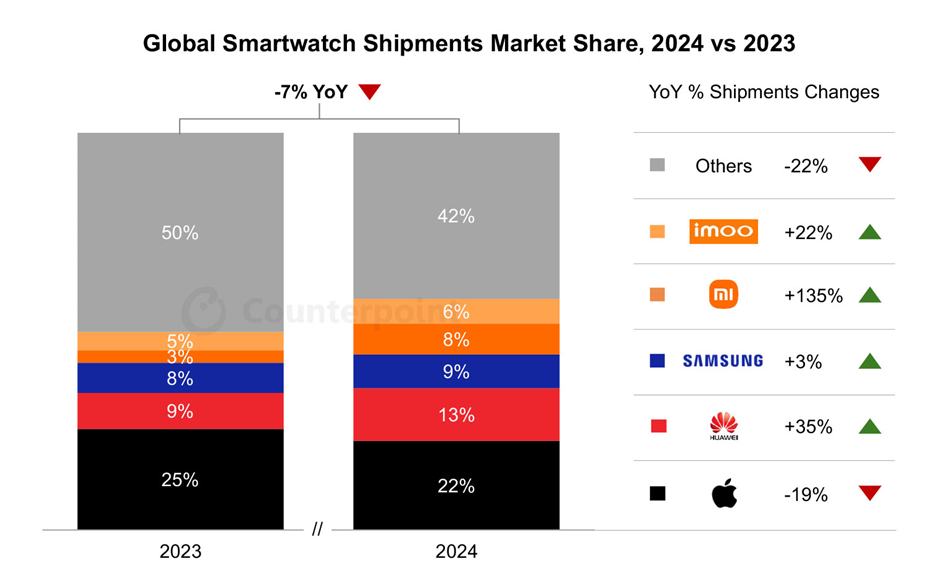
The smartwatch industry just hit a historic speed bump. After years of steady growth, global smartwatch shipments fell by 7% in 2024, marking the first decline the market has ever seen. According to Counterpoint Research, the downturn was largely driven by Apple’s weakening momentum, sluggish upgrade cycles, and a slowdown in the basic smartwatch category, particularly in India.
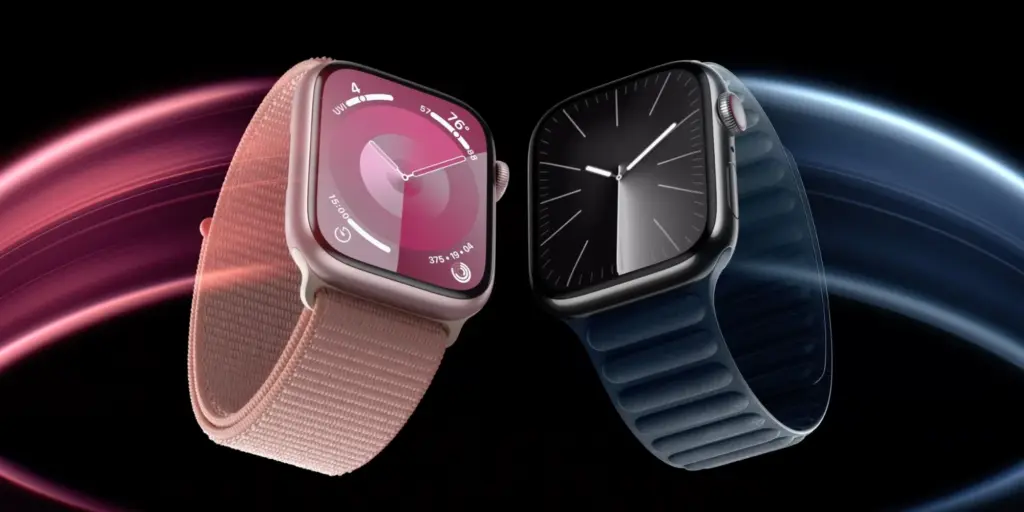
Apple Watch Series 9
However, while the overall market shrank, China stepped up. For the first time, the country overtook North America and India to claim the largest share of global smartwatch shipments. The charge was led by homegrown giants Huawei, Xiaomi, and BBK’s Imoo, which capitalized on an increasingly engaged Chinese consumer base.
Apple Stumbles, China Rises
Apple, the longtime smartwatch king, held onto its throne, but not without bruises. Shipments of the Apple Watch plummeted 19% YoY, weighed down by lackluster upgrades in the Series 10 lineup and the surprising absence of an Ultra 3 model. Patent disputes also complicated things, curbing shipments in the first half of the year. In North America, where Apple is strongest, many consumers opted to sit this cycle out, waiting for more meaningful innovations.
Meanwhile, Samsung quietly gained ground, growing 3% YoY thanks to its expanded Galaxy Watch lineup, including the first-ever Galaxy Watch Ultra. Xiaomi made even bigger waves, becoming the fastest-growing smartwatch brand in 2024 and breaking into the top five global rankings for the first time. Its success was driven by an aggressive portfolio expansion, with models like the Watch S1 and Redmi Watch finding strong traction across multiple regions.
Kids’ Smartwatches Are Booming
While most smartwatch segments took a hit, one category bucked the trend: kids’ smartwatches. Brands like Imoo dominated the space, meeting the rising demand from parents who want an easy way to track and stay connected with their children. Even traditionally adult-focused brands like Noise, boAt, and Fitbit have started shifting focus to this growing segment.
Despite the market’s first-ever decline, the future isn’t all bleak. Analysts expect a slow recovery in 2025, with single-digit growth driven by AI-powered features and next-gen health sensors. Think smarter heart monitoring, sleep apnea detection, and even early diabetes warnings. But to stay relevant, brands will have to fight harder for regulatory approvals and push the boundaries of what a smartwatch can really do.
The smartwatch market isn’t dead—it’s just evolving.
ASUS has established itself as a leading brand in the laptop industry, offering a diverse range of devices that cater to the needs of many like gamers, professionals, students, and creators. Whether you’re looking for high-performance gaming, a sleek ultrabook, or a budget-friendly work laptop, ASUS has a model for you. So here’s our list of some the top picks across different categories.
Best for Gaming: ASUS ROG Zephyrus G14
ASUS ROG Zephyrus G14
The first category on our list is gaming and the ASUS ROG Zephyrus G14 is one of the better deals in the market. For just 1,199 US Dollars, gamers get access to a top notch 14-inch 3K OLED display with a 120Hz refresh rate. Thanks to the AMD Ryzen 9 8945HS along with the Nvidia GeForce RTX 4060, you can expect to get high fps in every competitive title and also get a decent AAA experience without breaking the bank. Other notable features include 16GB RAM, 1TB of SSD storage, and a sleek design.
Please Note: When you buy something using the links in our articles, we may earn a small commission at no cost to you.
Best for Creators: ASUS ProArt PX13 13
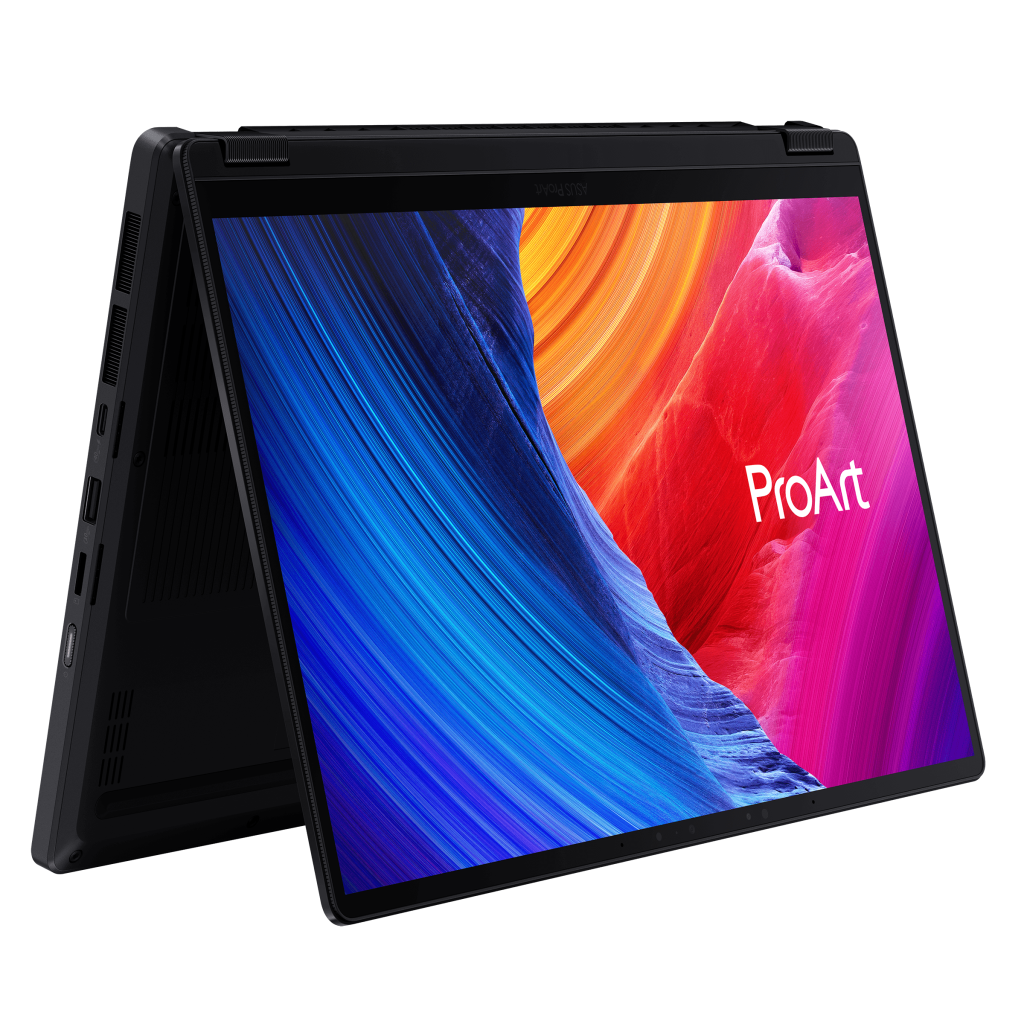
ASUS ProArt PX13
If you’re a creator, ASUS has a wide range of laptops that can meet your needs. But if you’re looking for a dedicated model, then the ProArt PX13 is a great example. It costs 1,449 US Dollars and features cutting edge specs that won’t let you down. One highlight is the AMD Ryzen AI 9 HX 370, which is one of the fastest mobile chips in the market and enables impressive battery life as well. This paired with 32GB of RAM, 1TB of SSD storage, and an RTX 4050 gives you enough horsepower for creative projects on the go.
Best for Productivity: ASUS ZenBook 14 OLED
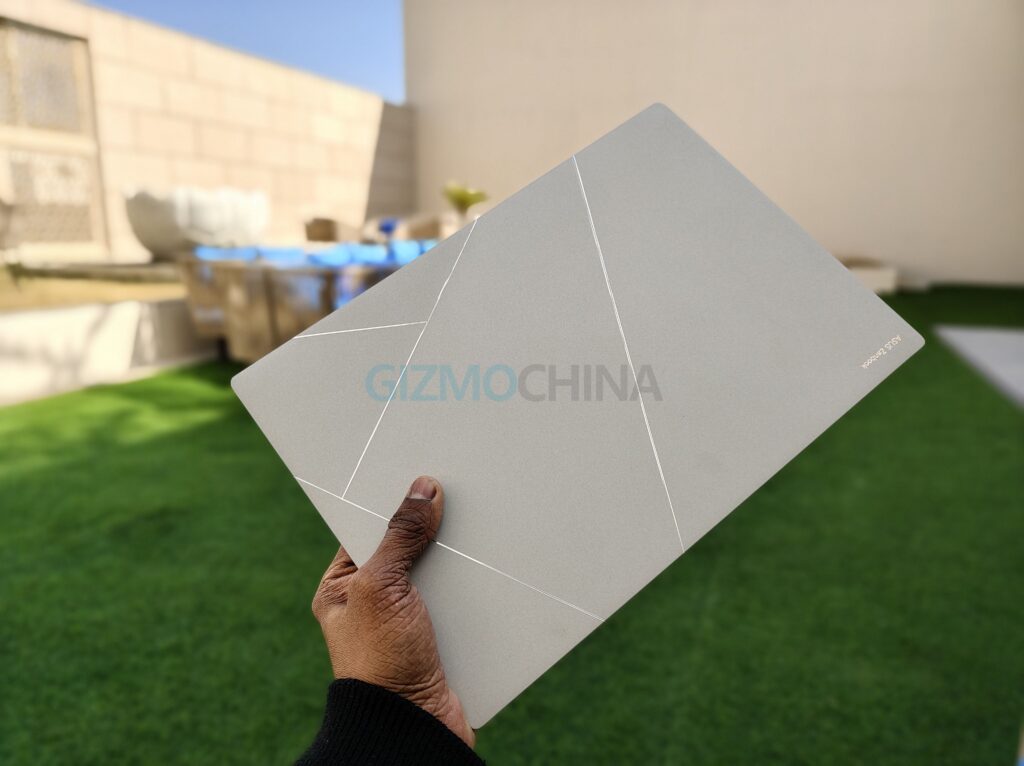
Aus Zenbook S14 OLED (2024)
The brand’s premium lineup of laptops is dubbed the Zenbook, which arrive with cutting edge hardware that make it perfect for productivity as well. Think MacBook level build quality but on Windows. The Zenbook 14 OLED is one of the top selling models, offering great battery life thanks to the Intel Core Ultra 7 chipset. This model costs 1,049 US Dollars, but there is also an Ultra 5 variant with a more affordable 549 US Dollars. It has a premium metallic design and weighs just 1.27 kilograms.
Please Note: When you buy something using the links in our articles, we may earn a small commission at no cost to you.
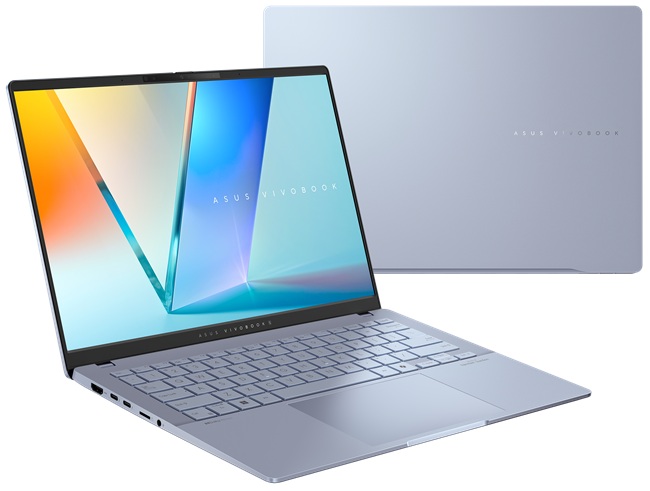
Best Budget Option: ASUS VivoBook S 14
ASUS Vivobook S 14
ASUS has a wide portfolio of laptops, including budget models that cost under 500 US Dollars. If you need capable performance, the best pick is the Intel Core Ultra 5 powered Vivobook S 14. Buyers also get a sufficient 16GB of RAM along with 512GB of SSD storage, and a CoPilot+ enabled PC. This is an ideal notebook for casual users who don’t top of the line hardware.
Please Note: When you buy something using the links in our articles, we may earn a small commission at no cost to you.
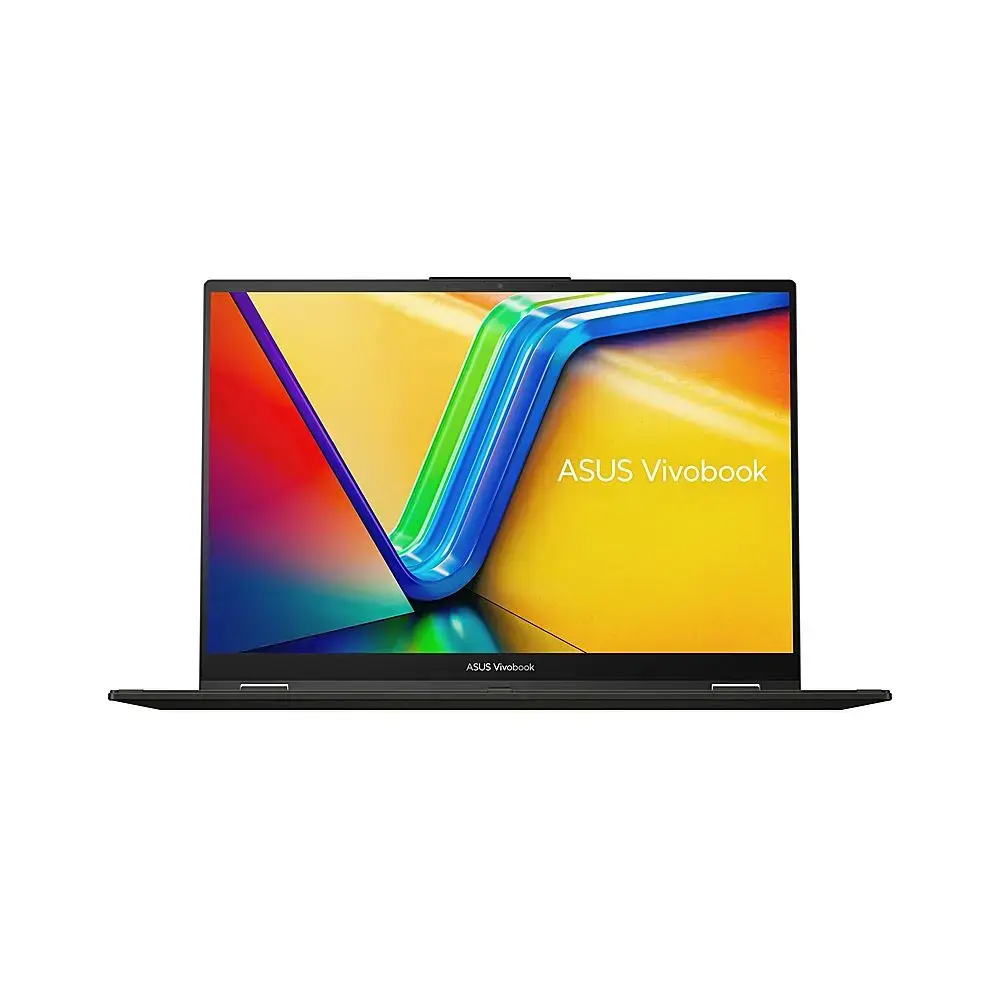
Best 2-in-1 Convertible: ASUS Vivobook S Flip 16
ASUS Vivobook S Flip 16
Last but not the least we have the 2-in-1 convertibles that are flexible and versatile. The ASUS Vivobook S Flip 16 is powered by an Intel i7-13700H with 16GB of RAM and 512GB of internal storage. It has a tall 16-inch FHD+ display that supports touch input, allowing you to use it like a tablet thanks to its 360 degree hinge. Pairing this with a smart pencil, you can even use it for some creative work as well. This model will set you back on 999 US Dollars.
Xiaomi has launched the Mijia High-Speed Water Ion Hair Dryer in the Chinese market, featuring advanced hydration and high-speed airflow. It will be available from March 20, with a retail price of 379 yuan ($52). Let’s check out its key specs.
Xiaomi Mijia High-Speed Water Ion Hair Dryer Specs
The Mijia hair dryer features dual-needle nano water ion technology, which condenses moisture from the air and converts it into nano water ions. This technology deeply hydrates hair to improve moisture retention, reduce split ends, and enhance shine. It also releases two billion high-concentration negative ions, which neutralize static electricity and tame frizz for a smoother finish.
It comes with an ultra-fast 110,000 RPM motor, delivering 65 meters per second of strong airflow. This powerful system significantly reduces drying time, allowing short hair to dry in one minute, shoulder-length hair in three minutes, and long hair in five minutes. This makes it a great option for those with busy schedules.
It equips an intelligent temperature regulation system that monitors airflow 100 times per second to maintain a steady 57°C drying temperature. This prevents excessive heat exposure while ensuring efficient drying and protecting hair from damage.
The smart hair dryer sports eight drying modes, with two wind speeds and four temperature settings: cool air, warm air, hot air, and alternating hot/cold air. This customization allows users to tailor their drying experience based on seasonal and styling needs.
It weighs only 355g, making it comfortable to use for extended periods. The dryer comes in Iceland Blue, Moonlight White, and Punk Purple and features metallic electroplated accents for a premium look. It also comes with a 1.7-meter power cord that ensures ease of movement while styling.
The hair dryer features an upgraded magnetic air nozzle, ensuring precise airflow direction for effortless styling. It also includes triple overheating protection, a magnetic inlet filter, and a microporous metal mesh to prevent hair entanglement and dust buildup.
In related news, Portronics has recently introduced a 1600W high-speed hair dryer with intelligent controls.
For more daily updates, please visit our News Section.
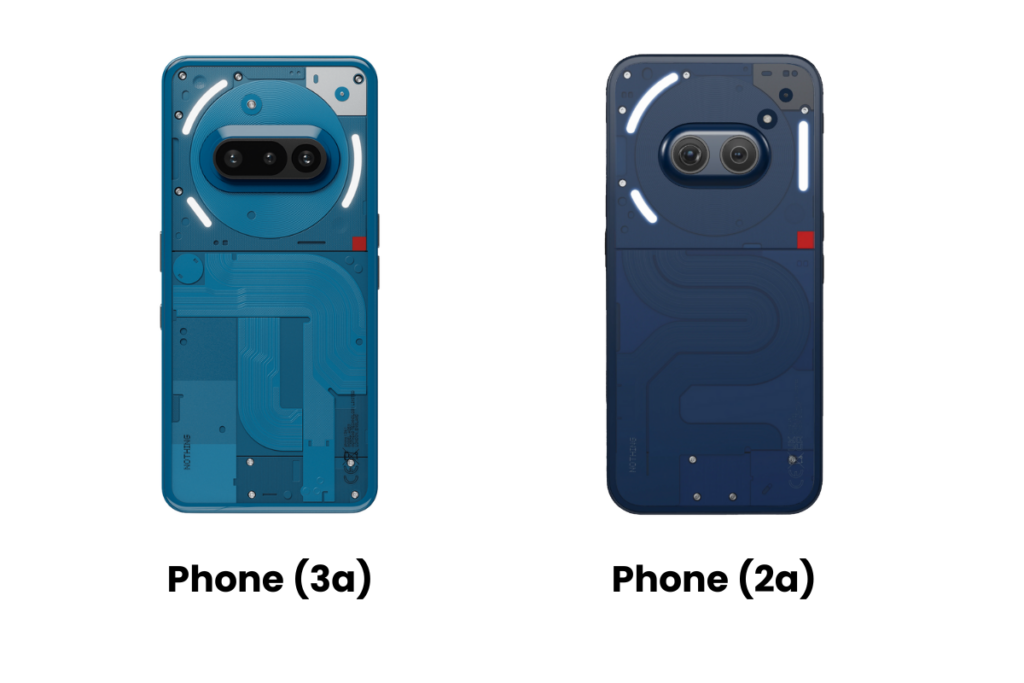
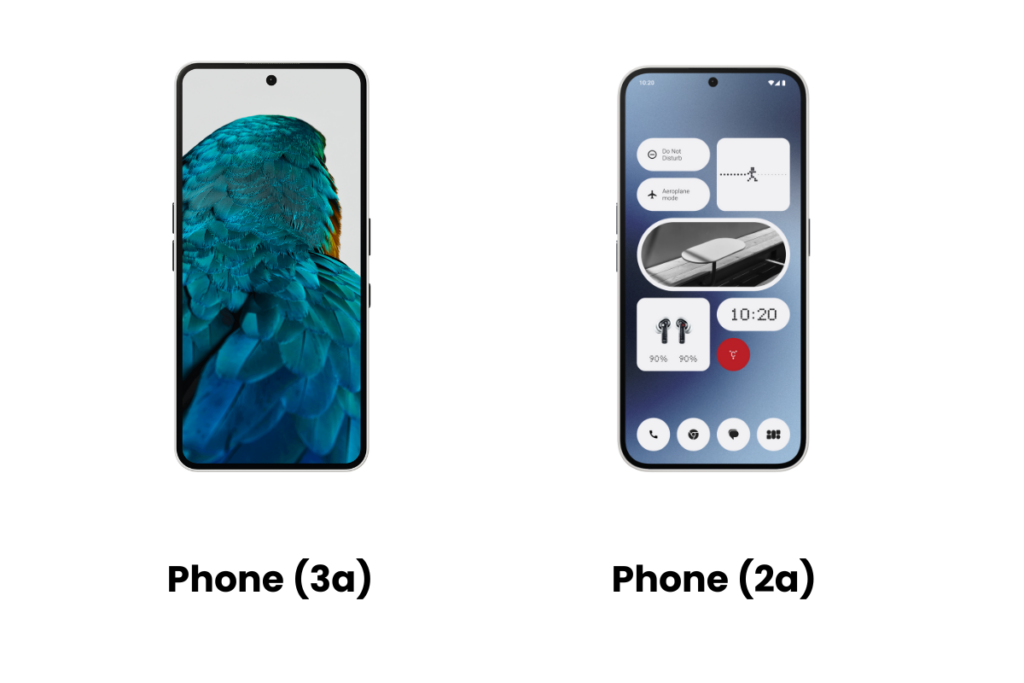
Nothing Phone (3a) is the latest addition to the company’s smartphone portfolio, and it brings meaningful upgrades over its predecessor, the Nothing Phone (2a). The newer model also follows Nothing’s design language with a transparent back and Glyph light. However, it also brings a faster Snapdragon chipset, a slightly bigger and better display, and faster charging.
The Nothing Phone (2a) is still a compelling mid-range smartphone at a lower price point. But does the Nothing Phone (3a) bring enough upgrades to justify the extra cost, or is the Phone (2a) still a strong contender in the mid-range market?
Nothing Phone (3a) vs (2a): Design and build
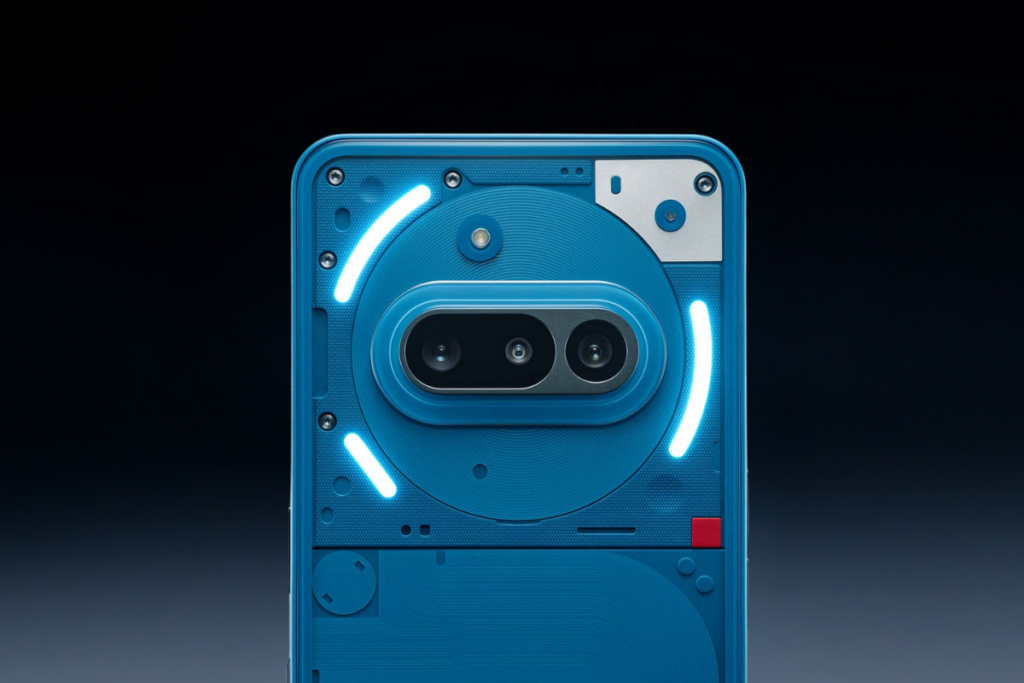
The Nothing Phone (3a) maintains the company’s signature transparent aesthetics that instantly sets you apart from the crowd. The phone still has three LED strips on the back that light up in different ways to tell you about incoming notifications, calls, charging progress, and volume levels. You can also use it as a fill light for photography and a countdown timer. What’s different is an additional camera on the rear side. The Phone (3a) is, in fact, the first company’s first phone to have a triple rear camera setup.
The Phone (3a) brings an additional “Essential key” below the power button on the right side. It’s placed in a weird position as you may sometimes mistake it for the power key, though it’s better than not having it as it lets you: take screen (single press), record an audio note (long press), and open a new Essential Space (double press).
The (3a) also bumps the IP rating to IP64 (vs. IP54 on the Phone (2a)). This means the former has better dust protection, though the water resistance level remains the same — both can only survive water splashes.
Nothing Phone (3a) vs (2a): Display
The newer model has a 6.77-inch screen, which is slightly bigger than the Phone (2a)’s 6.7-inch. It’s still an AMOLED screen with the same resolution and 120Hz refresh rate support. However, the (3a) can get much brighter with a peak brightness of 3000nits (vs. 1300nits on its predecessor).
The optical fingerprint sensor works similarly as last year’s — it can feel a bit slow sometimes but is accurate. Overall, both phones have excellent screens, the only major difference being the peak brightness.
Nothing Phone (3a) vs (2a): Camera
The biggest upgrade for Nothing Phone (3a) is the new 50MP telephoto camera, which we don’t see on budget phones (including the (2a)). That’s a nice addition, which should greatly improve the zoom quality in photos and videos. So, you can now capture up to 8X zoom shots with more details than before.
The primary camera is still the same 50MP, but the ultrawide sensor is downgraded to 8MP.
The zoom performance is where you’ll see the difference; otherwise, the camera performance is similar on both phones.
Nothing Phone (3a) vs (2a): Performance & software
The Nothing Phone (2a) features a customized Dimensity 7200 Pro that delivers better performance and efficiency than the regular Dimensity 7200. It works fine and delivers smooth performance. However, the Snapdragon 7s Gen 3 inside the Nothing Phone (3a) is a step forward.
The Snapdragon 7s Gen 3 delivers better CPU as well as graphics performance. While the difference isn’t massive, the overall software experience feels smoother. Here are the benchmarking numbers from AnTuTu and Geekbench.
AnTuTu (v10) score:
Phone (3a)
Phone (2a)
AnTuTu score
816,429
708,492
CPU
267,405
222,200
GPU
206,452
181,842
Memory
174,623
134,512
UX
167,950
169,938
Geekbench (v6) score:
Phone (3a)
Phone (2a)
Single core
1,182
1,134
Multi core
3,317
2,603
Talking about the software, both Nothing phones will get three years of OS updates. It’s decent for mid-range phones but not as good as other brands like Samsung and Google. You should also note that while the (3a) will receive OS updates up to Android 17, the (3a) will also get Android 18 because the newer model ships with Android 15 out of the box.
Nothing Phone (3a) vs (2a): Battery & charging
The Phone (3a) houses the same 5,000mAh battery as the Nothing Phone (2a), but that doesn’t make them last for the same number of hours. Thanks to the more efficient Snapdragon 7s Gen 3, the Phone (3a) gives you at least one hour of extended usage. With web browsing, you can get up to three hours of extra battery life on the newer model.
The charging speed also gets a slight upgrade, jumping from 45W to 50W. Unfortunately, neither phone has wireless charging support.
Nothing Phone (3a) is an excellent mid-range phone and a nice upgrade over the Phone (2a). While the new telephoto camera is the biggest upgrade, the phone also brings a better IP rating for dust protection, a more powerful and efficient chipset, and faster charging support. The display also gets slightly bigger with a big bump to the peak brightness, making the content more visible outdoors.
There’s also a new “Essential Key” right below the power button. You know where Nothing got this inspiration from. Anyway, it’s nice to have extra shortcut keys.
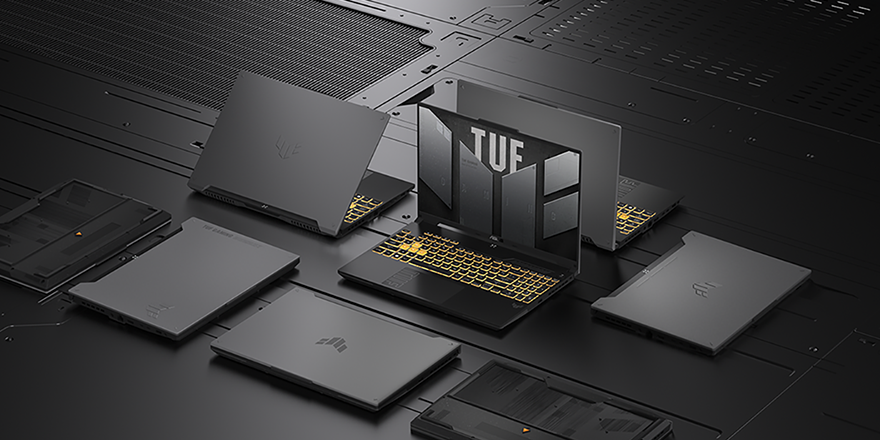
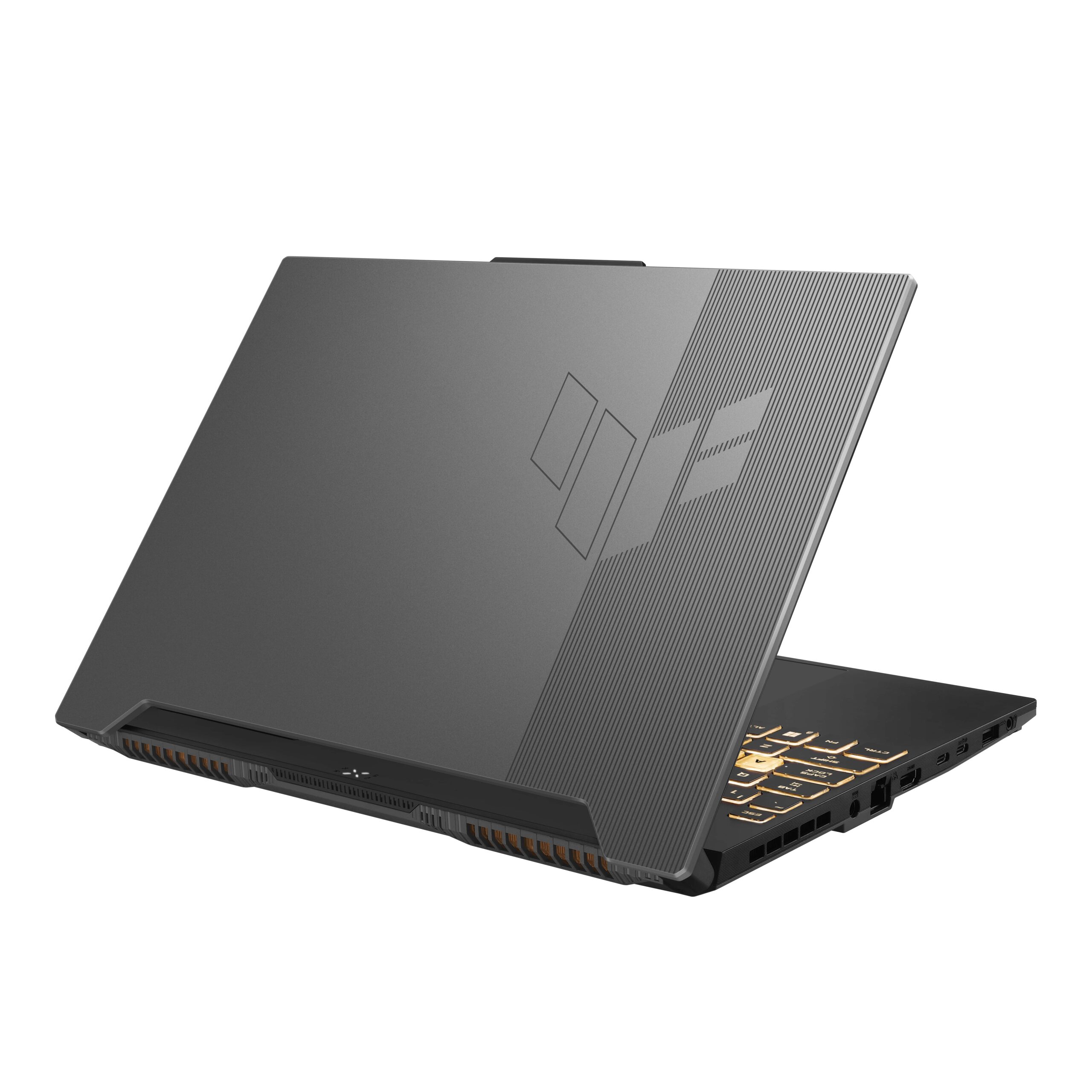
ASUS India’s Republic of Gamers (ROG) has unveiled its first 2025 gaming laptop, the TUF Gaming F16 (FX607). The device combines mid-range hardware with military-grade resilience.
ASUS TUF Gaming F16 Laptop
The ASUS TUF Gaming F16 Laptop is powered by a 12th-gen Intel Core i5-12500H processor (12 cores, 16 threads, up to 4.8GHz) and NVIDIA’s RTX 3050 GPU (65W, 2145MHz boost), The F16 is built for gaming and multitasking. It features a 16-inch FHD+ IPS display with a 144Hz refresh rate, 3ms response time, and 300 nits brightness, optimized for fast-paced titles.
The laptop meets MIL-STD 810H standards, ensuring resistance to extreme temperatures, shocks, and humidity. AI-driven noise cancellation enhances voice clarity during calls or gameplay, while Dolby Atmos and Hi-Res Audio certification deliver immersive sound.
Specifications include 16GB DDR4 RAM (expandable to 32GB) and a 512GB PCIe 4.0 SSD (upgradable to 4TB). Connectivity options span Wi-Fi 6, Bluetooth 5.3, HDMI 2.1, USB-C with DisplayPort support, and an RJ45 LAN port. Its 56Wh battery supports rapid charging (50% in 30 minutes), paired with a 150W adapter. The laptop comes with Windows 11 Home pre-installed, along with Office 2024 and 365 Basic. It weighs 2.2kg, making it quite portable for a gaming laptop.
Pricing & abailability
The TUF Gaming F16 is available online via ASUS’s e-shop, Amazon.in, Flipkart, and offline at ASUS Exclusive Stores, Reliance Digital, Croma, and Vijay Sales. Pricing starts at ₹80,990, positioning it as a durable mid-tier option in India’s competitive gaming market.
For more daily updates, please visit our News Section.
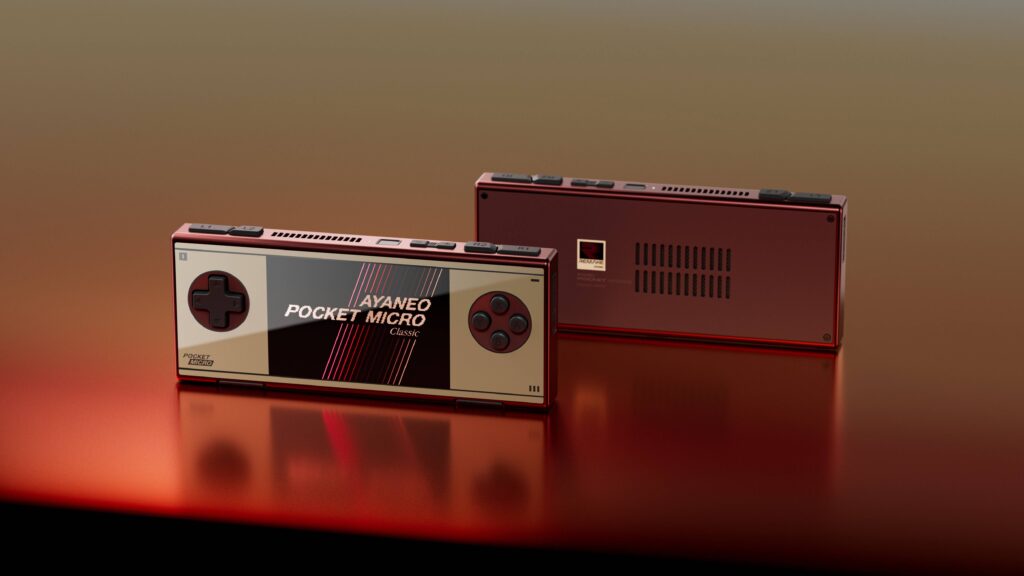
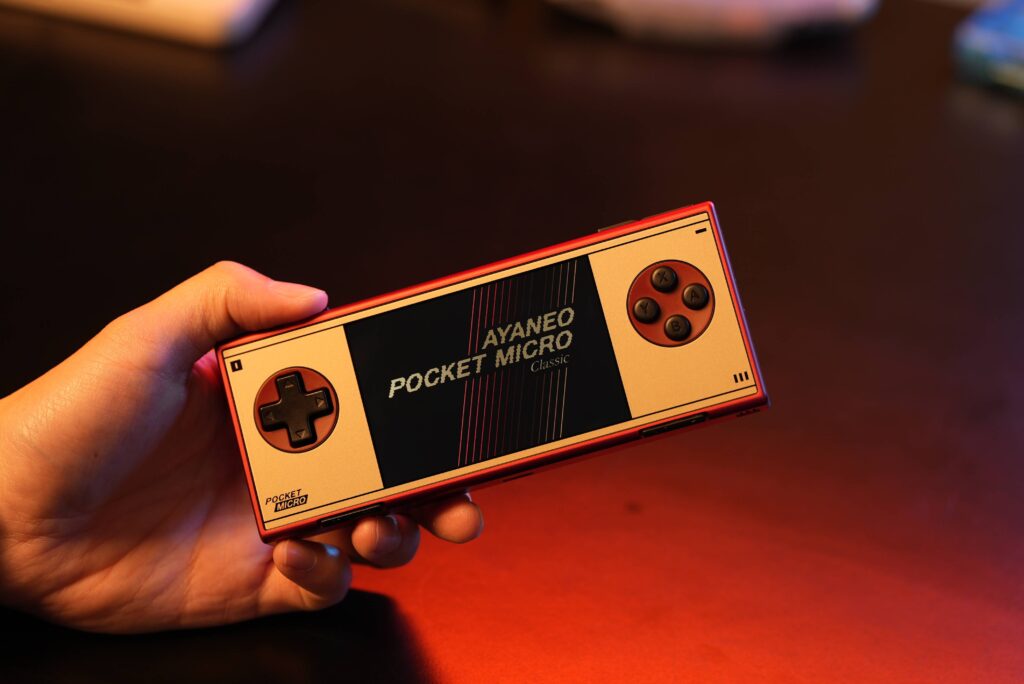
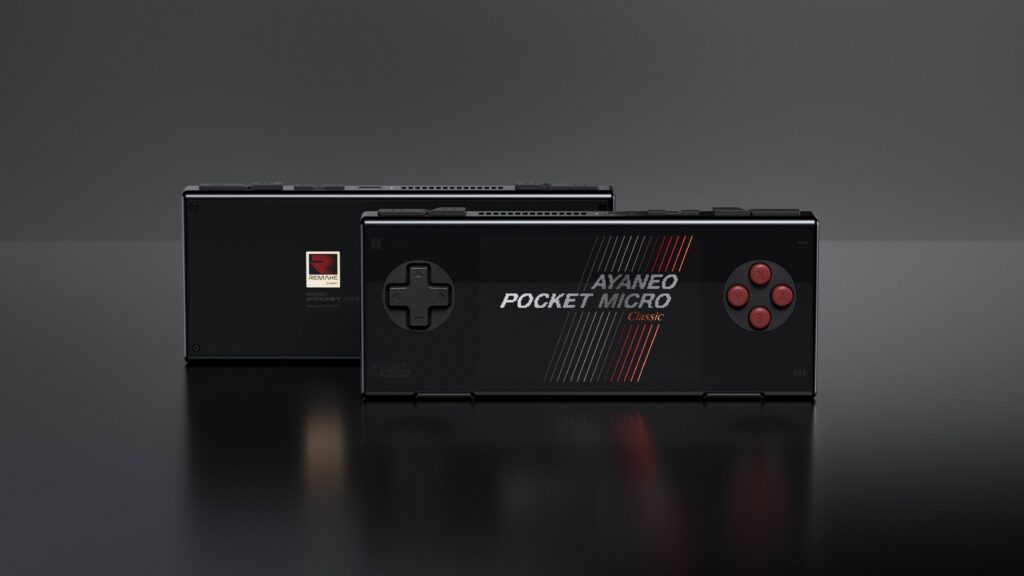
Ayaneo is back with another nostalgia-fueled device, and this time, it’s all about simplicity. The Pocket Micro Classic features a pure button-based experience, reimagining retro gaming with a modern touch. It comes with a compact 3.5-inch display and an unmistakable throwback aesthetic, making this handheld a standout in the market.
Ayaneo Pocket Micro Classic Specifications
While most modern handheld consoles emphasize dual joysticks and ergonomic grips, Ayaneo is challenging conventions. The Pocket Micro Classic eliminates joysticks entirely, equipping a tactile directional pad that can be mapped like a left joystick. It sports split L1/L2 and R1/R2 shoulder buttons that refine the control scheme, ensuring accuracy without accidental misclicks.
This button-centric layout isn’t just about nostalgia, it’s a deliberate attempt to streamline the gaming experience. Ayaneo claims this design is meant to bring players closer to the “pure” essence of retro gaming, where quick reflexes and button presses take center stage.
Under the hood, the Pocket Micro Classic comes with MediaTek’s Helio G99 processor, backed by configurations of 6GB or 8GB of RAM and up to 256GB of UFS 2.2 storage. It also features an active cooling fan, ensuring performance remains stable even during extended gaming sessions.
Its 3.5-inch IPS display, with a resolution of 960 × 640 pixels, delivers sharp visuals at a 3:2 aspect ratio, minimizing black borders while maximizing screen real estate. The console equips an X-axis linear motor for haptic feedback, a six-axis gyroscope, and support for dual-band Wi-Fi 5 and Bluetooth 5.2.
The handheld is also designed with essential connectivity options for a seamless gaming experience. It features a USB Type-C port with OTG support for fast data transfer and charging, a USB 2.0 OTG port for additional peripherals, and a microSD card slot (SD 3.0) for expandable storage.
Weighing just 227 grams and measuring 156mm x 63mm x 18mm, the Pocket Micro Classic is ultra-portable, sliding easily into a pocket. It comes in three colorways: Retro Gold, Retro Grey, and Magic Black, each evoking classic gaming nostalgia while maintaining a sleek, modern finish.
Pricing and Availability
In China, the Ayaneo Pocket Micro Classic starts at 1,249 yuan for the 6GB+128GB variant, while the 8GB+128GB model is priced at 1,449 yuan. The higher-end 8GB+256GB versions in Retro Grey and Retro Gold come in at 1,649 yuan. The handhelds are now up for pre-order.
For international buyers, the early bird pricing starts at $179 for the base model, while the 8GB+256GB configurations are available at $209 for the Magic Black variant and $239 for the Retro Grey and Retro Gold models. The official retail prices for these higher-end models are expected to reach $269 after the early bird period ends.
In related news, Retroid recently introduced the Pocket Flip 2, featuring enhanced performance, an AMOLED display, and a redesigned port layout. Meanwhile, Ayaneo unveiled the Ayaneo 3, the world’s first modular Windows handheld gaming PC.
For more daily updates, please visit our News Section.
Motorola is reportedly working on a smartphone that might be one of the last of its kind. A stylus isn’t popular on smartphones but there are still those who prefer having it. While Samsung’s Galaxy Ultra model is known for having a stylus, it appears Motorola also has an upcoming model with such a pen.
Motorola Edge 60 Stylus in the works
The brand is working on the Edge 60 series of smartphones that likely include models like the base, Pro, and Fusion. But now, it appears there’s an Edge 60 Stylus is also in development. Motorola is no stranger to the stylus, with its Moto G Stylus 5G being the last mid range model that carried a dedicated pen. While a successor to this smartphone is still at large, the Edge 60 Stylus.
Motorola Edge 60 Stylus
Known tipster @evleaks also shared an image of this upcoming smartphone, offering us a glimpse of the front design of the Edge 60 Stylus. We can also observe a 3.5mm headphone jack and a stylus slot. This could still be the Moto G Stylus (2025), but there’s a chance it gets an Edge rebranding. Being a part of the Edge series, the model could get a bump in specs and get a wider release as well.
Motorola launched the Edge 50 series in the first half of 2024, so we can expect the Edge 60 lineup to arrive within the next month or two. Keep in mind that this is still just an unconfirmed report, so take this news with a pinch of salt and stick around for more.
For more daily updates, please visit our News Section as well.
The Google Pixel 10 series will likely launch in the second half of this year, and it’s already making headlines. The latest ones are about the leaked renders shared by OnLeaks in collaboration with Android Headlines. While the base Pixel 10 has grabbed attention with a third lens on the back, the Pixel 10 Pro XL doesn’t appear to have anything interesting—or at least, anything new. Take a look at the leaked render of the XL model below.
Pixel 10 Pro XL leaked render reveals design
For those who don’t recall, the flat middle frame with slightly rounded edges was also a part of the 9 Pro XL. In fact, according to the render, the middle frame will also have a glossy finish like its predecessor. Moving on to the back, the camera island also has the same design (which looks sweet, by the way). The only significant difference is in the positioning of the bottom-firing speakers. Unlike its predecessor, the 10 Pro XL apparently has two separate cutouts instead of one at the left side.
Instead, the Pixel 10 Pro XL appears to be a larger version of the Pixel 10 Pro, continuing the trend seen with last year’s Pixel 9 Pro XL. The upcoming XL model is said to have a 6.8-inch display, which is also the same as the 9 Pro XL.
Pixel 10 Pro XL could stand out from its predecessor in terms of performance
Under the hood, the Pixel 10 Pro XL will reportedly feature Google’s Tensor G5 SoC, which, unlike the external design, is a big step up from last year. Tensor chips launched so far were very similar to Exynos, both in terms of performance and power efficiency. To put it simply, the Pixel phones released with Tensor so far have failed to compete with other flagships running on Snapdragon chips in terms of raw performance.
The Tensor G5, however, is Google’s first fully in-house processor, and it will be manufactured by TSMC using its 3nm process. It means the Pixel 10 series (including the 10 Pro XL) will likely stand out from its predecessor in at least two aspects – raw performance and battery life. It will also likely be paired with Google’s latest and best AI capabilities.
Google has started recalling an older mid range Pixel model. The company’s Pixel 4a was released way back in 2020 but it is now at risk due to one of the latest updates. So here’s what you need to know and why you should avoid updating your Pixel 4a.
Google Pixel 4a Recalled Over Battery Risks
Back in January 2025, the search engine giant’s began rolling out the Pixel 4a Battery Performance Program update to the device. This software update was set to ring a new battery management feature on the Pixel 4a. The idea was to improve stability of the battery’s performance on the aging model. However, it had the opposite effect as many users complaint of their devices seeing degraded battery life.
Google Pixel 4a Barely Blue
Some users were facing a complete battery discharge in mere minutes. So Google shared an update on the official support page that warned users regarding this update. It stated that the update could lead to short battery duration and reduce the charging peformance as well. Reports revealed that the maximum voltage was reduced from 4.45V to 3.95V, which marks a 56 percent reduction in battery capacity.
Apart from this, the Australian Competition and Consumer Commission (ACCC) has also issued an advisory that highlights this issue and even urged the user to check for overheating issues. The body also highlighted the recall information, stating that the overheating battery could also pose a risk of fire. Meanwhile, Google is offering a free battery replacement for select Pixel 4a that have experienced this sizeable battery performance dip.
For more daily updates, please visit our News Section.
The upcoming Google Pixel 9a has just surfaced in yet another leak. This time around the new budget Pixel was seen in a hands on video, revealing its complete design that showcased the flat design on the rear and sides. So let’s check it out.
Google Pixel 9a appears in the wild
The search engine giant’s new Pixel 9a is the latest model in the Pixel a series that offers various improvements over its predecessor. In our previous report, it was revealed that the new smartphone from Google will be making its global debut on 19th March 2025, with its Indian release following a day later. But ahead of the official launch, the Pixel 9a surfaced on a hands on video, which was shared from Reinosa, Spain and featured on YouTuber Alexis Garza’s channel.
Google Pixel 9a
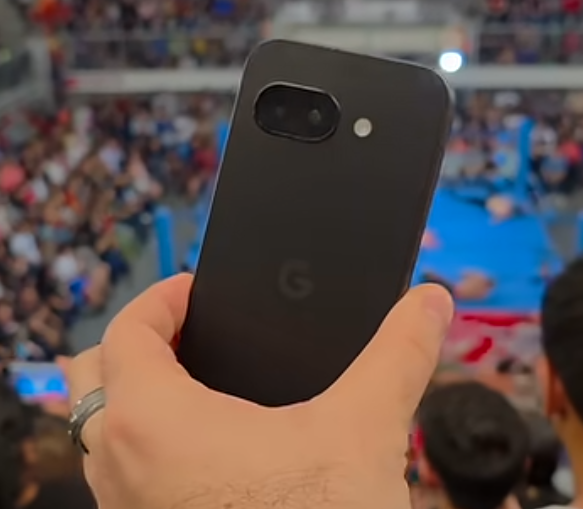
Apparently, he has already received the unit from one of his followers. Looking at the video, we can see the Pixel 9a from all angles, showcasing a flat design from the sides and rear. This makes its design language in line with the higher end flagship Pixel 9 series. Google’s latest Pixel can be seen in the Obsidian (Black) color option. But one of the notable aspects is the nearly flat rear thanks to a negligible bump on the camera, which is quite rare in the market now.
Just earlier this week, the Google Pixel 9a also had its promo marketing material and some official renders leaked. For those unaware, the new Pixel will be a compact smartphone with a 6.3-inch OLED panel on the front. Meanwhile, the rear is expected to pack a 48MP (Main) + 13MP (Ultra Wide) dual camera setup. This model could be equipped with the Tensor G4 chipset like the premium Pixel 9 series.
For more daily updates, please visit our News Section.
Apple officially released the M4 powered MacBook Air in the Indian market earlier this month. But just a few days ahead of its release, the latest MacBook Air has gone on sale with a noteworthy discount, making it a steal deal. So here’s what you need to know.
Apple M4 MacBook Air Selling for just Rs 89,900
The Cupertino based giant’s new M4 MacBook Air is currently selling for as low as Rs 89,900 on the official apple.com and was initially announced for Rs 99,900. To avail this deal, users simply need an Amex, ICICI, or Axis Bank credit card to get an instant cashback of Rs 10,000. Buyers can also get the deal on no-cost EMI payment plans for up to 24 months. So one just needs to complete the transaction to get the instant Rs 10,000 cashback.
Apple M4 MacBook Air
Notably, Flipkart is selling this same model for an even sweeter deal. The M4 MacBook Air costs Rs 86,068 for those who use an ICICI Bank, Kotak Mahindra Bank, Flipkart Axis Bank, and State Bank of India. So in a rare turn of events, the Apple MacBook Air is cheaper compared to its US pricing. Talking about its specs, the latest MacBook Air is equipped with the Apple M4, which is paired with 16GB of RAM and 256GB of internal storage.
This processor is an upgrade over the M3 chip by upgrading the Neural Engine. Apple has also updated the front facing webcam to a 12MP shooter. Despite all these great specs, the MacBook Air has a more affordable launch price tag compared to its predecessor.
We use cookies on our website to give you the most relevant experience by remembering your preferences and repeat visits. By clicking “Accept”, you consent to the use of ALL the cookies.
This website uses cookies to improve your experience while you navigate through the website. Out of these, the cookies that are categorized as necessary are stored on your browser as they are essential for the working of basic functionalities of the website. We also use third-party cookies that help us analyze and understand how you use this website. These cookies will be stored in your browser only with your consent. You also have the option to opt-out of these cookies. But opting out of some of these cookies may affect your browsing experience.
Necessary cookies are absolutely essential for the website to function properly. This category only includes cookies that ensures basic functionalities and security features of the website. These cookies do not store any personal information.
Any cookies that may not be particularly necessary for the website to function and is used specifically to collect user personal data via analytics, ads, other embedded contents are termed as non-necessary cookies. It is mandatory to procure user consent prior to running these cookies on your website.