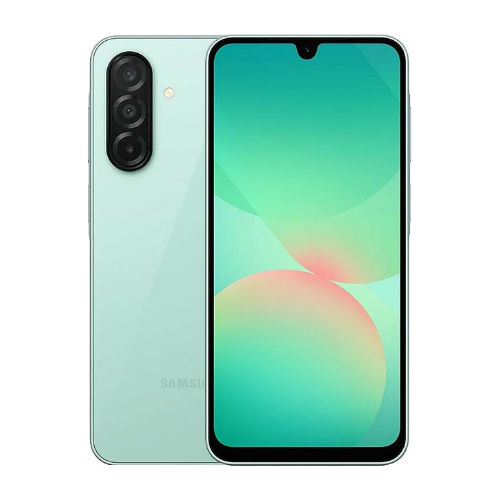
Poco will take off covers from the Poco M7 5G on March 3. Its landing page available on Flipkart has been gradually confirming its key specifications. The updated page has now revealed the camera specifications, battery size, and several other details about the M7.
Poco M7 5G’s key details officially confirmed
Poco M7 5G camera specs
The Poco M7 5G is confirmed to feature a 50-megapixel Sony IMX852 primary camera, which will be capable of recording 1080p videos at 30fps. For selfies, it is equipped with an 8-megapixel front-facing camera.
Poco M7 5G battery and charging details
The brand has already confirmed that the Poco M7 5G will be powered by the Snapdragon 4 Gen 2 chipset and 6 GB of RAM. It will arrive with 6 GB of virtual RAM, 128 GB of built-in storage, and a 5,160mAh battery. While the device’s retail box will include a 33W charger, it will support 18W charging via a USB-C port.
While Poco hasn’t confirmed the OS of the Poco M7, its Geekbench listing that was seen back in December 2024 suggested that it may ship with Android 14. Nevertheless, the brand has confirmed that the M7 will be treated with two OS upgrades and four years of security updates.
The Poco M7 5G is equipped with a massive 6.88-inch IPS LCD panel that offers an HD+ resolution, a 120Hz refresh rate, and 600 nits of brightness. According to the brand, the Poco M7 5G prioritizes eye safety with TUV certifications, ensuring a comfortable viewing experience. It features TUV Low Blue Light, reducing blue light exposure to minimize eye strain and sleep disturbances.
Poco M7 5G color options
TUV Flicker-Free certification confirms reduced screen flickering, preventing discomfort during prolonged use. Additionally, TUV Circadian certification adjusts blue light emission based on the time of day to support a healthy sleep cycle. In terms of durability, the Poco M7 5G will arrive with IP52-rated protection against dust and splashes.
Poco M7 5G price in India
Poco M7 5G price hint
Poco has already hinted that the Poco M7 5G will have sub-Rs 10,000 pricing. It will be sold in shades like Satin Black, Mint Green, and Ocean Blue.
For more daily updates, please visit our News Section.
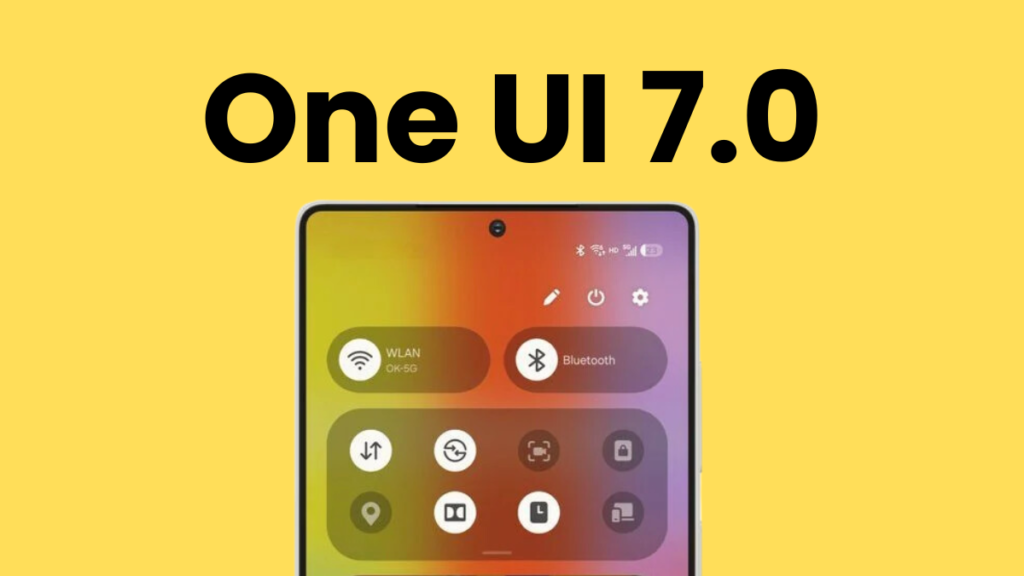
Samsung’s One UI 7 is a pretty significant update that brings plenty of visual changes across the UI, new features, and a host of improvements. From smarter navigation to deeper customizations, this is shaping up to be one of the most exciting upgrades yet. However, the rollout has been disappointing so far. Samsung still hasn’t updated a single Galaxy device to One UI 7.
If you’re also waiting for the One UI 7 update, check the release timeline below. To give you a better picture, we have also shared the complete list of One UI 7 eligible devices and the major highlights of this upgrade in this article.
One UI 7 update: complete list of eligible devices
Samsung hasn’t published a list of devices that will be upgraded to One UI 7, but then how did we choose the devices? Well, we took the software update policy into account to prepare this list.
After a long wait, Samsung released the One UI 7 with the Galaxy S25 series in January. Everyone was expecting the rollout to begin with the S25 series launch, but it has been a waiting game so far. The brand still hasn’t updated a single Galaxy device to One UI 7. Even the Galaxy S24 series, which started getting One UI 7 beta in early December, is waiting for a stable update.
Besides a significant delay, Galaxy fans are angry at Samsung for not releasing the One UI 7 release timeline. However, it appeared in a recent leak. The leakster claims this information was being shared by Samsung Romania during a Zoom meeting for the Galaxy S25 series workshop. Here’s the leaked rollout timeline:
Galaxy S series
Galaxy S24/S24+/S24 Ultra: April 18
Galaxy S24 FE: April 18
Galaxy S23/S23+/S23 Ultra: April 25
Galaxy S23 FE: May 16
Galaxy S22/S22+/S22 Ultra: May 16
Galaxy S21/S21+/S21 Ultra: May 23
Galaxy S21 FE: May 23
Galaxy Z series
Galaxy Z Fold 6: April 18
Galaxy Z Fold 5: April 25
Galaxy Z Fold 4: May 16
Galaxy Z Fold 3: May 23
Galaxy Z Flip 6: April 18
Galaxy Z Flip 5: April 25
Galaxy Z Flip 4: May 16
Galaxy Z Flip 3: May 23
Galaxy A series
Galaxy A54: April 25
Galaxy A53: May 23
Galaxy A34: May 16
Galaxy A33: May 23
It doesn’t take long to realize that many Galaxy devices are missing from the list. This includes several Galaxy A-series models and the entire Galaxy M series, Galaxy Tab series, and Galaxy F series. They will also get the update sometime within the first half of 2025.
The leaked timeline published above seems to be in line with recent leaks. However, I recommend taking it with a pinch of salt.
What’s new in One UI 7?
Design and UI changes:
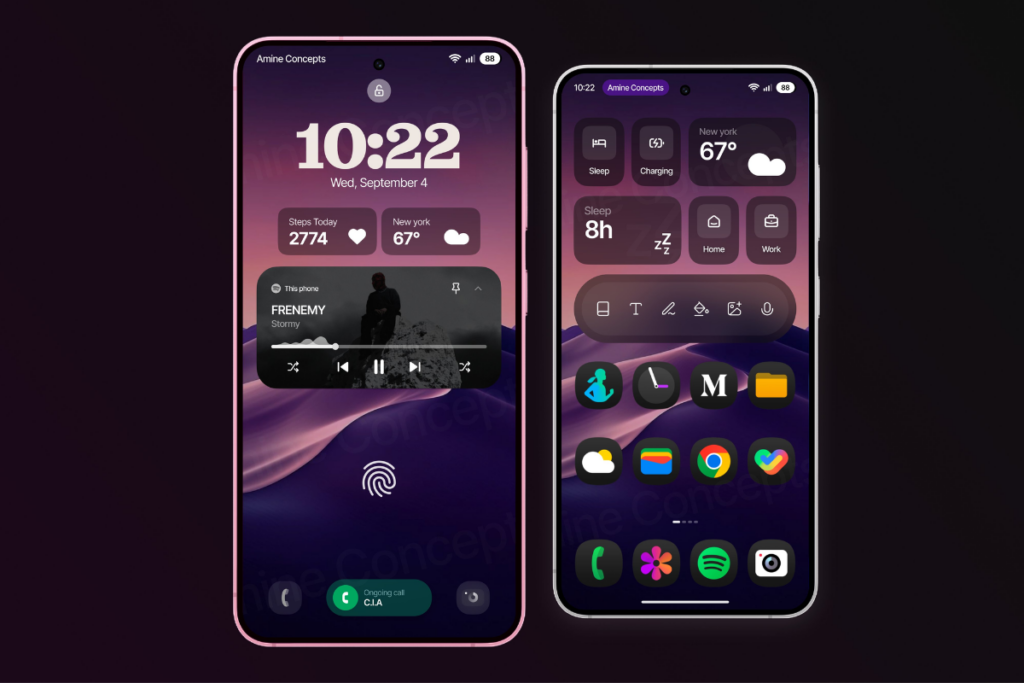
Now Bar: It’s a pill-shaped UI element that appears at the bottom of the lock screen and provides quick access to ongoing activities, such as music playback, timers, and navigation updates.
New app icons: Almost all stock apps have received an upgrade to their icons, which offer a more colorful appearance. They look better and are easier to recognize.
Widgets: The widgets now have a bolder look and a more vibrant color palette, making them visually appealing and consistent across the interface. One UI 7 lets you freely place the widgets on the home screen, and there are new interactive widgets as well.
Revamped Camera app: The Camera app gets a needed makeover, making it less cluttered and more intuitive. The newer layout has fewer on-screen options and easier zoom controls.
New charging animations: The newer charging animations look cool and enhance the visual experience. When the device is locked and plugged in, One UI 7 uses the Now Bar to display the charging status and battery level with a unique green progress bar. When the device is unlocked, plugging in the charger causes the battery icon to turn green and show a “Charging” text animation.
Smoother animations: The animations are way better than before, making opening apps, switching apps, and even navigating the UI a smoother experience.
Vertical app drawer: Yes, it’s finally here. You can now enjoy a vertical app drawer in One UI 7.
Home screen: It’s much more customizable than before, with the ability to create free-form layouts. The Home Up integration into One UI Home removes the need for a separate app. You can also add stickers on the home screen.
Lock screen: New clock styles with customizable fonts, colors, and sizes make the lock screen more personalized. Users can change the clock location and add more widgets. The “Suggest” option generates new background styles based on the current wallpaper.
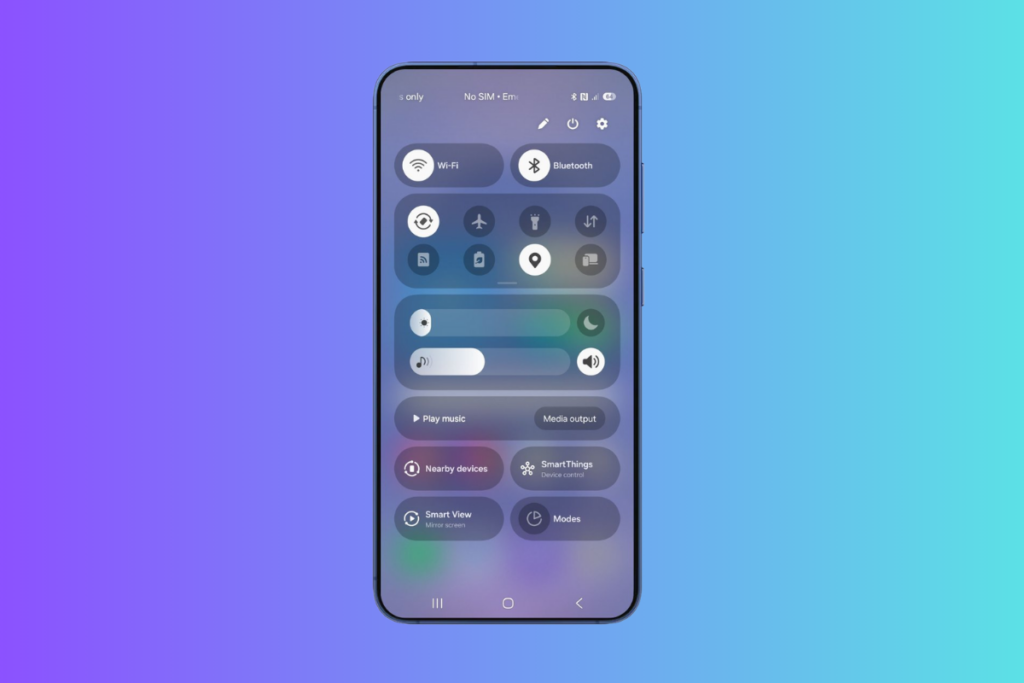
Quick Settings: The notifications and quick settings panel are now separated. Swiping down from the top left opens notifications, and swiping down from the top right opens the Quick Settings panel. You can revert the changes anytime. One UI 7 brings more freedom to customize the Quick Settings panel.
Galaxy AI features:
Writing Assist: now works across the UI. You can select texts anywhere on your Samsung Galaxy and improve them on the go.
Call transcriptions: The feature can automatically transcribe recorded calls in up to 20 languages. So, you don’t have to take manual notes during calls or listen to the entire recording for a specific detail.
Now Brief: It uses on-device AI to present relevant information based on time and user habits. It uses a “Personal Data Engine” that requires extensive on-device processing. Samsung hinted that this feature might not come to older Galaxy devices (read more about it here).
Audio eraser for videos: This tool improves the audio quality of videos by removing unwanted background sounds, which improves the overall listening experience.
Object eraser for videos: The object eraser video now also works for videos in One UI 7. It allows users to select and remove unwanted objects from video frames.
A new entry is set to shake up India’s home entertainment market. Circuit House Technologies, backed by industry veterans from Xiaomi and Flipkart, has introduced Lumio, a smart TV brand focused on delivering a premium viewing experience. The brand aims to address the gaps in the rapidly evolving smart TV segment with innovative features and strong industry partnerships.
A new approach to smart TVs
Lumio
India’s smart TV market, valued at $5 billion, is witnessing a shift towards premiumization, with larger screens and advanced display technologies becoming mainstream. According to Lumio, despite over 100 brands in the space, many consumers still rely on generic searches, indicating a lack of strong brand loyalty. Lumio plans to capitalize on this gap by offering a fresh perspective on smart TVs, catering to evolving consumer expectations.
The team behind Lumio comprises professionals with extensive experience at leading brands like Lenovo, Philips, Tivo, LG, and Samsung. It aims is to eliminate common user frustrations by developing smart TVs designed for seamless experiences.
Lumio is collaborating with Google TV to provide access to over 400,000 movies and shows across 10,000+ apps. Dixon Technologies, India’s leading electronics manufacturer, will ensure high-quality production, while Amazon India will handle distribution, ensuring nationwide availability.
Lumio’s first TV range to launch in March
The brand will officially unveil its smart TV lineup in March 2025, promising features tailored to Indian consumers’ real needs. This launch marks a significant step in proving that Indian brands can lead in home entertainment innovation.
For more daily updates, please visit our News Section.
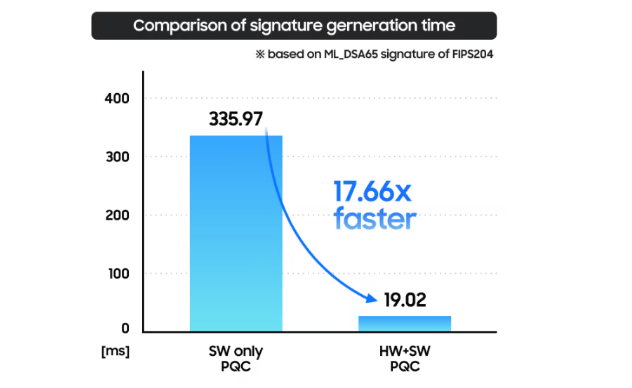
Smartphones have become a crucial part of our lives, and the security systems our devices use have become more important than ever. We recently reported a security flaw in Samsung’s Secure Folder feature. While the brand is yet to solve that problem, it turns out they have been working on a big project: the industry’s first security chip equipped with “hardware post-quantum cryptography”, also referred to as PQC.
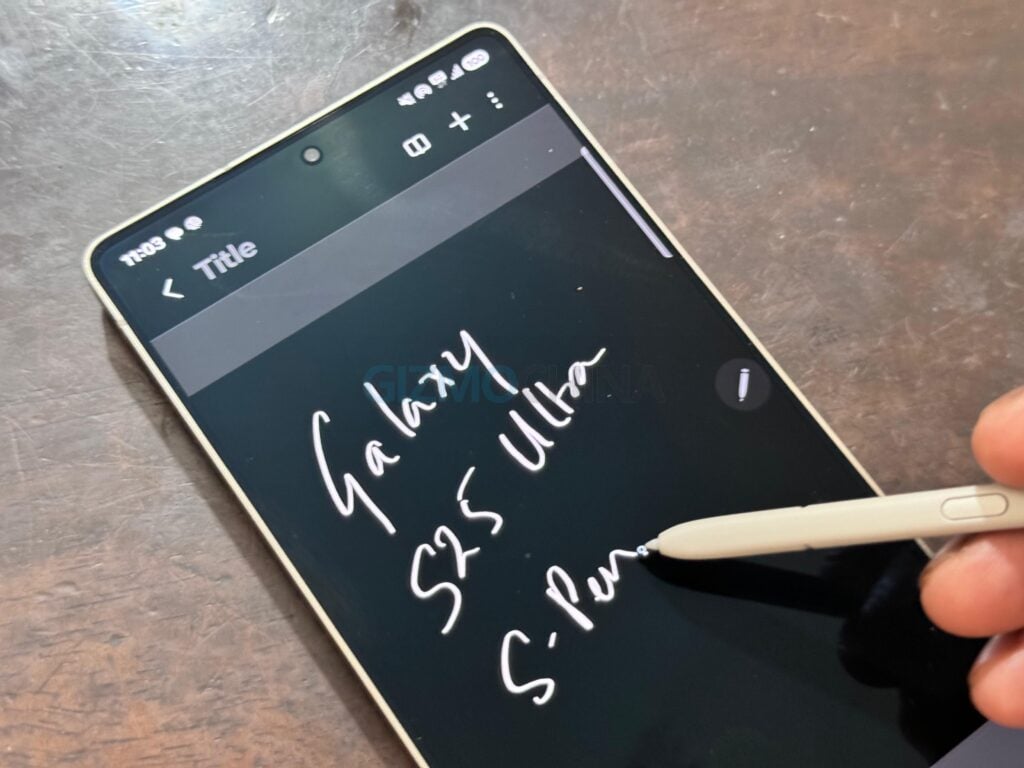
Samsung Galaxy S25 Ultra S Pen
S3SSE2A: a dedicated chip to secure future Galaxy devices from quantum computers
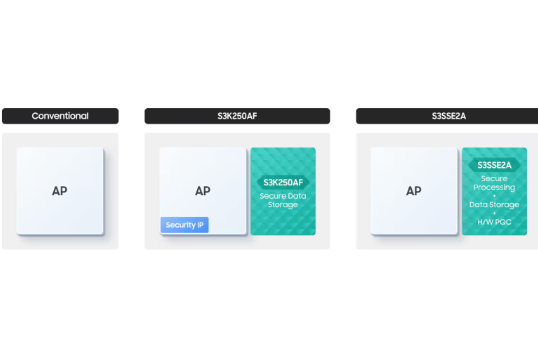
The new chip, named S3SSE2A, was developed by Samsung System LSI (also responsible for the development of Exynos) and is designed to address the looming threat of quantum computers.
Image: Samsung
Quantum computing, expected to become commercially available after 2030, poses a significant risk to existing security systems. Many of you are probably aware of the fact that these powerful machines could easily decrypt current public-key cryptography, which means traditional security measures could all of a sudden become obsolete. It’s good to see that Samsung is investing the time and effort to futureproof its upcoming Galaxy devices.
Samsung claims that the S3SSE2A chip can protect against quantum computing risks as early as 2028, well before these machines become mainstream. But which phones will actually benefit from this development? Well, the announcement didn’t reveal much about it.
During the launch of the Galaxy S25 series earlier this year, Samsung announced that the S25 series devices come with PQC capabilities thanks to the Snapdragon 8 Elite chip.
And judging from the association with Samsung’s System LSI (which has nothing to do with the Snapdragon 8 Elite), we speculate that future Galaxy flagships (with the S3SSE2A chip) will be positioned as one of the most secure devices ever built. Also, Samsung could integrate this chip in its in-house flagship Exynos chips, such as the Exynos 2600, and use then in the future S and Z series devices.
Nonetheless, there’s still a lot more to learn about how it integrates with Samsung’s existing security features, such as Secure Folder.
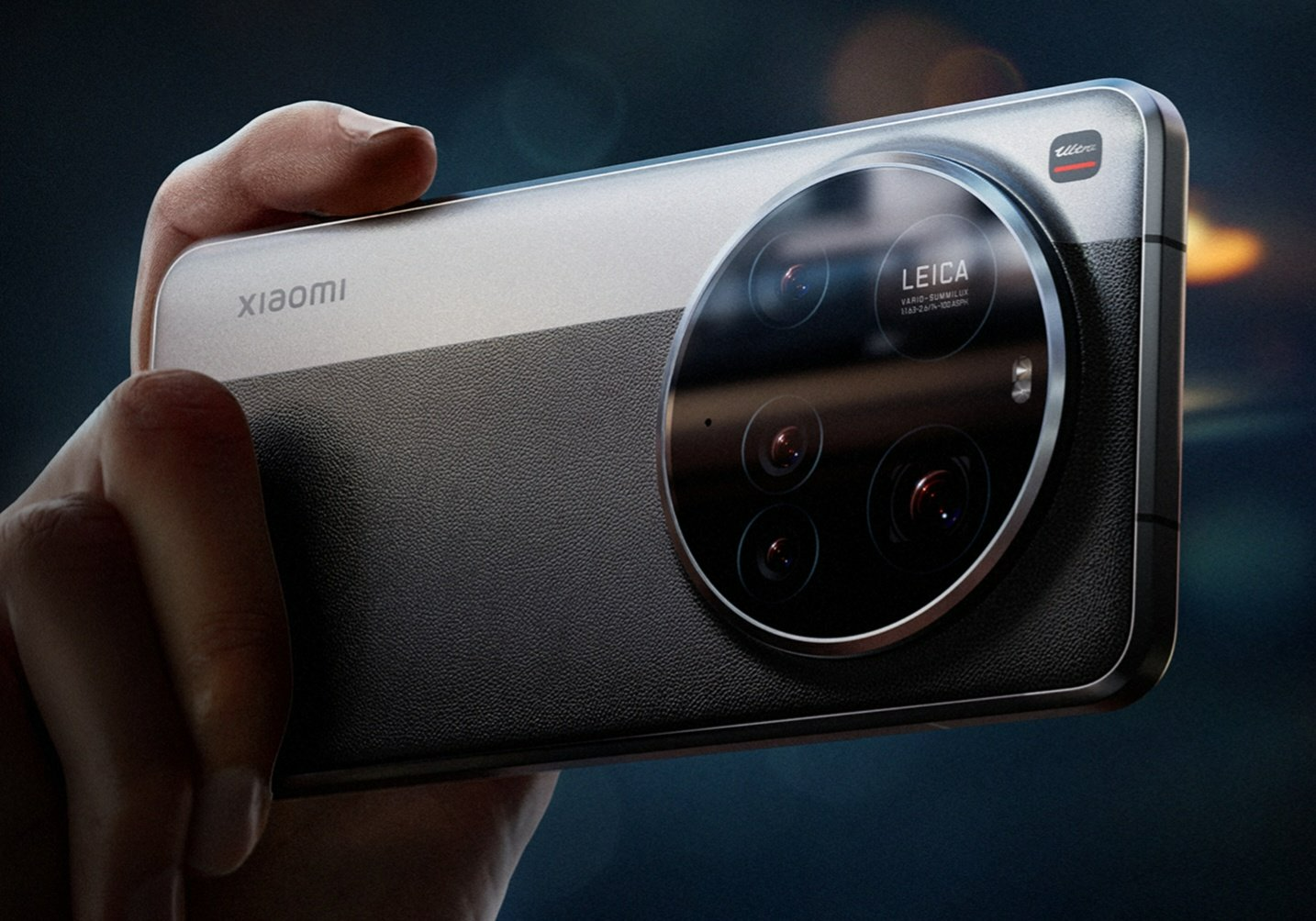
Xiaomi has once again redefined the premium smartphone experience with the Xiaomi 15 Ultra. Building on the success of its predecessor, this latest flagship retains core strengths while introducing significant upgrades in three key areas: an advanced 200-megapixel periscope telephoto camera, a stunning design with Leica-inspired aesthetics, and a massive 6,000mAh battery with blazing-fast charging. Here’s a closer look at what makes the Xiaomi 15 Ultra stand out.
1. 200MP periscope camera – the biggest upgrade yet
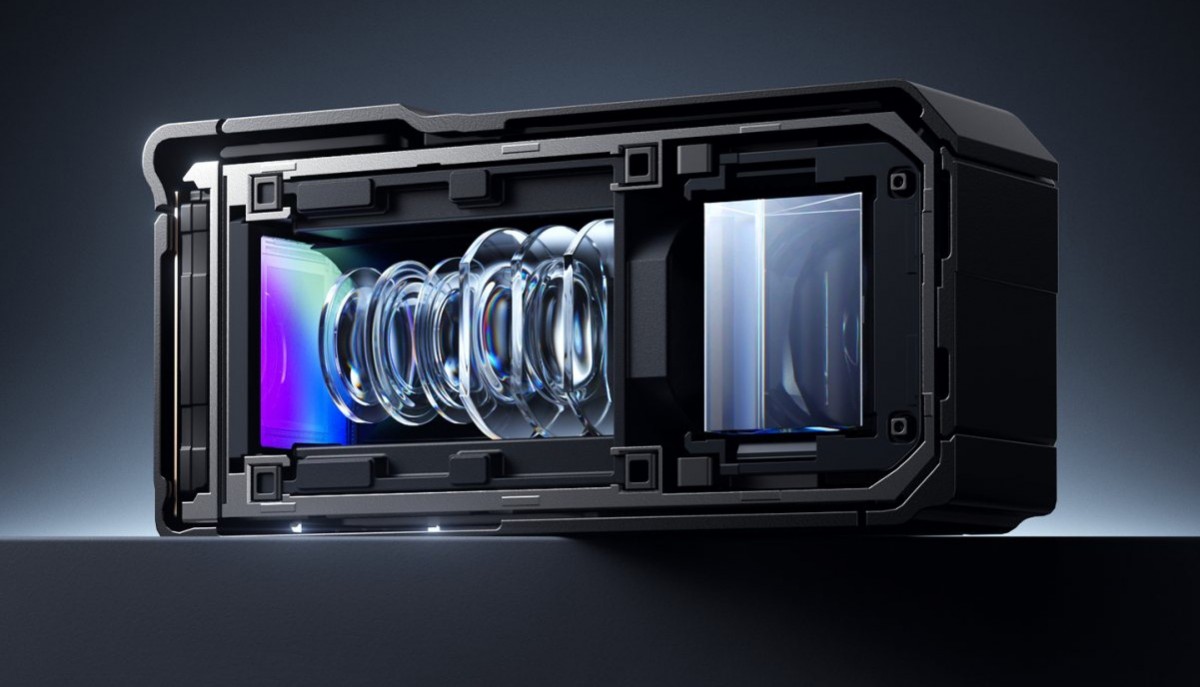
Xiaomi 15 Ultra’s 200MP periscope camera sensor
The most impressive upgrade in the Xiaomi 15 Ultra is its 200-megapixel periscope telephoto camera, which replaces the Sony IMX858 periscope found in the previous model. This phone features a 100mm f/2.6 periscope lens paired with a Samsung HP9 1/1.4-inch sensor, offering 136% more light-capturing capability than the Xiaomi 14 Ultra’s 120mm telephoto camera.
This camera upgrade ensures crisp, detailed zoom shots, even in low-light conditions. The higher resolution enables better cropping and lossless zooming, rivaling flagship devices like the Vivo X100 Ultra and X200 Pro. Additionally, all four rear cameras support 8K recording at 30fps and 4K recording at up to 120fps, setting a new standard in smartphone videography.
2. Marvelous design – a blend of modern and classic aesthetics
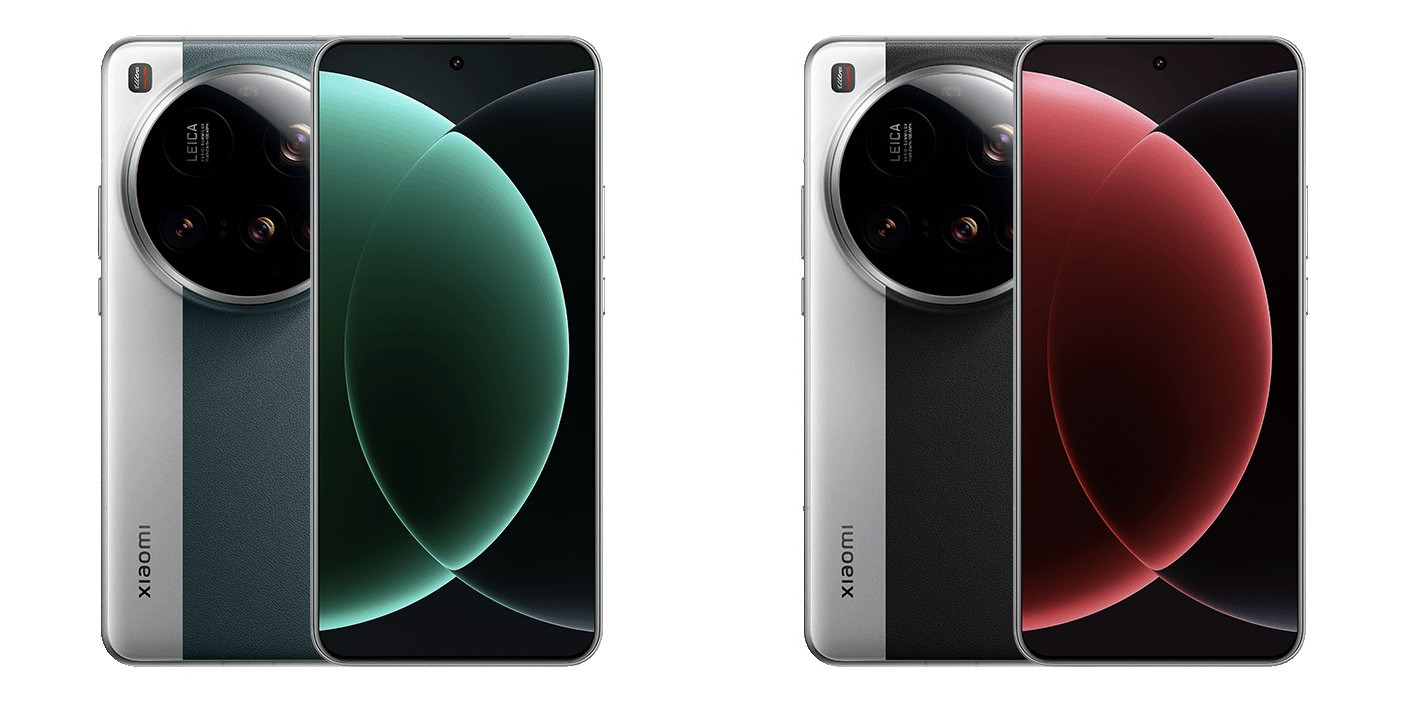
Xiaomi 15 Ultra
Xiaomi has outdone itself in the design department, offering the Xiaomi 15 Ultra in four stunning finishes: Black, White, and special editions like Silver Chrome and Green Chrome. These finishes draw inspiration from Leica’s M11 rangefinder cameras.
The camera module design has also been upgraded, featuring “Leica ultra-low reflection lens glass” coating, which reduces lens ghosting and improves scratch resistance by 82.4%. The CNC-crafted aluminum frame and Xiaomi Shield Glass 2.0, which offers 16x better drop resistance, ensure durability while maintaining an elegant look.
3. Massive battery – long-lasting power with ultra-fast charging
Xiaomi 15 Ultra
Battery life has always been a key concern for flagship smartphones, and Xiaomi has addressed this with a massive 6,000mAh battery in the Chinese variant. Featuring an industry-leading 10% silicon carbide content, the battery enhances energy density and maintains efficiency.
Charging remains top-tier, with support for 90W wired and 80W wireless charging, allowing users to top up their device quickly. Reports suggest that the global variant of the Xiaomi 15 Ultra will feature a slightly smaller 5,410mAh battery, which is still an improvement over the 5,300mAh unit in the global Xiaomi 14 Ultra. Despite the slight difference, both versions promise excellent battery endurance, making the Xiaomi 15 Ultra one of the longest-lasting flagships available.
4. Satellite data support – a world-first feature
Xiaomi 15 Ultra satellite data connectivity
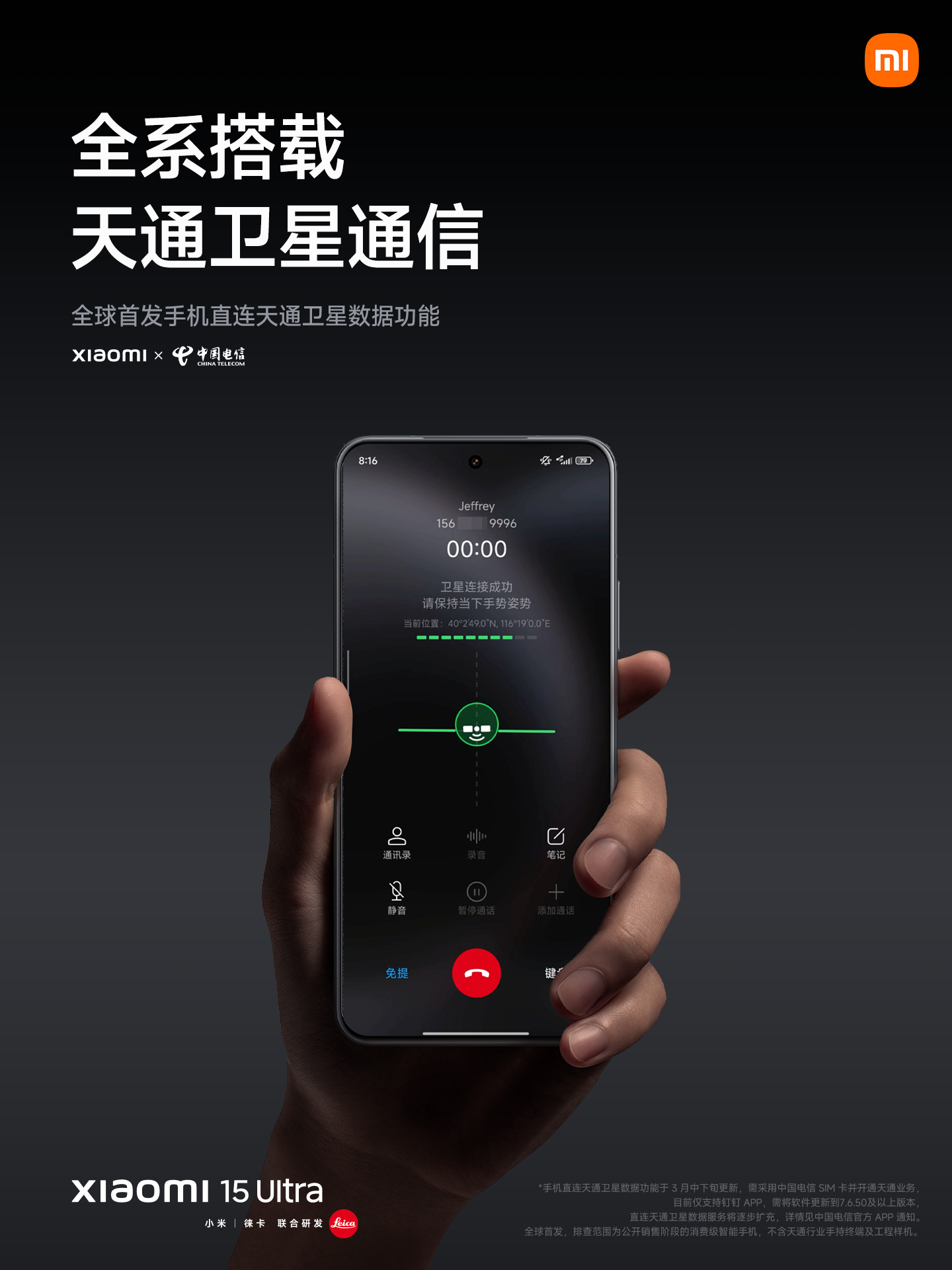
One of the standout features of the Xiaomi 15 Ultra is its world-first support for the Tiantong satellite data function. This feature enables direct mobile connection to satellite data, allowing users to send messages and transfer pictures even without a network connection. Developed in collaboration with DingTalk and China Telecom Satellite Company, this feature enables calls, text messages, and data services via satellite networks. However, it may not be available on the global version of the Xiaomi 15 Ultra.
5. Xiaomi 15 Ultra Photography Kit
Xiaomi 15 Ultra Professional Photography Kit-
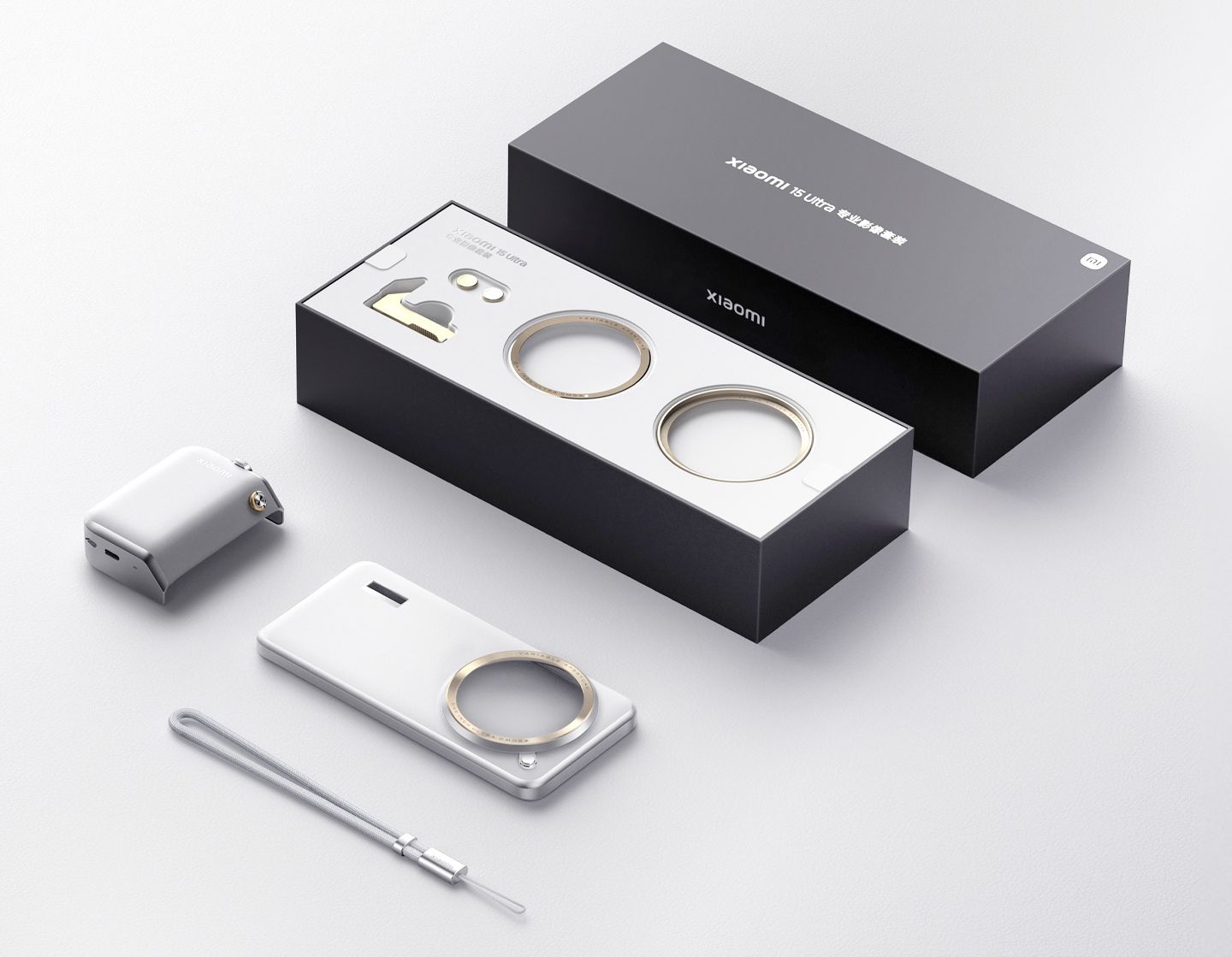
For mobile photography enthusiasts, the Xiaomi 15 Ultra offers an optional dedicated photography kit, priced at 999 Yuan. The kit includes a metal finger grip, replaceable shutter button, professional control button, and a 2000mAh built-in battery. With an IP54 rating, the kit is durable enough to withstand water and dust, making it an excellent accessory for outdoor photography.
The kit enhances the mobile photography experience by providing a more stable and precise shooting experience, especially for those who want a professional-level feel. The extended battery life ensures you can capture more photos without interruption, while its durability makes it perfect for those who shoot on the go.
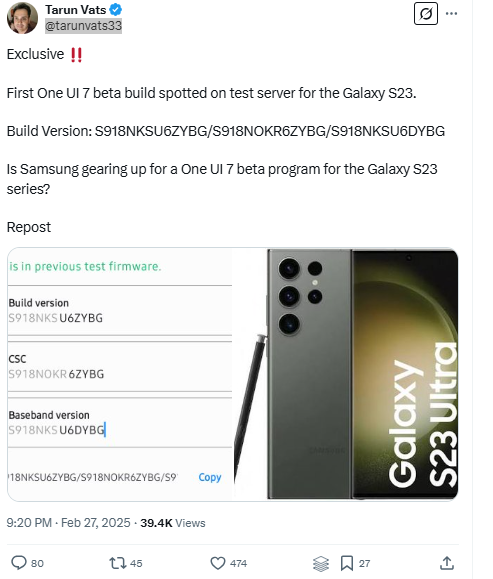
Samsung appears to be preparing to expand its One UI 7 beta program to include the Galaxy S23 series, alongside the recently launched Galaxy Z Fold 6 and Z Flip 6. This development comes after evidence of beta Android 15/One UI 7 firmware for the Galaxy S23 Ultra was spotted on Samsung’s servers. It signals that the company wants more users to test the new software before an official release on the S24 series.
All models of the Galaxy S23 series expected to get the beta access
The firmware, discovered by tipster Tarun Vats, was found for the Korean variant of the Galaxy S23 Ultra. However, it is expected that the beta program will be available for the entire Galaxy S23 series—including the S23 and S23+—in most, if not all, regions where the Galaxy S24 beta is currently accessible.
For those unfamiliar, the Galaxy S24 beta program is already live in several countries, which includes China, India, Germany, Poland, Korea, the UK, and the US, suggesting a similar rollout for the S23 series.
The company has already faced some criticism for the delay in the stable rollout of Android 15, and the timeline for the stable release still remains uncertain. Rumors suggest that the official rollout may not begin until April, with some devices potentially waiting until May for the update. Interestingly, the upcoming Galaxy A series models—Galaxy A26, A36, and A56—are expected to come with Android 15 out of the box and are set to launch next week.
A speculated reason behind this delay is AI or the infrastructure required to support the cloud-based features. This also makes sense as the more affordable A series models aren’t likely to get more than some basic AI features, such as Circle to Search.
Though the stable update is taking longer than expected, the UI redesigns and new features are said to be worth the wait.
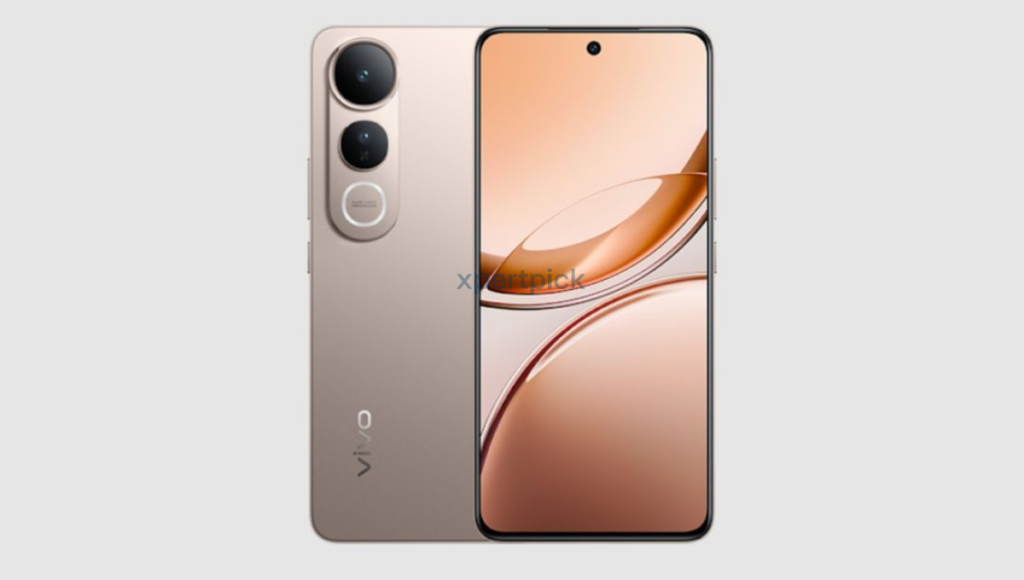
Vivo has recently made headlines with the launch of the V50, and now a new listing in the Google Play Console has revealed the upcoming V50 Lite. This mid-range smartphone is set to join the V50 lineup as a more affordable option. The listing provides an official render of the device and some key specifications.
Vivo V50 Lite render (Source: Google Play Console)
Google Play Console listing
The V50 Lite will come in two variants: a 4G-only model and a 5G version. The 4G variant, with the model number V2441, is powered by Qualcomm’s Snapdragon 680 chipset, paired with 8GB of RAM. While the Snapdragon 680 is an older processor, it should still deliver decent performance for everyday tasks.
The device features a 1080×2392 resolution (FHD+) display and will run Android 15 out of the box. According to its FCC certification, the V50 Lite will pack a massive 6,500mAh battery (up from 6,000 mAH battery of the V50) with support for 90W fast wired charging, along with 256GB of storage.
Judging from the render, the V50 Lite appears to have ditched the rounded sides of the V50 for a completely flat design, which feels a bit disappointing to me personally.
To recall, the vivo V50 comes with a sweet looking pill-shaped camera island on the back with a circular assembly for the lenses and an “Aura Light” ring below that. Based on the render, the Lite version has two different cutouts for the lenses. Interestingly one of the cutouts appear to have an additional lens, which could be a macro or a depth camera. The V50 packs only two 50MP lenses on the back: main and ultrawide.
The Vivo V50 (powered by Snapdragon 7 Gen 3) is currently available on Flipkart for Rs 34,999, and the V50 Lite (powered by Snapdragon 680) is expected to be a lot cheaper. The official announcement expected in the coming weeks.
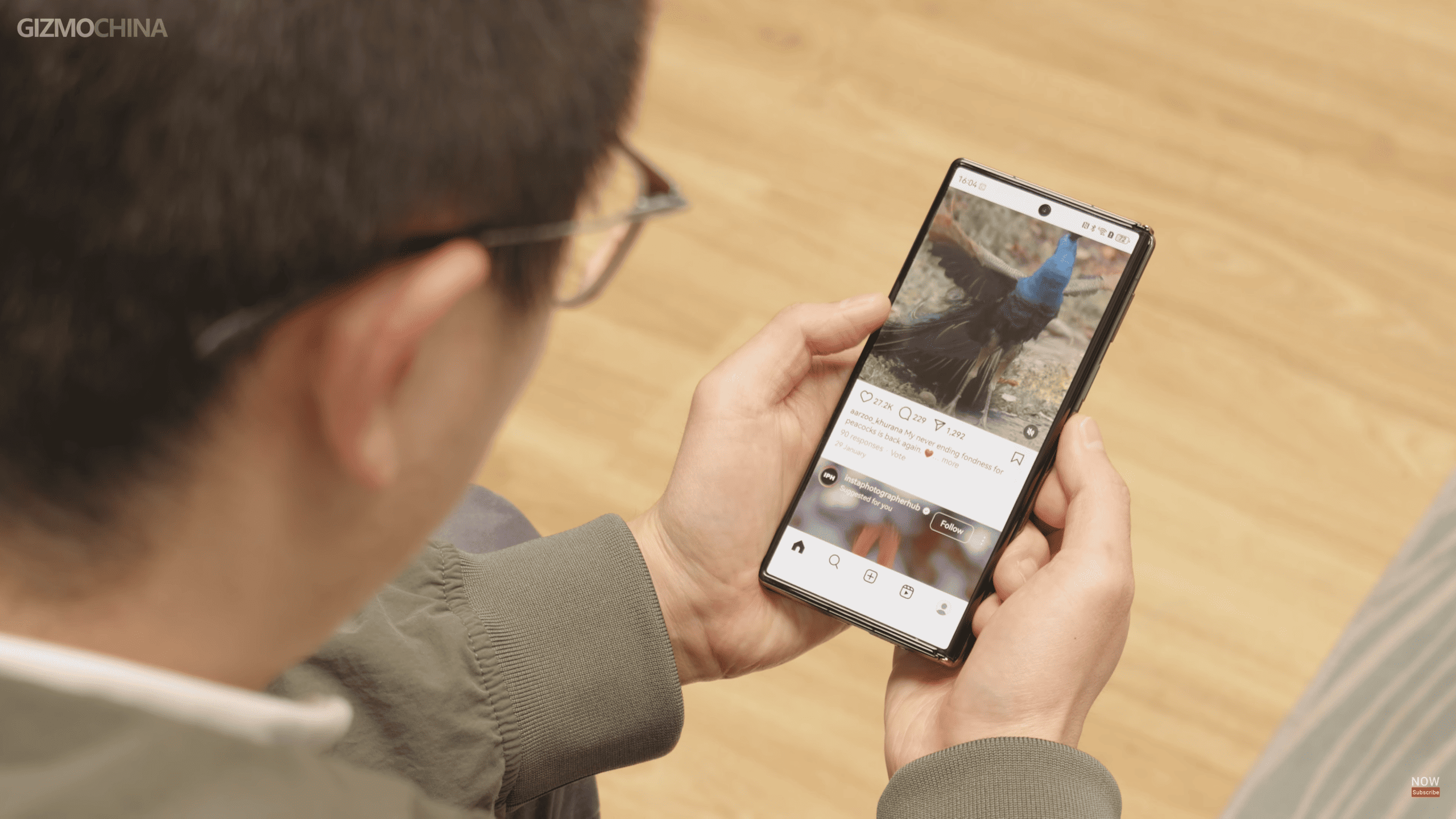
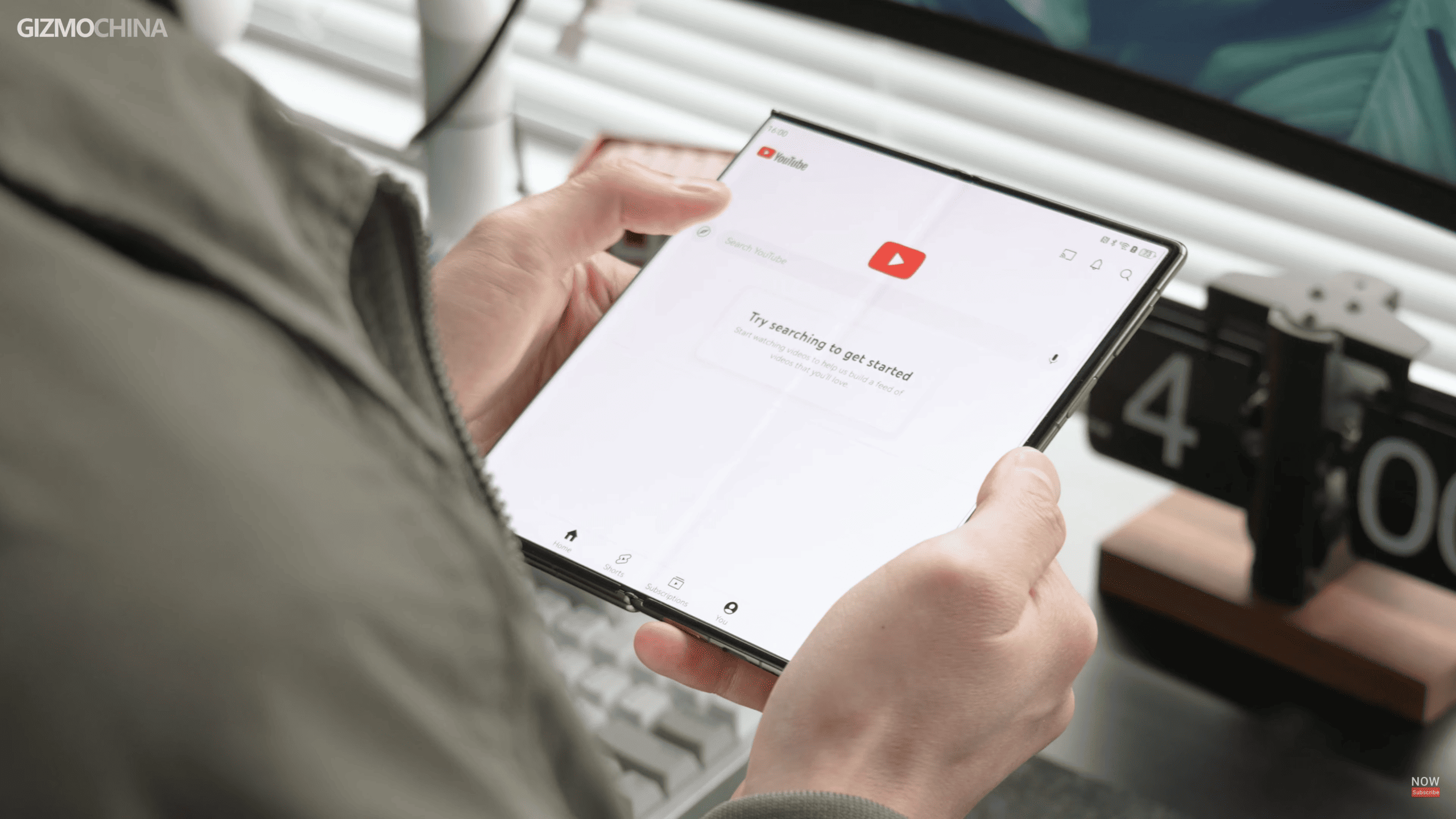
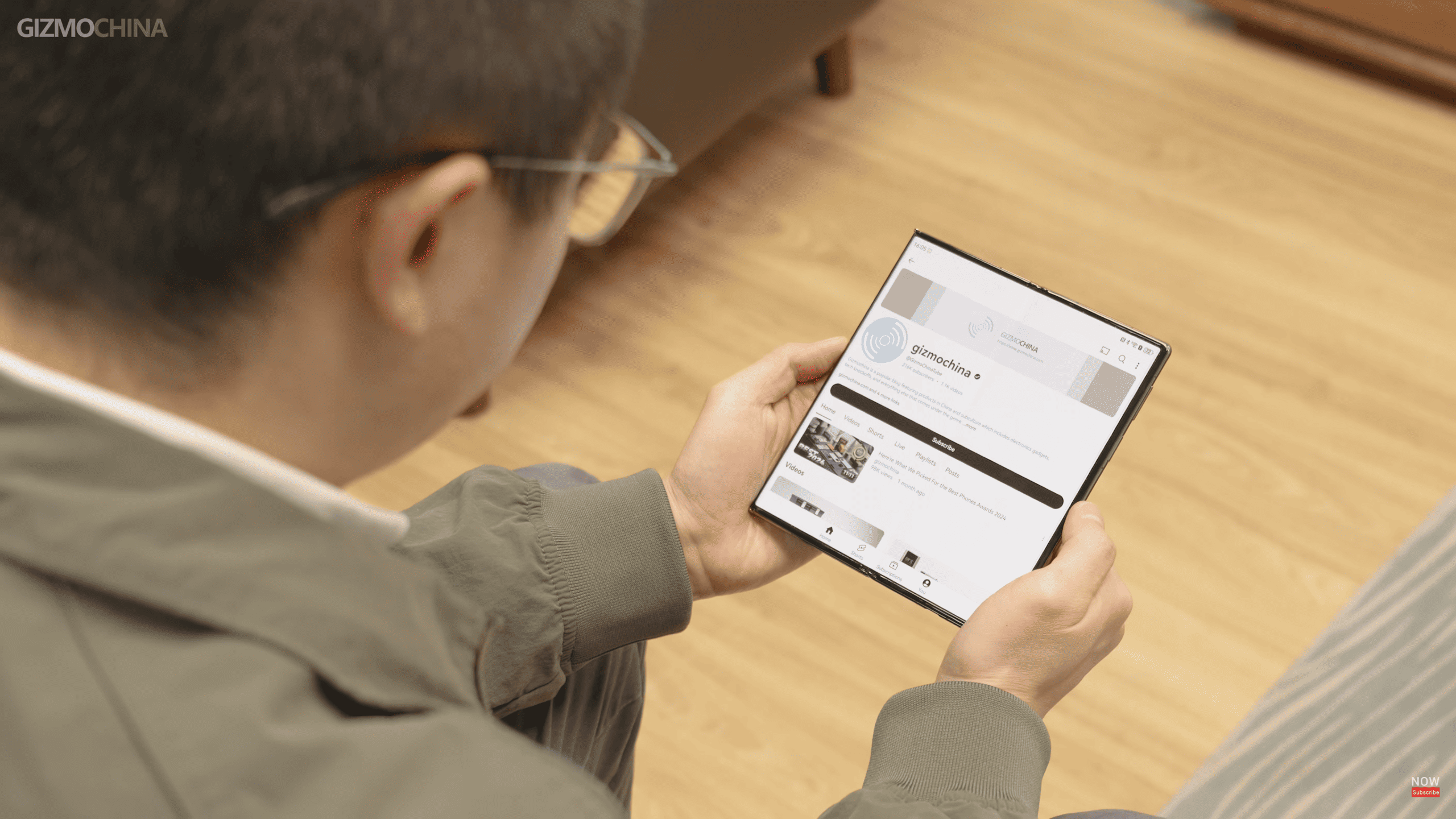
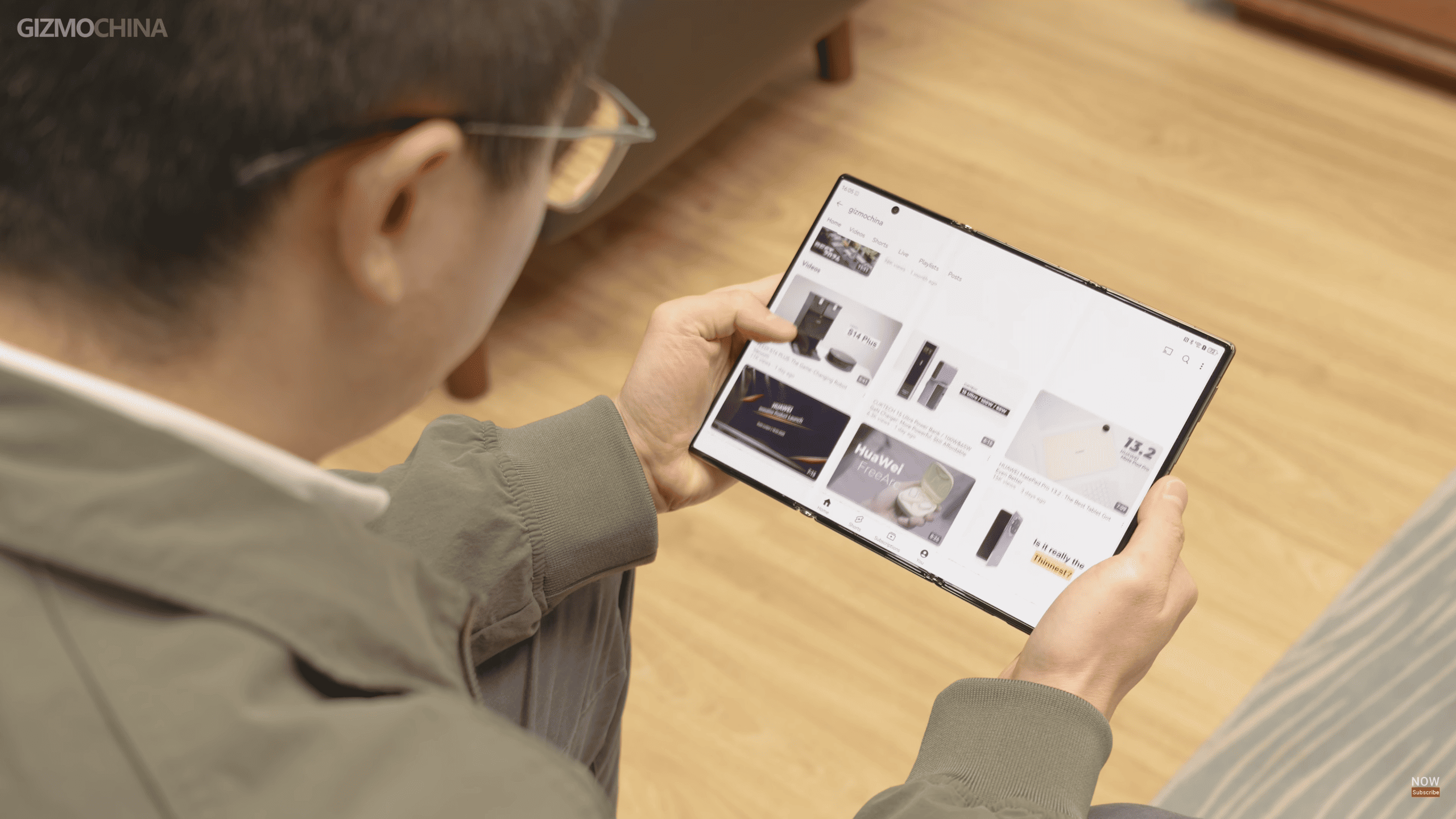
Did you see that? This HUAWEI Mate XT Ultimate is running apps that typically require Google Framework. Where there’s a will, there’s a way. We’ve learned how to install YouTube, Instagram, and X on the Mate XT. Honestly, it’s much easier to have on the HUAWEI Mate XT than what we imagined before. Let me introduce you to the secret weapon: GBox. There are a couple of available tools to make it happen, While GBox is probably the most easiest way to get it.
GBox
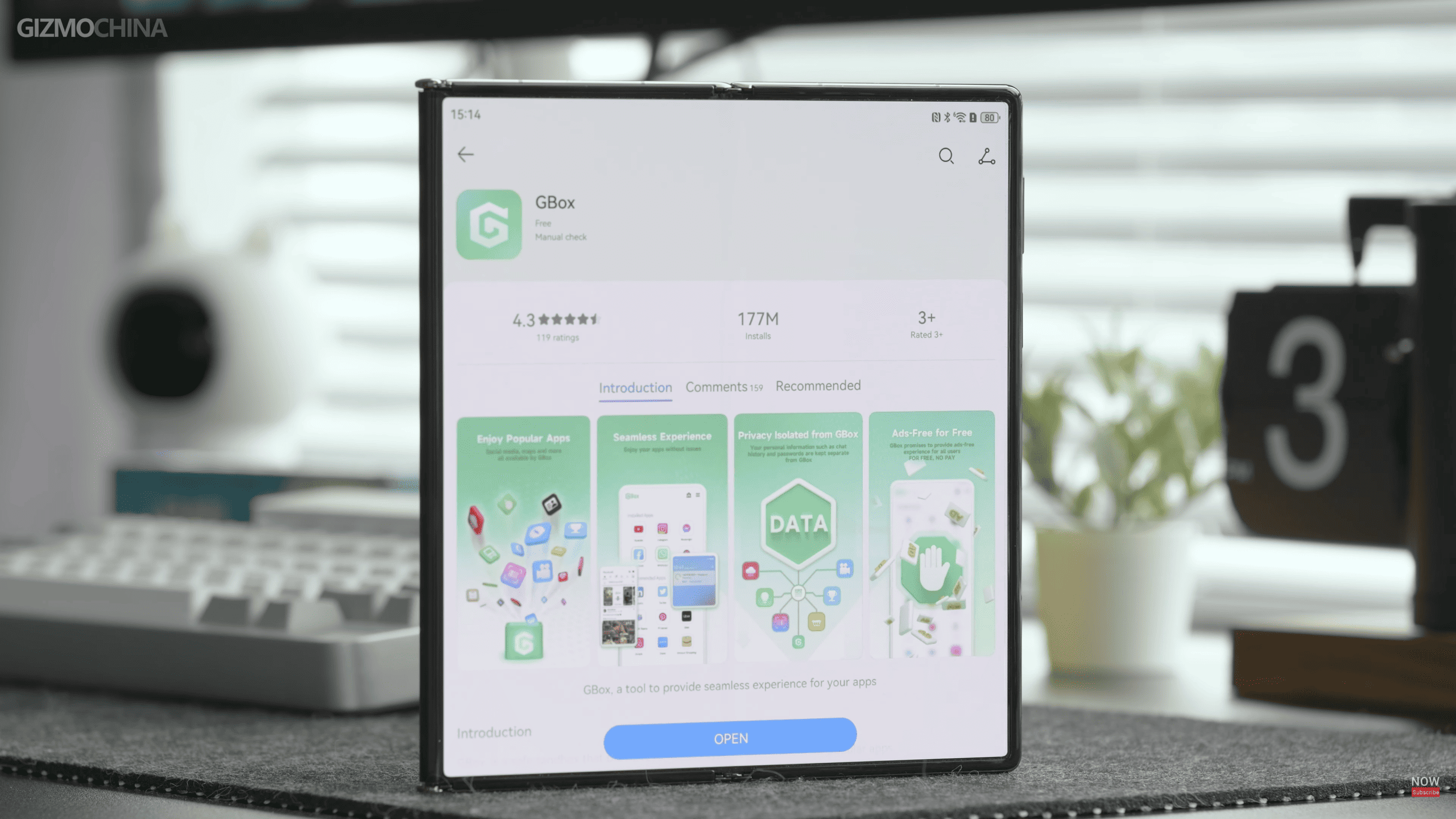
GBox stands for ‘Google Box’ – a third-party app. It helps any phone without Google Mobile Services or Google Framework run Google apps. Since HUAWEI’s ban from Google services, I’m sure many global users have tried solutions like GBox or GSpace.
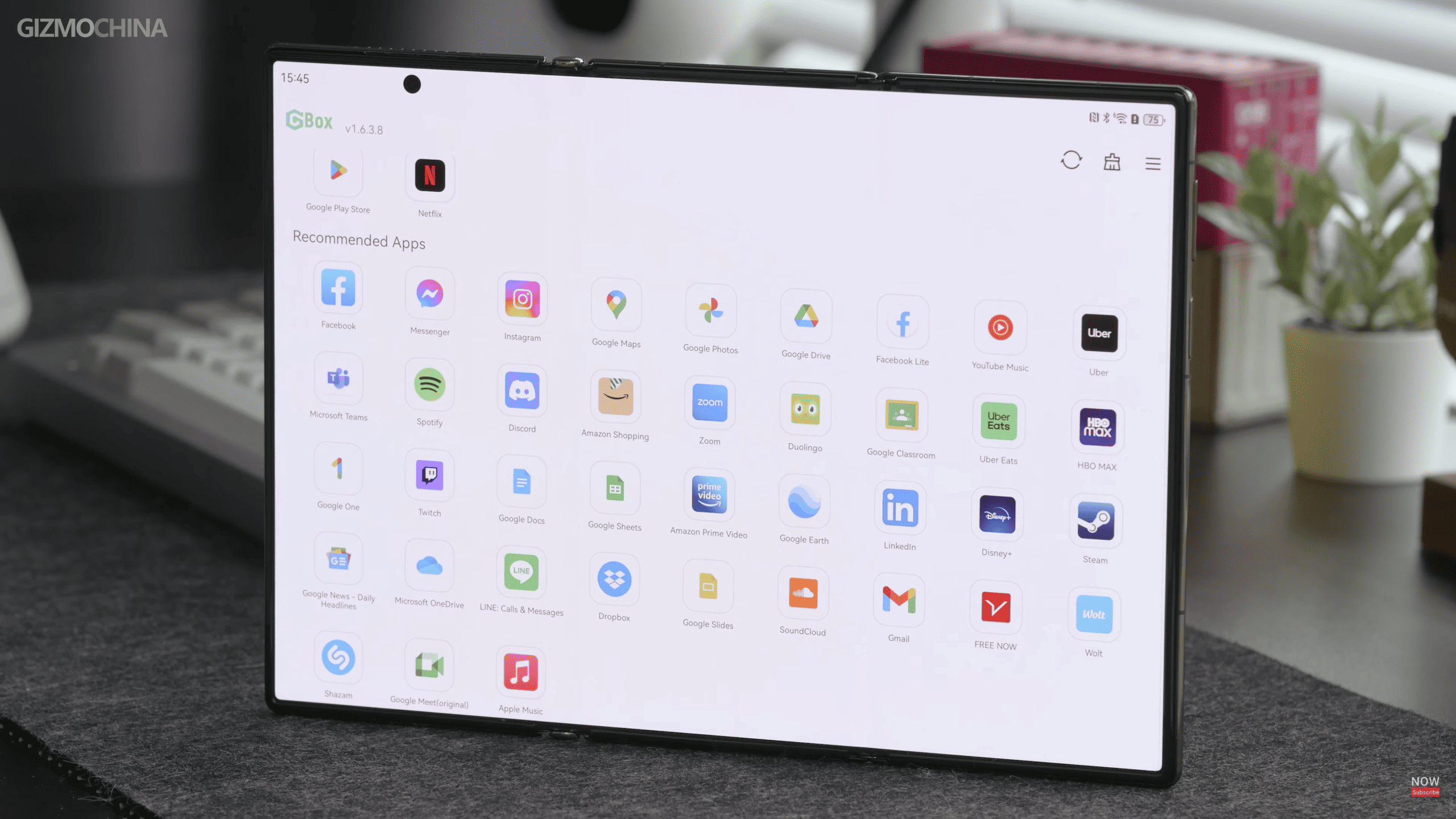
To make things easier for new users, HUAWEI lists GBox right in the Mate XT Ultimate’s App Gallery. You’ll find all your favorite Google apps here completely free. I know this sounds like a paid promotion for GBox, but seriously – it’s not. This is also an explanation for all the questions asking Gizmochina Review about the software availability on HUAWEI phones. At least now “no Google” as an excuse is not standing firmly when talking about HUAWEI phones.
Experiences
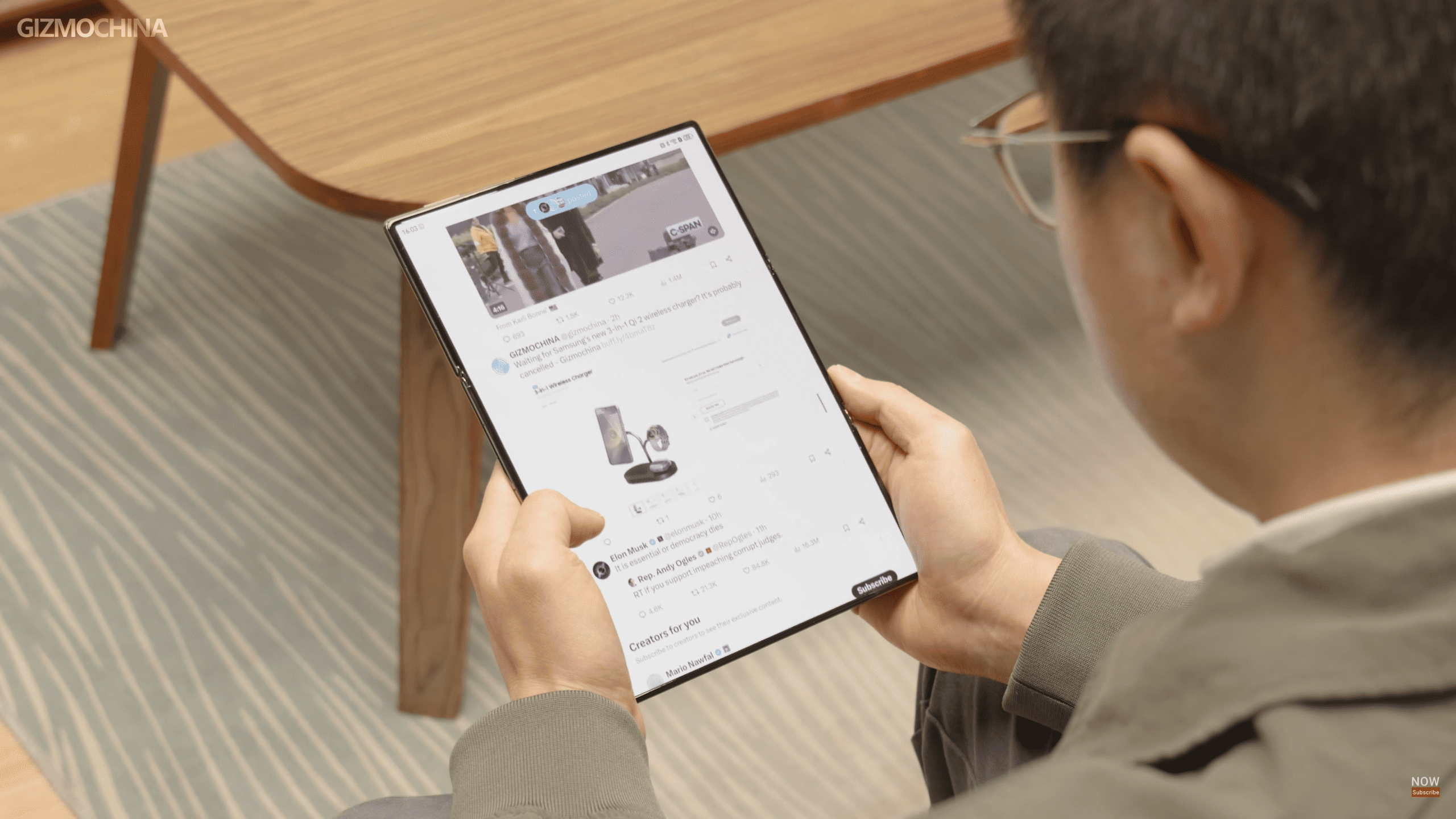
But do these Google apps work properly? I’ve tested most of them and found no major issues. They’re even optimized for the Mate XT Ultimate – the UI automatically adapts to the folding screen.
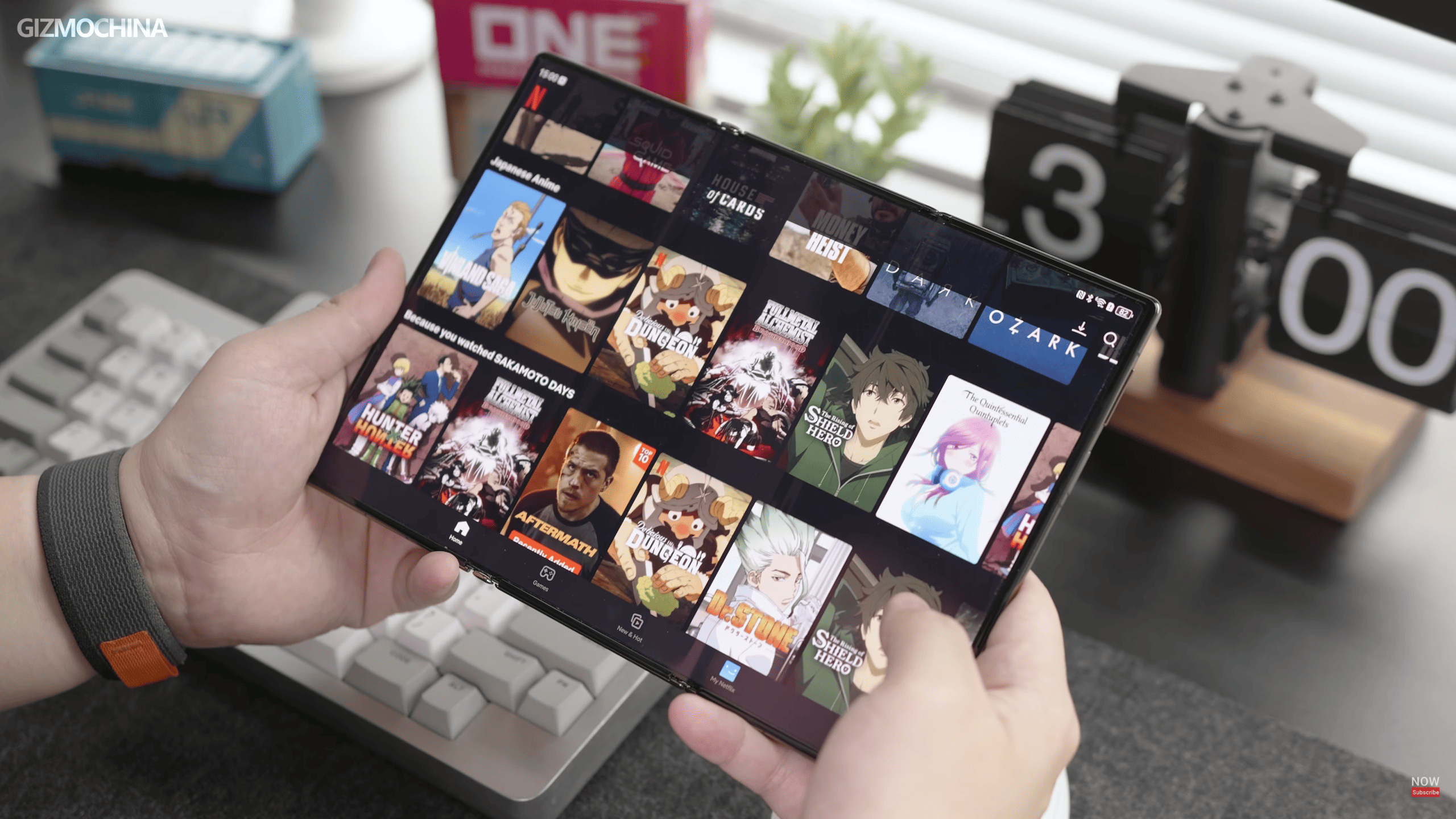
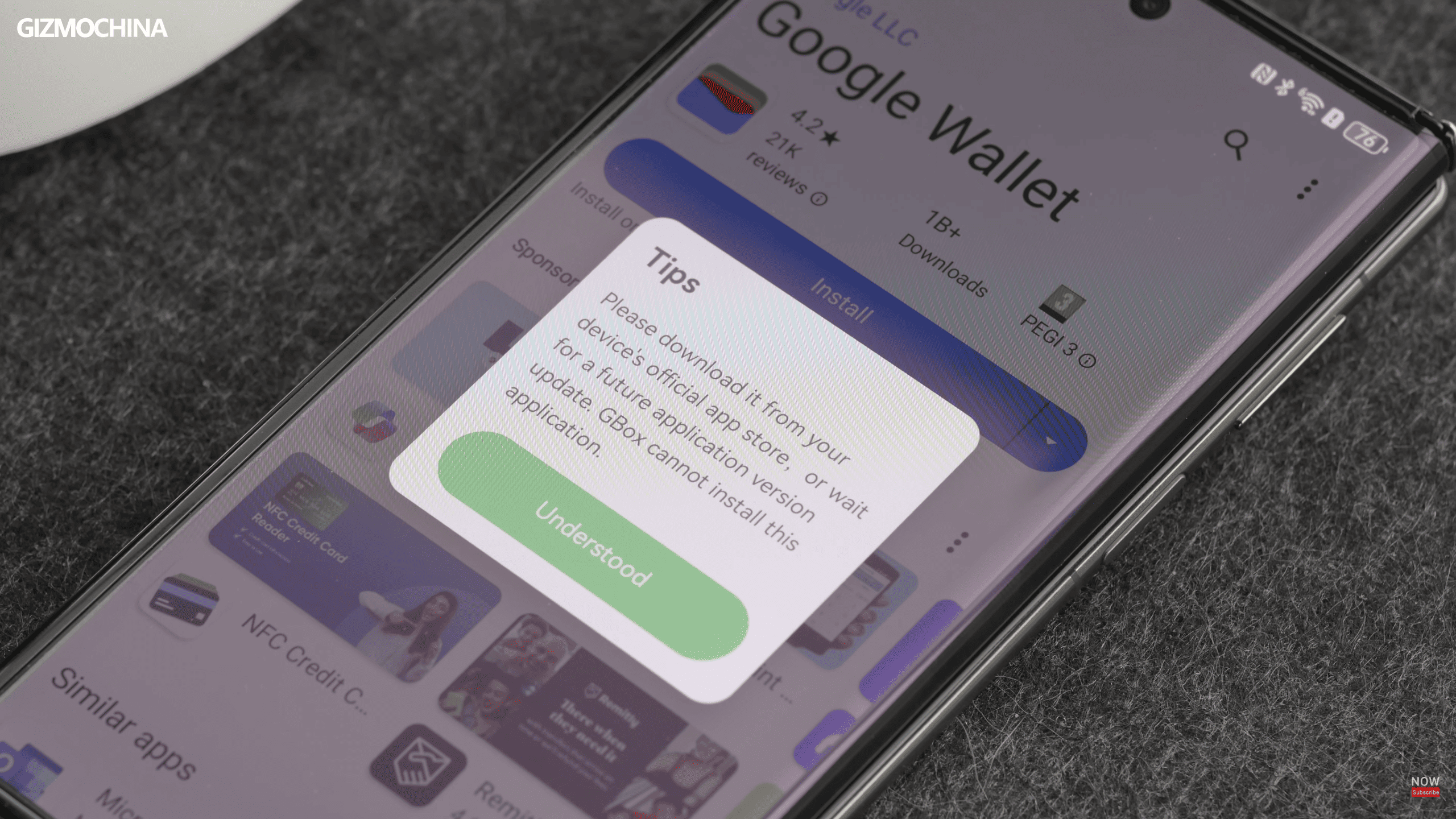
By the way, for testing the availability of most popular apps in global markets, we tried instant messaging apps like WhatsApp, X, etc., messages sent and received without problems. Even when the device got lighted off, you’ll get notifications through HUAWEI Push within 30 seconds. It’s the same smooth experience we tried for most Google-related apps, but the only app I couldn’t install and use was Google Wallet, meaning Google Pay remains unavailable. Here’s another bummer for streaming-video lovers – Netflix can be installed, but because it’s not certified, it doesn’t allow you to watch episodes or movies normally. Here we suggest users to try other streaming apps as alternatives.
While HUAWEI can’t pre-install Google services, that doesn’t mean you can’t make it work your own way. The story just try to encourage you while sharing our experience: If you’re genuinely interested in a HUAWEI phone and it’s available in your region, please better check it out in offline stores. It may surprise you. But since the HUAWEI innovative phone is so impressive, we just want to point out that the lack of Google services shouldn’t stop you from considering it.
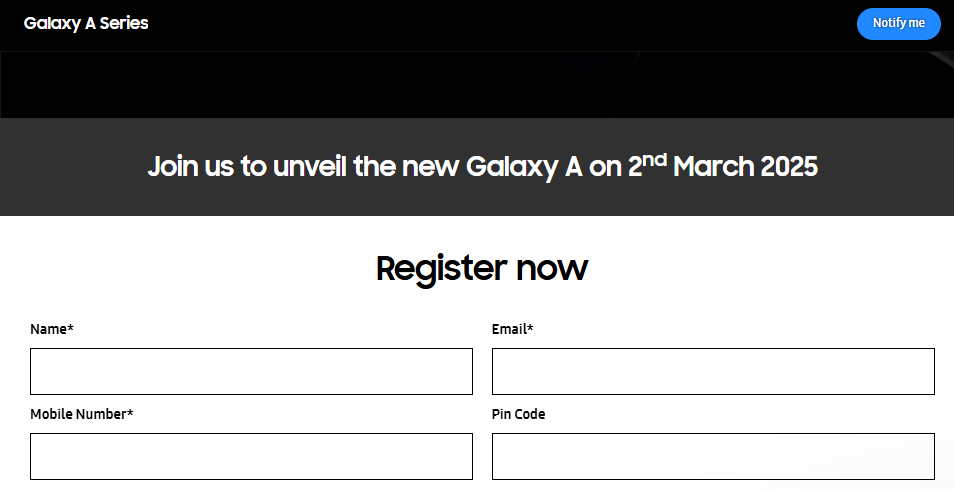
Samsung has officially announced the launch of three new mid-range smartphones under its Galaxy A series in India on March 2. These are the much anticipated Galaxy A26, Galaxy A36, and Galaxy A56, which are expected to hit the global market soon after their release in India.
Interested buyers in India can already register their interest on Samsung’s official webpage. The company has also confirmed that these phones will receive an impressive six years of OS updates.
The Galaxy A26, A36, and A56 are expected to launch with Android 15-based One UI 7 out of the box, which is also impressive considering the company’s achievements in rolling out the update to older devices, including last year’s flagships S and Z series.
If Samsung keeps its promise, these upcoming mid-range devices will be updated all the way to Android 21, a significant commitment for mid-range smartphones, to say the least. Nonetheless, we think its too soon to comment on timely updates, considering the current situation.
Leaked specifications:
Leaked specifications reveal that the Galaxy A26 will feature a 6.7-inch Super AMOLED display (up from the 6.5″ display of Galaxy A25) with a U-shaped notch. Not to mention, this design choice feels outdated compared to a punch-hole cutout, especially in 2025.
The other two models are also expected to pack slightly larger displays—6.7″ up from 6.6″. While the Galaxy A25 came with a side-mounted fingerprint scanner and the successor is expected to follow the same, both the A36 and A56 likely pack under-display optical sensors for the putpos.
Under the hood, the Galaxy A36 is expected to be powered by the Snapdragon 6 Gen 3 chip, while the A56 will reportedly use the Exynos 1580 processor. All three models are likely to come with 6GB or 8GB of RAM, 128GB or 256GB of storage, a 5,000 mAh battery (same as their predecessors). Interestingly, both the A36 and A56 are rumored to support 45W fast charging, up from 25W of the predecessors and the same as the latest S series flagships, at least on paper. Nonetheless, expect a decent price tag for the adapter that you’ll need to buy separately. The Galaxy S25 Ultra has faced some compatibility issues with older charging accessories, both official and third-party, which I think you should check out before making a decision.
Camera-wise, the A series models are said to feature a 50MP primary camera (with OIS) and a 12MP secondary sensor.
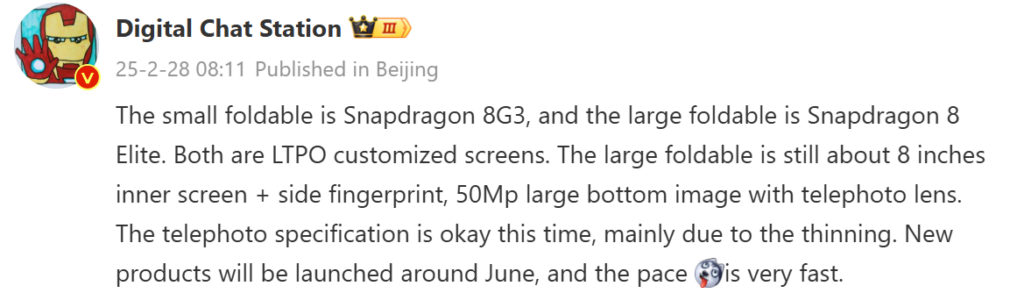
Honor is preparing to launch several new smartphones in the Chinese market, including the Honor 400 series, Honor GT Pro, and new foldable devices such as the Magic V4 and Magic V2 Flip. Recently, tipster Digital Chat Station shared details about the Magic V4 in a Weibo post. Now, he has returned with another leak, revealing new information not only about the Magic V4 but also, for the first time, about the Magic V2 Flip.
Honor Magic V2 Flip
DCS’ leak reveals details about Honor Magic V2 Flip and Magic V4
According to DCS, the Honor Magic V2 Flip will feature a customized LTPO panel and be powered by the Snapdragon 8 Gen 3 chipset. However, the leak does not disclose other specifications of the device. For reference, last year’s Honor Magic V Flip came with a 6.8-inch foldable LTPO OLED display and was equipped with the Snapdragon 8+ Gen 1 chipset.
Honor Magic V4
The leak further reveals that the Honor Magic V4 will feature a customized LTPO internal foldable display measuring approximately 8 inches. For security, it will be equipped with a side-mounted fingerprint sensor.
Under the hood, the device will be powered by the Snapdragon 8 Elite chipset. In China, it will compete with the Oppo Find N5, which is expected to feature a 7-core version of the Snapdragon 8 Elite. However, unlike the Find N5, the Magic V4 will likely ship with the standard 8-core version of the chip.
In terms of cameras, the Magic V4 will sport a 50-megapixel flagship-level primary sensor along with a telephoto camera. While it is expected to retain a periscope telephoto lens like its predecessor, the leak suggests that it will not be a flagship-grade.
One of the key areas of improvement for this generation is thickness reduction. The Magic V4 is expected to be thinner than the Magic V3, which had a 9.2mm thickness when folded.
Additionally, the leak hints that Honor is moving swiftly with its launch schedule, with both foldable devices expected to debut around June.
For more daily updates, please visit our News Section.
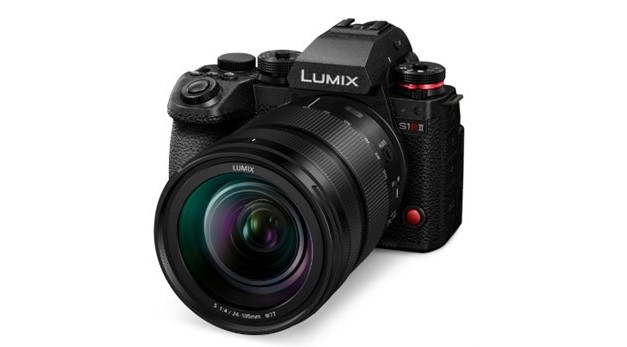
Panasonic has introduced the LUMIX S1RII, a new full-frame mirrorless camera featuring a 44.3MP BSI CMOS sensor and L2 Technology engine. It delivers both detailed stills and 8K video with 14 stops of dynamic range. A 177MP handheld high-resolution mode captures intricate subject details without a tripod, appealing to users who need high-precision results.
For video recording, the camera supports Apple ProRes RAW HQ or ProRes RAW directly to a CFexpress Type B card, reducing the need for external devices. As the first LUMIX model to achieve 8K at 30p, it includes an enhanced Open Gate feature, enabling 6.4K and up to 8.1K or 7.2K with a planned firmware update. The AI-driven Phase Hybrid AF system detects and follows human eyes and faces, working with high-speed continuous bursts of up to 40 fps and an SH pre-burst function that starts capturing before the shutter is fully pressed.
Panasonic has upgraded in-body image stabilization to provide 8.0-stop compensation, while Dual I.S. 2 achieves 7.0 stops for telephoto ranges. Cropless E.I.S. video distortion correction retains the original angle of view for wide-angle shots. A tilt and free-angle monitor accommodates various shooting positions, adding flexibility to the camera’s new compact body.
Panasonic has developed supporting apps for creator workflows. The S1RII works with the LUMIX Lab smartphone application for loading LUTs directly into the camera. A new LUMIX Flow app assists with production from storyboarding to file organization. The camera supports tethering via Capture One and integration with Frame.io, both firsts for LUMIX cameras.
In conjunction with the camera, Panasonic is releasing the DMW-BG2 battery grip, which supports continuous power exchange and offers extended shooting in certain modes. The LUMIX S1RII will be available in late March for $3299.99.
For more daily updates, please visit our News Section.
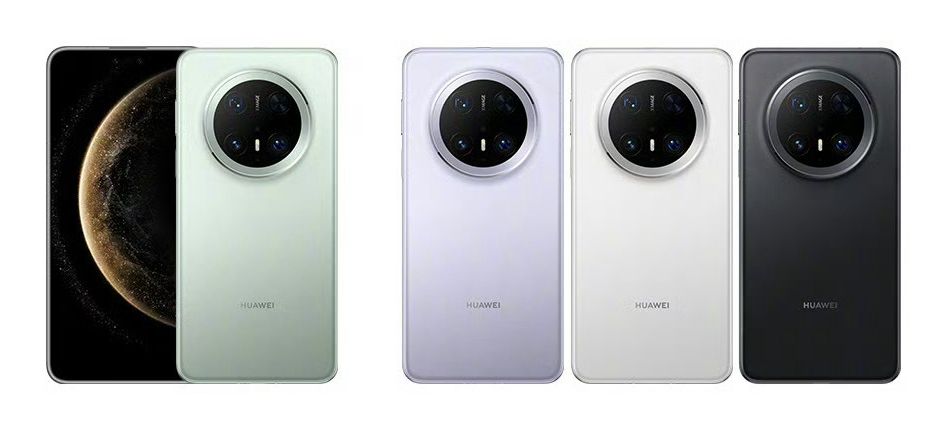
Huawei has officially announced the launch of the Huawei Mate 70 Pro Premium Edition, which is set to go on sale from March 5 in China. The information was shared by Huawei through its official channels, revealing the device’s pricing, configurations, and availability.
Huawei Mate 70 Pro Premium Edition price and availability
Huawei Mate 70 Pro Premium Edition
The Huawei Mate 70 Pro Premium Edition is available in three storage variants: 12GB+256GB priced at 6,199 Yuan (~$850), 12GB+512GB at 6,999 Yuan (~$960), and 12GB+1TB at 7,699 Yuan (~$1,055). This pricing makes the Premium Edition 3,000 Yuan costlier than the standard Huawei Mate 70 Pro (~$410), which starts from 6.499 Yuan (~$890).
The smartphone will be available for purchase in China through Huawei’s official online store, Huawei Experience Stores, authorized e-commerce platforms, and retail partners. It can be bought in shades like Spruce Green, Hyacinth, Purple, Snow White, and Obsidian Black.
Huawei Mate 70 Pro Premium specifications and features
In terms of design, the Huawei Mate 70 Pro Premium Edition remains identical to the standard model. It features a 6.9-inch OLED display with 2832 x 1316 pixels resolution, 1-120Hz LTPO adaptive refresh rate, 1440Hz high-frequency PWM dimming, and a 300Hz touch sampling rate.
The rear camera setup includes an OIS-enabled 50-megapixel ultra-sensing camera with f/1.4-f/4.0 variable aperture support, a 40-megapixel ultra-wide camera, and a 48-megapixel periscope telephoto camera. On the front, there is a 13-megapixel ultra-wide camera and a ToF 3D sensor for biometrics.
The primary difference between the Premium Edition and the standard Mate 70 Pro is the chipset. The Premium Edition is powered by a down-clocked version of the Kirin 9020 processor, featuring a CPU configuration of 1 x 2.40GHz + 3 x 2.00GHz + 4 x 1.60GHz, whereas the standard version that powers the Mate 70 Pro runs at 1 x 2.50GHz + 3 x 2.15GHz + 4 x 1.60GHz.
The device also supports HarmonyOS NEXT, Huawei’s pure HarmonyOS ecosystem, and offers IP69-rated dust and water resistance. It packs a 5,500mAh battery with 100W wired charging and 80W wireless charging support. The device offers an IP68/69-rated dust and water resistance.
For more daily updates, please visit our News Section.
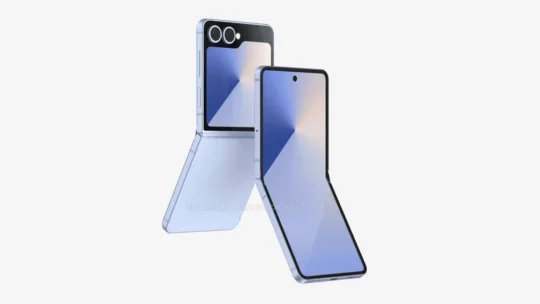
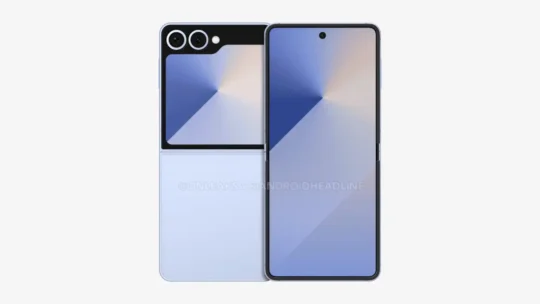
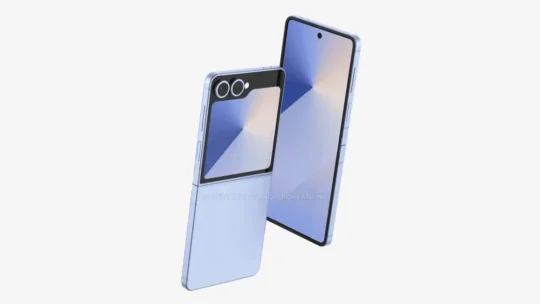
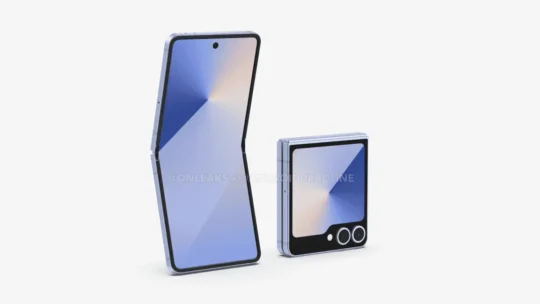
The design of Samsung’s upcoming Galaxy Z Flip 7 has been revealed through unofficial CAD renders, which appear to be strikingly similar to its predecessors, the Galaxy Z Flip 6 and Z Flip 5. The leaked images show the Z Flip 7 in a light blue color and suggest that Samsung is sticking to a familiar design language for its next-generation flip phone as well.
Leaked dimensions hint at a wider aspect ratio
According to the leak (via AndroidHeadlines), the Z Flip 7 will feature a 6.8-inch foldable main display and a 3.6-inch cover screen, up from the 6.7-inch and 3.4-inch panels on the Z Flip 6. The leaked dimensions offer more insights into the design: 166.6 x 75.2 x 6.9mm instead of 165.1 x 71.9 x 6.9mm of the Z Flip 6.
So, the upcoming flip is going to be slightly taller and significantly wider than the predecessor while having the same thickness. And if this is true, the phone will pack an inner display with a slightly wider and much more practical aspect ratio—21:9 or 20:9 (like most other bar phones) down from 22:9.
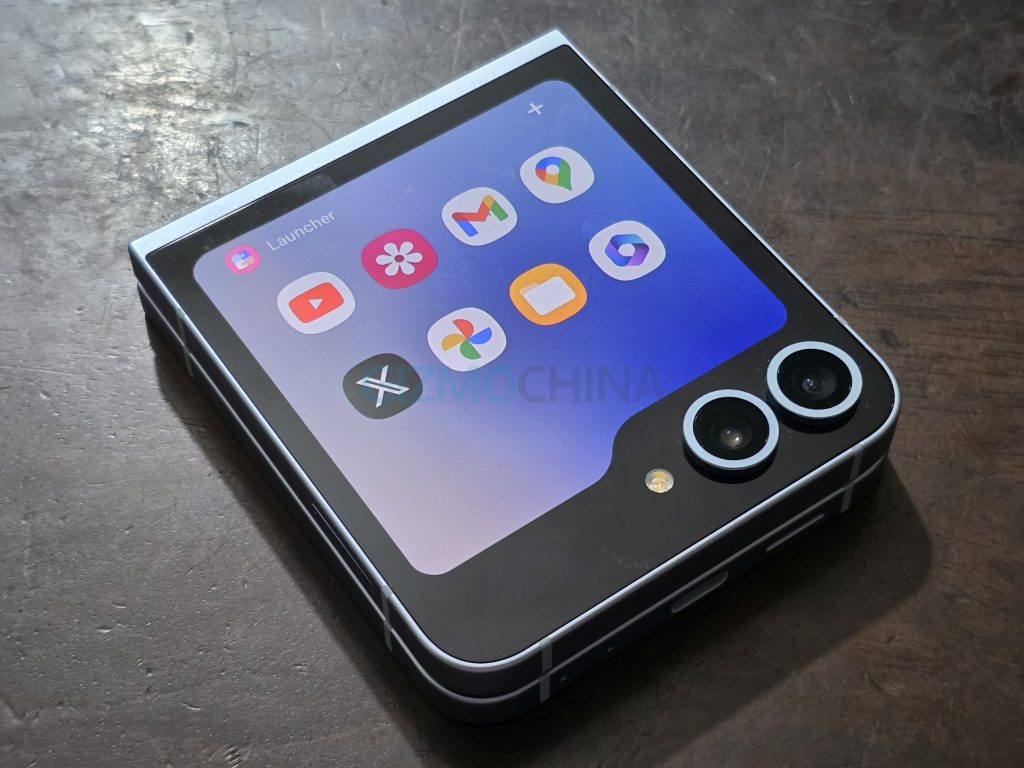
Galaxy Z Flip 6
One potential upgrade that the renders may not fully capture is the possibility of a less visible crease on the foldable display. Samsung is rumored to be using a new hinge mechanism in the Z Flip 7 and Z Fold 7, which could make the crease less noticeable and improve the overall user experience.
Samsung is expected to unveil the Galaxy Z Flip 7 this summer alongside the Z Fold 7. The price is rumored to remain unchanged, starting at $1,099, the same as the Z Flip 6. While the design may not bring groundbreaking changes, the Z Flip 7 could still offer subtle refinements that enhance its appeal to foldable phone enthusiasts.
As for the performance, both the book-style and the flip phone are expected to pack the Snapdragon 8 Elite chip. While there’s no word on the battery capacity and the adoption of the high density Si/C battery tech, the more efficient chip should improve the battery life up to some extent over what we have seen with the predecessors. For reference, the Galaxy S25 series offers a decent improvement in battery life over its predecessors despite having the exact same battery capacity.
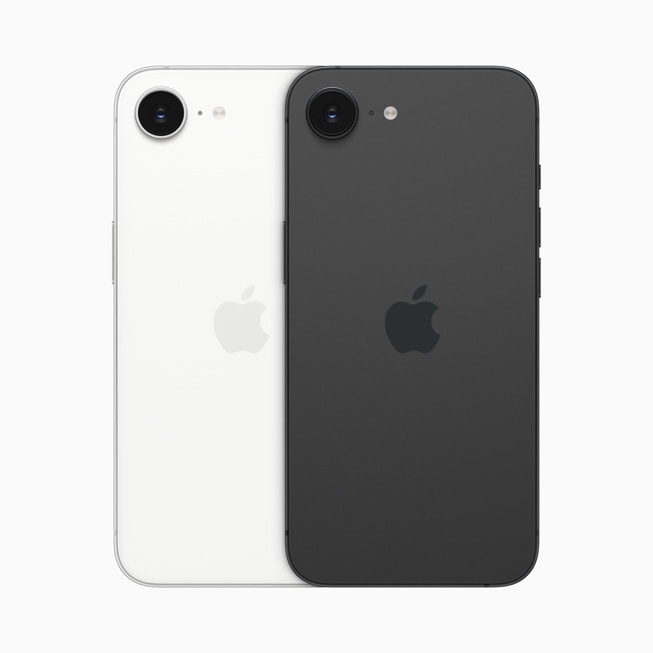
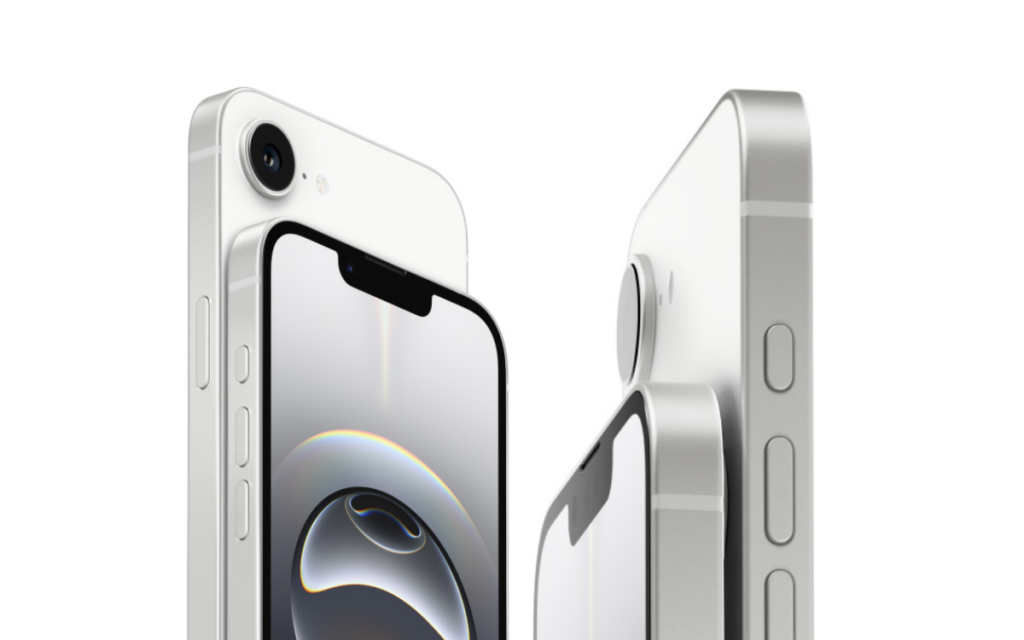
Apple has officially started shipping the iPhone 16e, the successor to the iPhone SE (3rd Gen) starting today. This time, the phone comes with a major design overhaul.
The new budget iPhone ditches the dated look of its predecessor in favor of flat sides, slimmer bezels, a notch, and even the Action Button. But while the 16e finally feels like it belongs in the modern iPhone lineup, it’s also missing a feature that makes absolutely no sense: MagSafe.
The iPhone 16e does support magnetic wireless charging, but only at 7.5W—and crucially, it lacks the MagSafe ring that lets accessories and chargers snap securely into place. According to Apple, though, this omission doesn’t really matter for the 16e’s target audience.
In a statement to Daring Fireball’s John Gruber, an unnamed Apple representative said that “most people in the 16e’s target audience exclusively charge their phones by plugging them into a charging cable.”
That might have been a reasonable argument a few years ago, but at this point, MagSafe is everywhere—not just for charging, but as a key part of Apple’s accessory ecosystem. Leaving it out on a 2025 iPhone feels like an unnecessary compromise.
For a phone that’s supposed to bring the iPhone experience to more people, Apple sure picked a weird feature to cut.
There’s a workaround—sort of
There is a workaround, though, if you still want the MagSafe experience. You can rather buy a Magsafe compatible case which surely won’t boost the charging speed, but at least it’ll let you use MagSafe accessories without a second thought.
The iPhone 16e starts at $599 in the US for the 128GB variant, going up to $899 for the 512GB model. In India, pricing starts at ₹59,999 and tops out at ₹89,900.
For more daily updates, please visit our News Section.
Amazon has launched Alexa+, a generative AI assistant that works with over 600 million existing Alexa devices. The system holds conversations naturally and completes tasks independently.
Alexa+ functions through “experts” – systems that perform specific operations. These enable Alexa+ to control smart home devices, make reservations, play music across services, order groceries, and monitor home security.
The assistant can navigate the internet autonomously to complete tasks. It can locate service providers, make arrangements, and report back without user intervention.
Alexa+ learns user preferences from past purchases and allows users to add information like dietary restrictions or recipes. It applies this knowledge when making suggestions.
The service works across Echo devices, a new mobile app, and Alexa.com. Conversations transfer between devices while maintaining context.
Users can upload documents, emails, photos, and messages for Alexa+ to summarize or use. Amazon built the system with privacy protections, with settings managed in the Alexa Privacy dashboard.
Alexa+ costs $19.99 monthly, but is free for Prime members alongside existing benefits like delivery and entertainment services. The US rollout begins with early access for Echo Show owners, followed by a phased expansion. Users can request early access at amazon.com/newalexa.
In other news, Amazon is shutting down its Appstore for Android devices on August 20, 2025, with new app submissions already halted. Users will lose access after the closure, leaving Google Play as the default marketplace. The Appstore will remain available on Fire TV and Fire Tablets, where Amazon sees the most engagement.
Samsung and Apple continue their annual face-off, and this time, the battle is between their more affordable flagship-tier phones: the Galaxy S24 FE and the iPhone 16e. Samsung launched the Galaxy S24 FE last year, bringing premium features at a more accessible price.
This year, Apple has revamped its budget-friendly SE lineup, renaming it the iPhone 16e and giving it some significant upgrades. However, despite the new name and improved display, it still remains a step below the base iPhone 16 in several aspects. But which one delivers the better overall experience? Let’s break it down.
Design and Display
The Galaxy S24 FE sports a larger 6.7-inch FHD+ Dynamic AMOLED display with a 120Hz refresh rate, offering a smoother scrolling experience and better responsiveness compared to the iPhone 16e’s 6.1-inch Super Retina XDR OLED panel, which is still limited to 60Hz. The higher refresh rate on the S24 FE makes a noticeable difference in fluidity, particularly when gaming or scrolling through social media.
The Galaxy S24 FE outshines the iPhone 16e with a 1900-nit peak brightness, compared to the latter’s 1200 nits. While the iPhone 16e features a new notch design and an improved display over its SE predecessor, its lower brightness and lack of a high refresh rate make it less competitive. The S24 FE also features sleeker 1.9mm bezels, enhancing its premium look.
Performance and Software
Under the hood, the Galaxy S24 FE is powered by the Exynos 2400e SoC globally, paired with up to 8GB of RAM. Meanwhile, Apple’s iPhone 16e features the A18 chip with a 16-core Neural Engine, making it one of the most capable processors in a smartphone, particularly when it comes to AI-driven tasks. Apple also ensures longevity with optimized software and hardware integration, which often leads to better real-world performance over time.
Samsung offers Android 14 with One UI 6.1, bringing features like Generative Edit, Circle to Search, and enhanced AI capabilities. Meanwhile, the iPhone 16e debuts with iOS 18 and Apple Intelligence, its own suite of AI-driven features. Samsung has upped its game by promising 7 years of software updates, matching Apple’s industry-leading support cycle.
Cameras
Samsung completely outshines Apple in the camera department. The Galaxy S24 FE features a triple-camera setup with a 50MP main sensor, a 12MP ultra-wide lens, and an 8MP telephoto camera with 3x optical zoom. On the front, there’s a 10MP selfie camera.
Apple takes a more minimalistic approach with a single 48MP sensor, which can digitally crop to offer a 2x “optical-quality” zoom. The front houses a 12MP TrueDepth camera for selfies and Face ID. Despite having fewer cameras, Apple’s image processing tends to deliver more consistent results, particularly in video recording, which is an area where iPhones continue to dominate.
Battery and Charging
The Galaxy S24 FE houses a 4,700mAh battery, which supports 25W fast charging, wireless charging, and reverse wireless charging. The iPhone 16e, while having a smaller battery, is optimized with the A18 chip for better efficiency, promising up to 26 hours of video playback. Apple doesn’t specify battery capacity but often makes up for it with efficient software optimization.
However, Apple still lags behind in charging speeds. While the S24 FE offers 25W wired fast charging, the iPhone 16e sticks to Apple’s slower charging standards.
Pricing and Value
The Galaxy S24 FE starts at $649.99 for 8GB + 128GB, while the iPhone 16e is priced at $599 for the same storage. Currently available on Amazon for $499, the S24 FE offers an even better value for those seeking flagship features.
Which One Should You Buy?
If you’re thinking about upgrading, then obviously get the Galaxy S24 FE—it offers better hardware, a high-refresh-rate display, a versatile camera setup, and faster charging. It also has a more modern design with slimmer bezels and a hole-punch display.
However, if you’re considering getting the iPhone 16e, you might be better off opting for the standard iPhone 16 or even a refurbished iPhone Pro model. The 16e feels like a compromise, and spending a little extra could get you a better Apple experience with more premium features.
Ultimately, both phones deliver excellent value, but Samsung’s latest Fan Edition brings more flagship-grade features at a competitive price, making it the more well-rounded choice for most users.
For more daily updates, please visit our News Section.
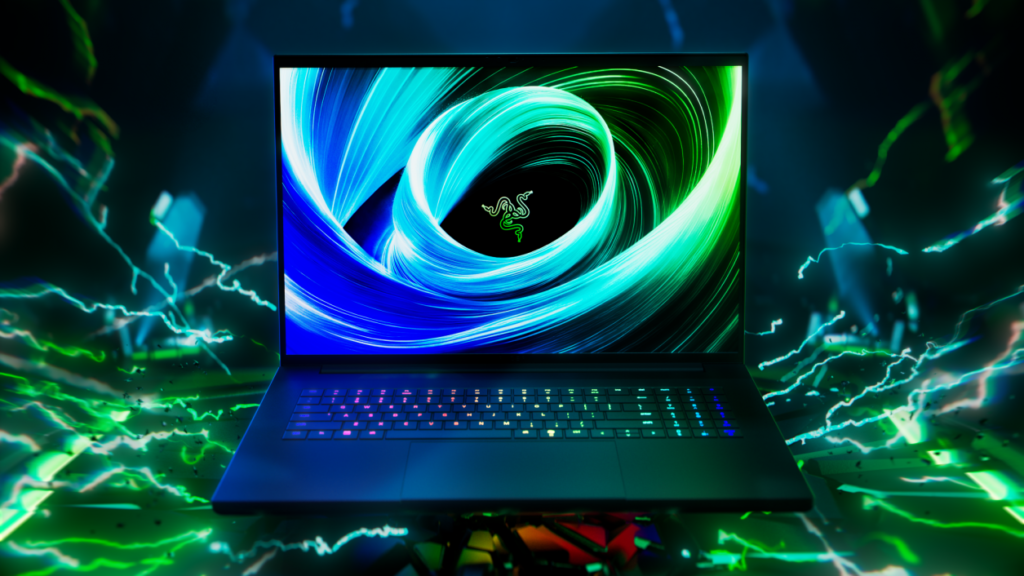
Razer has launched the Blade 18 (2025), its most powerful laptop to date, designed for gamers and creative professionals. The new model, alongside the previously showcased Blade 16, is now available for pre-order.
The Blade 18 features the world’s first 18-inch dual mode display, allowing users to switch between UHD+ resolution at 240Hz for detailed work and FHD+ at 440Hz for competitive gaming. The screen offers a 3.0ms response time and 100% DCI-P3 color gamut with factory calibration.
Measuring 27.94 mm x 275.4 mm x 399.96 mm and weighing 3.1 kg (7.06 lbs), the Blade 18 houses desktop-grade components, including an Intel Core Ultra 9 275HX processor that boosts to 5.4GHz with 24 cores and 24 threads. Graphics options include up to an NVIDIA GeForce RTX 5090 Laptop GPU with 175W of maximum graphics power.
Razer has implemented advanced cooling with a 3-fan system and vapor chamber to support the laptop’s 280W Total Package Power (TPP) while maintaining performance in its slim chassis.
The redesigned keyboard now offers 35% more travel distance, a numeric keypad, and dual-LED per-key RGB backlighting. Connectivity options include Thunderbolt 5 and 4 ports, Wi-Fi 7, HDMI 2.1, Bluetooth 5.4, and Gigabit LAN.
Audio performance benefits from a six-speaker system with THX Spatial Audio support, while video calls are handled by a 5MP camera with Windows Hello and dual microphones.
Each Blade 18 is precision milled from a single block of T6 aluminum and features a sand-blasted, anodized matte finish with fingerprint resistance. The 2025 models are the first Razer Blades to use recycled aluminum in their chassis.
Pricing & availability
The top-tier Blade 18 configuration, featuring the Core Ultra 9 275HX and RTX 5090, is priced at $4,499. This version includes 32GB of DDR5-5600 RAM and a 2TB NVMe SSD. Pre-orders are now open on Razer’s official website.
Honor is doubling down on artificial intelligence, and it’s making big promises ahead of MWC 2025 in Barcelona. Under its ambitious “Honor Alpha Plan,” the company is set to introduce a groundbreaking AI Agent solution, signaling a major shift in how AI integrates with consumer tech. The unveiling is scheduled for March 2 at 16:30 CET, and if Honor’s recent AI-driven innovations are any indication, this could be a defining moment for the brand’s ecosystem strategy.
Honor’s upcoming AI Agent solution isn’t just another smart assistant—it’s a push towards AI agents capable of autonomous decision-making, advanced task management, and real-time collaboration across different AI ecosystems. While companies like Google and OpenAI are exploring conversational AI, Honor seems to be aiming at a more integrated approach, fusing digital and physical AI agents to streamline workflows, automate tasks, and enable seamless device interactions.
Honor is also preparing to roll out its AI Deepfake Detection technology globally in April 2025. Originally unveiled at IFA 2024, the system leverages machine-learning algorithms to detect manipulated audio and video content, identifying pixel inconsistencies, facial anomalies, and border compositing flaws. With deepfake threats rising especially in industries like fintech and crypto, Honor’s move aligns with broader efforts from tech giants like Microsoft and Qualcomm to combat misinformation.
Additionally, Honor is teasing an “All-ecosystem Exchange” feature, which will allow its devices to seamlessly connect with non-Honor ecosystems.
Honor’s AI push comes amid a shifting smartphone market where hardware innovation is slowing, and software-driven experiences are taking center stage. Notably absent from the company’s MWC teasers is any mention of new flagship phones, hinting that AI software and ecosystem integration are the real focus this year.
As already mentioned, Honor’s event is set for March 2 at 16:30 CET at the Hyatt Regency Barcelona Tower. During MWC, the company will also showcase its latest products at Stand 3H10 in Hall 3 at Fira Gran Via.
For more daily updates, please visit our News Section.
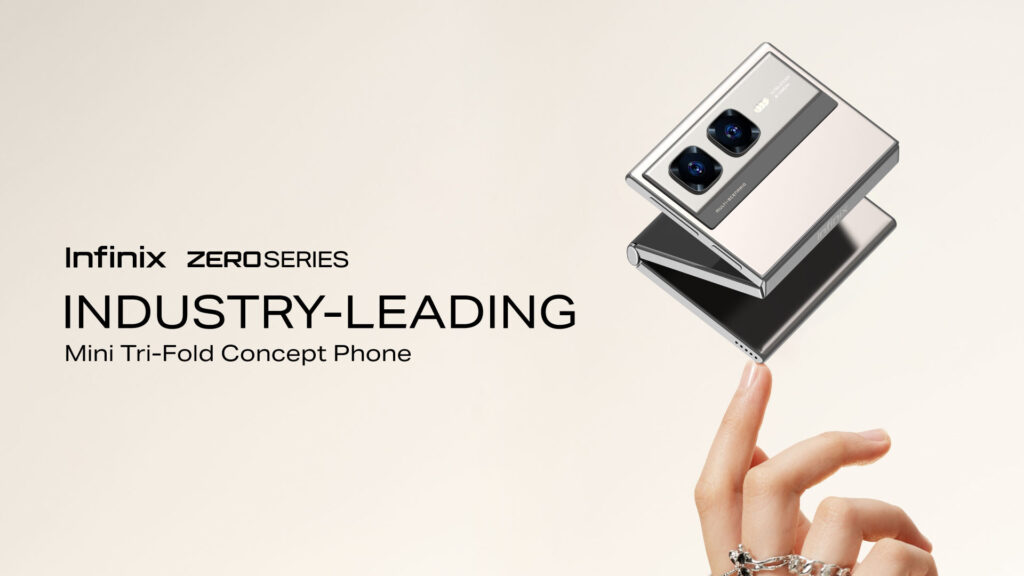
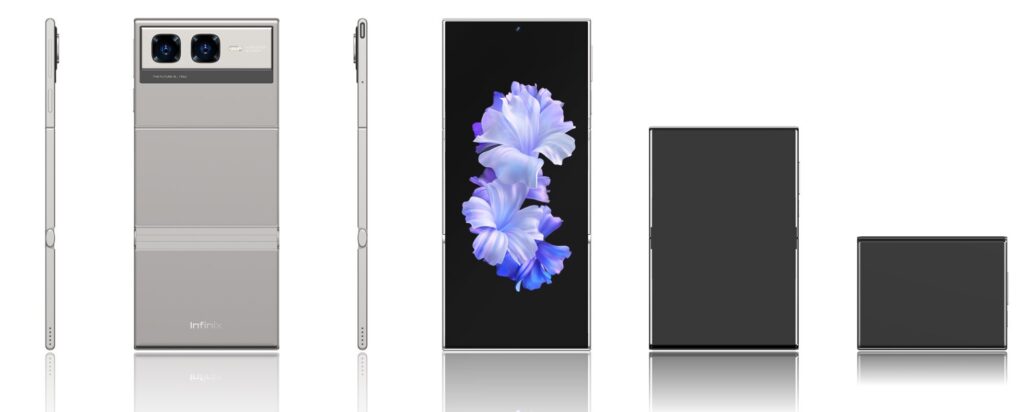
After Huawei introduced its groundbreaking tri-folding Mate XT smartphone in September 2024, Infinix, a trendy tech brand, has now unveiled its own take on the tri-folding concept. The Infinix ZERO Series Mini Tri-Fold Concept has a triple-folding design with dual hinges that fold vertically, providing different form factors for various uses.
Infinix ZERO Series Mini Tri-Fold Concept Foldable Device
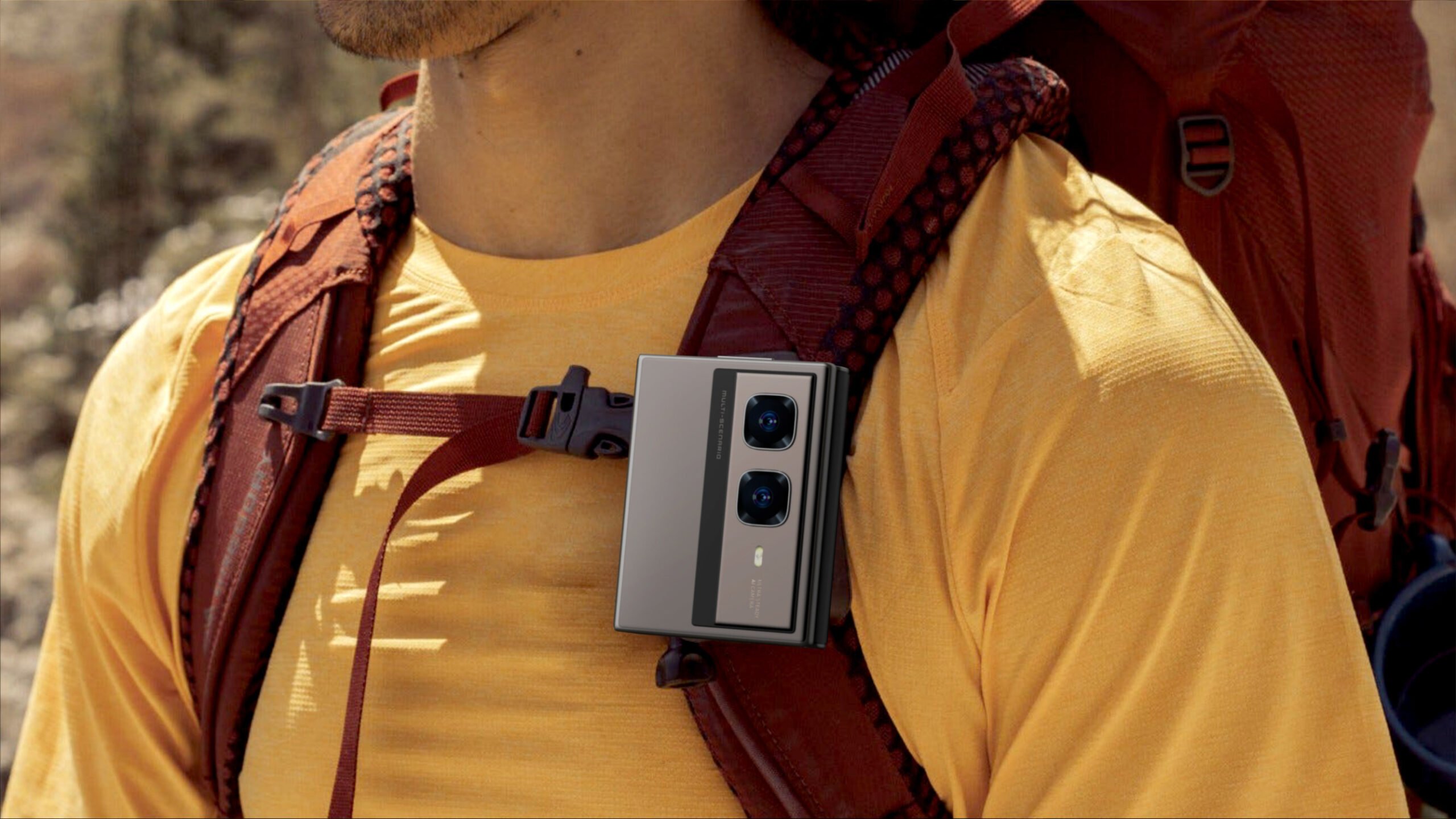
Unlike traditional foldables that simply expand into tablets, this concept transforms between a smartphone, fitness companion, and compact camera system. The device can be mounted on gym equipment for workout tracking, clipped to backpacks for action photography, or used as a standard smartphone.
Multi-Forms For Multi-Scenarios
The outward-folding design enables dual-screen functionality, making real-time multilingual conversations possible with translated content visible to both users simultaneously. This same configuration converts the device into a premium camera system, using the main camera for high-quality photos while providing a screen for perfect framing.
For Mountain BikingFor Hiking
For fitness enthusiasts, the concept includes innovative strap accessories that secure it to gym equipment, bicycle handlebars, or car dashboards. This allows users to track workouts, follow exercise routines, or navigate routes without occupying their hands. When folded into its most compact form, the device functions as a sleek, lightweight smartphone designed for comfortable single-handed use.
It remains unclear if Infinix plans to bring this concept to market. Even so, the ZERO Series Mini Tri-Fold adds fresh ideas to a smartphone landscape that can sometimes feel repetitive, echoing the practical innovation once seen from brands like LG.
For more daily updates, please visit our News Section.
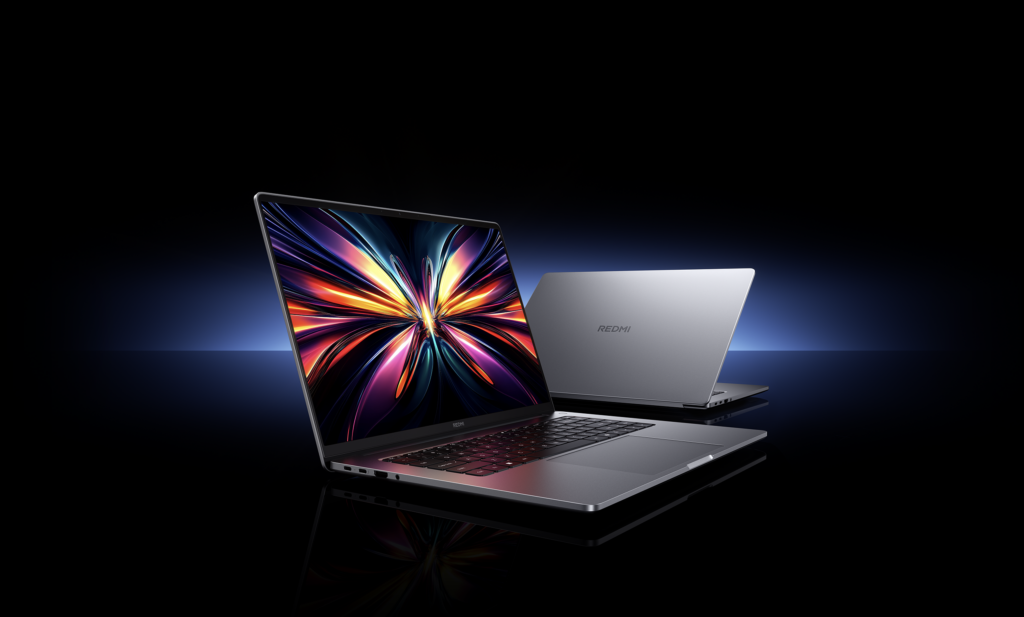
Xiaomi has launched its 2025 REDMI Book Pro 14 and REDMI Book Pro 16 laptops in China alongside the Xiaomi 15 Ultra smartphone. The new laptops feature Intel’s second-generation Core Ultra processors, improved displays, and enhanced AI capabilities.
REDMI Book Pro 16
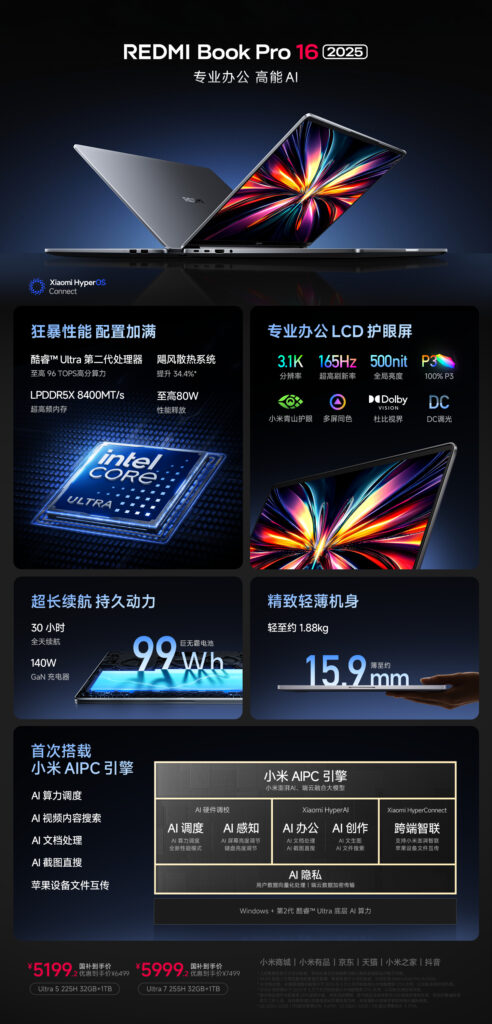
The REDMI Book Pro 16 arrives with a sleek metal body measuring 15.9mm in thickness and weighing 1.88kg. Its standout feature is a 3.1K LCD screen (3072×1920) with a 165Hz refresh rate, 500 nits brightness, and 100% DCI-P3 color coverage. The display is VESA HDR 400 certified with a Delta E value of approximately 0.33 for accurate color representation.
Under the hood, the laptop is powered by either an Intel Ultra 5 225H (14 cores, 4.9GHz) or Ultra 7 255H (16 cores, 5.1GHz) processor. Compared to the 2024 model, the new Pro 16 delivers 21.6% better single-core and 29.5% improved multi-core performance. It comes with 32GB LPDDR5X memory and a 1TB PCIe 4.0 SSD, with an additional M.2 slot for storage expansion.
Battery life is a major strength, with the 99Wh battery lasting up to 30 hours. The included 140W GaN USB-C adapter charges the laptop to 54% in 30 minutes and supports 120W phone charging. For cooling, the “Hurricane Cooling” system features dual 12V fans with 200 blades, three heat pipes, and improved thermal conductivity that’s 63.4% better than last year’s model.
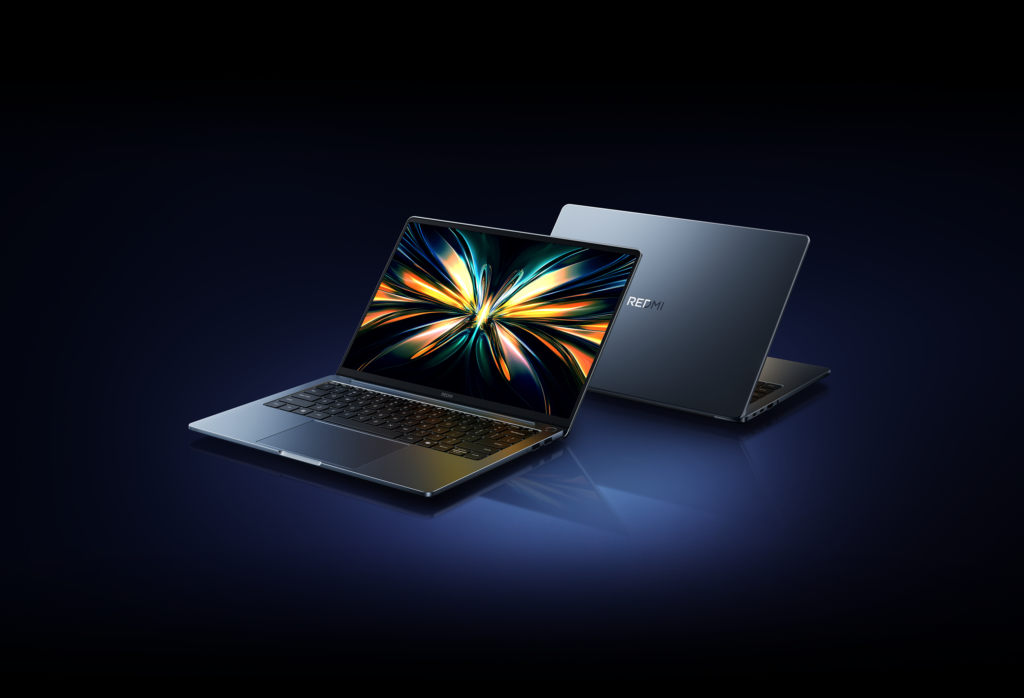
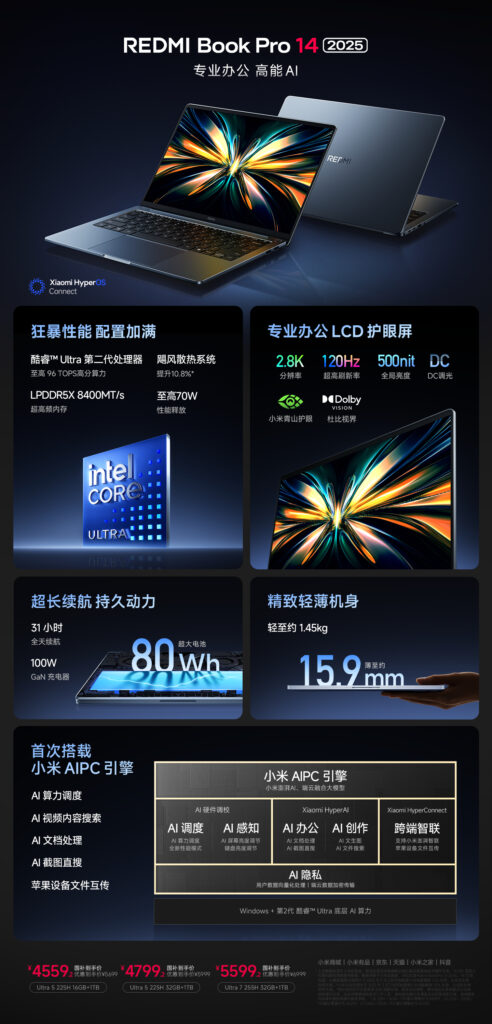
REDMI Book Pro 14
The REDMI Book Pro 14 maintains the same 15.9mm thickness as its larger counterpart but weighs just 1.45kg. Its 2.8K screen (2880×1800) offers 500 nits brightness, a 120Hz refresh rate, and 100% sRGB coverage, with the same VESA HDR 400 certification and color accuracy.
Configuration options mirror the Pro 16, with Intel Ultra 5 225H or Ultra 7 255H processors and either 16GB or 32GB of LPDDR5X memory. The Pro 14 sees an 18.5% single-core performance boost and 28.2% multi-core improvement over its predecessor. It also includes a 1TB PCIe 4.0 SSD with an extra M.2 slot.
The 80Wh battery provides up to 31 hours of use, while the 100W GaN adapter charges to 51% in 30 minutes and supports 55W phone charging. Its cooling system includes dual 12V fans and two heat pipes and supports up to 70W performance.
Shared Features and AI Capabilities
Both laptops run Windows 11 (Chinese version) and feature Xiaomi’s AIPC engine. The AI computing power reaches 96 TOPS on both models, boosting large model performance by over 200% and local image processing tasks by more than 120%.
Connectivity options include Thunderbolt 4, USB-C, HDMI 2.1, two USB-A 3.2 Gen1 ports, and a 3.5mm audio jack. Additional features include Xiaoai voice assistant, HyperConnect for cross-device sharing, 1080P cameras, and Dolby Vision and Atmos support.
Pricing and Availability
The REDMI Book Pro 14 starts at 5699 yuan (approximately $784) for the Ultra 5 model with 16GB memory, while the top-end Ultra 7 version with 32GB memory costs 6999 yuan ($964). For the REDMI Book Pro 16, pricing begins at 6499 yuan ($895) for the Ultra 5 model and reaches 7499 yuan ($1032) for the Ultra 7 configuration.
Currently, Xiaomi has not revealed any plans to launch these laptops in the global market. That said, the brand is gearing up for the global launch of the Xiaomi 15 series smartphones, including the Xiaomi 15 Ultra, on March 2.
We use cookies on our website to give you the most relevant experience by remembering your preferences and repeat visits. By clicking “Accept”, you consent to the use of ALL the cookies.
This website uses cookies to improve your experience while you navigate through the website. Out of these, the cookies that are categorized as necessary are stored on your browser as they are essential for the working of basic functionalities of the website. We also use third-party cookies that help us analyze and understand how you use this website. These cookies will be stored in your browser only with your consent. You also have the option to opt-out of these cookies. But opting out of some of these cookies may affect your browsing experience.
Necessary cookies are absolutely essential for the website to function properly. This category only includes cookies that ensures basic functionalities and security features of the website. These cookies do not store any personal information.
Any cookies that may not be particularly necessary for the website to function and is used specifically to collect user personal data via analytics, ads, other embedded contents are termed as non-necessary cookies. It is mandatory to procure user consent prior to running these cookies on your website.