Advertisement

Samsung creates controversy by attacking Apple on “innovation”

This week, Samsung launched a new ad campaign called “Simon Says,” which takes aim at Apple by mocking what Samsung perceives as a lack of innovation in recent iPhone releases. The ad uses satire to question Apple’s commitment to groundbreaking technology and to highlight Samsung’s own innovations.

Samsung-simon-says-ad-campaign-2

However, the response has been mixed, with many people pointing out that Samsung’s recent innovations are nowhere near as substantial as the ad suggests.

The ad closes with a bold statement: “Nobody should wait for innovation.”

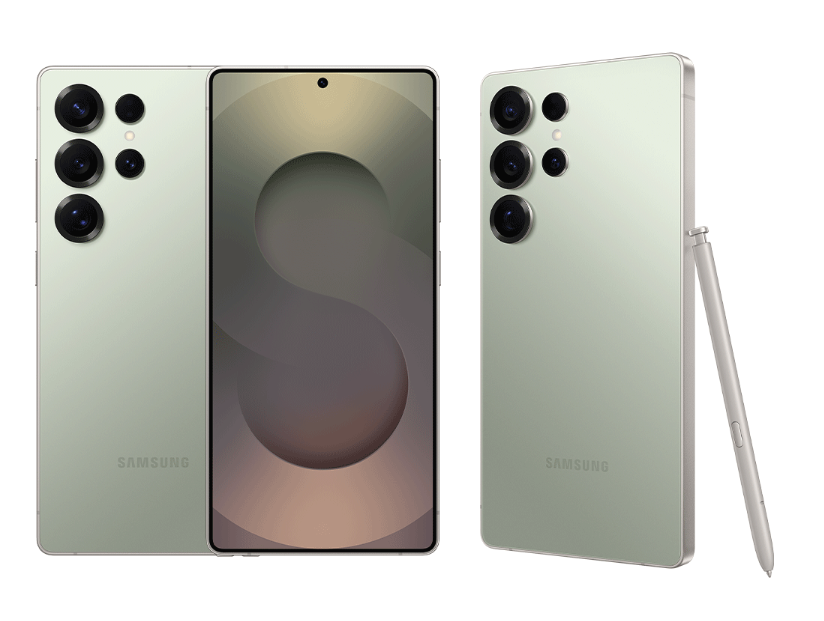
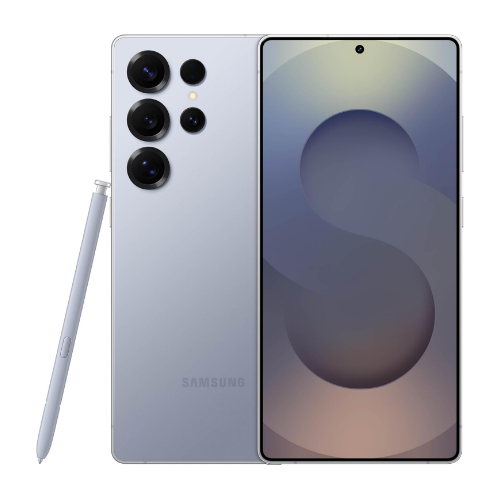
The advertisement follows a humorous storyline: a consumer eagerly lines up to buy the latest iPhone, only to ask, “What’s new?” Another voice responds with a dismissive, “Who cares?”—hinting at the idea that Apple fans are willing to buy new products even without significant upgrades. Samsung then contrasts this with the distinct features of its Galaxy lineup, showcasing the Galaxy Z Flip 6’s flip screen with translation capabilities, the Galaxy S24 Ultra’s S Pen stylus, and Samsung’s AI-driven image editing technology.

While Samsung’s ad aims to position the Galaxy phones as fresh alternatives to Apple’s products, the ad’s tone has stirred up some criticism online. Many comments under the ad pointed out that Samsung itself hasn’t introduced substantial changes in recent years and questioned whether it should focus on its own innovation rather than targeting Apple.

This isn’t the first time

Over the years, Samsung has frequently taken jabs at its main competitor, with notable examples like the “Ingenius” ad campaign in 2018, where Samsung highlighted the Galaxy Note 9’s unique features. Ironically, Samsung has often ended up adopting features it once mocked Apple for, with the removal of the headphone jack and the exclusion of the power adapter being just a few of them.

As for Samsung’s recent innovations, they include Galaxy AI and some helpful features built around it. However, aside from AI additions and a continued shift toward Apple-inspired flat design, there isn’t much new to explore or talk about. Just take a look at the closeup renders of the upcoming Galaxy S25 Ultra.

C. Scott Brown from Android Authority also noted that Samsung’s approach of directly attacking Apple may have lost some impact, especially in 2024 when Samsung’s own product evolution seems relatively restrained.

Noise Buds Trooper TWS Earbuds Launch with Long Battery Life and Low Latency

Indian electronics brand Noise unveiled its latest TWS earbuds, the Noise Buds Trooper, specifically designed to improve gaming and deliver high-quality audio for on-the-go users.

Noise Buds Trooper

Noise Buds Trooper features

The Buds Trooper comes with a 13mm driver that delivers deep bass and clear sound, allowing in-game audio—from footsteps to explosions—to be experienced with detail. The Visor Design, complemented by Breathing LEDs, adds a distinctive look.

For gamers, the earbuds include Quad Mic Environmental Noise Cancellation (ENC) to reduce background noise, ensuring clear and uninterrupted communication during online play. The earbuds provide up to 45 hours of battery life, with Instacharge technology offering 150 minutes of playtime from a quick 10-minute charge.

The TWS earbuds feature ultra-low latency at 40ms, promising near-instant audio response crucial for fast-paced gaming and streaming. It has HyperSync technology to improve connectivity, enabling seamless switching between devices and stable Bluetooth v5.3 connections with minimal lag. Designed for active use, the Noise Buds Trooper has an IPX5 water resistance rating, suitable for gaming sessions and outdoor activities.

Specifications:

  • Battery: Up to 45 hours
  • Driver: 13mm
  • Latency: 40ms ultra-low
  • Charging: Instacharge, 150 minutes of playtime with a 10-minute charge
  • Design: Visor with Breathing LEDs
  • Connectivity: Bluetooth v5.3, HyperSync

Pricing & availability

Available in four colors—Knight Black, Storm Grey, Mighty White, and Fiery Yellow—the Noise Buds Trooper is priced at INR 999. It can be purchased on gonoise.com and Amazon.

In other news, Red Magic has launched the Red Magic 10 Pro and 10 Pro+ gaming smartphones in China, featuring the latest Snapdragon 8 Elite SoC, paired with the Red Core R3 chip, advanced cooling, shoulder triggers and stereo speakers.

Xiaomi launches Mijia Smart Steam Oven S1 with 30L capacity, auto-cleaning, voice control & more

Xiaomi has introduced the Mijia Smart Steam Oven S1 30L, now available for pre-order on JD.com at a special price of 1,599 Yuan ($220) (down from 1,799 Yuan/$248). This versatile oven aims to streamline cooking for households and is set for official release on November 19. Let’s check out its key specs.

Xiaomi Mijia Smart Steam Oven S1

Mijia Smart Steam Oven S1 Specifications

The Mijia Smart Steam Oven S1 30L is built for efficiency and versatility, combining four cooking methods to meet diverse culinary needs. It features a spacious 30L capacity, suitable for families of 2 to 6 people, making it adaptable for both small and large meals.

Inside, the oven uses a 360° heat circulation system powered by an 1800W fan, allowing for even cooking and enhanced flavor with its convection technology. The baking function operates within a broad temperature range, from 40°C to 230°C, and offers precise control with 1°C increments for ideal baking results.

For steaming, the oven includes a powerful 1600W double direct-injection steam system capable of releasing steam within 30 seconds. This feature supports adjustable steam temperatures: 60°C for low, 100°C for medium, and 120°C for high, allowing flexibility whether cooking vegetables or hearty stews.

The air frying mode delivers a low-fat cooking option, reducing oil content by up to 8.1%, while the slow-cooking mode offers a nutrient-preserving option, ideal for broths and herbal soups. In addition, the oven includes a moisture-retaining roast mode that combines baking and steaming to keep meats juicy while lowering the fat content by up to 4%.

The oven features 80 smart recipes accessible via the app, allowing users to set multi-stage cooking cycles with customizable options like steaming, baking, air frying, and stewing for a personalized cooking experience. Additionally, it comes with Xiao Ai voice interaction making it even more user-friendly.

The oven features five automatic cleaning modes, including high-temperature steam disinfection and a convenient one-touch drying function to eliminate residual moisture. It comes with a triple-layer tempered glass door for added safety, a rear-positioned exhaust vent, and a TFT display panel, enhancing both safety and ease of use.

Xiaomi also recently introduced the Mijia Electric Steamer N1, featuring a 13L capacity, 1500W power, and eight presets, alongside the Mijia Fresh Air Pro air conditioner, which offers rapid 30-second cooling and effective heating down to -35°C.

OnePlus 13 receives a “macro close-up” feature with software update

The OnePlus 13, launched in China on October 31. Now the phone receives a “macro close-up” function. This feature, added via a recent system update, enables users to capture extreme close-up shots with ease. The update promises a new level of versatility for OnePlus 13’s already impressive camera system.

OnePlus-13-unboxing

OnePlus 13’s “macro close-up” function rolling out in phases

OnePlus officially announced today that users can access the macro close-up feature after updating their devices. Once the system update is complete, users can open the camera, tap on the “little petal” icon, and begin shooting in macro mode.

This update is being rolled out gradually, and OnePlus has indicated that all eligible devices will receive it by November 17. Users can check for the update by navigating to Settings > System and Updates > Software Update or by selecting the Apply for trial option under the software update settings for an immediate version upgrade.

The OnePlus 13 already stands out for its robust camera specifications. Its camera system includes a 50MP Sony LYT-808 flagship main sensor with optical image stabilization (OIS), a 50MP LYT-600 periscope telephoto lens with a multi-prism reflective periscope structure, and a 50MP ultra-wide-angle lens with a 120° field of view powered by the Samsung S5KJN5 sensor. Enhancing its imaging capabilities further, OnePlus continued its collaboration with Hasselblad for its image processing, and the phone also features “AI De-glare” technology to reduce glass reflections in photos and “Shadowless Snap” for motion capture, as seen in the Find X8 series.

Other specifications:

Qualcomm Snapdragon 8 Elite launched specs

Beyond the camera, the OnePlus 13 boasts powerful internal specs. Equipped with the Qualcomm Snapdragon 8 Elite processor, it offers a 45% boost in single-core and multi-core performance alongside a 40% improvement in GPU performance. OnePlus has integrated its self-developed Tidal Engine for an enhanced gaming experience and promises users up to four years of smooth operation with this system. Additionally, the phone utilizes the second-generation Tiangong Cooling System Pro with a large 9925mm² vapor chamber for optimal temperature management.

Beyond the specifications, if you’re interested in our personal experience with the device, feel free to check out our review of OnePlus 13 here.

Priced starting at 4,499 yuan (~$631), the OnePlus 13 is set for a possible global release in December 2024, potentially earlier than its predecessors. With its recent update, the OnePlus 13 positions itself as a versatile and powerful device, poised to capture both regular and macro photography enthusiasts alike.

(Via)

Snapdragon 8 Elite vs Dimensity 9400 vs Apple A18 Pro: Flagship faceoff

Snapdragon 8 Elite vs Dimensity 9400 vs Apple A18 Pro

The competition among major chipmakers is more fierce than ever, with all of them bringing massive upgrades every year to their latest chips. Recently, MediaTek unveiled the Dimensity 9400 with significant performance and efficiency improvements. Qualcomm’s Snapdragon 8 Elite, featuring Oryon cores for the first time in a mobile chipset, shatters benchmark records like anything. We also have Apple A18 Pro, powering the latest iPhone 16 series.

These three chips are the most powerful mobile chipsets from their respective brands. But how do they stack up against each other? Let’s put them through different benchmarks to see which one holds the crown.

Let’s begin with the spec sheet:

Snapdragon 8 EliteDimensity 9400Apple A18 Pro
AnnouncedOctober 2024October 2024September 2024
Process node3nm3nm3nm
ManufacturerTSMCTSMCTSMC
CPU2 x 4.32GHz (Oryon)
6 x 3.53GHz (Oryon)
1 x 3.63GHz (Cortex-X925)
3 x 3.3GHz (Cortex-X4)
4 x 2.4GHz (Cortex-A720)
2 x 4.04GHz (High-performance)
4 x 2.2GHz (Energy-efficient)
GPUAdreno 830 GPU
Unreal Engine 5.3 running Nanite on smartphones
Hardware accelerated ray tacing
Snapdragon Elite Gaming features
Arm Immortalis-G925 MC12
MediaTek Adaptive Gaming Technology 3.0
Hardware accelerated ray tracing
Apple 6-core GPU
Hardware accelerated ray tracing
NPUQualcomm Hexagon NPU
Multimodal Gen AI support
MediaTek NPU 89016-core neural engine
35 TOPS
MemoryLPDDR5x, up to 5.3GHzLPDDR5x, up to 10667MbpsLPDDR5x, up to 7500MHz
ConnectivitySnapdragon X80 5G modem
Downlink: 10Gbps
Uplink: 3.5Gbps
Wi-Fi 7
Bluetooth 6.0
Ultra Wideband (UWB)
3GPP Release-17 5G modem
Downlink: 7.3Gbps
Wi-Fi 7
Bluetooth 5.4
MediaTek Xtra Range 3.0
Snapdragon X75 5G modem
Downlink: 10Gbps
Uplink: 3.5Gbps
Wi-Fi 7
Bluetooth 5.4
Ultra Wideband (UWB)

Snapdragon 8 Elite vs Dimensity 9400 vs Apple A18 Pro: Benchmark

[Note: We tested the Realme GT7 Pro (powered by Snapdragon 8 Elite), Vivo X200 Pro (powered by Dimensity 9400), and iPhone 16 Pro Max (powered by Apple A18 Pro) for benchmark results.

Geekbench results

Geekbench runs a device through a series of tests to measure its CPU capabilities. The benchmarking platform outputs single-core and multi-core performance results.

Snapdragon 8 Elite vs Dimensity 9400 vs Apple A18 Pro - Geekbench score

The Snapdragon 8 Elite and Apple A18 Pro have similar single-core performance, while the Dimensity 9400 lags behind both. However, in the multi-core test, the Dimensity chip climbs ahead of the A18 Pro but falls short of the Snapdragon 8 Elite.

As per Geekbench 6 scores, the Snapdragon 8 Elite has the most powerful CPU of all three, followed by Dimensity 9400 and Apple A18 Pro. 

Snapdragon 8 EliteDimensity 9400Apple A18 pro
Single core3,1562,7513,291
Multi core9,4898,7128,146

AnTuTu results

AnTuTu is a popular benchmarking tool for measuring the CPU, GPU, UX, and memory performance of a device. The total score represents the overall strength. One thing to note here is that the AnTuTu for Android runs on Vulkan API, while the iOS version runs on Metal API.

Snapdragon 8 Elite vs Dimensity 9400 vs Apple A18 Pro - AnTuTu score

The Dimensity 9400 rocks the AnTuTu chart, though the Snapdragon 8 Elite isn’t far behind. The Apple A18 Pro, however, has a significantly weaker AnTuTu score than the other two. 

Snapdragon 8 EliteDimensity 9400Apple A18 Pro
AnTuTu score2,764,1502,927,5651,756,810
CPU584,894634,512469,595
GPU1,134,6841,287,272640,006
Memory644,600507,889289,171
UX399,972497,892358,038

Snapdragon 8 Elite vs Dimensity 9400 vs Apple A18 Pro: Key differences

CPU

The Snapdragon 8 Elite and Dimensity 9400 have eight CPU cores, whereas the Apple A18 Pro only has six. The Snapdragon 8 Elite is a game-changer chipset for Qualcomm as it’s equipped with an in-house Oryon CPU, the first time on a Snapdragon chip, and the results have been impressive so far. 

The 8 Elite’s CPU has two Oryon cores clocked at 4.32GHz and six Oryon cores at 3.53GHz. The Dimensity 9400’s CPU architecture consists of a Cortex-X925 large-core running at 3.63GHz, three Cortex-X4 performance cores running at 3.3GHz, and the remaining four are Cortex-A720 clocked at 2.4GHz.

Apple A18 Pro’s CPU has two custom-designed high-performance cores running at 4.04GHz and six custom-designed power-efficiency cores running at 2.2GHz. 

GPU

The Snapdragon 8 Elite ships with Adreno 830 GPU; Dimensity 9400 gets Immortalis-G925 MC12; and the A18 Pro gets a 6-core GPU.

The GPU inside the 8 Elite chip brings support for Unreal Engine 5 with Nanite for a film-quality 3D environment for immersive gaming. It comes with a full suite of Snapdragon Elite Gaming features, such as Qualcomm Adaptive Performance Engine 4.0, real-time hardware-accelerated ray racing, Snapdragon Game Super Resolution 2.0, and Adreno Frame Motion Engine 2.0.

The Dimensity 9400’s 12-core GPU aims to match desktop PC-grade ray tracing capabilities. It brings MediaTek HyperEngine gaming technologies, such as MediaTek Adaptive Gaming Technology 3.0, MediaTek Frame Rate Converter, and HyperEngine’s Super Resolution, for a smooth gaming experience.

The A18 Pro has a 6-core GPU that is 20% faster than its predecessor, the A17 Pro and delivers 2x faster hardware ray tracing. The Snapdragon 8 Elite’s GPU is 40% faster, and the Dimensity 9400’s GPU is 41% faster than their predecessors.

Connectivity

All three chips have an integrated 5G modem with many dissimilarities. The Snapdragon 8 Elite and Apple A18 Pro have a peak download speed of 10Gbps, which is 7.3Gbps on the Dimensity 9400. All these have Wi-Fi 7 support. However, the 8 Elite supports the newer Bluetooth 6.0 standard, while the other two support Bluetooth 5.4.

AI capabilities

For on-device AI tasks, the Snapdragon 8 Elite has a hexagon NPU that delivers 45% better AI performance than its predecessor. The Dimensity 9400 gets the AI job done through MediaTek NPU 890, which offers 80% faster LLM prompt performance while being 35% more power efficient compared to its predecessor.

The 8th gen NPU inside the Dimensity 9400 is the world’s first high-quality on-device video generation and the world’s first on-device LoRA training, MediaTek claims.

The Apple A18 Pro has a 16-core neural engine that can perform 35 trillion operations per second (TOPS).

Snapdragon 8 Elite vs Dimensity 9400 vs Apple A18 Pro: Final words

Snapdragon 8 Elite, Dimensity 9400, and Apple 18 Pro are the most powerful smartphone chips, offering a smoother experience no matter how demanding the apps/games are. They can handle the needs of most users.

On benchmarks, the Snapdragon 8 Elite outperforms the other two. In some tests, the Dimensity 9400 leads the race. The Apple A18 Pro also shows strong performance on Geekbench. However, the AnTuTu is significantly lower compared to the other two.

In the end, I’d say the choice comes down to your preferred ecosystem. If you’re highly invested in the Apple ecosystem, Apple A18 Pro makes a lot of sense. For Android, I’d prefer the Snapdragon 8 Elite over Dimensity 9400.

Snapdragon 8 Elite phones:

MediaTek Dimensity 9400 phones:

Apple A18 Pro phones:

Fiio JM21 Digital Audio Player: Dual DACs and High-Resolution Bluetooth for Audiophile-Grade Sound

Fiio JM21 Digital Audio Player (DAP) is crafted for audiophiles and music enthusiasts looking for high-resolution, powerful sound on the go. Packed with features like dual DACs, high-quality amplification, versatile connectivity options, and a crisp display, this device has a lot to offer in terms of both quality and functionality. You can now get the Fiio JM21 Digital Audio Player for $ 179.99 at Geekwills.

Brilliant 4.7-Inch Display

The Fiio JM21 sports a 4.7-inch IPS display with a resolution of 750×1334 pixels, providing clear visuals and easy access to navigation. This high-resolution screen ensures a pleasant viewing experience, whether you’re browsing through album art, adjusting settings, or managing your playlist.

Dual DACs for Superior Sound Quality

At the heart of the Fiio JM21 is its powerful audio processing hardware. The device houses dual high-end Cirrus Logic CS43198 DACs (Digital-to-Analog Converters) paired with SGM8262 Amplification. This combination reduces cross-talk and delivers pure, detailed sound, making it ideal for those seeking a high-fidelity audio experience. The dual DAC setup is a significant feature for a DAP in this price range, offering quality that matches far more expensive players.

Qualcomm Snapdragon 680 Chipset

The Fiio JM21 is equipped with a Qualcomm Snapdragon 680 chipset, an 8-core processor designed with a 6nm process. This provides the device with a smooth, lag-free experience and ample power to run its Android 13 operating system seamlessly. The Snapdragon 680 chipset enables the Fiio JM21 to handle high-quality audio files and multitask without compromising performance.

USB DAC Functionality for Computers

One of the standout features of the Fiio JM21 is its ability to function as a USB DAC (Digital-to-Analog Converter) for computers. When connected to a computer, it works as a high-quality sound card and headphone amplifier, supporting sampling rates of up to 384kHz/32bit. This makes it a great option for those who want to enhance their computer’s audio capabilities with a high-quality DAC and amplifier.

Advanced Bluetooth Capabilities

For those who prefer wireless audio, the Fiio JM21 comes equipped with Bluetooth 5.0. This advanced Bluetooth chip supports multiple codecs, including SBC, AAC, aptX, aptX HD, LHDC, and LDAC, ensuring excellent audio quality even over wireless connections. The JM21 can act as both a Bluetooth transmitter and receiver, meaning it’s versatile enough to connect to a wide range of audio devices.

High Power Output and Versatile Connectivity

With an impressive output of 700mW + 700mW, the Fiio JM21 has a dedicated power supply system to support its amplifier, allowing it to drive even demanding headphones. It offers both a 4.4mm balanced headphone jack and a 3.5mm single-ended headphone jack, making it compatible with a wide array of headphones. Additionally, it supports SPDIF and USB audio output for flexible connectivity.

Long Battery Life

The Fiio JM21 features a battery that allows for up to 12.5 hours of playback on single-ended output and around 9.5 hours when using the balanced output. This makes it a great option for those who need a DAP that can handle long listening sessions without frequent recharges.

Key Specs:

  • Display: 4.7-inch IPS, 750×1334 pixels
  • DAC: Dual Cirrus Logic CS43198 DACs
  • Processor: 6nm Qualcomm Snapdragon 680, 8-core
  • Memory: 3GB RAM + 32GB ROM
  • Amplification: 700mW + 700mW output power
  • Battery Life: 12.5 hours (single-ended), 9.5 hours (balanced)
  • Operating System: Android 13
  • Audio Outputs: 4.4mm balanced + 3.5mm single-ended jacks
  • Connectivity: SPDIF, USB audio output
  • Bluetooth: Version 5.0, supports SBC/AAC/aptX/aptX HD/LHDC/LDAC

The Fiio JM21 Digital Audio Player combines high-end audio technology, versatile functionality, and a user-friendly design. Whether used as a portable DAP, a USB DAC for computers, or a Bluetooth receiver, the Fiio JM21 delivers outstanding audio quality, making it an excellent choice for music lovers seeking the best sound on the go.

How Oppo’s Magnetic Power Banks are Changing the Wireless Charging Game

When Oppo unveiled the Find X8 series, one of the biggest new inclusions was support for magnetic wireless charging technology. The series is the first to introduce this feature on Android smartphones, so here’s why I believe it is a game changer for wireless charging.

Oppo Find X8 Series
Oppo Find X8 Mag Case and 50W Magnetic Power Bank

1. Apple did it first but Oppo did it better

This is one of the few occasions where Android smartphones actually take inspiration from iPhones. Apple debuted MagSafe to make wireless charging more intuitive thanks to magnets. Now, Oppo is taking this technology a step further. In our comparison with MagSafe, I talked about how the MagSafe has better compatibility overall since it’s a seasoned feature in the Apple ecosystem. However, Oppo blows the competition out of the water with charging speeds.

Both OnePlus and Oppo have launched new accessories alongside their latest flagship smartphones that offer a faster charging rate. To recall, the Oppo AirVOOC 50W Magnetic Power Bank launched with 50W charging, which is a lot more faster than Apple’s MagSafe which supports 15W for iPhones.

2. Big Battery in a Slim Form Factor

The Oppo Magnetic Power Bank was launched with a large 5,000mAh capacity. But it is also known as the Magnetic Energy Card power bank. This is thanks to its ultra slim form factor. So one can slap on the Magnetic Power bank via a wireless charging pad that could attach to the back of Oppo’s new Find X8 series. Other notable features include the temperature monitoring and LED indicator lights to show the remaining power levels.

Furthermore, these new charging accessories are built using a compact silver aluminum alloy casing, which measures just 120 grams in weight and 8.8mm in thickness. This makes it slim enough for buyers to carry it in their wallets or pockets, moving away from bulky power banks that are as hefty as bricks.

3. So what does this mean for wireless charging on smartphones?

If more brands adopt magnetic charging technology, it won’t be long for wireless charging to become more viable. As of right now, you typically charge smartphones wirelessly by placing them on a wireless charging pad or a wireless charging dock. But the wireless charging game could change forever with this technology.

You won’t need to carry a hefty power bank, since there is now a lightweight wireless power bank card that can be attached to the back of your smartphone. So charging becomes seamless and unintrusive. There is no longer a need to put your phone down or leave it on a charging pad. This has been one of the biggest complaints with wireless charging since it doesn’t practically offer any major benefits over wired fast charging, which is more efficient, faster, and even more flexible at times.

Vivo X200 Ultra to replace predecessor’s 1-inch sensor with smaller main camera

Xiaomi is preparing to launch its 15 Ultra smartphone next year, and its closest competitor from the homegrown brand will be the Vivo X200 Ultra. Both are camera-centric devices and are expected to retain the 1-inch main camera sensors from their predecessors.

It seems Vivo is making a slight adjustment, however. A leak from Chinese tipster Digital Chat Station reveals that the Vivo X200 Ultra will feature a 50MP lens, though the sensor size will be closer to 1/1.3″.

Why the change?

It’s unclear why Vivo is opting for this change, as a larger sensor typically improves light intake. However, the brand took a similar approach with the X200 Pro, which launched last month.

The brand swapped out the 1-inch Sony IMX 989 sensor from the X100 Pro for a slightly smaller 1/1.28” lens on the X200 Pro. Vivo, however, claims this new sensor should perform as well as the previous one, and possibly better in certain situations. 

From the reviews I’ve seen so far, including Ben Gadget’s, it seems that most reviewers haven’t noticed a significant difference in quality.

We assume Vivo might take a similar approach with the X200 Ultra, though the exact camera sensor is still unknown. 

Moreover, the tipster leak further confirms the phone will feature a triple-camera module, including a 200MP telephoto lens with a 1.4” sensor. Rounding out the setup will be a 50MP ultrawide sensor. 

While this is all still speculative, Vivo recently teased a new smartphone featuring the Snapdragon 8 Elite chip. Although the brand hasn’t explicitly confirmed it, this device is likely to be the Vivo X200 Ultra.

The other X200 series phones launched already—X200, X200 Pro, and X200 Pro Mini—are each powered by MediaTek’s flagship Dimensity 9400 SoC. 

The upcoming Ultra flagship will also likely retain the satellite connectivity feature from its predecessor.

(Source)

What to Expect From the Oppo Reno 13 Series

Oppo is gearing up to launch new mid range smartphones from its highly anticipated Reno lineup soon. The models in question are the Reno 13 and Reno 13 Pro. These devices have recently been spotted in various rumors and reports, so here’s everything you can expect from the Reno 13 lineup.

1. Oppo Reno 13

Oppo Reno 13 series real-image
Oppo Reno 13 series

Earlier this week, the Oppo Reno 13’s rear design was leaked. We can see that the base model has a body, which seems to resemble the iPhone. The Reno 13 has a flat back with a camera module that features integrated cold-craved glass, which mirrors the iPhone’s camera module. Even the base model of the Reno 13 series can be seen with a triple camera setup on the back. Adding to its premium aesthetic, the Reno 13 also has a metal middle frame, which employs aluminum.

On the front, the Reno 13 sports a tall 6.59-inch display that offers 1.5K resolution, a 120Hz refresh rate, a 50-megapixel selfie camera and an in-display fingerprint scanner. Meanwhile, the rear has a 50-megapixel primary camera, which will likely be paired with an ultra wide angle lens. A MediaTek Dimensity chipset is set to power the Reno 13 Pro, so another Dimensity processor may be equipped on the base Reno 13 as well. A large 5,600mAh battery pack powers this device, which may support both wired and wireless fast charging. It is also expected to launch the Android 15 OS based ColorOS 15 custom skin out of the box.

2. Oppo Reno 13 Pro

Oppo Reno 13 Pro
Oppo Reno 13 Pro

While the Reno 13 Pro wasn’t leaked like the Reno 13, we can expect the Reno 13 Pro to offer a similar flat design and metal frame. On the front, the Oppo Reno 13 Pro is expected to sport a taller 6.83-inch micro-quad-curved display that will also offer a 1.5K resolution, a 120Hz refresh rate, and an in-display fingerprint scanner. Under the hood, the device may be equipped with the Dimensity 8350 SoC. A massive 5,900mAh battery pack powers this model that will also offer wired and wireless fast charging.

For optics, the Reno 13 Pro is rumored to feature a 50-megapixel main camera with OIS support (Optical Image Stabilization), a 50-megapixel periscope telephoto shooter, and an 8-megapixel ultra wide angle lens. This model will also run on the ColorOS 15. The Reno 13 series are rumored to arrive with both durability and high dust and water resistance as well.

3. Launch Timeline

The company was recently tipped to launch the Oppo Reno 13 and Reno 13 Pro in China on 25th November 2024. This lineup is expected to launch with the Oppo Pad 3 in the region. On the other hand, its global release is rumored to kick off sometime in January 2025. Oppo may also unveil the Reno 13 series in India at the start of next year as well.

Samsung could finally outsource Exynos production to TSMC; But here’s a catch

Samsung is reportedly exploring the option of partnering with TSMC (Taiwan Semiconductor Manufacturing Company) to mass-produce its Exynos processors, according to a post by the user Jukanlosreve on the X.

The move marks a potential shift in strategy for Samsung as it seeks to enhance the performance and efficiency of its in-house Exynos chips, which have consistently trailed behind industry leaders like Apple and Qualcomm in recent years.

Finally an efficient Exynos?

At present, Samsung’s Exynos even falls behind MediaTek’s recent advancements in the key aspects. The common factor that links Exynos’ competitors is their collaboration with TSMC, a top player in semiconductor manufacturing known for efficient, high-performance fabrication.

Image: Samsung

TSMC’s cutting-edge process nodes have become a key advantage for fabless manufacturers looking to maximize their chip efficiency and performance, something that Samsung Foundry has struggled to match. This inefficiency, along with Samsung Foundry’s lower yield rates, has contributed to Exynos’ comparative lag in the market.

Yield rate is a significant metric in semiconductor manufacturing, referring to the ratio of fully functional chips produced on a wafer compared to the total potential chip count. A higher yield rate minimizes defective chips, thus maximizing production efficiency. Samsung’s current yield rate has been a sticking point, especially for advanced 3nm nodes. Reports indicate that Samsung’s 3nm yield rate is still below 20%, while TSMC’s is comfortably over 80%, nearing 90%. With these figures, TSMC stands out as a more viable option to produce Exynos chips at scale and with greater reliability.

Samsung’s System LSI division, which designs Exynos chips, operates separately from Samsung Foundry, the department responsible for the actual manufacturing. This separation could facilitate a shift toward outsourcing Exynos fabrication to TSMC.

What does it mean for Galaxy users?

However, there are additional considerations in this potential transition. Samsung initially aimed to reduce manufacturing costs for its Galaxy devices by using Exynos processors, intending to both minimize production expenses and create a chip that could attract other phone makers.

Samsung Galaxy S24 series

Despite a performance gap, Samsung has continued to utilize Exynos processors in its flagship devices, primarily to maintain cost efficiency. Moving Exynos production to TSMC could improve chip performance and efficiency but may come with higher production costs, potentially affecting Samsung’s pricing strategy for Galaxy devices.

If Samsung ultimately opts to shift Exynos manufacturing to TSMC, it could mean a significant boost in the processor’s performance, though at a potentially higher cost. Whether Samsung will prioritize performance gains over cost savings remains to be seen, but this shift could reshape the future of Exynos processors and Samsung’s approach to competitive chip production.

(Source)
Luminkey Magger 68 HE Review: Does This Magnetic Keyboard Live Up to the Hype?

After reviewing several keyboards this year, I was curious to try the Luminkey Magger 68 HE, particularly because it’s positioned as a magnetic switch keyboard, ideal for both gaming and productivity. It’s available in two variants: Performance and Professional, with slightly different features and price points.

Luminkey Magger 68 HE Review

I got the Performance version in Ano-Black, which features Gateron Magnetic White Pro switches. After using it extensively, I’ve noticed a few standout features as well as some drawbacks that may affect whether this is the right choice for everyone. Here’s my full breakdown.

1. What’s in the Box

Luminkey-Magger-68-HE-Review

The Magger 68 HE arrived in a straightforward box with a few essentials. Inside, I found the keyboard, a USB-C cable, a combined keycap and switch puller and one extra switch. The cable, while sturdy and braided, is only 1 meter long, which might feel restrictive for some users.

2. Design and Build Quality

Luminkey-Magger-68-HE-Review

The first thing I noticed was the quality of the build. The keyboard has an anodized aluminum case, which not only gives it a premium feel but also adds durability and heft (1.2 kg). The finish on the aluminum is smooth, providing a comfortable touch without feeling slippery. It’s also available in other color options like Champagne Gold and E-Milky White, so there’s a bit of customization for those who are particular about aesthetics.

The keyboard features a 68% ANSI layout, which strikes a nice balance between compactness and functionality. This layout omits the function row and number pad but retains arrow keys and some navigation buttons on the right.

It’s a straightforward design choice that frees up desk space, a benefit I’ve come to appreciate, especially during extended typing or gaming sessions. While the lack of a dedicated number pad might be inconvenient for some, I found the compact design well-suited to my needs.

The keyboard features a 7° typing angle, ergonomically designed to reduce wrist strain during long typing sessions. This angle, while fixed, strikes a balance that feels natural and supports a more relaxed wrist posture. Unlike adjustable feet typically found on keyboards, this fixed typing angle might take some getting used to for those who prefer customizing their keyboard angle. The low front edge and beveled edges give the keyboard a sleek profile, allowing it to sit comfortably close to the desk’s surface, making it easier to type without a wrist rest.

The keyboard comes with custom PBT keycaps co-developed with ALOHAKB, known for its high-quality keycap production. The PBT material is resistant to shine, so the keycaps will retain their matte texture even after extensive use. These keycaps are dye-sublimated, ensuring the legends won’t fade or wear down over time.

Luminkey Magger 68 HE Review

Additionally, the keycaps are slightly thicker than standard, giving a more substantial feel and a satisfying tactile response. Some keycaps, like the Escape and Arrow Keys, have translucent elements, allowing a subtle glow from the RGB lighting to enhance aesthetics without overwhelming brightness.

The Magger 68 HE includes per-key RGB backlighting with North-facing LEDs. However, it lacks an RGB through-letter backlight, which may be a minor letdown for night-time users, though ambient lighting and a simple RGB glow along the edges and base provide a decent aesthetic touch.

Luminkey Magger 68 HE Review

The keyboard is fitted with small silicone feet that keep it securely in place on various surfaces. While the feet are thin, they effectively anchor the keyboard, even during vigorous typing sessions. The stable base, combined with the keyboard’s weight, ensures minimal movement across the desk, providing a solid typing experience without the need for additional non-slip mats.

3. Connectivity

The Magger 68 HE is a wired keyboard only, which may disappoint users seeking a wireless option. That said, the wired connection does enhance its polling rate and minimizes latency, making it ideal for gaming. It uses a standard USB-C connection, and while the cable is short, the keyboard is compatible with any other USB-C cable if you need a longer one.

4. Features

Luminkey-Magger-68-HE-Review

The keyboard packs several features tailored for customization and high responsiveness. Key among these is the Gateron custom dual-track Magnetic Pro switches, which allow adjustable actuation points from 0.1mm to 3.5mm. This is especially useful for those looking to fine-tune key sensitivity based on whether they’re gaming or working.

The keyboard also features an 8000Hz polling rate means it registers inputs with minimal delay, an important factor for competitive gamers, though casual users might not notice much difference. The magnetic Hall Effect switches enable features like Rapid Trigger, letting you register multiple keystrokes without the need to release the key fully, which can be a real advantage in FPS games where quick reactions are crucial.

Despite its compact layout, the Magger 68 HE includes the most essential functions through secondary layers. While there aren’t function key labels or onboard instructions, the manual outlines how to access these functions.

The keyboard also incorporates Dynamic Keystrokes, which allow up to four different actions to be triggered based on the depth of a single keypress (two actions on press, two on release). This means that gamers can assign complex commands to a single key, saving precious time and enabling quicker access to in-game actions without relying on multiple key combinations.

Additionally, the Magger 68 HE supports SOCD (Simultaneous Opposing Cardinal Directions) cleaning, which registers a second directional key to cancel out the first. However, it’s worth noting that this feature is banned in certain competitive games, as it can offer a strategic advantage.

5. Software

Luminkey-Magger-68-HE-Review

Luminkey’s proprietary software handles customization, allowing you to remap keys, set up macros, and adjust RGB lighting and actuation points. While functional, the software interface feels a bit rough around the edges.

For instance, it doesn’t go full screen, and navigating through various settings can be less intuitive than more polished keyboard software options out there.

For Windows users, the software offers decent functionality, though Mac and Linux users are left out. Features like custom layers, dead zone configuration, and macros are present but lack the depth and simplicity of QMK or VIA. The RGB customization options are straightforward, featuring different lighting modes, adjustable brightness, and a customizable color palette.

The software would benefit from refinements to improve user experience, especially for beginners, and could be more inclusive by adding support for Mac, Linux, or a web-based platform.

6. Performance

Luminkey-Magger-68-HE-Review

When it comes to typing and gaming performance, the Magger 68 HE shines. The Gateron Magnetic White Pro switches feel smooth, with no tactile bump, which makes them suitable for both fast typing and quick in-game actions. The adjustable actuation point is a handy feature, especially for users who like to fine-tune their keyboards based on different tasks or games. I am not a heavy gamer, so I found myself sticking to a mid-range actuation point for a balanced response.

The overall sound profile is on the quieter side, thanks to the dense silicone layers inside, which dampen hollow sounds often found in metal-cased keyboards. While the magnetic switches give it a stiffer feel, I adapted to it quickly and found it comfortable. Typing on the Magger 68 HE feels natural, and the layout, though compact, is spaced well enough to prevent accidental key presses.

Another thing I really loved about this keyboard is how quickly I adjusted to it. It took only an hour, whereas I usually need at least 2-3 days or even a week to get comfortable with a new keyboard. Perhaps the layout is similar to my current keyboard, which made the transition easier. While this experience may vary for others, it was a definite plus for me.

The keyboard also has a polling rate of 8000Hz, translating to a minimal delay in key response. For fast-paced games, this could be beneficial, though personally, I didn’t notice a massive difference from 1000Hz polling rates in my casual gaming sessions.

7. Conclusion

Luminkey-Magger-68-HE-Review

The Luminkey Magger 68 HE is a capable keyboard for both casual and serious users. Its sturdy build, compact design, and magnetic switches make it ideal for gamers looking for a more customizable typing experience. While the software could use some polish, this is a minor setback in an otherwise solid product.

Priced at $119 for the Performance version, the Magger 68 HE offers a great balance of features and build quality without unnecessary extras. It’s a practical choice for those who want a keyboard that performs well and looks good, without breaking the bank. For anyone looking to explore magnetic switch technology in a compact layout, this keyboard delivers on its promises without too much compromise.

8. Pricing and Availability

The Luminkey Magger 68 HE is available for purchase on Mechkeys, AliExpress, and Amazon. Mechkeys is currently offering up to 30% off keyboards, mice, and keycaps for the Double 11 sale. Originally priced at $119.99, this keyboard is now available for just $104.39 during the sale.

We recently reviewed another HE gaming keyboard called the Varmilo Muse65. Check out our article to find out if it truly lives up to the hype or if it’s just overpriced.

Samsung reveals the reason why Exynos has struggled to compete with Qualcomm and Apple all these years

Samsung‘s chip development for its upcoming Galaxy S25 series is facing challenges, as new industry reports reveal that South Korea’s 52-hour workweek cap is limiting the company’s ability to meet key deadlines. According to a recent report, Samsung has encountered production setbacks in the development of the Exynos 2500.

Originally, Samsung planned to introduce its next-generation Exynos 2500 processor globally. However, the tech giant has opted to power the Galaxy S25 Ultra with Qualcomm’s Snapdragon 8 Elite worldwide, indicating that Exynos development hasn’t met the required performance standards for its 2025 flagship devices.

Samsung Exynos Chipset

The 52-hour workweek regulation, which includes a cap of 12 hours of overtime, has been pointed to by Samsung as a core constraint on its Exynos development team. With these limitations, Samsung engineers are reportedly forced to halt work even during critical development phases, resulting in unfinished tasks.

This cap has led some employees to work unpaid overtime to stay on top of demanding schedules, according to sources in The Chosun Daily. The publication also reported that Samsung’s management has discussed these restrictions with lawmakers in South Korea to seek a possible exemption, as they consider the effect on competitiveness.

But this workweek isn’t exclusive to South Korea!

Interestingly, similar workweek laws also exist in other tech manufacturing hubs. Taiwan’s TSMC, a leading Samsung competitor, adheres to a workweek limit of 48 hours (40 regular hours plus 36 hours of overtime monthly).

Critics also note that other South Korean companies, such as SK Hynix, remain competitive under similar restrictions, though Samsung’s scope extends beyond memory chips to custom semiconductor designs and client-specific foundry work.

In comparison, Companies like Qualcomm and Apple, based in the United States, face no legally mandated workweek caps. This could have allowed these companies to push for extended working hours when necessary, albeit with much larger development teams than Samsung’s.

What does it mean for the S25 series?

Unlike the Galaxy S25 Ultra, sources suggest that the Galaxy S25 and Galaxy S25+ models might adopt the Exynos 2500 or the Dimensity 9400 chip. This is because the cost of the Snapdragon 8 Elite is nearly $200, reportedly much higher than Samsung’s budget for the base and Plus models. That said, it would be interesting to see how the other two models perform as compared to the Ultra model.

(Source)

Redmi Turbo 4 will release after K80 series in December

Xiaomi has a packed schedule for the rest of this year and early next. While the Xiaomi 15 just launched last month, Xiaomi is gearing up to release the Redmi K80 and K80 Pro in November. Following that, December will see the release of another Redmi phone, the Turbo 4, according to a fresh new leak.

Words for it come from the tipster Smart Pikachu, who revealed that the  Turbo 4 will arrive with a 1.5K resolution display in December. Redmi introduced its first Turbo model, the Turbo 3, in April, so it seems the brand is sticking to its pattern of releasing two smartphones from this series each year.

What we know so far

In an exclusive leak from August, we revealed that the Redmi Turbo 4 carries the model number 2412DRT0AC, with the suffix “C” indicating its China variant. Globally, it will launch under the name Poco F7, which has the model numbers 2412DPC0AG for the global and 2412DPC0AI for the Indian variant.

Currently, details on the Turbo 4’s specs remain limited. Besides the 1.5K resolution display, rumors suggest it will have a plastic frame. As a rebranded model, the Poco F7 is expected to share these specifications.

Redmi Turbo 3

No information is available yet on the chipset powering the Redmi Turbo 4 / Poco F7. It’s uncertain if these devices will feature the Snapdragon 8s Gen 4, as the previous model used the Snapdragon 8s Gen 3.

A previous leak also suggests that the Turbo 4 will have a very large battery, though does not specify the exact size. The Turbo 3 has a 5,000mAh battery with 90W fast charging, so the Turbo 4 / F7 will likely include at least a 5,500mAh battery.

(Source)
iQOO Neo 10 design revealed via leaked schematic, 120W fast charging officially confirmed

While Vivo is prepping up the Vivo S20 series for the Chinese market, iQOO is gearing up to unveil the Neo 10 series of smartphones. Reliable leaker Digital Chat Station has been consistently spilling details about the next-generation Neo 10 models. A recent Weibo post by DCS has revealed the design of the Neo 10 series through a leaked schematic. Additionally, the iQOO Product Manager has confirmed the fast-charging capabilities of the entire series.

iQOO Neo 10 series design, fast charging capabilities

The leaked schematic reveals that the design of the upcoming iQOO Neo 10 series is quite similar to the Neo 9 series from last year, with minimal changes. It features a flat display with a smaller punch-hole for the front camera, narrower bezels, and uniform widths on the top, left, and right sides, making it one of the slimmest in the industry.

On the rear, the camera module has undergone a minor redesign, now featuring a more pronounced texture for a premium feel, enhancing the overall aesthetic while maintaining the familiar build of the Neo 9 series.

The other image in this post is the official poster that the iQOO Product Manager has released. It reveals that the entire series will support 120W rapid charging. The lineup is expected to include the Neo 10 and Neo 10 Pro, and possibly an entry-level third model.

The poster claims that the Neo 10 series is one of the thinnest and lightest performance-driven flagships. According to DCS’ leak, the Neo 10 series will weigh approximately the same as its predecessor. To recall, the Neo 9 series measures around 190 grams to 196 grams.

According to reports, the Snapdragon 8 Gen 3 and Dimensity 9400 chipsets power the iQOO Neo 10 and Neo 10 Pro, respectively. Both devices are also said to feature a 6.78-inch 1.5K 144Hz OLED screen and a 6,100mAh battery.

Nubia Z70 Ultra Display Specifications announced: Packed with Industry Firsts!

The Nubia Z70 Ultra will debut on November 21. Following the launch of the Red Magic 10 series, which comes with the new Snapdragon 8 Elite processor, the company has now revealed the Z70 Ultra’s impressive screen specifications. This new device is set to offer an immersive visual experience through a display that combines many industry firsts with a high screen-to-body ratio.

Stunning display features

The Z70 Ultra will feature a 6.85-inch screen with a groundbreaking 95.3% screen-to-body ratio, one of the highest ratios in the smartphone industry. For context, Samsung’s latest and best, the Galaxy S24 Ultra, offers a screen-to-body ratio of ~88.5%.

Complementing this large, nearly bezel-less screen is a refresh rate of 144Hz, ensuring smooth animations and transitions—ideal for both gaming and daily use. Additionally, the display boasts an ultra-high global peak brightness of 2000 nits, which will provide excellent visibility, even in direct sunlight. For context, the recently launched iQOO 13 reportedly achieves a global peak brightness of 1800 nits.

Other notable features include an industry-leading pixel density of 430 PPI for the small display in front of the under-display selfie camera for improved clarity in images. The front camera’s under-screen technology is further supported by Nubia’s proprietary AI transparent algorithm 7.0, which will help the camera maintain clarity while remaining hidden beneath the display.

The phone offers an impressively narrow black border of just 1.25mm, enhancing the immersive quality of the display.

New Nebula AIOS and enhanced camera capabilities

Apart from the display, Nubia has announced that the Z70 Ultra will be the first device to come with its Nebula AIOS. This AI-powered system includes unique features like AI voice ticket booking and AI-driven expression control for photos, as well as smart image search and one-sentence text and social media publishing—all designed to streamline user interaction and enhance productivity.

In terms of photography, Nubia promises cutting-edge imaging capabilities. The device will feature a 35mm main camera that aims to set new standards for mobile photography. Complementing the primary sensor is expected a 64MP 3.2x periscope telephoto lens that uses “advanced telephoto technology”. It should yield much improved than the Z60 Ultra. Sample images from the Z70 Ultra indicate a strong focus on capturing sharp, vibrant photos with rich detail.

Performance expectations with Snapdragon 8 Elite

The Z70 Ultra will be powered by Qualcomm’s Snapdragon 8 Elite chipset, a recent release that uses an all-big-cores architecture to enhance both performance and efficiency. Compared to the previous generation, the Snapdragon 8 Elite offers up to 45% more CPU performance and a 40% boost in GPU power, enabling smoother multitasking and gaming experiences.

The CPU is also designed to be 44% more power efficient, a feature that could provide extended battery life despite the power demands of a high-refresh-rate display and advanced AI features.

(Source)
Vivo S20 Pro specifications leak reveals four 50MP cameras, including periscope telephoto lens, Dimensity 9300+, more

Vivo is expected to unveil the Vivo S20 series of sub-flagship phones in China by the end of this month (November). Recently, Chinese certification platforms approved two new Vivo smartphones bearing model numbers V2429A and V2430A. Speculations suggest that these are nothing but the upcoming Vivo S20 and S20 Pro smartphones. Today, tipster Digital Chat Station released a Weibo post to leak the key specifications of the device. The leak reveals that the S20 Pro will be the company’s first S-series phone to feature a periscope telephoto camera.

Vivo S20 Pro specifications (rumored)

As can be seen, DCS has leaked the specifications of an upcoming Vivo phone, which is evident by the emoji that he used in the Weibo post. Likely, he has spilled the details of the S20 Pro. According to the leak, the device will feature a 6.7-inch OLED LTPS screen with a micro-quad-curved design. The screen will offer a 1.5K resolution of 2800 x 1260 pixels and possibly a 120Hz refresh rate.

The Vivo S20 Pro will feature a 50-megapixel camera on its front. The back panel of the device will feature an OIS-50-megapixel Sony IMX921 primary camera, a 50-megapixel ultra-wide lens, and a 50-megapixel IMX882 periscope telephoto camera with 3x optical zoom.

Under the hood, the S20 Pro will feature the Dimensity 9300 Plusv chipset and a 5,500mAh battery with 90W fast charging support. An optical-type in-screen fingerprint sensor will also be a feature of the device. Like the S20, the S20 Pro is expected to sport a thin and lightweight design.

In comparison, the Vivo S20 is expected to feature the Snapdragon 7 Gen 3 chip, up to 16 GB of RAM, up to 1 TB of storage, and a 6,500mAh battery with 90W fast charging. It is likely to feature the same screen as the Pro model. For photography, it will have a 50-megapixel front camera and a 50-megapixel + 8-megapixel dual-camera system on the back. It will measure 7.19mm in thickness and weigh 185.5 grams.

ASUS ROG Phone 9 spotted on Wireless Power Consortium: Here’s what’s revealed

Asus is set to release the ROG Phone 9 globally on November 19, 2024. The ROG Phone 9, already featured on Geekbench ML, showcases the latest Qualcomm Snapdragon 8 Elite processor and 24GB RAM. Thanks to its appearance on the Wireless Power Consortium website, more details have now surfaced. Here’s a closer look at what the Asus ROG Phone 9 has in store for gaming enthusiasts.

Asus-ROG-Phone-9-Renders-2

Certified for Wireless Power

The listing on the Wireless Power Consortium’s database, showing the code number “AI2501,” highlights that the ROG Phone 9 has passed necessary safety standards, bringing it one step closer to launch.

According to the listing, the maximum load power is “15.0”, which suggests support for 15W wireless charging. Given that its predecessor, the ROG Phone 8, featured a 5,500mAh battery with 65W wired charging, we can expect similar specifications or minor enhancements.

Specifications to expect: design, display, camera, and performance

According to previous rumors, it receives a slight design refresh: Asus has replaced the RGB ROG logo with a light-up ROG text logo, setting the ROG Phone 9 apart visually from previous models. This device has also recently received SDPPI and TKDN certifications in Indonesia, which signals an imminent release in that region as well.

The ROG Phone 9 is expected to feature a 6.78-inch Samsung LTPO AMOLED display, capable of FHD+ resolution. Known for a high refresh rate, the display can adapt from 1 Hz to 120 Hz and reach up to 185 Hz in Game Genie mode for enhanced gaming. Additionally, it could hit a peak brightness of 2,500 nits, offering excellent visibility even in bright environments.

Camera-wise, the ROG Phone 9 will likely carry a 50 MP Sony Lyt-700 main sensor, a 13 MP ultra-wide camera, and a 5 MP macro lens. For enhanced visuals, the Pro version is rumored to replace the macro lens with a 32 MP telephoto sensor. The front camera is set to feature a 32 MP sensor, suitable for high-quality selfies and video calls.

For durability, the phone’s screen is expected to come with Corning Gorilla Glass Victus protection, ensuring higher resilience against scratches and impacts. While the waterproof certification hasn’t been confirmed, the ROG Phone 8’s IP68 rating suggests that the ROG Phone 9 may follow suit.

Powered by Qualcomm’s Snapdragon 8 Elite, the ROG Phone 9 promises significant efficiency and performance gains over the previous Snapdragon 8 Gen 3 chip. With an all-big-cores design, the Snapdragon 8 Elite offers a whopping 45% higher i=single and multi-core performance, paired with 30% higher GPU performance.

(Via)

Honor 300 Pro+ RAM, storage configurations, satellite connectivity support revealed

Later this month, Honor reportedly plans to unveil the Honor 300 series of smartphones in China. The 3C authority in China recently certified the various models belonging to the 300 lineup. All the models have been added to the country’s MIIT authority database in a new development. One of the models has been to be equipped with support for satellite connectivity. Simultaneously, tipster Digital Chat Station revealed some details about the Honor 300.

Honor 300 series MIIT certified

As can be seen above, the Honor 300 series variants, such as AMP-AN00, AMP-AN10, AMG-AN00, and AMM-AN10, have emerged in CMIIT’s database. Among these, the AMM-AN10 is equipped with support messaging via Beiduo satellite connectivity, a crucial function that enables emergency communication in areas without network coverage. This feature can be a lifesaver in critical situations. This suggests that it could be the Honor 300 Pro+, the topmost model in the series. The MIIT certification also reveals that the Honor 300 Pro+ will be available in two configurations: 12GB+256GB and 12GB+512GB.

A new Weibo post by tipster Digital Chat Station reveals the upcoming 300 series, featuring the groundbreaking ultrasonic under-display fingerprint sensor. Regrettably, the leaker did not disclose any additional details about the 300 series in the latest leak.

Honor 300 series specifications (rumored)

Reports have revealed that the Honor 300 will have a flat OLED panel, whereas the 300 Pro and 300 Pro+ may feature an OLED panel with a micro-quad-curved design. All three phones are expected to support 1.5K resolution and a 120Hz refresh rate. Although there is no information about their battery capacities, all three models are expected to support 100W wired charging. The Pro variants may also offer wireless charging support.

The Honor 300 might have the Snapdragon 7 Gen 3 chip, while the Pro models might have the more potent Snapdragon 8 Gen 3. The standard model might feature a single 50-megapixel front-facing camera, while the Pro versions might feature a 50-megapixel dual selfie camera setup.

There’s no information about the Honor 300’s rear camera setup. Both the Pro models are likely to feature a 50-megapixel triple camera setup. The Pro+ could have a periscope telephoto camera, while the Pro model’s setup might include a telephoto camera.

Xiaomi 15 Ultra’s internal design revealed in latest leak

The Xiaomi 15 Ultra is set to be Xiaomi‘s top camera smartphone for photography enthusiasts next year. It will feature a quad-camera setup, including a 50MP main sensor with a 23mm focal length and f/1.6 aperture, a 50MP ISOCELL JN5 sensor for ultrawide shots, a 50MP periscope lens with 3x zoom, and a robust 200MP sensor with 4.3x optical zoom and a 100mm focal length.

Earlier renders leaked last month revealed a prominent camera bulge to accommodate these lenses, but a new image circulating on Weibo now gives a clearer view of the impressive scale of these camera sensors within the Xiaomi 15 Ultra.

The long lens at the top of the camera module is the 200MP, 100mm periscope lens. Below it sits the secondary IMX858 telephoto sensor, while the main and ultrawide cameras are aligned to its left and right, respectively.

The phone also features a notably thick middle frame, along with a visible wireless charging coil, confirming its support for wireless charging.

Xiaomi 15 Ultra Specifications

The Xiaomi 15 Ultra is also rumored to feature a 6.7-inch, 120Hz LTPO OLED display with micro-curved edges. The display will also house an ultrasonic in-display fingerprint sensor for convenient and secure unlocking.

The 15 Ultra is said to come in three material finishes — plain leather, fiberglass, or ceramic, offering a variety of options to suit different preferences and styles.

Under the hood, the phone will likely use the latest Snapdragon 8 Elite chipset for powerful performance. It may also pack a 6,000mAh battery with support for 90W wired and 80W wireless charging. On the software side, it’s expected to run Xiaomi’s HyperOS 2.0, based on Android 15.

The Xiaomi 15 Ultra may debut in China in early 2025, with a global launch possibly following at Mobile World Congress (MWC) 2025.

(Source)
Here’s why Tecno Pop 9 5G is a unique budget smartphone

It has been 2 years since the rollout of 5G in India. But there are still no entry-level smartphones supporting the tech.

Thankfully, that’s about to change in the coming quarters. The first step is to bring down the price below ₹10,000, which has already happened about two months back.

For the uninitiated, we are talking about Tecno Pop 9 5G. This ₹9,499 smartphone has laid the foundation for affordable 5G handsets in India.

However, it will soon be overshadowed by the upcoming Redmi A4 5G, which might even cost less. Because Xiaomi is a larger company with more reach than Tecno.

But we cannot deny several unique factors of Tecno Pop 9 5G as an affordable 5G smartphone. Let’s discuss them in this article.

Tecno Pop 9 5G

1. One of the best chips in its segment

The Tecno Pop 9 5G comes powered by a MediaTek Dimensity 6300 SoC. This chipset is usually found inside sub ₹15,000 smartphones.

The Pop 9 is currently the only handset to house this silicon in its segment. The chips found in other similarly priced phones are mostly limited to 4G and less powerful.

Dimensity 6300 is good enough for years to come for a budget 5G smartphone. It has an octa-core CPU comprising 2 x ARM Cortex-A76 cores clocked at 2.4GHz and 4 x ARM Cortex-A55 cores at 2GHz. While the graphics are handled by ARM Mali-G57 MC2 GPU.

The storage is ample at 128GB on the higher variant of the phone, which costs just ₹500 more than the base 64GB variant.

2. The only phone in its segment to feature NFC

The Tecno Pop 9 5G has one feature that no other smartphone in its price segment offers. The feature in question is NFC.

Thanks to this wireless tech, users can make contactless payments through apps like GPay. It can be also used for transit cards in supported cities.

NFC is mostly limited to flagships and select mid-rangers in India. So this is a welcome change, and hopefully, more OEMs include it in their newer models with rising credit card adoption in the country.

3. Unique-looking phone in its segment

Most smartphones on the market now look the same. They have a circular camera module and a flat frame.

The Tecno Pop 9 5G is different in this regard, and therefore, it stands out. It has a squircle camera island and the sensors are aligned vertically with an LED flashlight to their right.

This camera deco is nearly identical to the one found on the Xiaomi Mi 11 series. Hence, the design is not new but it is smart of Tecno to use an older one to differentiate from others.

Additionally, the product ships with two skins to customize if needed. This is something you don’t get with any phone in any price category, at least from known brands.

4. A good package

Even without including the previously discussed factors, the Tecno Pop 9 5G is a good deal for under ₹10,000. But those features make it more appealing.

Talking about other stuff, it sports a 6.6-inch centered puch-hole HD+ 120Hz display (LCD). The screen is complemented by Dolby Atmos-supported dual stereo speakers.

There’s a 48MP rear camera and an 8MP front-facing shooter. The handset comes with a side-mounted fingerprint sensor for security and it is IP54-rated for splash resistance.

Finally, it houses a 5,000mAh battery and supports 18W charging.