Advertisement

ViewSonic Launches VX2563-HD-PRO: A 300Hz Gaming Monitor for Competitive Players

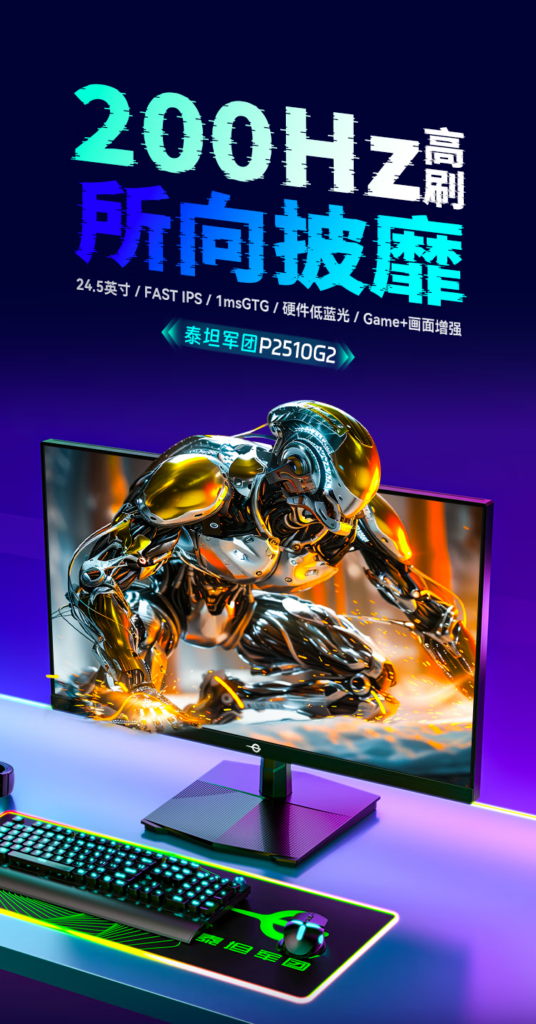
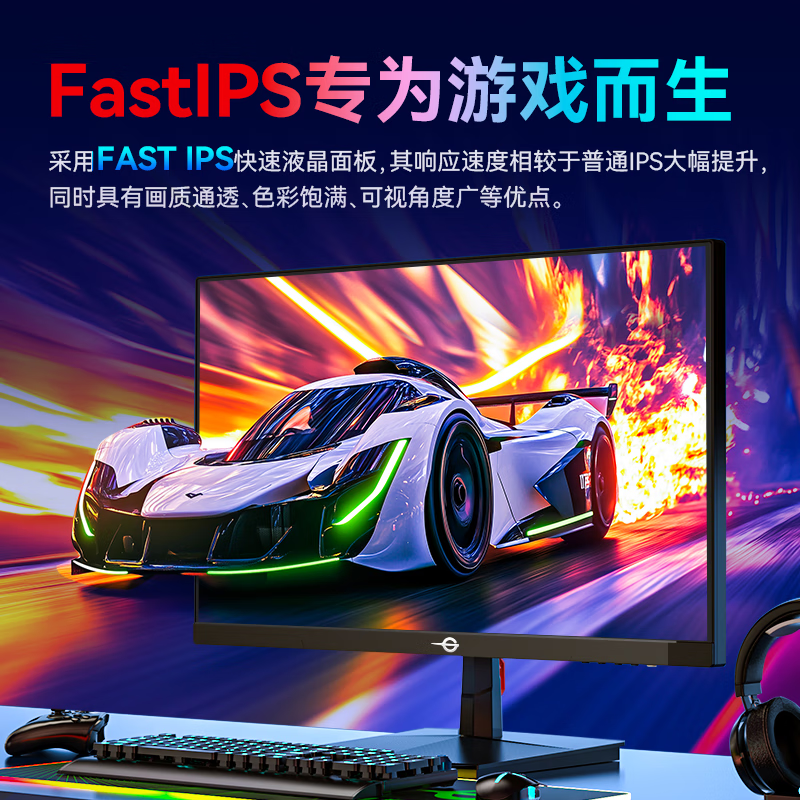
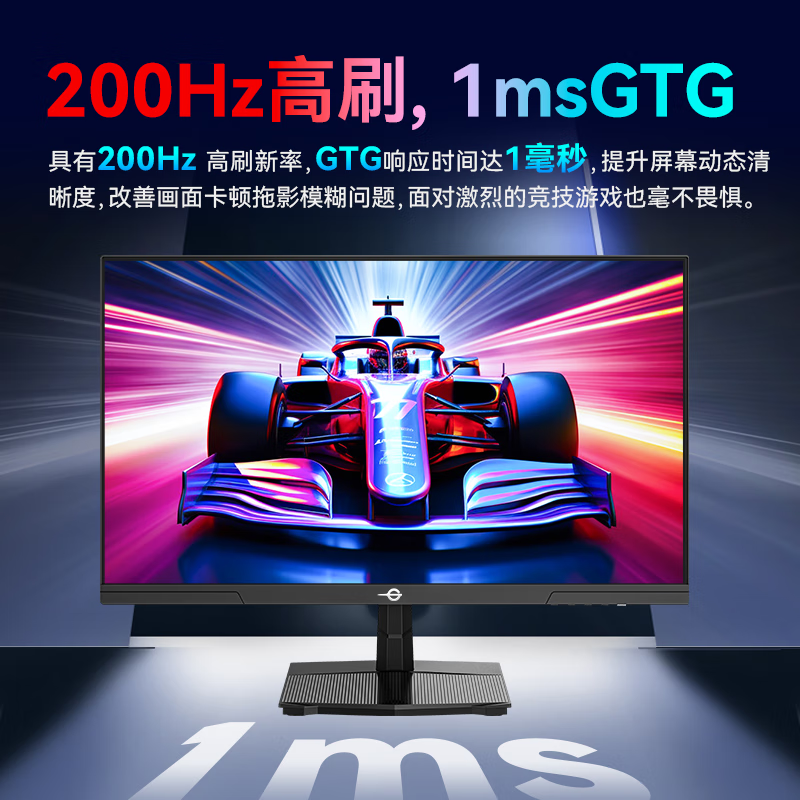
ViewSonic has recently unveiled the VX2563-HD-PRO, a 24.5-inch gaming monitor specifically designed to meet the demands of competitive gamers. This monitor boasts a high refresh rate of 300Hz and a rapid 1ms response time, ensuring smooth and responsive gameplay.

ViewSonic VX2563-HD-PRO
ViewSonic VX2563 HD PRO

The VX2563-HD-PRO utilizes an IPS panel with a Full HD resolution of 1920 x 1080 pixels. This panel offers wide viewing angles of 178 degrees both horizontally and vertically, allowing for accurate color reproduction and consistent image quality from various viewing positions.

To improve visual performance, the monitor supports HDR10, which enables a wider range of colors and increased contrast, resulting in more vibrant and realistic visuals. Additionally, the VX2563-HD-PRO is compatible with both AMD FreeSync and NVIDIA G-Sync technologies, effectively eliminating screen tearing and stuttering for a seamless gaming experience.

In terms of connectivity, the monitor provides a range of options, including two HDMI 2.0 ports, one DisplayPort 1.4 port, and an audio-out jack. This allows users to connect various devices, such as gaming consoles, PCs, and other peripherals.

The VX2563-HD-PRO offers ergonomic tilt adjustments, enabling users to fine-tune the viewing angle for optimal comfort. While it lacks height adjustment and swivel features, it supports VESA mounting, allowing for flexible placement options, such as wall mounting or using a monitor arm.

The VX2563-HD-PRO weighs only 2.8 kg without the stand. The brand has yet to reveal the pricing details and availability inside and outside of China.

In other news, MSI has also recently launched its new MAG 255PXF gaming monitor, which offers a 1920×1080 resolution with a 180Hz refresh rate, overclockable to 300Hz, and a 0.5ms response time for smooth, responsive visuals. It includes Adaptive Sync for tear-free gameplay, an ergonomic stand for adjustable positioning, and features like Anti-Flicker and Low Blue Light for reduced eye strain.

(Source, via)

OnePlus 13 comes with upgraded vibration motor, promises better haptic feedback in games

OnePlus is gearing up to launch its latest flagship, OnePlus 13, at an event in China on October 31st. The company has been actively teasing key specifications on its official Weibo account, revealing even more details today.

OnePlus 13

OnePlus 13 Key Specifications

As per the company, the upcoming OnePlus 13 features the new Bionic Vibration Motor Turbo, developed with AAC Technologies. This advanced motor offers “controller-level 4D vibration” and aims to enhance typing and gaming with precise haptic feedback.

It leads the industry in vibration volume, bandwidth, and start-stop speed, supporting 72 types of O-Haptics effects. The motor, measuring 602mm, has undergone over 700 system optimizations. The OnePlus 13 delivers immersive gaming, especially in titles like Game for Peace, with refined, rich haptics for a more engaging experience.

Earlier today, the company also teased that the OnePlus 13 features an IP68/IP69 rating, ensuring top-tier water and dust resistance, along with an ultrasonic fingerprint sensor that offers 35% faster recognition, even under challenging conditions. In battery performance tests, it retained 76% after a 3-hour light test and 22% after a 6-hour heavy test. With its 6,000mAh battery, the OnePlus 13 lasted 8 hours and 4 minutes in an extreme endurance test.

Coming to the other specs, the device is powered by the Qualcomm Snapdragon 8 Elite, supporting 120 fps gaming, and is available in up to 24GB+1TB version. It features Super Signal Engineering 2.0, a 400-meter Bluetooth range, and a 360° surround antenna. It also features a 2K BOE X2 display, equipped with an 8T LTPO panel that supports a 120Hz refresh rate for seamless visuals.

The device supports 100W wired and 50W wireless fast charging. Its rear camera system consists of a 50MP LYT 808 main sensor, a 50MP JN5 sensor, and a LYT 600 3X telephoto lens. It operates on ColorOS 15 and includes features like NFC and USB 3.2 Gen1. The device is available in three design finishes: Silk Glass, Baby Skin Velvet Leather, and Ebony Grain Glass. The glass version is 8.5mm thick and weighs 213g, while the leather version is 8.8mm and 210g.

Apple Mac Mini launched with M4 chip and an incredibly small form factor

Following yesterday’s unveiling of the M4 iMac, Apple is continuing its Mac-focused announcements with a major refresh to the Mac Mini today. The new model features Apple’s latest M4 chip and Apple Intelligence capabilities, all in a dramatically smaller design. Let’s get into the details here. 

Apple Mac Mini M4 Specifications

The most notable change is undoubtedly the revised design. As speculated, Apple has significantly reduced the size of the already compact Mac Mini. Measuring a mere five inches on each side, this iteration is truly miniature.

For thermal management in such a small space, the M4 Mac Mini has “an innovative thermal architecture” that channels air throughout the system with ventilation routed exclusively through the base.  

Despite its smaller size, the Mac Mini retains a healthy selection of ports. The front features two USB-C ports and a 3.5mm headphone jack. The rear offers ethernet, HDMI, and three USB-C ports, all of which support Thunderbolt connectivity. 

Notably, the USB-A ports that were present in previous iterations have been omitted. However, users should find the configuration comparable, as the base M4 Mini replaces the two USB-A ports with an extra Thunderbolt port for a total of five.

The speed of these ports depends on the flavors of the M4 processor. The standard M4 provides Thunderbolt 4 connectivity, while the M4 Pro features the latest Thunderbolt 5 with faster read and write speeds.

Unsurprisingly, the M4 Pro delivers superior performance with its 14-core CPU and 20-core GPU configuration. The base M4 chip has a 10-core CPU and 10-core GPU. 

For the first time, the new silicon supports ray tracing, and Apple ships the computer with a base RAM of 16GB, likely to support the Apple Intelligence features. Users can configure RAM up to 32GB with the M4 and up to 64GB with the M4 Pro.

Storage options extend to an impressive 8TB, making the diminutive Mac Mini a surprisingly powerful machine for those willing to invest. The familiar 10-gigabit ethernet is also available as an optional upgrade for users seeking faster-wired connections.

Pricing and Availability

Although Apple has made efforts to improve the portability of the new Mini and introduce various updates, there’s not much change in terms of price. It starts at the same $599 for the base M4 model, while the more powerful M4 Pro version starts at $1,399. Both configurations are available for pre-order now and will be in stores on November 8th.

(Source)
Xiaomi unveils high-performance SU7 Ultra electric sedan in China

Xiaomi introduced the SU7 Ultra as a prototype in July. Three months later, the high-performance electric sedan made its official debut in China today, with some impressive figures to share.

With an impressive 1,500 horsepower and a sub-2-second 0-to-100 km/h acceleration time, the SU7 Ultra sets new standards in electric vehicle performance—though it comes at a premium price. Here’s a closer look at the details.

Design and Aerodynamics

The SU7 Ultra builds upon the design of the standard SU7 sedan with a focus on enhanced aerodynamics. It features sportier bumpers, a prominent rear spoiler measuring 1.56 meters wide, and a wider body compared to its counterpart.

These modifications, along with an active rear diffuser, contribute to a claimed downforce of 265 kilograms. The SU7 Ultra rides on 21-inch wheels wrapped in Pirelli P Zero 5 tires.

Inside, the SU7 Ultra offers a blend of luxury and performance-oriented touches. The seats are wrapped in Alcantara leather which extends to the steering wheel, door cards, and other interior elements. Xiaomi is also using carbon fiber for interior parts such as doorstep panels, center tunnel components, and the rearview mirror.

Powertrain and Performance

The SU7 Ultra is powered by a CATL-made Qilin 2.0 battery with a capacity of 93.7 kWh. The battery is claimed to have a maximum discharge power of 1,330 kW and supports an impressive 5.2C DC fast-charging rate for a 10-80% charge in just 11 minutes. 

The battery feeds a trio of electric motors – two V8s and one V6s – that together generate 1,138 kW (1,526 hp) power and a peak torque of 1,770 Nm. The setup allows SU7 Ultra to go from 0 to 100 km/h in just 1.98 seconds, reach 200 km/h in 5.86 seconds and achieve a top speed of 350 km/h. 

The SU7 Ultra also boasts a quarter-mile time of 9.23 seconds and features an Asil-D torque vectoring system for improved handling.  

Braking System and Competition

Xiaomi has equipped the SU7 Ultra with the largest carbon ceramic brake discs yet seen on a production car. The front discs measure 430 mm x 40 mm, while the rear discs are slightly smaller at 410 mm x 32 mm. 

These brakes are designed to withstand extreme temperatures of over 1,300°C (2,372°F) and are paired with Akebono calipers (six-piston front, four-piston rear) for exceptional stopping power. Impressively, the SU7 Ultra can brake from 100 km/h to a complete stop in just 30.8 meters.

While the SU7 Ultra Prototype achieved a record-breaking lap time at the Nürburgring Nordschleife, the production version is expected to be slightly slower due to its increased weight. The prototype utilized a carbon fiber body which resulted in a curb weight of 1,900 kg.  

Price and Availability

The Xiaomi SU7 Ultra carries a hefty price tag of 814,900 yuan (approximately 114,200 USD) in China.  While pre-orders are already open, volume production and deliveries are not expected to begin until March 2025.  

Xiaomi CEO Lei Jun positioned the SU7 Ultra as a compelling alternative to the Porsche Taycan Turbo GT, as it offers more power at a lower price point. The Porsche Taycan Turbo GT is priced at 1,998,000 yuan in China.  

Goldman Sachs projects that SU7 Ultra will reach 4,000 units in sales by 2025. The vehicle already seems to be a success in China as 3,680 reservations have already been made within 10 minutes after the launch event had ended.

Xiaomi launches Watch S4 with interchangeable bezels and gesture control

Xiaomi today unveiled a slew of new products, including the highly anticipated Xiaomi 15 series smartphones. Alongside the premium offerings, the company introduced the Xiaomi Watch S4, a more affordable counterpart to the previously announced Watch S4 Sport.

Xiaomi Watch S4 Specifications

Much like other Xiaomi wearables, the Watch S4 boasts a high degree of personalization. Users can tailor the watch to their style through interchangeable straps, watch faces, and a unique feature –  replaceable bezels. This allows for a wider range of aesthetic preferences compared to traditional smartwatches.

Xiaomi Watch S4 gesture control

The Watch S4 features a digital crown for navigating menus and zooming in on maps. A new addition is gesture recognition, allowing users to perform specific actions –  like turning on a smart home light – with a simple flick of the wrist.

For health-conscious users, the Watch S4 offers heart rate and blood oxygen monitoring with a claimed accuracy of 98.2%. It uses Goodix Technology’s health sensor for accurate, real-time tracking of heart rate and blood oxygen levels.

The company is also touting improved sleep-tracking capabilities compared to previous iterations of their smartwatches.  

Fitness enthusiasts will have access to over 150 sports modes, including a dedicated running mode that provides feedback on posture during workouts.  

The watch itself boasts a round 1.43-inch AMOLED display with a peak brightness of 1,500 nits — 300 nits brighter than the new Xiaomi Smart Band 9 Pro. Battery life sits at an estimated 15 days on normal usage, dropping to 5 days with the always-on display enabled. 

As usual, eSIM support is optional in Watch S4 while contactless payments are enabled by an NFC chip, while GPS supports navigation and fitness tracking.

Pricing and Availability

The Xiaomi Watch S4 launches in China at a competitive price point of 999 yuan (approximately €129). The LTE variant with an eSIM module comes in slightly higher at 1,199 yuan (approximately €155). Currently, Xiaomi has not provided any details regarding an international launch for the Watch S4.

Xiaomi Pad 7 & 7 Pro launched: 11.2-inch 3.2K display, up to Snapdragon 8s Gen 3, 8850mAh battery & more

Alongside the Xiaomi 15 and 15 Pro, Xiaomi has officially unveiled the Xiaomi Pad 7 series in China. The series includes the standard Pad 7 and the Pad 7 Pro, offering a premium tablet experience with impressive specifications and versatile productivity features. Let’s dive into the details of this much-anticipated tablet series.

Xiaomi Pad 7 Series

Xiaomi Pad 7 Series Specifications

The Xiaomi Pad 7 series boasts an 11.2-inch 345ppi LCD display with a high 3.2K resolution of 3200 x 2136 pixels. It supports a 144Hz refresh rate, providing smooth visuals for both content consumption and gaming.

The display reaches a peak brightness of 800 nits. Additionally, the series offers an optional Nano Matte screen for users seeking reduced glare, achieved through AG nano-texture and AR optical coating. This coating reduces glare by 99% and reflectivity by 65%, enhancing reading and writing comfort.

The Xiaomi Pad 7 is equipped with the third-generation Snapdragon 7+ processor, providing efficient multitasking and performance. The Pro variant, however, steps up with the Snapdragon 8s Gen 3 processor, ensuring a more powerful performance suitable for professional tasks and gaming. The integration of Xiaomi’s HyperCore software-hardware system boosts performance, cold start speed by 13%, and multitasking efficiency by 69%.

Both models come with Xiaomi’s new HyperOS 2, offering enhanced multitasking capabilities. The system introduces a new desktop mode, offering a desktop-like interface with a cross-device clipboard that syncs content across Xiaomi phones, tablets, and PCs.

On the photography front, the standard Pad 7 features an 8MP front camera and a 13MP rear camera, while the Pad 7 Pro offers a 32MP front shooter and a 50MP rear camera for high-resolution captures. The camera setup ensures clear video calls and captures, while the AI-based enhancements improve image quality in various lighting conditions.

The Xiaomi Pad 7 series is powered by an 8850mAh battery, providing ample battery life for prolonged use. The standard Pad 7 supports 45W fast charging, whereas the Pad 7 Pro supports 67W fast charging.

The series features a sleek metal unibody design, measuring just 6.18mm in thickness and weighing 500g. It comes with a floating keyboard accessory, featuring a 64-key adaptive backlit keyboard, 0-124° step-less adjustment, and a full-area mechanical touchpad.

The tablet also includes quad speakers supporting four-channel surround sound, TÜV Rheinland-certified low blue light emission, and a high-volume mode for immersive audio experiences.

Pricing & Availability

The Xiaomi Pad 7 series is available in three color options: Sky Blue, Cyan Green, and Black. Here are the prices:

Xiaomi Pad 7:

8GB + 128GB: 1999 Yuan ($280)
8GB + 256GB: 2299 Yuan ($322)
12GB + 256GB: 2599 Yuan ($364)

Xiaomi Pad 7 Pro:

8GB + 128GB: 2499 Yuan ($350)
8GB + 256GB: 2799 Yuan ($392)
12GB + 256GB: 3099 Yuan ($434)
12GB + 512GB: 3499 Yuan ($490)

The optional Nano Matte screen is available for 256GB and above models for an additional 200 Yuan ($28). The Xiaomi Pad 7 series is now available for purchase in China through Xiaomi’s official website and authorized retailers.

Xiaomi Smart Band 9 Pro launches with aluminum case, 1200 nits display, and 21 days battery life

Xiaomi unveiled a range of products at today’s launch event. While the Xiaomi 15 series stole the spotlight, the company also introduced some wearable accessories. Among them is the new Xiaomi Smart Band 9 Pro, their latest fitness tracker.

Xiaomi Smart Band 9 Pro Specifications

The Band 9 Pro retains the same 1.74-inch rectangular display as its predecessor. And no prize for guessing, it’s an identical 60Hz AMOLED panel. However, Xiaomi has doubled the peak brightness to 1200 nits in this generation. 

The Band 9 Pro has an aluminum case available in black, gold, or pink. It is water-resistant up to 5 ATM, allowing you to wear it worry-free during swims.  It’s also feather-light at 24.5 grams and a mere 10.8 millimeters thin.  

Xiaomi is offering either a sporty or leather band depending on the variant, with a sleek Milanese loop sold separately for those seeking a touch of elegance.  

Battery life is probably the main upgrade on the new smart band. Xiaomi claims the wearable can now offer up to 21 days of run time. 

Features remain a strong suit for Xiaomi. The usual suspects return, including over 150 sports modes and an integrated GPS for tracking runs and bike rides without needing your phone. 

Sleep tracking is said to be more precise this time around, and heart rate monitoring has reportedly seen improvements as well. Rounding out the feature set is an NFC chip that will allow users to make contactless payments via the wearable itself.

Price and Availability

For now, the Smart Band 9 Pro is a China-only affair, with prices starting at 399 yuan (around €52) for the sports band option and 449 yuan (around €58) for the leather variant. The standard Xiaomi Smart Band 9 is already available in some regions for around €33, but details on the global launch of the Pro model are still under wraps.

HyperOS 2 Release Schedule: Here’s When Your Device Will Get the Upgrade

Xiaomi has revealed a detailed rollout for its new HyperOS 2 operating system, with devices across smartphones, tablets, TVs, and wearables in China set to receive the upgrade from October 2024 through the first half of 2025.

HyperOS 2

October 2024 – New Devices with HyperOS 2.0 Pre-installed

Smartphones:

  • Xiaomi 15 Pro
  • Xiaomi 15

Tablets:

  • Xiaomi Pad 7 Pro
  • Xiaomi Pad 7

TVs (Upgraded to HyperOS 2.0):

  • Xiaomi TV S Pro Mini LED 2025 Series (65, 75, 85, 100 inches)
  • Redmi Smart TV X 2025 Series (55, 65, 75, 85 inches)

Wearables:

  • Xiaomi Watch S4 Series
  • Xiaomi Mi Band 9 Pro

November 2024 – First Batch of Upgrades

Smartphones:

  • Xiaomi 14 Ultra
  • Xiaomi 14 Pro Titanium Edition (with Satellite Communication)
  • Xiaomi 14 Pro
  • Xiaomi 14
  • Xiaomi MIX Fold 4
  • Xiaomi MIX Flip
  • Redmi K70 Extreme Edition
  • Redmi K70 Pro
  • Redmi K70
  • Redmi K70E

Tablets:

  • Xiaomi Pad 6S Pro 12.4

December 2024 – Second Batch of Upgrades

Smartphones:

  • Xiaomi 13 Ultra
  • Xiaomi 13 Pro
  • Xiaomi 13
  • Xiaomi MIX Fold 3
  • Xiaomi Civi 4 Pro
  • Redmi K60 Extreme Edition
  • Redmi K60 Pro
  • Redmi K60, K60E
  • Redmi Turbo 3
  • Redmi Note 14 Series (14 Pro+, 14 Pro, 14 5G)

Tablets:

  • Xiaomi Pad 6 Max 14
  • Xiaomi Pad 6 Pro
  • Redmi Pad Pro 5G
  • Redmi Pad Pro
  • Redmi Pad SE

First Half of 2025 – Third Batch of Upgrades

Smartphones:

  • Xiaomi 12S Series (Ultra, Pro, Standard)
  • Xiaomi 12 Series (Pro Dimensity Edition, Pro, Standard)
  • Xiaomi 11 Series (Ultra, Pro, Standard, Youth Edition)
  • Xiaomi MIX Fold 2
  • Xiaomi Civi 3, Civi 2
  • Redmi K50 Series (Ultra, Gaming Edition, Pro, Standard)
  • Redmi Note Series (13 Pro+, 13 Pro, 13R Pro, 13R, 13 5G)
  • Additional Redmi Note 12 Series Models
  • Redmi 14R 5G, 14C
  • Redmi 13R 5G, 13C 5G
  • Redmi 12 5G, 12R

Tablets:

  • Xiaomi Pad 6
  • Xiaomi Pad 5 Pro 12.4

Key features of this OS include the HyperCore system for smoother device performance, HyperConnect for streamlined connectivity, and AI-powered Super Xiaoai for task management and productivity across devices. You can check out the recently launched HyperOS 2 in more detail here.

(Via, Source)

Xiaomi 15 Pro debuts with Snapdragon 8 Elite, 6100mAh battery, triple 50MP cameras & satellite connectivity

Xiaomi has officially unveiled the highly anticipated Xiaomi 15 Pro, following the launch of the Xiaomi 15. This flagship model, succeeding last year’s Xiaomi 14 Pro, comes loaded with advanced features and debuts Qualcomm’s Snapdragon 8 Elite chipset. Let’s delve into its key specs.

Xiaomi 15 Pro

Xiaomi 15 Pro Specifications

The Xiaomi 15 Pro sports a 6.73-inch 2K OLED curved display with a resolution of 3200 x 1440. It uses TCL CSOT’s M9 luminous materials with a dual-layer microcavity emission structure, reducing power consumption by 24% compared to the Xiaomi 14 Pro. The screen supports LTPO adaptive refresh rates from 1-120Hz and three-level screen partition refresh.

It boasts a 300Hz touch sampling rate and an instantaneous 2,560Hz touch sampling rate, making interactions exceptionally responsive. The screen has a peak brightness of 3,200 nits, along with a robust Xiaomi Dragon Crystal Glass 2.0, providing 25-30% better drop resistance.

The Xiaomi 15 Pro comes with the Qualcomm Snapdragon 8 Elite, powered by the second-generation Oryon CPU. It delivers a 45% increase in both single-core and multi-core performance, coupled with a 44% boost in energy efficiency compared to the Snapdragon 8 Gen 3.

The phone also features LPDDR5X RAM and UFS 4.0 storage, ensuring seamless multitasking and faster data speeds. Additionally, the phone features a wing-shaped circular cooling system with a 4,053mm² heat dissipation area, while Xiaomi’s HyperCore microarchitecture scheduler boosts overall performance.

Xiaomi 15 Pro

The device runs on Xiaomi’s latest HyperOS 2, designed to optimize both user experience and system performance. It includes updated system features, seamless integration with Xiaomi’s ecosystem, and better power management to extend battery life.

Xiaomi 15 Pro’s camera system is a major highlight. It features a Leica-powered triple-camera setup with a 50MP main sensor (Sony LYT900, 1/1.3″, f/1.44 aperture, OIS), a 50MP ultra-wide sensor (Samsung S5KJN1, f/2.2), and a 50MP periscope telephoto lens (Sony IMX858, OIS).

The periscope camera offers 5X optical zoom and 10X lossless zoom, enhanced by Xiaomi’s ALD ultra-transparency coating and Leica-customized optics for improved image clarity. It also features UltraZOOM-20X for capturing more details. The front camera is a 32MP OmniVision OV32B40 sensor, ensuring high-quality selfies.

The Xiaomi 15 series also introduces dynamic photos (Live Photos), making it the first Android phone to support sharing and viewing on platforms like Weibo and Xiaohongshu, allowing users to capture and share engaging moments.

The Xiaomi 15 Pro features a 6,100mAh battery with high-voltage cobalt lithium and silicon-carbon nanotube construction, offering 850Wh/L energy density and 80% capacity after 1,600 cycles. It supports 90W wired and 50W wireless fast charging, with Xiaomi’s Surge P3 and G1 chips improving charging efficiency and battery life.

The Xiaomi 15 Pro also includes satellite connectivity, enabling 3.5km offline communication through its Surge T1S signal enhancement chip. It has Goodix Technology’s ultrasonic fingerprint sensor, IP68 water and dust resistance, and Wi-Fi 7 compatibility. The device also includes stereo speakers, USB 3.2 Gen 1 (5Gbps), an X-axis linear motor, and an infrared remote control.

Pricing & Availability

Xiaomi 15 Pro is available in three colors: Spruce Green, Rock Grey, and White. It is also available in Bright Silver edition.

The phone is now up for pre-order in China. It will go on sale from 10 AM (CST) on October 31, starting at 5,299 Yuan ($742) for the 12GB+256GB variant. The 16GB+512GB variant is priced at 5,799 Yuan ($812), while the 16GB+1TB variant costs 6,499 Yuan ($910), with an additional 200 Yuan ($28) for the Bright Silver edition.

Xiaomi 15 Pro will be available for purchase through Xiaomi’s official website, Xiaomi Mall, and authorized retail partners.

Xiaomi Launches HyperOS 2 with New Features, Improved Animations & Seamless Smart Device Integration

Earlier today, Xiaomi held a launch event unveiling its latest flagship line of smartphones called the Xiaomi 15 series, alongside the Pad 7 series tablets and other devices. The brand has also debuted its latest Android 15-based operating system called HyperOS 2, designed to make everyday tasks easier by creating a smooth link between smartphones, TVs, wearables, cars, and home devices. We have provided the key highlights of this new operating system below.

HyperOS 2

Boosting Performance and Graphics

The backbone of HyperOS 2 is Xiaomi HyperCore, a new system platform built from the ground up. Xiaomi has made changes to improve how the system handles tasks, manages memory, and processes inputs, all with the goal of making devices run faster and more efficiently.

On the graphics side, Xiaomi has redesigned how images are processed. It now uses a method called heterogeneous computing, which splits tasks across different types of processors. This will give users smoother visuals, especially when playing games or watching videos.

Stronger and Seamless Connections

Xiaomi has also worked on improving the Wi-Fi, Bluetooth, and 5G connections on its devices, ensuring users stay connected without sudden drops, whether they’re on a call, gaming, or streaming content.

One standout feature is Xiaomi HyperConnect, which allows different Xiaomi devices to sync easily with one another. Users will be able to switch between their phone, TV, or smartwatch without interruption. File transfers are now 33% faster, while latency issues—like delays in signal transmission—have been reduced by 54%.

AI Features to Simplify Daily Life

HyperOS 2 AI Dynamic Wallpaper

HyperOS 2 is packed with new AI-powered tools that aim to make using devices more personal and interactive. The dynamic wallpapers change throughout the day based on your behavior, and movie-like lock screens give your phone a more lively look. TVs are also getting smart screensavers that update based on your preferences.

HyperOS 2 Animations and features

HyperOS 2 has smooth dynamic animations, as well as a 3D real-time dynamic weather system built with a real atmospheric model to provide users with a more immersive experience.

A new personal assistant, Super XiaoAi, helps users with small but frequent tasks. It can autofill personal information, remind users of appointments, and even complete certain chores based on your routines. If you need to find specific files or photos, Super Xiaoai can search across all your devices with just a voice command.

In addition, AI Magic Painting allows users to adjust photos using different styles or make small edits by referencing character poses. Other AI tools make productivity easier: real-time voice-to-text transcription, automatic translations during meetings or video calls, and gesture-based effects that enhance video calls.

To keep users safe, the system includes AI fraud detection to identify scam calls or altered videos before they can cause harm.

Stronger Security

Xiaomi has added chip-based security systems to make sure devices are protected at both the hardware and software levels. The company promises strict privacy controls, with encryption for both cloud and on-device data, ensuring that users’ information stays safe.

Cross-Ecosystem Device Integration

To make switching between devices as smooth as possible, HyperOS 2 includes the updated Wonderful Desktop 2.0 allows users to run apps across multiple devices. For example, users can start a task on their phone and finish it on their TV or computer without needing to reinstall the app.

Wonderful Desktop 2.0 in action

The system is also compatible with Apple devices, meaning iPhones, iPads, and MacBooks can connect easily to Xiaomi products. Installing Xiaomi Internet Service on Apple devices makes it simple to transfer files, open documents, or access Xiaomi’s Mi Desktop on a Mac.

Smart wearables are getting an upgrade too, with gesture controls that let users activate connected home devices with a snap of their fingers. This feature makes controlling smart devices more natural and easy.

Expanded Entertainment and Streaming Options

HyperOS 2.0 offers new live-streaming capabilities. Cross-Device Camera 2.0 allows users to stream video from two devices simultaneously, suitable for activities like gaming, exercise, or teaching online. TV users can now use picture-in-picture mode, which allows them to watch content while using other apps or even while working out.

Xiaomi’s latest devices come pre-loaded with this operating system, and the brand plans to roll out the update to older devices starting November 2024.

(Source)
Xiaomi 15 debuts with Snapdragon 8 Elite, 50MP Leica cameras, 5,400mAh battery & more

Xiaomi has officially unveiled its most extreme compact flagship yet—the Xiaomi 15. Positioned as the strongest standard edition in the brand’s history, the Xiaomi 15 combines cutting-edge specs with a small, premium design. It offers improved performance, top-notch display quality, and an enhanced in-hand feel, making it a compelling option for flagship enthusiasts.

Xiaomi 15

Xiaomi 15 Specifications

The Xiaomi 15 retains a compact 6.36-inch flat OLED screen, upgraded with ultra-narrow, symmetrical bezels of just 1.38mm. It boasts a 2670×1200 resolution, 1-120Hz LTPO variable refresh rate, and a peak brightness of 3,200 nits, with full-brightness DC dimming. The display features Xiaomi’s Dragon Crystal Glass, offering 10x better drop resistance over the Xiaomi 14.

Under the hood, the device is powered by the latest Qualcomm Snapdragon 8 Elite. It has a 45% boost in single-core and multi-core performance over the Snapdragon 8 Gen 3. Supported by Xiaomi HyperCore and a self-developed microarchitecture scheduler, it ensures a 45.7% faster app launch response time, enhancing the overall user experience.

The Xiaomi 15 operates on HyperOS 2, based on Android, ensuring smooth and responsive performance. It introduces various optimizations tailored for this compact flagship, including advanced thermal management and refined system performance.

The Xiaomi 15’s camera system, co-developed with Leica, includes three Summilux 50MP lenses: a main Light Fusion 900 sensor (1/1.3″, f/1.62, OIS), a 50MP ultra-wide sensor (Samsung S5KJN1, f/2.2), and a 50MP telephoto lens (Samsung S5KJN5, 1/2.75″, f/2.0, OIS) with floating focus and 5x optical zoom.
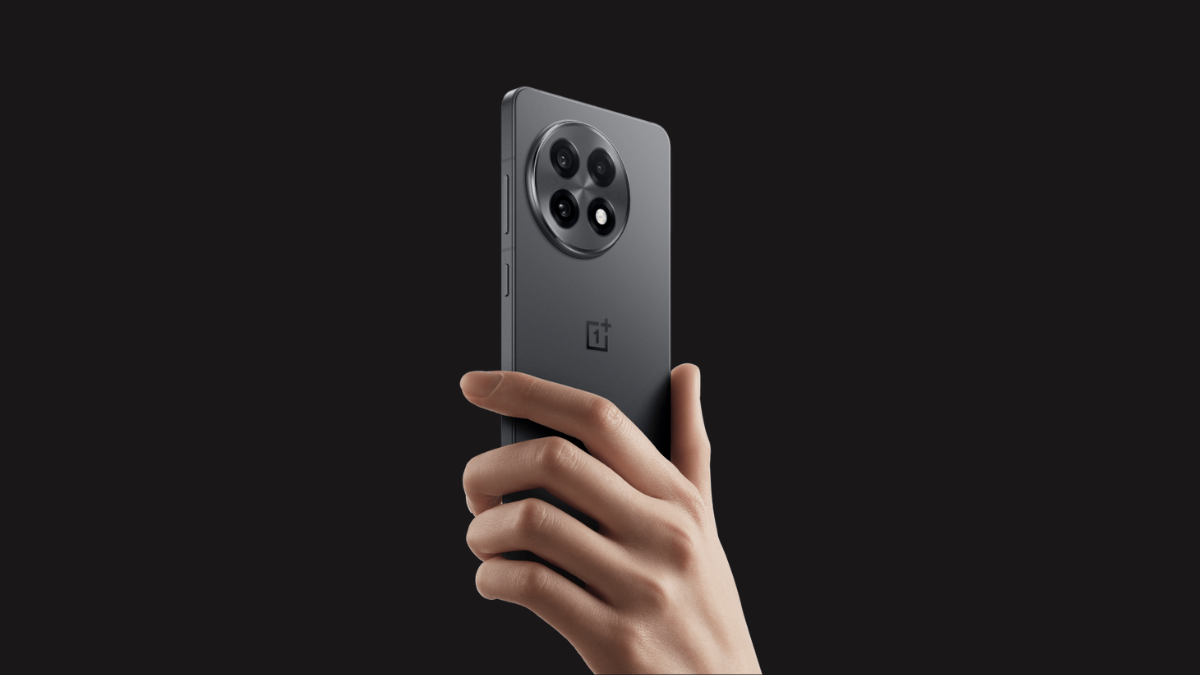
On the front, it offers a 32MP OmniVision OV32B40 camera for selfies, housed in a center punch-hole design. The device is equipped with AISP 2.0, capable of processing up to 4.3 billion pixels per second for dynamic photo sharing on popular social platforms.

The Xiaomi 15 is powered by a 5,400mAh battery, supporting 90W wired and 50W wireless fast charging. It also introduces 30W magnetic wireless charging.

The device features Goodix Technology’s ultrasonic fingerprint recognition for fast, glare-free unlocking, even with wet hands. It has an aviation-grade unibody aluminum frame with a four-curve wrap-around design, ensuring a comfortable grip. It is IP68-rated for dust and water resistance, offering long-standing features like NFC and infrared remote control.

Xiaomi 15 Pricing

Pricing & Availability

Xiaomi 15 comes in four standard colors: Lilac Purple, Light Grass Green, Black, and White. It also offers a Bright Silver Edition, reminiscent of the Xiaomi Mi 6‘s design.

Pricing starts at 4,499 yuan ($630) for the 12GB+256GB variant, scaling up to 5,499 yuan ($770) for the 16GB+1TB model. The Bright Silver Edition is priced 200 yuan ($28) higher than the standard version.

There’s a custom edition with 20 colors for the 16GB+512GB version at 4,999 yuan ($700), exclusive to the Xiaomi Mall. The phone also comes in a Diamond Limited Edition which is available at 5,999 yuan ($840).

The Xiaomi 15 series will be available for purchase through Xiaomi’s official website, Xiaomi Mall, and authorized retail partners. Pre-orders have already begun, with general availability starting on October 31st in China. Global availability details will be announced later.

Get $100 OFF on Redmi Turbo 3: 120Hz OLED Display & Snapdragon 8s Gen 3

Redmi Turbo 3 brings an impressive blend of power, performance, and visual excellence. Designed to handle anything from productivity to gaming, this smartphone packs an array of standout features, from its vibrant display to its powerful processor.

Exclusive Deal:

Get $100 OFF on Redmi Turbo 3 smartphone. The phone which generally retails for $349 is now available for $249 only at Giztop. This is a limited-time offer. 

Display: A Visual Treat

The Redmi Turbo 3 boasts a 6.67-inch flexible OLED display, offering vivid and lifelike colors with 100 percent DCI-P3 color gamut support. This 12-bit FHD+ screen reaches up to 2,400 nits peak brightness, ensuring clear visibility even in bright outdoor settings. Whether gaming or streaming videos, the 120Hz refresh rate, Dolby Vision, and HDR10+ support provide smooth, immersive visuals with enhanced color accuracy and contrast.

Power and Performance

At the heart of the Redmi Turbo 3 is the Qualcomm Snapdragon 8s Gen 3 processor, an octa-core powerhouse designed to tackle demanding tasks and intensive graphics processing. Paired with either 12GB or 16GB of LPDDR5X RAM, it ensures a smooth, lag-free experience, whether multitasking or gaming. With storage options ranging from 256GB to a massive 1TB of UFS 4.0 storage, there’s ample space for all your apps, media, and files.

Camera Capabilities

The Redmi Turbo 3 is equipped with a 50MP main camera featuring Sony’s LYT-600 sensor. This high-resolution lens, with a large F1.59 aperture, ensures excellent performance even in low-light conditions. Optical Image Stabilization (OIS) and Electronic Image Stabilization (EIS) work together to reduce blur, delivering sharp, clear images and smooth videos. An 8MP ultra-wide-angle lens allows you to capture expansive landscapes and group shots effortlessly. The front-facing 20MP camera is ideal for high-quality selfies and video calls, giving users an excellent photography experience all around.

Battery and Charging

With a 5000mAh battery, the Redmi Turbo 3 offers all-day battery life, even for heavy users. The 90W Fast Flash Charge feature means that even with extensive usage, a quick charge is all you need to stay connected. This battery and charging combo ensures that your device can keep up with you, wherever the day takes you.

Connectivity and OS

Running on Xiaomi Hyper OS, the Redmi Turbo 3 delivers a streamlined, user-friendly experience that maximizes productivity. With support for 4G and 5G networks across a wide range of bands, the phone ensures seamless connectivity, making it ideal for travel and ensuring compatibility with global networks. Dual SIM support and VoLTE HD calling add further versatility, making this a highly adaptable device.

Key Specs:

  • Display: 6.67-inch OLED, FHD+ (2400 x 1080), 120Hz, 12-bit color, HDR10+, Dolby Vision
  • Processor: Qualcomm Snapdragon 8s Gen 3 Octa-core
  • RAM: 12GB / 16GB LPDDR5X
  • Storage: 256GB / 512GB / 1TB UFS 4.0
  • Rear Cameras: 50MP main (Sony LYT-600 sensor) + 8MP ultra-wide
  • Front Camera: 20MP
  • Battery: 5000mAh with 90W fast charging
  • Operating System: Xiaomi Hyper OS
  • Network Compatibility: 4G LTE, 5G with multiple global bands
  • Additional Features: Side fingerprint sensor, Dual SIM, VoLTE HD calling

With its sleek design, powerful hardware, and versatile features, the Redmi Turbo 3 is built for users looking for a capable device that performs exceptionally across the board.

Related:

Oppo may add two new phones in the Find X8 series

Oppo, the Chinese tech giant, seems set for an even larger launch of its flagship Find X8 series next year than previously expected. The Find X8 and X8 Pro debuted earlier this month with the MediaTek Dimensity 9400 processor, but a new rumor now suggests two additional models set for a Q1 2025 release.

This tidbit comes courtesy of tech tipster Smart Pikachu, who shared a Weibo post suggesting that Oppo’s Find X8 lineup could expand beyond the anticipated Ultra model.

According to Smart Pikachu, two new smartphones will join the series, although the specific names of these additional models remain undisclosed.

The Find X series from Oppo has never had a fixed number of smartphones. For instance, the Find X2 and X3 series each featured four distinct models, while the Find X5 shifted to a more streamlined trio. 

The Find X6 and X7 lines were then reduced to just two models each, with the first Ultra model arriving in January 2024 as the Find X7 Ultra. Interestingly, the Find X7 lineup omitted a Pro variant, which has now made a return with the Find X8 series.

While we’re uncertain about the exact nature of the new add-on in the Find X8 series, it’s worth noting that Oppo has previously explored Lite and Neo variants within the Find X lineup.

Vivo recently launched a Pro Mini model in its X200 series, so it could be that Oppo may also be considering a compact flagship this year. A rumor this month even mentioned that five major Chinese smartphone brands are exploring compact flagship options. Oppo could be one of them.

Oppo is expected to launch the Find X8 Ultra smartphone in Q1 2025. If Oppo indeed has plans to expand its lineup beyond these three models, more details about the upcoming Find X8 devices should surface in the coming months. Stay tuned for updates as they become available.

Here’s Why Ultrasonic Fingerprint Scanner is Better for Smartphone Security

If you’ve kept up to date with upcoming smartphone launches, you would notice how many of the high end devices were recently confirmed to launch with ultrasonic fingerprint scanners. But what makes it different from the optical fingerprint sensors and why is it better? Read on to find out.

Ultrasonic Fingerprint scanner

1. Ultrasonic vs Optical: How are they different?

Ultrasonic fingerprint scanners are usually only seen in premium phones like the Galaxy S24 series. So it is usually seen as the better technology for fingerprint security technology. This is not to say that optical scanners are not accurate. However, it can only take 2D mapping of your fingers. On the other hand, the ultrasonic fingerprint sensors create detailed 3D images of your fingerprints.

The former uses bright light to capture the fingerprint while the latter employs sound waves instead. Qualcomm and Goodix Solution are known ultrasonic sensor providers for smartphone brands. This technology has already been featured on the Vivo X200 Pro and iQOO Neo 9S Pro+. That’s not all, even the Xiaomi 15 series, OnePlus 13, and iQOO 13 are set to launch with this technology.

2. Benefits of Ultrasonic Fingerprint Scanner

One of the standout benefits of ultrasonic sensors is their ability to function well in conditions that typically challenge optical sensors. Optical scanners may struggle when reading wet, oily, or dirty fingers, but ultrasonic scanners, like those from Goodix, work consistently in these conditions. So ultrasonic sensors provide a fast and reliable unlock.

The ultrasonic fingerprint sensors are also designed to be thinner and more energy efficient. This allows them to integrate seamlessly under the display. This design not only supports the sleek, edge-to-edge displays popular in flagship models but also conserves battery life by operating efficiently.

3. Is This a New Industry Standard?

With major brands like Xiaomi, OnePlus, and iQOO now adopting Goodix’s ultrasonic fingerprint technology in their flagship devices, it’s clear that this security feature is becoming an essential component of high-end smartphones. Ultrasonic fingerprint scanners, with their enhanced 3D mapping, reliable performance in varying conditions, and energy-efficient design, offer a level of security and convenience that traditional optical sensors struggle to match.

Flagship devices strive to offer the best experience so a quicker, reliable, and secure fingerprint scanner may also become the norm. For users who value both convenience and security, ultrasonic fingerprint technology represents the next evolution in smartphone security. With models like the Vivo X200 Pro and upcoming launches like the Xiaomi 15 series, ultrasonic fingerprint scanning technology is setting a new standard for flagship devices. Till then, you can click here to check out the top 5 hottest trends in the flagship smartphone segment.

These Galaxy phones are eligible for One UI 7 (Android 15) beta

Samsung One UI 7 beta

Samsung’s latest Android skin, One UI 7, is almost ready and will be available for public testing in the coming days. It will be based on Android 15 and bring many exciting features and improvements. In fact, it’s said to be the biggest upgrade in the history of One UI.

Even if you own a Samsung Galaxy that’s due to receive the One UI 7 upgrade, it’s not guaranteed to be eligible for the beta program. Samsung only allows a limited number of Galaxy phones to get an early taste of the new software via the beta program.

As of writing this post, Samsung has not officially announced any details about the One UI 7 beta eligible devices, though the beta program is confirmed to arrive this year. The latest flagships, Galaxy S24 series and Galaxy Z Fold 6/Flip 6, are guaranteed to be on the list. The One UI 7 beta program will also expand to many Galaxy flagship and mid-range phones.

Based on Samsung’s long history of One UI beta programs, Sammobile has prepared a list of Galaxy devices that are likely to get One UI 7.0 beta:

  • Galaxy S24
  • Galaxy S24+
  • Galaxy S24 Ultra
  • Galaxy S24 FE
  • Galaxy S23
  • Galaxy S23+
  • Galaxy S23 Ultra
  • Galaxy S23 FE
  • Galaxy S21
  • Galaxy S21+
  • Galaxy S21 Ultra
  • Galaxy S21 FE
  • Galaxy Z Fold 6
  • Galaxy Z Flip 6
  • Galaxy Z Fold 5
  • Galaxy Z Flip 5
  • Galaxy Z Fold 4
  • Galaxy Z Flip 4
  • Galaxy Z Fold 3
  • Galaxy Z Flip 3
  • Galaxy A55
  • Galaxy A54
  • Galaxy A35

This is not a complete list, though, as the One UI 7.0 beta program will likely expand to more devices, particularly mid-range phones. So, keep an eye out for the latest information in our One UI 7 section.

Vivo and Google are already rolling out the stable Android 15 update, but Samsung is stuck with One UI 7.0 beta, and there’s a good reason for it. The South Korean giant isn’t in a hurry this time, as it’s reportedly working to deliver less buggy software with a great user experience.

If not this month, the One UI 7.0 beta will surely be announced in November, while the stable build is confirmed to arrive with the Galaxy S25 series that’s launching sometime in January 2025. Then, it will expand to older Galaxy devices.

Also Read: Here’s the official look at One UI 7.0

One UI 7.0: What to expect?

Samsung is expected to bring significant under-the-hood changes to One UI 7 that will greatly benefit animations, stability, and app switching. So, you’ll have a snappier software experience with fewer bugs.

The new software will reportedly include new icons, widgets, wallpapers, and large folders. You may also see a revamped camera interface, a new unlock animation and new icons for battery and charging. Leaked screenshots show the control center getting big toggles for adjusting brightness and volume.

The upcoming One UI 7 might add independent gestures to open the control center and notification center, which are already available on Xiaomi’s HyperOS and some other Android skins. One UI 7.0 might bundle more features we’ll know about once the beta program goes official.

More on Android 15:
1. Samsung One UI 7: Here’s what to expect
2. Here’s the list of One UI 7 eligible devices

Top 5 Trends in New Flagship Smartphones: Snapdragon 8 Elite, New Battery Tech, & More

Flagship smartphones are the testing grounds for new and innovative technologies. Not all of these stick around for long (like the popup cameras), but some of them create trends with other brands joining in. So here’s a list of the top 5 hottest trends in the premium smartphone segment right now.

1. Snapdragon 8 Elite

Qualcomm-Snapdragon-8-Elite-launched-specs-1

A flagship smartphone like the OnePlus 13 promises to offer the best performance, so it’s no surprise it offers chipmaker’s latest and greatest processors. Qualcomm recently unveiled the Snapdragon 8 Elite and it brings notable improvements in CPU, graphics, and NPU performance as well. Right after the announcement, brands started confirming the launch date of their smartphones with this high end chipset. We covered a list of all the upcoming smartphones powered by the Snapdragon 8 Elite.

This includes the likes of the Xiaomi 15 series, Samsung Galaxy S25 series, and many more. To recall, the Snapdragon 8 Elite offers a 45 percent increase in CPU performance along with a 44 percent improvement in power efficiency. Even the gaming performance is getting a 40 percent upgrade with 35 percent faster ray tracing.

2. Flat Display with Micro Curves

oppo find x8 pro

Samsung and certain other companies had widely adopted curved edges of their flagship phones a few years ago. OnePlus had also joined this trend with its own premium offerings. But now, companies are moving away from such screens in favor of a flat panel.

A great example of this is the newer Galaxy S series phones as well as some of the recent flagship launches. The Vivo X200 series and the Oppo Find X8 lineup launched with flat screens, which feature micro quad curved designs. These also eliminate any of the downsides of fully curved screens.

3. Silicon Anode Battery

One of the major advancements in battery technology is the integration of silicon anode materials. Unlike traditional lithium-ion batteries, silicon anode batteries promise higher energy density, meaning they can store more energy in the same physical space. This allowed for not only bigger capacities, but helped reduce the thickness of devices as well. Furthermore, these are longer lasting batteries that can charge faster as well.

4. Advanced Telephoto Cameras

oneplus 13

Camera technology is constantly evolving. However, the introduction of the telephoto shooter has set a new standard in smartphone photography. Your handset now offers 3x, 5x, or even up to 10x optical zoom. Pairiing this with new image processing software and high resolution sensors, a hybrid (Optical + Digital) magnification can reach the triple digits as well. This is showcased by brands like Samsung (Galaxy S24 Ultra). As of right now, almost every flagship phone has at least one telephoto sensor, while the top end models feature two at times.

5. AI-Powered Features

Honor Magic 7 AI Face Unlock

Artificial intelligence continues to change how we interact with technology and the new generation of premium smartphones are now launching with AI integration. Apart from being used in battery optimization or facial recognition, this technology is now direct features that improve the user experience on smartphones. Features like Circle to Search, AI Eraser, and AI Live Translate are just some of the useful and innovative features that companies now offer. And the best part is, it will only continue to get better with time.

OnePlus 13 Teased with IP68/IP69 Rating, Ultrasonic Fingerprint Sensor, & Battery Test

OnePlus has just teased the OnePlus 13 in China ahead of its official launch. These teasers have confirmed various specs and features of the upcoming flagship smartphone like its water and dust resistance rating and its battery test results. So let’s have a look.

OnePlus 13 Teaser: What does it offer?

OnePlus 13

The Chinese smartphone maker just shared teasers of the OnePlus 13 just days ahead of launch. The OnePlus 13 is now confirmed to feature an IP68/IP69 rating for water and dust resistance. For those unaware, the IP68 confirms that the device is dust tight and can withstand being submerged in water, while the IP69 rating confirms endurance against high pressure water jets and steam cleaning.

OnePlus 13

In a separate teaser, the premium phone is revealed to include an ultrasonic fingerprint sensor for enhanced security. The company also claims that the OnePlus 13 will offer 35 percent faster recognition speed. Not only that, it can even read fingers even if they have grease, sweat, or dirt on them. To showcase the long battery life of its next gen flagship, OnePlus also released the battery test results of the OnePlus 13.

OnePlus 13

It managed to secure the first place in the 3 hour light battery test and second place in the 6 hour heavy battery test. During the 3 hour light battery tests, the high end smartphone had around 76 percent battery life remaining. On the other hand, the 6 hour battery life tests left the phone with 22 percent battery levels. It was only beaten by the Oppo Find X8 Pro, which had 25 percent battery left. Thanks to its massive 6,000mAh battery pack, it took the top spot once again during the extreme test that shows how long before a phone runs out of power. The OnePlus 13 managed to last for up to 8 hours and 4 minutes until shutdown.

How is the Samsung W25 Flip different from Galaxy Z Flip 6?

Samsung’s latest flip-style phones, the Samsung W25 Flip and the Galaxy Z Flip 6 are both impressive devices with their own unique features and design elements. Here is a detailed comparison to determine what sets the two devices apart.

ALSO READ: The 5 best foldable phones to buy in 2024

ALSO READ: Top 5 foldable phones to watch in 2025

1. Design and Build

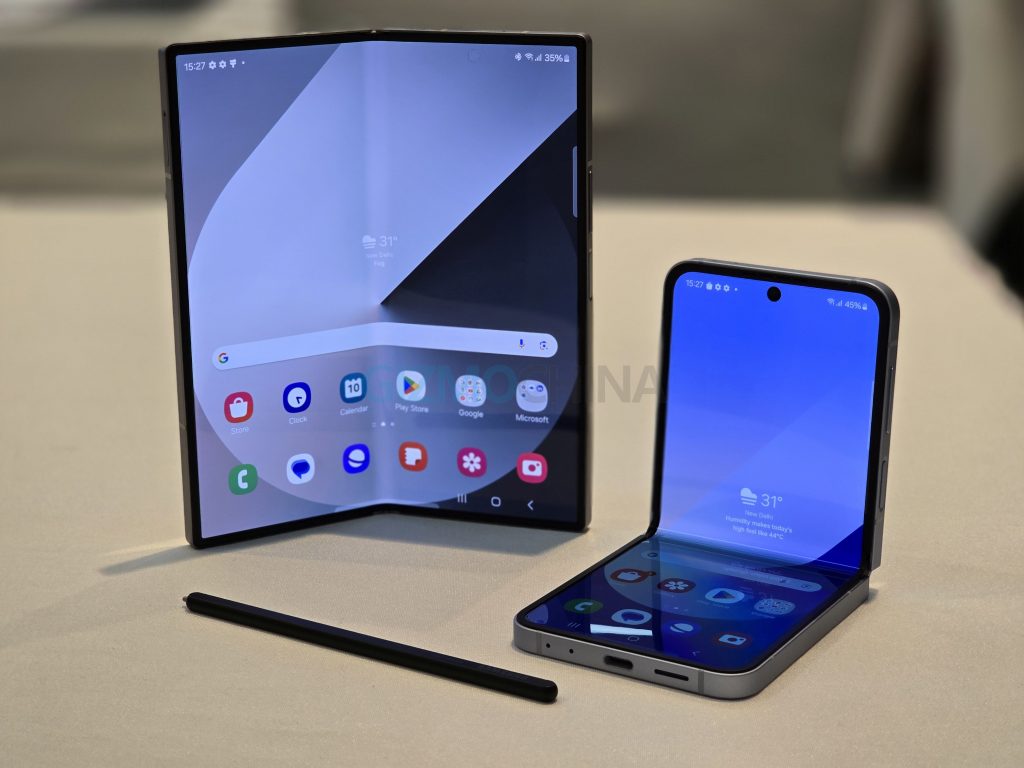
Samsung W25 Flip and Galaxy Z Flip 6-
Samsung W25 Flip (left) and Galaxy Z Flip 6-(right)

The Samsung W25 Flip has a luxurious design featuring a ceramic black back panel accentuated by the “Heart of the World” logo, inlaid with a delicate matte finish, adding a touch of elegance and nobility to the device. The interplay of gold and black not only enhances its aesthetic appeal but also showcases a low-key yet sophisticated taste.

The W25 Flip features a gold armored aluminum frame paired with an ultra-closed, thin, and finely crafted hinge. This hinge, with its gold gem-like texture and high-grade matte finish, provides a stable and reliable folding mechanism. The slight screen crease adds to its elegant folding posture, making the W25 Flip both dazzling and tough. ​

On the other hand, the Galaxy Z Flip 6 also sports a sleek design, similar in dimension to the W25 Flip but without the additional weight and unique branding elements. The Z Flip 6’s design is more understated, focusing on functionality and simplicity. Both devices offer IP48-level of water resistance.

2. Samsung W25 Flip vs. Galaxy Z Flip 6 specifications

Samsung W25 Flip
Samsung W25 Flip

The Samsung W25 Flip and the Galaxy Z Flip 6 feature a 6.7-inch main display with a resolution of 2640 x 1080 pixels, ensuring a sharp and vibrant viewing experience. They also include a smaller 3.4-inch cover display with a resolution of 720 x 748 pixels, perfect for quick interactions and notifications. The outer screen is protected by a layer of Gorilla Glass Victus 2.

Performance-wise, both devices are equipped with the powerful Snapdragon 8 Gen 3 for Galaxy chipset. While the Z Flip ships with 12 GB and 256 GB / 512 GB storage, there is no information about the RAM and storage details of the W25 Flip. Like the W24 Flip from last year, the W25 may arrive in a single 12GB+512GB configuration.

In terms of camera capabilities, the W25 Flip and Z Flip 6 are nearly identical, each sporting an OIS-enabled 50-megapixel primary camera and a 12-megapixel ultra-wide sensor on the rear. Both devices feature a 10-megapixel front-facing camera for selfies and video calls.

Both the Samsung W25 Flip and Galaxy Z Flip 6 are equipped with a 4,000mAh battery that supports 25W wired and 10W wireless charging. Both devices run on Android 15, which tags along the One UI 6.1.1 user interface and the Galaxy AI.

3. Availability and Price

Samsung W25 Flip retail package

The Samsung W25 Flip is a special edition targeted primarily at the Chinese market. In contrast, the Galaxy Z Flip 6 is more widely available globally.

While the Z Flip 6 comes in a regular retail package, the W25 Flip will come with special packaging that includes a black and gold gift box, symbolizing the folding aesthetics of the device. The box features a classic design with a golden square seal of “Heart to the World” in the centre. Inside the box, you will find the mobile phone, an exclusive environmentally friendly ecological leather protective case, and other exclusive accessories.

At present, there is no clarity about the W25 Flip’s price. To recall, the W24 Flip was priced at 9,999 Yuan (~$1,400). It is likely that the successor edition may arrive with similar pricing. As far as the Galaxy Z Flip 6 is concerned, it is priced at $1,099 in the US.

In summary, both the Samsung W25 Flip and the Galaxy Z Flip 6 are premium foldable phones with similar core features and specifications. The choice between the two will largely depend on your location and preference for special edition devices. The W25 Flip offers a unique design with the “Heart of the World” logo and may appeal to collectors and enthusiasts in China, while the Galaxy Z Flip 6 is more accessible globally and offers the same high-end features and performance

Apple Unveils M4 iMac: 24-inch 4.5K Display, Bold Colors, and Enhanced Apple Intelligence

Back in April, we reported on the rumored launch timeline of the M4 powered MacBooks, iMacs, and Mac Studio. It was expected to debut near the end of 2024, which seems accurate since Apple has quietly released the new iMac, which features Apple Intelligence and an M4 processor. So here’s everything you need to know.

New Apple iMac: What does it offer?

The Cupertino based giant has just announced the new iMac with its M4 chipset. This processor was built with support for AI and also brings 1.7x faster performance in everyday task and up to 2.1x performance for more intense workloads like gaming or photo editing. So it is much faster than the last iMac generation, which launched with the Apple M1. The chip is paired with up to 32GB of RAM.

Apple Intelligence is a big part of the new iMac, bringing in the new AI powered features of iPhones and iPads to the iMac. Meaning, you can expect features like Systemwife Writing Tools, Siri, and ChatGPT Integration. This feature is currently available in the macOS Sequoia 15.1.

Apple M4 iMac
Apple’s M4 powered iMac in bold new colors

On the front, it sports a 24-inch Retina Display with a 4.5K resolution. The screen offers an optional nano-textured glass and an ultra-slim design. There is also a 12-megapixel center-stage camera with a desk view, which is perfect for FaceTime calls. Apple’s new M4 iMacs come equipped with a six speaker audio setup along with three high fidelity microphones. Connectivity options include up to four Thunderbolt ports, USB-C, WiFi 6E, Bluetooth 5.3, and Touch ID for security.

Pricing, Availability, and Colors

Apple’s new M4 iMac arrives in multiple bright colors options, namely Orange, Pink, Purple, Silver, Blue, Yellow, and Green. Buyers can even get a matching Magic Keyboard and Magic Mouse with an optional Magic Trackpad. The iMac has a starting price tag of 134,900 INR, with pre-orders going live today (29th October 2024) from the brand’s official website. Although, it will finally be available for purchase on November 8.

OnePlus 13 with Snapdragon 8 Elite appears on FCC: global launch imminent

OnePlus is set to launch its Snapdragon 8 Elite-powered flagship, the OnePlus 13, in China on October 31st, with an expected global release soon after. Recently, the device appeared on the US Federal Communications Commission (FCC) database under model number CPH2655, suggesting that a US and worldwide release may be imminent. This FCC listing hints at an accelerated timeline for the global launch, possibly by the end of this year.

The FCC listing reveals that the OnePlus 13 will feature OxygenOS 15.0, based on Android 15, ensuring users access to the latest features and security updates. The phone will also offer back options in both leather and glass finishes, aligning with the design images OnePlus recently released.

If OnePlus follows its typical schedule, a global launch might occur within two months of the China release. Given that the launch is taking place earlier than last year, an international rollout could happen as soon as late 2024.

What to expect from OnePlus 13?

OnePlus 13 will be one of the first devices to feature Qualcomm’s Snapdragon 8 Elite chipset, a high-performance SoC that outperformed the Apple A18 Pro in Geekbench. Built with an “all-big-core” design, the Snapdragon 8 Elite promises significantly improved multitasking and processing speeds, contributing to both performance and efficiency. According to Qualcomm, this chipset also offers substantial power efficiency gains, ideal for high-performance tasks like gaming and multimedia while helping extend battery life.

OnePlus-13-specs

Earlier leaks revealed some impressive specifications for the OnePlus 13. It will sport a 6.7-inch LTPO AMOLED display from BOE, offering HDR10+, Dolby Vision support, and eye protection technologies certified by TUV Rheinland. The device will be powered by a substantial 6,000mAh battery, supporting 100W wired and 50W wireless charging.

For photography, the OnePlus 13 will include a 50MP triple-camera setup with a primary LYT-808 sensor, ultra-wide-angle, and 3x optical zoom capabilities.

The Android 15-based OxygenOS 15 also brings significant improvements over the Android 14-based skin. It introduces Parallel Processing for faster app loading, AI tools like Detail Boost for photo upscaling and Unblur for clearer images, and Circle to Search, allowing users to quickly search by drawing a circle around items on-screen.

New Flux themes simplify customization, and Live Alerts bring a Dynamic Island-style notification area around the front camera. A new Share with iPhone feature eases cross-platform file sharing. These features make OxygenOS 15 a notable upgrade for OnePlus users. You can learn more about OxygenOS 15 here.

With these features, the OnePlus 13 aims to stand out in the premium smartphone market.

(Via)