Thunderobot has launched its latest AR smart glasses, the Aura, in the Chinese market. The glasses are priced at 1,399 yuan ($192), with a special introductory offer of 1,099 yuan ($150), and are now available for purchase on JD.com. Let’s check out the key specs.
Thunderobot Aura AR Smart Glasses Specifications
The Aura AR smart glasses are designed to blend entertainment, productivity, and immersive visuals in a lightweight, 79-gram design. This makes them comfortable for prolonged wear without causing strain.
The glasses sport a 150-inch virtual screen projection with a 46° field of view for a cinematic experience. It features BOE’s advanced Micro OLED technology, equipping the device with a dual-eye resolution of 3840 x 1080 pixels and a brightness of 600 nits for sharp, vivid visuals. Additionally, it comes with 98% sRGB coverage and 8-bit color depth, ensuring colors are lifelike and accurately calibrated for an immersive viewing experience.
The Aura also comes with self-developed high-fidelity audio technology and stereo full-range speakers with directional sound. This ensures an immersive audio experience while minimizing sound leakage for privacy in public settings. The frequency response range of 20-20,000 Hz ensures balanced audio performance across all frequencies.
The glasses feature an adjustable diopter range from 0 to 600 degrees, allowing myopic users to enjoy clear visuals without prescription glasses. It also sports a 60Hz refresh rate and a 1ms response time, ensuring smooth, lag-free gaming and video playback.
In terms of connectivity, the glasses are highly versatile, featuring a Type-C port that supports DP 1.2 and USB 2.0. This makes them compatible with a broad array of devices including smartphones, laptops, gaming consoles (like the Switch, PS5, and Xbox), drones, and handheld gaming devices. For optimal gaming performance, a HUB/HDMI adapter may be needed for certain setups.
Earlier this month, Thunderobot also launched two new gaming monitors: a 31.5-inch 4K 165Hz OLED model featuring a Samsung QD-OLED panel, and a 27-inch 2K 210Hz monitor with a Fast-IPS panel and 400 nits brightness.
For more daily updates, please visit our News Section.
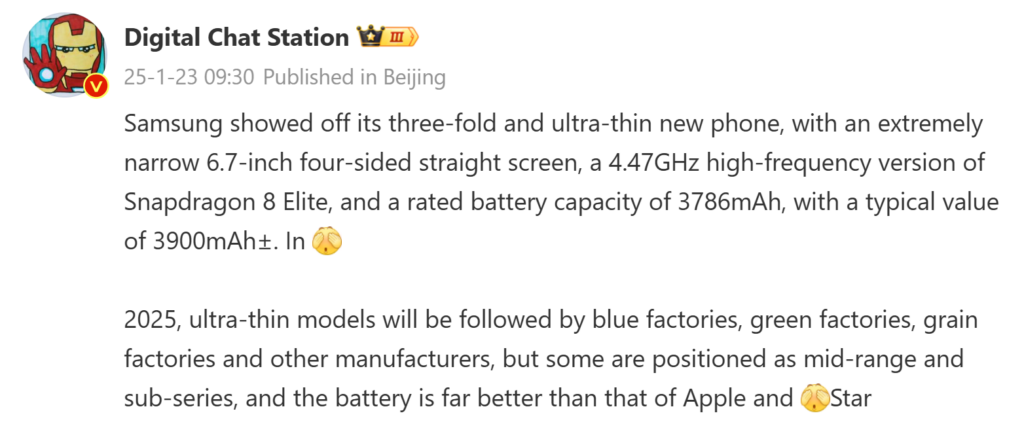
Yesterday, Samsung held a mega launch event to unveil the Galaxy S25 series of smartphones. There have been reports that the Galaxy S25 lineup will include a fourth model, dubbed the Galaxy S25 Slim. However, at the S25 series launch event, the company teased an upcoming phone called the Galaxy S25 Edge, putting an end to rumors about the “Slim” moniker. Nevertheless, the Galaxy S25 Edge is expected to sport an ultra-thin design. According to a new Weibo post by tipster Digital Chat Station, Chinese smartphone manufacturers are expected to respond by launching their iterations of ultra-thin phones.
Chinese Ultra-thin phones to offer top-notch battery life
The Galaxy S25 Edge reportedly features a 6.7-inch flat OLED panel, the Snapdragon 8 Elite for Galaxy chipset, and a battery of around 3,900mAh capacity. Other reports have suggested that the device’s thickness is said to be around 6.4mm.
DCS revealed that Chinese brands like Vivo, Oppo, and Xiaomi will also launch ultra-thin phones like the S25 Edge. These devices will be positioned as mid-range and sub-series smartphones. For those who don’t know, even Apple is said to be working on a slim phone, which is being dubbed by names like iPhone 17 Air or Slim by the rumor mill.
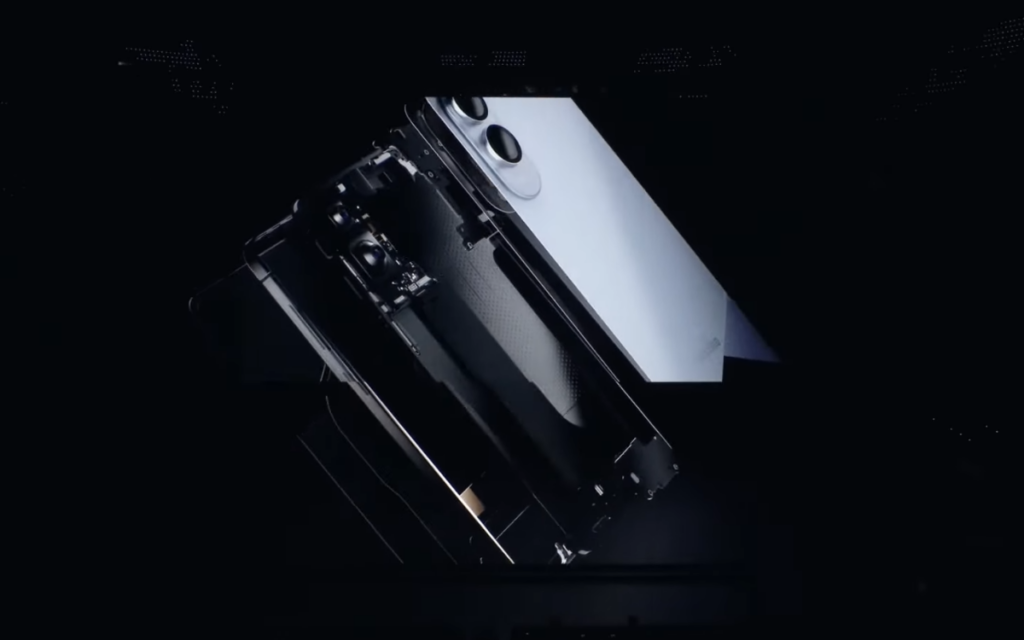
Samsung Galaxy S25 Edge teaser
DCS claims the ultra-thin phones from Chinese brands will have bigger batteries and thereby offer better battery life than Samsung and Apple. Therefore, it appears that the slim phones from Vivo, Oppo, and Xiaomi could pack around 4,500mAh+ battery. Hopefully, newer reports will reveal more details about the upcoming slim phones.
If you’re looking for the ultimate Android flagship, Samsung’s Galaxy S series is usually the first name that comes to mind. The Ultra model, in particular, is the high-end option that packs the most advanced features, the latest and greatest hardware, and a premium design.
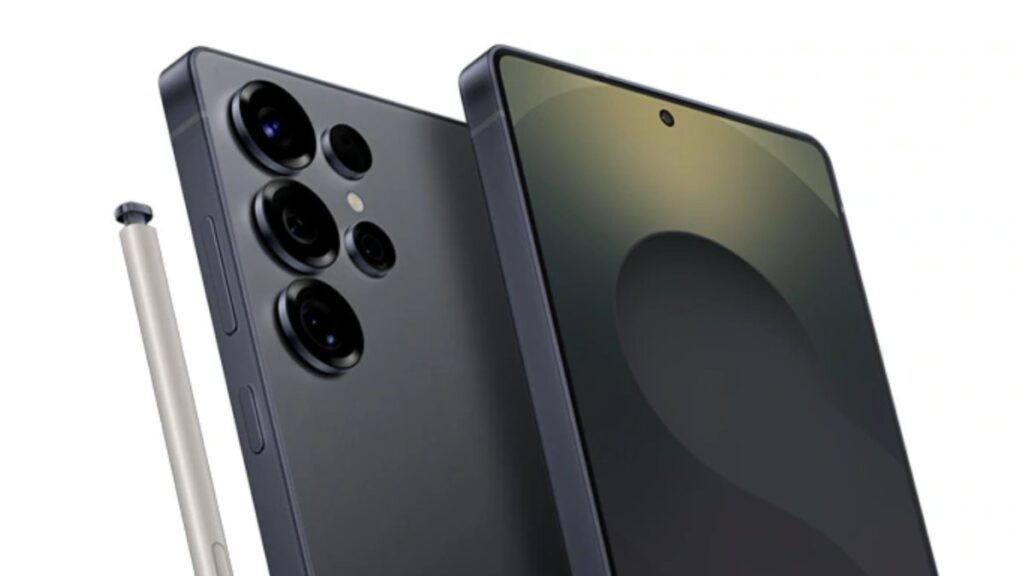
Samsung Galaxy S25 Ultra
With the release of the Samsung Galaxy S25 Ultra, many are wondering how it stacks up against its predecessors, the S24 Ultra and the S23 Ultra. Has Samsung finally made a significant leap, or is this another year of incremental upgrades? Let’s break it all down.
A Flatter Design, Lighter Ultra
One of the most noticeable changes in the Galaxy S25 Ultra is its design. Samsung has gone toward a fully flat frame this generation, thus, it looks more in line with the standard S series models. The four corners now have a more prominent curve that should make the phone more comfortable to hold compared to the sharper edges of its predecessors.
The S25 Ultra is also the slimmest and lightest Ultra model to date. At 16g lighter than the S23 Ultra and 15g lighter than the S24 Ultra, it should feel noticeably less hefty. The titanium frame, first introduced in the S24 Ultra, returns, along with Gorilla Glass Victus 2 on the rear and the new Gorilla Armor 2 on the front, which Samsung claims is 29% more resistant to fractures.
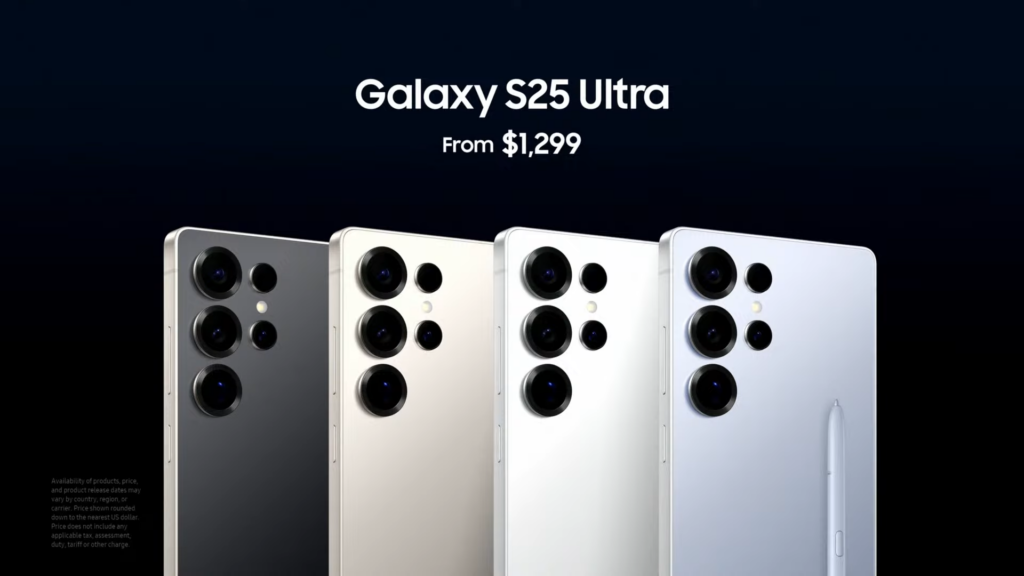
As for colors, Samsung has gone all-in on its titanium branding. The S25 Ultra is available in Titanium Black, Titanium Gray, Titanium Silverblue, and Titanium Whitesilver. In contrast, the S24 Ultra was available in Titanium Black, Titanium Gray, Titanium Violet, and Titanium Yellow, while the S23 Ultra had a wider variety of Earth-tone finishes.
A Slightly Bigger, Brighter Screen
The Galaxy S25 Ultra features a 6.9-inch Dynamic AMOLED 2X display, which is a whole 0.1 inches larger than the screens of the S24 Ultra and S23 Ultra. This increase in size is made possible by the 15% reduction in bezel thickness.
The S25 Ultra maintains the impressive 2,600-nit peak brightness of the S24 Ultra. The S23 Ultra, in comparison, topped out at 1,750 nits.
A new feature this year is ProScaler, which Samsung claims improves lower-resolution content by 43% more detail. This could be beneficial for mobile streaming apps, many of which cap resolution below QHD.
Performance and AI
Samsung has introduced the Snapdragon 8 Elite chipset in the S25 Ultra. The SoC delivers better performance and power efficiency than the Snapdragon 8 Gen 3 in the S24 Ultra and the Snapdragon 8 Gen 2 in the S23 Ultra.
The biggest differentiator in 2025, however, is AI. The S25 Ultra introduces AI Agents, an upgraded assistant that integrates deeply into One UI 7.0. It can perform tasks between apps on behalf of the user. You can activate it with a long press of the power button.
Samsung has also improved the Circle to Search feature, allowing it to recognize sounds in videos, and introduced Now Brief, a home-screen widget that provides morning and evening summaries based on your schedule and notifications.
Camera Upgrades
Samsung hasn’t overhauled the camera system on S25 Ultra much. There are some noteworthy changes though. The ultrawide sensor has been upgraded from 12MP to 50MP, which should produce sharper, more detailed macro shots and better low-light performance.
The main 200MP sensor remains unchanged, as do the telephoto lenses: a 10MP 3x zoom and a 50MP 5x zoom. Samsung ditched the 10x periscope zoom that was present in the S23 Ultra with its successor.
Video capabilities have been enhanced with improved noise reduction and a new Spatial-Temporal Filter (STF) for better low-light video. Samsung has also added Galaxy Log for more professional-grade color correction in post-production.
Software and Longevity
One of the biggest selling points of the S25 Ultra is its software longevity. It will ship with Android 15 and One UI 7 and will receive seven years of OS updates and security patches.
The S24 Ultra shares this same commitment, but the S23 Ultra is capped at Android 17 and security updates through 2028. For users who keep their phones for a long time, the S25 Ultra has a clear advantage.
S Pen: Bluetooth Support Is Gone
One surprising downgrade in the S25 Ultra is the S Pen. While it remains stored in a dedicated silo, Samsung has removed Bluetooth (BLE) support, meaning Air Actions and remote camera shutter functions are no longer available.
According to Samsung, less than 1% of users utilized these features, so they decided to remove them. If you rely on those remote-control capabilities, you might prefer the S23 Ultra or S24 Ultra instead.
Battery Life and Charging
The S25 Ultra sticks to the same 5,000mAh battery capacity as its predecessors. Charging speeds remain at 45W wired and 15W wireless, with 5W reverse wireless charging. While there are no new improvements here, the efficiency gains from the Snapdragon 8 Elite should result in better battery life overall.
Should You Upgrade?
If you’re coming from the S23 Ultra, the S25 Ultra offers a more refined design, a larger display, improved cameras, longer software support, and a much more advanced AI experience. If those features matter to you, it’s worth the upgrade.
If you have an S24 Ultra, the differences are less dramatic. The slightly larger display, 50MP ultrawide camera, and AI enhancements might not be enough to justify a full upgrade.
For those looking to buy an Ultra model for the first time, the S25 Ultra is the obvious choice, given its future-proofing, AI features, and extended update cycle. But if you’re on a budget, the S23 Ultra at a discount might still be a solid option.
Overall, the S25 Ultra is a refinement rather than a revolution. It’s an Ultra, just a slightly better one.
For more daily updates, please visit our News Section.
The Realme 14 Pro series went on sale in India earlier today (23rd January 2025) and alongside these mid range smartphones, the brand also unveiled the Realme Buds Wireless 5 ANC. So here’s everything you need to know like its specs, pricing, and launch offers.
Realme Buds Wireless 5 ANC Specs
The Realme Buds Wireless 5 ANC was announced with a wireless neckband body and in-ear design. It houses a 13.6mm dynamic driver that promises to offer deep bass and clear audio. The device is equipped with the BT8931H chipset, which brings support for Bluetooth 5.4 and 45ms low latency mode. Realme’s new wireless earphones have dual device connectivity along with 360° spatial audio for an enhanced listening experience.
Realme Buds Wireless 5 ANC
It carries an IP55 rating for water and dust resistance. Thanks to its five microphone system, there is also support for ENC and up to 50 decibels of ANC. On a single full charge, the Realme Buds Wireless 5 ANC offers up to 38 hours of battery life with ANC disabled and up to 20 hours with ANC on. Fast charging ensures that you get 20 hours of audio playback with just 10 minutes of charging.
Pricing and Offers
The Realme Buds Wireless 5 ANC is currently on sale in India with an official price tag of 1,799 INR. It is available with a flat 200 INR discount, which brings its effect price tag to 1,599 INR. The earphones were released in multiple color options, namely Twilight Purple, Midnight Black, and Dawn Silver. You can buy this device from the brand’s official website, Flipkart, Amazon India, and even offline retailers.
For more daily updates, please visit our News Section.
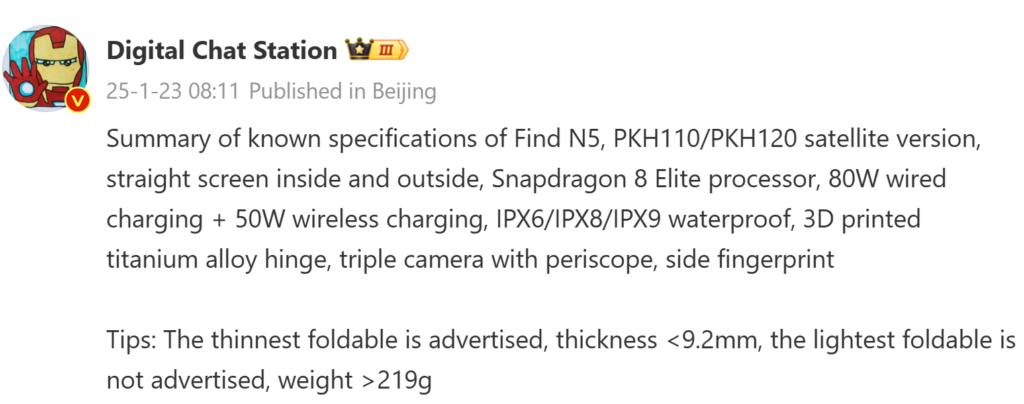
Oppo’s Find N5, which is set to launch in February, is touted as the world’s thinnest foldable phone. The thickness of the device is said to be less than 9.2mm in the folded state. However, a new Weibo post from well-known tipster Digital Chat Station reveals that it won’t be the lightest foldable phone.
Oppo Find N5 may weigh under 230 grams
Launched last year and exclusively available in the Chinese market, the Vivo X Fold 3 which weighs 219 grams is the world’s lightest foldable phone. The above Weibo post suggests that it will not be able to dethrone the X Fold 3 to snatch the title of the lightest foldable phone.
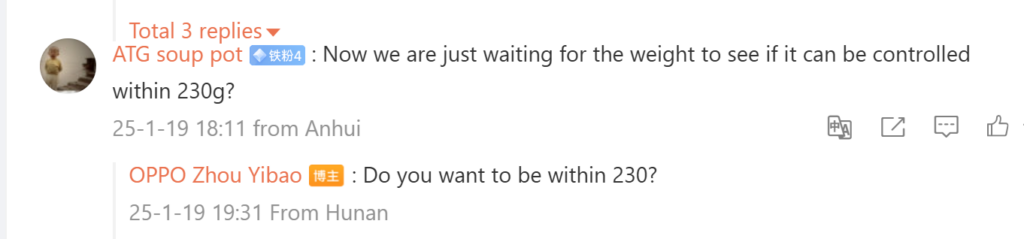
Nevertheless, the Find N5, which is expected to pack a 5,700mAh battery, could be lighter than the Find N3, which weighs 239 grams and packs a smaller 4,805mAh battery. Recently, a Weibo user asked Oppo Find Product Manager Zhau Yibao whether the Find N5’s weight would be controlled within 230 grams. Yibao’s playful response implies that the N5 could potentially fall below the 230-gram threshold, positioning it as a strong contender for the title of the lightest foldable crown.
Coming back to DCS’ Weibo post, he has also revealed that the Find N5 will continue to feature a side-facing fingerprint sensor like the N3. It will have a flat design for internal and external screens.
Under the hood, the Find N5 will feature the 7-core Snapdragon 8 Elite chipset. It will arrive with support for 80W wired and 50W wireless charging. On the photography front, the device will have a triple camera setup, which will include a periscope telephoto camera.
In terms of the design, the Find N5 will have a 3D-printed titanium alloy hinge and offer IPX6, X8, and X9 levels of water resistance. The standard version of the device has the PKH110 model number. It is also said to have a satellite communication version with the PKH120 model number.
For more daily updates, please visit our News Section.
Samsung officially debuted the Galaxy S25 series of flagship smartphones during the Galaxy Unpacked 2025 event. The lineup consists of the cutting edge features like a custom Snapdragon 8 Elite For Galaxy SoC. But apart from the high end specifications, the Galaxy S25 series also brings advanced AI features as well with Gemini. So here’s everything that it offers and how it works.
Samsung Galaxy S25 Series With Gemini AI Integration
With Qualcomm’s Hexagon NPU, the Galaxy S25 series is capable of improved on-device AI functionality. This means you don’t need an internet connection for certain AI powered features and tools. Thanks to the advanced Gemini AI, users get access to enhanced accessibility tools that are seamlessly integrated in these devices.
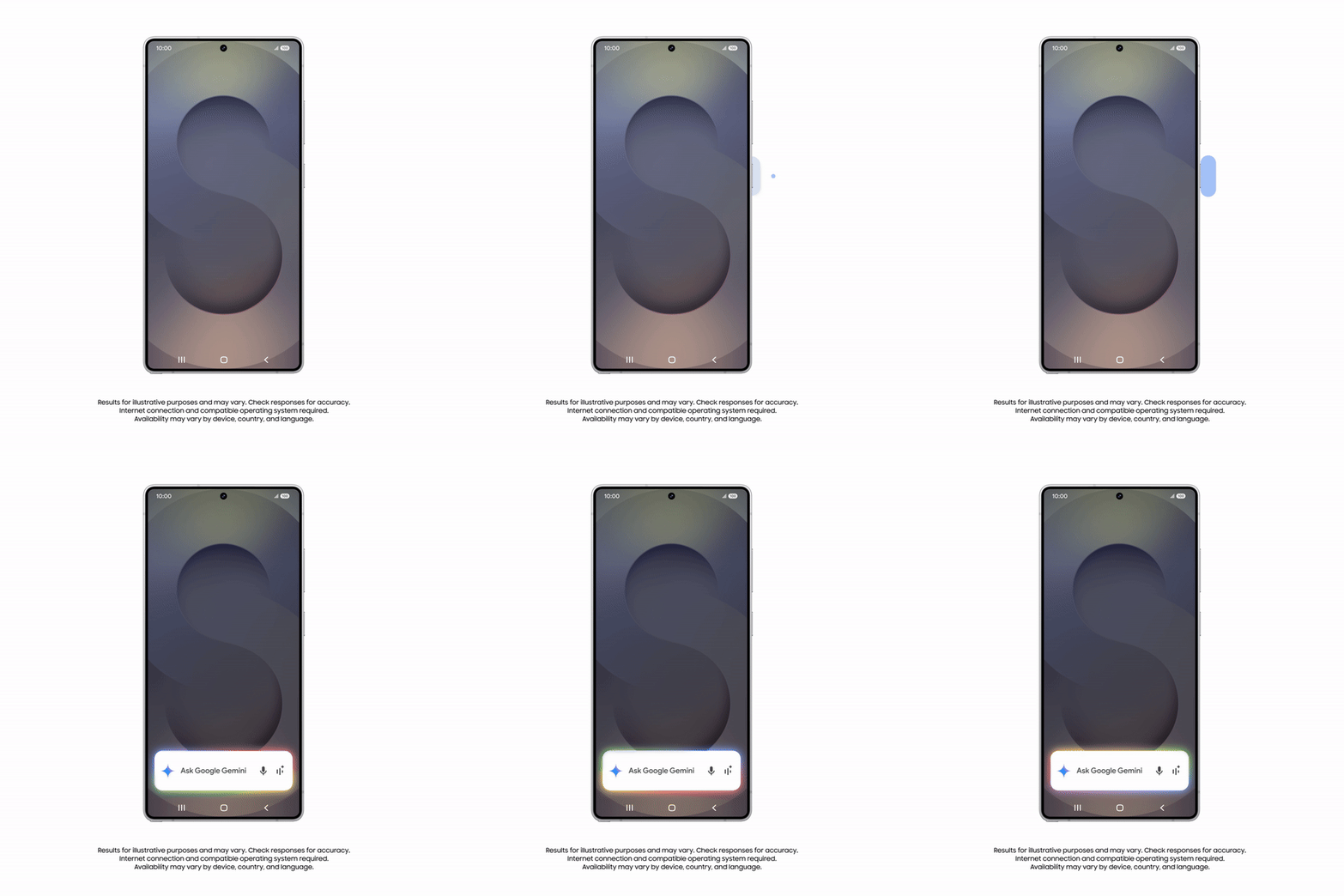
Galaxy S25 series supports Quick Access to Gemini. When activated by long pressing the side button, Gemini wakes up instantly and can help with any tasks or respond with relevant information based on your current screen.
Gemini AI Quick Access
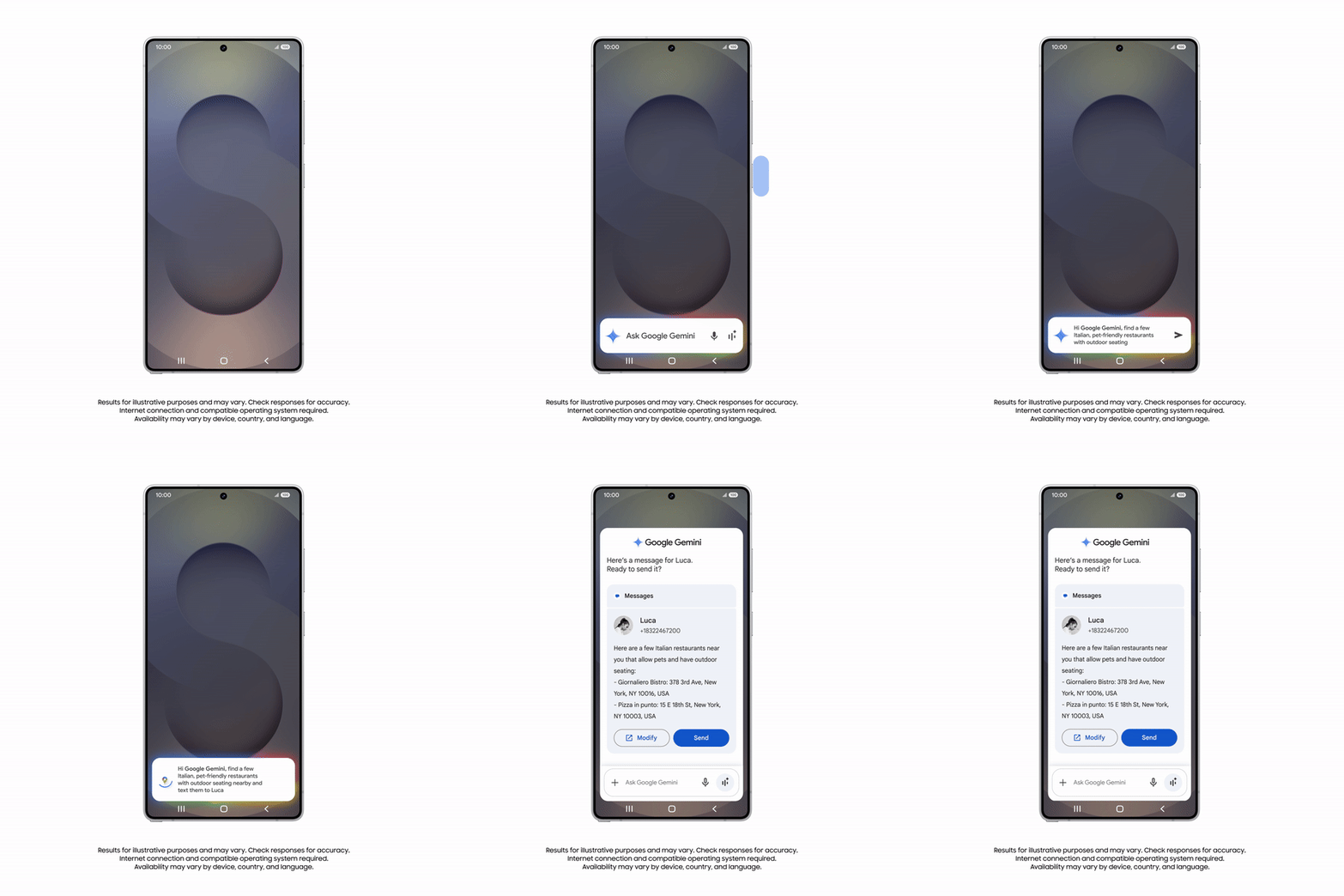
Gemini Extension are now seamlessly integrated into several Google and Samsung apps like Google Maps, YouTube, Gmail, Samsung Reminder, and many more. So Gemini can even performing tasks that include multiple different apps.
Gemini Extensions for AI powered Tasks
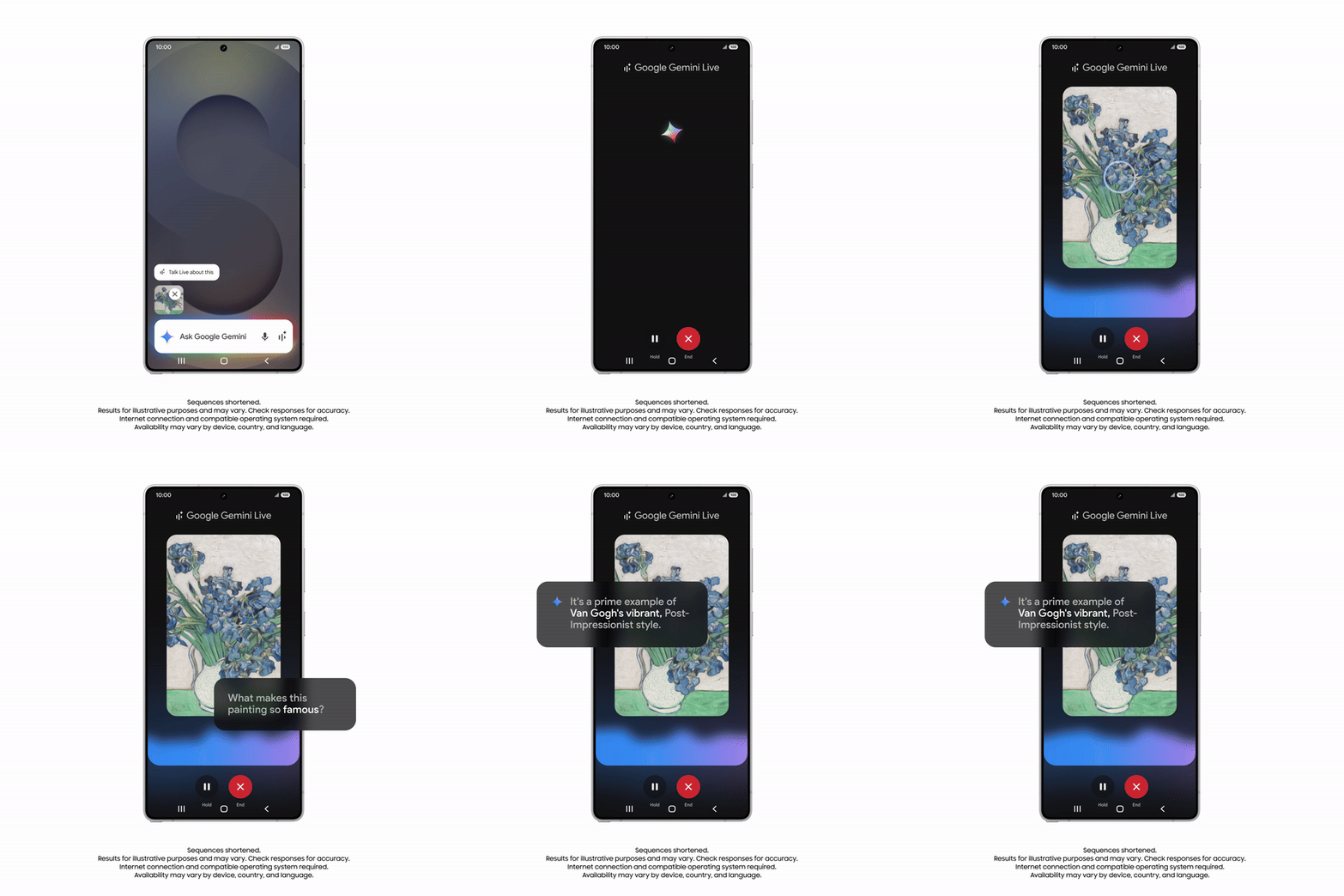
Samsung also brings real time transcription from Gemini Live. But that’s not all, the AI can smartly record, analyze, and simplify these key conversations. It can even add pictures or YouTube videos to these recorded conversations.
Gemini Live
Project Astra is an upcoming set of powered features that will bring debut with the Galaxy S25 series on the Gemini mobile app and later include other Android devices. These will offer features like screen sharing and live video sharing.
Samsung and Google are closely working together for these AI features and there are more tools set to arrive later on as well. This will include TalkBack, which can offer detailed image descriptions powered by Gemini that can help users who are blind or have low vision.
For more daily updates, please visit our News Section.
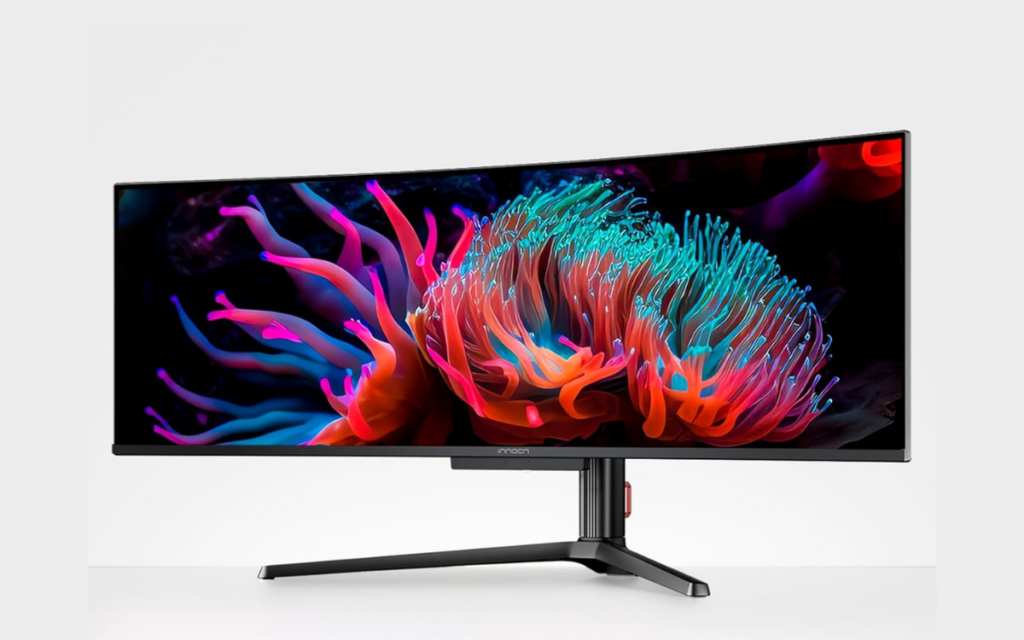
Innocn has launched a new ultra-wide curved gaming monitor, the 49Q1R, in the global market. It is priced at $999.99 and is now available on Amazon US. Let’s check out its key specs.
Innocn 49Q1R Specifications
The monitor features a 49-inch OLED panel with a DQHD resolution of 5120×1440, providing sharp, vivid details for professional graphics work and immersive gaming. It sports a 32:9 aspect ratio and an 1800R curvature for a broad, expansive view. Additionally, it has a matte finish to reduce glare and reflections, improving visibility in different lighting conditions.
The monitor features a refresh rate of 144Hz and a blazing-fast 0.03ms GtG response time, ensuring that motion blur is virtually nonexistent. This is crucial for fast-paced action scenes in games or high-speed video playback.
It supports both Nvidia G-Sync and AMD FreeSync technologies, which provide smooth, tear-free gaming by synchronizing the monitor’s refresh rate with the output device’s frame rate.
The monitor also excels in color accuracy and dynamic range with HDR 400 certification, enhancing the contrast and color spectrum for deeper blacks, brighter whites, and more vibrant colors. It boasts a high contrast ratio of 1.5m:1, covers 99% of the DCI-P3 color space, and achieves a color accuracy of ΔE<2, ensuring exceptional color fidelity and stark contrasts.
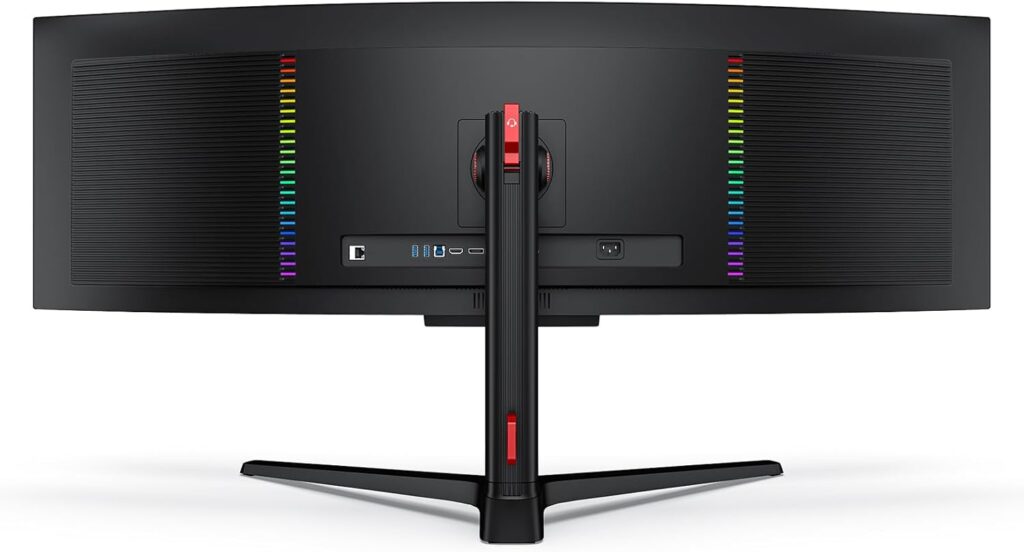
In terms of connectivity, the 49Q1R includes two HDMI 2.1 ports for high-bandwidth input from the latest gaming consoles and PCs, one HDMI 1.4 port, and one USB-C port supporting 90W PD-Out, which can charge connected devices such as laptops or tablets. Additionally, it features two USB-A ports, one USB-B port for data transfer, an RJ45 Ethernet port for network connectivity, and a 3.5mm audio jack.
The gaming monitor is equipped with PIP (Picture-in-Picture) and PBP (Picture-by-Picture) split-screen technology, allowing it to display content from two separate input sources simultaneously. Additionally, it features built-in dual 5W speakers that provide robust audio output for everyday use.
The Realme 14 Pro and Realme 14 Pro+ officially made their debut earlier this month in India. Now, these devices are finally on sale in the region. The duo are a pair of upper mid range smartphones, which bring some unique specs. So let’s check out their specs, pricing, and launch offers.
Realme 14 Pro
Talking about the more affordable version first, the Realme 14 Pro (Review) starts from 24,999 INR. This is for the 8GB + 128GB variant. The 8GB + 256GB option has a 26,999 INR price tag. The first sale of this device has just kicked off, with the Chinese brand also offering a flat 2,000 INR discount on both storage configurations. In other words, the effective price comes down to 22,999 INR and 24,999 INR respectively.
Realme 14 Pro
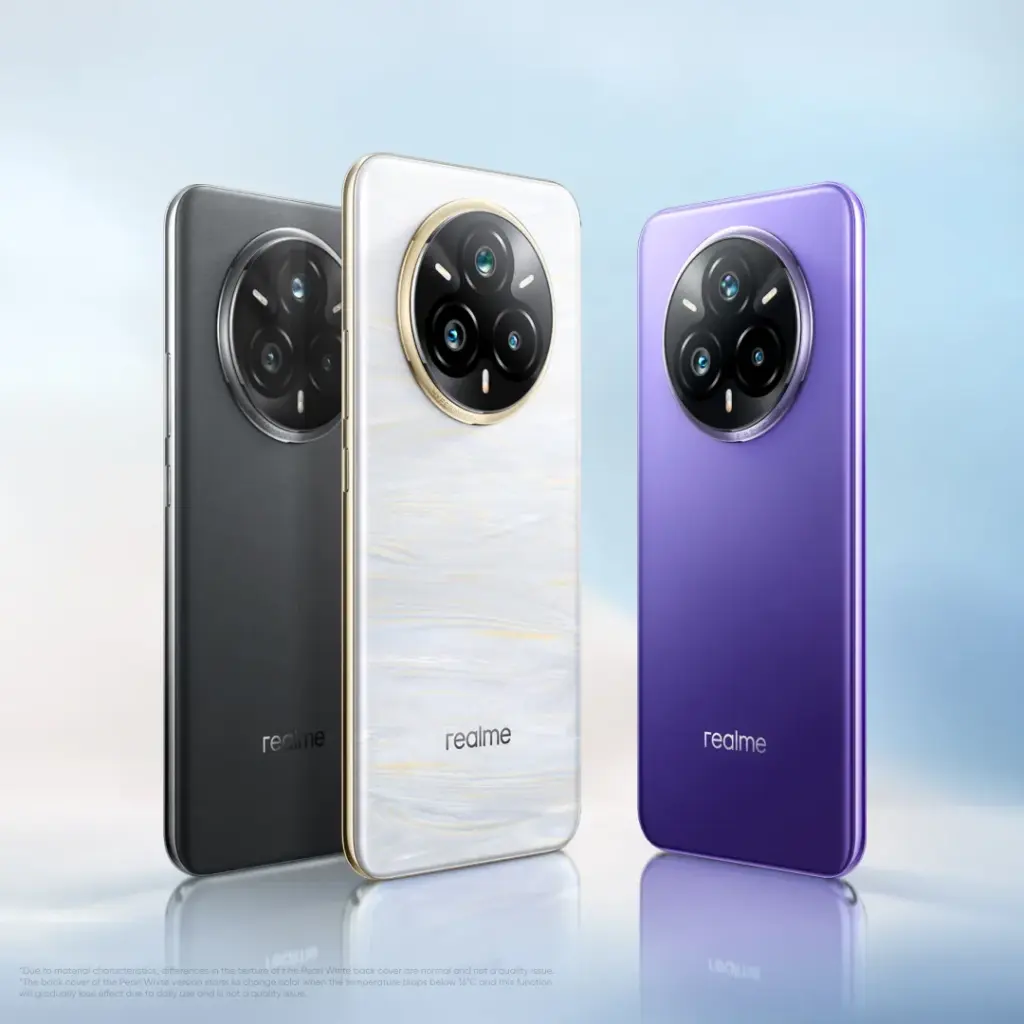
You can buy this device from the brand’s official website, Flipkart, and even offline channels. While it has a mid range price tag, it offers some notable specs like the special Pearl White variant, which features cold-sensitive technology. If the temperature falls below 16°C, the white rear panel slowly shifts into a wavy blue color scheme. Apart from that, you also get a Dimensity 7300, IP66+IP68+IP69 water and resistance rating, a massive 6,000mAh battery, 50MP dual cameras, and a 6.7-inch curved AMOLED display with a 120Hz refresh rate, FHD+ resolution, and up to 4500 nits peak brightness.
Realme 14 Pro+
While the specs device appears quite similar, the Realme 14 Pro+ packs various improvements over the base model. It has a taller 6.83-inch curved 1.5K AMOLED display with a 120Hz refresh rate, Snapdragon 7s Gen 3, 50MP triple camera (includes ultra wide + telephoto), IP66 + IP68 + IP69 rating, 6000mAh battery, and 80W wired fast charging.
Realme 14 Pro+
Unlike the vanilla version, the Realme 14 Pro+ arrives in three storage options. This includes 8GB + 128GB, 8GB + 256GB, and 12GB + 256GB that cost 29999 INR, 31999 INR, and 34999 INR respectively. Buyers can also avail an instant bank discount of up to 4,000 INR on these models, while the availability details are identical to the Realme 14 Pro.
For more daily updates, please visit our News Section.
Amap, one of China’s leading navigation platforms, has officially launched its first English-language map targeting overseas users. This groundbreaking development aims to make navigating China more accessible for non-Chinese speakers, signaling a transformative shift for the country’s tourism industry. Currently, the English map is in the beta testing phase and is accessible only to overseas users located in China.
What are the Beta Phase Limitations and User Challenges?
Despite the launch announcement, the English map is not yet fully functional. On iOS devices, the app includes a language setting function, but the English option remains grayed out with the message: “The system is not supported yet.” Amap has clarified that this feature is still being refined and will roll out gradually after testing. The app versions available on Google Play and the App Store also default to Chinese, adding a layer of complexity for foreign users during the early stages.
source: ithome
Amap is more than just maps
Amap’s appeal extends far beyond navigation. With a peak of 280 million daily active users during the 2023 Mid-Autumn Festival, the platform offers real-time traffic updates, electric vehicle charging station locations, restaurant reservations, and holiday travel assistance. Its integration with Alibaba’s ecosystem, connecting with platforms like Alipay, Fliggy, Ele.me, and Koubei, makes it a one-stop solution for users seeking local services, food delivery, travel recommendations, and hotel bookings.
How is this a Game-Changer for Tourism in China?
The introduction of the English map is set to revolutionize tourism in China. By bridging the language gap, Amap promises to simplify travel for foreign tourists, enhancing their overall experience. This move aligns with China’s efforts to attract international visitors and positions the country as a more accessible and welcoming destination.
As the English map continues to develop, Amap is paving the way for a future where language barriers no longer hinder exploration in China. With its seamless integration of navigation and local services, the platform is poised to become an indispensable tool for international travelers, redefining how the world will navigate China.
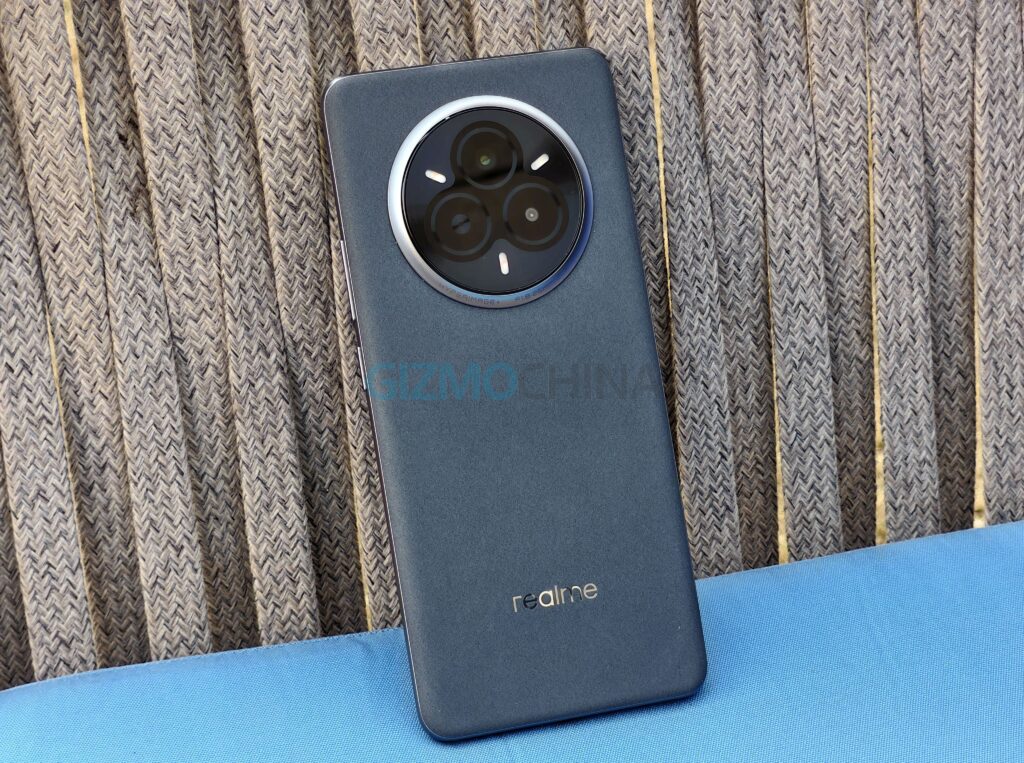
Realme launched the 14 Pro (review) series smartphones in India earlier this month. The lineup might also include the Realme 14 Pro Lite, which was leaked earlier.
Now, a new report from 91mobiles has revealed exclusive details about an entirely new phone: the Realme 14T 5G. This is a surprise addition to the series, as Realme hasn’t launched a T-series model in the numbered series before.
Realme 14T Colors and Memory Options
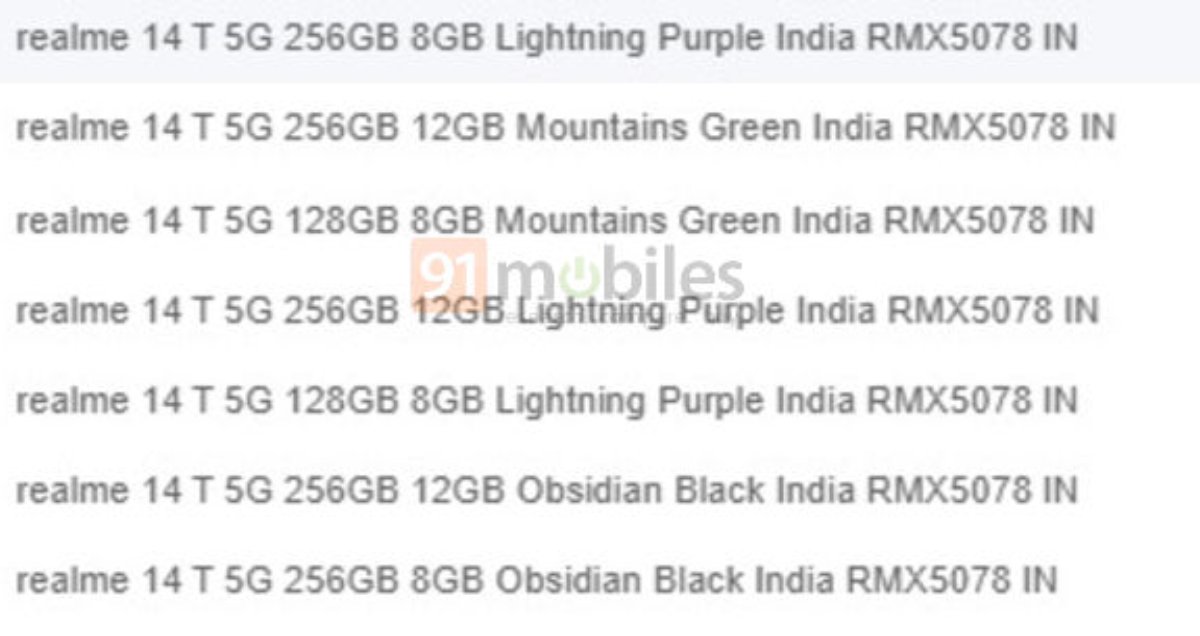
The Realme 14T reportedly carries the model number RMX5078 for the Indian variant and is expected to be available in three RAM and storage configurations, along with three color options.
The base variant will have 8/128GB memory, followed by 8/256GB and 12/256GB configurations.
As for color options, the leak suggests the phone will come in Lighting Purple, Mountains Green, and Obsidian Black. These names are fairly standard for smartphones these days, but hopefully, the actual colors will be more interesting in person.
The Realme 14T seems to be a new addition to the existing series that already includes the Realme 14 Pro, 14 Pro+, and the Realme 14x. It’s unclear where it will fit in terms of pricing. For reference, the Realme 14 Pro starts at Rs 24,999, and the Realme 14 Pro+ starts at Rs 29,999.
Realme 14T EEC Certification
In addition to the color and memory options, the Realme 14T has also been spotted on the EEC (Eurasian Economic Commission) website. The listing mentions the model number RMX5079 alongside RMX5078, which could possibly be another variant of the same phone.
While the certification doesn’t reveal any hardware details, it suggests that the launch might be nearing in the region covered by the EEC. Not much else is known about the phone yet, but we should expect more details to emerge in the coming days.
For more daily updates, please visit our News Section.
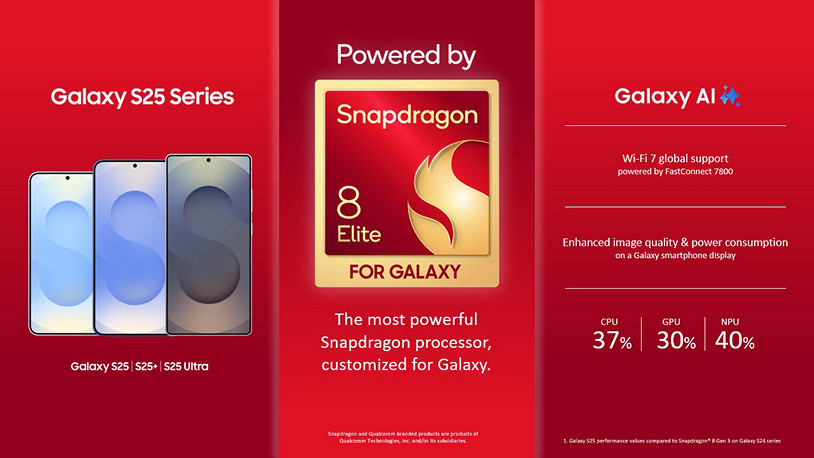
Qualcomm worked closely with Samsung to bring the Snapdragon 8 Elite For Galaxy. This is a custom version of Qualcomm’s latest flagship chip that offers various improvements over the regular variant. The chipmaker claims that it is the fastest mobile SoC in the world, so here’s everything new.
Snapdragon 8 Elite for Galaxy
Snapdragon 8 Elite For Galaxy: Performance
The Snapdragon 8 Elite For Galaxy features second generation custom Qualcomm Oryon CPU along with a new Adreno GPU, and Qualcomm’s Hexagon NPU for improved on-device AI functionality. This improvement in AI technology would likely improve the capabilities of the Galaxy AI suite of features.
With the deeper integration of AI, both companies have tailored the Snapdragon 8 Elite For Galaxy with the latest Gemini powered features. Apart from AI, even the raw performance is getting a bump thanks to the two prime cores having a 4.47GHz clock speed. To recall, the regular version has a 4.32GHz frequency.
Snapdragon Satellite and Wi-Fi 7
One of the latest inclusions in the new chip is the global support for Wi-Fi 7 standard thanks to the Qualcomm FastConnect 7800 Mobile Connectivity System and Snapdragon X80 Modem-RF System for 5G connectivity. But more importantly, the Galaxy S25 series are also the first commercial smartphones to feature Snapdragon Satellite. For those unaware, this technology basically allows users to send and receive messages directly via satellite (narrowband NTN).
Improved Image Quality
Another upgrade in the Snapdragon 8 Elite For Galaxy is with its ISP. Samsung worked with Qualcomm to improve image quality thanks to the integration of the new Spatio-Temporal Filter (STF) into the Qualcomm Spectra ISP. This allows for sharper low light video capture capabilities, with upgrades being noticeable even in the 8K 30fps recordings. Despite this, Qualcomm claims that it has bumped its energy efficiency as well.
For more daily updates, please visit our News Section.
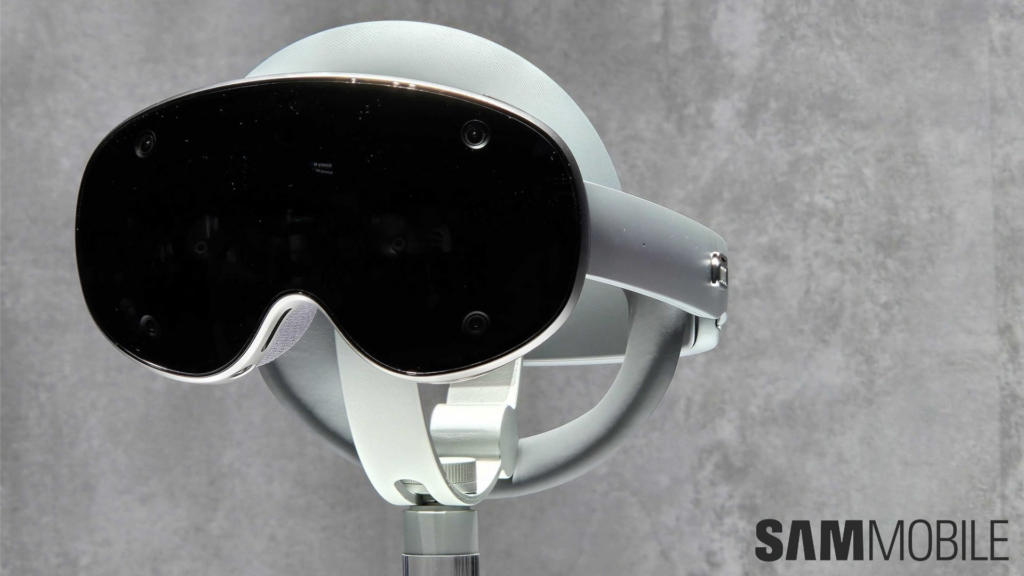
Samsung has officially launched the Galaxy S25 series at the Galaxy Unpacked 2025 event held in San Jose, California. The lineup includes the Galaxy S25, S25+, and S25 Ultra, showcasing the latest Snapdragon 8 Elite chip and other top-tier specifications. Alongside the flagship smartphones, Samsung also teased its first extended reality (XR) headset, dubbed ‘Project Moohan.’ This announcement marks Samsung’s push into the XR and wearable device market.
Samsung XR headset: Project Moohan
Samsung XR headset image by Sammobile
First announced in December 2024, Samsung’s ‘Project Moohan’ XR headset promises to redefine how users interact with their physical and digital environments. The headset, powered by the new Android XR operating system developed in collaboration with Google and Qualcomm, will likely feature multimodal input capabilities. This includes eye tracking, hand gestures, and voice commands, enabling seamless control of apps and interactions.
The XR headset is expected to feature ultra-high-resolution OLEDoS displays, low-latency passthrough capabilities, and spatial computing powered by Qualcomm’s Snapdragon XR2+ Gen 2 chip. With support for Google’s Gemini AI assistant, users may enjoy immersive features like Circle to Search, live text translation, and enhanced browsing via Google Chrome. While Samsung has not announced an official release date, it’s speculated the device will launch later this year with a price exceeding $2,000.
Samsung smart glasses teased
In addition to the XR headset, Samsung hinted at the development of AI-powered smart glasses. These could be powered by the Snapdragon AR1 Gen 1 chip and Google’s Gemini platform, enabling voice and vision-based input.
Samsung CEO TM Roh also mentioned plans to bring smart glasses “as soon as possible,” suggesting the company is positioning itself to lead the next generation of wearable devices.
For more daily updates, please visit our News Section.
Samsung has been following a pattern of launching new A-series smartphones within the first quarter of the year, usually a couple of weeks after announcing its Galaxy S-series flagship phones. The South Korean brand has just launched the Galaxy S25 series in multiple markets across the globe, and it appears that the company may soon launch new A-series phones, such as the Galaxy A56 and Galaxy A36. A new leak, courtesy of tipster Abhishek Yadav, has revealed the launch timeframe for both smartphones.
According to the tipster, the Galaxy A56 and Galaxy A36 will debut by mid-March globally, including the Indian market. Since the brand has just launched its new flagship phones, it is likely that the company will start teasing the arrival of the A56 and A36 in February.
Samsung Galaxy A36 specifications: What’s known so far
There are not many details about the Galaxy A36 available. Shown above is a CAD render of the device, which reveals that it will continue to sport the Key Island design that features a flat frame and a noticeable bulge at buttons on the right. It is expected to feature a 6.64-inch AMOLED FHD+ screen integrated with a fingerprint sensor, a 12-megapixel front camera, a 50-megapixel rear camera, a Snapdragon 6 Gen 3 or 7s Gen 2 chipset, a 5,000mAh battery with 45W charging, and Android 15.
Samsung Galaxy A56 specifications: What’s known so far
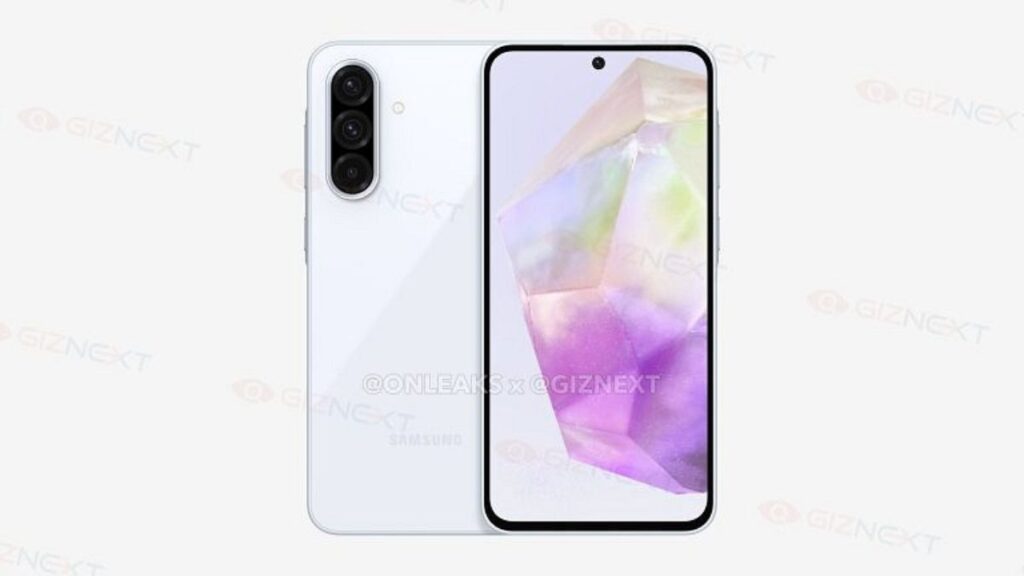
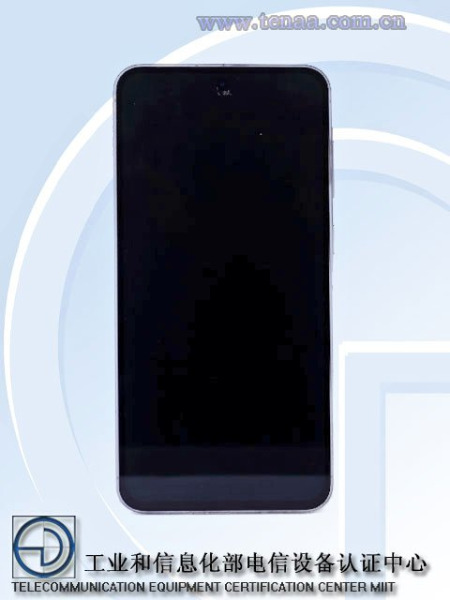
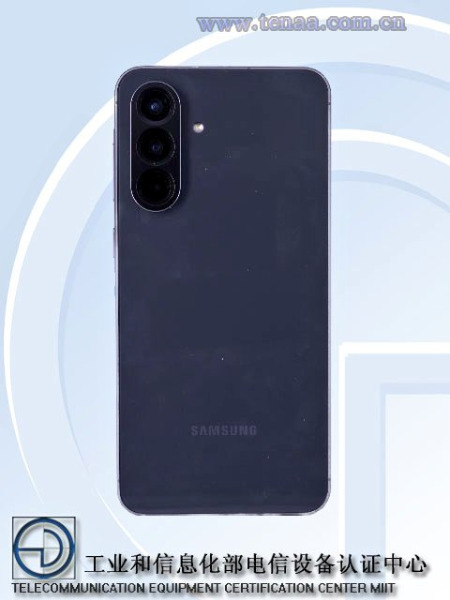
The above images that have emerged in the database of China’s TENAA certification platform have already revealed the design of the Galaxy A56. As per reports, the A56 is expected to arrive with a 6.7-inch AMOLED FHD+ 120Hz screen, an Exynos 1580 chipset, 8 GB / 12 GB of RAM, 128 GB / 256 GB of built-in storage, a 5,000mAh battery with 45W charging, and Android 15. For photography, it will have a 12-megapixel front camera and a 50-megapixel (main) + 12-megapixel (ultra-wide) + 5-megapixel (macro) triple camera setup.
For more daily updates, please visit our News Section.
Samsung unveiled its latest Galaxy S25 series smartphones at its Unpacked event yesterday, but that wasn’t all the company had in store.
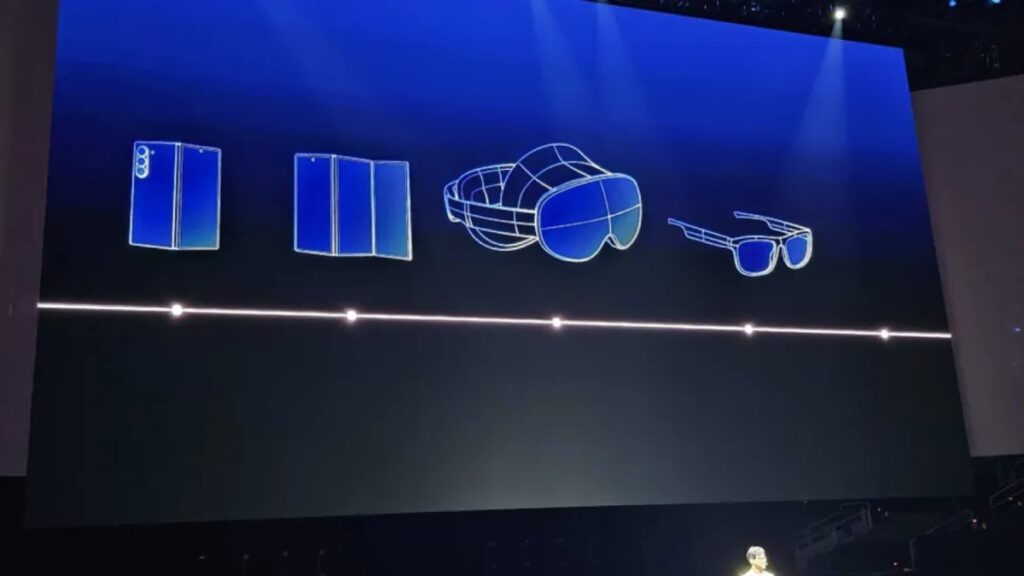
The South Korean giant also unveiled a slim device called the Galaxy S25 Edge (expected to launch later this year) and revealed its plans to develop AR glasses in collaboration with Google.
Another major revelation was a tri-fold phone from Samsung. While presenting its roadmap for upcoming devices, the company explicitly revealed that they have a tri-fold phone in development.
Although no specific timeline was mentioned, the implication is that the device could arrive after the next iteration of Samsung’s Galaxy Z Fold and Flip foldable phones.
What we know about Samsung tri-fold
Huawei was the first to explore this domain, and it’s clear that Samsung doesn’t want to be left behind. In fact, the company has been showing off prototypes of tri-fold concept phones at CES for a couple of years now. So, it’s unsurprising that such a device was under consideration.
It’s just that Samsung has now officially teased the product, confirming that it is set to become a legitimate consumer device sooner or later.
According to the latest rumors, Samsung’s tri-fold phone is expected to feature a display measuring around 9.9 to 10 inches when unfolded. Reportedly, it will adopt a “G-Type” form factor rather than the S-shaped design of the Huawei Mate X series.
In simple terms, this means the device will fold entirely inward instead of folding both inward and outward like its competitor. This design choice should provide better protection for the large primary screen when not in use.
Another rumor is that Samsung will limit the production of its first tri-fold phone to just 200,000 units. That’s not a lot, so if you’re already intrigued, you might want to start saving up now.
For more daily updates, please visit our News Section.
Samsung has launched its 2025 flagship lineup: the Galaxy S25, S25+, and S25 Ultra. The key focus of the event, as well as the main selling point of the devices, is the impressive Galaxy AI features. As an addition, Samsung has upgraded some design elements, and specifications and changed the color options to justify printing the next number on the retail box this year.
I have already discussed the new AI features while talking about the top-of-the-line model, which you can check out here. In this article, I will be focusing on the hardware side of the Galaxy S25 and Galaxy S25 Plus.
Design and specifications:
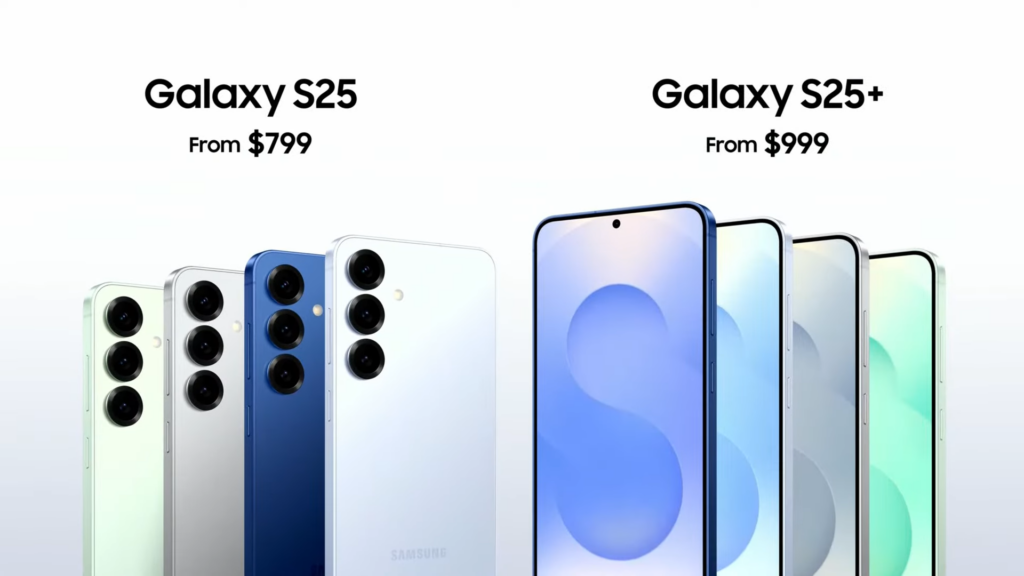
First of all, both the base and plus models look the same as their predecessors. The only noticeable difference is the updated color options: Navy, Mint, Icy Blue, and Silver Shadow.
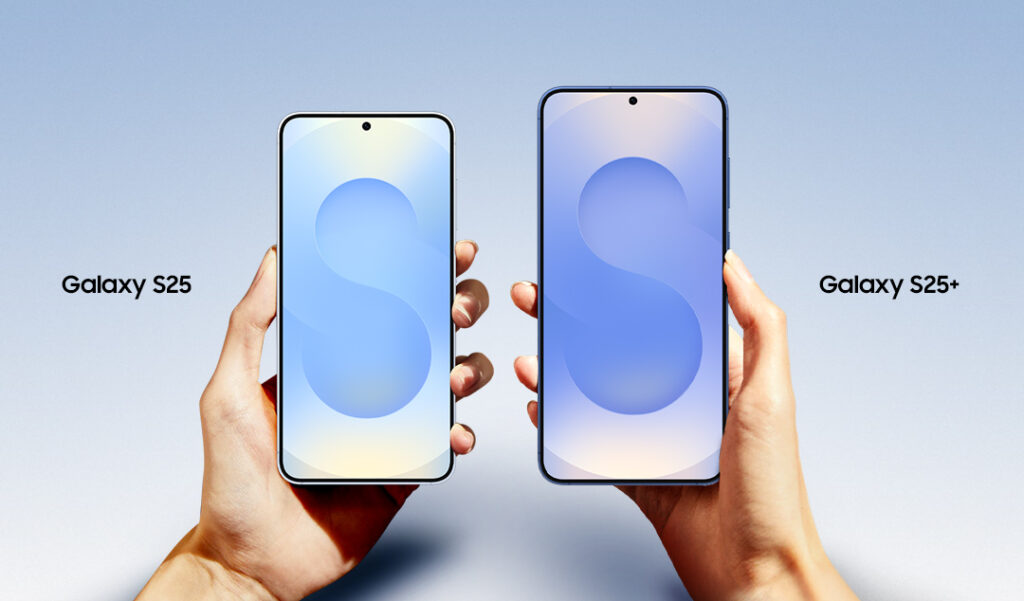
As for the specs, the Galaxy S25 and S25+ pack 6.2-inch and 6.7″ displays respectively—same as last year. The base model packs an FHD+ Dynamic AMOLED 2X display, while the Plus model packs a QHD+ one.
Performance is improved thanks to the new Snapdragon 8 Elite chip. Besides raw CPU and GPU power, the 40% more capable NPU also helps the S25 series perform AI-related tasks faster and better. While the Ultra model packs a larger VC cooling for better sustained performance, Samsung didn’t reveal anything regarding this feature in the other two models.
The imaging system also benefits from the new chip’s improved ISP and Samsung’s image processing improvements. Samsung also talked about their advanced “Object-aware Engine” which can now detect the subject of an image, recognize the lighting of the environment, and modify skin tones to make it look “more natural and true to life.” But it’s also worth noting that there are no changes in the image sensors whatsoever.
The same goes for many other aspects. The Galaxy S25 and S25+ pack 4000mAh and 4900mAh batteries and support 25W and 45W wired charging respectively.
Pricing and availability:
Galaxy S25 packs 12GB RAM and comes in two different storage options and starts from $799 in the US.
The devices will hit the shelves on February 7th; however, interested users can hit the “Pre-order” button starting today. Pre-order Samsung Galaxy phones now & get up to $1,250 off + a chance to win $5,000 credit (US only) – https://howl.link/erlejlgnge89i
Samsung has unveiled the Galaxy S25 series, which includes the Galaxy S25, Galaxy S25+, and Galaxy S25 Ultra, in multiple markets worldwide. The trio is priced at $799, $999, and $1,299, respectively in the US. Here’s a dedicated post to explore the pricing and offers for the Indian market.
Galaxy S25 series price in India
Samsung Galaxy S25 series
Pre-orders for the Galaxy S25 series have begun across all leading online and offline stores, as well as on Samsung Live via this link. The devices will go on sale starting February 7.
The Galaxy S25 series is available in the following variants and colours:
Samsung has announced exciting pre-order benefits for the Galaxy S25 series. Customers who pre-order the Galaxy S25 Ultra will receive benefits worth Rs 21,000. This includes a storage upgrade worth Rs 12,000, allowing them to purchase the 12GB + 512GB variant at the price of the 12GB + 256GB variant and an upgrade bonus worth Rs 9,000. Alternatively, customers can avail Rs 7,000 cashback when purchasing with a 9-month no-cost EMI plan.
For the Galaxy S25+, customers will receive benefits worth Rs 12,000, including a storage upgrade where the 12GB + 512GB variant is offered at the price of the 12GB + 256GB variant. Meanwhile, those pre-ordering the Galaxy S25 will enjoy benefits worth Rs 11,000 as an upgrade bonus. Customers can also opt for Rs 7,000 cashback when purchasing the Galaxy S25 with a 9-month no-cost EMI plan.
Additionally, Samsung offers a 24-month no-cost EMI option for the Galaxy S25 and Galaxy S25+ through all leading NBFCs.
Pre-order Samsung Galaxy phones now & get up to $1,250 off + a chance to win $5,000 credit (US only) – https://howl.link/erlejlgnge89i
For more daily updates, please visit our News Section.
Mobile gaming is a multi-billion dollar industry. Most of the revenue comes from the freemium model (in-game purchases).
Therefore, almost all mobile titles have lower hardware requirements for better accessibility. However, the price of dedicated gaming smartphones has soared high in recent years.
These devices offer top-of-the-line performance and the latest tech. But are they worth spending $1000 or more?
Today, one can play almost all titles properly on any mid-range or above phone. So should you splurge on mobile gaming hardware? Let’s find out together.
Asus’ ROG (Republic of Gamers) is one of the most popular consumer-facing gaming hardware brands. It is the only widely available brand that has a presence in the smartphone market.
In fact, it is the company that popularized the gaming smartphone category. As a leader in the niche segment, the firm steadily increased the price of its handsets over the years.
Lately, Asus has toned down the screaming gaming aesthetics to make the product look and feel more like a regular phone. But it still can’t match the overall experience offered by regular flagships.
ROG Phones are primarily only good at gaming. When you look at them as an everyday premium phone (due to their high asking price), they fall short.
2. The Case Against Expensive Gaming Phones
Even if you have purchased the latest ROG Phone 9 Pro, there aren’t many resource-hungry titles to play in the first place.
As we mentioned earlier, most games are now designed to run even on the lowest of hardware as much as possible. There are only a handful of titles that may play marginally better on expensive gaming phones.
It has been nearly 3 years since the introduction of ray tracing on phones, however, there are very few games that use this tech. Also, ray tracing on smartphones is comparatively less pronounced than on PCs and consoles.
Though the hardware is capable enough, there aren’t software to make use of it. Developers are flocking toward the freemium model with more accessible games for revenue generation.
3. Finding the Right Balance
If you are in the market for a smartphone for gaming, you don’t need to spend $1,000 or more. A capable enough chipset, size, and battery are more than enough.
So any phone with a year or more old flagship chip from Qualcomm and MediaTek will just do fine. Devices touting these chipsets are mostly previous-gen premium phones. So you can get them at a much lower price than what they used to cost at launch.
Sometimes, these chips are all found in so-called flagship-killer phones. They tend to cost half of the regular flagship but still provide almost the same level of performance.
If not for flagship chips, any latest mid-range is also capable enough. Handsets featuring these chipsets are even more affordable.
The next thing to look for is the size. Generally, larger smartphones offer sustained performance. That’s because they tend to dissipate heat better. You also get bigger displays and louder speakers on such phones.
Lastly, handsets with huge batteries will last longer. Also, make sure they have fast charging support so that you can recharge them in no time.
4. Prior-gen Flagships and Mid-rangers
If you are low on budget, you can still buy a good smartphone for gaming without spending a lot. Instead of opting for the latest gaming smartphone or a flagship, you can go with a generation or two older models.
Similarly, if you are not into Samsung, perhaps try older OnePlus 12 or 11 rather than OnePlus 13. We could say the same for Motorola Edge phones, Xiaomi number series, Honor Magic series, and more.
Alternately, if you live in a region where you get access to powerful mid-rangers, you can opt for those handsets. Phones like Poco F series, Realme GT series, and Xiaomi T series will get you serious performance for way less price.
Lastly, if case you are in the Apple ecosystem, you can go with older Plus and Pro Max iPhones instead of newer models.
5. The Appeal of Chinese Smartphones
China gets a wide variety of smartphones. Almost all of them are way more affordable and yet pack a lot of things.
Some of these handsets make their way to nearby Asian countries. A select few also land in Europe. But none of them get released in the far west.
So these phones are not designed for international audience in mind. So they may have some compatibility issues. If you are fine with the drawbacks, you can import these products.
For instance, the best alternative to the ROG Phone 9 series is the Red Magic 10 lineup. It costs about half and even excels in some scenarios.
Further, iQOO smartphones are known for well-tuned performance across all price range. Lastly, flagships from Xiaomi, Vivo, and Oppo are generally more affordable when imported when compared to their official prices outside mainland China.
For more daily updates, please visit our News section ⚡
ASUS has introduced its Chromebook CR series, designed to handle the daily demands of K-12 students, whether they’re learning in the classroom or remotely. These laptops are built tough, with replaceable parts and rugged features to last through years of use.
ASUS Chromebook CR Series features
The Chromebook CR series is made to survive the bumps, drops, and spills that come with student life. Each laptop has a rubber bumper, a spill-resistant keyboard, and Corning Gorilla Glass touchscreens to protect against scratches and accidents. They meet or exceed MIL-STD-810H military-grade standards, meaning they can take a beating. Plus, a fingerprint-resistant finish keeps them looking cleaner, and longer.
The laptops come in 11.6-inch and 12.2-inch models with options for 180° lay-flat or 360°-flippable hinges. Convertible models (CR1104F, CR1204F) can switch between laptop, tablet, tent, and stand modes, making them great for group work or solo study sessions. Powered by Intel N150 and N250 processors, they’re built to match the needs of students.
The touchscreens, made with Corning Gorilla Glass, offer up to WUXGA (1920 x 1200) resolution and support optional USI 2.0 styluses. TÜV Rheinland-certified displays reduce blue light, helping protect students’ eyes during long study sessions. Connectivity options include WiFi 6, WiFi 6E, Bluetooth 5.2, and optional 4G LTE for reliable internet access. With up to 16 GB of memory and 128 GB of storage, students can easily keep up with their coursework.
The laptops include front-facing cameras in 720p HD or 1080p FHD, with some models featuring a 13MP world-facing camera for taking photos or videos in tablet mode. Built-in speakers and microphones ensure clear communication during online classes and group calls.
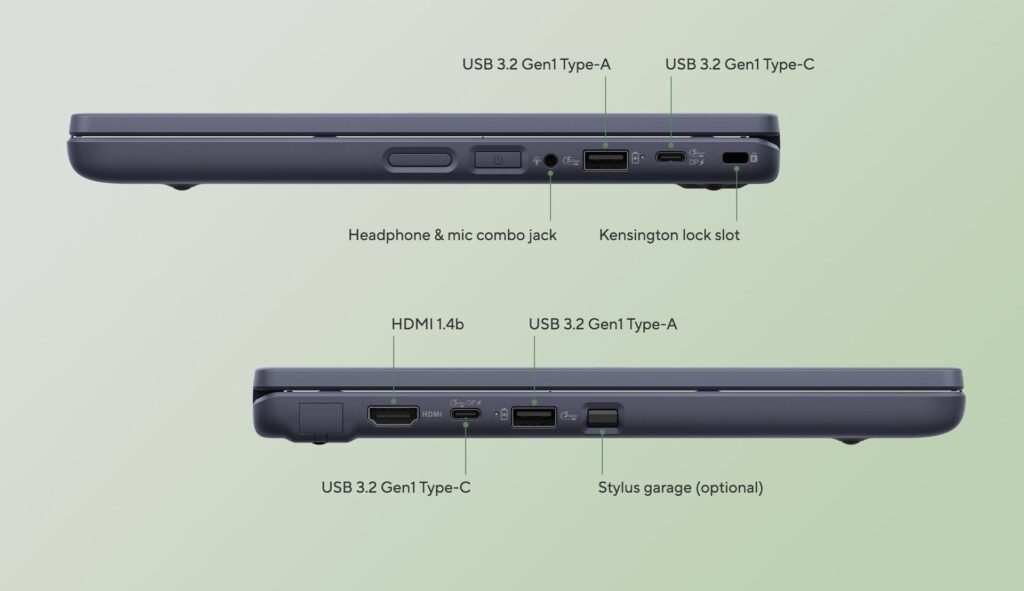
The Chromebook CR series includes two USB 3.2 Gen 1 Type-C ports for data, video, and charging, along with two USB 3.2 Gen 1 Type-A ports, HDMI 1.4b, an audio jack, and a Kensington Lock slot. An optional stylus is available for taking notes or sketching.
Some models feature ASUS Antimicrobial Guard, which coats the keyboard and other high-touch areas with a silver-ion layer to limit microbial growth. The TÜV Rheinland-certified displays also reduce eye strain by cutting down on blue light.
The modular design makes repairs and part replacements simple, so downtime is minimized. Captive screws prevent small parts from getting lost during maintenance. Chrome Education Upgrade ensures automatic updates, secure operation, and simple setup for school IT teams.
Pricing & availability
Pricing and availability details have not been announced yet, but more information is expected soon. Based on the specifications, the Asus CR series Chromebooks are likely to be reasonably priced.
Samsung has launched its 2025 flagship lineup: the Galaxy S25, S25+, and S25 Ultra. As expected, the company discussed its latest innovation in AI, collaboration with Google for Gemini, and its integration in One UI 7 throughout the majority of the event. There are some minor hardware improvements and upgrades as well, which we will also discuss in this article. But let us take a look at what’s unique to the new phones first.
A bunch of innovative AI features:
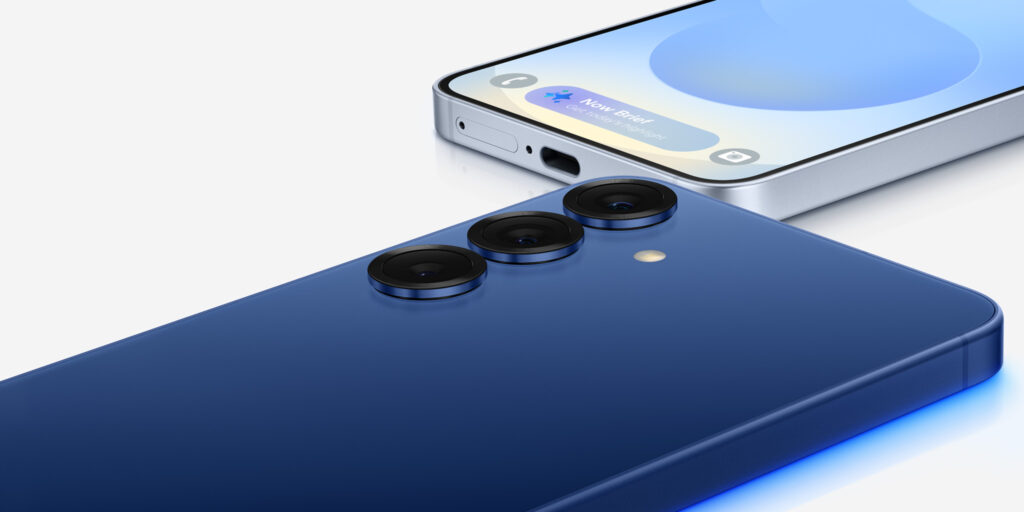
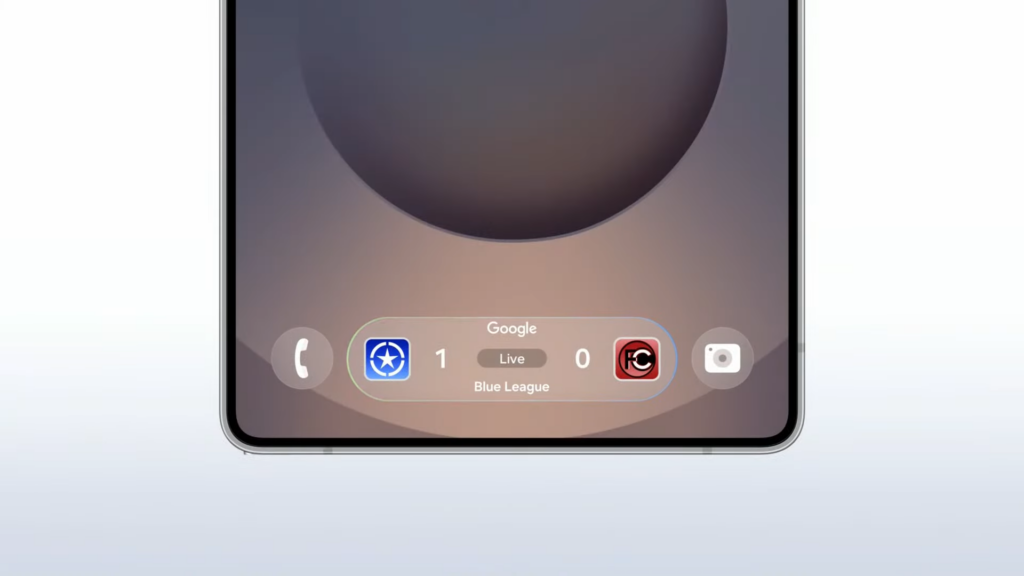
As you start your day, your phone will now act like an actual assistant, offering important information summarized in one place. It includes the weather information and your energy score. Samsung has named this feature Now Brief.
You may heard of another feature called the NowBar, which can show certain important information right on the lock screen such as this “Time to go”, to ensure you never miss an appointment. Of course, this more capable Galaxy AI can generate call transcripts and summarize them on-device to ensure convenience and data safety.
All of it is possible thanks to the new Snapdragon 8 Elite chip, which houses a 40% more capable NPU as compared to that of its predecessor.
Design and specifications:
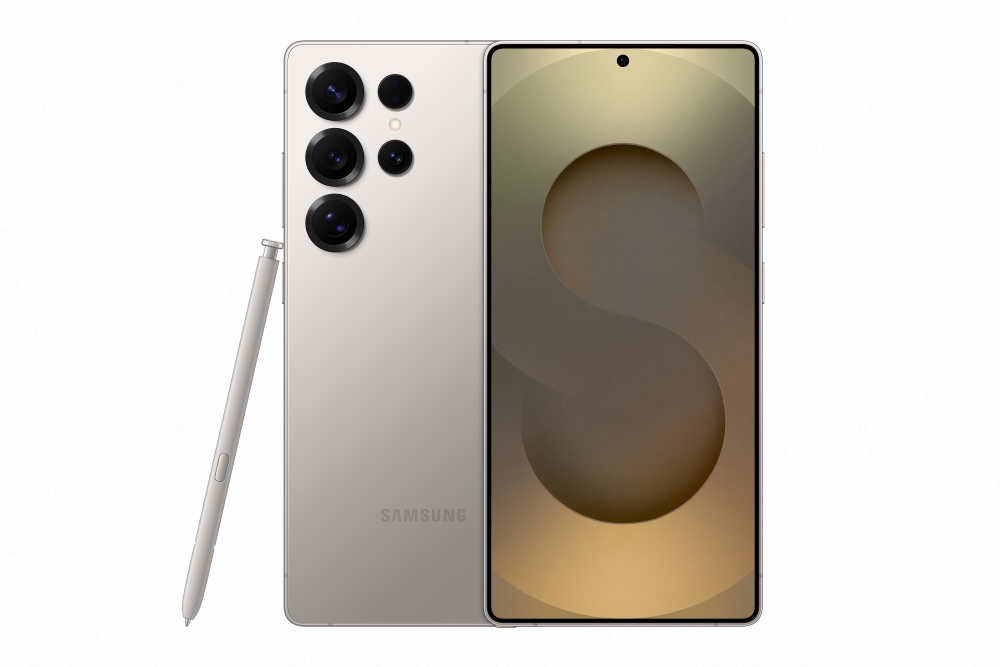
In the front, the phone packs a 6.9″ QHD+ Dynamic AMOLED 2X display, up from 6.8″ one of the Galaxy S24 Ultra. This is made possible thanks to slightly slimmer bezels, which also offer the phone a slightly more modern look.
While the display panel is said to be the same as last year, it is now protected under the more durable Corning Gorilla Armor 2. It also includes an improved anti-reflective coating, which slightly improves outdoor visibility even though the peak brightness is the same – 2600 nits. Samsung also talked about their “ProVisual Engine”, which apparently makes the display system more efficient and enables slightly better battery life out of the same 5000mAh capacity.
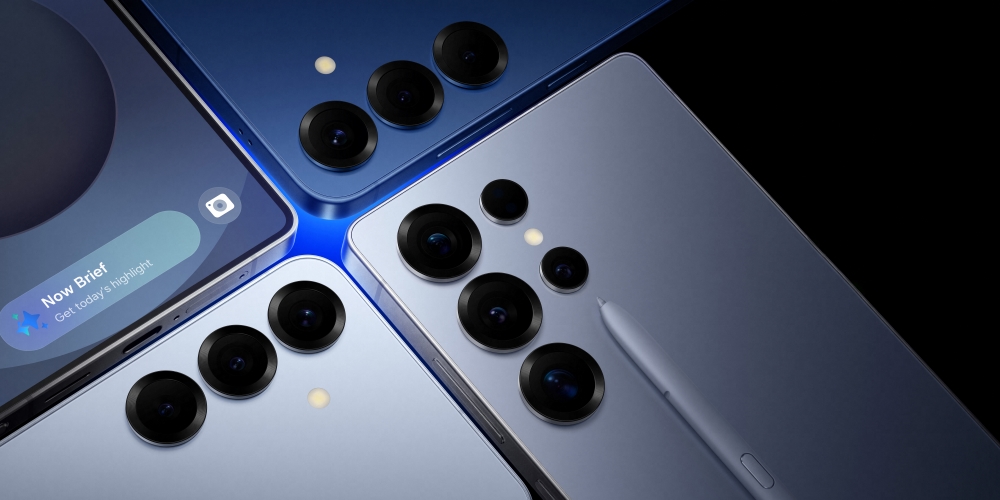
To sustain performance, Galaxy S25 Ultra houses a 40% larger vapor chamber. As for the imaging system, the only hardware improvement this time is the shift from the old 12MP ultrawide to a 50MP one. Apart from that, it mainly relies on improved image processing algorithms, a part of which relies on the improved ISP of the new chip.
For those wondering, these are pretty much all the hardware changes the Galaxy S25 Ultra brings over its predecessor. It will be interesting to see if the new AI features get rolled out to the Galaxy S24 Ultra with the One UI 7 update, as these are the selling points of the new flagship.
The phone comes in two different color options: Titanium Black, Titanium Gray, Titanium Silverblue, and Titanium Whitesilver. The prices in the US are as follows:
Samsung recently hosted a launch event for its Galaxy S25 series smartphones headlined by the Galaxy S25 Ultra. The brand also announced that the Galaxy S25 Ultra is the first smartphone to feature Corning Gorilla Armor 2, the first scratch-resistant, anti-reflective glass ceramic cover material for mobile devices.
Gorilla Armor 2 is designed to withstand challenging conditions while maintaining a clear display. Kwangjin Bae, EVP and Head of the Mechanical R&D Team at Samsung Electronics said, “The Galaxy S25 Ultra represents progress in providing users with a more durable mobile experience. Our partnership with Corning continues to improve display performance to meet consumer needs.”
Compared to the previous generation, Gorilla Armor 2 provides greater durability and resistance to scratches. In testing, it withstood drops from up to 2.2 meters onto surfaces replicating concrete while competing materials failed from one meter. It also showed over four times better scratch resistance than other lithium-aluminosilicate cover glasses with anti-reflective coatings.
The material’s anti-reflective properties reduce surface reflections in various lighting environments, improving display contrast and usability indoors and outdoors. David Velasquez, Vice President and General Manager of Corning Gorilla Glass, commented, “With Gorilla Armor 2, we offer a durable, optically advanced glass ceramic cover material on a Galaxy device for the first time.”
Talking about the Galaxy S25 Ultra specifications, the device features a 6.9-inch Quad HD+ Infinity-O-Edge Dynamic AMOLED display with a 1-120Hz adaptive refresh rate. Powered by the Qualcomm Snapdragon 8 Elite chipset, it offers 12GB RAM and storage options of 256GB, 512GB, or 1TB, running Android 15 with One UI 7.
The rear camera setup includes a 200MP main sensor with OIS, a 50MP ultra-wide lens, a 10MP telephoto lens with 3x optical zoom, and a 50MP periscope telephoto lens with 5x optical zoom and 100x Space Zoom. It supports 4K and 8K video recording. On the front, it has a 12MP camera that delivers sharp selfies. The phone has an IP68 rating, while connectivity options include 5G, Wi-Fi 7, Bluetooth 5.3, and NFC. It houses a 5000mAh battery with 45W fast charging and wireless charging support.
We use cookies on our website to give you the most relevant experience by remembering your preferences and repeat visits. By clicking “Accept”, you consent to the use of ALL the cookies.
This website uses cookies to improve your experience while you navigate through the website. Out of these, the cookies that are categorized as necessary are stored on your browser as they are essential for the working of basic functionalities of the website. We also use third-party cookies that help us analyze and understand how you use this website. These cookies will be stored in your browser only with your consent. You also have the option to opt-out of these cookies. But opting out of some of these cookies may affect your browsing experience.
Necessary cookies are absolutely essential for the website to function properly. This category only includes cookies that ensures basic functionalities and security features of the website. These cookies do not store any personal information.
Any cookies that may not be particularly necessary for the website to function and is used specifically to collect user personal data via analytics, ads, other embedded contents are termed as non-necessary cookies. It is mandatory to procure user consent prior to running these cookies on your website.