MediaTek’s new processor Dimensity 8400 has been leaked. This processor is a new SoC, the successor to the Dimensity 8300. People are very curious about what Dimensity 8400 has to offer. The Gizmochina team spotted the Dimensity 8400 in Xiaomi’s HyperOS software. This means that we will see a Xiaomi, Redmi, or POCO model with Dimensity 8400 to be unveiled in the near future. Also, the testing of new processors by companies like Xiaomi aims to ensure a smooth user experience.
MediaTek Dimensity 8400 appears suddenly in Xiaomi HyperOS
The sudden appearance of the MediaTek Dimensity 8400 in HyperOS took everyone by surprise. This is an indication that a Xiaomi, Redmi, or POCO model with Dimensity 8400 is being actively tested. What does Dimensity 8400 have to offer? Unfortunately, the specifications of the processor are unknown, but there should be a significant increase in performance and power efficiency compared to Dimensity 8300. Dimensity 8400 has been spotted in HyperOS with the model number “MT6899”. The previous Dimensity 8300 had the model number “MT6897”.
Dimensity 8400 MT6899
This photo shows the model number of the processors. We have listed the model numbers in a way that you can understand them:
Dimensity 8200 – MT6896
Dimensity 8300 – MT6897
Dimensity 8400 – MT6899
Dimensity 9300 – MT6989
Dimensity 9400 – MT6991
Dimensity processors are very fast, and consume less power. With the Dimensity 8400 spotted, we will see many new high-performance smartphones. This is a good development. It’s also worth noting. MediaTek may have accidentally added the Dimensity 8400 to its website. Because, we also spotted the MT6899 model number on the official MediaTek website.
Look carefully at the model numbers on the MediaTek official website, the processors are listed as MT6896, MT6897 and MT6899. We have already prepared a list above and mentioned that these processors are Dimensity 8200, Dimensity 8300, and Dimensity 8400 respectively. So when will Dimensity 8400 be introduced? Unfortunately, we don’t know that. We can only confirm that the processor is being actively tested. We will come to you with new information.
Casio, a well-known Japanese electronics company, experienced a significant cyberattack on October 5th. The company reported that an unidentified third party illegally accessed its network, causing system failures and service disruptions.
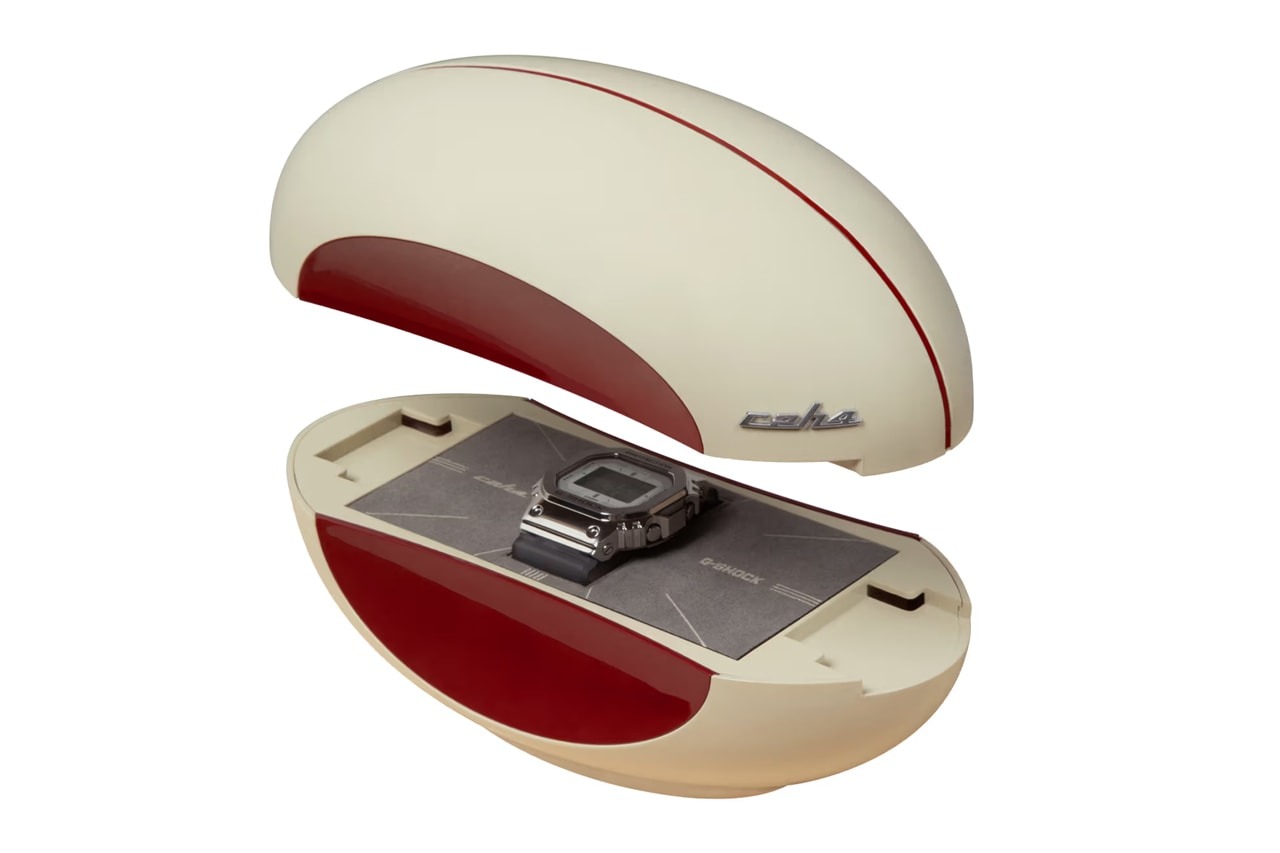
G-SHOCK-GMC-B2100
In a statement on October 8th, Casio expressed regret for the inconvenience this has caused to its customers and stakeholders. The company is actively investigating the incident with help from external specialists to assess the extent of the breach and whether any personal or sensitive information was affected. Casio has reported the cyberattack to the appropriate authorities and is taking steps to prevent further unauthorized access to its systems.
The cyberattack has not only caused service disruptions but has also delayed the release of new G-Shock watch models, including the GMC-B2100AD-2A and GMC-B2100D-1A, which were set to launch on October 18th in Japan. The company has not yet provided a new release date, stating it will be announced once the situation is resolved.
Additionally, the attack may impact the launch of the second Casio Watch 50th Anniversary limited series, which features the G-Shock GMC-B2100ZE-1A. Although the company has not confirmed this, the timing of this release could be affected.
Currently, no group has taken responsibility for the cyberattack, and the motive behind the breach is still unclear.
In other news, Casio is launching two new G-Shock Full Metal models in October: the GM-B2100SD-1A and GMC-B2100ZE-1A. The GM-B2100SD-1A features a hybrid analog-digital display, Bluetooth connectivity, solar charging, and improved readability with a darker grey background. The GMC-B2100ZE-1A, marking Casio’s 50th anniversary, has a black ion-plated bezel with gold accents, Bluetooth, and solar charging.
MediaTek just unveiled its next gen flagship chip, the Dimensity 9400. This processor was manufactured on TSMC’s 3nm process and is set to power upcoming premium Android phones, bringing significant improvements in performance across the CPU, GPU, gaming, and AI capabilities. So now, here’s a list of all smartphones that will be powered by MediaTek’s Dimensity 9400.
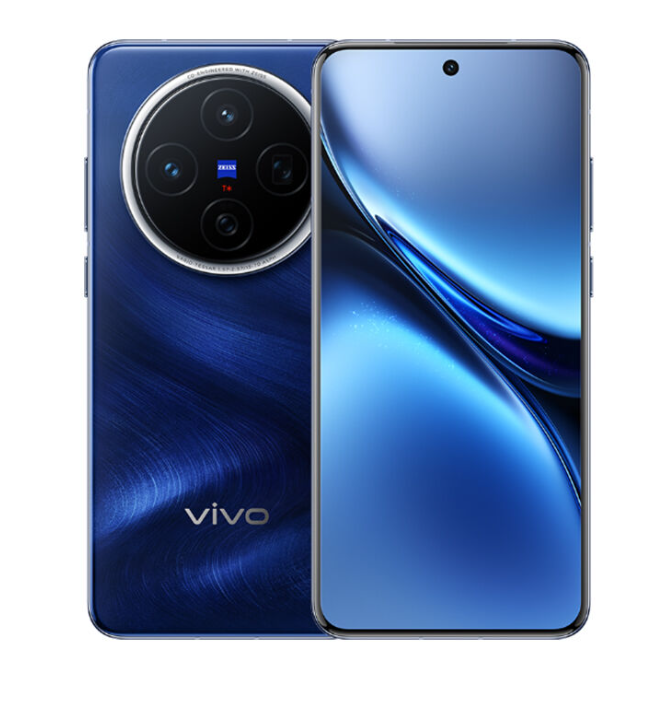
The first on the list is the Vivo X200 series. The Chinese brand’s X200 lineup will be the first to debut the Dimensity 9400 SoC ahead of any other company’s offerings. Vivo is set to launch the X200 series on 14th October 2024. The lineup will consist of Vivo X200, X200 Pro, and X200 Pro Mini. Notably, there will also be an X200 Pro Satellite Edition, which recently received an impressive AnTuTu score of over 3 million. This is the first Android flagship phone to achieve this milestone.
2. Oppo Find X8 Series
Oppo Find X8 Pro
Oppo has just announced the launch date for its flagship Find X8 series. The lineup consists of the Find X8, Find X8 Pro, and Find X8 Pro Satellite Communication Version. These devices are set to be unveiled later this month on 25th October 2024. These devices will likely take advantage of the AI performance bump in the Dimensity 9400 to bring more AI powered features on the the Find X8 series.
3. Samsung Galaxy S25 Series
Samsung Galaxy S25 Render
Samsung is known to known for releasing its flagship smartphones at the start of the year. Depending on the region, the Galaxy S series features either the Snapdragon chipsets (US and South Korea) or the Exynos processors (Rest of the World). However, in a surprising twist, rumors have claimed that the Galaxy S25 and Galaxy S25+ models will be powered by MediaTek Dimensity chips for the first time. The processor in question is rumored to be the Dimensity 9400.
4. iQOO Neo 10 Pro
iQOO Neo 9 Pro
Back in August 2024, known tipster Digital Chat Station revealed the chipsets that will power iQOO’s next gen flagship smartphones. DCS claims that the base iQOO Neo 10 will be powered by Qualcomm’s Snapdragon 8 Gen 3 SoC. On the other hand, the higher end iQOO Neo 10 Pro is reportedly equipped with the MediaTek Dimensity 9400 SoC. To recall, the iQOO Neo 9 and Neo 9 Pro also packed the Snapdragon 8 Gen 2 and Dimensity 9300 SoCs respectively.
5. Redmi K80 Ultra
Redmi K70 Ultra
Xiaomi is expected to be working on the Redmi K80 series with Qualcomm’s Snapdragon 8 Gen 3 SoC. This would mark a performance improvement over its predecessor, the Redmi K70 series, that featured the Snapdragon 8 Gen 2. However, the series top end Redmi K70 Ultra model packed the Dimensity 9300+ SoC. So it won’t be surprising if its successor features a new Dimensity flagship chipset. While this is still just speculation at this point, the Redmi K80 Ultra could house the Dimensity 9400 SoC.
Smartphones across almost all price segments are now capable of running high-end games. However, not all of them offer the best experience.
Games generally run better on phones with top-of-the-line chipsets. But that’s not enough for superior mobile gaming sessions.
A number of other factors matter, such as cooling system, display, battery, and more. Smartphones designed specifically for gaming address all of these important factors.
Unfortunately, ‘gaming smartphones’ failed to lure in customers over the years. Thus, the number of options is now limited.
Phones are now an extension of our hands. So people use them for many tasks. Earlier, handsets designed for gaming unsurprisingly solely focused on the gaming aspect. So they were bulky, flashy, and were known for terrible cameras.
They had many shortcomings despite costing as much as regular premium smartphones. Brands have now fixed most of these issues but unfortunately, only a few players remain.
To be precise, there are only two gaming smartphone brands in 2024. These are Asus and Red Magic. Of course, they offer some of the best phones for gaming.
Apart from these two, there are two more brands that deliver on this front. Let’s check out all of these devices.
Asus is the oldest surviving gaming smartphone brand. The PC maker continues to release its annual gaming phones powered by Qualcomm’s flagship chips.
The top-end 2024 model, dubbed as ROG Phone 8 Pro featuring Snapdragon 8 Gen 3 SoC, was unveiled in January. Despite being nearly a year old, it continues to be the best gaming smartphone in the world.
There are two primary reasons for this. First of all, it is the only widely available gaming smartphone. Secondly, the hardware and software look and feel like a regular smartphone.
As it is a niche product, Asus charges a premium of $1199.99 but still only guarantees 2 Android updates. The device costs about the same across all markets. But now that it is older by months, you may find it at cheaper prices.
The Asus ROG Phone 8 Pro is the only gaming smartphone with an IP68 rating for dust and water resistance. Though it looks like a standard phone, it retains quirks like pressure-sensitive zones, 341 mini LED programmable matrix, and two USB Type-C ports.
Other notable features include a proper three-lens camera system (wide, ultrawide, and zoom), a 165Hz LTPO AMOLED display protected by Corning Gorilla Glass Victus 2, and wireless charging support
Please Note: When you buy something using the links in our articles, we may earn a small commission at no cost to you.
2. Red Magic 9S Pro
The Red Magic 9S Pro costs almost half the price of the Asus ROG Phone 8 Pro despite housing an overclocked Qualcomm Snapdragon 8 Gen 3 chipset. It starts at $649 but can be availed at lower prices.
However, its availability is limited. Additionally, as a China-focused product, the software can be a hit or miss for the Western audience.
Nevertheless, it is the only gaming smartphone in 2024 that retains some of the yesteryear features. It not only comes with an RGB light strip but also a built-in cooling fan. There are also pressure-sensitive zones and a whopping 6,500mAh battery.
Despite packing some extra goodies, the Red Magic 9S Pro has almost the same thickness and weight as the ROG Phone 8 Pro. The flushed cameras and optional transparent back make it stand out as well.
Please Note: When you buy something using the links in our articles, we may earn a small commission at no cost to you.
3. iQOO 12
The iQOO 12 is not a gaming smartphone but a flagship phone from Vivo’s sub-brand. However, it has gaming chops.
The Snapdragon 8 Gen 3 inside the handset is well-optimized for gaming, unlike any other in its segment. It is also less expensive (~$600) than the previously mentioned ‘gaming smartphones’. Also, its availability is better than that of the Red Magic 9S Pro.
The device comes with a capable three-lens camera system, which could come in handy. Though the battery is only 5,000mAh, there’s support for 120W wired charging.
The iQOO 12 houses a dedicated chip for its 144Hz LTPO AMOLED display to handle refresh rates efficiently while gaming. It also offers customizable vibrations and sound effects for an immersive gaming experience.
Please Note: When you buy something using the links in our articles, we may earn a small commission at no cost to you.
4. Apple iPhone 16 Pro Max
The Apple A18 Pro inside the iPhone 16 Pro Max is currently the most powerful mobile chip on the market. Also, it is a known fact that iOS apps and games are better optimized compared to their Android counterparts.
Thus, gaming on the iPhone 16 Pro Max is better than on any smartphone despite it being a regular premium phone. It can also run limited AAA titles from consoles, which is not possible on any Android handset.
In fact, you can get a somewhat similar experience even from the vanilla iPhone 16 featuring an A18 chip. But it cannot offer the best experience with its slower 60Hz display and smaller battery.
The iPhone 16 Pro Max does not have the characteristics of a gaming smartphone. Additionally, you cannot sideload games that are not available on first-party app store like on Android. These can be a letdown for pure gamers.
Please Note: When you buy something using the links in our articles, we may earn a small commission at no cost to you.
Anyways, propper gaming smartphones are now more expensive and still come with shortcomings. This makes the iPhone 16 Pro Max at $1199 a better deal. In addition to a solid gaming experience, you get one of the best cameras, a battery, long software support, and much more.
While several Dimensity 9400-powered flagship models from Oppo and vivo are scheduled to launch this month, the Snapdragon 8 Gen 4-powered devices like the iQOO 13 and Realme GT7 Pro are expected to arrive slightly later, as the chipset itself is scheduled for release between October 21 and 23. According to previous reports, the GT7 Pro could launch sometime in November. Now, tipster Digital Chat Station has revealed display details of the global variant.
A customized Samsung display for the global version?
The tipster previously revealed that the phone features a 1.5K quad-curved BOE X2 panel. However, in a recent post, he mentioned that the global variant will use a customized Samsung display. Other than that, it packs the same single-point ultrasonic fingerprint scanner, an upgrade over the GT5 Pro’s under-display optical sensor.
While he didn’t reveal much information about the phone, he mentioned that the specifications surpass many high-end flagship models. It hints at another attention-grabbing flagship for the global market.
According to previous rumors, the phone includes a battery with over 6000mAh capacity, the largest in Realme’s history. Not to mention, it’s a silicon-carbon anode battery, which packs a higher energy density and can maintain a sleek and lightweight profile. The phone has already passed 3C certification with a 120W power adapter, however, we aren’t sure about the charging speed.
In terms of configuration, the phone will be available with up to 16GB LPDDR5X RAM and 1TB UFS 4.0 storage.
As for the performance, the Snapdragon 8 Gen 4 (or Snapdragon 8 Elite) chipset reportedly uses Qualcomm’s Nuvia CPU architecture and is divided into two clusters—two high-performance cores and six efficient cores. It is expected to offer the same graphics capability as last year’s Dimensity 9300 with half the power consumption. The chipset is based on TSMC’s 3nm process node. Paired with the massive battery, it should deliver significantly longer battery life.
With Android 15 release around the corner, you would want to ensure your device is absolutely ready to receive the upgrade when the rollout being. Checking the software update policy is one thing, but there are a few other things to consider.
Android 15 is an exciting upgrade that will bring a host of new features, such as theft detection lock, private space, full support for app archiving, satellite connectivity, and more. Additionally, there will be new features and improvements from the smartphone manufacturer as a part of their custom skin.
While Google Pixels are yet to receive the stable Android 15 update, a Chinese brand, Vivo, surprised everyone with an early release of the new software. And recently, Nothing has joined the party with the Android 15-based Nothing OS 3.0 open beta release. Other brands to follow soon.
Waiting eagerly for Android 15? Review these points to ensure your device is ready for the upgrade.
#1. Check the software update policy
This is the first and most important step to ensure your device is eligible for the next Android release. Since many brands haven’t yet released a list of Android 15 eligible devices, you can check the software update policy of your device on the official website to know how long it will be supported.
If your device is eligible for the Android 15 upgrade, only then it makes sense to wait for the upgrade, otherwise you might want to upgrade to a newer model.
#2. Make sure the software is up-to-date
Your device must be running the latest software available in order to be eligible for the upgrade. It’s also recommended for a smoother and more stable software experience. Sometimes, you might get to see new features and big improvements.
You can manually check for updates every few days, or enable automatic updates (check point #6 for steps) to let your device do the job. You’ll get notified whenever an update is available and then install it.
#3. Update all apps
This is an important step that is overlooked by many people. Whenever a new version of Android is announced, developers need to make necessary modifications to apps to make them compatible with the latest Android version.
To reduce the risk of app crashes or bugs, update all the apps before you install the Android 15 update package.
#4. Ensure sufficient battery
Major software updates, like Android 15, can take longer installation time. So, if the device switches off during update installation, your device may end up with an incomplete installation and probably corrupted files. The device may not function properly, and sometimes, it can result in a bricked state, making the phone unusable.
Software update installation is a highly resource-consuming task, which drains the battery at a faster pace. Hence, it’s strongly recommended that the device be charged at least 50% before installing an upgrade.
#5: Ensure Sufficient Storage
For a major upgrade like Android 15, it’s recommend that you keep at least 10GB of free space for a smoother installation.
#6. Backup your data
Installing a software update might cause data loss. While it doesn’t happen most of the time, there’s a chance, and if your device has some important data, you wouldn’t leave that to destiny. Hence, backing up important data is a crucial step.
You can backup your data to a physical device, such as a pen drive or hard disk, or a cloud storage like Google Drive, Mega, or Dropbox. Also, remember to back up your messages, Wi-Fi passwords, home screen, and other important data.
#7. Enable automatic updates
Manually checking for new updates every few days is time-consuming and forgetful as well. To save you from this, every Android device has an option to enable automatic updates. This will send you a notification whenever an update is available.
Open the Settings app, go to the software update section, and enable automatic updates, if not enabled already.
On my Samsung Galaxy S21 FE, the update notifications arrive with a delay of a day or two. This is probably because the automatic update checking tool doesn’t work in real-time. So, what I do is track trusted sources to know if a new software update is rolling out, and then I manually check for updates once or twice every day. Most of the time, I get the update on the first attempt.
What to expect from Android 15?
Android 15 doesn’t bring major design elements, but still, there’s a lot to look forward to. Here are some of the top features of the new OS:
1. Satellite connectivity support
Android 15 introduces satellite connectivity support that allows users to send text messages even if there are no cellular towers nearby, as long as they have access to the open sky. However, this feature will likely require a special chip and support from the carrier.
The OS supports SMS, MMS, as well as, RCS apps to use the satellite connectivity feature.
2. Theft detection lock
It’s one of the most important Android 15 features that automatically locks the device if a motion is detected that resembles someone snatching your phone off your hands. This feature is designed to stop others from stealing your data.
The more exciting part is that thieves will have a hard time selling the device, as they will not be able to set it up again without knowing your device or Google account details.
3. Private space
Android 15 introduces a private space to keep your sensitive apps in a more secure place. You can set a different password for private space for an additional layer of protection.
Many smartphones already have a similar feature under different names, such as Secure Folder in Samsung and Private Safe in OnePlus.
4. App pair shortcut
Android 15 allows creating shortcuts for a pair of apps to use in the split-screen mode. For example, you can create a shortcut for YouTube and Notes. Although it’s a minor change, those who spend most of the time using multiple apps in split-screen mode would find it time-saving.
5. App archiving
Android phones already have support for app archiving, which lets users uninstall the app while keeping the user data around. But it’s only via the Google Play Store. The upcoming Android 15 has this feature baked in. This means it will also support apps installed outside of the Google Play Store.
The app archiving feature is designed to save storage by archiving apps you don’t want to use for a short period. When you unarchive the app, you can continue where you left off without losing any data.
6. Partial screen recording
When you share the screen, the other person sees everything on your screen, including information from apps you don’t want the other person to see. Android 15 resolves this by introducing partial screen sharing.
This new feature lets you share or record the screen of a single app rather than the entire screen.
7. Notification cooldown
While it’s unconfirmed, Android 15 could bring the notification cooldown feature designed to prevent users from getting annoyed by too many notifications. This feature lowers the volume of incoming notifications from the same app.
Which Android 15 feature(s) are you most excited about? Share your thoughts in the comments section below.
When you think about foldable smartphones, you think about expensive gadgets that cost over 1,000 US Dollars. But we’ve compiled a list of the best budget foldable smartphones you can buy in 2024, which won’t burn a hole through your wallet.
The first on the list is Motorola’s new Razr 50. For just 49,999 INR, the Razr 50 is one of the best options in the market. It comes from flip phone veteran Motorola, bringing competitive specs at an accessible price. The device sports a 6.9-inch FlexView FHD+ pOLED main display with a 120Hz refresh rate, while the cover screen is a 3.6-inch pOLED panel. The Razr 50 is equipped with the Dimensity 7300X SoC, which is paired with up to 8GB of RAM and 256GB of internal storage.
The rear features a 50-megapixel dual camera setup and the front houses a 32-megapixel selfie shooter. Other notable features include WiFi 6, Bluetooth 5.4, a 4200mAh battery pack, 33W wired fast charging, 15W wireless charging, IPX8 water resistance, and a vegan leather back panel. This makes it a great deal since it has a similar form factor as the Galaxy Z Flip 6, but less than half its price.
Please Note: When you buy something using the links in our articles, we may earn a small commission at no cost to you.
2. Samsung Galaxy Z Flip 5
Samsung Galaxy Z Flip 5
After Samsung announced the Galaxy Z Flip 6, the brand’s last gen Galaxy Z Flip 5 has seen a price cut. As of right now, it is officially listed for 99,999 INR in India, which is around 10,000 INR cheaper than the current Galaxy Z Flip 6. But that’s not all, there are bank discounts, no cost EMI options, and more offers that make it more affordable. Back in May 2024, the Galaxy Z Flip 5 got a massive 20,000 INR discount along with other offers that brought its price near to the 70,000 INR mark. So we can expect similar discounts to come during the Diwali sales as well.
For this price, it offers Qualcomm’s 2023 flagship Snapdragon 8 Gen 2 SoC, which makes it the fastest on the list. The main screen is a 6.7-inch Dynamic 2X AMOLED screen with a 120Hz refresh rate and HDR10+, while the cover screen is a 3.4-inch Super AMOLED panel. The rear has a 12-megapixel dual camera setup, while the front houses a 10-megapixel selfie shooter.
Please Note: When you buy something using the links in our articles, we may earn a small commission at no cost to you.
3. Tecno Phantom V Flip 2 or Infinix Zero Flip
Tecno Phantom V Flip 2
The Tecno Phantom V Flip 2 launched a couple of days ahead of the Infinix Zero Flip. While these are branded as two distinct models, these are basically the same budget flip phone. The only difference is the availability as both devices are available in different regions. For example, the Infinix Zero Flip costs NGN 1,065,000 (roughly 640 US Dollars) for 8GB + 512GB in Nigeria. Although, its global pricing is 599 US Dollars.
Infinix Zero Flip
On the other hand, the Tecno Phantom V Flip 2 has a higher 699 US Dollars price tag for a smaller 256GB storage option. Depending on the region you’re buying it can even be slightly more expensive as well. At this price, buyers get a 6.9-inch LTPO AMOLED display with an FHD+ resolution and a 120Hz refresh rate. Under the hood, it is equipped with the Dimensity 8020 SoC. The rear has a 50-megapixel dual camera setup, while the front houses a 50-megapixel selfie shooter. Both models were launched with a focus on AI vlogging. You can click here to check out which one you should buy.
Lava has officially launched its latest 5G smartphone, the Agni 3, which went on sale today at midnight with exclusive launch offers.
Lava Agni 3 5G
Lava Agni 3 5G pricing & offers
The device is available in two variants: the 8GB + 128GB model is priced at ₹20,999 without a charger and ₹22,999 with a charger. The higher-end 8GB + 256GB version, which includes a charger, is priced at ₹24,999.
Customers can purchase the Lava Agni 3 5G through Amazon.in and avail launch offers such as a ₹1,250 discount on SBI cards, bringing the effective starting price down to ₹19,749.
Lava Agni 3 5G features
The Agni 3 boasts a 6.78-inch 1.5K curved AMOLED display with a 120Hz refresh rate, delivering smooth visuals. Its standout feature, however, is the 1.74-inch secondary AMOLED “Instascreen” on the back. This secondary display lets users manage calls, check notifications, take selfies with the rear camera, and access essential apps like the music player, fitness tracker, and voice recorder without needing to flip the phone constantly.
Powered by the MediaTek Dimensity 7300X processor, the Agni 3 is designed for efficient dual-screen use. It includes 8GB of RAM (with virtual RAM expansion) and offers 128GB or 256GB of storage. Running on a clean version of Android 14, Lava guarantees 3 years of software updates and 4 years of security patches.
The phone features a 50MP Sony camera with optical image stabilization (OIS), accompanied by an 8MP ultra-wide lens and an 8MP 3x telephoto lens. For selfies, there’s a 16MP front camera. It is equipped with a 5000mAh battery that supports 66W fast charging, though the base model does not include a charger.
Additional features include a customizable “Action Key” for different functions, an in-display fingerprint sensor, IP64 dust and water resistance, and stereo speakers with Dolby Atmos for enhanced audio quality.
Samsung is finally pushing the first update of the Galaxy S24 FE globally. A couple of days ago, the brand’s latest budget flagship phone received its first ever update but this was limited to only the European and African regions. This update has since rolled out in India, and now, even the USA. So here’s what we know so far.
Samsung Galaxy S24 FE October 2024 Update
The South Korean tech giant’s Galaxy S24 FE update is rolling out on Verizon’s network in the US. Although, the software upgrade is set to come on other carriers and unlocked variants soon. Just like last time, the update is bundled with the October 2024 security patch and carries the firmware version S721USQS2AXI5. This is a minor update so there’s no major new features or changes arriving with this software upgrade.
Samsung Galaxy S24 FE
However, Samsung is probably gearing for something much larger soon. As we near the end of the year, the release of the next generation Android 15 OS is right around the corner. The company’s upcoming 2025 flagships, the Galaxy S25 series, are expected to debut with this new version of Android. Samsung offers its devices with its One UI custom skin, and the next iteration is the One UI 7.0. This major update will be arriving on the Galaxy S24 series, namely the Galaxy S24, Galaxy S24+, and Galaxy S24 Ultra, along with the latest Fan Edition model.
So the October 2024 update arrives just ahead of the One UI 7.0 update for the Galaxy S24 FE. This would also be the budget flagship phone’s first major OS update. To recall, Samsung has promised to offer seven years of firmware updates on the Galaxy S24 FE. To check if you’ve received the update, head to Settings then go to Software Update and hit Download and Install.
Realme has officially announced that it is planning on launching a new P1 series smartphone in India. The new model in question will be dubbed the Realme P1 Speed 5G and it will feature a brand new 5G chipset from MediaTek. So here are all the details.
Realme P1 Speed 5G: When does it drop in India?
In an official teaser, the Chinese brand confirmed that the Realme P1 SPeed 5G will launch in India on 15th October 2024. So, the new P series smartphone will be arriving in the region next week. This announcement comes after the company announced the Realme P1 and Realme P1 Pro in India earlier this year. We also get a first look at the Realme P1 Speed 5G in the teaser. It seems to feature the same ultra slim design as the other variants in the P1 lineup with a larger circular camera module on the rear.
Realme P1 Speed 5G
Specifications
Unfortunately, Realme has yet to reveal the full specs of the upcoming P1 Speed 5G. Although its latest teaser did confirm some of its key features. One of its main specs is the MediaTek Dimensity 7300 Energy, which appears to be a new variant of the Dimensity 7300. This processor is paired with up to 26GB of RAM and 256GB of internal storage. The RAM likely isn’t 26GB and would likely include virtual RAM expansion.
On the front, it sports an OLED display that will offer 92.65 percent screen to body ratio and a 120Hz refresh rate. Realme is marketing this smartphone to gamers, which is evident with the GT Mode, TUV SUD Lag fre emobile Gaming certification, promise for 90fps gaming support, and a large 6050mm² cooling area from its stainless steel VC. A massive 5,000mAh battery pack powers the Realme P1 Energy 5G, which supports 45W wired fast charging. It will go on sale in India via Flipkart, so stay tuned for more updates.
Oppo is set to launch its Dimensity 9400-powered 2024 flagship lineup—the Find X8 series—on October 24. Following a series of leaks, the company has now stepped in and begun gradually revealing bits of information. Oppo’s Zhou Yibao previously revealed that the standard model weighs less than 200 grams and is around 7mm thick. In the latest Weibo post, he talks about the eye protection features of the Find X8 series devices.
To begin with, the Oppo Find X8 series is claimed to be the first to obtain the Rheinland Intelligent Eye Protection 4.0 certification.
AMOLED displays typically use PWM (Pulse Width Modulation) dimming to adjust brightness. In simple terms, this means the brightness is controlled by rapidly turning the pixels on and off. This causes a flickering effect, which becomes more noticeable at lower brightness levels and in turn, leads to eye strain for some people.
Steps taken to ensure eye comfort:
According to the company official, Oppo has addressed this issue with their upcoming flagships by integrating a new “light-out eye protection” technology alongside conventional hardware-level low blue light emission solutions.
There’s also another solution to the eye strain problem – increase the PWM frequency. The upcoming flagships support a PWM frequency of up to 3840Hz. You may have already seen videos showing black bars moving across the display, the width of which increases as the brightness is reduced. Yibao claims that the black bar width on the Find X8 has reduced to only 1/6th of its predecessor, thanks to the higher PWM frequency.
Alongside fixing the flickering issue, Find X8 series devices can also adjust the color temperature of its surrounding environment, offering a more natural visual experience. This is especially beneficial for warmer lighting conditions as the color adjustment feature automatically reduces the blue light emission.
According to lab test results, these solutions help reduce eye fatigue by up to 75%, which is no doubt a big claim. We will need to see how much of a difference is made when it comes to real-life usage.
The standard model packs a 1.5K flat display with symmetrical bezels on the front along with a 5700mAh battery that supports 80W fast charging.
Recently, Samsung issued a rare apology after announcing that it expected to post just $6.78 billion in operating profit for the most recent quarter. This rare admission of faltering performance has led the company to look for ways to bounce back, including the potential venture into new technologies like a tri-foldable phone to take on competitors like Huawei. Huawei’s recent unveiling of the world’s first tri-foldable phone – the Mate XT Ultimate has sent ripples through the tech community, showcasing a blend of cutting-edge features and refined technology. Currently, the Mate XT is only available in China, but the brand has confirmed that it will be released in the global market soon.
As Samsung continues to lead in the foldable smartphone market, there are valuable lessons and features it can integrate from Huawei’s latest marvel. Here are five standout features of the Huawei Mate XT Ultimate that Samsung could adopt to further enhance its smartphone lineup.
The Huawei Mate XT Ultimate redefines foldable technology with its seamless and durable display. One of its key innovations is the advanced hinge mechanism, which ensures a smoother folding experience and greater longevity. Unlike some competitors, Huawei’s foldable screen shows minimal creasing, providing a more consistent and immersive viewing experience.
Samsung, a pioneer in the foldable phone market with its Galaxy Z series, could benefit from refining its hinge technology and display durability. While Samsung’s foldable displays are impressive, integrating a more robust hinge system and reducing screen creases would enhance user satisfaction and device longevity. Adopting Huawei’s advancements could solidify Samsung’s position as a leader in foldable smartphones.
2. Bigger battery with faster charging support
Battery life remains a crucial factor for smartphone users, and the Mate XT Ultimate excels with its high-capacity battery and advanced fast-charging technology. Huawei’s device packs a massive 5,600mAh battery that supports 66W wired fast charging and 50W wireless fast charging, ensuring that users spend less time tethered to a charger and more time enjoying their device.
Samsung’s Galaxy Z-series foldables that have launched in recent years have only offered a 4,400mAh battery with 25W wired and 15W wireless charging speeds. Next year’s Galaxy Z Fold 7 should see a battery size increase to stay competitive, and the same is expected from the company’s first tri-foldable phone.
3. Versatile camera system
The Huawei Mate XT Ultimate features a triple-camera setup with Leica optics, including a 50-megapixel main sensor, 12-megapixel ultra-wide sensor, and a12-megapixel periscope telephoto lens. The camera setup may not be the best, but still promises a good photography experience.
Samsung’s cameras are already highly regarded, but integrating elements from Huawei’s camera system could elevate their capabilities further. None of the foldable phones released by Samsung feature a periscope telephoto camera, which offers a higher optical zoom. So, the brand should consider this lens on its first tri-foldable offering. Additionally, leveraging advanced optics and computational photography techniques could enhance low-light performance, dynamic range, and overall image quality. Additionally, incorporating a more diverse lens selection would provide Samsung users with a broader range of photographic options.
4. Software optimization
Huawei has developed its HarmonyOS specifically for its foldable devices. This allows for seamless multitasking across different screen configurations and optimizes app layouts for the unique form factor. While Samsung has made efforts to optimize its One UI for foldables, it could further enhance the user experience by drawing inspiration from HarmonyOS’s approach to multitasking and app compatibility.
5. Seamless ecosystem integration
Huawei’s Mate XT Ultimate excels in ecosystem integration, providing seamless connectivity and interoperability with other Huawei devices, such as laptops, tablets, and wearables. This integration allows users to easily share files, sync notifications, and extend their workflow across multiple devices without interruption.
Samsung has made strides in creating a connected ecosystem with its Galaxy series, but there is room for improvement. Enhancing seamless integration between Samsung smartphones, tablets, laptops, and wearables could create a more cohesive and user-friendly experience. Adopting Huawei’s approach to ecosystem connectivity would strengthen Samsung’s appeal to users seeking a unified digital experience.
By incorporating some of the Mate XT Ultimate’s key features and embracing a spirit of innovation, Samsung can further enhance its foldable phone offerings and solidify its position as a leader in this rapidly evolving market. The future of foldable phones is bright, and both Huawei and Samsung are poised to play a significant role in shaping it.
Samsung recently released the Galaxy A16 5G for European markets. The Exynos 1330-powered device is available for 249 euros. The company has confirmed that the A16 will also debut in India. However, a Dimensity chip will replace the in-house Exynos SoC in the A16.
Samsung Galaxy A16 5G to be powered by Dimensity chip
Samsung Galaxy A16 5G
Samsung is yet to confirm the Dimensity chip that will power the Galaxy A16 5G’s Indian variant. However, according to reports, it will feature the Dimensity 6300 SoC. The device’s other notable feature is the provision of six years of OS upgrades and security updates for A16 5G users.
The South Korean tech giant has also confirmed that the Galaxy A16 5G heading to India will come with a Knox Vault chipset for securing essential data, such as PINs and passwords. Other features include a Super AMOLED screen, and a triple camera setup equipped with an ultra-wide lens. It will be sold in shades like Gold, Light Green, and Blue Black in India.
Samsung is yet to confirm the India launch date for the Galaxy A16 5G. Since the brand has begun teasing the device, we anticipate its official launch this month.
Samsung Galaxy A16 5G specifications
The European edition of the Galaxy A16 5G features a 6.7-inch AMOLED FHD+ 90Hz screen with a peak brightness of 800 nits, 4 GB of RAM, 128 GB of storage, a microSD card slot, a 5,000mAh battery with 25W rapid charging, a side-facing fingerprint scanner, and One UI 6-based Android 14. It has a 13-megapixel front camera, and a 50-megapixel + 5-megapixel (ultra-wide) + 2-megapixel (macro) triple camera unit on the back.
Oppo has officially announced that its Find X8 series of flagship smartphones will be launched on Oct. 24 in China. The brand has also confirmed that the series will be powered by the all-new Dimensity 9400 SoC. which utilizes TSMC’s second-generation 3nm process technology.
Find X8 series launch date confirmed
Oppo Find X8 series is launching on October 24 in China
The Find X8 series will include multiple models, such as the Oppo Find X8, Find X8 Pro, and Find X8 Pro Satellite Communication Version. The lineup also includes the Find X8 Ultra, which is expected to feature the Snapdragon 8 Elite chipset. The Ultra model is likely to launch in January 2025.
Leaked images have revealed that the Find X8 series will continue to sport a round camera module on the back. The Pro model is expected to feature a quad-camera setup equipped with dual periscope telephoto cameras, whereas the standard model will have a triple camera setup featuring a single periscope lens. The series is also expected to feature an iPhone 16-series like Camera Control button.
The Find X8 series will have a micro-quad-curved OLED display on the front. The entire lineup is confirmed to support 50W magnetic wireless charging and run on ColorOS 15-based Android 15. Like the Reno 12 series, the Find X8 models are also expected to support an off-network communication feature dubbed BeaconLink.
Dimensity 9400
The Dimensity 9400 processor features a second-generation all-big-core CPU architecture, including a high-performance Cortex-X925 core clocked at 3.62GHz, three Cortex-X4 cores, and four Cortex-A720 cores. This configuration boosts single-core performance by 35% and multi-core performance by 28% compared to the previous generation.
Additionally, the processor adopts a PC-level Armv9 architecture with doubled cache capacity and is the first to support 10.7Gbps LPDDR5X memory, enhancing both speed and efficiency. These improvements result in a 40% reduction in power consumption under similar performance conditions, providing users with prolonged battery life alongside high performance. The Find X8 Pro Satellite Edition equipped with the Dimensity 9400 was recently spotted with an impressive score of 2,880,0558 on AnTuTu benchmarks.
The global launch of the Find X8 series seems imminent, as the Find X8 and X8 Pro have also been certified in countries like India, Indonesia, and Thailand.
Both Xiaomi Smart Band 9 and Fitbit Charge 6 are fitness trackers aiming to help users achieve their health and wellness goals. However, they cater to slightly different needs with distinct features and price points. Let’s delve deeper into their specifications to see which one might be the better fit for you.
The Xiaomi Smart Band 9 takes the cake when it comes to display size. Its 1.62-inch AMOLED display boasts a peak brightness of 1200 nits, making it easily readable even in bright sunlight. The Fitbit Charge 6, on the other hand, utilizes a smaller color touchscreen with an always-on display feature. Both offer a wide range of watch faces for personalization, but the Smart Band 9 boasts over 200 official options and unlimited third-party support compared to the Charge 6’s unspecified number.
For design, the Smart Band 9 features a sleek, lightweight body (15.8g) with aluminium alloy frame and TPU strap available in various colors. The Charge 6 also utilizes an aluminum casing and a silicone band. Both trackers are water-resistant up to 5 ATM, allowing them to withstand swimming and shallow dives.
The Xiaomi Smart Band 9 boasts a massive advantage in battery life. Xiaomi claims it can last up to 21 days on a single charge, whereas the Fitbit Charge 6 only manages up to 7 days. This makes the Smart Band 9 ideal for those who prefer not to worry about frequent charging.
3. Fitness Tracking
Both trackers offer a wide array of fitness-tracking features. The Smart Band 9 boasts over 150 workout modes, including professional courses for running and boxing. It also tracks continuous heart rate, blood oxygen saturation (SpO2), sleep, and even female health. The Charge 6 offers slightly fewer workout modes (over 40) but includes built-in GPS, which eliminates the need to carry your phone during outdoor workouts.
The Charge 6 shines in advanced heart rate tracking, thanks to sensors and algorithms borrowed from Google’s Pixel Watch. It promises up to 60% better accuracy during high-intensity workouts. Additionally, the Charge 6 offers an ECG app for monitoring atrial fibrillation and EDA scans for stress management, features absent from the Smart Band 9.
4. Smart Features
Both trackers offer basic smart features like notifications, music control, and weather updates. However, the Charge 6 integrates seamlessly with gym equipment and fitness apps, allowing users to view real-time heart rate data. It also features Google Wallet payments and controls for YouTube Music (with a premium subscription) and Google Maps. The Smart Band 9 offers a more basic set of smart features.
5. Price
The Xiaomi Smart Band 9 is a clear winner in terms of affordability. It retails for around $44, significantly cheaper than the Fitbit Charge 6’s $159.95 price tag.
6. Conclusion
The Xiaomi Smart Band 9 excels with its large, bright display, impressive battery life, and wide range of workout modes, all at a budget-friendly price. However, it lacks advanced health tracking features and smart functionality compared to the Fitbit Charge 6.
The Charge 6 caters to users who prioritize accurate heart rate monitoring, built-in GPS, stress management tools, and deeper integration with fitness apps and gym equipment. Ultimately, the choice depends on your needs and budget. If affordability and a large display are key, the Smart Band 9 shines. If advanced health tracking, built-in GPS, and deeper smart features are your priorities, the Charge 6 is the better option.
Honor recently confirmed that it will announce the Honor X60 series of smartphones on Oct. 16in China. Ahead of the launch, the company has added the Honor X60 and X60 Pro for pre-orders on its official online store. The website also lists the Honor Tablet GT Pro, an upcoming tablet, for pre-order. These official listings have revealed the RAM, storage, and color options of the X60 series and Tablet GT Pro.
Honor X60, Honor X60 Pro configurations, color options
Honor X60 – Moon Shadow WhiteHonor X60 Pro – Burning OrangeHonor X60 Pro – Sky Blue
The Honor X60 and X60 Pro will be available in four configurations, such as 8GB+128GB, 8GB+256GB, 12GB+256GB, and 12GB+512GB. The X60 will come in color options, such as Elegant Black, Haihuqing, and Moon Shadow White (shown above). On the other hand, the X60 Pro will arrive in shades, such as Basalt Gray, Burning Orange, Sky Blue, and Elegant Black.
Only the Honor X60 Pro’s 12GB+512GB variant will arrive with support for China Mobile Beidou satellite SMS communication. Therefore, it will be the world’s first non-flagship phone to support satellite connectivity.
The specifications of the Honor X60 Pro are under wraps, but a recent report revealed a lot of details about the X60. The standard model is expected to feature a 6.8-inch FHD+ 120Hz AMOLED screen, a Dimensity 7025h chip, 12 GB of virtual RAM, a 5,800mAh battery with 35W charging, MagicOS 8.0-based Android 14, a 108-megapixel primary camera, and an 8-megapixel front camera.
Honor Tablet GT Pro configurations, color options
Honor Tablet GT Pro – Star BlackHonor tablet GT Pro – Moon Shadow WhiteHonor Tablet GT Pro – GT Blue
The Honor Tablet GT Pro is now available for pre-order, revealing its 12.3-inch screen and exclusive support for Wi-Fi connectivity, with no cellular version offered. While the complete specifications remain undisclosed, the listing confirms several configurations: 8GB+128GB, 8GB+256GB, 12GB+256GB, and 16GB+512GB. The tablet will be available in three colors: Star Black, Moon Shadow White, and GT Blue.
The Honor Tablet GT Pro might be a rebranded or slightly modified version of the MagicPad 2, which launched in July 2024. To recall, the MagicPad 2 features a 12.3-inch OLED display and is available only in a Wi-Fi version.
The Honor X60 series is officially confirmed to launch on October 16, 2024. Now the company has revealed the complete design of the much-anticipated device in the latest teaser. The company has already confirmed that this phone supports satellite connectivity.
A closer inspection of the image reveals slightly slimmer top and side bezels. A previously leaked hands-on image reveals a similar chin to the Honor X50. However, it can also be an early prototype that does not carry the final design. So we cannot comment on the thickness of the chin yet.
Moving on, the official image shows a similarly curved display, middle frame, and back plate. The three holes on the top of the frame likely indicate a secondary speaker, while the absence of antenna lines suggests that the frame is still made of plastic.
Honor X60 offers the ‘Smart Capsule’ feature
However, the pill-shaped design on the top of the display suggests a software feature similar to Apple’s Dynamic Island. The feature will likely be called ‘Smart Capsule’, which is already available in the Honor X60i that was launched in July this year. Significant in context, reports about vivo’s upcoming OriginOS 5 skin also hint at a more refined visual feature based on Apple’s concept.
The Honor X60 reportedly comes with a higher drop resistance than its predecessor while also focusing on battery life. Although the teaser doesn’t reveal the exact battery capacity, previous rumors suggest it could pack a 5800mAh battery with support for 35W charging.
Honor X60 series reportedly includes a total of three models – Honor X60, X60 Pro, and X60 GT. The latter two could include a faster 66W charging support.
In terms of performance, Honor X60 packs the Dimensity 7025 chipset, which includes 2×2.5 GHz Cortex-A78 and 6×2.0 GHz Cortex-A55 cores. Referring to the Honor X50 series, the X60 Pro and X60 GT will likely include more capable chipsets. For context, both the X50 Pro and GT packs the Snapdragon 8+ Gen 1 chip, while the base model is powered by Snapdragon 6 Gen 1.
As for the cameras, the phone includes a 108MP main sensor with an aperture of f/1.75.
MediaTek has unveiled its latest flagship chipset, the Dimensity 9400, designed to deliver unprecedented performance and efficiency for next-generation smartphones. This new chipset represents a significant leap from its predecessor, the Dimensity 9300, with enhancements across CPU performance, AI capabilities, and gaming features.
Dimensity 9400
Advanced CPU Design and Efficiency
The Dimensity 9400 incorporates MediaTek’s second-generation All Big Core design. It integrates a powerful Arm Cortex-X925 core running at over 3.62GHz, combined with three Cortex-X4 cores and four Cortex-A720 cores. This configuration offers 35% faster single-core and 28% faster multi-core performance compared to the Dimensity 9300. Built on TSMC’s second-generation 3nm process, the Dimensity 9400 is up to 40% more power-efficient, significantly extending battery life.
Enhanced AI Capabilities
Dimensity 9400 configuration
One of the standout features of the Dimensity 9400 is its 8th Generation NPU, which introduces several industry firsts in generative AI performance. It is the first mobile chipset to support on-device LoRA training and high-quality on-device video generation. MediaTek’s new Dimensity Agentic AI Engine (DAE) transforms traditional AI applications into sophisticated agentic AI applications, offering up to 80% faster large language model (LLM) prompt performance while being up to 35% more power-efficient.
Exceptional Gaming Performance
The Dimensity 9400 promises an immersive gaming experience with its 12-core Arm Immortalis-G925 GPU, which delivers up to 40% faster ray tracing performance compared to its predecessor. It also supports opacity micromaps (OMM) for realistic visual effects and offers a 41% peak performance boost with up to 44% power savings. Additionally, the HyperEngine technology co-developed with Arm provides super resolution and impressive picture quality.
Advanced Camera and Multimedia Features
The Dimensity 9400 is equipped with the MediaTek Imagiq 1090, which supports HDR video recording throughout the entire zoom range. The chipset’s Smooth Zoom technology enables easy capture of moving subjects and reduces power consumption by up to 14% during 4K60 video capture. It supports a maximum camera sensor of 320MP and 8K60 video capture.
Connectivity and Additional Features
The chipset includes a refreshed 3GPP Release-17 5G modem with 4CC-CA, offering up to 7Gbps sub-6GHz performance. It also features a new 4nm Wi-Fi/Bluetooth combo chip with 7.3Gbps data rates and Wi-Fi 7 tri-band MLO support. MediaTek Xtra RangeTM 3.0 enhances Wi-Fi coverage by up to 30 meters. The chipset supports 5G/4G Dual SIM Dual Active and tri-fold smartphones, allowing manufacturers to design innovative form factors.
Availability
The first smartphones powered by the MediaTek Dimensity 9400 will hit the market in Q4 2024. The Vivo X200, X200 Pro, and X200 Pro Mini, debuting on Oct. 14 in China, will be the world’s first Dimensity 9400 phones. The Find X8 series, scheduled to break cover on Oct. 24 in China, will also feature the D9400 chip.
Casio is set to introduce two new models to its popular G-Shock Full Metal collection this October: the GM-B2100SD-1A and GMC-B2100ZE-1A.
G-SHOCK GM-B2100SD-1A features
The GM-B2100SD-1A, a refined version of the 2022 GM-B2100D-1A, offers improved readability with a darker grey background and silver watch hands and hour markers. This seemingly minor design tweak could make a significant difference in user experience, especially for those who rely on their watches for quick and easy time checks in a variety of lighting conditions.
This model features a hybrid analog and digital display, Bluetooth connectivity, and solar charging. The Bluetooth functionality allows the watch to sync with smartphones for automatic time adjustments, reminders, and a phone finder tool, making it more than just a standard timepiece. Casio’s solar charging system provides up to seven months of battery life, ensuring the watch remains functional for extended periods without frequent charging.
Pricing & availability
The GM-B2100SD-1A is currently available for pre-order in Japan at JP¥84,700 (~$572). Global availability and pricing have not yet been confirmed.
G-SHOCK GMC-B2100ZE-1A features
In celebration of Casio’s 50th anniversary, the GMC-B2100ZE-1A boasts a black ion-plated stainless steel bezel with gold accents and a gold ion-plated link in the stainless steel band. This unique design combination blends sophistication with the ruggedness for which G-Shock is known.
While the GMC-B2100ZE-1A is similar in features to other GMC-B2100 models, such as Bluetooth connectivity and solar charging, its aesthetic sets it apart. Apart from the gold accents, the model will also benefit from Casio’s usual smart features, including automatic time adjustments and phone control via the Casio Watches app.
Pricing & availability
The GMC-B2100ZE-1A is expected to be priced significantly higher than the GM-B2100SD-1A, with early rumors suggesting a US retail price of around $930. However, the official release date and pricing outside of Japan have yet to be confirmed.
We have already come across several leaks and rumors about the next iQOO flagship – iQOO 13. As we are nearing the launch date, now the company has also stepped up and taken things into its own hands. A company exec previously revealed that the phone uses the self-developed Supercomputing Chip Q2 alongside the Snapdragon 8 Gen 4. The latest teaser shows iQOO 13 in official image with flat sides and a tiny cutout for the selfie camera.
In comparison, the iQOO 12 has a much larger camera cutout on the front and a slightly thicker chin. That said, iQOO finally seems to offer a completely symmetrical bezel.
Confirming previous rumors, the company exec notes that the phone boasts a 2K OLED display protected with a metal middle frame.
iQOO will launch the device in China on December 9 with OriginOS 5. It follows the October 14 launch of the vivo X200 series devices.
Notably, the global version of iQOO 13 has already been spotted on the IMEI database, suggesting a Q4 2024 or early Q1 2025 release in the global market.
Specifications (rumored):
To power the Snapdragon 8 Gen 4 chip, the phone reportedly packs a massive 6100mAh battery and supports 100W PPS and PD charging. Despite the large capacity, the phone measures only 8.1mm (same as the iQOO 12) thanks to the silicon-anode battery technology.
For those unfamiliar, USB PD is a universal charging protocol and it means users will still get fast charging speeds without the specific adopter the company offers in the box.
In terms of cameras, it packs three 50MP cameras on the back – Sony IMX921 as main sensor, Samsung ISOCELL JN1 as ultrawide, and IMX826 for 2x telephoto.
The phone also reportedly upgrades to a new display panel that is 10% more power efficient than the QOO 12’s, along with an improved IP68 rating (up from IP64 on its predecessor) for flagship-grade ingress protection. In terms of configuration, it could offer up to 16GB of RAM and 1TB of storage.
We use cookies on our website to give you the most relevant experience by remembering your preferences and repeat visits. By clicking “Accept”, you consent to the use of ALL the cookies.
This website uses cookies to improve your experience while you navigate through the website. Out of these, the cookies that are categorized as necessary are stored on your browser as they are essential for the working of basic functionalities of the website. We also use third-party cookies that help us analyze and understand how you use this website. These cookies will be stored in your browser only with your consent. You also have the option to opt-out of these cookies. But opting out of some of these cookies may affect your browsing experience.
Necessary cookies are absolutely essential for the website to function properly. This category only includes cookies that ensures basic functionalities and security features of the website. These cookies do not store any personal information.
Any cookies that may not be particularly necessary for the website to function and is used specifically to collect user personal data via analytics, ads, other embedded contents are termed as non-necessary cookies. It is mandatory to procure user consent prior to running these cookies on your website.