Advertisement

Exclusive: ZTE’s 2 new Nubia Focus models Nubia Focus 4G and Nubia Focus 2 5G leaked

Chinese tech giant ZTE is working on new entry-level phones. Gizmochina spotted these smartphones in the IMEI database. After unveiling the Nubia Focus 5G a few months ago, the brand aims to increase competition in the smartphone market by starting work on the Nubia Focus 4G and Nubia Focus 2 5G.

New ZTE Nubia Focus smartphones coming

ZTE plans to increase competition in the low-cost phone market. The company is set to announce affordable Nubia Focus models in the near future. According to the IMEI database, the new Nubia Focus 4G will have the model number Z2455, while the Nubia Focus 2 5G will have the model number Z2462N. The specifications of the new smartphones are not yet known.

There is no information yet about when these smartphones will be unveiled and their specifications. However, compared to the previous Nubia Focus 5G, the new Nubia Focus smartphones are expected to be slightly improved. So, let’s take a look at the specifications of the previous model Nubia Focus 5G.

The Nubia Focus 5G comes with a 6.56 inch 120Hz IPS LCD display. The device has 12GB of RAM and 256GB of storage. Additionally, the Nubia Focus 5G is powered by the Unisoc T760 chipset. We think that the new Nubia Focus 4G will be introduced with downgraded specifications than the Nubia Focus 5G, while the Nubia Focus 2 5G will be introduced with various innovations and improvements.

The official launch date of the Nubia Focus is not yet known, but it is possible that more detailed information will appear in the future. These smartphones are already poised to be a much sought-after entry-level product. We look forward to seeing what these new smartphones have to offer.

Honor Pad X8a Nadal Kids Edition with 11-inch 90Hz display, Snapdragon 680 launched in India

Honor has launched the Pad X8a Nadal Kids Edition in India, a child-friendly version of the Honor Pad X8a. It features a durable, kid-safe design with parental controls and learning-focused features, making it ideal for families seeking a secure and versatile tablet for children.

Honor Pad X8a Nadal Kids Edition

Honor Pad X8a Nadal Kids Edition Specifications:

Honor Pad X8a Nadal Kids Edition retains many of the specifications from its regular version, including an 11-inch 90Hz display with a resolution of 1920 x 1200 pixels and a 16.7 million color gamut.

The screen delivers a peak brightness of 400 nits and a pixel density of 207 ppi, providing vibrant colors and sharp visuals. Additionally, it offers TUV Rheinland certification for low blue light and flicker-free usage, ensuring comfort for children’s eyes.

The tablet is powered by the Snapdragon 680 4G processor, with two storage options: 64GB and 128GB. The device also includes 5MP cameras on both the front and rear.

Honor Pad X8a Nadal Kids Edition

The tablet features four speakers with Honor Histen sound support. It runs on Magic OS 8.0, based on Android 14, and offers smooth multitasking with RAM Turbo X, ensuring seamless app performance in the background. It also supports multi-window functionality for enhanced productivity, enabling users to work across multiple apps simultaneously.

The Pad X8a Nadal Kids Edition also features an 8300mAh battery, providing up to 14 hours of cartoon playback and 56 days of standby, ensuring uninterrupted usage during learning sessions or playtime.

The tablet is designed with children’s well-being in mind. It features a shockproof, food-grade silicone case offering three modes for versatility: Sketching, Handle, and Video. It includes a Doodle Pen for creative activities and comes pre-loaded with Google Kids Space, Honor Notes, and Family Link for parental supervision and content management. It also comes with eye-comfort features such as Eye Comfort Mode and Ambient Light Care, which reduce blue light exposure and eye strain.

Pricing and Availability

Honor Pad X8a Nadal Kids Edition is now available at a special launch price of Rs. 10,999 ($131), reduced from its original price of Rs. 13,999 ($167). It comes in 64GB and 128GB storage options and is available through major retail outlets and online platforms.

Galaxy Z Fold 6 (Special Edition) pre-order date leaks

We know that Samsung is working on a Special Edition Galaxy foldable, though no official details have been released yet. However, an X (formerly Twitter) user shared an image from a Korean retailer, T-store, revealing the estimated pre-order date for the device.

Tentative Z Fold 6 (Special Edition) release leaks

The image from the retailer shows that the pre-order period will run until October 24, 2024, with pre-orders likely opening on October 18. Delivery is expected to begin on October 25.

Samsung Galaxy Z Fold 6 Special Edition India

More importantly, the image lists the phone’s name as the “Galaxy Z Fold 6 (Special Edition)” – not “Galaxy Z Fold (Special Edition)” as hinted by previous leaks. So the device still seems to be a part of Samsung’s sixth-generation foldable line.

However, since this information comes from a third-party retailer, it may not be entirely accurate. It’s best to take it with a grain of salt.

It could also be that it’s not the Special Edition phone we’ve been expecting of Samsung since a “Special Edition” labeled Galaxy Z Fold 6 appeared on the Samsung India website, which actually is an Enterprise Galaxy Z Fold 6. Samsung just named it “Special Edition” on their Indian site, which may lead to confusion.

What’s revealed so far

While we are still left without any official detail from Samsung’s side, leaks have shown a render of the foldable with a larger camera island on the back compared to the regular fold. The camera module has a squircle shape instead of the usual oval.

The rest of the design appears to follow Samsung’s typical style. The power button, likely doubling as a fingerprint sensor, is on the right side, with the volume rocker positioned above it.

The rear panel has a brushed metal appearance, unlike the matte finish on the Fold 6, though it could be textured glass designed to feel like metal.

As for the specs, reports suggest the Z Fold Special Edition will feature a larger 6.5-inch cover display and an 8-inch inner foldable panel, slightly bigger than the Fold 6’s 6.3-inch cover and 7.6-inch inner screen.

Infinix Hot 50 4G Goes Official With Helio G100, 120Hz Display, And More

Earlier this month, Infinix launched the Hot 50 5G (first impressions) smartphone in India. Now, the brand has announced the 4G variant of the device in some global markets. There are a few differences between the two models with the obvious being the processor. Let’s find out what the phone offers out of the box. 

Infinix Hot 50 4G specs

The Infinix Hot 50 4G has a 6.78-inch IPS LCD display bearing an FHD+ resolution which is an upgrade from the 5G version. It features a 120Hz refresh rate and a bumped up 800 nits peak brightness. Infinix says that the screen is responsive to wet and greasy fingers. The device comes with the same design as the Hot 50 5G with a pill-shaped camera module on the back panel and a power button that doubles up as a fingerprint scanner. 

The Infinix Hot 50 4G packs a dual rear camera setup comprising of a 50MP main sensor with f/1.6 and a secondary lens. Up front, there is an 8MP selfie snapper. 

On the hardware front, the Infinix Hot 50 4G is powered by a MediaTek Helio G100 processor. It packs up to 8GB RAM and 256GB storage expandable via microSD card slot. The device is backed by a 5,000mAh battery unit with support for 18W fast charging. Software-wise, it runs on Android 14-based XOS 14.5 out of the box. The device packs various AI features like AI wallpaper, AI cutouts, AI voice capture, and more. 

The Infinix Hot 50 4G comes in Sleek Black, Sage Green, Titanium Grey colors. It costs UAH 6,800 (~$165) in Ukraine

5 Phones You Can Buy Instead of Vivo V40

Vivo V40 Alternatives

Vivo V40 was released this year as a premium mid-range smartphone boasting excellent cameras, a high-quality display, and a high-performance Snapdragon chip. It also has a massive 5,500mAh battery capacity with 80W fast charging support.

The Vivo smartphone is currently selling for Rs. 34,999 for the 8GB + 128GB base variant and goes all the way up to Rs. 41,999 for the 12GB + 512GB top-end model. While it’s an excellent smartphone at this price point, there are better phones in the market with more features and high performance.

Here, I’ll show you five top alternatives to the Vivo V40 you can consider.

Before that, let’s take a quick look at the Vivo V40 spec sheet:

Vivo V40
Body164.2 x 75 x 7.6mm
190g
Display6.78″ 120Hz AMOLED screen
1260 x 2800 pixels resolution
HDR10+, 4,500 nits (peak)
ChipSnapdragon 7 Gen 3 (4nm)
Adreno 720 GPU
Rear camera50MP (main): OIS, f/1.9, 1/1.56″
50MP (ultrawide): f/2.0, 119° FOV
Video: 4K @ 30fps, 1080p/720p @ 30/60fps
Front camera50MP (wide): f/2.0
Video: 4K @ 30fps, 1080p/720p @ 30/60fps
RAM/Storage8GB/12GB LPDDR4X RAM
128GB/256GB/512GB UFS 2.2 storage
Battery5,500mAh battery
80W charging
SoftwareAndroid 14, Funtouch OS 14
3 Android upgrades
Connectivity5G/4G/3G/2G
Bluetooth 5.4
Wi-Fi 802.11 a/b/g/n/ac
USB Type-C 2.0
Xiaomi 14 Civi

1. Xiaomi 14 Civi

Xiaomi 14 Civi
Body157.2 x 72.8 x (7.5-7.7) mm
177.6-179.3 g
Display6.55″ 120Hz Quad Curved AMOLED screen
1236 x 2750 pixels resolution
HDR10+, Dolby Vision, 3000nits (peak)
ChipSnapdragon 8s Gen 3 (4nm)
Adreno 735 GPU
Rear camera50MP (main): OIS, f/1.63, 1/1.55″
50MP (telephoto): f/2.0, 2x optical zoom
12MP (ultrawide): f/2.2, 120° FOV
Video: 4K @ 24/30/60fps, 1080p @ 30/60fps
Front camera32MP (wide): f/2.0, 78° FOV
32MP (ultrawide) – f/2.4, 100° FOV
Video: 4K @ 30fps, 1080p @ 30/60fps
RAM/Storage8GB/12GB LPDDR5X RAM
256GB/512GB UFS 4.0 storage
Battery4,700mAh battery
67W charging
SoftwareAndroid 14, HyperOS
3 Android upgrades
Connectivity5G/4G/3G/2G
Bluetooth 5.4
Wi-Fi 6, NFC
USB Type-C 2.0

Xiaomi 14 Civi (review) a compact and lightweight flagship phone powered by the Snapdragon 8s Gen 3 chipset, which offers significantly better performance and efficiency than the Snapdragon 7 Gen 3 inside the Vivo V40.

Both smartphones have an AMOLED panel, but there are some differences. For instance, the Vivo V40 has a higher peak brightness, whereas the Xiaomi 14 Civi offers Dolby Vision support and a better resolution. Notably, the Xiaomi phone doesn’t have an IP rating but tougher Gorilla Glass protection.

The Xiaomi 14 Civi also has an excellent camera setup. On the rear side, you get a 50MP primary sensor, a 12MP ultrawide lens, and a 50MP telephoto lens with 2x optical zoom. There’s no telephoto lens on the Vivo phone, which means better zoom shots on the other device.

On the front, the Vivo V40 has a single 50MP camera, whereas the Xiaomi 14 Civi has two 32MP sensors — one acts as a wide sensor and the other as an ultrawide sensor. Both smartphones can record up to 4K videos using their rear and selfie cameras.

Both smartphones have similar connectivity features, except the Xiaomi phone has Wi-Fi 6 support, which is lacking in the Vivo V40. However, the latter has a higher battery capacity and faster wired charging.

You can buy the Xiaomi 14 Civi over the Vivo V40 for better performance, a higher-resolution screen, and better zoom shots.

Please Note: When you buy something using the links in our articles, we may earn a small commission at no cost to you.

OnePlus 12R

2. OnePlus 12R

OnePlus 12R
Body163.3 ×75.3 × 8.8 mm
207 g
Display6.78″ LTPO4 AMOLED ProXDR display
1264 x 2780 pixels resolution
120Hz dynamic refresh rate
HDR10+, Dolby Vision, 4500 nits (peak)
ChipQualcomm Snapdragon 8 Gen 2 (4nm)
Adreno 740 GPU
Rear camera50MP (main): OIS, f/1.8, 1/1.56″
8MP (ultrawide): f/2.2, 112° FOV
2MP (macro): f/2.4
Video: 4K/1080p/720p @ 30/60fps
Front camera16MP: f/2.4, 89.6° FOV
Video: 1080p/720p @ 30fps
RAM/storage8GB/16GB LPDDR5X RAM
128GB/256GB UFS 3.1 storage
Battery5,500mAh capacity
100W (wired)
SoftwareAndroid 14, OxygenOS 14
3 Android upgrades
Connectivity5G/4G/3G/2G
Wi-Fi 7
Bluetooth 5.3
NFC (supported)

It also has an AMOLED panel, like the Vivo V40, and comes with Dolby Vision and LTPO4 technology for a dynamic refresh rate, lacking in the Vivo phone. The Vivo phone has a better IP rating, though. Both have different display protection — Gorilla Glass Victus 2 on the OnePlus phone and Schott Alpha on the Vivo V40.

The OnePlus 12R is fueled by the Snapdragon 8 Gen 2, which has higher CPU and GPU performance than the Snapdragon 7 Gen 3 that drives the Vivo phone. Not only a better chipset, the OnePlus phone has faster RAM and storage, too.

Equipped with a triple camera setup, the OnePlus phone includes a 50MP primary camera, an 8MP ultrawide, and a 2MP macro lens. On the Vivo phone, the ultrawide sensor offers a broader field of view, capturing more in each shot.

Both devices can record up to 4K videos using their rear cameras. However, the selfie video on the OnePlus 12R is limited to 1080p resolution. Notably, the OnePlus phone supports Wi-Fi 6 and Wi-Fi-7, while the rest of the connectivity features are similar.

While both phones have the same battery capacity, the OnePlus 12R has a faster wired charging support.

You can buy the OnePlus 12R over Vivo V40 for a better display, a high-performance chipset, and faster charging support.

Please Note: When you buy something using the links in our articles, we may earn a small commission at no cost to you.

Realme GT 6

3. Realme GT 6

Realme GT 6
Body162 x 75.1 x 8.65mm
199g
Display6.78″ 120Hz LTPO AMOLED screen
1264 x 2780 pixels resolution
HDR10+, Dolby Vision, 6000nits (peak)
Corning Gorilla Glass Victus 2
ChipSnapdragon 8s Gen 3 (4nm)
Adreno 735 GPU
Rear camera50MP (main): OIS, f/1.69, 1/1.4″, 85° FOV
50MP (telephoto): f/2.0, 1/2.8″
8MP (ultrawide): f/2.2, 1/4″, 112° FOV
Video: 4K/1080p/720p @ 30/60fps
Front camera32MP (wide): f/2.45, 90° FOV
Video: 4K/1080p/720p @ 30fps
RAM/Storage8GB/12GB/16GB LPDDR5X RAM
256GB/512GB UFS 4.0 storage
Battery5,500mAh capacity
120W wired charging
SoftwareAndroid 14, Realme UI 5.0
3 Android upgrades
Connectivity5G/4G/3G/2G
Bluetooth 5.4
Wi-Fi 6, NFC
USB Type-C 2.0

Realme GT 6 is another solid alternative to the Vivo V40. It has the same screen size as the other phone but features a significantly higher peak brightness for better outdoor visibility. The Realme phone has an LTPO panel to support dynamic refresh rate, lacking on the Vivo V40.

The Realme phone performs better than the Vivo V40, thanks to the flagship Snapdragon 8s Gen 3 chipset, which easily outperforms the Snapdragon 7 Gen 3.

In addition to a 50MP primary camera and an 8MP ultrawide shooter, the Realme GT 6 has a 50MP telephoto lens for better zoom shots. On the front, it houses a 32MP selfie snapper that can record 4K videos, like its rear cameras. The connectivity part goes in favor of the Realme phone because of Wi-Fi 6 support.

The Realme GT 6 has the same battery capacity as the Vivo V40 but supports significantly faster wired charging.

You can buy the Realme GT 6 over the Vivo V40 for a better display, flagship performance, better zoom shots, and faster charging.

Please Note: When you buy something using the links in our articles, we may earn a small commission at no cost to you.

Poco F6

4. Poco F6

Poco F6
Body160.5 x 74.4 x 7.8mm
179g
Display6.67″ 120Hz AMOLED screen
1220 x 2712 pixels resolution
HDR10+, Dolby Vision, 2400nits (peak)
Corning Gorilla Glass Victus
ChipSnapdragon 8s Gen 3 (4nm)
Adreno 735 GPU
Rear camera50MP (main): OIS, f/1.59, 1/1.95″
8MP (ultrawide): 1/4.0″
Video: 4K/1080p @ 30/60fps
Front camera20MP: f/2.2, 1/4″
Video: 1080p @ 30/60fps, 720p @ 30fps
RAM/Storage8GB/12GB LPDDR5X RAM
256GB/512GB UFS 4.0 storage
Battery5,000mAh capacity
90W (wired)
SoftwareAndroid 14, HyperOS
3 Android upgrades
Connectivity5G/4G/3G/2G
Wi-Fi 802.11 a/b/g/n/ac/6
Bluetooth 5.4
NFC supported
USB Type-C 2.0

If you do a lot of gaming, the Poco F6 (review) might be a solid buy over the Vivo V40, and it’s comparatively cheaper.

The Poco smartphone is powered by the flagship Snapdragon 8s Gen 3 chipset. It delivers superior performance than the Snapdragon 7 Gen 3 chip packed into the Vivo V40. Furthermore, the Poco phone has a good cooling system, faster RAM and storage, and is well-optimized for gaming.

Both devices have AMOLED screens with HDR10+ support and a 120Hz refresh rate. However, the Poco phone has a lower peak brightness, but it brings support for Dolby Vision. Overall, both have excellent displays with minor differences.

The Poco F6 also features a dual camera setup, which includes a 50MP primary sensor and an 8MP ultrawide sensor. On the front, there’s a 20MP selfie snapper. Only the rear cameras of the Poco F6 can record 4K videos, while the selfie camera is limited to 1080p recordings.

The Poco phone has slightly less battery capacity but supports faster wired charging than the Vivo V40.

Poco F6 is a solid gaming phone under Rs. 30,000. This should be the only reason to pick it over Vivo V40.

Please Note: When you buy something using the links in our articles, we may earn a small commission at no cost to you.

Google Pixel 8

5. Google Pixel 8

Google Pixel 8
Body150.5 x 70.8 x 8.9mm
187g
Display6.2″ 120Hz OLED screen
1080 x 2400 pixels resolution
HDR10+, 2000 nits (peak)
Corning Gorilla Glass Victus
ChipGoogle Tensor G3 (4nm)
Immortalis-G715s MC10 GPU
Rear camera50MP (main): OIS, f/1.7, 1/1.31″
12MP (ultrawide): f/2.2, 125.8° FOV
Video: 4K/1080p @ 24/30/60fps
Front camera10.5MP: f/2.2, 95° FOV
Video: 4K @ 24/30/60fps
RAM/Storage8GB LPDDR5X RAM
128GB/256GB UFS 3.1 storage
Battery4,575mAh capacity
27W (wired)
18W (wireless)
Reverse wireless
SoftwareAndroid 14
7 Android upgrades
Connectivity5G/4G/3G/2G
Wi-Fi 6. Wi-Fi 6e, Wi-Fi 7
Bluetooth 5.3
NFC supported
USB Type-C 3.2

Google Pixel phones are more about software than hardware. You get to experience the purest version of Android.

The Pixel 8 has a better-quality display than the Vivo V40’s with Gorilla Glass Victus protection. One of the best things about this Pixel is that it will get seven Android upgrades, while the Vivo V40 only promises three. So, the Google Pixel will stay relevant for many more years to come.

The Pixel 8 also has dual rear cameras — a 50MP primary camera and a 12MP ultrawide lens with a greater field of view. Its 10.5MP selfie camera is housed inside the punch-hole cutout. Both rear and selfie cameras on the Pixel 8 can shoot up to 4K videos, just like the Vivo V40.

The smartphone is powered by Google’s Tensor G3 chipset, which has better CPU and GPU performance than the Snapdragon 7 Gen 3. It also has faster RAM and storage, which contributes to better performance.

The Pixel 8 edges out the Vivo V40 in terms of connectivity features. It supports Wi-Fi 6e and Wi-Fi 7, lacking on the Vivo phone. Further, the Pixel 8 supports faster USB data transfer. However, it has a slightly lesser battery capacity and slower fast charging.

The Google Pixel 8 is a better choice over the Vivo V40 for a great software experience, longer software support, and better connectivity.

So, these were some of the top alternatives to Vivo V40. Would you still go for Vivo V40 or pick any of these alternatives? Share your thoughts in the comments below.

POCO X7 will launch with a 50MP Sony IMX882 main camera

We have already given you the first information about the POCO X7 series. The POCO X7 was expected to be a rebranded version of the Redmi Note 14 Pro 5G. Yes, the POCO X7 will largely be similar to the Redmi Note 14 Pro 5G, but there will be some changes at the camera point. The brand has changed the camera sensor on the smartphone to make the POCO X7 cheaper. While the Redmi Note 14 Pro 5G will have a 200MP Samsung ISOCELL HP3 camera sensor, the POCO X7 will have a 50MP Sony IMX882 camera sensor. We accept this change as normal, classic Xiaomi logic.

POCO X7 already revealed, will come with 50MP main camera

Although it’s not yet known when the POCO X7 will be unveiled, we have some information about the smartphones Xiaomi will introduce. It was revealed that the POCO X7 will be a rebranded version of the Redmi Note 14 Pro 5G. Both these smartphones will have the code name “malachite”. And the POCO X7 will feature the Dimensity 7300 Ultra processor.

While earlier leaks indicated that the Redmi Note 14 Pro+ would get a MediaTek processor, it turns out that those leaks were not true. Also, the Redmi Note 14 Pro 5G was expected to come with Snapdragon 7s Gen 3. Xiaomi has made some changes and improved the smartphones a lot compared to last year’s models. Pro+ models will now have a Qualcomm processor and Pro models will come with a MediaTek processor.

At first, this change made us think that the POCO X7 would come with Snapdragon 7s Gen 3. But as a result of the change, it has been confirmed that the POCO X7 will come with a MediaTek processor. The POCO X7 will be powered by the MediaTek Dimensity 7300 Ultra. This is a significant upgrade compared to the previous POCO X6 5G.

Another change is that the POCO X7 will come with a 50MP main camera. Products introduced under the POCO brand are usually performance-oriented and aim to keep the price at a low level with less attention to the camera. The POCO X7 follows this strategy. The smartphone will come with a Sony IMX 882 camera sensor, and this is identical to the Chinese variation of the Redmi Note 14 Pro. Meanwhile, the Redmi Note 14 Pro series will feature a 200MP Samsung ISOCELL HP3 camera sensor, exclusive to models in the Global market. Click here for more information on this.

Baseus launches GaN6 Pro 45W fast charger with compact design, iPhone 16 series support & more

Baseus has launched the GaN6 Pro 1C 45W Fast Charger, designed to support the iPhone 16 and Pro series. It offers 45W fast charging via PD 3.0, ensuring rapid charging in a compact and advanced form.

Baseus GaN6 Pro 45W Fast Charger

Baseus GaN6 Pro 45W Fast Charger Specifications

Baseus GaN6 Pro integrates the fourth-generation Apple PI chip, offering an impressive energy conversion efficiency of 93%. Measuring 37.5 x 33 x 33mm and weighing 83.6g, it features a Type-C output capable of delivering up to 45W.

The charger supports multiple fast charging protocols, including PD 3.0, QC 3.0, AFC, FCP, and PPS, making it compatible with a wide range of devices beyond the iPhone 16 series.

The charger is equipped with ten layers of safety protection, ensuring reliable and secure charging. These include safeguards against short circuits, overcurrent, overvoltage, static, and electromagnetic interference, as well as fireproof protection for the charger’s shell.

In terms of design, it comes in various colors such as Stellar Titanium, Starlight Gold, Bright Moon White, and Starry Black, complementing the new iPhone 16 Pro colors like “Desert Gold.”

Special Features

The charger uses sixth-generation gallium nitride technology, which significantly reduces the size and improves charging efficiency. The charger features an advanced stacked structure that reduces the board area by 23.4% and the overall volume by 20%, compared to its predecessor, the GaN 5 Pro.

Baseus GaN6 Pro 45W Fast Charger

For heat management, the GaN6 Pro utilizes a four-part temperature control system. It includes evenly distributed heating components, high-conductivity graphene material for efficient heat dissipation, polymer silicon encapsulation to increase the dissipation area, and intelligent temperature control, which monitors the device’s charging status 200 times per second, ensuring safe and efficient charging.

Baseus claims the charger can power up an iPhone 16 Pro Max up to 62% in just 35 minutes, and an iPad Pro M4 up to 44% in 30 minutes.

 [beehiiv_newsletter]

Pricing & Availability

Baseus GaN6 Pro fast charger is priced at 146 yuan ($20), but early buyers can take advantage of a launch discount, bringing the price down to 91 yuan ($13). The charger is available for purchase on Tmall.

In related news, DeperAI, a new company founded by an ex-OnePlus executive has launched India’s first UFCS fast chargers, starting at Rs. 499, featuring GaN III technology for efficient, cooler charging. The lineup includes 20W, 25W, and 65W Pro adapters, supporting both iOS and Android devices.

Vivo X200 & Oppo Find X8 Flagships Could Hit Global Markets sooner than expected

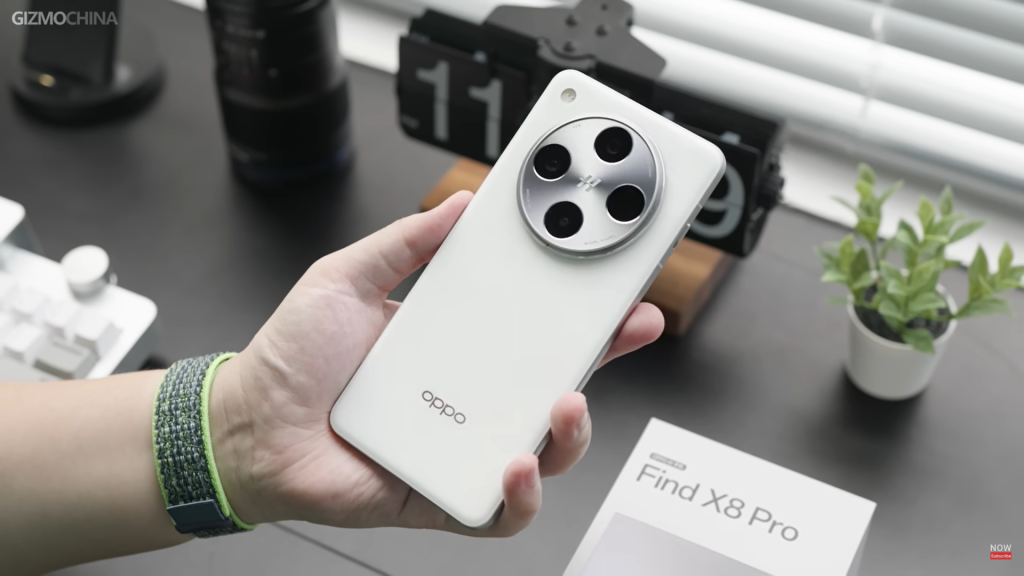
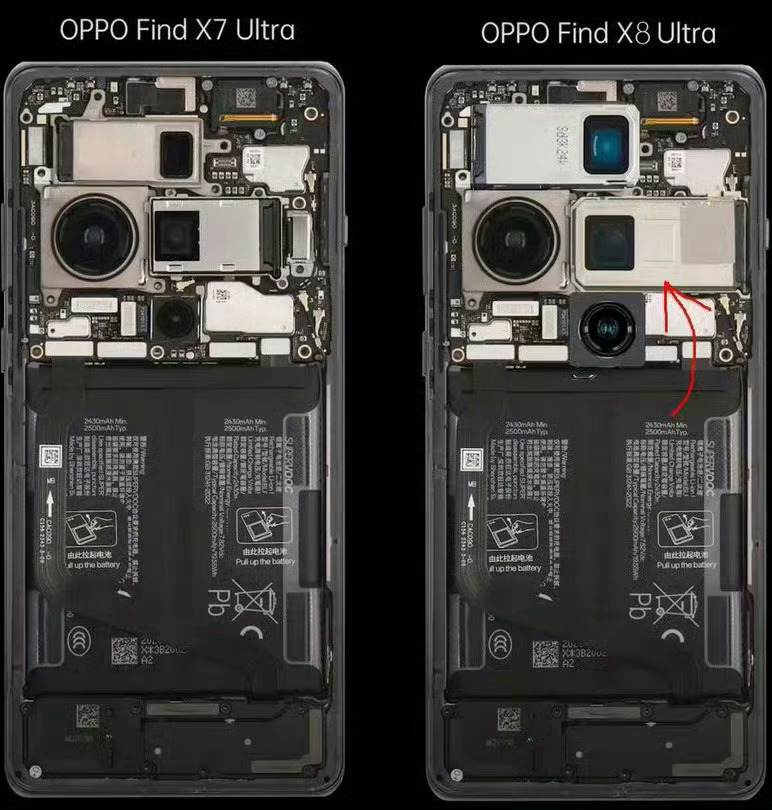
Oppo and Vivo are gearing up to launch the Find X8 series and X200 series flagship smartphones in October. Both brands are also planning to debut these devices in the global market as well, and if the rumors are to be believed, the wait will be shorter than usual this time around.

According to recent information, Vivo and Oppo are aiming to release their flagship devices internationally in October or November. If these timelines are accurate, it would represent a much earlier global debut than usual for the Chinese manufacturers.

While a simultaneous global launch is less common for Chinese brands like Vivo and Oppo, a regional launch outside of the mainland would still be a positive development for fans. The leaked information suggests that both phones will be made available with up to 16 GB of RAM and 512 GB of storage in international markets.

Oppo Find X8 series features (expected)

The Find X8 is expected to be powered by MediaTek’s Dimensity 9400 chipset, which recently posted impressive single-core and multi-core performance results on Geekbench.

A recent report indicates that the Find X8 will have a 5,700mAh battery with wireless charging support, while the X8 Pro will feature a slightly larger 5,800mAh battery, offering 50W wireless charging. Both models will support 80W wired charging. Other notable features include an IP69-rated body, an alert slider, and a dedicated camera control button.

Vivo X200 series features

Vivo has already started teasing the X200 series smartphones, with the recent one revealing the micro-quad-curved design of the display. Rumor has it that the X200 will come in a variety of colors, including Sapphire Blue, Moonlight White, Titanium, and Midnight Black.

As per reports, the X200 is expected to feature a 50-megapixel Sony IMX921 primary camera with OIS support, a 50-megapixel Samsung JN1 ultra-wide lens, and a 50-megapixel IMX882 periscope telephoto camera with 3x optical zoom. It will feature the Dimensity 9400 chipset, 16 GB of RAM, 1 TB of storage, a 5,700mAh battery with 90W fast charging support, and OriginOS 15-based Android 14.

Redmi Note 14 Pro+ beats Apple’s highest-end 2024 flagship in popularity

GSMArena has released its list of the top 10 trending phones for Week 39, with the Redmi Note 14 Pro+ securing the top spot, surpassing the iPhone 16 Pro Max. While Apple’s flagship device for 2024 is expected to regain its position in the coming weeks, this is still a noteworthy development.

Redmi-Note-14-Pro-Plus

Both devices have a completely different user base. While it’s likely for all Apple users with the budget, the world of Android has a lot more options from different brands. A midrange Android device from that crowd shooting at the top of the trending list beating the recently released highest-end iPhone is indeed an achievement for its manufacturer.

Credit: GSMArena

The 3rd and 4th positions in the trending list are also held by models from the Redmi Note 14 series—the standard Redmi Note 14 and the Redmi Note 14 Pro. Meanwhile, the Samsung Galaxy S24 Ultra takes the 7th spot.

For context, in the trending list for the previous week, the Huawei Mate XT managed to rank second while the iPhone 16 Pro Max ranked on top.

Redmi Note 14 Pro+ specifications:

The phone packs a 6.67-inch curved OLED display that reaches a peak brightness of 3000 nits. The display panel has 1220 x 2712 pixels, translating to a pixel density of 446ppi. It ensures bright, crisp, and clear visuals.

In terms of performance, the phone packs the Snapdragon 7s Gen 3 chip, launched in August this year. It scores over 1000 and 3000 in Geekbench single and multi-core CPU tests respectively.

Speaking of cameras, this phone packs a 50 MP main camera with a 1/1.55″ large sensor and OIS support. It is paired with a 50 MP 2.5x telephoto camera and an 8 MP ultrawide. The addition of the 2.5x telephoto camera is something that makes the phone special as it lets users take crisp and clear portraits.

The phone also packs a massive 6200 mAh battery but still weighs only 210 grams thanks to the Si/C battery technology, which offers a higher energy density. This is paired with 120W fast charging.

(Source)

Xiaomi 15 Pro to borrow telephoto camera from 13 Ultra

Xiaomi is expected to launch Xiaomi 15 series phones next month, following Qualcomm’s unveiling of the Snapdragon 8 Gen 4

The line will likely include vanilla Xiaomi 15 and 15 Pro, which have surfaced in a number of leaks and rumors by now. 

The trend doesn’t seem to stop, though, as a new leak by Weibo tipster “Experience More” has seemingly revealed a key camera upgrade for the Xiaomi 15 Pro. 

Xiaomi 15 Pro will have the same telephoto camera as Xiaomi 13 Ultra

The tipster suggests that the Xiaomi 15 Pro will upgrade its telephoto sensor to the Sony IMX858, which will offer an equivalent focal length of 120 mm and a lossless magnification of 5x. For comparison, the Xiaomi 14 Pro has a 75mm telephoto lens with up to 3.2x optical zoom.

Xiaomi 15 Pro camera

We’ve seen the Sony IMX858 in use on Xiaomi’s own 13 Ultra. This sensor has a 1/2.51-inch optical format and is a 50MP Quad Bayer unit with 0.7µm pixels.

Besides the 5x telephoto, the Xiaomi 15 Pro is expected to include a 50MP main sensor with a variable aperture ranging from f/1.4 to f/2.5, along with a 50MP ultrawide lens.

Rest of the specs

According to previous reports, the phone will feature a centered punch-hole display with a 2K resolution and a 120Hz refresh rate. 

It will come with a metal frame, and there are rumors of a more premium titanium special edition. The device is expected to be 8.5mm thick and weigh around 220 grams. 

Xiaomi 14 Pro
Xiaomi 14 Pro

Both the Xiaomi 15 and 15 Pro Titanium Edition have also passed 3C certification, revealing support for 90W wired charging.

Security will be handled by an ultrasonic fingerprint sensor

and you’ll get all the standard features like full-function NFC, infrared remote control, dual speakers, and IP68 dust and water resistance.

(Source)

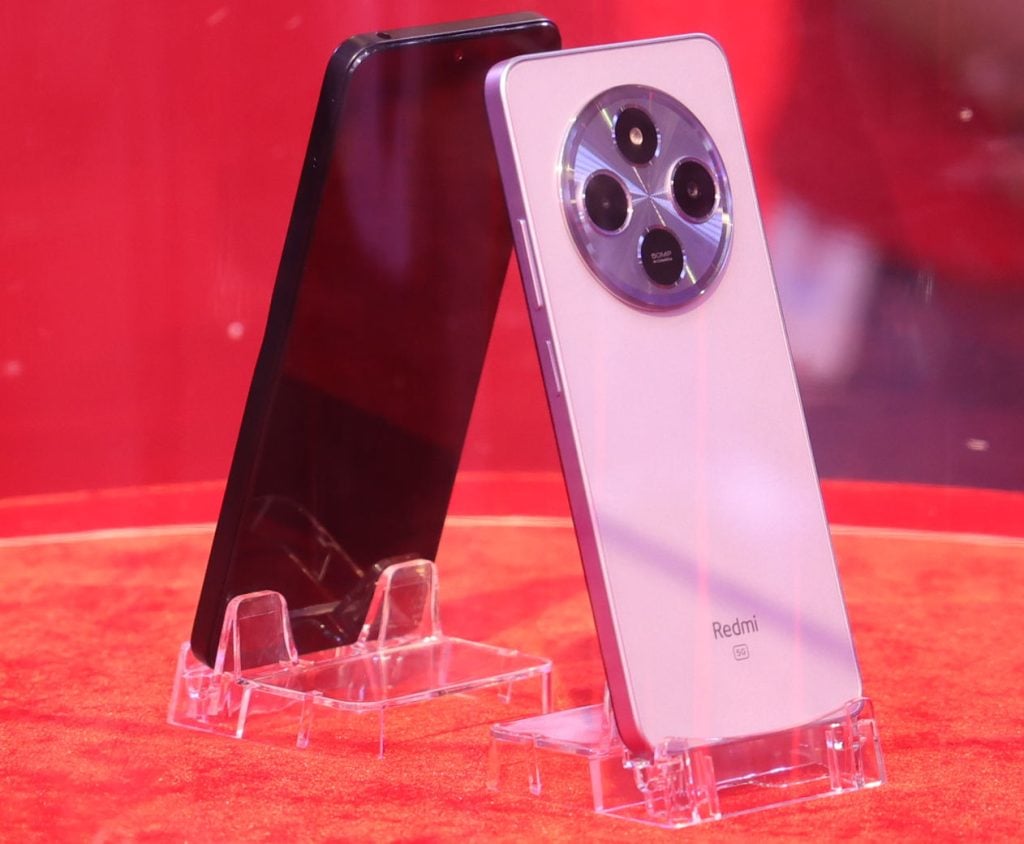
Redmi K80 series camera & chipset information revealed in a new leak

The Redmi K80 and K80 Pro are expected to launch sometime in November this year in China, which could be rebranded as the Poco F7 and F7 Pro in markets outside the country. The phones have already bagged radio certification. Now a leak reveals the camera specifications of the Redmi K80 series.

Redmi K80 to feature telephoto lens, K80 Pro to offer longer zoom

Both Redmi K80 series phones will be equipped with three cameras, of which the main camera is 50MP. According to the leak, the standard version will equip a telephoto camera, while the telephoto on the Pro version will have an upgraded 50MP 3x zoom from the 2x of last year’s K70 Pro. In addition to that, both phones will also have IP69 dust and water resistance rating.

While both the standard and Pro models were previously expected to be powered by the Snapdragon 8 Gen 3 chip, the report claims that the K80 Pro will use the yet-to-be-released Snapdragon 8 Gen 4 chip. If true, The K80 Pro will likely offer a major improvement in CPU, GPU, and AI performance. For context, last year’s standard and Pro models equip the Snapdragon 8 Gen 2 and 8 Gen 3 chips respectively.

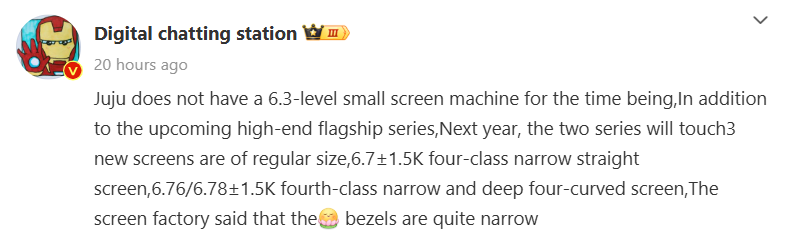
However, tipster Digital Chat Station also made a post today claiming that Qualcomm’s latest flagship chipset costs $190, which is about 20% more expensive than the Snapdragon 8 Gen 3. While we don’t know the pricing of the upcoming phones yet, the K70 and K70 Pro were launched in China last year with a starting price equivalent to $352 and $465 respectively. So the new phones may come with a higher price tag.

According to previous reports, the Redmi K80 series will equip a 6.67-inch 2K 120Hz display from TCL Huaxing Optoelectronics, which uses an upgraded C9 display material. Redmi K80 Pro is also expected to pack a 6500 mAh massive battery, which seems to be a trend for 2024 flagships and performance-centric devices. For reference, the K70 series packs a much smaller 5000mAh battery.
(Via)

Is Xiaomi Smart Band 9 worth buying?

The Xiaomi Smart Band 9 is the latest iteration in Xiaomi’s popular line of fitness trackers. It boasts several improvements over its predecessor, including a larger display, new watch faces, and enhanced health and fitness tracking features. But is it really worth buying? Let us read about its specifications, features, and overall value proposition to find out.

Xiaomi Smart Band 9
Xiaomi Smart Band 9

1. What’s to Like

  • Larger and Brighter Display: The Smart Band 9 features a 1.62-inch AMOLED display like its predecessor from last year. While the size is same, the maximum brightness has been doubled to up to 1200 nits, The increased brightness ensures better visibility outdoors.
  • Stylish Design & Customization: The Smart Band 9 maintains a sleek and minimalist design, making it suitable for various occasions. The band is lightweight at just 13.5 grams, making it comfortable to wear throughout the day and even while sleeping. It offers a wide array of watch faces and detachable strap options to personalize your device. it also allow you even create your own with the dynamic watch face feature.
  • Comprehensive Health & Fitness Tracking: The Smart Band 9 covers all the essential health and fitness metrics, including heart rate monitoring, SpO2 tracking, sleep tracking, stress monitoring, and activity tracking. It also supports over 150 sports modes, making it suitable for various activities.
  • Long Battery Life: With typical usage, the Smart Band 9 can last up to 21 days on a single charge. Even with heavy usage or AOD mode activated, you can expect around 9 days of battery life, which is impressive for a fitness tracker with such a large display.
  • 5 ATM Water Resistance: You can wear the Smart Band 9 while swimming or showering without any worries, thanks to its 5 ATM water resistance rating.
  • Other Useful Features: The Smart Band 9 also includes features like a built-in linear motor with 20 unique vibration modes, smart notifications, music control, weather updates, find my phone, and more, adding to its overall convenience.

2. What’s Not to Like

  • No Built-in GPS: While the Smart Band 9 can track your runs and walks, it relies on your phone’s GPS for accurate distance and pace tracking. This can be inconvenient if you prefer to leave your phone behind during workouts.
  • No Voice Assistant Support: Unlike some high-end smartwatches, the Xiaomi Smart Band 9 does not support voice assistants like Google Assistant or Amazon Alexa. This means users cannot use voice commands to control the band or interact with other smart devices, which might be a downside for those who appreciate hands-free operation.
  • Basic App Ecosystem: The companion app, Xiaomi Wear, while functional, might not be as comprehensive or polished as some competitors’ apps. It offers essential tracking and syncing capabilities but lacks some advanced features and insights that more sophisticated platforms like Garmin Connect or Apple Health provide.
  • No NFC: Although some versions of Xiaomi smart bands come with NFC, it’s often limited to specific regions. The global version of the Xiaomi Smart Band 9 might not support NFC payments, which can be a downside for users who want to use their band for contactless payments.

Please Note: When you buy something using the links in our articles, we may earn a small commission at no cost to you.

3. So, is it Worth Buying?

The Xiaomi Smart Band 9, priced a €39 in Europe, is an excellent fitness tracker that offers a compelling combination of features, style, and affordability. Its larger display, enhanced health and fitness tracking, and long battery life make it a worthy upgrade over its predecessor.

If you’re looking for a reliable and stylish fitness tracker to monitor your health and fitness goals without breaking the bank, the Smart Band 9 is a great option. However, if you need built-in GPS or more advanced smartwatch features, you might want to consider other options. Additionally, if you already own the Xiaomi Smart Band 8, there is no pressing need to upgrade to Band 9 as the improvements are incremental rather than groundbreaking.

Snapdragon 8 Gen 4 and Dimensity 9400 price tipped, 20% more expensive than predecessors

A new leak from usually reliable tech tipster Digital Chat Station (DCS) suggests that the next generation of flagship processors from Qualcomm and MediaTek might come at a steeper price than expected. 

Qualcomm Snapdragon 8 gen 4 and MediaTek Dimensity 9400 expected price

The reason behind this is TSMC’s expensive N3E manufacturing process, which will be the core of both the Snapdragon 8 Gen 4 (or 8 Elite, whatever it is called) from Qualcomm and Dimensity 9400 from MediaTek. The tipster mentions a roughly 20% jump in the price compared to previous generations. 

Here’s how much Snapdragon 8 Gen 4 and Dimensity 9400 might cost

With this increase, the Dimensity 9400 is expected to cost around $155, while the Snapdragon 8 Gen 4 is projected to be about $190. Although chip manufacturers typically do not disclose their prices, a 20% increase implies that last year’s flagship Dimensity 9300 should cost $124, and the Snapdragon 8 Gen 3 should be priced at $152.

This isn’t the first time we’ve heard about the rising cost of upcoming chips. In June, industry analyst Min-Chu Kuo predicted an even steeper increase, suggesting a 25-30% hike—higher than what Digital Chat Station claims. 

Similarly, tipster Ice Universe suggested a 20.68% price increase for the Snapdragon 8 Gen 4 which aligns more closely with DCS’s claims. Regardless of the exact amount, multiple reports confirm that both flagship SoCs are seeing a price hike this year.

And if manufacturers are indeed paying more for these core components, they will likely pass those costs on to consumers. As a result, expect more expensive flagships from brands this year and in 2025.

As for whether the increased cost is justified, the Snapdragon 8 Gen 4 is expected to have some big changes this year. The new SoC will be the first mobile chip from Qualcomm to feature in-house Oryon cores and early benchmarks show a notable performance boost. 

Meanwhile, MediaTek’s Dimensity 9400 will use ARM’s most powerful Cortex-X925 core. The SoC posted the highest AnTuTu benchmark score ever for an Android phone, recently.

(Source)

Snapdragon 8s Gen 3 powered HMD “Moon Knight” in the works: Details here

HMD Global, the brand behind recent Nokia phones, has recently focused on budget and mid-range devices under its own brand. However, leaked specifications suggest that HMD may be preparing to re-enter the flagship market with a new device called the HMD Moon Knight.

HMD Skyline
HMD Skyline

According to a leak from @smashx_60 on platform X, the Moon Knight (model TA-1691) is expected to feature a P-OLED display with FHD+ resolution and a 144Hz refresh rate, though the exact screen size remains unknown. The device is also likely to be powered by the Snapdragon 8s Gen 3 chipset, which isn’t exactly the top-of-the-line SoC from Qualcomm, however, it offers performance on par with previous years’ flagships like the Snapdragon 8+ Gen 1 and the Snapdragon 8 Gen 2. Details about RAM and storage were not included in the leak.

One standout feature is the rumored addition of POGO pins, hinting at a modular design similar to the HMD Fusion. This could enable attachments like cases with added functionality. The phone is also expected to feature dual speakers and an aluminum frame.

In terms of cameras, it’s reported to include a quad-camera setup, and the design might draw inspiration from the Nokia Lumia. However, details are still limited, so we’ll need to wait for more information and renders to surface in the near future.

In other news, HMD Global is preparing to launch the HMD Aura 2, a successor to the budget-friendly Aura. Leaked details reveal key upgrades, including a larger 6.56-inch LCD display with a 90Hz refresh rate, a dual-camera setup (13MP + 0.8MP), an upgraded 8MP front camera, and a more powerful UNISOC T603 processor with 4GB RAM and up to 128GB storage.

(Source)

What Makes the Redmi Note 14 Pro Plus Special?

Xiaomi recently unveiled the Redmi Note 14 Pro and Note 14 Pro+ smartphones, and as expected, the Pro+ variant steals the spotlight with an array of standout features.

Packed with premium specifications that set it apart from its competitors, the Redmi Note 14 Pro+ raises the bar for mid-range smartphones, particularly in the camera department, battery technology, and performance enhancements. Here’s a detailed look at what makes this device truly special.

Redmi Note 14 Pro Plus

1. Display and Design

One of the first things to catch your eye about the Redmi Note 14 Pro+ is its stunning curved display. Redmi Note 14 Pro+ features a striking 6.67-inch curved OLED display with a 120Hz refresh rate, 3000 nits peak brightness, and 12-bit color depth for excellent color accuracy.

It also includes 1920Hz PWM dimming to minimize flicker and reduce eye strain. For durability, the display is protected by Corning Gorilla Glass Victus 2, offering strong protection against scratches and drops.

The device is offered in Star Sand Green, Mirror Porcelain White, and Midnight Black colors, which lend an elegant and premium aesthetic to the phone.

2. Performance

Redmi Note 14 Pro+ is powered by the Qualcomm Snapdragon 7s Gen 3 processor, built on a 4nm process for fast and efficient performance, ideal for multitasking, gaming, and intensive applications.

However, there’s an important distinction: the 12GB/256GB variant uses LPDDR4X RAM and UFS 2.2 storage, while the 16GB/512GB model is upgraded to LPDDR5 RAM and UFS 3.1 storage. This upgrade in the 16GB variant results in a significant performance boost.

Additionally, the Plus variant comes with Xiaomi’s Pascal T1 signal enhancement chip that improves connectivity, enhance call quality and data speeds even in poor network conditions.

3. Battery

Redmi Note 14 Pro+ features a massive 6200mAh silicon-carbon battery with an impressive 814Wh/L energy density and 6% silicon content, offering extended battery life and a lifespan of up to four years. It also supports 90W fast charging, allowing for quick recharges, ideal for users on the go.

4. Durability

Additionally, the phone comes with an IP66+IP68+IP69 rating, meaning it offers excellent protection against dust and water, making it more durable than typical smartphones in the market. It also comes with features like stereo speakers with Dolby Atmos, an in-display fingerprint sensor, and 5G connectivity further elevating the premium feel of the device.

5. Final Thoughts

The Redmi Note 14 Pro+ delivers a comprehensive package of cutting-edge features that make it stand out in the crowded mid-range smartphone market.

From its Snapdragon 7s Gen 3 performance, 120Hz curved OLED display, and advanced triple-camera setup, to its 6200mAh silicon-carbon battery with 90W fast charging, this phone is designed to cater to users who seek both performance and value.

The device also appeals to those who prioritize durability, thanks to its robust waterproof rating. All of this is offered at a price that undercuts many flagship smartphones, making the Redmi Note 14 Pro+ a compelling choice for consumers looking for high-end features without breaking the bank.

Snapdragon X Elite’s core architecture revealed; leads to surprising discoveries

The first Snapdragon X Elite laptops began shipping in June this year. This ARM-based PC chip stands out compared to Intel chips primarily due to its superior power efficiency. On one hand, it means much longer battery life, on the other, it ensures a thin and lightweight body as it doesn’t require same cooling measures anymore.

Snapdragon X Elite

The first Snapdragon X Elite laptops began shipping in June this year. This ARM-based PC chip stands out from Intel chips primarily due to its superior power efficiency. On one hand, it offers much longer battery life; on the other, it allows for thinner and lighter designs, as it no longer requires the same cooling measures. But ever wondered how that big of a change Qualcomm made possible by just replacing the chipset?

While it started with bold efficiency claims from the company and ended with positive reviews regarding battery life, detailed information about the chipset was scarce until now.

In the latest news, Snapdragon X Elite’s kernel images and module distribution map have been exposed and compared with Apple M4, which leads to some surprising discoveries.

Snapdragon X Elite is only slightly larger than Apple M4

The Snapdragon X Elite has a core area of ​​169.6 square millimeters, which is almost exactly the same as the Apple M4. However, the Snapdragon chip is based on TSMC’s 4nm process while the Apple M4 is based on TSMC’s 3nm process.

So the Apple M4 can pack more transistors per square millimeter compared to the Snapdragon X Elite, which uses TSMC’s 4nm process. For those unfamiliar, as processes shrink, the space between transistors decreases, allowing more transistors to fit in the same die area. Therefore, the Apple M4 is likely to have a higher transistor count despite the similar core area, which suggests better performance and energy efficiency as compared to Qualcomm’s offering. But surprisingly, the difference in performance and energy efficiency doesn’t seem to be that big.

Notably, while transistor density is a big factor, architecture, design choices (e.g., number of CPU cores, cache size, clock speeds), and optimization also significantly impact performance. For instance, the design of the individual cores and the use of AI accelerators also matter.

A much larger CPU cluster and a relatively compact GPU

The Snapdragon X Elite is equipped with up to 12 Oryon architecture CPU cores, codenamed Phoenix, with a single area of ​​2.55mm2. This is slightly smaller than the Apple M4’s 3mm2 performance core and is exactly the same as the A16’s performance core. Each core has 192KB of L1 instruction cache and 96KB of L1 data cache, while every four cores share 12MB of 12-way L2 cache (36MB in total), with a single group area of ​​6.1mm2.

While the CPU cluster occupies significantly more space, the Adreno X1 GPU turns out to be only 24.3mm2, which is 25% smaller than that of Apple’s M4.

(Via)

Apple’s first smart display with new HomeOS likely to launch next year

Apple has long been rumored to be working on a smart display to compete with Amazon’s Echo and Google Nest. A new leak now suggests that these devices could finally debut in 2025, running on a brand new platform called homeOS.

Words for it come from Bloomberg’s Mark Gurman who claimed Apple is working on not one, but two pairs of smart displays, each designed to bring their AI smarts to your home. 

The first model is reportedly code-named J595 and is expected to be the premium option of the two. Gurman previously reported that this model might come with a robotic arm that can tilt and rotate the screen for better viewing. 

Apple smart display launch

The second device, code-name J490, will be a more affordable offering and is said to be designed primarily for running apps like Calendar, Notes, and Home. It will also include an interface optimized for controlling home appliances and quickly seeing information. Apple’s prototypes for these smart displays are also reportedly capable of magnetically attaching to walls or sitting atop desks. 

Apple’s first smart display might launch in 2025

Gurman suggests that we might see the launch of the affordable model as early as next year. While the insider mentions no specific release timeframe for the J595, it is expected to cost over a thousand dollars.

Both these displays are rumored to run on Apple’s new HomeOS that will be built on the existing tvOS that powers Apple TV devices. The key differentiator here seems to be the integration of Apple Intelligence features. 

Unlike current Apple TVs and HomePods that lack the hardware muscle for on-device AI processing, these smart displays might be able to run some (or all) of those features locally. 

Functionally, these Apple smart displays will be similar to what Amazon’s Echo and Google Nest offer. It’s just the usual Apple pattern of entering markets with existing traction in its own style. Unsurprisingly, users already in the Apple ecosystem are likely to prefer these upcoming smart devices over the existing options.

Lava Agni 3 5G launch date confirmed, teasers hint new design, secondary screen, action button, and more

Lava has finally confirmed the launch date for the much-awaited Lava Agni 3 5G smartphone. The brand will take off covers from the next Agni-branded phone on Oct. 4 in India. The company is yet to confirm the technical specifications of the device. However, the official teasers carry some hints about its rear design.

Lava Agni 3 design (rumored)

:Lava Agni 3 5G teaser

The Lava Agni 3 5G features a rectangular camera module with a triple camera unit on the left side. There appears to be a vacant space on the right, which, according to reports, houses a secondary display. This display could be used for basic features like a calendar, a steps counter, and more. Therefore, it seems that the rear design of the phone is inspired by the Xiaomi 11 Ultra.

Interestingly, the Lava Agni 3 seems to feature a volume rocker on the left. The right side appears to have an additional button apart from the power button. This new button bears a resemblance to the Action button on iPhones.

Lava Agni 3 5G teaser

The Lava Agni 3’s front design is yet to be revealed by the company. Likely, the phone will continue a curved-edge OLED panel. It might have an in-screen fingerprint sensor for security.

Lava Agni 3 5G specifications (rumored)

Lava Agni 3 5G teaser

The teasers released by Lava have confirmed that the Agni 3 is fitted with an OIS-enabled 50-megapixel triple camera system. It may arrive with a 6.78-inch AMOLED panel that offers an FHD+ resolution and a 120Hz refresh rate.

Under the hood, the Agni 3 5G could be equipped with the Dimensity 7300X chipset. Like the Agni 2 from last year, the successor model may ship with 8 GB of RAM and 256 GB of built-in storage. It will run on Android 14 and offer a bloatware-free experience like other Lava phones.

The Lava Agni 2 5G retailed for Rs 21,999 (~$263). Therefore, it is likely that the Agni 3 may arrive with similar pricing.

Hyper OS Enhanced Edition Beta 1.1.4.0 brings several improvements to Xiaomi 14 and Redmi K60 Ultra

To begin with, HyperOS Enhanced Edition is an independent branch of Xiaomi’s HyperOS, which serves as a testing ground for the company to experiment with new kernel-level technical solutions. According to Xiaomitime, these technologies might later be integrated into the main OS after thorough testing.

Xiaomi HyperOS 2.0 update

In the latest news, Xiaomi released the HyperOS Enhanced Edition Beta version 1.4.0.VNCCNXM.BETA and 1.1.4.0.VMLCNXM.BETA for Xiaomi 14 and Redmi K60 Extreme Edition respectively.

The company has officially stated that the beta update offers more natural system animations and optimized power consumption during gameplay.

Xiaomi 14 changelog

Desktop

  • Optimize the problem of incomplete icon display after folder expansion
  • Optimize the problem of large blank space at the top of the desktop layout
  • Optimize desktop drawer interface layout
  • Fixed the issue where the desktop stopped running in some scenarios
  • Fixed the issue of delayed updates for smart recommended apps

Lock screen

  • Fixed the issue where the interface occasionally flickers when switching from “off screen” to “lock screen”

Recent Tasks

  • Fixed the issue of the app card shaking when pushing up the app

Redmi K60 Ultra changelog:

Desktop

  • Optimize the problem of incomplete icon display after folder expansion
  • Optimize the problem of large blank space at the top of the desktop layout
  • Optimize desktop drawer interface layout
  • Fixed the issue where the desktop stopped running in some scenarios
  • Fixed the issue of delayed updates for smart recommended apps

Recent Tasks

  • Fixed the issue of the app card shaking when pushing up the app

Recorder

  • Fixed the issue where recording could not be performed after granting microphone permission

A previous report also suggests that the HyperOS Enhanced Beta could be a preview of HyperOS 2.0, which the company could announce as soon as October this year. This means that those who use the Enhanced Beta get an early look at the new changes before anyone else.

Here’s your first look at upcoming OnePlus 13 from official sources

The OnePlus 13 has been making headlines for months, fueled by a steady flow of leaks and rumors. Now, we’re finally getting some official details.

Louis Lee, President of OnePlus China, shared the first look at the OnePlus 13 on Weibo. The image reveals only the front of the phone, or more specifically, just the display panel with a small punch-hole cutout in the center. The bezels appear slim, but it’s hard to say for sure since the device isn’t fully assembled.

OnePlus 13 to come with BOE’s second-gen Oriental Screen

The star of the show, however, is BOE’s second-gen Oriental Screen the OnePlus 13 is now confirmed to debut with. Its predecessor, the OnePlus 12, featured the first-gen Oriental screen with a peak brightness of 4,500 nits, 3168x1440p resolution, 120Hz refresh rate, 2160Hz high-frequency PWM dimming, and pixel density of 510 PPI.

Li Jie says that this “second-generation Oriental screen” will provide even better performance, claiming it will be “far ahead of others.”

What does this mean? To be perfectly frank, we have no idea. The President hasn’t provided many details, but we can expect an upgrade from the already impressive display on the OnePlus 12.

A recent leak also revealed the back design of the OnePlus 13. It shows a distinct camera area, unlike the OnePlus 12’s camera module, which seamlessly blends into the phone’s edge.

OnePlus 13 Specifications (Expected)

The OnePlus 13 will feature Qualcomm’s upcoming Snapdragon 8 Gen 4 processor, paired with 24GB of LPDDR5X RAM. According to its 3C certification, the phone will support 100W wired charging. Reports suggest it will house a 6,000mAh battery and offer 50W wireless charging.

Camera-wise, it is expected to come with a 32-megapixel camera, while the back will have a triple camera setup: a 50-megapixel (LYT-808, OIS), a 50-megapixel (LYT-600, ultra-wide), and a 50-megapixel (LYT-600, 3x periscope) lens. The phone is also expected to feature an IP69-rated body, an alert slider, a metallic frame, and a 0916 Turbo haptic motor.