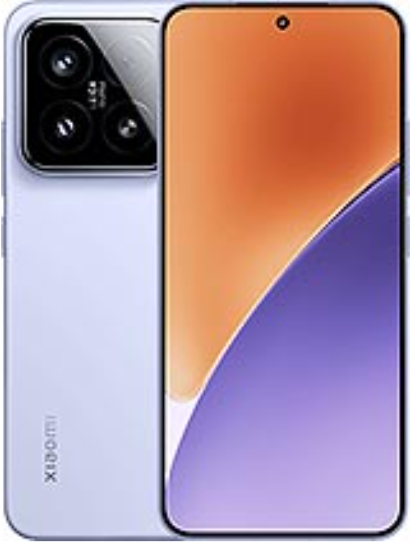
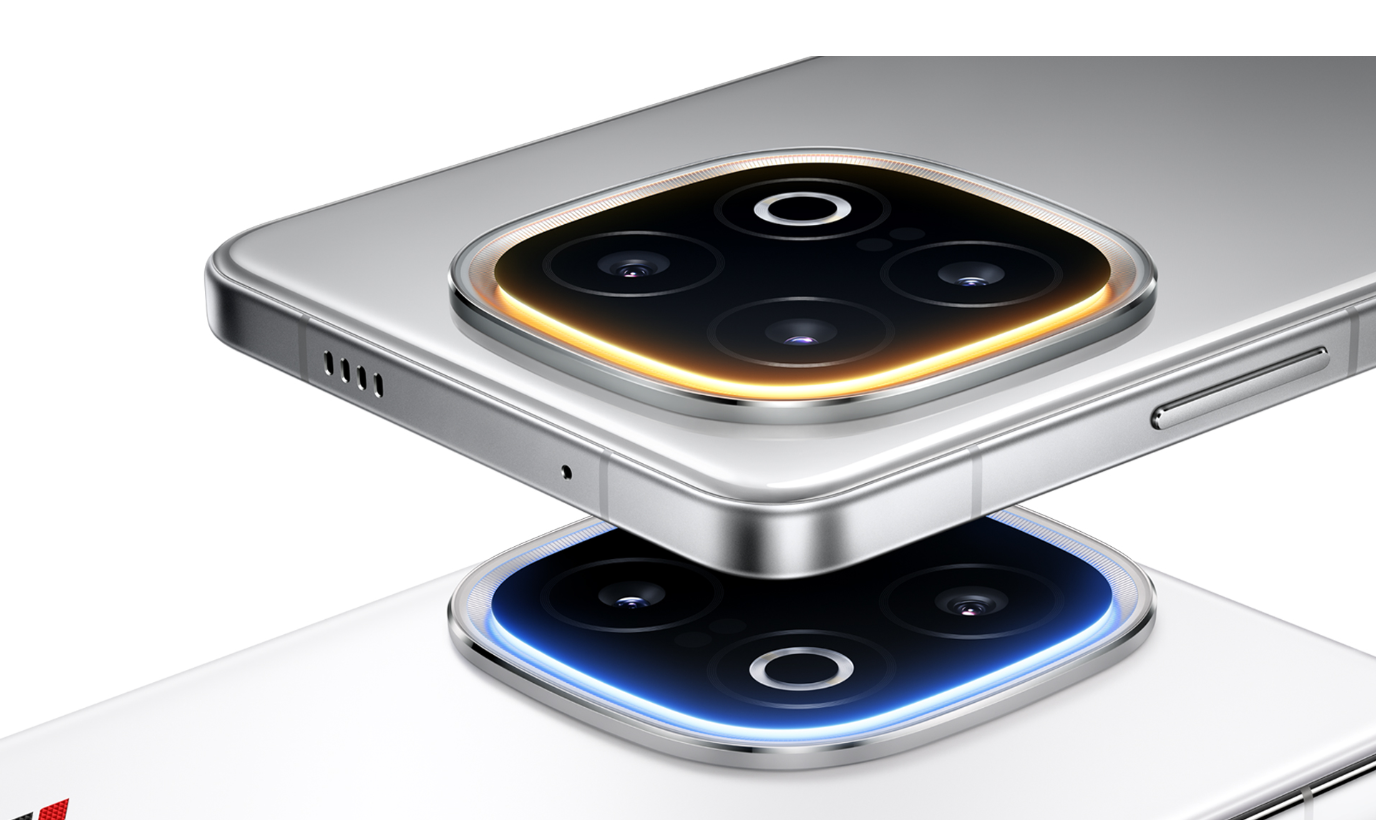
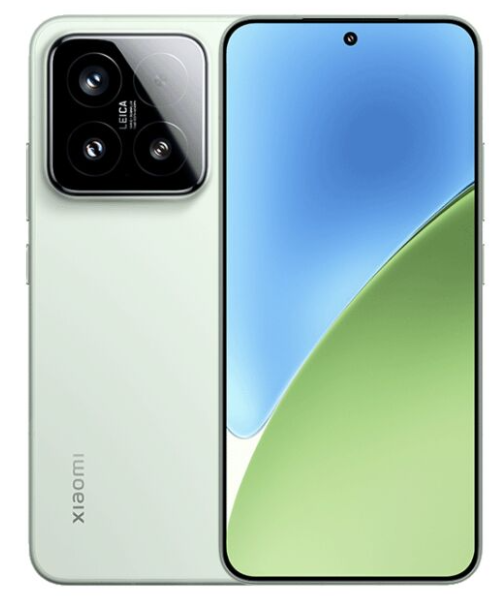
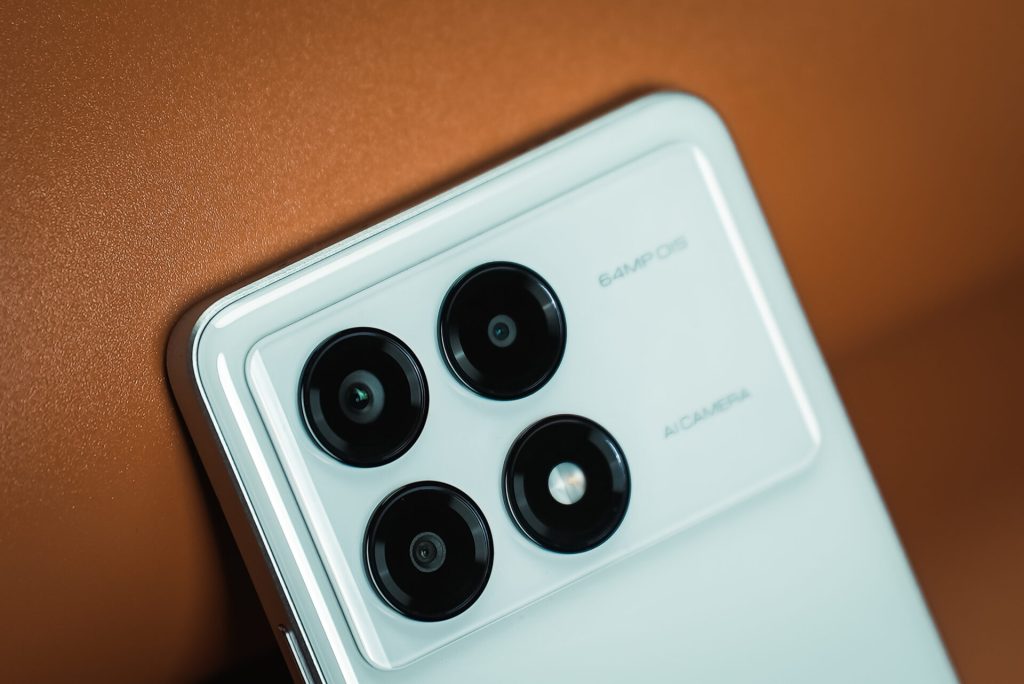
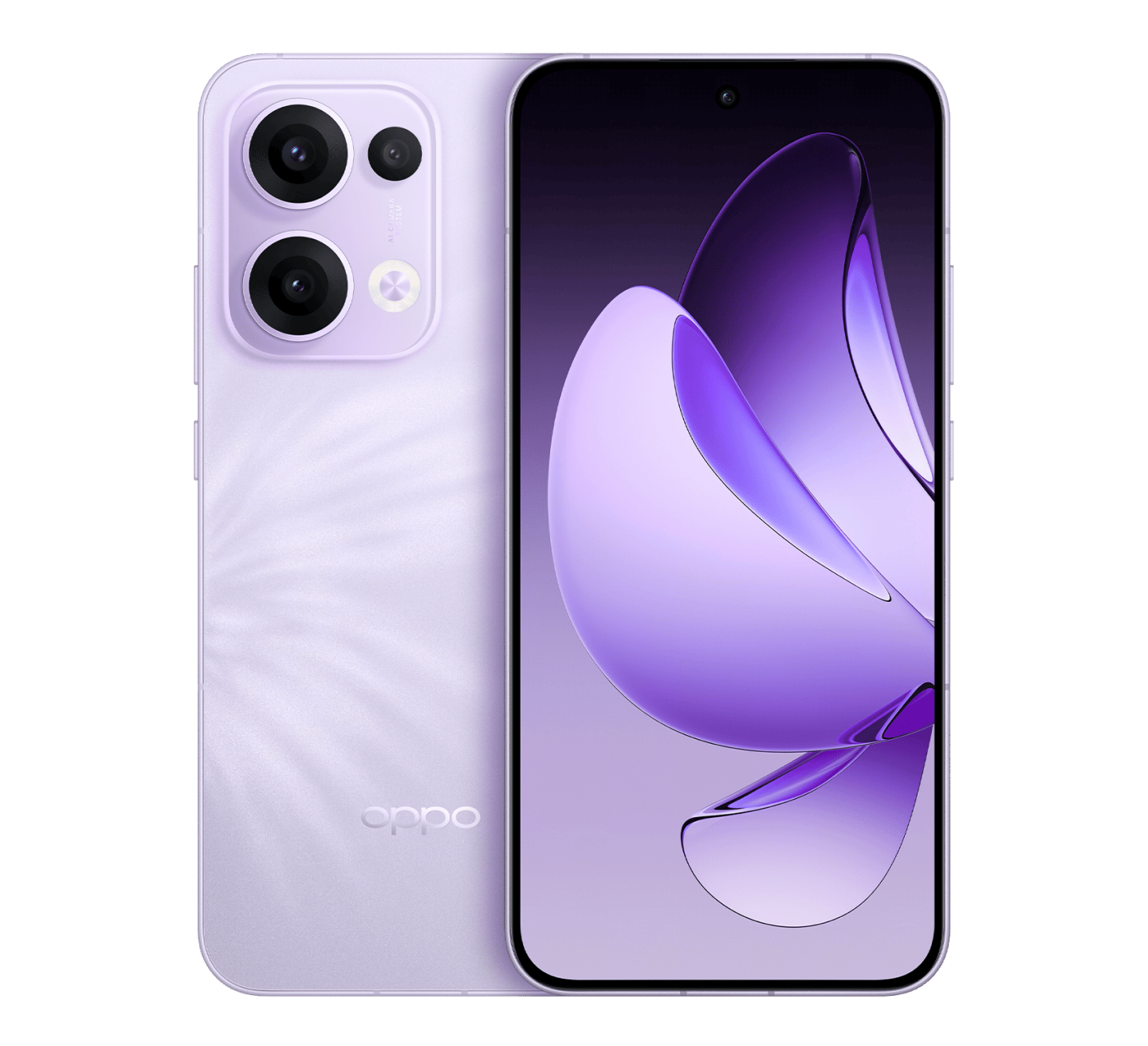
The much-anticipated Honor 300 series continues to generate buzz, with a new leak revealing key details about the Honor 300 standard version. The phone is shaping up to be a compact yet capable budget-friendly device with a focus on essential features. Check out the leaked promotional images below.
Honor 300 key specs (rumored)
The Honor 300 standard version will feature a 50MP dual rear camera setup, likely catering to users who prioritize photography without breaking the bank. According to the tipster, the phone is equipped with a right-angled plastic middle frame and an optical fingerprint sensor for unlocking.
In terms of performance, Honor 300 is powered by a Snapdragon 7 series processor, which balances efficiency and performance for mid-range smartphones. A highlight is its support for 100W fast charging.
Notably, this phone boasts an ultra-slim design with a 6.97mm thick body (significantly slimmer than the already slick 7.7 mm Honor 200), making it one of the sleekest smartphones that has hit the market in recent years. It will be available in four configurations, including:
8GB + 256GB
12GB + 256GB
12GB + 512GB
16GB + 512GB
Honor has officially confirmed that the Honor 300 series will sport a flat-screen design, contrasting with the current trend of curved displays of the Pro models.
Moreover, the Honor 300 standard version will come in four elegant colors, including Luyan Purple, Chaka Green, Yulong Snow, and Cangshan Gray. The phone adopts a unique “wilderness porthole” design, adding a distinctive touch to its aesthetics.
Expectations for the Honor 300 series
While the standard model sets a solid foundation, the Honor 300 Pro and 300 Pro Plus versions are expected to bring higher-end features. Reports suggest these variants will feature the flagship Snapdragon 8 Gen3 chip (more capable than the Snapdragon 8s Gen 3 of the Honor 200 Pro), 1.5K displays, and single-point ultrasonic fingerprint sensors (an upgrade over the optical fingerprint scanner of the predecessor), offering a considerable improvement in the overall user experience.
The Honor 300 series has already received China’s 3C certification, confirming 100W fast charging across the lineup. While wireless charging is expected for the Pro models, it remains uncertain whether the standard version will include this feature.
With an official launch expected before the end of the year, the Honor 300 series promises a range of choices for users seeking value and performance. If the leaks are accurate, Honor is poised to deliver a compelling mix of affordability and innovation with the Honor 300 lineup.
Smartphone makers are known to push the boundaries in innovations. This can include photography, display, performance, battery life, and much more. While Apple and Samsung used to be pioneers in mobile devices, Chinese brands are often much ahead in terms of all of these innovations. One of the areas that the two veteran brands lag behind the most is its fast charging technology. So here’s why Samsung and Apple struggle to keep up in this area.
In recent years, Chinese smartphone makers have taken the fast charging game to the next level on smartphones. Flagship models from brands like Xiaomi, Oppo, Vivo, OnePlus, and others often near or hit the 100W mark. There are even certain models from brands that have crossed the 200W charging rate as well. A great example of this is the Realme GT 5, which supports 240W fast charging.
These blazing fast charging rates stem from innovations made by significant investments in research and development. This is not only to improve battery efficiency but also to improve charging rates without compromising on safety or battery health.
2. The Old Excuse
As of right now, Samsung and Apple offer maximum charging speeds of around 45W. While this isn’t as terrible as it used to be, it used to be much slower before. But these still pale in comparison to the triple digit wattage offered by the Chinese competitors.
In the past, both brands have adopted a cautious stance regarding charging technology. They have a conservative approach, claiming an emphasis on maintaining battery health. Back in the day, this excuse made sense as the technology was unproven, immature, and not fully trusted. But Chinese smartphone manufacturers aren’t simply brute forcing the fast charging speeds anymore.
3. How Chinese Brands innovate in fast charging
There are plenty of ways that brands like Realme, Oppo, Xiaomi, and others improve fast charging. One of the best examples of this is the dual cell system. These companies found that charging two cells under the hood can boost the speed at which a device charges. The Xiaomi 13 Pro with a single cell managed to max out at 120W wired fast charging, while the iQOO 11 Pro was unveiled with 200W fast charging via dual cells. So charging two cells helps improve the charging rate without compromising the health of the battery.
In other words, the Chinese companies have basically addressed most of these issues, which Apple or Samsung could “reinvent” or “innovate” on. Many had initially criticized OnePlus for its bulky charging adapters that looked like a brick. But this brick actually helped keep the smartphone cool during fast charging. The new silicone-carbon anode batteries shipping in the new flagship phone also allow for higher battery capacity without an increase in battery size. Apple and Samsung are basically running out of reasons to not improve in this area.
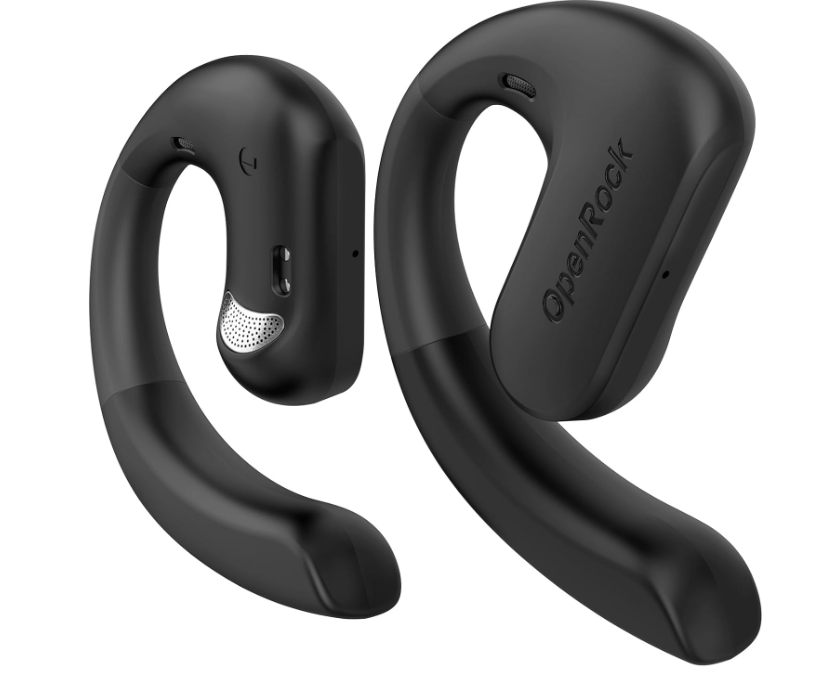
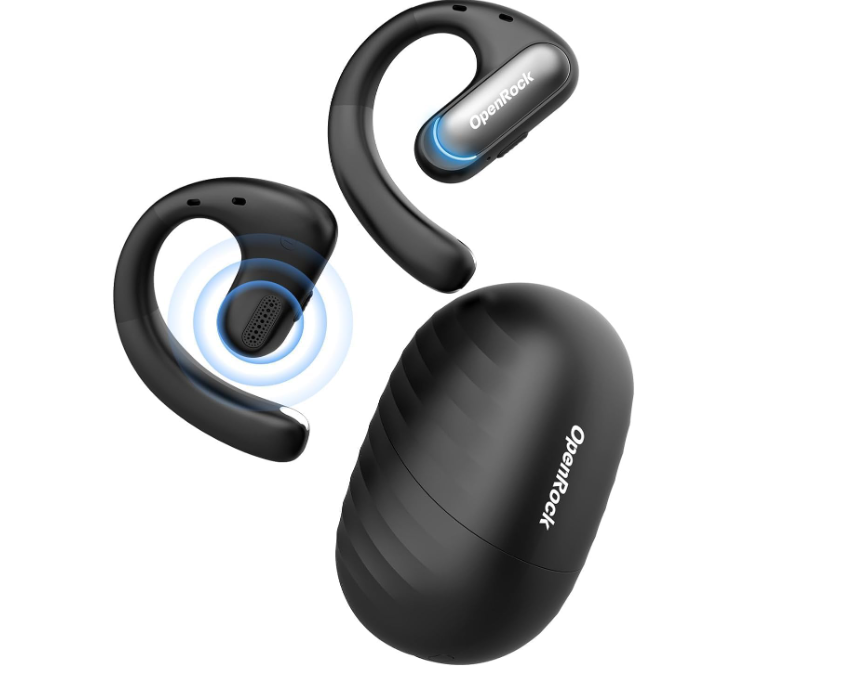
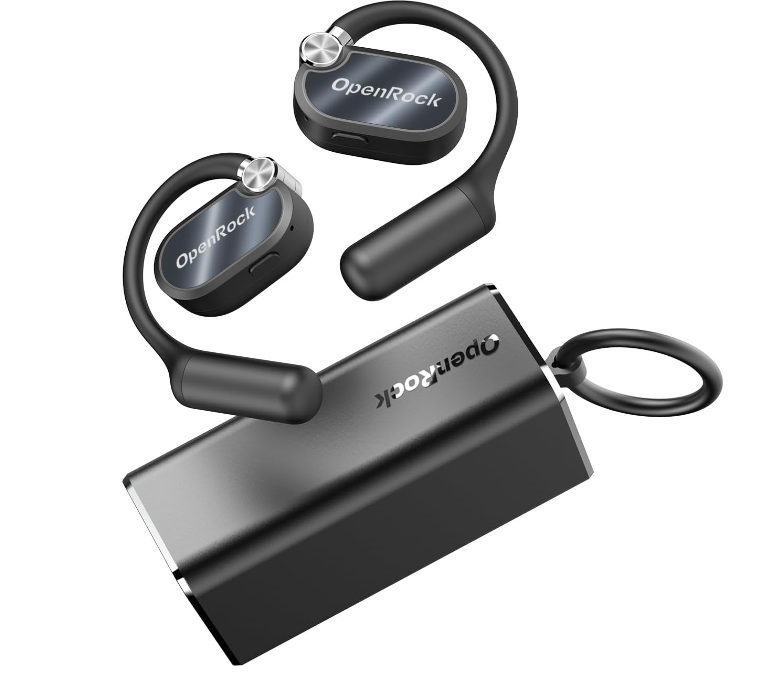
This Black Friday, take advantage of incredible deals on OpenRock’s premium open-ear sport earbuds, designed to elevate your listening experience whether you’re working out, commuting, or just enjoying your favorite music. The OpenRock S, OpenRock Pro, and OpenRock X offer cutting-edge sound technology, long battery life, and a comfortable fit for all-day wear. With discounts of up to $50 off and up to 20% off, there’s never been a better time to upgrade your audio game. Whether you’re looking for deep bass, superior call quality, or a customizable fit, OpenRock has the perfect pair of earbuds for you. These exclusive deals are available from November 21 to December 2.
Get the OpenRock S for just $49.99 (originally $99.99) and save $50 this Black Friday! Enjoy superior sound and open-ear comfort with cutting-edge TubeBass™ technology. The deal is only available from November 21 to December 2.
The OpenRock Pro is now just $103.99 (down from $129.99). It offers premium sound quality, long battery life, and AI noise-canceling microphones. Perfect for sports and everyday use, it is also available with a 20% discount for Black Friday! Available from November 21 to December 2.
Save 20% on the OpenRock X, now only $143.99 (original price $179.99). With immersive sound modes, customizable fit, and a long-lasting battery, it’s the ultimate open-ear sport earbud. The deal ends on December 2.
OpenRock S: The Ultimate Sports Headphones
The OpenRock S is designed to elevate your sports experience with high-quality sound, comfort, and advanced technology. Featuring TubeBass™ technology, these open-ear headphones deliver powerful bass and clear sound while minimizing noise leakage. The multi-cavity acoustic system optimizes sound waves for enhanced bass performance, making them perfect for high-intensity workouts.
Tailored Sound for Every Workout
With customizable sound modes, the OpenRock S adapts to your exercise needs. Rock Mode emphasizes deep bass, energizing you during activities like running and cycling, while Relax Mode offers a more balanced sound for calming exercises such as yoga or meditation. OpenRock’s self-developed dynamic audio algorithm adjusts the sound in real-time for optimal audio quality.
Comfortable and Secure Fit
The open-ear design ensures comfort by keeping your ears dry and breathable, preventing irritation. The ergonomic ear hooks offer a secure, personalized fit, even during intense movements, while allowing you to stay aware of your surroundings for safety.
Long Battery Life and Durability
Enjoy up to 60 hours of battery life, with 19 hours of continuous playback on a single charge. The OpenRock S is IPX5 water-resistant, making it sweat and rain-proof, and supports fast charging with 5 minutes offering 1 hour of use.
Key Specs:
TubeBass™ technology for enhanced bass
16.2mm driver for dynamic sound
Customizable Rock and Relax Modes
Dynamic audio algorithm for real-time sound adjustment
OpenRock Pro: The Next Gen of Open-Ear Sport Earbuds
The OpenRock Pro Open-Ear Sport Earbuds are designed to deliver superior sound quality and comfort for your everyday needs. Whether you’re commuting, working out, or simply relaxing, these earbuds provide an exceptional listening experience with a focus on clarity and powerful bass.
Premium Sound with TubeBass™ Technology
The OpenRock Pro features patented TubeBass™ technology and 16.2mm dynamic drivers, delivering rich, solid low frequencies and crisp high-end details. This ensures that every note, from deep bass to delicate piano tones, is crystal clear, making it ideal for various listening scenarios.
Comfortable and Safe Open-Ear Design
Unlike traditional bone-conduction earbuds, the OpenRock Pro uses air conduction technology, which ensures no pressure on the ear canal. The open-ear design allows you to enjoy music while maintaining awareness of your surroundings, making them perfect for outdoor workouts or driving.
Long Battery Life
With 19 hours of playtime on a single charge and up to 46 hours with the charging case, OpenRock Pro is built to last. Its ultra-long battery life ensures you can keep enjoying your music all day long, from office work to fitness sessions.
Clear Calls with Noise Reduction
The OpenRock Pro comes equipped with dual-mark noise reduction and beamforming technology, offering clear phone calls even in noisy environments. This makes it ideal for both work and play.
The OpenRock X Open-Ear Sport Earbuds are engineered to provide an exceptional audio experience tailored for active lifestyles. With advanced sound technology and a comfortable, secure fit, these earbuds are ideal for sports, workouts, and daily activities.
Superior Sound Quality
Equipped with a 14.2mm custom dynamic driver and a unique compound diaphragm, the OpenRock X delivers powerful bass and crystal-clear sound. The custom BassDirect™ cavity ensures minimal sound leakage, providing a rich and immersive listening experience. Paired with the industry-leading LISO 2.0 algorithm, these earbuds produce detailed, high-resolution sound across the full frequency range.
Professional Audio Modes for Sports
OpenRock X features multiple sound modes to optimize your workout. Rock Mode boosts deep bass for high-energy activities like running and cycling, while Relax Mode delivers a more balanced sound for yoga and meditation. For noisy environments, Boom Mode amplifies sound for an intense listening experience.
Comfort and Fit
The open-ear design keeps your ears dry and breathable, ensuring comfort for long hours. The dual-axis adjustable ear hooks offer a customizable fit, keeping the earbuds securely in place during intense movements.
Long Battery Life and Durability
Enjoy 12 hours of playback on a single charge and up to 48 hours with the charging case. The IPX5 waterproof rating ensures that the OpenRock X is sweat, water, and dust-resistant, making it perfect for any workout.
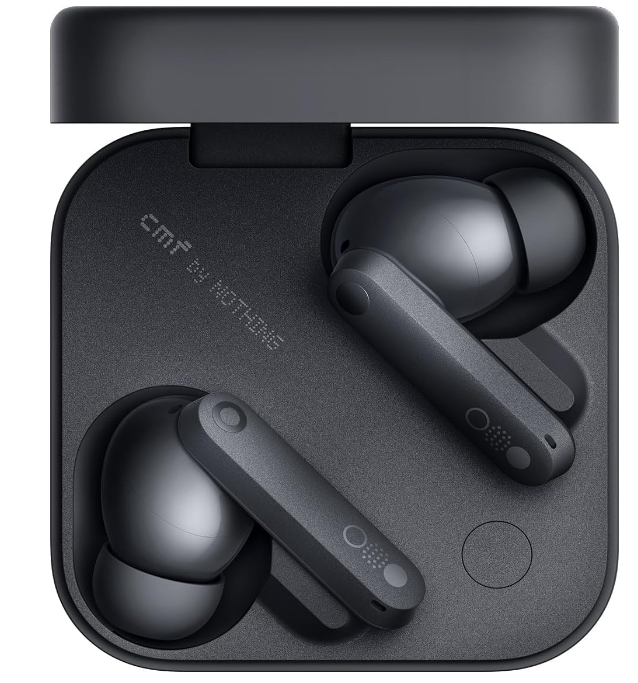
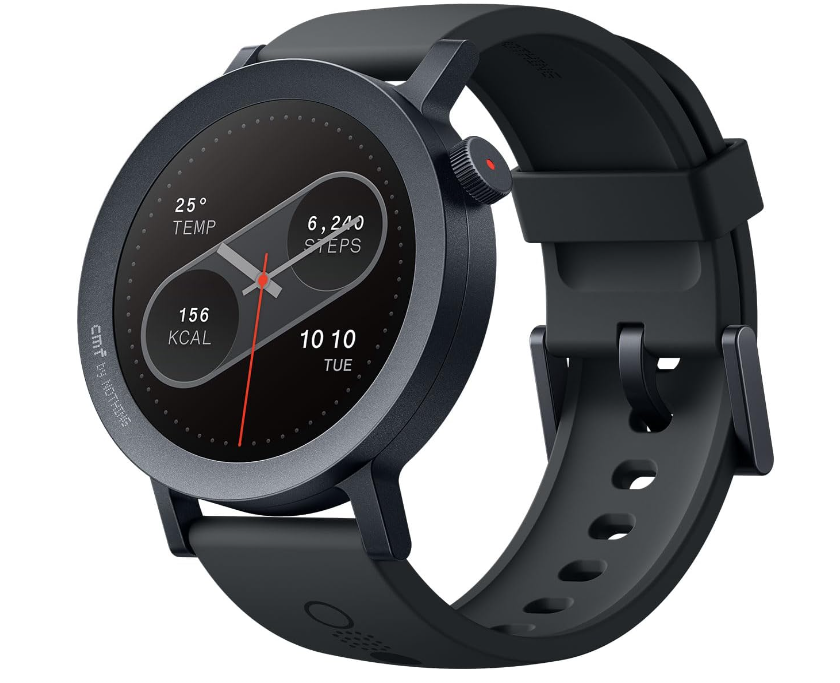
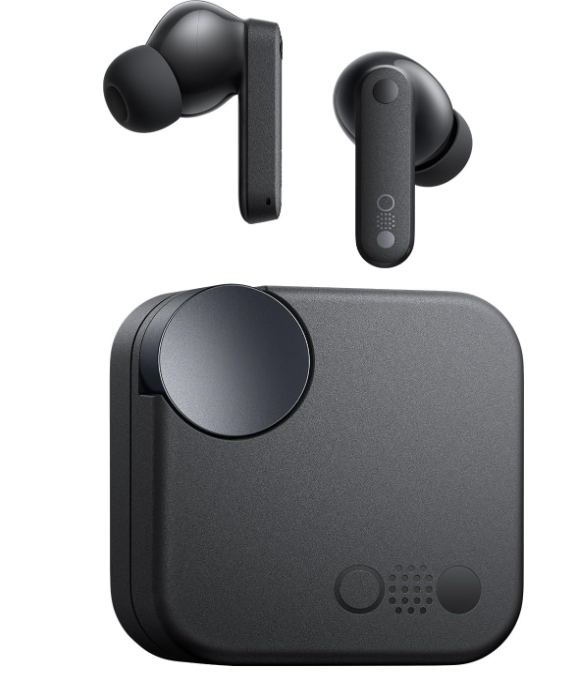
Discover the latest in smart tech with CMF’s premium lineup. From the CMF Buds Pro 2 and CMF Buds Wireless Earbuds, offering top-notch sound and advanced features, to the versatile CMF Watch Pro 2 Smartwatch, designed to elevate your lifestyle, there’s something for everyone. These products combine innovation, style, and performance to enhance your daily life.
Unmissable CMF Deals
Get incredible discounts on CMF products from November 21 to December 2, 2024.
Don’t miss this chance to grab premium audio and smart devices at unbeatable prices.
CMF Buds Pro 2
Unmatched Noise Cancellation The CMF Buds Pro 2 are equipped with advanced Hybrid Active Noise Cancellation, reducing noise by up to 50 dB across a broad frequency range of up to 5000 Hz. Whether it’s muffling everyday chatter or the noise of a subway, the ANC technology ensures crystal-clear audio and uninterrupted focus, making it your ultimate sound filter on the go.
Studio-quality sound with LDAC Technology Experience Hi-Res Audio Wireless with LDAC, delivering an unparalleled listening experience. With a transmission rate of up to 990 kbps/24-bit/96 kHz—three times faster than standard wireless methods—the Buds Pro 2 preserve every detail of your favorite tracks, offering sound clarity akin to a professional sound studio.
Enhanced Bass Performance The Ultra Bass Technology 2.0 dynamically amplifies low frequencies for a richer and deeper bass experience. Without compromising mid and high tones, the earbuds adjust bass levels in real time. Personalize your sound with five adjustable bass levels via the Nothing X app, ensuring every beat resonates powerfully.
Extended Playtime and Fast Charging The CMF Buds Pro 2 come with a robust 60 mAh battery in each bud, providing up to 10 hours of non-stop listening. Combined with the charging case, you’ll enjoy an impressive 43 hours of playback, keeping your music going all day long.
Smart and Adaptive ANC For a truly tailored listening experience, switch to Adaptive ANC mode in the Nothing X app. This mode intelligently adjusts noise cancellation to suit your surroundings, ensuring you hear only what you want, wherever you are.
The CMF Buds Pro 2 combines cutting-edge noise cancellation, premium sound clarity, and extended playtime, delivering a superior wireless audio experience for music lovers and professionals alike.
Comprehensive Health Monitoring The CMF Watch Pro 2 is designed to keep you on top of your health. With advanced heart rate monitoring and SpO₂ (blood oxygen) tracking, you can monitor vital stats at any time. These features help you maintain a healthy lifestyle by giving you accurate insights into your overall well-being.
Track Your Fitness Goals Stay active and achieve your fitness goals with support for 120 sports modes. Whether it’s running, cycling, swimming, or yoga, the watch tracks your performance metrics in real-time, helping you improve with every workout. The built-in GPS ensures precise location tracking, making it ideal for outdoor activities.
Convenient Bluetooth Calling Stay connected on the go with Bluetooth calling. The watch allows you to make and receive calls directly from your wrist, complete with AI noise reduction for clear conversations. This feature ensures you never miss an important call, even when your phone is out of reach.
Durable and Waterproof Design With an IP68 waterproof rating, the CMF Watch Pro 2 is built to withstand your active lifestyle. Wear it confidently during workouts, rainy runs, or even while swimming. Its robust design ensures durability in all conditions.
Seamless Compatibility and Smart Features The CMF Watch Pro 2 is compatible with both Android and iOS devices, ensuring a seamless connection no matter what phone you use. It offers a suite of smart features, including notifications, music control, and more, to keep you organized and in control throughout the day.
The CMF Watch Pro 2 combines advanced health tracking, fitness features, and smart functionality, making it the perfect smartwatch for anyone seeking to balance health, work, and life effortlessly.
Advanced Noise Control The CMF Buds deliver exceptional noise management with 42 dB active noise cancellation, effectively blocking unwanted sounds. A transparency mode lets you stay aware of your surroundings when needed, making it perfect for commutes or quick conversations. With a frequency range of up to 2900 Hz, these earbuds ensure a distraction-free listening experience.
Enhanced Audio Quality Experience rich and immersive sound with the 12.4mm dynamic driver and a custom bio-fiber TPU diaphragm. Supporting AAC and SBC codecs, the CMF Buds also feature Dirac Opteo and Ultra Bass Technology 2.0, enhancing audio performance for deeper bass and crisp highs. Enjoy every beat, every note, and every detail.
Long Battery Life and Fast Charging With a 45 mAh battery in each earbud, you can enjoy up to 8 hours of non-stop music. Combined with the charging case, the total playback time extends to an impressive 35.5 hours. When you need a quick boost, a 10-minute charge gives you up to 6.5 hours of playtime.
Clear and Reliable Calls The CMF Buds are designed for crystal-clear communication. Equipped with 4 HD microphones and AI Environmental Noise Cancellation, they isolate background noise in real time for clear and uninterrupted calls.
Smart Features for Everyday Use Stay connected with Bluetooth 5.3 and dual-device connectivity, allowing you to switch between devices seamlessly. The earbuds are IP54-rated for water and dust resistance, making them ideal for everyday use. Additional features like low-lag mode for gaming, customizable controls, and the ability to locate your earbuds with “Find My Earbuds” add convenience to your experience.
The CMF Buds combine advanced technology, superior sound, and practical features, making them the perfect choice for music lovers and multitaskers.
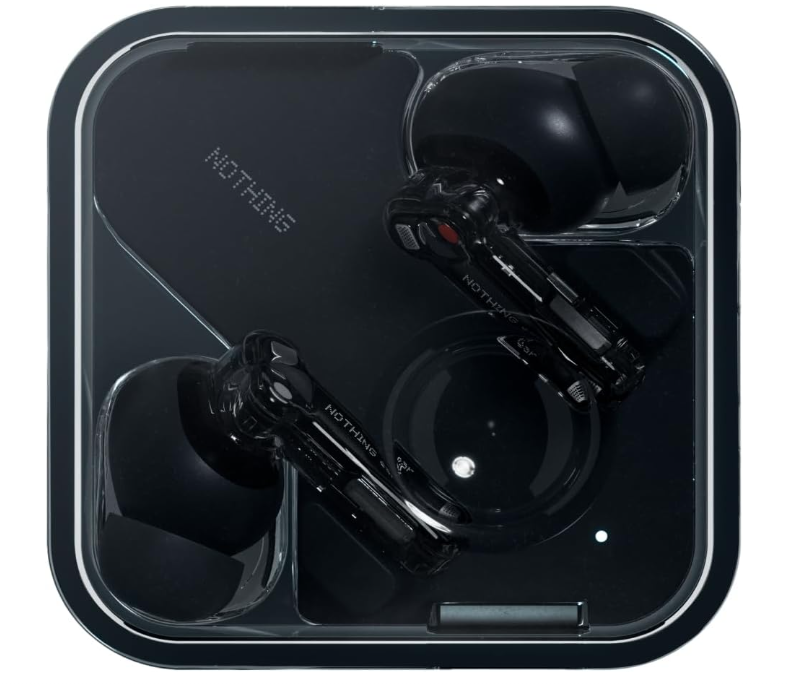
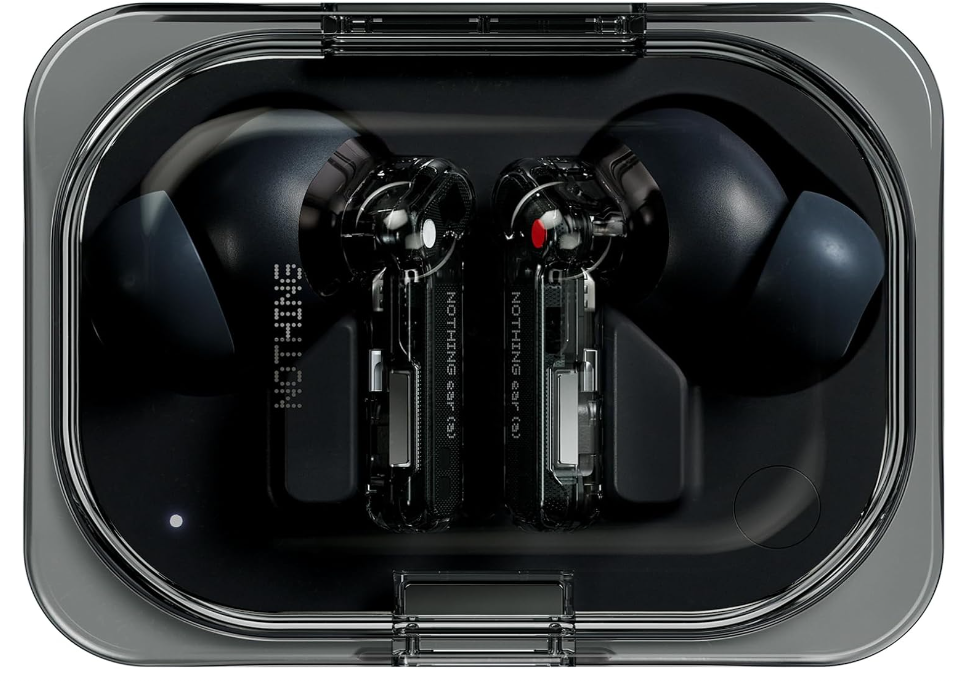
The Nothing Ear series, featuring the Nothing Ear Wireless Earbuds, Nothing Ear (a), and Nothing Ear (Open) headphones, sets a new standard for personal audio. With cutting-edge technology, innovative designs, and seamless integration with smart ecosystems, these devices deliver exceptional sound quality, comfort, and smart features.
Exclusive Discounts on Nothing Ear Products
Enjoy unbeatable discounts on Nothing Ear devices this holiday season, available from November 21 to December 2, 2024.
Don’t miss this limited-time opportunity to upgrade your audio experience at incredible prices.
Nothing Ear Wireless Earbuds
Smart Active Noise Cancellation (ANC) The Nothing Ear Wireless Earbuds deliver exceptional sound with up to 45 dB Active Noise Cancellation (ANC), 1.8x stronger than the previous generation. With intelligent noise-canceling technology, these earbuds adapt to your environment by checking for noise leakage and compensating automatically. This ensures uninterrupted listening, letting you focus on your music or calls like never before.
Crystal-Clear Sound and Voice Equipped with Hi-Res Audio compatibility, the Nothing Ear supports LDAC and LHDC codecs for high-quality streaming, offering audio clarity that stays true to the artist’s intention. Enjoy pure, undistorted sound with frequencies up to 24-bit/192 kHz. The Clear Voice Technology isolates your voice from background noise, ensuring phone calls feel as natural as face-to-face conversations. Enhanced microphones and a stem design reduce wind interference by 60% compared to previous models.
Extended Battery Life and Fast Charging The earbuds offer a massive 40.5-hour playtime with ANC off, lasting 25% longer than their predecessor. With fast charging, a 10-minute charge provides 10 hours of playback. Additionally, the earbuds support wireless and reverse charging, ensuring uninterrupted usage.
Enhanced Audio and Connectivity The custom 11mm ceramic driver delivers rich, distortion-free sound, enhancing bass and clarity. Seamlessly connect to two devices at once, and switch between them effortlessly. The Game Mode reduces audio lag to under 120ms, perfect for gaming enthusiasts. Other features include Microsoft Swift Pair, Google Fast Pair, and water resistance (IP54 for buds, IP55 for the case).
ChatGPT Integration Take AI assistance wherever you go with ChatGPT integration. Use voice commands to access information, get answers, or control features directly via the Nothing X app. Available exclusively with Nothing devices, this feature ensures seamless interaction with the Nothing ecosystem.
The Nothing Ear Wireless Earbuds redefine the audio experience with innovative features, superior sound, and cutting-edge technology.
Powerful Sound Performance The Nothing Ear (a) wireless earbuds are designed to deliver exceptional audio quality. With a compact yet powerful 11mm driver, these earbuds produce deeper bass and richer clarity. Enhanced with new vents for better airflow, the sound waves resonate more effectively, reducing distortion for an immersive listening experience.
Smart Active Noise Cancellation Enjoy up to 45 dB of hybrid noise cancellation with Ear (a). The earbuds intelligently detect noise leakage and adjust cancellation levels to match your environment. Whether you’re in a quiet room or a bustling street, you’ll only hear your music or calls. Adaptive ANC takes it a step further, automatically selecting the right noise-cancellation level in real time through the Nothing X app.
Crystal-Clear Calls The Clear Voice Technology in Ear (a) ensures your calls are as clear as face-to-face conversations. Featuring an upgraded talk microphone and wind-resistant airway design, these earbuds reduce interference by 60% compared to the previous generation.
Extended Playtime and Quick Charging With an impressive battery life of over 42.5 hours (with ANC off), Ear (a) ensures your music doesn’t stop. A quick 10-minute charge provides 10 hours of playback, perfect for those always on the go.
Seamless Performance and Gaming Features Ear (a) offers advanced features like Low Lag Mode, reducing latency to under 120ms for seamless gaming. Dual Connect technology allows you to stay connected to two devices simultaneously, making it easy to switch between tasks like answering a call while working on your laptop.
ChatGPT Integration Stay informed and connected with integrated ChatGPT functionality. Through the Nothing X app, access ChatGPT to ask questions, get quick answers, or search using text, voice, or images. This feature works exclusively with the Nothing ecosystem, providing an intuitive experience.
The Nothing Ear (a) combines cutting-edge technology, superior sound quality, and smart integration, making it a standout choice for anyone seeking premium wireless audio.
Innovative Design for Superior Sound The Nothing Ear (Open) headphones are crafted for exceptional sound quality, featuring a unique stepped driver with a titanium-coated diaphragm and lightweight components. This innovative design enhances clarity, delivering deep bass and crisp highs for an immersive listening experience that keeps you engaged.
Comfortable and Secure Fit Designed for all-day comfort, the Nothing Ear (Open) is equipped with a flexible ear hook made from skin-friendly silicone. With a lightweight structure of just 8.1 grams and a 50-degree tilt for optimal positioning, these headphones ensure a secure, almost weightless fit. Whether you’re working out or on a casual walk, they stay in place without discomfort.
Clear Voice Technology and Customization Equipped with dual microphones powered by AI, these headphones ensure clear calls, even in noisy environments. The Nothing X app allows you to customize your listening experience with adjustable EQ settings. Additionally, a low-lag mode enhances gaming sessions, while the Sound Seal System minimizes sound leakage for private listening.
Compact and Durable Design At only 19mm thin, the Nothing Ear (Open) boasts a slim, transparent design that is both stylish and functional. Its IP54 dust and water resistance make it ideal for on-the-go use, offering durability for everyday activities.
Smart Features and Integration The headphones integrate seamlessly with ChatGPT, enabling voice control and easy access to information across your Nothing ecosystem. With Bluetooth 5.3, AAC and SBC audio support, Microsoft Swift Pair, and Google Fast Pair, connecting to devices is effortless. Fast charging and LED indicators further enhance usability, providing up to 30 hours of playback for extended use.
The Nothing Ear (Open) combines innovative design, superior sound, and cutting-edge technology for a premium audio experience tailored to your needs.
iQOO 13 and Xiaomi 15 are two flagship smartphones offering top-tier performance with the Snapdragon 8 Elite chipset, stunning displays, and premium designs. While the iQOO 13 focuses on gaming and immersive multimedia with features like a 144Hz display and RGB backlighting, the Xiaomi 15 targets photography enthusiasts with Leica-tuned cameras and versatile charging options. Both phones excel in their own ways, making the choice depend on your priorities, be it gaming, photography, or all-around performance. Here’s a detailed comparison to help you decide.
iQOO 13 and Xiaomi 15 excel in design, but they cater to slightly different tastes. The iQOO 13 features a modern RGB LED light on its back, adding flair, especially for gaming enthusiasts, while the Xiaomi 15 sports a minimalistic design with Leica branding for a premium feel. Both phones come with IP68 water and dust resistance, ensuring durability.
In terms of display, the iQOO 13 offers a larger 6.82-inch LTPO AMOLED screen with a stunning 144Hz refresh rate and a peak brightness of 6500 nits. Meanwhile, the Xiaomi 15 opts for a compact 6.36-inch LTPO OLED screen with Dolby Vision support, HDR10+, and a peak brightness of 3200 nits. While the iQOO 13 is ideal for gamers and those who enjoy immersive visuals, Xiaomi’s display is calibrated for cinephiles who value vibrant colors and Dolby Vision content.
The iQOO 13 edges out for gamers and power users, but Xiaomi 15 might be better for those prioritizing portability and refined HDR viewing.
2. Specifications
Xiaomi 15
Both phones are powered by the Snapdragon 8 Elite chipset, paired with up to 16GB of RAM and 1TB of storage. The iQOO 13 uses UFS 4.0 or 4.1 storage, while the Xiaomi 15 sticks to UFS 4.0, which may slightly impact app launch speeds and multitasking.
The iQOO 13 comes with a larger 6150 mAh (or 6000 mAh for India) battery and supports blazing-fast 120W wired charging, making it a better choice for heavy users. The Xiaomi 15’s 5400 mAh battery supports 90W wired, 50W wireless, and 10W reverse wireless charging, offering more versatility for users who rely on wireless charging.
iQOO’s larger battery and faster charging are ideal for demanding users, but Xiaomi’s wireless charging options add convenience for a wider range of scenarios.
3. Camera
iQOO 13
The camera systems are where these phones diverge significantly. The Xiaomi 15 features Leica-tuned lenses, offering superior image processing, especially for color accuracy and depth. Its triple 50 MP cameras include a 3x optical zoom telephoto and an ultrawide lens with a 115˚ field of view, making it perfect for photography enthusiasts. It also records in Dolby Vision HDR, catering to video creators.
The iQOO 13 also boasts three 50 MP cameras but with 2x optical zoom and a slightly narrower ultrawide lens. While capable, it lacks Leica’s advanced image tuning, making it more suitable for general photography and gaming-related streaming.
Xiaomi 15 is the better option for camera enthusiasts, but iQOO 13 is more than sufficient for casual users.
4. Pricing
The iQOO 13 starts at approximately €520, making it a more budget-friendly option. The Xiaomi15 is priced slightly higher at €590, reflecting its Leica camera system and premium build.
While the iQOO 13 delivers excellent value for performance, Xiaomi justifies its price with advanced photography capabilities and versatile charging options.
New POCO F series smartphones are nearing global launch soon. The POCO F7 Pro was recently spotted on the IMDA certification platform, and now, the POCO F7 and POCO F7 Ultra have been spotted on the same online database. So let’s check it out.
POCO F7 and POCO F7 Ultra Release Near?
On the IMDA certification (Via MySmartPrice), the two upcoming smartphones were spotted with the 24122RKC7G and2412DPC0AG model numbers. While the certification does not reveal finer details regarding the POCO smartphones, it does confirm support for 5G connectivity, Bluetooth, Wi-Fi, and NFC. Apart from this, the listing hints that the POCO F7 series of smartphones are set to launch in the global market soon.
The POCO F7 and POCO F7 Ultra monikers were previously revealed in the IMEI database, with the latter being the first ever “Ultra” branded phone. Based on what we know so far, the POCO F7 Ultra might be a rebranded version of the Redmi K80 Pro. For those unaware, the K80 Pro model will be launching in the Chinese market soon, and it features some top notch specs and features. To recall, the Redmi K80 Pro is rumored to feature the Snapdragon 8 Elite SoC under the hood. On the front, it will sport a 6.67-inch OLED display with a 2K resolution and a 120Hz refresh rate.
Redmi K80 Pro or POCO F7 Ultra
Earlier rumors has also confirmed that the POCO F7 Ultra will house a massive 6,000mAh battery pack that will support 120W wired fast charging. This model might also be the first model to bring support for wireless fast charging. Earlier today, we covered the Redmi Turbo 4 surfacing on the 3C certification with 90W wired fast charging. The POCO F7 is expected to arrive as a rebranded Redmi Turbo 4. This model could also be equipped with the MediaTek Dimensity 8400 SoC, 6000mAh battery pack, 1.5K resolution, and more.
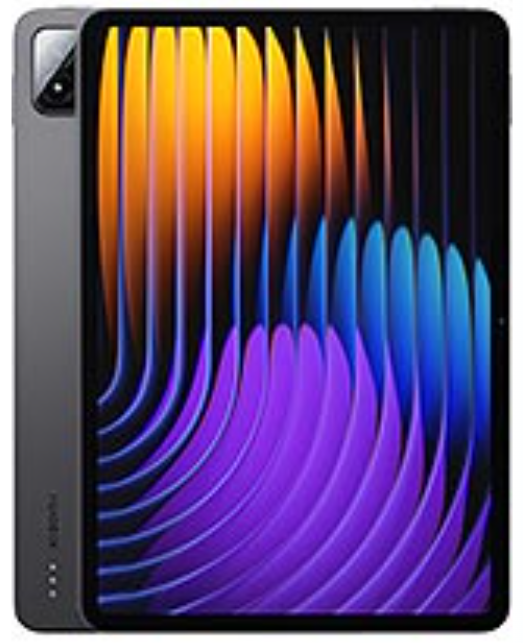
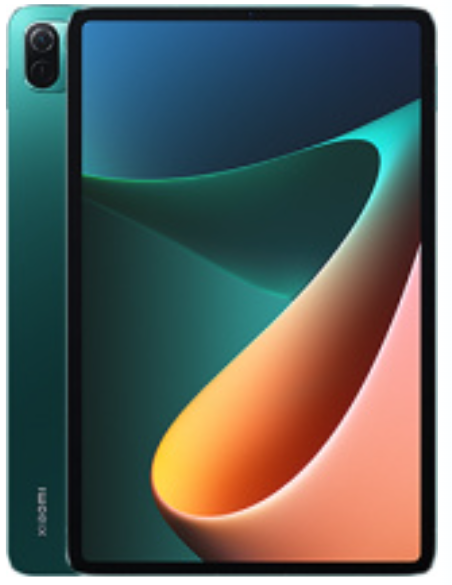
Xiaomi Pad 7 and Xiaomi Pad 5 are two feature-packed tablets catering to different user needs. While the Pad 5 offers reliable performance at an affordable price, the Pad 7 introduces significant upgrades in design, display, performance, and battery efficiency. This comparison explores their differences in key areas, helping you decide which tablet aligns best with your needs, whether you’re after cutting-edge technology or a budget-friendly option.
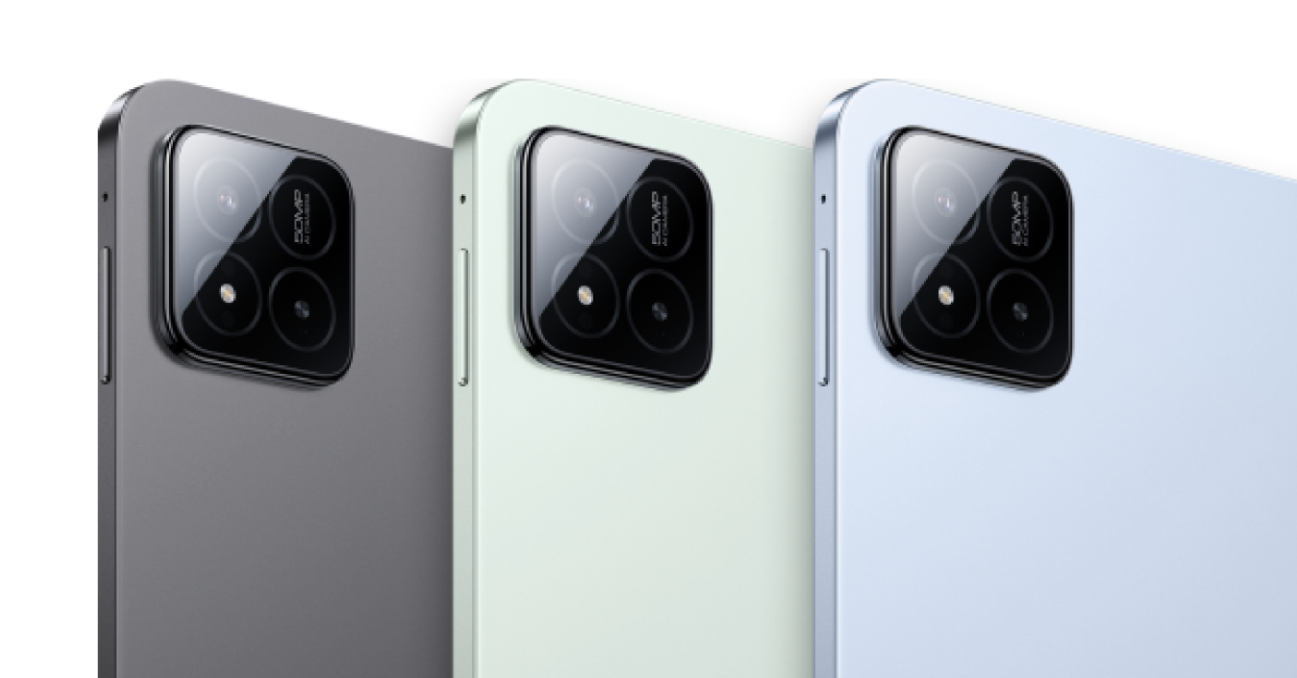
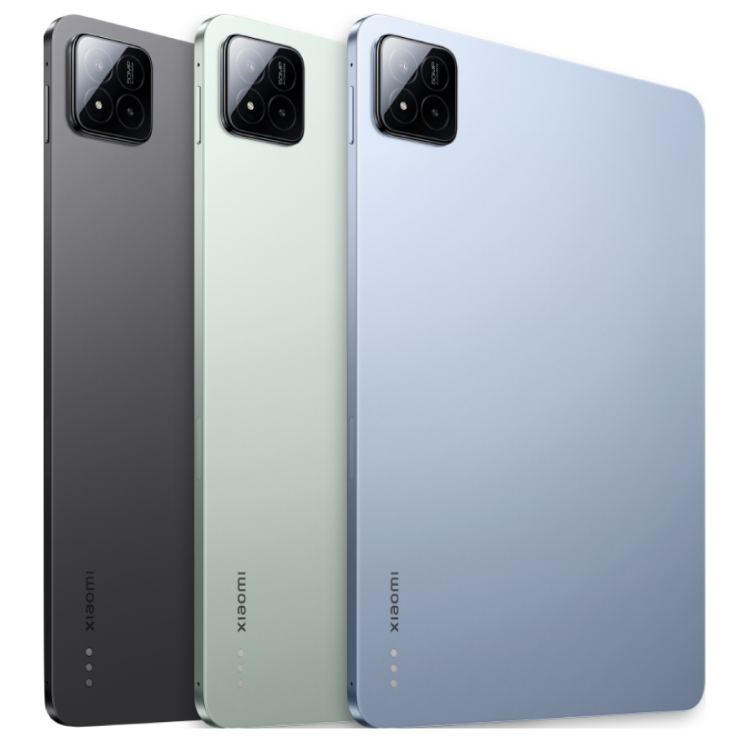
The Xiaomi Pad 7 takes a step forward in design with an all-metal build, featuring a glass front and an aluminum frame and back, offering a premium feel compared to the Pad 5’s plastic back. Both tablets support magnetic styluses, but the Pad 7’s slightly larger 11.2-inch display with thinner bezels ensures a more immersive viewing experience. Its 144Hz IPS LCD panel delivers smoother scrolling and enhanced responsiveness, complemented by HDR10 and Dolby Vision. With a peak brightness of 800 nits and a 3:2 aspect ratio, it’s optimized for productivity and media consumption.
The Pad 5’s 11-inch IPS LCD screen, though vivid with 1B colors and Dolby Vision, lags behind in refresh rate at 120Hz. The 16:10 aspect ratio feels less spacious for multitasking, and the slightly lower pixel density (274 ppi vs. 344 ppi on the Pad 7) is noticeable in side-by-side comparisons.
Xiaomi Pad 7’s premium build and superior display specifications make it a clear winner for those prioritizing screen quality and build design. It’s ideal for productivity and entertainment, while the Pad 5 is better suited for casual users.
2. Specifications and Battery
Xiaomi Pad 5
The Xiaomi Pad 7 outperforms its predecessor with a Snapdragon 7+ Gen 3 chipset, offering significantly improved processing power and energy efficiency compared to the Pad 5’s older Snapdragon 860. The Pad 7’s configurations include up to 12GB RAM and UFS 4.0 storage, enabling faster multitasking and app loading.
Battery-wise, the Pad 7’s 8850 mAh cell is slightly larger and charges faster with 45W wired charging (compared to 33W on the Pad 5). It also achieves full charge in about 1 hour and 20 minutes, making it more convenient for heavy users.
The Pad 5’s Snapdragon 860 and 6GB RAM configurations feel dated in comparison. While its 8720 mAh battery is durable, slower charging limits its usability for users on the go.
XiaomiPad 7 is a future-proof choice, particularly for gamers or professionals, while the Pad 5 remains an affordable alternative for light to moderate usage.
3. Camera
Xiaomi Pad 7
Both tablets feature a 13 MP main camera and an 8 MP front camera, but the Pad 7’s upgraded image sensor and advanced software enhancements improve photo clarity and low-light performance. It supports 4K at 30fps and 1080p at 60fps, making it a versatile option for content creators.
The Pad 5, while capable of 4K recording, lacks the frame rate versatility of the Pad 7. Its front camera delivers decent performance for video calls but struggles in challenging lighting.
For casual photography and video creation, the Pad 7 is a better choice. However, if the camera isn’t a priority, the Pad 5’s capabilities are adequate for basic use.
4. Pricing
The Xiaomi Pad 7 starts at around €260, making it an excellent value considering its flagship-level upgrades. The Pad 5, priced at approximately €350 at launch, is now available at discounted rates, making it more competitive.
While the Pad 5 may attract budget-conscious buyers at current prices, the Pad 7’s cost-to-performance ratio is unmatched, offering superior value for those willing to spend a bit more.
The Pad 7 stands out with its advanced chipset, smoother 144Hz display, faster charging, and improved build quality. Its use of UFS 4.0 storage ensures blazing-fast performance, particularly for app-heavy users. The introduction of HyperOS 2 further refines the user experience with smoother animations and better resource management.
The Pad 5, on the other hand, retains its charm as a cost-effective alternative with reliable performance for non-intensive tasks. Its slightly smaller and less vibrant display may appeal to those seeking a compact and basic tablet.
For tech enthusiasts and power users, the Pad 7’s standout features justify the upgrade, while the Pad 5 remains a solid choice for those prioritizing cost savings over cutting-edge specifications.
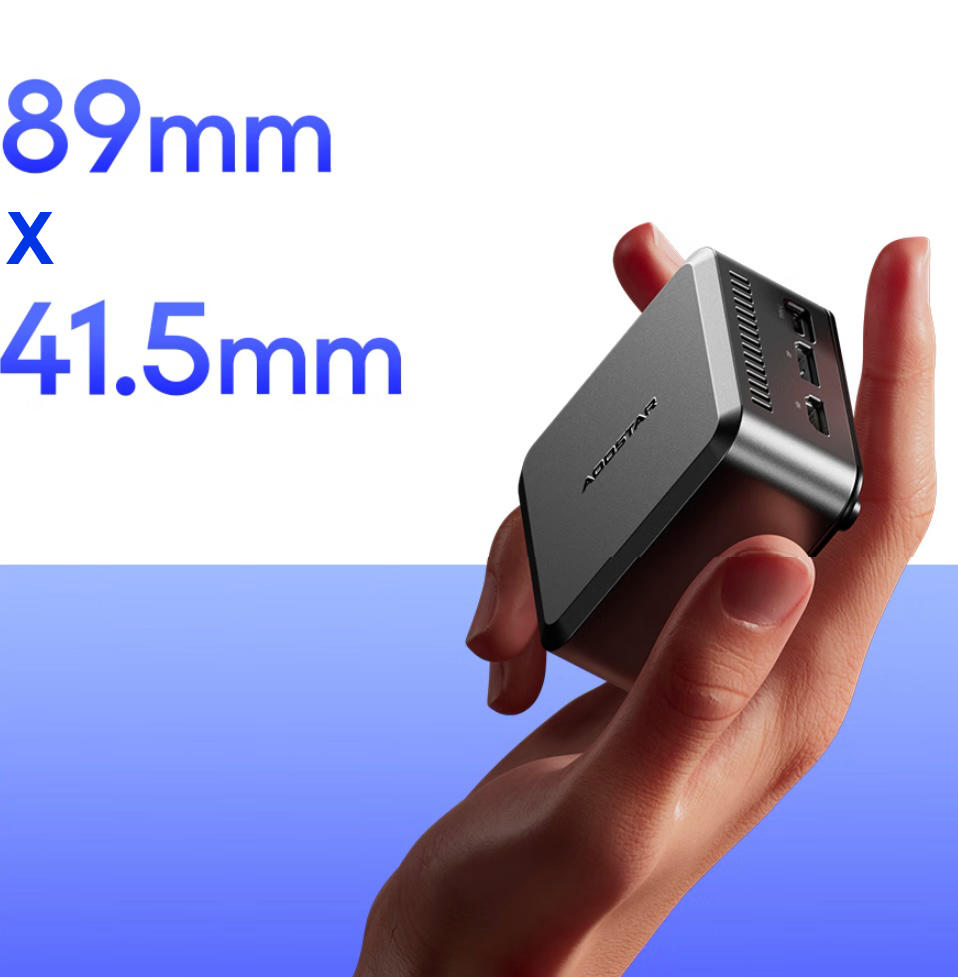
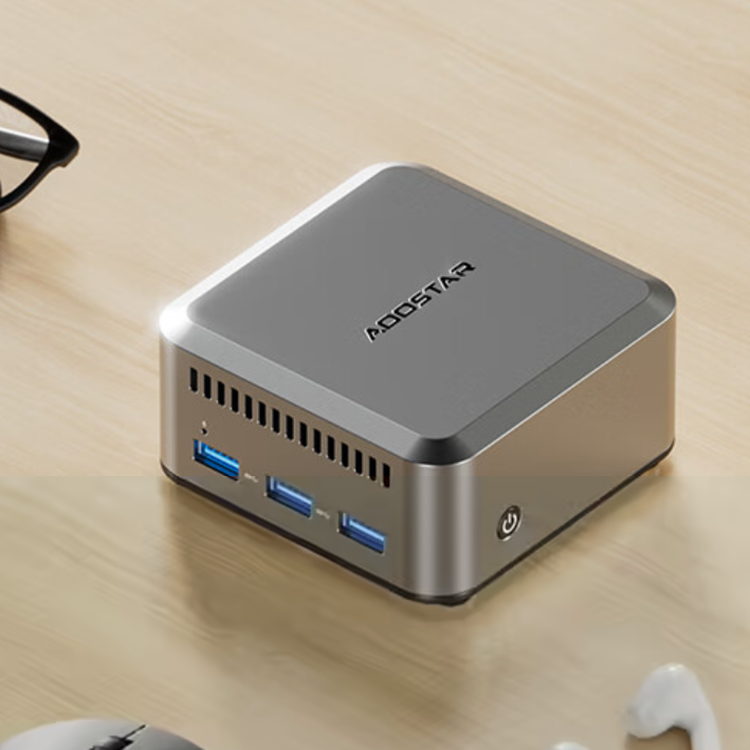
Aoostar N1 Pro Mini PC is a small yet powerful computing solution designed for users who need excellent performance in a compact form factor. With a footprint of just 8.9 cm x 8.9 cm x 4.15 cm and a weight of only 0.3 kg, this mini PC is perfect for tight spaces, portability, or minimalistic setups. Despite its tiny size, it boasts impressive features and capabilities to handle a wide range of tasks efficiently. You can buy the Aoostar N1 Pro Mini PC for $159 only at Geekwills.
High-Performance Processor
At its core, the Aoostar N1 Pro is powered by the Intel Processor N100, a 12th-generation chip designed as a successor to the Pentium and Celeron series. With four cores, a maximum clock speed of 3.40 GHz, and Intel UHD Graphics (750 MHz), it ensures smooth performance for everyday tasks like browsing, streaming, and office work. You can
Advanced Memory and Storage Options
The mini PC includes 12GB DDR5-4800 RAM, ensuring faster data transfer rates and multitasking performance. Storage needs are met with support for an M.2 2242-SATA slot and NVMe protocol compatibility, offering flexibility for expanding storage.
Superior Connectivity
The Aoostar N1 Pro excels in connectivity. It features WiFi 6 and Bluetooth 5.2, providing fast and reliable wireless connections. Additionally, dual 2.5Gbps LAN ports support ultra-fast wired internet for gamers or heavy data users.
Multiple Input and Output Ports
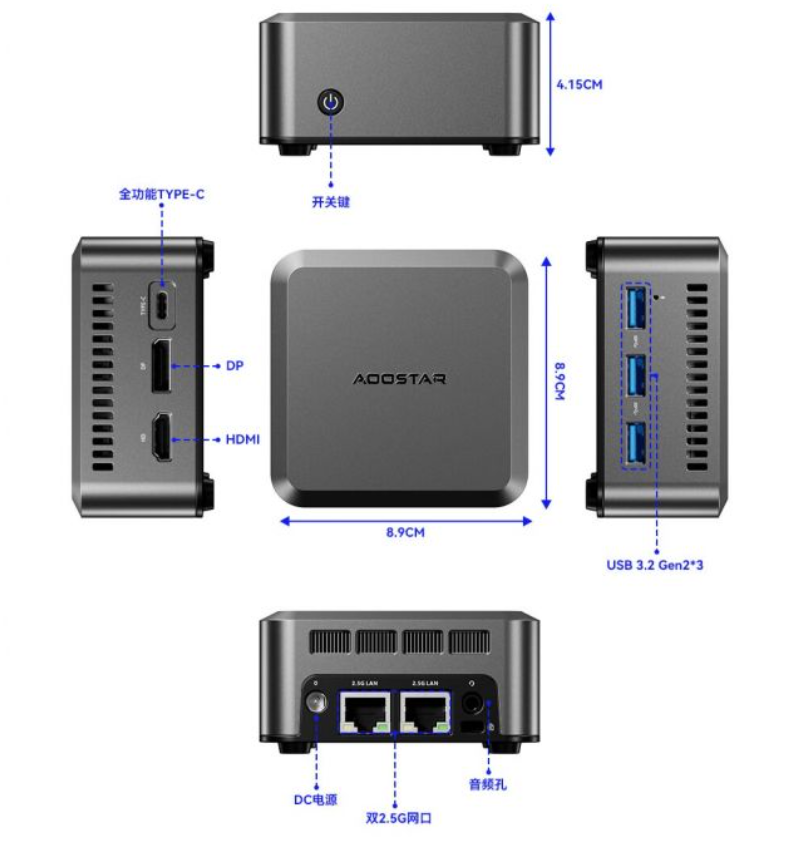
This mini PC offers versatile connectivity options, including:
USB3.2 Gen 2 (3 ports)
USB2.0 (1 port)
HDMI and DP1.4 (supports 4K@144Hz)
Type-C ports for input and output
3.5mm audio jack
Mini Design, Big Possibilities
Its compact size and modern design make the Aoostar N1 Pro easy to integrate into any setup. Whether you need a home media center, an office PC, or a lightweight workstation, this device delivers without taking up much space.
Key Specs
Processor: Intel N100 (4 cores, 3.40 GHz)
Graphics: Intel UHD Graphics (750 MHz)
RAM: 12GB DDR5-4800
Storage: M.2 2242-SATA / NVMe support
Wireless: WiFi 6, Bluetooth 5.2
Ports: USB3.2 Gen 2 (x3), USB2.0 (x1), DP1.4, HDMI, Type-C, LAN (2.5G x2), 3.5mm jack
Size & Weight: 8.9cm x 8.9cm x 4.15cm, 0.3kg
The Aoostar N1 Pro Mini PC is a compact powerhouse designed for users who value performance and efficiency in a small package.
As scheduled, Nubia has officially unveiled its 2024 ultra-flagship smartphone, the Nubia Z70 Ultra, in China. Powered by the Snapdragon 8 Elite chipset, the device builds on its predecessor’s strengths with a revamped design, an improved under-screen camera, and advanced AI integration via the company’s Nebula AIOS.
Packed with flagship-grade hardware and unique features, the Z70 Ultra aims to set new benchmarks in performance and innovation.
Display and design
The Nubia Z70 Ultra boasts a 6.85-inch AMOLED true full-screen display with no visible cutout for the camera, thanks to its seventh-generation under-screen front camera technology.
With ultra-narrow black bezels reduced to just 1.25mm and a remarkable 95.3% screen-to-body ratio, the phone offers an immersive visual experience. The screen supports a resolution of 1.5K and incorporates FIAA compression routing for improved clarity and reduced distortion.
On the back, Nubia has introduced a “Starry Dome Soft Sand” finish, providing a skin-friendly and delicate touch. The phone measures 8.6mm thick and weighs 228 grams, available in Black Seal, Amber, and the exclusive Starry Sky Collector’s Edition with two-way satellite communication capabilities.
Performance and battery
Under the hood, the Z70 Ultra is powered by the latest Snapdragon 8 Elite chipset, paired with LPDDR5X RAM and UFS 4.0 storage for lightning-fast performance. It also features AI Frame Perception 2.0, improving system fluency by 25% and app launch speeds by 50%.
The phone is equipped with a 6,150mAh second-generation silicon-carbon anode battery, supporting 80W wired fast charging, 50W wireless charging, and 10W reverse charging. Additional features like IP68/IP69 certification, an X-axis linear motor, and dual speakers enhance the overall experience.
Camera capabilities
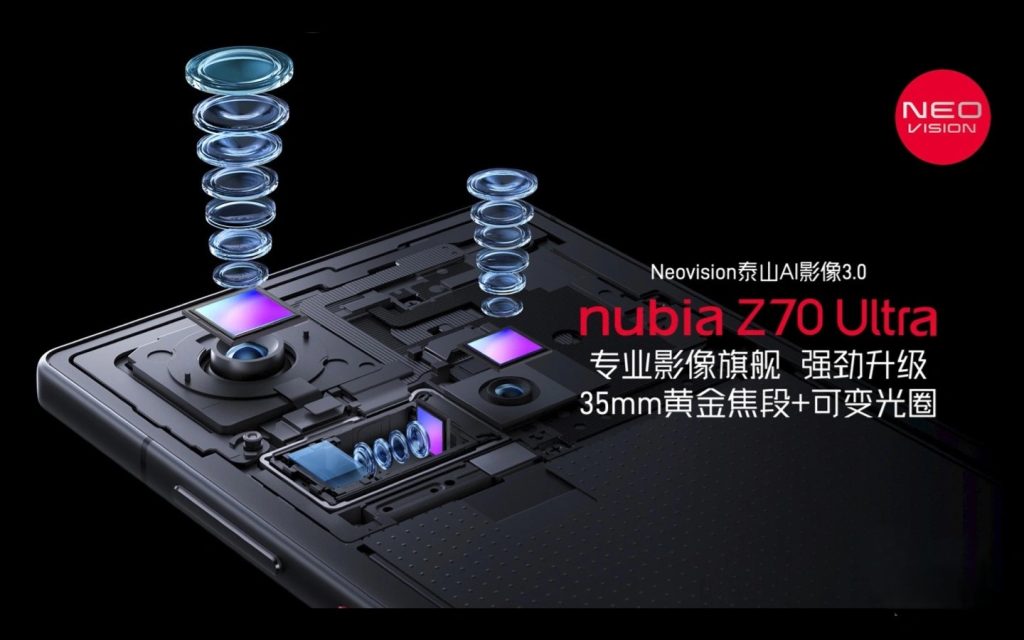
Photography is a major highlight, with Nubia touting the “industry-exclusive 35mm human-eye bionic dynamic lens”. The triple rear camera setup includes:
A 50MP Sony IMX906 main sensor with OIS and a variable aperture of f/1.59–f/4.0
A 50MP ultra-wide macro lens with autofocus
A 64MP periscope telephoto lens with OIS
Additionally, the phone features an SLR-level mechanical shutter button for precise focusing and shooting, elevating the mobile photography experience.
AI-powered features
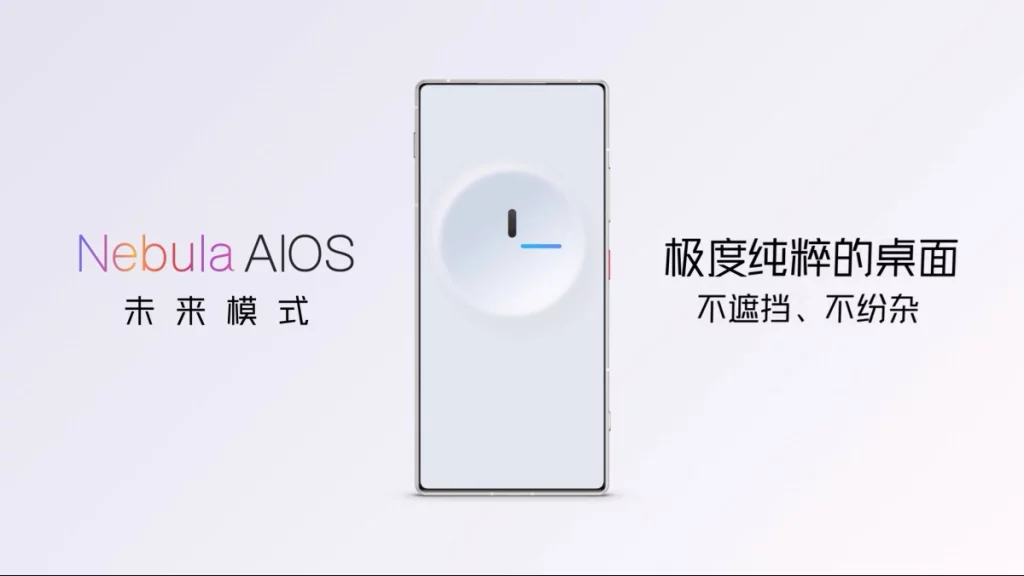
The Nubia Z70 Ultra is the first device to debut the company’s Nebula AIOS, a fully voice-controlled AI operating system. Its Future Mode simplifies interactions, while AI tools like “time capsule” smart assistants, screen-off chat, and AI translation bring convenience to daily use.
Nubia has partnered with China Telecom, integrating a large model matrix that supports natural language, voice, and image recognition. This enables advanced features like multi-language conference translation, document assistance, and AI-enhanced photography.
Pricing and availability
The Nubia Z70 Ultra starts at 4,599 yuan (~$635) and is currently available for pre-order, with sales beginning on November 25. Pricing for different configurations includes:
Notably, the phone is scheduled for a global launch on November 26th 7:00AM EST.
In summary, this device promises a blend of cutting-edge technology, AI-driven innovation, and premium hardware, making it a strong contender in the flagship smartphone market for 2024 and 2025.
Vivo has officially launched the Vivo Y300 in India, just a month after introducing its higher-tier sibling, the Y300 Plus. As the successor to last year’s Y200, the Y300 brings incremental updates to the series rather than significant changes. Let’s get into the details here.
Vivo Y300 Specifications
The Y300 is powered by an entry-level Qualcomm Snapdragon 4 Gen 2 processor. It is paired with 8GB of RAM, with the option to virtually expand it by another 8GB using Vivo’s Extended RAM 3.0 feature. Storage options come in 128GB and 256GB variants.
Fueling the phone is a hefty 5,000mAh battery with support for 80W FlashCharge. Vivo claims this battery will maintain good health for four years.
The Y300 features a dual rear camera setup. The main attraction here is the 50MP Sony IMX882 sensor, which should capture decent photos in most lighting conditions. A 2MP bokeh camera accompanies it to assist with portrait shots.
For selfies, you’ll find a 32MP front-facing camera. The Y300 has a Dual-View Video mode that allows simultaneous recording with both front and rear cameras.
Design-wise, the Y300 features a sleek metal-like frame with a high-gloss finish. The back panel comes in three color options – Titanium Silver, Emerald Green, and Phantom Purple. The Titanium Silver variant adds a “dazzling diamond-like starry texture” under certain lighting.
Its 6.67-inch AMOLED display supports a 120Hz refresh rate for smooth visuals and responsiveness. The display also carries an SGS certification for low blue light emission, helping reduce eye strain during prolonged use.
The Y300 comes with an IP64 rating for dust and water resistance. It also incorporates wet-touch technology for seamless operation even with light moisture on the screen. For security, the phone has an in-display fingerprint sensor and face unlock. The software side is covered by FuntouchOS 14 based on Android 14.
Pricing and Availability
The Vivo Y300 5G starts at ₹21,999 (around $265) for the 8GB RAM + 128GB storage variant, while the 256GB model is priced at ₹23,999 (around $288). Pre-orders open today, November 21, and will run until November 25. Sales begin on November 26 through Vivo’s online store, Flipkart, Amazon, and partner retail outlets.
Vivo is also throwing in some launch-day incentives to sweeten the deal. They’re offering bank discounts with various partner banks, along with a flat Rs 2,000 cashback or EMI options.
Additionally, purchasing the Y300 gets you the Vivo TWS 3e wireless earbuds for a discounted price of Rs 1499 (approx. $18). However, this offer is only valid from November 21st to November 30th and excludes Vivo’s own e-store.
Xiaomi has officially revealed the launch date for the highly anticipated Redmi Note 14 5G series in India. The new mid range smartphones are finally arriving in the region next month, so here’s everything we know like the launch date, specs, and more.
Redmi Note 14 5G Series India Launch Date
Earlier this week, the Chinese tech giant teased the December launch of the Redmi Note 14 series. Now, it has officially confirmed the 9th December 2024 launch date. To recall, the last gen Redmi Note series smartphones were announced in the country in January. This means that the Redmi Note 14 lineup is arriving a month ahead of its typical launch timeline. The new series include the base Redmi Note 14, Redmi Note 14 Pro, and Redmi Note 14 Pro+.
Looking at the official image poster, the upcoming smartphones were teased with a “Super Camera, Super AI” and we can even see the camera module of the Redmi Note 14 Pro+. The brand first unveiled these devices in China back in September. So we can expect all three models to drop in India next month as well. Xiaomi might release the Redmi Note 14 models in India with a few changes compared to its Chinese counterpart. Although, this is still unclear at the moment.
Since their announcement, we have covered these devices in a bunch of specials and features. You can click here to see what makes the Redmi Note 14 Pro+ special. We also wrote a piece regarding all the upgrades that the Redmi Note 14 offers. Xiaomi plans to release a 4G variant in the global market soon as well, as the Redmi Note 14 Pro 4G was spotted in the IMDA certification last month. Those looking to buy the Redmi Note 14 Pro+ ahead of the announcement can head to Giztop and get a $50 discount as well.
While the Google Pixel Tablet 2 isn’t even out yet, reports suggest that Google might be shelving plans for its successor, the Pixel Tablet 3. The news comes just a year after Google re-entered the tablet market with the Pixel Tablet in summer 2023.
Google entered the tablet market again in 2023 with the Pixel Tablet, and it is rumored that it will launch its successor sometime in 2025. The Pixel Tablet 2 is expected to come with an official keyboard case and improved cameras, though specific details remain unclear.
Now, a report from Android Headlines, citing unnamed sources, claims that Google has canceled the Pixel Tablet 3, codenamed “Kiyomi.”
Pixel Tablet 2 is last for the line?
The sources claim Google informed internal teams of the decision last week. Employees previously dedicated to the Pixel Tablet 3 are being reassigned to other projects. If confirmed, this move signals Google’s potential retreat from long-term tablet development.
Does this mean the Pixel Tablet 2 will be the final product in the lineup? For now, it seems that way. The report doesn’t explain why Google might be stepping away from making Android tablets.
However, this wouldn’t be Google’s first foray into and out of the tablet space. The company previously discontinued its Nexus tablet line, and the Pixel Tablet arrived five years after the Pixel Slate.
Even after more than a decade of trying, Google still doesn’t seem fully committed to the tablet market, even with its latest products. While this might be good news for Apple and iPad enthusiasts, it’s a setback for those who appreciate the openness of the Android ecosystem.
Thankfully, other Android manufacturers haven’t been discouraged by Google’s inconsistent tablet strategy. Brands like Samsung, OnePlus, and Xiaomi continue to release new tablets each year and show no signs of slowing down.
Lemfofit unveiled the Lem 4 smartwatch with a price tag of $49 in June of this year. The brand is back with the successor to their Lem 4. The new Lem4s builds upon its predecessor with key improvements and innovative features, particularly in sleep tracking and overall health monitoring.
Lemfofit Lem4s specifications and features
Lemfofit Lem 4s watch
One of the major additions to the Lem4s is its sleep aid function, designed to help users relax and achieve better sleep quality. This is achieved through brainwave-matching technology, which guides the user into a more restful state. In addition to sleep aid, the Lem4s introduces respiratory rate tracking for a more comprehensive understanding of your health.
Beyond these new features, the Lem 4s retains the advanced health monitoring capabilities of the Lem4, including a CFDA-certified ECG monitor for accurate heart health data and non-invasive blood glucose tracking. It also continues to monitor body temperature, heart rate, blood pressure, blood oxygen levels, and stress levels.
Lem 4s – ECG monitoring
Adding to its health monitoring suite, the Lem 4s now also offers uric acid monitoring, allowing users to track this crucial indicator of kidney health and potentially prevent gout. For added convenience, the Lem4s incorporates Bluetooth HD calling, enabling users to answer calls directly from their wrist.
The Lem 4s offers an upgraded battery life, now with a 360mAh capacity that supports up to 10 days of use. The display has been slightly reduced to 1.85 inches for a more compact design. A new family care feature allows users to remotely monitor the health data of loved ones. It is an IP67-rated device and works with both Android and iOS devices.
Lemfofit Lem4s price and availability
The Lemfofit Lem4s is available in three classic colors: Grey, Black, and Silver. It is competitively priced at $59.99, with a current launch discount of 37 percent off. There’s a Pro version with Sleep Aid Kit priced at $75.
In the world of gaming smartphones, the battle for supremacy grows fiercer with each iteration. This year, Apple’s iPhone 16 Pro Max and Asus‘s ROG Phone 9 Pro are at the forefront, each boasting remarkable capabilities tailored to the demands of gamers.
To determine which device might serve as the better gaming companion, we delve into a comparison focused on their gaming performance, thermal management, and unique gaming features.
The iPhone 16 Pro Max runs on Apple’s latest A18 Pro chip, which incorporates a 6-core GPU capable of up to 20% faster performance than its predecessor. This upgrade is significant for gamers, especially with hardware-accelerated ray tracing that enhances light sources and reflections, providing a more immersive gaming experience. Additionally, Apple’s introduction of Game Mode, borrowed from the Mac, optimizes performance and is designed to maintain consistent frame rates during intense gaming sessions.
Conversely, the ROG Phone 9 Pro is engineered with gamers in mind, featuring the Snapdragon 8 Elite SoC coupled with up to 24GB of LPDDR5X RAM and UFS 4.0 storage. This configuration is explicitly aimed at handling the most demanding games and ensuring smooth gameplay. The phone also boasts a 185Hz refresh rate, surpassing the iPhone’s 120Hz, which could be a crucial factor for games that support higher frame rates.
2. Thermal Management
Thermal performance is critical during extended gaming sessions where device heating can affect performance. The iPhone 16 Pro Max has received praise for its efficient thermal management, which keeps the device cool even during prolonged use. However, users have reported that the device tends to get warm, and under certain conditions, such as maximum brightness, the iPhone may throttle brightness to manage heat.
On the other hand, the ROG Phone 9 Pro shines with its advanced cooling technologies. It includes a significantly larger graphite sheet and an active cooler with increased fan size and more thermal compound, promising 29% better cooling. It comes with an optional AeroActive Cooler X Pro accessory that not only enhances cooling but also adds ergonomic hardware buttons, providing a tactile advantage in gameplay.
3. Gaming Features and Ecosystem
While the iPhone 16 Pro Max is impressive, its gaming prowess is part of a broader set of capabilities, including photography and general productivity. Apple’s ecosystem offers seamless integration with other devices, which is a benefit for users who own multiple Apple products.
The ROG Phone 9 Pro, however, is a dedicated gaming powerhouse with features like AirTriggers and the AniMe Matrix display on the back for additional customization and interaction. Its gaming-oriented design includes two USB-C ports for convenient charging during landscape gaming sessions and the use of gaming accessories.
4. Game Support & Real-World Performance
Both phones support high-frame-rate gaming in titles like PUBG Mobile, but there are differences in support for other games. The ROG Phone 9 Pro, while excellent, has limitations with some titles like Genshin Impact, which caps at 60fps compared to the iPhone’s 120fps. Since the phone is new, it is expected to get the support soon. However, in real-world testing, the ROG Phone tends to maintain consistent performance with less heat generation over longer periods.
5. Conclusion
Deciding whether the iPhone 16 Pro Max is better for gaming than the ROG Phone 9 Pro depends on what aspects of gaming are most important to you. If you prioritize a phone that offers a well-rounded performance with good gaming capabilities and you’re entrenched in the Apple ecosystem, the iPhone 16 Pro Max is an excellent choice.
However, if your focus is purely on gaming and you value specialized gaming features and superior thermal performance, the ROG Phone 9 Pro is undoubtedly the frontrunner. As always, the best phone for gaming is the one that matches your specific needs and usage patterns.
Bluesky, a relatively new microblogging platform, has experienced a remarkable surge in its user base. Once a quiet contender in the shadow of X (formerly Twitter), Blue Sky has suddenly emerged as a strong alternative, particularly as millions of disillusioned users are fleeing Elon Musk’s controversial platform. As of November 2024, Bluesky has reached over 20 million active users, a feat that showcases both its appeal and its potential for reshaping the social media landscape.
Launched in 2022 by Jack Dorsey, the co-founder of Twitter, Bluesky initially struggled to attract attention in a saturated market dominated by X and Facebook. The platform was developed under the umbrella of AT Protocol, a decentralized social media technology designed to give users more control over their data and interactions. Its vision was clear: to create a space where freedom of speech could thrive without the algorithmic manipulation that often characterizes other platforms. However, despite its high-profile backer, Bluesky’s growth was slow at first.
That all changed in 2024, when significant events began to unravel within the social media world. X, under Musk’s ownership, has faced a series of controversies, ranging from changes in its moderation policies to issues surrounding the platform’s user experience. These developments have created an opening for rivals, and Bluesky has seized the opportunity.
2. The Surge in Popularity
Bluesky’s rise can be attributed to several factors. First, many users are drawn to its promise of transparency and privacy. Unlike X, which is often seen as a chaotic platform dominated by advertisements, Blue Sky offers a simpler, ad-free experience. The interface is minimalist, focusing on content sharing and interaction without constant interruptions from algorithms or commercial interests.
The platform’s decentralized nature is another major draw. Powered by the AT Protocol, Bluesky gives users more control over their data. They can choose how their feed appears and manage their own privacy settings, unlike centralized platforms where users are often at the mercy of opaque algorithms. This gives Blue Sky a clear edge for users who are increasingly concerned about data privacy and control.
3. Word of Mouth and Influencer Endorsement
In addition to its features, Bluesky has benefited from significant word of mouth and influencer endorsement. As X users grow frustrated with the platform’s changes, several high-profile users and influencers have switched to Blue Sky. This influx of notable figures has helped raise the platform’s visibility and attract new users who may have previously been unaware of it.
In many ways, the platform’s early adopter phase, marked by its invitation-only sign-up process, contributed to its exclusivity and intrigue. While the invite system limited initial access, it created a sense of community among early users. As influencers joined, their reach expanded Blue Sky’s user base further, signalling that the platform was not just an alternative, but a viable new space for engaging with content and ideas.
4. Challenges Ahead
While Bluesky is currently experiencing impressive growth, challenges remain. The platform will need to scale its operations and infrastructure to support its expanding user base. It also faces the challenge of retaining users as the initial novelty begins to wear off. The decentralized model, while appealing to privacy-conscious users, may limit the platform’s ability to roll out new features as quickly as centralized platforms like X or Instagram.
Moreover, while the focus on user autonomy has been a major selling point, Bluesky’s long-term success will depend on how well it can balance its core values with the demands of mass adoption. If the platform can continue to expand without compromising its user-first approach, it could emerge as a significant player in the social media space.
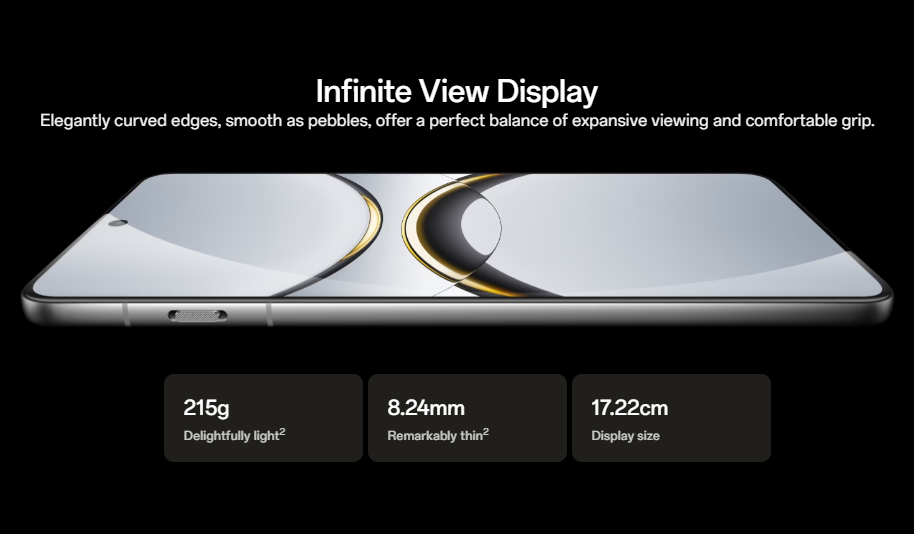
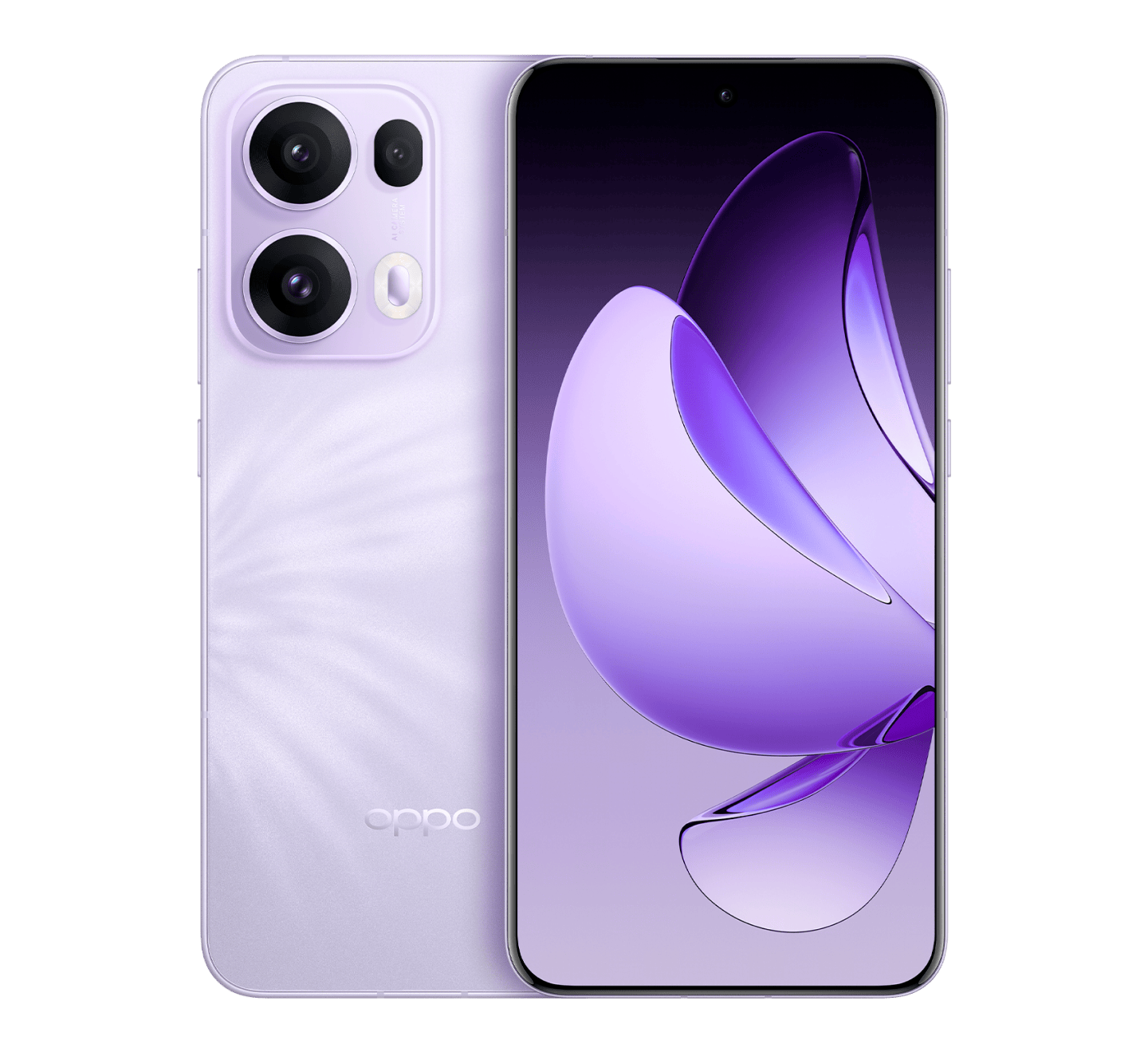
After their October launch in China, Oppo has finally launched the Find X8 and Find X8 Pro globally, including in India. These flagship devices boast exceptional camera systems, cutting-edge performance, and sleek new designs, making them strong contenders in the premium smartphone market.
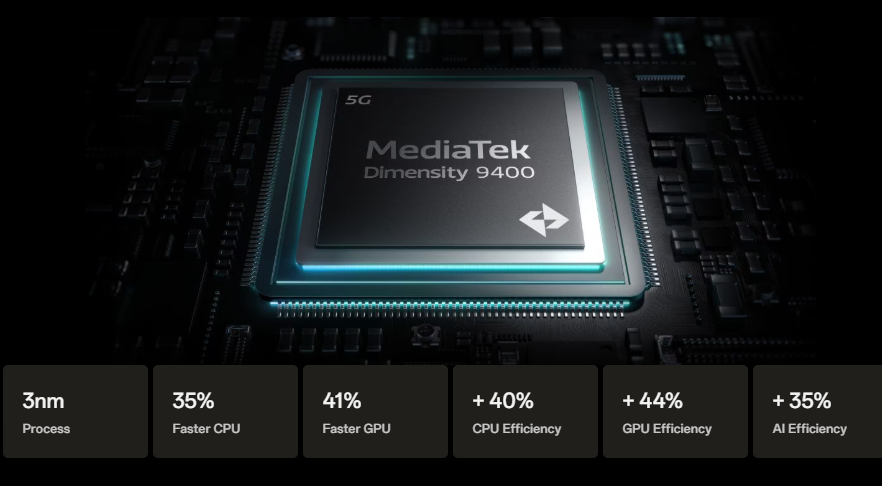
With Hasselblad-tuned and AI-integrated cameras, the new MediaTek Dimensity 9400 chipset, and stunning AMOLED displays, the Find X8 series promises an unparalleled user experience and a significant improvement over the Find X7 and Find X7 Ultra.
Display and design
The Find X8 has a compact 6.59″ screen with a resolution of 2760 × 1256 pixels, while the Pro model offers a larger 6.78″ panel with a slightly higher resolution of 2780 × 1264 pixels. Both displays support a 120Hz refresh rate, ensuring smooth scrolling and gaming performance.
As for the brightness, both models can reach up to 800nits in manual mode, 1600nits under direct sunlight (HBM), and up to 4500nits in certain scenarios like watching HDR content (1%APL).
In terms of design, the Find X8 features a slim, compact build with dimensions of 157.35 × 74.33 × 7.85 mm and weighs 193 grams. The Pro model is larger at 162.27 × 76.67 × 8.24 mm, with the Pearl White variant being marginally thicker at 8.34 mm. The Pro weighs 215 grams. Both models are equipped with IP68/69 certification for water and dust resistance, ensuring durability.
Performance
As mentioned before, both devices are powered by MediaTek Dimensity 9400 chipset, touted as one of the fastest Android chipsets of 2024. The Find X8 offers configurations of 12GB or 16GB LPDDR5X RAM with 256GB or 512GB of storage, while the Pro model comes standard with 16GB RAM and 512GB storage.
Running on ColorOS 15 based on Android 15, the Find X8 series provides a feature-rich and fluid software experience. Connectivity options include dual SIM, Bluetooth 5.4, Wi-Fi 7, and AI LinkBoost, with the Pro model adding USB 3.2 Gen1 and studio-grade microphones for enhanced audio recording.
Camera excellence
The standout feature of the Find X8 series is its Hasselblad Master Camera System, designed for professional-grade photography. The Find X8 features a triple-camera setup, including a 50MP Sony LYT700 primary sensor with OIS, a 50MP ultra-wide lens with autofocus, and a 50MP telephoto lens with 3x optical zoom.
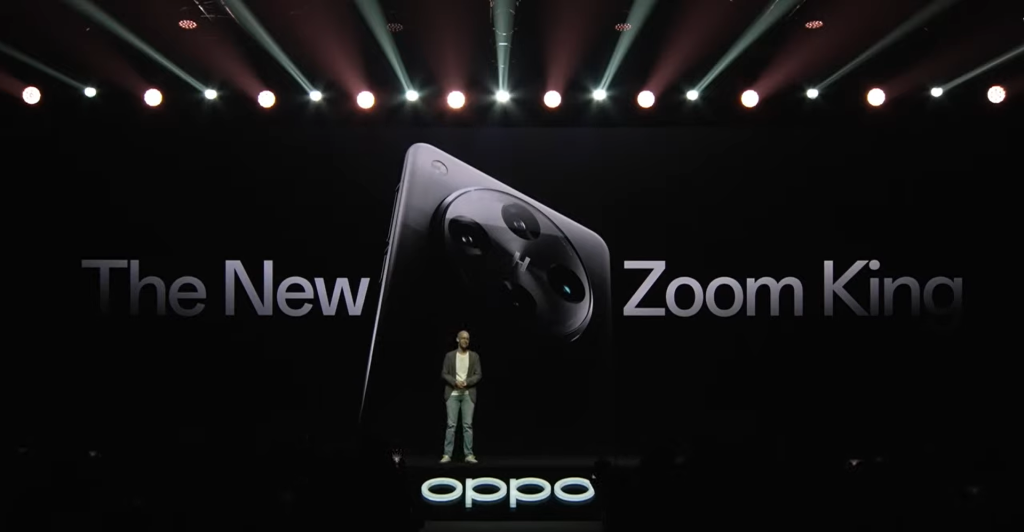
The Pro model takes it a step further with a quad-camera system, featuring a 50MP Sony LYT808 sensor with an f/1.6 aperture, and two periscope telephoto sensors: a 50MP Sony LYT600 for 3x zoom, and another 50MP Sony IMX858 for 6x zoom, both with OIS. This system also includes advanced AI zoom capabilities and can zoom up to 120x without losing much detail, which has seen outperforming the Galaxy S24 Ultra in side-by-side comparison by a significant margin.
Both the standard and pro models pack a 32MP Sony IMX615 front camera for high-quality selfies and video calls.
Battery and charging
The Find X8 packs a 5,630mAh battery, while the Pro model comes with a slightly larger 5,910mAh capacity. Both support 80W SUPERVOOC wired charging, 50W AIRVOOC wireless charging, and 10W reverse wireless charging for convenience.
Pricing and availability
The Oppo Find X8 is priced at ₹69,999 for the base model with 12GB RAM and 256GB storage, while the 16GB + 512GB variant costs ₹79,999. The Find X8 Pro, available in a single 16GB + 512GB configuration, is priced at ₹99,999. Both phones are currently available for pre-order on the company’s official website.
The series will be available for purchase in India starting December 3 through the Oppo e-store, Flipkart, and major retail outlets. The Find X8 comes in Star Grey and Space Black, while the Pro is available in Space Black and Pearl White. With its premium design, high-end performance, and groundbreaking cameras, the Find X8 series sets a new benchmark for flagship smartphones.
Oppo is gearing up to launch the Reno 13 series on November 25 at 19:00, unveiling a lineup that promises to redefine connectivity and gaming performance. Weibo tipster Digital Chat Station recently talked about the company’s development of a custom networking chip, and now the company confirms its use in the upcoming Reno 13 series.
In fact, a highlight of the series is the self-developed X1 networking chip, which is designed to ensure smooth performance even in low-signal environments.
Alongside this innovative feature, the Reno 13 series also boasts a range of aesthetic and functional enhancements, catering to both casual users and gamers.
Custom X1 chip for uninterrupted gameplay
The Oppo Reno 13 series introduces the X1 chip, marking a significant leap in network management. According to Oppo, this chip allows the device to “grab” network signals, enabling smooth gameplay even with just one bar of signal strength.
Additionally, the series includes a dedicated game cloud computing network, which Oppo claims ensures ultra-low latency and prioritized speed for an optimal gaming experience. This focus on connectivity is a response to growing consumer demand for reliable performance in mobile gaming and cloud-based applications.
The Reno 13 Pro is rumored to be powered by the MediaTek Dimensity 8350 processor paired with 16GB of RAM, though an earlier Geekbench listing suggest it could also feature the Dimensity 8300. Either way, users can expect high-performance capabilities tailored for gaming and multitasking as both chips boast a sizable improvement in performance than the Dimensity 7300 Energy chipset of the Reno 12 series.
On the front, the device is equipped with a 6.83-inch OLED panel, a 50MP front camera, and a triple rear camera setup (50MP main + 8MP + 50MP telephoto). Alongside Android 15 out of the box, the Reno 13 Pro is also rumored to support advanced features like eSIM, 1TB storage, IP68/69 protection, and wireless charging.
Meanwhile, its 5,900mAh battery offers fast charging up to 100W, ensuring longevity and quick top-ups. These features, combined with an elegant design and cutting-edge connectivity solutions, position the Reno 13 series as a compelling choice in the premium mid-range segment.
Realme has recently launched the Realme GT 7 Pro in China as the most affordable phone powered by the Snapdragon 8 Elite. Recently, the device began its global launch journey with its release in Malaysia. It appears that the company will now shift its focus to the Realme GT Neo 7, an affordable flagship phone. This phone appears to have one of the largest batteries ever seen on a smartphone by a mainstream brand.
Realme GT Neo 7 series: What to expect?
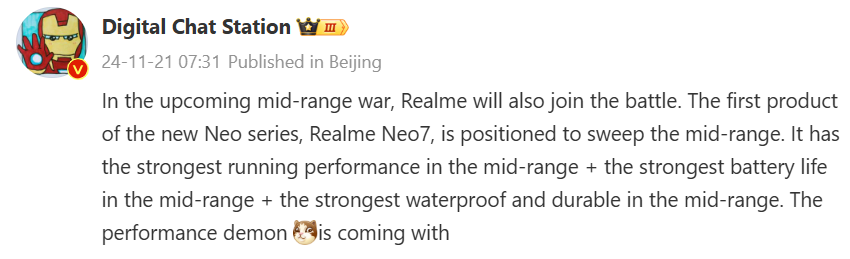
According to tipster Smart Pikachu, the Realme GT Neo 7 series will be announced by the end of this year, indicating a December launch in China. As can be seen above, renowned leaker Digital Chat Station has revealed the existence of the GT Neo 7 series.
The use of the word “series” suggests that the brand may launch two phones, likely the Realme GT Neo 7 and Neo 7 SE. While there are no major leaks about the SE model, the rumor mill has been consistently spilling details about the GT Neo 7.
The GT Neo 7 series, according to DCS, has the best performance scores, the longest battery life, and the most robust waterproof durability in its category, positioning it to dominate the mid-range market. When asked about the GT Neo 7 series’ battery, DCS said that it will feature the largest battery among the new smartphones in this wave of releases.
So far, recent leaks have revealed that the GT Neo 7 will have a large-sized flat OLED panel that offers a 1.5K resolution. Under the hood, it is expected to feature the Snapdragon 8 Gen 3 Leading Version, which is nothing but an overclocked edition of the Snapdragon 8 Gen 3.
According to Smart Pikachu, a phone boasting a 7,000mAh battery will make its debut in December. While the leaker did not reveal the name of the device, it seems that he could be talking about the GT Neo 7, which is expected to feature a very large battery.
The GT Neo 7, which reportedly bears the RMX5060 model number, has bagged 3C certification in China. The 3C listing has revealed that the device may support 80W rapid charging.
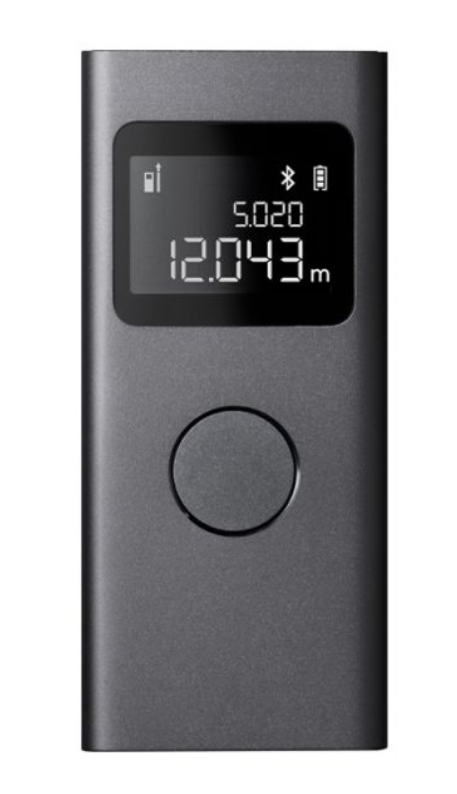
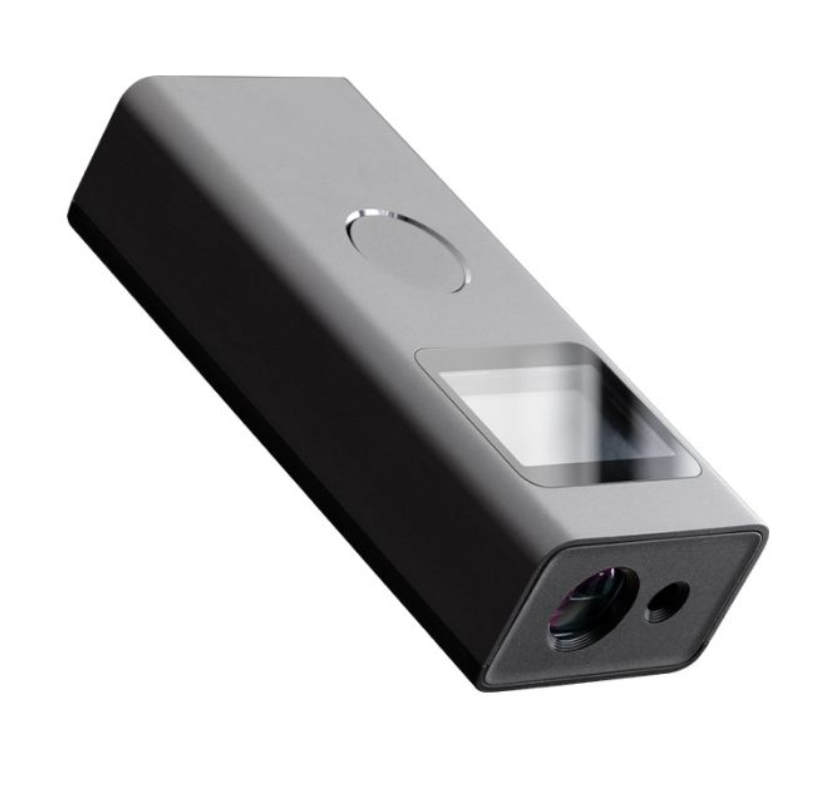
Xiaomi Smart Laser Measure is a compact, innovative tool designed to make accurate and easy measurements. Whether you’re a professional or a DIY enthusiast, this device offers a seamless experience, combining precision, durability, and smart connectivity in a lightweight design. You can get the Smart Laser measure for $49.99 at Geekwills.
One-Click Measurement for Instant Results
With its one-click measurement feature, you can get real-time length readings by simply pressing a button. The Class II laser technology ensures stable and accurate measurements, ranging from as close as 5cm to as far as 40m. Whether you’re working indoors or outdoors, this tool is designed to deliver quick, reliable results with an impressive precision of up to ±3mm.
Smart and Versatile Features
The Xiaomi Smart Laser Measure connects to your smartphone via Bluetooth and integrates with the Mi Home app, unlocking a variety of advanced functions. With this smart connection, you can sync data, make annotations, calculate length, area, and volume, and even map floor plans. The app also enables sharing and drawing for collaborative projects, making it a valuable tool for professionals and creatives alike.
Built for Quality and Comfort
Crafted from lightweight aluminum alloy and high-strength engineering plastics, this laser measure offers a robust build with a sleek matte finish. Its compact size and comfortable texture make it easy to handle and carry. At just 60g, it fits effortlessly into your pocket or toolkit.
Long-Lasting Battery and Fast Charging
Powered by a 370mAh lithium-ion battery, the Xiaomi Smart Laser Measure can capture up to 3000 measurements on a full charge. The universal Type-C charging port ensures compatibility with most modern devices, and with a charging time of only 100 minutes, it’s ready for use in no time.
Key Specs:
Measurement range: 0.05–40m
Precision: ±(3mm + 5 × 10⁻⁵ D)
Minimum unit: 0.001m
Bluetooth transmission distance: ~8m (without obstacles)
Battery: 3.7V⎓370mAh lithium-ion
Display: 1.23-inch LCD
Charging time: ~100 minutes
Dimensions: 80 × 35 × 21mm
Weight: ~60g
Operating temperature: -10°C to 50°C
Xiaomi Smart Laser Measure combines technology, durability, and portability, making it the perfect tool for precision measurement tasks. It ensures effortless performance and reliable results, whether for professional use or home projects.
We use cookies on our website to give you the most relevant experience by remembering your preferences and repeat visits. By clicking “Accept”, you consent to the use of ALL the cookies.
This website uses cookies to improve your experience while you navigate through the website. Out of these, the cookies that are categorized as necessary are stored on your browser as they are essential for the working of basic functionalities of the website. We also use third-party cookies that help us analyze and understand how you use this website. These cookies will be stored in your browser only with your consent. You also have the option to opt-out of these cookies. But opting out of some of these cookies may affect your browsing experience.
Necessary cookies are absolutely essential for the website to function properly. This category only includes cookies that ensures basic functionalities and security features of the website. These cookies do not store any personal information.
Any cookies that may not be particularly necessary for the website to function and is used specifically to collect user personal data via analytics, ads, other embedded contents are termed as non-necessary cookies. It is mandatory to procure user consent prior to running these cookies on your website.