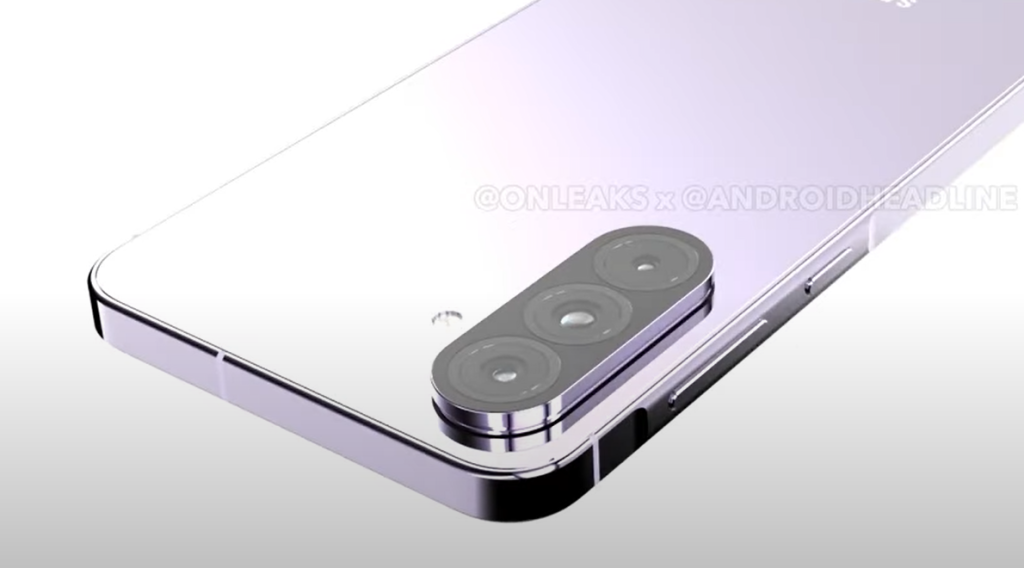
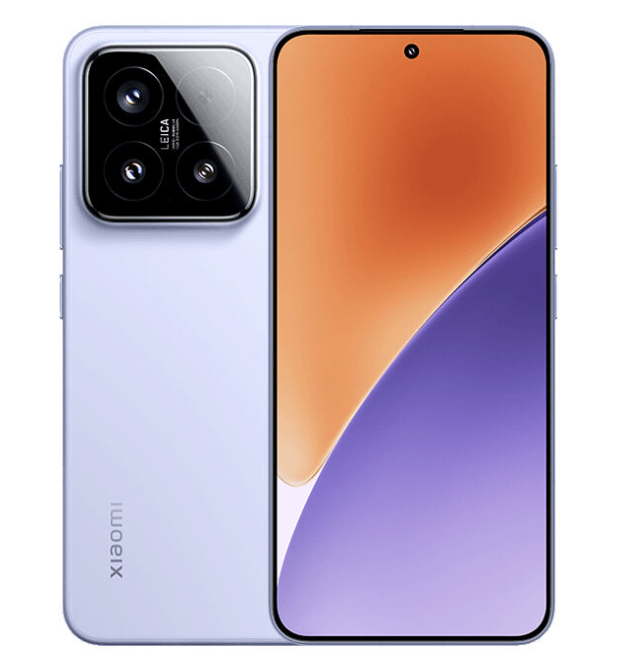
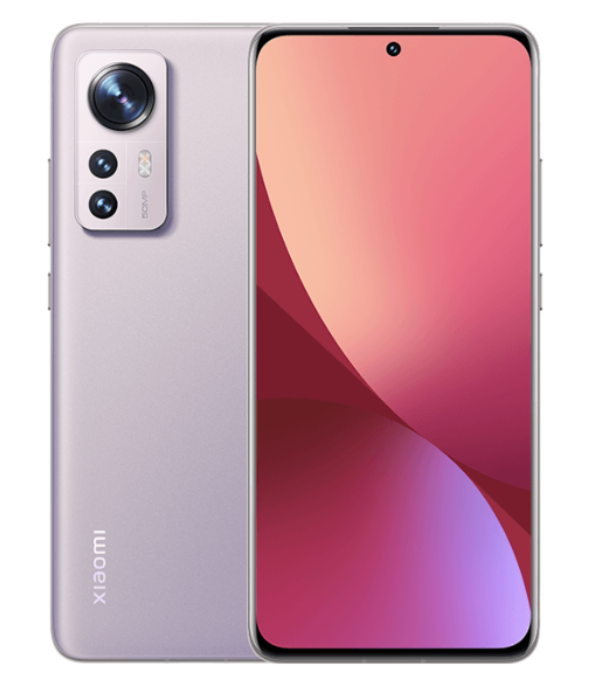
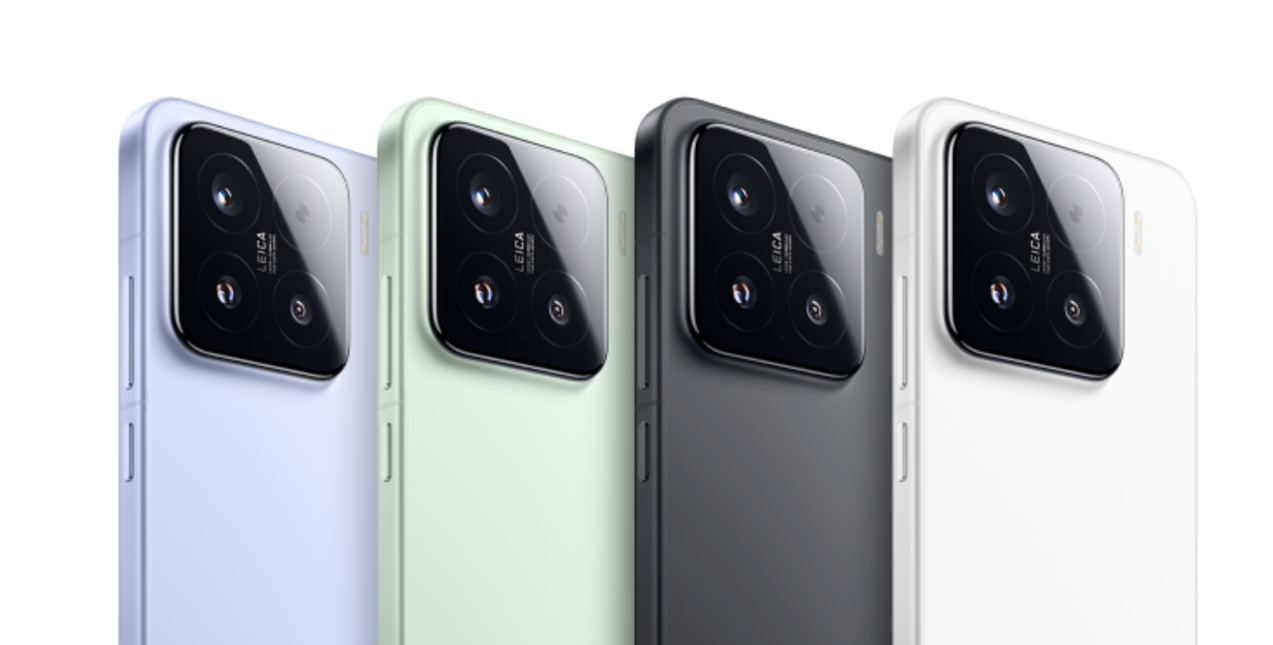
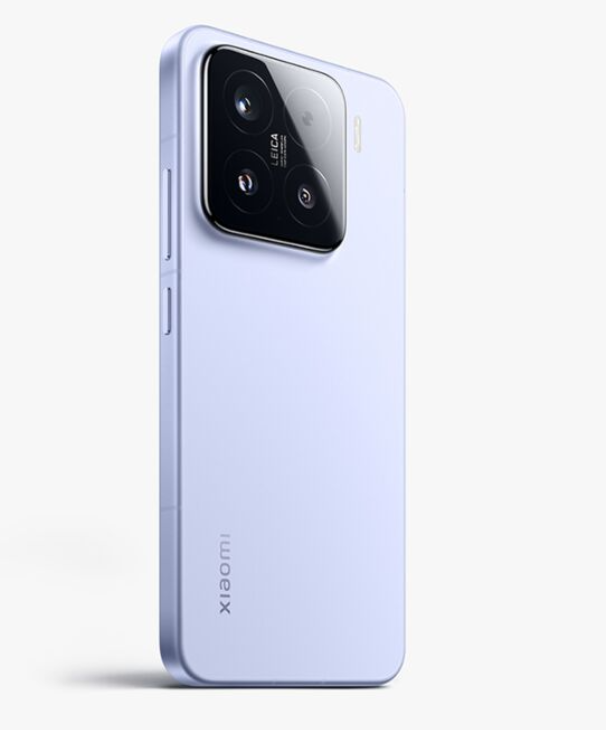
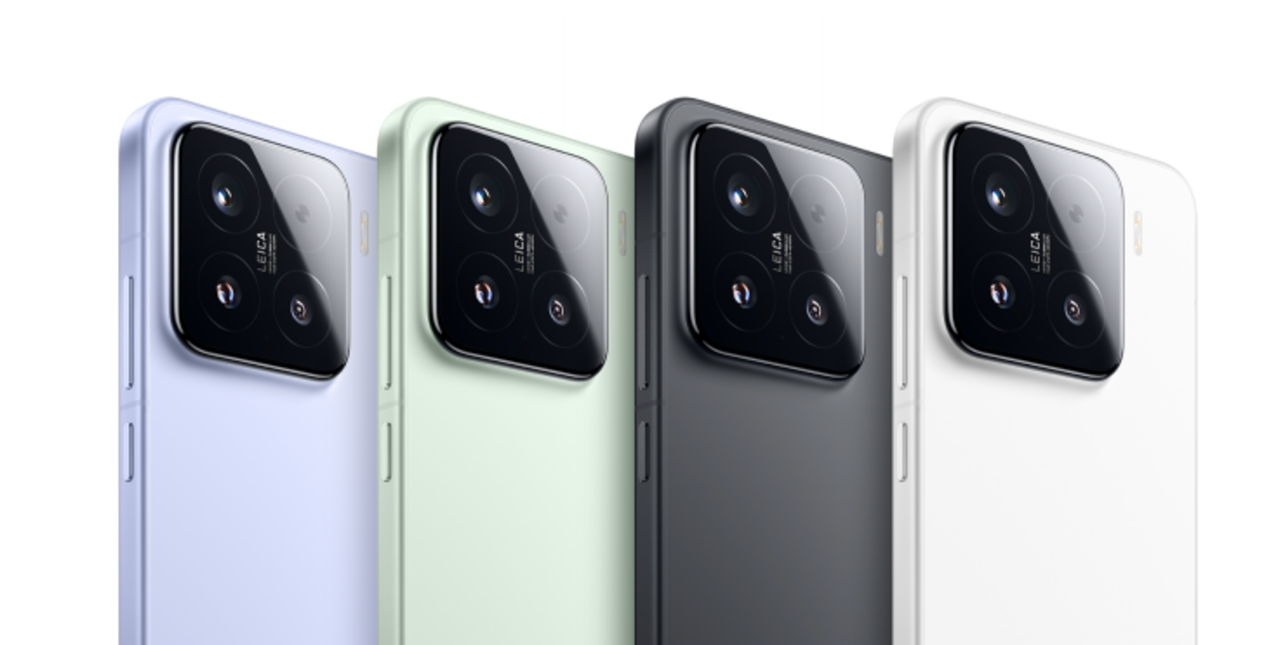
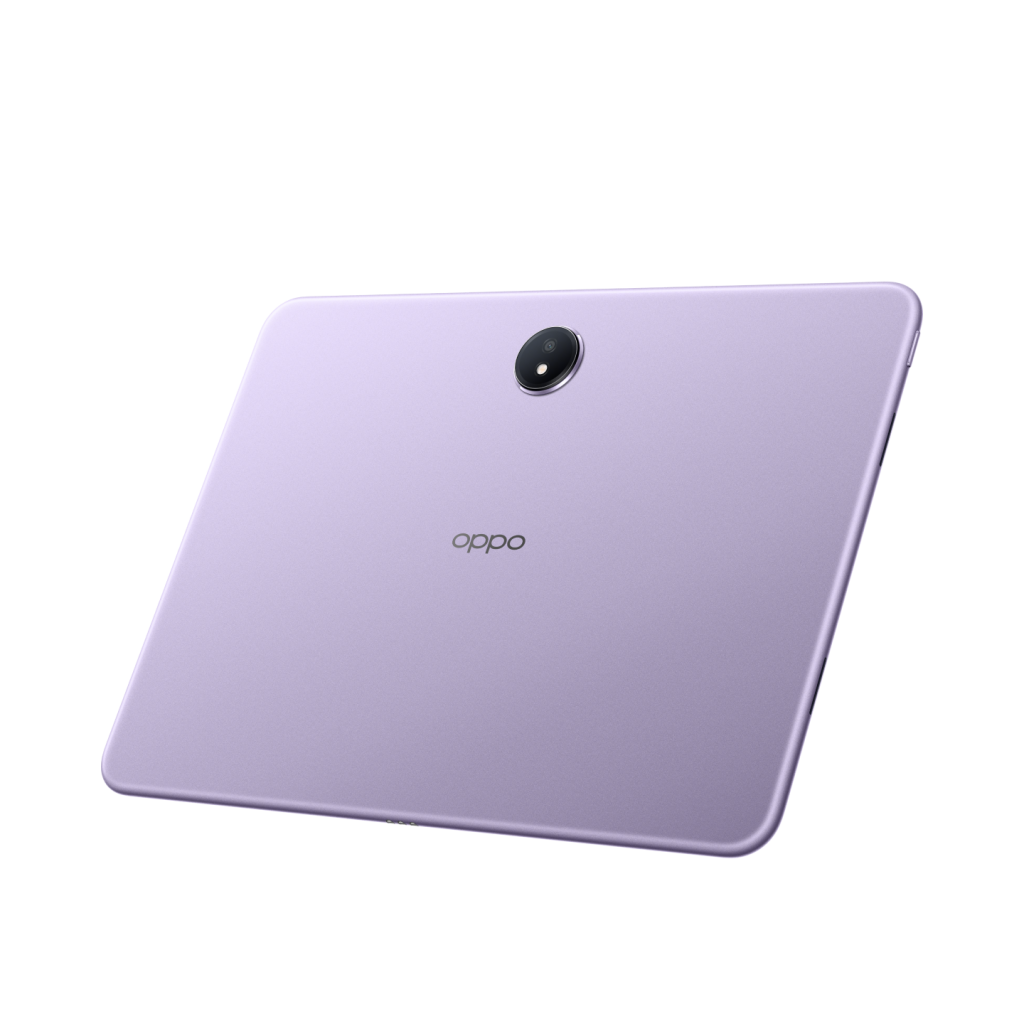
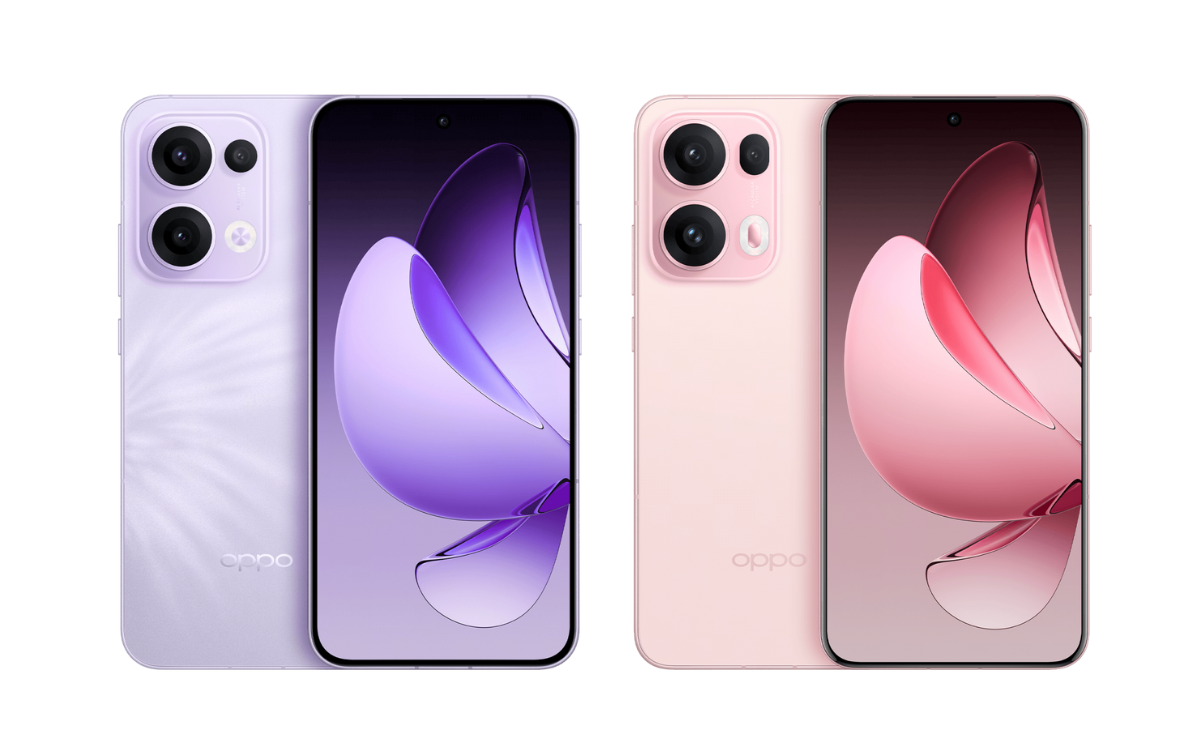
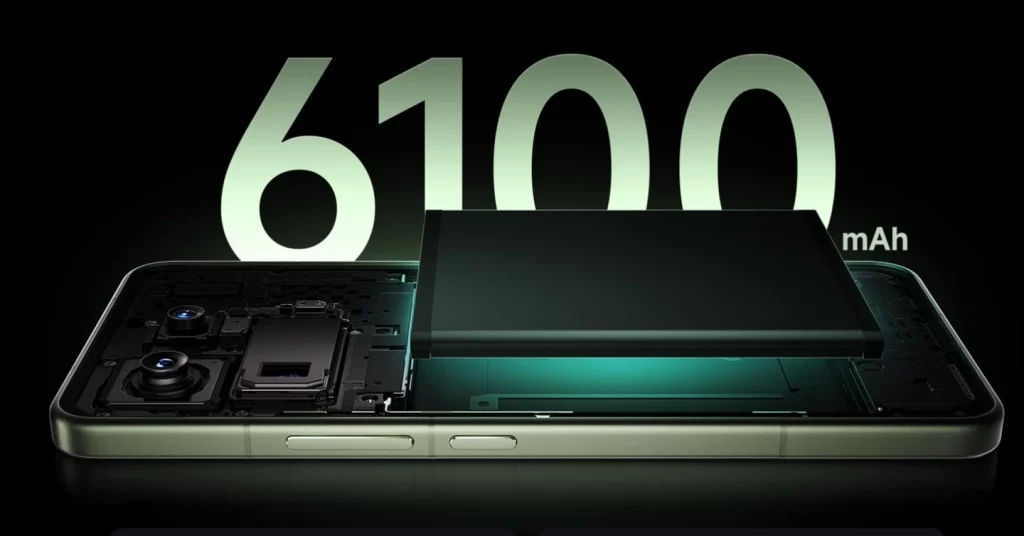
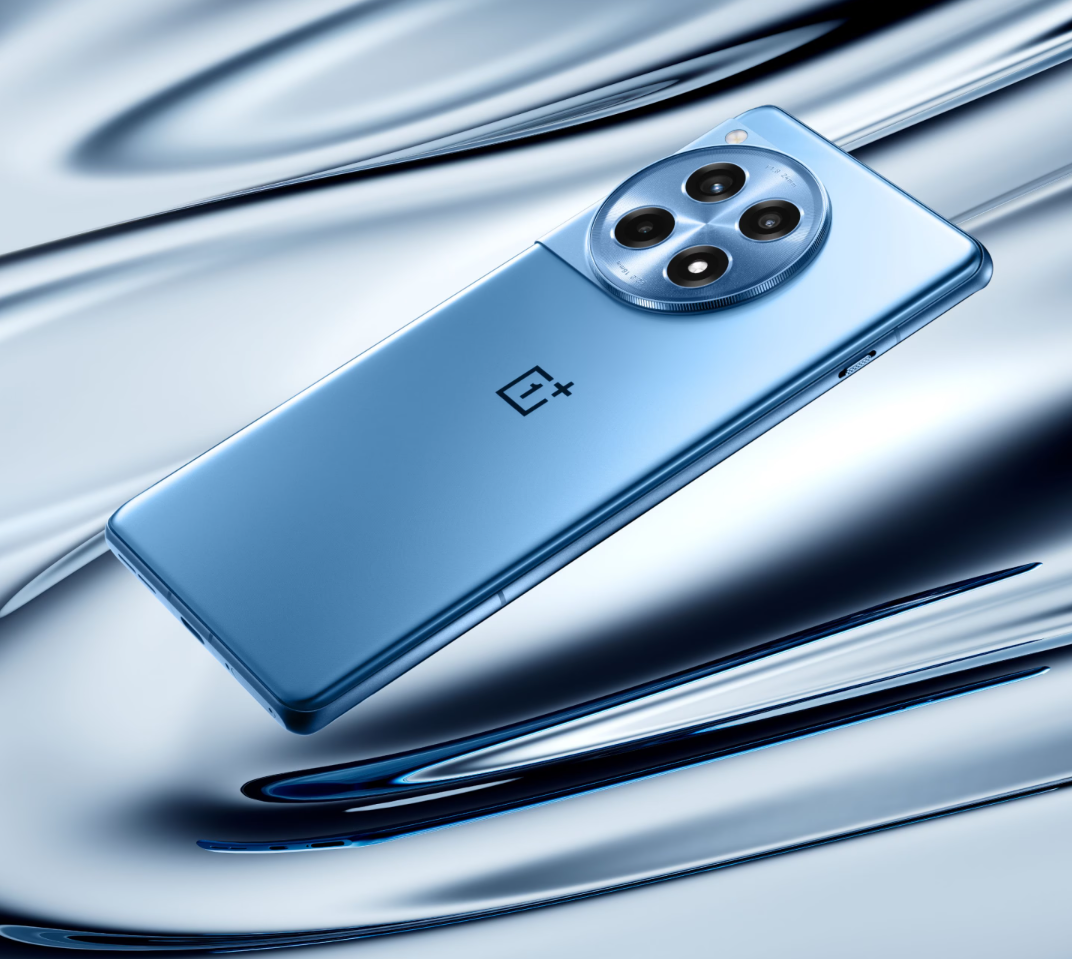
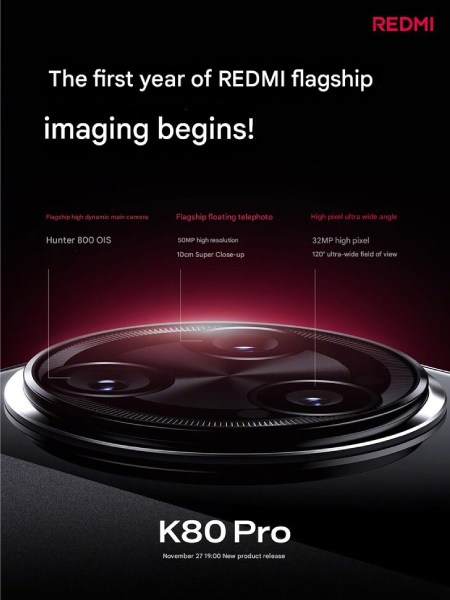
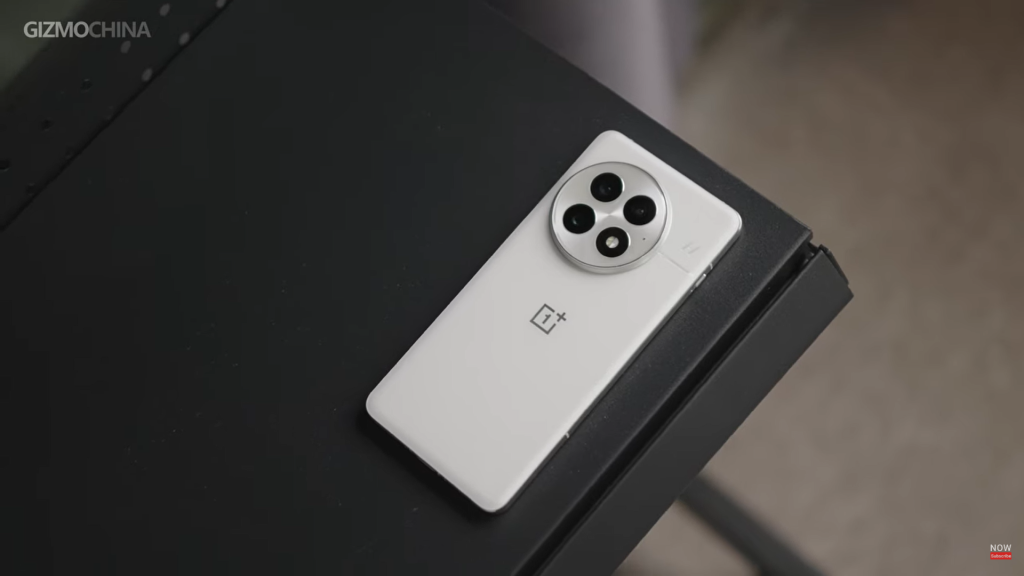
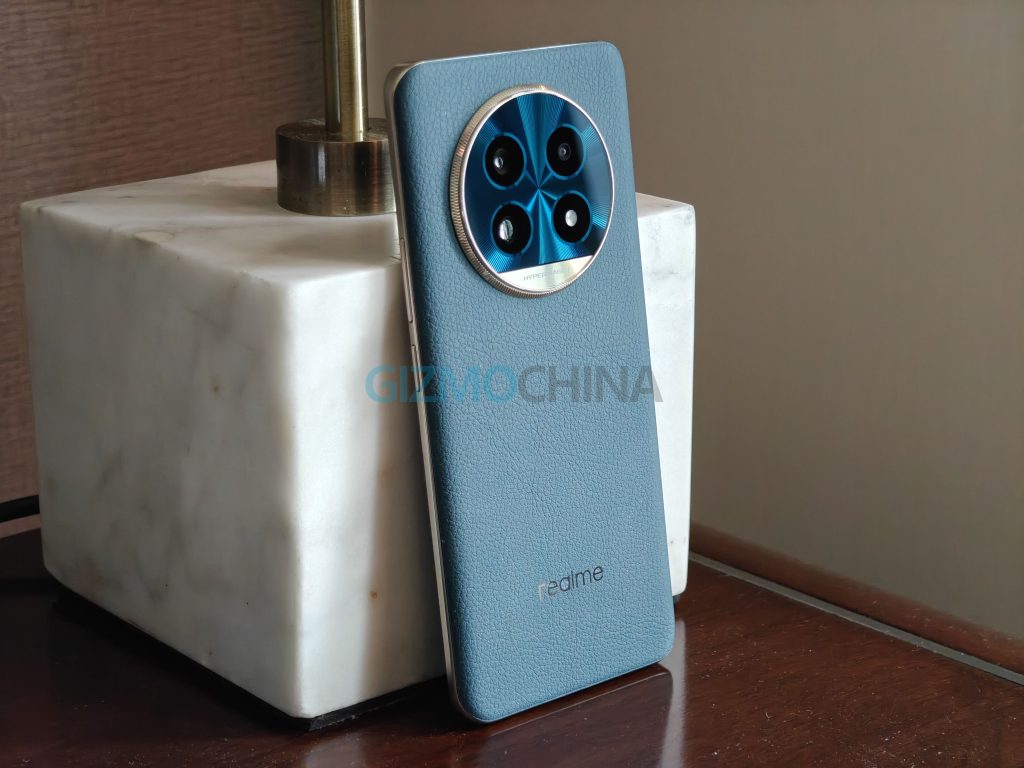
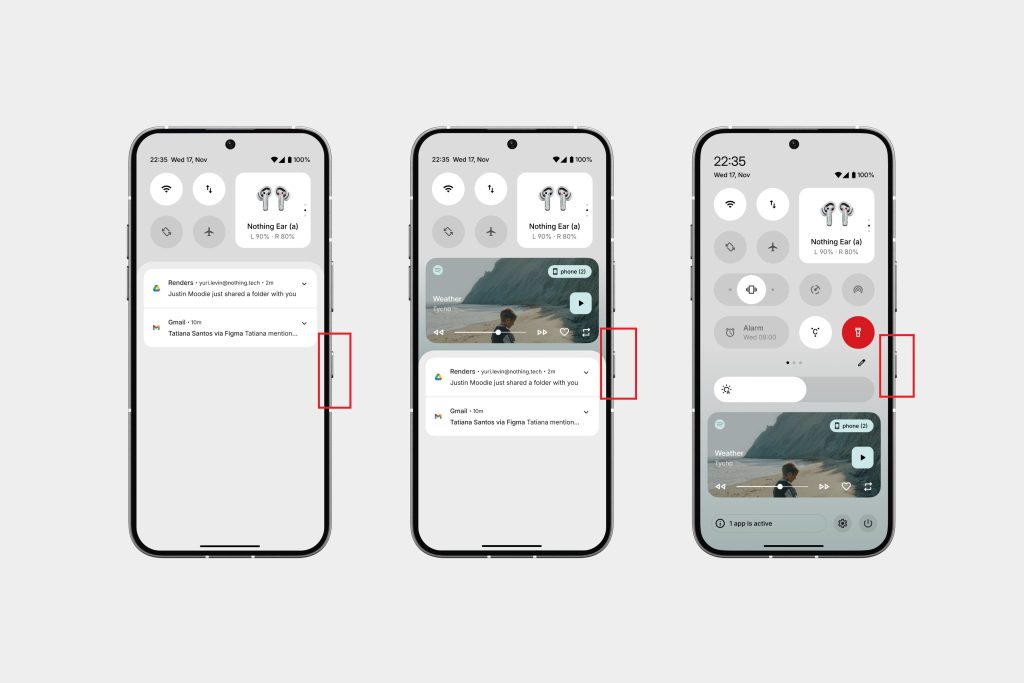
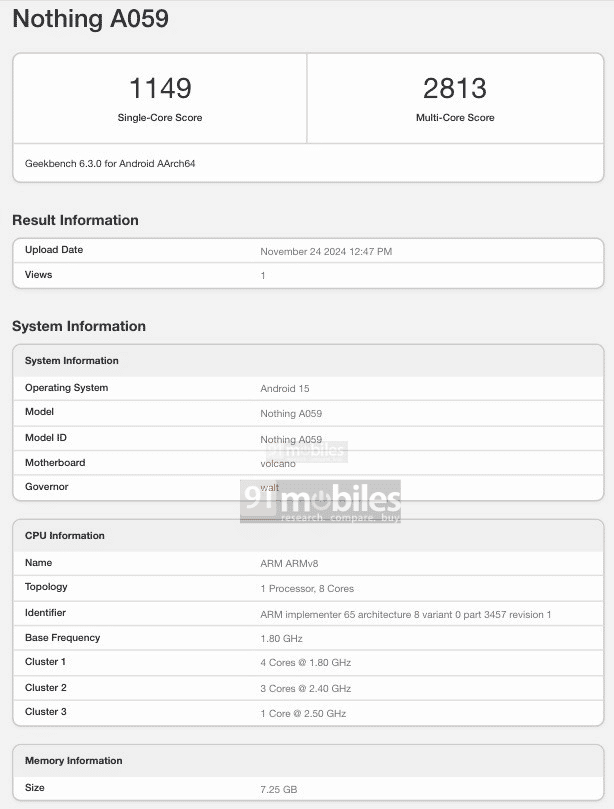
The Oppo Find X8 is expected to be released in China sometime in Q4 this year, possibly in October. A design schematic of the phone surfaced online a couple of days ago. Now, a real-life image has emerged, which reveals a slightly different design than the schematic.
The camera sensors have also been relocated
The schematic showed a circular camera island, however, we can see a rounded square design in the real-life image. This is a shift from the circular camera island design of the Find X7 series. The flash module retains its placement from the predecessor, however, the camera sensors have been relocated.
In addition, the phone has transitioned to a flat design for both the middle frame and the back panel. While we cannot see the front, judging from the middle frame it appears that the phone packs a flat AMOLED panel. The latest report from Smartprix also claims that the phone will have a flat display. It will be a 6.7-inch, 1.5K panel that will support 120Hz max refresh rate.
Speaking of the imaging system, it could remain similar to its predecessor. As can be seen from the image, the phone packs a total of three cameras on the back, the same as the Oppo Find X7.
For those interested, the camera system is claimed to include a 50 MP main lens, a 50 MP ultrawide, and a 3x periscope telephoto lens. Notably, the Find X7 packs a 64 MP sensor for the periscope telephoto camera.
In terms of performance, the phone is expected to be powered by the Dimensity 9400 chipset, which is the successor of the Dimensity 9300 used on the predecessor.
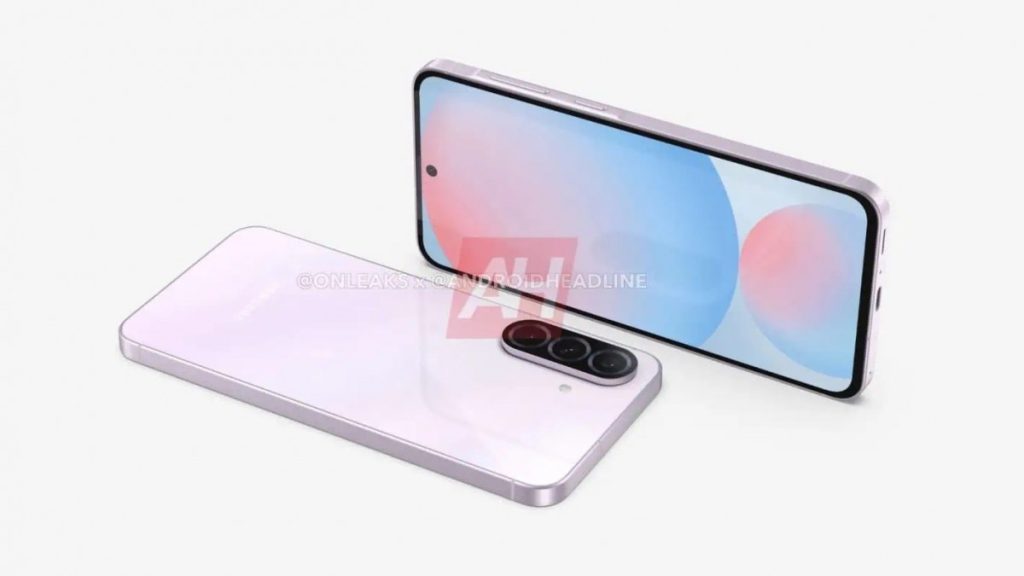
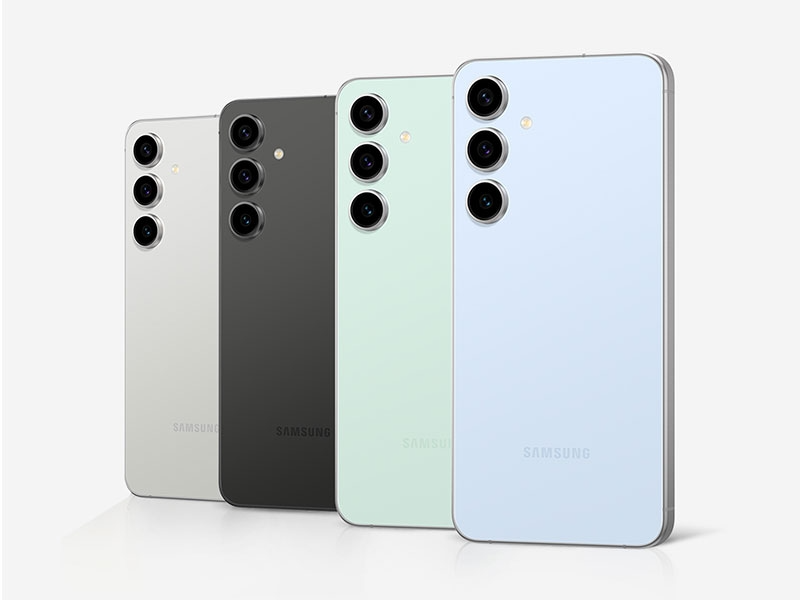
Samsung is working on its next-gen budget flagship smartphone, which is expected to launch soon. The Galaxy S24 FE has been making the rounds in online rumors and reports, and now, the US variant of the device has also been certified. So here’s what we know so far.
1. Samsung Galaxy S24 FE: What’s special about this device?
The South Korean tech giant unveiled the Fan Edition (FE) version of its flagship smartphones with accessibility in mind. It releases them with a more affordable price tag compared to its true flagship S series. These typically carry high end specifications, but cut some corners to keep the cost low. My Galaxy S21 FE (which I refuse to part with) is also from this lineup. With the Galaxy S24 series starting at almost 800 US Dollars, the Galaxy S24 FE would arrive as the most affordable model in Samsung’s 2024 flagship family. So you won’t break your bank to get a premium experience.
2. Bluetooth SIG hints at an imminent launch
The upcoming Samsung Galaxy S24 FE just surfaced on the Bluetooth SIG database (via SamMobile), carrying the SM-S721U model number. This appears to be the carrier locked version of the S24 FE that will launch in the US market. Samsung’s affordable flagship phone was recently certified in India, and this listing basically hints at its global release being imminent. Even its official support page went live earlier this month.
3. Here’s what it packs
Just last week, the Samsung Galaxy S24 FE was found on GeekBench, a popular benchmarking platform. This revealed some of its key specifications like the Exynos 2400e. The chip is apparently an underclocked version of the Exynos 2400 that is featured on the Galaxy S24 series. It is coupled with at least one variant with 8GB of RAM and runs on the Android 14 OS based OneUI 6.1.1 custom skin out of the box. The device is rumored to be powered by a 4,565mAh battery pack, bringing no upgrade from its predecessor.
Samsung is gearing up to launch ten new washing machines ahead of the upcoming festive season in India. Among these, the company will be introducing a front-load AI-powered washing machine, set to be released by the end of this month. This new lineup is part of Samsung’s premium Bespoke AI range.
A focus on AI-driven innovation
Samssung AI washing machine teaser
The upcoming washing machines will be equipped with a suite of AI-powered features designed to simplify the laundry process. These innovations are expected to significantly reduce the effort required for everyday laundry tasks, making them more efficient and eco-friendly. By integrating advanced AI technologies, Samsung aims to create a smarter home environment that adapts to the needs and preferences of its users.
The new models are positioned to expand Samsung’s existing portfolio of washing machines in India, offering consumers more choices in the premium segment. The company has emphasized that these washing machines are designed with a focus on convenience, aiming to transform the way users interact with their home appliances. The AI-driven features in these machines are expected to improve user lifestyles by offering smarter, more intuitive solutions that enhance daily routines.

Earlier this year, Samsung introduced its 2024 Bespoke AI home appliances in India, which include refrigerators with AI Vision Inside and AI Energy Saving features. These appliances represent a step forward in the company’s efforts to create a hyper-connected ecosystem in the home. Through features like habit learning and sensing, these devices are designed to make household chores more manageable, ultimately freeing up more time for consumers.
For example, Samsung’s AI-powered refrigerators can track the expiration dates of food items and offer customized recipe suggestions through the Samsung Food feature. The AI Energy Saving function in SmartThings helps users monitor and reduce energy consumption, contributing to a more sustainable lifestyle. The Smart Forward feature also ensures that devices receive regular updates, while Samsung Knox provides security for users’ personal information.
Honor is set to launch its thinnest foldable, the Magic V3, globally at IFA in Berlin in early September. The company has now confirmed the smartphone will be accompanied by MagicBook 14 Art laptop at the event.
The PC went official in China last month, so we know everything the device has to offer. Let’s walk through its detail here.
Honor MagicBook Art 14 Specifications
Design is a key focus for MagicBook Art 14. The machine is built from aerospace-grade material resulting in slim and lightweight design, measuring 1cm thick and 1.03 kg, respectively.
The front has a 14-inch OLED touchscreen display with a 3.1K resolution and a smooth 120Hz refresh rate. The screen has a peak brightness of 700 nits and covers 100% of the DCI-P3 color gamut for accurate color reproduction.
Notable of all is the fact that its the world’s first OLED laptop to have 4320Hz ultra-high frequency PWM Dimming to minimize screen flickering and eye strain.
Performance-wise, you can choose between two processor options: Intel Core Ultra 5 and Core Ultra 7. And despite being an ultrabook, Honor has managed to include dual fans for heat dissipation. The memory option includes up to 32GB of RAM and 1TB of storage.
The MagicBook Art 14 has a webcam that Honor callsa “Smart Eye” magnetic camera, allowing users to physically cover the camera when not in use for added security. On the audio front, the laptop features six professional-grade speakers coupled with Honor’s self-developed spatial audio algorithms.
In China, the price of MagicBook Art 14 starts at 7,999 yuan or some $1,110 for the Intel Core Ultra 5 chip variant. The Core Ultra 7 model costs 9,499 yuan, around $1310. As usual, the global pricing will be higher, but this gives you a rough idea of what to expect.
Motorola is expanding its budget smartphone lineup with new G series smartphones. The company’s Moto G35 and Moto G45 5G were recently spotted online, and now, the Moto G45 5G has finally been launched. It packs a flagship-like premium design and an ultra smooth display despite its affordable pricing.

Moto G45 5G: Premium Leather & 120Hz Display
The brand’s newest phone was announced for a budget price, but its design punches way above its weight class. Recent flagship devices have released variants that offer a leather finish and Motorola is bringing a vegan leather back on the Moto G45, which adds a premium feel to the smartphone.
So now, the company has used leather finish on its mid range, top-end, and even entry level smartphones. On the front, the Moto G45 5G sports a 6.5-inch IPS LCD display that offers an HD+ resolution, a 120Hz refresh rate, 500 nits of peak brightness, a 20:9 aspect ratio, and Corning Gorilla Glass 3 for protection.
Specifications
Under the hood, it is equipped with Qualcomm’s Snapdragon 6s Gen 3 SoC, which is paired with up to 8GB of LPDDR4X RAM and 128GB of internal storage. Users can even expand the storage by up to 1TB via a MicroSD card slot. The Moto G45 5G runs on the Android 14 OS based MyUX custom skin. A large 5,000mAh battery pack powers this model, which supports 18W wired fast charging.
For photography, the rear features a 50-megapixel primary camera along with a 2-megapixel macro shooter. The front houses a 16-megapixel shooter for selfies and video calls. Other notable features include a side mounted fingerprint scanner, a 3.5mm audio jack, stereo speakers with Dolby Atmos, Hi Res audio, FM Radio, and an IP52 for water and dust resistance.
Pricing and Availability
Motorola unveiled the Moto G45 in three bright colors, namely Brilliant Blue, Brilliant Green, and Viva Magenta. It has a starting price tag of 10,999 INR for the 4GB + 128GB option, while the 8GB + 128GB variant costs 12,999 INR. The brand is offering a special launch discount with an instant 1,000 INR discount to Axis Ban and IDFC First Bank credit cards. There are also Jio Benefits worth up to 5,000 INR.
Flydigi has unveiled its latest innovation in gaming technology, the Flydigi Apex 4 Black Myth Wukong Gaming Controller. Designed for versatility, precision, and performance, this controller is set to transform the gaming landscape.
From advanced joystick mechanics to a customizable interactive display, the Apex 4 pushes the boundaries of what a gaming controller can deliver. The controller is now available for $159.99 for pre-sale at GeekWills.Please note that this is a pre-sale and actual shipping will start post-September 5.
Adaptive Triggers and Force-Adjustable Alloy Rocker
One of the key highlights of the Flydigi Apex 4 is its groundbreaking force-adjustable alloy rocker, a world-first in gaming controllers. This innovative hub-bearing structure allows users to customize the joystick’s resistance from a range of 30-100gf, giving a personalized feel without compromising precision. Whether you prefer ultra-light resistance or a more stable centering force, this controller adapts to your gaming style. Coupled with adaptive triggers and a 1ms response time, the Flydigi Apex 4 ensures a seamless, highly responsive experience for every game.
Superior Precision and Customization
Precision is critical in gaming, and the Flydigi Apex 4 delivers with low-abrasion, Hall effect sticks that offer superior return-to-center functionality. The customizable joystick tension (30-100gf) and adjustable vibration triggers ensure that every input is accurate, reducing errors and dead zones to nearly zero. The S-shaped shoulder buttons, short travel mechanical face buttons (v2.0), and four customizable back buttons provide unparalleled control, making this controller a versatile tool for all types of gameplay.
1000Hz Polling Rate and Battery Life
The Flydigi Apex 4 features an ultra-fast 1000Hz polling rate, ensuring minimal input lag in both wired and wireless modes. Whether you connect via Bluetooth, a 2.4G wireless dongle, or USB Type-C, you can expect consistent performance. Powered by a 1500mAh battery, the controller offers extended playtime, so you can focus on your game without constantly worrying about recharging.
Interactive Display and Personalization Options
The Flydigi Apex 4 comes equipped with a full-color interactive display screen, allowing gamers to personalize their experience. Whether it’s customizing RGB lighting patterns, uploading your favorite GIFs, or quickly adjusting settings on the go, the intelligent screen adds a layer of immersion and convenience. The screen’s customization features make it easy to switch between modes, configure settings, and manage burst options on the fly.
Multi-Platform Compatibility
This controller is designed to support multiple platforms, including PC, Android, Smart TV, Switch, and more. Although it doesn’t support Xbox and PlayStation consoles yet, it remains a versatile option for gamers who play across various devices. The ability to connect via wired, Bluetooth, or 2.4G wireless modes ensures that you’re always ready to play, no matter where you are.
The Flydigi Apex 4 Black Myth Wukong Gaming Controller is more than just a controller; it’s a powerful tool that adapts to your unique style. From force-adjustable joysticks and intelligent triggers to an interactive display and multi-platform compatibility, this controller sets a new benchmark in gaming accessories.
iQOO’s Z9 series includes the Z9, Z9 Lite 5G, and Z9x 5G. Now the Vivo sub-brand has introduced two new devices in the lineup. These are the iQOO Z9s and Z9s Pro. Both devices share some similarities between them. They are touted to be the segment’s fastest curved-screen phones along with a slim design. Read on to know what the latest offerings deliver out of the box.
iQOO Z9s, Z9s Pro specifications
The iQOO Z9s and Z9s Pro come with a 3D curved AMOLED display measuring 6.7 inches. Both phones have an FHD+ resolution and a 120Hz refresh rate. The Z9s Pro has a massive peak brightness of 4,500 nits for clear visibility outdoors. Meanwhile, the Z9s offers a 1,800 nits brightness.
Design-wise, the iQOO Z9s features a pill-shaped protruding camera module with two oblong shapes that accommodate the camera sensors and Aura light LED. It is similar to the Vivo V40 series. On the other hand, the Z9s Pro has a squircle island that is seen on the flagship iQOO 12. Both phones are said to be the segment’s slimmest with curved screens with the standard and pro variants measuring 0.749mm only.
The iQOO Z9s duo come with dual rear cameras. The setup comprises of a 50MP Sony IMX882 main sensor with support for OIS. The Z9s has a 2MP portrait lens whereas the Z9s Pro features an 8MP ultra-wide-angle unit. Both phones come with AI Erase, AI Photo Enhance features, and are capable of shooting 4K videos.
Under the hood, the iQOO Z9s is equipped with a Dimensity 7300 processor whereas the Z9s Pro is powered by a Snapdragon 7 Gen 3 chipset. Both phones pack up to 12GB RAM (16GB on the Z9s Pro) and 256GB storage. There is a VC liquid cooling system onboard. They are also backed by the same 5,500mAh battery unit. However, the Z9s supports 44W fast charging whereas the Z9s Pro maxes out at 80W. Software-wise, the smartphones run on Funtouch OS based on Android 14 with two years of OS updates.
iQOO Z9s series pricing
The iQOO Z9s comes in Onyx Green and Titanium Matte colors whereas the Z9s Pro is offered in Flamboyant Orange and Luxe Marble shades. The Z9s starts at Rs 19,999 for the 8GB + 128GB and Rs 21,999 for the 8GB + 256GB variants. The 12GB + 256GB option costs Rs 23,999. The Z9s Pro carries a price tag of Rs 24,999 and Rs 26,999 for the 8GB + 128GB and 8GB + 256GB variants respectively. The top-end 16GB + 256GB configuration retails at Rs 28,999. Both smartphones can be purchased from Amazon with sales of Z9s commencing from August 29 and Z9s Pro up for availability from August 23. HDFC and ICICI Bank cardholders can avail up to Rs 3,000 instant discount on the purchase.
Motorola is well-known for its Edge series smartphones, which often offer excellent mid-range options under ₹25k. Last year, the company launched the Motorola Edge 40, which frequently retailed near the ₹25k mark. They also introduced the Motorola Edge 40 Neo, which was available for under ₹25k.
This year, Motorola has refreshed the 40 series with the launch of the Motorola Edge 50 Fusion, priced within the same range. Let’s dive into how the Motorola Edge 40 and the new Edge 50 Fusion stack up against each other in the under ₹25k segment and whether the older model is still worth considering.
Both phones flaunt a near-identical display size – the Edge 50 Fusion sports a 6.7-inch FHD+ pOLED panel, while the Edge 40 comes in at 6.55 inches. However, the Edge 50 Fusion takes the lead with a 10-bit OLED display, offering richer colors and potentially better HDR performance compared to the Edge 40’s 8-bit panel.
Additionally, the Edge 50 Fusion boasts a slightly higher peak brightness of 1600 nits versus 1200 nits on the Edge 40. When it comes to refresh rate, both phones offer a smooth 144Hz experience, ensuring a buttery-smooth visual experience for everyday tasks and gaming.
Please Note: When you buy something using the links in our articles, we may earn a small commission at no cost to you.
2. Performance
The Edge 50 Fusion sports the Qualcomm Snapdragon 7s Gen 2 processor, built on a 4nm process. The Edge 40 equips the MediaTek Dimensity 8020 processor, built on a 6nm process. While the Edge 50 Fusion boasts a newer architecture, benchmark scores suggest the Dimensity 8020 might hold a slight edge in overall performance.
Both options are paired with 8GB of RAM, though the Edge 50 Fusion offers a higher-end 12GB option for those seeking additional multitasking capabilities. Storage-wise, the Edge 40 comes with a single 256GB variant, while the Edge 50 Fusion offers 128GB and 256GB options. However, the Edge 40 utilizes faster UFS 3.1 storage compared to the Edge 50 Fusion’s UFS 2.2.
3. Cameras
Both phones prioritize a 50MP main sensor on the rear, but the Edge 40 might have a slight edge for low-light photography thanks to its wider f/1.4 aperture compared to the f/1.88 aperture on the Edge 50 Fusion. Both phones offer OIS (Optical Image Stabilization) on the main sensor for sharper pictures in shaky conditions.
Both phones offer a 13MP ultrawide sensor with macro capabilities. The front camera on both phones is a 32MP shooter.
Ultimately, the camera systems seem quite evenly matched. Depending on your priorities, the wider aperture of the Edge 40 might be preferable for low light.
4. Software
The Edge 50 Fusion runs the newer Android 14, providing access to the latest features and security updates. The Edge 40 runs Android 13 out of the box but which is also upgradable to Android 14. Motorola promises 3 OS updates for the Edge 50 Fusion, potentially offering longer software support compared to the Edge 40’s update cycle.
5. Battery
The Edge 50 Fusion boasts a larger 5000mAh battery compared to the Edge 40’s 4600mAh battery. While both support 68W fast charging, the Edge 50 Fusion lacks the Edge 40’s 15W wireless charging capability. This might be a deciding factor for users who prefer the convenience of wireless charging.
6. Design and Build
Both phones offer sleek designs with curved displays. The Edge 50 Fusion comes in Hot Pink, Marshmallow Blue, and Forest Blue vegan leather options, while the Edge 40 offers Eclipse Black (acrylic), Nebula Green (vegan leather), and Lunar Blue (vegan leather).
Both boast IP68 dust and water resistance and Corning Gorilla Glass protection. The Edge 40 has a slightly slimmer profile at 7.49mm compared to the Edge 50 Fusion’s 7.9mm.
7. Price
The Edge 50 Fusion starts at a lower price point of ₹22,999 for the 8GB + 128GB variant, while the Edge 40 comes in a single 8GB + 256GB configuration priced at ₹26,999 currently. However, during sales, the price of the Edge 40 can drop even further, making it an even more attractive option.
8. Conclusion
Both the Motorola Edge 50 Fusion and the Edge 40 are standout mid-range smartphones, delivering excellent value for under ₹25k. The Edge 50 Fusion impresses with its newer processor, varied RAM options, and competitive pricing.
On the other hand, the Edge 40 stands out with its premium build quality, wireless charging, and a slightly wider aperture that enhances low-light photography.
While the Edge 40 offers better overall performance, the Edge 50 Fusion could be the smarter choice for a daily driver, especially if you’re on a tight budget, saving you ₹3-4k. We would have recommended the Edge 40 if a 12GB variant were available for the same price it is available now.
Smartwatches have become ubiquitous fitness companions, tracking everything from steps climbed to sleep patterns. However, for those looking for a more comprehensive health overview, the options are quite limited.
One notable exception is Huawei’s Watch D, which features a built-in inflatable cuff for blood pressure measurement—a unique offering in the smartwatch market. Now, rumors suggest that its successor, the Huawei Watch D2, could be arriving in September.
The original Watch D, launched in 2021, was a compelling choice for users needing to monitor their blood pressure. Unlike most smartwatches that rely on less reliable optical sensors, the Watch D used a traditional blood pressure cuff, miniaturized for the wrist, to provide more accurate readings—an approach that likely appealed to a specific audience.
The wait for its refresh now appears to be nearing its end. According to a tip from Weibo user @UncleKanshan, Huawei is planning a product launch event for September. The highlight of the event is believed to be a triple-foldable phone, but there are whispers that the Watch D2 might also make an appearance. However, details about any new features or improvements in the D2 remain scarce.
Blood pressure monitoring continues to be the standout feature of the Huawei Watch D series. The Watch D2 will maintain this functionality, as confirmed by a recent Chinese medical device license referring to the wearable as a “Wrist Ambulatory Blood Pressure Recorder.”
Although the exact launch date in September is still unconfirmed, @UncleKanshan suggests that September 24th could be a possibility.
Beyond blood pressure monitoring, details about additional features or design changes are still under wraps. We’ll have to wait for the official announcement or further leaks to see what Huawei has in store for the Watch D2. With its expected September launch, the wait won’t be long.
Apple has launched the Beats Studio Pro – Kim Special Edition in India, a collaboration with Kim Kardashian. The headphones are available in three color options: Moon, Dune, and Earth, chosen by the celebrity.
Beats Studio Pro – Kim Special Edition specs:
These over-ear headphones feature 40mm custom acoustic drivers for high-fidelity audio with minimal distortion. They also offer Adaptive Active Noise Cancelling (ANC) for noise isolation and a Transparency mode for ambient sound. Dolby Atmos and Spatial Audio support enhance the listening experience with a 360-degree soundstage. Advanced microphones improve call quality by reducing background noise.
The headphones provide up to 40 hours of playback with ANC off. A fast-charging feature offers four hours of listening with just a ten-minute charge. Connectivity options include Bluetooth, a 3.5mm jack, and a USB-C port for audio input and charging.
The Beats Studio Pro – Kim Special Edition includes a color-matched carrying case and custom woven cables, complementing the overall design.
Pricing & availability
Priced at Rs. 37,900 ($452), the headphones will be available for purchase soon through Apple’s online store and authorized retail outlets.
Sony India has introduced the BRAVIA 9 series, a high-end television designed for a premium home entertainment experience.
Sony BRAVIA 9 series specs & features:
The series features a minimalist One Slate design and is available in 75-inch and 85-inch screen sizes. It is powered by Sony’s AI Processor XR, which improves picture quality with improved detail, contrast, and color accuracy.
The BRAVIA 9 series uses Mini LED technology paired with XR Backlight Master Drive, allowing precise control of individual LEDs for deeper blacks, brighter whites, and better contrast. XR Triluminos Pro broadens the color range, offering more natural colors.
For audio, the Acoustic Multi-Audio+ system, with Beam Tweeters and Frame Tweeters, creates an immersive sound experience. Voice Zoom 3 technology improves dialogue clarity.
The BRAVIA 9 series also includes gaming features such as Auto HDR Tone Mapping, 4K/120fps support, Variable Refresh Rate (VRR), and Auto Low Latency Mode (ALLM) for smooth gameplay. A Game Menu provides easy access to gaming settings.
As a smart TV, it runs on Google TV, offering a wide selection of movies, TV shows, and apps. The BRAVIA CAM adds gesture control, ambient optimization, and video conferencing features.
Please Note: When you buy something using the links in our articles, we may earn a small commission at no cost to you.
Pricing & availability
The BRAVIA 9 series is priced at Rs. 4,49,990 for the 75-inch model and Rs. 5,99,990 for the 85-inch model and is available at Sony Centers, major electronics stores, and online platforms across India.
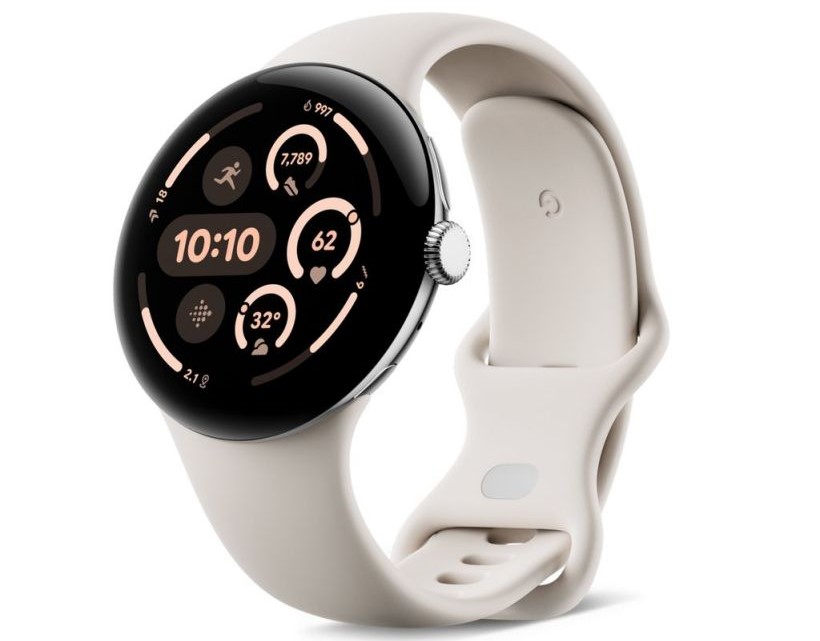
The Pixel Watch series has always been a head-turner with its unique, round pebble design and futuristic curved glass. But beneath the sleek exterior Google has yet again failed to solve a persistent issue – repairability, or rather, the lack thereof.
Just like its predecessors, Google’s latest smartwatch isn’t built for repairs. So any unfortunate mishap, whether a cracked display or a malfunctioning battery, means you simply can not repair it, rather you have to replace the smartwatch itself.
The design plays a big role in this problem. The signature round form and beautifully curved glass are undeniably attractive, but they also make the watch more prone to damage, especially the display, which is the most likely component to suffer from a fall or bump.
In a message to Android Authority, Google confirmed that the policy for their smartwatches remains the same — if broken, replace it, the watch is not repairable.
Instead, the company suggests users opt for the Pixel Watch 3’s Preferred Care program, which offers a replacement for a $49 service fee in case of accidental damage. However, this is only an option in some regions, leaving users in unsupported areas with a hefty price tag for a replacement, even outside of warranty.
This whole system stands in stark contrast to Google’s recent sustainability efforts, particularly the self-repair program rolled out for Pixel smartphones. Furthermore, it creates a significant amount of electronic waste, as broken Pixel Watches become unusable even if parts within them might be perfectly functional.
While protective cases offer some peace of mind, they come at the cost of adding bulk and potentially compromising the watch’s design aesthetic. It’s a trade-off many users might not be comfortable making.
So, while the Pixel Watch 3 offers features like improved fitness tracking, a Loss of Pulse Detection tool, and brighter displays, you should be cautious about making a purchase decision due to its repairability concerns.
Redmi’s Snapdragon 7s Gen 3, Honor vs. Samsung foldable showdown, iPhone 16 leaks, Redmi Pad SE global launch, and more! Get the latest tech news on AAA gaming, smartphone innovations, and upcoming devices in this roundup.
Redmi’s Snapdragon 7s Gen 3 Debut: Dive into the official confirmation of the Redmi Note 14 Pro 5G being the first smartphone to feature the Snapdragon 7s Gen 3 chipset.
Honor vs Samsung Foldable Showdown: Unpack the brewing rivalry between Honor and Samsung in the foldable phone arena. We’ll analyze Honor’s bold marketing move and what it signifies for the competitive landscape of foldable devices.
iPhone 16 and SE 4 Leaks: Get an early glimpse into Apple’s future lineup with leaked marketing materials for the iPhone 16 Pro Max and iPhone SE 4.
Redmi Pad SE 8.7 Global Launch: Examine Xiaomi’s latest entry into the global tablet market with the Redmi Pad SE 8.7. We’ll break down its key features and how it positions itself in the competitive tablet space.
Plus, don’t miss our roundup of other exciting stories, including a sneak peek at the Redmi K80 Pro’s design, Vivo X200 Mini leaks, insights on AAA games on smartphones, and Apple’s manufacturing decisions for the iPhone 16 series!
It has been officially confirmed that the Redmi Note 14 Pro 5G will be powered by Snapdragon 7s Gen 3. This new smartphone will be the first smartphone to use the Snapdragon 7s Gen 3 chipset, and this makes the Note 14 Pro 5G a highly anticipated device in the mid-range category.
Honor recently revealed the global launch date for the Magic V3. But rather than a simple announcement, the Chinese brand threw shade at Samsung. Honor’s latest tweet basically called Samsung’s Galaxy Z Fold 6 ‘fat’, when compared to the upcoming Magic V3. This means war between the flagship foldable smartphones.
Apple’s next generation of iPhones is usually kept under wraps until their official launch. However, a recent leak on Weibo seems to have revealed details about both the upcoming iPhone 16 series and the iPhone SE 4.
The FiiO FT1 headphones are a masterpiece, offering an impeccable combination of high-fidelity sound and elegant craftsmanship. From the carefully chosen materials to the advanced technology inside, these headphones are designed to deliver an immersive listening experience.
Elegant Design with Premium Black Walnut Ear Cups
The FiiO FT1 stands out with its beautifully crafted ear cups made from FAS-grade American black walnut. The unique grain patterns and smooth texture of the wood enhance the headphones’ aesthetic appeal, making each pair unique. Beyond aesthetics, the dense black walnut material effectively reduces cavity resonance and minimizes standing waves, resulting in cleaner sound quality and improved audio performance.
Powerful 60mm Large Dynamic Driver for Rich Bass
At the heart of the FiiO FT1 is a newly developed 60mm large dynamic driver, specifically engineered for these closed-back over-ear headphones. The larger driver size allows for superior energy conversion efficiency, which translates into powerful and punchy bass. The extended driver size also ensures lower low-frequency resonance points, allowing for deeper, more controlled bass. This gives the FT1 headphones an authoritative sound with dynamic range and rich, impactful audio.
High-Sensitivity 32Ω Impedance for Easy Drive
The FiiO FT1 is designed with a 32Ω low impedance, making it easy to drive even with portable devices. With a sensitivity rating of 113dB/Vrms@1kHz (equivalent to 98dB/mW@1kHz), these headphones deliver excellent sound quality without requiring high-powered amplifiers. The user-friendly design ensures you can enjoy premium audio whether connected to a high-end setup or a standard smartphone.
Dual Silver-Plated Oxygen-Free Copper Cables
The FiiO FT1 comes equipped with two high-quality cables: a 3.5mm single-ended plug and a 4.4mm balanced plug, offering broad compatibility with different audio devices. Both cables are crafted from silver-plated oxygen-free copper with 392 wires of 24AWG thickness, ensuring excellent conductivity and sound clarity. The 1.5-meter cable length provides flexibility for various usage scenarios, while the detachable design allows easy switching between cables. The result is a robust yet transparent sound, perfect for enjoying lossless audio tracks.
Key Features:
Frequency Response: 10 Hz – 40 kHz
Sensitivity: 98dB/mW@1kHz, 113dB/Vrms@1kHz
Impedance: 32Ω
Driver Unit: 60mm dynamic driver
Cable Material: Silver-plated oxygen-free copper
Earpad Pressure: 4.5N+0.3N
Cable Length: 1.5m
Headphone Connector: Dual 3.5mm TRS
Audio Cable Plug: 3.5mm/4.4mm
Ear Cup Material: Black walnut
Price and Availability:
FiiO FT1 HiFi headphones are available for purchase at $159.99 on GeekWills. This price offers excellent value for audiophiles seeking premium sound quality and craftsmanship.
FiiO FT1 HiFi headphones are an ideal choice for audiophiles seeking a combination of premium build quality and powerful sound. The natural elegance of black walnut, paired with advanced acoustic technology, ensures that the FT1 stands out in both form and function.
Today, Motorola will announce the Moto G45 5G in India. It appears that the brand plans to launch a couple of other phones, such as the Motorola Razr 50, the Moto G35 5G, and the Edge 50 Neo, in the coming days, The Razr 50’s teasers are already live in India and the other two phones are also heading to the Indian country, as both models have been approved by the BIS authority. In a recent development, an early listing for the Edge 50 Neo has appeared on a Hungarian website (via Ytechb). The listing has revealed the color variants of the device.
The Motorola Edge 50 Neo’s Hungarian online retailer listing reveals that it will be available in four shades, such as Pantone Nautical Blue, Pantone Latte, Pantone Poinciana, and Pantone Grisaille. It also reveals that the device will come with 8 GB of RAM and 256 GB of built-in storage.
Motorola Edge 50 Neo specifications
According to reports, the Motorola Edge 50 Neo will be a compact smartphone featuring a 6.36-inch OLED panel that offers a resolution of 1200 x 2670 pixels and a 120Hz refresh rate. For selfies, it may feature a 32-megapixel front camera.
The Edge 50 Neo’s rear camera setup may include an OIS-enabled 50-megapixel Sony LYT-700C primary camera, a 13-megapixel ultra-wide lens, and a 10-megapixel telephoto camera with 3x optical zoom.
The Edge 50 Neo will feature the Dimensity 7300 chipset. In China, the device is likely to be rebranded as the Motorola S50 Neo. In the Chinese market, we expect it to ship with up to 16 GB of RAM and up to 1 TB of storage. Its other rumored features include an IP68-rated body and an in-screen fingerprint sensor.
Earlier this month, a Redmi phone with model number 24094RAD4C was approved by China’s 3C certification platform. This phone, which was spotted with a 45W charger, is believed to be the Redmi Note 14 5G. The series also includes two other phones with the 24115RA8EC and 24094RA29C model numbers. Today, the 24115RA8EC variant received approval from the 3C authority in China. This phone could be a member of the Redmi Note 14 Pro smartphone series.
Purported Redmi Note 14 5G 3C certified
To recall, the Redmi Note 13 Pro and Note 13 Pro+ from last year packed the same 5,000mAh battery. However, the Pro model offered 67W charging, whereas the Pro+ supported 120W charging. On the other hand, the Redmi Note 13 supported 33W rapid charging.
The Redmi Note 14’s 3C certification indicated that it could support 45W charging. It seems that the Note 14 Pro and Note 14 Pro+ may also come with improved rapid charging capabilities.
The screenshot above shows the 24115RA8EC Redmi phone with a 90W fast charger, bearing the MDY-14-EC model number. While Chinese tech bloggers believe that the 24115RA8EC is the Redmi Note 14 Pro, there is no clarity on whether it is the Pro or Pro+ variant.
The Redmi Note 14 Pro is expected to feature the Snapdragon 7s Gen 3 chipset. On the other hand, the Note 14 Pro+ is expected to come equipped with the Dimensity 7350 SoC. Both phones are expected to feature a 1.5K resolution OLED display with curved edges and a 50-megapixel triple camera unit. Now that the Redmi Note 14 series devices have received 3C certification, it seems that it will debut in September in China.
As Chinese smartphone makers keep trying to make their foldable phones thinner and lighter, Samsung has to keep up. Samsung’s Galaxy Z Flip phones are already slimmer than most other foldable phones on the market. However, the same can’t be said for their Galaxy Z Fold series.
Samsung is expected to respond to this challenge later this year with a new model, possibly called the Galaxy Z Fold 6 Slim. Although the name isn’t confirmed, leaks and rumors suggest that this phone will have a slimmer and lighter design. A new report from Korean media hints that titanium could be a key material in achieving this.
Samsung Galaxy Z Fold 6 and Galaxy Z Flip 6
Titanium Backplate for a Stronger and Lighter Foldable Phone
Samsung is reportedly considering using titanium for the backplate of the Galaxy Z Fold 6 Slim. The backplate is an important part of foldable phones as it supports the foldable screen and hinge. In the current Galaxy Z Fold models, Samsung uses carbon fiber reinforced plastic (CFRP) for this part.
For the new Z Fold 6 Slim, Samsung might switch to a titanium backplate. Titanium is known for being both strong and lightweight, which would make the phone more durable and easier to carry. While CFRP is still an option, it seems likely that Samsung will go with titanium in the end.
No S Pen Support Due to Titanium Backplate
Back in May, it was revealed that the Galaxy Z Fold 6 Slim might not support the S Pen. The use of a titanium backplate could be the reason for this. Titanium can interfere with the digitizer that allows the stylus to work properly. This is probably why Samsung decided not to use titanium in the previous Galaxy Z Fold models. The Galaxy S24 Ultra has a titanium frame, but because the frame doesn’t sit behind the display, it doesn’t cause the same issue.
Release Date and Availability
The Galaxy Z Fold 6 Slim is expected to be announced between October and December of this year. However, it seems that this model might only be available in Korea and China. A global release doesn’t appear likely at the moment, and one reason could be the higher price of the phone, which is expected to be over $2,000.
After more than a week of waiting, Xiaomi has finally released the Android 15 Beta 3 update. Last week, some users got a preview of this new version through several app updates. Today, the new Android 15 Beta 3 version is now available.
However, it’s also important to note that this version is currently only available for users in the Chinese region and soon users in other regions will receive it. If you are one of those who want to experience the new features of this update, Xiaomi has provided direct ROM (Flashable Zip) download links for supported devices, which you can find below.
Xiaomi Android 15 Beta 3 Update
For those who want to try the new Android 15 Beta 3, Xiaomi has made the update available for several devices. Here are the download links:
Whenever you’re flashing a ROM, which means installing a new version of the operating system on your device, it’s crucial to be cautious. One of the most important things to do before starting the process is to back up all your important data. This is because flashing a ROM can sometimes lead to data loss. If something goes wrong during the installation, you could lose all your photos, contacts, and other important files. By backing up your data, you can restore everything easily, even if something goes wrong.
This release of the HyperOS Android 15 Beta 3 is a major step forward for Xiaomi. HyperOS is Xiaomi’s own interface, and it comes with unique features and improvements over the standard Android experience. By releasing this update, Xiaomi is showing its commitment to keeping its software up to date and providing its users with the latest features and enhancements.
Even though this update is currently only available in China, it’s expected that Xiaomi will soon expand the availability of Android 15 Beta 3 to other regions. With the global release of this update, Xiaomi fans around the world will get to experience the new features and improvements that come with it.
On August 20, tipster Majin Buu shared a leaked iPhone 16 launch poster on X with the tagline ‘Ready. Set. Capture.’ However, it turns out that the poster was not created by Apple and does not confirm a September 10 launch for the upcoming series.
While the poster, featuring an Apple logo and emphasizing the word ‘capture’ (thought to symbolize the capture button), appeared convincing, it was actually created and shared by another user on the platform as a way to alleviate boredom.
X user @lorevfx made a post on the platform admitting the matter. He also shared a video showing how he managed to create a convincing poster using Figma and an Ai generated texture within less than 10 minutes. He also shared the entire chat which convinced tipster Majin Buu that the poster was real.
That being said, it’s still unconfirmed whether Apple will host the launch event on September 10 or if the capture button will be available on all iPhone 16 models
Based on previous rumors, the capture button is expected to support multiple gestures. Users will be able to zoom in and out by swiping left and right on the button surface. In addition to that it will work as a two-stage shutter button: a light press will set the focus and a harder press will click the picture. The mechanical control similar to dedicated cameras may also contribute to the overall photo-taking experience.
The company is also working on new AI features for iOS 18. Nonetheless, some of the key AI features could reportedly take the company months to polish and rollout to the new devices.
There is exciting news for Xiaomi fans. It has been officially confirmed that the Redmi Note 14 Pro+ 5G will be powered by Snapdragon 7s Gen 3. The XiaomiTime team found out some details and this revealed technical specifications such as the device’s processor. This new smartphone will be the first smartphone to use the Snapdragon 7s Gen 3 chipset, and this makes the Note 14 Pro+ 5G a highly anticipated device in the mid-range category.
Redmi Note 14 Pro+ 5G processor confirmed
The following information is taken from the HyperOS source code. The Redmi Note 14 Pro+ 5G will feature a Snapdragon 7s Gen 3 processor. This new chipset is said to offer significant improvements over the previous Snapdragon 7s Gen 2. According to reports, the 7s Gen 3 will offer 20% better CPU performance and up to 40% more GPU power. This means the phone should be able to handle tasks like gaming and multitasking much better than before.
Different Camera Setups for Different Markets
An interesting feature of the Redmi Note 14 Pro+ 5G has become clear: Depending on where it’s sold, the camera setup will vary. The global version of the smartphone will come with a triple camera system that includes a telephoto lens. This will allow users to zoom in on objects without losing image quality. Instead of a telephoto lens, the Note 14 Pro+ 5G, which will be sold in China, will have a macro lens. This is a great feature for people who like to take close-up photos of small objects.
Model Number and Codename
These details confirm that the smartphone will be released in the near future. Xiaomi fans around the world are eagerly awaiting more official information.
In a nutshell, the Redmi Note 14 Pro+ 5G looks set to be a strong competitor in the smartphone market, with a powerful new processor and a range of region-specific camera options. While we wait for Xiaomi to confirm more details, it’s clear that this phone could be a popular choice for many consumers.
We use cookies on our website to give you the most relevant experience by remembering your preferences and repeat visits. By clicking “Accept”, you consent to the use of ALL the cookies.
This website uses cookies to improve your experience while you navigate through the website. Out of these, the cookies that are categorized as necessary are stored on your browser as they are essential for the working of basic functionalities of the website. We also use third-party cookies that help us analyze and understand how you use this website. These cookies will be stored in your browser only with your consent. You also have the option to opt-out of these cookies. But opting out of some of these cookies may affect your browsing experience.
Necessary cookies are absolutely essential for the website to function properly. This category only includes cookies that ensures basic functionalities and security features of the website. These cookies do not store any personal information.
Any cookies that may not be particularly necessary for the website to function and is used specifically to collect user personal data via analytics, ads, other embedded contents are termed as non-necessary cookies. It is mandatory to procure user consent prior to running these cookies on your website.