Rumors so far suggest an impressive SoC performance, thanks to its scorching fast prime cores exceeding 4GHz speed. However, this raw power push from Qualcomm might come at a cost – quite literally, in terms of heat generation and battery life.
Over the past few weeks, we have seen benchmarks for three variants of the Snapdragon 8 Elite chips.
The standard version appears to have a base frequency of 2.78GHz and a peak of 4.09GHz. Samsung, meanwhile, is reportedly testing two overclocked versions for their Galaxy S25 series, with speeds reaching 2.90GHz/4.19GHz and 3.53GHz/4.47GHz — that’s desktop-grade territory for a phone!
However, these numbers might do more harm than good, if a new rumor is to be believed. According to the leak, even the standard Snapdragon 8 Elite chip version might struggle with thermal management and battery efficiency.
Snapdragon 8 Elite: Blazing performance and burning hot?
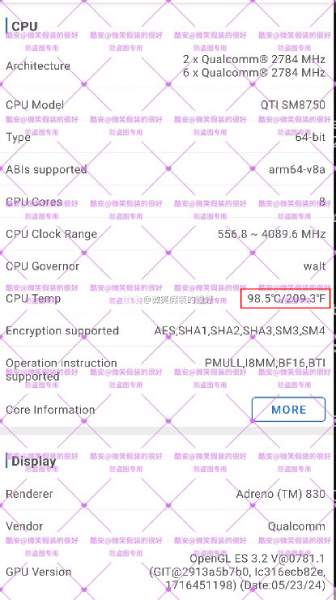
The silicon reportedly draws over 20W of power and reaches scorching temperatures of 98.5°C (209.5°F) even in normal use.
What’s particularly worrisome is that this leak supposedly came from an “official version” of the chip – albeit one from three months ago. This high power draw could explain why brands are expected to include over 6000mAh batteries in their flagship phones featuring this chip.
There’s a glimmer of hope, though. Three months is a significant amount of development time, and Qualcomm likely made considerable progress in optimizing the chip. Hopefully, they have addressed these thermal and power issues before the official launch later this month.
Realme is bringing two new products to India on October 15th: the P1 Speed 5G phone and the company’s first headphones, the TechLife Studio H1.
TechLife Studio H1 headphones features
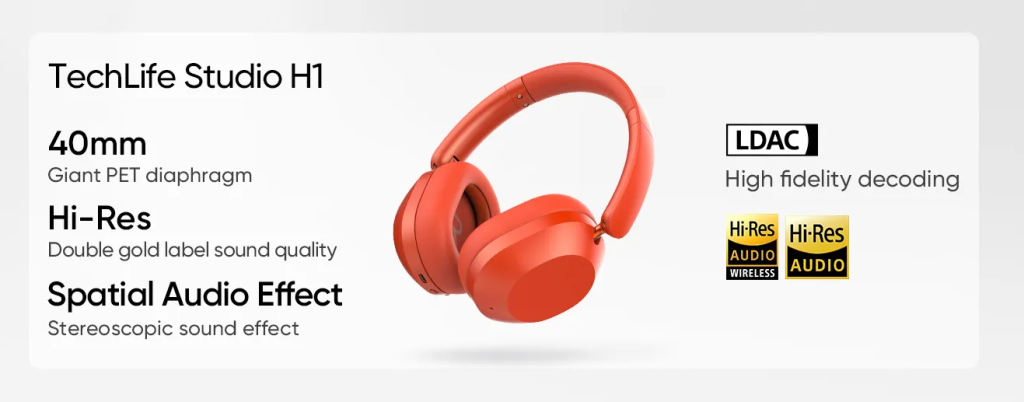
The TechLife Studio H1 boasts a 40mm Giant PET diaphragm, ensuring rich and immersive audio. It is certified with Hi-Res LDAC, guaranteeing high-quality audio playback. The headphones also offer 360-degree Spatial Sound effects, creating a surround sound experience. The headphones feature Hybrid Noise Cancellation up to 43dB, effectively blocking out background noise so users can focus on their audio without distractions.
Design-wise, the headphones feature a sleek matte metal finish, an adjustable head beam for a custom fit, easy-to-use function buttons, a collapsible metal shaft for portability, and soft memory foam cushions for added comfort during long listening sessions.
Realme promises up to 70 hours of battery life on a single charge, so users can enjoy their music without frequent recharging. Available in colors like Midnight Magic, Ivory Beats, and Crimson Beats, there’s a style for everyone.
Availability details are limited, but a Flipkart listing suggests sales will start on October 21st.
In other news, Boult Audio has introduced the Q and Boost headsets in India, designed for a variety of users. The Q headset offers ultra-low latency gaming mode, 40mm drivers, four EQ modes, and 70-hour battery life. The Boost features Hybrid ANC, 40mm Neodymium Drivers, and studio-quality sound. Both models have IPX5 water resistance, foldable designs, memory foam cushions, and Bluetooth 5.4 for fast pairing.
Tecno has officially listed the Camon 30S on its global website. The listings provide a comprehensive overview of what the Camon 30S bring to the table. As of now, the phone is only available for purchase in Pakistan. It is expected to release in other markets in the coming days.
Tecno Camon 30S specifications and features
Tecno Camon 30S
The Tecno Camon 30S has a curved 6.78-inch FHD+ OLED display with a 120Hz refresh rate. This display can reach up to 1,300 nits in high brightness mode and employs 2,160Hz PWM dimming for better eye comfort. The 10-bit panel offers 100% coverage of the DCI-P3 color space, and it is protected by Gorilla Glass. The screen comes with support for wet fingers.
The Helio G100 chipset powers the Camon 30S, making it a 4G device. It is available in three configurations: 6GB RAM with 128GB storage, 8GB RAM with 128GB storage, and 8GB RAM with 256GB storage. It comes with support for 8 GB of virtual RAM. The 5,000mAh battery supports 33W fast charging, a reduction from the 70W charging found in the original Camon 30.
For photography, the Camon 30S features a 50-megapixel main camera with a 1/1.56” Sony IMX896 sensor and OIS, accompanied by a 2-megapixel depth sensor. The front-facing camera, housed in a punch-hole cutout, has a 13MP sensor and dual-LED flash.
The Camon 30S is rated IP53 for dust and water resistance. It also has stereo speakers with Dolby Atmos support but lacks a 3.5mm headphone jack. For security, it has an in-screen fingerprint sensor.
Tecno Camon 30S price and availability
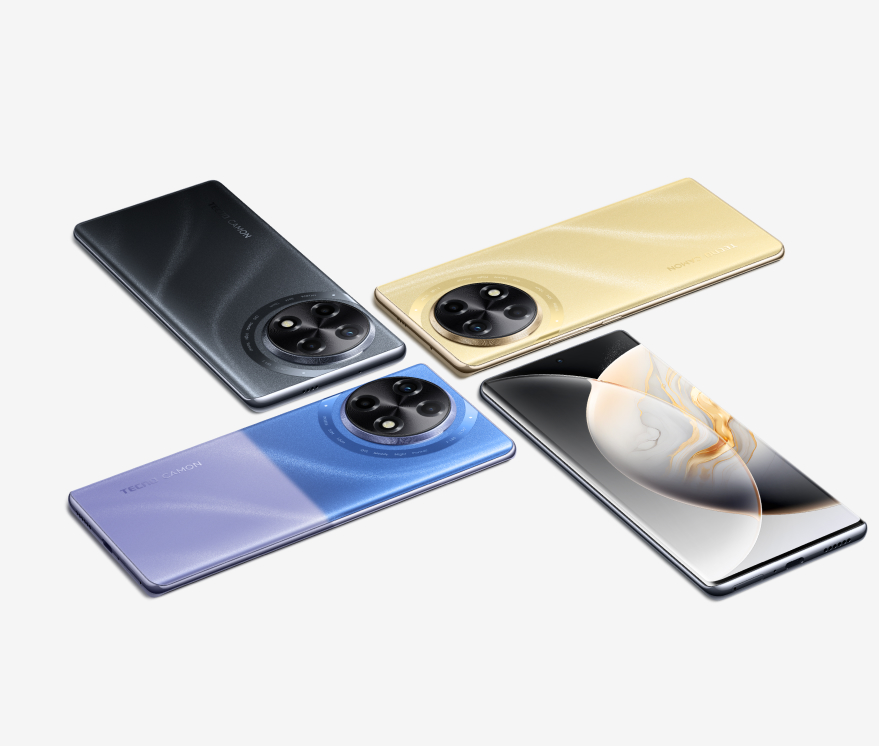
In Pakistan, the Camon 30S is priced at PKR 60,000 (~$215). It comes in four shades: Blue, Nebula Violet, Celestial Black, and Dawn Gold. The blue variant features color-changing technology, transitioning from light purple to dark blue in sunlight.
We are just hours away from the launch of the vivo X200 series, which will be powered by the company’s new OriginOS 5 custom skin based on Android 15. Ahead of the launch, Weibo tipster Digital Chat Station has shared a complete hands-on experience of the new Android 15-based custom skin.
UI redesign:
One of the most interesting developments in OriginOS 5 is its “Atomic Island”. While at first glance the concept sounds similar to Apple’s Dynamic Island, it offers more functionality. Users can drag and drop both images and text to the pop-up and use somewhere else, which makes a lot of everyday tasks a lot more convenient.
In addition to that, OriginOS 5 introduces gaussian blur and a frosted glass effect, making the look and feel more comfortable.
It also introduces two new lock screen customization options: colorful photo frames and film filters, along with support for depth-of-field wallpapers.
The lock screen includes new widgets for step count, temperature, alarm, battery, calendar, and much more. DCS notes that the lock screen offers many key information, which can help people their screen time on mindless activities and focus more on the real world.
Improved animations:
OriginOS 5 includes improved transition animations. When a user clicks an app icon the animation finally begin from that position.
The drop-down notification panel also includes some nonlinear animations, which you can see from the GIF below.
However, he mentioned that the home screen entering animation still has room for improvement.
RAM management
While the RAM management on OriginOS 4 is already good, the upcoming version reportedly includes optimizations on memory allocation for all apps, which resuces the memory usage up to a certain extent. He tested the RAM management with 20 ‘commonly used apps’ and noted that all of them were still ready to use when checked after two hours.
As for the AI features, the UI skin includes vivo’s “Blur Heart Little V” assistant, which can process basic tasks such as text summarization on device, while more complex operations are performed on the cloud.
Vivo officially unveiled OriginOS 5 at the vivo Developer Conference yesterday, sharing a few interesting details about its new AI assistant and a feature similar to Google’s Circle to Search.
Vivo’s upcoming X200 series will not only be the first to launch with the MediaTek Dimensity 9400 processor, but it will also debut a new type of RAM called LPDDR5X Ultra Pro memory. Now, that’s a mouthful, even for tech specs.
Vivo hasn’t shared many details about what sets LPDDR5X Ultra Pro apart, but it’s likely the same high-speed LPDDR5X RAM Samsung unveiled earlier this year.
Samsung even announced that the Dimensity 9400 would be the first chip to support this cutting-edge technology. So, it’s likely Vivo is simply adding a flashy marketing name on top.
What can you expect from LPPDR5X Ultra Pro RAM?
If the X200 series truly packs Samsung’s LPDDR5X RAM, we can expect some impressive performance gains.
Samsung claims this new memory offers data transfer speeds reaching a whopping 10.7Gbps, making it the fastest in the industry. It also promises a 25% performance boost and 30% more capacity compared to the company’s previous mobile DRAM.
Samsung uses its latest 12nm-class DRAM process technology to produce these LPDDR5X-10700 chips, resulting in the smallest LPDDR devices on the market.
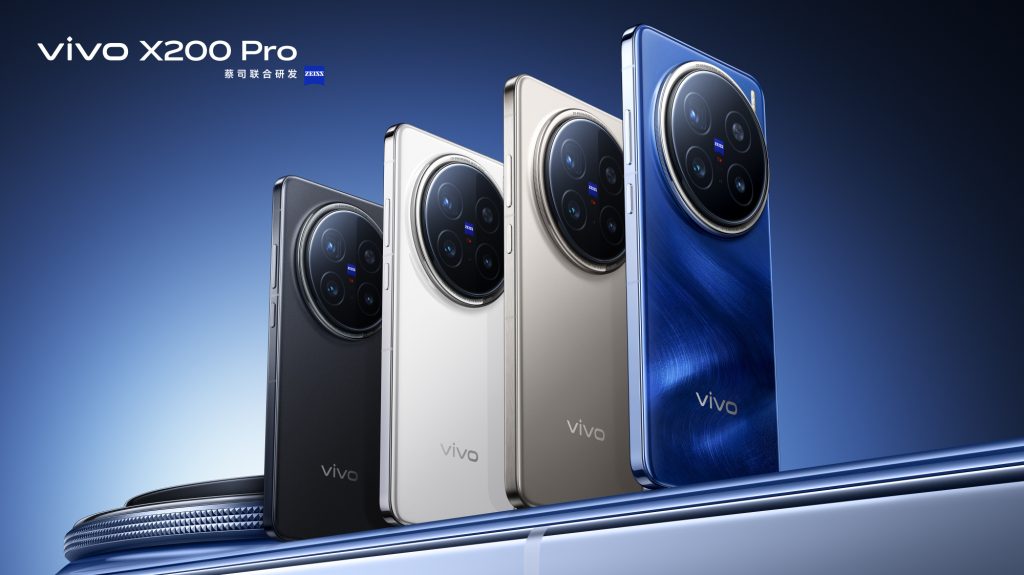
Vivo X200 Pro
For power efficiency, Samsung has added several power-saving features, including an optimized system that adjusts energy use based on workload and extended low-power mode intervals. These innovations collectively improve power efficiency by 25%, helping to extend battery life on mobile devices.
While the official launch of the X200 series is set for October 14th in China, we’ll have to wait and see if the LPDDR5X Ultra Pro lives up to the hype.
The combination of MediaTek’s newest processor and potentially the fastest RAM on the market could make the X200 series a compelling option for power users. However, until Vivo clarifies the exact nature of the “LPDDR5X Ultra Pro” and benchmarks surfaces, it’s best to reserve a bit of cautious optimism.
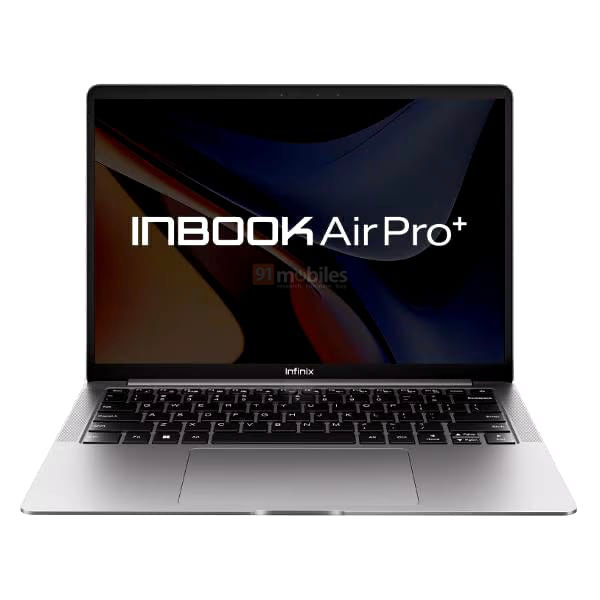
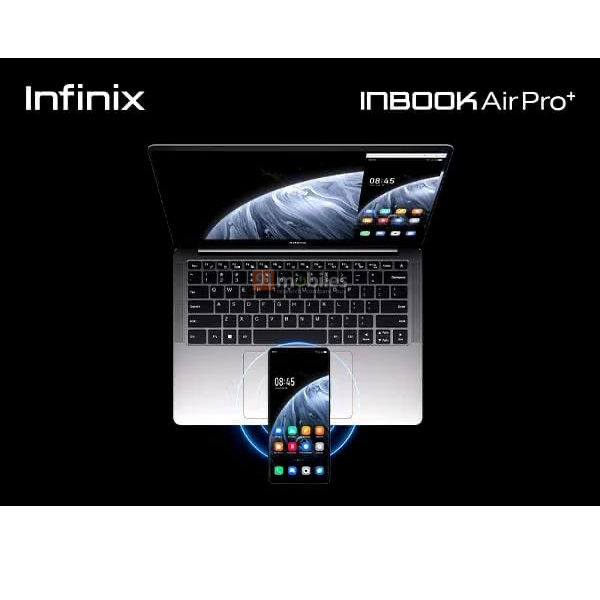
Infinix is expanding its Indian presence with the upcoming launch of the Infinix Zero Flip and Inbook Air Pro+ laptop on October 17, 2024. The Zero Flip, a foldable smartphone, has already made its global debut and is now ready to impress Indian consumers. The Inbook Air Pro+ is a premium laptop designed for productivity and portability.
The Inbook Air Pro+ features a sleek aluminum alloy and magnesium alloy construction with a brushed metal finish. It boasts a premium AG glass touchpad and a backlit keyboard with a dedicated Co-pilot AI button.
Inbook Air Pro+ laptop specs (leaked)
As per an earlier leak, the laptop is expected to come with a 14-inch AMOLED display offering a QHD+ resolution of 2880 x 1800 pixels and a 120Hz refresh rate. Powered by an Intel Core i5 1334U processor, the device can deliver peak performance of up to 4.6GHz and comes with Intel Iris Xe Graphics G7 integrated graphics. It will be equipped with 16GB of LPDDR4X 4266MHz RAM, a 512GB SSD, and run on Windows 11.
On the other hand, the features of the Infinix Zero Flip are already known. The device will have a 6.9-inch foldable LTPO AMOLED FHD+ display with a 120Hz refresh rate and 1400 nits brightness. It will feature a 50MP front camera and a 50MP dual rear camera setup, supporting 4K video. Powered by the Dimensity 8020 chipset with 8GB RAM (plus 8GB virtual RAM) and 512GB storage, it will include a 4720mAh battery with 70W fast charging.
OnePlus is preparing to introduce a significant battery upgrade with its upcoming flagship, the OnePlus 13. While the OnePlus 12 already featured a larger battery compared to competitors, the OnePlus 13 is set to offer an even larger capacity.
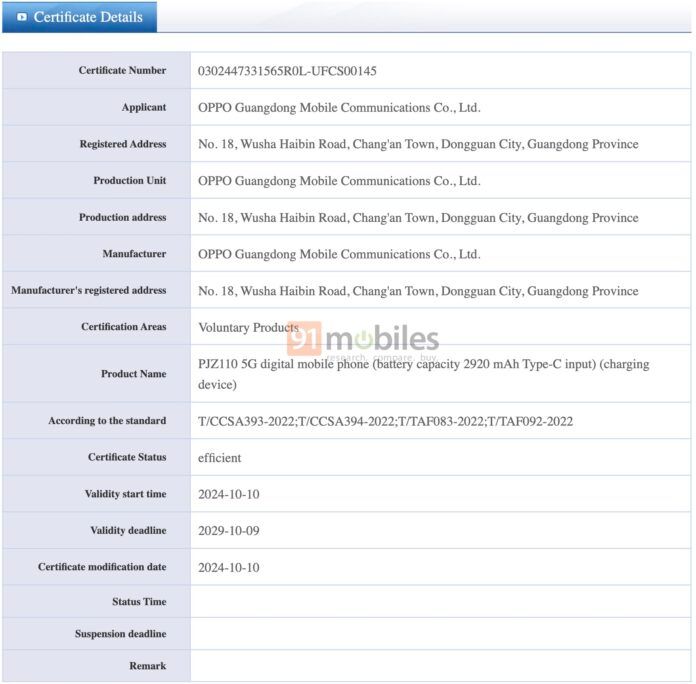
91mobiles recently spotted the device on China’s TAF certification documents. These documents indicate that the OnePlus 13 will have a dual-cell battery with a total rated capacity of 5,840mAh, which translates to a typical capacity of around 6,000mAh—over 10% more than its predecessor. This increase will provide extended battery life, particularly for heavy users.
OnePlus 12
Following the trend seen with the OnePlus Ace 3 Pro, which has a 6,100mAh battery, OnePlus continues to focus on bigger batteries. The OnePlus 13 is also expected to support 100W SUPERVOOC fast charging and magnetic wireless charging. It is rumored to be powered by the Snapdragon 8 Elite, which could be a new naming scheme for the upcoming Snapdragon 8 Gen 4 chipset.
According to leaks, the OnePlus 13 is expected to come with a slightly curved 2K LTPO display, the latest Snapdragon 8 Gen 4 processor, a triple 50MP rear camera system, and 50W magnetic wireless charging.
Other than OnePlus, competitor brands are also getting ready to launch their latest flagships powered by the upcoming Snapdragon 8 Gen 4 processor. OnePlus 13 will be competing with the likes of the Xiaomi 15 series, the Honor Magic 7 series, and the iQOO 13, which are all expected to launch by the end of October or early November.
Honor is gearing up to unveil its new X60 series smartphones next week, promising higher-end offerings than its previous X60i model. The company has been teasing features on Weibo, including a massive battery and satellite communication capabilities.
The star of the show is likely to be the “Honor Qinghai Lake” battery, boasting a capacity of 6,600mAh. This is a significant upgrade from the 5,800mAh batteries found in the X50 series. Honor claims that the X60 will offer two days of battery life on a single charge.
While the company has yet to confirm the charging speed, leaked photos suggest that at least one model will feature 35W charging. It remains unclear if the 6,600mAh battery will be available on all X60 models or just the Pro variant.
In addition to the battery, Honor has revealed that the X60 series will support satellite communication. This feature allows users to send and receive messages in areas with limited cellular coverage. This will likely be the first device in its segment to offer satellite connectivity.
As the launch date approaches, we can expect more teasers and details about the Honor X60 series. In the meantime, check out all of the features of the Honor X60 series below.
Honor X60 specs (expected)
A recent report has disclosed nearly all the details about the Honor X60. The device is expected to come with a 6.8-inch AMOLED display that offers FHD+ resolution and a 120Hz refresh rate. It will be powered by the Dimensity 7025 chip, featuring 12 GB of RAM and an additional 12 GB of virtual RAM, along with 256 GB of storage and a 5,800mAh battery that supports 35W fast charging. On the camera front, it will sport a 108-megapixel primary camera on the back and an 8-megapixel selfie camera. The device will operate on MagicOS 8 based on Android 14.
We previously reported that the Redmi K80 series had been spotted in the IMEI database. New information about these smartphones has started to leak and the most important change is that the Redmi K80 Pro will be sold in the global market. Yes, it has been decided that the smartphone, which was originally set to be exclusive to China, will be sold in the Global market.
This is an unexpected change and surprised everyone. This also means that we will see a POCO smartphone with Snapdragon 8 Gen 4. Of course, take these with a pinch of salt as Xiaomi is likely to make a change again. This information comes from XiaomiTime.
Redmi K80 series coming soon
Redmi K80 series is expected to come with 2 different models: Redmi K80, and Redmi K80 Pro. As for the specs of the devices, the Redmi K80 will have the codename “zorn” and the internal model number “O11”. Also, this smartphone will come with Snapdragon 8 Gen 3.
At first, the Redmi K80 was thought to have the codename “miro”. But it revealed that the codename “miro” belongs to the Redmi K80 Pro. Redmi K80 Pro draws attention with its internal model number “O11U” and codename “miro”. This smartphone will be equipped with Snapdragon 8 Gen 4 (SM8750) processor.
The Redmi K80 and Redmi K80 Pro will be available globally, but not in India. A different smartphone, codenamed “rodin”, which is expected to come to Global and India, has also been spotted. This smartphone can be expected to have a possible MediaTek processor, i.e. Dimensity 8400. Of course, you should keep in mind that the Redmi K series phones will come under the POCO brand.
The Redmi K80 Pro was originally expected to be China-only, but we think Xiaomi has made a change as a result of the leak of the plans. Another Redmi K-series smartphone codenamed “dali” has been spotted. There is a high probability that this smartphone will be canceled.
If it is not canceled, we could see 3 different Redmi K series models and this could be surprising. Still, the Redmi K80 series is attracting a lot of attention and we are curious to see what it has to offer. The Redmi K80 series is expected to be announced in November.
Ulefone, a recognized leader in rugged devices, has launched its latest innovation, the Armor Pad 4 Ultra Series, now available for purchase at discounted prices. With its cutting-edge features, including 5G connectivity and thermal imaging, the series is poised to revolutionize the rugged tablet market. Designed for professionals working in harsh environments, the Armor Pad 4 Ultra Series offers both durability and top-tier performance.
Groundbreaking Models: Armor Pad 4 Ultra and Thermal Version
The Armor Pad 4 Ultra Series includes two key models:
Armor Pad 4 Ultra: The standard version is equipped with 5G capabilities, designed for various industries and applications.
Armor Pad 4 Ultra Thermal Version: This variant introduces the ThermoVue™ thermal imaging camera, making it the world’s first rugged tablet with both 5G and advanced thermal detection.
The thermal version is particularly significant for professionals who need precise infrared detection, such as in the construction, energy, and equipment maintenance sectors.
Thermal Imaging Redefined
One of the standout features of the Armor Pad 4 Ultra Thermal Version is its ThermoVue™ thermal imaging sensor, which delivers high-resolution visuals with a clarity of 160 x 120. This cutting-edge technology allows users to detect leaks, identify temperature anomalies, and monitor heat changes with precision. The advanced sensor provides invaluable assistance in industrial applications where temperature monitoring is crucial.
Unbreakable Design for Harsh Conditions
Built for extreme environments, the Armor Pad 4 Ultra Series features a symmetrical unibody design that meets IP68/IP69K and MIL-STD-810H military-grade standards. These certifications guarantee the tablet’s resilience against dust, water, shocks, and drops. Whether in construction zones or outdoor fieldwork, this rugged tablet is built to withstand even the harshest conditions.
Versatile LED Camping Light
In addition to its rugged design, the Armor Pad 4 Ultra Series comes with a versatile LED camping light. This multifunctional light can be used as a flashlight, headlight, or portable camp light, offering convenience for outdoor enthusiasts and professionals working in low-light environments.
Superior 5G Performance and Long-Lasting Battery
The MediaTek Dimensity 6300 5G SoC powers both models, providing fast and reliable 5G connectivity. With up to 16GB RAM and 256GB ROM, users can enjoy seamless performance, whether handling large files or engaging in real-time data exchanges. The tablet is also equipped with an impressive 11800mAh battery that supports fast charging and wireless charging, ensuring that the device can last throughout the day.
The 10.36-inch 2K display offers an immersive visual experience, and with Android 14 as the operating system, users can expect an intuitive and user-friendly interface.
Limited-Time Offers on Introductory Prices
As part of its launch promotion, Ulefone is offering limited-time discounts on both models, valid until October 7th. The Armor Pad 4 Ultra starts at $329.99, while the Thermal Version starts at $379.99. This special pricing makes these rugged tablets more accessible to professionals seeking high-performance tools at affordable rates.
The Ulefone Armor Pad 4 Ultra Series is now available for purchase through the Ulefone AliExpress store. With its robust design, advanced features, and special introductory pricing, this rugged tablet series is set to become a top choice for professionals who need performance and durability in one package.
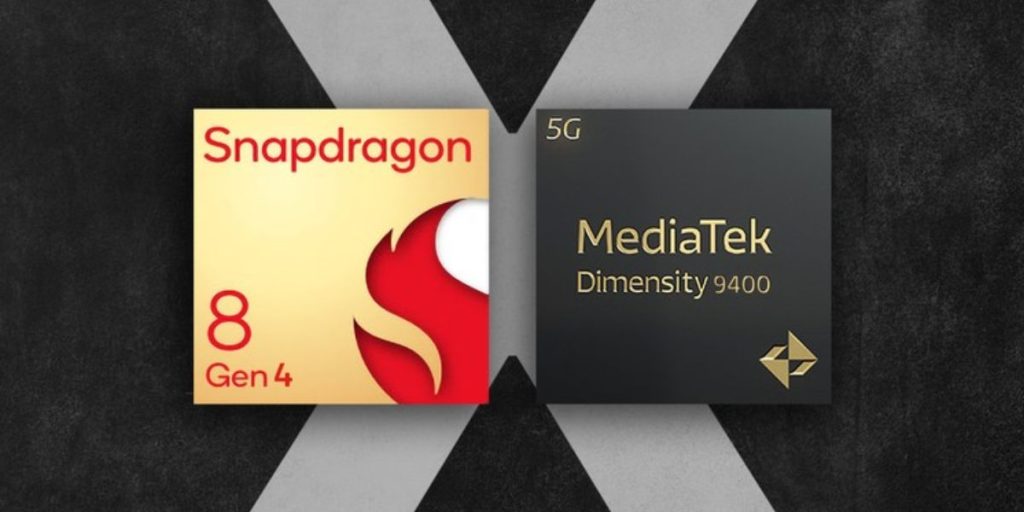
1. Snapdragon 8 Gen 4 vs Dimensity 9400: Specifications
Dimensity 9400
Talking about the newly announced chipset first, the Dimensity 9400 features MediaTek’s 2nd Gen All Big Core design. This integrates the powerful ARM Cortex-X925 core, which runs at over 3.62GHz and combines three Cortex X4 cores and four Cortex A720 cores. The company claims that this chip offers 35% faster single-core and 28% faster multi-core performance compared to the Dimensity 9300.
It is built on TSMC’s 2nd Gen 3nm process, making it up to 40% more power efficient to improve battery life. It has a new NPU for improved AI functionality and 12-core ARM Immortalis-G925 GPU for 40% faster ray tracing performance. So there’s a bump in performance and energy efficiency.
The Snapdragon 8 Gen 4 (or the Snapdragon 8 Elite) has yet to be released. Although, rumors and reports have revealed a lot of its key specifications. It is also manufactured on TSMC’s 3nmm process with a 6 core CPU (2 x 4.05GHz + 4 x 2.2GHz), a 6 core GPU, and a 16 core Neural Engine that is capable of 35 trillion operations per second. There are also rumors of a 4.37GHz variant, which could be dubbed as Snapdragon 8 Gen 4 for Galaxy.
This is paired with a 6 core Adreno 830 graphics unit that has a 1.45GHz clock frequency and improved hardware ray tracing. The GPU alone is expected to offer 56% faster performance compared to its predecessor, the Adreno 750. From these specs alone, it is hard to compare these two high end processors, so let’s have a look at their benchmark performance.
2. Benchmarks
Snapdragon 8 Gen 4
The Snapdragon 8 Gen 4/8 Elite was previously spotted on GeekBench. It achieved a score of 2884 points in the single core test and 8840 points in the multi core test. It is worth noting that the score was for the Snapdragon 8 Gen 4, but this variant was running at a 4.09GHz clock speed and not 4.37GHz. On AnTuTu, this processor was previously seen achieving a score of over 1.7 million. Certain benchmarking based websites have even listed the chip with a score of over 3 million.
On the other hand, the MediaTek Dimensity 9400 achieved 2818 points in the single core test of GeekBench, while its multi core scores reached 8847 points. Just recently, the Dimensity 9400 managed to breach the 3 million mark on AnTuTu, showcasing impressive performance. We covered this in our recent report where we compared Apple’s A18 Pro and Dimensity 9400.
3. So which one is faster?
Unfortunately, since Qualcomm hasn’t announced the Snapdragon 8 Gen 4, it is hard to do a proper comparison at the moment. But these leaks and rumors have shown that MediaTek isn’t an afterthought in the top end segment anymore and directly competes if not surpasses Snapdragon with its newer Dimensity chips. So stick around for more, as we will be covering the Snapdragon 8 Gen 4/8 Elite release and revisit this comparison in the near future.
Casio has partnered with Nissan Japan once again to release its sixth Nissan GT-R-themed G-Shock digital watch. The announcement comes via Nissan Japan, as this time, Casio will be customizing a G-SHOCK DW-5600 watch for this collaboration project. The watch is expected to have an all-matte-black finish (black buttons, and a black buckle) with the GT-R logo above its display.
The watch is said to have a positive LCD display with an EL backlight. No other specifics of the watch have been revealed yet, however, like its predecessors, it will come in a custom tin case with the GT-R emblem.
We can expect the watch to offer features like a 1/100-second stopwatch, shock resistance, an electro-luminescent backlight, a 24-hour countdown timer, and 200-meter water resistance. It could also include an auto calendar, alarm, hourly time signal, and comes with a durable resin band and case.
The custom G-SHOCK DW-5600 watch will be available for purchase on October 17th at Nissan dealerships in Japan, the Global Headquarters Gallery, the Nissan Boutique at Nissan Crossing, and the Nissan Online Shop (shipping to Japan only). The watch is priced at 19,800 yen (~US$133).
In other news, Casio will soon be releasing the DQD-851J-8JF desk clock in Japan on October 25. Inspired by the retro A158 digital wristwatch, it features a Wave Ceptor function for automatic time adjustment in Japan, a built-in thermometer and hygrometer, a customizable snooze alarm, 12/24-hour format, an auto calendar, and an amber LED light.
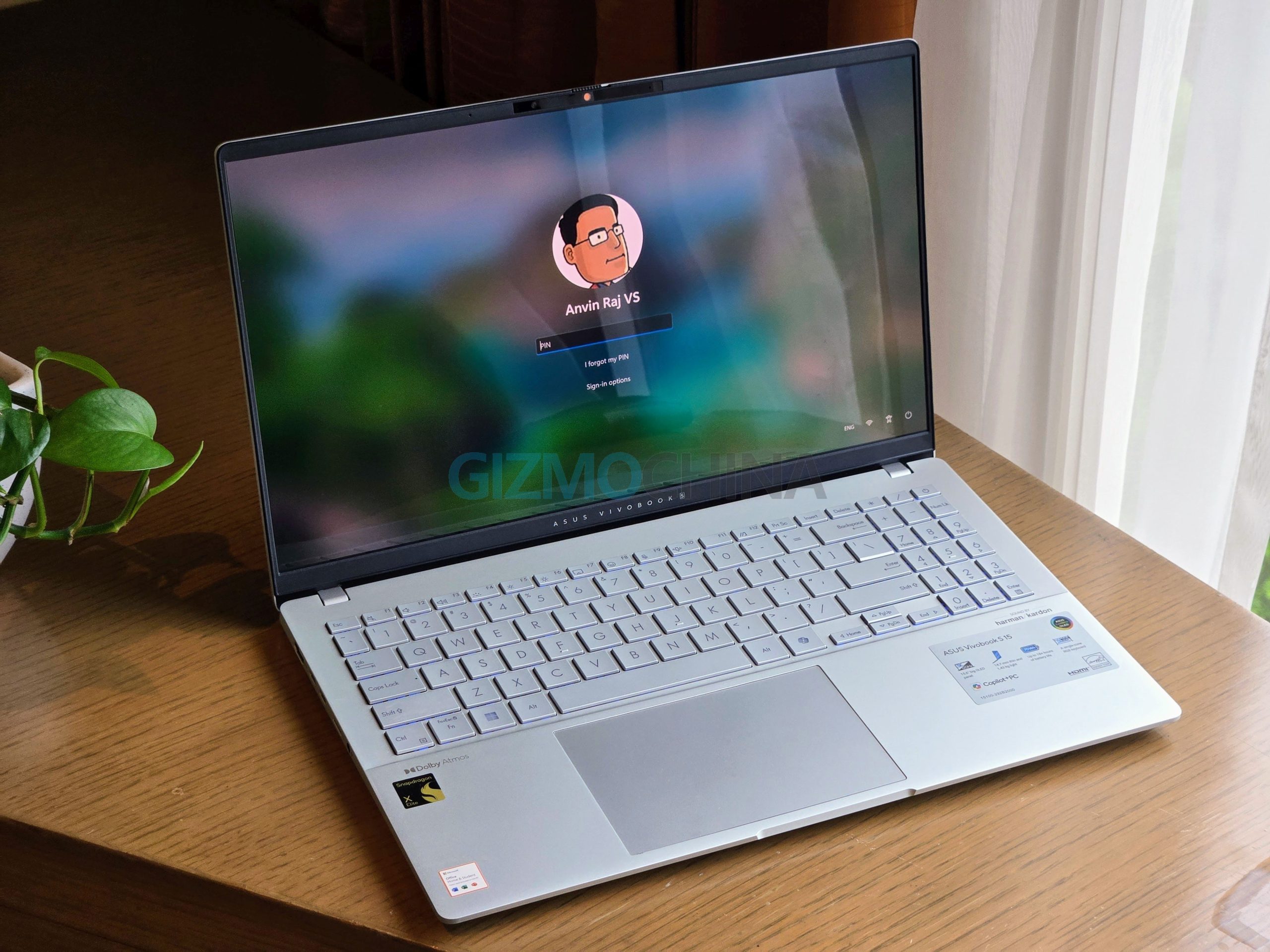
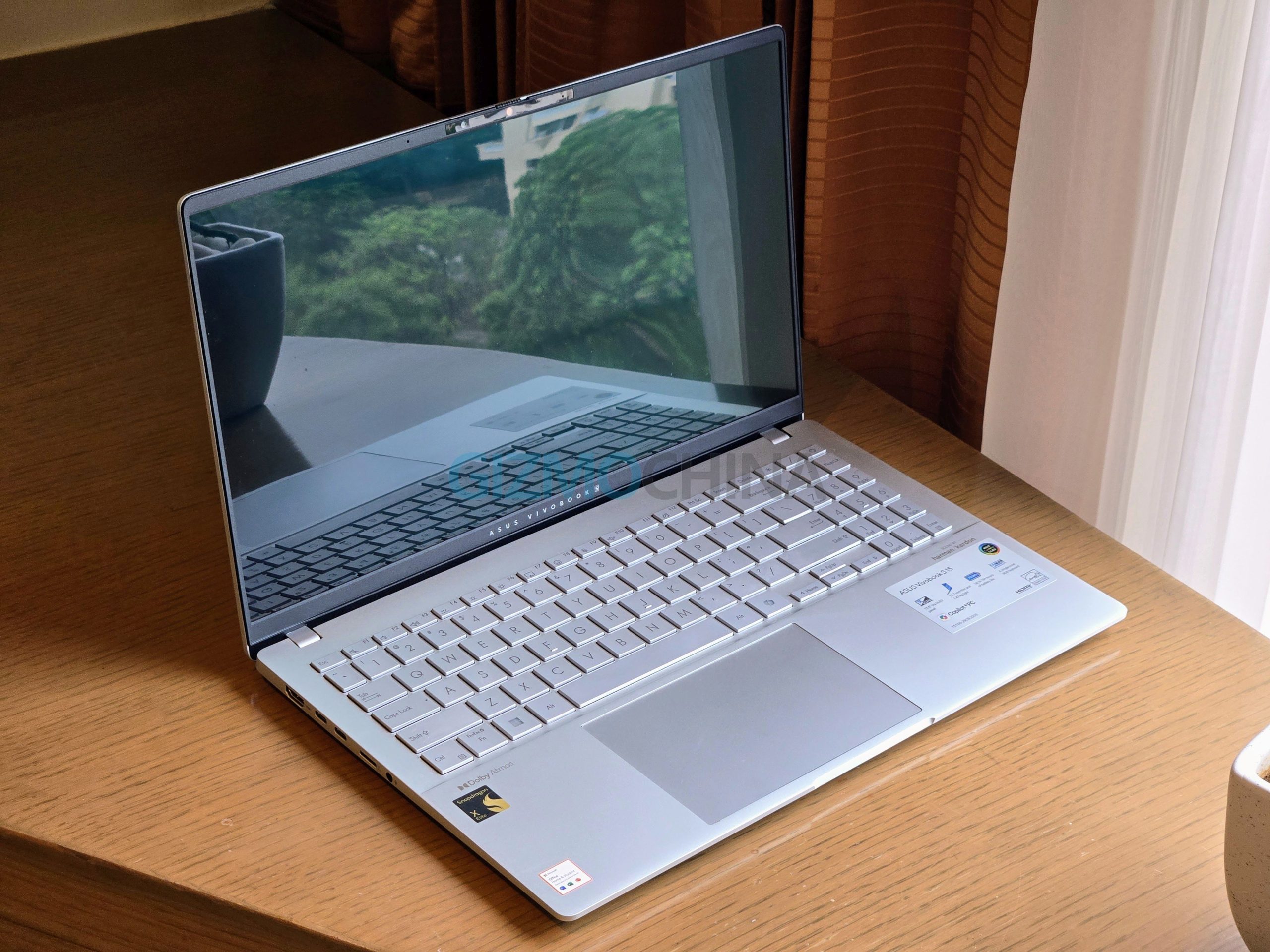
The Asus Vivobook S15 Copilot+ brings a fresh perspective to the competitive laptop market as one of the first laptops to feature the Snapdragon X Elite processor. Tailored for both professionals and students, it is designed to cater to the demands of everyday computing. In this comprehensive review, we will examine the Vivobook S15 Copilot+’s overall performance to determine if it truly meets the needs of its users and justifies its price tag in the Indian market.
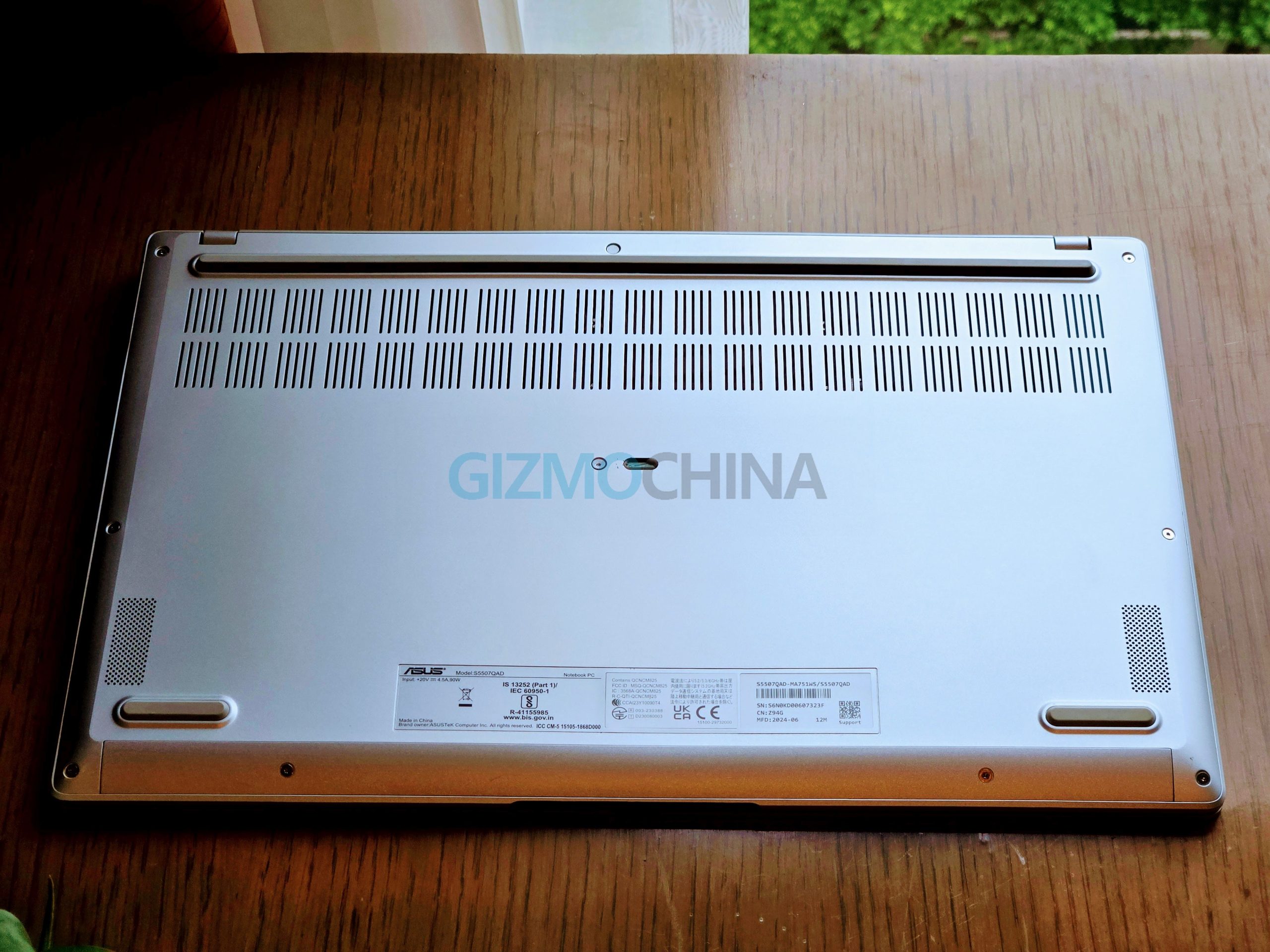
Asus has crafted the Vivobook S15 with an all-metal chassis featuring a minimalist aesthetic, catering to both professionals and students. It is reasonably compact with dimensions of 359 x 229 x 17.9mm and weighs 1.7kg, which is quite good, especially for a laptop not marketed as ultra-light. Asus states that the S15 meets MIL-STD-810H durability standards, having undergone 12 test methods and 26 test procedures without any issues. The 180-degree ErgoLift hinge is both functional and aesthetically pleasing, allowing for flexible viewing angles and improved airflow.
Asus Vivobook S15Asus Vivobook S15
In terms of connectivity, the Vivobook S15 excels compared to its rivals. It includes two full-size USB 3.2 Gen 1 ports on the right, providing 5Gbps bandwidth. On the left, there are two USB 4.0 Gen 3 Type-C ports, which support 40Gbps bandwidth and fast charging. Additionally, there’s an HDMI 2.1 TDMS port, effectively operating as HDMI 2.0 in terms of bandwidth, a microSD card reader, and a 3.5mm headphone jack. For wireless connectivity, the laptop features tri-band Wi-Fi 7 (802.11be) and Bluetooth 5.4 with LE audio.
2. Display, Keyboard, Audio, and Webcam
Asus Vivobook S15
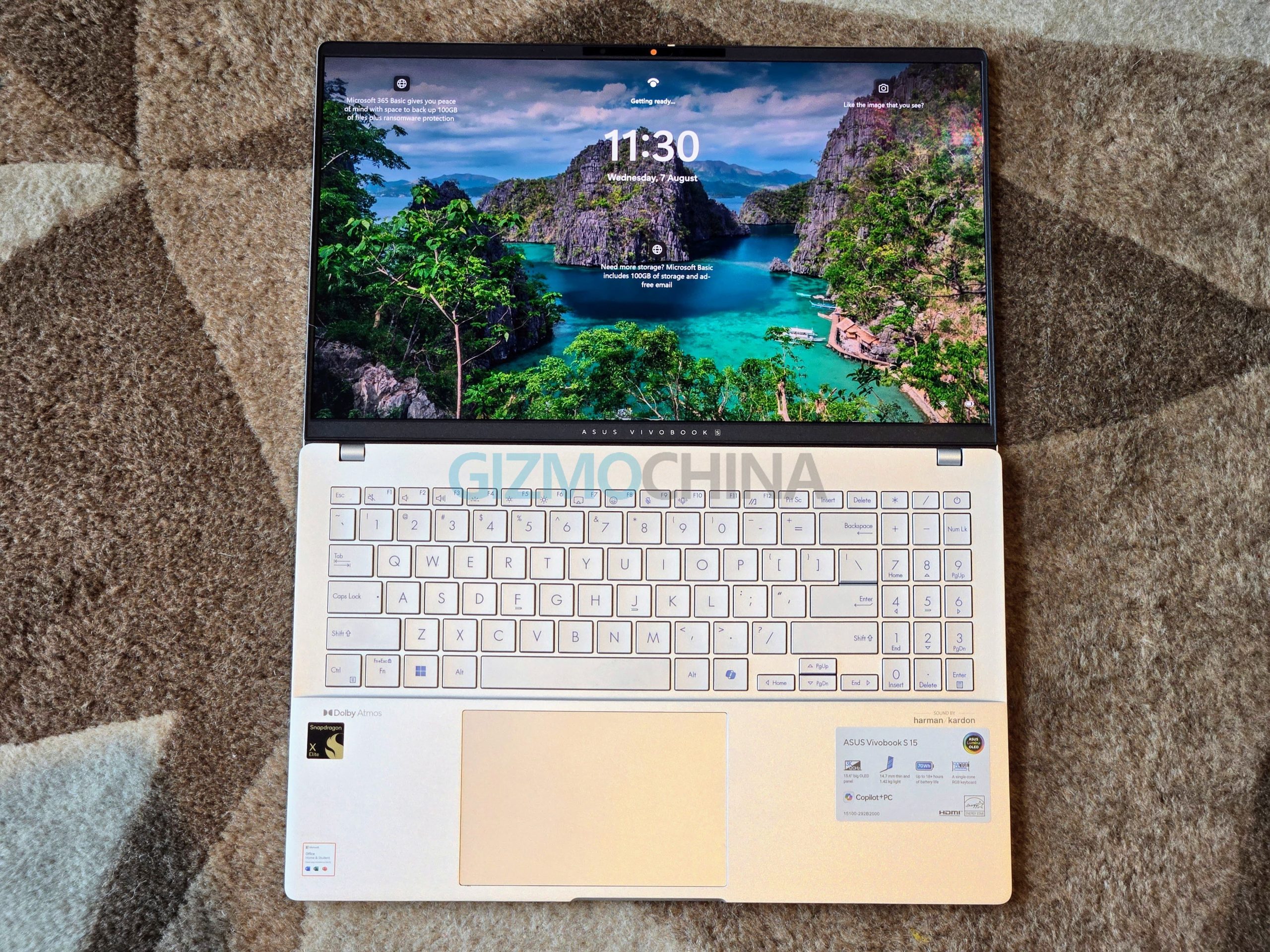
The Asus Vivobook S15 has an impressive 15.6-inch OLED display with a resolution of 2880 x 1620 pixels, a 16:9 aspect ratio, a 120Hz refresh rate, and a rapid 0.2ms response time. With a peak brightness of 600 nits and support for HDR, the display ensures vibrant and clear visuals. It covers 100% of the DCI-P3 colour space, making it ideal for colour-critical tasks. The OLED panel’s infinite contrast ratio and factory colour calibration add to its appeal, although it lacks Dolby Vision support, limiting HDR content to HDR10. The MyASUS app offers various display settings, including OLED Care to minimize burn-in, flicker-free dimming, and Adaptive Edge Brightness for better battery life. However, the glossy finish of the display can cause significant reflections in well-lit environments, making it challenging to use outdoors.
Asus Vivobook S15Asus Vivobook S15Asus Vivobook S15
The Vivobook S15 features the ErgoSense keyboard with a number pad, enhancing productivity for users who work with numerical data. The single-zone RGB backlighting allows for customization, and the typing experience is smooth and comfortable. However, the key travel might feel shallow to some users, potentially impacting long typing sessions. The inclusion of a dedicated Copilot key highlights the laptop’s AI-centric approach, providing quick access to AI assistance. Its long-term value, though, will depend on how well Microsoft integrates Copilot into Windows and how users adapt to it. The generously sized trackpad measures 129.7 x 84.8 mm, offering ample space for gestures and navigation. It includes Smart Gesture technology, allowing users to adjust audio, optimise screen brightness, and manage video playback efficiently. Despite its size and functionality, the trackpad’s surface can feel a bit slippery, which may affect precision during detailed tasks.
Asus Vivobook S15
The Vivobook S15’s audio setup includes Harman Kardon-tuned bottom-firing speakers. These speakers produce solid, punchy bass and detailed sound, enhanced by the bundled Dolby Atmos app, which creates an expansive sound profile. The maximum volume is adequate, and there is minimal distortion at high levels. The laptop’s Full HD webcam is adequate for casual video calls but lacks clarity. Despite this, the webcam performs reasonably well in various lighting conditions, keeping faces recognizable. The dual-array microphone captures clear audio, maintaining consistent volume even when the user moves around.
3. Performance (Part 1)
Asus Vivobook S15
The Asus Vivobook S15 is designed to handle day-to-day tasks with ease, thanks to its efficient Snapdragon X Elite processor. The laptop runs cool and quiet, even under typical usage scenarios such as web browsing and media consumption. When it comes to productivity tasks, like high-resolution image editing and 4K video processing, the Vivobook S15 performs admirably, although it may reach the limits of its 16GB memory. For more demanding applications, the 32GB memory option would be preferable, though it’s not available in all regions. It runs on Windows 11 Home Edition designed for ARM-based devices and has fewer bloatware apps.
The device features four fan profiles accessible through the MyASUS app, which adjust the power limits and fan speeds to manage performance and thermals:
Whisper: Limits power to 20W for minimal fan noise.
Standard: The default setting with a power target of 35W.
Performance: Increases power to 45W for enhanced performance.
Full-speed: Maximises power at 50W for peak performance.
When using Chrome extensively with numerous tabs open, the Vivobook S15’s RAM usage can reach nearly 90%, significantly hindering browser performance. This high RAM consumption sometimes renders Chrome almost unusable, though I could still access other applications and even use Microsoft Edge without issues. This experience suggests that the 16GB of RAM may be insufficient for users with heavy multitasking needs. Unfortunately, the laptop does not offer an option to upgrade the RAM, and there is no 32GB RAM variant available in India. On the storage front, the Vivobook S15 includes a single M.2 2280 slot that supports PCIe Gen 4 SSDs, allowing you to replace the existing SSD with a larger one if more storage space is required.
Asus Vivobook S15 with Chrome running Asus Vivobook S15 without Chrome running
When it comes to intensive tasks like video editing on the Vivobook S15, the performance is generally adequate for basic editing but falls short for more demanding workloads. For tasks such as trimming and adding simple effects, the laptop handles Arm-optimised video editing apps smoothly, benefiting from its impressive battery life and quiet, cool operation. However, its limitations become apparent with professional software not fully compatible with the Arm architecture, leading to reduced performance and potential stability issues. Emulation of popular video editing software can result in slower render times and a less efficient editing process. Additionally, performance may drop when running on battery power, which can impact intensive tasks. For casual editors or smaller projects, the Vivobook S15 is a practical choice, but professionals working on complex video projects might find it less suitable. Opting for Arm-native editing software and keeping the laptop plugged in can help mitigate some of these limitations.
Copilot AI
The Copilot AI feature on the Asus Vivobook S15 Copilot+ is a notable addition, providing a blend of AI-driven convenience and functionality. Accessible via a dedicated button on the keyboard, Copilot AI offers a chat interface similar to other large language models like Google Gemini or ChatGPT. While its primary function is to assist with queries, provide suggestions, and create images, it does not integrate directly with the system or perform tasks beyond offering advice.
The feature includes live captioning for various media and language translation capabilities, though these functionalities can be somewhat laggy and imprecise, particularly with less common languages and accents.
Personally, I feel that Gemini and ChatGPT or Grok AI from X (formerly Twitter) offer a better experience in terms of both accuracy and integration. Despite its limitations, Copilot AI represents a forward-looking attempt to integrate AI into everyday computing, making it a useful tool for users seeking assistance and enhanced productivity.
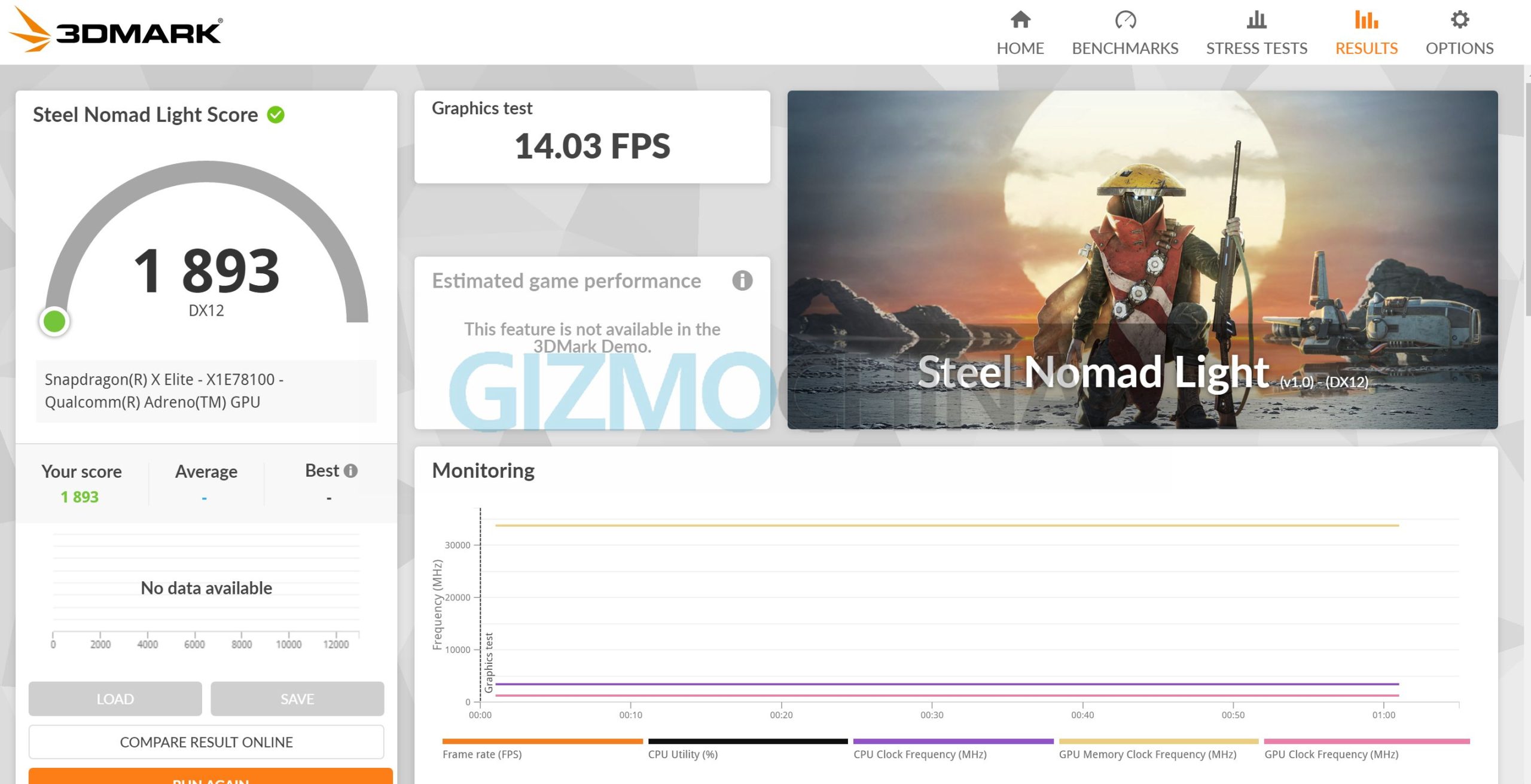
Benchmark results for the Vivobook S15 reveal a competitive yet challenging performance landscape. The Snapdragon X Elite achieved Geekbench 6 scores of 2,444 in single-core and 9,088 in multi-core tests. While these scores are impressive, they fall behind the Intel Core i9-13900H, which scored 2,605 in single-core and 12,568 in multi-core tests. Graphical performance, assessed through 3DMark, showed the Snapdragon’s Adreno GPU achieving 6,091 in Wildlife Extreme, compared to Intel’s Iris Xe graphics which scored 13,731. This significant difference highlights the current limitations of integrated graphics in handling demanding tasks.
Gaming
Gaming on the Asus Vivobook S15 presents notable challenges due to the current limitations in ARM-native Windows games and the reliance on emulation. Many popular titles encounter performance issues, as the lack of optimization for ARM architecture can lead to reduced frame rates, graphical errors, or even failures to launch. For instance, games like Control and Metro Exodus are playable but experience reduced performance and graphical quality, while others such as Alien: Isolation and Stray suffer from significant graphical errors or may run at an unplayable rate.
More demanding titles, including God of War and Counter-Strike 2, either have severe performance problems or fail to launch altogether. This underscores the current limitations of the Vivobook S15 for gaming, highlighting the need for Qualcomm to enhance driver support and foster native ARM game development to improve compatibility and performance in future updates.
Battery Life
The battery life of the Asus Vivobook S15 Copilot+ stands out for its impressive longevity, easily accommodating multiple days of work. Featuring a 70WHr battery and a fast-charging 90W AC USB Type-C adapter, the laptop is rated to deliver up to 18 hours of use under general conditions. In practical testing, it consistently achieved around 10 hours of use, which is more than adequate for extended office work and presentations. Although battery life slightly decreases during video playback and calls, it remains reliable overall, supporting users throughout their day without frequent recharges.
In my experience, including travel from Mumbai to Delhi for launch events, the Vivobook S15 Copilot+ proved to be exceptionally reliable. I was able to work without needing to carry a charger, a rarity for Intel or AMD-powered Windows laptops, which typically do not offer such extended battery life.
The Vivobook S15 comes with a 90W USB-C charger and takes around 1 hour and 20 minutes for a full charge. It also supports lower-wattage USB-C PD chargers, though they may charge the laptop more slowly. This allowed me to carry a USB-PD power bank to charge the laptop during short trips, avoiding the need to carry the bulkier Vivobook charger.
5. Verdict
Asus Vivobook S15
The Asus Vivobook S15 Copilot+ is a compelling choice for those seeking a high-performance, versatile laptop that excels in day-to-day tasks and productivity. Its robust battery life, efficient cooling, and impressive display make it a reliable work companion. The flexibility of its power profiles allows users to adjust performance and cooling according to their needs, from quiet, low-power operation to full-speed performance when required.
However, the RAM may feel insufficient for some users, especially those who frequently multitask with numerous applications or browser tabs open. Additionally, its gaming capabilities are constrained by the current state of ARM-native game support and emulation performance. While the Adreno GPU performs well for casual gaming and general graphics tasks, the absence of a dedicated GPU means that demanding games will struggle, and many titles may not run optimally or at all. For users prioritising gaming, a laptop with a dedicated graphics card would be a better option.
I’ve always wanted a Windows laptop that could offer longer battery life, as most of the models I’ve used in the past never quite met that expectation. The Vivobook S15 Copilot+ promises a significant improvement in this area, making it a standout choice for those prioritising battery performance. Overall, the Vivobook S15 Copilot+ excels as a laptop for professionals and general users who value long battery life, a high-quality display, and quiet, efficient operation. However, it may fall short for those needing more robust RAM or seeking a laptop with serious gaming capabilities.
I would definitely recommend it to professionals and everyday users who need a reliable laptop with exceptional battery life and a high-quality display.
Asus Vivobook S15 Copilot+ PC (2024) price in India
The Vivobook S15 (S5507) is priced at Rs 1,24,999 (~$1,490) in India. It can be purchased through Flipkart, the Asus India website, and offline stores in the country.
You’ve probably seen Apple’s Center Stage feature on Mac computers, which tracks user movement and adjusts the frame accordingly. Recently, Lenovo unveiled its Auto Twist AI concept laptop, which does something similar but better—it can move the lid on its own, without being constrained by the webcam’s field of view.
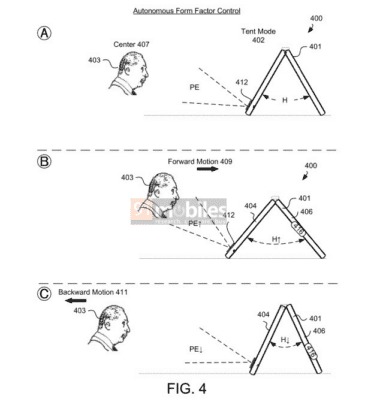
Now, Motorola has filed a patent with the US Patent Office for a motorized hinge mechanism intended to automatically adjust the angle of the device.
This could be a major development, and here’s why
While this isn’t a new concept, a couple of things make this development noteworthy.
First, the Lenovo laptop with a similar mechanism showcased at IFA last month has a much larger form factor. This gives Lenovo more room to pack the necessary components and implement this attention-grabbing feature.
However, in a folding phone, the hinge already takes up considerable space—so much so that these devices often have much lower battery capacities compared to bar phones. Remember phones with pop-up selfie cameras? One major reason manufacturers abandoned that design was the lack of space for the motorized camera mechanism.
If Motorola can manage to fit all the necessary components into a folding phone and offer a device that not only takes selfies while sitting on a table but also adjusts its tilt to keep you in the frame during video calls as you move, it would be a significant achievement.
The mechanism:
The patent, titled “Autonomous Form Factor Control of a Foldable Mobile Device,” reportedly involves the use of “special materials” that can change shape, along with small motors to aid in hinge movement.
In addition, the phone will likely use machine learning techniques, similar to the devices mentioned earlier, to track user movement.
According to a report from 91Mobiles, the special material is a Shape Memory Alloy that changes shape when heat is applied, which can be generated using electrical energy from the battery. That said, the phone is still in its early stages of development, and there’s no certainty it will reach the market.
HONOR has rolled out an exciting new feature, Circle to Search with Google, on its latest smartphones—the HONOR Magic V3 and HONOR 200 Series. With this feature, you can quickly search for anything you see on your screen just by circling, highlighting, or tapping it. Whether it’s for translations, homework help, or finding out more about an image you spot on social media, it’s now super easy to get the information you need.
Working closely with Google, HONOR has made searching faster and more intuitive. At the same time, they’re staying committed to data privacy through their Four-layer AI Architecture, which combines on-device and cloud-based AI to keep your data safe while delivering smarter features.
The HONOR Magic V3, their flagship foldable phone, brings AI-powered tools like AI Eraser, Face-to-Face Translation, and HONOR Notes, all aimed at making everyday tasks more convenient. They’ve also introduced AI Defocus Eye Protection and AI Deepfake Detection to help look out for your health and safety.
HONOR’s focus on user-friendly design doesn’t stop there. Their MagicOS 8.0.1 system includes tools like Magic Portal and Magic Capsule, which make interacting with your phone feel smoother and more natural.
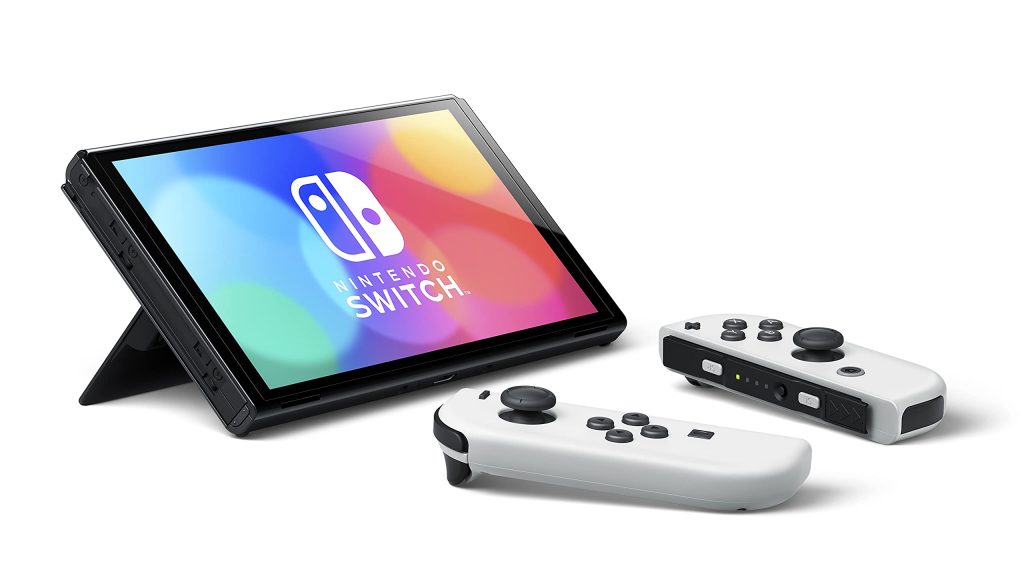
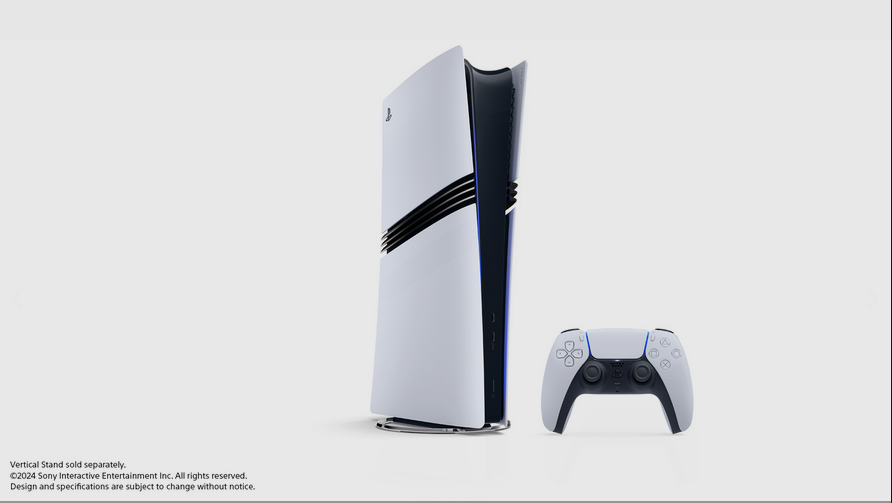
Nintendo is rumored to be working on the sequel to its original Switch handheld gaming console. The Nintendo Switch was one of the best selling consoles of all time that managed to outperform Sony’s PlayStation 4 and PlayStation 5 (individually). But can the upcoming Nintendo Switch 2 rival the new PlayStation 5 Pro? Read on to find out.
On the performance front, it is unfair to compare a handheld console to a full fledged gaming console. The original Switch launched with the NVIDIA Tegra X1 chipset and was quite underpowered even for its time. From the PS4 and PS5, the Nintendo Switch can’t compete in terms of gaming performance.
However, the Switch 2 is rumored to get a significant hardware upgrade, which might see it rival the PS4. If this is true, then it could be one of the most powerful handheld consoles in the market. Once again, the strength of the handheld consoles is their portability rather than performance, so let’s move to the aspect where they shine.
2. The Switch’s design is getting even better
One of the reasons why the Nintendo Switch was so successful was its form factor. Not only was it portable, but you could even dock it for a typical console gaming experience. Pair this with the removable JoyCon controllers and suddenly you have a party trick for gaming with friends, versatility in the way you play, and more. So it is no surprise that Nintendo is expected to improve this design with Magnetic JoyCons. That’s not all, the upgrades also extend to the display as well, with the Switch 2 reportedly featuring a taller 8-inch screen.
3. Exclusives sells consoles
If you’re a console gamer, you’d often hear that exclusives are what helps in selling consoles. Sony’s PlayStation beat Microsoft’s Xbox thanks to its wide variety of first party exclusive titles like God of War, Uncharted, and much more. However, recently these have started arriving on PC. This is great news for PC gamers, but this reduces the incentives for someone to opt for the PlayStation.
On the other hand, Nintendo has an iron grip on all of its exclusives. The company has developed legendary and iconic series like Mario, Legend of Zelda, and many others. It is easily one of the most recognizable and popular brands in the gaming industry.
4. What can we expect?
Sony is expected to have sold around 62 million copies of the PS5, with the PS5 Pro bringing this figure up slightly since it is a relatively new launch. But the first Switch has sold over 140 million units worldwide. So with the Switch 2, Nintendo just needs to refine the already successful formula and release next gen games that complement it. The handheld isn’t taking on the PS5 Pro in raw performance, but it can definitely rival it in gaming experience, exclusive titles, and sales numbers a couple of years down the road. Till then you can click here to check out our comparison with the Steam Deck.
Vivo has officially unveiled OriginOS 5, the latest iteration of its custom user interface based on Android 15. Although the official beta rollout hasn’t begun— it’s starting next month — the features unveiled by the company make it worth the wait. Let’s dive into the details.
What’s new in OriginOS 5 based on Android 15?
According to Vivo, the OriginOS 5 offers 15% faster app launches, 30% faster app switching, and a 26% reduction in CPU power consumption. OriginOS 5 also touts intelligent resource allocation, directing GPU and RAM power where it’s needed most to keep foreground apps running smoothly.
The real star of the show, however, is Vivo’s AI assistant, “Blue Heart Little V.” Thanks to this, Vivo now has its own version of the “circle to search” feature. And it works similarly — you simply circle an item on your screen, and Little V provides relevant search results and recommendations based on the content.
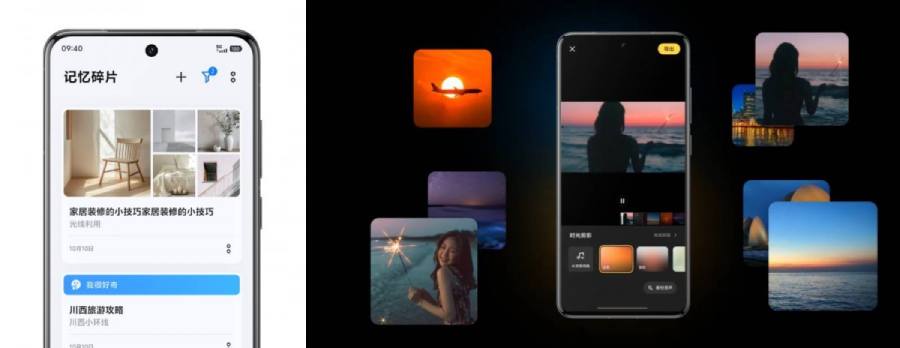
Little V also goes beyond basic search. Users can create virtual clipboards that store photos, videos, articles, links, and more. It then organizes them into “memory fragments” based on your activities and travels.
For your photos and videos, Little V can automatically curate highlight reels, complete with music and even lyrics that supposedly match the overall mood.
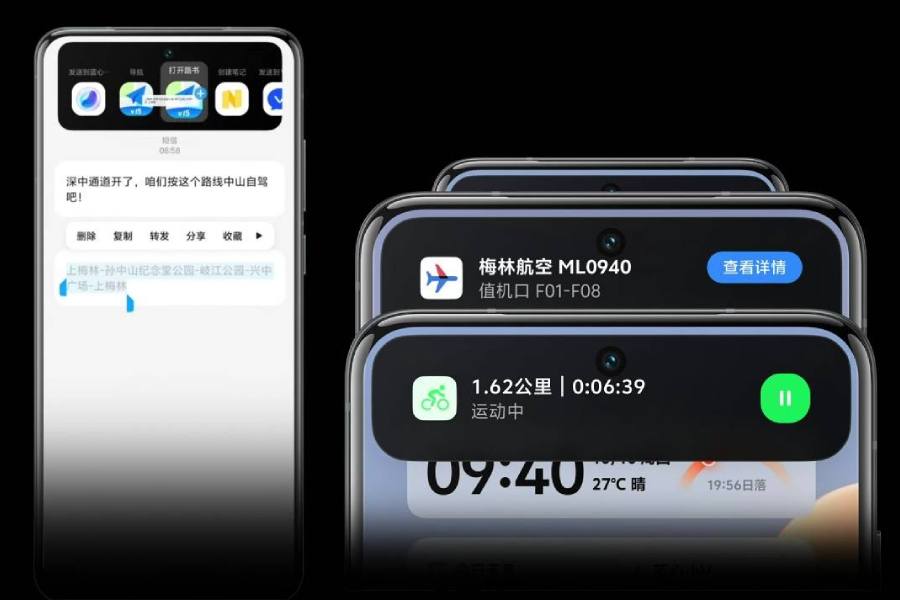
OriginOS 5 also embraces the “Dynamic Island” trend, popularized by Apple. These pop-up cards appear at the top of the screen when you copy text, with Little V’s AI contextually associating it with relevant actions. You can even drag and drop additional content into these cards for further integration.
The cards themselves are dynamically refreshed, offering information based on time and location. A unified Settings page helps keep all these smart features organized and under control.
Little V extends its reach beyond search and organization. It can assist with communication, offering to write and rewrite messages for you. It can even handle calls in multiple languages, providing you with a summary in the Atom Notes app after the call is finished.
Further breaking down communication barriers, Little V can interpret sign language and translate it using a virtual human avatar. It can also assist visually impaired users with daily tasks.
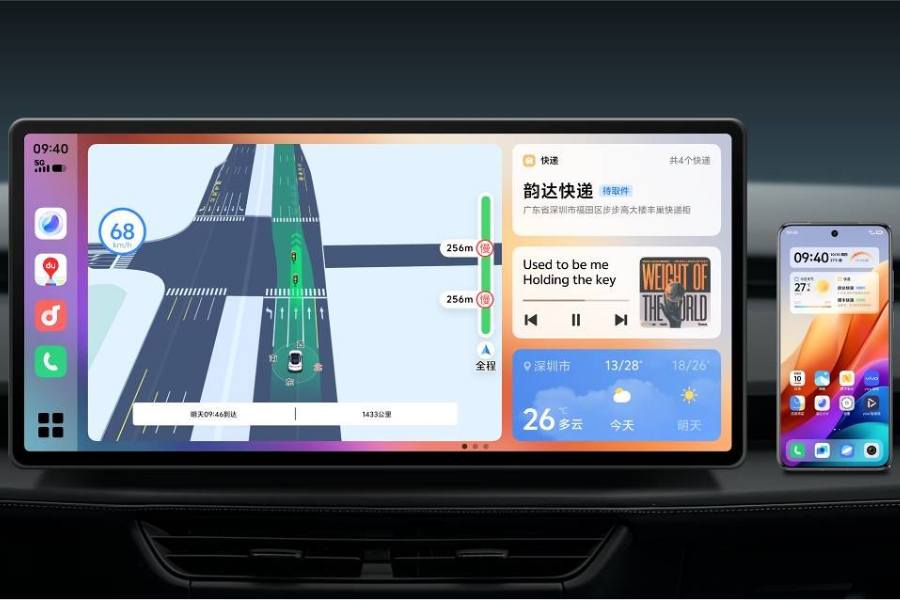
For those who spend a lot of time on the road, Little V can connect to your car’s infotainment system. It allows you to answer calls and messages, either by providing a summary or even handling the call entirely on your behalf. You can also use voice commands to interact with Little V and ask about received messages.
The update also brings support for the Matter protocol, allowing OriginOS 5 to act as a smart home hub. This means controlling and monitoring your smart lights, air conditioners, and other compatible devices becomes easier through the control center.
Finally, OriginOS 5 extends Little V’s reach beyond your phone. It will be available on Windows, Mac, and as an online version for a seamless transition from mobile to desktop use.
OriginOS 5 rollout timeline
Now, this is the list of Vivo and iQOO smartphones that will get OriginOS 5 update based on Android 15:
Month
Vivo
iQOO
November 2024
X Fold3 Pro, X Fold3, X100 Ultra, X100S Pro, X100 Pro, X100S
Xiaomi debuted the Redmi Note 14 5G in its home market of China last month. This new phone continued the legacy of the brand’s highly successful mid range Note series, and now, it seems that its global release is right around the corner as well. The Redmi Note 14 5G visited a certification recently, so here’s what we know so far.
Redmi Note 14 5G Certified in Indonesia
Redmi Note 14 5G
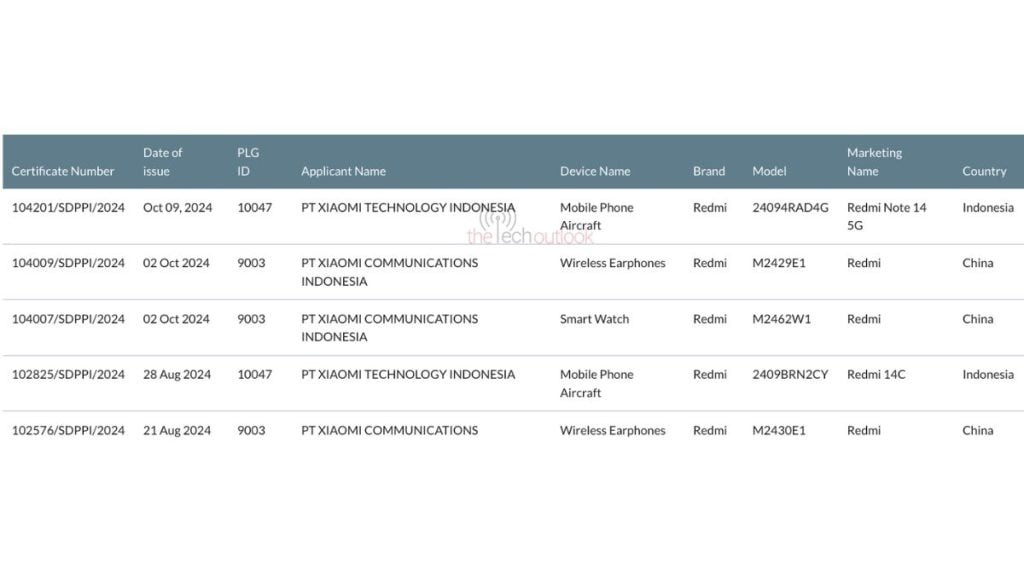
The Chinese tech giant’s Redmi Note 14 5G was spotted on Indonesia’s SDPPI certification database. The platform lists the smartphone with the 24094RAD4G model number along with its moniker. This sighting hints that the global launch of the Note 14 could be near. This certification sighting arrived days after the Redmi Note 14 Pro+ got clearance for launch in India. This same model even beat Apple’s iPhone 16 Pro Max in terms of popularity. Notably, the Redmi Note 14 Pro series is expected to launch globally with a 200-megapixel primary camera.
Unfortunately, the certification did not reveal any finer details, such as its specifications, features, and more. But based on the Chinese launch, the Redmi Note 14 5G sports a 6.67-inch OLED display with 1.5K resolution, a 120Hz refresh rate, and 2,100 nits of peak brightness. Under the hood, it is equipped with the MediaTek Dimensity 7025 Ultra SoC, which is paired with up to 12GB of RAM and 256GB of internal storage.
Redmi Note 14 5G visits SDPPI
A massive 5,110mAh battery pack powers this model that supports 45W wired fast charging. It runs on the Android 14 OS based HyperOS custom skin out of the box. For optics, the rear has a 50-megapixel dual camera setup while the rear has a 16-megapixel shooter for selfies and video calls. Other notable features include stereo speakers, Bluetooth 5.3, side mounted fingerprint scanner, an IP64 rating for water and dust resistance, dual SIM, and Corning Gorilla Glass 5 for screen protection on the front.
Lenovo has launched a new keyboard for budget-conscious gamers looking for a customizable experience, called the Xiaoxin K6 keyboard. This wired keyboard features a sleek aluminum design, magnetic axis switches, and a range of adjustable features for a tailored gaming setup. So let’s walk through its details here.
Lenovo Xiaoxin K6 Keyboard Specifications
The K6 is built on Lenovo’s custom magnetic axis switches. These switches are claimed to have an 8K return rate for fast response times and a Rapid Trigger function that reduces pre-travel time for improving reaction speeds in games.
Additionally, the switches offer adjustable actuation distance (0.1mm to 0.4mm), a trigger pressure of 50gf, and a lifespan of 100 million keystrokes.
The K6 is a compact 68-key layout keyboard that retains the essential direction and function keys while minimizing overall size. The keycaps utilize a two-color injection molding process with a transparent silk screening printing method on the keycap. The function keys, according to Lenovo, use laser engraving technology instead.
It also boasts full-key anti-collision, ensuring all key presses register accurately even during rapid keystrokes.
Users can customize the keyboard with 14 lighting modes, 4 brightness levels, 5 depth levels, and 6 adjustable colors. Additionally, Lenovo offers custom driver support for the Xiaoxin K6 that allows users to further configure the keyboard to their specific gaming preferences.
Moreover, the keyboard has an 8K polling rate to minimize input lag between the keyboard and the computer. A higher polling rate can be beneficial for competitive gamers where reaction time is crucial.
Price and Availability
The Lenovo Xiaoxin K6 is currently available for pre-order in China at a price of 199 yuan (approximately $28 USD). You can pre-order it from the Chinese e-commerce site JD.com, however, details on international availability and pricing have not yet been disclosed.
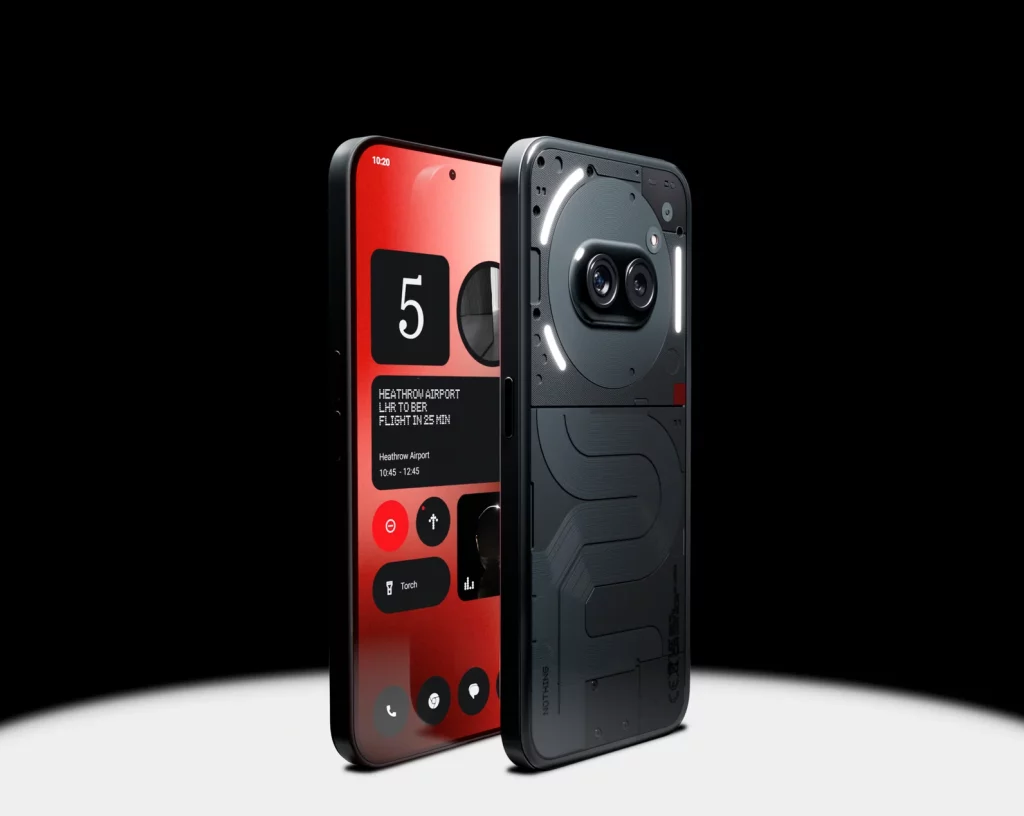
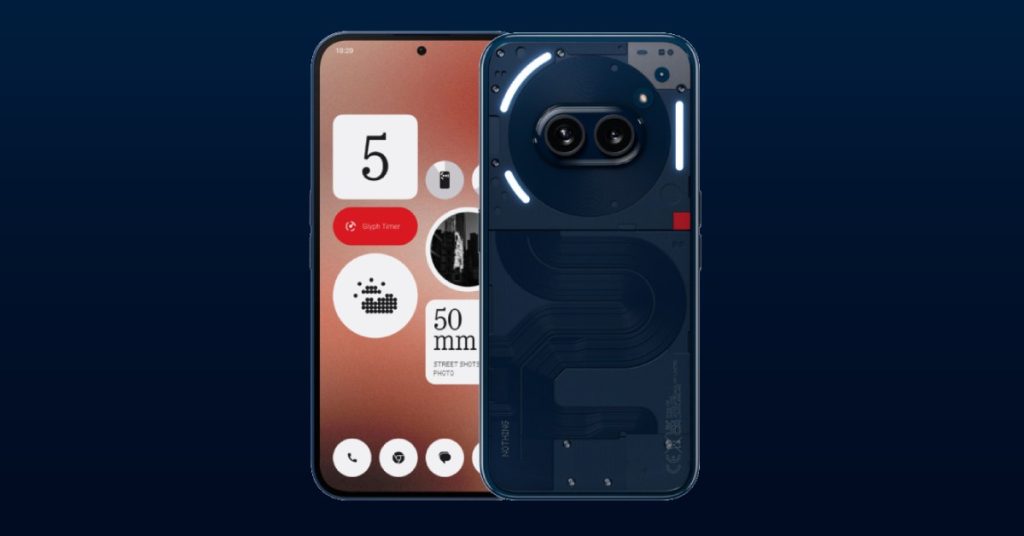
As Android 15 is nearing its official launch, many smartphone makers are inviting users to test the upcoming update through beta programs. Nothing also recently launched its Nothing OS 3.0 Open Beta program based on the latest Android OS.
But in a surprising twist, the company’s budget-friendly Phone (2a) received the update first, leaving its flagship Phone (2) out in the cold for the time being.
Why Phone (2a) received Android 15 update before Phone (2)
Akis Evangelidis, co-founder of Nothing, addressed this unexpected rollout strategy in a statement on social media platform X.
Traditionally, new software updates land on a company’s top-of-the-line devices first. While Akis acknowledged that many expected the Phone (2) to be the first beta recipient, he explained the decision boiled down to technical optimization.
Much like other OEMs, Nothing relies on chip manufacturers like Qualcomm and MediaTek to adapt major Android updates to their processors.
In this case, Akis explains that MediaTek completed the optimization for the Phone (2a)’s Dimensity 7200 Pro processor faster than Qualcomm did for the Snapdragon 8+ Gen 1 used in the Phone (2).
So rather than wait for the Phone (2) implementation to catch up, Nothing opted to prioritize early user testing with its budget device.
“We wanted one of our users to start testing it as soon as possible,” says Akis. “This way, we can gather feedback and ensure we’re ready to roll out the public release of Nothing OS 3.0 by the end of the year.”
Looking forward, the co-founder acknowledges the need to prioritize its flagship devices as the company expands its product portfolio.
While the Phone (2a) gets early access to the beta, the Nothing OS 3.0 update for the Phone (2) isn’t far behind. It’s set to roll out in November, with other phones, including the Phone (1), Phone (2a) Plus, and CMF Phone 1, receiving the update in December.
We use cookies on our website to give you the most relevant experience by remembering your preferences and repeat visits. By clicking “Accept”, you consent to the use of ALL the cookies.
This website uses cookies to improve your experience while you navigate through the website. Out of these, the cookies that are categorized as necessary are stored on your browser as they are essential for the working of basic functionalities of the website. We also use third-party cookies that help us analyze and understand how you use this website. These cookies will be stored in your browser only with your consent. You also have the option to opt-out of these cookies. But opting out of some of these cookies may affect your browsing experience.
Necessary cookies are absolutely essential for the website to function properly. This category only includes cookies that ensures basic functionalities and security features of the website. These cookies do not store any personal information.
Any cookies that may not be particularly necessary for the website to function and is used specifically to collect user personal data via analytics, ads, other embedded contents are termed as non-necessary cookies. It is mandatory to procure user consent prior to running these cookies on your website.