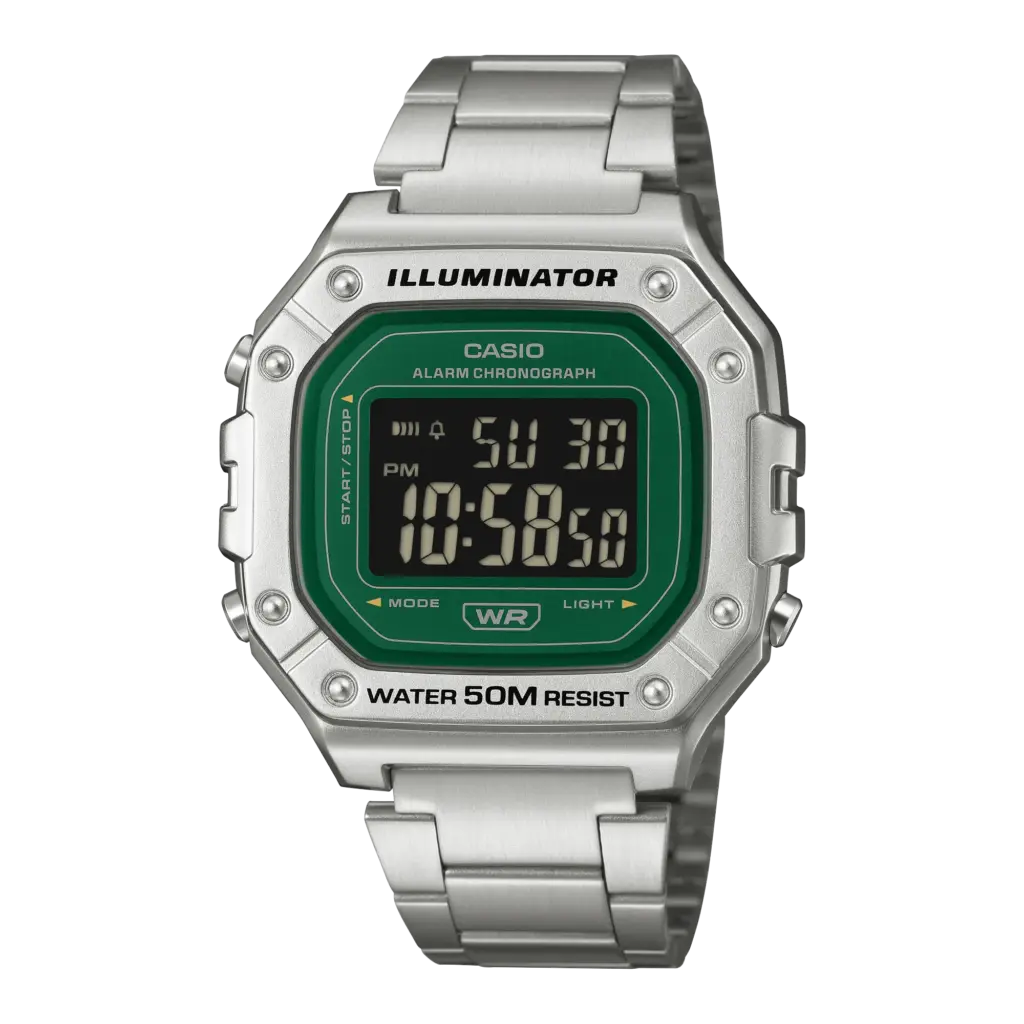
Casio has released the W218HD-3AV, a new addition to its affordable digital watch lineup. The watch is available in the United States for $45.95 and features a retro design with a bold green dial. This model follows the earlier W218HD-1AV and brings a fresh color option to the series.
Casio W218HD-3AV Specifications
The W218HD-3AV has a square case with a brushed silver metal finish. Its stainless steel bracelet matches the industrial aesthetic, while a deep green frame sets off the digital display. Casio has incorporated exposed screws and a layered bezel to give the watch a rugged, vintage-inspired appearance.
Casio designed the W218HD-3AV with practicality in mind. The watch offers 5-bar water resistance, allowing it to handle splashes, showers, and light swimming. It includes an LED backlight with amber illumination, making it easy to read in the dark. The watch also provides a 1/100-second stopwatch with multiple measuring modes, a daily alarm, and an hourly time signal.
The watch measures 44.4 x 43.2 x 10.8 mm and weighs 85 grams. Casio used resin for the case and bezel, while the stainless steel bracelet fits wrist sizes between 150 and 205 mm. The triple-fold clasp ensures a secure and comfortable fit.
The W218HD-3AV is powered by a CR2016 battery, which offers a lifespan of approximately seven years. The watch maintains accuracy within ±30 seconds per month and supports both 12-hour and 24-hour time formats.
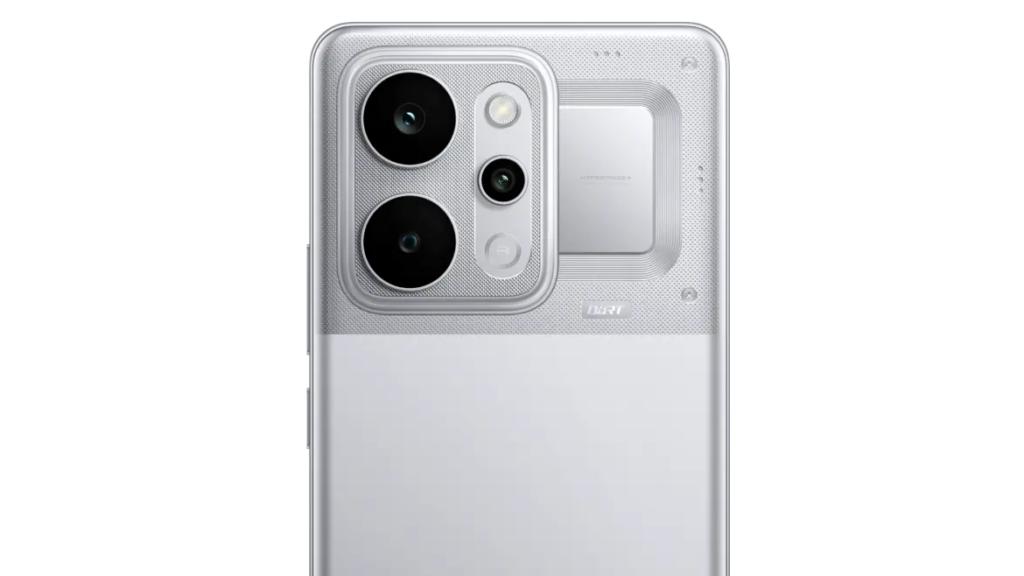
Vivo’s next flagship lineup may take a slightly different approach when it comes to performance. A recent leak suggests the upcoming Vivo X500 series could arrive with two separate flagship chipsets, giving the standard and Pro models different performance levels. The company is expected to skip the Vivo X400 series entirely, jumping straight from the X300 lineup to the X500 generation.
For reference, the current Vivo X300 series, which launched in October 2025, uses the same processor across both models. The X300 (our review) and X300 Pro are powered by MediaTek’s Dimensity 9500, so there’s no major performance split between them. That may not be the case this time.
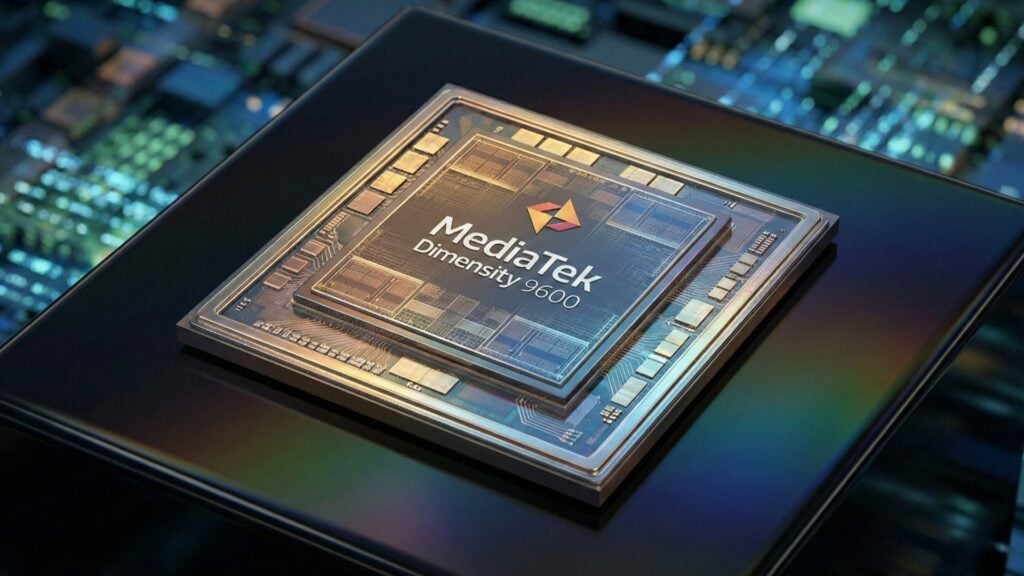
The latest leak claims MediaTek is preparing two flagship Dimensity chips for 2026: the Dimensity 9600 and a higher-end Dimensity 9600 Pro. Vivo could be among the first brands to use them.
Exact differences between the two chips are still unclear for now, but the Pro version would likely offer stronger CPU and GPU performance, along with improvements in AI processing or power efficiency.
A split-chip strategy like this would also fit into a broader trend that’s starting to appear in the smartphone industry. Qualcomm, for example, is rumored to be working on a similar idea with its upcoming Snapdragon 8 Elite Gen 6 platform.
Beyond the processor, another rumored change involves the battery. Some early reports suggest the X500 series could move to batteries around the 7,000mAh mark, which would be a noticeable jump compared with the previous generation if it turns out to be true.
Of course, none of these details have been officially confirmed yet. The Vivo X500 lineup is still months away, with a launch likely sometime in late 2026.
For now, the information should be treated as early speculation. As the launch window gets closer, more details about the devices — and MediaTek’s next Dimensity chips — will probably surface through additional leaks.
Realme may soon expand its smartphone lineup in India with two new 5G models. Recent leaks suggest the company is preparing to launch the Realme 16T and the Realme P4R, with details about their memory configurations, color options, and model numbers already surfacing online.
The information comes from tipster Abhishek Yadav. According to the leak, the Realme 16T carries the model number RMX5268 and could become the fourth device in the Realme 16 series.
The phone is expected to arrive in three RAM and storage variants:
6GB RAM + 128GB storage
8GB RAM + 128GB storage
8GB RAM + 256GB storage
As for colors, the device may be offered in Starlight Red, Starlight Black, and Aurora Green. The naming suggests Realme might once again lean toward bright or glossy finishes.
Alongside the 16T, Realme is also reportedly working on the Realme P4R, carrying the model number RMX5266. This model appears to target a slightly lower price segment within the company’s lineup.
The leaked configurations for the P4R include:
4GB RAM + 128GB storage
6GB RAM + 128GB storage
6GB RAM + 256GB storage
Color options for the device are said to include Silver Glare, Titanium Glare, and Lavender Glare. Compared to the 16T, the finishes here sound a bit more subtle.
Based on the memory options alone, the Realme 16T appears to sit above the P4R in the lineup, offering slightly higher RAM configurations for users who want a bit more headroom for multitasking or gaming.
For now, other specifications such as the processor, display, cameras, and battery capacity remain unknown. However, Realme has been focusing on longer battery life, faster charging, and improved design in its recent mid-range phones, so similar hardware could appear here as well.
With leaks already surfacing, more details about both phones will likely emerge soon.
Water resistance sounds straightforward until you compare a smartphone, a smartwatch, and a dive watch. Each device uses different standards, and the numbers printed on the box can easily mislead buyers. That confusion matters because durability has become a major concern for consumers. Surveys show that 44.5% of people now own wearable devices, meaning millions of buyers regularly encounter terms like 5ATM, 10ATM, 20ATM, and IP68.
At the same time, water damage remains a common problem. Around 78 million Americans damaged a smartphone in the past year, and 21% of those incidents were linked to water exposure. Understanding what water-resistance ratings actually mean can help buyers avoid costly accidents and choose devices that match their lifestyle.
Why Water Resistance Ratings Confuse Buyers
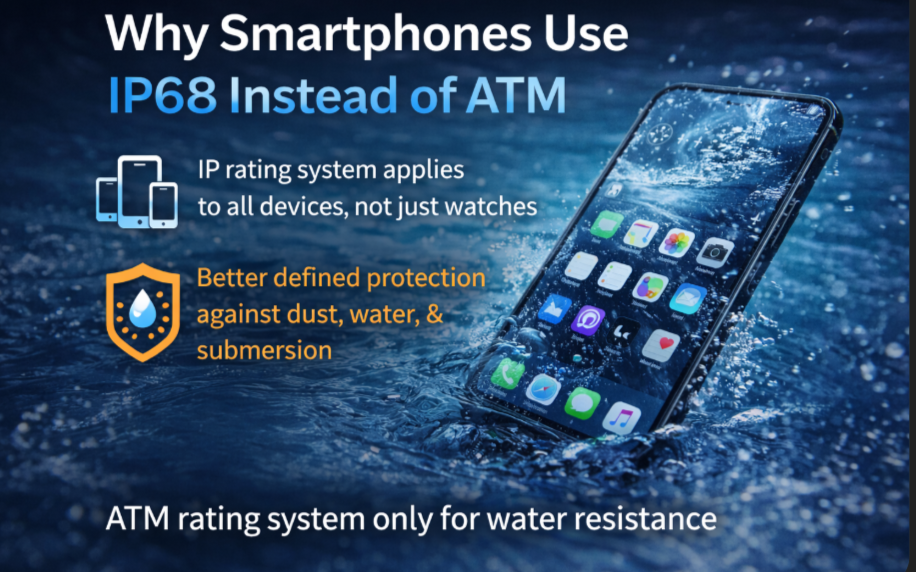
One of the biggest reasons buyers get confused is that different devices use completely different testing systems. Smartphones rely on IP ratings, such as IP68, which measure how well a device prevents dust and water from entering the internal electronics. The goal is sealing and protection against accidental exposure.
Smartwatches usually use ATM ratings, such as 5ATM or 10ATM. Instead of measuring dust protection, these ratings indicate how much water pressure the watch can withstand during activity.
Dive watches may also use ATM ratings, but they are typically designed with stronger sealing systems and sometimes follow professional diving standards. Because of these differences, the same number does not always mean the same level of real-world protection.
The simplest rule is to identify the device category first, then interpret the rating.
Water Resistance Levels at a Glance
Water-resistance numbers can look technical, but the difference between them is fairly simple. The rating mainly reflects how much water pressure a device can tolerate during use.
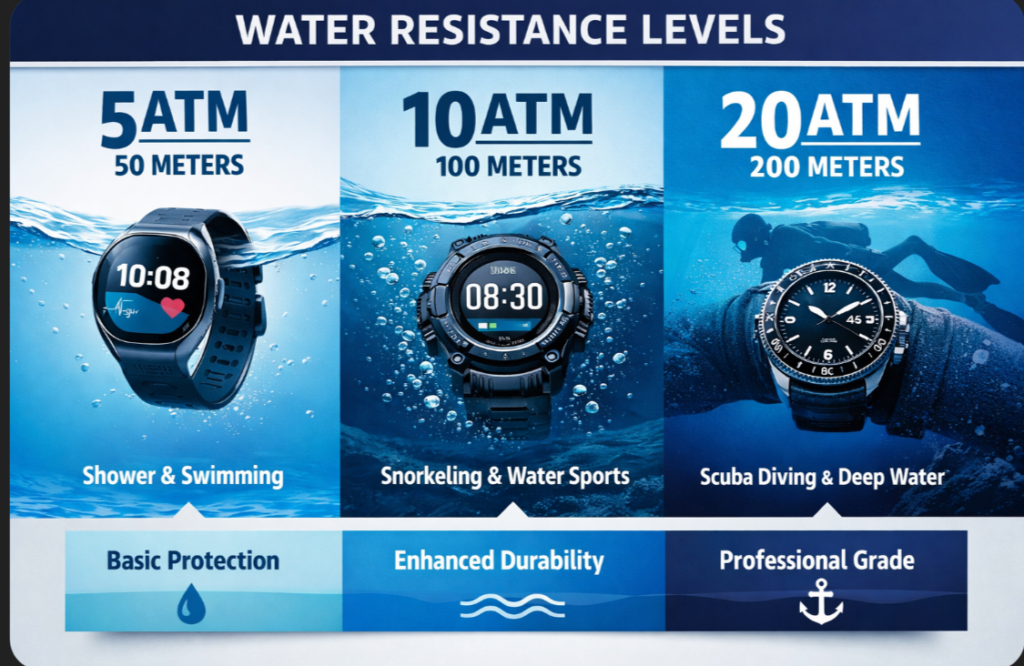
A 5ATM rating is typically designed for everyday wear and occasional swimming. Most modern fitness watches fall into this category because it provides enough protection for rain, showers, and pool sessions.
Moving up to 10ATM offers stronger protection. Devices at this level are better suited for frequent swimming and water sports, where movement in water creates higher pressure on the watch seals.
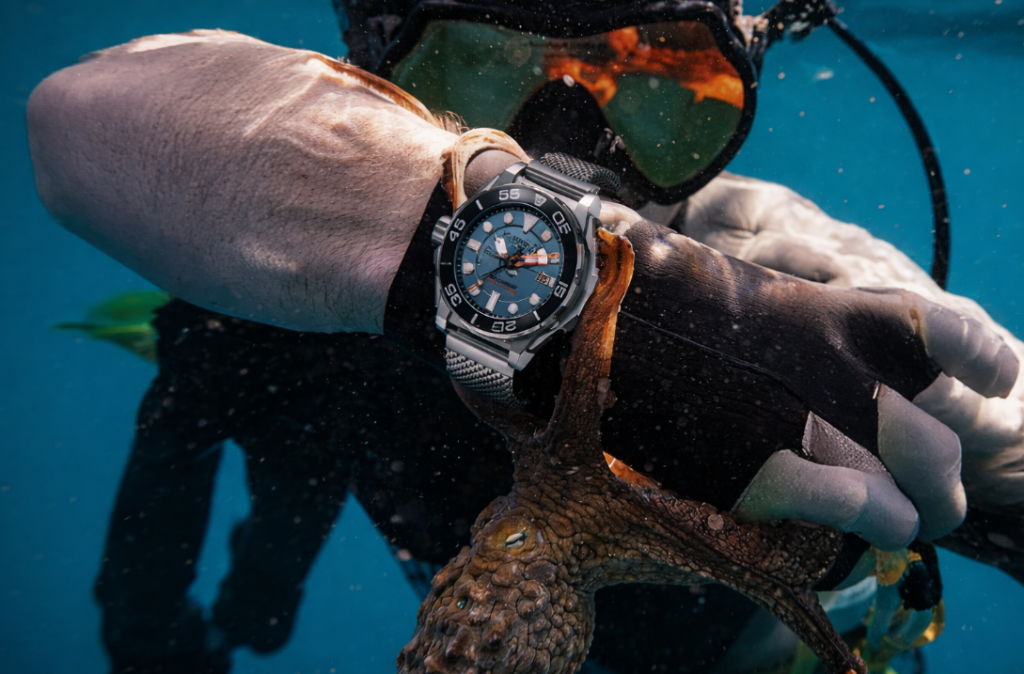
A 20ATM rating sits in a completely different category. Watches with this rating are designed for rugged environments such as ocean activities, diving, or heavy water exposure. These watches often appear in specialized outdoor or dive-focused models built for demanding conditions.
The higher the ATM rating, the larger the durability margin when the device experiences motion, waves, or repeated water exposure.
Water Resistance Rating
Typical Devices
What It Handles
Real-World Usage
5ATM (50m)
Most smartwatches
Light water pressure
Rain, showers, pool swimming
10ATM (100m)
Rugged fitness watches
Moderate water pressure
Frequent swimming, snorkeling, water sports
20ATM (200m)
Dive watches, ocean watches
High water pressure
Diving, surfing, heavy ocean exposure
IP68
Smartphones
Dust + water ingress protection
Rain, spills, accidental drops in water
What 5ATM Means for Everyday Wear
A 5ATM rating is the most common level found in modern smartwatches. It is designed to handle everyday water exposure such as rain, sweat, showers, and occasional swimming.
For many users, this level of protection is perfectly adequate. People who primarily use their smartwatch for fitness tracking, gym sessions, and casual swimming rarely need more than 5ATM.
However, it is still considered entry-level water resistance for wearables. Activities involving stronger water pressure, such as surfing or high-speed water sports, can place more stress on device seals than this rating is designed for.
Why 10ATM Is a Noticeable Upgrade
Moving from 5ATM to 10ATM water resistance adds a meaningful durability margin. Watches with this rating are generally built for users who spend more time in the water.
A 10ATM device is better suited for frequent swimming, snorkeling, and water-heavy travel activities. This level is commonly seen in rugged fitness watches and outdoor wearables designed for active lifestyles.
Demand for stronger water protection is also increasing. Travel data from 2025 showed that 48% of sports travelers planned trips involving water sports, which has made higher water-resistance ratings more attractive for buyers who regularly swim or participate in water activities.
For many active users, 10ATM represents a comfortable balance between durability and everyday usability.
Why 20ATM Watches Are Built for Extreme Water Use
When a watch reaches 20ATM water resistance, it moves beyond casual swimming protection and into the territory of rugged outdoor and dive watches.
This rating is designed to handle strong water pressure, repeated exposure, and harsher environments such as ocean conditions. These watches are often built with reinforced sealing systems and more durable construction to ensure long-term reliability.
Specialized ocean-focused brands, including dive watch manufacturers such as Future Wrist Tech, often design watches in this category for people who spend extended time around saltwater environments.
While most everyday users do not need 20ATM, it becomes valuable for divers, surfers, sailors, and anyone regularly exposed to demanding water conditions.
Why Smartphones Use IP68 Instead of ATM
Smartphones prioritize protection against water and dust entering internal electronics, which is why they use the IP rating system rather than ATM.
An IP68 rating typically indicates that a device is protected against dust and can survive accidental water exposure or limited submersion under controlled conditions. This makes it ideal for everyday situations such as rain, spills, or dropping a phone in water.
However, water resistance in phones is not permanent. Over time, seals can weaken due to heat, impacts, and regular wear. This gradual degradation is one reason water damage remains a common issue for phone owners.
Surveys show that 31% of smartphone users damaged a phone in the past year, with water exposure contributing to a significant portion of those incidents.
Lab Testing vs Real-World Use
Water-resistance ratings are determined through controlled laboratory testing, which does not always reflect real-world conditions.
In laboratory environments, devices are tested under stable temperatures and static water pressure without motion or physical impact. Real life is very different. Watches and phones often face drops, waves, saltwater, soap, chlorine, and sudden temperature changes.
Movement in water can also increase pressure on device seals, which means activities like surfing or diving may stress the device more than calm lab testing conditions.
For this reason, manufacturers consistently warn that water resistance decreases over time and should not be considered permanent protection.
Common Water Resistance Mistakes Buyers Make
Many buyers misunderstand water-resistance ratings because the numbers sound more powerful than they actually are.
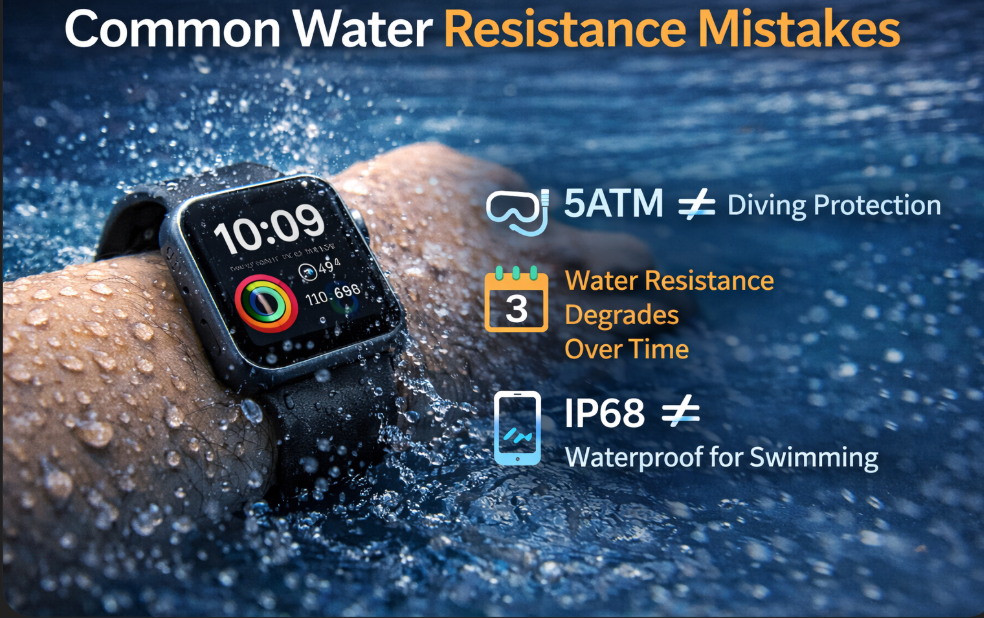
A frequent misconception is believing that 5ATM means a watch can safely dive to 50 meters. In reality, the rating reflects pressure resistance under controlled testing rather than actual diving depth. Movement in water increases pressure significantly, which can exceed the limits of the rating.
Another common mistake is assuming water resistance lasts forever. Device seals slowly degrade with heat, drops, and daily wear, which means even highly rated devices can become less resistant after years of use.
Some buyers also assume that a smartphone with IP68 protection can safely replace a waterproof watch during swimming or water sports. In reality, phones are designed for accidental exposure, not sustained underwater activity.
Understanding these limitations helps buyers choose the correct level of protection for their lifestyle.
Choosing the Right Water Resistance Level
Selecting the right rating depends on how and where the device will be used.
For smartphones, IP68 protection is generally enough to handle accidental water exposure and everyday environmental risks.
For everyday smartwatch users, 5ATM is suitable for daily wear, workouts, and occasional swimming.
For people who swim regularly or participate in water sports, 10ATM offers stronger durability and a larger safety margin.
For ocean activities, diving, or rugged environments, 20ATM watches, including specialized ocean watches from brands such as Future Wrist Tech, are designed to handle heavier water exposure.
Choosing the correct rating ensures the device is built for the environment it will actually face.
Final Takeaway
Water-resistance ratings only become useful when buyers understand what they represent.
IP68 is not the same as 5ATM. 5ATM is very different from 20ATM.
Each rating reflects a different testing system and a different type of device.
With wearable ownership rising and water damage still common, understanding these ratings helps buyers make smarter decisions. The right level of water resistance can mean the difference between a device that survives everyday accidents and one that fails when exposed to real-world conditions.
Lava has added a new model to its budget 5G lineup in India with the launch of the Bold 2 5G. The phone arrives as the successor to last year’s Bold 5G.
The Bold 2 5G features a 6.67-inch FHD+ AMOLED screen with a 120Hz refresh rate. Unlike the curved panel used on its predecessor, Lava has opted for a 2.5D display. Many users find it more practical for everyday use, as it doesn’t suffer from accidental touches as much as curved displays. It retains the in-display fingerprint scanner from last year.
The phone is powered by the MediaTek Dimensity 7060 chipset, replacing the Dimensity 6300 found in the previous model. It comes with 6GB of LPDDR5 RAM and 128GB of storage, along with support for virtual RAM expansion of up to 6GB. Lava is shipping the device with Android 15, and like many of the company’s recent phones, the software experience is expected to remain clean, without unnecessary pre-installed apps.
For cameras, the Bold 2 5G carries a 50MP main sensor paired with a secondary camera that assists with depth or macro shots. On the front, the phone uses an 8MP selfie camera. Unfortunately, this appears to be a downgrade from the predecessor’s 16MP selfie camera.
Battery capacity remains fairly standard for this category. The phone packs a 5,000mAh battery with support for 33W fast charging, which Lava says should comfortably last a full day under typical usage.
Interestingly, the device manages to stay quite slim at 7.55mm, despite the large battery. Lava has also included IP64 dust and water resistance, something that still isn’t very common in this price bracket.
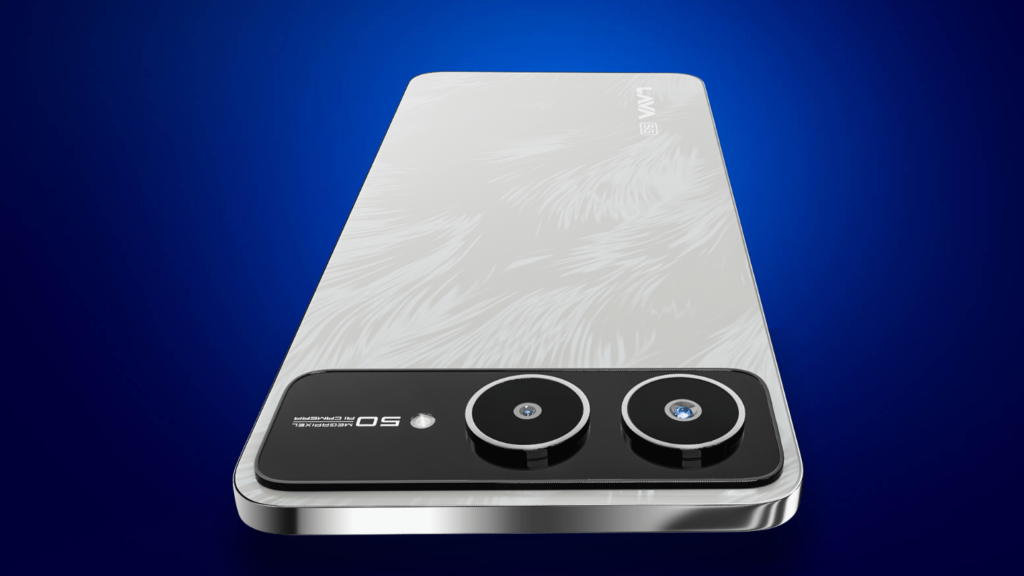
The Lava Bold 2 5G will be available in Feather White and Midnight Black color options. Pricing starts at ₹12,999 for the 6GB + 128GB variant, including bank offers and coupons. The phone is scheduled to go on sale via Amazon India starting March 19.
With features like an AMOLED display, clean Android software, and a capable mid-range chipset, the Bold 2 5G appears to be Lava’s attempt at offering a balanced budget 5G device without pushing the price too high.
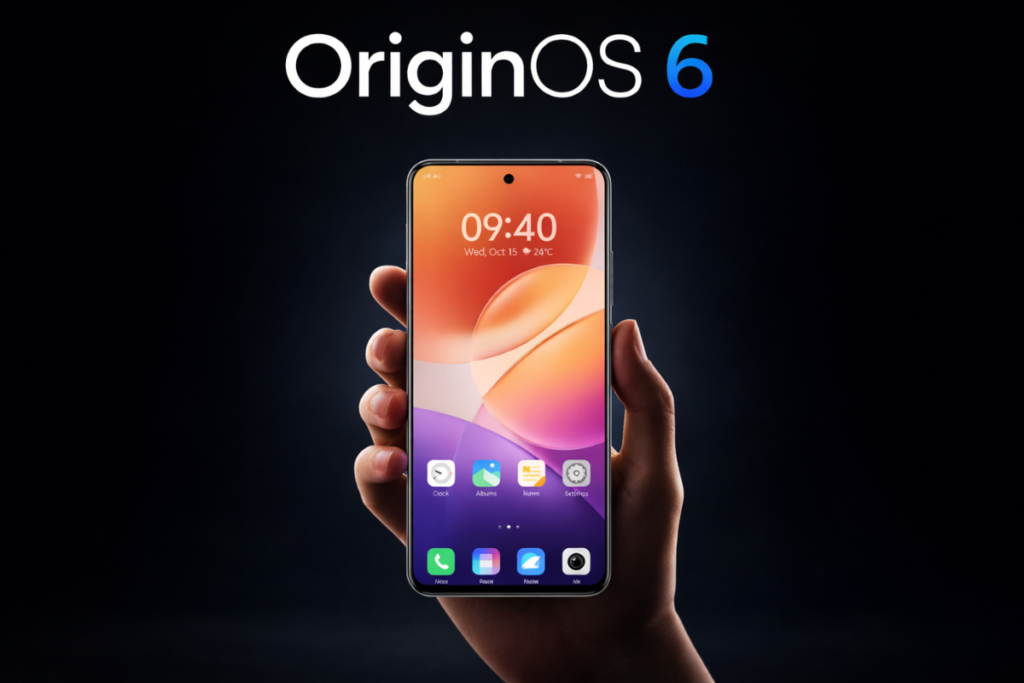
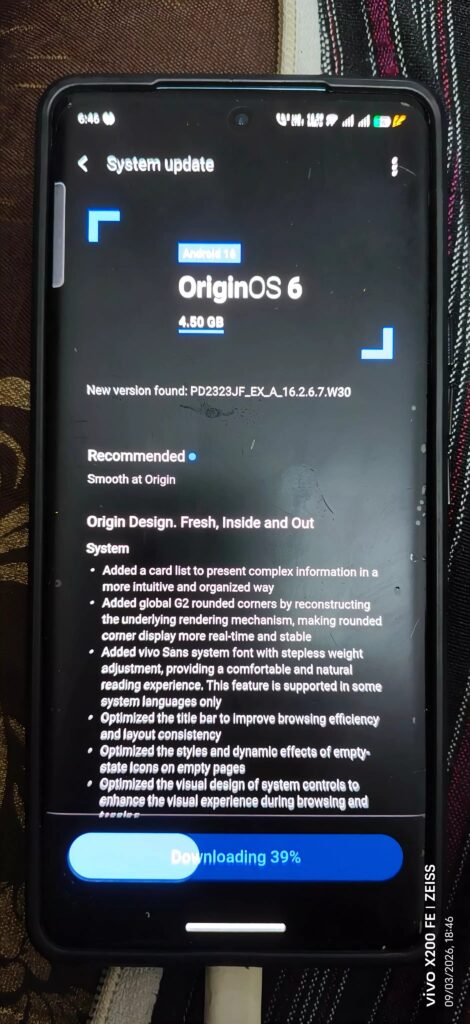
Vivo V30 users have started receiving the Android 16-based OriginOS 6 update, which could be the final major upgrade for the device. The latest update offers tons of visual upgrades, along with numerous features and enhancements throughout the system.
The company hasn’t officially announced the rollout yet, like any other Vivo device. However, some Vivo V30 users have confirmed the rollout on the official forum, as spotted by the folks at Ytechb. Currently, the update is rolling out to testers via the OriginOS 6 trial program with the firmware version PD2323JF_EX_A_16.2.6.7.W30. It will soon expand to the remaining users.
The OriginOS 6 is a pretty significant update, weighing in at about 4.5GB for the Vivo V30. It’s best to download such hefty update packages over a stable Wi-Fi connection.
If you’re rocking a Vivo V30, check if an update is available on your device via the System updates section in the Settings app. If there isn’t one, you can apply for the trial version and get it sooner. For this, go to Settings > System update > settings/gear icon > Trial version > Update now > Download and install. Remember to charge your device to at least 40% before installing the update. You can also back up important data for additional protection.
Once you’ve upgraded to OriginOS 6, you’ll experience a fresh design, redesigned icons, and plenty of visual changes. It’s much more feature-rich, customizable, and smoother than Funtouch OS. The latest upgrade also introduces Origin Island, which offers real-time updates from supported elements and system features without opening them, along with multitasking support. OriginOS 6 also brings a redesigned Control Center, new clock styles, widgets, and stronger security features, among many upgrades. You can read the complete changelog here.
Well, this could be the last major upgrade for the Vivo V30. The device debuted in 2024 with Android 14 out of the box, and is expected to receive two OS updates at most. Vivo hasn’t officially confirmed the update policy for the Vivo V30, but since the V30 Pro promises just two OS updates, we can’t expect anything better for the regular model. Even if Android 16 is the last upgrade, security updates will keep coming in for a while.
Remember to visit our Vivo section regularly for fresh updates. Alternatively, you can join our Telegram channel to get instant notifications about the latest software updates and breaking tech news.
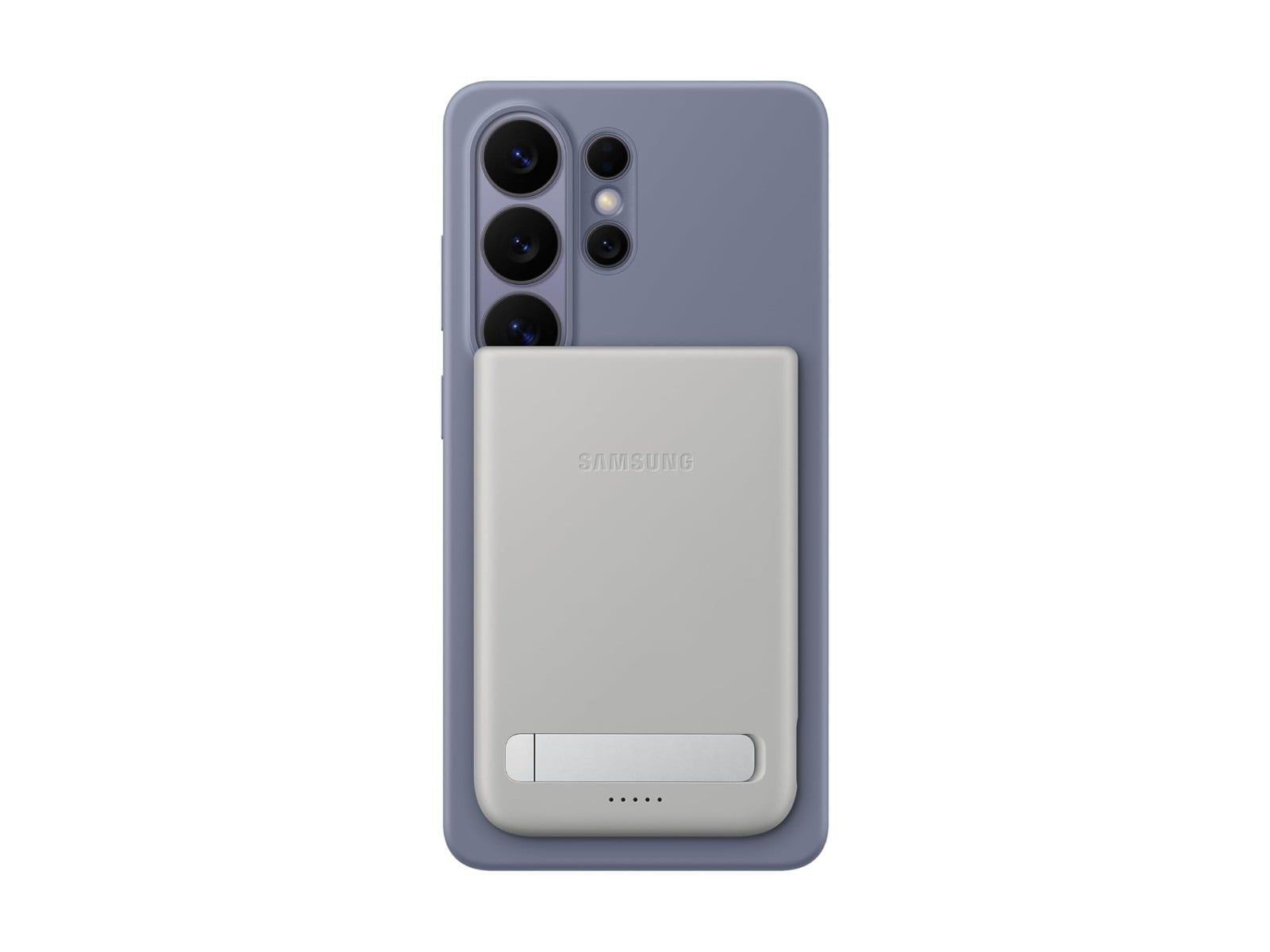
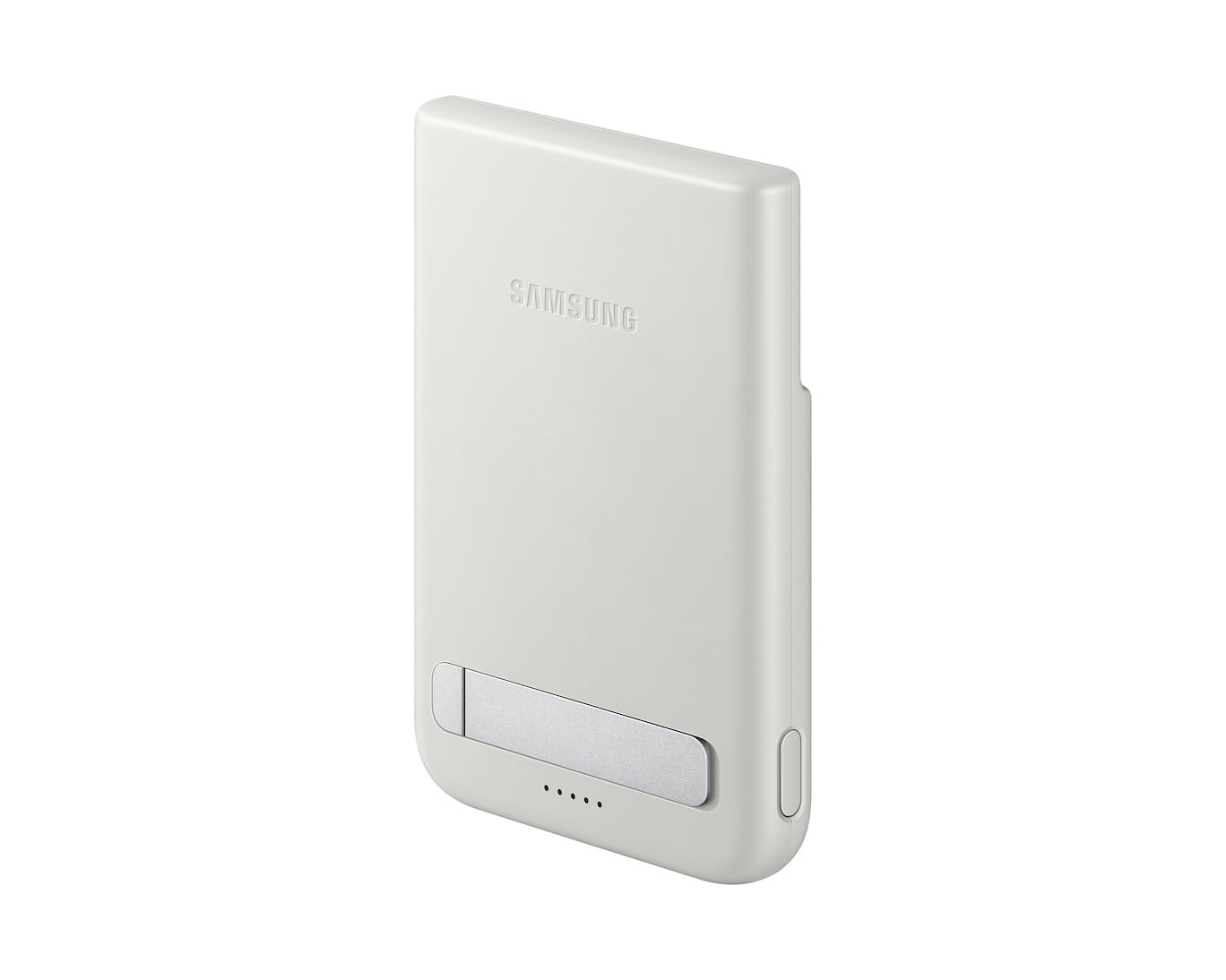
Samsung has started selling its new Magnet Wireless Battery Pack globally, expanding its lineup of mobile charging accessories designed for the latest Galaxy smartphones.
The Samsung Magnet Wireless Battery Pack is designed primarily for the Galaxy S26 series and other Qi2-compatible devices. However, accessories such as magnetic cases are required because the Galaxy S26 series, including the Galaxy S26 Ultra, launched without built-in magnets. This means users will need a compatible magnetic case in order to use the snap-on attachment feature.
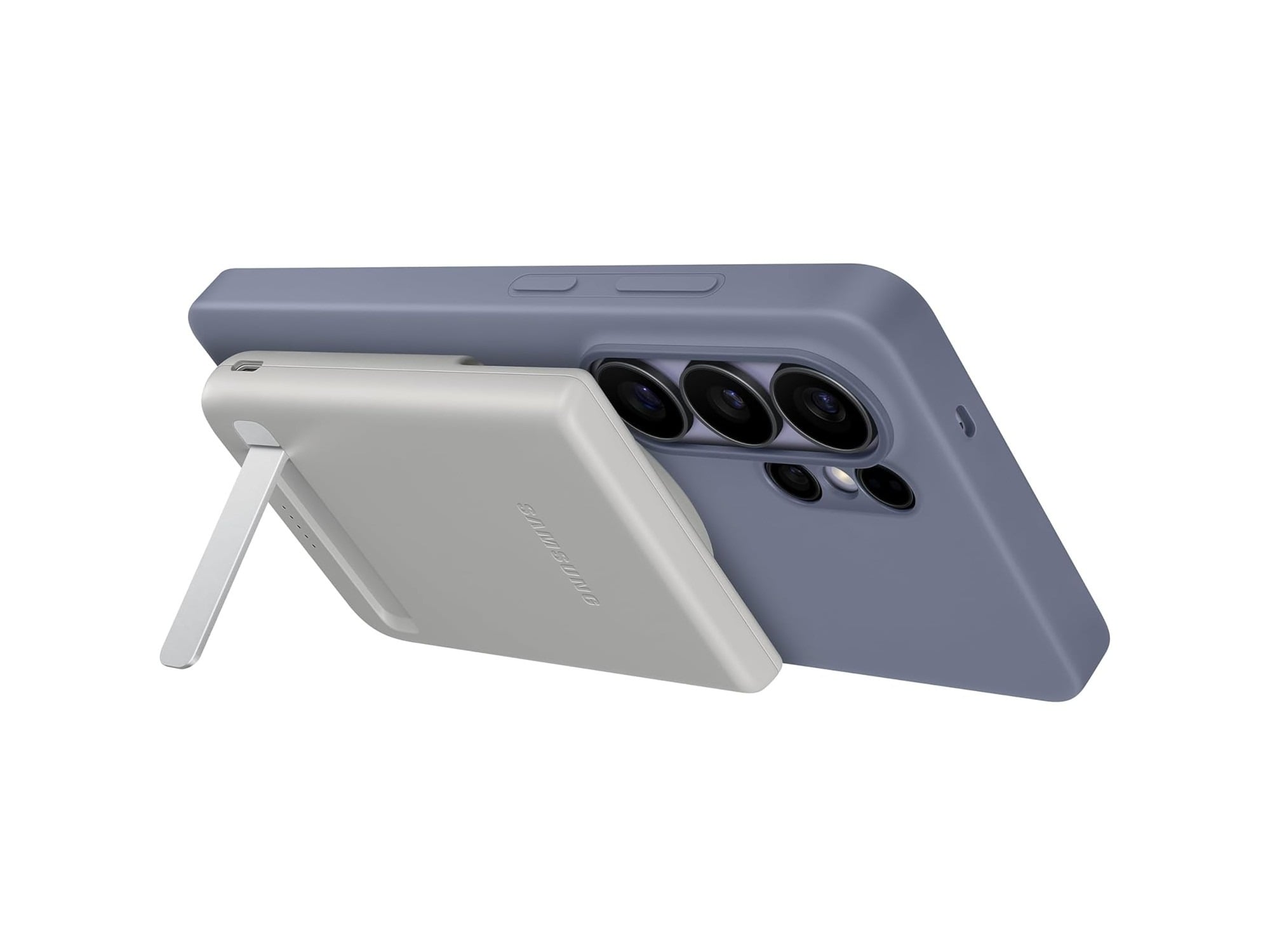
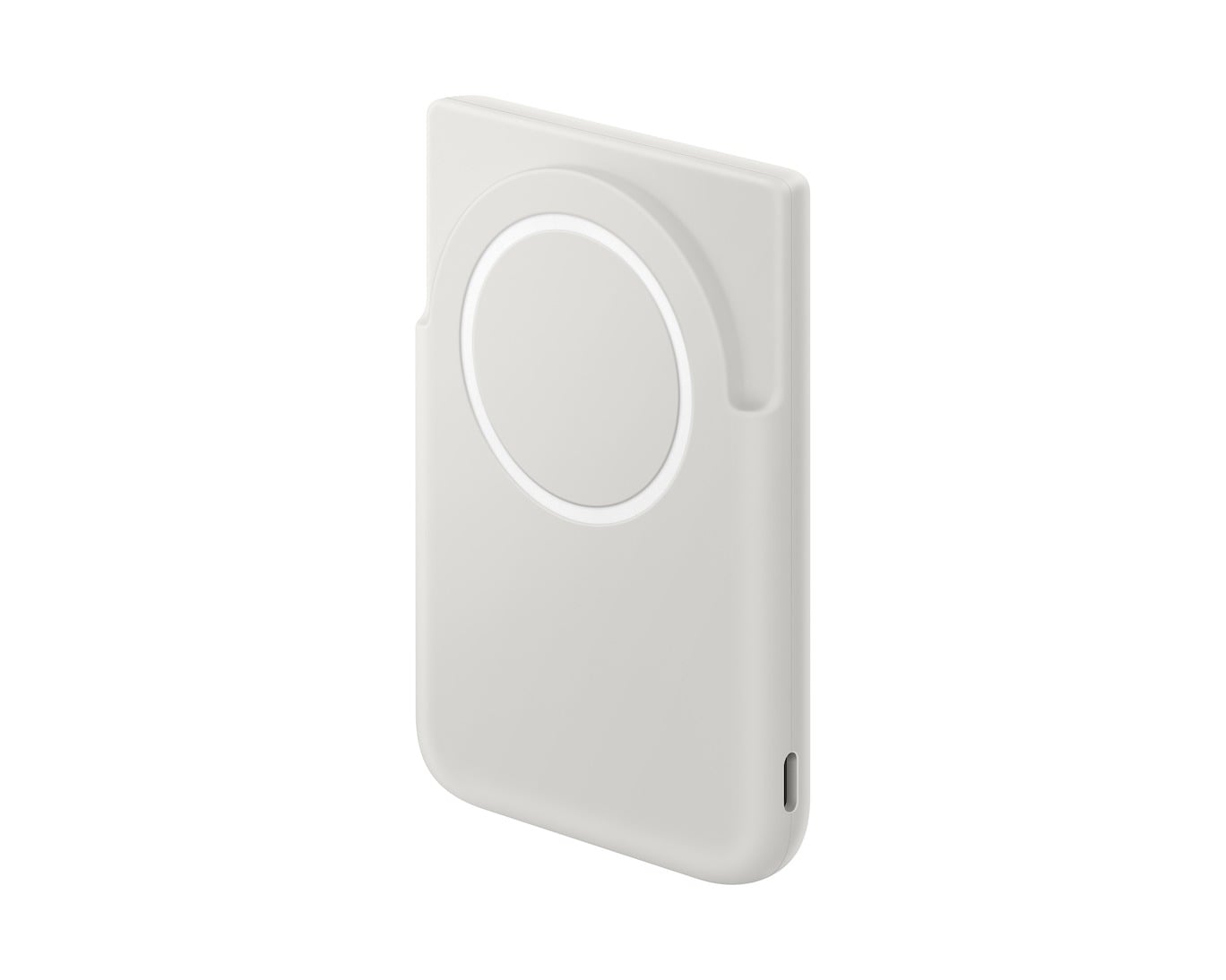
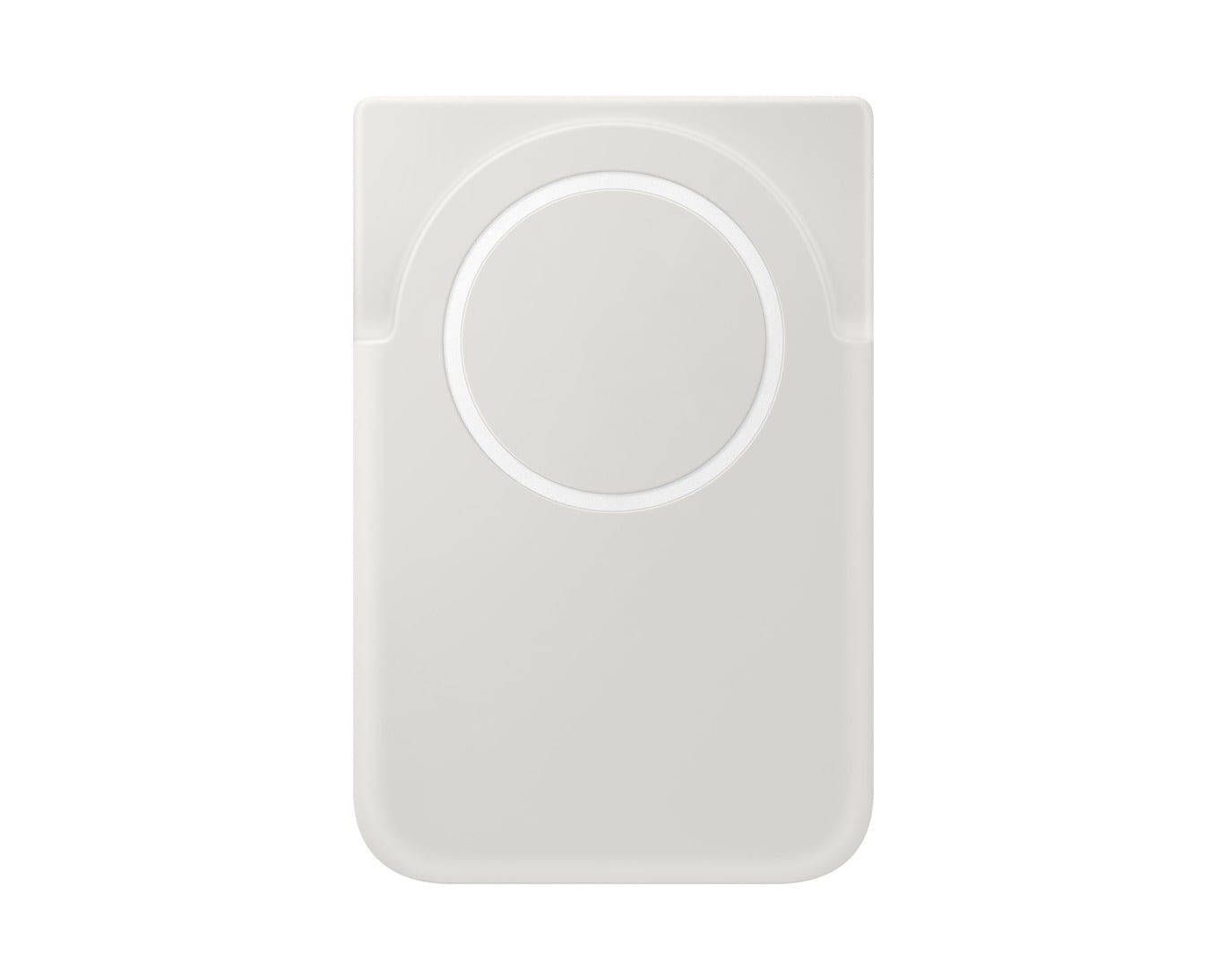
Once paired with a magnetic case, the power bank can attach to the back of the phone using magnetic alignment. The magnets ensure that the charger sits correctly on the device, helping maintain stable wireless charging without the need for cables or manual positioning.
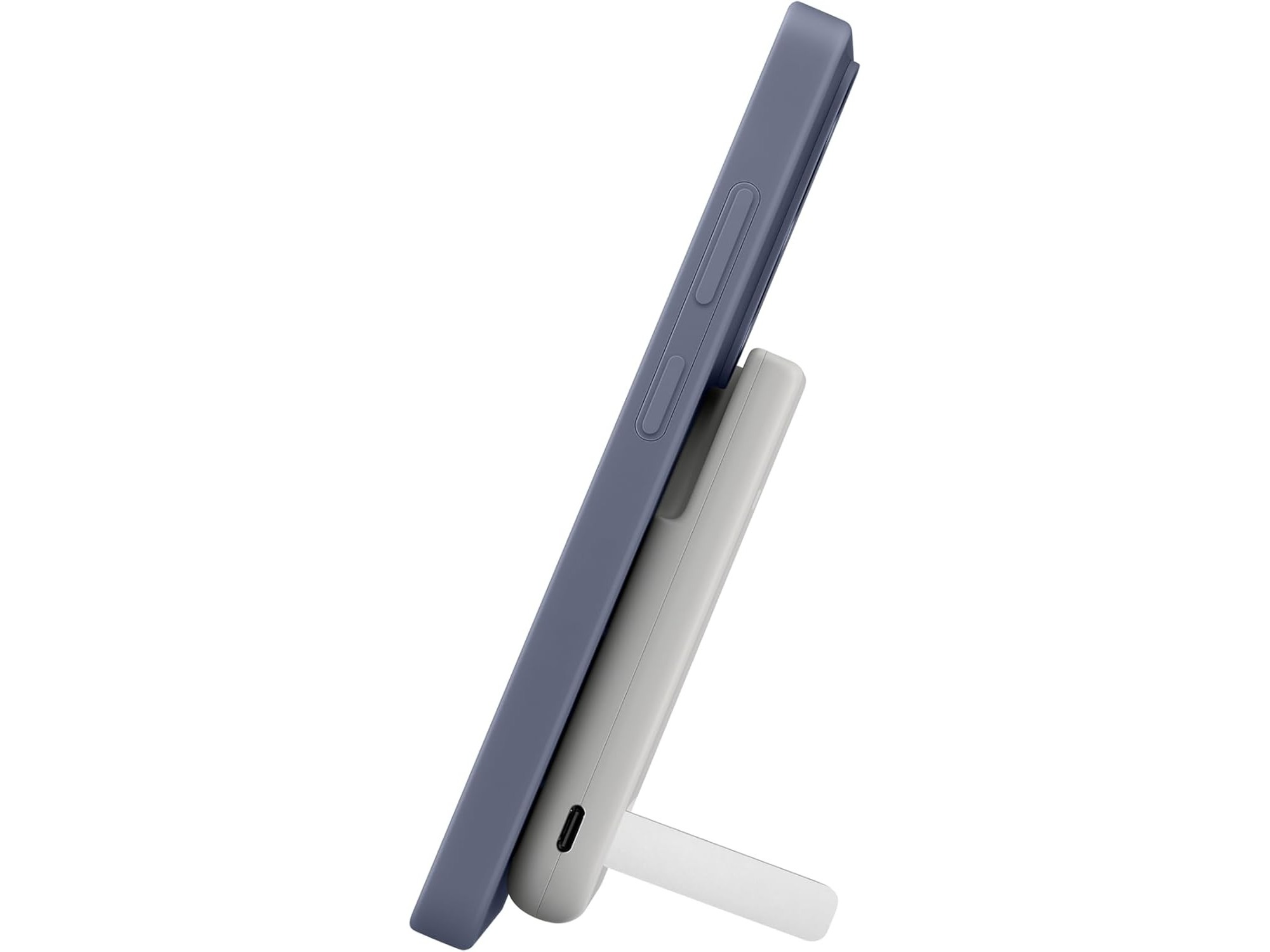
Samsung has also integrated a fold-out kickstand into the back of the battery pack. The stand allows users to prop the phone up at a comfortable viewing angle while charging. This makes it useful for video calls, watching videos, gaming, or browsing while the device remains attached to the battery pack.
The accessory houses a 5,000mAh battery and supports wireless charging output of up to 15W when magnetically connected to compatible devices such as the Galaxy S26 Ultra, Galaxy S26+, and Galaxy S26. The magnetic alignment helps maintain consistent power transfer while the device is in use.
In addition to wireless charging, the battery pack also supports wired charging through a USB Type-C port. The port offers up to 25W wired fast charging. This allows users to charge a device faster or charge two devices at the same time by using both wireless and wired charging simultaneously.
Samsung has released the Qi2 Magnet Wireless Battery Pack in a single gray color option. The box includes a short 0.2-meter USB-C cable.
Pricing & availability
The power bank is priced at $64.99 on Samsung’s official website. It is also listed on Amazon and Best Buy, although both retailers currently show it as out of stock. In the United Kingdom, it is available from Samsung UK and Amazon UK for £37.80, reduced from the original price of £54.
For more daily updates, please visit our News Section.
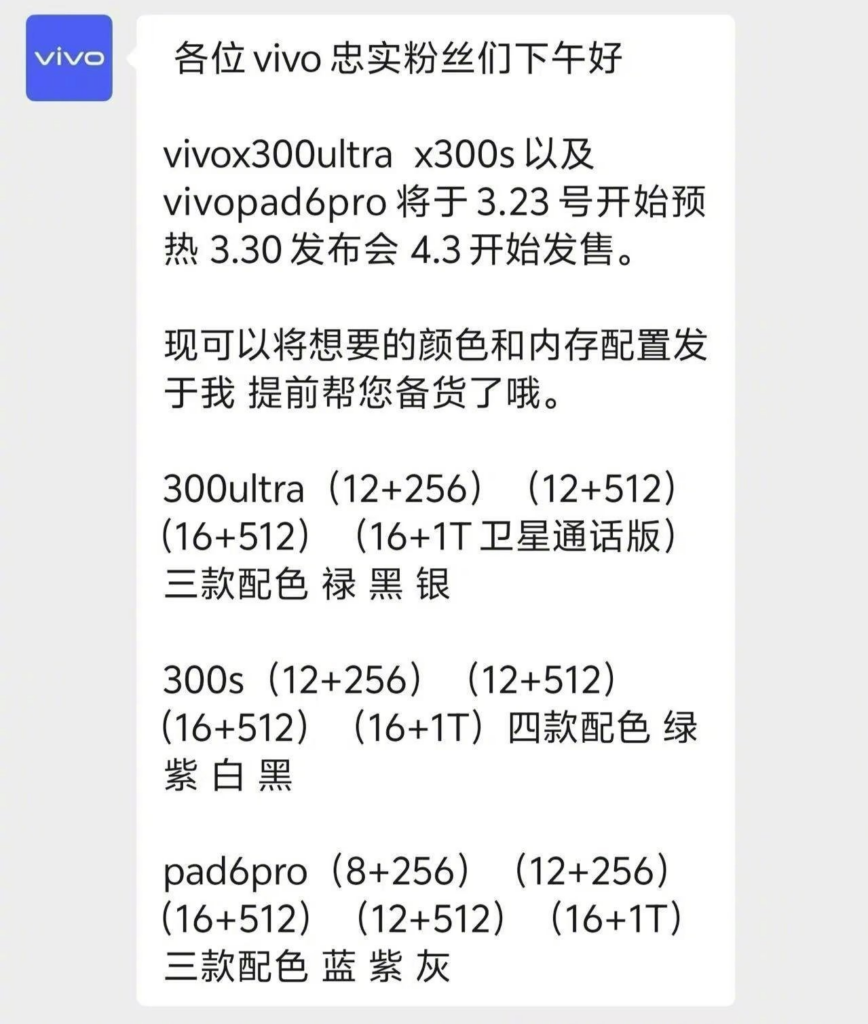
Multiple reports have claimed that Vivo will announce the Vivo X300 Ultra later this month in China. Alongside it, the company is also expected to unveil a couple of other products, such as the Vivo X300s, Vivo Pad 6 Pro, and a new vlogging camera. A newly shared screenshot circulating among Chinese tech bloggers has revealed the launch and sale dates of these products. The same leak also reveals the RAM, storage, and color options of all three devices.
Vivo X300 Ultra launch date
Vivo X300 Ultra, X300s, and Pad 6 Pro configs and color options leaked
According to the shared screenshot, the Vivo X300 Ultra, Vivo X300s, and the Pad 6 Pro are expected to be announced on March 30. The same information also indicates that the devices may become available for purchase starting April 3. Multiple bloggers reportedly shared the image online, hinting that the information may have originated from retail channel communication or early distribution details.
Vivo X300 Ultra, X300s, Pad 6 Pro storage variants and color options
The Vivo X300 Ultra is said to arrive in four configurations: 12GB+256GB, 12GB+512GB, 16GB+512GB, and 16GB+1TB. The top-end model is tipped to include satellite communication support. Color options mentioned in the leak include green, black, and silver.
For the Vivo X300s, the configurations listed include 12GB+256GB, 12GB+512GB, 16GB+512GB, and 16GB+1TB. The smartphone may be offered in green, purple, white, and black color options.
Meanwhile, the Vivo Pad 6 Pro tablet could come in five variants: 8GB+256GB, 12GB+256GB, 12GB+512GB, 16GB+512GB, and 16GB+1TB. The tablet is expected to be available in blue, purple, and gray finishes.
There is no information on whether the Pad 6 Pro will be released globally. The X300 Ultra is rumored to hit the global market by the second quarter, whereas the X300s may remain confined to the Chinese market for some time. Later, it may get rebranded as the Vivo X300T in India.
For more daily updates, please visit our News Section.
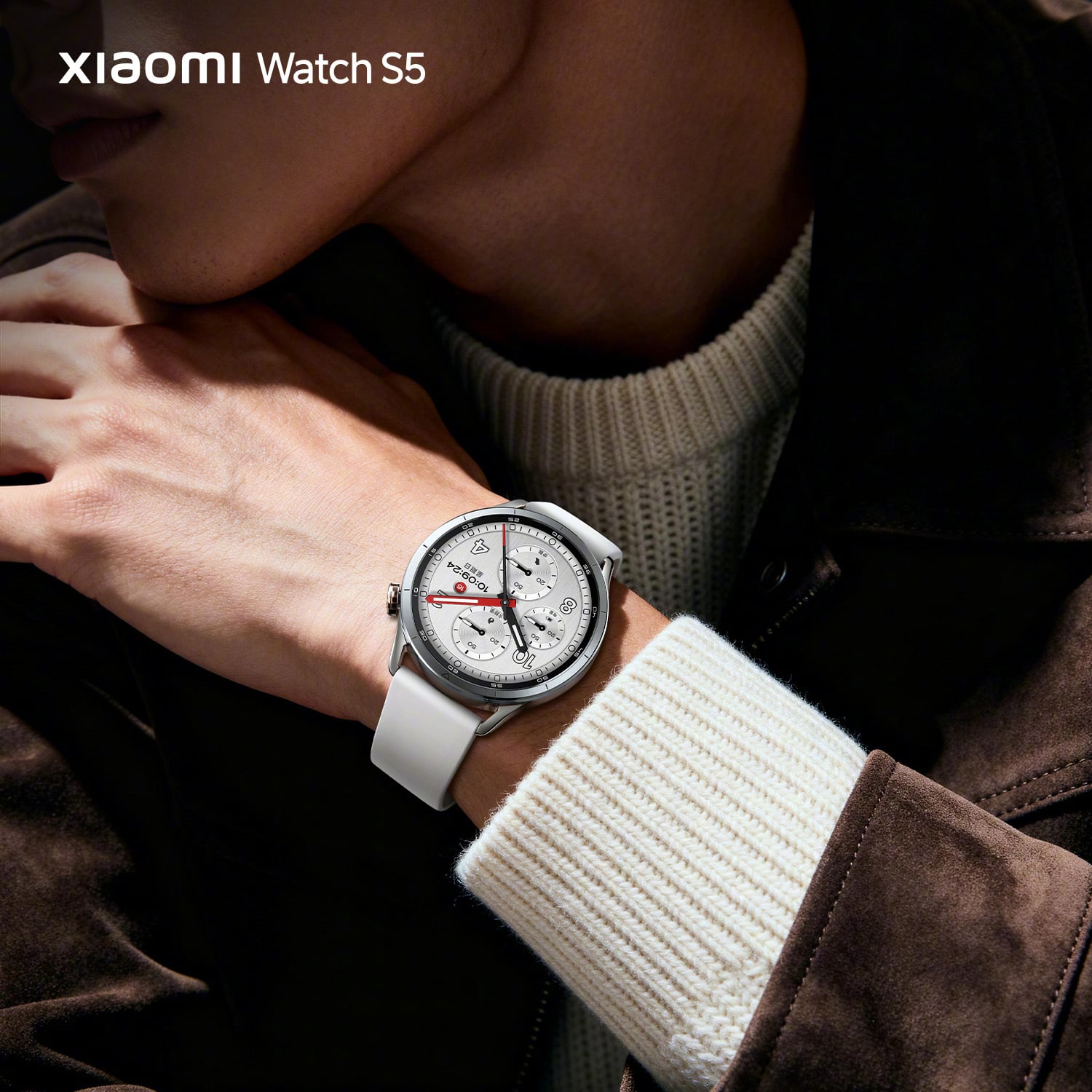
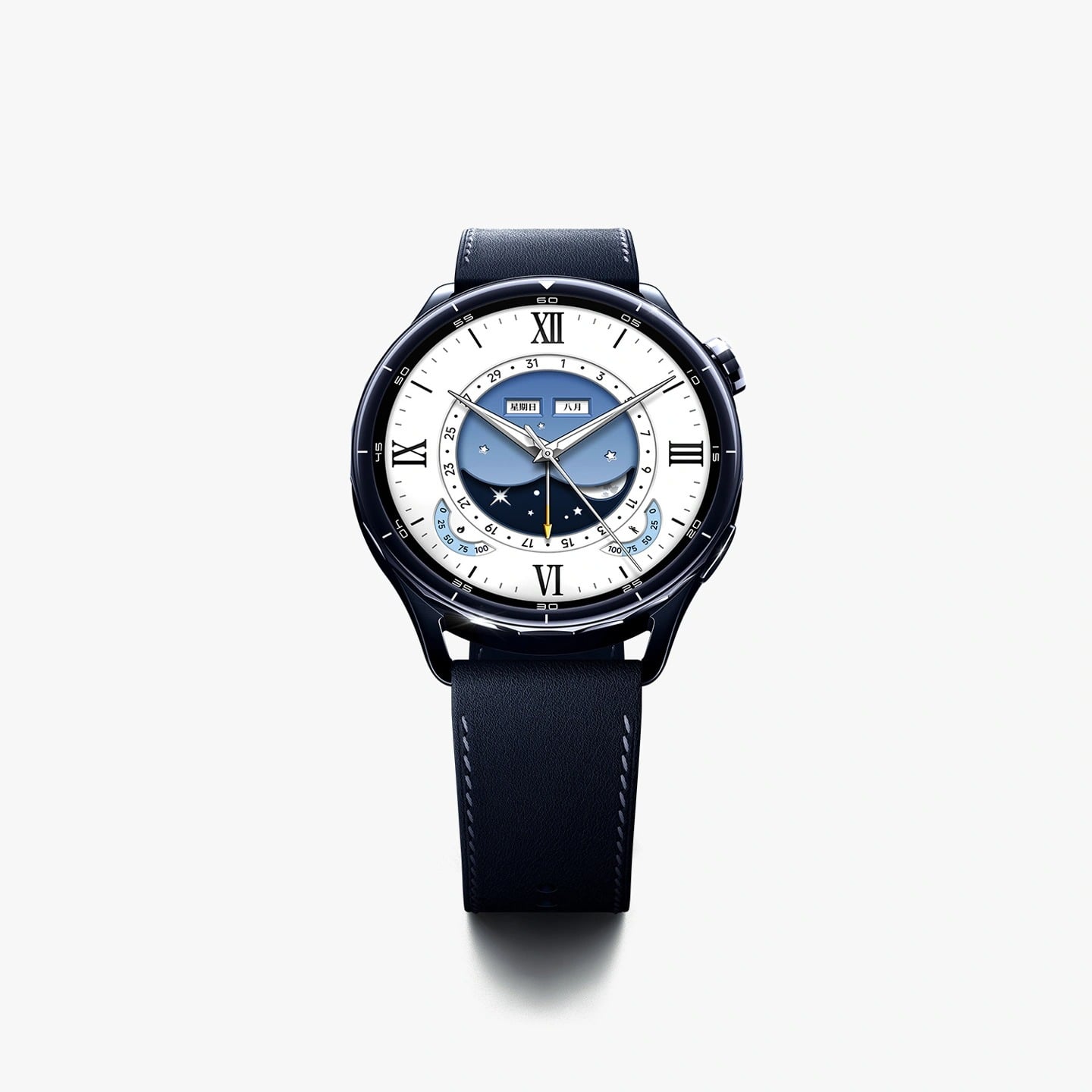
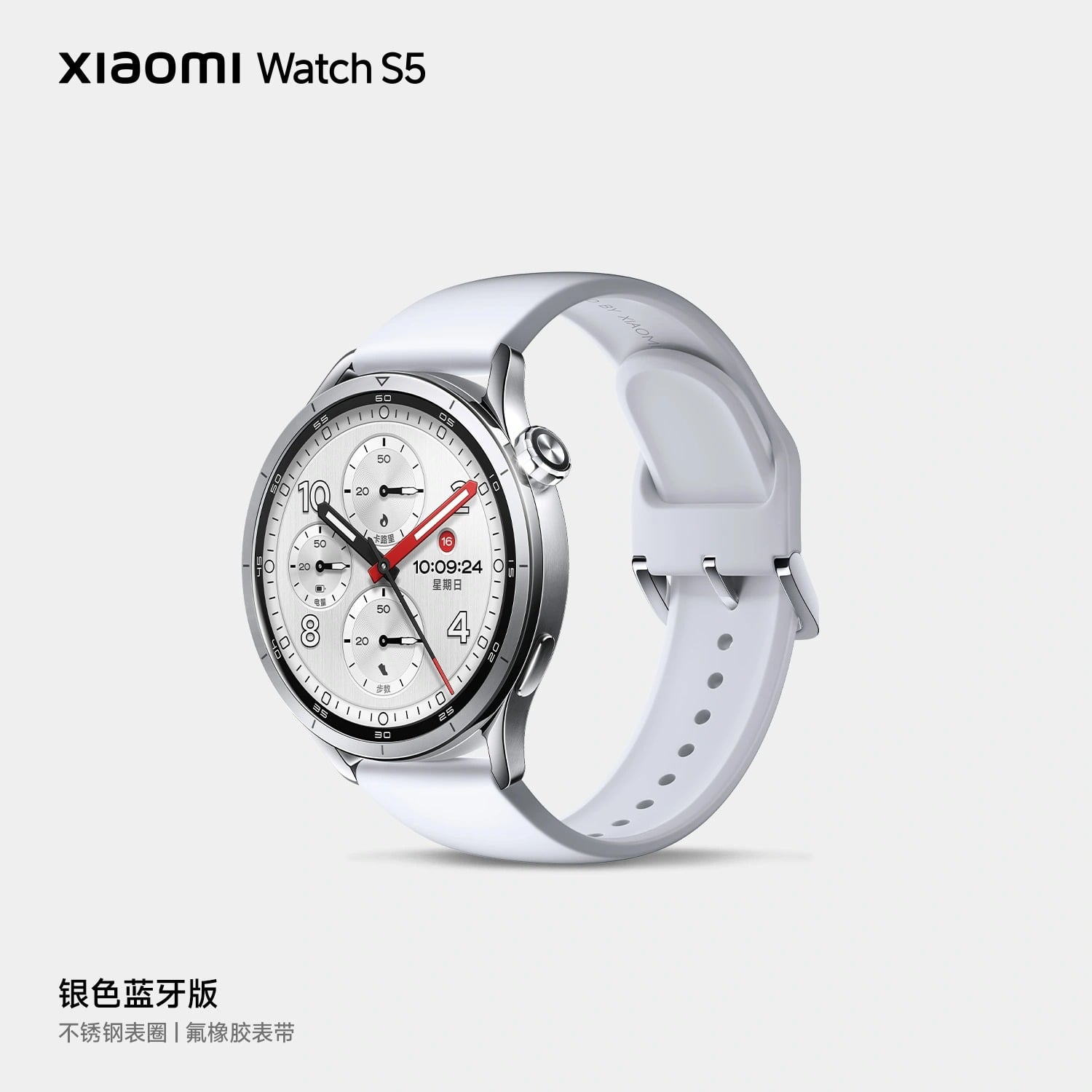
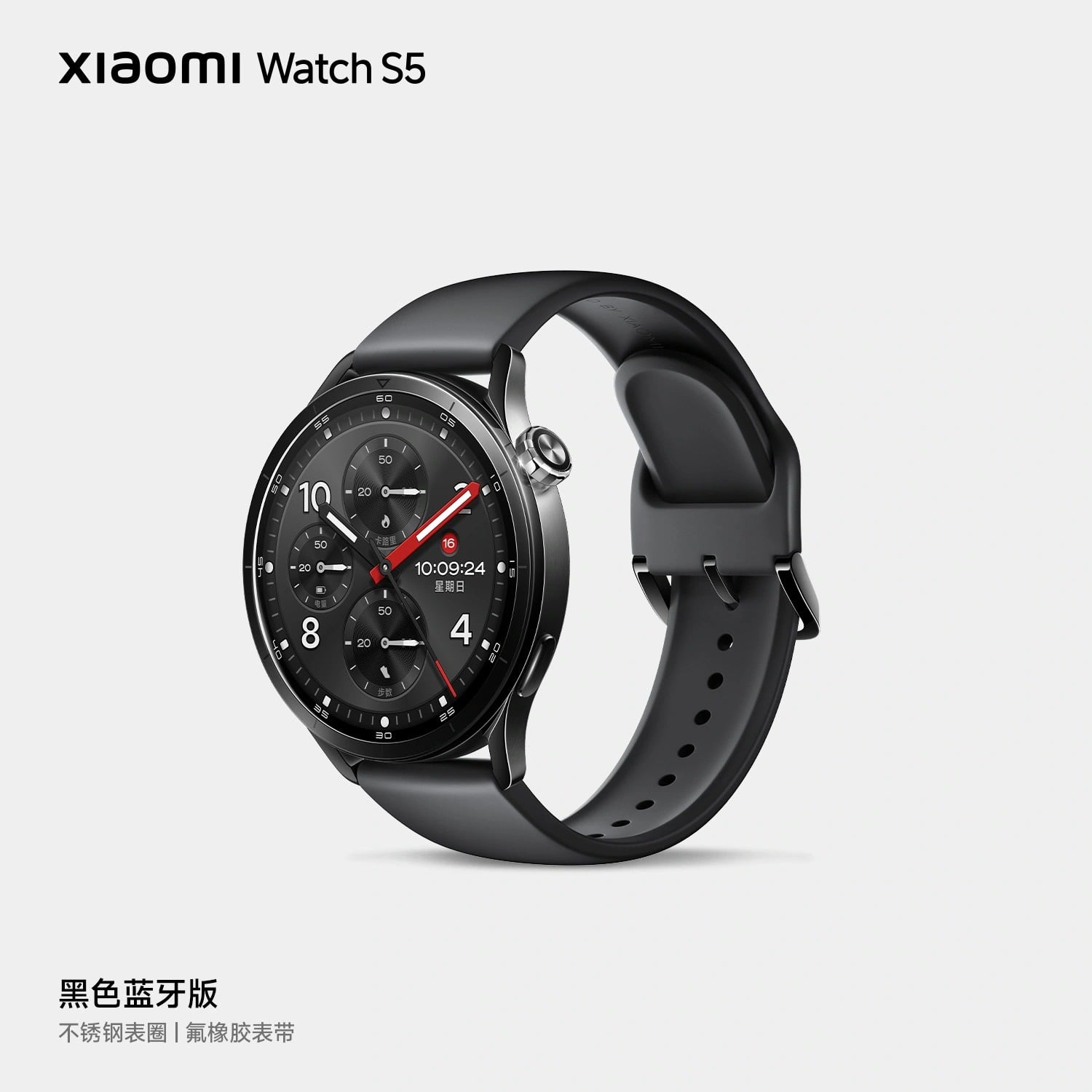
Xiaomi has revealed the design and key features of the upcoming Xiaomi Watch S5, a new sports smartwatch that focuses on durability, refined materials, and long battery life. The company says the watch will launch later this month.
The Xiaomi Watch S5 features a redesigned structure built around an integrated bezel and a forged 316L stainless steel body. This material is known for strong corrosion resistance and durability, helping the watch handle daily wear. The integrated bezel design also allows the body to be slimmer than previous models while keeping a solid and premium build.
Unlike earlier models that used modular parts, the Watch S5 uses a non-removable bezel. This helps reduce the border around the display and increases the visible screen area. The unibody bezel design also makes the watch thinner, which improves comfort when worn daily or with formal clothing.
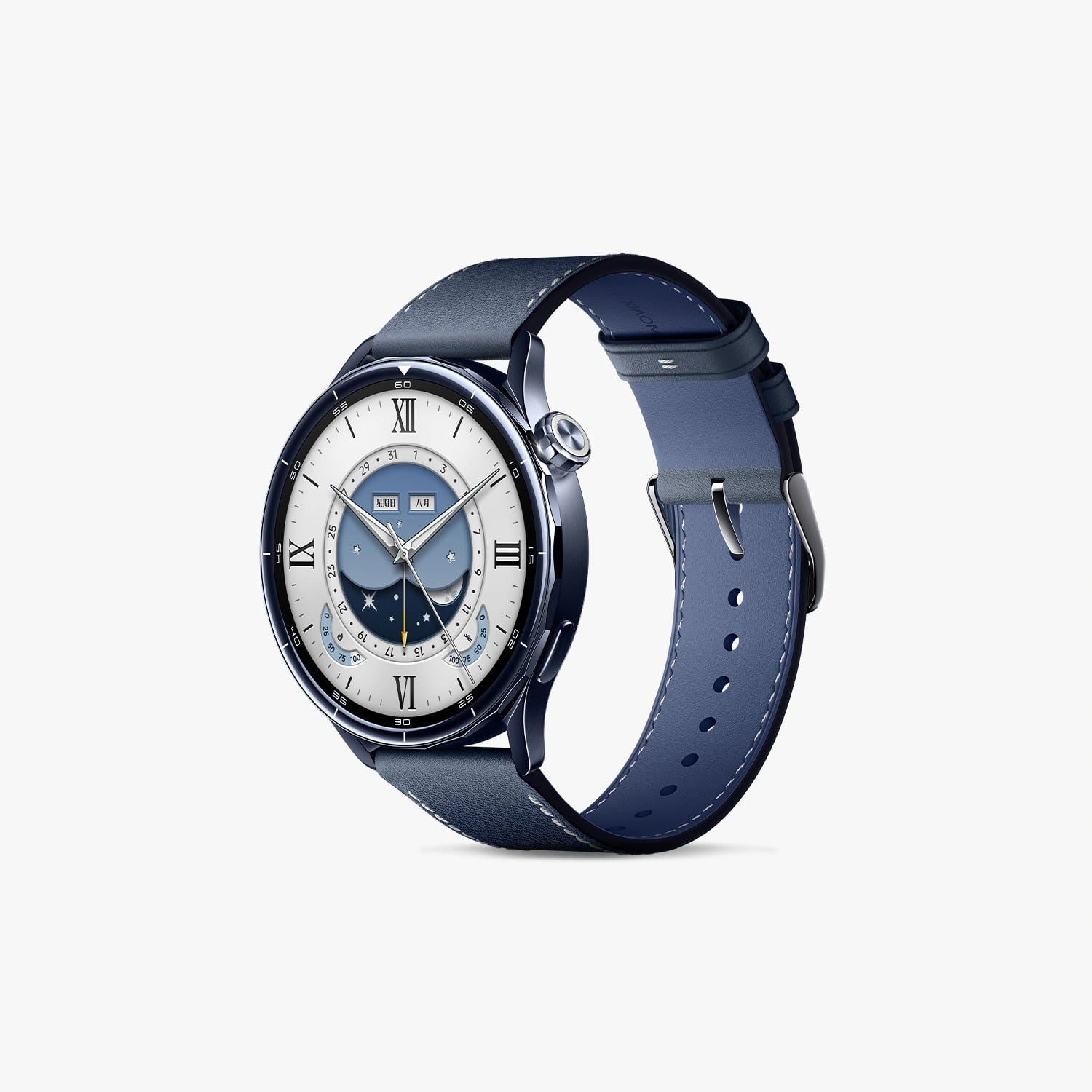
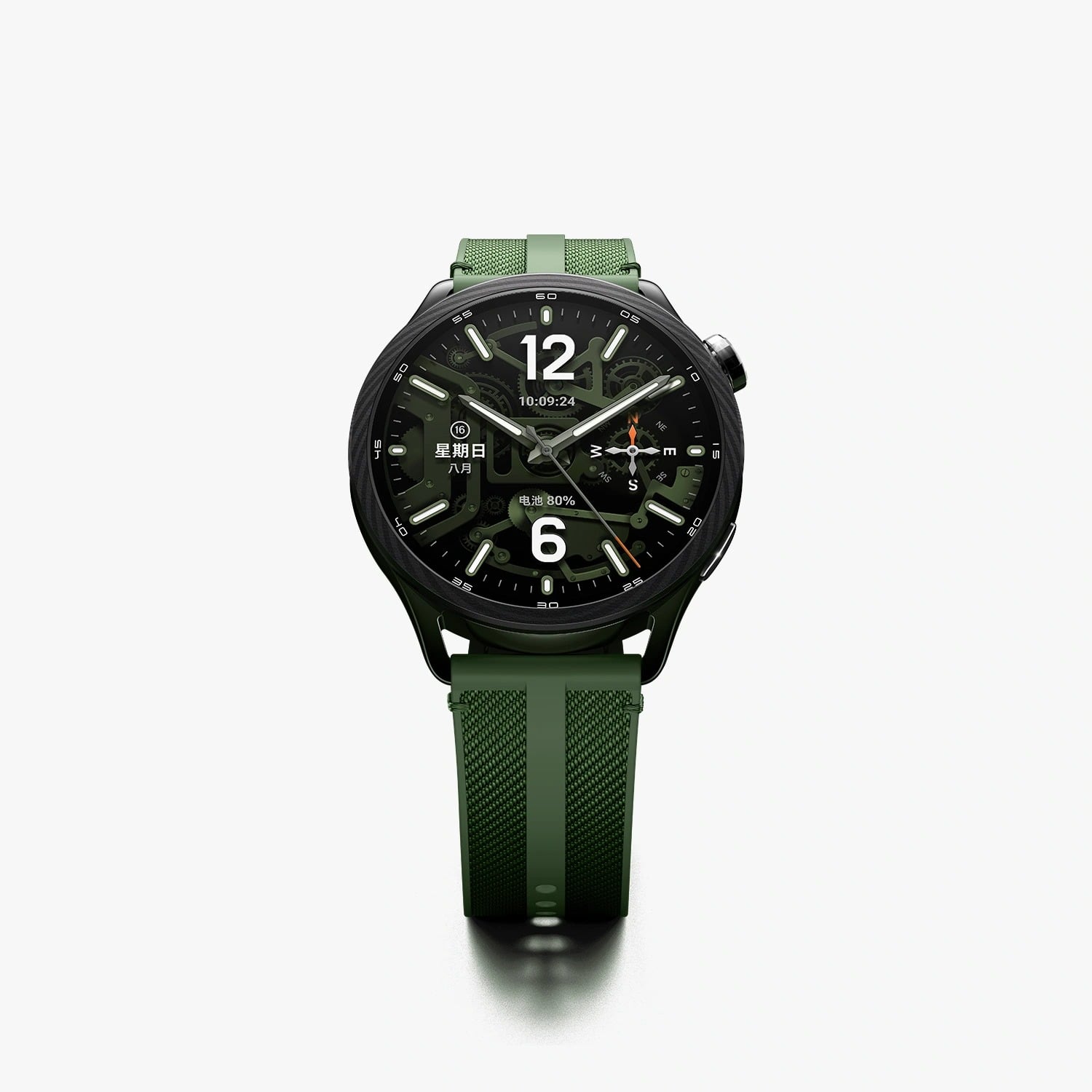
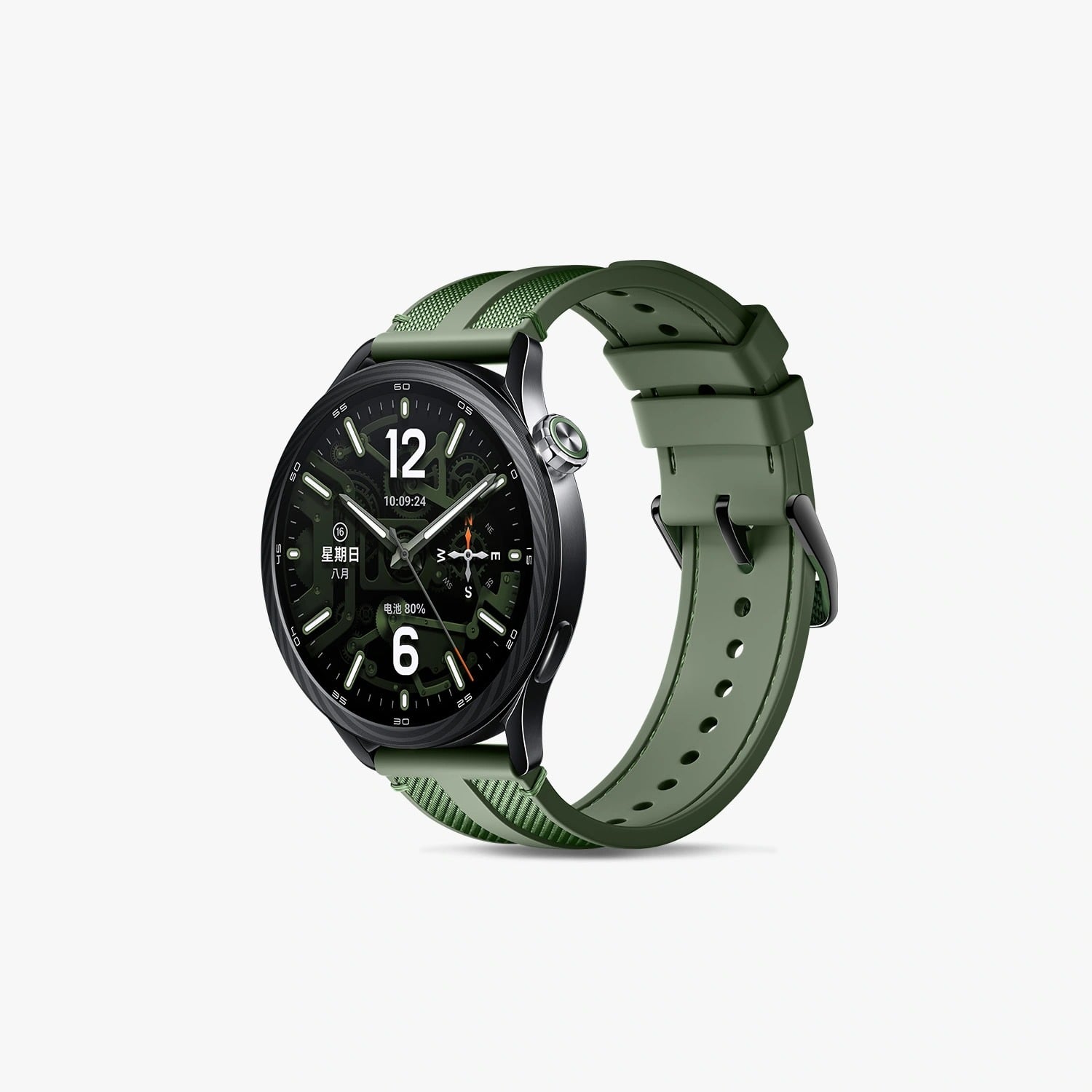
Xiaomi will offer several bezel designs and finishes. Two key options are Midnight Blue and Forged Carbon. The Midnight Blue bezel uses ceramic material with white glazed time markers. It also features 24 carved facets that create a polished look. The Forged Carbon version uses a layered forging process that produces a unique texture and a more sporty appearance.
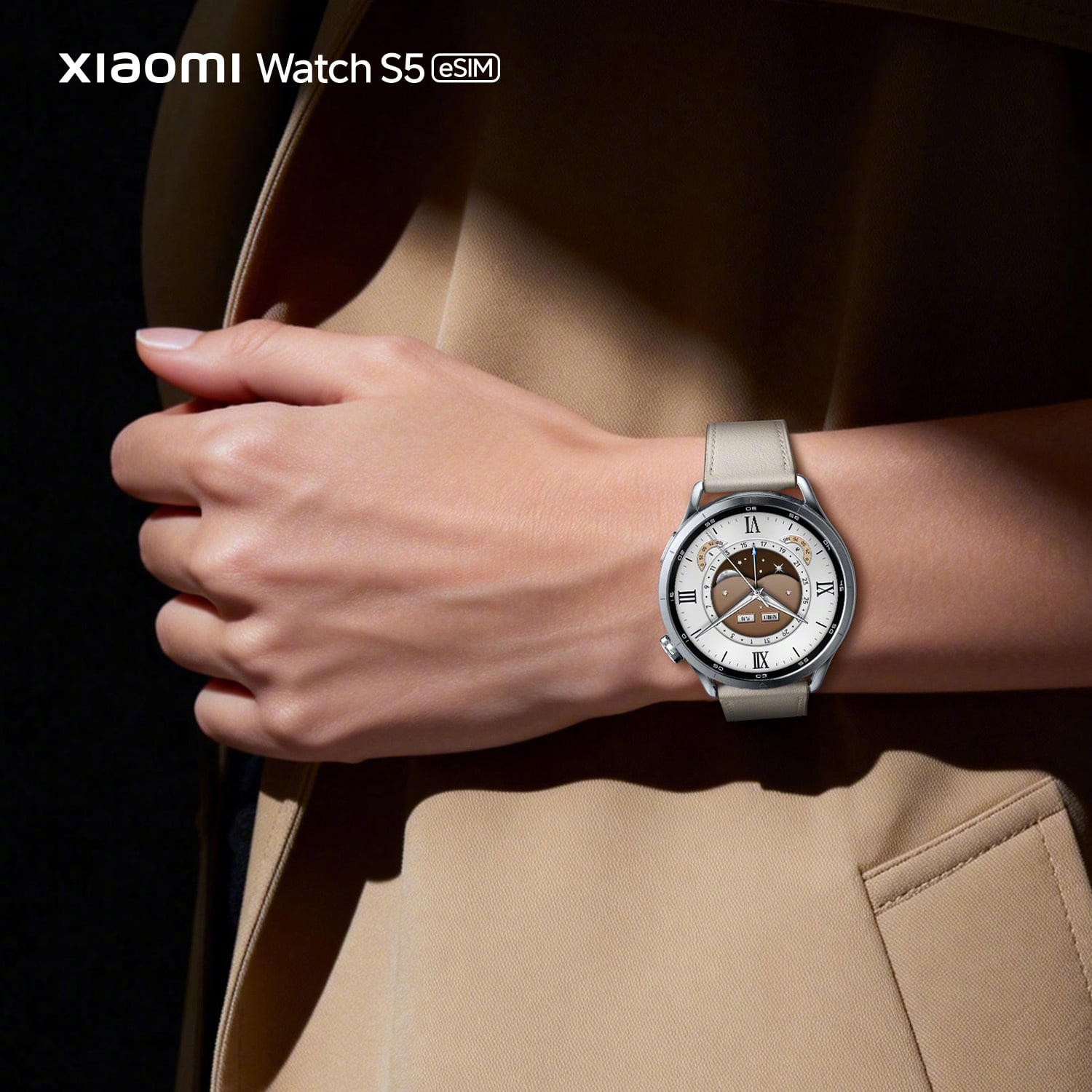
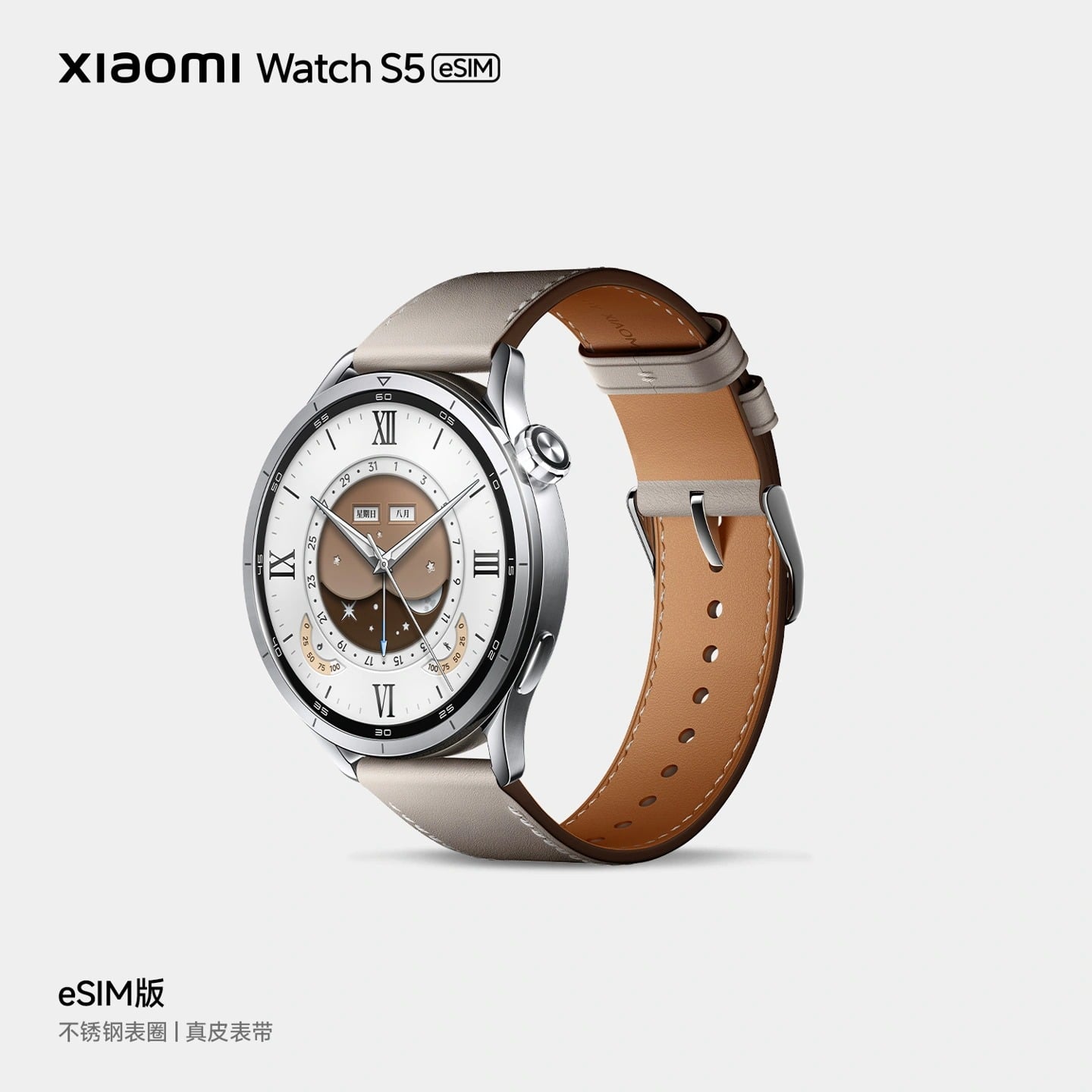
The smartwatch will also come in three stainless steel bezel versions. The black and silver variants have a clean design and are paired with fluororubber straps, which are suitable for sports and daily use. The silver eSIM model comes with a gray genuine leather strap for a more classic style.
The crown features a concentric-circle texture, adding detail to the design. Xiaomi also includes several watch faces inspired by traditional analog watches. These watch faces use elements such as Roman numerals and moon phase complications.
Xiaomi says the sensors on the Watch S5 have been fully upgraded to provide more accurate health monitoring. The watch can also function as a control center on the wrist, allowing users to control compatible smart home devices and connected cars. Battery life is another highlight. Xiaomi claims the Watch S5 can deliver up to 21 days of use on a single charge.
In China, the pricing is expected to be close to that of the previous Xiaomi Watch S4. The Bluetooth variant could start at around 999 yuan, while the eSIM model may be priced at approximately 1,199 yuan. Xiaomi has not shared any information about a global release yet. However, since the company recently launched the Xiaomi Watch 5 in global markets, the Xiaomi Watch S5 is also expected to arrive internationally in the coming months.
For more daily updates, please visit ourNews Section.
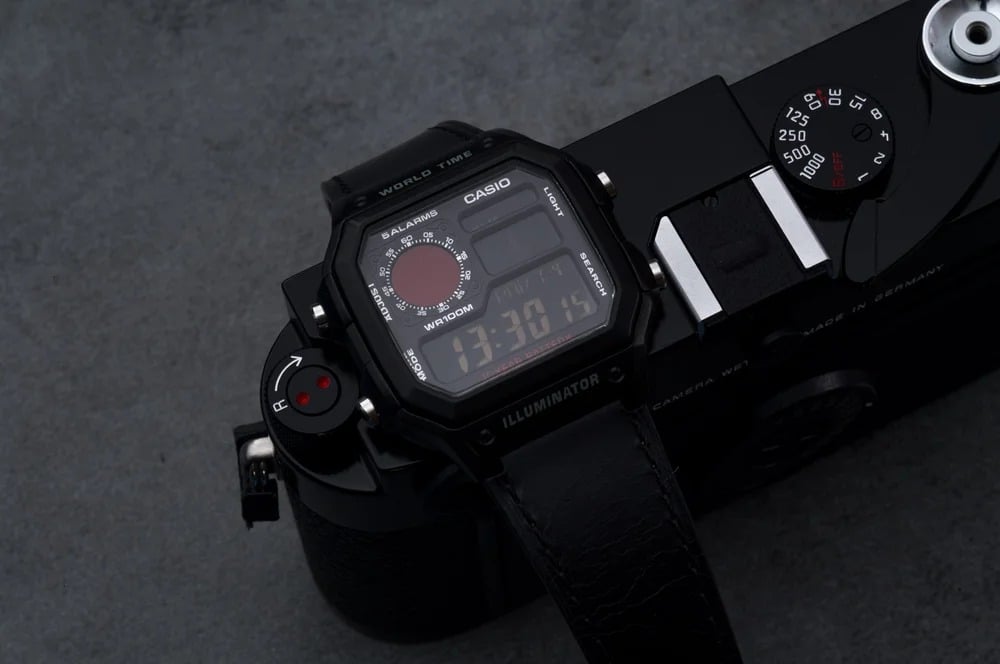
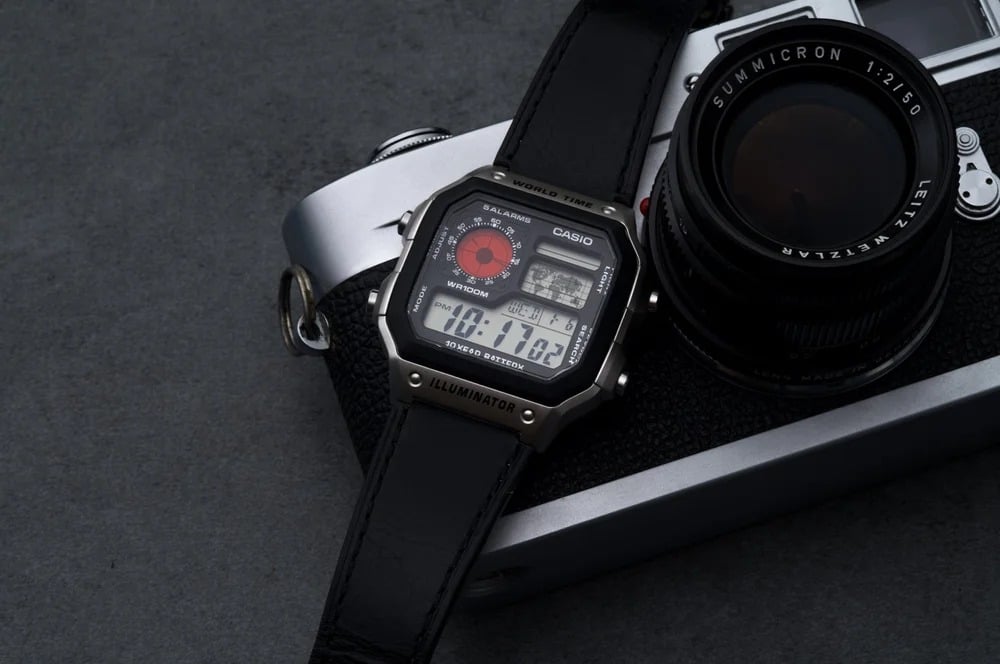
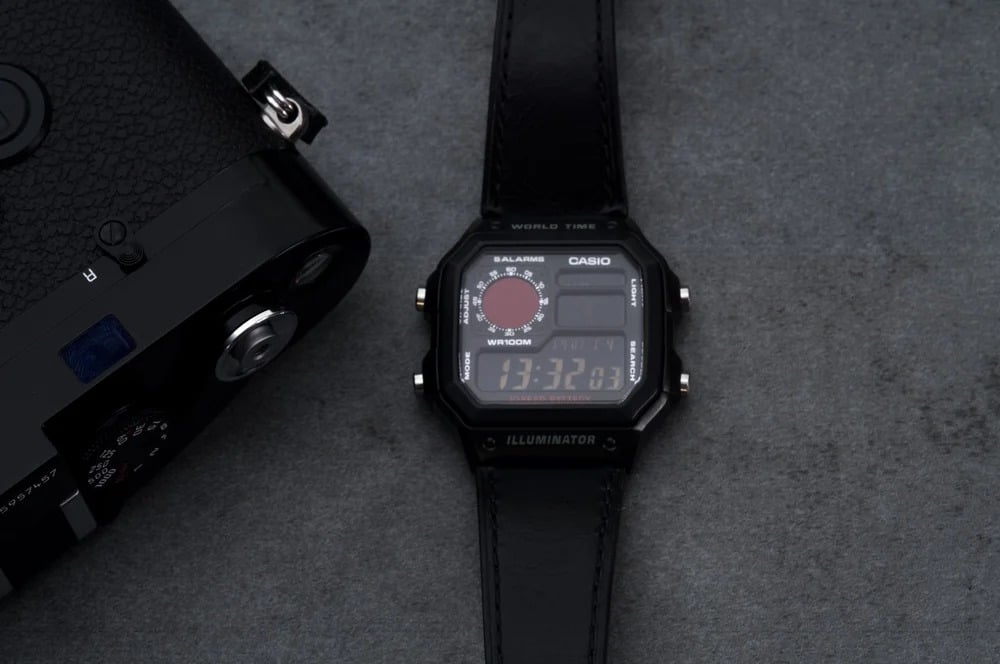
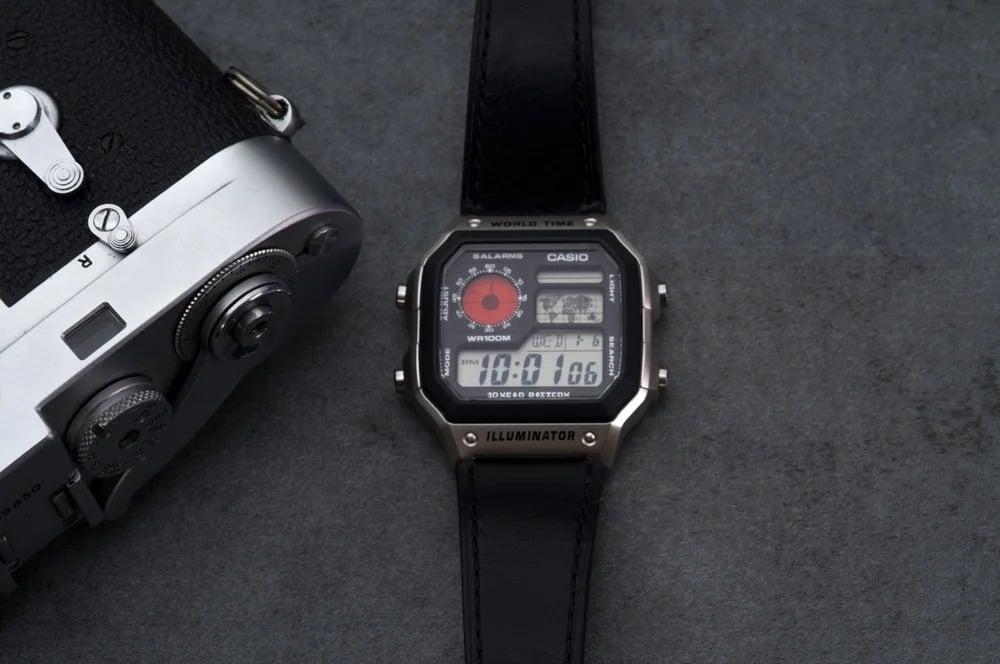
The Casio M-Edition digital watch is available to order again after selling out soon after its launch in January. The watch was developed by PPP Cameras, a UK-based film camera repair specialist founded by Pierro Pozella. The company focuses on restoring vintage photographic equipment. New orders can now be placed through the PPP Cameras website, although deliveries for the current batch are expected to begin in May.
Casio M- Edition BlackCasio M- Edition Chrome
The watch is technically based on the well-known Casio AE-1200WHD digital watch. While the core hardware remains the same, PPP Cameras has added several design changes inspired by Leica M rangefinder cameras. These adjustments mainly focus on visual details that reference the classic camera design.
One of the most noticeable changes is the red circular dial located at the top left of the display. This detail is designed as a reference to the well-known red dot used on Leica camera bodies. The watch also uses a custom red LED for the display light instead of the standard white LED used on the original Casio model. According to PPP Cameras, this choice is meant to resemble the red LED light meter found in classic Leica M cameras.
The watch also comes with a leather strap designed to resemble the leatherette covering used on Leica cameras. PPP Cameras is offering the Casio M-Edition in two finishes: chrome and black. The watch is priced at £160. The retailer ships internationally, though the listed price does not include any import sales tax or customs duties that may apply depending on the buyer’s location.
Like the Casio AE-1200WHD, the M-Edition offers water resistance up to 100 meters, which means it can be worn while swimming. The battery is rated to last about 10 years with typical use. The watch displays the time and date, supports up to five alarms, and can track time across four different time zones.
For more daily updates, please visit our News Section.
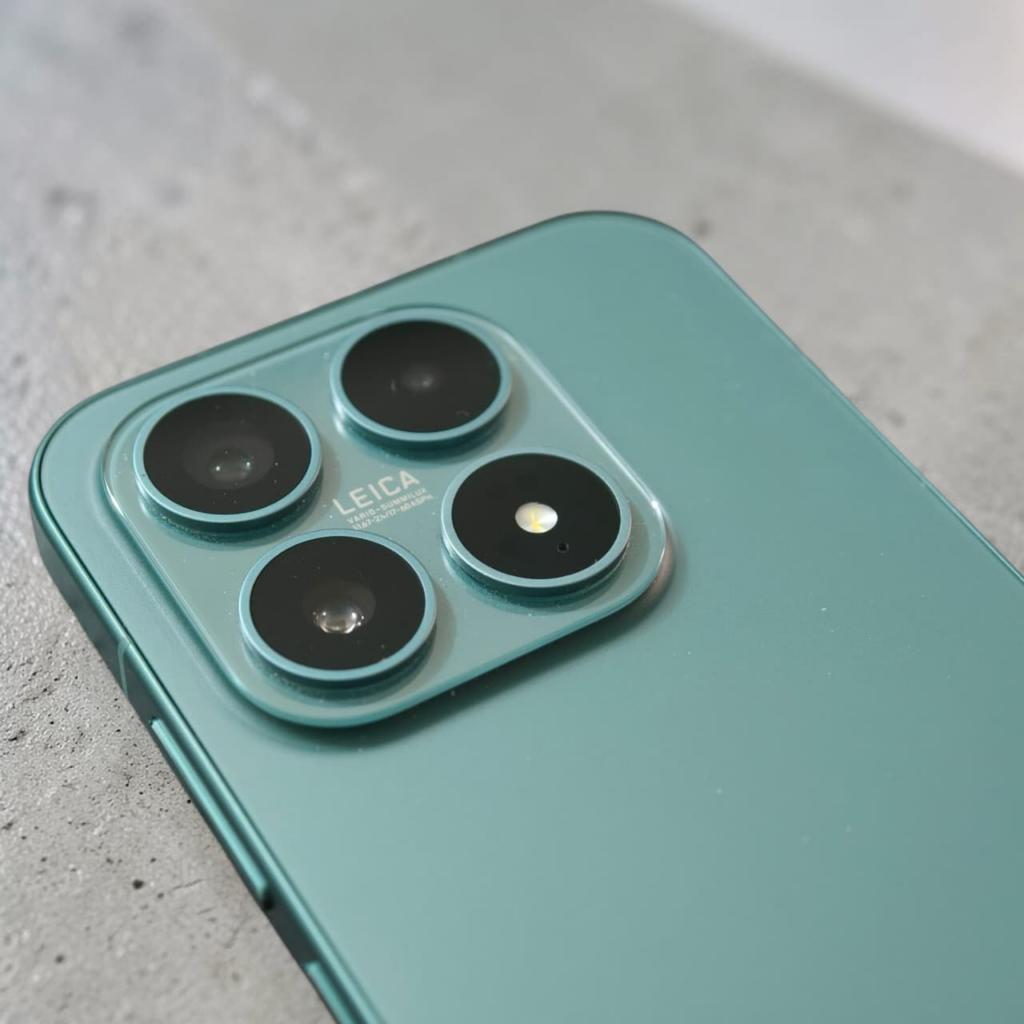
Xiaomi recently launched the Xiaomi 17 and Xiaomi 17 Ultra in India, and another device from the lineup could arrive soon. The Xiaomi 17T is expected to expand the series in the coming months. Earlier reports from tipster Abhishek Yadav suggested that the smartphone may launch in India by the end of April or sometime in May.
Xiaomi 17 in Pine Green
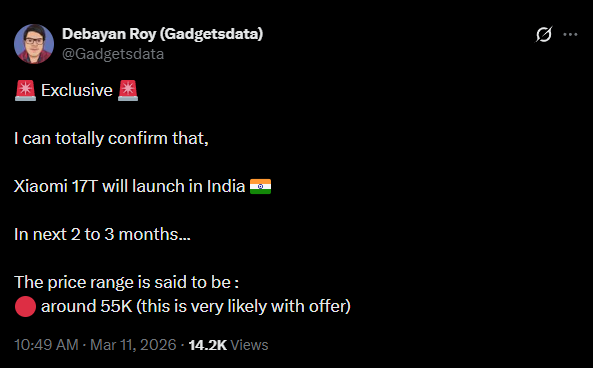
A new leak from tipster Debayan Roy, also known as Gadgetsdata, has now revealed additional details about the expected launch timeline and pricing. According to Roy, the Xiaomi 17T could launch in India within the next two to three months. The device is expected to be priced at around ₹55,000. The tipped price may include launch offers that Xiaomi usually provides during the initial sales period.
Reports indicate that Xiaomi may introduce the Xiaomi 17T alongside a higher-end Xiaomi 17T Pro model. However, only the standard Xiaomi 17T variant may arrive in the Indian market.
Both the Xiaomi 17T and Xiaomi 17T Pro are expected to feature Leica-tuned cameras. The phones are tipped to include a triple rear camera setup consisting of a 50MP primary sensor, a 12MP secondary sensor, and a 50MP telephoto sensor. The primary and telephoto sensors may differ between the two models. The Pro version is also expected to include a periscope telephoto camera. For selfies, both devices could feature a 32MP front camera.
The Xiaomi 17T is expected to run on the MediaTek Dimensity 8500 chipset and may pack a 6,500mAh battery with support for 67W fast charging. The Xiaomi 17T Pro is tipped to use the MediaTek Dimensity 9500 processor.
Reports also suggest that the Pro model may be based on the upcoming Redmi K90 Ultra, which is expected to launch in China in April. If accurate, the device could feature a 6.8-inch OLED display with 1.5K resolution and a 165Hz refresh rate. It may also include an 8,500mAh battery with 100W charging support, a built-in cooling fan, and an ultrasonic in-display fingerprint sensor.
The devices are said to carry model numbers 2602DPT53G/I and 2602EPTC0G, and the Pro model could also feature a metal frame and comprehensive water resistance.
For more daily updates, please visit our News Section.
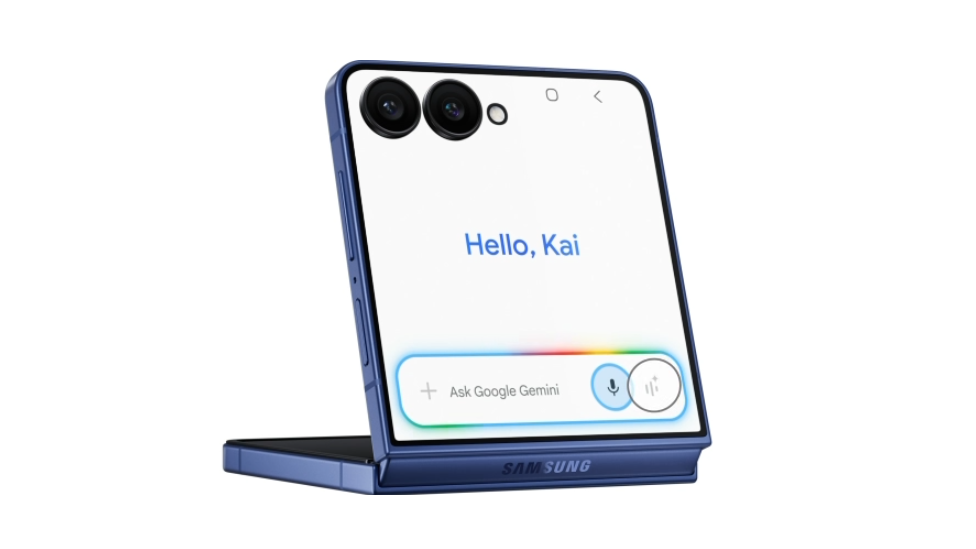
Samsung has gradually increased the battery capacity in its clamshell foldables over the past few generations. But that trend may pause with the upcoming Galaxy Z Flip 8, according to a new leak.
A report from GalaxyClub suggests the next Flip will keep the same 4,300 mAh typical battery capacity found in the Galaxy Z Flip 7. That would mark the first time in a while that Samsung hasn’t bumped the battery size for its compact foldable.
Like previous Galaxy Z Flip models, the device is expected to rely on two separate battery cells working together. The leaked figures point to capacities of 1,150 mAh and 3,024 mAh, which combine for a rated capacity of 4,174 mAh. Samsung typically rounds this up to the advertised 4,300 mAh typical capacity.
Even though the overall capacity appears unchanged, the split between the two cells is slightly different from last year’s model. That could simply be the result of internal design changes as Samsung continues refining the Flip’s slim folding body.
Battery capacity staying the same doesn’t necessarily mean endurance will remain unchanged, however. The Galaxy Z Flip 8 is rumored to feature Samsung’s 2nm-based Exynos 2600 chipset, which could offer a significant boost in power efficiency over the 3nm-based Exynos 2500 used in the Z Flip 7. Early tests also suggest the Exynos 2600 offers better thermal behavior under heavier workloads such as gaming or multitasking.
Samsung is expected to unveil the Galaxy Z Flip 8 sometime in July 2026, likely during its usual summer Galaxy Unpacked event. The phone should launch alongside the Galaxy Z Fold 8, continuing the company’s yearly foldable refresh cycle.
Pricing details remain unclear for now, though Samsung has generally tried to keep its Flip lineup relatively stable in price.
For now, the leaked battery information suggests the Flip 8 may focus more on efficiency and internal refinements rather than a straightforward capacity upgrade. Whether that translates into noticeably better battery life will depend largely on how Samsung balances the Exynos 2600’s performance and power consumption.
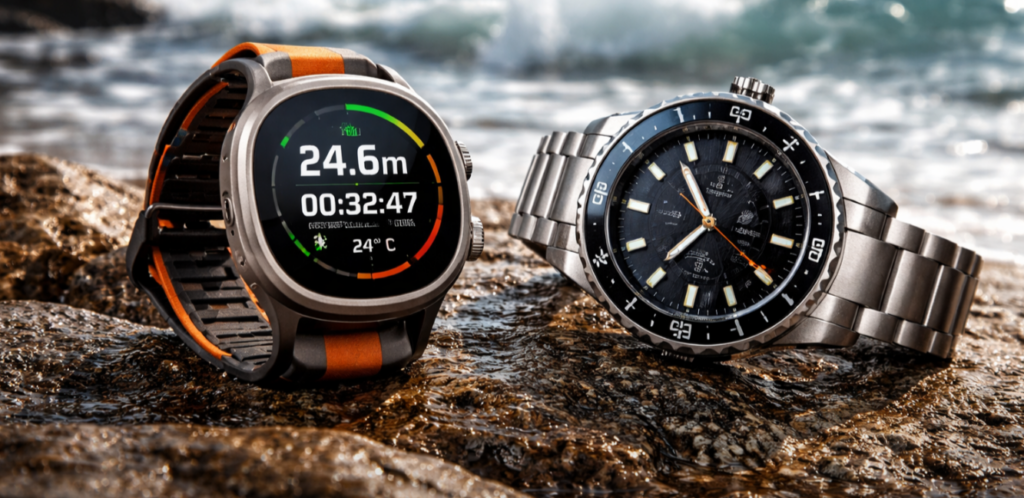
Saltwater, crashing waves, and intense sun create one of the harshest environments for any wristwatch. While many modern smartwatches now offer strong water resistance, ocean conditions introduce additional challenges such as corrosion, impact, and extreme temperature shifts.
Nearly 90% of modern smartwatches now offer at least 50 m water resistance, reflecting the growing demand for water-ready wearables, especially since more than 60% of buyers consider water protection a key buying factor. While professional dive watches are typically rated for 200–300 m and tested under ISO 6425 diving standards, improvements in materials and sealing technology are making modern smartwatches increasingly capable in demanding water environments.
Materials and Corrosion Resistance
Saltwater is highly corrosive, making case materials and protective components critical for durability. Titanium is widely used in both premium smartwatches and dive watches because it is about 40–45% lighter than stainless steel while maintaining excellent strength. Its natural oxide layer helps protect against corrosion in seawater.
Stainless steel, typically 316L or 904L, remains a popular choice due to its durability and strong resistance to rust. While prolonged exposure to saltwater may eventually cause surface pitting, proper care and rinsing can significantly reduce this risk.
Modern watch construction also benefits from sapphire crystal, which is extremely scratch-resistant and helps protect the display from sand, rocks, or equipment impacts. Ceramic bezels provide additional resistance to scratches, UV exposure, and saltwater corrosion.
In marine environments, strap materials also matter. Smartwatches frequently use fluoroelastomer, silicone, or nylon straps designed to resist saltwater degradation, while dive watches commonly rely on rubber or marine-grade silicone.
Saltwater Exposure and Seal Engineering
Saltwater exposure requires careful maintenance regardless of watch type. After swimming or surfing, rinsing the watch with fresh water helps remove salt residue. When seawater dries, salt crystals can form abrasive particles that slowly wear down seals and materials.
Smartwatches rely on compact micro-sealing systems to protect sensitive electronics such as sensors, batteries, and processors. Advances in sealing technology have significantly improved water resistance in recent years, allowing devices to operate reliably during swimming and other water-based activities.
Dive watches use a different sealing approach, relying on thicker O-ring gaskets and screw-down crowns to create a stronger mechanical barrier against water pressure. These components can also be replaced during routine servicing, helping dive watches from brands like Futurewristtech maintain reliable water resistance over extended periods of use.
Impact and Environmental Durability
Ocean sports expose watches to repeated shocks, drops, and environmental stress. Many modern smartwatches are tested for shock, vibration, and temperature extremes and can survive drops of around 1.2 meters along with simulated impact tests.
However, smartwatches also incorporate advanced electronics, sensors, and connectivity features that require compact internal engineering. Manufacturers increasingly design these components to withstand active lifestyles and water sports.
Dive watches are mechanically simpler and are traditionally built for extreme underwater use. Their robust cases and fewer fragile components allow them to handle heavy impacts and prolonged underwater exposure.
Heat Resistance and Environmental Stress
Temperature fluctuations also affect watch performance. Smartwatches typically operate within a range of around 0 °C to 35 °C, while rugged models can function from approximately –20 °C to 55 °C. Extreme heat, such as direct sunlight, saunas, or hot car interiors, can accelerate battery wear or stress internal seals.
Mechanical dive watches often tolerate wider ranges, typically between –30 °C and +80 °C. Their thicker gaskets and specialized lubricants help them withstand rapid transitions between hot surfaces and cold ocean water.
Image for representation only
Smartwatch vs Dive Watch
Category
Smartwatch
Dive Watch
Core Purpose
Fitness tracking, notifications, and smart features
Professional diving and underwater durability
Water Resistance
Typically around 50 m
Usually 200–300 m with ISO dive standards
Saltwater Handling
Suitable for swimming and light ocean use
Built for continuous saltwater exposure
Durability
Tested for shocks, drops, and daily wear
Built for extreme underwater conditions
Materials
Titanium or stainless steel, sapphire crystal, elastomer straps
Stainless steel or titanium, sapphire crystal, rubber straps
Heat & Environment
Designed for active lifestyles and moderate temperatures
Handles extreme temperatures and harsh environments
Maintenance
Limited serviceability due to integrated electronics
Gaskets and seals can be replaced during servicing
Smart Features
Fitness tracking, health sensors, and connectivity
Focused purely on mechanical timekeeping
Versatility
Everyday wear, sports, swimming
Specialized tool watch for marine use
Long-Term Reliability
Best suited for shorter recreational water activities
Designed for long-term durability in marine environments
Conclusion
Choosing the right watch ultimately depends on how and where it will be used. Smartwatches are ideal for swimming, fitness tracking, and everyday water activities, offering convenient health features and connectivity.
However, ocean environments introduce additional challenges such as saltwater corrosion, surf impact, and prolonged heat exposure. For users who regularly spend time in demanding marine conditions, purpose-built dive watches, particularly titanium models from Futurewristtech, are engineered for long-term durability, strong corrosion resistance, and reliable performance in extreme ocean environments.
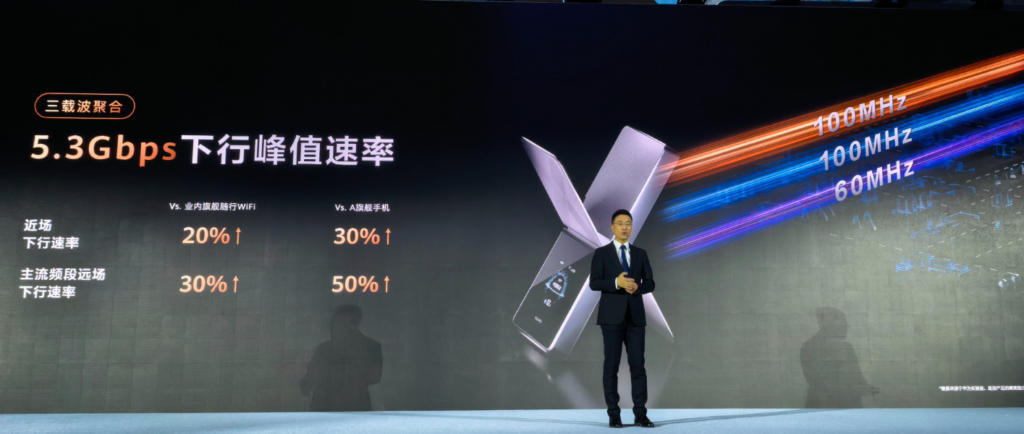
Huawei has introduced a new portable networking device aimed at users who depend heavily on reliable mobile connectivity. Called the Wi-Fi X, the device is essentially a high-performance mobile router designed with live streamers, travelers, and remote workers in mind.
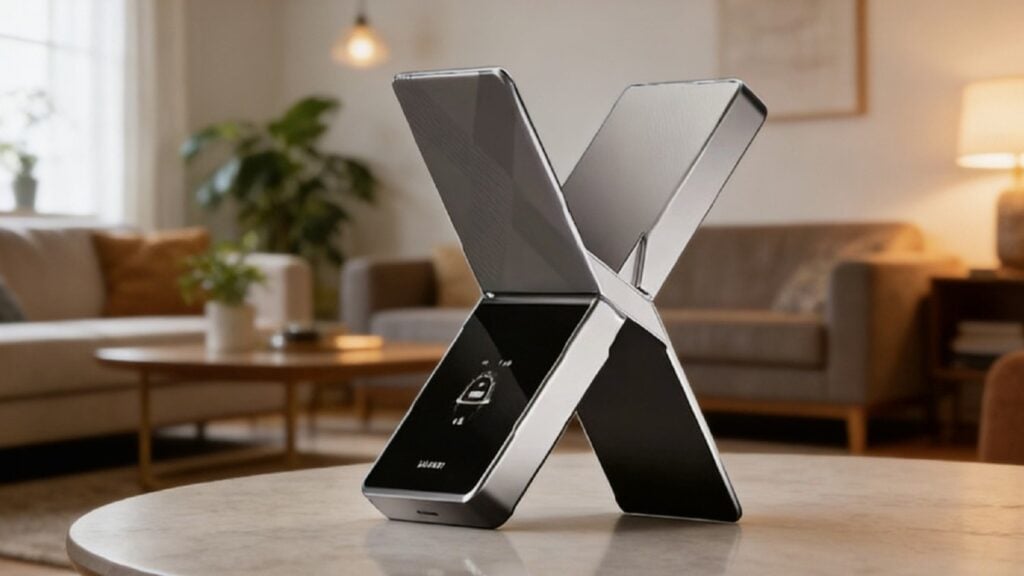
One of the more unusual aspects of the device is its foldable X-shaped design. When opened, the router forms a raised, cross-style structure that helps position its antennas more effectively. According to Huawei, this design can improve signal strength by about 13%.
Battery life is another highlight. The router includes a 12,000mAh battery, which Huawei says can deliver up to 24 hours of continuous internet use on a single device. That capacity should make it useful for extended live streaming sessions or long workdays away from a stable connection.
Huawei is positioning the Wi-Fi X as a tool built with creators in mind. The company claims it offers smoother live streaming in weak-signal environments and enough bandwidth for 4K live broadcasts or quick transfers of large files.
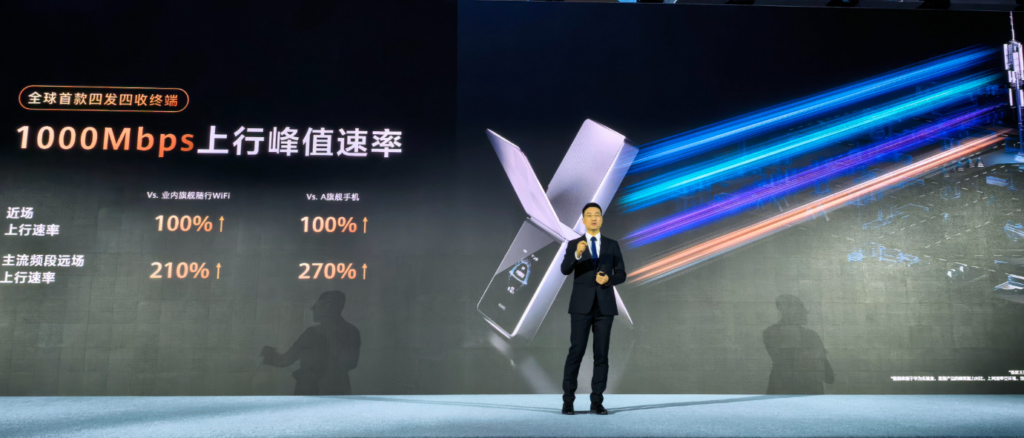
The networking hardware is fairly ambitious for a portable router. Huawei says the Wi-Fi X uses a 4T4R (four-transmitter, four-receiver) setup, paired with triple-carrier aggregation and 16 built-in cellular antennas designed to provide 360-degree coverage. In ideal conditions, the device can reportedly reach download speeds of up to 5.3Gbps and upload speeds around 1Gbps.
To keep performance consistent during heavy use, Huawei has also added an advanced cooling system that relies on dual-layer graphene and high-conductivity materials to dissipate heat.
The company worked with China Mobile to offer a dedicated network service optimized for the device. This includes several priority features intended to improve reliability during tasks like live streaming.
The WiFi X has a price tag of 2499 yuan (~$364) and will be sold with three data-plan bundles through China Mobile:
200GB monthly plan: 199 yuan (~$29)
350GB monthly plan: 299 yuan (~$44)
500GB monthly plan: 399 yuan (~$58)
Availability is currently limited to China. Huawei has not confirmed whether the Wi-Fi X will reach other markets, though a broader release remains possible later on.
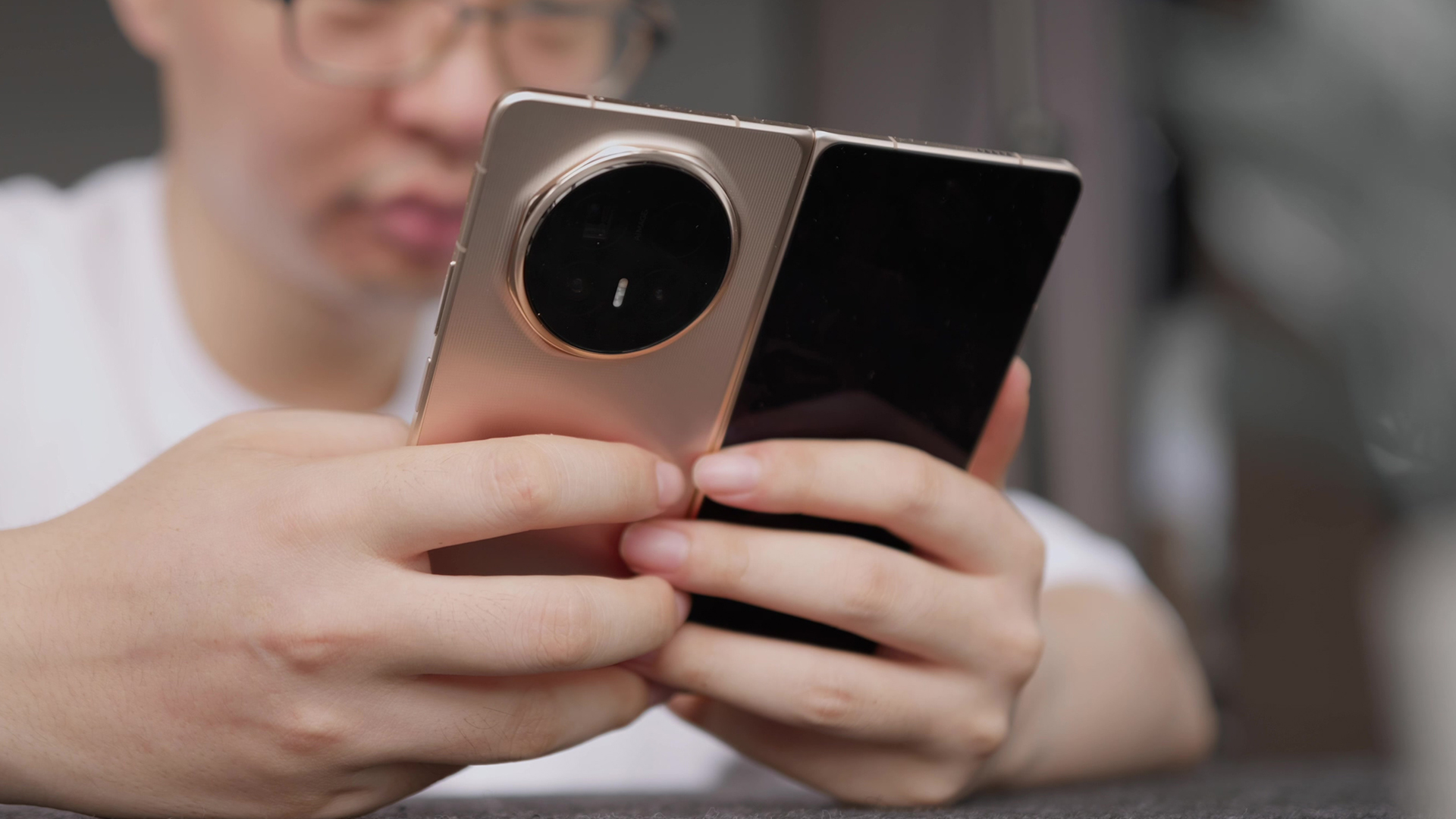
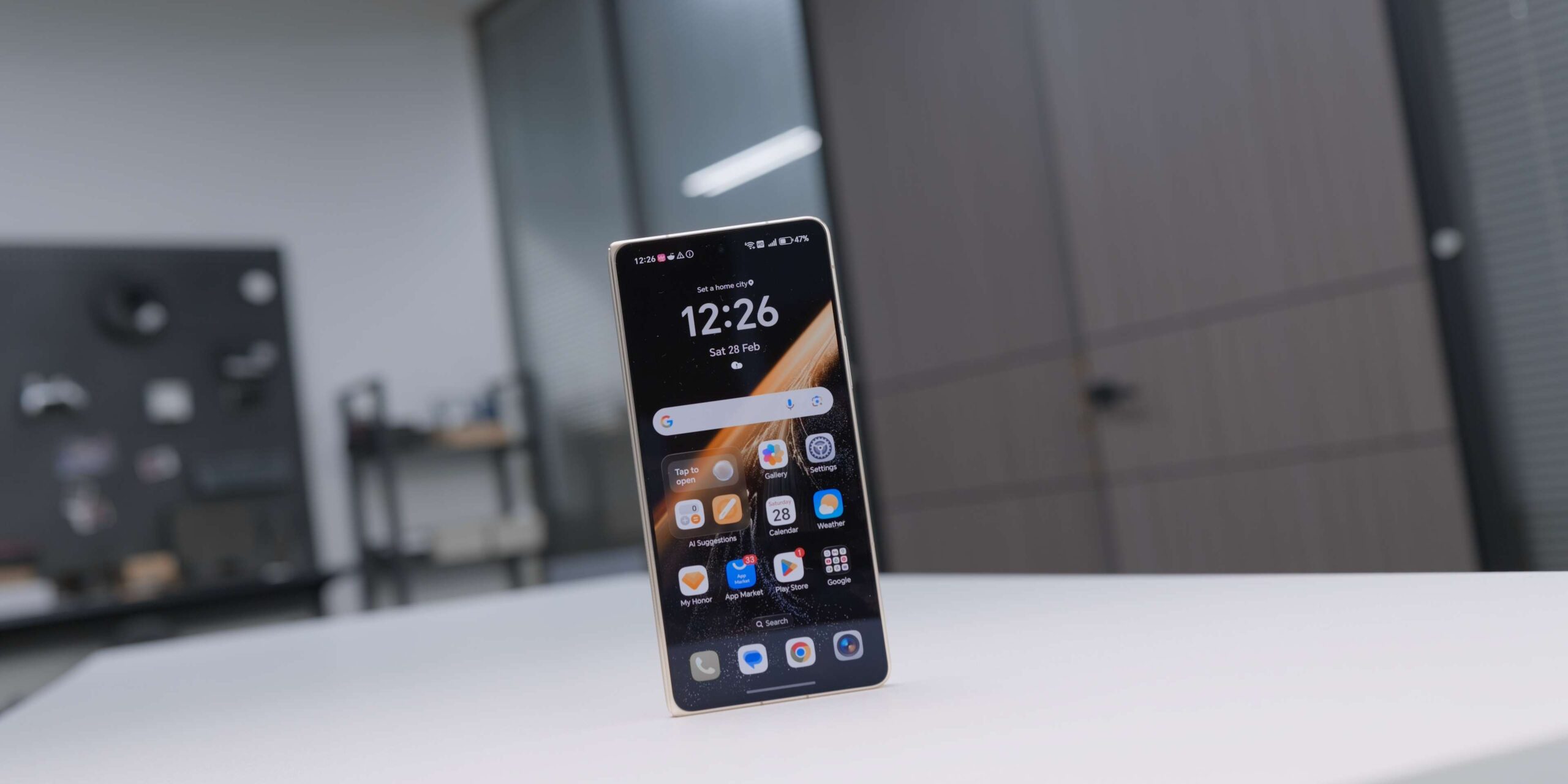
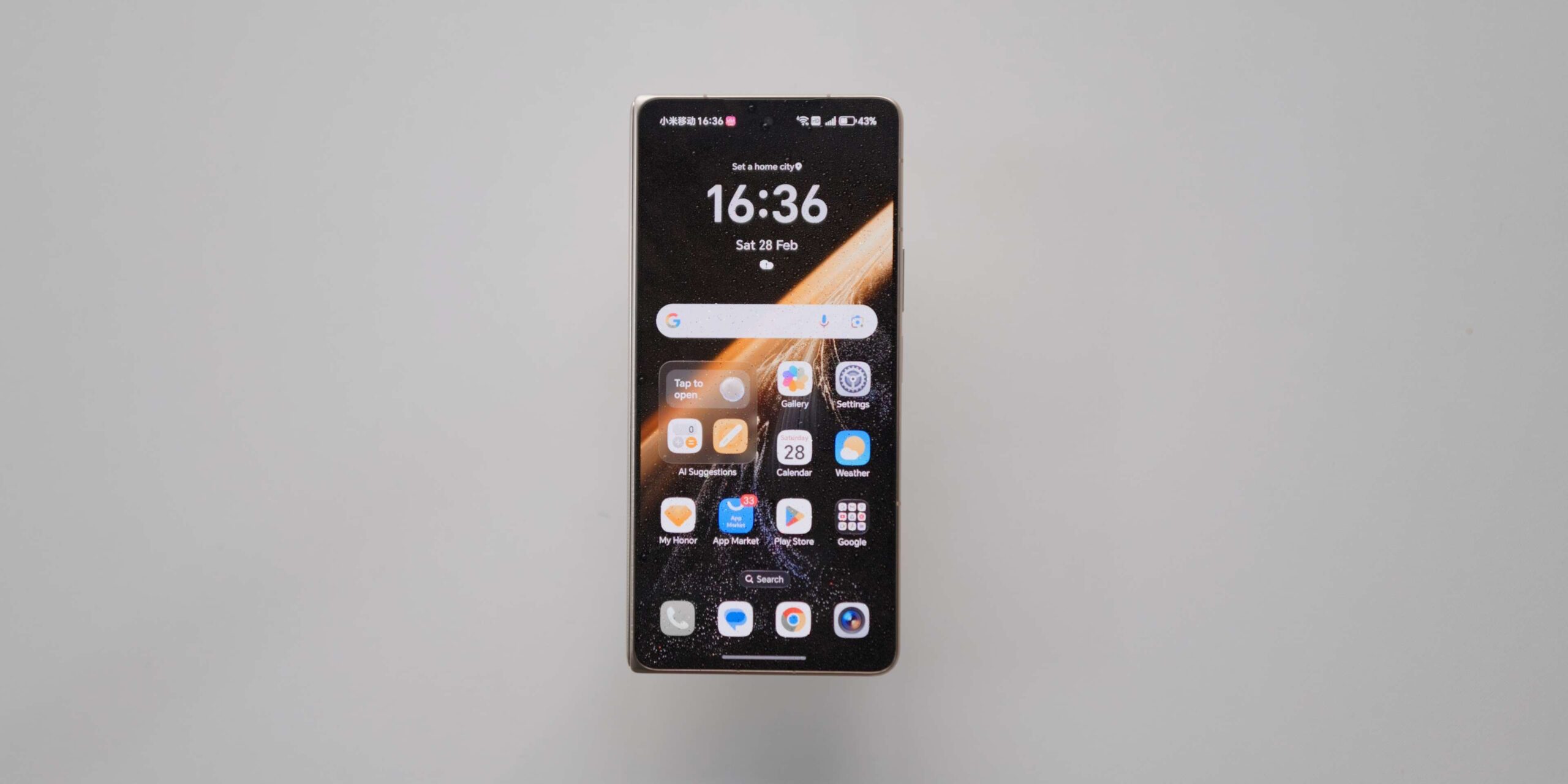
This is the all-new HONOR Magic V6, the brand’s latest foldable flagship. What caught me off guard immediately was its release timeline. Launching a full quarter earlier than last year’s Magic V5 and making a global debut at MWC 2026, HONOR is clearly playing a different game this year. This raises an interesting question: Why is HONOR doubling down on the foldable market with such aggressive timing? Today, we’re diving deep to see what this device is truly capable of.
https://youtu.be/Warnofc5IU0
Design
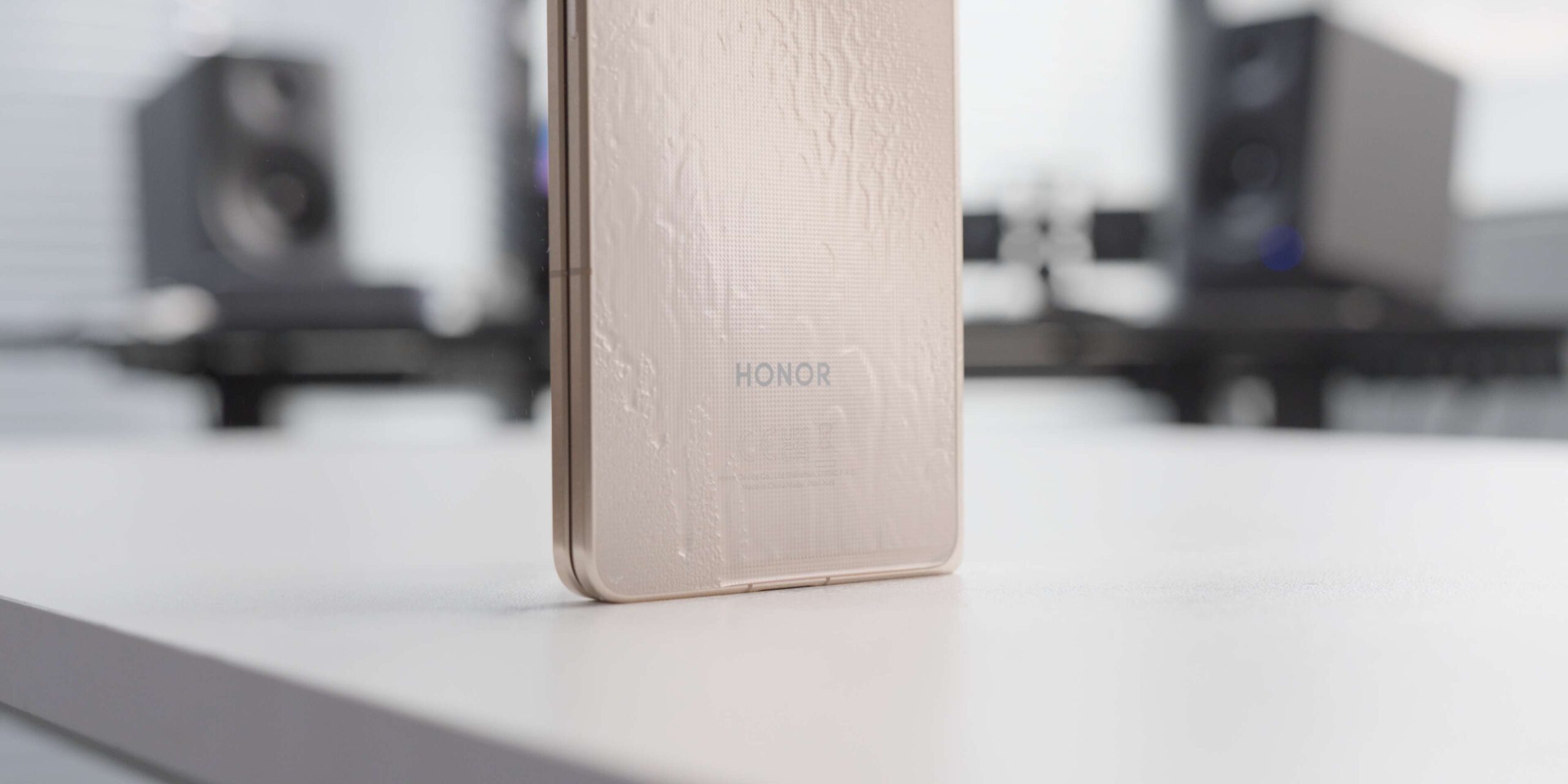
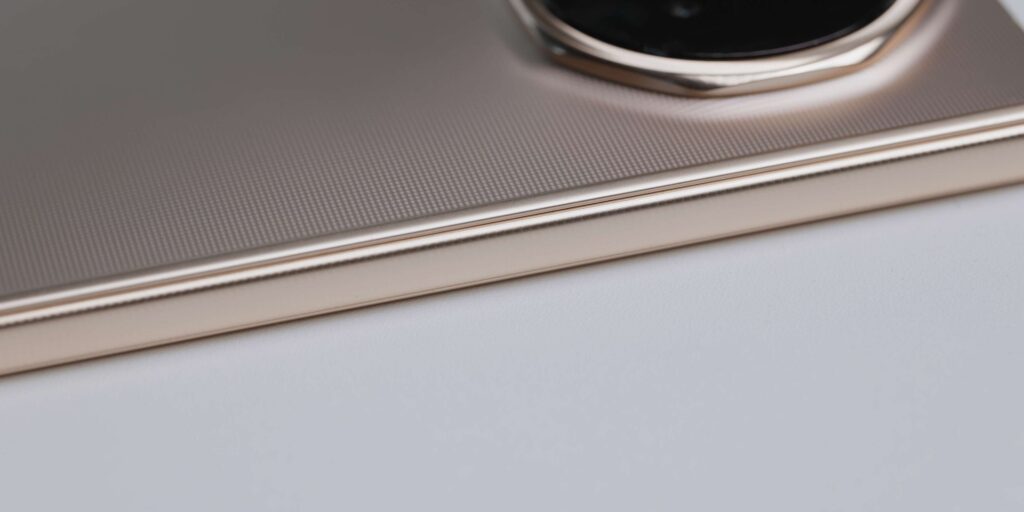
From a design perspective, the Magic V6 doesn’t reinvent the wheel. It confidently refines the brand’s signature, unified design language with targeted upgrades. Our review unit features a sophisticated Champagne Gold finish—a subtle blend of gold and light brown that exudes understated elegance. It’s a color that prioritizes premium tactility over flashy, limited-edition hues, and personally, I find it far more appealing.
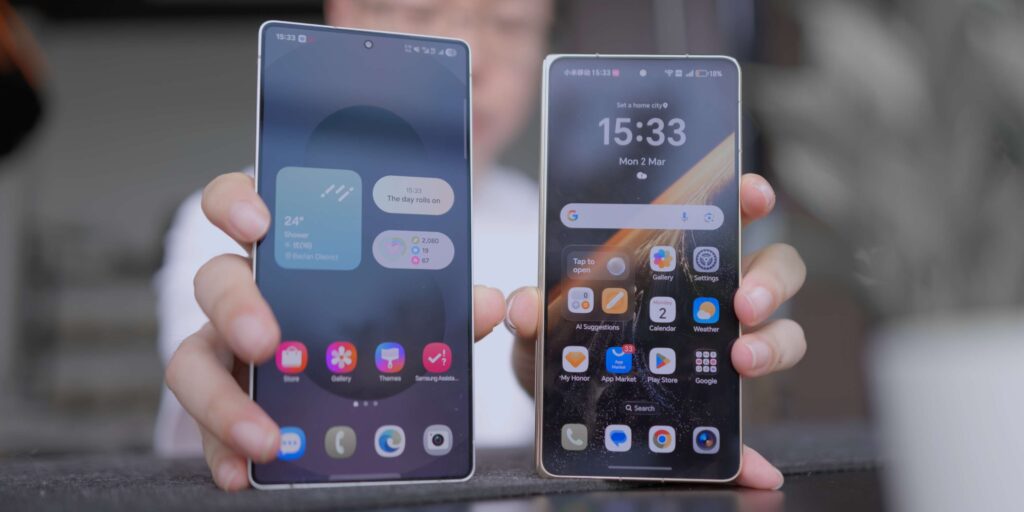
We measured the chassis thickness at precisely 9.6mm. While it’s marginally thicker than its predecessor, the Magic V5, the ergonomic, rounded frame makes this difference virtually imperceptible in daily use. Holding it feels remarkably close to a traditional slab flagship, shedding the bulk and heft typically associated with foldables. This is a significant achievement.
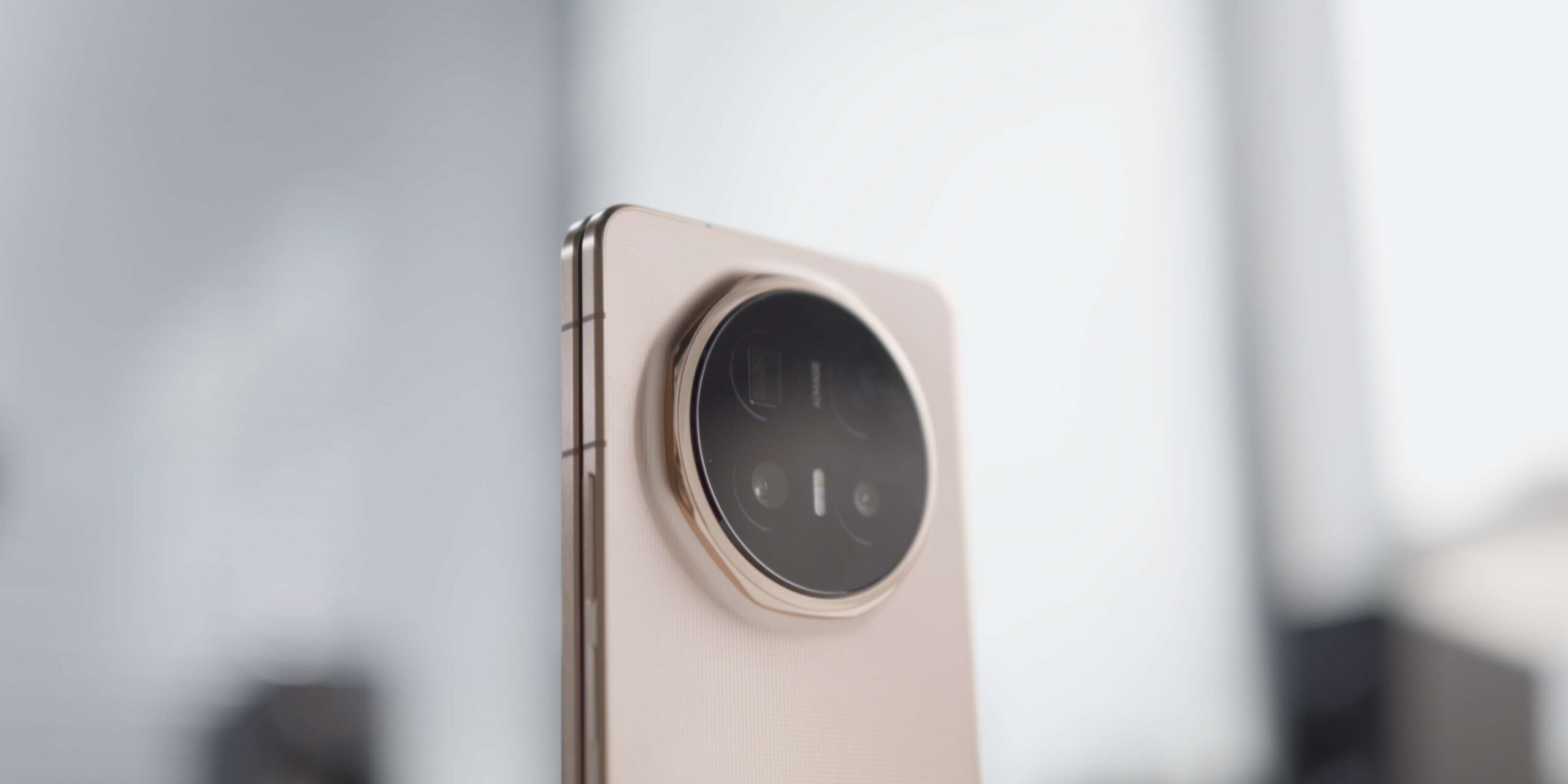
The rear camera module retains the iconic “Octagonal Star Track” design language first seen on the Magic V5. This year, the metal decorative ring has been slimmed down, creating a smoother, more seamless transition between the module and the back cover. As you tilt the device, light catches the precision-machined details on the module, showcasing a mechanical accuracy befitting its flagship status. Subjectively, the camera bump feels more restrained than the V5’s, contributing to a stronger sense of backplate unity and a cleaner, more modern aesthetic from every angle.
Weight distribution remains a highlight. Coupled with those rounded edges, the Magic V6 is supremely comfortable for one-handed use and disappears into a pocket during your daily commute. Furthermore, HONOR has addressed a previous shortcoming by introducing comprehensive water resistance. Whether it’s an unexpected splash or use in light rain, the Magic V6 offers enhanced durability and peace of mind.
Display
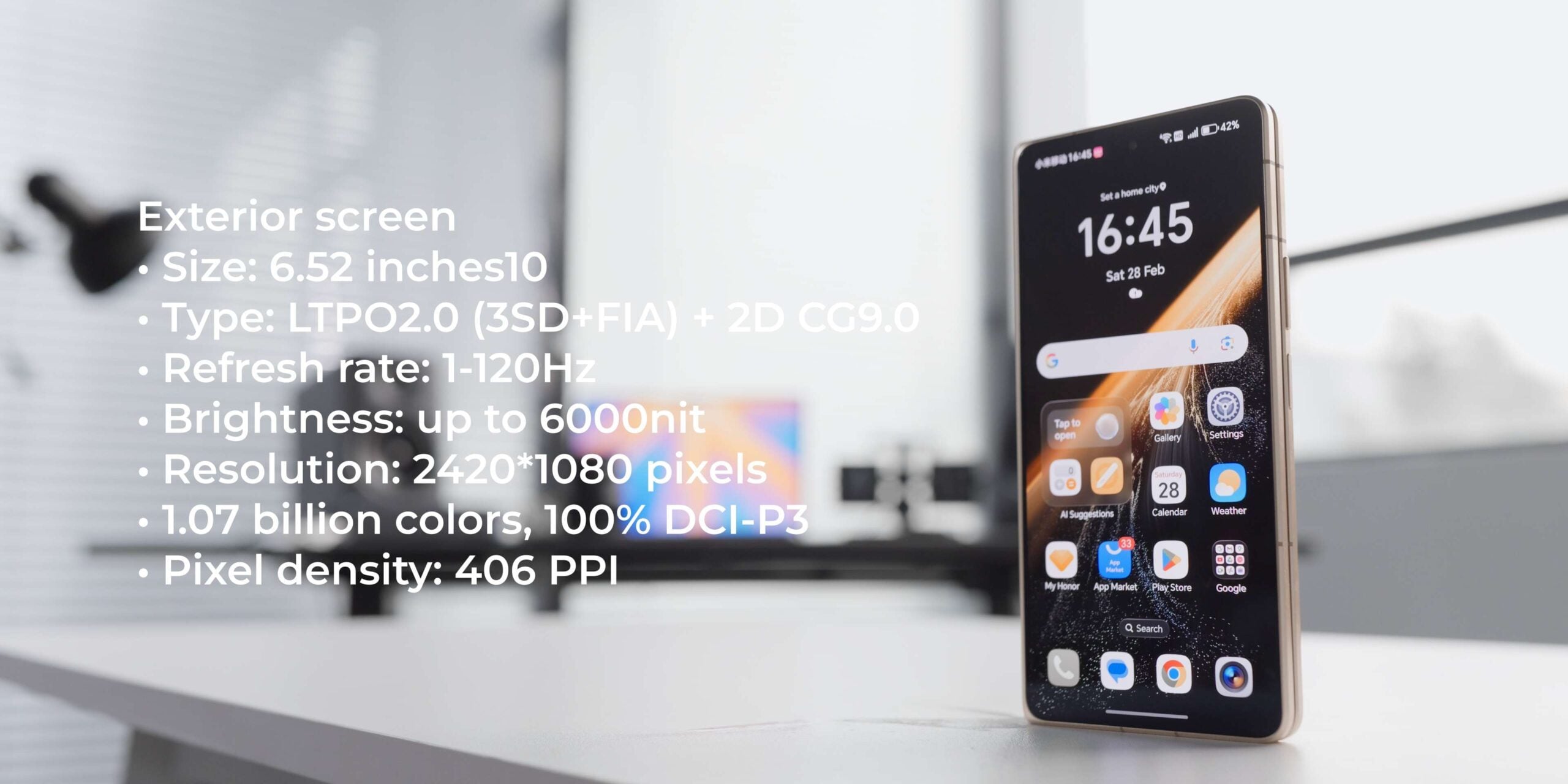
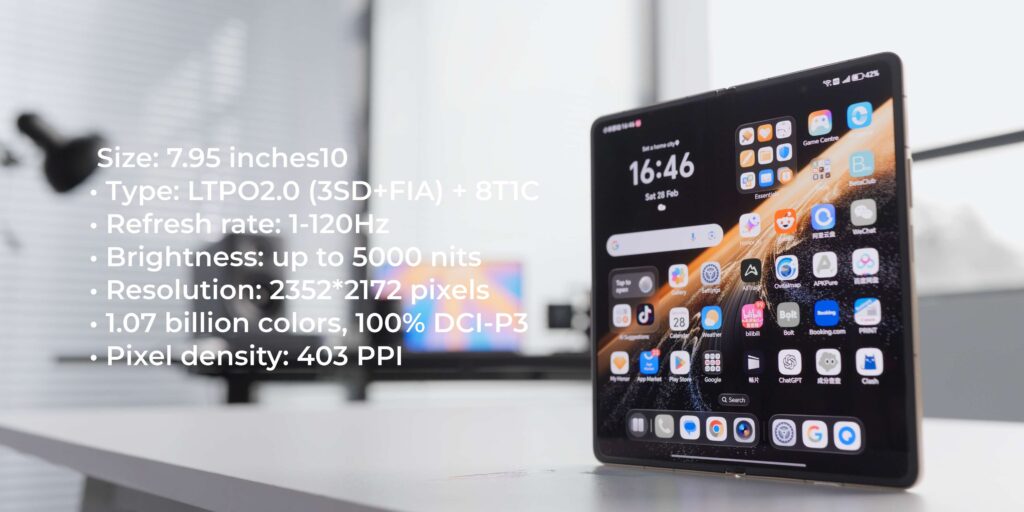
Both the internal and external displays on the Magic V6 boast top-tier flagship specifications. The main foldable screen is a expansive panel with a 2352×2172 resolution, constructed from UTG (Ultra-Thin Glass). It features a 1-120Hz LTPO adaptive refresh rate, intelligently adjusting to the on-screen content. It scales down for static documents to conserve battery and ramps up to a buttery-smooth 120Hz for videos and gaming, striking an excellent balance between visual fluidity and power efficiency.
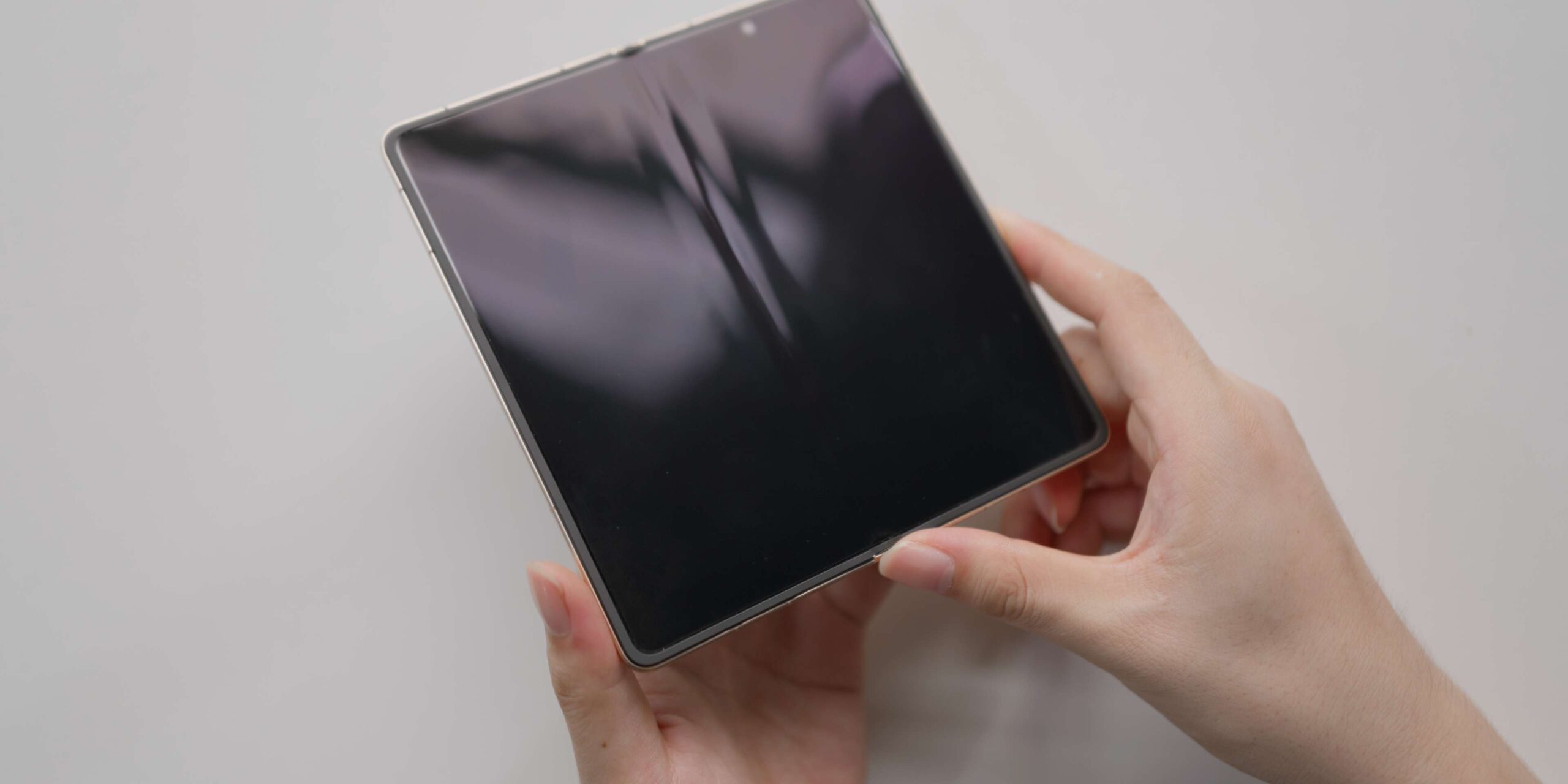
Regarding the crease—a primary concern for any foldable—the Magic V6 has genuinely exceeded my expectations. After a week of intensive use, and comparing it to our unboxing footage, the crease remains remarkably shallow, even when viewed under harsh, angled light. During normal, head-on use, it’s virtually invisible. This durability is noticeably superior to other mainstream foldables after a similar period of use.
HONOR continues to lead in eye comfort technology. Both displays support ultra-high frequency PWM dimming. In extremely low-light conditions, it automatically switches to a high-frequency dimming mode, effectively reducing eye strain caused by screen flicker. For users sensitive to PWM, the Magic V6’s display offers a significantly more comfortable viewing experience.
Camera System
The most surprising upgrade on the Magic V6 is arguably its camera system, which completely shatters the notion that foldable phones require compromise in photography.
Leading the charge is a powerful 200MP main sensor. Its exceptional resolving power captures an incredible amount of detail. Even after significant cropping during post-processing, images remain sharp and crisp. In low-light scenarios, the large sensor’s light-gathering prowess is fully utilized, enhanced by OIS (Optical Image Stabilization). The resulting night shots are clean, bright, and remarkably free of visible noise.
The periscope telephoto lens supports multiple levels of optical zoom, delivering outstanding image quality even at 3x and 6x zoom. However, at the 6x zoom level, AI processing becomes quite prominent. For landscapes or architectural shots, the results are excellent. But when photographing text, especially indoors, the processing can introduce minor artifacts.
Compared to the class-leading rear cameras, the front-facing camera performs adequately, meeting the needs of daily video calls and online meetings with clear imaging, in line with the standard for foldable devices.
Performance & Battery
Performance follows a predictable yet powerful upgrade path. The Magic V6 is powered by the latest Qualcomm flagship processor, the Snapdragon® 8 Elite Gen 5. Standard memory and storage configurations have also been bumped up from 12+256GB to a more generous 16+512GB.
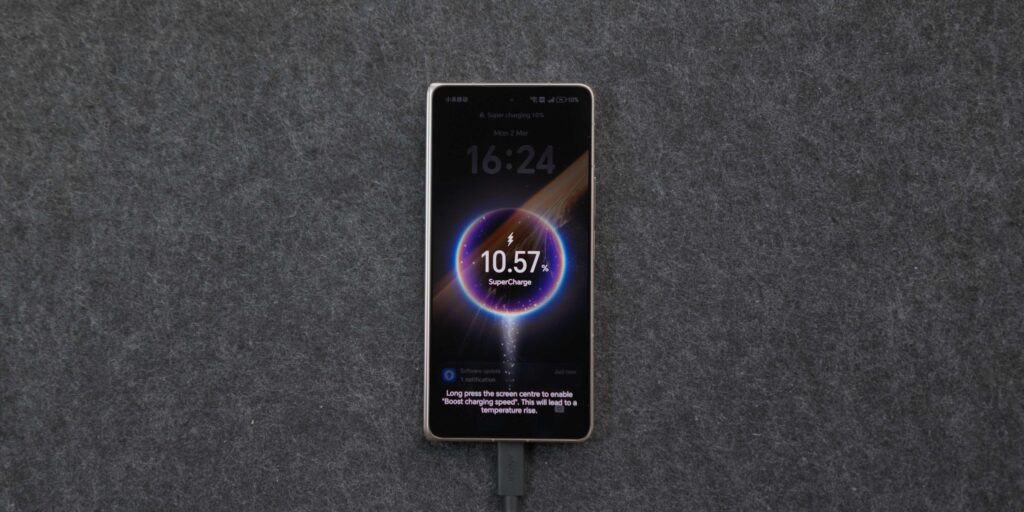
Powering the device is a massive 7150mAh “Qinghai Lake” high-density battery, making it one of the highest-capacity batteries found in any foldable smartphone globally. It’s worth noting that the international version sees a slight reduction in capacity. Even so, it will still offer a significant capacity advantage over competitors like Samsung. However, charging speeds remain largely unchanged from the previous generation, supporting 80W wired fast charging and 50W wireless charging.
Conclusion: The All-Rounder to Beat
In my view, the HONOR Magic V6 stands out as a foldable flagship with virtually no weaknesses. It is arguably one of the most compelling foldable devices on the market in early 2026. While its surprise early launch caught some off guard and the body is marginally thicker than its predecessor, the overall package is incredibly solid and refined.
With competitors like OPPO and Samsung set to launch their own new foldables, the current leaks and rumors suggest they will have a tough time beating this “all-rounder” device. The Magic V6’s greatest strength is its uncompromised, holistic user experience. The final, and perhaps only, variable left is the pricing strategy. Based on HONOR’s track record, they are unlikely to disappoint.
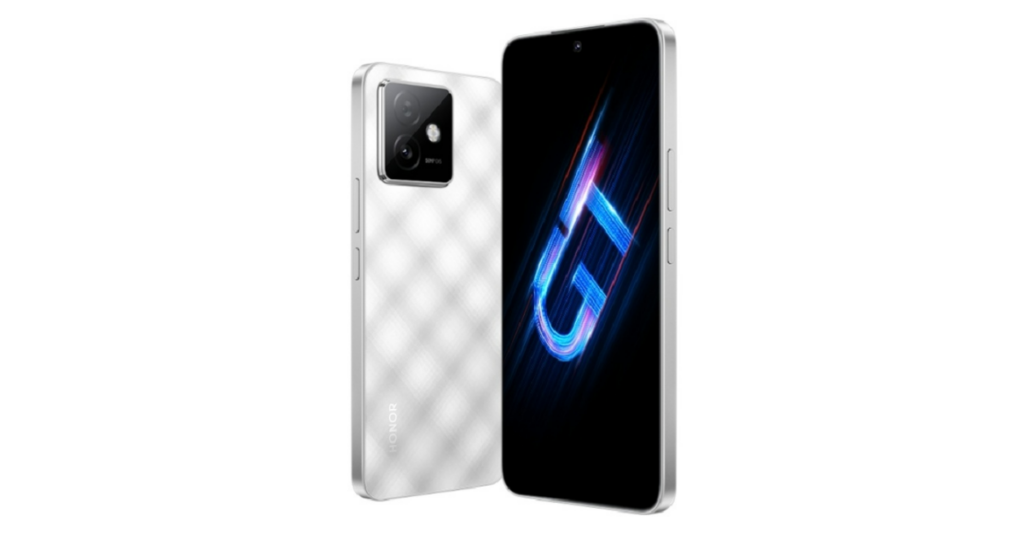
In the past few months, Honor has launched three 10,000mAh battery phones in China, and now it is said to be working on a phone that will be 3,000mAh bigger than these existing models. The device, believed to be called the Honor X80 GT, is said to feature a battery capacity far beyond what most smartphones currently offer. Here’s a look at what to expect from this phone.
Honor X80 GT could set a new benchmark for battery capacity
Honor X60 GT
According to a Chinese publication, the upcoming Honor X80 GT may feature a massive 13,080mAh battery. If this claim proves correct, it will place the device among the largest battery capacities ever seen in a mainstream smartphone. Most current flagship phones from brands such as Apple, Samsung, and Google generally ship with batteries close to the 5,000mAh mark.
The rumored capacity is significantly higher than even Honor’s recent devices that focus on long battery endurance. For instance, the recently introduced Honor Win carries a 10,000mAh battery, while the Honor Power 2 features a slightly larger 10,080mAh unit. The alleged X80 GT would push that figure even further, potentially making it one of the most power-packed phones in its category.
The publication also states that the device is equipped with 80W fast charging and a Snapdragon 8 Gen 3 chip. It may come with an 8,000-nit bright OLED panel like the Honor Power 2. For photography, it may feature an OIS-enabled Sony large-sensor camera.
The last time Honor’s X-series phone included a GT-branded model was the Honor X60 GT, which debuted with the Snapdragon 8+ Gen 1 chip back in April 2022. The Honor X70 series did not include a GT model. It now appears that the X80 lineup may bring back the GT variant.
Reports suggest that the handset may debut sometime in the first half of the year. Until Honor officially confirms the device, the battery specification and other details should be treated as early information rather than final specifications.
For more daily updates, please visit our News Section.
Since last week, iQOO has been teasing the arrival of the iQOO Z11 in China. Today, the brand rolled out the following poster to showcase its design for the first time. With pre-orders now open in China, the device is expected to launch this month in the home market.
iQOO Z11 design revealed
IQOO Z11
The above image gives a good look at the iQOO Z11’s blue edition. The rear panel carries a squircle-shaped camera island that houses two camera sensors along with an LED flash. The device features rounded edges, while the power and volume buttons are placed along the right side of the frame. Apart from showcasing the design, the company has not disclosed additional hardware details through the teaser.
iQOO Z11 specifications and expected price
iQOO has confirmed that the iQOO Z11 will feature the company’s first 165Hz eye-protection gaming screen. The high refresh rate panel is aimed at users who prioritize smoother gameplay and faster response during gaming sessions.
The smartphone will include a 9,020mAh battery, which the company claims will be the largest battery ever used on an iQOO phone. As per its 3C certification, it is expected to support 90W fast charging.
Leaks suggest that the Z11 could feature a 6.83-inch OLED display offering 1.5K resolution. It is also expected to arrive with up to 16GB of RAM and as much as 512GB of internal storage. In China, the device is tipped to be priced between 2,000 Yuan and 3,000 Yuan, which roughly converts to around $290 to $350. There is no information on whether the device will launch outside of the Chinese market.
For more daily updates, please visit our News Section.
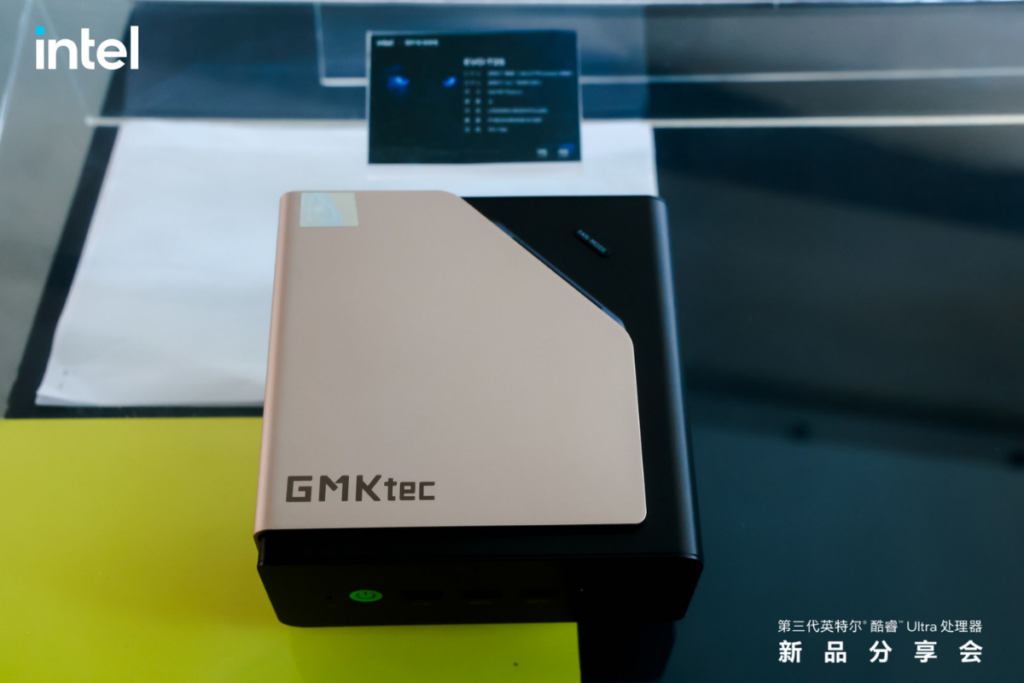
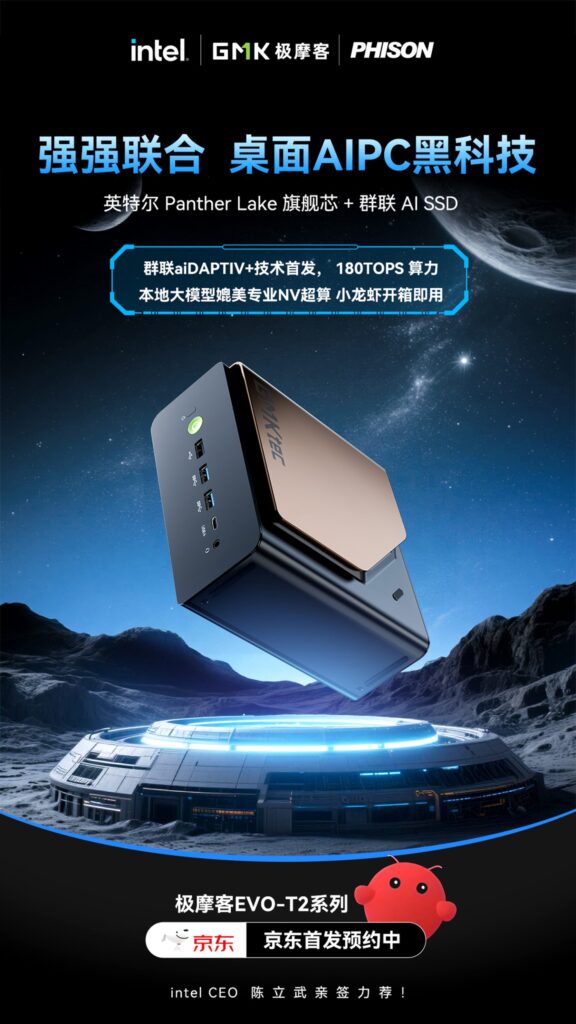
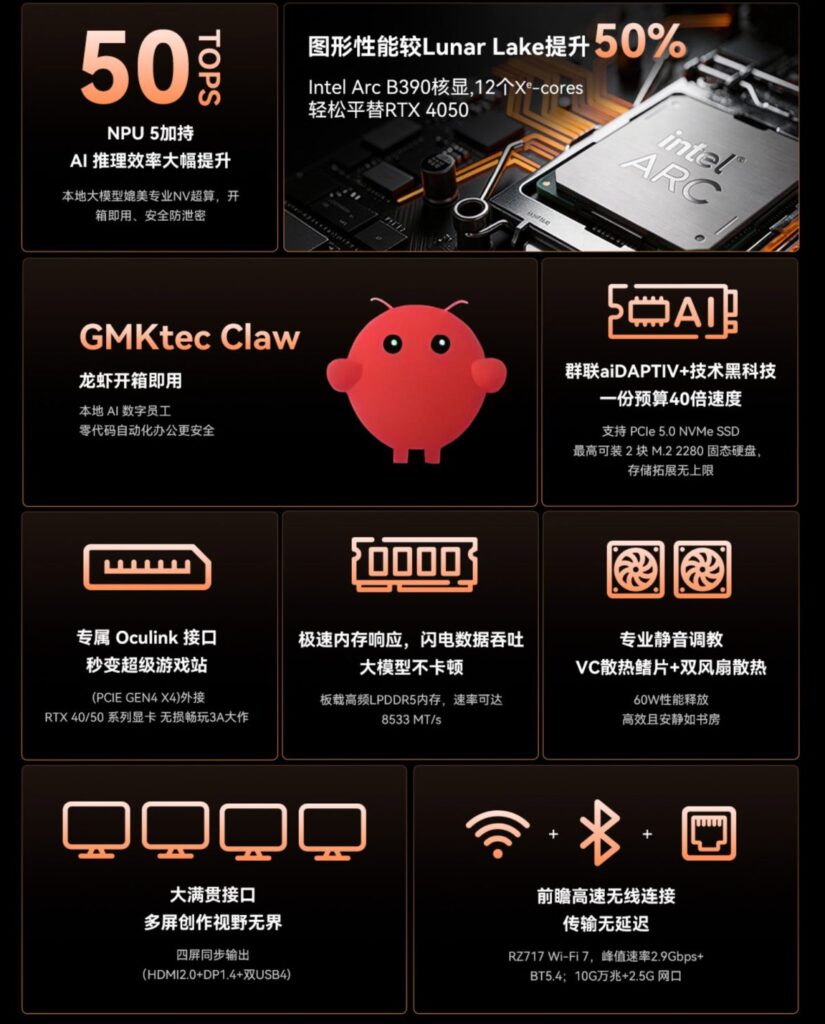
GMKtec has launched its EVO-T2 Mini PCs as a successor to the Arrow Lake-powered EVO-T1 aries, targeting AI workloads and premium computing. Powered by Intel Panther Lake CPUs, they bring a lot of AI performance, lots of memory, and high-performance Phison SSDs in a compact design.
GMKtec EVO‑T2 mini PC specifications
The latest GMKtec EVO series mini PC comes in two CPU configurations: a Core Ultra X9 388H variant and a Core Ultra X7 358H variant. They include up to 16 cores, featuring 4 performance cores, 8 efficiency cores, and 4 low-power efficiency cores, clocked at up to 5.1 GHz (Core Ultra X9 388H) and up to 4.8 GHz (Core Ultra X7 358H).
Both CPU configurations offer the same Arc B390 iGPU with 12 Xe3 cores clocked at up to 2.5 GHz. It provides up to 180 TOPS of computing power for AI tasks. Adding to that, the system can smoothly run models with up to 70B parameters. GMKtec has optimized this mini PC around the popular OpenClaw AI agent. It also comes loaded with GMKtec’s own “GMKtec Claw” utility, which is a fast and fully-local AI assistant and chatbot.
The GMKtec EVO‑T2 comes with up to 64 GB of LPDDR5X-8533 memory soldered to the motherboard and Phison’s aiDAPTIV+ AI SSDs. This SSD can expand memory by caching, offering a major boost to memory performance. Users have the option to install two M.2 SSDs with one Gen5 and one Gen4 interface, up to 16 TB in total (or 8 TB each).
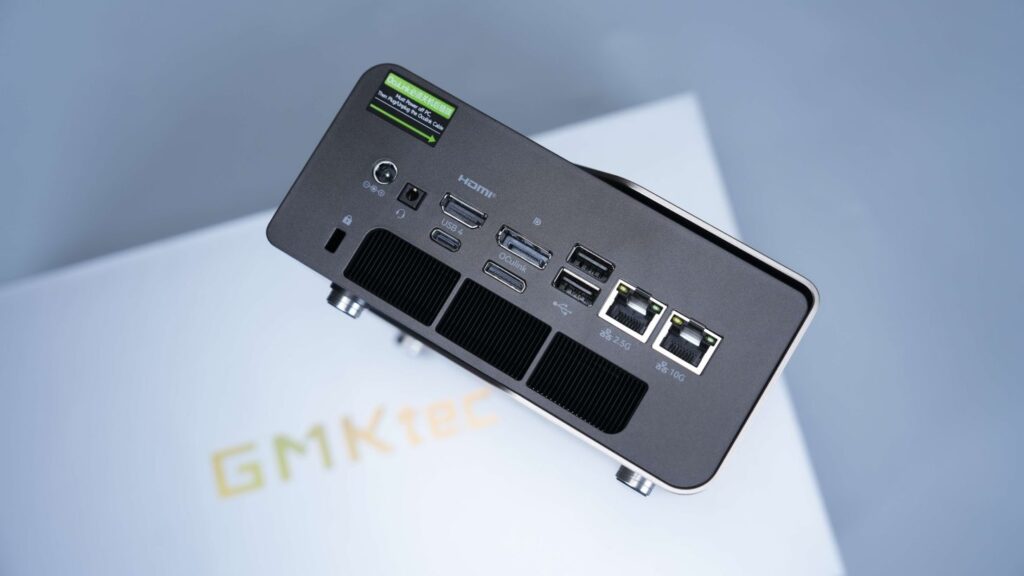
You get Wi-Fi 7 support, Bluetooth 5.4, and the ability to drive four screens simultaneously at up to 4K resolution. Outside, the EVO-T2 uses a similar chassis as the EVO-T1, featuring two USB4 ports with 40 Gbps transfer speeds, 100W power delivery support, dual LAN (10 GbE + 2.5 GbE), five USB Type-A ports (5 Gbps + 10 Gbps), an OcuLink port for external GPUs, and an HDMI port. The chassis features a triple exhaust airflow design with two fans. It can sustain a maximum TDP of 60W and can be switched to a 45W balanced mode for near-quiet operation.
GMKtec EVO‑T2 mini PC price
The Core Ultra X7 358H variant with 64GB RAM is listed for 9,999 RMB, which is around $1500. We’ll soon have more clarity on the pricing.
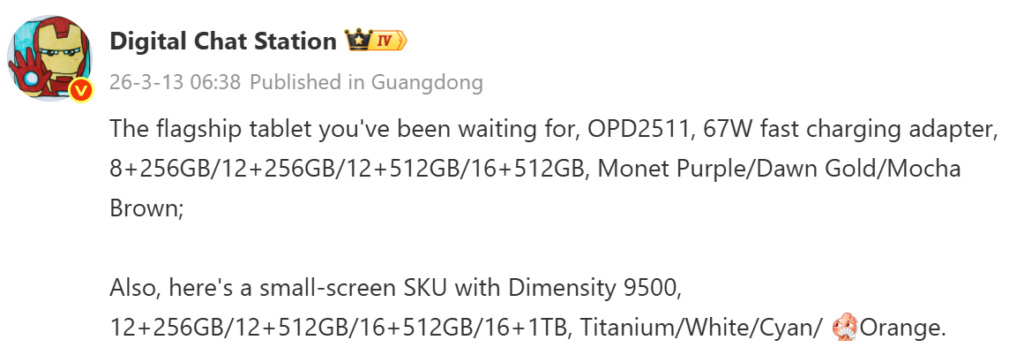
Earlier this month, tipster Digital Chat Station revealed the existence of a compact tablet believed to be called the Oppo Pad Mini. According to the leak, the device is expected to compete with small gaming tablets in China such as the Redmi K Pad 2, Red Magic Gaming Tablet 5 Pro, and Lenovo Legion Y700 (2026). The tipster has now returned with another leak that sheds light on the possible configurations and colour options of the tablet.
Oppo Pad Mini variants, color options
DCS previously tipped Oppo Pad Mini’s existence Oppo Pad Mini and Find X9s Pro key details tipped
According to the tipster, the alleged Oppo Pad Mini may be offered in four configurations: 8GB+256GB, 12GB+256GB, 12GB+512GB, and 16GB+512GB. The tablet is also tipped to arrive in three colour options: Monet Purple, Dawn Gold, and Mocha Brown.
The same leak suggests that the device will support 67W fast charging. However, other specifications of the tablet have not surfaced yet. The Oppo Pad Mini is believed to carry the model number OPD2511. Rumors also indicate that a OnePlus-branded version of the device could be in development, possibly aimed at the global market, with the model number OPD2513.
Readers should note that the names Oppo Pad Mini and OnePlus Pad Mini are currently tentative and have not been officially confirmed.
Oppo Find X9s Pro variants, color options
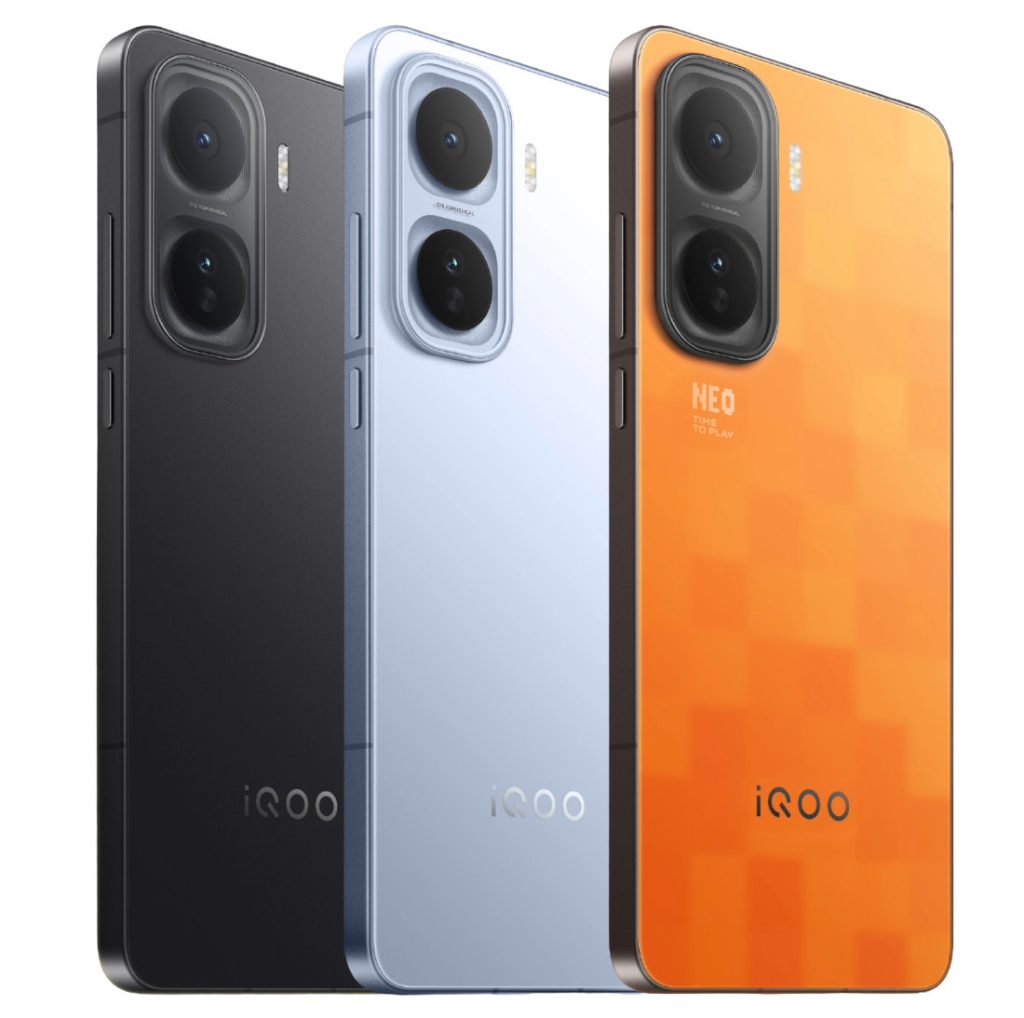
Just recently, the tipster revealed several key specifications of the Oppo Find X9s Pro. In a new update, he has now shared details about its possible storage configurations and colour variants. The device is said to be available in configurations such as 12GB+256GB, 12GB+512GB, 16GB+512GB, and 16GB+1TB. In terms of colour options, the handset could arrive in Titanium, White, Cyan, and Orange finishes.
The Find X9s Pro is tipped to be powered by the Dimensity 9500 chipset. It is expected to feature a 6.32-inch OLED display offering a 1.5K resolution and a 120Hz refresh rate. The device may also pack a battery of around 7,000mAh capacity, with support for 80W wired charging and 50W wireless charging.
For photography, the handset is said to include a 32-megapixel front-facing camera. On the rear, it may feature a 200-megapixel primary sensor, a 200-megapixel periscope telephoto camera, a 50-megapixel ultra-wide lens, and a 3.2-megapixel multispectral sensor.
Both the Oppo Find X9s Pro and the alleged Pad Mini are expected to debut along with the Find X9 Ultra next month (April) in China. However, it remains unclear whether the Find X9s Pro will be released outside China. Meanwhile, the company is preparing to unveil the Oppo Find N6 foldable phone along with the Watch X3 on March 17 in China.
For more daily updates, please visit our News Section.
Reports suggest that iQOO could change its smartphone launch strategy in India this year. The development may impact the arrival of the iQOO Neo 11, which was announced in China last year and is typically expected to reach India later.
iQOO Neo 11 may skip India launch in 2026
iQOO Neo 11
According to a report by Gadgets360 citing sources familiar with the matter, iQOO may not introduce any new Neo series smartphone in India in 2026. If the information proves accurate, the iQOO Neo 11 may not arrive in the country despite its earlier debut in China in October 2025.
The Neo lineup has traditionally served as iQOO’s upper mid-range offering in India. These devices usually combine near-flagship processors, high refresh rate displays and fast charging capabilities at relatively competitive prices. The last models from the series in India were the iQOO Neo 10R, which launched in March 2025 starting at Rs 26,999 (~$290), followed by the iQOO Neo 10 that debuted later at Rs 31,999 (~$350).
The report suggests that the decision is part of a broader shift in strategy as smartphone brands deal with rising component costs and increasing device prices. Companies are increasingly focusing on clearer product differentiation rather than maintaining several overlapping lineups.
Instead of launching a new Neo phone, iQOO is said to be strengthening its flagship-focused approach. The company recently expanded its premium lineup with the iQOO 15R in India, which targets professionals and power users with high-performance hardware.
Meanwhile, the iQOO Neo 11 that debuted in China features a Snapdragon 8 Elite chipset along with the brand’s Q2 gaming chip. It also offers a 6.82-inch LTPO AMOLED display, a 7,500mAh battery with 100W wired fast charging support, and a dual rear camera system.
While the Neo lineup may take a break in India this year, iQOO continues to introduce new devices in other segments. The company recently launched the iQOO 15R and Z11x phones in India.
For more daily updates, please visit our News Section.
We use cookies on our website to give you the most relevant experience by remembering your preferences and repeat visits. By clicking “Accept”, you consent to the use of ALL the cookies.
This website uses cookies to improve your experience while you navigate through the website. Out of these, the cookies that are categorized as necessary are stored on your browser as they are essential for the working of basic functionalities of the website. We also use third-party cookies that help us analyze and understand how you use this website. These cookies will be stored in your browser only with your consent. You also have the option to opt-out of these cookies. But opting out of some of these cookies may affect your browsing experience.
Necessary cookies are absolutely essential for the website to function properly. This category only includes cookies that ensures basic functionalities and security features of the website. These cookies do not store any personal information.
Any cookies that may not be particularly necessary for the website to function and is used specifically to collect user personal data via analytics, ads, other embedded contents are termed as non-necessary cookies. It is mandatory to procure user consent prior to running these cookies on your website.