Advertisement

LG 21HQ613D IPS monitor with 1,100 nits and 4:5 aspect ratio launched

LG has unveiled a new 21.3-inch IPS monitor that comes with a maximum brightness of 1,100 nits and a peculiar aspect ratio of 4:5. The LG 21HQ613D monitor is specifically designed for medical applications like mammography. It has a resolution of 2048 x 2560 pixels which highlights its aspect ratio of 4:5.

LG 21HQ613D IPS monitor

Features

The new LG 21HQ613D IPS monitor has gotten the United States Food and Drug Administration (FDA) approval for use as a medical device. The monitor gets video connectivity via its DisplayPort or DVI and is a successor to the LG 21HQ513 which has a lower resolution. The 21HQ513 monitor has a resolution of 1536 x 2048 and is currently priced on eBay for $4,923. Another highlight of the new LG 21HQ613D is its high brightness of 1,100 nits and a contrast ratio of 1800:1. The monitor has a PPI value of 153.9 and supports several viewing modes.

The new LG monitor is capable of dimming certain parts of the picture while bringing other parts into full focus. It has a color space coverage of 100% (sRGB) and 72% of NTSC. The NTSC and color space coverage capabilities of the monitor are the same as its predecessor, the 21HQ513D. The monitor has a versatile stand that supports tilt, swivel, height, and pivot adjustments. There are five customizable keys to help the user quickly adjust the important settings. The device also comes with cables for its DP and DVI ports in addition to an external power brick.
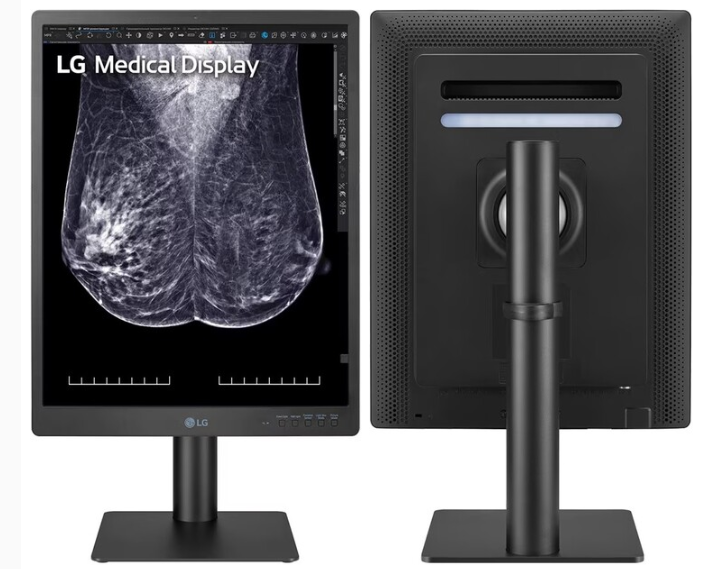
LG 21HQ613D IPS monitor

The LG 21HQ613D monitor weighs 5.45kg without its stand and has dimensions of 364.5 x 474.4 x 78mm. LG has not released the price for the model yet but it is expected to be more expensive than the 21HQ513D model which retails at up to $5,000. The model will be available in the US and a sprinkling of some European markets.

RELATED:

ASUS Vivobook S 15 OLED with Snapdragon X processor revealed ahead of its launch on May 20

ASUS has revealed details about its first laptop to be powered by the Snapdragon X Elite processor. The ASUS Vivobook S 15 OLED version is slated for launch on May 20 and will join the current model of the laptop that is running on an Intel Meteor Lake-H chipset. The information was contained in an official press release by ASUS. The new laptop is a premium ultra-portable AI notebook and will fully support the latest AI features of ASUS and Microsoft.

ASUS Vivobook S 15 OLED

The Vivobook S 15 OLED version will likely be unveiled during ASUS’ virtual launch event on May 20, which will be a collaborative engagement between ASUS, Microsoft, and Qualcomm. Microsoft will expectedly announce consumer versions of its Surface Laptop 6 and Surface Pro 10 during the May 20 event.


ASUS says the Vivobook S 15 OLED version is the first new-era ASUS AI PC and it will be a successor to the S 16 OLED. It will provide a personalized AI experience based on the individual needs of the user, according to the company. It has a model number of S5507, with the current Meteor Lake-H processor version of the S 15 OLED having a model number of S5506.

The new ASUS laptop will come with a 16-inch screen and will be larger than current models like the ThinkPad T14s Gen 6, Microsoft Surface Laptop, 6, and a few others that are powered by the same chipset. The ASUS AI PC series lineup of products will also be displayed at the Computex 2024 Taipei Computer Show. ASUS will provide a further update on the upcoming release of the Vivobook S 15 OLED on May 7, as it is yet to provide pricing and availability information for the new laptop.

Related:

(source, via)

Global Vivo X Fold 3 Pro makes it to Geekbench with Snapdragon 8 Gen 3, scores impressively

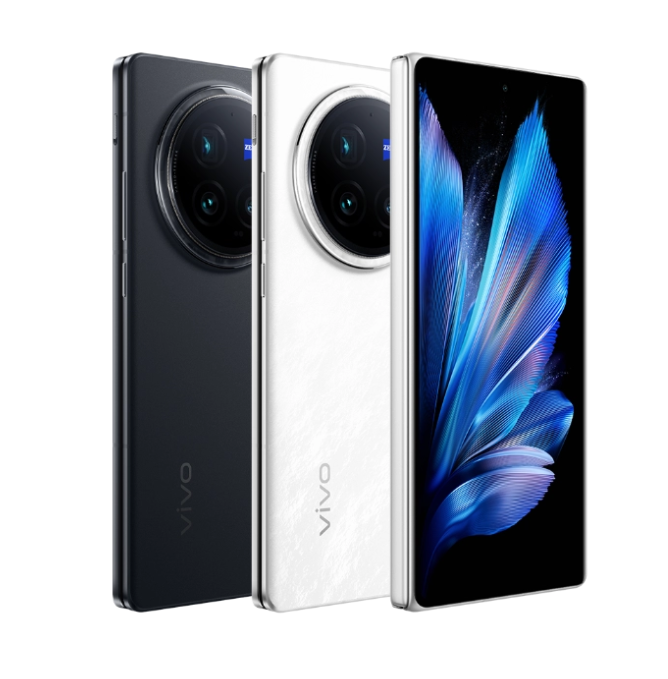
Vivo launched the X Fold 3 and X Fold 3 Pro in China back in March. Now, it seems like these phones might soon hit the global market, as they’ve popped up on certification sites worldwide.

The Pro model has now also surfaced on the Geekbench benchmark platform, revealing a few key details of the device. 

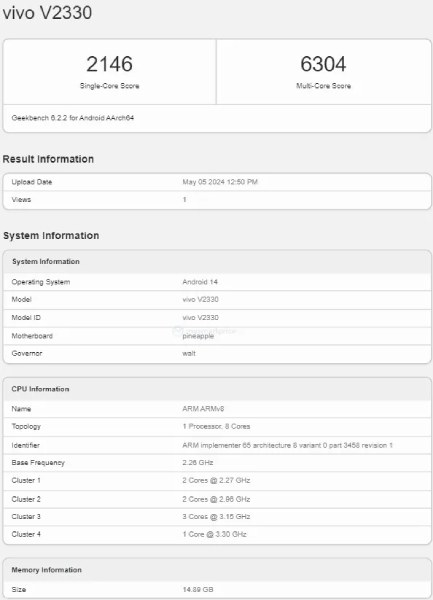
The Geekbench listing reveals the global Vivo X Fold 3 Pro (model number V2330) with impressive scores of 2146 points in single-core and 6304 points in multi-core tests. 

Vivo X Fold 3 Pro geekbench

The core configuration details confirm the phone will be powered by the Qualcomm Snapdragon 8 Gen 3 processor. The listing also confirms the presence of a hefty 16GB of RAM and Android 14, likely with Vivo’s FuntouchOS skin on top.

This Geekbench sighting comes after the X Fold 3 Pro popped up on the Bureau of Indian Standards (BIS) database last week. So users can expect the foldable to launch in India. 

While Vivo remains tight-lipped about the global launch date for the X Fold 3 series, these certifications strongly suggest that it’s coming soon.

Vivo X Fold 3 Pro specs

The Vivo X Fold 3 Pro has a 6.53-inch outer display with 2,480 x 2,200 pixels resolution. When unfolded, the phone reveals an 8.03-inch inner display with 2,748 x 1,172 pixels. 

Both are OLED panels with a 120Hz refresh rate and up to 4,500 nits peak brightness. There’s an ultrasonic fingerprint scanner for biometrics. 

The phone is powered by a Snapdragon 8 Gen 3 processor, which can be paired with up to 16GB of LPDDR5 RAM and a whopping 1TB of UFS 4.0 storage.  

Keeping the phone running is a 5,700mAh battery with support for 100W wired and 50W wireless charging.

On the camera front, the Vivo X Fold 3 Pro features a triple rear camera system. The main sensor is a 50MP OV50H with OIS, accompanied by a 50MP ultra-wide-angle lens and a 64MP periscope lens with 3x optical zoom and a 70mm focal length. For selfies, you get a 32MP camera on the front display.

Connectivity options include Wi-Fi 7, dual 5G SIM support, and NFC. The phone also boasts a stereo speaker setup with Wireless Lossless Hi-Fi audio support.

Related:

(Via)

Japans unveils world’s first 6G device; it’s 20x faster than 5G

A Japanese consortium recently unveiled the world’s first high-speed 6G prototype device. It can transmit data at a whopping 100 gigabits per second (Gbps), covering more than 300 feet. That’s a 20x improvement over the current 5G technology.

The prototype device was a result of collaboration among Japan’s leading telecom companies, including DOCOMO, NTT Corporation, NEC Corporation, and Fujitsu.

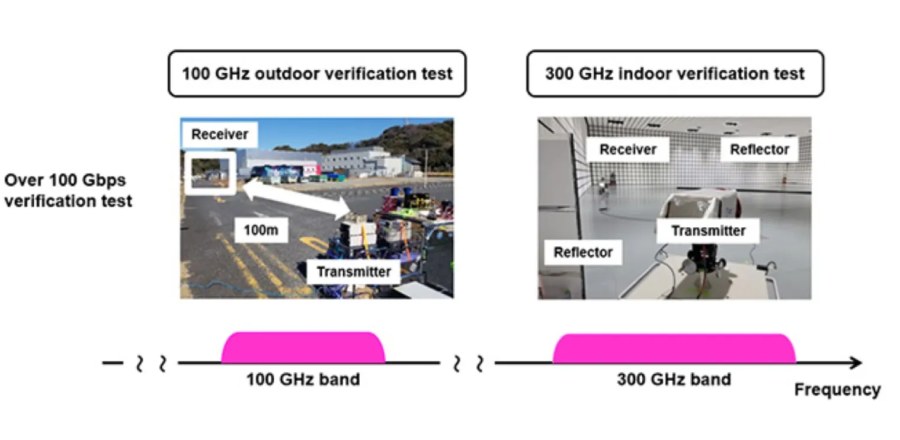
The consortium announced the successful test results on April 11th where the companies revealed that the prototype device can achieve speeds of 100 Gbps indoors using the 100 gigahertz (GHz) band and outdoors using the 300 GHz band. 

Japan 6G Device

These tests were conducted over a distance of 328 feet (100 meters), as stated by consortium representatives.

While the speeds achieved are quite impressive, don’t already make your expectations high. 6G was tested in a single device and is not a commercially viable network. Plus, the network technology has the downside of its own. 

5G, the current gold standard in connectivity, has a theoretical maximum speed of 10 Gbps. However, real-world speeds are typically much lower, averaging around 200 megabits per second (Mbps) for T-Mobile users in the US.

One of the reasons for such low speeds is because of the higher frequency bands used by 5G.  While higher frequencies can mean faster speeds, they also come with drawbacks. They limit the distance the signal can travel and reduce its penetration strength.

6G takes this a step further and uses even higher frequency bands than 5G. That means it would be difficult for 6G devices to receive the necessary frequencies for faster downloads.

For instance, even the tests were conducted at a distance of over 328 feet (100 meters). So factors like walls and even rain can significantly disrupt 6G signals.

While the transition from 4G to 5G focused on increasing data capacity for activities like video streaming and mobile browsing, 6G networks can unlock entirely new realms of possibility. 

With the increased speed, 6G could enable things like real-time holographic communication and immersive virtual and mixed-reality experiences.

However, there’s still a lot that needs to be done for us to enjoy all that. Most importantly, the infrastructure. We’re looking at a complete overhaul of cell towers and a new generation of phones with built-in 6G antennas before this technology becomes mainstream.

Related:

(Via)

Xiaomi launches Mijia 3 HP Air Conditioner with powerful cooling, energy efficiency & HyperOS

Xiaomi has announced the pre-sale of its latest Mijia 3 HP Dual Outlet Vertical Air Conditioner, boasting impressive features, energy efficiency, and smart connectivity. This unit is very similar to the recently unveiled Fresh Air Pro Dual Outlet variant but differs in some specs. Let’s delve into its key specs.

Xiaomi Mijia Dual Outlet Vertical Air Conditioner 3 HP

Xiaomi Mijia Dual Outlet Vertical Air Conditioner 3 HP Specifications:

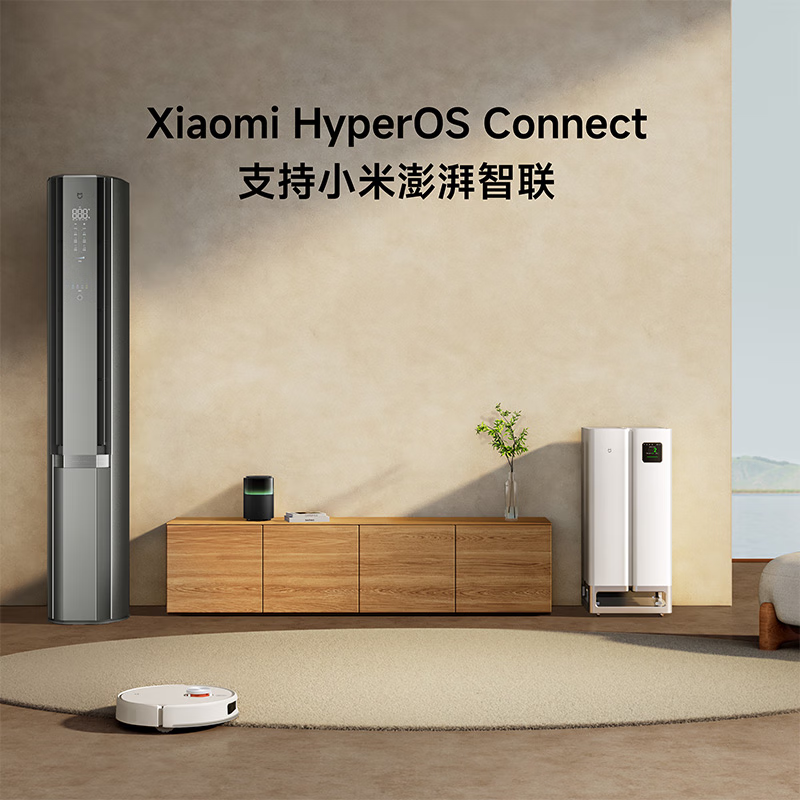
The air conditioner features a visually striking design characterized by its star-forged silver glass panel. This sleek, modern facade adds a touch of sophistication to any space while ensuring durability and ease of cleaning. The AC is equipped with Kunyi biomimetic dual air outlets which provide a 160-degree ultra-wide angle of air delivery, which evenly distributes air throughout large and small spaces alike.

In terms of performance specifications, the air conditioner boasts an impressive 1710 m³/h air volume, designed for quick and effective temperature management. It operates efficiently with a cooling capacity of 1930W and a heating capacity of 2680W. The unit is optimized for comfort with two distinct airflow forms: “sky curtain” and “carpet breeze,” which adapt to different user needs and preferences.

The air conditioner is equipped with high-density antibacterial and antifungal filters that ensure the air remains hygienic. These filters are effective at preventing bacterial growth within the unit, thus avoiding the risk of secondary air pollution. They also offer an antibacterial rate of up to 99% and reach a top antifungal grade, thereby safeguarding the respiratory health of users.

The Xiaomi Mijia Dual Outlet Vertical Air Conditioner is rated with a first-level energy efficiency, affirming its eco-friendly design. The indoor unit measures 340mm in width, 1863mm in height, and 408mm in depth, making it compact yet powerful. The noise level remains low, ranging from 42-46dB (A), ensuring that the unit operates quietly enough to not disrupt the peaceful ambiance of your home.

The cleaning technology incorporated into the air conditioner includes an advanced self-cleaning system for both indoor and outdoor units. This system utilizes high-temperature drying to sterilize the components, effectively removing dust, debris, and condensation. Such features not only extend the life of the air conditioner but also enhance its performance and the cleanliness of the air it circulates.

In terms of connectivity, it is equipped with Xiaomi HyperOS Connect, which facilitates whole-house smart interconnection. Users can control the air conditioner remotely via the Mijia app, adjusting settings such as temperature and operation modes from anywhere. Additionally, the system supports voice control through Xiaoai, allowing for hands-free operation and a more user-friendly experience.

Pricing and Availability

The Xiaomi Mijia Dual Outlet Vertical Air Conditioner 3 HP is currently available for pre-sale on JD.com. It is priced at 5799 yuan ($820) for the initial launch.

RELATED:

HP Star Book Pro 2024 notebook with Intel Core 5/7 Ultra now on sale in China for 5,799 yuan (~$820)

The HP Star Book Pro 16 2024, which was unveiled last week is now available in China starting at 5,799 yuan (around $820 USD).

HP Star Book Pro 16 2024

It sports a large 16-inch 2.5K IPS display with a smooth 120Hz refresh rate. Powered by Intel Core Ultra processors (5 or 7 series), it offers strong performance for daily tasks. Memory options include 16GB or 32GB of LPDDR5x RAM, with a fixed 1TB PCIe 4.0 SSD for storage.

HP Star Book Pro 16 2024

For graphics, there’s an option for an NVIDIA GeForce RTX 4050 card for intense tasks, priced at 8,999 yuan ($1,272 USD). The laptop features a 5MP webcam with IR face recognition for security and convenience, housed in an all-metal chassis in moonlight silver. The keyboard includes a numeric keypad.

Battery life is impressive, with HP claiming up to 21.5 hours of full HD video playback and 13 hours of standard usage. The 68Wh battery supports 100W PD fast charging.

Connectivity includes Thunderbolt 4, USB-C, two USB-A ports, and HDMI 2.1 for versatile connectivity with peripherals and displays.

RELATED:

(via)

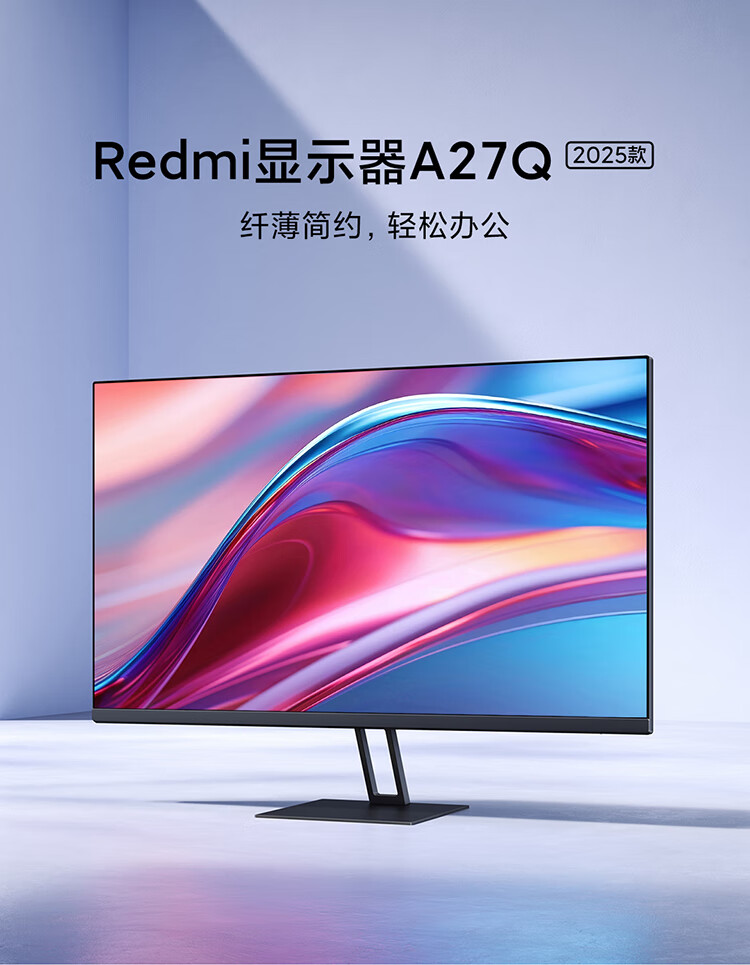
Xiaomi Redmi Monitor A27Q 2025 with 27-inch 2K 100Hz panel now up for sale in China

Xiaomi announced the Redmi Monitor A27Q 2025 last month which stands out in the budget-friendly market segment with its impressive specifications. The monitor is now up for sale on JD.com for 749 yuan ($106). Let’s check out its key specs.

Redmi Monitor A27Q 2025

Redmi Monitor A27Q 2025 Specifications:

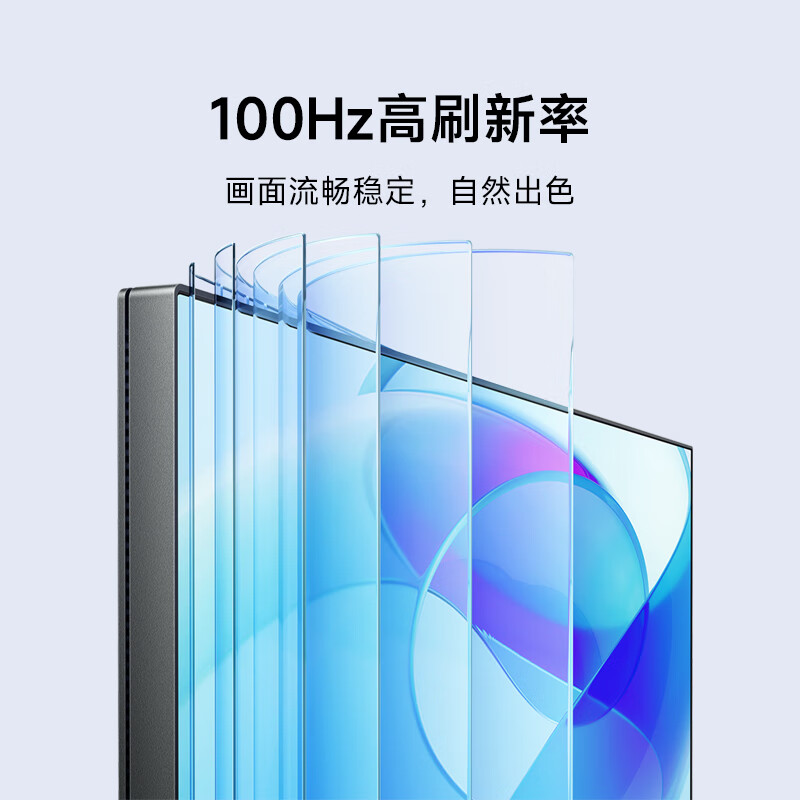
The Xiaomi Redmi Monitor A27Q features a 27-inch IPS LCD panel with a resolution of 2560 x 1440 (2K). The monitor supports a 100Hz refresh rate and response time of 6 milliseconds (gray to gray), which is adequate for reducing motion blur and improving the clarity of fast-moving images.

The monitor achieves a ΔE<2, indicating a very low degree of color deviation, which is crucial for tasks requiring color precision. It also covers 95% of the DCI-P3 color gamut, offering a wide range of colors that are vibrant and true to life. It utilizes an 8-bit color depth, capable of displaying 16.7 million colors, which contributes to smoother gradients and more nuanced color transitions.

The monitor also has a contrast ratio of 1000:1, typical for IPS panels, providing decent depth with darker colors and bright whites. The brightness level is rated at 250 nits, which is sufficient for most indoor environments. Additionally, the A27Q boasts a wide viewing angle of 178 degrees.

Coming to ergonomics, it features a simple yet adjustable stand that allows for tilt adjustments. Additionally, it supports VESA standard wall mounting, providing flexibility for users to either place it on a desk or mount it on a wall, catering to various workspace configurations and personal preferences.

In terms of connectivity, the A27Q is well-equipped to handle multiple input sources. It includes DP1.4 and HDMI interfaces, offering robust options for connecting to a wide range of devices such as computers, gaming consoles, and media players.

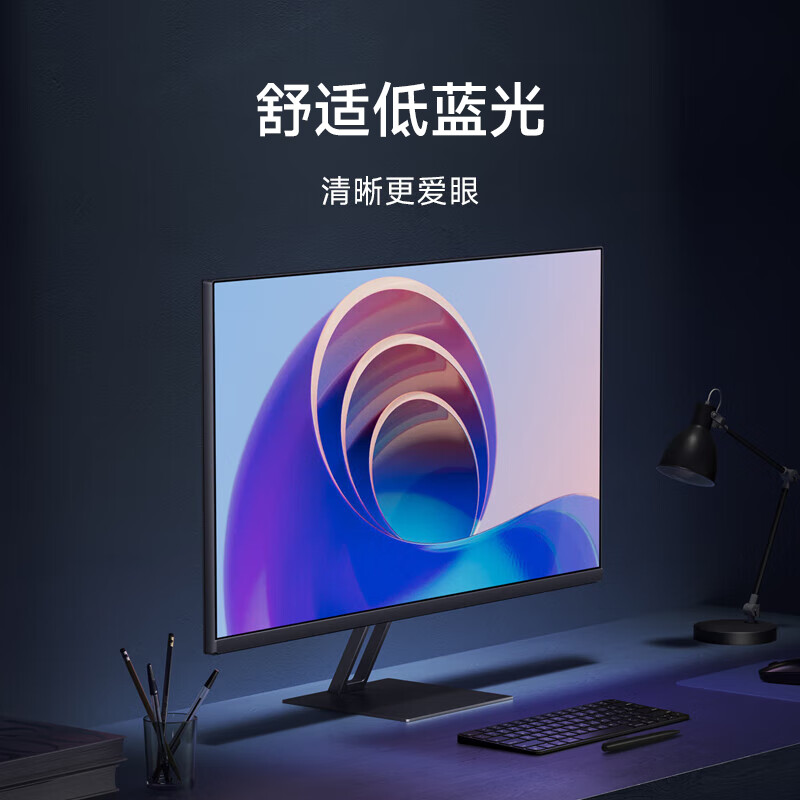
The Redmi monitor features a three-side micro-edge design with a 90% screen-to-body ratio, minimizing bezels and maximizing screen real estate. It also supports DC dimming to reduce screen flicker and TÜV Rheinland certified low blue light technology for comfortable viewing during extended work sessions.

RELATED:

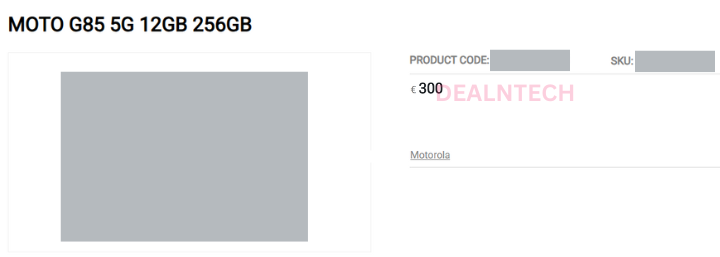
Moto G85 5G could launch soon, pricing spotted on European retail site

Back in September 2023, Motorola launched the Moto G84 5G smartphone in multiple markets. Now, the brand is preparing to launch its successor, called the Moto G85 5G.

Moto G85 5G european listing

The Moto G85 5G was recently listed on a European retailer’s website, indicating that the launch could be near. As per the listing, the device is priced at approximately €300 for the 12GB+256GB version, matching the initial price of its predecessor, the Moto G84 5G.

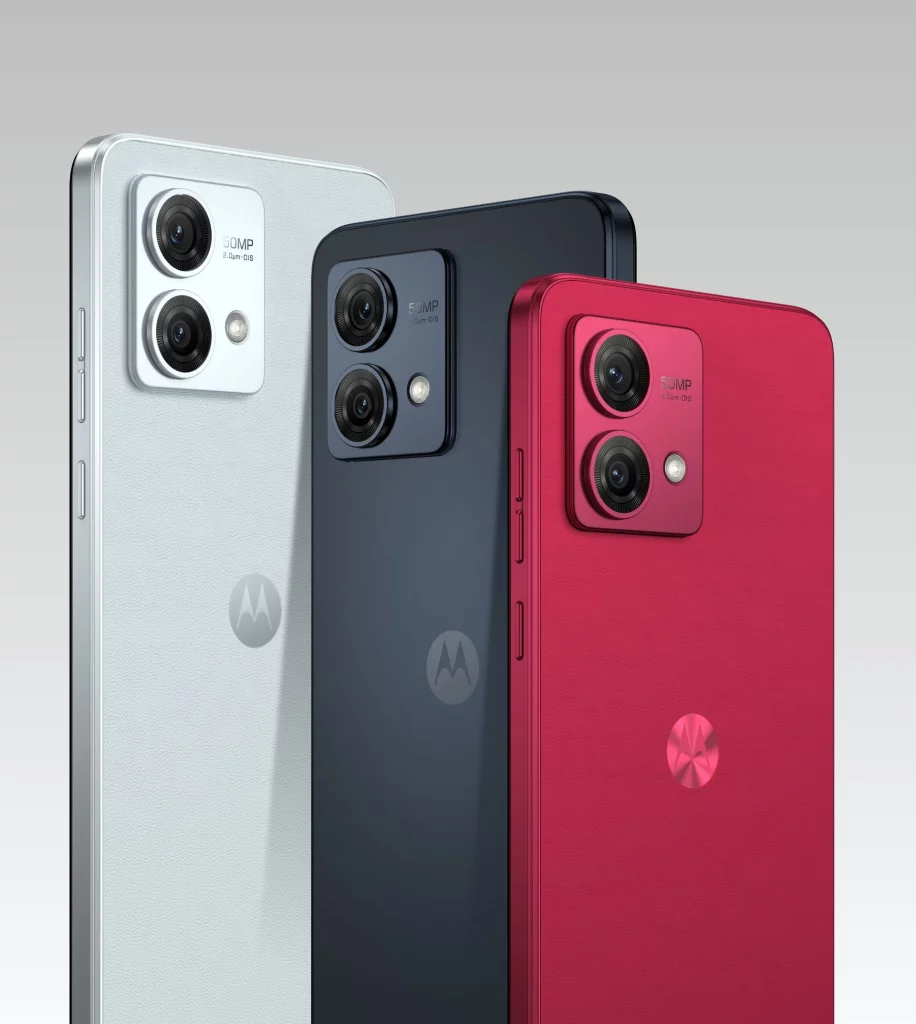
Moto G84

Motorola has not yet officially announced the Moto G85 5G, but the appearance of the smartphone in retail listings suggests a potential release in the second half of 2024. We can take a look at its predecessor to get an idea of what we can expect from the Moto G85 5G.

Moto G84 5G specs:

The Moto G84 5G (full review) boasts a 6.55-inch FHD+ pOLED display with a speedy 120Hz refresh rate and up to 1300 nits brightness. It runs on a Snapdragon 695 processor with 12GB RAM and 256GB storage, expandable up to 1TB. It features a 50MP rear camera with OIS, an 8MP ultra-wide camera, and a 16MP front camera.

Moto G84

For security, it has an under-display fingerprint sensor. It supports 5G with 14 bands, dual 4G VoLTE, and various connectivity options. A 5000mAh battery powers it with 30W turbocharging. For audio, it has a 3.5mm jack, stereo speakers with Dolby Atmos, and dual microphones. It’s IP54 water-resistant.

RELATED:

(via)

OnePlus 13 mockup render shows the company is going backward in design

OnePlus is expected to launch its next top-of-the-line phone, the OnePlus 13, later this year. There have been rumors about a brand-new design for the device, but we haven’t heard many details about it so far. 

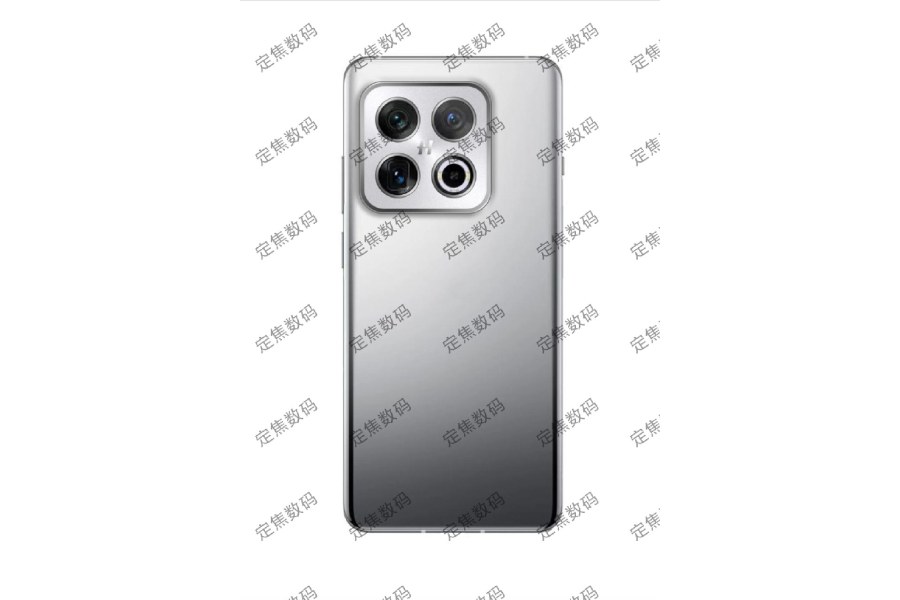
That changes today though, as a mockup render of the OnePlus 13 surfaced on Weibo showing us the design change on the back. 

OnePlus has long favored a circular and hinge-style camera design for its flagships. But the company might change things now as the renders show the OnePlus 13 with a square camera island with rounded corners on the back.

OnePlus 13 render

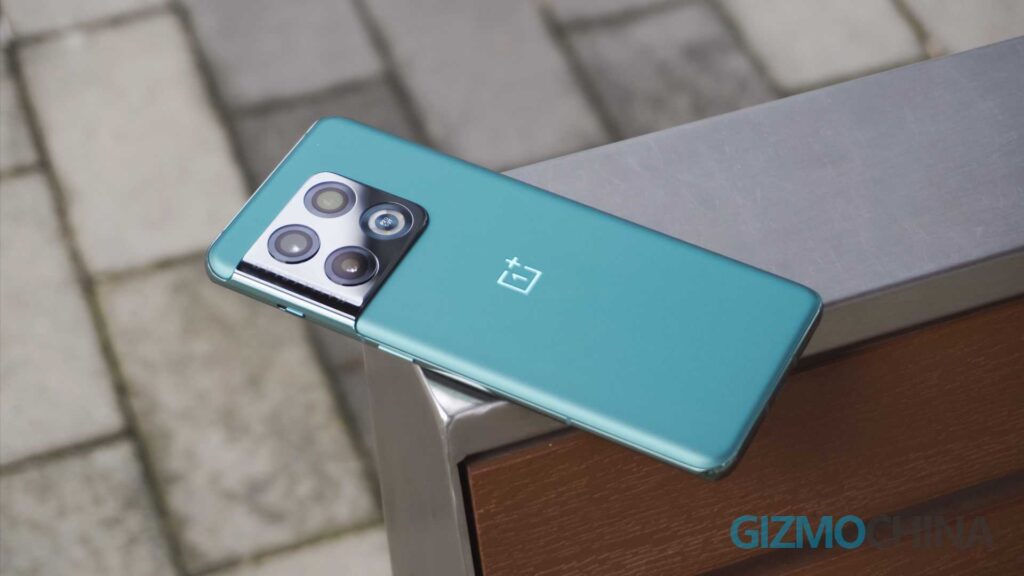
While the new design is different from its predecessor, doesn’t it look similar to the 2022 OnePlus 10 Pro? The only difference is that the OnePlus 13’s camera module isn’t flush with the metal frame, creating a slight elevation.

OnePlus 10 Pro

Anyway, the 13’s rectangular module houses a triple-camera setup and a ring-shaped LED light. There’s also a Hasselblad logo in the middle of the island. 

On the right side of the phone, we can see a familiar arrangement of the power and volume buttons, while the left frame likely houses the signature OnePlus alert slider.

It’s worth noting that this is just a mockup render, and the final design of the OnePlus 13 could be entirely different. So we suggest you take the leak with a pinch of salt.

As far as the specs go, the smartphone is rumored to have a 6.8-inch OLED LTPO screen with 2K resolution and likely an in-display fingerprint scanner. The device will be powered by the Snapdragon 8 Gen 4 chipset. 

Related:

(Via)

Redmi K80 series with Snapdragon 8 Gen 4 launch timeframe tipped

Earlier this week, we heard a rumor suggesting Xiaomi might be the first to launch phones with the Snapdragon 8 Gen 4 chip in their premium Xiaomi 15 series

There’s also talk that Redmi could launch a device featuring Snapdragon 8 Gen 4 but at a more affordable price point. The rumored phone is a part of the upcoming Redmi K80 series. 

Now a new leak by a Weibo tipster Smart Pikachu suggests that the Redmi K80 series could hit the market as soon as November.

Redmi K80 Launch

Qualcomm is expected to release the Snapdragon 8 Gen 4 SoC in October. Following this, rumors suggest that Xiaomi might announce the Xiaomi 15 series smartphones in the same month. So there’s a high chance that we could see the Redmi K80 series devices in November. 

If rumors are to go by, the Redmi K80 Pro will house the Snapdragon 8 Gen 4 chip while the vanilla model is said to be powered by the Snapdragon 8 Gen 3 processor. 

Moreover, the tipster suggests that both the Redmi K80 and K80 Pro will have a 2K resolution display like the Redmi K70 and K70 Pro.

However, Smart Pikachu suggests there won’t be a Redmi K80E, the successor to the K70E, this year. It is reportedly because Xiaomi wants the Redmi K series to focus on premium devices.

Apart from this, there’s very little we know about the upcoming Redmi K80 phones. We will keep you updated on any new developments.

Related:

US pressure fails to slow down China’s semiconductor rise: South Korea feels the heat

Despite ongoing US efforts to curb China’s technological advancements, reports from South Korea indicate a troubling reality: China’s semiconductor industry is rapidly catching up, posing a significant challenge to South Korean dominance in the Chinese market.

Contrary to initial expectations, US pressure hasn’t significantly weakened China’s industrial competitiveness. In fact, China has not only solidified its position in smartphones and displays but is also making remarkable strides in the crucial semiconductor sector, mirroring South Korea’s own advancements.

Semiconductor

US Restrictions Accelerate China’s Self-Sufficiency Drive

This is evident in the Chinese smartphone market, where domestic brands have now taken a clear lead over South Korean giants like Samsung. Data shows Samsung’s market share in foldable phones plummeted to a mere 5.9% in the first quarter of 2024, a significant drop from last year’s 11%, pushing it down to fifth place.

Huawei‘s resurgence is also a prime example. Despite US efforts to sideline them, they’ve made significant strides. Their latest Pura 70 series boasts mostly Chinese-made components, showcasing their ability to adapt and thrive under restrictions. This has fueled a national push for self-sufficiency in China.

Recent US export regulations restricting access to advanced AI processors and manufacturing equipment have only accelerated this shift. A new subsidy plan aims to bolster domestic computing capabilities by encouraging the use of Chinese GPUs and promoting self-sufficiency in AI semiconductor technology.

Furthermore, Chinese companies are surpassing South Korea in the OLED panel market, a key component in displays. While a gap remains in cutting-edge semiconductor technology, China exhibits undeniable growth momentum, particularly in storage solutions.

This rapid rise has significant implications for South Korea’s tech industry. Their once-dominant position in the Chinese market is shrinking, with domestic Chinese players taking over significant market share. This trend raises concerns about South Korea’s ability to maintain its competitive edge in the face of China’s aggressive technological advancements.

The US strategy of pressuring China’s semiconductor industry seems to be backfiring, inadvertently accelerating China’s self-sufficiency and competitiveness. This development necessitates a reevaluation of the global tech landscape, where South Korea might need to adapt its strategies to navigate the changing dynamics of a rising Chinese tech giant.

RELATED:

(Via)

Redmi K40 receives official Xiaomi HyperOS update, but it’s based on Android 13

Xiaomi has begun rolling out the HyperOS update to the Redmi K40 smartphone. The update brings a new user interface and customization features to the phone. Let’s get into the details.

Redmi K40 HyperOS Update Details

  • Update package version: 1.0.3.0.TKHCNXM
  • Update size: 1.5GB
  • Security Patch: January 2024

It’s worth noting that there’s a difference in the Android version update among the Redmi K40 series smartphones. 

For instance, the Redmi K40 and K40 Game Enhanced Edition smartphones have received HyperOS updates based on Android 13. Whereas, other devices in the lineup got the update based on the latest Android 14. 

As with any major software update, we recommend you back up your data before installing the latest update on your smartphone. It will help ensure that you don’t lose any important data during the update process in case of unexpected issues.

Changelog

Below is the changelog of Redmi K40’s HyperOS update (translated from Chinese):

Low-level refactoring:
The bottom layer of Xiaomi's ThePaper OS has been reconstructed to bring out excellent hardware performance;

Key task identification and dyeing technology dynamically controls resource allocation based on task importance, with stronger performance and lower power consumption;

Ultra-low-power rendering framework improves battery life and provides smoother animation effects;

SOC integrated frequency modulation connects the hardware resources of the whole machine in series to respond to changes in computing power requirements faster, with fewer frame drops and smoother performance;

Refresh storage technology to reduce storage fragmentation, allowing you to use it as new for a long time;

The intelligent network selection capability has been upgraded, making the network in weak network environments smoother;

Intelligent signal selection engine dynamically adjusts antenna strategies to improve signal stability.

Cross-terminal intelligent connection
Xiaomi HyperConnect cross-device interconnection framework allows devices to be efficiently connected and achieve ultimate collaboration;

The new integrated device center enables dynamic real-time networking of all devices, and you can view and control surrounding devices in the control center;

The cross-device experience has been fully upgraded, supporting cross-device calls to multiple hardware capabilities such as cameras, screens, and communications;

Applications, audio and video, clipboard and other data and services support free flow between multiple devices and are fully secure;

Security and privacy architecture for device interconnection. Devices verify mutual security through TEE, and data transmission is encrypted at the hardware level;

Cross-end privacy system, including Internet permission management, Internet behavior reminders and Internet behavior records.

Global security
Security and privacy architecture for device interconnection;
Devices verify mutual security through TEE, and data transmission is encrypted at the hardware level;

Cross-end privacy system, including Internet permission management, Internet behavior reminders and Internet behavior records.
Aesthetics of life

The life-sense aesthetics facing globalization creates delicate and comfortable visuals and light and coherent dynamic effects. The diverse fusion of expressions brings a new systematic aesthetic experience;

The new motion language brings a light and coherent global motion experience;

Vitality color system, natural colors full of life, refresh the interface; unified system fonts, designed for the world;

New weather design and real-time weather engine create a surreal visual experience;

The global focus notification system dynamically displays changes in key information and a new artistic lock screen, turning each of your photos into a poster. It also has dynamic glass material, making the screen look exquisite the moment it turns on;

The desktop icon design has been upgraded, and the color and shape have been completely renewed and reconstructed;

Multi-task window management, unified interaction, efficient and easy to use.

Related:

Samsung Galaxy S24 FE Expected Features: what could be onboard the next Fan Edition smartphone

Samsung has reportedly started working on the Galaxy S24 FE smartphone. Although there hasn’t been any official word from Samsung, leaks, and reports have started to pop up, giving us a rough idea of what the next iteration of the Fan Edition smartphone could have in store for us.

Samsung Galaxy S23 FE

1. Design & display

Samsung has maintained a consistent design approach across its recent smartphone lineup, leading to a notable convergence in the aesthetic of both flagship and mid-range devices. With the Galaxy S24 FE positioned between these categories, it’s likely to follow suit and adopt a design language akin to that of the Galaxy S23 FE.

While there is no doubt that Samsung will provide an AMOLED display on the Galaxy S24 FE, there are some doubts about the size. While it is highly likely that the device follows in the footsteps of the Galaxy S23 FE and the S21 FE and comes with a 6.4-inch display, a recent leak has hinted at the possibility of a smaller 6.1-inch display. The resolution will still likely be FHD+, with a Dynamic AMOLED panel that’ll have high peak brightness and HDR10+ support. Since the S23 FE has Corning Gorilla Glass 5 protection, we can expect its successor to come with Gorilla Glass Victus or Victus 2.

2. Processor & performance

Samsung launched the Galaxy S23 FE with Exynos 2200 and Snapdragon 8 Gen 1 chipsets in different markets around the world, which is quite common for the brand. That being said, it is being alleged that the Galaxy S24 FE could come with only an Exynos chip option for the global market. If this turns out to be true, it leaves two logical options for the Galaxy S24 FE, either the Exynos 2200 or the Exynos 2400. Samsung has debuted the Exynos 2400 SoC on the Galaxy S24 series in many regions.

While the chances are slim, if Samsung does decide to put in an Exynos 2400 chip in the Galaxy S24 FE, then we can expect major performance improvements on the device compared to its predecessor. While these improvements won’t be noticeable in day-to-day regular tasks, the Exynos 2400 has a 12% better GPU onboard and a vastly better CPU. The average AnTuTu score of the Exynos 2400 is around 1.77 million points, compared to the 1.13 million points average of the Exynos 2200. Another major advantage of the Exynos 2400 is its NPU, which helps a lot with on-device AI applications. All that being said, it is still an assumption at best, and Samsung could even decide to retain the Exynos 2200, or go with a Snapdragon 8 generation chip instead.

RAM is also said to improve, offering 12GB LPDDR5X at the top end compared to 8GB on the existing model. Rumor has it that the 256GB storage variant will use UFS 4.0 technology, while the 128GB models could be limited to using UFS 3.1.

3. Camera

If we take a look at the leap in camera hardware between the Galaxy S21 FE and S23 FE, the primary camera was the most significant upgrade, going from 12MP to 50MP. The rest of the camera system remained pretty much the same, with the selfie camera getting a new 10MP sensor instead of the 32MP on its predecessor. We do not expect the successor to come with any major changes in the camera department. The Galaxy S23 FE uses the same Samsung ISOCELL (S5K)GN3 camera sensor as the Galaxy S23, S23+, S24, and S24+. So, there is a low chance that Samsung will be making any changes to it.

4. Software & AI

The Galaxy S24 FE will likely launch with Android 14 onboard and like its predecessor, we can expect it to come with a promise of at least 4 major updates, which means that it will receive updates all the way to Android 18. Additionally, the S24 FE could also come with Galaxy AI, which could include features like Browsing Assist, which provides quick article summaries in the Samsung Internet browser, Chat Assist, which suggests grammar improvements in 13 languages, Circle to Search with Google, that lets users find more information by circling objects on-screen and much more.

5. Other notable features

Samsung is known to take its sweet time in making any hardware improvements in the battery and fast charging department. So it is more than likely that the Galaxy S24 FE will have a 4,500mAh battery like its predecessor, paired with 25W fast charging and 15W wireless charging.

There is currently no official word on a launch window, however, we expect the phone to launch in the latter half of the year.

RELATED:

Vivo S19 and S19 Pro make their way to MIIT certification, launch imminent

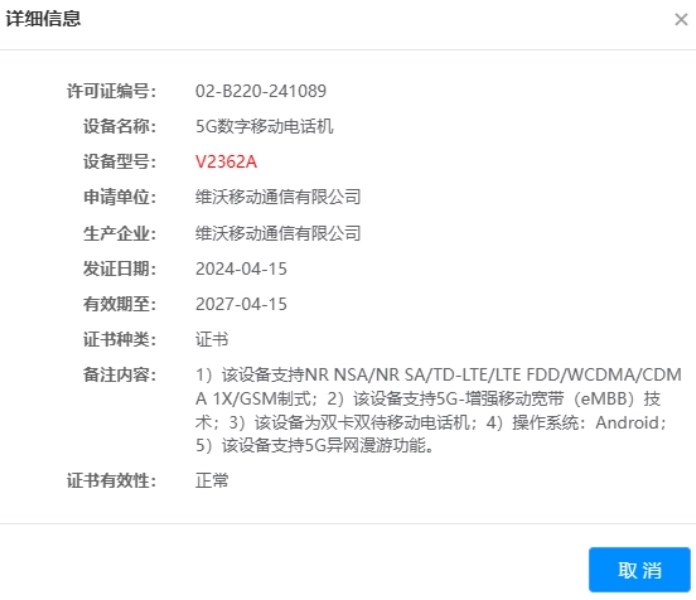
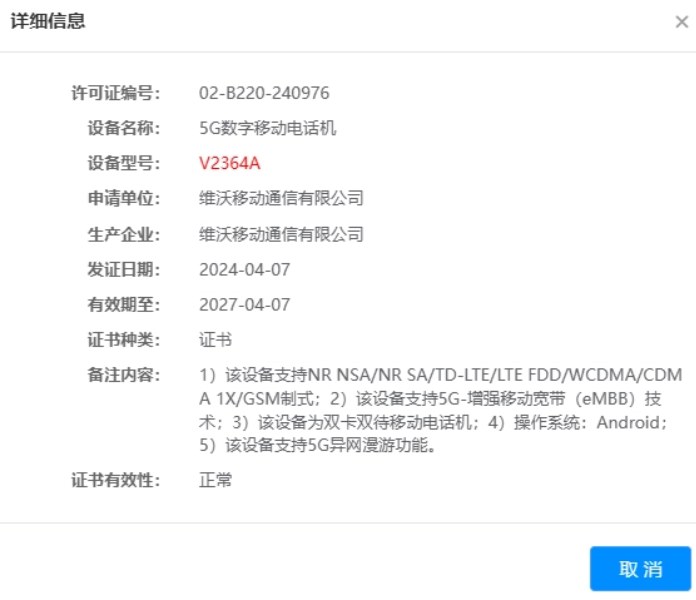
Two new Vivo phones, believed to be the upcoming S19 and S19 Pro, have recently passed certification by China’s Ministry of Industry and Information Technology (MIIT). These phones carry model numbers V2364A and V2362A respectively.

This certification comes after their appearance on the 3C certification website, which confirmed support for 80W wired fast charging for both devices. With these additional approvals, it seems that the S19 series is gearing up for an official launch soon.

Currently, there isn’t much information available about the Vivo S19 series smartphones. The certifications don’t reveal many details either.

So let’s quickly recap the specs of the Vivo S18 series for context. Both the S18 and S18 Pro flaunts a 6.78-inch display with a resolution of 2800 x 1260. 

The panel offers 10-bit color depth, a 120Hz refresh rate, and an impressive peak brightness of 2800 nits. 

Internally, both models house a 5000mAh battery with support for 80W fast charging. As for the performance, the vanilla model has a Snapdragon 7 Gen 3 SoC while the Pro makes use of MediaTek Dimensity 9200+ chipset. 

Vivo S19 Pro MIIT

Moreover, the rear camera system comprises a 50MP main sensor with OIS, an 8MP ultra-wide sensor, and a studio-grade soft light ring on the S18. 

Meanwhile, the S18 Pro features a 50MP primary lens with OIS, a 12MP telephoto lens, and a 50MP ultrawide sensor. For selfies, both devices sport a 50MP camera.

Vivo usually refreshes its S-series smartphones in six months. Given that the Vivo S18 line debuted in China last December, we can expect the Vivo S19 series to debut sometime in June. We’ll keep you updated on any new developments.

Related:

Oppo Reno 12, Reno 12 Pro launching soon: Expected specifications, features, price

Now that the May Day holidays in China are almost over, many smartphone brands are gearing up to announce new smartphones for Q2 of this year. One of them is Oppo, which is expected to unveil the Reno 12 series as early as this month in China.

In November 2023, Oppo unveiled the Reno 11 series in China. In February, the first leaks of the Reno 12 series emerged, which revealed many details about the Reno 12 and the Reno 12 Pro. Here is a look at what to expect from the next-generation Reno smartphones.

Oppo Reno 12 mock render

1. Oppo Reno 12 series design

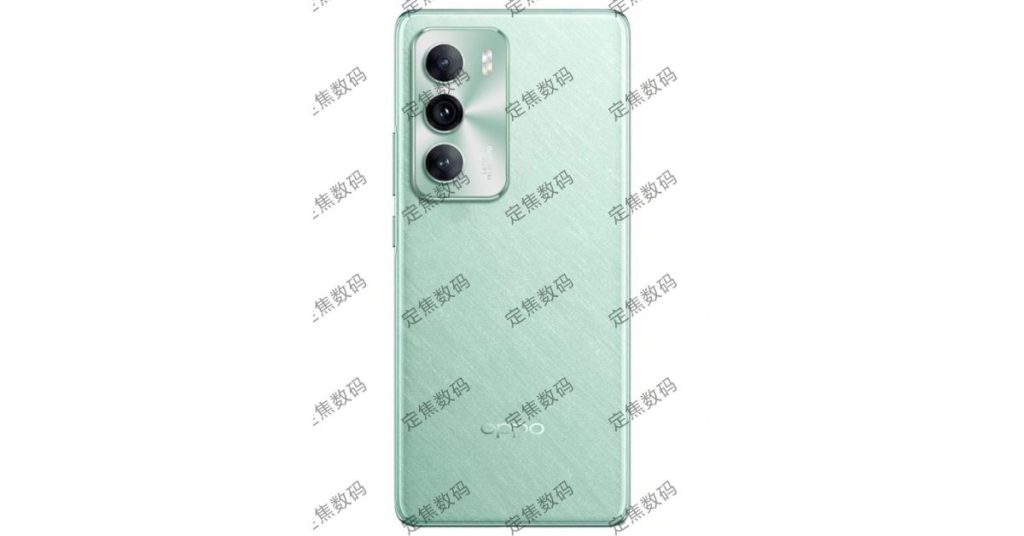
The Reno 12 and 12 Pro are expected to feature an OLED display with quad-curved micro-curvature on the front. Yet again, the new Reno phones are said to sport a thin and lightweight design. Shown above is a mock render of the rear panel of the Reno 12 duo, which offers a straightforward design featuring a vertically positioned triple camera system.

The two phones are likely to have similar specifications. However, they are expected to differ in departments like chipset, RAM, and storage.

2. Oppo Reno 12 specifications (rumored)

According to reports, the Reno 12 will have a 6.7-inch OLED display that offers a 1.5K resolution. On the front, it will have a 50-megapixel camera, and its rear panel may feature a 50-megapixel main camera, an 8-megapixel ultra-wide lens, and a 50-megapixel telephoto camera with 2x optical zoom.

The Reno 12 is likely to house a 5,000mAh battery with 80W fast charging. Under the hood, it may feature the Dimensity 8200 or Dimensity 8300 chipsets. The highest variant of the phone may offer 12 GB of RAM and 512 GB of storage. It will come with other features, such as an IR blaster, an in-screen fingerprint scanner, an IP65-rated chassis, and ColorOS 14-based Android 14.

3. Oppo Reno 12 Pro specifications (rumored)

The Oppo Reno 12 Pro may come equipped with the Dimensity 9200 or 9200+ chipset. It may offer up to 16 GB of RAM and up to 512 GB of storage. The device’s front camera may support autofocus. The rest of its specifications could be identical to the Reno 12. 

4. Oppo Pad 3, Enco R3, Enco X3 incoming

Oppo is reportedly developing additional products, including the Oppo Pad 3 and the Enco R3. The Pad 3 is expected to debut as the world’s first tablet powered by the Snapdragon 8 Gen 3 chipset. 

On the other hand, the Enco R3 is expected to sport a semi-in-ear design. It is expected to come with features, such as spatial sound effects, noise cancellation for calls, Hi-Fi audio, and dual device connection. Oppo is also said to be working on the Enco X3 premium TWS earbuds. At present, the rumor mill is yet to leak details of the Enco X3.

It is unclear whether these devices will be launched alongside the Reno 12 series. These devices may likely launch gradually between May and June.

There is no information about the Oppo Pad 3 or Enco R3. On the other hand, the Reno 12 and 12 Pro are likely to cost around $499 and $799, respectively, in the Chinese market. There is a possibility that a slightly modified Reno 12 series may hit the global market in July. It is speculated that the Oppo Pad 3 will be rebranded as the OnePlus Pad 2 in the global market.

Alleged OnePlus Nord CE 4 Lite gets BIS certification, could launch soon in India

OnePlus is working on the successor of the popular OnePlus Nord CE 3 Lite, which will likely be called the OnePlus Nord CE 4 Lite. Although the brand has yet to announce anything related to this new device in an official capacity, the phone has allegedly emerged on the Bureau of Indian Standards website, hinting at an imminent launch.

OnePlus Nord Ce 4 BIS

As per tipster Sanju Choudhary, a new OnePlus smartphone with model number CPH2619 has been spotted on the Bureau of Indian Standards database, which is claimed to be the OnePlus Nord CE 4 Lite. While the certification does not reveal any specifications, the tipster has implied that the Nord CE 4 Lite will be a rebranded version of the Oppo A3, which is a China-exclusive smartphone.

Oppo A3
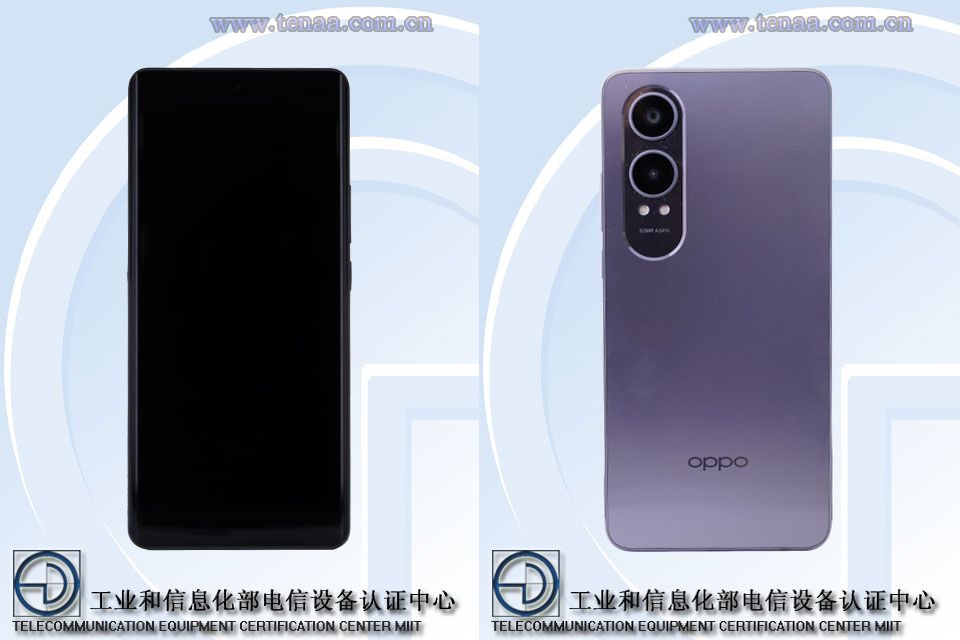
Oppo A3 TENAA certification Image

As per Sanju, the OnePlus Nord CE 4 Lite will come with many upgrades over its predecessor, with the main one being its display. The display on the OnePlus Nord CE 4 Lite will use an AMOLED panel instead of an LCD panel. It will measure 6.67 inches and will have an FHD+ resolution and 120Hz refresh rate. Additionally, it will also feature an in-display fingerprint sensor.

Under the hood, the device is said to come with a Snapdragon 6 Gen 1 processor, paired with a 5500mAh battery. It is said to feature a 50MP primary and a 2MP secondary lens on the back, paired with a 16MP front camera. If the device does turn out to be a rebrand of the Oppo A3, we can also expect it to feature 33W fast charging, 8 GB / 12 GB of RAM, and up to 256GB storage.

RELATED:

(via)

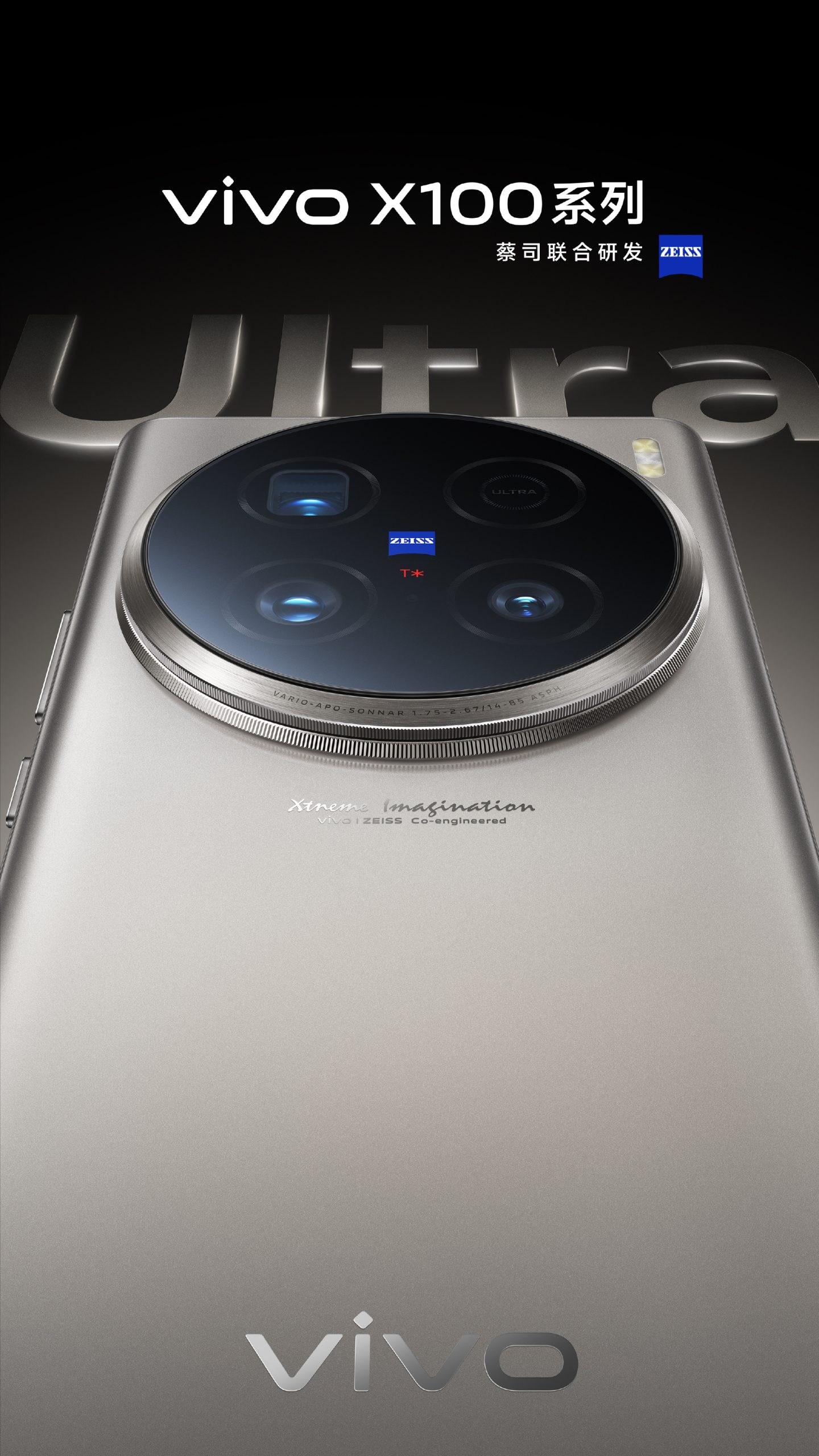
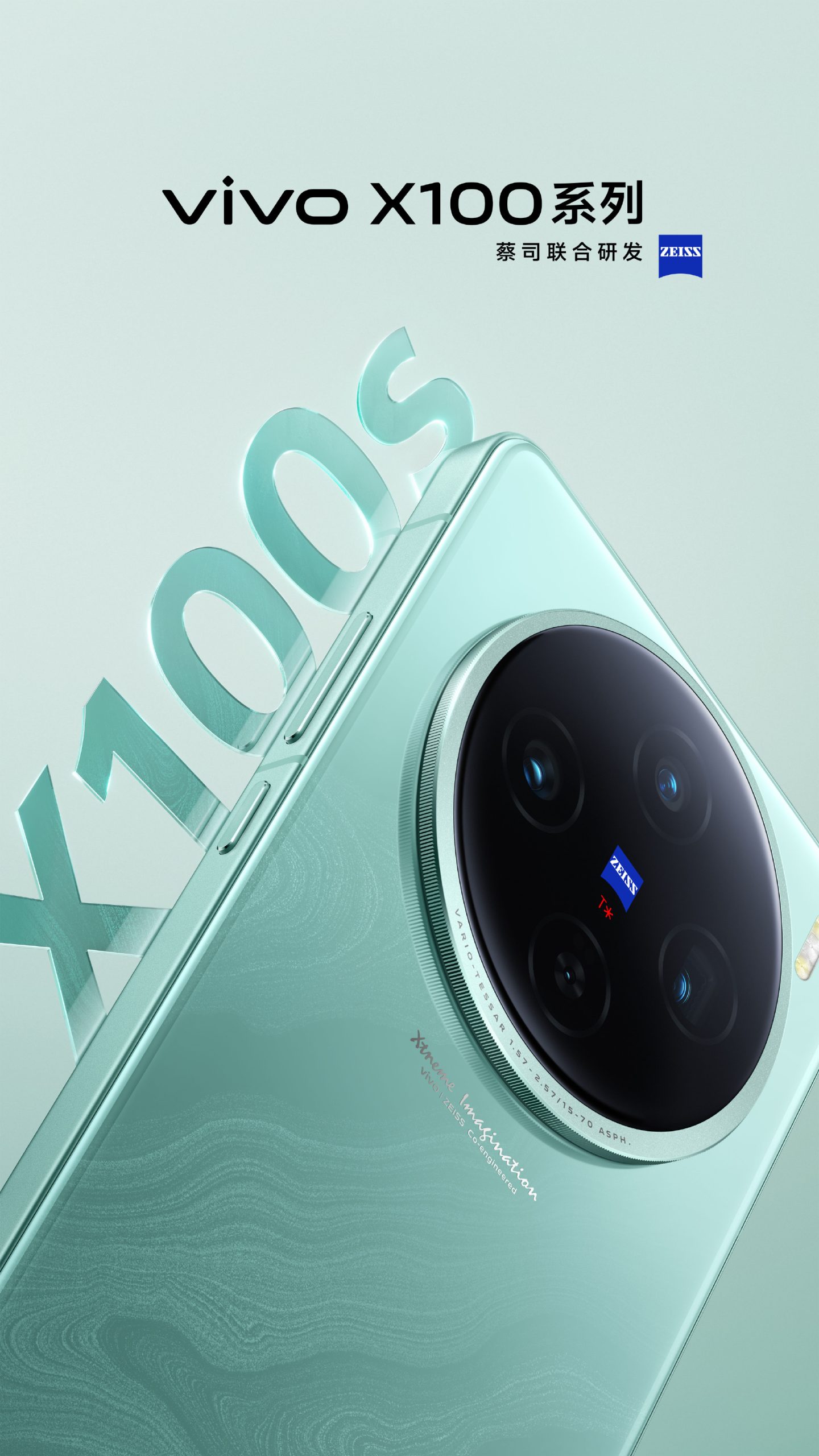
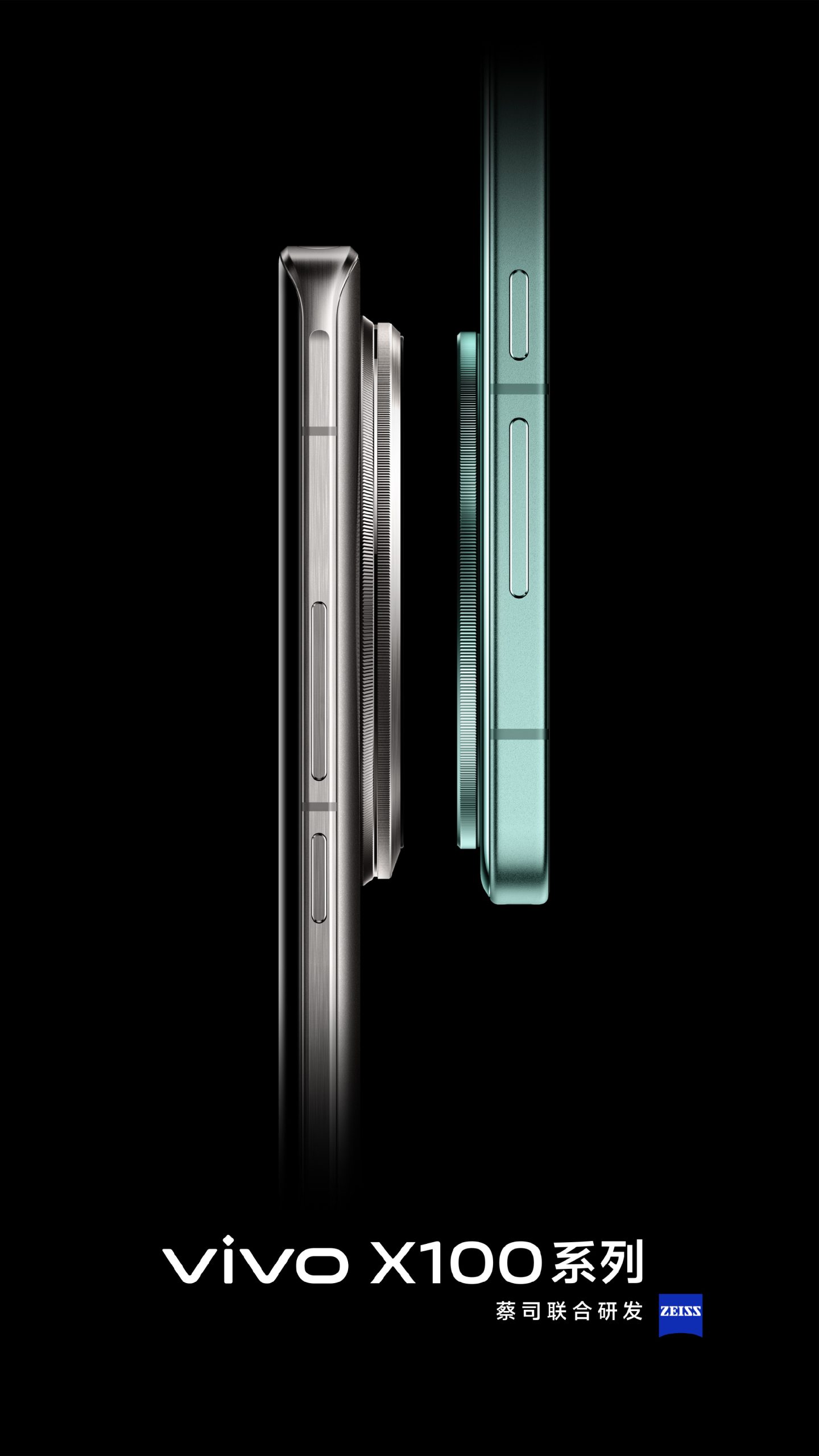
Vivo X100 Ultra, Vivo X100s official teasers, camera samples released

Vivo will announce the Vivo X100 Ultra and Vivo X100s flagship phones this month in China. Today, Jia Jingdong, who is Vice President of Vivo Brand and General Manager of Brand and Product Strategy in China, took to Weibo to share the first official teasers of the X100 Ultra and X100s. In addition, he gave out key details about both devices.

Vivo X100 Ultra

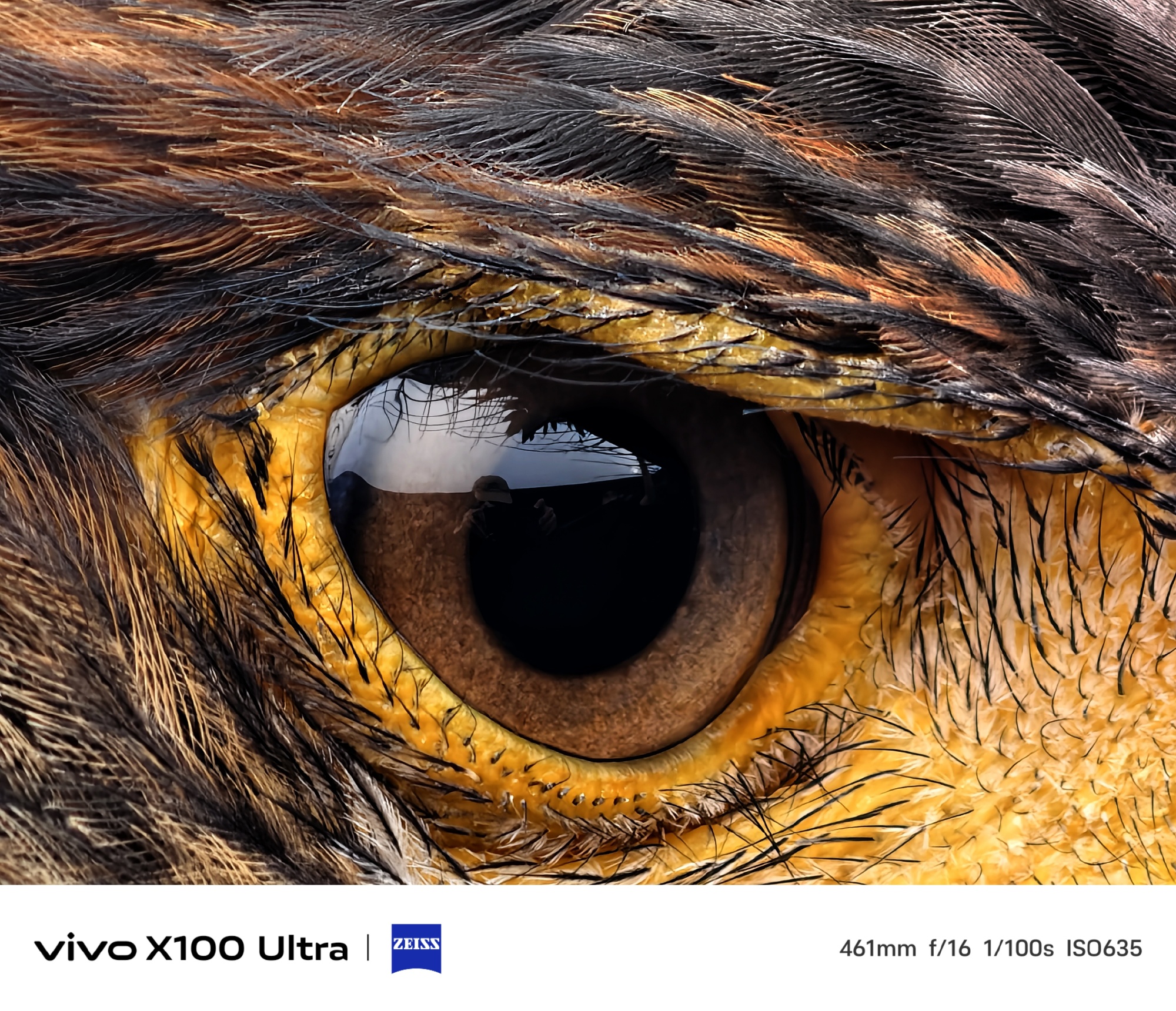
For the Vivo X100 Ultra, Jia Jingdong describes it as the culmination of their efforts, akin to the powerful being Thanos (Vivo X100’s codename) from Marvel comics. The device is praised for its professional-grade camera capabilities, including specialized modes for various photography scenarios like high-speed sports, low-light portraits, and telephoto shots. The device’s telephoto capabilities are highlighted, especially for concert photography, which poses unique challenges such as low light conditions and fast-paced movement.

The X100 Ultra is presented as a technological marvel, featuring a 200-megapixel Zeiss APO super telephoto lens backed by the Samsung HP9 camera sensor, along with a Sony LYT-900 50-megapixel primary camera with CIPA 4.5 level gimbal stabilization. As per reports, the camera setup will also have a 50-megapixel ultra-wide lens. These cameras will be coupled with advanced image stabilization and AI-powered features. Shown below are some of the camera samples of the X100 Ultra.

Vivo X100s

The Vivo X100s, a member of the X100 series, caters to the preferences of users who prefer flat displays. Despite this adjustment, the X100s maintains impressive imaging capabilities, comparable to its Ultra counterpart. It introduces innovative features like humanistic street photography mode and AI-driven portrait enhancements, including the ability to simulate different seasons in a single portrait frame. For those who don’t know, it is expected to debut as the world’s first phone powered by the Dimensity 9300 Plus chipset, which appears to be an overclocked version of the Dimensity 9300.

RELATED:

Reports of Huawei Pura 70 phones using 90% domestic parts turn out to be false

Huawei recently made headlines for supposedly reaching a big goal: their latest Pura 70 series phones have 90% of parts sourced locally from Chinese suppliers. But it turns out this information isn’t quite true.

The news was first reported by Chinese media outlets that cited an analysis from a Japanese firm called Fomalhaut Techno Solutions for the parts used in smartphones. 

According to their reports, almost all the components of the Pura 70 series – from the main chip (SoC) to the screen, case, battery, and even the cameras – have been supplied by Chinese suppliers.

However, Fomalhaut Techno Solutions CEO, Minatake Mitchell Kashio refuted these reports, stating they haven’t received any Pura 70 devices for review or analysis.

“I never commented on the Pura 70 to anyone because we have not received the product,” Kashio said in response to an email from the South China Morning Post.

Huawei, for its part, hasn’t particularly been transparent with details regarding the components of the Pura 70 series either. The only confirmed tidbit is that the Kirin 9010 chip uses the same 7nm process from SMIC as the Kirin 9000S found in the Mate 60 series.

But it looks like the Chinese tech giant has now found solutions to address supply chain challenges, particularly those related to chips. 

The US government started an investigation in September 2023 after discovering that the Huawei Mate 60 Pro, equipped with a Kirin 9000S chip manufactured by SMIC on a 7nm process, may have violated US export rules.

The investigation into the alleged chip sanctions breach by SMIC is still ongoing, with no significant findings reported so far. Meanwhile, Huawei has been focusing on improving the performance of its Kirin SoCs.

Additionally, the company is reportedly working on a Kirin chip for PCs that is rumored to have performance on par with the Apple M2.

Related:

Motorola Edge 50 Ultra could soon launch in India, picks up BIS certification

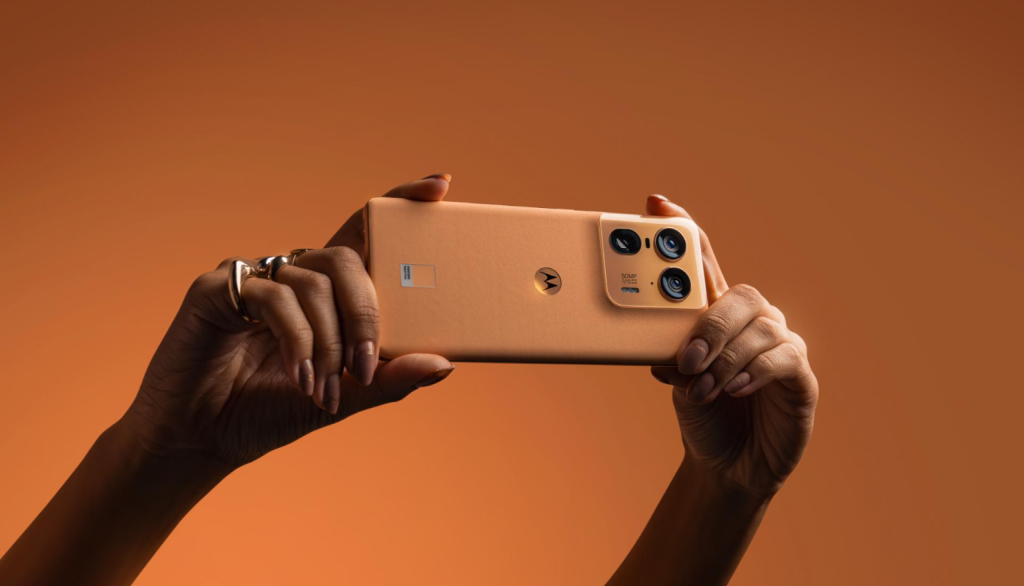
Motorola recently launched the Edge 50 Ultra smartphone in the Eurozone, with plans to debut it in other markets like Asia, Europe, Latin America, and Oceania. Now, it appears that the brand is preparing to launch this smartphone in the Indian market.

Motorola Edge 50 Ultra BIS certification

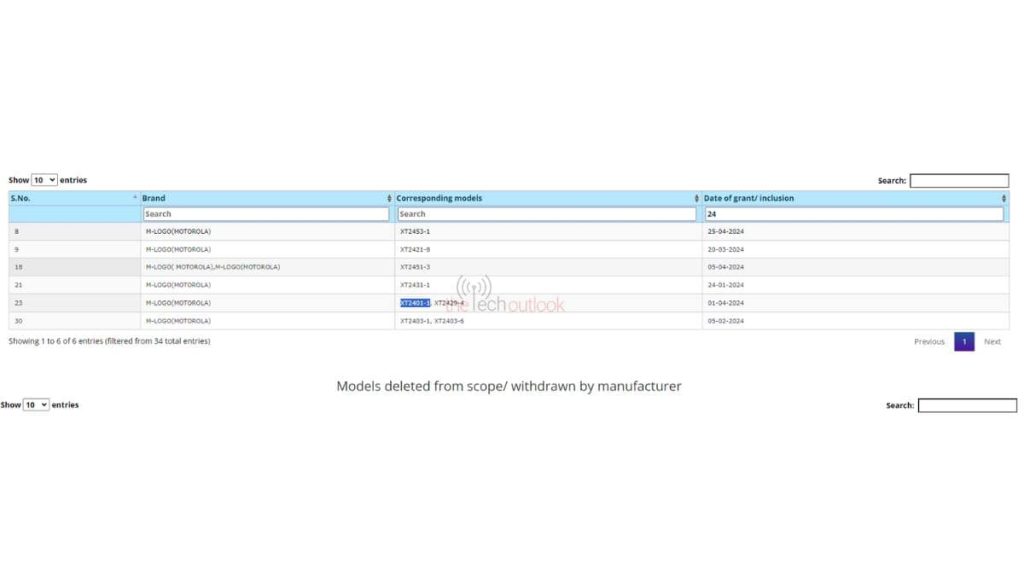
TheTechOutlook has spotted the Motorola Edge 50 Ultra on the Bureau of Indian Standards website, indicating that the brand is preparing to introduce the smartphone in the Indian market. The Edge 50 Ultra smartphone has been spotted with model number XT2401-1. While the certification does not reveal its specifications or features, we expect them to be similar to the European model.

Motorola Edge 50 Ultra specs:

The Motorola Edge 50 Ultra European model features a 6.67-inch curved pOLED display with a 2,712 x 1,220 pixels resolution, 144 Hz refresh rate, and 2,500 nits peak brightness. The display supports HDR10+ and has an in-built fingerprint sensor and Corning Gorilla Glass Victus protection.

Motorola Edge 50 Ultra

It is powered by a Snapdragon 8s Gen 3 processor, paired with 16GB LPDDR5X RAM and up to 1TB of UFS 4.0 storage. As for the operating system, it has an Android 14-based Hello UI.

Motorola Edge 50 Ultra

For optics, the phone features a 50MP OIS-supported primary camera sensor, along with a 50MP ultra-wide sensor and a 64MP telephoto camera with 3x zoom. It has a 4500mAh battery, 125W wired, and 50W wireless charging. But that’s not all, as we have separately covered a bunch of other interesting features that make the Motorola Edge 50 Ultra worth looking at if you are in the market for a new smartphone.

RELATED:

(via)

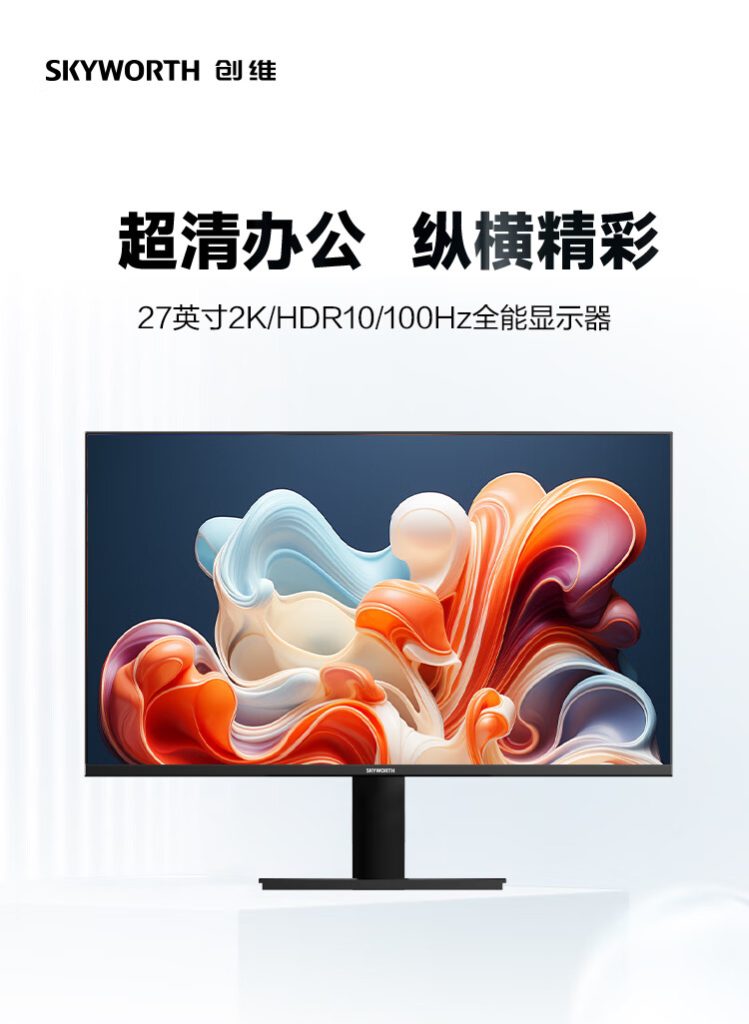
Skyworth launches F27B23Q gaming monitor boasting 27″ 2K IPS LCD panel, 100Hz refresh rate

Skyworth has unveiled its latest gaming monitor in the Chinese market, the F27B23Q. The monitor is priced at 749 yuan ($106) and it is now available on JD.com. Let’s check out its key specs.

Skyworth F27B23Q Monitor

Skyworth F27B23Q Monitor Specifications:

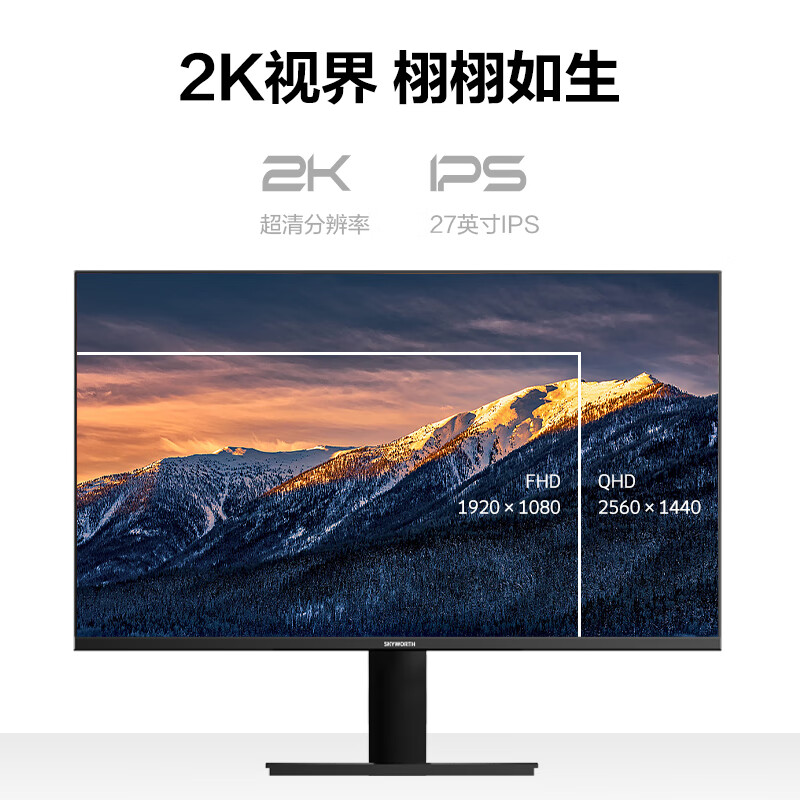
The Skyworth F27B23Q monitor features a 27-inch IPS LCD panel. It boasts a resolution of 2560×1440, commonly referred to as 2K, providing sharp and detailed visuals. The panel has a brightness of 300 nits, which supports clear visibility under various lighting conditions.

The monitor offers a 100Hz refresh rate and 5ms response time, ensuring smooth motion in video and gaming scenarios. Additionally, it supports Adaptive Sync technology, which helps reduce screen tearing and stuttering by synchronizing the display’s refresh rate with the output from a graphics card.

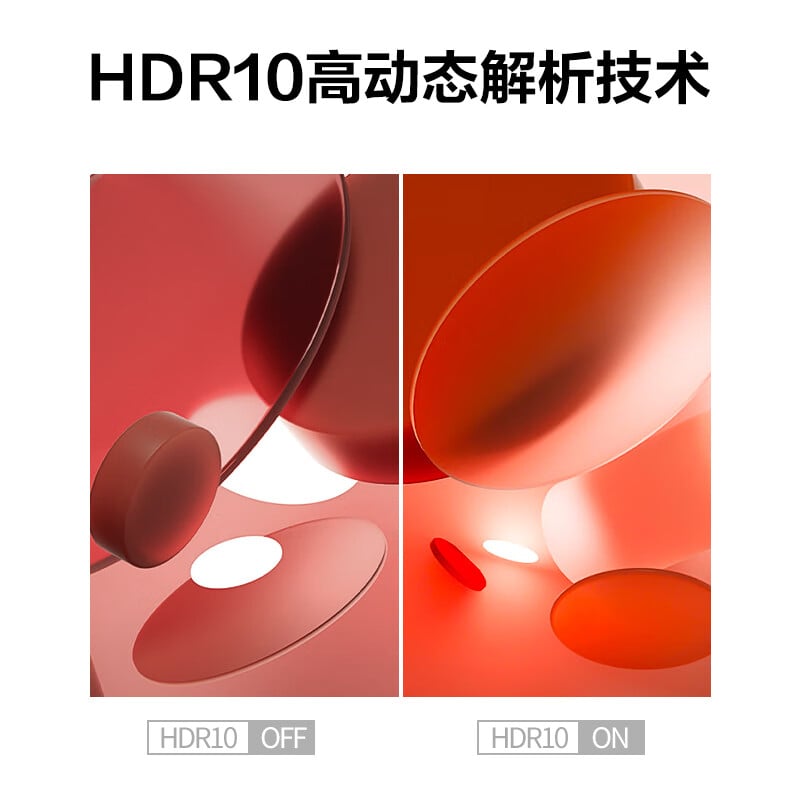
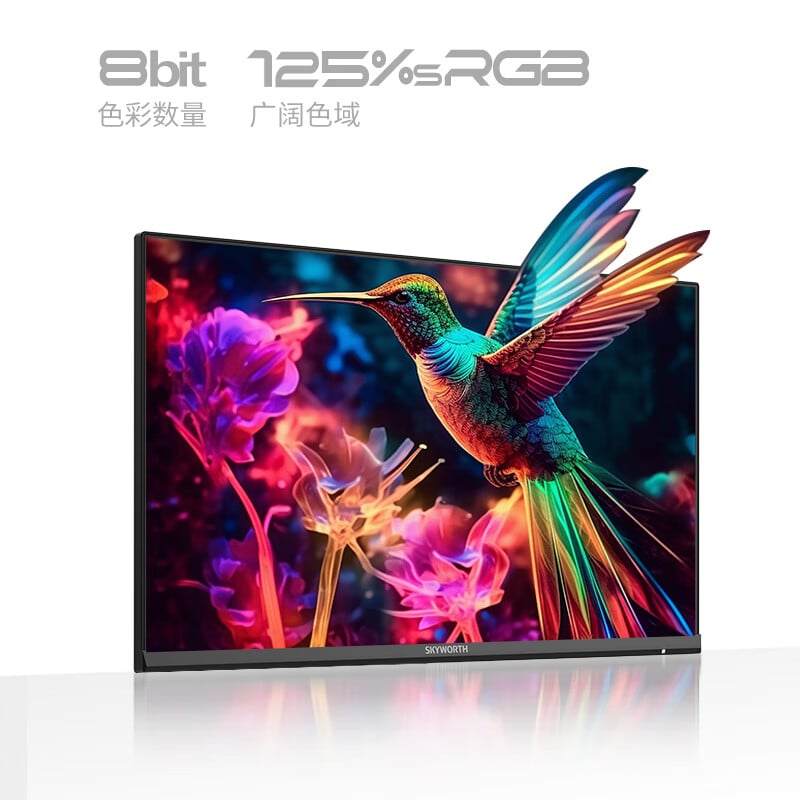
The monitor supports HDR10, enhancing the dynamic range of images by optimizing the appearance of shadows and highlights. This results in richer details and a more immersive viewing experience. It covers 125% of the sRGB color gamut and supports 8-bit color depth, which enables it to display a wide range of colors with smooth transitions. The monitor is also calibrated to achieve a DeltaE <2 before leaving the factory, ensuring professional color accuracy.

The monitor also incorporates hardware-level low blue light technology that reduces the emission of harmful blue light wavelengths between 415-465nm, minimizing eye strain without compromising color accuracy.

Furthermore, it includes a light-sensitive screen adjustment feature that automatically adjusts the brightness and color temperature based on ambient light conditions, ensuring comfort in various lighting environments.

In terms of ergonomics, it features a tilt-adjustable stand and supports VESA wall mounting options, making it adaptable to various workspaces. Additionally, it includes multiple connectivity options with 2 HDMI 2.0 ports, 1 DP 1.4 port, and a 3.5mm audio jack, catering to a range of devices and multimedia setups.

RELATED: