Advertisement

A mysterious Xiaomi phone visits MIIT certification, could be Xiaomi Civi 4

A new Xiaomi phone, with model number 24053PY09C, has recently surfaced in China’s Ministry of Industry and Information Technology (MIIT) certification. While its official name remains under wraps, it’s likely the Xiaomi Civi 4 which has been in the rumors mill for a while now. 

Although the MIIT certification doesn’t offer detailed information about the device, it does confirm that it will support 5G network connectivity. If indeed this is the Xiaomi Civi 4, leaked details about its specifications have already emerged.

According to earlier reports, the device will feature a 1.5K flat display covered by a 2.7D micro curved glass similar to Xiaomi’s 14 series. Notably, it will boast Leica co-branded cameras led by a 50MP sensor, marking the first time a non-Xiaomi series phone will sport Leica branding.

Additionally, the phone will adopt a metal frame and glass back akin to flagship smartphones. It’s reported to pack a battery exceeding 5,000mAh capacity with support for fast charging, potentially up to 100W (or even 120W).

Of particular interest is the device’s alleged use of Qualcomm’s upcoming SM8635 (Snapdragon 8s Gen 3) processor. Qualcomm is scheduled to unveil its new SoCs on March 18th, likely including the Snapdragon 8s Gen 3 alongside the 7+ Gen 3.
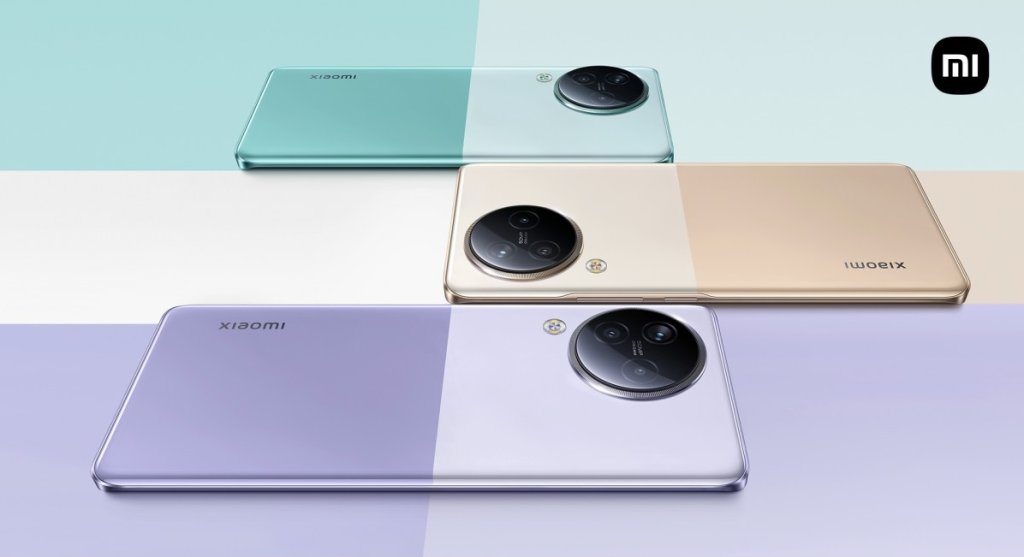
Interestingly, the timing of the MIIT certification for the new Xiaomi phone aligns well with Qualcomm’s announcement. So Xiaomi could be one of the first adopters of the new Snapdragon SoC.

While the exact launch date for the Xiaomi Civi 4 remains unconfirmed, previous reports suggest a timeframe around May. 

Its predecessor, Xiaomi Civi 3, was also released in May last year, with a slim design and a Dimensity 8200-Ultra processor. The Civi 4 looks to build on this foundation, offering a clear step up in power and imaging prowess.

We’ll be keeping a close eye on further developments and will provide updates as soon as more information becomes available.

Related:

Google unveils ‘Social Learning’: A collaborative, privacy-aware approach to AI advancement

Google has introduced a groundbreaking AI framework called “Social Learning,” aimed at enhancing the collaborative capabilities of language models without compromising user privacy. This framework allows AI models to learn from each other through natural language interactions, enabling them to share knowledge and improve performance on various tasks.

The framework involves a “student model” learning from multiple “teacher models”

Teacher models teach the student model, and the student model utilizes what it learned during the inference process

Through the Social Learning framework, teacher models can impart knowledge to student models without directly sharing sensitive or private data, ensuring privacy protection while facilitating effective learning.

In this framework, student models learn from multiple teacher models, each proficient in specific tasks, such as spam detection, solving math problems, or answering questions based on text. By leveraging human-labeled examples, teacher models can teach students without the need to exchange original data, addressing privacy concerns associated with data sharing. Additionally, teacher models can synthesize new examples or generate instructions for tasks, further enhancing the learning process.

Experiments have demonstrated the efficacy of social learning in improving the performance of student models across various tasks. Synthetic examples generated by teacher models have shown comparable effectiveness to original data, while significantly reducing privacy risks. Similarly, instructions generated by teacher models have proven to enhance student performance, demonstrating the adaptability of language models in following instructions.

To ensure privacy protection, researchers have employed metrics like Secret Sharer to quantify data leakage during the learning process. Results indicate minimal leakage of private data, affirming the framework’s ability to teach without revealing specifics from the original dataset.

By mimicking human social learning processes, these models can effectively share knowledge and improve each other’s performance while upholding user privacy. This approach holds promise for the development of privacy-conscious AI systems in various domains. Moving forward, researchers aim to further refine the Social Learning framework and explore its applications across different tasks and datasets.

Related:

(Source)

OnePlus Ace 3V is coming soon, says OnePlus President

Last year, OnePlus released three Ace-branded smartphones in China. This year, the brand has already launched the OnePlus Ace 3 with the Snapdragon 8 Gen 2. Reports suggest that the home market will soon receive the Ace 3V and Ace 3 Pro phones. The Ace 3V is rumored to debut soon as the world’s first smartphone equipped with the Snapdragon 7+ Gen 3 chipset. Today, the OnePlus President for China announced that the Ace 3V is launching soon.

OnePlus Ace 3V is coming soon

OnePlus Ace 3V is coming says OnePlus President for China

As can be seen above, OnePlus China President Li Jie Louis has said that the OnePlus Ace 3V is coming soon but hasn’t confirmed the launch date. The teaser reveals that the Ace 3V equipped with AI features will be announced this month.

Louis’ confirmation about the Ace 3V came soon after Qualcomm revealed that it would unveil its next chipset on March 18 in China. It is speculated that the US-based chip manufacturer will take off covers from the Snapdragon 7+ Gen 3 through the upcoming launch event. In all likelihood, the Ace 3V will debut in the fourth week of March.

OnePlus Ace 3V specifications (rumored)

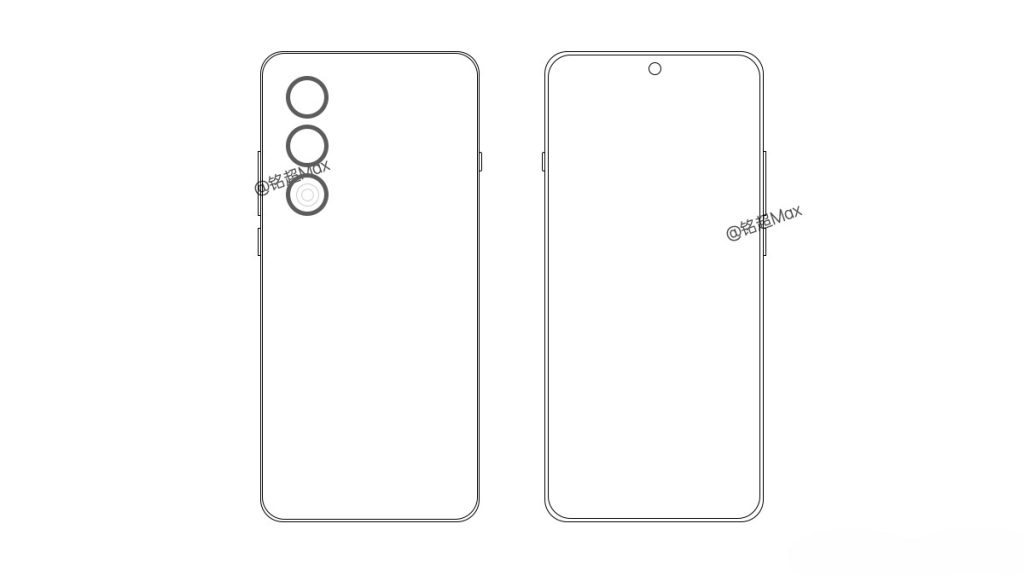
OnePlus Ace 3V schematics

According to reports, the OnePlus Ace 3V will have an OLED panel that produces a 1.5K resolution and a 120Hz refresh rate. On the front, it will have a 16-megapixel camera for selfies and a 50-megapixel primary camera with OIS support on the back. The device will run on the ColorOS 14-based Android 14. Shown above is the leaked schematic of the device.

The OnePlus Ace 3V is said to feature the Snapdragon 7+ Gen 3 chipset, 16 GB of RAM, 512 GB or 1 TB of storage, and a 5,500mAh battery with 100W charging. In addition, the 3V is said to be equipped with other features, such as an alert slider, an in-screen fingerprint scanner, an IR blaster, and dual speakers. Rumors are rife that its tweaked version will released globally with the OnePlus Nord 4 branding.

RELATED:

Qualcomm to launch new Snapdragon chips on March 18 event, Snapdragon 8s Gen 3 & 7+ Gen 3 expected

Qualcomm is hosting a new product launch conference at 14:30 on March 18th for its upcoming Snapdragon flagship system-on-a-chip (SoC). The conference’s slogan is “Intelligence is in the core, and there is a dragon in it.”

Qualcomm March 18 event

There are rumors suggesting that Qualcomm will unveil its previously speculated Snapdragon 7+ Gen 3 (SM7675) and Snapdragon 8s Gen 3 (SM8635) chips during the event. These chips, reportedly sharing the internal codename “Cliffs,” are believed to be different variations of the same core offering. Both chips are expected to use the same architecture as the Snapdragon 8 Gen 3.

Leaks so far have revealed the possible specifications for both the Snapdragon 7+ Gen 3 and Snapdragon 8s Gen 3. Here’s a summary of rumored specifications along with a comparison to the Snapdragon 8 Gen 3:

ChipBig CoreMedium CoreSmall CoreGPU
7+ Gen 31*2.9GHz Cortex-X44*2.6GHz Cortex-A7203*1.9GHz Cortex-A520Adreno 732
8s Gen 31*3.01GHz Cortex-X44*2.61GHz Cortex-A7203*1.84GHz Cortex-A520Adreno 735
8 Gen 31*3.3GHz Cortex-X43*3.25GHz Cortex-A7202*2.27GHz Cortex-A520Adreno 750

There are rumors about various new devices that could come equipped with these latest processors. Below is a list of potential devices that might feature either the Snapdragon 8s Gen 3 or the Snapdragon 7+ Gen 3 processors:

  • Realme GT Neo6 series (Snapdragon 8s Gen 3 or Snapdragon 7+ Gen 3)
  • Redmi Note 13 Turbo (Snapdragon 8s Gen 3)
  • Xiaomi Civi 4 (Snapdragon 8s Gen 3)
  • OnePlus Ace 3V (Snapdragon 7+ Gen 3)
  • Vivo Pad 3 (Snapdragon 8s Gen 3)
  • iQOO Neo 9 series new devices (Snapdragon 8s Gen 3)

We’ll need to wait for Qualcomm’s official event on March 18th to confirm these specifications and device lineups.

Related:

Honor Magic 6 Ultimate Edition design revealed before March 18 launch, key specifications leaked

Last week, Honor officially confirmed that it will hold its next launch event on March 18 in China. The brand has already confirmed that it will release three products, such as the Magic 6 Ultimate Edition, the Magic 6 RSR Porsche Design, and the MagicBook 16 Pro notebook. Today, the brand released an official poster to reveal the design of the Ultimate variant. At the same time, tipster Digtial Chat Station has tipped the key specifications of the device.

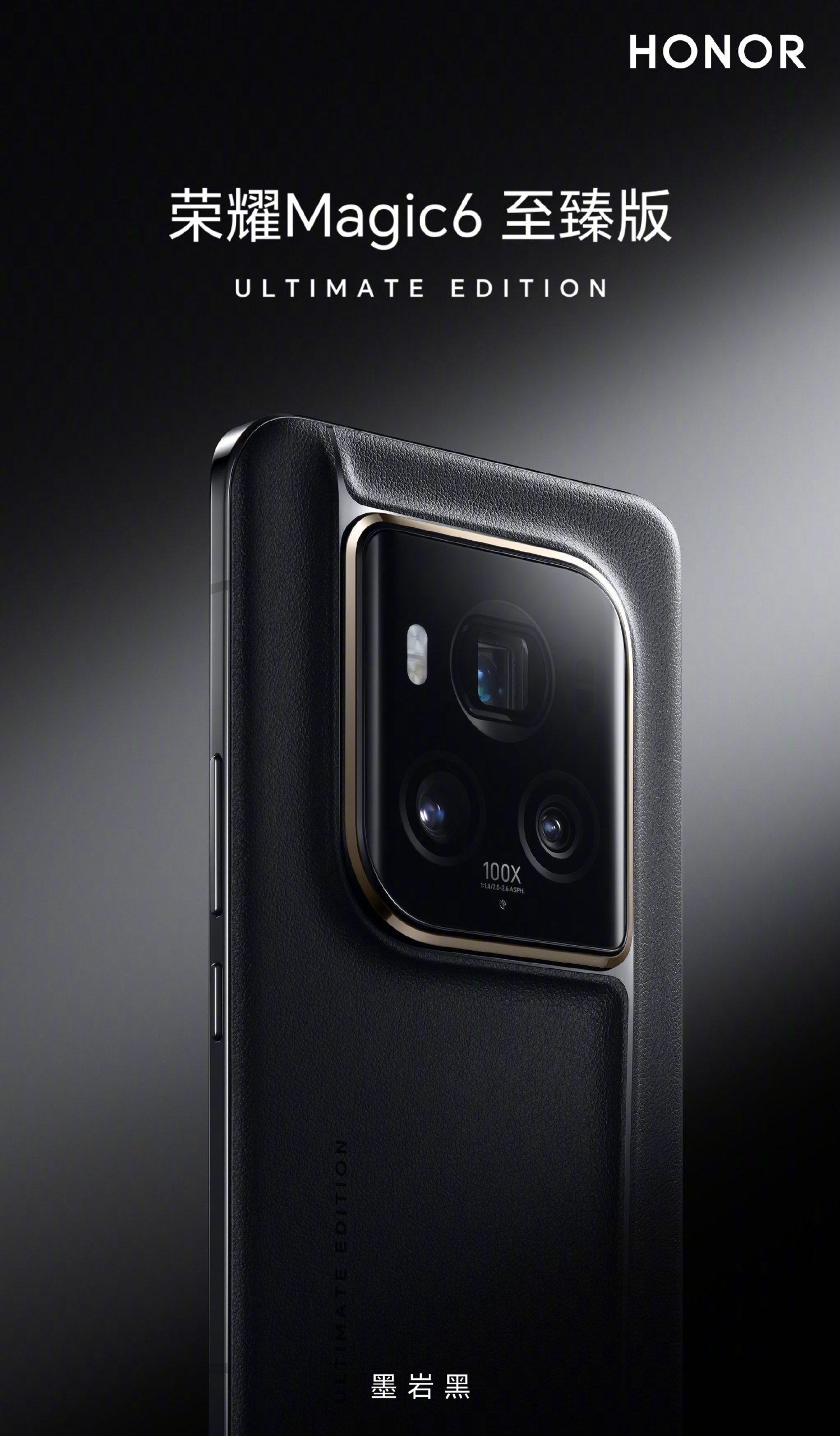
Honor Magic 6 Ultimate Edition color options

In the above images, the Honor Magic 6 Ultimate Edition can be seen in two shades, such as Sky Purple and Rock Black. The unique camera module reveals that it has a triple camera unit with LED flash. A closer look at it reveals that the camera setup includes a periscope telephoto camera, and it promises 100x digital zoom.

Honor Magic 6 Ultimate Edition key specifications

According to tipster Digital Chat Station, the Honor Magic 6 Ultimate has a quad-curved OLED panel on the front. It appears that the screen will have a punch-hole cutout like the Magic 6 Pro, which will probably house a 50-megapixel selfie camera with autofocus support and a ToF 3D depth sensor for biometrics. The screen supports LTPO technology and offers a 1.5K resolution. 

DCS claims the Magic 6 Ultimate Edition has a metal middle frame and a leather back. The 50-megapixel primary camera of the device is said to support f//4.0 to f/2.0 variable apertures and have an f/2.6 aperture. The setup is also said to include a 100-megapixel periscope telephoto camera, which allows the device to offer 100x digital zoom. Likely, the Magic 6 RSR may also offer similar specifications.

Under the hood, the Magic 6 Ultimate Edition is expected to feature the Snapdragon 8 Gen 3. In addition, it is said to support 80W fast charging.

RELATED:

This ~$100 Xiaomi Shower Head Brings Temperature Control to Your Bathroom

Xiaomi has unveiled a new addition to its Mijia line of smart home products: the Mijia Temperature-Controlled Shower Head N1. The shower head is designed to deliver a comfortable showering experience. It’s currently undergoing crowdfunding on Xiaomi Youpin. So let’s get into its detail here.

Xiaomi Mijia Temperature-Controlled Shower Head N1 Specifications

The Mijia N1 features a two-part design, consisting of a fixed shower head and a detachable hand shower. This allows users to enjoy a wider showering area or target specific areas with the hand shower’s integrated spray gun function.

Its highlight feature though is of course the temperature-controlling feature. The shower head has a separate temperature control knob, allowing users to adjust the water temperature to their liking precisely. 

The shower head also has three different spray modes — a boosted hand shower, a gentle sun shower, and a discreet lower water spray, all accessible with a simple button press.

Users also have the flexibility to control the water output, offering greater customization to suit their preferences. With hygiene at the forefront, the company says Mijia N1 has 59 brass body, offering high antibacterial protection.

Xiaomi claims that it offers 99.9% protection against common bacteria like Staphylococcus aureus and Escherichia coli. To ensure durability, the temperature adjustment knob uses a ceramic valve core for an extended lifespan, while the water outlet is crafted from liquid silicone to resist aging. Moreover, the hand shower conveniently features an integrated spray gun function.

Price and Availability

The Xiaomi Mijia Temperature-Controlled Shower Head N1 is available for crowdfunding on Xiaomi Youpin at a price of 699 yuan. The crowdfunding period will run from March 13th to March 27th.

Related:

Vivo T3 5G officially teased in India, launch imminent

Vivo has recently introduced the Vivo V30 and Vivo 30 Pro smartphones in India. There’s speculation surrounding the launch of the next Vivo phone in India, possibly the Vivo T3 5G, and recent teasers from the company hint at its imminent arrival. It seems likely that the T3 will be unveiled this month (March) in the country.

Vivo T3 5G teaser released in India

The above teaser confirms that the Vivo T3 5G will be launching soon in India. However, it neither reveals the device nor its specifications. It only confirms that the T3 will be sold through Flipkart, like its predecessor, the Vivo T2 5G.

To recall, the Vivo T2 5G, which debuted with a price tag of Rs 18,999 in April 2023, came equipped with the Snapdragon 695. It arrived as a rebranded version of the iQOO Z7 Pro 5G, which was sold through Amazon. Tomorrow (March 12), the iQOO Z9 5G equipped with the Dimensity 7200 will debut in India. It is speculated that the upcoming T3 could be a rebranded or tweaked version of the Z9 Pro.

According to recent reports, the Vivo T3 5G will have a 6.7-inch AMOLED FHD+ 120Hz display with up to 1800 nits of brightness. The D7200-powered device is expected to ship with 8 GB of RAM, 128 GB / 256 GB of built-in storage, 8 GB of virtual RAM, and a 5,000mAh battery with 44W fast charging. For photography, it will have a 16-megapixel front-facing camera, and an OIS-enabled 50-megapixel Sony IMX882 + 2-megapixel (bokeh) dual-camera system on the back.

The T3 will be available in Crystal Flake and Cosmic Blue shades. The device will likely carry a sub-Rs 20,000 price tag.

RELATED:

Poco X6 Neo display features confirmed via Flipkart page

Poco recently confirmed that it will unveil the Poco X6 Neo on March 13 in India. With the launch of the device happening in just a few days, its landing page has emerged on Flipkart. It reveals that the device will be available in at least two colors. In addition, the page has also confirmed some display features of the device.

Poco X6 Neo key features

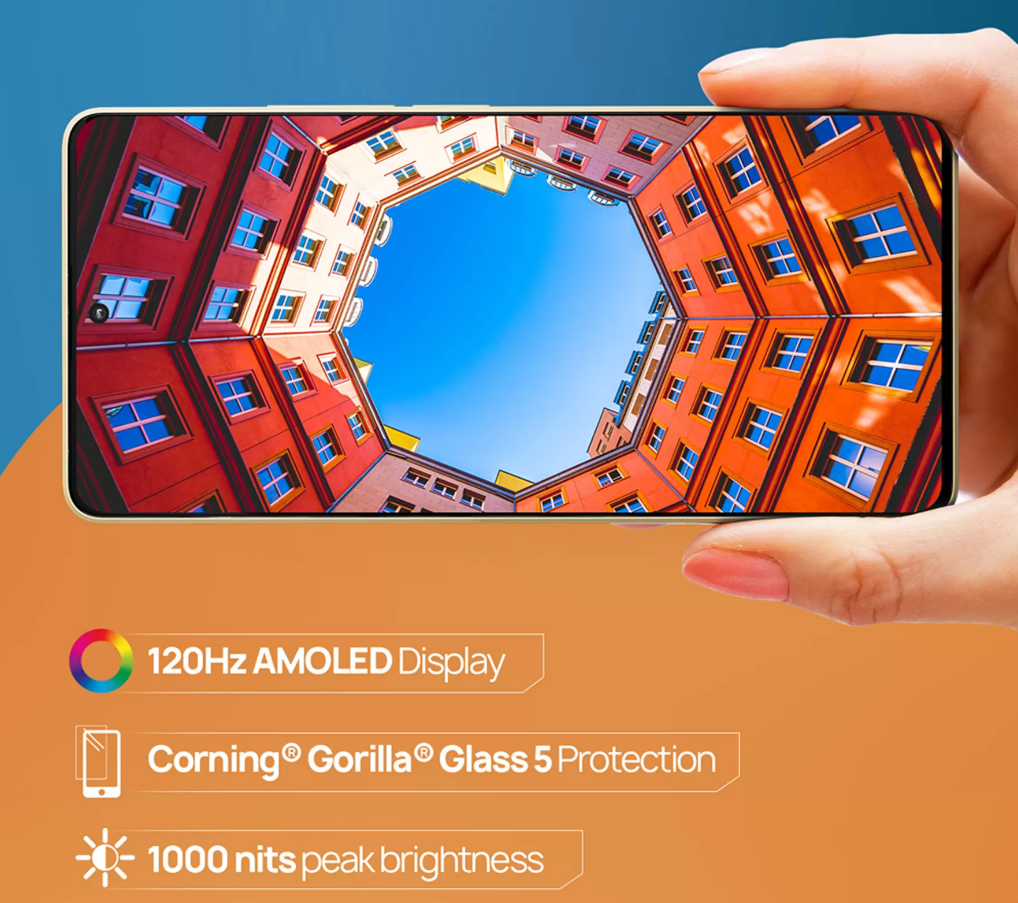
Poco X6 Neo display

According to the brand, the Poco X6 Neo has a 120Hz AMOLED display with a peak brightness of 1,000 nits. The punch-hole screen, which the company says is surrounded by slim bezels, promises a 93.3 percent screen-to-body ratio. The screen is shielded by Gorilla Glass 5.

Poco X6 Neo offers 93.3% screen-to-body ratio

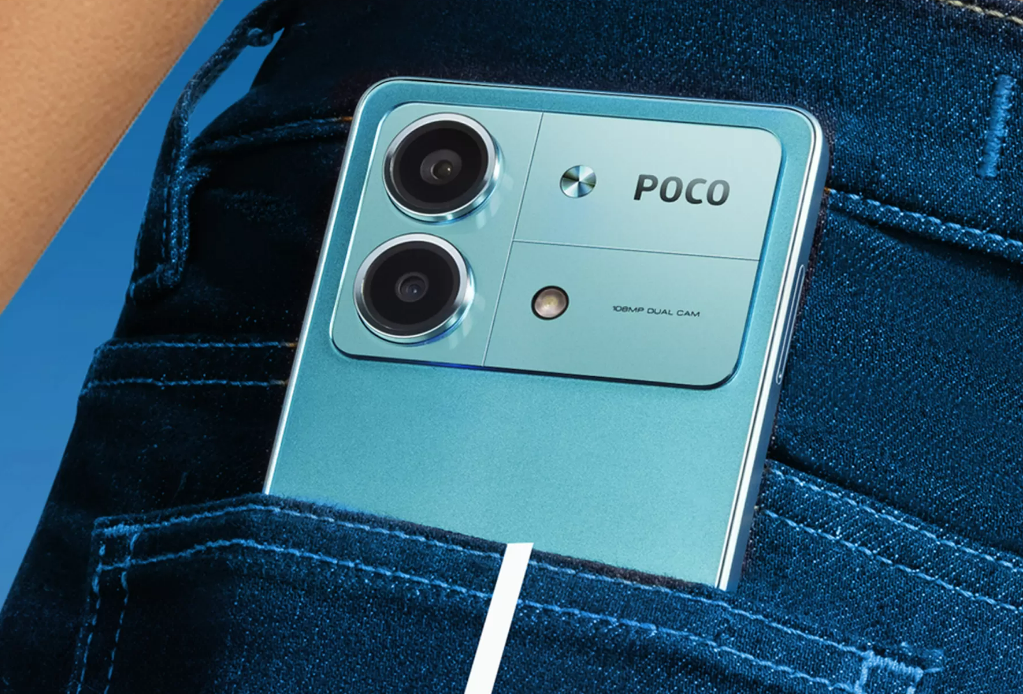
The Poco X6 Neo has flat edges, and it measures 7.69mm in thickness. It is equipped with a 108-megapixel dual-camera system on the back. It appears that, apart from blue, the X6 Neo will also come in a beige option.

Poco X6 Neo rear camera setup

It appears that Poco will confirm the price of the X6 Neo on March 13. Considering that it will be positioned below the Poco X6, it appears that it will arrive with a sub-Rs 20,000 price tag. To recall, the Poco X6 has a starting price of Rs 21,999 in the country.

Reports have claimed that the X6 Neo will be a rebranded version of the Redmi Note 13R Pro, which is exclusively available in the Chinese market. Therefore, the X6 Neo may have a 6.67-inch AMOLED FHD+ 120Hz screen, a Dimensity 6080 chipset, LPDDR4x RAM, UFS 2.2 storage, a 16-megapixel front camera, a 108-megapixel + 2-megapixel dual-camera system, a 5,000mAh battery with 33W fast charging, MIUI 14-based Android 13, and a side-facing fingerprint scanner.

RELATED:

Huawei’s New Patent for an Ultrasonic Fingerprint Sensor has Surfaced Online

Huawei recently unveiled a patent for a new “ultrasonic fingerprint” sensor, potentially signaling a move towards developing their own ultrasonic fingerprint technology. This comes as many phone makers currently rely on solutions from Goodix, which are restricted by Qualcomm patents.

Samsung’s Galaxy S10 was the first flagship smartphone to feature the sensor

The patent, titled “Ultrasonic fingerprint recognition module, system and electronic device” (CN117058725A), details a sensor design that promises improved fingerprint identification accuracy.

Fingerprint
Image credits: George Prentzas

Currently, ultrasonic fingerprint sensors are used in some high-end phones, especially Samsung‘s flagship S-series smartphones. However, these solutions are limited by patents held by Qualcomm. Huawei‘s new patent suggests they’re aiming to create an alternative ultrasonic fingerprint recognition technology, potentially freeing them from reliance on other companies’ patents.

The specifics of the patent delve into the technical details of the sensor’s construction, including a stacked common electrode, a piezoelectric layer, and an array of pixel electrode units. The technical breakdown describes how the sensor operates in both transmitting and receiving modes to capture fingerprint information with greater accuracy.

While the technical details might be complex, the key takeaway is that Huawei’s new patent hints at their ambition to develop their own ultrasonic fingerprint technology, potentially reducing their dependence on other companies’ solutions in the future.

RELATED:

(Via)

Three Authors Sue Nvidia in a Bizarre AI Copyright War

Three authors are throwing a wrench into the world of artificial intelligence (AI) with a lawsuit against chipmaker Nvidia. The fight centers around Nvidia’s AI platform, NeMo, which the authors claim used their copyrighted books for training without permission.

We can expect similar lawsuits to pop up due to the growing popularity of AI

Brian Keene, Abdi Nazemian, and Stewart O’Nan allege their works were included in a dataset of nearly 200,000 books used to train NeMo to mimic natural language writing. While Nvidia removed the dataset in October 2023 due to copyright infringement claims, the authors argue this takedown is an admission of guilt.

Nvidia

Filed in a San Francisco federal court, the proposed class-action lawsuit seeks unspecified damages for US authors whose copyrighted works potentially helped train NeMo’s large language models in the past three years.

The lawsuit mentions specific titles like Keene’s “Ghost Walk” (2008), Nazemian’s “Like a Love Story” (2019), and O’Nan’s “Last Night at the Lobster” (2007). As of Sunday, Nvidia declined to comment, and the authors’ lawyers haven’t responded to requests for further information.

This lawsuit adds Nvidia to a growing list of companies facing legal challenges from writers and media giants like the New York Times. The issue revolves around generative AI, a technology capable of creating new content based on existing text, images, and sounds.

RELATED:

(Via)

Dareu launches A980Pro and A980ProMax 8K gaming mice with 0.85-inch TFT color display in China

Dareu, a Chinese manufacturer of gaming peripherals, has announced the release of two new wireless gaming mice, the A980Pro and A980ProMax in the Chinese market.

Dareu A980Pro and A980ProMax

Specifications:

Both mice support are equipped with the P3395 optical sensor, which offers a maximum DPI of 26000, 650 IPS tracking speed, and 50G maximum acceleration. They also feature Kailh GM 8.0 Black Mamba micro switches with a lifespan of 80 million clicks.

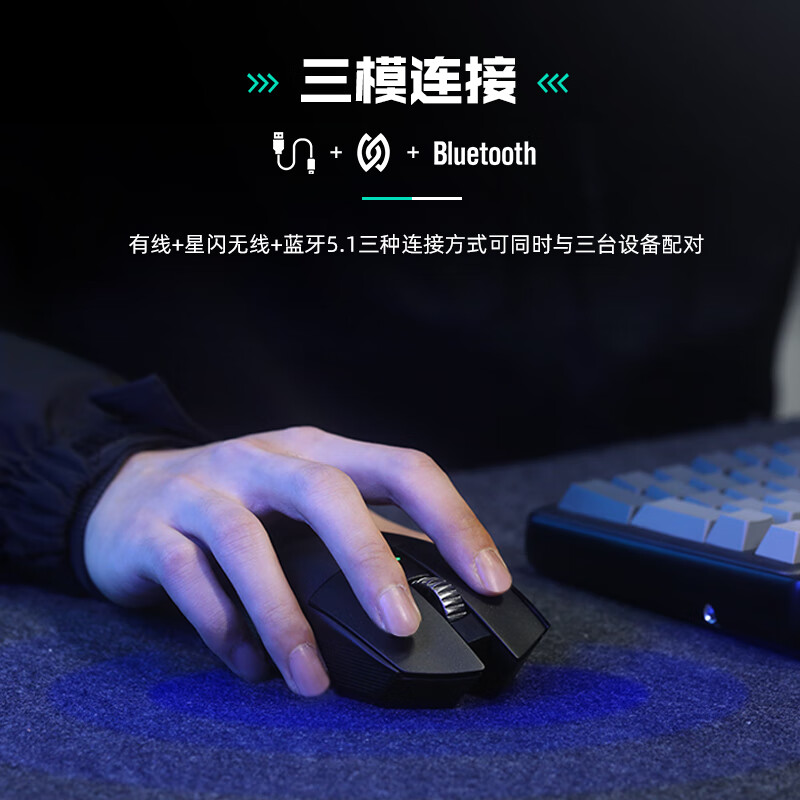
The Dareu A980Pro and A980ProMax feature three connectivity modes: wired, NearLink wireless, and Bluetooth 5.1, and can pair with three devices simultaneously. The NearLink wireless technology developed by Huawei boasts a low latency of around 1ms and a polling rate of up to 4000Hz in wireless mode and 8000Hz in wired mode.

The key difference between the two mice is that the A980ProMax features a 0.85-inch TFT color display screen that can display mouse status like battery indicator and static or dynamic images, and can also be used to switch DPI/polling rate and other functions.

The A980ProMax also has a metal scroll wheel and a larger battery capacity (930mAh) compared to the A980Pro (500mAh). However, the A980Pro supports fast charging, while the A980ProMax does not.

Both mice are made from magnesium alloy, which is said to be lighter, denser, and more durable than traditional materials. They are also equipped with Dareu’s new energy-saving wireless technology, which can last up to 70 hours in NearLink mode and up to 130 hours in Bluetooth mode on the A980Pro (the A980ProMax’s battery life is not specified).

The A980Pro weighs 62g, and the A980Pro Max is slightly heavier at 73g. Both mice have dimensions of 129mm x 72mm x 40mm, providing a comfortable size for various hand grips and gaming styles.

The DPI settings, lighting effects, polling rate, and customization of the TFT screen can be adjusted through the Dareu driver software. This software also allows for the configuration of macro keys to tailor the mouse to specific needs and preferences.

Pricing and Availability

The Dareu A980Pro is priced at 299 Yuan (around $42 USD), while the A980ProMax is priced at 399 Yuan (around $56 USD). Both mice are available for pre-order now on JD.com and will go on sale starting at 10:00 am on March 15th.

RELATED:

Xiaomi is removing a popular feature from HyperOS

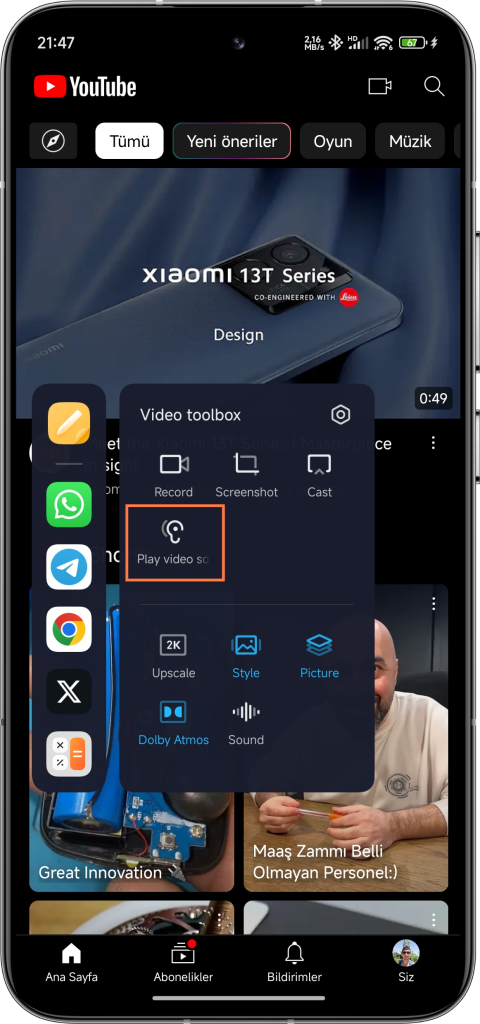
In an unexpected move, Xiaomi is removing that popular feature. Users will be looking for the background video playback option that came with MIUI 12 and will no longer be available in HyperOS. The Chinese brand has decided to remove it, probably after Google’s warning.

Because the ability to play videos in the background with the screen off was only available for premium users. This feature, which previously existed in applications such as YouTube, even users without a premium subscription could easily listen to the music they wanted in the background.

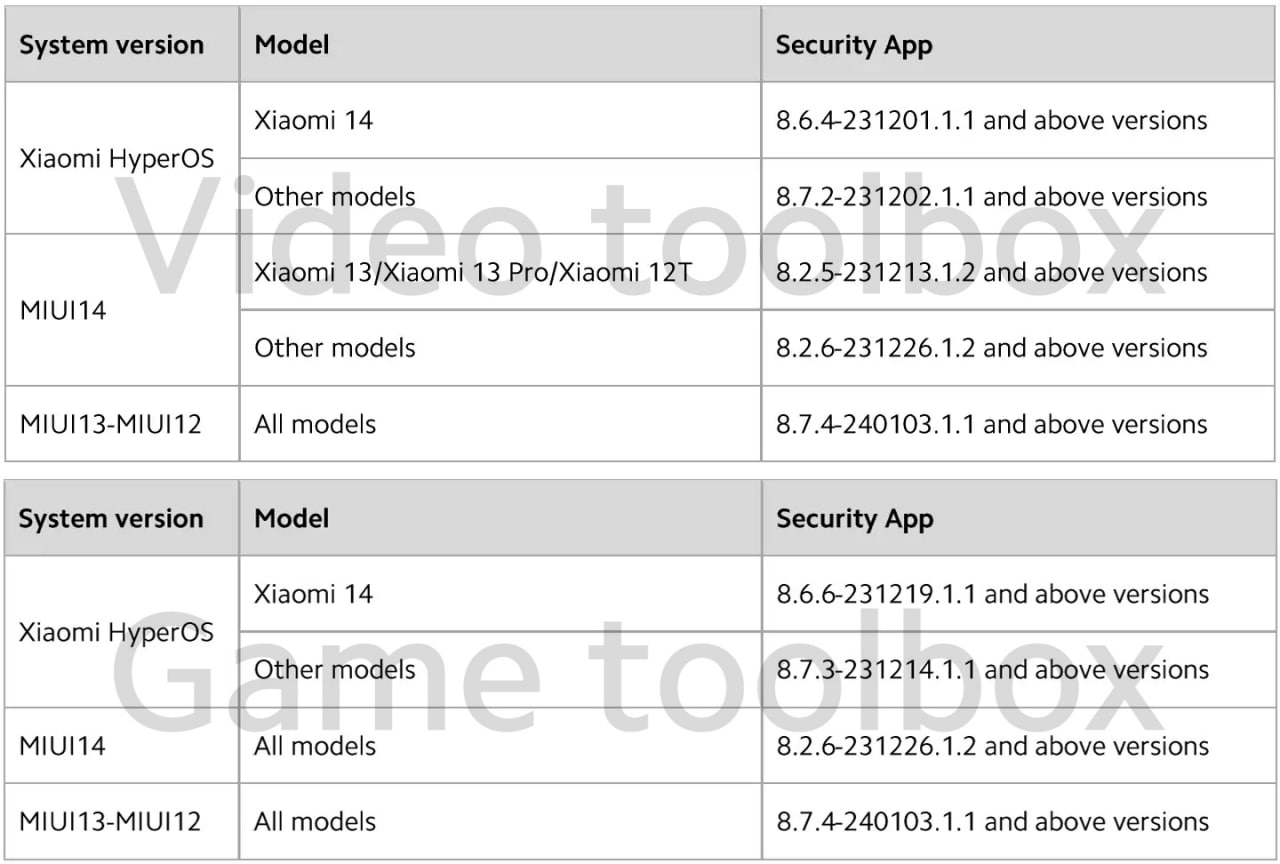
Xiaomi will gradually remove this feature from the video toolbox with new updates. The video toolbox was highly praised for its useful features and was added to MIUI 12. Now in MIUI 15 ( HyperOS as Xiaomi calls it), there will be no option to play videos with the screen off. Those who still want to use this feature will have to subscribe to YouTube’s Premium subscription.

Attention users of MIUI 12, MIUI 13, MIUI 14 and HyperOS (MIUI 15) interface! If you upgrade the security app to the above-mentioned versions, the ability to play videos with the screen off will be disabled. This is not a problem and is officially stated by the brand itself.

So what happens now? Xiaomi has to comply with Google’s policies and unfortunately the feature has to be removed. Although users are upset, there is nothing to be done about it. Still, it should not be forgotten that there are different methods. Android is an open-source operating system. You can make any changes you want on the operating system and users can do whatever they want with a little research.

Related:

Lenovo Xiaoxin Pro 16 2024 with Intel Core Ultra 9-185H launching in April, specs revealed

In April, Lenovo plans to release a new version of its Xiaoxin Pro 16 2024 notebook featuring the Intel Core Ultra 9-185H in China. This update follows the series’ initial launch in December 2023 with the Ultra 5 125H version, and an Ultra 7 version being announced in January.

Lenovo Xiaoxin Pro 16 2024

The notebooks are relatively light and thin, weighing 1.91 kg and measuring 17.5mm in thickness, making them portable. They’re powered by an 84Wh battery and feature high-speed memory with a bandwidth of up to 7467MT/s. The laptops support ARC core graphics and offer expansion slots for 2280 M.2 hard drives for those who need more storage.

Display quality is a strong point, with a 16-inch screen that has a 16:10 aspect ratio, 2.5K resolution, 120Hz refresh rate, and 350 nits brightness, covering 100% of the sRGB.

Lenovo Xiaoxin Pro 16 2024

For security, there’s IR+ToF face recognition for quick unlocking. For audio, the laptop is equipped with dual speakers. Connectivity-wise, the laptop offers Wi-Fi 6E, an SDXC card reader, a 3.5mm audio port, two USB Type-A 3.2 Gen 1 ports, an HDMI 2.0 port, a full-featured USB-C port, and a Thunderbolt 4 port.

Lenovo’s pricing for the earlier versions starts at 5,799 yuan for the 16GB RAM plus 1TB storage configuration, and 5,999 yuan for the 32GB RAM with 1TB storage.

RELATED:

(via)

ViewSonic launches VG2781-4K monitor for MacBooks with PD 96W reverse charging support

ViewSonic has launched a new 27-inch monitor called VG2781-4K designed specifically for Apple Mac users. The monitor is now available on JD.com in the Chinese market at a price of 1699 Yuan ($239). Let’s check out the key specs.

ViewSonic VG2781-4K

ViewSonic VG2781-4K Specifications:

The monitor boasts a minimalist design with a three-dimensional embossed logo and a subtle textured back. It features slim bezels with an inner black border of about 4.5mm and a micro bezel of about 1.5mm, maximizing screen real estate for an immersive viewing experience.

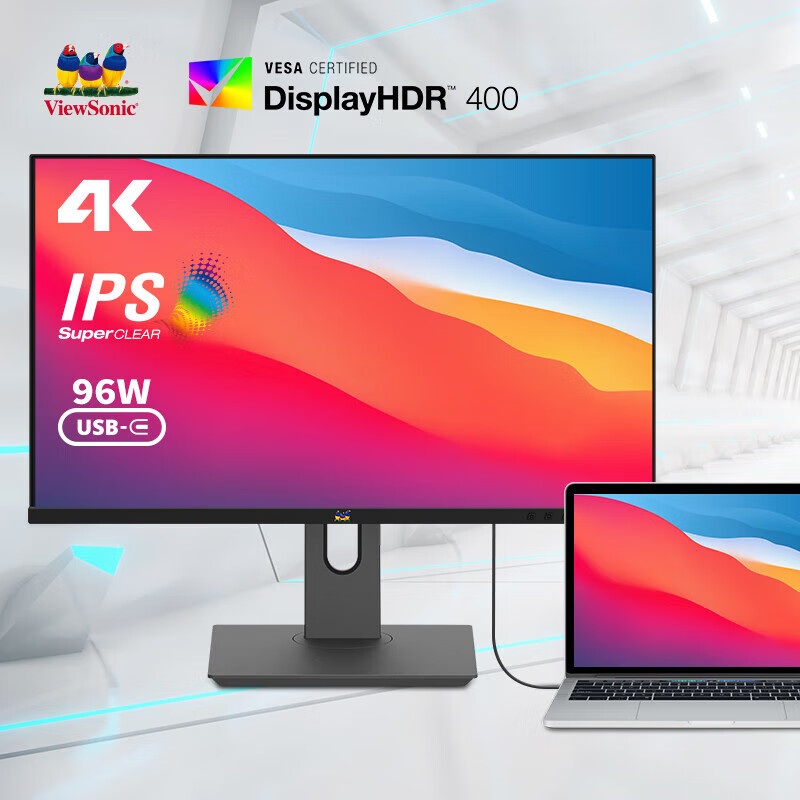
The monitor features a 4K Ultra HD 60Hz IPS screen with a brightness of 400 nits. In terms of color accuracy, it boasts a 10-bit color, covering 100% sRGB color gamut, 95% DCI-P3 color gamut, and 92% Adobe RGB color gamut.

The VG2781-4K also works with PS5/XBOX/Switch consoles. It can provide players with better gaming effects, making games smoother, more detailed, and more realistic. With a color depth of 10-bit (8+FRC) and a wide color gamut, the fine details of the image are fully displayed, making the color transitions smoother and more natural. The monitor meets the DeltaE≤2 color display accuracy standard, presenting exquisite images.

It comes with 178-degree viewing angles and is equipped with two 3W speakers. The stand of the monitor supports tilt, height adjustment, left-right swivel, and vertical rotation. It also includes features like DisplayHDR 400 and SuperColor Technology which enhances the viewing experience with improved brightness and color accuracy.

In terms of interfaces, this monitor is equipped with 1 USB-C port (supporting PD 96W charging), 2 HDMI 2.0 ports, 1 DP 1.2 port, 1 USB-B 3.0 port, and 3 USB-A 3.0 ports. It can transmit 4K images, and data and charge for MacBook or mobile devices using the Type-C cable.

This ViewSonic monitor uses low blue light technology to reduce harmful “blue light” output, combined with the high PPI of the monitor itself, making long-term viewing more comfortable. The blue light can be adjusted from 0 to 100 for Monocular Degree. Yesterday, the company also launched a new monitor called VX2776-2K-PRO which supports 2K resolution and 185Hz panel.

RELATED:

Philips 3000 Series Dual Basket Airfryer with 9-liter capacity unveiled

Philips is launching the 3000 Series Dual Basket Airfryer in Europe, an appliance that aims to make cooking more convenient by featuring two separate baskets. This design lets users cook different parts of their meal at the same time, whether it’s sides or mains. The Airfryer’s 9-liter capacity means it can handle quite a bit of food, up to 1.5 kg, which is enough for a whole chicken or a large serving of vegetables.

Philips 3000 series Dual Basket Airfryer

The device uses Philips’ Rapid Air Technology to cook food evenly, making sure everything turns out crispy on the outside and tender on the inside. It comes with a touchscreen that includes eight preset cooking modes for various types of food, from fries and veggies to cakes. It also has smart features that let users sync the finish times of both baskets and copy settings from one basket to the other for consistent cooking.

Philips offers the NutriU app as a companion to the Airfryer, providing users with many recipes tailored to this device. The Airfryer is designed for easy cleanup as well, with dishwasher-safe baskets, and comes with a grill rack and pan. The Philips 3000 series Dual Basket Airfryer is priced at €249.99, with the launch date yet to be announced.

RELATED:

(via, source)

Alldocube iPlay 50 Mini Pro NFE: Enjoy Exclusive Savings on Amazon US (Coupon)

Alldocube iPlay 50 mini NFE Pro seamlessly blends entertainment, productivity, and style. Packed with a rich feature set, innovative technology, and optional accessories, this tablet caters to diverse user needs. Let’s dive into the key features and functionalities that set the Alldocube iPlay 50 mini NFE Pro apart.

Deal:

Don’t miss out on this fantastic deal available exclusively on Amazon USA! From March 7th, 8:00 AM, to March 14th, you can purchase Alldocube iPlay 50 mini NFE Pro for only $123.99. Simply apply the $20 coupon and use the 10% discount code (XZZUV8KV) at checkout to enjoy these savings. Hurry and take advantage of this offer while it lasts!

WHERE TO BUY
Alldocube iPlay 50 mini NFE Pro at $123.99 @Amazon US

One of the standout features of the Alldocube iPlay 50 mini NFE Pro is its Widevine L1 certification, ensuring uninterrupted streaming of high-quality content. Compatible with popular platforms like Netflix, YouTube, Hulu, Amazon Prime Video, and Disney Plus, the tablet provides a cinematic viewing experience.

With 4GB of RAM, the Alldocube iPlay 50 mini NFE Pro ensures smooth multitasking, allowing users to effortlessly switch between applications. The innovative RAM expansion technology also enables users to upgrade to a total of 12GB RAM, providing enhanced performance for demanding tasks.

The tablet features an 8.4-inch IPS screen with a resolution of 1200 x 1920, delivering vibrant and detailed visuals. The high brightness of 300 cd/m² ensures clear images even in bright lighting conditions. The 10-point touchscreen technology allows for accurate and fast responses, making navigation a breeze.

Designed with elegance in mind, the Alldocube iPlay 50 mini NFE Pro boasts a Deep Space Gray color, compact dimensions of 202.7 x 126 x 7.5 mm, and a lightweight build for on-the-go use. Premium materials and a smooth texture provide a secure grip, ensuring both style and functionality.

Running on the latest Android 13, the tablet offers improved stability and smoothness. Features like split-screen multitasking and customizable icon libraries enhance the overall user experience, making the device user-friendly and efficient.

The Alldocube iPlay 50 mini NFE Pro supports 4G LTE, Wi-Fi, Bluetooth 5.0, GPS, and FM Radio, providing seamless internet access, stable Wi-Fi connections, and easy connectivity with other devices.

Optional accessories such as a dual-head stylus and ultra-thin Bluetooth keyboard cater to users seeking enhanced creativity and productivity. The passive stylus offers smooth and precise touch control, while the Bluetooth keyboard provides a PC-like typing experience.

Alldocube iPlay 50 mini NFE Pro stands out as a versatile and stylish tablet, offering a perfect balance of entertainment, productivity, and style. With its impressive feature set and optional accessories, it is sure to meet the diverse needs of users in the ever-evolving world of technology.

Vivo Y03 renders and specs leak, to feature MediaTek Helio G85

Vivo’s upcoming budget smartphone, the Y03, has been the subject of continuous speculation, thanks to its multiple certification site appearances. Now, a comprehensive leak courtesy of Appuals has shed light on the Vivo Y03’s detailed specifications and design. Let’s explore what the Vivo Y03 promises to bring to the table.

Vivo Y03 Specs and Renders

The Vivo Y03 will reportedly sport a sizable 6.56-inch IPS LCD panel. While limited to HD+ resolution, this display will still offer a smooth 90Hz refresh rate. 

Design-wise, the phone boasts a flat, matte-finished back design complemented by two cameras in the upper left corner. An LED flash sits beside the camera setup. 

Leaked renders show the phone in Green and Black color variants, the latter accented with sophisticated gold rings around the camera lenses. Not to forget, the smartphone has a classic teardrop notch on the front for the selfie camera.

Vivo Y03 Design Renders Leak

Under the hood, the Vivo Y03 relies on the MediaTek Helio G85 processor. This octa-core chipset, while a few years old, still offers capable performance for everyday tasks.  

The phone will be available in 4GB + 64GB and 4GB + 128GB storage configurations. You will also be able to expand the RAM up to 4GB virtually via Vivo’s Extended RAM feature.

In terms of the camera, the phone will have a 13MP primary sensor on the back paired with a secondary 0.08MP QVGA lens. For selfies, you will get a 5MP camera.  

The camera system is said to include an array of modes such as Super Night, Night Stylish Filters, Panorama, Multi-style Portrait, Slow Motion, Time-Lapse, and Professional mode.

Moreover, the smartphone is said to be powered by a 5000mAh battery that will support 15W of charging via a USB-C port. Vivo Y03 will also have an IP54 rating for dust and water resistance and is said to boot on Android 14-based FunTouch OS 14 out of the box.

Vivo Y03 Price

The report says the Vivo Y03 will cost around USD 100 which converts to around Rs 8,280 in India. However, it does not reveal any details regarding the launch date or availability of the smartphone.

Related:

Apple iPad Air and iPad Pro could feature new landscape FaceTime camera

Apple’s iPad lineup is due for an upgrade and there have been a lot of rumors around them. There’s talk of the OLED iPad Pro a redesigned iPad Air. 

A new rumor by seasoned Weibo tipster Instant Digital (via MacRumors) now suggests that the upcoming iPad Air and iPad Pro will have a landscape front-facing camera. 

Currently both the Air and Pro iPads feature front-facing cameras on the top of the device. It creates an off-center view during landscape FaceTime calls for users. 

iPad Air iPad Pro Landscape Camera

Apple took steps to address this issue somewhat with the 10th-generation iPad. Since then, however, Apple hasn’t released any new iPads, but it seems like the company might be extending this improvement to additional models.

Code uncovered within iOS 17.4 also hinted at a landscape camera orientation for the upcoming iPad Pro. And the leaker now suggests that the redesigned iPad Air, which is rumored to be available in both 10.9-inch and 12.9-inch sizes, will also adopt this camera placement.

The logistics of this shift remain unclear. The current Apple Pencil connects magnetically to the side of the iPad Pro and iPad Air for charging which could potentially conflict with a side-mounted camera.  

However, there are also rumors of a new Apple Pencil release alongside the updated iPads. So Apple may have found a design solution.

The redesigned iPad Air and the new OLED iPad Pro models are expected to launch soon, possibly within the month. These updates, if accurate, would indicate a broader design shift in Apple’s tablet lineup focused on improved usability.

Related:

Vivo Y03 appears on NBTC certification ahead of global launch

The upcoming Vivo Y03, marked by its model number V2332 recently cleared a bunch of certifications, hinting at an upcoming global launch. In addition to that, it has now received certification from Thailand’s National Broadcasting and Telecommunications Commission (NBTC). The certification confirms that the device will feature LTE connectivity.

From various certifications, some details about the Vivo Y03 have been revealed. The phone is anticipated to come with a 5000mAh battery and 15W fast charging capability.

The device is also said to offer 64GB of internal storage, which can be expanded up to 1TB via a microSD card. At its heart, the Y03 is expected to feature the MediaTek Helio G85 SoC, along with 4GB of RAM, which indicates that it should offer decent performance for most tasks. It is also mentioned to run on Android 14, providing users with the latest software features and security updates. Support for Bluetooth 5.3 is also included.

Vivo Y02
Vivo Y02

Compared to its predecessor, the Y02, which had a simpler design and less powerful specs, the Y03 is expected to bring several improvements. The Y02 was equipped with a flat frame design, an HD+ display, and the MediaTek Helio P22 SoC, along with an 8MP rear camera, 5MP front camera, and 10W charging support. The Y03 aims to build on this foundation, offering upgrades in performance, storage, and connectivity.

RELATED:

Samsung silently launches the Galaxy M15 5G with 6000mAh battery, four generations of Android updates

Samsung, without much fanfare, has launched its latest smartphone, the Galaxy M15 5G in select markets including Iraq and the regions of Levant

While the official pricing and availability details remain under wraps for now, the company has listed the phone’s specs on its official website, revealing everything there is to know about it. Let’s get into the details here.

Samsung Galaxy M15 5G Specifications

So the Galaxy M15 5G is built around a 6.5-inch Super AMOLED display with a 90Hz refresh rate. The screen has 800 nits of brightness that should offer decent outdoor visibility.  

The Galaxy M15 bears a resemblance to its predecessors in terms of design. The device has three camera rings on the rear and slightly rounded edges for a comfortable grip. It is available in three colors — Light Blue, Dark Blue, and Gray.

Regarding performance, Samsung has not officially confirmed the processor but mentions the use of an octa-core SoC with a 2.2GHz clock speed. The specs align with that of the MediaTek Dimensity 6100+ processor. 

The processor is paired with 4GB of RAM and 128GB of storage. The latter is expandable up to 1TB via a MicroSD card. 

Out of the box, the Galaxy M15 5G comes with the latest Android 14 operating system. Samsung is also promising four generations of Android updates and five years of security patches. 

Keeping the lights on is a substantial 6,000mAh battery that supports 25W fast charging. Notably, the Galaxy M15 5G retains the classic 3.5mm headphone jack and features a side-mounted fingerprint scanner for security.
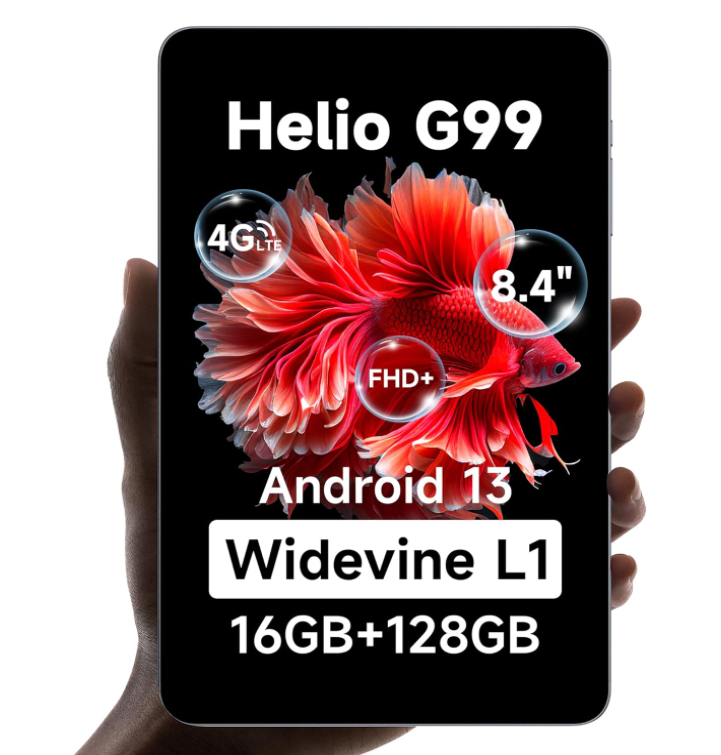
For photography, the Galaxy M15 5G sports a triple rear camera system. This setup is headlined by a 50MP primary camera, accompanied by a 5MP ultrawide camera and a 2MP macro lens. Selfies and video calls are handled by a 13MP front-facing camera.


Related:

(Via)