Advertisement

Huawei reveals replacement part costs for new Pocket 2 foldable

Earlier this week, Huawei unveiled its newest clamshell-style folding phone, the Pocket 2. It succeeds the Huawei Pocket S smartphone released back in 2022.

While the Pocket 2 isn’t available for purchase yet, it’s set to hit the market on March 1st, 2024. Leading up to the release, Huawei has already disclosed the prices for spare parts of the Pocket 2 smartphone.

Unsurprisingly, the motherboard is the most expensive component. The 12GB+256GB option costs 3,299 yuan, while the 12GB+512GB model costs 3,699 yuan, and the top-end 12GB+1TB variant costs 4,399 yuan.

The display comes in as the second priciest part, costing 3,019 yuan. However, a discount brings it down to 2,399 yuan. On the other hand, the least expensive component is the receiver at a mere 89 yuan.

Here’s a full breakdown of Huawei Pocket 2 spare part prices:

PartPrice (yuan)
Screen2,399 (after discount)
Motherboard – 3299 (12GB+256GB)
– 3699  (12GB+512GB)
– 4399  (12GB+1TB)
Battery299
Battery cover589
Rear camera– 539  (main)
– 265  (wide angle)
– 279 (telephoto)
– 249 (hyperspectral)
Camera lens129
Front camera269
Adapter130
Data cable69
Speaker107
Charging interface181
Receiver89
Fingerprint sensor96

It’s important to note that these prices are representative of repair costs in China only. Additionally, these are just the prices for individual components, and the actual repair cost may be higher depending on the extent of the damage.

Apart from the cost of spare parts, there is also a labor fee associated with repairs. The labor fee ranges from 50 yuan to 100 yuan, depending on the maintenance level. For non-warranty repairs, the total cost will be the sum of the spare parts price and the labor fee.

Related:

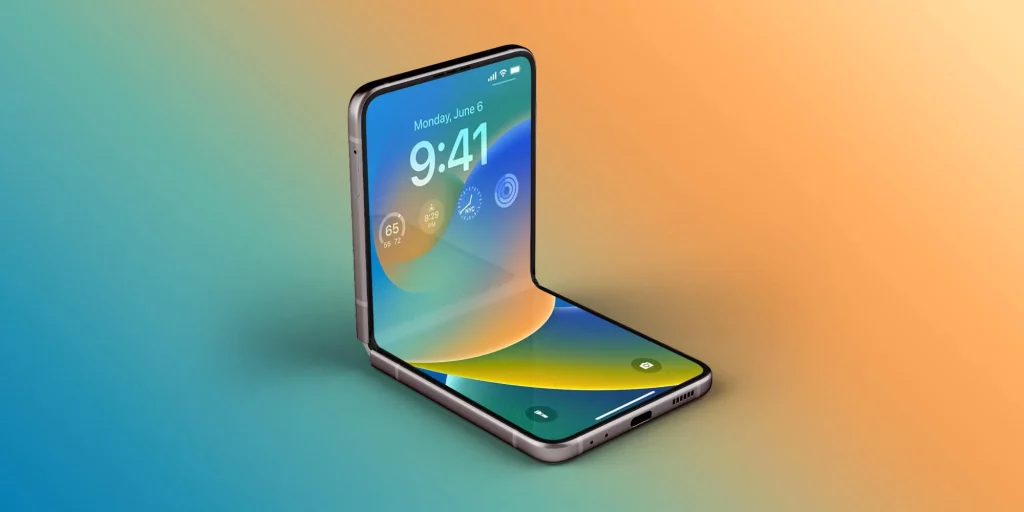
Apple’s First Foldable May Not Be The iPhone But Something Larger: Report

Recent reports have revealed Apple’s plans of a foldable iPhone. The foldable phone segment has come a long way since Samsung pioneered in 2019. The Cupertino-based tech giant has fallen behind in this competition. Now, DigiTimes reports that Apple’s first foldable offering won’t be an iPhone. 

Apple is deciding on its first foldable device and it may be something different

foldable-iphone-concept

DigiTimes cites supply chain sources in its paywalled report. It claims that Apple has been working on its first-ever foldable device for at least five years. The publication adds that it could be a larger device instead of a foldable iPhone. This signals that Apple could take a different route in the foldable segment with a tablet or even a notebook. The report also states that the design is coming together and the phase of the project is nearing completion. The company is moving closer to mass production. 

It’s worth noting that DigiTimes only mentions about Apple’s foldable as a larger device. This leads us to speculate that it could be a part of the iPad lineup or an entirely new product category. The report reiterates that Apple has not suspended the work on foldable devices. It also confirms that past reports of pausing the development owing to screen issues and shifting the Vision Pro team to a foldable project are both true.

Apple is expected to launch its first foldable phone in 2025 or maybe later. The company usually takes time with new launches. In the case of foldable segment, it’s understandable since the hinge mechanism is at the heart of the device and the Cupertino-based tech giant won’t want to compromise on the quality. It’s too early to get excited and this report should be taken with a healthy grain of salt. 

Related:

Source

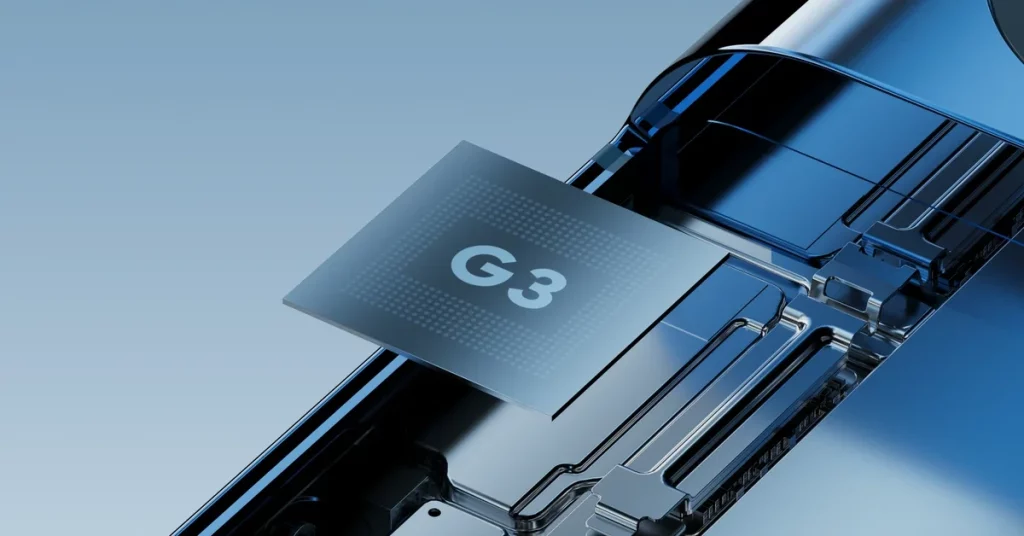
Google Tensor G3 is the first smartphone SoC with 4K 60FPS AV1 encoding support

Google‘s current-gen Tensor G3 chip, used in the Pixel 8 series, has a hidden feature — built-in support for the AV1 codec. This marks it as the first smartphone processor capable of handling AV1 video. Impressively, the processor can encode video at 4K resolution and 60 frames per second (FPS).

For those unaware, AV1 is a newer video compression standard that promises better quality and compression compared to the older H.264 codec.

Tech sleuth Mishaal Rahman shared a code snippet confirming the processor’s AV1 support up to 4K resolution and 60FPS. This puts the Tensor G3 ahead of competitors like Qualcomm, MediaTek, and Samsung in terms of this specific encoding capability.

However, there’s a catch — despite the Tensor G3’s AV1 support, there are currently no widely used applications, including Google’s own Pixel Camera app, that can utilize this feature for encoding at 4K 60FPS. 

Without software support, users won’t immediately benefit from this hardware capability.

So the absence of AV1 encoding support in other chipsets may also be due to compatibility concerns. 

The H.264 format remains widely used and supported codec currently, ensuring videos can be easily viewed across different devices. 

Google Tensor G3 AV1 codec support

However, it’s important to note that Apple’s A17 Pro chip, used in the iPhone 15 Pro models, also supports AV1 decoding but not encoding.

Google could possibly introduce AV1 encoding support in future Tensor chip iterations and update its camera app to leverage this feature. 

However, once applications start supporting AV1 encoding at 4K 60FPS, the Tensor G3’s unique capability remains more of a technical curiosity than a practical advantage for users.

Related:

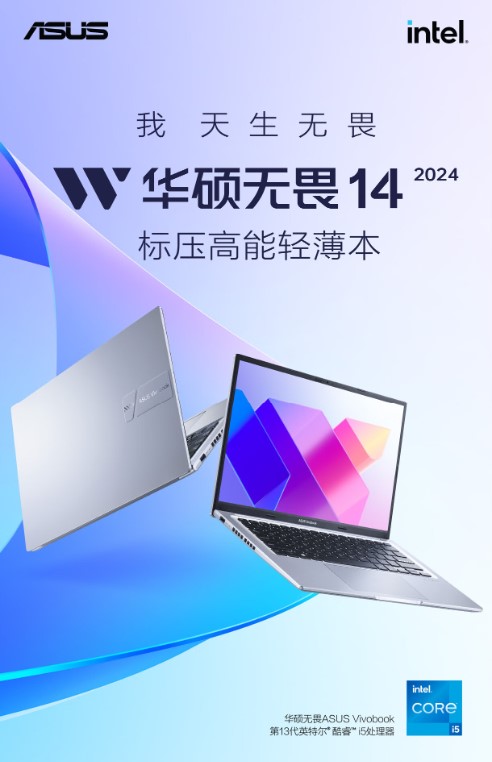
ASUS launches Vivobook 14 2024 with 180° IPS display, i5-13500H in China for 3799 yuan ($528)

ASUS has officially launched the latest iteration of its popular laptop series, the Vivobook 14 2024, now available for pre-order in the Chinese market. This new model, starts at a price of 3799 yuan ($528), targeting users seeking a balance of performance and portability.

Asus Vivobook 14 2024

ASUS Vivobook 14 2024 Specifications:

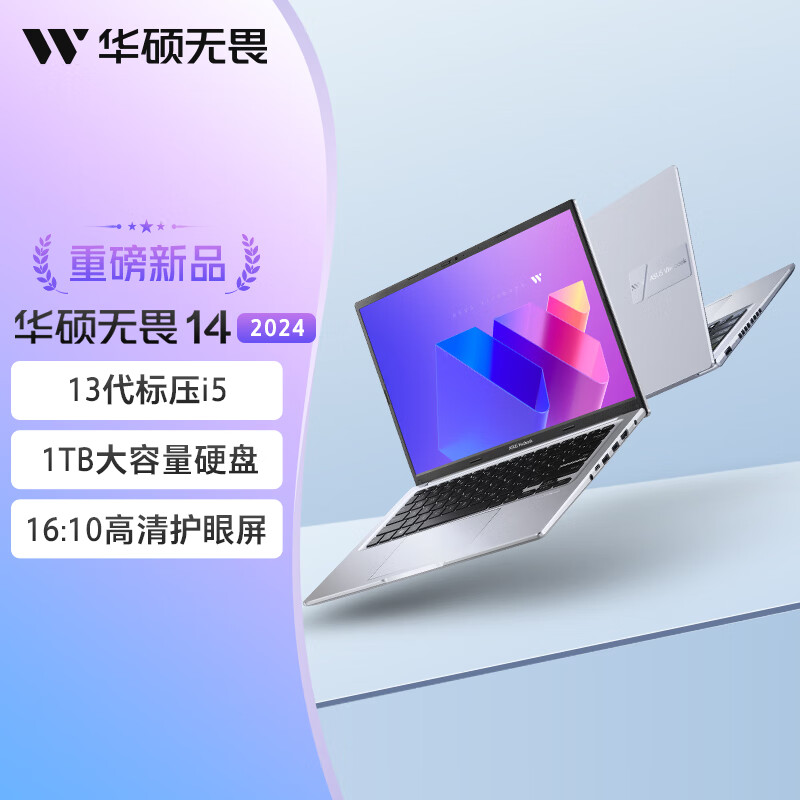
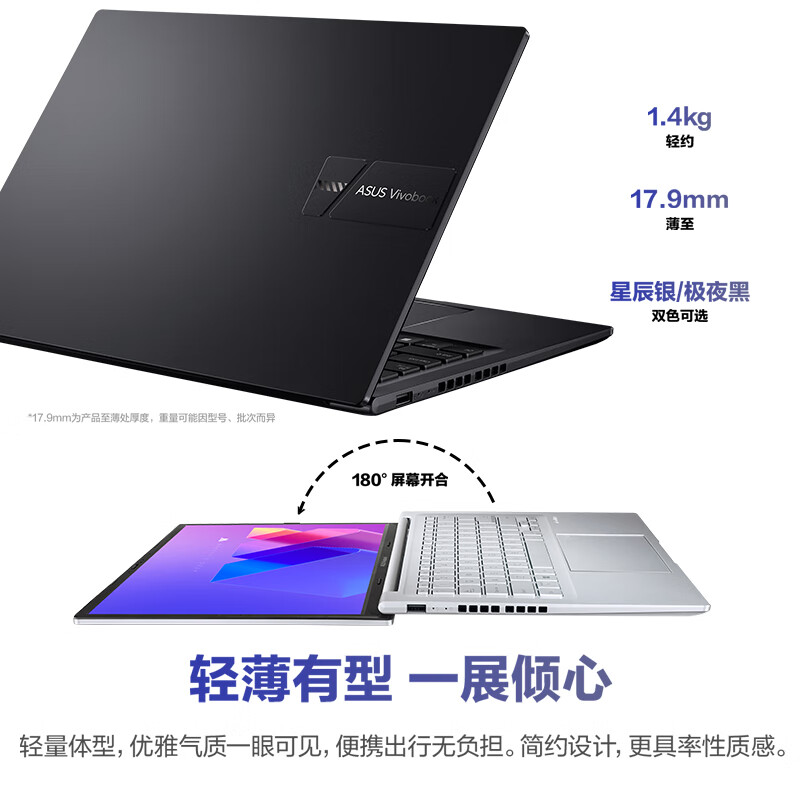
The laptop features a slim and stylish design, available in Star Silver or Midnight Black, with a lightweight body of 1.4kg and a thickness dropping to 17.9mm at its slimmest point.

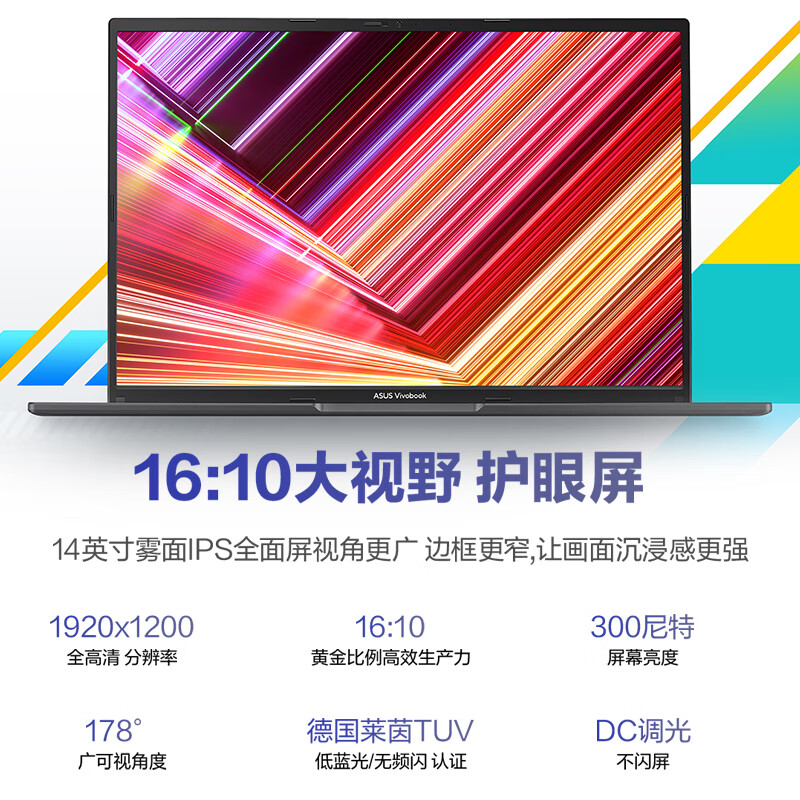
The screen opens up to 180°, enhancing the viewing experience on its 14-inch matte IPS display with a 1920×1200 resolution, and 300 nits brightness. It features a 16:10 large field of view eye protection screen with TÜV low blue light and flicker-free certification.

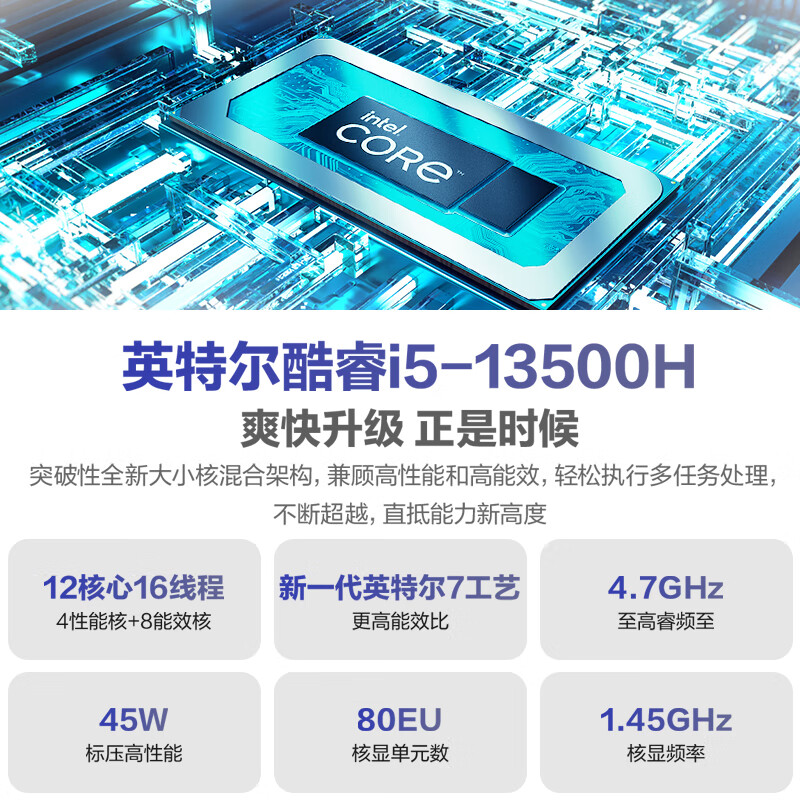
Vivobook 14 2024 sports an Intel Core i5-13500H processor with 12 cores and 16 threads, offering a performance release of 45W. It boasts a multi-core performance increase of up to 3.9 times over previous low-voltage CPUs, significantly reducing the time required for computing tasks like Excel data calculations, video transcoding, and decompressing large files. The laptop is equipped with 16GB of dual-channel memory, expandable up to 40GB, and a 1TB PCIe 4.0 NVMe SSD, ensuring quick boot and software startup times.

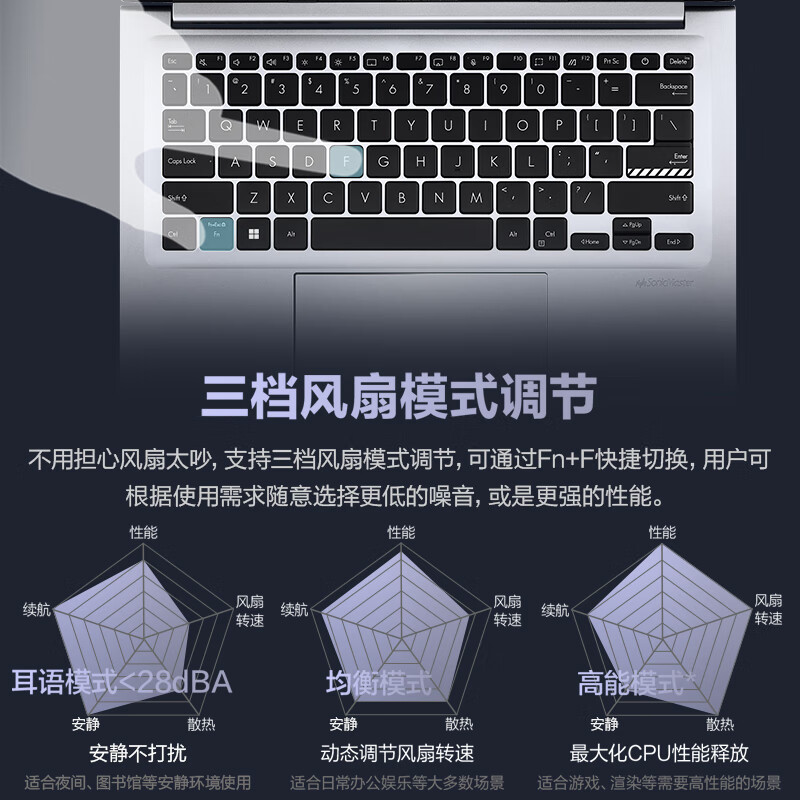
For cooling, it utilizes the ASUS Ice Blade Cooling system with a double heat pipe, dual outlet, and a three-speed fan adjustment. The laptop undergoes stringent MIL-STD 810H quality testing, ensuring durability under various conditions.

Connectivity options are generous, including one USB-C 3.2 Gen 1 port, two USB-A 3.2 Gen 1 ports, one USB-A 2.0 port, one HDMI port, and a 3.5mm audio jack, accommodating a wide range of peripherals and external displays.

The device also emphasizes user convenience and safety with features like an ergonomic keyboard, a large touchpad supporting multi-touch gestures, and silver ion antibacterial coating on key surfaces.

Furthermore, ASUS includes AI-powered dual microphone noise reduction for clearer voice calls in noisy environments, and a physical camera cover to secure user privacy. Although the battery capacity remains unspecified, the predecessor model included a 75Wh battery.

RELATED:

China Reveals the Name of Manned Lunar Lander & New Spaceship

China recently shared exciting news about its space exploration efforts, revealing the names of its manned lunar lander and a new crew spaceship. This development marks a key step in the nation’s journey to explore outer space. The lunar lander is named Lanyue, which means Embracing the Moon, a name inspired by a poem from Chairman Mao Zedong in 1965. This choice reflects the dream and confidence of the Chinese people in their space exploration endeavors.

The spaceship has been named Mengzhou, which translates to Dream Vessel

The crew spaceship has been named Mengzhou, or Dream Vessel, indicating its role in realizing the dream of landing on the moon and exploring new frontiers in space. Mengzhou will have two versions: one for moon missions and another for trips between Earth and the Tiangong space station, taking over the duties from the current Shenzhou spaceship.

China

These names, Lanyue and Mengzhou, were selected from nearly 2,000 suggestions by the public, showing the wide participation and interest of the Chinese people in their country’s space missions. The development of these spacecraft, along with the Long March 10 rocket, is on track, highlighting China’s commitment to its space exploration goals.

China plans to send its first manned mission to the moon around 2030. The Lanyue lander is designed with a landing and propulsion section to carry two astronauts and a rover to the moon. The Mengzhou spacecraft, designed for space travel, includes a reentry module for the astronauts and a service module equipped with power and propulsion systems.

RELATED:

(VIA)

Age of Empires Mobile Targets New Audience on iOS and Android, Pre-Registrations Open

The classic real-time strategy (RTS) series Age of Empires is making a bold leap onto mobile platforms, with a launch anticipated in 2024. Microsoft has unveiled a treasure trove of details about Age of Empires Mobile during a recent livestream, sparking excitement among fans and newcomers alike. Alongside the announcement, a new trailer showcasing the game’s gameplay made its debut, alongside the game’s official website.

Players get exclusive in-game items as a bonus for signing up

Developed by Timi Studio, this iteration of Age of Empires aims to translate the intricate strategy and historical depth of the PC series to the touchscreens of iOS and Android devices. Players eager to dive into this mobile conquest can now pre-register, securing exclusive in-game items as a bonus for their early interest.

Age of Empires

The game promises to deliver an immersive experience, featuring four initial civilizations: the French, Romans, Chinese, and Byzantines. Players will have the chance to lead legendary figures such as Barbarossa and the Queen of Sheba, engaging in grand battles that have been the hallmark of the series. The developers are committed to providing a rich, strategic gameplay experience with stunning visuals and the strategic depth that fans have come to expect.

In addition to showcasing large-scale battles that can support hundreds of players simultaneously, Age of Empires Mobile will introduce new gameplay elements. These include enhanced pre-battle planning and 1-on-1 PvP battles, offering both a deep multiplayer experience and a fulfilling single-player campaign. Players can look forward to building their empires, allying with others across the globe, and exploring dungeons in a quest for glory.

The excitement around Age of Empires Mobile is palpable, with the development team at Timi Studio expressing their passion for the franchise and a desire to honor its legacy while breaking new ground on mobile platforms. The hope is that this mobile adaptation will capture the essence of Age of Empires’ strategic gameplay and historical storytelling, making it a success where previous attempts have faltered.

RELATED:

(Via)

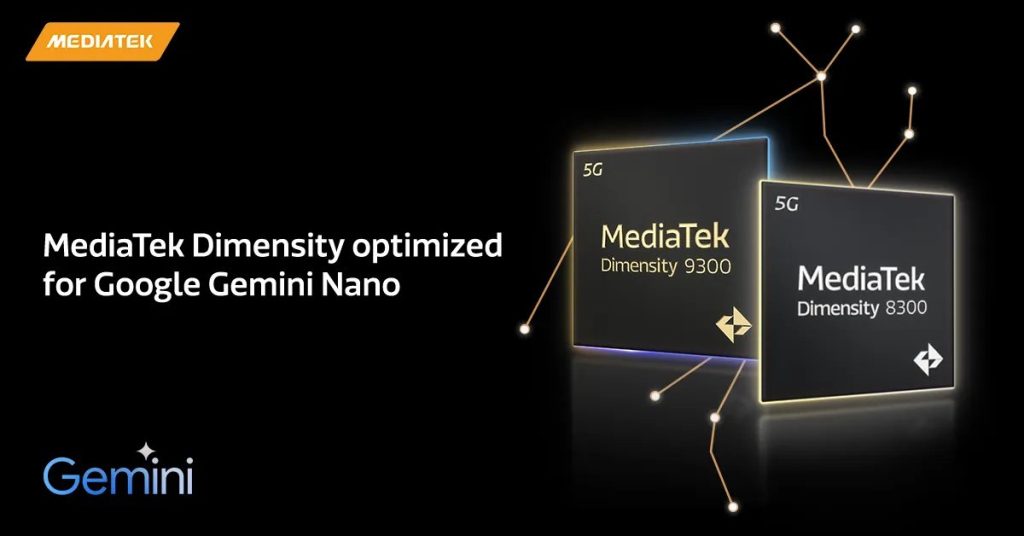
MediaTek partners with Google to optimize Gemini Nano for Dimenstiy 9300 and Dimensity 8300

MediaTek, a prominent semiconductor company, has announced a partnership with Google to improve the artificial intelligence (AI) capabilities of smartphones powered by its Dimensity 9300 and 8300 chipsets. 

This collaboration centers on optimizing Google’s Gemini Nano, a large language model (LLM) designed for mobile use, to function more efficiently on these MediaTek processors.

MediaTek Dimensity chip Google Gemini Nano

Smartphones often rely on cloud-based solutions for complex AI tasks. The optimization of Gemini Nano for these Dimensity chipsets will allow phones to handle more AI processing directly on the device. 

This approach offers several benefits including enhanced privacy, improved security protocol, greater reliability, reduced latency (faster response times), and the ability to function even with limited internet connectivity.

Currently, there are only a handful of smartphones that are equipped with MediaTek Dimensity 9300 and Dimensity 8300 processors. The former is a premium SoC, so you will find it in flagship devices. While the latter is a mid-range / premium mid-ranger tier chipset. 

Below are the devices that use these chipsets:

ChipsetSmartphones
Dimensity 9300Vivo X100 series, Oppo Find X7 series, Tecno Phantom V2 Fold, iQOO Neo 9 Pro
Dimensity 8300Oppo Reno 12, Xiaomi Redmi K70E, Poco X6 Pro 5G

MediaTek and Google will also release an application package (APK) running on Dimensity 8300 and Dimensity 9300 to extend compatibility with Gemini Nano. This will make it easier for developers and OEMs to deploy Gemini Nano applications.

Now that MediaTek has joined the AI movement, Google’s robust AI features will no longer be limited to a few select segments dominated by chips from Qualcomm, Samsung, and Google. 

Also, the emphasis on the Dimensity 8300 chipset means that soon, even more affordable mid-range devices will be able to enjoy advanced on-device AI experiences.

Related:

(Via)

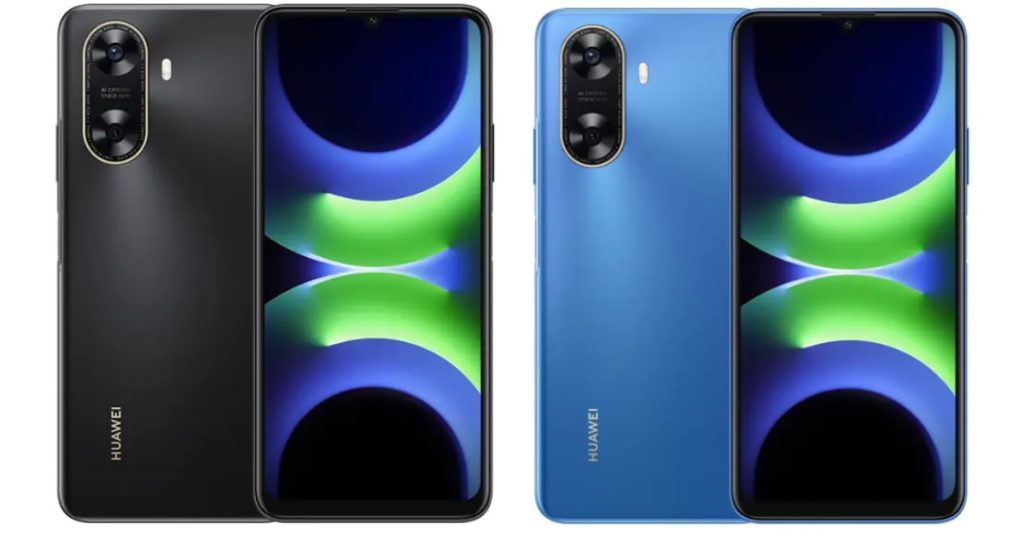
Huawei Enjoy 70z goes on sale in China, starting at around $153

Huawei recently launched the Enjoy 70z smartphone in its home market of China. The phone has been up for pre-order since its official announcement. However, as of today, it is officially on sale for the first time. 

Price and Availability

The Huawei Enjoy 70z comes in two storage options to suit different needs: the 128GB model is priced at 1099 yuan (~153), while the 256GB version costs 1299 yuan (~ $180). 

To entice early adopters, Huawei is offering a 50 yuan discount during the initial sales period. The phone can be purchased through VMall in China and comes in Galaxy Blue, Snowy White, and Magical Night Black color choices.

Key Specifications

The Enjoy 70z is a mid-size smartphone with dimensions of 168.3mm x 77.7mm x 8.98mm and a weight of 199 grams. It features a 6.75-inch LCD screen offering HD+ resolution (1600 x 720 pixels) and a screen-to-body ratio of 90.26%.

For photography, the Enjoy 70z sports a dual rear camera setup that includes a 13MP main lens and a 2MP depth sensor. Selfies are handled by an 8MP front-facing camera located in a punch-hole cutout on the display.

Under the hood, the smartphone utilizes the octa-core Kirin 710A processor paired with 8GB of RAM. Storage options are either 128GB or 256GB. The phone comes pre-installed with Huawei’s HarmonyOS 4.0 operating system.

One of the standout features of the Enjoy 70z is its substantial 6000mAh battery that supports 22.5W charging. Huawei also says the phone includes intelligent power-saving technology to further optimize battery life.

Security is handled by a side-mounted fingerprint sensor. Standard connectivity options such as WiFi, Bluetooth 5.1, a USB-C port, and a headphone jack are also included.

Related:

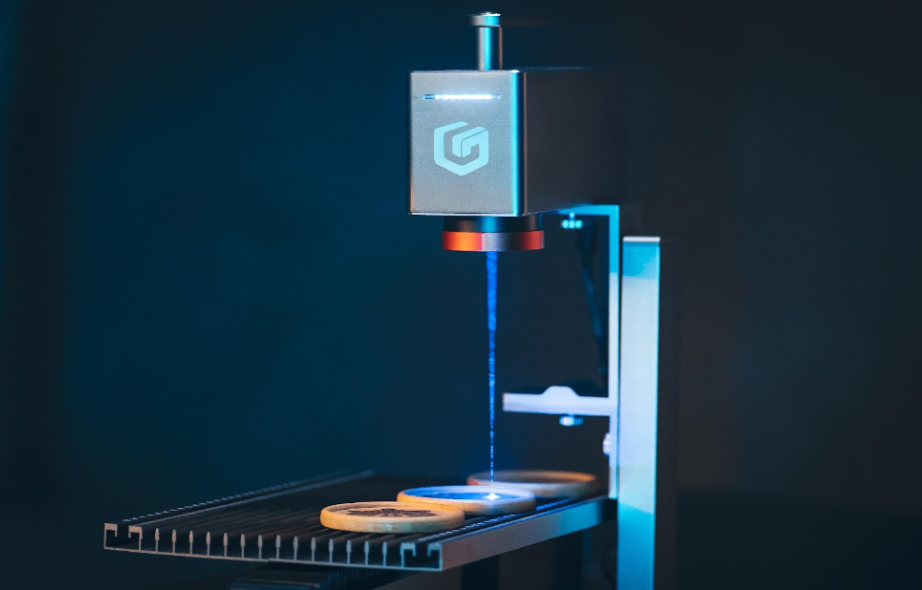
LONGER Launches Nano on Kickstarter: Precision Laser Cutting and Engraving Redefined

LONGER, a leading name in the realm of cutting-edge 3D technology and laser engraving has come with its latest offerings: Longer Nano and Nano Pro. Scheduled for launch on February 20, these devices promise to redefine professional-grade precision and versatility at unbeatable prices, exclusively on Kickstarter.

Introducing Nano and Nano Pro

Nano and Nano Pro embody LONGER’s commitment to pushing boundaries and setting new benchmarks in the field of laser technology. These cutting-edge devices are poised to cater to a diverse audience, from hobbyists seeking intricate craftsmanship to professionals demanding top-tier performance.

Revolutionary Features

At the heart of Nano’s prowess lies its professional-grade precision and accuracy. Designed to accommodate diverse applications and materials, Nano boasts the capability to slice through wood up to 8mm thick with unparalleled finesse. This feat is made possible by the incorporation of Field Lens technology, ensuring unrivaled accuracy at an astonishing 0.02*0.02mm.

Moreover, Nano’s lightning-fast engraving speed of 2200mm/s, powered by the Galvo System, sets it apart from conventional alternatives. This allows creators to unleash their imagination without compromising on efficiency or quality.

Unbeatable Prices and Special Deals

During the Kickstarter launch, Nano and Nano Pro will be available at unbeatable prices, making professional-grade precision accessible to all. Priced at $299 and $499 respectively, these devices offer exceptional value for money, setting a new standard in affordability without compromising on performance.

Additionally, special deals and discounts will be offered exclusively to early adopters, providing an opportunity to secure these cutting-edge devices at even more enticing prices. However, it’s imperative to act swiftly, as these deals will only be available for a limited time during the Kickstarter campaign.

Nano and Nano Pro are tailor-made for creators, innovators, and enthusiasts alike, offering a seamless blend of precision, portability, and versatility. Whether conquering curved surfaces or producing undistorted edges, these devices empower users to push the boundaries of their creativity.

Furthermore, Nano’s seamless integration with popular software like Lightburn and LaserGrb ensures a hassle-free experience, allowing users to harness the full potential of these innovative tools with ease.

Stay Updated

To stay abreast of the latest news and announcements regarding the launch of Nano and Nano Pro, interested individuals can sign up for the newsletter and follow LONGER on social media

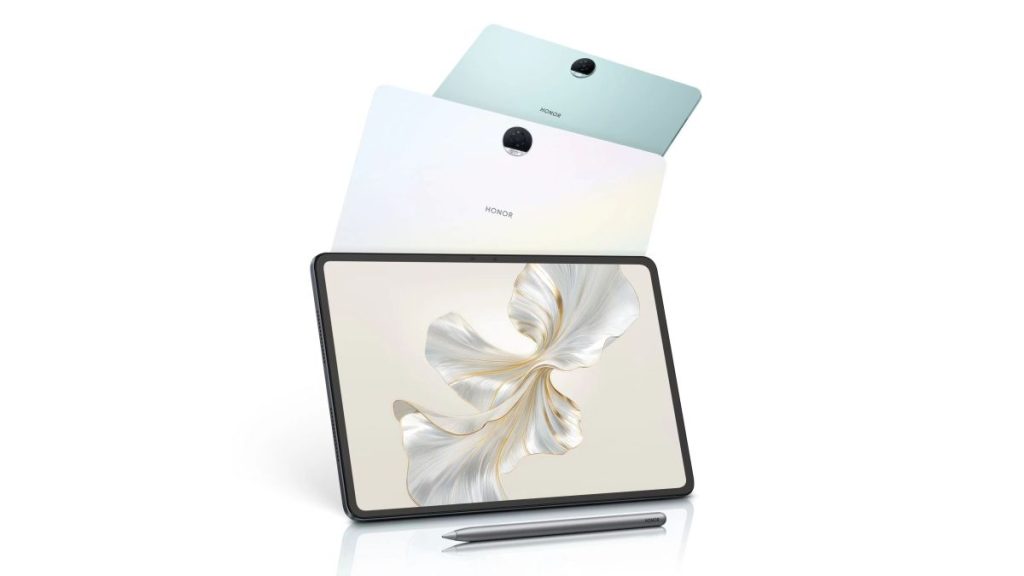
Honor Pad 9 12″ model hits UK & Ireland markets

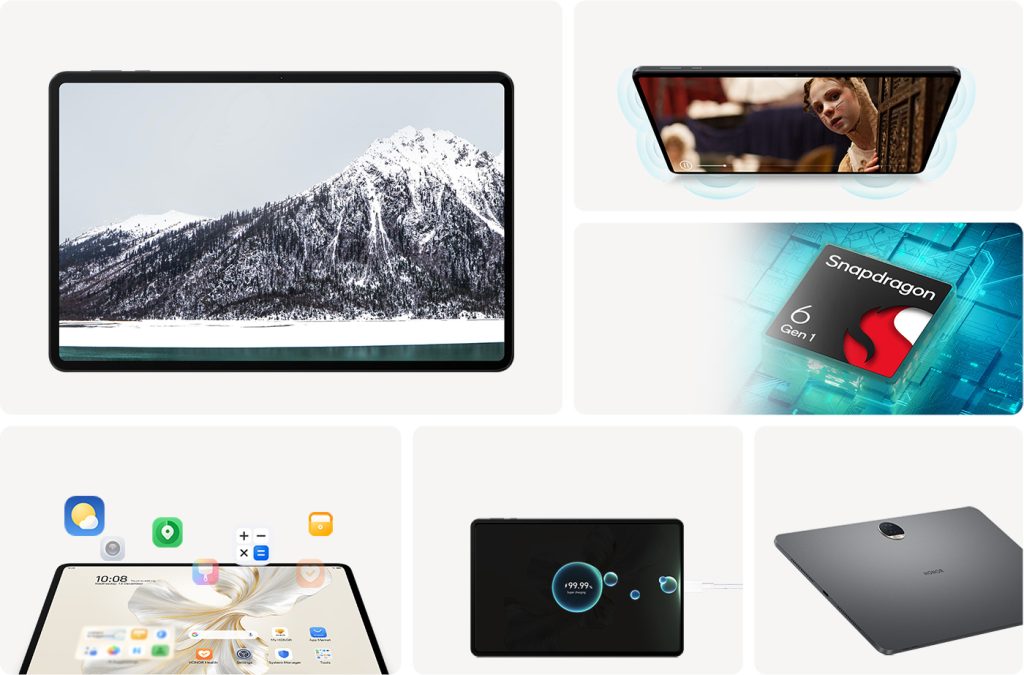
Back in December, Honor launched the Honor Pad 9 tablet in its domestic Chinese market. The brand has now made the tablet available in the UK as well as Ireland. This device features a 12.1-inch display with symmetrical bezels and a matte finish that mimics paper, designed to reduce glare and reflection. It boasts a resolution of 2,560 x 1,600 pixels, 550 nits of peak brightness, and a high 120Hz refresh rate for smoother visual performance. Additionally, the tablet’s 88 percent screen-to-body ratio maximizes the viewing area.

Honor Pad 9

Equipped with a 13MP rear camera and an 8MP front camera, the Honor Pad 9 caters to photography and video calling needs. Audio quality is enhanced with eight built-in speakers. At its core, the tablet is powered by the Snapdragon 6 Gen 1 processor, supported by up to 12GB RAM and 256GB of internal storage. It runs on MagicOS 7.2, based on Android 13, offering a modern and efficient user interface.

HONOR Pad 9

The Honor Pad 9’s battery offers an 8,300mAh capacity that supports 35W fast charging. The device is compatible with stylus and keyboard accessories.

Pricing & availability

Priced at £300 for the 8GB RAM and 256GB storage model in Space Gray, the Honor Pad 9 also offers an optional keyboard case for an additional £50. This accessory is available for early-bird orders through Honor UK’s website. Consumers can purchase the tablet from several retailers including HiHonor, Argos, Amazon, Very, and Currys, with sales starting on February 25.

RELATED:

(Source, via)

Samsung Galaxy Book 4 series global availability begins February 26

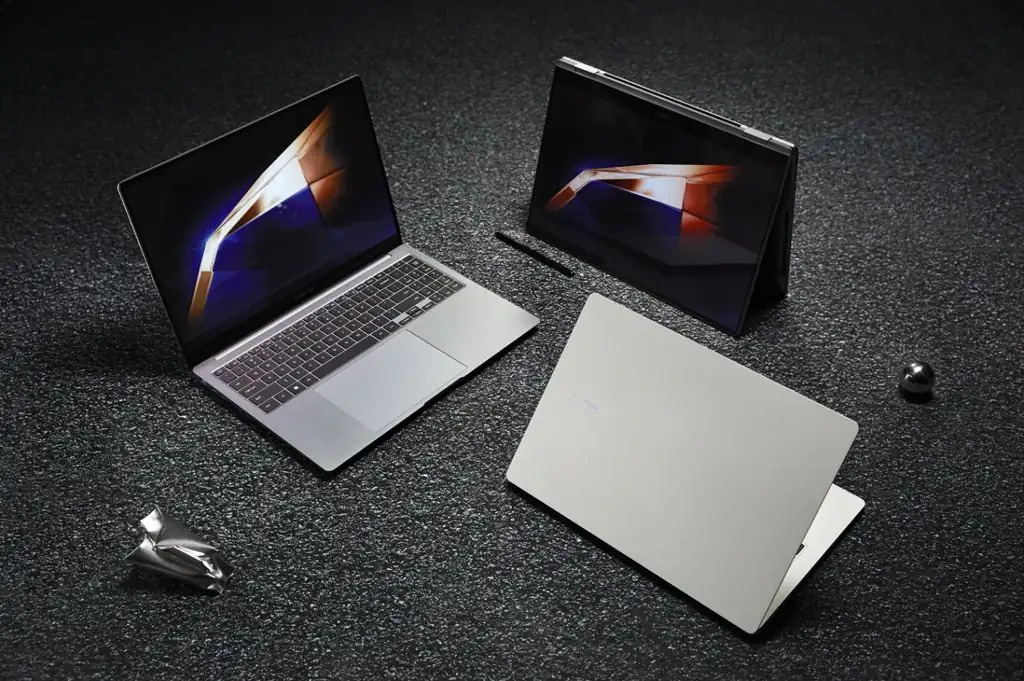
Samsung Electronics has announced the global availability of the Galaxy Book 4 series will begin on February 26. This new series includes the Galaxy Book 4 Ultra, Galaxy Book 4 Pro, and Galaxy Book 4 Pro 360 laptops. Initially released in Korea, where it quickly outperformed its predecessor’s sales, the Galaxy Book 4 series is now heading to international markets such as the U.S., the U.K., France, and Germany.

The Galaxy Book 4 Ultra is the high-end model, featuring a 3K AMOLED display and powered by Intel Core Ultra processors, with NVIDIA GeForce RTX 40 series graphics options. It supports up to 64GB memory and 2TB SSD storage. The Ultra model is notable for its 76Wh battery and 140W fast charging, housed in a slim 16.5mm thick frame and weighing around 1.86 kg.

The Galaxy Book 4 Pro 360, designed for versatility, is lighter and slimmer than the Ultra, maintaining the same display quality but switching to Intel Arc Graphics. It offers up to 1TB storage and comes with a 76Wh battery and a 65W USB Type-C adapter. This model is particularly suited for users looking for a convertible laptop that combines performance with flexibility.

For users prioritizing portability, the Galaxy Book 4 Pro is available in both 14-inch and 16-inch variants. Like the Pro 360, it features Intel Core Ultra processors and Intel Arc Graphics, balancing performance with a high-quality display. The Pro models are equipped with a 63Wh or 76Wh battery and a 65W adapter, depending on the size.

Pricing

While the global pricing has not been revealed, we can get an idea from the Korean pricing. In South Korea, the Galaxy Book 4 Pro starts at 1.88 million won ($1,452), while the Galaxy Book 4 Pro 360 and the Galaxy Book 4 Ultra cost 2.59 million won ($2,002) and 3.36 million won (~$2,597), respectively.

RELATED:

(Source)

Meizu 21 Pro Launch Date Revealed, Specs Leaked! Could This Be Meizu’s Last Smartphone?

The competition in the smartphone market is increasing day by day. In fact, it has become so intense that even giants like Apple and Samsung are finding it challenging to sell devices as they used to. Undoubtedly, Meizu is among the manufacturers affected by this situation. Once holding a significant market share in many different countries, especially in China, the company has drifted away from its glorious days in recent years. In fact, recent information suggests that Meizu might have thrown in the towel in the smartphone market and will fully focus on AI products. However, it seems that the Chinese manufacturer is not yet willing to give up, as the Meizu 21 Pro is set to be officially unveiled on February 29th. Here are the details…

Meizu 21 Pro Could Be the Company’s Last Smartphone

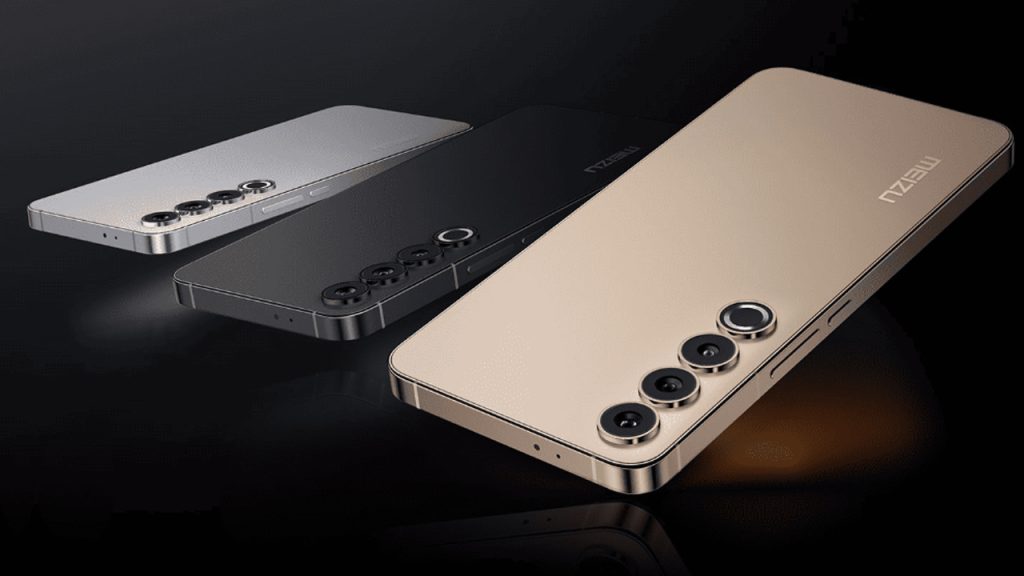
The Meizu 21 Pro will be unveiled at an event in China on February 29th. Just like with any eagerly anticipated phone, there are already numerous speculations circulating on the internet about the 21 Pro. The first and most attention-grabbing of these is the price of the phone. The company’s previous model, the 20 Pro, was released in China at a price of 3,999 Yuan.

Meizu 21 Pro

Therefore, many of us assumed that the new model would also be priced similarly. However, some sources are suggesting that the Meizu 21 Pro could potentially reach up to 6,000 Yuan, which is approximately $800-$850. At first glance, this price may seem expensive. And you’re right, but it’s important not to forget that the Meizu 21 Pro is a flagship. According to claims, the device will be powered by Qualcomm’s Snapdragon 8 Gen 3 processor.

Additionally, this model will feature a 6.7 inch 2K AMOLED panel with an under-display ultrasonic fingerprint reader. It will also have a battery capacity of 4800mAh and support 80W fast charging. When we look at the rear camera of the phone, there will be a 50MP main sensor, a 12MP ultra-wide-angle sensor, and an 8MP telephoto lens. On the front camera, there will be a 40MP sensor.

In addition, a series of artificial intelligence features that we have recently started to see in all smartphone manufacturers will also be available in this model. Meizu recently announced that it has stopped traditional “smartphone” projects to focus on the AI field. Therefore, the Meizu 21 Pro could be Meizu’s last traditional smartphone. Of course, this is just a speculation for now, as there hasn’t been a clear statement on this matter yet.

RELATED:

Xiaomi 14 Ultra may launch in India soon

Xiaomi just launched its cool new phone, the Xiaomi 14 Ultra, in China. And guess what? It’s making its way to India too! This phone is like a superstar with awesome features, and everyone is buzzing about it.

So, here’s the scoop. The Xiaomi 14 Ultra is not just any phone, it’s a fancy flagship from Xiaomi, and it’s got some serious hardware. They teamed up with Leica to make the camera extra awesome. People are saying it might have the best camera in the whole world by 2025! Imagine that!

Xiaomi 14 Ultra coming to India

Now, the big question on everyone’s mind is, “Will it come to India?” Well, the answer is a big YES! GSMChina team did some digging into leaked info about the phone’s software, and they found the golden nugget – the Xiaomi 14 Ultra is definitely coming to India. No more guessing games!

Let’s talk in secret phone language! Xiaomi has these codes for different places where they sell their phones. For the global market, it’s like ‘ro.boot.hwc=GL,’ and for India, it’s ‘ro.boot.hwc=IN.’ In the leaked info, there are lines like this:

  • ro.boot.hwc=GL
  • ro.boot.hwc=IN
  • ro.boot.hwc=CN

See that ‘IN’ there? That’s the magic code saying it’s coming to India. But guess what else? It’s also going to China (‘CN’) and the whole world (‘GL’). So, folks in India, get ready to grab your Xiaomi 14 Ultra.

Now, let’s talk about the phone itself. This bad boy has some killer features. There’s this super-fast thing called Snapdragon 8 Gen 3 inside that makes everything run buttery smooth. And let’s not forget the camera, it’s not just good; it’s mind-blowing! Get ready to snap some Instagram-worthy pics because this phone is about to up your photography game.

In a nutshell, Xiaomi is bringing the Xiaomi 14 Ultra to India, and it’s going to be a game-changer. Whether you’re a tech geek or just someone who loves a cool phone, this one’s for you. Stay tuned for the Xiaomi revolution hitting your pocket soon!

Related:

BenQ MOBIUZ EX321UX 4K Mini LED monitor with 144Hz refresh rate unveiled

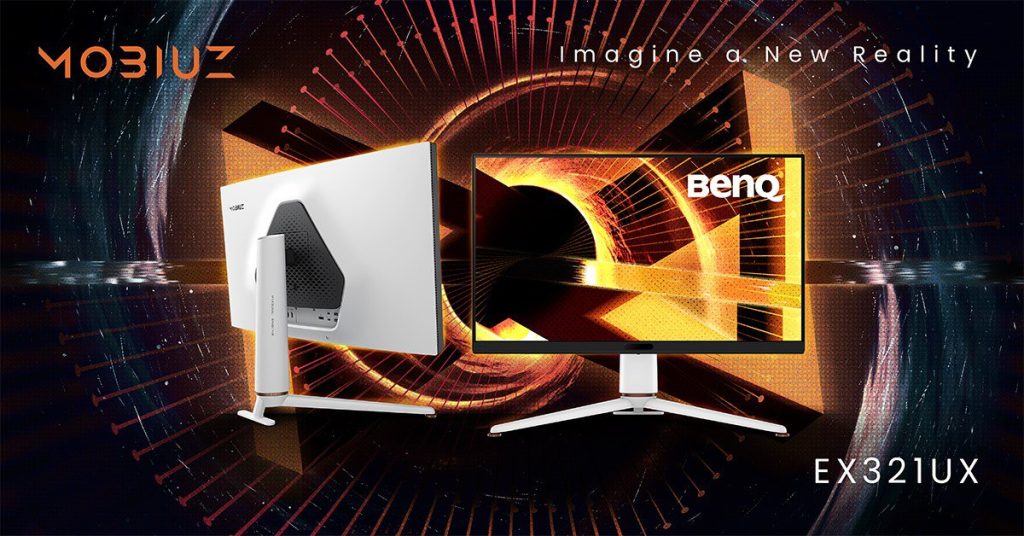
BenQ is introducing a new gaming monitor, the MOBIUZ EX321UX, following the launch of the BenQ Mobiuz EX270QM last year. The upcoming 32-inch display is designed to elevate gaming experiences, featuring technology akin to Philips’ latest release in China.

BenQ MOBIUZ EX321UX

Equipped with a 32″ crisp 4K resolution panel, the monitor offers a snappy 144Hz refresh rate with 1ms GtG response time. With 1,152 Mini LED local dimming zones, the MOBIUZ EX321UX aims to provide high contrast and color accuracy. Details released so far reveal a monitor capable of 10-bit color depth and nearly full coverage of the Adobe RGB and DCI-P3 color spaces.

BenQ’s new monitor incorporates several proprietary technologies, including Brightness Intelligence Plus, Light Tuner, and Color Vibrance, to adjust the display based on environmental lighting and content, enhancing the overall viewing experience. It also offers a variety of connectivity options, such as HDMI 2.1, USB Type-C with Power Delivery, and DisplayPort 2.1, making it versatile for different gaming setups.

Scheduled for release in Japan in May, the price of the MOBIUZ EX321UX has not been announced. However, its cost is expected to be competitive, particularly when compared to more expensive OLED models in the market.

In related news, the BenQ X300G 4K gaming projector has been introduced to a broader audience, extending its reach to various markets in the EU, the UK, and Australia. With the capability to deliver a 4K projection at a 60Hz refresh rate and a 1080p projection at an impressive 240Hz refresh rate, this projector is well-suited for a diverse range of gaming experiences, catering to both AAA gaming and competitive gaming enthusiasts.

RELATED:

(Source, via)

Upcoming Smartphones: Xiaomi 14, Oppo F25 Pro, and more

A lot more smartphones are scheduled to launch in the next few days. Some of them are even flagship models.

The biggest event will be by Xiaomi, which will take place over the weekend. The company will unveil its latest premium phones for global markets.

Most other devices will be mid-rangers and budget models from Realme, Tecno, and Oppo. Surprisingly, Meizu will also debut a high-end handset despite announcing its exit from the industry recently.

Let’s take a look at these phones one by one.

Upcoming Smartphones Next Week

1. Xiaomi 14 Series

Xiaomi 14

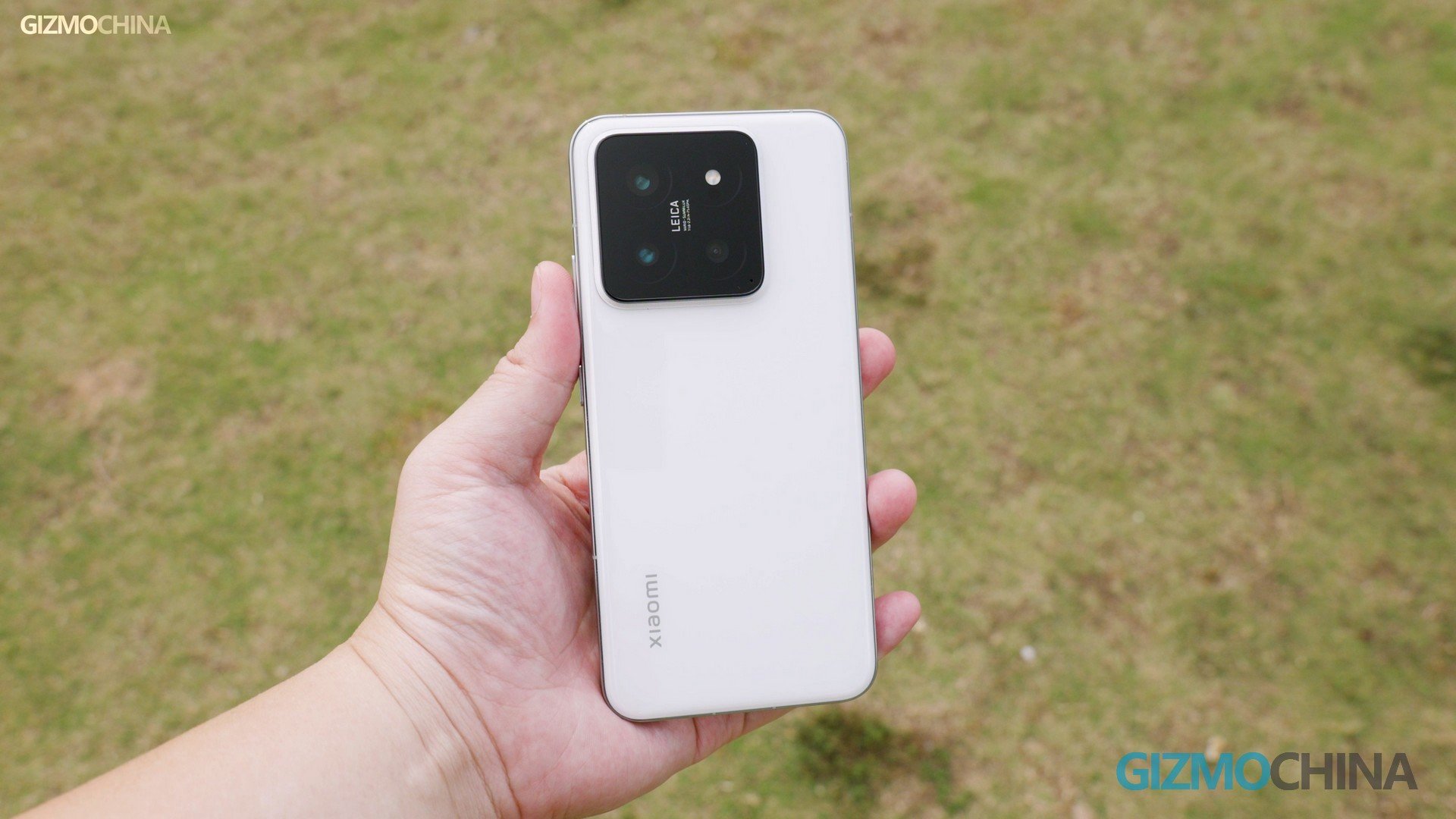
The Xiaomi 14 series will be announced for the international markets on February 25 (Sunday) at 3 PM GMT+1. The company is expected to debut two devices, namely Xiaomi 14 and Xiaomi 14 Ultra.

The vanilla Xiaomi 14 comes with a 6.36-inch 1.5K LTPO 120Hz OLED display, a Qualcomm Snapdragon 8 Gen 3 chip, a triple 50MP Leica-tuned camera system featuring a 3.2x floating telephoto lens, a 4,610mAh battery, and 90W wired/50W wireless charging support.

On the other hand, the Xiaomi 14 Ultra arrives with a larger 6.73-inch QHD+ LTPO 120Hz OLED display, the same chipset, a Leica-tuned 50MP quad-camera system featuring variable aperture and a 5x periscope lens, a 5,300mAh battery, and support for the same wired charging speed along with a faster 80W wireless charging.

2. Realme 12 Plus

Realme 12 Plus

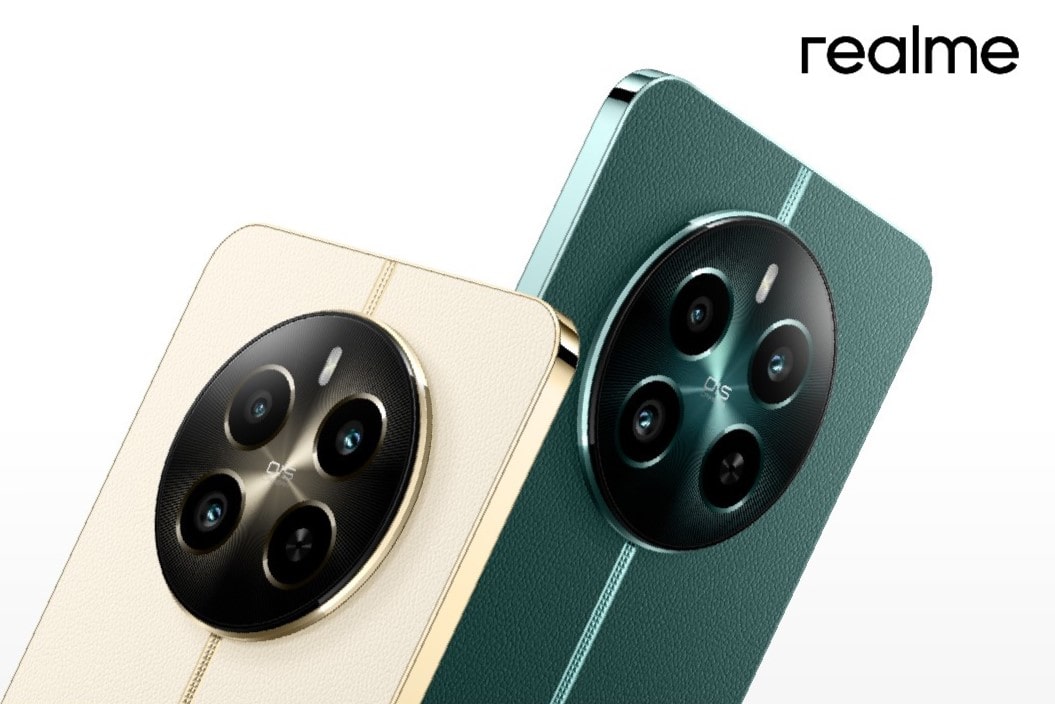
The Realme 12 Plus is scheduled to go official in China on February 27 (Tuesday) at 2 PM GMT+8. It will be unveiled alongside the Realme 12 Pro and Realme 12 Pro Plus in the country.

The handset will have a 6.67-inch FHD+ 120Hz display, a MediaTek Dimensity 7050 SoC, a 50MP Sony LYT-600 primary camera, a 5,000mAh battery, and a 67W wired charging support.

The product will also launch in Malaysia on the same day. It is coming to India next month.

3. Tecno Spark 20C

Tecno Spark 20C

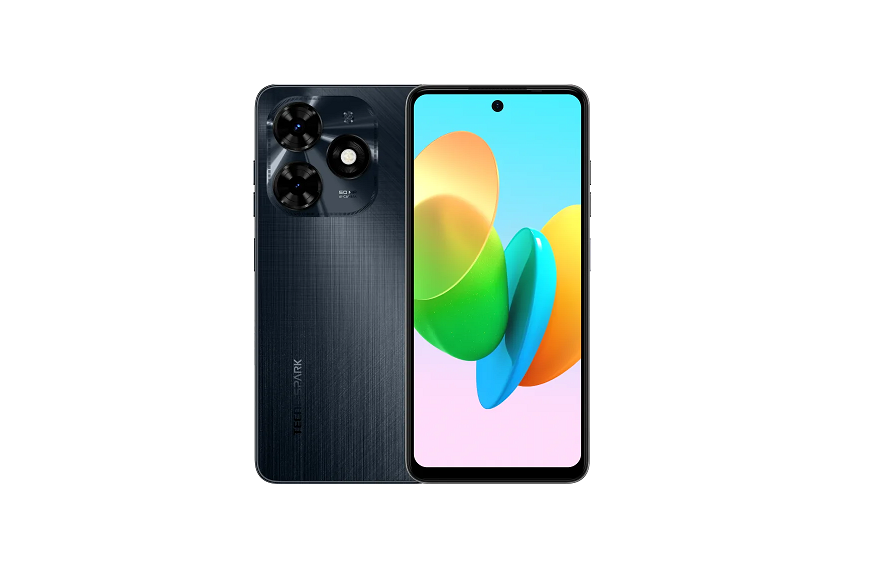
The Tecno Spark 20C is set to launch in India on February 27 (Tuesday). It is expected to go official at 12 PM IST.

The phone will arrive with a 90Hz HD+ display, a 50MP main camera, a side-mounted fingerprint sensor, a 5,000mAh battery, and 18W charging support.

The product will be available in white, black, and green color options.

4. Oppo F25 Pro 5G

OPPO F25 Pro 5G

The Oppo F25 Pro 5G is planned to launch in India on February 29 (Thursday). It is anticipated to be announced at 12 PM IST.

As per leaks and teasers, the handset will come with a 6.7-inch 120Hz OLED display, a 64MP primary camera, a 32MP selfie camera, a MediaTek Dimensity 7050 chip, an IP65 rating, a 5,000mAh battery, and 67W wired charging support.

The device is tipped to cost ₹22,999 and ₹24,999 for 8GB + 128GB and 8GB + 256GB memory configurations, respectively.

5. Meizu 21 Pro

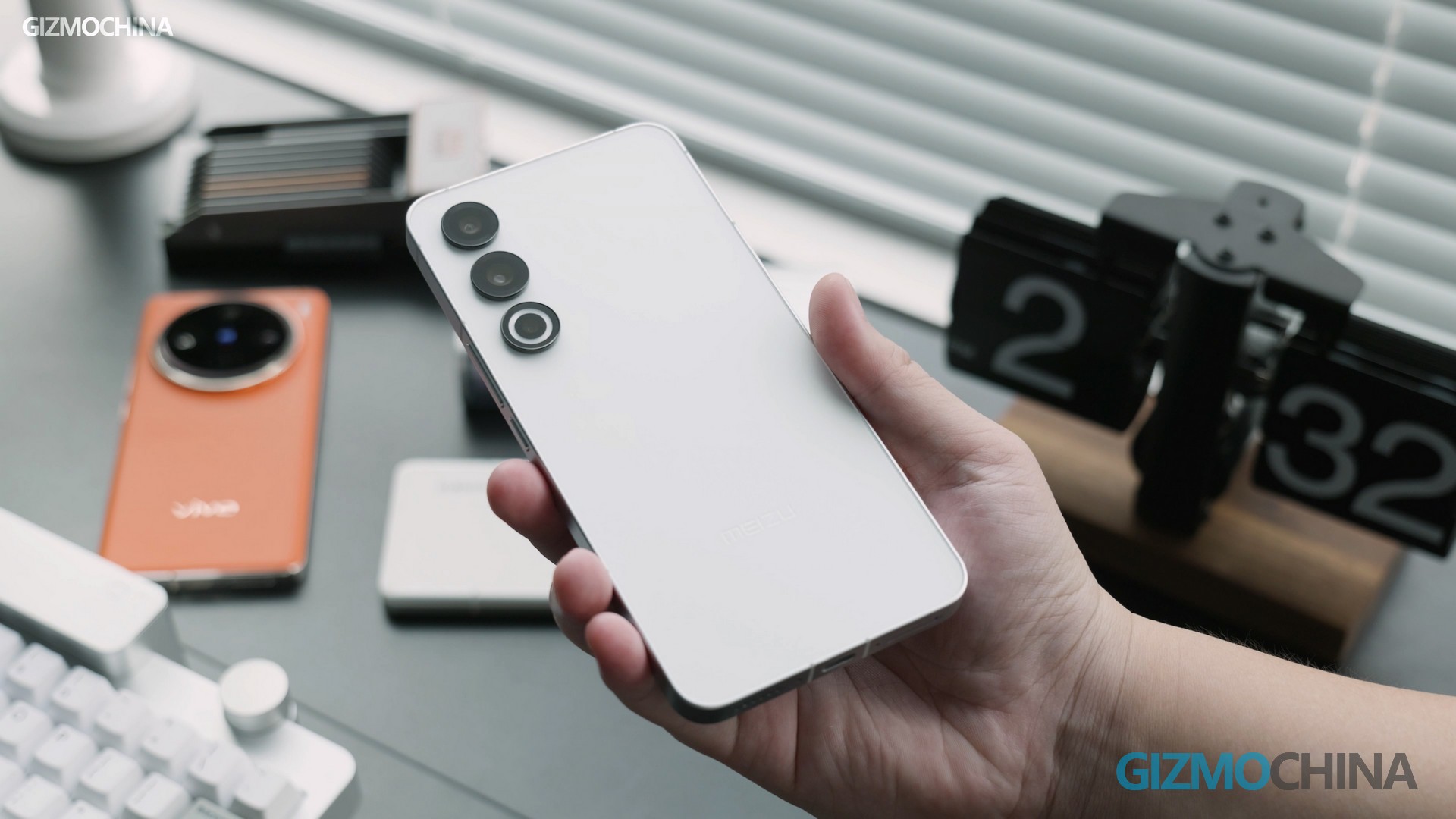
The Meizu 21 Pro is scheduled to launch in China on February 29. The conference will kickstart at 7 PM GMT+8.

Just recently, the company announced its exit from the smartphone business. However, despite that, it will release its last planned smartphone as scheduled.

As per leaks, the product will start at ¥5,299. For that price, it is tipped to offer a Qualcomm Snapdragon 8 Gen 3 chip, a rare 2K OLED display, a larger area in-screen ultrasonic fingerprint sensor, and 80W wired charging support.

RELATED:

Colorful Colorfire MEOW R15 laptop with Ryzen 7 8845HS & RTX 4070 GPU launched

Chinese computer hardware manufacturer Colorful has officially launched the COLORFIRE MEOW R15 gaming laptop, introducing the brand’s first use of an AMD Ryzen processor, paired with Nvidia’s RTX 40 series GPUs.

Colorful Colorfire MEOW R15

Colorful COLORFIRE MEOW R15 laptop specs & pricing

The base version of the MEOW R15 features an AMD Ryzen 7 7735H processor and an Nvidia RTX 4050 GPU. This combination positions it as a solid choice for mid-range gaming, with a 15.6-inch 1080p display that offers a 144Hz refresh rate for smooth gameplay visuals. Initially priced at 4,999 yuan ($694), it will later retail for 5,499 yuan ($764).

For those seeking higher performance, the MEOW R15 is also available in a premium configuration with an AMD Ryzen 7 8845HS processor and an Nvidia RTX 4070 GPU. This version delivers enhanced gaming experiences with a 15.6-inch 2.5K display and a 165Hz refresh rate. The pre-order price is set at 6,699 yuan ($930), increasing to 7,499 yuan ($1,041) post-launch.

Both models come equipped with 16GB of RAM and 512GB of storage, with options to upgrade to 32GB of RAM and 1TB SSD. Features include a dual fan and six heat pipe cooling system, Wi-Fi 6E support, and 100W PD fast charging, ensuring that gamers have the performance and flexibility they need.

Although details on global availability are not yet confirmed, Colorful has a history of international sales, suggesting a wider release could be expected.

RELATED:

(Via)

Some Apple Vision Pro Users Report Overnight Cracks on Their Headsets

Recently, a small number of Apple Vision Pro users have encountered a puzzling issue where the glass on their devices cracked overnight, without any apparent cause. These incidents, shared by users on Reddit, reveal a surprising development for Apple’s high-tech headset. Some of the photos posted showcase a clean split across the glass, particularly around the nose bridge area, stirring conversations about the durability of these devices.

This could be a coincidence or a major manufacturing flaw

The cases, though few, have caught the attention of tech enthusiasts and raised questions about potential manufacturing flaws. One particular user highlighted that when they reached out to Apple regarding the damage, they were informed about a hefty $800 repair cost, which could be reduced to a $300 deductible under AppleCare.

Apple Vision Pro Crack
Image Credits: u/inphenite on Reddit

This situation presents a dual-edged sword for Apple. On one hand, the number of reports is minuscule compared to the estimated 200,000 units sold, suggesting that this might not be a widespread issue. On the other hand, it underscores the importance of robust quality control and the need for a fair and accommodating customer service response to unforeseen problems.

It’s crucial to approach such reports with a balanced perspective, recognizing the significance of each complaint while also considering the overall reliability of the product based on the vast majority of user experiences. For now, these reports serve as a reminder of the complexities and challenges in manufacturing cutting-edge technology. As more information comes to light, it will be interesting to see how Apple addresses these concerns and whether any steps will be taken to prevent such incidents in the future.

RELATED:

(Via)

China Launches An Experimental Communication Satellite, Marking its 9th Launch This Year

On February 23, 2024, China marked another achievement in space exploration by launching an experimental communication satellite. This event highlights China’s ongoing efforts to push the boundaries of what’s possible above Earth’s atmosphere.

The satellite will test out ways of high-speed communication from space

The launch involved the Long March-5 Y7 rocket, lifting off from Hainan’s Wenchang Space Launch Center. The mission’s star, the Communication Technology Demonstrator 11 satellite, was sent into orbit with a clear task: to test out new ways of doing high-speed communications across multiple bands from space.

China Launch

This wasn’t just any launch. It was China’s ninth this year, showcasing the country’s busy schedule in space activities. The mission also added another successful chapter to the Long March rocket family’s history, now counting 509 flights.

The brains behind the rocket, the China Academy of Launch Vehicle Technology, and the satellite, the China Academy of Space Technology, are both looking into the future. They’re exploring how to improve connections between us down here and the vast expanse of space.

Beyond this launch, China’s space agenda is ambitious. Plans include sending the Chang’e 6 probe to the moon’s far side to collect and return samples to Earth, showing a keen interest in unlocking the moon’s mysteries.

Every Long March-5 rocket, fueled with over 750 metric tons of propellant, is a testament to China’s technological capabilities in space. It’s not just about reaching higher and further but doing so with an eye on practical applications, like better communication technologies that could change how we connect across the globe.

RELATED:

(Via)

BYD Announces a Major Price Reduction for the Dolphin Hatchback EV

BYD, one of China‘s leading electric vehicle manufacturers, has recently announced a significant price reduction for its Dolphin hatchback model. The new starting price of 99,800 yuan ($13,865.35) marks a 14.6% decrease from its earlier price tag. This strategic move by BYD is a clear indication of the company’s commitment to making electric vehicles (EVs) more accessible to a wider audience, highlighting a shift towards more affordable green driving options.

The new starting price for the EV is just under $14,000

This price cut is particularly noteworthy given the current global push towards sustainability and reducing carbon footprints. Electric vehicles are at the forefront of this movement, and affordability is a crucial factor in encouraging more drivers to make the transition from traditional gasoline-powered cars to cleaner, electric alternatives. BYD’s decision to lower the Dolphin’s price is a game-changer in this respect, potentially influencing other manufacturers to follow suit.

BYD Dolphin

Furthermore, this announcement comes hot on the heels of BYD’s introduction of a budget-friendly plug-in hybrid sedan, signaling the company’s broader strategy to capture a larger share of the eco-conscious consumer market. The reduced price of the Dolphin EV not only makes it an attractive option for first-time EV buyers but also demonstrates BYD’s dedication to contributing to a greener planet through more accessible electric mobility solutions.

As more people embrace electric vehicles, we edge closer to a future where clean energy and sustainable transportation are the norm. BYD’s latest move with the Dolphin EV is a commendable step towards that future, offering hope and a practical path forward for those looking to make an environmentally friendly choice without breaking the bank.

RELATED:

(Via)

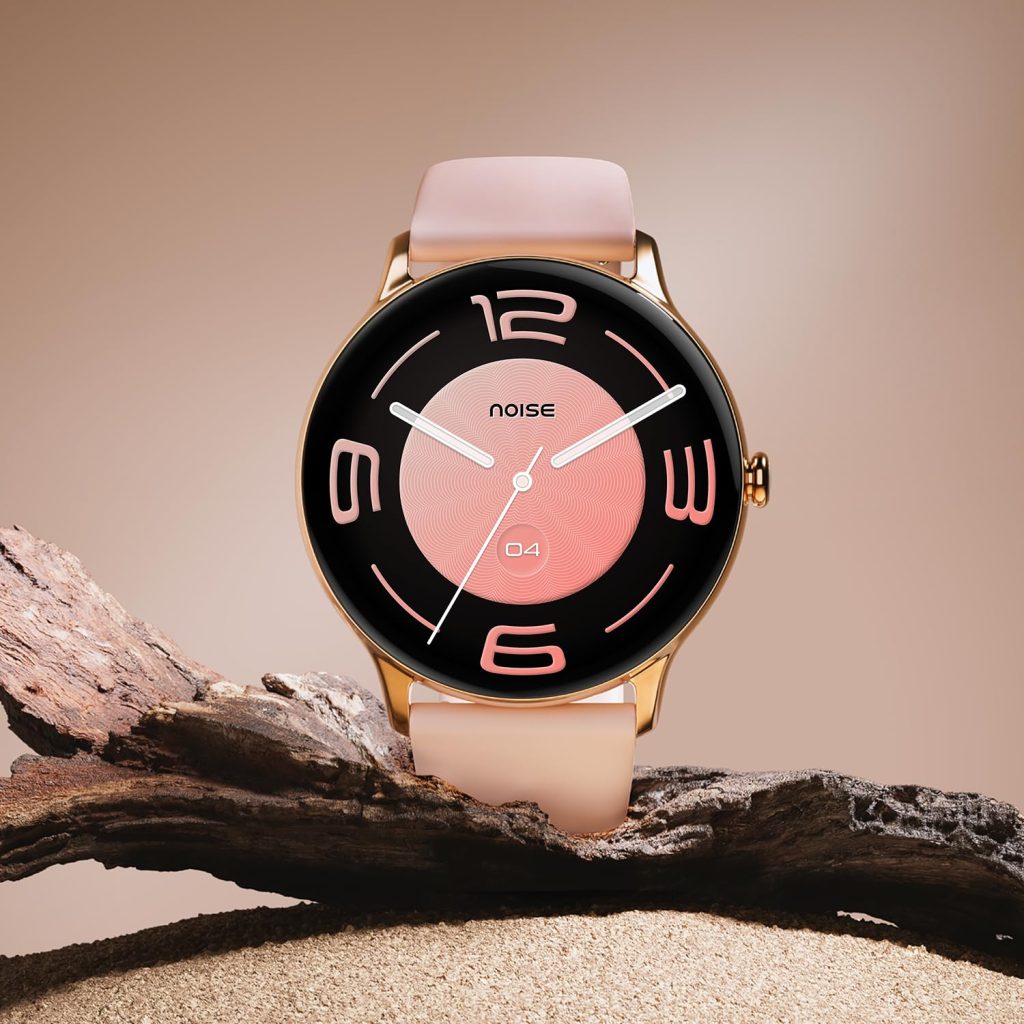
NoiseFit Twist Go With Metallic Finish, 1.3-Inch Display Launched In India

Noise recently announced the Buds N1 TWS and ColorFit Macro smartwatch in India. Now, the homegrown brand has launched a new addition to its smartwatches. It is the NoiseFit Twist Go. The latest device is a budget offering packing decent specifications under the Rs 1,500 segment. Read on to know what the NoiseFit Twist Go has in store for us. 

NoiseFit Twist Go specifications and features 

The NoiseFit Twist Go has a circular dial with a metallic unibody and a functioning crown on the right side. It is dust and water-resistant thanks to the IP68 rating. The smartwatch looks sleek and stylish for every occasion. It is offered in metallic, mesh, and silicone strap options. The NoiseFit Twist Go has a 1.39-inch LCD display with customizable watch faces.

In terms of health, the NoiseFit Twist Go is equipped with a heart-rate monitor, SpO2 sensor, sleep and stress tracker. The wearable device packs support for tracking more than 100 sports modes. 

The NoiseFit Twist Go is equipped with a built-in microphone and speaker for hands-free Bluetooth calling functionality. It has the company’s Tru Sync technology, dial pad, and recent call history. The smartwatch packs convenient features like a built-in calculator, weather, music control, voice assistant, notification display, and more. 

The NoiseFit Twist Go is priced at Rs 1,199. It is offered in Silver Grey, Jet Black, Rose Pink, Silver Link, Gold Link, Black Link, Elite Silver, and Elite Black colors. The smartwatch will be available for purchase from Amazon and the brand’s website.

Related: