Vivo has officially teased its upcoming Vivo Y200e smartphone model. The device is set to launch in India soon. But prior to its official release, the company has confirmed one of its highlighting aspects, which is its new Eco-Fiber leather design.
Vivo Y200e Eco-Fiber Leather Back
The Chinese tech giant shared a teaser image on X (formerly Twitter). In the tweet, the brand announced that the Vivo Y200e is the first smartphone in India to feature the durable Eco-Fiber leather panel on the back. This basically means that the device will feature a faux leather design on the rear, which adds to its premium feel. The teaser also showcases the smartphone with the Eco-Fiber leather in an orange color variant.
For those unaware, it is expected to arrive in a Blue color option as well, but this design could be exclusive to the orange version. Vivo is set to announce the new handset on 22nd February 2024. However, a recent leak revealed most of its key specifications last week. It is expected to sport a tall 6.7-inch AMOLED display that offers Ful HD+ resolution and a 120Hz refresh rate.
Under the hood, the Y200e is equipped with the Qualcomm Snapdragon 4 Gen 2 SoC that is paired with up to 8GB of RAM. A large 5,000mAh battery pack is rumored to power this device, which may also offer 44W wired fast charging. The rear packs a 50-megapixel triple camera setup, while the front house a 16-megapixel selfie shooter. This is all the information we have at the moment so stay tuned for more as we will be covering the launch event later this week.
BYD, short for Build Your Dreams, is constantly making headlines with its remarkable rise in the electric vehicle (EV) and battery technology sector. Originating from China, the company has transformed from a modest battery manufacturer into a global powerhouse in electric transportation. The company’s success is attributed to its innovative approach to EVs, including passenger cars, buses, and trucks, as well as its advancements in rechargeable batteries. With an expanding global footprint, BYD is not only leading China’s electric dream but also challenging established automotive giants worldwide.
BYD made this statement in a recent Hong Kong Stock Exchange Filing.
The company has recently announced plans to roll out luxury car models starting this year. The news comes from a recent statement BYD made in a Hong Kong Stock Exchange filing, pointing towards its strategy to focus on quality and make more money from its cars. This might be BYD’s biggest year to date.
The move is a big step for the Chinese giant, showcasing its ambition to mix it up with high-end car brands. By venturing into the luxury car space, BYD is not just broadening its range but also aiming to offer something special in terms of quality and innovation.
This decision to enter the luxury market could shake things up, offering car buyers more choices. Last year the company launched some pretty high-end models, such as the YangWang U8 Luxury EV. Given BYD’s expertise in electric technology, it’s likely their luxury cars will bring something new to the table, especially for those looking for eco-friendly options without compromising on luxury.
On February 3, China Mobile made headlines by launching the first-ever satellite aimed at testing 6G technology, placing the telecom giant at the forefront of exploring new sectors in communication. The satellite, which orbits the Earth at a relatively close distance, is meant to test the waters for what could be the next big thing in global telecom.
The satellite will orbit our planet from only 500 kilometers up
The satellite is unique because it’s designed to orbit the Earth much closer than most, at about 500 kilometers up. This low-earth orbit means it can send and receive data much faster and more reliably than satellites that are farther away. The technology on board, developed alongside the Chinese Academy of Sciences, is groundbreaking. It’s built with homegrown tech that can update itself from space and manage its operations automatically, making it both smart and efficient.
Image Credits: Chinadaily.com.cn
The idea behind this satellite isn’t just about testing new tech; it’s about solving real-world problems. Today, many places around the world still struggle with poor internet because the signal from far-away satellites isn’t strong enough. A new satellite could change that, making fast internet available everywhere.
China Mobile is not stopping here. They plan to keep testing this technology to see how it can best connect space to the ground, making our global communication network faster and more accessible to everyone. This launch is actually a huge win for the future of communication, potentially making the dream of high-speed internet available to every corner of the globe a reality.
Apple is on the brink of receiving another significant penalty from the European Union, with reports suggesting a fine nearing 500 million euros ($539 million). It seems like the trillion-dollar company cannot catch a break, as this move joins a long list in the EU’s ongoing commitment to enforcing its laws vigorously.
The commission stated that Apple’s App Store policies are unfair to developers
At the heart of the issue is Apple’s App Store, which, according to last year’s allegations by the European Commission, has been playing an unfair game in the music streaming arena. The commission pointed out that Apple’s App Store policies unfairly restrict developers. These rules stop developers from letting users know about alternative purchasing options, which could potentially offer better deals or features.
This case is not just about the fine, substantial as it may be; it’s a reminder of the thin line tech giants must walk when it comes to regulatory compliance. For Apple, known for its strict control over its ecosystem, this could signal a need for a strategic change to ensure its policies align more closely with the EU’s standards – and especially to avoid any future fines.
The fine, expected to be officially announced in the coming month, has yet to elicit a response from either the European Commission or Apple. The company’s journey from here will be closely watched, as it struggles with the challenges of adapting to regulatory demands while maintaining its position as a leader in the industry. This massive $500 million fine may just be one costly reminder in a line of many. Who knows? All we can do is wait and see how Apple deals with this.
BYD, a pioneering force in the electric vehicle (EV) market, has once again captured the spotlight with the official launch of the BYD Qin PLUS Champion Edition. This latest offering from BYD comes with an array of cutting-edge features and innovations. A new BYD Qin Plus model was revealed through spy photos back in September last year.
It comes in two variants: the DM-i version and the EV version
The DM-i version presents five models, priced between 79,800 yuan to 125,800 yuan, while the EV version offers five models ranging from 109,800 yuan to 139,800 yuan. With these models, BYD aims to herald a new era where electricity triumphs over conventional fuels.
The DM-i version of the Qin PLUS Champion Edition showcases BYD’s super hybrid technology, which delivers an “unparalleled” driving experience characterized by speed, economy, silence, smoothness, and environmental friendliness. It takes only 7.3 seconds for the car to reach zero to 100 kilometers per hour and bring it back to zero. The fuel consumption is also as low as 3.8 liters per 100 kilometers. This hybrid marvel offers a comprehensive range of 1,245 kilometers.
On the other hand, the EV version of the Qin PLUS Honor Edition is powered by the advanced e-platform 3.0 core technology, coupled with an eight-in-one electric powertrain and a high-efficiency heat pump system. This EV variant ensures optimal performance and safety with its “high-safety” blade battery.
Externally, the Qin PLUS Honor Edition maintains the sleek design of its predecessors while introducing a refreshing white-glazed green exterior color. Inside the cabin, passengers will find themselves immersed in luxury and convenience, with features such as a suspended central control screen, full LCD instrument panel, and the DiLink intelligent network connection system. Notable additions to the Qin PLUS Honor Edition include upgraded intelligent power on and off across the entire series.
Moreover, the Qin PLUS Honor Edition offers an impressive array of standard and optional features, including leather seats/steering wheel, automatic air conditioning, LED headlights, keyless entry/start, exterior rearview mirror adjustment/heating, reversing camera, automatic parking, and more. High-end models elevate the driving experience further with amenities such as 360° panoramic images, wireless phone charging, electric driver adjustment, electric sunroof, L2 intelligent driving assistance system, and external discharge function.
In terms of powertrain options, the DM-i version provides a plug-in hybrid system with a 1.5L engine and a motor, offering two pure electric range variants of 55km and 120km. Meanwhile, the EV variant is equipped with two power motors ranging from 100kW to 150kW and a lithium iron phosphate blade battery pack, delivering impressive cruising ranges of up to 610 kilometers.
Amidst reports of smartphone brands halting their foldable projects, Nubia is bucking the trend by pushing forward with its own foldable devices. Nubia is said to be diligently working on not just one, but two foldable designs: a clamshell type and a book style.
The Nubia Flip 5G, rumored to be the company’s first clamshell folding phone, has recently surfaced in China’s 3C certification records. The certification hints at an impending launch for the device, adding to the anticipation surrounding it.
According to the certification, the Nubia Flip 5G with model number NX724J will support 33W fast charging, although it’s uncertain whether wireless charging will be part of its features.
The listing also reveals that the device may ship with a power adapter bearing the STC-A5111530AC model number. Based on this development, it’s reasonable to expect a China release first.
Further details regarding the Nubia Flip 5G’s specifications are currently scarce. More information about its processor, camera system, and other features will likely surface in the near future though leaks and further certifications.
The Nubia Flip 5G smartphone could debut alongside the Nubia Z60 Fold, the company’s book-style foldable. It is rumored to be equipped with a Snapdragon 8 Gen 3 processor and AMOLED displays on both its front and back.
Likewise, the device is likely to be powered by a large 5000mAh battery with support for fast 100W charging.
Additionally, both of Nubia’s upcoming foldable devices have previously appeared in the IMEI database listings. The Nubia Z60 Fold is listed with the model number NX801J, while the Nubia Flip 5G goes by the moniker NX724J. This indicates that Nubia is well on its way to launching these devices. However, there’s no official announcement yet regarding their release dates.
Xiaomi has big launch events lined up for its upcoming flagship called the Xiaomi 14 Ultra. In China, the device will launch on February 22, while it will be made official on February 25 for the rest of the global market. Ahead of the launch, Xiaomi’s founder and CEO Lei Jun has revealed what color options of the 14 Ultra will be headed to the global market.
In a recent tweet on X, Lei Jun revealed images of two color options for the Xiaomi 14 Ultra: Black and White. For now, these are believed to be the only two options headed to the global market. The domestic Chinese market is reported to get a special Titanium color variant.
The brand has recently teased details about the 14 Ultra’s primary, telephoto, and periscope cameras as well. More details are expected to be teased as we get closer to the Feb 22 launch date. That being said, German publication Winfuture has already leaked all the key specifications of the device a couple of days back.
Xiaomi 14 Ultra specs (rumored):
As per the leak, the Xiaomi 14 Ultra will feature a 6.74″ AMOLED panel with featuring 3200 x 1440p resolution and 120Hz refresh rate. The display is said to offer HDR10+, with a maximum brightness of around 3,000 nits.
Under the hood, the device will have a Snapdragon 8 Gen 3 SoC paired with up to 16GB LPDDR5X RAM and 1TB UFS 4.0 storage. In markets outside of China, the device is expected to be made available in up to 512GB storage models. The battery capacity is expected to be 5,300 nits with 90W wired and 50-watt wireless charging onboard.
All that said, the main attraction will be the camera system said to feature 50-megapixel sensors for the primary, ultra-wide, and two telephoto cameras with 3.2x and 5x zoom. The main camera will feature a 1-inch sensor that allows for more light to be captured for better picture and video quality.
Huawei unveiled the P50 Pocket, its first-ever clamshell phone with a foldable screen, in December 2021 in China. The Huawei Pocket S, a sub-flagship offering, followed in 2022. Today, the brand confirmed on its Weibo handle that its next clamshell phone, the Huawei Pocket 2, will debut at 2 pm (local time) on February 22nd in China. The company has not released any official specifications for the device. However, recent reports have leaked a lot of key information. Here is a look at what to expect from the Pocket 2.
Huawei Pocket 2: What’s known so far+
Huawei Pocket 2 launch date
As per reports, the Huawei Pocket 2 will have a similar design language as the P50 Pocket and Pocket S, meaning it will have two circular modules on the back, one for the triple camera unit and the other one for the secondary display.
The Pocket 2 is expected to arrive in three shades, such as white, black, and purple. It is speculated that the purple variant may have a leather finish, while the other two shades may feature a glass back. Rumors also claim that there could be a customized version of the device with “Art” branding.
In terms of specifications, the Pocket 2 is reported to feature a 4,520mAh battery with 66W fast charging capability. If these rumors are accurate, it would make it the clamshell phone with the largest battery capacity to date.
The predecessor Pocket models lacked support for 5G connectivity. However, the inclusion of the Kirin 9000S chip is expected to enable 5G connectivity on the Pocket 2. The device is expected to ship with up to 12 GB of RAM and 512 GB of storage. In addition, it is expected to offer other features, such as support for messaging via satellite connectivity and a waterproof build.
Huawei is set to unveil the Freelace Pro 2 Bluetooth neckband alongside the Pocket 2. However, specific details about the device are currently limited.
The Xiaomi outdoor camera CW500 is now available for pre-order on Xiaomi Mall. Priced at 299 yuan (~Rs. 3,500), this surveillance device boasts an array of advanced features tailored to meet the demands of outdoor security. Scheduled for release on February 21st, the CW500 promises improved performance, combining state-of-the-art technology with robust construction for reliable outdoor monitoring.
Xiaomi outdoor camera CW500 offers 3K output from a 5 MP camera with f/1.6 large aperture
At the heart of the Xiaomi outdoor camera CW500 is its 3K ultra-clear image quality, powered by a 5-megapixel camera and an f/1.6 large aperture lens. This ensures crisp, detailed footage, even in challenging lighting conditions. With HDR high-dynamic video capabilities, the CW500 effectively balances exposure, preserving essential details in both bright and dark environments.
Equipped with an intelligent full-color night vision function, the CW500 ensures clear and vibrant imaging even in low-light conditions. Humanoid and vehicle detection, coupled with audible and visual alarms, provide timely alerts and deterrence against potential intruders. The IP66 professional dust-proof and waterproof rating guarantees the camera’s resilience against adverse weather conditions, ensuring uninterrupted operation year-round.
The CW500’s connectivity features are equally impressive, with dual-band Wi-Fi 6 technology enhancing signal strength and range for seamless HD video streaming. Network cable connection options further ensure stable data transmission. The built-in Mijia security chip offers robust encryption and protection of user data.
Users can adjust the viewing angle of the CW500 effortlessly via the Mijia App
Flexibility is key with the CW500’s horizontal and vertical dual pan-tilt design, enabling users to adjust viewing angles effortlessly via the Mijia App. Two-way voice communication, enhanced by AI noise reduction, facilitates clear audio transmission, even in noisy outdoor environments.
Beyond surveillance, the CW500 offers creative possibilities with its time-lapse photography function, capturing the beauty of outdoor scenery over time. Multi-terminal viewing support allows remote access via smartphones, tablets, touchscreen speakers, and Xiaomi TVs, ensuring convenience and accessibility. With versatile storage options including local, cloud, and NAS, the CW500 adapts to various installation scenarios, offering flexibility and convenience.
In conclusion, the Xiaomi outdoor camera CW500 combines advanced features, robust construction, and user-friendly design to deliver peace of mind.
Xiaomi is set to announce the Xiaomi 14 Ultra globally on Feb. 25. However, the brand will first hold a dedicated launch event in China on Feb. 22 to unveil its most premium flagship phone. Yesterday, Xiaomi released several images showcasing the device’s design. Today, the company confirmed details of the primary, telephoto, and periscope zoom camera units.
Xiaomi 14 Ultra camera specifications
Xiaomi has confirmed that the Xiaomi 14 Ultra will be equipped with a 50-megapixel LYT-900 primary camera. It is the second-generation one-inch Sony camera sensor, which succeeds the Sony IMX989 primary camera that was made available on the Xiaomi 13 Ultra last year. The main camera of the 14 Ultra supports a variable aperture of f/1.63 to f/4.0.
When it comes to telephoto shots, the 14 Ultra will offer users a 50-megapixel IMX858 camera sensor that offers an f/1.8 aperture, 75mm focal length, and a 3.2x optical zoom. The company further confirmed that the 14 Ultra will feature a 50-megapixel Sony IMX858 periscope telephoto camera that offers an f/2.5 aperture, a 120mm focal length, and a 5x optical zoom.
The company is yet to confirm the details of the ultra-wide lens of the 14 Ultra. The device will likely inherit the 50-megapixel ultra-wide lens with macro photography capabilities that were seen on the predecessor model.
As far as other specs are concerned, reports have revealed that the Xiaomi 14 Ultra will have a 6.73-inch AMOLED 2K 120Hz display, a Snapdragon 8 Gen 3 chipset, and a 5,300mAh battery that supports 90W wired and 50W wireless charging. The device is expected to run on Android 14 with a layer of HyperOS on top. For selfies, the device is likely to feature a 32-megapixel front-facing camera. Lastly, it is expected to ship with up to 16 GB of LPDDR5x RAM and up to 1 TB of UFS 4.0 storage.
Last month, Realme unveiled the Realme 12 Pro and 12 Pro+ for the global market, including India. At that time, the Chinese division of the brand claimed that the Realme 12 Pro series would debut in February in China. Today, the brand officially confirmed that the series will break cover at 2pm (local time) Feb. 27 in China.
Realme 12 Pro, 12 Pro+ specifications
Realme 12 Pro China launch date
The Realme 12 Pro and 12 Pro+ for China are expected to pack the same specs as their global variants. Both devices have a 6.7-inch AMOLED curved-edge display that offers an FHD+ resolution, a 120Hz refresh rate, and an under-display fingerprint scanner. Both phones have a 5,000mAh battery with 67W fast charging. The two devices are powered by the Snapdragon 6 Gen 1 and 7s Gen 2 chipsets, respectively.
The Realme 12 Pro series ships with up to 12 GB of RAM and up to 256 GB of storage in the global market. The Pro model has a 16-megapixel camera on the front, and its back panel has a 50-megapixel Sony IMX882 main camera with OIS support, an 8-megapixel ultra-wide lens, and a 32-megapixel Sony IMX709 telephoto lens with 2x optical zoom.
On the other hand, the Realme 12 Pro+ has a 32-megapixel Sony IMX709 front-facing camera. The back panel of the device has a 50-megapixel Sony IMX890 primary camera with OIS support, an 8-megapixel ultra-wide lens, and a 64-megapixel Ov64 periscope telephoto camera with 3x optical zoom. The series ships with the Realme UI 5-based Android 14.
Realme has started teasing the Realme 12+ 5G smartphone in India. The said device is confirmed to launch on Feb. 29 in Malaysia. Since the device’s specifications have already appeared through TENAA certification in China, it appears that the device may break cover with the 12 Pro and 12 Pro+ on Feb. 27 in China. The 12+ is expected to arrive with a 6.7-inch AMOLED FHD+ 120Hz flat display, a Dimensity 7050 chipset, a 5,000mAh battery with 67W fast charging, a 16-megapixel front camera, and a 50-megapixel + 8-megapixel + 2-megapixel triple camera system on the back.
Several reports have been claiming that Xiaomi is gearing up to launch a new tablet in China. Today, the brand finally confirmed that it will announce a flagship tablet dubbed the Xiaomi Pad 6S Pro alongside the Xiaomi 14 Ultra on Feb. 22 in China. The brand released the following posters to confirm the design and key specifications of the new tablet.
Xiaomi Pad 6S Pro key specifications
The official images released by the brand only look at the front design of the Xiaomi Pad 6S Pro. However, the device may likely sport the same design language as the Pad 6, Pad 6 Pro, and Pad 6 Max tablets that were announced last year. As can be seen, Xiaomi will also offer accessories like a magnetic keyboard and a stylus for the buyers of the Pad 6S Pro.
The Xiaomi Pad 6S Pro is confirmed to feature a 12.4-inch LCD panel that will produce a 3K resolution, an aspect ratio of 3:2, a 144Hz refresh rate, and 900 nits of peak brightness. The tablet will draw power from the Snapdragon 8 Gen 2 chipset, and its topmost configuration will have 16 GB of RAM and 1 TB of storage.
Xiaomi is yet to reveal the battery size of the Pad 6S Pro, but it has confirmed that it will support 120W fast charging. In addition, the tablet will offer seamless connectivity with other Xiaomi devices as it will come preloaded with the HyperOS-based Android. In addition, the tablet will support Wi-Fi 7 connectivity.
There is no information about the camera capabilities of the Xiaomi Pad 6S Pro. The tablet may likely inherit the 50-megapixel + 2-megapixel rear camera setup and a 20-megapixel front camera that was made available on the Pad 6 Pro / Max models. The Pad 6 6S Pro has also bagged a couple of certifications for the global market, which suggests that it will also be released in markets outside of China.
Samsung Galaxy F15 teaser images were revealed by Samsung a few days ago, and now some specs and the launch date of the upcoming affordable Galaxy F15 have emerged. Samsung Galaxy F15 will be unveiled on February 22nd in India.
Leaked Galaxy F15 posters reveal specs
Recenty shared details by Smartprix have revealed some specs of Samsung Galaxy F15. The phone will have a classic Samsung design that we all know and is expected to be come with MediaTek Dimensity 6100+, making it a faster phone than the Galaxy A15 with Dimensity 720 chipset.
The Galaxy F15 will come with a 6000 mAh battery and 25W fast charging, featuring a USB-C charging port. It will have a triple camera setup, although Smartprix did not disclose the camera specs, this camera setup is very likely to include a wide-angle camera, an ultrawide-angle camera, and a macro camera.
Galaxy F15 specs
With the S24 lineup, Samsung has committed to providing 7 years of software support, and it seems this promise will even extend to budget-friendly devices. The Galaxy F15 is expected to receive updates until 2027, along with security patch updates for five years. It’s not good as the S24 series but 4 years of software updates for an entry level device is quite good news.
Live Focus
Another detail in the leaked promotional images of the Galaxy F15 is a feature called “Live Focus.” Thanks to artificial intelligence, users can activate the Live Focus feature during a call to eliminate background noise.
The display specifications of the upcoming phone are currently unknown, but it is expected to have a 6.5-inch display with a 90 Hz refresh rate. The pricing information is not yet confirmed as well, but we can easily say that Samsung’s new entry-level device will be budget-friendly.
WhatsApp‘s latest beta version 2.24.4.23 for Android introduces a redesigned Status tab, aimed at improving the user experience. This update, available through the Google Play Store, presents a new interface for viewing status updates, focusing on ease of access and enhanced navigation within the app.
WhatsApp is Experimenting With a New Status Tab
The updated interface brings a significant change in how status updates are displayed. Moving away from the previous horizontal layout and profile picture identification, the new design adopts a more intuitive approach. Now, users can preview status updates directly from the status updates tray at the top of the updates tab, through thumbnail previews of the first shared status. This allows for a quick glimpse at the content without having to open each status update individually.
This redesign comes in response to user feedback, which highlighted inefficiencies and a lack of intuitiveness in the previous layout. By featuring large thumbnails for previews, WhatsApp aims to streamline the browsing experience, enabling users to easily decide which updates to view fully.
Additionally, the redesign impacts the placement and visibility of Channel posts within the Updates tab, which includes both Status and Channel updates. The new card-style format for status updates makes them more prominent, potentially changing how Channel updates are displayed. Despite some concerns about the space these card-based previews take up, the primary goal remains to facilitate easier selection and viewing of status updates.
Currently, this redesigned interface is in the beta testing phase and is available to a select group of beta testers. Its incorporation into the stable version of WhatsApp will depend on the feedback received and further development.
Smartwatch technology is rapidly evolving. Once used only for notifications and calls, these devices are now improving our quality of life with their health tracking capabilities. These products can track sleep, heart rate, stress, blood pressure, blood oxygen, and even perform ECG and blood pressure measurements. All of this provides unique data that can inform you about your overall health. In some cases, this information can even save your life. Awoman named Judith Luebke experienced exactly this. Her life was saved thanks to the Apple Watch. Here are the details…
A woman from Oklahoma got her life saved by Apple Watch after an AFib alert
Health is something many of us neglect. We often don’t pay enough attention to minor issues and avoid seeing a doctor unless it’s an emergency. Judith Luebke from Oklahoma was no different until she was diagnosed with diabetes and her life was saved, all thanks to her Apple Watch.
Luebke, a longtime Apple Watch user, received a notification one Friday morning at home indicating a risk of AFib (atrial fibrillation – irregular heart rhythm, also known as arrhythmia). The young woman had recently lost a loved one and was in a state of grief.
Assuming that the notification was related to her emotional distress, she ignored it and continued with her daily life. Also, having a busy work schedule, she dismissed the idea of going to the doctor. Fortunately, during a conversation, she shared her situation with a friend who convinced her to see a doctor instead of ignoring the warning. It turned out to be the right decision.
After visiting the hospital, Luebke learned that she was diabetic, and her blood sugar levels were critically high. Reflecting on the situation, she said, “If I had waited until the weekend, I probably wouldn’t have survived. If I hadn’t received the notification on my watch, that would have been the end.”
Luebke’s story is an example of how even simple technology like the Apple Watch can play a crucial role in early detection of health issues and saving lives. Moreover, this is not an isolated case, as there are probably tens of thousands of similar stories worldwide. The only question left is how much further this technology will advance.
Huawei has introduced the AX6 Pro router in China, starting its pre-orders ahead of the official sale on February 24 at 10:08. The AX6 Pro is designed to deliver exceptional performance in home networking. This device supports Wi-Fi 6+, providing a network speed of up to 7200 megabits, and features eight data streams for simultaneous transmission, significantly enhancing internet speed and reliability.
The router utilizes the 4K-QAM data compression technology to increase transmission speed by 140%, ensuring a smooth and efficient online experience. It offers a high theoretical negotiation rate—1376Mbps on the 2.4GHz band and 5765Mbps on the 5GHz band, totaling 7141Mbps. The AX6 Pro introduces Lingxi Dual Wi-Fi technology, enabling data transmission over both 2.4GHz and 5GHz bands at the same time.
The device also comes with eight-channel signal amplification and high-performance signal amplifiers, designed to penetrate through multiple walls without losing signal strength.
Huawei has incorporated AI anti-interference technology to intelligently reduce Wi-Fi co-channel interference from various sources, ensuring a stable connection. Additionally, the AX6 Pro offers a user-friendly one-touch NFC connection feature for HarmonyOS or Android phones, making Wi-Fi access effortless without needing a password.
The router is compatible with the Huawei Smart Life App, which allows users to monitor network coverage in real time and supports the diagnosis of 80 common network issues, further enhancing user experience and network management.
Pricing & availability
With a price of 699 yuan, the Huawei AX6 Pro router is currently available to pre-order in China. It will go on open sale for the first time on February 24 via Jingdong.
Honor recently made a splash in the Indian mid-range market with the launch of the Honor X9b. The phone garnered significant attention for its incredibly durable display, but there’s a lot more to unpack. Inside its sleek body lives a massive battery (one of the segment’s largest), the relatively new Snapdragon 6 Gen 1 processor, generous storage, and a capable 108-megapixel triple camera setup. Does the Honor X9b truly deliver on the hype? Here is a look at what this phone offers in this initial impressions overview.
Honor X9b design and durability features
Honor X9b
The Honor X9b retail package does not include a charger, but for initial buyers, the brand is offering a complementary 30W charger. The box includes the handset, a protective case, a USB-C to USB-A cable, a SIM ejector pin, wired earphones, a USB-C to 3.5mm adapter, and the necessary documents.
Coming to the build of the Honor X9b, Htech claims that it stands out as the first smartphone to get a five-start overall drop resistance certification from Switzerland’s SGS. Despite housing a massive battery, the device maintains a thin profile of 7.99mm (excluding the camera bulge) and weighs only 185 grams. The Midnight Black variant of the phone, which has a polycarbonate back with a glittery finish, feels slippery, whereas the Sunshine Orange edition of the phone has a vegan leather finish and offers a good grip.
Honor X9bHonor X9b
The Honor X9b is equipped with the so-called Ultra-Bounce Anti-Drop Display. It features double-strengthened glass, shock-absorbing materials, and 360° protection to withstand drops from up to 1.5 meters. With the added assurance of SGS’ five-star rating for drop resistance, the X9b promises the ability to handle accidental bumps and falls. In addition, the device offers IP53-rated splash resistance. Overall, the Honor X9b appears to be a very durable phone that should be able to withstand the rigours of everyday use.
Honor X9b specifications and features
Honor X9b
The Honor X9b boasts a 6.78-inch AMOLED display with a sharp 1.5K resolution (1220 x 2652 pixels), a feature rarely found in this price segment. It offers a smooth viewing experience with its 120Hz refresh rate and up to 12000 nits of brightness for better visibility under direct sunlight. Just like the Honor 90 5G, the Honor X9b prioritizes eye protection with its 1920Hz PWM dimming, which reduces flicker in low light to minimize eye strain. Additional features like dynamic light adjustment, blue light filtering, and automatic brightness fine-tuning ensure overall viewing comfort.
Honor X9bHonor X9b
It is the only other phone after the Realme 12 Pro to feature the 4nm Snapdragon 6 Gen 1 chipset, which is good enough for casual gaming. The phone ships in a single configuration that offers 8 GB of LPDDR4x RAM and 256 GB of UFS 3.1 storage. In addition, the device offers 8 GB of virtual RAM.
The 5,800mAh battery that is packed inside the X9b is advertised to last for 3 days. With typical use, the device should last for 1.5 to 2 days. The charger is not included in the retail box of the device, as the X9b is an imported product and its chargers are not designed for Indian voltage standards. Initial buyers of the X9b will receive a complementary 30W charger.
The Honor X9b has the feature-rich Magic OS 7.2-based Android 13. The phone is entitled to receive the Android 14 and Android 15 OS upgrades and three years of security updates. It appears that the Android 14 upgrade will bring along Honor’s latest Magic OS 8.0 UI.
The X9b has a 16-megapixel camera on the front for selfies. The rear camera module features a 108-megapixel main camera with up to 3x in-sensor zoom, a 5-megapixel ultra-wide lens, and a 2-megapixel macro camera. Here are some of the camera samples shot using the X9b. To put it simply, the camera performance leaves room for improvement and is best suited for casual photography. For vlogging enthusiasts, it comes with an AI vlog assistant feature.
1xultra-wide1x3x zoom1x1x1x
The device misses out on stereo output as it features only a single bottom-firing speaker. Lastly, the device has an in-screen fingerprint sensor for security.
Honor X9b first impressions: Conclusion
The Honor X9b’s competitive price tag of Rs 25,999 (~$315) places it squarely against popular mid-range contenders like the Realme 12 Pro, Poco X6 Pro, and Redmi Note 13 Pro. If you prioritize durability and longevity, along with a decent photography experience, the X9b emerges as a strong contender in this segment. Another advantage that the X9b offers is the mobile protection plan that it offers for its users.
The base model (8GB+256GB) of the Honor 90 was available for Rs 28,999 for around a month. At the time of writing this post, this variant was unavailable for purchase. The Honor X9b’s regular price is near the Honor 90. Ideally, the X9b can be a good buy if it is purchased during the initial period when offers allow users to get it for up to Rs 22,999 (~$275).
Honor X9b buyers can benefit from up to Rs 3,000 in cashback using an ICICI Bank credit card. The device is also available for purchase through offline stores across the country.
In collaboration with Onsite Go, Htech offers X9b buyers the following benefits:
One-time screen replacement within six months of purchase
30 days of an assured buyback option with up to 90 percent of the X9b’s value
18 months of warranty (including an additional six months)
Door-to-door service assistance
The deductions comprise Rs. 1,500 for any missing accessories, a 20% reduction for significant scratches or dents, a 15% decrease for minor scratches or dents, and Rs. 1,000 for not having the original box.
Disclaimer: All of the opinions in this Honor X9b first impressions post are mine and based on my own experiences. There has been no editorial input from Honor.
After announcing the ROG Swift OLED PG34WCDM worldwide back in August 2023, ASUS has finally made it available in the Chinese market. Keep reading to know more about the monitor.
ROG Swift OLED PG34WCDM specs:
The monitor boasts a 3440 x 1440 resolution and an 800R curvature, designed to immerse players in their games fully. It stands out with a high refresh rate of 240Hz, ensuring smooth gameplay and minimal motion blur thanks to its 0.03ms response time. The OLED technology provides vibrant colors, deep blacks, and exceptional contrast, making every scene more realistic and engaging.
For gamers concerned about screen tearing and latency, the ROG Swift OLED PG34WCDM is equipped with G-Sync compatibility, offering a seamless and fluid gaming experience. It also has an impressive peak brightness of 1300 nits and supports HDR. To address common OLED concerns, ASUS has included a custom heatsink to mitigate overheating and reduce the risk of screen burn-in, ensuring the monitor’s longevity and performance. For connectivity, it comes with options like HDMI 2.1, DisplayPort 1.4, USB Type-C, USB 3.2 Type-A, and a 90W USB Power Delivery port, catering to various setup needs and preferences.
Pricing
The ROG Swift OLED PG34WCDM is now available on Tmall in China with a price tag of 11,494 yuan ($1,615), however, with discounts, it will be available for 9,999 yuan ($1,405).
In related news, pre-orders of the ROG Swift PG32UCDM gaming monitor are live in the US & UK. Compared to the curved PG34WCDM, the PG32UCDM features a 31.5-inch flat panel that offers a higher 4K resolution display with 240Hz refresh rate.
Xiaomi has added a new product to its Youpin crowdfunding platform – the Mijia Handheld Garment Steamer 2. The device is designed to streamline the process of removing wrinkles from your clothes.
The crowdfunding campaign will launch on February 21st with a special price of 109 yuan, with the regular retail price set at 149 yuan. Let’s get into its details here.
Specifications
Designed for portability and ease of use, the Mijia Handheld Garment Steamer 2 weighs only 730 grams and features a foldable design for convenient storage.
It boasts an aluminum panel with a ceramic glaze coating that heats rapidly and maintains a consistent temperature. And there’s a 30kPa pressurization technology that delivers powerful steam to penetrate fabrics and remove stubborn wrinkles without getting clothes wet.
This allows users to quickly smooth out wrinkles with a few gentle strokes, according to Xiaomi. Plus, the design prevents watermarks, ensuring your garments look their best. Xiaomi says that the steamer works effectively on various fabrics, including delicate silk and heavy linens.
Users will also appreciate the fast 26-second preheating time for near-instant steam and a button-activated steam release for precision.
The Mijia Handheld Garment Steamer 2 offers both vertical (hanging) and horizontal (flat) ironing modes, enhancing its usefulness across different types of clothing.
It has a 160mL water tank which allows you to up to six shirts in one ironing session. An added bonus – Xiaomi states that the steamer eliminates 99.99% of bacteria and mites, boosting garment hygiene.
As aforementioned, it’s only available on crowdfunding which will go live on Feb 21. You can participate in it via this link.
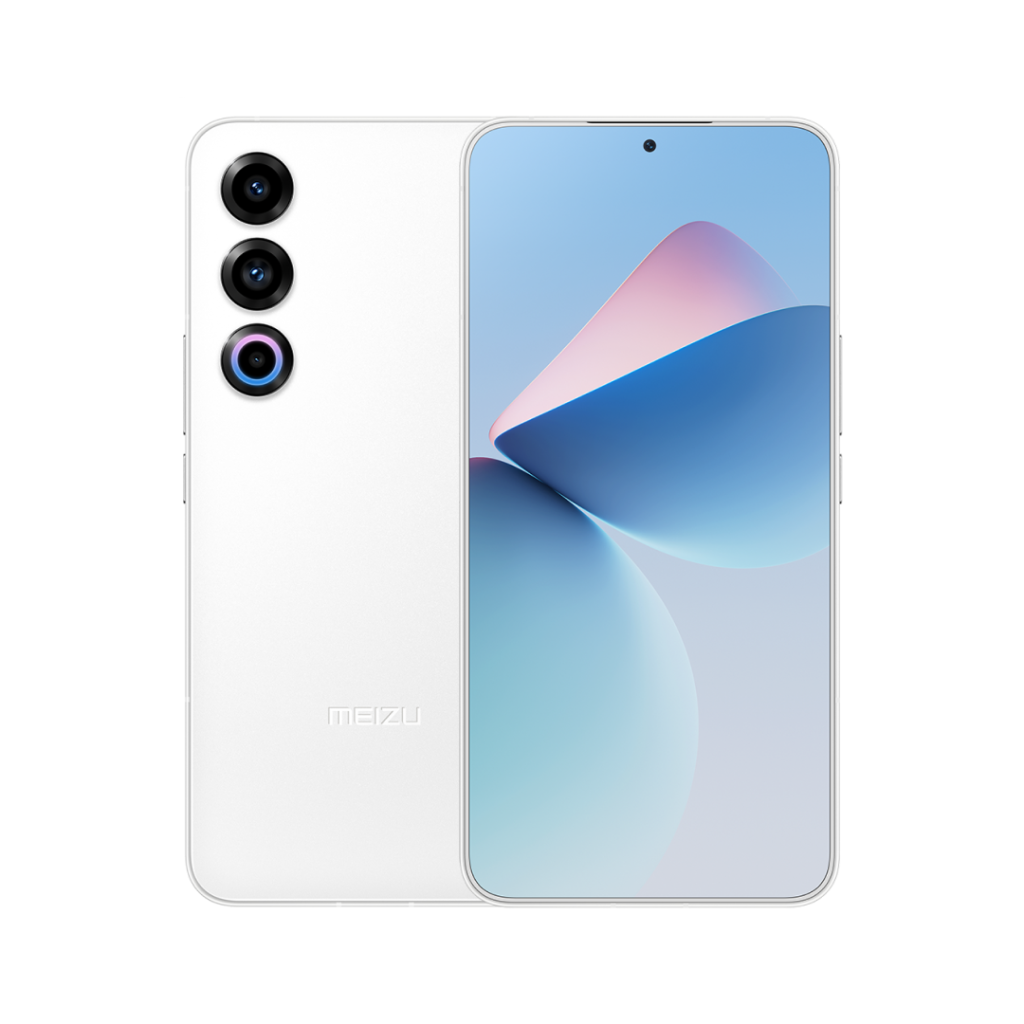
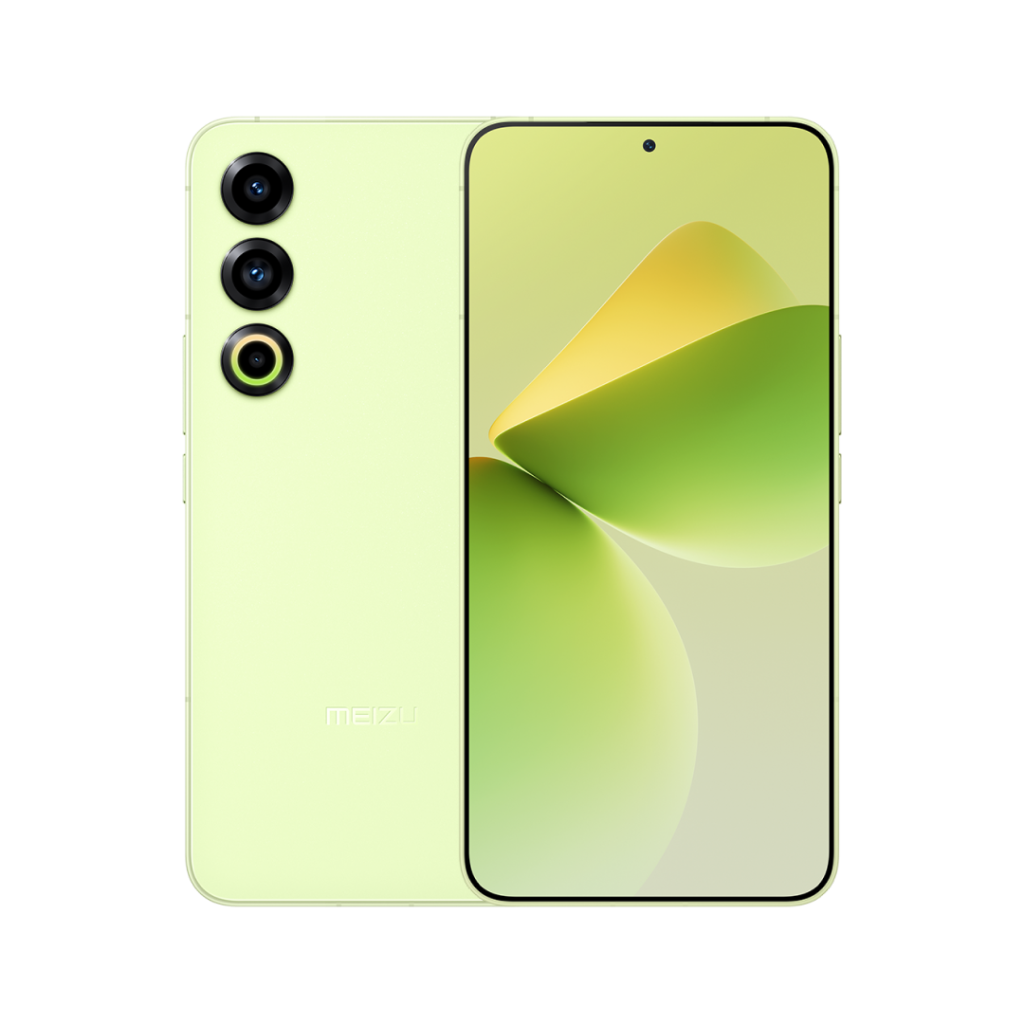
Meizu, a prominent Chinese technology company, has recently made a significant strategic shift. The company on Sunday announced its decision to halt the development of new smartphones.
Instead, Meizu has chosen to focus its efforts on the development and creation of “tomorrow’s devices” driven by artificial intelligence (AI). By capitalizing on the potential of AI, the company is now embracing an “All in AI” approach.
This change appears to have been in the works for some time. Shen Ziyu, Chairman and CEO of Xingji Meizu Group, noted that in 2023, Meizu successfully transitioned from being solely a “mobile phone company” to becoming an “ecological group.”
Notably, Meizu has developed immersive multi-terminal experiences, shared core competencies with partners via its Unbounded Zhixing open platform, and saw its MYVU brand become a leader in AR glasses.
Shen also acknowledged changes in the smartphone market. He said consumers are now taking a longer time to upgrade (an average of 51 months), as phones across brands offer comparable performance in areas like smoothness, photography, and features.
In his view, smartphone innovation these days increasingly resembles a “stacked parameters” arms race – more memory, larger sensors, faster charging – alongside industry tactics such as trolling, revealing each other shortcomings to gain publicity.
As a result, Meizu has decided to step away from its smartphone business which also includes canceling the development of upcoming models like Meizu 21 Pro, Meizu 22, and Meizu 23.
Shen says the decision to move away from the smartphone business resonates with Meizu’s history.
In the past, the company famously abandoned its successful MP3 line amidst strong sales to embrace the growing smartphone market. Similarly, its development of MYVU smart glasses shows Meizu’s willingness to invest in future technology.
After two years of preparation, including team building, resource allocation, and product planning, Shein says Meizu is ready to fully embrace the AI field.
Plans include launching a new mobile operating system tailored for the AI era in 2024 and unveiling the first AI hardware product later this year.
Meizu reassures users that despite this strategic shift, support for existing Meizu products and services, including convenient access to offline stores throughout China, will remain unaffected.
Former Meizu executive Li Nan praised the company’s new strategy, emphasizing the necessity of change for future success. He dismissed AI features in other brands’ smartphones as mere “gimmicks” and endorsed Meizu’s bold move towards AI. Additionally, Meizu is working on “Open All Hardware For AI LLM,” promising further developments in this realm.
We use cookies on our website to give you the most relevant experience by remembering your preferences and repeat visits. By clicking “Accept”, you consent to the use of ALL the cookies.
This website uses cookies to improve your experience while you navigate through the website. Out of these, the cookies that are categorized as necessary are stored on your browser as they are essential for the working of basic functionalities of the website. We also use third-party cookies that help us analyze and understand how you use this website. These cookies will be stored in your browser only with your consent. You also have the option to opt-out of these cookies. But opting out of some of these cookies may affect your browsing experience.
Necessary cookies are absolutely essential for the website to function properly. This category only includes cookies that ensures basic functionalities and security features of the website. These cookies do not store any personal information.
Any cookies that may not be particularly necessary for the website to function and is used specifically to collect user personal data via analytics, ads, other embedded contents are termed as non-necessary cookies. It is mandatory to procure user consent prior to running these cookies on your website.