Germany’s Mehler Protection has turned the futuristic concept of exoskeletons, often seen in movies and video games like Edge of Tomorrow and Call of Duty Advanced Warfare, into reality. The ExoM Up-Armoured Exoskeleton could be a game changer for soldiers and law enforcement officers, offering them enhanced capabilities and protection.
Developed by Mehler Protection, Mawashi Science & Technology, and the French elite police unit GIGN, the ExoM isn’t your average robot suit. It’s a lightweight, full-body armor that feels almost natural to wear. While providing protection, the exoskeleton also does the majority of heavy lifting for the wearer, with claims of transferring up to 70% of the weight of the gear to the ground. This means that soldiers can haul heavy equipment while operating in rough terrains without having to endure back aches or muscle fatigue.
Coming back to the protection part, the ExoM has a bulletproof shield made with top-tier ballistic materials that can provide up to VPAM 8 ballistic protection, protecting its wearer even against high-powered rounds. Despite the protective armor, mobility is not an issue, as the ExoM boasts a flexible spine and movable joints, allowing wearers to climb, crawl, and maneuver while retaining 99% ease and range of motion.
With all that said, perhaps the most impressive feature of the ExoM is the fact that it is a passive Exoskeleton, which means it operates without needing external power sources such as batteries. As for its deployment in the field, there’s no specific timeline available at the moment. The process might take a while, considering governments typically subject such equipment to thorough testing and evaluation before giving their official approval.
Xiaomi recently confirmed that it will announce the Xiaomi 14 series on Feb 25 through the MWC 2024 event. As per reports, the company may unveil the Xiaomi 14 and Xiaomi 14 Ultra for the global market, whereas the 14 Pro, which debuted in October 2023 in China, may remain exclusive to the home market. While the Xiaomi 14 Ultra’s global launch date seems to be almost confirmed, it is speculated that it is expected to launch a bit earlier in China. Chinese tech bloggers on Weibo are claiming that the Ultra variant may break cover on February 22 in China.
Xiaomi 14 Ultra’s arrival officially teased for China
As can be seen in the above screenshot, a new Weibo post by Lu Weibing who is a partner and president of Xiaomi Group reveals that he is pondering about when to begin preparing for the Xiaomi 14 Ultra’s launch event. This indicates that there could be a dedicated launch event for the 14 Ultra for the Chinese market.
There is a chatter on Weibo that the Xiaomi 14 Ultra may debut on February 22 in China. The same event is also expected to see the arrival of the Snapdragon 8 Gen 2-powered Xiaomi Pad 6S Pro tablet. It is speculated that the tablet that is designed to complement the upcoming Xiaomi SU7 car, which is currently meant only for the Chinese market. Hence, it is likely that the company may hold a China-exclusive launch event to announce the 14 Ultra, Pad 6S Pro, and SU7.
At present, the Chinese Spring Festival are currently going on in China, and businesses are expected to resume by February 19. While Weibing has teased the arrival of the 14 Ultra, there is no clarity yet on whether the 14 Ultra will go official on February 22. It is advisable to wait for further reports to know about the Xiaomi 14 Ultra’s launch event for the Chinese market.
It’s been a while since Lenovo has innovated in the ‘software’ side of things. The Hong-Kong-based company is stepping up its game in the tech world by working on a new Artificial Intelligence (AI) operating system that might just give Windows 11 a run for its money. At the CES 2024 event, Lenovo’s big shot, Liu Jun, let slip their plans to roll out an AI OS this year. A move like this is clearly a part of Lenovo’s big push into AI; the company seems serious about leading the charge in smart tech.
AI is making its way onto almost all platforms, and Lenovo wants a piece of the pie
Last year, Lenovo was all about boasting its full-stack intelligence strategy. Now, they’re moving forward with an AI OS focused on AI PCs and personal helpers. The idea is to make computers and devices smarter at understanding what we want, using natural language. This means our gadgets could get a lot better at figuring out our needs without us having to spell everything out.
Lenovo’s first batch of these smart AI PCs is expected to hit the shelves in the first half of this year. They’re designed to be super intuitive, with a knack for picking up on user intent. On top of that, Lenovo’s crafting smart devices embedded with AI, emphasizing that they’re built to respect user privacy and security.
The new AI OS isn’t just about launching nifty devices; Lenovo wants to kickstart an AI PC ecosystem. This is a big deal because it’s not just about making cool products; it’s about changing how technology works for us on a daily basis.
With tech giants in China and around the world trying to make their own operating systems, Lenovo’s new project could shake things up. If they pull it off, Lenovo’s AI OS might stand toe-to-toe with big names like Microsoft’s Windows 11. The organization’s dive into AI could mark a turning point, making technology smarter and more in tune with our lives.
The ninth generation console wars are continuing at full speed. Sony, Nintendo, and Microsoft are fiercely competing to sell more consoles, games, and monthly subscriptions. However, time is ticking, and technology is advancing at an incredible pace. For instance, the Switch, released in 2017, is already quite outdated, and its successor is currently anticipated. And the situation is not much different on the PS5 front.
Despite being introduced in November 2020 and the absence of game releases like GTA VI, the device is already showing its age. A leaked revelation indicates that this is precisely why Sony is preparing to refresh its technology with an interim product. Here are the technical specifications of the PlayStation 5 Pro. Here are the details…
Sony’s Upcoming PlayStation 5 Pro Emerges in Leakes
A new leak on the ResetEra forums has revealed supposed additional details and specifications for Sony’s upcoming PS5 Pro model, which is rumored to be unveiled in September 2024. The information comes from a user who claims to have obtained these details from reliable sources. Here are the key highlights of the leak:
Viola is fabbed on TSMC N4P.
GFX1115
Viola’s CPU is maintaining the zen2 architecture found in the existing PS5 for compatibility, but the frequency will once again be dynamic with a peak of 4.4GHz. 64 KB of L1 cache per core, 512 KB of L2 cache per core, and 8 MB of L3 shared (4 MB per CCX).
Viola’s die is 30WGPs when fully enabled, but it will only have 28WGPs (56 CUs) enabled for the silicon in retail PS5 Pro units.
Trinity is the culmination of three key technologies. Fast storage (hardware accelerated compression and decompression, already an existing key PS5 technology), accelerated ray tracing, and upscaling.
Architecture is RDNA3, but it’s taking ray tracing improvements from RDNA4. BVH traversal will be handled by dedicated RT hardware rather than fully relying on the shaders. It will also include thread reordering to reduce data and execution divergence, something akin to Ada Lovelace SER and Intel Arc’s TSU.
3584 shaders, 224 TMUs, and 96 ROPs.
16GB of 18 gbps GDDR6. 256-bit memory bus with 576 GB/s memory bandwidth.
The GPU frequency target is 2.0 GHz. This lands the dual-issue TFLOPs in the range of 28.67 TFLOPs peak (224 (TMUs) * 2 (operations, dual issue) * 2 (core clock)). 14.33 TFLOPs if we ignore the dual-issue factor.
50-60% rasterization uplift over Oberon and Oberon Plus, over twice the raw RT performance.
XDNA2 NPU will be featured for the purpose of accelerating Sony’s bespoke temporal machine learning upscaling technique. This will be one of the core focuses of the PS5 Pro, like we saw with checkboard rendering for the PS4 Pro. Temporally stable upscaled 4K output at higher than 30 FPS is the goal.
Tencent, well known for its video games and social media amongst other things, is now diving into something quite different: giving Chinese opera a modern makeover. They’ve started with the story of Hua Mulan, the legendary heroine who disguised herself as a man to fight in her father’s place. The story is known worldwide, thanks to Disney, and is getting a new audience in China through Tencent’s tech-savvy approach.
The company is even planning to build a digital library
The company took an old 1956 opera performance and made it look new again using artificial intelligence (AI) to clean up the video. This project was a hit, drawing in more than 7 million viewers to its live stream. It’s all part of a bigger plan with the Ministry of Culture and Tourism to bring the traditional Chinese opera into the digital age.
Tencent isn’t stopping with just cleaning up old videos. They’re using advanced tech like 6DoF, which is big in virtual reality, to capture the intricate movements of characters from famous operas. This kind of tech makes it possible for people today to see and appreciate the complex beauty of these traditional dances and stories.
The goal is to keep these classic stories alive and share them with a new generation. Tencent is facing challenges, like finding enough old opera data to work with, but they’re finding ways around it. They’re even planning to build a digital library so more people can find and enjoy these restored performances. In China, tech companies are using their resources to celebrate and preserve traditional culture. Through their efforts, they’re making sure that these important pieces of China’s heritage won’t be forgotten, making a public statement how technology can be a bridge between the past and the present.
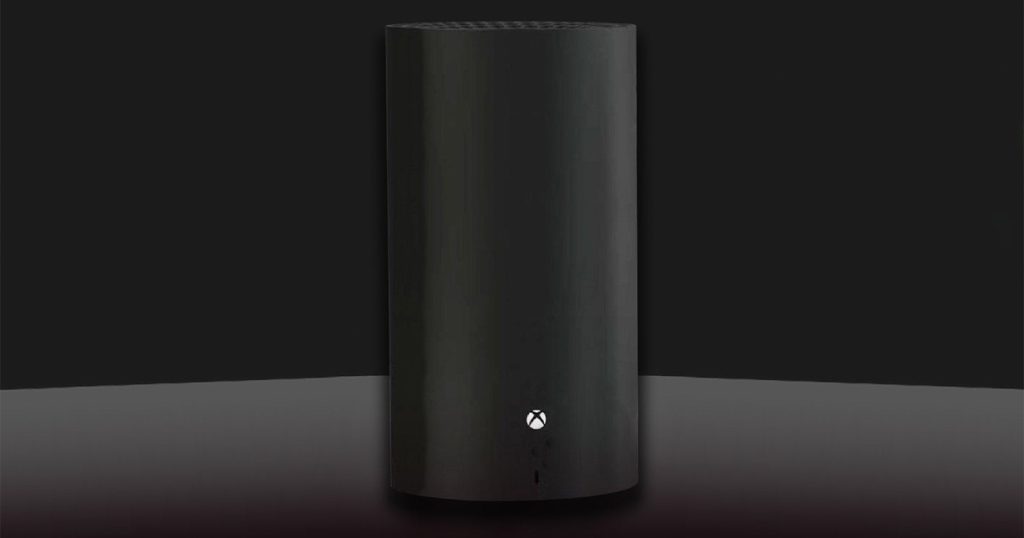
Are we getting a new Xbox look? Apparently, Microsoft is making a big change in who’s designing the next Xbox console, and it’s causing quite a stir in the gaming community. Instead of the team that brought us the Xbox Series X, it looks like the Surface division at Microsoft will take over. What a coincidence that we are getting this news at a time when Xbox is trying to catch up with Sony‘s PS5, which has been outselling it by a wide margin. All thanks to exclusives, and some other factors, if we’re being honest.
The Surface Division for Microsoft will foresee the next Xbox’s design
The cosole hasn’t been selling as well as Microsoft hoped, and they’re expecting sales to drop even more in 2024. Despite not sharing sales numbers for a while, Microsoft revealed that the Xbox Series X and Series S have sold a total of 21 million units, which is about half of what the PS5 has sold.
Nick Baker, an industry insider, shared on The XboxEra Podcast that the design team change may be happening. This could mean we might have to wait longer for the next Xbox console, especially if they’re starting from scratch with the design.
But why move the project to the Surface team? It could be because there’s a rumor about a new handheld Xbox device. The Surface team is known for making high-quality portable devices, so if Microsoft is planning a handheld Xbox, it makes sense to have them work on it.
However, there’s been some mixed information about this rumored handheld Xbox. Some say it’ll be cheaper and less powerful than the next-gen Xbox, while others say it’ll be just as powerful but more expensive. It’s hard to know what to believe, but Microsoft has said they’re committed to making new Xbox hardware. The big change could mean exciting things for Xbox fans, especially if it leads to newer, modern devices like a handheld version. We’ll have to wait and see what Microsoft has up its sleeve.
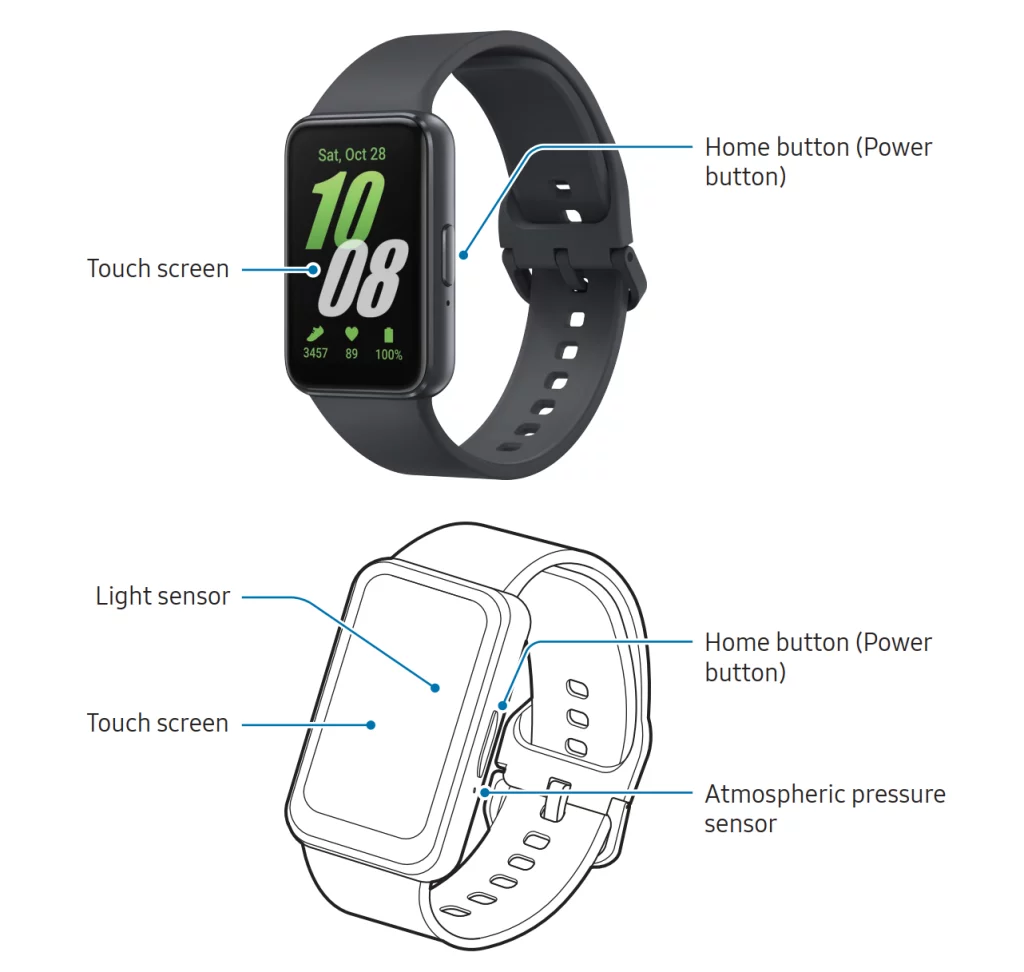
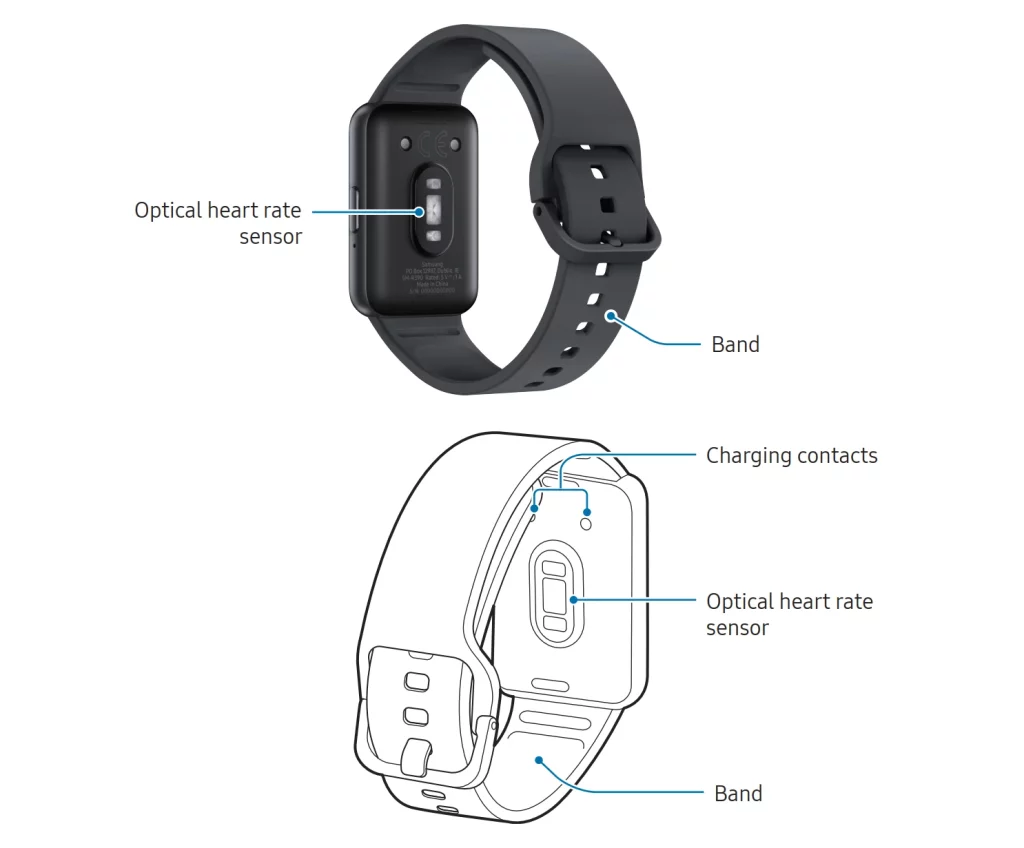
Samsung is gearing up to launch the Galaxy Fit 3, catering to individuals seeking a straightforward yet effective fitness tracker. Recent leaks of its design, retail box, and pricing have revealed many details. Now, a new leak of its user manual has provided valuable insights into what users can expect from this upcoming device.
The Galaxy Fit 3 boasts a sleek rectangular touch display and an optical heart rate sensor for precise health monitoring. It will track essential metrics such as heart rate, blood oxygen levels, and stress levels, while also providing features like step counting, exercise tracking, and sleep pattern analysis for a comprehensive overview of one’s well-being.
In terms of customization, users can expect a variety of watch faces and widgets to personalize their experience. Additionally, the inclusion of a “Band Quick Release Button” allows for hassle-free strap changes.
Despite its compact design, the Galaxy Fit 3 promises impressive battery life, reportedly lasting over three weeks on a single charge. Previous reports revealed that the smartwatch will feature IP68 certification and 5 ATM water resistance, meaning that you can wear it while swimming.
While there is no official announcement from Samsung yet, the Galaxy Fit 3 is expected to be announced at MWC 2024, which will be held from February 26 to February 29.
Dell has quietly launched UltraSharp 38 (U3824DW) Curved Monitor in Europe, after launching it in the US and Chinese markets.
Dell UltraSharp 38 (U3824DW) specs & features
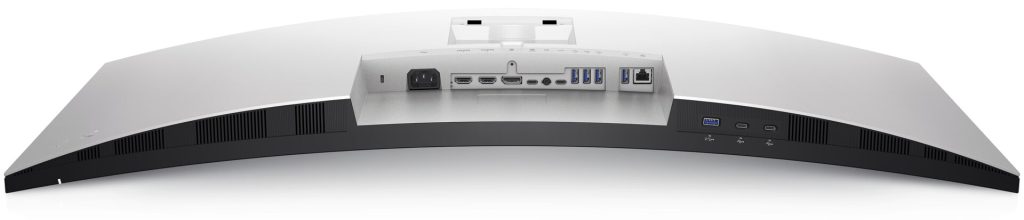
Sporting a 37.5-inch IPS panel, Dell’s UltraSharp 38 boasts impressive features tailored for diverse applications. The monitor’s IPS Black technology enhances contrast, rendering vibrant visuals ideal for film, television, and content creation. With a resolution of 3840 x 1600 pixels, a 60Hz refresh rate, and a speedy 5ms response time, it delivers crisp imagery while ensuring smooth performance.
One of its standout attributes is its color accuracy, covering 98% of the DCI-P3 color gamut and achieving a Delta E of less than 2. This, coupled with a maximum brightness of 300 nits, ensures impressive visuals with lifelike colors. Moreover, the monitor offers a bunch of connectivity options, including HDMI 2.1, DP 1.4, USB-C with 90W power delivery, and a 2.5Gbps RJ-45 network port.
Pricing & availability
Originally retailing at $1,529.99 in the US, it has now dropped to $1,149.99, making it an attractive option for those seeking high-quality displays without breaking the bank. In the UK and Eurozone, it is priced at £1,1620.80 and €1,303.05, respectively.
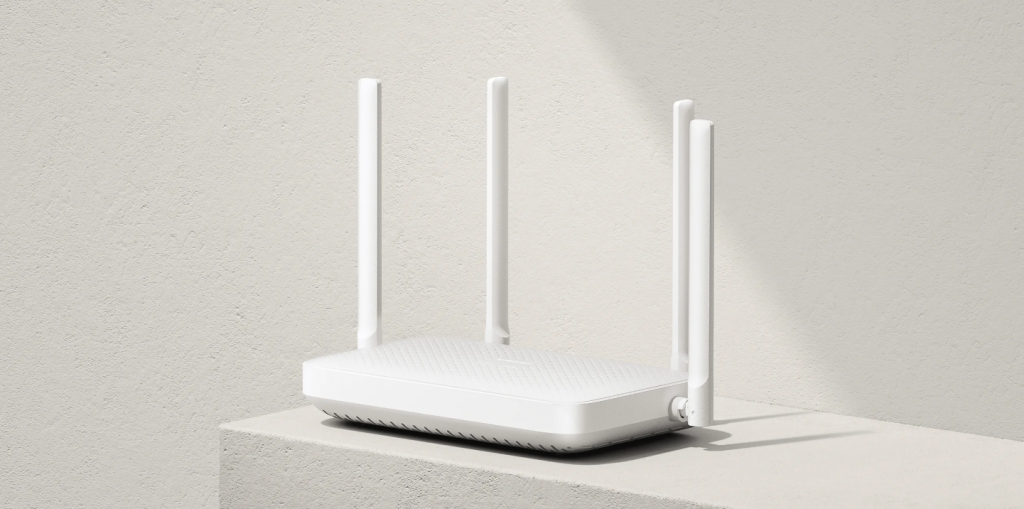
Back in December, Xiaomi launched its affordable WiFi 6 router called the AX1500 in the Chinese market. The brand has now brought it over to the global market, listing it on its official website.
Xiaomi AX1500 router specs:
Xiaomi’s AX1500 router comes with WiFi 6 support, it delivers speeds up to 1500 Mbps across both 5GHz and 2.4GHz bands, ensuring reliable connectivity throughout your home.
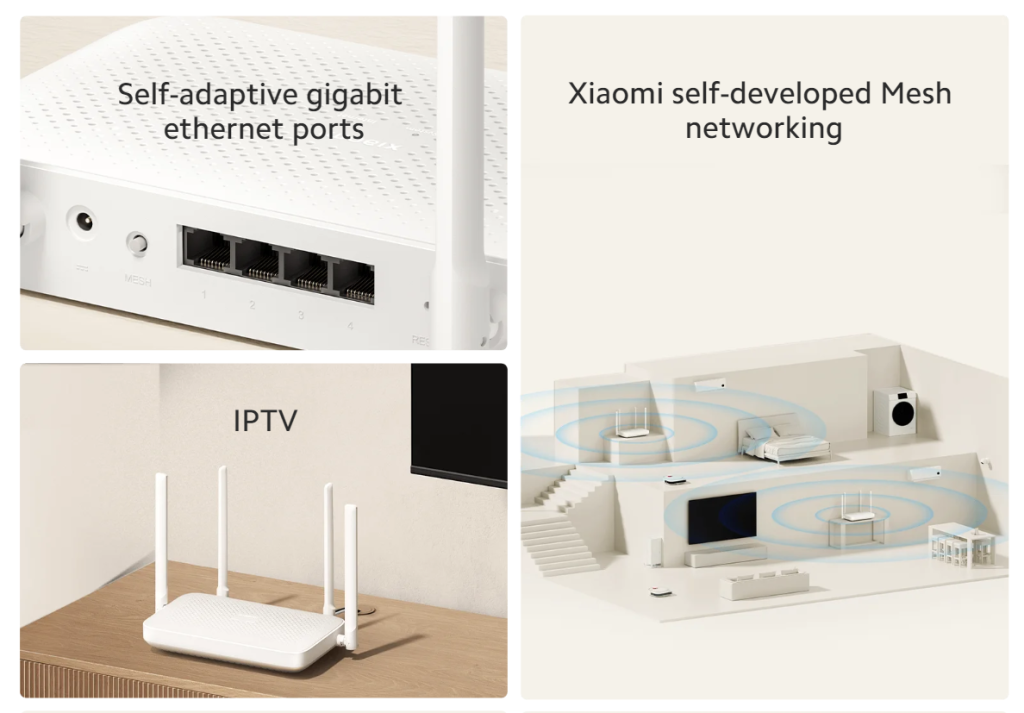
Notably, it automatically switches between frequencies for seamless connectivity and supports Mesh networking for expanded coverage. Gamers will appreciate the exclusive acceleration channel for reduced latency and improved responsiveness, along with IPTV support.
Detailed information about the AX1500 highlights its Wi-Fi 6 technology, self-adaptive gigabit Ethernet ports, and IPTV capabilities. It ensures smooth performance, wide signal coverage, and support for multiple devices. Security features include WPA3 encryption and BSS Coloring technology to minimize interference.
Pricing & availability
Although Xiaomi has not revealed the official pricing in the global markets yet, the router sells for around 129 yuan in China, which is equivalent to around 18 US Dollars. It is currently available to buy through AliExpress for Around 25 US Dollars. We can expect the official price to land in the same price range as well.
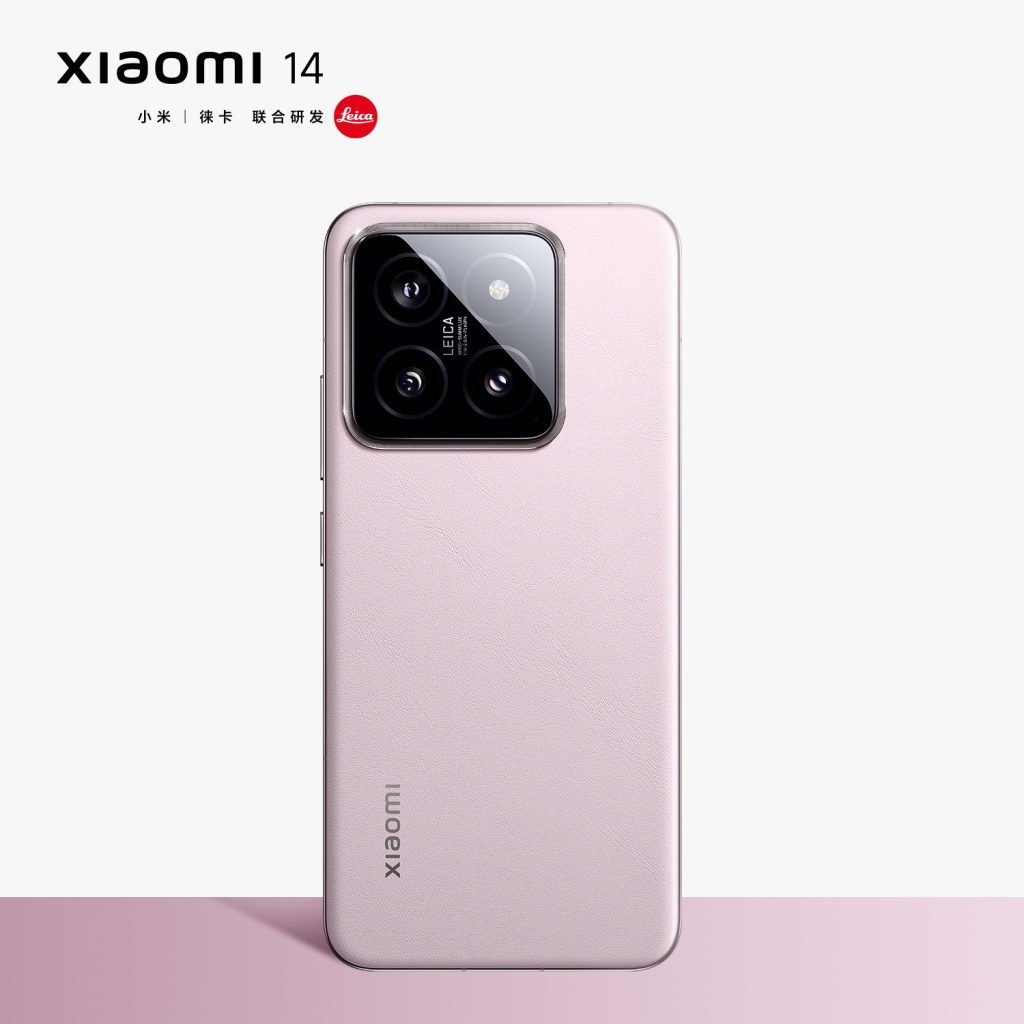
Xiaomi has announced a global launch event for its Xiaomi 14 series smartphones on February 25 (at MWC Barcelona). The brand is expected to launch at least two models: the Xiaomi 14 and the Xiaomi 14 Pro, however, a recent teaser has hinted at the possibility of the Xiaomi 14 Ultra also launching worldwide at this event. That being said, the vanilla Xiaomi 14 global variant has been spotted on EMVCo with some key details.
According to certification details, the Xiaomi 14 will be powered by Android 14-based HyperOS 1.0 and will come equipped with NFC support. For those unaware, HyperOS is Xiaomi’s new operating system that has been garnering praise from users. It replaces MIUI and is based on Android 14. You can also check out our detailed breakdown of HyperOS to learn more about this operating system.
While the certification does not reveal anything else about the smartphone, we expect the specifications and features to be similar to those of the Chinese model, which means that it will boast a 6.36-inch 1.5K TCL CSOT C8 OLED 12bit display with a speedy 120Hz refresh rate and a dazzling peak brightness of 3000 nits. It will be powered by a Snapdragon 8 Gen 3 chipset paired with LPDDR5X RAM and UFS 4.0 storage.
The camera setup could include a 50MP LYT-900 OIS primary sensor, a 50MP JN1 ultrawide camera, and a 50MP telephoto JN1 camera on the rear. For selfies, it will have a 32MP front camera. The device will have a 4610mAh battery supporting 90W wired charging and 50W wireless charging.
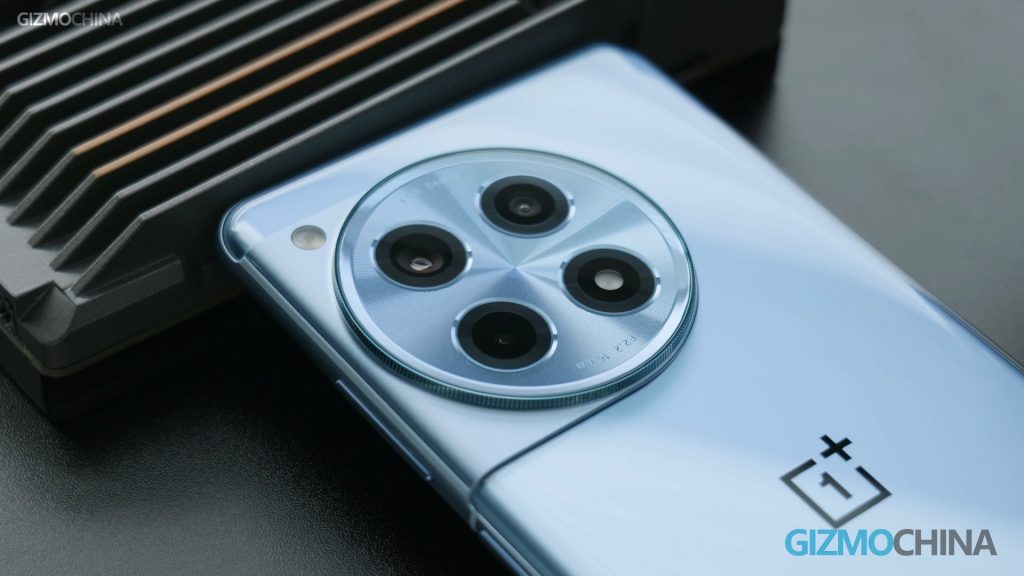
OnePlus is reportedly gearing up to introduce the next iteration in its Ace series, the OnePlus Ace 3 Pro. Building on the foundation laid by its predecessor, the OnePlus Ace 2 Pro, which was unveiled in August last year with the Snapdragon 8 Gen 2 processor, the upcoming model is set to make a significant leap in performance and features.
OnePlus Ace 3 Pro Key Specs (Rumored)
According to a recent leak from the tipster known as Smart Pikachu, the OnePlus Ace 3 Pro will be equipped with the Snapdragon 8 Gen 3 processor, promising to deliver an even more refined user experience. The device is said to feature 24GB of LPDDR5x RAM and an expansive 1TB of UFS 4.0 storage under the hood, indicating that OnePlus is testing configurations that cater to the most demanding users.
The design of the OnePlus Ace 3 Pro will reportedly continue the trend of featuring a curved screen. The display is expected to be a 6.78-inch OLED panel sourced from BOE, boasting a 1.5K resolution and a 120Hz refresh rate. Alongside, it is also expected to feature top-notch texture.
Previous leaks from DCS suggest that the device will feature a metal middle frame and a glass back. Unfortunately, we don’t have camera and battery specs yet but it is expected to run on ColorOS 14-based Android 14.
The device may launch earlier than its release schedule. Contrary to the usual annual update cycle, OnePlus might unveil the new model in the first half of 2024, potentially during the first quarter, which would mark a significant acceleration in its product launch timeline.
While details about the global availability of the OnePlus Ace 3 Pro remain uncertain, given that the Ace 2 Pro did not see a global release, the anticipation for this device is high. Moreover, OnePlus is also preparing to launch the OnePlus Ace 3 Genshin Impact Custom Edition on February 28th.
Xiaomi‘s highly anticipated electric sedan, the SU7, is getting closer to launch, and new details about its interior have been revealed. While the exterior design was unveiled last December, the interior remained a mystery until now.
Xiaomi focuses on tactile experience
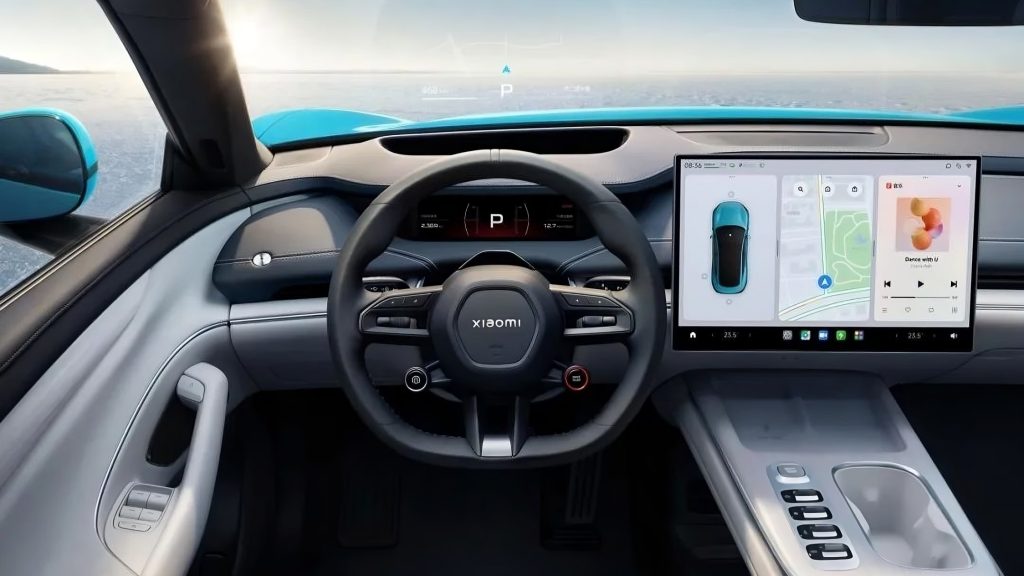
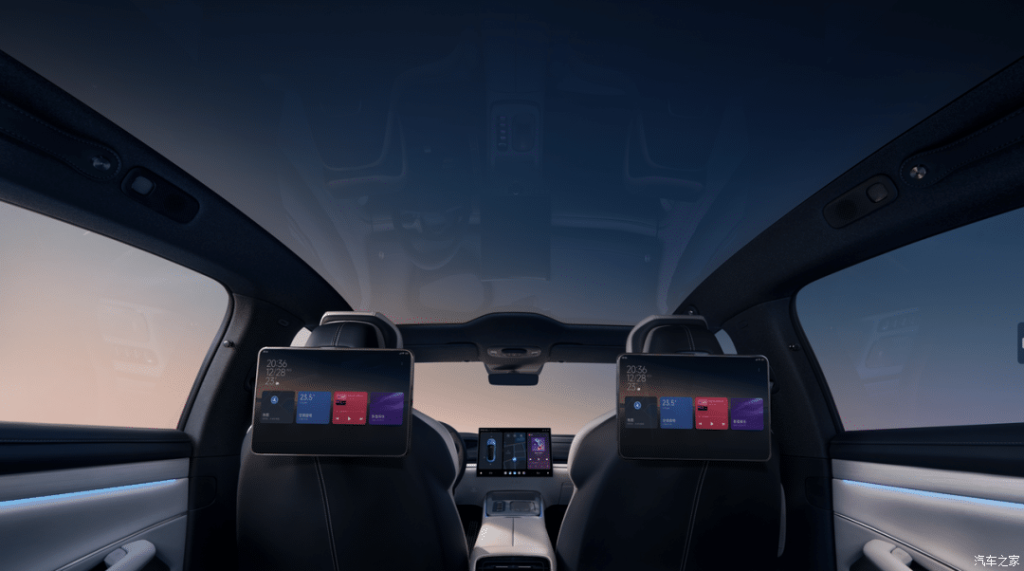
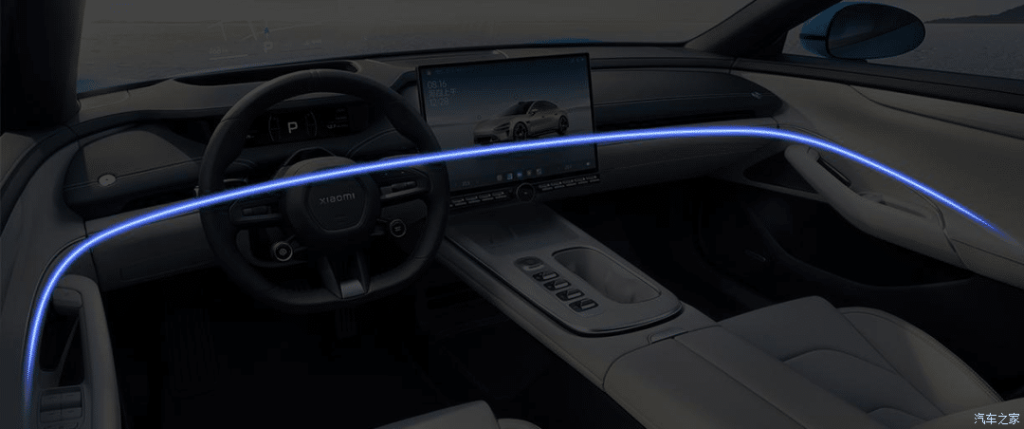
As per the new official interior images, Xiaomi has shifted away from minimalist interiors favored by tech companies entering the automotive space. Instead, they’ve adopted a driver-centric design with physical buttons alongside sleek technology. This change appears to address user feedback, as many EV owners have expressed frustration over the absence of tactile controls in their vehicles.
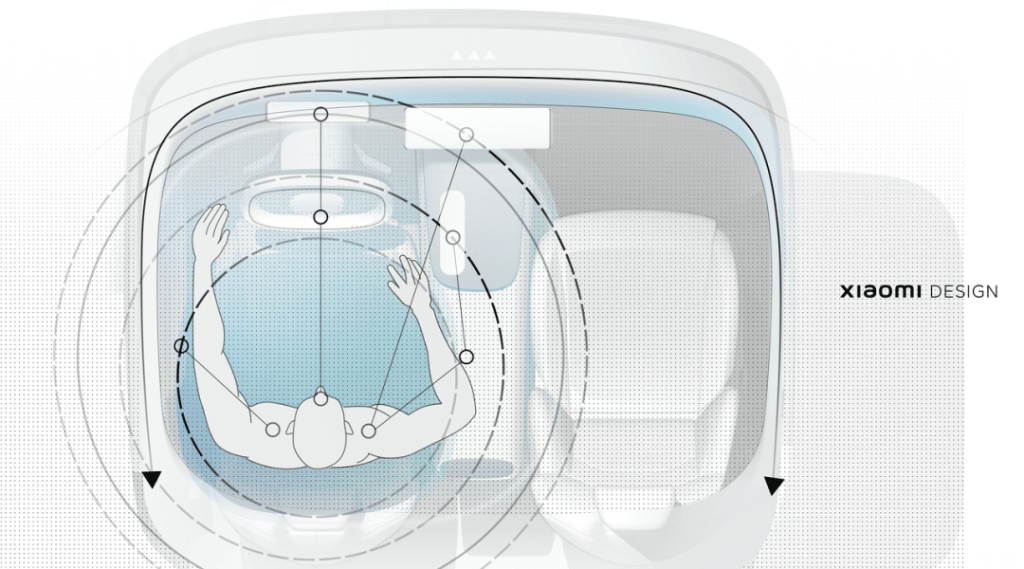
The SU7’s interior is designed with a flat-bottomed steering wheel, tactile switches, a horizontal center touchscreen, and a center console. But the real eye-catcher is the row of toggle switches positioned conveniently under the driver’s right hand. These switches control essential functions like air conditioning, ride height, and even the rear wing spoiler, offering a welcome return to physical interaction in a sea of touchscreens.
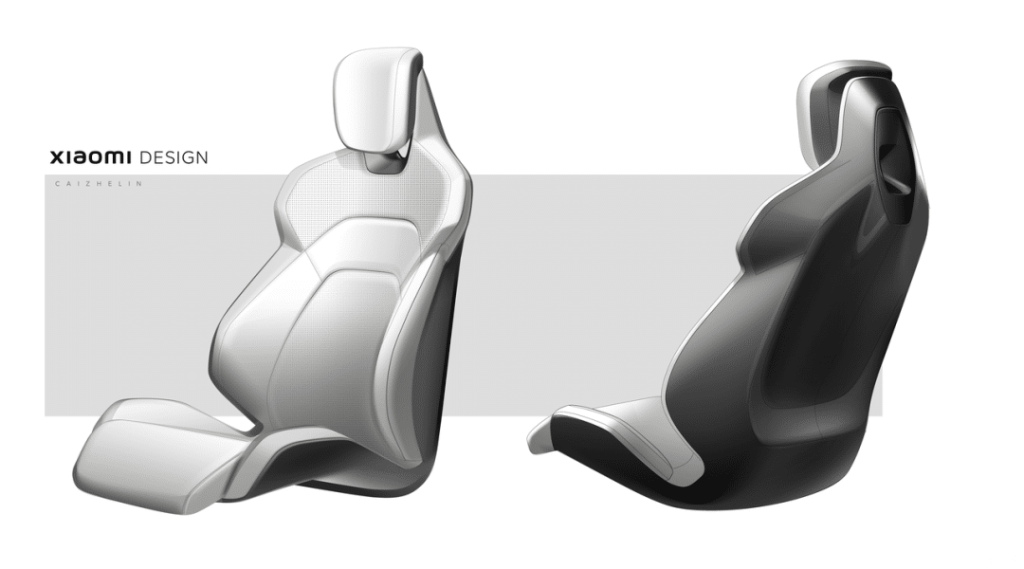
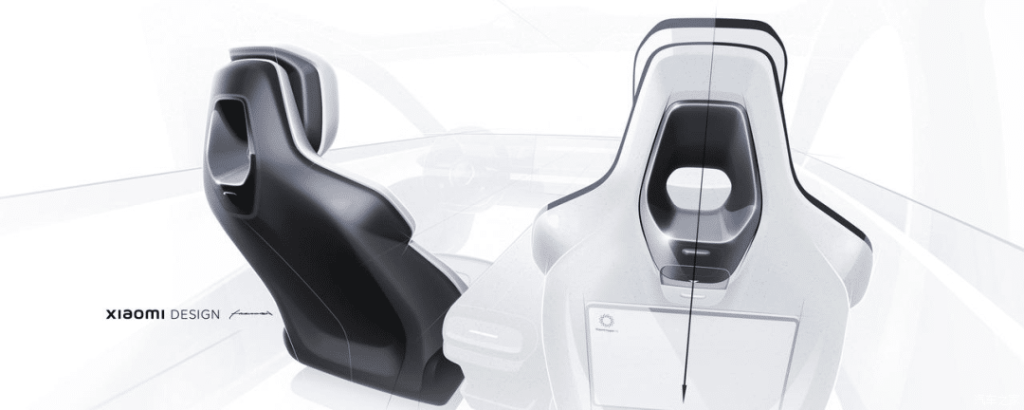
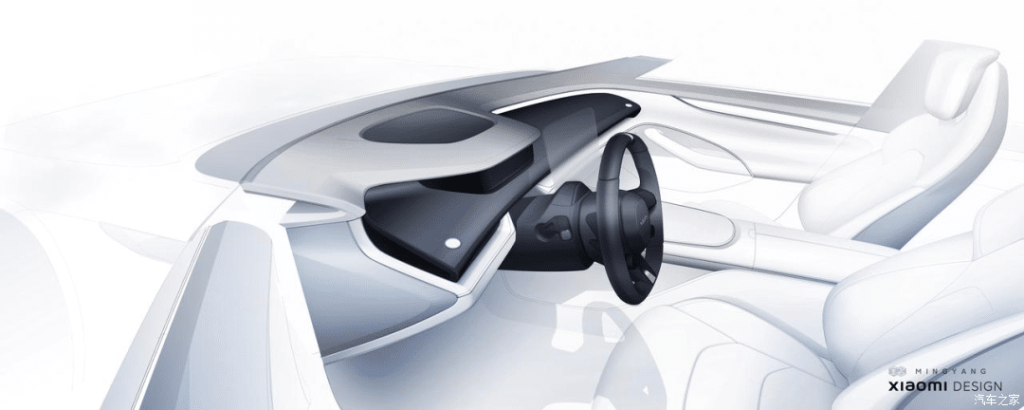
But the SU7 isn’t just about buttons and driver engagement. The interior also features a floating dashboard design that integrates the head-up display, instrument panel, and air outlets, creating a sense of spaciousness. Additionally, a docking unit allows for the addition of even more physical buttons. The driver-focused design includes sports seats for a low seating position and excellent forward visibility.
Xiaomi is clearly aiming high with the SU7, promising king-of-the-hill winter range and efficiency. The company’s in-house developed heat pump is a key part of this strategy, and winter testing videos showcase the SU7 tackling snowy and icy roads in -33°C temperatures.
With deliveries expected to start in the first half of 2024, and a price tag rumored to be around 300,000 yuan ($42,000), the Xiaomi SU7 is shaping up to be a serious contender in the Chinese electric car market.
Xiaomi CEO Lei Jun also sees significant potential in the electric car sector and has shifted his focus to prioritize Xiaomi’s expansion into this market. While Xiaomi will continue producing smartphones and other tech products, Lei Jun’s recent actions indicate a strong commitment to establishing Xiaomi as a key player in the electric vehicle industry.
Moondrop is a well-known brand for its high-end IEMs and earbuds. But the company might soon be venturing into uncharted territory, as suggested by their latest teaser.
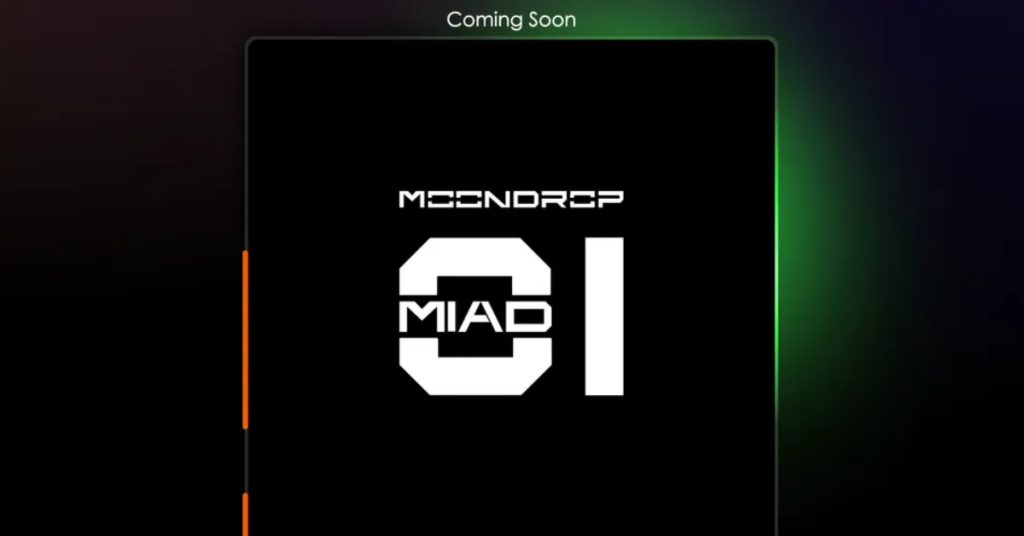
Moondrop surprisingly shared a teaser for its new smartphone on its website a few days ago. The device is called MIAD 01 and is listed as a “5G Hi-Fi Mobile Audio Device” with the tagline “explore the integration of art and reason” on a new ‘Phone’ section.
Moondrop MIAD 01 teaser.
A quick glance at the phone’s outline reveals a power button and volume controls on the left side, and it looks like the device will have a sleek, flat design. However, beyond this, Moondrop has kept mum about any further details regarding the smartphone.
Since Moondrop is an audio-first brand, we expect the phone to have like a built-in Hi-Res DAC and a 3.5mm headphone jack. This could possibly be complemented with high-end wireless codecs such as Sony’s LDAC, LHDC, and aptX Lossless. But none of these are confirmed, it’s just our guess.
If these features make it to the Moondrop phone, Sony’s Xperia 1 V might be its closest competitor. The phone offers a headphone jack, hi-res audio support, and a range of wireless codecs like LDAC and aptX HD.
Furthermore, Moondrop is known for its daring design choices, often showcasing distinctive and visually striking aesthetics in its earbuds and charging cases. So, it’s reasonable to expect the MIAD 01 phone to follow suit and bring out a unique identity in the market.
Unfortunately, the teaser page offers no launch date, leaving us in the dark about when to expect the device. But rest assured, we’ll continue to provide updates on this “Hi-Fi” phone as more information becomes available.
Apple has confirmed it’s investigating an issue affecting a number of Apple Watch Series 9 and Apple Watch Ultra 2 models in an internal memo shared with Apple’s Authorized service providers.
The memo, obtained by MacRumors, reads “Some customers may report their Apple Watch Series 9 or Apple Watch Ultra 2 is experiencing false touches on their display.”
The issue can lead to unexpected behavior in some Apple Watch models without any user interaction. This may include unintended phone calls, apps opening or closing without prompts, or difficulty entering the device passcode.
In an internal memo, Apple described the issue as potentially causing the affected watches’ screens to “jump erratically” or exhibit other unprompted actions. There’s no current indication of how widespread the problem may be, or whether it stems from a hardware fault or a software bug.
The company, however, recommends that users ensure their Apple Watch is running the latest watchOS version, implying that a software fix may be possible. Apple has neither confirmed a timeline for a resolution nor commented on whether faulty hardware could be contributing to the issue.
For the time being, Apple has reportedly informed technicians at Authorized Service Providers to avoid repairing affected devices while the investigation is ongoing.
A temporary solution suggested for users who encounter the issue is to force restart their Apple Watch. You can do it by pressing and holding the Digital Crown and side button simultaneously for at least 10 seconds, or until the Apple logo is displayed. Since Apple is know of this issue, we might expect an update to fix it pretty soon.
Sam Altman, the CEO of OpenAI, recently praised Apple’s new mixed-reality headset, the Vision Pro, on X (formerly Twitter). He ranked it as the second most impressive tech innovation after the iPhone. The Vision Pro, which costs $3,500, allows users to interact with digital content in their real surroundings using eye and finger movements.
OpenAI recently launched the ChatGPT app for Vision Pro
Altman believes the Vision Pro could be as impactful as the iPhone was, suggesting it represents a big step forward in how we use technology. He hinted that the most impressive tech to him might be artificial intelligence, especially with OpenAI’s ChatGPT, which has changed what AI chatbots can do. Notably, OpenAI has already launched the ChatGPT app for Vision Pro, which is now available in its App Store.
vision pro is second most impressive tech since the iphone
Earlier this week, Elon Musk also commented on the Vision Pro, noting it’s not perfect but sees potential for improvement, similar to how the iPhone evolved after its initial release.
The Vision Pro’s ability to blend digital and physical realities hints at a future where technology more intimately integrates with daily human experience, similar to how the iPhone revolutionized mobile computing and connectivity.
Altman also joked about product names in the comment section, suggesting “ChatGPT” might not be as good a name as “Vision Pro,” showing he’s in tune with tech culture and feedback.
The Vision Pro has sold over 200,000 units since its release, demonstrating strong market interest and optimism in mixed-reality technologies. These devices are evolving to blur the lines between the digital and physical worlds, providing innovative ways to interact with and comprehend our surroundings. Altman’s endorsement of Vision Pro and his vision for AI‘s future reflect broader anticipation for upcoming technological advancements that will reshape our relationship with technology.
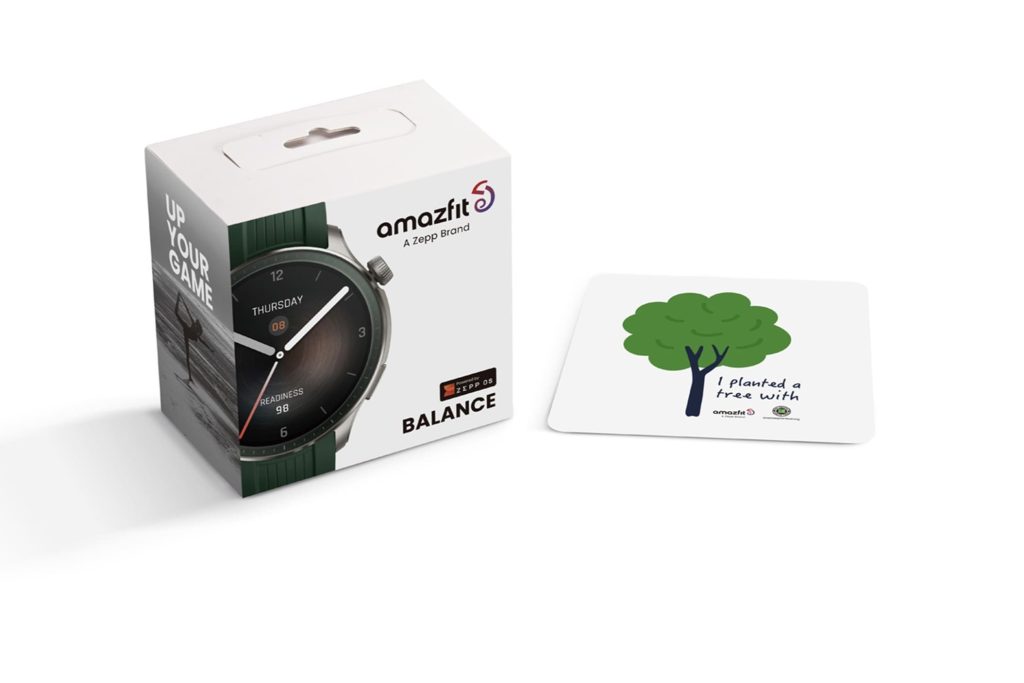
The Amazfit Balance has been launched in four new special edition color options in India. The brand had first unveiled the Balance model in the region back in December 2023, and now, it is available in fresh new variants.
Amazfit Balance Special Edition
To recall, Zepp Health released the special edition of its Amazfit Balance in collaboration with the non-profit organization One Tree Planted in China last month. The four models featured colors that were inspired by nature and shipped in environment friendly packaging, namely Lagoon, Meadow, Woodland, and Deep Sea. Earlier this week, these same special edition variants were announced in India, joining the existing Midnight and Sunset Grey options.
As per an official announcement, the company confirmed that the Amazfit Balance is available for purchase in four new special edition colors on their official Indian website. For those unaware, it sports a 1.5-inch HD AMOLED display that offers 480 x 480 pixel resolution. This screen also supports the Always-On Display feature as well.
A 475mAh battery pack powers this wearable, which offers up to 14 days of battery life with regular use and 25 days in battery saver mode. Other notable features include accurate GPS support, Bluetooth calling, Amazon Alexa voice assistant, heart rate tracking, over 120 sports modes, AI powered Zepp Coach, and much more. It is currently listed for purchase for 24,999 INR (roughly 301 US Dollars).
Google is actively working on a range of upcoming smartphones. This includes the Pixel 8a, the flagship Pixel 9 series, and the highly- anticipated Pixel Fold 2.
We have already seen a glimpse of Pixel 8a’s design via the leaked retail packaging while renders of the Pixel 9 and Pixel 9 Pro have also surfaced showing a distinct design language for the company’s upcoming smartphone series. Now, a new element has been added to the mix.
Google Pixel GH2MB UL Demko certification
An upcoming Google smartphone, carrying the model number GH2MB, has been spotted on the UL Demko certification website. The certification confirms that the device will feature a 4,942mAh rated battery, likely to be marketed as approximately 5,000mAh.
The battery capacity of this mystery device hints that it may not be the traditionally budget-focused Pixel 8a. Its size aligns more closely with the battery expectations for the flagship Pixel 9 series, particularly the Pro variants.
It’s also possible that this certification relates to the Pixel Fold 2, as a larger battery would be suitable for a foldable phone’s demanding form factor.
But the listing doesn’t specify what device exactly it is. Further certifications should shed more light on the GH2MB’s true identity and specifications in the near future.
In related Pixel news, a new Tensor chipset, likely the Tensor G4, has been spotted on the Geekbench listing. The chip might power the upcoming Google Pixel 9 series and Pixel Fold 2.
However, the Geekbench listing shows that the SoC has an octa-core processor, while the Tensor G3 has nine cores. Also, its performance seems a bit worse than the previous model. This might be because it’s an engineering model, but the company reducing the number of cores is a bit confusing.
Capitalizing on the success of its predecessor, Realme has once again raised the bar in the mid-range smartphone market with the launch of the Realme 12 Pro series last month. Among the standout offerings, the Realme 12 Pro+ catches attention with its luxury watch-inspired camera deco design and groundbreaking periscope telephoto camera. Meanwhile, its counterpart, the Realme 12 Pro offers the same design language, and shines with its distinct feature—a powerful telephoto camera delivering up to 2x optical zoom. Here, in this review, let us have a closer look to see what the Realme 12 Pro has to offer.
Realme 12 Pro 5G: What’s in the box?
The Realme 12 Pro 5G’s retail package includes the following items:
Realme 12 Pro handset
67W SuperVOOC charger
USB-A to USB-C cable
TPU case
SIM ejector tool
Safety Guide
Quick Guide
Realme 12 Pro 5G review: Design and Display
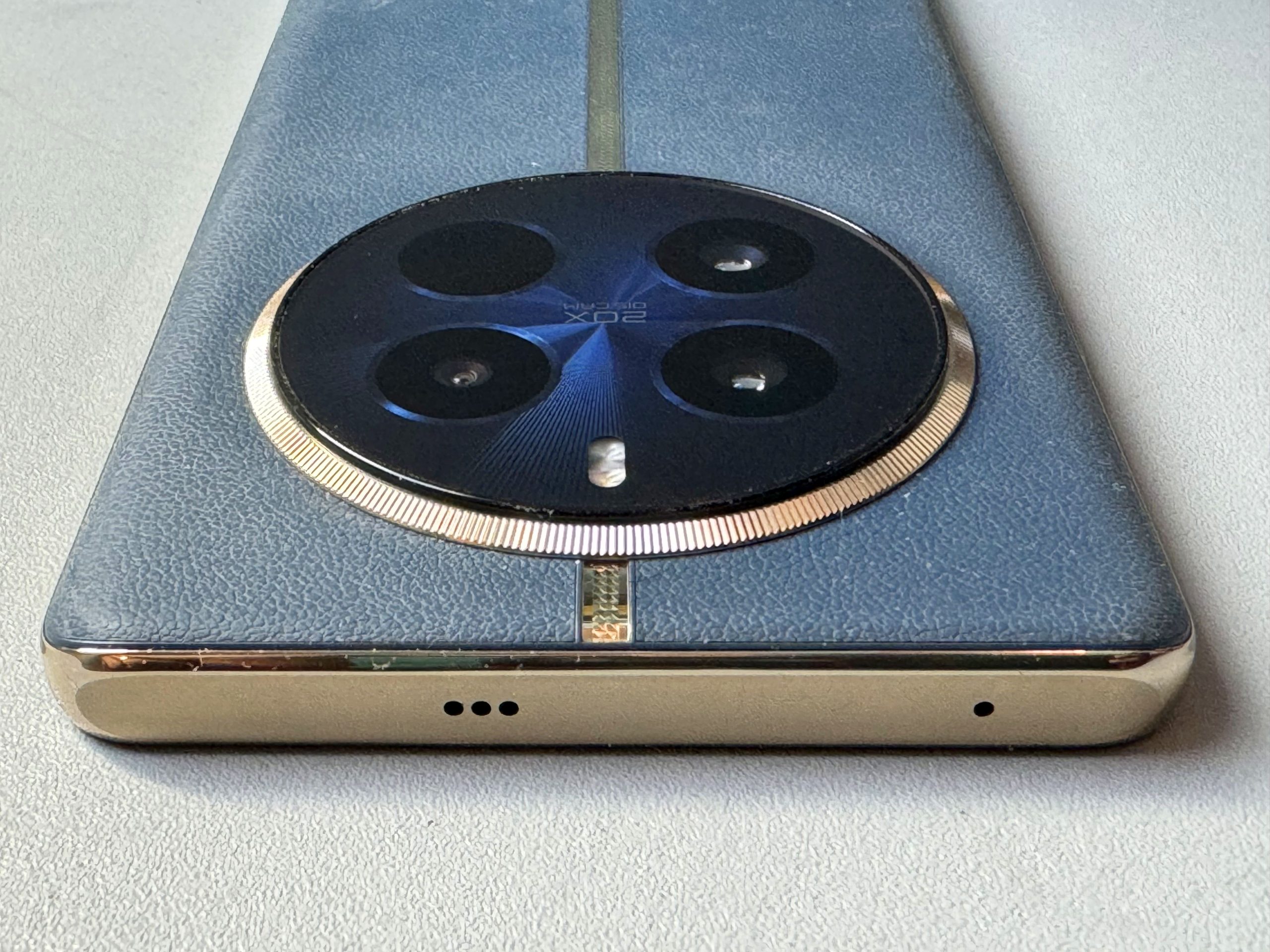
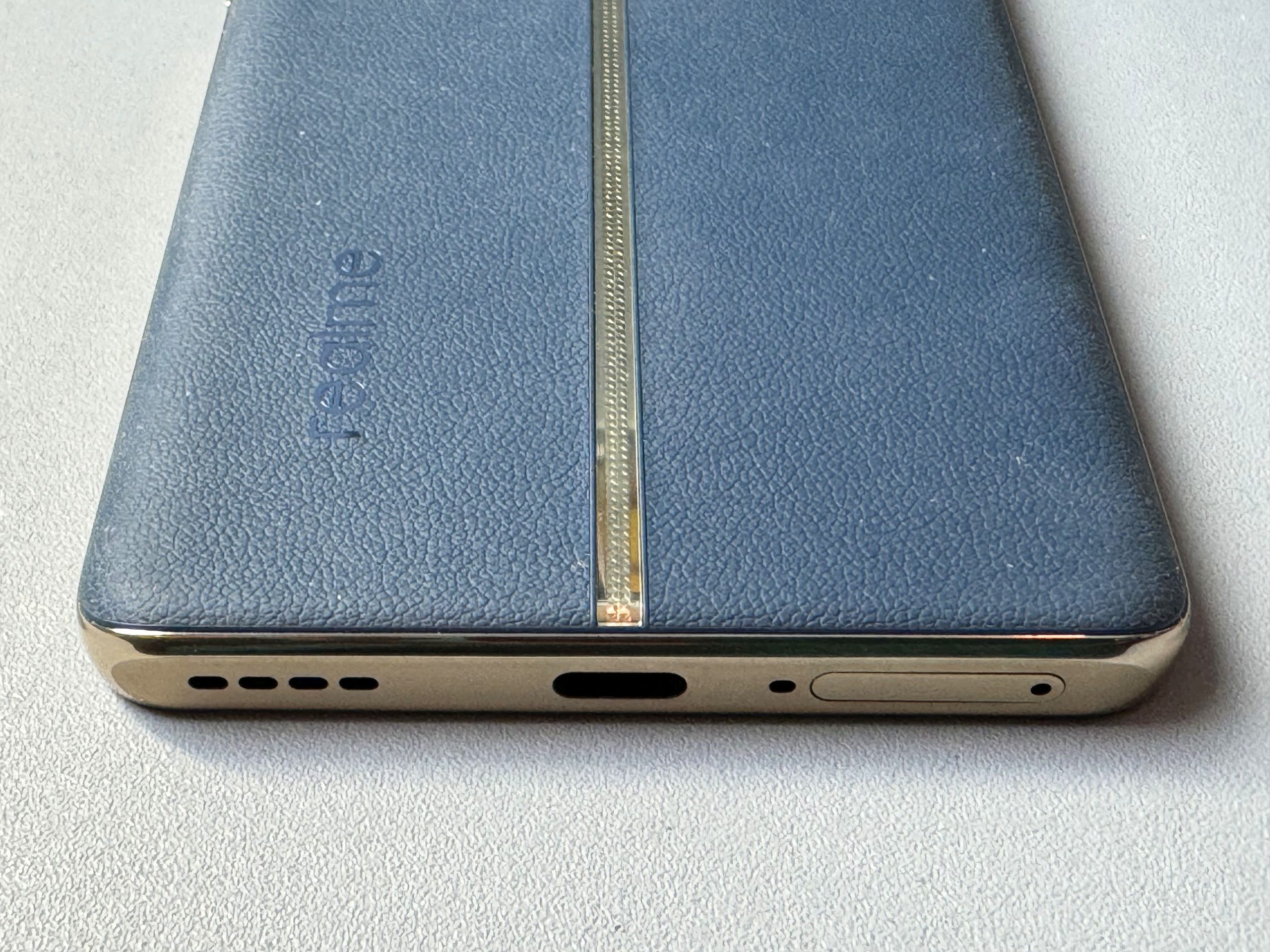
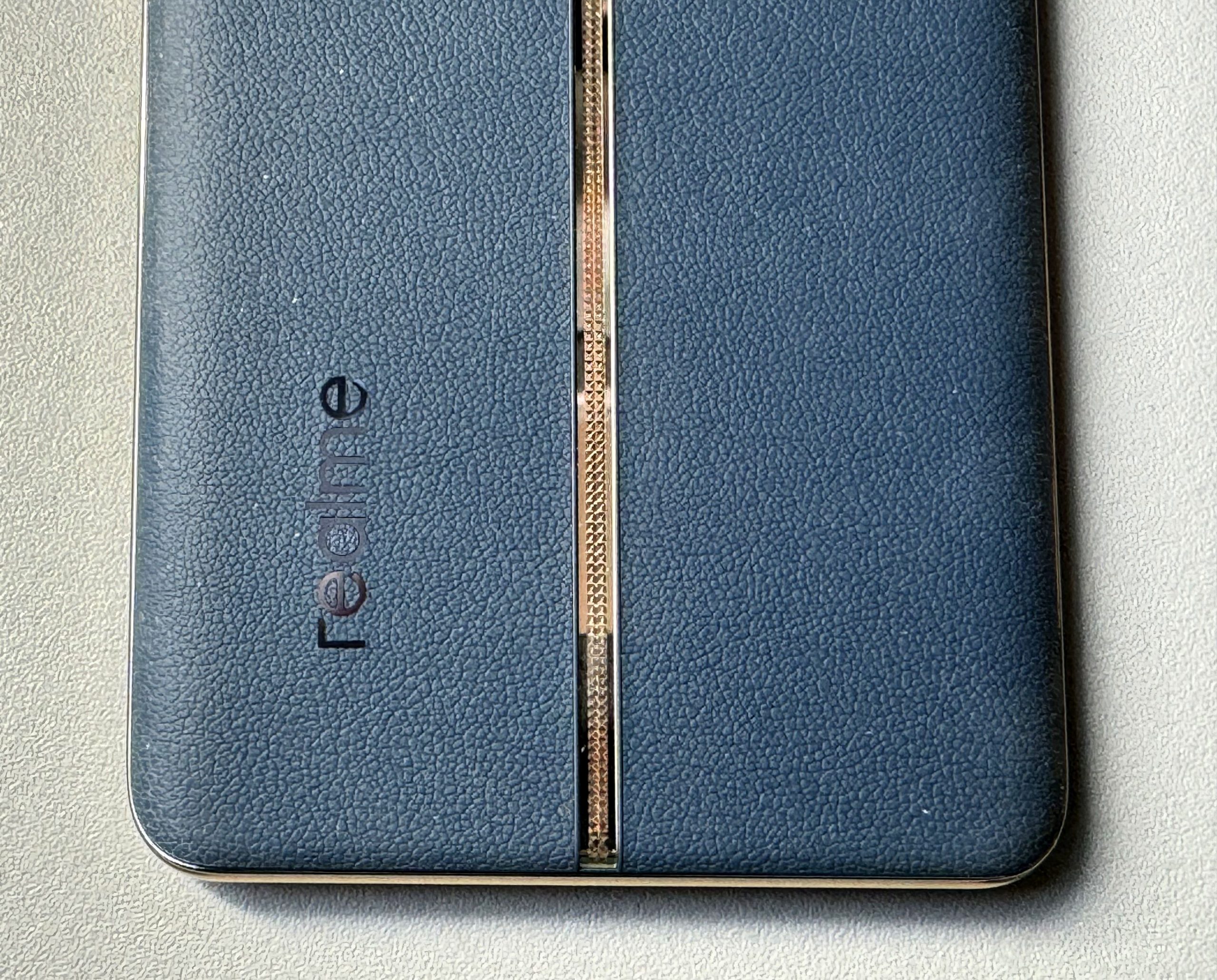
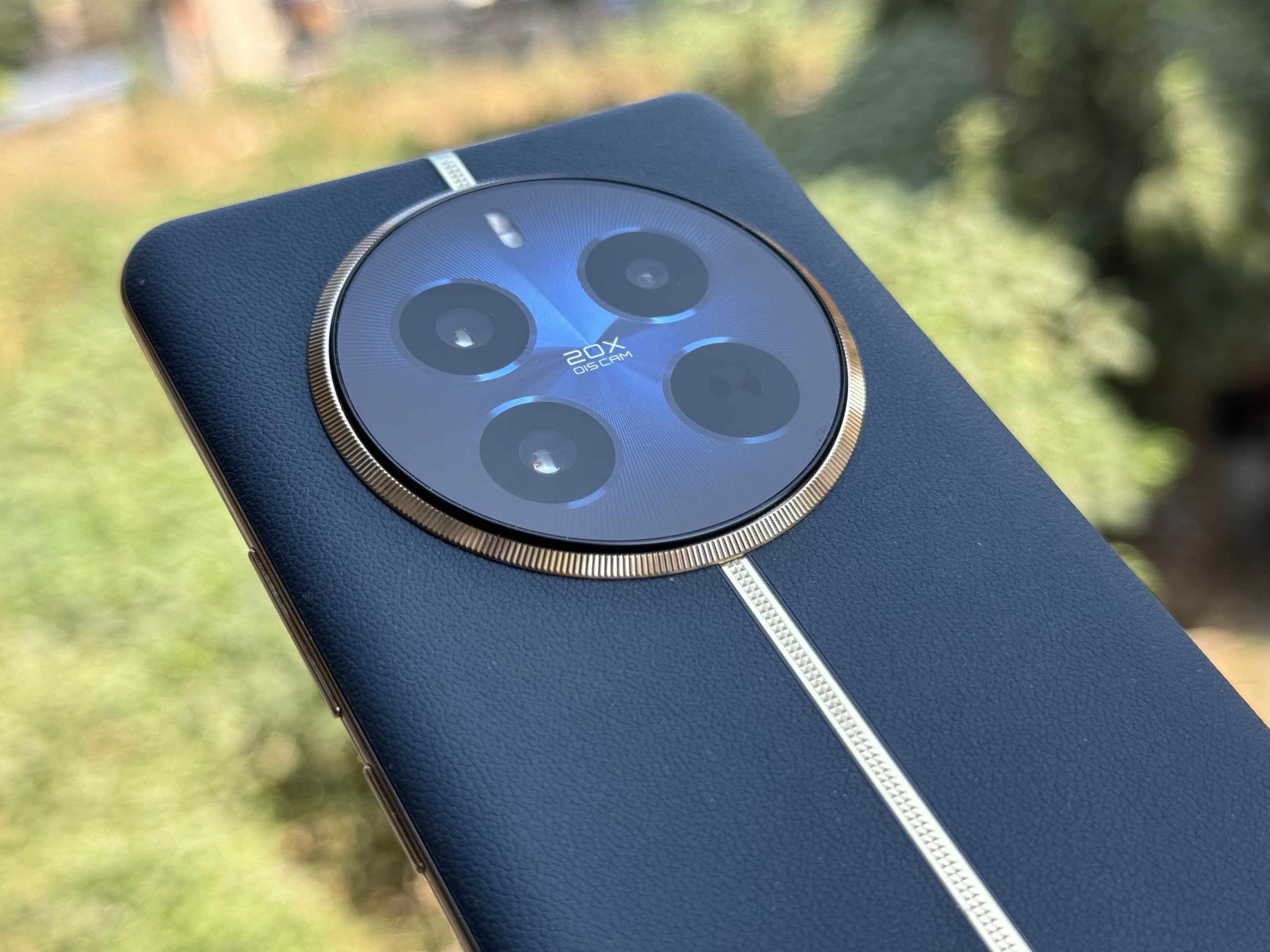
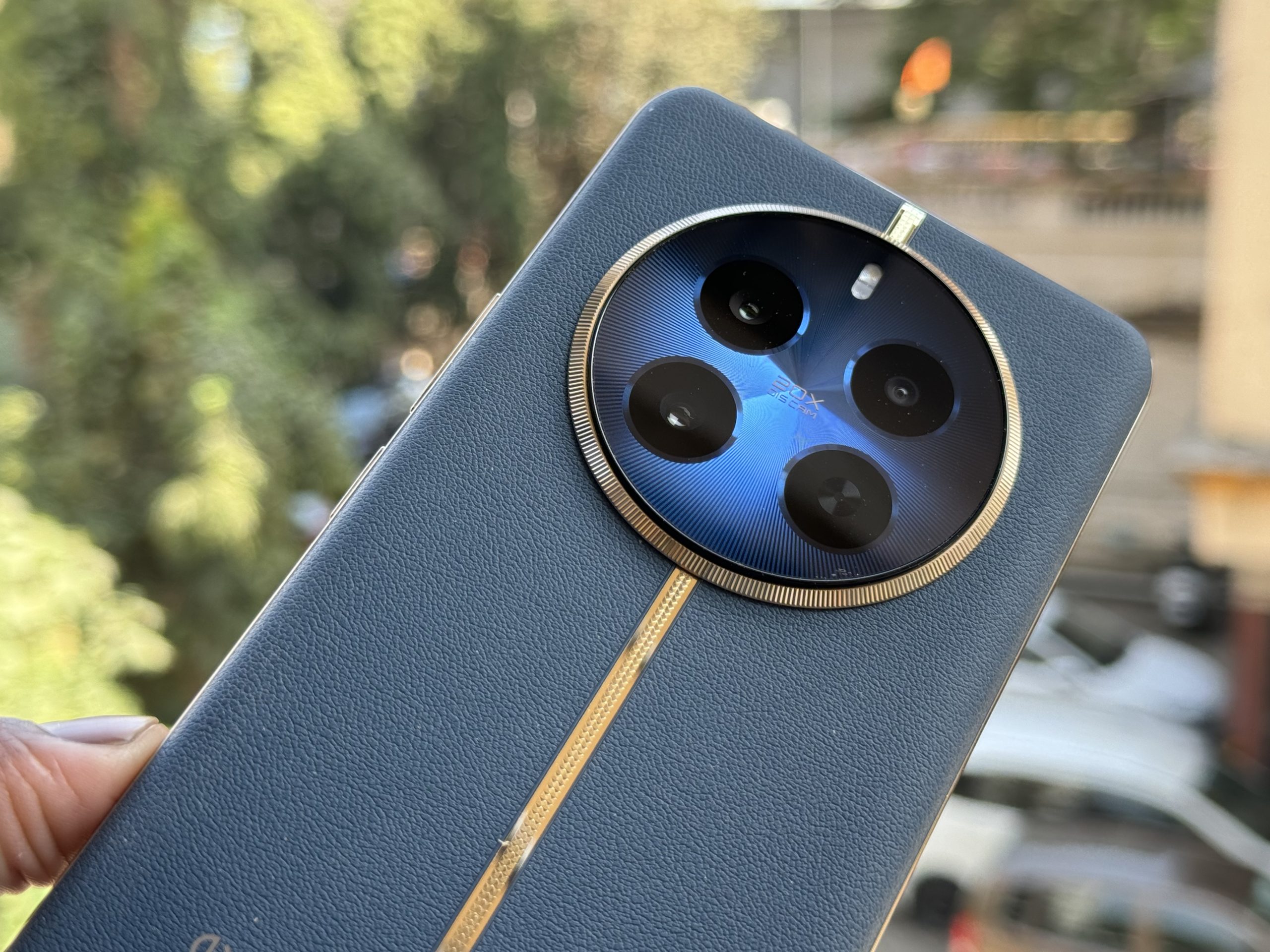
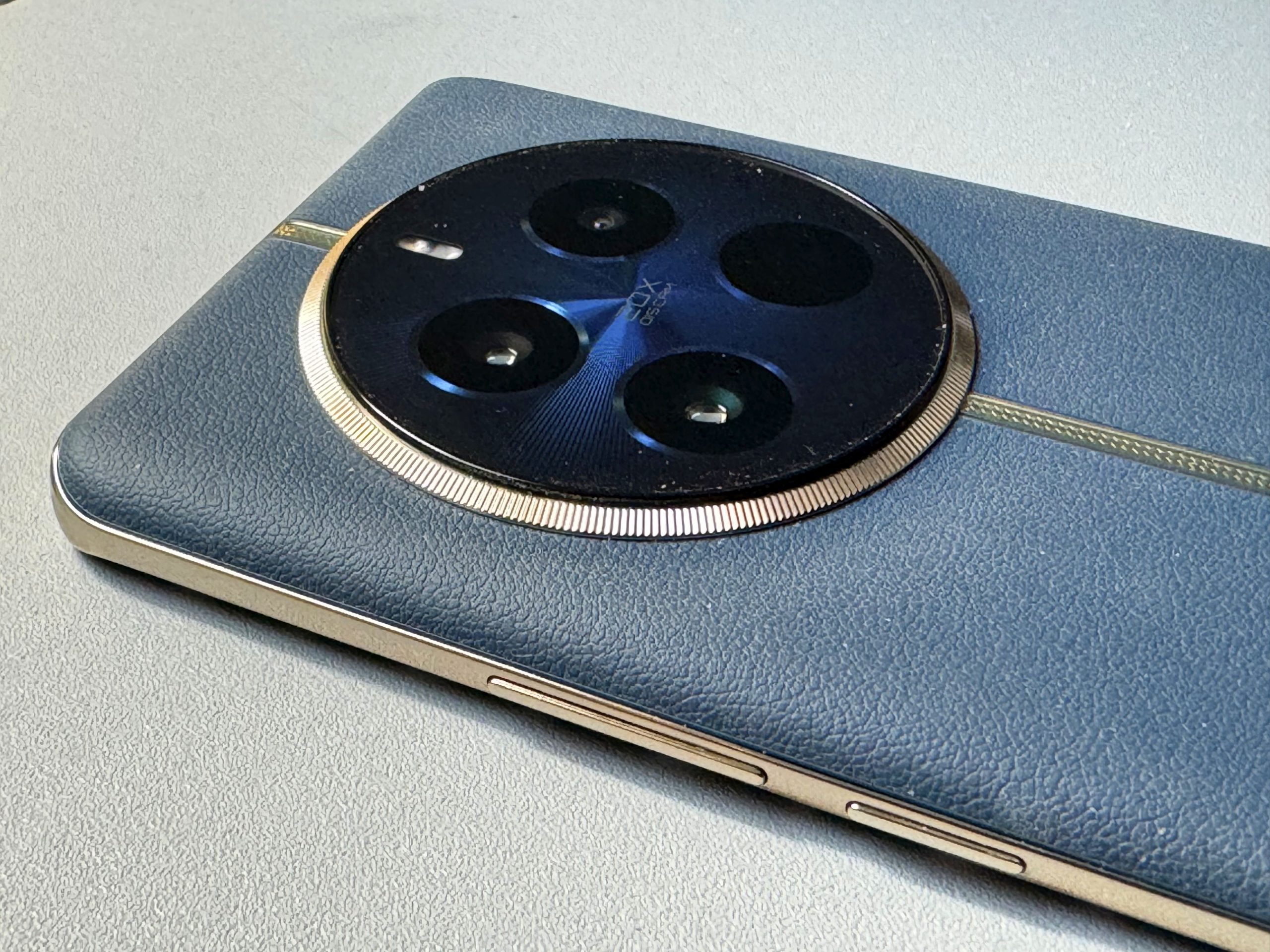
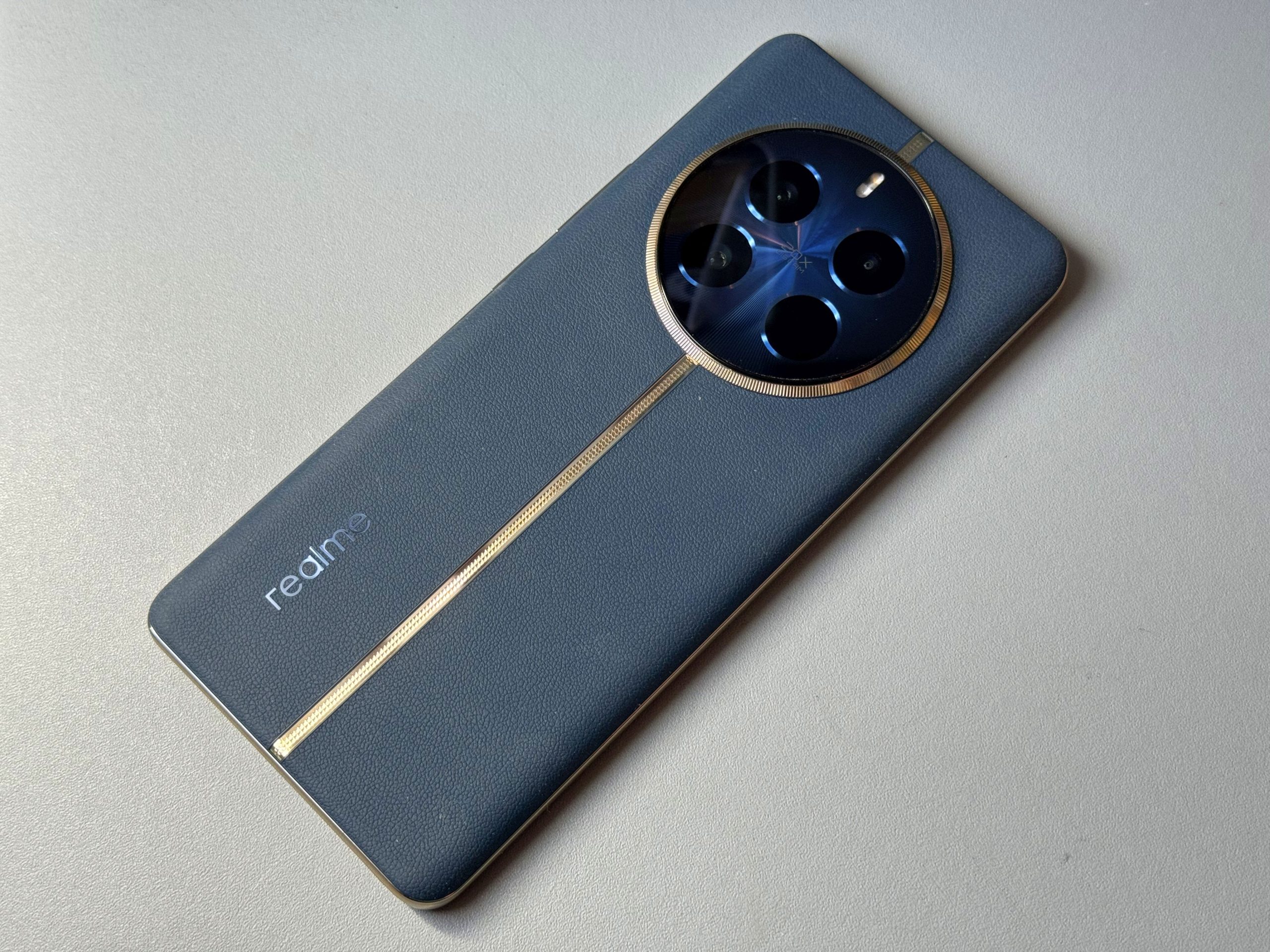
Realme 12 Pro (top)Realme 12 Pro (bottom)Realme 12 Pro (rear)Realme 12 Pro (rear)Realme 12 Pro (rear)Realme 12 Pro (left)Realme 12 Pro (rear)
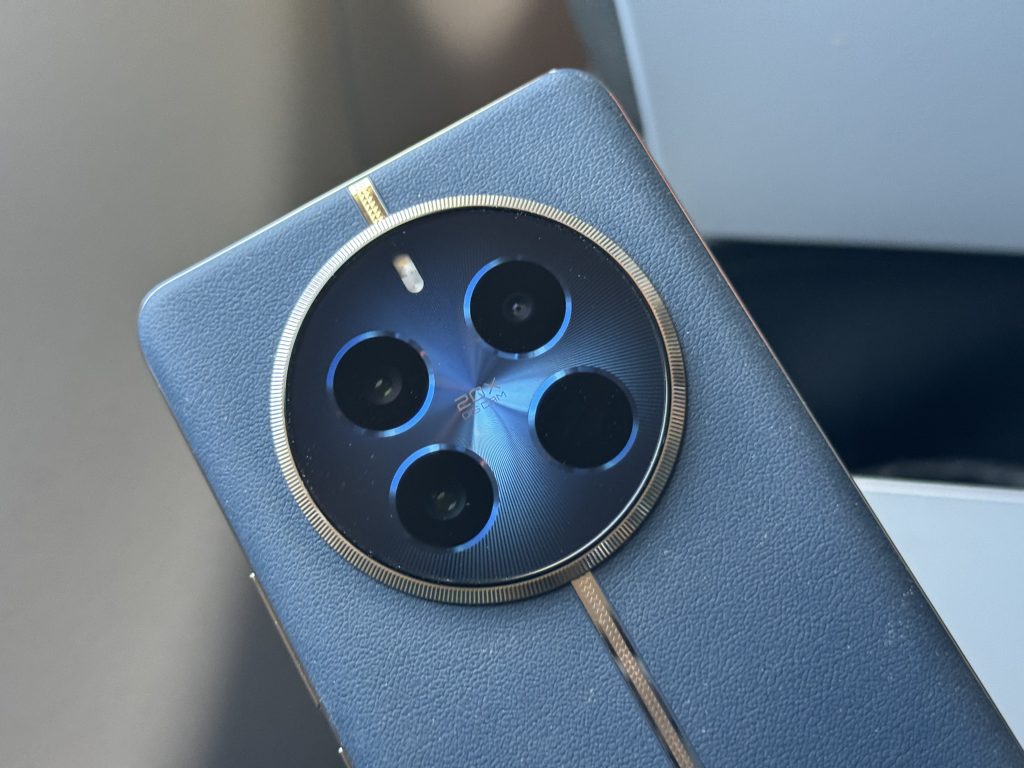
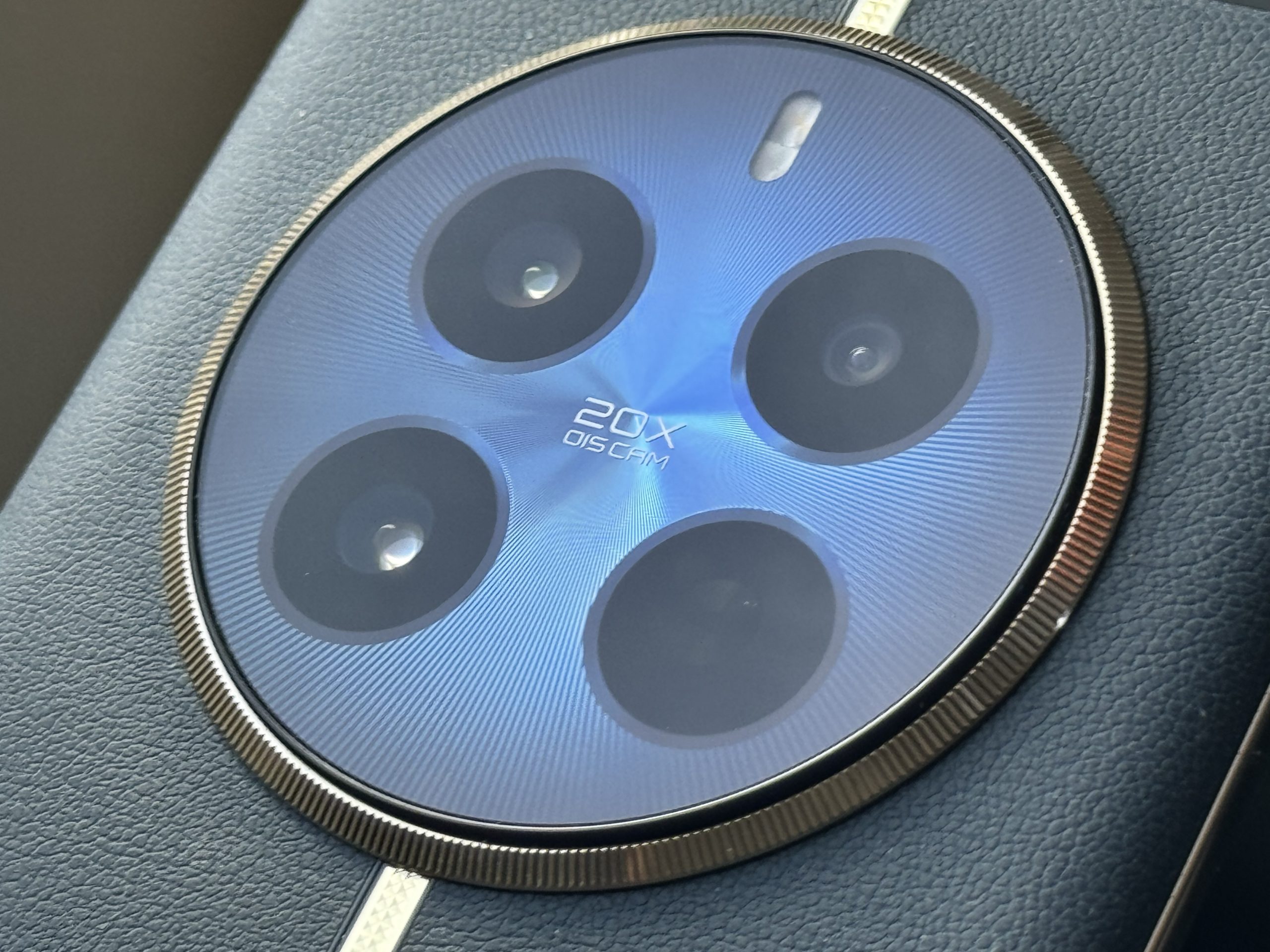
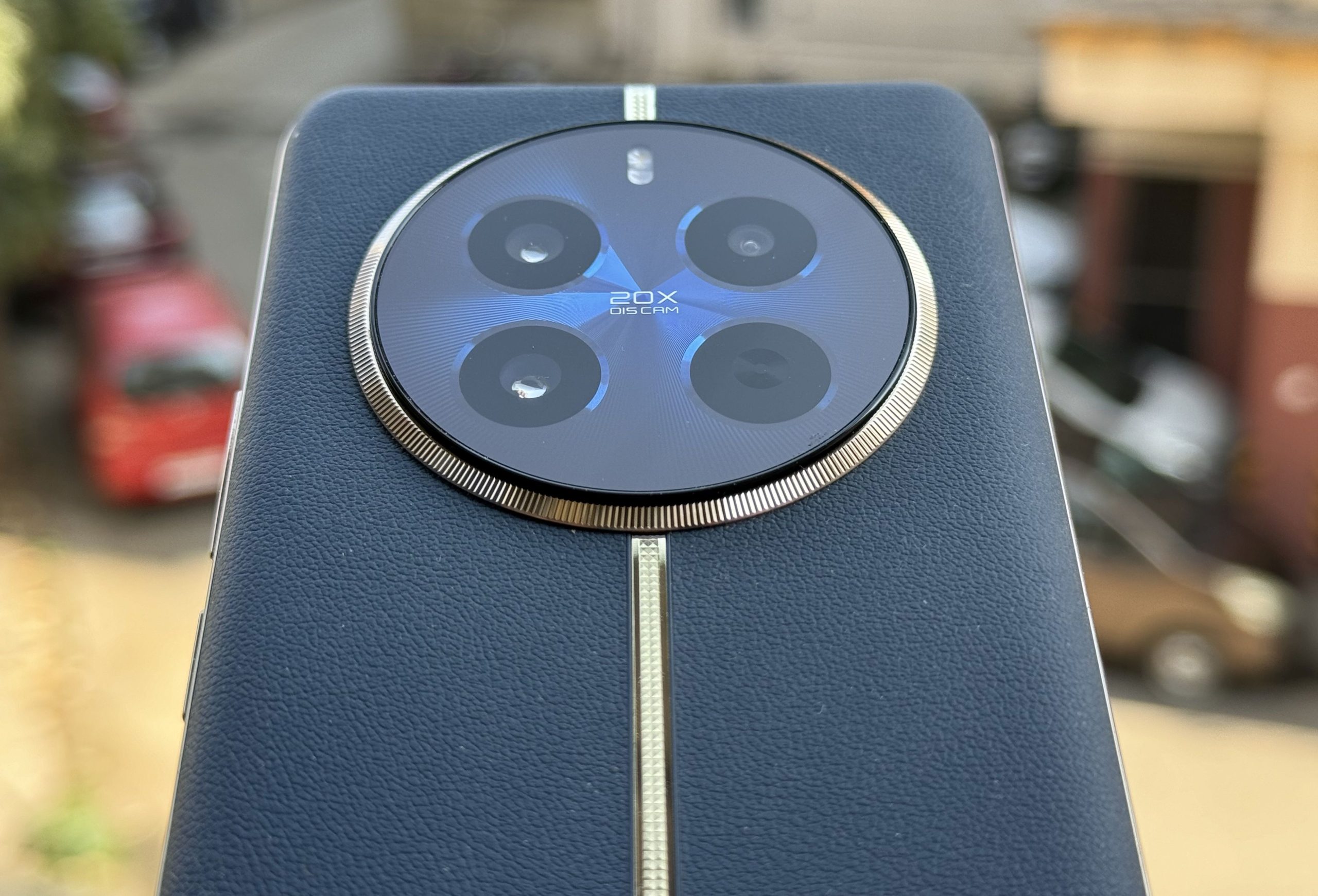
It goes without saying that the Realme 12 Pro exudes a “wow” factor with its design. While the Submarine Blue variant is undeniably eye-catching, the Navigator Beige edition of the device takes a more conservative approach. Personally, I lean towards the blue variant; its luxury watch-inspired design, stain-resistant vegan leather finish, and good accents, which are also available on the beige variant, accentuate its appeal even further. It appears that the brand has paid a lot of attention to offering the best possible design for its price. Readers should note that the rear texture easily attracts dirt (as seen in the images), though it is also easy to clean
The Realme 12 Pro’s front has a curved-edge display and a leathery finish on the back that improves grip and feels comfortable in the hand. Notably, the phone is IP65-rated for dust and water resistance, ensuring durability against environmental hazards. With a thickness of 8.75mm and a weight of 190 grams, it maintains a balanced profile, offering both substance and manageability.
The Realme 12 Pro has a 6.7-inch AMOLED panel delivering an FHD+ resolution, a 120Hz refresh rate, 2160Hz PWM dimming, and 10-bit color depth. Realme goes the extra mile by introducing the ProXDR feature, typically found in pricier smartphones, to enhance HDR photo details in various lighting conditions. Additionally, the O1 Video Colour Boost engine, available for select apps, upscales SDR content to HDR, enriching the viewing experience. Users can further customize their display experience with color profile options including Vivid, Natural, and Cinematic. As for protection, the device boasts a 0.5mm tempered high-strengthened glass.
Realme 12 ProRealme 12 ProRealme 12 ProRealme 12 Pro
There is Widevine L1 support that will allow Realme 12 Pro users to stream HD content. While it supports HDR on YouTube, it is not supported on Netflix. The dual speaker setup with Dolby Atmos of the Realme 12 Pro is loud and clear and is good enough for binge-watching.
Realme 12 Pro 5G review: Performance and Software
While Realme has not advertised it, the Realme 12 Pro is the first phone to feature the 4nm Snapdragon 6 Gen 1 chip in India. The chipset is not designed for high-end gaming, but it does work just fine for casual gaming and day-to-day tasks. Users may experience some choppiness while playing demanding games, but the 12 Pro is not designed for pro-level gaming. The chipset is complemented by LPDDR4x RAM and UFS 3.1 storage. And it also offers up to 16 GB of virtual RAM.
The Realme 12 Pro can be juiced by using a 67W fast charger. It goes from 0 to 100 percent in under 50 minutes, and with typical use, the device can last for the entire day. The Realme 12 Pro runs on Android 14 and Realme UI 5. The phone is confirmed to get Android 15 and 16 OS upgrades and security patches for three years. While it seems that the brand has slightly reduced the number of preloaded apps, it does have some apps that cannot be uninstalled. The most recent security patch that the device received is from December 2023.
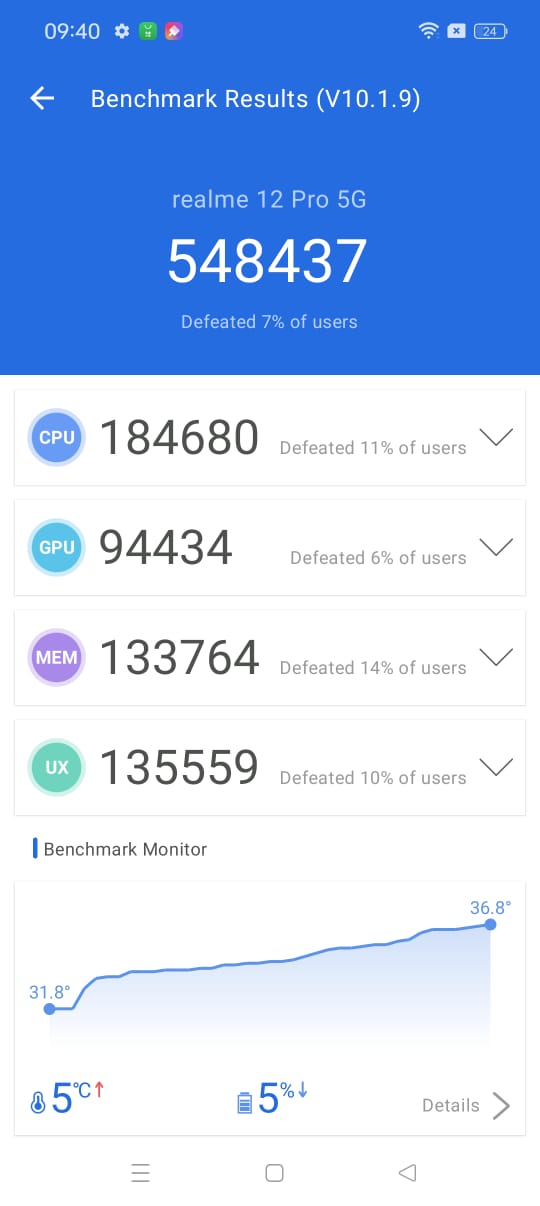
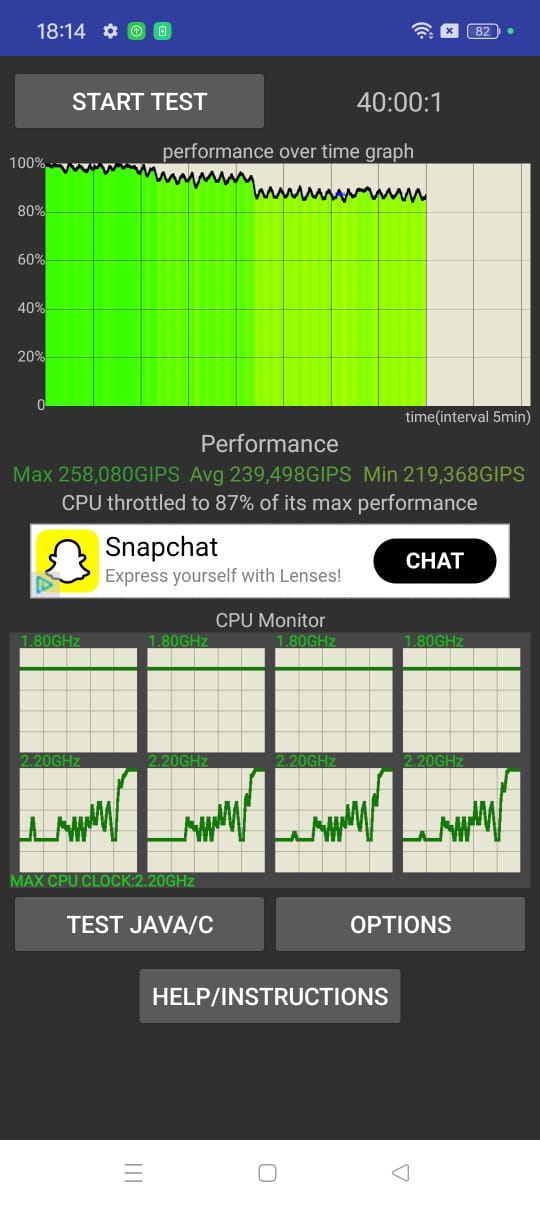
Some of the highlights of Realme UI 5 include File Dock, Flash Capsule (iPhone-like Dynamic Island notifications), Smart Image Matting, and Phone Link (for Windows PC). The overall experience of the OS is quite smooth, with no noticeable hiccups. Here is how the phone performs on the benchmarking apps.
Realme 12 Pro AnTuTuRealme 12 Pro GeekbenchRealme 12 Pro CPU Throttle
Realme 12 Pro 5G review: Photography and other features
Realme 12 Pro cameras
The Realme 12 Pro has a Sony IMX882 50-megapixel primary camera with OIS support and a 26mm focal length. There is chatter that its new name is the LYT-600, which is available on the Reno 11 5G as the primary camera. The 12 Pro’s main camera is accompanied by an 8-megapixel ultra-wide lens and a 32-megapixel Sony IMX709 telephoto camera with 2x optical zoom, 4x in-sensor zoom, and 47mm focal length. The camera department has received a major upgrade, as the predecessor model featured a 100-megapixel main camera and a 2-megapixel depth sensor. On the front, the 12 Pro has a 16-megapixel Hynix Hi1634Q selfie camera.
0.6x1x2x4x0.6x ultra-wide2x
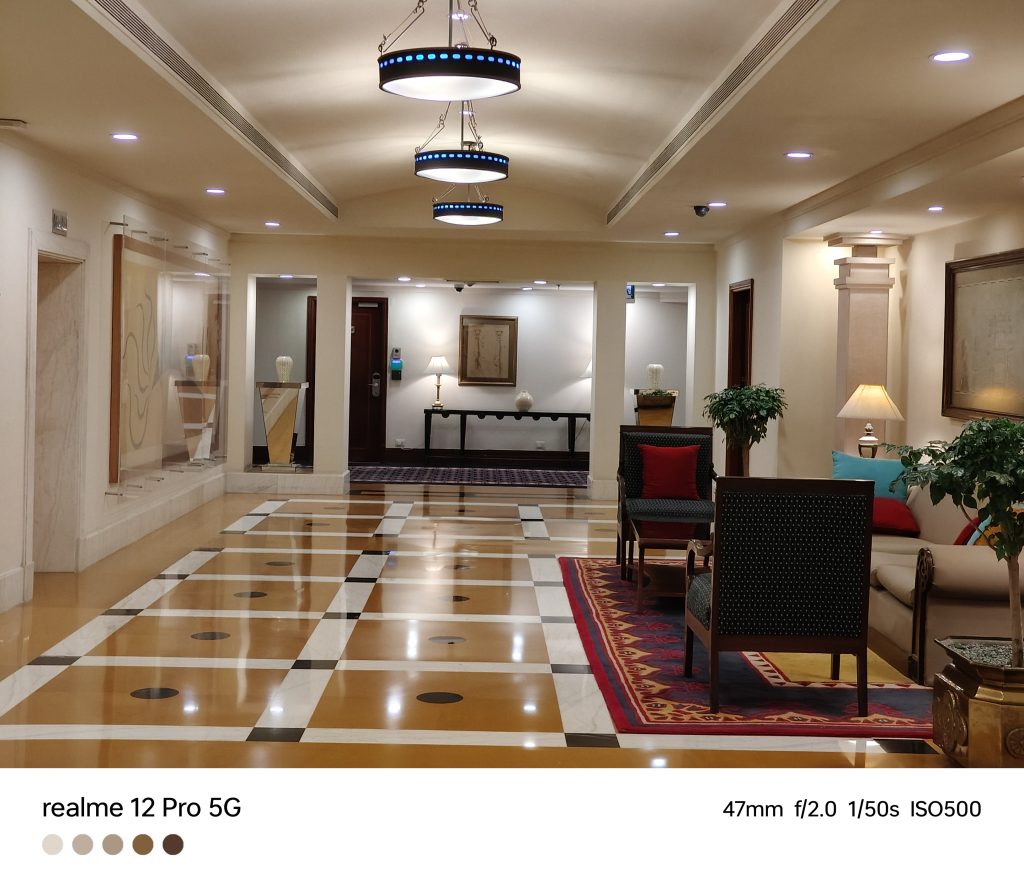
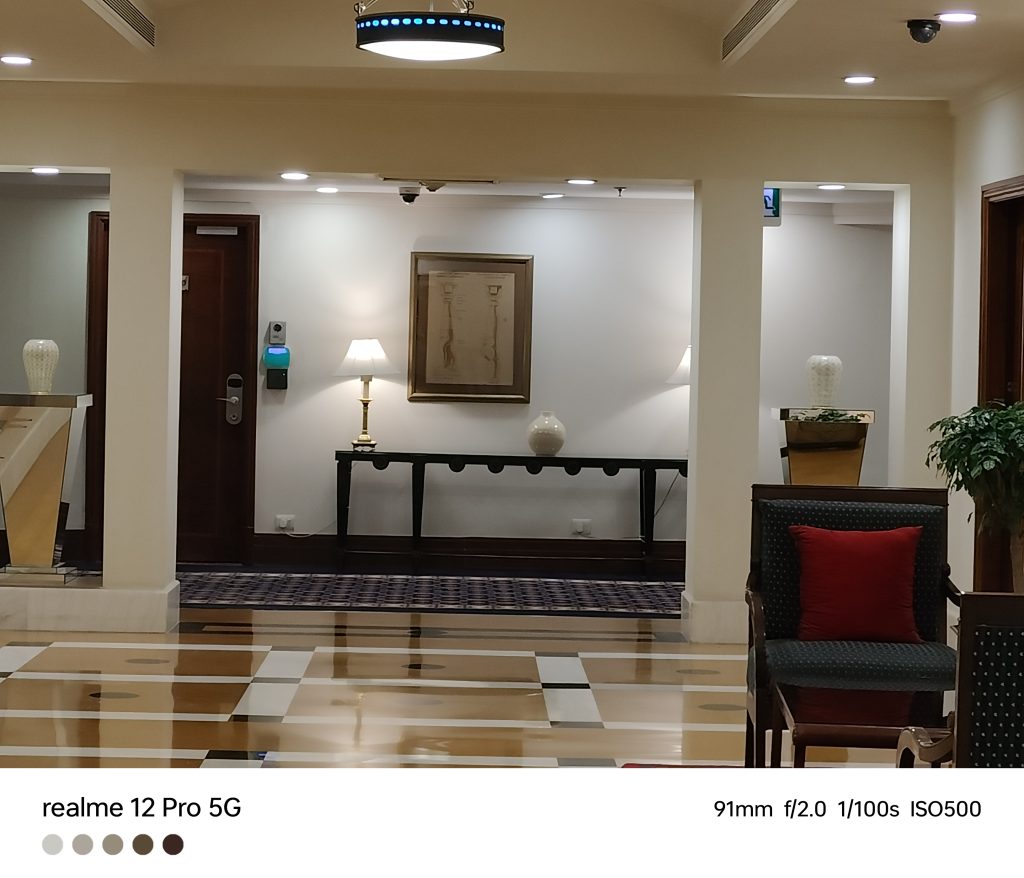
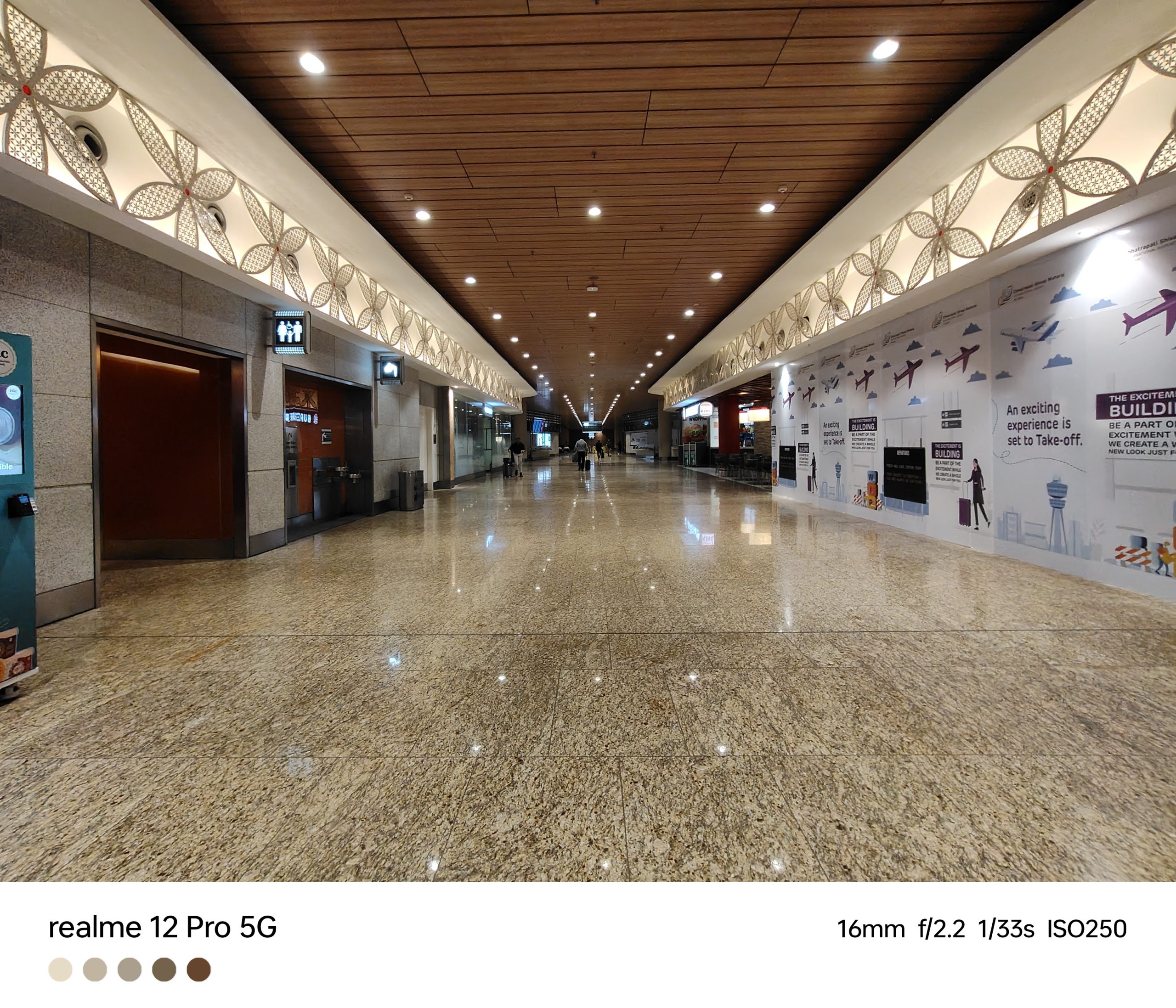
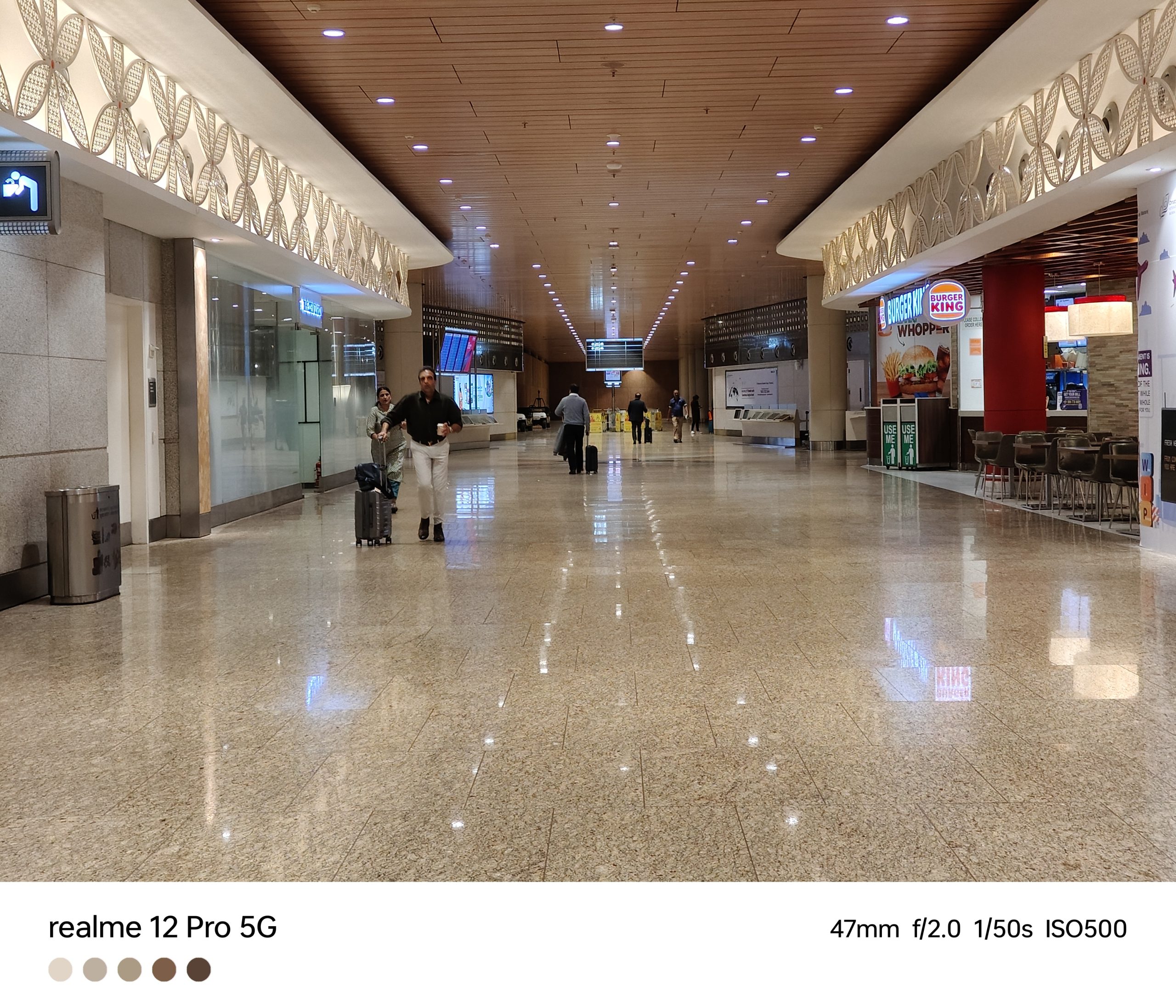
The Realme 12 Pro offers an extensive array of photography modes, including Pro mode, Panorama, Hi-Res mode, Timelapse, Long Exposure, Dual-View, Starry Mode, and more. Standard modes such as Photo, Video, Portrait, Night, and Street are also available. In Photo mode, users can select from options like 0.6x (ultra-wide), 1x (regular), 2x (optical zoom), 4x (in-sensor zoom), and up to 20x digital zoom. Additionally, the camera app features a new watermark feature that displays the main colors of the captured shot. The device also offers special camera filters, such as Journey, Maverick, and Memory, in collaboration with Claudio Miranda, a Chilean cinematographer who is best known for winning an Academy Award for Best Cinematography for his work on “Life of Pi”.
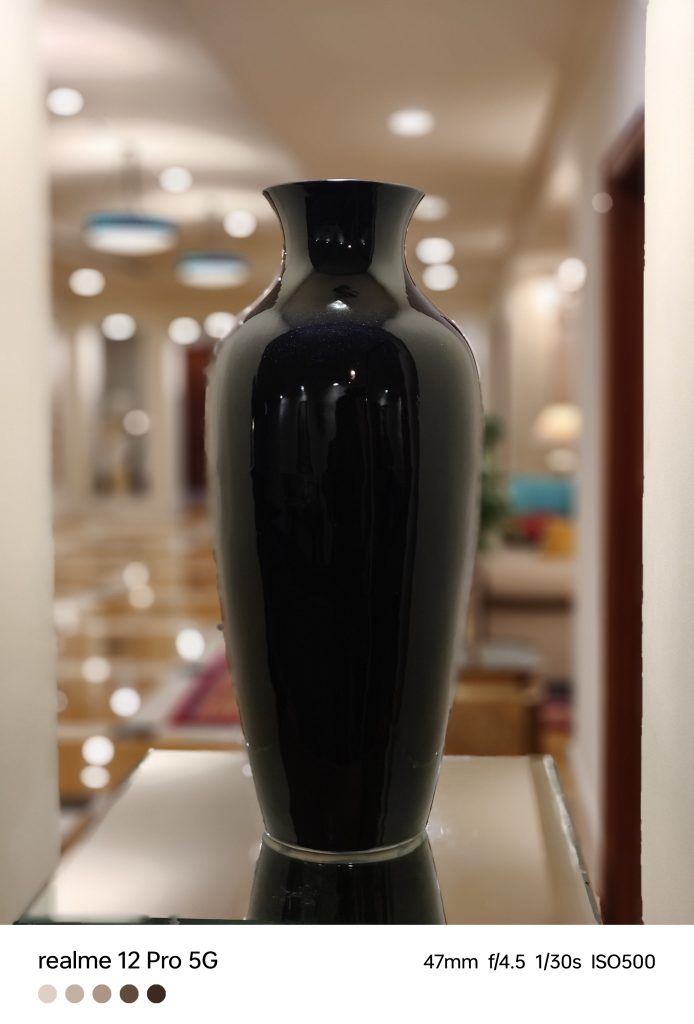
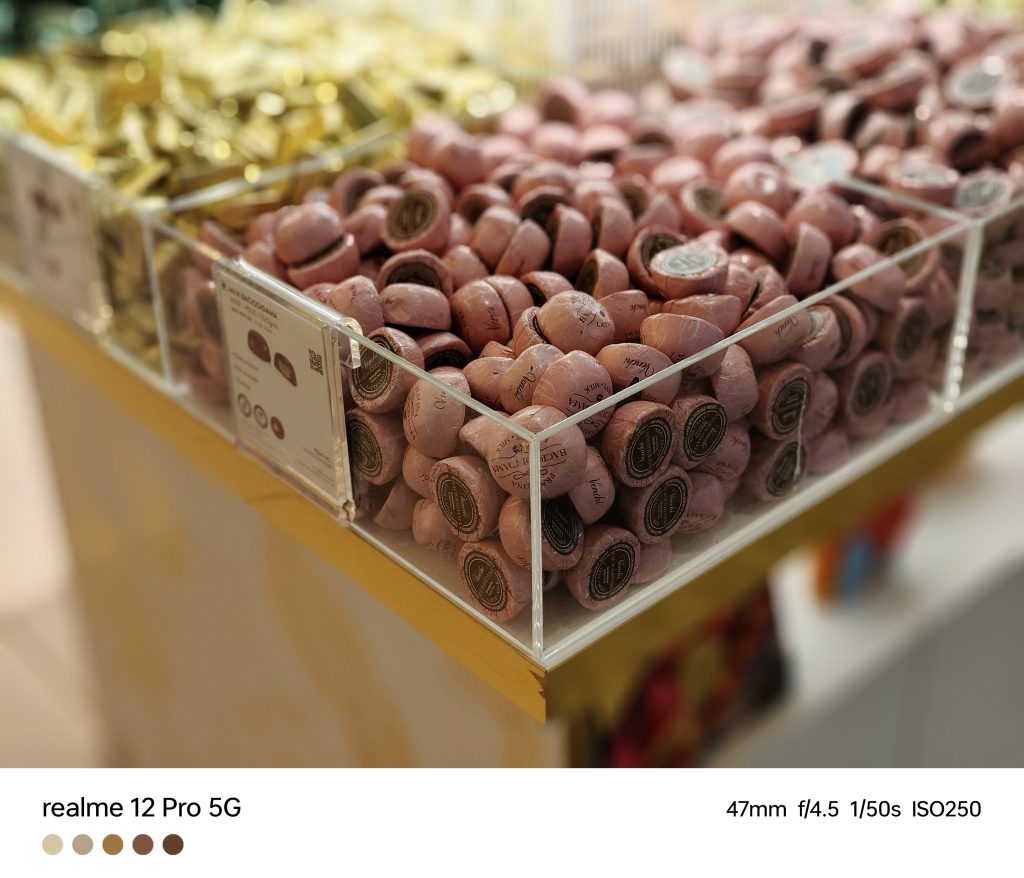
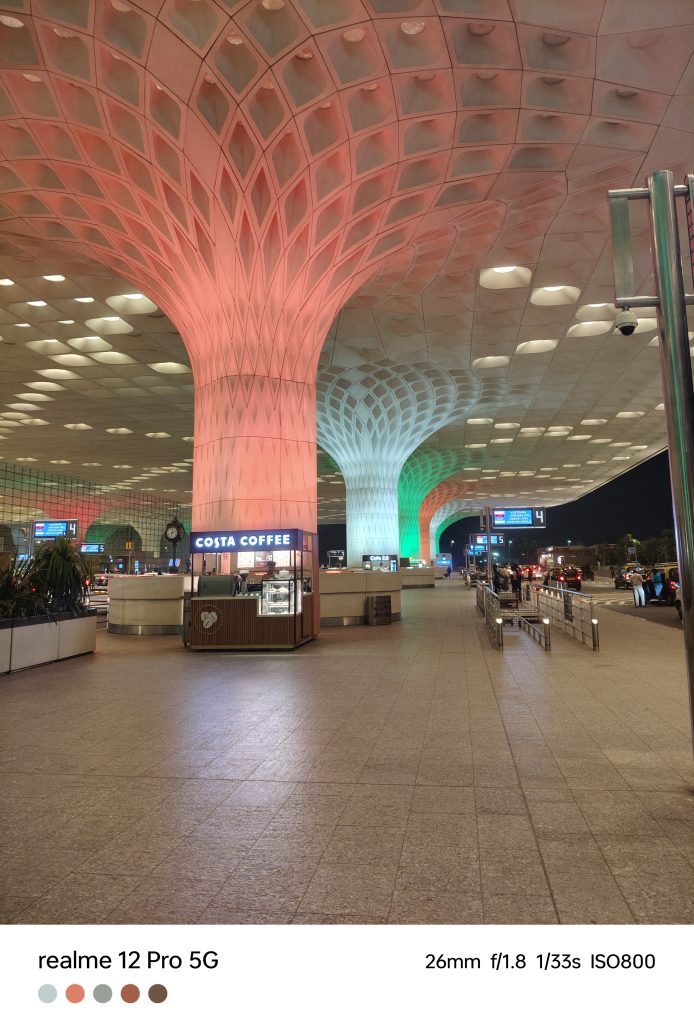
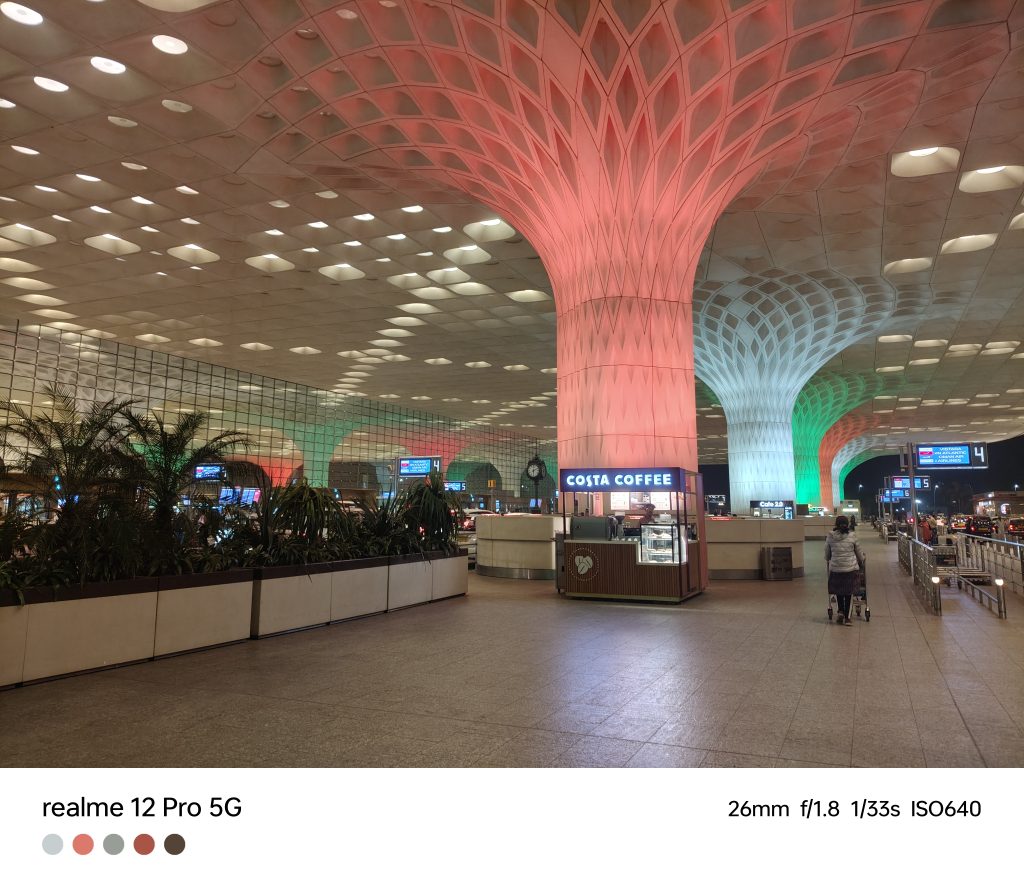
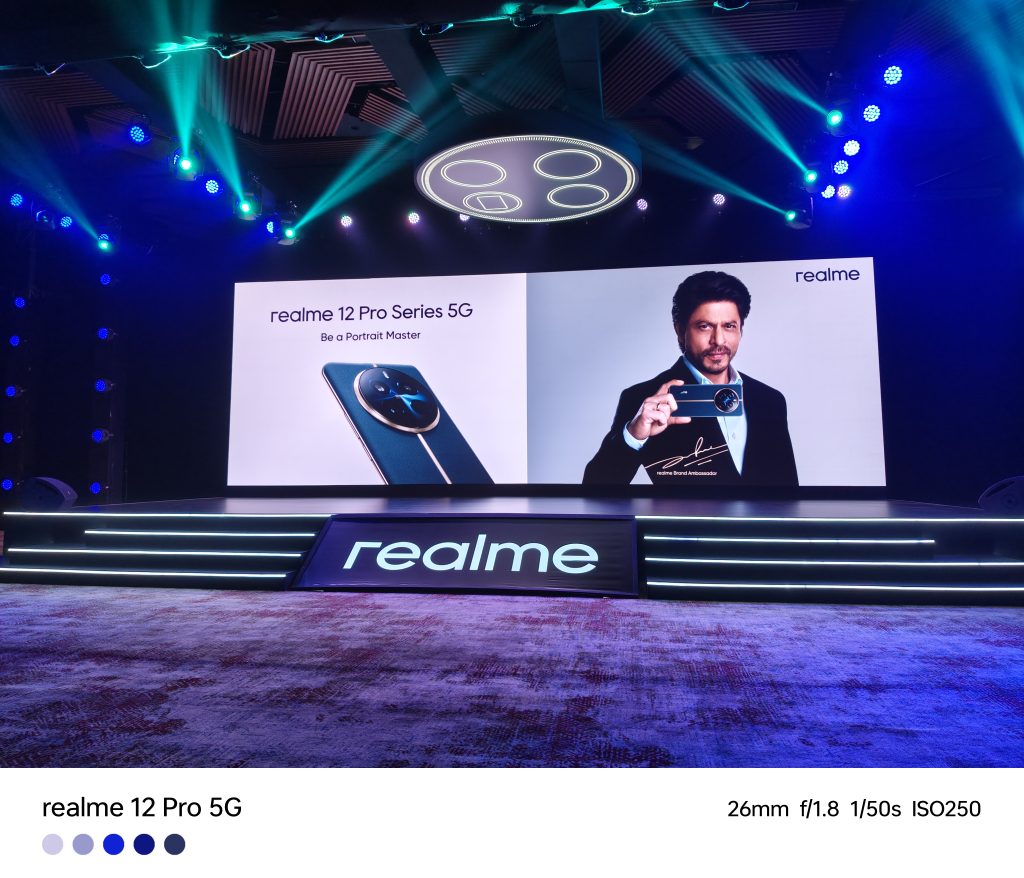
In daylight conditions, the photography skills of the Realme 12 Pro excel, particularly with its impressive 2x shots. The color consistency and details between the IMX882 and IMX709 lenses are commendable, though the ultra-wide lens may lack in this regard. The telephoto camera performs well in capturing portrait selfies with excellent background blur and subject focus, and it can also be used for macro shots.
0.6x (ultra-wide)1x2x4x10x20x
The selfie camera delivers decent regular and portrait shots with nearly accurate skin tones, although quality may diminish in low-light settings. While post-processing can be slightly slow, it’s not a major issue, although a more powerful chip might have improved this aspect.
Regarding video shooting, the Realme 12 Pro can record up to 30fps 4K videos, with OIS-enabled shots limited to 60fps FHD videos. However, it lacks the portrait video feature, which is reserved for the 12 Pro+. Videos captured in daylight offer plenty of detail, but the results may be less desirable in low-light conditions.
Furthermore, the Realme 12 Pro impresses with its haptic feedback, which can be adjusted via O-Haptics for intensity across the user interface, adding to the overall user experience. The device lacks NFC and a microSD slot. The fingerprint sensor works fine, but its position feels a bit low.
Realme 12 Pro 5G review: Verdict
Realme 12 Pro
Apart from the cameras, the Realme 12 Pro may not appear to be a significant upgrade compared to its predecessor, the Realme 11 Pro. However, the overall package it offers is quite impressive, particularly considering that there are no other phones in its price segment offering a telephoto camera. This feature will particularly appeal to users seeking a device priced around Rs 25,000 that can capture zoomed-in shots without sacrificing details. Regarding the price, the Realme 12 Pro has seen a Rs 2,000 increase over its predecessor. However, current bank offers allow users to avail themselves of a discount of Rs 2,000 using bank or coupon discounts. If you are considering purchasing the device, this could be an opportune time to do so.
Realme 12 Pro’s only major rivals in the current lot are the Poco X6 Pro, which is a performance-driven phone, and the Redmi Note 13 Pro. Each has its pros and cons, but when it comes to versatile photography, the Realme 12 Pro can outshine its rivals.
Realme 12 Pro 5G: Variants, Price and Availability
In India, the Realme 12 Pro 5G is available in the following variants.
Google One, Google’s cloud storage subscription service, has reached a major milestone by exceeding 100 million paying subscribers. CEO Sundar Pichai underscores the company’s plans to boost future expansion with its recently launched AI Premium Plan.
Google One offers a way for users to increase their storage capacity beyond the free 15GB provided with services like Gmail, Drive, and Photos. Here’s a more detailed breakdown of the pricing plans:
Basic (100GB): $1.99/month or $19.99/year. Includes sharing with up to five users, additional photo editing features like Magic Eraser, VPN access, and dark web monitoring.
Standard (200GB): $2.99/month or $29.99/year. The primary difference is a 3% reward on Google Store purchases.
Premium (2TB and up): Starts at $9.99/month or $99.99/year, offering larger storage, Google Workspace premium features (for tools like Meet and Calendar), and a 10% reward on Google Store purchases. There are higher tiers than 2TB for those needing even more storage.
Apart from this, the company recently launched the AI Premium plan ($19.99/month) that introduces powerful tools built on Google’s Gemini AI model.
These features offer advanced capabilities like generating drafts in Gmail, organizing content in Slides, and providing data visualizations within Sheets. Subscribers on plans with 5TB or more storage currently have a limited-time trial of AI Premium features until July 31, 2024, for free.
Google intends to make AI Premium available to other subscriber groups, including Google Fi Unlimited users and those who pay for Google One through third-party billing providers.
Pichai emphasizes that the addition of these AI features is pivotal to the service’s continued growth. This subscriber milestone for Google One interestingly coincides with YouTube Music + Premium also reaching 100 million users.
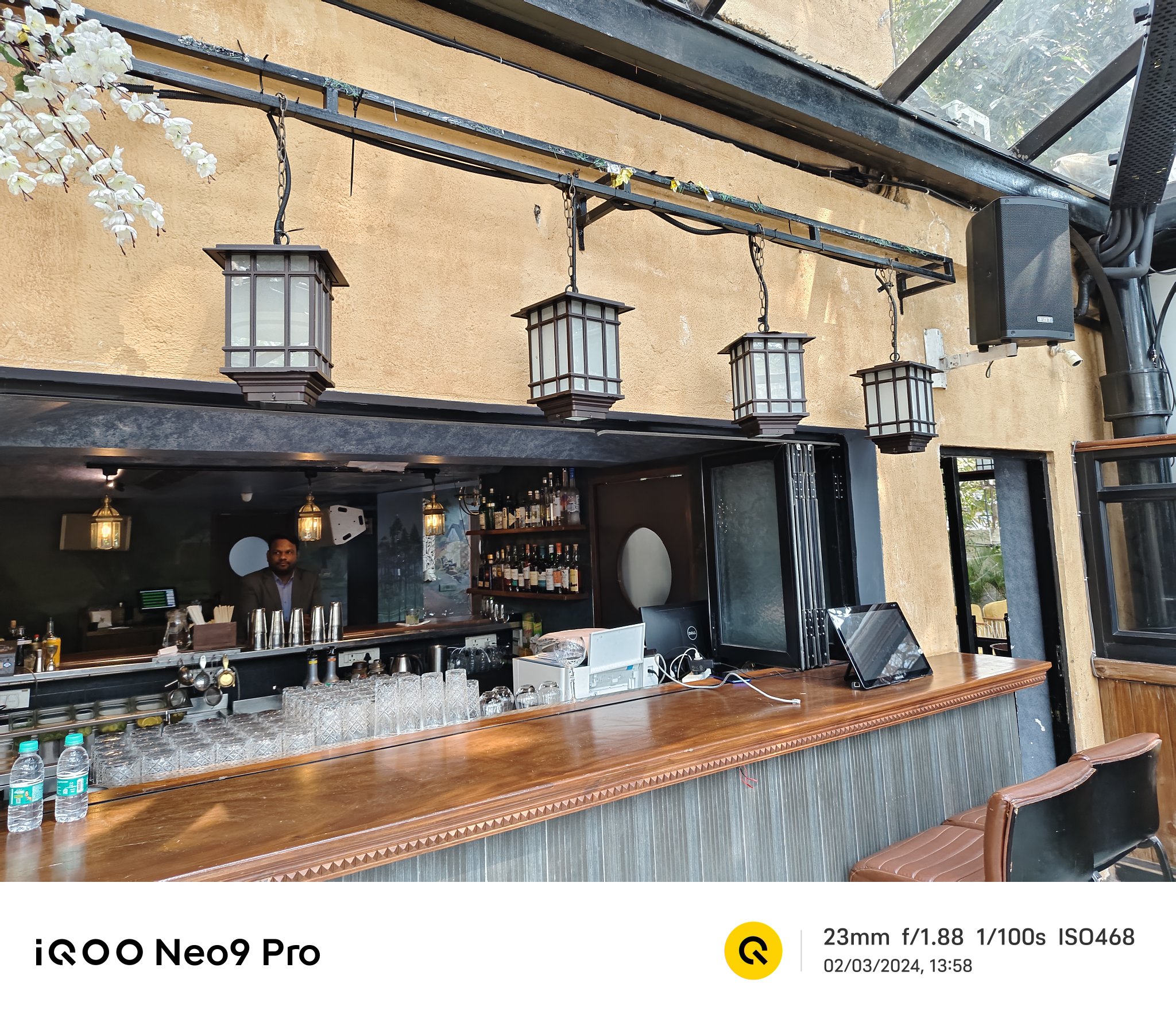
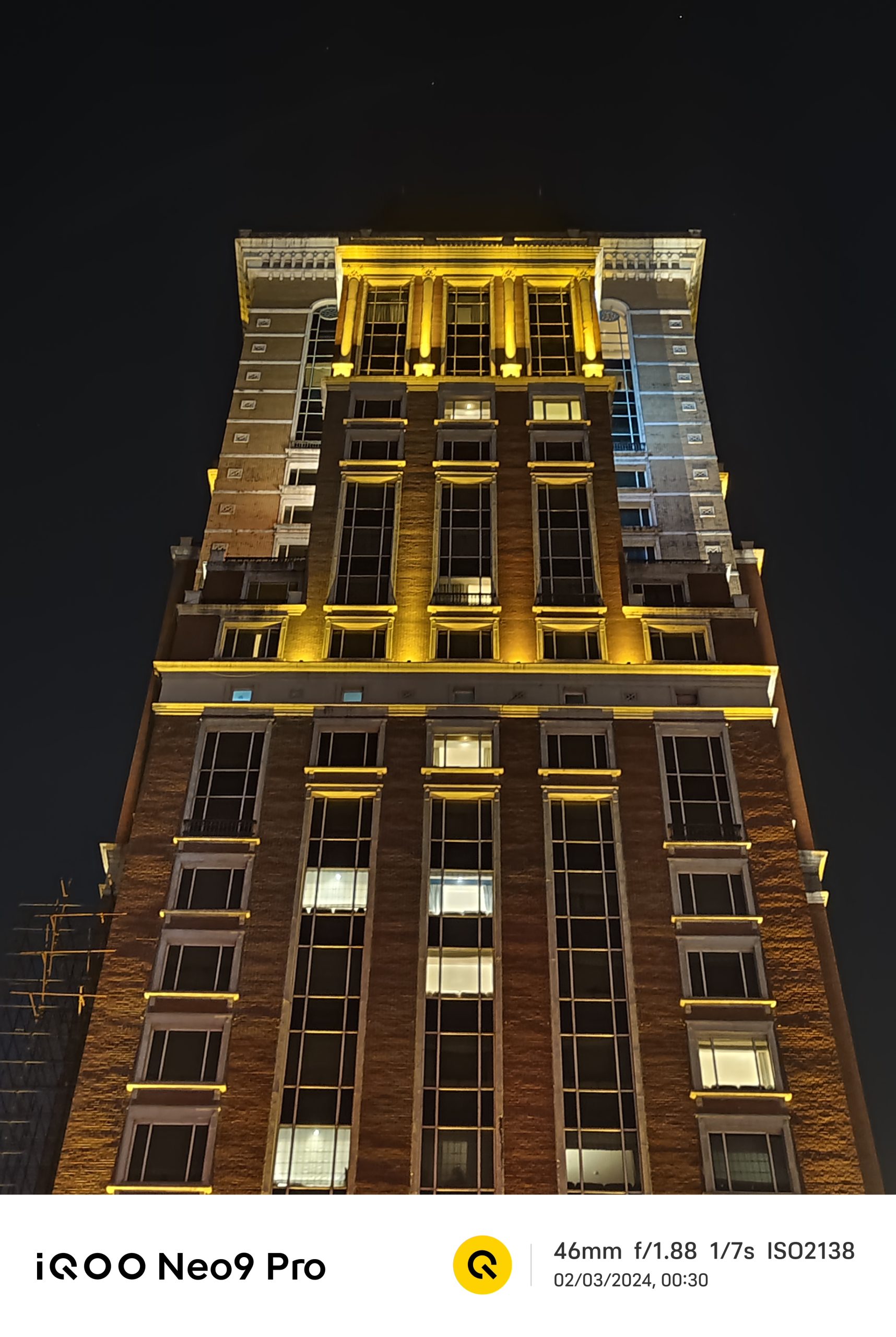
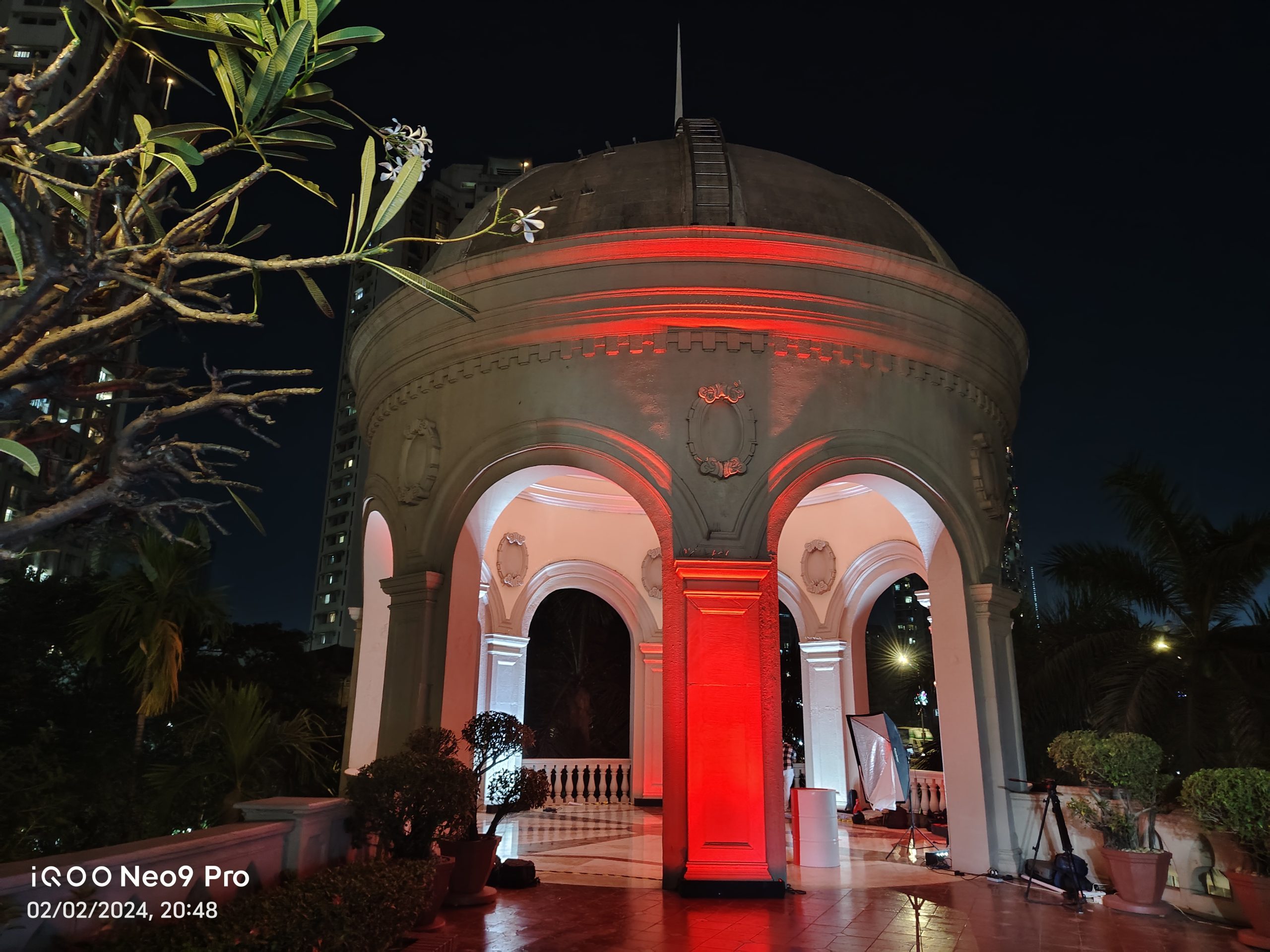
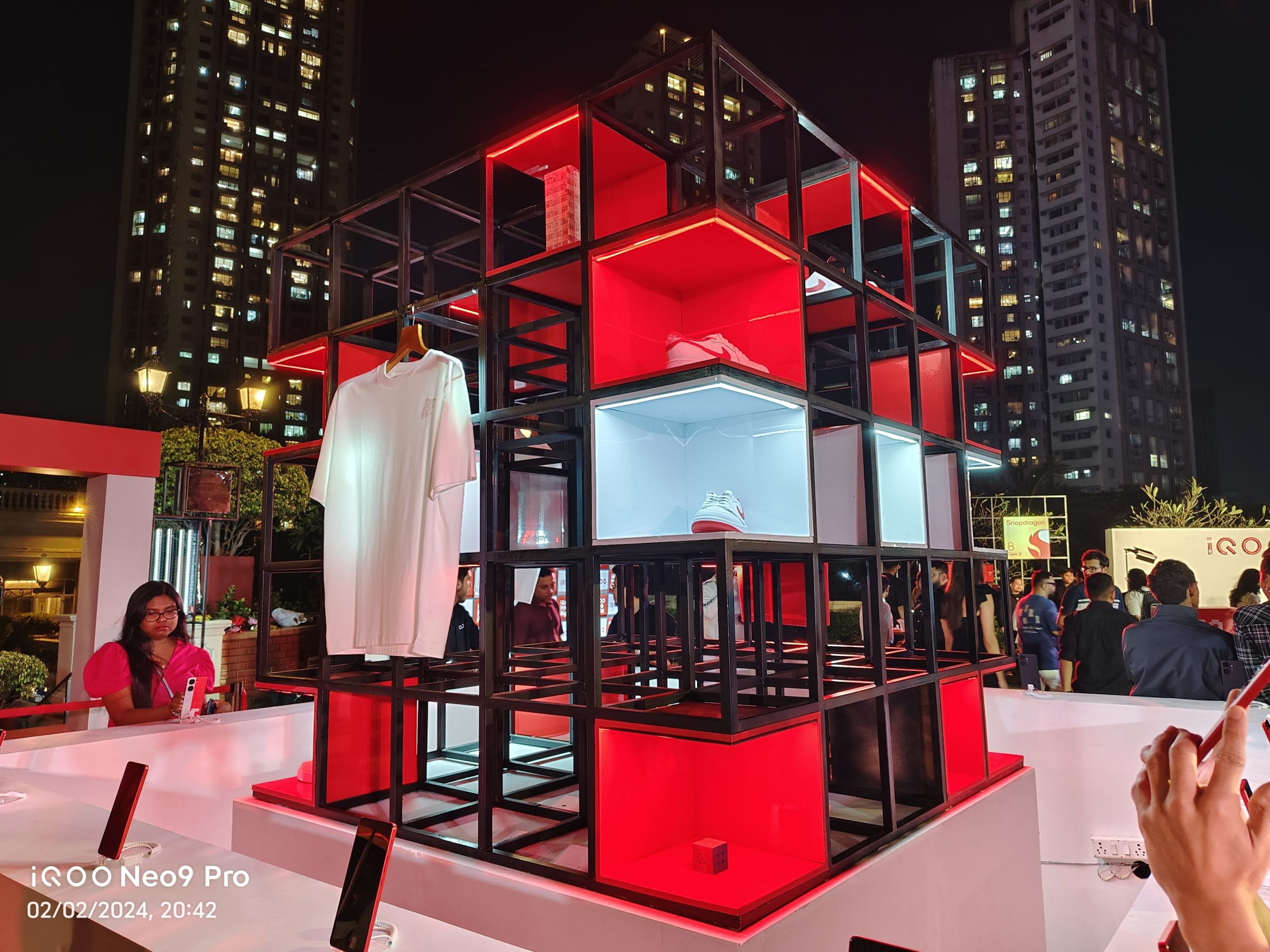
iQOO recently held a media briefing in Mumbai, offering attendees a firsthand look at the impressive camera features of the upcoming iQOO Neo 9 Pro. The event provided an opportunity to explore the device’s photography and videography capabilities with the Neo 9 Pro, which is set to debut in India on Feb. 22.
The two-day event showcased the main camera, portrait mode, and night mode capacities of the iQOO Neo 9 Pro. For those who don’t know, the device features a 50-megapixel Sony IMX920 main camera with an f/1.8 aperture and OIS support. It is the same primary camera that is available on the Vivo X100. The main snapper is joined by an 8-megapixel ultra-wide lens with a 116-degree FOV.
In portrait mode, the Neo 9 Pro allows users to switch between 1x and 2x focal lengths. For an enhanced photography experience in night or low-light conditions, users can make use of the Super Night Vision mode, which enhances the details when there is less light.
ultar-wideportraitportraitportrait
In terms of other specs, the company has already confirmed that it will feature a 6.78-inch AMOLED LTP panel that offers a 1.5K resolution and a 144Hz refresh rate. Under the hood, the device will feature the Snapdragon 8 Gen 2 chip and the iQOO Q1 Supercomputing chip. It will arrive in two variants, such as 8 GB RAM + 128 GB storage and 12 GB RAM + 256 GB storage. The phone will offer up to 12 GB of virtual RAM and a 5,160mAh battery with 120W fast charging. It will be available in shades, such as Fiery Red and Conqueror Black.
The above specs show that the iQOO Neo 9 Pro will be a performance-driven phone. But the camera samples will not disappoint in the photography department.
We use cookies on our website to give you the most relevant experience by remembering your preferences and repeat visits. By clicking “Accept”, you consent to the use of ALL the cookies.
This website uses cookies to improve your experience while you navigate through the website. Out of these, the cookies that are categorized as necessary are stored on your browser as they are essential for the working of basic functionalities of the website. We also use third-party cookies that help us analyze and understand how you use this website. These cookies will be stored in your browser only with your consent. You also have the option to opt-out of these cookies. But opting out of some of these cookies may affect your browsing experience.
Necessary cookies are absolutely essential for the website to function properly. This category only includes cookies that ensures basic functionalities and security features of the website. These cookies do not store any personal information.
Any cookies that may not be particularly necessary for the website to function and is used specifically to collect user personal data via analytics, ads, other embedded contents are termed as non-necessary cookies. It is mandatory to procure user consent prior to running these cookies on your website.