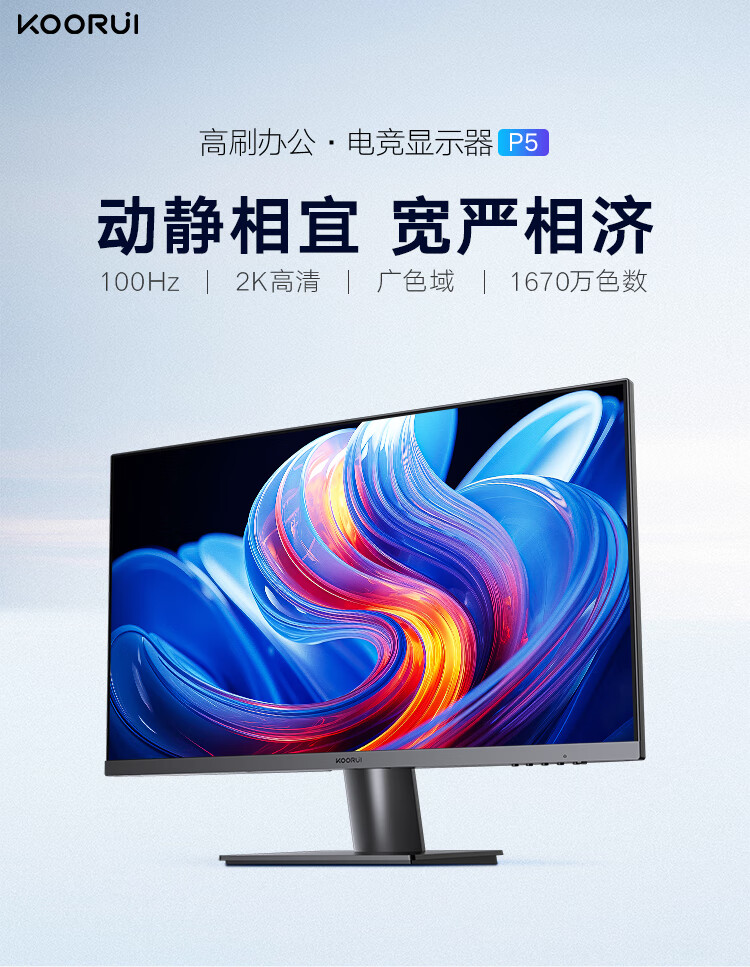
Koorui has introduced the P5, a 27-inch gaming monitor in the Chinese market. The monitor is currently on sale on JD.com for an initial promotional price of 649 Yuan ($91). Let’s check out the key specs of this monitor.
Koorui P5 Monitor Specifications:
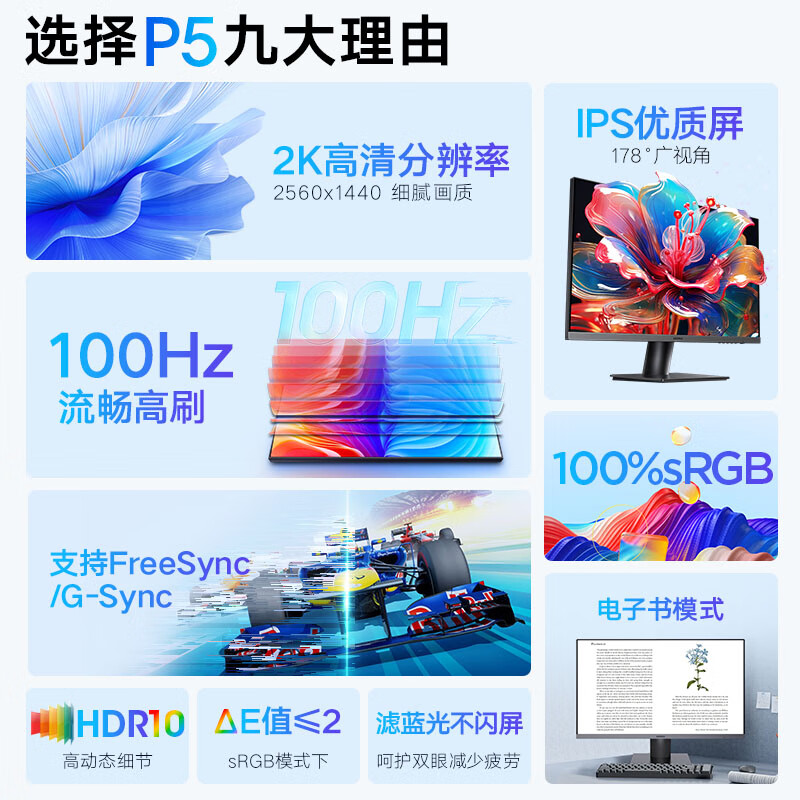
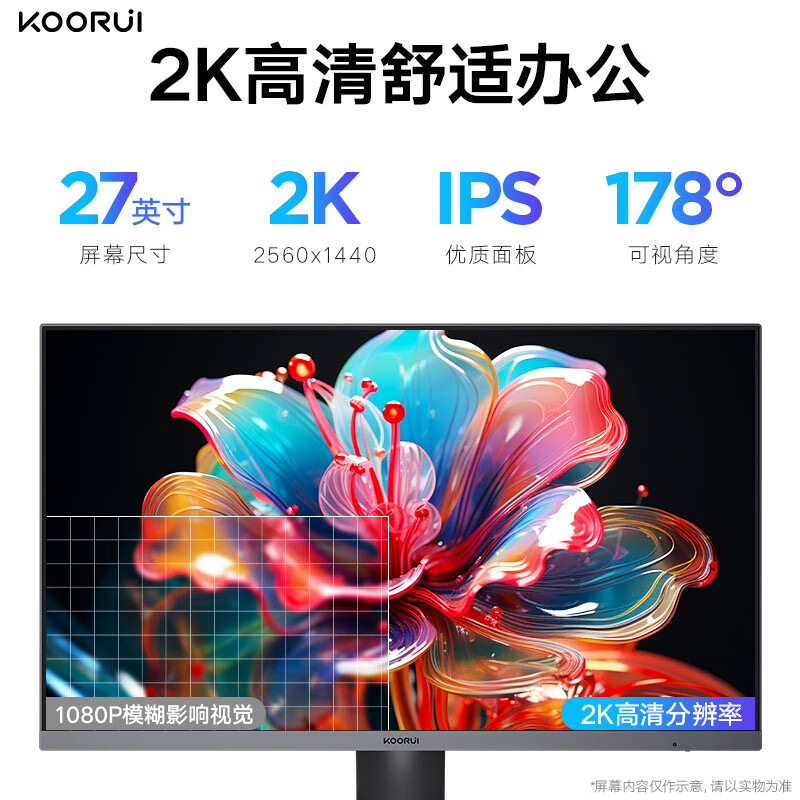
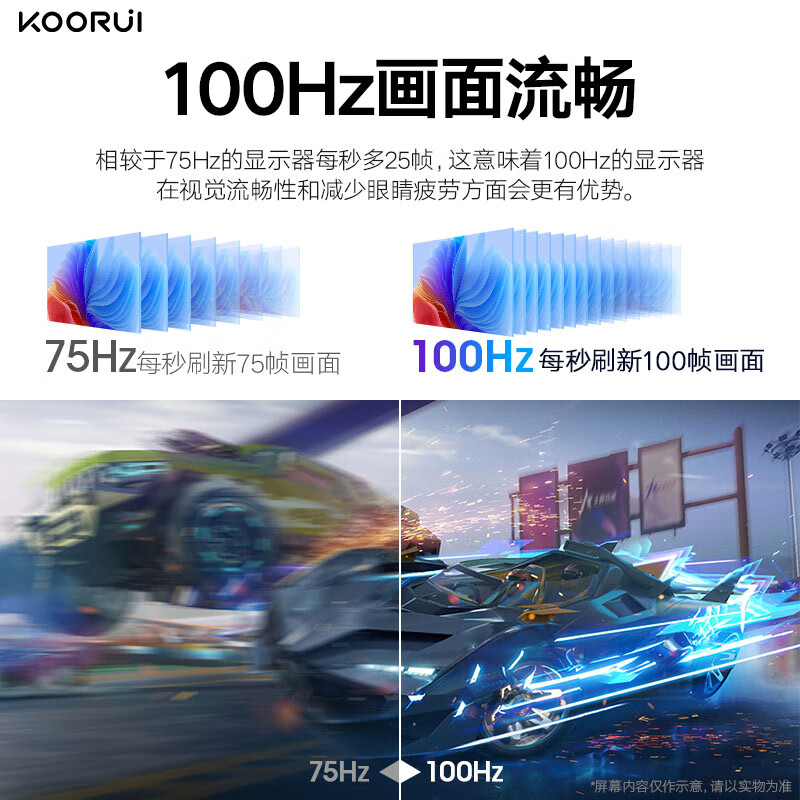
The P5 monitor boasts an IPS panel with 2K resolution (2560×1440) and a 100Hz refresh rate, delivering smooth visuals for work and gaming. Its sleek, modern design features a narrow three-sided bezel, enhancing aesthetics, while offering wide 178-degree viewing angles without sacrificing color accuracy or clarity.
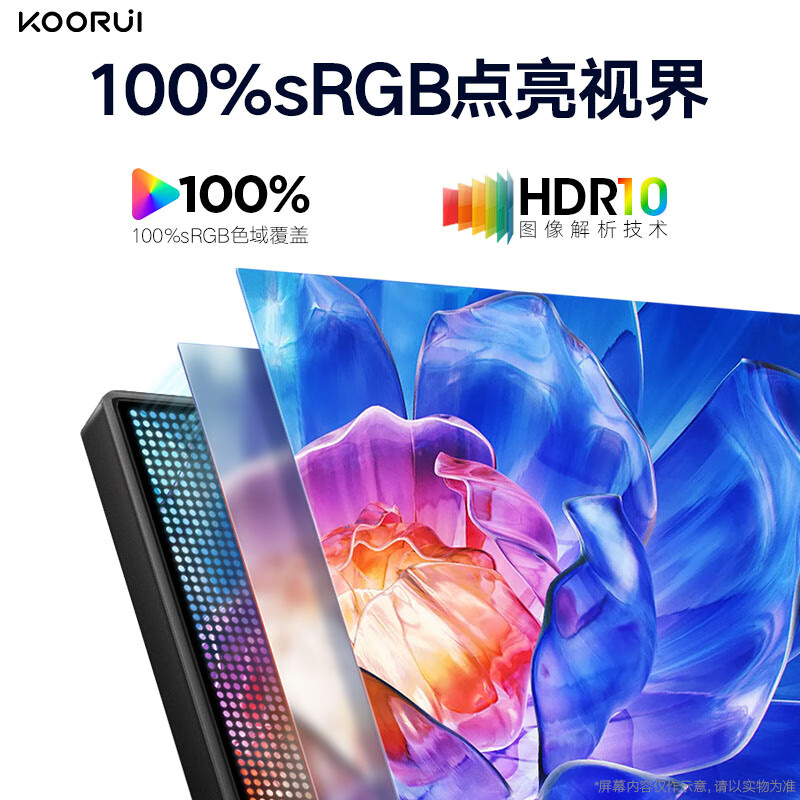
The monitor offers impressive color capabilities, covering 100% of the sRGB spectrum and 90% of DCI-P3, making it suitable for tasks demanding precise color accuracy. It also features technical specifications such as a dynamic contrast ratio of 20,000,000:1 for deep blacks and vibrant whites, a brightness level of 300 nits for clear visibility in various lighting, 8Bit color depth supporting up to 16.7 million colors, and a standard 16:9 aspect ratio for versatile use in multimedia and productivity applications.
For those concerned about eye strain, the P5 monitor includes several features aimed at reducing discomfort during prolonged use. Its “e-book mode” mimics the appearance of paper, creating a comfortable reading experience similar to that of an e-reader. Additionally, the monitor is equipped with blue light filtering and flicker-free technology, further protecting the eyes from fatigue.
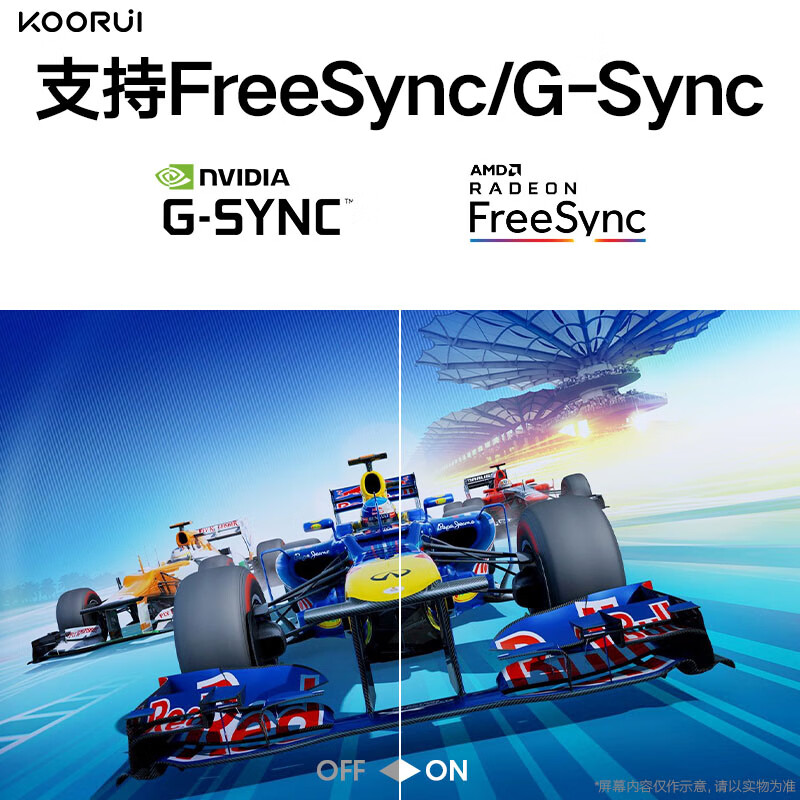
The monitor also features FreeSync and Nvidia G-Sync technologies, ensuring smooth and tear-free gaming experiences. These adaptive sync technologies synchronize the monitor’s refresh rate with the graphics card’s output, reducing screen tearing and providing a more enjoyable and immersive gaming environment.
Koorui P5 is also equipped with a range of connectivity options, including two HDMI 2.0 ports, one DP1.4 port, and a 3.5mm audio port, making it compatible with a wide array of devices from computers to gaming consoles.
The monitor offers adjustability with a tilt range of -5° to 20° for customizable viewing angles and supports VESA mounting for wall-mounted setups. With the stand, the dimensions are 613.49mm (W) x 457.76mm (H) x 205.3mm (D), balancing screen size with desk space efficiency.
MWC 2024 is scheduled for February 26-29. However, most smartphones will likely go official ahead of that. Gone are the days when Mobile World Congress used to be the destination of hot new phone releases.
Around 12 brands are expected to announce new phones. Only a couple of them fall under the premium category. While the rest of them are either mid-rangers or budget models.
Almost all of these handsets will be unveiled for global markets. The companies that will debut new smartphones are Xiaomi, Huawei, Oppo, Vivo, Realme, iQOO, Nothing, HMD, Honor, Tecno, Infinix, and Itel.
The Xiaomi 14 Ultra is tipped to launch by the end of February at either MWC or earlier. Unlike its predecessors, it is expected to see a wider global release.
The device is said to arrive with a quad 50MP camera system. The primary camera will be a Sony LYT-900 with variable aperture. It will be paired with an ultrawide unit, a telephoto shooter, and a periscope telephoto snapper.
The phone will be powered by a Qualcomm Snapdragon 8 Gen 3 chip and draw energy from a 5,180mah battery. It will support 90W wired and 50W wireless charging standards.
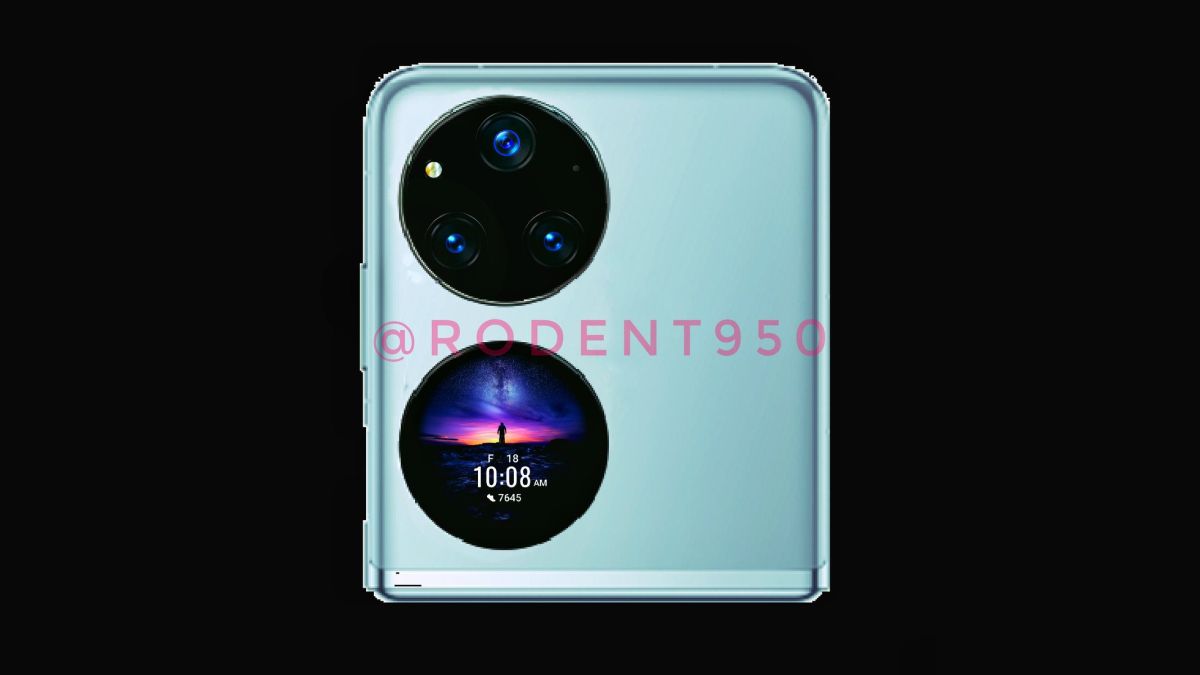
The Huawei Pocket S2 is rumored to launch on February 27. It could get announced at MWC.
The device is said to be powered by an underclocked version of the HiSilicon Kirin 9000s chip. Unfortunately, that’s all the information we have on this handset.
The Pocket S2 will succeed the original Pocket S from late 2022, which was introduced as the company’s most affordable foldable smartphone at the time.
The phone is expected to arrive with a 6.7-inch FHD+ 120Hz OLED display with an in-screen fingerprint sensor and a MediaTek Dimensity 7050 chip. It will draw energy from a 5,000mAh battery and support 67W wired charging.
The handset will sport a 64MP (wide) + 8MP (ultrawide) + 2MP (macro) triple camera setup and a 32MP selfie camera. It will be IP65-rated for splash resistance.
4. Vivo V30 Series, V40 SE, and V40 Lite
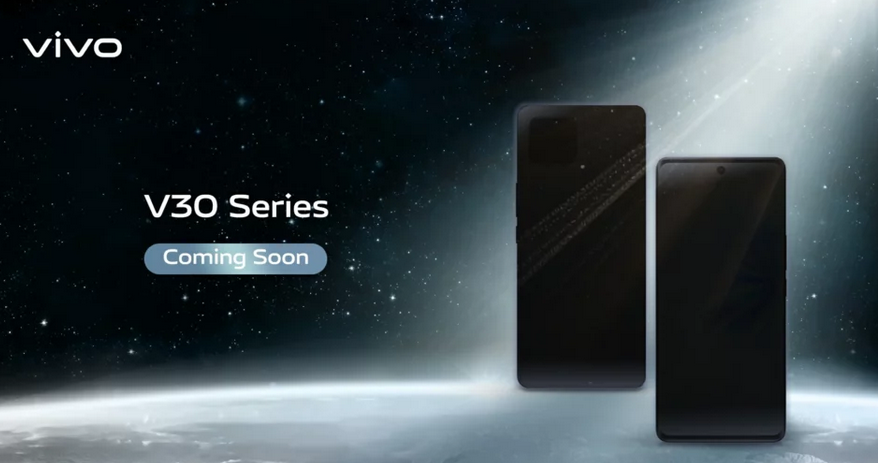
The Vivo V30 series is officially set to launch in February. The lineup is expected to include two devices, namely Vivo V30 and Vivo V30 Pro. They are anticipated to be accompanied by Vivo V40 SE (aka Vivo V40 Lite).
The Vivo V30 is said to be powered by a Qualcomm Snapdragon 7 Gen 3 chip. It will flaunt a curved OLED display and support 80W wired charging.
On the other hand, the Vivo V40 SE will succeed the Vivo V30 Lite. Its specs are not known, just like those of Vivo V30 Pro.
5. Realme 12 Series
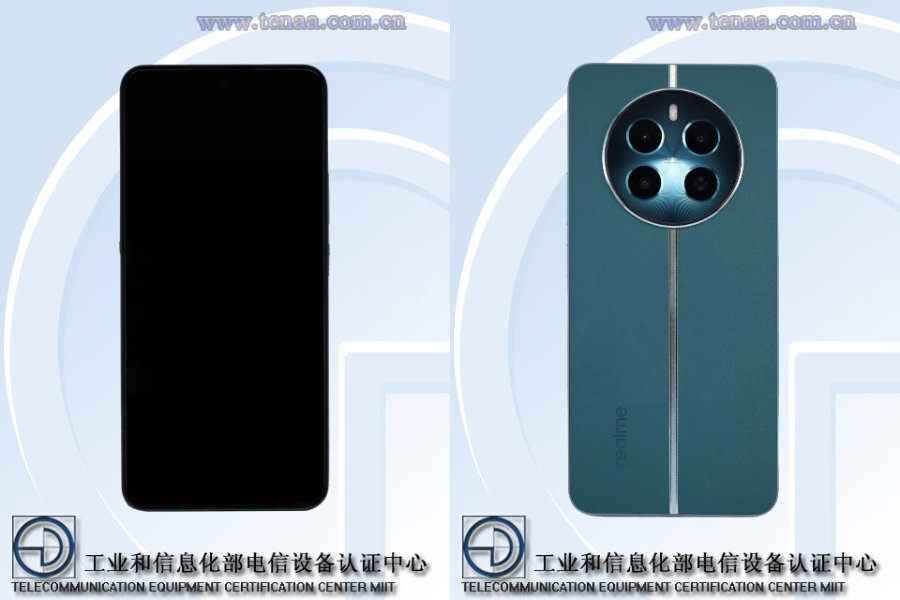
The Realme 12 series will debut in China in February. Apart from Realme 12 Pro and Realme 12 Pro Plus, the region will also get the vanilla Realme 12 and Realme 12 Plus.
The Pro models will be the same as the ones sold in international markets. You can learn about them here.
As for Realme 12 Plus, it will feature a similar design as the Pros but will arrive with downgraded specs. It is expected to come with an unnamed 2.6GHz chip, a 50MP (wide) + 8MP (ultrawide) + 2MP (macro) triple camera setup, a 16MP selfie camera, and a 5,000mAh battery.
Unfortunately, we have no info on the vanilla Realme 12.
6. iQOO Neo 9 Pro
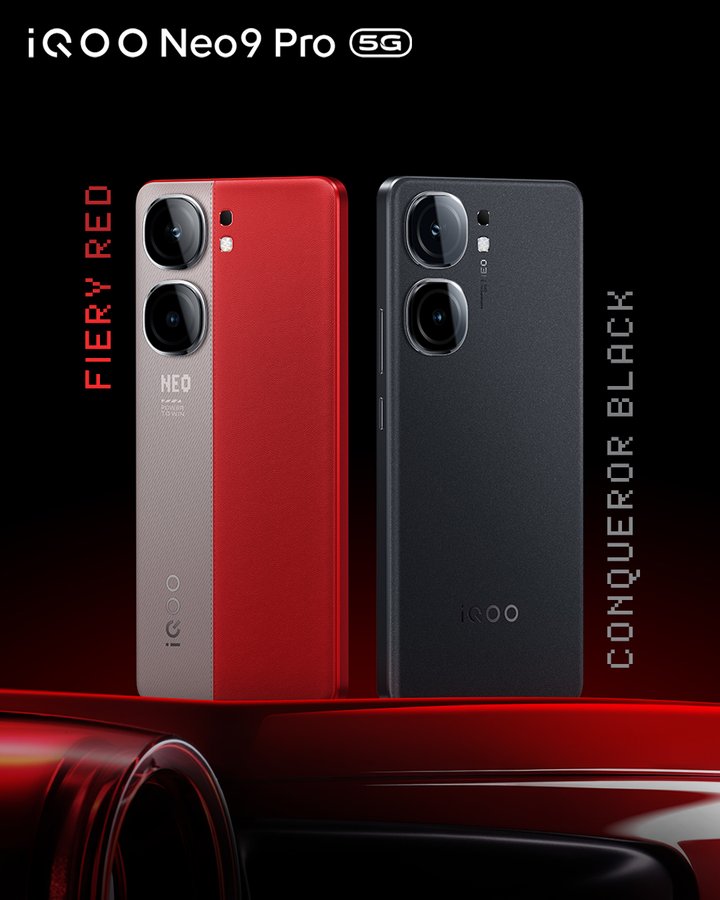
iQOO Neo 9 Pro
The iQOO Neo 9 Pro is scheduled to launch in India on February 22. The pre-bookings for the phone start from February 8.
The handset will succeed the iQOO Neo 7 Pro. It will be powered by a Qualcomm Snapdragon 8 Gen 2 SoC and draw energy from a 5,160mAh battery with support for 120W wired charging.
The device will sport a 6.78-inch OLED display with a 1.5K resolution and a 144Hz refresh rate. It will come with a 50MP Sony IMX920 primary sensor, an 8MP ultrawide unit, and a 16MP selfie camera.
It is expected to cost around ₹30,000.
7. Honor X9b
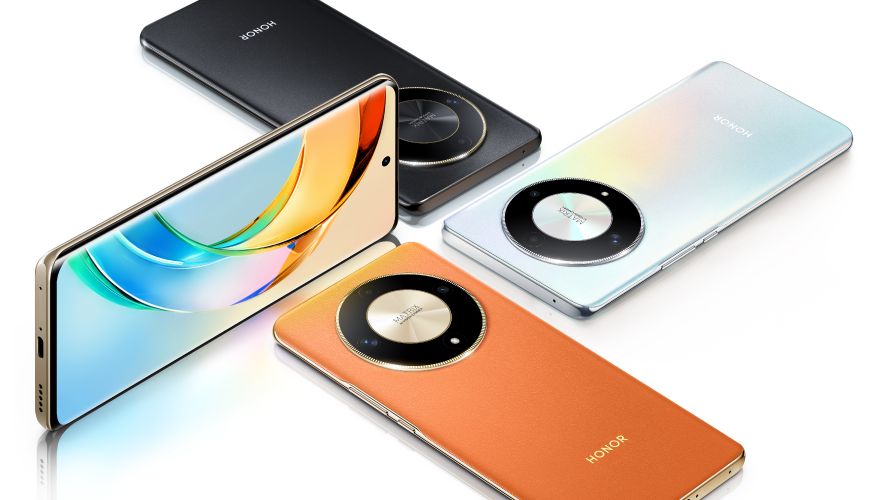
Honor X9b is set to launch in India on February 15. Since the handset is official in several markets, everything about it is already known.
The phone arrives with a 6.78-inch FHD+ 120Hz curved display, a Qualcomm Snapdragon 6 Gen 1 chip, a 108MP primary camera, and a 16MP selfie camera. It is backed by a 5,800mAh battery and supports 35W wired charging.
The product is expected to compete with the Redmi Note 13 series and Realme 12 Pro lineup in the region.
8. Nothing Phone 2a
The Nothing Phone 2a is anticipated to go official at MWC. It will be the brand’s first budget smartphone.
The handset is tipped to come with a 6.7-inch FHD+ OLED display and a MediaTek Dimensity 7200 SoC. It will feature a circular camera module headed by a 50MP primary sensor surrounded by Glyph LED lights.
The product will support 45W wired charging and is expected to cost under €400.
9. HMD Smartphone
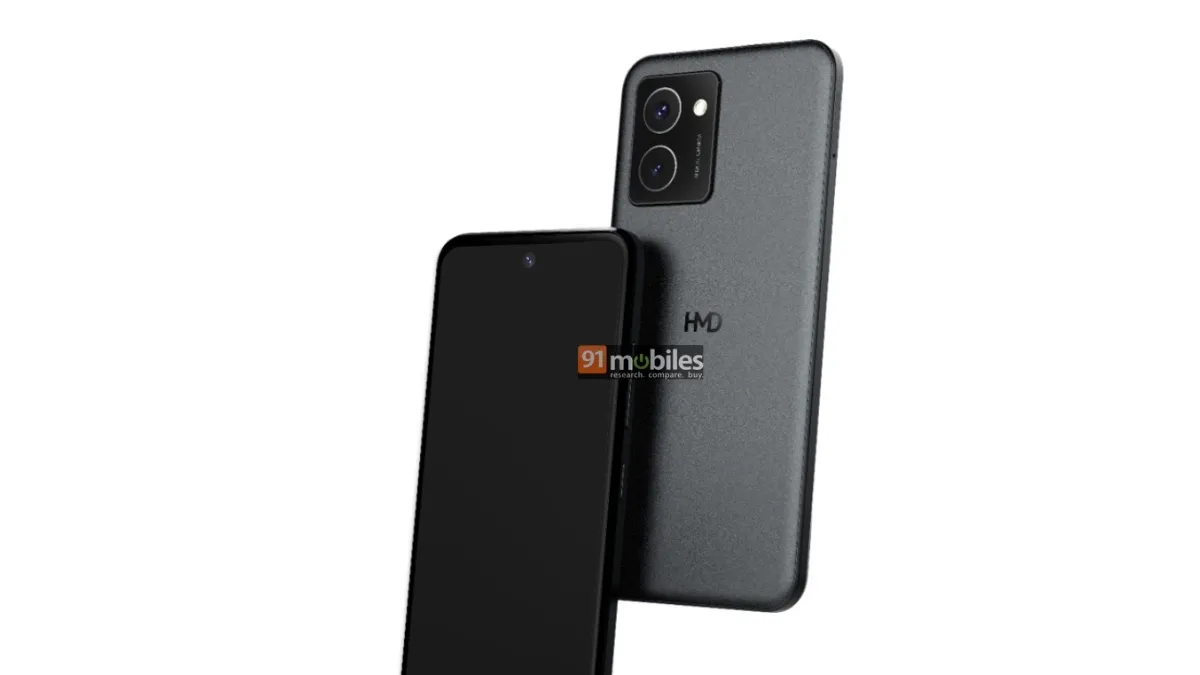
Recently, HMD (Human Mobile Devices) confirmed to introduce its self-branded phones. At least one of them is expected to go official at MWC.
This device is tipped to sport a 108MP primary camera. Nothing else is known about this product.
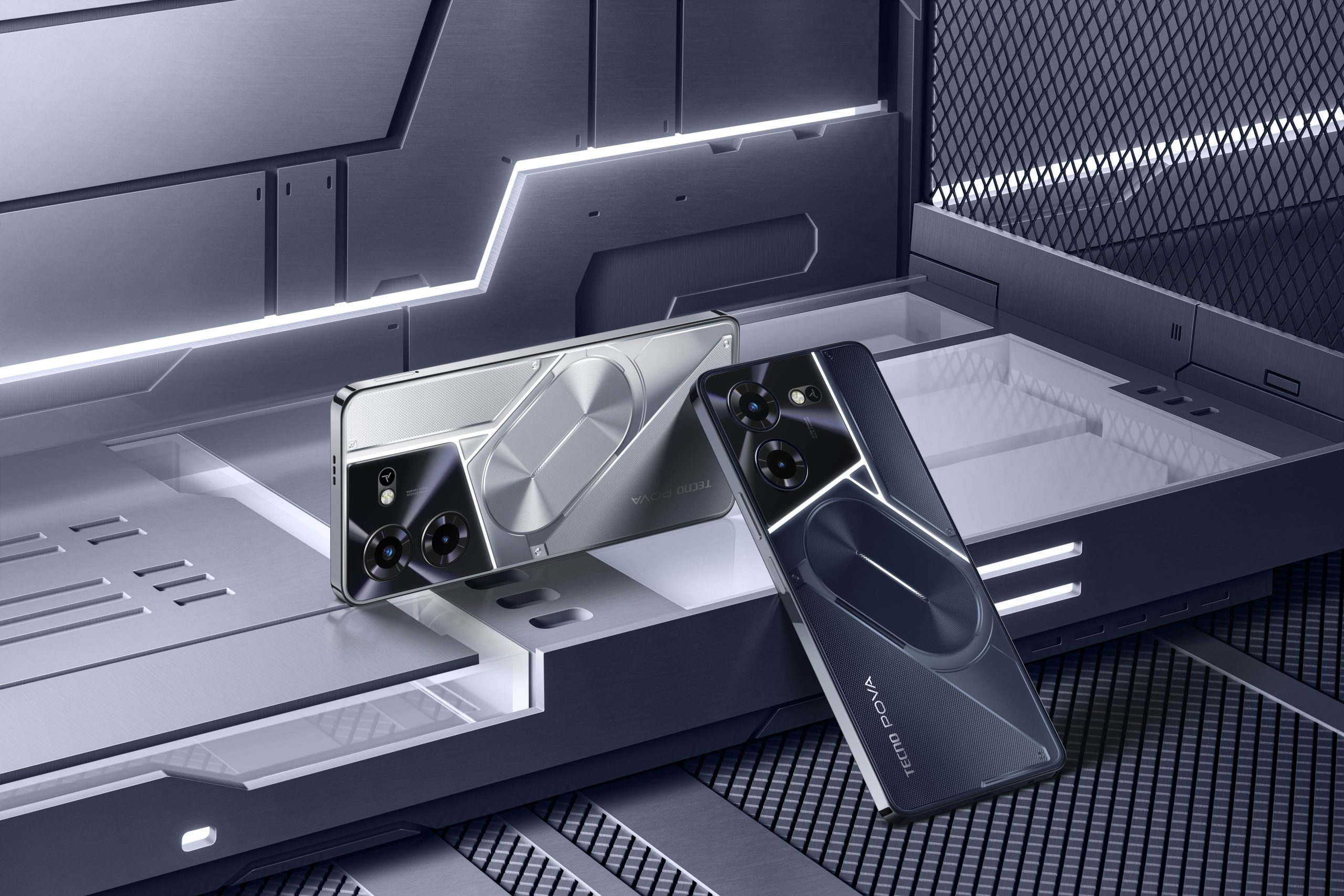
10. Tecno Pova 6 Series
The Tecno Pova 6 series is confirmed to go official at MWC. The handsets will support Dolby Atmos.
The Pova 6 Pro is expected to be powered by a MediaTek Dimensity 6080 chip. It will sport an FHD+ display and boot Android 14.
Unfortunately, that’s all the information we have on the lineup.
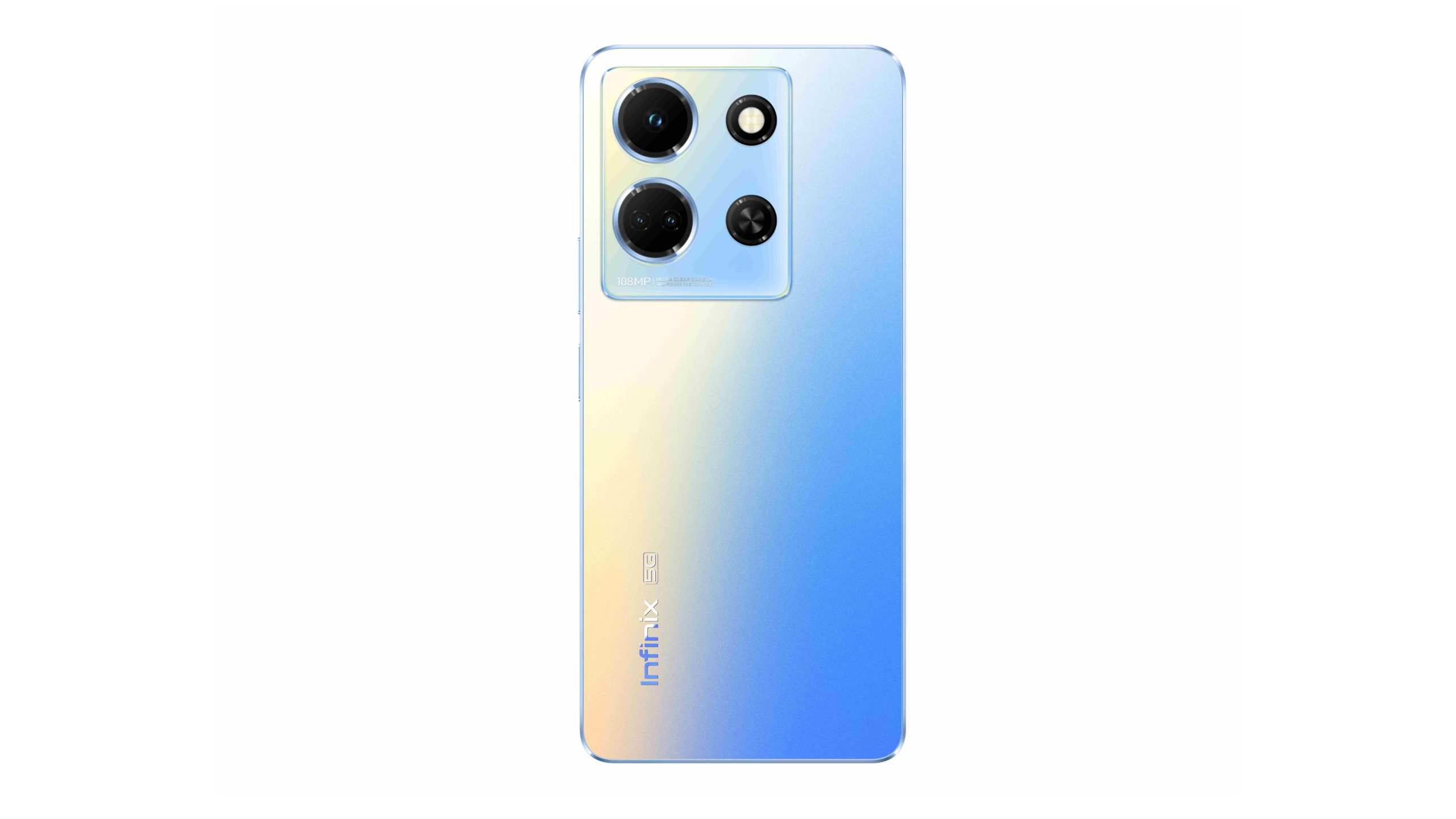
11. Infinix Note 40 Series
The Infinix Note 40 series is anticipated to go official at MWC. The lineup is expected to include vanilla and pro models.
Interestingly, both of them will be powered by the same chipset — MediaTek Helio G99. They will sport a centered punch-hole FHD+ display on the front and a triple camera system on the rear.
The pro variant will support 70W wired charging while the standard variant will be limited to 40W. However, both of them will support 5W wireless charging.
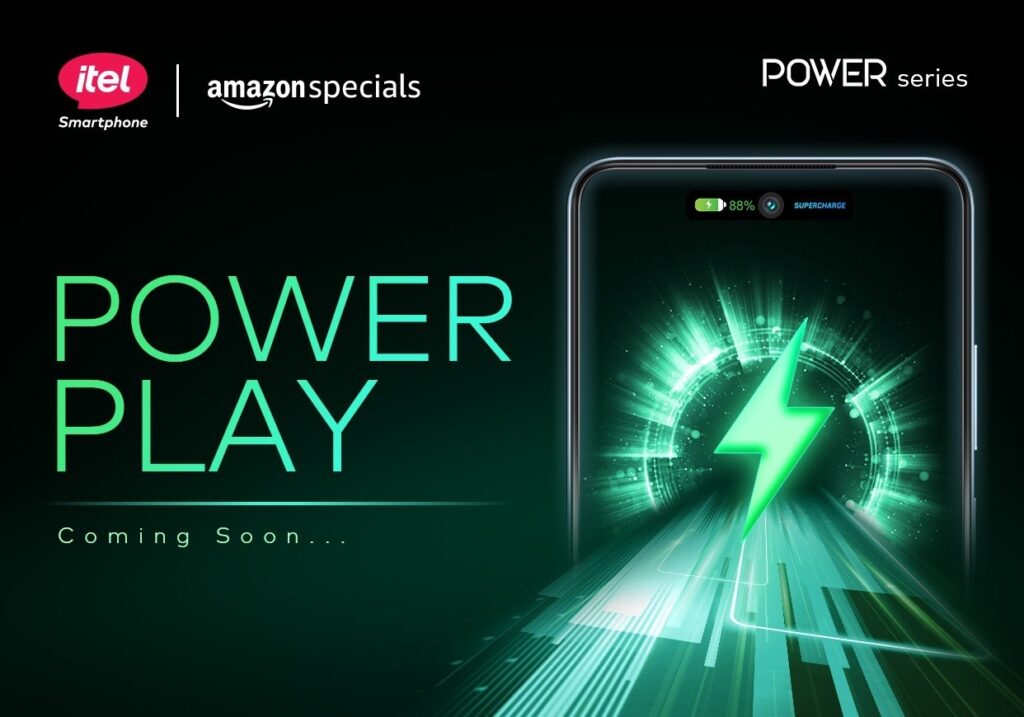
12. Itel Power Series
Itel is tipped to launch three Power series smartphones in India in February.
The first one is said to ship with Android Go Edition. The second model will support fast charging. Finally, the third handset will arrive with an exclusive India-first memory feature.
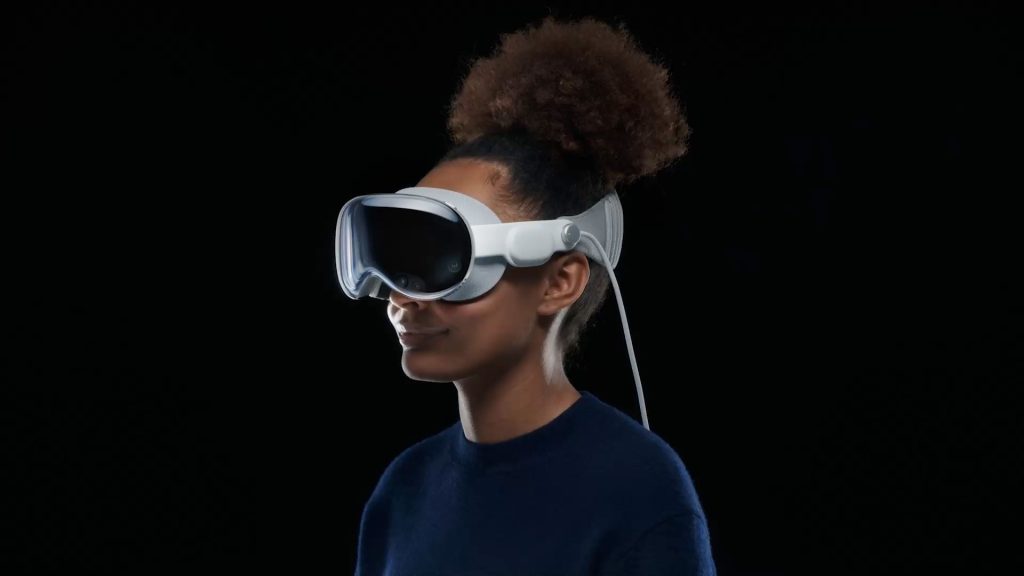
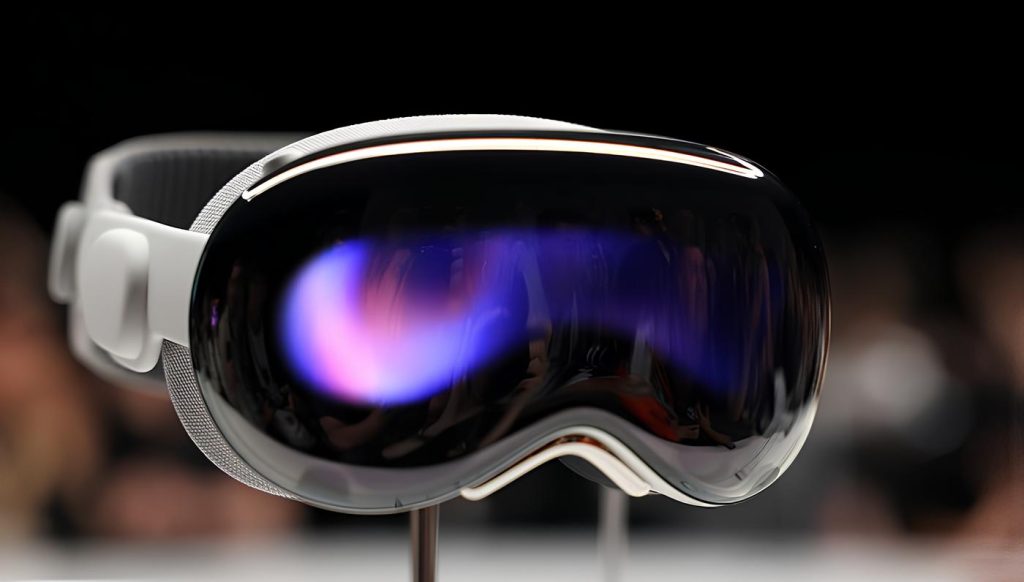
The wait for the Apple Vision Pro is finally over, and it is now available in the United States. Following massive pre-orders of around 200,000 units, the Apple Vision Pro is already off to a good start. Apple Vision Pro allows consumers to experience the next evolution in spatial computing. The New Headset introduces groundbreaking features that promise to refine how users interact with technology.
Apple Vision Pro is much-anticipated and aims to set a new standard in the realm of personal computing. It immerses users in a three-dimensional digital environment. It is going to revolutionize the way individuals engage and interact with smart devices. The Apple Vision Pro headset offers a more intuitive and immersive computing experience.
Along with the one million compatible apps on the App Store for the new AR/VR headset, the Cupertino tech giant introduced 600 new apps and games specifically designed for the Apple Vision Pro. These new apps are fully designed to take advantage of the device’s capabilities and offer an advanced experience for users. Apple Vision Pro introduces an augmented reality canvas, allowing users to interact with the device using their eyes, hands, and voice. Several popular apps, such as Zoom have already jumped to capitalize on the Apple Vision Pro hype. Meanwhile, Netflix, Spotify, and YouTube remained at bay to bring native apps for now.
New Ways to Interact using Apple Vision Pro
It changes the way we interact with our devices, consume media, and do work. Below, we have detailed each advantage and how it is going to affect our basic interactions with technology. The Apple Vision Pro display is capable of delivering a resolution equal to that of a 4K TV. It lets users watch content from an equivalent distance of 100 feet.
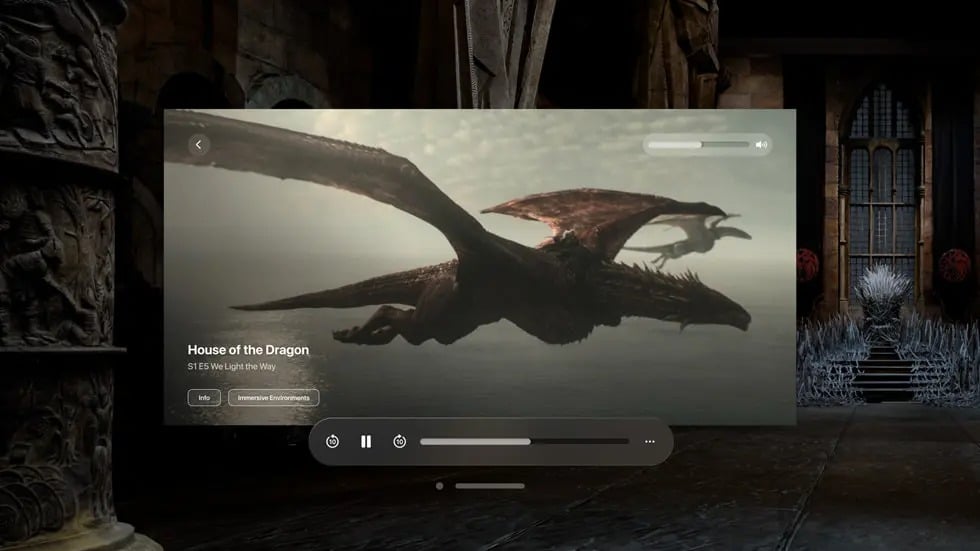
Media Consumption: Transforming living spaces into personalized theaters, the Vision Pro enhances the way users consume media. From sports events to TV shows and films, the device creates an immersive environment, offering a new dimension to entertainment. The Vision Pro brings forth a range of game-changing apps tailored to provide unique and immersive experiences across various domains.
Sports Experience: Users can enjoy the PGA Tour with features like real-time shot tracking using 3D golf course models. The multiview supports up to five different broadcasts for streaming NBA. Meanwhile, it enables one to enjoy the MLB game with an immersive baseball stadium view with pitch stats. There will be 3D maps of races, high-quality video, and immersive environments for racing events.
Streaming Experience: An elevated streaming experience is part of the package with the Disney+, Warner Bros, and Discovery’s Max platforms. While Apple TV brings spatial audio for immersive video.
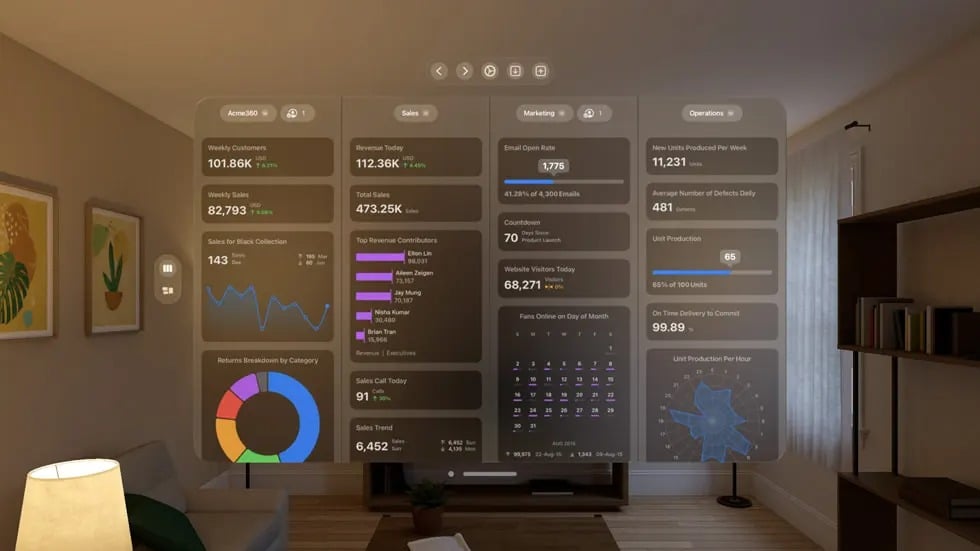
Enhanced Productivity: Apart from entertainment, the Apple Vision Pro is to have multitasking and collaboration with the 3D user interface. Several apps, like Box, MindNode, and others, are easily available for file management and project visualization. It even supports integration with Microsoft 365 productivity apps and offers a Virtual Display for elevated Mac capabilities.
Gaming on visionOS: Apple Vision Pro is currently supported by over 250 game titles with no in-app purchases or ads. There are certain spatial games like Super Fruit Ninja, Synth Riders, and Game Room.
Apart from these improved experiences, the Apple Vision Pro is bringing a 3D tour of historical locations, museums, and others. It even supports 3D weather maps for immersive forecasts.
Apple Vision Pro signifies a paradigm shift in personal computing, offering not just a device but an entirely new way to interact with technology. With its innovative features, diverse app ecosystem, and immersive experiences, the Vision Pro is set to redefine the boundaries of what’s possible in the digital realm.
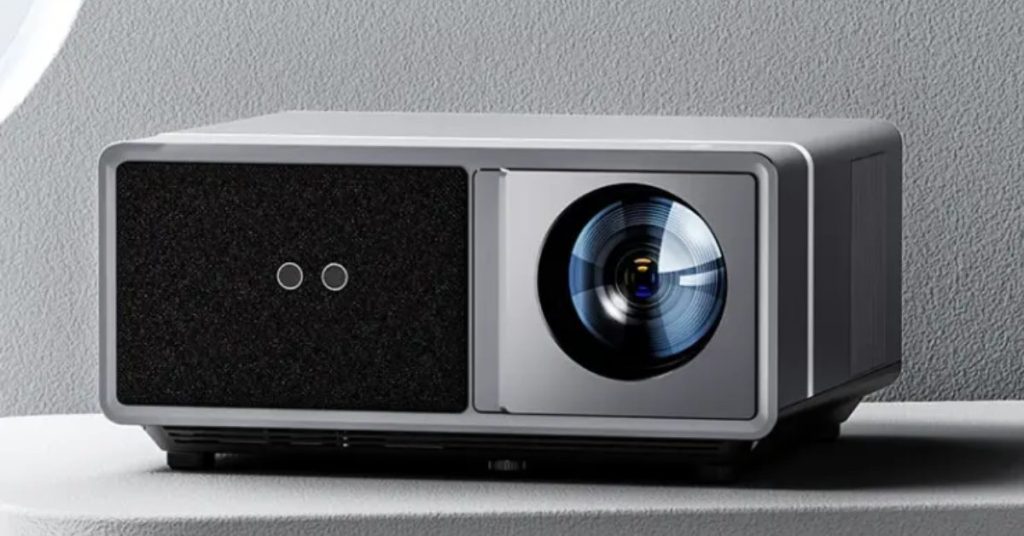
Lenovo‘s Lecoo brand has unveiled a new projector, the LK210, aimed at both homes and offices. The projector boasts 1080p resolution and a brightness of 4800 lumens, making it suitable for displaying presentations, movies, and other content in various lighting conditions. Let’s talk about it in detail here.
Lecoo LK210 specifications
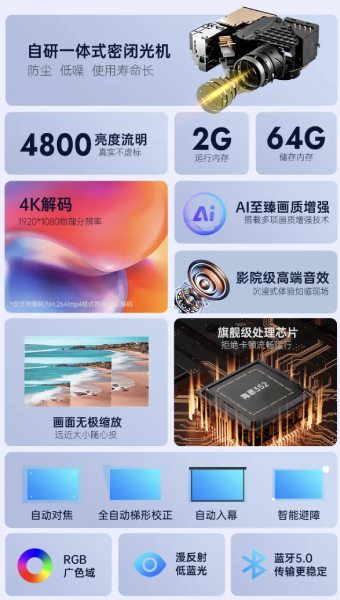
As aforementioned, the LK210 is a 1080p projector with 4800 lumens of brightness. It offers a versatile range of screen sizes ranging from 50 to 200 inches.
The projector also features fully automatic functionalities, including autofocus for consistently crisp images regardless of placement and automatic keystone correction to eliminate distortion caused by tilted angles.
One of the key features of the LK210 is its cooling system. Lecoo claims to have used what it calls a combination of a “Yamato thermal magnetic semiconductor” mechanism, a 100mm large turbine fan, and copper heat pipes to ensure quiet operation and a long lifespan. There’s also support for dynamic temperature control and fan speed adjustment.
The LK210 is powered by a HiSilicon 352 chip and comes with 2GB of RAM and 32GB of storage. Lecoo touts the projector’s “true 1080p ultra-clear image quality,” which it claims is superior to “shimmering 1080p.” The projector also supports 4K decoding and image quality improvement technologies.
In terms of connectivity, the LK210 offers a variety of options, including Ethernet, HDMI (version unspecified), USB-A (version unspecified), AV, and a 3.5mm audio jack. Not to forget, there’s also support for Bluetooth 5.0.
Additionally, it features a 15W speaker for audio output. And in terms of dimensions, it measures approximately 302 x 265.9 x 143.8mm and weighs around 3.8 kg.
The Lecoo LK210 is currently available for pre-order on JD.com in China, with a price tag of 2,619 yuan (approximately USD 400).
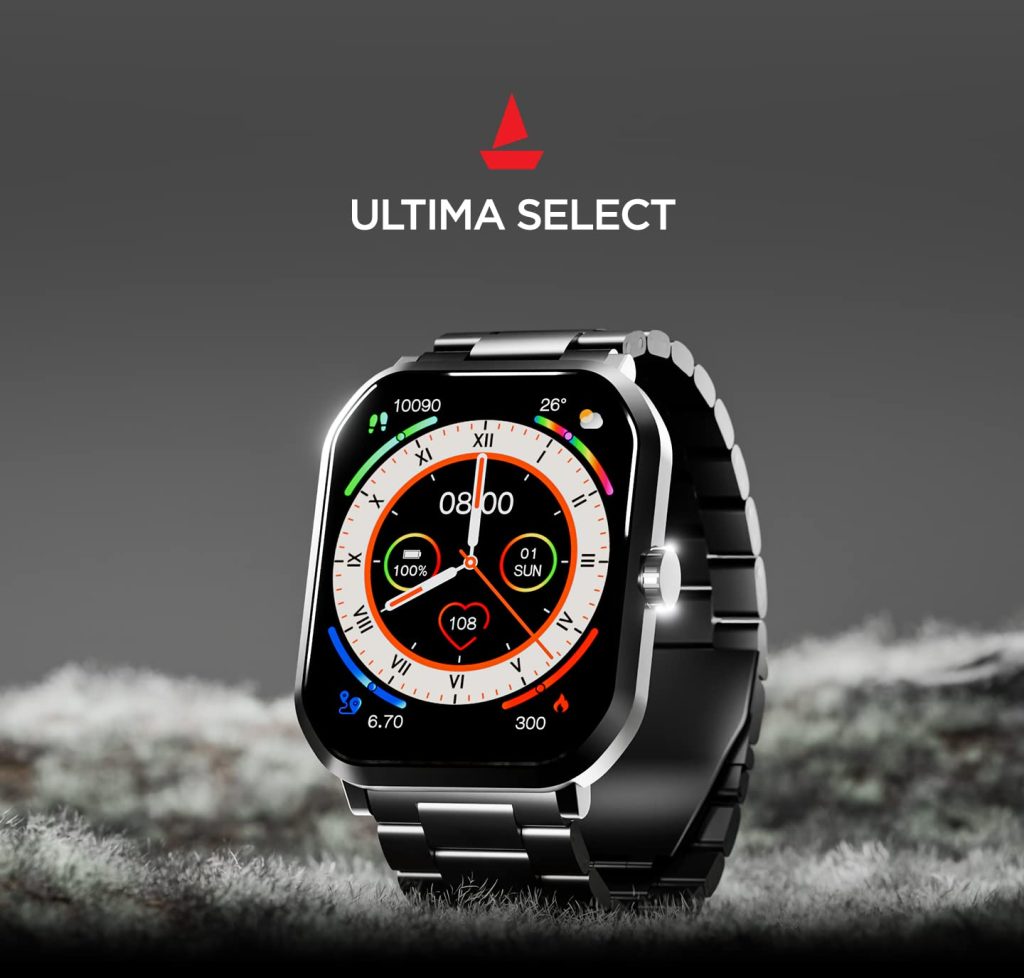
Yesterday boAt launched the Rockerz 255 ANC neckband. The homegrown brand also announced two new TWS earphones in the country. Now, this time, boAt has launched a new smartwatch dubbed the Ultima Select. It has a stylish design with a large display and various health-centric as well as convenient features. Read on to know more what it offers out of the box.
boAt Ultima Select specifications and features
The boAt Ultima Select has a squarish dial with curved edges that make it look like a hexagonal shape. There is a functioning rotating crown on the right side. The device sports a metal unibody offering a premium look. It is IP68-certified dust and water-resistant.
The boAt Ultima Select has a large 2.01-inch AMOLED display with a resolution of 410 x 502 pixels and 1,000 nits peak brightness. There is Always-on display mode and wake gesture.
On the fitness front, the boAt Ultima Select is equipped with a heart-rate monitor, SpO2 sensor, sleep tracker, and stress monitor. It also offers guided breathing sessions. The wearable device is capable of tracking more than 100 sports modes. The smartwatch also comes with sedentary alerts.
The boAt Ultima Select is claimed to offer up to 5 days of battery life. It packs convenient features like payment QR, camera and music control, built-in games, DND, find my phone, and more. The smartwatch is also equipped with a built-in mic for Bluetooth calling functionality.
The boAt Ultima Select carries a price tag of Rs 2,999 and is offered Steel Black, Deep Blue, Cool Grey, and Active Black colors. The smartwatch will be available for purchase from Amazon and the brand’s website starting February 9.
Samsung introduced the Galaxy S24 series with a range of exciting new features. The standout highlight was the suite of AI capabilities bundled under the umbrella term “Galaxy AI.”
Among the array of new AI features included in the latest Galaxy smartphones, one notable addition is Circle to Search. Developed in collaboration with Google, this tool allows users to highlight text or images on their screen and seamlessly search for related information without switching apps.
After the Galaxy S24 series made its debut, Google also started rolling out this feature in Pixel 8 and Pixel 8 Pro smartphones. However, for Android users not within the Samsung and Google ecosystems, there’s a bit of disappointment.
The Circle to Search feature will remain exclusive to these brands until at least October 2024, as confirmed by Samsung’s Arm in the Netherlands:
“Circle to Search may become available on Android devices from other brands from 5 October 2024, but there are no active developments underway for this.”
For those eager to try out this feature, this news might be disappointing. I feel this feature is particularly useful since it doesn’t require opening any apps.
But it’s important to note that Circle to Search isn’t a groundbreaking tech by any means. Google Lens and Assistant have offered similar functionality for quite some time now.
There’s still hope on the horizon though. While the exclusivity is disappointing for now, I’m optimistic that it won’t be permanent. In the meantime, users of Google and Samsung devices are enjoying the benefits of Circle to Search.
This isn’t the first instance of exclusivity by these prominent Android players. Similar limitations exist with the latest Wear OS updates, which are currently restricted to Samsung and Google smartwatches.
The two new flagship smartphones in town, the Galaxy S24 Ultra and the OnePlus 12, come with powerful specs and a premium price tag. However, the S24 Ultra demands a steep price from you as compared to the OnePlus flagship model. Does it make sense to spend so much on the Samsung model?
We check that out in this OnePlus 12 vs. Galaxy S24 Ultra comparison.
Galaxy S24 Ultra vs OnePlus 12: Design and colors
Galaxy S24 Ultra:
The new Samsung Galaxy S24 Ultra comes with a ton of design upgrades from its predecessor. These updates place it inches ahead of the OnePlus 12 in this comparison. For its design, this new device comes with Gorilla Glass Armor on the front and Gorilla Glass on the back as well as titanium frame which is a new feature. This device weighs 232g and its dimensions are 162.3 x 79 x 8.6 mm (6.39 x 3.11 x 0.34 in).
A standard feature on ths Samsung S Ultra entries is the S Pen which is great for productivity. This flagship device comes with a ton of color options which are very impressive. The colors available are Titanium Black, Titanium Gray, Titanium Violet, Titanium Yellow, Titanium Blue, Titanium Green, Titanium Orange.
OnePlus 12:
For the OnePlus 12 it comes with a few design upgrades from its predecessor as it keeps the circular camera cutout. It comes with Gorilla Glass Victus 2 for front protection, Gorilla Glass protection on the back, and an aluminum frame. For its weight this device comes in at 220g making it lighter than the other device in this comparison.
The screen on this device is curved, a feature that Samsung dropped with the S24 Ultra. In terms of its design finish, users of this device can get it in either Flowy Emerald, Silky Black, or Silver. In terms of its looks, this device is way up there with some of the competition in the Android flagship class.
Major differences:
S24 Ultra is heavier than the OnePlus 12.
S24 Ultra has an S Pen while the OnePlus 12 doesn’t.
The OnePlus 12 comes with a curved screen design.
Galaxy S24 Ultra vs OnePlus 12: Display
Galaxy S24 Ultra:
When it comes to the design, the new S24 Ultra is at the top of its game when it comes to its display. This new device features a 6.8 -inch Dynamic LTPO AMOLED 2X panel which supports 120Hz refresh rate. The display supports HDR10+ and maxes out at a display brightness of 2600 nits.
For protection this device comes with the Corning Gorilla Glass Armor which protects it from damage in case of a scratch or a drop. Users will also benefit from the new Always-On display that this device comes with. Samsung also puts to use the new anti-reflective screen coating that makes this device very usable even under bright light.
OnePlus 12:
While the OnePlus 12’s display might be a simple one for a flagship device it brings all the necessary features. It comes with a 6.82-inch LTPO AMOLED screen display, if the 0.02 extra inches on this device means something to users then this device has an upper hand in display size. Users also get 120Hz refresh rate on this device which is a great feature when gaming or scrolling through the device.
In close comparison with the S24 Ultra the OnePlus 12 comes with a better screen to body ratio. For protection this device comes with the Corning Gorilla Glass Victus 2 which protects the device against scratches and drops. For some users they’ll also prefer the curve on this device’s display to the flat display found on the S24 Ultra.
Major differences:
S24 Ultra features a special anti glare coating not found on the OnePlus 12.
OnePlus 12 features a larger screen to body ratio.
OnePlus 12 comes with a curved screen display.
Galaxy S24 Ultra vs OnePlus 12: Cameras
Galaxy S24 Ultra:
The camera setup on the Samsung Galaxy S24 Ultra features 200MP, 50MP, 10MP, and 12MP sensors. Some of the features it packs include Multi directional PDAF sensor, AI picture enhancement feature, enhanced AI object-aware engine. Up front it features a 12MP sensor that supports up to 4K video recording.
The rear camera on this device supports8K video recording at 30fps. The entire camera system brings a ton of AI features and abilities that users can benefit from. These AI features and abilities help step up the photography experience that this device comes with.
OnePlus 12:
OnePlus uses a50MP, 64MP, and 48MP rear camera setup for the new flagship 12 device. Up front this device also features a 32MP selfie camera sensor for taking crisp selfies. For video recording the rear cameras support 8K video recording while the front facing cameras support 4K video recording.
Unlike the competition the OnePlus 12 comes with Hasselblad camera enhancement features. These enhancements make this smartphone take pictures like a Hasselblad professional camera. This is a welcome photography feature that this smartphone comes with.
Major differences & Upgrades:
S24 Ultra features a higher resolution main camera.
S24 Ultra features an extra camera
S24 Ultra comes with a ton of AI features.
OnePlus 12 comes with Hasselblad camera features.
Galaxy S24 Ultra vs OnePlus 12: Performance
Galaxy S24 Ultra:
This new device comes with the Snapdragon 8 Gen 3 processor as well as the Adreno 750 GPU chip. It features a ton of performance improvements in comparison with its predecessor.
Users can get this new device in the following storage configurations: 256GB 12GB RAM, 512GB 12GB RAM, 1TB 12GB RAM.
The storage on this device is not expandable as it offers more than enough storage for most users. Speaking of its performance , a benchmark review will be great to actually see how well this device holds up against the competition. ForGeekbench 6 this device secured a single-core score of 2297 and a multi-core score of 7142. As for its AnTuTu score this performance behemoth secures a score of 1,780,568.
OnePlus 12:
The OnePlus 12 comes with the Snapdragon 8 Gen 3 processor and also features the Aderno 750 GPU chip. For storage this device gives users 256GB 12GB RAM, 512GB 16GB RAM, 1TB 16GB RAM, 1TB 24GB RAM configurations. Now 24GB is exceptional for a smartphone and this amount of RAM will make the OnePlus 12 perform exceptionally well.
Just like the S24 Ultra this new smartphone doesn’t offer expandable storage. Coming to its performance the new OnePlus 12 comes with 7116 multicore scores on the Geekbench 6 platform. Moving over to AnTuTu this device flaunts a 1,821,801 score.
Major upgrades & differences:
24GB available on the OnePlus 12.
Galaxy S24 Ultra vs OnePlus 12: Software
Galaxy S24 Ultra:
This new flagship smartphone from Samsung launches with Android 14 out of the box. Following this is Samsung One UI 6.1 software which brings some features that are exclusive to the S24 Ultra. Amazingly this smartphone will be able to boast of seven years of OS update on this device.
OnePlus 12:
OnePlus loads up their latest flagship device with Android 14 out of the box just like we see on the Samsung Galaxy S24 Ultra. Internationally this new flagship device will use the OxygenOS 14 software which helps to step up user experience. Unlike the Samsung flagship device the OnePlus 12 offers users four years of OS update.
Major upgrades & differences:
Samsung offers more years of OS upgrade.
Samsung offers more exclusive AI features on the S24 Ultra.
OnePlus offers a more stock Android experience on their smartphone.
Galaxy S24 Ultra vs OnePlus 12: Battery life and charging
Galaxy S24 Ultra:
Sasmung gives 5000mAh battery capacity on this new device which is enough for daily usage on a single charge. On a single charge this device can last for hours of heavy usage as proven by various testings. For its wired charging Samsung equips this device with 45W fast charging to get the device from 0-65% in 30 minutes. For those that use wireless charging they get 15W as standard and 4.5W reversed wireless charge.
OnePlus 12:
Moving over to the OnePlus 12, this flagship entry comes with a massive 5400mAh battery capacity. On active daily usage this device gets users up to 14 hours on a single charge. Speaking of charging, this device supports 100W fast charging which gets the device from 0-100% in just 26 minutes. Wireless charging on this device is 45W and wireless is 15W with 10W reverse wireless charging.
Major differences:
Larger battery capacity on the OnePlus 12.
Faster wired, reversed wired, and wireless charging on the OnePlus 12.
Larger battery capacity on the OnePlus 12.
Faster wired, reversed wired, and wireless charging on the OnePlus 12.
Please Note: When you buy something using the links in our articles, we may earn a small commission at no cost to you.
Galaxy S24 Ultra vs OnePlus 12: Final Verdict
Both devices in this comparison are impressive in their various areas and it’s hard to pick which is the better looking device. However buyers will need to make a choice when shopping for either of these devices so here is our verdict. This will help you make a well informed choice on which of these flagship devices that you should pick when shopping for a new smartphone.
If you’re short on cash then the better pick for you is definitely the OnePlus 12. Either devices will serve well in terms of photography and performance and they feature the similar processing powers. For those that live in areas where power supply is limited then the OnePlus 12 is the better pick thanks to its larger battery and faster charging speeds.
But if you want to buy a device with a more solid build quality the Samsung Galaxy S24 Ultra is the way to go as it features a titanium frame. For longer usage thanks to OS updates the Samsung Galaxy S24 Ultra wins as it offers buyers a seven years OS upgrade. Asides from these factors the choice for most buyers will boil down to personal preferences.
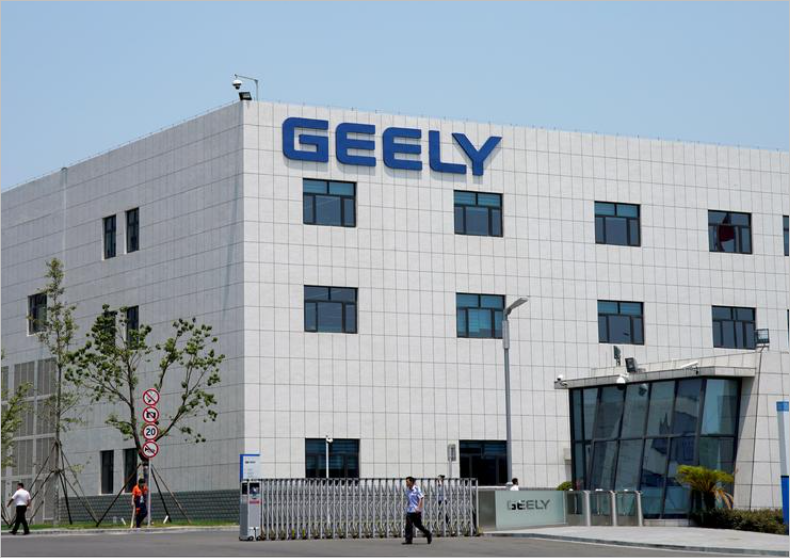
Automotive innovation takes a giant leap as China‘s Geely Holding Group makes headlines with its latest venture into space technology. This past Saturday, the company, known for its bold strides in the auto industry, announced the successful launch of 11 low-earth orbit satellites. This marks Geely‘s second significant foray into the cosmos, aiming to revolutionize how we navigate and connect, not just on the road but in various sectors of our digital lives.
By 2025, the company plans to launch 72 satellites
From the Xichang Satellite Launch Center in Sichuan, these satellites soared into the sky, signaling Geely’s ambition to stitch a high-tech canopy overhead. By 2025, the company envisions a constellation of 72 satellites, with long-term goals stretching to 240. These aren’t just any satellites; they’re equipped with AI and capable of delivering crisp remote sensing images from space, promising to redefine precision in autonomous driving and beyond.
The move is not just a leap for Geely but a significant stride for China’s burgeoning private space sector. Since opening its doors to private investment in 2014, China has seen a surge in commercial space ventures. Geely’s satellite network, although ambitious, is part of a larger narrative of innovation and competition in the heavens above.
As these satellites orbit overhead, they offer more than just advanced navigation for self-driving cars. They promise enhanced connectivity for consumer electronics, painting a picture of a future where our cars, phones, and devices are more interconnected than ever.
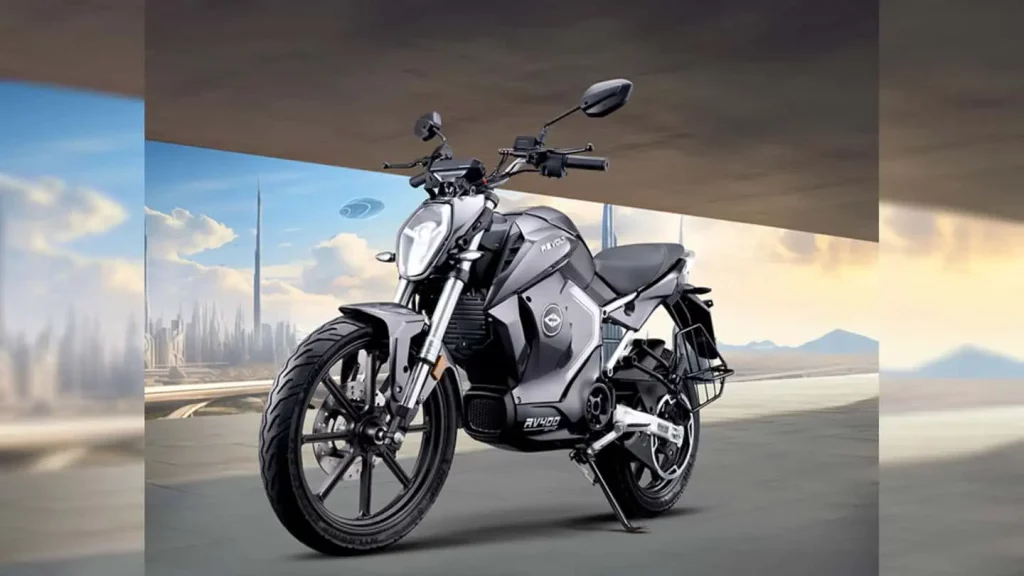
Revolt Motors is a name that’s getting more associated with innovation in India‘s electric vehicle (EV) sector each day. The company has taken a bold step to democratize electric mobility. By launching the RV400 BRZ, the company has introduced an electric motorcycle that combines affordability with performance, making it an enticing option for a broader segment of Indian consumers.
The bike delivers a top speed of 85 kilometres per hour
The RV400 BRZ, priced at approximately $1,662, stands out as the most budget-friendly option in Revolt Motors’ electric motorcycle lineup. This move is a testament to the company’s commitment to making sustainable transportation accessible to more people. The RV400 BRZ doesn’t compromise on quality or performance for its price. It shares the same technical underpinnings as its higher-end counterparts, featuring a 3.24-kilowatt-hour battery and a 5-kilowatt motor. This setup delivers a top speed of 85 kilometers per hour and a range that varies from 80 to 150 kilometers depending on the riding mode, balancing efficiency with the thrill of riding.
However, the RV400 BRZ simplifies its feature set to achieve its affordable price point. It skips on advanced tech like smartphone connectivity and keyless ignition but retains essential safety features like regenerative braking, a combined braking system, and a sidestand motor cutoff. A fully digital instrument cluster keeps the rider informed of the bike’s speed, battery status, and selected ride mode. Charging the RV400 BRZ is fairly quick, with a full charge achievable in 4.5 hours.
In terms of aesthetics, the RV400 BRZ doesn’t stray from the sporty, naked bike design that has become a hallmark of the Revolt brand. It’s available in five vibrant colors, ensuring there’s a style to match every rider’s preference.
Revolt Motors’ latest offering is more than just a new model; it’s a leap towards sustainable urban mobility in India. By making electric motorcycles more accessible, Revolt Motors is not just selling a product; it’s contributing to a cleaner, greener future on India’s roads.
Apple‘s new Vision Pro headset might be fragile-looking, but new drop tests show it’s tougher than some expected. The tests, conducted by Sam Kohl of Apple Track, reveal the headset can withstand bumps and even falls from significant heights, though with some caveats.
You can watch the full drop test video below, but we will try to quickly summarize the results here.
Apple Vision Pro Drop Tests
So in regular usage, typical wear and tear such as accidental bumps against walls or doors caused minor scratches to the Vision Pro’s glass, but no significant damage.
Even intentional bumps against walls didn’t shatter the glass. However, the light seal, which helps block out ambient light, popped off easily throughout the testing.
The headset also survived multiple drops onto the carpet from a low height, although the speakers did take a hit. Specifically, the right speaker stopped working after the third drop because of an internal break in the band connection. Despite this, the headset remained in good overall condition and was fully usable.
But a significant fall from 10-12 feet finally resulted in shattered front glass. Even then, the glass didn’t break into pieces, and the headset continued to function normally.
Vision Pro with shattered front glass after 10-12 feet drop. Image: AppleTrack
Interestingly, the front glass can be peeled off to expose the display layer, which, although still functional, is likely very delicate and prone to damage.
Apple Vision Pro front glass peeled off. Image: AppleTrack
All in all, the Vision Pro demonstrated better-than-expected resilience in everyday usage scenarios. The only weak point seems to be the speakers and light seal becoming loose. While this may warrant some caution, if you’re not a clumsy guy dropping off your gadget here and there, the headset should offer good durability.
Apple Vision Pro is now officially available for purchase with a collection of nearly 600 apps designed specifically for the headset. Although this number may seem substantial, it falls short compared to the extensive app stores of the iPhone and iPad.
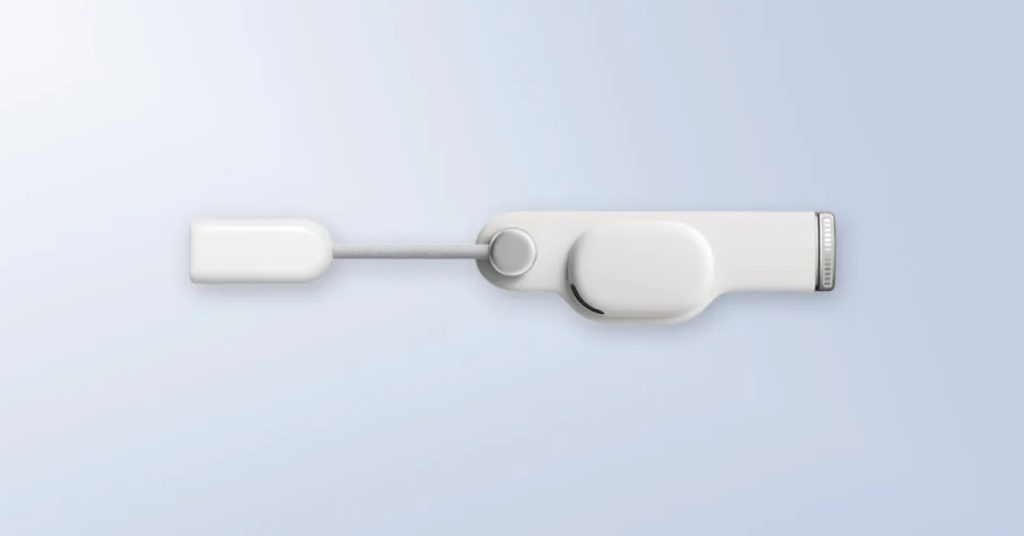
In an effort to support developers, Apple has introduced a “Developer Strap” for the Vision Pro, priced at $300. It essentially functions as a USB-C dongle allowing developers to make a direct connection between the headset and a Mac.
The strap is exclusively available through the Apple Developer website and is targeted at developers who can use this USB-C dongle to “accelerate the development of graphics-intensive apps and games.”
This likely means compiling and debugging apps directly on the device, bypassing the need for a wireless connection. However, Apple hasn’t confirmed if file transfer is also possible (via 9to5Mac).
While development options are available for other Apple devices like Apple TV and Watch, transferring VisionOS apps with 3D features can be cumbersome over Wi-Fi. Hence, the Developer Strap can be particularly valuable for developers working on Vision Pro projects involving these advanced features.
However, it’s important to note that Apple is strictly positioning this accessory for developers and not for consumers. Thus, it’s not available through the regular Apple Store. Instead, it can only be ordered via the Apple Developer site and currently by only US-based developer account holders.
Interestingly, the Developer Strap includes a built-in speaker, as developers need to replace the right audio strap that comes with Vision Pro.
Separately, Apple Stores in the US are now providing 25-minute Vision Pro demos, showing the device’s capabilities, available content and apps, and more. The headset might launch in additional countries later this year.
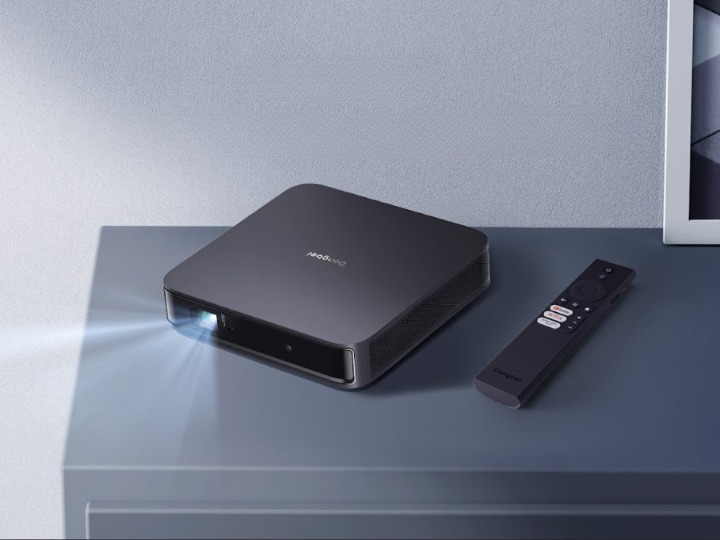
The Dangbei Atom compact laser projector has finally been launched for the global market. The projector was first unveiled in December 2023 and was also showcased during CES 2024 last January. The gadget is available on Amazon meaning that it can be purchased online from several countries.
Features
The Dangbei Atom has a laser light source that delivers a maximum brightness of 1200 ISO lumens and 1080p resolution. It supports Google TV and Google Assistant voice commands. The 1080p variant of the Atom is the first laser projector to support Google TV and offers a wide array of streaming apps like Netflix, YouTube, and Disney++. The projector has an ALPD laser light source and it can throw images up to 180 inches wide. It also supports HDR10+ video format.
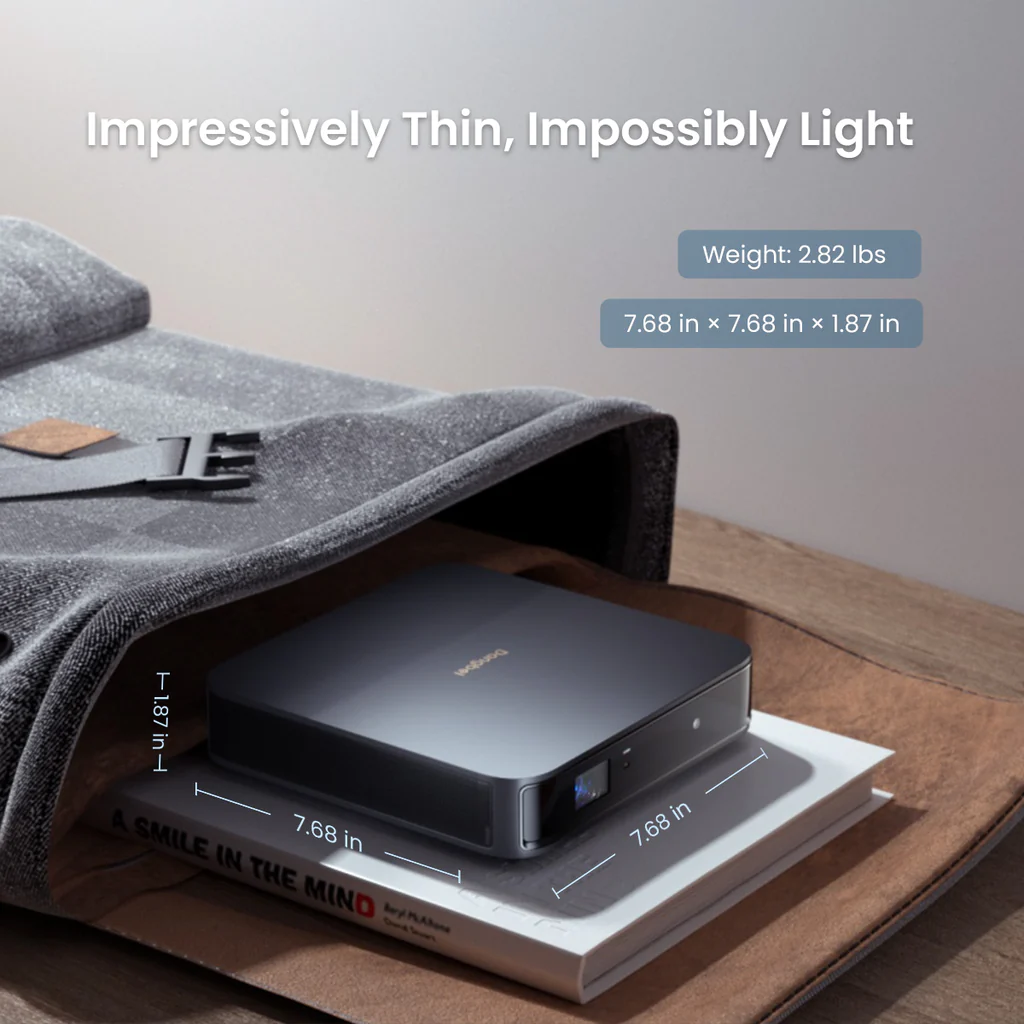
Image perfection tools available include autofocus, keystone correction, obstacle avoidance, and screen fit. It also features Chromecast wireless screencasting while its built-in 10W speakers support Dolby Audio. The Dangbei Atom laser projector weighs 1.28kg and is 1.87 inches thick. It is lighter than the average laptop which underscores the compact design and versatility of the laser projector.
Pricing & Availability
The new Dangbei Atom projector is available for purchase via Amazon. It is on sale in the US for $749 due to a $150 coupon. The original price of the Dangbei Atom is thus $899. The price of the projector is also the same on the Dangbei online store. A discount coupon is also available for customers in European countries like France and Germany, reducing the price of the projector to €849 from €999. The product has also been listed in the UK although it is currently unavailable. There are no indications at this time when the discount regime for the Dangbei Atom will end.
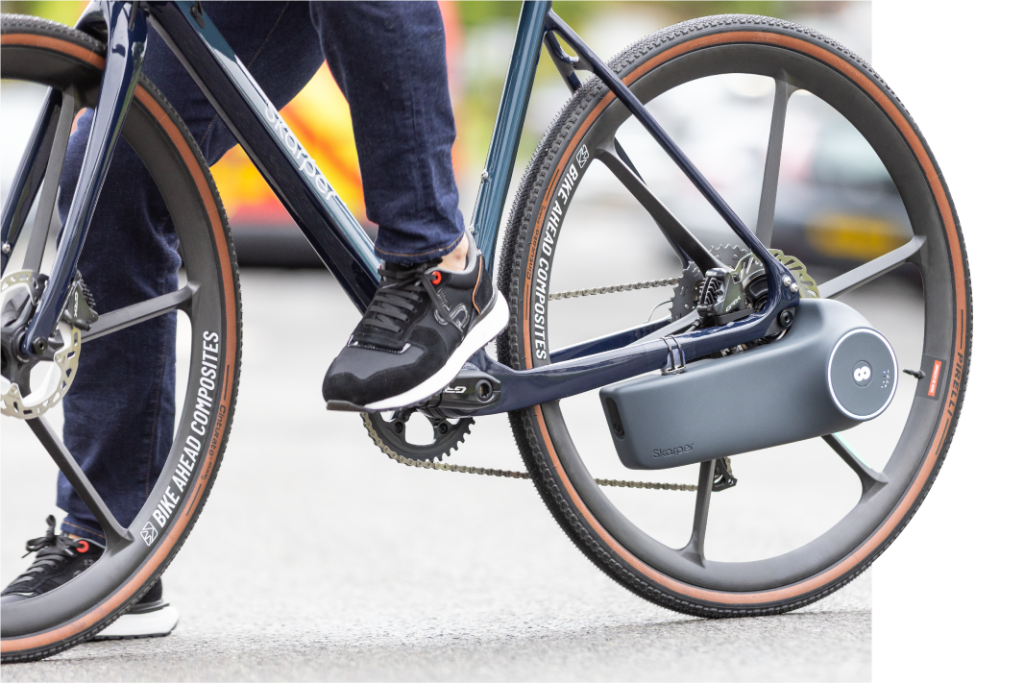
Skarper has launched its much-anticipated e-bike conversion kit that utilizes the bike’s rear disc brake. The innovatively designed conversion kit was first introduced in 2022 with production expected to commence in 2023. The product has now gone on sale.
Skarper’s e-bike conversion kit is unique among the long list of bicycle conversion kits available in the market. The Skarper e-bike kit taps into the bicycle’s disc brake system to power the converted e-bike. The kit includes a sleek 4kg clip-on mount that will seamlessly integrate the motor, battery, and electronics into the bicycle. The compact unit is attached to the bike’s chainstay and uses the disc brake to drive the rear wheel. It does not rely on complex modifications of the bike itself, unlike traditional conversion kits. It instead maintains the bike’s integrity and ensures a hassle-free conversion of your bicycle to an e-bike.
The Skarper e-bike kit utilizes a distinctive method of engaging the disc brake that does not interfere with the braking surface. It makes contact with a section of the disc closer to the hub and warrants the replacement of the bike’s disc rotor with the Skarper rotor. Skarper insists that this alteration does not significantly affect the bike’s performance when the kit is detached. It therefore allows the rider to revert to pedal power without any hassles.
The Skarper kit has a power output of 250W in line with European regulations and delivers a maximum assisted speed of 25km/h. The motor is activated by pedaling, as the kit omits a throttle. The kit can achieve a range of 50km on a single charge and the battery is fully recharged in 2.5 hours.
Pricing & Availability
The Skarper e-bike kit is priced at £1,295 ($1,650) but the initial lot has already sold out even with its high price tag. Skarper is already receiving pre-orders for an expected delivery shortly.
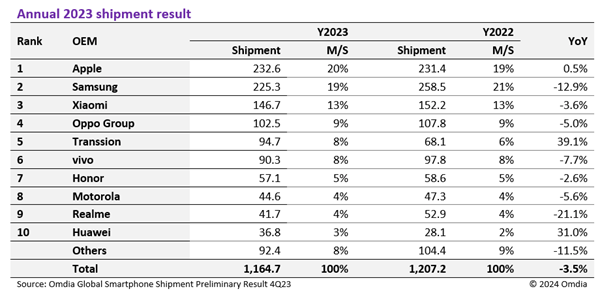
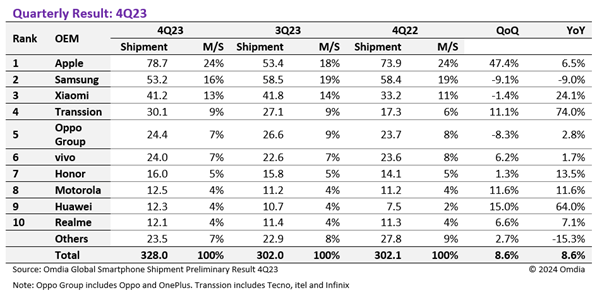
The latest report by research firm Omdia indicates that the global smartphone market expanded by 8.6% year on year (YoY) in Q4 2023. This is a decent performance even with rising inflations in some markets within the global marketplace. The report also highlighted a 6.5% YoY improvement by Cupertino company Apple within the last quarter of 2023.
The global smartphone market achieved shipments of about 328 million units within Q4 2023. The growth is the first significant change in fortunes since 2021, thus stemming 9 consecutive quarters of decline YoY in smartphone shipments. This is coming on the heels of a quite turbulent 2022 where the market had to grapple with supply chain disruptions and other challenges. Overall shipments for 2023 (Q1-Q4 2023) declined by 3.5% YoY highlighting the current challenges.
Apple recorded a leading performance among its competitors in Q4 2023. It achieved a record-making 78.7 million units in shipments, indicating a 6.5% improvement from the same period in 2022. The surge in shipments by Apple is believed to be driven by increased demand for the iPhone 15 lineup. Apple’s major competitor Samsung recorded a 9% decline in shipments within the period in comparison to Q4 2022. However, Chinese powerhouse, Xiaomi continued to improve on its recovery efforts with 41.2 million units in shipments. Other brands on the list are Transsion, Oppo, Honor, and Motorola.
The outlook of the global smartphone shipment trajectory for 2024 is positive, as it is expected to return to growth this year. Omdia however predicts potential challenges that could result in declines in the second half of 2024. Some of the parameters that could affect the growth trajectory include delays in economic recovery, political instability, and the growing demand for used/ refurbished smartphones due to the reduced purchasing power of consumers.
The number of digital content platforms has significantly increased in the past few years. With Netflix, Prime Video, Hulu, HBO Max, and Disney+, many of us to spend too much on just 1-2 series or movies that grabbed our interest.To save money, many have turned to sharing accounts with friends. However, Netflix recently cracked down on account sharing, boosting its user numbers and revenue. Now, Disney+ is following the footsteps of its biggest rival with a crackdown on password sharing starting March 14. Here are the details…
Disney+ Kills Account Sharing on March 14
Actually, it has been known for a while that Disney+ would put an end to account and password sharing. Although there hasn’t been an official announcement, the company was reported to be taking measures to address this issue. Unfortunately, a recent email sent to Hulu users, another digital content platform owned by The Walt Disney Company, has set a date for this unfavorable development. According to the email, Hulu is “adding limitations on sharing your account outside of your household.”
Certainly, upon reading the paragraph above, you might wonder, “Why would a Hulu email matter to Disney+ users?” However, our colleague at Ars Technica asked Disney about the situation, and the response was disappointing for users. Regrettably, starting March 14, Disney+ users can no longer share account passwords with friends or family in different households. Company officials stated they would provide more information to users soon.
We may, in our sole discretion, analyze the use of your account to determine compliance with this Agreement. If we determine, in our sole discretion, that you have violated this Agreement, we may limit or terminate access to the Service and/or take any other steps as permitted by this Agreement (including those set forth in Section 6 of this Agreement).
Users sharing Disney+ account passwords cannot be identified at the moment. However, it is expected that a system similar to Netflix’s, which blocks account sharing for devices not connecting from the same household for a specific period, will be implemented. This decision is not without reason, as Disney+ has incurred an $11 billion loss since its launch in November 2019. The platform’s original content is expensive and not as popular as before, making it necessary for Disney to make such a decision. Whether this decision will yield positive results, similar to Netflix, will be revealed over time. For now, you can share your account freely until March 14th.
Tomorrow, Apple will launch the Vision Pro in the United States. Even with pre-orders placed some time ago and 200,000 units already sold, the main concern is whether people will genuinely enjoy it. Luckily, Apple aims to live up to the high expectations for its $3,499 headset, with over 600 apps designed for the Vision Pro at its launch. Here are the details…
The Vision Pro Has Over 600 Apps Designed For It at Launch
Apple’s Vision Pro has impressed with its technical specs and capabilities. However, virtual and augmented reality often end up feeling like pricey toys rather than essential tools. After using a headset for a while, many people likely abandoned it, letting it collect dust. That’s because despite some success of Meta’s Quest series, the core problem remains. Headsets are still uncomfortable for prolonged use and lack adequate app support
During the launch, Apple addressed the initial concern of comfort and now demonstrated their solution for the second issue by confirming the headset’s compatibility with new apps. The company revealed that there are already more than 600 apps and games specifically designed for the Vision Pro, in addition to over a million compatible iOS and iPadOS apps. However, the quality of these apps remains uncertain at this point.
It’s noteworthy that even Microsoft faced challenges in expanding their application library for Windows Phone, making Apple’s achievement significant. The Vision Pro offers a diverse range of apps in the visionOS App Store, spanning sports, entertainment, productivity, gaming, and exploration. Highlights include PGA TOUR Vision, Vision Pro NBA, Max for unique shows, and popular productivity tools. The gaming selection features 250+ titles, including Apple Arcade exclusives. Users can explore the globe, check 3D weather, delve into the solar system, learn anatomy, DJ, attend virtual concerts, and shop with various apps. Unique experiences like Loóna, Void-X, and Saktrix Pro enhance the mixed reality environment. The app ecosystem is expected to grow as more users discover its capabilities.
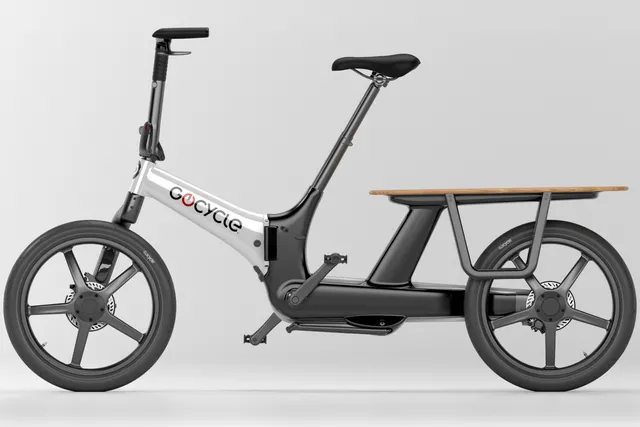
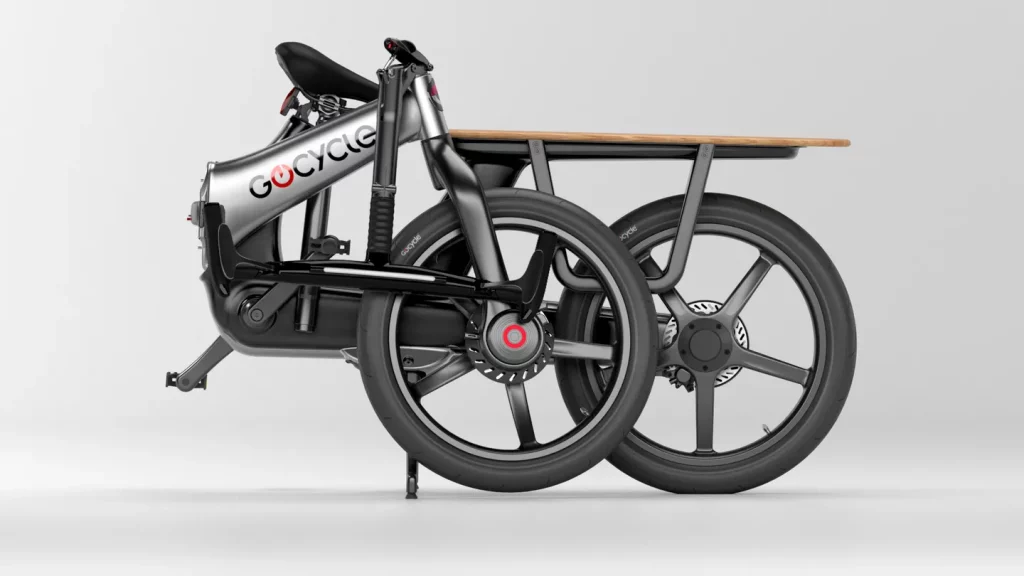
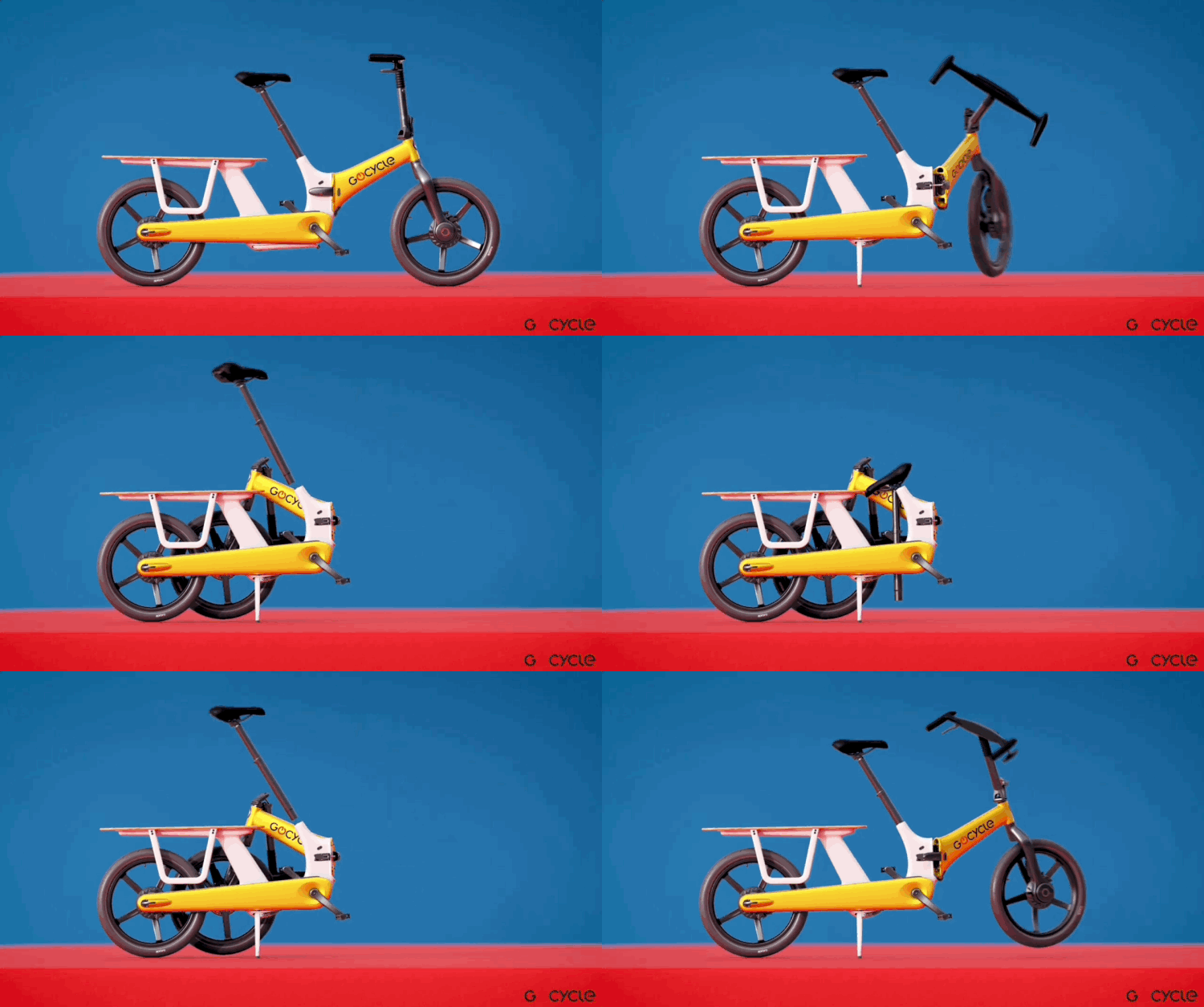
Gocycle has unveiled the CX series of elegant, lightweight, and foldable electric cargo bikes. The new CX lineup is innovative electric cargo bikes for families. They come with an intriguing new handlebar on the CX Plus model for improved rider comfort. The other model in the lineup is the CXi.
Gocycle is a British e-bike company founded by a former McLaren car designer, Richard Thorpe. It has been manufacturing Formula One-inspired e-bikes since its formation. The CX series of longtail electric cargo bikes feature the Flofit adaptable handlebar setup. Gocycle says this is probably the most adjustable-for-comfort handlebar ever developed. The handlebar is adjustable in reach, and grip angle, and offers multiple hand positions for urban riders.
The foldable design of the Gocycle CX series of cargo e-bikes also provides added versatility for the model. Some images of the Gocycle CX lineup had surfaced before now, but a real photograph of the model is lacking at this time. However, Gocycle has a track record of delivering premium e-bikes since 2009 and it is expected that it will also deliver the CX series as promised. Gocycle has also produced foldable e-bikes with integrated running lights, internal cable routing, and a minimalist display among other features.
The Gocycle CX can support up to 220kg of total weight with its lightweight 23kg body. The cargo e-bike is lighter than some current models and offers a greater load capacity. Gocycle says the center kickstand of the CX series can support the massive load because of its dual-legged retractable design. Gocycle kickstands are lightweight, strong, and foldable. The patent of the new kickstand is yet to be sighted publicly but it is tested with a 220kg maximum load vehicle rating, as well as multi-passenger/ rider loading-unloading use cases.
The frame of the Gocycle CX series electric cargo bikes is made of alloy at the front and carbon fiber at the rear. A carbon fiber wheel and fork are also featured while a 375Wh removable battery delivers a range of 80km for the e-bike. The battery can be fully recharged in 3.5 hours while US customers will get a 500W motor with a 32km/h top speed. The Gocycle CX in Europe will come with a 250W motor with a top speed of 25km/h. Other impressive features of the Gocycle CX series will engender it to the buying public.
Pricing & Availability
Gocycle is already receiving pre-orders for the CX electric cargo bikes at $7600/ €7000 for the CXi and $8,860/ €8,210/ £6,999 for the Gocycle CX Plus. The earliest deliveries of the Gocycle CX will be in September 2024 for the US and UK.
A groundbreaking venture has made its mark in Changchun, Jilin Province, as the first phase of the FAW Fudi New Energy Power Battery Project rolls into action. This project, born from the collaboration between China FAW Group Co., Ltd. and BYD Co., Ltd., signifies a bold step into the future of new energy vehicles, setting the stage in the Changchun Automobile Economic and Technological Development Zone. What makes this venture stand out is not just its location—it’s the pioneering spirit that underpins the first strategic base for new energy vehicle power batteries in Northeast China.
The project has a huge budget of 18 billion yuan
Established in early 2022, FAW Fudi New Energy Technology Co., Ltd. sprawls over 370,000 square meters, boasting a construction space that nearly matches its vast area. With an ambitious budget of 18 billion yuan, the project’s sights are set high, aiming for a staggering 45GWh production capacity across three phases. Each phase is designed to contribute 15GWh, powering the drive towards innovation and sustainability.
The initial products emerging from this powerhouse are set to electrify the market, equipped with BYD’s cutting-edge blade battery technology. This innovation promises a triple threat of safety, endurance, and longevity, tackling the common challenges faced by power batteries head-on. The design philosophy here is clear: efficiency and integration without compromising on module flexibility.
January’s figures speak volumes about the momentum behind this initiative, with FAW Hongqi’s sales skyrocketing by 82.9% year-on-year. The spotlight shines brightly on Hongqi’s new electric jewels, the EH7 sedan, and EHS7 SUV, both poised to redefine medium and large electric vehicles. Despite sourcing batteries from CATL and FAW for these models, the venture’s future products promise to bring something fresh to the table.
Nvidia is rolling out the H20, a graphics processing unit (GPU) engineered specifically for China. The company is pitching itself directly against Huawei Technologies, a dominant player in China’s tech arena. Both companies are locking horns with products that not only match in performance but are also closely aligned in pricing, signaling a heated race in the tech domain.
NVIDIA’s H20 Chip will be priced at the same point as Huawei’s AI Chip
Nvidia’s H20 emerges as a pivotal piece in the puzzle of AI advancements, with its pricing set to range between $12,000 and $15,000 per card. This pricing strategy places it in direct competition with Huawei’s Ascend 910B, an AI chip with comparable capabilities and price points. Amidst stringent US trade sanctions that have rattled the tech landscape, Nvidia’s launch of the H20 marks a significant maneuver to maintain its presence in the lucrative Chinese market.
The tech giant’s initiative goes beyond mere market penetration. With the H20, Nvidia aims to cater to the burgeoning demand for AI training tools in China, a country that has rapidly become a crucible for AI research and development. This strategic deployment is not without its challenges, however. US sanctions have previously thwarted Nvidia’s efforts to export its most advanced GPUs to China, prompting a shift towards creating tailor-made solutions like the A800 and H800 GPUs, and now, the H20.
Despite the anticipation surrounding the H20’s market debut, questions linger about its performance, especially given the constraints imposed to comply with US regulations. The tech community is keenly watching to see if the H20 can live up to its predecessors’ legacy or if it will carve out a new niche for itself in the competitive landscape of AI technologies.
Apple’s recent sales report shows a bit of a struggle in China, with a 13% drop in the December quarter. This happened as fewer people bought iPhones and local brand Huawei stepped up its game. But even with this dip, Apple isn’t losing hope or backing down. The company’s big picture looks good, with a slight increase in worldwide sales, proving it can handle ups and downs.
The company made $20.8 billion last year, lower than 2022’s numbers
In China, Apple made $20.8 billion, down from $23.9 billion the year before. This drop came even as Apple managed to grow its sales globally. This shows that while Apple faced some tough times in China, it’s still doing well overall.
Apple Fails During the Double 11 promotion, netizen demand refund – Gizmochina
Huawei’s strong comeback, especially with its new foldable phones, has made things interesting. Analysts think this will challenge Apple, especially in China. They even say Apple might sell fewer iPhones worldwide next year. Despite this, Apple found a way to stay on top in China last year, thanks to some smart deals that attracted more buyers.
Even with fewer people buying smartphones in China last year, Apple did really well to become the number one brand. This shows that Apple knows how to stay competitive and keep customers interested, even when things get tough.
Apple’s boss, Tim Cook, is still positive about China. He believes in the company’s future there and is proud of how many people are choosing iPhones. Even when sales aren’t as high as hoped, Apple’s plans show it’s ready to keep fighting for its spot in China’s market.
We use cookies on our website to give you the most relevant experience by remembering your preferences and repeat visits. By clicking “Accept”, you consent to the use of ALL the cookies.
This website uses cookies to improve your experience while you navigate through the website. Out of these, the cookies that are categorized as necessary are stored on your browser as they are essential for the working of basic functionalities of the website. We also use third-party cookies that help us analyze and understand how you use this website. These cookies will be stored in your browser only with your consent. You also have the option to opt-out of these cookies. But opting out of some of these cookies may affect your browsing experience.
Necessary cookies are absolutely essential for the website to function properly. This category only includes cookies that ensures basic functionalities and security features of the website. These cookies do not store any personal information.
Any cookies that may not be particularly necessary for the website to function and is used specifically to collect user personal data via analytics, ads, other embedded contents are termed as non-necessary cookies. It is mandatory to procure user consent prior to running these cookies on your website.