In a groundbreaking move, a Chinese court recently recognized the copyright of an AI-generated image, setting a precedent that could significantly impact the burgeoning field of artificial intelligence and creativity. This decision, made by the Beijing Internet Court, revolves around a picture created using Stable Diffusion, a text-to-image software. The court’s recognition of the image as a protected artwork underlines the increasing significance of AI in the realm of artistic creation.
Acknowledging the human element in AI is a big deal for the future
The core of this ruling lies in the court’s understanding that the human creator’s originality and intellectual input played a crucial role in the creation of the AI-generated image. This perspective shifts the focus from the AI itself to the creative process and decision-making of the human behind the AI. By acknowledging the human element in AI-generated content, the court opens new doors for artists and creators who are exploring this novel domain.
This decision is particularly noteworthy as it diverges from the stance in other countries, like the United States, where the debate over copyright protection for AI-generated content remains unresolved. It emphasizes the need to view such creations on a case-by-case basis, considering the unique blend of AI and human input.
The dispute that led to this ruling began when an individual, identified as Li, used Stable Diffusion to create an image of a young Asian woman. After Li’s work was allegedly used without permission on Baijiahao, a Chinese content-sharing platform, he initiated an intellectual property infringement lawsuit. The court’s ruling in Li’s favor reinforces the idea that AI-generated images, when infused with human creativity and judgment, can be seen as personal expressions deserving of copyright protection.
This landmark ruling is a significant step for China’s growing interest in generative AI. It not only acknowledges the potential of AI in creative industries but also sets a legal precedent that could encourage more innovation and exploration in this field. As AI continues to evolve and find its place in various sectors, decisions like this will be crucial in shaping its role and the rights of those who harness its power for creative expression.
The Halo series, known for its innovative gameplay and storytelling, has been a cornerstone of the Xbox gaming experience. The concept of a Halo Battle Royale emerged after the release of Halo Infinite in 2021. With battle royale games like Fortnite and PUBG dominating the gaming landscape, it seemed like a natural step for Halo to explore this genre.
Halo Infinite received mixed reviews as well, which might explain this decision
Certain Affinity, a support studio, was reportedly at the helm of Tatanka’s development. In 2022, Paul Sams, the president of Certain Affinity, hinted at a major Halo project, sparking further speculation about the battle royale mode. This was a tantalizing hint for fans, suggesting a significant evolution for the franchise.
However, the gaming community has seen little to no concrete information about this project since then. Bloomberg’s report in early 2023 suggested that the project might have taken different directions, moving away from the typical battle royale format.
The decision to potentially shelve this project comes at a crucial juncture for Halo. The recent performance of Halo Infinite didn’t quite meet expectations, and there’s news of the franchise shifting to Unreal Engine for future developments. This indicates a desire for change and innovation within the series.
In the midst of this, Certain Affinity seems to be focusing on an original project, codenamed Project Loro. This shift could be a strategic move to diversify and expand the studio’s portfolio.
For Halo fans, this news brings mixed feelings. On one hand, the cancellation of a Halo battle royale may be disappointing for those eager to see the franchise enter this popular genre. On the other, it suggests that the creators are not afraid to change direction and innovate, keeping the Halo series fresh and exciting. As we look forward, the future of Halo remains a topic of great interest. With Season 2 of the Halo TV series set to release soon, the franchise continues to expand its universe in new ways, promising more intriguing developments for its loyal fanbase.
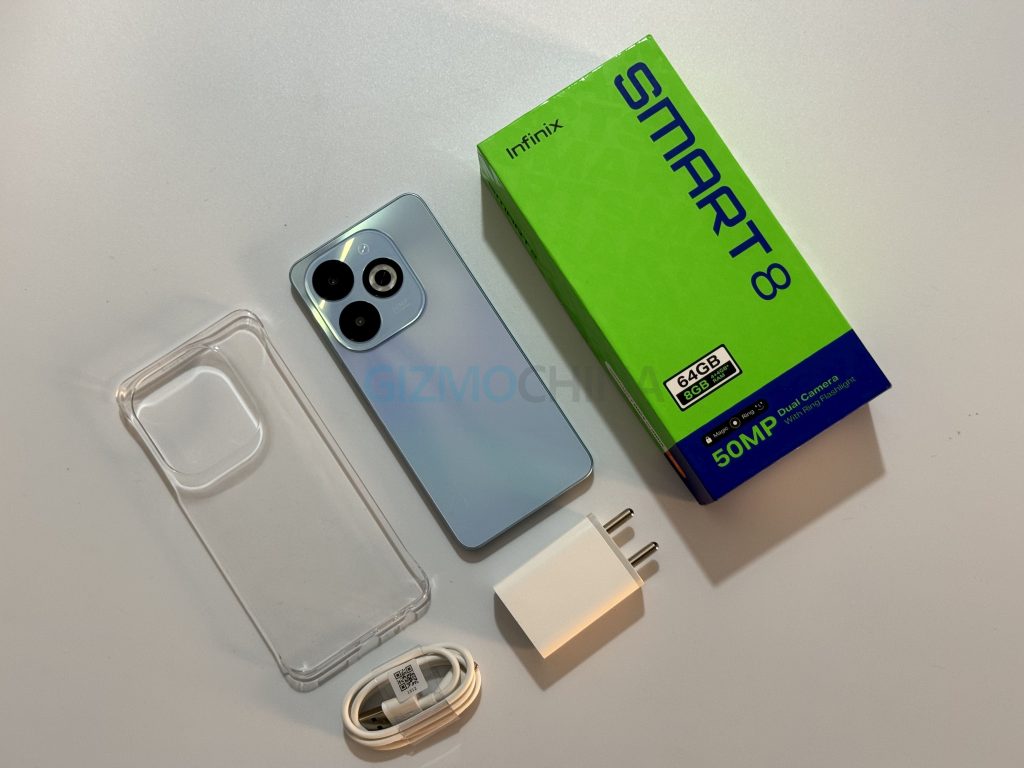
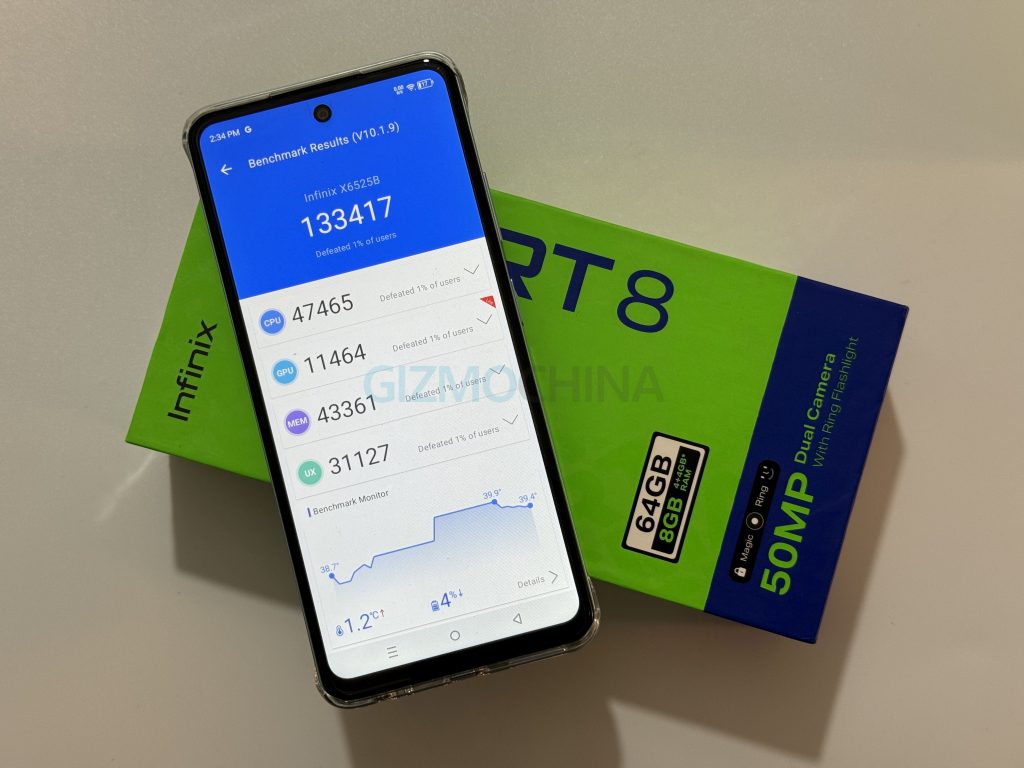
The Infinix Smart 8 was announced on Jan. 13 in India and is already available for purchase via Flipkart. For those seeking a phone around Rs 6,000 (~$72), the company offers the Smart 8 HD, and in the Rs 7,000 (~$84) segment, it provides the Smart 8. These offerings mirror Redmi’s A2 and A2 Plus, which are nearly identical phones with only a few differences. The Smart 8 and Smart 8 HD (hands-on) are powered by different chipsets, feature distinct primary cameras, and come with varying amounts of RAM. Here is a hands-on post on what to expect from the Smart 8.
Infinix Smart 8: Unboxing and First Impression
Infinix Smart 8
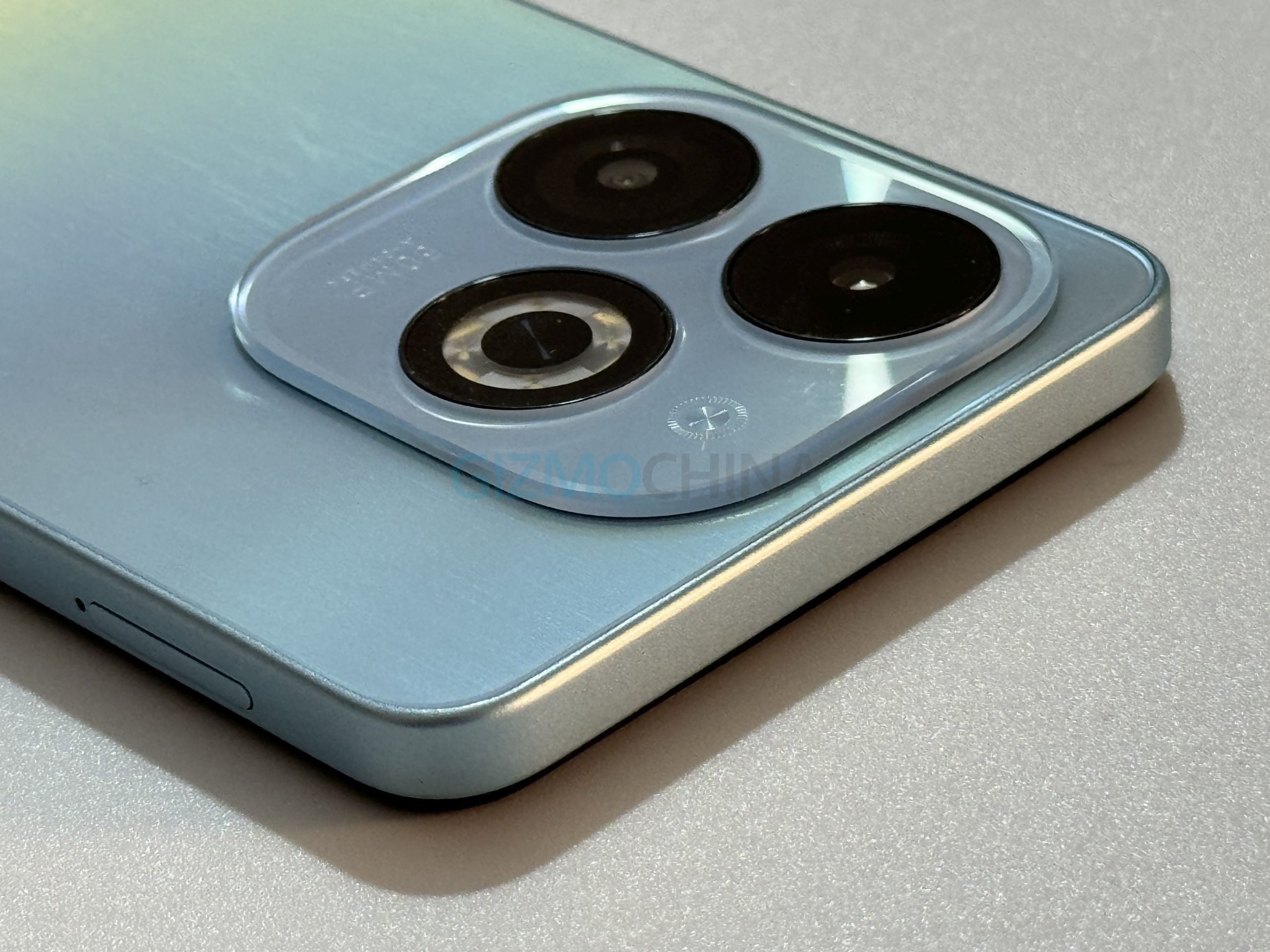
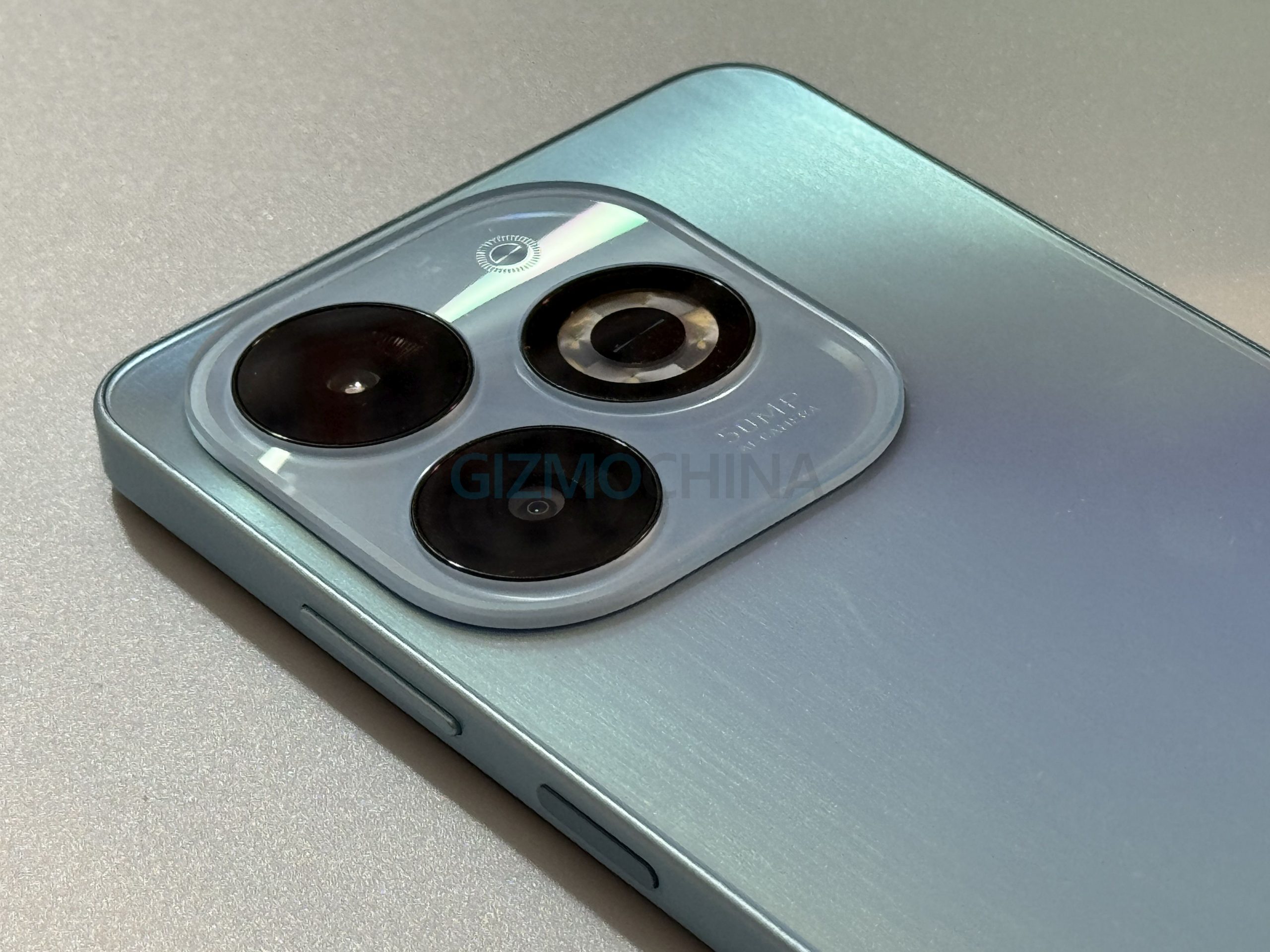
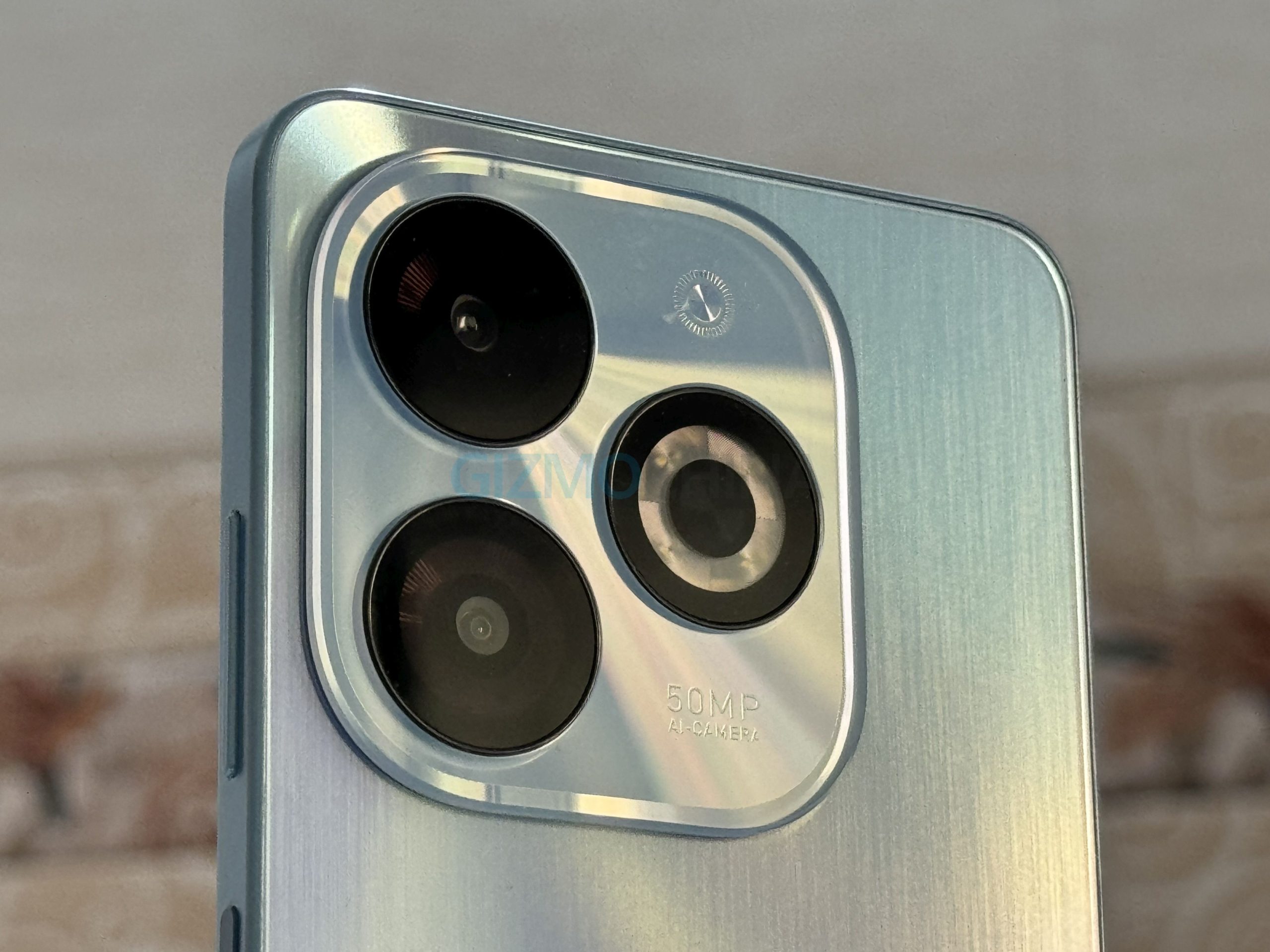
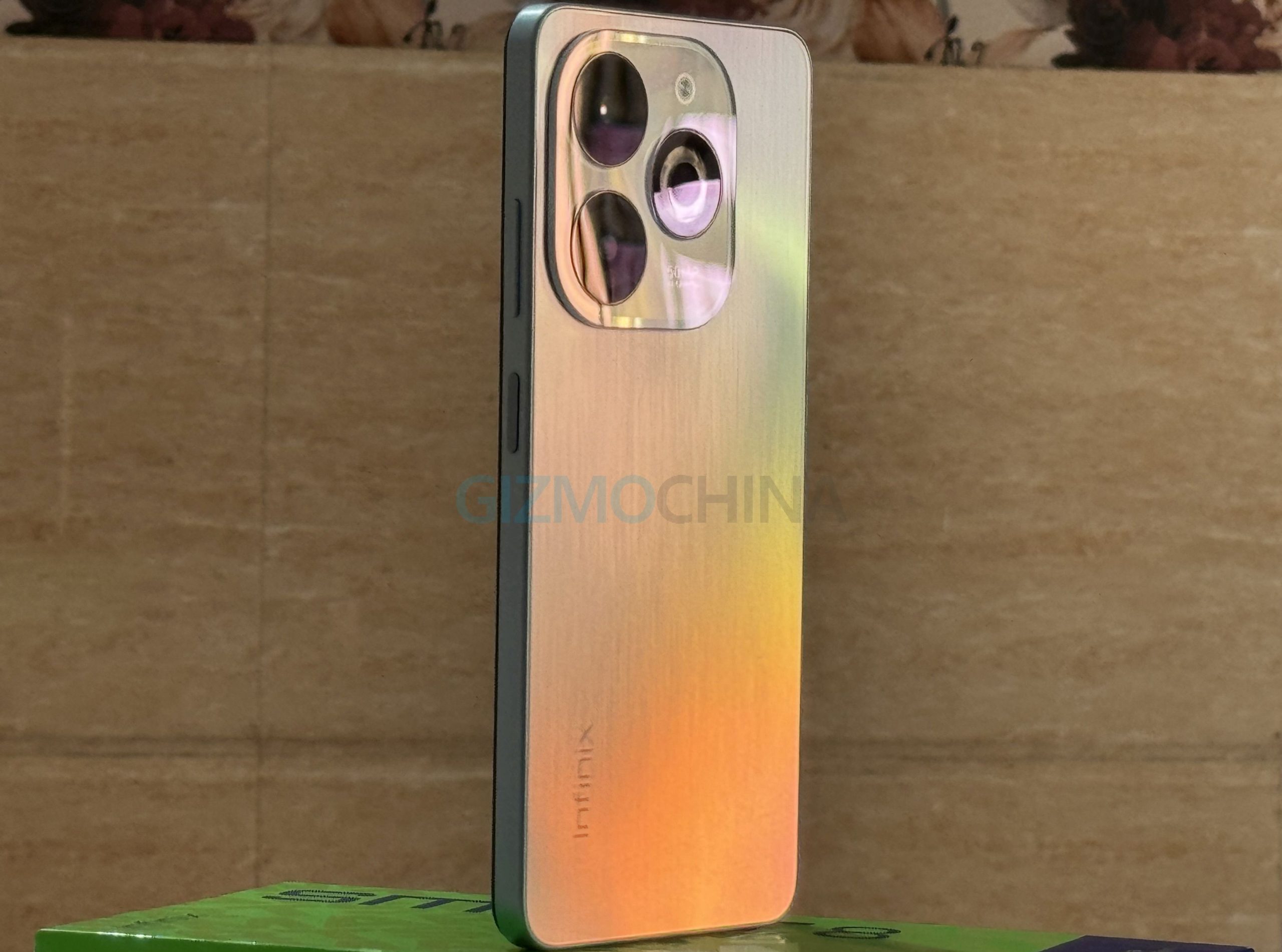
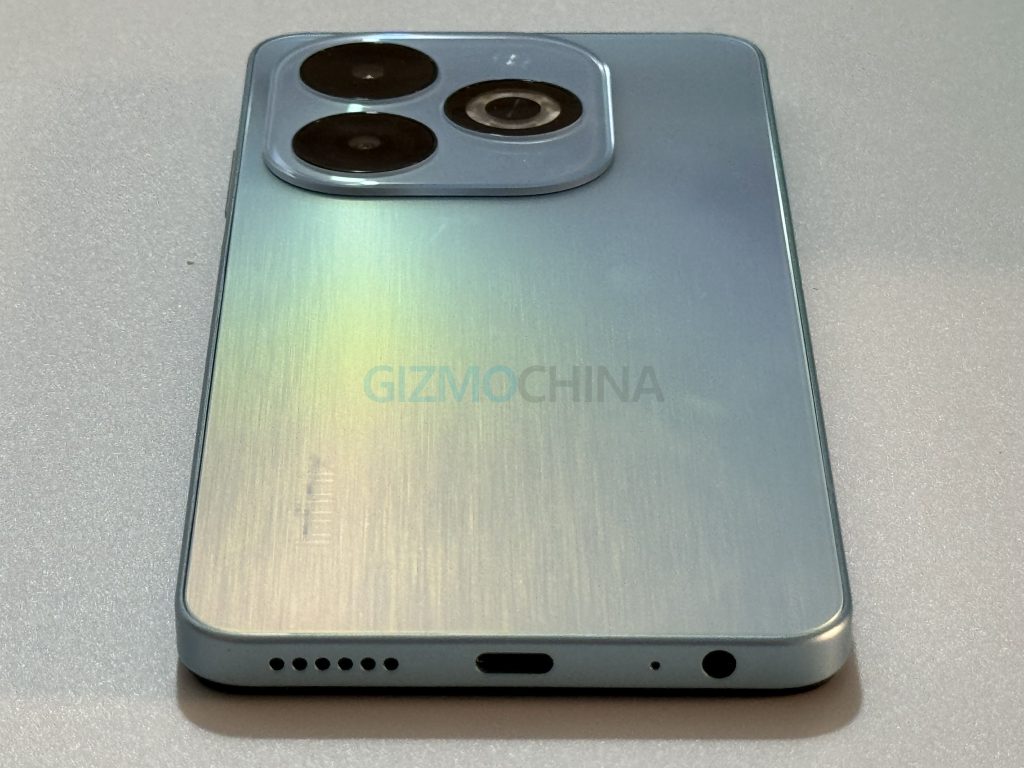
Undoubtedly, the Infinix Smart 8 stands out as a remarkably designed phone within its price range. The Rainbow Blue color variant, as depicted in the images, appears light blue at a cursory glance. However, when viewed from various angles, it reveals an array of shades, including pink, purple, yellow, and light green. The back panel of the phone features a timber-textured finish, while the front showcases a punch-hole screen with a noticeable bottom bezel. Notably, the overall design of the phone closely resembles that of the Smart 8 HD.
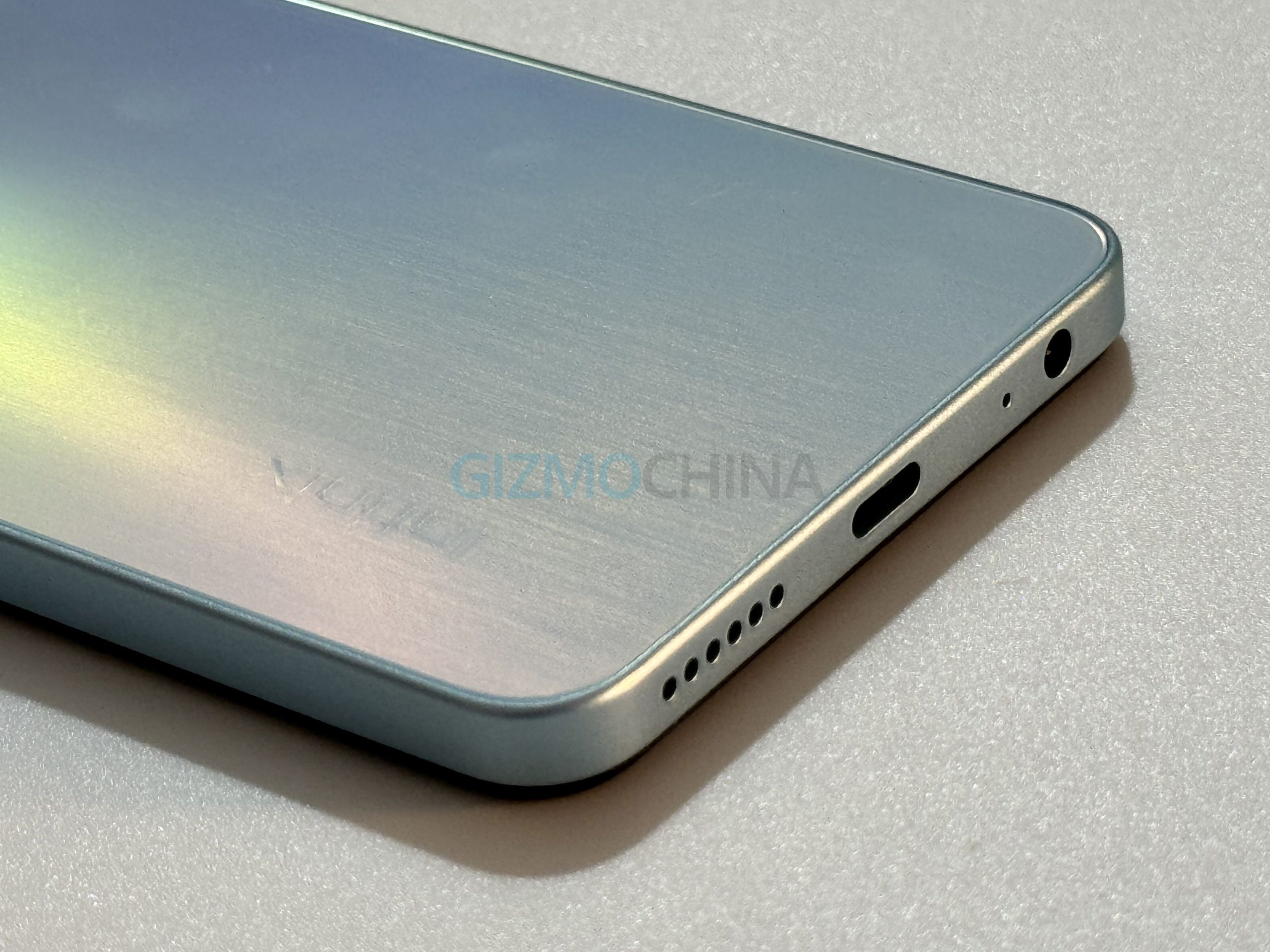
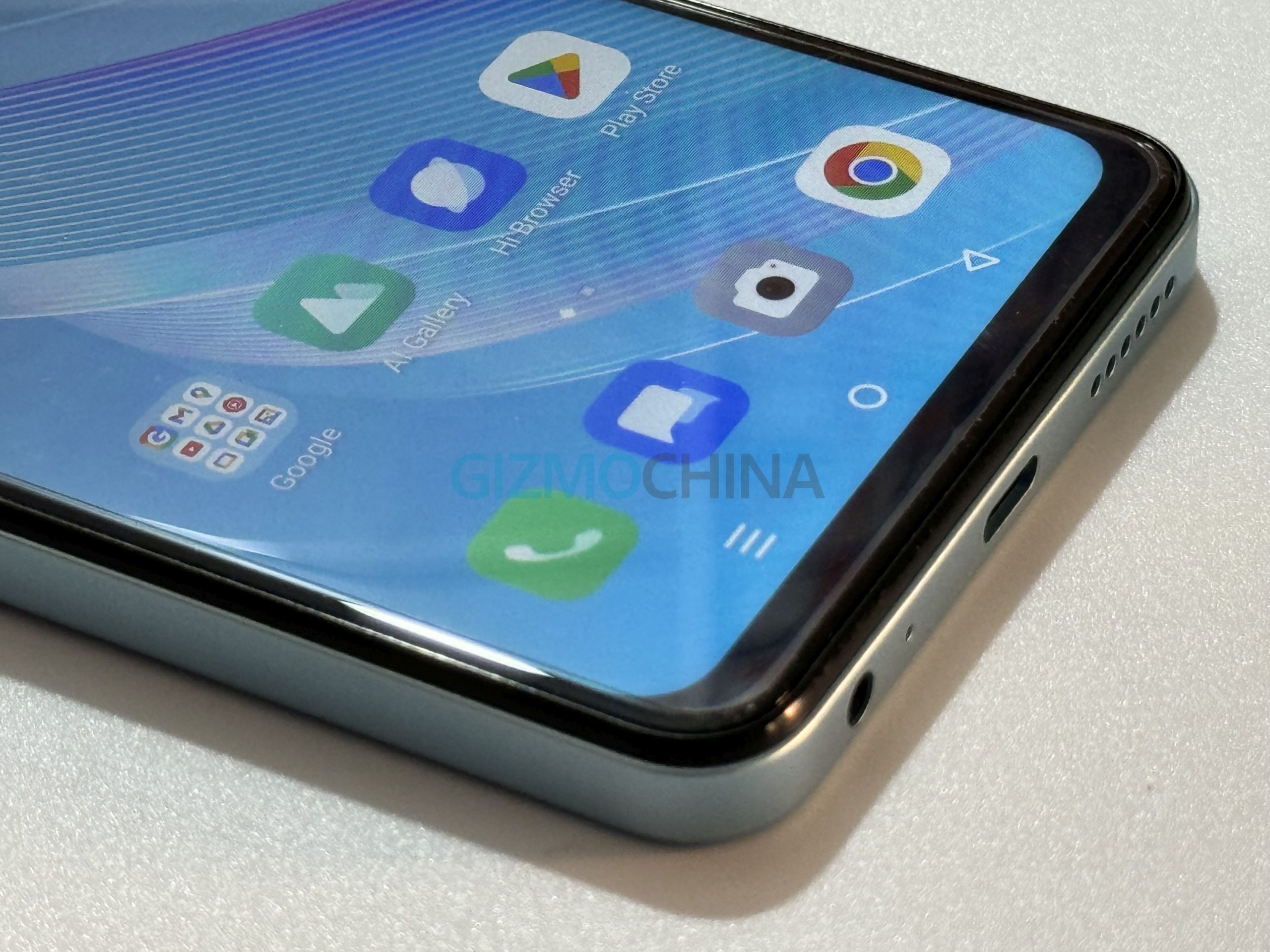
The top edge of the phone has “Designed by Infinix” branding, whereas its opposite end features a 3.5mm audio jack, a microphone, a USB-C port, and a speaker. The left spine has a SIM slot, while the right edge is equipped with a volume rocker and a power key. It weighs 189 grams and has a thickness of 8.5mm.
Display
Infinix Smart 8Infinix Smart 8
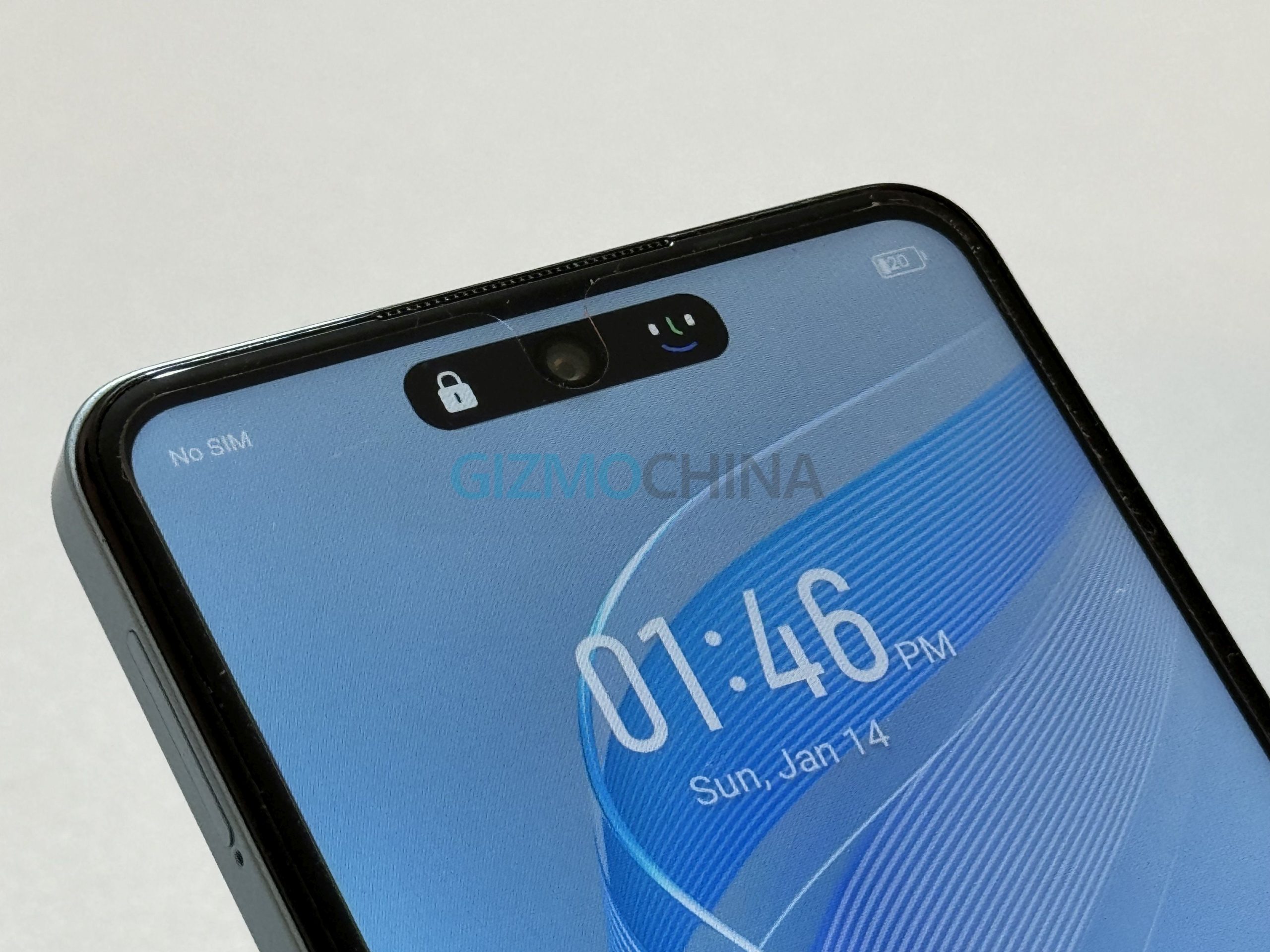
Starting from the front, the Infinix Smart 8 sports an LCD panel measuring 6.6 inches diagonally. It supports an HD+ resolution of 720 x 1612 pixels and a 90Hz refresh rate. The screen is shielded by a layer of NEG glass. Distinguishing itself from most other phones in the same price segment, the Smart 8 opts for a contemporary punch-hole display design instead of the conventional waterdrop notch screen. In terms of visibility, it is optimal for indoor use; however, under bright sunlight, users might encounter difficulties viewing the display contents even when the brightness is set to the highest level.
Performance
Infinix Smart 8
The Smart 8 features the MediaTek Helio G36, also found in devices like the Poco C51, Redmi A2, and Redmi A2 Plus. The device offers 4 GB of LPDDR4x RAM and 4 GB of virtual RAM for efficient multitasking while handling apps. There’s 64 GB of UFS 2.2 storage onboard and a dedicated microSD card slot for additional storage. In comparison, the Smart 8 HD has the Unisoc T606 chip, 3 GB of RAM, and 64 GB of storage.
The availability of the Magic Ring feature via XOS 13 (based on Android 13 Go) makes the phone capable of showcasing animated notifications around the display punch-hole for face unlock, background calls, charging, charging completion reminder, and low battery reminder. While there are around 40 preloaded apps on the device, it does not have unnecessary or shady apps despite being a low-priced device.
The Smart 8 packs a 5,000mAh battery but does not have a microUSB port like the above-mentioned competing phones. Instead, it offers a USB-C port, providing more convenient charging in line with modern connectivity standards. As far as charging speedi is concerned, it takes around two hours to achieve a full charge.
Camera and Other Features
Infinix Smart 8
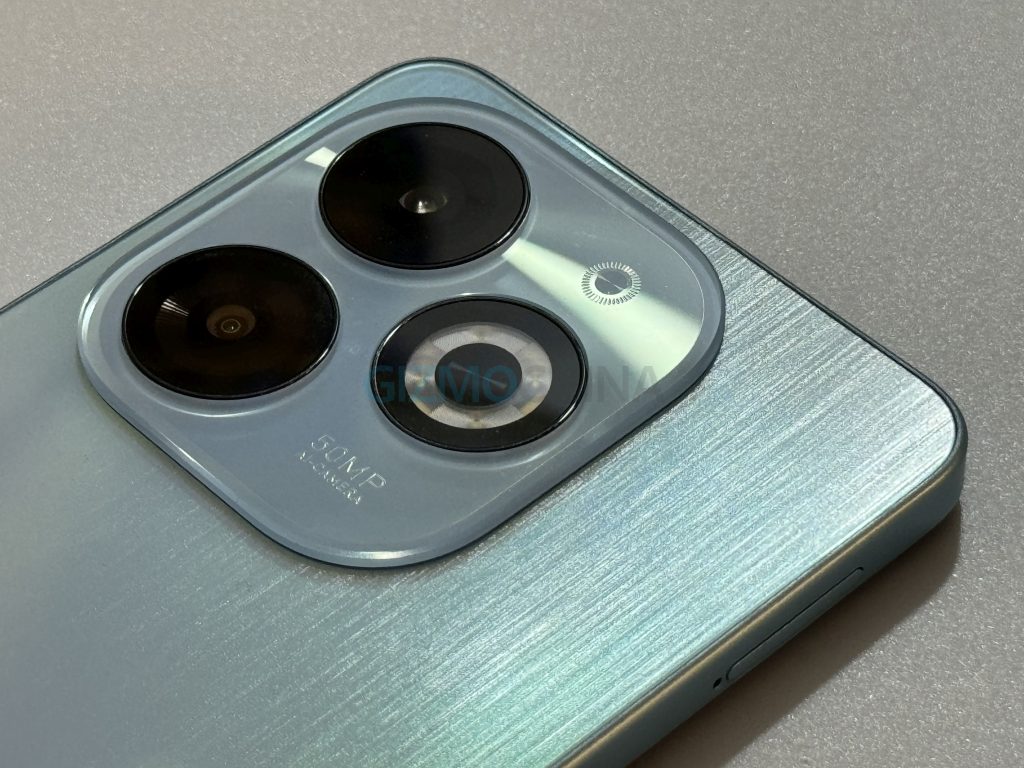
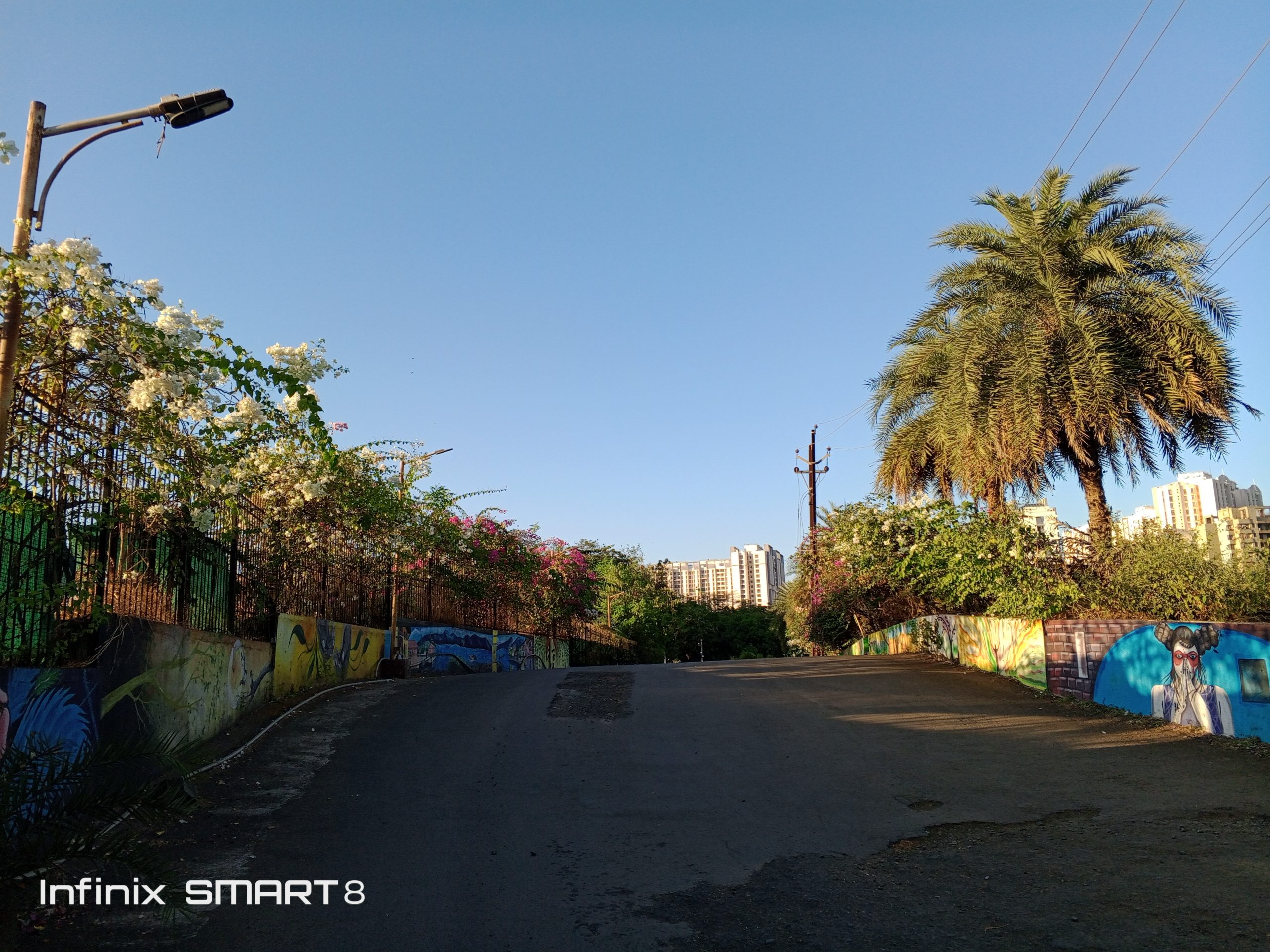
On the back, the Smart 8 features a 50-megapixel main camera (compared to the 13-megapixel camera on the Smart 8 HD), an AI lens, and a quad-LED ring flash. While expectations may be modest for a Rs 7,000 (~$72) phone in terms of photography, the Smart 8 endeavors to provide a decent photography experience, particularly in well-lit conditions. An 8-megapixel camera with an LED flash that boosts brightness for selfies in low light is located on the front.
1x2x zoom
For security, the Smart 8 features a side-facing fingerprint scanner and face unlock, both functioning flawlessly. There is a single bottom-firing speaker with DTS Audio processing, providing decent output only when the volume is set at 70 or 80 percent. Higher volume results in a noticeable slight distortion in sound output.
Overall Impression
Infinix Smart 8
The Infinix Smart 8 is a good option to consider if you are looking for a phone priced around Rs 7,000 (~$84). It is good to see the brand offering an impressive design, a high refresh rate display, a 50-megapixel camera, a big battery with USB-C charging, and a side-facing fingerprint scanner on such a low-priced device.
Price and Availability
The Smart 8, priced at Rs 7,499 (~$90), costs Rs 1,200 (~$14) more than the entry-level Smart 8 HD. Buyers can benefit from a 10 percent discount using ICICI debit and credit cards, and can get it for Rs 6,749 (~$81). Like other Infinix phones, the Smart 8 can be purchased through Flipkart. Apart from Rainbow Blue, the Smart 8 can be bought in shades, such as Galax White, Timber Black, and Shiny Gold.
Disclaimer: All opinions in this Infinix Smart 8 hands-on post are mine and based on my own experiences. There has been no editorial input from Infinix.
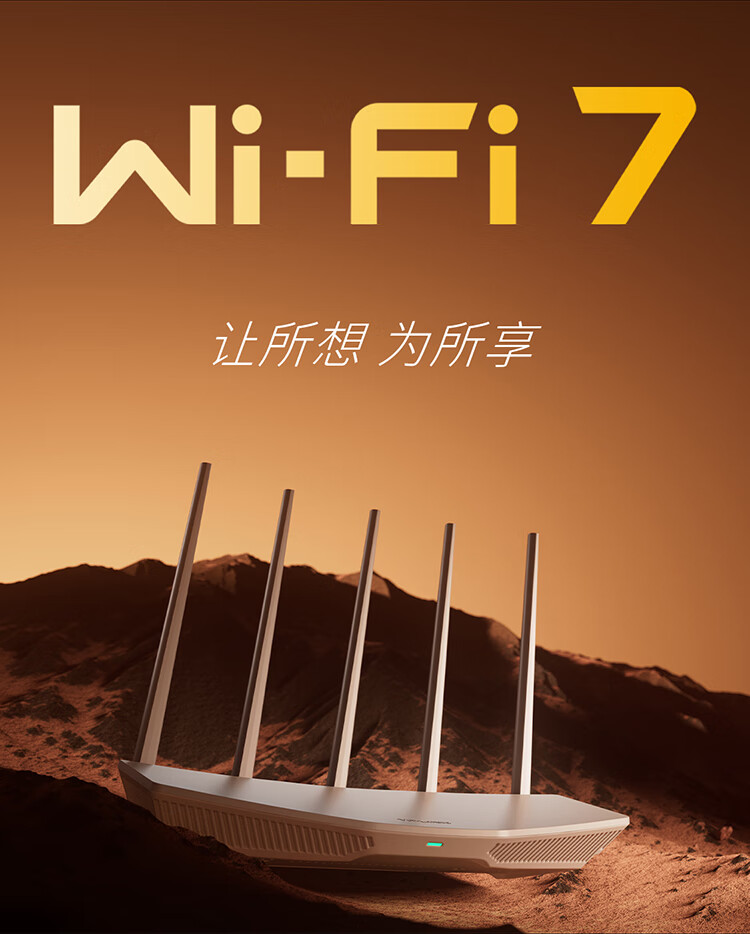
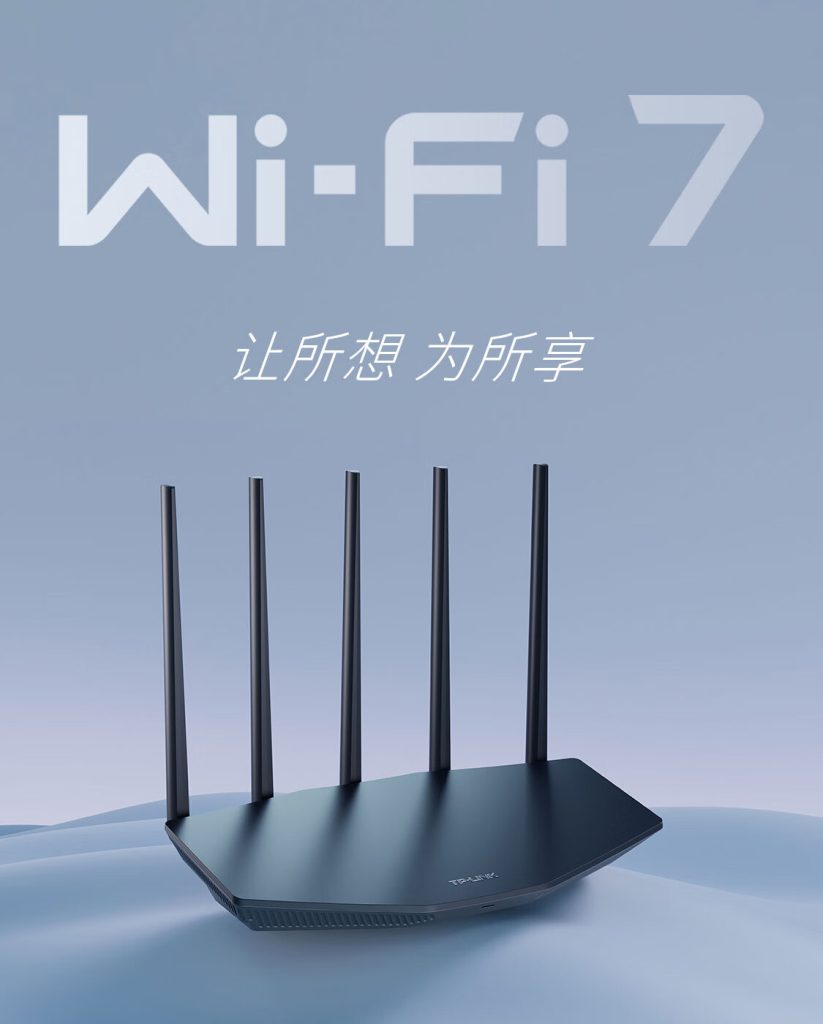
TP-LINK, a renowned manufacturer in the network equipment industry, announced three new Wi-Fi 7 routers last year: the BE3600, BE5100, and BE6500, with prices ranging from 229 Yuan ($32) for the BE3600 to 559 Yuan ($78) for the BE6500. These routers are now available for purchase in China from JD.com.
TP-LINK’s New Wi-Fi 7 Router Series
The BE3600 is priced at 229 Yuan ($32) and offers dual-band capabilities with a speed of up to 3600Mbps. It includes four Gigabit Ethernet ports and supports both dual WAN and LAN port aggregation, making it a versatile choice for standard home networking needs.
At 279 Yuan ($39), the BE5100 model steps up in performance with dual-band speeds of 5100Mbps. It features one 2.5G Ethernet port and three Gigabit Ethernet ports, also supporting dual WAN and LAN port aggregation. This model is suitable for users needing higher speeds and more robust connectivity options.
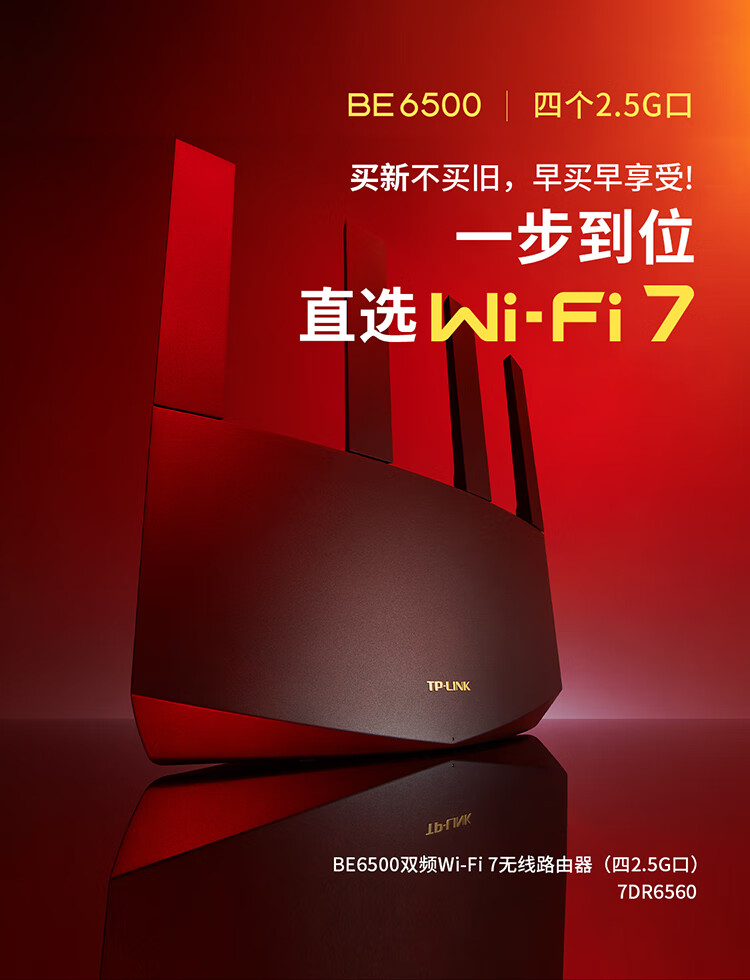
The BE6500, priced at 559 Yuan ($78), is a high-end option offering up to 6500Mbps speed. It is equipped with four 2.5G Ethernet ports and includes six high-power independent FEM amplifiers. This router is particularly well-suited for users with advanced networking requirements, such as gaming or high-bandwidth streaming.
Key features shared across these routers include MLO dual-band stacking, Xtra Range 2.0 technology (excluding the BE6500), which enhances the 5GHz band’s coverage, built-in gaming accelerators, support for frequency band and routing binding, and compatibility with remote PC wake-up and EasyMesh 3.0 networking.
Meanwhile, Xiaomi is also set to launch its most affordable Wi-Fi 7 router, the BE 3600, on January 30th in China, with a price expected to be below 299 yuan ($43). The router features a 2.5Gbps high-speed network port, a 4-core chip, and IoT connectivity for managing smart home devices, expanding Xiaomi’s Wi-Fi 7 router lineup.
Intel continues to expand its product family. In this regard, the company recently showcased its new 14th-Gen mobile and desktop CPU lineup at CES 2024. However, competition with AMD is more intense than ever. Consequently, Intel aims to achieve success in different markets through diverse marketing strategies and products. The latest example of this is the release of the Core i7-14790F and i5-14490F processors, available exclusively in China. Here are the details…
Unveiling the Core i7-14790F and i5-14490F Processors for China
Intel recently released a new processor, the Core i7-14790F, featuring 16 cores and a maximum frequency of 5.40 GHz. It’s specifically available in China and can be identified by its black packaging. Despite its higher numerical designation compared to the i7-14700F, it has 4 fewer CPU cores. The cache increases by 3MB in line with the usual series. On the JD platform’s official store, these processors are priced at 2,909 yuan.
In addition, Intel also released the i5-14490F with a lower configuration, which has 10 cores and 16 threads, a turbo frequency of 4.9 GHz, and 24 MB of cache. It is priced at 1,659 yuan. The i5-14400F with a turbo frequency of 4.7 GHz and 20 MB of cache is also priced at 1,659 yuan.
The Core i7-14790F has a base frequency of 3.60 GHz and a TDP of 125 W
The Core i5-14490F has a base frequency of 3.20 GHz and a TDP of 65 W
Both processors are based on the Alder Lake-S architecture and use the LGA 1700 socket
The release of these processors is a sign that Intel is continuing to invest in the Chinese market. The company has been facing increasing competition from AMD in recent years, and these new products could help it regain market share.
The Redmi Watch 4 debuted in China alongside the Redmi K70 series in late November, One and a half months later, the wearable has made its way to international markets today as scheduled.
The latest Redmi-branded wearable brings numerous upgrades in terms of hardware. In China, it even ships with HyperOS but that’s not the case for global markets.
Even without Xiaomi’s latest software, the Redmi Watch 4 is still an exciting product outside mainland China.
Redmi Watch 4 Specifications
The Redmi Watch 4 features an aluminum alloy frame. It also comes with a stainless steel crown and a quick-release strap.
The wearable sports a 1.97-inch rounded rectangular AMOLED display. The LTPS 5Hz screen offers a 60Hz refresh rate and 600 nits peak brightness level. It supports over 200 watch faces and auto brightness via an ambient light sensor.
The watch arrives with a 4-channel PPG sensor for heart rate and blood oxygen level monitoring. It also houses an accelerometer, gyroscope, and GPS for over 150 sports modes.
It offers all the standard features, such as sleep tracking, stress monitoring, weather, stopwatch, app notifications, and others. There’s also a built-in microphone and a speaker for Bluetooth calling.
The wearable is water resistant up to 5 ATM. Lastly, it is backed by a 470mAh battery, which is rated to last for up to 20 days on normal usage.
Redmi Watch 4 Price
The Redmi Watch 4 carries a suggested retail price of $107. It comes in two colors, such as Silver Gray and Obsidian Black.
Customers can opt for different-colored straps separately for an additional price.
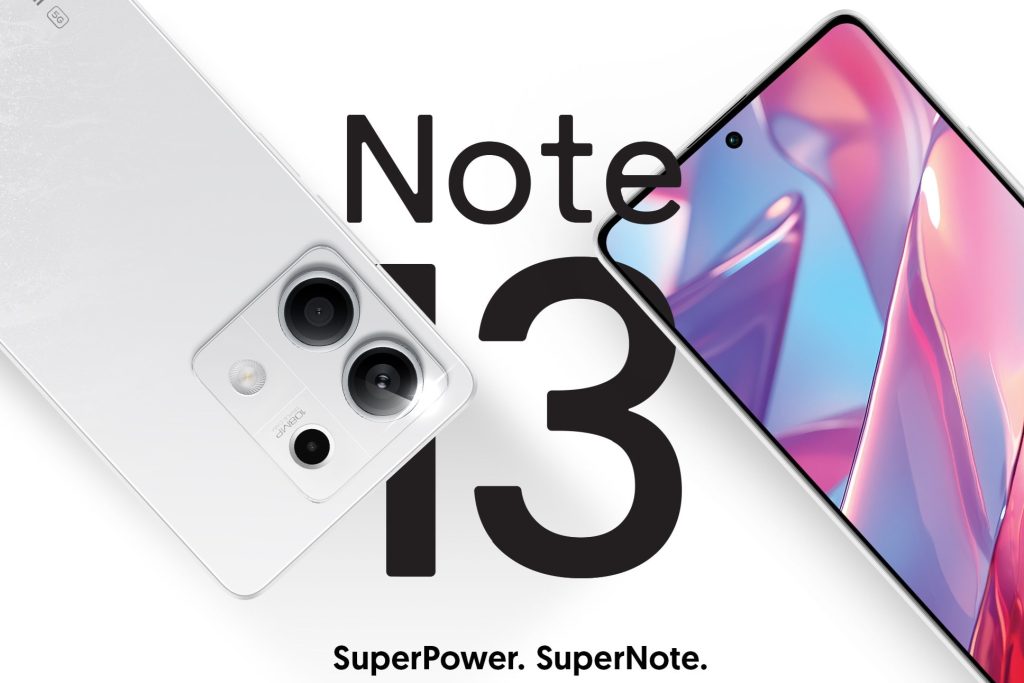
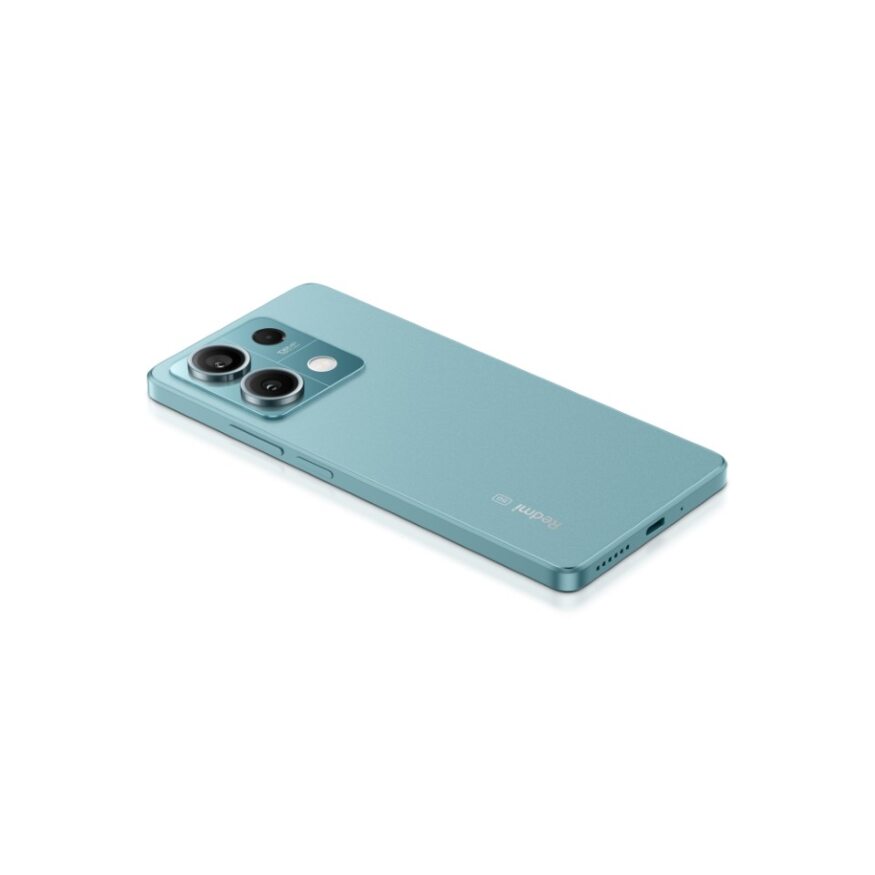
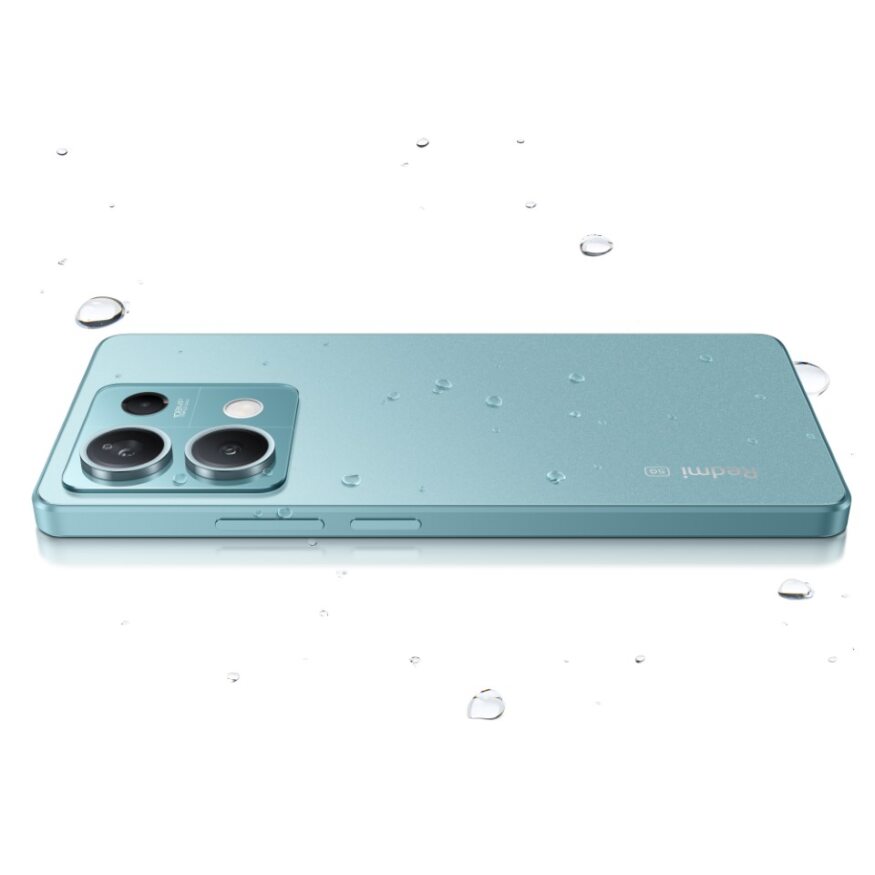
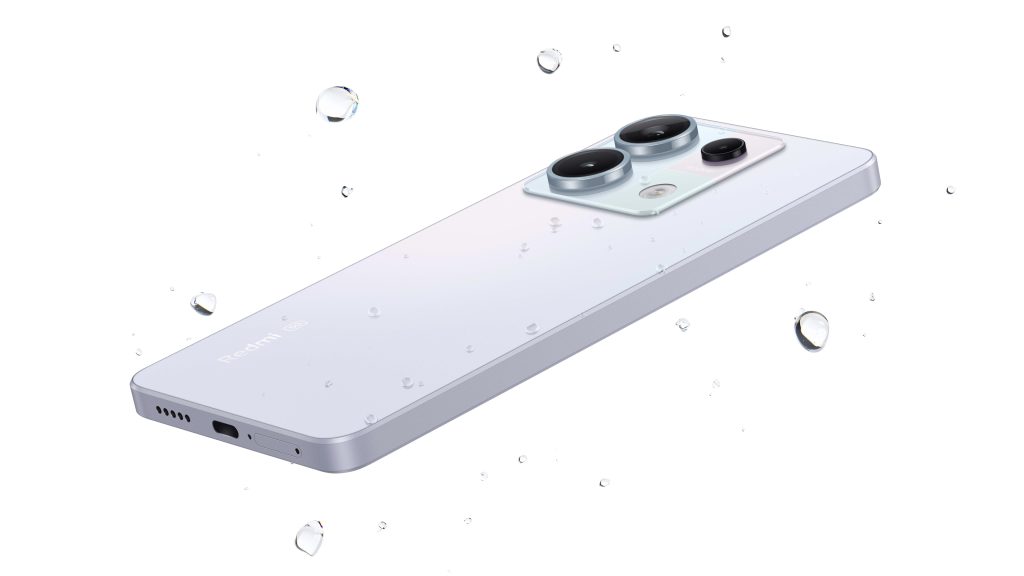
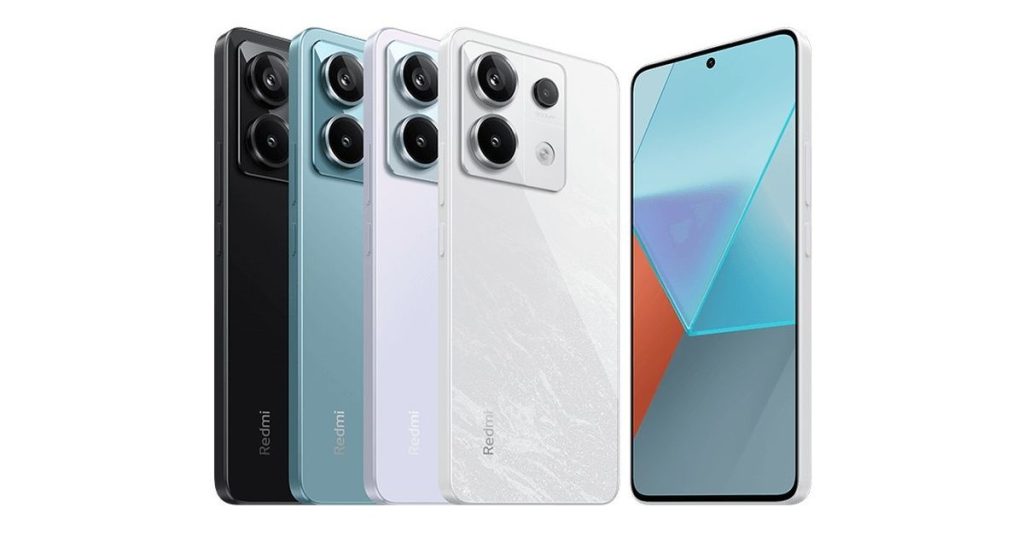
Redmi recently introduced a new range of devices globally, including the Note 13 Pro 5G series, the Note 13 4G series, the Redmi Watch 4, and the Redmi Buds 5 Pro. Adding to the mix is the budget-friendly Note 13 5G, offering an appealing hardware package.
Redmi Note 13 5G specs
The Redmi Note 13 5G showcases a 6.67-inch FHD+ AMOLED display with a 120Hz refresh rate and a peak brightness of 1000 nits. The screen’s contrast ratio of 5,000,000:1 and TÜV Rheinland certifications for Circadian Friendly, Flicker-Free, and Low Blue Light contribute to a comfortable viewing experience. The display resolution is 2400 x 1080, and it is protected by Corning Gorilla Glass 5.
Underneath, the device is powered by the MediaTek Dimensity 6080 SoC, featuring an octa-core processor with speeds up to 2.4GHz. Storage options include 6GB+128GB or 8GB+256GB, with expandable storage up to 1TB.
The Redmi Note 13 5G is equipped with a large 5,000mAh battery, supporting 33W fast charging via the included USB-C charger. The camera setup includes a 108MP main camera, an 8MP ultra-wide camera, a 2MP macro camera, and a 16MP front camera. The device has a 3.5mm headphone jack and offers Dolby Atmos support. Security features include a side fingerprint sensor and AI Face Unlock.
Connectivity options encompass SIM 1 + Hybrid (SIM or microSD), Wi-Fi at 2.4GHz and 5GHz, Bluetooth 5.3, NFC for wireless communication, and an IR Blaster for added convenience.
Pricing & availability
The Redmi Note 13 5G is available in Graphite Black, Ocean Teal, and Arctic White, with pricing starting from a suggested retail price of USD 229, making it a compelling choice for users seeking an affordable yet feature-rich device.
Mchose has introduced a new mechanical keyboard, the G98, in the Chinese market, which is currently available for pre-order at a price of 199 yuan ($28). Let’s check out the key specs of this keyboard.
Mchose G98 Specifications:
The G98 keyboard features a unique 98-key layout that includes numerical keys for practical daily use. It offers hot-swappable keys, providing flexibility for users to easily change switches. It provides a wide range of switch options, including TTC Ice, Kailh custom Nightfire, KTT Kangtong special Wisteria, and LEOBOG Greywood switches, accommodating different typing preferences and styles.
The keyboard also boasts an impressive array of technical specifications. It includes the Gasket structure and five layers of sound-dampening padding for reduced noise and improved typing experience. It features a 1.2mm single-slot PCB design for durability and attractive underglow lighting. The keyboard comes with dual-color PBT keycaps known for their durability and style, with an option to upgrade to MDA high-profile keycaps for a more personalized touch.
In terms of connectivity and performance, the G98 is a powerhouse. It offers three modes of connection: Type-C wired, 2.4GHz wireless, and Bluetooth, providing versatility for different user needs. The keyboard has a low wireless latency of just 3ms, ensuring a smooth and responsive gaming experience. Additionally, it’s equipped with a substantial 10,000mAh battery, which is quite large for a keyboard, offering extended use without frequent charging.
Aesthetic appeal is not overlooked in the G98. It features customizable RGB backlighting with an impressive range of 16 million colors, allowing users to create their desired ambiance or match their gaming setup. The keyboard’s dimensions are 389.2mm x 129.2mm x 41.9mm, making it a substantial yet manageable size for most desks.
The Mchose G98 keyboard boasts an ergonomic design with double-level adjustable feet for comfortable extended use. It also includes a magnetic nameplate for personalization and style.
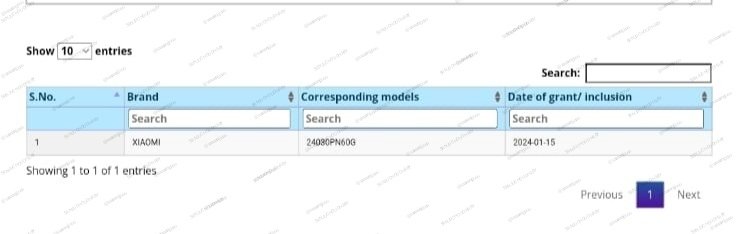
Xiaomi is reportedly working on the Xiaomi 14 Ultra. The device has surfaced in leaks and rumors plenty of times along with hands-on images recently. The top-of-the-line flagship smartphone from the company is expected to debut in April. The Xiaomi 14 Ultra has already bagged EEC and IMEI certifications. Now, the device has been spotted on the Bureau of Indian certification website.
Xiaomi 14 Ultra passes BIS
The Xiaomi 14 Ultra is listed with model number 24030PN60G on the BIS certification website. The model number is the same as the one found on the EEC and IMEI database. The BIS listing suggests that the Xiaomi 14 Ultra could debut in India. If this indeed turns out to be true, the brand may make a comeback with the Ultra model after nearly three years since it launched the Mi 11 Ultra way back in 2021.
Alongside the BIS certification listing, the X (formerly Twitter) user has also shared the Geekbench scores of the Xiaomi 14 Ultra codenamed Xiaomi Suiren. It logs 2,267 and 6,850 points in the benchmarking platform’s single-core and multi-core test results respectively.
As per leaked images, the Xiaomi 14 Ultra will have a huge protruding square camera bump. The upcoming flagship is rumored to feature an under-display camera technology, satellite communications, and an ultrasonic fingerprint scanner. It is tipped to come with a 1440p quad-curved display. The Xiaomi 14 Ultra is expected to come with four 50MP camera sensors with the primary lens featuring Sony LYT 900 sensor. Since the device will be a flagship offering, it will be powered by a Snapdragon 8 Gen 3 SoC.
We often talk a lot about Apple products, not just because of their features but also because they can be quite expensive. Because Apple is famous for making high-quality products so they usually charge higher prices. However, Apple occasionally surprises everyone by offering discounts during special occasions, with the latest being a rare Lunar New Year promotion in China, featuring reduced prices on all its major products, including the iPhone, iPad, MacBook, AirPods, and more. Here are the details…
Apple’s Lunar New Year Discounts in China Revealed
Apple’s Lunar New Year promotion offers a fantastic chance to get a new device at a discounted price. If you’re living in China and looking to purchase a new Apple product, such as the iPhone 15 Pro, iPhone 15 Pro Max, iPhone 15, iPhone 15 Plus, iPhone 14, iPhone 14 Plus, or iPhone 13, customers can benefit from discounts of up to 500 RMB (about $70). Similarly, if you buy a 13-inch or 15-inch MacBook Air (M2 chip model) or a 13-inch MacBook Air (M1 chip model), you can save up to 800 RMB.
Apple didn’t forget users who want an iPad. You can save up to 400 RMB when you purchase iPad Pro, iPad Air, iPad (10th generation), or iPad mini. Those buying Apple Watch SE can enjoy a discount of 200 RMB, while AirPods unfortunately only have a 100 RMB discount, making it the least discounted Apple product. If you want to take advantage of these discounted Apple products, simply click here to access the company’s Chinese website.
Discounts available from January 18 to 21. So, if you want to buy an affordable iPhone, you must act quickly. Apple, despite not favoring the term “discount,” made this decision due to competition. As you know, China is the world’s tech hub, and due to local manufacturers, there is unprecedented competition in the smartphone market. So, the company needs to do promotions during events like Lunar New Year to increase sales because of tough competition. Even Apple bows to consumers when market conditions are favorable, underscoring the importance of a competitive environment.
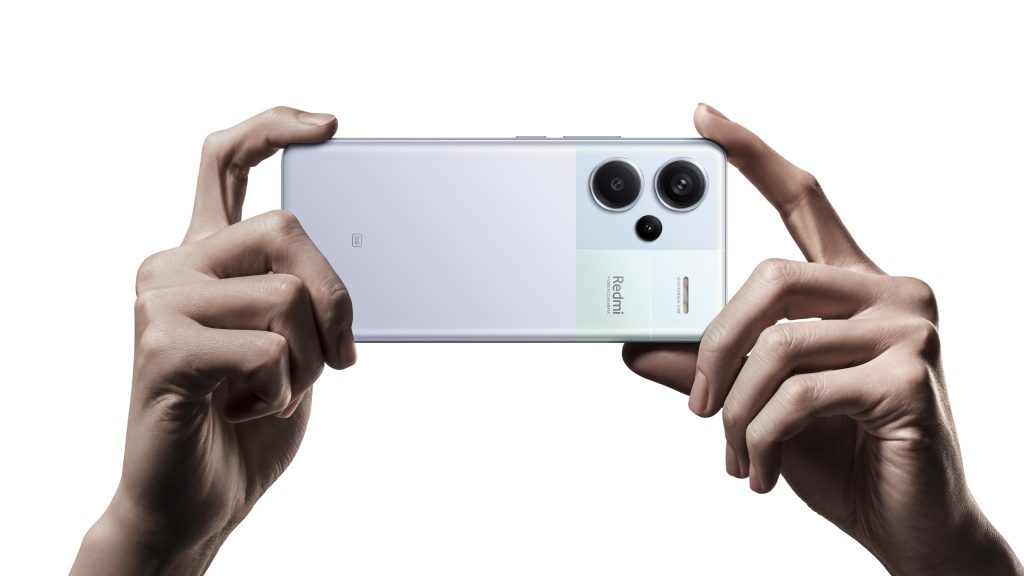
Redmi has debuted its Note 13 Pro 5G series smartphones on the global stage, after launching these devices earlier this month in India. The global lineup has two Pro series 5G models, namely the Redmi Note 13 Pro+ 5G and Note 13 Pro 5G. Keep reading to learn about their specs and features.
Redmi Note 13 Pro 5G series specs:
The Redmi Note 13 Pro+ 5G features a 6.67-inch CrystalRes AMOLED display with a smooth 120Hz refresh rate and a bright 1800nits peak brightness. The screen resolution is 2712 x 1220 (1.5K), protected by tough Corning Gorilla Glass Victus. It supports Dolby Vision and holds certifications from TÜV Rheinland for viewer comfort. Compact at 161.4mm x 74.2mm x 8.9mm and lightweight at 204.5g, it has an IP68 rating for water and dust resistance.
Powered by the MediaTek Dimensity 7200-Ultra, the phone comes with two storage and RAM options: 8GB+256GB or 12GB+512GB. The battery is quite large at 5,000mAh and supports 120W HyperCharge technology, with a 120W charger included in the box and a USB-C connection.
The camera setup is quite impressive, with a powerful 200MP main camera, an 8MP ultra-wide camera, a 2MP macro camera, and a 16MP front camera. The audio features include dual speakers and Dolby Atmos support, providing a high-quality sound experience. Security is taken care of by an in-screen fingerprint sensor and AI Face Unlock. Connectivity options cover dual SIM (nano SIM + nano SIM or nano SIM + eSIM), Wi-Fi 6, Bluetooth 5.3, NFC for wireless communication, and an IR Blaster for added convenience.
The Redmi Note 13 Pro 5G shares the same 6.67-inch CrystalRes AMOLED display with similar specifications. It is powered by the Snapdragon 7s Gen 2 and comes with two storage and RAM options: 8GB+256GB or 12GB+512GB. The battery is 5,100mAh and supports 67W turbo charging, with a charger included in the box and a USB-C connection.
Redmi Note 13 Pro
The camera setup and audio features are similar to the Pro+ variant, providing a good photography and audio experience. Connectivity options include dual SIM (nano SIM + nano SIM or nano SIM + eSIM), Wi-Fi at 2.4GHz and 5GHz, Bluetooth 5.2, NFC, and an IR Blaster, ensuring comprehensive connectivity for various needs.
Pricing & availability
The Redmi Note 13 Pro+ 5G is available in Midnight Black, Moonlight White, and Aurora Purple color options, offering two storage choices. The starting retail price (for 8GB+256GB) will be $400.
As for the Redmi Note 13 Pro 5G, it comes in Midnight Black, Ocean Teal, and Aurora Purple color variants, also providing two storage options. The starting retail price (for 8GB+256GB) begins at $304.
As scheduled, Xiaomi took wraps off the Redmi Note 13 series for international markets other than India today. The lineup adds two more devices bringing the total count to five.
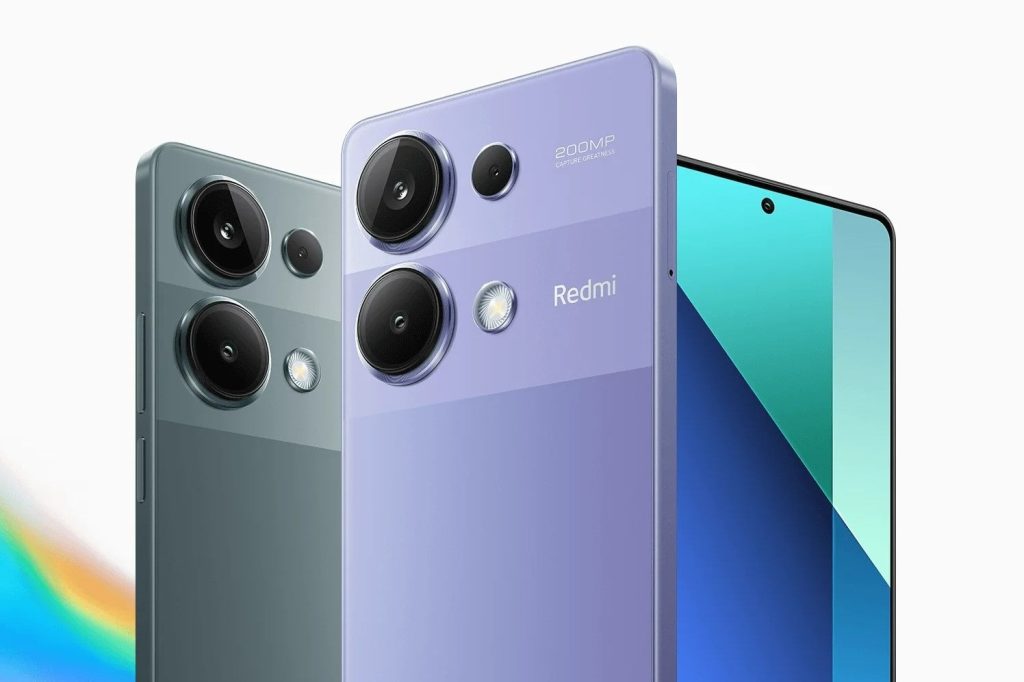
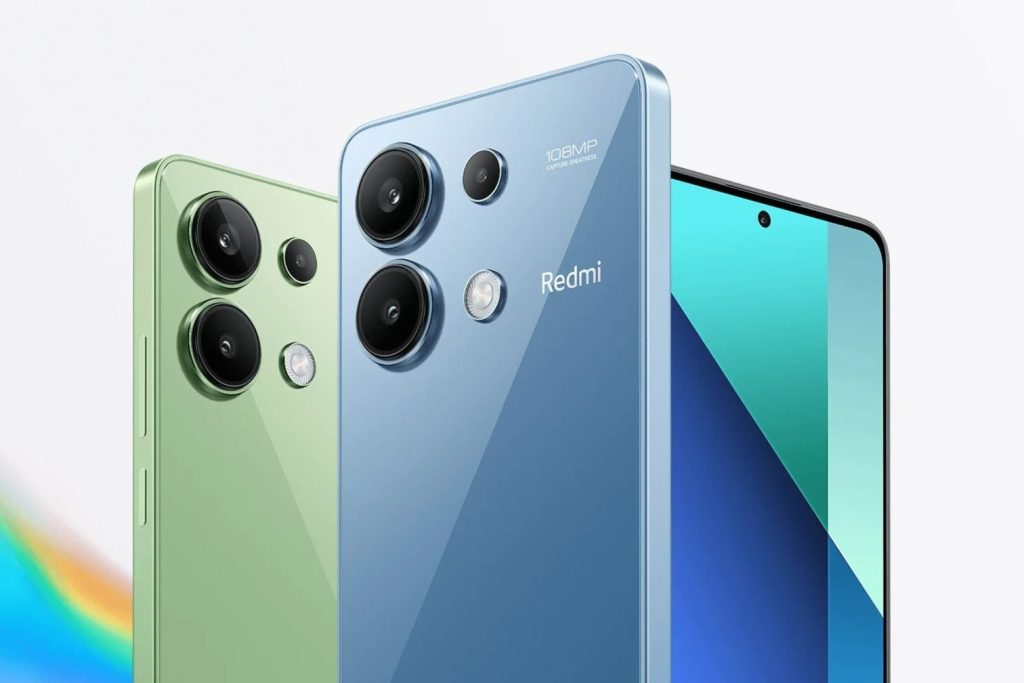
The series gets two 4G-only devices called Redmi Note 13 and Redmi Note 13 Pro. Both these phones are almost the same as their 5G counterparts with their chipsets being the major differentiators.
Let’s go through these LTE handsets in this article. You can learn about the original three 5G models here.
Redmi Note 13 Pro 4G
Redmi Note 13 4G Series Specifications
The 4G-only Redmi Note 13 duo flaunts a 6.67-inch centered punch-hole AMOLED display with a resolution of 2400 x 1080 pixels and a 120Hz refresh rate.
The panel on the vanilla model can touch a peak brightness level of 1800 nits and is protected by older Corning Gorilla Glass 3. Whereas the screen on the pro variant gets Corning Gorilla Glass 5 protection and its peak brightness level is lower at 1300 nits.
The standard version has a Qualcomm Snapdragon 685 chip as opposed to a MediaTek Helio G99-Ultra inside the pro model. Anyways, both use LPDDR4x RAM and UFS 2.2 storage. As for software, they boot MIUI 14 based on Android 13.
Talking about cameras, the phones arrive with an 8MP ultrawide unit, a 2MP macro snapper, and a 16MP selfie shooter. The primary camera is a 200MP unit on the pro version, while the vanilla variant has a 108MP sensor.
Both of them come with a 3.5mm headphone jack, Dolby Atmos-supported dual stereo speakers, a MicroSD card slot, a side-mounted fingerprint sensor, and an IP54 rating.
The duo gets its energy from a 5,000mAh battery. But the pro variant charges faster at 67W compared to the slower 33W charging support on the vanilla version.
Redmi Note 13 4G
Redmi Note 13 4G Series Price
The Redmi Note 13 starts at a suggested retail price of $179 for the base 6GB + 128GB memory configurations. It also comes in 8GB + 128GB and 8GB + 256GB variants.
The device can be picked up in either Midnight Black, Mint Green, Ice Blue, or Ocean Sunset color options.
On the other hand, the Redmi Note 13 Pro is offered in 8GB + 256GB and 12GB + 512GB memory variants. The suggested retail price of its base version is $250.
The phone can be availed in either Midnight Black, Lavender Purple, or Forest Green hue options.
Xiaomi held a global launch event today where it unveiled various devices under its Redmi sub-brand. These include the Redmi Note 13 5G series, Redmi Note 13 Pro 4G, and more. The company also announced the Redmi Buds 5 series which comprises of standard and pro variants. Both TWS earphones debuted in China last year and the global variants come with the same specifications.
Redmi Buds 5 series specifications and features
The Redmi Buds 5 and Buds 5 Pro have the same semi-in-ear design with a stem and silicone ear tips. They feature in-ear detection that pauses playback automatically when the earbuds are removed. The audio devices are IP54-rated dust and water-resistant.
In terms of audio, the Redmi Buds 5 is equipped with 12.4mm and 1.6mm drivers. On the other hand, the Pro has an 11mm subwoofer and a 10mm tweeter. The standard and pro models pack three levels of active noise cancellation up to 52dB and 42dB respectively. Both TWS earphones also pack three transparency mode for staying aware of surroundings. The Buds 5 Pro also features an LHDC 5.0 codec and an immersive listening experience. The Buds 5 is equipped with two microphones whereas the Buds 5 Pro has three microphones with both capable of resisting wind noise for a clear quality on calls.
The Redmi Buds 5 series come with Bluetooth 5.3 and can connect to two devices simultaneously. They also feature Google Fast Pair. Both the TWS earphones are claimed to offer 10 hours of usage and 40 hours of battery life with the case.
The Redmi Buds 5 series is offered in Black, White, and Sky Blue colors. The standard and pro models are priced at $46 and $78 respectively.
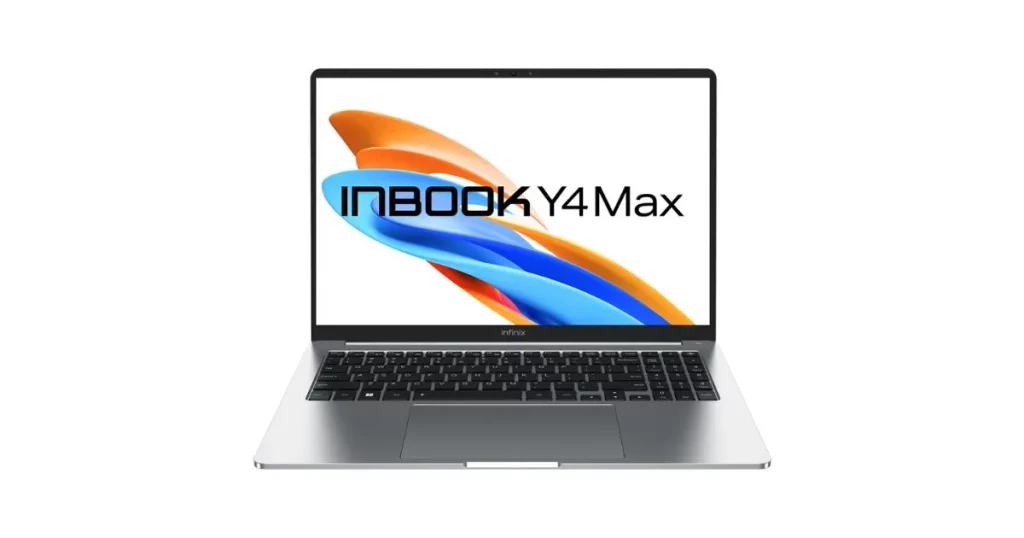
Infinix has announced a new laptop in India. It is a new lineup in the brand’s laptop portfolio. The latest offering is the Infinix INBook Y4 Max. Last month, the brand announced the INBook Y2 Plus (review). The INBook Y4 Max sports a large display and 13th-generation Intel processors. Read on to know what the device offers out of the box.
Infinix INBook Y4 Max specifications and features
The Infinix INBook Y4 Max has a large 16-inch display surrounded by thin bezels. It bears an FHD resolution, an 83 percent sRGB space, 300 nits peak brightness, and an 87 percent screen-to-body ratio. The laptop features a backlit keyboard and a 7.06-inch AG Glass touch panel.
Design-wise, the Infinix INBook Y4 Max features an aluminum alloy metal chassis and a dual-finish design on the lid. It weighs 1.78 kg. On the audio front, the machine is equipped with dual 2W speakers.
Under the hood, the Infinix INBook Y4 Max can be configured with 13th-generation Intel Core i3, i5, and i7 processors. There is an integrated Intel Iris Xe GPU onboard. The laptop packs up to 16GB RAM and 512GB SSD storage. The machine is backed by a 70Wh battery cell with support for 65W fast charging. It runs on Windows 11 OS out of the box.
Connectivity options on the Infinix INBook Y4 Max include a USB-A port, USB-C ports, a microSD card slot, a 3.5mm jack, and an HDMI 1.4 port.
The Infinix INBook Y4 Max carries an introductory price tag of Rs 37,990 for the base configuration. It will be available for purchase starting January 22 from Flipkart.
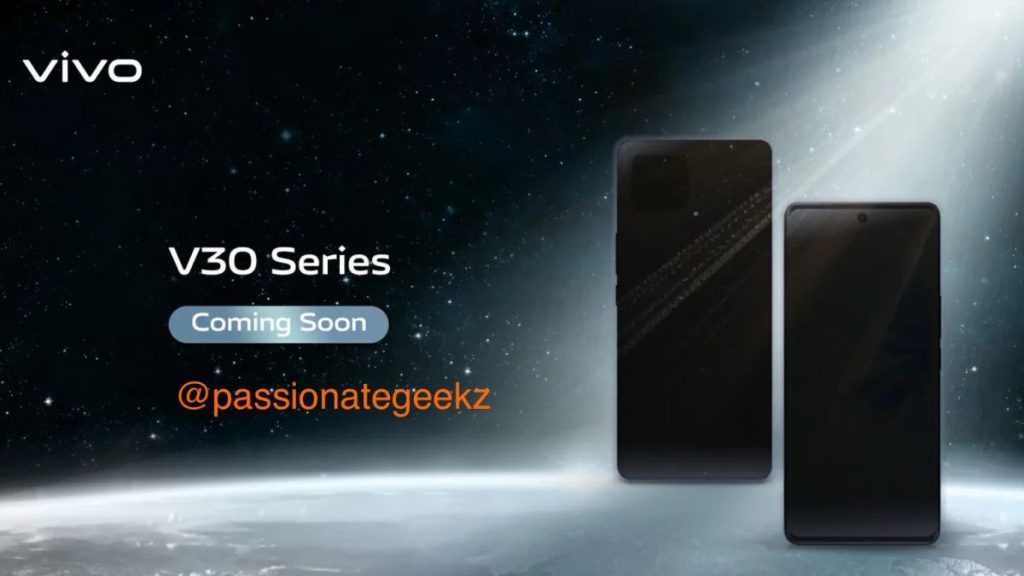
A fresh leak has revealed the poster of the Vivo V30 series, which hints that the launch of the upcoming devices is imminent. The new lineup will include the V30 and V30 Pro and the leaked poster revealed design elements as well.
Vivo V30 Series Poster Leaked
The leak was shared by known tipster Paras Guglani, who shared the poster of the Vivo V30 series on X (formerly Twitter). To recall, the lineup consists of the V30, V30 Pro, and V30 Lite. Although, the V30 Lite was announced by the brand last month. Looking at the leaked poster, we can see the rear and front design of the upcoming smartphone. The front houses a center aligned punch hole cutout for the selfie camera, while the back has a squarish camera module.
Another notable aspect that can be observed is the inclusion of the curved display panel, with the screen also surrounded by thin bezels on the side. However, the top notch and chin at the bottom are fairly noticeable. Earlier this month, the Vivo V30 model was spotted on the NBTC certification in Thailand as well as UAE’s TDRA platform. Both of these sightings also point to the launch being right around the corner.
Back in December 2023, the Vivo V30 surfaced on NCC certification as well. This listing reveals the design of the smartphone and also reveals some of its key specifications. The design seen on NCC is in line with the latest image poster. Other sightings include Bluetooth SIG and GeekBench. So stick around for more as we will be providing updates when additional information is available regarding the new devices.
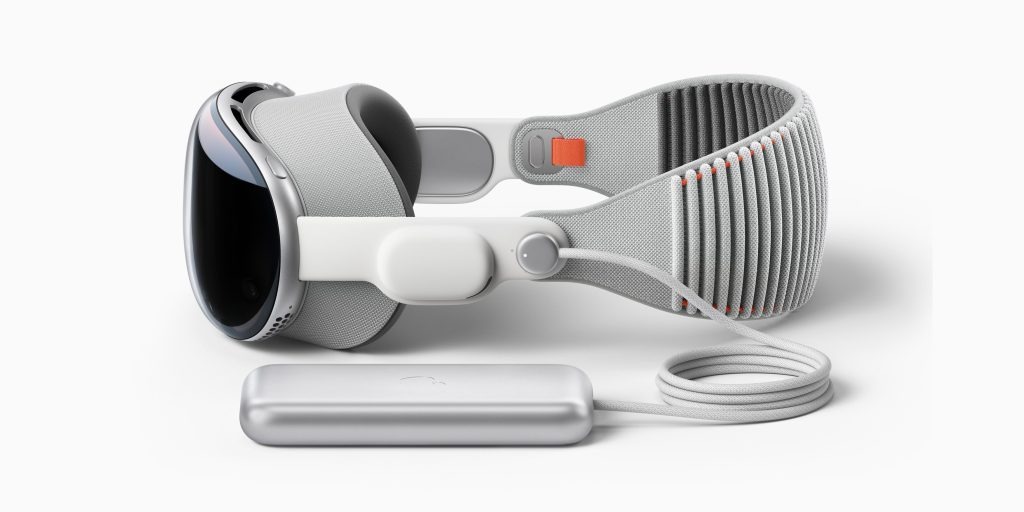
Belkin is set to release an official external battery clip for Apple’s upcoming Vision Pro headset. The accessory specifically addresses a problem that users who want to use the Vision Pro on the go but don’t have access to convenient storage options like pockets or backpacks face.
The Vision Pro headset is designed in a standalone configuration, featuring an external battery pack connected by a cable. To ensure user comfort and manage the device’s weight, Apple has opted for an external battery, requiring users to carry it while in use. The Belkin battery clip provides a practical solution by allowing users to attach the battery pack to their clothing.
The Vision Pro headset, a new product category for Apple, is set to arrive on February 2, with pre-orders starting shortly. In a report, Bloomberg highlighted Belkin’s development of the Apple Vision Pro battery clip. As the Vision Pro prioritizes user comfort by keeping the device weight manageable, the external battery pack introduces its own set of challenges. The clip addresses a key inconvenience associated with the bulkiness of the device, allowing users to keep their hands free for gestures and interactions with the Vision Pro while eliminating concerns about accidentally misplacing the battery.
The source quotes, “Belkin, will begin selling the clip alongside the Vision Pro when the headset debuts next month. Apple stores will stock the item, and, so far, it appears to be one of the only authorized accessories that will be available as early as launch day.”
Apple Vision Pro and Belkin Battery Clip Availability
This official accessory will be available for purchase starting from the Vision Pro’s launch date on February 2, and both Belkin and Apple will offer it. Belkin, known for its range of Apple-endorsed accessories, including iPhone screen protectors and MagSafe charging stands, has collaborated with Apple to develop this accessory.
While additional accessories for the Vision Pro are expected post-launch, Belkin’s battery clip stands out as the first official non-Apple accessory available for purchase on launch day. The pre-orders for Apple Vision Pro will start on January 19.
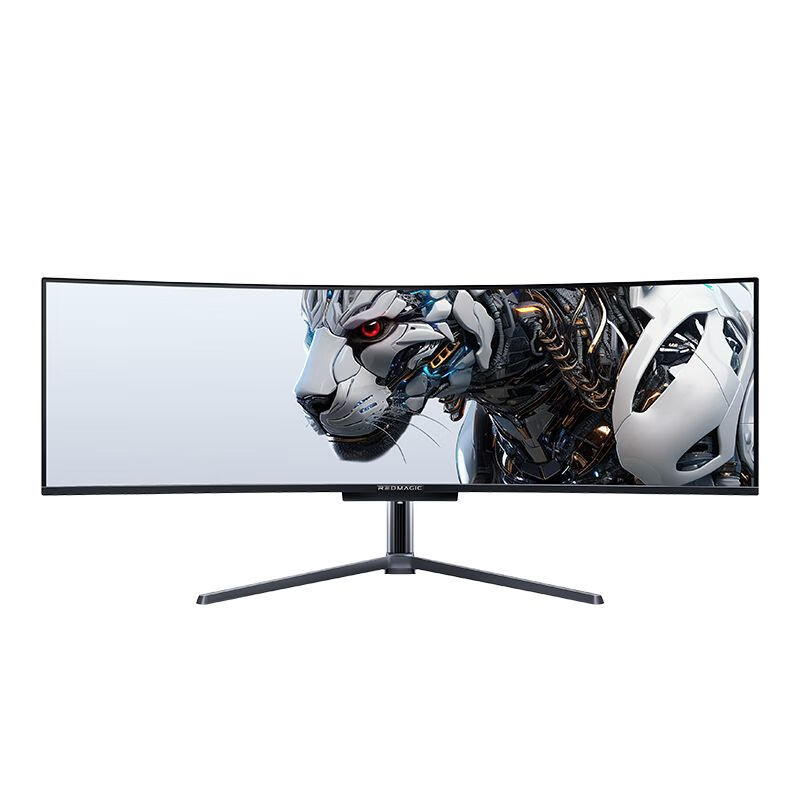
Red Magic, a subsidiary of Nubia, specializes in gaming-focused smartphones and accessories. Their products feature advanced technology like efficient cooling, high-refresh-rate screens, and gaming optimizations. They also offer gaming monitors, controllers, and audio devices, catering to gaming enthusiasts.
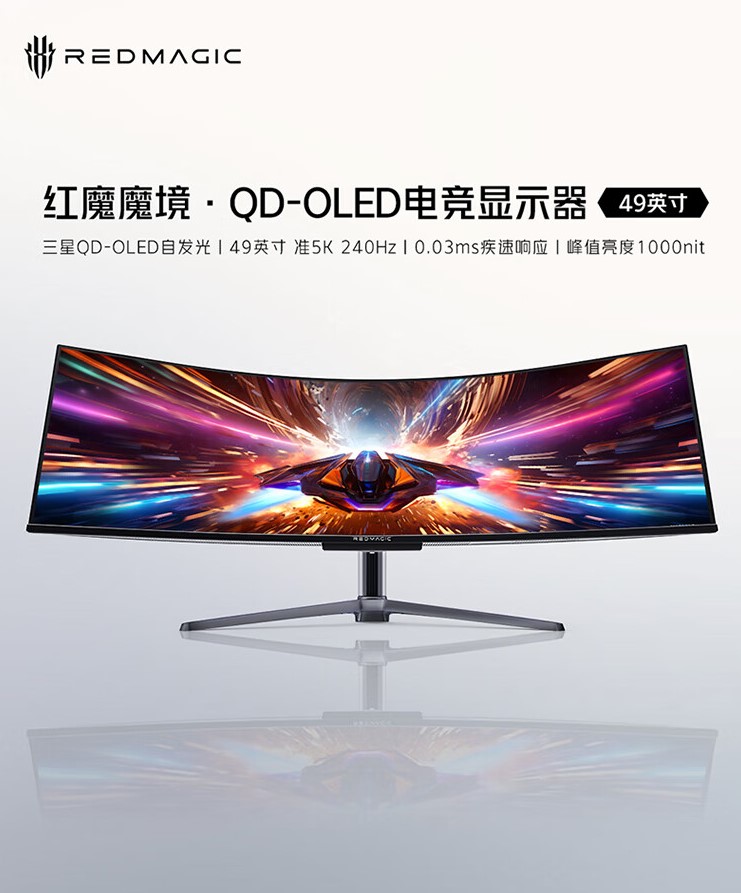
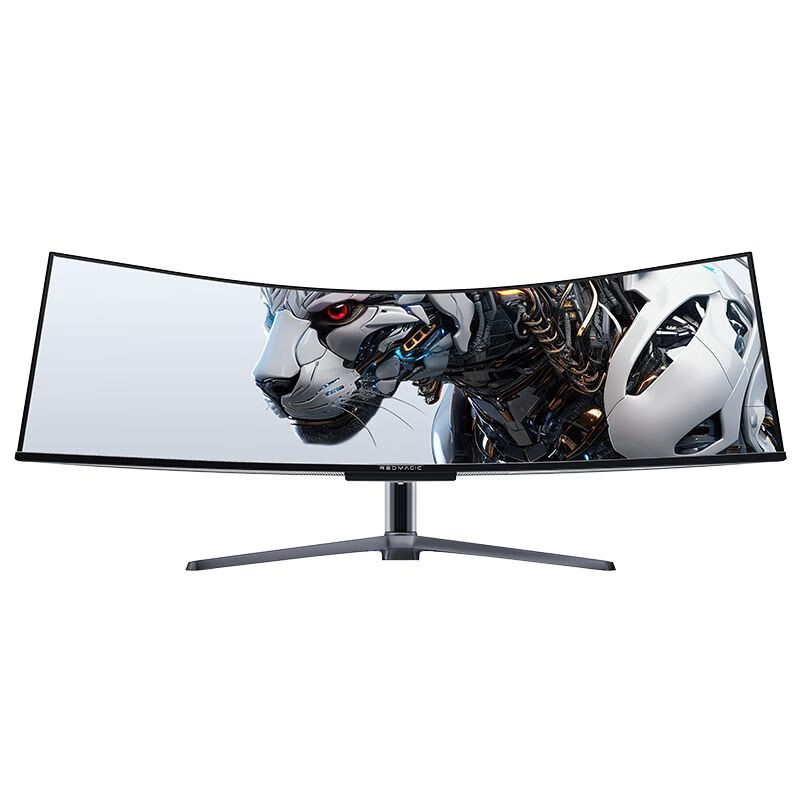
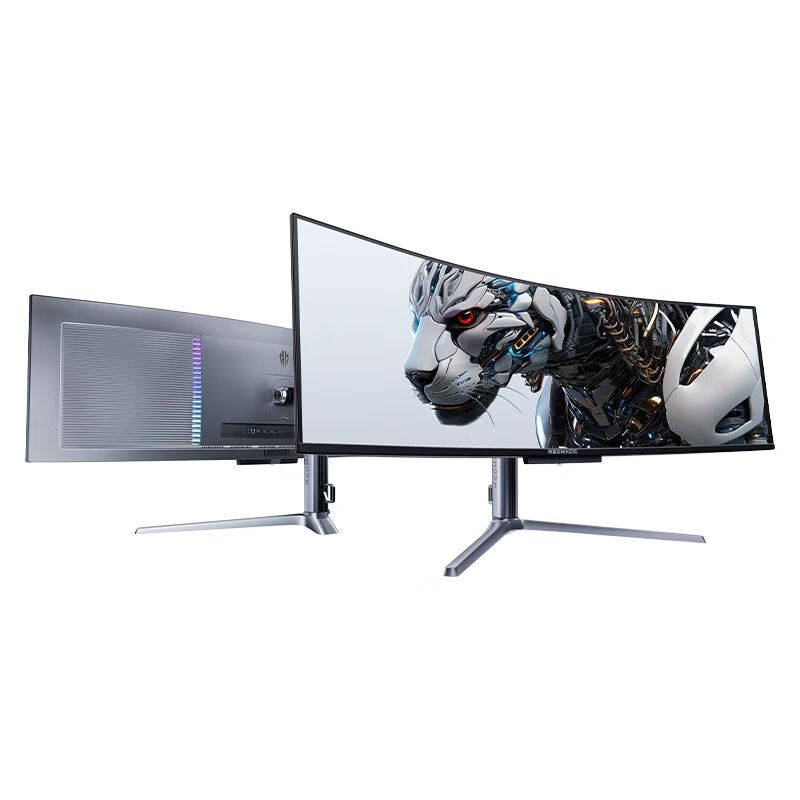
Last year in November, Red Magic revealed their “Realm” gaming monitor, though it hadn’t hit the market. The monitor is now listed for pre-order on JD.com, starting at a price of 9,499 Yuan ($1,335), which is slightly higher than the initial price of 8,999 Yuan ($1,265).
Red Magic Realm Specifications:
The highlight of this monitor is its 49-inch QD-OLED panel, supplied by Samsung. This panel boasts a 32:9 aspect ratio and an 1800R curvature, providing an immersive ultra-wide gaming experience. With a resolution of 5120×1440, the display delivers crisp and detailed visuals. One of the most notable features of this monitor is its impressive 240Hz refresh rate, ensuring smooth and fluid motion in fast-paced games.
In terms of response time, this monitor is ahead of many competitors with a 0.03ms response time, making it an excellent choice for competitive gaming where every millisecond counts. Additionally, it supports both AMD’s Free-Sync and NVIDIA’s G-Sync, eliminating issues like screen tearing and stuttering for a smoother gaming experience.
The monitor boasts excellent color performance, with 99% DCI-P3 color gamut coverage and ΔE<1 color accuracy. It also offers a peak brightness of 1000 nits for a vibrant display.
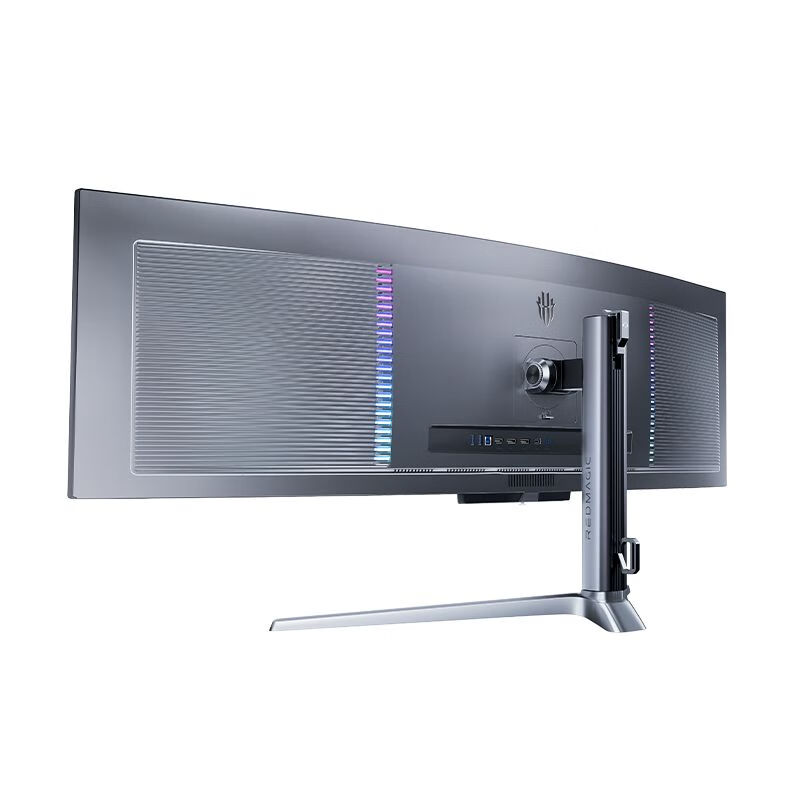
The gaming monitor also offers extensive connectivity options, including HDMI 2.1, DP 1.4, and a 90W USB-C interface, ensuring compatibility with various devices, including the latest gaming consoles. Additionally, it comes with 5W stereo speakers for enhanced audio-visual immersion.
Ergonomically, the monitor is designed with an adjustable tilt and swivel angle and supports a 100x100mm VESA wall mount. The monitor also incorporates advanced features like high-frequency PWM dimming, reducing low-frequency flicker for a more comfortable viewing experience, especially for those sensitive to flicker or spending long hours gaming.
Additionally, it includes a directional noise reduction microphone, enhancing in-game communication and online meetings. Its ultra-slim, sleek design adds a modern touch to gaming setups, while the integrated cable management system ensures a tidy and organized gaming area.
At CES 2024, MSI announced the Claw handheld gaming console. It competes against the ASUS ROG Ally, Steam Deck, Lenovo Legion Go, and more in the market. In an interview with IGN, MSI revealed its future plans in the handheld gaming segment along with few more details. The company is playing the long game. Read on to know everything below.
More iterations of MSI Claw confirmed
MSI confirmed that it will announce more iterations of the Claw handheld in the future. The company’s System Product Managing Director Clifford Chun revealed that they focussed on a 120Hz display on the device instead of OLED. The executive added that MSI may adopt an OLED panel on future versions of the Claw. The MSI Claw was in development for two years because the brand wanted to deliver a two-hour battery life and the Intel Core Ultra helped in achieving that.
Commenting on the lifespan, Chun said that the MSI Claw aims to offer support for two to three years just like laptops. This is because game titles demand a lot more. The device can last for 10 years if users play retro games. The executive also added that MSI is anticipating version 2, version 3, version 4 of the Claw down the road and they are already said to be in the pipeline. The release window for future iterations is attributed to the CPU or graphic upgrade.
The MSI Claw is also confirmed to feature Hall Effect joysticks and triggers for the best user experience. The handheld gaming console also has an AI engine just as MSI laptops. It changes the game mode to higher performance for higher frame rate and lower state while watching videos and preserving battery life.
Eagle-eyed observers have noticed a change in Apple‘s promotional materials for the upcoming Vision Pro mixed reality headset. When Apple first showed a video about this headset at the WWDC 2023, it was a bit longer at 9 minutes and 22 seconds.
They have now subtly shortened the video with a key 11-second segment removed, so the video is now 9 minutes and 11 seconds. Notably, this missing clip showcased a feature called Open Sky Environment, which promised to virtually replace users’ ceilings with open skies.
Apple has possibly cut the Open Sky Environment feature that replaces your ceiling, from Apple Vision Pro.
Recently, Apple edited their "Introducing Apple Vision Pro" video on YouTube and their website, removing the Open Sky clip.
Interestingly, references to Open Sky have also vanished from the official Vision Pro website, as spotted by X/Twitter user @M1Astra. In their place, Apple has placed renewed emphasis on the existing “Cinema Environment” that transforms rooms into personal movie theaters.
(Left) Old text on the web page | (Right) Updated text on the web page
So it looks like the Open Sky, for all its exciting potential, may not have made the final cut. We’re not sure why, but maybe Apple decided to focus on features that were easier to make sure worked well, to avoid disappointing people if Open Sky couldn’t be ready when the headset launches.
While Open Sky’s fate remains uncertain, the Vision Pro’s February launch date is still on track. The pre-orders will kick off on January 19, a few days later, while its pre-order process is a bit interesting.
Apple says you will need an iPhone or iPad with Face ID to scan your face to order Vision Pro. This is done to determine the right size Light Seal and headbands to give a precise fit for users.
Also, if you’re planning to order a Vision Pro, make sure your Apple store app is updated since only the latest version released on January 11 supports the Vision Pro face scanning feature.
OnePlus is preparing to introduce the OnePlus 12 and OnePlus 12R in India, scheduled for January 23. Following the recent debut of the OnePlus Buds 3 in China alongside the OnePlus Ace 3, the brand has officially announced that the OnePlus Buds 3 will also make its way to India on January 23.
The Buds series is back with its consistent pursuit of product quality and user experience. Introducing the OnePlus Buds 3 sporting a beautiful new colour with the same ergonomic design for utmost comfort. Launching on 23rd Jan 🗓️ 🔔 pic.twitter.com/1ZRVOwAv2F
As the earbuds have already launched in China, we already know all about the specs and features. The Buds 3 come with an in-ear with stem design, weighing 4.8 grams each. It features a 10.4mm composite diaphragm bass unit for detailed highs and deep bass.
With 49dB active noise cancellation, facilitated by a three-microphone AI system, these earbuds achieve up to a 99.6% reduction in background noise. LHDC 5.0 Hi-Res support ensures high-quality audio transmission, boasting a 96kHz sampling rate and 1Mbps wireless transmission speed.
For gamers, the OnePlus Buds 3 offers custom game sound effects, a new sound field expansion, 3D spatial sound effects, and 94ms low latency, making in-game sounds clearer and more immersive.
The earbuds offer an impressive 44 hours of usage with noise cancellation turned off and provide fast charging – a mere 10 minutes of charging delivers 7 hours of music playback. Moreover, the earphones are IP55-rated for dust and water resistance and use Bluetooth 5.3 for connectivity.
We use cookies on our website to give you the most relevant experience by remembering your preferences and repeat visits. By clicking “Accept”, you consent to the use of ALL the cookies.
This website uses cookies to improve your experience while you navigate through the website. Out of these, the cookies that are categorized as necessary are stored on your browser as they are essential for the working of basic functionalities of the website. We also use third-party cookies that help us analyze and understand how you use this website. These cookies will be stored in your browser only with your consent. You also have the option to opt-out of these cookies. But opting out of some of these cookies may affect your browsing experience.
Necessary cookies are absolutely essential for the website to function properly. This category only includes cookies that ensures basic functionalities and security features of the website. These cookies do not store any personal information.
Any cookies that may not be particularly necessary for the website to function and is used specifically to collect user personal data via analytics, ads, other embedded contents are termed as non-necessary cookies. It is mandatory to procure user consent prior to running these cookies on your website.