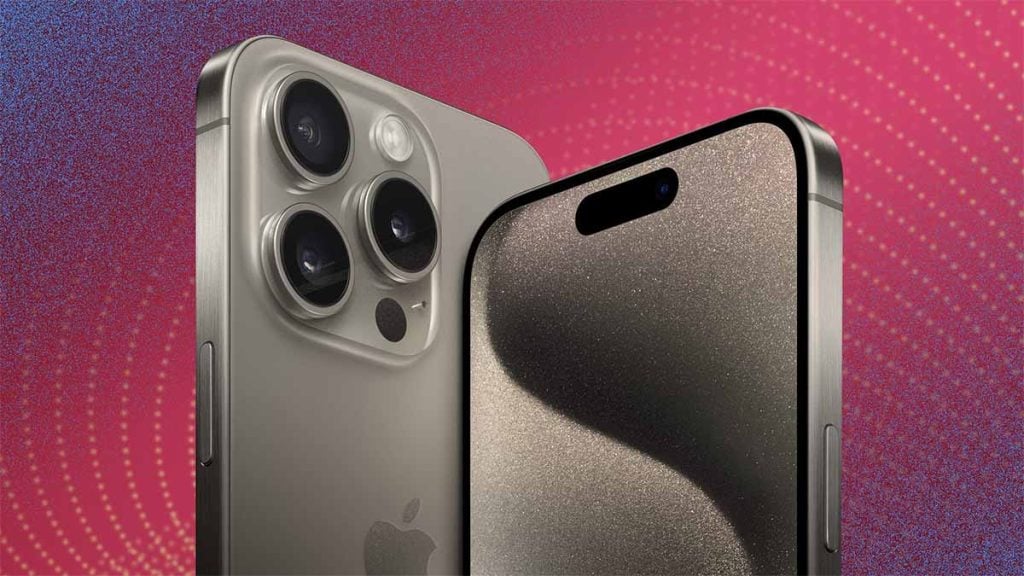
New information has just surfaced regarding the Apple Phone 17. A known analyst revealed details regarding the 2025 iPhone’s front facing camera, which will reportedly receive a major upgrade over current gen models. So let’s have a look.
iPhone 17 to offer a more expensive & capable 24MP selfie shooter
According to a new Medium report, renowned analyst Ming-Chi Kuo stated that Apple is gearing up for a major upgrade to the selfie camera on the iPhone 17. The Cupertino based giant will reportedly equip the next gen iPhone with a 24-megapixel sensor. This is a notable improvement over the current iterations which offer a 12-megapixel selfie shooter. In other words, the camera on the iPhone 17 is basically doubling in pixel count when compared to the iPhone 14 and iPhone 15.
Ming-Chi Kuo adds that the increased resolution should offer sharper images that capture more details. But it isn’t a simple rise in megapixels, as the analyst claims that Apple will shift to a six element lens. This will basically make the image sensor correct distortions for more accurate images. Furthermore, the low light performance of the selfie camera will also see noticeable improvements, but these upgrades come at a cost.
Kuo states that Yujingguang, which is a Taiwanese firm, will supply the new lens system for the iPhone 17. He adds that the selfie camera will be around 100 to 120 percent more expensive than the 5P lens system on the iPhone 15. Meaning, we can likely expect the pricing for the iPhone 17 to also reflect the additional cost. In our recent reports, we also covered the 48-megapixel telephoto lens that might be featured on the iPhone 17 Pro Max. Apple is also rumored to kick off iPhone 17 series production in India. Lastly, the iPhone 17 Pro models are also rumored to feature an under display Face ID tech.
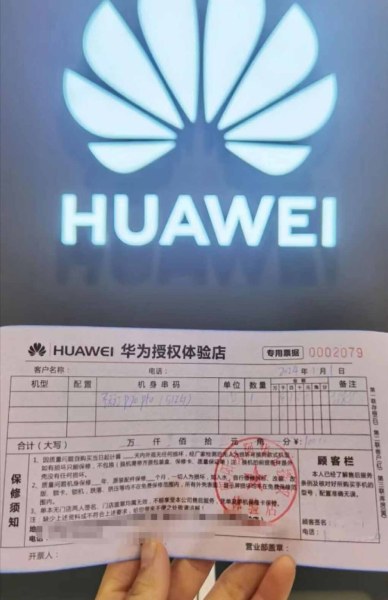
Huawei is rumored to be developing the P70 series, its next flagship smartphone lineup. While the phones are still under wraps, some unofficial stores in China have surprisingly begun taking blind pre-orders.
A Weibo tipster, @FixedFocus, revealed that a few stores in China have started accepting reservations for the P70 series. Netizens even shared receipts online, showing deposits placed for the “P70 Pro 512GB.” However, the tipster later clarified that these are not official pre-orders sanctioned by Huawei.
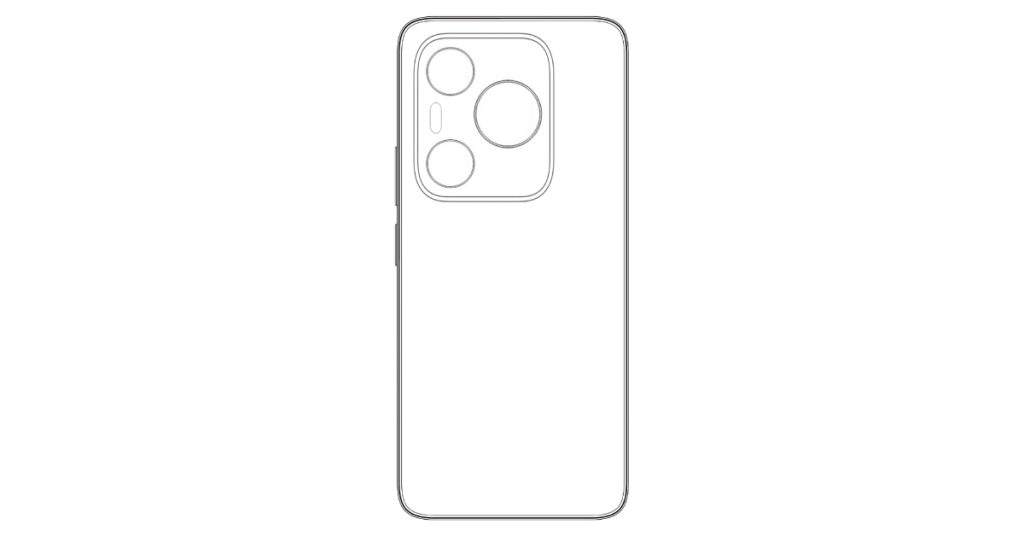
Meanwhile, another tipster @DigitalChatStation posted an alleged sketch of the P70 which shows the phone’s rear camera system. The design ditches the P60’s rectangular lens layout for a squarish module.
The leaked image suggests a large central lens, presumably the main camera, flanked by an ultra-wide-angle lens and a periscope sensor. The flash sits on the left edge of the camera module.
Compared to the P60 series, the P70 render shows a larger camera module. The phone also appears to have curved edges with volume and power buttons on the left side. The front design remains a mystery for now.
Previous reports speculate a P70 family of three models: the P70, the P70 Pro, and a premium “Art” version. The Art model is rumored to feature a 1-inch Sony IMX989 sensor and a high-end hybrid lens for potentially impressive camera performance.
There are also rumors Huawei is testing OmniVision OV50H which may make its way to the P70 lineup. It has a 50-megapixel resolution and an optical format size of 1/1.3 inches. This sensor features a pixel size of 1.2μm as compared to the 1.6μm of the 1″ Sony IMX989.
It’s crucial to remember that these are purely leaks, not official confirmation from Huawei. The release date and exact specs remain unknown, so treat these tidbits with a dose of skepticism until the official unveiling.
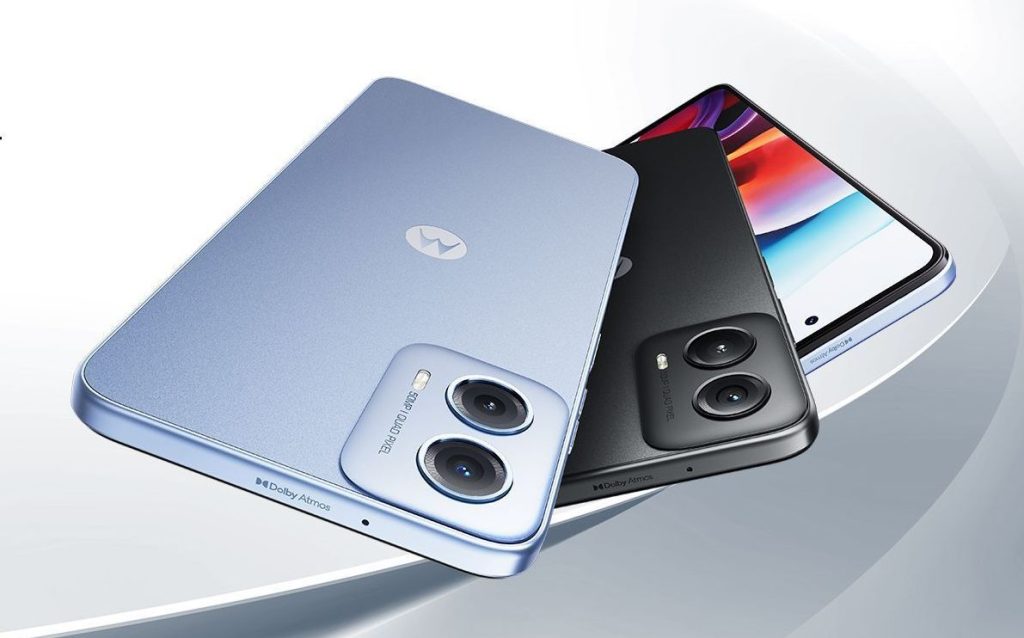
Motorola‘s new Moto G34 5G will be announced in India next week. We have already covered some rumors and official teasers regarding the upcoming device, and now, the latest report has revealed the pricing for the region. So here are all the details.
Moto G34 5G India Pricing
The company recently confirmed that the Moto G34 will be launching in India in three color options, namely Ice Blue, Charcoal Black, and Ocean Green. Ahead of its release, the device was also spotted on Flipkart, which revealed its launch date of 9th January 2024 for the Indian market. Now, a fresh report from 91Mobiles has leaked the Indian pricing as well. The base model comes with 4GB of RAM and 128GB of internal storage and has a price tag of 10,999 INR (roughly 132 US Dollars).
Motorola Moto G34 5G
There is also an 8GB RAM + 128GB storage option as well, although the pricing for this variant wasn’t revealed. But it will feature a slightly higher cost than the base variant. Based on the earlier China release, the Moto G34 5G sports a 6.5-inch IPS LCD panel that offers HD+ resolution, 120Hz refresh rate, and 500 nits of peak brightness. Under the hood, the budget smartphone is equipped with the Qualcomm Snapdragon 695 SoC.
The model supports virtual RAM expansion up to 8GB, while the storage can be enhanced via a microSD card slot. A large 5,000mAh battery pack powers this device, which supports 18W fast charging. Moto G34 5G runs on Android 14 OS out of the box. The rear features a 50-megapixel dual camera setup and the front houses a 16-megapixel selfie shooter. Other notable features include a 3.5mm headphone jack, IP52 water and dust resistance, and Vegan Leather back panel.
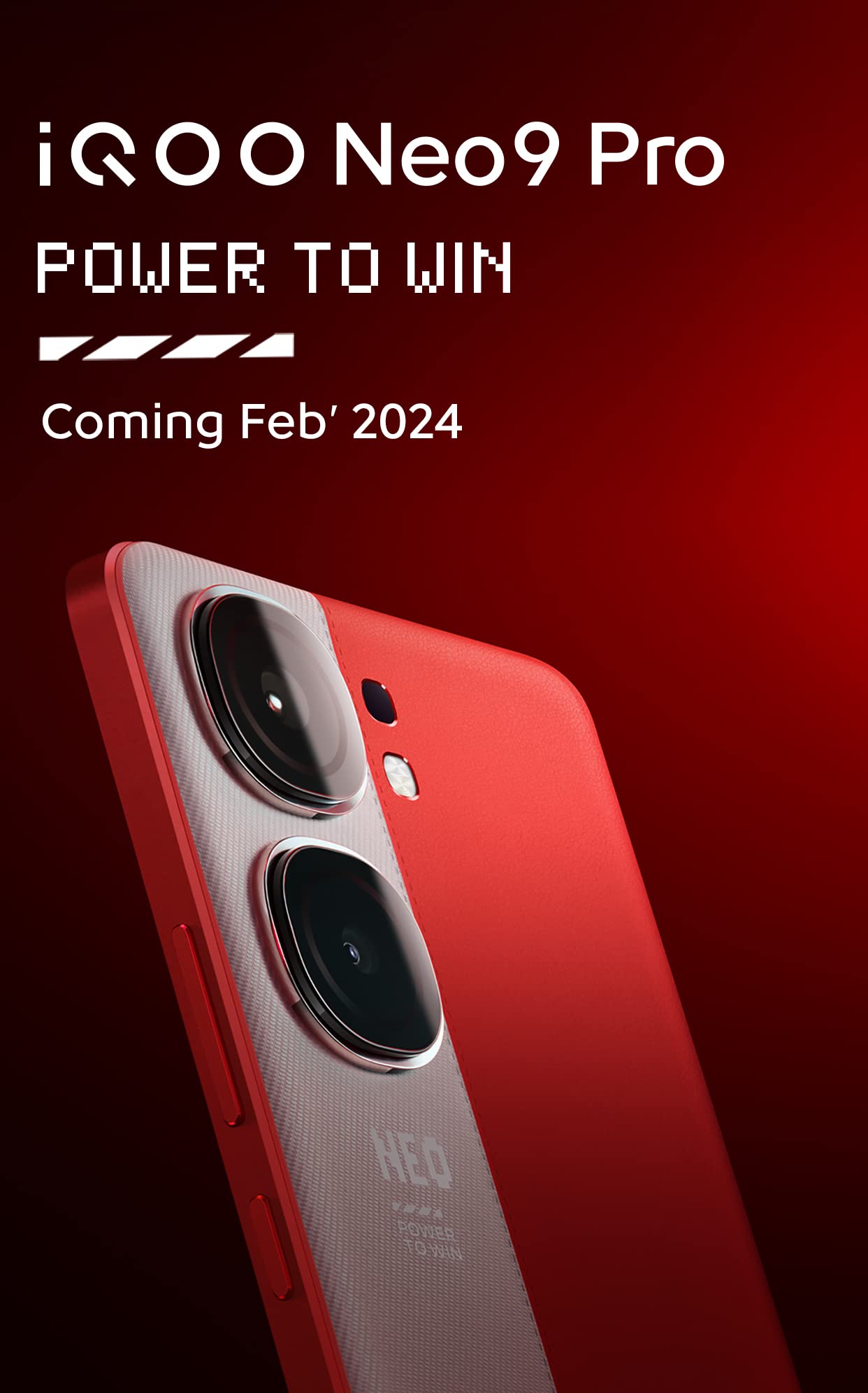
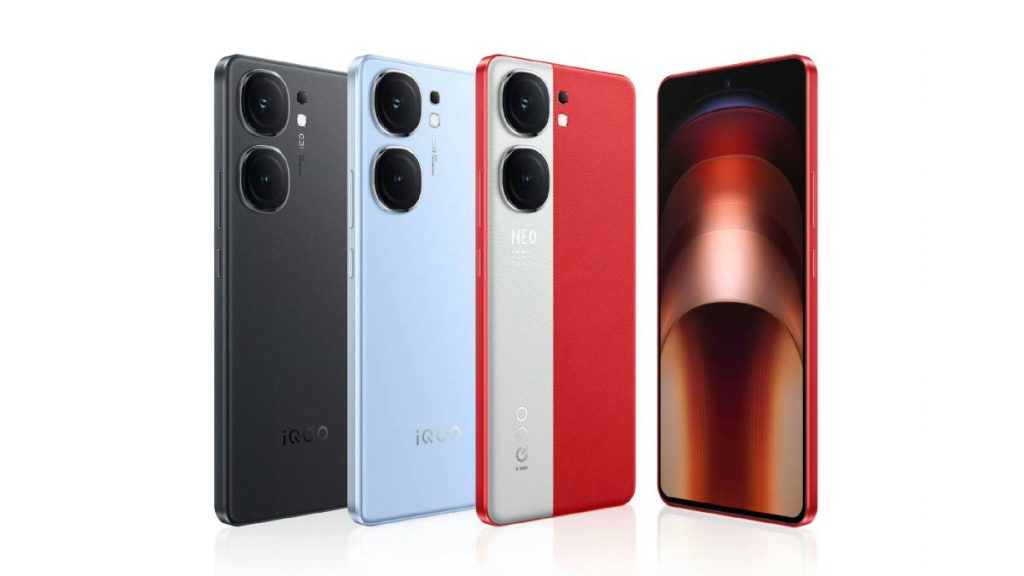
The iQOO Neo 9 Pro is set to make its debut in India, as indicated by a recently unveiled teaser. Following its recent launch in China alongside the standard Neo 9 model, key details about the Indian version have been confirmed through the Amazon India landing page.
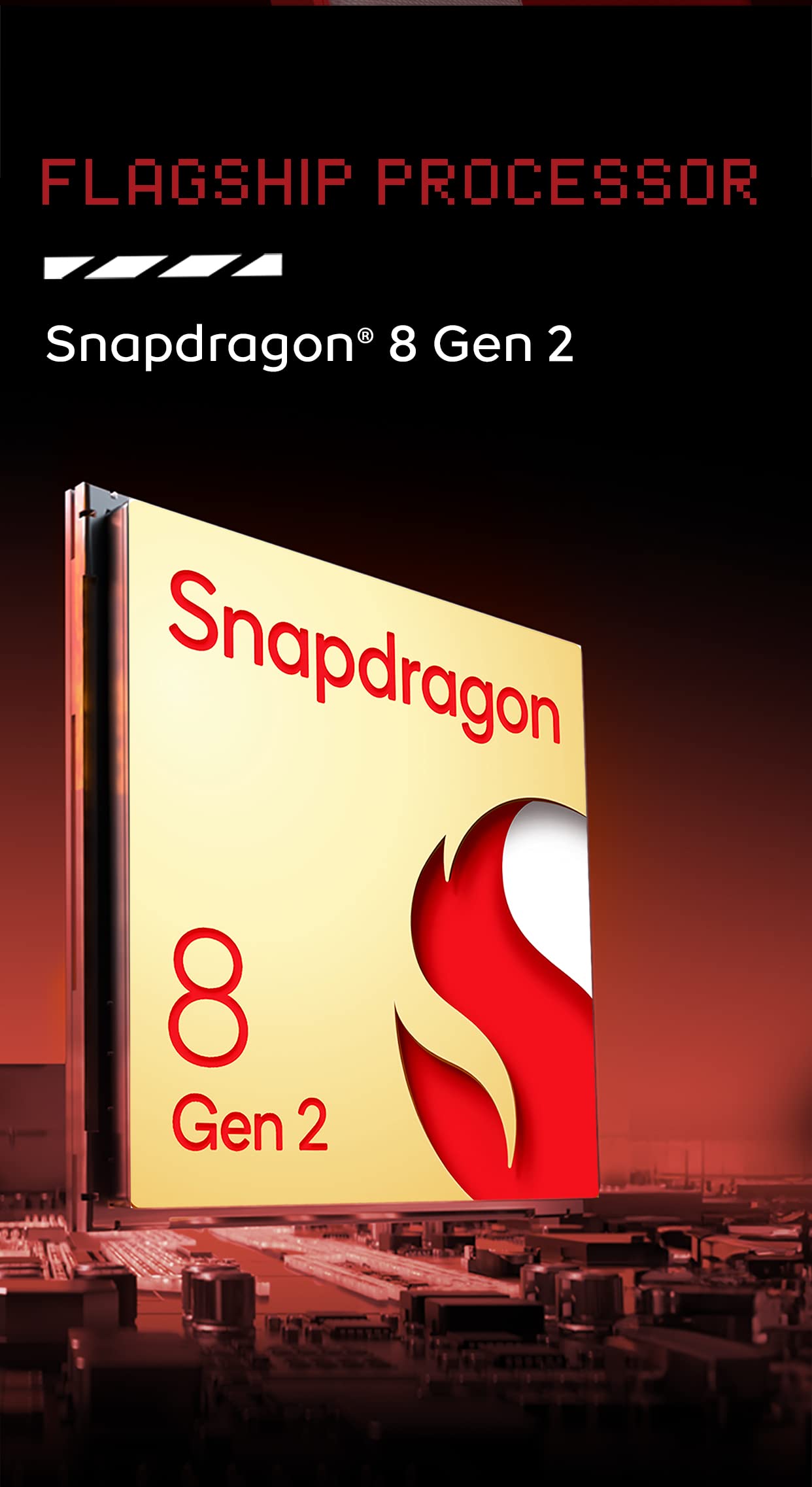
The Amazon India landing page confirms that the iQOO Neo 9 Pro will land in India sometime in February 2024. It has also confirmed the rumors that the device will feature a Snapdragon 8 Gen 2 processor. In contrast, the Chinese variant of the device is equipped with the latest Dimensity 9300 chipset. The phone is also confirmed to feature the White and Red dual-tone vegan leather finish and a dual camera system.
Other than these specs, we can expect the Indian variant of the iQOO Neo 9 Pro to feature up to 12GB LPDDR5 RAM and 512GB UFS 4.0 storage. A 5,160mAh battery with 120W fast charging is also expected to be onboard. The device could also feature a 6K VC liquid cooling 3D heat dissipation system. As for the display, it could debut with a 6.78-inch 1.5K resolution OLED panel with a 144Hz refresh rate and an in-screen fingerprint sensor.
For optics, the device is expected to have a 50-megapixel (Sony IMX920 with OIS) + 8-megapixel (ultra-wide) dual-camera system, along with a 16-megapixel front camera. It will run on FunTouch OS 14-based Android 14, an IR blaster, and dual stereo speakers. As for the pricing, the device will have a price tag below Rs 40,000 (~$480) in India.
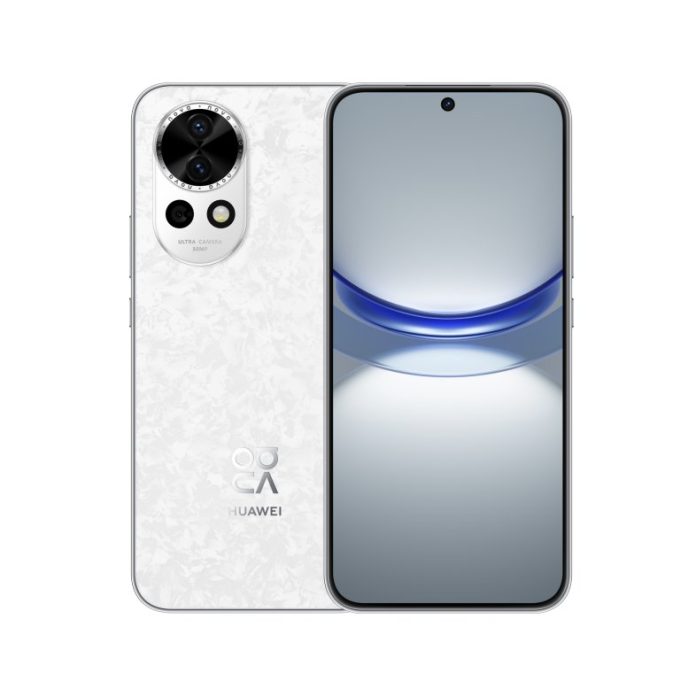
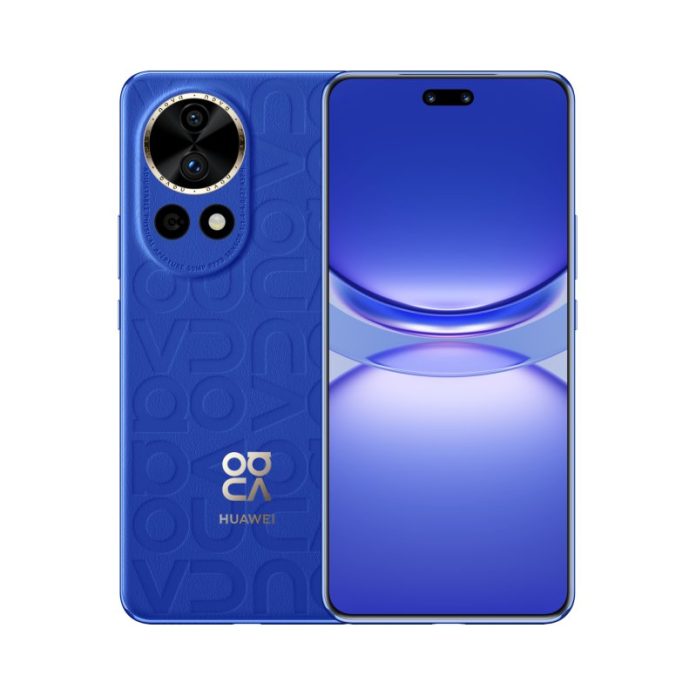
Huawei‘s new Nova 12 and Nova 12 Pro smartphones finally went on sale in China today, after their exciting launch over a week ago. These mid-range smartphones come with the latest Kirin processors, sleek designs, and HarmonyOS 4.0. So let’s get into the details here.
Huawei Nova 12, Nova 12 Pro Price and Availability
The Huawei Nova 12 starts at 2999 yuan (around $421) for the 8GB + 256GB variant and bumps up to 3399 yuan (around $477) for the 8GB + 512GB option. The Pro model starts at 3999 yuan (around $561) for the 12GB + 256GB version and reaches 4399 yuan (around $617) for the 12GB + 512GB storage combination.
As for the color options, the Nova 12 comes in three stylish shades: Blue, Golden Black, and Sakura White, while the Pro offers four eye-catching options: Blue, Golden Black, Sakura White, and Sakura Pink. They are now available for purchase via the official Huawei Mall in China.
Specifications
Both the Nova 12 and 12 Pro are powered by the Kirin 8000 chipset and run on HarmonyOS 4.0, Huawei’s latest operating system.
The Nova 12 features a 6.7-inch flat OLED screen with a 120Hz refresh rate and 1440Hz high-frequency PWM dimming, ensuring a smooth and comfortable viewing experience. The Pro model boasts a slightly larger 6.78-inch quad-curved OLED screen with an even higher resolution and AI HDR support for stunning visuals.
Both phones sport a dual rear camera system with a 50MP main sensor and an 8MP ultra-wide angle macro lens. For selfies the vanilla model has a 60MP sensor while the Nova 12 Pro takes things a step further with a dual front-facing camera setup, consisting of a 60MP main lens and an 8MP portrait sensor.
The Nova 12 and 12 Pro pack 4600mAh batteries and support 100W fast charging. They also come with second-generation Kunlun Glass for enhanced drop resistance, giving you peace of mind.
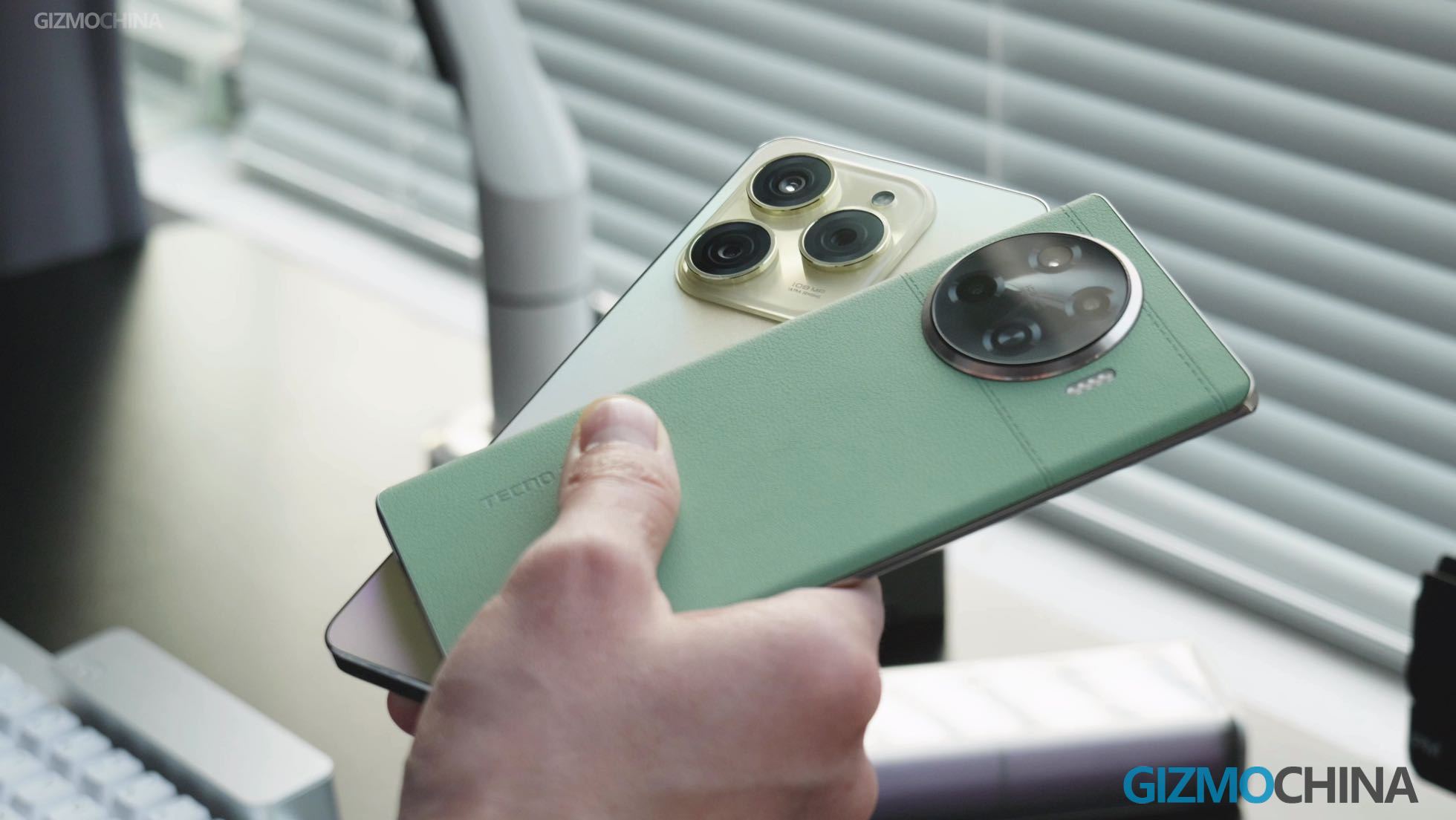
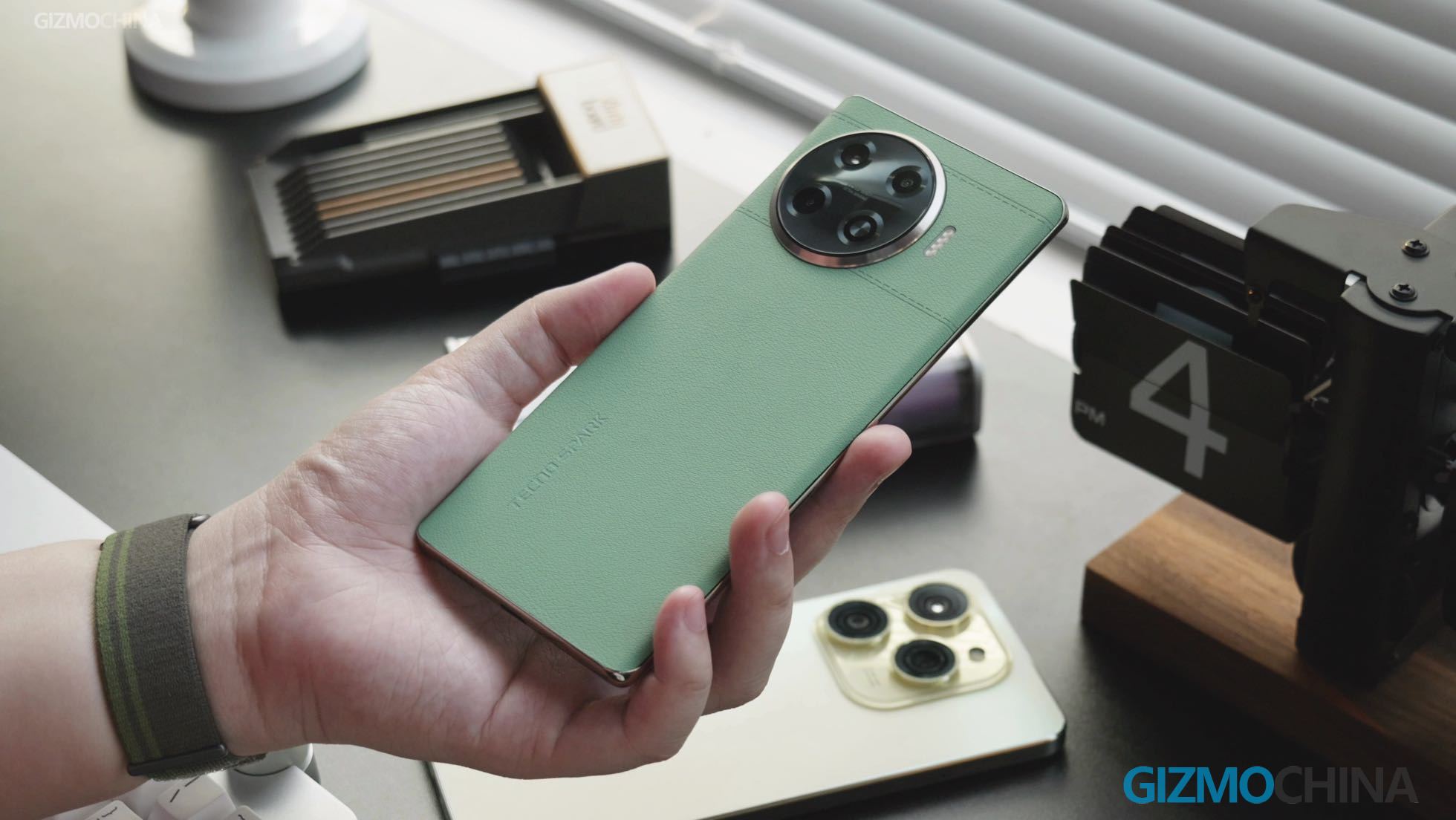
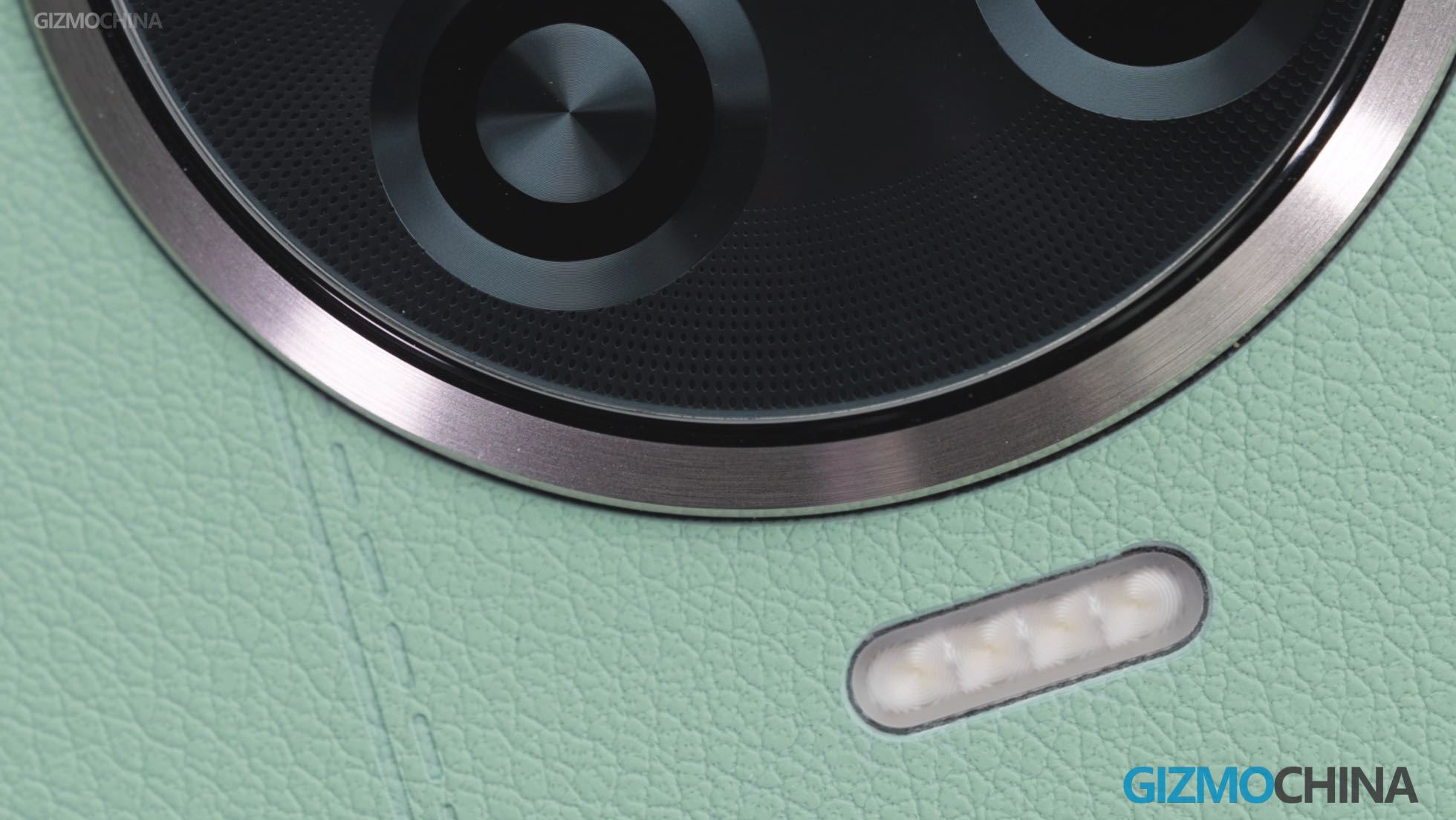
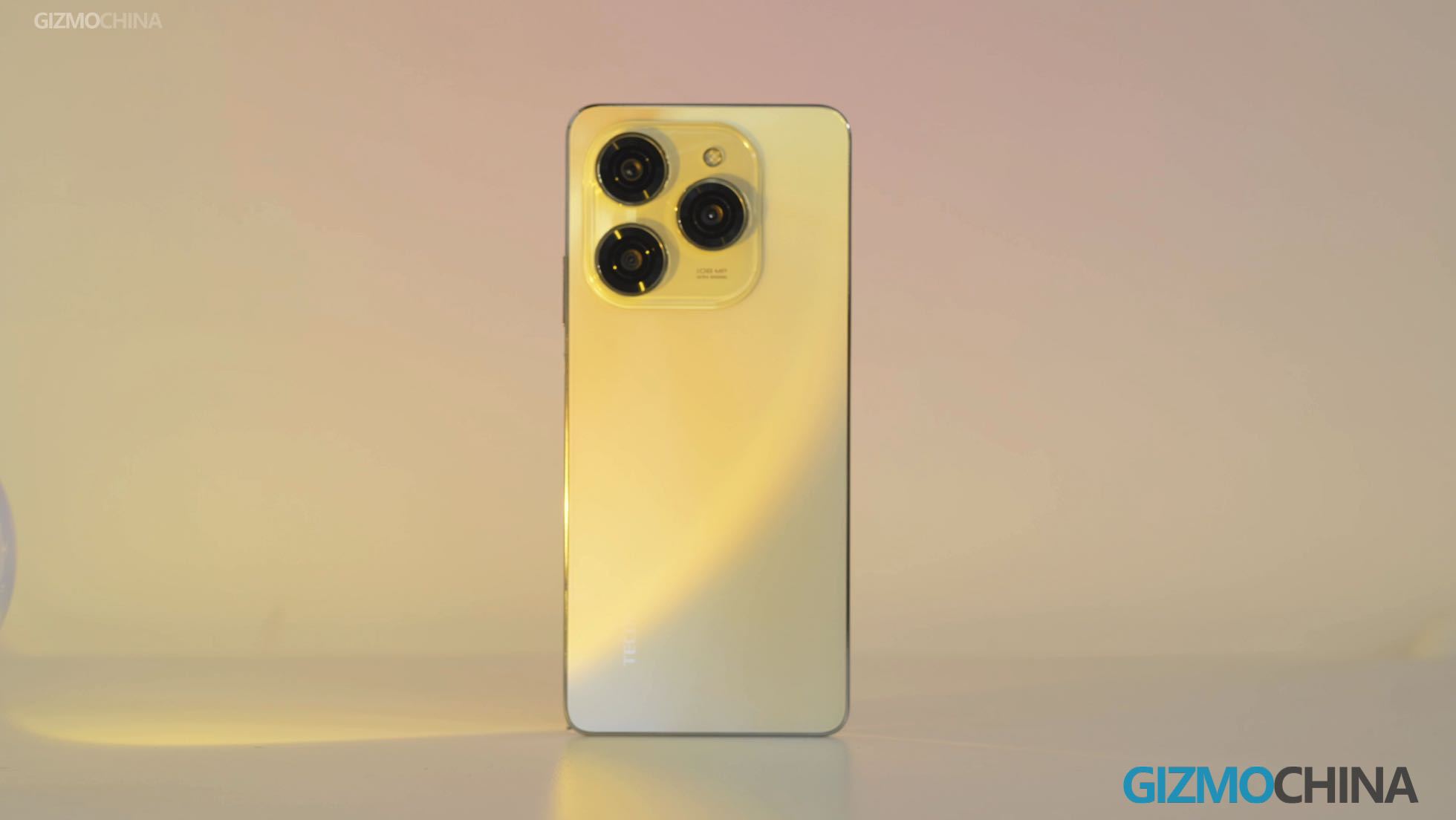
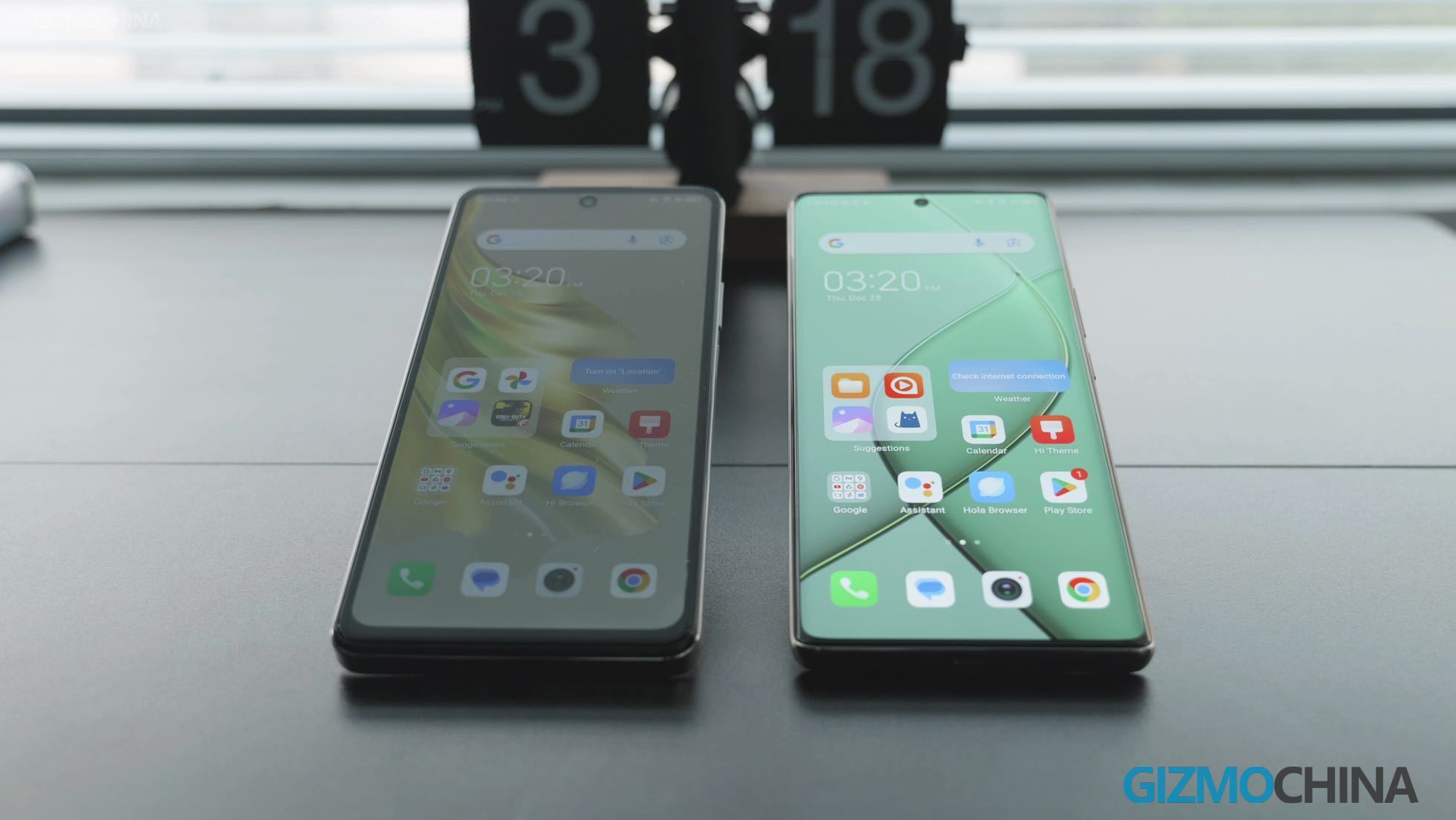
The Tecno Spark series has always been very attractive in my mind, the design is largely in line with any other phone on this market, and some even have unique colors and skins at the back, you can always pick one to express yourself the best. Today we have the Spark 20 Pro and Pro+, the newest and greatest in this lineup so far, and of course, the Pro+ did not exist last time. When I first saw them, I was immediately attracted by the Sunset Blush skin and the Bright Green vegan leather at the back, and there are a lot more they can offer, so let’s check them out.
Design
Since these are the successors of the Spark 10 Pro series, the overall shape and size of the 20 Pro are not that different, but the Pro+ has a whole new design as you can see.
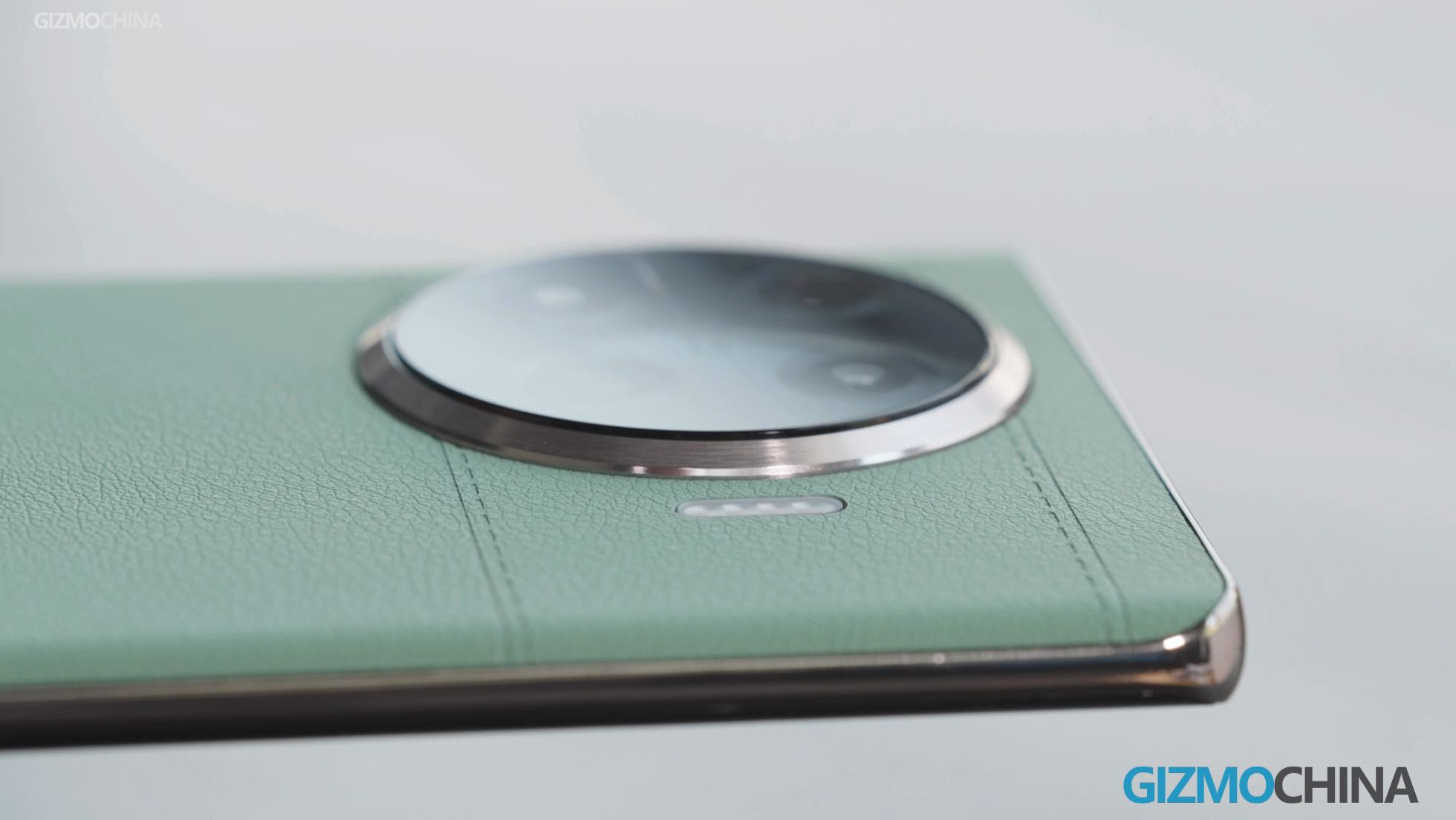
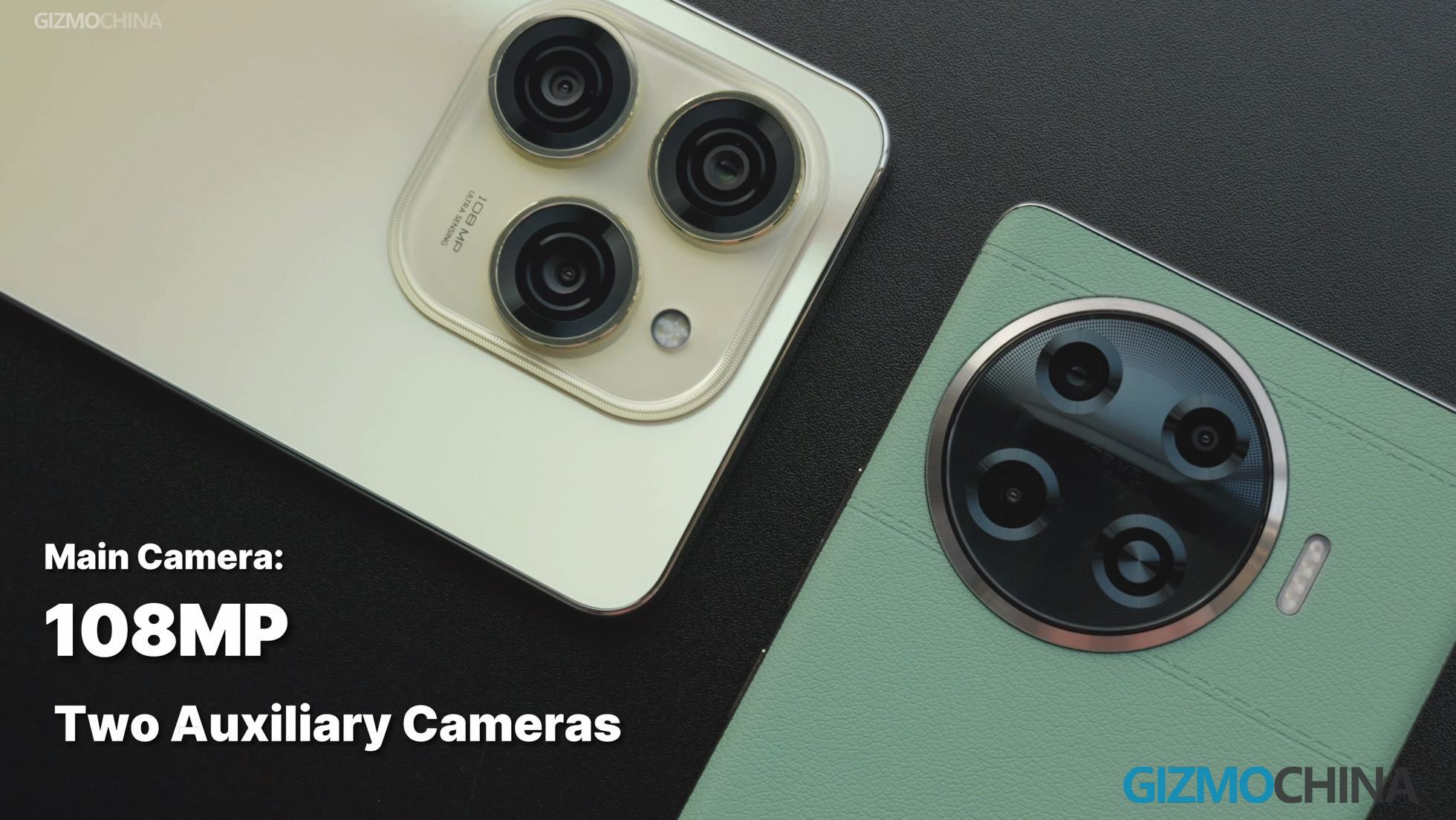
The Pro+ has a nice and premium vegan leather back, it feels smooth to the touch, with only a simple pattern across the circular camera module. The camera module in particular looks very good, the rounded island ring lifts the cameras up, and the metallic and brushed craft makes the starry-like camera cover very elegant. Moreover, there is a slight protective ring around it, so the cameras will be protected well.
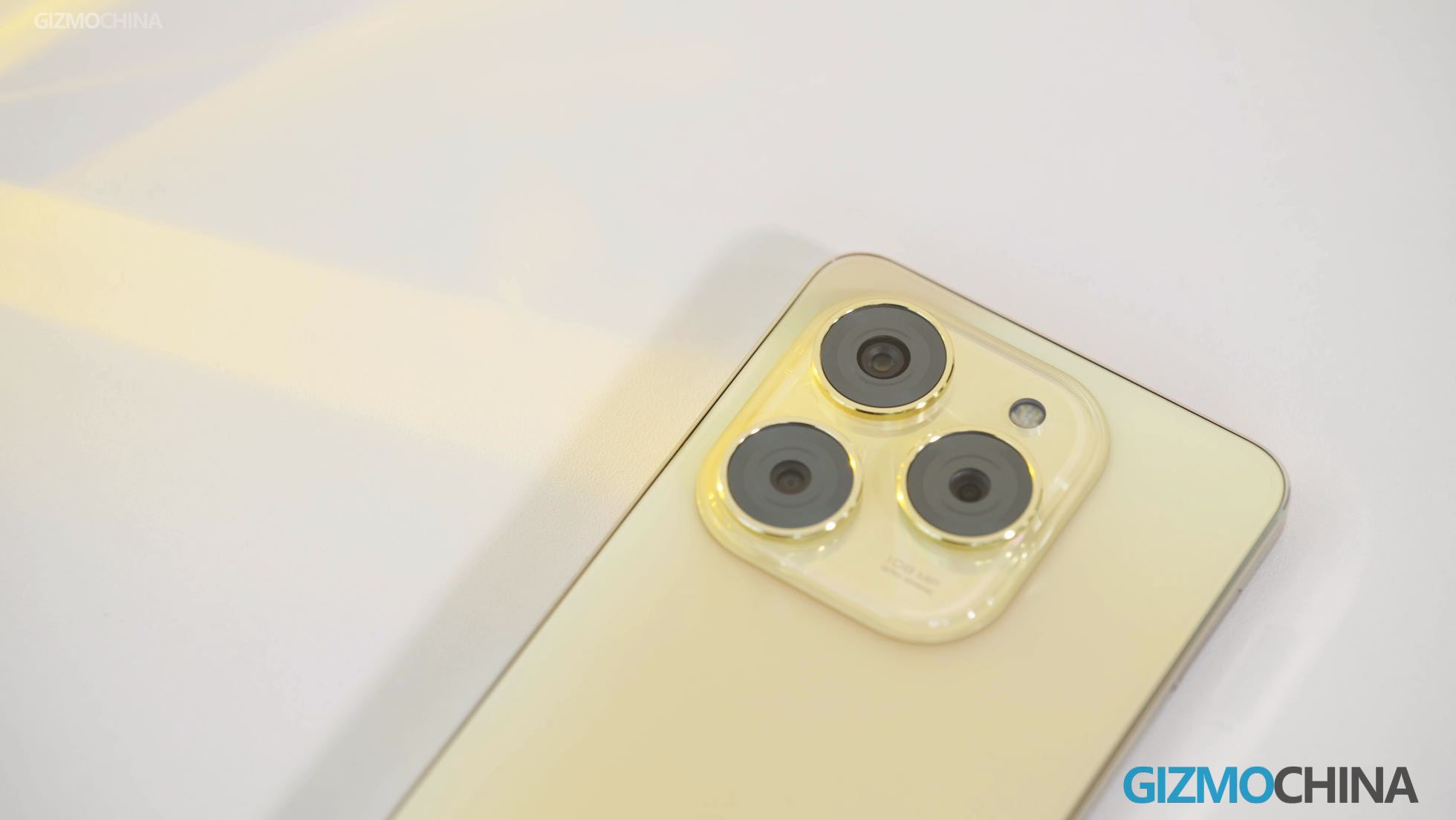
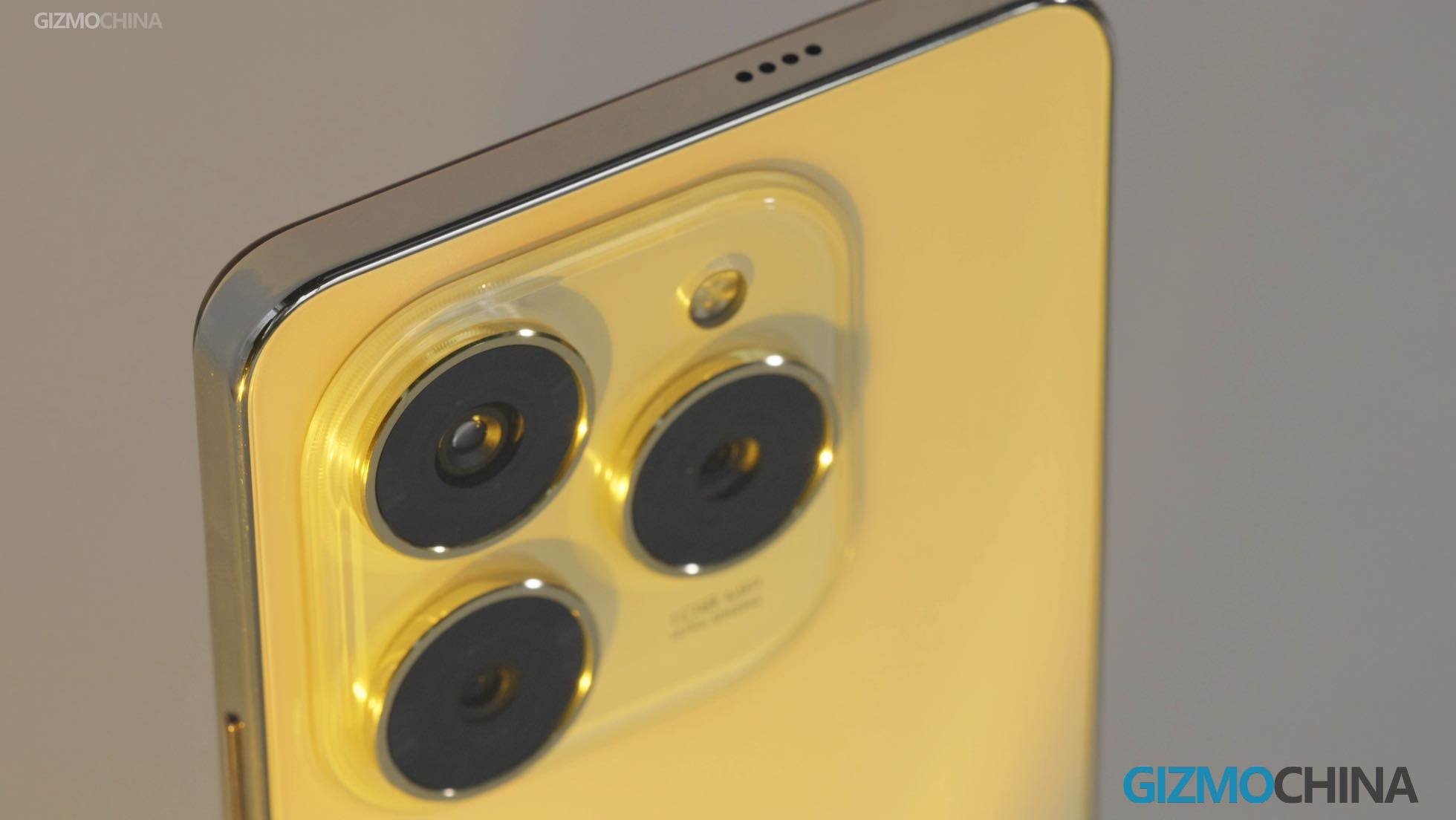
This first impression 20 Pro gives is very true to its name, which is just like what you see when the sun goes down, the color is not that harsh, rather a light orange, but it also reflects some blue from the sides. And the texture is like a fine knitted cloth, this tones down the reflection a little bit, so it’s less intrusive when you look at it from a direct angle. The camera module, however, is a shiny sunset color piece, coupled with the cameras, it still looks good.
There are also some other colors to choose from for these two models, they are also very good-looking, you can head to the link down below to see more.
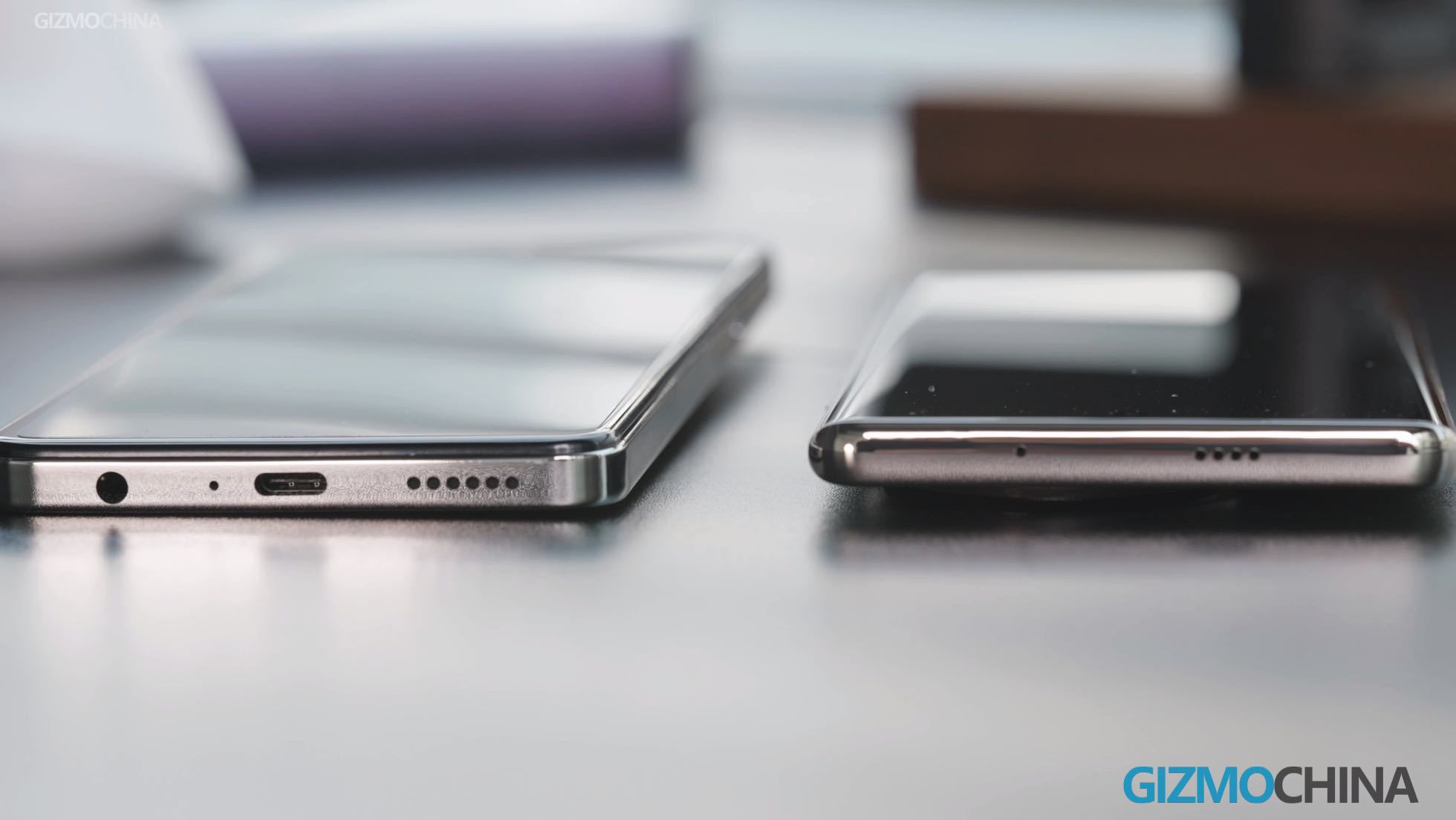
The frame of these two are also very nice, they are all shiny and frosted. All the buttons are lined up neatly at the side, only the fingerprint reader on the Pro+ is under the screen, and it does not have a 3.5mm headphone jack. Surprisingly, these two phones have dual speaker design at the top and bottom, they support 400% big volume, a mini party speaker right here, you will hear the actual result at the end of this review.
So overall, I am happy to see such an upgrade in the appearance, which is one of the main reasons you would love this phone for.
Screen
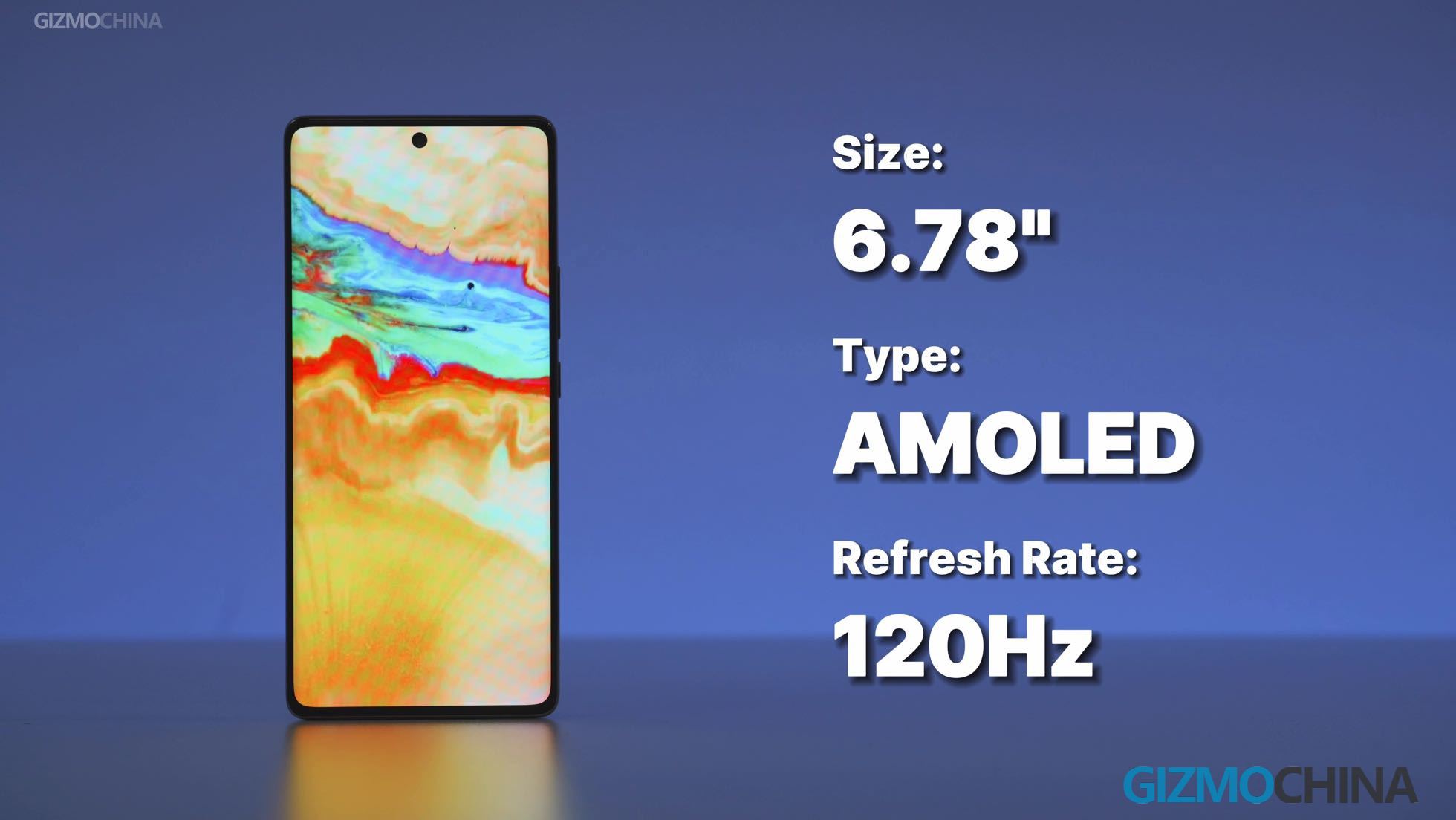
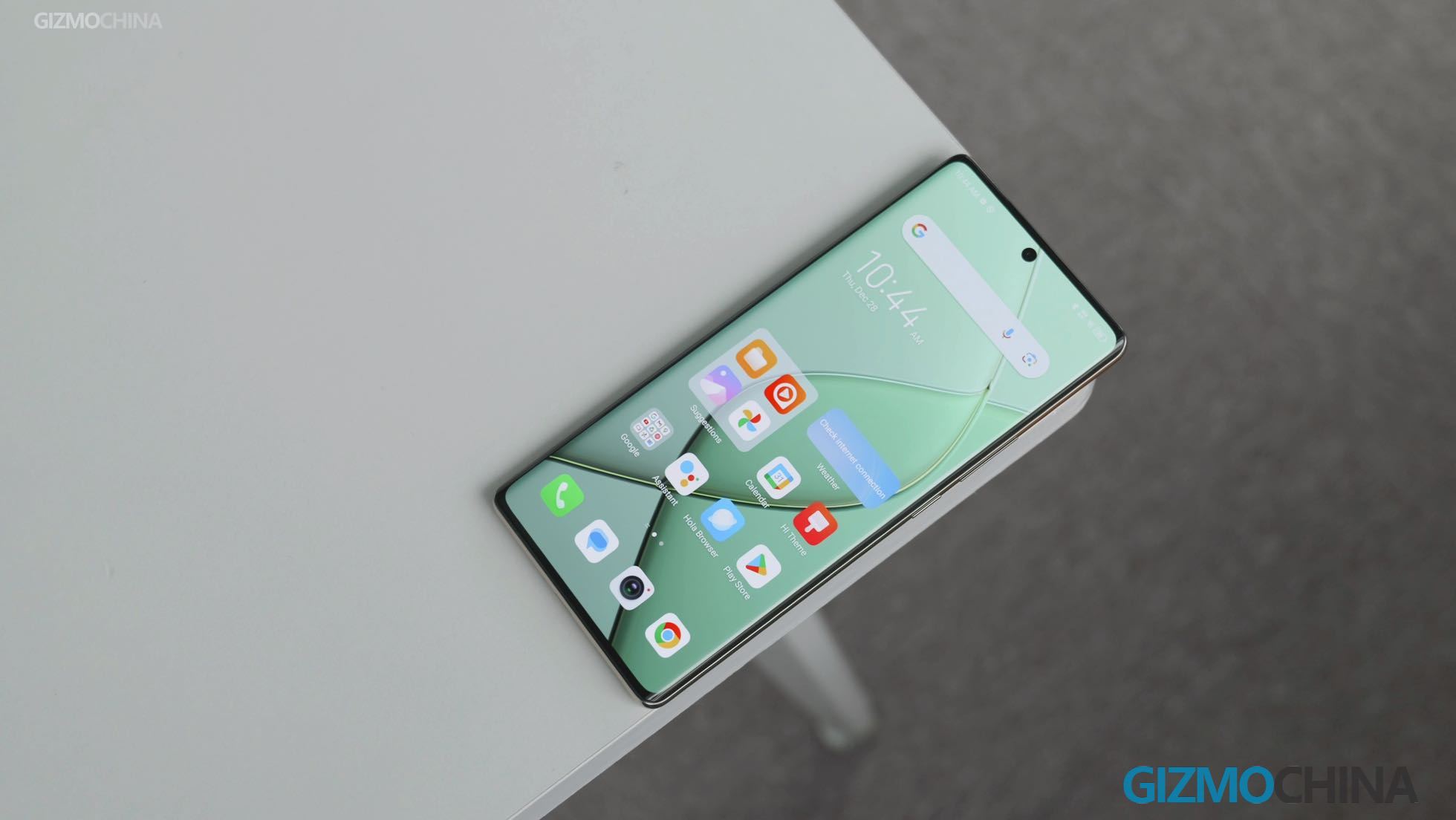
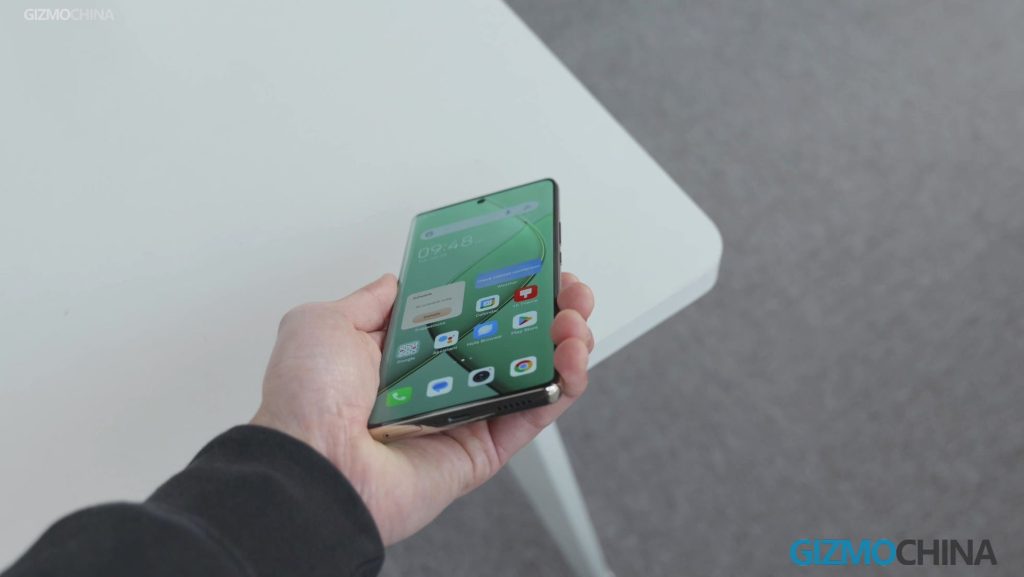
On the 20 Pro+, it is a 6.78” AMOLED hole punch screen, with a 120Hz high refresh rate. Visually, it’s a really good screen, colors are very vivid and bright, The viewing angle is also very good. You can comfortably browse through all kinds of content, and since it has an adaptive refresh strategy, so when displaying different content, it will naturally tweak the setting to create a silky-smooth experience, while saving some battery. It claims 3-5% higher efficiency, well I don’t think it would make a dramatic difference, so let’s just take their word for it. This is a curved screen, the feel of holding this phone in the hand is very good. So if you have higher requirements for the screen, this is your choice.
The 20 Pro, has all the features that the Pro+ has, and the straight screen is more daily-use friendly. However since it is an LCD screen, the viewing angle and color richness will not be that good compared to AMOLED, but it can still manage to fulfill daily needs.
Camera
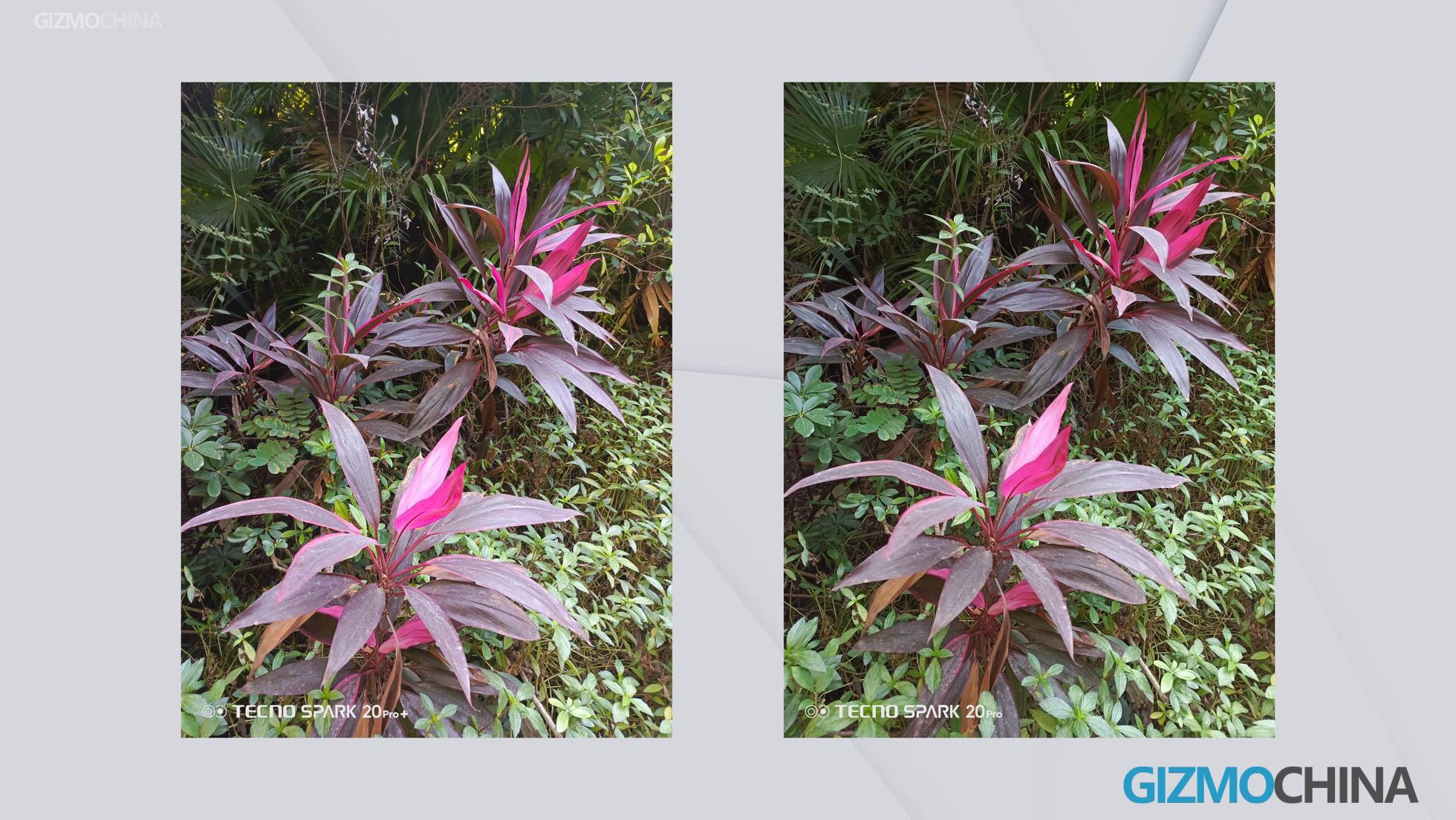
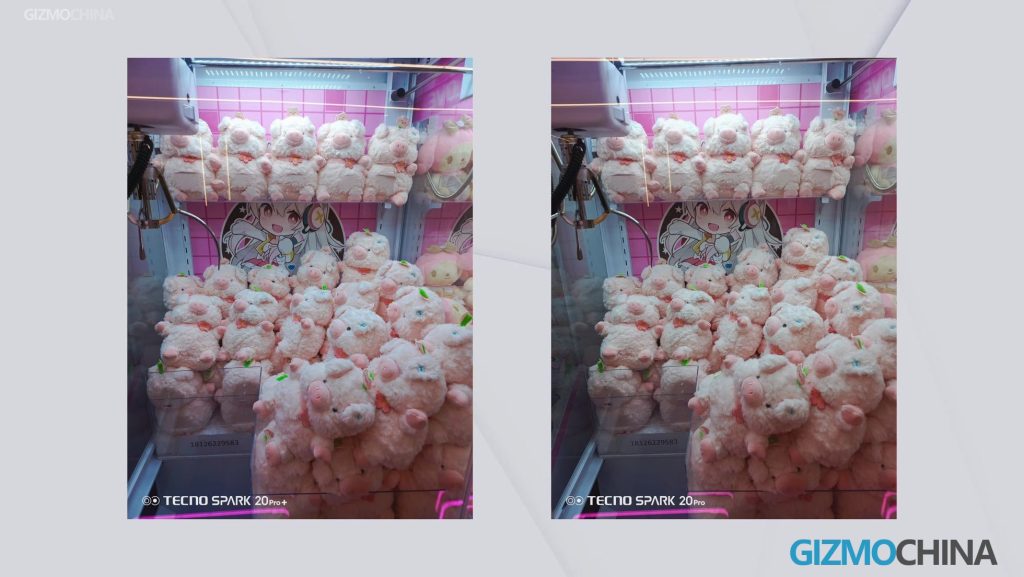
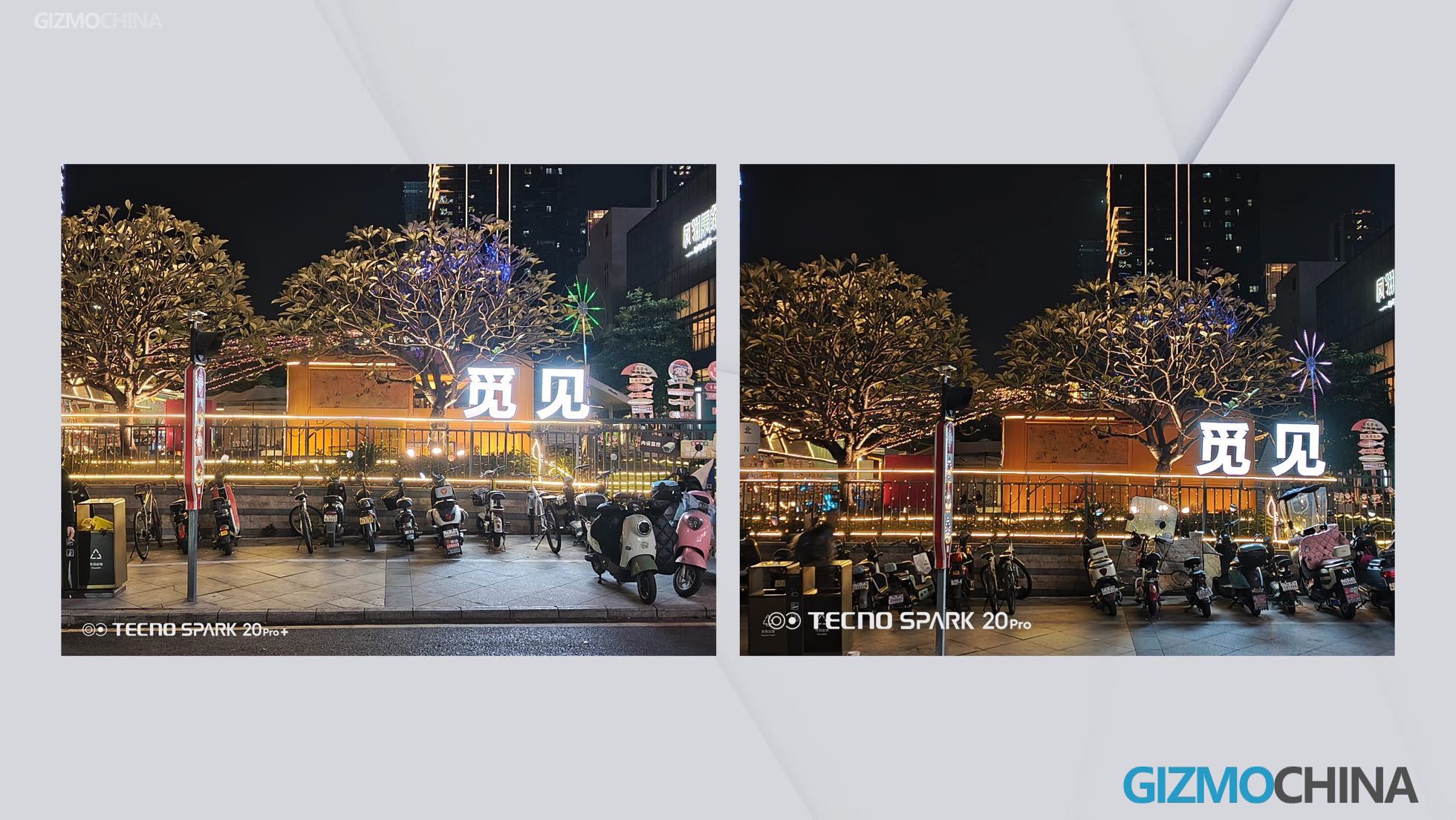
So the cameras, both have the same configuration here. A whopping 108MP main camera, and two other auxiliary cameras. The experience of taking photos with these two phones is good. In the daytime, they can take fine pictures, sharpness is good, and colors are accurate. Pictures of the scenery and live subjects are well presented. One situation I see the way it works is that it tends to brighten things up a bit in low light conditions because in this scene, areas other than the lights are darker than it shows.
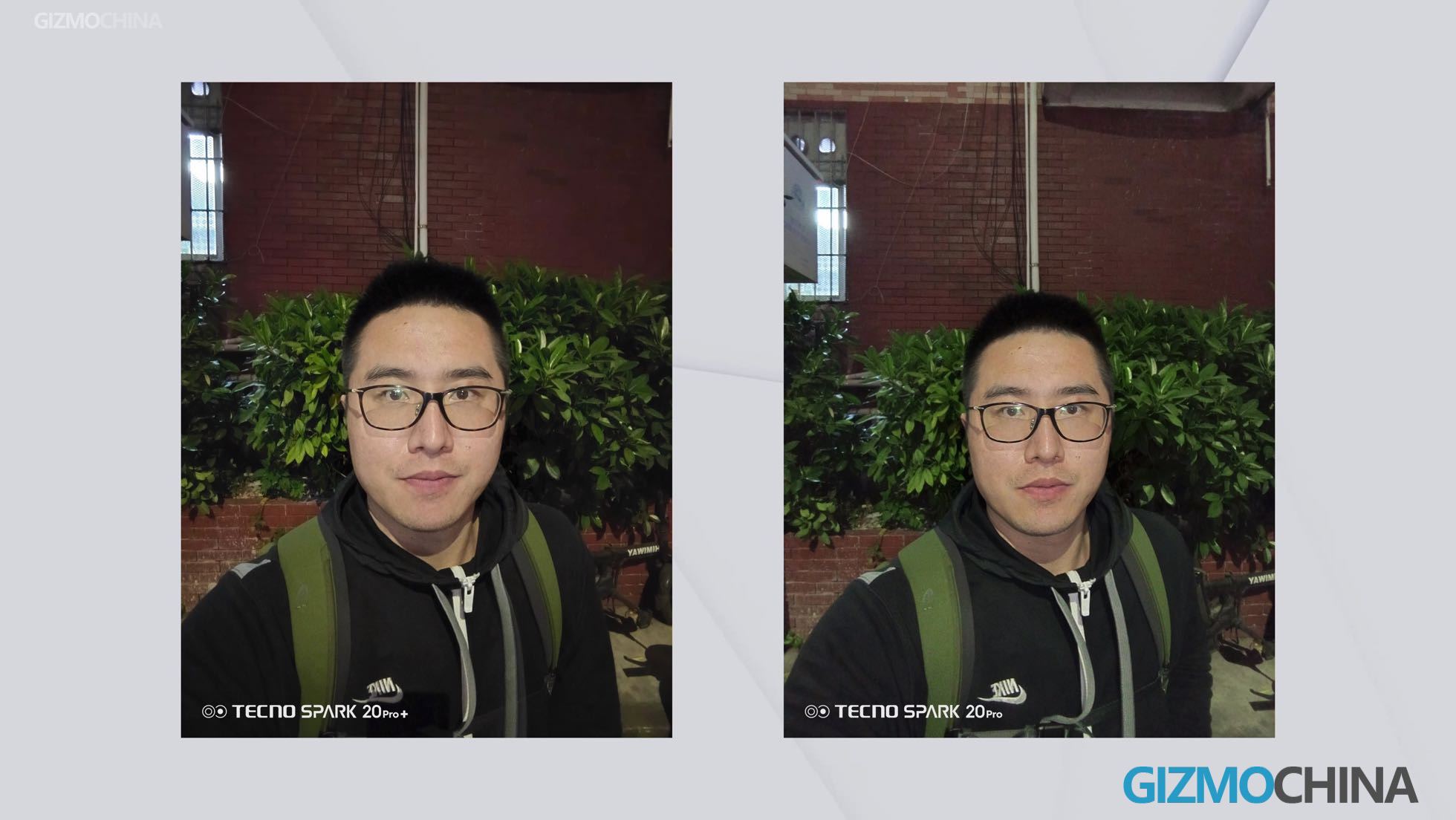
When the night comes, the Super Night Mode will kick in, it can capture all the subjects in the scene, and have good control of the highlight areas. When the front light is turned on, it naturally enhances the selfie performance, it lights up the face and the background, so the picture taken is very good. This is a unique feature that many phones don’t have.
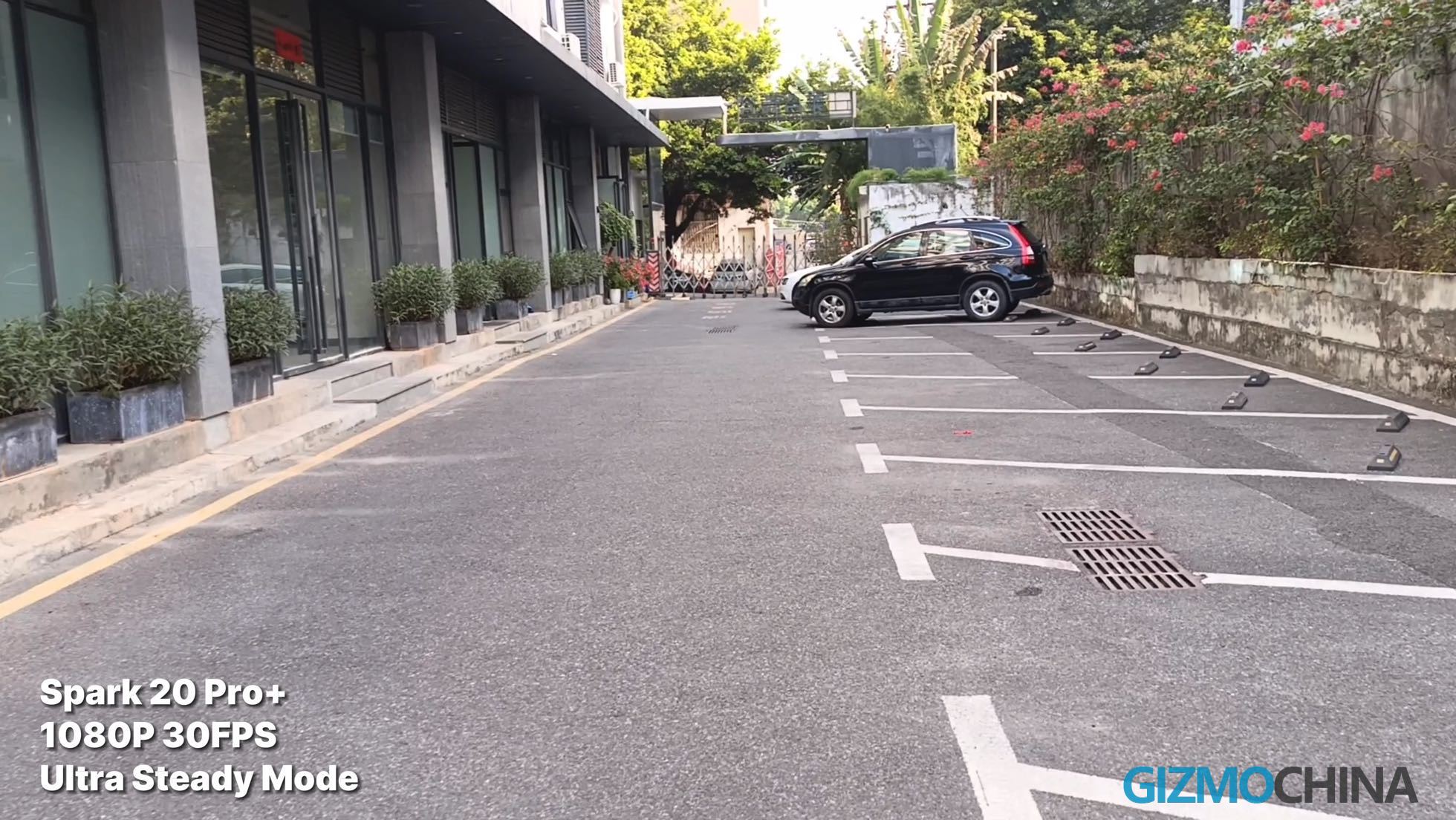
These phones also support 2k video recording, with only the Pro+ having an ultra steady mode, but it will be limited to 1080P 30fps. The fun feature of the cameras is the dual video capability, you can record with both the rear cameras and the front-facing camera, to create a live view experience for people who are going to watch the video.
There is also a macro camera that can help you explore a bit more fun in your life, and you can try to take some photos with it.
Performance
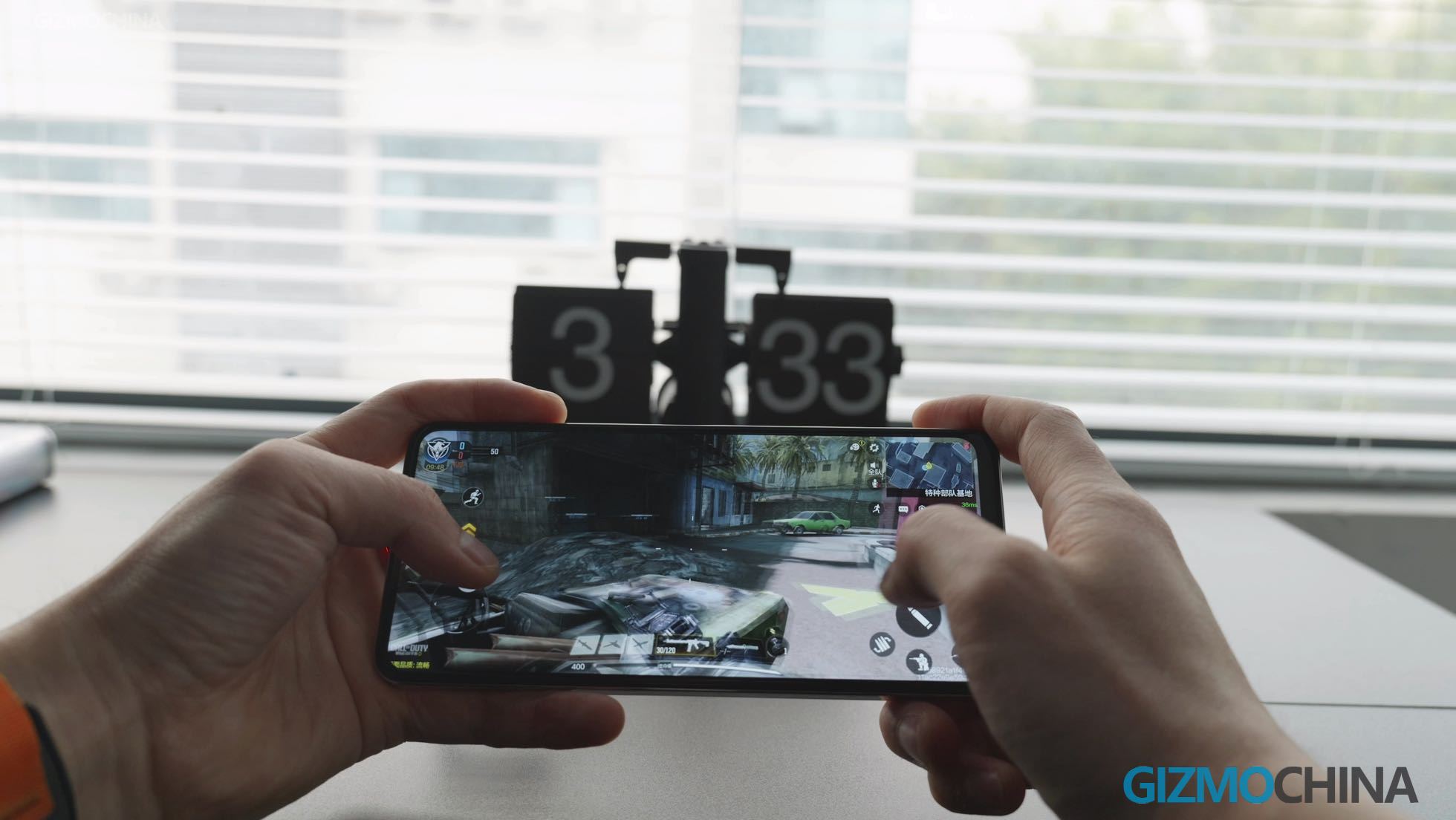
When I tried to know more about these phones, I got some info about Tecno supporting some sports events around the world, including some football and E-sports. Like some Call Of Duty tournaments. So they must be confident about the performance, which also translates as the chip being good.
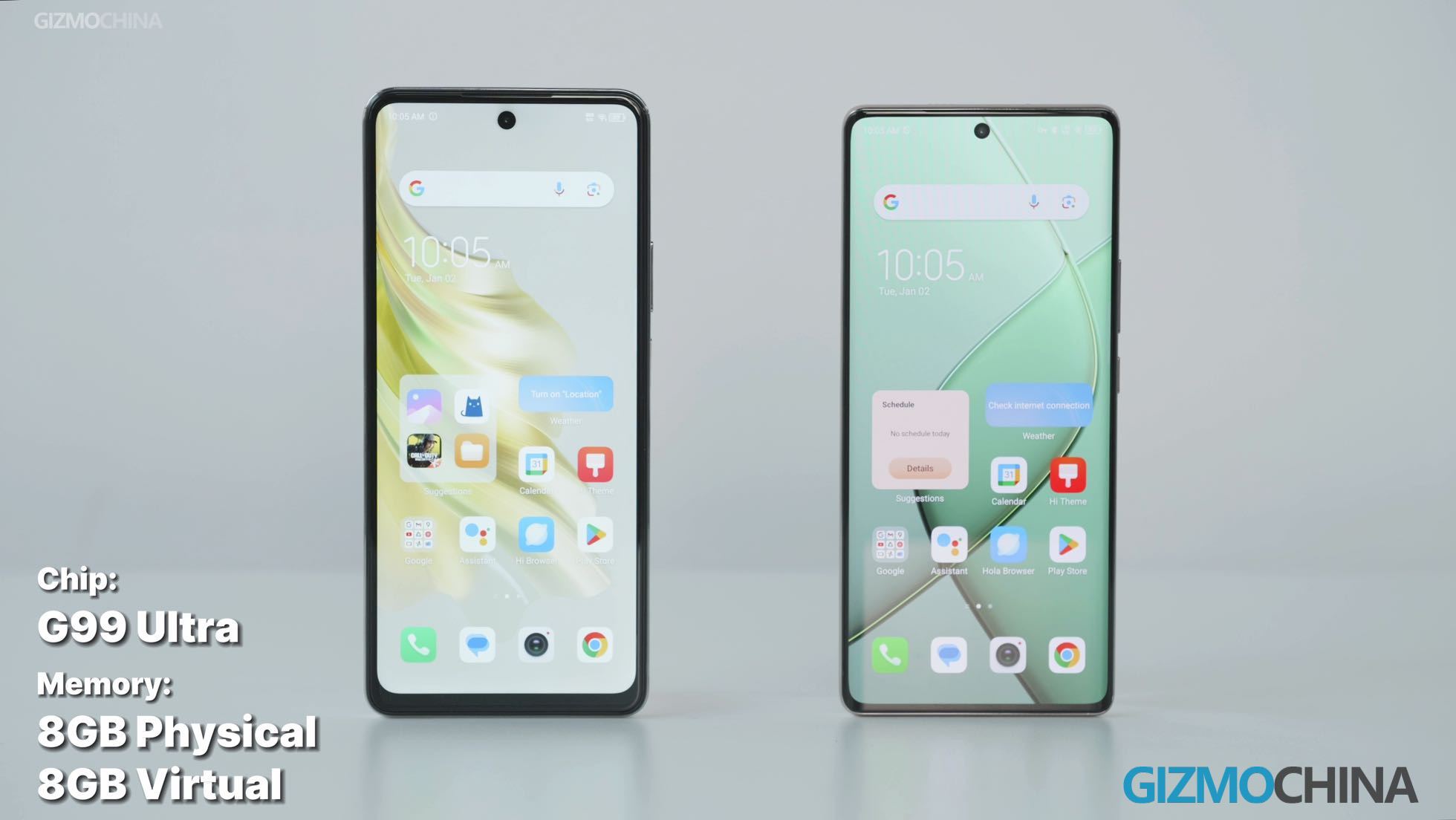
These two both come with MTK G99 Ultra, 16GB RAM, 8GB physical, and 8GB virtual. In Geekbench5, it got 727 points single core, 2014 point multi-core, decent scores for this chip. In daily use, we haven’t encountered any lag, and the gameplay is very smooth also. In Call of Duty, the game can smoothly run at 60Hz without any distortion, and it can switch between apps without any lag.
HiOS
About the operating systems, it is Android 14 on the Pro+, and Android 13 on the Pro, in daily use, there isn’t any difference. Still, there are a lot of highlights in the HiOS. Such as the Dynamic Port, I wouldn’t say it provides a whole new experience in the UX, but at least it shows some useful info while some apps are running. Another one is the AI feature built in, you can input some keywords, and then have an AI wallpaper made just for yourself; Also the AI will learn your habits, and then give some suggestions for things you want to do. Lastly, the docking portal at the side, it’s some light load mission that is implemented in the system, so you have quicker access to things, it is a very convenient feature.
Verdict
I would say these two phones have a lot of value to offer, there are some important features you will appreciate, such as the magic skins, the versatile cameras, the flashlights, and the above-average performance. If you are looking for a budget-friendly phone that is packed with good enough performance, these two can be your choices. So this is the review of Tecno Spark 20 Pro and Pro+, and we will see you next time.
In a win-win move for both companies, Nokia and Honor have signed 5G patents cross-licensing agreement, smoothing the way for further development and deployment of 5G technology.
This deal, announced on January 4th, covers fundamental inventions in 5G and other cellular networks and marks Nokia’s fourth major smartphone patent agreement in the past year.
The specific terms of the agreement are under wraps, but both companies expressed their satisfaction. Susanna Martikainen, Chief Licensing Officer at Nokia, pointed out this deal highlights the strength of their patent portfolio and decades of contributions to mobile technology.
Honor’s representative, Zhou Wenyu, emphasized their commitment to intellectual property rights and belief in fair pricing for essential patents.
This agreement is more than just a paper handshake. It avoids potential legal battles while fostering collaboration on crucial 5G technology. Both companies are major players in the mobile industry. Nokia has poured over €140 billion into R&D since 2000, resulting in roughly 20,000 patent families, including over 6,000 crucial for 5G. Also, for Nokia, this marks their fourth major smartphone patent agreement in the past 12 months.
Honor, on the other hand, sees this agreement as a testament to their commitment to innovation and intellectual property rights. They too are investing heavily in R&D, reportedly dedicating around 10% of their revenue to stay ahead of the curve. Also, their global patent applications are said to have crossed the 20,000 mark.
This news comes on the heels of a recent Chinese court ruling in favor of Nokia in a patent royalty dispute with another phone maker. This decision sets a global precedent for 2G-5G standard essential patent litigation.
For those unaware, Nokia has also reached a deal with Samsung in early 2023 and Apple in July. With Samsung, Apple, and now Honor on board, Nokia’s grip on the 5G patent landscape seems to be tightening.
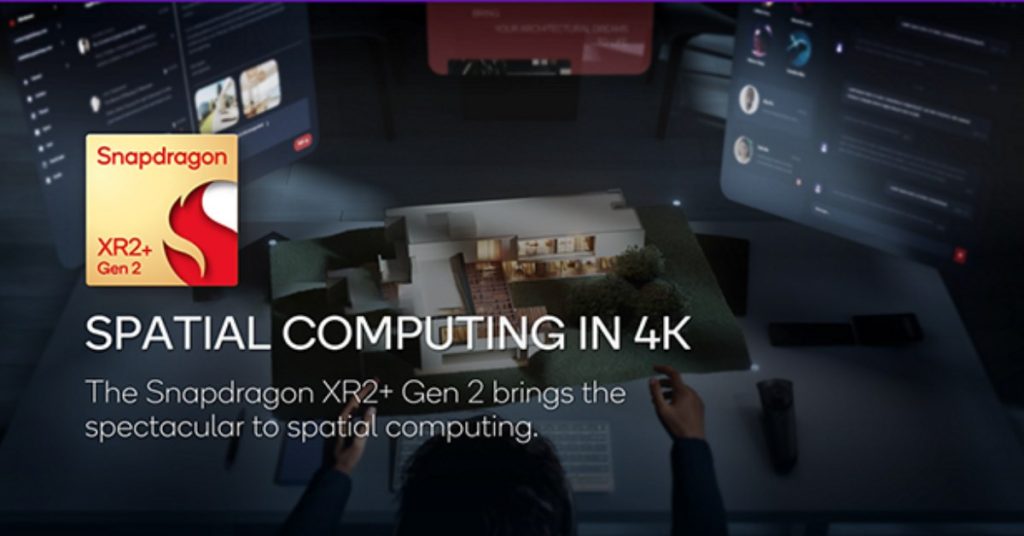
A year after Qualcomm, Samsung, and Google‘s joint XR project announcement, the Snapdragon XR2+ Gen 2 platform has finally arrived. This upgraded chip, succeeding the XR2 Gen 2 used in Meta Quest 3, offers significant improvements in graphics processing, potentially rivaling the performance of Apple’s upcoming Vision Pro headset.
Qualcomm Snapdragon XR2+ Gen 2
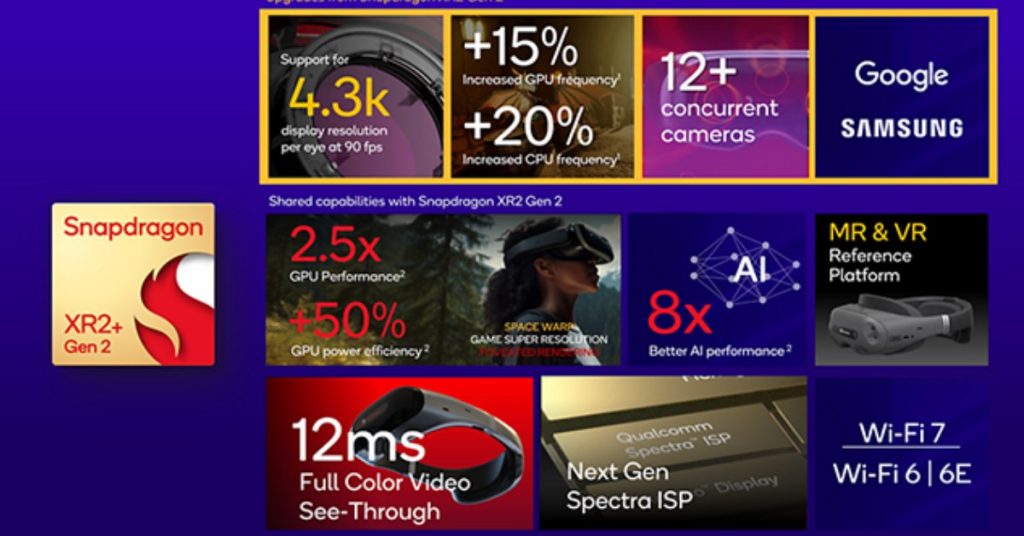
The XR2+ Gen 2’s standout feature is its support for a remarkable 4.3K resolution per eye and a 90fps refresh rate. This represents a significant jump over the XR2 Gen 2’s 3K resolution which will offer users a sharper, more immersive VR experience.
The XR2+ Gen 2 also boasts improved tracking capabilities. It can support up to 12 cameras and powerful on-device AI, enabling VR headsets to accurately track user movements and surroundings. This should allow for more intuitive navigation and interaction within virtual spaces.
Qualcomm has also upped the ante in terms of processing power. The XR2+ Gen 2 boasts a 15% increase in GPU frequency and a 20% bump in CPU frequency compared to its predecessor. This translates to improved performance and the ability to handle even the most demanding VR applications.
To accelerate VR headset development, Qualcomm has partnered with Goertek to create a new reference design. This pre-built platform comes in two configurations — one powered by the XR2 Gen 2 for 3K resolution and another powered by the XR2+ Gen 2 for the full 4K experience.
Qualcomm has confirmed that the new silicon will be used in the upcoming XR products from Samsung and Google. It’s also partnering with at least five other hardware makers, including HTC, to popularize its new platform. From what we know so far, Samsung is aiming to compete with Apple’s highly anticipated Vision Pro headset. With Samsung’s Unpacked event approaching, we might see exciting VR announcements on the horizon.
Hideo Kojima is one of the most acclaimed creators in the world of gaming. Everyone is stirring with excitement as his latest project OD is underway. Collaborating with filmmaker Jordan Peele, OD is touted to be a groundbreaking experience, blending game and film elements. Its details remain shrouded in mystery, but the involvement of Hollywood celebrities and the use of Unreal Engine 5 hint at an ambitious venture.
The project will be designed in Unreal Engine 5, reports state.
Kojima’s reputation for pushing boundaries is well-established. His previous project, Boktai, was a game-changer with its use of a solar sensor in the game cartridge, allowing players to harness real sunlight to battle vampires. This concept faced initial resistance but ultimately proved Kojima’s knack for innovation. Drawing parallels between Boktai and OD, Kojima suggests that OD will be just as unconventional and potentially transformative.
OD’s development brings together a blend of high-profile talents. Peele, known for his expertise in creating immersive, eerie narratives, promises that OD will be both engaging and terrifying. The cast includes notable names like Sophia Lillis, Hunter Schafer, and Udo Kier, adding to the intrigue and anticipation.
The gaming community is abuzz with speculation about OD, recalling the mystery and excitement surrounding Death Stranding, another of Kojima’s enigmatic projects. While details are scarce, the game’s unique concept, high-profile collaboration, and advanced technology set high expectations.
As for Boktai, the game’s legacy endures despite the series not seeing a new release since 2007. Its innovative gameplay and Kojima’s fearless creativity in game design continue to inspire. OD, carrying this legacy forward, stands as a testament to Kojima’s unyielding pursuit of groundbreaking gaming. And that is one thing he is really, really good at.
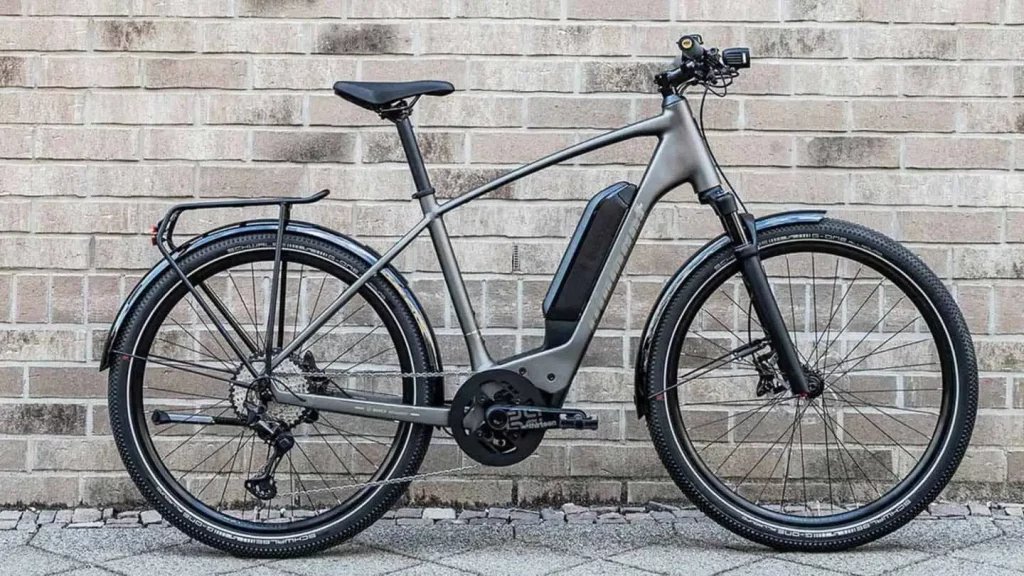
The Diamant Zing Super Deluxe stands out in the world of trekking bikes, striking a perfect balance between lightweight design and robust performance. Trekking bikes, often seen as a hybrid between mountain and road bikes, cater to those who love recreation and exploration rather than intense, performance-focused riding. However, Diamant, a renowned German bike specialist, has crafted the Zing Super Deluxe to appeal to both casual riders and those seeking a bit more thrill.
A secondary battery can be added, increasing the weight by less than a kilo
Weighing less than 22 kilograms (48.4 pounds), the Super Deluxe model doesn’t compromise on quality. Diamant has outfitted this bike with top-notch components like carbon cranks from E*Thirteen, Bontrager’s lightweight wheels, and the efficient Bosch Purion 200. The real game-changer, however, lies in its motor: the Bosch Performance Line CX. This motor delivers an impressive 85 Nm of torque and a peak output of 600 watts, making the bike both agile and powerful. An optional secondary battery can be added, increasing its weight by a mere 900 grams (1.9 pounds) but significantly boosting its range.
In terms of suspension, the e-bike is equipped with an SR Suntour Axon 32 Boost Magnesium fork, offering 40 mm of travel. This feature ensures a comfortable and confident ride, even off the beaten path. Additionally, it includes a 12-speed Shimano drivetrain, hydraulic disc brakes, and a versatile MIK-compatible rear cargo rack. These features collectively make the Zing Super Deluxe not just a bike, but a reliable companion for adventures.
However, premium features come at a premium price. Starting at 4,409 euros (about $4,832 USD), the cost can increase with added extras. But for those who value a combination of performance, comfort, and quality in their trekking experience, the Diamant Zing Super Deluxe could be a worthy investment.
This might be the most groundbreaking and positive news from 2024 so far. Insilico Medicine, an AI-driven drug discovery firm from Hong Kong, recently made headlines with its significant deal involving a breast cancer drug candidate. This transaction, potentially exceeding $500 million, was struck with Italy’s Menarini Group, highlighting a new era where artificial intelligence (AI) is revolutionizing drug discovery.
The Global Breast Cancer Market is expected to hit $73.68 billion by 2032
Insilico, preparing for a public listing in Hong Kong, received an initial $12 million from Stemline Therapeutics, a Menarini subsidiary. The deal includes development, regulatory, and commercial milestones, along with sales royalties. This partnership marks a significant milestone in the integration of cutting-edge AI technology into pharmaceutical research and development.
AI’s role in drug discovery is increasingly crucial, offering enhanced efficiency and accuracy. This is not just about speeding up processes; it’s about opening new doors in medical research. The AI-driven drug discovery market is booming, expected to reach a staggering $7.1 billion by 2030.
The deal focuses on a novel small molecule KAT6A inhibitor, aimed at treating hormone-sensitive cancers. With breast cancer being the most prevalent and deadly cancer among women globally, the potential impact of this treatment is immense. The global breast cancer market is also on the rise, projected to hit $73.68 billion by 2032.
Menarini, a major player in the pharmaceutical and diagnostics field, views this collaboration as a chance to pioneer new treatment avenues and potentially revolutionize cancer therapy. Insilico, led by Dr. Alex Zhavoronkov since its inception in 2014, boasts a robust pipeline targeting various diseases, emphasizing the role of AI in future healthcare advancements.
With Insilico’s presence expanding globally and its recent influx of funding, including a $95 million series D financing in 2022, the company is poised for significant growth. This deal not only underscores the power of AI in healthcare innovation but also signals a promising future for more AI-driven breakthroughs in medicine.
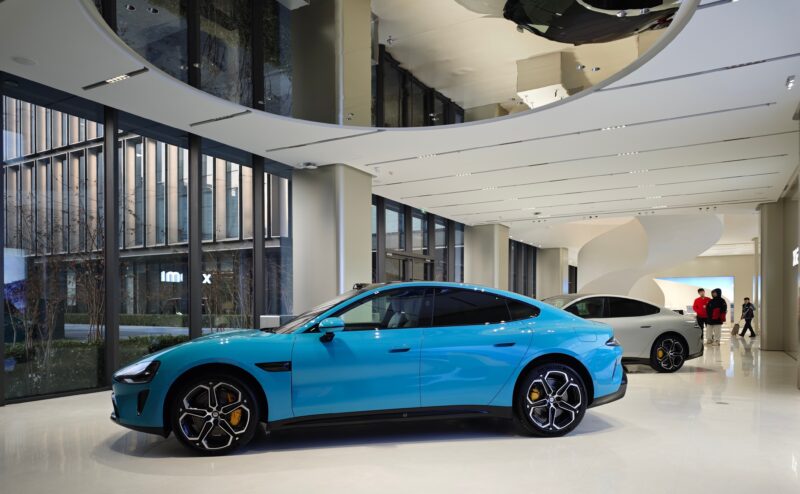
The official website of the electric vehicle arm of tech powerhouse Xiaomi is now fully functional. The website is dedicated solely to Xiaomi’s EV business which was established in 2021. The company is wholly owned by Xiaomi with its CEO also doubling as chief executive of the EV subsidiary. This is coming after the company announced its first EV the SU7 which is also showcased in selected Xiaomi Stores in China.
The Xiaomi EV website was registered sometime after the company was established but passed registration review in 2023. The website was noticed to be functional and live shortly after the unveiling of the SU7 EV on December 29, 2023. The website is solely focused on the SU7 which is already on display in selected Xiaomi stores across China. The Xiaomi SU7 packs a range of 800km and goes from 0 to 100km in 2.78 seconds. The SU7 comes with self-driving capabilities and sports an 800V system.
The website is Chinese-only currently but could expand to other major languages in the future. The layout of the website looks sleek and reflects Xiaomi’s style and philosophy. The site has a pretty simple design and seven functional tabs as you scroll down the home page. There are graphic photos of the SU7 on the homepage, as well as the other pages. It is noted that some of the images displayed of the SU7 have not been previously seen. The website also presents technical information about the Xiaomi SU7, showcasing various aspects of the Xiaomi flagship EV.
The Xiaomi EV website also provided a 2-minute promotional video about its production. Details are also provided about the Xiaomi Pilot module for self-driving and its Hypercasting line. Xiaomi is also offering more information about its integrated HyperOS that runs on all the screens inside the EV. There are still details lacking for the Xiaomi SU7 EV including its price although it is expected to enter the market later this year. The Xiaomi SU7 is already on display in some Xiaomi stores in China.
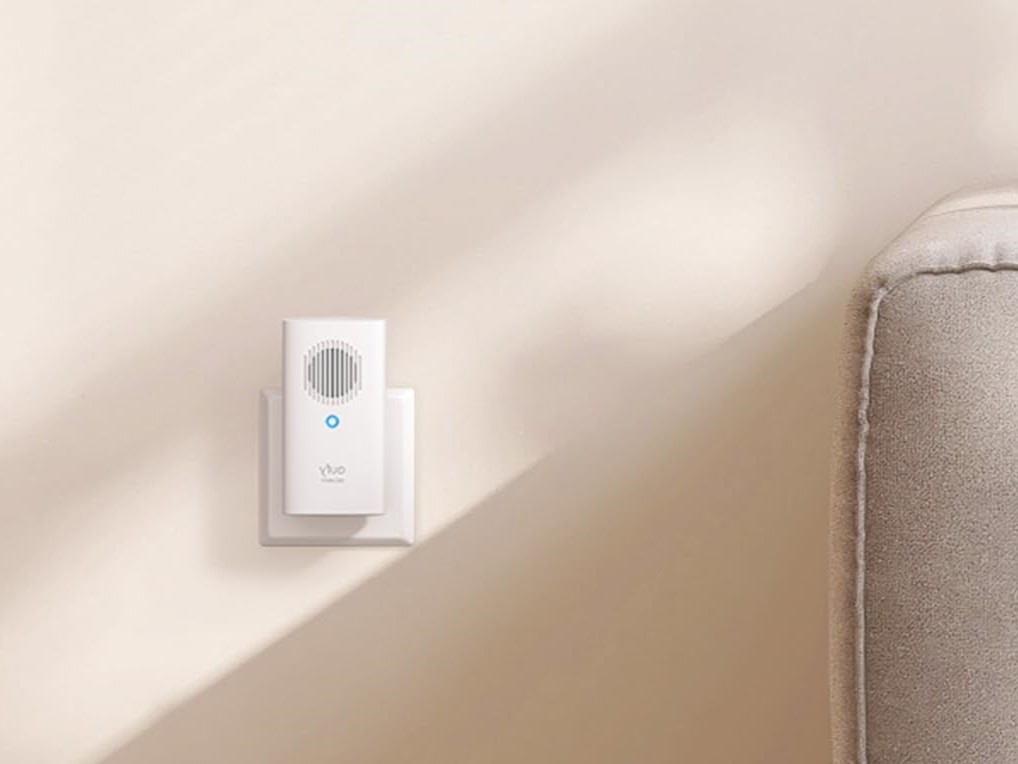
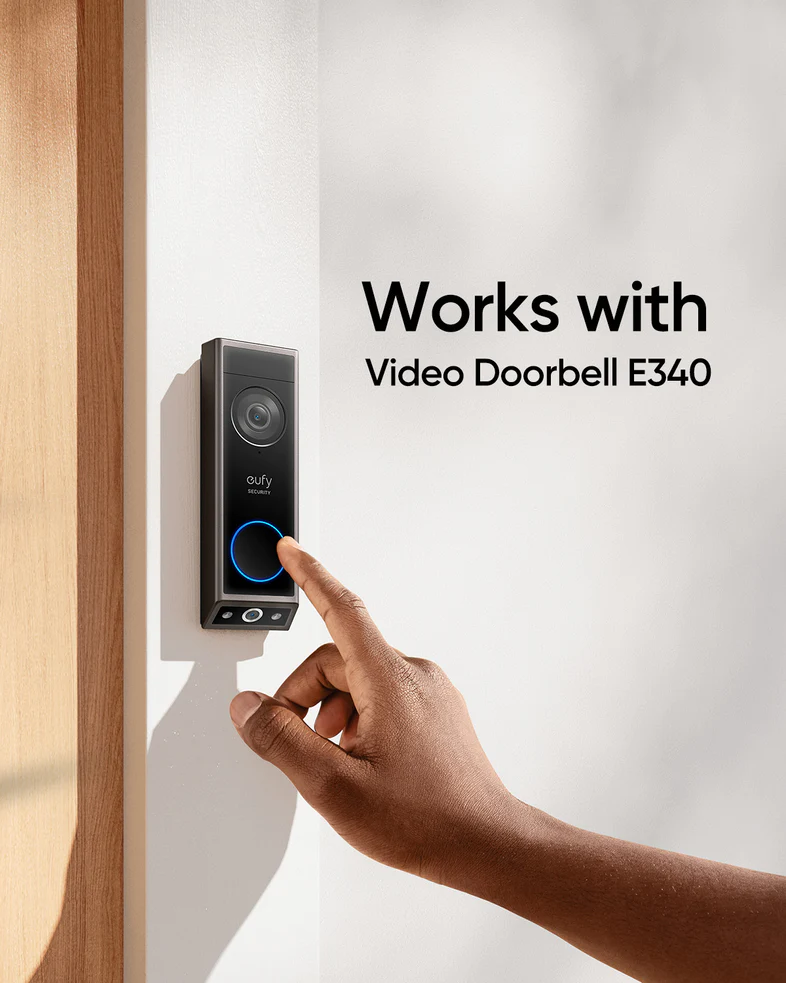
Eufy has unveiled a new wireless chime for its Smart Video Doorbell E340. The Eufy Security Video Doorbell Add-On chime can notify you of visitors when it detects motion. This eliminates the need to receive updates via the app. Apart from the Smart Video Doorbell E340, the new Add-On chime is compatible with all upcoming Eufy video doorbells. The older models are not compatible with the new Add-On chime.
The New Add-on Chime is compatible with the Eufy Video Doorbell E340 & subsequent models
The new Add-On chime helps to notify you of visitors without relying on the app. T is also known as the MiniBase Chime and the sound can be triggered by ringing the doorbell or when motion around the device is detected. There are 8 different chime sounds to choose from as well as adjust the volume to your taste. The video doorbell can capture up to 128GB of footage that is stored on a microSD card inside the device.
The dimensions of the Eufy MiniBase Chime for the Video Doorbell E340 are 3.74 x 1.97 x 1.77 inches. The gadget comes in a white plastic housing but several alternatives are also available in the market. There are a few products under the Anker sub-brand, as well as devices that support Google Assistant or Amazon’s Alexa.
Eufy Video Doorbell E340
Pricing & Availability
The Eufy Chime for Video Doorbell E340 is priced at $39.99 or equivalently €39.99 in the EU and £35.99 in the UK. There are no details at this time of the availability of the new Eufy Add-On chime in other markets outside North America and the EU/ UK. Although the product can be purchased via Amazon, it is unavailable for delivery to several countries and regions at this time.
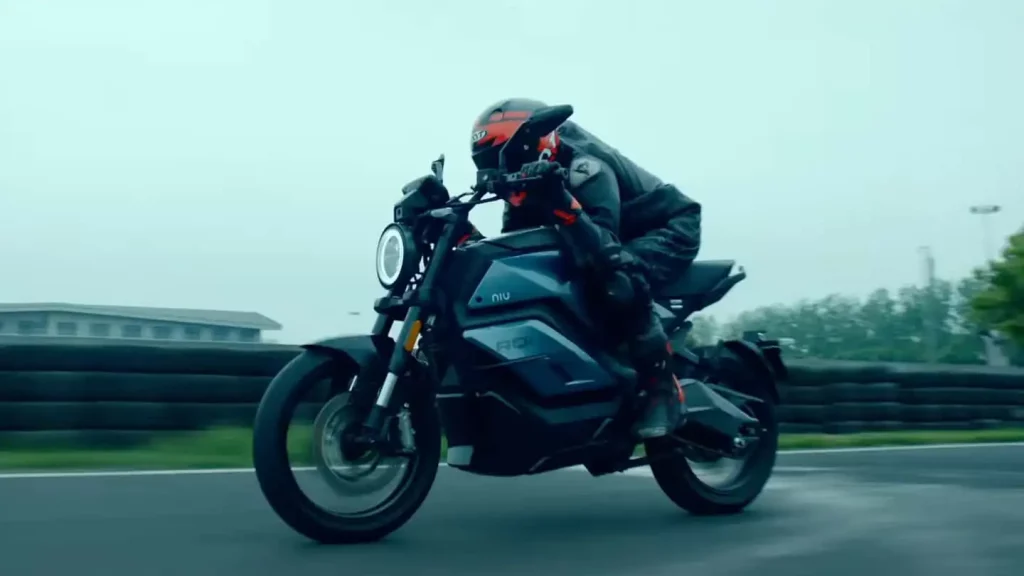
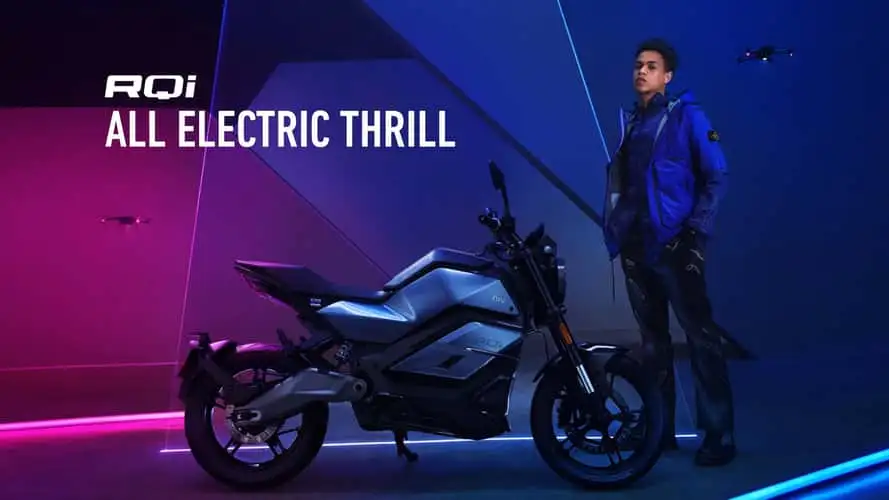
The Niu RQi electric motorcycle has now transitioned from a concept EV to a commercial product. This is coming about four years after Niu unveiled the RQi concept but the delivery remains impressive. The Niu RQi was unveiled at CES 2020 and was greeted with hope. Its specs at the CES event included a 40HP output and a top speed of 161km/h (100mph). Niu was however unable to meet its targets and had revised the specs of the model within the period. In 2022, the model was showcased with a similar power output as a 125cc motorcycle. The downgrading of the RQi’s power capabilities was seen as a move by Niu to cater to beginner riders in Europe with an A1 license.
The new Niu RQi comes with a 7,500W electric motor with an output of about 11Hp, far below its original 40HP capacity. It has a maximum torque of 450Nm which is quite impressive. The RQi has a top speed of 110km/h (below its original rating of 161km/h) and can go from 0-50km/h in 2.9 seconds. Two 72V, 36Ah batteries provide the needed range for the RQi, taking it to about 200km on a single charge. The electric motorcycle also comes with Pirelli tires, dual-channel ABS, and a Brembo radial caliper at the front.
The inclusion of a traction control system for the Niu RQi ensures that the high-torque motorcycle is kept under control. Other features in the RQi are full LED lighting, keyless start, front and rear-mounted cameras, and GPS tracking. Overall, the Niu RQi comes with sufficient safety features and decent power output for urban movement.
Pricing & Availability
The Niu RQi is scheduled to enter the European market in the second quarter of 2024. Four color options namely gray, green, red, and blue will be available for the RQi. The Niu RQi will retail in Europe for €7,999 ($8,780) but this price is not cast in stone.
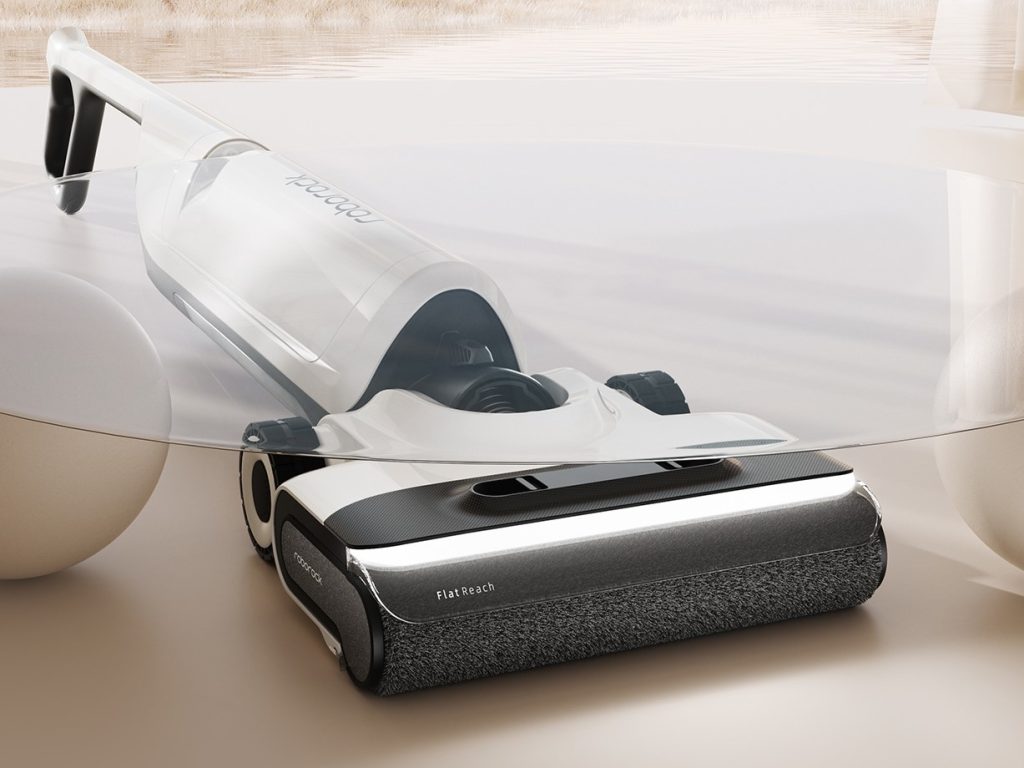
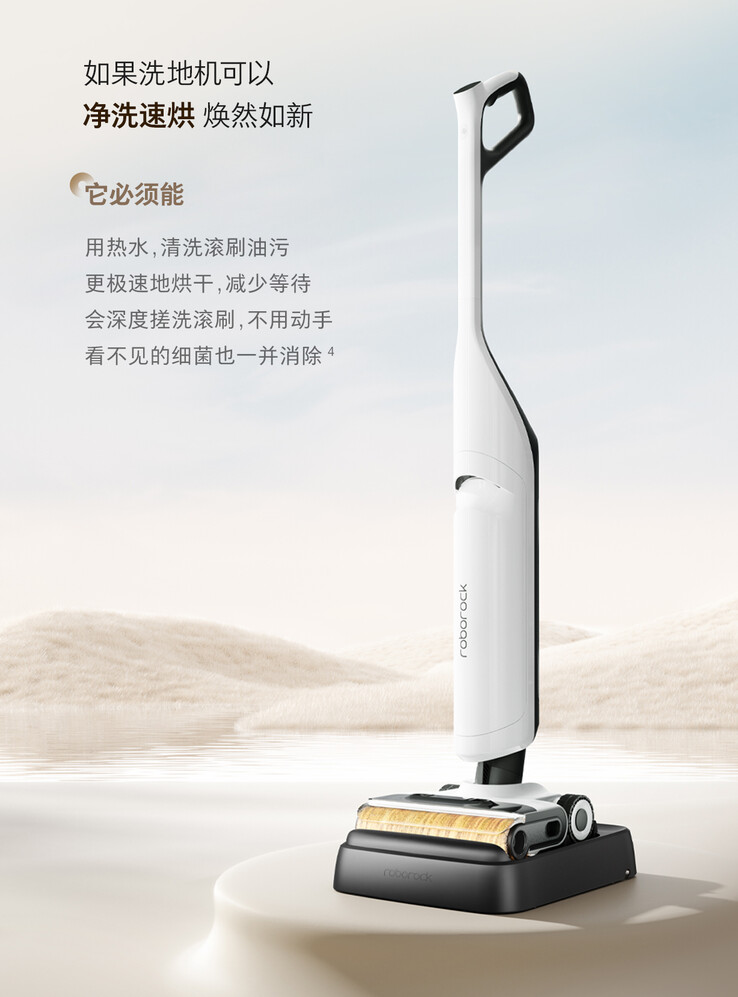
The Roborock A20 series wet and dry vacuum cleaners with the new FlatReach technology are now available in China. The new Roborock A20 series takes over from the A10 which was launched in July this year. The new model is designed to make cleaning difficult and unreachable areas very easy. The new A20 series Roborock vacuum cleaners are the A20 and the A20 Pro. Both models offer up to 17kPa suction power and docking station with self-cleaning capability. The innovative A20 series could well be part of Roborock’s lineup at CES 2024.
Features
The FlatReach technology is a new feature present in the A20 series vacuum cleaners. It allows the vacuum cleaner’s body to be parallel to the floor and makes it easier to clean under the furniture or sofa without moving the furniture. Both models have a constant pressure brush and a comp to help pick up hair particles. The docking station delivers 60ºC high-temperature washing and a sterilization rate of 99.9%. The drying mechanism helps to efficiently dry the vacuum within 5 minutes and keep bacteria away.
The Roborock A20 Pro has AI two-way power-assisted wheels for a more efficient cleaning exercise. It has a holding weight capacity of 635g and its LED lights help the user to see dust. The AI dirt-sensing mechanism allows the vacuum to intelligently adjust the settings for deeper cleaning. Both the A20 and A20 Pro have a 4,000mAh battery that yields a run time of 40 minutes on a full charge. The A20 series comes with an integrated screen for controlling the power, water volume, and speed of the vacuum cleaner. The companion app provides additional commands and configurations.
Pricing & Availability
The Roborock A20 and A20 Pro vacuum cleaners can now be pre-ordered by customers in China. The models are currently being offered at discounted prices of 2,499 yuan ($351) and 2,999 yuan ($422) respectively. The pre-order deposit required for either of the products is 100 yuan ($14). There is no global availability and pricing information yet for the new Roborock A20 series vacuum cleaners.
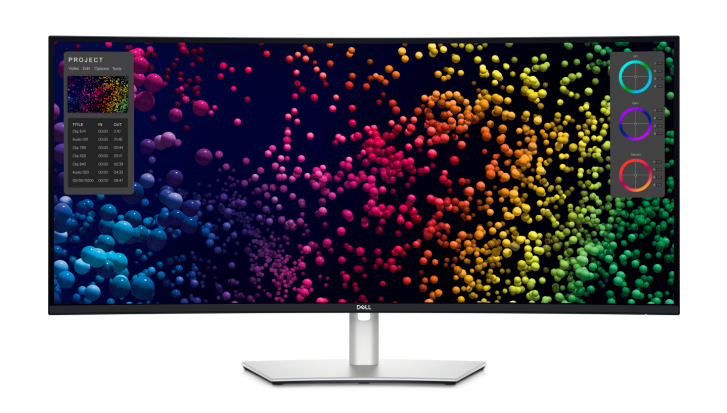
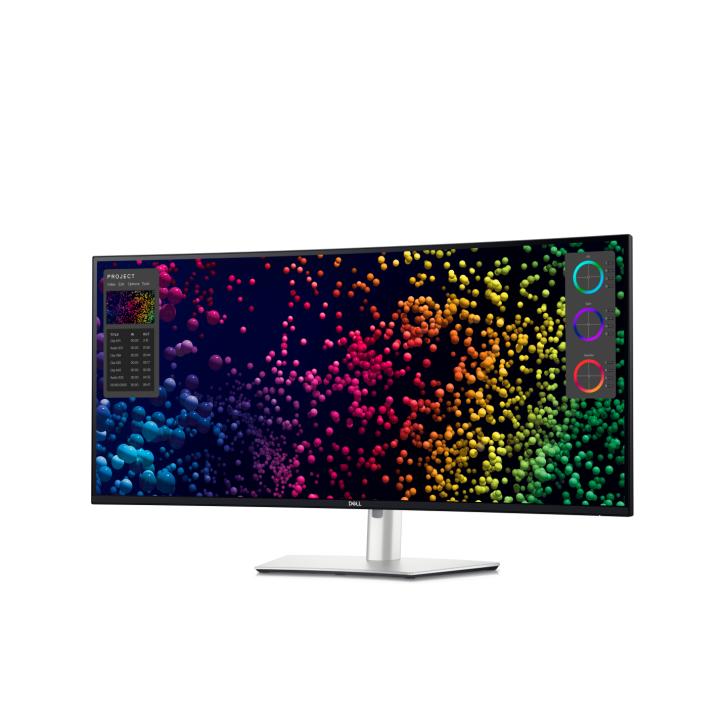
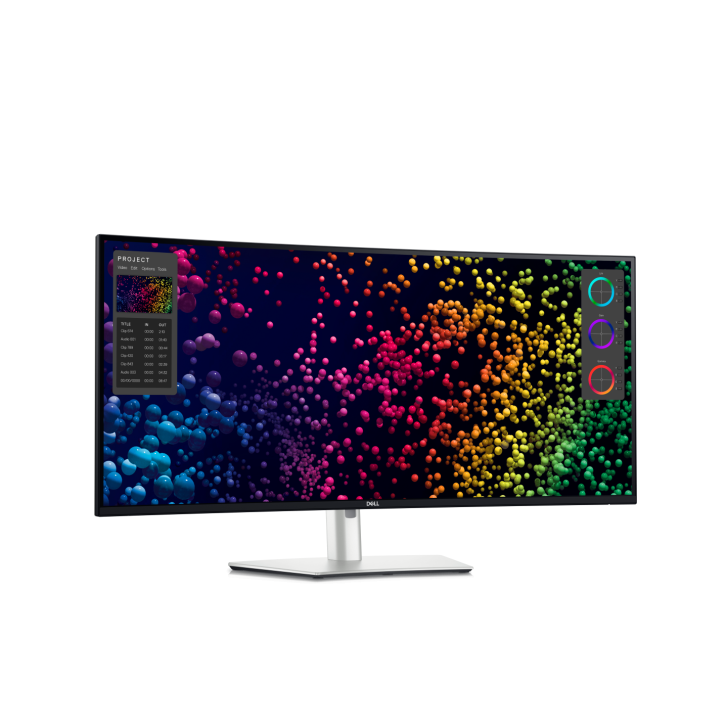
Dell has unveiled the U4025QW monitor ahead of CES 2024. This 40-inch monitor boasts a curved display and as per Dell, it is the world’s first 5K monitor with eye comfort certification.
The monitor is priced at $2,399 in the US and $3,289 in Canada, and it is scheduled for release on February 27th. Let’s check out the key specs of this monitor.
Dell UltraSharp 40 (U4025QW) Specifications:
Dell U4025QW features an advanced LG IPS Black panel for improved color contrast and deeper blacks, enhancing its display quality. It boasts a 5K resolution of 5120 x 2160 along with a 120Hz refresh rate, making it ideal for gaming and fast-paced content.
In terms of color accuracy and range, the monitor covers 99% of the DCI-P3 color gamut. It’s also certified with VESA DisplayHDR 600 and features a 2,000:1 contrast ratio, ensuring high dynamic range performance for improved brightness and contrast. This makes it a suitable choice for professional color work and high-quality visual content.
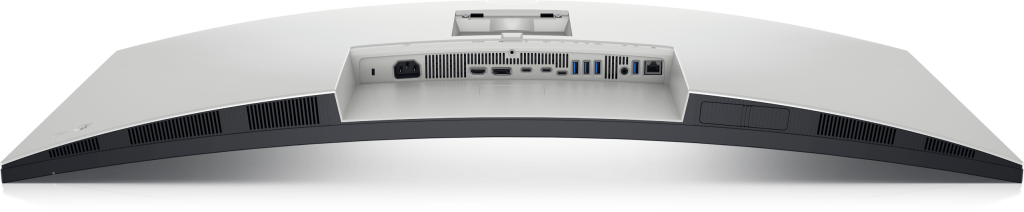
In terms of connectivity, the Dell U4025QW is well-equipped. It features a Thunderbolt 4 hub with a variety of ports, including one Type-A and two Type-C ports, HDMI 2.1, and DisplayPort 1.4 outputs.
This wide range of connectivity options ensures that the monitor can easily be integrated into most setups. The monitor also supports 140W power delivery via its Thunderbolt 4 port, allowing it to charge compatible devices efficiently. Furthermore, the monitor includes a 2.5 GbE Ethernet LAN port, providing high-speed wired network connectivity.
The monitor is certified for 5-star Eye Comfort, making it an excellent choice for extended use without causing eye strain.
Earlier today, Dell has also announced UltraSharp 34 curved monitor (U3425WE), a trimmed-down version of the 40-inch version.
Dell has also announced a refreshed XPS laptop lineup, including 13, 14, and 16-inch models with premium design features, Intel Core Ultra processors, and a unique Copilot Key.
The use of artificial intelligence is increasing day by day. Nowadays, it’s possible to encounter AI technologies in almost every industry. Moreover, ChatGPT, which initiated all this chaos, encourages people to develop custom AI models in different fields, further accelerating this process. Now, OpenAI’s plans go beyond that. The company plans to launch a store for GPTs and custom apps based on its text generating AI models sometime in the coming week. Here are the details…
OpenAI’s App Store for GPTs Will Launch Next Week
A short while ago, OpenAI sent an email to subscribed developers, announcing that the new application store will open next week. The email contained the following statement: “Dear GPT Builder, We want to inform you that we will be launching the GPT Store next week. If you are interested in featuring your GPT in the store, you will need to:
Review out updated usage policies and GPT brand guidelines to ensure that you GP is compliant
Verify your biulder profile (settings > builder profile > enable you name or a verified website)
Publish you GPT as ‘Public’ (GPT’s with ‘Anyone with a link’ selected will not be shown in the store)
Thank you for investing time to build a GPT – ChatGPT Team”
The opening of the store is part of OpenAI’s efforts to make GPT available to a wider user base. OpenAI is striving to ensure the responsible and safe use of GPT. As part of these efforts, the store will take various measures to prevent the misuse of GPT. The opening of the store signifies a significant advancement in the field of artificial intelligence. This development indicates that artificial intelligence is beginning to play a greater role in our daily lives.
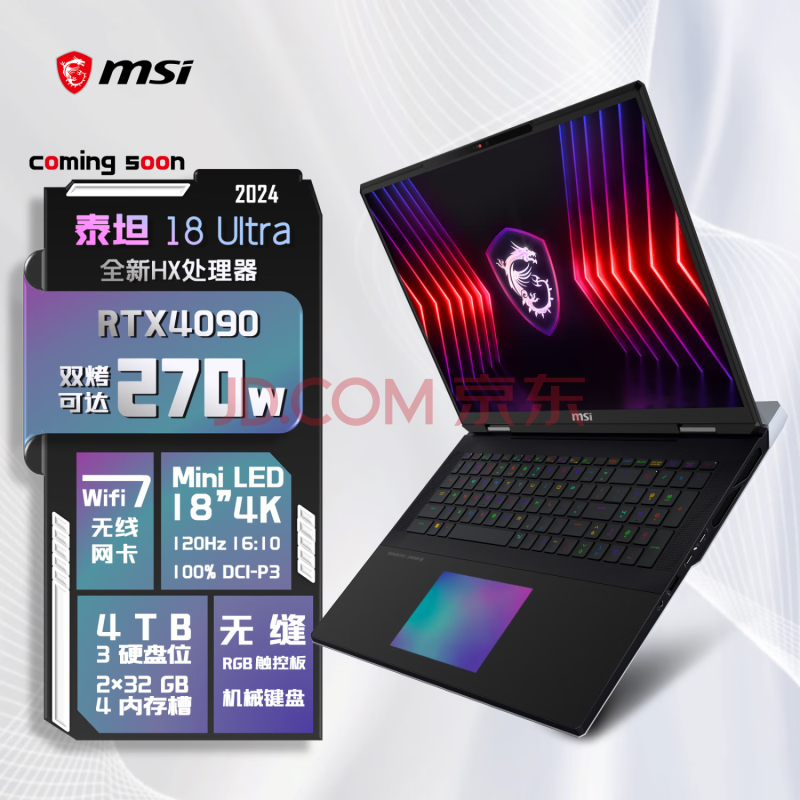
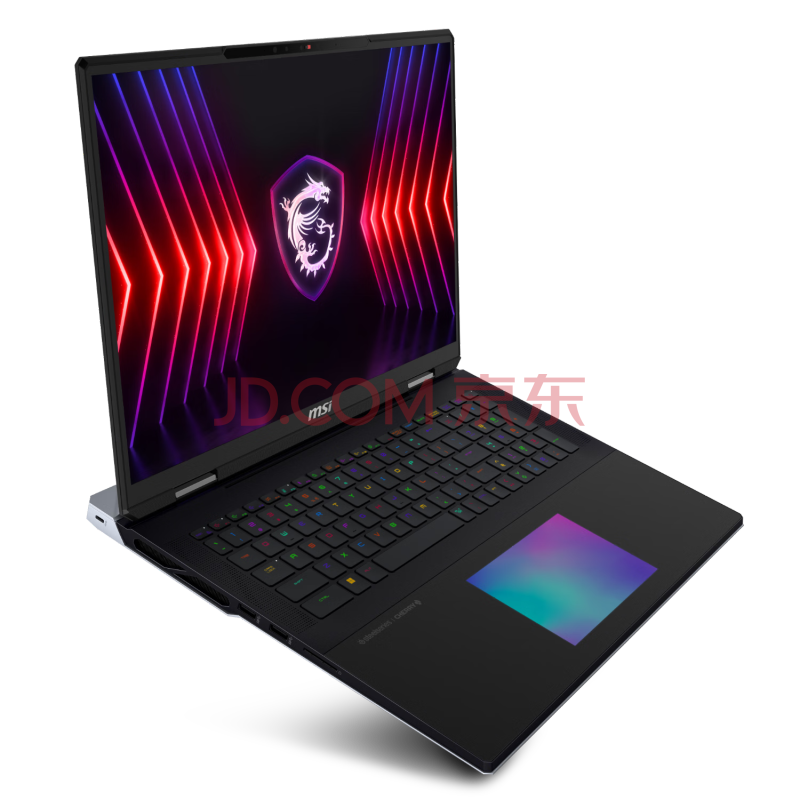
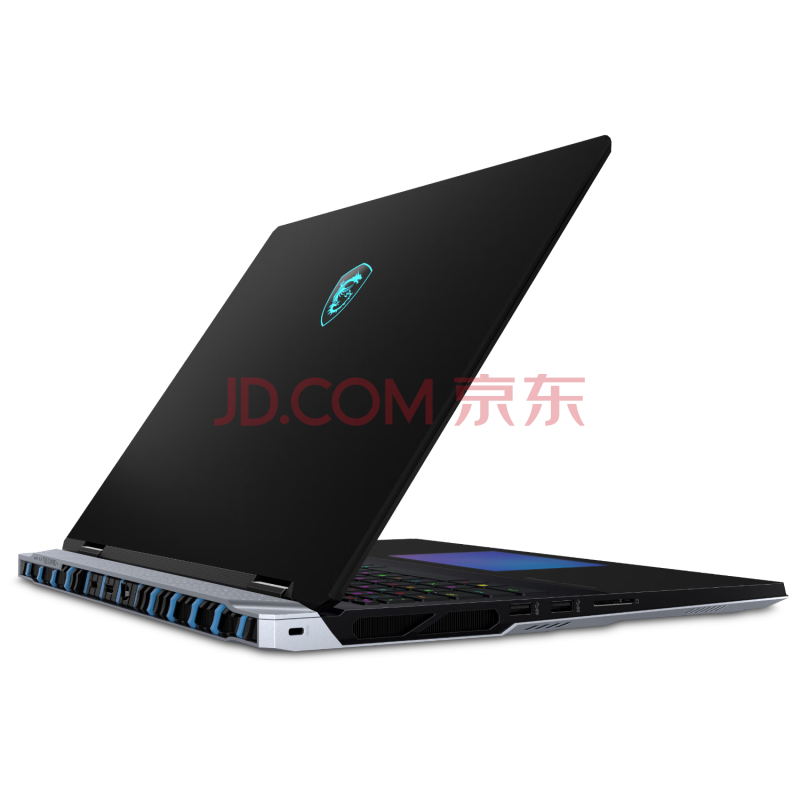
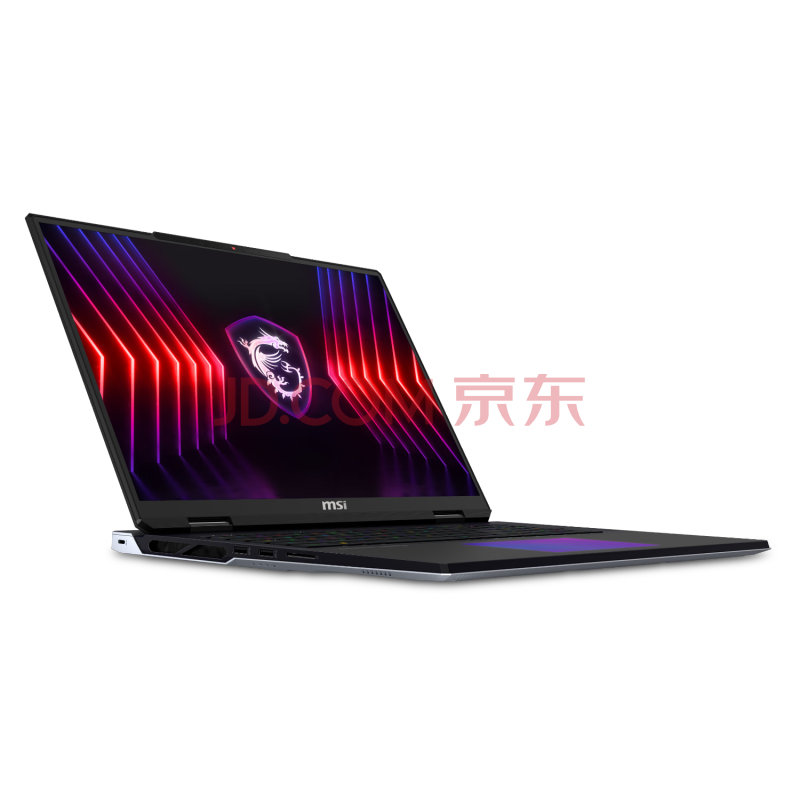
MSI is set to release the TITAN 18 HX laptop, targeting the enthusiast-class gaming laptop segment with a focus on feature-rich design and high performance.
MSI TITAN 18 HX specs:
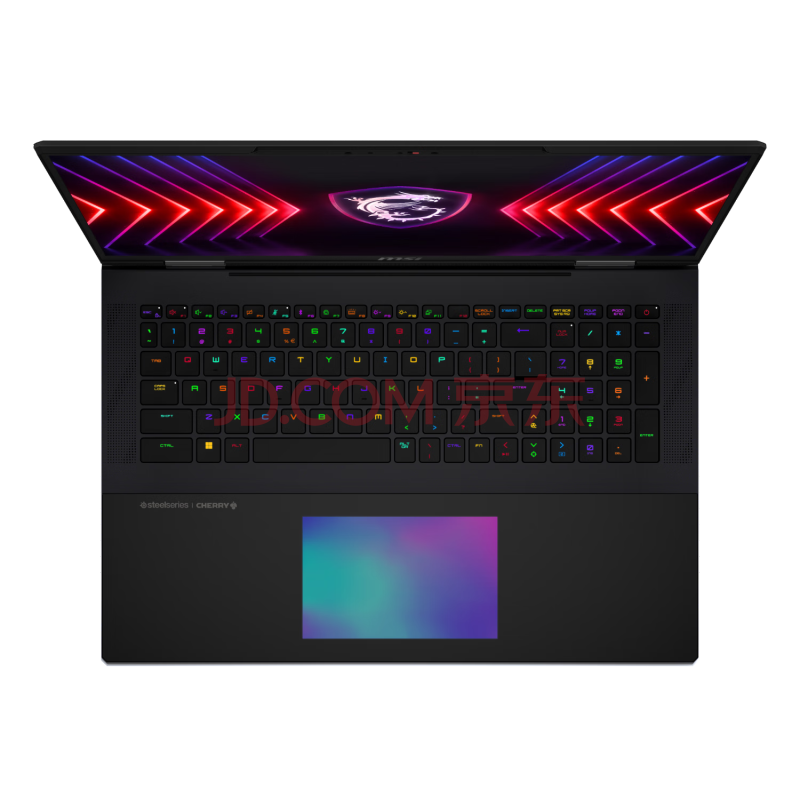
MSI has officially confirmed a 400W power supply for the TITAN 18 HX, reflecting the robust power requirements of this gaming laptop. The 18-inch 4K+ Mini-LED display features a 120Hz refresh rate, 1000 nits peak brightness, and VESA DisplayHDR 1000 certification. Additional features include a 6-speaker Dynaudio audio system and an RGB backlight mechanical keyboard by Cherry MX.
The TITAN 18 HX will be powered by the Intel 14th Gen Core-HX processor, featuring a 24-core Core i9-14900HX processor with a boost clock of up to 5.8 GHz. It will be available in two variants, one with a GeForce RTX 4090 and the other with a GeForce RTX 4080.
A notable upgrade on this year’s model is the introduction of a new 270W TDP mode for combined CPU and GPU power, offering a significant 40W power increase compared to its predecessor. This upgrade allows the CPU to sustain higher clock speeds during extended gaming sessions.
Additional specifications include support for up to 128 GB of DDR5 RAM, Wi-Fi 7, up to 4 TB storage, a 99.9 Wh battery, two Thunderbolt ports, and a 400W power supply included in the box. The MSI TITAN 18 HX will likely be unveiled for the global market at CES 2024.
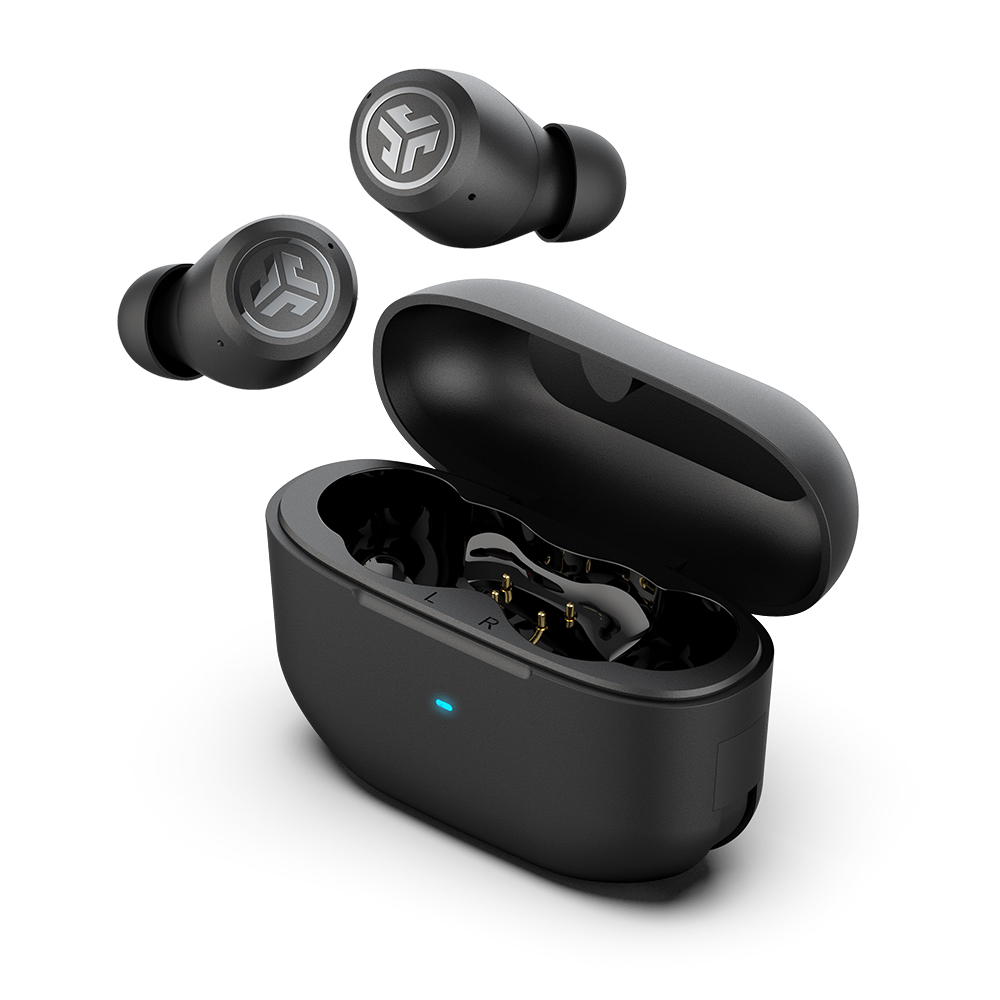
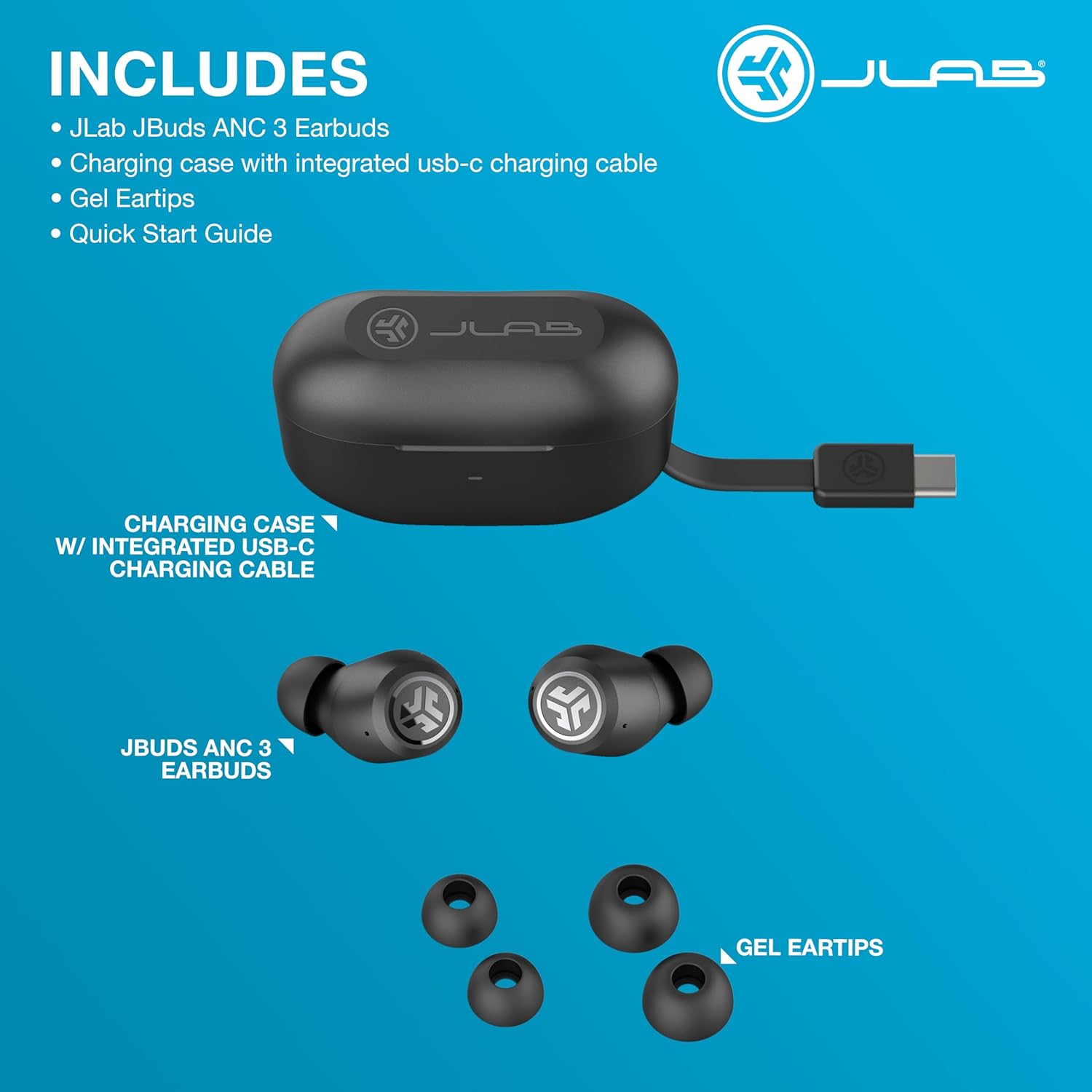
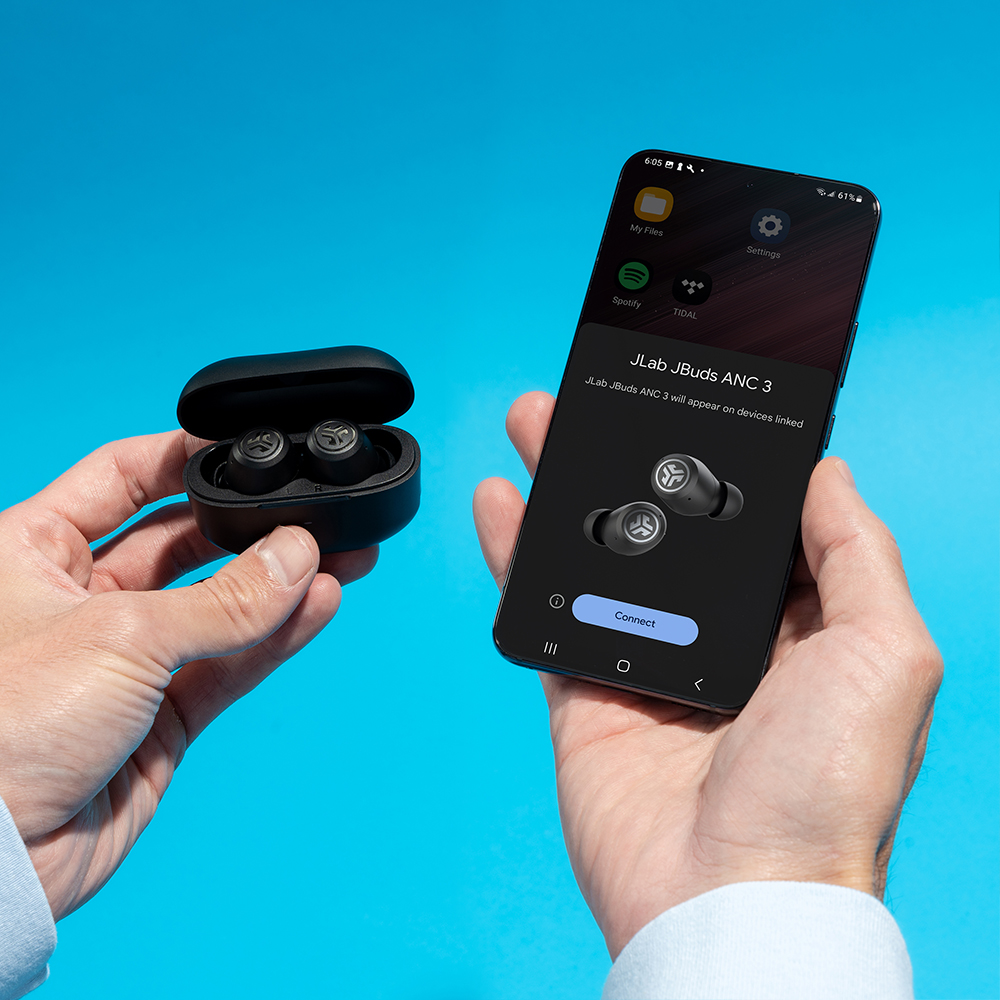
JLab, a well-known brand in the audio industry has launched a couple of new audio products in the market right before CES 2024. We recently covered the launch of the JBuds Lux ANC headphones that promise premium audio at an affordable price. The brand has also launched the JBuds ANC 3 True Wireless Earbuds with smart ANC. Here’s everything you need to know about these earbuds.
JBuds ANC 3 earbuds specs:
The JBuds ANC 3 is the latest addition to JLab’s popular line of true wireless earbuds. They build on the success of the previous models by adding ANC, which can help to block out ambient noise and improve your listening experience.
The JBuds ANC 3 also have a longer battery life than their predecessors, with up to 42 hours of playtime on a single charge.
Key Features
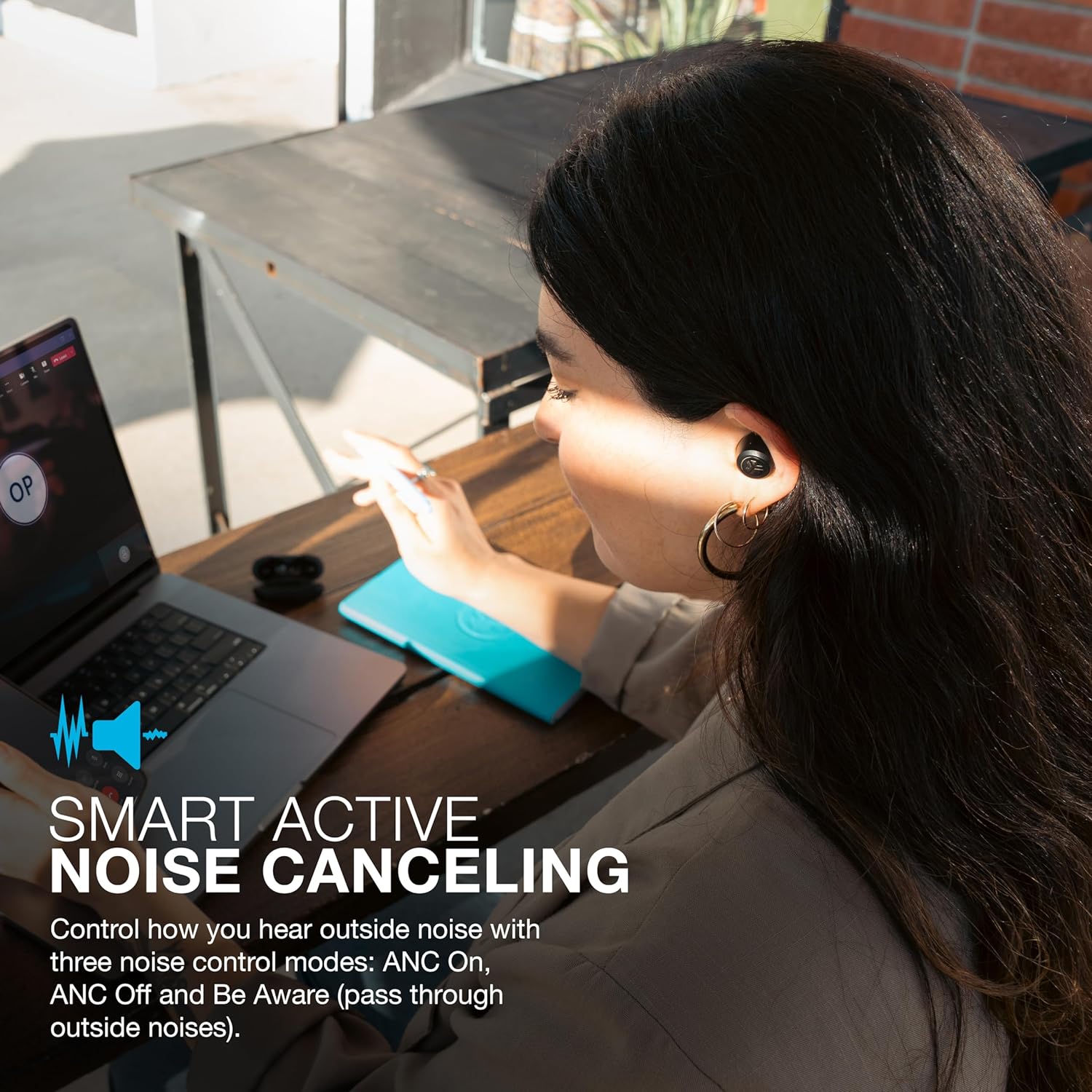
Active noise cancellation (ANC): The JBuds ANC 3 have three ANC modes: ANC On, ANC Off, and Be Aware. Be Aware mode allows you to hear some ambient noise, which can be helpful for safety when you’re running or biking.
Long battery life: Up to 42 hours of playtime on a single charge.
Customizable sound: The JBuds ANC 3 have three EQ presets: JLab Signature, Balanced, and Bass Boost. You can also use the JLab app to create your own custom EQ profile.
IP55 sweatproof: The JBuds ANC 3 are sweatproof and water-resistant, so you can wear them to the gym or for a run without worry.
Bluetooth Multipoint: The JBuds ANC 3 can connect to two devices at the same time, so you can easily switch between your phone and your computer.
Movie Mode: This low-latency setting helps to ensure that the audio from your TV is synchronized with the JBuds ANC 3, so you can enjoy a lag-free movie-watching experience.
Pricing and Availability
The JBuds ANC 3 is available now for $59.99. They come in a variety of colors, including black, white, and blue.
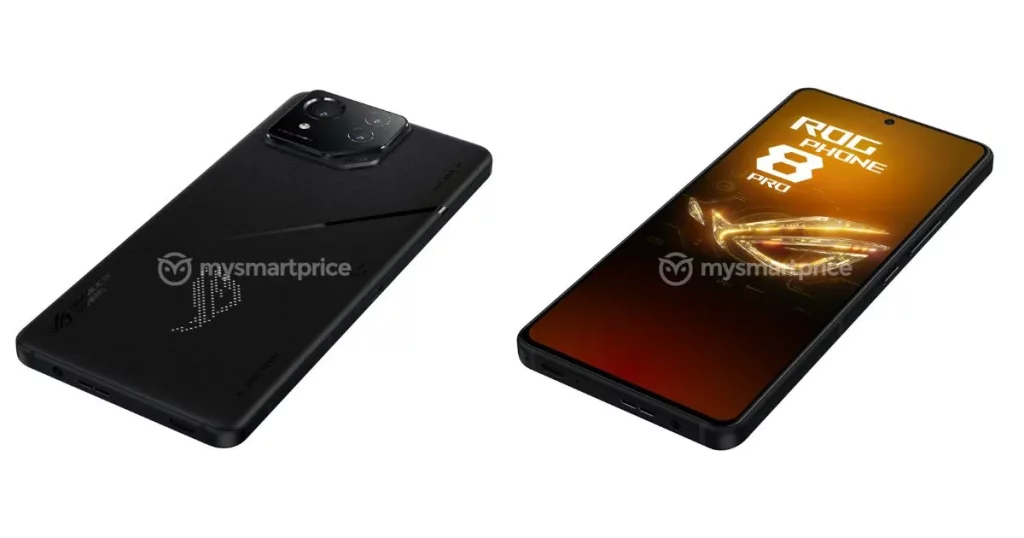
Asus is gearing up for the global debut of the ROG Phone 8 series at CES 2024. The launch date is set for January 8. Now, Asus India has also confirmed that the device will be launching on the same day in India.
Other than the global market, the ROG Phone 8 series will be launching on January 16 in China. The device will be going head-to-head with the likes of the Red Magic 9 Pro, which recently went on sale in the global market. Here’s what you can expect from the Asus ROG Phone 8 Pro.
Asus ROG Phone 8 Pro specs:
The leaked specifications for the Asus ROG Phone 8 Pro suggest a 6.78-inch AMOLED display delivering Full HD+ resolution and an impressive 120Hz refresh rate, promising an engaging gaming experience. Powering the device is expected to be the Snapdragon 8 Gen 3 SoC, a detail substantiated by a prior Geekbench listing. Potential configurations may offer a choice between 16GB or 24GB of RAM, along with varying storage capacities ranging from 512GB to 1TB.
Further speculations indicate a triple-camera setup for the smartphone, including a 50MP primary camera utilizing a Sony IMX890 sensor, a 13MP ultra-wide lens, and a 32MP telephoto lens. The front is anticipated to house a 32MP camera for capturing selfies. The device is projected to house a robust 5,500mAh battery supporting 65W fast charging.
Additional features expected on the gaming phone encompass an in-display fingerprint sensor, a 3.5mm audio jack, a 5-magnet speaker system, along with connectivity features like Wi-Fi 6E, Bluetooth 5.3, and NFC. Notably, the device is rumored to boast an RGB-lit rear logo and incorporate Gorilla Glass Victus 2 for display protection. Moreover, it is speculated to feature an IP68-rated chassis, enhancing its resistance to water and dust.
We use cookies on our website to give you the most relevant experience by remembering your preferences and repeat visits. By clicking “Accept”, you consent to the use of ALL the cookies.
This website uses cookies to improve your experience while you navigate through the website. Out of these, the cookies that are categorized as necessary are stored on your browser as they are essential for the working of basic functionalities of the website. We also use third-party cookies that help us analyze and understand how you use this website. These cookies will be stored in your browser only with your consent. You also have the option to opt-out of these cookies. But opting out of some of these cookies may affect your browsing experience.
Necessary cookies are absolutely essential for the website to function properly. This category only includes cookies that ensures basic functionalities and security features of the website. These cookies do not store any personal information.
Any cookies that may not be particularly necessary for the website to function and is used specifically to collect user personal data via analytics, ads, other embedded contents are termed as non-necessary cookies. It is mandatory to procure user consent prior to running these cookies on your website.