Mini-PCs have become increasingly popular recently due to the rising desire for small and portable computing devices. These mini-PCs are typically tiny enough to be tucked away in a corner or easily transported in a backpack. SZBOX has now released a new mini-PC called the S100, which is so small that it can fit in your pocket.
The SZBOX S100 measures 2.8″ x 2.8″ x 1.8″ and comes with a removable external dual antenna for WiFi 6 AX600 and Bluetooth 5.2 connectivity. Under the hood, the device features a quad-core Intel Alder Lake N-100 processor, paired with 16GB LPDDR5 4800MHz RAM (soldered on) and up to 1TB M.2 SATA SSD.
The Intel UHD integrated graphics, equipped with 24 execution units, can handle two displays running at 4K resolution and 60Hz. Notably, the manufacturer has successfully incorporated a cooling system into this compact PC, which includes a blower fan attached to a copper heatsink.
The connectivity options include three USB 3.2 Type-A ports (although it’s not specified whether they operate at 5 Gbps or 10 Gbps), dual HDMI 2.0 ports, 2.5 GbE LAN, and a 3.5 mm audio combo jack. The device is powered through a dedicated USB-C port.
The SZBOX S100 is currently up for purchase on AliExpress. All configurations come with 16 GB of LPDDR5 RAM, and pricing varies, starting at $184 for the model without a storage device and going up to $241 for the version that includes a 1 TB SATA SSD.
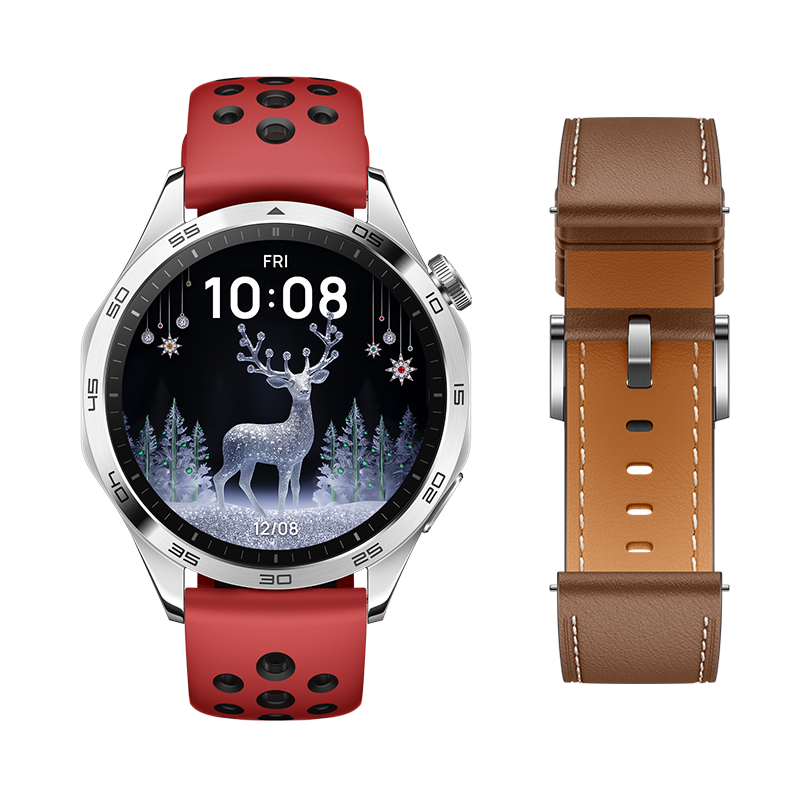
Black Shark has officially announced its upcoming launch of two smartwatches, the Black Shark S1 Pro and the Black Shark S1 Classic, in the Chinese market. These watches will include Black Shark’s innovative game health monitoring mode. The S1 Pro introduces “Wen Xinyiyan,” potentially an AI assistant readily available on your wrist. Moreover, they will feature Baidu map navigation and a diverse selection of AI watch faces.
The Black Shark S1 series is rumored to track the player’s gaming activity, including the type of games played and their duration. If the gaming sessions become excessively long, it is expected to provide health reminders. While the Black Shark S1 Pro has already made its global debut, information regarding the Classic variant remains undisclosed. However, it is possible that the Classic model could share similarities with the Pro version.
For those who don’t know, Black Shark has already launched the Black Shark S1 in the global market. Here is a look at its specifications and price.
Black Shark S1 specifications
The Black Shark S1 smartwatch features a round dial sporting a 1.43-inch AMOLED display with 466 x 466 pixels resolution. It offers 600 nits of brightness and a 60Hz refresh rate. It also supports Always on Display (AOD) and provides access to over 100 watch faces. The Shark S1 can monitor more than 100 sports modes and promises a 10-day battery life under regular usage.
The Shark S1 comes with a rotating crown and comes with metal bezels. It’s exclusively available in black and boasts an IP68 rating, making it resistant to dust and water damage. One notable feature is Bluetooth calling support, enhanced with Xiaomi’s ENC algorithm and signal-processing microphone for clear calls. The smartwatch can be paired with the Shark Wear app for precise GPS tracking and periodic exercise updates. It includes essential functions such as a calculator, camera control, stopwatch, message alerts, and more.
The Black Shark S1 is exclusively available in black, and it comes with an attractive price tag of $50. Pre-orders can be made directly on the official Black Shark website, with shipping services available to customers in the United States and across Europe.
Garmin has expanded its Marq (Gen 2) smartwatch series with the new Marq Carbon Collection. The collection consists of three watches—the Marq Athlete, Marq Commander, and Marq Golfer—all of which feature a unique Fused Carbon Fiber build that the company says is “decades in the making.”
Fused Carbon Fiber is a lightweight and durable material that Garmin says is 62% lighter than titanium, while also offering greater abrasion resistance. It consists of 130 carbon fiber layers that are rotated during manufacturing to maintain the housing’s tensile strength.
Garmin then uses heat and pressure to align the block with the shape of the watch housing, bending the layers to match the angles of the watch lugs. The material is then machined using a diamond cutter over the course of multiple hours to create lightweight components that have a unique spiral pattern that runs throughout the material itself.
On the new Garmin MARQ Carbon series, the middle case and bezel are made from Fused Carbon Fiber, while the buttons, outer bezel ring, and caseback are all made from grade 5 titanium with a black DLC finish.
Aside from the new material, the Marq Carbon Collection shares the same specifications as the regular Marq 2 series. This means that the new smartwatches have 46mm case sizes, within which sit 1.2-inch AMOLED displays operating at 390 x 390 pixels. Moreover, the MARQ Carbon Collection is rated for up to 6 days of battery life in smartwatch mode or 21 days with battery saver mode enabled.
However, there are also certain features unique to each device in the collection. For example, the Marq Athlete comes with Garmin’s HRM-Pro Plus chest strap heart rate monitor for more accurate biometrics, the Marq Golfer includes three Approach CT10 club tracking sensors, and the Marq Commander is supplied with two straps: one made from heathered black woven nylon, and one from black silicone rubber.
The MARQ Carbon Collection starts at US$2,950 for the Athlete edition. Alternatively, Garmin sells the Golfer and Commander versions for US$3,100 and US$3,200, respectively. The smartwatches are available to purchase from Garmin’s official site.
Itel has silently introduced the latest addition to its A-series smartphone lineup, known as the Itel A05s, in India. Priced below the Rs 7,000 (~$84) mark, this smartphone offers a spacious LCD display, a big battery, and a dual-camera setup. Here is a look into the detailed specifications of the A05s to get a comprehensive understanding of what it brings to the table.
Itel A05s specifications and features
itel A05s
The Itel A05s has a 6.6-inch LCD panel with a teardrop notch that offers an HD+ resolution of 1612 x 720 pixels, 270 ppi pixel density, a 60Hz refresh rate, and a 120Hz touch sampling rate. The device comes preloaded with the Android 13 Go edition.
To keep the lights on, the itel A05s houses a 4,000mAh battery. While there is no official confirmation, it appears that the device offers at least 10W charging. Thankfully, the entry-level phone comes equipped with a USB-C port for charging. According to the brand, the device can offer 7.5 hours of talk time and 32 days of standby time.
The itel A05s is powered by the Unisoc SC9863A octa-core processor that clocks at 1.6GHz. The device ships with 2 GB of RAM and 32 GB of internal storage. In addition, it features a microSD card slot for more storage.
itel A05s
For selfies, it has a 5-megapixel camera on the front. The square-shaped camera module on the back houses a single 5-megapixel camera, an LED flash, and a fingerprint scanner. The device offers other features, such as dual SIM, 4G VoLTE, Wi-Fi, Bluetooth, GPS, and a 3.5mm audio jack.
Itel A05s price in India, availability
The itel A05s is already listed for purchase on itel India’s website. Priced at Rs 6,499 (~$78), buyers can choose from color options, such as Nebula Black, Meadow Green, Crystal Blue, and Glorious Orange.
Oppo is set to unveil its latest folding screen smartphone, the OPPO Find N3, on Oct. 19 in China. Ahead of the launch, the company has officially disclosed that the upcoming flagship will come with an independent security chip, introducing an advanced level of security.
Oppo Find N3 to offer top-notch security
As described by Oppo Chief Product Officer Liu Zuohu, this innovative security feature is designed to offer users greater privacy and peace of mind. Users can effortlessly access a dedicated, private space with a simple button press, aptly named the “Isolated Island.” It provides hardware-level security for safeguarding personal and business data, with a focus on values such as relaxation, courtesy, peace of mind, and freedom. OPPO has released a promotional video to highlight the enhanced security features of the N3.
The Oppo Find N3 foldable phone is expected to be available in two versions: a standard edition and a Collector’s Edition. According to reports, the N3 features a 7.82-inch foldable AMOLED screen with a 2K resolution on the inside, complemented by a 6.31-inch FHD+ AMOLED display on the outside Both screens support a 120Hz refresh rate and boast high pixel density. Under the hood, the device is powered by the Snapdragon 8 Gen 2 chipset, clocking at 3.36GHz, and offers 16 GB of LPDDR5x RAM paired with 1 TB of UFS 4.0 storage.
The Find N3 is expected to house a 32-megapixel front camera, a 20-megapixel internal camera, and a 48-megapixel (main, with OIS) + 48-megapixel (ultra-wide) + 64-megapixel (periscope) triple camera unit on the back. The device will house a 4,800mAh battery with 67W fast charging and 50W wireless charging. The Collector’s Edition may come with 24 GB of LPDDR5x RAM and 1 TB of UFS 4.0 storage.
It is already known that the OnePlus Open and Oppo Find N3 represent essentially the same foldable screen phone, with the Find N3 aimed at the domestic market and the OnePlus Open catering to international markets.
Xiaomi is reportedly working on a new laptop with an unannounced Intel Meteor Lake processor. The device was spotted on the benchmark platform Geekbench with an Intel 14th Gen Core Ultra 7 155H processor, revealing key details about it.
The Geekbench result shows that the Intel Core Ultra 7 155H processor is equipped with 16 cores and 22 threads, with 6 performance cores and 10 efficiency cores. In the benchmark test, the laptop managed to score 1567 points in single-core and 8228 points in multi-core.
This is relatively lower than the average score of Core i7-13700H, which is 2610 in single-core and 12989 in multi-core in Geekbench. However, it is important to note that these are early benchmarks and the performance may differ when the system makes its final debut.
Besides this, the Xiaomi laptop is equipped with 32GB of memory (should be dual-channel), the storage is unknown, and it runs Windows 11 system.
Intel is betting hard on Meteor Lake’s capabilities. It will be built on the Intel 4 process and will feature XPU (Intel’s device abstraction for CPU, GPU, FPGA, and other accelerators) enhancements with integrated AI and a tiled GPU architecture that, according to Intel, should deliver discrete graphics-level performance.
Intel has also announced that beginning with Meteor Lake, it will use new branding for the Intel Core Processors. The letter “i” will be dropped from the tiering (e.g. Intel Core 5 processor) and the preferred method to put the processor number after the word “processor”, such as Intel Core 5 processor ##xx.
Intel also mentioned that Meteor Lake will be an exclusively mobile architecture and processors on this architecture will be referred to as Core Ultra, while regular Core will be on the Raptor Lake Refresh architecture.
We are excited to see how the Xiaomi laptop with the Intel Meteor Lake processor performs when it is finally launched.
Vivo has announced that it will hold the Vivo Developer Conference on Nov. 1. One of the major announcements during the event will be the launch of OriginOS 4, which is Vivo’s latest custom skin based on the latest Android 14.
OriginOS 4: What to expect?
2023 VDC to be held on November 1
As it is known, the OriginOS UI is restricted to Vivo and iQOO phones launched in China, whereas the company offers the FunTouch OS in the global market for its smartphones. Vivo recently unveiled the FunTouch OS 14 based on the Android 14 for India.
FunTouch OS 14 brings significant improvements to enhance the overall user experience. The introduction of Smooth Envision optimizes system performance by reducing persistent processes and enhancing RAM utilization, adding up to 600 MB of extra RAM space for devices with 8G B or more. The App Retainer feature ensures that whitelisted apps are restored to their last state for seamless multitasking.
Motion Blur is introduced to create smoother visual transitions, even on screens with a 60Hz refresh rate, offering an 18.7 percent improvement in smoothness. Enhanced multitasking features include an upgraded small window feature, supporting up to 12 active windows and side-swipe suspension.
Personalization options allow users to customize their lock screen clock style, offering various layouts and font styles. New always-on-display styles and a minimalist theme are also available. Advanced video editing tools provide users with options for lossless video export, customizable quality settings up to 4K at 60FPS, and 25 video filters. FunTouch OS 14 prioritizes user privacy and security with the Smart Mirroring feature for screen sharing without revealing personal information. Additional password protection is added to hidden photos for added security.
OriginOS 4 is expected to inherit these features while further enhancing animation smoothness and introducing new functionalities. Additionally, OriginOS 4.0 is rumored to integrate AI-driven recommendations to enhance the overall smartphone experience.
The upcoming iQOO 12 lineup and Vivo X100 series will come preinstalled with the OriginOS 4-based Android 14. Apart from OriginOS 4, the company is also expected to announce its self-developed AI for mobile platforms and the new in-house OS for IoT devices.
Everyone knows about HUAWEI. They recently made a new flagship phone with their own chip. This also means that HUAWEI is officially back in the race. But that’s the race of smartphones, the race of watches they never quit. And in this competition, HUAWEI has remained in the Top 3 all year round. And today we’re going to introduce their most advanced technology: the HUAWEI Ultimate, a state-of-the-art smartwatch, but with the look of a classic luxury watch.
Design
The Ultimate, their highest-end watch model, resembles a classic round watch face in design. If it wasn’t for the “HUAWEI” show on the dial, I would have thought it was some luxury watch. The entire watch is mostly made of sapphire crystal and ceramic. The case is made of zirconium-based Liquid Metal, and from the looks of it, you can tell that it’s not a cheap one by any means.
The default dial is also very much in the luxury watch flavor, and HUAWEI is so confident in its branding that its name is engraved in many places, including the crown. I don’t know much about luxury watches and I don’t know how to describe it in words. For an expensive watch like this, I would recommend you to find a store to get your hands on it first. That way you can understand how exquisite I am talking about.
Of course, HUAWEI gives you a silicone strap and a titanium strap. You can choose the right one to wear by yourself according to the occasion.
Features
After a few days of wearing it, what impressed me the most was not only the exquisite design but also some of its unique features. If you look closely at this knob, is the color different from the bezel color. This crown, apart from being the sports mode button, also functions as an ECG electrode to detect your heart health. Although this function is only available in the Chinese version, I would love to introduce it to you guys. Honestly, I think this feature will make you more aware of your body, in addition to making you more conscious of your health in life.
For example, a few days ago, I saw that I might be suffering from atrial premature beats, and HUAWEI Ultimate would suggest I take a good rest. I followed its advice and measured again a few days later and was back to normal. Whether it misdiagnosed me before or I did get some rest in the last few days to recover, as long as my body is healthier as a result, it’s a good feature.
Of course, basic features like blood oxygen detection, and temperature detection are also available on the Ultimate and are just as accurate and useful as the previous HUAWEI Watch, so I won’t go into that again. If I had to rate it, the data it records here has been the most reliable of all the models I’ve reviewed.
Born for outdoor
While the HUAWEI WATCH Ultimate doesn’t look too good for outdoor use. Quite the contrary, it’s also great as a watch for outdoor activities. While looking at this 60° compass-inspired bezel, I would say it’s born for outdoor. The zirconium-based Liquid Metal case has both hardness and weight advantages over stainless steel. So it’s not that easy to scratch or break it. There is another important feature that makes it stand out from the other smartwatches, which is the 100m-diving Water Resistance. Thanks to its 16-structure water-resistant design and lots of diving modes, it’s probably the best smart wearable for underwater.
It also has a dedicated outdoor adventure knob, which is the crown in the upper left corner. Pressing the crown and the Ultimate goes into all-new Expedition Mode. It is backed by Dual-Band Five-System GNSS to ensure more accurate positioning. Its specially designed dim mode makes it easy to read in dimly-lit environments, whether it’s a night by the campfire or a hike under the stars. Continuous location markings and Route Back navigation will get you back on track if you ever stray far off the beaten path.
HUAWEI Health & Battery Life
HUAWEI Health is the app you must download if you want your watch to reach its full potential. A couple of years ago, to install HUAWEI Health, you needed to install Huawei Mobile Services (HMS) first, but now, you can skip the HMS and install HUAWEI Health directly, one of the best companion apps both for Android and iOS. As always, all the features and data are available. And if you are using a Huawei phone, everything will be simple and you will get the best connection and complete performance.
As for battery life, I wore it for about a whole week. All tracking features and AOD were staying on with 42% battery remaining. That estimated that the battery life could last around 10-12 days under heavy use – That’s pretty impressive as a full-functional smartwatch.
I am satisfied with the HUAWEI Ultimate, since it delivered almost everything it promised it could, so I was struggling to pick out any drawback on this smartwatch. I might end up suggesting you reconsider a bit just because it’s truly not cheap. But there are also more affordable variants such as HUAWEI Watch GT 4 for options, which are almost as powerful as the Ultimate.
But I also found that some users who bought smartwatches wouldn’t care too much about the features because they buy a “smartwatch” mainly for “Watch” with smartness, not “Smart” in a watch. HUAWEI has always been like that, making the watch very much like a luxury item. It makes users realize that they are unique.
There are more interesting variants of HUAWEI’s new Watch series released, such as the HUAWEI Watch GT 4 and the HUAWEI Watch Ultimate Design Version with 18 Gold Bezel and gold crown. You can also click here to learn more.
The U.S. is back at it again, this time tightening the screws on AI chip exports to China. According to insiders, new rules are on the horizon, aimed at stopping American chip companies from sidestepping existing export controls. What makes this particularly noteworthy is the timing; the U.S. is in the midst of trying to smooth out relations with China. So, these additional restrictions could very well add tension to an already delicate diplomatic scene.
The focus of the US seems to be on specifically advanced AI chips
Here’s the rundown: Consumer-level chips, like the ones you find in laptops, won’t be affected by these new rules. Instead, the focus is on advanced AI chips, specifically those used in data centers. The aim is to close loopholes that have allowed companies such as Nvidia to dodge previous restrictions. Last year, Nvidia was prevented from shipping some of its most advanced AI chips to China, but it cleverly released a less potent variant, the H800, which skirted the U.S. export controls. This new chip variant could be directly impacted by the upcoming regulations.
This unfolding scenario puts the U.S. in a precarious position, raising questions about the fine balance between maintaining national security and enabling open trade. The added regulations could either safeguard U.S. technological advancements or add another layer of complexity to U.S.-China relations. The world will be watching closely to see how this policy pivot impacts the broader geopolitical landscape.
Japanese automaker Suzuki is unveiling its unique Suzuki MOQBA modular motorcycle concept. The MOQBA is expected to be showcased during this year’s Japan Mobility Show and it is a small electric motorcycle that can walk up stairs. Recall that Japanese rival Yamaha has also got a couple of interesting concept e-bikes to showcase at the same event.
Suzuki MOQBA modular mobility concept – An e-bike that can walk up the stairs
The Suzuki MOQBA electric scooter has four wheels that operate on articulating legs. It holds the record as the first motorbike that can walk upstairs. While it is still a concept motorcycle, the outlook seems to be bright that it could transit into a production model. It comes with added stability for navigating over obstacles and its modular Quad-based architecture is well-suited for such activities. Suzuki says the MOQBA is designed for customers who face barriers in transportation such as steps even in urban settings.
The Suzuki MOQBA concept electric scooter will be extremely useful for the physically challenged in moving up a staircase. It also has applications in medical emergency operations in moving a stretcher up the stairs securely. The MOQBA can be used to carry heavy stuff up and down stairs. The combination of the base chassis with attachments and body variation means that the model has three operational modes. These are the Chair, Standing, and Stretcher modes.
Much of the key specs of the Suzuki MOQBA are still under wraps. The model will however be on full display during the Japan Mobility Show and more optics will surface about the revolutionary scooter. It is however not known whether Suzuki plans to produce this quadrupedal electric motorbike in the near future.
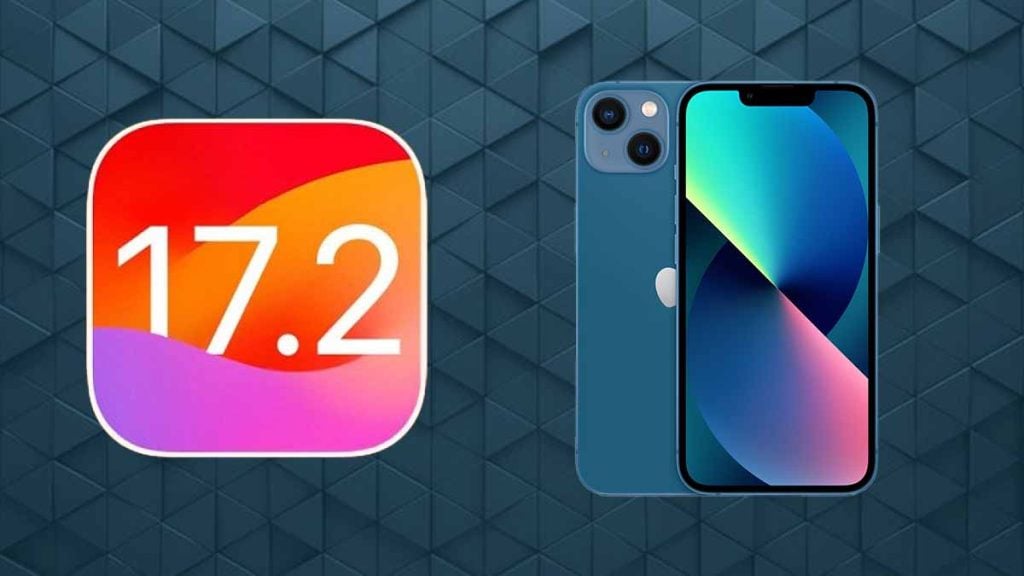
Apple is reportedly working on a technology to pre-update iPhones in-store before they even reach the consumer. This initiative is set to kick off before the end of the year, and it involves a specialized wireless pad that updates iPhone units without needing to open the box.
It’s still unclear if Apple will transfer this feature over to their carrier partners
According to industry insider Mark Gurman of Bloomberg, Apple is not just contemplating this as a futuristic idea, but is actively working to bring it to life. This system will utilize a proprietary pad to activate, update, and power down multiple iPhone units, all without removing them from their original packaging.
This move comes as a response to a common dilemma faced by smartphone users, particularly those who aren’t tech-savvy. Once a consumer purchases a new iPhone, it often requires an immediate software update to ensure optimal performance and security. Many first-time users may overlook this crucial step, thereby leaving their devices potentially vulnerable or not performing at their best.
The big question looming over this development is whether Apple will extend this feature to its carrier partners. The company hasn’t made it clear whether these advanced pads will be sent to other retail outlets that stock iPhones, leaving a gap in a universally streamlined consumer experience.
While Apple is the first to step into this territory, it remains to be seen how Android manufacturers will respond. Will they follow suit in providing a pre-updated experience, or is this a unique selling point that will set Apple apart in the competitive smartphone market? In the meantime, if you’re a new iPhone user, it’s always good to double-check for software updates. Just navigate to Settings > General > Software Update and follow the prompts.
GALAX has taken the curtains off of its new GeForce RTX 4090, commemorating the 20th anniversary of the company. What sets this card apart from the regular offerings from the brand is its top-down cooler design and its colossal size.
In terms of dimensions, this monster of a graphics card comes equipped with a quad-slot cooler and a triple-fan setup. Two fans are positioned at the front, while the third is cleverly situated beneath the card. This configuration expels hot air through exhaust vents typically reserved for the third fan in a triple-fan design.
Additionally, Galaxy has placed the 16-pin power connector of the GPU beneath an acrylic panel, ensuring convenient cable management accessibility and serving as an ideal protective cover when the GPU is not installed within a system.
Aesthetically, the GALAX RTX 4090 is encased in an attractive white shroud, featuring silver brushed metallic surfaces on the back and eye-catching RGB lighting on the front. Under the hood, the GALAX GeForce RTX 4090 20th Anniversary graphics card boasts a 516W BIOS limit and can reach boost clocks of up to 2595 MHz. As you can see from the pictures, the card is undeniably massive, measuring 34.4 cm in length and 6 cm in thickness.
The launch of the GALAX RTX 4090 20th Anniversary Edition is set for November 11th, coinciding with the 11.11 Shopping Festival in China.
Samsung launched the Galaxy Buds 2 Pro back in August 2022, with features such as highly effective active noise cancellation, 24-bit Hi-Fi sound, voice detect, and more. Ever since its launch, Samsung has periodically updated the earphones, bringing new features onboard. Now, another such update has arrived with Bluetooth Auracast support.
This update, identified as firmware version R510XXUAWI2 or R510XXU0AWI2, comes in at a compact 5.88 MB in size. As mentioned above, the standout feature of this update is Bluetooth Auracast, a technology Samsung introduced last year. It enables users to stream audio to multiple Bluetooth wireless earbuds or speakers, making it ideal for shared music experiences. However, it’s worth noting that this feature exclusively functions with earbuds that support LE Audio.
To access it, users can use the Galaxy Wearable App. Just head to the hamburger menu on the left, select Galaxy Buds 2 Pro, go to Earbuds Settings, choose Earbuds software update, and hit Download and Install
In related news, Samsung has recently debuted the Galaxy Buds FE, a more affordable option for Galaxy users looking to delve into Samsung’s eco-system. That being said, Buds FE lacks some features in the more premium versions. You can read more about the Galaxy Buds FE by clicking the link.
The controversies and rumors surrounding Huawei’s Kirin 9000s chip have not ceased, and the lack of official information is only making it worse. Last month, a research firm revealed the processor, believed to be manufactured by SMIC on a 7nm process, is actually based on a 14nm node and has been modified to be closer to 7nm. This was a rather surprising development. However, a tipster has now shared speculations about the Kirin 9000s actually being a 5nm TSMC-made Kirin 9000 chip from 3 years ago.
Huawei “successfully pranked the whole world,” said tipster
Tipster RGcloudS claims on X that the Kirin 9000s is not a 7nm chipset from SMIC, but rather the Kirin 9000 chip produced using a 5nm process by TSMC. To support these claims, the tipster has shared a picture from the teardown of the Mate 60 Pro. This image reveals the Kirin 9000s with a date stamp indicating 2035, signifying that this particular chip was manufactured during the 35th week of 2020, specifically between August 24th and August 30th, 2020.
Truth time 👁️
Deep stalking kernel level
Does SMIC really made kirin ? Does 7nm actually possible with legacy DUV machine ? Who made Huawei Kirin 9000s ?
Why there's a lot of weird information, like in Image #1 , Kirin 9000s classified as 5nm 😶
The source also gets into the politics behind the restrictions imposed by the US on Huawei. He mentions the Chinese company likely anticipated the trade ban and stockpiled millions of Kirin 9000E and 9000 chips. For those who are unaware, the US expanded its export rules to prevent foundries that use US technology to manufacture chips from shipping cutting-edge silicon to Huawei without a license. As a result, the last few flagship Huawei series have only used 4G chipsets, as 5G technology is patented by US companies.
If you’ve used an Android smartphone before, high chances are that your smartphone is either powered by a Qualcomm Snapdragon or MediaTek Dimensity processor. But recently, there’s a third player slowing growing into the smartphone space, and their name is UNISOC, with their UNISOC 5G SoC (System-on-a-Chip) for Android smartphones.
UNISOC T820 5G Processor (Source: UNISOC)
UNISOC, formerly known as Spreadtrum, is a Chinese fabless semiconductor company headquartered in Shanghai which produces chipsets for Android smartphones. UNISOC chipsets have passed the validation of more than 260 carriers from 133 countries worldwide. Some of their high-profile customers for purchasing their processors include HONOR, realme, vivo, Samsung, Motorola, Hisense and ZTE for their smartphones.
Out of their entire lineup currently available, in this article, we’ll be comparing whether UNISOC’s four 5G smartphone processors can compete with the big boys in the market, which are known as MediaTek and Qualcomm respectively.
UNISOC has four notable 5G smartphone processors, which are the UNISOC T750, T760, T770, and T820. One of these 4 processors can be listed as a Tier C performing processors, whereas the other remaining 3 can be viewed as C+ performing processors.
Tier C: Low Performance Processors
Starting off with the only Tier C processor from UNISOC is the UNISOC T750. It comes with 5G connectivity, 2 ARM Cortex A76 CPU performance cores and 6 ARM Cortex A55 CPU efficiency cores. The GPU under the hood is the ARM Mali-G57 MP2 which is equivalent in performance to the ARM Mali G57 MC2, and the Qualcomm Adreno 618.
Processor
CPU Performance Cores
CPU Efficiency Cores
GPU
Node Process
Antutu Score
UNISOC T750
2x ARM Cortex A76
6x ARM Cortex A55
Mali-G57 MP2
TSMC 6nm
348,252
Dimensity 6100+, 6080 (formerly Dimensity 810)
2x ARM Cortex A76
6x ARM Cortex A55
Mali-G57 MC2
TSMC 6nm
406,644
Snapdragon 730 (4G)
2x ARM Cortex A76
6x ARM Cortex A55
Adreno 618
Samsung 8nm
320,228
Table 1: List of Tier C Processors. (Leo Wong De Quan / Gizmochina)
As seen above, the UNISOC T750 is approximately equivalent to the Qualcomm Snapdragon 730 found on the Samsung Galaxy A71 (2019) or the MediaTek Dimensity 6080 found on devices like the Redmi Note 13 5G and Redmi Note 11S 5G. However, manufactured on the newer TSMC 6nm process, the UNISOC T750 has several benefits over the Snapdragon such as better performance and better power efficiency.
The UNISOC T750 was released in May 2023 and is expected to arrive in Android devices by 2023 Q4.
Tier C+: Better Low Performance Processors
Next are the 3 Tier C+ processors from UNISOC, which are respectively the UNISOC T760, T770, and T820. All 3 feature the same CPU core configuration which 4 ARM Cortex A76 CPU performance cores, and 4 ARM Cortex A55 CPU efficiency cores, which is actually the same core configuration as the flagship Qualcomm Snapdragon 855 mobile processor found on the OnePlus 7 Pro, and Xiaomi Mi 9T Pro (Redmi K20 Pro).
Processor
CPU Performance Cores
CPU Efficiency Cores
GPU
Node Process
Antutu Score
UNISOC T760
4x ARM Cortex A76
4x ARM Cortex A55
Mali-G57 MP4
TSMC 6nm
425,764
UNISOC T770 (formerly T7520)
4x ARM Cortex A76
4x ARM Cortex A55
Mali-G57 MP4
TSMC 6nm
419,246
UNISOC T820
4x ARM Cortex A76
4x ARM Cortex A55
Mali-G57 MP4
TSMC 6nm
486,833
Snapdragon 765, 765G, 768G
2x ARM Cortex A76
6x ARM Cortex A55
Adreno 620
Samsung 7nm
385,681
Snapdragon 855, 860 (4G)
4x ARM Cortex A76
4x ARM Cortex A55
Adreno 640
TSMC 7nm
598,379
Table 2: List of Tier C+ UNISOC processors against the Snapdragon 765 and 855. (Leo Wong De Quan / Gizmochina)
However, where these 3 UNISOC processors differ from the Snapdragon 855 is their GPU. Powering the T760, T770 and T820 is the ARM Mali G57 MP4 GPU, which is much behind the Adreno 640 on the Snapdragon 855, and closer to the Adreno 620 on the Snapdragon 765. Still the 4+4 CPU configuration allows the UNISOC processors to be ahead of its competitors by providing a flagship-type CPU core configuration at an affordable price despite the underpowered GPU.
In conclusion, UNISOC processors are not useless, and in fact, they are quite underrated at the price that they are offered. UNISOC’s small portfolio of 5G smartphone processors is not competitive with the high-end processors from MediaTek and Qualcomm. However, at an affordable price, the UNISOC processors still have a place for “better than expected” performance in low-end Android smartphones.
Vivo has a new smartphone called the Vivo Y200 5G, set to launch later this month in India. As per the leaks so far, the Y200 5G smartphone will also adapt the design language of the previous Y series devices, with two large camera cutouts on the back. That being said, a new report from 91mobiles has revealed new details related to the camera and color options.
image via 91mobiles
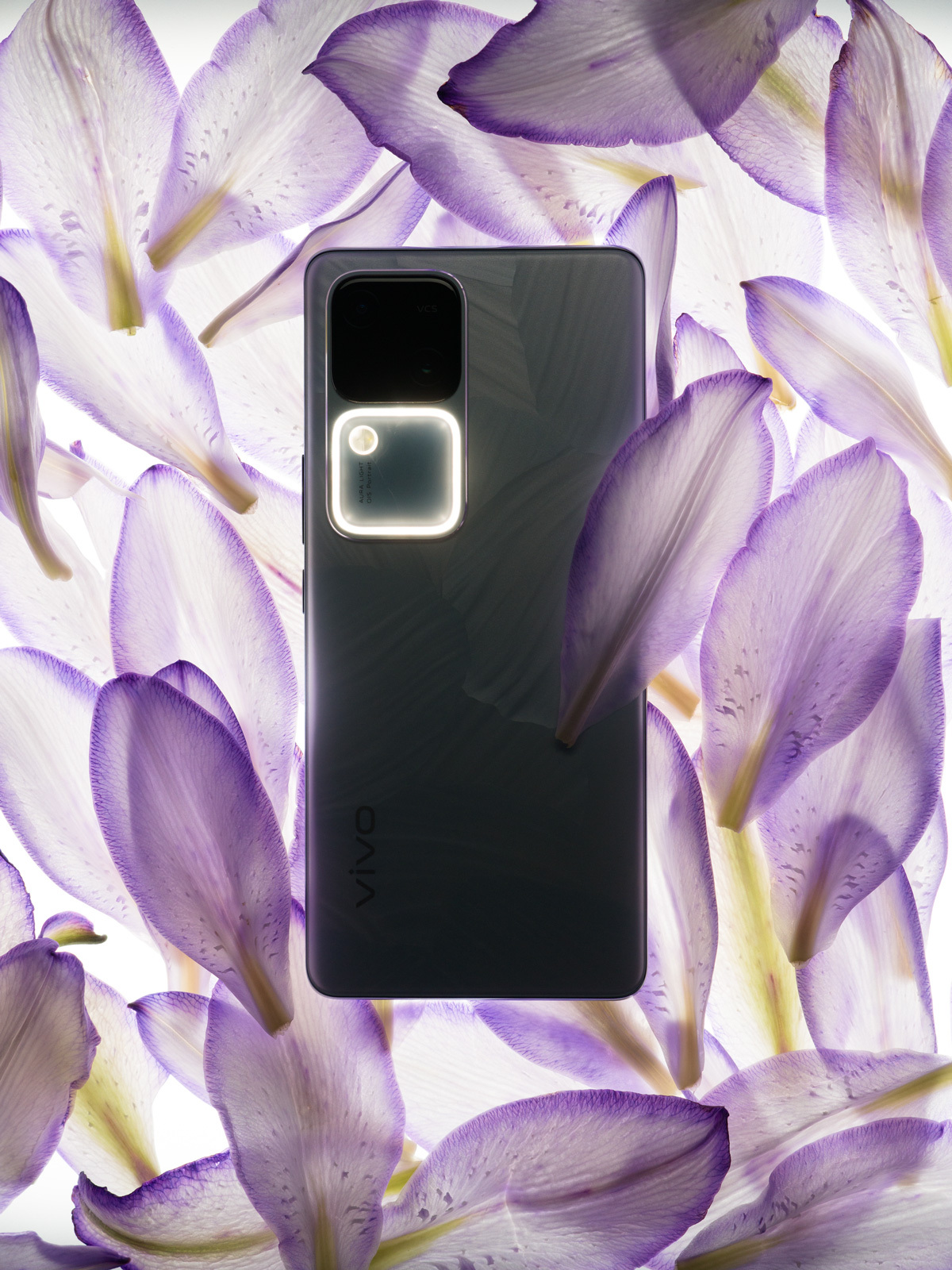
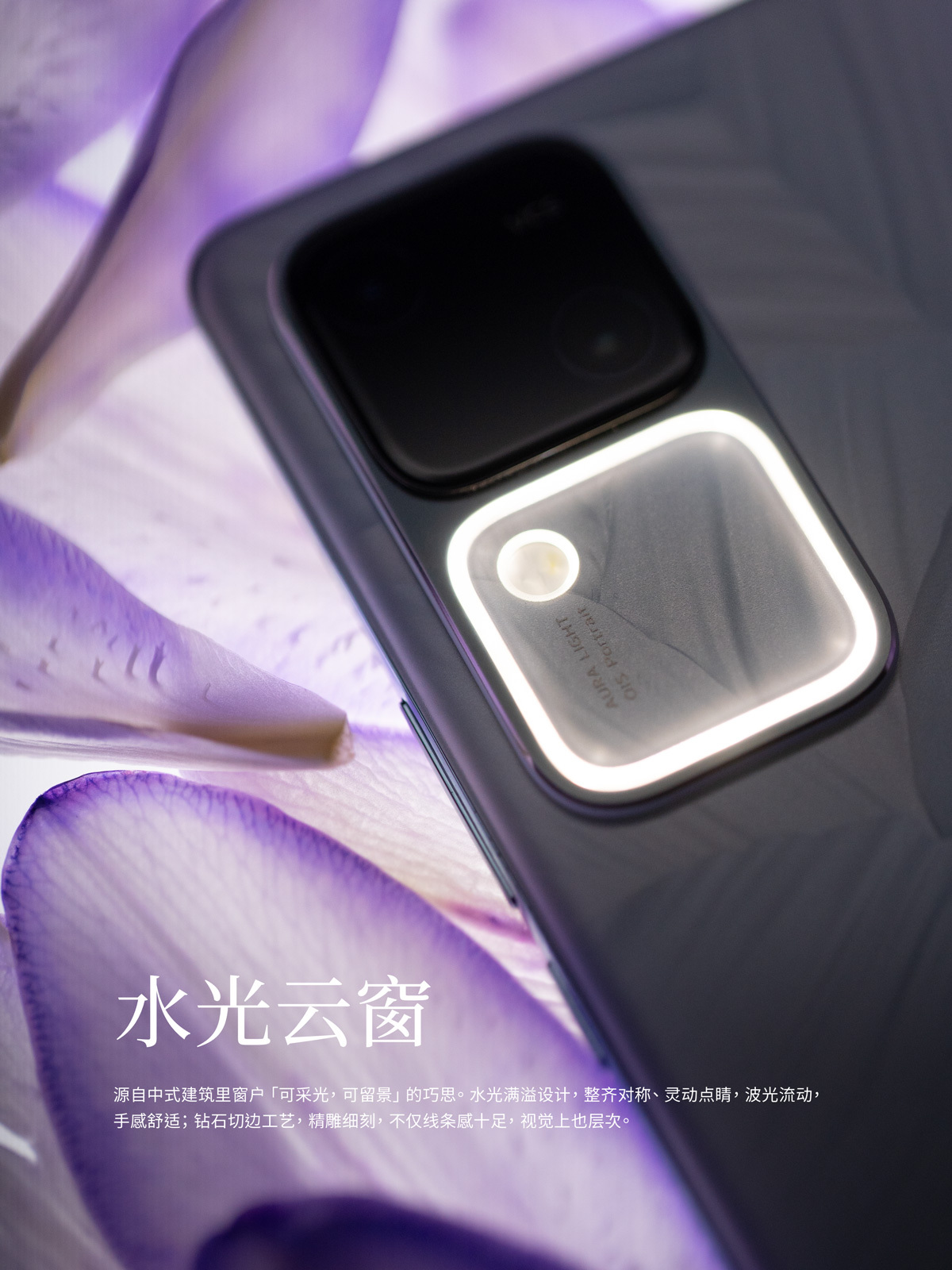
As per the report, the Vivo Y200 5G will come in two color options, namely Desert Gold and Jungle Green. These color options were also leaked previously via a report by TheTechOutlook. The new HD renders show that the device has two camera modules on the back, paired with an LED flash and an Aura Light which is found on Vivo’s premium mid-rangers like the V27 and V29.
image via 91mobiles
Up front, the device is revealed to feature a flat display with thin bezels on three sides, and a tiny punch-hole for the front camera in the top center. The bottom bezel, however, is quite noticeable. This smartphone is said to debut in India for a price under 24,000 INR (~$288)
Vivo Y200 5G rumored specs
The Vivo Y200 smartphone may feature an AMOLED display with a 120Hz refresh rate, enclosed in a slim 7.69mm frame. On the back, it’s expected to house a 64-megapixel primary camera with Optical Image Stabilization (OIS) and a Smart Aura LED Light.
Leaks have pointed towards a Qualcomm Snapdragon 4 Gen 1 System-on-Chip (SoC) running the show, paired with 8GB of RAM for seamless performance. Although Android 14 has officially debuted, this mid-range phone will likely come with Android 13-based Funtouch OS 13 out of the box. A 4,800mAh battery pack, with 44W fast charging capabilities, is expected to power the hardware.
The OnePlus Open, the company’s upcoming foldable flagship smartphone, has been the subject of numerous leaks and rumors in recent weeks. Now, a fresh rumor from a reliable source have revealed the rear camera and display specs of the upcoming foldable.
According to Digital Chat Station, the OnePlus Open will feature a 48MP main camera and a 64MP 3x optical zoom periscope camera on the back. The third rear camera is rumored to be a 48MP ultrawide module, although there have been conflicting reports about the telephoto camera.
Some rumors have suggested that the 64MP camera would be telephoto with 6x optical zoom, but the latest rumor suggests that it will be a periscope lens with 3x optical zoom.
The foldable is also rumored to have a 2K resolution, 120Hz refresh rate screen with a peak brightness of 2,800 nits. This would be significantly brighter than the Google Pixel Fold display, which has a peak brightness of 1,450 nits.
Likewise, the OnePlus Open is also expected to be powered by a Snapdragon 8 Gen 2 processor, paired with up to 16GB of RAM and 1TB of storage. The phone is also rumored to have a 4,805mAh battery with 100W fast charging capabilities.
The OnePlus Open is scheduled to be launched on October 19, so we’ll know more about the phone’s specs and features very soon.
Google has launched a new version of the Google Play Store, version 37.8.26, for Android devices. As with many of their updates, Google hasn’t provided specific changelog details for this release.
How to Download and Compatibility
The latest update is compatible with Android devices operating on Android 5.0 and above. Though the update will automatically download and install, users have the choice to manually download it. It’s essential to note that the download size might vary depending on the device you’re using.
Exciting New Features
Even though the full details of new features are yet to be unveiled, there’s a buzz about some interesting additions:
Cubes: This feature is designed to assist users in discovering new content across various categories.
Download Buddy: A more interactive way to track download progress, it showcases a movable arrow on the screen.
App Filters & Reminders: Google is incorporating filters to display apps compatible with your device. Additionally, if you haven’t opened an app in some time, the Play Store will send you reminders.
Discover New Apps with “The Play Report”
Another innovative feature Google is integrating is “The Play Report.” It aims to enhance user engagement by showcasing a series of videos on the Play Store homepage. These videos will act as a guide, helping users discover and explore new apps and games.
Storage and Privacy Enhancements
A standout feature that was recently introduced is the ability to archive apps. This allows users to reclaim up to 60% of their storage space without sacrificing any data. Archived apps will display a cloud icon and can be managed directly within the Play Store settings. Addressing concerns of privacy and efficiency, apps that remain unused for extended periods will automatically have their permissions revoked.
Steps to and install the Google Play Store APK on your Android device:
Go to your device’s “Settings.”
Scroll down and select “Applications” or “Security” (depending on your device).
Check the “Unknown Sources” option. This allows you to install apps from sources other than the Play Store.
Download the Google Play Store APK.
Locate the downloaded APK file and tap on it to begin the installation process.
Follow the on-screen instructions to complete the installation.
After the installation is complete, you should see the Google Play Store icon on your device’s home screen or app drawer.
Microsoft has just announced an exciting gaming deal: the Xbox Series S Starter Bundle. This bundle includes the Xbox Series S console, a wireless controller, and a three-month subscription to Xbox Game Pass Ultimate.
This move is aimed at making the Xbox Series S more appealing in the lead-up to the holiday season, especially considering the impending release of a new Xbox Series S revision codenamed “Ellewood” next year.
The Xbox Game Pass Ultimate subscription opens up a treasure trove of gaming options. Subscribers can access a vast library of games on both Xbox consoles and PC. In addition to that, you get access to cloud game streaming, which lets you play these games on Android smartphones. Subscribers also gain access to EA Play, which offers a library of over 100 games, including popular franchises like FIFA, Madden NFL, Battlefield, and Need for Speed.
The Xbox Series S Starter Bundle is set to launch on October 31, 2023, for just $299.99. Pre-orders are already open on Microsoft’s online shop. To put things in perspective, a standalone Xbox Series S without the Game Pass subscription typically costs around $330 on Amazon. So, this bundle not only makes gaming more accessible but also sets you up with a massive library to choose from for the first three months.
In related news, Microsoft has finally closed its massive $69 Billion acquisition of Activision Blizzard. Xbox users can expect some exclusive titles from the publisher to land on their console. That being said, Microsoft has said that major titles like Call of Duty, Diablo, and Overwatch will remain accessible on Xbox as well as Sony Playstations.
Google has reportedly blocked users from installing benchmark apps on their Pixel 8 and 8 Pro smartphones. This was uncovered by Sanjiv of Notebookcheck, who found that Google has prevented users from installing Geekbench and 3D Mark benchmarking apps on their devices.
Benchmark apps are used to assess the CPU and GPU performance of smartphones. They are a valuable tool for reviewers and consumers alike, as they allow them to compare the performance of different devices.
According to the author, Google’s block on benchmark apps has prevented some reviewers from running tests, but others have been able to bypass this limitation by sideloading the apps. As a result, benchmark results for the Tensor G3 have surfaced regardless.
In Geekbench 6 benchmarks, the Tensor G3 scored lower than the Qualcomm Snapdragon 8 Gen 2 in both single-core and multi-core tests. The Tensor G3 also performed worse than the Snapdragon 8 Gen 2 in 3D Mark Wild Life Stress benchmarks. This is despite the fact that the Tensor G3 has a newer and more advanced architecture than some of its rivals.
The performance disparity is likely due to the fact that the Tensor G3 is manufactured using Samsung’s 4 nm node technology, which is not as efficient as TSMC’s N4P node technology, which is used to manufacture the Snapdragon 8 Gen 2 chip.
In any case, users must be aware that Pixel 8 and 8 Pro are not performance-centric devices. So, if performance is important to you, you may want to consider a different device.
We use cookies on our website to give you the most relevant experience by remembering your preferences and repeat visits. By clicking “Accept”, you consent to the use of ALL the cookies.
This website uses cookies to improve your experience while you navigate through the website. Out of these, the cookies that are categorized as necessary are stored on your browser as they are essential for the working of basic functionalities of the website. We also use third-party cookies that help us analyze and understand how you use this website. These cookies will be stored in your browser only with your consent. You also have the option to opt-out of these cookies. But opting out of some of these cookies may affect your browsing experience.
Necessary cookies are absolutely essential for the website to function properly. This category only includes cookies that ensures basic functionalities and security features of the website. These cookies do not store any personal information.
Any cookies that may not be particularly necessary for the website to function and is used specifically to collect user personal data via analytics, ads, other embedded contents are termed as non-necessary cookies. It is mandatory to procure user consent prior to running these cookies on your website.