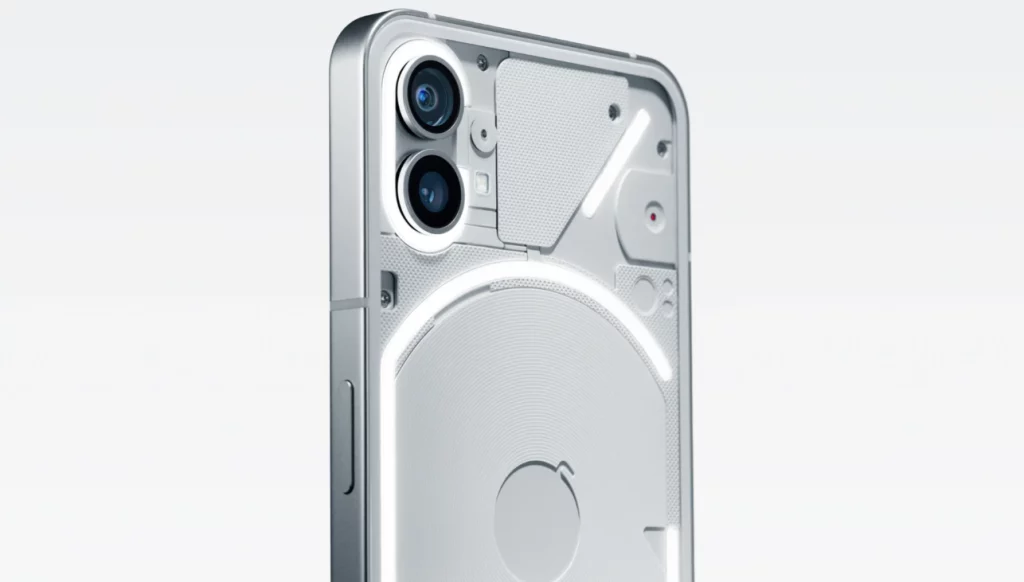
Nothing‘s latest smartphone, the Nothing Phone (2) is currently on the second Open Beta test for its Android 14-based Nothing OS 2.5. The brand has now turned its attention to its predecessor.
The brand has started the Nothing OS 2.5 Closed Beta program for the Nothing Phone (1). The sad news is that participants have already been selected and the program is currently full. If you are one of the users who was selected for the program, you will soon receive the update which measures 1.22GB. As for the features coming with the update, you can check the changelog below.
Nothing OS 2.5 Closed Beta 1 Update changelog
Customization:
Redesigned joint Home Screen and Lock Screen customization page.
Improved edit wallpaper flow for a comprehensive view of options.
Introduced new “Atmosphere” wallpaper effect for dynamic, color-motion backgrounds.
Added new “Glass” wallpaper effect with a unique and special appearance.
Solid color wallpapers introduced for a cleaner Home Screen look.
Added a monochrome color theme in the basic color section.
Glyph Interface:
Integrated Glyph Progress for Google Calendar with a 5-minute countdown.
Glyph Timer now supports time presets for quick duration settings.
Direct access to Glyph Timer from the lock screen without unlocking the device.
Option to open Glyph Timer popup with a tap instead of holding.
New Glyph animation when NFC is used.
Improved logic of Flip to Glyph.
Gesture:
Customizable double-press power button for quick access to chosen features.
Additional Lock Screen shortcut options, including Do Not Disturb, Mute, QR code scanner, and video camera.
Three-finger swipe gesture for quick screenshot capture.
New screenshot editor and menu for advanced editing features and quick deletions.
More Improvements:
Optimized Weather app experience with improved weather alert notifications.
Predictive back animation and refreshed back gesture arrow visual in line with Nothing’s style.
Separate settings for ringtone and notification sound volumes with an updated control interface.
Updated Quick Settings layout with support for more device icons.
Improved stability of the Camera.
Enhanced overall system stability for a reliable and smooth experience.
If you were not selected for the beta program this time around, worry not, the Closed Beta 2 is expected to take place in late December or early January, so keep a lookout for that.
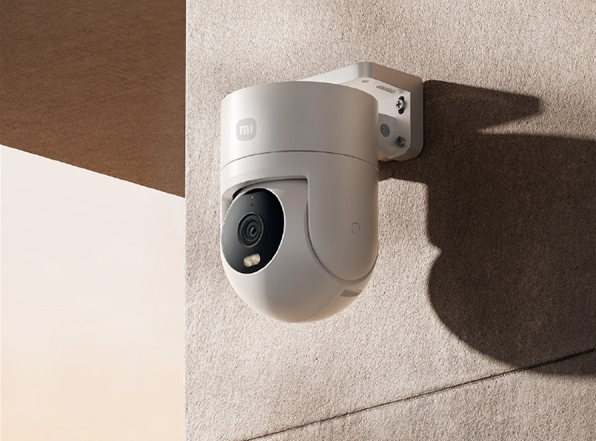
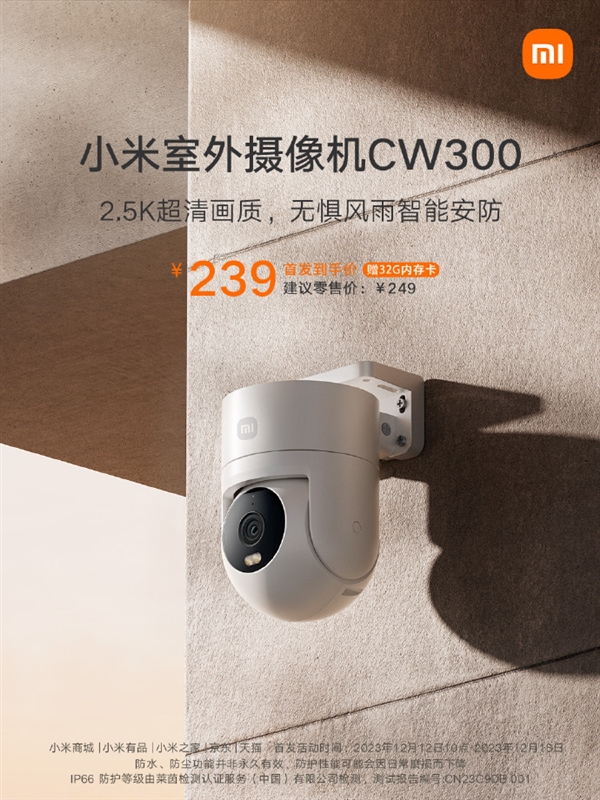
Innovative Chinese company Xiaomi has once again pushed the boundaries with the official release of the Xiaomi outdoor camera CW300. Packed with cutting-edge features, this outdoor surveillance solution is set to redefine the standards of home security.
Features
At the heart of the CW300 is a powerful 4-megapixel F1.6 large aperture lens, delivering stunning 2.5K ultra-clear images that remain sharp even when zoomed in. Whether it’s monitoring your property or capturing intricate details, the CW300 ensures clarity and precision.
Nighttime security is elevated to new heights with the combination of 2 infrared lights and 2 white light lights. This dynamic duo guarantees clear and bright vision in the darkest environments, offering peace of mind around the clock.
The CW300 introduces a revolutionary vertical and horizontal dual pan-tilt design, allowing users to control the lens remotely—rotating it up, down, left, and right. This unparalleled flexibility ensures comprehensive coverage, adapting to the ever-changing dynamics of any outdoor space.
Designed to withstand the elements, the CW300 boasts an IP66 dustproof and waterproof rating, ensuring stable operation in wind, frost, rain, and snow. It’s not just a camera; it’s a reliable guardian in all weather conditions.
Security is paramount, and the CW300 delivers on all fronts. With sound and light warning functions, it alerts you to potential threats by emitting an alarm sound and high-frequency flash when an intrusion is detected. The added AI humanoid tracking function enhances security by intelligently monitoring and tracking movement.
In terms of connectivity, the CW300 offers versatility with support for both network cable and Wi-Fi connections. Cabling is made more flexible, catering to various installation preferences.
Pricing & Availability
Priced at just 239 yuan ($33) and bundled with a 32GB memory card, the Xiaomi outdoor camera CW300 stands as an affordable yet powerful solution for those seeking uncompromising outdoor surveillance.
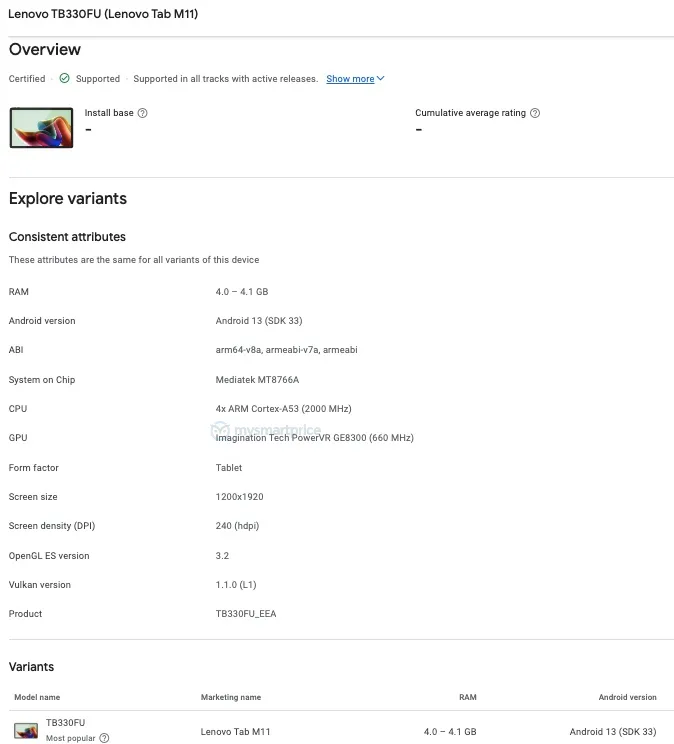
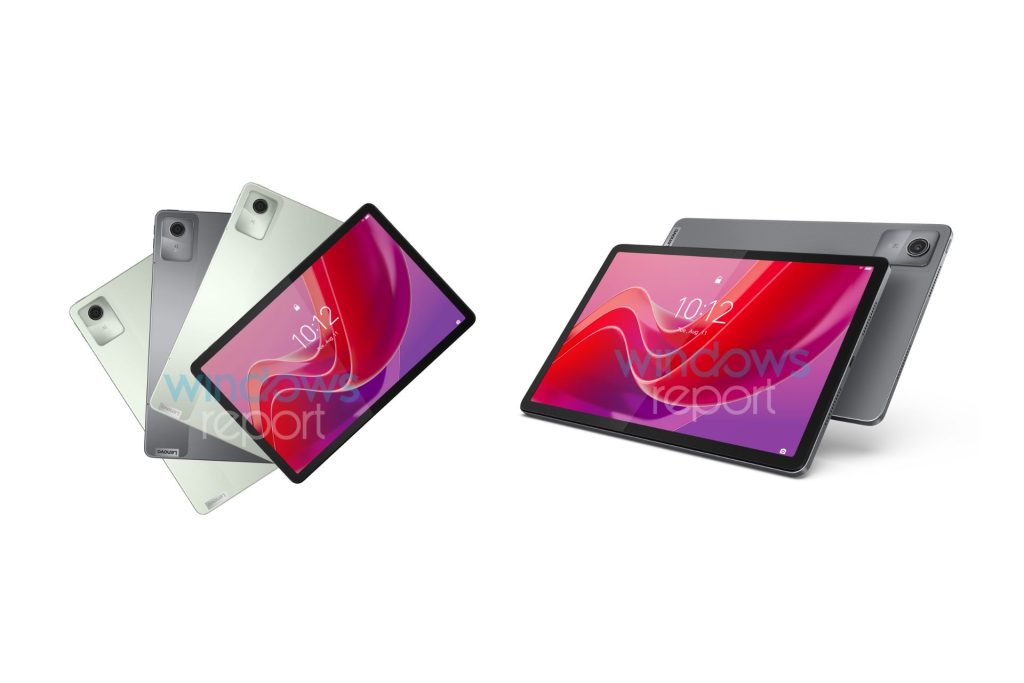
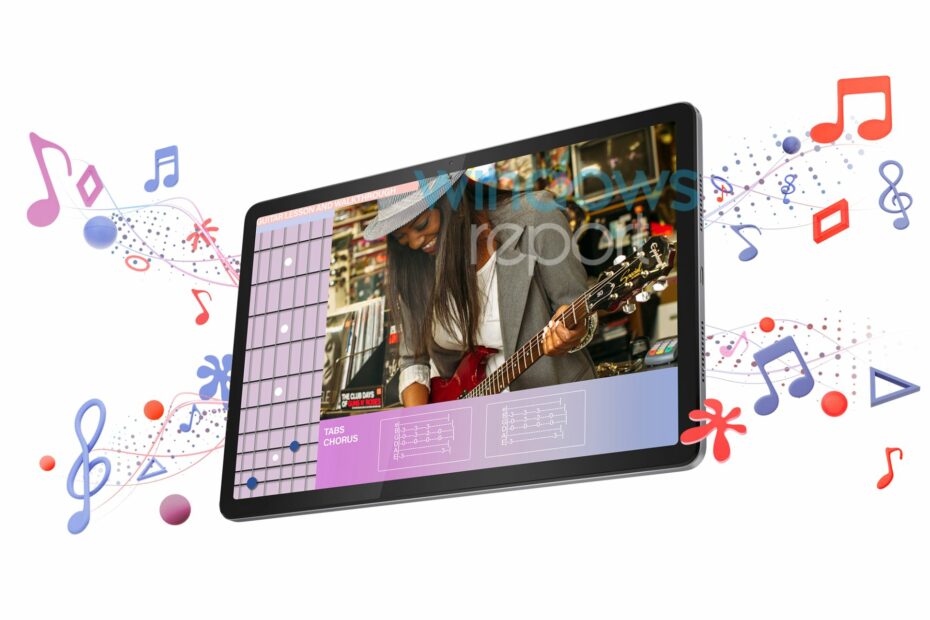
Lenovo is preparing for the imminent launch of the follow-up to the Tab M10. The upcoming mid-range tablet, named Lenovo Tab M11, has successfully passed certifications from FCC and TDRA. Its presence on the Google Play Console database has now validated key crucial specifications.
The Lenovo Tab M11, as observed on the Google Play Console with the model TB330FU, reveals the front design of the tablet. In addition to that, the database reveals that the device is equipped with 4GB of RAM, operating on Android 13 featuring ZUI, and boasting a 1200×1920 pixel resolution. Driving its performance is the MediaTek Helio G88 chipset.
Certification listings further confirm a robust 6,820mAh battery and provide insights into three configurations: 4GB RAM/64GB, 4GB RAM/128GB, and a top-tier variant with 8GB RAM and 128GB storage. The last details revealed by the listing confirm the tablet’s support for both 2.4GHz and 5GHz Wi-Fi frequencies, running on ZUI 15.1.028 straight out of the box.
This listing corroborates a leak from before that hinted at details like the Helio G88 SoC, and 11-inch LCD with a resolution of 1920×1200. It also hinted at two color options: Luna Grey and Seafoam Green. Additional features may include a microSD card slot accommodating up to 1TB for storage expansion, along with pre-installed apps like YouTube Music and Google News. The 2020 Tab M10 costs around $180, so we can expect its successor to also come with a price tag under $200.
The much-anticipated Nintendo Switch 2 is set to be revealed soon. Although we’ve been featuring a similar sentence in our news for some time, and we’re aware that Nintendo has nearly finished getting ready for the eagerly awaited handheld device, we previously lacked a specific release date. However, that has changed. A Japanese video game developer has hinted at a potential release date window for the Nintendo Switch 2. Here are the details…
Level-5 Teases Nintendo Switch 2 Launch Window
Firstly, it’s important to note that an official release date for the Nintendo Switch 2 hasn’t been announced. The Japanese developer has been effective in maintaining secrecy among both employees and business partners. Nevertheless, as Nintendo has experienced, keeping information under wraps on the internet is quite challenging. A while ago, a game studio called Level-5 started developing a Switch game titled “Fantasy Life i: The Girl Who Steals Time.”
Originally planned for a 2023 release, the game has been postponed to 2024 to ensure a “higher quality” gaming experience and “strategic reasons”. Instead of providing an exact date, Level-5 has opted to mention “summer” as the release timeframe for the new Fantasy Life game. The crucial aspect here is “strategic reasons.” Given Level-5’s longstanding partnership with Nintendo, gamers speculating from this connection believe that the developer is aware of the console’s summer release and intends to launch both the Nintendo Switch 2 and Fantasy Life i: The Girl Who Steals Time simultaneously to enhance game sales.
Certainly, all of this goes beyond mere speculation. Unfortunately, the increasing number of leaks surrounding the release date of Nintendo Switch 2 only deepens the mystery. People eagerly anticipating the successor to the successful handheld from 2017 are enthusiastically examining every available clue.
Xiaomi pulled off the wraps from the Mijia Electric Kettle P1 Light Edition while featuring some advancements. The new Kettle offers four-step temperature control, a real-time digital display, and some other exciting features. It features a noise-reduction system when something boils in it. It looks quite minimalist and resembles the previous Electric kettles from Xiaomi.
The Kettle claims to have 47 decibels of noise when boiling water. However, there’s a 304-grade stainless steel inner tank which is quite suitable for food. It comes with a real-time digital display that shows the inner temperature. It offers different modes for different water quality. If you opt for the Tap water then the Kettle will heat water until it boils, otherwise, with the Purified water, it will keep the temperature low and will save energy.
There are four different temperature presets – 45°C, 60°C, 70°C, and 85°C that the user can set as per requirement. Xiaomi Mijia Electric Kettle draws 1800W power and packs boiling turn-off and overheating protection. Further, it brings a two-stage lid-opening process that eliminates the issue of instant steam release. It has a 1.5-liter water capacity.
Xiaomi Mijia Electric Kettle P1 Light Edition is up for grabs from JD.com and Youpin for 179 Yuan, which roughly translates to $25. Information about its global launch is not yet available.
If the user wants a bigger electric kettle, then they could check out the Xiaomi Mijia Smart Electric Kettle 5L, which is available for $36 in China.
The world of gaming eagerly anticipates each new chapter in the iconic ‘Legend of Zelda’ series, renowned for its engrossing storytelling and innovative gameplay. However, fans expecting a direct sequel to ‘Breath of the Wild’ and ‘Tears of the Kingdom’ might need to adjust their expectations. In a revealing interview, game director Hidemaro Fujibayashi and producer Eiji Aonuma shed light on the future direction of this beloved series.
The devs have stated that their new game won’t have any DLC either
The ‘Zelda‘ team, known for their creativity, is keen on exploring fresh ideas rather than treading the same path. When asked about the possibility of the Ultrahand – a notable feature in ‘Tears of the Kingdom’ – making a comeback, both Aonuma and Fujibayashi expressed a desire to innovate. Fujibayashi emphasized the importance of newness in game creation, suggesting that repeating elements like the Ultrahand could stifle creativity. This mindset is a testament to the team’s commitment to delivering unique experiences to players.
Aonuma’s insights on the development process offer a glimpse into the meticulous care taken in crafting ‘Tears of the Kingdom’. The absence of downloadable content (DLC) for this title is not an oversight but a conscious choice, reflecting the team’s belief in the game’s completeness. This approach resonates with the broader philosophy of the ‘Zelda’ franchise: to continually evolve and surprise its audience.
While the future of the series might not include a direct sequel to ‘Tears of the Kingdom’, this doesn’t diminish the excitement for what’s next. The development team acknowledges the fans’ enthusiasm for the series’ timeline and lore, yet they wisely balance this with the freedom to innovate. This ensures that each new installment not only respects the series’ heritage but also pushes boundaries in storytelling and gameplay.
As the ‘Zelda’ series moves forward, it promises to retain the magic that has captivated players for decades while venturing into uncharted territories. The commitment to freshness and creativity by its creators hints at exciting adventures ahead, keeping the spirit of exploration and wonder alive in the hearts of gamers around the world. Who knows, their next game might be a bestseller too!
In a remarkable move, China has significantly ramped up its imports of semiconductor-manufacturing equipment, a direct consequence of the United States tightening its tech export controls. October saw a near 80% surge in the value of these imports compared to the same time last year. This increase isn’t just a number; it’s a telling sign of China’s strategic maneuvering in the global tech landscape.
Chinese companies are stockpiling chip-making tools to prepare for new regulations
Semiconductor-manufacturing equipment, a key player in the production of everything from silicon wafers to integrated circuits (ICs), saw a leap from US$2.4 billion to US$4.3 billion in just one year. This jump points to a broader strategy by Chinese companies: they’re stockpiling chip-making tools in anticipation of the U.S.’s new trade controls.
The U.S. Bureau of Industry and Security’s latest restrictions aim to curb China’s access to advanced chip-making equipment. This includes lithography equipment for semiconductors on a 45-nanometre node and more mature processes. The move is an extension of earlier efforts to hinder China’s development in artificial intelligence chips and other advanced ICs.
Despite these restrictions, China’s semiconductor imports are showing signs of recovery. After a 26.5% decline in early 2023, there’s been a gradual improvement. The total value of chip imports from January to November, although lower than last year, shows a slow but steady comeback, especially in the consumer electronics sector.
The story here is not just about numbers and policies. It’s about resilience and adaptation. Faced with stringent export controls, China is not just playing defense; it’s strategically bolstering its capabilities. This development is more than an economic maneuver; it’s a testament to the dynamic and ever-evolving nature of the global tech race.
China’s response to the U.S. export controls is not merely about survival; it’s about asserting its role in the global technology narrative. This surge in semiconductor-manufacturing equipment imports may well be a stepping stone for China in its quest to become a self-reliant tech powerhouse.
Are you in the market for a new e-bike that blends style, strength, and sustainability? The Rattan Quercus might just be what you’re looking for. It’s not just another e-bike; it’s a robust machine that promises to revolutionize your daily commute and errand runs.
The bike’s motor churns out 1200 watts of power
First off, the Quercus is a powerhouse in the cargo e-bike category. It boasts the ability to carry up to 450 pounds. This includes the rider, making it a perfect companion for shopping trips or carrying heavy loads. Its step-through aluminum frame and integrated rear luggage rack ensure durability and ease of use.
The Quercus shines in its battery life and range. It features a 960-watt-hour battery, with an optional range extender, pushing its range beyond 100 miles on a single charge. That’s a lot of ground to cover without worrying about running out of juice! The bike’s motor is no slouch either, offering a peak output of 1,200 watts and 80 Nm of torque, making uphill rides a breeze.
But what about the riding experience? The Quercus doesn’t disappoint. It’s equipped with an eight-speed Shimano drivetrain, allowing for smooth pedaling alongside the motor. The bike’s 20-inch magnesium alloy wheels and fat tires are designed for all terrains, offering a comfortable and stable ride. Plus, its full-color LCD cluster keeps all essential information at your fingertips, and there’s even a USB port for charging your devices on the go.
In terms of value, the Quercus competes well with established brands like Rad Power and Juiced Bikes. Its starting price of $1,849 USD is quite reasonable for what it offers. Those looking for extended range can opt for the dual-battery model at $2,499 USD. The Rattan Quercus isn’t just another e-bike; it’s a versatile, powerful, and eco-friendly option for those seeking a reliable commuting solution or a robust cargo carrier.
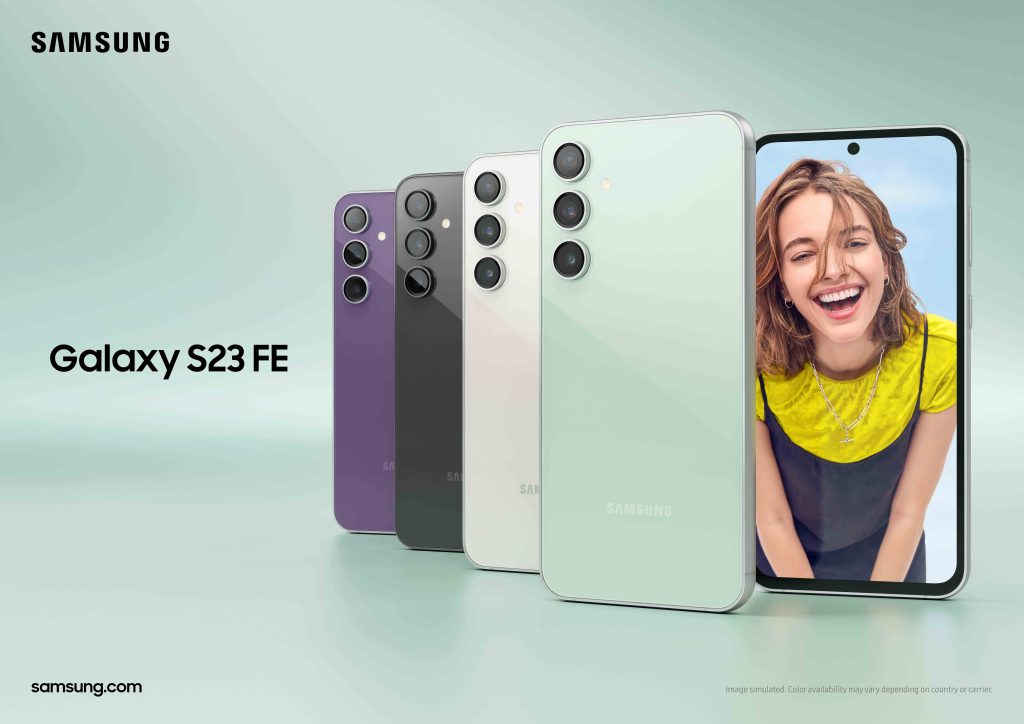
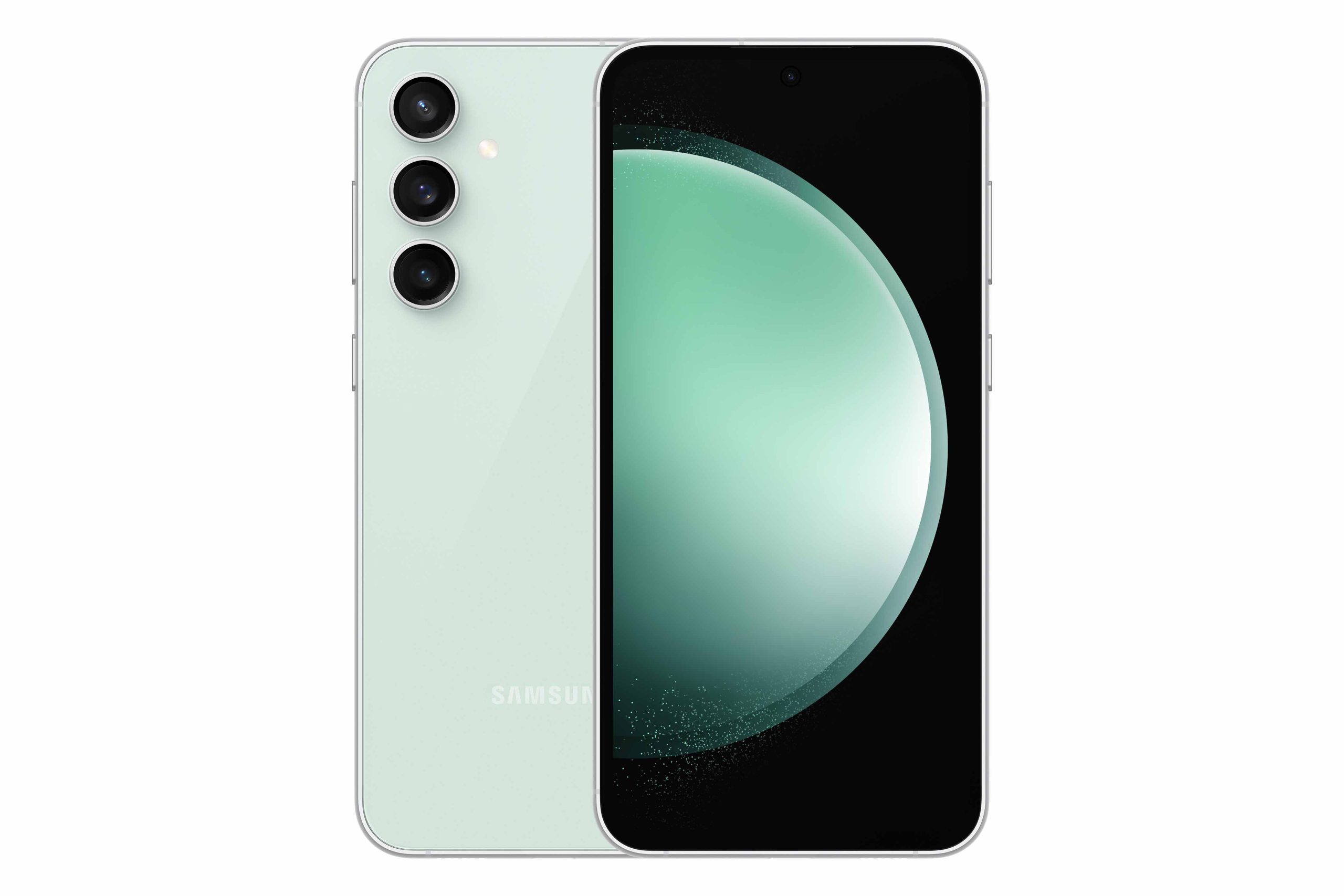
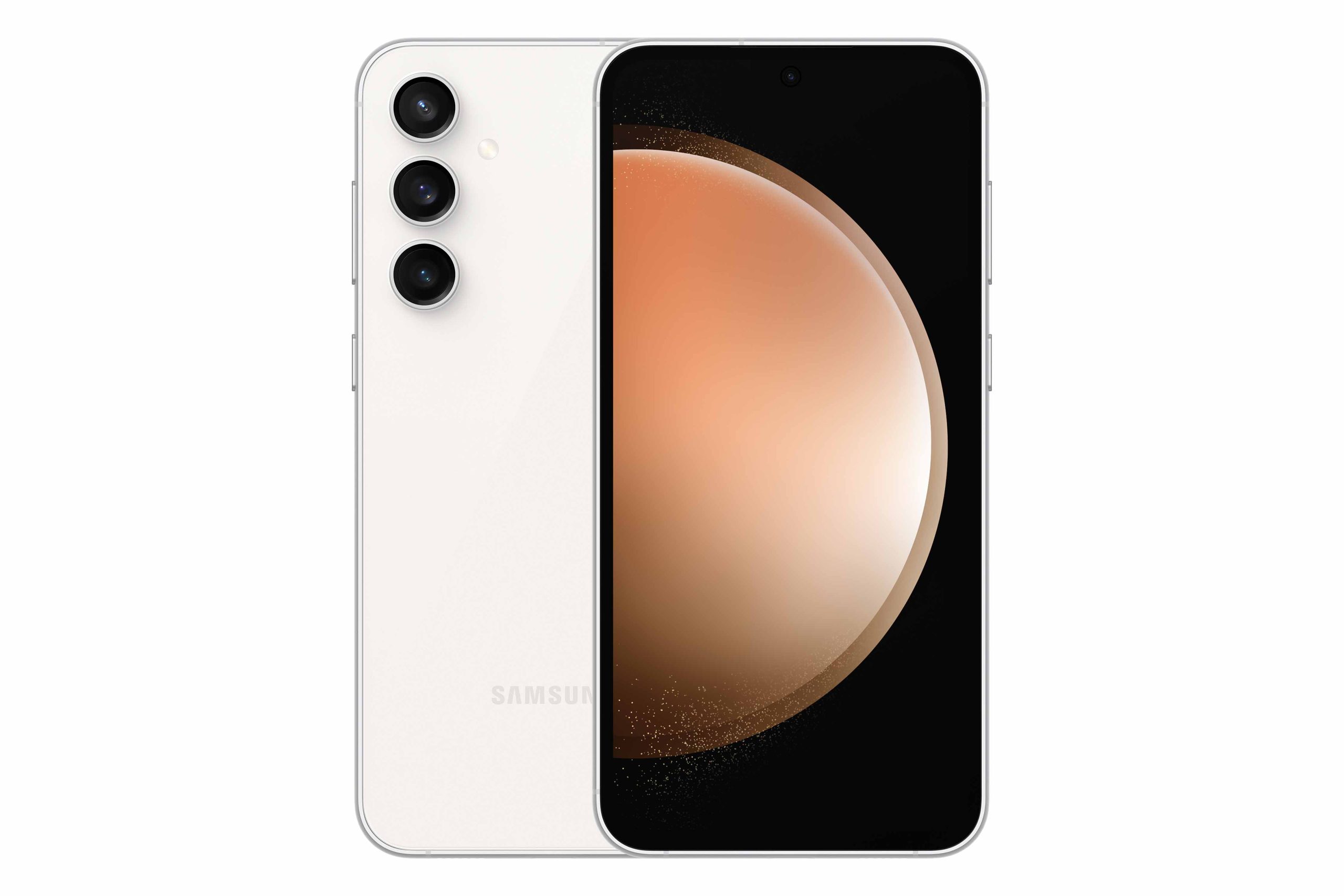
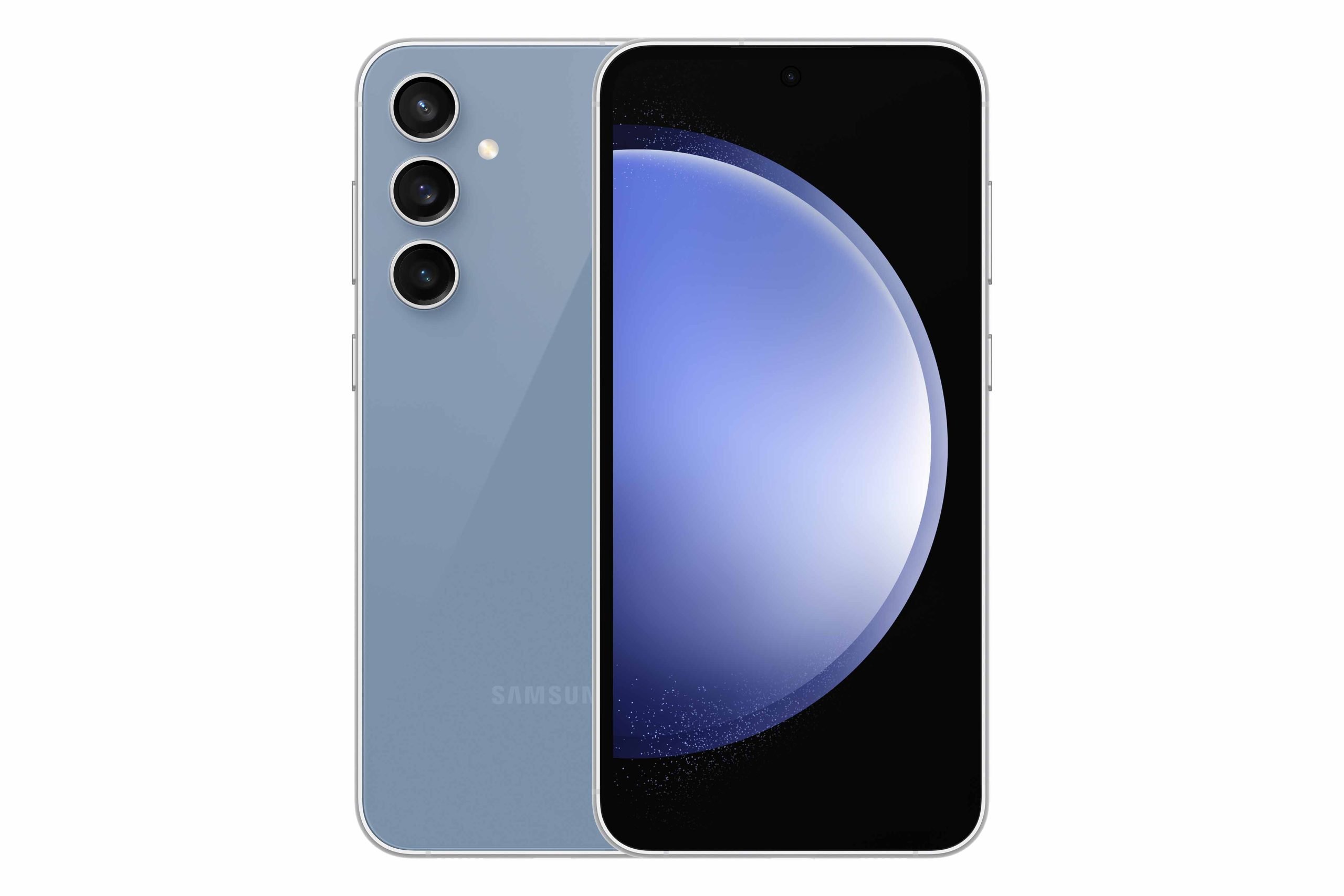
In October, Samsung introduced the Galaxy S23 FE smartphone in certain regions worldwide. The company has now expanded the availability of the device to its home country, South Korea, as well as across Europe.
Galaxy S23 FE price in various regions
The Galaxy S23 FE has launched in the UK and Europe on December 8, priced at £599 for the 128GB model and £649 for the 256GB model in the UK, and €699 for the 8GB/128GB and €759 for the 8GB/256GB versions in the EU. In South Korea, it is available for KRW847,000 (~$640). The smartphone comes in four colors: Cream, Graphite, Mint, and Purple.
Galaxy S23 FE specs
The Samsung Galaxy S23 FE features a Qualcomm Snapdragon 8 Gen 1 SoC for the US and a Samsung Exynos 2200 SoC for other regions, with a peak clock speed of 2.8GHz. It comes with 8GB of RAM and storage options of 128GB or 256GB. The device is powered by a 4,500mAh battery, supporting 25W fast charging, wireless charging, and reverse wireless charging. With 25W wired fast charging, users can reach up to 50% battery in 30 minutes. The Galaxy S23 FE includes a vapor chamber cooling system to maintain optimal temperature levels.
The Galaxy S23 FE’s camera setup includes a 50MP primary camera (f/1.8, OIS), a 12MP ultrawide sensor (f/2.2, 123˚ FOV), and an 8MP Telephoto camera (f/2.4, 3x optical zoom, OIS) at the back. For selfies, it boasts a 10MP front camera with f/2.4 aperture and an 80˚ FOV.
Running on Android 13 with One UI 5.1, the Galaxy S23 FE ensures a modern interface. Samsung commits to an update policy, providing four years of Android updates and five years of security updates, extending up to Android 17. Connectivity options include Dual SIM with 5G SA/NSA, 4G VoLTE, Wi-Fi 6E 802.11ax, Bluetooth 5.3, GPS + GLONASS, USB 3.1, and NFC. The device features a stereo speaker setup tuned with Dolby Atmos for an immersive audio experience.
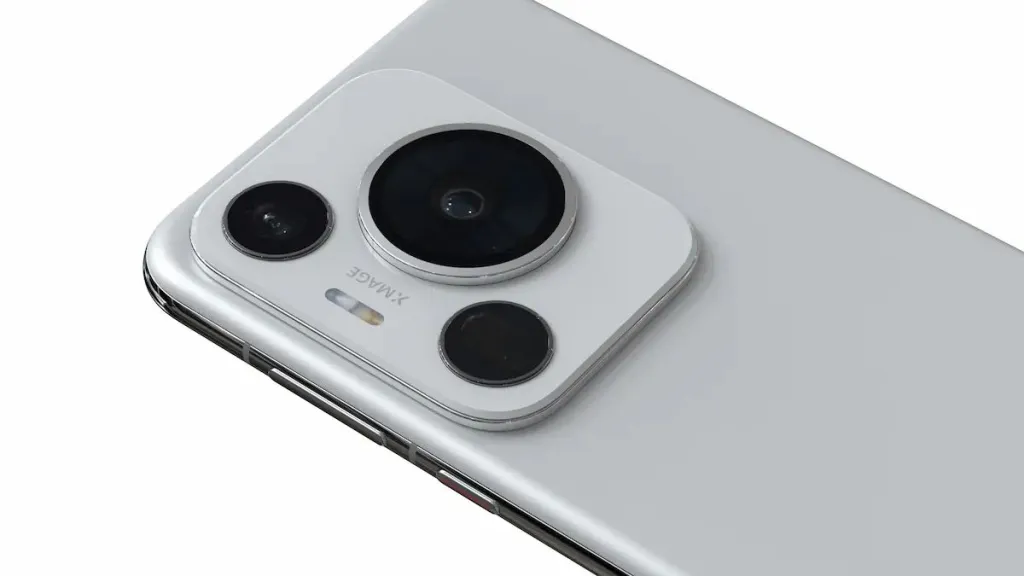
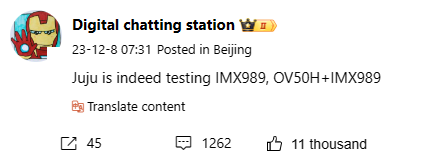
Recent revelations from tipster Digital Chat Station indicate that Huawei is testing two advanced image sensors – the Sony IMX989 and the OmniVision OV50H.
This will be the first time Huawei uses a 1-inch image sensor in its flagship
The spotlight is on the 1-inch Sony IMX989, currently the largest sensor used inside a smartphone, as seen in devices like the Oppo Find X6 Pro. The large 1-inch size of this sensor increases the camera module protrusion aside from producing great photos and videos. This is the first time Huawei is working with a 1-inch smartphone image sensor.
The Huawei P70 series includes three models in total – the Huawei P70, Huawei P70 Pro, and Huawei P70 Art. The testing suggests that Huawei might use this 1-inch IMX989 sensor in at least one of these three models. Significant in context, analyst Ming-Chi-Kuo informed last month that the Huawei P70 Art will use the 1-inch IMX989 image sensor. Additionally, Kuo states that this top-end model will also utilize a 1G6P glass-plastic hybrid lens.
If this materializes, it could mark a significant leap in Huawei’s imaging capabilities considering the camera improvements we have seen in in some recent flagships.
The second image sensor Huawei is testing is the OmniVision OV50H. It has a 50-megapixel resolution and an optical format size of 1/1.3 inches. This sensor features a pixel size of 1.2μm as compared to the 1.6μm of the 1″ Sony IMX989.
The OmniVision OV50H supports full-resolution readout at 30fps, a 12.5MP mode at 120fps, and HDR in 60fps. Supporting both DCG HDR and staggered HDR, the OV50H demonstrates its prowess in dynamic range. This sensor can achieve over 100dB of dynamic range when both HDR modes are enabled. From the technical specifications, the OV50H is a strong contender in the market even if it doesn’t have the biggest surface area. The Huawei P70 series is expected to be released in the first half of 2024.
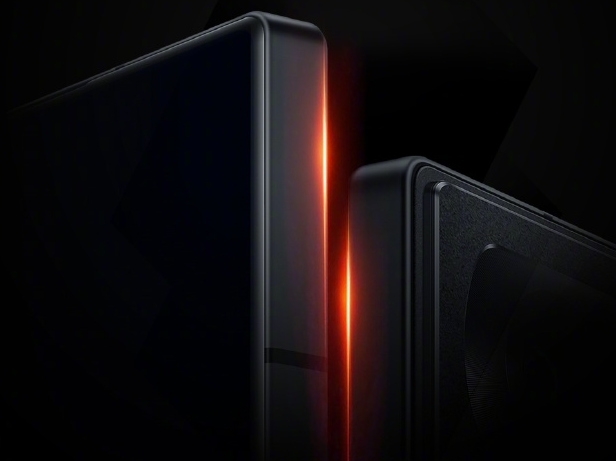
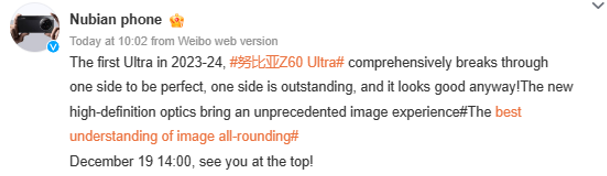
Nubia has officially confirmed the launch date of the Nubia Z60 Ultra through its official Weibo post, setting the unveiling for December 19th at 2:00 PM. Emphasizing the device as an “all-rounder” package, the company has provided a sneak peek into some of the design elements through images.
A familiar design with circular cameras, flat sides, and rounded corners
The Nubia Z60 Ultra stays true to its classic circular camera design and features flat sides with rounded corners, maintaining its iconic aesthetic.
Beyond its design, reports indicate that the phone will house a formidable camera setup, including a 50-megapixel main camera, another 50-megapixel for ultra-wide shots, and a 64-megapixel one, likely catering to a 3x optical zoom. Previously revealed camera samples of the Nubia Z60 Ultra have shown promising results. However, specific details about the image sensors used remain unconfirmed.
Ni Fei, the president of ZTE’s Terminal Division and President of Nubia Technology Co. Ltd., has intriguingly hinted at a custom lens assembly for the main camera, describing the Nubia Z60 Ultra as “a mobile that shoots stars.” It should be interesting to see how the rumored 64-megapixel 3x telephoto performs in real life.
In terms of other specifications, the Nubia Z60 Ultra doesn’t disappoint, packing a substantial 6000mAh battery with support for 80W fast charging. Aligning with the RedMagic 9 Pro series, this device will also feature the Snapdragon 8 Gen 3 platform. A Geekbench listing from late October further confirms its specifications, with 12 GB of RAM and an operating system based on Android 14.
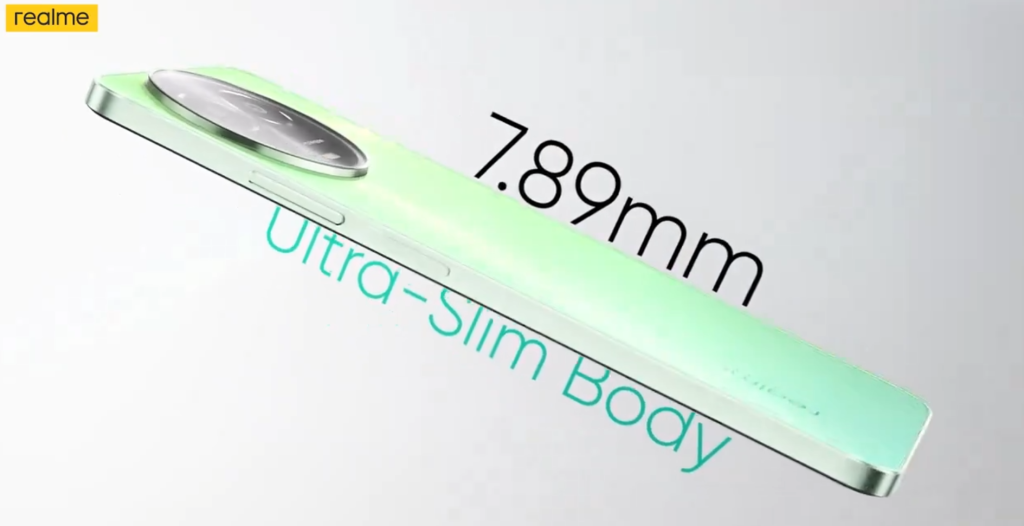
Realme is gearing up to launch a new C series smartphone in the Indian market soon. The Realme C67 5G is a mid range model and it was just teased in the region ahead of its official launch, showcasing its design.
Realme C67 5G Design Teased
The Chinese tech giant shared a teaser video earlier today, 8th December 2023, on X (formerly Twitter). Looking at the trailer, Realme’s C67 5G will feature an ultra thin design. The upcoming smartphone features a body that measures a mere 7.89mm in thickness. This teaser also offers us a look at the rear design of the device, which features a shiny ring that surrounds its large circular camera module. The video also confirms the green color option of the C67.
For those unaware, the brand is set to launch the smartphone in the Indian market on 14th December 2023. While the official pricing is still unclear, the company was expected to debut the device in India for a price tag of around 12,000 INR and 15,000 INR (roughly 144 to 180 US Dollars). Based on what we know so far, the smartphone will feature a 50-megapixel primary camera on the rear. Under the hood, it may feature a Dimensity 6100+ chipset and support 33W fast charging.
Previous rumor had even revealed the retail box of the smartphone and hinted at the device featuring 4GB, 6GB, and 8GB RAM options accompanied by 128GB storage. Realme’s C67 model visited the TDRA certification last month as well. So stick around for more updates as we will be covering any leaks and rumors as well as the announcement later this month. Till then, you can check out the Realme GT 5 Pro, which launched in China yesterday. We have also linked our review of this flagship device down below.
Under-display camera technology is present only on a few phones. Due to the complexities involved, it is not adopted widely and hence it is yet to become mainstream on smartphones. Having said that Apple has reportedly commenced work on under-display cameras for its iPhones. This will pave the way towards an all-screen bezel-less iPhone in the future.
Under display camera may make the iPhone all-screen
Apple moved away from its traditional notch display to Dynamic Island design on this year’s entire iPhone lineup. The next-generation SE model is also expected to feature the same pill-shaped cutout.
Now, in a new report, Apple aims to remove the Dynamic Island altogether in favor of an under-display camera technology on future iPhones. As per The Elec, the company’s Korean supplier, LG Innotek is said to have commenced the advanced development of an under-panel camera (UPC) system. UPC’s main issue is the loss of light transmission compared to existing selfie cameras. In simpler terms, under-display cameras produce low-quality images as less light passes through the display area. To combat this, LG Innotek is working on a special lens system called ‘freeform optic’.
The Korean supplier’s solution will control the thickness of the peripheral lens, reducing distortion, and increasing the light-intensity ratio around the optical module.
The report states that it will be a long wait for under-display camera technology to arrive on the iPhone. Apple is expected to adopt the under-panel Face ID technology in 2025’s iPhone 17. The first all-screen iPhone with UPC could debut in 2027 with the iPhone 19.
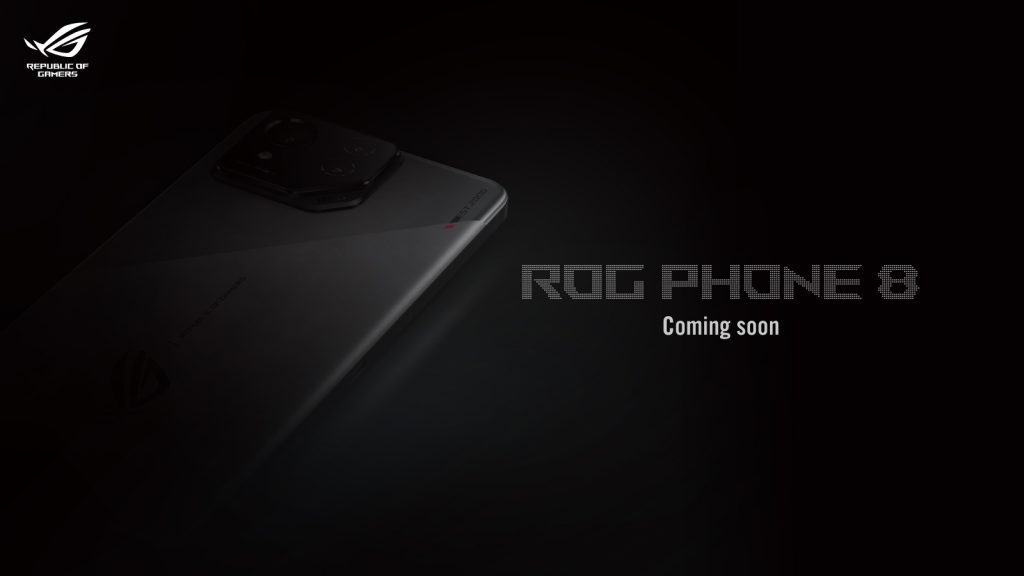
The global launch of the ASUS ROG Phone 8 appears to be near. The company shared a teaser poster that hints at the imminent release of the device, which is in line with some of the recent certification sightings. So here are all the details.
ASUS ROG Phone 8 Global Launch Teased
The Taiwanese tech giant shared the teaser image on its official X (formerly Twitter) account. The teaser simply states that the ROG Phone 8 is ‘Coming Soon.’ For those unaware, the ASUS ROG Phone 8 series is the company’s latest generation of flagship gaming smartphones and includes the ROG Phone 8, ROG Phone 8 Pro, and the ROG Phone 8 Ultra.
Unfortunately, no official launch date was revealed but since it is the direct successor of the ROG Phone 7 lineup, which launched back in April, we can expect a similar launch timeline next year. Just recently, the ASUS ROG Phone 8 and ROG Phone 8 Pro surfaced on the Bluetooth SIG certification alongside the Zenfone 11 Ultra. Similarly, the top end ROG Phone 8 Ultra had visited GeekBench (a popular benchmarking platform) with an overkill 24GB of RAM.
This same model was even spotted on China’s 3C certification authority as well. Another sighting of the devices was on the IMEI database. Based on what we know so far, the ASUS ROG Phone 8 series will be equipped with Qualcomm’s latest and greatest Snapdragon 8 Gen 3 SoC. This is all the information we have at the moment, so stick around for more as we will be providing more updates when additional details are available regarding the upcoming gaming handsets.
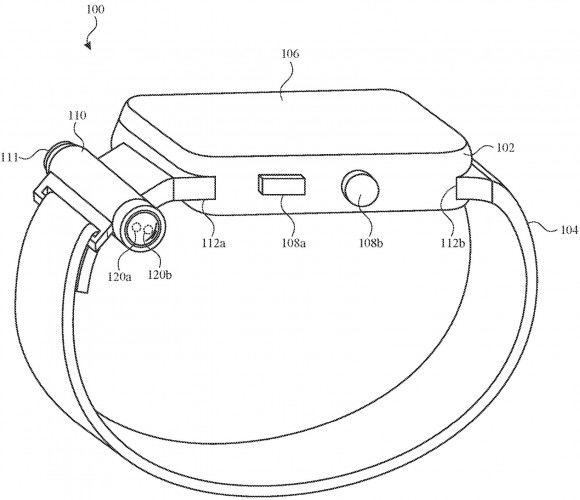
Apple is reportedly considering adding a flashlight on its future smartwatches. A newly filed patent application granted to the company revealed ‘Modular Light Assembly For A Wearable Device’. The schematic in the patent application also gives us an idea of how the Cupertino-based tech giant might add an external flashlight, how it could work, and more details. Read on to know everything below.
Apple may add external flashlight to its Watches in the future
Apple Watches have a flashlight feature that cranks up the smartwatch’s brightness and turn the display completely white. This allows users to see things in a dark environment but is often inconvenient as they have to turn their wrists and point the watch’s screen.
As per the schematic in the patent, Apple will add a modular light assembly i.e. the flashlight on to the band of the Watch. This will allow the user to point it anywhere like a torch from a distance where they want to see. The application also reveals that the external flashlight will have its own battery so that the smartwatch’s battery won’t take a hit. It could also feature a button to enable or disable it without having to interact with the Apple Watch. But the patent mentions that “modular light can receive communication from the wearable device to activate (turn on) or deactivate (turn off) one or more light sources of the modular light assembly,”
Another interesting information the patent application reveals is that the modular light can be separated from the watch’s band, however, in some cases, it might be permanently attached. This suggests the possibility that the external flashlight may also be sold as a separate accessory or Apple might launch new bands with the modular light.
It’s worth noting that patent applications don’t often materialize into the final product that arrives in the market. An external flashlight on the Apple Watch does sound interesting. Garmin already offers this on some of its high-end smartwatches.
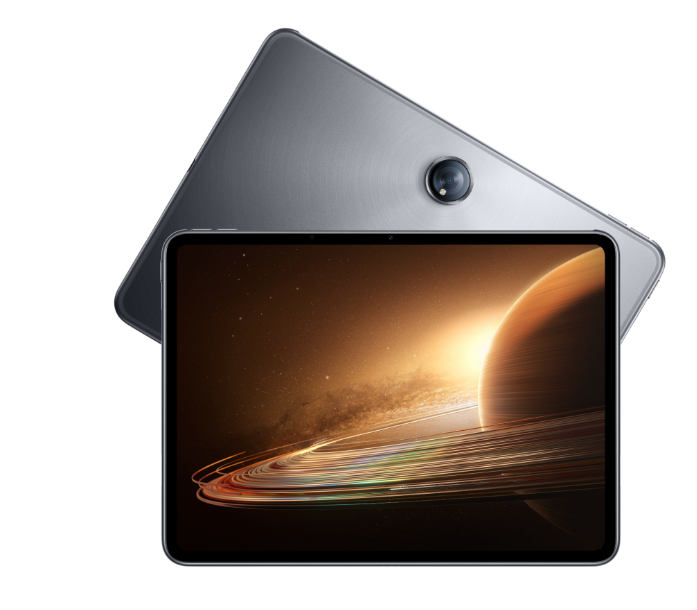
Oppo has just announced that the official version of ColorOS 14.0 × Android 14 is now available for Oppo Pad 2 users in China. The update announcement does not come with an official changelog, however, you can check out our complete breakdown of ColorOS 14 to get an idea of what’s new with this version.
Upgrade Guidelines:
The upgrade will not clear user data, but it’s advisable to back up essential personal data before proceeding.
Some third-party applications may face compatibility issues with Android 14. Users are encouraged to update these applications to their latest versions from the software store.
Following the upgrade, the system will undergo adaptation and optimization actions for two days. Users might experience temporary issues such as heat, sluggishness, or rapid power consumption. To resolve this, it’s recommended to turn off the screen, charge for 2 hours, and restart the tablet.
Users on the public beta version can directly upgrade to the official version through system push without the need for additional sign-ups.
Application Process:
Ensure that your tablet version is upgraded to the basic version 13.1.0.196.
Navigate to “Settings > About this machine > Top Version information (above ‘Tablet name’) > Settings in the upper right corner > Early adopter application > ColorOS 14.0 official version > Check ‘I have read and agree to the Privacy Policy’ > Apply now.” After application completion, click “Check for updates” to detect and download the version for the upgrade.
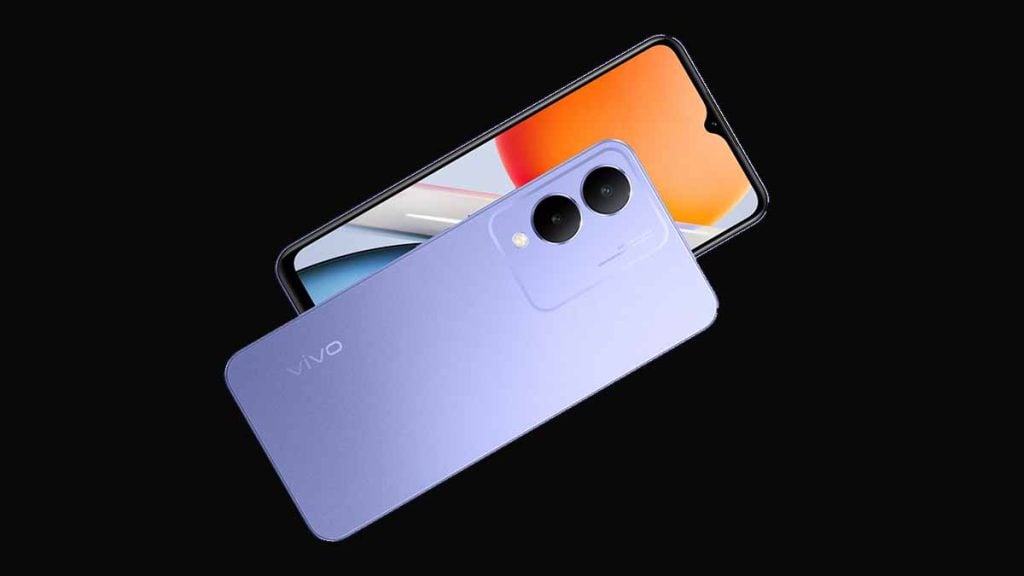
Vivo, the world’s fifth-biggest smartphone manufacturer, ontinues to expand its product lineup. After revealing the camera features of the upcoming S18 and S18 Pro, the company has now introduced its new mid-range phone. Here are the specifications and price of the Vivo Y36i.
Vivo Y36i Price and Specs: Unveiling the Dimensity 6020 Powerhouse with 90Hz Display
When we look at the features of the vivo Y36, we can see that the company has positioned this model in the entry to mid-range segment. The phone is powered by MediaTek’s Dimensity 6020 processor. This chipset, which has been previously seen in models like Honor Play 50 Plus and vivo Y35+, is produced using 7nm manufacturing technology and utilizes the Mali-G57 MC2 graphics processing unit. The mentioned processor is accompanied by 4 GB of physical RAM and 4 GB of virtual RAM. The storage capacity is stated to be 128 GB.
Looking at the screen of the vivo Y36, we encounter a 6.56-inch panel. This IPS display has a resolution of 720 x 1612 pixels, a 90Hz screen refresh rate, and a 180Hz touch sampling rate. The maximum brightness it reaches is 840 nits. The camera is one of the standout features of this budget-friendly model.
Looking at the front, we see a 5-megapixel camera positioned in a water drop shaped notch. On the back, there is a dual arrangement consisting of a 13-megapixel main camera and an Anti-Stroboscopic Sensor. This sensor is designed to detect the frequency of the light source, preventing interference such as “water ripple” effects when capturing images of screens or water surfaces.
Affordable phones are often criticized due to their weak processors. However, this provides them a significant advantage in terms of battery performance, and the vivo Y36i is no exception. The device is equipped with a 5000 mAh battery with 15W charging support. The company describes this as “fast charging,” but even 30W is no longer considered fast in today’s standards. The phone is available in two different colors: purple and gold. Its price is 1,199 yuan, which is approximately $170.
Great news for gamers in India – the Sony PlayStation VR2 is officially up for grabs! The state-of-the-art virtual reality headset is now available for purchase through the official Sony online store.
The standard PlayStation VR2 package is priced at Rs 57,999, encompassing the VR headset, cutting-edge Sense controllers, and all the essential accessories you need. If you’re looking to kick things up a notch, check out the PlayStation VR2 Horizon Call of the Mountain bundle, available at Rs 61,999. This comprehensive bundle not only includes the standard gear but also throws in extra accessories and an exclusive voucher code for the highly anticipated Horizon: Call of the Mountain game.
Inside the bundle, you’ll find the PSVR headset, Sense controllers, USB cable, stereo headphones, earpieces, and informative printed materials. Plus, you get an exclusive PlayStation Store voucher code to dive straight into the action-packed Horizon: Call of the Mountain game.
The PlayStation VR2 boasts a second-generation design with significant improvements over its predecessor. Featuring an OLED display with a 110-degree field-of-view, the headset supports 4K HDR playback and operates at a smooth 120Hz refresh rate. Equipped with four cameras on the front, users can enjoy a see-through view, a customized play area, and other cutting-edge features.
However, it’s important to note that the PlayStation VR2 is exclusive to the PlayStation 5 console. Gamers keen on diving into virtual reality will need to have a PS5 console to unlock the full potential of the VR headset.
With over 20 supported games, including the much-anticipated Horizon: Call of the Mountain, the PlayStation VR2 guarantees an unparalleled gaming experience.
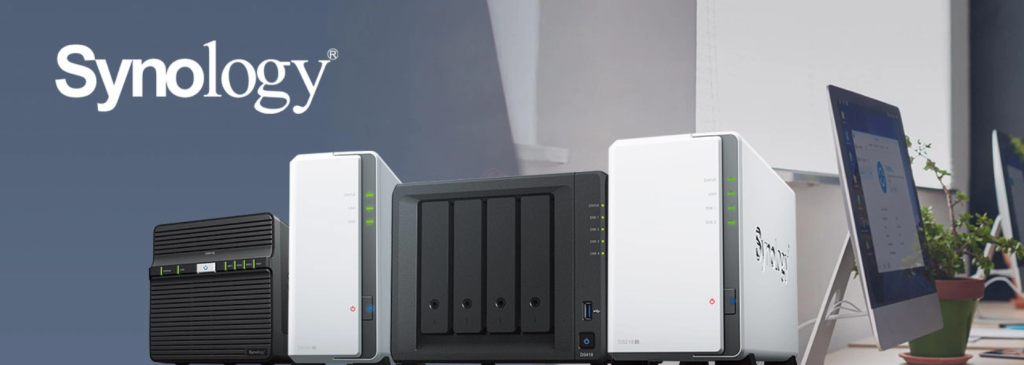
In the digital landscape, where data is paramount, Network Attached Storage (NAS), particularly the Synology NAS server, plays a pivotal role in efficient and secure data storage. However, data loss incidents can still occur, underscoring the need for a robust recovery strategy.
This guide will take users through the process of recovering data from a Synology NAS Server in simple steps. Beginning with assessing the extent and cause of data loss, stressing the importance of verifying backups, and more. If needed, users can also turn to third-party recovery software like Wondershare Recoverit or seek professional assistance.
What is a Synology NAS Server?
The Synology NAS Server, as implied by its name, serves as a centralized hub for storing data across a network. Unlike typical cloud storage services, it stands out by offering more than just data storage capabilities. This innovative server allows users to establish their private cloud storage, granting access to stored files, facilitating data backups, and enabling secure and unrestricted file sharing. Synology NAS Server goes beyond basic functions, providing not only essential storage but also advanced data management features, catering to a wide range of storage and management requirements commonly encountered by users.
Synology NAS Server: Key Features and Benefits
Tailor-Made Storage Solutions
Synology NAS Server stands out by offering customizable storage configurations, providing users with the flexibility to meet their unique needs without incurring monthly fees. This feature empowers individuals and organizations alike, offering a cost-effective and personalized approach to data storage.
Seamless File Accessibility
Facilitating file management from any browser, mobile device, or desktop computer, Synology NAS ensures seamless file upload, secure sharing, and easy access. This feature not only enhances collaboration but also streamlines data management across diverse platforms, contributing to a user-friendly experience.
Synology Drive Private Cloud: A Synchronized Universe
Synology NAS introduces the Synology Drive Private Cloud, allowing users to synchronize files across all devices seamlessly. This private cloud hosted on the NAS server ensures accessibility and synchronization, creating a cohesive user experience across multiple devices.
Media File Management: Safeguarding and Organizing
Going beyond basic storage, Synology NAS safeguards and organizes media files based on people and places. This advanced feature enhances data organization, making it efficient and straightforward for users to manage their multimedia assets with ease.
Surveillance Station for Enhanced Security
The integrated Surveillance Station elevates Synology NAS to a versatile tool for security applications. Compatible with IP cameras, this feature enables remote monitoring of homes or premises, providing users with a comprehensive security solution.
Security and Cost-Effectiveness: A Winning Combination
Synology NAS is strategically positioned as one of the most secure and cost-effective data storage solutions. Balancing robust security measures with budget-friendly options, it becomes the go-to choice for users seeking reliable and economical storage solutions for sensitive data.
Comprehensive Data Management Applications
Offering a suite of data management and backup applications, Synology NAS empowers users to control and own their data without relying on external services. This comprehensive approach ensures that users have the tools needed for effective data management and protection.
Why Data Recovery is Crucial for NAS Users?
Critical Data Storage: Mitigating Potential Losses
Given that NAS users often store sensitive and critical data, the potential cost of data loss is significant. This highlights the crucial need for reliable data recovery measures to safeguard valuable information.
Diverse Data Types: Versatility in Recovery
The loss of various data types, including organizational data and multimedia assets, underscores the versatility required in data recovery. Synology NAS ensures that recovery measures cater to the diverse needs of its users.
Avoiding Mechanical Risks: Best Practices for NAS Integrity
Synology NAS advises against removing disks for issue resolution due to potential mechanical risks. This emphasizes the importance of adopting best practices to protect the physical integrity of the NAS server during troubleshooting.
Suitable Data Recovery Tool: Ensuring Effectiveness
Stressing the necessity of a suitable NAS data recovery tool, Synology guides users in selecting tools that can retrieve valuable files without compromising the integrity and stability of the NAS server. This ensures an effective and secure recovery process.
Introducing Wondershare Recoverit: Empowering Synology NAS Data Retrieval
Wondershare Recoverit is your go-to solution for unleashing the potential of Synology NAS data recovery. This powerful tool is designed to facilitate seamless and efficient recovery processes, ensuring that your valuable data stored on Synology NAS servers is easily retrievable. Let’s explore the capabilities of Wondershare Recoverit in the realm of Synology NAS data recovery.
Robust Features for Diverse Scenarios:
With modern, powerful features, Recoverit adeptly handles varied NAS data loss situations. Its versatility accommodates different NAS configurations, making it an ideal tool for users facing diverse recovery challenges.
User-Friendly Interface:
Designed for both beginners and advanced users, Recoverit boasts a user-friendly interface. Navigating the recovery process becomes seamless, ensuring easy retrieval of data.
High Success Rates and RAID Simplification:
With excellent recovery success rates, Recoverit instills confidence in its reliability. Notably, it simplifies the complex RAID rebuilding process, ensuring a straightforward data recovery journey.
Scenario-Specific Recovery:
Recoverit excels in recovering data lost due to accidental deletion, hard drive formatting, system issues, disk failures, malware attacks, RAID reconstruction failures, defective controllers, NAS aging, and power fluctuations.
Additional Features Enhancing Recovery:
Supporting all RAID levels, recovering over 1000 file formats, providing preview functionality, and enabling real-time recovery, Recoverit ensures comprehensive data retrieval.
Detailed Steps for NAS Data Recovery with Wondershare Recoverit:
Step 1: Download and Install Wondershare Recoverit
Visit the official download page of Wondershare Recoverit and download the software.
Install Wondershare Recoverit on your PC.
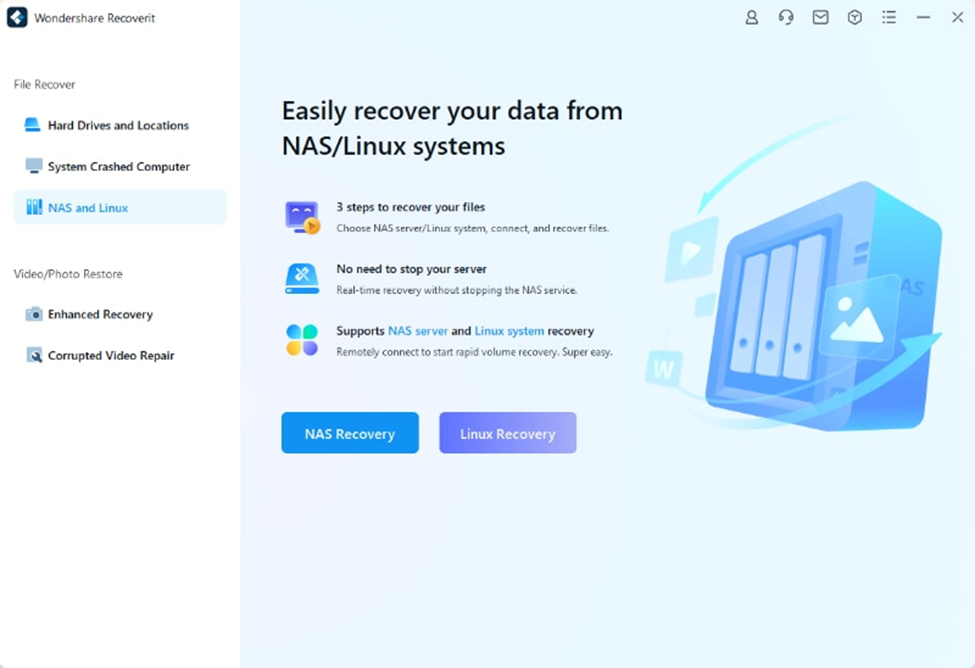
Step 2: Launch Wondershare Recoverit and Select the “NAS and Linux” Tab
Open Wondershare Recoverit and navigate to the left bar.
Click on the “NAS and Linux” tab.
Step 3: Choose “NAS Recovery”
From the subsequent screen, click the “NAS Recovery” button to initiate the recovery process.
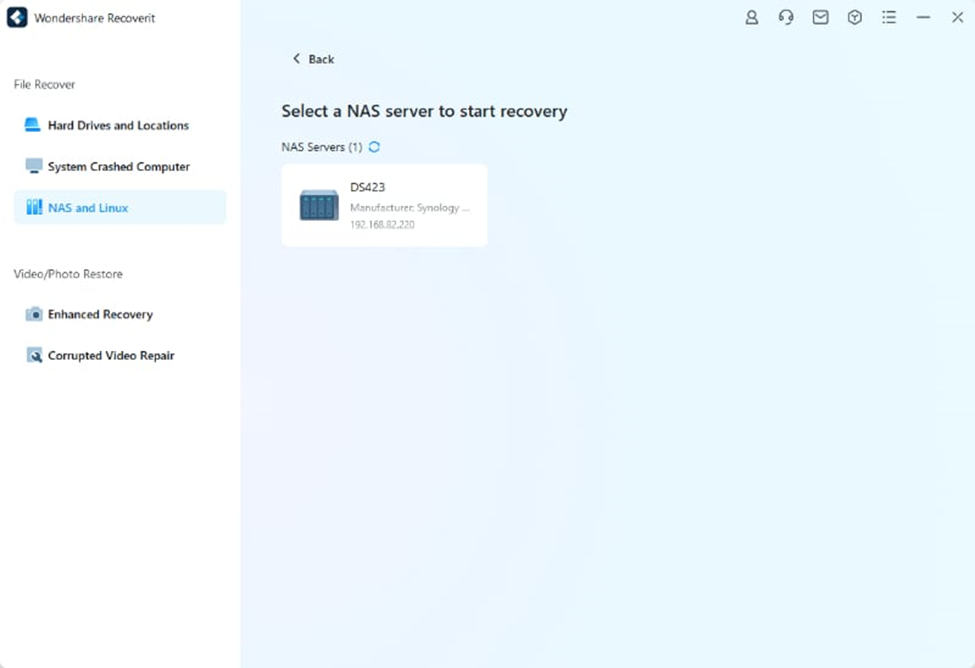
Step 4: Automatic NAS File Search
Wondershare Recoverit will automatically search for lost NAS files.
Once the search is complete, the detected NAS devices will be displayed on the screen.
Step 5: Select Synology NAS Server
Identify and select the Synology NAS Server from the list of detected devices.
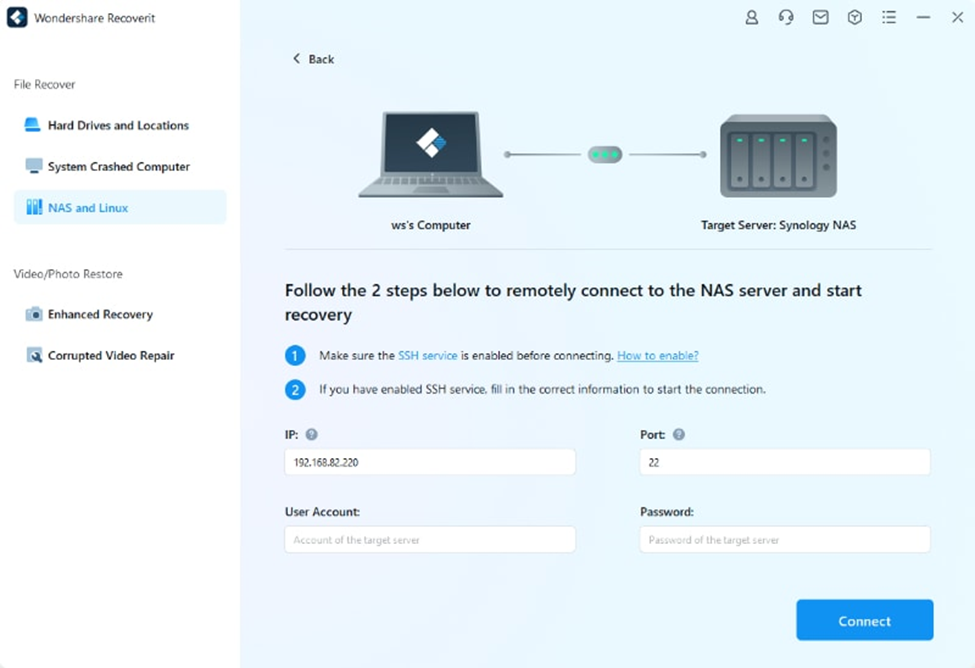
Step 6: Provide NAS Synology Server Information
In the next screen, provide the necessary information for your NAS Synology server.
Click “Connect” to establish a remote connection with your NAS server.
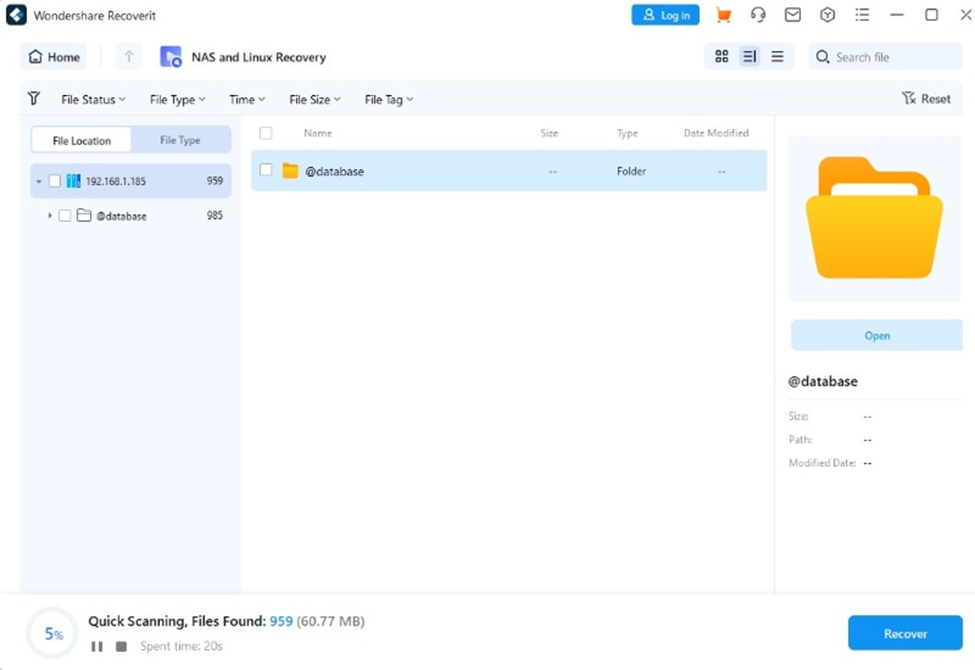
Step 7: Scan for Lost Files
Once connected, Wondershare Recoverit will start scanning for lost files on the Synology NAS Server.
Step 8: Preview Retrieved Files
After the scan is complete, Wondershare Recoverit will allow you to preview the retrieved files. Verify the recovered files to ensure they match your requirements.
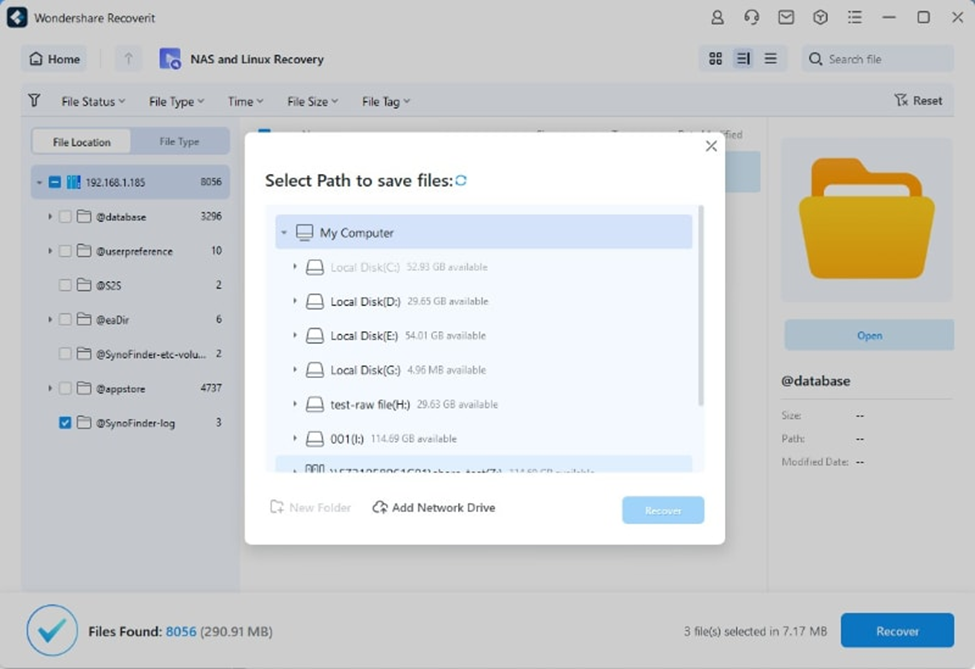
Step 9: Recover the Lost Files
If satisfied with the preview, click the “Recover” button.
Choose a suitable folder (different from the previous one) to save the recovered files.
Step 10: Save Recovered Files
When prompted to save the file, select a folder and click the “Recover” button to save the lost NAS files.
Experiencing data loss on your Synology NAS Server can incur significant costs, underscoring the necessity for comprehensive preparedness in the face of various data loss scenarios. Although numerous NAS server data recovery tools are available, selecting the appropriate recovery tool is crucial. Wondershare Recoverit meets all the criteria for a contemporary and cost-effective NAS Server data recovery solution.
Apple is boosting its iPad production in Vietnam, making the country a key player in its global manufacturing strategy. This shift signals Apple’s efforts to find alternatives to China as a manufacturing hub and tackle uncertainties in global politics.
Teaming up with Chinese company BYD, Apple started moving iPad assembly to Vietnam in 2022. Now, Apple is taking it a step further by sending New Product Introduction (NPI) resources to Vietnam for the first time. NPI involves working closely with partners to design and develop new products, showing that Apple sees Vietnam as a reliable and capable partner.
Around mid-February, Apple will begin testing a new iPad model in Vietnam, with plans to release it in the second half of the following year. Importantly, Apple’s focus is on entry-level iPad models, not the high-end iPad Pro, showcasing a deliberate effort to diversify its manufacturing strategy.
Concerns about geopolitical tensions are pushing Apple to reduce its reliance on China, with plans to also shift some iPhone NPI processes to India. This move aligns with a broader industry trend as companies look for alternatives and ways to manage risks tied to global politics.
Vietnam is becoming a crucial part of Apple’s supply chain, emerging as a significant manufacturing hub for various Apple products. Experts predict that Vietnam could be one of the next big global manufacturing centers, given its favorable production conditions and the eagerness to invest in building more capacity.
Despite the tension between the U.S. and China, Apple is still working closely with Chinese suppliers in its manufacturing shift. The rise of Vietnam and India as essential manufacturing hubs reflects the tech industry’s ongoing efforts to diversify, not just in tablets but also in more complex products like personal computers.
As Apple strengthens its connection with Vietnam, the tech landscape is evolving, with new manufacturing centers playing a key role in shaping the future of the industry.
We use cookies on our website to give you the most relevant experience by remembering your preferences and repeat visits. By clicking “Accept”, you consent to the use of ALL the cookies.
This website uses cookies to improve your experience while you navigate through the website. Out of these, the cookies that are categorized as necessary are stored on your browser as they are essential for the working of basic functionalities of the website. We also use third-party cookies that help us analyze and understand how you use this website. These cookies will be stored in your browser only with your consent. You also have the option to opt-out of these cookies. But opting out of some of these cookies may affect your browsing experience.
Necessary cookies are absolutely essential for the website to function properly. This category only includes cookies that ensures basic functionalities and security features of the website. These cookies do not store any personal information.
Any cookies that may not be particularly necessary for the website to function and is used specifically to collect user personal data via analytics, ads, other embedded contents are termed as non-necessary cookies. It is mandatory to procure user consent prior to running these cookies on your website.