Previously, we reported that rumors indicated Huawei gifted its employees Mate 60 smartphones to celebrate the Mid-Autumn Festival. Huawei employees shared photos of their Mid-Autumn Festival gifts on social media. The gifts include the company’s latest Mate 60 smartphone along with six mooncakes, a teapot, teacups, and tea leaves. However, according to a recent report, this rumor seems to be incorrect.
As per a recent report by CNMO, Huawei store employees said that these Huawei Mate 60 smartphones were actually prototypes provided to the employees. Apparently, the company provided these prototypes to their employees to test the smartphone’s experience and demonstration. As we all know, ever since the release of Mate 60, this has been a hot topic for consumers. After taking all the feedback, the company wants its customer service to improve. Huawei came up with the idea of distributing the prototypes for the employees to learn more about the Mate 60. Those wondering what the hype is all about can check out the specifications of the Huawei Mate 60 provided below.
Huawei Mate 60 Specifications
Huawei Mate 60 comes with a 6.69-inch OLED display with a 1216 x 2688 pixel resolution and 120Hz refresh rate. Under the hood, the device is powered by a Kirin 9000S (7 nm) SoC and 12GB of RAM. The smartphone comes in three available storage options: 256GB, 512GB, and 1TB UFS. Lastly, the Huawei Mate 60 is equipped with a 4750mAh Li-Po non-removable battery that supports 66W wired charging and 50W wireless charging.
Microsoft has revealed the list of games that will be added to the Xbox Game Pass subscription service this month. In October 2023, the company will be bringing in a bunch of popular games like Gotham Knights, Forza Motorsport, and more. So here is everything you need to know.
Xbox Game Pass October 2023
For those unaware, the Xbox Game Pass is a subscription based platform, which basically allows gamers to play a bunch of games for a monthly subscription fee. So rather than outright buying games, you just pay a smaller fee to gain access to a vast number of titles. Microsoft is constantly updating the games library, adding and removing titles every month. Now, it will soon offer Xbox Game Pass subscribers notable titles like Gotham Knights (October 3), Warhammer 40,000: Darktide (October 4), and Forza Motorsport (October 10).
Warhammer 40,000: Darktide
These are the highlights of the October games list. Alongside these games, the company will also launch other titles like:
NHL 24 (10 hour free trial) – October 3
The Lamplighters League – October 3
Cities: Skylines 2 – October 24
Mineko’s Night Market – October 26
Headbangers Rhythm Royale – October 31
Jusant – October 31
Keep in mind that some of these games will be available on the Microsoft Xbox Game Pass platform for a limited period of time and might be rotated out for a fresh batch of titles in the coming months.
A recent graduate of Central Saint Martins has created a portable charger that can be used to charge phones for free using rental bikes. The device, called MyPowerbank, is designed to be attached to the chain of any Santander bicycle in London. As the bike is pedaled, the charger generates electricity using a tiny pedal-powered generator. And around 25 minutes of pedalling is enough to fully charge a phone.
MyPowerbank was created by Luke Talbot, who was inspired by the fact that many homeless people own phones but struggle to find places to charge them. This can restrict their access to crucial digital services, such as banking, messaging, and applying for benefits.
MyPowerbank is still in the prototype stage, but Talbot became one of the winners at this year’s MullenLowe NOVA Awards. Now, he is planning to use the won prize money to help him make the design production-ready and cut down on the pedalling time needed per charge.
Talbot’s prototype features a 3D-printed shell, finished in the same navy blue as the Santander bikes’ frames so as not to draw undue attention. Instructions are printed in UV ink so they are legible at night.
The dynamo was built from scratch using a YouTube tutorial and the two batteries, which each hold up to four full charges, are reclaimed from old powerbanks.
Talbot is also considering what to do if the device breaks or is damaged. He says, “Hopefully there’ll be a circular repair system behind that so if it’s broken, they could give it back to the shelter and the shelter would send it back to whoever ends up running it.” Here’s Talbot talking about the MyPowerbank at the MullenLowe NOVA Awards.
Video source: MullenLowe NOVA Awards
MyPowerbank is a simple but effective solution that could help to improve the lives of homeless people by providing them with a reliable way to charge their phones.
Elon Musk’s SpaceX has been contracted by the US Space Force. The company has received the 70 million US Dollar contract to provide satellite communications using its new Starshield program. So here’s everything you need to know about this deal.
SpaceX Starshield: What’s it all about?
Starshield is basically SpaceX repurposing its Starlink network of satellites to offer functionality for the US military. As per official notes, it is a “secured satellite network for government entities”. The contract has a duration of one year. According to a US Space Force spokesperson, “The SpaceX contract provides for Starshield end-to-end service (via the Starlink constellation), user terminals, ancillary equipment, network management and other related services.”
During the initial stages of the contract, the Space Force will pay SpaceX a sum of 15 million US Dollars, which will have the latter offer 54 military “mission partners” across Department of Defence (DoD) branches. Interestingly enough, this news soon after US senators criticized SpaceX’s actions in Ukraine. It was recently revealed that Elon Musk refused to extend Starlink coverage to allow for a naval attack against Russian forces.
The senators expressed their dismay at his actions saying that “We are deeply concerned with the ability and willingness of SpaceX to interrupt their service at Mr. Musk’s whim”. Elon Musk shot back stating that “Starlink needs to be a civilian network, not a participant to combat. Starshield will be owned by the US government and controlled by DoD Space Force.”
After the Singapore launch last month, the Vivo Y17s has finally arrived at Indian shores. The smartphone is targeted at the budget range and spec sheet.
Vivo V17s specs
The Vivo Y17s comes with a 6.56-inch IPS LCD display offering an HD+ resolution of 720 x 1612 pixels, a 60Hz refresh rate, 840 nits of brightness, an 83 percent NTSC color gamut, and a pixel density of 269 ppi. On the front, it boasts an 8-megapixel selfie camera, while the back features a 50-megapixel primary camera and a 2-megapixel bokeh lens.
The Y17s packs a large 5,000mAh battery that supports 15W fast charging. Under the hood, the Vivo Y17s is powered by the MediaTek Helio G85 chipset, coupled with 6 GB of LPDDR4x RAM and 128 GB of eMMC 5.1 storage. Additionally, it offers expandable storage via a dedicated microSD card slot. The phone runs on Android 13 with the FunTouch OS 13 skin.
Other features include dual SIM support, dual-band Wi-Fi, Bluetooth 5.0, GPS, a USB-C port, a 3.5mm audio jack, and an IP54-rated chassis for enhanced durability.
Price & availability
The Vivo Y17S comes in Glitter Purple and Mystic Green color options and is available for purchase on the Vivo e-store. It offers two storage configurations: 4GB RAM + 64GB storage for Rs. 11,499 and 4GB RAM + 128GB storage for Rs. 12,499.
The Honor brand has returned to the Indian market with the unveiling of the Honor 90 after a hiatus of nearly three years. It is the exact same device that was launched in the global market and China earlier this year, and now it has finally landed in India. Before the hiatus, Honor phones were mainly priced between Rs 10,000 and Rs 20,000. The newly announced Honor 90 is a mid-premium tier phone with a starting price of Rs 37,999 (~$457). The phone impresses in areas like design, display, cameras, and OS experience, but what about other departments? Continue reading this review to learn what else is in store for buyers of the Honor 90.
Honor 90 review: What’s in the box?
Honor 90
Here is a list of items that are included in the retail package of the Honor 90 review:
Honor 90 handset
USB-A to USB-C cable
TPU case
SIM ejector tool
Safety Guide
Quick Start Guide
Design and Display
Dimensions
Display
Size – 161.9 x 74.1 x 7.8 mm
6.7-inch AMOLED display
DCI-P3 color gamut
Weight – 183 grams
1200 x 2664 pixels (FHD+)
5,000,000:1 contrast ratio
No IP rating
19.98:9 aspect ratio
10-bit colors
120Hz refresh rate
93.3% screen-to-body ratio
1600 nits peak brightness
1500:1 contrast ratio
435ppi pixel density
Widevine L1
3840Hz PWM dimming
HDR10+
Honor 90Honor 90Honor 90Honor 90Honor 90
Design and display are two of the strengths of the Honor 90. The device weighs 183 grams and is only 7.8mm thick. The Emerald Green variant that I received for review has a glass back with a matte finish, which is free from fingerprint marks and offers a good grip thanks to its tapered edges. The dual camera rings on the Honor 90’s rear panel are inspired by luxury jewellery. Overall, the device looks quite attractive and premium.
The Honor 90 has a plastic frame with a noise-cancelling microphone at the top and a SIM slot, microphone, USB-C port, and a speaker grille at the bottom. The left side of the device is bare, while its right edge has a volume rocker and power button. Those who prefer a glossy look can opt for the Diamond Silver and Midnight Black editions of the Honor 90.
The Honor 90 features a flagship-level 6.7-inch AMOLED display that is curved on all four sides, giving it a floating appearance. It supports a 1.5K resolution, a 120Hz refresh rate, and 3840Hz PWM (Pulse Width Modulation) dimming. It also comes with support for Widevine L1 and HDR10+. The screen offers 60Hz, 90Hz, 120Hz, and dynamic 120Hz (default) refresh rate options.
Honor 90Honor 90Honor 90Honor 90
According to the international standard IEEE Std1789-2015, a screen flicker frequency exceeding 3125Hz is considered non-hazardous to human eyes. Therefore, the decision to implement a 3840Hz ultra-high frequency dimming display in the Honor 90 is undoubtedly a healthier option for eye comfort. The Honor 90 also incorporates a comprehensive 5-layer Eye Protection system, including dynamic dimming that mimics natural light patterns to reduce eye strain. It can also adjust screen color to minimize blue light for better sleep quality. The device’s hardware-level low blue light feature further safeguards visual health, while its extensive 400-grade dimming options enhance overall viewing comfort. It is worth mentioning that Honor has paid a lot of attention to eye health on the Honor 90.
The Honor 90 received an impressive DXO Mark display test score of 140, firmly establishing itself as a leading display in its price category. However, there is no available information about the specific toughened glass used to protect the front and rear sides of the device. Despite this, the device’s display has demonstrated its strength by passing tests such as the Walnut challenge and drop tests. Unfortunately, the device lacks an IP rating for water and dust resistance.
Performance and Software
Snapdragon 7 Gen 1 Accelerated Edition
5,000mAh battery
8GB / 12GB of LPDDR4x RAM
66W charging (comes with 30W complementary charger)
256GB / 512GB of UFS 3.1storage
Android 13 OS, Magic OS 7.1
8GB of virtual RAM
The Motorola Razr 40 is the only other device with a 2.4GHz Snapdragon 7 Gen 1 processor available in India apart from the Honor 90. The “Accelerated Edition” variant of the chip that powers the Honor 90 is a slightly overclocked version (2.5GHz) of the SD7G1. The SoC is supported by LPDDR4x RAM and UFS 3.1 storage.
In terms of performance, the Snapdragon 7 Gen 1 works similarly to the Snapdragon 778G and offers smooth performance. However, it seems less powerful than the Snapdragon 8 Plus Gen 1-powered iQOO Neo 7 Pro and Snapdragon 7 Gen 2-powered POCO F5, which have been available for a couple of months in the market. As I mentioned, the performance of the Honor 90 is quite snappy, but intensive tasks such as gaming or video recording for a longer period can cause it to heat up a bit.
The Honor 90 is the only phone in its price segment to come with 512 GB of built-in storage in India. The phone comes with a 66W charger in other markets, but in India, the charger is not included in the box. This does not mean that buyers will have to spend more on a charger. When a buyer adds the Honor 90 to the Amazon cart in India, a complementary 30W Toreto-Htech TOR-566 charger worth Rs 699 is also added to the cart. Since I did not receive this charger with my review unit, I am not sure how long it takes to achieve a full charge. The 66W charger takes around 70 minutes to charge the Honor 90 completely. There is no support for wireless charging on the device. On a full charge, the device can comfortably last for the entire day.
Magic OS 7.1 HomescreenMagic OS 7.1 Control CenterMagic OS 7.1 CustomizationsMagic OS 7.1 Display SettingsMagic OS 7.1 eye care settings Magic OS 7.1 connectivity settings
The Honor 90 runs on Magic OS 7.1 based on Android 13, which includes Google apps and services. The smartphone is confirmed to receive Android 14 and Android 15 OS upgrades as well as security updates for several years. The phone comes with some of Honor’s native apps, some Google apps, some Microsoft apps, and a few third-party apps that can be uninstalled. There is no bloatware or unnecessary pop-ups. As far as Magic OS 7.1 is concerned, it offers a smooth experience and comes packed with numerous features and customizations. Here is a look at how the device performed on benchmark apps.
Honor 90 AntutuHonor 90 GeekbenchHonor 90 CPU Throttle
Photography and Other Features
Rear Camera
Other features
200MP Samsung ISOCELL HP3
Side-mounted fingerprint scanner
Single speaker
12MP
Face unlock
x-axis linear motor
2MP
Wi-Fi 802.11ax
NFC
Bluetooth 5.2
5G (5G bands unspecified)
Front Camera
GPS
50MP camera
USB-C
Honor 90 cameras
Starting with the Honor 90’s camera app, it offers users options such as Aperture, Portrait, Photo, Video, Multi-Video, Pro, Slow-mo, Panorama, HDR Photo, HDR Video, Time-lapse, stickers, Super macro, High-res, Solo cut, Story, and Scan document, along with quick toggles for flash, AI, motion photo, and filters at the top. Additionally, on the viewfinder, you’ll find three zoom toggles: 0.6x for ultrawide, 1x for the primary camera, and 2x for zoom with the main camera.
main cameraUltra-widevmain cameraUltra-widemain cameramain cameraUltra-widemain cameramain camera2x zoommain camera
The Honor 90 features a substantial 200-megapixel Samsung ISOCELL HP3 primary camera with a 1/1.4-inch sensor size. In daylight conditions, it captures decent photos with accurate colors, good detail, and a respectable dynamic range. There is no telephoto camera on the device for optical zoom. Instead, the main camera offers up to 10x digital zoom. While the Honor 90’s night mode may experience a brief delay in focusing, it is important to note that for low-light outdoor photography, using the standard photo mode can actually result in improved images. However, the lack of OIS (Optical Image Stabilization) can be felt in low-light conditions.
The Honor 90 also has the option to capture images at an impressive 200-megapixel resolution using the main camera. However, please note that this high-resolution capture may take a few seconds to capture a shot. For portrait mode, in good lighting conditions, the Honor 90’s portrait mode excels, with the depth sensor effectively separating the subject from the background, creating a natural bokeh effect, and adding sophistication to the images. It also offers a 2x zoom toggle for portrait shots. Even non-human subjects are captured well in the portrait shots.
There is a 12-megapixel ultrawide camera with a 112-degree field of view (FOV) onboard. Unfortunately, there is no information about the exact camera sensor available on the Honor 90. The ultrawide camera performs well when there is sufficient light, and the color reproduction is almost consistent with the primary camera. In low-light indoor settings, it may struggle, introducing noticeable noise. A good thing is that it comes with support for autofocus, which allows it to function as a macro camera when needed. The macro mode on the Honor 90 allows you to get remarkably close to your subject while maintaining focus, producing detailed and accurate close-up shots.
The Honor 90 is blessed with a 50-megapixel front camera with a 100-degree FOV that captures selfies at 12.5-megapixel resolution by default. Again, there is no information about the camera sensor available for the selfie camera. Nevertheless, it excels at rendering natural skin tones and exhibits competent color reproduction. Selfie portraits also come out well, as it manages to separate the subject well from the background, along with a pleasing background blur. The night mode on the front camera may have performance issues, similar to the main camera’s night mode.
Indoor low-light main cameraIndoor low-light ultra-widemcro macro main cameraUltra-widemain cameraSelfieWide selfie
The Honor 90’s front and rear cameras (primary and ultra-wide) can record 4K videos at 30fps. In the absence of OIS, the Honor 90 manages to churn out stabilized videos thanks to EIS on both ends. The main camera captures excellent 4K video with vibrant colors. However, there is a set limit of 15 minutes. There are a couple of vlogging features onboard, such as AI Vlog Master and Multi-Video. The former offers smart editing options for posting on social media sites without spending much time on editing. There is also AI Instant Movie, which lets users select some photos and videos to create a short video by adding cinematic effects, text overlays, and background music using the Honor 90’s AI algorithm. In addition, there is an AI noise cancellation mode that cuts down background noise from videos.
When it comes to 4K video recording with the front camera, the Honor 90 impresses with sharp details and minimal noise. Electronic Image Stabilization (EIS) does a good job of recording stable videos using the front camera. Sometimes the colors may appear a bit more saturated. However, it’s worth noting that colors might appear slightly oversaturated.
Coming to the remaining features of the Honor 90, the in-screen fingerprint scanner is positioned well and works as expected. Honor 90’s single speaker offers decent audio output, but the absence of another speaker for stereo output is something I miss on the device.
Verdict
The Honor 90 is a well-rounded mid-premium smartphone that makes a triumphant comeback to the Indian market. It has a stylish design, a flagship-level display, capable cameras with lots of modes, and a smooth software experience. Also, if you are a vlogger, this phone is surely going to impress you. Despite a few shortcomings, the Honor 90 offers a balanced smartphone experience that is sure to appeal to many buyers in its price segment. Honor’s return to India is also likely to spark a competitive landscape, as other brands will likely be inspired to up their game to match this renewed contender.
Google is gearing up for a major launch event in which it will unveil the Pixel 8 series of smartphones. The new Pixel 8 and Pixel 8 Pro are set to be announced on 4th October 2023. So here’s when the new devices will be available for pre-orders in India.
Google Pixel 8 series India pre-order dates
The Search Engine giant is planning on unveiling the new devices on October 4, with pre-orders for the smartphones kicking off on the same date. Earlier today (2nd October 2023), the company announced that the Pixel 8 series will be available for pre-orders from Flipkart. In other words, the pre-orders for these devices will go live soon after the launch event is over.
Based on what we know so far, the Pixel 8 lineup will be powered by the new Tensor G3 SoC along with the Titan M2 chipset. The base Pixel 8 will feature 8GB of RAM and up to 256GB of storage, while the Pixel 8 Pro offers up to 12GB of RAM and 512GB of storage. The higher-end model will sport a 6.7-inch LTPO OLED display that offers 120Hz refresh rate and 2K+ resolution. Meanwhile, the vanilla variant features a smaller 6.17-inch OLED display that has a Full HD+ resolution and 120Hz refresh rate.
The Pixel 8 series is also expected to feature a higher price tag. Google is rumored to launch the Pixel 8 for a starting price tag of 699 US Dollars while the Pixel 8 Pro will start from 899 US Dollars. The former arrives in Peony Rose, Haze, Obsidian, and Mint colors while the Pixel 8 Pro comes with Porcelain, Bay, Obsidian, and Mint color options as well. You can check out our complete rumor roundup for the Pixel 8 and Pixel 8 Pro by clicking on these links (1, 2).
The new iPhone 15 models are too hot to handle, and Apple acknowledged the same, promising a fix with an upcoming software update. But this is not the only issue new iPhones have in store. According to a report, the NFC chip inside the new iPhone 15 series devices breaks after they are charged via the wireless charging pad on BMW cars.
Most complaints are from iPhone 15 Pro users
BMW owners complained on X (formerly Twitter) that their iPhone 15’s NFC chip no longer works after charging the device with their vehicle’s wireless charging pad (Via MacRumors). In case you don’t know, the NFC (Near-field Communication) chip on iPhones facilitates features like Apple Pay and digital car keys.
Users report after they charged their iPhones via their BMW car, they received a “Could Not Set Up Apple Pay” error message in the Wallet app. Apple even replaced some of the devices after confirming the NFC chip actually failed, reports MacRumors.
Most complaints about the issue come from iPhone 15 Pro and 15 Pro Max users, the new titanium models with the A17 Pro chip inside. However, there are signs that the regular iPhone 15 and 15 Plus could also be affected. In any case, it’s not yet known which BMW models are involved.
The cause behind this issue is yet to be determined. Also, it’s unclear how widespread the NFC failures are. Apple hasn’t commented on it yet but we expect some response from the company in the coming days. For now, you might want to avoid charging your iPhone 15 with your BMW’s wireless charger.
Honor is reportedly working on a new model of the Honor X50 smartphone. The new model is said to be a “facelift” of the original X50, meaning that it will have minor cosmetic updates but will otherwise remain the same.
Image: Honor X50
According to industry insider Digital Chat Station, the new Honor X50 will have a front design similar to the original X50, with a curved display and a centrally-aligned punch-hole cutout for selfies.
Image: Huawei Mate X5
On the back, however, it will take design cues from the Huawei Mate X5—the company’s latest foldable. That is, the phone will have a futuristic-looking circular camera module protruding from the back panel, a departure from the ring-like camera cutout of the original model.
Otherwise, since the upcoming phone is a “facelift” model, it will have similar hardware specifications as the original model. This means the phone will have a 6.6-inch AMOLED display with a 1.5K pixel resolution, 1,200 nits peak brightness, and a 120Hz refresh rate. It will be powered by a Snapdragon 6 Gen 1 processor and will come with up to 16GB of RAM and 512GB of internal storage.
As for the cameras, they will be led by the 108MP main sensor, accompanied by a 2MP secondary sensor. The front-facing camera is an 8MP sensor. Likewise, the device comes in four colors: Elegant Black, Sunshine Rain, Brown Blue, and Burning Orange.
However, Honor might offer different color variants for the new device. The Honor X50 currently has a starting price of CNY 1,399 in mainland China.
The Google Pixel 8 series launch is just around the corner. But just ahead of the official announcement, a new leak has shared images of the flagship Pixel 8 Pro being unboxed, offering us a full look at the upcoming smartphone’s design.
Google Pixel 8 Pro Unboxing
The Search Engine giant’s Pixel 8 Pro was spotted in a new report, which carries a series of images of the device getting unboxed. These images showcase the smartphone running with the factory setting during a last quality check and clean. For those unaware, this process is the last step ahead of a smartphone being packaged. The images were shared on Facebook (Via ShishierShelke1).
Looking at the images, the Google Pixel 8 Pro can be in the Obsidian Black color option as well as the Porcelain variant. Unfortunately, the pictures aren’t the best quality but it does reveal the complete design elements of the new smartphone like its matte rear panel. We can also see the USB Type-C cable in the packaging box along with the charger, and Google’s Quick Switch Adapter.
The Pixel 8 Pro is set to launch on 4th October 2023 for 899 US Dollars. It is expected to feature the Google Tensor G3 SoC and a tall 6.7-inch 120Hz LTPO 2K+ OLED display. The device will likely be powered by a large 5,050mAh battery pack that supports 30W wired fast charging and 23W wireless fast charging. You can check out our complete rumor roundup by clicking on this link here.
Among many search engines out there, Google remains the top choice, and it is also the one used most widely. Billions of devices have Google Search as their default search engine, including those manufactured by Apple. But Apple isn’t a fan of using third-party technologies on its products. In fact, the Cupertino company has reportedly been hard at work developing its own search engine that could replace Google as the preferred option on its devices.
Apple already uses its search tech in some apps
Bloomberg’s Mark Gurman reports Apple has been “tinkering with search technology for years.” The report suggests the iPhone maker still has a long way to go, but if its internal search technology ever gets into tiptop shape, Apple users will enjoy a more integrated and private solution compared with Google.
Apple is already testing smaller use cases of its search technology in some of its apps, says the report. Apple’s search efforts can be clearly seen in Spotlight, which helps users find things across their devices.
“A couple of iOS and macOS versions ago, Apple started adding web search results to this tool, pointing users directly to sites that might answer their questions. At different points in time, those results were powered by either Microsoft Corp.’s Bing or Alphabet Inc.’s Google. Siri also uses that technology to offer up web results,” reads the Bloomberg report.
Source: Mark Gurman/Bloomberg
Apple’s interest in search technology is also evident by its rumored meetings with Microsoft for the purchase of the Bing search engine. Although the Cupertino company didn’t go ahead with the purchase, the exploratory talks affirmed its interest.
If Apple actually replaces Google in its products, the latter will see a significant loss in its revenue. After all, there are billions of Apple products, including iPhones, iPads, and MacBooks that use the Mountain View company’s search technologies. Interstingly, Bloomberg says Apple gets a cut of Google’s search ad revenue, a commission that has brought in roughly $8 billion annually in recent years.
Xiaomi is known for a wide variety of products other than smartphones. It is also one of the leading wearable brands.
The company sells different types of smartwatches, including a series targeted at kids. But this lineup largely remains exclusive to China.
Xiaomi’s kids smartwatch series uses ‘Mitu’ branding. According to a finding, the company will soon introduce a new model in the lineup.
Xiaomi Mitu Kids Smartwatch 6X
An upcoming Xiaomi wearable for kids has been spotted in the IMEI database by Xiaomiui. As per the listing, this product bears model number MTSB25XUN and will be officially called Mitu Kids Smartwatch 7X.
As the name suggests, it will be the successor of the Mitu Kids Smartwatch 6X from 2022. But unfortunately, the listing does not reveal anything about the device.
Given that the wearable has been listed in the IMEI database, it should have cellular connectivity, like the previous models. This will enable the wearers to make audio/video calls to parents/guardians, chat via WeChat/QQ, update real-time location, and more.
We can expect the product to have a sturdy design and come in attractive colors. It should be water-resistant and feature a camera and a microphone.
Going by its predecessor, the Mitu Kids Smartwatch 7X should also offer educational apps, contactless payment support, basic workout modes, and more. This device will likely be announced quietly via social media.
With the Indian festive season approaching, large online retailers like Flipkart and Amazon are gearing up for their yearly mega-sale events. Previously, we reported on the massive discounts coming on devices like the iPhone 13, Nothing Phone (1), and Pixel 7. Now, Flipkart has revealed another attractive deal for the recently launched Nothing Phone (2).
As per a new teaser, the Nothing Phone (2) which launched for a starting price of 44,999 ($541) will go for as low as Rs. 32,999 ($397) during the Big Billion Days Sale. Here’s the breakdown of this upcoming offer.
Nothing Phone (2) BBD sale offer details
Starting October 8, all configurations of the Nothing Phone (2) will get a temporary price cut of Rs 5,000, reducing the prices as follows:
8/128GB: Now priced at Rs. 39,999 ($481)
12/256GB: Now priced at Rs. 44,999 ($541)
12/512GB: Now priced at Rs. 49,999 ($601)
Additionally, there is an instant discount of Rs 3,000 available when using ICICI, Kotak, or Axis bank cards for payment. Moreover, Flipkart is providing a Rs 4,000 exchange bonus for those trading in their old devices. All these offers combined bring the effective starting price down to just Rs 32,999 ($397).
Nothing Phone (2) specs
The Nothing Phone (2) features a 6.7-inch LTPO AMOLED display with a 120Hz refresh rate and Full HD+ resolution (2412 × 1080 pixels), delivering a peak brightness of 1000 nits. It boasts a 240Hz touch sampling rate, a 10-bit panel, HDR10+ support, and an in-display fingerprint scanner.
Under the hood, it’s powered by the Qualcomm Snapdragon 8+ Gen 1 processor, made using TSMC’s 4nm process, paired with an Adreno 730 GPU. Storage options include 128GB, 256GB, and 512GB of UFS 3.1 storage, with a choice of 8GB or 12GB of LPDDR5 RAM. The device comes with a 4700mAh battery and boasts 45W rapid charging via a USB 2.0 Type-C connection. Furthermore, it offers compatibility with 15W Qi wireless charging and 5W reverse wireless charging.
The front camera is a 32MP Sony IMX615 sensor, while the rear camera setup consists of a 50MP Sony IMX890 sensor with optical image stabilization (OIS) and a 50MP Samsung ISOCELL GN1 sensor that also serves as an ultra-wide-angle lens and supports 4cm macro shots.
In the world of tech over the past week, there have been some exciting developments. Xiaomi’s Redmi Smart Fire TV 4K is now available for purchase in India at a reduced price. It features a 43-inch display, a quad-core processor, and supports Alexa voice commands.
Samsung has confirmed the launch date of October 4 for its new Fan Edition devices in India, including the Galaxy S23 FE smartphone, Tab S9 series, and Galaxy Buds FE earbuds.
Apple has acknowledged and is working on fixing overheating issues on its iPhone 15 Pro models. A software update is in the works to address the problem. Meanwhile, Xiaomi has launched its Xiaomi 13T smartphone globally, featuring a MediaTek processor and triple rear cameras.
Huawei has replaced its Porsche Design brand with a new premium brand called Ultimate Design. This move aims to establish a distinct brand identity while cutting costs. Additionally, Huawei has launched the Huawei Watch Ultimate Gold Edition in China, featuring an 18K gold bezel and two-way satellite connectivity.
Other news includes the launch of the CMF Watch Pro with a 1.96″ AMOLED display, a smartphone explosion in India caused by a can of deodorant near the device, and the upcoming Amazon Great Indian Festival sale offering the iPhone 13 for under Rs. 40,000.
Xiaomi’s Redmi Smart Fire TV 4K is now available for online purchase at a reduced price of ₹24,999 ($301) as part of an exclusive launch promotion. The 43-inch TV features a 64-bit quad-core processor, 2GB RAM, and 8GB storage. It supports Alexa voice commands, smart home control, parental controls, and multitasking.
Samsung is teasing new Fan Edition devices in India, including the Galaxy S23 FE, Tab S9 series, and Galaxy Buds FE TWS earbuds. The device is expected to have a 6.3-inch FHD+ Dynamic AMOLED display, Snapdragon 8 Gen 1 onboard, Android 13-based One UI 5.1, and an in-screen fingerprint scanner.
Apple is addressing overheating and discoloration issues in iPhone 15 Pro and Pro Max models. The company has identified a bug in iOS 17 and a software update to fix the issue. The iPhone 15 Pro and Pro Max are powered by Apple’s A17 Pro processor, capable of running console-level games.
Xiaomi has unveiled the Xiaomi 13T and Xiaomi 13T Pro smartphones, following last year’s 12T and 12T Pro. The 13T features a 6.67-inch AMOLED display with HDR10, HDR10+, and Dolby Vision, triple rear Leica-branded camera sensors, and a MediaTek Dimensity 8200 Ultra processor. It runs on Android 13 and comes in Alpine Blue, Meadow Green, and Black colors.
Huawei has launched the “Ultimate Design” brand for its premium and luxurious smartphones, aiming to dominate the market with top-notch materials, cutting-edge designs, and formidable specifications. This move is a step forward for Huawei, aiming to cut costs while establishing a distinct brand identity.
Huawei has launched its first gold-clad smartwatch, the Huawei Watch Ultimate Gold Edition, at the Huawei Mate 60 launch event in China. Priced at 2,999 Euros, it features an 18K gold bezel, crown, PVD strap, butterfly buckle, and adjustable butterfly buckle. The watch is built with a nano-crystalline ceramic frame, CNC precision machining, and supports up to 100-meter scuba diving.
CMF by Nothing has launched its Buds Pro TWS, 65W GaN charger, and CMF Watch Pro smartwatch. The smartwatch features a 1.96″ AMOLED display, 24-hour health tracking, 110 sports modes, and a built-in multi-system GPU. It has a 340mAh battery and IP68 water resistance rating. The watch comes in metallic grey and dark grey finishes. CMF is offering discounts and one-day sales on Flipkart and Myntra.
A smartphone explosion in India resulted in injuries and broken windows in a house. The device was not the cause, but a can of deodorant near it. The explosion damaged the house and nearby cars, causing some to have their window panels shattered. The exact cause is still unknown.
As teased by Amazon itself, the iPhone 13 will be effectively available for under Rs 40,000 during the Amazon Great Indian Festival sale. This is a significant discount from the current starting price of Rs. 59,900.
Sony has launched its flagship WF-1000XM5 TWS earbuds in India, offering enhanced noise cancellation, improved sound quality, head-tracking technology, AI-based noise reduction, and a sleek design. The earbuds are 25% smaller and 20% lighter than their predecessor, with features like adaptive sound control, Speak-to-Chat, multipoint connectivity, voice assistant support, and up to 8 hours of battery life.
Anushka Sharma, an Indian actress, was spotted using the OnePlus Open in a car. The foldable is expected to launch globally on October 19, with a 7.8-inch 2K display, Snapdragon 8 Gen 2 SoC, 16GB RAM, 256GB storage, and a 4,800mAh battery.
The electric vehicle market is growing rapidly due to reduced maintenance and charging costs. Apple, including brands like Xiaomi, is also aiming to unveil its own electric vehicle. However, analyst Ming-Chi Kuo predicts the Apple Car project may face delays and problems. Despite these issues, the car is expected to enter testing in 2025 and be ready for sale in 2026.
Germany is considering excluding Huawei and ZTE from its 5G networks by 2026, a move that could impact Europe’s telecom economy. Germany, Europe’s largest economy and China’s largest trading partner, has 65% of its 5G infrastructure built using Huawei components. The decision could potentially trigger a domino effect, pressuring other European nations to reconsider their 5G partnerships, potentially reshaping Europe’s telecom landscape.
CERT-In has issued a high-severity warning about serious vulnerabilities in Apple products, including iPhones and Apple Watches. These vulnerabilities involve problems in certificate validation in Security, Kernel, and WebKit, allowing hackers to execute arbitrary code, gain privileges, and bypass security measures. Users are advised to update their devices to the latest available versions.
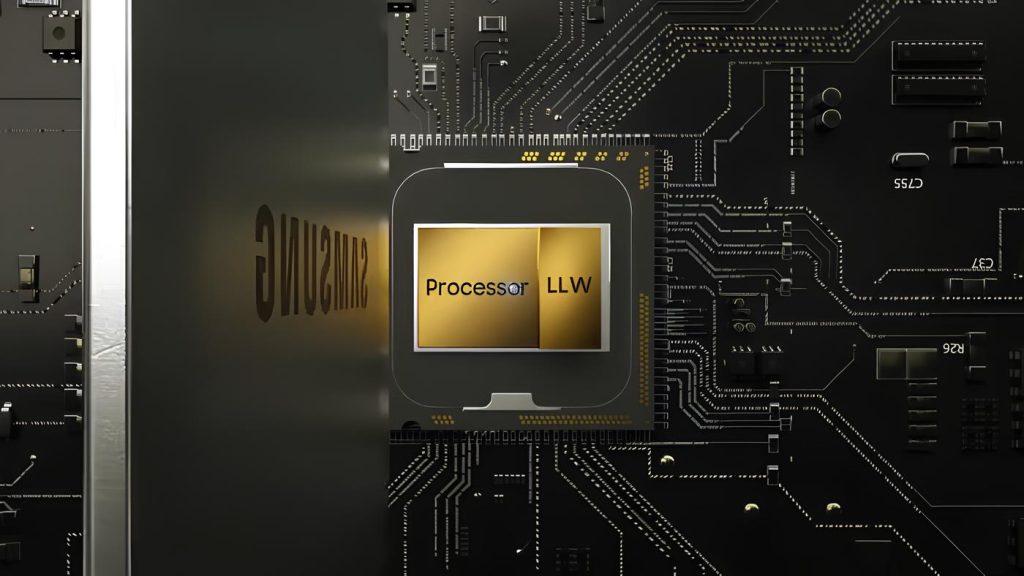
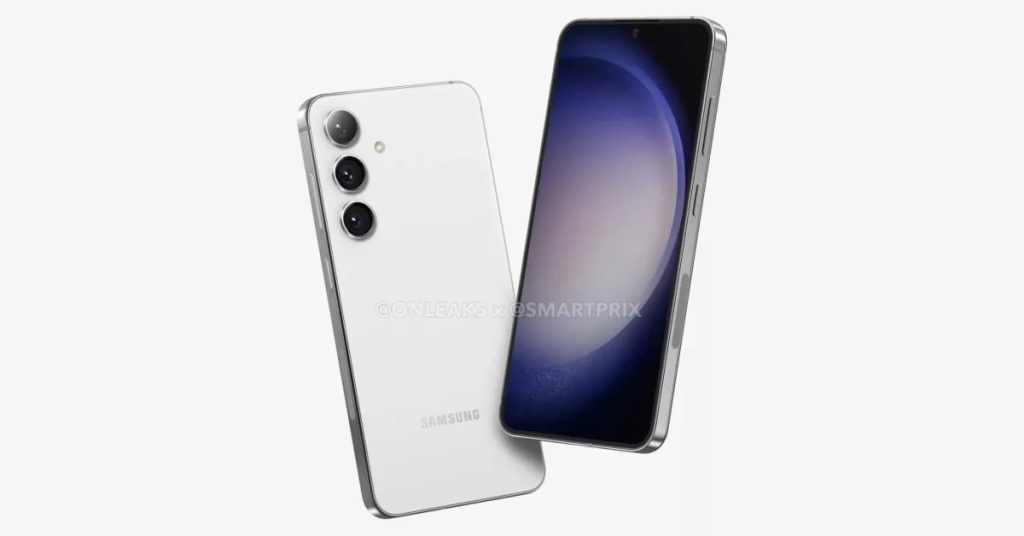
The Galaxy S24 series, rumored to launch in January or February 2024, features a similar design to the Galaxy S23, with flat edges and a light blue color option. It is expected to be powered by a Qualcomm Snapdragon 8 Gen 3 / Exynos 2400 chip, with an LTPO 120Hz OLED screen.
Last week, renders of the upcoming Redmi 13C emerged on the internet. These pictures revealed the design of the smartphone and the colors it will be available in.
A couple of days later, the handset was allegedly spotted in online listings and the MIUI codebase. These listings disclosed a few details about this product. Let’s go through them.
Redmi 13C | Source: MySmartPrice
Xiaomiui claims it found the forthcoming Redmi 13C in the IMEI database. The listings do not mention the name of the device.
These listings suggest that the product will arrive with the following three model numbers, each for a different region.
23124RN87C – China
23124RN87G – Global
23124RN87I – India
As per the MIUI codebase, the phone is codenamed ‘air’ and its internal model number is ‘C3V’. It will be powered by a MediaTek chipset and will boot MIUI 14 based on Android 13.
Going by the first four digits of its model numbers, the smartphone could go official as early as December. It is expected to be released in China first, followed by other markets.
According to the renders, the handset will sport a flat frame design. It will be fitted with a dewdrop notched display on the front and a triple camera setup on the rear.
The main camera will be a 50MP sensor. Also, the camera layout will mimic that of the Xiaomi 13 series.
Last but not least, the Redmi 13C will come in black, blue, and light green color options.
The Oppo Find N3 Flip made its debut in China back in August. After clearing many regional certifications like NBTC and BIS, the flip smartphone is now one step closer to launch with the global version now appearing at Geekbench.
Oppo Find N3 Flip (global variant) Geekbench
The Oppo Find N3 Flip global variant features the model number CPH2519. The Geekbench listing reveals that the smartphone runs Android 12 out of the box and has 12GB RAM. It has an octa-core processor with a base clock speed of 1.80GHz and a maximum clock speed of 3.05GHz. This is the MediaTek Dimensity 9200 processor which is also present in the Chinese variant.
As for the benchmark results, the device has scored 1895 points in the single-core test and 4655 points in the multi-core test of Geekbench 6.
Oppo Find N3 Flip specs
The Oppo Find N3 Flip is a clamshell foldable smartphone featuring a 6.8-inch foldable AMOLED FHD+ 120Hz display and a 3.26-inch AMOLED cover screen. Running on ColorOS 13.2-based Android 13, it’s powered by the Dimensity 9200 chipset, paired with 12 GB of LPDDR5x RAM and either 256 GB or 512 GB of UFS 4.0 storage. The device is supported by a 4,300mAh battery with 44W fast charging and features a side-facing fingerprint scanner for biometric authentication.
It boasts a 32-megapixel selfie camera and a rear camera setup comprising a 50-megapixel main camera, a 48-megapixel ultra-wide lens, and a 32-megapixel telephoto camera with 2x optical zoom.
Amazon is offering a fantastic deal on the Garmin Instinct 2X Solar, an ultra-durable smartwatch with advanced fitness tracking features. Currently, you can grab the graphite color variant at a discounted price of just $379.
The Garmin Instinct 2X Solar is a GPS smartwatch popular among outdoor enthusiasts because it features a large solar-charged display and a durable 50-mm polymer case that meets U.S. military standards for thermal, shock, and water resistance. The Power Glass lens allows for solar charging, providing 50% more energy than the standard Instinct 2. In fact, when exposed to just 3 hours of direct sunlight per day, the watch offers infinite battery life in smartwatch mode!
But the Instinct 2X Solar is not just about endurance. It also excels at health and fitness tracking. Equipped with wrist-based heart rate monitoring, advanced sleep tracking, respiration tracking, and even a Pulse Ox sensor (not available in all countries), it provides you with comprehensive insights into your body metrics. Additionally, it offers sports apps for running, biking, swimming, and strength training, along with VO2 max and other training features.
If outdoor navigation is your thing, the Instinct 2X Solar has got you covered too as it features built-in sensors for a 3-axis compass and a barometric altimeter, ensuring you’ll never lose your way in the wilderness. Plus, its rugged design and LED flashlight with variable intensities and strobe modes guarantee visibility and safety during your nighttime adventures.
This is one of the lowest prices for the smartwatch, so if you were looking to get one, head over to Amazon now and grab the Garmin Instinct 2X Solar in graphite for just $379. Note that this lowest price seems to be limited to the graphite color for now.
Despite facing extensive trade sanctions, Huawei Technologies has stunned the market by rolling out its new Mate 60 Pro 5G smartphone series. Only a few months ago, Huawei’s deputy chairman Eric Xu Zhijun dismissed the idea of a new 5G release, citing the need for U.S. Department of Commerce approval for 5G chips. However, the company surprised many with a pre-sale campaign for the Mate 60 Pro and Mate 60 Pro+ in late August, quietly reigniting its presence in the 5G smartphone market.
The chips appear to be fabricated through restriction-friendly techniques
The new 5G handsets come with a central processing unit (CPU) shrouded in secrecy, believed to be the Kirin 9000s. Both Huawei and the mainland chipmaker SMIC have been tight-lipped about the system-on-a-chip (SoC) used. This secrecy has fueled speculation and debate on how Huawei managed to produce these chips, especially under stringent U.S. sanctions. The chips are suspected to have been fabricated through techniques that bypass the restrictions, a theory that if confirmed, could prove a violation of U.S. sanctions.
While the launch of Huawei’s new phones stirred nationalist pride on Chinese social media platforms, it also ignited a discourse on the limitations of trade sanctions in curbing technological growth. The smartphones’ success challenges the efficacy of U.S. trade sanctions, as analysts indicate that Huawei has already exceeded its shipment targets. Many wonder how this resurgence will affect competitors like Apple and other Android flagship models, putting additional pressure on the smartphone industry in a bit of a slump.
Huawei’s rebound isn’t merely a win for the company; it poses questions about the effectiveness of trade sanctions as a tool for technological containment. If a company under such restrictions can innovate its way around them, it provokes a reconsideration of how trade policies are enacted and enforced. Meanwhile, Huawei’s ability to sustain this momentum hinges on a stable supply of key components and overcoming U.S.-imposed limitations on its supply chain.
As Europe’s appetite for electric cars grows, Tesla and MG are racing ahead, leaving traditional auto manufacturers struggling to catch up. New data from JATO Dynamics reveals that electric vehicles accounted for 22% of new car registrations in Europe in April. This figure trails only behind the 25% mark set in December 2022, indicating an increasing consumer shift towards electric vehicles (EVs).
The Tesla Model Y has sold over 190,000 units so far in Europe alone
Tesla is at the forefront of this seismic change. In August 2023 alone, the company registered 33,809 cars in Europe—a staggering 240% increase from the same month last year. Most notably, this sales figure edges out well-known European car makers like Opel and Citroën and closes in on Ford. Tesla’s success in Europe primarily rides on two models: the Model Y and Model 3. Particularly, the Model Y has reported sales of over 169,000 units and is projected to continue leading the European market through the year.
But Tesla isn’t the only game-changer. Enter MG, a brand originally British but now Chinese-owned, which is gaining ground fast. In August, MG made it to the European top 20 by selling nearly 14,900 units, with electric models accounting for a significant 59% of those sales. This sales volume puts MG ahead of well-established brands like Audi, Skoda, and Peugeot in the electric vehicle space.
While Tesla and MG ascend, traditional brands are feeling the squeeze. Established names like Volkswagen, Ford, and Hyundai are witnessing erosion in their market share. Tesla’s strategy of lowering prices is attracting a broader customer base, and MG is competing effectively with its budget-friendly EVs. As a result, traditional automakers find themselves wedged between Tesla’s aggressive pricing and MG’s value offerings.
China’s electric vehicle (EV) market is stronger than ever, and homegrown company Li Auto is taking the lead. Not just keeping pace with, but also frequently being compared to U.S. giant Tesla, Li Auto has hit yet another milestone. The Beijing-based EV maker announced a record-breaking 36,060 vehicle deliveries for September. That’s a 3.3% rise from the previous month and a staggering 212.7% increase year on year.
Li Auto Shipped over 100,000 vehicles in the third quarter of 2023
While Tesla initiated a price war that ended in May, its ripples are still affecting the market. Chinese consumers, who had been holding off for discounts, are now setting their sights on local heroes like Li Auto and BYD. Li Auto, in particular, has been successful in capturing this pent-up demand, shipping 105,108 vehicles in just the third quarter, a 296.3% jump from last year’s figures.
It’s not just the numbers that tell the story; it’s also about innovation and infrastructure. Li Auto rolled out an over-the-air software update last month, giving their Li L series an edge in user experience. What’s more, the firm has successfully set up more than 100 supercharging stations nationwide, simplifying the lives of EV owners.
But it’s not all smooth sailing for everyone in the Chinese EV market. While other major players like Xpeng and Nio are also posting strong numbers, they haven’t managed to keep the momentum going at the same rate as Li Auto. Nio saw a 19% drop from August in its September deliveries, while Xpeng’s new SUV model, the G6, experienced a 41% sales drop last month.
CEO Xiang Li credits the success to “numerous historic breakthroughs” in response to “ever-increasing market demand.” As the Chinese government pushes for more sustainable modes of transportation, Li Auto seems perfectly positioned to take the lead, offering customers both innovation and reliability. Expect to see more from Li Auto as it seeks to solidify its standing as a powerhouse in China’s rapidly evolving EV landscape.
We use cookies on our website to give you the most relevant experience by remembering your preferences and repeat visits. By clicking “Accept”, you consent to the use of ALL the cookies.
This website uses cookies to improve your experience while you navigate through the website. Out of these, the cookies that are categorized as necessary are stored on your browser as they are essential for the working of basic functionalities of the website. We also use third-party cookies that help us analyze and understand how you use this website. These cookies will be stored in your browser only with your consent. You also have the option to opt-out of these cookies. But opting out of some of these cookies may affect your browsing experience.
Necessary cookies are absolutely essential for the website to function properly. This category only includes cookies that ensures basic functionalities and security features of the website. These cookies do not store any personal information.
Any cookies that may not be particularly necessary for the website to function and is used specifically to collect user personal data via analytics, ads, other embedded contents are termed as non-necessary cookies. It is mandatory to procure user consent prior to running these cookies on your website.