Advertisement

Lenovo IdeaPad Flex 5 Chromebook announced with a 14″ flip touchscreen, i5-1334U CPU

Lenovo has introduced the IdeaPad IP Flex 5 Chrome 14IAU7 (Plus), the latest addition to their Chromebook lineup. It prioritizes a balance between performance and portability. Let’s check out the key features of this new lineup.

Lenovo IdeaPad Flex 5 Chromebook

Lenovo IdeaPad Flex 5 Chromebook Key Features:

The Flex 5 Chromebook features a 14-inch IPS touchscreen display with a resolution of 1920 x 1200 pixels. The laptop offers versatile functionality with support for four modes: laptop, tent, stand, and tablet, thanks to its 360° hinge. The screen offers 300 nits brightness, an 800:1 contrast ratio, a 45% NTSC color gamut for vivid visuals, and a 60Hz refresh rate for smooth on-screen motion.

Lenovo IdeaPad Flex 5 Chromebook

The model maintains a slim and portable design, measuring 19.8mm in thickness and weighing 1.58kg. It offers a variety of ports, including two USB-C ports, a USB-A port, a microSD card slot, and a headphone/microphone combo jack, enhancing connectivity and allowing for the attachment of various peripherals.

As for technical specs, the laptop features Intel’s 13th generation U-series processors, with options ranging from the dual-core i3-1315U to the more powerful quad-core i5-1334U, providing choices for users with different processing requirements.

The Chromebook includes 8GB of LPDDR4x-4266 RAM for efficient multitasking and responsiveness. It offers various storage options, including 128GB eMMC 5.1, as well as larger and faster choices like 256GB or 512GB PCIe 4.0 SSDs.

Lenovo IdeaPad Flex 5 Chromebook

The Chromebook includes stereo speakers (2W x2) that are optimized with Waves MaxxAudio®, enhancing audio quality. Alongside it also sports a 1080p webcam with fixed focus. Under the hood, the laptop is equipped with an integrated Li-Polymer 51Wh battery.

Lenovo has also recently launched the IdeaPad Slim 3i Chromebook, featuring a 14-inch touchscreen display and powered by an Intel Core i3-N305 processor.

RELATED:

(Via)

Huawei’s Generous Mid-Autumn Festival Gift: Mate 60 Smartphones for All Employees

Whether you’re running a trillion-dollar tech company or a small restaurant, you likely know that keeping your employees happy is one of the keys to success. Simply put, content employees tend to stay longer and work more efficiently, boosting your profits in the process. Sadly, not every business around the world embraces this principle, but there are exceptions like Huawei. Recent reports suggest that the Chinese tech giant gifted its employees Huawei Mate 60 smartphones in celebration of the Mid-Autumn Festival. Here are the details…

Huawei Gives Employees Mate 60 Smartphones as Mid-Autumn Festival Gift

Huawei employees in China have been sharing photos of their Mid-Autumn Festival gifts on social media. The gifts include the company’s latest and most talked-about flagship smartphone, the Mate 60, as well as six mooncakes, a teapot, teacups, and tea leaves. The Mate 60 is currently one of the most popular phones on the market, and while it boasts features that justify its price, it’s quite expensive. The phone is known for its powerful performance, innovative features, and stunning design.

HUAWEI-MATE-60-pro
Huawei Mate 60 Pro

In a letter to employees, Huawei’s terminal business group in China thanked employees for their hard work and dedication. The letter also said that the Mate 60 gift was a way to show appreciation for employees’ contributions. Some employees have said that they will not be able to receive their Huawei Mate 60 until December. However, even those who have to wait are grateful for the gift.

The move has been met with widespread praise, with many people expressing envy at the generous gesture. It is a reminder of the importance of employee satisfaction, and it is a sign that Huawei is a company that values its employees.

RELATED:

(source)

Honda Prologue electric SUV with a range of 300 miles and dual-motor AWD option launched

Honda is gradually making a strong entry into the electric SUV market with the unveiling of the Honda Prologue electric SUV. The Honda Prologue comes with a rugged design and can deliver up to 300 miles of range on a single charge. It has dual-motor AWD and single-motor FWD options and three trims – EX, Touring, and Elite.

Honda Prologue electric SUV

The Honda Prologue electric SUV is propped as a rugged EV with a sporty design in addition to decent on-road driving dynamics. The Elite model has a AWD dual-motor setup while the EX and Touring both offer dual-motor AWD and single-motor FWD options.

The FWD models of the Prologue EV will output up to 210hp while the AWD version can achieve about 288hp and 453Nm of torque. The Honda Prologue has an 85kWh battery which can be recharged at up to 155kWh speeds. Such charging speeds are rated to deliver 65 miles of range with 10 minutes of charge.

Honda Prologue electric SUV

The Honda Prologue will come with lots of safety features and techs for maximum comfort. It comes with Google Built-in, wireless Android Auto, and Apple CarPlay. The infotainment system features an 11.3-inch touchscreen and an 11-inch digital instrument cluster is also part of the interior. Wireless phone charging is supported, as well as USB-C 45W wired charging.

Honda Prologue electric SUV

The Honda Prologue features driver assistance via the Honda Sensing system. The functionality includes Collision Mitigation Braking System, Forward Collision Warning, Road Departure Mitigation, Lane Departure Warning, and Lane Keeping Assist System, among others. The Honda Prologue electric SUV is priced within the $40,000 band and will be released in the US by early 2024.

RELATED:

Electric One E1 Astro & Astro Pro e-scooters with 200km+ range unveiled in India

The Electric One E1 Astro Pro and E1 Astro Pro 10 electric scooters have been unveiled in India. The two new e-scooters are Electric One’s first two-wheeler models in the Indian market. They come with an estimated range of 200km on a single charge.

Electric One E1 Astro

The E1 Astro Pro models are designed to meet the unique requirements of the Indian commuter, according to the company. They are equipped with several important features that make them well-suited for the Indian market. The new Astro Pro e-scooters come with a 2,400W electric motor that packs power to the scooter. The models can accelerate from 0 to 40km/h in just 2.99 seconds. With a top speed of 65km/h coupled with the 200km+ range, the Astro series e-scooters offer greater width in trips.

The E1 Astro Pro and E1 Astro Pro 10 scooters are equipped with advanced Adventure S batteries and come in a carbon-coated, rust-proof, high-grade frame. The e-scooters also feature NFC and smart card technologies for a more seamless and enjoyable ride. NFT provides ride-sharing options to owners of the E1 Astro Pro series scooters. The company says it introduced the new e-scooters into the Indian market on the back of its successes in the global EV market. Electric One also says that with its Pan-India presence, it will offer world-class after-sales service to buyers of the E1 Astro Pro and E1 Astro Pro 10 electric scooters.

Electric One E1 Astro

The E1 Astro Pro series in India is priced between Rs. 99,999 (~$1,204) and Rs. 124,999 (~$1,505) (Ex Showroom). Both models are exclusively available across all Electric One stores in India. Availability will be limited to a few cities but will subsequently spread across 20 states. Buyers can choose from five color options for the new electric scooters namely Red Berry, Blaze Orange, Elegant White, Racing Green, and Metallic Grey.

RELATED:

Vivo V29 Series Roundup: Everything from Specs, Design to Expected Pricing

A great design and a good camera system can go a long way, and the Vivo V series is a prime example of this. While V series models may not be the absolute best Vivo phones (that title typically goes to the X series), they have gained significant popularity among global consumers. The current Vivo V27 is impressive with its sleek look, and the upcoming Vivo V29 is ready to build on that success.

The new lineup, which should include the Vivo V29 and Vivo V29 Pro, will launch on October 4. The new phones are supposed to bring some hardware improvements and essentially the same design as their predecessors. Ahead of the launch, we have gathered all the details about the two phones in this post right here. Let’s get to it.

Vivo V29 series

Design and Display

Both the Vivo V29 and Vivo V29 Pro are expected to be stunning smartphones. The Pro model also features a neat hidden feature – a color-shifting back panel. This feature is not entirely new, as we have seen it in a few previous iterations as well. However, the vanilla model will be missing on it this time. Both devices will sport a dual-glass back with a plastic frame, similar to the V27 and V25 models. These smartphones are designed to be notably thin and lightweight.

They both have their sides curved towards the longer edges, which makes for a premium-looking curved shape. The Vivo V29 and Vivo V29 Pro will get a 6.78-inch AMOLED display, offering 1B colors and a 1260x2800px resolution. The device also brings a 120Hz refresh rate, HDR10+, 20:9 aspect ratio, 453ppi. The 10-bit panel also has an 80,000,00:1 contrast ratio and offers 1300 nits local peak brightness level as well as 2160Hz PWM dimming.

Other Specifications

In the hardware department, Vivo is opting for a MediaTek Dimensity 8200 SoC on the Vivo V29 Pro paired with 8GB LPDDR5 RAM and 512GB UFS 3.1 storage. The vanilla model has a Qualcomm Snapdragon 778G SoC, 12GB RAM (expandable to 20GB with Extended RAM), and 256GB storage. On the software front, both phones will boot Funtouch OS based on Android 13.

Both smartphones house a triple camera system on the rear. The setup on the Vivo V29 Pro comprises an OIS-assisted 50MP Sony IMX766V primary sensor, an 8MP Sony IMX355 ultra-wide unit, and a 12MP Sony IMX663 2x telephoto shooter. While the primary camera and ultra-wide shooter remain the same on the vanilla V29, Vivo replaced the telephoto shooter with a 2MP useless depth sensor. These cameras are paired with a regular dual-tone LED flashlight and a soft light on both phones.

Vivo-V29-5G

For selfies, The Vivo V29 duo brings a 50MP Samsung JN1 sensor on the front. This camera supports autofocus. The selfie shooter on the Pro model might also come paired with two LED flashlights on either side. The connectivity options on the two phones could include dual SIM, 5G, WiFi 6, Bluetooth 5.3, GNSS, NFC, and USB 2.0 (Type-C). For biometrics, they both will use an in-screen fingerprint sensor. Both Vivo phones will likely be backed by a 4,600mAh battery with support for 80W fast charging.

Expected Pricing


The Vivo V29 and Vivo V29 Pro are set to debut as mid-range smartphones, but one should not expect them to be inexpensive. The Vivo V29 has already been officially released in the Czech Republic with a price of CZK 11,999 (~$526), although this price is likely to vary from region to region. People in India may see a lower price tag. As for the Vivo V29 Pro, it is expected to be rebranded as the Vivo S17 Pro, which starts at $435 in China. But again, this price is likely to differ in the global market.

RELATED:

Samsung Galaxy S24 Plus Also Surfaces In Leaked Renders Revealing A Boxy Design, UWB Antenna

It’s quite an eventful day for fans of Samsung’s flagship Galaxy S-series. Earlier today, the Galaxy S24 and S24 Ultra appeared in leaked renders. Now, the third device in the S24 family i.e. the Galaxy S24 Plus has also surfaced in high-quality renders. All three CAD-based leaked renders come from reliable tipster Steve Hemmerstoffer (aka Onleaks). The images give us a good look at the South Korean brand’s next-generation flagship smartphones. 

Samsung Galaxy S24 Plus surfaces in leaked renders

S24 Plus leaked render

Just like the standard Galaxy S24, the Galaxy S24 Plus will come with a noticeable design change. The device will sport a boxy design with a likely aluminum frame and a compact form factor. The edges look more polished compared to the slightly rounder on the current-generation offering. The back panel continues to accommodate three vertically stacked camera sensors along with an LED flash unit. 

The power and volume rocker buttons are located on the right side of the device. The side panel also has an Ultrawide-band antenna. The bottom of the phone has a USB-C port, a speaker grille, and a SIM tray slot. Dimension-wise, the Galaxy S24 Plus is said to measure  158.5 x 75.9 x 7.75mm. 

Upfront, the Samsung Galaxy S24 Plus is seen with thinner bezels around the display with a centre-aligned punch-hole cutout. The device is tipped to feature a 6.7-inch flat screen. From the images, the smartphone seems to be in Grey color but it could also be a Green hue. 

The report does not reveal the rest of the details of the Samsung Galaxy S24 Plus. The smartphone is rumoured to be powered by Snapdragon 8 Gen 3 or Exynos 2100 chipset depending on the market region. 

Related:

Via

Google Pixel 8 Pro Roundup: Specs, features, pricing & more

Google is getting ready to release the Pixel 8 series of smartphones worldwide on October 4th. Just like in the past, a lot of information about these phones, such as how they look, what they can do, and how much they’ll cost, has already come out through leaks. In a different report, we talked a lot about the Google Pixel 8, and in this one, we’ve put together all the details we have to give you a clear idea of what the Pixel 8 Pro will be like.

Google Pixel 8 Pro

Design and display

Kicking things off with the design, the Pixel 8 Pro will see modest changes over the Pixel 7 Pro, retaining the camera visor, and the overall look. The visor will feature a larger cutout for the tripel back cameras, and a thermometer will be tucked away at the right corner.

Google Pixel 8 Pro

We don’t expect the build materials to change, meaning that it will likely be the same aluminum and glass build, with a matte finish and slightly more curvy edges.

Up-front, the device will likely feature a flat 6.7-inch LTPO OLED display offering a 3120×1440 pixel resolution, 1-120Hz adaptive refresh rate, and up to 2,400 nits maximum brightness. It is protected with the Corning Gorilla Glass Victus 2. The phone will come with an IP68 waterproof rating, measuring 162.6 x 76.5 x 8.7mm and weighing 213 grams.

Specs

Under the hood, the Pixel 8 Pro will come with a new Tensor G3 SoC, which is rumored to be based on Samsung’s Exynos 2300 SoC. Manufactured on Samsung’s cutting-edge 3nm node, the chip is said to run a lot cooler than its predecessor, thanks to FO-WLP (Fan-out wafer-level packaging) packaging. That being said, the smartphone will not be breaking any benchmark records since the leaked Geekbench 5 score has revealed a single-core performance of 1186 points and a multicore performance of 3809 points.

The Pixel 8 Pro will have 12GB of RAM, and storage options of up to 1TB in the US and up to 512GB elsewhere. It will come with a 5,050mAh battery that supports fast charging at 30W and Qi-wireless charging at 23W. It will support WiFi 7, Bluetooth 5.3, and NFC for connectivity, and will have a Titan M2 chip onboard for security. The phone will launch with Android 14 and receive five major OS updates along with seven years of security updates.

Camera

Just like other specs, we have info on the Pixel 8 Pro’s cameras. It’s said to have a 50 MP Samsung GN2 wide camera with an f/1.68 aperture and 82° field of view. There’s also a 48 MP Sony IMX787 ultrawide camera with autofocus and a wide 125.5° field of view. Additionally, the phone will have a 48 MP Samsung GM5 telephoto camera with f/2.8 aperture and 5x optical zoom. It can zoom digitally up to 30x. Both the wide and telephoto cameras come with optical and electronic image stabilization.

For selfies, the Pixel 8 Pro features a 10.5 MP selfie camera with f/2.2 aperture. It offers auto-focus and a wide 95° ultrawide field of view. The phone will offer a boatload of camera features including Pro controls, high-resolution image capture, Ultra HDR, Magic Editor, Best Take, Macro Focus, Magic Eraser, Photo Unblur, Motion Mode, Real Tone, Face Unblur, Panorama, Manual white balancing, Locked Folder, Night Sight, Astrophotography, Top Shot, Portrait mode, Portrait Light, Super Res Zoom, Motion auto-focus, Frequent Faces, Dual exposure controls, and Live HDR.

Among these features, a noteworthy one is “Best Take.” This feature enables users to alter the facial expressions of subjects in a photo, choosing the most appealing expression from a burst of pictures.

On the video front, the rear camera will support 4K video recording at 24 FPS, 30 FPS, and 60 FPS, as well as 1080p video recording at the same frame rates. It features Dual exposure on the wide camera. The front camera also supports 4K video recording at 24 FPS, 30 FPS, and 60 FPS. Additional video features include Audio Magic Eraser, Video Boost, Night Sight Video, Macro Focus Video, 10-bit HDR video, Cinematic Blur, Cinematic Pan, Slow-motion video support up to 240 FPS, 4K timelapse with stabilization, Astrophotography timelapse, Optical image stabilization, Fused video stabilization, 4K Cinematic Pan video stabilization, 4K locked video stabilization, 1080p active video stabilization, and digital zoom up to 20x. Supported video formats include HEVC (H.265) and AVC (H.264).

The standout feature on the video front will likely be the Audio Magic Eraser which helps get rid of unwanted noises in recorded videos using AI. Stereo recording, speech enhancement, wind noise reduction, and audio zoom features are also highly anticipated.

Pricing, colors & offers

In the UK & EU, the Pixel 8 Pro will retail for £999/€1099. As for the US pricing, reports suggest that the smartphone will start at $899, which is the same as last year. However, to make this deal sweeter, Google will be throwing in a Pixel Watch 2 if you pre-order the smartphone. Google will be launching three color options for its Pixel 8 Pro: Obsidian (Black), Porcelain (White), and Bay (Blue).

RELATED:

Germany considers ban on Huawei and ZTE from 5G Networks amid growing security concerns

Germany is deliberating a significant policy shift that could lead to a ban on Chinese telecommunications giants Huawei and ZTE from its 5G networks. The country’s Interior Ministry has proposed stringent measures requiring local telecom operators to remove critical components supplied by Chinese manufacturers, including Huawei and ZTE Corporation, by 2026. This move follows similar decisions by several European nations, including the UK, Denmark, Sweden, Estonia, Latvia, and Lithuania, to exclude Huawei from their 5G infrastructures due to mounting security apprehensions.

The proposal marks a noteworthy departure for Germany, which resisted pressure from the United States four years ago to ban Huawei. The Interior Ministry’s proposition is a response to the growing international consensus on limiting Chinese involvement in critical telecommunications infrastructure. Germany’s reconsideration stems from concerns about the potential security risks posed by these Chinese technology companies.

The development comes in the wake of a broader European trend toward scrutinizing and restricting the use of Chinese equipment in telecommunications networks. France had already taken steps in 2020, informing telecom operators that licenses for Huawei 5G equipment would not be renewed upon expiration, thereby effectively phasing out Huawei from mobile networks. In 2021, Denmark implemented legislation allowing the screening of foreign investments, aiming to safeguard national security, particularly in response to Huawei’s bid to build the country’s 5G network.

Additionally, countries like Estonia and Lithuania have outright banned Chinese vendors for telecom equipment. In Romania, a U.S.-backed bill was approved in 2021, preventing China and Huawei from participating in the development of the nation’s 5G network. Portugal’s telecom watchdog also recently resolved to bar Huawei’s equipment from the country’s 5G mobile networks, signaling a united European stance on 5G security.

Huawei expressed its opposition to the complete politicization of cybersecurity evaluations. The company cautioned that implementing a ban would lead to increased expenses for telecom operators in Germany, ultimately burdening consumers with higher costs.

Carsten Senz, Vice-President of Corporate Communications at Huawei Germany, defended the company’s technology in a recent radio interview. He highlighted the long-standing use of Huawei’s technology by German consumers without encountering security issues. However, with Germany contemplating stringent measures, the situation for Huawei and ZTE in Europe’s largest economy appears increasingly precarious.

As Germany weighs its decision, the global conversation surrounding the role of Chinese tech companies in critical infrastructure continues, shaping the future landscape of 5G technology in Europe.

Related:

(via)

Assassin’s Creed Mirage Giveaway: MSI is Giving Away Free Copies to Customers

MSI is offering a free copy of Assassin’s Creed Mirage to customers who purchase select MSI gaming laptops, monitors, or routers. The promotion is available in select regions and runs from September 27 to November 10, 2023.

The promotion comes just weeks before the game’s launch on October 5. It’s a perfect opportunity to experience the latest game in the series, especially if you were already planning on picking up a new high-powered gaming laptop, gaming monitor, or other MSI hardware.

To be eligible for the promotion, customers must purchase an eligible MSI product from a participating MSI partner and register their product on MSI’s website. Eligible products include gaming laptops with NVIDIA RTX 4070, 4080, or 4090 GPUs, select 27-inch QHD or above monitors, and RadiX AXE6600 and RadiX AX6600 routers. 

You can find a complete list of eligible products below:

Once customers have registered their product, they must submit a clear image of their MSI hardware with its serial number, along with a receipt or purchase invoice that contains the model name. Customers can then redeem their game key via Ubisoft Connect from October 5, 2023, to April 6, 2024.

MSI has a limited supply of Assassin’s Creed Mirage codes, so customers are encouraged to act quickly. This promotion is a great opportunity for gamers who are planning to upgrade their gaming hardware. With the purchase of an eligible MSI product, customers can get a free copy of one of the most anticipated games of the year.

Related:

(Via)

Möve’s Voyager V10 is More than Just a Commute Solution with Up to 90 Miles of Range

If you think e-bikes are just a fad, you’re missing the forest for the trees. Take Möve’s Voyager V10, a premium commuter e-bike designed for daily riders, as a case in point. German-based Möve, which has been crafting bikes since 1897, is taking a slice of the growing e-bike market, focusing on everyday usability with this latest model.

The bike puts out 40 Newton-Meters of Torque and 600 watts of power

So what’s so special about this ride?

Firstly, the Voyager V10 is rigged with a rear hub motor from Neodrives, boasting an impressive 40 Newton-meters of torque and a peak power of 600 watts. In layman’s terms, it’s built to tackle city commutes with ease. Notably, the motor promises to be a quiet operator, so you won’t be that annoying buzzing nuisance on the road.

Möve promises up to 90 miles of range on a full charge, which can be juiced up in just two hours. But what really stands out are the bike’s two regenerative modes. These modes actually recoup battery life while you ride downhill, making the most of gravity’s pull. So those long, scenic descents can actually add miles to your ride.

Another jaw-dropper is its internal Pinion C1.122 gearing system. This smart tech adapts the gear ratio as you pedal, maintaining an optimal balance with the electric motor. It’s like having a co-pilot that adjusts gears while you focus on the road.

Safety isn’t sidelined. The bike comes with Shimano hydraulic disc brakes and a RockShox Paragon Gold fork that softens the bumps on rough roads. Oh, and it doesn’t skimp on lighting either, boasting front and rear Supernova lights. With a price tag of around $6,706, it’s not cheap, but given its features, it’s a solid investment in the future of commuting.

RELATED:

(Via)

Netflix Marks the End of an Era as It Ships Out its Final DVDs

Netflix, the streaming giant that has fundamentally changed the way we consume entertainment, is officially shutting down its DVD rental service today, September 29, 2023. This move symbolizes more than just the end of a service; it marks the conclusion of a transformative chapter in the world of home entertainment.

Netflix has sent out 5.2 billion red envelopes to over 40 million consumers

While the company’s announcement came earlier this year, stating that dwindling demand for physical rentals made it difficult to maintain service quality, today’s closure signifies Netflix’s full transition into a digital-first entertainment provider. A journey that began in 1998, with the shipping of its first DVD—Beetlejuice—reaches its finale today. Since then, Netflix has sent out an astonishing 5.2 billion red envelopes to over 40 million customers.

Netflix

Although the advent of streaming in 2007 swiftly overshadowed DVD rentals, becoming the company’s dominant service by 2009, it’s crucial to remember that it was the DVD business that set the stage. Not only did it introduce on-demand entertainment to millions, but it also provided Netflix with the revenue and customer base needed to invest in the digital future we now take for granted. With over 238 million subscribers today, Netflix has become synonymous with streaming, but its roots in the DVD world were essential to its growth.

The decline in DVD popularity isn’t just a Netflix issue. Global sales for DVDs dropped by 19% from 2021 to 2022, and even Disney stopped DVD and Blu-ray production in Australia. However, Netflix is making this transition a bit sweeter for their remaining DVD aficionados. Subscribers can keep any rentals they currently have and even order up to 10 more movies to help the company clear out its remaining stock.

RELATED:

(Via)

Apple Makes A Resolute Move towards AI, Securing UK Tech Jobs in the Process

As the world moves more towards Artificial Intelligence (AI), Apple isn’t staying on the sidelines anymore. Contrary to its previously quiet stance, the company’s CEO, Tim Cook, recently emphasized Apple’s all-in commitment to AI during a UK press interaction.

Apple is trying to strengthen its AI staff force in the UK

What catches the eye, however, is the tech giant’s decision to bolster its AI staff in the UK. Cook highlighted that this move is not just about staying ahead in the AI game but also signifies Apple’s confidence in the UK’s tech sector. According to the CEO, Apple’s continuous investment in the UK has already contributed to the creation of approximately 550,000 jobs.

Apple

“[We’re hiring in that area, yes, and so I do expect [recruitment] to increase,” Cook announced, pointing out AI’s current role in Apple products, from Fall Detection on the Apple Watch to predictive typing on the iPhone. He even hinted at an upcoming ChatGPT-like service.

Why does this matter? As competitors like Google, Microsoft, and Meta flaunt their AI milestones, Apple’s strategic moves in the UK indicate the company’s broader vision. It’s not just about innovating for its own product ecosystem but also about contributing to global tech talent and job growth.

Moreover, Apple’s commitment confirms the tech titan’s view of the UK as a “vibrant” player in the global tech economy, despite the geopolitical uncertainties that often plague business decisions. In doing so, Apple’s latest actions serve as an endorsement for the UK’s tech prowess, potentially inviting more global companies to invest in the area.

With AI spreading its roots in every digital interaction we have, Apple’s resolute steps into the AI arena underline the technology’s enduring influence and the potential for job growth in tech hubs beyond Silicon Valley. This certainly proves that Apple is not just a spectator but a game-changer, planning to make waves in the fast-evolving AI landscape.

RELATED:

(Via)

OnePlus Pad Go RAM, Storage, Connectivity Details Teased Ahead Of Launch

OnePlus is gearing up to launch its second tablet in India next week. The brand has been teasing its key specifications and features. The OnePlus Pad Go is expected to be an affordable offering that will compete against the likes of the other tablets offered by brands like Xiaomi, Realme, Motorola, Lenovo, and more. Now, ahead of the launch, OnePlus has revealed new details of the Pad Go. 

OnePlus Pad Go more details teased

As per the OnePlus Pad Go microsite, the tablet will feature 8GB RAM and 256GB internal storage. It remains to be seen if the brand will announce more configurations of the device. The upcoming tablet will come with versatile LTE connectivity and 5G cellular data sharing for faster internet on the go. This also suggests that the device will be offered in a Wi-Fi-only option. Another teaser reveals that the OnePlus Pad Go will feature a TUV-certified display with low blue light technology and intelligent brightness to reduce eye strain.  

As per previous teasers, the OnePlus Pad Go is confirmed to feature an 11.35-inch display bearing a screen resolution of 2.4K pixels and a 7:5 aspect ratio. It has a dual-tone finish back panel design with a circular camera module. The tablet is confirmed to be equipped with quad speakers tuned by Dolby Atmos. It will be available for purchase from Amazon, Flipkart, and the brand’s official website. 

As per a leak, the OnePlus Pad Go will reportedly be powered by a MediaTek Helio G99 processor. It is expected to be backed by an 8,000mAh battery unit. The tablet is tipped to feature 8MP front and rear cameras. 

We should learn the rest of the details of the OnePlus Pad Go next week.

Related:

French competition authority raids Nvidia offices amid antitrust concerns

In a significant development, the French competition authority conducted a raid at the local offices of Nvidia, the global leader in AI and computer graphics chips. This action, reported by Bloomberg and the Wall Street Journal, stems from suspicions that Nvidia has been involved in anti-competitive practices within the graphics cards sector. While the authorities did not explicitly name Nvidia in their official statement, insider sources confirmed Nvidia’s involvement.

The raid follows a broader investigation initiated by French regulators earlier this year into the cloud-computing sector. Authorities expressed concerns that companies in this domain might exploit their substantial computing power to sideline smaller competitors, sparking an intensified scrutiny of industry giants. Nvidia, renowned for its dominance in gaming graphics cards and cloud-computing chips, found itself under the regulatory microscope.

Nvidia’s market influence has surged, especially since the release of the generative AI application ChatGPT last year, resulting in a staggering 80% market share. This success, coupled with its expansion into AI hardware, prompted French regulators to delve into Nvidia’s activities, suspecting potential misuse of market position. The French competition authority’s action signifies the country’s robust stance against anti-competitive practices, aligning with recent moves against other major tech companies.

Notably, Nvidia, while recognized primarily for its gaming graphics cards, also plays a pivotal role in the cloud-computing arena. Partnering with industry giants such as Amazon, Microsoft, and Google, Nvidia’s chips power extensive data centers and government infrastructures. The company’s foray into leveraging AI hardware for additional revenue streams has added complexity to the investigation.

As of now, Nvidia has refrained from commenting on the situation. The French competition authority, likewise, has not provided further details about the specific nature of the alleged anti-competitive practices. This event marks a significant development in France’s proactive approach to regulating technology companies in recent months.

For now, the tech industry and investors alike await further updates as the investigation unfolds, with Nvidia’s future business strategies potentially hinging on the outcome of these inquiries.

Related:

(via)

Huawei MatePad 11.5 PaperMatte Edition listed on UAE’s TDRA certification website

Earlier this month, the Huawei MatePad 11.5 PaperMatte edition made its debut in Europe with its UK launch. The brand plans to launch the tablet in Asian regions as well, starting with Malaysia. As per the official announcement, the tablet will debut in Malaysia on October 5 along with the Watch GT 4. Ahead of its launch, it has emerged on the TDRA certification website.

Huawei MatePad 11.5 PaperMatte edition

The tablet has been sighted with model number DBR-W19 on UAE’s TDRA certification database. Although no specs have been confirmed, the listing has essentially greenlit a future launch in the UAE. Keep reading to learn more about the Huawei MatePad 11 PaperMatte Edition.

Huawei MatePad 11.5 PaperMatte edition TDRA

Huawei MatePad 11 PaperMatte Edition specs

The Huawei MatePad 11.5 PaperMatte edition comes equipped with a vibrant 11-inch display featuring a resolution of 2560 × 1600 pixels. The display, known as the HUAWEI PaperMatte Display, has a nano-etched screen coating that provides a paper-like feel, reduced glare, and less eye strain. It offers a smooth experience with a TFT LCD (IPS) panel and supports a refresh rate of up to 120 Hz for fluid visuals.

Huawei MatePad 11.5 PaperMatte edition

Under the hood, it houses a Qualcomm Snapdragon 870 SoC, paired with HarmonyOS 3.1 for a seamless user experience. The tablet offers a comfortable 8 GB of RAM and 128 GB of ROM for storage needs.

The camera setup includes a 13 MP rear camera with an f/1.8 aperture and autofocus, while the front features an 8 MP camera with an f/2.0 aperture and fixed focal length. Powering the device is a substantial 7250 mAh battery, supporting both standard and quick charging for convenience. In terms of connectivity, it supports Wi-Fi with MIMO 2 × 2 and Bluetooth 5.1 for wireless connections.

RELATED:

Samsung Galaxy S24 Ultra Leaked Renders Reveal Familiar Design, Reduced Screen Bezel, And More

Earlier today, we got treated to the leaked renders of the Samsung Galaxy S24. This time around, we get a first look at the Galaxy S24 Ultra courtesy of reliable tipster Onleaks. The high-quality leaked render reveals the smartphone’s design from all angles. We are still months away from Samsung’s flagship Galaxy S-series launch but rumors and leaks about the upcoming S24 series have been pretty much circulating on the web. As per a recent report, the South Korean brand may launch the Galaxy S24 series in January instead of February next year. 

Samsung Galaxy S24 Ultra leaked renders

Right off the bat, the Samsung Galaxy S24 Ultra has a familiar design as its predecessor. It features a flat frame and three vertically stacked camera sensors along with an additional sensor and LED flash unit beside it. There is also a fifth component above the flash unit. The smartphone is said to be slightly shorter but wider than its predecessor measuring 162.3 x 79 x 8.7mm in terms of dimensions. Samsung will reportedly use a titanium frame similar to iPhone 15 Pro models that should make the S24 Ultra 1 gram lighter weighing 233 grams. 

The power and volume rocker buttons are located on the right side of the Galaxy S24 Ultra whereas the bottom port accommodates a USB-C port, a speaker grille, and an S-Pen slot. There is also an Ultrawide-band antenna on the right edge of the device.

Coming to the front fascia, the Samsung Galaxy S24 Ultra will retain the same 6.8-inch centre-aligned punch-hole display. From the leaked render images, it looks evident that Samsung has reduced the size of the bezel. This has resulted in to the narrowest bezel on all sides of the smartphone. The device is expected to feature a WQHD+ resolution. 

Related:

Via

Google Pixel 8 Roundup: Design, Specs, Price, & More

Google is set to launch its flagship Pixel 8 series of smartphones next week. Now, here’s a complete roundup of everything you need to know about the base Pixel 8 model. So let’s have a look at the specs, pricing, design, and more.

Google Pixel 8: Design & Display

The Search Engine giant isn’t bringing any radical changes to the 2023 Pixel lineup. So the Pixel 8 retains a recognizable form factor and a visor-like camera module. However, there are some updates to the existing formula. The device would likely keep to its matte aluminium and glossy glass finish. The Pixel 8 will reportedly feature more rounded corners and an overall smaller footprint. It is believed to measure 150.5mm x 70.8mm x 8.9mm in dimensions, compared to the Pixel 7’s 155.6mm x 73.2mm x 8.7mm.

Google Pixel 8

The smaller size also means that the display on the next-gen Pixel phone is slightly smaller than its predecessor. The Google Pixel is expected to sport a 6.17-inch OLED display that offers Full HD+ resolution, 120Hz refresh rate, HDR support, and up to 1,400 nits of peak brightness. The front also houses a center aligned punch hole cutout for the selfie camera.

Specifications

Under the hood, the Pixel 8 lineup will be equipped with the new Tensor G3 SoC. The chipset is rumored to be a processor built on the unannounced Samsung Exynos 2300. The upcoming Tensor G3 is based on Samsung’s advanced 3nm process node, which should offer improved power efficiency and performance. The processor will reportedly be paired with the same storage configuration options as last year.

Google Pixel 8

Meaning, we can expect to find a 128GB or 256GB storage option. Apart from this, the device will likely introduce an upgraded ultrasonic fingerprint sensor and Android 14 OS out of the box. A 4,485mAh battery pack may power the Pixel 8, which supports 24W fast charging.

Camera

The Google Pixel series is known for its outstanding cameras. So many have high expectations for the image sensors on the new Pixel 8. Based on recent reports, the base model will feature a 50-megapixel ISOCELL GN2 primary camera from Samsung. This will be complimented with a 12-megapixel INX386 ultra wide angle lens. It is expected to feature an upgraded ToF (Time of Flight) sensor as well.

Google Pixel 8 Renders

On the other hand, the front is rumored to house an 11-megapixel camera for selfies and video games. The camera would offer a series of useful features from the Camera app. This includes Staggered HDR, Face Unblur, Photo Unblur, up to 8K resolution recording, Night Sight, Super Res Zoom, Video Unblur, Audio Magic Eraser, and much more.

Launch Date, Colors, and Pricing

The company will host the Made by Google launch event on 4th October 2023. The Pixel 8 model is expected to launch in multiple color variants, including Hazel, Rose, and Obsidian. Unlike the Pro versions, the base Pixel phones were popular for their $600 price tag. But it seems like the brand won’t be maintaining this pricing this year. The vanilla model is expected to see a 100 US Dollar price hike over last year’s Pixel 7, so it might cost around 700 US Dollars.

RELATED:

Google Pixel gains ground in Japan as Apple sales stall

Google Pixel phones are still a relatively small player in the smartphone market overall, but they are growing in popularity, especially in Japan. A new report from Bloomberg, citing data from Counterpoint Research, shows that Google Pixel phones now make up 12% of the smartphone market in Japan, up from just 2% in Q2 2021. During the same time period, Apple’s iPhone market share dropped from 58% to 46%.

This is a significant shift, as Apple’s iPhones have long been dominant in the Japanese smartphone market. However, Pixel phones are likely gaining popularity in Japan for their competitive pricing, strong camera performance, and deep integration with Google services.

Another factor contributing to Pixel’s success in Japan is the weak yen. This makes them a good deal for people outside of Japan who want to buy a Pixel phone. The Pixel is only sold in a few countries, and the yen’s fall to its lowest level in over 3 decades has made Japan the cheapest place to buy one.

Google Pixel phones gain market share in Japan

Google is also benefiting from the decline of other Android brands in Japan. For example, Sharp saw its market share jump from 8% to 11%, and Sony went from 5% to 6%. However, Samsung held its line at 6%, while Oppo actually slipped from 6% to 5%.

That said, Apple’s latest iPhone 15 series may boost its market share, despite the iPhone 15 Pro Max’s $100 price increase due to the removal of a smaller storage tier. Google is set to launch its latest Pixel devices at an event next Wednesday.

Related:

(Via)
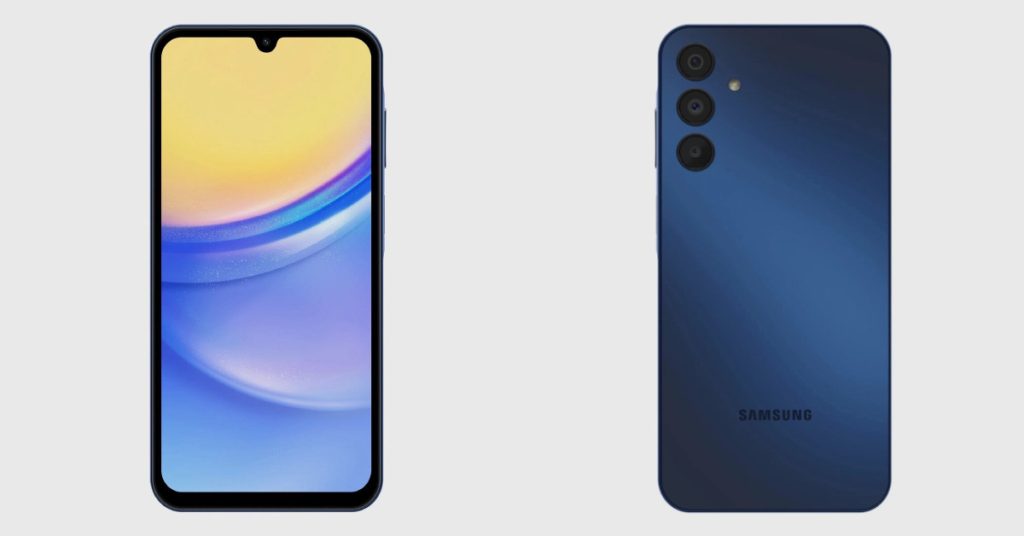
Vivo Y200 launching soon: specs & design revealed via training material leak

Earlier today, Vivo started selling the T2 Pro smartphone in India featuring a curved AMOLED display, a Dimensity 7200 chip, and a 64MP dual camera system. The brand is apparently planning to launch another smartphone soon called the Vivo Y200. The specs and design of this upcoming device have recently surfaced via leaked training material.

Vivo Y200 leaked specs & desing

The report comes from TheTechOultlook, leaking all the key specs of the upcoming Vivo Y200. As per the report, the phone will feature a 6.67-inch FHD+ AMOLED Ultra Vision display, offering a smooth experience with its 120Hz refresh rate and precise color control with 38 color temperature levels. It will also feature a 2D glass rear panel for an elegant look and an in-display fingerprint scanner for added security.

On the camera front, it will sport a 64MP main camera with Optical Image Stabilization (OIS) and a 2MP bokeh camera on the rear, while the front will house a 16MP camera for selfies.

The upcoming Vivo Y200 smartphone is set to bring several notable features and specifications. It will be powered by the Snapdragon 4 Gen 1 chipset and run on the Funtouch OS 13, which is based on Android 13. The device will have a substantial 16GB of RAM, comprising 8GB of inbuilt RAM and an additional 8GB of Extended Virtual RAM, along with 128GB of storage.

In terms of battery life, the Vivo Y200 will come equipped with a 4800mAh battery and support 44W fast charging for quick power top-ups. The device will have a slim profile, measuring 7.69mm in thickness and weighing just 190 grams. Currently, there is no information about the pricing and the launch date of this smartphone. However, the report suggests that the launch will happen

RELATED:

(Source)

Amazfit T-Rex Ultra To Launch In India Soon

Amazfit is gearing up to launch a new smartwatch in India. The brand recently announced the Cheetah smartwatches in the country. The upcoming offering is confirmed to be the Amazfit T-Rex Ultra. It is listed on the e-commerce platform Amazon with a ‘Notify Me’ button hinting at an imminent launch in the coming days. The device had debuted in the global markets earlier in March this year. 

Amazfit T-Rex Ultra to launch in India soon

The Amazfit T-Rex Ultra is a rugged smartwatch and is touted to be for adventure enthusiasts. The device boasts a 316L stainless steel unibody with adjustable lugs and four physical buttons. It is water-resistant up to 30 meters and is also said to have mud-resistant hardware. The smartwatch has EN13319 and ISO6245 certifications for skydiving, offroad motorbiking, and alpine skiing. It features an AMOLED display with 1,000 nits peak brightness. 

The Amazfit T-Rex Ultra is equipped with a heart-rate monitor, SpO2 sensor, and stress tracker. It is capable of measuring all three parameters in one tap. It packs support for a plethora of sports modes with auto-detection for 25 workouts. 

The Amazfit T-Rex Ultra has a compass, air pressure, altitude sensor, and altitude SpO2 reminders. It shows updates about sun, moon, and tide patterns along with storm warning alerts and freediving water temperature. The wearable device is claimed to offer a battery life of 20 days under typical usage, 9 days under heavy usage, and 80 hours with endurance GPS mode. 

We should learn the India pricing and availability of the Amazfit T-Rex Ultra in the coming days.

Related: