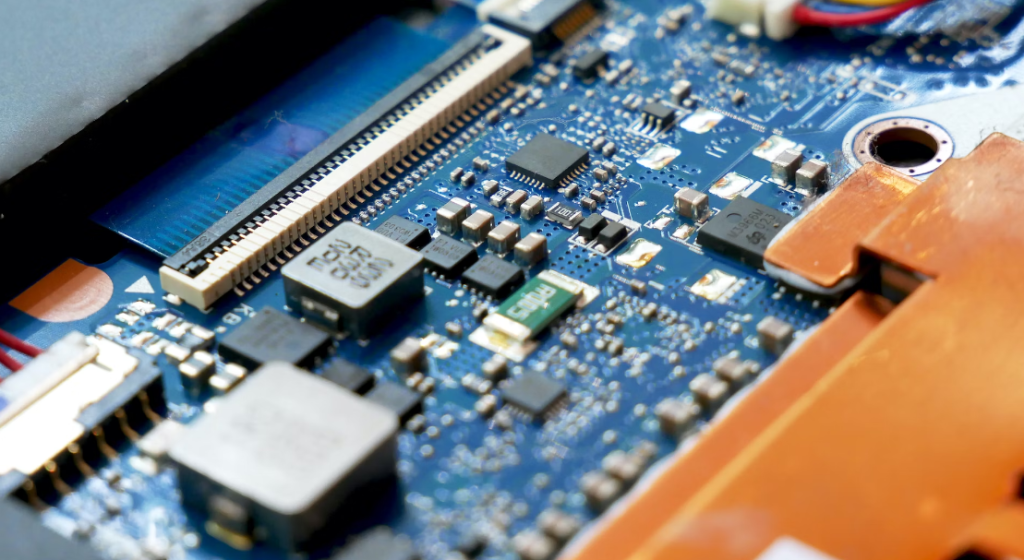
In a world increasingly reliant on technology, the production and control of semiconductor chips have become vital. Jensen Huang, CEO of Nvidia, a leading player in the semiconductor industry, recently highlighted the considerable time the United States may need to achieve independence in chip manufacturing. According to Huang, the US could be a decade or two away from self-reliance in this crucial sector.
Semiconductors are a globally valued product right now, and it shows
The semiconductor industry is a complex and globally interconnected web, with significant components originating from various parts of the world, notably Taiwan. The current geopolitical climate, marked by tensions in US-China relations, has intensified the focus on semiconductor production. The US government’s efforts to bolster domestic manufacturing capabilities, as evidenced by President Biden’s visit to a new Taiwanese chip-making plant in Arizona, reflect a growing desire to mitigate reliance on foreign production.
However, this shift towards domestic production is not just a U.S. trend. Europe, too, is striving to localize semiconductor manufacturing. This global movement signifies a departure from decades of globalization that distributed production across the world, creating vulnerability through concentrated production hubs in places like Taiwan and South Korea.
The semiconductor industry’s strategic importance goes beyond economic factors; it’s also a matter of national security. This is evident in the US government’s recent export restrictions on high-end artificial intelligence processors to China, impacting companies like Nvidia. These restrictions are part of broader efforts to safeguard national security and maintain technological competitiveness.
Huang’s comments also reflect the delicate balance companies like Nvidia must maintain. While adhering to US regulations, they also need to sustain their market presence in China, the world’s largest chip market. Adapting to regulatory changes and developing new, compliant products is crucial for these companies to continue their global operations.
Chinese tech giant Alibaba.com is taking another substantial leap forward by integrating artificial intelligence (AI) into its operations. This move is not just about embracing modern technology; it’s a strategic play to enhance the efficiency and global reach of the merchants on its platform.
Merchants can automate client interactions, saving a lot of time
Alibaba.com, a prominent player in international business-to-business wholesale, is introducing an AI-upgraded version of OKKI, a customer relationship management tool. This upgrade is more than just a technical enhancement. It’s a game changer for merchants handling overseas clients, especially in the realm of communication. With AI-powered assistance, merchants can now automate client interactions, including the often cumbersome task of drafting business emails. This capability is expected to attract more customers globally, a critical advantage in the competitive e-commerce sector.
The integration of AI into Alibaba’s operations is a reflection of the company’s commitment to staying ahead in the digital race. By automating client-facing operations, merchants can focus on other aspects of their business, leading to increased productivity and potentially higher sales. The AI tool has already shown promising results, with a reported 32% improvement in response rates from overseas clients when business correspondence is refined by OKKI.
This innovation is part of Alibaba Cloud’s broader push to make advanced AI tools more accessible to businesses. Their recent suite of AI tools, built on a large language model, aims to help enterprises unlock the potential of generative AI, the same technology behind notable services like ChatGPT.
Alibaba’s move is timely, considering the increased competition in global markets. By offering such advanced tools, the company is not only supporting its merchants but also positioning itself as a leader in the digital transformation of e-commerce. The AI-enabled SaaS offering could be a critical factor in Alibaba’s growth, especially when domestic sales are facing challenges.
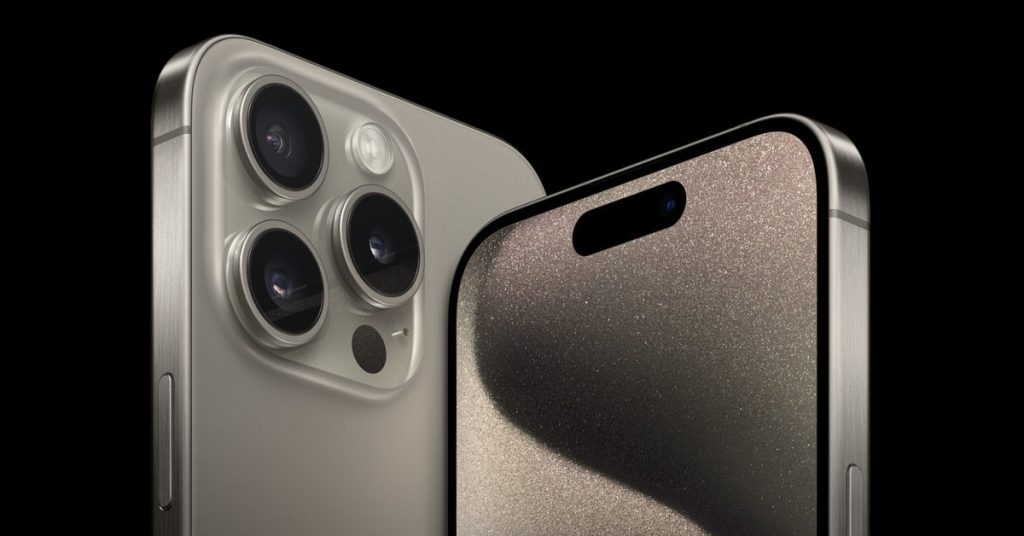
Apple‘s latest iOS 17.2 beta update brings a refreshing change for iPhone users who have longed for more personalization in their devices. The new feature, nestled under ‘Sounds & Haptics’, introduces the ability to customize the default notification sound. This change, seemingly small, marks a significant shift in Apple’s approach to user experience.
Users could only customize mail and calendar alert sounds previously
Previously, customization options for sounds were limited to texts, mail, and calendar alerts. Now, the new ‘Default Alerts’ section expands this flexibility to all other notifications. This means users can now choose from any of the available text tones to be their default notification sound. This feature not only enhances personalization but also aids in better distinguishing between different types of notifications.
Moreover, Apple has addressed feedback regarding the haptic alert introduced in iOS 17. Users now have the option to revert to the old haptic feedback or customize it according to their preference. This level of customization, particularly in haptic feedback, is a thoughtful addition for users who are sensitive to or particular about the tactile feedback they receive from their devices.
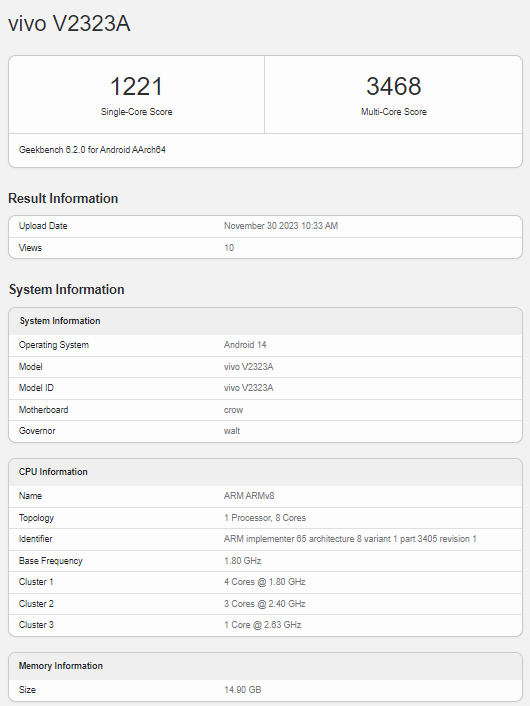
Vivo is set to launch the S18 series smartphones in China in December The lineup is expected to comprise the S18, S18e, and S18 Pro. Earlier today, we got the first official look at the rear panel design of the upcoming devices. The specifications of the standard and pro variants had leaked recently. The Vivo S18 phones will arrive as the successors to the last year’s S17 series. Now, ahead of the launch, the Vivo S18 has surfaced on the Geekbench benchmarking platform.
Vivo S18 spotted on Geekbench
The Vivo S18 has appeared on the Geekbench database with model number V2323A. The motherboard is codenamed ‘crow’ and the configuration comprises of four cores clocked at 1.80GHz, three cores at 2.40GHz, and a prime core ticking at 2.63GHz. This suggests that the smartphone will be potentially powered by Qualcomm’s latest Snapdragon 7 Gen 3 processor. The device is listed on benchmarking platform with 16GB RAM and we can expect more options at launch. Software-wise. it will ship with Android 14 OS.
In the Geekbench’s single-core and multi-core test, the Vivo S18 scores 1,221 and 3,468 points respectively. Meanwhile, a 3C certification of the smartphone revealed support for 80W fast charging.
The Vivo S18 series will come in Porcelain and Jade color options with both having wavy pattern design. The device has a rectangular protruding island where the top half is reserved for camera setup in a square shape and black color. The other half of the module has an LED flash unit along with a squarish-shaped Aura light LED.
Leaked specs of the Vivo S18 revealed an OLED display with 2,800 nits peak brightness and a 5,000mAh battery unit. It will pack up to 16GB RAM and 512GB storage.
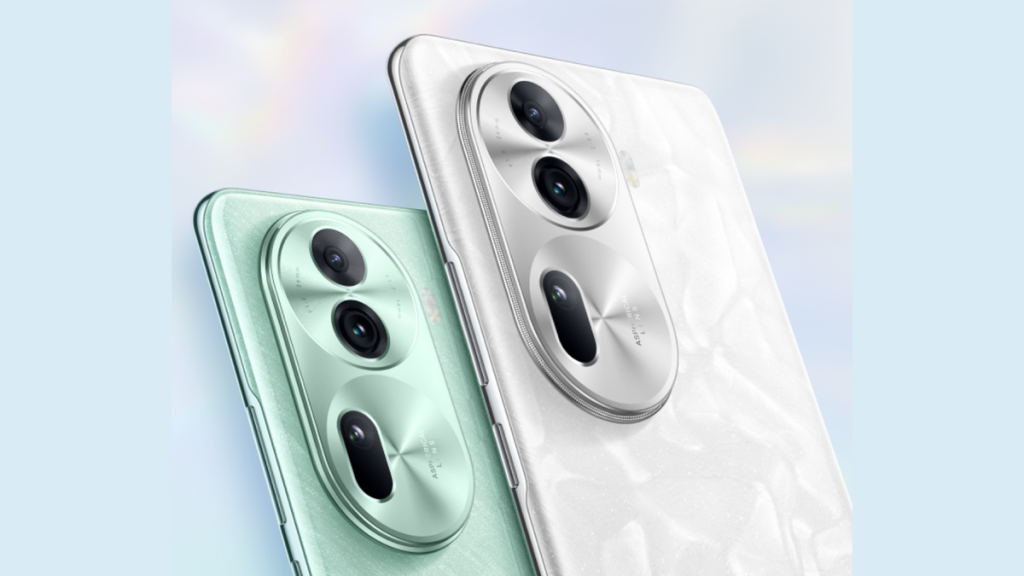
Oppo unveiled the Reno 11 series earlier this month in China. The series contains two devices: the Oppo Reno 11 and Reno 11 Pro. Now these devices are emerging on several certification websites in multiple regions across the globe, indicating their global launch.
OPPO Reno 11 series-
Thailand’s NBTC confirms (CPH2607) to be Reno 11 Pro 5G
The above screenshot from Thailand’s NBTC certification platform confirms the device with the model name CPH2607 is the Oppo Reno 11 Pro 5G. This CPH2607 model number has recently emerged on several other certification websites, including India’s BIS, Indonesia’s TKDN, Malaysia’s SIRIM, and Singapore’s IMDA.
The Reno 11 Pro with the model number CPH2607 achieves a TKDN value of 35.45%, which basically means the device is using around 35% of domestic components (Indonesia). We can also see from the cellular bands that this device supports 5G. Additionally, both the Oppo Reno 11 5G (CPH2599) and Oppo Reno 11 Pro 5G (CPH2607) appeared on Malaysia’s SIRIM certification website, further confirming the respective model numbers and the launch in the country. Previously, the Oppo Reno 11 Pro 5G also appeared on the UAE’s TRDA.
The OPPO Reno 11 5G global variant appeared on BIS, FCC, and GeekBench a few days ago revealing it’s key specifications.
Key specifications of the global versions of the Reno 11 series devices
From the certification platforms, we get to know some key specifications of the global variants of the two devices. The Reno 11 5G is powered by the MediaTek Dimensity 8200 (4nm) chipset while the Reno 11 Pro 5G offers the Snapdragon 8+ Gen 1. The display sizes are 6.7″ and 6.74″ for the non-Pro and Pro models, respectively. Additionally, the duo offers a 4800mAh and 4700mAh battery along with 67W and 80W charging support respectively.
For cameras, both phones offer a triple-lens setup on the back with a 50MP + 32MP +8MP configuration.
Samsung’s latest-generation Galaxy Z Fold 5 comes with incremental changes whereas the Z Flip 5 packs significant upgrades compared to their predecessors respectively. While we are far away from the brand’s sixth-generation foldables, a new development has shed interesting information on the Z Fold 6 and Flip 6. The information comes from Display Supply Chain Consultant’s Ross Young who is quite accurate and reliable.
Sixth-generation Galaxy Z Fold and Flip may have bigger displays
The foldable and cover displays on both the Z Fold 6 and the Z Flip 6 will be larger than on the Z Fold 5 and Z Flip 5. Exact sizes in latest DSCC Foldable Report. Flip 6 cover display approaching 3.9".
Samsung is planning to expand the display sizes of the Galaxy Z Fold 6 and Z Flip 6. DSCC’s Young says that both phones will feature larger internal and external screen sizes. The cover screen on the next-generation clamshell foldable phone will measure 3.9 inches which is 0.5 inches bigger than the Z Flip 5’s 3.4 inches. The South Korean brand has gradually increased the size of the cover screen since the 1.1-inch display on the original Galaxy Z Flip.
The exact sizes of the internal and external displays of the Galaxy Z Fold 6 and Z Flip 6 have not been revealed. We can expect them to get upsized. For those unaware, the Fold 6 has a 6.2-inch and 7.6-inch internal and external screen respectively. Meanwhile, the Z Flip 6 features a 6.7-inch main display.
Leaks suggest that Samsung is also aiming to trim down the thickness of its next-generation foldables. Another rumor points to a 50MP primary camera on the Galaxy Z Flip 6. If the latest info from Young is right, the Galaxy Z Fold 6 and Z Flip 6 may come with major changes next year.
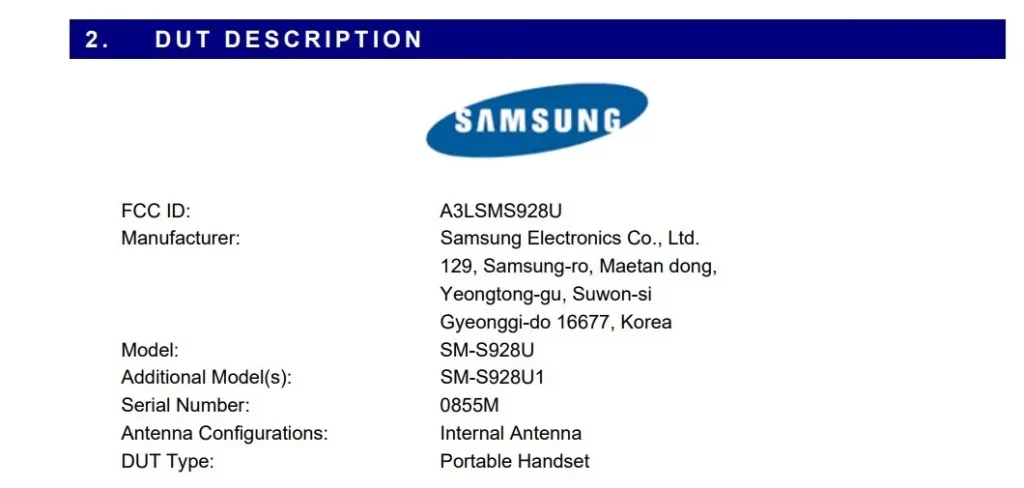
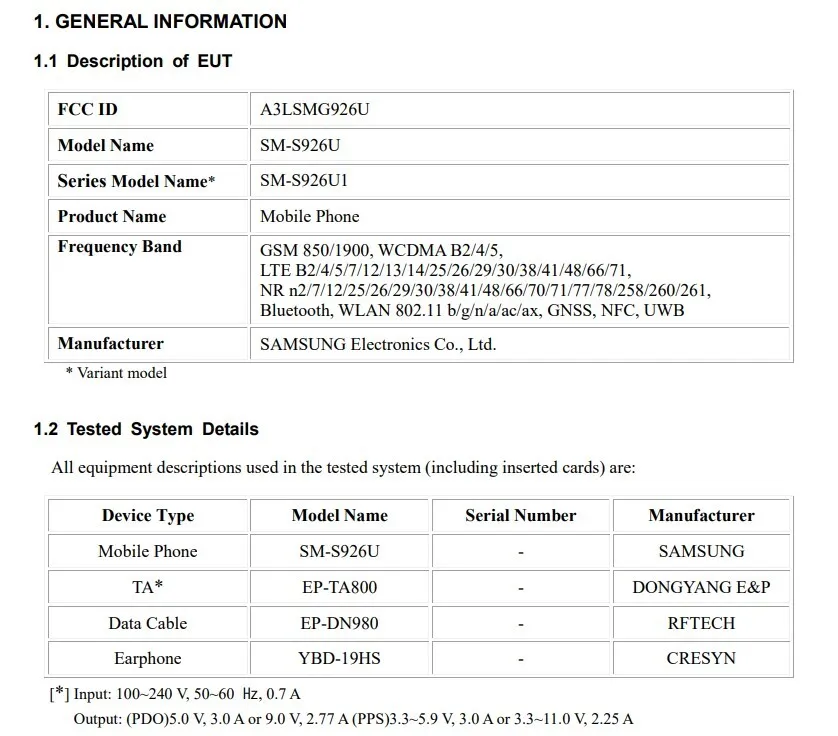
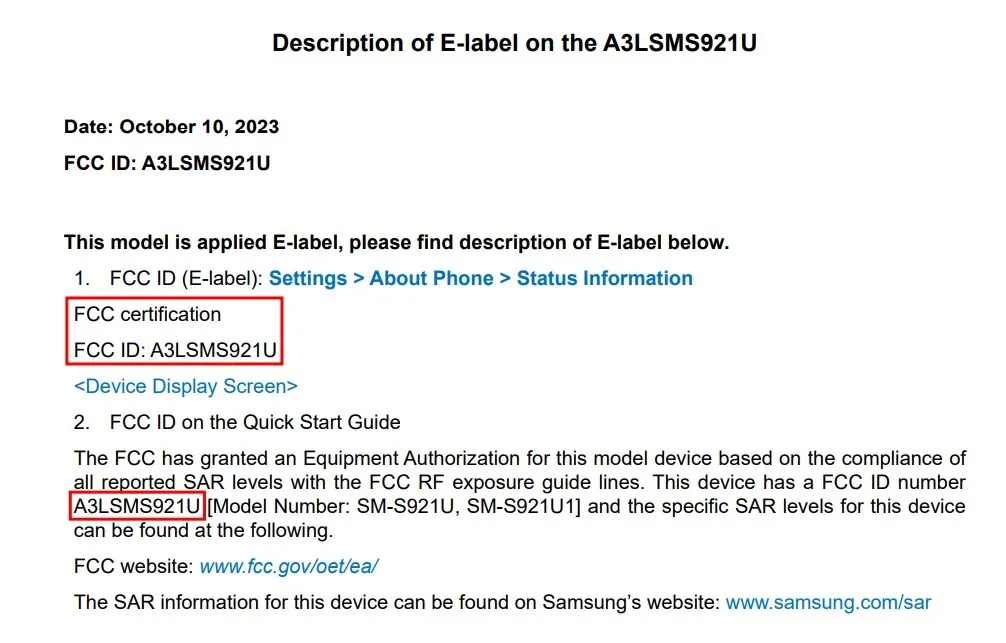
The South Korean tech giant’s Galaxy S24 Ultra was recently spotted on NBTC, while the Galaxy S24+ surfaces on BIS. Now, the entire Galaxy S24 lineup surfaced on the FCC database. Looking at the online listings, the Galaxy S24, Galaxy S24+, and Galaxy S24 Ultra were sighted carrying the model number SM-S921U, SM-S926U, and SM-S928U.
Notably, the Galaxy S24+ model was listed on FCC as being tested with a charger (EP-TA800), which supports 25W fast charging. Furthermore, the certification also revealed support for UWB connectivity, NFC, and 5G networking. The Plus variant’s measurements were also revealed with the 158.5 x 75.9 x 7.75mm in dimensions. Based on what we know so far, the Galaxy S24 lineup will feature the Qualcomm Snapdragon 8 Gen 3 SoC out of the box.
The flagship series from Samsung is expected to feature 8GB of RAM, maxing out at 12GB for the top models. For those unaware, the Galaxy S24 lineup is set to be announced on 17th January 2024. So stick around for more as we will be covering more updates when additional information is available regarding this matter.
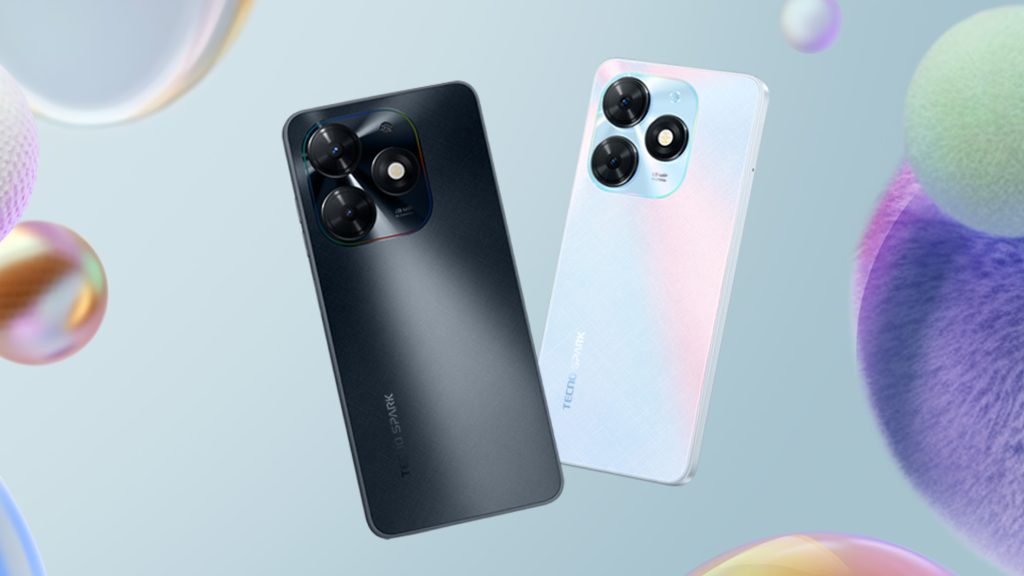
Tecno launched the Spark Go 2024 in Malaysia earlier this month. Now the brand is gearing up to bring the smartphone to the Indian market. Tecno has announced the launch date of the same today. The upcoming offering’s key specifications as well as the pricing has also been teased. The Spark Go 2024 is already confirmed to be available for purchase from Amazon. It will arrive as the successor to the Spark Go 2023 that debuted earlier this year.
Tecno Spark Go 2024 launch date and key specs revealed
The Tecno Spark Go 2024 is set to debut on December 4 in India. The latest development confirms that the device will be equipped with dual stereo speakers tuned by DTS. It will be powered by an unspecified octa-core processor and be backed by a 5,000mAh battery with a USB-C port for charging. The upcoming offering is also confirmed to feature 6GB RAM and 64GB internal storage. The device will have a side-mounted fingerprint scanner embedded in the power button.
A past teaser revealed that the Tecno Spark Go 2024 will come with a centre-aligned punch-hole cutout with Dynamic Port feature. This will work similarly to Apple’s Dynamic Island and show notifications like calls, charging alerts, and more. The display will feature a 90Hz refresh rate.
The teasers also confirm that some features on the Tecno Spark Go 2024 are segment-first where the price point is set to be below Rs 8,000. As per a tipster, it may be priced at Rs 6,999. We should learn more details about the smartphone next week.
Earlier today, Nubia confirmed that it will launch its next-gen flagship smartphone in December. The brand also revealed that the device will be officially called Nubia Z60 Ultra.
This device has been in the news for the last few weeks. A couple of days back, we even got to learn about its key features.
Now, a reliable tipster has shared the camera specs of this phone. Let’s go through the details.
Nubia Z50 Ultra
According to Digital Chat Station, the upcoming Nubia Z60 Ultra will feature a triple camera setup on the rear and an under-display selfie camera on the front, just like its predecessor Nubia Z50 Ultra. He has also disclosed the sensors used on the back, which will be different.
As per him, the handset will house two 50MP sensors and a 64MP OmniVision OV64B periscope unit. An earlier leak suggested that the main 50MP camera will be a 1/1.56-inch sensor. Whereas, the second 50MP shooter will measure 1/1.55-inch in size and will be paired with an ultrawide lens.
Further, the smartphone is said to flaunt a 1.5K flat OLED display. It is expected to draw energy from a 6,000mAh battery and carry support for 80W wired charging.
Last but not least, it will be powered by a Qualcomm Snapdragon 8 Gen 3 chip and will boot Android 14, just like other high-end phones. This has been confirmed by the handset’s Geekbench listing in October.
Now that December starts tomorrow, we are looking forward to official teasers from Nubia detailing the key specs of the Z60 Ultra in the coming days. Most importantly, we also expect the company to announce the launch date very soon.
Xiaomi recently announced the new Redmi 13C model in the Chinese market. The device is even set to launch in India in the coming week as well. Now, it appears that the company is working on another Redmi 13 series model, dubbed the Redmi 13R 5G.
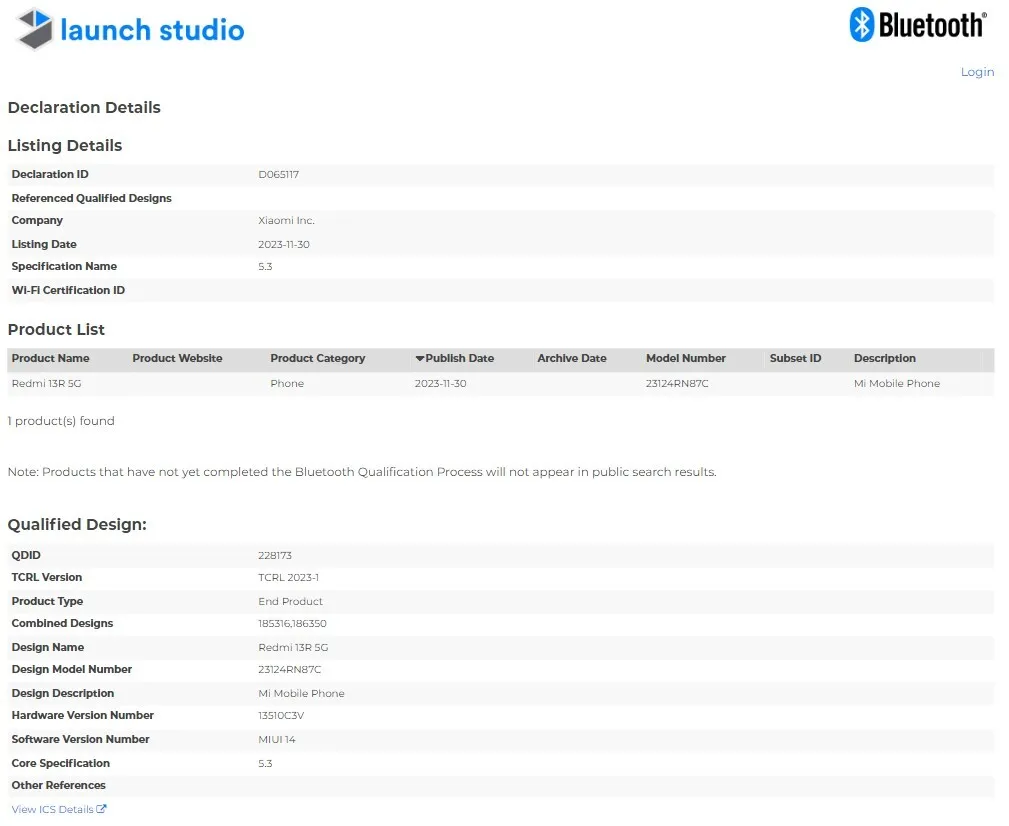
Redmi 13R visits Bluetooth SIG
The Chinese tech giant’s upcoming Redmi 13R 5G was recently spotted on the Bluetooth SIG platform. The database listed the device with the 23124RN87I model number. This certification confirms the “Redmi 13R 5G” moniker along with Bluetooth 5.3 support. This model will also run on Android 13 OS based MIUI 14 custom skin out of the box.
Unfortunately, no finer details regarding this smartphone were shared on the Bluetooth SIG website. There’s a chance that the Redmi 13R 5G could be a rebranded 13C 5G model for the overseas market. The Redmi 13C 5G was spotted on the 3C with the model number 23124RN87IC. This is nearly identical to the Redmi 13R 5G’s 23124RN87I model number. If this is true, then we can make some speculations regarding the 13R’s specifications.
The Redmi 13C 5G is expected to be equipped with the MediaTek Dimensity 6100+ SoC. The front may feature a teardrop notch display that has a 90Hz refresh rate and HD+ resolution, while the rear could pack a 50-megapixel primary sensor. This is still unconfirmed information, so take this news with a pinch of salt and stick around for more updates.
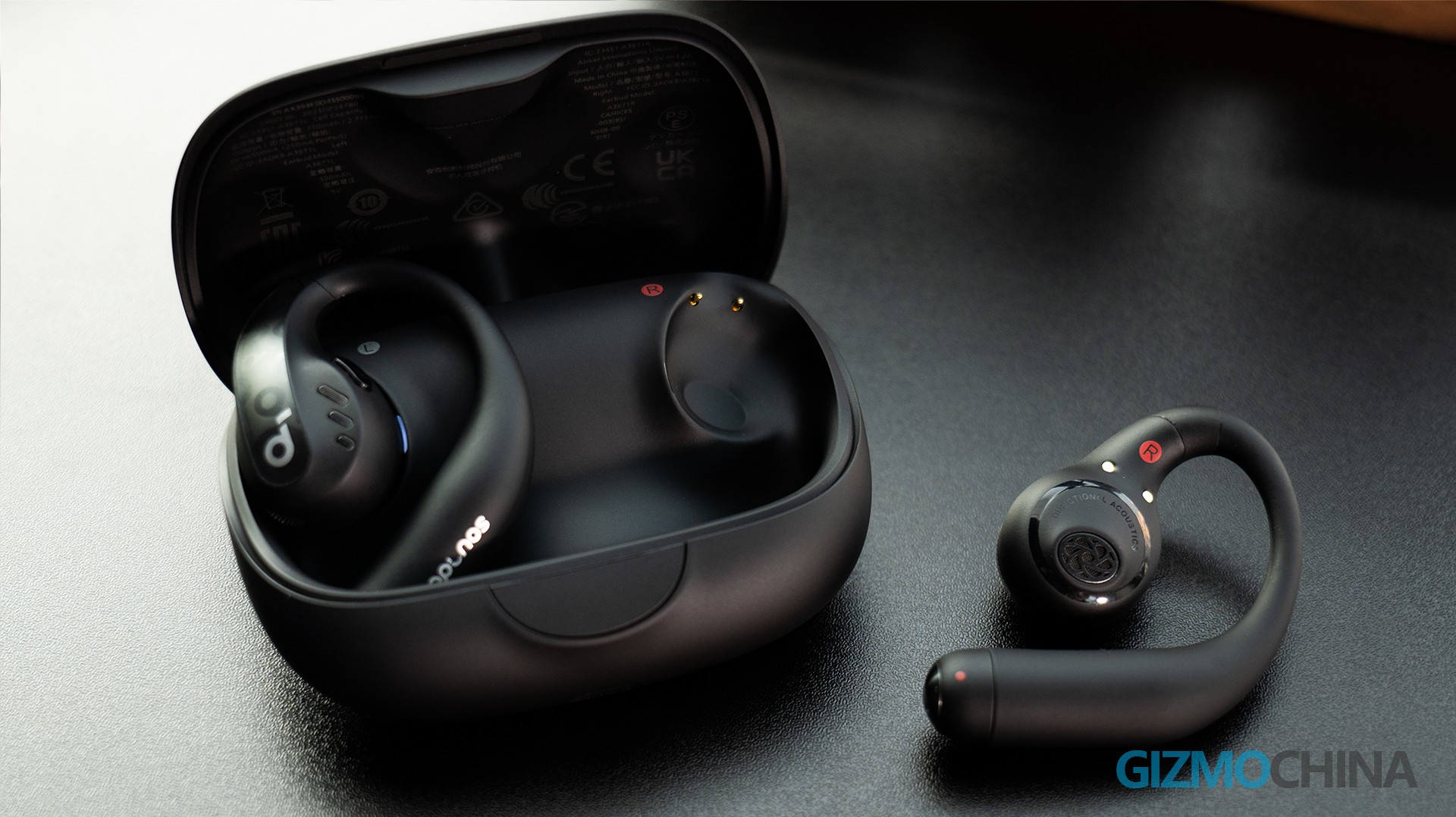
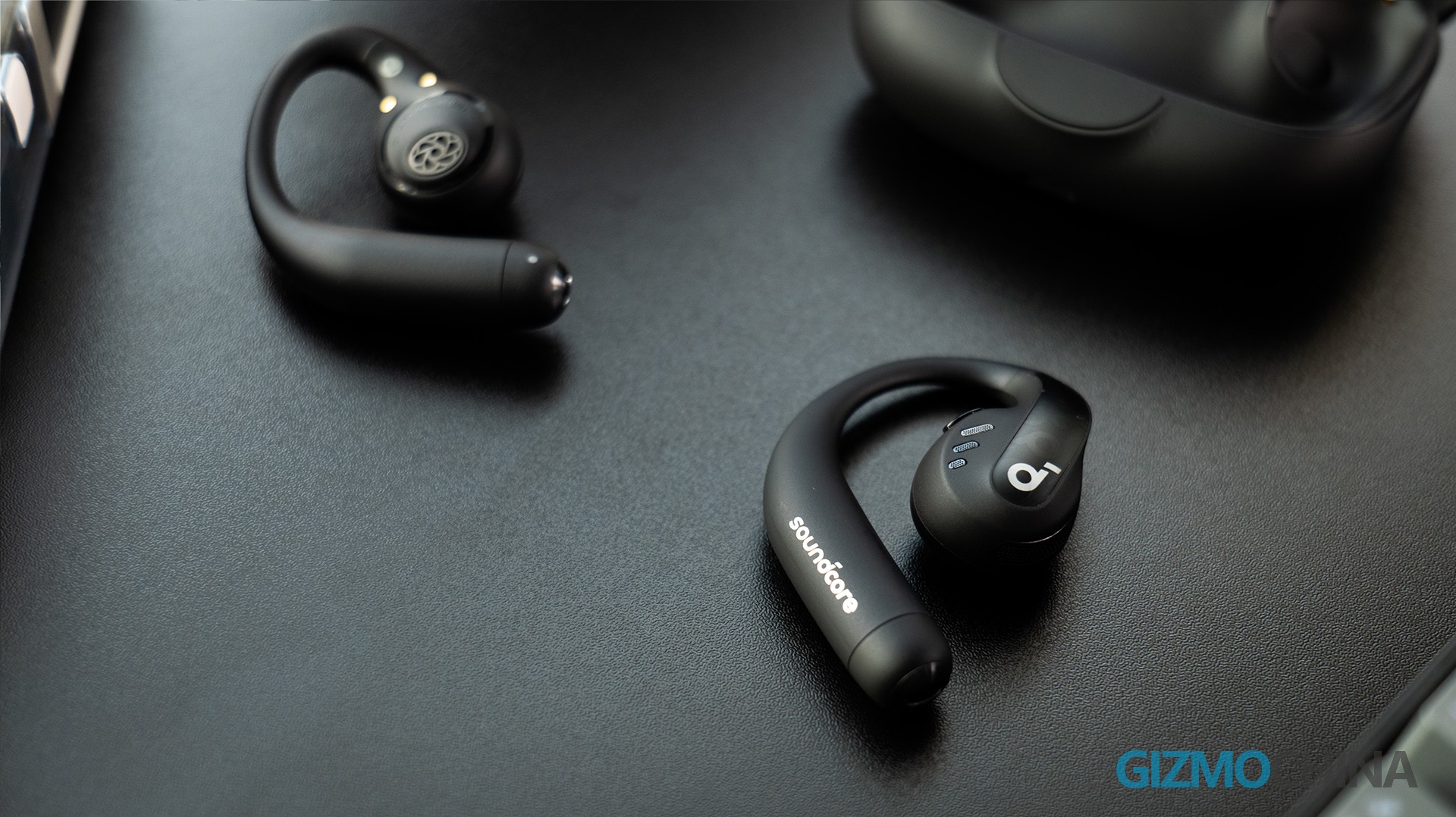
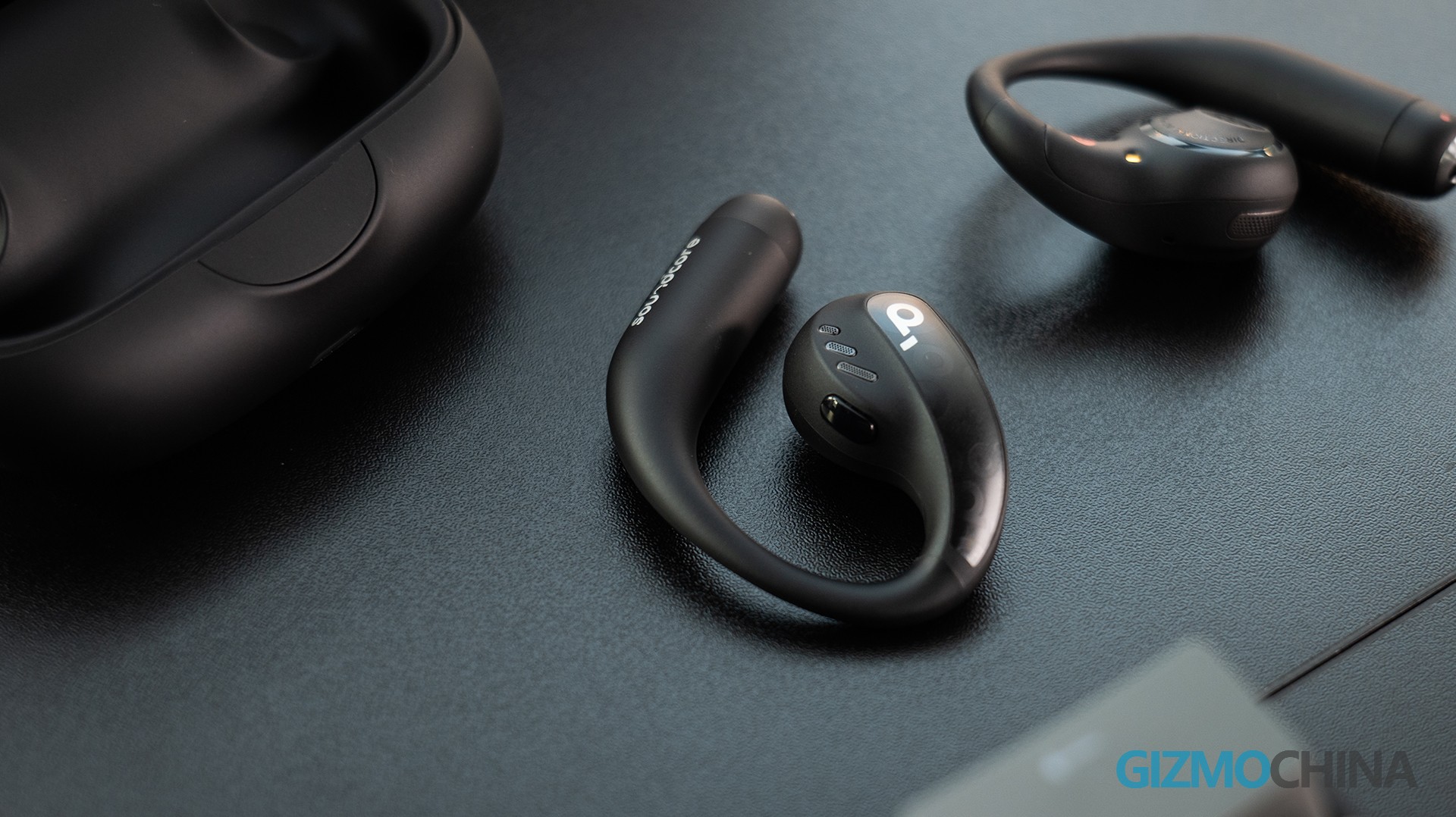
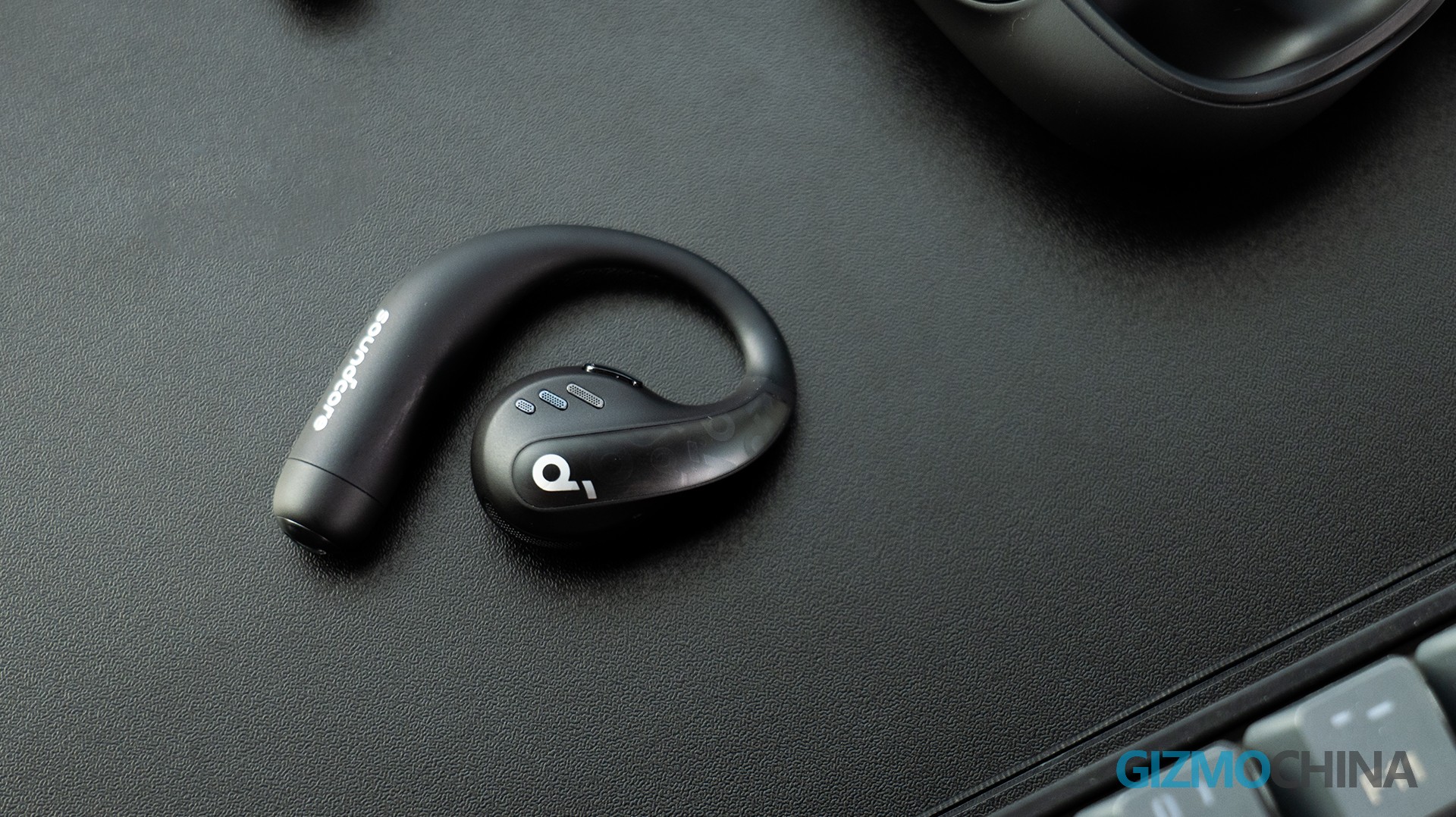
Many brands are pushing open-ear earbuds to a more comfortable, better-sounding level. Soundcore, as a newcomer in this category, has a new product to offer, which is the Aerofit Pro. This is their first earbuds of this type, but with a much more mature and better design, and innovative strap for better fit, alongside their years of experience in acoustics, this can be your next earbuds for all kinds of use.
The Form Factor
Open-ear earbuds have come to a stage where the shape is pretty much the same, I would argue that even if they are bigger than in-earbuds, there shouldn’t be any complaints about them, because they have become a lot thinner and less bulky than before, and the weight distribution is also very good already.
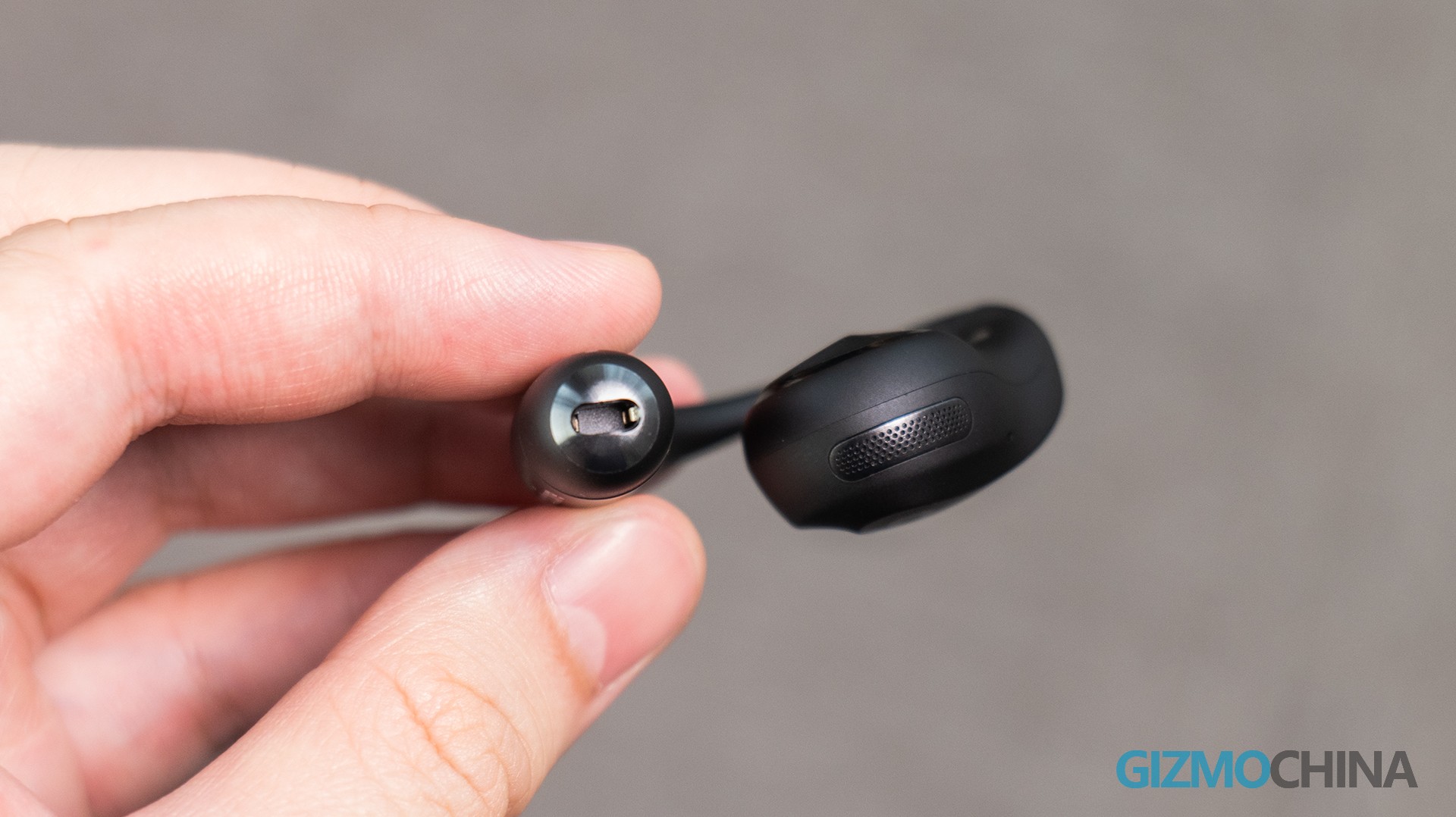
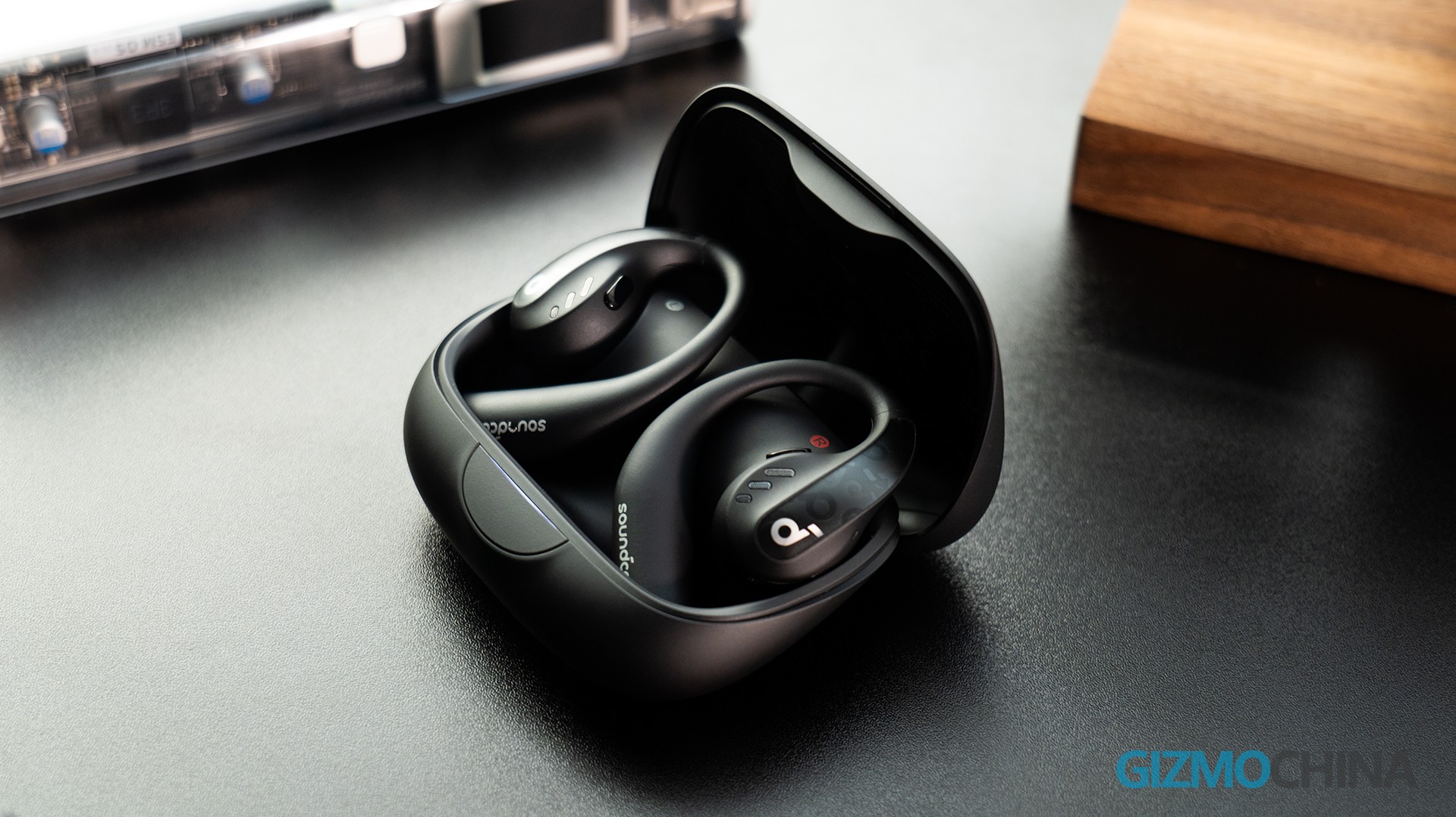
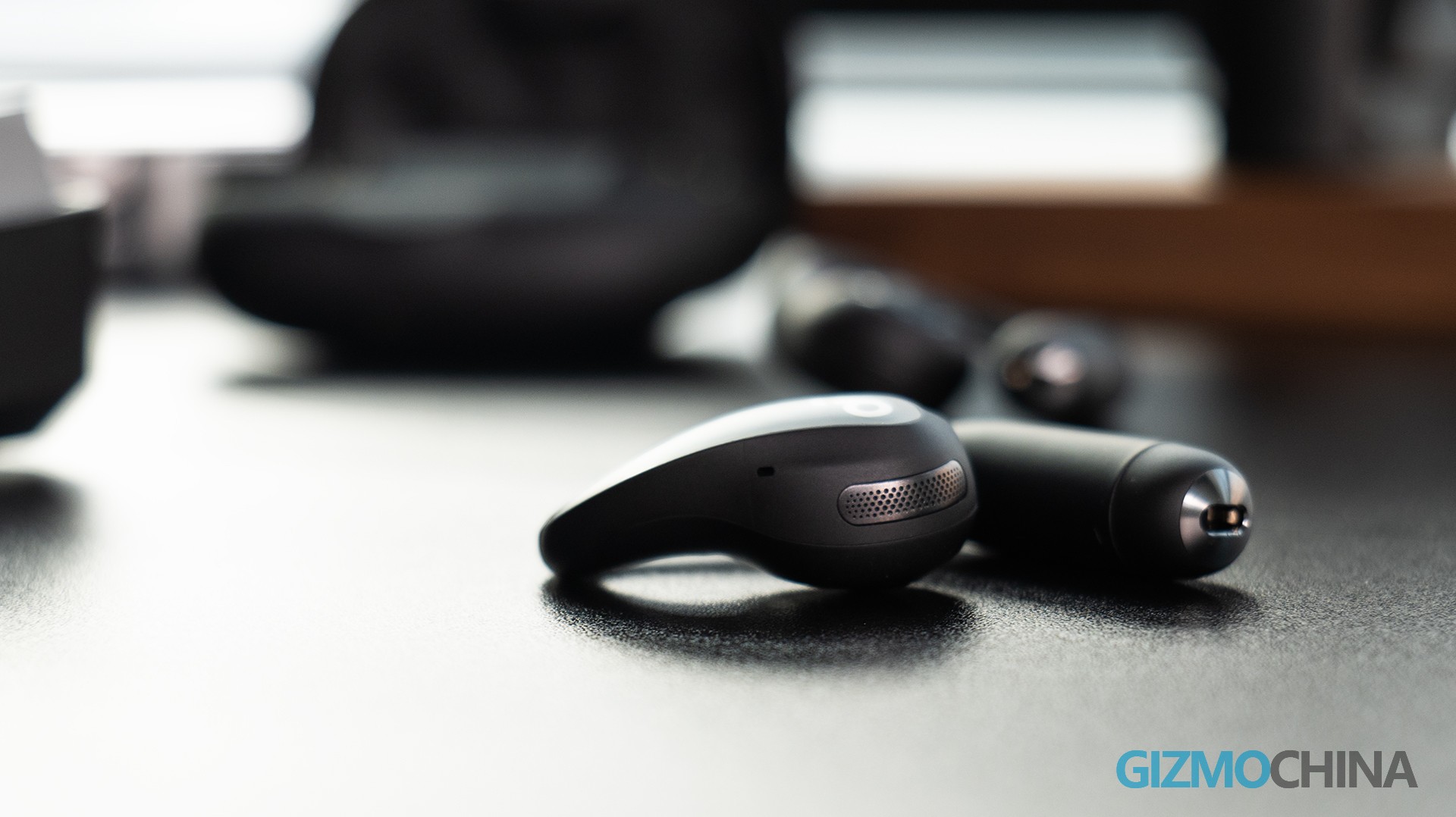
Although I said the form factor of this kind is much alike between one and another, Soundcore still has a big step ahead, I mean this pair of earbuds takes every good thing from open-ear earbuds, and then upgrades them to a new level. In detail, the Aerofit Pro has a very sleek design in most of the parts, every piece is rounded, including the tail that goes back to the back of the ear, and the speaker unit at the front. There is a slightly sporty print on the plate facing the outside, this just adds a little energy to the overall aesthetics. The speaker unit is not entirely flat, rather sticks out a little bit, and facing down if looking closely into that, I think it helps with the directional sound. The material used across the entire body is skin-friendly, so wearing them for a long time will be a lot more comfortable.
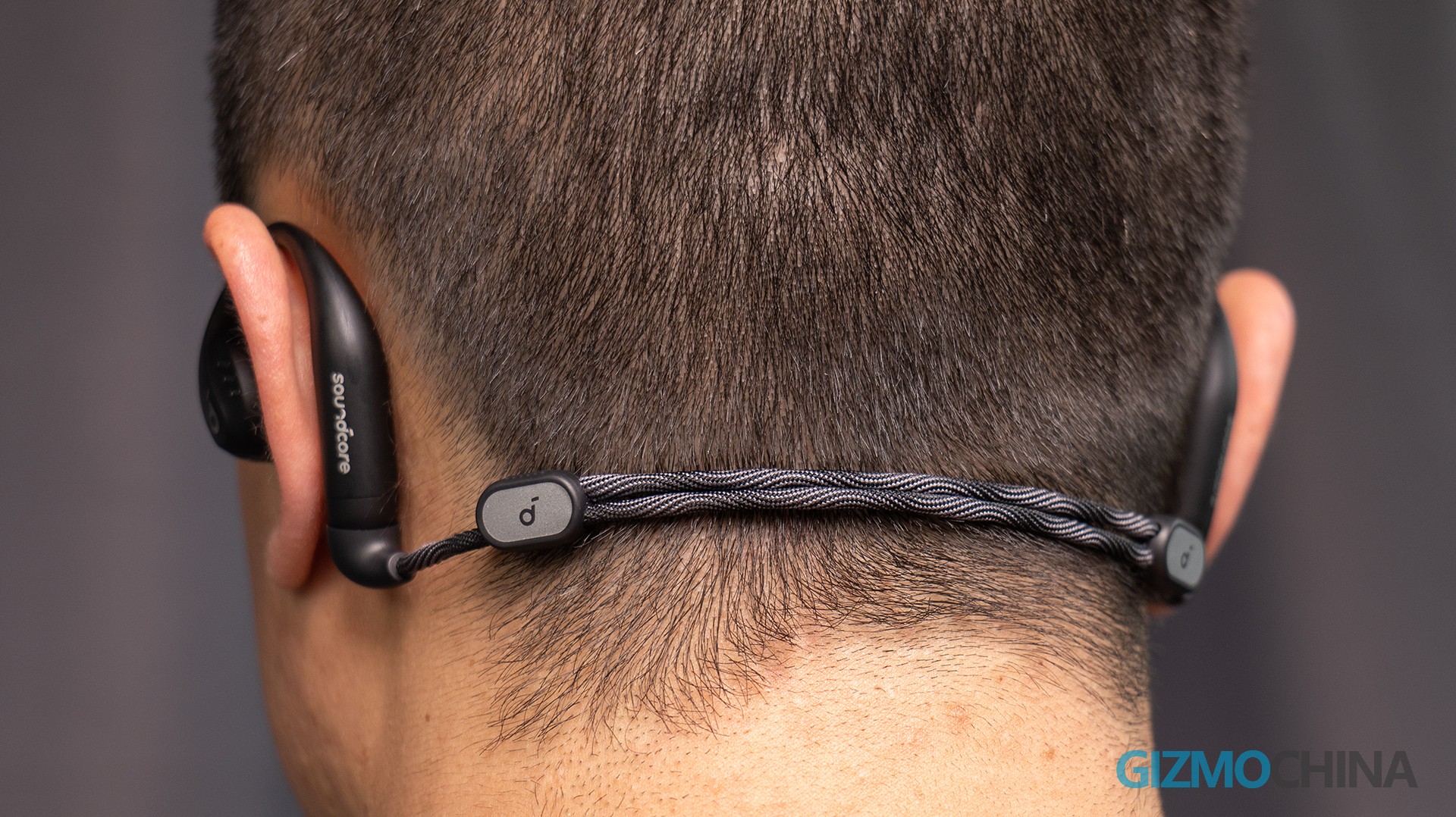
The most interesting and innovative part of the earbuds is this detachable titanium neckband, this has been the first in this category. It is a combination of traditional wireless Bluetooth headphones and sports earphones, some brands have tried to do that, but none of them has done it in a perfect way like this. This neckband is made of titanium inside and braided at the outer layer, and the knots enable the band to be flexible. So the neckband has many benefits, the first being the secure fit, once the band is adjusted to the best fit, it will be very secure, neckband on old bone-conduction headphones or normal sports headphones are longer, so it can fit as many people as possible, but that comes at the cost of creating a burdensome experience since the band will shake up and down quite a lot, but this neckband solves the problem. Next, it is detachable, you can certainly do intense sports with the neckband on, but you can also do light training without that. This can be very convenient, but I think this is part of the reason why the earbuds only have an IPX5 waterproof rating, rather than IPX7 like its small brother the Aerofit. One thing to mention here is that you can kind of feel its existence the first time wearing them, so this is a habit you need to build with this neckband on.
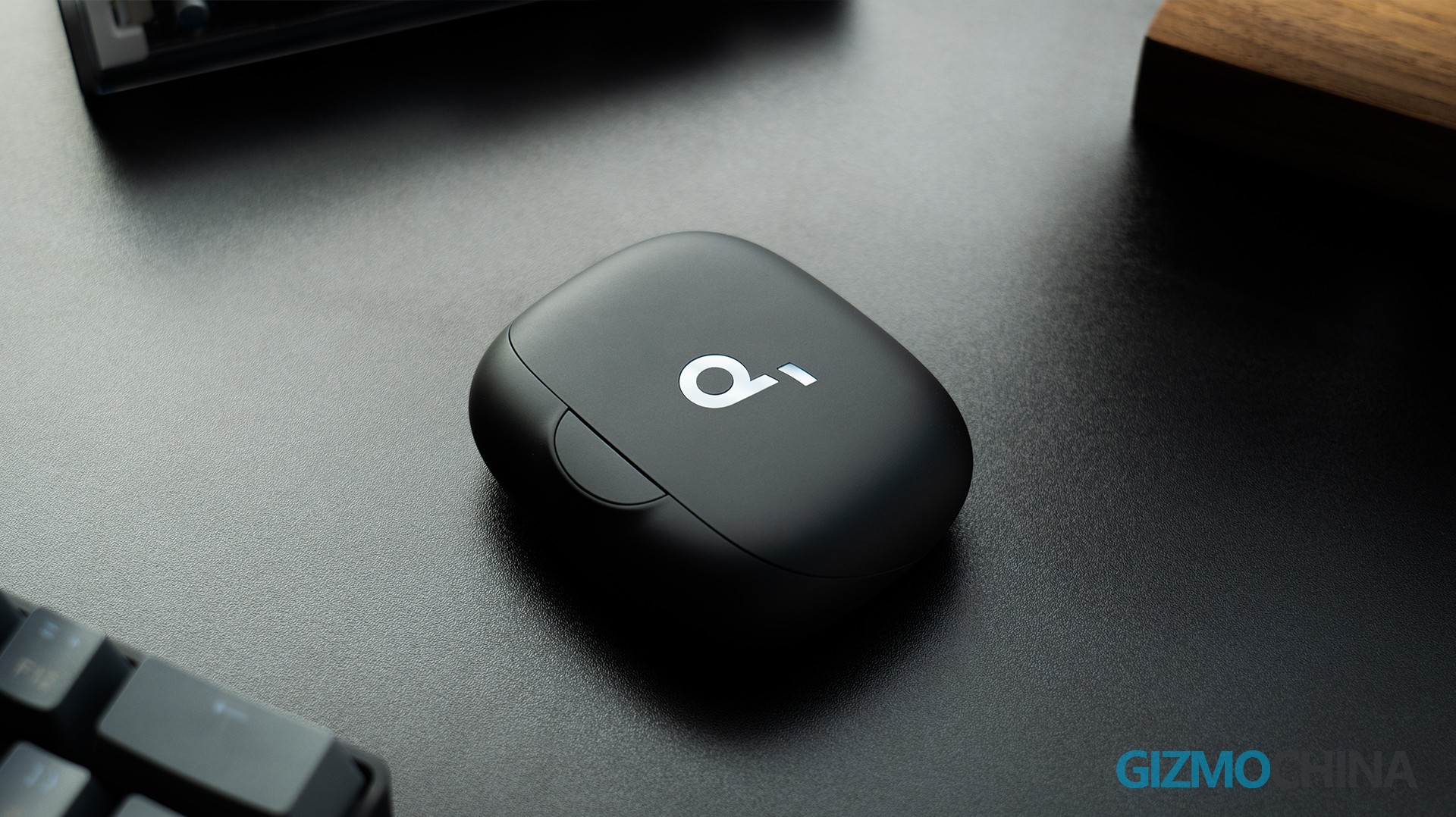
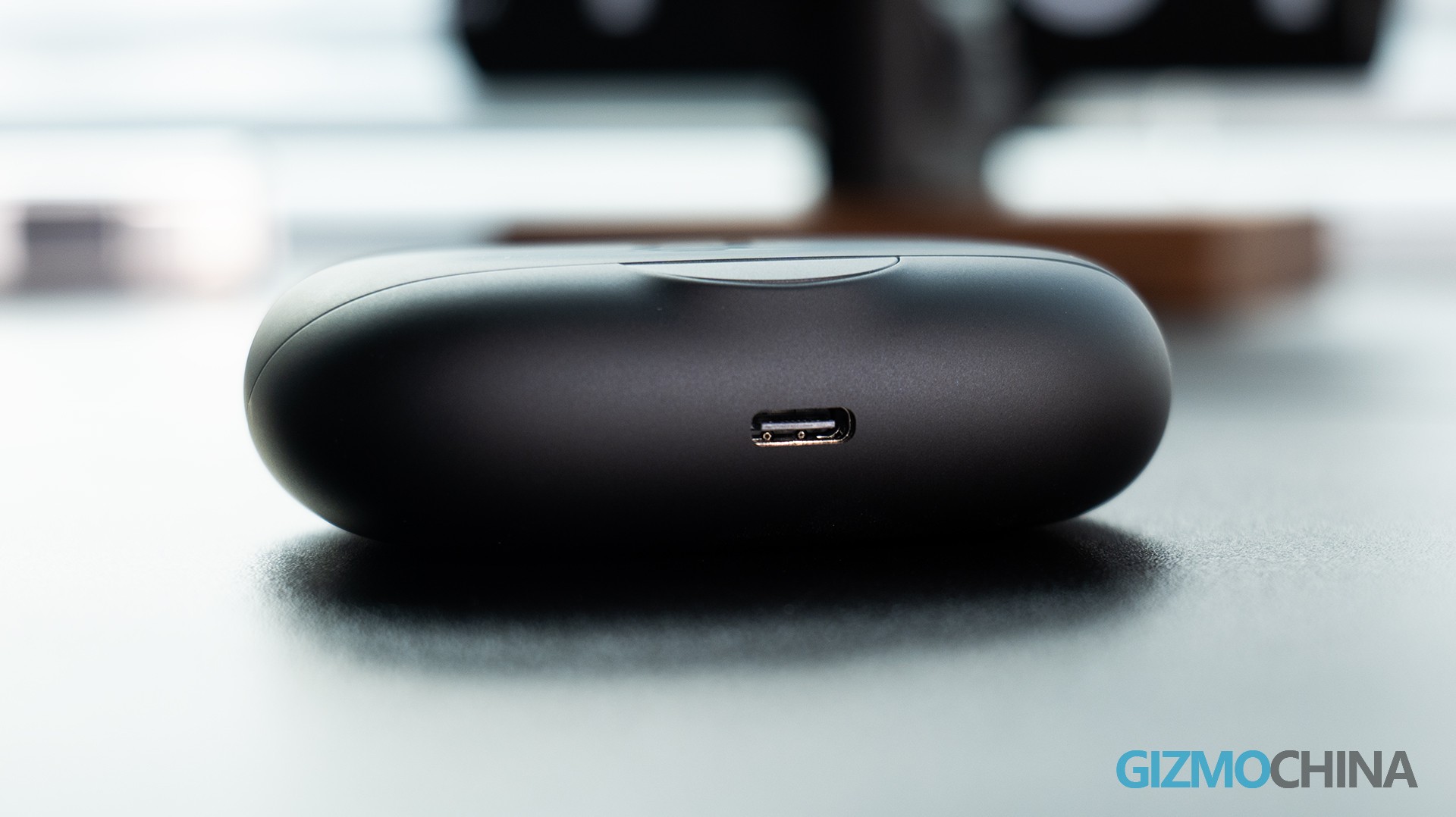
The charging case is bigger than some in-ear earbuds, but still manageable to be held in hand, and it won’t be bulky being in the sports pants. But the essential point of sport earbuds is the running time, these earbuds have 105mAh X 2 inside, and 750mAh in the charging case, it claims to be able to play music for 14 hours per charge, and 46H with the case, which is more than enough for a whole workout session, or even run a marathon! The case has a magnetic clip to it, the security is nice and snug. Still, there is one thing I have to point out over and over again, which is that it would be better if the spring were less strong, so whenever it pops up, the whole unit won’t fall off the hand, the solution for now is to hold the case two-handed when you try to open the case.
Sound Quality
Specs-wise, the Soundcore AeroFit Pro headphones have 16.2mm drivers, this is a bigger size driver than others, and this could compensate for the sound loss of open-ear earbuds a lot. titanium-coated domes. As mentioned earlier, there is a subtle change of shape on the speaker nozzle so more sound are rerouted to the ears, and the LDAC tech built inside can help transmit more info than normal Bluetooth. Surprisingly there are multiple sensors to improve sound quality and effectuate spatial audio. There are four mics in different parts of the earbuds, then combined with an AI algorithm to reduce interference of the wind or the traffic, so the call clarity can be excellent.
When listening to some music, some songs with bass content can deliver a good amount of bass depth, but since the ear canal is not sealed, there is still some difference to be spotted. The oversized drivers can reproduce some of the sub-bass well, and the vocal performances on most tracks sound very crisp, with a lot of high-frequency detail. On some tracks with less deep bass, they sound fairly natural with nice depth.
Spatial audio on such earbuds is really unexpected, it’s fantastic to have this when the drivers are not in the ear canal but still can produce such wide stereo sound. When I tried to listen to some remade spatial audio songs, the depth of sound it created has just been leveled up a lot, the soundstage will be enhanced a lot. Moreover, the head tracking can also bring a better dynamic soundstage effect.
Call quality is also another highlight of the sound quality, the AI algorithm contributes a lot to this, so whenever you go out for a run, you can always make a fine phone call with others.
The App
As usual, there are some settings you can twist in the App, such as choosing the preset EQ and controls. The EQ are Spatial audio, Soundcore signature, and Custom EQ. We have experienced the features when testing the Soundcore Motion X600 and Motion 300, so we won’t get into the details.
Verdict
Overall, the Soundcore AeroFit Pro has made fantastic open-ear earbuds, they not only look good, but also deliver really good sound performance. And with such a form factor, it can still make spatial audio and noise-reduction calls happen on them. As the first product in this category, this is the perfect choice for anyone who was hesitant to get one of these, now you have them.
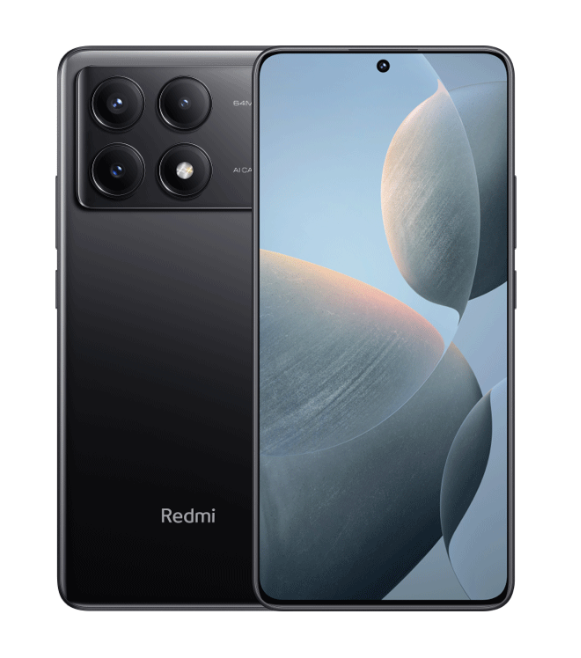
Redmi K70E is a powerhouse of technology, offering a seamless user experience with its array of features. Its 6.67-inch AMOLED 1.5K display, boasting a 144Hz refresh rate, ensures a visually stunning experience with vibrant colors and smooth transitions. The PixelWorks X7 display chip further enhances the overall visual performance.
Powered by the MTK Dimensity 8300-Ultra processor, the Redmi K70E ensures top-notch performance. The 12GB/16GB LPDDR5X RAM coupled with 256GB/512GB/1TB UFS 4.0 storage provides ample space for multitasking and storage needs, offering a responsive and efficient user experience.
Capture the world in stunning detail with the Redmi K70E’s impressive camera setup. The 50MP+8MP+2MP triple rear cameras, featuring a 50-megapixel Sony IMX800 primary sensor with OIS, an 8MP 120° ultrawide angle camera, and a 2-megapixel macro lens, deliver versatile and high-quality photography. The 20MP front camera ensures your selfies are equally impressive.
With a 5500mAh battery capacity and 90W fast charging support, the Redmi K70E keeps you connected throughout the day, providing a reliable power source for your on-the-go lifestyle. The large VC cooling system spanning 5000mm² ensures optimal temperature control during extended usage, preventing overheating.
Running on the latest Xiaomi Hyper OS, the Redmi K70E offers a fast and intuitive platform, keeping you connected and productive. The device supports multiple languages, including English and Chinese, catering to a diverse user base.
Connectivity is a breeze with the Redmi K70E, supporting a wide range of 5G and 4G bands for fast and reliable internet connections. Dual-band WiFi, Bluetooth 5.3, GNSS, NFC, and an under-display fingerprint scanner add to the device’s versatility.
Immerse yourself in audio with the stereo dual speakers, providing a rich and immersive sound experience. Whether you’re streaming content, capturing memories, or staying connected, the Redmi K70E combines cutting-edge technology to deliver a comprehensive mobile experience.
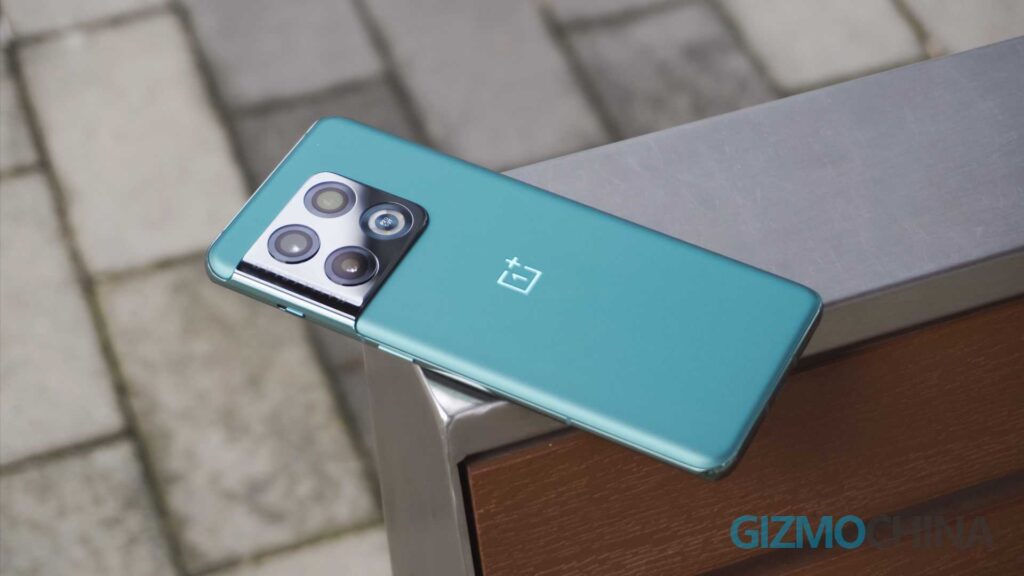
After completing the second phase of open beta testing, OnePlus has reportedly started seeding out the stable OxygenOS 14 x Android 14 build to OnePlus 10 Pro users in India. This is the second major update for the smartphone as it launched with Android 12 onboard and updated to Android 13 in September 2022.
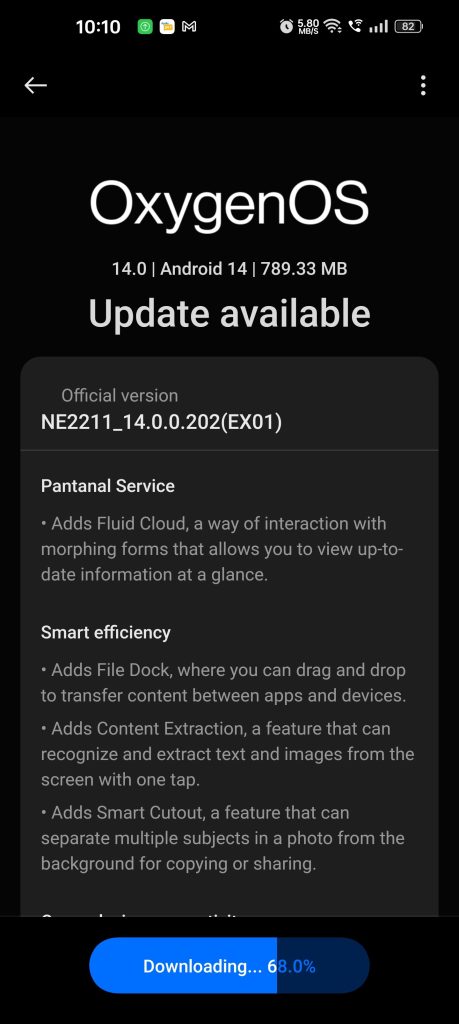
The update, featuring firmware version NE2211_14.0.0.202(EX01), necessitates a download of approximately 790MB. It’s important to highlight that currently, only users within the Open Beta program in India are receiving this update. However, the rollout is expected to extend to other regions and non-beta users shortly. Users not enrolled in the beta program may encounter a larger file size during the download. Here are all the changes coming with the OxygenOS 14 on the OnePlus 10 Pro.
OxygenOS 14 Changelog:
Pantanal Service
• Adds Fluid Cloud, a way of interaction with morphing forms that allows you to view up-to-date information at a glance.
• Adds cross-device support for Fluid Cloud. Now you can check the connection status of devices on your account at a glance.
Smart efficiency
• Adds File Dock, where you can drag and drop to transfer content between apps and devices.
• Adds Content Extraction, a feature that can recognize and extract text and images from the screen with one tap.
• Adds Smart Cutout, a feature that can separate multiple subjects in a photo from the background for copying or sharing.
Cross-device connectivity
• Improves Shelf by adding more widget recommendations.
Security and privacy
• Improves photo and video-related permission management for safer access by apps.
Performance optimization
• Improves system stability, the launch speed of apps, and the smoothness of animations.
Aquamorphic Design
• Upgrades Aquamorphic Design with a natural, gentle, and clearer color style for a more comfortable color experience.
• Adds Aquamorphic-themed ringtones and revamps the system notification sounds.
• Improves system animations by making them even smoother.
User Care
• Adds a carbon tracking AOD that visualizes the carbon emissions you avoid by walking instead of driving.
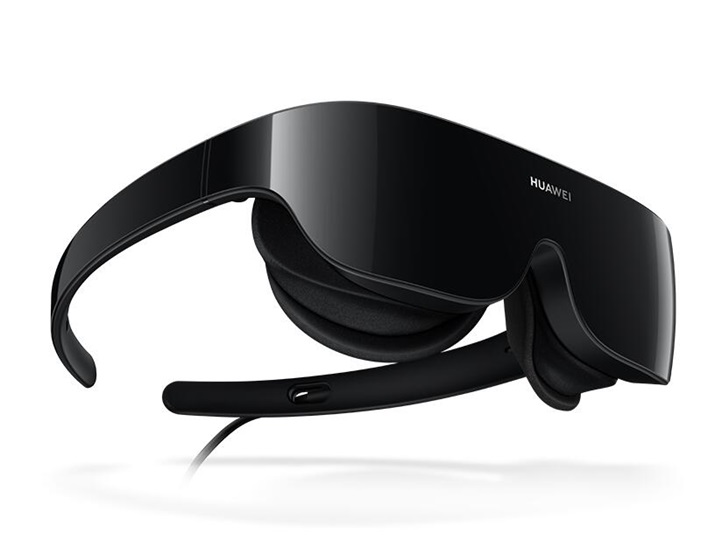
Huawei is apparently working on its own mixed reality headset that will take on the Apple Vision Pro. Similar to Apple’s Vision Pro, the upcoming MR headset from Huawei is also a high end wearable model. So here are all the details.
Huawei working on a premium Mixed Reality headset
The Chinese tech giant is rumored to be developing an MR headset that will be equipped with a flagship grade chipset. The high end processor would help in offering a more immersive and seamless experience. This wearable device is expected to address a major concern of such products, which is thermal dissipation. Huawei could offer its MR headset with a robust cooling mechanism.
According to a tipster on X, the Huawei MR headset will feature an external battery module, which is similar to the Vision Pro. However, the leak does not reveal any other finer details regarding this device. Interestingly enough, Huawei’s former subsidiary, Honor, is possibly working on a mixed reality headset of its own. This indicates that Chinese brands are planning to expand to premium wearables soon to better compete against Apple.
It is worth noting that this is still just an unconfirmed report, so take this news with a pinch of salt for now. The launch date, specs, and features are still at large as well. But since these could be designed to rival the Apple Vision Pro, Huawei’s MR headset could be more competitively priced. So you won’t be spending around 3,500 US Dollars on these models.
Meizu held its 2023 Autumn Unbounded Ecological Conference in China today. At the event, the company took wraps off its latest flagship smartphone called Meizu 21.
The device retains the overall design from its predecessor with some minimal changes. It comes powered by the latest flagship chip from Qualcomm. The camera gets an upgrade and so does the battery.
All in all, the phone comes with several improvements over the last-gen model. Let’s go through everything it has to offer.
Meizu 21 Specifications
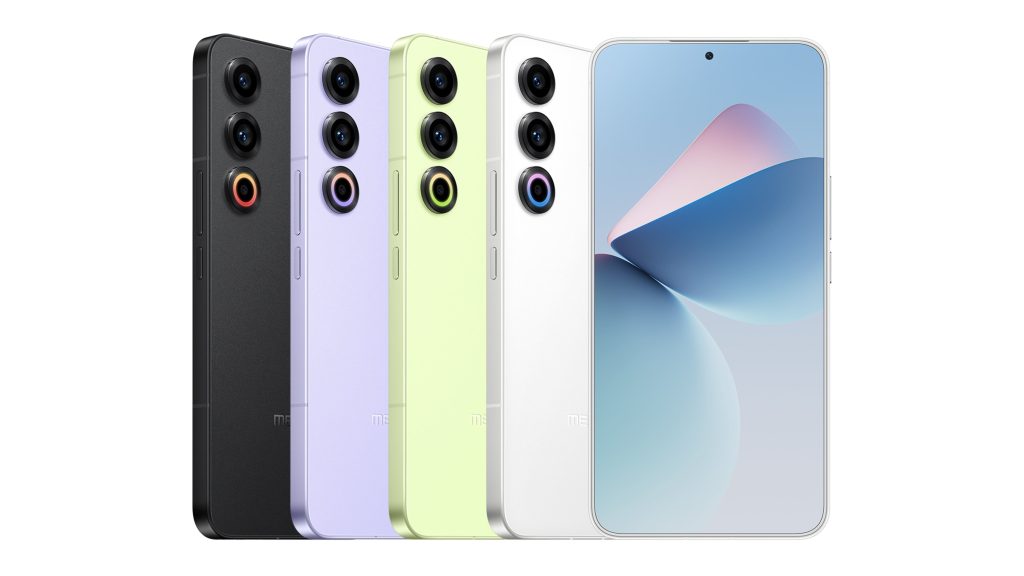
The Meizu 21 arrives with a flat frame body. It takes design cues from both the Galaxy S series and iPhones.
The handset measures 7.9mm in thickness and weighs 198g. It has an RGB LED ring light around one of the cameras for notifications and other use cases.
The phone is powered by a Qualcomm Snapdragon 8 Gen 3 chipset paired with LPDDR5x RAM and UFS 4.0 storage. It has a cooling area of 37345mm² to dissipate heat.
The front of the device is equipped with a 6.55-inch centered punch-hole flat OLED screen provided by Samsung Display. This FHD+ (2340 x 1080 pixels) panel with HDR10+ support offers up to a 120Hz refresh rate, a 1920Hz PWM dimming, and an 1800 nits peak brightness level.
The front also includes a 32MP Samsung S5KJD1 selfie camera. Whereas, on the rear, there’s a vertically aligned triple camera setup. This system comprises a 200MP Samsung Samsung S5KHP3 primary sensor with OIS, a 12MP Samsung S5K3L6 ultrawide unit, and a 5MP Samsung S5K5E9 depth sensor.
The handset boots Flyme 10.5 operating system based on Android 14 with Aicy personal assistant powered by GPT. Further, it comes with an IP54 rating, dual stereo speakers, an in-screen fingerprint sensor, dual SIM, WiFi 7, Bluetooth 5.4, GNSS, and NFC
Last but not least, the smartphone draws energy from a 4,800mAh battery and supports 80W wired charging.
Meizu 21 Price
The Meizu 21 carries the following price tags in China.
8GB + 256GB – ¥3,399 (~$480)
12GB + 256GB – ¥3,699 (~$520)
12GB + 512GB – ¥3,999 (~$565)
The product can be availed in either Unbounded Black, Smart Purple, Sharp Green, or Meizu White color options. It is currently up for pre-order and will go on sale starting December 5.
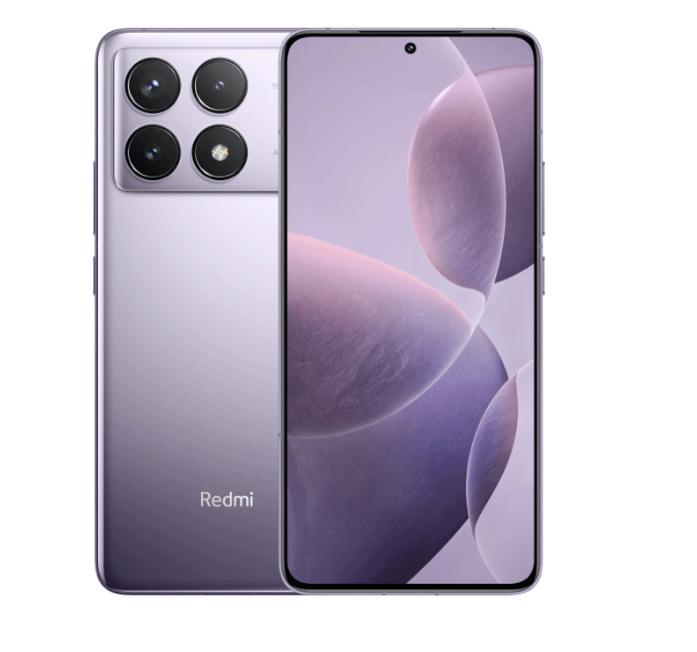
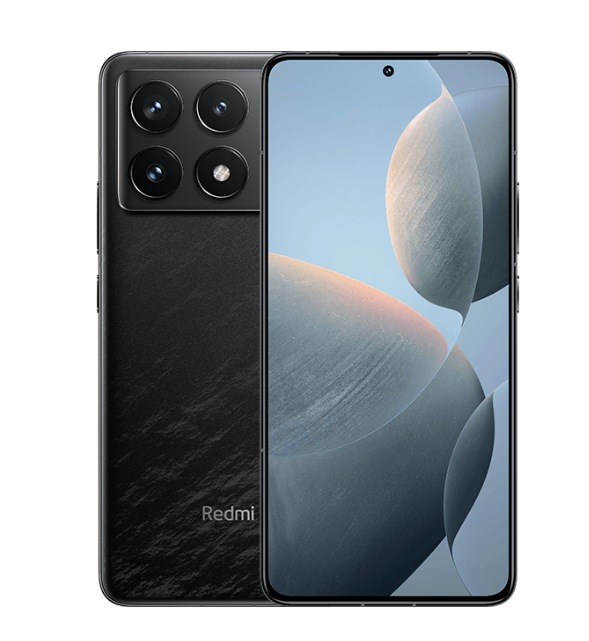
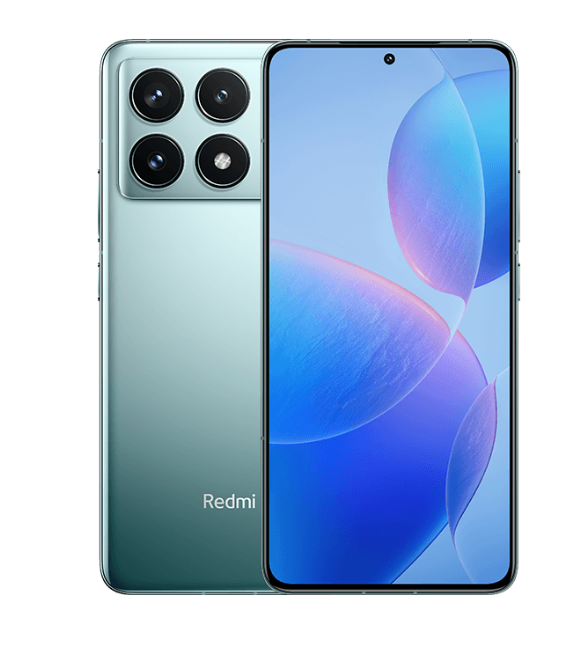
Redmi K70 is now available at Giztop. The phone which comes in Black, Blue, Purple, and White color variants is now available for as low as $429 only at Giztop.
Xiaomi Redmi K70 introduces the latest Xiaomi Hyper OS, a fast and fresh platform designed to keep you connected and productive while on the go. With multi-language support in English and Chinese, the user interface caters to a global audience.
In terms of connectivity, the Redmi K70 is compatible with a wide range of bands, offering extensive 5G and 4G support. Whether you’re downloading apps, streaming content, or staying connected on social media, the device ensures a fast and reliable web connection.
Powering the device is the Qualcomm Snapdragon 8 Gen 2 chipset, delivering exceptional overall performance. Backed by 12GB or 16GB of RAM, the Redmi K70 effortlessly handles applications, menu navigation, and multitasking. The addition of the PixelWorks X7 display chip enhances the visual experience.
Featuring a 6.67-inch AMOLED 1.5K display with a 120Hz refresh rate, the Redmi K70 provides a vibrant and smooth visual experience. The triple rear camera setup, comprising a 50MP Sony IMX800 primary sensor with OIS, an 8MP 120° ultrawide angle camera, and a 2MP macro lens, ensures versatile and high-quality photography. The 20MP selfie camera adds finesse to your self-portraits.
Storage options abound, with 8GB/12GB/16GB of LPDDR5 RAM and 128GB/256GB of UFS 3.1 storage. This generous capacity caters to your needs, accommodating contacts, music, photos, and apps with ease.
The device’s endurance is backed by a substantial 5000mAh battery, complemented by the convenience of 120W fast charging. Heat management is addressed with a large VC cooling system, featuring a 5000mm² cooling area.
Additional features include an under-display fingerprint scanner, dual-band WiFi, Bluetooth 5.3, and NFC. The Redmi K70 also boasts stereo dual speakers, enhancing the audio experience for multimedia consumption.
In essence, the Redmi K70 combines advanced features and robust capabilities, providing a well-rounded smartphone experience for users with diverse needs.
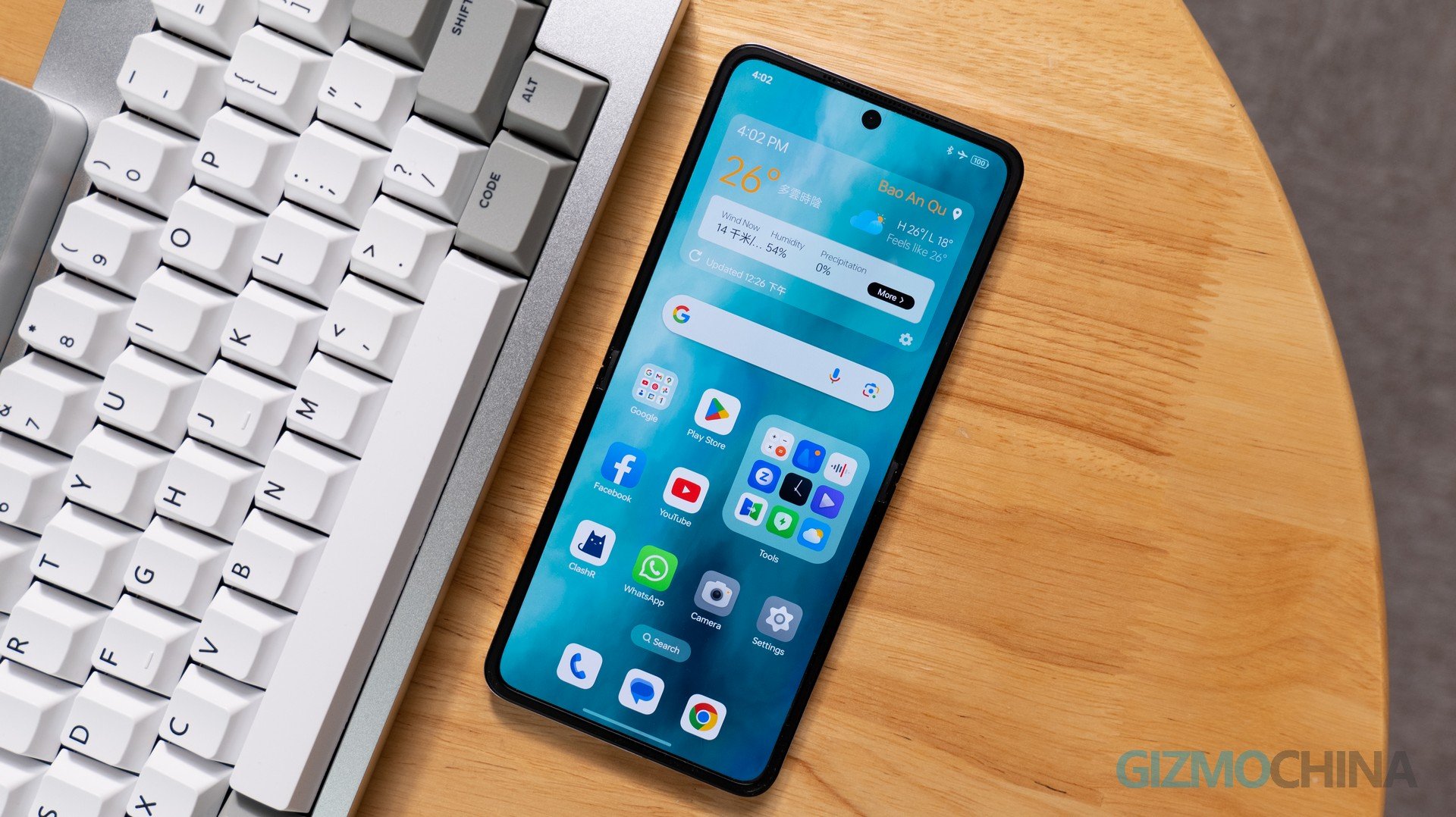
Color OS has a good reputation for being simple and snappy, and it’s built upon the foundation of good hardware. Coming from the 13th, the 14th has some new features that you can really make good use of, such as the updated Aquamorphic Design, more AI smart features, and privacy protection. Now these features differ among many OPPO phones, and the Flip has something unique compared to others, so let’s get to the details with this OPPO Find N2 Flip.
The experience on a Flip phone
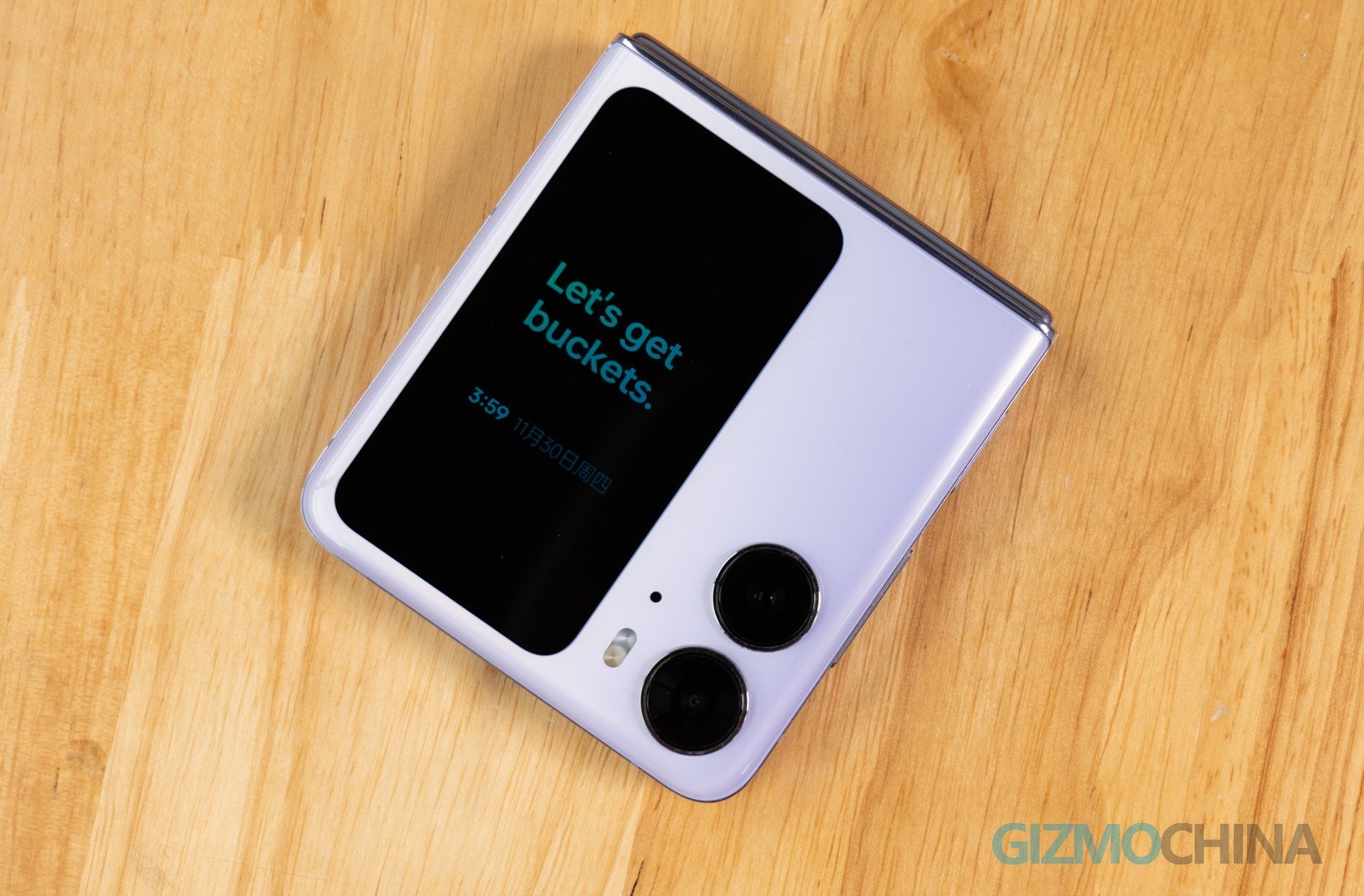
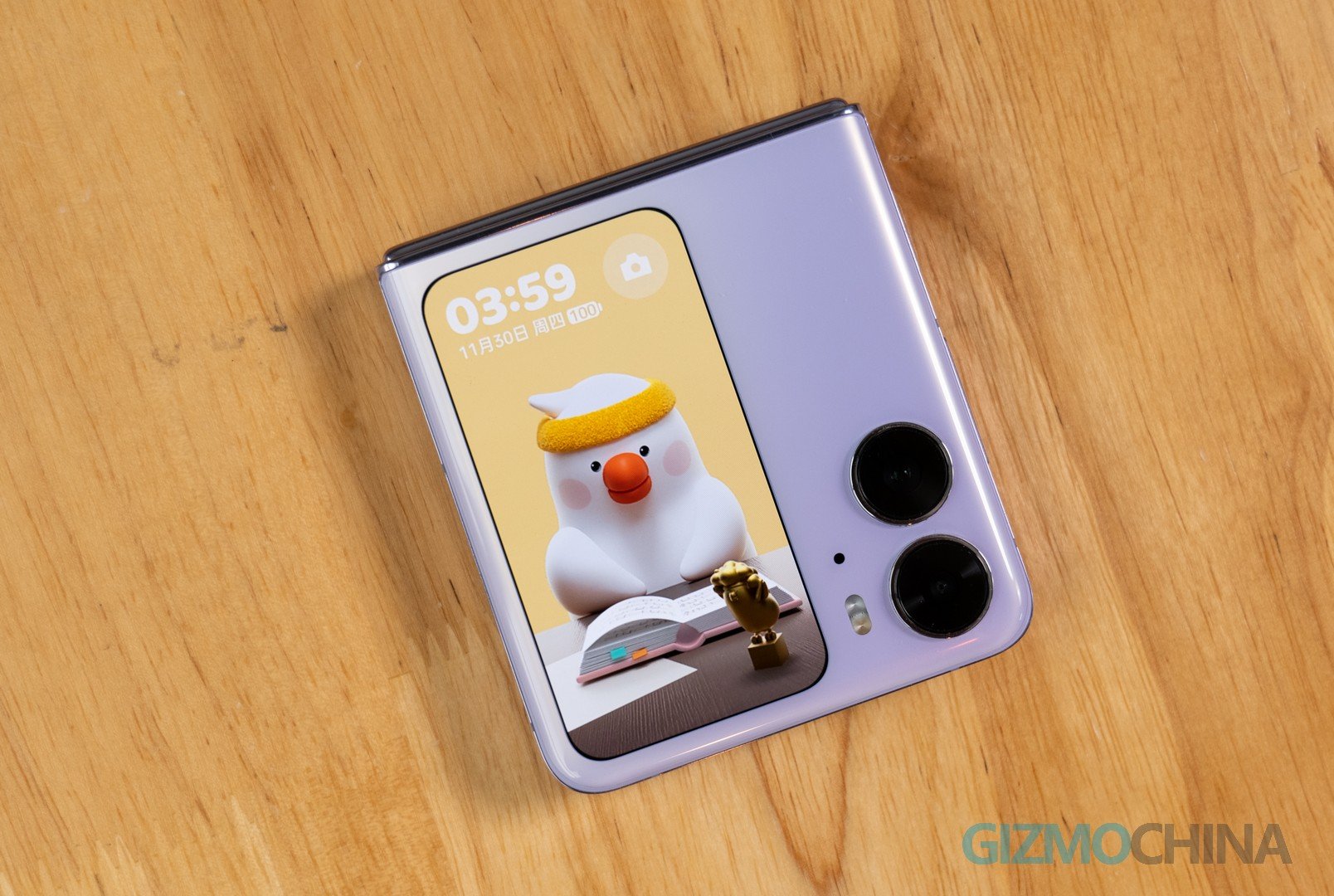
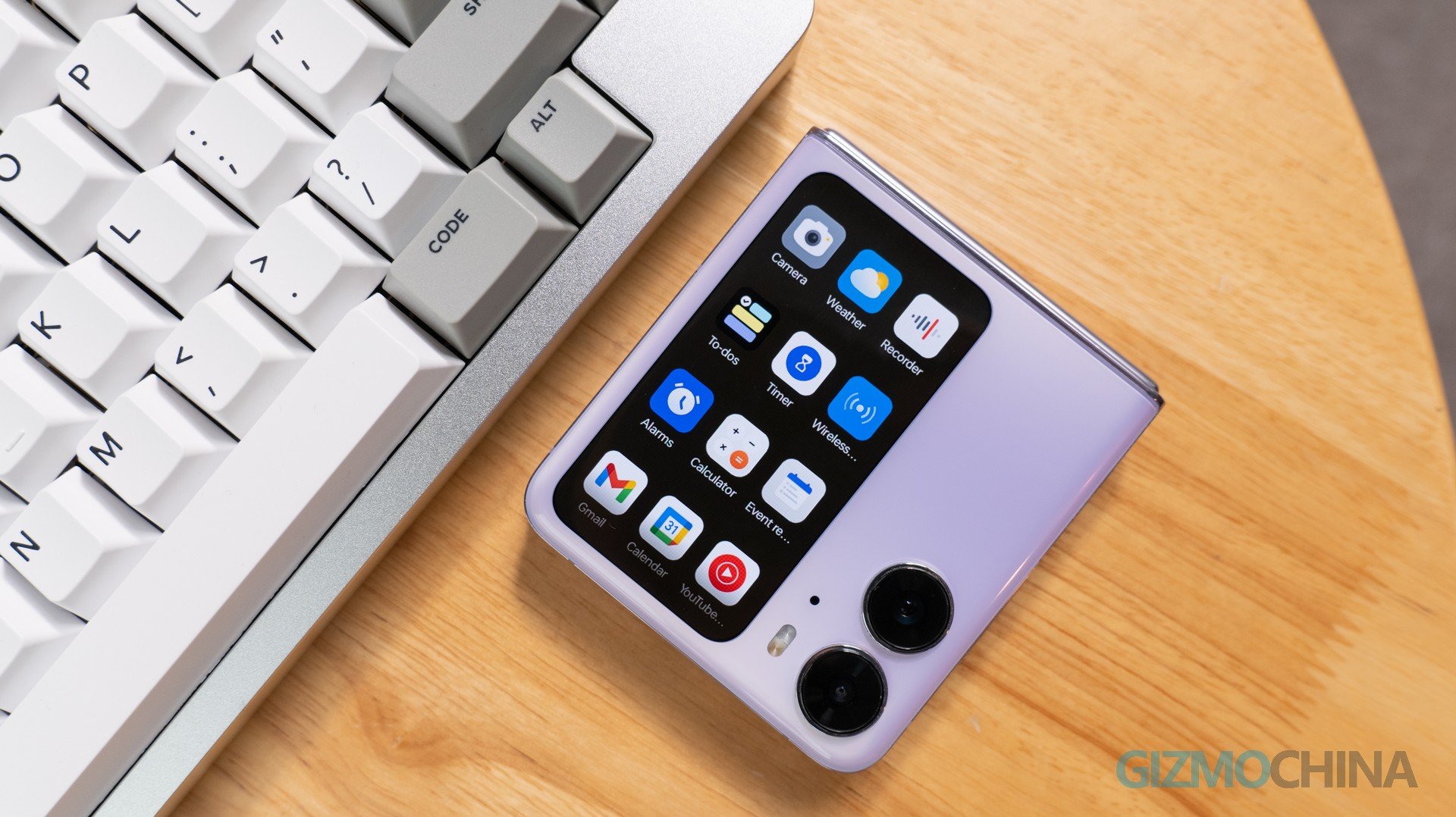
We have covered many flip phones in the past, including this N2, and the outer screen creates a very differentiated experience, mainly because you can do many things on it. So unlike regular phones, the AOD feature has its own way of showing the basic information, as well as mini app support.
As you can see, you can double-tap to wake it up, and you will basically see the time, and date along with some apps like the camera, whether and timer, if you want some other AOD info to show up, you can also customize them in the settings. I found some fun customizing the info on this screen, such as adding slang like this on the screen, and if you set it as “always on”, it acts as a statement you are giving to the world. So let’s get buckets! Or maybe nugget!
If you swipe from the very top, you can see the basic settings. Swipe to the left gets you to the mini-app list. The built-in apps are really well developed, you can have the most essential function here, and if you jump out of the app, there will still be a widget to keep you notified. You will also be able to use Google app packs, and some news or information-based apps like the X, you can scroll on and on, just like how you use it on the main screen. And also you can view the event in the calendar app, which is a great thing. However typing on this small screen is still a nightmare, and although you can use Google Assistant to do it by speaking, but some of them still come to an end where you need to do more than two steps.
So this outer screen, it has more app support, but I wouldn’t recommend you do complex tasks on it, or the next thing that needs an upgrade will be your glasses.
Special Features
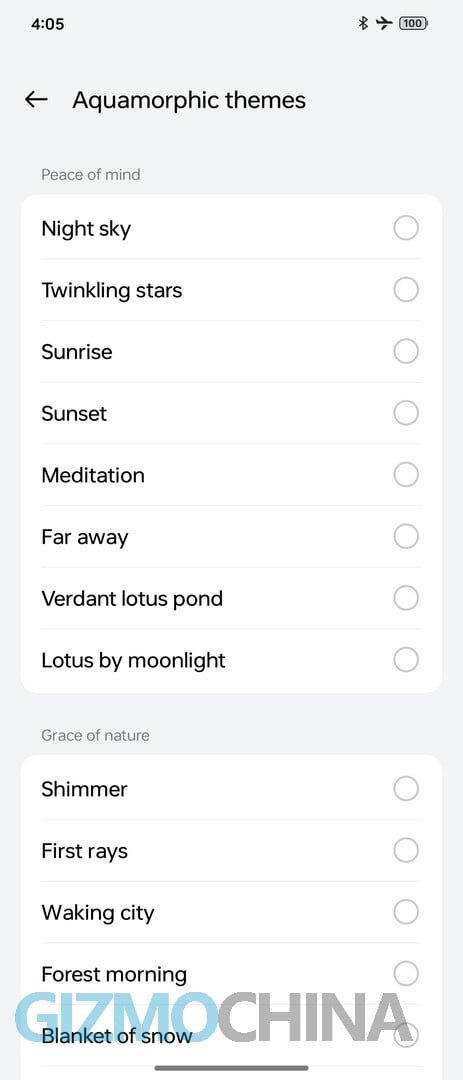
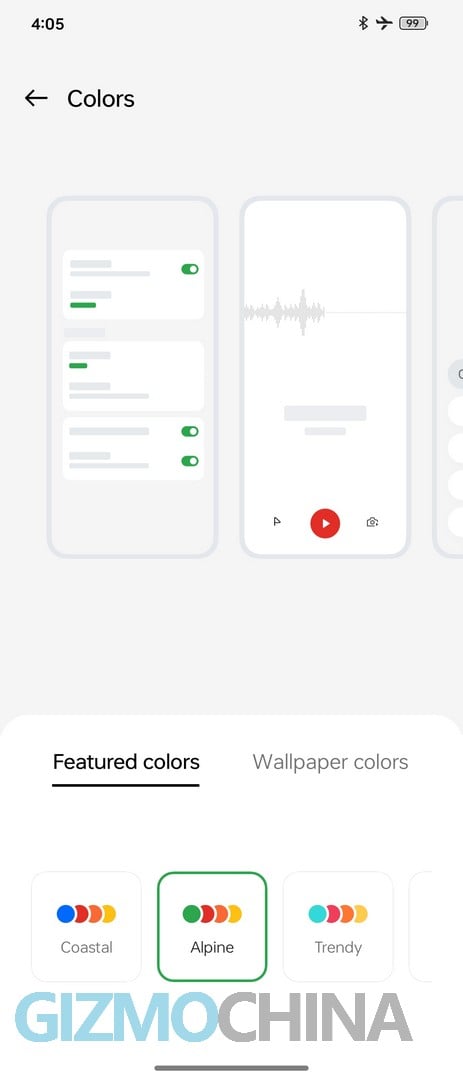
Compared to ColorOS 13, ColorOS 14 optimized Aquamorphic Design with new sound effects, color systems, interactions, and so on. For the new sound effects, there is a whole segment to let you choose all of them. The themes are very clean and pleasing to the ears, and certainly you would enjoy using one of them for a while. The color system is also customizable, average people don’t have a good sense of color combos, but everybody has a certain angle of view when seeing them, so we might as well just let the professionals make it for us to choose. For me, I like to use this Alpine combo, the buttons just pop out more, while others are more subtle.
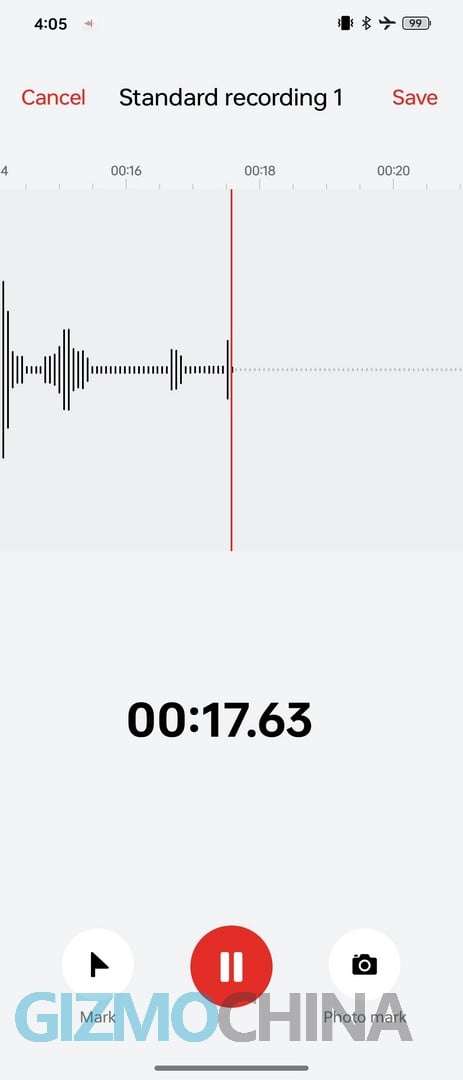
Something we have been eager to get on any operation system is minimal interruption. Instead of filling up the whole screen whenever we want something to be done, expandable bubbles, capsules, and panels are the way to do it. On ColorOS14, they are everywhere, like in the recording app, while having it run at backstage you can also take some notes, which can be a very useful thing. However, the version we have on this N2 still can’t support this feature, so we wouldn’t be able to show it in this review.
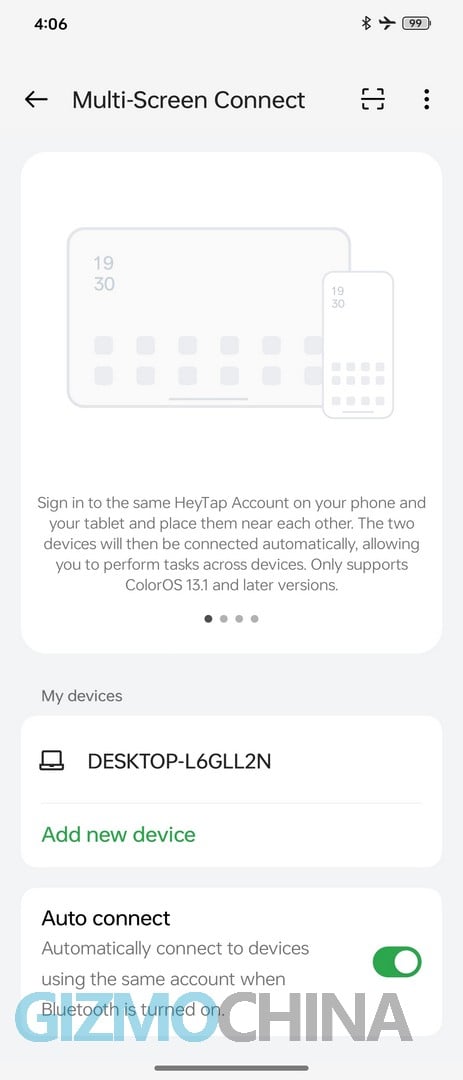
There is also a cool way to have the phone work with a tablet and PC, which is the Multi-screen connection. This can be a very good way to utilize the bigger screen to do some tasks, like taking notes, and operating on some apps. However, this function is rather limited to only OPPO devices, other systems like Windows and MacOS are not in this loop, so we can’t demonstrate how it works either, which is a pity. My comment on this function is, that either it’s a killer feature for some highly effective people, or it can be one more way for people to waste time on electronics.
AI Power
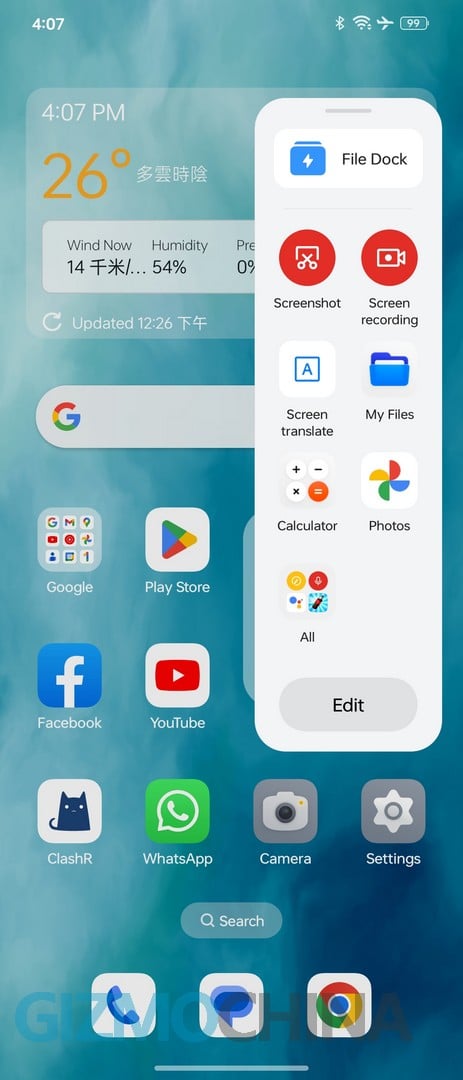
I think we all can believe AI can empower people and also revolutionize the way we interact with everything. Now on ColorOS14, The new File Dock on the Smart Sidebar allows you to share content across apps more easily through split-screen, floating windows, or the Dock itself. Content can be stored automatically in the File Dock and can be synced across different devices like smartphones and tablets to boost your productivity.
Basically, you can manually select content like text images, and videos from the system and third-party apps, then collect them on the File Dock, or even consolidate them into a single note by simply selecting and dragging them. This opens new possibilities for efficiency, pretty innovative.
Optimization And Privacy Protection
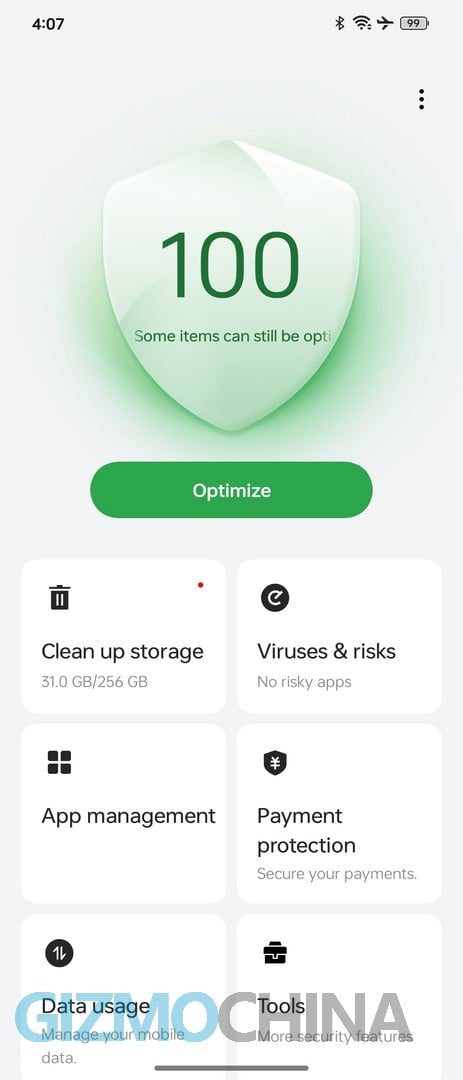
If you are a long-time Android user, you will know that there were times when people’s phones been easily hacked, or had some random apps installed without your permission, this made the phone barely usable after a certain time. Now in ColorOS 14, the Trinity Engine can do Vitalization for the ROM, RAM and CPU. ColorOS has also been recognized by authorized third-party organizations such as ISO, ePrivacy, TrustArc and others to improve privacy protection.
These features are all under the hood, so you would not feel its existence every minute, but if you do feel the phone operates smoothly every day, the Rom not being filled up quickly, or being reminded to hide some private info, you will know that these do help with the experience a lot.
Verdict
ColorOS is probably the best-looking and humanistic OS right now, it is very minimalist but also gets the job done efficiently. OPPO has invested a lot of time and effort in making their own chips to improve the performance in certain parts of the system, so this 14th gen is almost perfect. Of course, perfection is always subjective, but if I were to pick on some details, I would say the Multi-screen connection is not being supported across all devices, and the bubbles, capsules, and panels not utilized on this global version OS are the two pities I see here. Alright, this is the review of the ColorOS 14 global version, hope this is helpful!
The Redmi K70 Pro stands out in the smartphone arena, seamlessly merging advanced technology with user-centric design. Unlock the full potential of the Redmi K70 Pro with an exclusive deal at Giztop. Use coupon code “K70P50” at checkout for a generous $50 discount. Hurry, as this limited-time offer expires on December 3.
Fueled by the Qualcomm Snapdragon 8 Gen 2 chipset and 12GB/16GB LPDDR5X RAM, the device ensures swift multitasking and responsive performance. The PixelWorks X7 display chip further enhances the visual experience.
Immerse yourself in the 6.67-inch AMOLED 1.5K display, boasting a 144Hz refresh rate, 2600nit peak brightness, and 68.7 billion colors. The 2880Hz PWM high-frequency dimming ensures a comfortable viewing experience.
Capture every detail with the 50MP+50MP+12MP triple-camera setup on the rear, including a 50MP Sony IMX800 primary sensor, an 8MP 120° ultrawide angle camera, and a 2MP macro lens. The 20MP selfie camera guarantees striking self-portraits.
Choose from ample storage options – 256GB/512GB/1TB UFS 4.0 paired with 8GB/12GB/16GB LPDDR5X RAM – accommodating all your digital needs. A robust 5000mAh battery powers the device, complemented by the convenience of 120W Fast Charge technology, alleviating frequent charging concerns.
Tackling heat management, the Redmi K70 Pro features a large VC cooling system of 5000mm², ensuring optimal performance during resource-intensive tasks.
Connectivity options abound, from an under-display fingerprint scanner to dual-band WiFi, Bluetooth 5.3, GNSS, and NFC. Share your 5G/4G data connection effortlessly and enjoy the convenience of dual nano SIM card standby. Immerse yourself in an audio feast with stereo dual speakers, elevating multimedia consumption.
Redmi K70 Pro comes in White, Blue, and Black color variants and is available for a starting price of $599.
Oppo recently unveiled the Reno 11 series of smartphones in China. Now, it appears that the global launch of the lineup is just around the corner as well, with the Reno 11 5G global model surfacing on BIS, FCC, and GeekBench.
Oppo Reno 11 5G Global Model
Last week, the Reno 11 Pro was spotted on the TDRA certification platform. Now, the base model of the series visited BIS and FCC certification databases. Looking at these listings, the Reno 11 5G was seen carrying the CPH2599 model number. The BIS certification basically confirms the device’s Indian availability, while the FCC certification revealed that the smartphone will run on ColorOS 14 out of the box. Furthermore, it also confirmed support for NFC and 5G support.
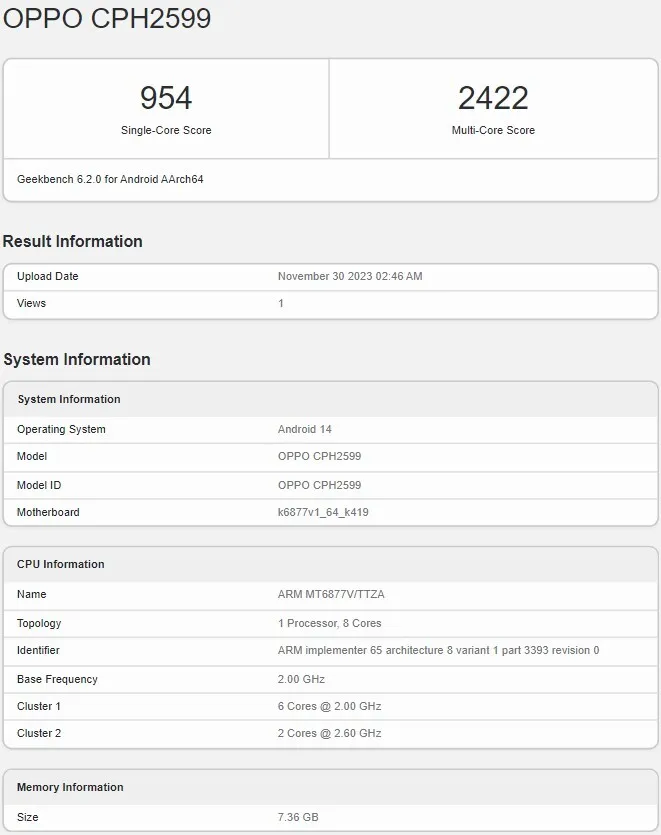
This listing listed the device to feature a 4,870mAh battery pack that supports 67W fast charging. Lastly, the Oppo Reno 11 was even sighted on GeekBench. Interestingly, the benchmarking platform shows that the base Reno 11 global variant will feature the MediaTek Dimensity 1080 SoC instead of the Dimensity 8200. This processor is paired with up to 8GB of RAM and the device runs on Android 14 OS out of the box.
In other words, it is unclear if the global Reno 11 will be the same as the Reno 11 in China or whether it is a cutdown version of the same. For those unaware, the Reno 11 launched in China with a 6.7-inch 120Hz OLED display on the front, while the rear packs a 50-megapixel Sony LYT600 primary sensor. This is paired with an 8-megapixel ultra wide angle lens and a 32-megapixel telephoto sensor. A 4,800mAh battery pack powers this device, which also supports 68W fast charging.
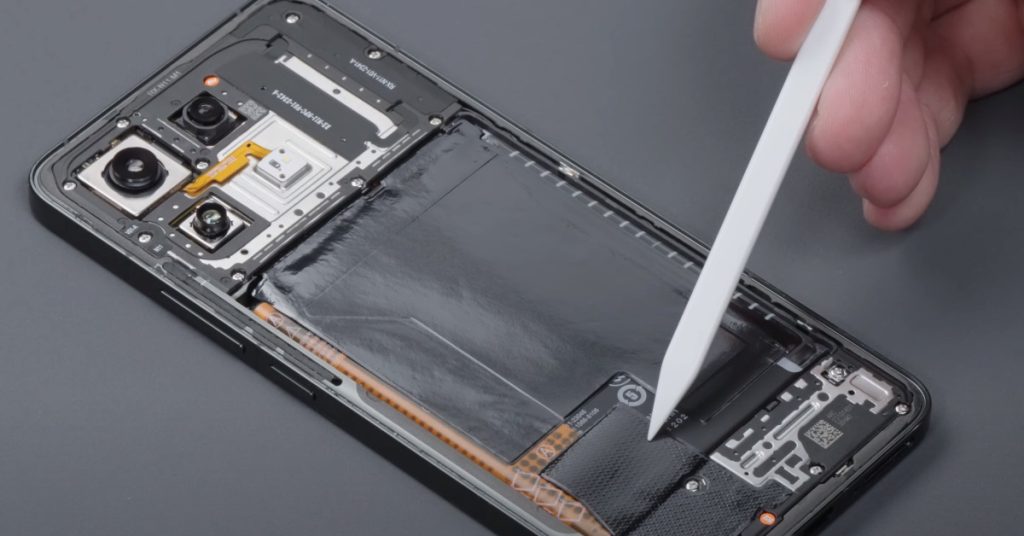
The Redmi K70 Pro, unveiled recently, has undergone a teardown by a local tech channel, revealing its impressive internal components. The teardown provides a detailed look at the phone’s components, including the camera sensors and chipsets.
The teardown begins by removing the phone’s back panel, revealing a three-part structure. The most prominent component is the 5,000mAh battery, which supports 120W fast charging and occupies a significant portion of the phone’s interior space.
The upper section houses the triple-camera setup, comprising a 50MP 1/1.55-inch primary sensor with OIS support, a 50MP telephoto unit with 2x zoom, and a 12MP ultra-wide lens. The battery and motherboard are covered by a single cover, atop which lie two large and two small heat sinks that also cover the bottom speaker.
Further inspection reveals an NFC coil, flexible printed circuit board (FPC) antennas, a flash cable, and an ambient light sensor on the motherboard cover.
The motherboard itself houses the LPDDR5X RAM and Hynix UFS 4.0 storage. The phone is powered by the Snapdragon 8 Gen 3 chip, complemented by two Xiaomi Surge P2 chips and a Qualcomm WCN7851 WiFi and Bluetooth module.
With so much more to uncover, we recommend watching the detailed video for a deeper dive into the Redmi K70 Pro’s inner workings.
To reiterate, it has a 6.67-inch 1440×3200 120 Hz OLED panel with 4,000-nit peak brightness. The display also supports 3840Hz PWM dimming, HDR10+, and Dolby Vision. The smartphone comes with Android 14 OS out of the box and is available in 3 storage configurations:
12GB + 256GB: CNY 3,299 (~$465)
16GB + 256GB: CNY 3,599 (~$508)
16GB + 512GB: CNY 3,899 (~$550)
A top-tier 24GB + 1TB configuration is also available for CNY 4,399(~$621).
We use cookies on our website to give you the most relevant experience by remembering your preferences and repeat visits. By clicking “Accept”, you consent to the use of ALL the cookies.
This website uses cookies to improve your experience while you navigate through the website. Out of these, the cookies that are categorized as necessary are stored on your browser as they are essential for the working of basic functionalities of the website. We also use third-party cookies that help us analyze and understand how you use this website. These cookies will be stored in your browser only with your consent. You also have the option to opt-out of these cookies. But opting out of some of these cookies may affect your browsing experience.
Necessary cookies are absolutely essential for the website to function properly. This category only includes cookies that ensures basic functionalities and security features of the website. These cookies do not store any personal information.
Any cookies that may not be particularly necessary for the website to function and is used specifically to collect user personal data via analytics, ads, other embedded contents are termed as non-necessary cookies. It is mandatory to procure user consent prior to running these cookies on your website.