Advertisement

WAU CYBER electric bike hyped as the Tesla of electric bikes, showcased on Indiegogo

The WAU CYBER electric bike is getting set for its Indiegogo crowdfunding unveiling. The e-bike is touted as the world’s most powerful e-bike and it is being hyped as the Tesla of e-bikes. It will come with extended features and will also feature a Founder’s Edition.

WAU CYBER electric bike

The official webpage of the WAU CYBER currently reads “Coming Soon” and the bike is being promoted as a masterpiece of both design and engineering. The design and features of the e-bike stand it out among its competitors. It has been described in superlatives like the most powerful, highest specs ever for an e-bike, and much more.

WAU CYBER electric bike

The kickoff date for the Indiegogo campaign for the WAU CYBER has not been specified yet. The full specs of the model and the nature of its hardware are also not fully known. However, it is known that the e-bike will feature a cyberpunk-looking head and an overall aggressive but enclosed build. The CYBER e-bike will be available in six color variants but these have not been fully specified. It is also expected that the bike will also include Limited Edition skins. The Founders Edition of the WAU CYBER will have only 250 units and could have some distinguishing features from the standard model.

WAU CYBER electric bike

As highlighted earlier, the manufacturer is yet to provide details of the kickoff date for the Indiegogo campaign for the CYBER. Pricing and availability information are also lacking for the e-bike at this time.

RELATED:

AYA NEO KUN & SLIDE gaming handhelds with AMD Ryzen 7 7840U chipsets unveiled

AYANEO has unveiled the KUN & SLIDE gaming handhelds powered by the AMD Ryzen 7 7840U APU. The AYA NEO KUN is a high-end handheld and is dubbed as a top-tier flagship. The AYA NEO SLIDE is seen as a laptop in the form of a handheld and provides users with the opportunity of expanding the usage of their gadget.

AYA NEO KUN

The AYA NEO KUN is equipped with the AMD Ryzen 7 7840U Phoenix APU. It has eight cores and 16 threads atop the Radeon 780M iGPU with RDNA 3 architecture. The processor offers a performance boost and power efficiency over its predecessor. It has a 15-28W power requirement and compares squarely with the Ryzen Z1. The AYA NEO KUN has an 8.4-inch 2.5K IPS screen with excellent output. It is expected to come with improved peak brightness and color gamut coverage. The KUN features the largest screen among gaming handhelds but weighs more than 0.9kg.

AYA NEO KUN

The AYA NEO KUN has a 75Wh battery which puts it miles ahead in the industry. The optimal heat management architecture of the model is however not clear yet. The AYA NEO KUN uniquely features a button at the back of the gaming handheld. This allows users to have improved control over their devices.

AYA NEO Slide

The AYA NEO SLIDE features the power-efficient and high-performance AMD Ryzen 7 7840U APU. You can slide the screen of the handheld to reveal its keyboard in an aesthetic design. The retractable keyboard of the AYA NEO SLIDE differs from the setup of the Win Max 2, which has a fixed keyboard. It has a similar button configuration as previous models but its sliding screen mechanism stands it out. This means the SLIDE is a versatile gadget that extends beyond just gaming.

AYA Neo Slide

The AYA NEO KUN will launch in August 2023 and it will be an industry-defining model. Pricing information for the handheld has not been released but it could cost up to $1,000. The AYA NEO SLIDE is also scheduled to launch in August 2023 and its price has not been stated.

RELATED:

Sony WF-1000XM5 full specifications leak: improved ANC, smaller and lighter build

Sony WF-1000XM5 TWS earbuds are confirmed to launch later today. A recent report revealed the design renders as well as the US and European pricing of the upcoming Sony WF-1000XM4 successor. Now, a new report is here with the complete specifications of the WF-1000XM5 earbuds, revealing improved ANC, Dynamic Driver X, and a smaller and lighter build. There’s also an integrated processor V2. Here are the details.

Sony WF-1000XM5

Four images making the rounds on Reddit have revealed the complete specifications of the upcoming Sony WF-1000XM5 earbuds. The images, which were brought to light by The Walkman Blog, show that the earbuds will feature a new V2 processor based on the MediaTek MT2833. The new chip should enable plenty of features including High-Resolution Audio Wireless. The earbuds will also get a QN2e processor, as well as Edge-A1 and DSEE Extreme.

The new WF-1000XM5 will support 24-bit audio processing and new Dynamic Drivers X, which are reported to be 40% larger than the ones in the WF-1000XM4. The earbuds will offer features like Multipoint audio, Adaptive Sound Control, and Speak-to-Chat functionality. The leaked images reveal 3 minutes of charging will enable the earbuds to last up to 60 minutes of usage, with 8 hours quoted on a single charge. You can extend this number to 24 if you take the charging case into account. The earbuds will ship with SS, S, M, and L polyurethane foam tips.

According to a recent report, the earbuds will debut in the US with a price tag of $299, while European customers will have to pay €319. As mentioned, the official launch should take place sometime today. We’ll keep you posted.

RELATED:

(Via 1,2)

ViewSonic VX3267U 4K IPS monitor with 65W PD USB-C unveiled

ViewSonic has recently announced a new affordable 32-inch 4K IPS monitor suitable for work and media consumption. The monitor also features a USB-C port with 65W power delivery.

ViewSonic

ViewSonic VX3267U 4K monitor specs

This monitor features an In-Plane Switching (IP) panel type, which offers good color and viewing angles. The resolution is 3840 x 2160 pixels, providing a 4K display. With a 31.5-inch screen size, the visuals are clear and sharp, thanks to the 163 pixels per inch (ppi) pixel density. The color depth is 10 bits, likely achieved through 8-bit + Frame Rate Control (FRC) technology for better color gradation. The refresh rate is 60Hz, ensuring smooth visuals for everyday use and multimedia.

The monitor’s brightness is 350 cd/m², offering bright and vivid images. The response time (G2G) is 4ms, reducing motion blur in fast-paced content like games. The contrast ratio is 1000:1, creating a distinction between dark and bright areas. There are several interfaces available, including 2 HDMI 2.0 ports, 1 DisplayPort 1.4, 1 USB-C port with 65W power delivery, and a headphone output. The monitor also has built-in 2.5-watt speakers for basic audio playback.

Ergonomically, it offers tilt adjustment, a blue light filter, and VESA mounting compatibility (100 x 100 mm). The flicker-free backlight ensures a comfortable viewing experience. The monitor supports HDR10 technology for a wider range of colors and better contrast in HDR content. However, it does not specify any particular Sync Technology (e.g., AMD FreeSync or NVIDIA G-Sync) for variable refresh rates.

Pricing & availability

The ViewSonic VX3267U is expected to launch soon in the United States for $350. There is no word on the European availability at this moment.

RELATED:

(Source, via)

HarmonyOS 4.0 is coming in August with a design overhaul, new features

The US trade ban forced Huawei to develop its own operating system, called HarmonyOS. The majority of Huawei phones in both China and the global market now operate on this OS, although global users may recognize it as EMUI. The company has already launched three major versions of HarmonyOS, each with several notable features and upgrades. Now, it is preparing to release the latest iteration, HarmonyOS 4.0, in August. Here are the details.

HarmonyOS 4.0 to be a solid upgrade

Huawei is going to announce HarmonyOS 4.0 on August 4. The company posted a picture of some code that returns “What to expect in August” and a big number 4, which hints that the announcement will be made at the annual HDC event in August. The new software should bring a significant design overhaul and a number of new features.

HarmonyOS 4.0

Richard Yu, CEO of consumer BG at Huawei, hinted at several features of HarmonyOS 4.0. The new software should bring new audio improvements for Huawei cars. It will allow for multiple people, devices, screens, and audio zones in-car systems. The OS will also support six-zone sound source positioning.

HarmonyOS 4.0 for smartphones will bring major design changes and new features, making it a significant upgrade over the current version. Beta testing is already underway, and some users have shared their initial impressions on social media. Being the latest flagships from the brand, the P60, Mate 50, and Mate 40 series are leading the way in the beta testing process, but the OS is currently limited to China. We expect the launch will also be limited to China, at least initially.

Those who have already upgraded to the HarmonyOS 4.0 developer beta have reported a positive experience. The new version features enhanced smoothness, interface improvements, and new features. Huawei’s version of Dynamic Island has been particularly well-received.

RELATED:

(Source) (Via 1,2)

Bing AI Goes Cross-Browser: Now Available on Google Chrome and Safari

Artificial intelligence is taking the internet by storm. Currently, OpenAI’s ChatGPT is leading in this field. However, Google’s Bard and Microsoft’s Bing AI are slowly closing the gap. Moreover, Microsoft has recently made a big move to attract more users by making Bing AI available on all web browsers, including Google Chrome and Apple Safari. Here are the details…

Microsoft Opens Up Bing AI to All Web Browsers, with Some Limitations

Microsoft recently made Bing AI available to Windows 11 users. However, alternative browser users, such as those on Mac and Chrome OS, were previously deprived of this AI model. Fortunately, the company has finally started rolling out Bing.com AI support to all browsers, including Google Chrome and Apple’s Safari. For example, if you use Safari on your MacBook, you can access Bing AI through your browser by clicking here without downloading or installing anything.

However, this does not mean that you will have the same experience as a Windows 11 user. Microsoft understandably sees other browsers as secondary platforms, and has imposed some restrictions on this version of Bing AI. For example, the chat feature is limited to five messages per conversation, and the character count is limited to 2,000. Additionally, Microsoft keeps showing a “Start exploring in Edge” pop-up when you open Bing.com’s AI in Chrome. If you are happy with your browser, as I am, these limits will get in your way.

Still, 2,000 characters is not a limit to be underestimated. If you ask the right questions, five messages in a single chat are more than enough. Of course, if you find that insufficient, you can download Edge for an unlimited Bing AI experience, or you can browse alternatives. Moreover, this is not Microsoft’s only surprise.

Bing AI Goes “No Search”: What Does This Mean for the Future of Search?

As you know, Bing AI actually behaves more like an advanced search engine than a chatbot. However, this is about to change, as Microsoft is also working on a new feature for Bing AI called “No search” mode. Currently, Bing AI searches the web whenever you ask it a question. This can sometimes be slow, as Bing has to crawl multiple websites and summarize the answer from scrapped content. With “No search” support, Bing could behave more like ChatGPT and respond to users using its AI capabilities, rather than crawling the web.

This is actually a very important feature, but it also carries some risks. One of the most important risks is that the concept of search is in danger. As you know, the reason I am writing this article right now is because you are reading it and making money for the platform through ad display. If search disappears and everyone controls everything they are curious about through platforms like Bing AI, we may not be needed. In this case, artificial intelligence cannot obtain new information because no content is produced. Of course, companies like Microsoft and Google can provide this information. However, this would create a monopoly on an important issue such as information.

Obviously, it is very difficult to say which of the scenarios we have mentioned above is real, especially in the near future. However, the internet seems to be undergoing a radical change in the next few years.

RELATED:

(via)

Lenovo Xiaoxin Pro 16 2023 launched in two new configurations with up to Core i9 processor

Lenovo launched a handful of Legion series products over the weekend. Notably, the company unveiled the powerful Legion Y9000X 2023 laptop as well as the Legion Y700 gaming tablet. Lenovo Xiaoxin Pro 16 2023 also got updated with two new configurations offering up to Intel Core i9 processors. Here are the details

Lenovo Xiaoxin Pro 16 2023 new configurations

The two new configurations of the Xiaoxin Pro 16 2023 come after the company launched a number of trims in March this year. It is already available in China with Core i5 and Core i7 CPUs with different RAM configurations. The new versions are as follows:

  • Core i5-13500H + 32G + 1T: 5999 yuan ($834)
  • Core i9-13900H + 32G + 1T: 6799 yuan ($946)
Lenovo Xiaoxin Pro 2023 new config

To recall the specifications, the Xiaoxin Pro 16 2023 comes with a 16-inch 2.5k screen with a 120Hz refresh rate and 100% sRGB color gamut. The 17.5mm thick laptop weighs just 1.93kg and packs a battery capacity of 75Wh.  The connectivity ports include USB4, full-featured USB-C, dual USB-A, HDMI, and SD card reader.

Lenovo also launched the Ryzen Edition of the laptop in March, equipped with a Zen3 architecture R5 7530U processor. The CPU comes with 6 cores and 12 threads, a large fan, and dual heat pipes for cooling. It has a 24W performance release, is equipped with 16GB RAM and 512GB SSD, and also has a 16-inch large display with a resolution of 1920 x 1200 pixels.

The machine adopts a metal body design and measures 16.9mm thin. It is also slightly lighter, weighing about 1.89kg. The laptop has a built-in 56.6Wh battery, and interfaces include dual USB-C, USB-A, HDMI, and MicroSD card readers.


RELATED:

(Via)
Hisense U8KQ 4K mini-LED TVs with up to 75″ screen launched in Europe

The U8KQ series of mini-LED TVs by Hisense has been introduced in the European market. These TVs feature quantum dot-supported backlighting and are available in three sizes: 55, 65, and 75 inches. Additionally, an 85-inch model is scheduled for release at a later date. Below are the specifications and features of these cutting-edge TVs.

Hisense

Hisense U8KQ mini-LED TV specs

The Hisense U8KQ TV comes with an Ultra HD 3840×2160 resolution, MINI LED DLED backlight, and Quantum Dot technology for vibrant visuals. It has a 120Hz/144Hz (VRR) refresh rate, supporting HDR10+, Dolby Vision IQ, HDR10, and HLG for dynamic High Dynamic Range content.

The TV is powered by a quad-core processor and offers 4K upscaling for improved image quality. It includes a 50W sound output with Dolby Atmos, Dolby Audio(MS12), and 2.1.2 Multi-Channel Sound technology for immersive audio.

Connectivity options include four HDMI ports (including one HDMI2.1 eARC), three USB ports, Ethernet RJ45 port, and 802.11ac dual-band wireless internet access. The TV runs on VIDAA U7 operating system, featuring web browsers and compatibility with services like Netflix, Amazon, and YouTube, which can be easily accessed with direct selection buttons on the remote control.

The TV is designed to be energy-efficient with a G energy efficiency class, and it consumes ≤0.5W in standby mode. It weighs 32kg (packed), 24.5kg (with stand), and 19.4kg (without stand). The TV is VESA wall mount compatible (400x300mm).

Price & availability

The Hisense U8KQ series is priced at 1,399 euros for the 55-inch model, 1,899 euros for the 65-inch model, and 2,499 euros for the 75-inch model. However, you can find the TVs for a lower price in retail stores.

RELATED:

(Source, via)

OPPO K11 to feature 5000mAh battery with 100W fast-charging

OPPO is all set to unveil its much-awaited K11 smartphone tomorrow, July 25th. In a recent Weibo post, the company confirmed that the device features a hefty 5000mAh battery and 100W Super Flash Charge technology. According to the brand, the powerful combination allows the phone to last a full day and play continuous video for up to 18 hours on a single charge. It also promises exceptional charging speeds, capable of reaching 50% charge in less than 10 minutes and a full charge in 26 minutes.

OPPO K11’s Impressive Battery and Charging Speed

OPPO K11 battery

In a market increasingly prioritizing battery longevity, OPPO’s K11 stands out with its claim to support up to 1600 charging cycles, maintaining an impressive 80% capacity even after four years of regular use. This remarkable longevity is attributed to the integrated “Intelligent Charging Engine” providing smart ultra-fast charging, extreme cold charging, and advanced battery longevity and aging protection.

The K11 also sports a 6.7-inch 120Hz refresh rate OLED display with a resolution of 2412 x 1080 pixels. Its screen further boasts TÜV Rheinland hardware-level low blue light certification to minimize eye strain. Inside, it’s powered by a Qualcomm Snapdragon 782G processor with 12GB RAM and 512GB storage.

Oppo K11 press render

These specs, alongside other features such as multifunctional NFC, an infrared remote control, an 0809 X-axis linear motor, dual stereo speakers, a high-performance graphite cooling system, and the HyperBoost gaming frame rate stabilization engine, make this smartphone a formidable competitor.

OPPO K11 features a 16MP front-facing camera and a rear camera setup consisting of a 50MP IMX890 main camera (with OIS optical image stabilization), an 8MP secondary camera, and a 2MP depth camera. The phone comes with “Three Flagship Imaging Algorithm Engines” which promises clear night scenes, DSLR-level portraits, and engaging dynamic moments.

OPPO K11 is widely speculated to be a rebranded version of the OnePlus Nord CE 3 5G. The device is set to retail at around 2,000 yuan ($278).

RELATED:

(Via)
These Samsung devices will not get Android 14-based One UI 6.0 update

Android 14 stable is expected to release in August. The latest version of Android should start reaching eligible devices thereafter.

For the last couple of years, Oppo has been the forerunner of rolling out the latest Android first apart from Google. However, it is Samsung that is leading the pack by covering a huge number of devices across all regions in a short span of time.

The South Korean electronics giant is known for starting its new Android update rollout in late fall. But once the company begins its rollout, it does not slow down as it keeps pushing the update to numerous devices around the world.

We expect the same for the upcoming Android 14-based One UI 6.0 software. However, some of the popular devices from a few years ago will not receive the update to the fresh software.

Samsung Galaxy Logo

Based on Samsung’s software update policy, SamMobile has compiled a list of Samsung Galaxy smartphones and tablets that will not get access to One UI 6.0 update based on Android 14. Below listed are those products.

Smartphones

  • Galaxy Note 20 Ultra
  • Galaxy Note 20
  • Galaxy Note 10 Lite
  • Galaxy S20 Ultra
  • Galaxy S20 Plus
  • Galaxy S20
  • Galaxy S20 FE
  • Galaxy S10 Lite
  • Galaxy A71
  • Galaxy A51
  • Galaxy A32
  • Galaxy A22

Tablets

  • Galaxy Tab S7 Plus
  • Galaxy Tab S7
  • Galaxy Tab S6 Lite 2020
  • Galaxy Tab A8
  • Galaxy Tab A7 Lite

Foldables

  • Galaxy Z Fold 2
  • Galaxy Z Flip

Though the aforementioned products will not receive the Android 14 update, they will continue to receive security patches for a while.

RELATED:

MSI Launches its First Mini PC with Intel 12th & 13th Gen Options and up to 64GB of DDR4 RAM

These are exciting times for fans of mini PCs. Even though Intel has decided to stop their NUC series, which is a letdown for many, there’s also good news. New models are always coming out. Just recently, we mentioned the new Elite mini PC by Azulle. Also, MSI has now started making mini PCs with their Cubi & Pro DP series, stepping in to fill the gap left by Intel’s NUC. Here are the details…

MSI has officially entered the Mini PC market with its Cubi & Pro DP series

If you need a PC that can handle your daily tasks without any problems, the entry-level MSI Cubi series might be just what you’re looking for. This model is powered by Intel’s 12th Gen Alder Lake and Alder Lake-N CPUs and comes with up to 64GB of DDR4 RAM. It has a small footprint of just 0.66 liters and comes with all the I/O you’d need, such as Thunderbolt 4, USB-C, HDMI, DisplayPort, dual Ethernet ports, and more. The MSI Cubi is expected to be available in Q3 2023, and pricing will start at $499.

msi mini pc cubi

If you need a little more performance, MSI has you covered. The Pro DP series is the higher-end offering, and it comes with support for 13th Gen Raptor Lake-P processors or desktop-grade Raptor Lake-S chips. It also comes with up to 64GB of DDR4 RAM. Of course, an increase in performance causes an upward movement in price. The starting price for the PRO DP10 13M is set at $799. Both the Cubi and Pro DP series come with Windows 11 Home, but MSI recommends Windows 11 Pro for business users.

FeatureCubi SeriesPro DP Series
ProcessorUp to 12th Gen Intel Core i713th Gen Raptor Lake-P or desktop-grade Raptor Lake-S
Dimensions0.66 liters1.1/2.3 liters
Weight0.66 kg1.1/1.27 kg
I/OThunderbolt 4, USB-C, HDMI, DisplayPort, Dual Ethernet Ports, USB 3.2 Gen 2, WiFi 6E, FW TPM designThunderbolt 4, USB 3.2 Gen 2 Type-C, 5 USB 3.2 Gen 1 Type-A ports, 2.5 GbE LAN port, HDMI + DP, WIFI6E support, 120W charging adapter
MemoryUp to 64 GB DDR4Up to 64 GB DDR4
StorageM.2 / 2.5″ SATA2 M.2 slots, 1 2.5″ HDD slot
OSWindows 11 HomeWindows 11 Home
PriceStarting at $499Starting at $799

RELATED:

(via)

Samsung Galaxy S24 Ultra may miss out 5x zoom camera, upgraded selfie camera

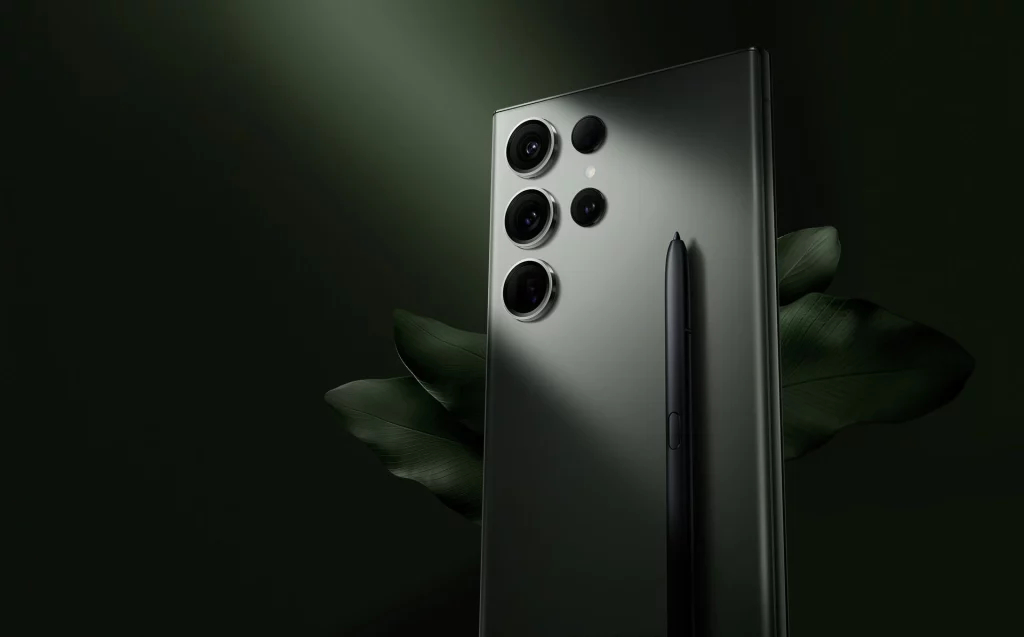
The highly anticipated Samsung S24 Ultra is likely to disappoint some fans with its camera specifications. Despite expectations of enhanced features, Samsung is set to retain the 200-megapixel ISOCELL HP2 sensor that was introduced in the S23 Ultra earlier this year. Although this sensor represents the highest resolution available in the market, it does not excel in sensor size, resulting in occasional issues such as heightened noise in darker portions of images. Despite hopes for a larger sensor, recent leaks indicate that the tech giant has no plans for such an upgrade in the next two years.

Samsung Galaxy S23 Ultra

Samsung’s Plan for S24 and S25 Ultra Camera Sensors

According to a tweet by famous tipster Ice Universe (which is now deleted), The S24 Ultra, as well as its successor, the S25 Ultra, are both expected to sport the same 200-megapixel ISOCELL HP2 sensor. Moreover, contrary to previous rumors suggesting an upgrade to a 5x telephoto camera on the S24 Ultra, it appears that the 3x telephoto camera will remain unchanged. However, a possible upgrade to the 10x telephoto camera may offer some consolation to photography enthusiasts.

According to a report from Dutch publication GalaxyClub, the upcoming Samsung Galaxy S24 lineup will not receive any hardware upgrades for their selfie cameras as well. They are expected to retain the 12MP front-facing camera used in the previous S23 lineup.

According to Sammobile, Samsung’s move to continue with the same camera sensor for three years aligns with their earlier pattern observed with the S20 Ultra, S21 Ultra, and S22 Ultra models, all featuring the 108-megapixel camera. However, this consistency might place Samsung at a disadvantage, particularly when compared to its rivals.

Apple, a key competitor, is speculated to include Sony’s 1/1.14-inch 48-megapixel camera sensor in its iPhone 15 Pro Max. Allegedly, the performance of this new sensor is on par with the 1-inch Sony IMX989 sensor utilized by numerous Chinese firms like OPPO, Vivo, and Xiaomi. If this is indeed accurate, Samsung may risk falling behind not only its domestic competitors in specifications but also international ones like Apple, a scenario that does not bode well for Samsung from an imaging standpoint.

Despite potential shortcomings in the camera department, the Samsung Galaxy Ultra is rumored to boast a 144Hz refresh rate. Furthermore, innovative battery technology inspired by electric vehicles is also reportedly in the pipeline. To learn more about the new stacked battery technology, you can read our explainer article. Additionally, Samsung might revert to incorporating Exynos chips in the forthcoming Galaxy S24 series, which may provide a boost to the brand’s financial crisis.

RELATED:

(Via)
Apple Calls on Samsung and LG for the Development of ‘Bezel-less’ iPhone

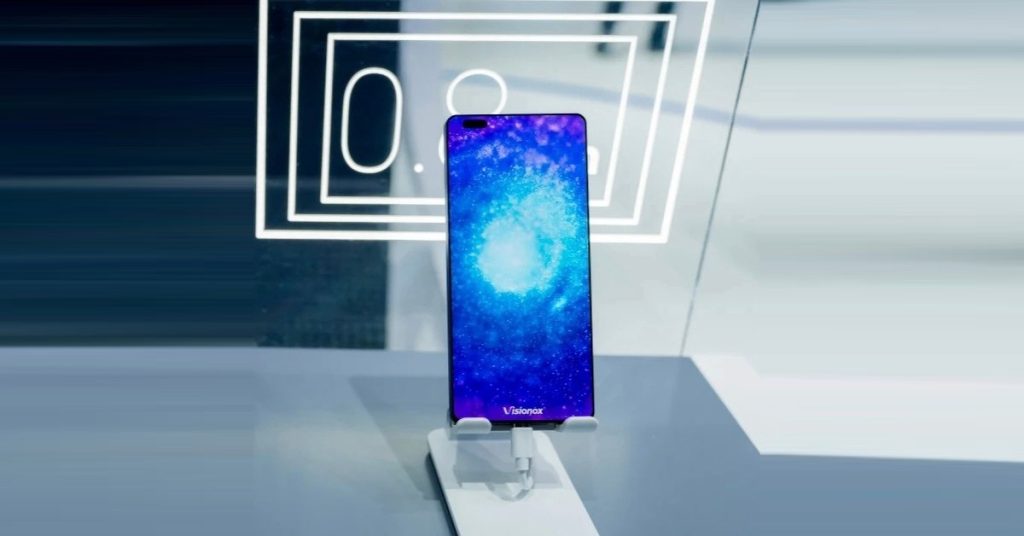
Apple has been a force in the smartphone market for years with its iPhones. Even though it sells fewer units than Samsung, the company still makes more money because it sells more high-end models. However, despite this success, some people criticize Apple for not being innovative enough. For example, rivals like the Galaxy S series have been working to perfect the bezel-less full-screen experience for the past few generations. On the other hand the iPhone 12, iPhone 13, and iPhone 14 series have been criticized for their screen to bezel ratios. However, according to recent reports, Apple is working with Samsung Display and LG Display to develop a bezel-less OLED display for the iPhone. Here are the details…

Apple iPhone Bezels Are Getting Smaller, But Will They Ever Disappear?

As you know, Apple prefers to focus on developing its own technology rather than manufacturing it. This means they rely on manufacturers like Foxconn and TSMC to actually make their products like iPhone and Mac. The story is similar for screen technologies. The company doesn’t make their own screens, so they work with companies like Samsung and LG. So, if the tech giant wants to make a phone with a bezel-less OLED display, they’ll have to collaborate with these competitors.

Bezel-less iPhone concept
example concept

However, creating an iPhone with no bezels is not an easy task. To achieve this, Apple would need to move all the electronic parts that currently live in the bezel to underneath the screen. This involves making big advancements in two technologies called “Thin Film Encapsulation” and Under Panel Camera. TFE, is like a protective coat for the screen, made of several thin layers of special materials. This “coat” protects the OLED screen from getting damaged by moisture and oxygen. Apple is asking for these protective layers to be even thinner than they are now.

In this way, the company plans to achieve a full-screen experience not only by making the frames thin by simply arranging the circuits, but also by placing sensors such as the front camera and Face ID under the screen. Although similar technology is already used in some Android models, the image clarity is not up to par due to insufficiently thin screen layers. Imagine looking through a window with a mosquito net; you can see outside, but the net affects the view’s quality. This could be a problem for a phone known for its camera quality. And it’s not just Apple; other big players like Samsung, Huawei, and Vivo also believe this technology needs more development before it’s ready for their top-tier models.

Furthermore, there are additional concerns to address. Apple is reportedly worried about potential antenna interference, which is a critical issue. Plastic is an excellent material for signal transmission, which is why we can find plastic lines on the stainless steel frames used in iPhones. However, these lines have faced criticism in the past due to their negative impact on the phone’s durability. Despite using plastic frames on the display for smooth signal traffic, they may not be enough to solve the problem.

iPhone 14 Pro frame

Relocating the antennas beneath the display could lead to interference with cellular and Wi-Fi signals, creating further complications. As a result, the development of the much-awaited ‘bezel-less’ iPhone might take an extended period to complete. Consequently, Apple’s plans for releasing a smartphone with a bezel-less OLED display remain uncertain. Nevertheless, reports suggest that the company is actively collaborating with Samsung Display and LG Display to overcome these technical challenges. If they succeed, Apple’s bezel-less iPhone would undoubtedly mark a significant innovation in the smartphone market.

RELATED:

(source)

Android 14 Will Get SMS Via Satellite Feature, Pixel And Samsung Galaxy Phones Will Receive First

Apple introduced the Satellite Connectivity feature on iPhone 14 series last year. It was a groundbreaking feature for smartphones as it allows users of the device to send emergency message alerts in remote places where there is no cellular or WiFi coverage without any special hardware. Apart from Apple, Huawei also added support for satellite connectivity in the Mate 50 series and P60 series smartphones. Now, this feature is expected to make its way to Android phones. 

Android 14 to get SMS via Satellite feature

The satellite connectivity feature for Android phones will mark a significant advancement in mobile communication technology. A tweet by TeamPixel FC twitter account revealed that Android 14 will gain the ability to send SMS via satellite connectivity feature. The final stable version of Android 14 is expected to be a few weeks away. 

The user also mentioned in another tweet that devices require appropriate hardware for the feature to work. Hence, it will up to the phone manufacturer. Additionally, Google Pixel and Samsung Galaxy are said to be among the first phones to come with SMS via satellite feature. Regardless, it will be a baked-in feature in Android 14 for devices that will support the technology. 

Samsung was expected to include the SMS via Satellite connectivity feature on the Galaxy S23 series but passed it up as it wasn’t ready. However, the next-generation Galaxy S24 lineup is tipped to pack the technology. 

Apple’s Emergency SOS via Satellite has turned out to be a life-saving feature in many situations. Hence, it will be a potentially helpful feature for Android phones in the future. 

Related: 

Indian businessman loses over $7 million in an online gambling scam

An Indian businessman based in Nagpur was recently scammed by a person that posed as a bookie to steal his life’s fortune. The scammer was identified as Anant that was using the alias of Sontu Navratan Jain.

Scammer faked an online gambling platform to steal Rs 58 crore

The businessman was approached by Jain who persuaded him to try out online gaming. He claimed that this new avenue might bring solid profits. While he was initially hesitant, the businessman eventually agreed to try it out over the claims of easy money. He first transferred 8 lakhs INR to the scammer’s account through a hawala merchant.

Online Gambling Scam

After this, a WhatsApp link was sent to the victim that took him to an online gambling account, which showed 8 lakh INR in balance. The businessman was winning initially but eventually started losing his fortune. Over time, he won 5 crore INR but lost a whopping 58 crore INR. He found this situation suspicious and urged Jain to refund his entire losses, who denied to do so. Thus, the man from Nagpur turned to the cyber police, registering the case under the Indian Penal Code.

The police found Jain’s residence and raided it, but the scammer managed to escape ahead of time. He is believed to have left for Dubai at the moment. Although, his residence was found with over 14 crore INR in cash along with 4 kilograms of gold and more than 200 kilograms of silver.

RELATED:

ZTE Xiaoxian 50 listed online with complete specs before launch

A new ZTE phone is added to the product library of China Telecom. The product goes by ZTE Xiaoxian 50. As per the specs, it is a budget smartphone.

The listing reveals almost all the important factors of the device. The only things that are not included are its exact price and launch date.

Let’s go through all the details that are known about this upcoming handset.

ZTE Xiaoxian 50

According to the pictures, the ZTE Xiaoxian 50 will sport a giant circular camera island like premium smartphones. However, the module will only house a single usable 13MP camera.

Further, the rear panel will be curved to offer a comfortable grip. The speaker grille will be also located on the back side rather than the bottom.

The front of the phone will be equipped with a 6.52-inch display (LCD) featuring an HD+ resolution (1600 x 720 pixels) and a dewdrop notch. The notch will nest a 5MP camera for selfies and video calls.

Under the hood, the device will house a Unisoc T760 chip and a 4,000mAh battery. On the software front, it will boot MyOS 13 based on Android 13. It will also sport a 3.5mm headphone jack.

The handset will measure 163.58 x 75.22 x 8.5mm in dimensions and weighs 191g. It will be available in green and gray color options.

Finally, the ZTE Xiaoxian 50 is listed at ¥899 (~$125) and ¥999 (~$140) for 4GB + 128GB and 6GB + 128GB memory configurations, respectively. But the actual price could be different, which will be revealed whenever the smartphone goes official.

RELATED:

Samsung unveils new 89″ Micro LED TV in South Korea for a whopping $100,000

On Sunday (23rd June 2023), Samsung Electronics unveiled a new 89-inch Micro LED TV in its home country of South Korea. This TV features some top-notch specs and features and quite literally costs a fortune. So let’s have a look.

Samsung 89″ Micro LED TV Specifications

The South Korean tech giant announced the new TV, which expands on its existing Micro LED TV lineup. These existing models include 76-inch, 101-inch, and 114-inch variants. Samsung’s latest entry features Micro LED display technology. This panel consists of densely packed LEDs that emit light and color in micrometer units, which enables it to offer higher resolution compared to OLED technology.

Samsung

With this technology, Samsung promises to offer the ultimate screen experience with amazing picture quality. The brand first introduced this product in China back in April 2023. Since then, it has also been releasing flagship grade TVs as well. This includes the Neo QLED 8K TV, which is a massive 98-inch TV that was announced earlier this month. The new 89-inch Micro LED TV carries a price tag of 130 million won, which is around 100,000 US Dollars.

To celebrate the new launch, Samsung Electronics is also unveiled the new 85-inch The Frame TV along with the W-Q990C Soundbar package, and the The Freestyle bundle. Lastly, the company is also offering 5 million Samsung Electronics membership points if the product is purchased by the end of this month.

RELATED:

Honor To Re-Enter Smartphone Market In India, Honor 90 Launch Tipped In September

India is the world’s second-largest smartphone market. Honor is expected to make a comeback soon in the country. Rumors are rife that the company is getting Madhav Sheth as the India CEO who left Realme last month. Honor was quite active during its early days in India. The brand has been offering tablets and wearable devices for some time now. Now, a new leak claims that it is set to announce the Honor 90 smartphone in the country. 

Honor 90 India launch tipped

Honor 90

Technical Guruji in his video on YouTube claims that Honor could launch the Honor 90 smartphone in India in September. However, the exact launch date has not been mentioned. Additionally, Honor is also yet to share an official word about re-entering the smartphone market in India. The YouTuber has uploaded an unboxing video of the Honor 90 revealing its key specifications. 

The Honor 90 is already available in various global markets. The details revealed by the YouTuber are the same as the global counterpart of the smartphone. It has a slim profile with protruding camera rings on the back panel. The device features a 6.7-inch FHD+ OLED display with curved edges and a 120Hz refresh rate. 

The Honor 90 sports a triple rear camera setup of a 200MP main sensor, a 12MP ultra-wide-angle lens, and a 2MP macro unit. On the front, there is a 50MP main snapper. 

Under the hood, the Honor 90 is powered by a Snapdragon 7 Gen 1 processor. It packs up to 12GB RAM and 512GB storage. The device is backed by a 5,000mAh battery unit with support for 66W fast charging. 

The Honor 90 is expected to be priced in India under Rs 30,000 for the base model. 

Related: 

Samsung Galaxy Z Fold 5, Galaxy Z Flip 5 Indian price leaks ahead of launch

Samsung is gearing up for an Unpacked event on July 26, during which it plans to unveil its latest foldable smartphones, namely the Samsung Galaxy Z Flip 5 and Galaxy Z Fold 5. These cutting-edge devices are anticipated to make their way to the Indian market as well, and recent leaks have provided insights into their pricing details.

samsung

According to a leak shared by tipster Paras Guglani, the Samsung Galaxy Z Flip 5 will have a starting price of ₹95,000 in India. On the other hand, the Galaxy Z Fold 5 will have a starting price of ₹1,43,500. Yesterday, another leak revealed that the Galaxy Z Flip 5 will have 128GB as its base variant, whereas 256 GB will be the base variant for the Galaxy Z Fold 5.

Samsung Galaxy Z Fold 5 & Z Flip 5 specs

The Samsung Galaxy Z Flip 5 is rumored to feature a 7.6-inch Dynamic AMOLED display with a 120Hz refresh rate, along with a 6.2-inch cover display with the same refresh rate. It could be powered by a Snapdragon 8 Gen 2 SoC with 12GB RAM and up to 1TB storage. The rear camera setup might include a 50-megapixel lens, and the front camera could have a 5-megapixel under-display camera and a 10-megapixel shooter. The device is expected to have NFC, Wi-Fi 6E, Bluetooth 5.2, USB-C 3.2 port, nanoSIM, and eSIM support for connectivity.

Samsung Galaxy Unpacked July 26

The Galaxy Z Flip 5 might come with a 3.4-inch HD cover display and a 6.7-inch Dynamic AMOLED primary screen with Full HD+ resolution and a 120Hz refresh rate. It could be equipped with a Snapdragon 8 Gen 2 chipset, 8GB RAM, and up to 512GB internal storage. The battery capacity is rumored to be 3,700mAh, running on an Android 13-based operating system. Connectivity options may include USB Type-C 3.2, Bluetooth 5.2, and Wi-Fi 6E support.

RELATED:

(Source)

Xiaomi Smart TV X Series To Launch In India On August 1

Recently Xiaomi launched the Smart TV A series in India. Now the Chinese brand has announced that it will launch the Smart TV X series in the country on August 1. The upcoming televisions will debut alongside the Redmi 12 smartphone and Redmi Watch Active 3 smartwatch. Read on to know more below.

Xiaomi Smart TV X Series India launch confirmed

The upcoming Xiaomi Smart TV X Series will arrive as the successor to the last year’s models. The brand is teasing the Smart TV X Series as ‘Big is Back’. The new televisions are said to be big on everything including design, display and entertainment, experience, audio, and channel selection. Xiaomi has put up a microsite of the upcoming televisions on its official website. It reveals slim bezels around the display. However, the rest of the details remain unknown at the moment. 

The Xiaomi Smart TV X series from last year is offered in 43, 50, and 55-inch screen sizes with a 4K resolution and support for HDR10, Dolby Vision, HLG, and Vivid picture engine. They are equipped with 30W speakers and feature Dolby Audio, DTS: Virtual X. The televisions are powered by a quad-core processor paired with 2GB RAM and 8GB storage. 

The 2023 Xiaomi Smart TV X Series is expected to arrive with some upgrades compared to its successor. We can also expect the brand to tease a few details leading up to the launch event next week.

Related: