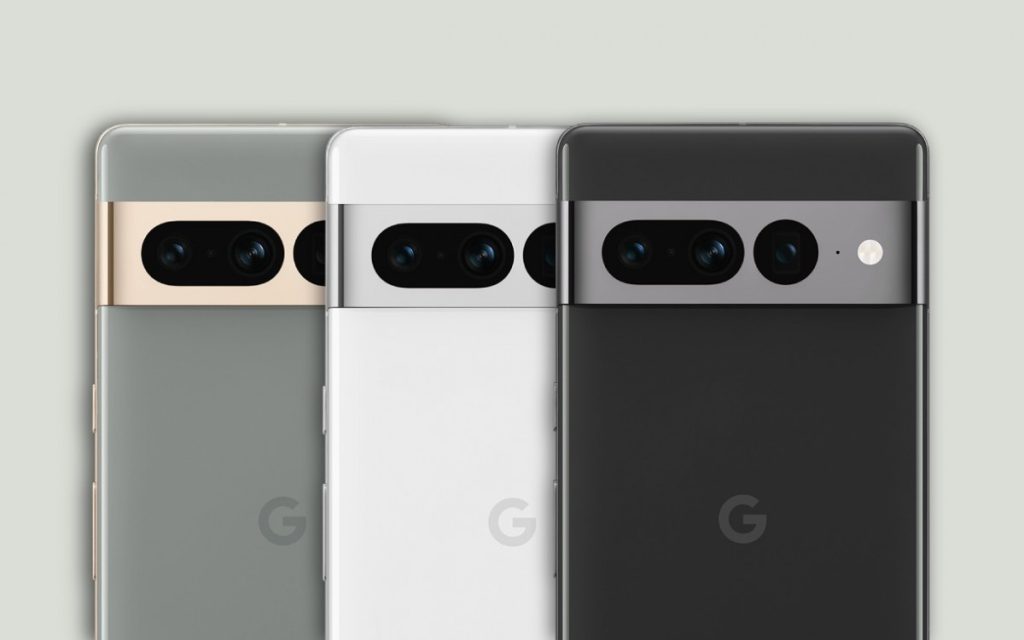
Tech enthusiasts, and especially Google fans will be able to get some news regarding the highly-anticipated Google Pixel 8 Pro, as it is set to be released in the not-so-distant future. Information from a reliable source, Twitter blogger @Abhishek Yadav, has revealed some key details about this upcoming smartphone, and it appears to be an impressive device that aims to make a mark in the mobile industry and build upon the success of the Pixel 7 lineup.
The Pixel 8 Pro will feature a 120 Hz Display with 490PPI and 1600 nits of brightness
Going as per leaks, a notable feature of the Google Pixel 8 Pro will be its front display. Boasting a 6.7-inch Samsung OLED screen with a resolution of 2992×1344, the display will offer a smooth visual experience with a 120Hz refresh rate. It also provides bright visuals, with a peak brightness of 1600 nits, making it suitable for various multimedia activities. The screen’s pixel density of 490PPI will ensure sharp and clear visuals.
For photography enthusiasts, the Pixel 8 Pro comes equipped with a rear camera setup featuring a 50-megapixel GN2 main camera, a 64-megapixel IMX787 ultra-wide-angle lens, and a 48-megapixel GM5 telephoto lens. These combined lenses promise to deliver high-quality photos and versatile shooting options. On the front, the phone sports a 10.8-megapixel 3J1 lens, ensuring satisfactory selfies.
Under the hood, the Pixel 8 Pro is powered by Google’s self-developed Tensor G3 processor, a significant upgrade from its predecessors. The Tensor G3 processor is known for its efficient 9-core CPU, which supports ray tracing, enabling improved graphics performance. The CPU configuration includes a 3.0GHz Cortex-X3 core, four 2.45GHz Cortex-A715 cores, and four 2.15GHz Cortex-A510 cores. To enhance user experience, the phone comes with the Android 14 operating system pre-installed.
The Google Pixel 8 Pro has already piqued the interest of tech enthusiasts, thanks to leaked renders from the past. The aesthetics combined with its advanced features make it a device worth waiting for.
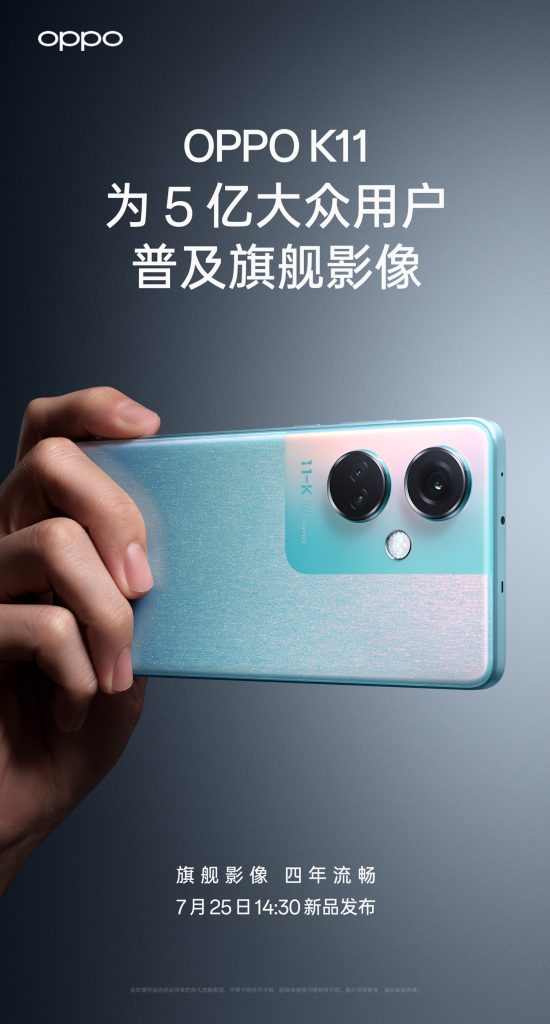
OPPO has today officially announced that the company will be launching its new K-series smartphone, dubbed OPPO K11, in its home market China on 25th July.
The launch event for the OPPO K11 for the Chinese market will take place on 25th July at 02:30 PM local time. The phone has already passed 3C certification at reportedly carries model number PJC3.
Based on the leaks so far, the OPPO K11 features a 6.7-inch FHD+ AMOLED display with a centered hole-punch design and an under-display fingerprint sensor. The display is expected to have a smooth 120Hz refresh rate.
Under the hood, the device will come powered by an octa-core processor clocked at 2.7GHz, which is most likely to be the Qualcomm Snapdragon 782G.
In the camera department, the phone has a triple-camera setup on the back that includes a 50MP primary Sony IMX890 sensor, an 8MP secondary sensor, and a 2MP tertiary sensor. On the front side, there will be a 16MP snapper for taking selfies and video calling.
The smartphone will run the Android operating system with the company’s own ColorOS custom user interface. The device is expected to be powered by a 4,870mAh battery and has support for 100W fast charging.
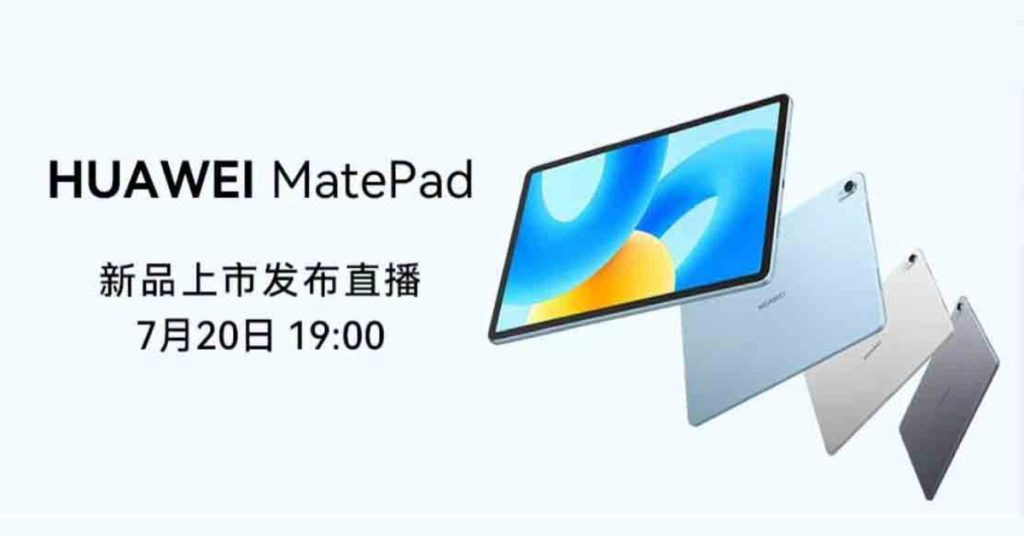
In May, Huawei unveiled the Huawei MatePad Air (2023) with the Snapdragon 888 chip onboard in China. On July 20, the company will announce a new tablet dubbed the Huawei MatePad 11.5 (2023). The specifications and features of the tablet are already known since it debuted in Malaysia earlier this month. Here’s everything that’s known about the new tablet.
Huawei MatePad 11.5 (2023) specifications and features
Huawei MatePad 11.5 (2023)
The Huawei MatePad 11.5 (2023) has an 11.5-inch LCD screen, featuring a resolution of 2200 x 1440 pixels, a 120Hz refresh rate, and a 3:2 aspect ratio. Additionally, the display has received TÜV Rheinland hardware-level low blue light certification, safeguarding users’ eyes during prolonged usage.
At the heart of the MatePad 11.5 lies the Snapdragon 7 Gen 1 mobile processing platform, ensuring seamless performance and efficient multitasking capabilities. In Malaysia, the tablet comes with 6 GB / 8 GB of RAM and 128 GB of storage.
The MatePad 11.5 (2023) is equipped with an 8-megapixel front camera and a 13-megapixel rear camera. It has a 7,700mAh battery with up to 22.5W fast charging support. It runs on the latest HarmonyOS 3.1 operating system and supports the M-Pencil (2nd generation) for productivity. It offers other features, such as dual microphones and four speakers, Wi-Fi 6, and Bluetooth 5.2. The tablet measures only 6.85mm in thickness and weighs around 499 grams.
Huawei MatePad 11.5 (2023) price
In Malaysia, the Huawei MatePad 11.5 (2023) has a starting price of MYR 1,499 (~$330). The price of the Chinese variant, which is set to be unveiled at 7 pm (local time) on July 20, is not known yet. It will be available in grey, beige, and blue shades.
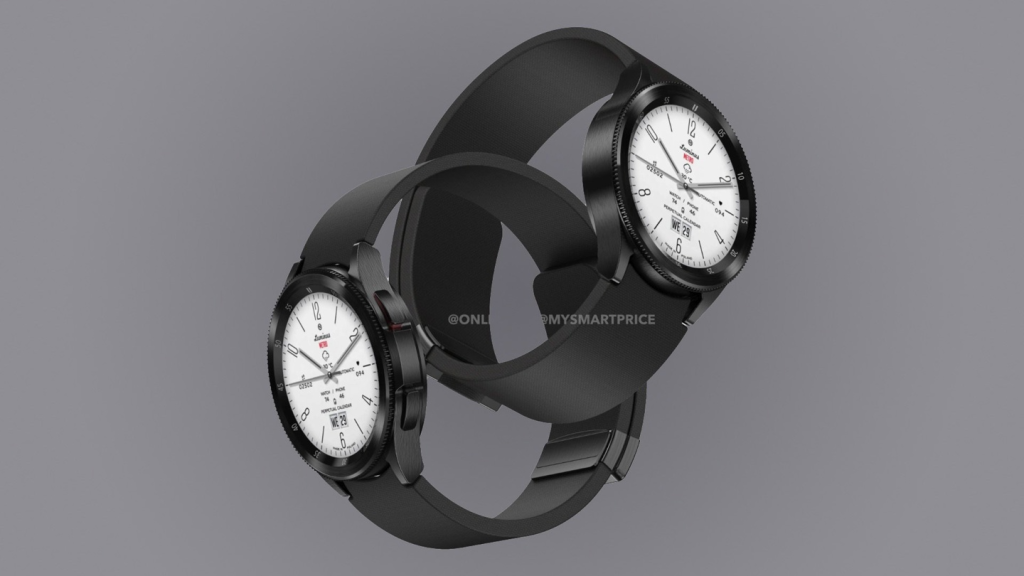
The Galaxy Watch 6 series is one of the devices that is set to launch on July 26 through Samsung’s Galaxy Unpacked event. The Galaxy Watch 6 lineup is expected to include two variants, such as the Watch 6 and the Watch 6 Classic. A new leak that has surfaced on Twitter has revealed the key specifications of the Watch 6, which is expected to arrive in two sizes.
As per the leak, the Galaxy Watch 6 will arrive in 40mm and 44mm sizes. The 40mm model will have a 1.31-inch Super AMOLED sapphire display, whereas the 44mm variant will have a larger version of the same display measuring 1.47 inches.
The 40mm and 44mm Galaxy Watch 6 models will offer 2 GB of RAM and 16 GB of internal storage. Both models will come with support for other features, such as Bluetooth 5.3, NFC, and LE connectivity via e-SIM. The 40mm edition will pack a 300mAh battery, whereas the 44mm model will house a 425mAh battery.
The 40mm Galaxy Watch 6 will come in Wi-Fi-only and Wi-Fi + LTE versions. The same applies for the 44mm variant. While it is not mentioned in the leak, reports have revealed that the Galaxy Watch 6 will come equipped with the Exynos W930 chip.
One of the major differences between the Galaxy Watch 6 and the Galaxy Watch 6 Classic is that the latter will feature a rotating bezel. So, Samsung is bringing back the physical rotating bezel feature, which was skipped on the Galaxy Watch 5 series. It was last seen on the Galaxy Watch 4 Classic. Reports have revealed that the Galaxy Watch 6 Classic will come in 43mm and 44mm and each of them will come in Wi-Fi only and Wi-Fi + cellular versions.
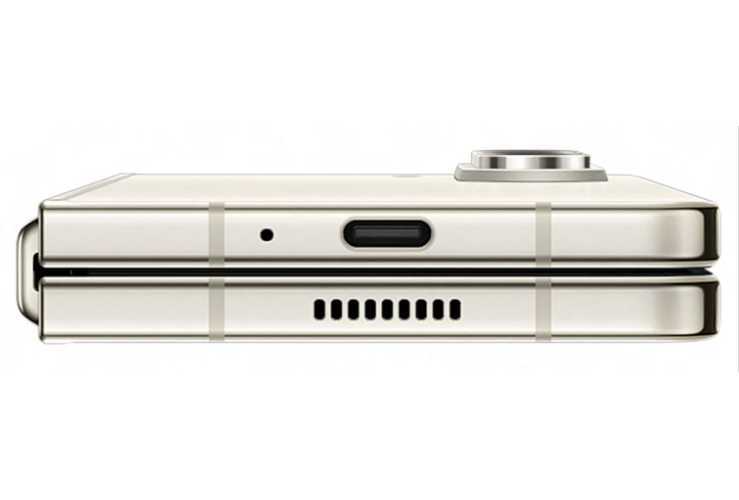
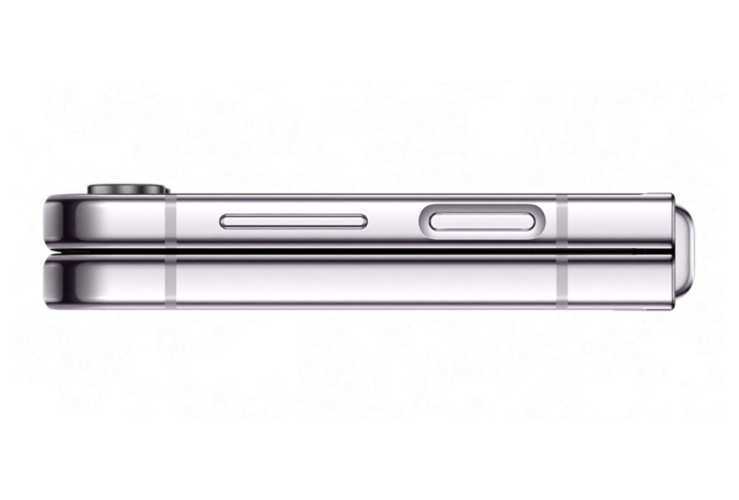
The Galaxy Z Flip 5 is one of the devices are set to go official on July 26 through Samsung’s Galaxy Unpacked event. Multiple reports have revealed that the device will be equipped with the largest cover display seen on the Galaxy Z Flip series. A report from last month revealed that the cover screen will be optimized to run some of the Google apps, such as YouTube, Google Maps, and Messages. Now, a new leak courtesy of the reliable tipster Roland Quandt, new images that showcase the new capabilities of the Z Flip 5’s cover screen.
Samsung Galaxy Z Flip 5 leaked imageSamsung Galaxy Z Flip 5 leaked image
The above images of the Galaxy Z Flip 5 that were reportedly shared by Quandt, which have now been taken down, give a good look at its gapless design. The tipster also shared the below image to reveal what the Galaxy Z Flip 5’s cover screen can actually do.
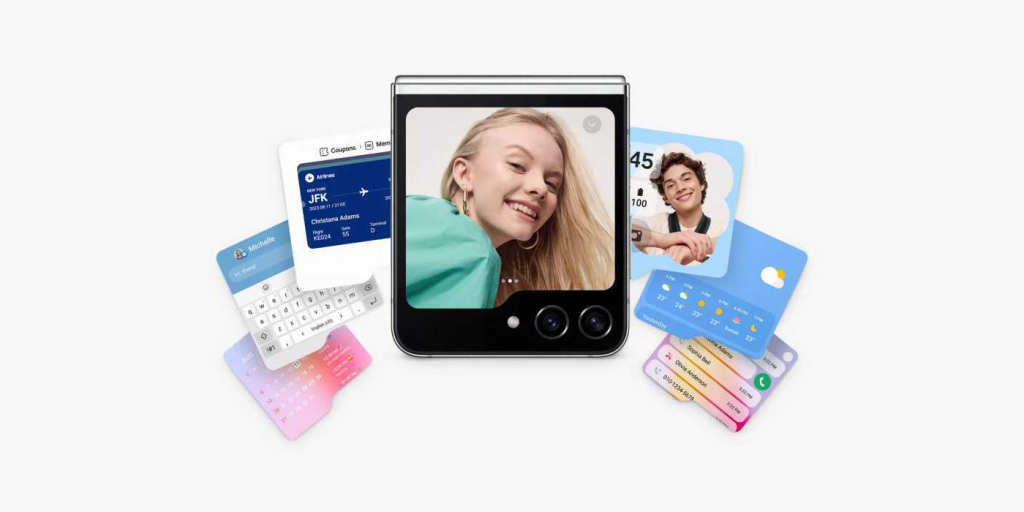
Samsung Galaxy Z Flip 5 leaked image
The image suggests that the Z Flip 5’s cover display will support widgets like the calendar, messages app with full keyboard support, Samsung wallet, time and battery status, weather, and call history. It seems that the cover screen also supports the camera app. Hence, it goes without saying that the cover screen is one area where the Z Flip 5 will receive a major upgrade as compared to the Galaxy Z Fold 4, which features a 1.9-inch cover display.
Samsung Galaxy Z Flip 5 specifications (rumored)
Samsung Galaxy Z Flip 5 leaked image
As per reports, the Galaxy Z Flip 5 will arrive with a 6.7-inch foldable AMOLED FHD+ 120Hz screen, a 3.36GHz Snapdragon 8 Gen 2 chipset, up to 12 GB of RAM, up to 512 GB of storage, a 3,700mAh battery with 25W fast charging, a side-facing fingerprint scanner, and One UI 5.1.1-based Android 13. It will feature a 10-megapixel front camera and a 12-megapixel (main, with OIS) + 12-megapixel (ultra-wide) dual-camera system.
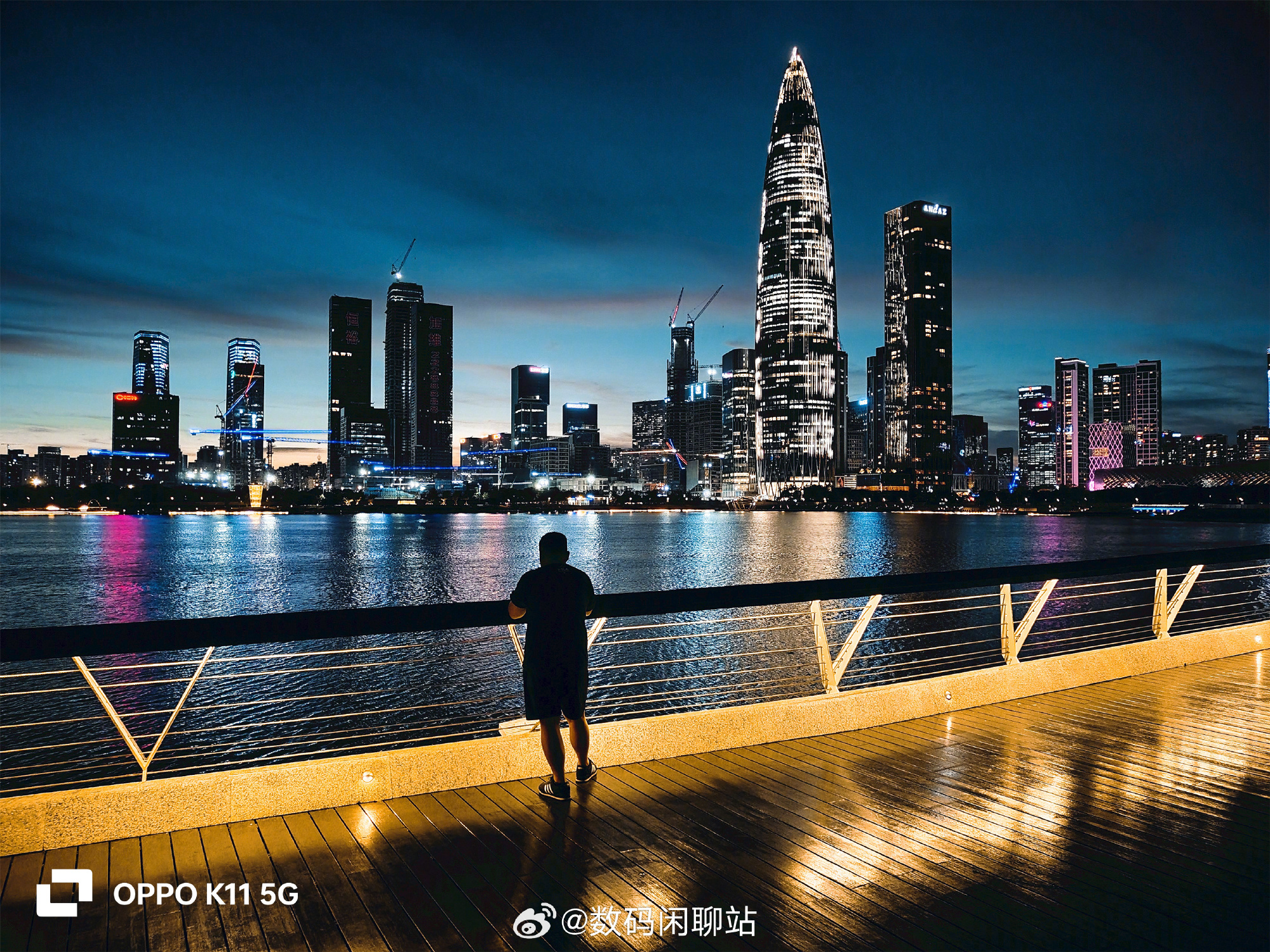
In a recent leak, tipster Digital Chat Station revealed that the upcoming Oppo K11 will come equipped with Sony IMX890 50-megapixel camera. This camera sensor has been previously used in the company’s high-end models like the OnePlus 11 5G, OnePlus Ace 2, OnePlus 11R, Oppo Find X6, Oppo Reno 10 series, and others. While Oppo has not officially confirmed its inclusion in the K11, the president of the company, Liu Bo, has mentioned that it will provide a photography experience comparable to flagship devices. The camera samples of the K11, which was shared by Digital Chat Station a few hours ago align with the claims made by Oppo China’s president.
The leaked images provide clear evidence of the Oppo K11’s impressive photography capabilities, particularly in portrait shots, low-light conditions, and daylight scenarios. These remarkable results are made possible by the presence of the Sony IMX890 camera sensor. While all the above-mentioned devices carry expensive price tags, the K11 is said to cost around 2,000 Yuan (~$278).
OPPO K11 specifications (rumored)
Rumors are rife that it will be a tweaked version of the OnePlus Nord CE 3, which recently debuted in the global market. The device is expected to arrive with a 6.7-inch AMOLED display that offers a Full HD+ resolution and a 120Hz refresh rate. It will come preloaded with ColorOS 13.1-based Android 13.
The device will come with Snapdragon 782G chipset, up to 12 GB of RAM, and up to 512 GB of storage. It will arrive with a 5,000mAh battery that offers 100W charging. It will have a 16-megapixel front camera and a 50-megapixel + 8-megapixel + 2-megapixel triple camera unit on the back.
The Oppo K11 is expected to come with other features like an under-display fingerprint scanner and an IR blaster. For those who don’t know, the K11 will debut on July 25 in China.
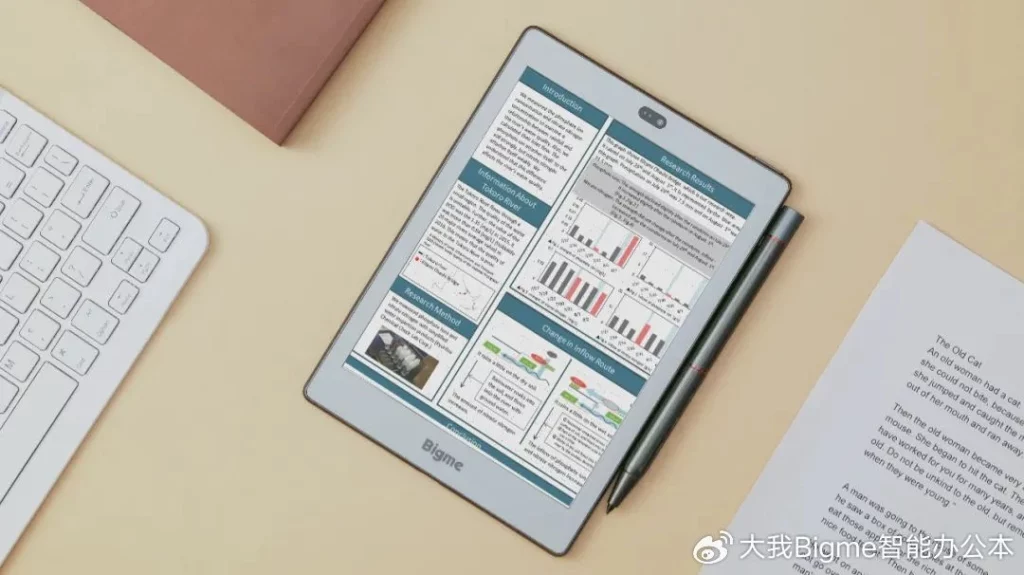
Bigme has announced the S6 Color+ color e-ink tablet in China. The gadget comes with the latest Kaleido 3 panel and 12 frames per second (fps) refresh rate. The Bigme S6 Color+ is scheduled for an imminent release although the optics have not been stated.
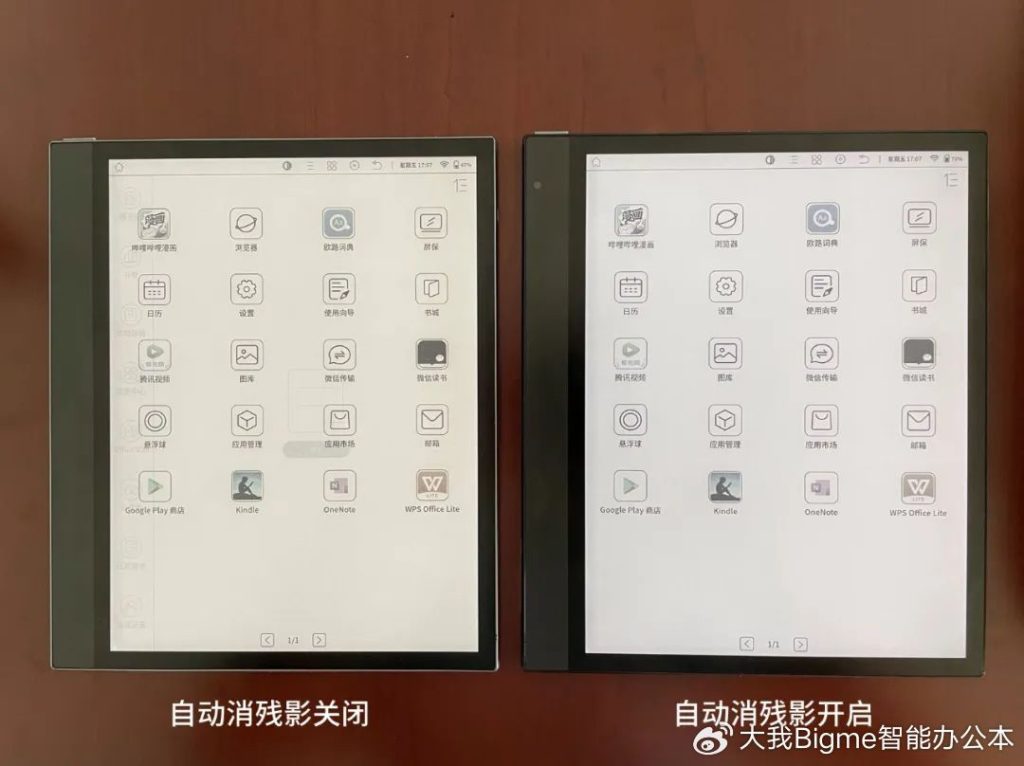
The Kaleido 3 color screen technology and automatic afterimage elimination algorithm are part of the features that put the S6 Color+ on a decent footing. The automatic afterimage elimination algorithm has been reportedly debugged and verified by Bigme. Its effect is more visible when used on color ink screen gadgets. The S6 Color+ will be powered by an octa-core 2.3GHz processor and a RAM/ storage configuration that includes 6GB/ 128GB. The 12fps rating of the device also shows that the color ink screen has a high refresh rate.
The new-generation E Ink Kaleido 3 panel provides 16 gray scales and 4,096 colors and will display rich color image information. It has a 30% increase in color saturation when compared with the previous iteration of the E Ink Kaleido Plus. The technology is based on Print Color ePaper technology with RGB color display for transforming a black and white ePaper film into a warm color display. The vividness of the color display has been significantly improved with greater clarity. It also offers a more detailed and comfortable reading experience.
Bigme has not provided the release date for the S6 Color+ E Ink tablet. It is however expected that these details and the full specs of the new color screen will be released shortly.
The social media landscape recently welcomed a new competitor from an existing media giant Meta called the Threads. At a time when Twitter has pivoted to a more aggressive monetization strategy, including paywalls, Threads has rapidly gained traction, with 100 million users signing up on its platform in its first few days.
The question that naturally arises is: What unique offerings does Threads bring to the table that users are contemplating a switch from Twitter?
Let’s delve into a fundamental comparison to gain better insights.
Illustration: Soumyakanti Ray
Design
Twitter’s minimalist design, primarily text-based, with a linear feed, has been its signature look for years. Conversely, Threads embraces a more visual approach with a card layout reminiscent of Instagram stories, which makes it an excellent platform for sharing links and news stories, providing a more immersive experience.
TwitterThreads
Features
Twitter, with its mature platform, offers a plethora of features, including trending topics, direct messaging, robust search capabilities, and support for multiple languages. Twitter also gives users the option to draft and save posts for later. There’s also the added advantage of an intricate thread system that lets users easily engage in complex conversations.
On the flip side, Threads, still in its infancy, has a more pared-down feature set. Its main offering revolves around text-based posts with a 500-character limit, quite a leap from Twitter’s 280. Notably missing, however, are functionalities like direct messaging, discovery pages, and support for hashtags. Also, the ability to save drafts and edit posts after publishing is absent.
But Threads isn’t sitting idle; Meta executives have assured users that new features are underway. The roadmap reportedly includes post-editing, multi-language support, and improved desktop functionality. Thus, even though Threads is currently less feature-rich compared to Twitter, it is poised to close the gap soon. Also, Zuckerberg recently said that the app will remain ad-free until it hits 1 billion users.
Algorithm
Twitter employs a complex algorithm that surfaces tweets based on user preferences and engagement. It provides two feed options: one curated by user interests and the other based on user-followed accounts. Threads, on the other hand, adopts a simpler feed approach where posts from all users are visible, regardless of whether a user follows an account or not.
User Demographics
Threads’ initial user base seems to be skewed towards Instagram’s audience, likely due to the seamless integration with the popular photo-sharing app. Twitter, with its broader demographic, appeals to a more diverse audience, including journalists, politicians, and celebrities.
Verification
While Twitter’s controversial pay-for-verification model has drawn criticism, Threads has retained a more traditional verification process. Verified Instagram accounts automatically receive their blue badge on Threads, offering a more trusted verification system.
To better understand the basic in-app differences we have created this chart. Please take a look.
Yes (two options: based on user interests and followed accounts)
No (all users’ posts visible)
Verification
Available for purchase
Transferred from verified Instagram accounts
Ads
Yes
Currently Ad-free
Can Threads Take on Twitter in the Long Run?
Predicting the winner in this ongoing social media duel is quite premature at this stage. Each platform holds its unique strengths. Despite facing criticism over its paywall policy and alleged toxicity, Twitter still boasts a solid base of loyal users and a rich array of features. On the other hand, Threads, though still evolving, benefits from the massive leverage of Instagram’s enormous user base and Meta’s technological expertise.
Credit: Twitter: Misha Fitton)
This face-off could be perceived as a clash of the titans: Mark Zuckerberg of Meta versus Elon Musk of Twitter. Both are widely recognized for their path-breaking innovations and cutthroat competitiveness.
To conclude, the ongoing rivalry between Threads and Twitter offers an interesting insight into how social media platforms are evolving to cater to a diverse array of user preferences and experiences. Each platform provides unique benefits to its users, and the ultimate choice rests on individual usage habits and preferences. As the social media landscape continues to evolve, we can anticipate more exciting developments in the future.
From my perspective, so far, Threads has emerged as a much calmer space compared to Twitter, which often resembles a battlefield for keyboard warriors. It’s too early to forecast the trajectory Threads will take. A clearer picture will emerge as more users start interacting and creating content on the platform.
As for Twitter, it is likely to remain a vital player in the social media landscape, provided it doesn’t make any strategic missteps. Traditionally, Twitter has been the go-to platform for breaking news, important updates, and brand engagement. Hence, in my opinion, both networks can coexist, each catering to unique audience segments and purposes.
Baseus has unveiled its first G10 TWS earphones supporting LE Audio and Spatial Sound. The Baseus AeQur series G10 TWS headset is the brand’s first true wireless (TWS) Bluetooth headset that uses dual-mode connection technology.
The Aequr series G10 TWS earphones support Bluetooth and Bluetooth adapter connection. It also supports the free switching of two devices connected simultaneously. It supports Bluetooth 5.3 and LE Audio transmission protocols. It can transmit through LC3 encoding with a low response time of 25ms. In addition, the Bluetooth receiver can be stored in the charging case of the wireless earphones.
The new Baseus TWS G10 earphones feature the Baseus BPT fixed-point positioning acoustic technology and 360-degree spatial sound effects. The gadget can be used for sound positioning during gaming and it comes with a half-arc lighting effect, as well as a four-mic call noise reduction tech. The Baseus AeQur series G10 TWS earphones are available in ice blue and orange variants and feature a music live mode. The headset also supports Baseus BISA spatial sound technology for optimized sound output.
There are no specifics yet on the launch date and pricing of the new Baseus G10 TWS earphones. However, it is expected that these optics will be out very soon. It is also unclear at this time whether the Baseus AeQur series G10 TWS earphones will be available in overseas markets.
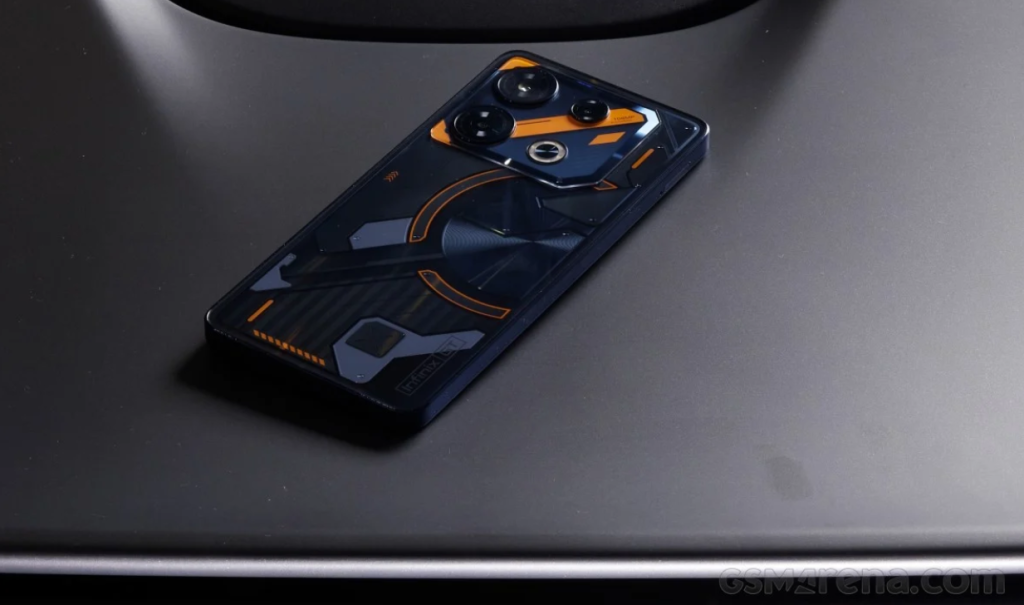
The days of 8GB RAM being the industry standard are long gone. Soon, even 16GB of RAM will be considered low-end. The OPlus group (Oppo, OnePlus, and Realme) was recently rumored to launch phones with up to 24GB of RAM. However, the Red Magic 8S Pro became the first phone to actually feature this much RAM. Now, it seems that Infinix is set to leave all of these brands behind by packing up to 26GB of RAM into the upcoming Infinix GT 10 Pro.
Infinix GT 10 Pro is a beast of a smartphone
Paras Guglani has claimed in a Tweet that Infinix GT 10 Pro will feature 26GB of RAM. In fact, it will be India’s first smartphone to feature this much RAM. Guglani says this smartphone will be launched in India in the next two months, followed by the global launch in August. He has also shared some of the key specifications of the device.
Infinix GT 10 Pro is part of the company’s new GT gaming lineup. This series also includes the GT 10 Pro Plus, which Guglani says won’t be available for sale in India. As per the tipster, the Pro phone will be powered by the MediaTek Dimensity 8050 chipset. This is in line with a recent report which hinted at Dimensity processor, without getting into specifics. That report also shared detailed images of the smartphone (attached above).
The smartphone seems to be a solid gaming phone as the tipster also points at a particularly large 7,000mAh battery life that will support crazy fast 260W charging, leaving Realme GT 3 behind. It will also have 160W charging variant. The Infinix GT 10 Pro will pack a 120Hz AMOLED display and a triple rear camera setup on the back. The primary shooter will boast a 100 megapixels while the other two will be of 8MP.
Phones continue to push the envelope, packing more and more RAM. Do we really need this much RAM in our phones? Find out in this editorial.
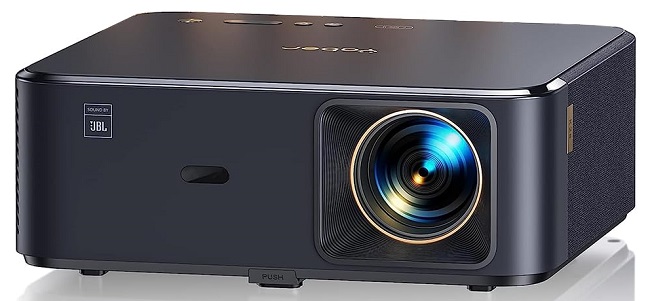
The Yaber K2S 4K Projector has been unveiled in India. The new premium projector is borne out of a partnership between the brand and Origin Marketing. It is the first Yaber premium projector offering for the Indian market.
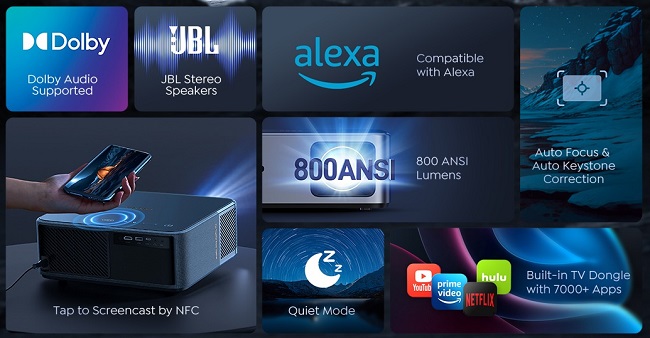
The Yaber K2S 4K Outdoor Movie Projector comes with JBL speakers and supports Dolby Audio. The projector has an 800 ANSI Lumens light source that delivers crisp, sharp, and vivid visuals with 4K UHD resolution. The projector is also equipped with a powerful inbuilt stereo 20W JBL speaker system consisting of two 10W units. With Dolby Atmos support, the projector is capable of delivering immersive sound for an enhanced movie experience. The K2S also provides an excellent gaming interface for gamers, as well as a traditional projector for presentations.
The Yaber K2S doubles as a Bluetooth speaker when not in use as a projector. It is equipped with future-ready connectivity options including Wi-FI 6 for seamless streaming of 4K UHD content online. The projector is also compatible with voice assistants like Amazon Alexa and features NFC for instant streaming. You can activate the NFC streaming feature by just tapping your compatible smartphone. The projector has HDMI (CEC/ ARC) and USB ports for offline media playback.
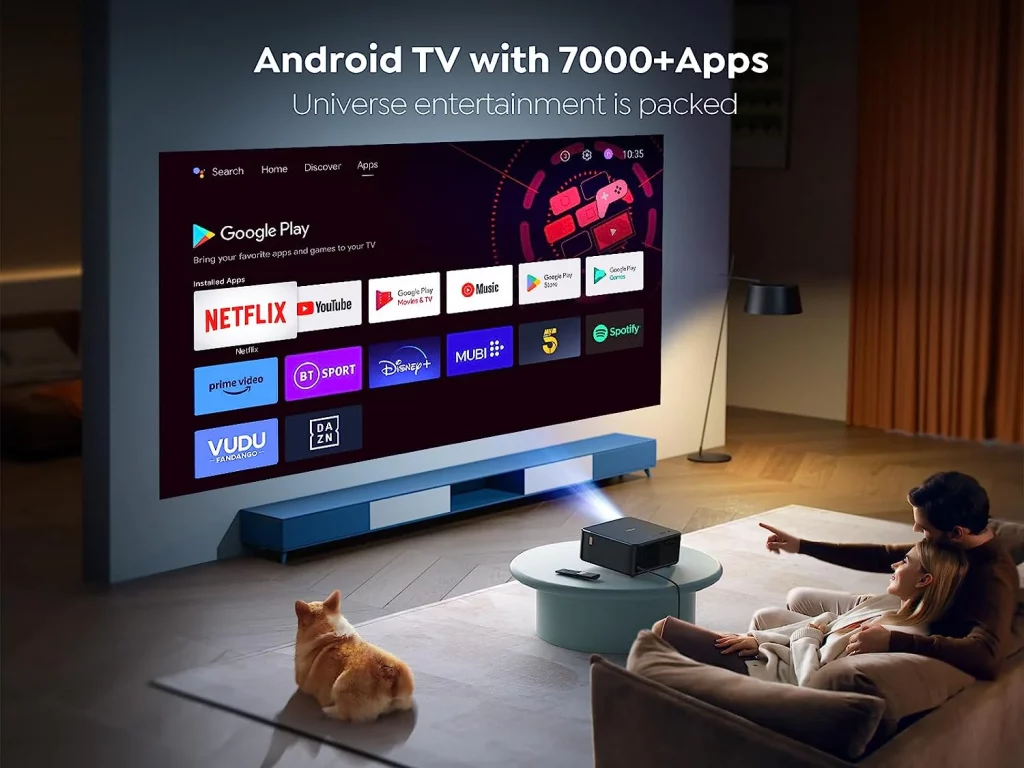
The K2S 4K outdoor movie projector supports thousands of mobile apps, meaning that you can enjoy a slew of services like Netflix, Prime Video, and Disney+. The versatility of the Yaber K2S means that the projector can be positioned anywhere and at different angles. It also features autofocus and auto keystone adjustments for optimal output anytime. It can throw images up to 200 inches in size and can transform your room into a large cinema with immersive 360º sound.
The Yaber K2S 4K outdoor movie projector is priced in India at Rs. 54,900 (~$669). It is however being offered at a discounted price of Rs. 41,890 (~$511) via Amazon India. Buyers can get it even cheaper at Originshop.co.in for Rs. 37,990 (~$463).
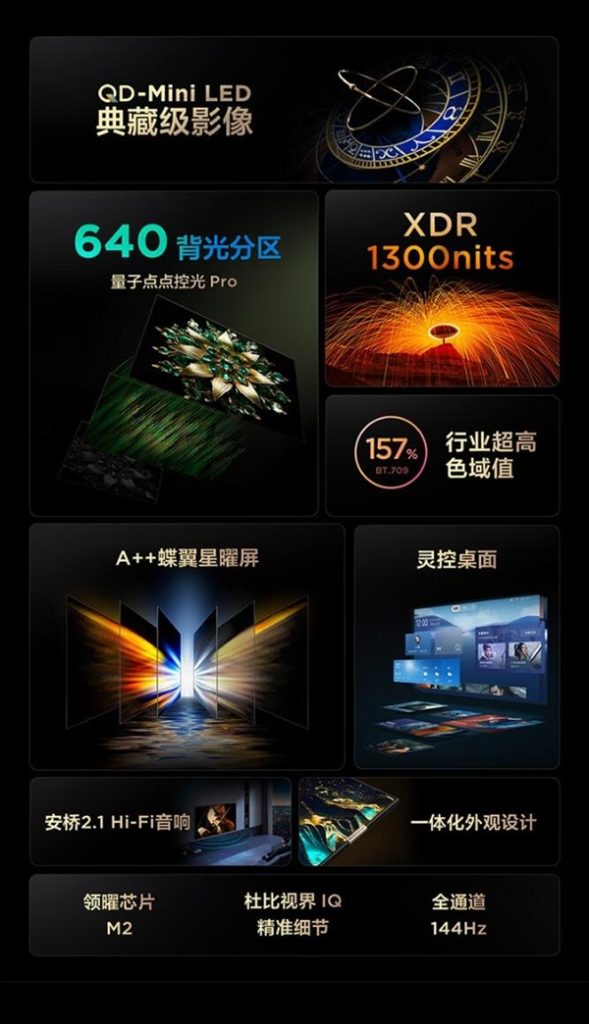
TCL has unveiled the C11G Pro Lingxi QD-Mini LED TV in China. The new TCL QD-Mini LED TV comes with 880 backlight partitions and is offered in different sizes starting with 65 inches. Apart from the 65-inch model, the C11G is also available in 75” and 85” options. The TV also comes with an excellent repertoire of features relating to its brightness, contrast, and audio output. In addition, the new TCL C11G Pro Lingxi TVs have Quantum Dot – Mini LED panels and an octa-core processor.
The TCL C11G Pro Lingxi LED TVs offer 4K resolution and a 144Hz refresh rate. The TV has a maximum brightness of 1,500 nits and a contrast ratio of 15 million: 1. The new TCL QD-Mini LED TV also offers a color gamut of up to 157% BT.709 while the backlight uniformity increased by about 42%. The TVs are equipped with Onkyo 2.1.2 HiFi audio system while 7-unit speakers provide up to 90W sound output. The new TCL QD-Mini LED TVs are powered by the quad-core A73 processor with 4GB of memory and 64GB flash memory.
The TCL C11G Pro Lingxi QD-Mini LED TV 65” is priced at 8,999 yuan (~$1,255), while the 75” and 85” models cost 11,999 yuan (~$1,673) and 15,999 yuan (~$2,370) respectively. The three sizes of the TCL C11G Pro Lingxi QD-Mini LED TV are available from the e-commerce platform JD.com. There are no global availability and pricing information yet on the new TCL TVs.
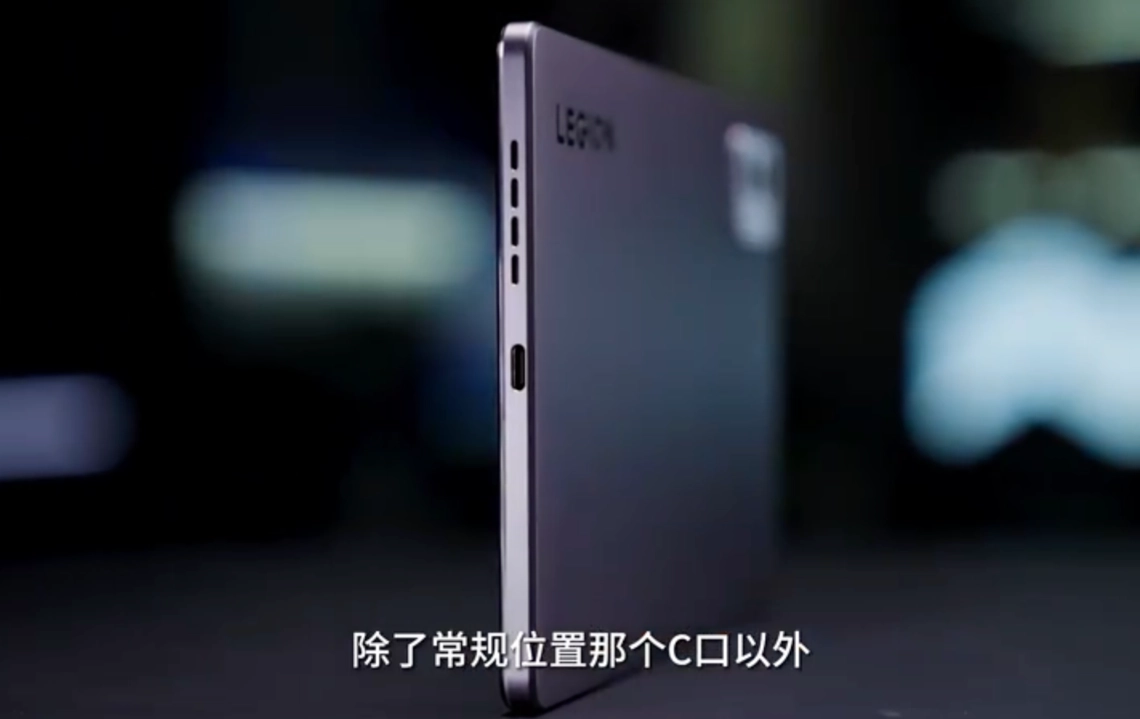
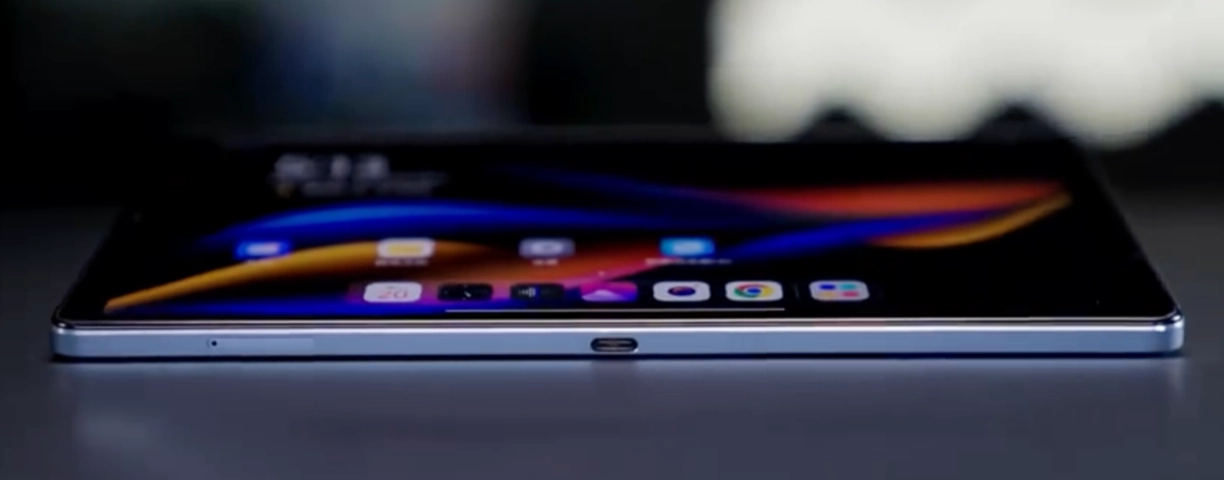
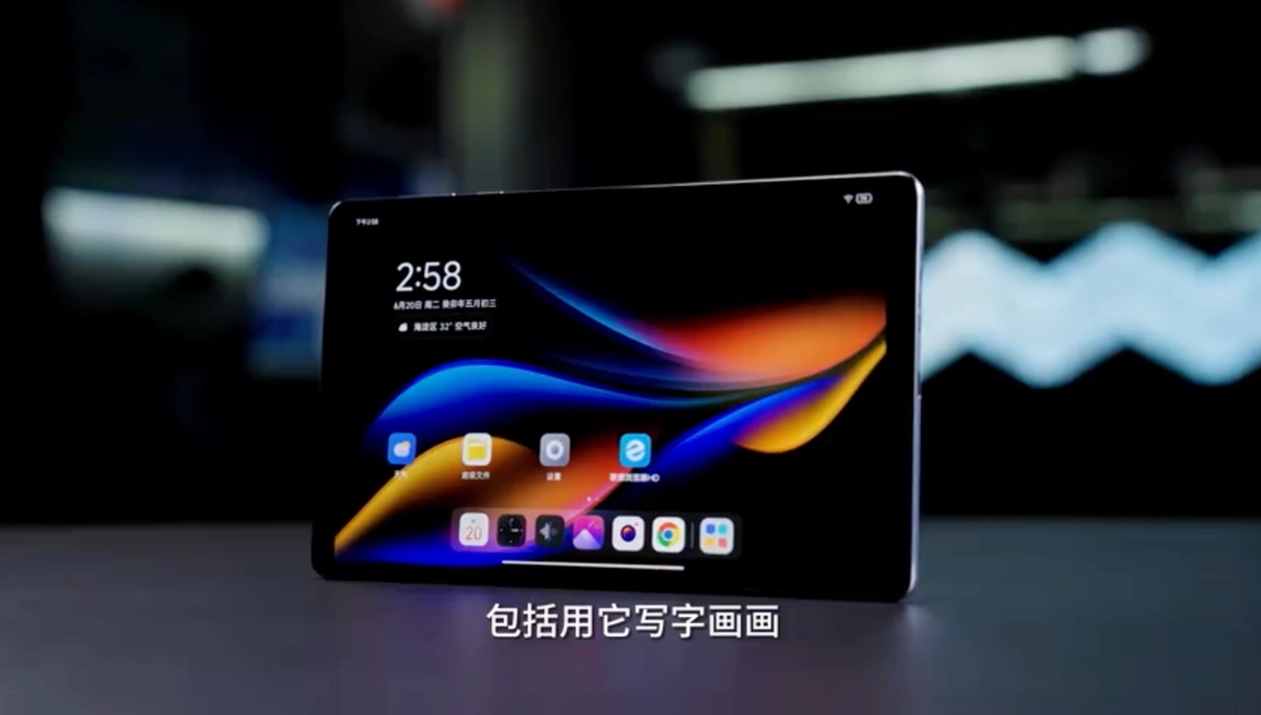
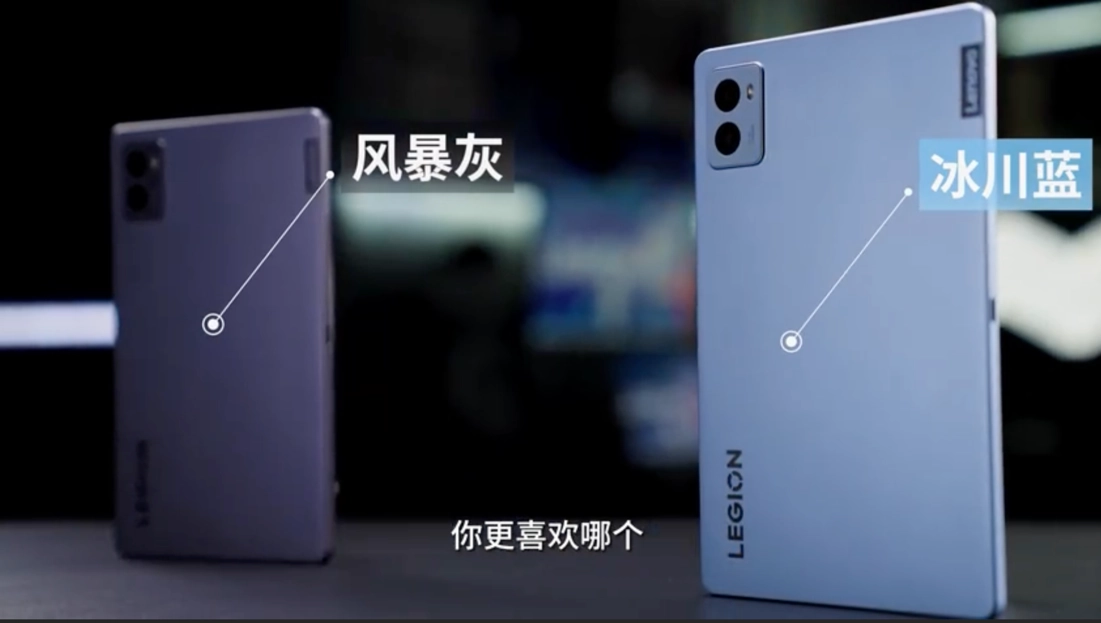
Lenovo is gearing up to launch a new gaming tablet in China, dubbed Legion Y700 (2023). The new tablet should pack the Snapdragon 8+ Gen 1 processor under the hood with a large battery. It will be the successor to the last year’s Legion Y700 (review). The slate will be launched in its home country on July 22. While we wait, Lenovo has published a hands-on video of the device, showcasing the new design and dual USB-C ports. Here are the details.
Legion Y700 has gotten thinner and lighter than last year
As seen in the video, the Legion Y700 (2023) gets a rectangular camera module instead of an oval one found on its predecessor. The tablet is now significantly thinner and lighter as compared to Legion Y700 (2022). It gets two camera sensors as well as flat sides and display. Being a gaming tablet, Legion Y700 (2023) gets two USB-C ports for better connectivity.
The video did not reveal any other details, but tipster Digital Chat Station has shared most of the specifications of the tablet. The upcoming device will boast an 8.8-inch LCD screen with a display resolution of 1,600 x 2,560 pixels. Lenovo has apparently upgraded the refresh rate to 144Hz.
Furthermore, the tipster says the Legion Y700 (2023) will be backed by a 6,550mAh battery unit with support for 45W charging. The slate will have an 8MP front-facing camera and a 13MP rear camera. There’s also another unknown sensor on the back.
Powering the device will be the older Snapdragon 8+ Gen 1 processor. It will come with up to 16GB of RAM. The Lenovo Legion Y700 (2023) could also feature an X-Axis linear motor, dual speakers, and a large area for VC cooling.
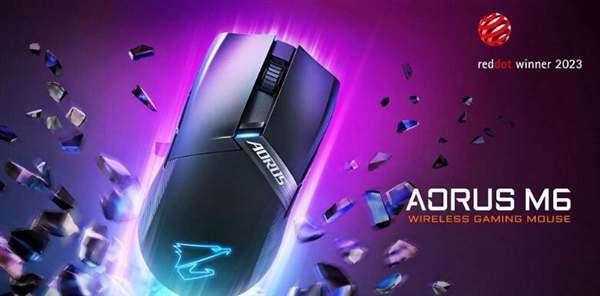
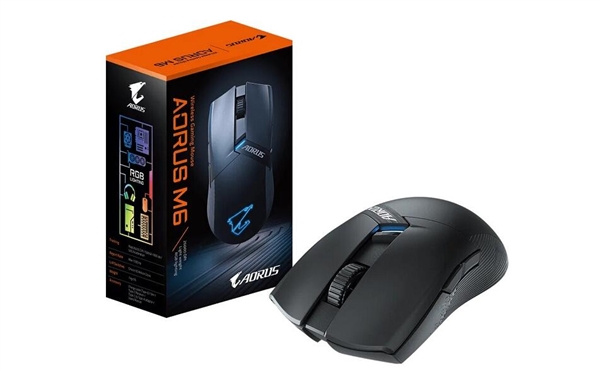
Gaming products manufacturer Gigabyte has launched the AORUS M6 wireless gaming mouse. The new wireless gaming mouse not only presents with symmetrical ergonomics, it also adopts classic Omron switches, and a lightweight design to create the ultimate gaming weapon.
The AORUS M6 Wireless Gaming Mouse features an astounding DPI of 26000, which gives gamers optimum precision and outstanding responsiveness. The maximum acceleration of 50G and a top speed of 650 IPS ensures that every movement is translated flawlessly on-screen, giving you the edge you need to dominate the competition.
The AORUS M6 utilizes a 2.4GHz wireless technology with an ultra-low 1ms delay. The smooth and uninterrupted signal transmission ensures that your every move is executed precisely, putting you in complete control of your gaming destiny.
In terms of battery life, the AORUS M6 offers an impressive 74-hour battery life under peak performance. This ensures that you stay in the game without interruption. It also has a light prompt while charging.
The gaming mouse offers users various customization features including DPI settings adjustment, program buttons to suit your playstyle, calibrate the sensor surface for optimal tracking, and personalize your setup with vibrant RGB lighting. The mouse adapts to your preferences, ensuring a truly unique and immersive gaming experience.
There is no word yet on the pricing and availability of the Gigabyte wireless gaming mouse.
Lenovo is slated to launch half a dozen new products this month. These include Legion R9000X 2023 and Xiaoxin Pro 2023 laptops and a new gaming tablet. Today, the company has teased the launch of two new laptops, dubbed ThinkBook 14+ (2023) and ThinkBook 16+ (2023). These will be refreshed versions of last year’s models, probably with AMD R7 7840HS processors. Here are the details.
They might pack AMD R7 7840HS
Lenovo announced today that the new ThinkBook 14+ and ThinkBook 16+ 2023 notebooks will be launched soon in China. The announcement poster did not reveal any specifications of the laptops but showcased their sleek design. Reports suggest that the new machines will be equipped with the AMD Ryzen 7 7840HS processors. The ThinkBook 16+ 2023 model will also offer an optional RTX 4050 GPU. Although there is no official launch date yet, we can anticipate the release of these two laptops as early as this month.
Earlier this year, Lenovo launched the ThinkBook 14+ Core Edition in China with a price tag of 6299 Yuan ($878). This laptop features a 2.8K screen that supports a 90Hz refresh rate, DC dimming, and a 100% sRGB high color gamut. The ThinkBook 16+ 2023 Core Edition was also unveiled, featuring a 2.5K full screen and a 120Hz refresh rate. Both models in this notebook series are equipped with a high-capacity 71Whr battery. The screen comes with an FHD 1080P ultra-clear camera and supports IR face recognition. Additionally, the laptops are equipped with Thunderbolt 4, hidden USB 2.0, HDMI, and other interfaces.
We’ll keep you posted with the details. In the meantime, you might check out the Lenovo Tab M10, which was launched only recently.
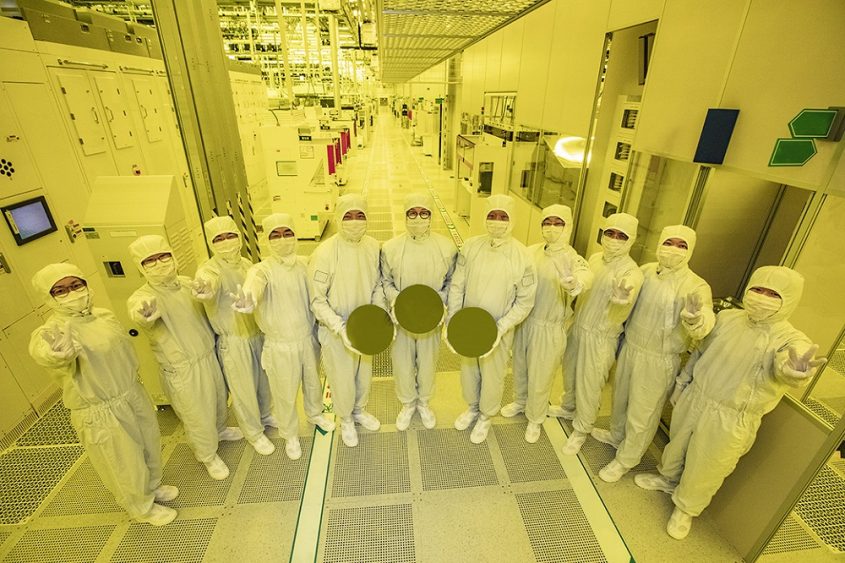
Samsung Foundry is not exactly known to be the best chip manufacturer out there. The company has admitted that its current mass production of leading-edge process technologies is not on par with TSMC’s most advanced production nodes. Earlier this year, Samsung vowed to surpass its Taiwanese rival in the next five years, and it seems that change is already taking place. A new report says the Korean company’s 3 nm process yield has surpassed TSMC by a fair margin.
Samsung counter-attacks with 60% yield
Korean publication KMIB claims that Samsung is making notable progress in the yield of its 3nm process. Samsung’s 3nm yield is now reported to be at 60%, while TSMC’s is struggling at 55%. For the unknown, a yield is the percentage of good chips produced from a wafer of silicon. A higher yield means that more chips can be produced from each wafer, lowering the cost of production.
TSMC, which is reported to be manufacturing Apple’s A17 and M3 chips on its 3nm process, is apparently charging the Cupertino company only for good chips that are produced on its process node. This is instead of the standard price of $17,000 per wafer unit. The Taiwanese company is doing this because the yield rate for its 3nm process is still relatively low, reports KMIB.
If Samsung is indeed achieving better yields than TSMC, it might attract some customers that it lost over the past few years. It is being reported that AMD will look towards Samsung’s 3 nm node for some of its upcoming AI and data center parts. TSMC has previously been ahead of Samsung in terms of yield rates. The yield for the Korean company’s 4 nm process was 75%, while TSMC boasted an impressive 80%.
Toyota has recently filed a patent application for a groundbreaking concept: replacing traditional in-car displays with augmented reality (AR) glasses. This development aims to enhance the driving experience and improve safety on the road.
Augmented Reality Takes the Wheel: Toyota’s Visionary Approach to In-Car Technology
The primary motivation behind Toyota’s AR glasses is to address visibility issues encountered with conventional displays. Bright sunlight during the day and blinding high beams at night can hinder the driver’s ability to clearly see the information on the screen. To combat this, Toyota plans to incorporate automatic light adjustment features, including chromaticity adjustments. If successful, this technology could even replace sun visors.
The AR glasses will come equipped with cameras, speakers, headphones, and a microphone to enhance functionality. The built-in cameras will track eye movement and monitor road conditions, working in tandem with GPS modules and sensors. This integration enables the glasses to display essential information, such as road markings, speed limits, and warnings for pedestrians and cyclists. Moreover, even if the driver momentarily looks away, the glasses will continue to provide alerts and prevent potential collisions, ensuring a high level of safety.
Toyota’s vision for AR glasses represents a practical and promising solution to the challenges faced by traditional in-car displays. By utilizing advanced technologies, such as augmented reality and integrated sensors, the glasses offer a more immersive and informative driving experience. While the concept seems promising, the question remains: Would you be willing to embrace this innovative approach and wear these augmented glasses while driving?
The potential for Toyota’s AR glasses extends beyond the automotive industry. Similar technology could be used in other sectors where visibility and safety are crucial. For instance, in the aviation industry, pilots could use AR glasses to enhance their view of the cockpit and receive real-time updates about flight conditions. In the construction industry, workers could use AR glasses to receive safety alerts and view structural information in real-time.
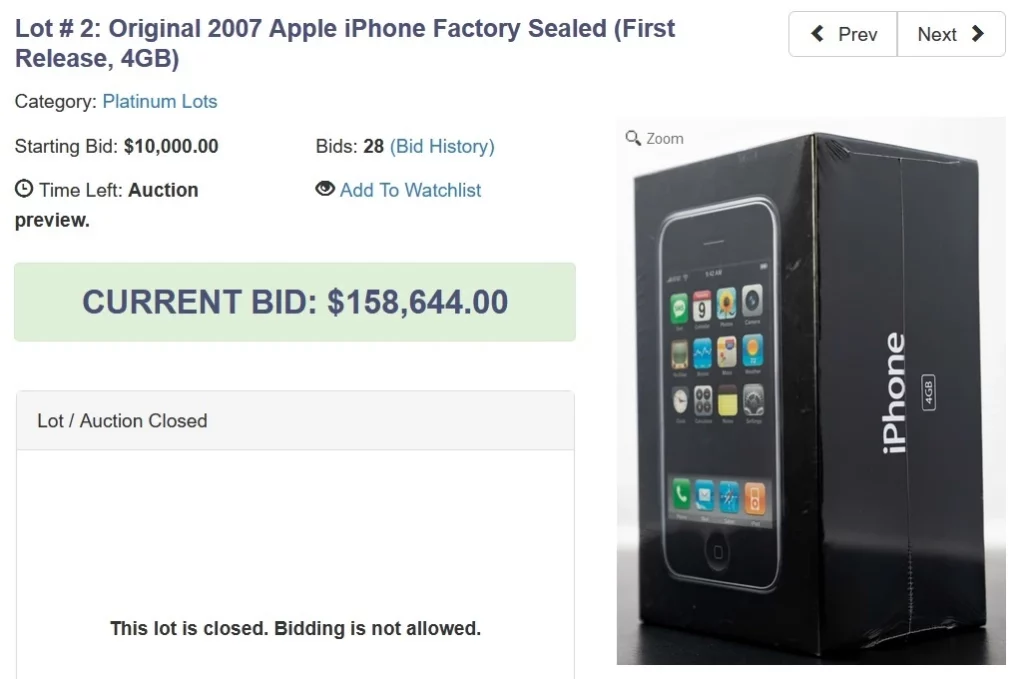
Apple’s first devices usually the iPhones, iPods, and Macs are often auctioned with people shelling out loads of money for vintage devices. They are often for the ‘richie rich’ and might not be everybody’s cup of tea. Having said that, the first-ever iPhone with 4GB storage unveiled in 2007 by the late Steve Jobs has been sold at a whopping price tag. The original iPhone’s 8GB factory-sealed variant was sold earlier in February this year.
4GB original iPhone auctioned at a record-breaking price tag
The first-ever iPhone launched in 2007 was quite a revolutionary device with a touch-screen, web browser, connectivity options, and more. It carried a price tag of $500 for the base 4GB storage variant. Notably, the base model was also rare during its original release as it was produced in limited quantity.
The iPhone 4GB auction was held by LCG Auctions a few weeks ago. The original estimated value of this unit was in the range of $50,000 – $100,000. The bidding began at $10,000 on June 30th and by July 13th, it went slowly to $42,000. However, in the final hours of the auction, the bid price quickly jumped to $108,356 and it finally closed at $158,644 following the intense bidding war. The device was sold at $190,372 which is likely after including taxes. The 4GB iPhone topped the previous record of the 8GB variant that was auctioned for $63,000. It was owned by a former Apple Engineer, Phil Martino.
The iPhone 4GB that was auctioned is a factory-sealed unit inside the original box. Since it was a rare variant, LCG Auctions described it as the “Holy Grail” among iPhone collectors. The final value was up 318 times compared to its original selling price. It also outperformed the stock market over the last 16 years (pun intended)
Rare iPhones have been going under the hammer in recent months. It’s interesting to see takers for a 16-year-old device.
Samsung smartphone users are still struggling with the recurring issue of green and pink lines appearing on their screens, a problem that seems to predominantly affect devices equipped with Super AMOLED displays. Although Samsung has recognized the issue and introduced a free repair policy for out-of-warranty Galaxy Note 20 and Galaxy S20 series phones impacted by this problem, it’s worth mentioning that other devices are also suffering from similar screen anomalies.
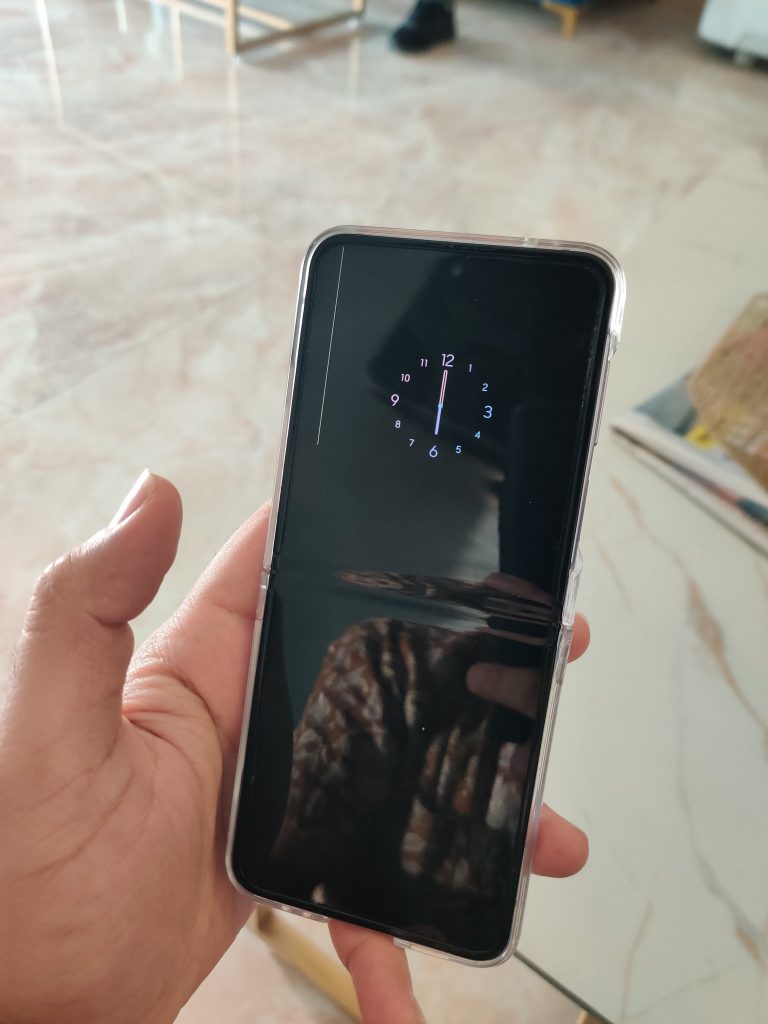
Galaxy Z Flip 4: A New Addition to Samsung’s Green Line Woes
A notable case involves a user in India who experienced a green line on the upper left side of their Galaxy Z Flip 4, just five months after purchase. Despite the user’s assurance of no physical damage, the service center refused a free screen replacement, claiming the issue was not covered under warranty. The user’s desperate attempts to contact Samsung via Twitter were met with silence, leaving them feeling ignored and dismissed.
Screen malfunction on a 5 month old Samsung Flip 4, still in warranty. @SamsungIndia@SamsungMobile says this part "Screen" is not covered in warranty. So ironic, you spend so much money trusting the brand's new technology and the brand refuses fixing the same.#samsungflip4pic.twitter.com/RvXbCP3q7M
Samsung’s handling of this ongoing issue has been puzzling and inconsistent. While they’ve generously offered a free screen replacement for an out-of-warranty Galaxy S22 Ultra and Note 20 Ultra, they haven’t extended the same courtesy to all affected devices. This selective approach could potentially damage Samsung’s reputation, particularly among its loyal customers who have invested in high-end models. It’s also worth noting that some users have reported white lines on their displays, further highlighting the seriousness of this issue. For instance, an Indian user recently reported a white line on the screen of their Samsung Galaxy A71.
The frustration caused by this issue has led some users to take the drastic step of selling their devices. Interestingly, these screen issues persist even after firmware updates, suggesting that the root cause is not physical damage or user mishandling.
Given these troubling developments, it’s crucial for Samsung to take decisive action and prioritize resolving these widespread user complaints. By doing so, they can demonstrate their commitment to customer satisfaction, potentially mitigating any harm to their reputation. Samsung should also offer comprehensive support through their official service centers and social media to reassure their customers and maintain their trust.
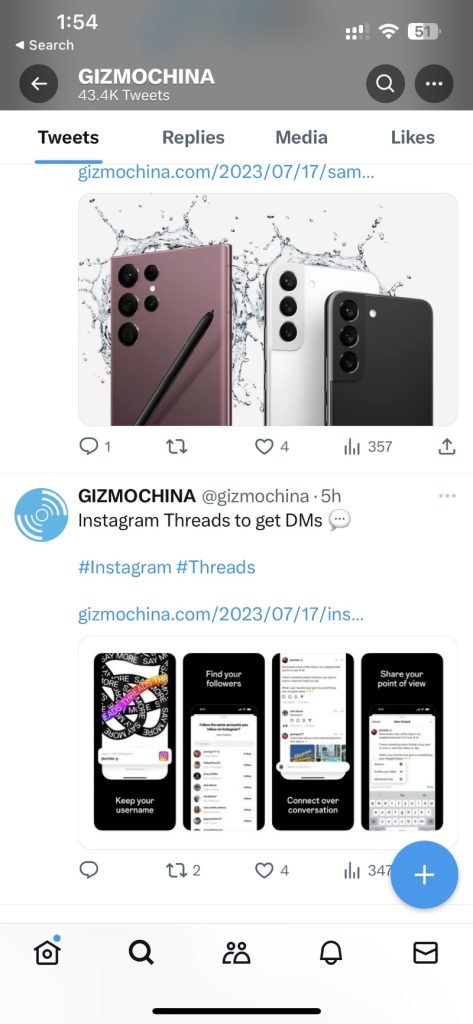
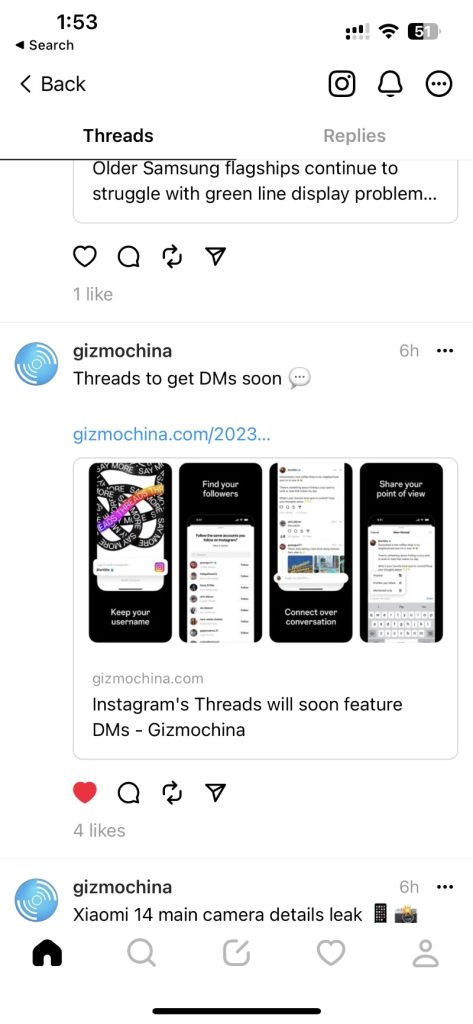
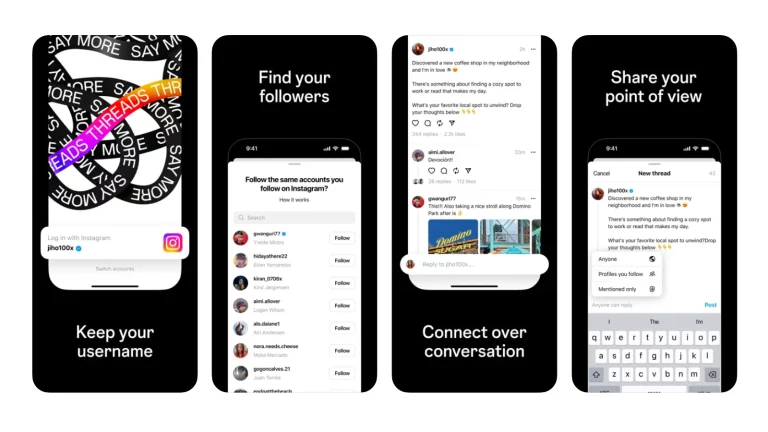
Instagram’s Threads was just recently launched and has already become a very successful social media platform. Now, it appears that Meta is planning to further enhance the experience by including DMs (Direct Messages) as well.
Instagram Threads could soon feature DM functionality
In just under a week, Threads managed to gain nearly 100 million users, shattering industry records. It was seen by many as an alternative to Twitter, which has been going through troubles of its own. But despite being a Twitter-like microblogging platform, Threads has yet to offer certain basic features like DMs. But it appears that the messaging functionality isn’t too far away.
Previously, Instagram CEO Adam Mosseri had announced earlier that the company has no plans to roll out DMs anytime soon. However, a leaked document that was found by Business Insider hints at Direct Messaging being one of the features that will be arriving soon. As per the new report, the company is also working on a new ‘Trends & Topics’ section along with ‘Improved search’, and ‘Messaging’. The update that brings these features basically offers various improvements for the platform, based on feedback from creators.
So it is clear that DMs would’ve likely been one of the most requested features. Since it is also under Meta’s umbrella, Threads may also support cross-platform messaging like Instagram, which allows you to message your friends on Messenger. Although, this is still unconfirmed so take this news with a pinch of salt for now.
We use cookies on our website to give you the most relevant experience by remembering your preferences and repeat visits. By clicking “Accept”, you consent to the use of ALL the cookies.
This website uses cookies to improve your experience while you navigate through the website. Out of these, the cookies that are categorized as necessary are stored on your browser as they are essential for the working of basic functionalities of the website. We also use third-party cookies that help us analyze and understand how you use this website. These cookies will be stored in your browser only with your consent. You also have the option to opt-out of these cookies. But opting out of some of these cookies may affect your browsing experience.
Necessary cookies are absolutely essential for the website to function properly. This category only includes cookies that ensures basic functionalities and security features of the website. These cookies do not store any personal information.
Any cookies that may not be particularly necessary for the website to function and is used specifically to collect user personal data via analytics, ads, other embedded contents are termed as non-necessary cookies. It is mandatory to procure user consent prior to running these cookies on your website.