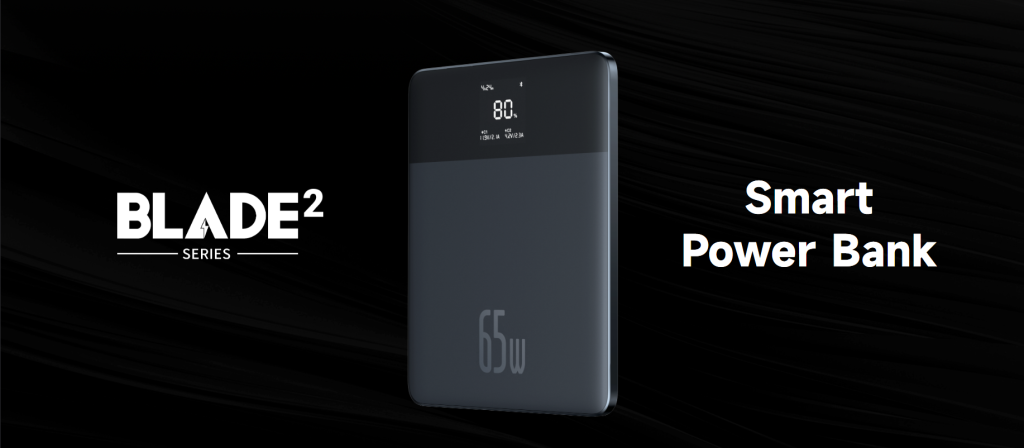
Baseus has announced its intention to showcase the new Blade2 Smart Power Bank at IFA 2023 Berlin. The Baseus Blade2 smart power bank features up to 140W fast charging and comes in new colorways. The brand also plans to unveil a new GaN desktop charger with ultra-fast charging up to 240W, among other products.
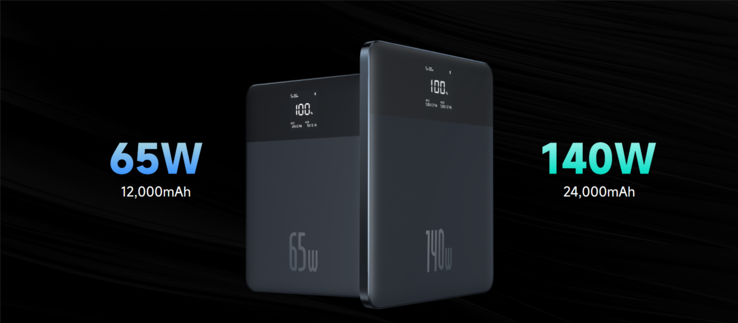
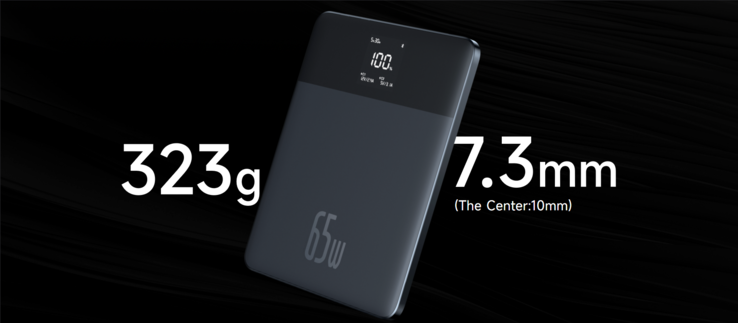
The IFA 2023 product sneak peek by Baseus was held at the Hotel Adlon Kempinski in Berlin. The second generation Baseus Blade Power Bank will be available in 65W and 140W options. They retain the ultra-thin design from the first iteration and are also light. The power bank starts at a weight of 323g and a thickness of 7.3mm. In terms of capacity, the Baseus Blade2 offers up to 24,000mAh in capacity. New colors like Horizon Silver, Mariana Blue, and Sandstone Orange will join the original black colorway of the power bank.
The new Baseus 240W Desktop Fast Charger can charge up to five devices simultaneously. It offers both AC and USB Type-C PD 3.1. It comes with a real-time charging status display and app support. Another Baseus power accessory slated for unveiling at IFA 2023 is the latest MagPro magnetic charging devices including car, desk, and wall-mount options. Baseus will also unveil MagSafe-capable power banks. There are other Baseus accessories like the Lightning-free extendable cables for a variety of scenarios.
This year’s IFA event is held in Berlin from September 1 to 5, 2023. Baseus’ products are stationed at Booth A116 in Messe Berlin’s Hall 5 throughout the fair.
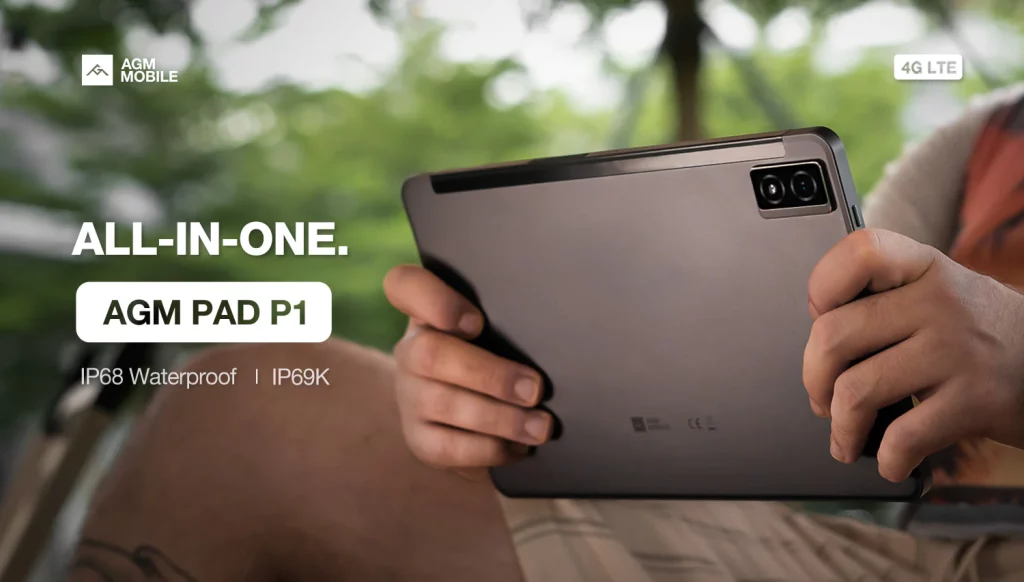
The ongoing IFA 2023 Berlin has seen a raft of innovative products being announced by several brands. The latest announcement is the AGM Mobile Pad P1 tablet which comes with Android 13. The new AGM Mobile tablet features IP68 and IP69K waterproof protection and optional 4G/ LTE support. Recall that the tablet was first announced in China in July.
AGM is known for its rugged smartphone offerings and the new all-in-one tablet reflects the AGM tradition. The Pad P1 tablet has a 10.36 FHD screen and a multi-use design. The dust- and water-resistant tablet, according to AGM, is heavy-duty yet light and sleek. It has waterproof plugs for its ports and supports USB-C 18W charging.
The AGM Pad P1 has a 7,000mAh battery and the tablet is powered by the MediaTek Helio G99 chipset. The MediaTek Helio G99 SoC packs appreciable performance and durability to the device, offering both productivity and entertainment. The tablet has Dual Box Stereo Speakers located behind the grille of the shorter side of the tablet’s frame. The frame itself is flat-edged while a camera hump similar to that of the Lenovo Legion Y700 is present. One of the two camera rings on the tablet features an 8MP sensor.
The AGM Pad P1 is well-suited for outdoor use. Apart from its USB-C port, it also has a 3.5mm audio jack. The RAM/ internal storage configuration of the Pad P1 is 8GB/ 256GB and it supports microSD cards up to 2TB. Different versions of the Pad P1 will be available depending on the market. This includes the US and EU versions. While the US version comes with a $199 price tag, the European version offers 4G/LTE and Wi-Fi connectivity and is priced at €299.99 (~$325).
After overcoming previous bottlenecks in supply chain and factory downtime, GMC is stepping on the gas in the electric vehicle market. The Hummer EV Pickup and Hummer EV SUV, GMC’s all-electric flagship models, have been gradually pulling out of the snags to set a promising course for the brand.
GMC’s Hummer EV Factory was offline for some time in the past
According to data from GM Authority, GMC managed to roll out 2,439 units of its electric Hummers in July 2023 alone. Coupled with 2,590 in May and 2,750 in June, this marks a consistent performance for three months straight. Considering the company’s pledge to ramp up production, these numbers are anything but shocking.
What makes this intriguing is the context. General Motors‘ Factory Zero, responsible for the Hummer’s production, was offline for a few months at the end of last year. Why? To prepare for other big electric releases like the Chevrolet Silverado EV and GMC Sierra EV. This downtime could have affected Hummer’s production more severely. But it didn’t.
GMC already boasts a total of 16,088 electric Hummers off the assembly line since October 2021. Despite a slow start with just 49 units delivered in the first half of the year, all signs indicate a steep curve upward in customer deliveries come Q3.
For those wondering if it’s too late to get a slice of this electric behemoth, tough luck. Reservations closed in September 2022, with an astonishing 90,000 units reserved, backed by $100 refundable deposits. But be ready to dish out a bit more, as the price for the Hummer EV Pickup was recently bumped by $1,600.
Given the average monthly production, we’re looking at an annual rate of about 30,000 units. A solid number, especially for electric vehicles that start at just under a whopping $100,000
The social media platform formerly known as Twitter, now called X, is not just about tweets and likes anymore. According to its updated privacy policy, X plans to collect biometric, job, and educational data from users. Why? To train artificial intelligence models, says owner Elon Musk.
X seems to have long term plans for creating new applications and integrations
Don’t worry about your private messages, though. Musk confirms that only public information will be used. But the question remains: Why does X need this data? Musk, who’s always been ambitious, recently launched an AI company, xAI, aiming to decipher the universe’s secrets. So it seems likely that your personal details could feed into this grand vision.
Another angle? Musk has talked about making X a “cool” alternative to Linkedin, which he calls “cringe.” With the new policy, collecting job and education data makes sense for this aim.
Sure, X could just sell the data; they’re not rolling in ad dollars. But there’s no evidence to support this. Unlike Twitter, which used data for its own growth, X seems to have grander plans.
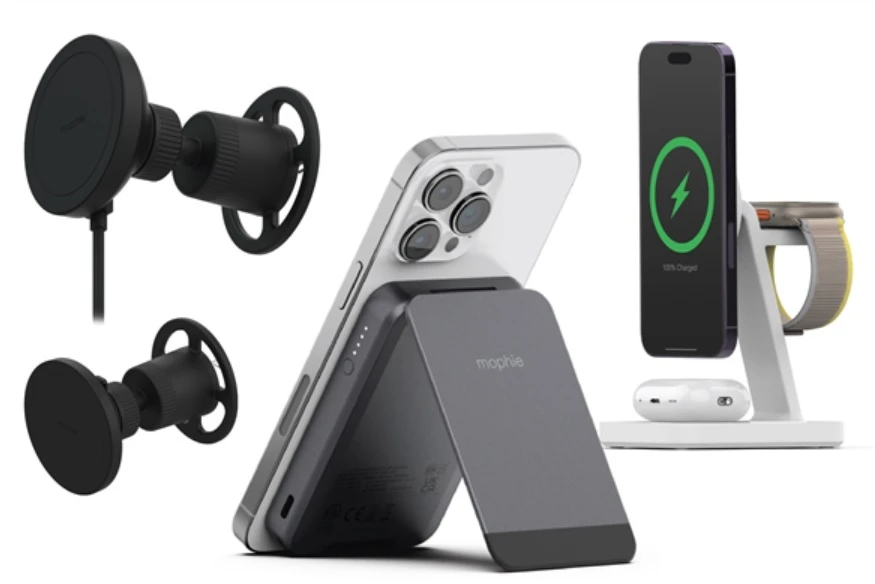
Mophie has once again proven to be ahead of the curve in mobile charging solutions with their latest release at IFA. This time, they’ve raised the bar by incorporating the new Qi2 wireless charging standard into their product range, promising faster and more reliable charging.
The charging station could be a great addition to a desk or a dresser with multiple devices
What sets this release apart? Take the snap+ wireless charging vent mount, for example. Priced at $69.95, this gadget could be the unsung hero for the gig economy, particularly ride-sharing drivers. It not only provides a 15W power boost but also keeps the phone securely mounted on the car’s front vent. That’s a two-in-one deal that’s hard to beat when you need to keep your eyes on both the road and your navigation app.
The snap+ 3-in-1 stand is another standout, offering a charging solution for those with multiple Apple devices. For $129.95, it allows simultaneous charging of your Qi2-compatible phone, Apple Watch, and AirPods. Talk about an all-in-one charging station for Apple enthusiasts! This could declutter your workspace or bedside table in a jiffy.
Matt DiPrimio, Mophie’s director of product management, emphasized how the new Qi2 standard will enhance charging speed and reliability. It uses magnets to ensure perfect alignment with charging coils, a feature inspired by Apple’s MagSafe tech.
So, whether you’re a ride-share driver looking for a convenient in-car charging option or a multi-device user aiming to streamline your charging routine, Mophie’s new range might just be what you’ve been waiting for.
Customers can expect these products to be available for order later this year, both online and through select global retailers. Plus, all these gadgets come with a two-year warranty, making it a safer bet for those willing to invest in high-quality charging solutions.
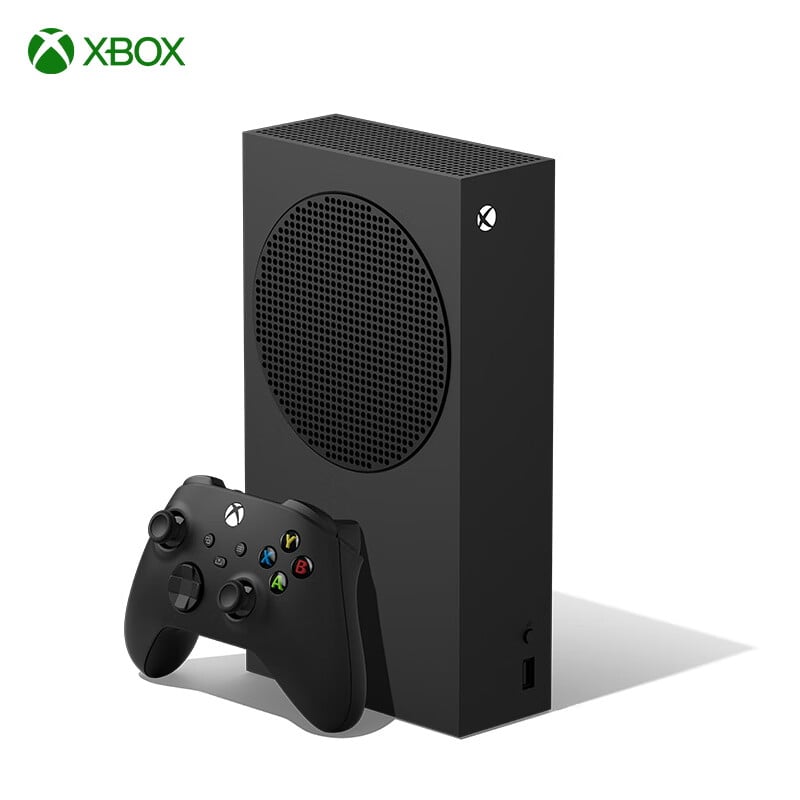
Microsoft has just released an upgraded version of its Xbox Series S, making digital gaming more convenient and eco-friendly than ever. For a $350 price tag, gamers can now enjoy a whopping 1TB storage, double that of its predecessor’s 512GB, in the brand-new “Carbon Black” shade.
The Series S is economical, with no disc drive and a lower resolution
This expanded storage is a game-changer for Xbox Series S owners. Since the console is digital-only, all your games have to fit into the built-in hard drive. Previously, with just 512GB, you could barely store three or four AAA games, considering the latest Bethesda release, Starfield, requires a whole 130GB. Now, the Series S’s 1TB hard drive means you can host around seven or eight high-end games, along with several smaller indie titles, giving you a breather before needing to decide which games to delete or purchase an external hard drive.
But storage isn’t the only thing that’s new. The Series S now incorporates various components made from post-consumer recycled (PCR) resins. In an age of increasing awareness about environmental sustainability, this is Microsoft tipping its hat to a greener future.
When you’re out shopping for an Xbox, the Series S and Series X might sound similar but have key differences. Series S is the economical cousin of the higher-powered Series X. It doesn’t come with a disc drive and is designed for lower resolutions (1080p or 1440p) compared to Series X’s 4K capabilities. Yet, the Series S’s newest model is closer to narrowing that gap, with the storage at least.
A new month is here and so is our monthly upcoming smartphone list. Just like August, September will also see countless phone releases.
Again like last month, the forthcoming handsets will be spread across different categories. There will be foldables, budget models, mid-rangers, and even flagships.
One of the important launches will be by Apple as the tech giant will unveil its next-gen iPhones. Further, Honor will re-enter the Indian smartphone market. It will also debut a new foldable in China.
At least 10 brands are anticipated to announce new phones. Unsurprisingly, the list includes all the major Chinese players, in addition to the only non-Chinese popular companies Apple and Samsung.
Let’s take a look at all the devices that are expected to be made official by these brands.
The Realme C51 is scheduled to launch in India on September 4. The device is already official in Southeast Asia.
However, it is not sure if the variant set to release in India will be the same. Because the recent C series models for the region are slightly different.
So far, the brand has confirmed that the product will feature a flat frame design. It will look like an iPhone Pro and will be available in a blue color option.
The handset will be equipped with a 50Mp rear camera. Finally, it will carry support for 33W charging.
The official teasers from the brand have revealed key aspects of the product. It will be powered by a MediaTek Dimensity 7020 chip and will be backed by a 6,000mAh battery with support for 30W charging.
It will be fitted with a 6.5-inch FHD+ 120Hz display, an OIS-assisted 50MP rear camera, and a side-mounted fingerprint sensor. It is expected to start at ₹14,999 (~$180) in India.
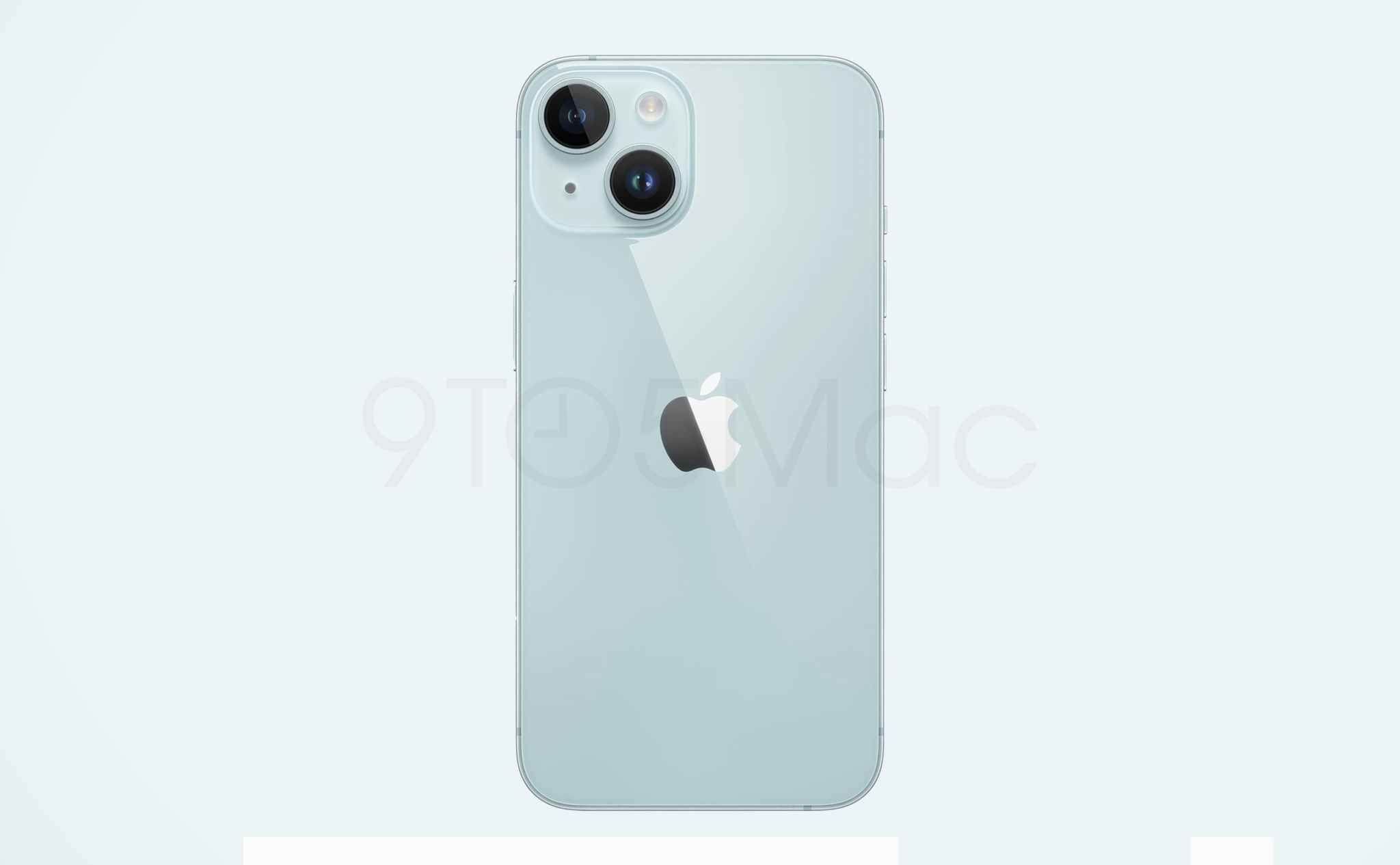
3. Apple iPhone 15 Series
Apple has scheduled its annual iPhone launch event for September 12. The company has named the 2023 edition ‘Wonderlust’.
The iPhone 15 lineup will be unveiled at this conference. Just like in previous years, there will be four models, namely iPhone 15, iPhone 15 Plus, iPhone 15 Pro, and iPhone 15 Pro Max. The high-end ‘Pro Max’ variant could be called the iPhone 15 Ultra.
All four phones are anticipated to come with a dynamic island and a USB Type-C port. Additionally, the Pro models will feature a new action button, and the Pro Max will be equipped with a periscope zoom lens.
4. Mysterious Honor Foldable
Honor has scheduled an event in China for September 13. The brand has confirmed to unveil a new foldable at this conference.
Though we are only a few days away from the launch, we don’t know the actual name of this product. Leaks say that it could be either Honor Magic Vs 2 or Honor Magic V2 Lite.
The Honor Magic Vs 2 is rumored to be an outward folding device like the Huawei Mate Xs series. On the other hand, the Honor Magic V2 Lite is said to be the most affordable foldable smartphone to release this year.
5. Samsung W24 and W24 Flip
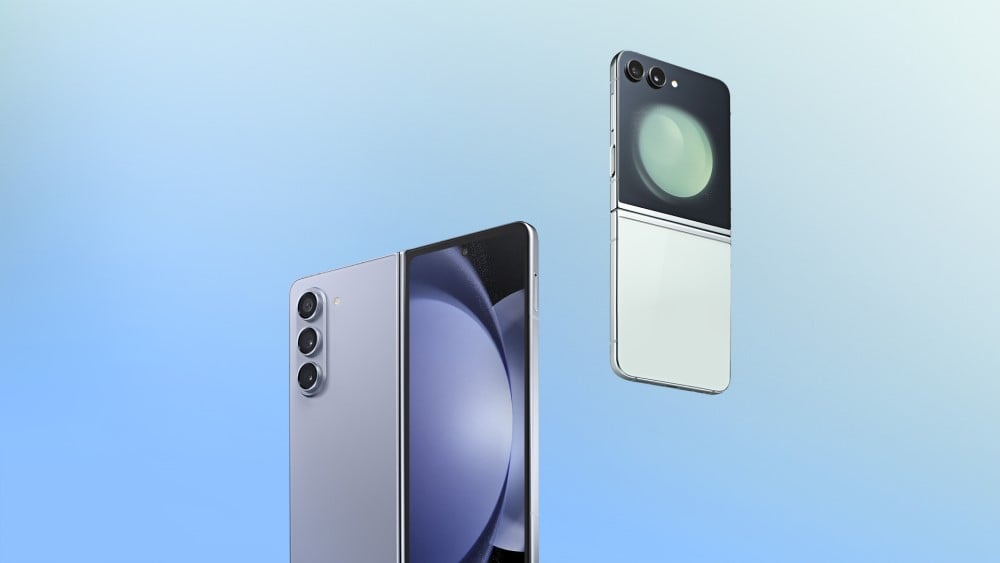
Samsung is set to take wraps off the new W series foldable phones in China on September 15. These handsets are expected to be called Samsung W24 and Samsung W24 Flip.
Similar to the previous W series handsets, they are anticipated to be rebranded current-gen Galaxy Z foldables from the company. So the W24 and W24 Flip will be essential premium versions of Galaxy Z Fold 5 and Galaxy Z Flip 5, respectively.
These devices will likely have additional design elements to differentiate themselves from the regular models.
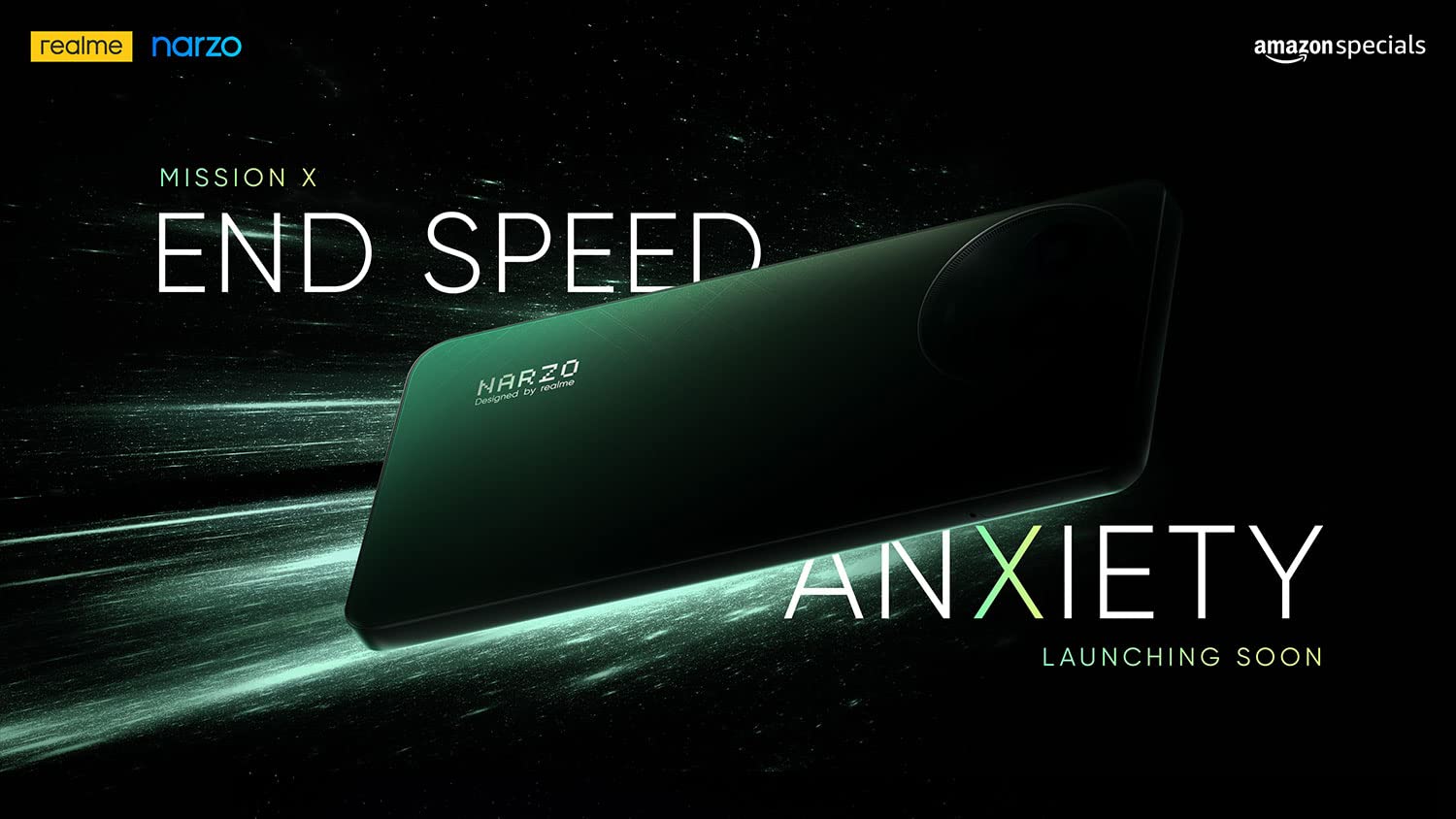
6. Realme Narzo 60x
The Realme Narzo 60x is teased by the company to debut soon in India. It should go official within the next few days.
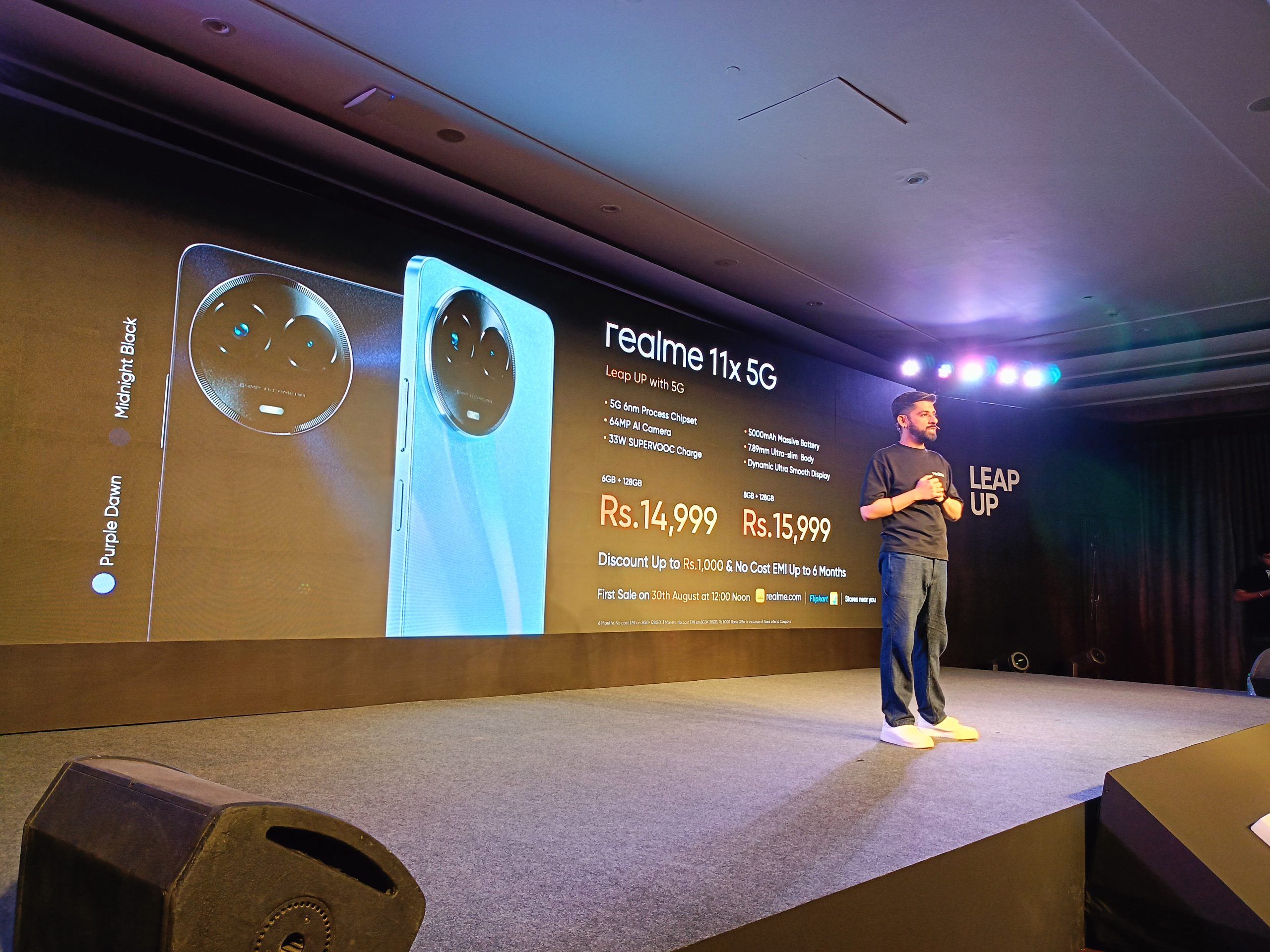
Going by the teaser render and the name, it could be a rebranded Realme 11x 5G. But it may or may not have some changes.
For the unaware, the Realme 11x comes with a 6.74-inch FHD+ 120Hz display (LCD), a MediaTek Dimensity 6100 Plus chipset, a 64MP rear camera, a 5,000mAh battery, and 33W charging.
7. Honor 90
The Honor 90 is expected to launch in India this month. The brand is yet to disclose the exact date, however, a leak suggests that it could go official on September 21.
This smartphone is already on sale in multiple markets. Therefore, everything about it is already known. But we cannot deny the probability of the Indian variant being slightly different.
Anyways, the handset arrives with a 6.7-inch 1.5K 120Hz curved OLED display, a Qualcomm Snapdragon 7 Gen 1 SoC, a 200Mp main camera, an in-screen fingerprint sensor, a 5,000mAh battery, and 66W charging.
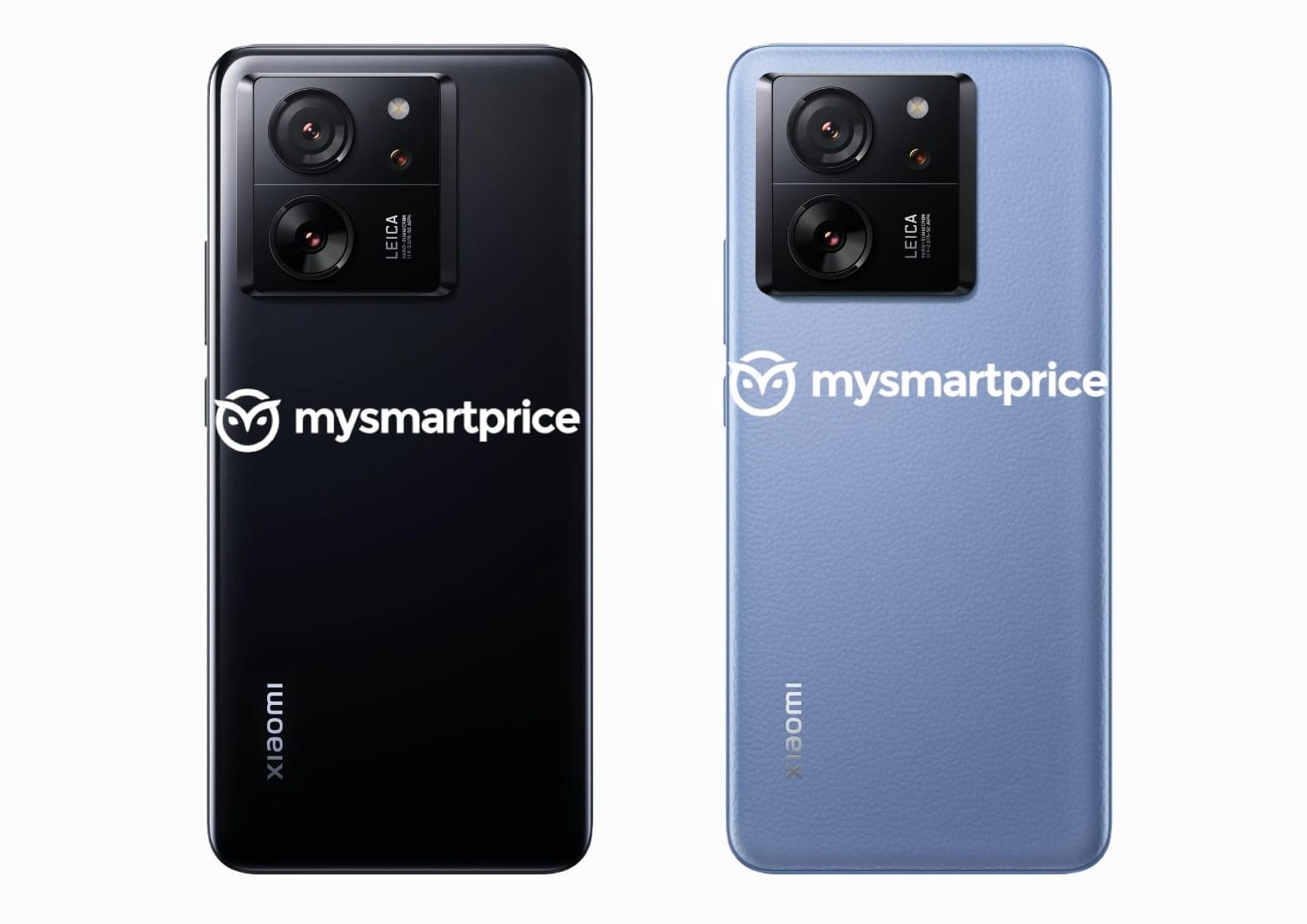
8. Xiaomi 13T Series
Going by leaks and certifications, the Xiaomi 13T series could launch in September. The lineup will consist of Xiaomi 13T and Xiaomi 13T Pro.
Leaks suggest that the pro variant will be a tweaked version of the Redmi K60 Ultra with Leica-powered better camera hardware. Whereas, the vanilla model will not only have a downgraded camera setup without Leica processing but also a less powerful chip.
Either way, both phones will look identical in terms of design. Their looks will be based on the Xiaomi 13 series and the Redmi K60 lineup.
The Xiaomi 13T and Xiaomi 13T Pro are tipped to start from £549 and £699, respectively.
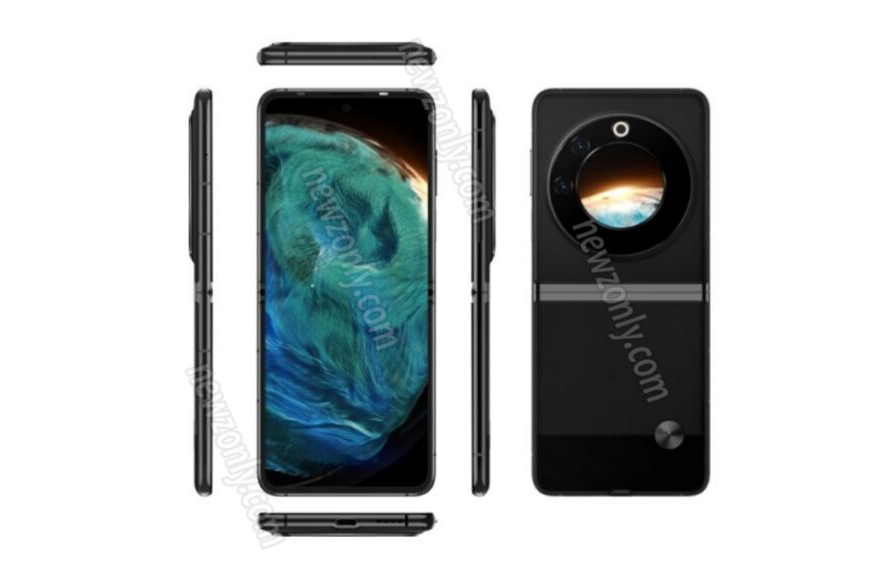
9. Tecno Phantom V Flip
The Tecno Phantom V Flip might debut in September. It will be the brand’s first clamshell foldable smartphone and could be more affordable than the competitors.
Its design will be unique as it will sport a 1.32-inch circular cover screen inside the camera ring. The device will be powered by a mid-range MediaTek Dimensity 8050 chip and will be backed by a 4,000mAh battery.
Most importantly, it will flaunt a 6.9-inch FHD+ vertical foldable display. Also, it will arrive with a 64MP + 13MP dual camera setup on the rear and a 32MP front-facing snapper.
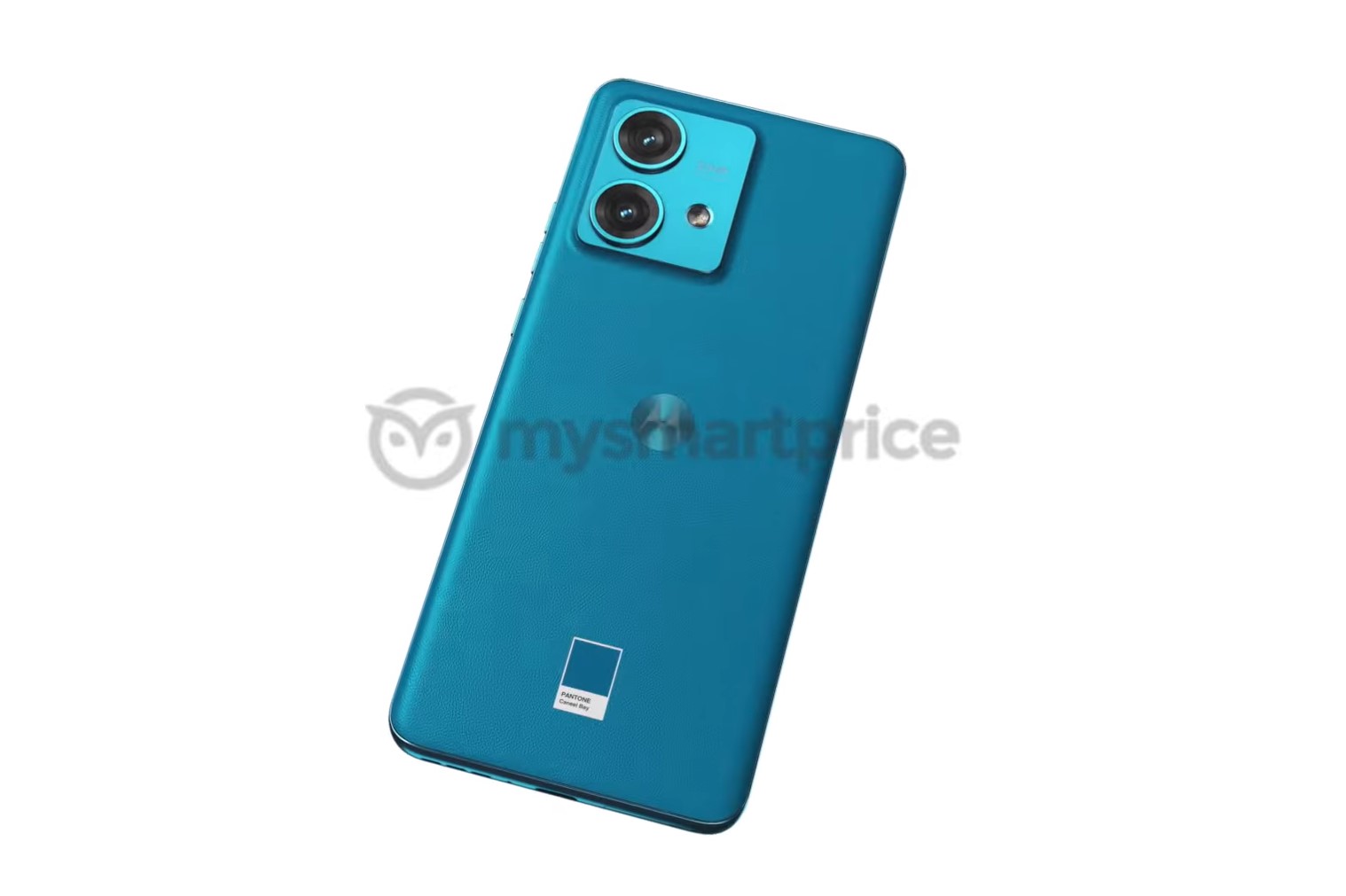
10. Motorola Edge 40 Neo and Edge 2023
The Motorola Edge 40 Neo and Motorola Edge 2023 are anticipated to launch in September. The former will be a new product, while the latter is a rebranded Motorola Edge 40 for the US.
According to leaks, the Edge 40 Neo will come with a 6.55-inch FHD+ 144Hz pOLED display, a MediaTek Dimensity 1050 chip, a 50MP + 13MP dual camera setup, a 32MP selfie camera, an IP68 rating, a 5,000mAh battery and 68W charging support.
The phone is tipped to cost just £290 in the UK. Unfortunately, we don’t have pricing details for other regions.
11. Oppo A38
The Oppo A38 is tipped to launch in India in September. It will be a 4G-only budget smartphone.
As per leaks, the handset will sport a 6.56-inch HD+ 90Hz display (LCD) and an IP54-rated flat frame body. It will be powered by a MediaTek Helio G85 chipset and will be backed by a 5,000mAh battery.
It will arrive with a 50MP main camera, a side-mounted fingerprint sensor, a MicroSD card slot, and a 3.5mm headphone jack. In Europe, the device is said to cost €159 for 4GB + 128GB memory configuration.
12. Vivo V29 Series
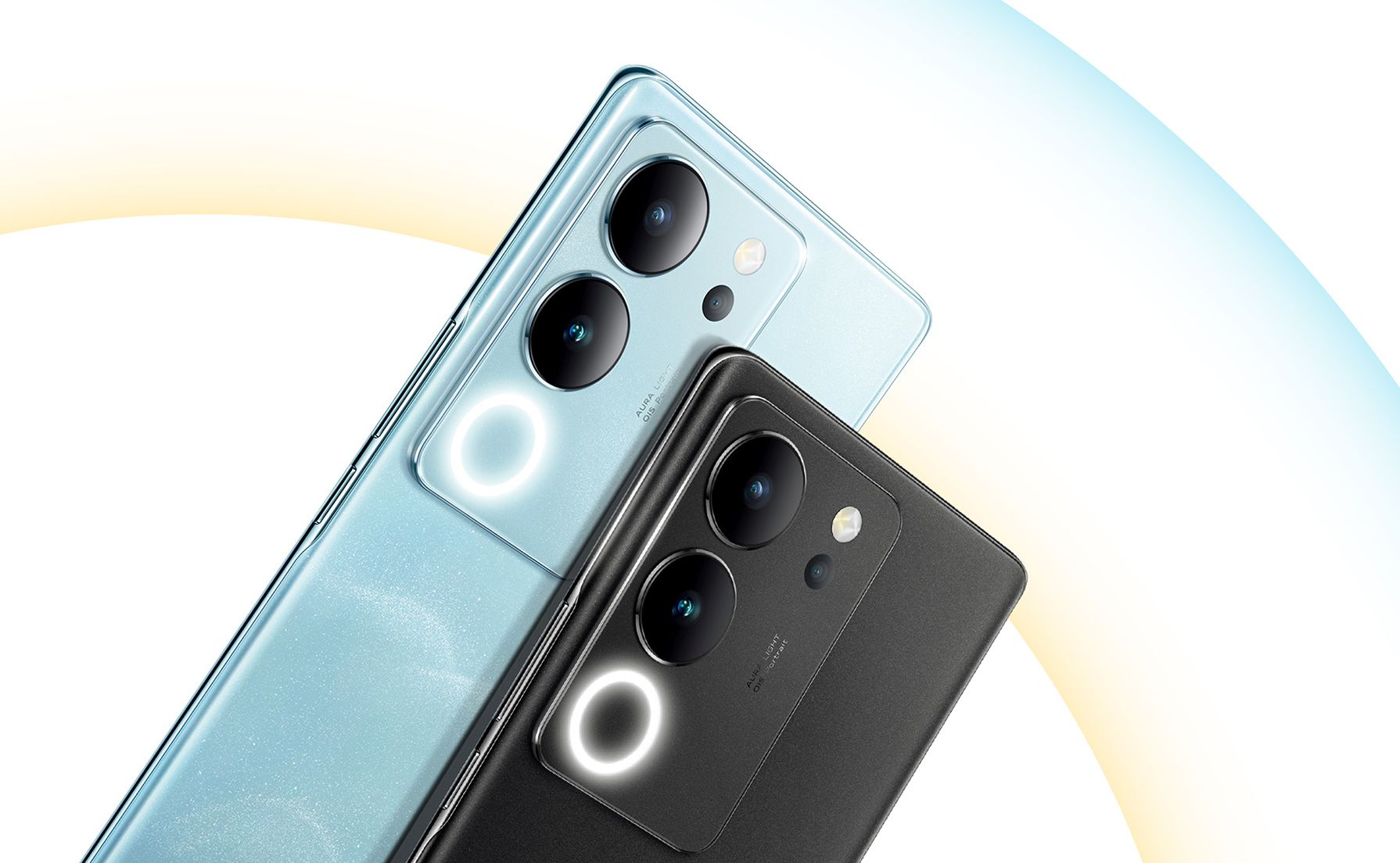
Vivo V29 5G
The Vivo V29 series is tipped to launch in India soon. It could be unveiled in September at the earliest.
The V29 lineup currently consists of V29, V29 Lite, and V29e. The last model just got announced in India.
The region is due for the first two models and the impending pro variant. As of now, it’s not known which of these phones will be released in the country.
Going by the leaked render, one of them could be the vanilla V29. This device comes with a 6.78-inch 1.5K 120Hz curved display, a Qualcomm Snapdragon 778G SoC, a 50MP rear camera, a 50MP selfie camera with autofocus, a 4,600mAh battery, and 80W charging support.
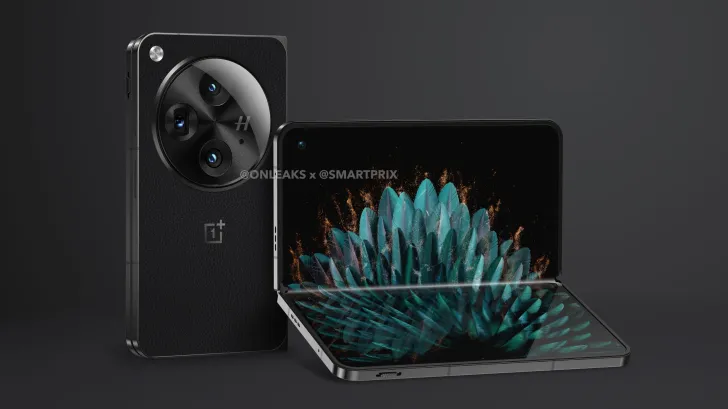
13. OnePlus Open
The OnePlus Open was previously rumored to launch in August. Now, it seems like the product might go official in September.
It will be the brand’s first foldable smartphone. It is expected to be based on the unreleased Oppo Find N3.
The handset is said to come with a boxy design, a 7.8-inch 2K 120Hz internal foldable display, a 6.3-inch 120Hz external screen, a Qualcomm Snapdragon 8 Gen 2 chip, Hasselblad-tuned triple camera system (including telephoto and ultra-wide lens), a 4,800mAh battery, and 67W charging support.
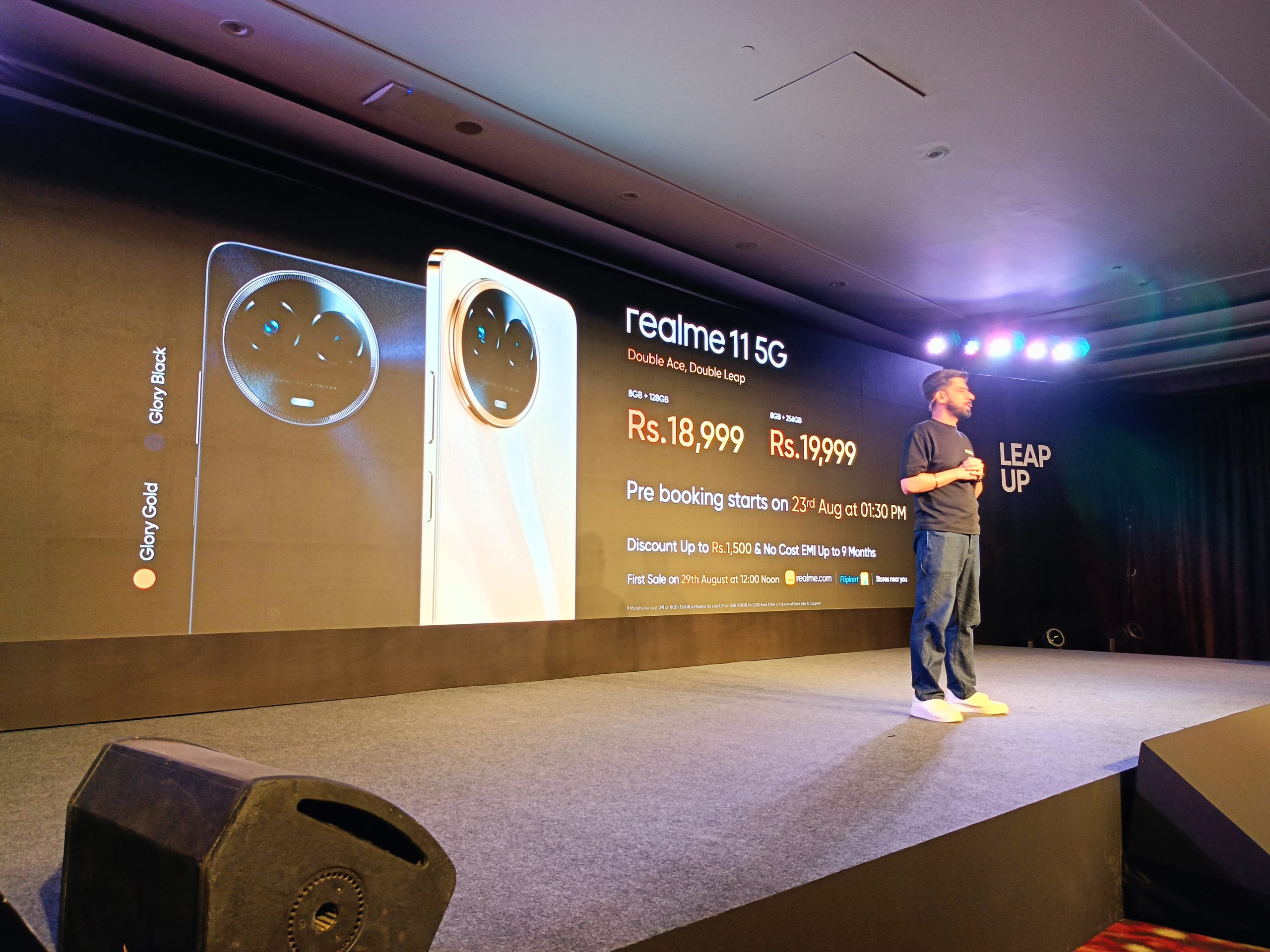
Realme recently held a launch event to announce the Realme 11 5G series of smartphones, namely, the Realme 11 5G and Realme 11X 5G in India. Both smartphones feature the same display, chipset, RAM type, storage type, and battery. The Realme 11 offers better specifications in the areas of primary camera, selfie camera, and fast charging capabilities than the Realme 11X 5G. However, this does not mean that the 11X is an incompetent device. Starting at Rs 14,999(~$181), the Realme 11X 5G is an impressive offering in the affordable 5G phone segment. Here is our review of the Realme 11X 5G to find out if it lives up to its reputation as one of the best 5G phones in the Rs 10,000 to Rs 15,000 price range in the country.
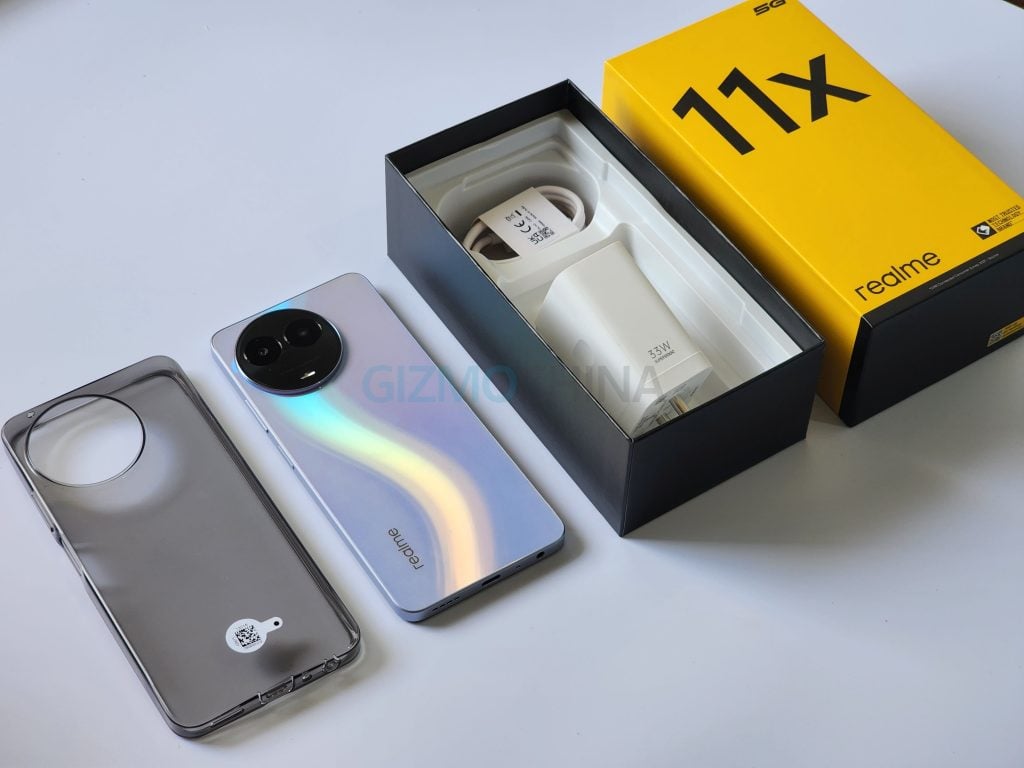
Realme 11x 5G review: What’s in the box?
Realme 11x 5G
The Realme 11x 5G’s retail box includes the following items:
Realme 11x 5G handset
33W SuperVOOC charger
USB-C to USB-C cable
TPU case
SIM ejector tool
Safety Guide
Quick Guide
Design and Display
Dimensions
Display
Size – 165.7 x 76 x 7.9 mm
6.72-inch IPS LCD display
1500:1 contrast ratio
Weight – 190 grams
1080 x 2400 pixels (FHD+)
Widevine L1
20:9 aspect ratio
91.4% screen-to-body ratio
120Hz refresh rate
Dragontrail protection
180Hz touch sampling rate
Up to 680 nits of brightness
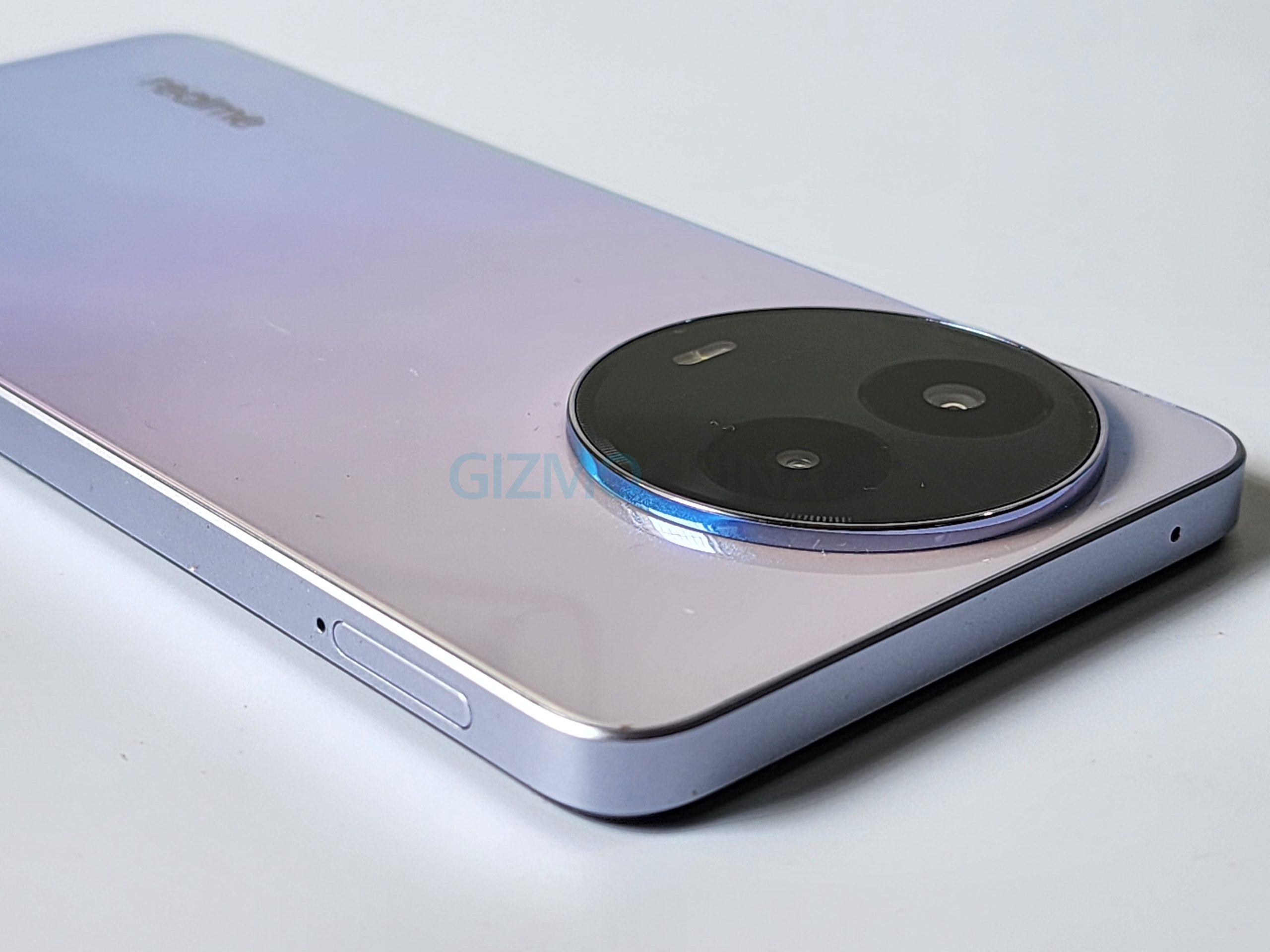
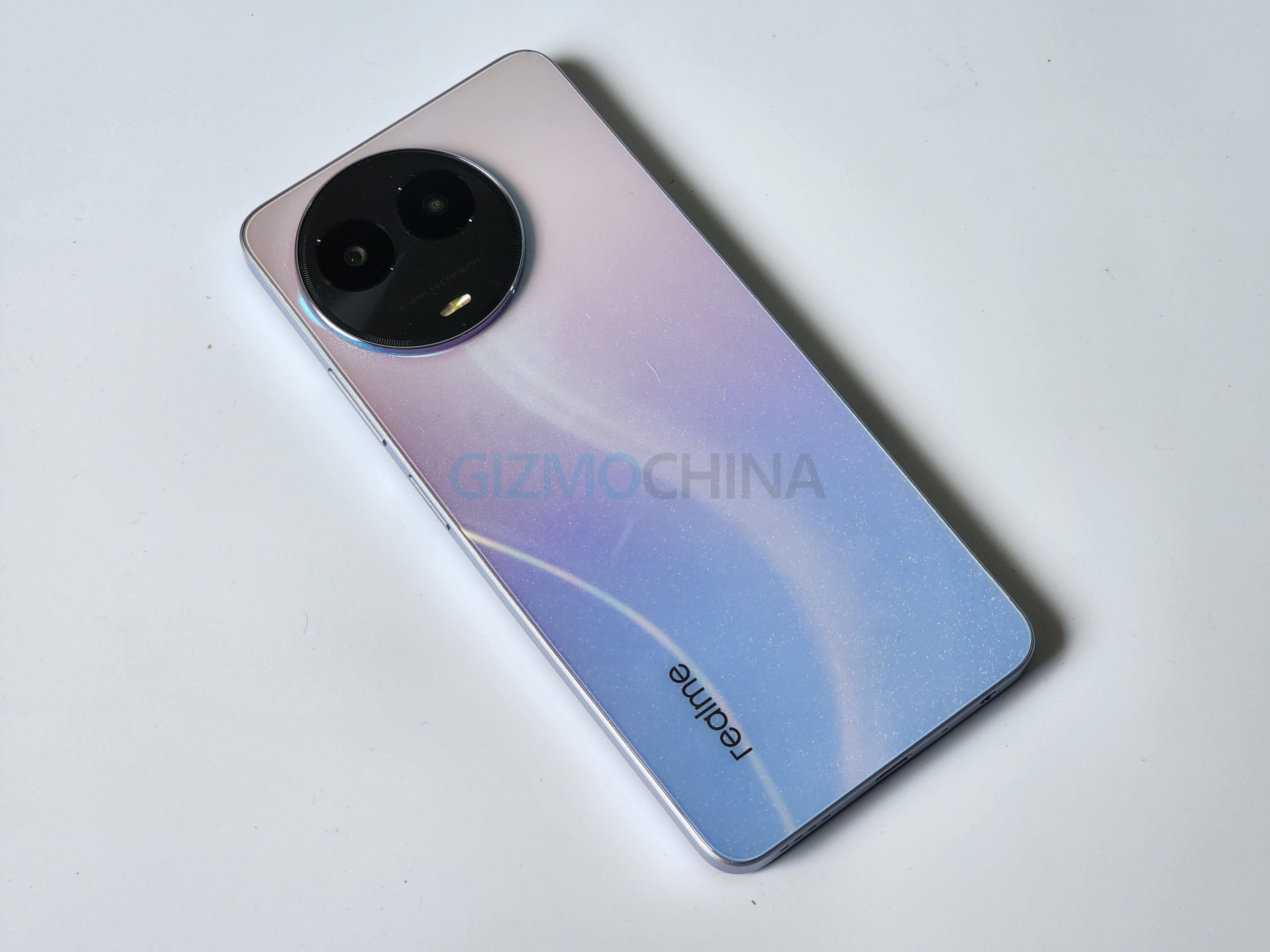
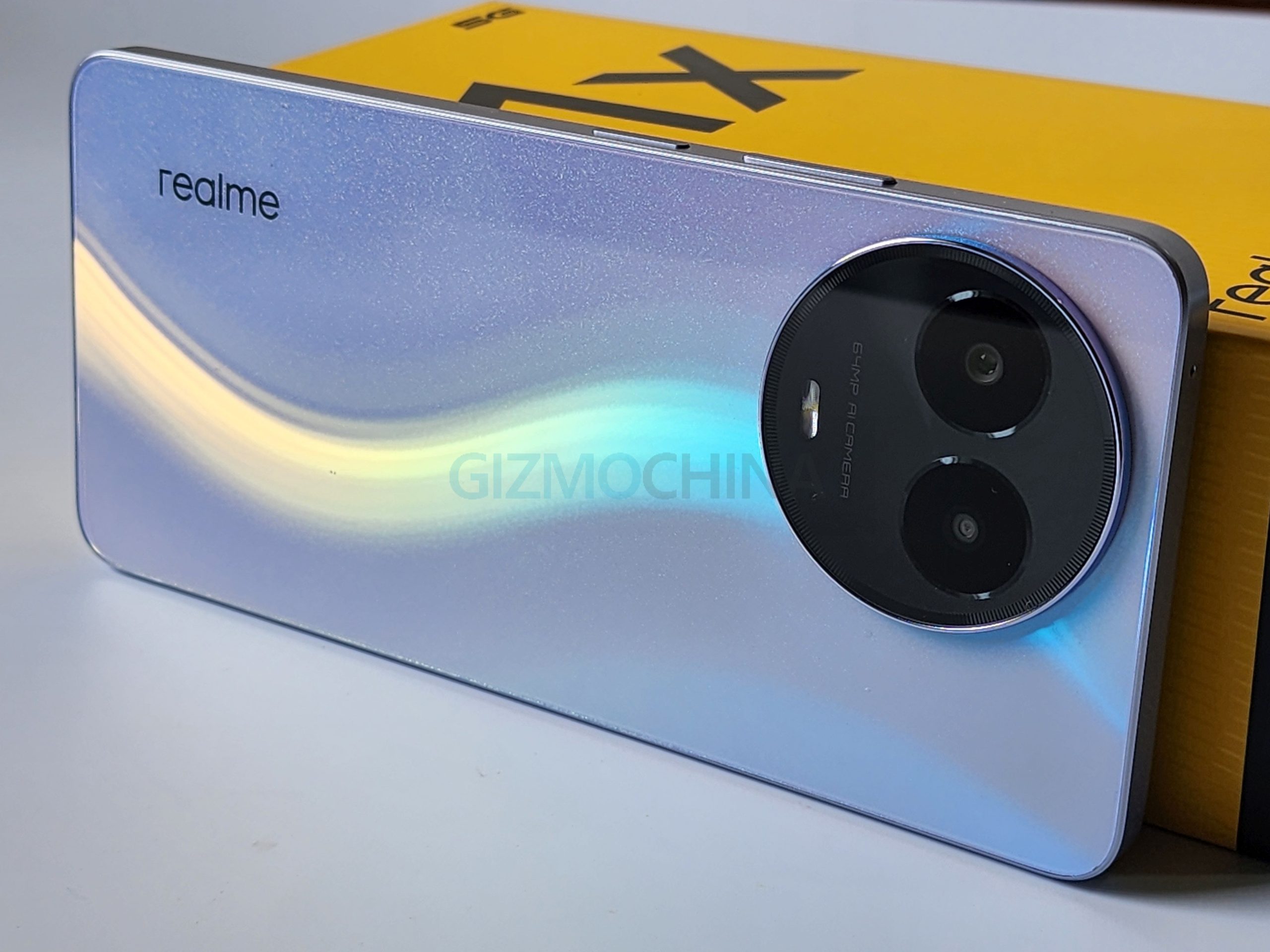
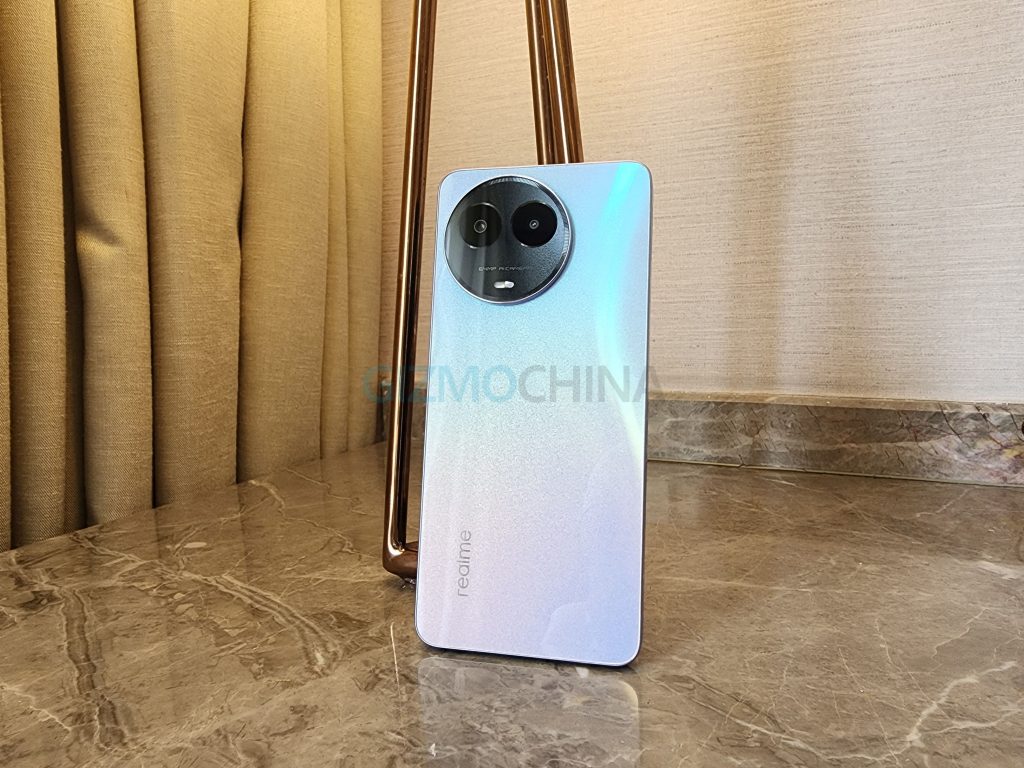
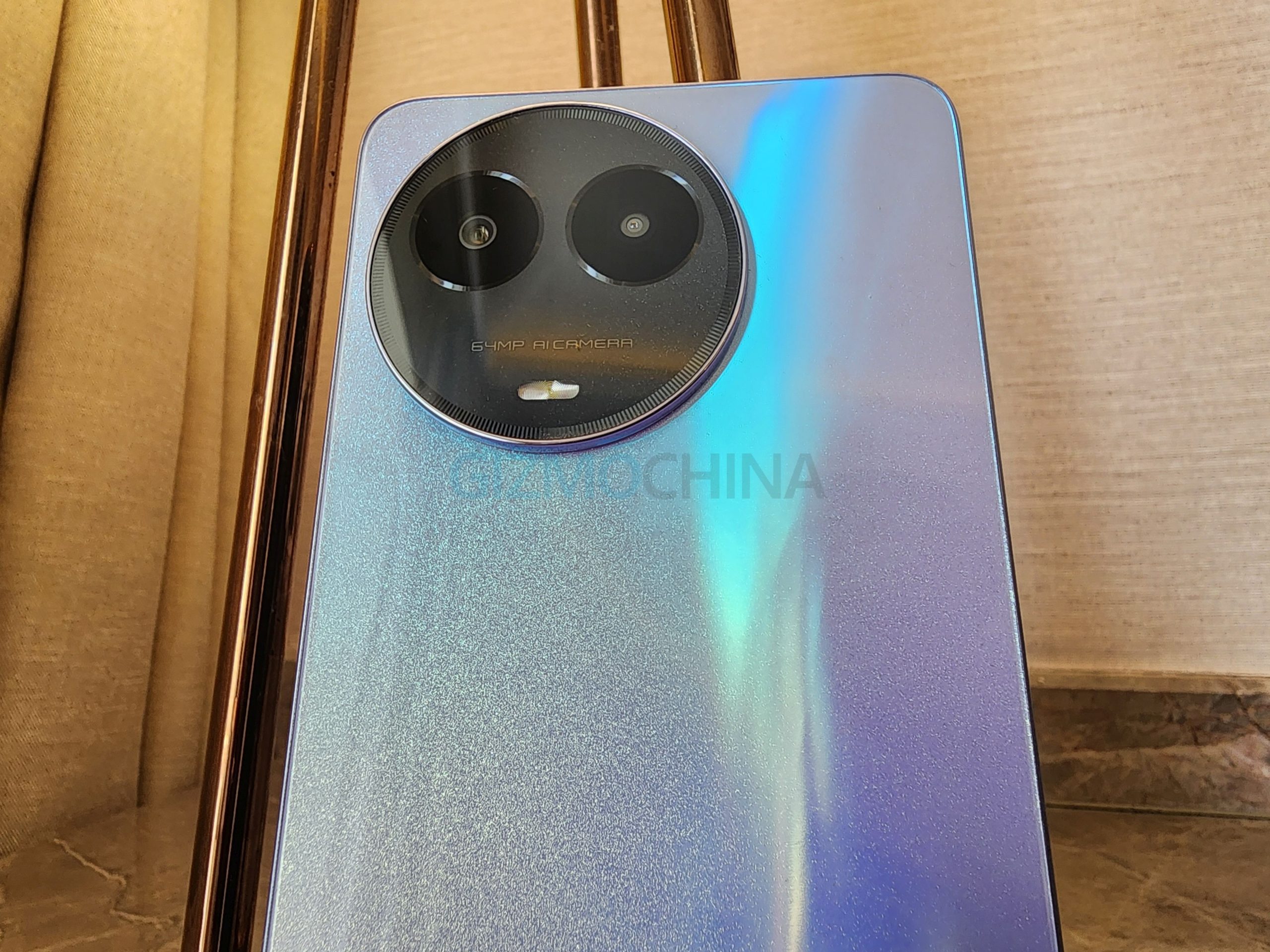
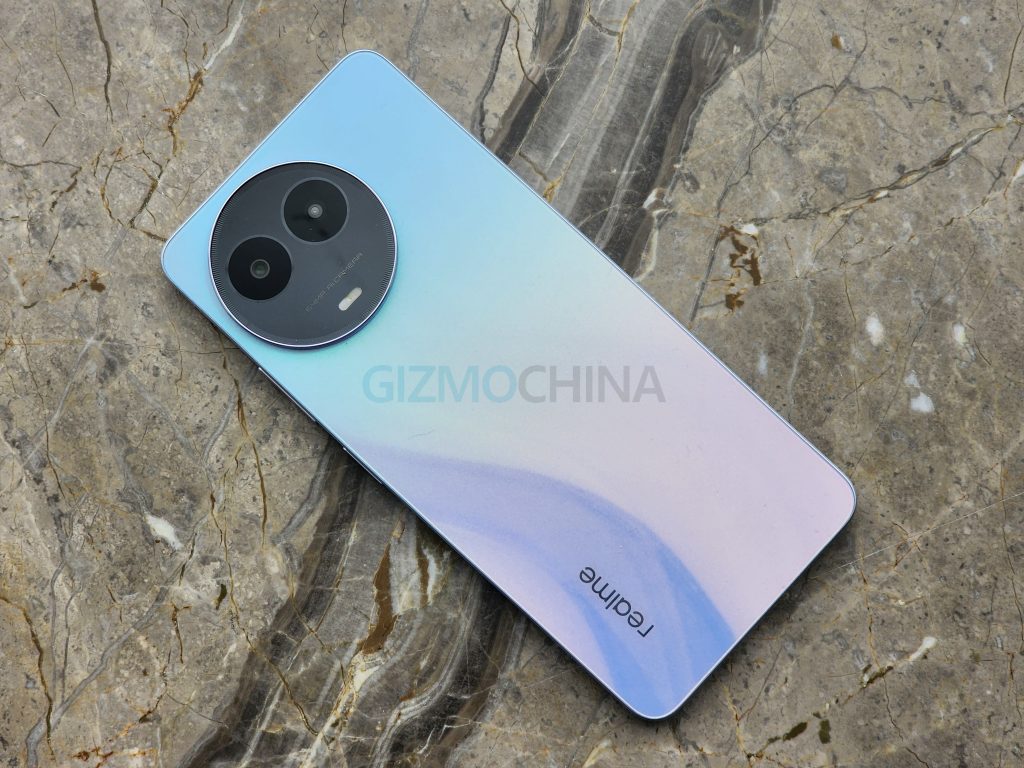
The Realme 11x 5G is a beautifully designed smartphone that exhibits a captivating S-curve gradient light effect on its polycarbonate rear. This surface has a shimmering texture, and when exposed to light, it reveals a mesmerizing interplay of blue and purple hues, accentuating the S-shaped pattern. The rear panel does not attract fingerprint marks at all. However, it feels a bit slippery to hold. Besides the Purple Dawn variant that I had the chance to assess, the Realme 11x 5G is also available in Midnight Black, which exudes a subtle and refined appearance.
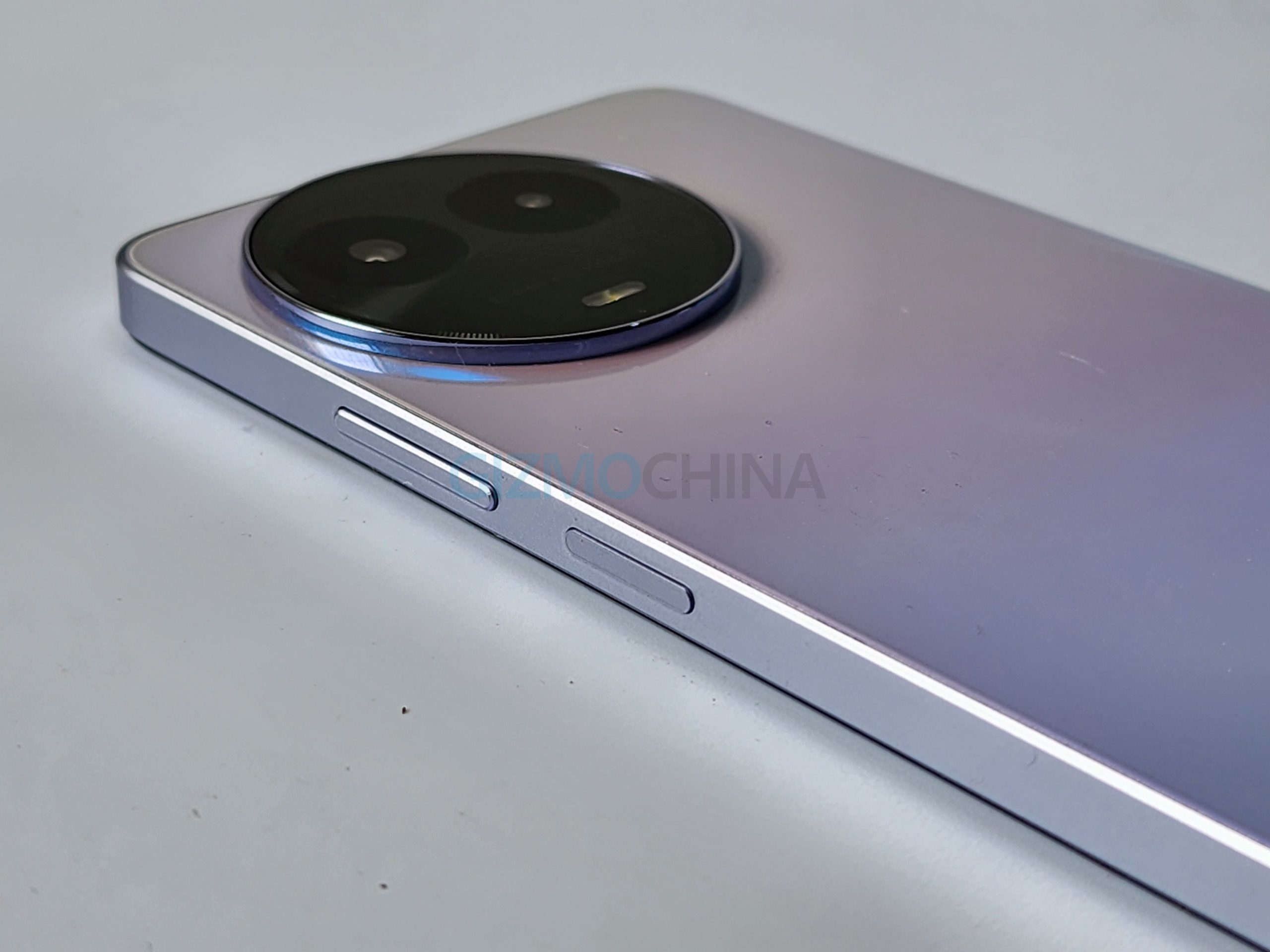
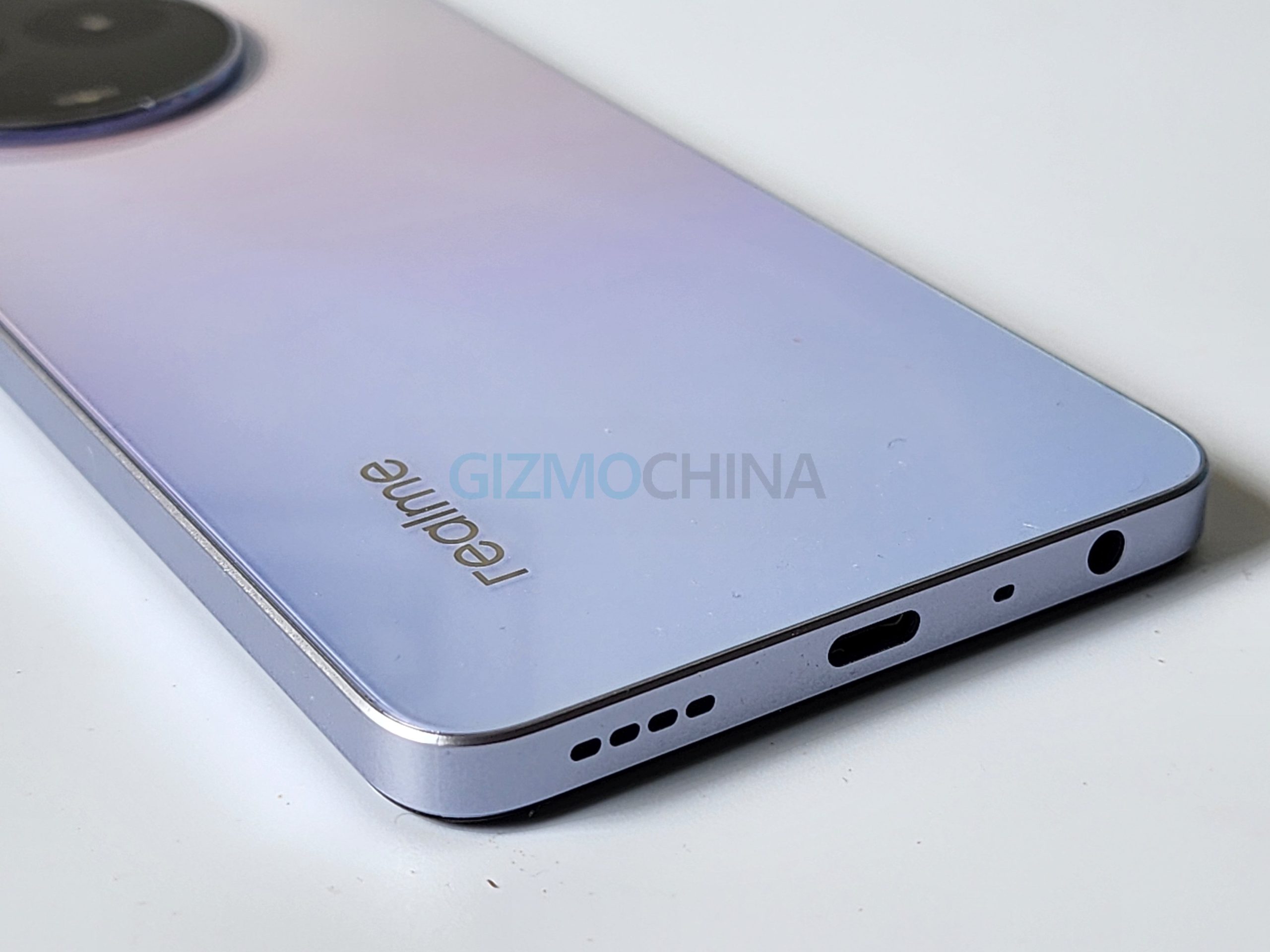
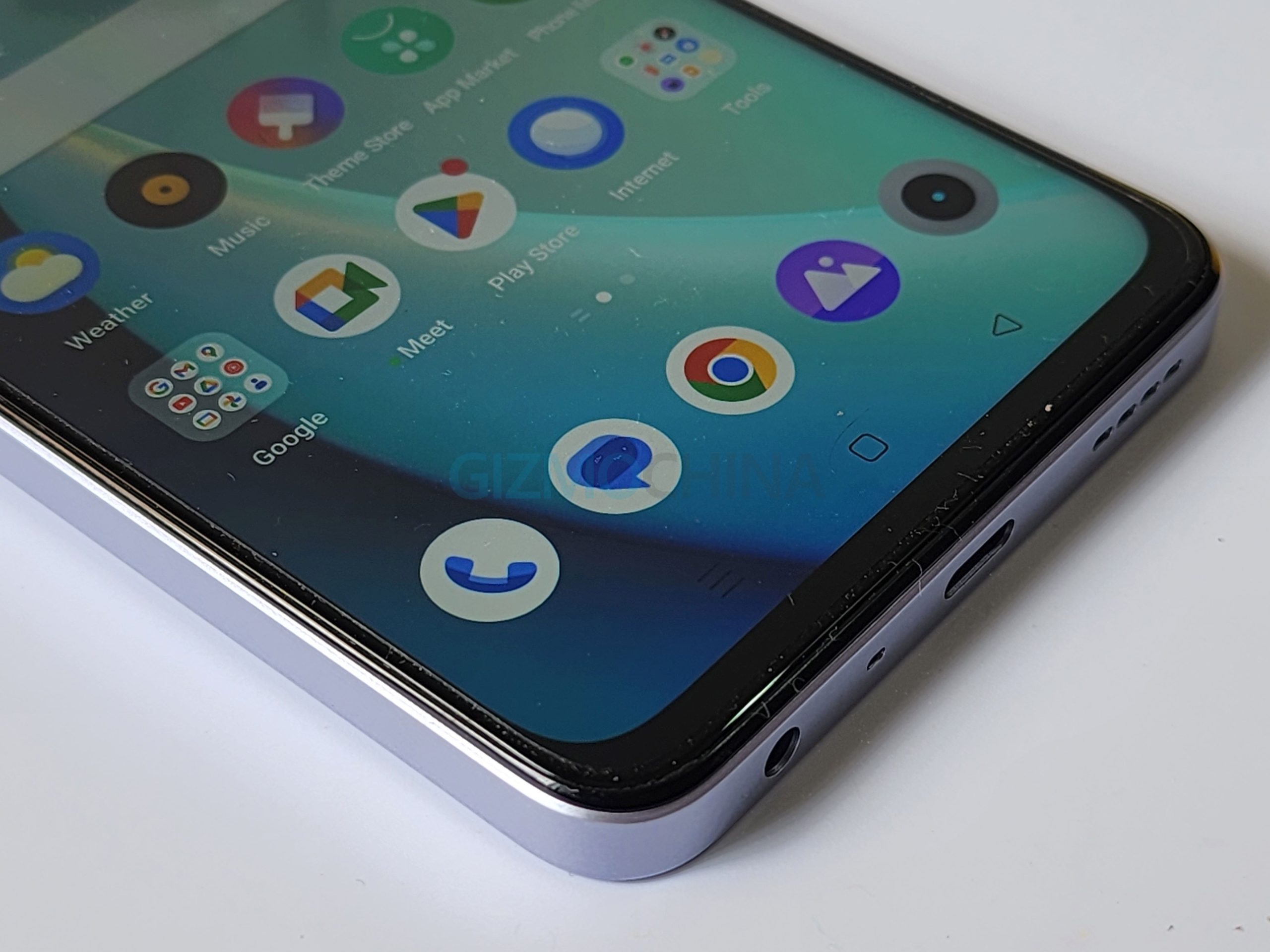
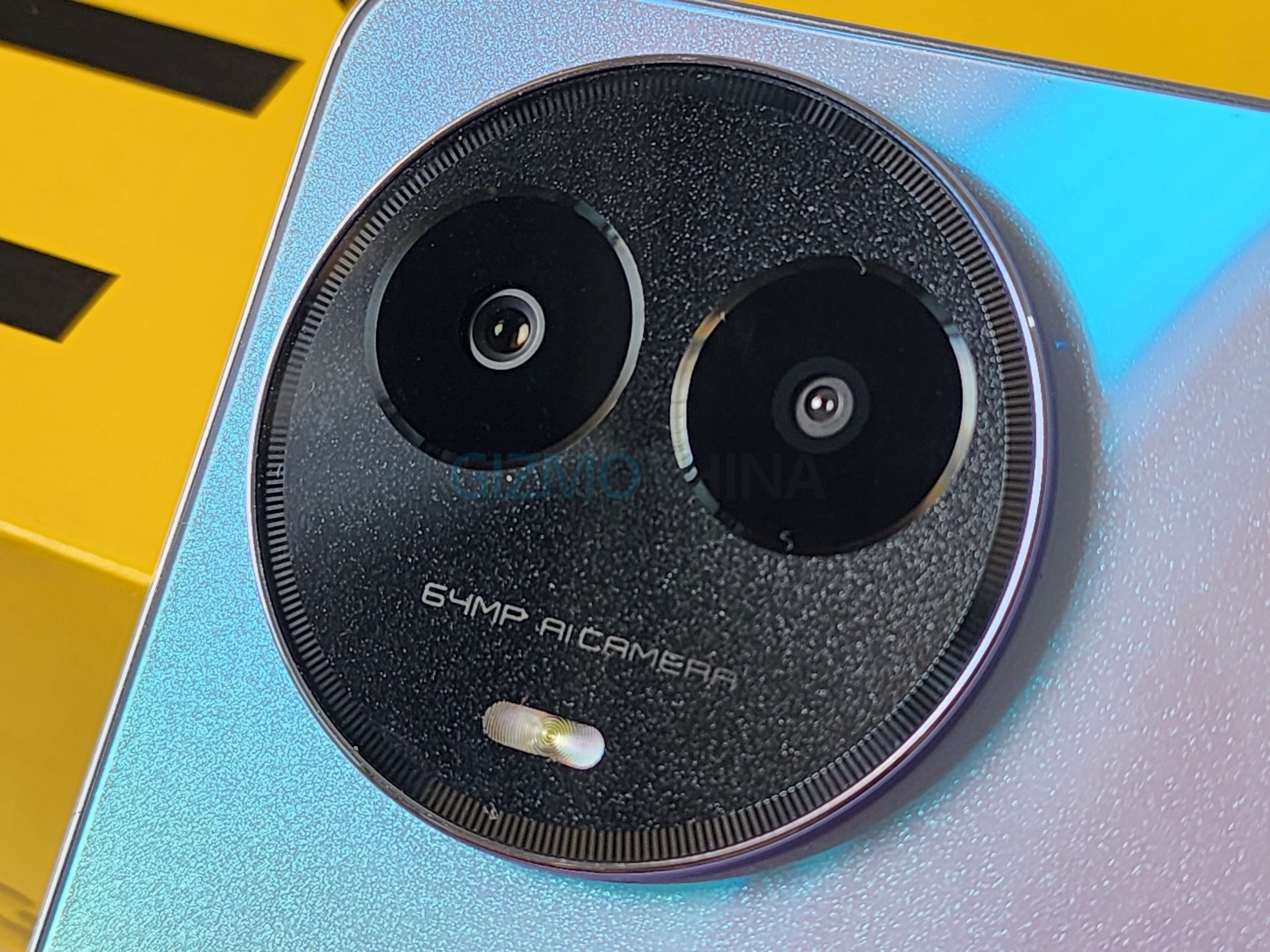
There is a large round camera island, which houses two cameras, an LED flash, and “64 MP AI Camera” text. The flat frame of the device is grey in color with a microphone at the top and a 3.5mm headphone jack, a microphone, a USB-C port, and a speaker grille on the bottom. The left side features a SIM slot, and its right edge is populated with a volume rocker and a power button, which doubles up as a fingerprint sensor.
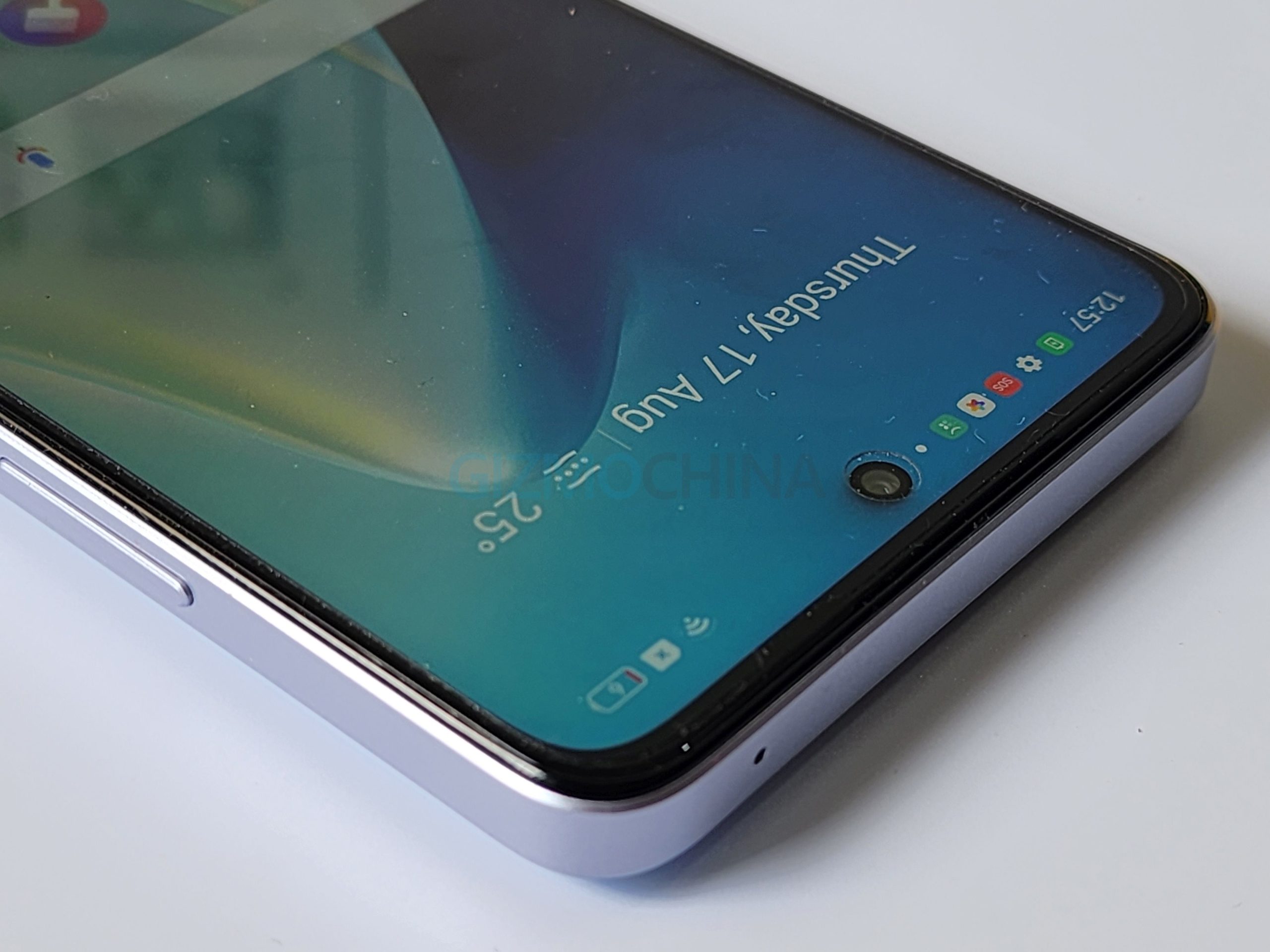
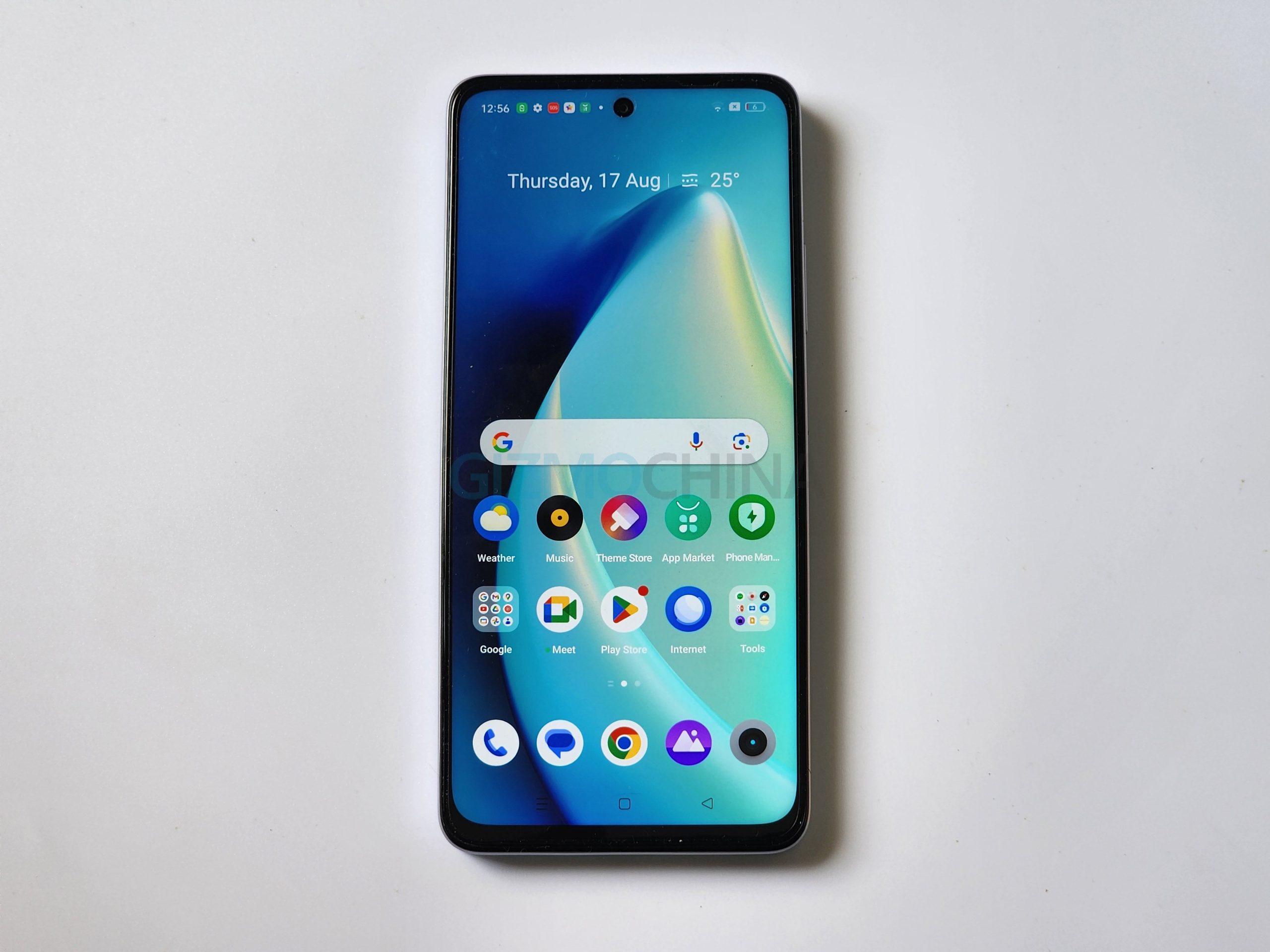
Moving to the front, the Realme 11X 5G sports a 6.72-inch LCD panel with a punch-hole design. The chin of the device is thicker than the other bezels. The screen supports up to a 120Hz refresh rate (offering 60Hz, 120Hz, and auto-select options).
In the auto option, the refresh rate can range between 120Hz/90Hz/60Hz/50Hz/48Hz and 45Hz, according to the company. However, I could only find it switching between 60Hz, 90Hz, and 120Hz. It offers color modes, such as Vivid (P3) and Natural. The screen has a slight blue tint, which can be corrected using the color temperature setting. It also supports Widevine L1 for viewing HD quality content on streaming platforms. However, there is no HDR support. As far as screen brightness is concerned, users may find it difficult to view display contents in direct sunlight. To sum up, the Realme 11x 5G has a decent display.
Performance and Software
MediaTek Dimensity 6100 Plus
5,000mAh battery
6GB / 8GB of LPDDR4x RAM
33W charging
128GB of UFS 2.2 storage
Android 13 OS, Realme UI 4.0
8GB of virtual RAM
Realme 11x 5G
The Realme 11X 5G is powered by the MediaTek Dimensity 6100 Plus chipset, built on an advanced 6nm process. Alongside up to 8GB of LPDDR4x RAM and virtual RAM, paired with UFS 2.2 storage, the device delivers a robust performance foundation. Its gaming prowess is notable, offering a smooth gameplay experience at medium graphics settings and ensuring fluid gameplay without noticeable hitches. Titles like PUBG support Smooth or Balanced graphics settings with a maximum Ultra frame rate. For HD graphics in PUBG, a high frame rate is attainable, providing an approximately 35 to 40 fps gaming experience. It is worth mentioning that while the gaming experience is generally solid, users may encounter some gyro lag during motion-oriented gameplay.
Under the hood, the Realme 11x 5G packs a 5,000mAh battery that supports 33W fast charging. The phone can be fully charged in under 80 minutes. There is a Super Power Saving Mode, which can offer up to 2 days of battery life when activated.
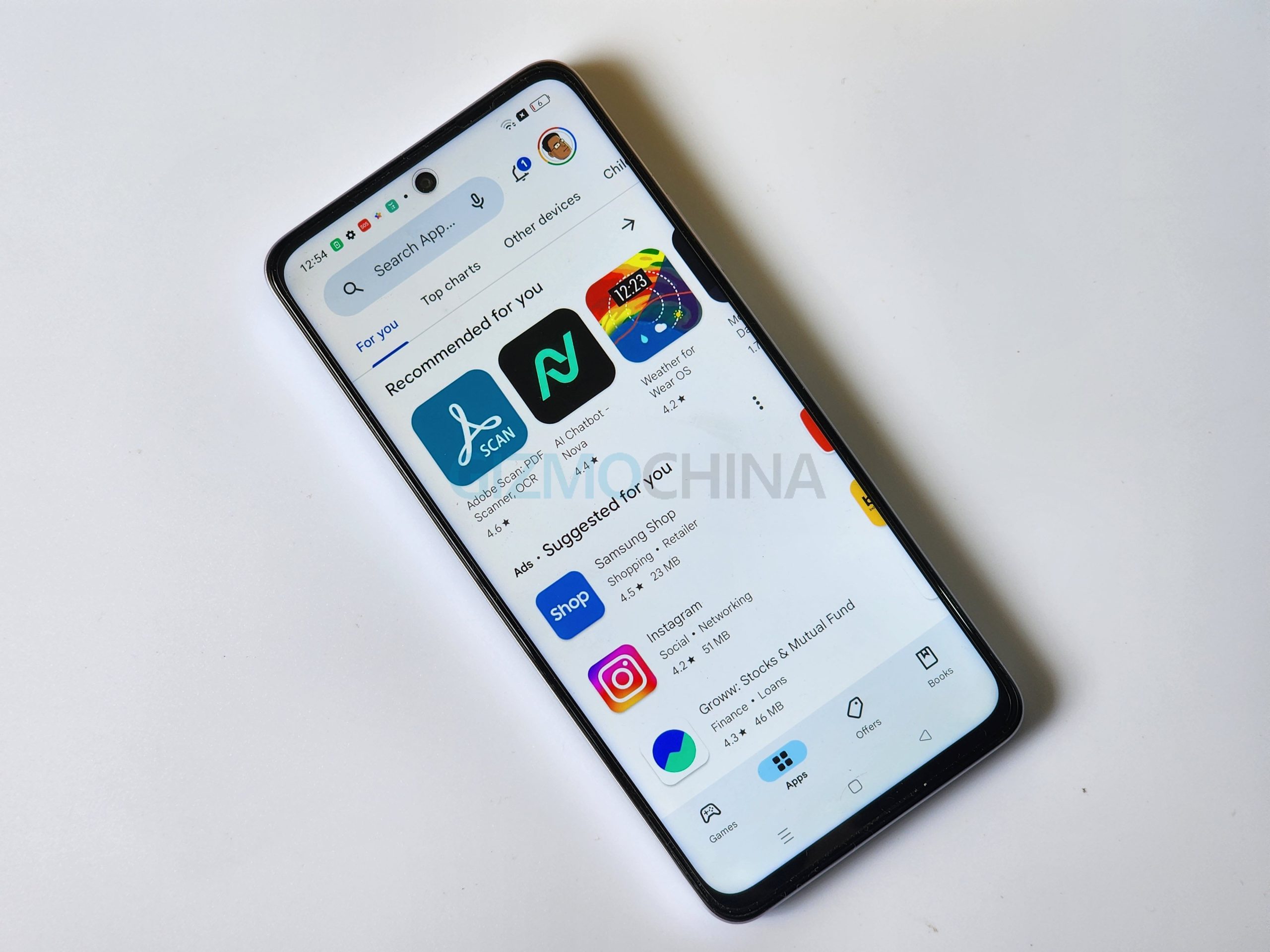
The Realme 11X 5G runs on Android 13, which is overlaid with Realme UI 4.0. It offers a fluid experience and lots of customization features, as expected. However, there are many pre-installed apps that users may not want to see, as well as recommendations. On the bright side, the device is promised to receive two years of OS upgrades and three years of security updates. Here is a look at how the device performed on benchmarking apps.
Photography and Other Features
Rear Camera
Other features
64MP OmniVision OV64B main camera
Side-mounted fingerprint scanner
Single speaker
2MP OmniVision OV02B1B depth sensor
Face unlock
3.5mm audio jack
LED flash
Wi-Fi 5
x-axis linear motor
Bluetooth 5.2
MicroSD card slot (hybrid SIM slot)
5G (n1/n3/n5/n7/n8/n28 /n40/n41/n77/n78)
Front Camera
GPS
8MP OmniVision OV08D10 camera
USB-C
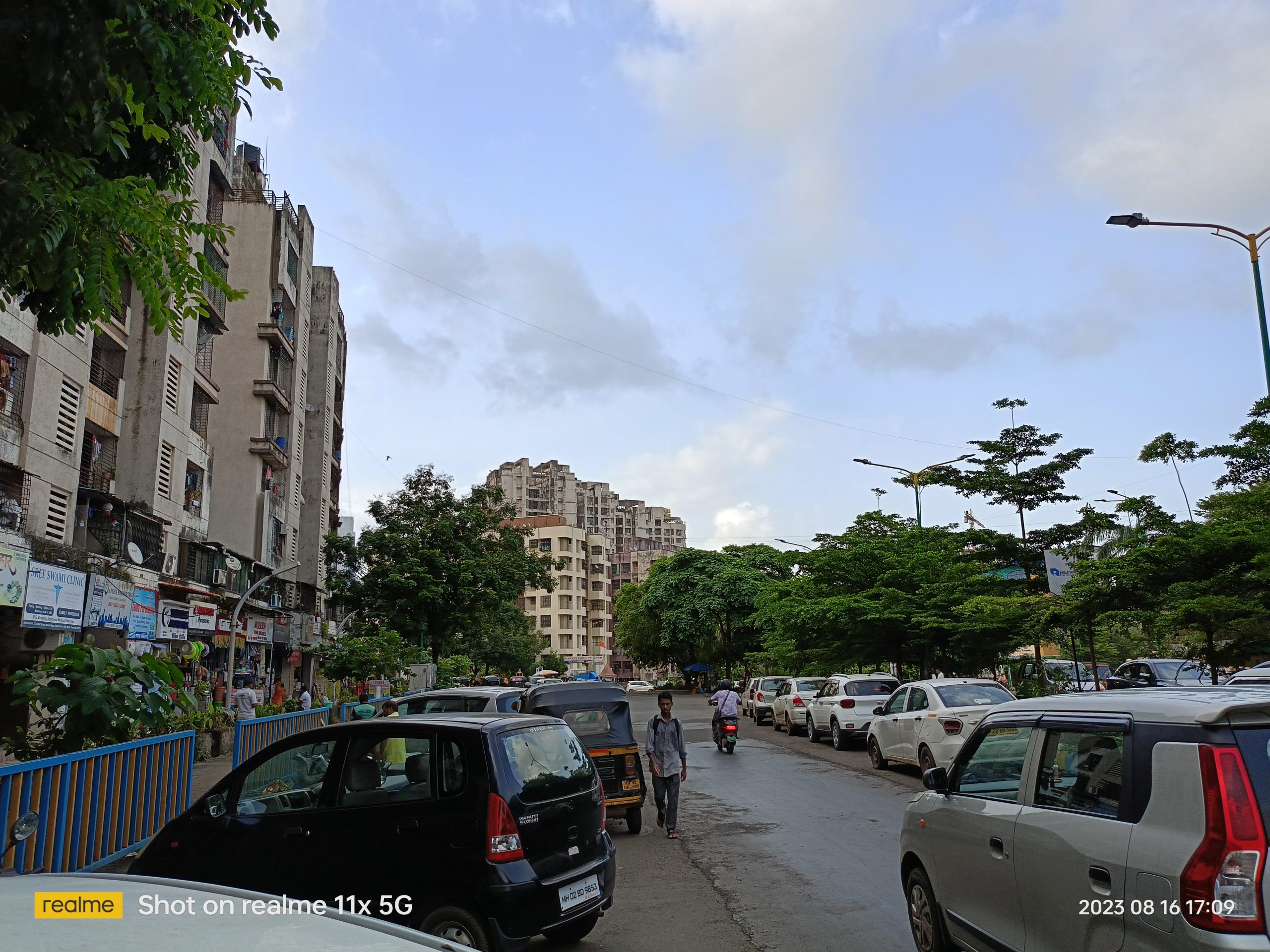
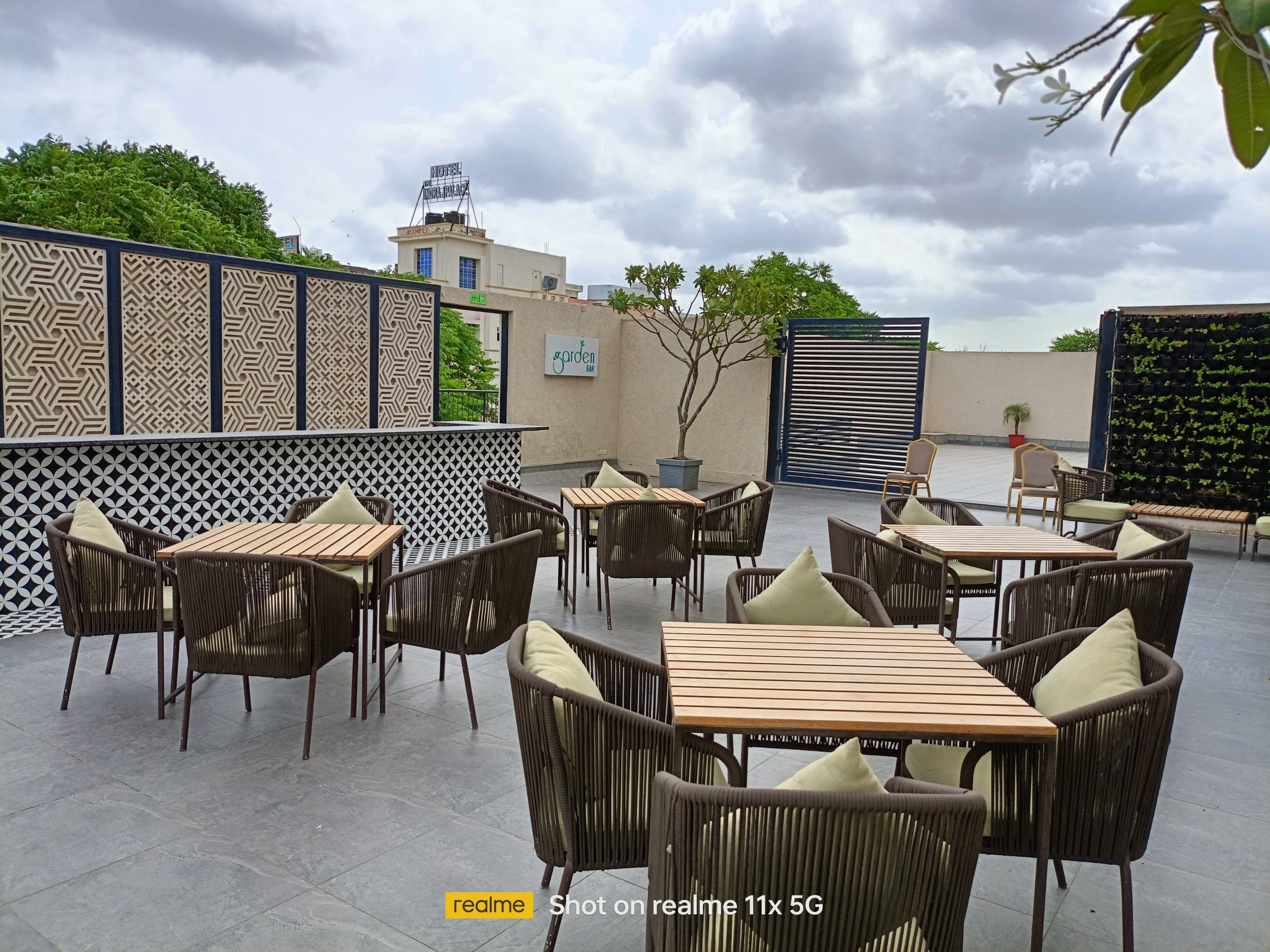
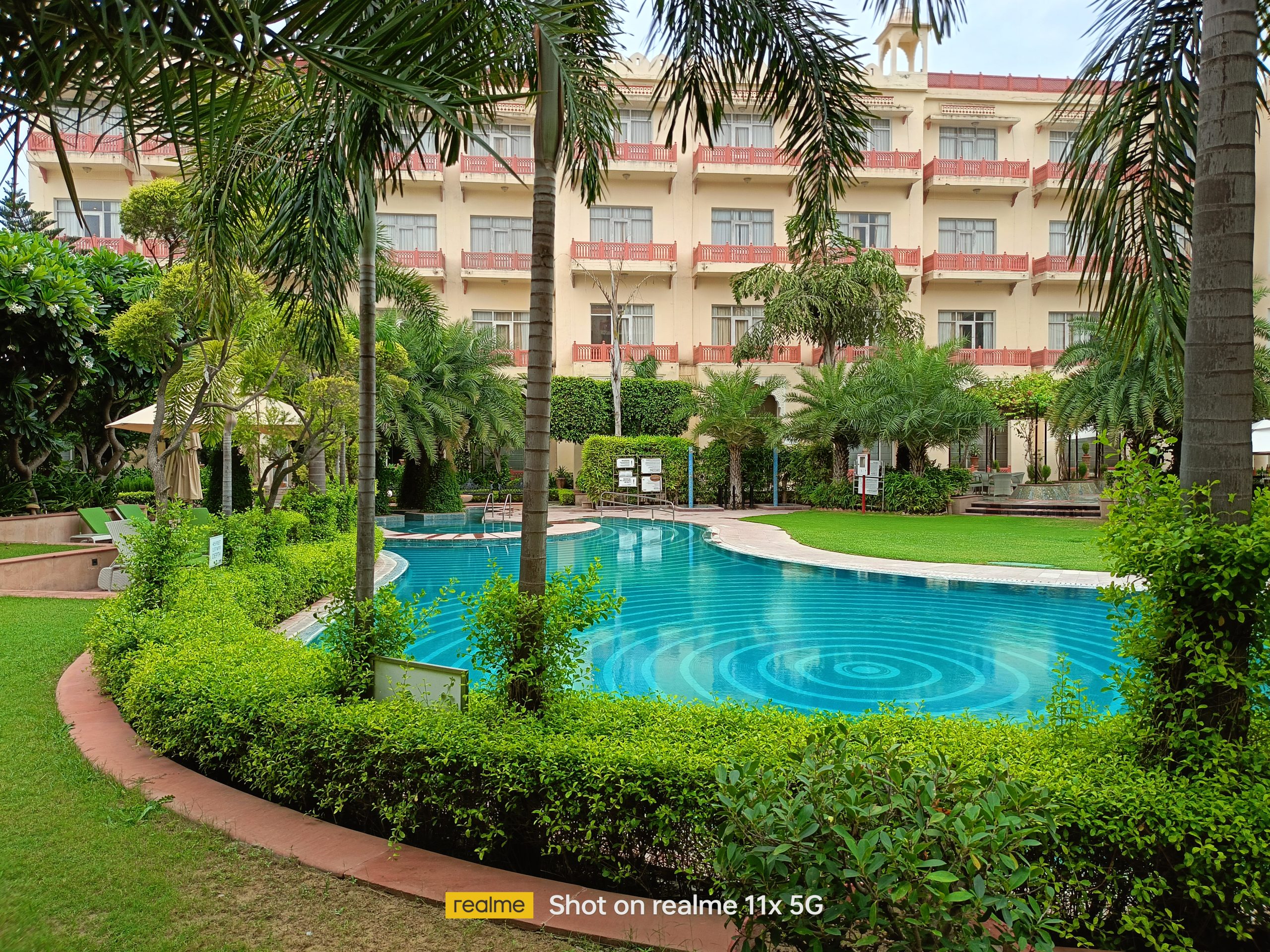
The Realme 11x 5G comes with photography modes, such as Photo, Video, Street, Night, Portrait, 64M, Pro, Panorama, Film, Tilt-Shift, Dual-View Video, Time-Lapse, Slow-Mo, and Text Scanner. It goes without saying that the 64-megapixel OV64B primary camera is one of the major strengths of the Realme 11x, as it produces flagship-level camera shots. The same camera is also available on high-end phones, such as the Poco F5 series, the OnePlus Ace 2V, and the OPPO Reno 9.
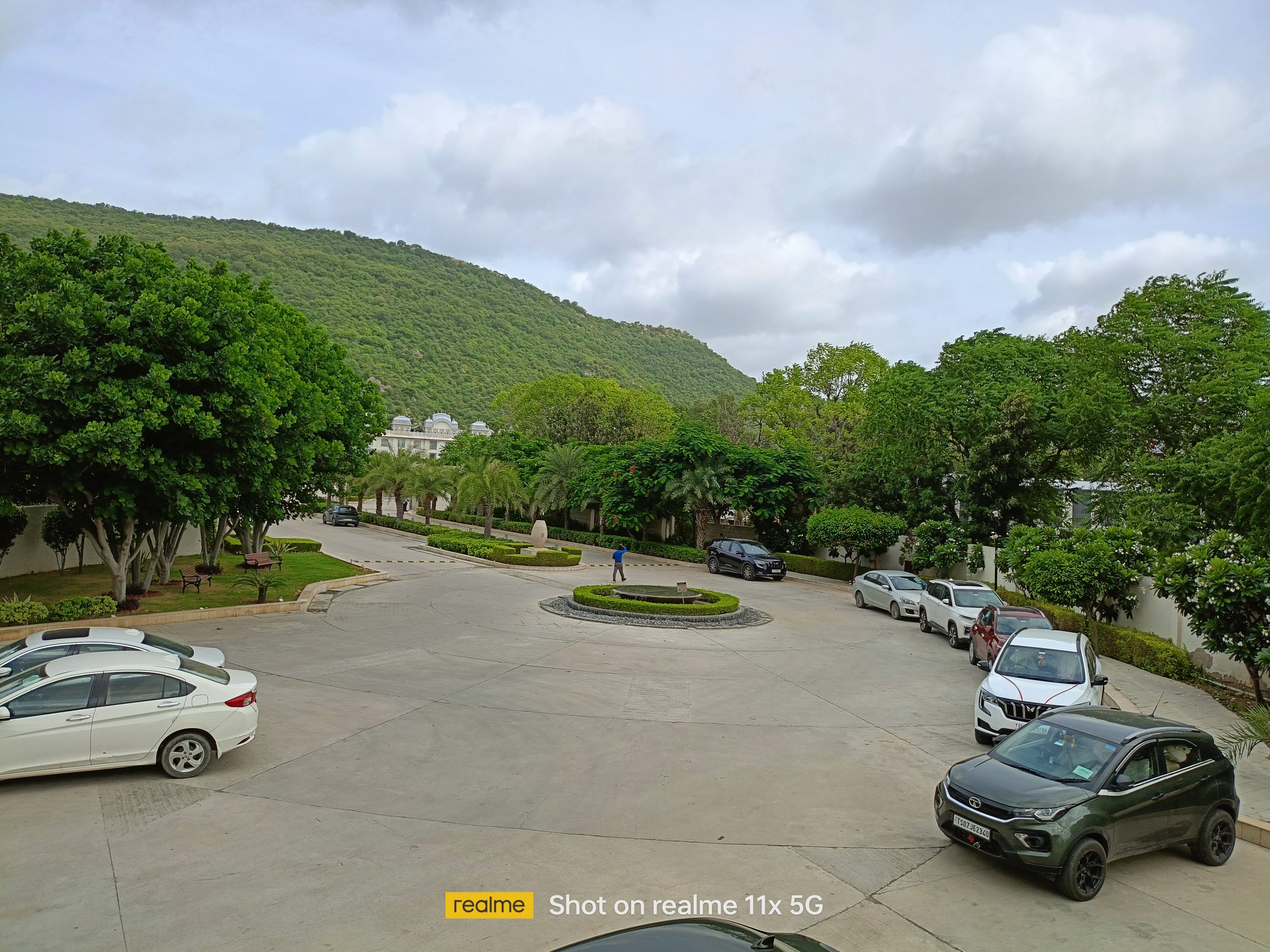
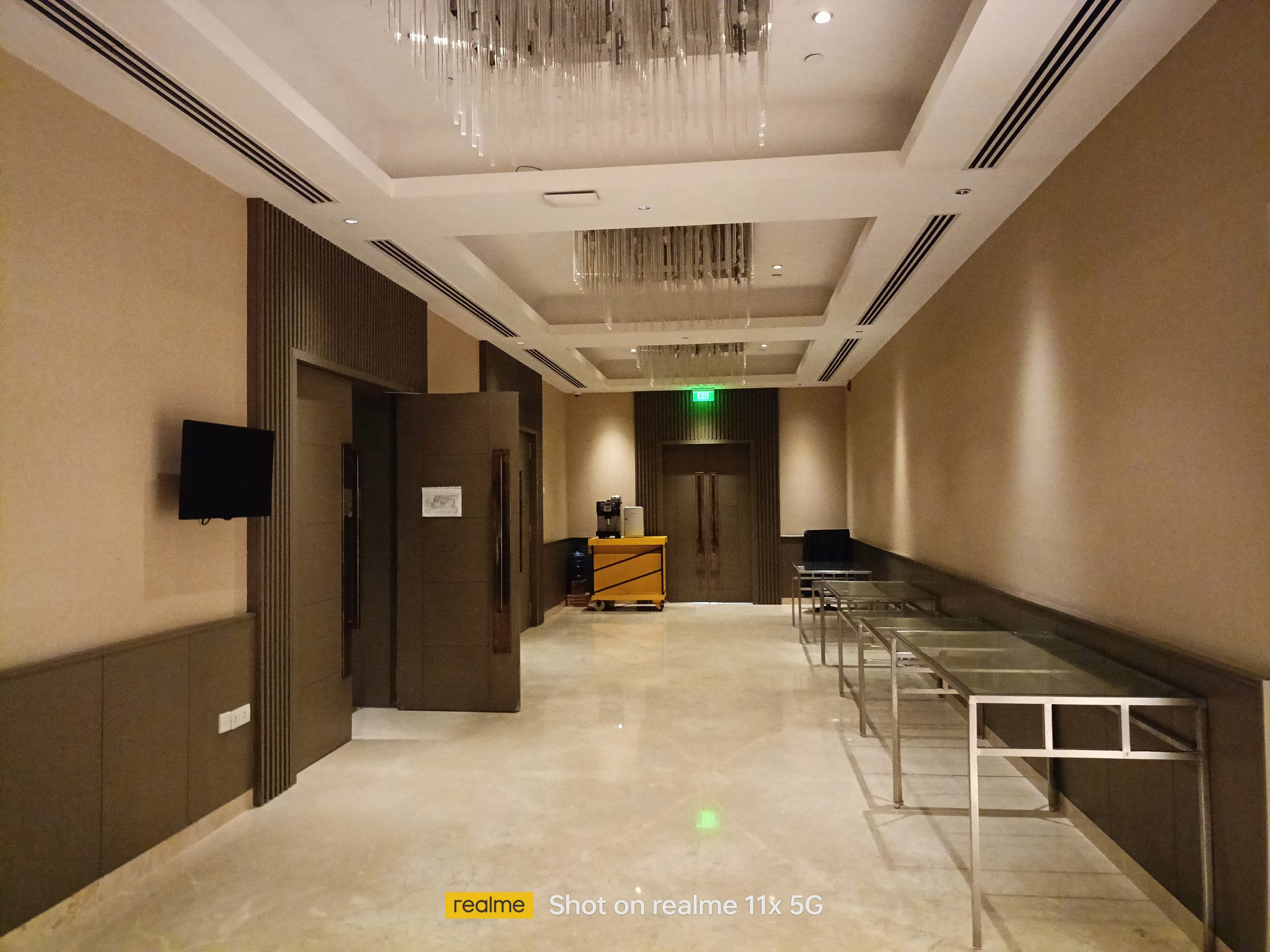
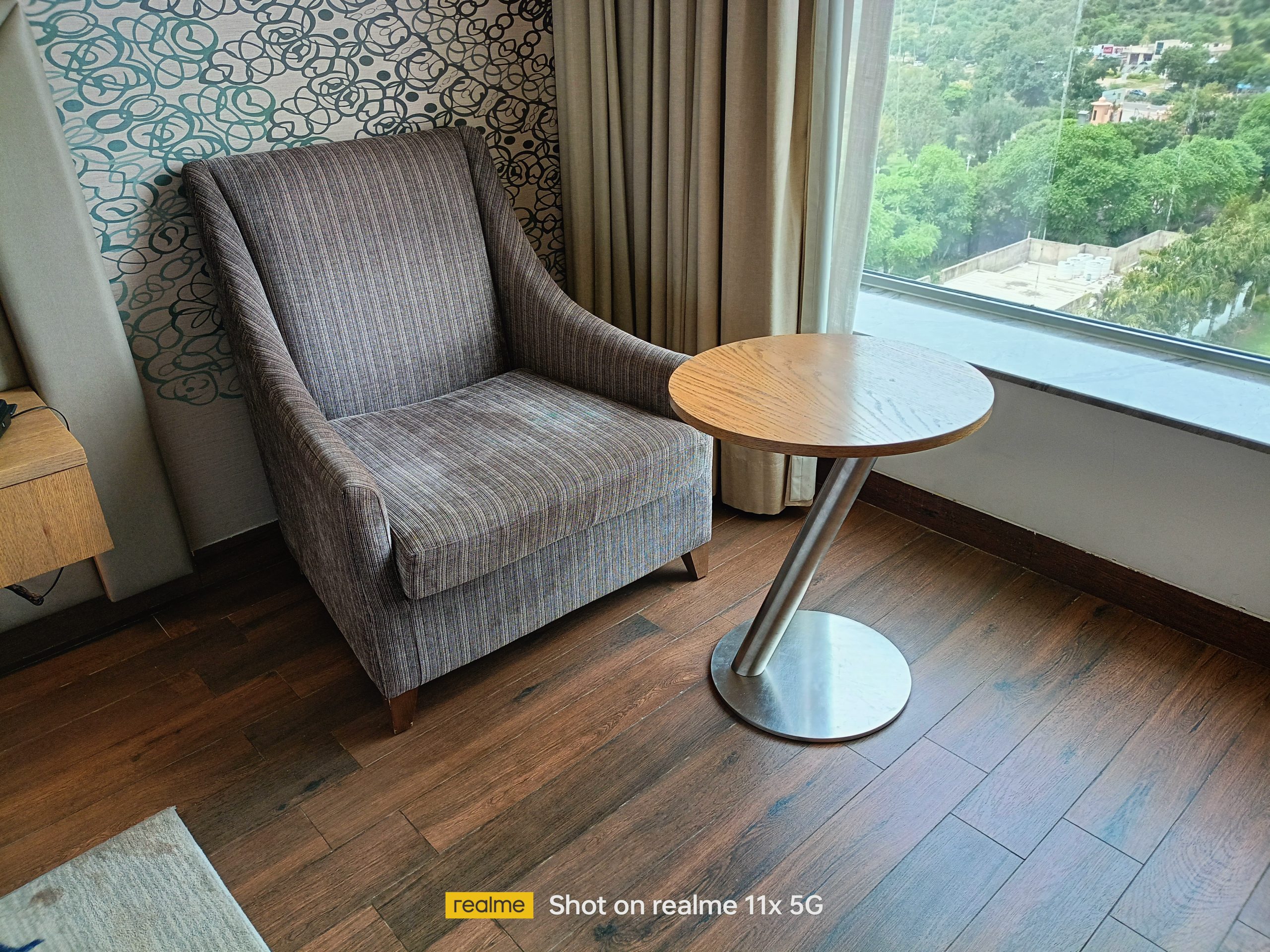
The main camera on this device is truly a pleasant surprise, delivering impressive results in various lighting conditions. In well-lit environments, it captures photos with exceptional dynamic range and remarkable details. The colors, though slightly enhanced, retain a natural appearance that always feels appropriate.
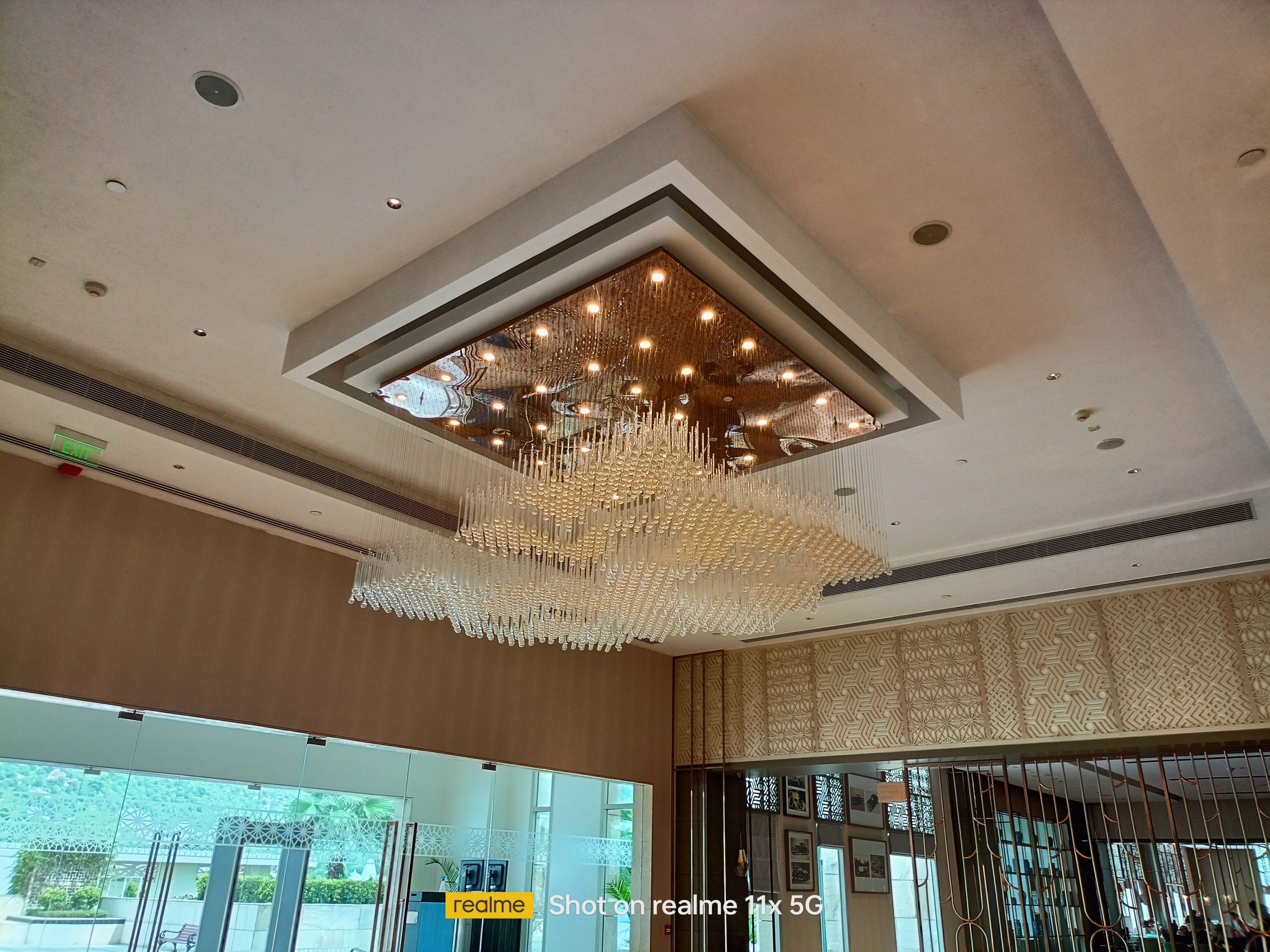
The 64-megapixel camera supports 2x in-sensor zoom, which functions like a telephoto camera. It can capture zoomed-in shots with good details. Indoor photography is a breeze for this camera, particularly in good lighting. Enabling the 64M mode enhances both colors and details, providing an even more satisfying result.
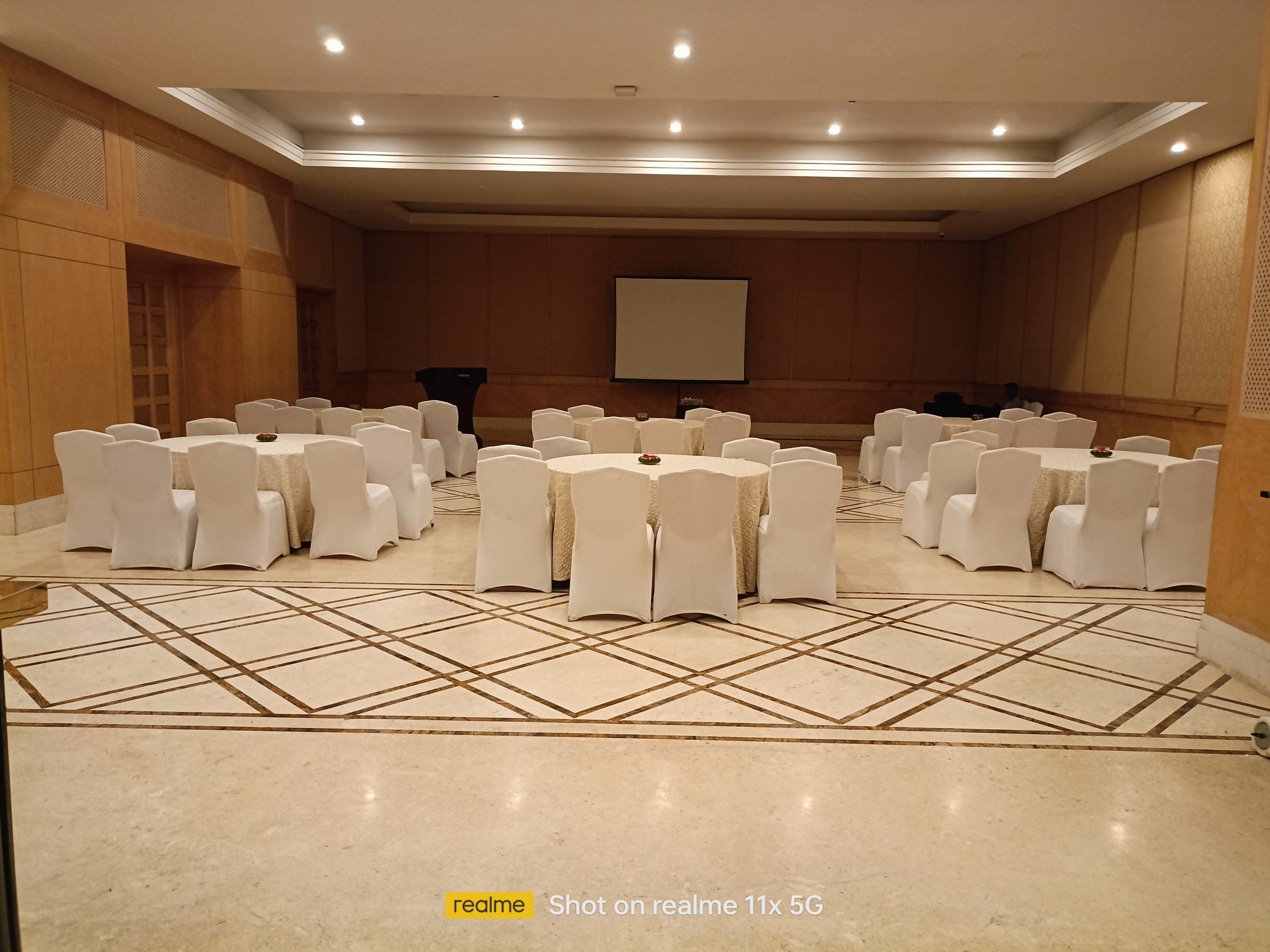
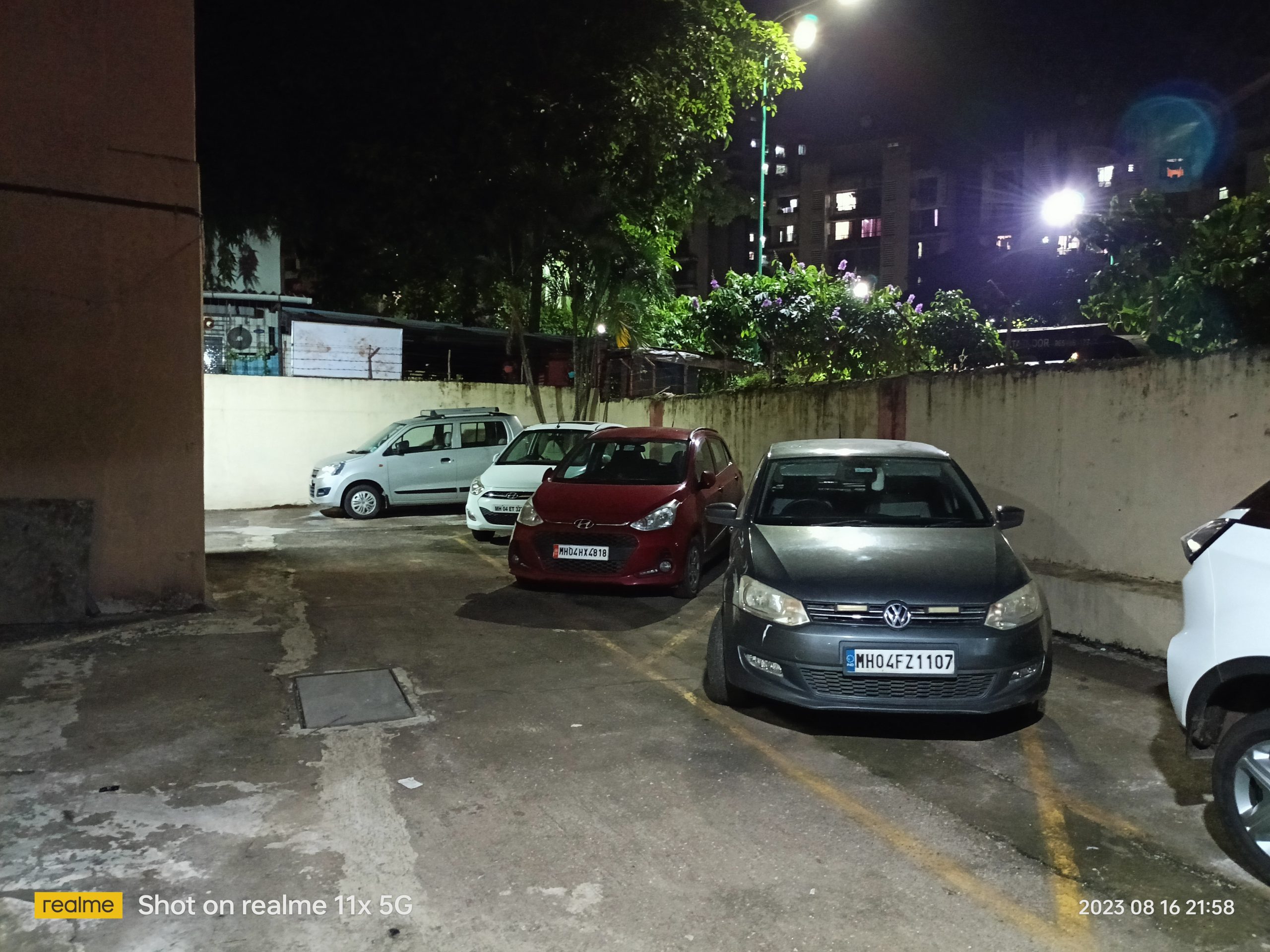
The performance of the camera struggles in poor or inconsistent lighting. Nighttime shots can appear overly sharpened and sometimes fuzzy, with a less-than-ideal dynamic range. Fortunately, the night mode does improve low-light performance, albeit with slightly slower processing times. Overall, this camera provides commendable performance, especially considering its price point, delivering sharp, well-detailed shots with impressive dynamic range and color accuracy.
Potrait selfielow-light selfiePotrait selfie
The 8-megapixel front camera produces decent selfies with natural skin tones in good lighting but can have some noise in challenging conditions. Overall, it’s suitable for sharing on social media. The 64-megapixel and 8-megapixel cameras can shoot up to 30fps Full HD videos. The rear camera lacks support for stabilization while shooting videos.
Regarding other aspects of the Realme 11x, its side-mounted fingerprint scanner is both dependable and swift in operation. The inclusion of a hybrid SIM slot enables users to simultaneously use a nano-SIM and a microSD card, providing flexibility for storage and connectivity needs. Furthermore, the 5G connectivity on this device is stable, ensuring a smooth online experience. Call quality is also commendable, making it a reliable choice for communication and connectivity.
Verdict
Realme 11x 5G
The Realme 11x is an attractive choice for individuals seeking a budget-friendly 5G phone with strong photography capabilities. It boasts a well-crafted design and reliable all-day battery life, making it suitable for daily tasks. Its overall performance is seamless, though the presence of pre-installed apps, which some users may find bothersome, is a matter of personal preference. If photography isn’t a top priority when shopping for an affordable 5G phone, there are more economical alternatives available, including the Poco M6 Pro 5G, Redmi 12 5G, Infinix Hot 30 5G, Tecno Pova 5 Pro, Samsung Galaxy M14, Galaxy F14, and the upcoming Moto G54.
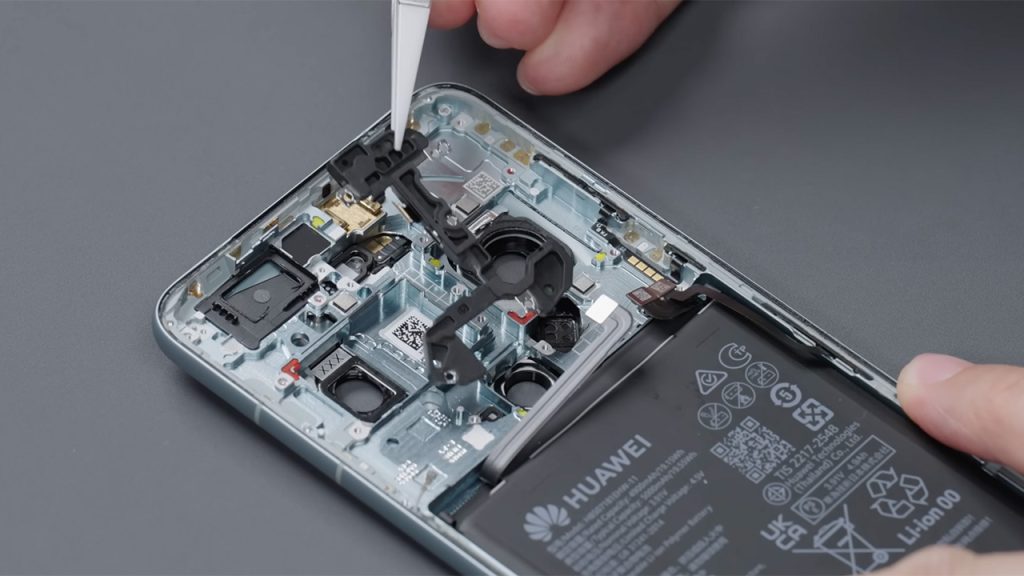
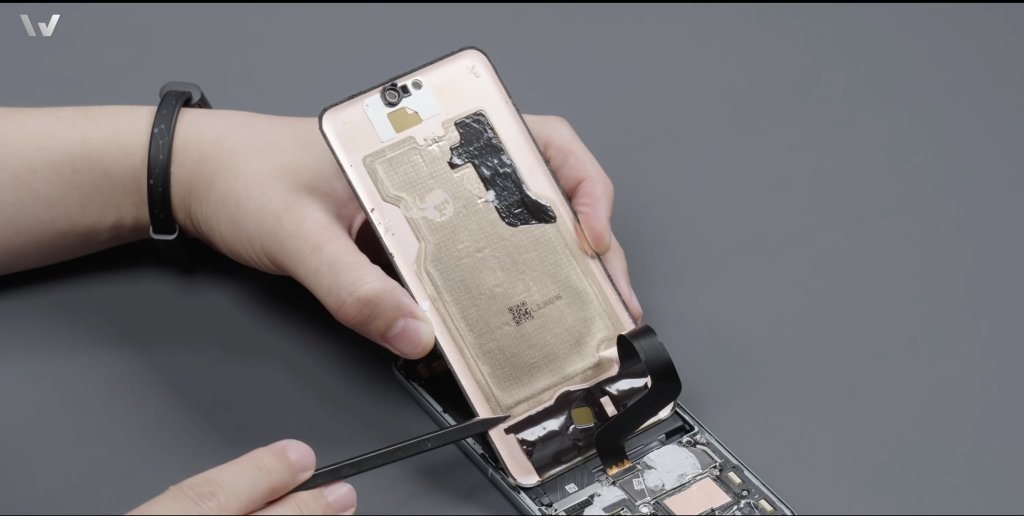
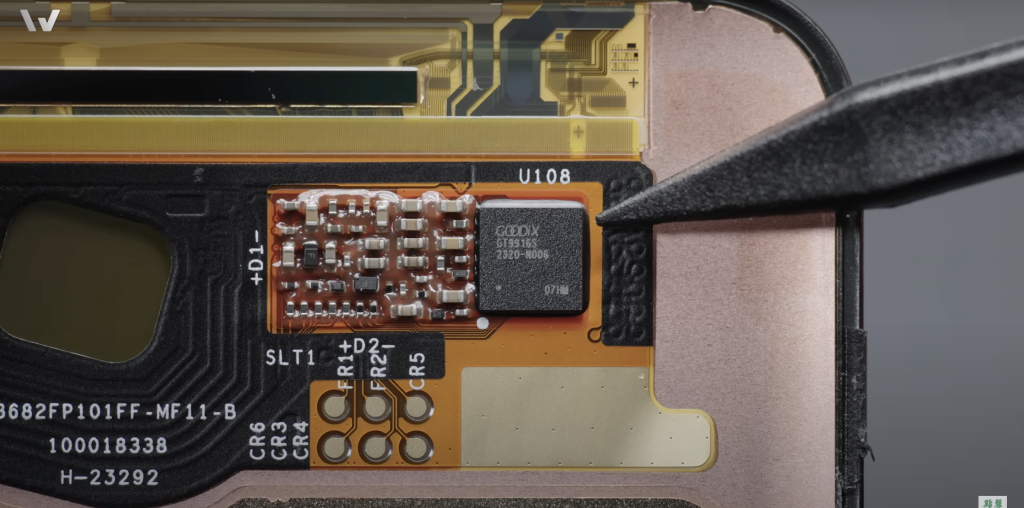
Huawei continues to expand its product family. The company, which has been struggling for some time due to the US embargo and is trying to rise from the ashes, has added the Mate 60 series to its lineup. Of course, the model that stands out the most is the Mate 60 Pro, with a price of over $1,000 and very ambitious technical specifications. Naturally, the phone attracted the attention of the technology press around the world, including Gizmochina. Some of them took their review one step further by opening the phone and revealing its luxurious internal components. Here are the details…
Huawei Mate 60 Pro, The Ultimate Flagship Smartphone with No Compromises
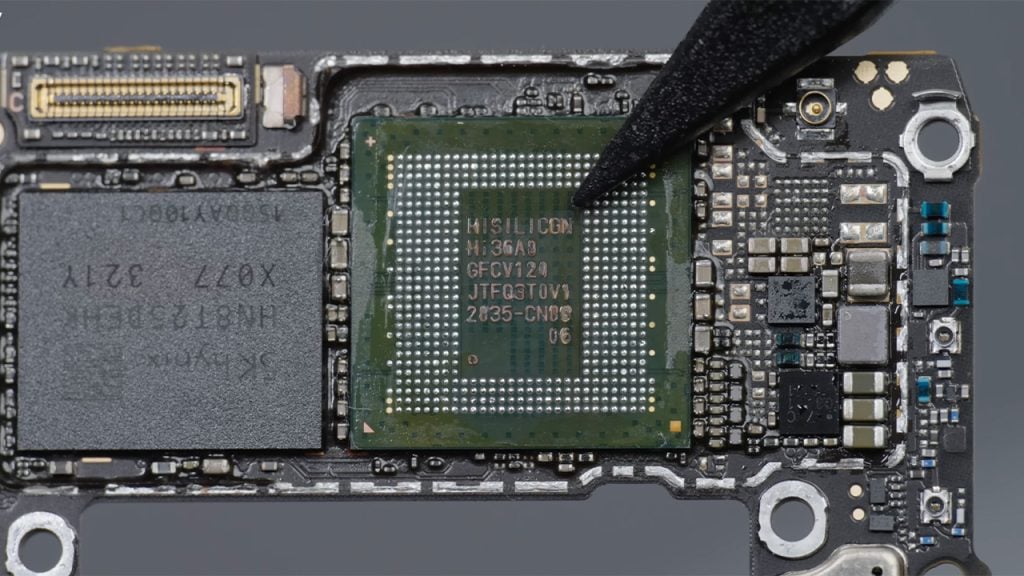
Although Huawei has released a lot of information about the Mate 60 Pro, it has not confirmed whether the phone supports 5G or which processor it uses. However, the teardown shows that the Mate 60 Pro uses SK Hynix memory and storage, with specifications of LPDDR5X and UFS 4.0. Under the RAM is the phone’s core processor, which appears to be a dual-stack design. According to leaked information, the Kirin processor is called the Kirin 9000s. However, this may not be the final name.
The Mate 60 Pro‘s internal cooling system is also considered “luxurious”. The phone has a huge copper-alloy VC heat sink under the screen. Although the Mate50 Pro also has a similar VC heat sink, it is much smaller than the one in the Mate 60 Pro. According to the teardown blogger, the Mate 60 Pro’s VC liquid cooling plate may have an area of up to 7,000 square millimeters, which is one of the largest in the smartphone industry.
Huawei’s self-developed Kirin 9000S chip has performed well on the AnTuTu benchmark platform. The chip scored 699,783 points, which is an impressive result. However, on another popular performance benchmark platform, Geekbench, the Kirin 9000S scored 565,635 points. This suggests that the Kirin 9000S’s true GPU performance remains to be tested and verified. You can watch the entire teardown in the video below.
The sudden launch of the Mate 60 Pro has undoubtedly injected new vitality into Huawei’s smartphone business and provided consumers with more choices. However, Huawei has yet to provide clear answers to key questions about the phone, such as whether it supports 5G and which processor it uses. We will continue to monitor the Mate 60 Pro’s development.
BYD continues to expand its electric vehicle family. For example, the company recently announced the Seal DM-i, which will be sold for 180,000 Yuan at the Chengdu Auto Show in China. In addition to increasing its number of models, the company continues to be active in more markets. This way, it hopes to achieve the success it has achieved in China in other countries. One of these countries is Japan. BYD, which has been operating in the country for a while, will start selling its second electric vehicle model in Japan this month, Here are the details…
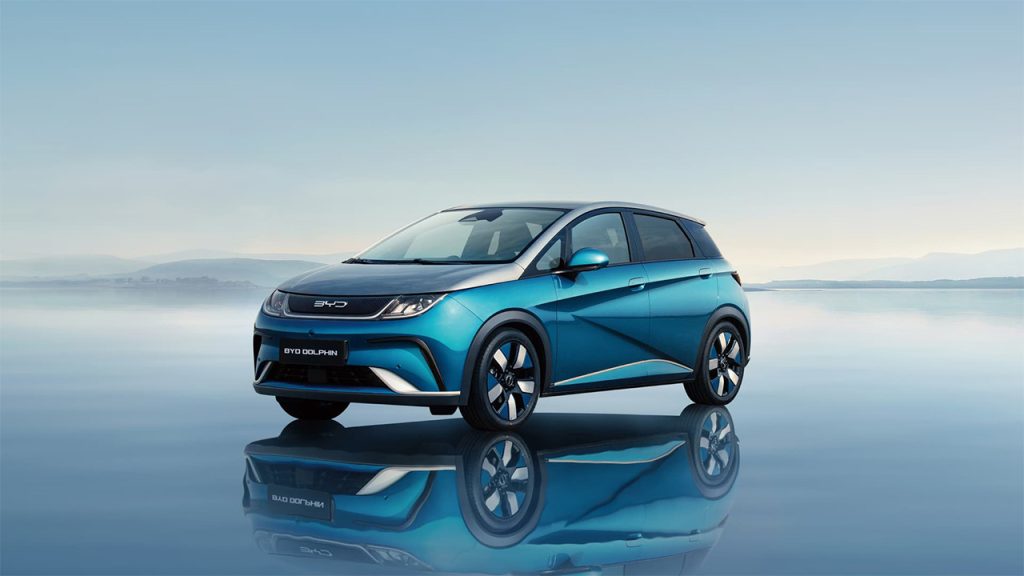
BYD Targets Young Japanese Consumers with Dolphin
BYD has been operating in Japan for some time. The company opened its first dealership in the country in February and began selling the ATTO 3. The SUV, which sells for around 4.4 million yen ($30,205.26), quickly gained the approval of many people thanks to its affordable price and ambitious features. Now, building on this momentum, BYD is preparing to launch its second model, the Dolphin.
According to the announcement, the Dolphin is an electric hatchback that will be available for order starting September 20. So, what are the features of this car? The Dolphin is powered by BYD’s Blade battery technology, which is said to be more energy-efficient and safer than traditional lithium-ion batteries. The vehicle has a range of up to 400 kilometers on a single charge. BYD is targeting young Japanese consumers with the Dolphin.
The vehicle is priced starting at 1.6 million yen (US$13,000), which is lower than the price of many other EVs in Japan. The arrival of Chinese EVs in Japan is likely to shake up the Japanese auto market. Japanese automakers have been slow to adopt EVs, and they are facing increasing competition from Chinese manufacturers. The introduction of the Dolphin and other Chinese EVs is likely to put pressure on Japanese manufacturers to lower their prices and improve their offerings. It will be interesting to see how the Japanese market reacts to the arrival of Chinese EVs.
In the ever-evolving landscape of China’s PC market, US technology giant Dell Technologies has encountered a substantial setback, marked by a staggering 52% decline in PC shipments during the second quarter of 2023. This startling drop has seen Dell’s market share in China plummet from 14% in the same period last year to a mere 8%, securing its position at fourth place, according to a report by research firm Canalys.
The broader context reveals a challenging environment for PC manufacturers in China, as overall PC shipments dipped by 19% in the second quarter, attributed to a more cautious approach to spending in the commercial sector amid a sluggish economic recovery.
Canalys’ analyst, Emma Xu, pointed out that “micro, small, and medium enterprises are very sensitive to macro challenges,” and given the ongoing economic uncertainties, they are less inclined to make substantial investments in devices at this juncture.
Dell’s downfall comes at a time when the company is reportedly strategizing to diversify its supply chain and reduce reliance on China-based suppliers. In January, reports surfaced suggesting that Dell plans to cease purchasing China-made semiconductors by 2024 and might shift approximately 50% of its production out of China by 2025. This move is seen as a response to escalating tensions between Beijing and Washington and a response to customer demands for a more diversified supply chain, as revealed by Michael Dell, the founder and CEO of the company.
Meanwhile, Canalys’ report indicates that Apple, currently the fifth-largest computer supplier in China, is exploring the possibility of manufacturing some of its MacBooks in Thailand. The shift in manufacturing locations could be an attempt to mitigate supply chain challenges and disruptions, which Apple faced in the same period last year.
Despite the overall decline in the PC market, the tablet segment in mainland China displayed resilience. Tablet PC shipments surged by 8% year-on-year, reaching 6.5 million units in the second quarter of 2023. This resurgence was largely driven by a strong rebound in iPad shipments.
The second quarter results seem to reflect not only the challenges posed by the economic climate but also the evolving dynamics of the technology industry, where companies are reevaluating their global supply chain strategies in response to geopolitical tensions and market fluctuations.
As the third quarter unfolds, it remains to be seen whether Dell can regain its foothold in the Chinese PC market or if the shifting sands of global supply chains will continue to redefine the competitive landscape in this pivotal sector.
The artificial intelligence craze continues to sweep the internet. Nowadays, almost every company is trying to integrate AI technology into its services in one way or another. However, some are taking it a step further by developing their own AI language models. One of these companies is Baidu. At the beginning of this year, we reported that the company was developing a chatbot to rival OpenAI’s ChatGPT. We then followed up on this development and shared the details with you, such as its name, Ernie Bot. Now, the chatbot is available to users and has seen a record 1 million users in less than 24 hours since it was launched. Here are the details…
Ernie Bot Challenges ChatGPT as China’s Leading AI Chatbot
Ernie Bot Baidu’s AI chat service, has seen a record 1 million users in less than 24 hours since it was made publicly available at midnight Thursday. Fueled by excitement over what is seen by many as China’s main challenger to ChatGPT, users across the country have been able to access the product for the first time after it was approved for general use by the authorities. The ChatGPT-like tool responded to more than 33.4 million user queries within the first day, according to data revealed by the company.
Ernie Bot is powered by Baidu’s own large language model, which has been trained on a massive dataset of text and code. This allows the bot to generate human-like text responses to a wide range of prompts and questions. For example, users can ask ERNIE Bot to write poems, translate languages, or even answer their questions about the world.
It remains to be seen whether Ernie Bot can dethrone ChatGPT as the leading AI chatbot in China. However, the bot’s early success suggests that it is a serious contender. With its strong capabilities and wide range of applications, Ernie Bot has the potential to become a major player in the Chinese AI market.
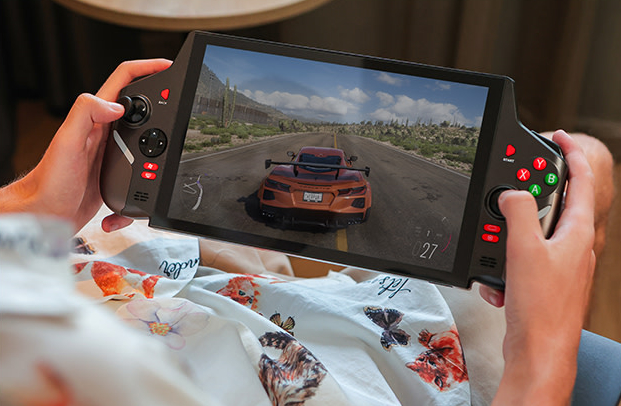
Meteorish has unveiled the TJD T101 gaming handheld via an Indiegogo crowdfunding campaign. The TJD 101 is powered by either the AMD Ryzen 5 7640U or Ryzen 7 7840U APUs and comes with a 10.1-inch display.
The TJD T101 features at least 16GB of RAM and 1TB of SSD. The Indiegogo listing of the T101 comes just one month after the company released the specs of the gaming handheld. The huge display of the T101 is one of the major highlights of the model. It also has a 60Wh battery and the lower Ryzen 5 model comes with Radeon 760M iGPU. On the other hand, the Ryzen 7 model features the Radeon 780M iGPU and 32GB of RAM combined with a 2TB SSD.
The TJD 101 has a display resolution of 1920 x 1200 pixels and comes with Hall Sensing Joystick and Hall Trigger. As per the Indiegogo campaign itself, TJD 101 has already surpassed its funding goal. The company has hinted that the initial orders will be dispatched within three months but this could be extended further.
The TJD 101 gaming handheld is now orderable and the earliest deliveries will be shipped by November 2023, according to Meteorish. The Ryzen 5 model of the gaming handheld retails for $599 while the Ryzen 7 model is priced at $949. There are several pledge options with varying discounts including Launch Day Special, Early Bird, and IGG Special. The Indiegogo campaign has already achieved 472% of its $50,000 Flexible Goal and will close by the end of September.
As expected, Infinix has launched the Zero 30 5G smartphone in the global markets. The brand had been teasing the key specifications and features of the latest offering leading up to the launch event. The Zero 30 5G is touted to be the ideal device for vloggers with a feature that is not commonly found in other smartphones in the segment. Read on to know what the Zero 30 5G offers out of the box.
Infinix Zero 30 5G specifications and features
Infinix Zero 30 5G
The Infinix Zero 30 5G boasts a 6.78-inch AMOLED display with curved edges and a centre-aligned punch-hole cutout. It bears an FHD+ resolution, a 144Hz refresh rate, and a peak brightness of 950 nits. The screen is also integrated with a fingerprint scanner. Both the front and rear panels are shielded by Gorilla Glass for protection against damages.
On the optics front, the Infinix Zero 30 5G sports a rectangular camera module on the rear. It has a 108MP primary OIS-enabled lens with 3x in-sensor zoom paired with a 13MP ultra-wide-angle unit and an AI lens. Up front, the smartphone features a 50MP selfie snapper with support for 4K video recording at 60fps making it a dream device for vloggers. Most smartphones offer 1080p video recording via the front camera.
Under the hood, the Infinix Zero 30 5G is equipped with a MediaTek Dimensity 8020 processor. It packs up to 12GB RAM along with 9GB extended virtual RAM. There is 256GB native storage onboard. The smartphone draws its power from a 5,000mAh battery unit with support for 68W fast charging. It runs on Android 13 with XOS 13 out of the box.
The Infinix Zero 30 5G is offered in Rome Green and Golden Hour colors. The smartphone starts at Rs 23,999 for the base 8GB + 256GB variant whereas the 12GB + 256GB option costs Rs 24,999. It can be purchased from Flipkart starting today. Axis bank cardholders pre-booking the device can avail Rs 2,000 instant discount on the smartphone.
Pixel 8 and 8 Pro are launching on October 4 during the “Made by Google” event. Leaks and rumors have revealed all there is to know about the new smartphones, except for the price. That changes now, as a new report is here with European prices of the upcoming smartphone. It also shares the storage and color options of the two phones.
The Tech Outlook reports, based on info from tipster Paras Guglani, that the regular Pixel 8 will hit the European market in 128GB and 256GB storage options. Google might offer it in Hazel, Obsidian, Rose, and Mint shades. The 128GB model is priced at €874.25 with 23% VAT, while the 256GB version costs €949.30 with 23% VAT.
As per the outlet, the Pixel 8 Pro will be made available in 128GB, 256GB, or a generous 512GB storage option. You will be able to choose from 4 colors, including Bay, Obsidian, Porcelain, and Mint. In the European market, the base variant with 128GB of storage, inclusive of the 23% VAT, is slated to be priced at €1,235.72. The high-end 512GB model will be offered at a price point of €1,461.24 with the 23% VAT. Meanwhile, the 256GB storage variant will be available for €1,309.95, which includes 23% VAT.
As for the specifications, the Pixel 8 is expected to feature a slightly smaller 6.17-inch display. It will offer a resolution of 2400 x 1080 pixels and a maximum brightness of 1400 nits. Additionally, it will include a variable refresh rate that ranges from 10Hz to 120Hz. On the other hand, the Pixel 8 Pro could have a larger 6.7-inch display with a resolution of 2992 x 1344 pixels and a maximum brightness of 1600 nits.
Both phones are set to be powered by the new Tensor G3 chip with up to 12GB of RAM and 512GB of onboard storage. The standard model is expected to feature a 4485 mAh battery, while the Pro variant may come with a slightly larger 4950 mAh battery.
After the commencement of OxygenOS 14 Closed Beta for OnePlus 11, OnePlus 11R, and OnePlus Nord 3, the program is here for the OnePlus 10 Pro. The users in India can participate in the program if they meet the program requirements. It is not recommended to upgrade for users who have only the participant device as their daily driver.
The program is limited to 500 users, and the user must have the OnePlus 10 Pro Indian variant. It may need flashing builds, so the user must possess some technical skills to perform these tasks. Also, the process will result in loss of data from the device, make sure to backup before upgrading. There will be issues and some basic features on the smartphone may even not work. Even third-party applications may have issues with the device. So, it is always recommended to keep updating the apps from the Play Store. Other known issues are listed below:
Flashing screen issue when adjusting brightness in the status bar under a dark environment.
Flashing screen issue when using fingerprint unlock on the lock screen.
Abnormal display when switching screen resolution.
Desktop static wallpaper is dimmed after switching to dark mode in the status bar.
Dynamic wallpaper may switch to static wallpaper after upgrading.
Flashing screen issue when unlocking with fingerprint in TikTok interface.
Below are the full Requirements for the program:
OnePlus 10 Pro Indian variant is required.
The participant must be a OnePlus Community member.
Regular Feedback Reporting is required from the participants.
A Friendly group talk in the CBT Telegram group related to the development with other members.
Participants should not share the CBT installation package outside the closed group.
OxygenOS 14 brings several new advancements including the new Trinity Engine which will surely improve the performance. It plugs the gap between hardware and software to unleash the maximum performance from the present hardware. It even aids in better multitasking features, higher power consumption efficiency, and premises fast and smooth overall experience. Along with these improvements, OxygenOS 14 adds six new innovative technologies to enhance the overall system’s resource utilization. The new technologies include CPU Vitalization, RAM Vitalization, ROM Vitalization, HyperBoost, HyperTouch, and HyperRendering.
The OxygenOS 14 promises a smooth and flawless experience while enhancing multi-tasking, improving resource-intensive gaming, and increasing power efficiency.
OnePlus is launching the stable OxygenOS 14 on September 25 on its flagship phones.
Samsung has added the Classic Astro Edition to the Galaxy Watch6 series. The Samsung Galaxy Watch6 Classic Astro Edition is a limited-edition model with exclusive dials but no hardware changes from the Galaxy Watch6 Classic. This comes on the heels of the recent release of the Golf Edition in the series.
Samsung says the Galaxy Watch6 Classic Astro Edition was inspired by the astrolabe, an instrument used to calculate the position of the celestial bodies. The new Samsung smartwatch will be available only in selected markets. The past weeks have seen the release of a raft of Samsung products including the Galaxy Z Fold5, Galaxy Z Flip5, and the Galaxy Watch6 series. The Watch6 Classic Golf Edition is limited to Samsung’s home market of South Korea and it features few changes in design and hardware.
The Galaxy Watch6 Classic Astro Edition’s exclusive dial and engraved bezel is its distinguishing feature over other Watch6 models. The Astro Edition of the Watch6 Classic, according to Samsung, was also released to celebrate the contributions of the Middle East and North Africa to Astronomy and Mathematics. The smartwatch has a compass and a tool for monitoring the positions of the sun and moon, as well as sunrise and sunset. The second hand of the model has a crescent moon.
The Samsung Galaxy Watch6 Classic Astro Edition has several accessories including fabric straps but availability will be limited to the Middle East and North Africa. The Galaxy Watch6 Classic Astro Edition will retail for around $544.
Dell Technologies has raised its full-year forecasts for both revenue and profit, signaling a potential end to the recent tech spending downturn. The company has benefited significantly from the surging demand for artificial intelligence (AI) solutions and a stabilizing market for computer hardware and server products.
In the wake of these positive developments, Dell’s shares surged during extended trading hours. Furthermore, Dell’s client solutions group (CSG), which includes its consumer and enterprise PC business, experienced an 8 percent revenue increase from the first quarter, reaching $12.94 billion. This rise reflects a resurgence in demand for personal computers, a segment that had faced challenges during the tech spending downturn.
One of the key drivers of Dell’s success has been the burgeoning demand for its PowerEdge servers, which are optimized for AI applications. Additionally, the company’s generative AI designs, developed in collaboration with Nvidia, have found favor among Big Tech companies ramping up their AI investments.
Dell’s financial outlook is showing robust figures for the third quarter, with projected revenues ranging from $22.5 billion to $23.5 billion, exceeding analyst estimates of $21.67 billion, according to Refinitiv data. Dell also anticipates earnings per share (EPS) of $1.45, with a slight margin of plus or minus 10 cents, surpassing the estimated $1.38.
For the full year, Dell has revised its expectations upwards, now projecting revenues in the range of $89.5 billion to $91.5 billion and EPS of $6.30, plus or minus 20 cents. These revised forecasts reflect the company’s optimism about sustained growth in the coming months.
In the second quarter, Dell reported revenues and EPS that outperformed analyst expectations, underscoring the strength of its current market position. Notably, the company’s servers and networking revenue for the second quarter reached $4.27 billion, marking an impressive 11 percent increase from the previous quarter. This growth is attributed to rising demand for AI-optimized servers, a trend that Dell has effectively capitalized on.
As the global tech landscape continues to evolve, Dell’s strong performance serves as a beacon of hope, signaling a potential rebound in tech spending across the globe.
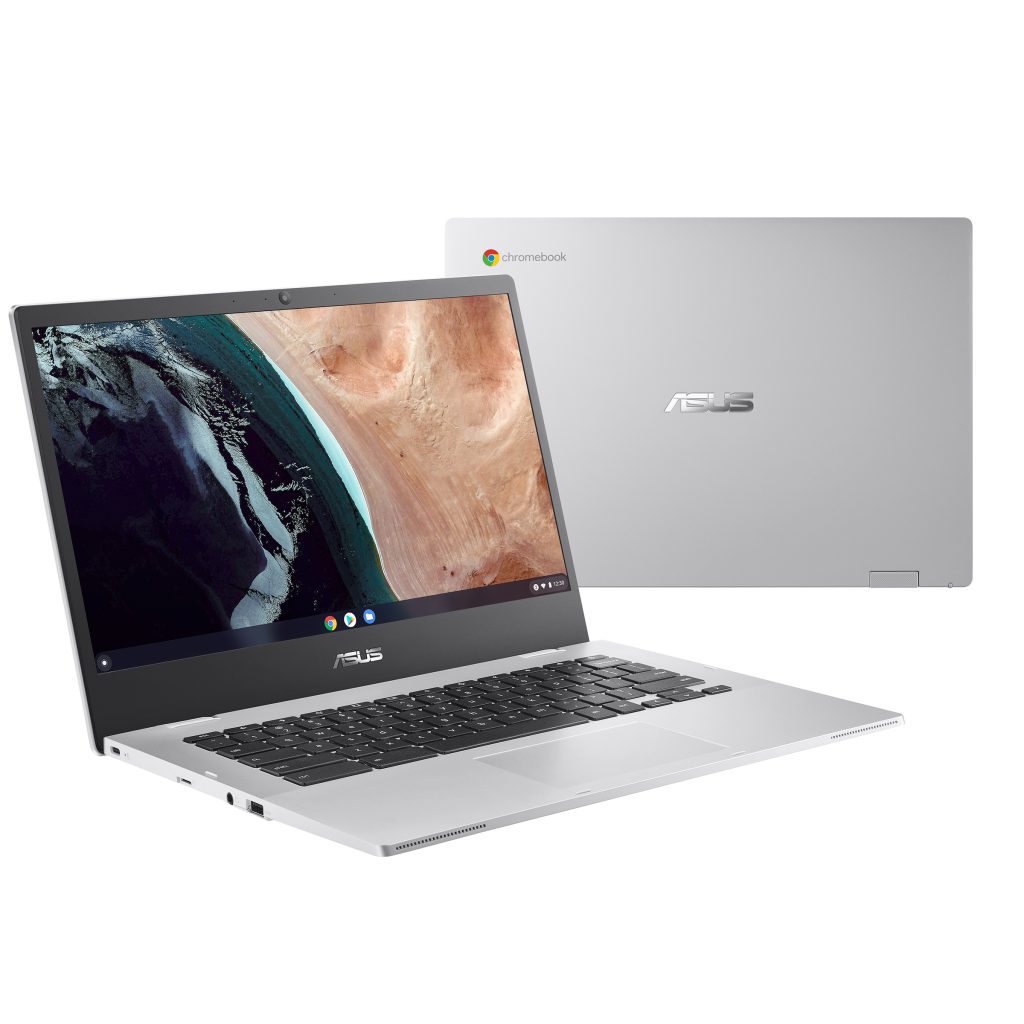
The ASUS Chromebook CX lineup has just received an update in India with the launch of three new ones called the Chromebook CX15 (CX1400), Chromebook CX14 (CX1500), and Chromebook Flip 14 CX14 (CX1400FKA). Apart from some minor differences in size and functionality, they are essentially the same when it comes to hardware and features.
All three of these Chromebooks feature an FHD resolution display. The CX14 and CX15 models have screen sizes of 14 inches and 15.6 inches, respectively. The Chromebook Flip 14 CX14 on the other hand comes with a 14-inch touchscreen which, as the name suggests, can be flipped backwards. You can find other specification information about these Chromebooks below.
ASUS Chromebook CX lineup (2023) specs
The ASUS Chromebook CX 2023 displays feature LED Backlit Anti-glare panels with 220 nits Brightness and 45% NTSC Color Gamut. Powering these Chromebooks is the Intel Celeron N4500 Processor, running at 1.1 GHz (with 4M Cache, up to 2.8 GHz) and paired with Intel UHD Graphics 600.
ASUS Chromebook Flip 14 CX14
You can choose between two RAM options, 4GB or 8GB of LPDDR4 RAM, and two storage capacities, 64GB or 128GB of eMMC storage. For video calls and conferencing, there’s a 720p HD camera, and audio connectivity includes a combined headphone/microphone jack and built-in dual speakers.
These Chromebooks operate on the Chrome OS platform and feature a full-size, ergonomic spill-resistant keyboard with 1.5 mm key travel. They meet the US MIL-STD 810H military-grade standard for durability. The weight varies slightly among models, with the Chromebook 15 weighing 1.80kg, the Chromebook 14 at 1.47kg, and the Chromebook 14 Flip at 1.63kg.
The battery capacity differs as well, with the Chromebook 15 featuring a 42wh 2S1P, 2-cell Li-ion Battery, while the Chromebook 14 and 14 Flip have a 50wh 3S1P, 3-cell Li-ion Battery.
In terms of connectivity, these Chromebooks offer dual-band Wi-Fi 6 (802.11ax), Bluetooth 5.2, two USB 3.2 Gen 1 Type-A ports, two USB 3.2 Gen 1 Type-C ports (supporting display and power delivery), and a Micro SD card reader.
Pricing & availability
The ASUS Chromebook CX14 is available at Rs. 20,990 for the 4GB RAM and 128GB storage configuration. Meanwhile, the ASUS Chromebook CX15 offers several choices: the base model with 4GB of RAM and 64GB of storage is priced at Rs. 19,990, the 4GB RAM and 128GB storage variant is available for Rs. 20,990, and for those seeking higher memory capacity, the 8GB RAM and 64GB storage model can be obtained for Rs. 21,990. Additionally, the ASUS Chromebook Flip CX14 is offered at a price of Rs. 24,990 for the 4GB RAM and 64GB storage configuration.
Like Google, Huawei has developed a diverse ecosystem of apps and services that cater to various user needs. Huawei Music is one of the many services offered by the company, allowing users to stream music similar to Spotify and Apple Music. However, Huawei has announced that it is discontinuing its music streaming service due to “recent business developments”.
As reported by Huawei Blog, users have started to receive a message from Huawei, stating Huawei Music will be discontinued. Starting today, those who relied on the service will have to go looking for an alternative.
The machine-translated version of the notice shared by the blog reads:
In recent years we have made it our mission to provide our users with innovative apps and services. HUAWEI Music was created to provide essential music and entertainment services.
Due to recent business developments, the HUAWEI Music Premium Service will be discontinued on August 31, 2023 and switched to the free music radio service. With this change, we want to focus entirely on building and expanding a sustainable technology environment for all our users.
We would like to thank all users who have remained loyal to HUAWEI Music from the beginning. If you have any suggestions or questions about HUAWEI Music data processing, you can contact us at https://www.huawei.com through the “Contact Us” link at the bottom of the HUAWEI official website. If you have any further questions about this service update, you can contact our customer service.
Huawei did not elaborate on what the ‘free music radio service’ is. In any case, Huawei Music users have a wide range of options to choose from. Spotify’s free tier is a good option if you don’t mind dealing with ads. If you can spend a few bucks, Apple Music and YouTube Music are also good options.
We use cookies on our website to give you the most relevant experience by remembering your preferences and repeat visits. By clicking “Accept”, you consent to the use of ALL the cookies.
This website uses cookies to improve your experience while you navigate through the website. Out of these, the cookies that are categorized as necessary are stored on your browser as they are essential for the working of basic functionalities of the website. We also use third-party cookies that help us analyze and understand how you use this website. These cookies will be stored in your browser only with your consent. You also have the option to opt-out of these cookies. But opting out of some of these cookies may affect your browsing experience.
Necessary cookies are absolutely essential for the website to function properly. This category only includes cookies that ensures basic functionalities and security features of the website. These cookies do not store any personal information.
Any cookies that may not be particularly necessary for the website to function and is used specifically to collect user personal data via analytics, ads, other embedded contents are termed as non-necessary cookies. It is mandatory to procure user consent prior to running these cookies on your website.