Advertisement

Micron Chips Banned in China, Threatening Global Technology Supply Chains

China has banned the sale of products made by US-based memory chip company Micron Technology, citing severe cybersecurity risks and consequent national security concerns. This move is perceived as a retaliation against the tightened export restrictions on chips imposed by Washington. This ban, effective immediately, pertains to sales to China’s critical information infrastructure operators, essentially severing a market that represented roughly 11% of Micron’s total revenue in 2022, amounting to US$30.8 billion. Here are the details…

China Escalates Tech War with US by Banning Micron Chips

The Cyber Security Review Office, a part of the Cyberspace Administration of China, declared that Micron failed to pass its cybersecurity review, resulting in this ban. The specifics of the review process, the products involved, and the identified security risks, however, were not disclosed. Notably, this decision comes 50 days after the initiation of the probe into Micron’s products on national security grounds.
The CIIO regulations in China are extensive, enveloping numerous sectors deemed vital to national security and public livelihoods, including communication and information services, energy, transport, water resources, and finance. Following the ban, sales of Micron products including DRAM, NAND flash memory, and solid state drives to entities in these sectors are effectively prohibited. Major Chinese customers of Micron, including Lenovo, Xiaomi, Inspur Electronics Information, ZTE, Coolpad, China Electronics Corp, and Oppo will be directly impacted by this decision.

The US Commerce Department has criticized China’s decision, asserting that it “firmly opposes restrictions that have no basis in fact.” The department’s statement also signaled the intent to engage directly with the Chinese authorities and other key allies to address the disruptions caused by this action to the memory chip market.

Micron, the world’s fourth-largest semiconductor company, is also dealing with the repercussions of this unexpected decision. The company said it is currently evaluating its next steps and hopes to continue discussions with Chinese authorities. Betty Wu Mingxia, the new general manager of Micron China, has affirmed the company’s commitment to the local technology ecosystem in China, underlining the country’s critical role in its global operations and technological leadership in DRAM production.

As the fallout of this ban continues to unfold, the future of the memory chip market could shift considerably. Analysts suggest that this ban may benefit other players in the industry, such as South Korean memory chip makers Samsung Electronics and SK Hynix, and the Chinese supplier Yangtze Memory Technologies Corp. This development could signify a new front in the ongoing technology war between China and the US. While it’s unclear what the long-term impact will be, it is evident that geopolitical tensions are having significant implications for the global technology landscape.

RELATED:

(via)
Sony’s next Xperia Compact could be a clamshell foldable

A foldable smartphone is a relatively new concept that was popularized by Samsung in 2019 with its Z Fold and Flip phones. Fast forward to 2023, most major brands have launched at least one foldable phone in the market, with Google being the latest to jump on the bandwagon. It’s clear that no brand wants to miss out, as rumors suggest that even Sony is working on a folding smartphone under the Xperia Compact series.

And hey, it may not have a cover screen…

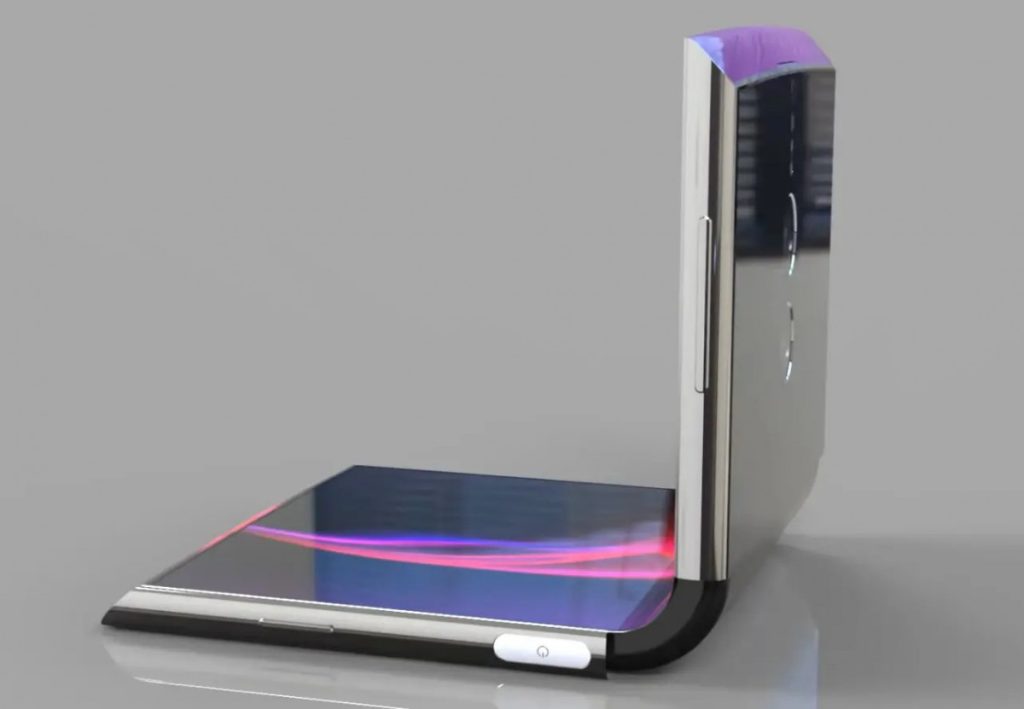
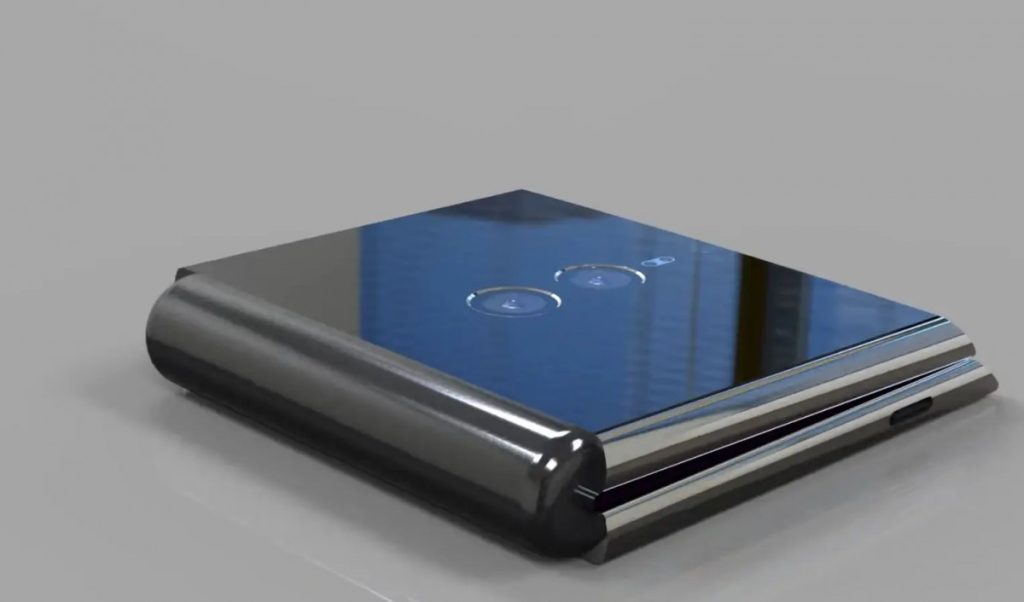
Rumors on a South Korean forum point out to a Sony Xperia Compact foldable in the making. CAD renders of the alleged device have also surfaced online, showcasing a sleek design with a noticeable gap when folded. It reminds us of the first-generation Samsung Galaxy Z Flip. This resemblance becomes more concrete when you notice the absence of a cover screen on the device. It seems unusual since most vertically folding phones available in the market feature some sort of secondary screen, which displays notifications and other content.

Other details about the Sony foldable are not known at the moment. Also, we won’t take these renders very seriously since there’s no concrete information available yet. The Xperia Fold (tentatively named) is expected to be a high-end smartphone, which means the price also be on the higher side.

Sony’s smartphone business has not exactly been “very” profitable recently. The company’s portfolio includes some premium phones with impressive hardware, but it’s still not seeing many sales. The Japanese company recently launched the flagship Xperia 1V and the mid-range Xperia 10V. Both phones come with impressive cameras, with the Xperia 1V boasting an Exmor T stacked sensor.

RELATED:

(Via 1, 2)

Lenovo Xiaoxin Ergonomic Chair C5 Air up for sale in China, pricing starts at 799 yuan ($114)

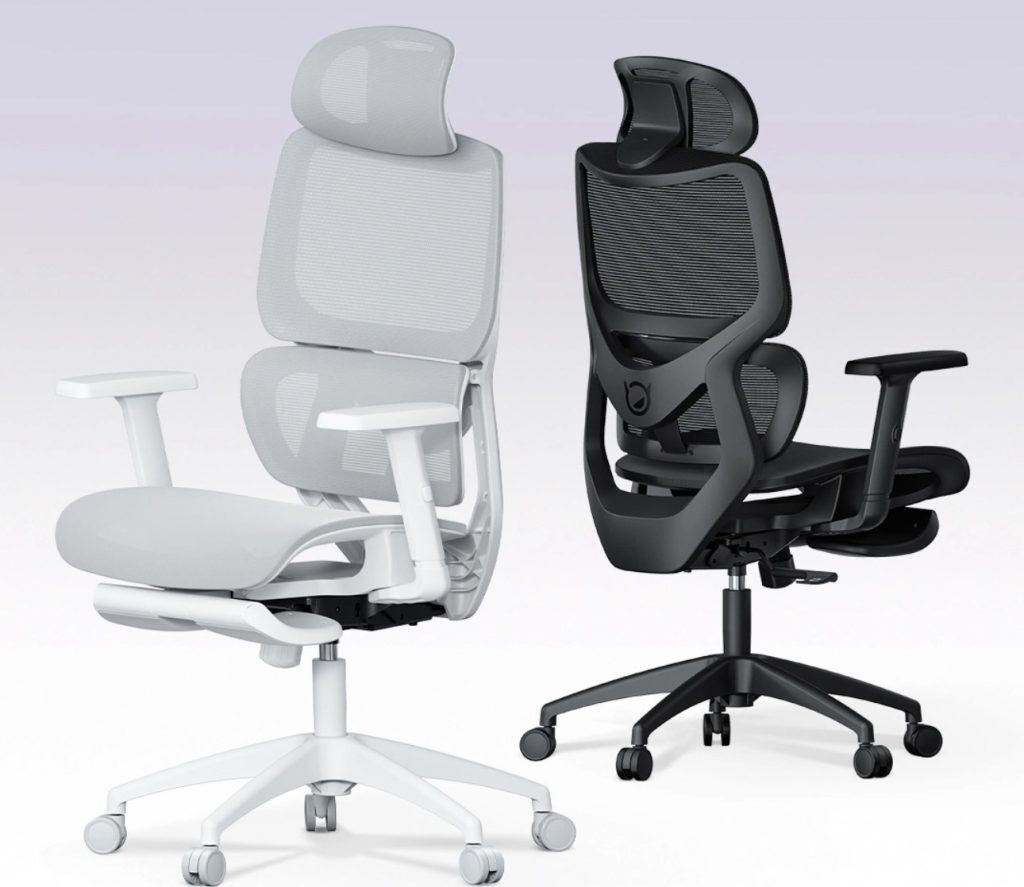
Lenovo has recently unveiled the Xiaoxin Ergonomic Chair C5 Air Mesh Version, which is now available for purchase. With a starting price of 799 yuan ($114) for the black model and 899 yuan ($128) for the white model, this chair offers a range of features to enhance comfort and support during extended periods of sitting.

Lenovo Xiaoxin Ergonomic Chair C5 Air

Ultimate Comfort and Support with the Lenovo Xiaoxin Ergonomic Chair

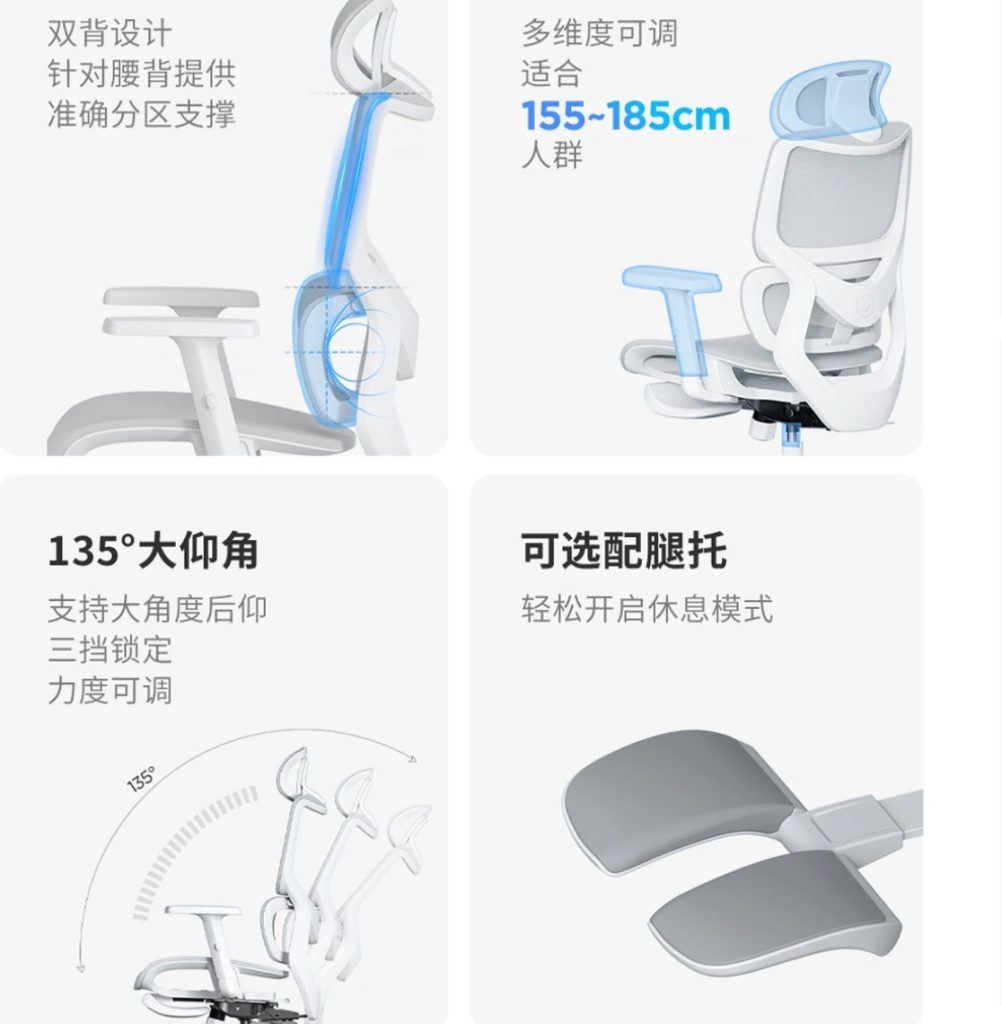
Designed with user comfort in mind, the Xiaoxin Ergonomic Chair C5 Air Mesh Version features a dual-back design that provides targeted support for the lumbar and back areas. Its adjustable neck pillow, armrest, and seat height make it suitable for users with heights ranging from 155 to 185 cm. The chair can accommodate individuals weighing up to 125 kg, as officially stated by Lenovo Xiaoxin.

Lenovo Xiaoxin Ergonomic Chair C5 Air

To promote a pressure-free sitting experience, the chair is equipped with a specially designed seat cushion. The breathable mesh material used in its construction helps to enhance airflow and reduce heat buildup, ensuring a cool and comfortable sitting experience.

The Xiaoxin Ergonomic Chair C5 Air Mesh Version incorporates several structural enhancements to ensure durability and stability. It features a 4mm thickened base and a TUV-certified gas lift for reliable height adjustment. The nylon-enlarged five-star foot support provides robust stability, while the PU universal wheels allow for smooth and effortless movement.

For added versatility, the chair offers a reclining angle of 135°, along with a three-level lock and adjustable intensity settings. Users can easily switch to a rest mode by utilizing the retractable leg rest feature.

With its focus on user comfort, support, and adjustability, the Lenovo Xiaoxin Ergonomic Chair C5 Air Mesh Version presents an attractive option for individuals seeking a reliable and customizable seating solution.

RELATED:

Optoma ZW350e portable projector with up to 4,000 lumens brightness launched

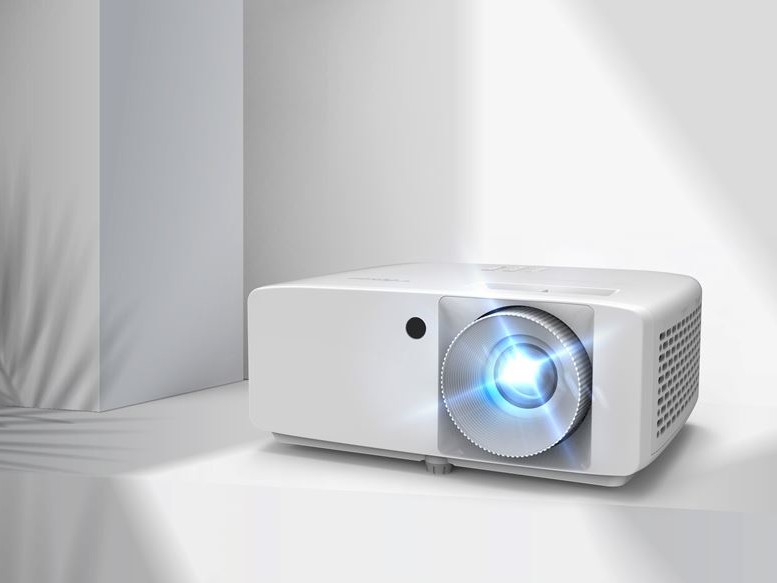
The Optoma ZW350e portable and compact projector with up to 4,000 lumens brightness has been unveiled to the global market. The new Optoma projector comes with some decent features to go with its compact and portable design. It is designed for small spaces or medium-sized exhibition spaces.

Optoma ZW350e portable projector

The Optoma ZW350e has a 2,000,000:1 dynamic contrast ratio and an external battery that enhances the versatility of the gadget. Optoma says the ZW350e is its most compact and easy-to-use DuraCore projector yet, with the laser light having a life cycle of 30,000 hours. The ZW350e is energy-efficient with up to 45% in reduction of power consumption when compared with lamp-based projectors.

It comes with a WXGA native resolution of 4,000 lumens with a throw ratio between 1.54 and 1.72. The projector is capable of delivering crisp and clear images from 20 to 300 inches. The optical engine of the Optoma ZW350e is rated IP6X.

Optoma ZW350e portable projector

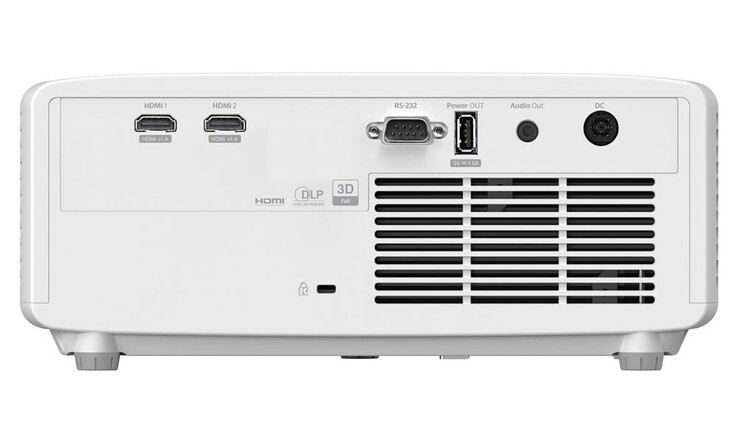
The ZW350e has a 1.1x optical zoom, a portrait mode, auto keystone, and 360-degree operation. There are two HDMI ports on the projector, as well as USB-A, RS232, and an audio jack. The projector is equipped with an integrated 15W speaker and is about 34% smaller than previous Optoma projectors with DuraCore laser. It weighs about 3kg and has dimensions of 274 x 216 x 114 mm.

Optoma ZW350e portable projector price & availability

The Optoma ZW350e is now available in the US, the UK, and the EU. The projector is priced at $999 in the US, £840 in the United Kingdom, and €965 in the EU.

RELATED:

(source)

Infinix Hot 30 Play NFC version launches with a 6,000mAh battery

Infinix launched the Hot 30 Play smartphone in Nigeria last month. While it is yet to make it to other markets, the company has introduced a new version of the device that supports NFC (near-field communication). The Infinix Hot 30 Play NFC brings the rest of the specifications same as the standard model and the design is also identical. Let’s have a closer look at the details.

Infinix Hot 30 Play NFC Specs and Pricing

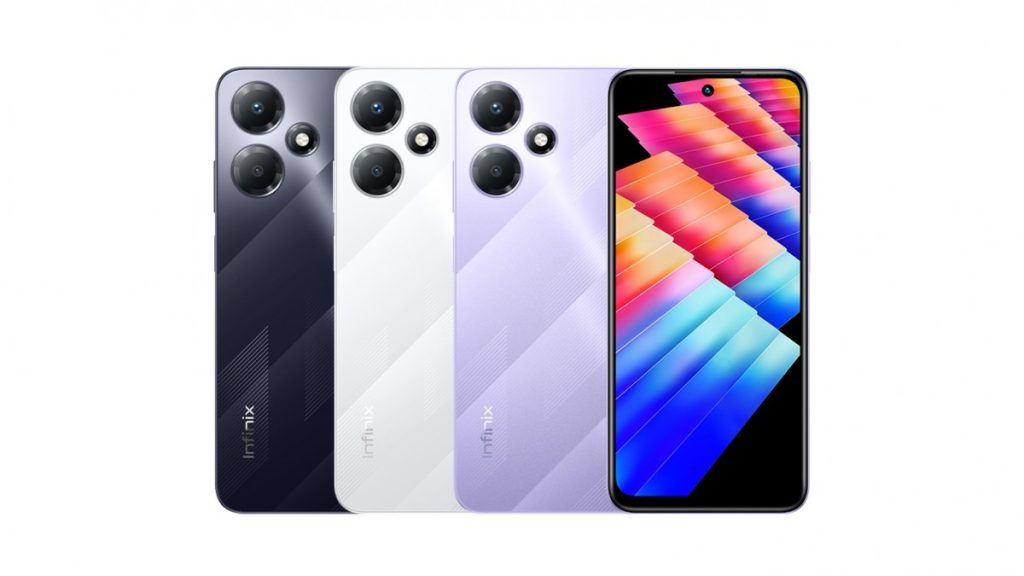
With the exception of NFC support, the phone is same as the standard Infinx Hot 30 Play. It gets a boxy design with 2 large camera rings on the back. The camera and flash alignment may remind some of the Redmi Note 12 Turbo or should we say Poco F5. It comes with a 6.82-inch display with an HD+ resolution and a center-aligned punch-hole cutout.

Infinix Hot Play 30

The panel gets a 90Hz refresh rate, 500 nits peak brightness, and an 8MP selfie snapper. The back features a 16MP primary shooter alongside a secondary AI camera and an LED flash. Powering the Infinix Hot 30 Play NFC is an octa-core MediaTek Helio G37 processor. It packs 4GB RAM that can be expanded up to 8GB with the help of the RAM expansion features.

In terms of onboard storage options, it will likely be offered in 64GB and 128GB trim with microSD card slot support. The Infinix Hot 30 Play is fueled by an impressive 6,000mAh battery unit that can last 48 hours on standby and offer up to 2 hours of talk time even at 5%. The device supports 18W fast charging via a USB-C port and runs on XOS 12.6 based on Android 13. 

Infinix Hot 30 Play NFC is offered in Mirage Black, Blade White, and Bora Purple colors. Pricing and availability are not available yet. For reference, the standard model carries a starting price tag of NGN 80,000 (~$173).

 RELATED:

(Source)

Comate CT e-bike models with up to 150km range launched on Indiegogo

The Comate CT e-bike has been launched. The new e-bike is being projected as the world’s most comfortable e-bike and it offers a range of 150km. The Comate CT e-bike is being promoted via an Indiegogo crowdfunding campaign. The two models in the lineup are the Comate CT Elite and Comate CT Cruiser. The bikes feature optimized riding positions and are equipped with a torque sensor.

Comate CT e-bikes

The Comate CT e-bikes have a top speed of 25km/h for the European models and 32km/h for the US version. The models reach their top speed within four seconds and a full recharge of the battery takes about three hours. The CT Elite is the entry-level version of the bikes while the CT Cruiser is a more powerful model. The CT Cruiser comes with upgraded features including Suntour and RockShox suspension.

The Comate CT e-bikes are powered by a 250W, 40Nm rear hub motor. The 360Wh Lithium battery provides an assisted range of up to 150km on a single charge. The bikes have an integrated TFT display that gives information on battery level, speed, and other ancillary information. The bike weighs about 18kg and the accompanying mobile phone app provides additional details on the trip.

Comate CT e-bike

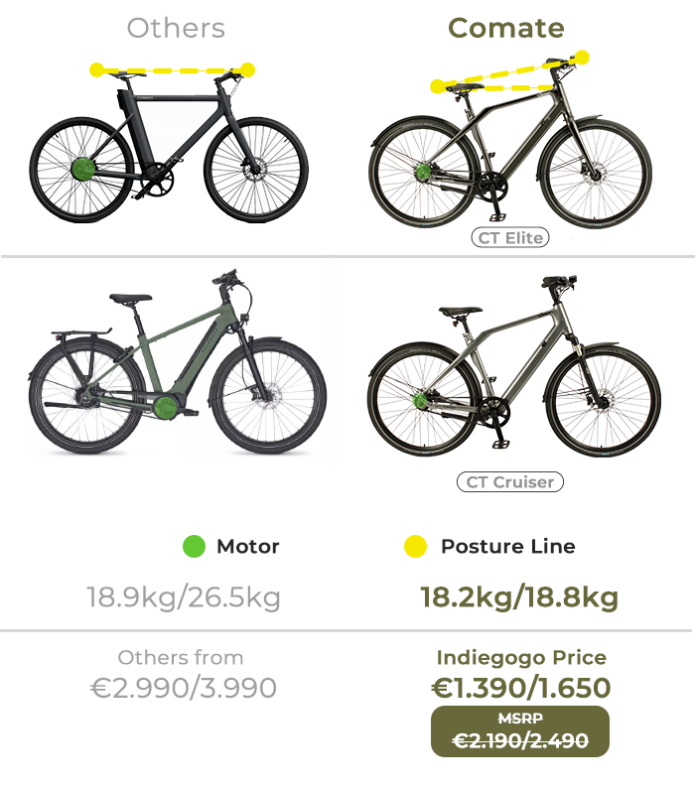
The Comate CT Elite and CT Cruiser e-bikes can be purchased via Indiegogo. The CT Elite is priced at €1,490 (~$1,612) while the CT Cruiser comes with a €1,750 (~$1,893) price tag. The original prices of the Comate CT Elite and Cruiser are €2,190 (~$2,369) and €2,490 (~$2,693) respectively. The color options available on Indiegogo for both bikes are gray and black.

Comate CT Elite and CT Cruiser e-bikes feature a posture-friendly design

Availability of the Comate CT e-bikes is tied to only Europe and the US for now. The first deliveries of the new electric bicycles are expected by August 2023.

RELATED:

(source)

Google Play Store Users Warned of Malicious Guerrilla App That Can Steal Personal Information

Technology and the world of smart devices evolve daily. However, parallel to the realm of technology designed for good, there’s a shadowy underbelly that continually grows too. Recent reports have made us question the security of Android devices once more, particularly concerning a threat known as the Guerrilla virus. Here are all the details…

How to Protect Your Android Device from the Guerrilla Virus

The security of Android devices has been a topic of debate for years. Google has indeed implemented measures to protect against system vulnerabilities, but there have never been genuinely effective steps taken concerning malicious third-party applications on the Google Play Store. This inevitably labels the security of Android devices as “dubious”. A report published last week has further inflamed this issue. It claimed that many Android devices are shipped to consumers with malicious software pre-installed, which has led Android users to regard their phones with suspicion.

The initial report came from cybersecurity firm Trend Micro. The company examined 50 different Android device models during their investigation. The findings were quite alarming. According to the report, 8.9 million Android devices were found to be infected with malicious software. The identity of the harmful software was also revealed.

Another cybersecurity firm, Sophos, named the identified application as Guerrilla. Like a detective, Sophos tracked the path of the Guerrilla app, and the resulting findings were equally disturbing. The reason being that Guerrilla was found within the infrastructure of 15 different applications in the Google Play Store.

What Guerrilla essentially does is simple. It opens a backdoor on your phone under the guise of an “update notification” within the application it’s housed. This allows unwanted harmful software to be downloaded onto your phone, presenting them as updates. The downloaded malicious software then affects aspects like your phone’s battery life, performance, or the advertisement content that appears.

Phones that contain Guerrilla generally exhibit low battery life and performance features. The advertisements that users encounter are often irrelevant to them and can be categorized as obscene content. The countries where virus-infected phones are most common currently include the United States, Mexico, Indonesia, Thailand, and Russia. As for the situation in Turkey, there’s no answer yet. No security company has named the brands or applications that house these harmful applications. The only known fact is that they frequently appear on mid-range and lower-range devices.

RELATED:

(via)
WhatsApp Empowers Users with Message Editing Feature

WhatsApp, the popular messaging app, has finally introduced a highly anticipated feature: the ability to edit sent messages. This exciting addition grants users the power to modify their messages within a 15-minute window after sending them, without the need to worry about the recipient seeing the original content. The edited messages are indicated with a subtle “edited” tag, ensuring transparency.

To utilize this feature, the process is simple and intuitive across various platforms. On Android, users can long-press the desired message, tap “More options,” and select “Edit.” iPhone users can achieve the same by simply tapping “Edit” after a long-press. For Web or desktop users, they can hover over the message, click the menu button, and choose “Edit message.” Once inside the editing interface, users can make the necessary changes and finalize them by tapping the checkmark.

One of the key advantages of this feature is that it does not generate additional chat notifications for the other party involved. This prevents unnecessary disruptions and maintains the flow of the conversation. However, it is important to note that message editing is currently limited to text messages only. Media files, such as photos, videos, or their captions, cannot be edited at this time.

The rollout of this feature has been gradual, initially reaching WhatsApp beta testers and now being made available to users worldwide. WhatsApp aims to ensure a smooth experience for all its users by gradually introducing the editing feature over the coming weeks. This strategy ensures that the functionality is stable and can cater to the vast user base of Android, iPhone, and desktop users.

With the introduction of message editing, WhatsApp enhances the user experience by providing greater control and flexibility over sent messages. It allows for the rectification of typos, corrections of misunderstandings, and improvements in the overall clarity of conversations. As the feature becomes more widely available, users can enjoy the convenience and confidence of fine-tuning their messages without any hassle.

RELATED:

ChatALL is an AI Chatbot That Lets You Talk to Multiple Chatbots at Once

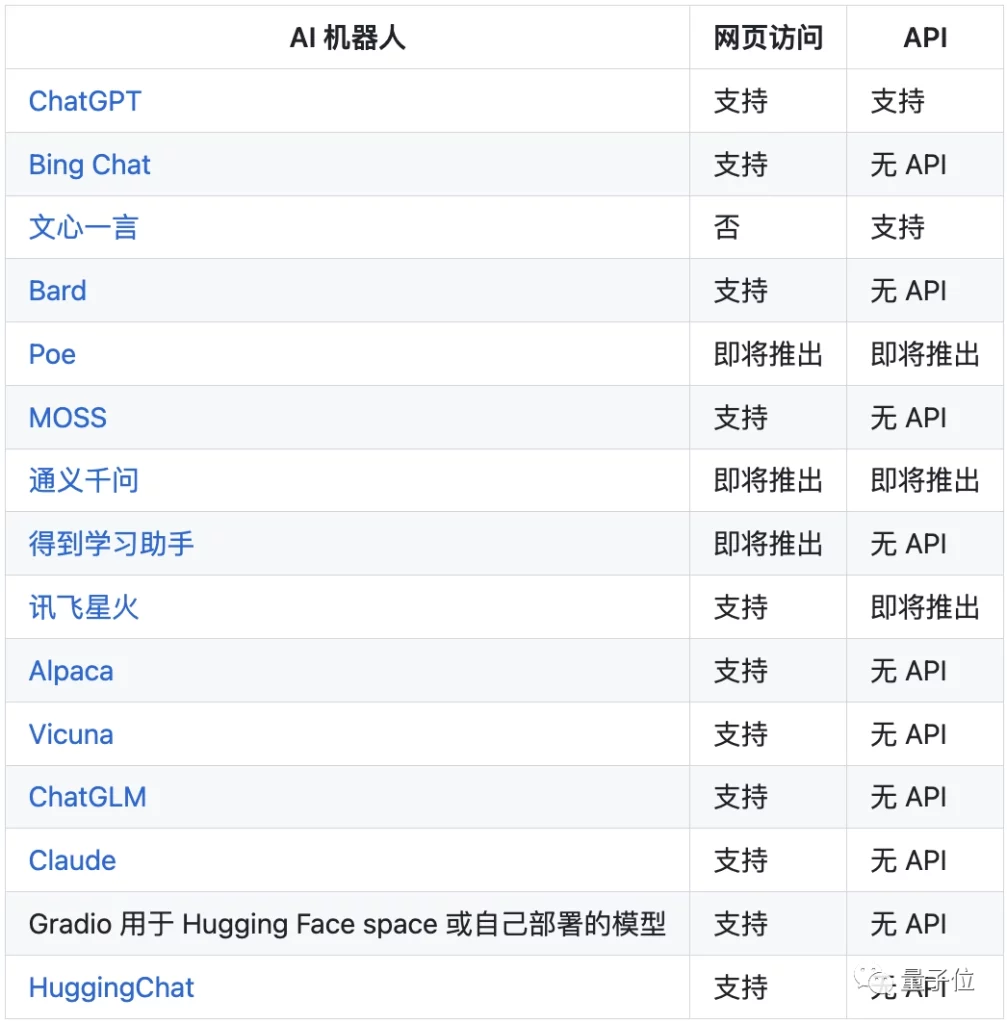
AI chatbots are all the rage in 2023, with OpenAI’s ChatGPT leading the pack. However, it is not completely reliable, leaving people to use multiple chatbots to get the best results for their queries. But that can be a drag and a pain. That’s where ChatALL comes in. It’s a new chatbot that lets you chat with up to 17 other chatbots at once, including ChatGPT, Bard, Alpaca, Vincuna, and Claude. That means you can get the best results for your queries without having to switch between different chatbots. Here are the details.

ChatALL brings up to 17 Chatbots under one roof

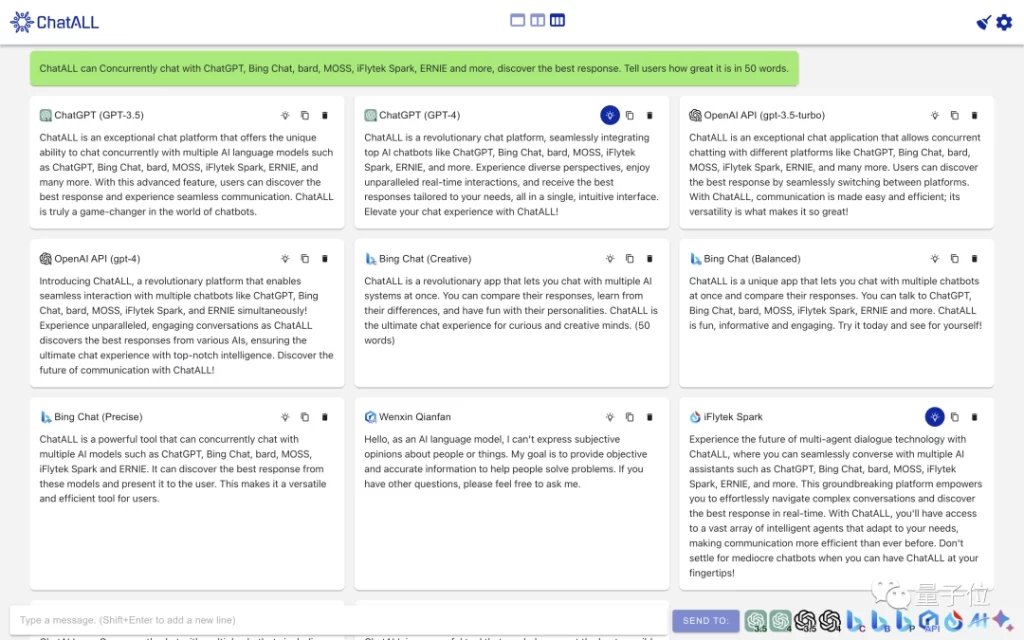
ChatALL is an AI chatbot that shows you answers from various other chatbots available out there. It can send your questions to over 10 popular chatbots at once, including ChatGPT, GPT4, Bing, Bard, Claude, Wenxinyiyan, Xunfei Xinghuo, and others. It then waits for their responses and presents them to you one by one. This lets you compare the answers and choose the one that you find most suitable.

ChatALL example

It is a versatile application that supports three languages: Chinese, English, and German. To use ChatALL, users can conveniently sideload it onto their Mac, Windows, or Linux devices using the installation package available on GitHub.

ChatALL has a number of features that make it stand out from other chatbots. These include the quick question mode, local conversation history, the ability to highlight and delete answers, automatic offline mode for ChatGPT, the option to enable or disable any bot at any time, and the flexibility to switch between one-column, two-column, or three-column views.

ITHome reports that Sun Zhigang is the main author of ChatALL. He is a partner at Kaikeba (a Chinese online education company) and graduated from the Harbin Institute of Technology with a major in computer science. He was also an associate professor at the School of Computer Science. According to Zhigang, most of ChatALL’s code was generated using GPT-4. GPT-4 is a large language model chatbot developed by OpenAI.

List of supported bots ChatALL
List of supported AI Chatbots

RELATED:

(Source) (Via)
Xiaomi 13 Ultra gets Gaming and Battery life improvements with New Update

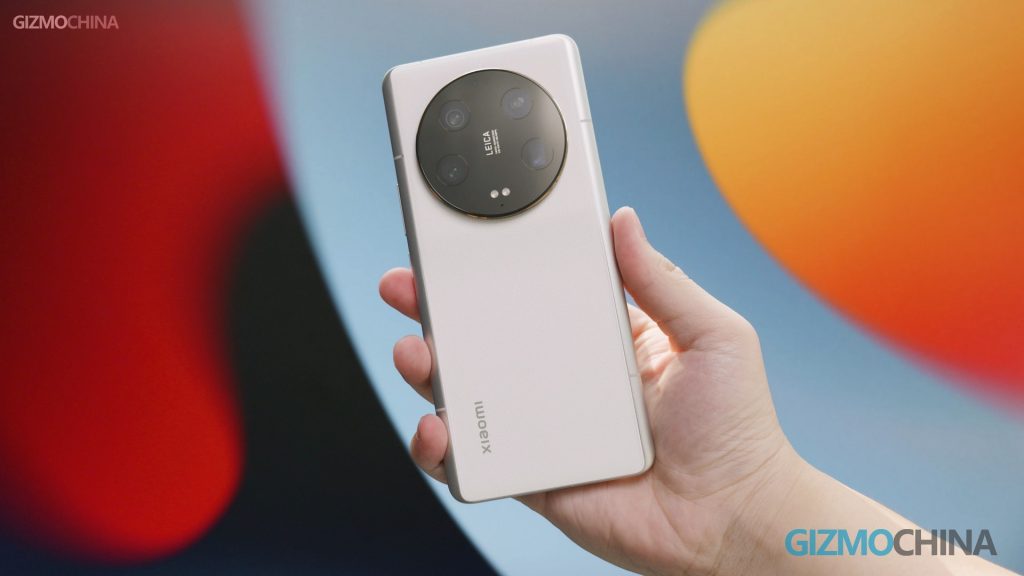
Xiaomi 13 Ultra is the brand’s latest flagship smartphone, featuring a best-in-class camera system and an immersive display. The handset is a complete package, with a powerful processor, fast charging, and decent battery life. While Xiaomi does not advertise the 13 Ultra as a gaming phone, its Snapdragon 8 Gen 2 processor makes it more than capable of handling even the most demanding games. To further improve the experience, Xiaomi has released a new update for the 13 Ultra, which fixes some refresh rate issues and improves battery life.

Xiaomi-13-Ultra

Xiaomi 13 Ultra gets new improvements

The new update is rolling out to the Xiaomi 13 Ultra (review) units in China. It goes without saying since the smartphone is not available in the global market, at least not yet. The software update takes care of various bugs and issues on the phone. For one, it fixed the abnormal frame rate problem caused by the game opening the microphone. This was apparently a bug that caused the frame rate to drop when a game was opened while the microphone was in use. The update fixes this bug and ensures that the frame rate remains consistent even when the microphone is in use.

In addition, it also got rid of the bug that caused the system to display a warning message when the phone was not actually overheating. The update makes sure the warning message is only displayed when the phone is heating excessively. Further, the occasional abnormal CPU power consumption problem and optimize battery life have also been fixed. Along with these bug fixes, the firmware update for the Xiaomi 13 Ultra also bumps the security level of the device to May 2022.

RELATED:

OnePlus Ace 2V gets a new 1TB storage version priced as low as 2799 yuan ($398)

Chinese tech giant and BBK subsidiary OnePlus officially launched the Ace 2V smartphone in China in March this year. The OnePlus Ace 2V is a premium mid-range mobile phone with a sleek design and a powerful specs lineup. The phone breaks off from speculations that it will be a oned-down variant of the regular OnePlus Ace 2, to carve a unique name for itself. It seems OnePlus isn’t ready to end the uniqueness of the device as it has now announced a new storage version for the phone.

OnePlus Ace 2V

The OnePlus Ace 2V has now gotten a new variant with 1TB of storage paired with 16GB RAM. The model is even pocket-friendly, bearing a price tag of 2999 yuan ($426). The new variant is expected to go on sale at 20:00 on May 31st in China. OnePlus is yet to release details of its global rollout. The phone will get a 200 yuan discount for 618, bring down the price to 2,799 yuan ($398).

The OnePlus Ace 2V was originally launched in three memory configurations – 12GB + 256GB, 16GB + 256GB, and 16GB + 512GB storage. Interestingly, the 1TB version will sell for same price as the 512GB version during the 618 sales next month.

OnePlus Ace 2V

Apart from the new storage option, the model reyains the same features as the others. As a reminder, the Ace 2V is powered by a MediaTek Dimensity 9000 chip. It packs a 6.74-inch OLED screen with a resolution of 2772 x 1240 pixels. The display has support for a 120Hz variable refresh rate, 1450nit ultra-high brightness, and HDR 10+.

OnePlus Ace 2V

The phone sports a triple rear camera setup consisiting of a 64 MP ultra-clear main camera, a 2 MP macro lens, and an 8 MP ultra-wide-angle lens. For selfies, there is a 16 MP shooter at the front. The phone runs on Android 13-based ColorOS 13 operating system. It equally supports infrared remote control as well as one-button remote control of home appliances. There is also full-featured NFC support for contactless payment. The phone crams a 5000mAh battery under the hood and supports 80W super flash charging.

OnePlus wants you to never run out of storage space with the OnePlus Ace 2V 1TB version

RELATED:

Redmi Watch 3 Lite with an Apple Watch-like 1.83″ Square display unveiled

Just last month, Redmi‘s upcoming smartwatch – the Redmi Watch 3 Lite – was certified by IMDA after it got SIRIM certification earlier in March. Xiaomi seems to have now unveiled the smartwatch as it is listed on the Xiaomi Mall website.

Redmi Watch 3 Lite

The Redmi Watch 3 Lite or Watch 3 Youth Edition features a 1.83-inch AMOLED display which is slightly bigger than that of the Redmi Watch 3 which was launched for the global market in March. For reference, the Watch 3 packs a 1.75-inch AMOLED screen.

Redmi Watch 3 Lite

The watch 3 Lite comes with support for Bluetooth calls, 24/7 blood oxygen monitoring, heart rate monitoring, sleep monitoring, and over 100 sports modes, and women’s health functions. On the software side, the new Watch 3 Lite also features support for over 200 customized watch faces.

Redmi Watch 3 Lite

In addition, the smartwatch also supports 5ATM waterproof, WeChat and Alipay offline payment. Users also get a battery life of up to 12 days on normal usage but with heavy usage, the watch can last up to 8 days when it is fully charged.

Redmi Watch 3 Lite smartwatch give you the Apple Watch vibes on a budget

The Redmi Watch 3 Lite (Youth Edition) is presently up for pre-order in China but the pricing details are still not known. Xiaomi is expected to officially launch the smatwatch on May 23.


RELATED:

Nokia T10 tablet gets Android 13 update with new features and bug fixes

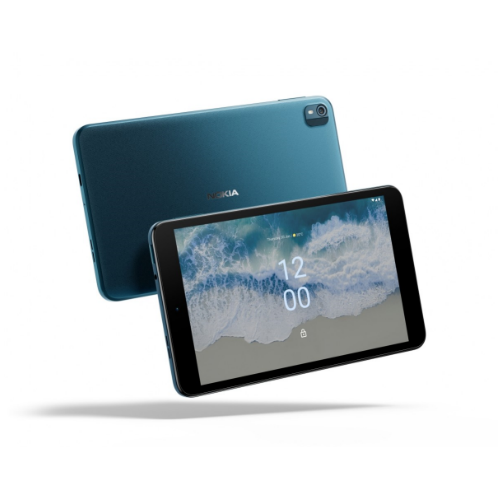
Back in September 2022, Nokia launched the Nokia T10 tablet in India featuring a UniSoc T606 chip and Android 12 operating system. The tablet was long overdue for an Android 13 upgrade. Now, Nokia has finally started rolling out the update for the tablet along with a bunch of other devices.

Nokia T10

Android 13 introduces a new design language called Material You. This design language is based on the concept of “color extraction,” which allows you to extract colors from your wallpaper and apply them to your phone’s interface. You can also customize the shapes, typography, and other aspects of your phone’s interface to match your personal style. Android 13 also includes a number of bug fixes and performance improvements. These changes are designed to make your phone more stable and responsive. Here are all the changes coming to the Nokia T10 tablet with the Android 13 update.

Nokia T10 tablet Android 13 changelog

New Material You design language

  • Vibrant colors and customizable theming options

Privacy and security improvements

  • New privacy dashboard
  • Microphone and camera indicators
  • New permissions
  • New security features

New features for productivity and accessibility

  • New multitasking menu
  • New Voice Access feature
  • New accessibility features

Bug fixes and performance improvements

  • More stable and responsive phone

If you have a Nokia T10, you can check for the Android 13 update by going to Settings > System > System updates. If the update is available, you will see a notification. To install the update, tap on the notification and follow the instructions.

RELATED:

Google Contacts rolling out birthday notifications for Android users

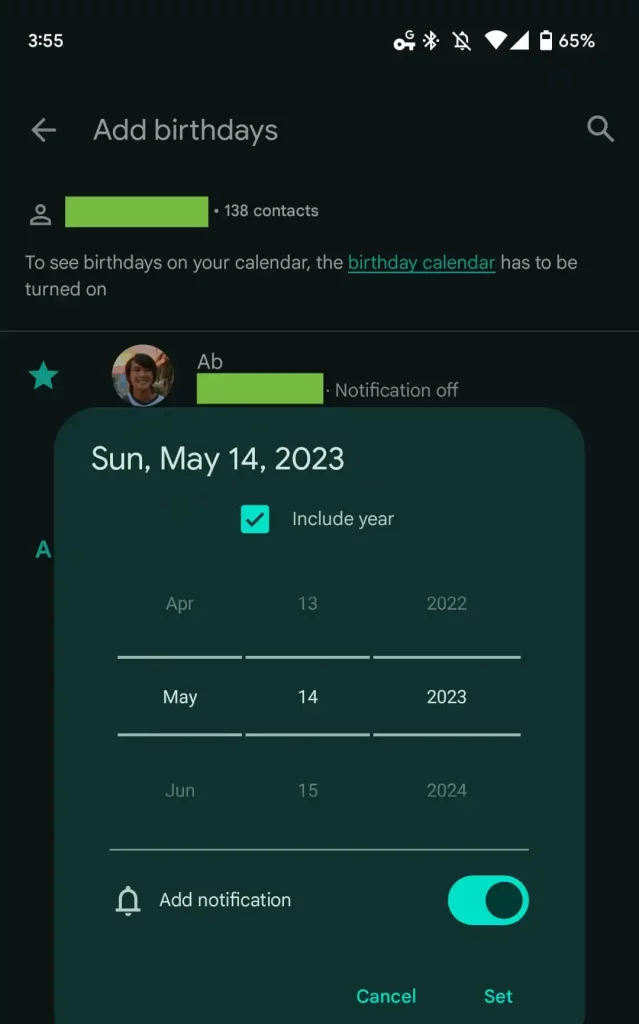
Google Contacts, the default contact management app on Android smartphones, is now rolling out birthday notifications for its users. This feature, which has been long-awaited by users, aims to simplify the process of managing and adding birthdays to contacts.

The inclusion of birthday reminders in Google Contacts was initially hinted at in March, with the introduction of the For You section’s Highlights tab. Later on, users gained the ability to add birthday notifications within individual contacts. Now, some users are seeing a new “Add birthdays” card within the For You section.

The feature appears to have been enabled with version 4.7.26.x of Contacts, although it may not be available to all users at this time. The visibility of the new additions seems to be limited to a select group of users, even if they have the latest version of the app.

Manage Birthdays with Google Contacts

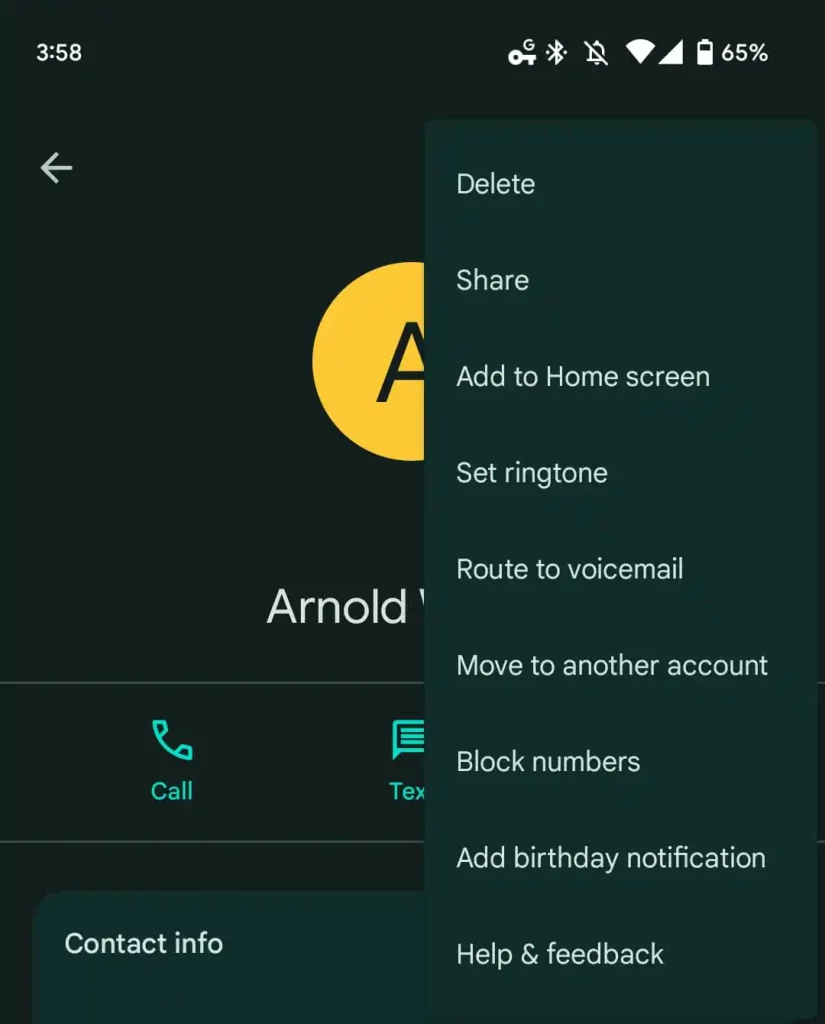
Upon accessing the “Add birthdays” card, users are presented with a list view of their contacts, with a cake icon denoting those without a birthday added. Additionally, individual contacts can have a birthday notification added by opening the overflow menu in the top right corner.

Notably, the list view of contacts’ birthdays seems to be exclusively accessible within the new “Add birthdays” card in Highlights. It remains unclear how users can navigate to this view once they dismiss the card, which may pose an inconvenience for some.

Recent updates to Google Contacts have included the introduction of Material You home screen widgets, focusing on contacts who are close to the user. The app also improved its tablet interface and added contact images within Chats. Furthermore, Google Calendar is expected to receive its own version of birthday reminders, mirroring the functionality seen in Google Contacts.

Overall, the inclusion of birthday notifications in Google Contacts brings a long-awaited and useful feature to Android users, streamlining contact management and ensuring important dates are not overlooked.

RELATED:

(Via 1,2)

Honor 90, Honor 90 Pro key specifications tipped ahead of launch

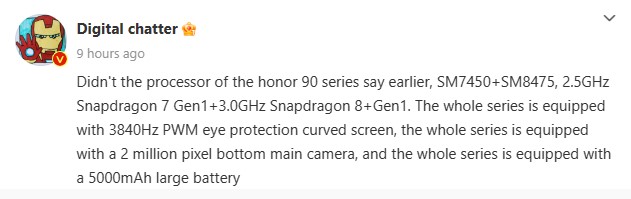
Honor is set to introduce its latest smartphones, the Honor 90 and Honor 90 Pro, on May 29 in China. Ahead of the launch, renowned tipster Digital Chat Station has leaked some key specifications of both devices. In a recent Weibo post, the tipster revealed further details about these highly anticipated smartphones. The live images of the devices were also spotted in an earlier leak.

Honor 90 DCS leak

Honor 90 series specifications (rumored)

The Honor 90 will be equipped with the Snapdragon 7 Gen 1 chipset, boasting a clock speed of 2.5GHz, while the Honor 90 Pro will feature the Snapdragon 8+ Gen 1 chipset, clocked at 3.0GHz. Both models will sport a curved-edge OLED panel with 3840Hz PWM high-frequency dimming. Moreover, they will share a powerful 200-megapixel Samsung HP3 primary camera on the rear.

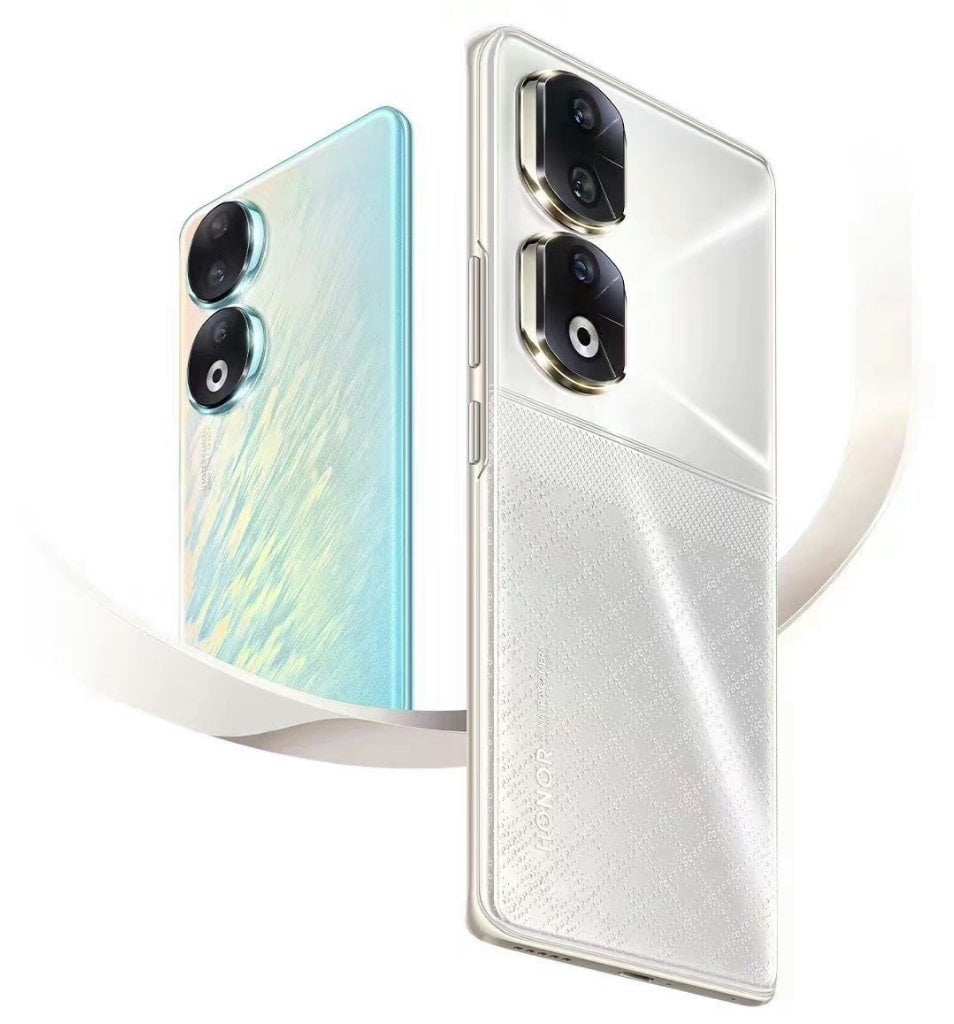
Both the Honor 90 and Honor 90 Pro will pack a sizable 5,000mAh battery. The vanilla model is expected to support 66W charging, while the Pro variant is rumored to offer either 90W or 100W charging capabilities. Official posters have revealed that the two models will showcase different rear designs.

Honor 90 and Honor 90 Pro

Additional leaked information suggests that the Honor 90 will feature a triple camera setup on the back, consisting of a 200-megapixel primary camera, a 12-megapixel lens, and a 2-megapixel sensor. Meanwhile, the Honor 90 Pro will house a 200-megapixel main camera, accompanied by a 12-megapixel lens and a 32-megapixel snapper.

In related news, Honor has silently launched the Honor Play 40 5G in the Chinese market. This device boasts a 6.56-inch LCD panel with HD+ resolution and a smooth 90Hz refresh rate. It runs on the Snapdragon 480 Plus chipset and is powered by a 5,200mAh battery. The Honor Play 40 5G comes in two RAM options: 6GB and 8GB, with storage capacities of 128GB and 256GB respectively. It sports a dual camera setup on the back, consisting of a 13MP primary sensor and a 2MP secondary sensor. On the front, there is a 5MP camera to take care of the selfies.

RELATED:

(Source)

Gree exits smartphone market after falling sales

Gree Electric is a major home appliance maker and had even manufactured smartphones as well. However, the company is now discontinuing its handset operations following a decline in its smartphone sales.

Gree disbands its smartphone unit

For those unaware, the company is a known consumer electronic products maker and is known for its air conditioners. But the brand sought to diversify its product line and had even announced its entry into the smartphone market. Its first even handset model was announced back in 2015, however, with certain official claiming that the brand even had potential to easily surpass Xiaomi as well in the handset market.

Gree

But just a couple of years into this segment, the company has announced its exit from the market. Notably, this news also arrives as the smartphone shipments in the Chinese market fell by 11 percent in the first quarter of this year. This marks the lowest ever levels in a decade. Thus, Gree has disbanded the core team of its smartphone unit, as per a report from the Chinese media outlet Jiemian.

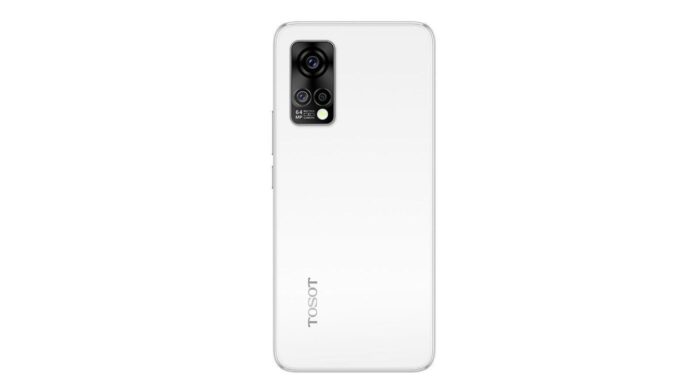
But unfortunately, the brand has yet to respond to any requests for a comment on this matter. Back in 2021, we had even covered the launched of the Gree TOSOT G7 model, which was a rebranded Meizu 18X. The company clearly didn’t catch up to or even outperform Xiaomi and it is likely planning on consolidating its efforts to its core operations. This is all the information we have at the moment, so stick around for more updates.

RELATED:

Redmi Book 14 (2023) with 12th-gen Intel Core i5/i7 processors, 2.8K 120Hz display announced

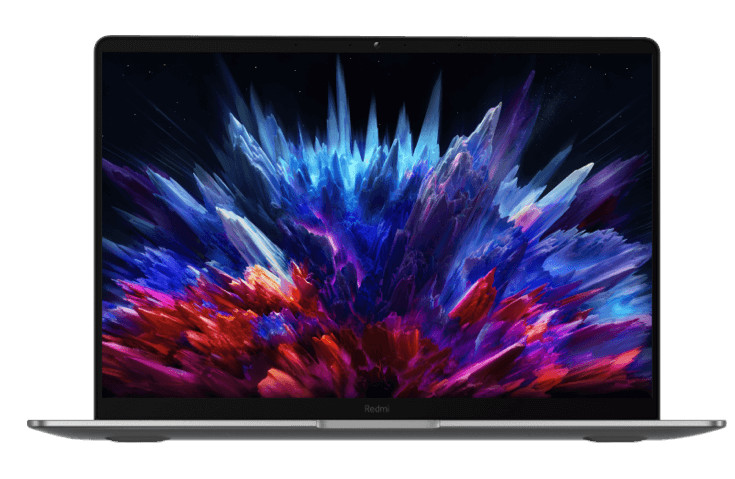
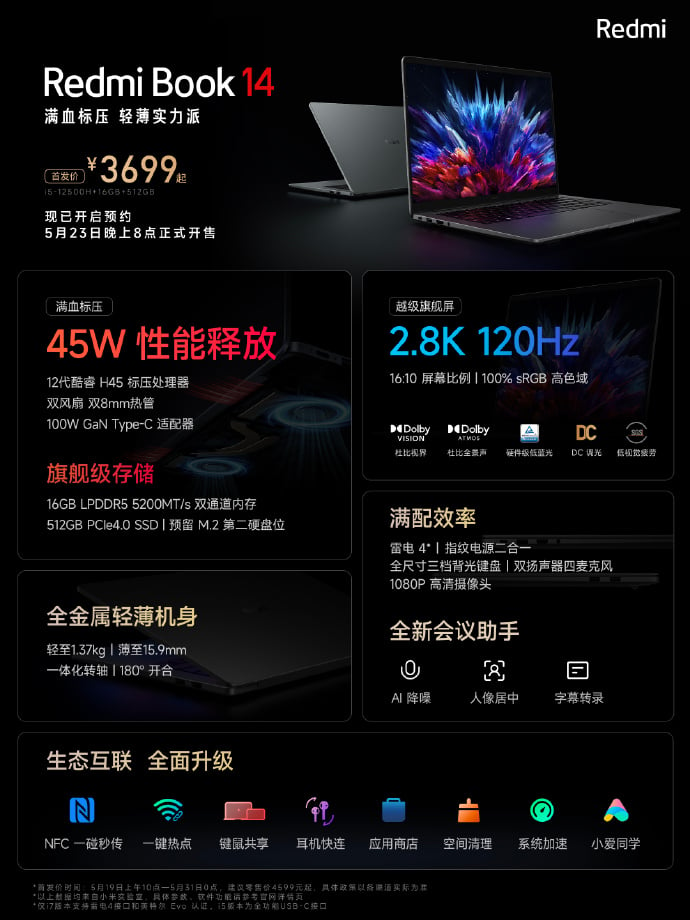
Xiaomi has announced the Redmi Book 14 (2023) laptop in China. The latest model in the Redmi Book series packs a 12th-gen Intel H-Series i5/i7 processor, a 2.8K display with a 120Hz refresh rate, and 16GB of RAM. The Redmi Book 14 comes with a 14-inch screen with impressively narrow bezels, Dolby Vision, and DC Dimming.

Redmi Book 14 (2023)

The new Redmi Book series laptop offers NFC one-touch transmission, one-key hotspot, Dolby Atmos, and portrait centering. It uses a four-mic architecture and features AI noise reduction. The laptop also offers keyboard and mouse sharing, application transfer, and mirroring expansion. It has an all-aluminum chassis and adopted an integrated hinge design. You can turn the laptop by 180 degrees, while it 56Wh battery provides extended usage of the gadget. The laptop also comes with a 100W GaN fast charger.

Redmi Book 14 (2023)

The laptop outputs 2.8K (2880 x 1800 pixels) content and has a 16:10 aspect ratio. The display has a maximum brightness of 300 nits and 100& sRGB. The laptop is equipped with either the 12th-gen Intel Core i7-12700H or the lower Core i5-12500H processors paired with Intel Iris Xe graphics GPU. The Redmi Book 14 (2023) has 512GB PCIe 4.0 storage and runs on Windows 11 Home. The laptop features keyboard backlighting and fingerprint recognition.

Redmi Book 14 (2023)

Connectivity options for the Redmi Book 14 include Bluetooth 4.2, NFC, Wi-Fi 6E, MIMO, USB- 3.2 Gen 1, HDMI 2.1, and USB 2.0. The laptop weighs just 1.37kg and has dimensions of 312.2 x 220.1 x 15.9 mm.

Xiaomi Redmi Book 14 (2023) Price

The laptop is available in star gray and starlight silver colors. The starting price for the Redmi Book 14 (2023) in China is 3,699 yuan (~$526) for the Core i5 model. Global availability and pricing details will be released subsequently.


RELATED:

Motorola Razr 40 Ultra Listed On Retailer Site With Key Specs, Pricing Ahead Of Launch

Motorola is set to unveil two new Razr foldable phones on June 1st. Speculations are rife that the upcoming offerings from the Lenovo-owned brand will be called the Razr 40 Ultra (Razr+ for the US market) and Razr 40. Now ahead of the launch, the Razr 40 Ultra has appeared on the Saudi Arabia retailer site Extra.com. The listing has been spotted by tipster Abhishek Yadav.

Motorola Razr 40 Ultra spotted on a retailer site

Motorola Razr 40 Ultra listed on retailer website

The Motorola Razr 40 Ultra is listed with a 6.9-inch main pOLED display bearing a center-aligned punch-hole cutout and an FHD+ resolution. It will have a side-mounted fingerprint scanner embedded in the power button and a USB-C port. The back panel has a large secondary screen that stretches toward the two camera sensors and an LED flash unit. The display is expected to measure 3.5 inches. As per the retailer’s website, the foldable phone will be offered in Viva Magenta, Glacier Blue, and Black colors.

As for the core specifications, the listing reveals that the Motorola Razr 40 Ultra will be powered by an eight-core octa-core chipset clocked at 3.20GHz. This corresponds to the Snapdragon 8+ Gen 1 processor. The device will pack 8GB RAM and 256GB internal storage without support for microSD card slot. The device is listed with a 3,800mAh battery unit with support for wireless charging. It will run on Android 13 OS out of the box. The foldable phone’s dual rear camera setup is said to comprise a 32MP main sensor and an 8MP lens. It will have a 12MP or 13MP front-facing selfie snapper.

The rest of the specifications including the secondary display size, refresh rate, and wired charging speed of the Razr 40 Ultra remain unknown.

The Motorola Razr 40 Ultra is listed at a price tag of SR 3,999 (~$) for the base variant on Extra. We will learn more details about the phone at the launch event next week.

Related: 

Infinix Smart 7 HD Review: Does the job for an entry-level smartphone

At the end of April, Infinix launched an entry-level smartphone in India called Infinix Smart 7 HD. It is the brand’s second-most affordable smartphone on the market.

The device is priced at only ₹6,199 (~$75) and it is ₹200 (~$3) more expensive than its predecessor Infinix Smart 6 HD. The two phones are almost identical in terms of specs.

But the Smart 7 HD offers a rear-mounted fingerprint sensor for a slightly costlier price tag. Thus, it arrives with all the essential features of a modern smartphone.

All in all, the device is targeted at first-time smartphone buyers. But is it good enough?

Infinix India sent me a unit of Smart 7 HD to test out. After using it for quite a while, I have expressed my thoughts on it in this article. Before I share my opinion, I would like to inform you that the brand had no early look or any editorial input.

Without any further ado, let me tell you how much of a smartphone you get for ₹6,199.

Well-built with no compromise

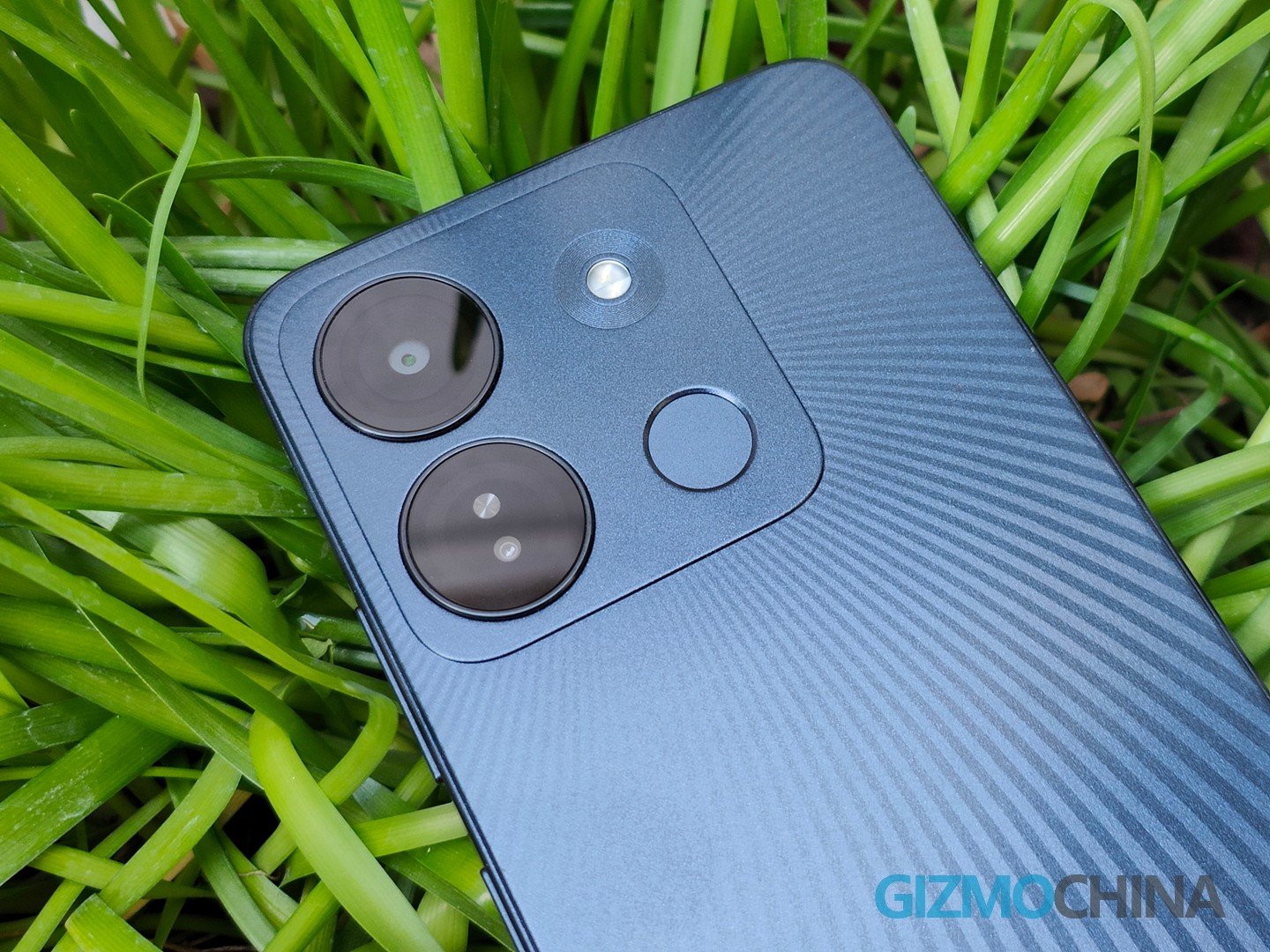
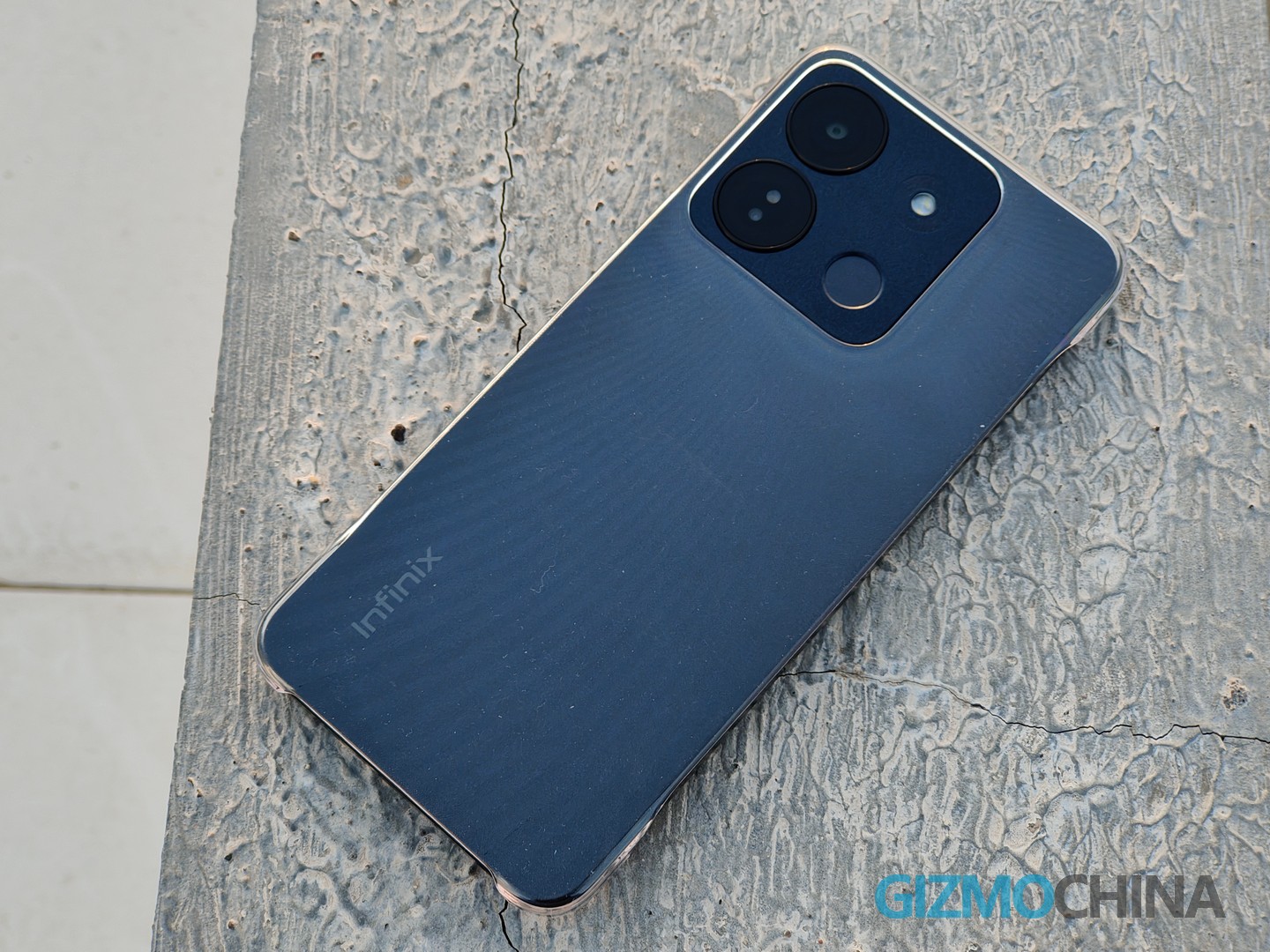
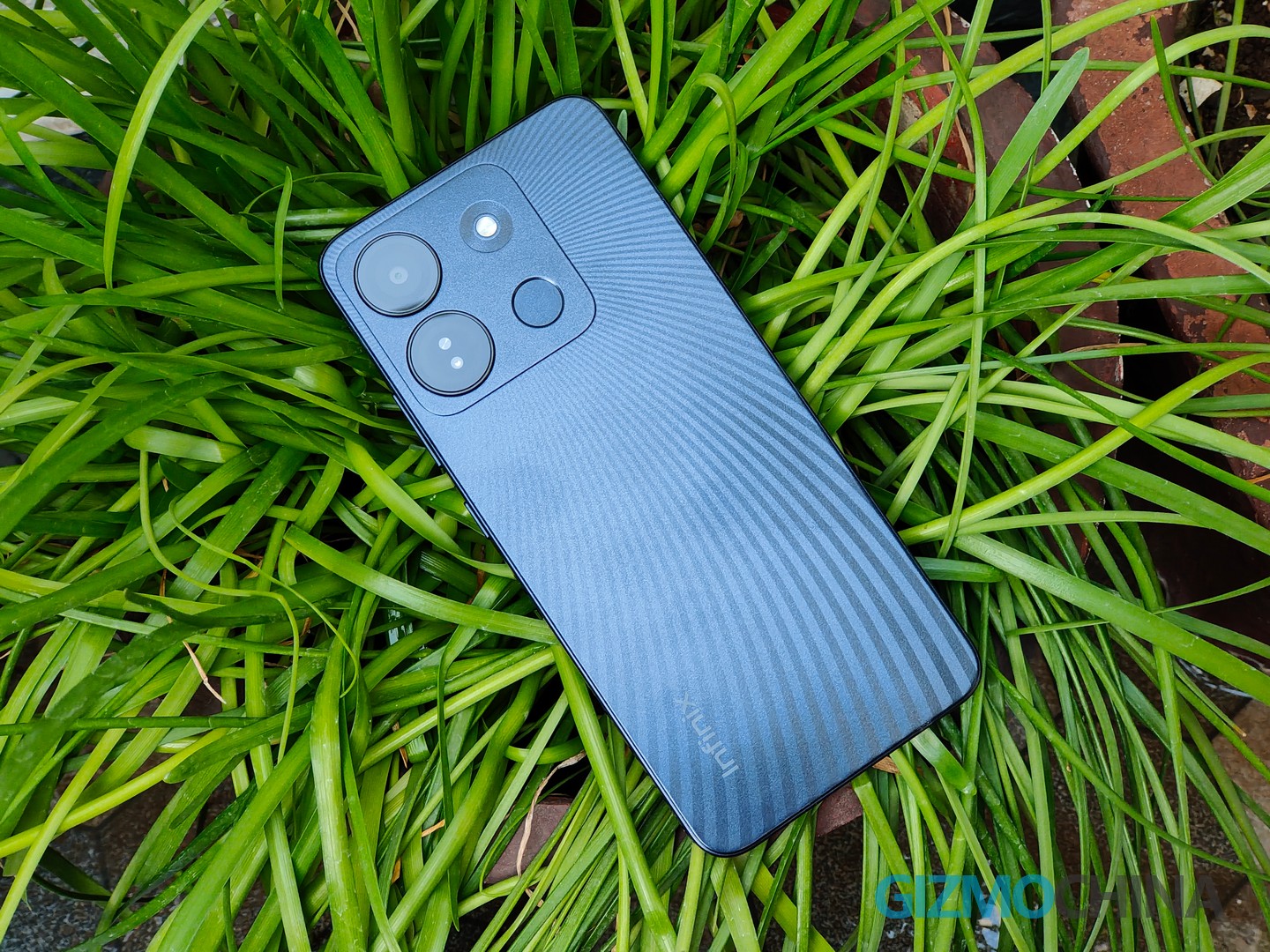
Like most non-flagship smartphones, the Infinix Smart 7 HD sports a plastic body. From just the looks of it, one cannot guess the price of the device. The handset has a squircle module on the rear featuring two cameras, an LED flashlight, and a fingerprint sensor.

The back panel comes with a wavy pattern, which sort of provides a grip accompanied by flat sides. The front side of the phone is dominated by the display, while the right spine includes a volume rocker and a power key.

The triple card slot for dual SIM and a MicroSD card slot can be found on the left side. Finally, the bottom part is populated by a 3.5mm headphone jack, a microphone hole, a MicroUSB port, and a speaker grille.

The device is comfortable to hold and does not feel cheap despite its price tag. All in all, it is well-built without any compromise. 

However, I do have one nitpick and it’s related to the bundled case. It would have been nicer if the company had included a silicone case instead of a hard plastic one with naked sides that’s prone to scratches and easy to break.

Passable display but not so good speaker

The handset arrives with a 6.6-inch display with a resolution of 1612 x 720 pixels (HD+). The LCD panel has a water drop notch at the top and a noticeable chin at the bottom.

The screen has good viewing angles with no color shift when viewed from extreme angles. Interestingly, it gets bright enough under direct sunlight.

As I am used to OLED displays with FHD+ and more resolution, I could notice the downgrade in sharpness and other aspects. But this won’t be an issue for a first-time smartphone user.

The target audience should be satisfied with a much larger canvas than on their feature phone, which works as intended. The speaker, on the other hand, is better than on cheap feature phones but it is not enough as it kind of sounds robotic.

Slow but provides good software experience

A Unisoc SC9863A1 chipset powers the smartphone. This outdated SoC from 2018 is manufactured using a 28nm process.

The chip includes a 1.6GHz octa-core CPU comprising two clusters of 4 x ARM Cortex-A55 cores. It is paired with 2GB RAM and 64GB eMMC storage.

Infinix Smart 7 HD

The performance of the handset is not great as the specs suggest. It is slow and there’s no other way to put it.

But will this affect a first-time smartphone buyer? I think it would be down the line once the device ages.

Surprisingly, the Android 12 Go Edition-based XOS 12 software is great. There are no compatibility issues with most-used apps across social media, payments, streaming, and more.

In fact, it does not even through unnecessary promotional notifications by default. This only occurs once you start using those system apps.

Lackluster Cameras

Other than performance, I am not satisfied with the cameras. The 8MP rear camera can only produce usable pictures under good lighting conditions. The secondary QVGA sensor doesn’t seem to be in use.

Though the camera can identify the scenes accurately with the ‘AI vision’, it fails to process them properly. HDR is almost non-existent, so it’s better to avoid taking pictures when a light source is behind.

The same is also applicable to the 5MP selfie camera. But I feel that it’s slightly better than the main camera.

Video recording is limited to 1080 30fps from both rear and front cameras. The videos again come out usable only under good lighting environments.

Excellent battery life and connectivity

The handset draws energy from a 5,000mAh battery. Despite being powered by a 28nm chipset, it does not seem to be power-hungry. 

The phone can easily last more than a day and even more if you don’t use it often. But charging it is painful in the world of fast-charging smartphones.

Infinix Smart 7 HD

The 10W bundled charger takes about 2 hours and 30 minutes to charge fully from 20%. It is wise to charge this phone overnight or juice it up before going to bed.

The handset support dual 4G SIM cards with VoLTE. There are no call drops and the quality of the earpiece and microphone is good.

I did not face any issues with single-band WiFi and Bluetooth 5.0. GPS also works as intended.

Conclusion

From my experience, I would say that the Infinix Smart 7 HD can fulfill the requirements of a first-time smartphone user with some shortcomings. The drawbacks I discussed above may not affect all potential buyers.

Secondly, there are no other products in this price segment providing a similar or better set of features. This makes the Smart 7 HD a unique offering.

Infinix Smart 7 HD

If a buyer’s budget is strictly around ₹6,000 (~$72), there are no other alternatives. Better handsets do exist but they are costlier and have limited availability.

Transsion, the parent company of Infinix, Tecno, and Itel specializes in targeting customers in lower-tier cities and rural areas with its products and supply. Thus, the Smart 7 HD is more accessible to the right customers.

RELATED:

Meizu 20 Pro gets Sunrise Purple color variant, pricing starts at 4,399 yuan ($625)

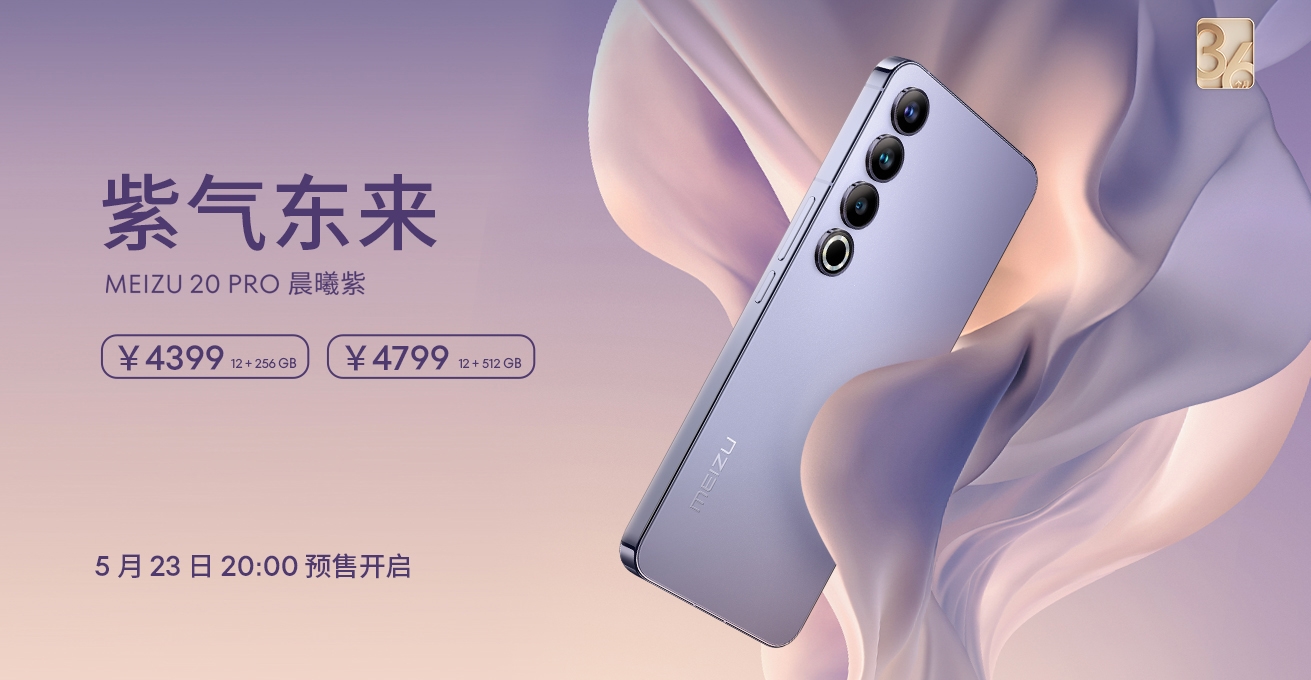
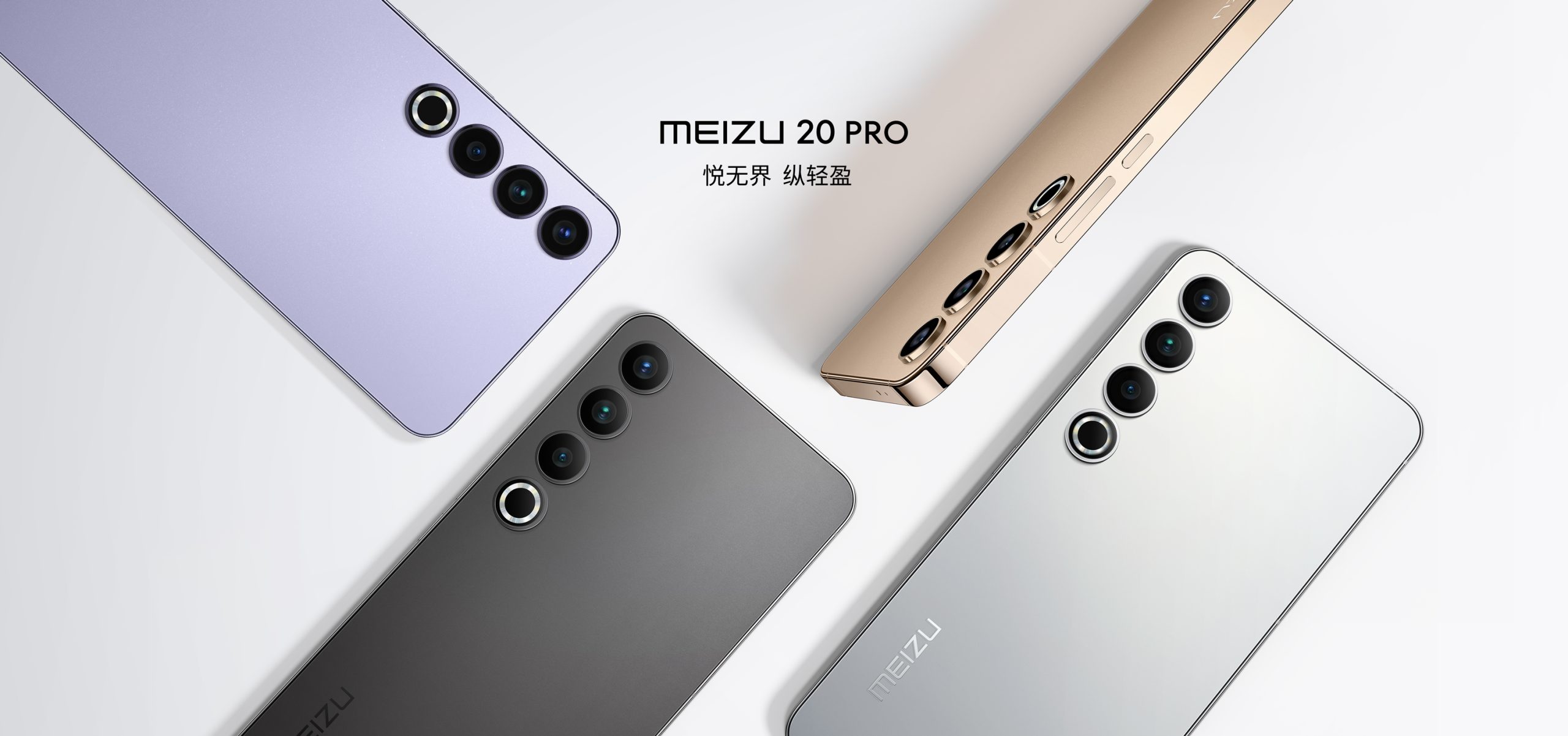
Meizu 20 Pro was announced back in March this year. Now Meizu has announced the addition of a new color variant, called “Sunrise Purple,” to its Meizu 20 Pro smartphone lineup. This latest color option joins the existing range of Dawn Gray, Twilight Silver, and Sunrise Gold, representing the four stages of sunrise and embodying the aesthetics of “rising towards the sun.”

Meizu 20 Pro Sunrise Purple color

The Sunrise Purple variant features a low-saturation purple as the primary tone, with a gradual transition from bottom to top. It incorporates Meizu’s exclusive ultra-fine delicate shimmering craftsmanship, maintaining consistency with the other color options.

An exciting highlight of the Meizu 20 Pro Sunrise Purple edition is the extended warranty. Meizu offers a 3-year warranty for this device. To qualify for the extended warranty, customers need to purchase the phone before June 20th and activate it by June 27th.

Pre-sales for the Meizu 20 Pro Sunrise Purple will start at 8:00 PM on May 23rd, with prices starting at 4,399 yuan. The device will be available in two storage configurations: 12GB+256GB priced at 4,399 yuan ($625) and 12GB+512GB priced at 4,799 yuan ($682).

Meizu 20 Pro all colors

Meizu 20 Pro specifications

In terms of specifications, the Meizu 20 Pro boasts a 6.81-inch 2K+ 120Hz Samsung E6 AMOLED display. It is powered by the Snapdragon 8 Gen 2 SoC and features a Hybrid ultra-lightweight stainless steel body. The device runs on Flyme 10, based on Android 13.

Meizu 20 Pro sports a 50MP main camera, a 50MP ultra-wide-angle camera with a macro option, and a 50MP 2x portrait telephoto camera. Additionally, it includes a 32MP front camera for capturing selfies.

Furthermore, the Meizu 20 Pro comes with a built-in UWB module, which can function as the key for the LYNK 08 electric car. Meizu 20 Pro houses a 5,000mAh battery that supports 80W wired and 50W wireless fast charging.

RELATED: