Update: The story has been updated with correct details. It previously misreported the Xiaomi Mix Fold 3 to feature 50MP Sony IMX989 1-inch main camera.
For the last couple of years, Xiaomi has been releasing foldable smartphones in the second half of the year. Thus, enthusiasts are looking forward to the company’s next-gen foldable device in the next few months.
This phone is expected to be called Xiaomi Mix Fold 3. We have been herding about it since February.
Earlier today, a reliable Chinese leaker seems to have revealed some of the specs of this upcoming foldable handset. Let’s check out what he has to say.
Xiaomi’s next foldable could be a camera powerhouse
Digital Chat Station has disclosed the specs of an unnamed foldable smartphone on Weibo. He says that the engineering model (prototype) of this product flaunts a white curved glass body.
Going by the features, the device sounds more like the Xiaomi Mix Fold 3 whose specs have been popping now and then from different sources. Even the netizens’ comments suggest the same.
As per the tipster, the phone is powered by a Qualcomm Snapdragon 8 Gen 2 chipset. It sports a quad-camera system. Two of these cameras feature zoom lenses. One of them has a 3.2x zoom lens for portraits, while the other has a 5x periscope lens for long-range zoom.
The foldable has a new water-drop hinge that strengthens the performance of drop resistance. It continues to be thin and light like its predecessor and supports 67W wired as well as 50W wired charging.
According to MIUI code, the Xiaomi Mix Fold 3 is likely codenamed ‘Babylon’ carrying model number 2308CPXD0C. It also goes by L18 and is expected to launch in August.
Previous leaks have revealed that the handset will arrive with an 8.02-inch main display and a 6.5-inch cover screen. Both panels will offer an FHD+ resolution and up to a 120Hz refresh rate.
On the inside, it will come equipped with LPDDR5 RAM and UFS 4.0 storage. It is tipped to be IP-rated and might come with an under-display camera.
Unfortunately, just like previous iterations, the Xiaomi Mix Fold 3 will probably not release in global markets. It may remain exclusive to mainland China and is expected to arrive in leather and glass back variants.
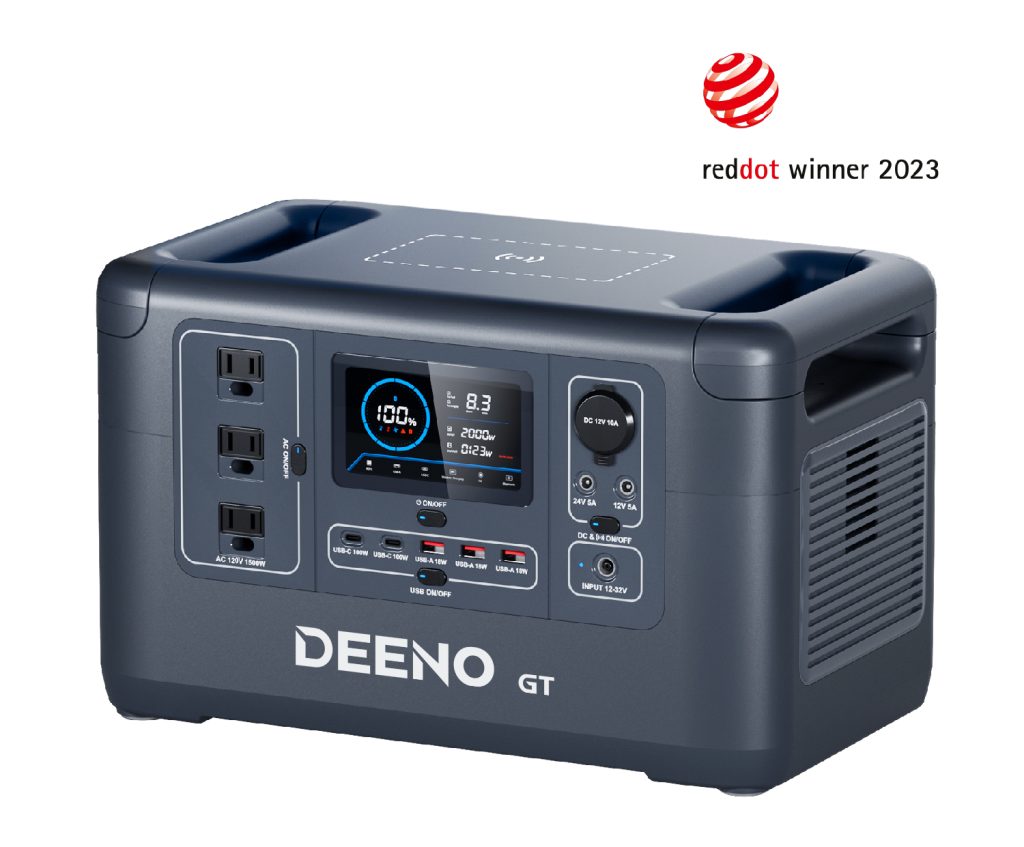
As the impact of COVID-19 fades, people are becoming more willing to travel or camp, and Portable Power Stations are also becoming a popular product category. When you start thinking about which Portable Power Station is worth buying, why not try this DEENO GT X1500, I’ll tell you what’s good about it.
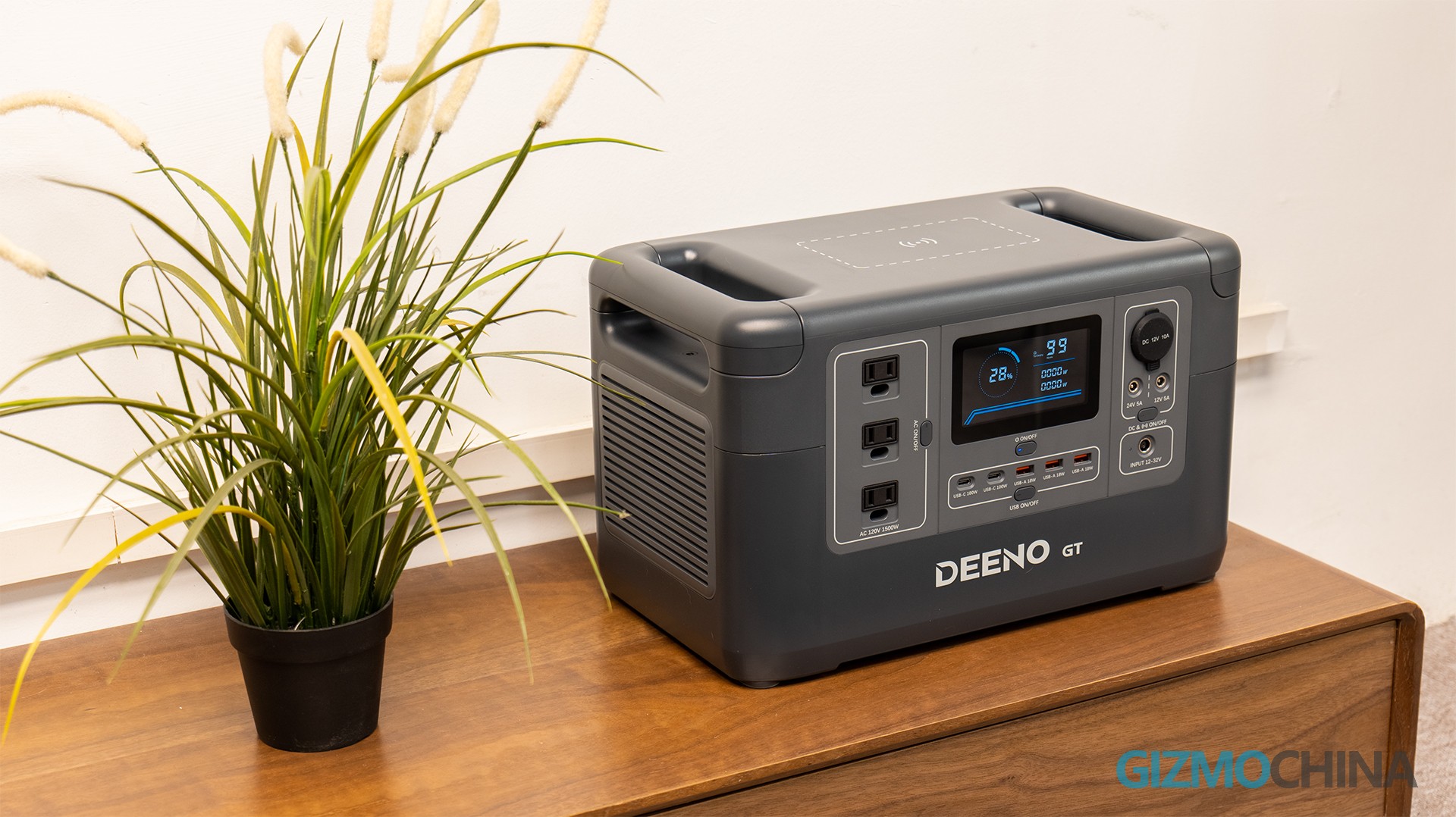
Deeno GT X1500 Power Station
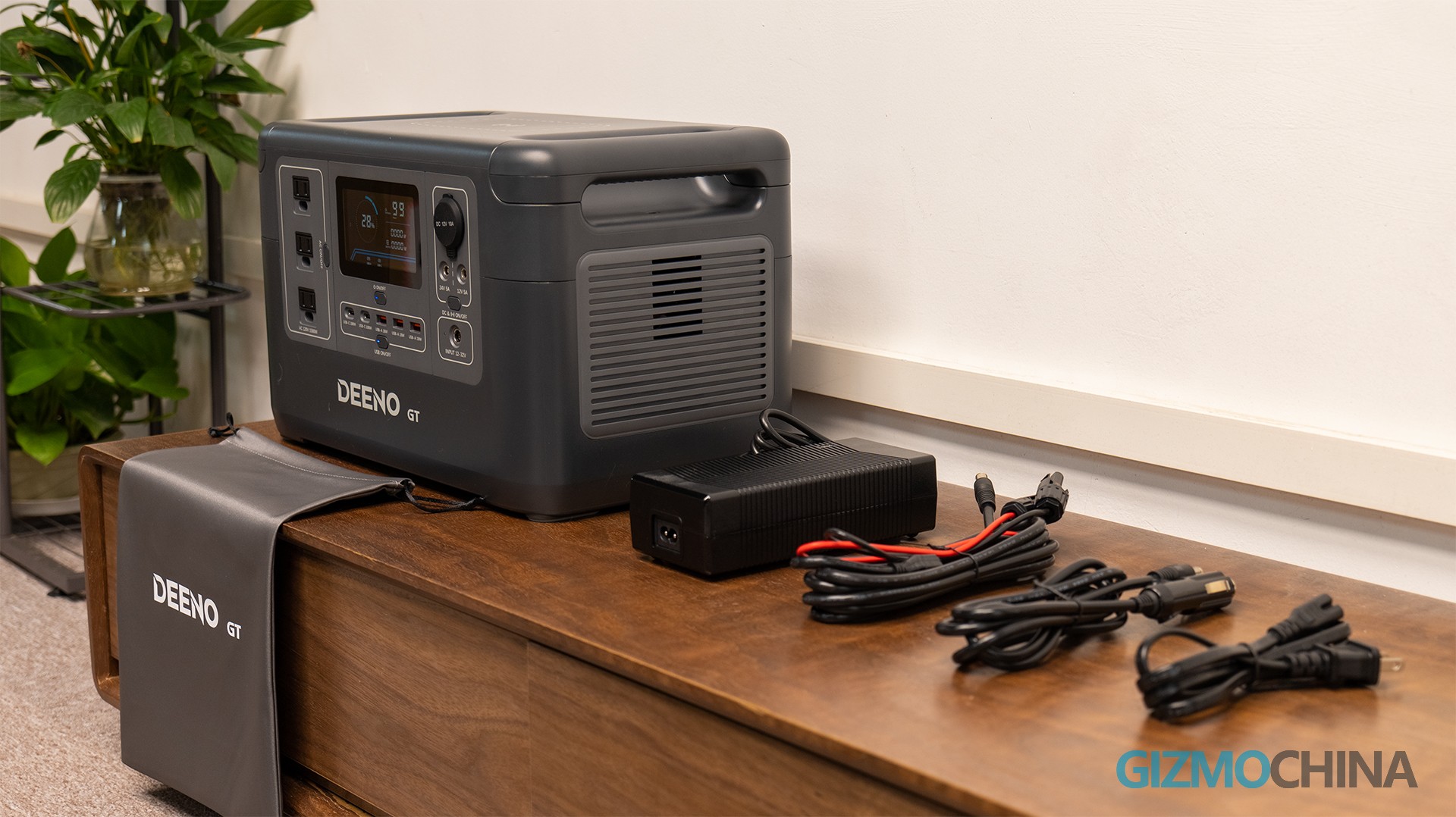
Unboxing
In addition to the DEENO GT X1500 and manual, the package includes the following accessories: Adapter, MC4-DC7.9*0.9 Charging Cable, Car Charger Male Connector-DC7.9*0.9 Charging Cable, and Accessory Bag.
Design
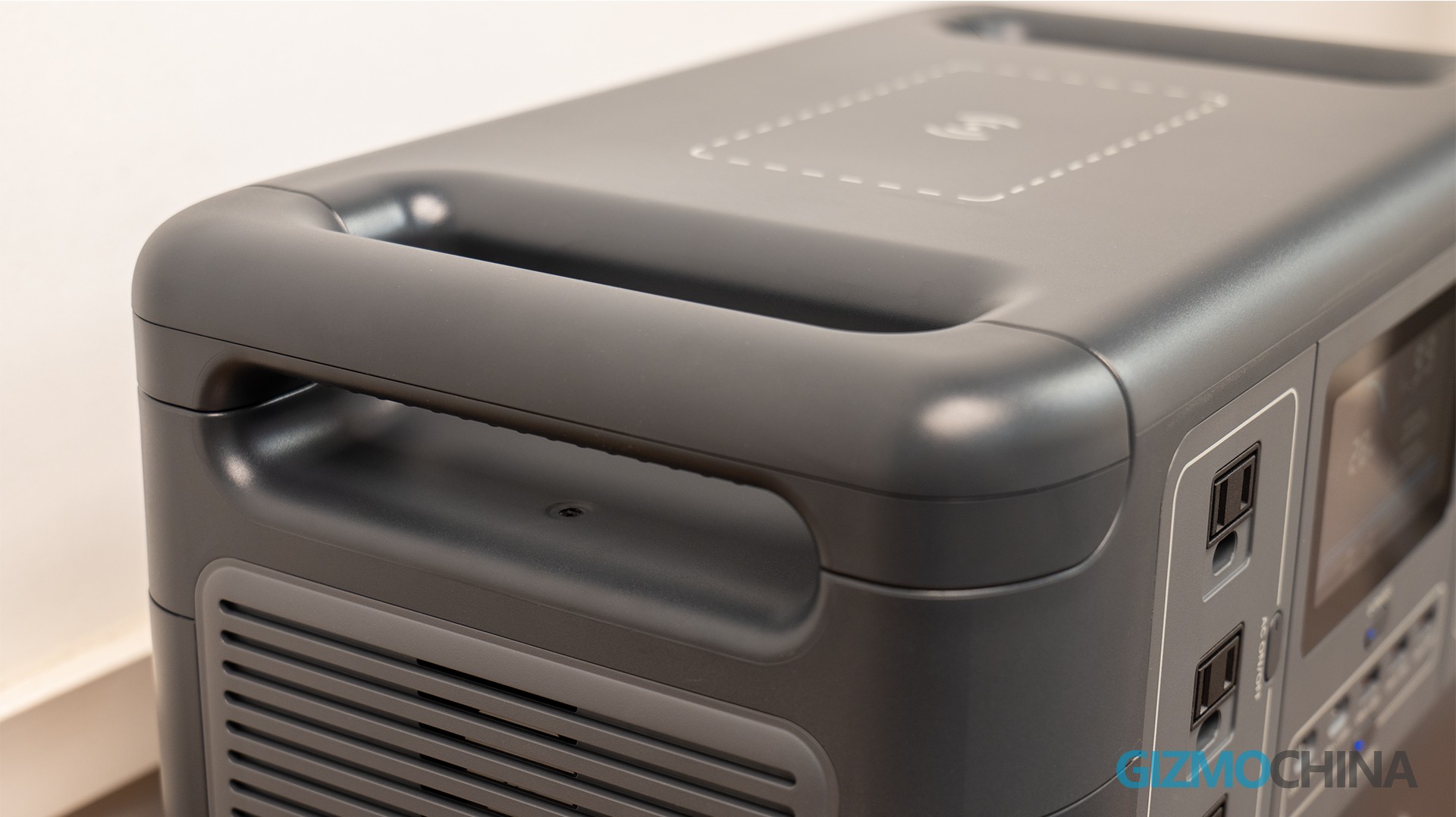
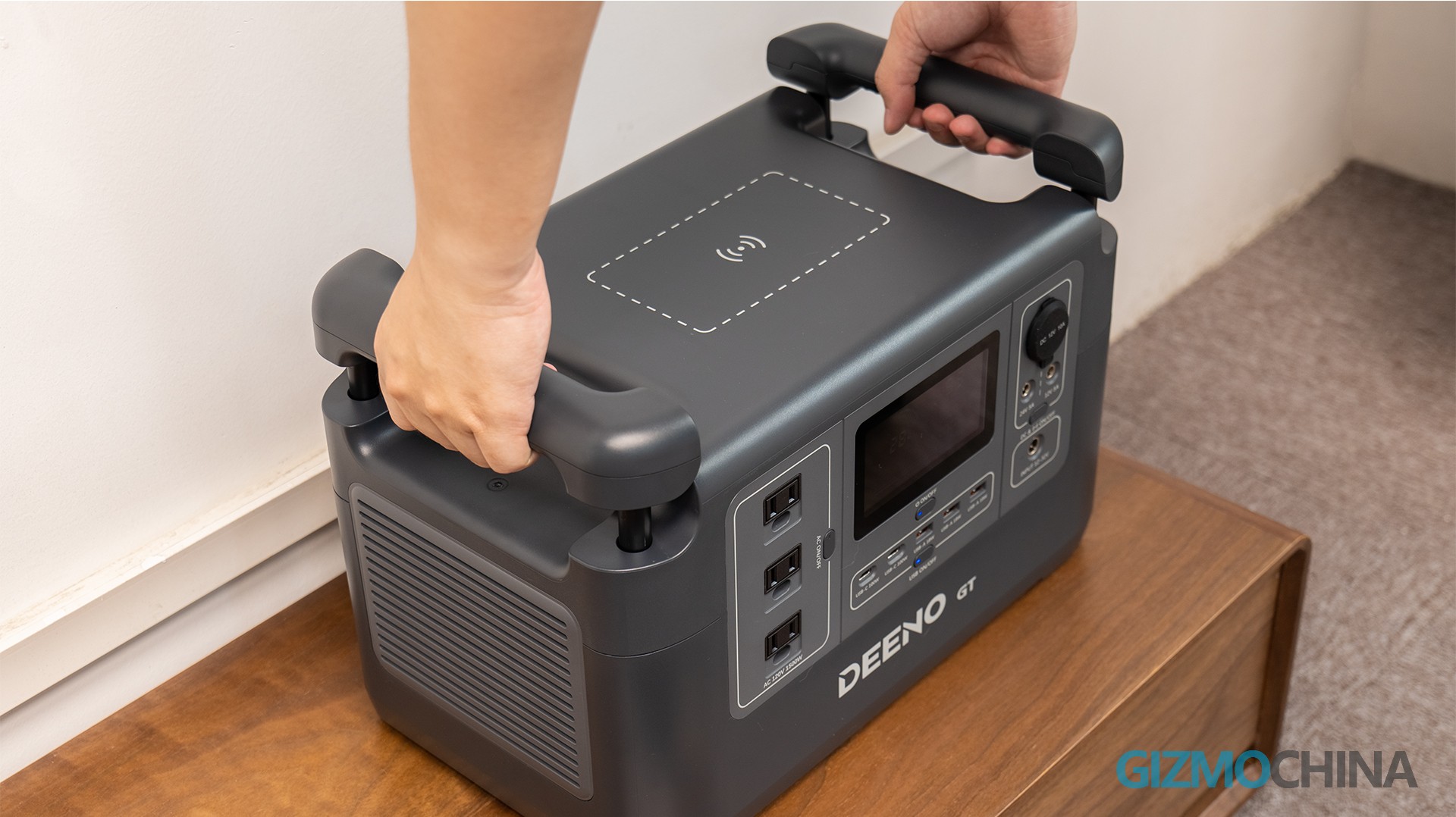
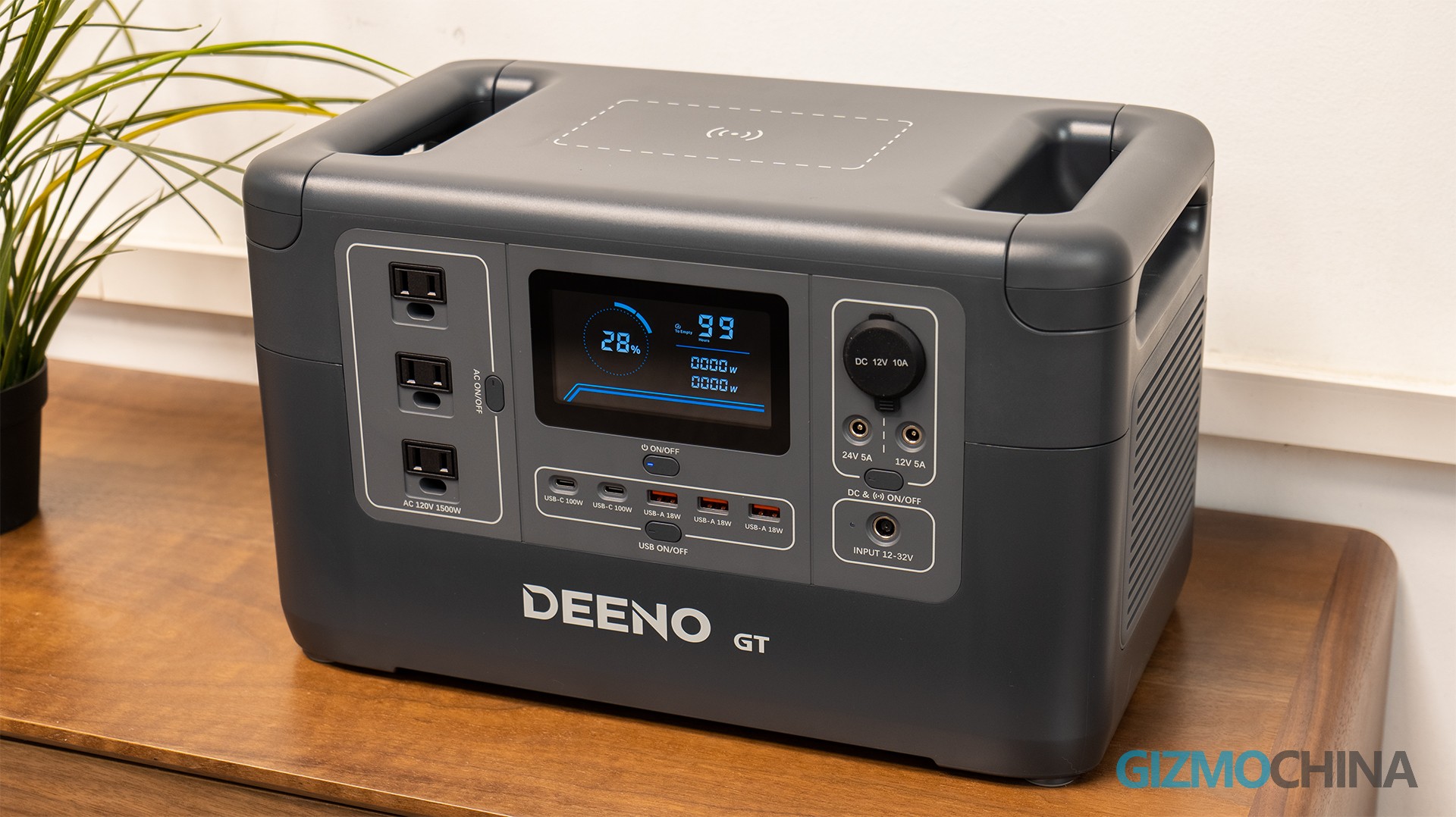
I really like the design of the DEENO GT X1500. Compared to other Power Stations with different shapes, the GT X1500 looks like a normal rectangular body with no fancy decorations. The whole body is mostly made of ABS. My favorite part is the handle. When you need to move it, it will rise up. Put it on the ground it will retract, like a spring.
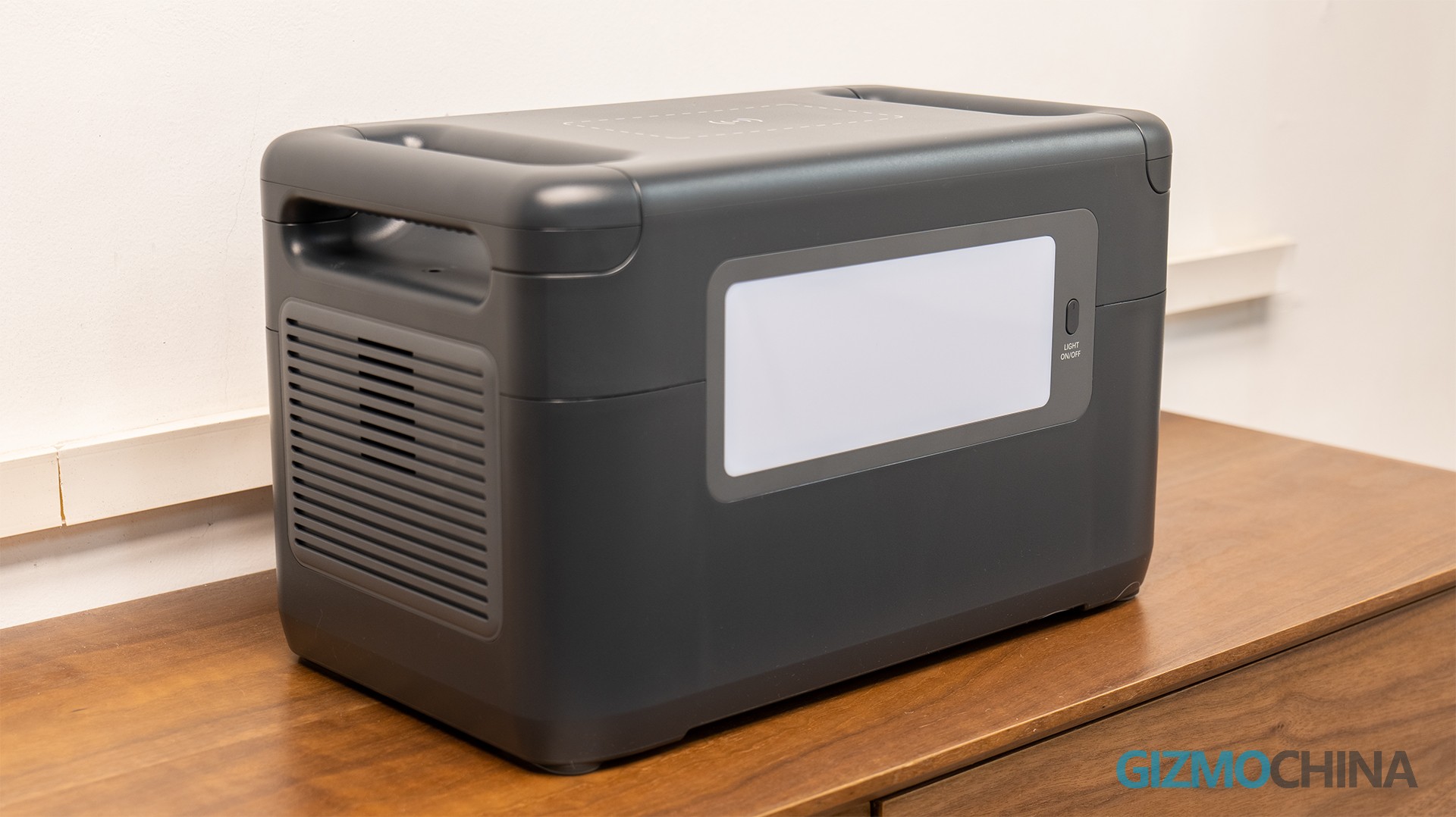
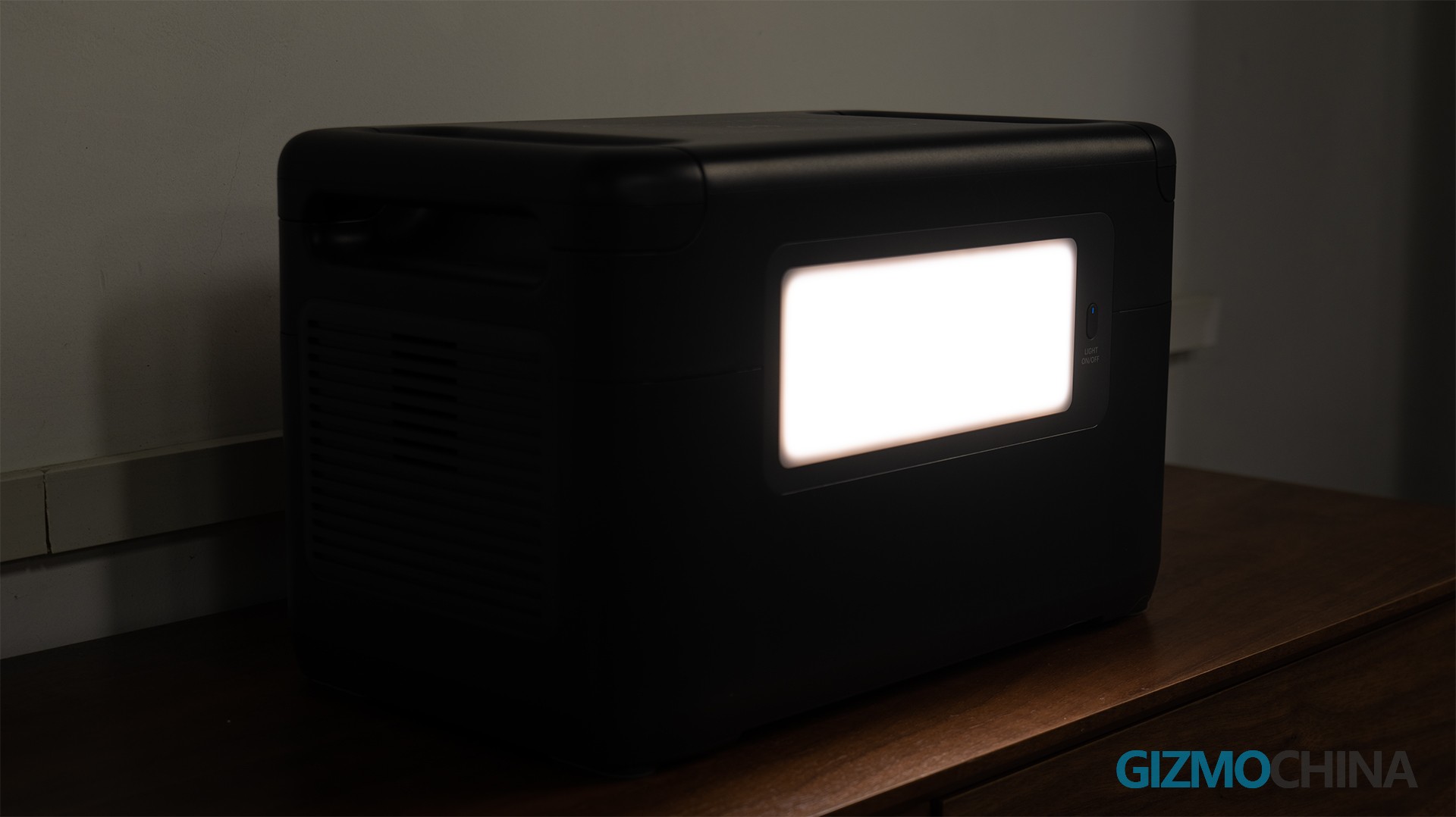
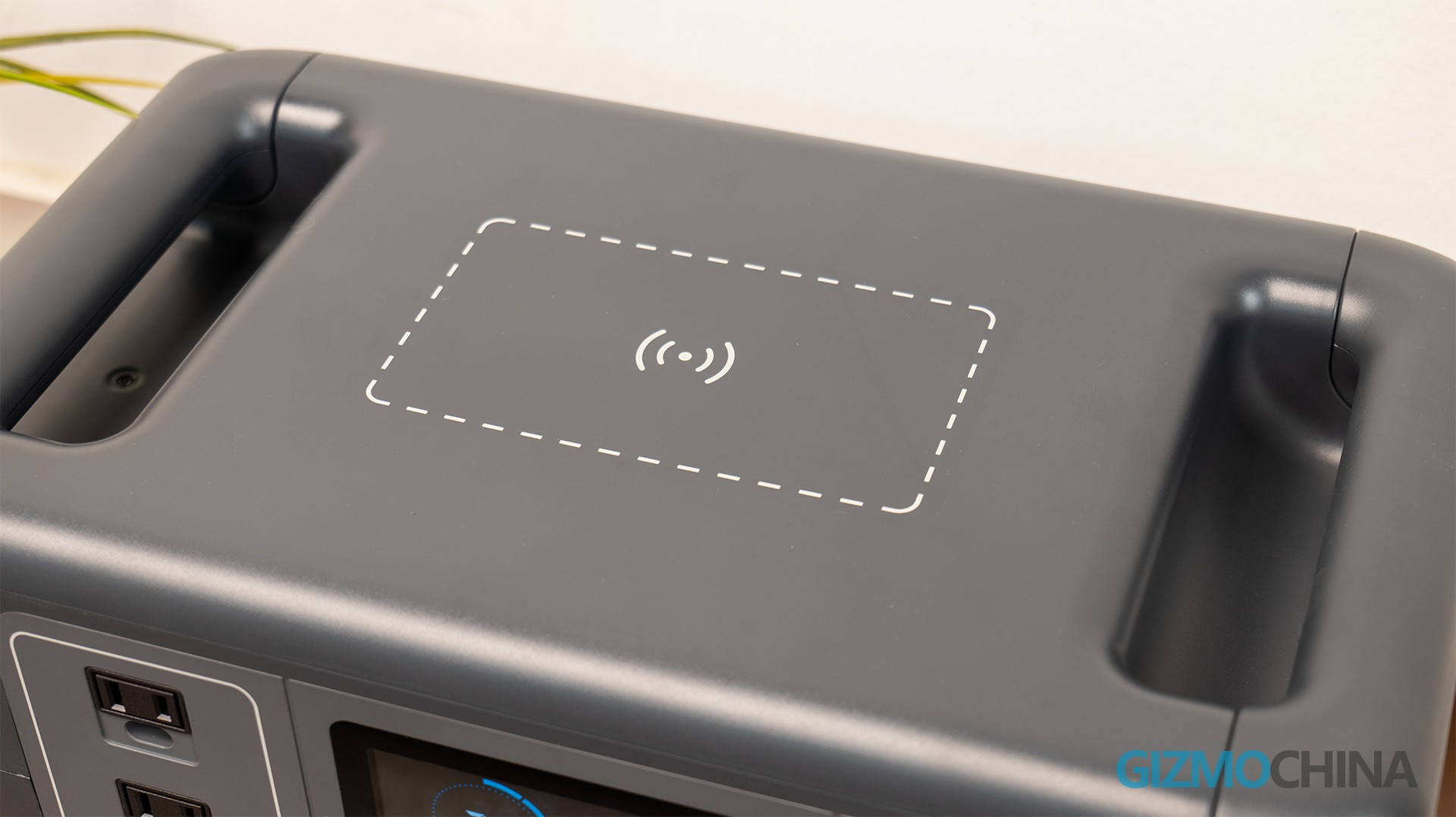
It has almost all the ports and buttons on the front, a wireless charging pad on top, and air inlets and outlets on both sides. On the back is a very large LED light with 12w of power, which I’m sure will make it easier to do your thing at night. 14.8kg isn’t too heavy, so even a kid can easily move around your campsite with it.
Interface
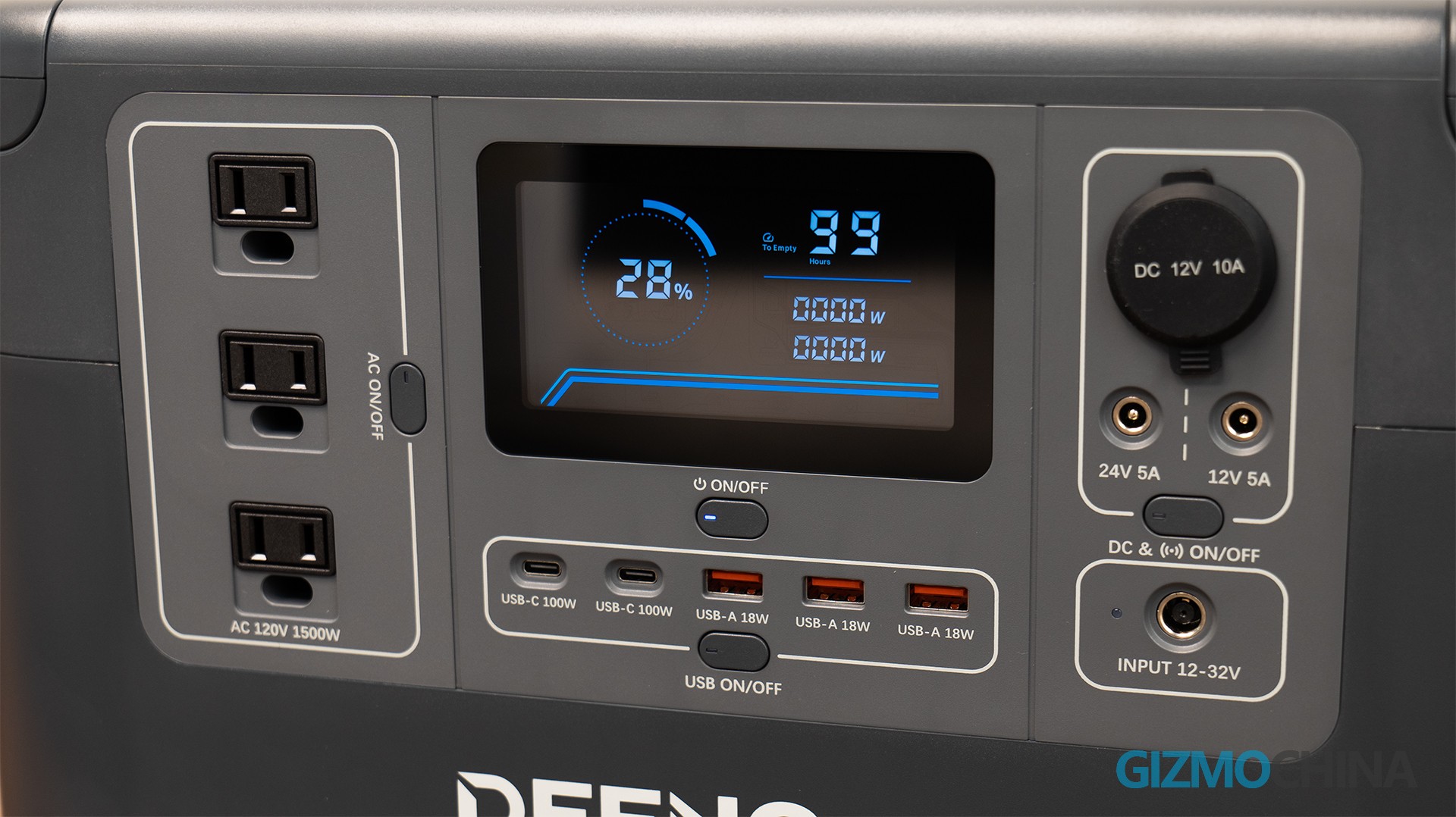
The DEENO GT X1500 has a lot of ports on the front. There are 3 AC ports, 2 USB-C ports, 3 USB-A ports, 1 vehicular cigarette lighter output port, 1 DC output, and 1 DC input port. DEENO uses white lines to divide the three output interface areas and one input interface area, each output area has a separate switch. The 3 AC ports have a total output of 1500w, allowing you to use some high-power devices. If you want to watch a movie outdoors, wash your car, or have a cup of coffee, these three ports can help you do that.
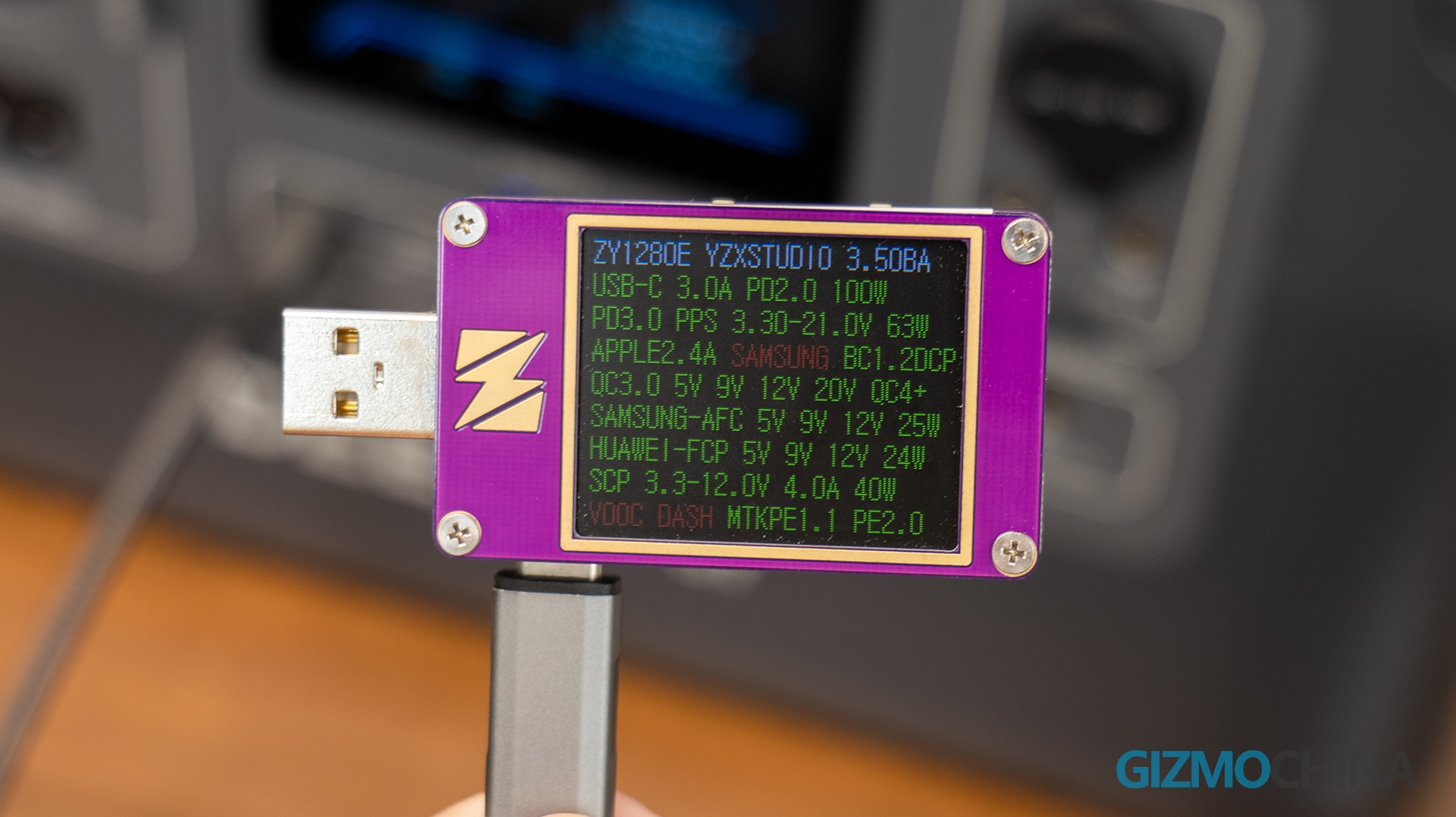
USB-C all charging protocols
These five USB ports are mainly for charging some small devices, such as cell phones and tablets. Among them, USB-C supports up to 100w PD charging and has a wide range of protocols. The USB-A port is recommended for charging smartwatches or power banks, as they usually cannot support high-power input and are charged while sleeping.
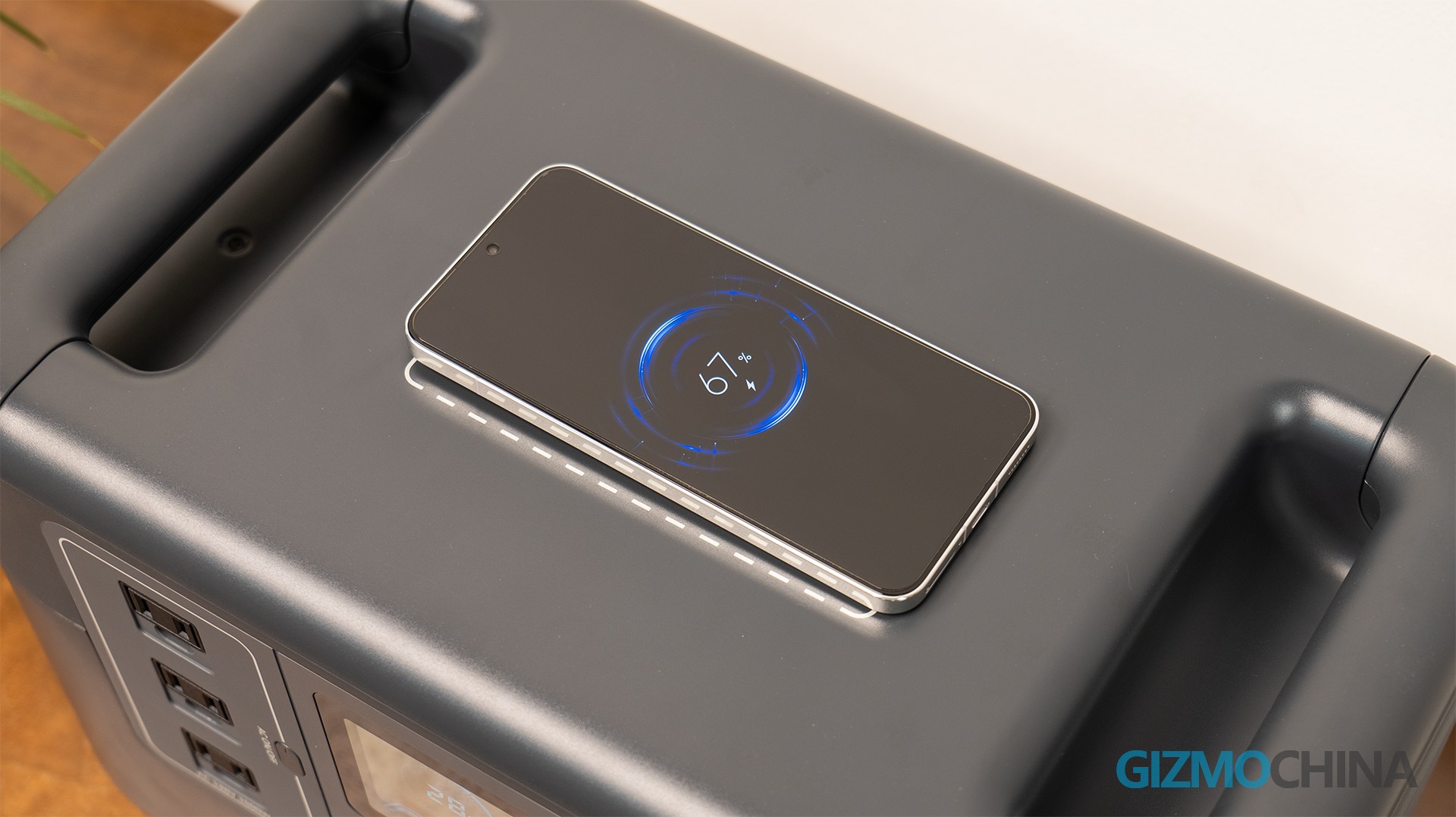
To allow the DEENO GT X1500 to charge more types of devices, there are these two DC ports and the car charge output port, with a maximum output power of 120w. It even adds this wireless charging area above, with a maximum power of 10w. Basically, it meets the charging needs of all kinds of electronic devices.
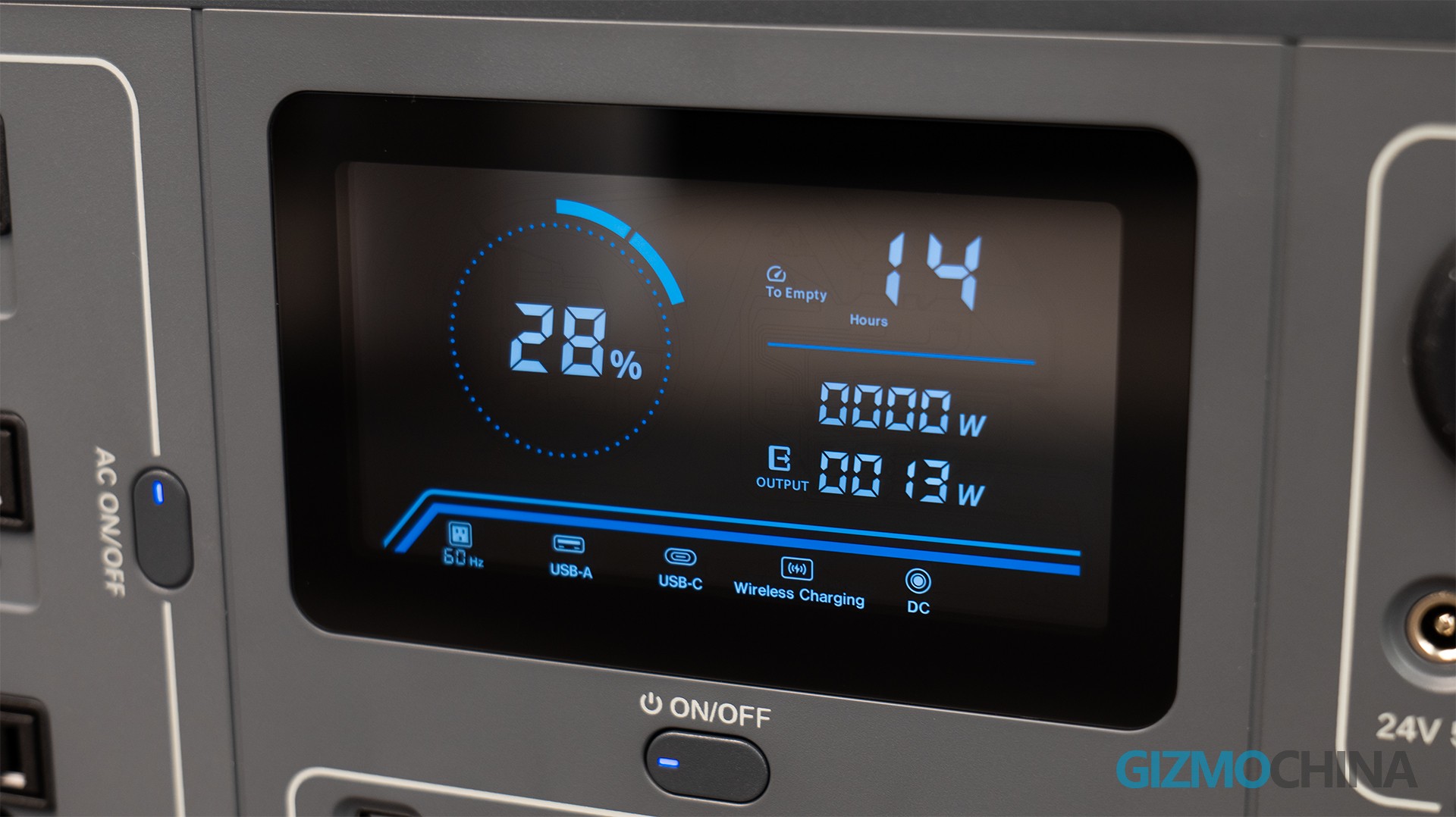
This screen, like the other Portable Power Stations, shows all the data on charging and power usage. It is also the only way you can determine the status of the Power Station. Most of the icons are so intuitive that you only need to glance at them to determine what the icons actually represent. Even if you can’t understand it, the manual also explains what all the icons represent.
Charging & Battery
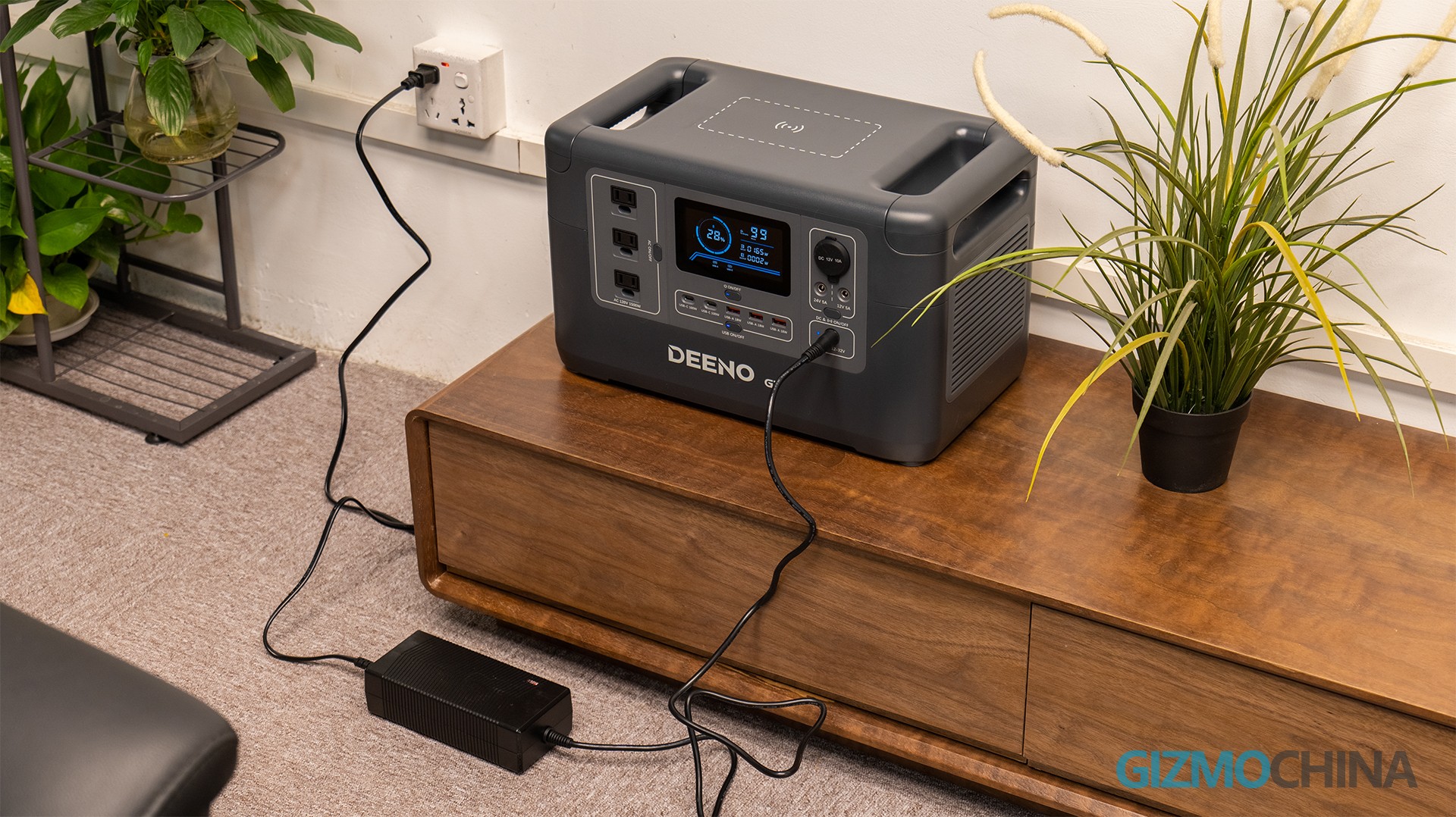
In addition to charging the Deeno GT X1500 with the included charger, you can also choose to charge it with the 200W Portable Solar Panel. When the sun is shining, this Solar Panel is a great power generator for outdoor use. But it’s not free, you need to pay $399 for it.
The GT X1500 has a battery capacity of 1036Wh (28.8V 36Ah) and the battery type is LiFePO4. A battery of this capacity can charge a cell phone approximately 89 times or a 60W TV for 14 hours of continuous viewing. It takes about 5.5-6.5h to charge from 0 to 100% through an Adapter or 24V port of the car, 6-10h through solar power, and 10-13h through the 12V port of the car.
For a limited time, seize the opportunity on Amazon to grab the DEENO portable power station for an incredible price of $499 when you apply a $200 discount coupon (originally $699). Additionally, the solar generator, bundled with a 200W solar panel, is available for just $799 with a $300 discount coupon (originally $1099), while Portable Power Stations with the same interface and capacity are usually more expensive. Wireless charging support is also a unique highlight. If you are interested in it after reading this article, please do try it, the GT X1500 is definitely worth the price.
In line with the growing preference for tablet in work and study settings, it looks like HTC is gearing up to unveil its latest offering, the HTC A103 Plus. From the specs, the new tablet aims to meet the diverse requirements of professionals and students seeking high-performance devices.
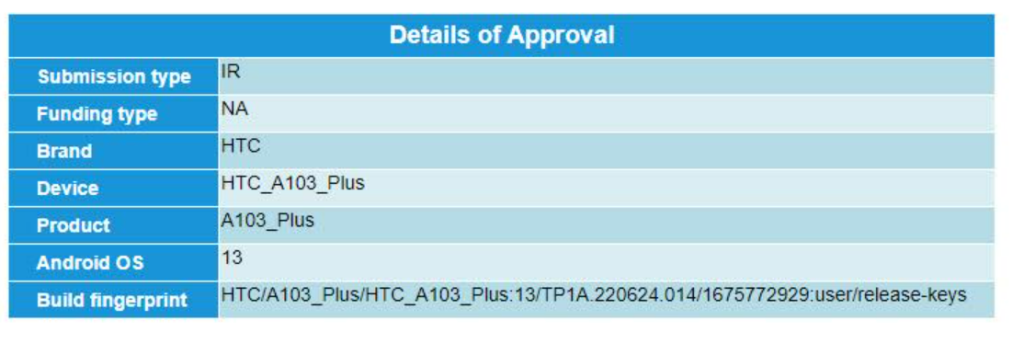
HTC A103 Plus has made it’s appearance in the Google GMS Certification, indicating that the device is undergoing rigorous testing and evaluation.
Judging from the available information on it’s specs, HTC A103 Plus is positioned as a budget-friendly tablet option. The device’s anticipated price point and feature set are expected to cater to a wide range of consumers seeking an affordable yet capable tablet experience.
The certification confirms HTC A103 Plus will be 4G Wi-Fi tablet. It will feature a 10.1-inch FHD display, with a resolution of 1200*1920 pixels. It should be powered by the MTK8768A processor, which consists of four Arm Cortex-A53 cores running at 2.0GHz and four Arm Cortex-A53 cores running at 1.5GHz. This includes a GPU (IMG8320) clocked at 650MHz for graphics processing. The tablet will come with a 5MP primary camera, while selfies can be captured with the 5MP front-facing camera, which features face detection and AI face unlock capabilities.
The HTC A103 Plus will run on Android 13.0 and offers 4GB of RAM along with 64GB of ROM, expandable up to 256GB using a MicroSD card. It will be powered by a 6000mAh battery and supports Bluetooth 5.0 and dual-band Wi-Fi. The tablet will also feature a Type-C USB 2.0 port, OTG support, and various sensors including gravity, acceleration, etc. The tablet will include standard features like GPS, A-GPS, and GLONASS for precise location tracking.
Overall, the HTC A103 Plus should come out as a decent option to both consumers and businesses seeking an economical option for work, entertainment, and communication purposes. We await more details from the brand, like an exact launch date and availability.
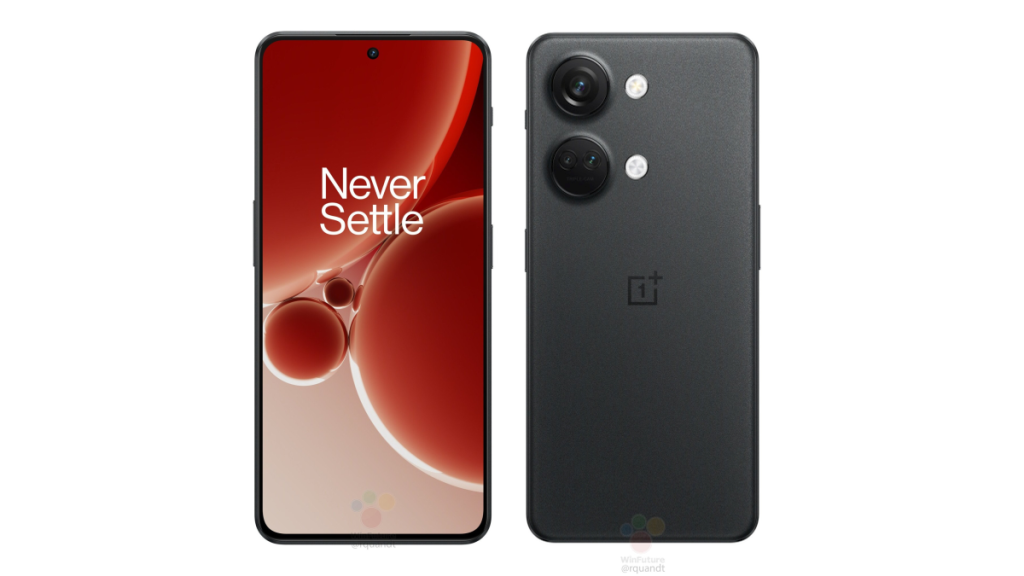
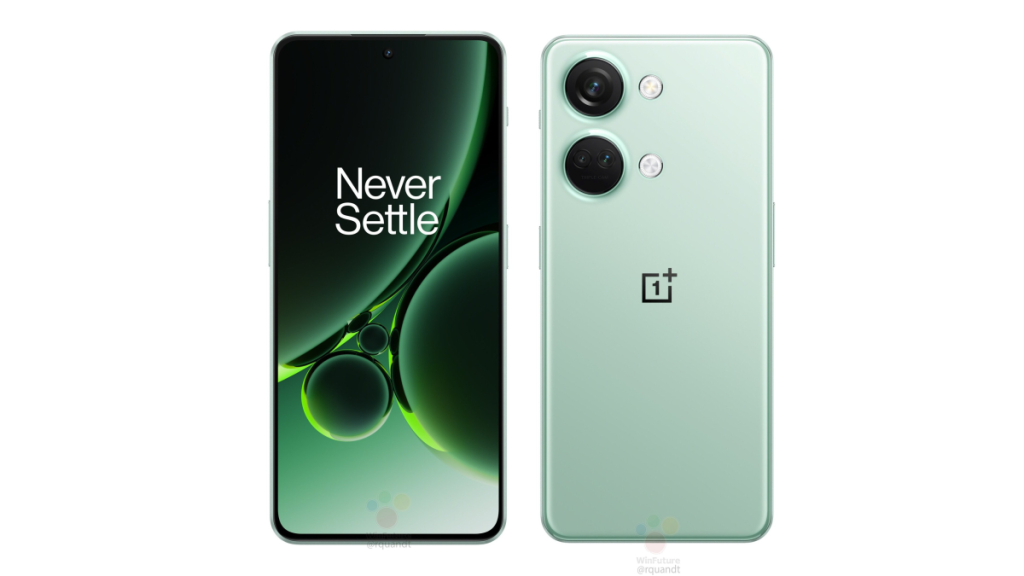
OnePlus is gearing up to launch the OnePlus Nord 3 in the global market soon. Many details have already leaked about the device so far like the official images, pricing, 80W fast charging, and the presence of an IR blaster. That being said, the brand has now indirectly teased its imminent arrival.
OnePlus has officially announced that its upcoming Nord smartphone will be released in July. While the specific device name was not explicitly mentioned, hints from the teaser post for “The Lab” campaign on the community forum suggest that the Nord 3 will be launched in India, Europe, and the APAC regions.
For those who may not be familiar, “The Lab” was initially introduced for the OnePlus 3 and 3T devices. The purpose of this campaign is to gather unfiltered reviews from OnePlus users, prioritizing content creativity over follower count when selecting reviewers. Throughout the years, OnePlus has received outstanding content and genuine reviews from users, making “The Lab” a beloved and successful tradition within the OnePlus Community.
OnePlus Nord 3 specs (rumored)
Considering the similarities between the OnePlus Nord 3 and the previously launched OnePlus Ace 2V in China, the Nord 3 is anticipated to share many features with its counterpart. However, notable differences lie in the camera setup. Rumors suggest that the Nord 3 will sport a 16MP front camera and a triple camera system comprising a 50MP main camera (with OIS), an 8MP ultra-wide camera, and a 2MP macro shooter. In contrast, the Ace V2 boasts a 64MP primary camera with OIS.
Furthermore, the Nord 3 is expected to showcase a 6.74-inch AMOLED display with an FHD+ resolution of 2772 x 1240 pixels and a smooth 120Hz refresh rate. Powering the device will likely be the Dimensity 9000 chipset, coupled with a maximum of 16GB of RAM. Storage options may include 128GB or 256GB, while a 5,000mAh battery with 18W charging support is also anticipated. Additionally, users can expect an under-display fingerprint scanner for secure unlocking.
Reports have revealed OnePlus will launch two flagship phones in the second half of 2023. These devices are said to be the OnePlus Ace Pro and the OnePlus 12. In a recent Weibo, tipster Digital Chat Station revealed the display design and resolution of both smartphones.
OnePlus 12
OnePlus 11 5G
The OnePlus 12 5G flagship phone is expected to launch only the launch of the Snapdragon 8 Gen 3 chip. Since the SD8G3 is likely to debut in October, it is likely that the OnePlus 12 5G may go official by late November or December.
To recall, the OnePlus 11 5G featured a curved-edge display with a camera cutout at the upper-left corner. As per the new leak, the OnePlus 12’s OLED display, which will be sourced from the Samsung Display Corporation, will have curved edges as well as a centrally positioned punch-hole. It will support a Quad HD+ resolution and probably a 120Hz refresh rate.
OnePlus Ace 2 Pro
Rumors have revealed that the OnePlus Ace 2 Pro will debut in July in China. It is said to be equipped with the all-new Snapdragon 8 Plus Gen 2 chipset, which is expected to debut at some point this month. The new leak states that the OnePlus Ace 2 Pro will have a curved-edge display with a centred punch-hole. The OLED panel, which will be supplied by a China-based BOE display manufacturer will offer a 1.5K resolution.
Previously, the tipster claimed that the OnePlus Ace 2 Pro will feature the same display that is available on the OPPO Reno 10 Pro+. Hence, it the Ace 2 Pro is expected to feature a 6.74-inch OLED screen that offers 1240 x 2772 pixels resolution, a 20:9 aspect ratio, a 120Hz refresh rate, up to 1,400 nits of brightness, and high-frequency dimming.
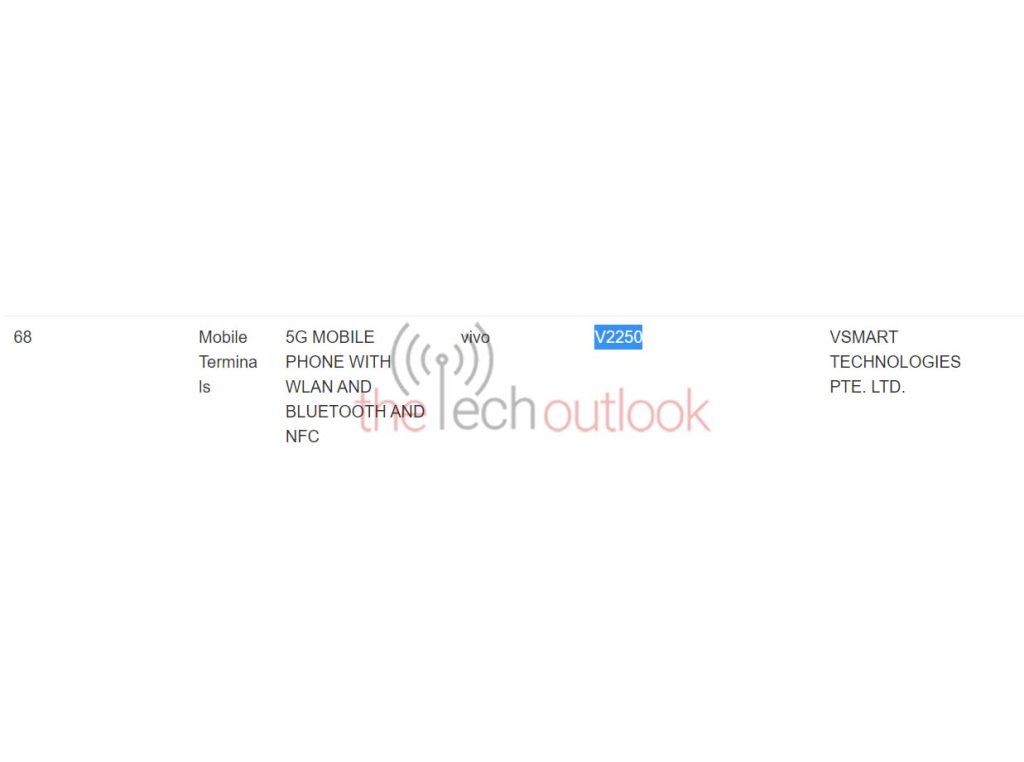
Vivo is expected to debut the V29 series in the coming days. The series is expected to feature three devices: Vivo V29, Vivo V29 Pro, and Vivo V29 Lite. Out of these three, the V29 model has already been spotted on Geekbench as well as the Bluetooth SIG website. Now, the device has also picked up the IMDA certification, hinting to its upcoming global launch.
The Vivo V29 5G, identified by model number V2250, has recently surfaced on the IMDA certification website. According to the certification, the device will come with support for WLAN, Bluetooth, and NFC. While no additional details were disclosed in the certification, it did confirm that the Vivo V29 5G will be released in Singapore.
Vivo V27 5G
The recent Geekbench listing of the V29 5G has revealed that it will feature a Qualcomm Snapdragon 778G Plus processor. It is expected to come equipped with 8GB of RAM and will operate on the Android 13 operating system. Other than that, no details about the device are available at present, so let’s look at the leaked specs of the Pro model.
Vivo V29 Pro specs
In a recent revelation, it was inadvertently confirmed that the Vivo V29 Pro 5G will sport a curved 6.7-inch OLED display. The display will offer an FHD+ resolution and an impressive 120Hz refresh rate. There are indications that the device might be powered by the Dimensity 8200 chipset.
The Vivo V29 Pro 5G is expected to come with a substantial 12GB RAM and a generous storage capacity of 256GB. It will be equipped with a 5,000mAh battery that supports 66W fast charging, ensuring reliable and quick power replenishment.
For photography enthusiasts, the phone will feature a high-resolution 50-megapixel front-facing camera, while the rear camera setup will include a 64-megapixel lens with optical image stabilization (OIS) support. The device will run on FunTouch OS 13, which is based on the latest Android 13 operating system.
According to recent reports, Vivo is currently developing the Vivo Y27 5G smartphone. However, an informant named Paras Guglani has leaked information suggesting the existence of a 4G variant of the device that is yet to be officially announced. The tipster not only provided details about the device’s key specifications but also mentioned that it is expected to be launched in July.
Vivo Y27 specifications (rumored)
According to the tipster, the Vivo Y27 4G, which has the V2249 model number, will come equipped with a 6.5-inch display that offers an HD+ resolution of 720 x 1600 pixels. While the leak does not state the type of screen it features, it appears that it could be equipped with an LCD panel.
As per the leak, the Vivo Y27 4G will arrive with 4 GB / 6 GB of RAM and 64 GB / 128 GB of storage. It will come preloaded with Android 13 OS. Instead of mentioning the exact name of the chip that powers the Y27 4G, the leak claims that its SoC will be based on the Helio G85. It will house a 5,000mAh battery.
Vivo Y27 price (rumored)
The leak claims that the Vivo Y27 4G will be priced at around Rs 18,000 (~$219). It will be released in July in India and come in three shades, such as black, green, and deep red.
In related news, the Vivo Y27 5G, which is expected to debut soon, could be a rebranded version of the Vivo Y36 5G that recently debuted in some Southeast Asian markets. The device is expected to arrive with specs, such as a 6.65-inch FHD+ LCD 90Hz LCD display, a Dimensity 6020 chip, 8 GB of RAM, 128 GB of storage, a 5,000mAh battery, 50-megapixel dual rear cameras, and a 16-megapixel front camera.
The iQOO 11S is set to be launched in China by early July, and there have been numerous reports disclosing its specifications. A trusted source, Digital Chat Station, shared information about the storage options and reiterated some of the previously leaked specifications of the device in a recent Weibo post.
According to the tipster, the iQOO 11S is expected to feature 1 TB of UFS 4.0 storage. Although the amount of RAM for this variant was not disclosed, there are indications that it could come with 16 GB of LPDDR5x RAM. The tipster further said that the iQOO 11S, being a gaming-oriented phone, will come equipped with 200W charging and a Sony IMX866V 50-megapixel primary camera. It will not feature the Vivo V2 ISP. Instead, it will feature a dedicated display chip.
Last week, the company released an image to showcase the design of the phone. Today, iQOO Product Manager, Violet Song took to Weibo to reveal that the capitalized “S” in the moniker of the device stands for Super. She added that the device will come in a new green color, which is specially themed for the upcoming Asian Games.
iQOO 11S
The above-shown image released by one of the members of the Honor of Kings division of eStar eSports Club showcases the iQOO 11S in the new green color.
iQOO 11S specifications (rumored)
As per other reports, the iQOO 11S is rumored to be the first smartphone to debut with the upcoming Snapdragon 8 Plus Gen 2 chipset. The device is expected to sport a 6.78-inch E6 AMOLED display with a Quad HD+ resolution and a high 144Hz refresh rate. It is likely to come with a 4,700mAh battery that supports 200W fast charging. On the back, it may feature a 13-megapixel telephoto camera and an 8-megapixel ultra-wide camera. For selfies, it may feature a 16-megapixel front camera. The device will run on an OriginOS 3.0-based Android 13.
Update: Vivo has confirmed that the Vivo X90s will be announced at 2:30 pm (local time) on June 26 in China.
Original story continues…
Vivo’s Vice-President and GM of Product Strategy, Jia Jingdong, shared a live shot of the upcoming Vivo X90S flagship phone. Like other X-series phone from the brand, the X90s is also expected to offer a stellar photography experience. Today, Jingdong took to Weibo to share the camera samples of the device.
According to Jingdong, the previous X-series phones offered two main color expressions: vivid colors by Vivo and natural colors by Zeiss. Vivo’s bright colors aimed to capture the beauty that goes beyond what the eyes see, while Zeiss focused on presenting the world in its true form with high-definition and sharpness.
Now, a new addition called “vivo texture color,” which is inspired by the classic film camera era, will provide users with the ability to create personalized masterpieces with rich colors, and capture daily scenes with human emotions. To showcase the results of the new color expression, Jingdong shared the below camera samples of the Vivo X90S. He also confirmed that the Vivo X90s will come in a new color called “Qingyang,” which is nothing but a derivative of cyan.
Vivo X90s camera samples
Vivo X90s specifications (rumored)
Reports have revealed that the X90s will come equipped with the Dimensity 9200 Plus chipset and offer Wi-Fi 7 connectivity. The rest of its specs are likely to remain identical to those of the Vivo X90, which was announced in November last year.
Hence, the Vivo X90s is expected to feature a 50-megapixel (main) + 12-megapixel (ultra-wide) + 12-megapixel (telephoto) triple camera unit and a 32-megapixel front-facing camera. It will run on the OriginOS 3.0-based Android 13 OS.
The X90S will feature up to 12 GB of LPDDR5x RAM and up to 512 GB of UFS 4.0 storage. It will house a 4,810mAh battery with 100W charging. It will have a 6.78-inch AMOLED display with curved edges. It will offer a Full HD+ resolution of 1260 x 2800 pixels, a 120Hz refresh rate, and an in-screen fingerprint scanner. As per reports, the X90s will be announced this month in China.
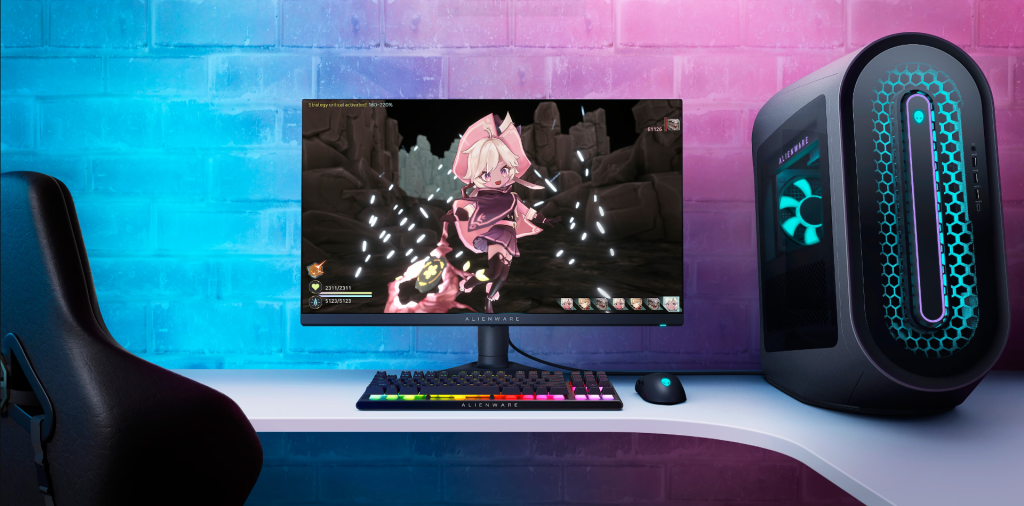
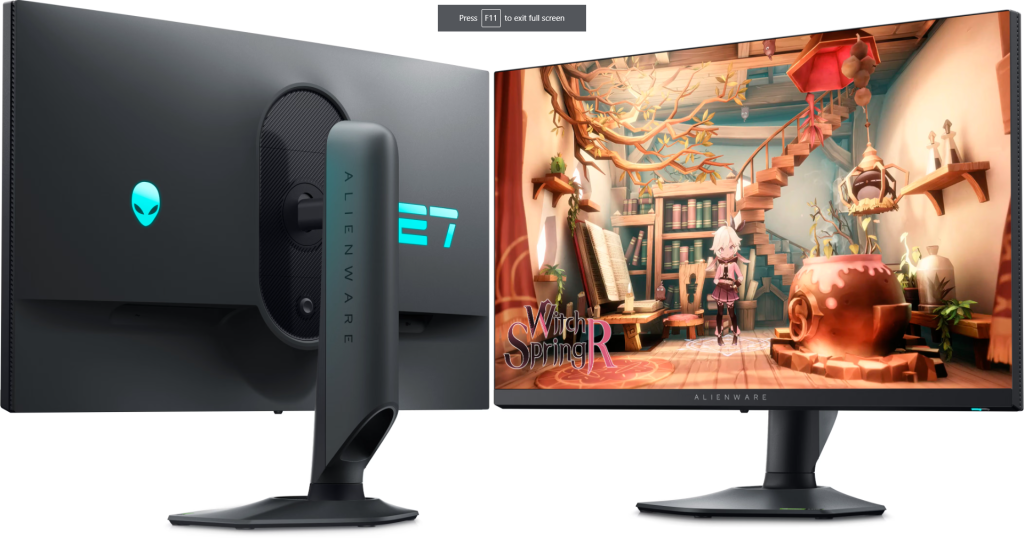
Back in March, Alienware launched the AW2524H gaming monitor with a jaw-dropping 500Hz refresh rate and an $830 price tag. The brand has now launched another monitor called the AW2724DM, which strikes a good balance between price and performance. Let’s check out its specs and features.
Alienware AW2724DM gaming monitor specs
The Alienware 27 Gaming Monitor AW2724DM boasts a 27-inch IPS panel with a resolution of 2560 x 1440, a fast 180Hz refresh rate (DisplayPort(OC), and a swift 1ms response time. The monitor offers excellent color accuracy, covering 99% of the sRGB color space, 95% of the DCI-P3 color space, and 100% of the Rec. 709 color gamut. With a brightness of 350 cd/m2 and a contrast ratio of 1000:1, the visuals are vibrant and vivid.
In terms of HDR capabilities, the AW2724DM supports DisplayHDR 400 True Black, enhancing the dynamic range for better contrast and depth. It also supports NVIDIA G-SYNC Compatible, AMD FreeSync Premium Pro, and VESA AdaptiveSync technologies, ensuring smooth and tear-free gameplay.
Connectivity options are plentiful, with two DisplayPort 1.4 ports, two HDMI 2.0 ports, a USB-C port with DisplayPort Alt Mode, a USB-C upstream port, and four USB 3.2 Gen 1 ports. Additionally, the monitor is equipped with two 5W speakers for a decent audio experience.
Notable features of the AW2724DM include Alienware ComfortView Plus, which minimizes blue light emissions without compromising color accuracy, Alienware Game Shift, allowing quick performance adjustments with a dedicated button, and Alienware Sound Center, enabling customization of audio settings.
With VESA 100x100mm compatibility, the monitor can be easily mounted. It measures 24.3 x 19.7 x 2.5 inches (61.8 x 50.1 x 6.4 cm) and weighs 11.6 pounds (5.27 kg), making it a compact and lightweight option for gamers seeking high-quality visuals and immersive gaming experiences.
Price & availability
The Alienware AW2724DM 27″ gaming monitor is available to purchase in the US for $399, while it costs €489 in the Eurozone.
Nokia is reportedly working on a mid-range phone called the Nokia G42. The device was recently spotted at the Geekbench benchmarking site, and now it has appeared in the database of the Bluetooth SIG authority. As can be seen in the screenshot below, another Nokia phone with the Nokia G310 5G moniker has also received Bluetooth certification.
Nokia G42 5G, Nokia G310 5G Bluetooth SIG certified
The Bluetooth SIG certification confirms that Nokia phones with model numbers TA-1573 and TA-1591 / TA-1581 will debut in the market under the Nokia G310 5G and Nokia G42 5G names. Apart from revealing support for Bluetooth 5.1 connectivity, the Bluetooth listings of both phones have revealed their key specifications.
As per the Bluetooth listings, the Nokia G42 5G and the Nokia G310 5G will feature a 6.5-inch LCD panel with a V-shaped notch. The screen will support an HD+ resolution of 720 x 1612 pixels, a 20:9 aspect ratio, a 90Hz refresh rate, and up to 560 nits of brightness. The screen will be protected by a layer of Gorilla Glass 3.
The Snapdragon 480 Plus 5G chipset will be present under the hood of both smartphones. Both devices will come preloaded with the Android 13 OS.
On Geekbench, the Nokia G42 5G was spotted with 4 GB of RAM. Other reports have claimed that it will arrive in a 6 GB RAM variant as well and offer up to 128 GB of storage. At present, there is no information available on the camera configurations or battery size of the device.
As can be seen above, the Nokia G42 5G and Nokia G310 5G have the same display and chipset. It is currently not known whether the other specs of these phones will be the same or different.
Changba Karaoke is a popular mobile karaoke app from China that allows users to sing and record their performances on their smartphones. With a vast library of songs and adjustable features like key and tempo, users can customize their karaoke experience. The app offers real-time audio and video effects, and users can share their recordings with others on the platform, participate in competitions, and follow their favorite singers. Changba Karaoke has become a cultural phenomenon, contributing to the digital growth of karaoke culture. Now, Changba, the company behind this famous Karaoke app, has launched a new VR camera.
VR is a strong market right now, & Changba wants to harness its potential
Changba’s founder, Chen Hua, recently announced the company’s foray into the VR field. Their VR camera, named “Calf,” along with bundled VR software, aims to tap into the immersive experience offered by VR technology. With the rising popularity and investment in VR video, Changba hopes to leverage this market’s potential.
The first VR camera developed by Changba’s team, called “Flying,” took a year and a half to build and supports various functions such as VR180 camera, video, live broadcasting, and 3D flat video. The camera will be crowdfunded in the US market on the 20th of the month. Additionally, Changba’s VR software is already available on the Meta Quest store, the largest overseas VR application store. The Kaifei camera comes with one-click upload and live broadcasting features, allowing users to easily share their VR content on the Kaifei Cloud and Kaifei App or integrate with third-party platforms for distance education, video conferencing, and more.
However, Changba’s transition to VR video poses a lot of challenges. Number one is competition where established manufacturers like Google, Facebook, and Insta360 have their own VR camera products and platforms. Addressing users’ demands for high-quality VR video content and experience is another hurdle, considering Kaifei’s current limited resolution of 1080p, which may not meet the expectations of VR devices with 4K screens. Furthermore, Changba must explore ways to integrate and enhance its original music community resources to promote and enrich VR video content. There are also plans to potentially introduce the Kaifei camera to the Chinese market in the future.
Meta, the tech giant formerly known as Facebook, is facing significant challenges in the field of artificial intelligence (AI), as it struggles to retain top talent and keep up with competitors like OpenAI. Despite CEO Mark Zuckerberg’s heavy investment in AI, recent layoffs and the departure of key researchers have slowed down Meta’s progress in this area.
Amidst ongoing tech layoffs and growing competition, Meta is struggling to find footing
Over the past year, Meta has lost a substantial portion of its AI research team, which has had a direct impact on its ability to compete with industry leaders. Factors such as job burnout and a lack of confidence in Meta’s direction have contributed to this scenario. Even Yann LeCun, whom Zuckerberg hired in 2013 to lead Meta’s AI efforts, was not invited to the recent “Companies at the Frontier of Artificial Intelligence Innovation” summit hosted by the White House. Officials from other major companies such as Google and OpenAI were present at the same event, however.
Recognizing the need for a course correction, Meta employees are urging the company to adopt a new direction in AI. They want the company to rectify past mistakes that led to a shift away from generative AI, a field in which Meta had previously shown promise.
Under LeCun’s leadership, Meta’s AI researchers encountered difficulties in effectively promoting large language models and making breakthroughs with large-scale models like ChatGPT. Despite this, Zuckerberg praised the company’s recent advances in AI during a meeting with employees in June, citing many major breakthroughs in generative AI.
Last year, Meta experienced a significant loss of researchers, many of whom cited burnout or doubts about the company’s future plans in AI. The release of OpenAI’s ChatGPT in November further accelerated the talent drain from Meta, as employees sought opportunities elsewhere.
Another AI competitor, Midjourney, gained substantial traction within a mere year of its launch. The platform’s popular AI-generated images rapidly spread across the internet, strengthening its reputation and attracting attention.
Internally, confidence in Meta’s leadership has drastically decreased. An internal survey conducted between April and May revealed that only 26 percent of Meta employees expressed confidence in the company’s direction. Meta has yet to comment on these findings.
In his February earnings report, Zuckerberg declared 2023 as “the year of efficiency.” The company’s November layoffs, which affected over 11,000 workers, and subsequent project closures were part of this efficiency drive. However, it remains to be seen whether these measures will be sufficient to address Meta’s AI challenges and regain its competitive edge in the rapidly evolving landscape of artificial intelligence.
The highly anticipated Tesla Cybertruck, an all-electric pickup truck, has been making waves in the automotive industry with its futuristic design and impressive performance capabilities. Tesla first announced the Cybertruck on November 21, 2019. During a special event held in Los Angeles, California, Elon Musk, the CEO of Tesla, unveiled the Cybertruck to the public. The announcement generated significant attention and sparked discussions about the vehicle’s unique design and features. The company had opened their preorders shortly thereafter, and in a matter of days, the truck was completely prebooked. However, some three and a half years later, the Cybertruck still hasn’t launched amongst the public. Recent reports had stated that Tesla is gearing up to produce a staggering 375,000 Cybertrucks annually, with candidate models set to be launched by the end of August. Another recent statement from Tesla states that deliveries of this vehicle are scheduled to begin around the end of the third quarter of 2023, likely in late September.
While Tesla tests its vehicles in Alaska as well, New Zealand is quite cold this time of year
Excitement surrounding the Cybertruck has reached new heights as Tesla is ramping up its production. Previous reports by Electrek suggested that Tesla had instructed suppliers to gear up for the launch of a Cybertruck prototype in late August, followed by production commencement in early October. Recent developments have further bolstered these expectations, with leaked images from Tesla’s Texas Gigafactory revealing glimpses of production in progress.
In an intriguing turn of events, a Cybertruck prototype has been sighted in New Zealand after being unloaded from a plane at an airport. Despite being concealed, the distinctive shape and appearance of the vehicle easily gave away its identity as the much-anticipated Cybertruck. This move by Tesla comes as no surprise, as the company has previously utilized the local proving ground in New Zealand for winter testing of their vehicles. While Tesla primarily conducts winter tests in Alaska, they take advantage of the southern hemisphere’s summer season to evaluate vehicle performance in New Zealand.
The sighting of the Cybertruck prototype suggests that Tesla may be conducting final testing in preparation for production. Given the Cybertruck’s impressive features, such as its four drive motors, all-wheel drive capabilities, and rear-wheel steering, it is expected to excel in challenging conditions like snow and ice. Only time will tell if Tesla’s meticulous testing and development process will meet the high standards set by the company.
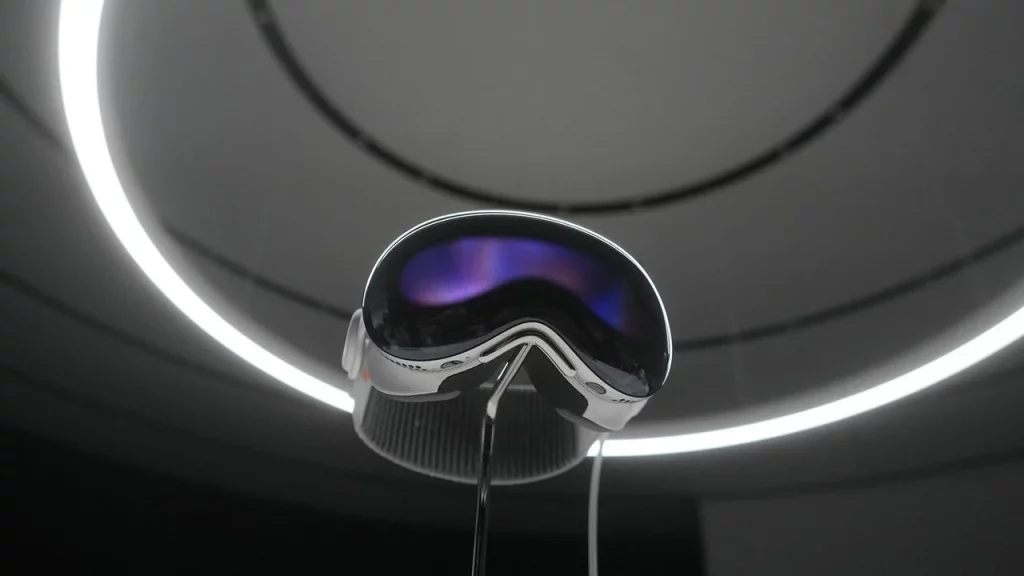
Apple’s first big step into the world of mixed reality is set to make waves in the medical field, with its first-ever headset, Vision Pro, set to revolutionize surgical procedures. Apple enthusiasts can look forward to purchasing this one-of-a-kind device early next year through Apple’s official website and retail stores across the United States. While it will initially be available in the US, plans are underway to introduce it to more countries and regions worldwide. The price tag for this innovative headset launched just last week is set at a hefty $3,499.
Virtual Displays can assist doctors performing surgery in real-time
What sets Vision Pro apart is not just its potential to enhance productivity, but also it’s potential to save lives. Medical professionals are already hailing it as a game-changer, with some even stating that it can grant doctors “superpowers.” Among those excited about its prospects is Dr. Rafael Grossmann, a highly regarded general surgeon known for his expertise in robotic surgery. Dr. Grossmann made headlines in the past as the first surgeon to live-stream a surgery using Google Glass. Now, he believes Apple’s Vision Pro can take surgical procedures to new heights by providing real-time data and assisting doctors in making critical decisions during operations.
Dr. Grossmann explained, “In the operating room, you can use mixed reality to collect data that helps you perform surgery simultaneously, with relevant information right before your eyes.” This immersive technology, powered by spatial computing, allows virtual displays to appear anywhere within the surgical space, offering doctors easy access to critical information while they operate and some anomaly comes up, or the doctors simply need to access reference material.
As the official launch of Apple Vision Pro approaches, medical professionals eagerly await its verification and validation in surgical scenarios. If successful, this groundbreaking headset could bring in a new era of medical innovation, equipping surgeons with essential information at their fingertips and forever changing the landscape of modern medicine.
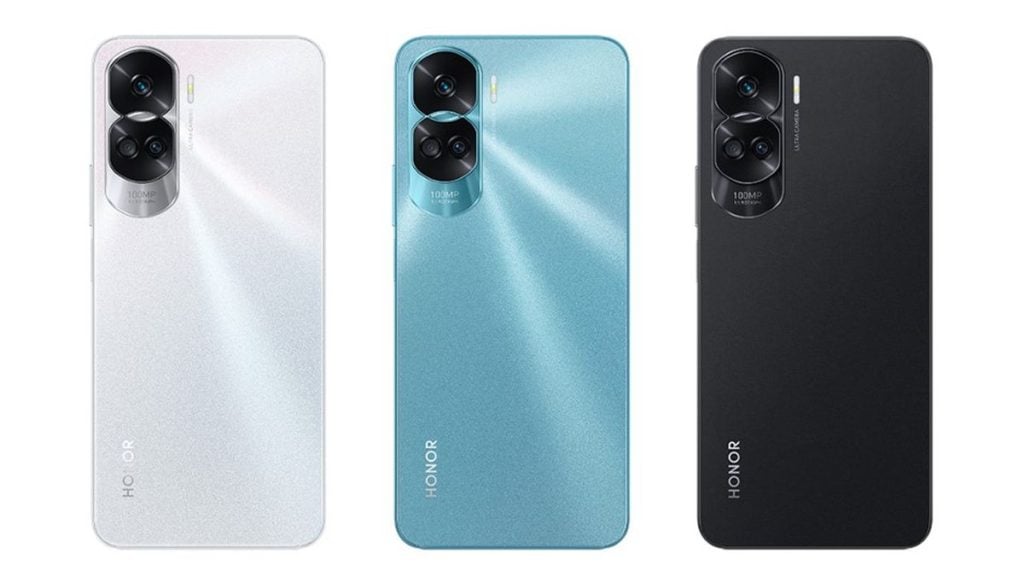
The Honor 90 Lite smartphone was recently added to Honor’s French website without the accompanying price information. The official price of the device is set to be disclosed on July 6. However, a leaked price has surfaced ahead of the official announcement, courtesy of tipster Sudhanshu Ambhore.
Honor 90 Lite 5G
According to Ambhore’s tweet, the Honor 90 Lite 5G with 8GB RAM and 256GB storage will cost EUR 299 across the EU. The device will be up for grabs in color options like Midnight Black, Titanium Silver, and Cyan Lake. Let’s take a look at its specs and features.
Honor 90 Lite 5G specs
The Honor 90 Lite features a 6.7-inch LTPS LCD panel with a 19.9:9 aspect ratio, FHD+ resolution, and a smooth 90Hz refresh rate. Under the hood, it is equipped with the capable Dimensity 6020 chipset paired with 8 GB of RAM. The device offers ample storage with its 256 GB capacity and runs on MagicOS 7.1, which is based on Android 13.
For capturing selfies, the 90 Lite sports a 16-megapixel front-facing camera. On the rear, it features a powerful camera setup consisting of a 108-megapixel primary camera, a 5-megapixel ultra-wide lens, and a 2-megapixel macro camera.
A 4,500mAh battery powers the device, supporting 22.5W fast charging for convenient usage. Additional features include a side-mounted fingerprint sensor for enhanced security, dual SIM capability, 5G connectivity, Wi-Fi 802.11ac, Bluetooth 5.3, NFC, GPS, and a USB-C port.
At the Realme 11 Pro series Indian launch, the brand also teased the Realme Buds Air 5 Pro for the country. Although the brand has not confirmed the launch date, the device has cleared the Bureau of Indian Standards certification. Now, the global launch of the earbuds has also been teased.
According to the latest teaser, the brand will be launching the earbuds at an affordable price in the global market. Although the post mentions June 10 as the launch date, it is most likely a typo, and instead, the earbuds will likely debut on July 10. No further details have been shared in the post, so let’s check out the specs and features of these earbuds.
Realme Buds Air 5 Pro specs
The Buds Air 5 Pro features an 11mm dynamic driver along with secondary 6mm drivers. With active noise cancellation capabilities of up to 50 dB, it effectively blocks out external disturbances for an immersive listening experience. For crystal-clear phone calls, the earbuds are equipped with triple built-in microphones that utilize AI technology to cancel out background noise. Additionally, these earbuds support Spatial sound effects and the LDAC codec, further enhancing the audio quality and creating a captivating audio environment.
The Realme Buds Air 5 Pro ensures a long-lasting audio experience with its robust battery performance. Powered by a 460mAh battery in the case and with each earbud backed by a 60mAh cell, these earphones offer an impressive total battery life of 40 hours. Furthermore, the TWS earphones are IPX5-rated water-resistant, making them suitable for active lifestyles and protecting them from splashes and sweat. They also feature Bluetooth 5.3 connectivity, ensuring stable and seamless connections with your devices.
In a recent tweet, President Joe Biden emphasized the importance of high-speed internet as a necessity rather than a luxury. Acknowledging the digital divide that persists across the United States, his administration has committed to investing in expanding access to affordable high-speed internet. This ambitious endeavour aims to bridge the gap and ensure that all Americans can reap the benefits of a connected world.
Rural areas suffer from infrastructure issues and lower population density, both major setbacks
Affordable high-speed internet is a game-changer, levelling the playing field for individuals, communities, and businesses. The digital divide refers to the socio-economic gap between those who have access to reliable internet connectivity and those who do not. It limits opportunities for education, employment, healthcare, and social engagement, contributing to already existing inequalities. By addressing this disparity, the Biden administration strives to empower underserved communities and foster a more inclusive society.
Commerce Secretary Gina Raimondo compared the initiative to the construction of the interstate highway system. Just as the highways connected communities and facilitated economic growth, affordable high-speed internet access will serve as the backbone for progress in the digital age. It will connect communities across the nation to regional and national networks, unlocking new opportunities for innovation, education, telemedicine, and entrepreneurship.
The task of expanding affordable high-speed internet access is not without its hurdles. Rural areas, in particular, face unique challenges due to geographic constraints, limited infrastructure, and lower population density. Implementing robust connectivity solutions in these regions requires careful planning, increased investment, and innovative approaches. The Biden administration’s commitment to overcoming these obstacles should ensure that no community is left behind in the digital revolution.
Affordable high-speed internet is a lifeline for students and educators. It enables remote learning, access to online resources, and virtual collaboration, bridging educational gaps and providing equal opportunities for all. Additionally, it opens up avenues for remote work, giving individuals the flexibility to pursue employment opportunities regardless of their geographic location. By breaking down barriers to education and employment, affordable Internet serves as a catalyst for economic growth and social mobility.
In response to a series of Layer 7 Distributed Denial of Service (DDoS) attacks, Microsoft has taken swift action to enhance its security measures and protect its customers. The attacks, initiated by a threat actor known as Storm-1359, targeted Microsoft’s services, causing temporary disruptions in availability. However, there is no evidence to suggest that customer data has been compromised.
Microsoft is recommending Level 7 Azure Web Application Firewall Services for its users
Microsoft’s investigation revealed that Storm-1359 employs a combination of tactics, including accessing multiple virtual private servers (VPS), rented cloud infrastructure, open proxies, and DDoS tools. Unlike traditional DDoS attacks that focus on Layer 3 or 4, these recent attacks specifically targeted Layer 7, posing a greater challenge to mitigation efforts.
To address this new wave of attacks, Microsoft has hardened its Layer 7 protections by fine-tuning the Azure Web Application Firewall (WAF). This proactive measure aims to shield customers from the impact of similar DDoS attacks. While the existing tools and techniques have proven highly effective in mitigating disruptions, Microsoft remains committed to continuous improvement.
To assist customers in fortifying their own environments against similar attacks, Microsoft encourages them to review the technical details and recommended actions provided. By implementing the suggested measures, customers can enhance the resilience of their systems and minimize the potential impact of Layer 7 DDoS attacks.
Microsoft’s analysis of Storm-1359 revealed that the threat actor possesses a collection of botnets and tools capable of launching DDoS attacks from various cloud services and open proxy infrastructures. Storm-1359 appears primarily motivated by disruption and seeking publicity through its activities.
The attacks launched by Storm-1359 encompass several types of Layer 7 DDoS attacks. These include the HTTP(S) flood attack, which overwhelms system resources with an excessive load of SSL/TLS handshakes and HTTP(S) requests. Additionally, Storm-1359 employs cache bypass techniques to overload origin servers by sending queries against generated URLs, effectively bypassing the CDN layer. Another attack method utilized is Slowloris, where the attacker opens a connection to a web server, requests a resource, and then deliberately fails to acknowledge or accept the download. This forces the server to keep the connection and requested resource in memory, causing resource depletion.
To mitigate the impact of Layer 7 DDoS attacks, Microsoft recommends customers utilize layer 7 protection services such as Azure Web Application Firewall (WAF), which is available with Azure Front Door and Azure Application Gateway. Customers should also block IP addresses and ranges identified as malicious and consider implementing rate limiting or redirection of traffic from outside or within specific regions. By creating custom WAF rules to automatically block and rate limit HTTP or HTTPS attacks with known signatures, organizations can further fortify their defenses against Layer 7 DDoS attacks.
Asus recently released its 2023 refresh of the Zenbook 14 Flip OLED (UP3404) convertible laptop in India. The new-gen model arrives with a number of differences compared to last year’s model (UP5401).
For starters, the latest version is powered by 13th Gen Intel P series chips instead of 12th Gen H series processors. It is backed by a slightly larger battery but supports slower charging.
Further, the newer notebook lacks a MicroSD card reader, a fingerprint sensor, and a privacy shutter for the webcam. But in return, it comes with an IR camera for Windows Hello face authentication and an FHD webcam.
Overall, the 2023 model seems like a variant, rather than a successor. But it still starts at ₹1,09,990, which makes it ₹10,000 costlier than its predecessor.
Asus India sent me a unit of this new computer to try out. After using it for a couple of weeks, I have expressed my thoughts on it in this review. Before I begin, I would like to inform you that Asus had no early look or editorial input.
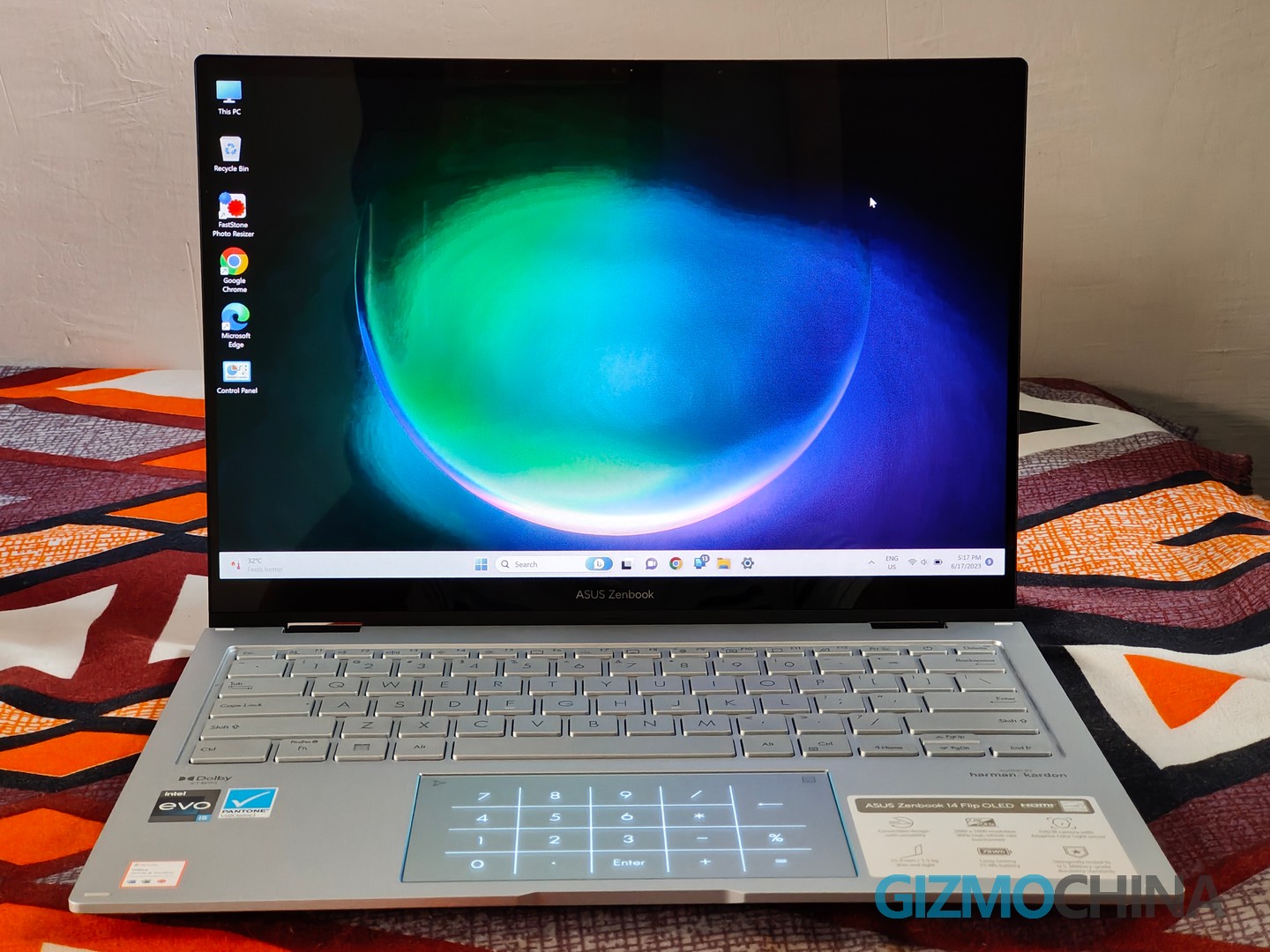
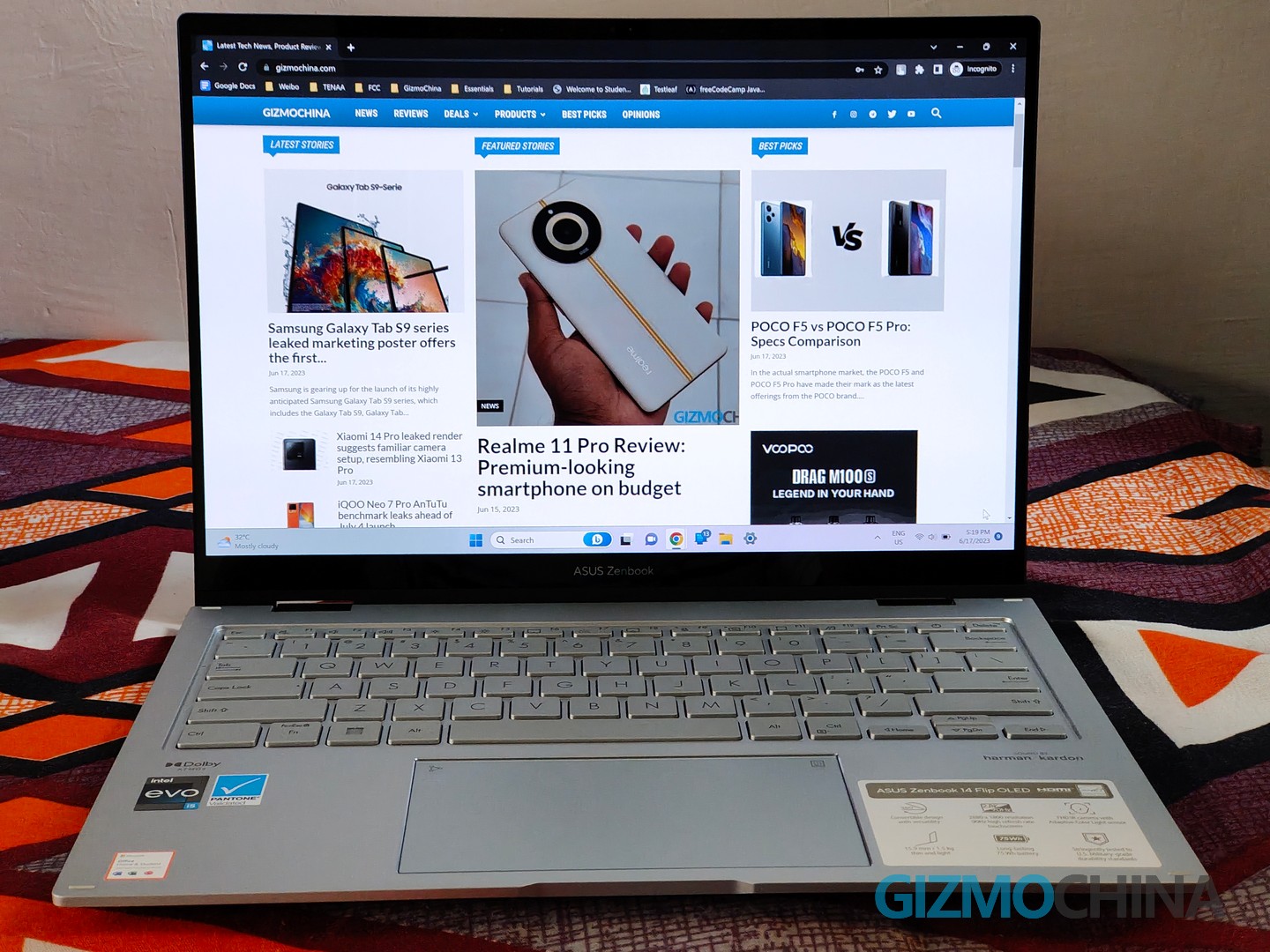
The Asus Zenbook 14 Flip OLED sports a metal body. The device is sturdy and does not flex anywhere. It is even MIL-STD 810H-certified for durability. You also get a carrying sleeve in the box.
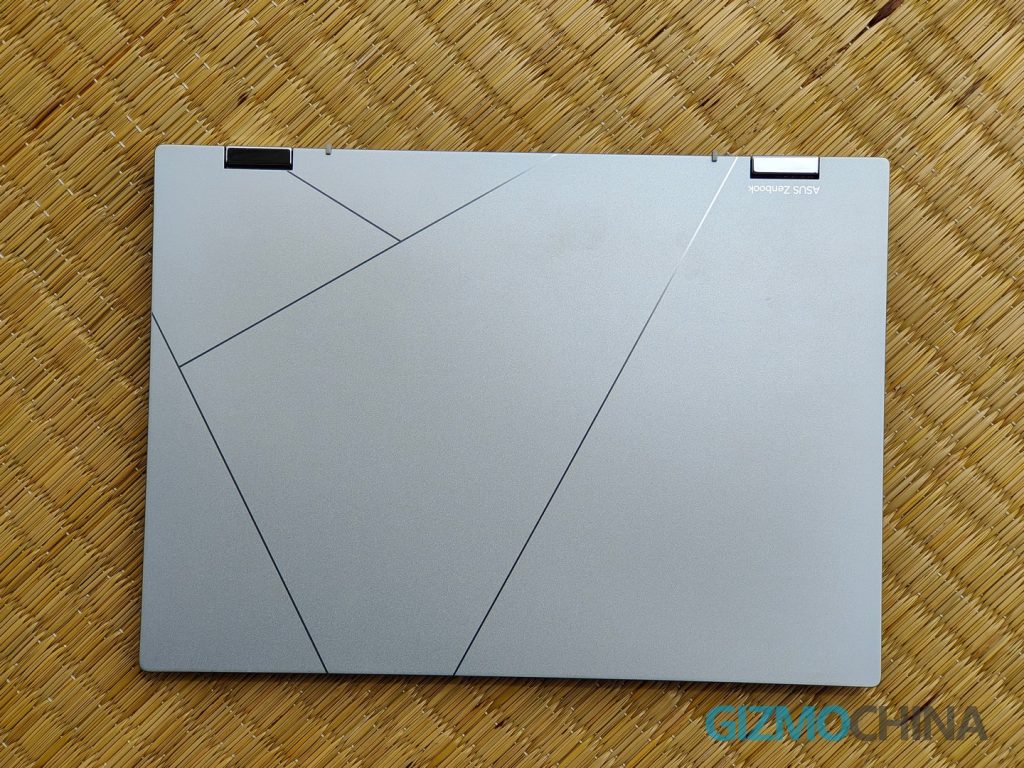
The laptop has distinctive lines on its lid, which make it stand out as they are not found on older models. It can be availed in either Foggy Silver or Ponder Blue color options. I received the former.
The 360° ErgoLift hinge is smooth and feels strong. The computer weighs about 1.5kg and its chassis measure 15.9mm in thickness.
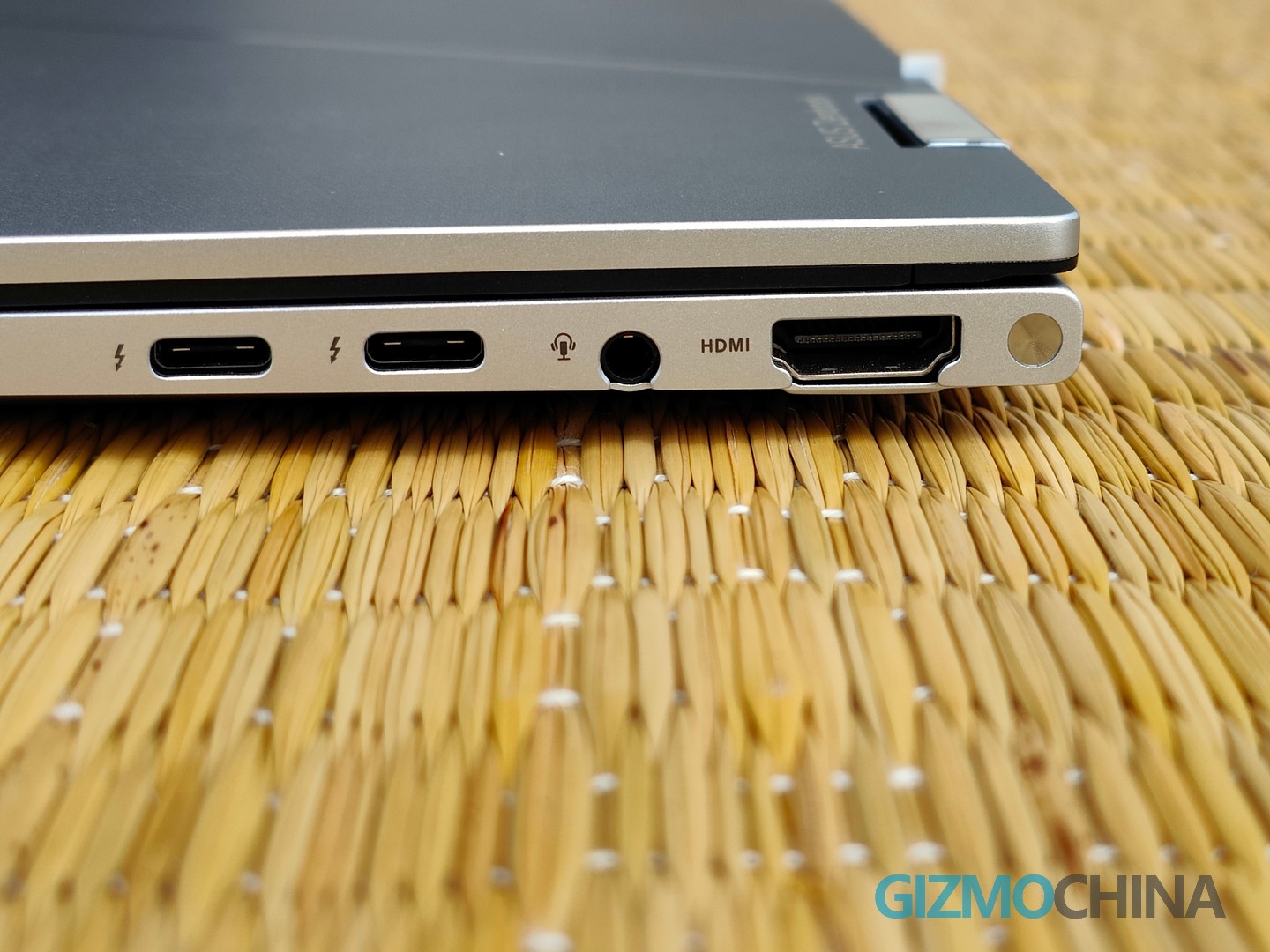
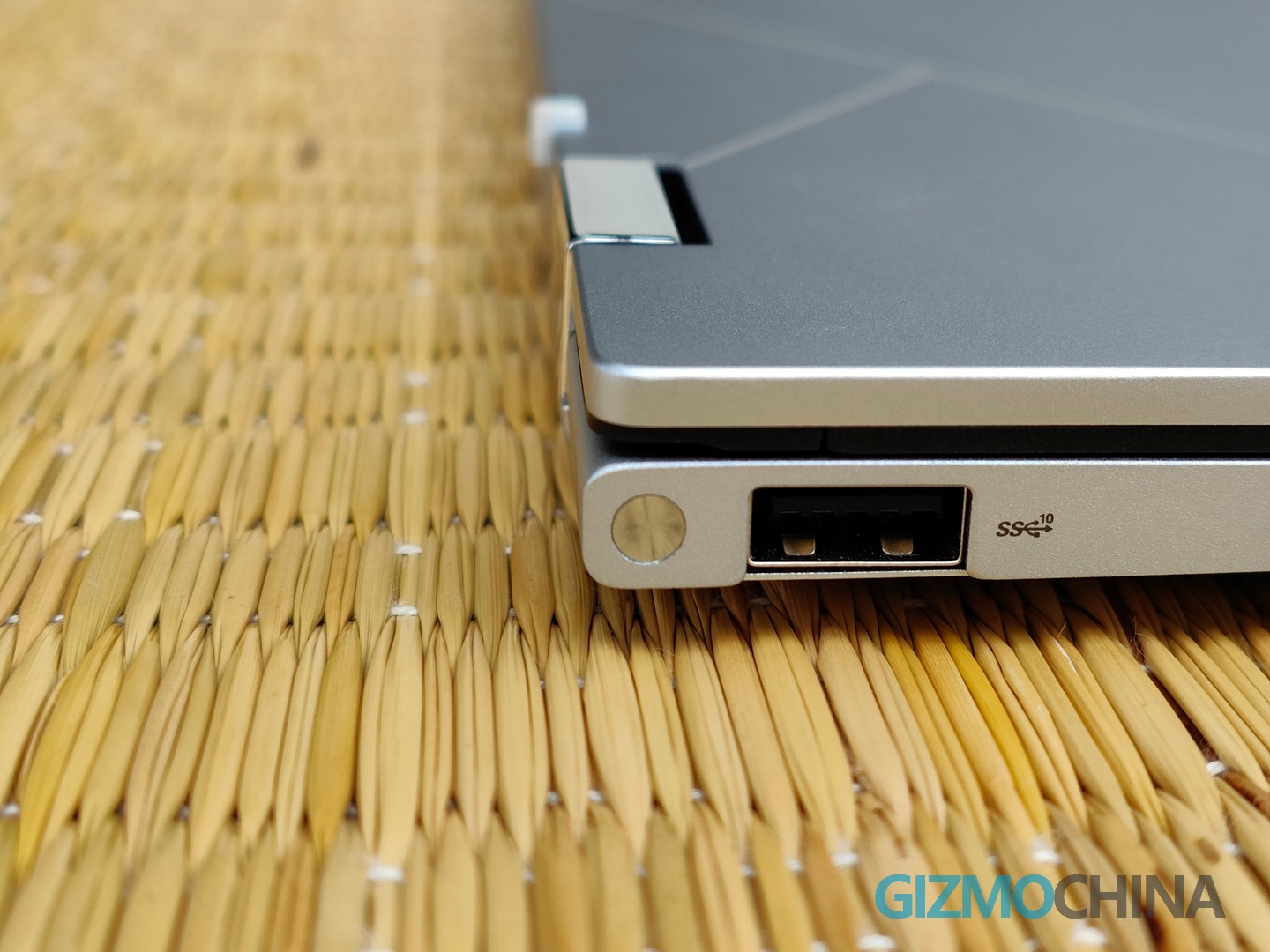
You get all the required I/O ports, such as a USB 3.2 Gen 2 Type-A, 2 x Thunderbolt 4 with support for display out as well as power delivery, a full-size HDMI 2.1, and a 3.5mm headphone jack.
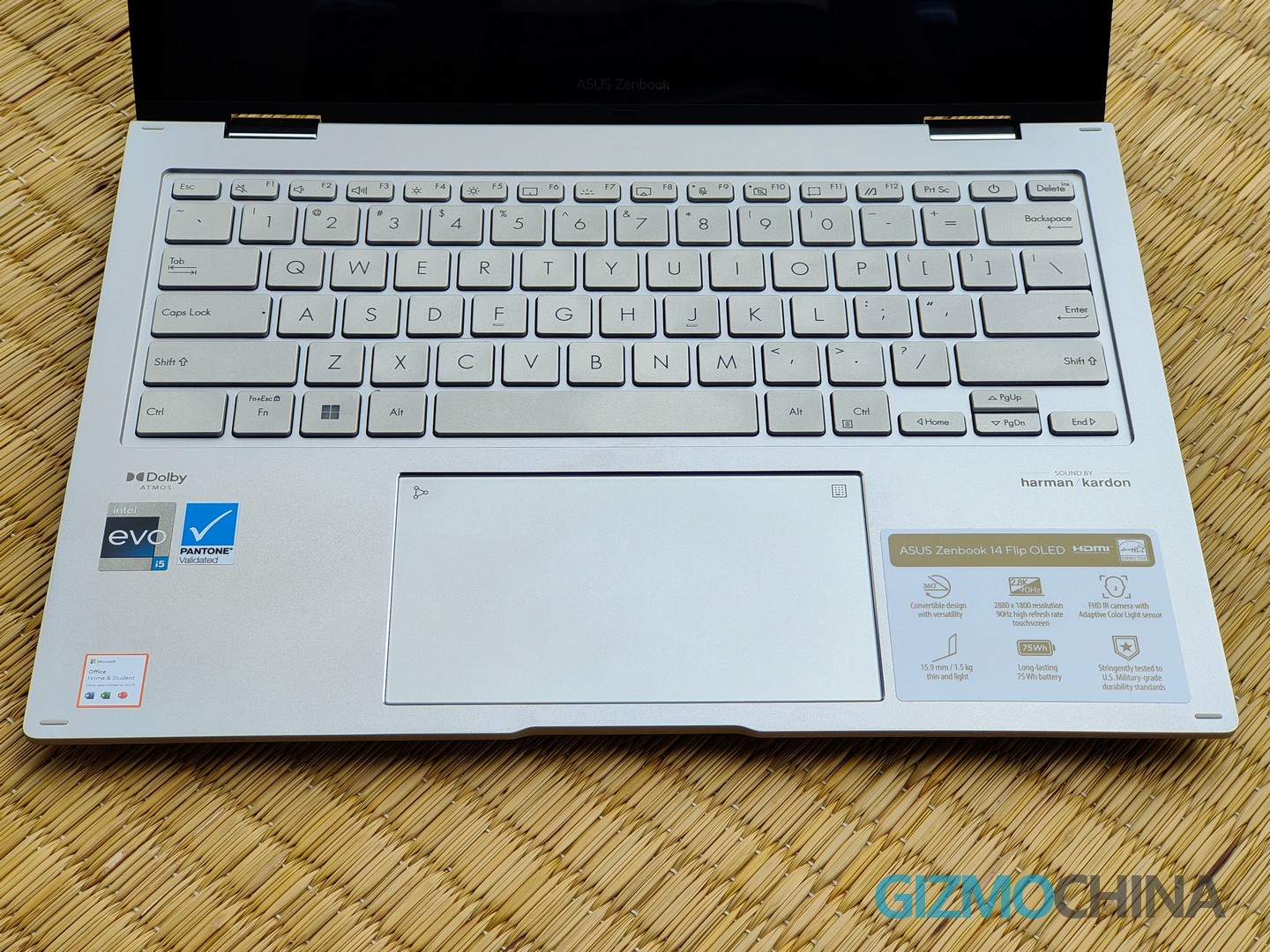
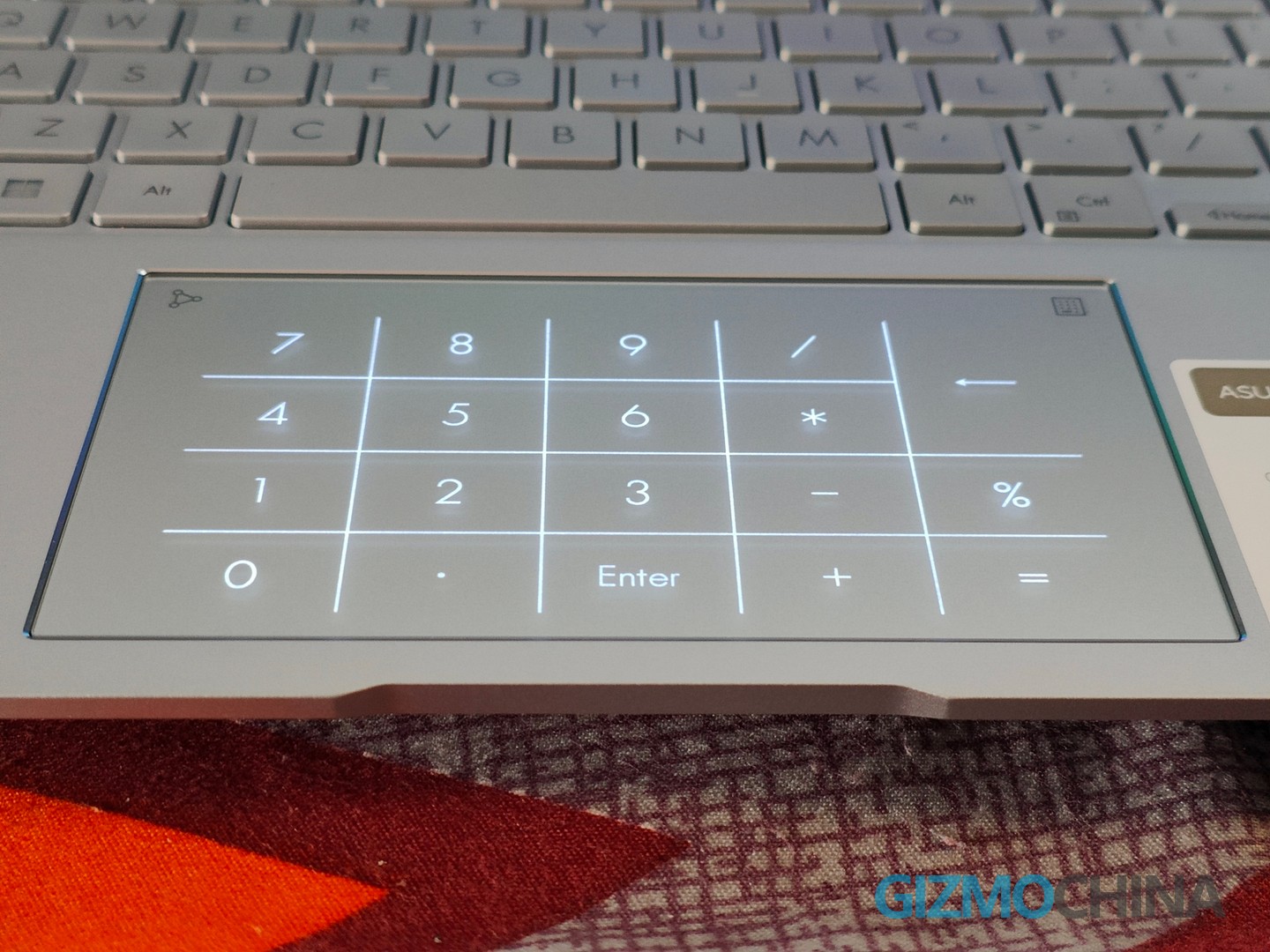
The notebook is fitted with a full-size backlit keyboard featuring keys with 1.4mm key travel. I had no issues while typing on it. The trackpad is large and it has an integrated numpad that can be turned on when required.
Anyways, as with any product, its design is not perfect. The sharp edges of the notebook do look good but they hurt at the same time. The computer can cause injury if you accidentally drop it on your feet or hit someone.
What’s more frustrating is the lack of a side power key. Being a 2-in-1 convertible laptop, which is designed to be used at multiple angles, it does not make sense for Asus to skip this.
Also, one of the notebook’s coolest features is flawed. The integrated numpad that I discussed above is not visible clearly outdoors. Perhaps, the visibility is better on the blue color variant.
The main highlight of this laptop is its display, which is even included in its name. It arrives with a 14-inch OLED panel with a 16:10 aspect ratio and an 87% screen-to-body ratio. It supports touch as well as stylus inputs.
The screen offers a resolution of 2880 x 1800 pixels and a 90Hz refresh rate. The typical brightness level is rated at 400 nits, while the HDR peak brightness level is said to be 550 nits.
Though the on-paper specs sound amazing, I found the display to be lacking in some areas. First and foremost, the default color profile (Native) shows unnatural colors.
For regular usage, I found the sRGB profile to be better than others, including DCI-P3 and Display P3. You can change it in the MyASUS application, But if you enable HDR, you cannot modify the color profile.
Talking about HDR, you don’t get Dolby Vision, which is now common on consumer devices. Also, streaming apps cannot play HDR content. It is only supported for local files and YouTube on the browser.
Being an OLED panel, it gives you deep blacks, which results in an excellent contrast ratio. It is great to watch movies and TV series in low light.
I don’t know the exact value of the screen’s PWM but I did not feel uncomfortable while using it for hours. Also, the 90Hz refresh rate keeps every animation on the display smooth.
The panel’s brightness is good for indoors but I cannot say the same for outdoors. Unfortunately, since the product uses glossy glass protection for its screen, it is also too reflective outside.
Further, the notebook ships with an Asus Pen 2.0 stylus. I am not a stylus person but I tried it nevertheless. The latency is not as great as what you find on iPads and Android tablets, however, it does the job with a surprisingly good hand rejection, which is essential for a large screen.
The display is paired with Harman Kardon-tuned downward-firing dual stereo speakers with support for Dolby Atmos. They sound rich but could have been louder. Also, It is crucial to place the notebook on a hard surface for the best possible sound output.
As far as performance is concerned, the computer is powered by 13th Gen Intel P series processors. It comes with either i7-1360P or i5-1340P. The review unit has the latter chipset.
The chip is paired with dual-channel 16GB LPDDR5 RAM, and therefore, you get Intel Iris Xe graphics. For storage, it uses a 1TB M.2 NVMe PCIe 4.0 SSD. If required, the storage can be expanded via an empty slot but the RAM is non-expandable as it is soldered.
The laptop has enough power to perform everyday tasks like running browsers with multiple tabs and Microsoft Office suite. The Windows 11 operating system doesn’t stutter whatsoever.
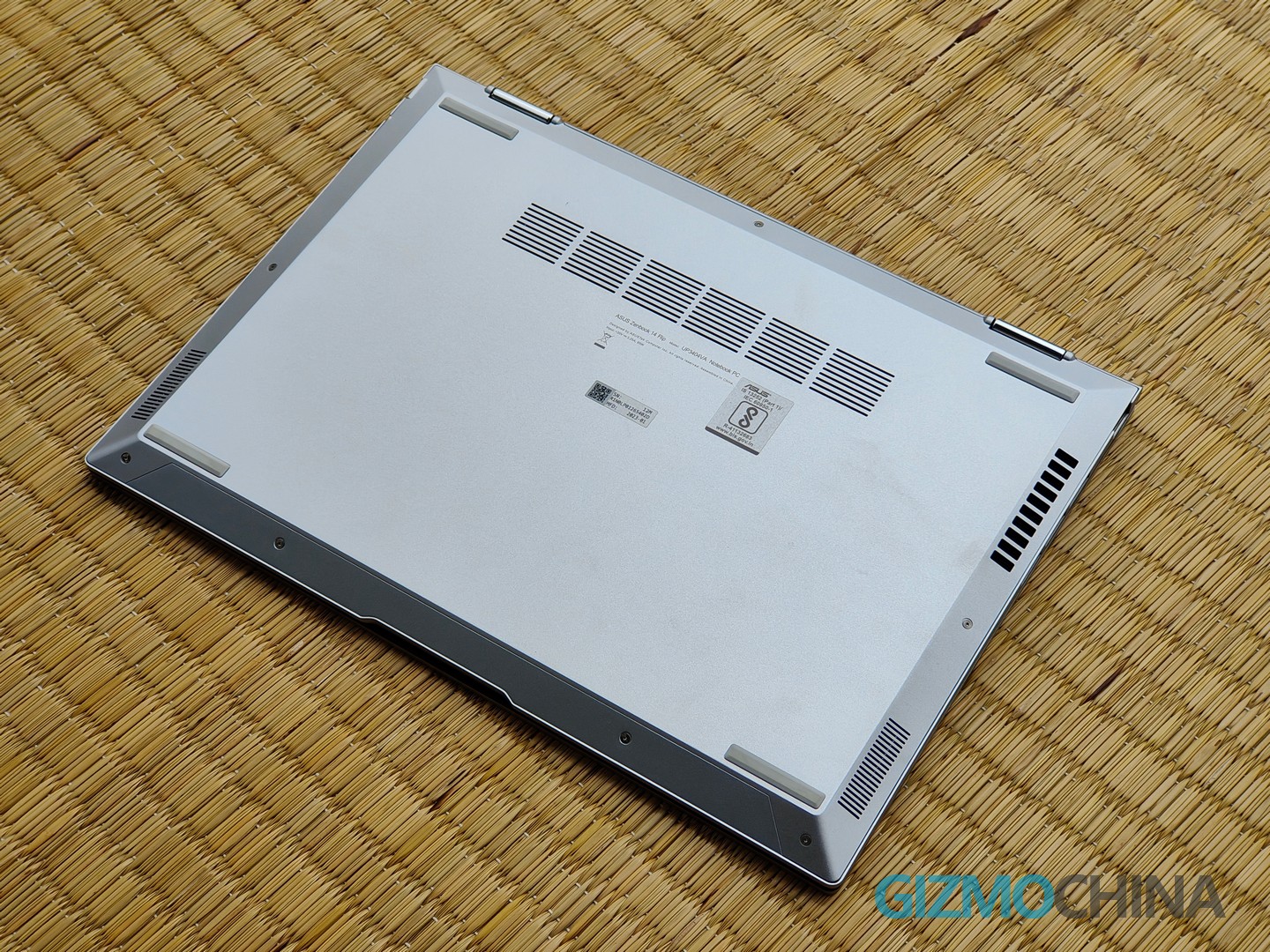
However, the thermal management could have been better. As it only has a single fan and a metal body, the device gets hot under heavy workloads.
As for gaming, I played Death Stranding installed via the Xbox store. Since the title is resource hungry, the game is playable only in the lowest possible graphics and frame rate settings. But the computer should be able to play older popular AAA titles like GTA V in much better quality.
Coming to endurance, even with a large 75 Wh battery, the laptop only lasts around 5-6.5 hours on regular usage. On top of that, it takes more than 2 hours to charge when in use. When not in use, the battery can be filled in about 1.5 hours with the 65W supplied charger.
Finally, the FHD webcam is nothing extraordinary but better than standard 720p cameras. On the other hand, the IR camera does not support presence detection. So you have to press the power key to initiate Windows Hello face authentication. The notebook does not boot up automatically on opening the lid either.
The Asus Zenbook 14 Flip OLED (UP3404) is a unique product. There’s no other product in India with a similar set of features in this price segment.
In simpler words, there’s no proper alternative. This makes it special despite its shortcomings. So if you are looking for a laptop with this feature set, do check it out at a store before making a purchase decision.
We use cookies on our website to give you the most relevant experience by remembering your preferences and repeat visits. By clicking “Accept”, you consent to the use of ALL the cookies.
This website uses cookies to improve your experience while you navigate through the website. Out of these, the cookies that are categorized as necessary are stored on your browser as they are essential for the working of basic functionalities of the website. We also use third-party cookies that help us analyze and understand how you use this website. These cookies will be stored in your browser only with your consent. You also have the option to opt-out of these cookies. But opting out of some of these cookies may affect your browsing experience.
Necessary cookies are absolutely essential for the website to function properly. This category only includes cookies that ensures basic functionalities and security features of the website. These cookies do not store any personal information.
Any cookies that may not be particularly necessary for the website to function and is used specifically to collect user personal data via analytics, ads, other embedded contents are termed as non-necessary cookies. It is mandatory to procure user consent prior to running these cookies on your website.