Advertisement

Oppo Find X6 series pricing, storage variants & renders leak ahead on March 21 launch

Oppo will soon launch its upcoming flagship-grade smartphones in China. The devices will be called the Oppo Find X6 and Find X6 Pro. The launch is set to take place on March 21, and both devices are already up for pre-booking.

Oppo

Now, leaked posters of the Find X6 series have revealed the design, configurations, and pricing of both models. According to a Weibo leak (via Mukul Sharma), the Oppo Find X6 will have two configurations. The 12GB + 256GB variant costs 4,699 Yuan (~$684), while the 16GB + 512GB variant will cost 5,199 Yuan (~$757).

Oppo

The Find X6 Pro on the other hand will come in three models. The 12GB + 256GB base model will cost 6,499 Yuan (~$947) and the 16GB + 256GB variant will cost 6,799 Yuan (~$990). The top-end 16GB + 512GB model will be priced at 6,999 Yuan (~$1020). The posters also reveal that both the Find X6 and X6 Pro will come in three different color schemes.
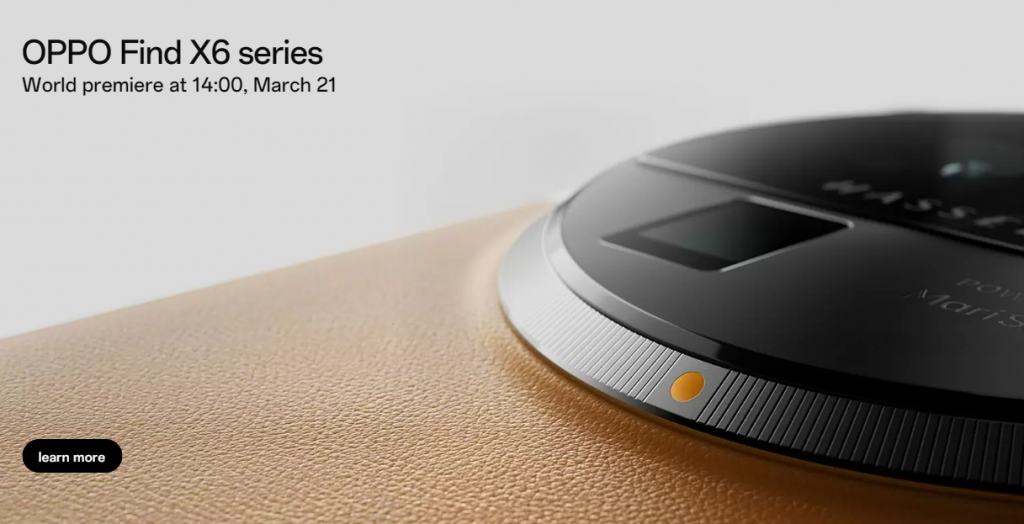
OPPO Find X6 series poster

The upcoming OPPO Find X6 Pro will offer a unique color variant called Desert Galaxy, featuring a stylish Khakhi pigment leather texture combined with Silver AG glass. Additionally, the standard version of the phone will be available in Feiquan Green, Starry Black, and Snow Mountain Gold colors. The Pro model will also come in Feiquan Green and Starry Black, as well as additional color options.

Let’s delve into the specifications of the OPPO Find X6 series. The Find X6 boasts a sizable 6.74-inch display with a screen resolution of 2772 x 1240 pixels, 40-120Hz adaptive refresh rate, and a peak brightness of 1,400 nits. On the other hand, the Pro variant sports an even larger 6.82-inch display with a higher screen resolution of 3,168 x 1,440 pixels and a local peak brightness of a whopping 2,500 nits.

Under the hood, the Find X6 is equipped with the MediaTek Dimensity 9200 processor, whereas the Find X6 Pro runs on the Qualcomm Snapdragon 8 Gen 2 SoC. Both models feature LPDDR5x RAM and UFS 4.0 internal storage. As for the camera setup, a triple-camera system is present at the rear, complemented by a 32-megapixel front-facing camera for selfies and video calls.

These smartphones run on the latest Android 13 operating system, skinned with OPPO’s custom ColorOS user interface. The Find X6 is fueled by a 4,800mAh battery with 80W fast charging capability, while the Pro variant houses a 5,000mAh battery and supports super-fast 100W charging.

RELATED:

Huawei P60 Series and Mate X3 Smartphones Now Up For Pre-Order Ahead of Launch

Huawei is all set to host its new launch event as Huawei Spring Flagship New Product Launch Conference, on 23rd March in its home country China to unveil a few new products in the market.

Now, ahead of the official launch in a few days, the company has revealed that it has started taking pre-orders for two premium flagship smartphones from the brand — Huawei P60 series and Huawei Mate X3.

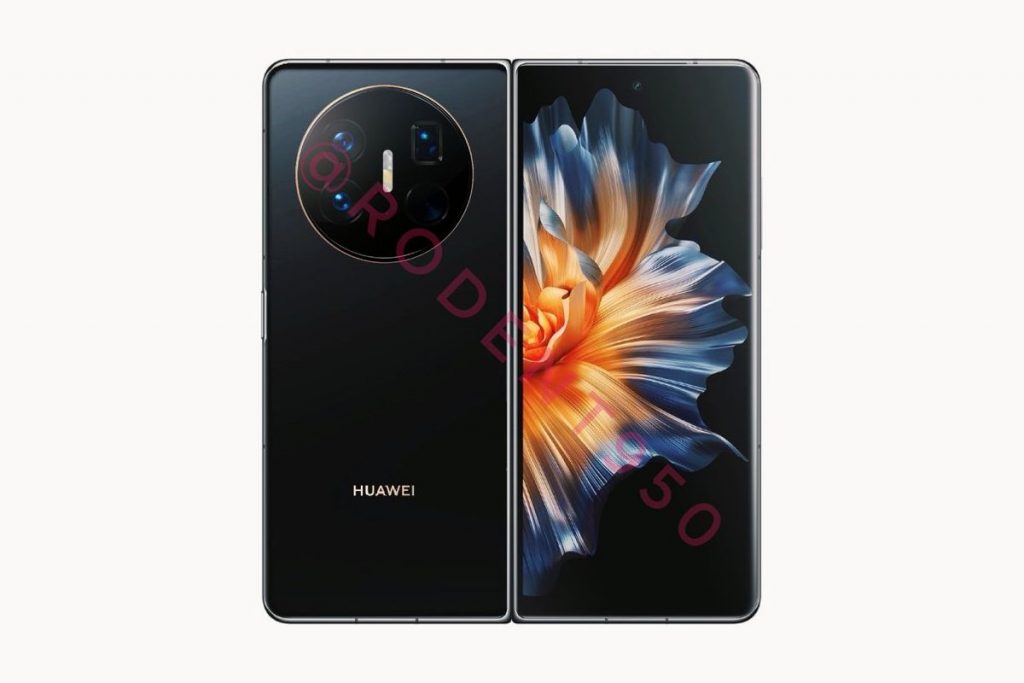
Huawei Mate X3 Foldable Smartphone Render

The devices can be pre-ordered through an online marketplace in China, JD.com. The list of the devices does not reveal information about the smartphones, not even the memory configuration or the color options.

The Huawei P60 series is expected to have three models in the lineup — P60, P60 Pro, and P60 Artist Design Edition. The top-end model in the series, dubbed Huawei P60 Pro, is expected to feature a 6.6-inch 2K OLED display panel manufactured by BOE.

Under the hood, the device will be powered by the Qualcomm Snapdragon 8 Gen 2 processor, coupled with LPDDR5x RAM and UFS 4.0 internal storage. There will be an upgraded XMAGE 2.0 triple-camera setup on the back consisting of a 50MP Sony IMX888 primary sensor, and a 50MP Sony IMX858 sensor.

On the front side, the device will feature a 64MP OV64B Omnivision sensor with 3.5x optical zoom. The phones are expected to run the HongMeng OS in the Chinese market and an open-source version of Android outside of China.

Coming to the Huawei Mate X3 foldable smartphone, it is expected to feature a 2K large screen in which the internal screen doesn’t have any type of notch on the screen while there’s a single punch-hole cutout on the outer screen. The phone is also said to come with support for the Satellite Communication feature, which Huawei first introduced sometime back. Apart from this, nothing much is known about the smartphone, but with the launch just days away, we expect to know more in a couple of days.

RELATED:

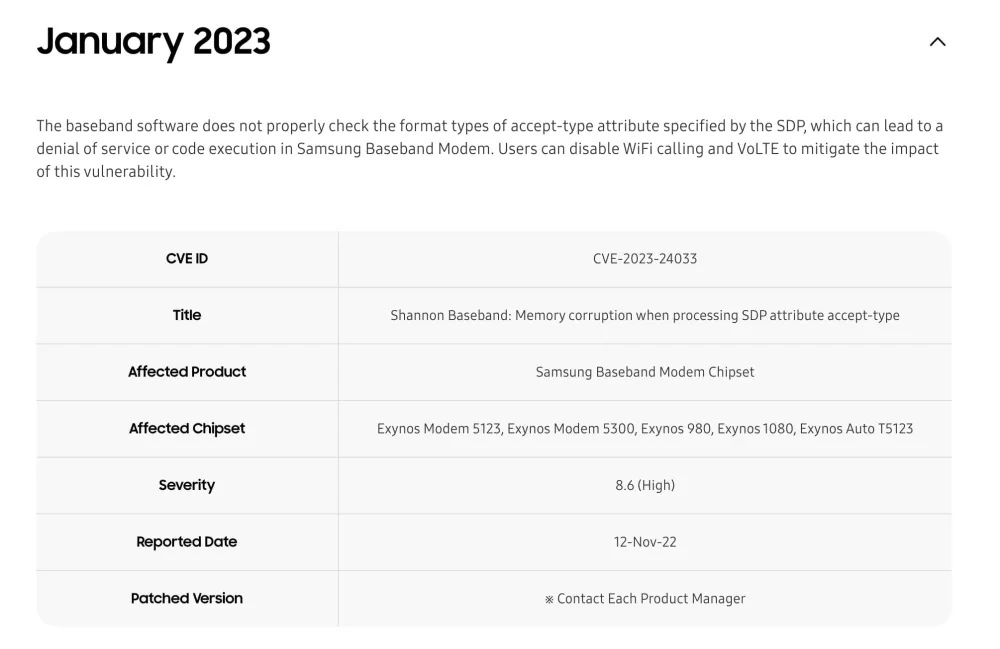
Google Reports 18 Vulnerabilities in Samsung Modems, Pixel Devices Also Affected

Vulnerabilities with chipsets and phone modems can be exploited by attackers to gain unauthorized access to sensitive data, control the device remotely, or cause damage to the device or the user. This is why it is extremely essential to stay updated on security patches and updates from manufacturers to protect against such vulnerabilities and ensure the security of personal information and data. On March 17, the IT House reported that the Google Project Zero security team has recently discovered 18 vulnerabilities in Samsung modems. These vulnerabilities affect several models of Samsung devices, including the Pixel 6 series, Pixel 7 series, Galaxy S22 series, and Galaxy A53 models.

Google Vulnerability

According to Google’s report, four of the 18 vulnerabilities are rated as “critical”. If exploited, attackers can remotely damage the victim’s phone without the need for any user interaction, as long as they have the phone number.

Google has already released a security update in March this year to fix this issue for Pixel phones. However, it’s worth noting that Google has not fixed the vulnerabilities for Pixel 6, Pixel 6 Pro, and Pixel 6a. Since the chipsets for these smartphones are fabricated on top of Samsung’s own chips, it is understandable that they will be affected by the same.

Affected devices include the following: Samsung branded phones such as Galaxy S22, M33, M13, M12, A71, A53, A33, A21, A13, A12, and A04 series, vivo-branded phones such as S16, S15, S6, X70, X60, and X30 series, Google phones such as Pixel 6 series and Pixel 7 series, any wearable device using the Exynos W920 chipset, and any vehicle using the Exynos Auto T5123 chipset.

Users should stay vigilant and make sure to update their devices to the latest software versions as soon as possible to ensure the security of their data and personal information.

RELATED:

(Source)

Samsung Galaxy F14 5G March 24 Indian launch date confirmed: Here’s what to expect

Samsung recently launched new Galaxy A-series mid-range smartphones in India. The brand also plans to launch new F-series smartphones soon. The F-series will be a budget mid-range offering targeting the ₹10K to ₹20K price range. The company has now confirmed that the Samsung Galaxy F14 5G will be launched on March 24 in India.

Samsung

The official landing page of the device has appeared on the e-commerce platform, Flipkart. The microsite confirms the smartphone will launch at 12 PM on March 24. The listing confirms the design of the Galaxy F14 5G along with some specs.

Samsung Galaxy F14 5G design and specs

Design-wise, the device has a flat back and curved edges. Like many recent Samsung smartphones, the Galaxy F14 5G also has separate, vertically aligned cutouts for its dual rear cameras. The power button and volume rocker are on the right side, while the left features the SIM tray. As for the front, the device features a thick forehead and chin, while the side bezels are decent-sized.

The brand confirms that the device will come with support for 13 5G bands. As for software, it will come pre-loaded with Android 13-based One UI 5.0 and the promise of 2 major Android updates and 4 security updates. The poster does not reveal the exact chipset, but it informs that it is based on a 5nm node. Previous leaks suggest that this is the Exynos 1330 octa-core SoC with 2 x ARM Cortex-A78 cores and 6 x ARM Cortex-A55 cores.

Leaks also mention that the Galaxy F14 5G could feature a 6.6-inch LCD screen with FHD+ resolution and a 90Hz refresh rate, a 50MP primary camera on the back, a 13MP selfie camera, a side-mounted fingerprint scanner, One UI Core 5 operating system based on Android 13, a 6,000mAh battery, and 25W fast charging capability.

RELATED:

Twitch CEO Emmett Shear Steps Down as CEO After 16 Years

Twitch CEO Emmett Shear has announced that he is stepping down from his position immediately, citing personal reasons as the primary cause for his departure. Dan Clancy, who currently serves as Twitch’s President, will take over as CEO, with Shear staying on in an advisory role.

Twitch

In a blog post explaining his decision, Shear said that the birth of his first child had prompted him to reflect on his future with Twitch. As a result, he felt that the platform had grown to the point where it no longer required his constant attention and that he was ready to tackle new challenges.

Shear expressed his gratitude towards Amazon, which acquired Twitch in 2014, for their support and for allowing the platform to grow and flourish. Shear also took a moment to reminisce about the origins of Twitch, which began as a project in 2006 to create a 24/7 live reality TV show about Justin Kan’s life. This evolved into Justin.tv, a site where users could “lifecast” themselves via online video, which was co-founded by Shear, Kan, Michael Seibel, and Kyle Vogt. After gamers started using the site to broadcast their gameplay, the company launched the dedicated Twitch.tv service in 2011, and officially renamed itself Twitch Interactive in 2014.

Today, Twitch boasts over 8 million streamers per month, a testament to the platform’s growth and success. Shear’s departure comes after the November 2020 departure of Twitch’s former COO, Kevin Lin. Prior to Shear’s departure, he was the last co-founder still at the company. With Clancy taking over as CEO, Twitch is poised to continue its upward trajectory and remain a leading player in the world of livestreaming.

RELATED:

(Via)

Oppo Find N2 Flip Goes on Sale in India, Read Price, Offers, Premium Services, and More

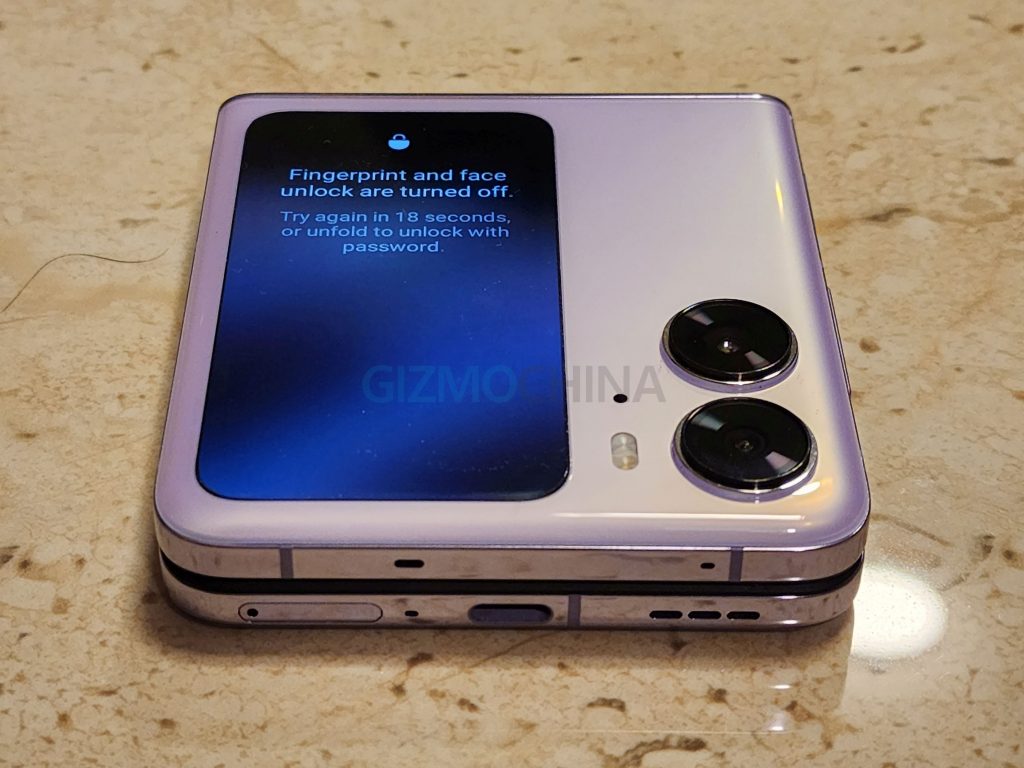
Earlier this week, Oppo confirmed the price of the Find N2 Flip, the company’s first foldable phone for the Indian market. Starting today, the Find N2 Flip is available for purchase for Rs 89,999 (~$1,090) in the country. It can be purchased through Flipkart, Oppo India’s online store, and offline stores across the country.

Oppo Find N2 Flip price in India, offers

OPPO Find N2 Flip
OPPO Find N2 Flip

Priced at Rs 89,999, the Find N2 Flip comes in a single 8 GB RAM + 256 GB storage variant. It can be purchased in Moonlit Purple and Astral Black colors. With the below offers, one can purchase the device for as low as Rs 79,999 (~$969).

Major banks such as HDFC, ICICI, SBI, Kotak, IDFC First, HDB Financial Services, One Card & Amex are offering cashback of up to Rs 5000 (~$60) and no-cost EMI options for up to 9 months to those who wish to buy the Find N2 Flip.

Loyal Oppo customers an exchange + loyalty bonus of Rs 5,000. Customers who own phones other than Oppo can also benefit from exchanging their old phones for up to Rs 2000 (~$24).

Customers who are interested in purchasing from offline stores can avail of Paper EMI schemes from HDB Finance and receive a cashback of up to Rs 5000. These schemes are available under 8|2, 10|3, 12|4, 15|5, and 18|6. Customers can also opt for affordable EMI solutions such as 9|1, 8|1, and 18|6 schemes from other leading financiers.

Premium services for Oppo Find N2 Flip buyers

Here is a premium services that Oppo is offering for Find N2 Flip buyers.

  • International warranty service
  • 24 hours support via exclusive hotline no. 9958808080
  • Free pick / drop service with resolution within 72 hours of complaint
  • Easy EMI plans for service / repairs
  • Receive a Reno device as a standby unit during a repair

Readers can visit this page to learn about the specifications of the Find N2 Filp.

RELATED:

Xiaomi 13 Ultra Spotted at TENAA, Launch Imminent

Xiaomi is expected to hold its next major launch event in April in China. The event is likely to see the arrival of devices like the Xiaomi 13 Ultra, Xiaomi Pad 6, and Pad 6 Pro. Ahead of the expected launch, the alleged Xiaomi 13 Ultra has been approved by the TENAA authority of China.

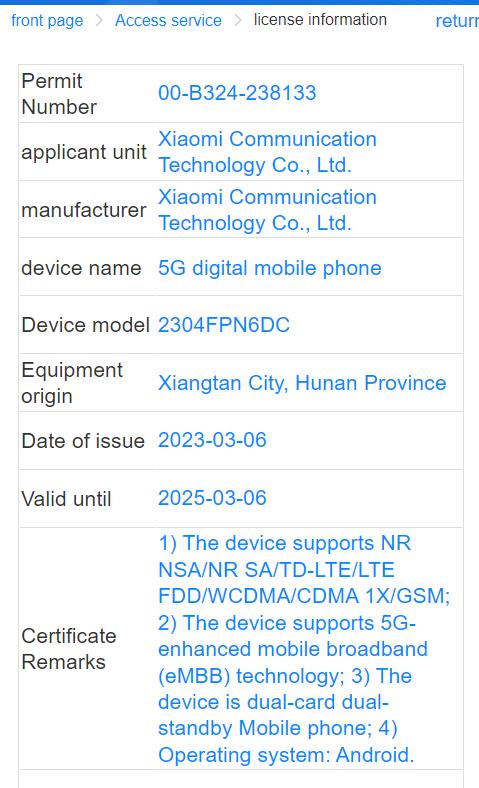
China’s 3C authority recently approved a Xiaomi device with the model number 2304FPN6DC. Now the same phone has TENAA certification, as can be seen in the image below. This device is said to be the upcoming Xiaomi 13 Ultra. While the listing has no information on the specifications, it appears that the device is slowly inching towards its launch.

Xiaomi 13 Ultra TENAA certified

The 3C certification of the Xiaomi 13 Ultra revealed that the device may arrive with support for 90W wired charging. Reports have revealed that the device will also offer 50W wireless charging. The Xiaomi 12S Ultra from last year packs a 4,860mAh battery. Hence, it is likely that the 13 Ultra may arrive with a similarly sized battery.

China’s 3C authority most recently approved a Xiaomi device with the model number 2304FPN6DC. Now the same phone has TENAA certification, as can be seen in the image below. While the listing has no information on the specifications, it appears that the device is slowly inching towards its launch.

The Xiaomi 13 Ultra is likely to feature a 32-megapixel front-facing camera. A 50-megapixel Sony IMX989 1-inch camera sensor, an ultra-wide lens, a telephoto lens, and a periscope zoom camera are likely to be present on the device’s back panel as part of a Leica-tuned quad-camera setup. The device is expected to come equipped with an MIUI 14-based Android 13 OS.

The 13 Ultra is likely to feature a 6.73-inch E6 AMOLED curved-edge display that supports a QHD+ resolution and a 120Hz refresh rate. Like the Xiaomi 13 and 13 Pro, the Ultra model is also expected to feature the Snapdragon 8 Gen 2 chipset, LPDDR5x RAM, and UFS 4.0 storage. Its highest variant may offer 16 GB of RAM and 256 GB of storage. The device is expected to debut in the global market in May.

RELATED:

Sony WF-1000XM5 Leaks Showcase Design, Offer First Look at Unreleased Earbuds

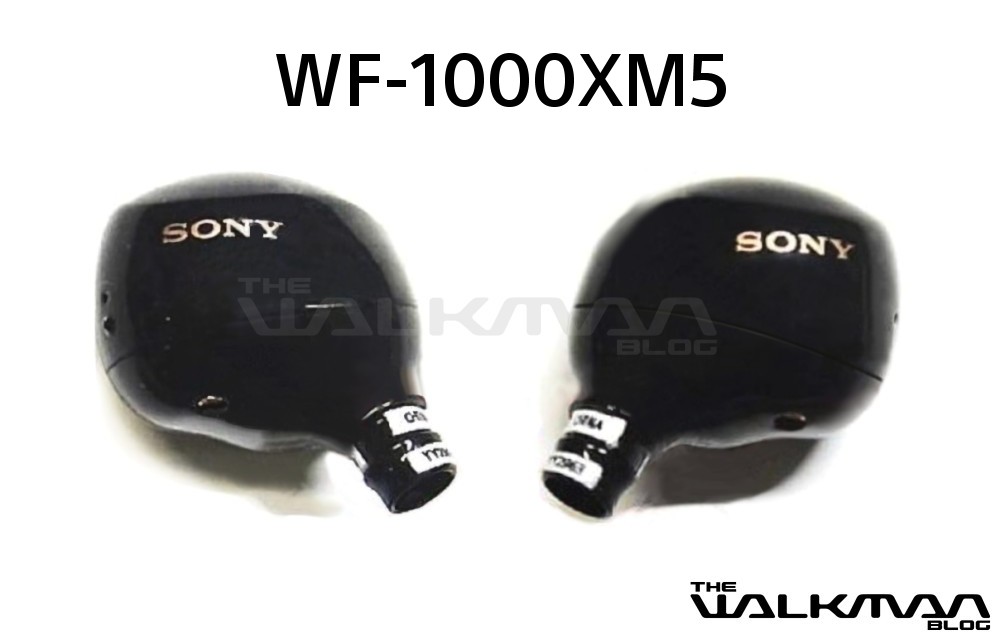
Sony’s noise-cancelling earbuds have been praised for their exceptional audio quality and ability to block out external noise. The WF-1000XM4 earbuds were the last addition to Sony’s line of earbuds, and they featured a V1 processor that allows for improved noise cancellation and audio processing. Well, those looking forward to the Sony WF-1000XM5 earbuds have good news coming their way – latest leaks have revealed the design and some other aspects of the upcoming noise-cancelling earbuds.

The leaked images show a more compact design compared to the previous model, with the model number and place of manufacture printed on the section holding the ear tips. This design change likely helps to facilitate a better fit in the ear. Unfortunately, the leaked photos only show one side of the earbuds, so there may be more to the design than what we can see.

The exterior of the earbuds is a shiny black plastic, although this may change for the final product. On the left side, a tactile dot and a microphone hole are visible, although it is unknown which microphone it is. A proximity sensor will be located on the bottom, according to reports. The earbuds will also feature a touch panel on the top surface, integrated with the Bluetooth antenna.

The charging case has undergone some significant changes as well. The new model will feature two pins for recharging and communication, compared to the three pins of the previous model. The case material looks to be matte, like the current model, and will also support wireless charging. While the size of the new case cannot be determined from the leaked images, the increase in charging capacity suggests some sort of an upgrade for the earbuds.

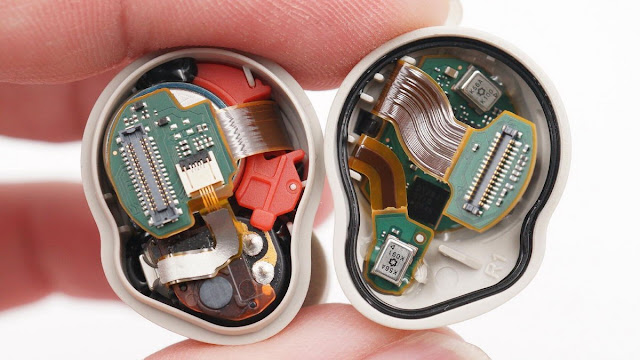
Despite the exciting news, we still do not know the official battery capacity of the earbuds, although leaked photos show the battery taking up a significant amount of interior space. With the WF-1000XM4 as a point of comparison, it seems likely that the new earbuds will feature a smaller battery. Nonetheless, fans of Sony‘s earbuds will no doubt be eagerly awaiting the WF-1000XM5’s release, eager to see how the company has improved on an already impressive product.

RELATED:

(Source)

Samsung Galaxy Tab S9 Ultra Leaks Reveal Chipset Ahead of Official Launch

Samsung is a well-known name in the tech industry, and its tablets have gained a reputation for being powerful, reliable, and versatile. The Galaxy Tab series, in particular, has been widely popular among users for its sleek design, high-resolution displays, and impressive performance. Although Apple has a strong grip over the tablet industry in general, Samsung doesn’t shy away from offering a wide range of tablet options, including the budget-friendly Galaxy Tab A series, the mid-range Galaxy Tab S series, and the high-end Galaxy Tab S7 and S7+ series. Their tablets feature a variety of screen sizes, storage capacities, and connectivity options, making them suitable for various uses, from entertainment and gaming to productivity and work. As per the latest leaks, some specifications for the upcoming Galaxy Tab S9 Ultra have been revealed on Twitter.

Recent reports suggest that the tablets may feature water and dust resistance, a feature uncommon among tablets due to their typically less strenuous usage compared to smartphones. Additionally, there have been exciting leaks from @tech_reve on Twitter regarding the internals of the Galaxy Tab S9 Ultra.

According to @tech_reve, the Galaxy Tab S9 Ultra will boast Qualcomm‘s upcoming Snapdragon 8+ Gen 2, an overclocked version of the Snapdragon 8 Gen 2, as well as a massive 10,880 mAh battery. It was previously believed that the tablet would stick with the last-gen Snapdragon 8+ Gen 1, but Samsung may opt for a two-pronged approach, using the previous-generation chip for the Galaxy Tab S9 and Galaxy Tab S9+, and reserving the flagship silicon for the Galaxy Tab S9 Ultra. Companies usually follow these approaches with their smartphone lineups, so this is nothing new.

Despite the buzz surrounding the Snapdragon 8+ Gen 2, little is known about the new chip. Qualcomm’s “Plus” branded chips typically offer minor improvements in performance, leading some to argue that the Snapdragon 8 Gen 2 for Galaxy may be comparable to the Snapdragon 8+ Gen 2. It may also make sense for Samsung to stick with an existing line of SoCs for its products rather than utilizing a new one altogether.

RELATED:

(Via)

Retroid Pocket Flip handheld console with Nintendo DS-inspired design announced

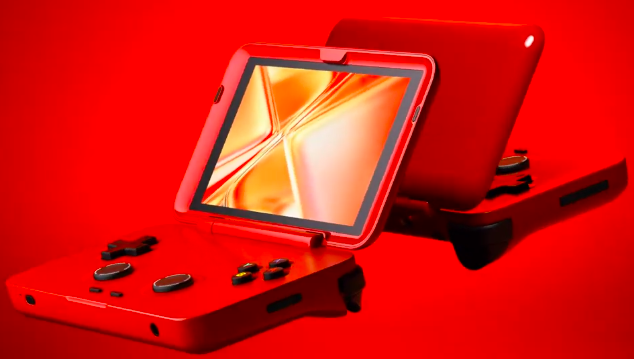
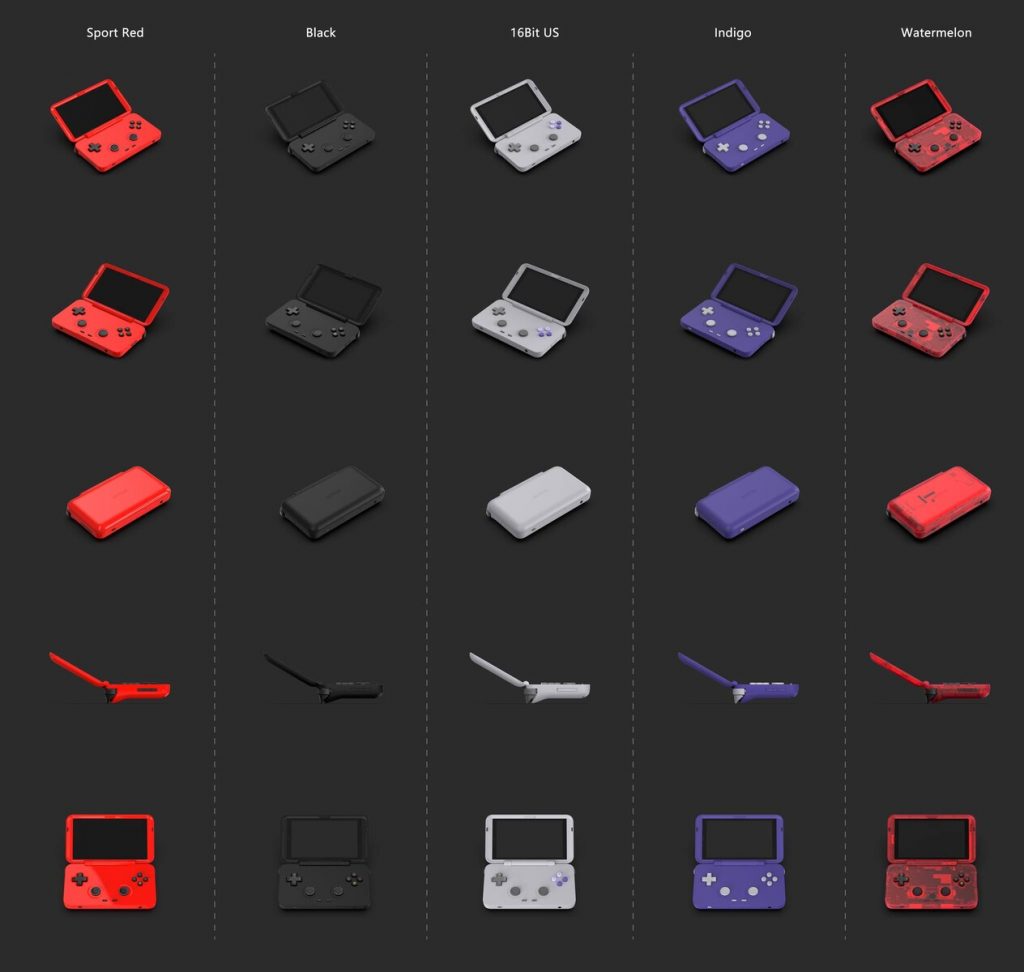
GoRetroid has announced the Retroid Pocket Flip handheld gaming console. The Retroid Pocket Flip is designed with inspiration from Nintendo DS with a clamshell design that will be available in several colors.

Retroid Pocket Flip handheld console

The latest addition to the Retroid family of handheld, the Retroid Pocket Flip closely resembles the Nintendo DS Lite. The Nintendo DS is one of the most popular gaming handhelds ever released.

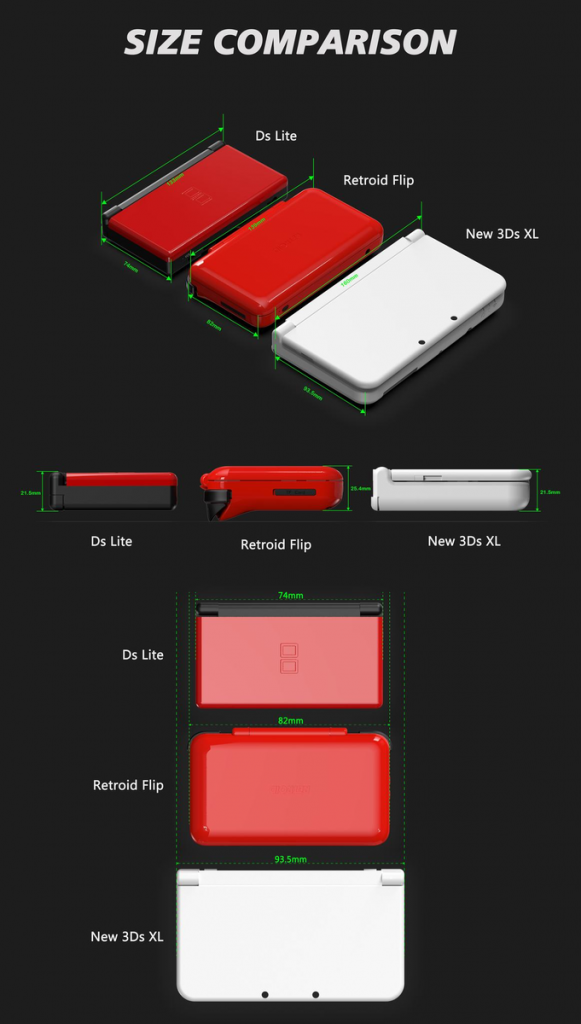
The Retroid Pocket Flip measures 139 x 82 x 25.4 mm so it is slightly thicker than the DS Lite. It has trigger buttons on the back of the device and also a standard array of buttons. The buttons include four-face buttons, a directional pad, two middle buttons, and two flat joysticks. There are also two shoulder buttons (L1 and R1), in addition to the trigger buttons (L2 and R2).

Retroid Pocket Flip handheld console

The Retroid Pocket Flip’s joysticks are seemingly surface-mounted and will likely function similarly to the Nintendo DS slider joysticks. Connectivity options for the handheld are USB-C, a headphone jack, and a micro-HDMI port. The handheld will also have slots for microSD cards.

Retroid Pocket Flip handheld console

The full hardware specs of the handheld are not yet released, as the company says it will announce these details this week. The model should at least come with similar or better specs than the Retroid 3+. The Retroid 3+ can emulate several PlayStation 2 titles and most GameCube games. The Pocket Flip will be available in five color options but the release date remains under wraps.

RELATED:

(source)

Powkiddy RK2023 Gaming Handheld with a retro design and 3.5-inch display unveiled

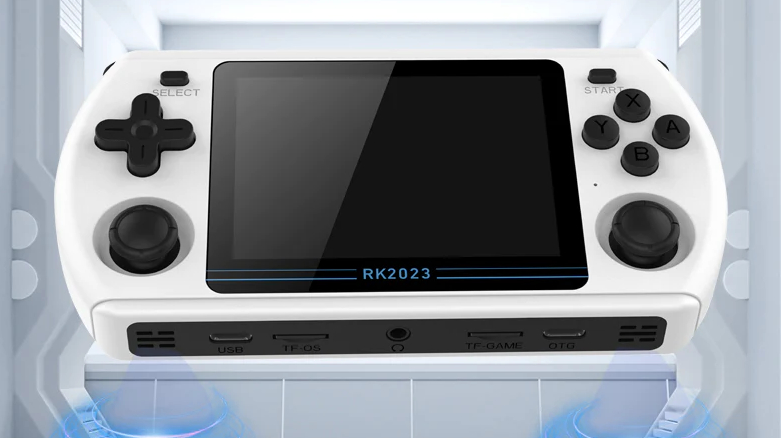
The Powerkiddy RK2023 retro gaming handheld has been launched. The RK2023 can emulate retro games and is shaped like a Game Boy Advance. It is equipped with a 3.5-inch IPS display, 1GB of RAM, and a 3,500mAh battery.

Powkiddy RK2023 Gaming Handheld

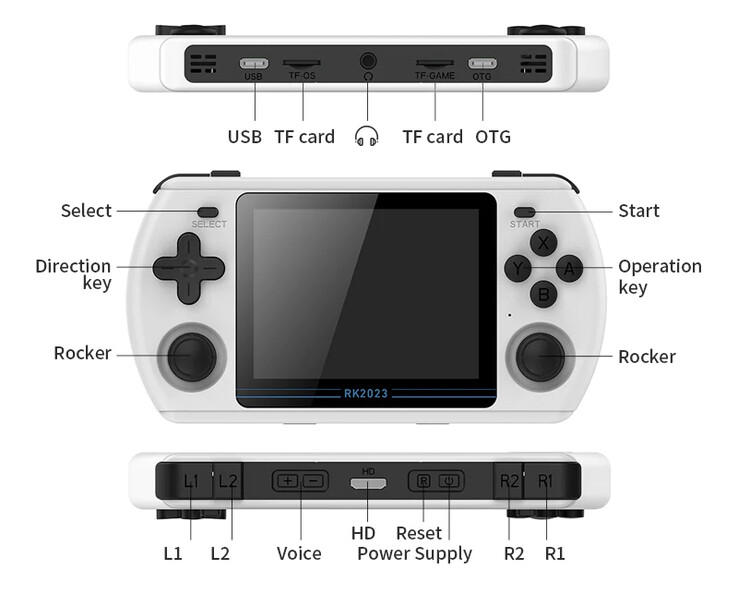
The latest Powerkiddy gaming handheld has dimensions of 151.5 x 78 x 17.5mm and is powered by a low-end chipset capable of emulating older games from PS1, NES, and N64 libraries. It is powered by the Rockchip RK3566 with four ARM Cortex-A55 cores at 1.8GHz speed and a Mali-G52 GPU. The RK2023 has a display resolution of 640 x 480 pixels with a 60Hz refresh rate and a 4:3 aspect ratio. The gadget features a regular collection of buttons including four shoulder buttons. In terms of storage and connectivity, the Powerkiddy RK2023 has USB-C ports and an HDMI interface for connecting to an external monitor.

Powkiddy RK2023 Gaming Handheld

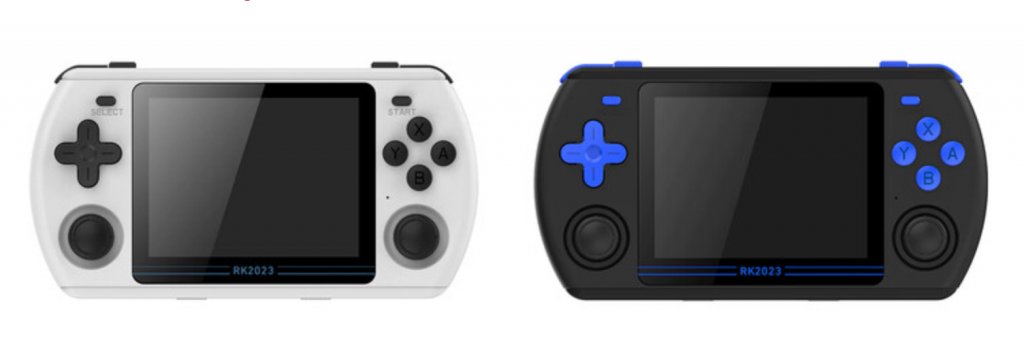
The Powerkiddy RK2023 retro gaming handheld will come in at least two colorways including black and white. The gaming handheld’s 3,500mAh battery offers up to 8 hours of playtime on a full charge. The chassis of the RK2023 is made of ABS plastic and storage options available are 16GB, 64GB, and 128 GB.

Powkiddy RK2023 Gaming Handheld

The price of the Powerkiddy RK2023 gaming handheld is between $89.99 and $99.99. More details about the RK2023 gaming handheld can be seen on the Powerkiddy website. There are however no global availability details yet for the gadget outside selected markets including the US.

RELATED:

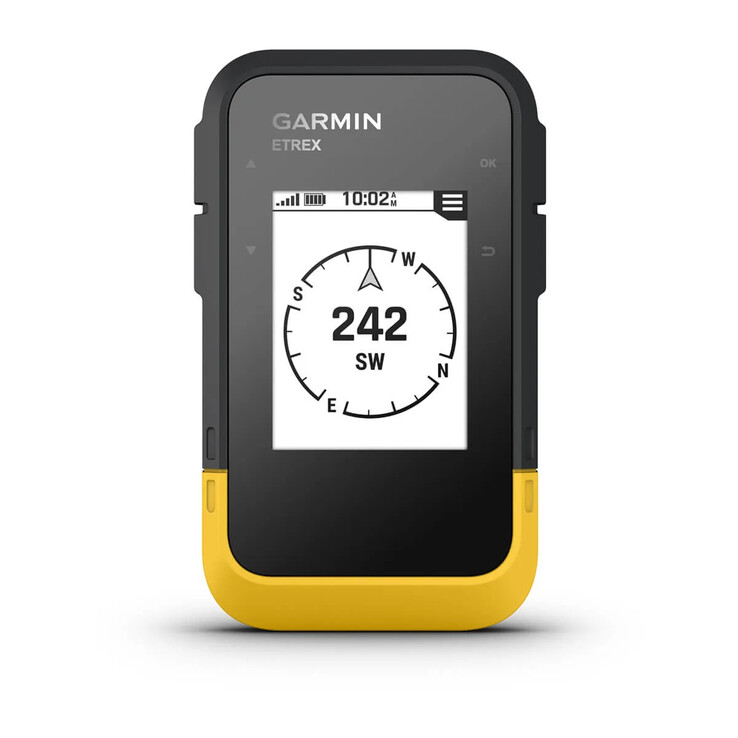
Garmin GPSMAP 67 Series and eTrex SE handheld GPS devices with extended battery life released

The Garmin GPSMAP 67 Series and eTrex SE handheld GPS devices have been unveiled. The three models are the Garmin GPSMAP 67, GPSMAP 67i, and eTrex SE and they come with an extended battery life of up to 1,800 hours. They also support multi-GNSS while the 67i model features the inReach technology to communicate even in the absence of cell signal.

Garmin GPSMAP 67 Series
Garmin introduces GPSMAP 67 Series and eTrex SE handhelds with longer battery life, improved positional accuracy, and inReach satellite technology.

The three new Garmin handheld GPS devices are rugged and will provide better overall coverage. The GPSMAP 67 and GPSMAP 67i have multi-band support, which improves positioning accuracy via the use of multiple frequencies. While the entry-level eTrex has a 2.2-inch display, the GPSMAP 67 models have a 3-inch color display and can be viewed clearly in even bright conditions. There are powered by a lithium-ion battery which can last for 180 hours in standard mode. When the handheld is in expedition mode, it can last for up to 840 hours.

The GPSMAP 67 and 67i can be used to view preloaded TopoActive mapping and satellite imagery. The Outdoor Maps+ subscription provides additional maps resources. The gadgets also feature a 3-axis compass and biometric altimeter to capture the altitude and air pressure. The inReach tool in the GPSMAP 67i, apart from communicating without cell service, also allows you to connect to the Garmin Response Center in an emergency. The eTrex SE is powered by two AA batteries and delivers up to 168 hours of activity in standard mode. When the eTrex SE is in expedition mode, the battery life reaches 1,800 hours.

Garmin GPSMAP 67 Series

The three Garmin GPS handheld devices can be paired with various smartphones using the Garmin Explore app. This provides a rich resource of information on weather, Geocoaching Live, and other notifications. The Garmin GPSMAP 67 is priced at $499.99 while the GPSMAP 67i retails at $599.99. The Garmin eTrex SE is sold at $149.99. More details about the new Garmin GPS handheld gadgets can be viewed on the brand’s official website.

RELATED:

BYD leads China’s EV market: One in four cars sold in China is an EV

China has almost doubled its sales of passenger Electric Vehicles (EVs) in 2022 with a reported growth of 87% year on year. A recent report from Counterpoint’s Global Passenger Electric Vehicle Model Sales Tracker states that one in four cars sold in China is an EV. It further states that, amongst the top 10 fastest-growing EV markets in the world, China stood in second position in terms of sales right behind Japan which showed a 119% year-on-year growth in 2022. 

In 2022, BYD emerged as the largest EV seller in China with a 29.7% market share followed by GM, Tesla, Geely, and Changan. In the last quarter of 2022, BYD Song dethroned the most famous Wuling Hongguang MINI EV as the top-selling EV model in the country. 

China the most vibrant EV market in the World:

According to Soumen Mandal, Senior Analyst at Counterpoint, currently, China has the most versatile and vibrant EV market in the world. All the famous as well as not-so-famous EV companies offer their products and services in the country as it is the largest EV market in the world with more than 50% of global production. China’s EV market is served by almost 94 different brands that together offer more than 300 different models to its customers. The EV scene in China is so versatile that you can easily find a cheap EV with a starting price of  $5000 to something as costly as $90,000 and above. 

81% of the Chinese EV market is dominated by domestic companies which include top players like BYD, Wuling, Chery, Changan, and GAC. The remaining 19% is filled by foreign companies like Tesla and Volkswagen. Apart from these automobile giants, China is also home to some of the best EV startups like Nio, Xpeng, Neta, AITO, IM Motors, Zeeker, Aiways, and Livan which are performing quite well despite the tough competition from foreign and established domestic companies. 

Why are the Chinese favoring EVs?

Environmental health and government policies are the driving forces behind the tremendous growth of EVs in China. According to the survey conducted by Rakuten Insight, about 66 percent of the Chinese consumers who considered buying an electric car stated that they preferred an electric car over a conventional one because it is environment-friendly.  

Beijing has set a goal of becoming carbon neutral by 2060 and to achieve this goal the government offered major subsidies for EVs. For the past 12 years, China has designed its policy and funding to encourage the sales of Environment-friendly vehicles. Also, the country has the world’s biggest EV charging network and the rapid expansion of the charging infrastructure makes it easier and cheaper for consumers to travel across the country. 

The government policies have ultimately paid off as last year in November alone, 36% of new vehicles taking to the mainland roads were either pure electric or plug-in hybrid cars and today one in four vehicles sold in China is an EV. According to experts at Swiss Bank UBS, by 2030 three out of every five vehicles sold in China will be EV. 

What is the future of China’s EV market?

China’s EV boom was mainly driven by strong government subsidies and funding. Between 2020 and 2022, around two million vehicles were eligible for subsidies. However, since 2019, subsidies have been reduced progressively to date and in 2023, no new budget has been allocated for granting subsidies to EVs. Apart from the announced renewal of the 5% vehicle purchase tax exemption policy for new energy vehicles, there have been no announcements for renewal of the cash subsidies on EVs. This may lead to slower growth in the coming years.

Right now the Chinese EV market is witnessing a major price war which was started by Tesla and picked up by other players like BYD, Ford, Xpeng, and more. This price war may create additional demand and sustain EV sales in 2023. Though in the short term, the EV market may struggle due to the economic downturn and policy changes, the long-term outlook for China’s EV market is extremely positive as the country aims to reduce its particle emissions significantly and reach carbon neutrality. China had previously committed to creating a 50% EV market by 2035. However, right now this number looks too easy as the share of EVs in the passenger car market will exceed 50% and surpass traditional energy cars before 2030 itself. 

(source)

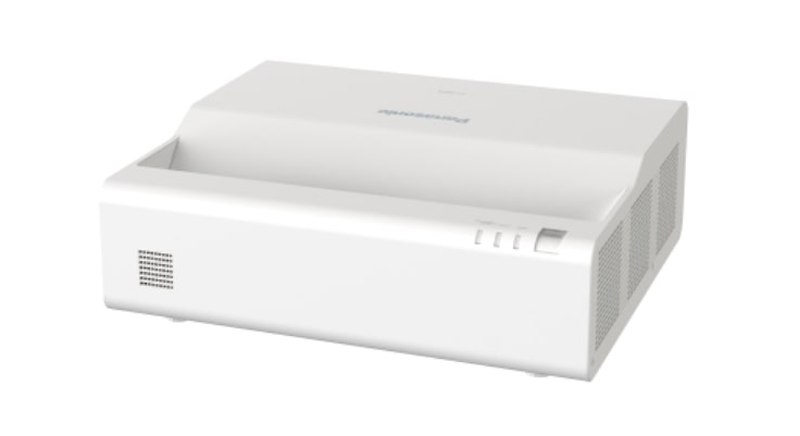
Panasonic PT-CMZ50 Ultra-short throw Laser Projector with 16:10 aspect ratio Showcased

Panasonic has previewed its latest projector with some impressive features. The Panasonic PT-CMZ50 ultra-throw laser projector has an aspect ratio of 16:10 and can create projections up to 120 inches. The new Panasonic projector has a native resolution of 1200p, a throw ratio of 0.235:1, and 5,200 Lumens of peak brightness.

The high brightness rating of the PT-CMZ50 means that it can be used in bright environments. The corresponding ANSI lumens brightness of the projector is 2,166 ANSI Lumens. The projector can create 120-inch images when placed 3.05 meters away from the projection surface. The native resolution of the Panasonic PT-CMZ50 is 1920 x 1200 pixels and the projector’s laser light source has a lifespan of 20,000 hours in normal or quiet mode. The lifespan extends to 24,000 hours when used primarily in ECO mode.

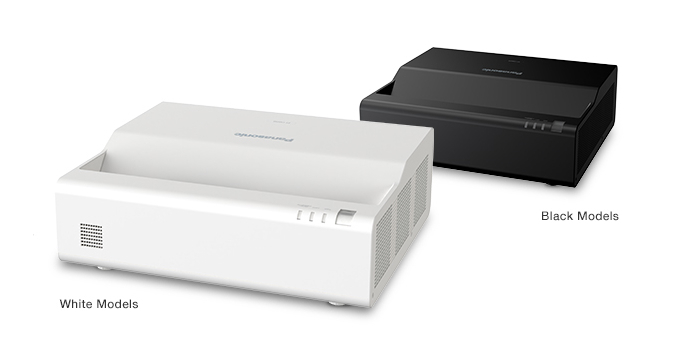
The PT-CMZ50 can operate at low noise levels which is also great. In quiet mode, it outputs 26dB of noise while 35dB is delivered in normal and ECO modes. The projector has several ports including HDMI with CEC, USB-A, and RS232C. The PT-CMZ50 ultra-short throw laser projector will come in two color options black and white.

Panasonic PT CMZ50 Projector

The Panasonic PT-CMZ50 laser projector is scheduled to be released in Q2 2023. Pricing and exact availability details are lacking for the projector at this time. It is unclear whether the projector will feature an in-built battery for enhanced versatility. The gadget could possibly compete with the Formovie Theater projector which outputs a peak brightness of 2,800 ANSI lumens.

RELATED:

(via)

Samsung Galaxy A24 4G Leaks in new colorful Renders, detailed Specifications emerge

Samsung launched the Galaxy A34 and A54 on Wednesday as its latest mid-range handsets. The two phones sit below the flagship S23 series and feature an immersive display. The company apparently has another A series handset in the works as it has been making rounds on various certification sites recently. The handset could be called the Galaxy A24 and today a report has shared its specifications along with some colorful renders.

Galaxy-A24-colors

Israeli Publication Gadgety has leaked the renders of the new Galaxy A24 4G in 4 colors— black, silver, red-burgundy, and lemon-green. The design of the device is not very different from the newly launched Galaxy A34. It has three camera rings on the back and a flat display on the front. The screen has thick bezels and features a waterdrop notch. The smartphone is reported to be 8.3 inches thick and weigh 195 grams.

Galaxy-A24-renders

As per the report, the Galaxy A24 will feature a 6.5-inch Super AMOLED FHD+ display with a 90Hz refresh rate and 1,000 nits of brightness. It will come with Vision Booster technology, which is claimed to not only make the screen brighter but also maintain better color accuracy. The handset may be equipped with a Snapdragon 680 SoC processor, paired with 4GB RAM and 128GB storage.

It could come with a microSD slot to help you expand the storage up to 1TB. The handset is reported to feature a 3.5mm headphone, which is now a rare sight on Samsung phones. It is expected to be equipped with a 5000mAh battery and support 25W charging.

In the camera department, the Galaxy A24 may get a 13MP selfie camera (aperture f/2.0) and three rear cameras, including a 50MP main camera with OIS (optical image stabilization) and f/1.8 aperture. A 5MP wide-angle camera with f/2.2 aperture and a 2MP macro sensor with f/2.4 aperture may also be present.


RELATED:

(Source)

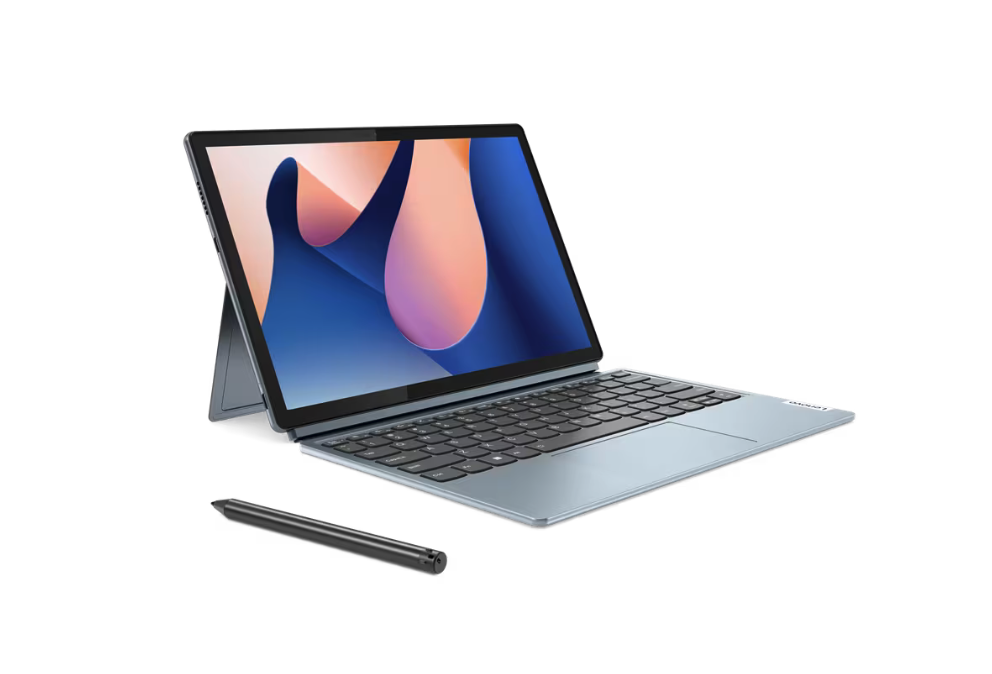
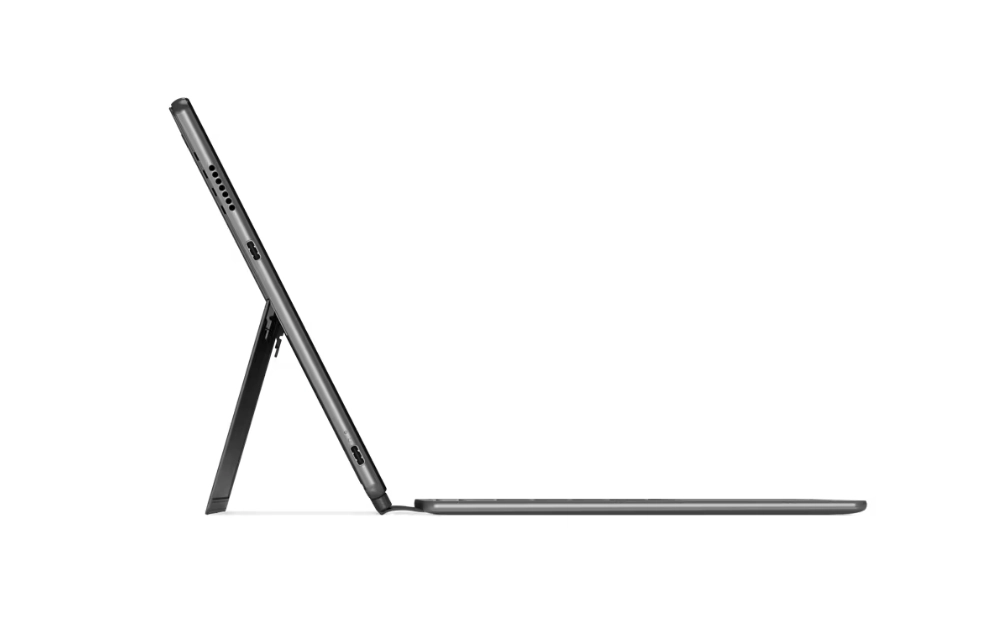
Lenovo IdeaPad Duet 5 2-in-1 notebook with up to 13th-Gen Core i7-1355U Processor Launched

Leading PC manufacturing giant Lenovo has unveiled a new IdeaPad Duet 5 2-in-1 notebook. The new notebook comes with some upgrades over its predecessor one of which is the use of a 13th-generation Intel Core series processor. The notebook is expected to launch later on in China as Xiaoxin Duet 2023 as a successor to the Xiaoxin Duet 2022 2-in-1 notebook released in August 2022.

Lenovo IdeaPad Duet 5 2-in-1 notebook

In terms of configuration, the IdeaPad Duet 5 2-in-1 notebook is equipped with a 12.4-inch display with a resolution of 2560 x 1600 pixels, 500 nits of brightness, and a 95% DCI-P3 color gamut. The 13th-generation Core U series processors include the Core i7-1355U on the top model paired with 16GB LPDDR4x-4266 memory, and 512GB SSD. The display also supports a touch function and can be detached from the keyboard for use as a tablet. In terms of interfaces, the tablet includes two USB-C ports and a 3.5mm headphone jack. The ultra-thin tablet-style design means

Lenovo IdeaPad Duet 5 2-in-1 notebook

The pricing and availability details of the IdeaPad Duet 5 are still unknown at the moment but since the Xiaoxin Duet 2022 with the 12th-gen Core i5-1235U had a price tag of 5,999 yuan ($869), we expect this model to be slightly higher.

RELATED:

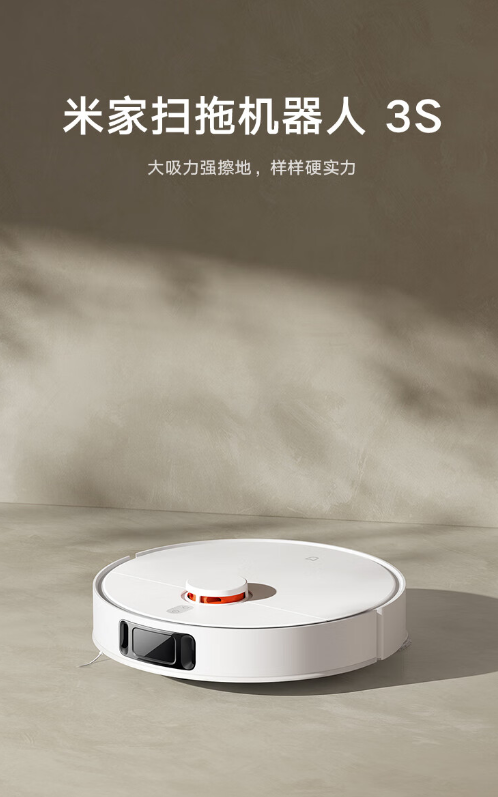
Xiaomi MIJIA Sweeping & Mopping Robot 3S with 4000Pa suction, dual Mop design Launched

Chinese tech giant Xiaomi has launched a new robot vacuum under the MIJIA brand. The product name translates as MIJIA Sweeping and Mopping Robot 3S which may also be listed as MIJIA Robot Vacuum 3S. The new home gadget comes with some impressive features as well as a tweak in the design.

MIJIA Sweeping & Mopping Robot 3S

The MIJIA Sweeping and Mopping Robot 3S utilizes a double mop design just like what obtains on a window cleaning robot. The two round mops are located side by side at the front. The device also comes with a large suction fan with a 4000Pa suction power. It also features three-dimensional obstacle avoidance meaning it does only avoid obstacles at the front but also at the top and bottom.

MIJIA Sweeping and Mopping Robot 3S

The double mops are serviced by three smart electric control water tanks with adjustable water volume. The wheels of the robot vacuum are propelled by brushless motor drives and they are capable of scaling obstacles that are 2cm high. The robot vacuum cleaner itself is only 97mm in height and so, can easily fit under sofas and beds. The device can also be controlled via the MIJIA app and can be connected to the XiaoAI speaker to achieve integration with other smart home devices.

The design of the MIJIA Sweeping and Mopping Robot 3S also includes the ability to clean along the wall, low space prediction, and the ability to avoid falling down the stairs. The package also includes a compact charging stand and a moisture-proof pad to isolate residual water.

MIJIA Sweeping and Mopping Robot 3S

As for the price, the MIJIA Sweeping and Mopping Robot 3S is priced at 1799 yuan but will go on sale on March 22 in China. We can’t say for now when Xiaomi will bring the gadget to the global market. The company has not been very aggressive in pushing its smart gadgets outside the Chinese market.

RELATED:

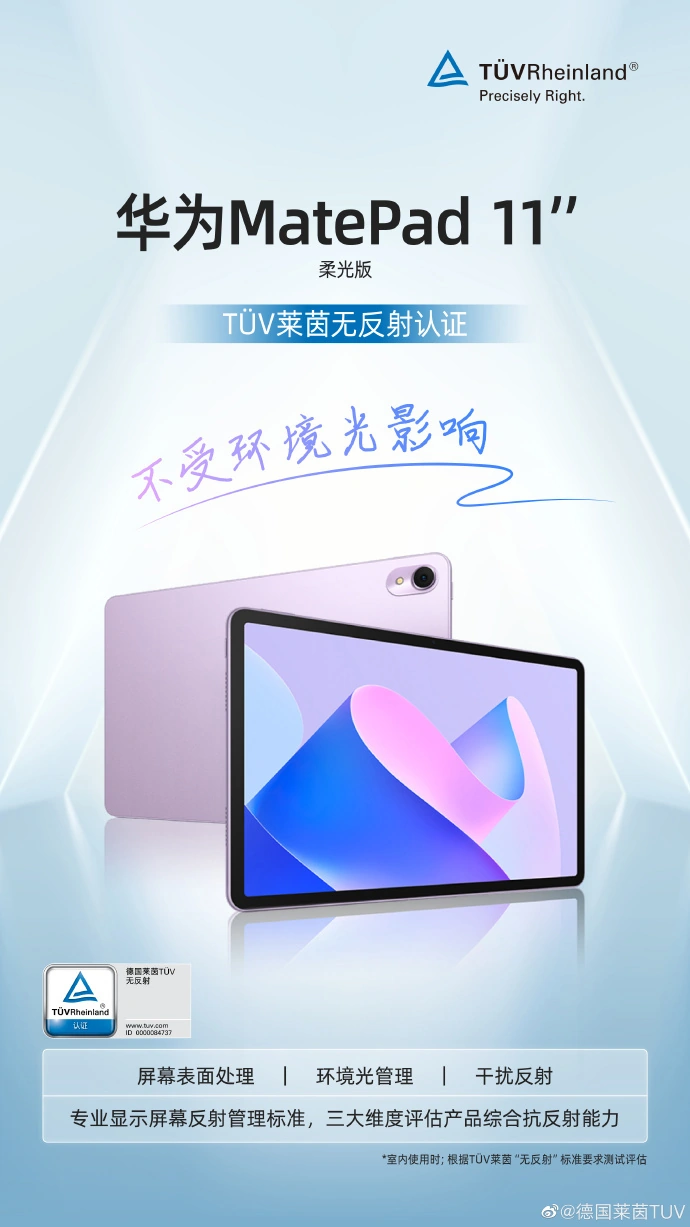
Huawei MatePad 11 (2023) officially Teased, Launching on March 23

On March 23, Huawei is set to host a mega spring event in Shanghai, China, where it will unveil a range of new flagship products. Among the devices to be launched are the premium Huawei P60 series and the highly anticipated Mate X3 foldable. Today, the brand has confirmed this year’s MatePad refresh will also be arriving on the same day. MatePad 11 (2023) has been teased to feature some interesting improvements. Here are the details.

As per official teasers, Huawei MatePad 11 tablet (2023) will offer a paper-like reading and writing experience. This device will also feature a smooth screen with anti-glare eye protection, marking Huawei’s first foray into this type of tablet. The tablet’s panel boasts impressive capabilities, as it can eliminate up to 97% of the distracting light in the surrounding environment.

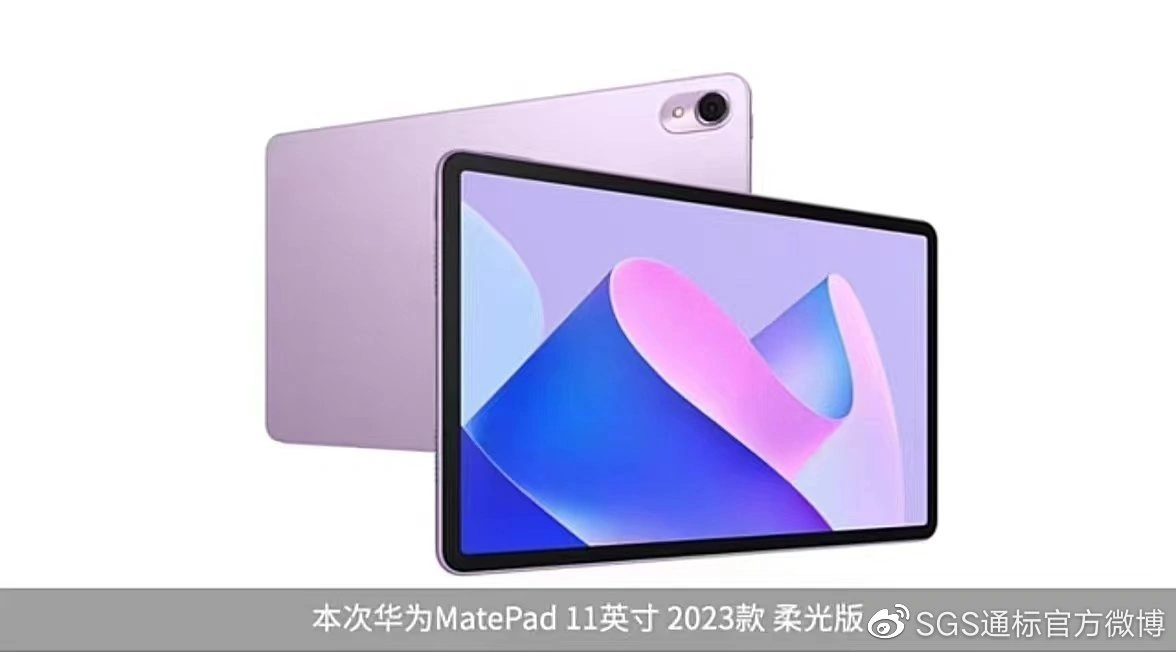
Huawei Matepad 11 2023

Separately, TUV Rheinland has shared the device’s renders, which reveal its design. The tablet can be seen to have a single camera on the rear and a notch-less display on the front. The selfie camera is embedded vertically on the upper bezel. The MatePad 11 tablet has received the TUV Rheinland’s reflection-free certification, which means that it can shield users from the negative effects of indoor ambient light, resulting in a better overall experience.

MatePad 11 (2023) has also become the world’s first tablet to get the SGS low visual certification. This certification standard was recently developed by SGS and the China National Institute of Standardization (CNIS) to assess the level of visual fatigue products cause to users. Currently, other specifications of the Huawei tablet are not known. We expect the company to reveal more details through teasers before the launch. Stay tuned for the latest developments.

RELATED:

(Via)

TSMC to soon setup its first European chip plant in Germany

TSMC is apparently planning on building its first ever chip production facility in Europe. Germany will be the site for its latest semiconductor facility and the company is reportedly in advanced talks with the German government for this plan.

According to a new report, the world’s largest contract chipmaker is in serious and advanced discussion with the German state for the building of this new chip plant. As per sources close to the matter, the move from the company arrives after the local government had announced subsidies to support the investment. For those unaware, the European Union had unveiled the European Chips act to ease government funding rules for semiconductor plants that had previously faced state aid bans.

TSMC

One of the sources added that the talks between TSMC and Saxony are “serious and advanced”. Furthermore, the delegations from the eastern German state has also been coming to Taiwan for move forward this plan with the chipmaker. Setting up an advanced semiconductor production facility is a hefty investment and the costs also includes labor as well. Thus, TSMC is in discussion over subsidies that it could get in return of setting up the first European chip plant in Germany.

As per the company’s official statement back in December 2022, there is still “no concrete plan” to build a chip factory in the region. The German and Saxony government are open to provide subsidies but are also seeking further EU funds since “without subsidies nobody will come,” as per one of the sources.

RELATED:

(Via)

Alleged Google Pixel 7a prototype Selling on eBay months before Launch

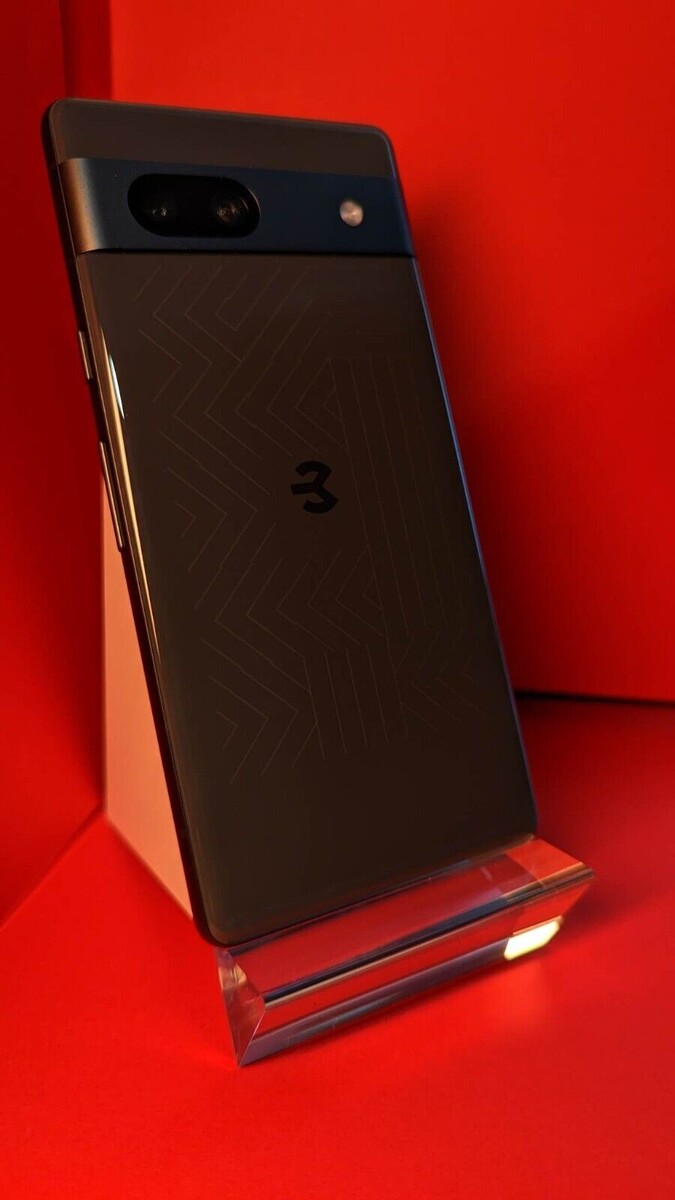
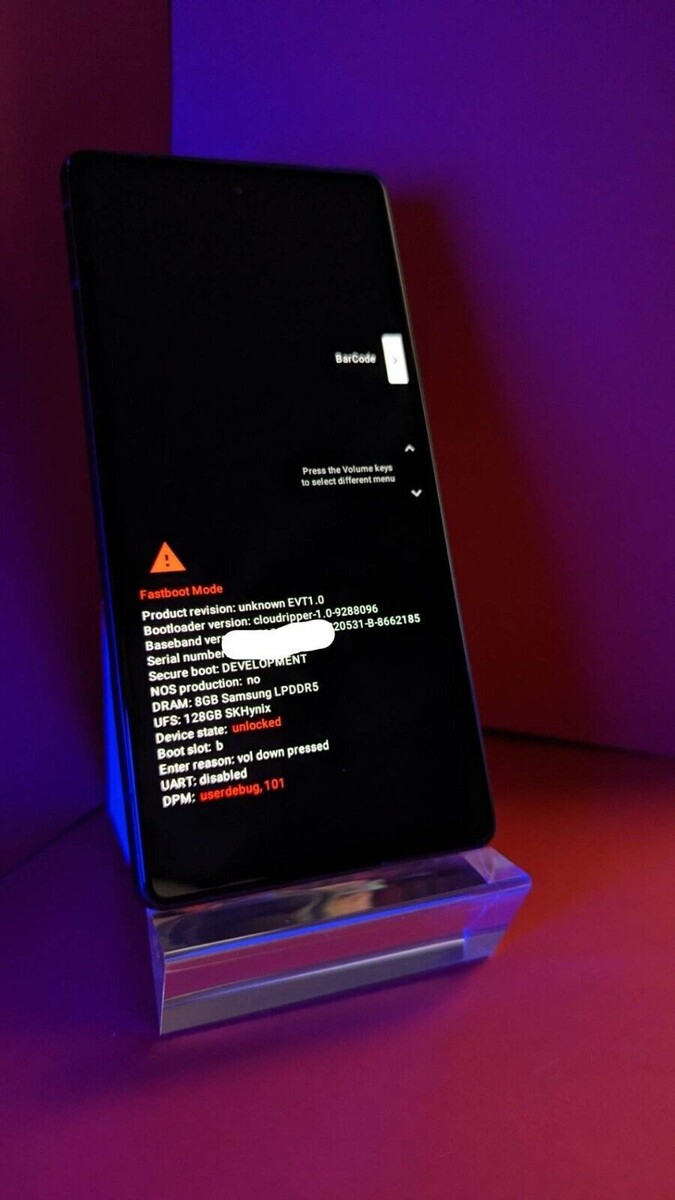
Smartphone leaks are pretty common, but nothing leaks like a Google Pixel. The company’s upcoming Pixel 7a should launch in three months and we’ve already seen everything from its hands-on images to detailed specifications. Now an alleged Pixel 7a prototype has shown on eBay, and the listing also features photos of the device powered on. Here are the details.

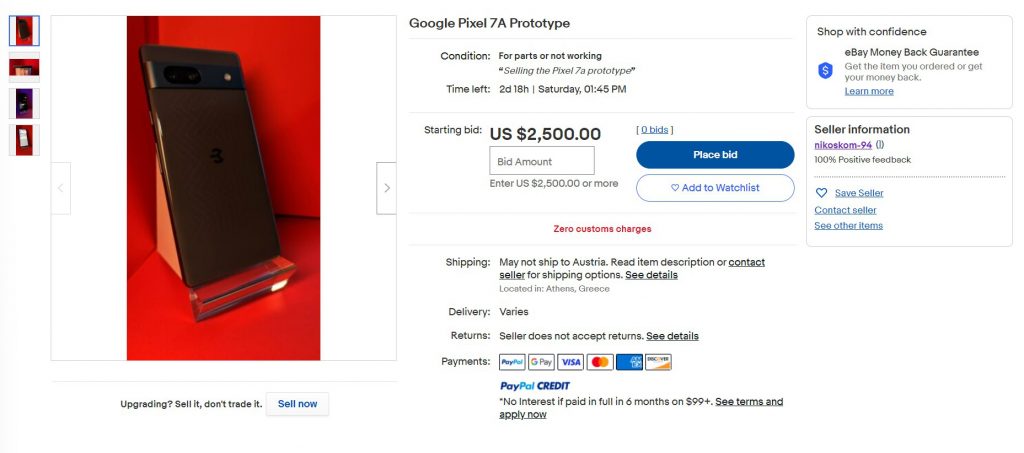
An eBay user with the username nikoskom-94 is apparently selling a Pixel 7a prototype. The handset has been pictured with the same design that has been revealed by various reports but there’s one anomaly— the logo. Pixel smartphones have Google’s “G” logo on the back but this prototype features a logo more similar to the Pac-Man silhouette.

The eBay listing revealed that nikoskom-94 had attempted to auction off the prototype device for a whopping $5,000, but unsurprisingly, there were no takers. Consequently, the price was reduced to $2,500, then to $1,650. However, the device is now listed again with a price of US$2,550 and the auction is set to end on Saturday. This pricing is still exorbitant for a device that is expected to retail for under $500.

pixel 7a ebay price

The Pixel 7a is reported to debut in May during Google’s I/O 2023 conference. The company may also showcase the Fold and Pixel Tablet at the same event. According to previous reports, the Pixel 7a will sport a 6.1-inch FHD+ OLED display with a 90Hz refresh rate. It will likely feature the Tensor G2 chipset, similar to the Pixel 7 series, coupled with 8GB LPDDR5 RAM and 128GB UFS 3.1 storage. On the software front, the handset could boot Android 13 OS.

RELATED:

(Source) (Via)