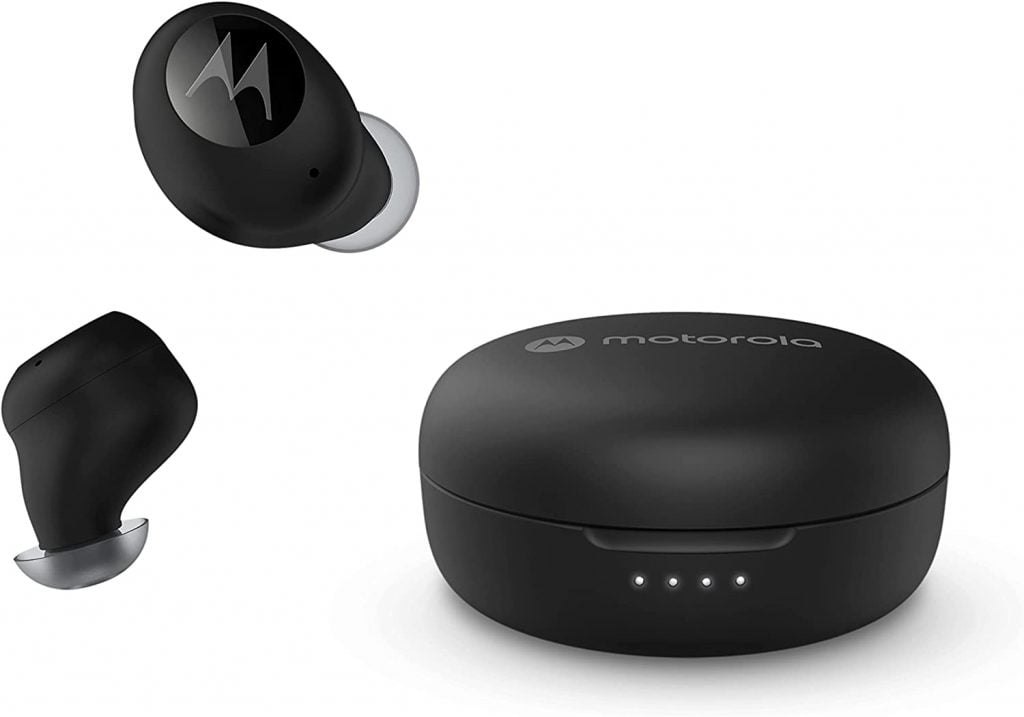
Last month, Motorola unveiled the Moto Buds 600 ANC alongside the Moto Watch 100 at CES 2023. These TWS buds are yet to hit the market, however, we now know that the brand has another pair of earbuds in the pipeline called the Moto Buds 135.
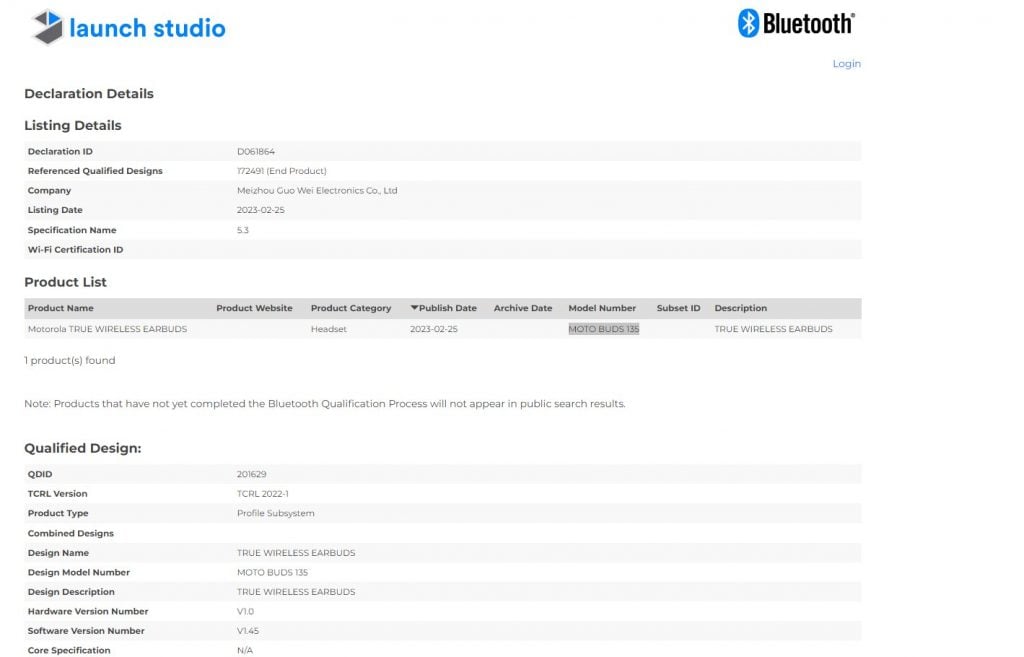
The Moto Buds 135 has appeared on the Bluetooth SIG certification website revealing some of its details. Based on the information available from the certification, the upcoming device is expected to be compatible with Bluetooth version 5.3. Other than the Bluetooth version, the listing does not reveal any further specifications.
It is interesting to see when Motorola will actually unveil these upcoming TWS earbuds. These earbuds will likely be positioned between the Moto Buds 150 and the Moto Buds 120, so we can get an idea of what to expect spec-wise from the Buds 135.
Moto Buds 150 and Buds 120 specs
The Moto Buds 150 boasts a compact and ergonomic design and is equipped with 6nm dynamic drivers and intuitive touch controls for handling calls and music playback. With an IPX5 rating, the device is resistant to dust and water, ensuring an uninterrupted listening experience. It also boasts a long battery life of up to 18 hours, making it perfect for extended use.
Similarly, the Moto Buds 120 features a compact charging case and IPX5 rating and offers a battery life of up to 15 hours. The upcoming Moto Buds 135 is expected to share some of the features of its predecessors and may be priced similarly at around $54.99 – $49.99.
Planet Computers has announced that it is entering the desktop PC market segment with new ARM powered Linux computers. The new lineup is a part of its latest XR line of mini PCs, which is the first ever from the company. So lets have a look.
As per the official MWC 2023 announcement earlier today (27th February 2023), the London based tech startup’s latest PCs run on the Ubuntu OS. It will also be a part of its new range of Linux mini desktop PCs that are being crowdfunding on Indiegogo. CEO Janko Mrsic-Flogel stated that “The XR series is Planet’s first foray into the personal computer market. By productizing Linux into a mini desktop PC, the XR is another step towards creating a more open and inclusive computing ecosystem.”
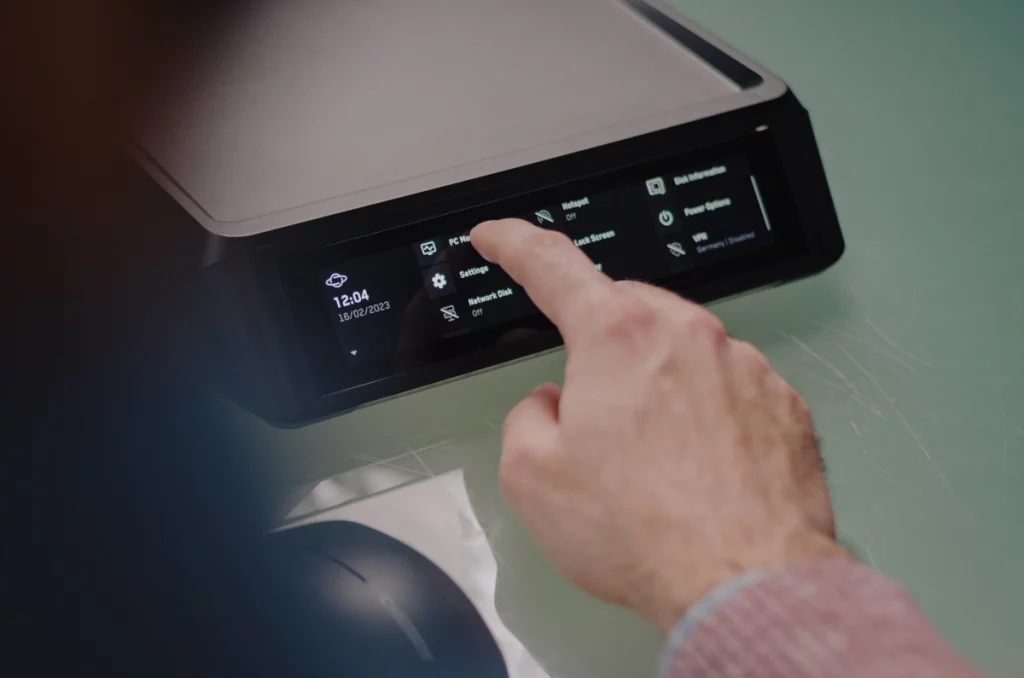
The new line includes the XR1 and XR2 with former being powered by a 4 core processor, while the latter is equipped with an 8 core CPU. The XR1 features 4GB of RAM and 32GB of internal storage. On the other hand, the XR2 houses a Mali G610 GPU, 4GB to 32GB of RAM, and 32GB to 256Gb of internal storage. One can even expand this to include 2TB with add ons. Notably, the Linux mini PC also sports a colored touchscreen that offers controls and details on system performance.
Mrsic-Flogel further added that “Planet has always innovated with device form factors and we are especially excited about the XR’s integrated color touchscreen, which gives Linux users a new level of control and confidence, as well as the perfect platform for developers to access smart Linux appliances.” The XR lineup will be made available on Indiegogo, with the XR1 costing around £399 while the XR2 costs £499.
OnePlus is gearing up to launch its third smartphone of the year in China, the OnePlus Ace 2V. The OnePlus president has teased the device, and also confirmed the official name on Weibo.
This latest device is being touted as a performance winner that will “disrupt industry conventions and popularize the flagship experience”. The device has already appeared on AnTuTu and TENAA with the model number PHP110 and has revealed some of its key specifications.
According to the AnTuTu listing, the OnePlus Ace 2V will come with a 120Hz display, a Dimensity 9000 chipset, LPDDR5 / 5x RAM, UFS 3.1 storage, and Android 13 OS. The device has achieved a total score of 1,050,512 on the AnTuTu benchmarks, with impressive scores in the CPU, GPU, memory, and UX tests.
Rumors have suggested that the OnePlus Ace 2V will feature a 6.7-inch AMOLED 1.5K display with a 120Hz refresh rate. It will pack a 5,000mAh battery that supports 80W charging, and it will have a triple-camera setup on the back, including a 64-megapixel main camera with OIS, an 8-megapixel ultra-wide camera, and a 2-megapixel macro snapper. The device will also have a 16-megapixel front camera.
OnePlus is set to launch the Ace 2V in China on March 7, and it is expected to be rebranded as the OnePlus Nord 3 in the global market.
The OnePlus Ace 2V will feature a MediaTek chipset, which is likely to be the Dimensity 9000 or the 9000+ version. The device will have a totally different design compared to the Ace 2 with a Qualcomm processor, featuring a renewed back cover and a triple camera setup inserted in a double rear module. It will also have a large display with a central punch hole and an almost square perimeter frame with slightly rounded corners. The Alert Slider, one of the flagship features of the brand, will be present along the right profile.
OnePlus fans will be eagerly awaiting the launch of the Ace 2V, and it remains to be seen whether it will live up to the company’s promises of disrupting industry conventions and delivering a flagship experience.
Google Pixel 7 and 7 Pro are undoubtedly some of the most unfortunate phones of all time. Users who own these devices have been dealing with various software and hardware issues since their purchase. The interesting thing is that these problems are quite unique and not common among the other Android smartphones. The latest issue is probably the weirdest thing that has happened so far, as a YouTube video is causing the Pixel 7 and 7 Pro to spontaneously reboot. Here are the details…
A YouTube video is forcing the Pixel 7 and 7 Pro to reboot spontaneously
Some reports on Reddit suggest that a specific YouTube video is causing some Google Pixel 7 and 7 Pro users’ devices to reboot unexpectedly. The video in question is a 4K HDR movie clip, and the issue seems to be limited to the Pixel 7 series, though some Pixel 6 and Pixel 6a users have also reported experiencing the problem. You can watch the YouTube video that caused the reboot problem below.
Users who have attempted to open the video using the YouTube app have reported spontaneous reboots. Some Pixel 7/7 Pro users have also lost cellular connectivity after their device has rebooted. However, restarting the phone appears to resolve this issue.
While some Reddit users have compared this to the infamous wallpaper crash that affected Samsung and Google phones in 2020, others think that there may be an issue with HDR processing on the Pixel 7 series. There are reports that some people are already using the video as a prank by sending it to Pixel 7 users. Google has not yet issued an official response to the problem.
It is worth noting that this issue appears to be limited to a particular YouTube video, and not all Pixel 7 devices are affected. Until Google issues an official statement, it is unclear whether the problem lies with the device itself or the YouTube app.
At MWC Barcelona 2023 today, Google Cloud has announced a new product that aims to help communications service providers (CSPs) automate and optimize their network operations. The product, called Telecom Network Automation, is a cloud-based solution that leverages Google’s expertise in Kubernetes, artificial intelligence (AI) and open source software.
Source: Google Cloud
Telecom Network Automation is based on Nephio, an open source project that Google created and led on under the Linux Foundation. Nephio enables CSPs to use common automation templates to manage their network infrastructure and functions across multiple clouds and vendors. Nephio also uses AI-powered control loops to monitor and adjust network performance based on user-defined intents.
According to Google Cloud, Telecom Network Automation can help CSPs reduce operational costs, improve service quality and accelerate time-to-market for new services. The product can also support various use cases such as 5G radio access networks (RAN), edge computing, network slicing and private networks.
One of the early adopters of Telecom Network Automation is Bell Canada, which has used it to automate its implementation of Google Distributed Cloud Edge, a platform that delivers cloud services at the edge of the network. Bell Canada said that Telecom Network Automation has helped it simplify its network management and enhance its customer experience.
Telecom Network Automation State Diagram, Source: Google Cloud
Google Cloud said that Telecom Network Automation is part of its cloud-native network modernization offering for CSPs, which also includes Anthos for Telecom, a platform that enables CSPs to run applications anywhere using containers and microservices. Google Cloud added that it is committed to collaborating with the telecom industry and supporting open standards and interoperability.
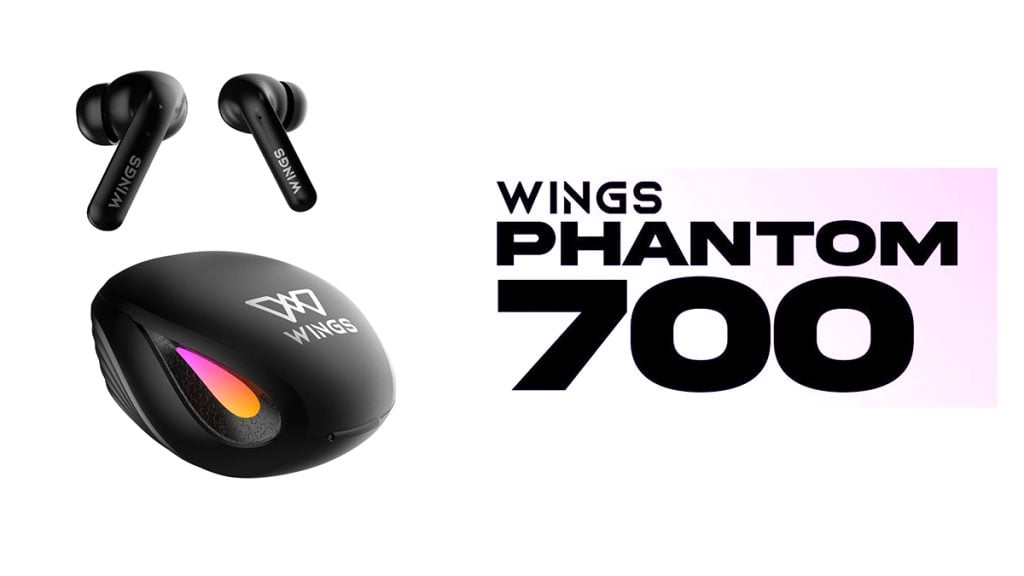
Wings has launched a new affordable TWS earphone in India. The latest offering is dubbed the Phantom 700. It falls under the Rs 1,000 price segment and competes against other TWS earphones from brands like Noise, boAt, Boultt Audio, and more in the market. Read on to know what the Wings Phantom 700 offers out of the box.
The Wings Phantom 700 features an in-ear design with a stem and silicone ear tips. It is IPX5-rated water and sweat resistant. Users can perform various functions by tapping on the stem of the earbuds. The audio device comes in an ergonomic storage and charging case with RGB LED lights.
In terms of audio, the Wings Phantom 700 is equipped with a high-fidelity 13mm composite driver for bold bass and crisp highs. There is a surrounding noise suppression mic that is said to eliminate any background noise for clear communication. The TWS earphones feature 40ms ultra-low latency for gaming purposes. They also come with support for Google Assistant and Siri.
The Wings Phantom 700 is claimed to offer 8 hours of battery life on a single charge and a total battery backup of 38 hours. It can be topped up via a USB-C port and a 15-minute charge is said to offer 60 minutes of gaming usage. The audio device supports Bluetooth 5.3.
The Wings Phantom 700 is priced at Rs 899 and can be purchased from Amazon and the brand’s website. It is offered in a sole Black colour.
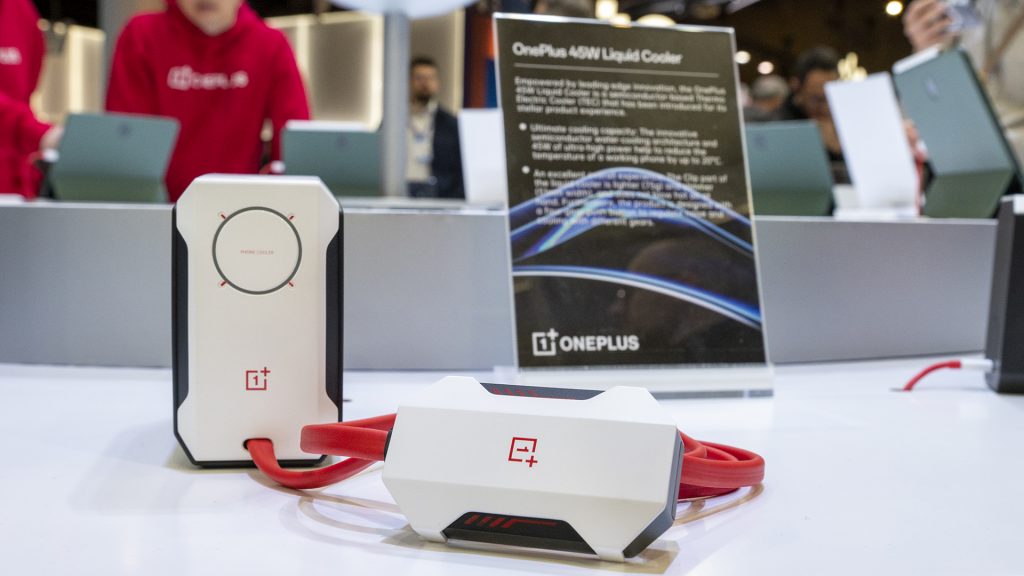
We had covered the OnePlus 11 Concept announcement at the MWC 2023 event earlier today (27th February 2023). However, it wasn’t the only new product launch as the company also unveiled a new 45W liquid cooling accessory for its smartphones. This is a first for the company and so here are all the details.
Certain smartphone makers offer external cooling accessories for their devices, and it appears that the Chinese brand is among them now. It has unveiled the new 45W liquid cooler that can attach to your smartphone and help keep the thermals in check during intensive tasks. During the major event, the company announced the new mobile accessory that can simply snap onto the back of your handset and uses a liquid cooling agent that keeps the temperature low.
Image Via AndroidAuthority
As smartphone (especially flagship models) get more and more powerful and run graphically intensive games, power consumption and heat generation has also risen. This is where the external cooler comes in play as it helps the CPU from throttling. For those unaware, throttling is when the CPU on a handset lowers its performance as it gets hotter. Thus, reducing the temperature not only helps maintain peak performance for better gameplay experience thanks to higher frame rates and even keep power consumption in check.
Interestingly, the accessory is made with two parts. The first part attaches to the back of your device, while a cable connects it the second part, which is basically a small box. This device starts running as soon as you snap it onto your phone. As per official claims, the OnePlus 45W Liquid Cooling accessory can reduce temperatures by up to 20 degree Celsius. Unfortunately, the company has yet to reveal the pricing and availability details regarding this device. So stick around for more details regarding this matter.
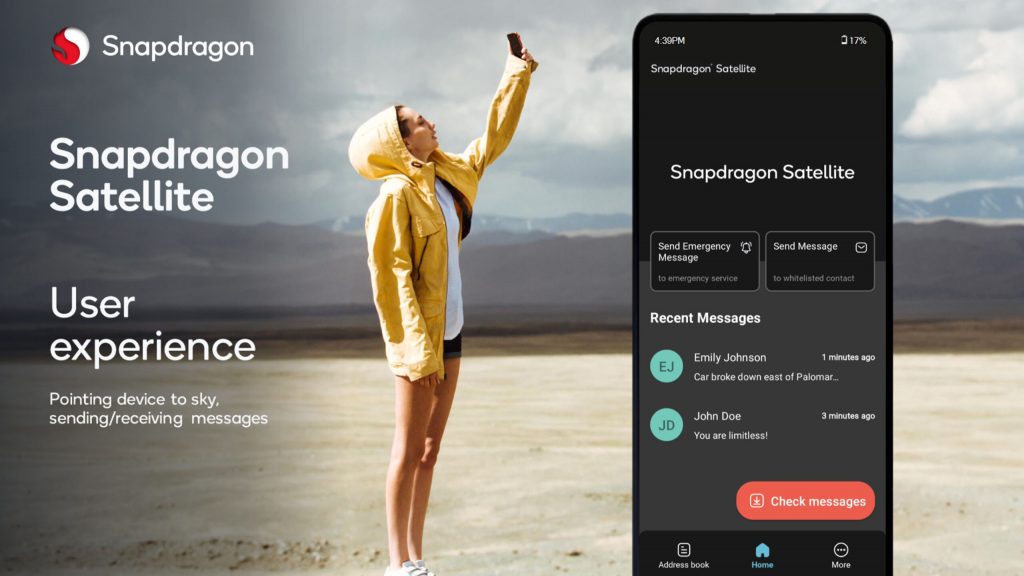
Xiaomi, Oppo, and a bunch of other smartphone makers are working on bringing satellite communication technology on their future smartphones. The news arrives from an announcement from Qualcomm at the MWC 2023 event in Barcelona. So here are all the details.
During the major conference, the chipmaking giant announced that Xiaomi, Vivo, Motorola, Oppo, Honor, and Nothing are working on bringing satellite communication technology on their future mobile devices. While the company did confirm that Android OEMs are working on adding satellite based communications like how Apple did with the iPhone 14 series, it is still unclear when the companies will be rolling out this feature for their future phones.
For those unaware, Qualcomm had previously announced the new Snapdragon Satellite technology that it has been working on in partnership with satellite service provider Iridium during the CES 2023 (Consumer Electronics Show) event last month. So, it is clear that smartphone from Xiaomi, Motorola, and the other brands will soon support two way texting and more in emergency situations. As per the official announcement, the Snapdragon Satellite will be available across upcoming RF modems and multiple models of 8 and 4 series of processors for smartphones.
According to Qualcomm vice president for product management, Francesco Grilli “By incorporating Snapdragon Satellite into next–generation devices, our partners will be able to offer satellite messaging capabilities thanks to a mature and commercially available global LEO constellation, which can allow subscribers around the world to communicate outdoors with emergency service providers, as well as family and friends”.
Windows 11 has been with us for a while now. While it brings a new and modern interface to PCs, Microsoft’s support for the OS is far from perfect. The company has become known for frequent update errors, software problems, and bugs. Recently, Microsoft accidentally offered Windows 11 upgrades to PCs with unsupported hardware, and this is not the first time. Here are the details…
Microsoft accidentally offers Windows 11 upgrades to unsupported PCs again
Microsoft has once again accidentally offered Windows 11 upgrades to PCs with unsupported hardware. Unfortunately, this is the second time this has happened in just one year. While affected PCs were not able to complete the upgrade, the mistake caused the minimum hardware requirements discussion to flare up again.
Microsoft confirmed the mistake in a support note, stating that some hardware-ineligible devices were offered an inaccurate upgrade to Windows 11. These devices did not meet the minimum requirements to run Windows 11 and were not able to complete the upgrade installation process.
As we said, this isn’t the first time Microsoft has mistakenly offered Windows 11 upgrades to unsupported devices. Despite the minimum requirements, there are ways to install the new OS on unsupported CPUs. However, Microsoft has been testing a new desktop watermark on unsupported hardware to identify these devices.
It is unknown what the company intends with this watermark. Users who are happy with their existing hardware think they have the right to experience new software as they wish. But as you know, Microsoft has a similar policy for unlicensed versions of Windows. However, users have different solutions to this situation. Just like in this one, users will probably find a solution.
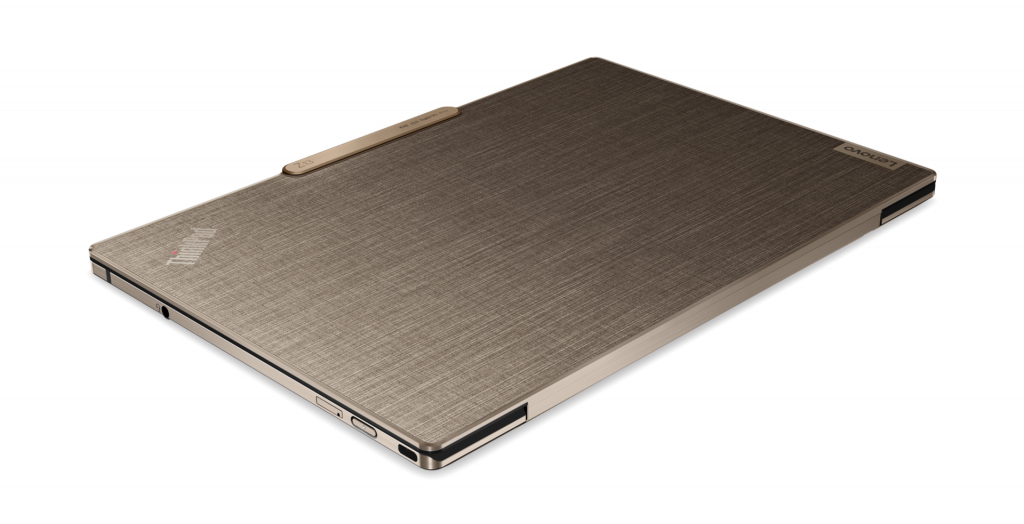
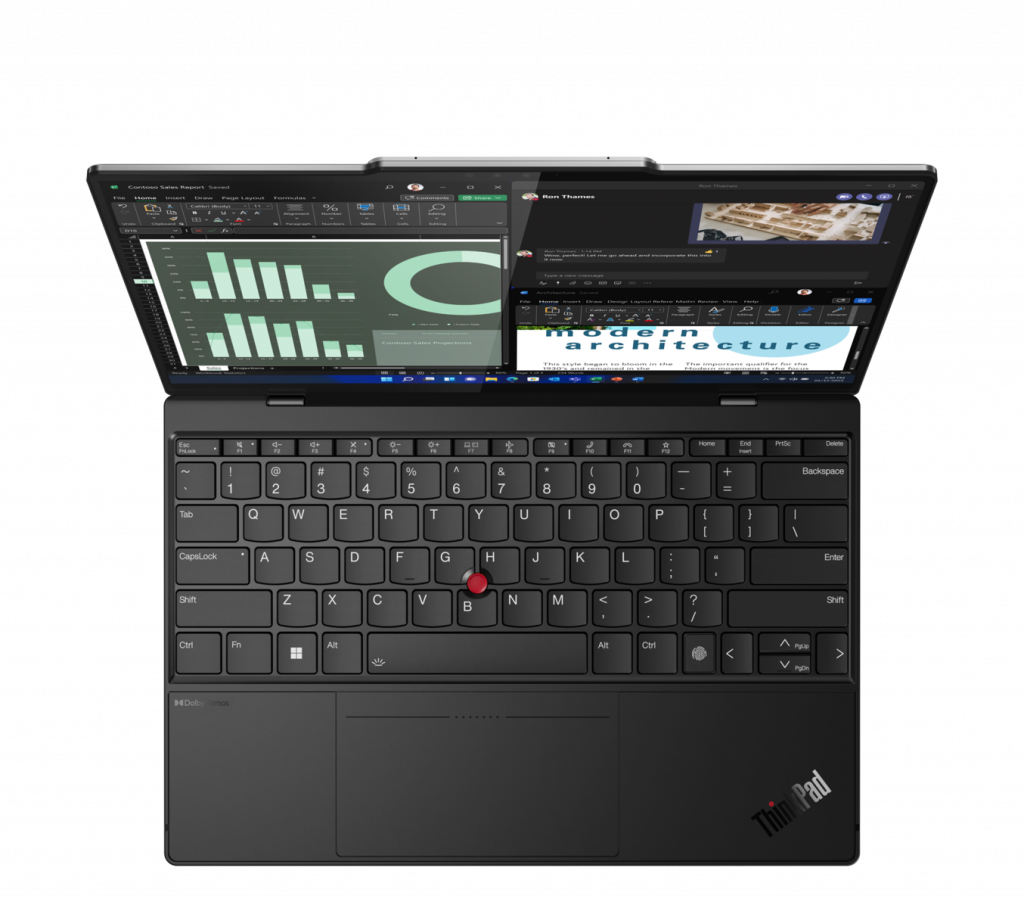
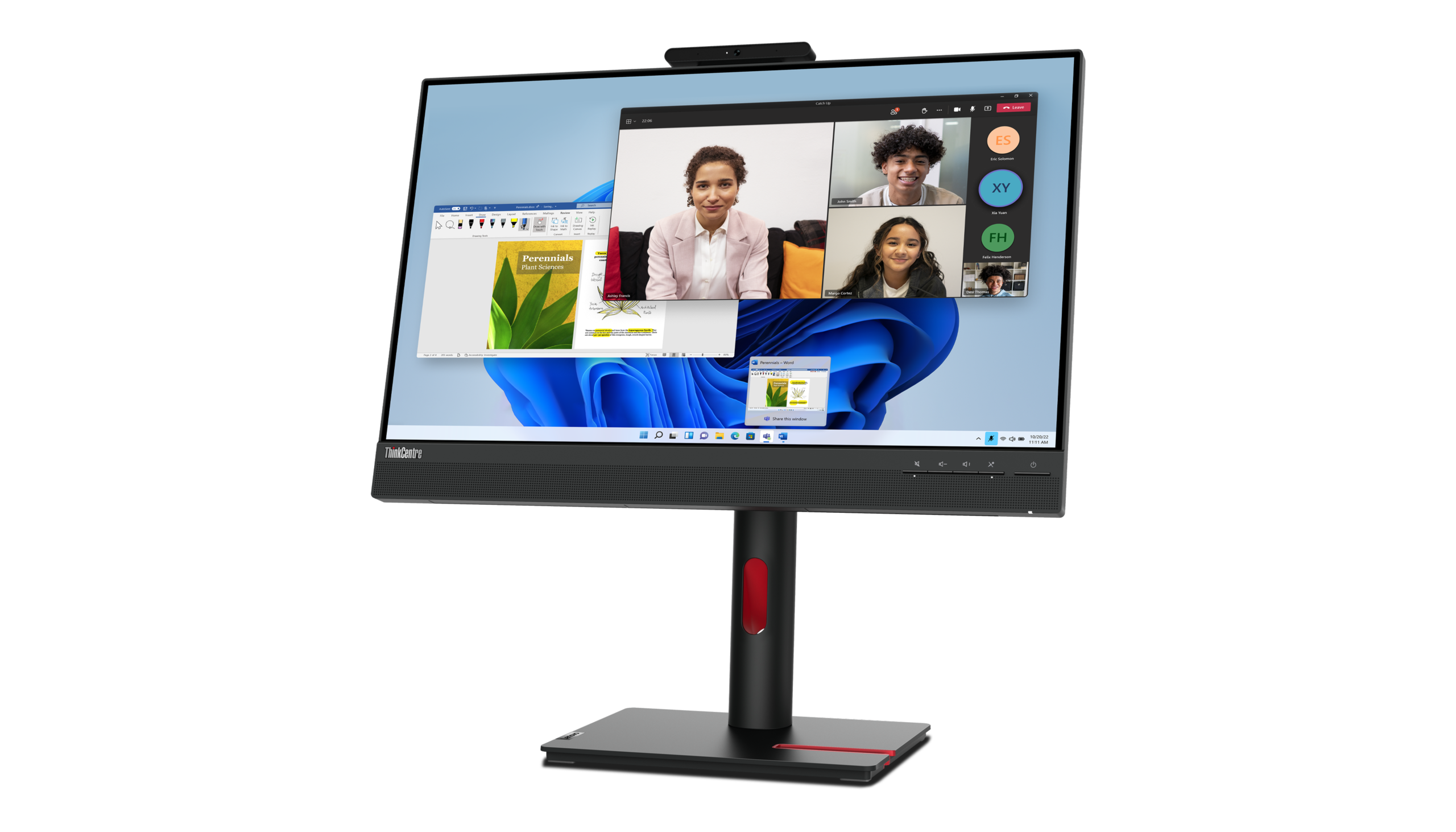
At the ongoing Mobile World Congress 2023 event, Lenovo has unveiled a bunch of new tech and also refreshed some of its devices. The ThinkPad Z13 & Z16 have also been refreshed with the most cutting-edge hardware from AMD. Alongside these laptops, the brand has also unveiled the Lenovo ThinkCentre TIO Gen 5 monitor, which is essentially an all-in-one pc packed into a small form factor.
ThinkPad Z13 Gen 2 & Z16 Gen 2 specs
The two laptops obviously differ in display sizes, but other than that there is not much difference in terms of specifications. The three display options available are WUXGA (1,920 x 1,200) IPS LCD, WQXGA (2.8K) OLED (Z13 Gen 2), and WQUXGA (4K) OLED (Z16 Gen 2). All of the display options feature a peak brightness of 400 nits and offer touchscreen capabilities. The ThinkPad Z16 Gen 2 has a larger battery capacity of 72 Wh compared to the ThinkPad Z13 Gen 2’s 51.5 Wh battery. Both laptops are powered by AMD’s Ryzen 7000 laptop processors, though the specific models are not specified.
The integrated Radeon GPU is the only graphics option, but the ThinkPad Z16 Gen 2 can be configured with a dedicated Radeon RX 6500M. Both laptops have similar I/O options, including USB 4.0 ports, a 3.5 mm combo audio jack, and an SD card reader. The ThinkPad Z16 Gen 2 also has a USB 3.2 Gen2 Type-C port, while the ThinkPad Z13 Gen 2 offers an optional 4G LTE modem. Both laptops support up to 2 TB solid-state storage and 64 GB of LPDDR5x RAM and include FHD webcams with a privacy shutter and Windows Hello support.
ThinkCentre TIO Gen 5 monitos
The ThinkCentre Tiny-in-One (TIO) Gen 5 monitors are available in two sizes: 21.5-inch and 23.8-inch. They use an FHD (1,920 x 1,080) IPS LCD panel, which offers optional touch functionality, a 60 Hz refresh rate, and a 6 ms response time (4 ms in Extreme Mode). These monitors provide 99% coverage of the sRGB color gamut and have a peak brightness of 250 nits (225 nits for the touch-enabled version).
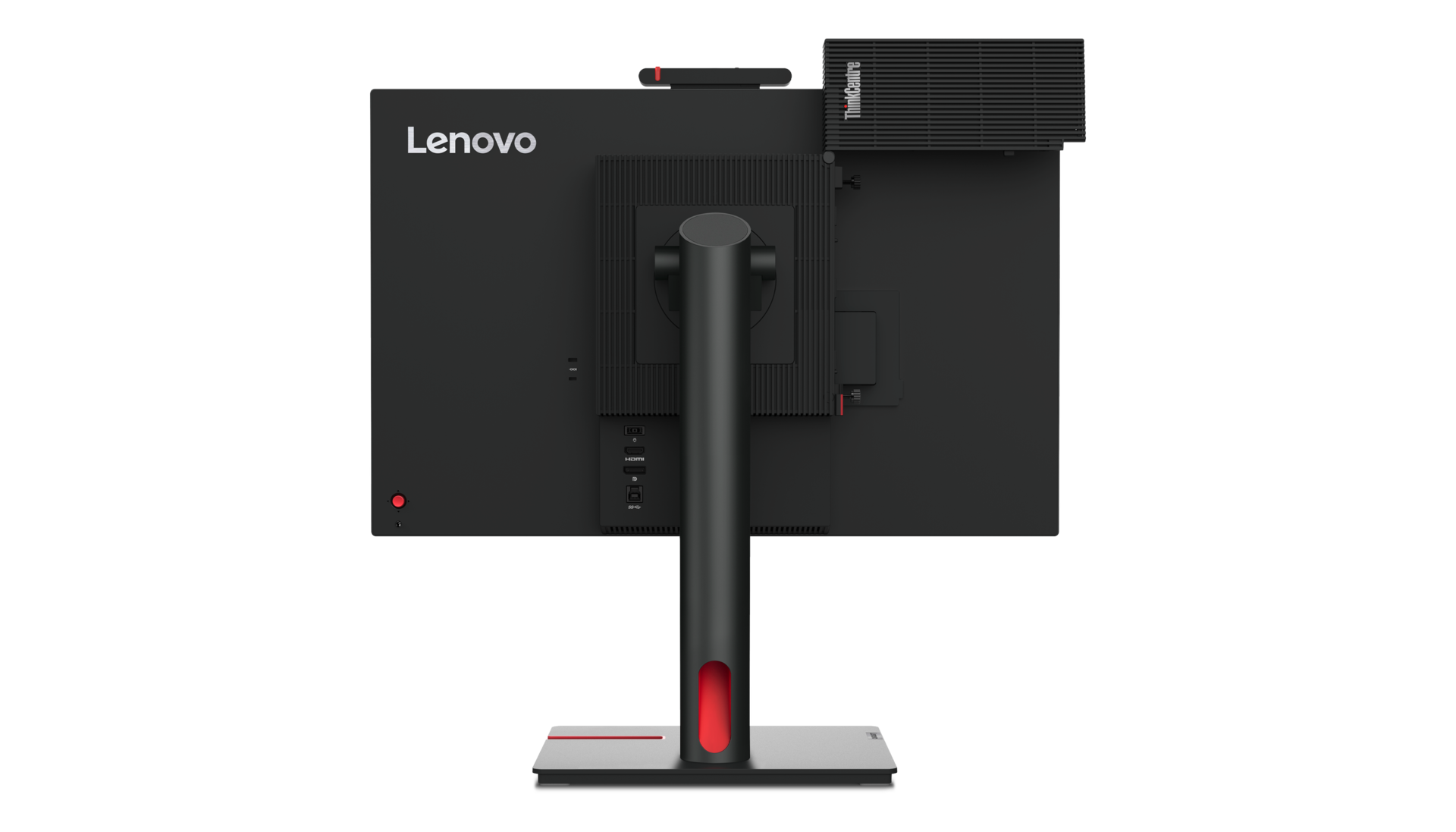
The TIO Gen 5 monitor features a three-in-one connector that allows it to be connected to existing Lenovo Tiny desktop units, including the ThinkCentre M small-form-factor desktops. In terms of connectivity, it includes one HDMI 1.4 port, one DP 1.4 port, two USB 3.2 Gen1 Type-A ports, and one USB 3.2 Gen1 Type-B port. The monitor also has an integrated 1080p webcam on top of the screen, and at the back, there are dual Kensington lock slots and a navigation button inspired by the ThinkPad track point. Two 3 Watt speakers are located at the bottom of the screen.
Price & availability
The Lenovo Z13 Gen 2 will have a starting price of €1,649 and will hit store shelves starting July 2023. On the other hand, the ThinkPad Z16 Gen 2 will be available from August 2023 with a price tag of €1,959.
Lenovo has just announced a number of new PCs from its popular ThinkPad series of laptops during the MWC 2023 event in Barcelona. During the conference, the company announced the new ThinkPad X13 and X13 Yoga Gen 4 series along with new models in the ThinkPad L, T, and even E series as well. So let’s have a look.
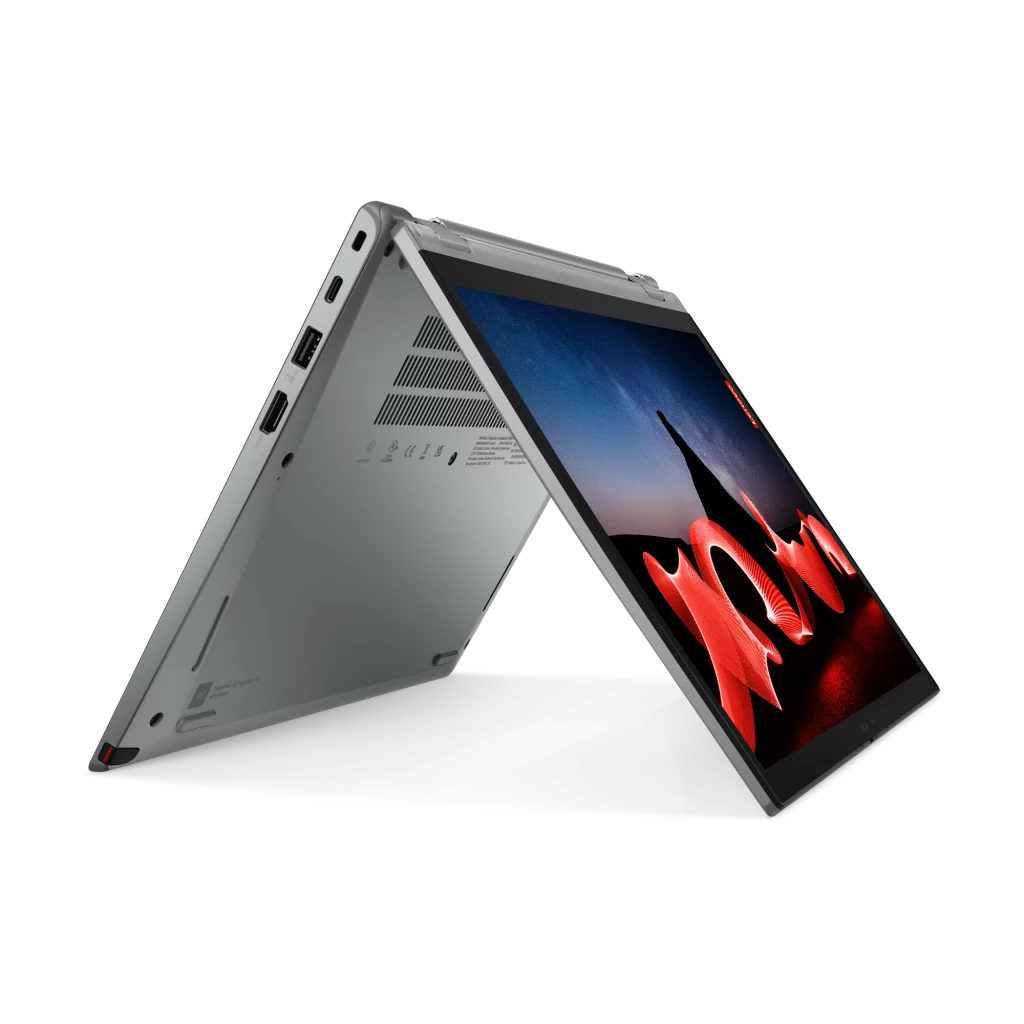
ThinkPad X13 Yoga Gen 4
ThinkPad X13 & ThinkPad X13 Yoga Gen 4
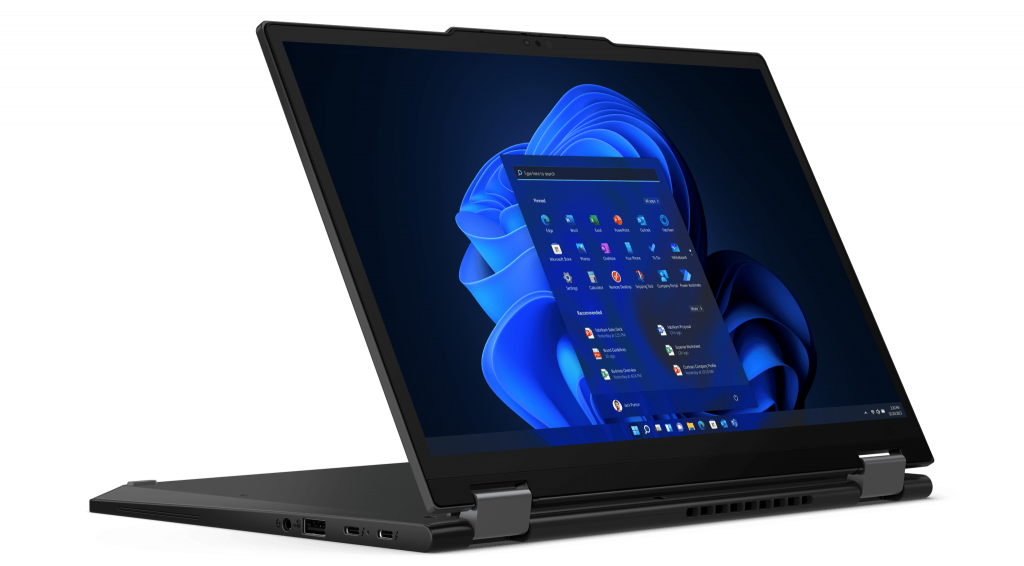
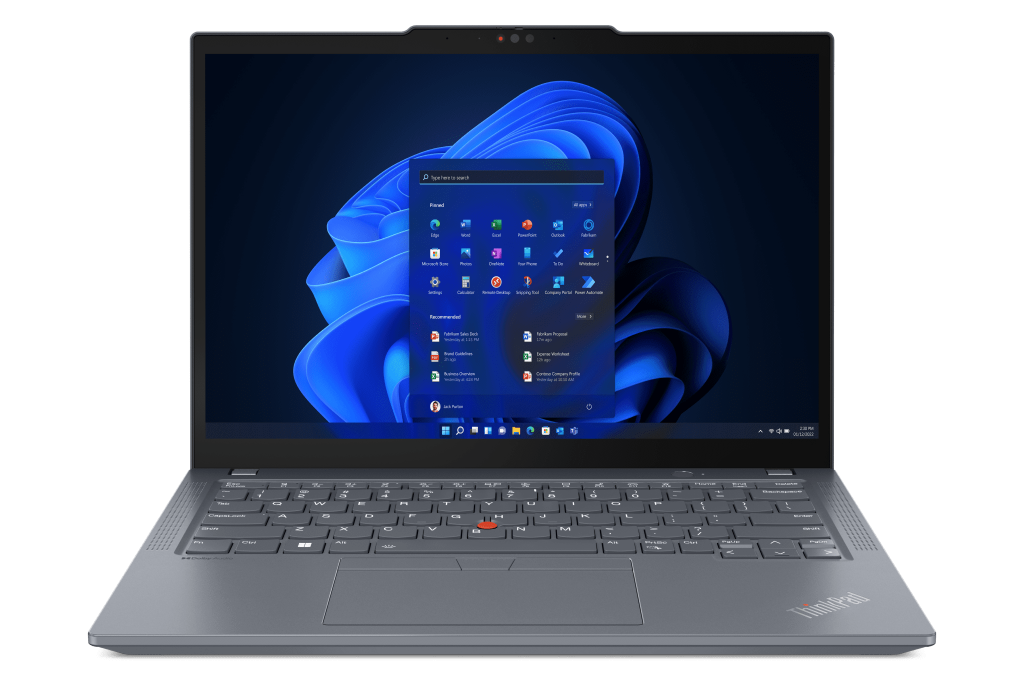
Talking about the X13 series first, the Chinese PC maker has designed the new ThinkPad X13 Gen 4 and ThinkPad X13 Yoga Gen 4 to offer professionals a great platform for hybrid work and mobility. Both models in the lineup feature a sleek design with narrow bezels. These devices feature Dolby Audio speakers and a 5 megapixel camera. The X13 Gen 4 models can also be configured up to a new 13.3 inch 2.8K OLED display that supports Dolby Vision and low light protection technology. The new ThinkPad X13 and X13 Yoga laptops will be offered in two variants.
ThinkPad X13 Gen 4
Buyers can opt for up to Windows 11 Pro with either a 13th generation Intel Core CPUs (with Intel vPro or Iris Xe Integrated Graphics) or AMD Ryzen 7000 series of processors (with AMD Radeon 700M Series Graphics). These laptops are basically built for those that work remotely or even for those that travel frequently. As the name suggests, the primary difference between the X13 & X13 Yoga is the hinge mechanism, which lets the Yoga version have a 360 degree hinge for its display. The ThinkPad X13 & X13 Yoga will go on sale starting July 2023 and will start from €1,190 for the former and €1,290 for the latter.
ThinkPad L, T, & E Series
Apart from the X series, Lenovo also unveiled the new ThinkPad T series, which consists of the Gen 4 T14, T14s, and second gen T16 models. There are classified as workhorse laptops that are built for working professionals that need higher computing power. All of these laptops can also be outfitted with the 2.8K OLED panel option as well as low blue light display options for improved battery efficiency. The ThinkPad T14 will start from €1345 while the T14s and T16 will start from €1590 and €1390 respectively and will go on sale in July 2023.
ThinkPad T16 Gen 2
The new ThinkPad L series are also similar to the T models and includes the latest gen L13, L13 Yoga, L14, and even L15. These are designed for businesses with a wide range of mobile computing needs. Similar to the notebooks mentioned above, the L13 and L13 Yoga Gen 4 also offer low blue light display options while the L14 and L15 Gen 4 can be equipped with up to a massive 2TB SSD storage, which isn’t too common in the professional laptop ranges. The L13 and L13 Yoga will start from €839 and €980 respectively (sale starts in April 2023) while the L14 and L15 laptops will cost €775 and €755 respectively (sale starts in May 2023).
ThinkPad L13 Yoga Gen 4
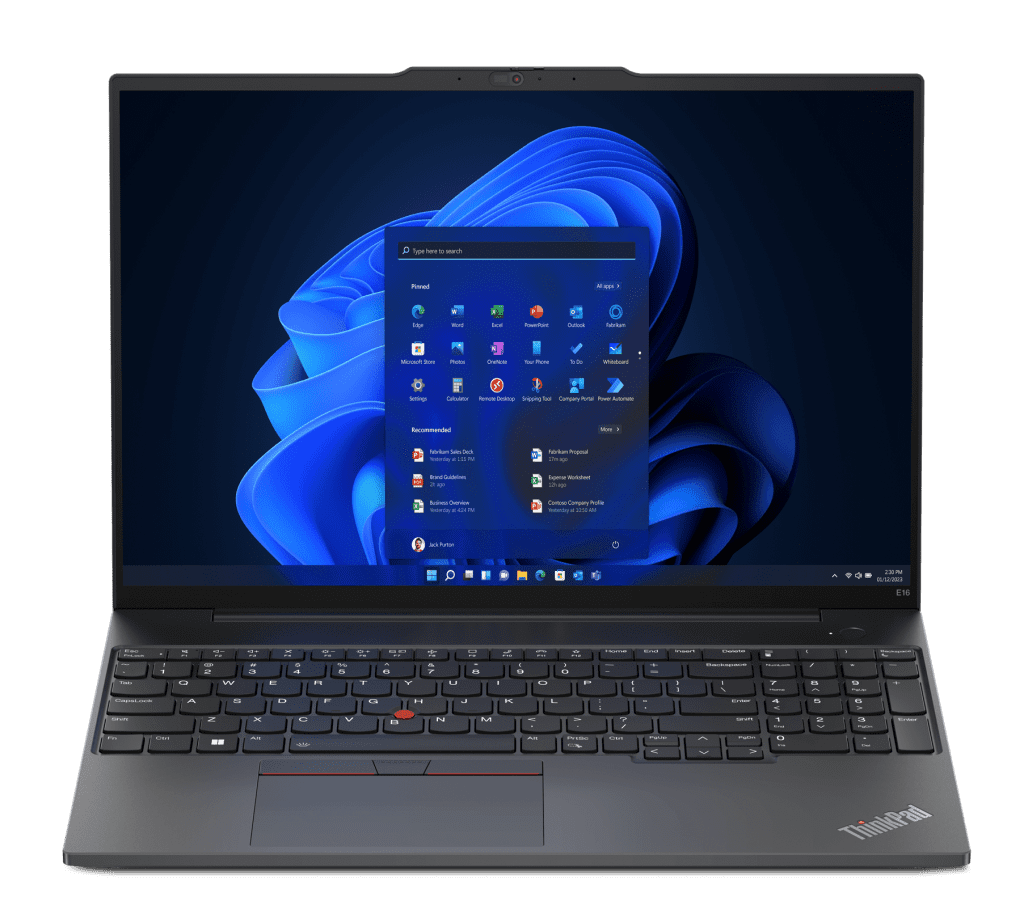
Lastly, Lenovo announced new ThinkPad E series of budget laptops for customers and business that focus on value and productivity features. This lineup includes the new ThinkPad 14 Gen 5, which sports a new 16:10 display and even the new ThinkPad E16 that sports a tall 16 inch panel. These models will offer a high screen to body ratio of more than 90 percent and a large 115mm touchpad design.
ThinkPad E16 Gen 1
The laptops will come with up to Windows 11 Pro and either 13th gen Intel Core processors or AMD Ryzen 7000 series. Other notable features include, up to 2TB storage, up to 40GB of RAM, WiFi 6E connectivity options, and more. The new ThinkPad E14 Gen 5 and E16 Gen 1 will go on sale in June 2023 with a price tag starting from €770 and €780 respectively.
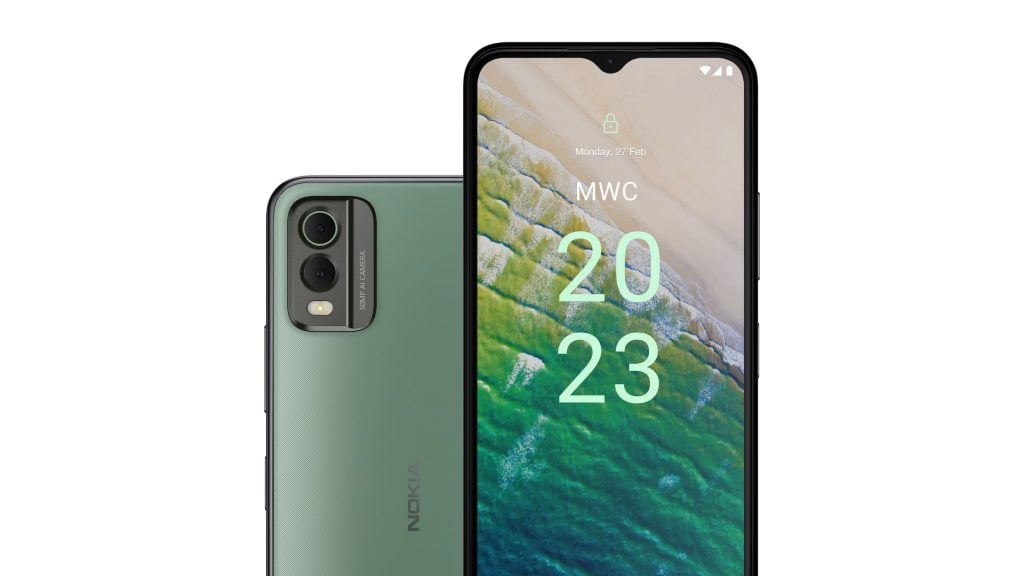
Ahead of MWC 2023, HMD Global unveiled a couple of Nokia-branded smartphones. These handsets are officially called Nokia C22 and Nokia C32.
During the announcement, the company only revealed European pricing. However, the devices are already up on the firm’s India website. Let’s go through the details.
Nokia C32
The Indian website of Nokia Mobile has been updated with the listings of the newly announced Nokia C22 and Nokia C32. The web pages talk about the features of the phones but they don’t say anything about the release date and pricing.
As far as specs are concerned, the two products are almost identical. They only differ in terms of primary camera and storage.
The Nokia C22 sports a 13MP camera, whereas the Nokia C32 comes with a 50MP snapper. Similarly, the C22 can be only availed with 64GB storage, however, the C32 also arrives in a 128GB version.
Both handsets are built around a 6.5-inch HD+ display (LCD) with a resolution of 1600 x 720 pixels (HD+) and a dewdrop notch. They are powered by a Unisoc SC9863A SoC and boot Android 13 Go Edition.
The phones come with a 2MP secondary camera for macro shots and an 8MP front-facing camera. They offer a fingerprint sensor, a dedicated microSD card slot, and a USB Type-C port.
Last but not least, they are backed by a 5,000mAh battery with support for standard 10W charging. In Europe, the C22 and the C32 start from €110 and €130, respectively.
OpenAI, an AI research and deployment company financially backed by Microsoft, has published a blog post urging caution and foresight for the development of artificial general intelligence (AGI), which is defined as AI that can perform any intellectual task that humans can.
The company, which was originally founded by a group of prominent tech entrepreneurs and researchers, including Elon Musk and Sam Altman, stated that AGI could have profound implications for humanity, both positive and negative. The blog post outlined some of the potential benefits of AGI, such as solving global challenges like climate change and poverty, as well as some of the potential risks, such as misalignment with human values and goals, malicious use by bad actors, and existential threats to human civilization.
OpenAI argued that achieving AGI would require careful planning and coordination among various stakeholders, including researchers, policymakers, industry leaders, civil society groups, and the general public. The company also called for more research on how to ensure that AGI is aligned with human values and can be controlled by humans. Additionally, OpenAI advocated for more transparency and accountability in AI development and deployment.
The organisation hopes for a global conversation about 3 key questions: how to govern these AI systems, how to fairly distribute the benefits they generate, and how to fairly share access.
Source: Science Photo Library
The blog post was published as part of OpenAI’s mission to ensure that artificial intelligence benefits all of humanity. The company operates both a non-profit arm (OpenAI Inc.) and a for-profit arm (OpenAI LP) that share this vision. OpenAI is known for developing some of the most advanced AI systems in the world, such as GPT-4 (a natural language processing system), DALL-E (a generative image synthesis system), and its most recent viral hit, ChatGPT (a chatbot that is trained on a large language model based on information available on the Internet).
Xiaomi has announced the much-anticipated MIUI 14 for global markets as well as the Indian market, which promises to be more efficient, intuitive, and privacy-focused than its predecessor. This new user interface brings a range of innovative features and optimizations that cater to the needs of modern smartphone users. At the Xiaomi 13 series launch event, the company introduced MIUI 14 as the perfect match for its new flagship devices.
One of the most significant improvements in MIUI 14 is the reimagined home screen, which allows users to arrange their home screen in their own unique way. With tabular icons, big folders, widgets, and wallpapers, users can stylize their home screen to make it look clearer and easier to use. This flexibility and intuitive design make it easier to access your favorite apps and information.
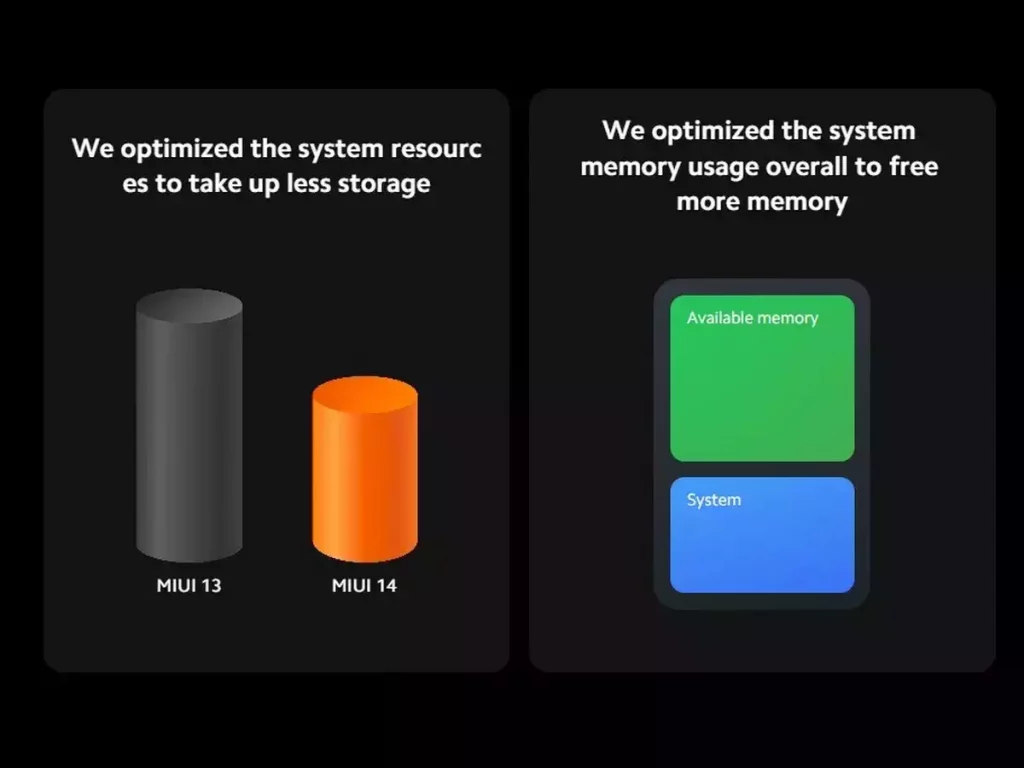
Another standout feature of MIUI 14 is the card-style design on the display, which presents information in a more efficient and organized manner. This design style is similar to post-it notes and is perfect for users who want to stay on top of their tasks and activities. Additionally, MIUI 14 comes with back-end optimizations that make the system lighter than ever before, taking up less storage and freeing up more memory. The rarely used apps will be auto-compressed by MIUI 14, and notifications are not permanent anymore, allowing users to close them when they are no longer needed. MIUI also takes up 4GB less space now.
MIUI 14 is also equipped with on-device privacy features that protect sensitive information and minimize the risks associated with data processing. On-device privacy protection mechanisms allow MIUI 14 to recognize text on images quickly and accurately using the capabilities of the device, without the need to transfer any sensitive information to the cloud. This feature is available for 10+ system services, providing users with added security and peace of mind.
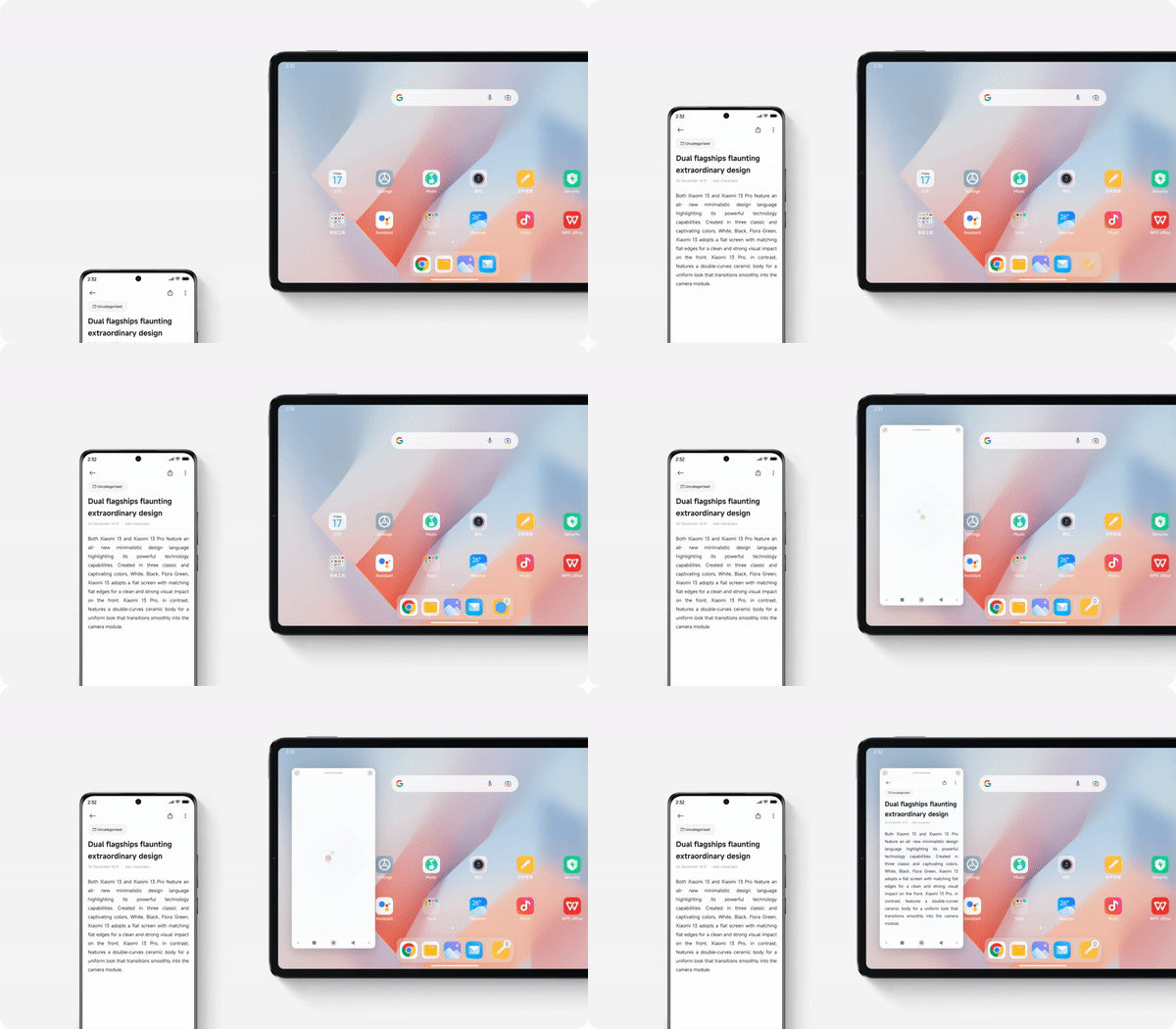
Moreover, MIUI 14 is designed to help users stay connected with their devices more seamlessly. With a simple click from the taskbar, users can sync the apps they are using between their smartphone and tablet, making it easy to transfer files between devices. This feature is perfect for users who are always on the go and need to access their information from anywhere.
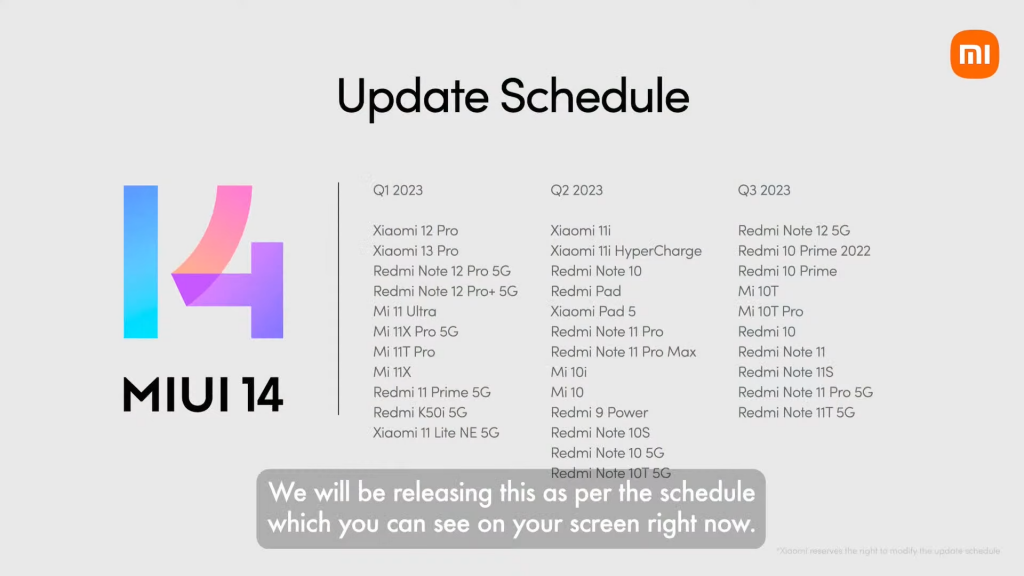
List of Xiaomi smartphones that will receive the MIUI 14 update in Q1 2023
After the global launch of the Xiaomi 13 series at MWC Barcelona 2023, Xiaomi has also brought the Xiaomi 13 series to market in Malaysia. The pricing for Xiaomi 13 series in Malaysia is as follows:
Xiaomi 13 12GB RAM + 256GB ROM – RM3,499
Xiaomi 13 Pro 12GB RAM + 256GB ROM – RM4,599
Xiaomi 13 Pro 12GB RAM + 512GB ROM – RM4,999
The standard Xiaomi 13 will be available in 3 colours in the country: Flora Green, Black and White, the Xiaomi 13 Pro 256GB will be available in Ceramic Black and Ceramic White, and the Xiaomi 13 Pro 512GB limited edition will be available in only Ceramic Black.
Xiaomi 13 series in Black, White, and Flora Green
It should be noted here that currently the Xiaomi 13 Pro 512GB can only be obtained via Xiaomi’s Limited Edition Pre-Order Package that charges RM5,999. The package includes the Xiaomi 13 Pro 512GB, the Xiaomi Watch S1 Pro, the Xiaomi Buds 4 Pro, and the Xiaomi 33W Power Bank 10,000 mAh Pocket Edition Pro.
Pre-orders for the Xiaomi 13 series in Malaysia start from February 27 until March 7, and pre-order customers will be able to obtain several free gifts from the brand as part of the ongoing promotion.
Source: Xiaomi Malaysia
Customers who pre-order from any physical Xiaomi authorized stores in Malaysia will receive 2 years of service warranty, 6 months of Google’s Google One cloud subscription, and a free TV from Xiaomi. Xiaomi 13 buyers will receive a Mi TV P1 43” worth RM1,799 whereas Xiaomi 13 Pro buyers will receive a Xiaomi TV A2 58” worth RM2,799. The free TVs are given to buyers on a first-come-first-served basis.
Meanwhile, customers who pre-order from online shopping platforms such as Lazada and Shopee will receive RM699 and RM799 e-vouchers for Xiaomi IoT products, for the Xiaomi 13 and Xiaomi 13 Pro buyers respectively.
The Xiaomi 13 series features Qualcomm’s fastest Snapdragon 8 Gen 2 flagship SoC and is Xiaomi’s first smartphones to feature a Leica-branded camera setup for better smartphone photography. The smartphone also has Google’s previously Pixel-exclusive Magic Eraser onboard, as part of its photo-editing suite. To know more about the Xiaomi 13, check out our review here.
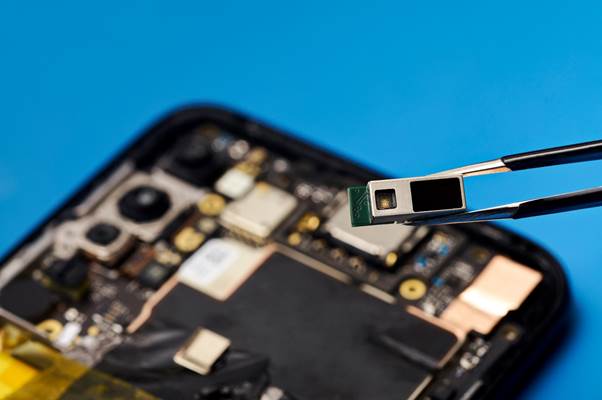
The global leader in LiFi technology, pureLiFi launched their latest Light Antenna Module at Mobile World Congress (MWC) in Barcelona. The cutting-edge wireless communications antenna is the first of its kind, smaller than a US dime and ready to enable LiFi in connected devices and smartphones at scale. The module will be compliant with the upcoming IEEE 802.11bb Light Communication standard which is in its final stages of ratification.
“Our team of world leading LiFi engineers and experienced semiconductor veterans have produced a light antenna that will make connectivity better for everyone. This is not only a feat of engineering but a leap in commercial maturity. LiFi connectivity can now be made available at scale to device manufacturers that want to differentiate, develop new products and foster new markets with leading-edge connectivity”. Says pureLiFi CEO, Alistair Banham
LiFi is a wireless technology that uses light rather than radio frequencies to transmit data. A light antenna is the optoelectrical antenna that is designed to integrate just like a traditional RF antenna and enables LiFi in connected devices. By harnessing the light spectrum, LiFi can unleash faster, more reliable wireless communications with unparalleled security, compared to conventional technologies such as WiFi and 5G.
Light Antenna ONE is optimised for performance, size, cost, and production requirements of the market which will allow smartphone and connected device manufacturers to integrate LiFi at scale. Compliance with the upcoming IEEE 802.11bb standard means that LiFi will easily integrate with existing 802.11 WiFi networking equipment and also with 802.11 WiFi chipsets shipping in billions of devices each year.
pureLiFi also revealed a series of concepts demonstrating how LiFi makes connectivity better at home and at work. This includes the LiFi Cube, a plug-and-play, LiFi gateway that enables fast, reliable and secure LiFi in the home, at work, and on the move. The HALO an accessory that offers high speed, low latency LiFi connections to AR/VR headsets. The team also exhibited LINXC™ 5G LiFi Bridge which shows how light can extend 5G, in particular mmWave, through windows when there are challenges extending 5G into buildings. For this application pureLiFi teamed up with Solace Power, wireless power experts from Canada, to demonstrate a solution that reduces cost and complexity of 5G fixed wireless access deployment to the home and office..
McKinsey Global Institute estimates that only about 70% of the global demand for digital connections leading up to 2030 will be satisfied by existing radio frequency (RF) and related technologies, even with advancements such as 5G and WiFi 6.
“LiFi is ready to pick up the connectivity shortfall and extend, enhance and secure wireless networks. Whether that is to enable secure home working, give gamers an edge, or help service providers extend 5G to new customers. We’ve demonstrated here that the applications of LiFi are broad, our technology is versatile and pureLiFi is ready to make connectivity better”. Alistair Banham explains.
Traditional wireless technologies such as 5G and WiFi suffer from growing congestion and interference that erode customer experience over time. They are also vulnerable to a range of security threats. LiFi not only offers inherent military grade security, it also enables fast, reliable and congestion free communications that will free up WiFi and 5G to perform better.
This latest advancement comes after multiple deployments with defence and government organisations to provide a range of solutions for reliable and secure mission critical communications. LiFi continues the classic journey of taking proven technology from the defence sector into hands of everyone. pureLiFi will be demonstrating the latest LiFi technology through the week at MWC in Barcelona and sharing their vision to connect everything and everyone with LiFi.
The Mobile World Congress 2023 has begun, and many brands have launched as well as unveiled multiple new products that they have planned for the year. Lenovo is also among these brands and it has launched a boatload of new devices expected to hit market shelves later this year.
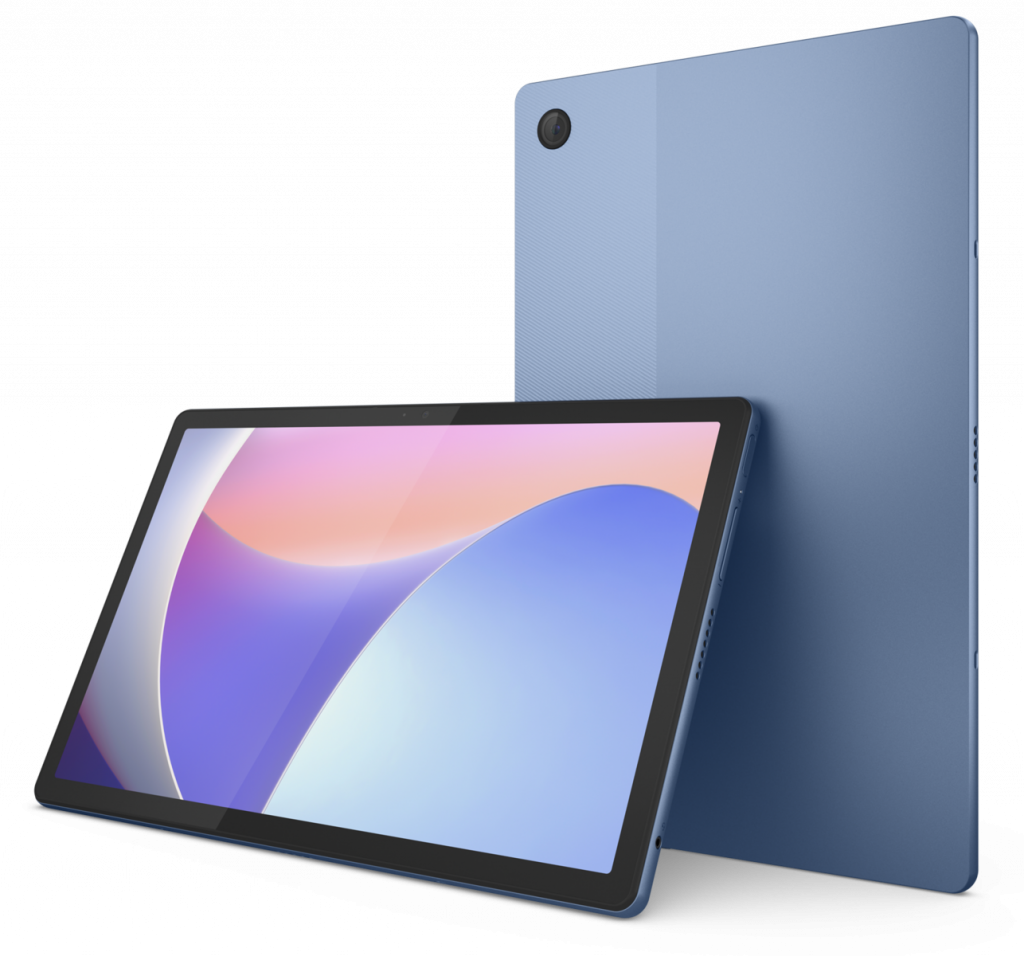
It has refreshed its IdeaPad Duet 3i with an improved, larger screen, new processor options, and more port options. Let’s check out the 2-in-1 tablet in more detail.
Lenovo IdeaPad Duet 3i specs
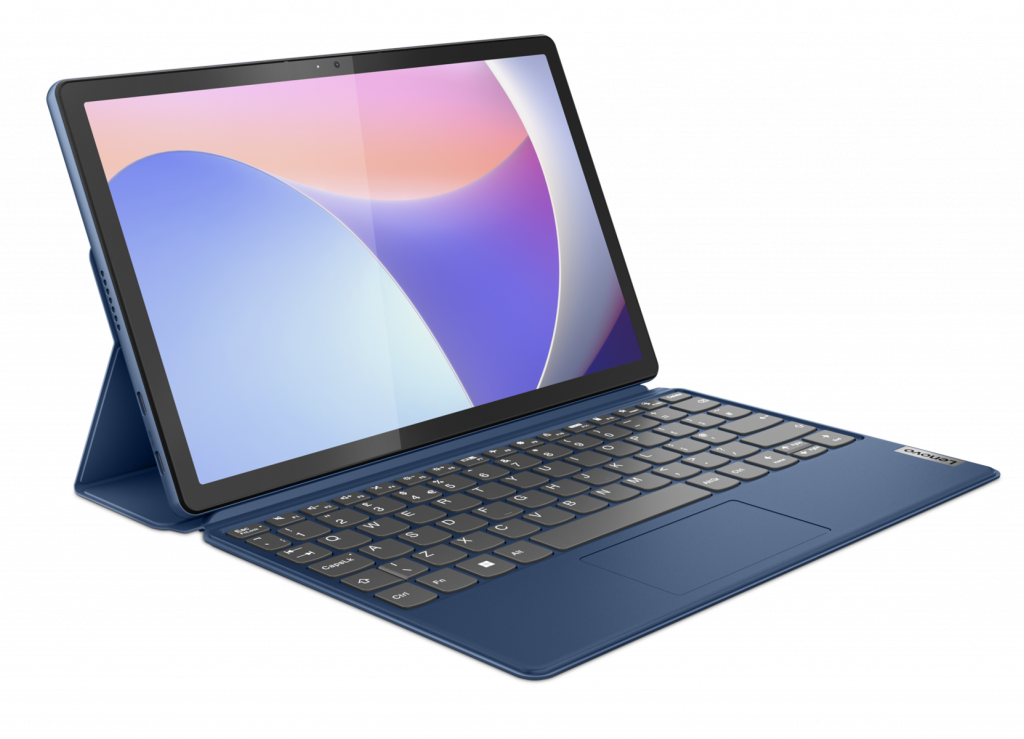
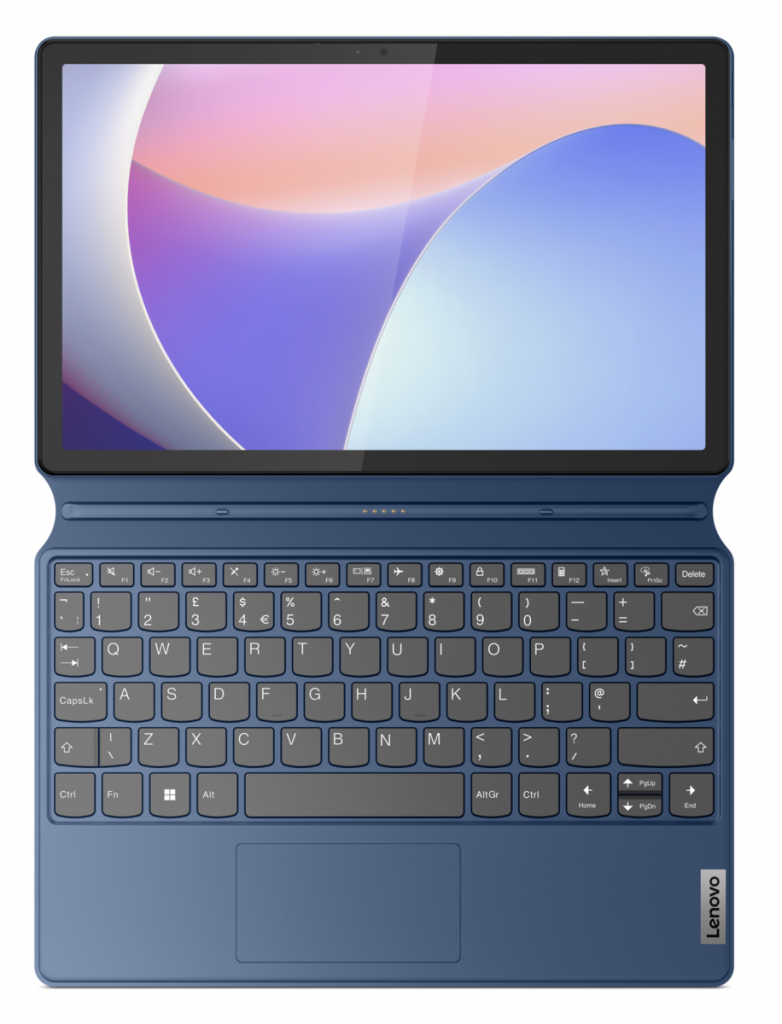
The IdeaPad Duet 3i follows the same design as its predecessor, offering a detachable “Folio Case” that acts like a cover as well as a keyboard. The 2-in-1 device is equipped with an 11-inch IPS touch display featuring a 5:3 aspect ratio, capable of displaying 100% of the DCI-P3 color gamut and delivering a maximum brightness of 400 nits.
The IdeaPad Duet 3i (11-inch, 8) is housed in a slim, stylish, and lightweight chassis that weighs as little as 697g (1.53lb) in some configurations. It is a versatile PC that runs on the latest Intel N100 or N200 platforms, providing powerful performance, and comes with Windows 11 Home or Pro.
In addition, the device features two USB Type-C ports and a 3.5mm jack, with one of the USB Type-C ports supporting Rapid Charge Boost technology, which can recharge the device for up to 2 hours of usage in just 15 minutes. For optics, the device has a 5MP front sensor and an 8MP rear camera.
Pricing & availability
The Lenovo IdeaPad Duet 3i series starts at €449 (~US$476) in EMEA regions. It will hit store shelves in June 2023.
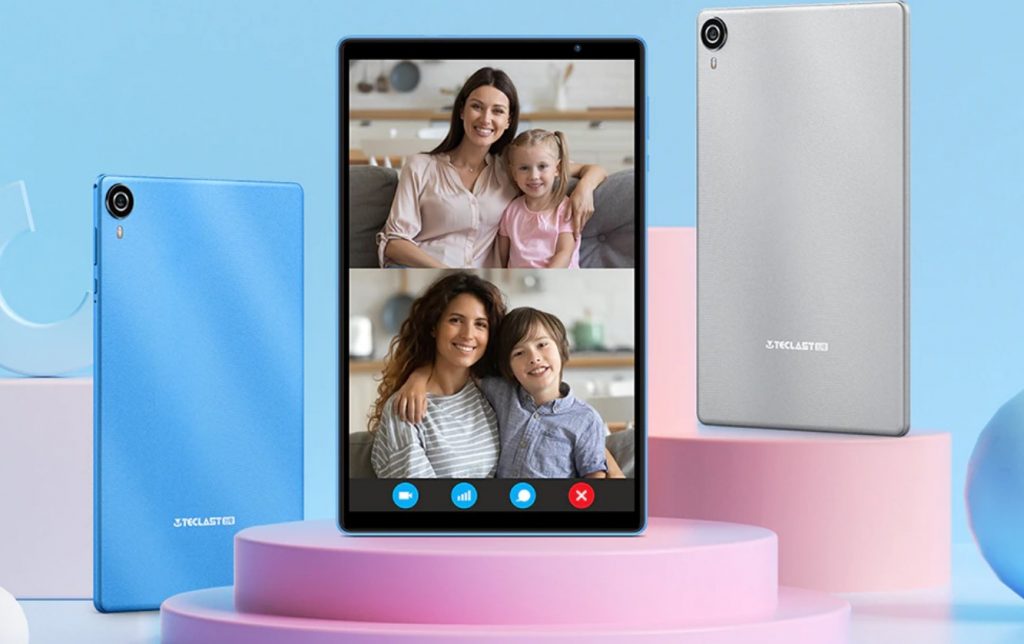
Teclast launches its latest tablet the P25T globally on AliExpress. And as a part of its world premiere deal, the brand is giving a massive discount on the P25T Tablet. Teclast P25T which generally retails for $149.98 is now available at a heavily discounted price of $74.99 only on AliExpress. Additional store coupons are also available for select regions. Please note that this super deal starts on February 27, 00:00 PT, and ends on March 3, 23:59 PT.
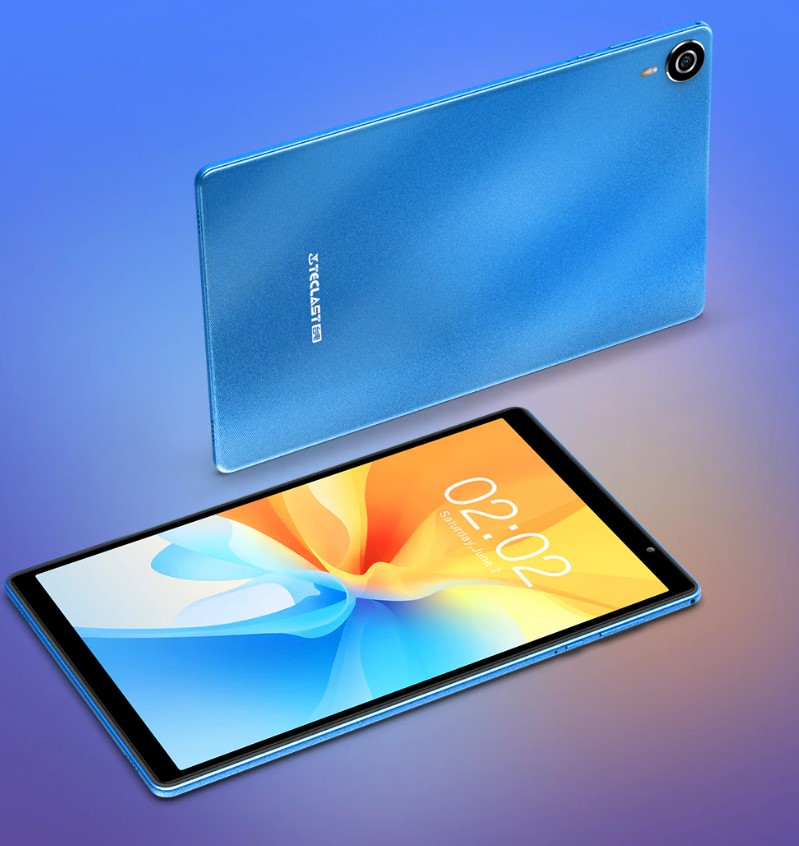
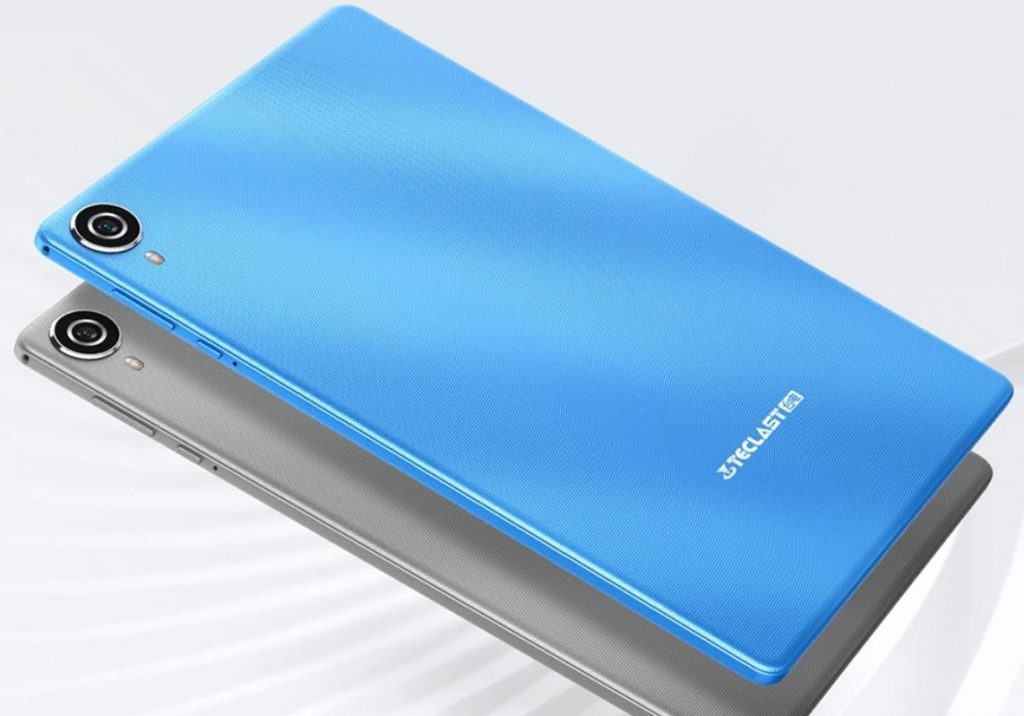
Teclast P25T tablet features a 10.1-inch IPS HD display with 178° wide-viewing-angle and 1280 x 800p resolution. The high-quality display ensures a great visual experience for immersive games and movies. The display has narrow bezels that give you a larger viewing area and the back of the tablet comes with a special anti-slip wave pattern with a textured design that not only feels great to touch but also gives you a better grip and prevents accidental slips.
Teclast P25T is powered by a powerful 64-bit 4-core processor designed for impressive performance with low power consumption. The device uses AI algorithms that intelligently optimize performance based on your habits, giving you a smoother user experience. The device comes with Mali -G52 GPU that uses an intelligent algorithm to enhance the colors and give you stunning graphics. Whether playing advanced games or watching your favorite animes, the P25T will always give you immersive and detailed visuals.
The tablet has 4GB RAM and 64GB internal storage expandable using a microSD card. This means you can save all your data, images, and videos without worrying about storage space. It runs on Android 12 OS which is known for its smooth and efficient design, intuitive user interface, and high safety and privacy features.
P25T comes with multiple connectivity options. The device supports ax dual-band Wi-Fi and Bluetooth 5.0. This means you get a strong, stable, and high-fidelity connection with peripherals. Other features include a 3.5mm headphone jack and a USB Type-C charging interface.
For your video calls and selfies, you have a 2MP front camera and at the back, you have a 5MP autofocus camera combined with a LED flash that helps you to take videos and images even in the dark. Teclast P25T is available in two gorgeous colors, vibrant sky blue and calming silver grey.
Teclast P25T which retails for $149.98 is now available at a massively discounted price of $74.99 only on AliExpress. Additional store coupons are also available for select regions. The tablet is available in EU, US, and UK plug options. You can also buy the tablet with a custom-made case for an additional cost. Please note that this super deal ends on March 3.
LUCKY DRAW:
As part of the world premiere deal, Teclast has organized a Lucky Draw contest. You can participate in the contest and stand a chance to win the Teclast P25T for free. To know more about the Lucky Draw, check out the Facebook page here.
For more information on such exciting deals and offers check out our deals hub.
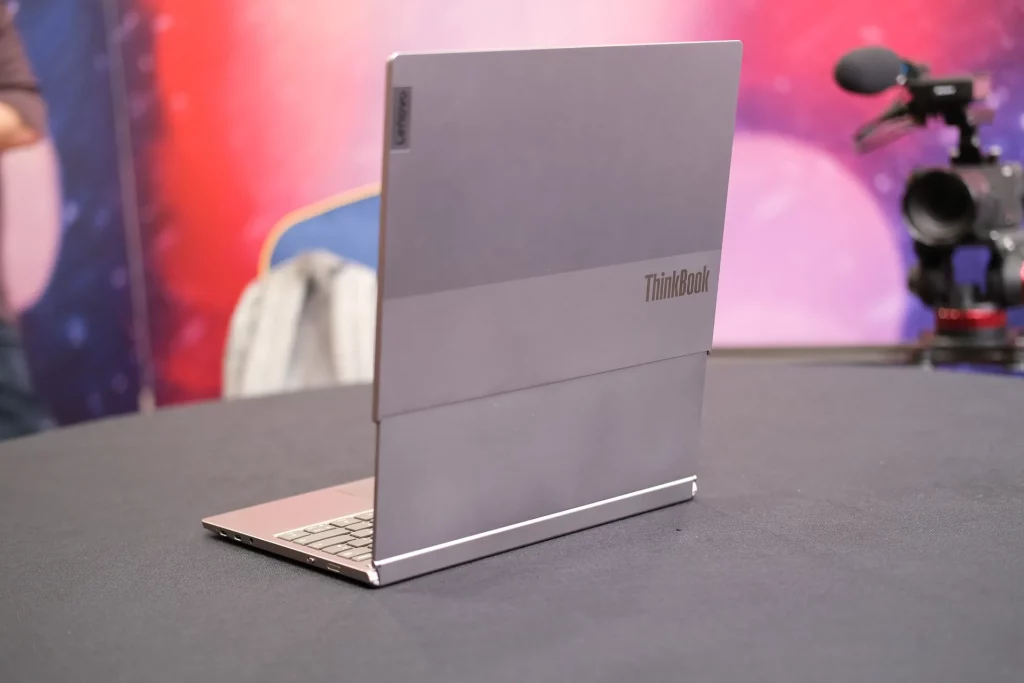
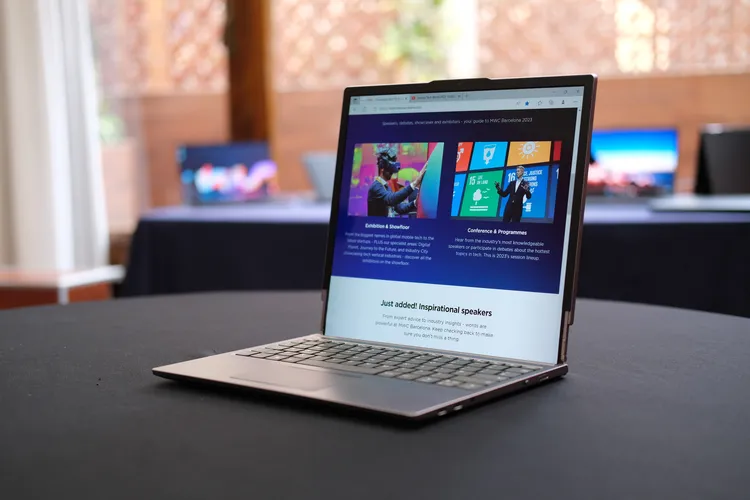
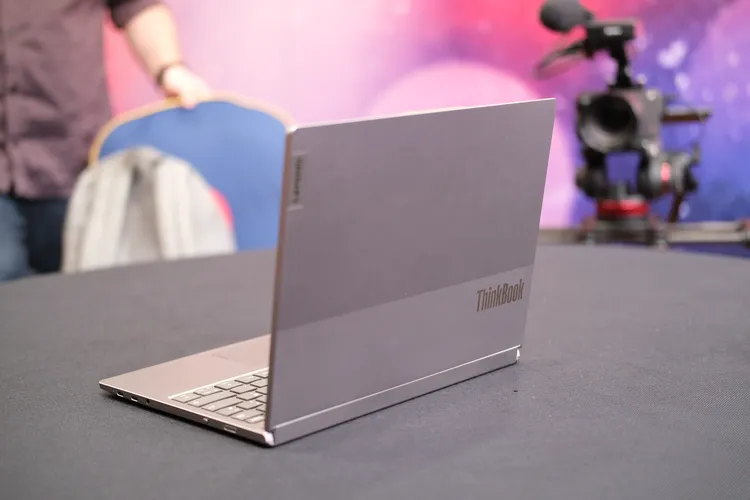
The popularity of foldable phones has opened the door to many new products, foremost among them being laptops that benefit from the flexible OLED panels used in these devices. Several foldable laptops are already available for purchase. Now, rollable devices, which seem like the next step, have arrived. Lenovo recently teased its rollable laptop and smartphone (Moto Rizr) at the Mobile World Congress in Barcelona. But are these products the future? Here are the details…
Lenovo’s rollable laptop and smartphone are a compelling, unfinished pitch for the future
Lenovo has recently teased its rollable laptop and smartphone at the Mobile World Congress in Barcelona. New laptop and smartphone have been branded as early proof of concept devices, and representatives from Lenovo would not provide details about when they might be released to the public or how much they might cost.
The rollable laptop has a regular-looking 12.7-inch display with a 4:3 aspect ratio before its screen unrolls. With a flip of a switch, a couple of motors in the laptop pull the screen out from underneath the laptop’s keyboard to hoist it up more or less vertically in front of the user, leaving them with an almost square 15.3-inch display with an 8:9 aspect ratio.
The resolution of the display is 2024 x 1604 when it’s in small mode and 2024 x 2368 when fully extended. The screen is supplied by Sharp, which is the same company Lenovo has worked with on its ThinkPad X1 foldable laptops. The rollable laptop’s unrolling mechanism draws a couple of watts of power while in motion, which might not be ideal when compared to laptop batteries that struggle to make it through a day’s use.
The rollable laptop’s display, with its weirdly tall aspect ratio, could be helpful for both office workers and creative professionals. The form-factor could be useful for people who struggle to work on a single small laptop display and have considered buying an external display to work as a portable second monitor.
Lenovo thinks that such a tall display could offer everything from more lines of code to more cells in a spreadsheet, or being able to write on the bottom half of the display while keeping notes and sources visible in the top half. It’s not dissimilar to the dual-screen Yoga Book 9i Lenovo tried out at CES and is due to release in June.
Despite the device looking polished in the demo, Lenovo is nowhere near ready to release the rollable concept as a consumer-ready device. Lenovo has not been forthcoming about durability, weight, or battery life. Lenovo is aiming to get the durability to 20,000 to 30,000 rolls, which is the same as its foldable ThinkPad X1. However, Lenovo did not provide details on how many rolls the prototype can currently survive. Lenovo has already released a foldable laptop, and its foldable laptop’s durability is in the same ballpark as its rollable concept’s durability.
Xiaomi has launched its latest earbuds at MWC 2023, the Xiaomi Buds 4 Pro, alongside the Xiaomi 13 series smartphones and Watch S1 Pro in global markets. These earbuds come with Sony’s LDAC technology, which enables high-quality audio transfer rates of up to 990kbps and bit depths of up to 32-bit. They also support Hi-Res Audio Wireless, making them perfect for music enthusiasts.
The Xiaomi Buds 4 Pro earbuds have active noise cancellation (ANC) technology, which can reduce noise levels by up to 48dB. The earbuds feature a built-in dimensional audio feature that detects users’ head movements and adjusts the sound according to its spatial positioning, ensuring that each audio detail is precisely placed for a realistic sound.
The earbuds come in a “space capsule” style case, which is designed to keep them secure and protected when not in use. The soft LSR-made ear tips ensure that the earbuds remain in place and come in three sizes for a suitable fit. The new “Intelligent Fit Monitoring” feature allows users to find the perfect fit with maximum comfort for hours of listening pleasure.
Additionally, users can switch between connected devices seamlessly with the earbuds’ built-in dual-device connectivity feature. The earbuds promise standalone battery life of up to 9 hours and up to 38 hours when using a charging case. The case also supports wireless charging, making it easy to charge the earbuds on the go.
The Xiaomi Buds 4 Pro earbuds also come with Bluetooth 5.3 connectivity, which enables stable and efficient connectivity. They support SBC/AAC/LHDC 4.0 codecs and feature 11mm dual-magnetic dynamic drivers for hi-fi audio. The earbuds are also dust and water-resistant (IP54), making them perfect for outdoor activities.
These earbuds feature a 3Mic+ bone voiceprint sensor, which ensures that voice calls are clear and crisp. Three transparency modes enable users to listen to ambient sounds, such as traffic, while still enjoying their music. The ear handle supports pressure-sensitive operation and can switch between noise reduction modes, music, and incoming call control. Xiaomi Buds 4 Pro is priced at £249 and comes in Star Gold and Space Black colors.
We use cookies on our website to give you the most relevant experience by remembering your preferences and repeat visits. By clicking “Accept”, you consent to the use of ALL the cookies.
This website uses cookies to improve your experience while you navigate through the website. Out of these, the cookies that are categorized as necessary are stored on your browser as they are essential for the working of basic functionalities of the website. We also use third-party cookies that help us analyze and understand how you use this website. These cookies will be stored in your browser only with your consent. You also have the option to opt-out of these cookies. But opting out of some of these cookies may affect your browsing experience.
Necessary cookies are absolutely essential for the website to function properly. This category only includes cookies that ensures basic functionalities and security features of the website. These cookies do not store any personal information.
Any cookies that may not be particularly necessary for the website to function and is used specifically to collect user personal data via analytics, ads, other embedded contents are termed as non-necessary cookies. It is mandatory to procure user consent prior to running these cookies on your website.