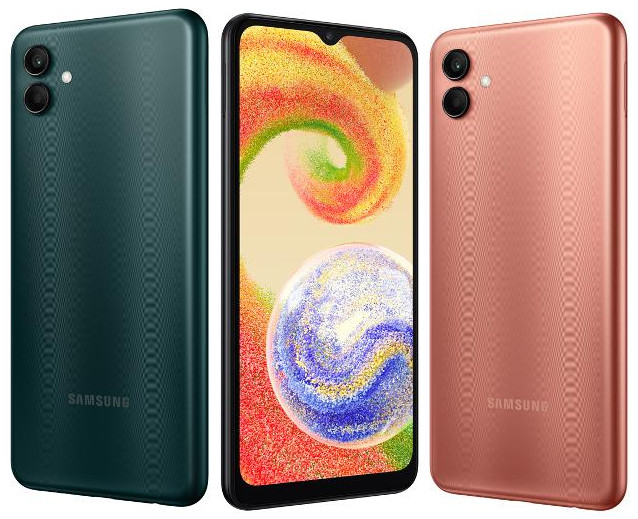
Back in August, Samsung unveiled the Galaxy A04 smartphone in the market. The following month, the brand silently launched the Galaxy A04e. Both of these devices have been available in various global markets, and now it has finally been launched in India. So let’s go through the specifications and take a look at the pricing.
Samsung Galaxy A04 specifications
The Samsung Galaxy A04 has dimensions of 164.4 x 76.3 x 9.1mm and weighs approximately 192 grams. The display is 6.5 inches with an Infinity-V notch. HD+ resolution is supported by the screen. It has a 5-megapixel selfie camera on the front.
On the back, there is a dual-camera system with an LED flash. It has a 50-megapixel primary camera with an aperture of f/1.8 and a 2-megapixel depth sensor. The device is powered by Android 12 OS, which is layered with One UI Core 4.1.
The device is powered by a MediaTek Helio P35 octa-core processor. The device has 4 GB of RAM and 64 GB or 128 GB of storage space. The device has a microSD card slot for additional storage.
The device runs on a 5,000mAh battery. It has dual-SIM support, 4G VoLTE, Wi-Fi 802.11ac, Bluetooth 5.0, GPS, a USB-C port, and a 3.5mm headphone jack, among other connectivity features.
Samsung Galaxy A04e specifications
The Galaxy A04e boasts a 6.5-inch PLS LCD panel with an HD+ resolution. The waterdrop-shaped notch on the screen houses a 5-megapixel front-facing camera.
A 13-megapixel main camera and a 2-megapixel depth sensor are located on its rear panel. One UI Core 4.1, a scaled-down version of One UI designed for entry-level models, is preinstalled on top of the device’s preloaded Android 12 OS.
The Galaxy A04e is powered by an octa-core processor, MediaTek Helio G35. There is 3 GB / 4 GB of RAM and 32GB / 64GB / 128GB of storage options available for the smartphone. You also get the choice to expand the storage using a microSD card.
Only 10W charging is supported by the 5,000mAh battery that powers the Galaxy A04e. The smartphone has a dual SIM slot, 4G VoLTE, 2.4GHz Wi-Fi, Bluetooth, GPS, a USB-C connector, and a 3.5mm audio jack for communication. The A04e features a plastic body that weighs 188 grams and has dimensions of 164.2 x 75.9 x 9.1mm.
Pricing and availability
The Samsung Galaxy A04e is available in Light Blue and Copper colors and costs Rs. 9,299 for 3GB + 32GB, Rs. 9,999 for 3GB + 64GB, and Rs. 11,499 for 4GB + 128GB.
The Samsung Galaxy A04 is available in Green, Black, and Copper colors and costs Rs. 11,999 for 4GB + 64GB and Rs. 12,999 for 4GB + 128GB.
Starting tomorrow, December 20, 2022, the phones will be available on Samsung.com and in select retail stores.
A few years back, Apple launched the Pro Display XDR, a high-end monitor from the brand and the first display from the company after it discontinued Apple Thunderbolt Display.
Earlier this year, the company launched the Apple Studio Display, and now a new report coming from Mark Gurman of Bloomberg claims that the Cupertino-based tech giant is working on new monitors.
Apple Pro Display XDR
The report adds that Apple is currently working on multiple new external monitors, including an upgraded version of the Pro Display XDR that was launched along with the Mac Pro in 2019.
It is further said that the upcoming monitors from the company will come powered by Apple Silicon chips, similar to how the Studio Display is powered by the Apple A13 Bionic chip. However, as of now, not many details are known about the upcoming displays from the brand.
Currently, there’s no timeline available for the launch of new external displays from Apple, but as per the reports, the new Mac Pro is further along in development compared to the updated Pro Display XDR.
Earlier, reports indicated that Apple is planning to launch a new 27-inch Mini-LED display in the first quarter of 2023, but not much is known about the product yet. It is speculated that this monitor could be a new Studio Display with ProMotion, but it has not been confirmed yet.
So far, all the external displays or monitors launched by Apple have been in the high-end category with premium pricing. It remains to be seen if any of the new monitors that the company is working on end up in the affordable segment.
Vivo is gearing up to launch the Vivo S16 series in China. The series is slated to debut on December 22. The series will consist of three devices – Vivo S16, the S16 Pro, and the S16e. Till now, almost all the specifications of the devices have been tipped, while the design of these upcoming smartphones has also been unveiled. So without further ado, let’s take a quick look at the information available.
Vivo S16 specs
According to previous reports, the Vivo S16 would boast a 6.78-inch AMOLED screen with a 120Hz refresh rate and a Full HD+ resolution of 1080 x 2400 pixels. It is a curved panel that has an in-display fingerprint sensor inside. There is a centered punch-hole that carries the front camera.
Vivo S16
The Snapdragon 870 mobile platform serves as the hardware foundation for the device. It is anticipated to ship with 512 GB of internal storage and up to 12 GB of RAM. It will run on Android 13-based OriginOS 3 and will offer NFC.
It will sport a 50-megapixel selfie camera on the front. A 64-megapixel primary camera, an 8-megapixel ultra-wide lens, and a 2-megapixel macro camera will all be included on its rear panel. A 4,600mAh battery with 66W fast charging would be included in the gadget. It weighs 182 grams and is 184.1 x 74.8 x 7.4mm in size. The last bit of details available on the smartphone suggests that it will be available in Gold, Black, and Green colors.
Vivo S16 Pro specs
The Pro model will also offer a 6.78-inch curved AMOLED display. It will have an FHD+ resolution of 2400 x 1800 pixels and will offer up to 120Hz refresh rate. A 360Hz touch sampling rate is supported by the screen, and it will also have an in-display fingerprint sensor.
Vivo S16 Pro
A MediaTek Dimensity 8200 SoC will power the phone. At launch, there will be 256GB of UFS 3.1 storage and up to 12GB of LPDDR5 RAM available. A 4600mAh battery and 66W quick charging are also features of the phone.
The smartphone has three cameras: a 50MP primary camera, an 8MP ultrawide camera, and a 2MP macro sensor. Selfie enthusiasts will get access to a 50MP front-facing camera. It will measure 164 x 74.8 x 7.4mm and weigh around 183 grams.
Vivo S16e specs
The Vivo S16e will have a 6.62-inch AMOLED display with an FHD+ resolution of 1080 x 2400 pixels and a refresh rate of 120Hz. According to reports, the Exynos 1080 chipset will power the S16. It will have up to 12 GB of RAM and 256 GB of internal storage.
Vivo S16e
The device will include a 16-megapixel selfie camera. Its rear shell will include a 50-megapixel primary camera and two 2-megapixel depth and macro cameras. It is also expected to have a 4,600mAh battery and 66W rapid charging. It measures 164.1 x 74.8 x 7.4mm and weighs approximately 182 grams. The device will have an Android 13-based OriginOS 3 operating system and will offer NFC support.
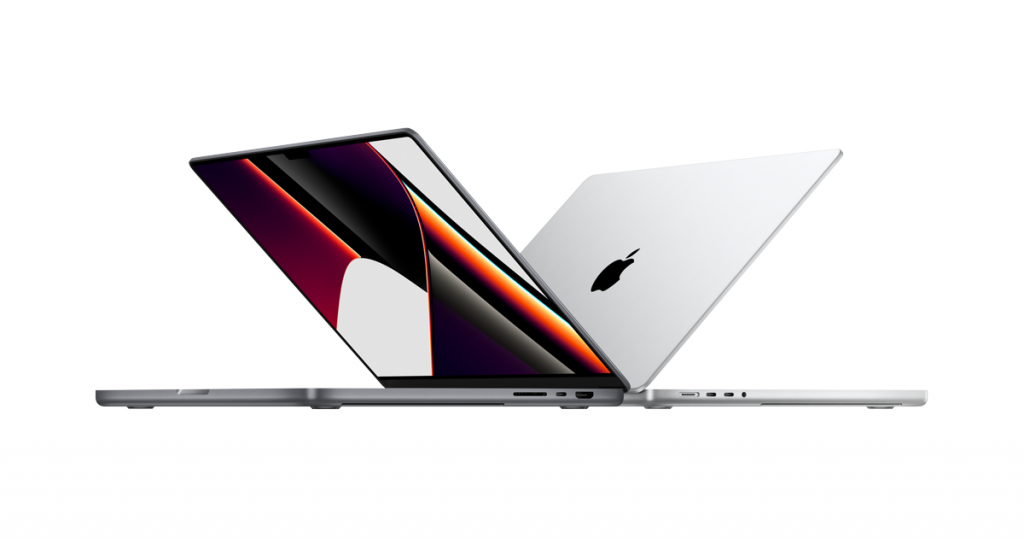
Apple has already launched a couple of devices powered by the new Apple Silicon M2 series chips, and the Cupertino-based technology giant has been working on new MacBook models with more powerful M2 chips.
Now, in the latest development, a report from Bloomberg’s Mark Gurman claims that the 14-inch MacBook Pro and the 16-inch MacBook Pro, powered by the M2 Pro and M2 Max chips, could get launched in early 2023.
Apple’s 14-inch and 16-inch MacBook Pro
The new MacBook Pro models were expected to go official this year, but the product has been getting delayed internally, and now it appears that the company has finally fixed whatever the issue was and is gearing up to launch the devices early next year.
As of now, there’s no specific launch date available for the 14-inch and 16-inch MacBook Pro models, but we expect the laptops to get launched around March 2023. Apart from the upgraded chips and maybe faster RAM, the laptops are not expected to have any other major change compared to the current models.
The 14-inch and 16-inch MacBook Pro currently available in the market were launched in October last year and come powered by the M1 Pro and M1 Max chips. They feature a new design where the display has a notch at the top-center of the screen. It also comes with an HDMI port, a MagSafe port, and an SD card reader slot.
Apart from the new MacBook Pro models, the report adds that the company is also working on a new iMac which will be powered by an M3 chip and is expected to launch by the end of 2023. The company is also reportedly working on new Apple Mac Mini powered by the M2 series chip, but no launch timeline is available for now.
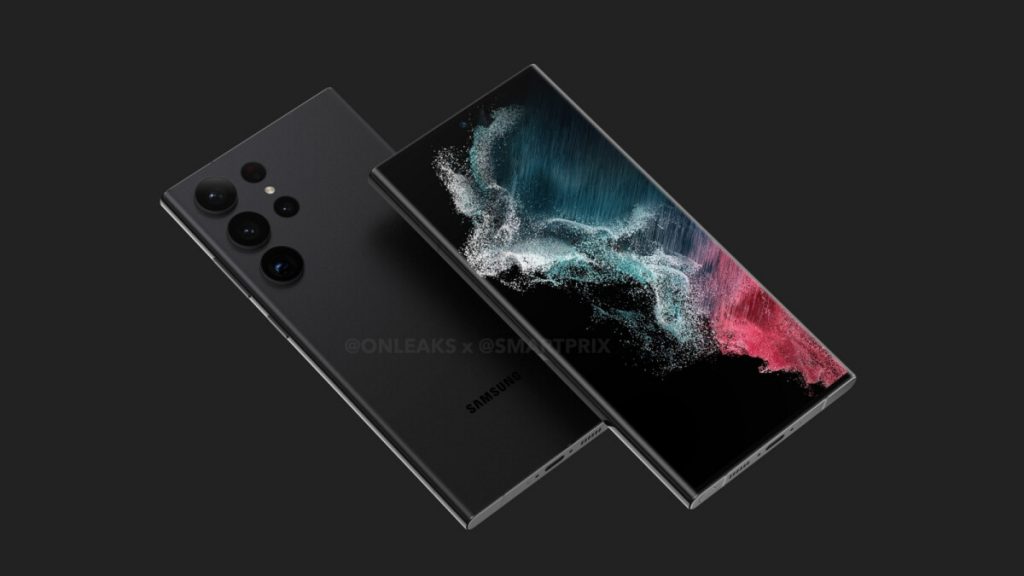
Samsung is gearing up to launch its next-generation of Galaxy S23 series flagship smartphones, and we have seen a lot of leaks related to the upcoming devices in the past months.
Now, as the launch of the Samsung Galaxy S23 series smartphones nears, a new report claims that the release of the flagship smartphones could be delayed by a few weeks.
According to the new report coming from tipster @TheGalox_, the upcoming Samsung Galaxy S23 lineup has been delayed and is now expected to get released in mid-to-late February, mainly because the South Korean giant has not been able to decide the final pricing structure for the devices.
The pricing structure is vital for the success of smartphones in the market, especially the premium ones like the Galaxy S23 series. It appears that Samsung needs more time to read the market correctly in terms of competition, economy, supply and demand, and some other factors to come up with perfect pricing.
However, the delay for the release of these smartphones isn’t much given that the report indicates around two weeks of delay. The Galaxy S22 lineup was introduced on 9th February and went on sale from 25th February. This year, the S23 lineup was expected to go official in the first week of February and be available on sale from 17th February.
Samsung hasn’t confirmed the launch date of the Galaxy S23 series smartphones, which will include three models — Galaxy S23, S23 Plus, and S23 Ultra. As the launch timeframe nears, we expect the world’s leading smartphone manufacture to announce the date for the upcoming Galaxy Unpacked event in a few weeks.
Vivo is gearing up to launch the S16 series of smartphones in China. The lineup consists of the Vivo S16, the S16 Pro, and the S16e. It is set to debut at a launch event on December 22. While the specifications of these devices remain unconfirmed, the company has already started teasing out the design of the S16 series.
A new report from MySmartPrice has now revealed the complete design of all three smartphones in the series, along with their color options. The report cites the known tipster Ishan Agarwal as the source of these renders. Let’s take a look at them in detail.
Vivo S16e
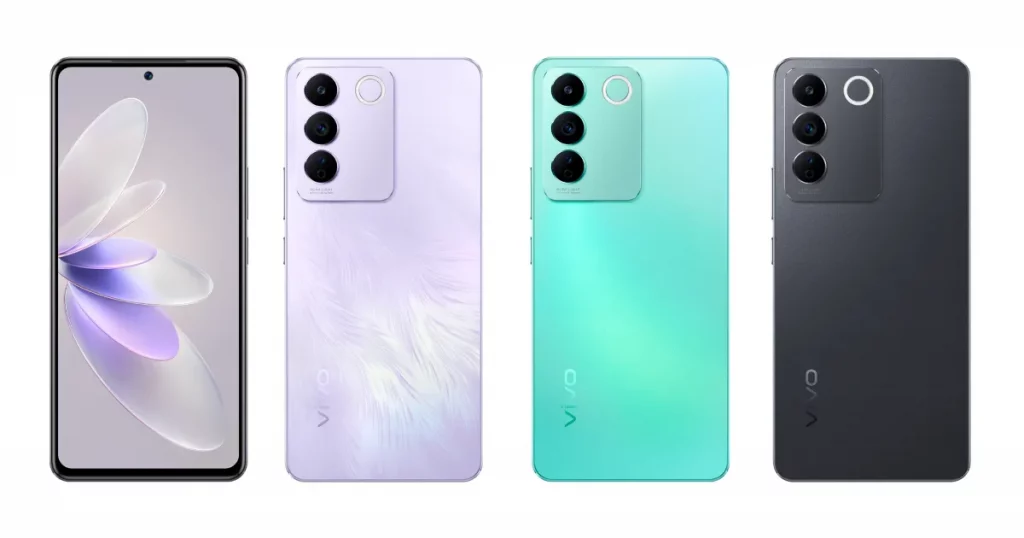
First up, we have the S16e, which is the only device in the lineup to come with a flat screen. It has thin bezels and a reasonably sized chin. The device has a centered punch-hole cutout for the front camera. The frame of the device is also flat, and it has a clean-looking triple camera setup, along with a circular LED flash placed on a rectangular camera island. The device will come in Lavender/ Purple, Cyan Green, and Black color options.
Vivo S16 Pro
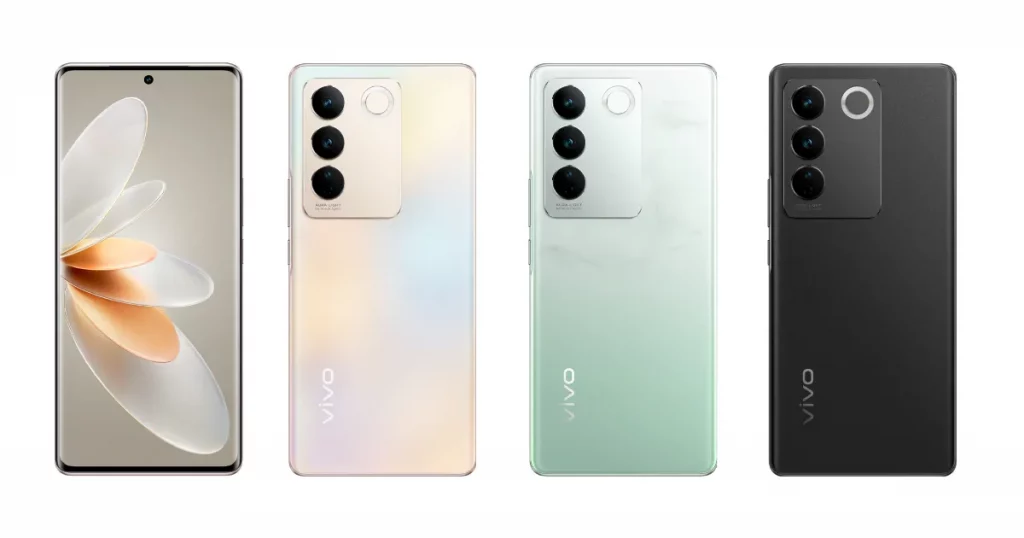
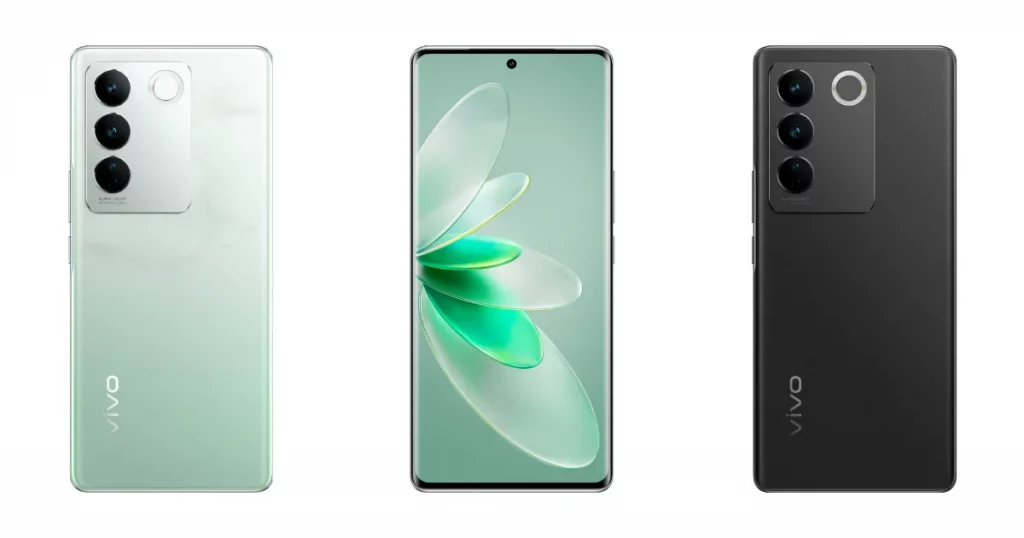
Next up, we have the S16 and S16 Pro models, with both devices featuring a curved display along with curved edges and a curved back. Both of these smartphones have narrow foreheads and chins, along with a centered punch-hole cutout for the front camera. Their camera module looks identical to the one featured on the S16e.
Vivo S16
As for color options, the S16 will come in Gold, Black, and Green colors, while the S16 Pro will only offer Green and Black color options.
Agarwal also disclosed the S16 Pro’s specifications. According to the tipster, the phone will be powered by a MediaTek Dimensity 8200 SoC. Up to 12GB of LPDDR5 RAM and 256GB of UFS 3.1 storage will be available at launch. The phone will have a 4600mAh battery and 66W rapid charging capability.
There will be a 6.78-inch tall AMOLED display with a refresh rate of 120Hz and a Full HD+ resolution of 2400 x 1080 pixels. A 360Hz touch sampling rate is supported by the screen. The device’s triple-camera configuration consists of a 50MP main camera, an 8MP ultrawide camera, and a 2MP macro sensor. 50MP front-facing camera for selfies will be included. There will be an in-display fingerprint scanner on the gadget. It will weigh roughly 183 grams and have dimensions of 164×74.8×7.4mm.
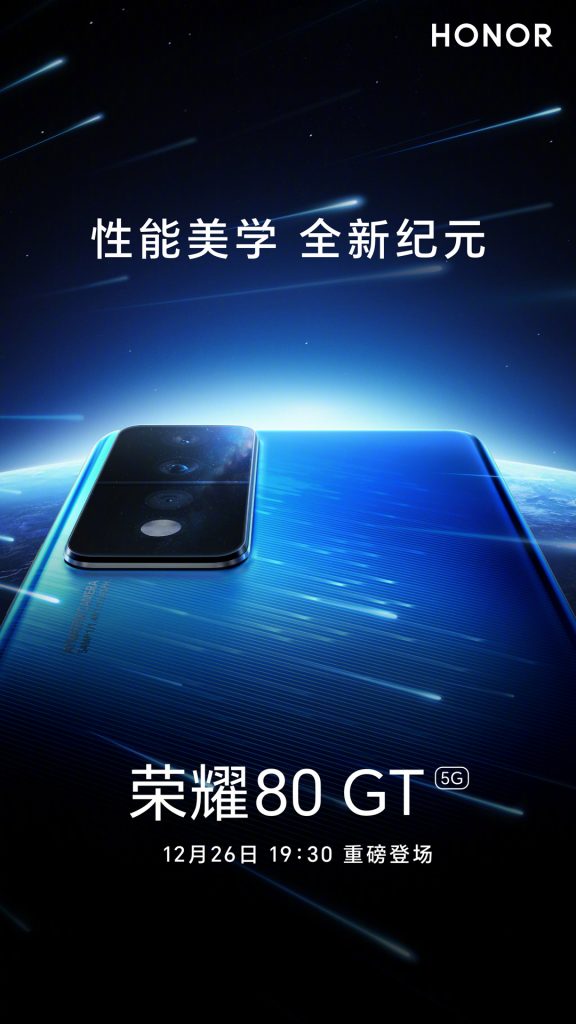
Recent reports have claimed that Honor will hold a launch event later this month in China. Today, the company released an official confirmation that it will unveil the Honor 80 GT at 7:30 pm (local time) on Dec. 26 in China.
Honor 80 GT poster
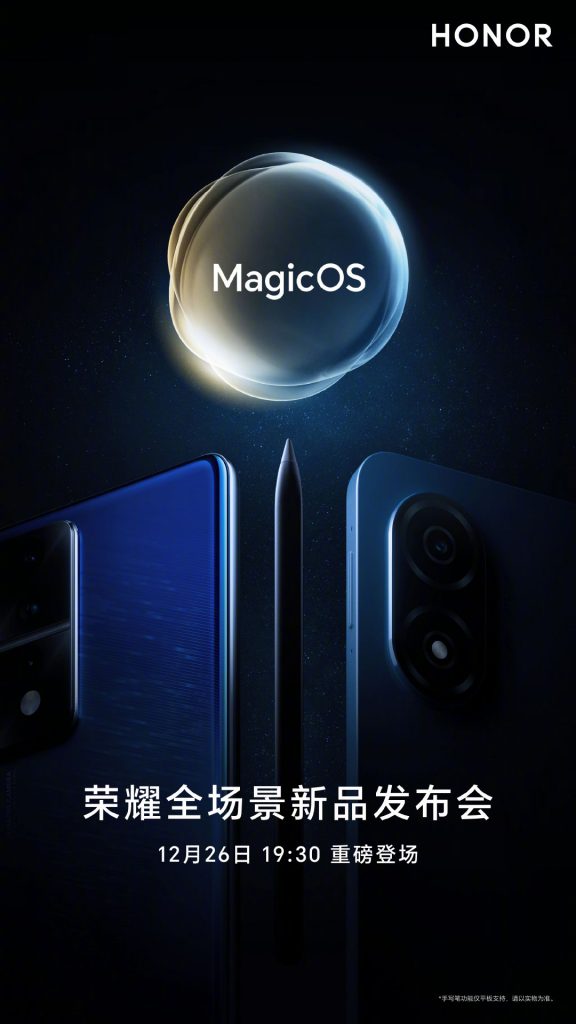
Apart from the Honor 80 GT, the company is rumored to launch at least two other products, such as an Honor 80 Pro variant featuring a flat display and the Honor Pad V8 Pro tablet. The above teaser gives a glimpse of the Honor 80 GT’s design. The poster shown below teases two devices, the one on the left seems to be the Honor 80 GT, while the one on the right appears to be the Honor Pad V8 Pro. It appears that the latter will support the Magic Pen.
Rumors surrounding the Honor 80 GT say it will be powered by the low-frequency version of the Snapdragon 8 Plus Gen 1 and 16 GB of RAM. It is likely to feature an OLED panel that offers a Full HD+ resolution and a 144Hz refresh rate. The poster confirms that it has a triple camera unit, which is headlined by a 54-megapixel primary camera. It seems that the device is equipped with the Sony IMX800 as the main snapper. It may carry support for 66W fast charging.
Honor 80 GT, Honor Pad V8 Pro poster
The Honor 80 Pro’s flat screen variant is expected to feature the same SD8+G1 chip. Its OLED panel is likely to support a 1.5K resolution. There is a possibility that its specs could be identical to the Honor 80 Pro, which debuted in November.
The Honor Pad V8 Pro is expected to arrive as the world’s first IMAX Enhanced tablet. It will offer features like a 12.1-inch display, a Dimensity 8100 chipset, 33W fast charging, and MagicOS 7.0. It is likely to arrive in blue and orange shades.
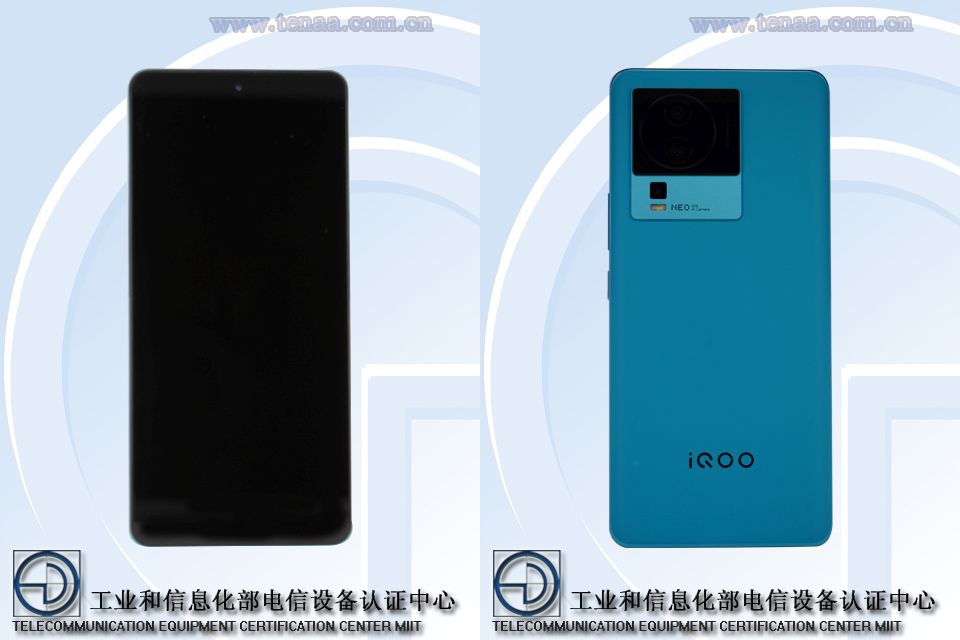
Rumors are rife that iQOO may launch the iQOO Neo 7 Racing Edition before the end of this month. The device was recently certified by the TENAA telecom authority of China. The certification, which initially only revealed the images of the phone, has now been updated with all its specifications.
A Vivo phone with the model number V2232A was approved by the 3C certification platform in November this year. The listing revealed that the device may support 120W fast charging. The same device has been approved by the TENAA authority. It is speculated that the V2232A device will break cover with the iQOO Neo 7 Racing Edition moniker.
iQOO Neo 7 Racing Edition specifications (rumored)
iQOO Neo 7 Racing Edition
The iQOO Neo 7 Racing Edition’s TENAA listing reveals it measures 164.81 x 76.9 x 8.85mm and weighs 197 grams. It is fitted with a 6.78-inch AMOLED display that delivers an FHD+ resolution of 1080 x 2400 pixels and a 20:9 aspect ratio. Rumors surrounding the device claim that it will support a 120Hz refresh rate.
The OriginOS 3-based Android 13 OS is expected to come preloaded on the Neo 7 Racing Edition. The device is said to be powered by the Snapdragon 8 Plus Gen 1 chipset. It may arrive in 8 GB, 12 GB, and 16 GB RAM variants and 128 GB, 256 GB, and 512 GB storage editions.
The Neo 7 Racing Edition will have a 16-megapixel front camera. Its back panel will feature a 50-megapixel + 8-megapixel + 2-megapixel triple camera unit. The primary camera of the device may support OIS. It will also come with other features like an in-display fingerprint scanner and an IR blaster.
In recent weeks, iQOO has launched the Dimensity 9000 Plus-powered iQOO Neo 7 and the Dimensity 8200-powered iQOO Neo 7 SE in China. Hence, the upcoming Neo 7 Racing Edition will be the third Neo 7-branded phone from the company.
Realme recently unveiled the Realme 10 Pro 5G and the Realme 10 Pro+ 5G smartphones in different markets. These are the first Realme phones to come preloaded with the latest Realme UI 4.0. It appears that another device running on the Realme UI 4.0 will be launching soon in the Chinese market.
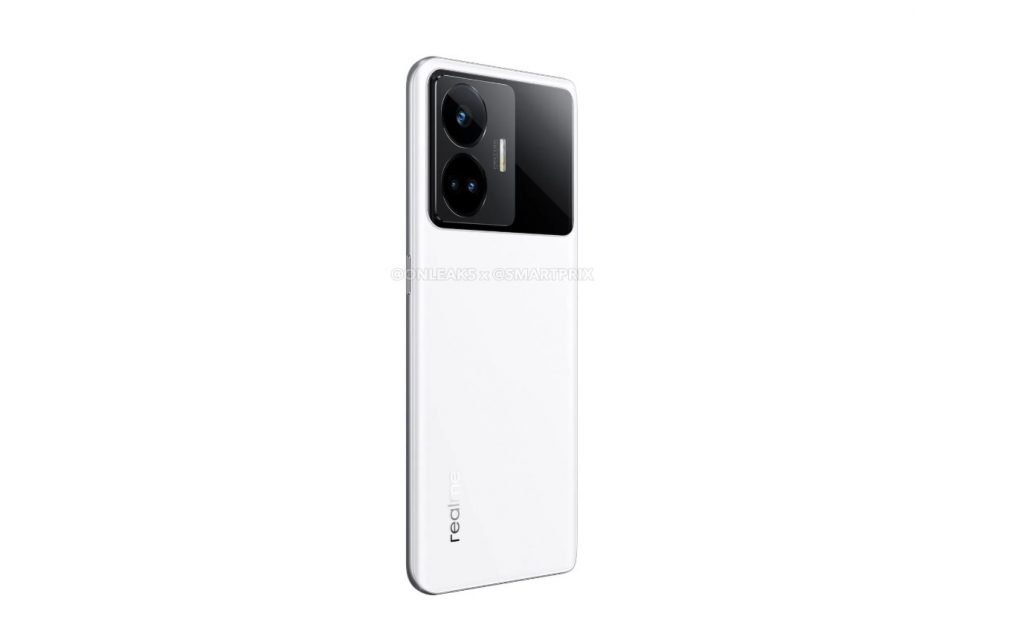
In the below-shown Weibo post, Realme VP and President for Global Marketing, Xu Qi has asked Realme fans to guess the next device that will arrive with the Realme UI 4.0 preinstalled. It looks like he might be making a veiled reference to the forthcoming Realme GT Neo 5. There is a possibility that it could be the first phone from the brand to launch in the year 2023.
Realem GT Neo 5 specifications (rumored)
Last week, a leaked render of the Realme GT Neo 5 surfaced on the web. Rumors are rife that the device will arrive in two battery variants. The 5,000mAh battery variant of the GT Neo 5 may support 150W fast charging, whereas its 4,600mAh battery edition may offer 240W charging.
Realme GT Neo 5 leaked render
The Realme GT Neo 5 rumors have claimed that it will house a 6.7-inch OLED display that offers a 1.5K resolution of 2722 x 1240 pixels, a 144Hz refresh rate, and an under-screen fingerprint scanner. The Snapdragon 8 Plus Gen 1 chip is likely to power the phone. It is expected to arrive with up to 16 GB of RAM and up to 256 GB of UFS 3.1 storage.
The GT Neo 5 is expected to run on Realme UI 5.0-based Android 13 OS. On the front, it will have a 16-megapixel selfie camera. On the back of the device, there will be a 50-megapixel Sony IMX890 main camera with OIS, an 8-megapixel ultra-wide lens, and a 2-megapixel macro camera. It is expected to rival some of the upcoming phones, such as Redmi K60, iQOO Neo 7 Racing Edition, and OnePlus Ace 2.
MIUI 14, the latest Android 13-based custom interface for Xiaomi devices, was unveiled earlier this month with improved system architecture and streamlined design. The stable build of the software will start rolling out to eligible smartphones in January. But ahead of it, the firm has started seeding the beta development version of MIUI 14 to Xiaomi Mi 11 and Redmi Note 11T Pro series devices in China. Here are the details.
As reported by users, Xiaomi has started rolling out the development version of MIUI 14 to Mi 11, Mi 11 Pro, Mi 11 Ultra, Redmi Note 11T Pro, and Redmi Note 11T Pro+ in China. The changelog shows the software will bring the photon engine architecture, which will enable smooth performance and faster loading of third-party applications.
This pre-release version should allow the users of the above-mentioned devices to try their hands on the latest version of MIUI. However, the update will likely come laced with various bugs and issues that may disrupt one’s daily usage.
Xiaomi is yet to announce MIUI 14 globally. We can expect the software to make its international debut with a few additional features and some omissions. It’s likely that the Xiaomi voice assistant and some Mijia interconnection features won’t make it out of China.
To recall, the new software brings a visual overhaul and some new features. There are customizable folders with large icons and new widget options with various shapes and sizes. In addition, Xiaomi also added automatic compression for less-used apps, and a toggle to turn off permanent notifications. Xiaomi has also worked a lot to make MIUI 14 light and streamlined.
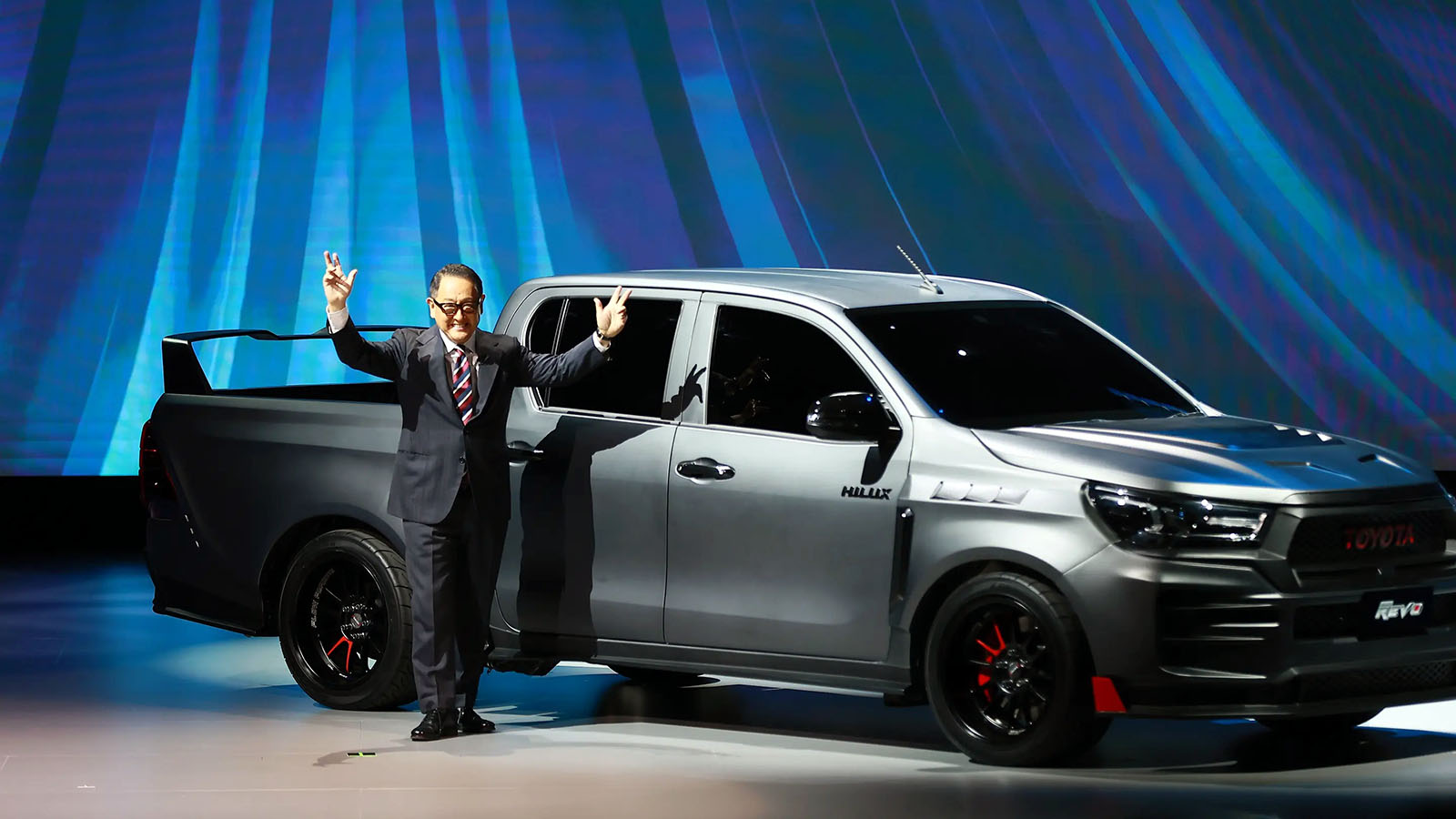
Toyota has unveiled its plans to enter the emerging electric pickup market with the Hilux Revo BEV. The Toyota Hilux BEV will be the automaker’s first electric pickup model. It is noted that Tesla, Ford, and Rivian are also making progress in this area. Indeed, the Tesla Cybertruck will be launched soon.
The Toyota Hilux BEV is a fully-electric pickup truck that was teased during the 60th-anniversary event of Toyota Motors Thailand division. It is likely that the Hilux Revo BEV could be launched in the Asian market first.
It is noted that a pickup truck was flashed during the unveiling of Toyota’s 30 EV concepts last year. The Hilux Revo is however seen on a stage, so has gone beyond a concept. The EV has low-profile tires and a solid wind over the truck’s rear.
The Hilux Revo BEV was unveiled by Toyota’s president, Akio Toyoda although pricing, release, and other details about the EV truck were not divulged. Toyoda also stated that complete and rapid electrification may not be the only path to sustainable transportation.
Toyota’s President also stressed that rapid electrification of the transportation system could potentially harm the system. This underscores Toyota’s pursuit of hybrid technology over the years. It has been at the forefront of hybrid and hydrogen vehicle technology for a while.
Toyota is also frontally pursuing development in the fully electric segment of the auto industry. It is reported that the company could soon thoroughly rejig its EV strategy to cope with current realities. This could see some of its hybrid concept vehicles transformed into electric models with an electric powertrain. It is expected that the Toyota Hilux Revo BEV electric truck will enter the market within 2023.
We have already reviewed the Tecno Pova 4 Pro, and we liked it! Now, it’s time we review the Tecno Pova 4, which went official recently in India. It is an attractive phone with a unique rear design that provides superior performance at a low price of Rs 11,999(~$145). Like its predecessors, it packs a big display and a large battery. To top it off, the Pova 4 features a 50-megapixel dual-camera system. Here is our review of the Pova 4.
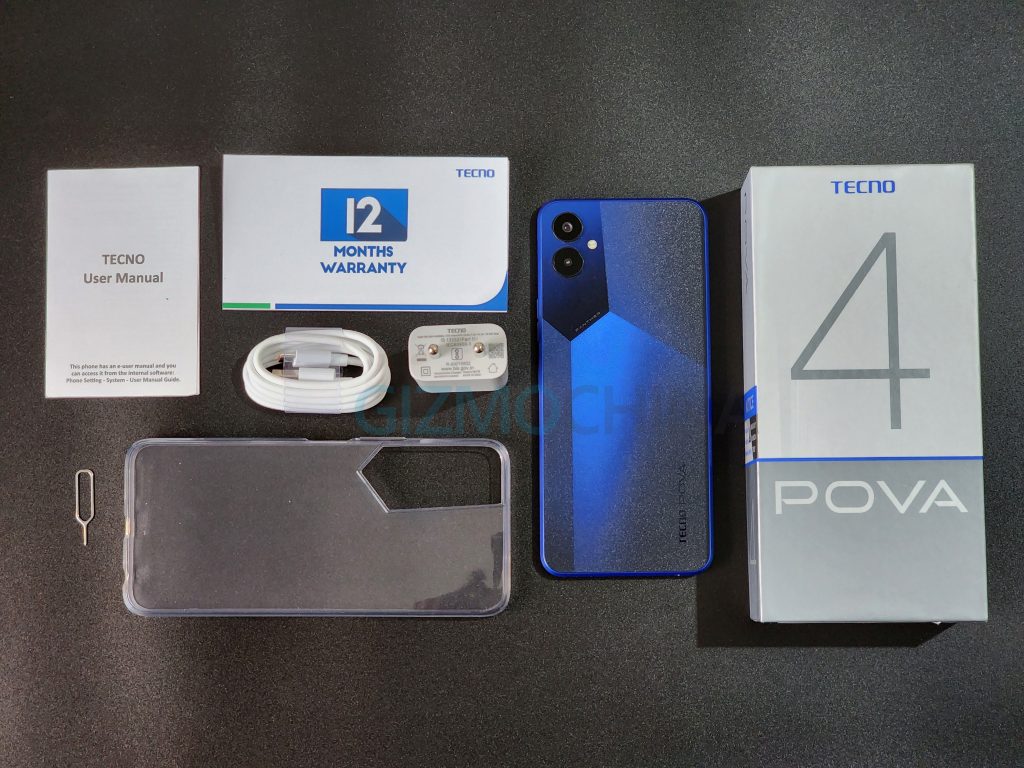
Tecno Pova 4: What’s in the box?
Tecno Pova 4
The Tecno Pova 4’s retail package has the following contents:
Tecno Pova 4 handset
Transparent case
SIM ejector tool
18W charger
USB-C to USB-A cable
12-months warranty card
User manual
Design and Display
Dimensions
Display
Size – 170.59 x 77.52 x 8.7mm
6.82-inch IPS display
Weight – 212.5 grams
720 x 1640 pixels (HD+)
IPX2 Splash-resistant
20:5.9 aspect ratio
Up to 90Hz refresh rate
Up to 180Hz touch sampling rate
480 nits brightness
Color variants
Panda Glass protection
Cryolite Blue
Uranolith Grey
Magma Orange
Tecno sent us the Cryolite Blue edition of the Pova 4 for review. The polycarbonate back of the device has a matte yet glittery finish, which appears black and blue depending on the reflection of light. But the top left corner of the back of the phone, where the dual-camera system and dual-LED flash are, has a glossy finish that easily attracts fingerprint marks. Overall, the device looks sleek and feels good enough for its cost.
[envira-gallery id=’503463′]
The topside of the Pova 4 is barren, which means there is no secondary microphone onboard, while the opposite side has a 3.5mm headphone jack, a microphone, a USB-C port, and a speaker grille. The other speaker is lodged in the earpiece on the top bezel of the device. The left spine of the phone has a SIM card tray, which offers a dedicated slot for a microSD card. The device comes equipped with an IPX2-rated chassis, which provides protection against water splashes.
The Pova 4 features a massive 6.82-inch LCD display. The screen is bright and offers a tall aspect ratio of 20.5:9, but there should have been support for Full HD+ resolution on the device. The chin is not too thick and does not feel obtrusive. The centred punch-hole display design allows the phone to support a high screen-to-body ratio.
The support for 90Hz refresh makes the overall experience smooth on the Pova 4. Since it supports Widevine L1, users can stream OTT content in HD. However, there is no support for HDR on YouTube. The color reproduction is good, but there is no option to change the color profile in Settings.
Performance and Battery Life
MediaTek Helio G99
8 GB of LPDDR4x RAM
128 GB of UFS 2.2 storage
6,000mAh battery with 18W charging
Android 12 OS with HiOS 12
The 6nm Helio G99, which is the most powerful Helio-branded chipset available on the market, powers the Tecno Pova 4. Since it is not a Dimensity chip, there is no support for 5G connectivity on the device. The gaming-friendly chip is accompanied by 8 GB of RAM and a massive UFS 2.2 storage capacity of 128 GB. In addition, the phone supports up to 5 GB of virtual RAM.
The Tecno Pova 4 and Infinix Hot 12 Pro (debuted in August 2022) are the only phones under the Rs 12,000 (~$145) price segment to offer 8 GB of RAM, but the Infinix phone has an inferior Unisoc chip and a smaller battery onboard. Coming back to the Pova 4, it offers unmatched performance in its price segment.
The Pova 4 has a 6,000mAh battery with 18W charging via the USB-C port. It took around 2:15 minutes to fully charge the device. To recall, the Pova 3 had a bigger 7,000mAh battery with 33W fast charging. However, despite packing a better charger, it took longer to achieve a full charge on the Pova 3. The Pova 4 is capable of lasting up to 3 days with normal usage. In addition, it can be used as a powerbank to charge accessories like earbuds through its 10W reverse charging feature.
I tried Garena Free Fire Max on the Pova 4 in Smooth+Ultra graphics setting. I also played Shadow Fight 4 on the device. With a big battery and a good chipset onboard, the Pova 4 impresses in the gaming department. It is equipped with a heat dissipation unit with a surface area of 10718 mm2. The device became moderately warm after playing for over an hour. Here is how it performs on benchmark apps.
[envira-gallery id=’503486′]
The Pova 4 comes preinstalled with Android 12 OS and HiOS 12.0. There are several preloaded apps on the phone that you may want to uninstall or disable. Otherwise, the HiOS 12 is filled with handy features like call recording without letting the recipient know, dual apps, multi-window support, WhatsApp call recording, and more.
Photography and Other Features
Rear Camera
Other Features
50MP + AI lens, dual-LED flash
Dual speakers
Video Ultra Steady
Dedicated microSD card
Side-facing fingerprint scanner
Face unlock
Front Camera
Dual-band Wi-Fi
8MP Camera with LED flash
Bluetooth 5.0
Video Ultra Steady
NFC
3.5mm audio jack
The Tecno Pova 4 has a 50-megapixel Samsung S5KJN1 primary camera with an f/1.6 aperture and PDAF. It has an AI lens and a dual-LED flash. The default camera app shoots using the AI Cam feature, which manages to recognize scenes correctly. Because of the 4-in-1 pixel binning technology, the Pova 4 captures images in 12.5-megapixel resolution by default. There is a dedicated 50MP mode for shooting 50-megapixel resolution photos.
[envira-gallery id=’503464′]
As expected, the Pova 4 manages to capture decent daylight photos. Colors appear rich, and noise is well-controlled. The results are softened when images are shot indoors. In low-light conditions, users can rely on the Super Night Mode, to add some level of detail to images. However, sometimes users may have to capture multiple shots to get the right one.
Both the front and rear cameras can capture up to 2K videos at 30fps. The Ultra Steady feature reduces jerks when shooting 30fps FHD videos. It also supports 240fps slow-motion video shooting. For shooting videos with the front and rear cameras, there are bokeh and beauty modes. In both modes, the front and rear cameras shoot 720p videos at 30fps.
[envira-gallery id=’503481′]
Some of the photography modes on the Pova 4 are Google Lens, Short Video, Video, Beauty, Portrait, Super Night, Pro mode, Panorama, AR Shot, Documents Scanner, Timelapse Video (30 fps in 2K), and Slow Motion Videos (up to 240 fps). Apart from these, it offers other features like HDR mode, 50MP mode, and filters. On the front, the Pova 4 has an 8-megapixel camera with an LED flash for bright shots / videos in low light. Selfies taken in normal or portrait mode are good. The level of edge detection in portrait shots is also passable. The overall performance of the Pova’s 4 rear cameras is quite good.
The dual speakers work fine and are loud enough. A surprise inclusion on the device is support for NFC connectivity for contactless payments, which is rarely found on such a reasonably priced phone.
Verdict
The Xiaomi Redmi 11 Prime 4G and POCO M5, which pack almost identical specs, are the two major competitors for the Pova 4. While the competitors offer Full HD+ resolution on a smaller 6.58-inch display, the Pova 4 packs a larger 6.82-inch screen with HD+ resolution. All three phones are available at the same price and feature the same Helio G99 chip, but the rivalling phones have less RAM, storage, and battery when compared to the Pova 4. Hence, investing in Pova 4 is not at all a bad decision. I can say that the Pova 4 can live up to the expectations set by its predecessor.
Disclaimer: The opinions expressed in this Tecno Pova 4 review are solely mine based on my experience, and there has been no editorial input from Tecno.
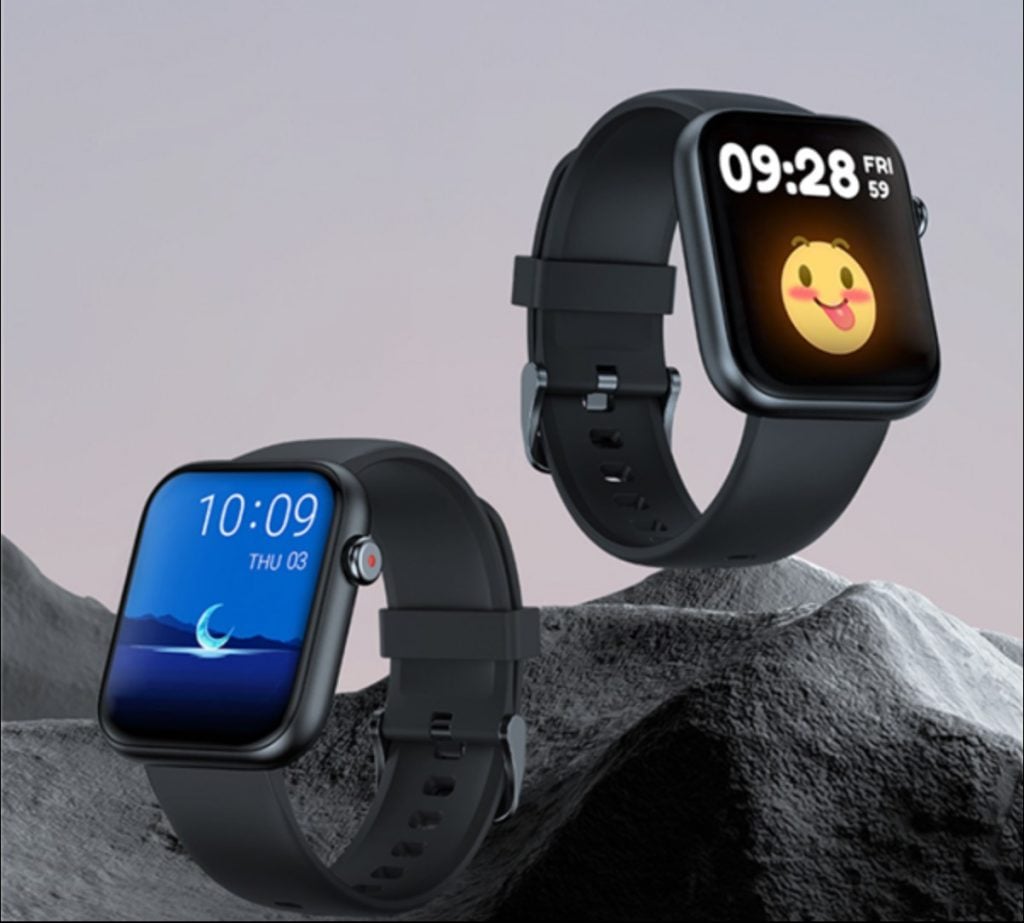
Back in August, Mobvoi launched the successor to its popular TicWatch GTH called the Mobvoi TicWatch GTH 2. The smartwatch has only been available in China till now. However, the brand has finally launched the TicWatch GTH 2 for global consumers through AliExpress. So let’s take a look at its pricing, offers, and specs.
Mobvoi TicWatch GTH 2 price & availability
The TicWatch GTH 2 is now offered on AliExpress for a starting price of US$99; however, for the next 10 or so days, the price will be discounted to US$69.99 as part of the “Fresh Finds” promotion. Additionally, Mobvoi has hinted that it would soon be made accessible through its own first-party store.
Mobvoi TicWatch GTH 2 specs & features
The Ticwatch GTH 2 has a square screen like its predecessor, however, the size of the screen has grown by 10% since then. The watch has a larger, higher-quality 1.72-inch screen with a 356 x 400-pixel resolution. The watch’s frame is made of metal, and a 2.5D curved piece of toughened glass protects the screen. The GTH 2 has an IP68 waterproof rating, making it suitable for usage in rainy and other moderately moist environments.
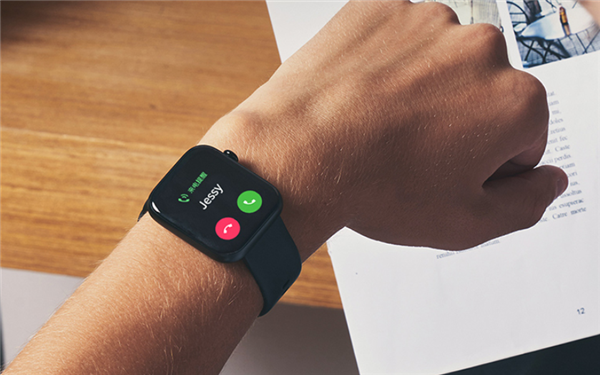
The smartwatch offers the Bluetooth calling feature which is supported by a built-in dual-mode Bluetooth for improved call clarity and stability. The watch comes with more than 100 custom watch faces already installed. The watch faces range from minimalist to business to sports styles. Any image can be used as the watch face thanks to the watch face’s customizability.
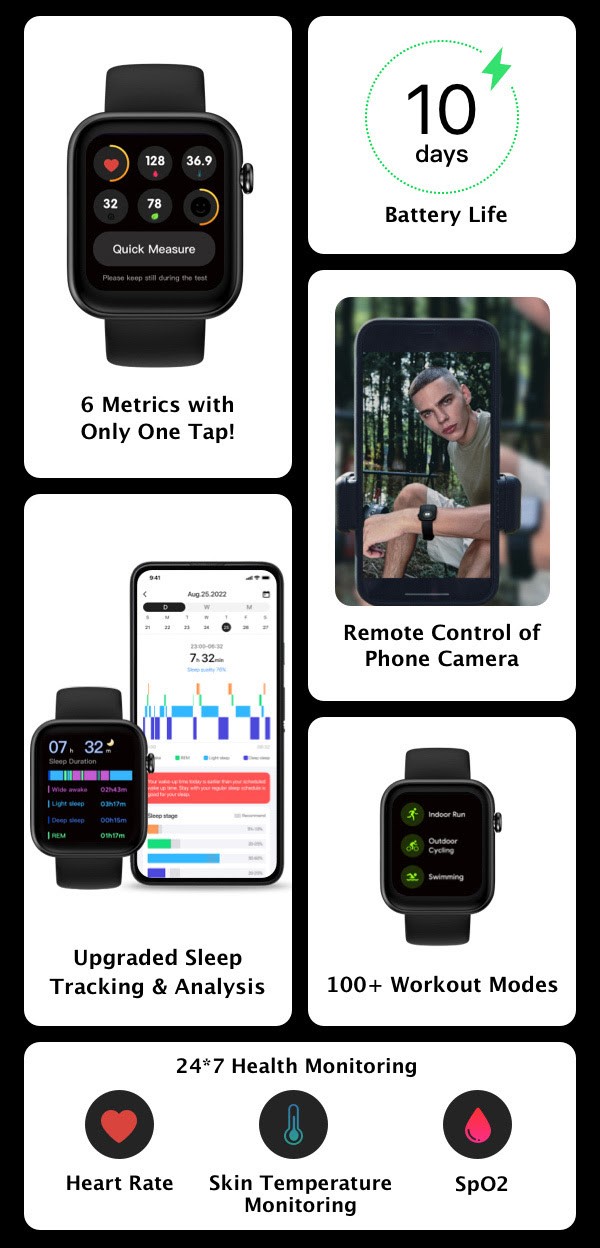
The watch also includes over 100 workout modes, professional exercise algorithms, an accurate heart rate monitor, and step counters. Additionally, you can bind devices across different platforms, and it is simple to synchronize your data between them.
The TicWatch GTH 2 contains a built-in PPG sensor for health monitoring that can detect blood pressure, breathing rate, heart rate, and blood oxygen saturation. For real-time body temperature monitoring, a temperature sensor is also integrated.
The self-developed Al Coach sleep health management system can analyze and transmit sleep quality reports. The watch also comes with 40+ sleep audios to assist users with the issue of having trouble falling asleep.
Oclean is a company that specializes in dental care products, including electric toothbrushes and water flossers. Here is a summary of four of their products, along with their best features.
Oclean X Pro Elite
The Oclean X Pro Elite is a smart electric toothbrush that features a range of advanced technologies to ensure a thorough and effective clean. One of its standout features is the Smart Screen, which uses 8 brushing areas tracking and 6-axis gyroscope technology to provide instant feedback on your brushing results and blind spots. Additionally, the toothbrush boasts ultra-quiet technology, producing less than 45 decibels of noise, and a powerful Maglev Motor that delivers 84,000 movements per minute.
The toothbrush also offers a range of brushing modes and intensities, with a total of 4 modes and 32 intensities available in the Clean Mode. It also has DuPont Diamond and W Shape bristles for exceptional cleaning efficiency, protection, and compactness. The toothbrush can be customized and controlled through a dedicated app, and is also waterproof and equipped with Auto-Wake technology. It also has a smart timer and 30-second reminder to ensure a thorough clean. You can click here to get more detailed information about the product and to purchase it.
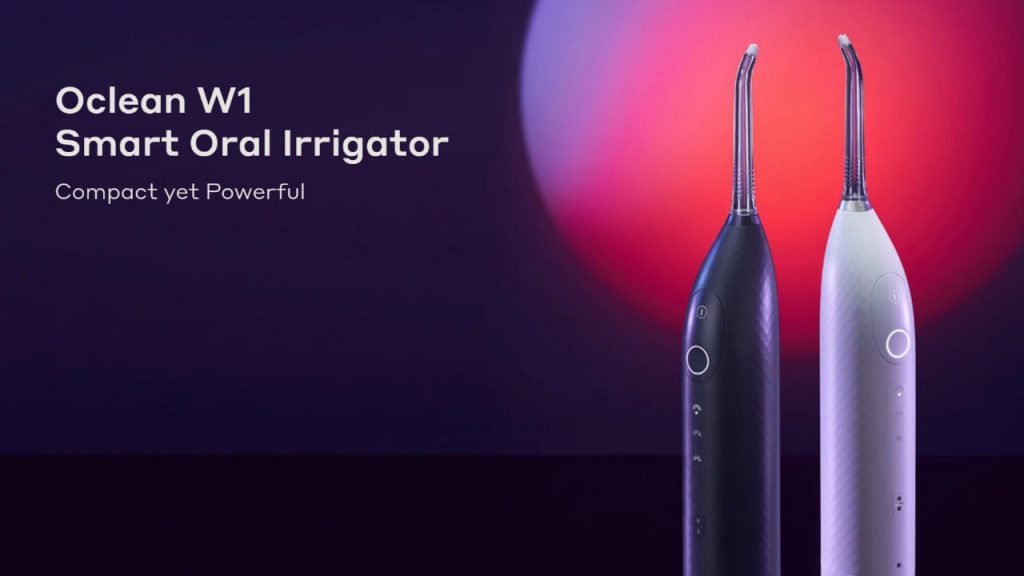
W1 Water Flosser
The Oclean W1 is a powerful and innovative water flosser that uses aerodynamic technology to mix air into the water and spray oxygen-containing air bubbles to deep clean between the teeth. It also features a powerful air pump rotation to remove food residue and dental plaque efficiently. The water flosser has an innovative solution that adds 6.13% oxygen compared to pure water flushing, providing fresh breath all day long.
The Oclean W1 can be personalized and controlled through a dedicated app, and offers a range of high-performance flossing modes with 9 levels of intensities. It also comes with professionally crafted gum care nozzles and a compact and sleek design that is portable. The water flosser has a patented structural design that is smaller and lighter than a smartphone, and boasts up to 30 days of battery life. It also has an indicator and a magnetic charger, and comes with an exclusive travel case. The Oclean W1 is currently available for $79.99, along with 2 N10 nozzles as a gift, valued at $35. You can click here to get more detailed information about the product and to purchase it.
Moreover, Oclean offers fantastic campaigns on their products regularly. You can often find great deals on their top-quality toothbrushes, toothpaste, and other oral hygiene products. Some of the promotional products are:
Oclean X Pro Elite toothbrush. The bundle includes 12 extra brush heads, an kids toothbrush, and 2 travel cases, all for the discounted price of 249.99 USD. That’s a savings of 50 USD, plus you’ll also receive an additional 69 USD worth of gifts.
Oclean W1 water flosser. This bundle includes 2 Oclean W1 units and 4 N1 nozzles, all for the discounted price of 159.99 USD. That’s a savings of 30 USD, plus you’ll also receive an additional 25 USD worth of gifts in the form of the extra nozzles.
Oclean Brush Head Refills P3. This 8-pack of brush heads is normally priced at 39.99 USD, but with the current promotion, you can get it for just 19.99 USD, a discount of 50%.
F1 toothbrush, which comes with a travel case and 5 extra brush heads. The original price for this bundle is 59.99 USD, but with the current promotion, you can get it for just 29.99 USD, a discount of 50%.
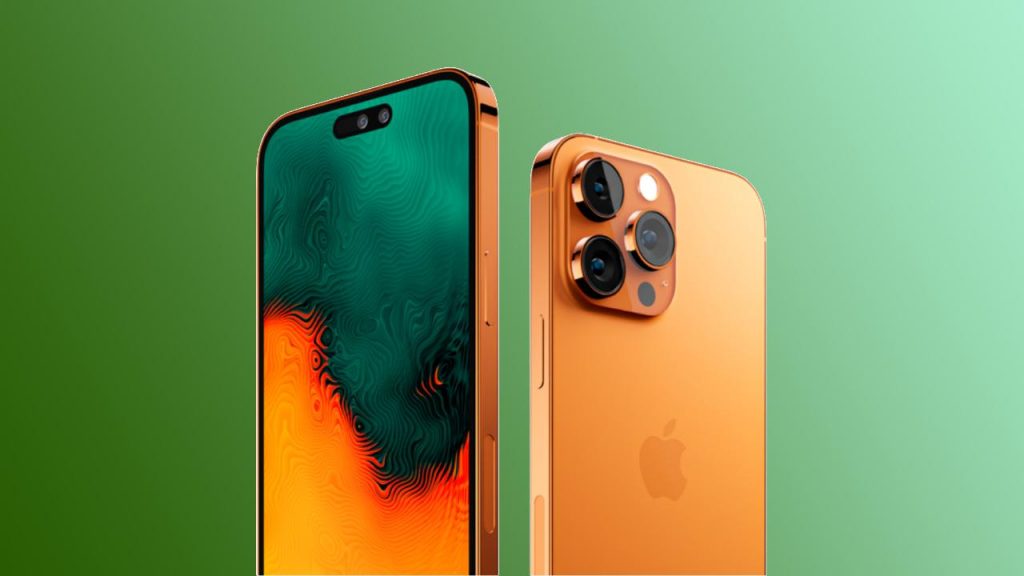
According to a recent leak, the upcoming iPhone 15 Ultra is set to have a starting price of $1299, a significant increase from the iPhone 14 Pro Max’s starting price of $1099. The higher price is due to rising production costs, the need to maintain profit margins, and the inclusion of higher quality materials such as titanium in the chassis.
New iPhone 15 Ultra leak reveals shock price increase
Apple’s upcoming iPhone 15 Ultra has caused quite a stir in the tech world, with numerous leaks and rumors circulating about the new smartphone’s features and price. According to influential industry insider LeaksApplePro, the iPhone 15 Ultra will have a starting price of as much as $1299, a significant increase from the iPhone 14 Pro Max’s starting price of $1099. This marks the biggest single generational jump in iPhone history, and is likely to come as a shock to many US buyers.
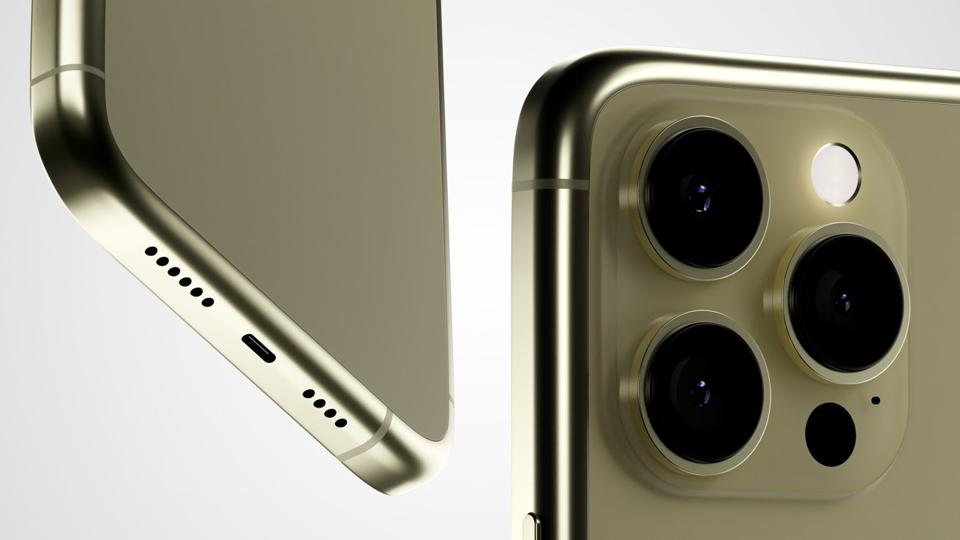
Flat-edged iPhone 15 Ultra concept based on leaks of ALIARTIST3D
So what’s behind the hefty price increase? LeaksApplePro explains that rising production costs and inflation, as well as the need to maintain profit margins, are the main drivers behind the higher price point. Apple has reportedly been facing declining margins in recent years, and the company is now turning to higher prices to make up for these losses. In addition, the iPhone 15 Ultra is expected to come with a range of new and improved features, including higher quality materials such as titanium, which is significantly stronger and more expensive than the stainless steel used in previous models.
According to the leak, the iPhone 15 Ultra will ship with a minimum of 256GB of storage, double the current entry point of 128GB. This is likely to be a welcome addition for consumers, as larger storage capacity is always in high demand. The iPhone 15 Ultra is also rumored to feature dual front-facing cameras and a USB-C port with Thunderbolt 4 speeds, replacing the slower Lightning port.
Another key feature of the iPhone 15 Ultra is its use of titanium in the chassis. Titanium is known for its strength and durability, and is 3-4 times stronger than stainless steel. However, it is also much more expensive, with a current price of $35-50 per kilogram compared to $1-1.50 per kilogram for stainless steel. It remains to be seen whether the use of titanium in the iPhone 15 Ultra will justify the increased cost for consumers.
Apple iPhone 15 Ultra render based on the recent rumors of curved edges
It’s worth noting that the iPhone 15 Ultra is just one part of the upcoming iPhone 15 range, and it’s unclear how the other models in the range will be priced. LeaksApplePro states that “we don’t know the situation for the other devices in the lineup,” though it’s likely that the higher price of the iPhone 15 Ultra will have a knock-on effect on the rest of the range. It’s also worth considering that Apple typically doesn’t like to have a significant price gap between products in the same lineup, so it’s possible that the other iPhone 15 models may see similar price increases.
Overall, it looks like the iPhone 15 Ultra will be a more expensive option for consumers, but it will also come with a range of new and improved features, including higher storage capacity and a faster, more advanced port. Whether these features will justify the increased cost remains to be seen, but it’s clear that Apple is aiming to appeal to consumers who are willing to pay a premium for the latest and greatest technology.
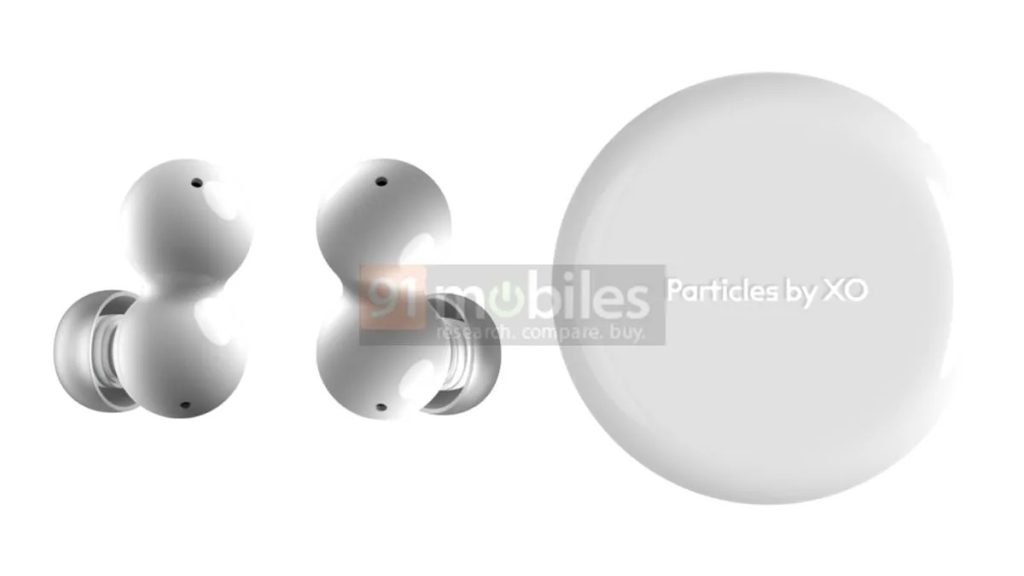
Nothing is expected to launch its sub-brand called ‘Particles by XO’. It was listed as made by Nothing in a firmware. Tipster Kuba Wojciechowski shared this information 91Mobiles. Particles by XO has also been registered as a trademark in the US under the earphones and headphones category. The publication has also shared renders giving us a look at the TWS earphones.
It’s unclear whether the upcoming earbuds from the Nothing sub-brand will be dubbed XO or Particles by XO. As seen in the renders the upcoming audio device has a unique peanut-shaped design. It looks slightly similar to the Sony LinkBuds. The TWS earbuds feature an in-ear design with silicone ear tips. Due to the L-shaped form factor, the body will be facing upwards when placed in the ear. The design looks minimalistic but not transparent like the Nothing Ear (1). The audio device is expected to come in a puck-shaped charging case.
Apart from the renders, the firmware from Nothing’s servers confirms that the TWS earbuds Low Latency High-Definition Audio Codec (LHDAC) and active noise cancellation (ANC).
Going by the design, the upcoming earbuds from the Nothing sub-brand could be aimed at a fashion-centric audience. The company launched the Nothing Ear (stick) with a lipstick-style TWS earphones case in October.
The Carl Pei-helmed company is gearing up to announce a new product in the US very soon based on a recent tweet. Hence we will learn more details in the coming days.
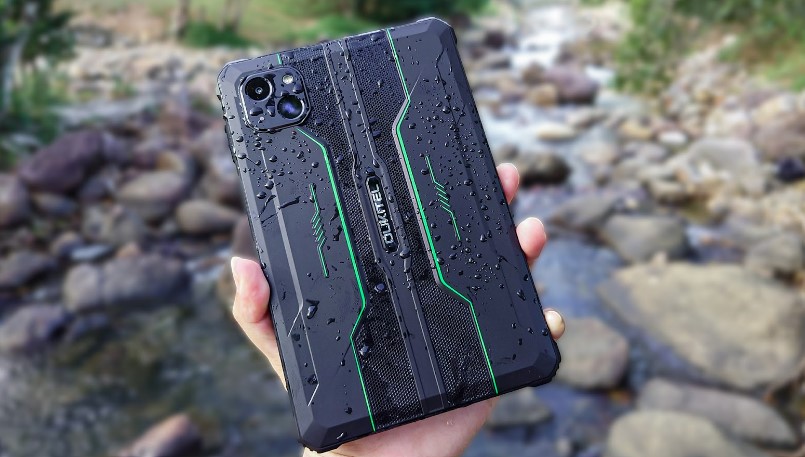
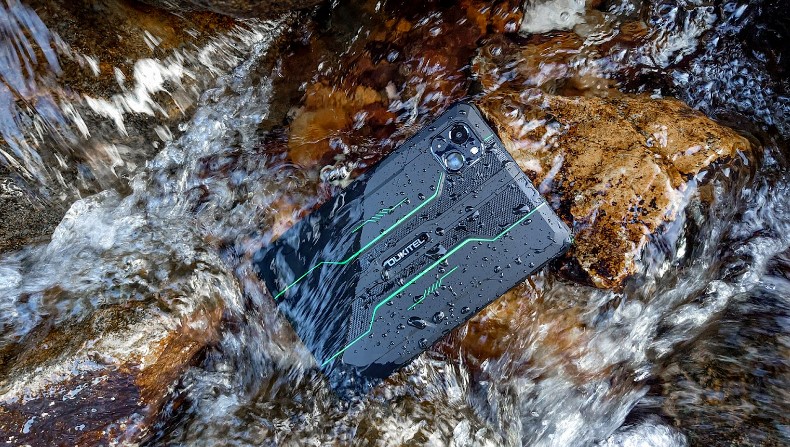
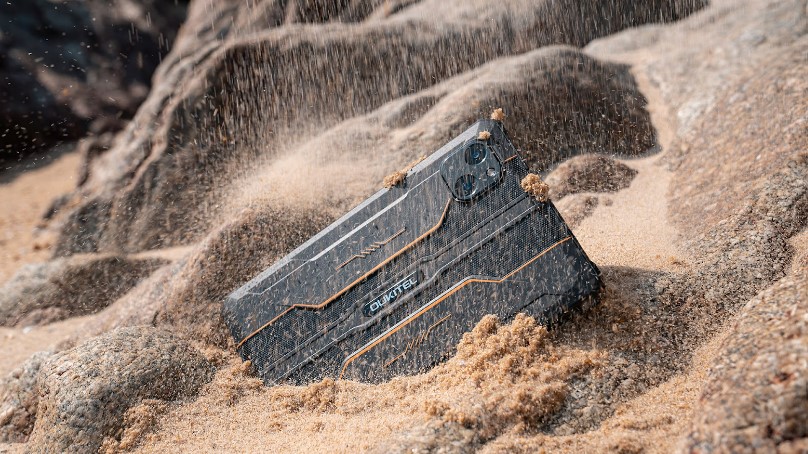
Oukitel is all geared up to launch its first 8-inch mini tablet the Oukitel RT3 on December 21, 2022. The mini-tablet will come with rugged features that can sustain extreme and harsh conditions making it perfect for outdoor usage.
Oukitel RT3 is designed to endure rough handling and operate flawlessly even in extreme conditions. The tablet is made to serve the needs of individuals from various industries like construction, engineering, architecture, education, entertainment, inventory management, emergency services, etc. There are other rugged tablets available in the market that can also withstand extreme conditions but they usually are big and bulky and hard to carry around. However, the Oukitel RT3 is as small as 209 x 136.6 x 14 mm and as light as 538.1g. This means you can easily carry your tablet anywhere and everywhere.
Oukitel RT3 features an 8-inch scratch-resistant IPS touchscreen display with 400 nits of brightness that provides an exceptional viewing and user experience. The device comes with a rubber casing that gives it extra protection. The tablet is IP68 / IP69K and MIL-STD-810H certified, making it waterproof, dustproof, and resistant to shocks, drops, and vibrations. The tablet is protected against immersion in water up to 1.5 meters deep for up to 30 minutes and can survive 1.5-meter drops.
The tablet is powered by the MediaTek Helio P22 octa-core processor and comes with 4GB RAM and 64GB ROM expandable up to 1TB. It runs on Android 12 OS and comes with dual rear cameras with a 16MP Sony IMX519 main sensor and a LED flash, great for taking beautiful shots in bright and low-light conditions. For your selfies, you have an 8MP sensor in the front.
Other interesting features include GPS, GLONASS, Galileo, and BeiDou, .4G/5G Wi-Fi, Bluetooth 5.3, dual speakers, barcode scanning, OTG, and toolbag support. The device allows two nano SIM cards or one nano SIM card with one microSD card at the same time and comes with cellular support that lets you stay connected and access data anytime, anywhere.
Price and Availability:
Oukitel RT3 Mini Rugged Tablet will launch globally on December 21, 2022, on AliExpress. Under the world premiere sale, you can get up to 50% discount on this tablet. Moreover, the brand is also offering an additional 10% discount coupon code: OUKITELRT3MN.
Thus you can buy Oukitel RT3 Tablet for as low as $139.99 during the sale period. Please note that the sale starts on December 21 and ends on December 25, 2022.
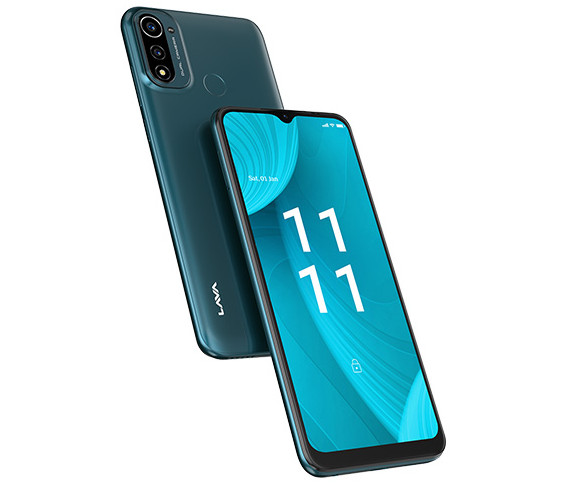
Lava has launched a new budget smartphone in India. It is the Lava X3. The homegrown brand has been steadily launching new phones in the country in the last few months. The latest offering is an entry-level device and falls under the Rs 8,000 price segment. It competes against the likes of the Redmi A1+, Realme C33, and more in the market. Read on to know what the Lava X3 offers out of the box.
The Lava X3 features a 6.53-inch IPS LCD display bearing an HD+ resolution. There is a waterdrop notch on the top and a thick bottom chin. The back panel has a pill-shaped camera module and a conventional fingerprint scanner. On the optics front, the device comes with an 8MP main sensor paired with a VGA secondary lens and an LED flash. There is a 5MP front-facing selfie snapper.
Internally, the Lava X3 is equipped with a quad-core Helio A22 processor. It packs 3GB RAM and 32GB onboard storage expandable via a microSD card slot. The smartphone draws its power from a 4,000mAh battery unit with support for 10W charging. Software-wise, the device runs on Android 12 Go Edition out of the box.
Connectivity options on the Lava X3 include 4G VoLTE, a USB-C port, a 3.5mm headphone jack, Bluetooth, WiFi, and GPS.
The Lava X3 carries a price tag of Rs 6,999 and is offered in Arctic Blue, Charcoal Black and Luster Blue colours. Interested buyers who pre-order the device on December 20th will be eligible to receive Lava ProBuds N11 neckband worth Rs 2,999 at free of cost.
OnePlus has marked its ninth anniversary with a teaser of its yet-to-be-released first-gen mechanical keyboard. This is part of the company’s broader plans to delve into PC accessories production. It outlined its plans to manufacture a mechanical keyboard with custom switches and gaskets, offering a unique typing experience.
The ninth-anniversary event of OnePlus was held on December 17. The smartphone brand used the event to unveil its Featuring X range of accessories. They include peripherals and other PC accessories. The double gasket design of the mechanical keyboard comes with a custom sound for the product.
The device, according to OnePlus, offers all-day comfort when typing or gaming. The keyboard will come in a premium aluminum package made using the CNC process. The keyboard also features custom profiles and switches co-created with its fans.
The OnePlus mechanical keyboard will be compatible with Linux, Windows, and macOS, although the wireless properties of the device are yet unknown. The layout of the new keyboard bears a semblance to that of a MacBook. The device will support open-source firmware and hot swaps for the switches. OnePlus expects to crowdsource the mechanical keyboard concept shortly, with a launch coming around February 2023.
There are still details about the mechanical keyboard concept of OnePlus. The company hopes the concept will receive a positive reception from the OnePlus global community.
If plans go smoothly, the new OnePlus mechanical keyboard could begin mass production by March or April 2023. Deliveries will then subsequently follow. OnePlus is affiliated with the rising global brand Oppo and expects to have entered the PC accessories terrain by its tenth anniversary.
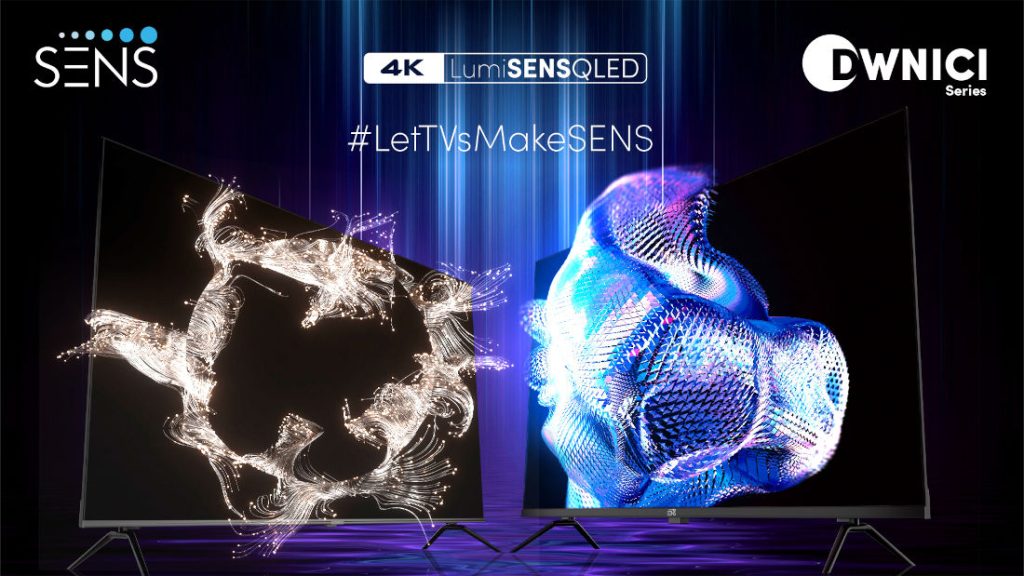
SENS is ramping up its efforts at local manufacturing with the launch of its lineup of Made in India TVs. This is the company’s first inroads into the smart TV market in India and 7 new TVs are entering the fray. Back in September, SENS launched smartwatches and TWS headsets that were wholly made in India. The TVs are designed by SENS’ in-house R&D teams based in India and the US.
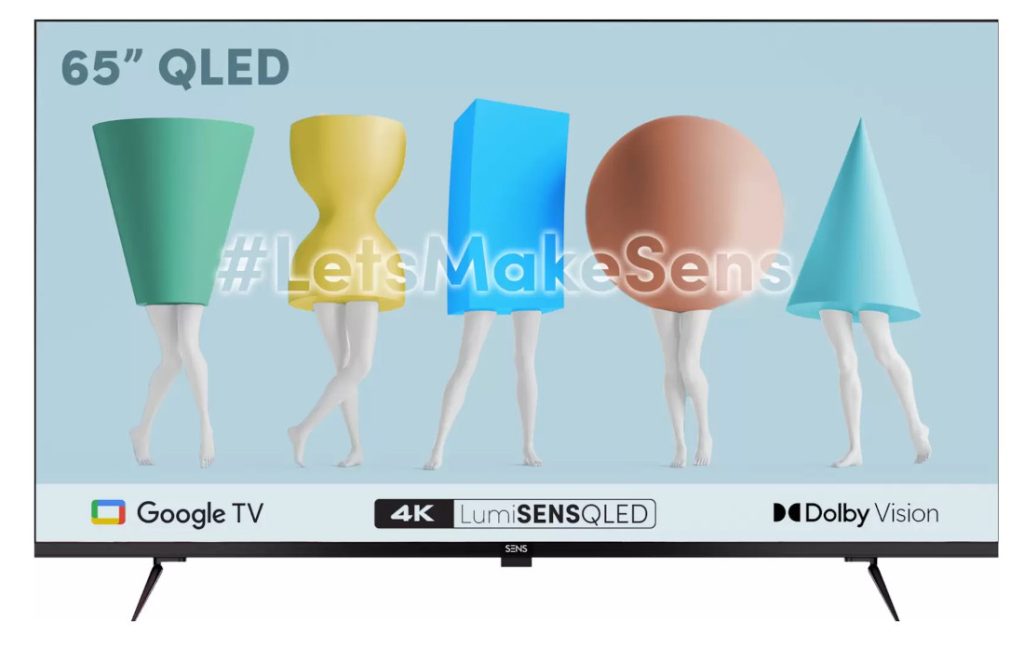
The new SENS TVs cut across several categories and were manufactured in production facilities in Noida and Greater Noida. The new SENS smart TVs all feature the LumiSENS and FluroSENS display panels developed by the company. The panel sizes range from 43 inches to 65 inches. The new TVs run on the Google TV OS platform and users can set up profiles for kids.
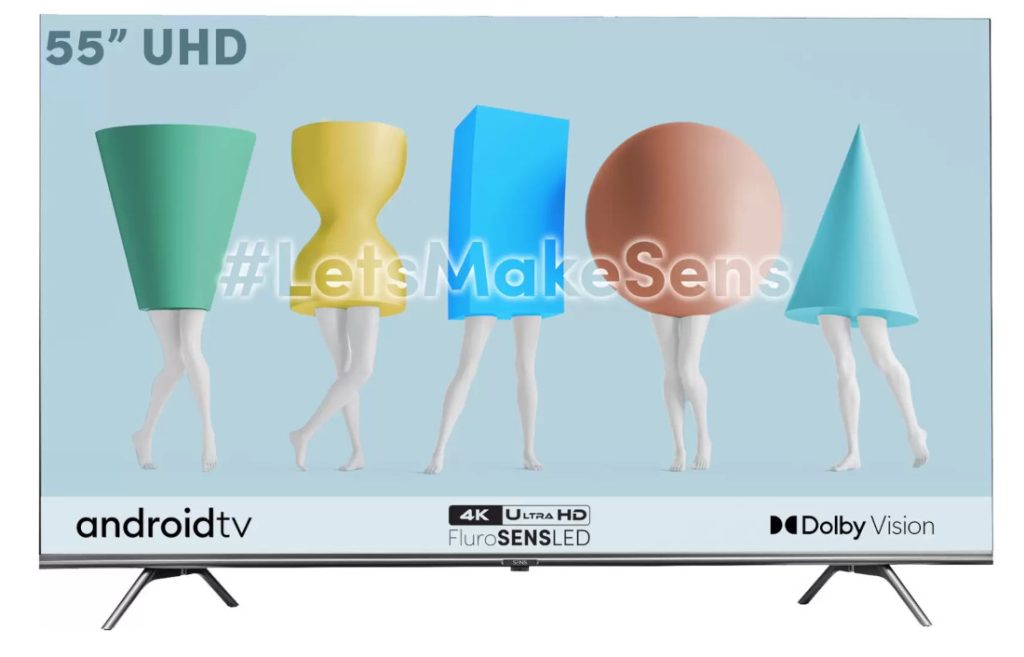
SENS says it has named the new TVs after renowned artists. The SENS Dwinci 4K QLED Google TVs are available in 55” and 65” sizes, while the Pikaso 4K UHD Android TVs come in 50” and 55” sizes. The lineup of new SENS smart TVs is completed by the 32” HD and 43” FHD and 4K Android TVs.
The SENS Dwinci TVs feature QLED displays with 178-degree viewing angles. They offer up to 350 nits of brightness, HDR10, and Dolby Vision. They come with a quad-core processor with Mali-G52 GPU. The Dwinci features 2GB of RAM and 16GB of storage, while connectivity options include dual-band Wi-Fi, Bluetooth 5.2, HDMI, USB, Ethernet, and optical ports. The remote of the TV has hotkeys for Netflix, Prime Video, and YouTube.
The SENS Pikaso lineup is powered by a quad-core A53 processor with 2GB of RAM and 16GB of storage. The TVs have a LED display with HDR10 and a 178-degree viewing angle. The Pikaso TVs run on Android TV OS and they have similar connectivity options as the Dwinci. The remote also features hotkeys for Netflix, YouTube, and other streaming platforms. The SENS 32” and 43” 4K Android TVs also come with some decent features with variations from their display panels.
As per pricing, the lowest-priced SENS TVs are the 32” HD and 43” FHD TVs priced at Rs. 9,999 (~$121) and Rs. 16,999 (~$205) respectively. The high-end Dwinci TVs are priced at Rs. 33,999 (~$411) and Rs. 42,999 (~$520) for the 55” and 65” models respectively. The TVs are available in India from Flipkart since December 16. SENS will hope to ultimately scale up its manufacturing for exports outside the subcontinent.
We use cookies on our website to give you the most relevant experience by remembering your preferences and repeat visits. By clicking “Accept”, you consent to the use of ALL the cookies.
This website uses cookies to improve your experience while you navigate through the website. Out of these, the cookies that are categorized as necessary are stored on your browser as they are essential for the working of basic functionalities of the website. We also use third-party cookies that help us analyze and understand how you use this website. These cookies will be stored in your browser only with your consent. You also have the option to opt-out of these cookies. But opting out of some of these cookies may affect your browsing experience.
Necessary cookies are absolutely essential for the website to function properly. This category only includes cookies that ensures basic functionalities and security features of the website. These cookies do not store any personal information.
Any cookies that may not be particularly necessary for the website to function and is used specifically to collect user personal data via analytics, ads, other embedded contents are termed as non-necessary cookies. It is mandatory to procure user consent prior to running these cookies on your website.