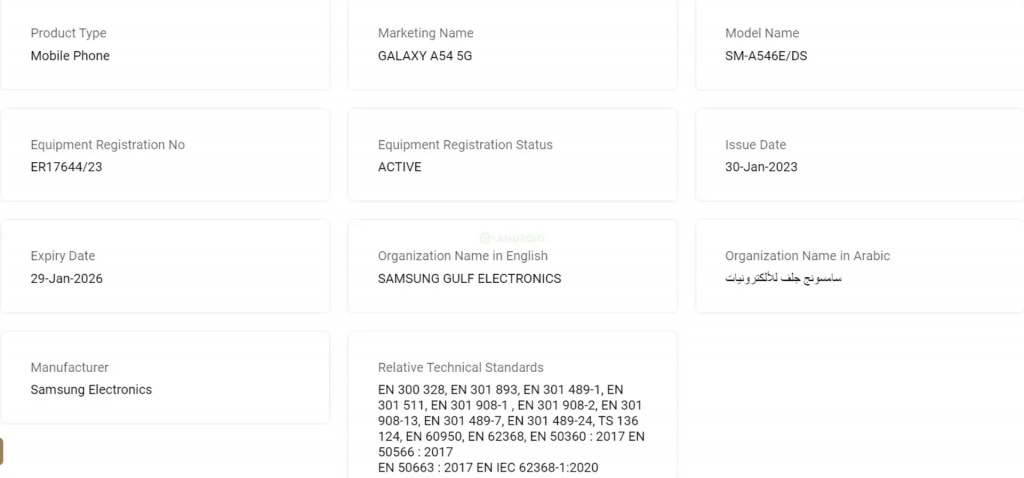
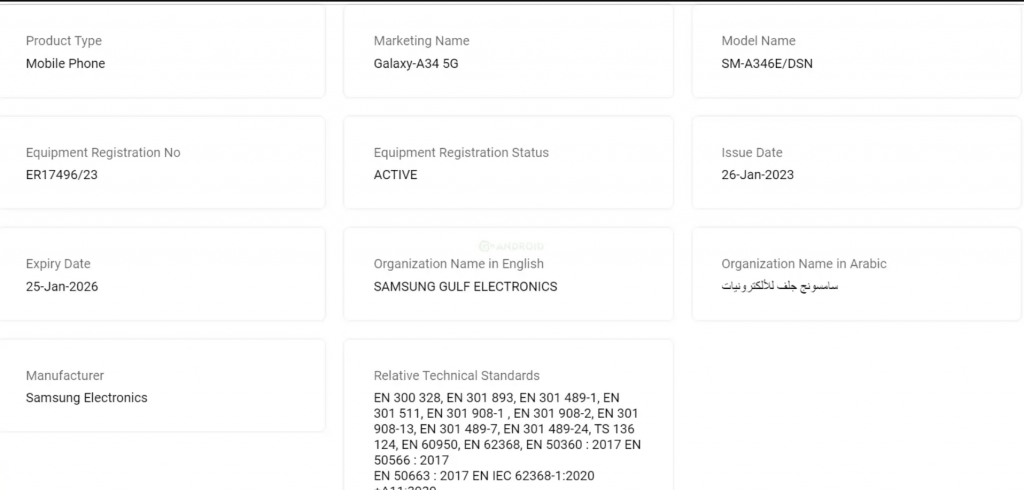
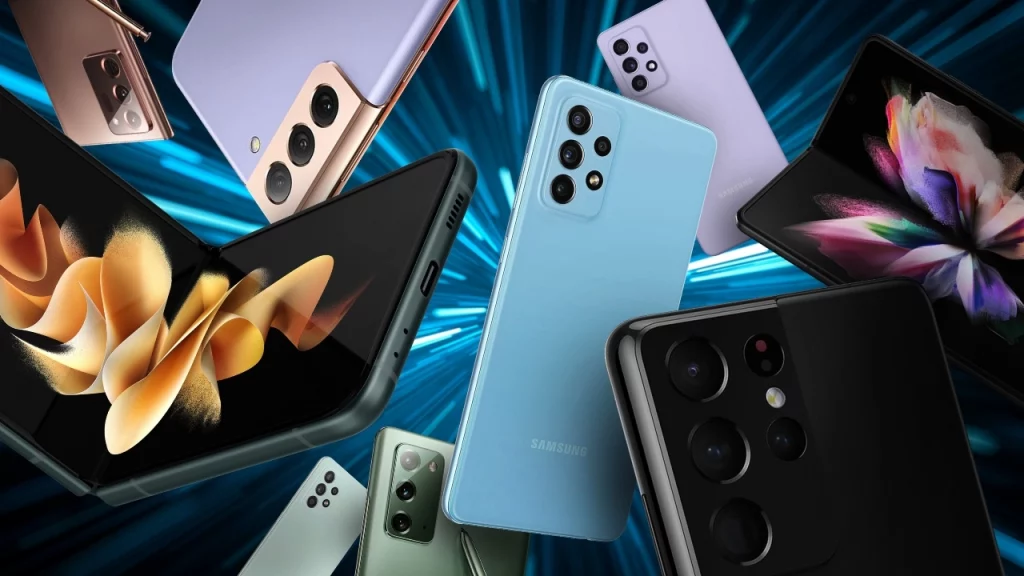
Samsung has been reportedly working on two new addition to its A-series of smartphones, the Galaxy A54 5G and Galaxy A34 5G. We had previously covered the reparability score of the Galaxy A54, and it was surprisingly higher than the Galaxy S23 smartphone. Both the Galaxy A54 and Galaxy S23 are very identical in terms of design and looks. Now, the Galaxy A54 5G smartphone, along with the Galaxy A34 5G has been listed on the UAE’s telecom regulator, TDRA, and is expected to be launched in the coming months.
Prior to the formal launch, both devices have been listed on the TDRA certification. Although the certification does not provide any technical information about the smartphone, it does suggest that the handsets will soon be released. The listing also confirms that the smartphones will debut in the marketplaces of UAE. The Galaxy A34 5G and Galaxy A54 5G are both listed with the model numbers SMA346E/DSN and SMA546E/DS, respectively.
The device has been getting listed on multiple websites and certifications which reveals that the brand is working hard to launch the device as soon as possible. However, there is no official information regarding the launch date and specifications of the device. Past reports also reveal that the Galaxy A34 5G would come in two different variants; 6GB+128GB and 8GB+256GB. The base variant is said to be priced somewhere around EUR 430 and the high-end variant is said to be priced at EUR 490.
A triple-rear camera module, a 4905 mAh battery, and some information concerning connectivity bands are confirmed for the Samsung Galaxy A54 5G. The FCC listing also discloses the presence of an EB-BA546BY 4905mAh battery and a 25W EP-TA800 charging adapter. The smartphone will also support Bluetooth, WiFi 6, SD Cards, and NFC in addition to these. This brings an end to our discussion of the upcoming Samsung products. Many thanks for reading this post all the way through.
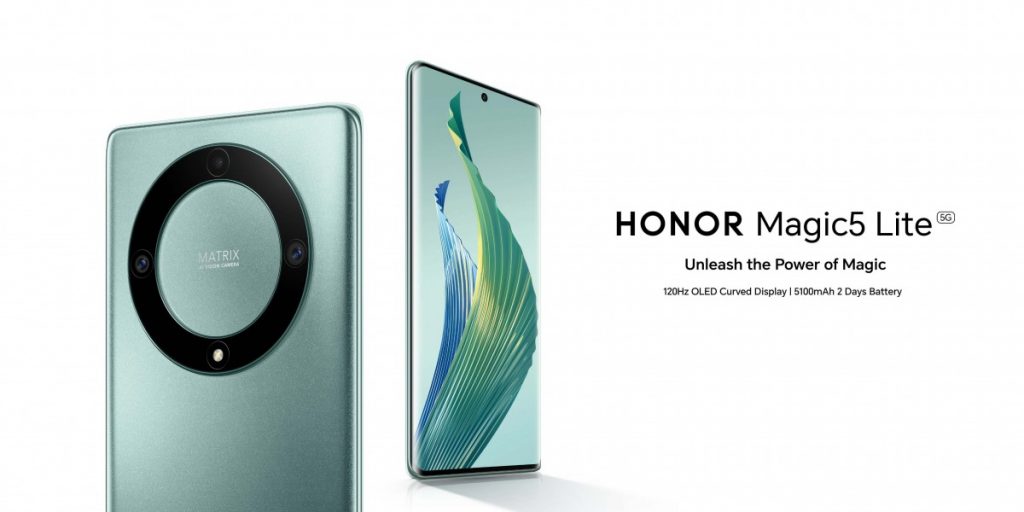
Honor Magic 5 Lite has debuted in the European market today. It arrives as the successor to the Magic 4 Lite that was launched last year. The latest offering is actually a rebranded version of the X9a that is available in Malaysia. Read on to know what it offers out of the box.
The Honor Magic 5 Lite boasts a 6.67-inch curved OLED display bearing an FHD+ resolution and a centre-aligned punch-hole cutout. It features a 10-bit panel, a 120Hz refresh rate, 800 nits peak brightness, and an integrated fingerprint scanner. The smartphone has a non-protruding circular camera island on the back panel.
The Honor Magic 5 Lite features triple rear cameras. The setup comprises a 64MP main sensor, a 5MP ultra-wide-angle lens, and a 2MP macro unit. There is a 16MP front-facing snapper.
Under the hood, the Honor Magic 5 Lite is equipped with a Qualcomm Snapdragon 695 processor. It packs 6GB RAM and 128GB onboard storage. There is also 5GB RAM expansion technology. The smartphone draws its power from a 5,100mAh battery cell with support for 40W fast charging. Software-wise, it ships with Magic UI 6.1 based on Android 12 out of the box.
Connectivity options on the Honor Magic 5 Lite include 5G, 4G, WiFi, Bluetooth 5.1, USB-C port, and a 3.5mm headphone jack.
The Honor Magic 5 Lite costs EUR 379 and is available in Midnight Black, Emerald Green and Titanium Silver colours. The smartphone will be up for pre-orders in France starting February 20th.
Primate Labs has just released the latest iteration of the Geekbench 6 benchmarking suite. The platform is best know for offering one of the most popular synthetic benchmarking tests for various devices, and now the latest edition, offers many improvements over the predecessors. So let’s have a look.
The new version of Geekbench comes with a new and improved tests that benchmark the device’s CPU and GPU. Thanks to this, Primate Labs’ latest software will be capable of better assessing performance and even benchmark new application areas like augmented reality and machine learning. Talking about some of its new key features, the latest version of Geekbench adds several new tests.
This including workloads that Blur backgrounds in videoconferencing streams, it can automatically remove unwanted objects from photos, a test that detects and tags objects in photos using machine learning models, and even analyze, process, and convert text using scripting languages. The platform also offers an overhauled its multi core benchmarking tests. Unlike before, the multi core tests measures how the cores work together rather than giving each of them a separate task.
This change is quite useful for desktops and laptops that are increasingly using both and “performance” and “efficient” cores together. Furthermore, the new Geekbench 6 also brings support for Vulkan, which is a next gen cross platform graphics API. The latest iteration is currently available on Android, iOS, Windows, MacOS, and Linux.
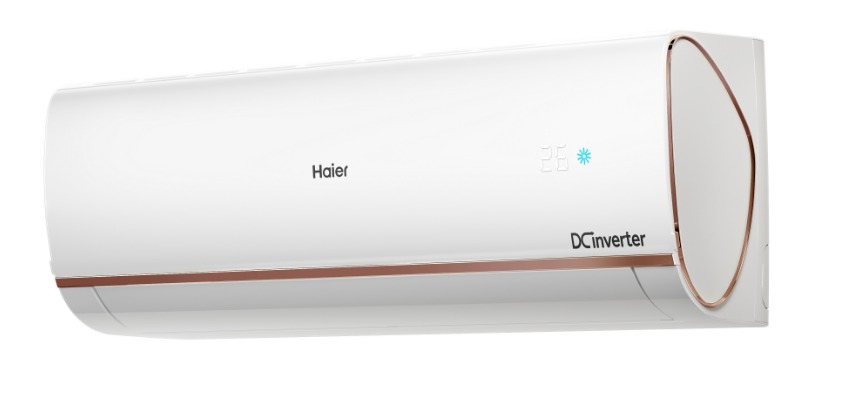
Haier has launched its Kinouchi 5-Star Heavy Duty Pro series air conditioners in India. The new lineup of air conditioners features the Frost Self-Clean and Smart Convertible technologies, among other intelligent features. The air conditioners deliver comfort, reliability, and efficiency, according to Haier. The Smart Convertible feature allows the user to lower the AC’s tonnage capacity to a minimum of 0.8 tons.
The Kinouchi 5-Star Heavy Duty Pro AC series has a maximum tonnage capacity of 1.6 tons and saves energy at a lower tonnage. The supersonic feature of the AC helps to rapidly cool a hot room at a pace up to 20 times faster. The Frost Self-Clean feature enables a complete indoor wet wash with 99.9% sterilization. In the Frost Self-Clean mode, the air conditioner’s evaporator begins to freeze, trapping the accumulated dust on the coil. After some time, the frost begins to melt, which drains all the dirt out of the drainpipe.
The Haier Kinouchi 5-Star ACs in India have Triple Inverter Plus, as compared to the regular inverter in most ACs. The triple inverter plus technology integrates TLFM and APAM inverter controls to achieve smart control of the AC. In addition, voice commands can be used to operate the Haier Kinouchi 5-Star ACs via a smartphone or other smart devices.
The air conditioners are compatible with Amazon’s Alexa and Google Home. Using the companion Smart Haier app, users can create a 7-day cooling schedule to suit their needs. You can also receive alerts to clean the unit or replace filters. The app allows users to keep track of their daily energy needs.
The Kinouchi Heavy Duty Pro air conditioners will retail in India starting at Rs. 47,990 (~$578). The product is available directly from the Haier e-commerce store and leading retail platforms like Flipkart and Amazon India.
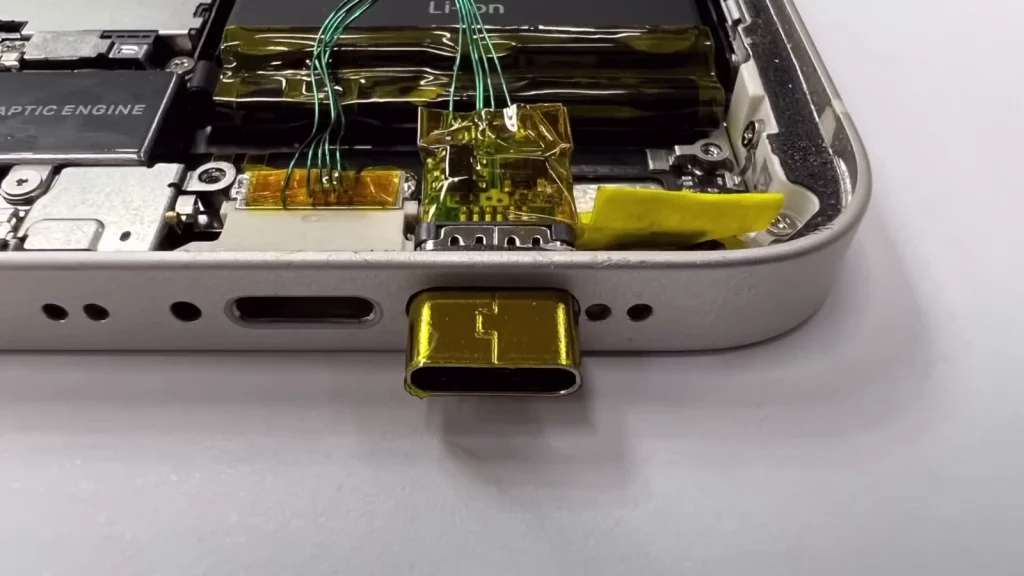
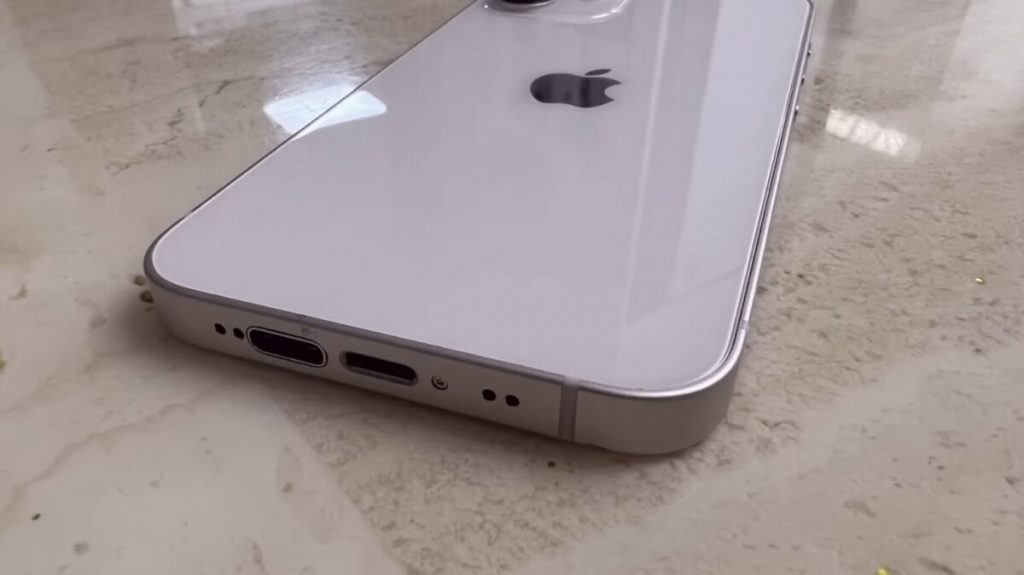
A modded iPhone 12 Mini has been spotted with both USB-C and Lightning ports. The iPhone 12 series originally came with only a Lightning port. There had been reports of a possible switch by Apple from a Lightning port to a USB-C port before now. The addition of a USB-C interface is the first-ever modification of such nature for the iPhone 12 Mini. The feat of modifying the iPhone 12 Mini with the addition of the USB-C port was done by a YouTuber who goes by the name Hyphaistos3672.
The iPhone 12 Mini was first disassembled, with the speaker removed. This created space for an additional USB-C port which was then linked to the existing hardware. The speaker was then modified to fit into the new architecture. After reassembling the device, the components seemed to have fitted snugly. Both the internal and external finishing was surprisingly good.
Both the Lightning port and USB-C ports were demonstrated to be fully functional on the device. So it seems realistic to simultaneously charge the device while listening to audio via a wired connection. Since the removal of the audio jack from iPhones, it was not possible to simultaneously listen to audio and charge the iPhone.
It has to be stated though that the addition of a USB port is not new with iPhone modifications. There had also been speculations that Apple was considering ditching the Lightning port for USB-C connectivity. Indeed, there had been some regulatory pressure on the Cupertino-based company but it hasn’t changed to USB-C yet.
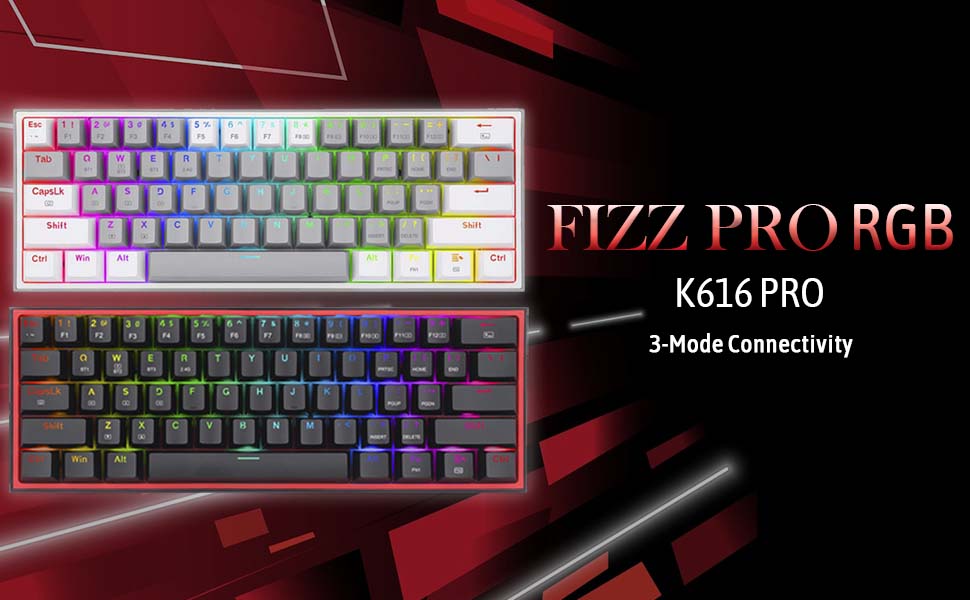
The Redragon FIZZ Pro K616 has just been launched in India. The new product is a wireless gaming keyboard that features RGB lighting. It is the latest mechanical keyboard from the brand that is geared for gamers. So let’s have a look.
The known gaming accessories maker had recently announced the Draconic K530 Pro Wireless RGB Gaming Mechanical Keyboard in the Indian market. However, the new model is a 60 percent type of keyboard. In other words, it is much smaller than a typical full sized keyboard and is more compact. Furthermore, it also offers hot swappable mechanical keys with Red Switches. The new FIZZ Pro K616 keyboard arrives with a sturdy design and 61 keys that makes enables more space on your desk.
Notably, the FIZZ Pro K616 keyboard arrives 20 preset of RGB lighting modes that can also be fully customized. Users also have complete control over brightness and speed. It also has built in macros and key binding shortcuts as well. The keyboard supports multiple connectivity options, namely Bluetooth and RF 2.4GHz. This device can even quickly switch between devices and users can also connect the keyboard via a USB Type C port to use it in wired mode whilst recharging the internal batteries.
The Redragon FIZZ Pro K616 Mechanical 3 Mode 60% Gaming RGB Keyboard is offered in a Black and White-Gray color option. The new keyboard is available for purchase on Amazon India, the company’s official website, and others for a price tag of 3,490 INR (roughly 42 US Dollars).
Samsung recently announced One UI 5.1 with the S23 series at the Galaxy Unpacked event. Right after that, Galaxy S22, Galaxy S21, Galaxy Z Fold 3, Z Fold 4 became the first models to receive the update. While the company’s quick update schedule pleased users, unfortunately, things did not go as expected. After the installation of One UI 5.1, some Samsung users reporting several issues related to update, battery draining, and more. Here are the details…
Is One UI 5.1 Unreliable? Questions Raised by Recent Issues
Most of us are aware that using up-to-date software can be beneficial. With new updates, features, security measures and other improvements, these updates can help enhance the user experience. However, with old devices and new software, there may be a lack of harmony between the two and this can lead to some issues. This is exactly what some Galaxy users are experiencing with One UI 5.1.
A Samsung Galaxy S22 user has reported a bad experience after installing One UI 5.1. The user noted that sometimes the phone lags during certain animations and also experienced a battery-draining issue. It’s understandable that users have become frustrated with these issues and Samsung is working hard to find a solution. In the meantime, users are encouraged to reach out to Samsung’s customer service team for help in resolving any issues they may be facing.
Many users have been experiencing issues with the One UI 5.1 installation, with some reporting that certain features are no longer available. Most notably, the ability to choose from different colors when setting a new wallpaper has been removed. This is a problem for those who use this feature regularly, as manual selection of colors is now required. In addition, the rapid depletion of the battery and the problems experienced in many different bugs.
Samsung Working on Fixing Issues
The One UI team is aware of the issue and working to resolve it as quickly as possible. In the meantime, affected users are encouraged to check for updates regularly to ensure they have the most recent version installed. And if you’re one of the lucky few who haven’t updated their device, you’d better wait a little longer.
Google Fiber has just launched its new 5Gbps internet plan option. The company had been testing this high speed internet service last year, and is finally rolling out the $100+ service in the US. So let’s have a look.
The new internet plan is available as of right now in Kansas City, West Des Moines, and in Utah. This service offers a symmetrical upload and download speeds, an upgraded 10 Gig Fiber Jack that will be professionally installed, a Wi-Fi 6 router, and up to two mesh network extenders as well. While 5Gbps is definitely really fast, most common households wouldn’t require such high speeds. So this is clearly being offered to people working as creative professionals, gamers, or any one who would need to transfer large files often and have minimal latency.
A great example of just how impressive the new Google Fiber internet plan is, the Microsoft Flight Simulator download takes around 11 minutes at 2Gbps. However, this would fall to just around three minutes at 6Gbps. The Search engine giant is focusing its efforts on Fiber and is working on expanding its network. Through this, we can see Fiber soon be disruptive in the internet providing service market.
The 5Gbps service has a month fee of 125 US Dollars. And it doesn’t just end there as Google has also added that it is working on an 8Gbps option as well for Fiber. This was announced last year, although it is still under the “coming soon” banner. It is likely that this plan would also offer symmetrical upload and download speeds as well.
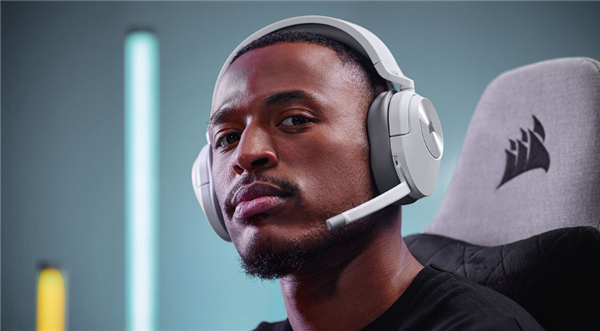
CORSAIR has released two wireless headsets, the HS65 and HS55, offering high-quality audio, advanced technology, and a sleek design.
The HS65 is made with a solid reinforced aluminum structure, a lightweight frame, and a striking mesh grille side shell. It weighs only 275 grams, making it comfortable to wear for long gaming sessions. It is available in black and white, providing options for different tastes.
In terms of audio quality, the HS65 is equipped with a 50mm neodymium sound unit that delivers immersive sound. It supports Dolby 7.1 surround sound, allowing users to experience audio from all angles. The headset also features customizable audio effects, allowing users to fine-tune the audio to their preferences.
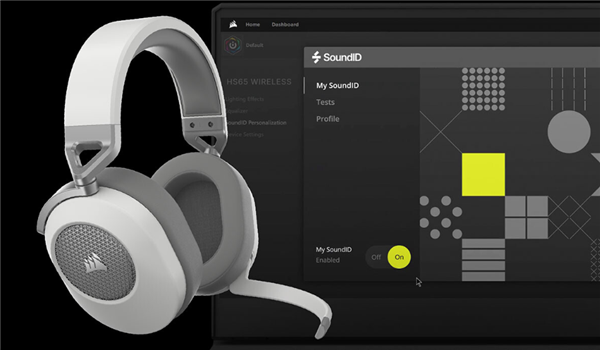
The HS65 also features Sonarworks SoundID technology, which quickly assesses the user’s unique preferences through sample audio clips, creating the ideal audio EQ profile for the user. This technology provides a personalized audio experience that adjusts to the user’s unique hearing.
In terms of connectivity, the HS65 supports both Bluetooth and low-latency 2.4GHz wireless connections. The headset has a microphone that can clearly capture sound with almost no wireless delay, ensuring clear communication during gaming or online calls.
The HS55 is another wireless headset released by CORSAIR on February 14th. It weighs 266 grams and is available in black and white. The HS55 has a design similar to the HS65, featuring a lightweight frame and 50mm neodymium sound unit that supports Dolby 7.1 surround sound. It also has customizable audio effects and Sonarworks SoundID technology, providing a personalized audio experience.
The Corsair HS55 and HS65 Wireless Headsets are presently available to buy from the official CORSAIR online store and from authorized retailers and distributors.
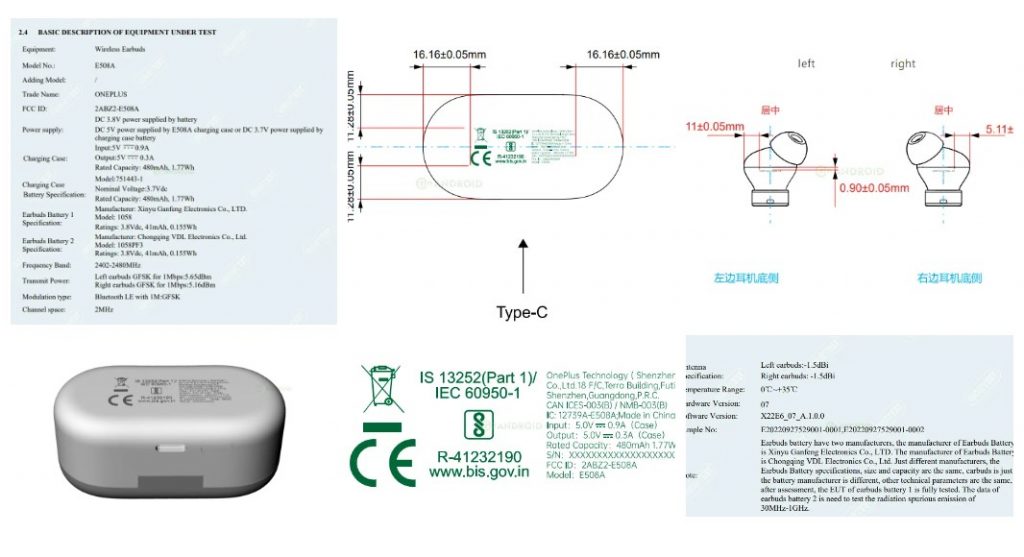
OnePlus Nord Buds 2 have been spotted on Federal Communications Commission (FCC) website. It will arrive as the successor to the original Nord Buds that debuted last year. The upcoming TWS earphones have also bagged various certifications including IMDA, CQC, BIS, and Bluetooth SIG. This hints that the audio device will launch soon. The FCC certification reveals the design and key specifications of the Nord Buds 2.
The OnePlus Nord Buds 2 are listed with model number E508A on FCC which is same as other certification sites. As per the latest certification listing, the TWS earphones could arrive in the global markets as the OnePlus Buds Ace rebrand. The design schematics show the charging case similar to the Buds Ace. It measures 22.27 x 9.29 x 0.11mm in size. The back of the charging case has a USB-C port and a button for pairing the TWS earphones to a phone. The listing also reveals slightly angled and silicon ear tips. It’s unclear whether the Nord Buds 2 will feature a stem or come with an in-ear design.
As per the FCC listing, the OnePlus Nord Buds 2’s charging case will be equipped with a 480mAh battery unit. Each earbud will be backed by a 41mAh cell. The device will support 4.5W charging. The Bluetooth SIG certification revealed that the TWS earphones will come with Bluetooth 5.3 connectivity.
Apart from this, there is no information about Nord Buds 2. We expect to know more details in the coming weeks.
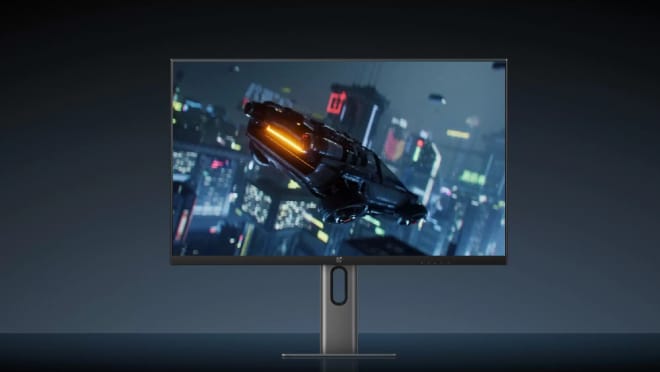
OnePlus has been on a roll with a number of new product announcements that have expanded its consumer electronics portfolio. One of the latest launches includes the new Monitor E 24 model, which has finally gone on sale in India. So here are all the details.
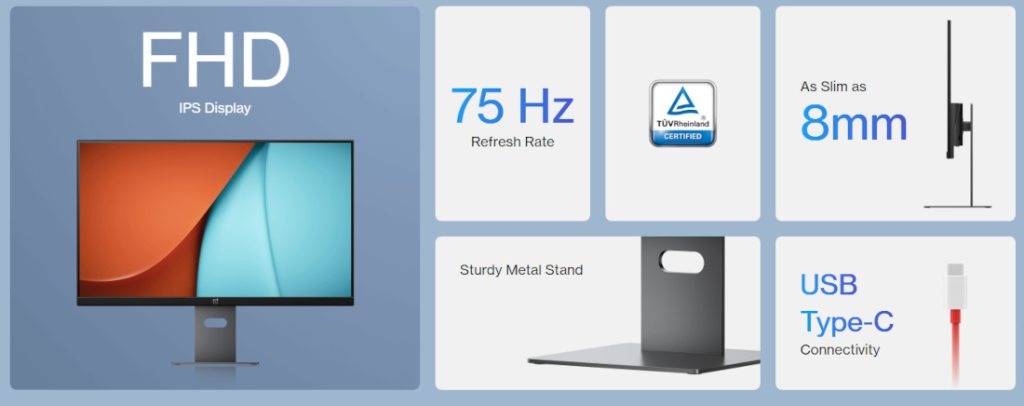
The Chinese smartphone maker’s new monitor has officially started sales today. As the name suggests, it sports a 24 inch display. This is an IPS panel that comes with Adaptive Sync, TUV Rheinland certification for user’s eye protection, Full HD resolution, 75Hz refresh rate, and a low 5ms response time. OnePlus clearly entered this market to offer a premium experience and look along with functionality. This can be noticed with the bezel less design on three sides and a metallic build.
The metal stand can also be adjusted, supporting -5° to 15° as well as support for tilt and rotation. For connectivity, users also get 1 x USB C (with 18W Power Delivery), 1 x HDMI v 1.4, 1 x VGA port, and 1 x headphone jack on the OnePlus Monitor E 24 model. Furthermore, users can also plug in a compatible device via the USB Type C port on the display to simply mirror the display of the connected device like a smartphone.
The sale of the new monitor is live as of today (15th February 2023). It has a price tag of 11,999 INR (roughly 145 US Dollars) and will be available for purchase from various online platforms like Amazon, Flipkart, and even the company’s official Indian website. You can even find the new monitor on the OnePlus Store app or the company’s Experience Stores as well.
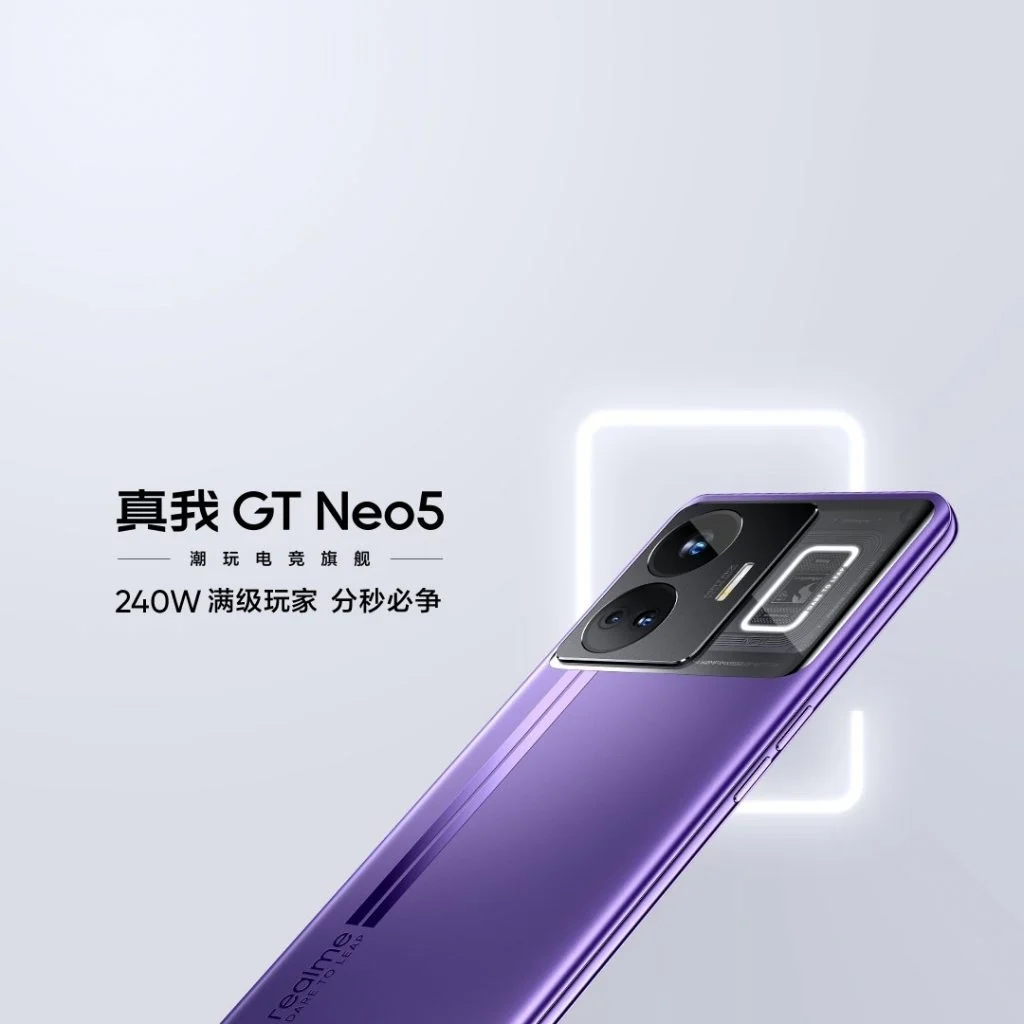
The Realme GT Neo5 was recently announced in the company’s home market of China and arrives with some very notable specs and features. The device has made its debut in the market, and the 1TB version seems to have flown off the shelves in no time. The Director of Realme, Song Qi, has specifically mentioned that the 1TB version is not limited in supply; instead, the demand for the same has surpassed their expectations, and the team is working towards fulfilling the demands at the earliest.
The Realme GT Neo5 has made it to the Top 2 on the list of the best-performing new smartphones in the past three months, which is quite impressive. Furthermore, it is being touted as the highest-selling Android 1TB smartphone in history. Realme and China’s Tell Lab have made sure that the Neo 5 has industry-leading battery life, performance, heat dissipation, control, and network. As per the company, The Realme GT Neo5 has undergone comprehensive optimization and up-gradation for all these dimensions.
In terms of performance, the Realme GT Neo5 boasts of a flagship dual-core combination, with a Snapdragon 8+ flagship chip and a new generation of super-frame independent display chip Plus. It offers a high-end gaming experience with high frame rates and lower power consumption.
Despite top-notch specs and features on a budget, the company also aimed to offer a unique design. While the front has a typical design, the rear is where the device stands out. A large camera island on the back isn’t exactly new, but it also includes a transparent window and LED lighting on the right of the camera system. The Realme GT Neo5 supports up to 16GB+1TB of full-level flash memory, and is equipped with the Realme Whirlwind memory engine that can keep up to 45 background applications running simultaneously, ensuring a smooth multi-application switching experience.
The Realme GT Neo5 is priced at 3,499 Yuan (roughly $515) for the 16GB + 1TB version. That is definitely competitive pricing for the device’s specifications, especially the 1TB storage space, which explains the popularity of the smartphone. Hopefully, the Realme GT Neo5 will be back in stock soon for the consumers who are waiting eagerly.
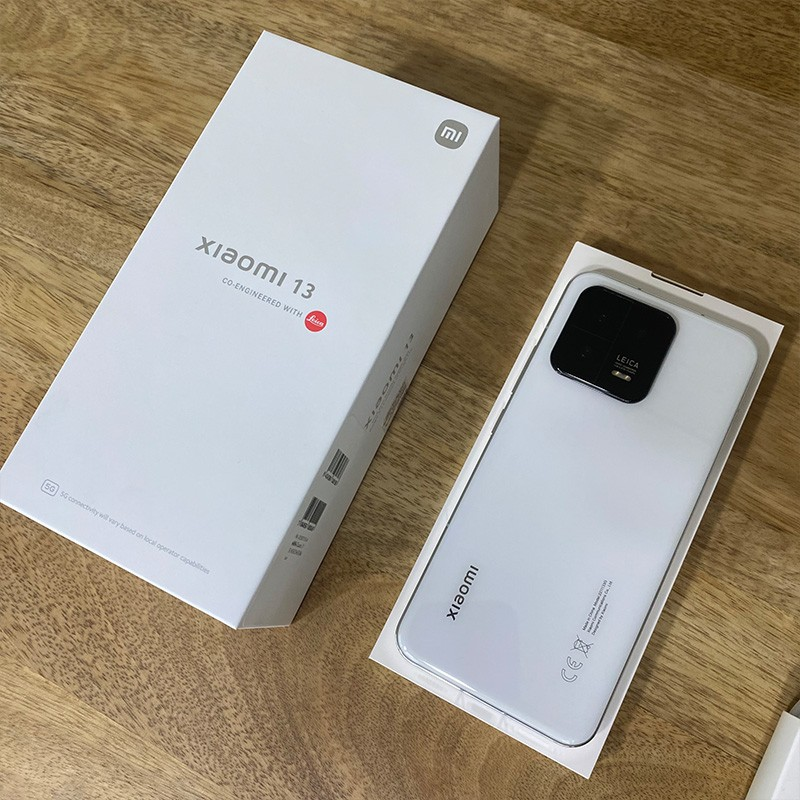
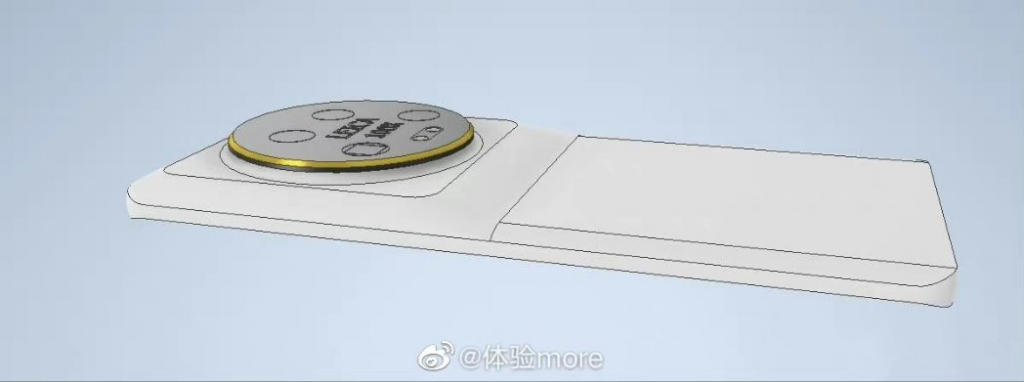
The Xiaomi 13 series of flagship smartphone model is set to be released at the MWC 2023 (Mobile World Congress) event later this month. But ahead of its launch, this global variant of the base model was unboxed, while a separate leak revealed renders of the top end Xiaomi 13 Ultra model.
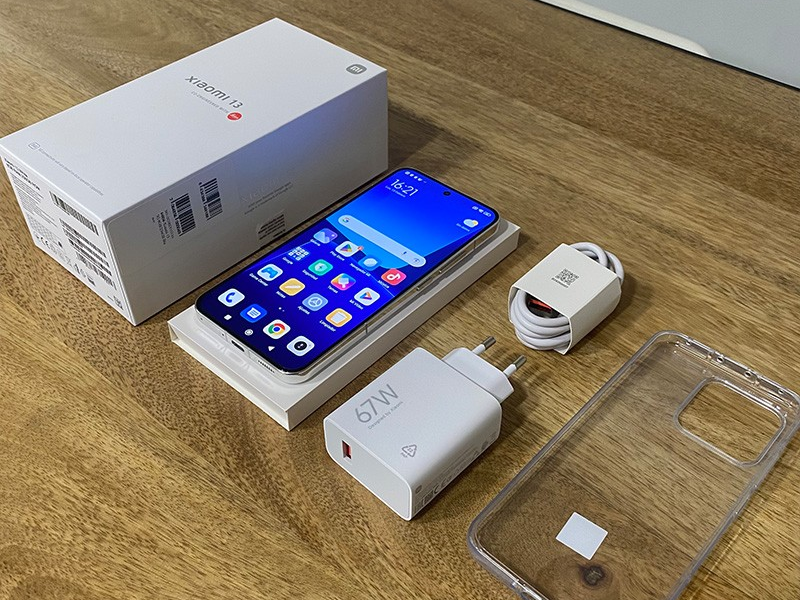
The leaked images of the unboxed Xiaomi 13 was shared by known tipster Snoopy Tech. Looking at the pictures, we see the device and the content of its retail box. For those unaware, the Xiaomi 13 has already been launched in the brand’s home market of China. Now, the base model was unboxed with the pictures showing a white model. We can even see that the global variant arrives with the 67W fast charger out of the box, including both the charging cable and the adapter.
There is also a clear protective cover in the box as well. The Xiaomi 13 is a premium grade handset and features top notch specs and features like the Snapdragon 8 Gen 2 SoC and 50 megapixel triple camera setup on the rear. It even offers up to 50W wireless fast charging, iP68 protection rating, and more. A separate leak also revealed another upcoming 13 series phone. This is the top end Xiaomi 13 Ultra, with its design being revealed via leaked renders.
The renders showcase the rear design of the new flagship phone, which features a large camera island and a circular module that houses the cameras. We can clearly see that the module houses four image sensors that likely include a primary, periscope, and wide angle lens. While finer details regarding the camera setup is still unclear, rumors have hinted at the 1 inch Sony IMX989 sensor. Apart from this, we can see the device has curved edges. This is all the information we have at the moment, so stick around for more.
Nokia X30 5G has launched in India today. The Finnish brand has been teasing the device on its Twitter handle for the last few days. The latest offering had debuted in the global markets in September last year. The Indian variant also comes with the same specifications. The Nokia X30 5G competes against smartphones under the Rs 50,000 price bracket. Read on to know what it offers out of the box.
The Nokia X30 5G is an environmentally friendly smartphone made up of 100 percent recycled aluminium and 65 percent plastic. It has a compact form factor and an octagonal-shaped rear camera module. On the front, the device features a 6.43-inch AMOLED display with a centre-aligned punch-hole cutout and an integrated fingerprint scanner. It offers an FHD+ resolution, 90Hz refresh rate, and 700nits peak brightness. The smartphone is shielded by Gorilla Glass Victus and is IP67-certified waterproof.
The Nokia X30 5G features a dual rear camera setup comprising a 50MP main sensor with f/1.8 aperture and OIS support and a 13MP ultra-wide-angle lens. There is a 16MP front-facing selfie snapper.
Under the hood, the Nokia X30 5G is powered by a Snapdragon 695 processor. It packs 8GB RAM and 256GB storage. The smartphone is backed by a 4,200mAh battery unit with support for 33W fast charging. On the software front, the device runs on Android 12 out of the box and comes with three years of OS upgrades as well as monthly security updates.
The Nokia X30 5G carries a price tag of Rs 48,999 and is offered in Ice White and Cloudy Blue colours. The pre-booking starts on the brand’s websites, Amazon, and leading retail outlets from today with sales commencing February 20th. As a part of the launch offers, buyers can avail Rs 1,000 discount on Nokia.com, free Nokia Comfort Earbuds, free 33W charger, and extra Rs 4,000 off on exchange on Amazon.
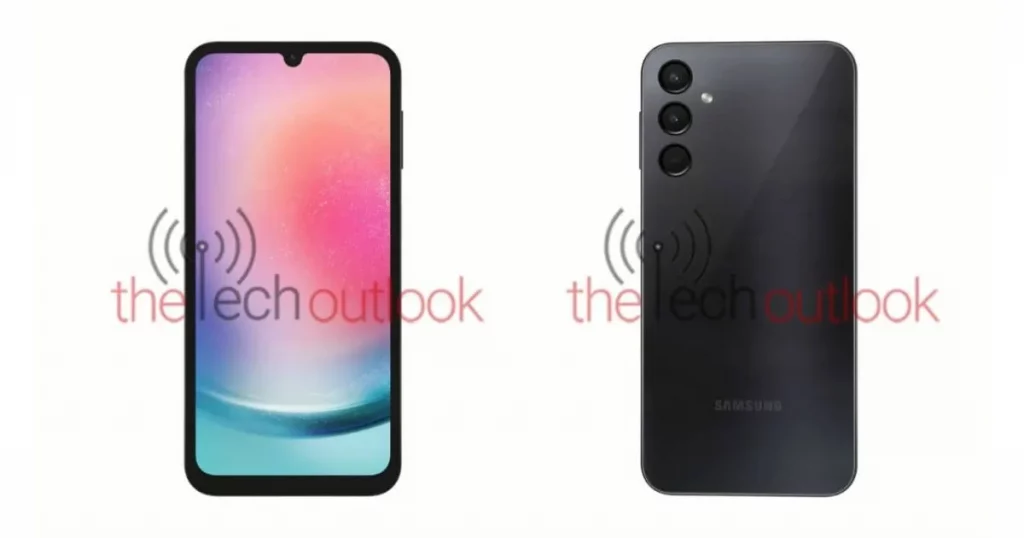
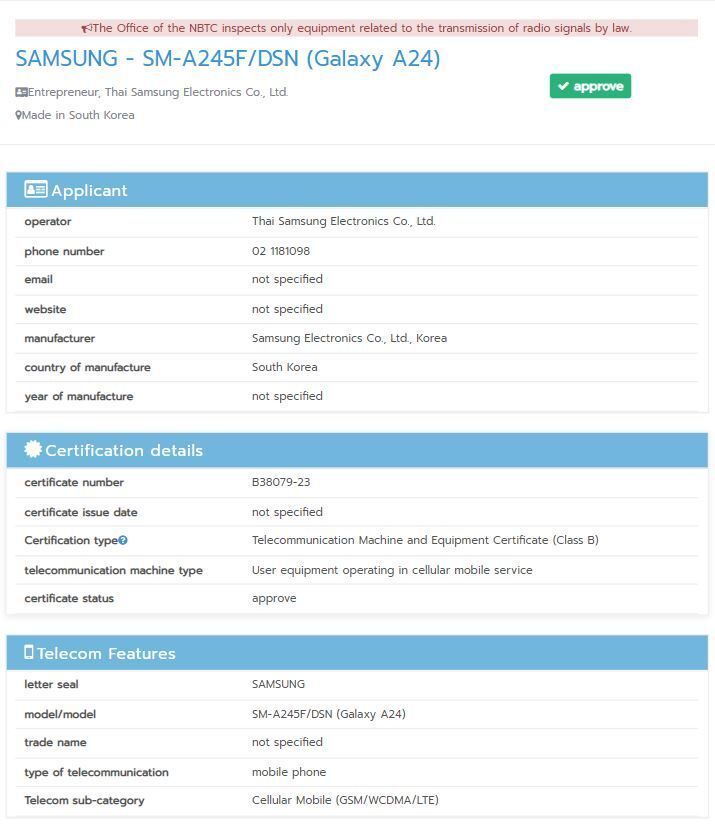
Samsung is rumored to debut new Galaxy A-series devices in March 2023. We expect the initial launch to include the Galaxy A54 5G and the Galaxy A34 5G, with more devices joining the lineup later. One such device is expected to be the 4G version of the Galaxy A24 which has been subject to some leaks in recent weeks.
The device has now appeared on the NBTC certification website bearing model number SM-A245F/DSN. Although the listing does not confirm any specifications of the upcoming smartphone, it all but guarantees that the device will be launched in Thailand.
Talking about the specs, the Galaxy A24 4G was spotted on Geekbench with a MediaTek Helio G99 chipset under its hood. For those unaware, the Helio G99 is a 6 nm-based chipset made for mid-range 4G devices. Along with being decently powerful, the chipset is also very energy efficient enabling long battery life even while being used for gaming.
Other than that, the A24 4G is tipped to feature a 6.4-inch Super AMOLED display with a 90Hz refresh rate and Full HD+ resolution. We expect the display to feature a water-drop notch. According to reports, the Samsung Galaxy A24 is expected to feature a triple rear camera system consisting of a 48MP primary camera with OIS, an 8MP ultra-wide-angle lens, and a 5MP auxiliary sensor. The phone is rumored to come with a 4000mAh battery that supports 15W fast charging, although an FCC certification listing suggests it may support 25W fast charging instead. Lastly, the operating system on the device will likely be One UI 5.0 based on Android 13.
Exciting news! Recently, Amazon-owned Zoox’s autonomous shuttle service hit the open public roads, marking the first time in history that a purpose-built robotaxi has driven autonomously with passengers, and without any manual controls like a steering wheel or pedals. The experience was built for riders, not drivers, and it was a huge moment for Zoox and its crew, who made this happen.
According to Jesse Levinson, co-founder and CTO of Zoox, being the world’s first passenger in a robotaxi with no manual controls on open public roads was one of the highlights of his life. Reinventing transportation required assessing all-new innovations at every stage. Zoox put its vehicle through iterative loops of simulations and structured testing in the test chamber to clock serious miles on private test tracks. Meanwhile, the L3 test fleet collected real road data and drove more than a million autonomous miles in San Francisco, Las Vegas, and Seattle.
Zoox became the first company in July 2022 to self-certify a purpose-built, fully autonomous, all-electric passenger vehicle to the Federal Motor Vehicle Safety Standards, which are the federal vehicle safety performance requirements needed to operate on public roads. Last week, Zoox received its driverless testing permit from the California Department of Motor Vehicles to operate its robotaxi autonomously on public roads, both empty and with Zoox employees as passengers.
Starting this spring, Zoox’s full-time employees will be able to ride in the robotaxi between its Foster City offices during business hours. This milestone is a significant achievement for Zoox, the autonomous vehicle industry, and transportation in cities. It’s a step closer to bringing purpose-built robotaxis to the general public, and it will revolutionize how people travel, making journeys easier and more enjoyable.
In the OnePlus 11 Full Review, I gave it a good rating. the OnePlus 11 is indeed a worthwhile phone, but not everyone can afford a sub-flagship. Most people are probably more excited about this one, the OnePlus Ace 2. It’s only $410 in China for the 12+256 version, which I think should mean the “Flagship Killer” is really coming back.
By the way, the OnePlus Ace 2 has another global name, OnePlus 11R, and all the specs are the same except the Ram and Rom capacities are different, so you can consider this video as a Full Review of the OnePlus 11R as well.
Design
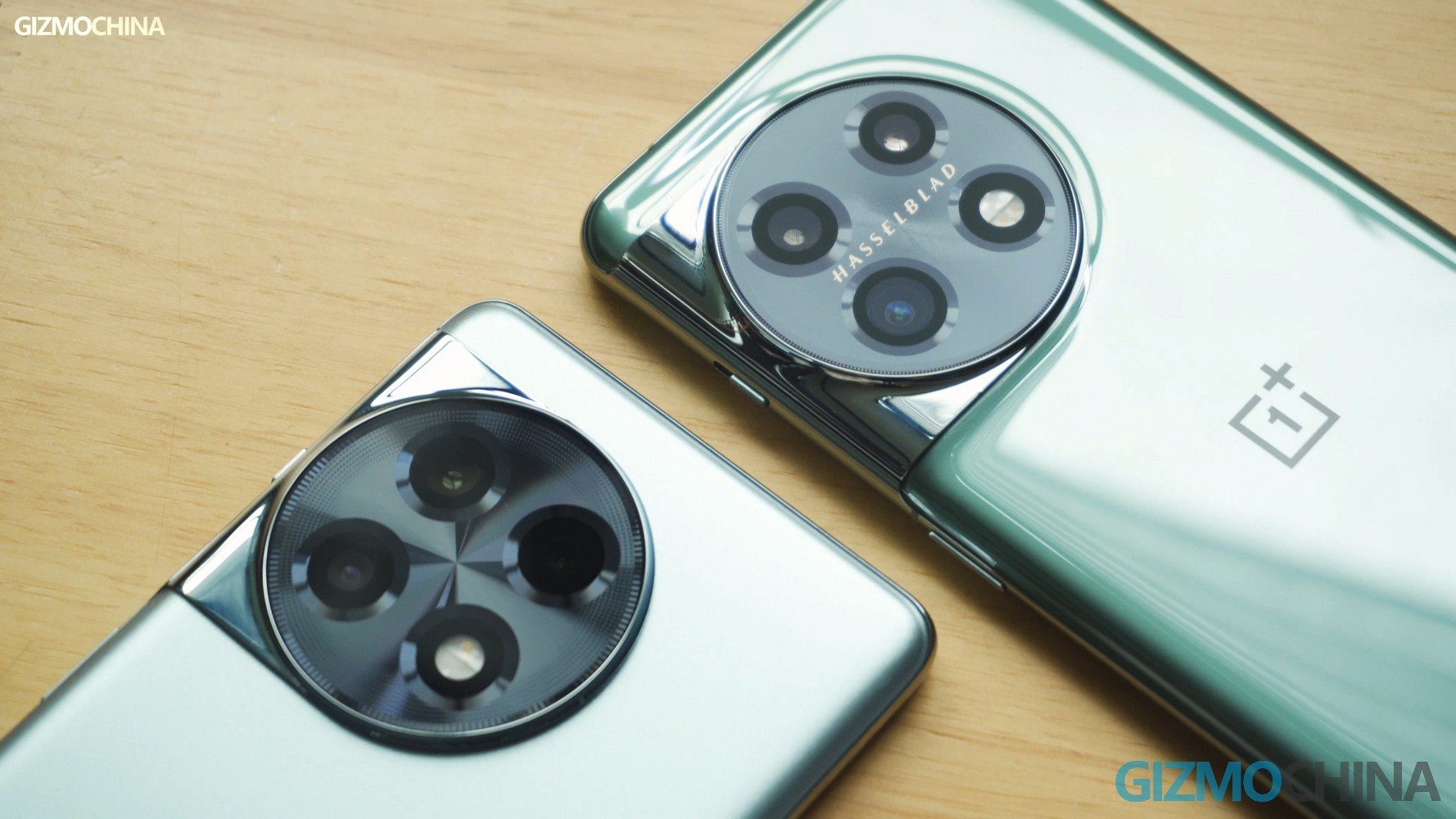
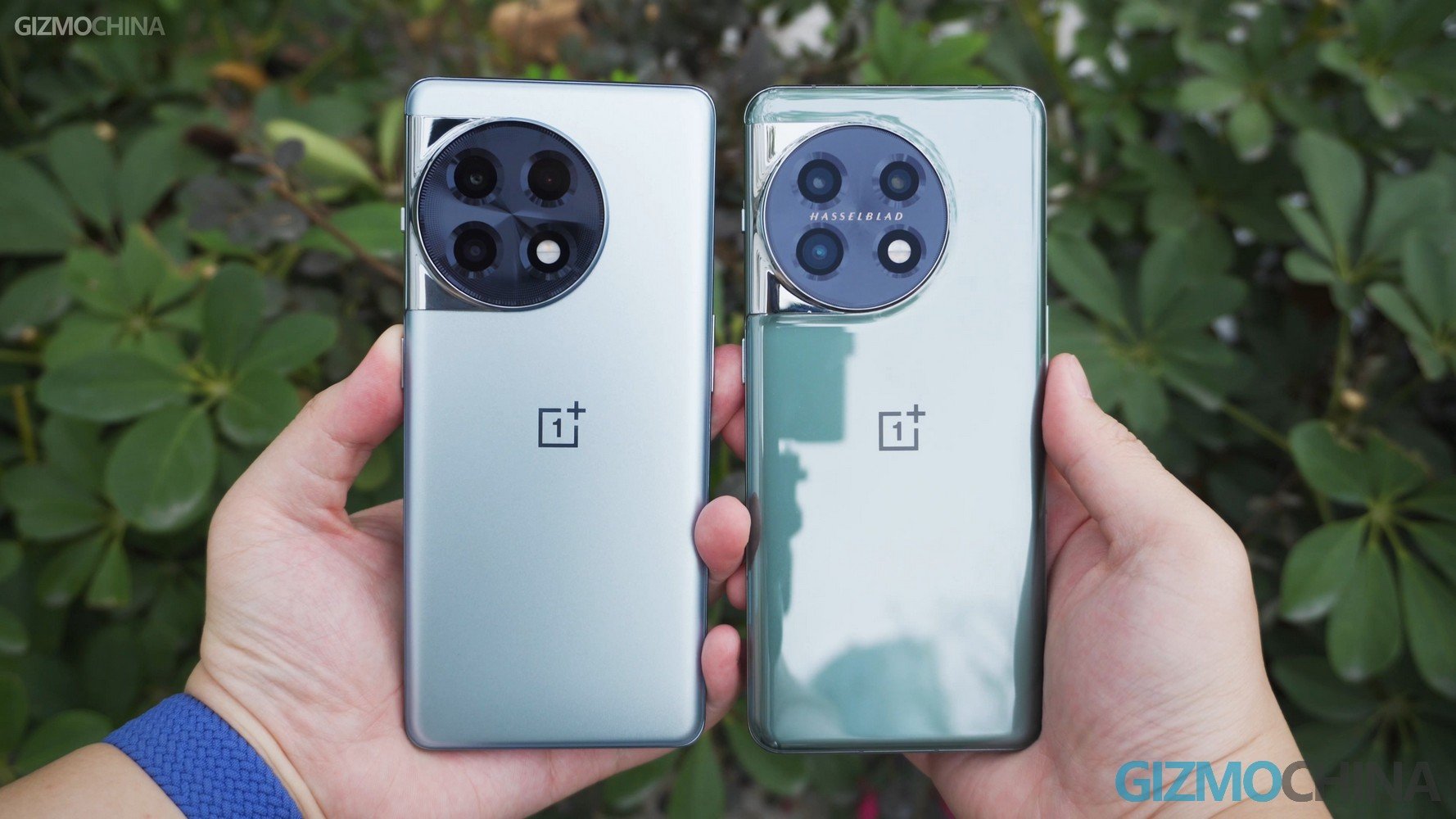
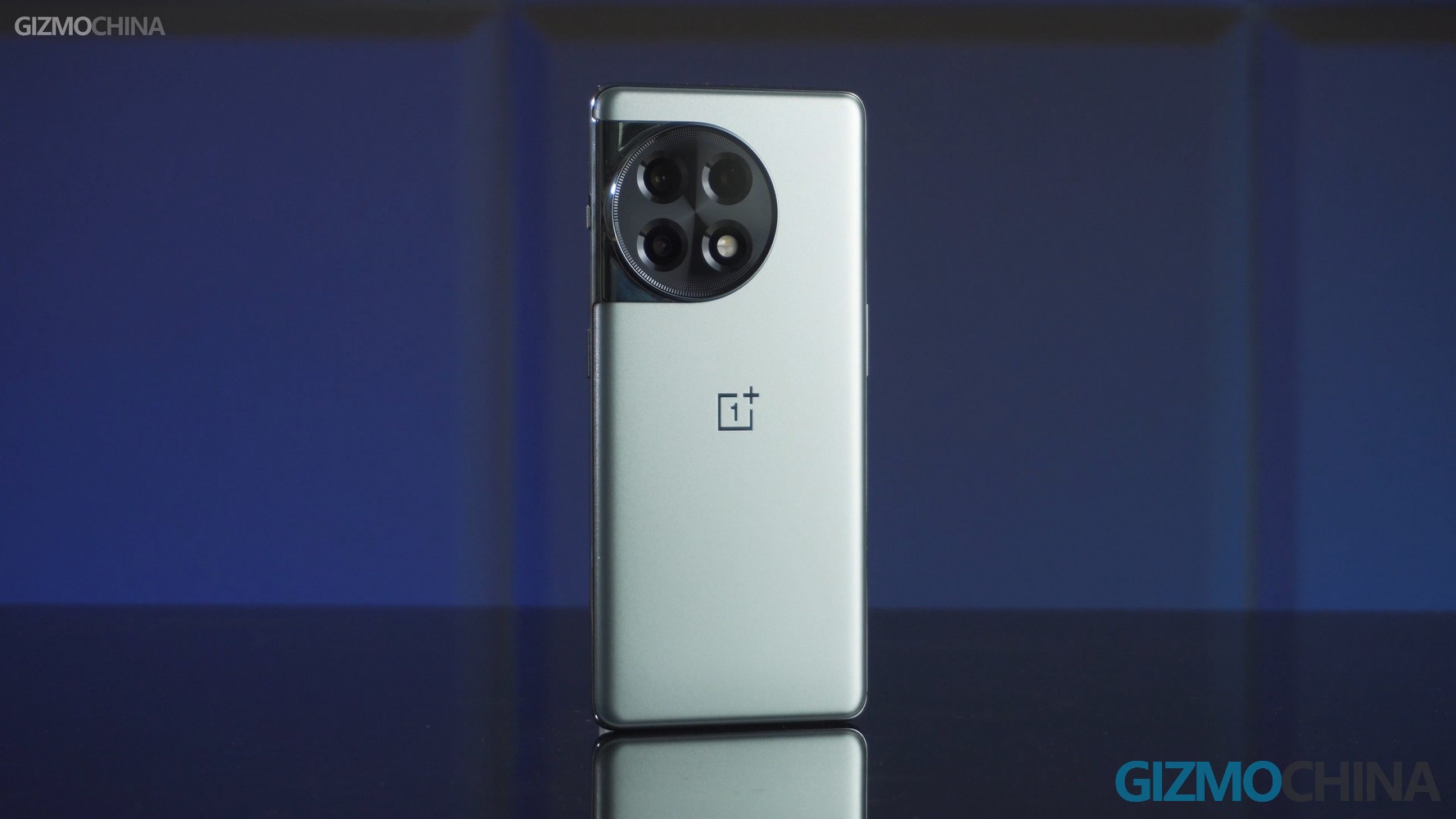
It’s easy to tell that the OnePlus Ace 2 and 11 are family just by the design itself. If you like the design of the OnePlus 11, then you will definitely like the design of Ace 2 as well. The most obvious change is the Hasselblad logo is gone, but I think the lens module becomes better looking without the Hasselblad logo.
The frame also changed from metal to plastic, but the weight did not become much lighter. And the fingerprint area has become more down, which is the reason for the cheaper price.
The good thing is that the alert slider has not been removed and add an IR blaster. I prefer the blue Ace 2 to the green OnePlus 11, and the frosted back panel is less likely to collect fingerprints. I don’t think the Ace 2’s design is too impressive, but it’s still above the pass line.
Performance
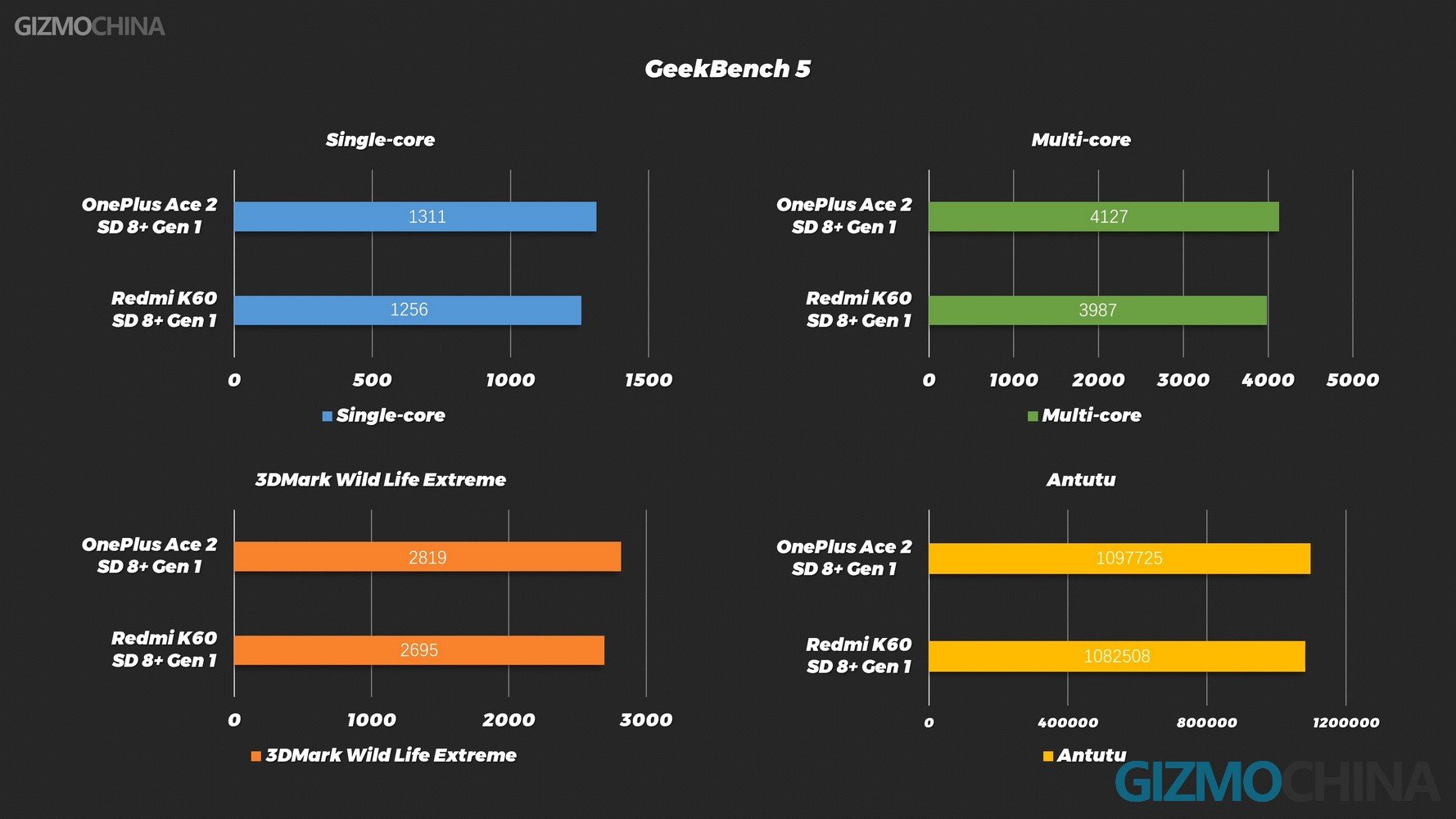
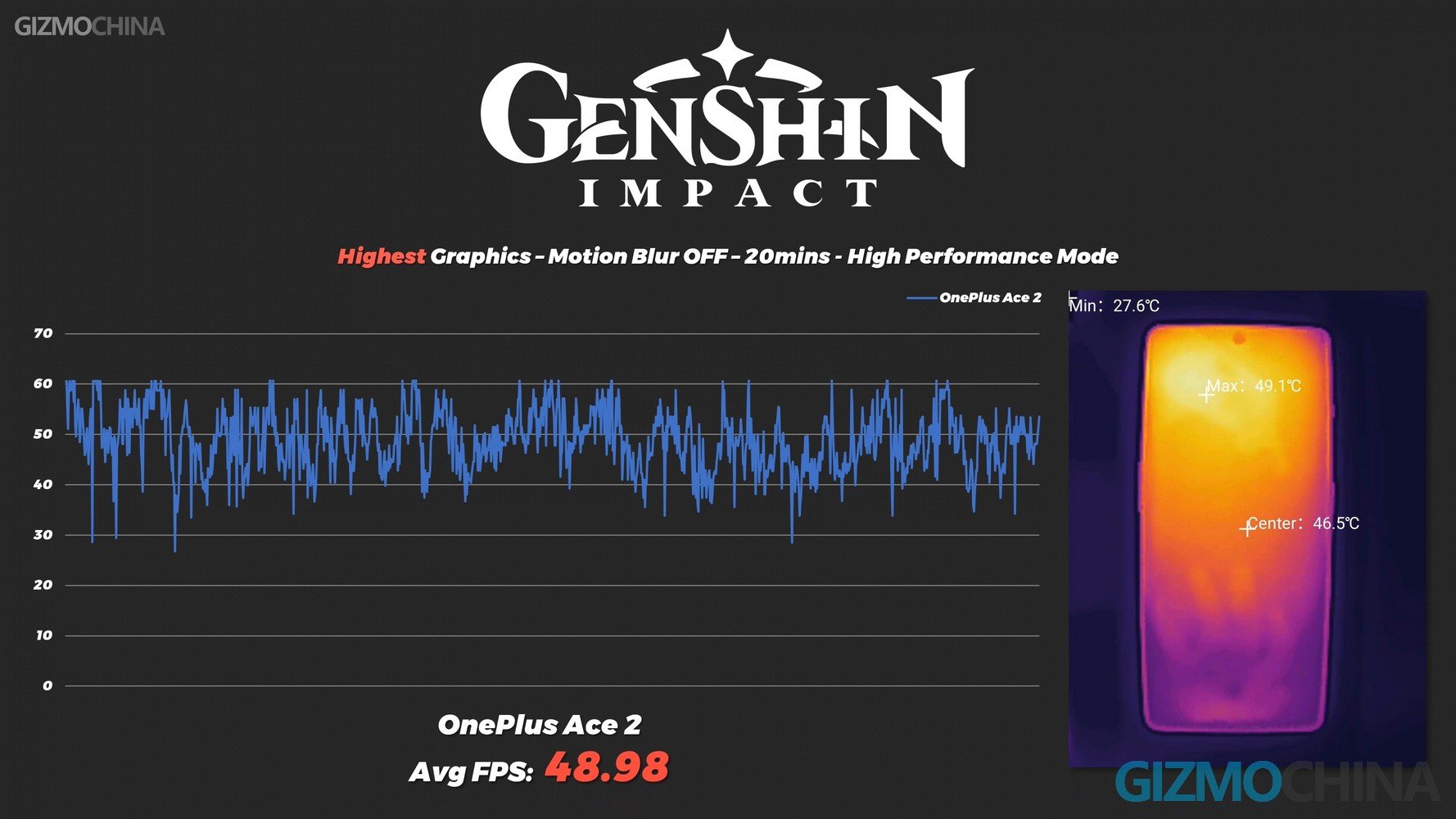
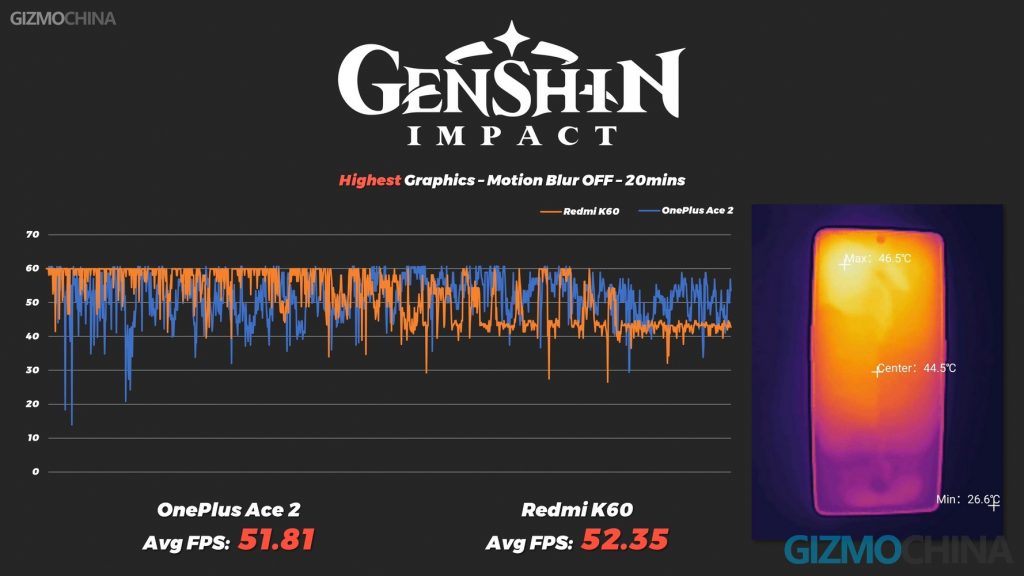
Yes, the OnePlus Ace 2, like the 11, is focused on “performance”. It uses the normal Snapdragon 8+ Gen 1, which is a bit stronger than the downclocked 8+ Gen 1 version of the K60 in terms of scores. And to make Genshin Impact run more smoothly on the OnePlus phone, OnePlus spent 100 million RMB to set up an optimization lab with miHoYo. The official webpage says that Genshin averages 59fps, so at least Genshin won’t let us down on Ace 2, right?
Well, it did. In high-performance mode, we were just fighting mushrooms on Sumeru. The performance is more average or even poor. And temperatures are particularly high. If you turn off the high-performance mode, you instead get lower temperatures and a higher average frame rate. Compared to the Redmi K60, the strategies are different and each has its own pros.
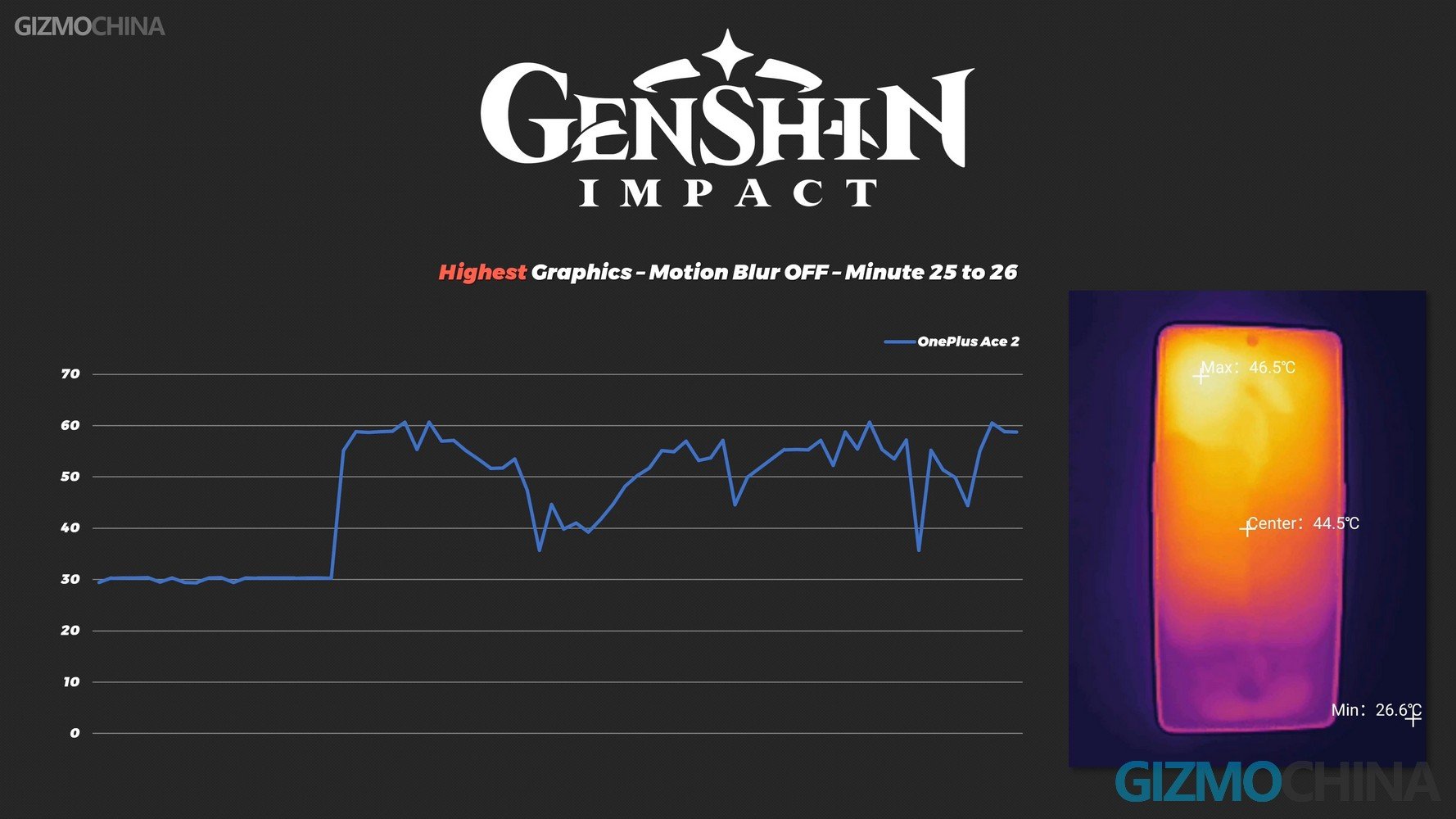
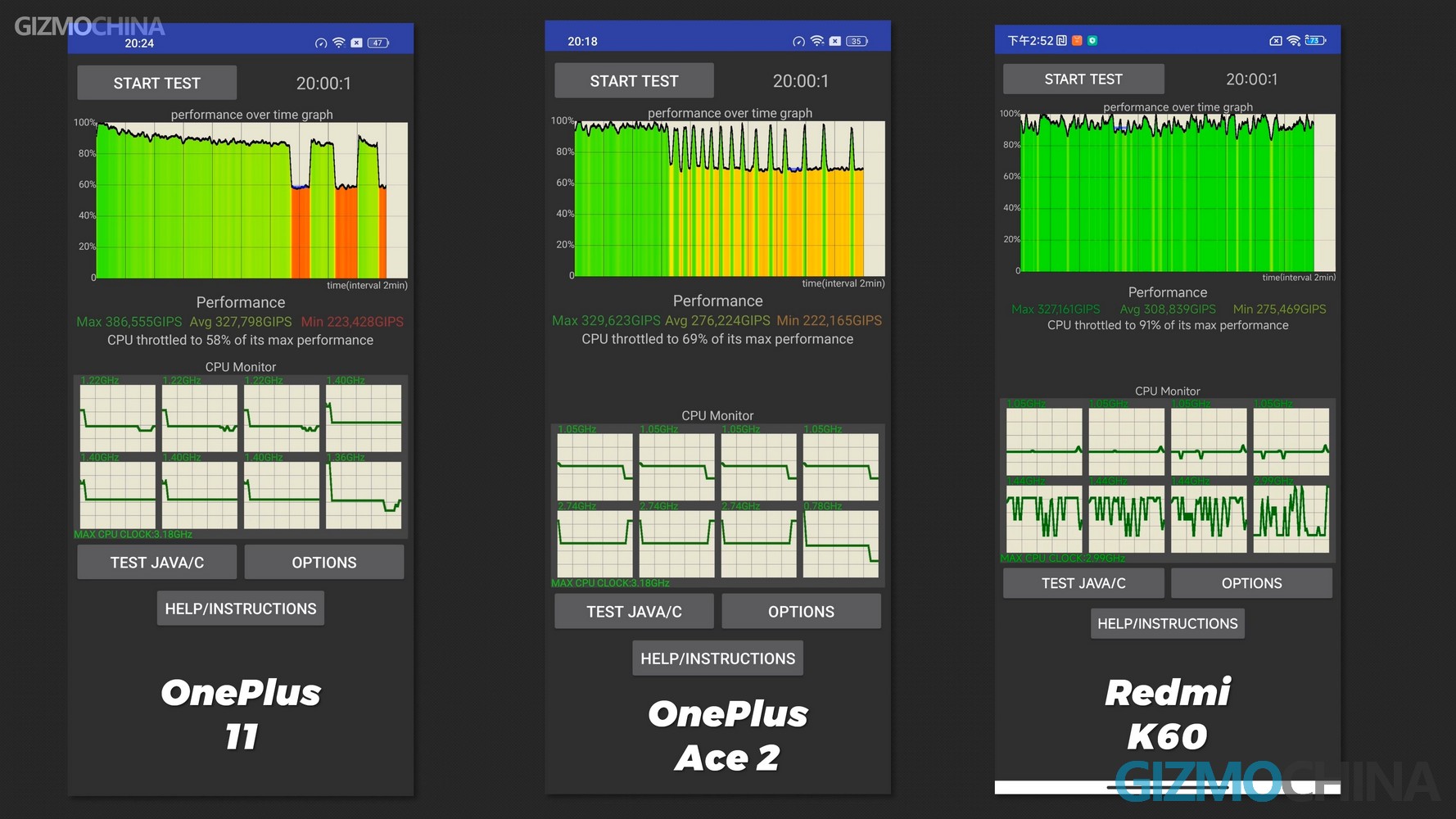
But if you play for more than 20 minutes, it will still be locked at 30fps for a while. The CPU Throttling Test results show that the cooling system is not as good as they advertised. The gaming performance of Ace 2 is not that good, it is just the average level of 8+ Gen 1 phone.
Ace 2 has a frame insertion mode for games, but there are many limits. Most of the games that can be enabled in frame insertion mode are Chinese games. And once the temperature is too high, this mode will not be turned on.
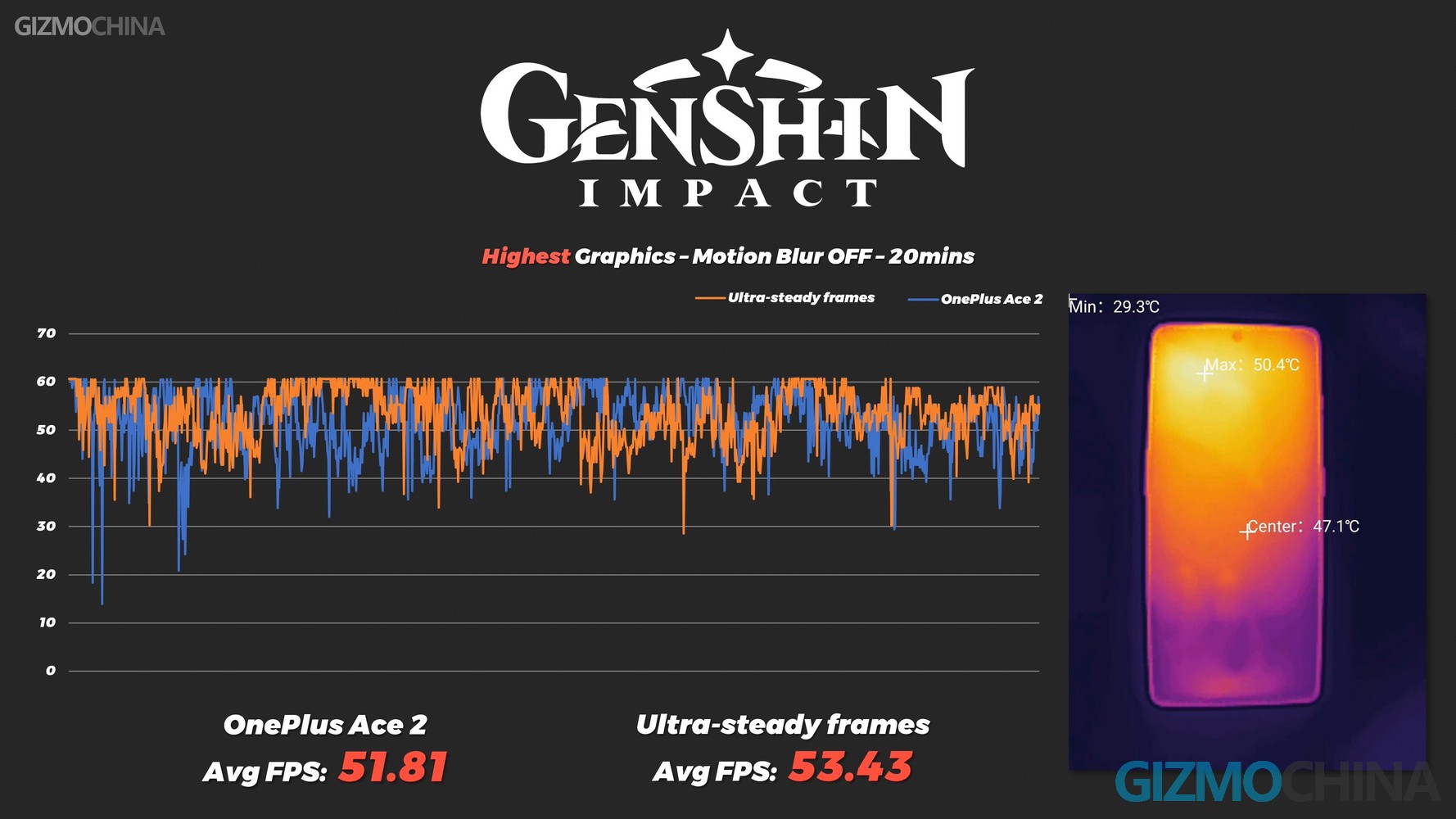
Ultra-steady frames mode is the only feature that can really improve your gaming experience, and it does stabilize the frame rate a lot after you turn it on. But the temperature is still very high. To be honest, since OnePlus is back to OPPO, the performance is not as strong as before. That slogan on the box is just a gimmick. If you really care about the gaming experience, I suggest you consider 8 Gen 2 phones or a gaming phone.
Based on data @PerfDog Performance test tool
Display
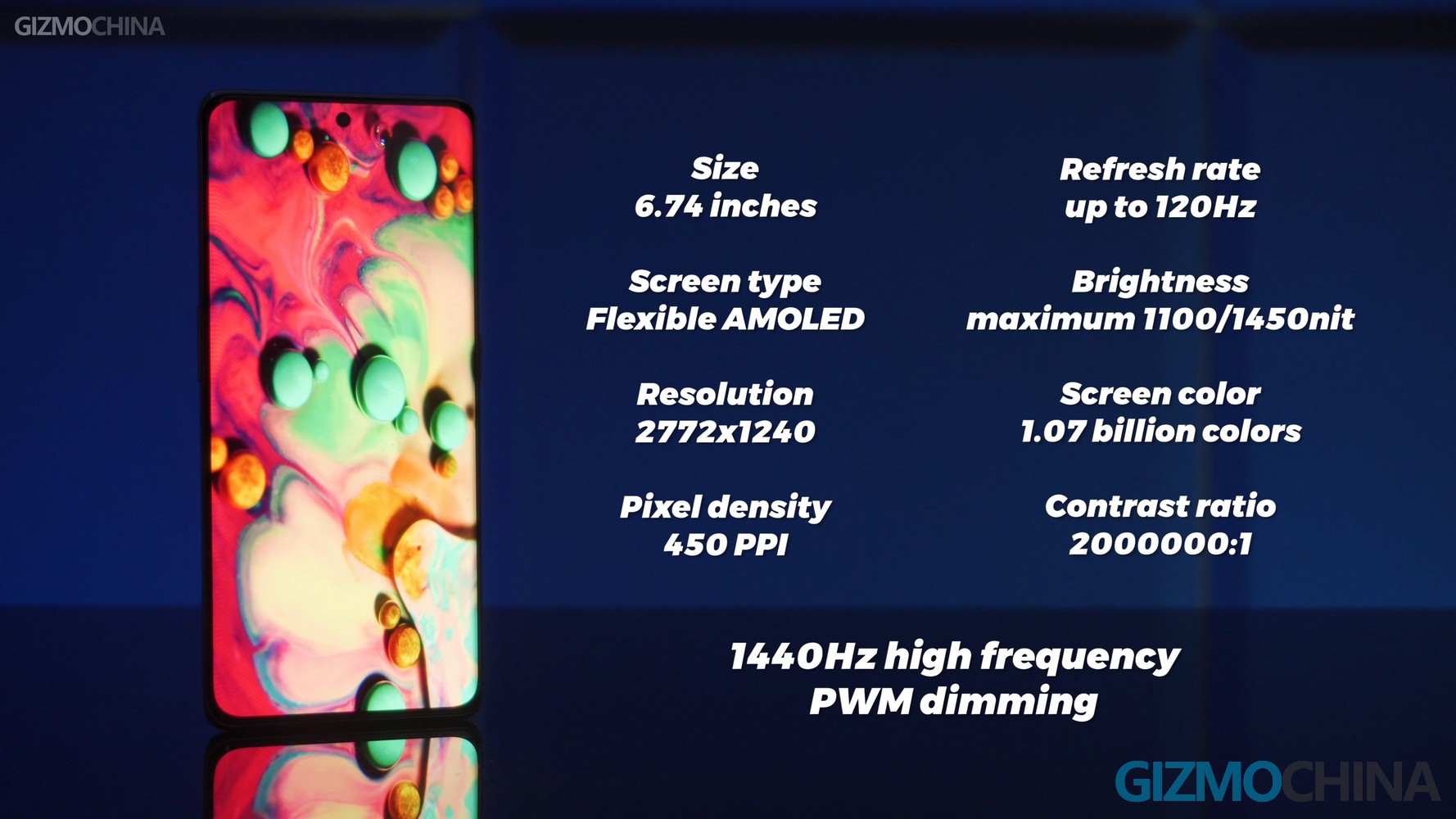
The OnePlus 11 could have been perfect, but unfortunately, its Samsung E4 screen wasn’t as friendly to the eyes. And there were a lot of people worried about the green lines issue. This time Ace 2 has changed. Comes with a 1240P screen from Tianma. Except for LTPO and resolution, all specifications of this screen are better than OnePlus 11’s, especially the more eye-friendly aspect.
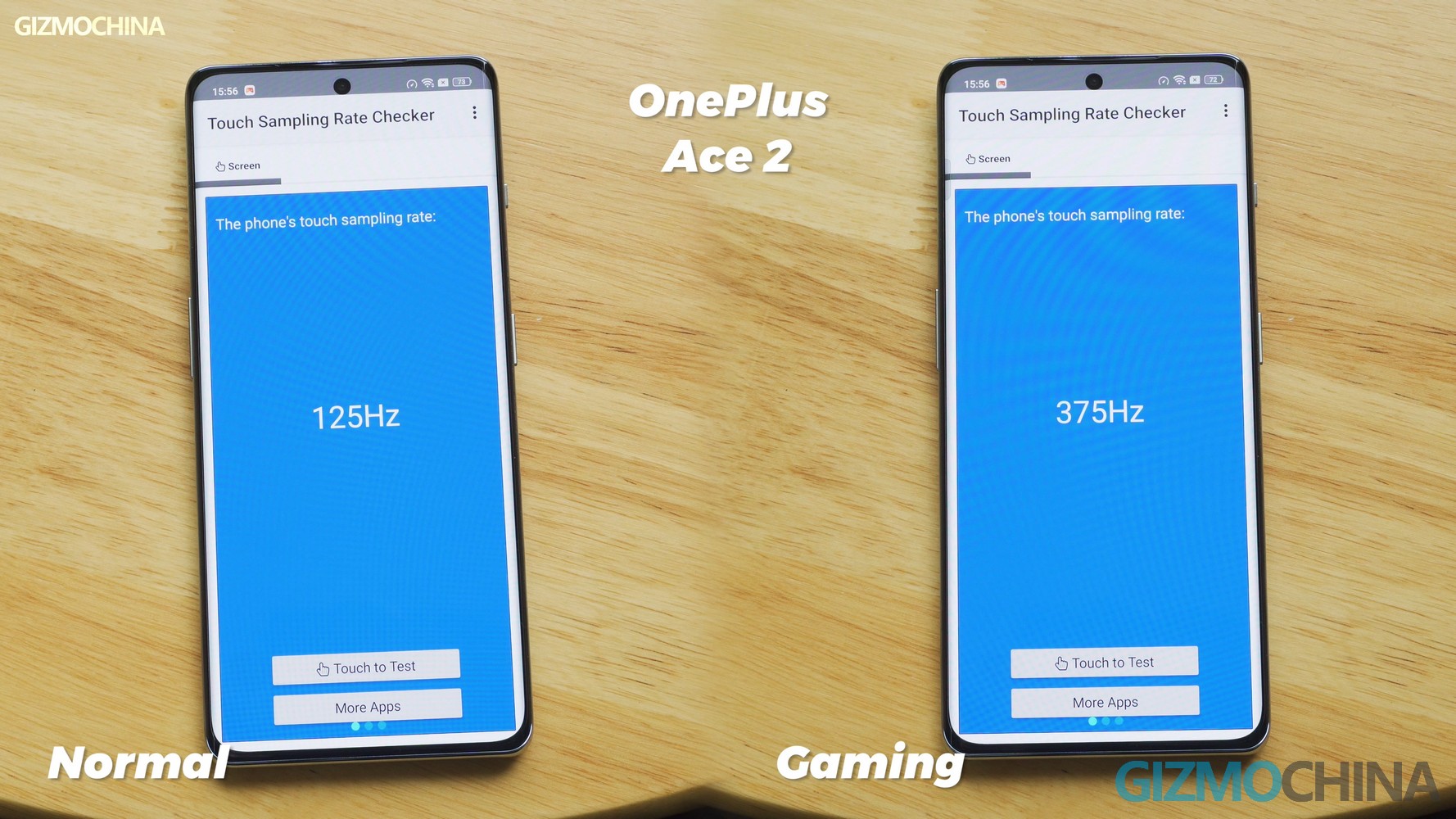
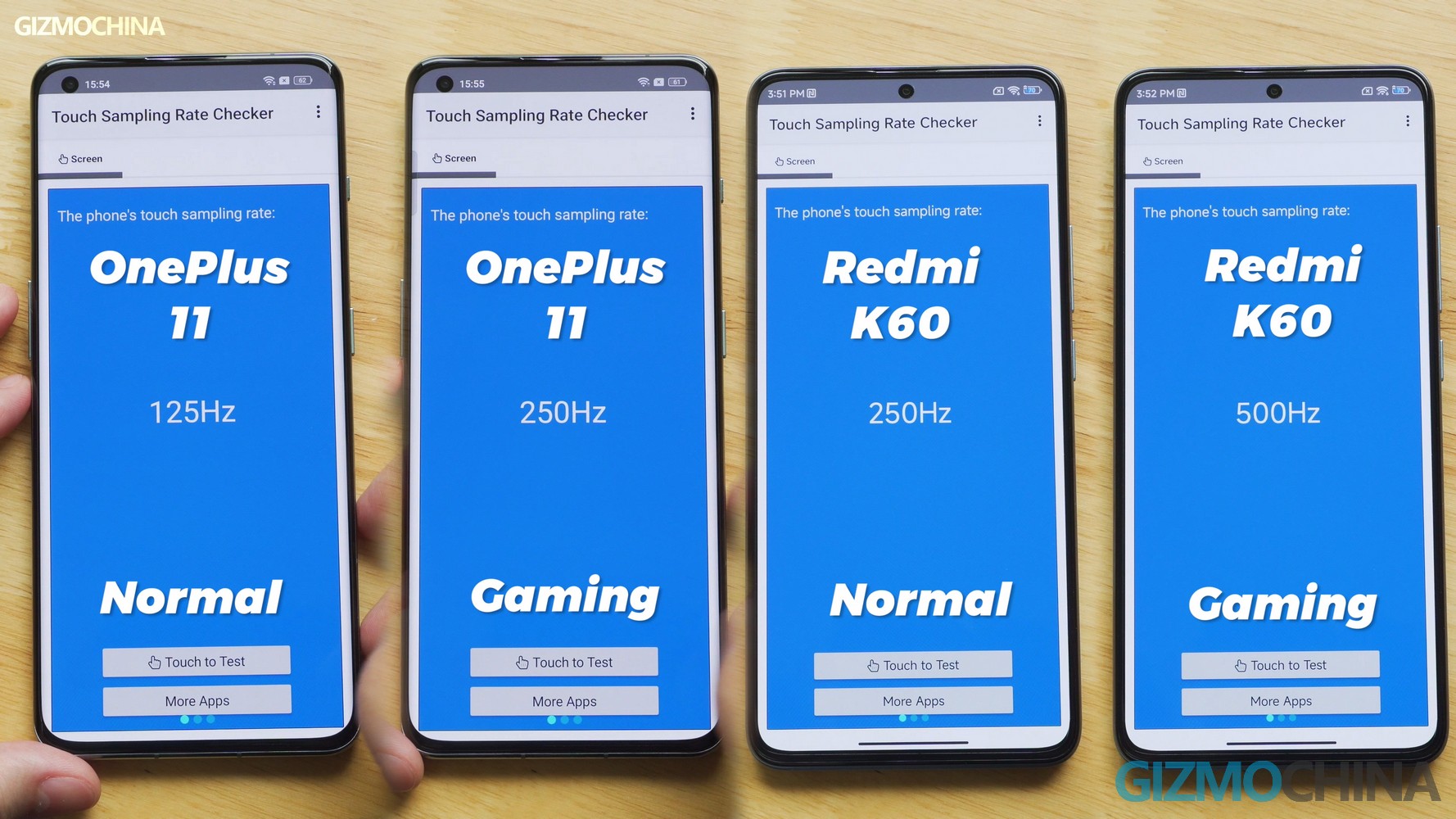
Turn on the high-frequency PWM switch in developer mode and it will upgrade from 360Hz dimming to 1440Hz dimming at low brightness. The daily touch sampling rate is 125Hz and can reach 375Hz when gaming. Better than OnePlus 11, but both are worse than Redimi K60.
So all in all, I think this display is really better than the OnePlus 11. If you’re looking for a better screen at the same price point, there’s only the K60 to choose from.
Camera
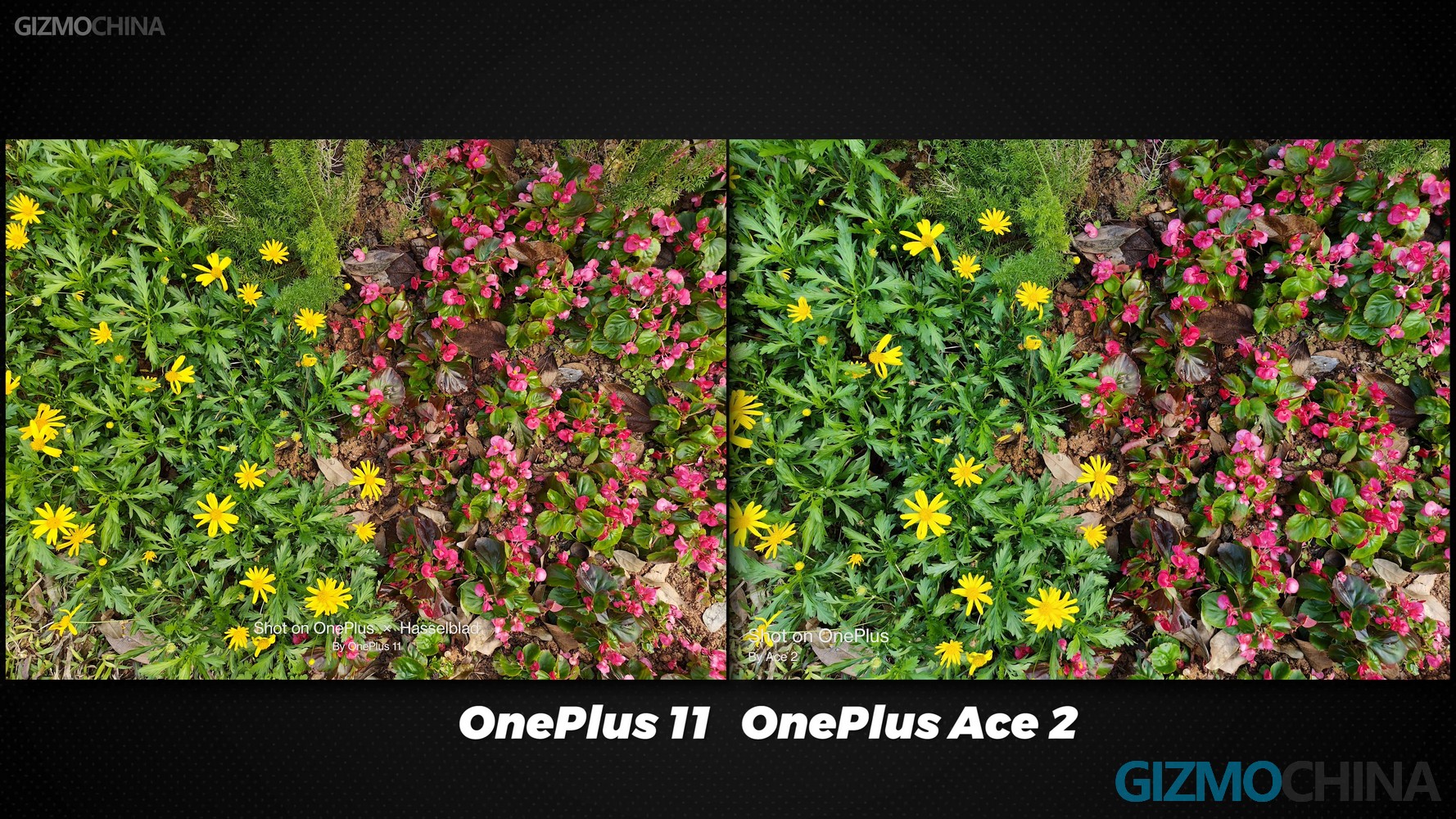
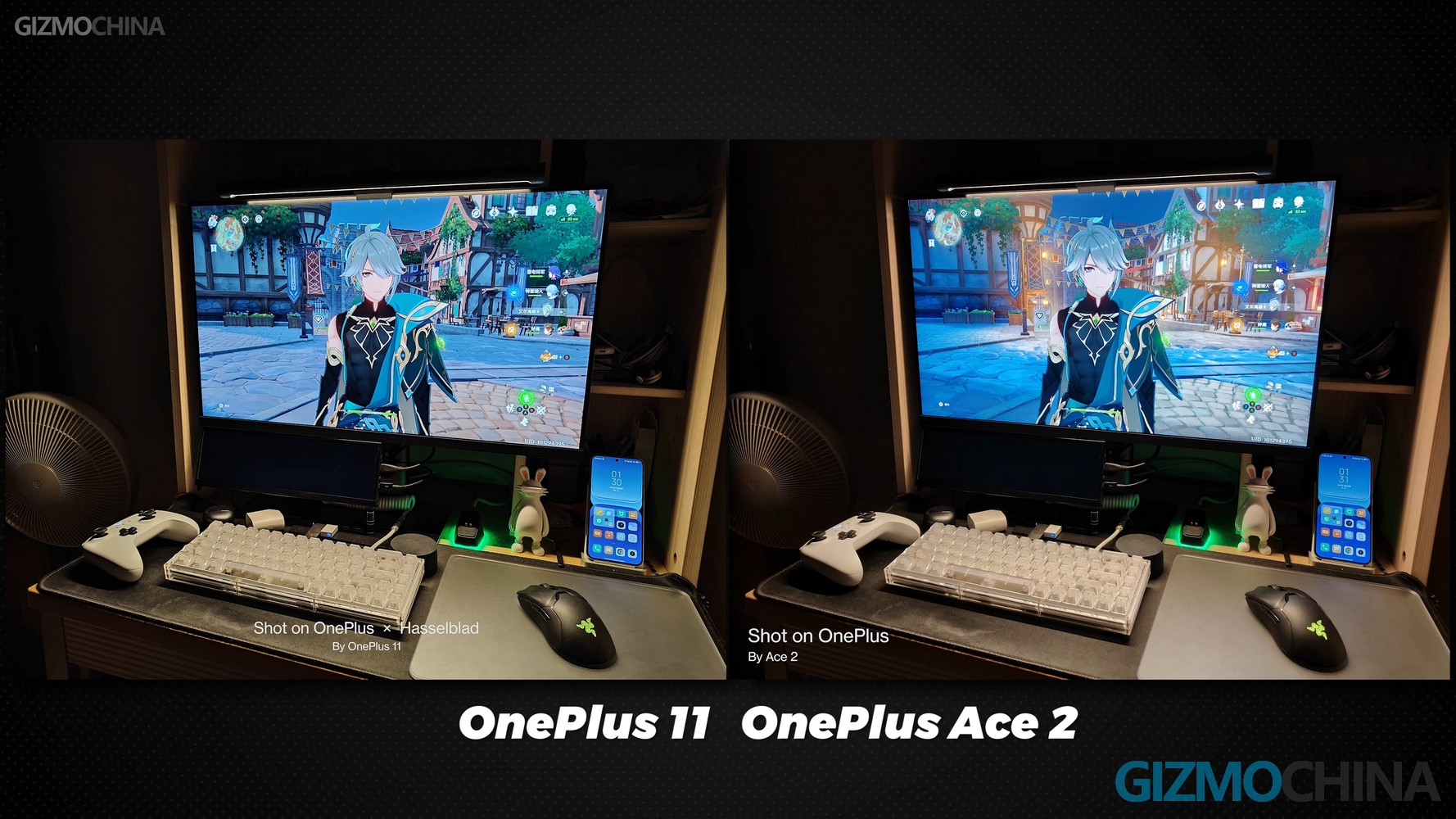
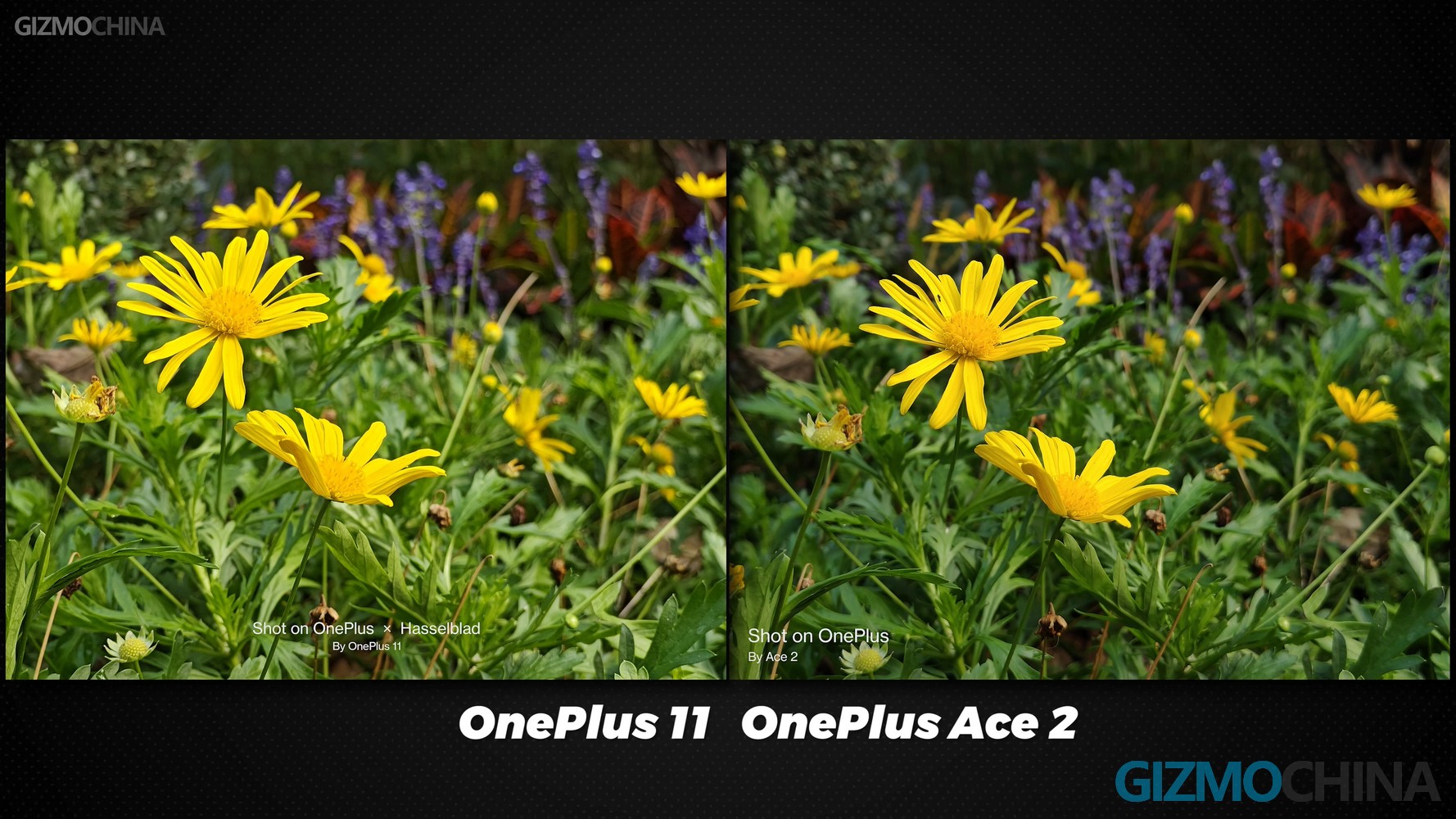
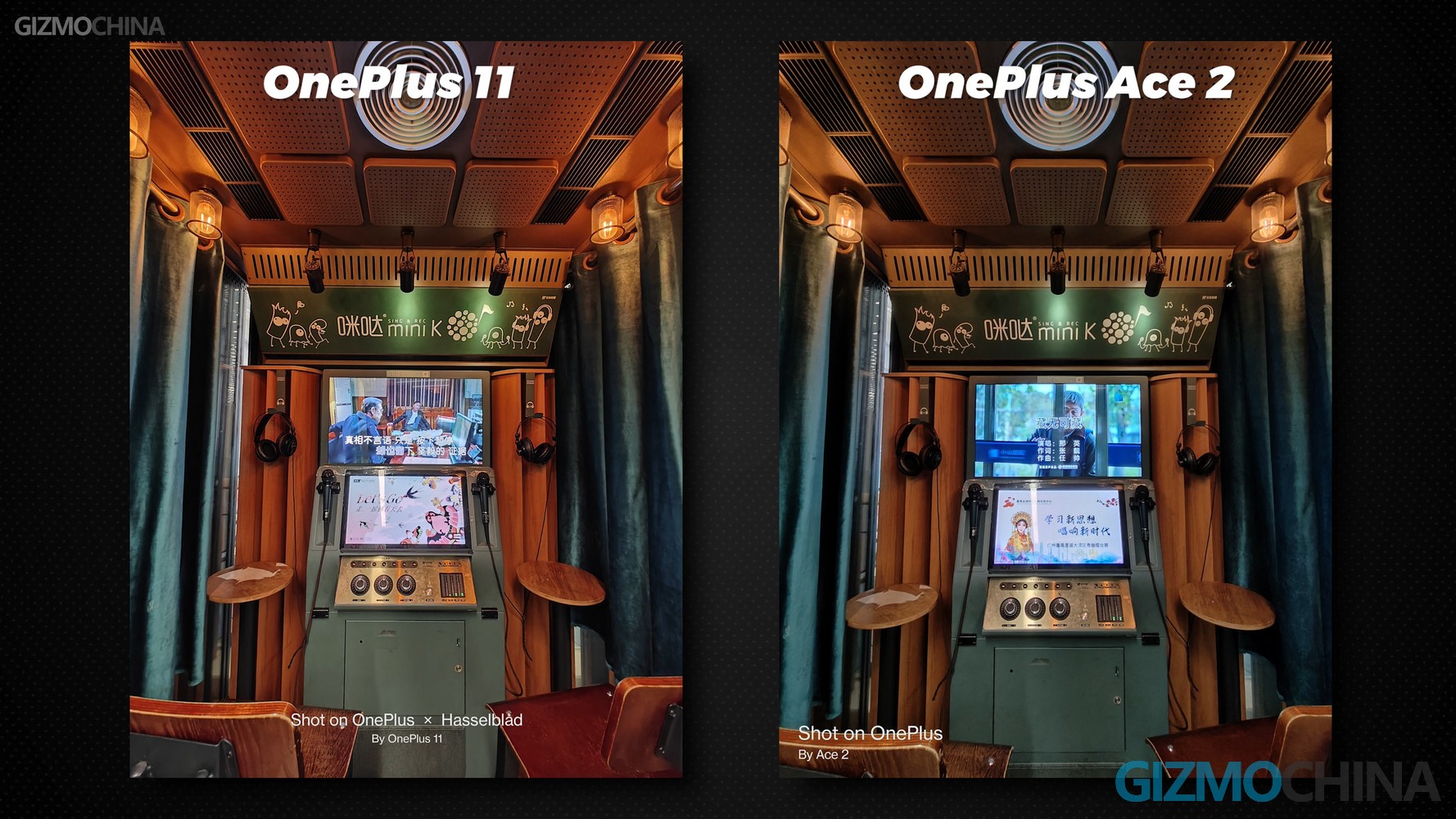
The Ace 2’s main camera is the same IMX 890 sensor as the OnePlus 11. Because the K60’s camera is so weak, the competitor we found for it is the OnePlus 11. Indeed the IMX 890 is a good sensor. Even if the OnePlus 11 has the help of Hasselblad, there is not much difference between them. Without the watermark’s help, I probably wouldn’t be able to tell which one was taken respectively by myself.
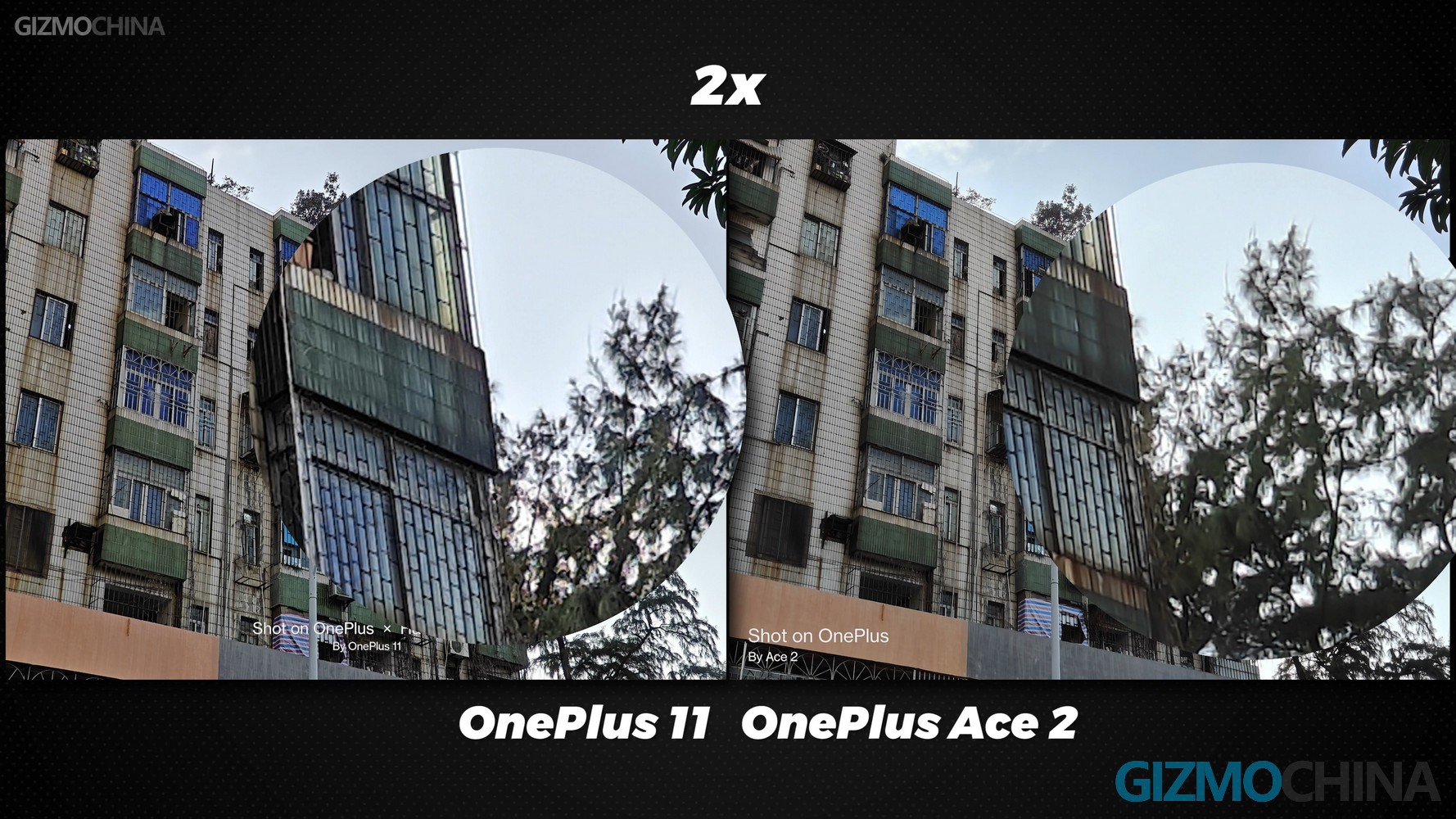
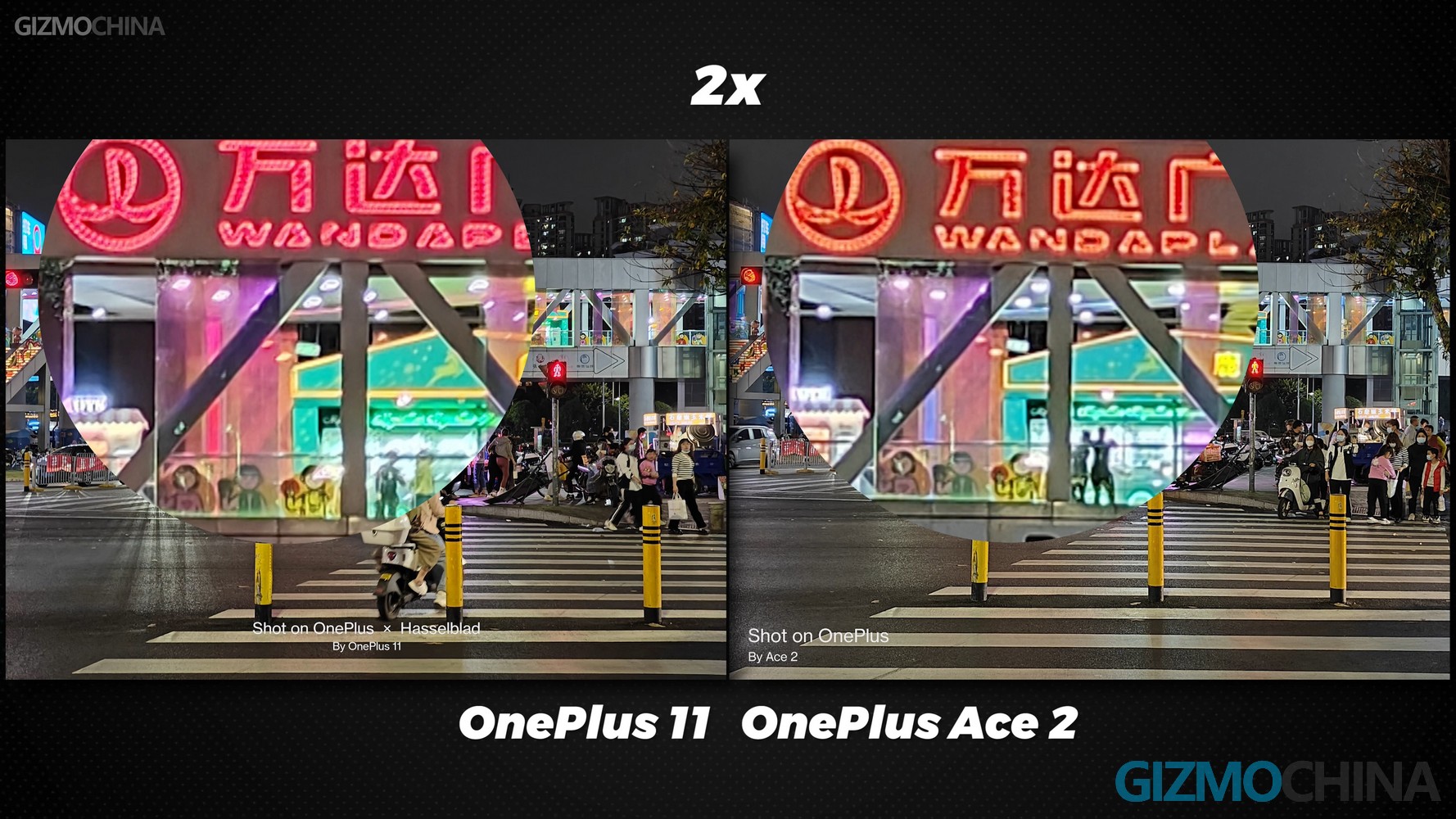
What’s even more impressive is that even with the 2x crop in the main camera, it still takes about the same photo as the optical 2x lens of the OnePlus 11. So I think the Ace 2 is as good as the 11 with the main camera.
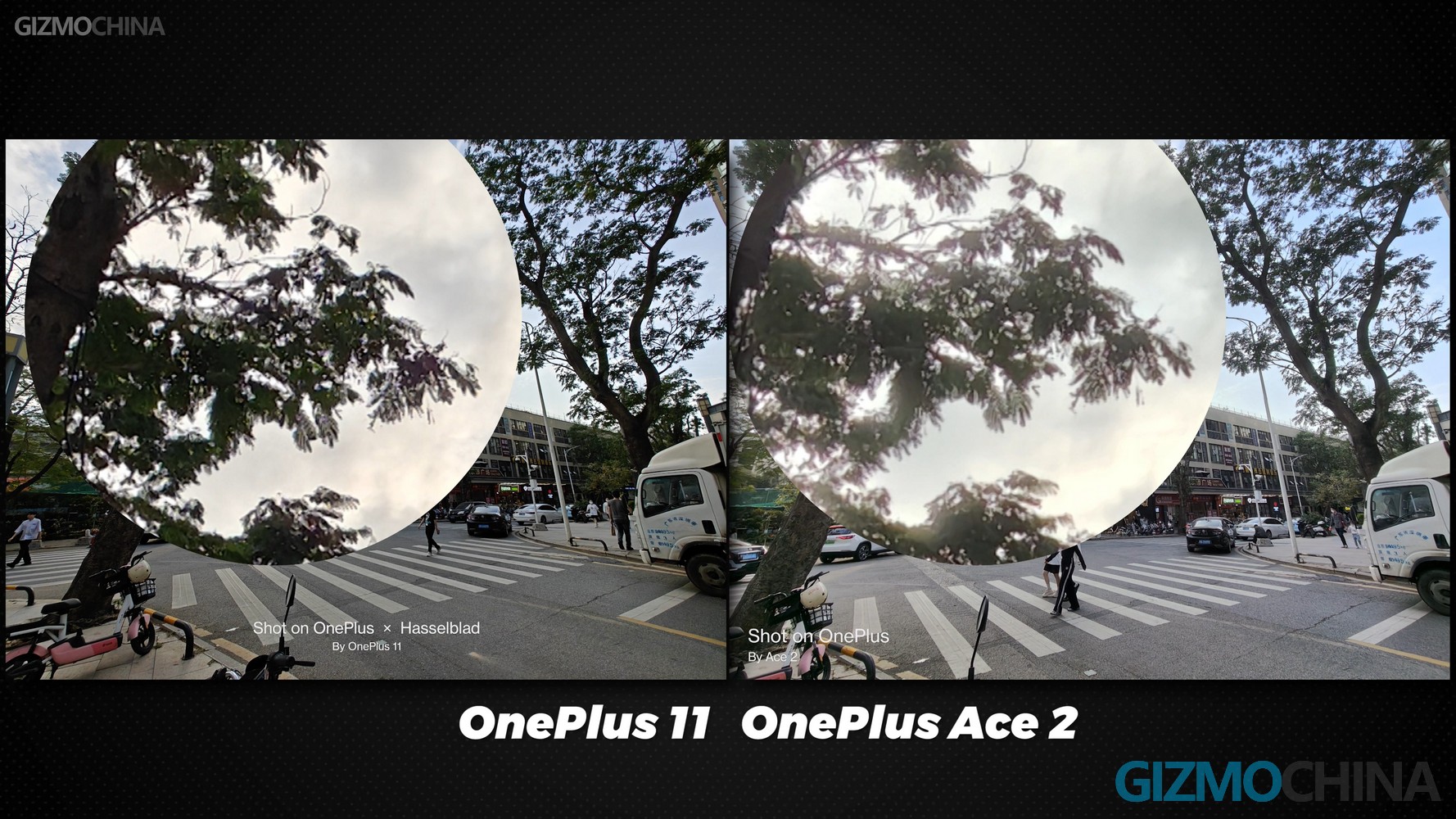
From ultra-wide camera, they are more different. The OnePlus 11 still keeps it at the same level as the main camera, but it is the shortcoming of Ace 2 when it tries to increase dynamic range. The edges of the leaves are turning purple.
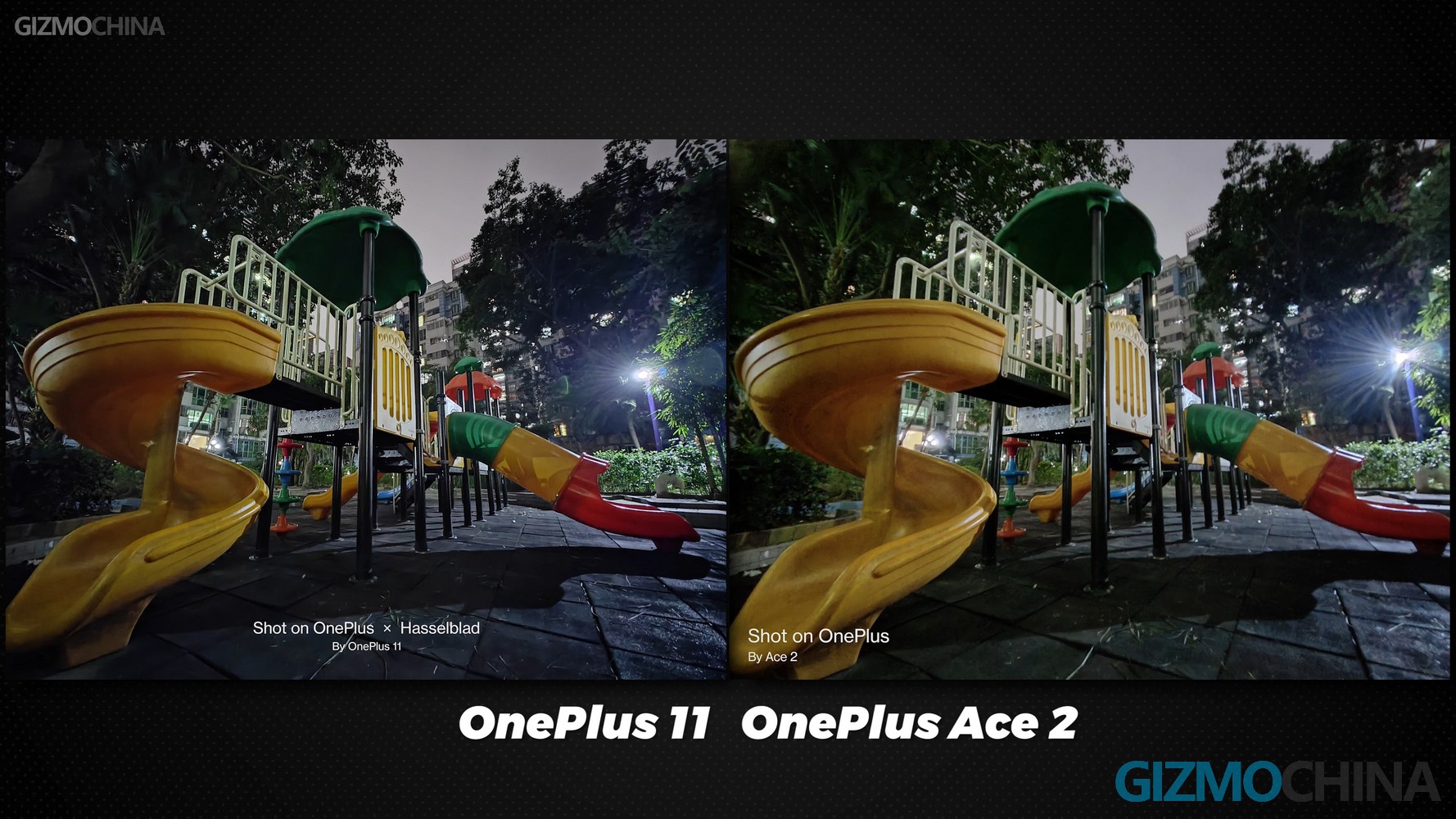
At night, scenes with a lot of light performed quite well. But when there is not enough light, the noise becomes more and the sharpness decreases, just like the K60’s ultra-wide camera.
The Ace 2 does not support 8k video, the main camera supports up to 4k 60fps, and the ultra-wide camera is 1080P 30fps. the main camera footage is similar. Pay attention to people’s clothes, maybe the dynamic range of the OnePlus 11 is a little higher, but the gap is not that big. The Ace 2’s ultra-wide camera is a little less in clarity and noise control, and the image will be shaky.
Please click on the video at the beginning of the article to view the video samples
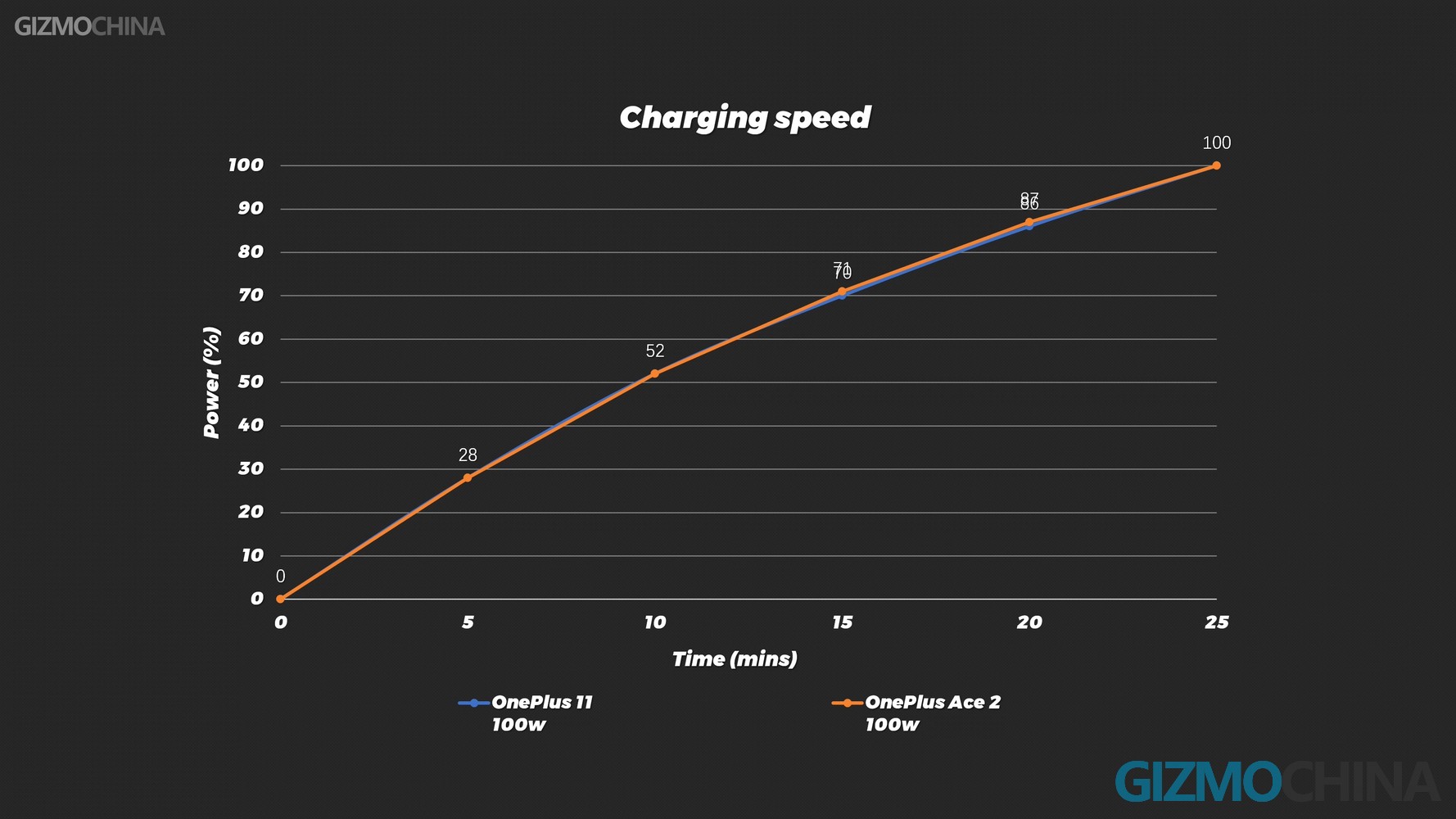
The bad news is that the Ace 2’s charging speed has taken a step back. 100w charging isn’t particularly fast, but 25 minutes for a full charge isn’t slow either. At least you get the exact same charging speed as the OnePlus 11 for $170 less, which is worth it.
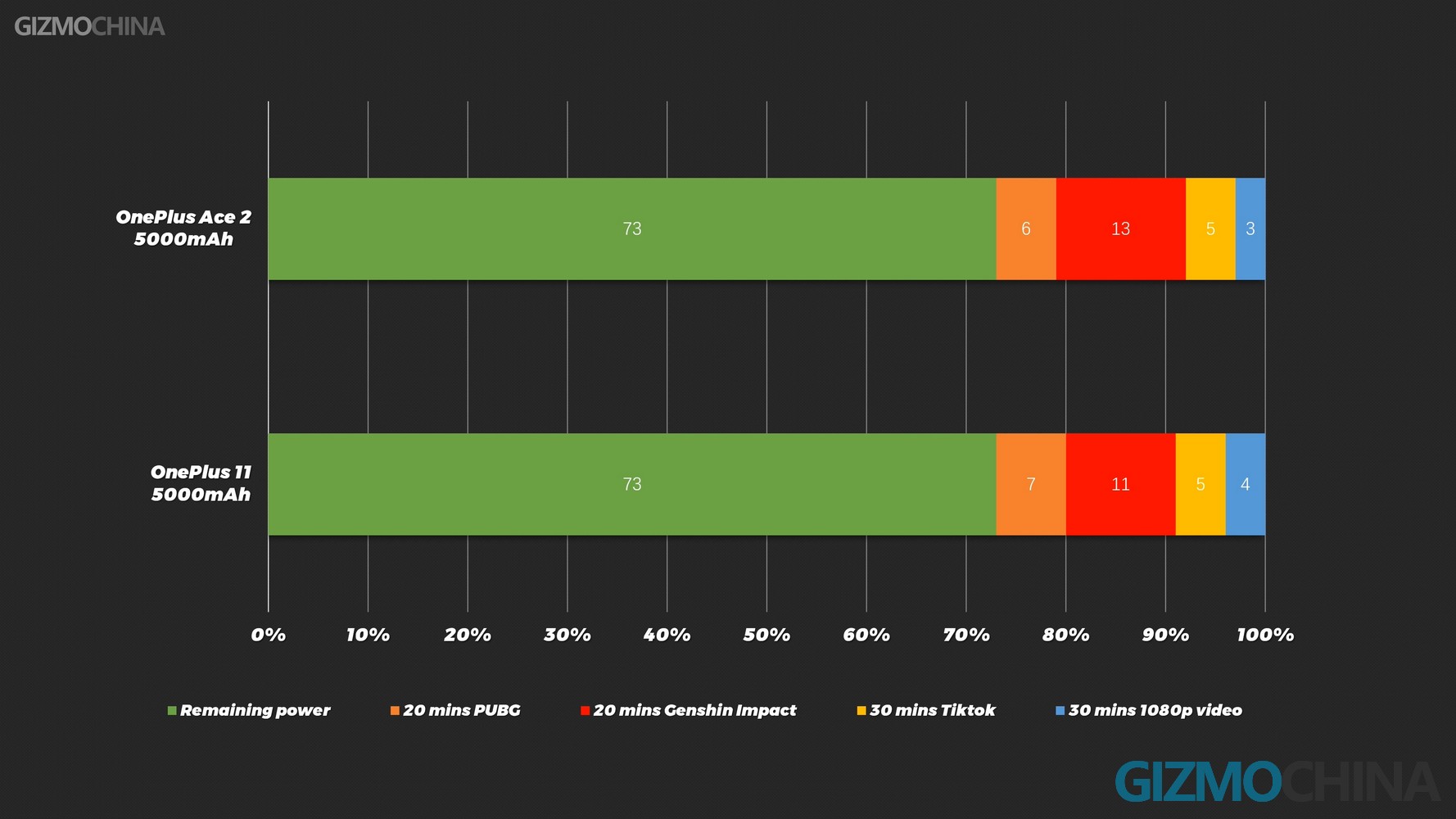
It’s not just the charging speed that’s the same, the battery life is almost identical as well. Both phones are average and there’s not much to say about them.
The OnePlus Ace 2 is very similar to the 11. They focus on performance but don’t stand out. Instead, it’s the camera system that impresses us. This time OnePlus is simply gonna make us a price we can’t refuse. Maybe as a OnePlus 11R, it’s a bit expensive. But as an Ace 2, it’s absolutely cheap. If you know how to swap Color OS for Oxygen OS, you should know how to buy this phone to get the cheapest deal.
If you still have a little bit of love left for One Plus, you can try this. If not, you can wait for our full review of the realme GT Neo 5. That would be another flagship killer. Remember to subscribe to our channel. This is Will from gizmochina, and I’ll see you next time.
The upcoming iPhone 15 series is already making waves in the tech world, with rumors of new features and improvements gracing the news every single day. Some details are already confirmed, such as the USB Type-C port and the A16 bionic chip. Latest reports state that the upcoming iPhone 15 variants are expected to maintain the same sizes as their predecessors, however, users might get more screen space this time around.
Leaker ShrimpApplePro, who has a track record of providing accurate Apple-related information, has hinted that the iPhone 15 Pro and Pro Max, possibly named the iPhone 15 Ultra, could have slimmer bezels than the 2022 models. This would lead to an increase in usable screen space, albeit marginally. While thinner bezels look sleek, they could pose a challenge for users in terms of accidental touches due to the limited space to rest their fingers. However, it’s something most users would be willing to compromise with for the sake of aesthetics.
In addition to the bezel change, ShrimpApplePro had previously speculated that the iPhone 15 series would feature curved edges, which wasn’t confirmed. Previous rumors have stated that the entire iPhone 15 lineup might get rid of the notch and replace it with the Dynamic Island interface. The standard models are expected to retain the 60Hz refresh rate and be powered by the A16 Bionic, while the Pro models could feature a new 3nm chip. The highest-end model, the iPhone 15 Ultra, is speculated to have a periscope zoom camera, which could make it the best camera phone of 2023.
Overall, the iPhone 15 series seems to be shaping up to be another impressive release from Apple, with several potential improvements and features to look forward to. While these rumors are not yet confirmed, they are generating significant buzz in the tech community, and it’ll be exciting to see what the iPhone 15 lineup has in store for Apple’s loyal consumers.
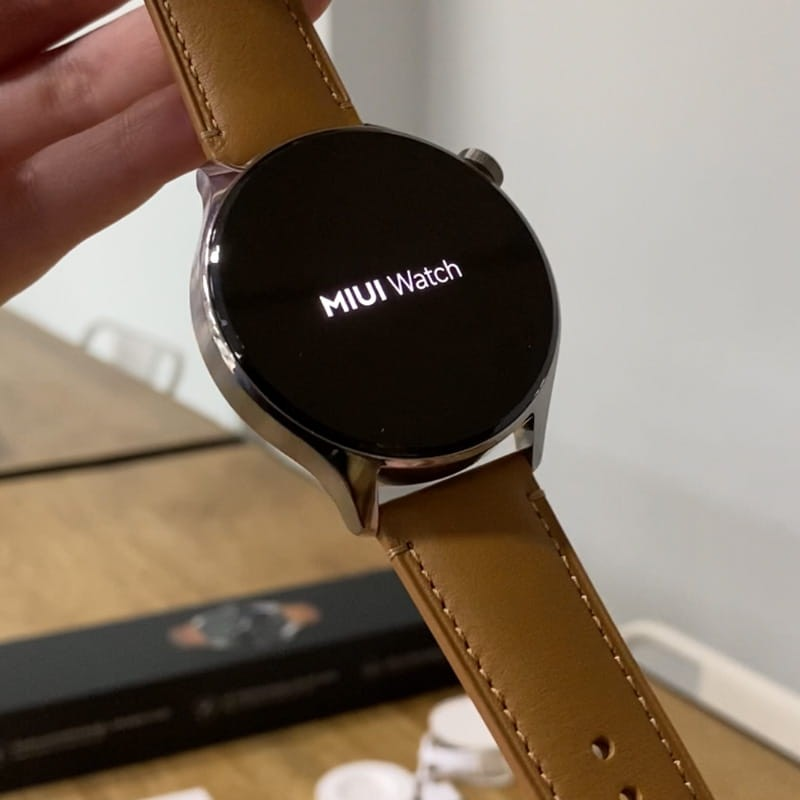
Xiaomi will be launching a bunch of devices at the Moblie World Congress 2023 scheduled to kick off on February 27. Some of these devices will be the Xiaomi 11 series smartphones and the Xiaomi Buds 4. The brand is also rumored to launch the Xiaomi Watch S1 Pro at this event, which was initially launched back in August 2022 for the Chinese market.
Tipster SnppoyTech has leaked this information along with the pricing and color options of this watch. According to the leak, the Xiaomi Watch S1 Pro will have a starting price of €299. As for color options, the smartwatch will be available in Silver and Black for the global market. Let’s take a look at the specs and features of this smartwatch.
Xiaomi Watch S1 Pro specs & features
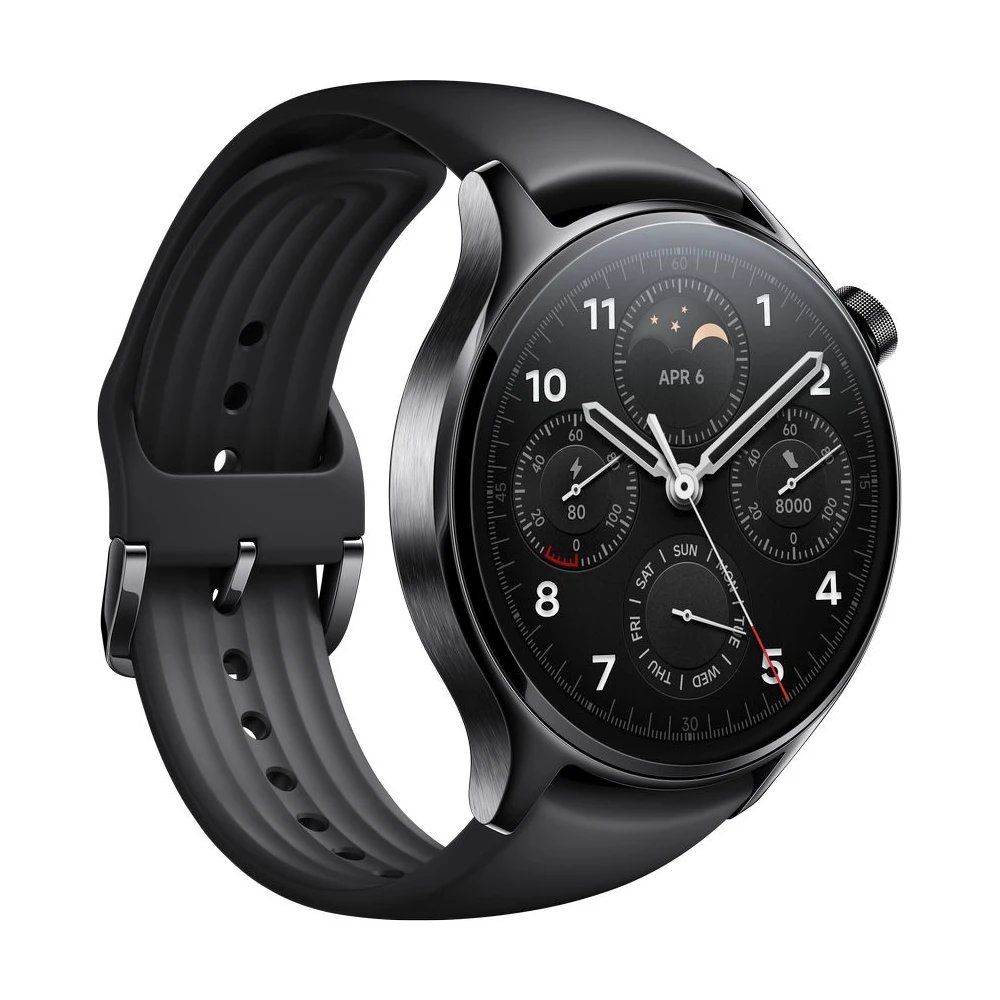
The Xiaomi Watch S1 Pro has a stainless steel unibody and a 46mm circular dial with a digital crown and a small button on the right side. It has a 1.47-inch AMOLED display with a resolution of 480 x 480 pixels and 600 nits brightness, and it is water-resistant up to 5 meters.
Image via SnoopyTechImage via SnoopyTech
The smartwatch has a 24-hour heart rate monitor and SpO2 sensor, and it can track sleep patterns, stress levels, and skin temperature. With over 100 workout modes, it comes with a built-in GPS for outdoor activities like running and cycling.
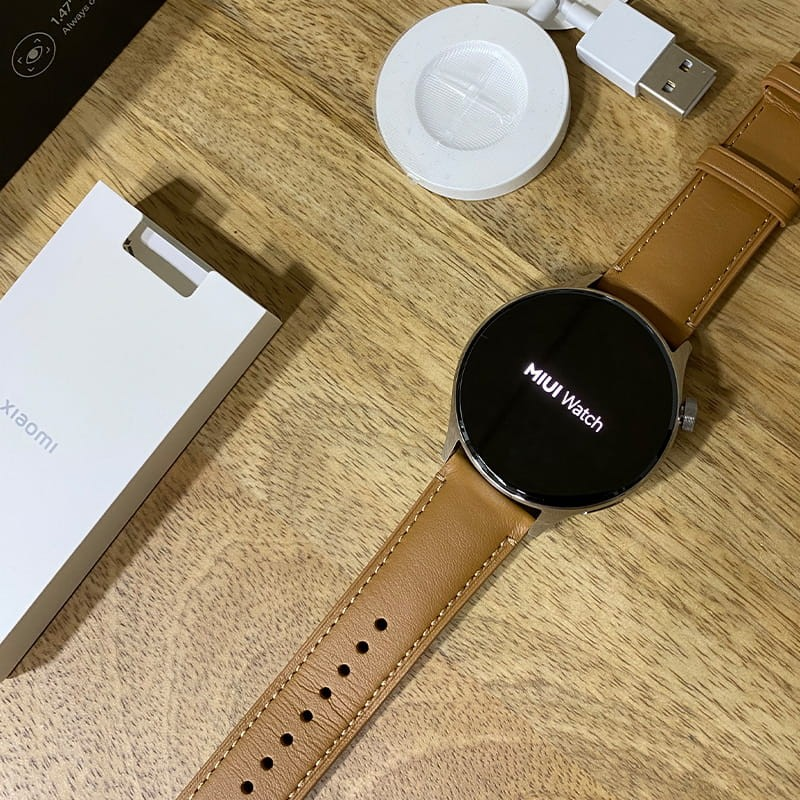
The Xiaomi Watch S1 Pro is equipped with a 12nm processor that provides long battery life. It runs on MIUI and supports third-party applications. It also has convenient features like music playback, controlling Xiaomi televisions, and more. Bluetooth 5.0 and NFC connectivity are supported.
With a 500mAh battery, this smartwatch has a battery life of up to 15 days on a single charge. It can be charged magnetically and can also be used for reverse charging with a compatible phone.
Meizu, a Chinese smartphone manufacturer, is gearing up to launch Meizu 20 Pro smartphone in China. The look and design of the device were leaked previously, which reveals a design which is very similar to the Samsung Galaxy S23. It has got a straight flexible display which looks really great on the device. Now, the brand has dropped some official teasers of the device ahead of the launch. The teaser reveals some key specifications of the smartphone.
According to an official teaser posted by Meizu, the smartphone will feature the latest Qualcomm Snapdragon 8+ Gen1 chipset. This is the latest flagship chipset and it makes Meizu 20 Pro to be one of the most powerful smartphones to exist to date. The teaser further confirms that the smartphone will feature a flexible straight OLED panel. The device will offer a flat frame which would further help it to take outstanding in the crowd.
Additionally, the “OneMind 888+” intelligent thinking engine has been upgraded to “OneMind 10.0,” which will create a computational power hub for the Unbounded Internet of things The Unbounded logo in the poster’s upper right corner alludes to fresh possibilities. The automobile has a lot of linkage functions. The Meizu 20 Pro has a straight-screen design and is outfitted with a simple vertical video module, according to the renderings that have previously been made public. This is also essentially comparable with the Meizu 20 series phone case design that was previously leaked.
As for the specifications, we do not have many details regarding the device. However, the brand had previously confirmed that the smartphone will be powered by the Qualcomm Snapdragon 8 Gen2 mobile platform. This makes it one of the most powerful smartphones to be present on the market. As for the software, the Meizu 20 Pro is expected to run on Android 13 with Meizu’s Flyme UI on top. The device is also rumoured to come with a host of new features, including an updated Always-on Display, improved app management, and enhanced security features.
We use cookies on our website to give you the most relevant experience by remembering your preferences and repeat visits. By clicking “Accept”, you consent to the use of ALL the cookies.
This website uses cookies to improve your experience while you navigate through the website. Out of these, the cookies that are categorized as necessary are stored on your browser as they are essential for the working of basic functionalities of the website. We also use third-party cookies that help us analyze and understand how you use this website. These cookies will be stored in your browser only with your consent. You also have the option to opt-out of these cookies. But opting out of some of these cookies may affect your browsing experience.
Necessary cookies are absolutely essential for the website to function properly. This category only includes cookies that ensures basic functionalities and security features of the website. These cookies do not store any personal information.
Any cookies that may not be particularly necessary for the website to function and is used specifically to collect user personal data via analytics, ads, other embedded contents are termed as non-necessary cookies. It is mandatory to procure user consent prior to running these cookies on your website.