Sony is all set for the launch of the Sony PlayStation VR2 headset next year. Now, Sony had removed the invite-only limitation of the pre-booking of the PS VR2 headset. Interested users can now pre-book the unreleased Sony PlayStation VR2 without having any kind of invitation available. As soon as you pre-book for the unit, the shipments will start between February 22nd to 28th of next year. The device will also officially launch around the same timeline.
The pre-booking for the PlayStation VR2 was started back in the last month, but back then, users had to first register themself and only after getting approval from Sony, they would be able to pre-book the headset. Now the brand has uplifted the invitation-only requirement and anyone who is interested in the product can pre-book the device. Also, keep in mind that it’s not going to be any kind of cheap. So double-check before clicking on the pre-book button.
Sony said last month that it would sell the PS VR2 for $549.99 on February 22, 2023, coupled with a Sense controller charging station. Eye tracking and 3D audio are among the PS VR2 Sense Technology’s standout features. A 4000*2040 high dynamic range (HDR) video format is another element of the new headset that will give players a next-generation gaming experience. The VR2 also has an inbuilt vent for additional airflow and a lens adjustment slider for a more personalised experience. Horizon Call of the Mountain, Sony’s lead launch title, is included with the PS VR2.
Additionally, you must pair the PlayStation VR2 headset with the PlayStation 5 in order to use it. In short, without a PS5, you cannot use the VR2 headset. Without PlayStation 5, purchasing the upcoming VR2 headset will be equivalent to purchasing a brick that won’t work or provide any form of return. You can thus pre-order one if you already own a PlayStation 5. If not, add money for the PS5 as well.
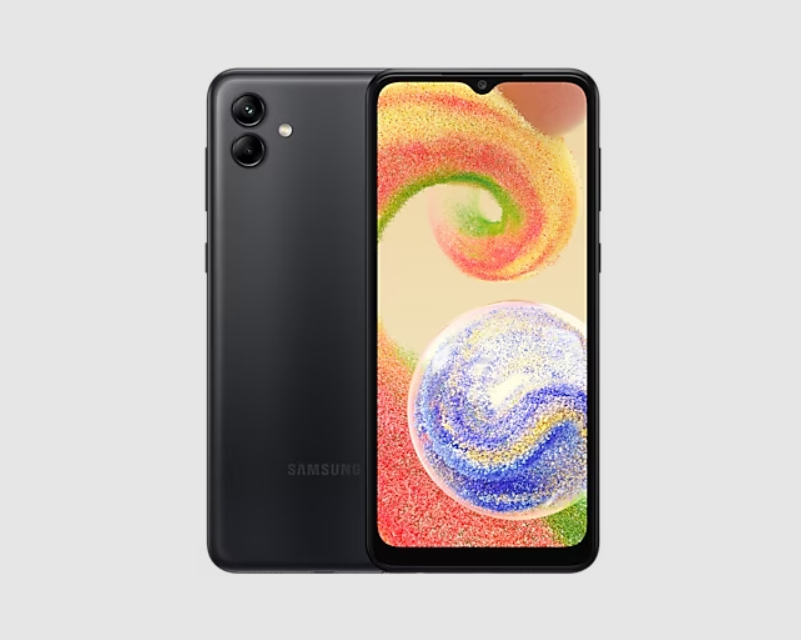
Samsung’s mid-range Galaxy A series has been one of the most selling smartphones in the world. Be it the Galaxy A52 or the current-gen Galaxy A53 5G. Knowing the brand’s usual launch patterns, it is safe to say that there is still some time before the brand launches the successor of the Galaxy A54 5G. However, its design, along with some specifications, has already leaked.
Now, the Samsung Galaxy A54 5G has also appeared on Geekbench, giving us an insight into the performance of the device. The device has been spotted on Geekbench with the model number SM-A546B.
Samsung A54 5G Geekbench
The presence of an octa-core processor with 4 + 4 configurations and the codename “S5E8835” is revealed in the benchmark listing. Four of the eight cores are clocked at 2.40GHz and should be the performance cores. The remaining four cores, which are clocked at 2.0GHz, appear to be efficiency cores. The presence of a Mali G68 GPU is also revealed in the listing. Based on these, it appears that the Exynos 1380 processor will power the Samsung Galaxy A54 5G.
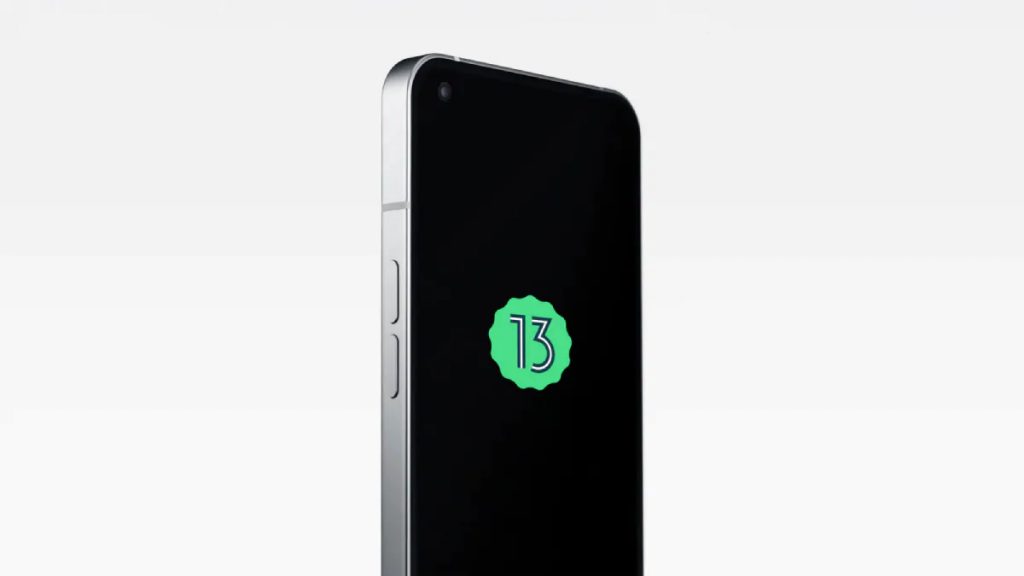
Geekbench also reveals the existence of a 6GB memory variant. Even so, the Samsung Galaxy A54 5G will also be available with 8GB of RAM. Also, according to the benchmark listing, the mid-range handset will ship with Android 13, but with the OneUI skin on top. Moving on to the benchmark results, the smartphone managed to score 776 points in the single-core test and 2599 points on the multicore test of Geekbench 5.
Other than that, the listing does not reveal further details. However, rumors surrounding the device state that it will feature a 50MP primary camera along with a 5100mAh battery and 25W fast charging.
This is the new Vivo X90, which is the new standard variant of the Vivo X flagship lineup. It’s quite interesting that we might have shifted our greatest attention from the Xiaomi digital series to the Vivo X series. Because there’s no brand having such an efficient upgraded speed as Vivo over flagship development. Preceded by the X80 in the spring, the X90 is their second generation model, launched in 2022. Compared to the X90 Pro and Pro plus variants, the standard model is also a heavyweight product with a few upgrades. So today, let’s just focus on the Vivo X90 and explore why Vivo has become one of the hottest phone brands, even though the market is inevitably declining this year.
If you’ve learned the specs on paper of the X90, you might find that the X90 didn’t get many upgrades compared with the X80. It got upgraded to a BOE display with a higher resolution and 2160Hz PWM dimming, a debuted MTK Dimensity 9200 chipset, 120W faster supercharge, and the new IP64-rating water and dust-proofness. Although it seems the X90 is using the same camera module, we’re pretty impressed by its shooting experience, both in taking photos and shooting videos. That’s probably due to its new Zeiss T-coating for all the triple lenses and the new V2 imaging chip. We will talk more about it later in the camera part.
The X90 keeps the same pricing as the X80. What’s important to know is that the X80 has been very popular and firmly priced for most of the year. And now, whether the X80 can have a price-cut promotion depends on how the X90 performs.
Design
Over the phone appearance, the X90 still continues the polished style of the series, but it looks neater on the back due to the simplified camera arrangement. The rectangular panel under the camera module is removed, but it’s still visually divided into two parts. To be honest, it’s not much surprising when seeing the left-rounded module, since we’ve seen similar central-rounded ones on Huawei and Xiaomi’s premium phones. Their designs are just too similar to each other.
Specifically, the black variant in my hand still looks good, but it’s just too slippery when holding it in hand. Without a protective case, I have to hold it very carefully to prevent it from slipping and falling to the ground.
1260p Display
On the front, it still has a whole edge-curved 6.78-inch display. The BOE Q9 120Hz hole-punched screen has a 1260p resolution and a peak brightness of 1300 nits, which I think is a great solution to balance power consumption and display quality.
The 2160Hz PWM dimming can offer a much more comfortable visual experience under low-light conditions than most Samsung panels this year. And now you are able to adjust both refresh rate and touch sampling in specific apps and games. The X90 features a maximum touch sampling rate of 300Hz and it would be limited to 120Hz by default. But you can manually add any apps into the game space, and free the touch sampling rate up to 240 or 300 Hz in the sidebar. For example, in Facebook you will definitely feel the difference as I did immediately.
high touch sampling rate
2160Hz PWM Dimming
The X90 series add a Zeiss Natural color mode for P3 gamut colors, which offers a pretty decent color accuracy, just like the professional mode for the sRGB gamut. The measured average delta E of both modes can be kept below 1.
The V2 imaging chip also brings a new feature for the display: the AI Smart eye protection, which can reduce blue light in real-time, keeping a balance between eye protection and the true colors. It doesn’t look as warm as the traditional eye protection mode, and I pretty much enjoy it.
AI smart eye protection
standard eye protection
Another great experience is with the phone’s HDR management. Vivo’s Origin OS is one of the few systems that can do multi-window HDR management like iPhone and Huawei. I can still have the correct HDR display even when the HDR content is played in small window mode.
Experience
This time the standard model is still equipped with an optical in-screen fingerprint reader but not the ultrasonic one as the Pro and Pro +, which doesn’t have the impressive recognition speed that we have on the X80 Pro. The adding is still slow and inefficient.
The haptic vibration is still good, not much different from the x80’s. And I’m a bit disappointed by the dual-speaker sound quality, which is good but not really improved from the X80’s. And to be honest, I wouldn’t even give it the same score. Anyway, you can check out here by yourselves.
Vivo X90 Performance – debut of Dimensity 9200
The debut of the Dimensity 9200 chipset is the core upgrade of the X90. Thanks to the excellent performance of the Dimensity 9000, more phone brands choose to trust this new MTK flagship chipset. But it’s difficult for me to tell you whether the X90 in my hand has fully realized all the chipset’s potential since the 128GB model is the only variant that still uses UFS3.1 storage, instead of the latest UFS4.0. And also pay attention to the charging port here: for data transferring, it only supports USB 2.0 on all the Standard X90 models, while the USB 3.2 is available for the X90 Pro and Pro Plus.
Anyway, let’s look at some benchmarks. In Geekbench 5, compare to the Dimensity 9000, there’s not much improvement for the multi-core performance of the 9200, but the Cortex X3 super core did achieve a 15% boost in the single-core test. While in Antutu Benchmark, it didn’t get the improvement that we expected. But it’s still one of the highest scores we can get on a phone in 2022.
In 3Dmark GPU test, the result is a bit more exciting since it easily exceeded what an iPhone 14 Pro’s A16 chip can run. So there’s no doubt that most gaming tests are already pointless for the X90. Here we’d like to show the result of Genshin Impact and probably you will know what I mean.
The X90 can achieve an average framerate of 58.5fps under the highest graphics with a pretty efficient power output of 5.88W, and there’s no obvious throttling during the whole 30-min gaming and the temperature was still acceptable. This is the new best result in our Genshin Impact test on Android phones.
And in 3Dmark’s graphic stress test, it failed to finish the test for the first time due to an overheating issue, but in a cooler environment, it achieved over 90% performance stability for the 20-round test, while the phone was still hot.
Software
As for the Origin OS, now I have less to complain about. The UI aesthetic is still special and full of detail, and it’s still one of the smoothest Android systems with super-fast responses and comfortable animation. There’re fewer language errors when the system language is set to English, though we can still find the language failing to switch in the game space.
Cameras
Well at the beginning we didn’t really expect much on its camera performance since the phone retains the same camera hardware as the X80, still the same triple-lenses led by the 50MP IMX866 sensor, companied with a 12MP wide-angle lens and another 12MP portrait lens.
All three lenses present more rigorous and natural colors if you activate the Zeiss mode, which finally offers another image style outside Vivo’s vivid tradition. But you still can turn it off. From the comparison, it’s easy to find the difference between colors. However, there’s no obvious improvement in detail. And the auto HDR mode is also more cautiously activated, no longer pursuing a rich color atmosphere. But we also found that it would tend to choose a darker exposure strategy during day time.
[envira-gallery id=’501365′]
But things changed when we shoot at night. In extreme low-light conditions, it’s very aggressively exposed and looks much brighter than in the real environment. If not showing the shooting time here, it’s really hard to convince you that it’s shot at the midnight. But thanks to the new Zeiss T coating and the V2 imaging chip, the night photos and videos were enhanced with less light reflection and less stray light. And meanwhile, even though it got significantly brightened, the amazing denoising capacity still brings excellent detail pureness for shadow parts.
[envira-gallery id=’501384′]
The 2x portrait lens worked well in most cases. But in complex scenes, it’s still not accurate enough to recognize the right subject and have the right background blurring.
[envira-gallery id=’501390′]
Battery & charge
The Vivo X90 comes with a 4800mAh battery with 120W fast charging. As a flagship killer powered by one of the most powerful chipsets, the result of the battery-life test is not bad, which is even slightly better than some models powered by the Snapdragon 8+. For charging, the X90’s 120W fast charging is a bit conservative, collecting back 100% of power in 27 mins.
Conclusion
So that’s all about the new X90. Although I pointed out a few drawbacks, it doesn’t take away from the fact that it’s about to become one of the best flagship killers of 2023. And we just got its big brother, the X90 Pro +. More reviews and comparison videos about it are coming soon. If you like this review and are looking forward to the following works about the Pro +, please kindly subscribe to our channel.
Chinese firms Oppo and Huawei have entered a global patent cross-licensing agreement. The new agreement covers cellular communications standards including 5G communications. Oppo’s Feng Ying (Chief Intellectual Property Officer) said the brand is pleased to have reached a cross-licensing agreement with Huawei. The agreement, according to Ying, fully reflects the respect and recognition of both Huawei and Oppo for each other’s intellectual property strength.
The new agreement is a win-win for both companies. It puts both entities in an advanced setting to leverage their strength for maximum business impact. The agreement advocates the settling of intellectual property licensing issues through friendly consultations and mutual respect for patent value. Huawei says it has formed several high-value patent packages during the past two decades and it is very happy to reach the cross-licensing agreement. Huawei expects the new arrangement to promote the innovation cycle of investment-return-reinvestment in high-value standard research.
Huawei has several patent packages that include 5G, Wi-Fi, audio, and video. The new agreement will promote innovation, and rapidity of research globally. It will also provide more competitive products and services for consumers. Both companies will hope that the new cross-licensing agreement will signal the beginning of a period of rapid growth and development. The agreement will be highly beneficial to Huawei since the US clampdown on its operations.
Prior to the US clampdown, Huawei was the global leader in research on 5G and 6G. It had carved a niche for itself with a raft of contracts for infrastructure across several jurisdictions. The finer details of the new cross-licensing agreement are not known at this time. However, we expect both brands to fully utilize the provisions of the agreement for the ultimate expansion of their balance sheets.
DJI has announced the Mini 3 drone aimed at the consumer market. The DJI Mini 3 is a stripped-down version of the DJI Mini 3 Pro and it comes at a lower price. The new drone lacks forward and rear obstacles sensors and outputs 4K 30p videos as its highest quality. The DJI Mini 3 also lacks ActiveTrack functionality which is some of the factors for its reduced price.
DJI has had an eventful 2022 with a raft of industry-defining offerings. The penultimate model was the DJI Mini 3 Pro which was feature-rich. The price of the DJI Mini 3 Pro started at $669 but the new drone will be less expensive. The Mini 3, according to DJI is well-suited for first-time users in suburban and urban scenarios. It is a successor to the DJI Mini 2 but also nearly identical to the Mini 3 Pro. However, the front sensors have been replaced with grills while the position of rear sensors is covered with smooth plastic.
The DJI Mini 3 doesn’t need a special permit to fly in many territories. The drone weighs 249g and can take 12MP pictures. Its video output does not include 4K 60p on the Mini 3 Pro. The new drone offers true vertical video and photo shooting and the camera can flip 90 degrees. You can shoot HDR videos with the Mini 3 at up to 30fps. It also has dual native ISO for low-light scenarios, making use of a relatively small sensor.
The Intelligent Flight Batteries of the Mini 3 delivers a flight time between 38 minutes and 51 minutes. The extended batteries option is however only available in North America. Actual times could vary by up to 10 minutes for the drone. DJI says the Mini 3 packs some power that makes it withstand stiff winds during a flight.
The DJI Mini 3 can be linked to the DJI RC controller for an extra $230. This could be a better option than using a smartphone with the RC-N1 controller. The joysticks of the RC controller can be easily tucked underneath the controller for traveling.
The screen of the RC controller is however not well-suited for sunlight. There are a few features in the DJI Mini 3 that could be exciting to social media fans. These include Quickshots, Dronie, and Circle. The new drone however lacks many of the features in the scaled-up version of the drone lacks some of the intelligent features in the Mini 3 Pro. The DJI 3 Mini will retail for $469.
Huawei Mate 50 series debuted a few months back and its successor is not expected to arrive until September 2023. However, the details of the next Huawei flagship lineup have already started to emerge. A leaker claims the Huawei Mate 60 series will be equipped with a Qualcomm processor and will only offer 4G connectivity. Some interesting info about the Huawei P60 series has also been revealed. Here are the details.
Leaker @RODENT950 claims the Huawei P60 and Mate 60 Series will be powered by Qualcomm chipsets. The P60 Series, which is expected to debut early next year, is reported to feature Snapdragon 8+ Gen 1 4G chipset. The leaker further suggests the P60 lineup will soon enter the mass production stage.
In addition, the Mate 60 series is said to be equipped with a chipset with the model number SM8525, which is likely the 4G-only version of the Snapdragon 8 Gen 2. As mentioned, the Mate 60 series isn’t coming anytime soon.
A recent report revealed the specs and design of the vanilla Huawei P60. The handset is expected to feature a variable aperture lens that was first introduced with the Mate 50 model. It could come with an upgraded 64-megapixel telephoto sensor.
The front of the device could house dual selfie cameras, which might be fitted on a pill-shaped cutout. On the rear, the handset is expected to have the same twin circular modules, wherein the top one nests two large sensors and the lower one has an LED flash and another camera.
The P60 series could include more smartphones but we don’t have any details about them yet. Huawei is yet to officially confirm any details about the upcoming series. We should learn more about it in the coming days.
Redmi has started to tease the Indian launch of the recently launched Note 12 series. The lineup has already debuted in China and includes three devices— Redmi Note 12, Note 12 Pro, and Note Pro+. The brand is yet to confirm the launch date of the forthcoming series. But ahead of it, a popular tipster has claimed the Redmi Note 12 series will debut in India in the first week of January. Here are the details.
Noted tipster Mukul Sharma claims the Redmi Note 12 series will launch in India on January 5. Sharma says the series will include the Redmi Note 12, Note 12 Pro, and Note 12 Pro+. All three models will be 5G ready, says the tipster.
[Exclusive] Time to reveal the SuperNote launch date 😎 Can confirm that the Redmi Note 12 series will launch on 5th January in India. Redmi Note 12, Note 12 Pro, Pro+ will all be 5G ready for India. 12 Pro+: 200MP main camera. Feel free to retweet😉 #RedmiNote12Series
Please note that the launch has not been officially confirmed yet. We’ll update the article as soon as we get an official date. The landing page of the RedmI Note 12 series is now live on Xiaomi India’s website, hinting the launch is imminent.
As mentioned, the Note 12 series has debuted in China, so we have a good idea about its specs. The lineup comes with a 6.67-inch OLED panel that produces a Full HD+ resolution and a 120Hz refresh rate. The vanilla Note 12 features an 8-megapixel camera up front, while the Pro phones sport a 16-megapixel selfie snapper.
The standard Note 12 5G has a dual rear camera setup, comprising a 48-megapixel primary sensor and a 2-megapixel secondary unit. The Redmi Note 12 Pro features a 50-megapixel main camera with OIS support, whereas the Pro+ boasts an OIS-assisted 200-megapixel primary camera. Both phones also have an 8-megapixel ultra-wide camera and a 2-megapixel macro sensor on the back.
Talking about the chipsets, the Redmi Note 12 is equipped with the Snapdragon 4 Gen 1 chip. The Pro models, on the contrary, are powered by the newly launched Dimensity 1080 SoC. The smartphones have LPDDR4X RAM, UFS 2.2 storage, and a 5,000mAh battery.
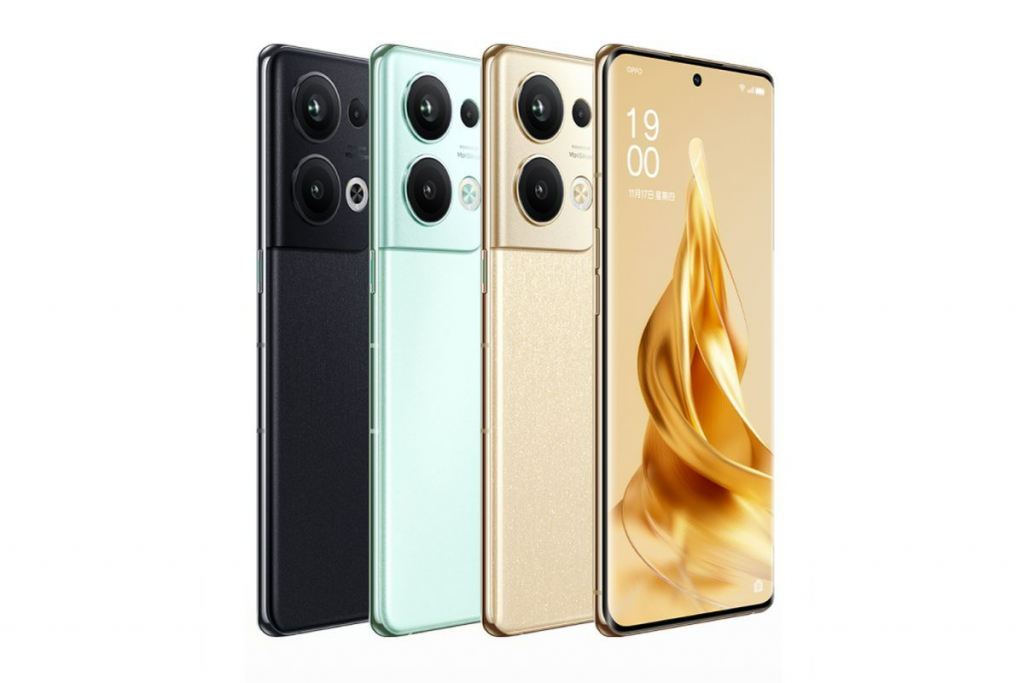
Xiaomi and OPPO usually release two Global series of flagship phones per year: one in the first half and one (inferior to the first) in the second half, and this year was the same. Talking about the most powerful models of the series released in the second half of 2022, Xiaomi released the new Xiaomi 12T Pro, while OPPO came up with the OPPO Reno9 Pro Plus. While the former already made its global debut, the latter is yet to hit the global market, but it is still unknown whether we will see a Pro Plus variant Global or it will be renamed with another moniker. While waiting, we think it is time for a comparison between the main specifications of the Xiaomi 12T Pro and the OPPO Reno9 Pro Plus in order to understand the differences between them. So here you go.
Xiaomi 12T Pro vs OPPO Reno9 Pro Plus
Xiaomi 12T Pro
OPPO Reno9 Pro+
DIMENSIONS AND WEIGHT
163.1 x 75.9 x 8.6 mm,
205 g
161.5 x 73.6 x 8 mm,
192 g
DISPLAY
6.67 inches, 1220 x 2712 pixels (Full HD+), AMOLED
Triple 200 + 8 + 2 MP, f/1.7 + f/2.2 + f/2.4
20 MP f/2.2 front camera
Triple 50 + 8 + 2 MP, f/1.8 + f/2.2 + f/2.4
32 MP f/2.4 front camera
BATTERY
5000 mAh, fast charging 120W
4700 mAh, Fast Charging 80W
ADDITIONAL FEATURES
5G, dual SIM, IP53 certification
5G, dual SIM
Design
There is no challenge if we talk about the design: the OPPO Reno9 Pro Plus is way better. First of all, it is thinner and lighter, with a thickness of just 8 mm and a weight of 192 grams. Further, it is the only one from this duo with a curved screen at the sides, including a very high screen to body ratio superior to 90 percent of the front panel. It also comes with great build quality as it actually sports an aluminum frame and glass protected by the Asahi Glass AGC DT-Star2 protection. On the other hand, the Xiaomi 12T Pro is protected against water and dust with the IP53 certification, but it is not waterproof. But the Reno9 Pro+ is definitely more gorgeous.
Display
Judging from the specs on the paper, it looks like the Xiaomi 12T Pro is equipped with a better display. It comes with an AMOLED panel able to show up to 68 billion colors with a diagonal of 6.67 inches, an 1.5K resolution of 1220 x 2712 pixels, a 120 Hz refresh rate, Dolby Vision support, HDR10+ certification, a peak brightness of 900 nits, and an in-display fingerprint reader. It also comes with stereo speakers tuned by Harman Kardon. But the OPPO Reno9 Pro Plus still sports a good display: it is an AMOLED panel with one billion colors, a diagonal of 6.7 inches, a Full HD+ resolution of 1080 x 2412 pixels, a 120 Hz refresh rate, HDR10+ certification, a peak brightness of 950 nits, and an in-display fingerprint reader, as well as stereo speakers.
Specs & Software
The hardware found on the OPPO Reno9 Pro Plus is slightly better than the Xiaomi 12T Pro. Both phones are equipped with a Snapdragon 8+ Gen 1 mobile platform: a chipset built with a 4 nm production process and an octa-core architecture including a Cortex X2 CPU, three Cortex A710 CPUs, four Cortex A510 CPUs, and an Adreno 730 GPU. On the OPPO, the main core is underclocked with a max frequency of 3 GHz, while the Xiaomi 12T has the standard 3.19 GHz max frequency of the Snapdragon 8+ Gen 1. However, the Reno9 Pro Plus sports a higher quantity of RAM: 16 GB instead of just 12 GB provided by Xiaomi, as well as more internal storage: 512 GB instead of 256 GB. Further, the OPPO Reno9 Pro+ has a more advanced Android version: it ships with the latest Android 13 out of the box instead of Android 12.
Camera
At first glance, it seems like the Xiaomi 12T Pro has a better camera as it sports the new 200 MP Samsung ISOCELL sensor. However, the 50 MP Sony IMX890 sensor found on the OPPO Reno9 Pro Plus guarantees a higher photo quality, especially because it is supported by the OPPO’s proprietary NPU known as MariSilicon X. Last but not least, the OPPO flagship has a better front camera, with a 32 MP resolution instead of 20 MP found on the 12 T Pro.
The Xiaomi 12T Pro is equipped with a bigger battery and it should provide longer battery life in several scenarios. It also charges quicker thanks to 120W fast charging, instead of just 80W.
Price
The starting price of the Xiaomi 12T Pro globally is $897/€850, while the OPPO Reno9 Pro Plus, as already mentioned, is not available globally. It costs about $649/€615 in China. Which is your favorite one?
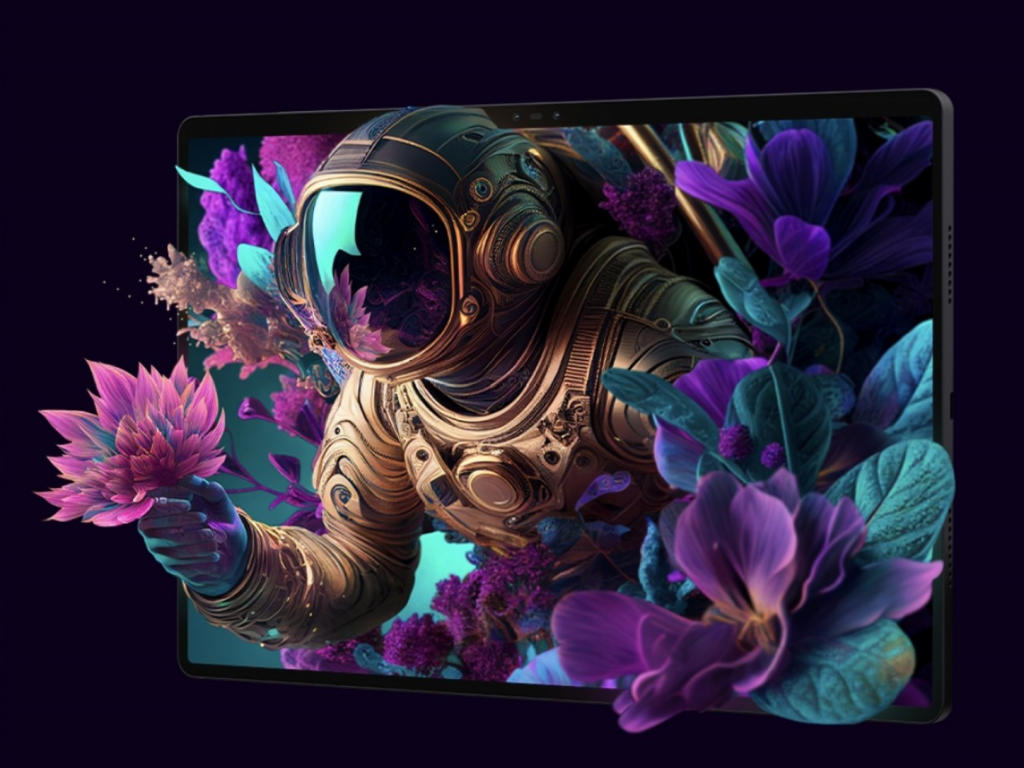
Chinese tech company TCL has launched a new smartphone that may likely become available for the global market. The TCL NXTPAPER 12 Pro Android tablet, as it is called, was launched in Russia and it is equipped with a decent specs lineup that could make it a great fit for gaming and for handling several tasks at the same time.
The NXTPAPER 12 Pro is equipped with an expansive 12.2-inch IPS LCD display with a resolution of 2160 x 1440 pixels. The tablet is powered by a MediaTek Kompanio 800T processor paired with a massive 8GB of RAM while there is 256GB of storage space onboard. The MediaTek Kompanio 800T processor is a 6nm octa-core chip with two 2.4 GHz Cortex-A76 CPU cores, six Cortex-A55 cores, and a Mali-G57 MC2 GPU. The storage can also be expanded up to 512GB via a microSD card.
A major feature of this tablet is the coating of the touch screen, which has anti-reflection and anti-fingerprint characteristics, and looks and feels similar to paper, making it possible for users to see the content on the display clearly without backlight.
Under the hood, the NXTPAPER 12 Pro crams an 8000mAh battery and is equipped with an 18W charger. In terms of imaging, the slate has a 13MP rear camera and a special dual 8MP camera on the front.
Furthermore, the tablet brings support for WiFi 5, Bluetooth 5.1, USB Type-C interface, four speakers, and dual microphones. in terms of the dimension, the slate measures 279 x 192 x 6.9 mm, and weighs 599 grams. The bottom has touchpoints that may support an external keyboard. The tablet runs Android 12.
As for the pricing, the TCL NXTPAPER 12 Pro is presently on sale in Russia for 35,000 rubles ( about ) and is expected to be announced for more markets at CES 2023.
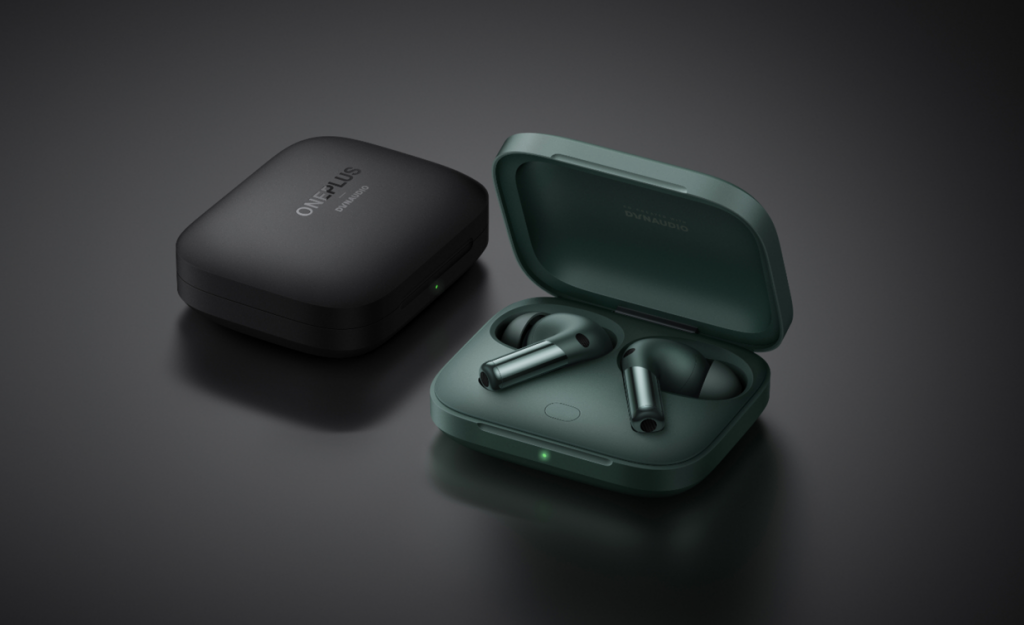
pTron Basspods P481 TWS earphones have been launched in India. The latest addition to the brand’s growing earbuds range series, Basspods P481, feature the longest-lasting battery in its franchise and come with Environmental Noise Cancellation (ENC) technology. The new hearables come with an affordable price tag and a sleek design. The TWS earbuds feature Bluetooth v5.3, 50ms low latency, and smart touch sensor controls. Let’s have a closer look at the pricing and specifications of newly launched earphones.
The pTron Basspods P481 earbuds come with a stemmed design and are small and lightweight, weighing around 4 g. Users should be able to wear the earbuds for a longer period of time without any discomfort. The TWS earphones feature 10mm dynamic drivers that are claimed to deliver “powerful bass and stunningly clear vocals”.
The earbuds come with the brand’s signature noise-canceling technology and high-resolution audio capability. pTron says the Basspods P481 are equipped with an advanced processor that improves noise canceling, enhances sound quality, and reduces distortion with less power.
In addition, the hearables come with touch-sensitive controls that let users control music playback, accept or reject calls, adjust volume, and summon the voice assistant. They come with Bluetooth v5.3 for connectivity and have 50ms low latency. The earbuds are IPX4 rated for protection from sweat and water.
Further, the Basspods P481 are claimed to offer a playtime of 60 hours combined with the compact charging case. Additionally, the brand says just 10-minute quick charging can offer up to 240 minutes of playtime.
The new earbuds are offered in black and white colors. The Basspods P481 will be available for purchase at a price of Rs. 899. Interested shoppers will be able to purchase the earbuds from Flipkart, starting December 11.
Ahead of its official unveiling on December 11, a teaser video of the Xiaomi 13 Pro has revealed it will come with an IP rating. The phone is certified against dust and water but the rating level is not known at this time. The Xiaomi 13 Pro could thus be probably rated IP68, similar to its flagship sibling, the Xiaomi 12S Ultra. The video teaser was posted on Weibo.
The Xiaomi 13 Pro comes with a new camera design and a fancy green colorway. The camera will be versatile and able to take photos in all environments. A night mode that can enable clear pictures at night is also present. The night photos functionality is absent in the Xiaomi 12 Pro. Most of the affordable Xiaomi phones come with the IP53 certification which protects them from mild dust and sprinkling water. The IP68 rating provides much more resistance and safety for the device from water and dust damage. The Xiaomi 13 Pro offers up to 512GB of storage with a high RAM capacity as well. It is powered by the flagship Snapdragon 8 Gen 2 chipset.
The signature Wilderness Green color of the smartphone is part of a package that includes the Mi Watch S2 and the Buds 4 Pro. Both smart wearables also come with the same color design as the smartphone. The Xiaomi 13 Pro will be available in limited quantity and the package includes a protective travel case with a lanyard for the wrist.
The IP rating however needs to be certified by the regulator before it can be used in the advertisement of devices. The International Electrotechnical Commission (IEC) is the granting organization for such certifications.
Noise has expanded its range of smartwatches. It has launched the Noise ColorFit Loop in India. The device packs all necessary health-related and convenient features. It falls under the Rs 3,000 price segment. The Noise ColorFit Loop competes against the likes of the Realme Watch 3, Amazfit Pop, boAt Xtend Talk, and more in the market. Read on to know what it offers out of the box.
The Noise ColorFit Loop comes with a square dial featuring a large 1.85-inch display. It bears a screen resolution of 284 x 240 pixels, a 60Hz refresh rate, and 550 nits brightness. There are more than 200 customised watch faces. The device is IP68-rated dust and water-resistant.
On the fitness front, the Noise ColorFit Loop is equipped with a heart-rate sensor, SpO2 monitor, and a menstrual cycle tracker. It is also capable of tracking sleep patterns, stress levels, and offering breathing exercises. The wearable device packs support for 130 sports modes.
The Noise ColorFit Loop is equipped with a built-in mic and speaker and a single chip for Bluetooth calling. It offers stable connectivity, dial pad, recent logs, and up to 10 contacts. The smartwatch is backed by a 390mAh battery unit that is capable of lasting 7 days. It offers other features like notification display, DND mode, weather updates, and more.
The Noise ColorFit Loop carries a price tag of Rs 2,499. It is offered in Jet Black, Midnight Blue, Olive Green, Mist Grey, Deep Wine, and Rose Pink colour options. The smartwatch can be purchased from Flipkart and the company’s official website.
On December 15, 2022, Motorola will officially launch the Motorola Moto X40 smartphone in China, according to a statement from the company. The smartphone is now available for pre-order in China ahead of its official debut. Users that are interested can now reserve their units by going to the JD.com website. According to Chen Jin’s reports, the Moto X40 has apparently achieved “super power saving” as a performance flagship using the Snapdragon 8 Gen 2 CPU. In terms of running points, the Moto X40’s AnTuTu running score hit 1312901 points.
Pre-booking page at JD.com
The Motorola phone’s model number, XT2301-5, has previously been listed in the Geekbench 5 database. According to the listing, the device has an octa-core processor with a 3.19GHz prime core, four 2.80GHz secondary cores, and three 2.02GHz third cores. This is the recently released Snapdragon 8 Gen 2 chipset, as we well know.
The Chinese Ministry of Industry and Information Technology (CMIIT) now lists Motorola’s new 5G model XT2301-5, which is anticipated to be the Moto X40. The device has a 6.67-inch 1080*2400 OLED screen, a body size of 161.3*73.9*8.5mm, weighs 196 grammes, and enables under-screen fingerprint recognition. It also supports 10-bit colour depth. The Moto X40 is equipped with a built-in 4950mAh, a 50MP+50MP+12MP triple camera setup on the back, and 4x optical zoom.
According to earlier information, Motorola modified the MAXE system engine for the new MyUI 5.0 to deliver a scheduling strategy that perfectly balances performance and power efficiency with more intelligent scene detection. The Motorola Moto X40 will additionally offer IP68 water and dust resistance. Let’s wait till the official launch to know more about the device.
The Indian government’s efforts to ensure the success of the Made-In-India policy may have scored a big hit. Chinese companies Oppo, Vivo, and Xiaomi have agreed to start exporting Indian-made smartphones to the global market. This shift in manufacturing strategy is a huge boost to India. The central government has continued to pursue a strategic policy that aims to make India a global manufacturing hub for smartphones and electronics.
Previously, the Chinese brands had steadfastly refused to open up their operations to export outside India. The new move is a victory for the government and offers India a slice of the global manufacturing output of these companies. The move sees the companies shifting some of their export volume from their Chinese factories to India. Reports indicate that the three companies have finalized plans to begin exporting products from India. This move aligns with the steps taken previously by Apple and Samsung in India. The potential destinations for Indian-made products include Asia, Africa, the Middle East, and Latin America.
There is a combination of factors that could be driving the move of the three Chinese companies. These factors include more stringent policies against Investments from China and the Production-Linked Incentive (PLI) scheme. In addition, Chinese telecommunication companies are not on the preferred list of suppliers with several of them facing tax investigations. The PLI scheme offers incentives for Indian-driven production and export. These local manufacturers are the major beneficiaries of government deals and agreements.
The move by Oppo, Vivo, and Xiaomi to come under the PLI regime will not see automatic access to the benefits. The government has said such moves will require its approval. Vivo has already made moves to export from India. It however recently saw its $15 million worth of exports blocked by the regulator. Vivo says the move will not alter its plans to get exports out of India. Both Xiaomi and Oppo are also making inroads into the operation. The policy environment in India shows that there is a move to stimulate exports. The Chinese big three companies were focused on the local market, while their Chinese factories focused on the global market.
The Indian government plans to expand its economy beyond $5 trillion and an export-driven market is a key driver of such a move. All three Chinese tech companies say they are aligned with the goals of the government and will pursue investment in that direction.
Itel is known for its value-for-money feature phones. The brand introduced the Itel Magic X and Magic X Play 4G feature phones earlier this year in India. Now, it has launched another handset in India, which comes with features like high-speed hotspot connectivity, dual 4G VoLTE with Wi-Fi, and a 2500mAh battery. The product in question is called the Itel Magic X Pro 4G. Let’s have a closer look at the pricing and specifications of the newly launched feature phone.
The Magic X Pro 4G comes with a 2.4-inch QVGA display that should be sufficiently bright. As mentioned, the new feature comes with hotspot connectivity, which will allow you to share mobile data with other devices. The company says it can connect up to 8 devices. To help you kill time, the handset comes with eight preinstalled games.
It supports KingVoice assistance, Itel’s proprietary text-to-speech feature. The handset also sports a VGA rear camera and dual SIM cards. It supports HD-enabled VoLTE calls and boasts dual 4G VoLTE with Wi-Fi. The phone also comes with LetsChat chat groups.
Itel Magic X Pro 4G packs a 2500mAh. It comes with a charger and a hands-free headset out of the box. Notably, the phone comes with a Boom Play feature that allows streaming of 74 million songs from all over the world, in styles like bhakti and cinema.
Finally, the Itel feature phone comes with support for 12 local Indian languages: English, Hindi, Gujarati, Telugu, Tamil, Kannada, Malayalam, Punjabi, Bengali, Oriya, Assamese, and Urdu.
Talking about the price, the itel Magic X Pro 4G Phone has an affordable price tag of Rs. 2999. It comes with a 2-year service warranty. The handset is offered in black and blue colors and can be purchased through both online and offline channels.
Earlier today, Huawei held its winter product launch event in China. The company unveiled a bunch of interesting accessories like Huawei Watch Buds and Huawei Vision Glass.
These accessories were also accompanied by a couple of 4G-only smartphones, namely Huawei Enjoy 50z and Huawei Nova 10 SE. Let’s take a look at them.
The Enjoy 50z is available for pre-order starting today (December 9). It is scheduled to go on sale on December 26. Whereas, the Nova 10 SE is up for sale today itself.
Here are their official price tags and colors.
Huawei Nova 10 SE (silver, green, and black)
128GB – ¥1,999 ($287)
256GB – ¥2,299 ($330)
Huawei Enjoy 50z (blue, green, and black)
128GB – ¥1,199 ($172)
256GB – ¥1,399 ($201)
Huawei Enjoy 50z
Talking about specs, the Huawei Nova 10 SE arrives with a 6.67-inch centered punch-hole 10-bit OLED display with an FHD+ resolution and up to a 90Hz refresh rate. It is powered by a Qualcomm Snapdragon 680 chipset paired with 8GB RAM.
It comes with a 108MP (wide) + 8MP (ultra-wide) + 2MP (macro) triple camera system on the rear and a 16MP front-facing camera. Other features include a side-mounted fingerprint sensor, NFC for contactless payments and transit passes, and HarmonyOS 2 software.
Finally, it draws energy from a 4,500mAh battery and carries support for 66W fast wired charging.
On the other hand, the Huawei Enjoy 50z sports a 6.52-inch display (LCD) with an HD+ (1600 x 720 pixels) resolution and a dewdrop notch. It is run by an unnamed chipset paired with 6GB RAM and boots HarmonyOS 2.
It has a 5MP selfie camera and a 50MP(wide) + 2MP (macro) + 2MP (depth) triple camera system on the rear. It doesn’t feature a fingerprint sensor but has a MicroSD card slot and a 3.5mm headphone jack.
Last but not least, it is backed by a 5,000mAh battery with support for 22.5W fast wired charging.
Samsung has a separate division for its TVs, cellphones, and home appliances called Device Experience (DX). According to reports, the company has now been forced to shut off the division’s spending and put it in emergency status. The Korean IT giant has also reduced the frequency of international business travel and international marketing events, as well as cut other expenses in half. According to Samsung, the recent switch to emergency mode was caused by high currency and interest rates, supply chain problems, and declining customer demand in the present current economy.
According to Samsung, the current economic crisis is unprecedented. “We are experiencing a decline in TV and home appliance sales,” a company official told BusinessKorea. “We can hardly anticipate a speedy sales recovery at this point.” A financial information provider called FnGuide predicts that Samsung Electronics’ operational profit will drop by around 29% from the current year to 33.38 trillion won in 2023.
The article also claims that Samsung’s new cost-cutting initiative will cut back on travel and expenses for abroad shows, including the CES in Las Vegas in 2023. Samsung may or may not be on the exhibition floor, but the company plans to have virtual events, or video conferences, to introduce new products. The economic outlook around Samsung Electronics is getting worse every day. The international market for smartphones, TVs, and home appliances has been locked by inflation and geopolitical turmoil.
The DX Division’s total operating profit for the first three quarters of this year was 11.9 trillion won, down 20.4% (2.84 trillion won) from 13.93 trillion won in the same period of 2021. According to market research companies, the market will be worse in 2023 than it is now. Total financial costs for Samsung during the same period were 14,265.8 billion won, up 137.5 per cent from 6,007.2 billion won during the same time last year. Losses from derivatives, losses from currency exchange, and interest costs are among the financial expenses.
Problematically, the economic conditions of emerging nations, which make up a large portion of Samsung Electronics’ primary markets, are deteriorating as a result of a strong dollar and rising interest rates. The inventory assets of the DX Division were 27,097.4 trillion won as of the end of September, an increase of 12,831.6 trillion won over the previous twelve months.
Huawei has been expanding its product range in recent years to offer a wider range of services. This expansion has helped the company diversify its business and increase its market share in the global technology industry. Some examples of new products from Huawei include smartphones, tablets, laptops, and smart home devices. In addition, Huawei has recently launched two new products: the Huawei Smart Body Fat Scale 3 Bluetooth and the Huawei Tripod Selfie Stick Pro.
Huawei Smart Body Fat Scale 3 Bluetooth Version Launched
Huawei has launched the Bluetooth version of its Smart Scale 3 weight measurement device. The device features a large, rounded glass surface on top, weighs approximately 1.3kg, and has a 3.5mm short-scale foot design. According to the company, the Smart Scale 3 Bluetooth version is benchmarked against the gold standard dual-energy X-ray absorptiometry method, known as DEXA. The correlation of the measurement results of fat mass is greater than 0.922, indicating a high level of accuracy.
In addition to measuring weight, the scale can also accurately measure 13 important human body composition data, including body fat percentage, muscle mass, and more. The detailed measurement results can be viewed from the Huawei Health mobile app, which also offers over 200 training courses for users to track their progress and reach their fitness goals.
The scale also has the ability to weigh small objects as light as 100g, making it useful for measuring the weight of pets, fruits, and vegetables. The device is available in Frost White and Island Blue versions for 129 yuan, and a yellow limited edition is available for 208 yuan. The Smart Scale 3 Bluetooth is currently only available in China.
Huawei Tripod Selfie Stick Pro Launched
Huawei has also launched a new product called the Huawei Tripod Selfie Stick Pro. This product is easy to hold in the palm of your hand and has an exquisite and stylish appearance. The length after storage is about 172.6mm and the body is about 150 grams, making it portable and light.
One of the standout features of the Huawei Tripod Selfie Stick Pro is its proximity pairing. With just one click, users can easily connect their mobile phone to the device. In addition, this is the first Huawei selfie stick to support the search function. If the remote control is lost nearby, users can enter the smart life app and click “Ring to find” to quickly locate it.
The Huawei Tripod Selfie Stick Pro also offers long distance, timely positioning. If the remote control is lost, Huawei’s “find” network technology can anonymously upload the location of the device to help users recover it. Additionally, the device has a close range, ring the bell to find feature that allows users to quickly locate the remote control by playing an exclusive ringtone.
Privacy and security are also important features of the Huawei Tripod Selfie Stick Pro. The location information of the remote control is transmitted with two-way anonymous encryption, so only the user knows where the device is currently. If an unfamiliar remote control is detected nearby, the system will send a safety notification and play a ringtone to guide the user to find it.
In terms of wireless control, the Huawei Tripod Selfie Stick Pro has a range of up to 10 meters, making it easy to start the camera, zoom the focus, and switch between front and rear cameras. The device also has a short video mode and a slideshow mode. The device is only available in China for 129 yuan.
Gizmore has just announced that it is partnering up with Tres Care. The new collaboration would have both firms launch a unified application that will be for IoT (Internet of Things) products and smartwatches.
For those unaware, the company is a known brand that makes smart accessories, fitness gear, and even home audio products as well. The announcement was made earlier this week, with Tres Care becoming a new partner. Tres Care is an AI based health tracking solution and works on providing real time access to health monitoring. As per official notes, the Tres Connect app will be available with Gizmore’s best selling smartwatches.
This includes the likes of the GizFit Slate and GizFit Ultra. Furthermore, the company is set to make this application available for these smartwatches in the arriving couple of months. The brand is a known name in the Indian smartwatch market, so the new collaboration aims to offer an improved experience for its customers with more comprehensive data related to health and fitness.
According to Nishant Goel, Director, Marketing, Gizmore “It has now become imperative for consumers to track their health. The new-age apps enable them to get real-time updates and make more informed decisions regarding their fitness. Our strategic partnership with TRES care will help us expand even faster in this segment and provide our users with better insights. We will soon make this app available for all our smartwatches and IoT devices. Along with providing expansive data and proactive health alerts, we have also ensured that this data is completely secure and not shared with any third party apps.”
Today Huawei launched a host of new products including the Huawei Watch Buds, Nova 10 SE, FreeBuds 5i Pro, and more. The brand also unveiled smart viewing glasses dubbed Huawei Vision Glass. The wearable device works as an output device meaning that it simply outputs the contents of the connected device i.e compatible smartphones, tablet, and PCs. Read on to know what the Huawei Vision Glass offers out of the box.
Beginning with the design, the Huawei Vision Glass is thin and lightweight measuring 21mm and 112g respectively. It is suitable for long-term viewing. The device looks like sunglasses and with a more futuristic design. The Vision Glass’s nose pads can be adjusted in three positions depending on the user’s requirement. The temples are also elastic so that the device can be used by various users. The wearable device features monocular Myopia adjustment within 500 degree. This means that users can see clearly without wearing their prescription glasses. The Vision Glass can be folded and stored easily in a storage box.
The Huawei Vision Glass is capable of outputting a 120-inch virtual screen for an immersive field of view. It boasts two independent micro OLED displays with up to 90 percent DCI-P3 colour gamut, up to FHD resolution of 1,080 x 1,920 pixels, and 480 nits peak brightness. The device is TUV Rheinland low blue light certified for better eye protection. The Vision Glass features a button through which users can adjust brightness in five levels depending on the ambient light conditions.
In terms of audio, the Huawei Vision Glass features an open acoustic design. It is equipped with dual 128mm ultra-thin large-amplitude speaker along with a digital audio PA chip. The wearable device offers reduced sound leakage and an immersive audio experience.
The Huawei Vision Glass is compatible with smartphones, tablets, and PCs. You can check the entire list of compatible devices here.
The Huawei Vision Glass carries a price tag of RMB 2,999 (~$431). It is available for pre-order from today in China with sales commencing from December 26th
We use cookies on our website to give you the most relevant experience by remembering your preferences and repeat visits. By clicking “Accept”, you consent to the use of ALL the cookies.
This website uses cookies to improve your experience while you navigate through the website. Out of these, the cookies that are categorized as necessary are stored on your browser as they are essential for the working of basic functionalities of the website. We also use third-party cookies that help us analyze and understand how you use this website. These cookies will be stored in your browser only with your consent. You also have the option to opt-out of these cookies. But opting out of some of these cookies may affect your browsing experience.
Necessary cookies are absolutely essential for the website to function properly. This category only includes cookies that ensures basic functionalities and security features of the website. These cookies do not store any personal information.
Any cookies that may not be particularly necessary for the website to function and is used specifically to collect user personal data via analytics, ads, other embedded contents are termed as non-necessary cookies. It is mandatory to procure user consent prior to running these cookies on your website.