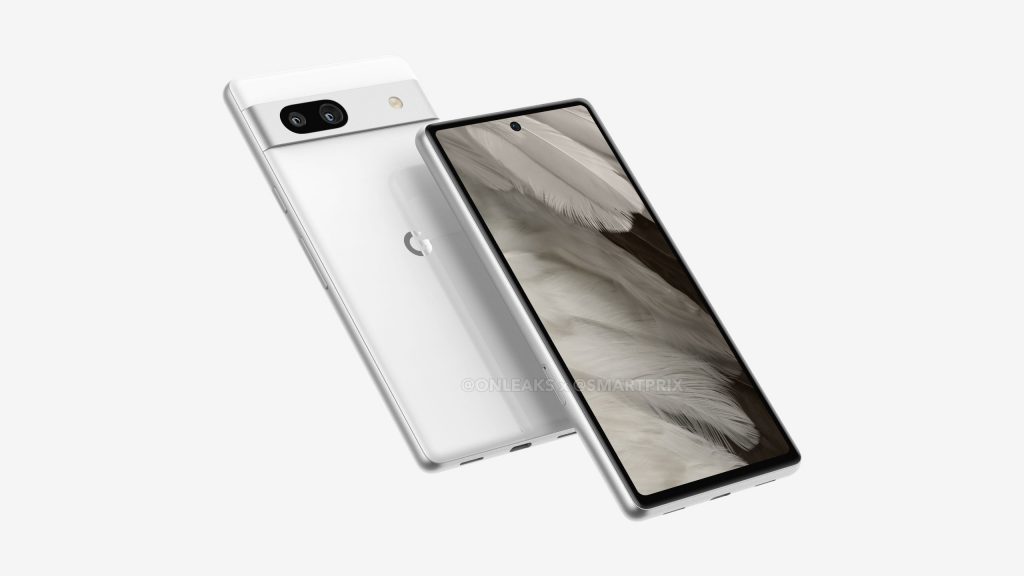
After the success of the Pixel 7 series, Google could launch the Pixel 7a very soon. Going by the rumors, the search giant could make a lot of customers happy as the Pixel 7a doesn’t appear to compromise on specs as much as the previous generation did.
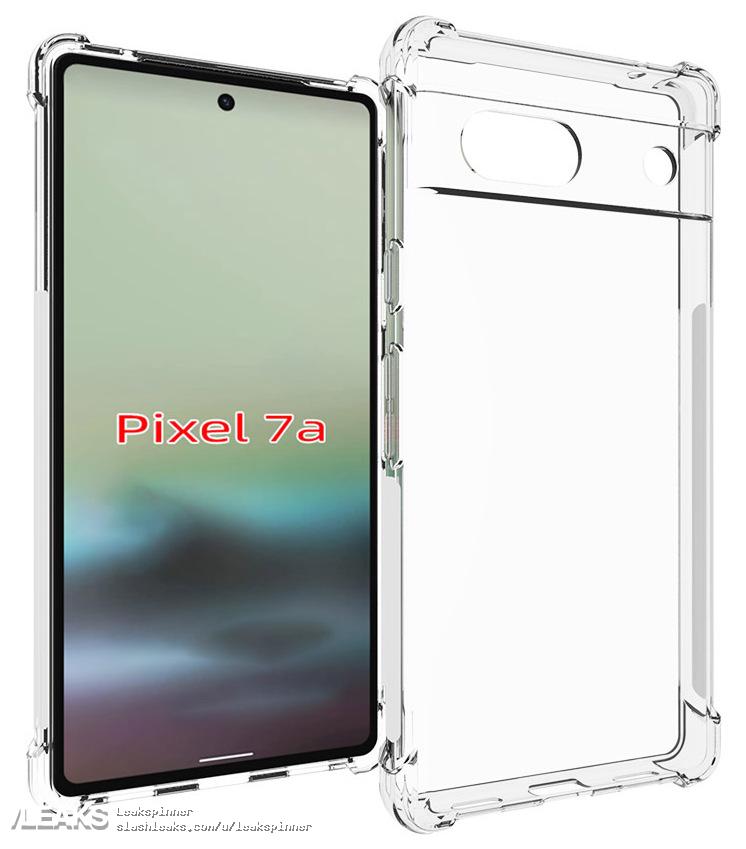
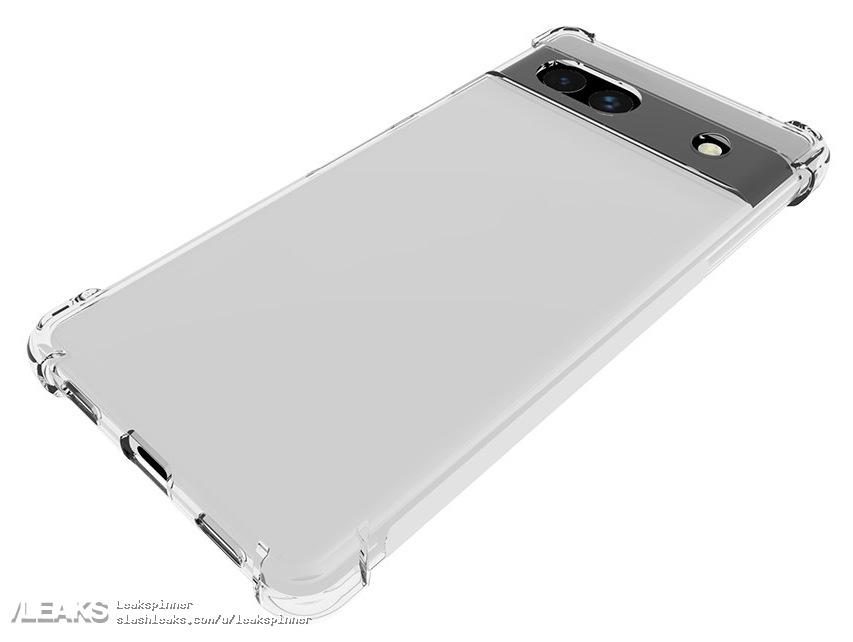
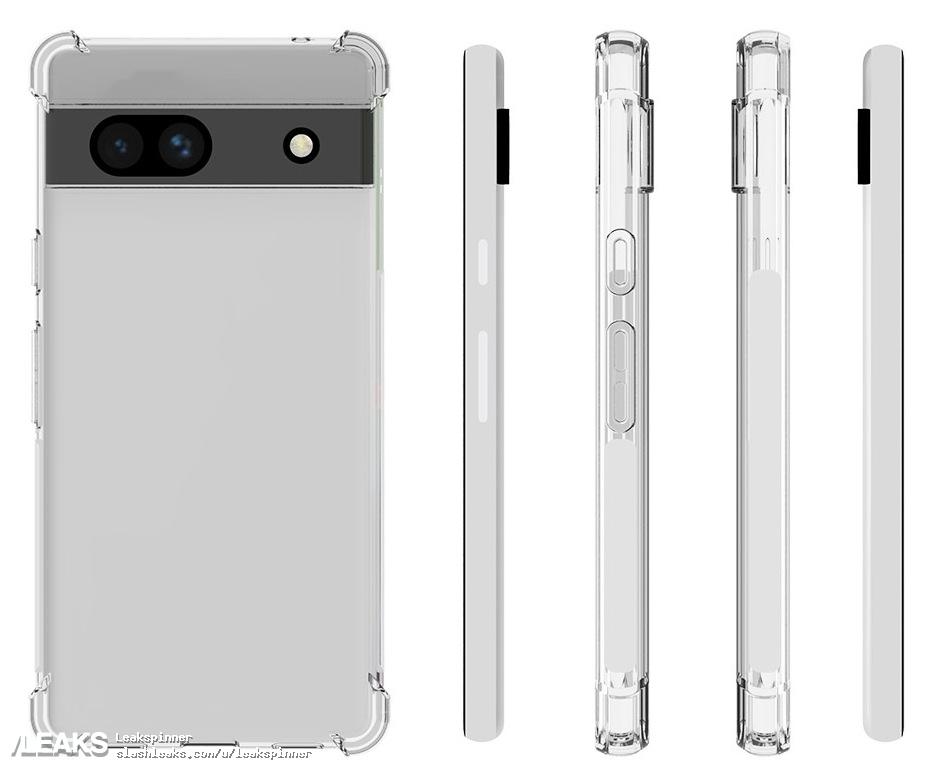
Even the phone’s design is said to be quite similar to the Pixel 7, with the only notable difference being thicker bezels around the display. A recent TPU case leak also confirms the design revealed by previous renders.
The leaked images come from /Leaks revealing the design of the Pixel 7a. The camera placement is similar to the Pixel 7, however, the camera visor is comparatively thinner. The power button and volume rocker are placed on the right edge, while the bottom of the device features a speaker grille and USB Type-C port.
According to a recent report, the Pixel 7a will come with 8 GB of LPDDR5 RAM and 128GB of UFS storage. We’ll get a fast 90Hz FHD+ OLED display, likely capable of HDR10+. The latest Tensor G2 chipset is also said to be onboard the device.
It has been reported that the rear of the Pixel 7a will feature a dual camera setup, consisting of a 64-megapixel Sony IMX787 main camera and a Sony IMX712 ultra-wide lens. No details are available regarding the battery capacity, but it is rumored to include wireless charging capabilities.
With these features on board, the upcoming device could be quite compelling in the mid-range segment. It remains to be seen if the brand sticks to the ~$500 mark or makes any changes to the pricing.
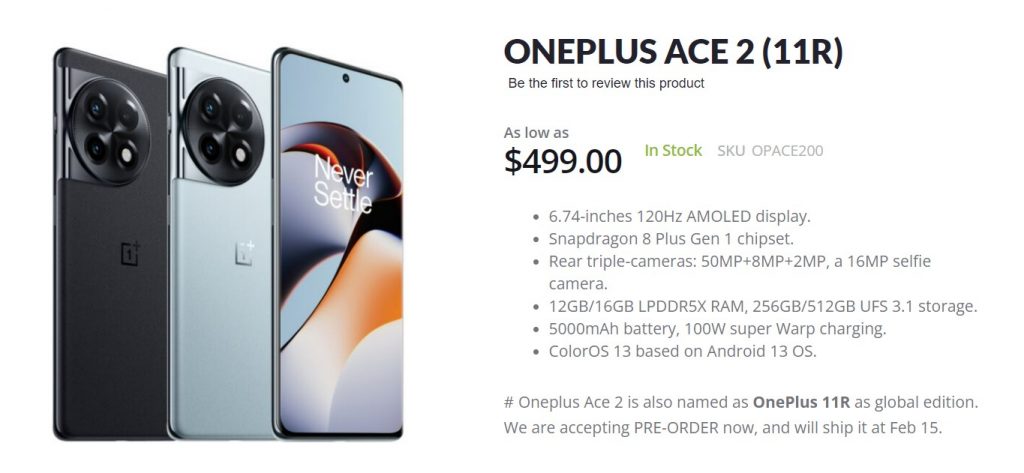
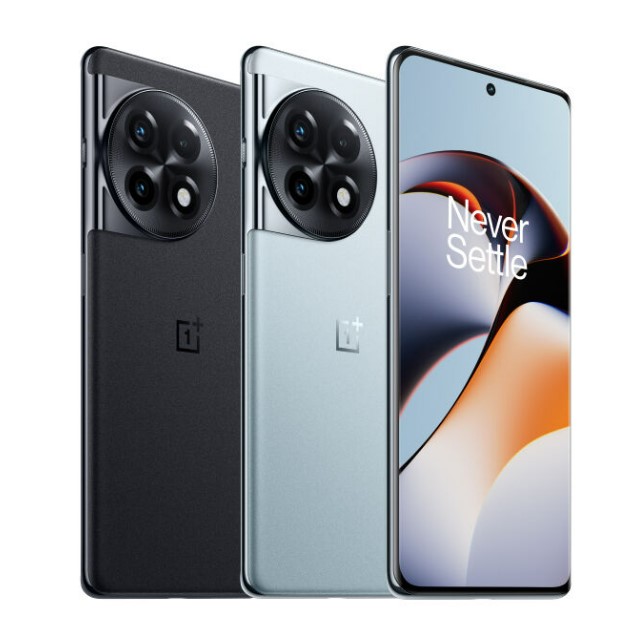
OnePlus Ace 2 also known as OnePlus 11 R (Global Edition) is now available for pre-order on Giztop. The smartphone can be ordered for a starting price of $499 only. Please note that this is pre-order and actual shipping will start after February 15.
OnePlus Ace 2 / 11R smartphone features a 6.74 inches AMOLED display with a 120Hz refresh rate. It is powered by the Snapdragon 8 Plus Gen 1 chipset and comes in multiple memory variants viz. 12GB / 16GB LPDDR5 RAM and 256GB / 512GB storage options.
It features a triple rear camera setup with a 50MP main camera and 8MP + 2MP secondary sensors. For your selfies, you have a 16MP sensor in the front. Fueled with a 5000mAh battery it comes with 100W Super Warp charging which is TÜV Rheinland certified for safe fast charging.
For gaming enthusiasts, the OnePus Ace 2 is a good fit as it comes with Hyperboost Game Frame Stabilization Engine that reduces frame drops and screen jitters during long gaming sessions. Other interesting features include an in-screen fingerprint sensor, an X-axis linear motor, and a Vapor Chamber.
Available in Blue and Black colors, you can now buy OnePlus Ace 2 / 11R for a starting price of $499 only on Giztop. Please note that this price is applicable to the base variant only.
For more information on such exciting deals and offers check out our deals hub.
This valentines day give your loved one the gift of a beautiful smile with an Oclean Electric Toothbrush and accessories. The brand is offering a 10% discount on its toothbrush and accessories. You can use the code: OCLEAN10 to avail of the discount. Please note that this is a limited-time offer.
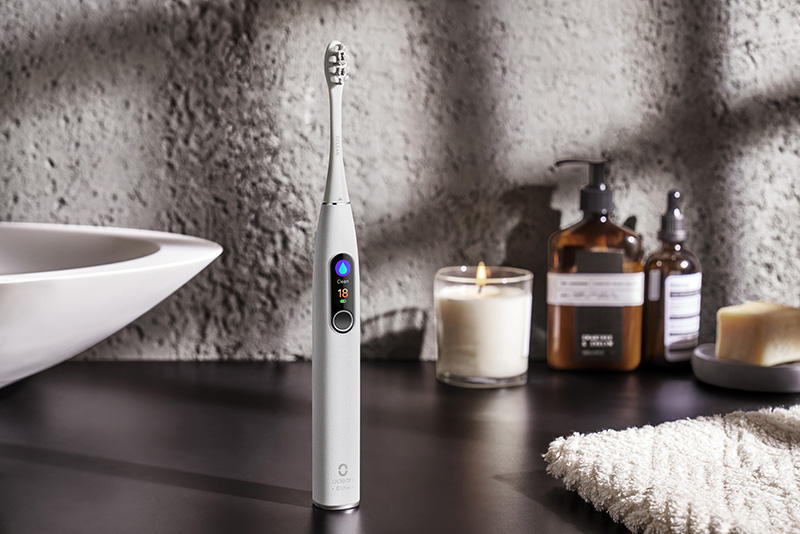
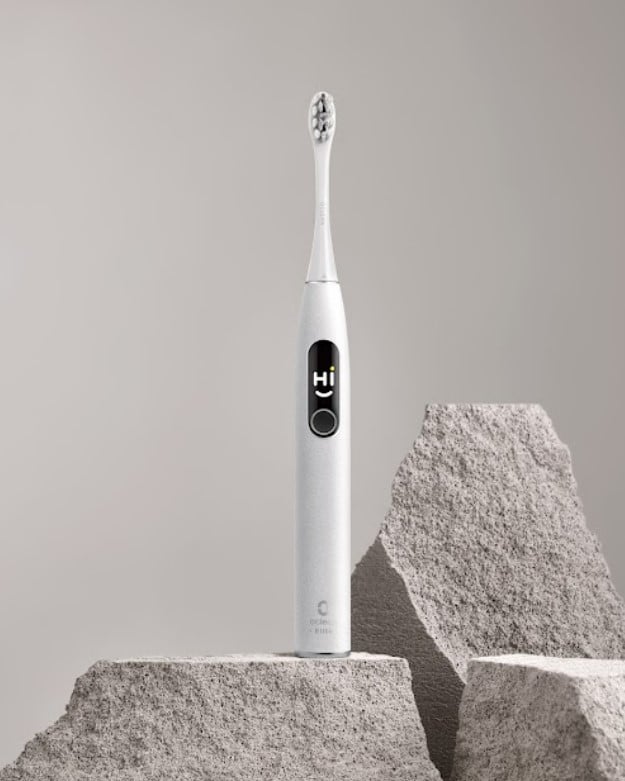
Oclean X Pro Elite is an advanced sonic toothbrush that’s designed to give you one of the best brushing experiences. Sonic cleaning technology is one of the best for dental health as sonic toothbrushes create more vibrations per minute and less friction as compared to normal toothbrushes. The X Pro Elite sonic toothbrush comes with a wider and deeper cleaning range that gives you a thorough cleaning without putting too much pressure on your gums. This means you get healthy teeth without damaging your gums.
The highlight feature of X Pro Elite lies in its unique mute algorithm that makes it the world’s first smart toothbrush with the lowest noise. The noise reduction in X Pro Elite brings its volume down to 45db which is not even considered noise. This means you can enjoy a peaceful morning routine without getting annoyed by the loud motor noise generally made by other sonic and electric toothbrushes.
Oclean X Pro Elite features a large color touch screen that shows you your brushing time, brush score, blind zone reminder, and more. The interactive touch screen can be used to switch ON/ OFF the brush, set mode, intensity, and duration, and directly see your brushing report on the display without using the app
The toothbrush comes with 4 cleaning modes and 32 levels of intensity. This means you can easily combine different modes and intensities and fully customize your brushing to suit your teeth and gums. Whether you have sensitive teeth or gums or need a deep and thorough cleaning, with X Pro Elite you can find a suitable cleaning mode for every type.
The toothbrush uses wireless quick charging technology that gives you around 35 days of battery life on a single charge. Moreover, the wireless charger can also be used to charge your compatible smartphones.
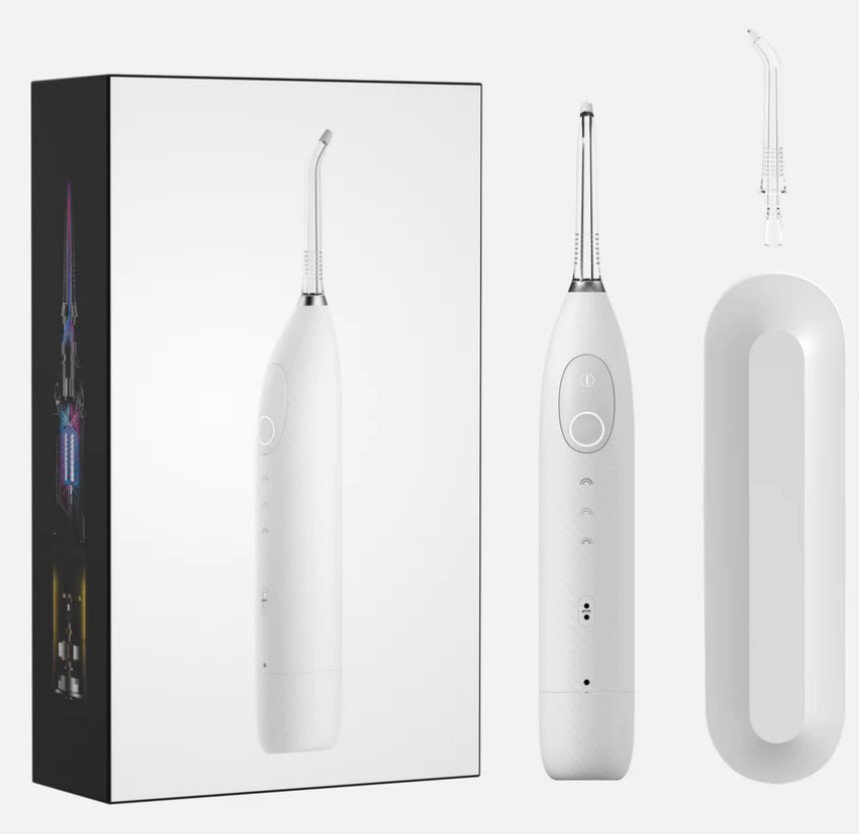
After a good brushing, it is important to use a flosser to deep clean your teeth. However, if you have sensitive teeth and gums or are worried about your gum health then instead of a regular flosser try the Oclean W1 Water Flosser.
Water flossers allow you to easily remove plaque, food particles, and bacteria that get stuck in hard-to-reach places. By being able to clean those often overlooked places you can reduce your chances of developing gingivitis or other gum-related diseases.
Oclean W1 Water Flosser uses an innovative aerodynamic technology that combines oxygen with water to form air bubbles that are sprayed on your teeth to give a deep cleaning. The powerful air pump rotation penetrates the gap between your teeth and removes food residue and dental plaque efficiently.
The water flosser adds almost 6% oxygen as compared to pure water flossing which helps you to maintain fresh breath and oral hygiene. The device comes with high-performing flossing modes and 9 levels of intensity. This means you can choose the level of penetration and cleaning depending on your teeth and gum.
Oclean W1 Water Flosser gives you up to 30 days of battery life on a single charge and supports magnetic charging.
For more information on such exciting deals and offers check out our deals hub.
Xiaomi regularly launches a limited edition model for some of its smartphones, and in the latest development, the company announced a limited edition of Xiaomi Civi 2 in its home country China a couple of days back.
The Xiaomi Civi 2 Hello Kitty Trendy Limited Edition smartphone is now up for sale in the Chinese market. It comes with 12GB of RAM and 256GB of internal storage and is priced at 2,799 yuan, which is about $412.
The smartphone comes with a unique photochromic process that turns “blush” when it encounters sunlight. In simpler terms, the device’s back panel changes color when it is exposed to sunlight. It is Gray in color but changes to Rose Red under the sunlight.
As for the specifications, almost everything remains the same as the original model. It features a 6.55-inch OLED hyperbolic flexible screen with a screen resolution of 2400 x 1080 pixels along with support for a 120Hz refresh rate.
Under the hood, the device is powered by the Qualcomm Snapdragon 7 Gen 1 processor, with 12GB of RAM and 512GB of internal storage. There’s also a custom stainless steel VC Liquid Cooling to keep the temperature in check.
In the camera department, there’s a 50MP primary camera sensor, a 20MP ultrawide camera, and a 2MP macro lens. On the front side, there’s a 32MP camera sensor for taking selfies and video calling.
The phone runs the Android 12 operating system out-of-the-box with the company’s own MIUI 13 custom interface on top. It is powered by a 4,500mAh battery with support for 67W fast charging.
Garmin smartwatches will be part of the Polaris Dawn space mission signaling an impressive milestone for the Garmin brand. The premium Garmin Fenix 7 will help scientists understand how space travel affects the human body. The smartwatch will provide accurate health data during the Polaris Dawn human spaceflight, according to a press release by Garmin.
The Polaris Dawn space mission will last up to five days. It will be launched from the SpaceX Falcon 9 rocket at the Kennedy Space Center, Florida. During the mission, researchers will continually monitor and collect the biometrics of crew members. The health and fitness measurements include heart rate, pulse oximetry, and sleep patterns.
Garmin, in a press statement, said it is honored to be a part of the exciting research effort. The research will advance the understanding of how the human body adapts to extreme conditions during a space flight. The long-lasting battery life of the Garmin Fenix means that the monitoring will be done on a single charge. The four crew members will be continuously monitored both while awake and when they are sleeping all through the mission.
The historic Polaris Dawn mission will attempt to reach the highest earth orbit ever flown with humans and also complete the first-ever commercial spacewalk. The Translational Research Institute for Space Health (TRISH) at Baylor College of Medicine is supporting the research.
The Garmin Fenix smartwatches were chosen by the Polaris Dawn and TRISH team because of their long battery life and ruggedness. They offer an extensive collection of health monitoring features. The data provided by the Garmin Fenix smartwatches will help the researchers to better understand how the body adjusts to space travel. The data will also be incorporated into the TRISH EXPAND database.
Garmin Health continues to provide custom enterprise business solutions that leverage the extensive Garmin wearables portfolio and high-quality sensor data. Their applications cover corporate wellness, population health, and patient monitoring. The Garmin Health API also allows third-party integration in line with specific privacy policies. The Polaris Dawn mission will commence later this year.
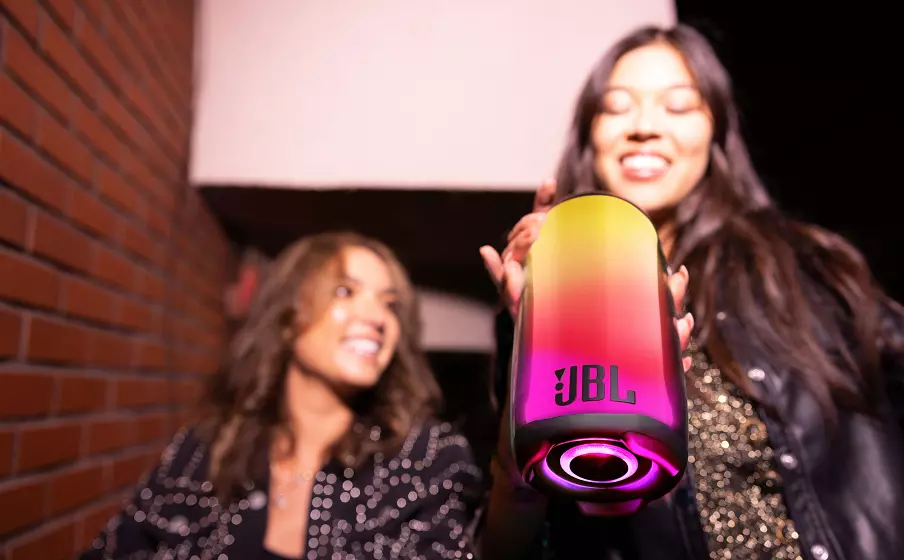
JBL has added a new model to its large portable Bluetooth speakers lineup. The latest entrant— JBL Pulse 5— is a rather interesting speaker with vibrant LEDs all over. It also has a durable build and comes with a fully waterproof rating. The Pulse 5 has a 30 W sound system, is compatible with Bluetooth 5.3, and supports the SBC codec. Let’s look closely at the specifications and pricing of the new JBL speaker.
The JBL Pulse 5 speaker measures roughly 8.5 X 4.2 X 5.2 inches and weighs 1.49 Kg. It is designed to look like a digital candle. Almost the entire body of the speaker is covered with LEDs that can even be synced with the music. It can even show different animations.
For audio, the device comes with a 2.5-inch 30 W woofer and a 0.6-inch 10 W 16 mm tweeter. The dual drivers can deliver mono audio, with a frequency range of 58Hz to 20KHz. It is backed by a 7,500mAh battery lithium-ion battery that is claimed to offer a playback time of up to 12 hours and can be fully recharged in just 4 hours.
The JBL Pulse 5 comes with Bluetooth 5.3 to pair two smartphones or tablets simultaneously. There’s support for SBC codec but higher fidelity standards like AAC or AptX are missing. It comes with an IP67 dustproof and waterproof rating, making it ideal for outdoor parties and whatnot.
The JBL Pulse 5 is currently available only in the US with a price tag of $249.95. It can be purchased through JBL’s own website or through Amazon starting today.
A Chinese vendor who was caught selling mosquito killer lamps and earphones with the Huawei trademark has been fined up to $294,000. The fine of 2 million yuan to the goods seller was for trademark infringement. The company named in the documents filed at China’s trademark office was Shenzhen Zhiyuan Network Technology Co. Ltd. Huawei had filed an unfair competition dispute against the company.
Huawei stated that it believed Zhiyuan’s products with the words Huawei infringed on its rights, and thus liable for compensation. The documents which have entered the public domain in China indicated that Huawei listed the mosquito killer lamps and earphones as the products in contention. Both products were sold via the Zhiyuan Company’s online store and were marked with the words Huawei. In addition, both products prominently used a logo similar to Huawei’s in the online page’s picture.
The plaintiff, Huawei notes that the action of Zhiyuan was a trademark infringement. There were other words used by the respondent to connote a non-existent connection with Huawei. The respondent was therefore accused of conducting false publicity which constitutes unfair competition. Huawei says it wants the defendant to bear joint and several liabilities on behalf of its company. The defendant was Mr. Tang, who argued that he was not the sole shareholder of the company. Up to nine product links were identified by Huawei with an estimated sale of over 500,000 units.
The estimated sales amount was 7.55 million yuan ($1.11 million). The Court ruled that Zhiyuan Company copied and imitated the Huawei trademark. This action infringed the plaintiff’s right to exclusive use of the Huawei trademark. Furthermore, the prominent use of Huawei and other logos on the product pages and names of eight earphones also violated the rights of the plaintiff. The sole shareholder Tang X was thus mandated to jointly compensate Huawei for economic losses up to 2 million yuan ($264,000).
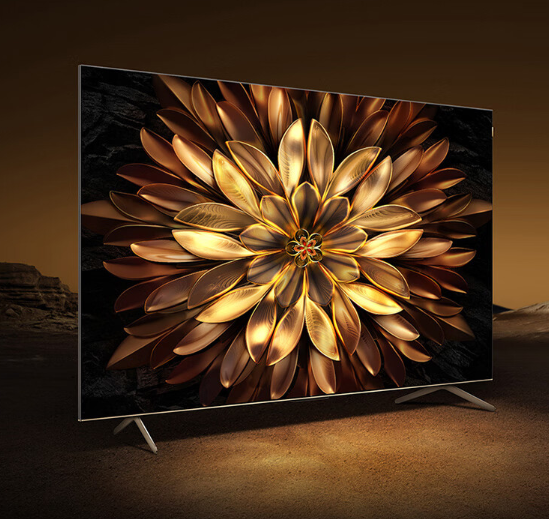
TCL has unveiled its C11G smart screen lineup and the top model has a 75-inch, 4K screen, and a 144Hz refresh rate. The C11G OLE smart screen lineup has three sizes – 55”, 65”, and 75” and features TLC’s Quantum Dot Matrix technology. The in-house developed light control technology features 220 backlight partitions, HDR 1999 brightness, and can reach a peak brightness of 1,000 nits.
The TCL C11G series offers higher light and dark dynamics and stronger light and dark contrast. The C11G offers a full channel 144Hz true high refresh rate and 157% color gamut for clarity and anti-stuttering. The lineup is equipped with the Lingyao chip M1 and TXR image quality enhancement engine. The chip offers 3D movie original color, pixel reconstruction, full 120Hz refresh rate, and TUV Rhineland double eye protection certification.
The C11G series delivers Onkyo 2.1 Hi-Fi audio, supporting a global AI sound field. This is in addition to the vertical surround and real-time synchronization of the sound and sound position of the picture. The new spirit control desktop helps users to freely combine desktop components. The smart screens also have the avatar system function which enables the creation of multiple systems. You can switch freely to meet the viewing needs of different people via the avatar function.
The TLC C11G series is available in China from e-commerce platforms like Jingdong. The prices are 7,999 yuan ($) for the 55-inch model and 9,999 yuan ($) for the 65-inch option. The 75-inch model retails for 12,999 yuan ($). There are no global availability details yet for the models.
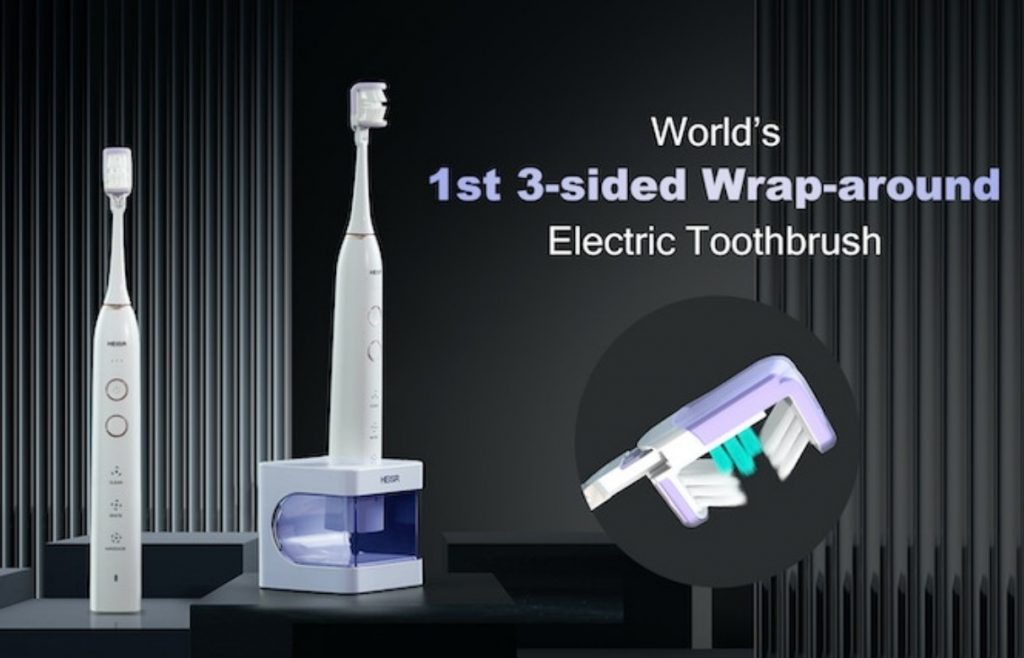
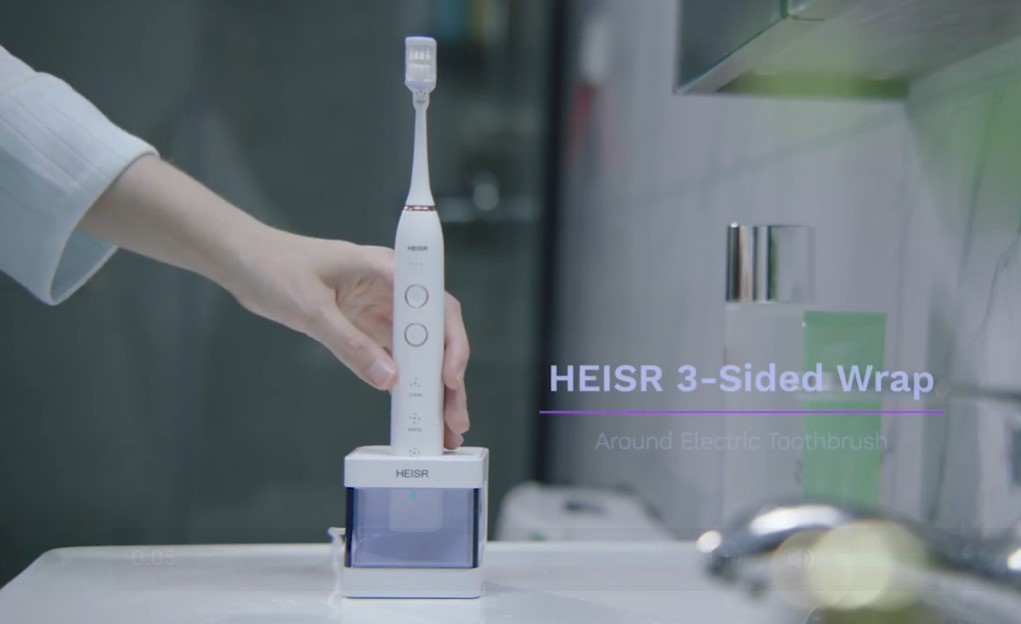
Heisr has launched the world’s first 3-sided Wrap Around Electric Toothbrush on Kickstarter. The one of its kind electric toothbrush retails for $198. Heisr is proud to hold over 30 patents for their invention. They prioritize originality and quality in everything they do. Their toothbrush is 100% original and they are proud to hold the rights to their product worldwide. However, under the early bird offer, you can get the electric toothbrush for a massively discounted price of $99 only. Please note that the early bird offer ends on February 10, after which the price will increase.
Heisr 3-sided toothbrush is a revolutionary device that combines the bass method of brushing with sonic vibrations to give you a thorough cleaning. The bass method of brushing is the most common method recommended by American Dental Association to keep your teeth healthy and maintain oral hygiene. In this method, you have to hold your toothbrush at a specific angle and make short back-and-forth strokes, followed by sweeping strokes from under the gum toward the edge of your tooth.
This method though effective can be tiring and complex especially when you are in a hurry to reach your office in the morning or catch up on precious sleep. To simplify the process, you can use Heisr’s 3-sided mechanical toothbrush.
With the 3 sided design, you get three times cleaner teeth with a single sweep. The 3-sided head fully wraps around your teeth and thoroughly cleans the upper, outer, and inner sides of your teeth. The simultaneous triple action not only gives you an in-depth cleaning but also saves time per stroke.
The electronic toothbrush features 10 distinct movement patterns that can be auto-adjusted as per the characteristic and size of your teeth. The mechanical action of the PBT bristles gives a trough scrub to each tooth and the sonic vibrations create 27000 strokes per minute which help to remove the most stubborn plaque. Moreover, the bristles float up and down, closely conforming to the contours of your teeth and giving you a smooth brushing experience.
Heisr 3 in 1 toothbrush is designed to reach every nook and cranny and with 3 different brushing modes, the toothbrush is suitable for even the most sensitive user. The Clean mode can be used to remove plaque and efficiently clean your teeth. You can use the White mode to remove dental stains and plaque using ultrasonic sound waves. This mode is especially suitable for people who drink coffee or tea or smoke regularly. The third mode called the massage mode is perfect for people with sensitive teeth and gums.
Heisr electronic toothbrush has an impressive battery that can last up to 2 months on a single charge. The device comes with a compact charging station that looks like a space capsule and keeps your brush charged all the time.
Heisr 3-sided wrap-around electronic toothbrush is now available at a 50% discount on Kickstarter. Under this offer, you can buy the device for $99 only. Please note that this offer ends on 10 February 2023. For more details on the toothbrush and the deals check out the Kickstarter campaign here.
Heisr toothbrush will be Indemand on Indiegogo after Kickstarter campaign ends and it will also be available on Amazon soon
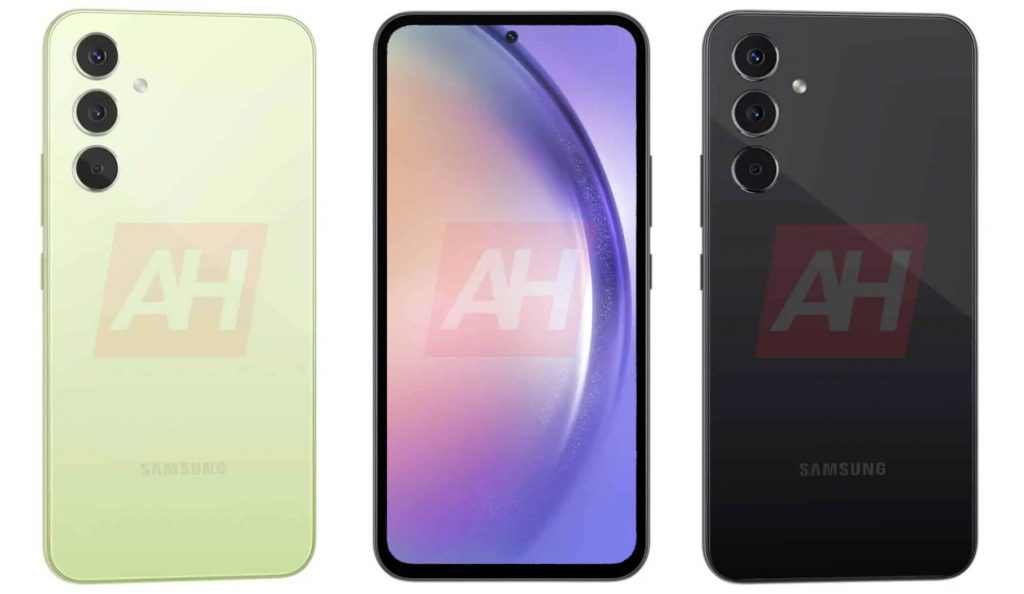
Galaxy A54 has been making headlines for quite some time now. The handset is expected to debut as the most premium mid-ranger from Samsung since the A7x series has now apparently been discontinued. Galaxy A54 should debut next month at an alleged Unpacked event. Ahead of an official announcement, the device’s color and storage options have leaked online. Let’s look at the details.
Tipster SnoopyTech reveals the Galaxy A54 will be made available in 4 color options, namely Awesome White, Awesome Graphite, Awesome Lime, and Awesome Violet. Renders of the device in these hues have already leaked in the past. Further, the tipster says the mid-range smartphone will be offered in two storage configurations. Its base model will have 8+128GB storage, while the higher-end version could feature 8+256GB storage.
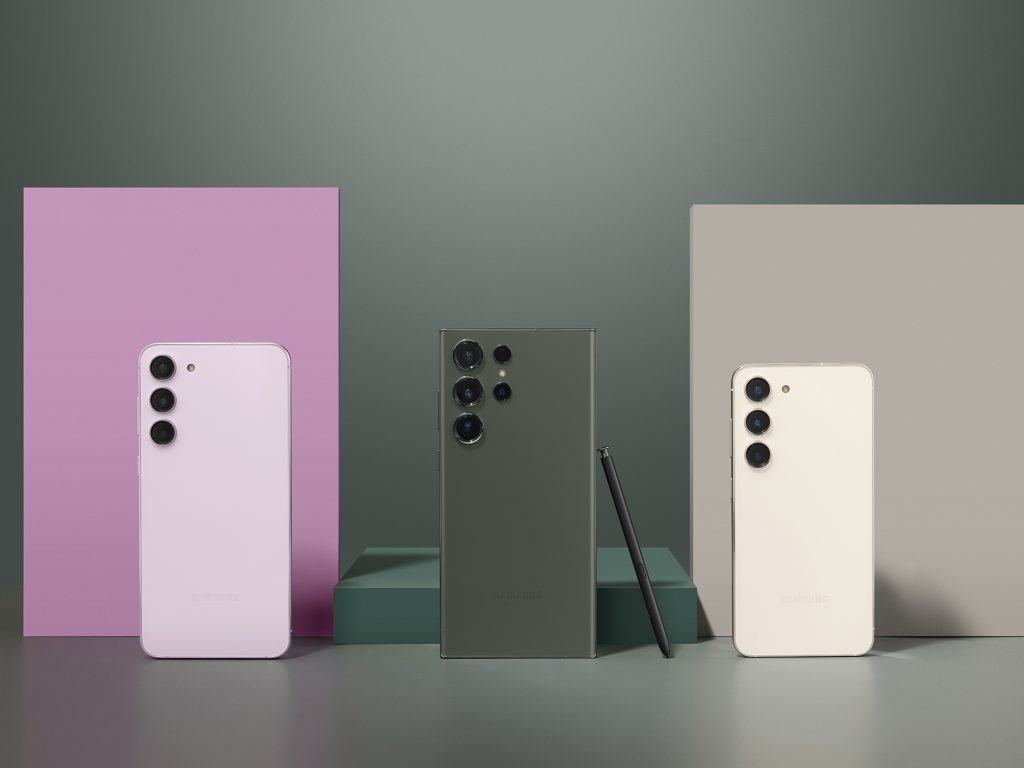
Galaxy A54 will likely debut as a joining bridge between Samsung’s mid-range and flagship smartphones. It is expected to have a design similar to the Galaxy S23 series with three camera rings protruding individually. The smartphone could have a 6.4-inch AMOLED display with a Full HD+ resolution, 120Hz refresh rate, and an under-display fingerprint sensor.
The smartphone is expected to have a triple-rear camera setup, headlined by a 50MP primary sensor. A 12MP ultra-wide-angle sensor and a 5MP macro shooter may also be found on the device. For selfies, the Galaxy A54 could get a 32MP snapper on the front. It is claimed to pack a 5100mAh battery unit with overwhelming 25W charging support. Also, don’t expect a charger in the box. The device will run One UI 5 out of the box and could have an IP67 rating.
Now that the flagship Galaxy S23 series is here, it’s time for Samsung to bring a couple of mid-rangers to the market. The brand is said to have several A-series smartphones in the pipeline, including Galaxy A34 and Galaxy A54. While we wait for an official launch date, a tipster has shared the color and storage options of the upcoming A34. Its display specifications have also been revealed. Here are the details.
SnoopyTech, who is known for their accurate leaks about Samsung products, has revealed the upcoming Galaxy A34 will be offered in four color options — Awesome Silver, Awesome Violet, Awesome Lime, and Awesome Graphite. The handset is claimed to be available in two storage configurations. The base version may have 6GB RAM + 128GB storage, while the top-end model could feature 6GB RAM + 256GB onboard storage.
Further, the tipster says the Galaxy A34 will have a 6.6-inch display. We expect the panel to be AMOLED and offer at least a 90Hz refresh rate. The handset is reported to run Android 13-based One UI 5 out of the box. Rumors suggest Samsung will hold another Unpacked event in March, where it will unveil the new Galaxy A54 and Galaxy A34.
Previous leaks have claimed that the A34 will have a triple-camera setup with an LED flash on the back. There may be a 48MP main camera and a 13MP selfie shooter on the front. It could pack a 5,000mAh battery with 25W charging support. The handset is expected to get an IP67 rating for water and dust resistance. The Galaxy A34 should be priced slightly higher than its predecessor- Galaxy A33.
Ahead of MWC Barcelona, Honor has dropped a new affordable smartphone in the international market. The latest Honor X8a comes with some impressive specifications for the price. For instance, there’s a large 90Hz display and a MediaTek processor. Another highlight of the device is its 100MP primary rear camera. Read on to find out the specifications, pricing, and availability of Honor X8a.
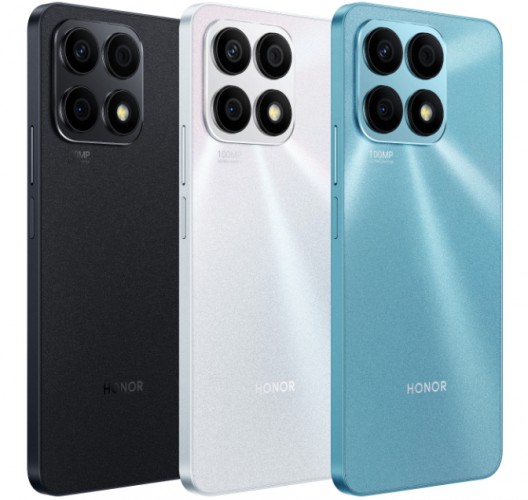
Honor X8a brings a pretty decent design with a flat back. The squircle camera module on the rear houses 4 circular rings, three of which feature the camera sensors. There are flat sides with the right edge housing volume and power buttons. The front gets thin bezels and a center-punched hole for the selfie camera.
The smartphone’s display measures 6.7 inches and offers FHD+ resolution. The LCD produces a 90Hz refresh rate and up to 16.7 million colors. Powering the device is MediaTek’s Helio G88 chipset alongside 6/8GB RAM and 128GB of non-expandable storage.
For clicking pictures, the Honor X8a gets a triple camera unit on the back with a 100MP main camera sensor. A 5MP ultra-wide and 2MP macro camera is also present on the device. Up front, there’s a 16MP shooter for selfies and video calls.
Fueled by a 4,500 mAh battery, the smartphone supports 22.5W fast charging. On the software front, it runs Magic UI 6.1 based on Android 12. The 4G handset comes with Bluetooth 5.1, 5Ghz Wi-Fi, a side-mounted fingerprint scanner, and NFC.
Honor X8a is offered in Midnight Black, Titanium Silver, and Cyan Lake colors. It is currently available for pre-order in the UK with a price tag of £220 ($265) for the base 6/128GB version. Those who will pre-order the device before February 14 will get a free Honor Band 6. The device is also expected to be launched in Malaysia and UAE.
Realme will be unveiling its latest flagship smartphone— the GT Neo 5— in China on February 9. The handset is confirmed to debut with some groundbreaking technologies and aims to push the envelope further. While we wait for Neo 5’s official debut, Realme has confirmed it is readying yet another flagship smartphone. The device in question is the Realme GT 3 and it is teased to launch pretty soon in India.
A recent Tweet from Realme confirms that the company is gearing up to launch the Realme GT 3 smartphone in India. The company hasn’t revealed any details about the upcoming smartphone but hinted it will focus on speed and performance. The tweet says #SpeedToTheMax, this might suggest the GT 3 will boast super-fast charging, like the GT Neo 5.
Exciting news for #realme fans! 📰 On 2021.06.15, the __was launched. On 2022.02.28, the __ made its grand entrance. Fill in the blanks above and tell us what's coming next. #SpeedtotheMax
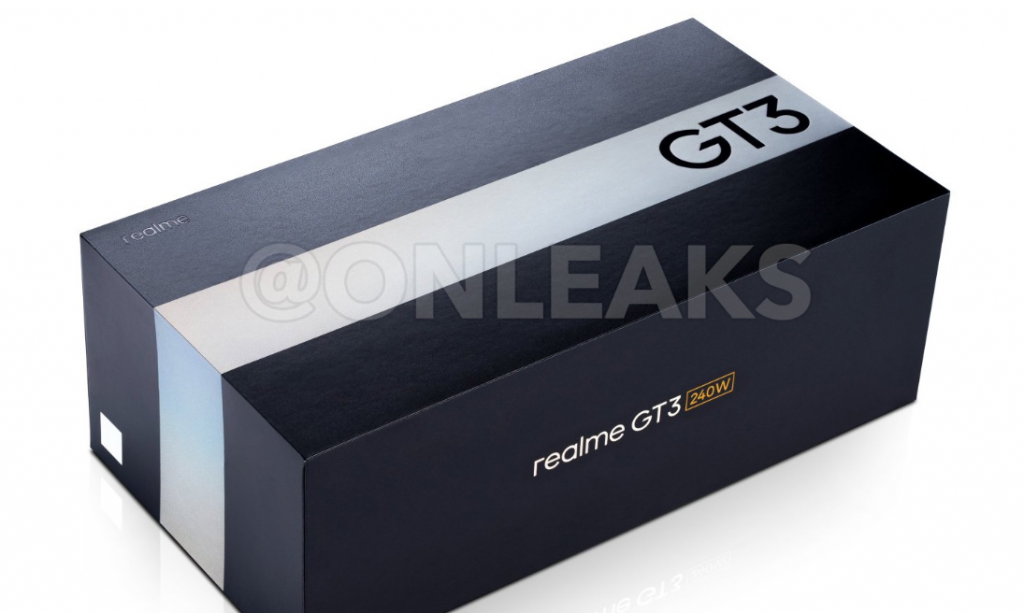
Leakster OnLeaks recently shared the alleged retail box of the GT 3, which reveals the smartphone will support crazy-fast 240W charging. In addition, the rumor mill suggests the handset will in fact be a rebranded GT Neo 5. The latter is confirmed to feature a Qualcomm Snapdragon 8+ Gen 1 SoC and fast 240W charging as well.
Various teasers and leaks have revealed that the GT Neo 5 will pack a 4,500mAh battery and will also have a 150W charging variant. It will arrive with a triple camera setup on the back, headlined by a 50MP Sony IMX890 main camera. There will be a 6.7-inch AMOLED display with a hole-punch cutout. The panel is said to support a 144Hz refresh rate.
Further, the Realme flagship will be equipped with an IR Blaster and multi-color RGB lights. It will run Android 13-based Realme UI 4.0 out of the box.
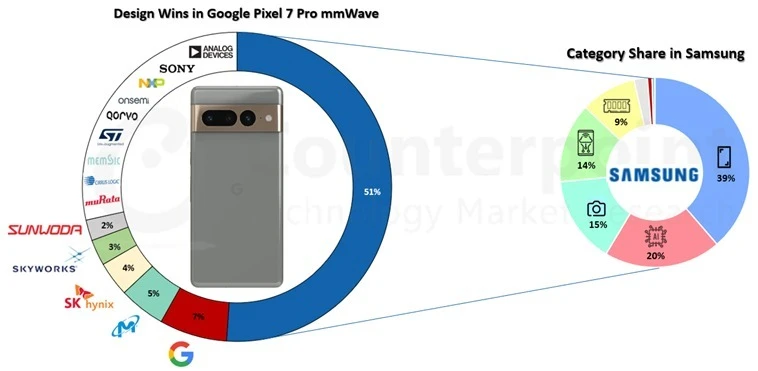
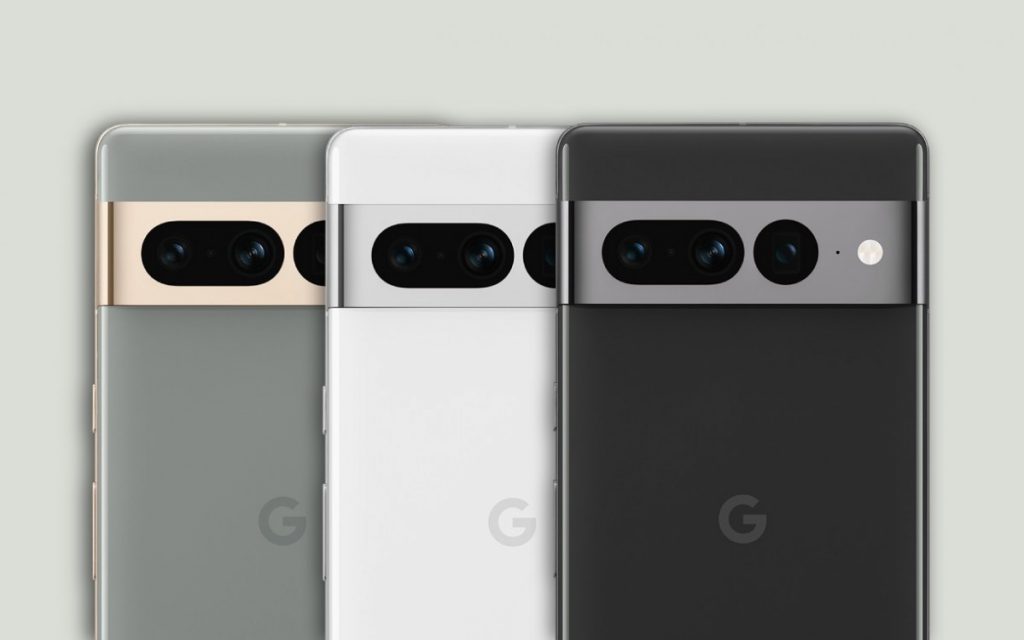
The Google Pixel 7 Pro was one of the best smartphone to launch in 2022, with many buyers and reviewers shelling out high praises for this device. But it seems that Samsung also had a role to play in their success since around half of the phone’s components were made by the rival company.
A new report talked about how much it costs to manufacture one single unit of the Search Engine giant’s top end flagship model. For a simple answer, Google spends around 413 US Dollars for a single unit. This figure was calculated based on the pricing of components and other costs. However, this report also uncovered a very interesting detail. The 128GB variant of the Pixel 7 Pro has around half of its components being made by the South Korean tech giant, Samsung.
The company was the one who manufactured its tall 6.7 inch AMOLED display, which has a 2K resolution. This panel alone accounts for 20 percent of the Pixel 7 Pro’s total cost. But the screen isn’t the only major component sourced from Samsung. Google’s proprietary chipset on the Pixel 7 Pro, the Tensor G2 SoC, was developed in cooperation with Samsung, which adds another 7 percent in terms of cost.
Google’s new flagship has won the hearts of many for camera performance, and lo and behold, Samsung is also one of the suppliers for its rear cameras. The South Korean brand’s ISOCELL GN1 sensor can be found on both the Pixel 6 Pro and the Pixel 7 Pro. This isn’t the only sensor from Samsung, since its 5x telephoto lens and selfie camera is also made by the company.
The MIUI 14 user interface was introduced by Xiaomi a month ago. The company was a little late in deploying the most recent Android 13 operating system on their smartphones. Despite practically all of the competition’s devices having the Android 13 update, Xiaomi flagships have not yet gotten it. But the company is making a lot of effort to remain ahead of the competition. Keeping up with that, the MIUI 14 based on the Android 13 update has now started rolling out to the Xiaomi Mi 11 Lite 5G.
The Xiaomi Mi 11 Lite 5G was released in 2021. It was launched with MIUI 12.5, which is based on Android 11. Today’s release of the Xiaomi Mi 11 Lite 5G MIUI 14 upgrade marked the device’s second Android and MIUI update. There are numerous optimizations and enhancements in the new MIUI 14 version, which runs on Android 13. The update’s build number is V14.0.3.0.TKIMIXM. The full changelog for the MIUI 14 upgrade for the Xiaomi Mi 11 Lite 5G is provided below.
Highlights
MIUI uses less memory now and keeps being swift and responsive over much more extended periods.
Attention to detail redefines personalization and brings it to a new level.
Basic experience
MIUI uses less memory now and keeps being swift and responsive over much more extended periods.
Personalization
Attention to detail redefines personalization and brings it to a new level.
Super icons will give your Home screen a new look. (Update the Home screen and Themes to the latest version to be able to use Super icons.)
Home screen folders will highlight the apps you need most making them just one tap away from you.
More features and improvements
Search in Settings is now more advanced. With search history and categories in results, everything looks much crisper now.
System
Stable MIUI based on Android 13
Updated Android security patch to January 2023. Increased System security.
Thanks to the upgraded MIUI 14, which is based on Android 13, the Xiaomi Mi 11 Lite 5G will now function significantly more quickly, dependably, and responsively. Additionally, users should receive additional home screen features as a result of this release. The system is far more straightforward, uses less memory, and is more efficient. In addition to being smoother and more power-efficient, the photonic engine architecture, system applications, and third-party apps are all completely accelerated. Our article is now complete. I appreciate you taking the time to read the whole thing.
Shutter lag has been present on Samsung high-end devices for a long time. The Galaxy S22 series has reported shutter lag and low shutter issues while capturing images and the same issue is present on the Samsung Galaxy S23 Ultra too. However, the shutter lag isn’t much noticeable in normal 12-megapixel mode but when we switch to the 200-megapixel mode, the lag is clearly visible. This is possibly due to the larger image size and resolution. Anyway, Samsung users can reportedly fix the issue using the Camera Assistant module.
The Camera Assistant app for the Galaxy S23 series has been upgraded by Samsung. Regular Resolution and Higher Resolution are two additional capture speed options for the Galaxy S23 Ultra provided by the Good Lock module for comprehensive camera settings and modifications. You can configure the camera app to emphasise quality, balance quality and speed, or prioritise speed for normal resolution (12.5MP). You can choose whether to prioritise quality or speed while using the camera’s higher resolution modes.
😲😲😲😲 The new version“Camera Assistant” for Galaxy S23 series makes all Youtuber's comments about 200MP meaningless. The new version allows you to greatly reduce the time required for 200MP shooting and processing.Please watch my video. pic.twitter.com/rgHBEyrpvY
You can use the Camera Assistant app to set the Galaxy S23 Ultra to prioritise speed if you are frustrated with the shutter delay in the 200MP mode. This will significantly reduce the shutter lag that would otherwise be noticeable in the 200MP mode. However, the visual quality will also suffer. We’re not sure if older Galaxy smartphones will also have access to this option. But don’t worry, the image quality won’t see any downgrade or something. Even if there will be some downgrade, the difference will not be much and can not be easily been by the naked eye.
The Galaxy S23 Ultra has three different image-capturing modes: 12.5MP, 50MP, and 200MP. Additionally, 12.5MP photographs have the best quality because of multi-frame noise reduction and detail augmentation. However, the 200-megapixels camera mode will offer better details in the images but that would require sufficient natural light. This concludes our post on the shutter lag issue with the Samsung Galaxy S23 Ultra. How do you feel about the article? Please let us know by leaving a comment below in your own words. Thank you very much for reading this article to the conclusion.
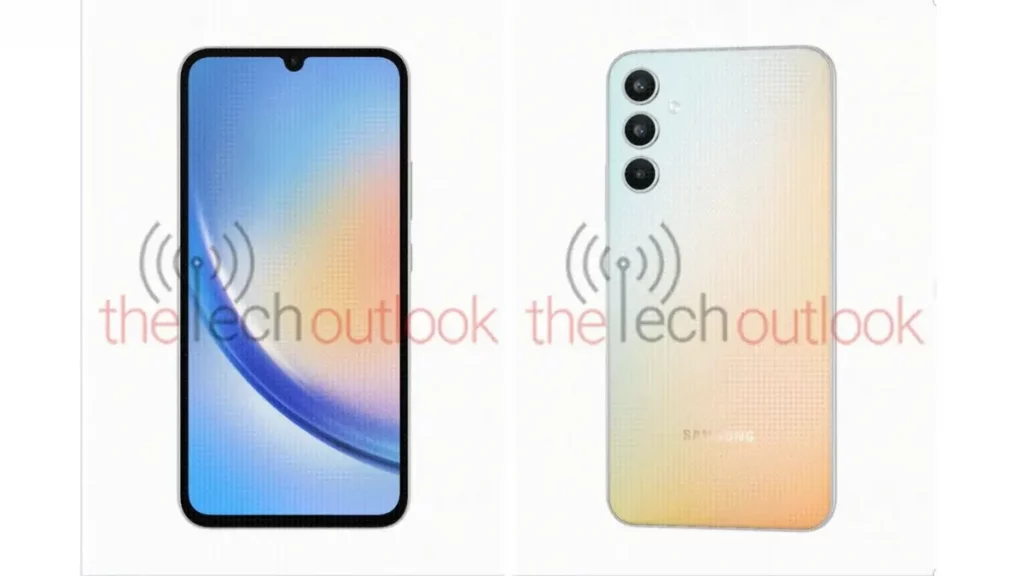
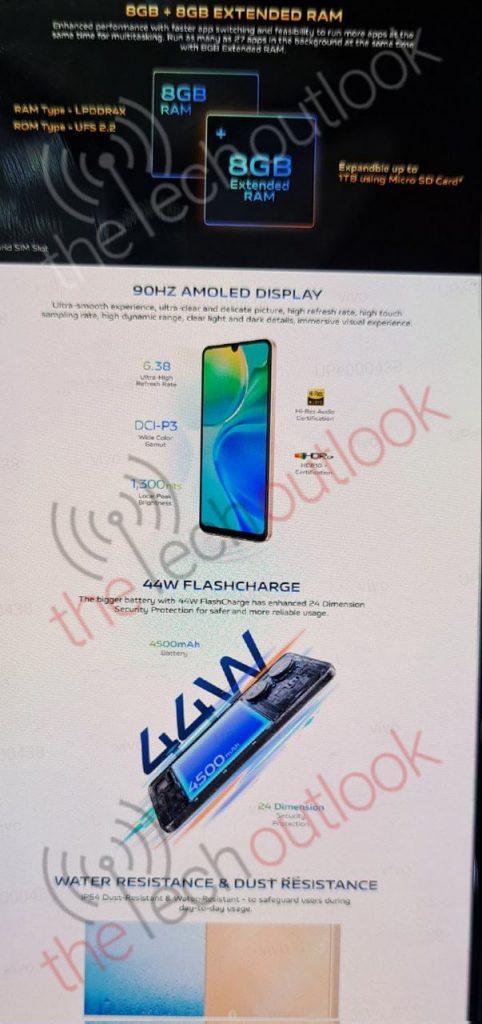
Vivo Y100 is expected to launch soon in India. Although the device has been officially teased, the exact launch date remains a mystery. The upcoming offering has already been spotted in leaks and certification websites. Now, publication The Tech Outlook has shared the marketing material of the Vivo Y100. It reveals some key specifications of the smartphone.
The Vivo Y100 is already confirmed to come with a colour-changing back panel. The back panel has two traditional camera rings housing three sensors. As per the leaked marketing material, the smartphone will be IP54-certified dust and water-resistant. It will come in Twilight Gold, Pacific Blue, and Metal Black colours. The device will measure 7.78mm thin and weigh 181 grams.
On the front, the Vivo Y100 is tipped to feature a 6.38-inch AMOLED display with a waterdrop notch. It will offer a 90Hz refresh rate, 1,300 nits peak brightness, and HDR10+ support. In terms of photography, the upcoming smartphone will come with a 64MP main sensor with OIS support paired with two 2MP lenses. The device will pack various photography and videography features.
Under the hood, the Vivo Y100 will reportedly be powered by a MediaTek Dimensity 900 processor. It will pack up to 8GB LPDDR4x RAM along with 8GB virtual RAM technology. The smartphone is said to be backed by a 4,500mAh battery unit with support for 44W fast charging. It will ship with the brand’s latest proprietary FunTouch OS 13 out of the box.
The publication adds that the Vivo Y100 will only launch after February 15th. As per a tipster, the smartphone is expected to cost Rs 24,999 and go on sale starting February 16th.
The Samsung Galaxy S23 series was launched recently by the brand. The series consists of three different smartphones; Galaxy S23, Galaxy S23+ and Galaxy S23 Ultra. The device comes with a customized Snapdragon 8 Gen2 chipset. The brand calls it “Snapdragon 8 Gen2 for Galaxy” and it has reportedly got more powerful CPU and GPU when compared with the standard variant. Now, a report making rounds on the internet claims that the upcoming Samsung Galaxy S24 series will offer a Snapdragon chipset which would be reportedly more powerful than Apple’s A16 Bionic.
There are strong rumours on the internet which say that Samsung will continue to use Qualcomm’s chipset in their upcoming flagship smartphones. These aim that the Galaxy S24 lineup will use the Qualcomm Snapdragon 8 Gen3 chipset. The Gen2 chipset was enough powerful to give head-to-head competition to Apple’s A15 Bionic chipset. The upcoming Apple iPhone 15 series will pack an A16 Bionic chipset.
An account on Weibo published a picture of the supposed Qualcomm Snapdragon Gen 3’s Geekbench result. In the single-core test, the Snapdragon 8 Gen 3 received 1,930 points, and in the multi-core test, it received 6,236 points. Comparatively speaking, the Apple A16 Bionic got 5,380 points in the multi-core test and 1,870 points in the single-core test. Therefore, the performance of the Snapdragon 8 Gen 3 is 15% and 3% better on the multi-core front, respectively.
A ten-core CPU would allegedly be present in the Qualcomm Snapdragon 8 Gen 3 according to another Weibo report. It has one primary CPU core, five CPU cores with excellent performance, and four CPU cores with low power consumption. It also implies that the forthcoming chipset will use 20% less power than the Snapdragon 8 Gen 2 CPU. So that was all we had to cover up regarding the upcoming Galaxy S24’s chipset. Thanks a lot for reading the post till the end. Do let us know your thoughts on the topic by dropping a comment in your words down below.
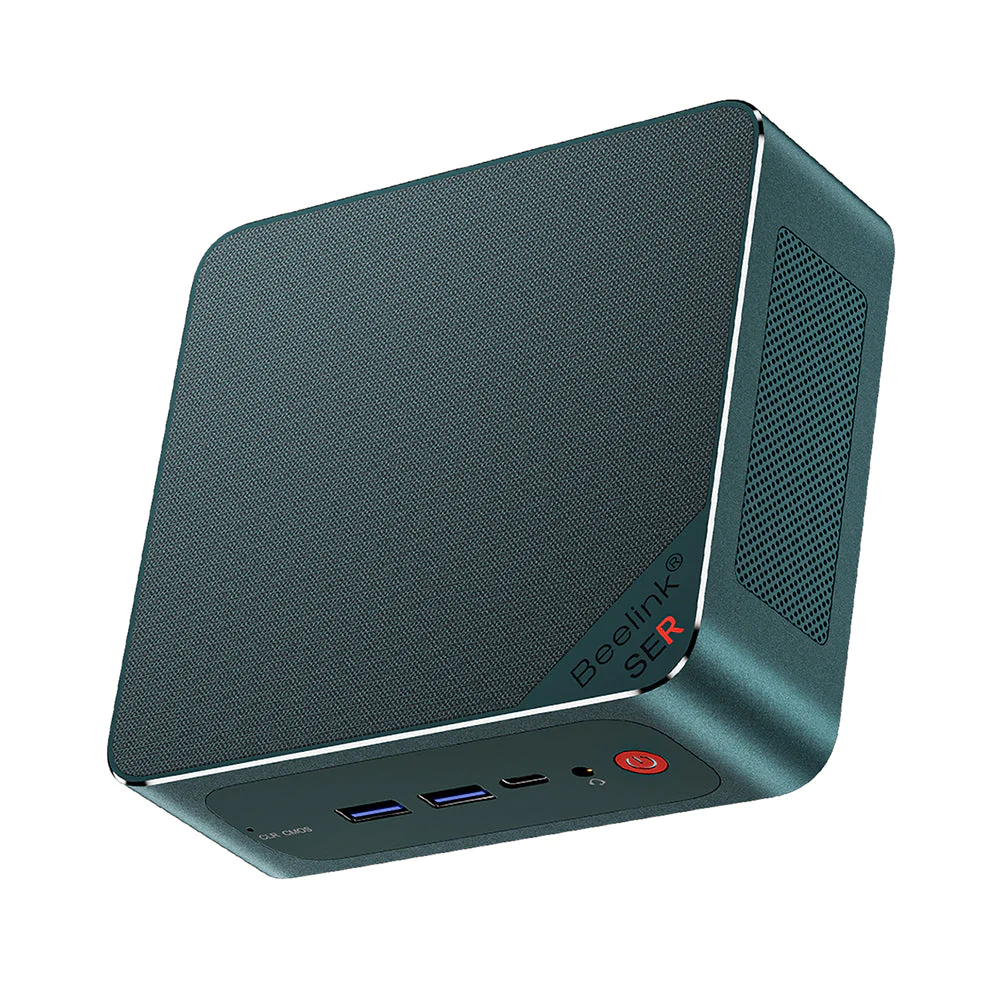
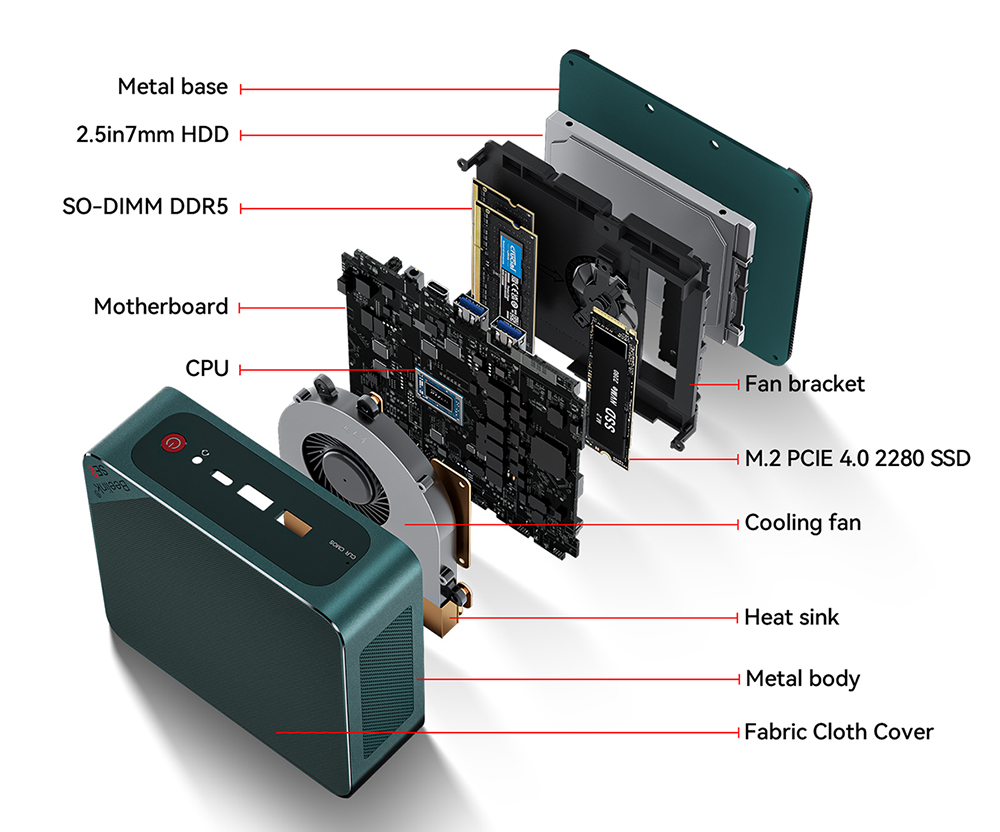
Beelink has announced the SER8 Pro Plus with AMD Ryzen 7 APU and Radeon 880M iGPU. The SER6 Pro Plus is a less-powerful alternative to the SER Pro but it also packs some functionalities. It has a 35W APU and Ryzen 7 refresh with the same CPU architecture and iGPU.
The new product comes a few months after Beelink released the SER6 Pro. The SER6 Pro is still available and can be purchased from MiniXPC. However, Beelink is yet to provide purchase details for the new mini PC. With a less-powerful outlook, the naming of the SER6 Pro Plus could be confusing. One would expect the Plus edition of the model to come with higher performance and components.
The SER6 Pro Plus uses the Ryzen 7 7735HS with a 50Hz higher boost than the Ryzen 7 6800HS. It has a 35W TDP which is lower than that of its predecessor by 10W. The Ryzen 7 APU has eight Zen3+ CPU cores, a 4.75GHz boost clock, and a 2.2Hz Radeon 680M. It was reported that the Ryzen 7 7735HS choice was due to overheating issues with the SER6 Pro’s Ryzen 7 6800HS.
The Beelink SER6 Pro Plus will retail at $499 as a barebones unit, which is $100 lower than its original price. The SER6 Pro Plus can be configured with 32GB of FAM and 500GB of storage with a $649 price tag. The original cost of the upgraded version is $689. Interested customers could make their pre-orders via MiniXPC. Customers will start getting their deliveries by March 2023.
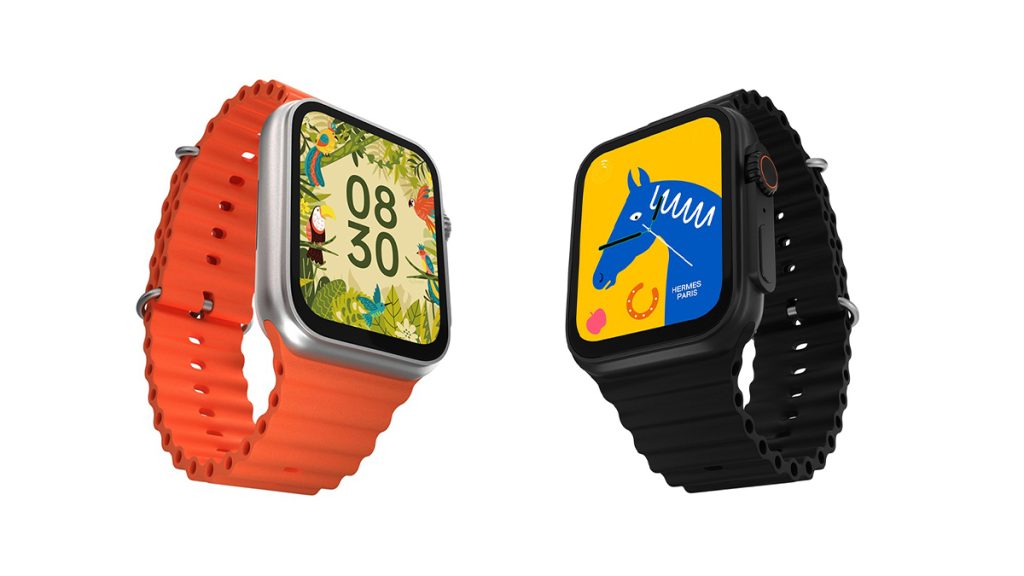
We have seen plenty of Apple Watch Ultra clones in recent times. Now the latest one comes from Zebronics. The device is dubbed Zebronics Zeb Iconic Ultra. With the latest offering, the homegrown brand has expanded its range of smartwatches in the country. The Zeb Iconic Ultra competes against other smartwatches offered by brands like Noise, boAt, Realme, OnePlus, and more in the market. Read on to know what it offers out of the box.
The Zebronics Zeb Iconic Ultra sports a 1.78-inch AMOLED display with 2.5D curved glass for a better viewing experience. It packs an always-on display mode and customisable watch faces. There is a functional crown on the right side. The smartwatch is IP67-certified water-proof and features an infinity loop strap.
The Zebronics Zeb Iconic Ultra is equipped with a heart-rate monitor, SpO2 sensor, sleep tracker, and menstrual monitor. It is also capable of measuring blood pressure which is quite uncommon in the affordable smartwatch segment. The device also offers meditative breathing sessions. The Zebronics Zeb Iconic Ultra supports more than 100 sports modes.
The Zebronics Zeb Iconic Ultra has a built-in microphone and a speaker for making and receiving calls. It supports voice assistants. The smartwatch offers features like a calculator, weather updates, camera and music control, smart notifications etc. The wearable device is powered by a 260mAh battery unit that is claimed to offer up to 5 days of usage.
The Zebronics Zeb Iconic Ultra carries a price tag of Rs 3,299 and comes in Orange and Black colours. It can be purchased from Amazon.
We use cookies on our website to give you the most relevant experience by remembering your preferences and repeat visits. By clicking “Accept”, you consent to the use of ALL the cookies.
This website uses cookies to improve your experience while you navigate through the website. Out of these, the cookies that are categorized as necessary are stored on your browser as they are essential for the working of basic functionalities of the website. We also use third-party cookies that help us analyze and understand how you use this website. These cookies will be stored in your browser only with your consent. You also have the option to opt-out of these cookies. But opting out of some of these cookies may affect your browsing experience.
Necessary cookies are absolutely essential for the website to function properly. This category only includes cookies that ensures basic functionalities and security features of the website. These cookies do not store any personal information.
Any cookies that may not be particularly necessary for the website to function and is used specifically to collect user personal data via analytics, ads, other embedded contents are termed as non-necessary cookies. It is mandatory to procure user consent prior to running these cookies on your website.