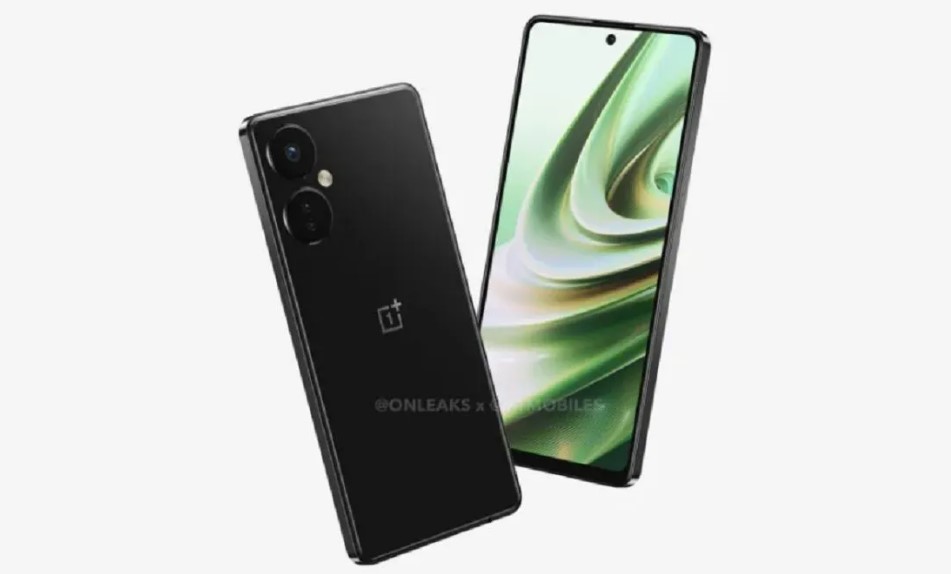
OnePlus Nord CE 3 is expected to launch in the first quarter of this year. It will arrive as the successor to the Nord CE 2. The upcoming offering was spotted in leaked live images recently revealing its design. They are in line with the leaked renders that surfaced in November last year. OnePlus is yet to comment anything official about the Nord CE 3. In a new development, the smartphone’s full specifications have leaked ahead of the launch.
The OnePlus Nord CE 3 will come with a 6.7-inch IPS LCD display bearing a resolution of 2,400 x 1,080 pixels. It will offer a 20:9 aspect ratio, HDR10, HLG support, and a 120Hz refresh rate. Internally, the smartphone will reportedly be powered by a Snapdragon 695 processor paired with Adreno 619 GPU onboard. It will pack 8GB RAM and 256GB storage and we can expect more configurations at launch. The device will ship with Android 13-based OxygenOS out of the box. The smartphone is rumoured to be backed by a 5,000mAh battery unit with support for 67W charging.
Coming to the cameras, the OnePlus Nord CE 3 is tipped to feature a 108MP primary sensor paired with two 2MP lenses and a 16MP front-facing selfie snapper. Connectivity options on the device include a USB-C port, 5G, 4G LTE, and dual-band WiFi.
The OnePlus Nord CE 3 is expected to come with a new design language compared to its predecessor. It will feature a boxy form factor, a centre-aligned punch-hole cutout, and dual camera rings without any island on the back panel.
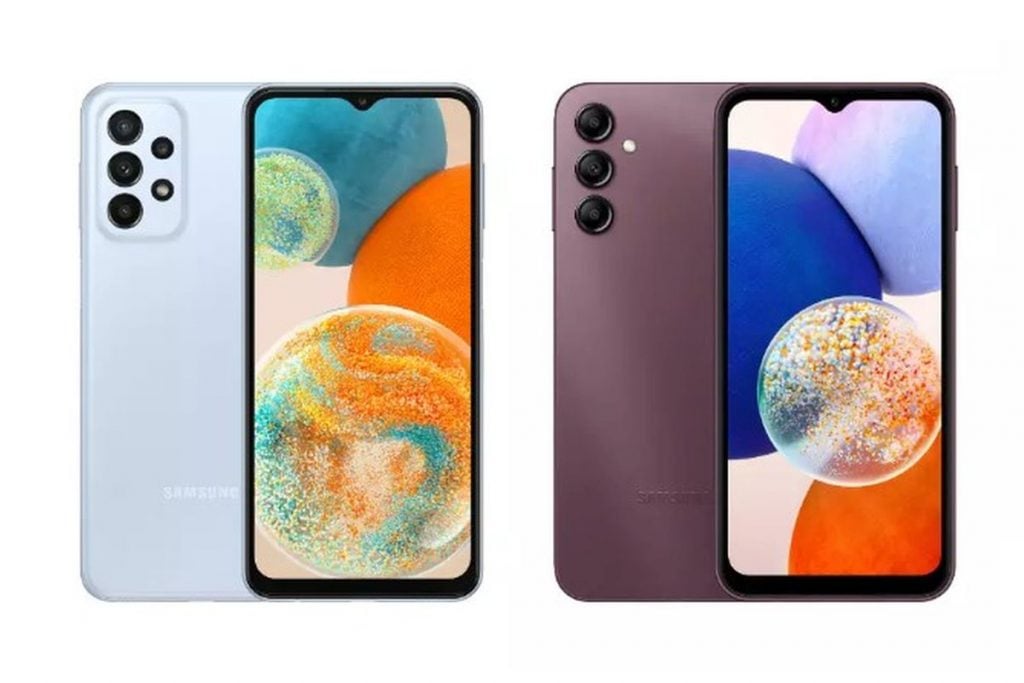
Samsung’s mid-range 5G phones, namely Galaxy A14 and Galaxy A23, went official on Monday (Jan. 16) in India. Starting today, both phones are available for purchase via Samsung India’s online store. Here is all the information on the price and offers available for A14 and A23 buyers.
Samsung Galaxy A14 5G price, offers
The Galaxy A14 5G comes in three options, such as 4 GB RAM + 64 GB storage for Rs 16,999 (~$209), 6 GB RAM + 128 GB storage for Rs 18,999 (~$233), and 8 GB RAM + 128 GB storage for Rs 20,999 (~$258). It can be purchased in colors like Dark Red, Light Green, and Black.
The Galaxy A23 5G is available in two configurations, such as 6 GB RAM + 128 GB storage for Rs 22,999 (~$282) and 8 GB RAM + 128 GB storage for Rs 24,999 (~$307). It can be bought in colors like Silver, Light Blue, and Orange.
Buyers will receive an instant discount of Rs 1,000 (on the Galaxy A14) or Rs 1,500 (on the Galaxy A23) on their SBI Bank credit card EMI and full swipe on the Samsung India website. Customers can get up to Rs 3,000 cashback if they pay with Paytm Wallet or Paytm Postpaid. This offer guarantees a minimum cashback of Rs 300. There is a welcome bonus of Rs 2,000 off if any of these are purchased through the Samsung Shop app. In addition, buyers can make use of the EHS64AVFBEC coupon code to get a stereo headset for free with the Galaxy A23. Both phones are also available with a no-cost EMI offer starting at Rs 1,944.33 (on A23) / Rs 3249.81 (on A14).
Starting Jan. 20, the Galaxy A14 5G and Galaxy A23 5G will be available through Samsung exclusive and partner stores and other online retailer sites. Here is the link to the launch post of these phones to read about their specifications.
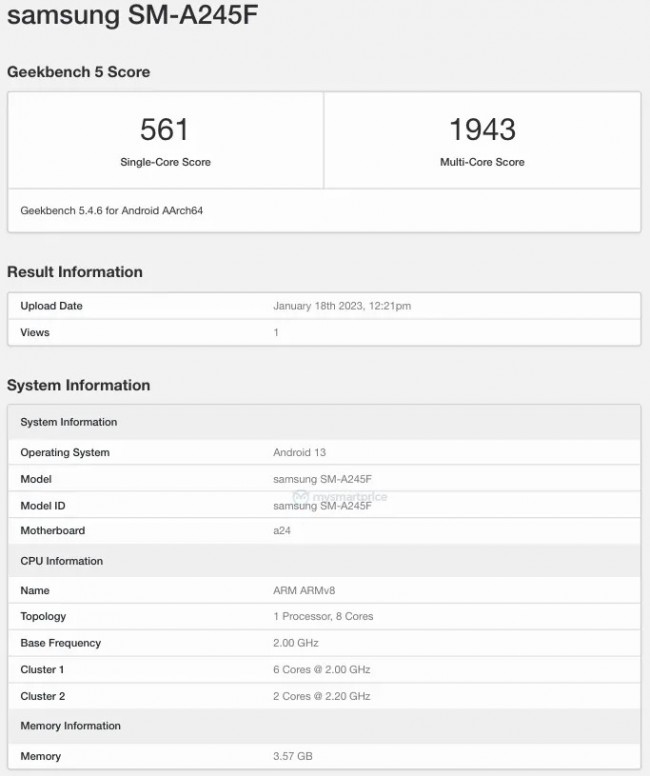
Samsunglaunched the Galaxy A14 5G and Galaxy A23 5G in India earlier this week. Now the Galaxy A24 4G variant has surfaced on Geekbench benchmarking platform. It is listed with model number SM-A245F. The benchmark database reveals some key specifications of the device.
As per Geekbench, the Samsung Galaxy A24 4G is listed with eight cores out of which six cores are clocked at 2GHz and two cores ticking at 2.30GHz. This suggests that the device will be equipped with a MediaTek Helio G99 processor. The benchmarking database reveals that the smartphone will pack 4GB RAM and run on Android 13 OS out of the box. We can expect the device to arrive in more RAM and storage configurations.
The Samsung Galaxy A24 4G scores 561 and 1,943 points in Geekbench’s single-core and multi-core tests. Apart from this, the benchmark platform does not reveal any additional details.
The Samsung Galaxy A24’s key specifications surfaced in October last year. It will reportedly feature a 6.24-inch sAMOLED display with an FHD+ resolution and a 90Hz refresh rate. It was rumoured to be equipped with a four-year-old Exynos 7904 SoC however, the latest Geekbench listing contradicts this. As per a recent leak, the smartphone is tipped to be backed by a 5,000mAh battery unit with support for 25W charging. Past reports also suggest that Samsung may ditch the depth camera on its upcoming Galaxy A-series. The Galaxy A24 could come with a 50MP main sensor paired with a 5MP ultra-wide-angle lens, 2MP macro unit, and a 13MP front-facing selfie snapper.
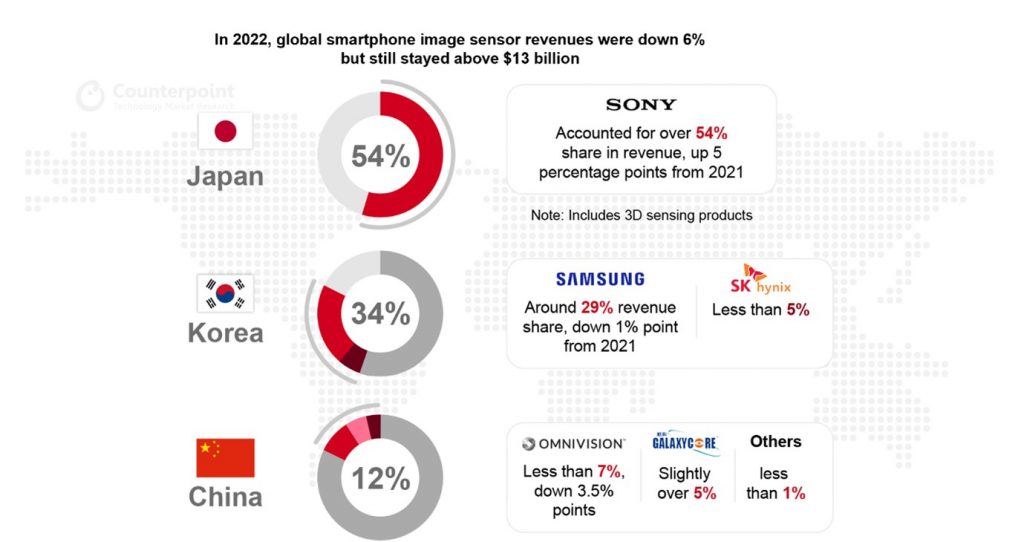
In 2022, the global smartphone image sensor market faces a downturn, with annual smartphone shipments falling by nearly 11%, and the trend of multi-camera adoption slowing down. This led to a contraction in CIS (CMOS image sensor) sales and a correction of oversupply in inventory, especially for 8MP and Low megapixel sensor. According to Counterpoint’s Smartphone Camera Tracker, global smartphone image sensor shipments are down 15% compared to 2021, with all major suppliers seeing declines of varying degrees. However, there are a few vendors who manage to stand out in this regard Challenging market.
Sony was the only major vendor to achieve growth, thanks to Apple’s camera upgrades
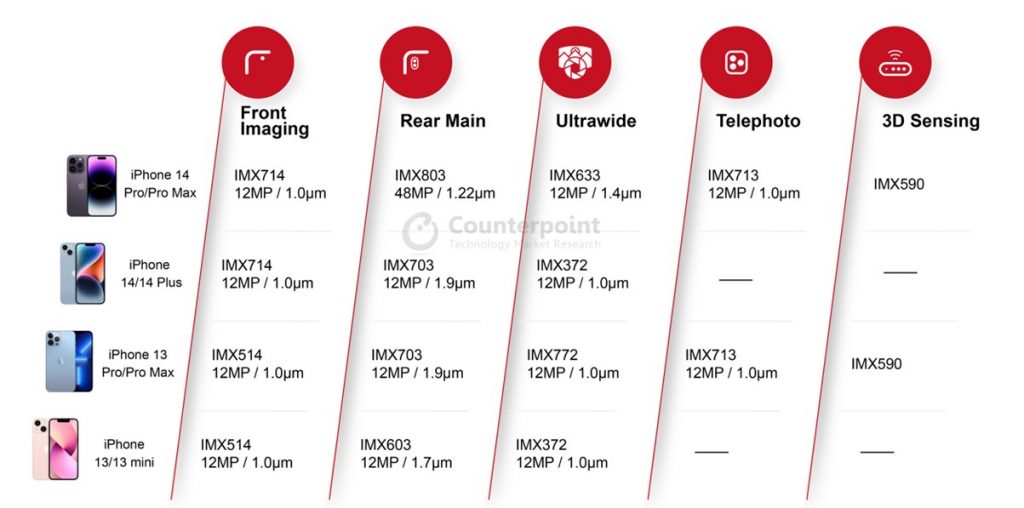
Sony was the only major vendor to report year-over-year revenue growth thanks to Apple’s camera upgrades. Apple, which contributes an estimated half of Sony Mobile’s CIS revenue, further improved iPhone camera specs during the year. The iPhone 14 Pro and Pro Max come with a new A 48MP image sensor for the main rear camera, a larger ultrawide sensor, and a front-facing sensor with autofocus. As a result of these upgrades, Sony estimates that each unit adds more than $6, or about $300 million in sales, in the second half of 2022.
Source: Counterpoint BoM analysis service
In the Android camp, Samsung LSI also benefited from the trend of camera enhancements and improved product mix, partially offsetting the sharp decline in shipments. Samsung has a first-mover advantage in mass-producing sub-0.7μm high-resolution sensors, with expected shipments of 200 million units An affordable 50MP image sensor in 2022.
The 0.64μm-based Samsung S5KJN1 has achieved great success and is widely used in rear main cameras in low- and mid-range smartphones as well as front-facing or ultra-wide-angle cameras in high-end models. Samsung also continues to dominate the 100MP and Higher than sensors and raising the bar with the commercialization of 200MP sensors (ISOCELL HP1 @ 0.64μm HP3 @ 0.56μm).
Source: Counterpoint BoM analysis service
On the other hand, OmniVision Galaxycore and SK Hynix see double-digit YoY revenue declines in 2022. The performance of these vendors is more vulnerable to shrinking mobile CIS demand. The smartphone CIS market will become more consolidated in 2022 in terms of revenue. sony Its share widened to just over 54%. The top two vendors accounted for approximately 83% of the total market revenue. Market consolidation is expected to continue in 2023.
Despite declining shipments and revenue in 2022, the mobile CIS market is expected to quickly return to growth as long as the camera system remains at the heart of smartphone upgrades. This will lead to improvements in resolution sensor size and even the integration of artificial intelligence functions. This The high-end camera market will be very competitive through 2023, with Sony’s large-area 50MP sensors and Samsung’s new 200MP series expected to battle it out for design wins.
Apple has just been hit with another multi million dollar fine. The company is facing a 17.4 million US Dollar fine in Russia by the nation’s federal anti monopoly service (FAS) for abusing its leading position in the local market.
The latest fine imposed on the Cupertino based giant follows after a ruling made in July 2022. At that moment, the agency found that the iPhone maker was in breach of local laws with its App Store rules. These rules had forced developers to use only the payment system that was provided by the company. In other words, the FAS basically ruled that Apple was taking advantage of its market dominance in the region.
As per an official statement, the regulator stated that “App Store rules prohibited iOS app developers from informing in-app customers about the possibility to pay for purchases outside of the App Store, as well as from using alternative payment methods. The company demanded that developers remove links to their own Internet sites and change the functionality of the application to prevent registration forms from leading to external sites.”
Apart from this, a similar ruling was made by the FAS last July against another tech giant, Google. It is still unclear how the agency will enforce this fine, since Apple has already announced its withdrawal from Russia following the Ukraine invasion. So stick around for more updates regarding this matter.
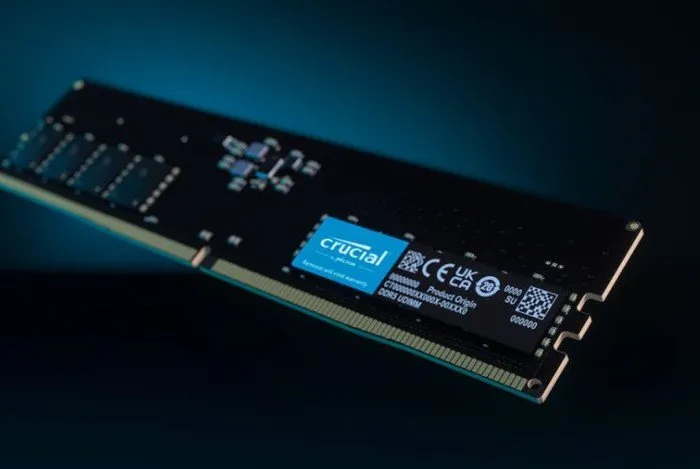
Micron, a leading supplier of memory and storage solutions, recently introduced new DDR5 memory modules in 24GB and 48GB capacities. The modules are compatible with AMD EXPO and Intel XMP 3.0 profiles, making them easy to set up and use with desktop PCs running the AMD Ryzen 7000 series And Intel 12th and 13th Gen Core processors.
Micron’s new DDR5 memory modules feature 5200 MT/s and 5600 MT/s data transfer rates and CL46 latency at 1.1V. DDR5-5600 DIMMs come in traditional 8GB, 16GB and 32GB versions, but the new 24GB and 48GB models stand out because they’re based on 24Gb memory chips, while traditional Dimensions may use 16Gb DRAM ICs. Meanwhile, DDR5-5200 modules are only available in 8GB, 16GB, and 32GB sizes.
The 24GB and 48GB capacities are ideal for next-generation server platforms because they allow systems to balance memory capacity and core count, reducing cost. Additionally, AMD EXPO and Intel XMP 3.0 profiles, designed primarily for enthusiasts, are supported, suggesting that these Modules are for the desktop.
Using a few 24GB or two 48GB modules instead of a pair of 32GB and 64GB DIMMs allows you to build a PC with 48GB or 96GB of dual-channel memory, which is less expensive than a machine with 64GB or 128GB of RAM. Meanwhile, capacities like 48GB and 96GB are more suitable for modern CPUs with 16 or 24 cores – For example, if you’re doing a virtual machine, you might get 2GB or 3GB per core.
Micron has not revealed suggested prices for its DDR5-5200 and DDR5-5600 modules. However, given the expected low PC demand in Q1 and the expected 18-23% drop in DDR5 SDRAM prices in Q1 2023, new memory modules are expected to be relatively cheap, although Their high capacity and higher performance.
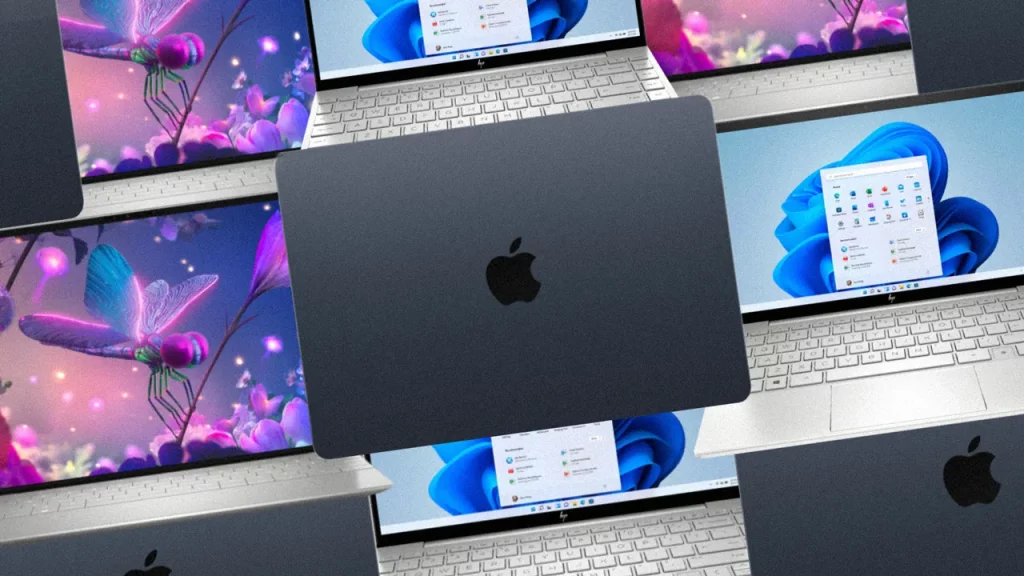
The notebook computer market is facing an uncertain future due to various major events affecting the global economy. According to a recent analysis by TrendForce, global notebook shipments are expected to decline year-on-year in both 2022 and 2023. Meanwhile, US brands are adjusting their supply chain strategies, with Vietnam becoming an increasingly popular choice for the relocation of equipment production. Here are the details…
Notebook Computer Shipments for 1Q23 Are Projected Reach 10-Year Low
According to the latest reports, global notebook shipments will reach approximately 186 million units in 2022, a year-on-year decline of 24.5%. The outlook for the performance of the notebook computer market in 2023 remains uncertain, and total shipments are expected to Only 171 million units, a year-on-year decrease of 7.8%. This decline can be attributed to various major events affecting the global economy and politics, resulting in a sharp decline in the demand for consumer electronics.
Another concern is that the Lunar New Year holiday in 2023 will come earlier than usual, and notebook brands worry that the ongoing COVID-19 outbreak in China will become a huge market variable after the holiday. In addition, there are concerns that equipment shipments will affected by component shortages caused by another round of the pandemic. As a result, global notebook PC shipments are expected to decline 9.5% quarter-on-quarter to 35.1 million units in the first quarter of 2023, which is the lowest level in 10 years for first-quarter results.
The U.S.-China trade dispute has led to heightened geopolitical tensions and prompted major electronics brands to adjust their supply chain strategies. Of these, US brands have been the most active in shifting equipment production and finding alternative sources Component supply. Vietnam has become a popular choice for relocation because of its geographic and demographic advantages, including a relatively young and low-cost workforce. Compal Wistron, Foxconn and other ODM manufacturers have started to build notebook assembly lines in Vietnam to cope with Request from a US customer. In addition, a US laptop brand set a target to increase its share of device shipments from Vietnam to 20% by 2023, while reducing its share of device shipments from China to 20~30% by 2027.
Samsung has expanded its self repair program to include new devices on its supported list. Now, the company’s 2022 flagship Galaxy S22 series and a certain models of the Galaxy Book have been added to this program.
For those unaware, the South Korean tech giant had started a self repair initiative that it had created by joining hands with iFixit, which provides the tools and guides online for those that wish to conduct repairs on their own. So now, one can order repair kits for the 15 inch models of the Galaxy Book Pro and even the Galaxy Book Pro 360 variant. The list of supported PC repairs includes the display, battery, touchpad, case (both front and rear), power key with fingerprint reader, and rubber foot.
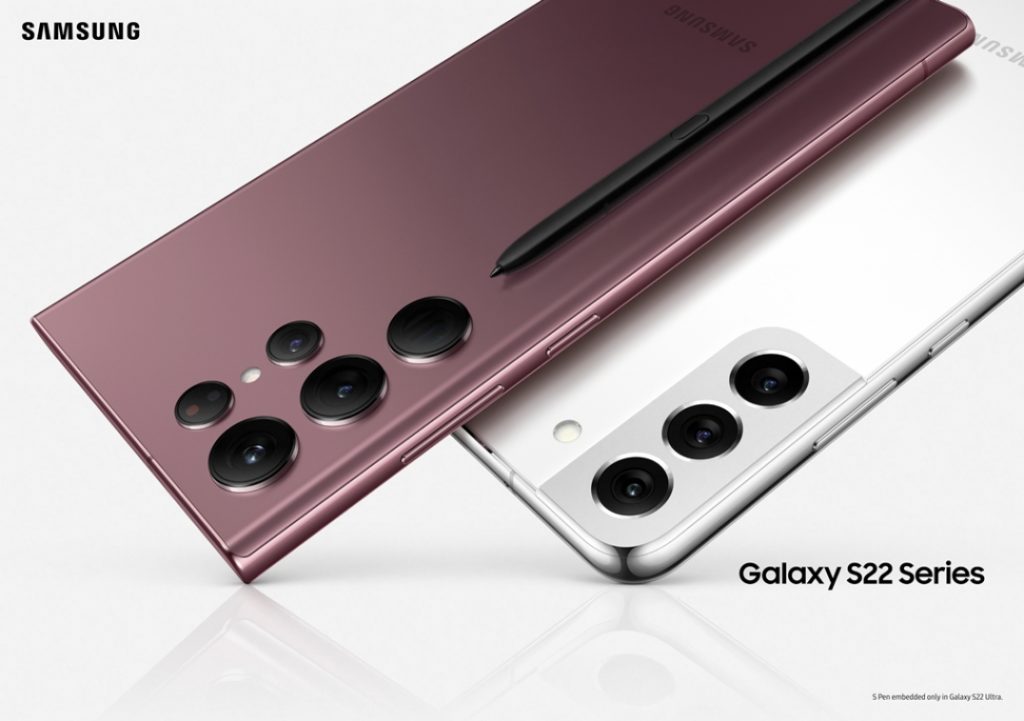
Apart from this, the major addition to this self repair program is undoubtedly the Galaxy S22 series. Owners of the 2022 flagship Galaxy phones can now order repair kits for the Galaxy S22, Galaxy S22+, and even their Galaxy S22 Ultra models. These repair kits will help customers replace display assemblies, rear glass, and charging ports on your smartphones. With this updated list, the Galaxy S22 lineup joins its predecessors like the Galaxy S20, Galaxy S21, and even the Galaxy Tab S7+.
Furthermore, the new kits still include a free return label to help customers send used parts to Samsung for recycling. All of these are kits are already available as of earlier this week. If this program seems familiar, it is likely because of Apple also offering a similar initiative that allows its customers to perform repairs at home through self repair kits.
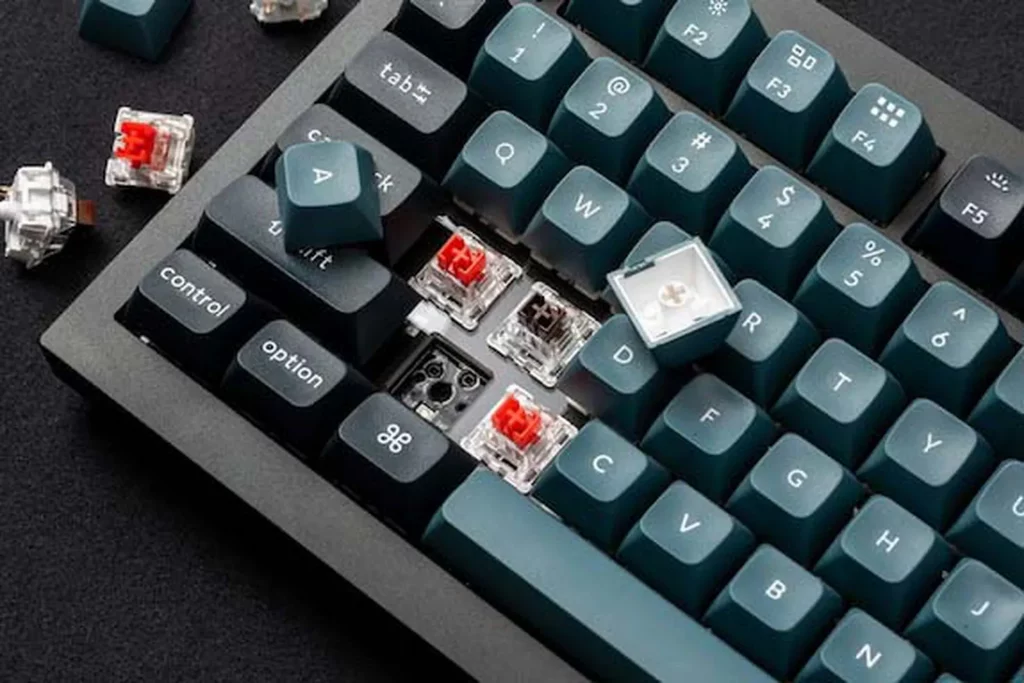
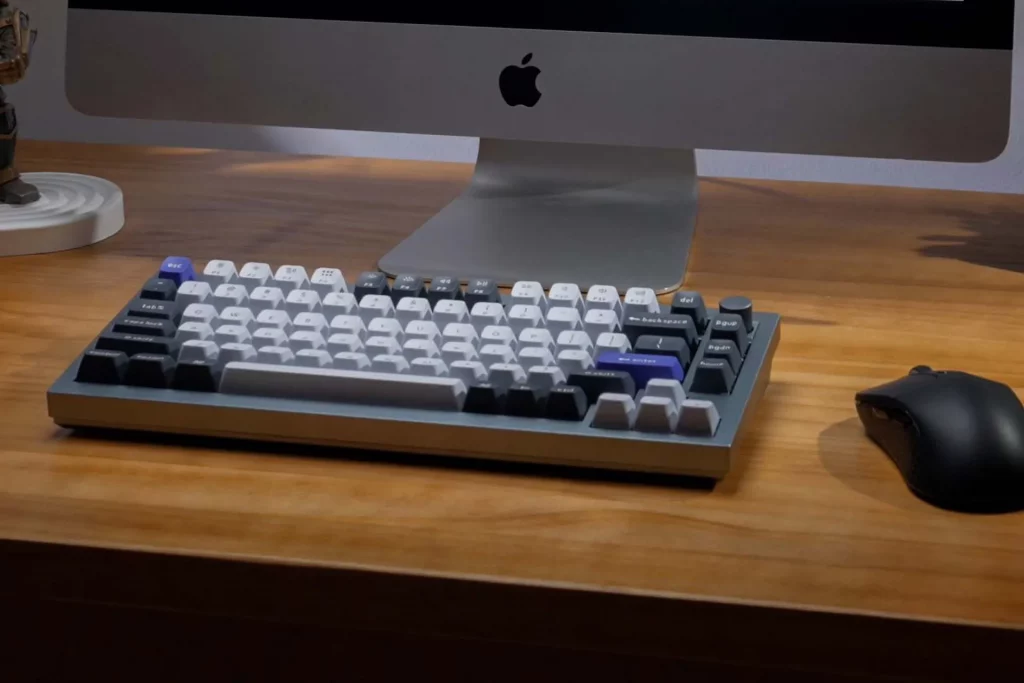
Keychron, a well-known name in the mechanical keyboard community, has just announced their latest creation, the Q1 Pro. This new keyboard builds on the already popular Q1 model, but with one major difference. The Q1 Pro maintains the same sleek design as the original Q1, including the gasket mount design and aluminum housing.
However, it now offers the added convenience of being able to connect not only via a USB cable, but also via Bluetooth. The battery life on this keyboard is impressive, with amazing 300 hours of use on a single charge. For those who like to switch between multiple devices, the Q1 Pro can remember connections for up to three devices.
The Q1 Pro will be available on Kickstarter starting today, with a choice of a fully assembled model for $194 and a basic version without keycaps or switches for $174. While the fully assembled model is only available in the US layout, both options are available in a variety of color schemes, including black gray or white. Shipping is expected in April, and when it goes on sale to the general public, the MSRP for the fully assembled model will be $199 and the bare metal version will be $179.
While the wireless capabilities of the Q1 Pro are certainly a game-changer, there are some downsides to consider. The polling rate drops from 1000Hz to 90Hz when connected via USB, which may cause some problems for gamers. Also, if the battery life of the keyboard drops to 90 hours RGB lighting is turned on and set to minimum brightness when used wirelessly.
Keychron is no stranger to creating wireless keyboards, and its K-Series line offers a variety of configurations. However, Q-Series boards are known for their high-quality construction. The Q1 Pro also features a polycarbonate plate, which Keychron claims improves the overall typing sound and Keychron K Pro brand switches instead of Gateron models. The keyboard also features a customizable 75% layout similar to most laptop keyboard layouts, and is hot-swappable and compatible with three- and five-pin switches.
The fully assembled model comes with switches and two-tone PBT keycaps that are durable and won’t glow over time. The keyboard also includes extra keycaps for macOS or Windows machines and features hardware switches for switching between OS layouts. And Keychron is already top When it comes to choosing a wireless keyboard, the Q1 Pro probably takes the top spot for its advanced features and convenience. As always, we can’t wait to get our hands on this new keyboard and give it a full review.
The Xiaomi Car was just recently spotted while it was undergoing a weather test in China. The upcoming electric vehicle was being tested in the snow, with one of its passenger being the founder and CEO of the company, Lei Jun.
Earlier this week, a Weibo blogger (@不是郑小康) posted pictures that revealed that the Chinese tech giant was conducting a test of the yet to be announced EV model. Lei Jun, the founder himself was present during this test as per the blogger who shared the pictures on the Chinese microblogging website. In other words, the brand was clearly testing out the Xiaomi Car under extreme weather conditions of cold and likely making other key calibrations as well.
There were two EV models spotted in the wild, and it appears that Lei Jun was behind the wheels on one of the test units. Meaning, he personally conducted the tests for the new automobile. Looking at these images, we can tell that Xiaomi has hidden most of the design elements of this upcoming electric vehicle, although, we can make out the overall shape of the car. So, we can expect the Xiaomi Car to be a sporty sedan class model.
Based on the recent sighting, the blogger had also claimed that there was also a LiDAR sensor on the roof of the vehicle, which hints at its driver assistance or self driving (autonomous) technology. Finer details regarding this car is still at large, but the company’s first EV is expected to be a medium sized sedan that will launch in two different versions. Furthermore, the car is rumored to be announced sometime later this year, with first sales expected to begin sometime in 2024.
A new low-cost smartphone from Tecno is most likely to debut in India. According to rumors, the company will introduce the Tecno Spark Go 2023 in India to update its Spark series lineup.
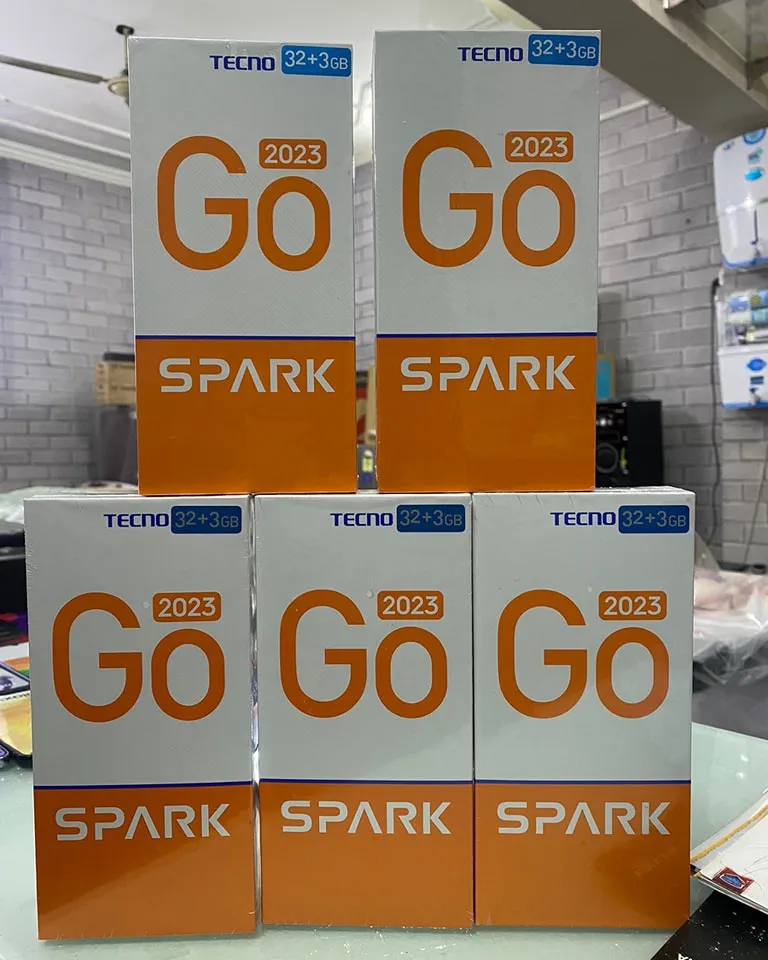
The specifications are going to be entry-level. The company has not yet made the launch date official. In the meantime, a fresh leak has made the design, cost, features, and retail packaging of the Tecno Spark Go 2023 known.
The source of the leak is PassionateGeekz. According to the source, the phone would have 3GB of RAM and one storage option when it ships to India. With a special launch price of Rs 6,999, the Tecno smartphone will come with 32GB of storage. The global version will offer 64GB of storage and up to 4GB of RAM.
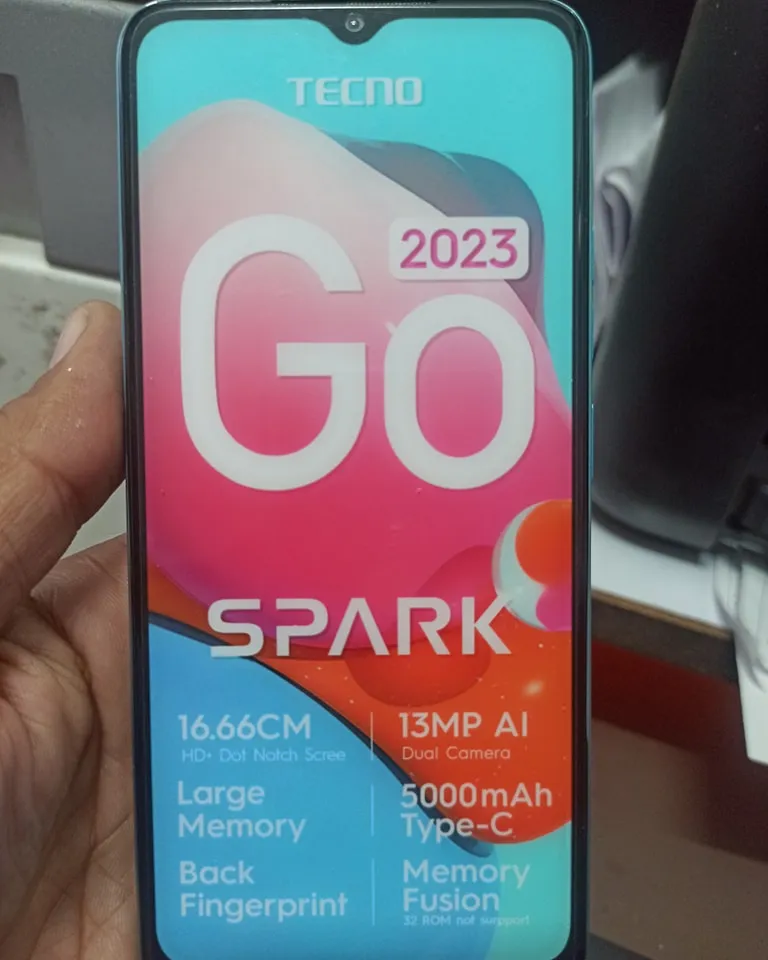
The retail box and unit are also disclosed in the report. Only the phone’s name and the storage option are visible on the packaging. Additionally, the live image lists all the essential phone specifications. The phone will debut with a 16.66cm (6.55 inch) display, according to the leaked live image. The display will feature a waterdrop notch at the top for the front camera and an HD+ resolution.
The phone will have a 5000mAh battery inside. Additionally, a USB Type-C port will be present. Also confirmed by the live image is the presence of a dual-camera arrangement on the phone’s back, with a 13MP primary sensor. The front camera will have a 5MP resolution. It sports a square camera module on the back that houses two cameras and a fingerprint scanner that is located at the back.
It’ll be powered by a MediaTek Helio A22 SoC. The phone will be sold via Amazon in India in addition to traditional offline retailers.
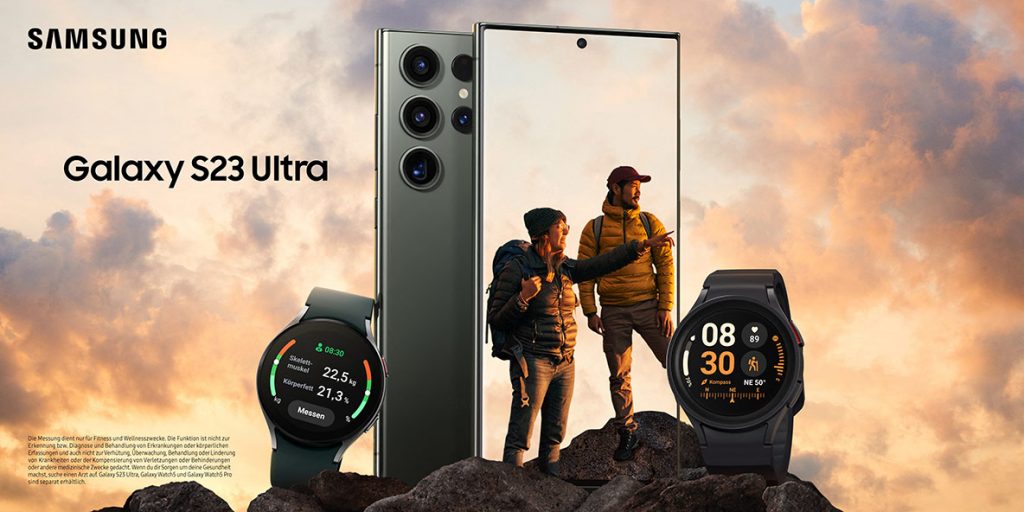
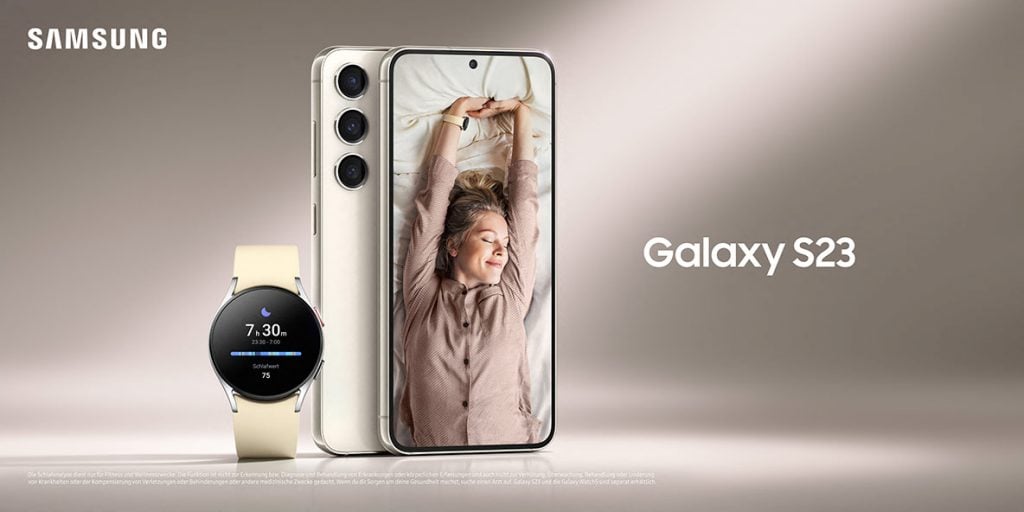
Samsung is gearing up to launch its latest flagship phone, the Galaxy S23 series, and TM Roh, the company’s head of mobile, wrote a blog post discussing the new devices. In the post, Roh said the Galaxy S series is the best example of Samsung realizing its vision of using mobile devices Technology enriches people’s lives. He mentioned how professional-grade camera systems are getting smarter and able to deliver high-quality photos and videos in any lighting condition.
The new Galaxy S23 series will also feature an overclocked Snapdragon 8 Gen 2 chipset for the fastest and most powerful Galaxy performance possible, as well as improved synchronization with other Samsung products. This means users will be able to connect their Galaxy S23 to other Samsung devices such as the Galaxy Watch and Galaxy Buds are more seamless than ever.
Roh also mentioned the Galaxy S Ultra as the pinnacle of innovation from Samsung, and the company is committed to promoting environmental awareness. Samsung is making more durable, longer-lasting devices and using more recycled materials to help the environment. Galaxy S Ultra has Truly the pinnacle of Samsung mobile innovation, a brand that stands out, and soon we’ll be showing you what Ultra can do in more device categories as Roh writes.
Only two weeks until the next Unpacked event. Roh said that at the Unpacked event, Samsung will showcase the ultimate premium experience and will soon deliver our most powerful mobile experience that you will love for years to come. I can’t wait to share what’s next you.
The Galaxy S23 Ultra will come with 12GB of LPDDR5 RAM and 256GB of storage. A 5000mAh battery will keep the lights on, with support for 45W wired fast charging and 15W wireless charging. The device will also feature reverse wireless charging. Don’t forget the Galaxy S23 Ultra will take the crown again Its design is inspired by the Galaxy Note, with a square shoulder S Pen holder and a built-in silo for the digital stylus.
Samsung has just announced the “Grand Republic Sale” for the Indian region. This new promotional sale brings attractive deals and discounts for a number of its existing popular products ranging from smartphones to even home appliances. So let’s have a look.
During the Grand Republic Sale, the South Korean tech giant is offering massive discounts on a number of products, which includes its Galaxy smartphones, laptops, tablets, wearables, Samsung TVs, and even digital appliances. This sale isn’t live across e-retailers and will only be available on Samsung.com, Samsung Exclusive Stores, and the Samsung Shop application. Notably, the deal is also leave only till the 21st of January 2023.
The Grand Republic Sale will offering up to 61 percent in discounts on Galaxy smartphones models like the Galaxy Z Fold 4, Galaxy S21 FE, Galaxy S20 FE, Galaxy M33, and more. As of right now, those looking to buy the Galaxy Z Fold 4 can also get the Galaxy Watch 4 Classic for just 2,999 INR (roughly 37 US Dollars). This deal is also extended to the Galaxy Z Flip 4 as well. On the other hand, buyers of the Galaxy A73 can also purchase the Galaxy Buds 2 for 1,999 INR (roughly 25 US Dollars).
Apart from this, customers are being offered discounts off up to 38 percent on Galaxy laptops. Meanwhile, the Galaxy tablets, wearables, and accessories are on sale with up to 63 percent discount. The Book Cover Keyboard for the Galaxy Tab S8 buyers is 50 percent off, while the Book Cover is being sold for just 999 INR (roughly 12 US Dollars) for those that purchase the Galaxy Tab A8. For its popular Samsung TV lineup, the brand is offering up to 56 percent in discounts.
Buying certain models of the Neo QLED, QLED, the Frame, and UHD TV models will also get you a free Galaxy A23 smartphones or a HW-S801B soundbar that is worth 40,000 INR (roughly 492 US Dollars). Interestingly enough, buyers that purchase the flagship Neo QLED 8K TVs will receive a free Galaxy Z Fold 4 and customers that get the UHD and QLED TVs will receive a 40 percent discount on select Samsung Soundbars as well. Lastly, the company is also offering up to 42 percent discount on Samsung digital home appliances like refrigerators, washing machines, microwaves, and air conditioners.
Talking about the bank offers, buyers of the Galaxy smartphones, tablets, wearables, accessories, and laptops can avail an attractive cashback offer of up to 10,000 INR (roughly 123 US Dollars) on select models with leading bank debit and credit cards. With ICICI Bank and other leading debit cards and credit cards, one can get up to 20 percent cashback on Samsung TVs and digital appliances. New users of the Samsung Shop application will also get a special welcome offer that brings benefits worth up to 6,500 INR (roughly 80 US Dollars).
On February 16th, India will see the release of the iQOO Neo 7 5G. The company has confirmed some key device features ahead of the launch. Additionally, the device has also appeared on Geekbench revealing its performance.
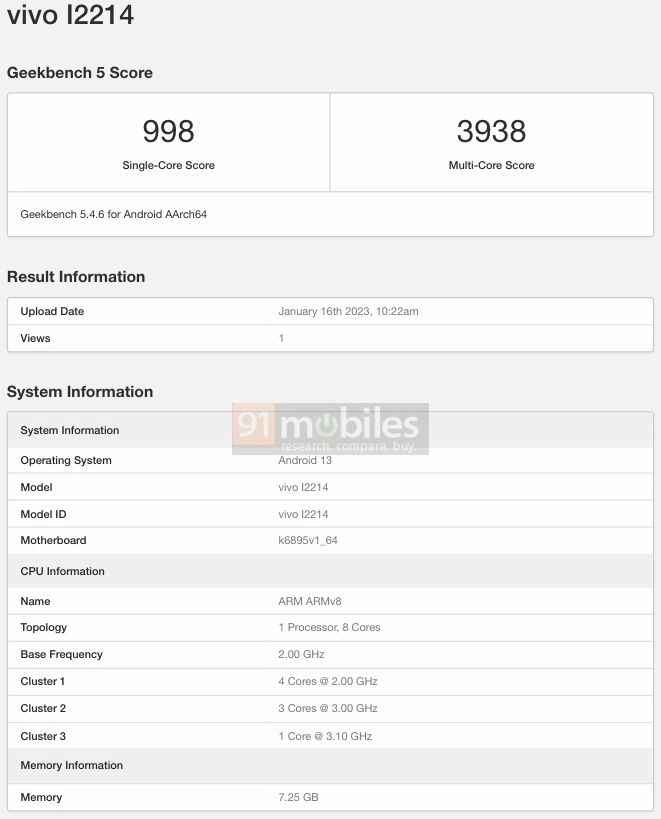
The device has the model number I2214, which is the same model that was previously listed on BIS and Bluetooth SIG. In the single-core round of the Geekbench 5 benchmark test, the handset scored 998 points. In the multi-core round, however, the score was 3938 points.
The listing also reveals the presence of an octa-core processor with a 1 + 3 + 4 core configuration and a peak frequency of 3.10GHz. This implies that the iQOO Neo 7 Indian variant will be powered by a MediaTek Dimensity 8200 processor.
According to the listing, the iQOO Neo 7 will be available in the country with an 8GB RAM variant. We can, however, anticipate iQOO launching it in other memory configurations as well. The upcoming iQOO handset will ship with Android 13 pre-installed, but with the FunTouchOS 13 skin on top.
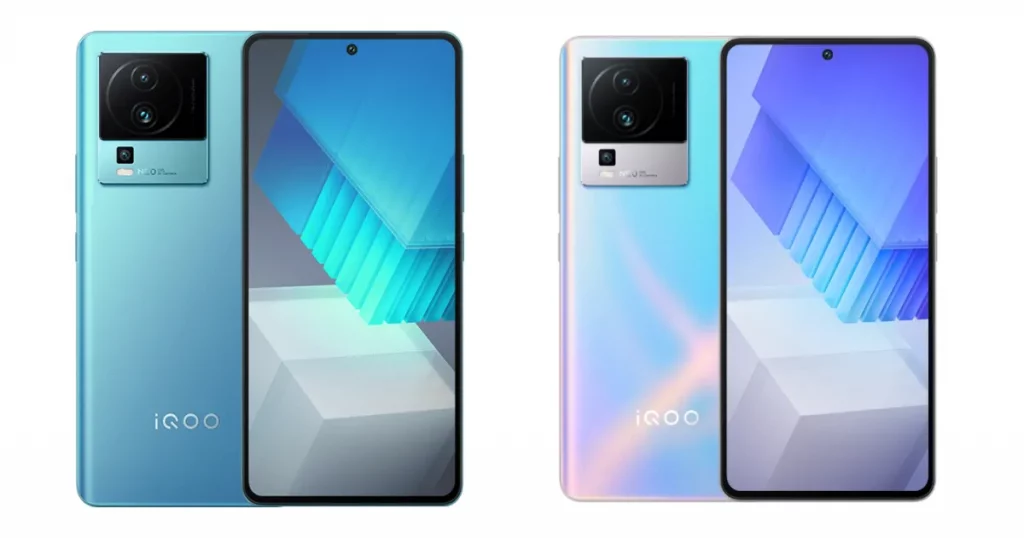
The iQOO Neo 7 Indian variant’s Geekbench listing suggests that it will be a rebranded iQOO Neo 7 SE from China. The iQOO Neo 7 SE was released in China a few weeks ago and is powered by a MediaTek Dimensity 8200 processor. Let’s go over the specifications and features of the iQOO Neo 7 SE quickly.
iQOO Neo 7 SE specs
The iQOO Neo 7 SE has a 6.78-inch AMOLED display that runs at 120Hz. The display panel has a Full HD+ resolution as well as an in-display fingerprint scanner. The most recent Neo series smartphone comes with a 5000mAh battery and 120W fast charging support.
The iQOO Neo 7 SE has three rear cameras: a high-resolution 64MP primary camera, a 2MP macro camera, and a 2MP depth sensor. It has a 16MP front-facing camera for selfies and video calls. The phone has stereo speakers and a Type-C charging port. The Dimensity 8200 and a 5,000mAh battery with 120W fast charging support power the iQOO Neo 7 SE.
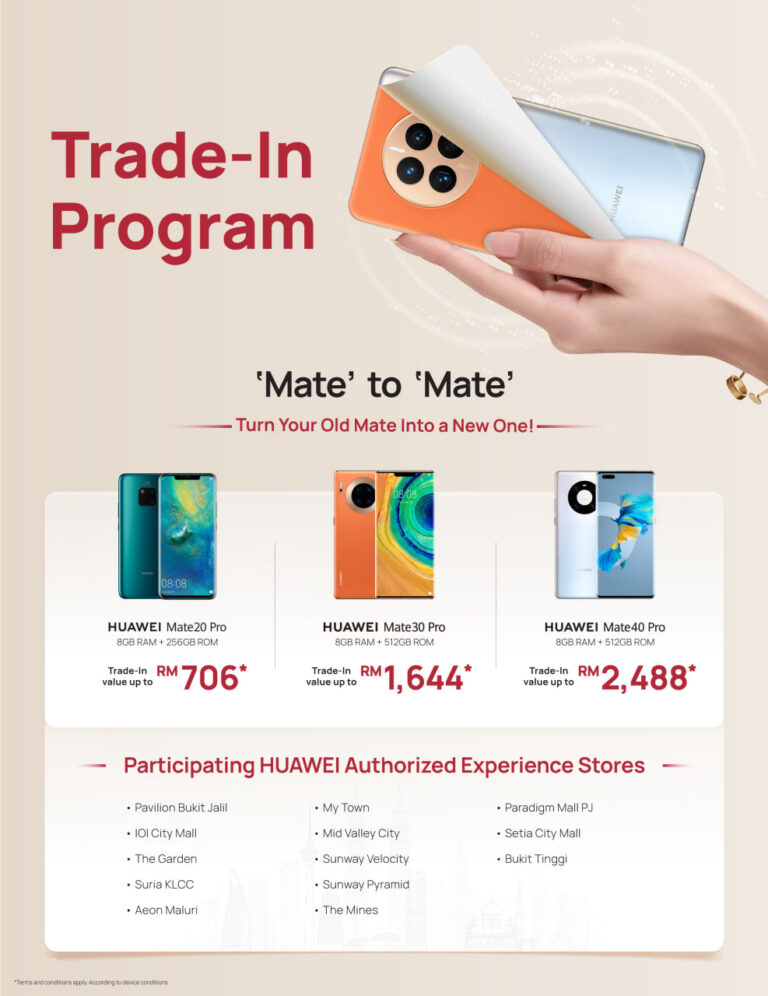
Earlier this week, Huawei announced that it will be offering a new trade in program for its old Mate series of flagship smartphones. This deal will seek help its older customers in upgrading to its latset Mate 50 series.
As per official notes, the Chinese tech giant’s 2023 trade in campaign is available in Malaysia and will offer deals with the Mate 20 Pro, Mate 30 Pro, and Mate 40 Pro. So here’s a look at their trade in values:
Huawei Mate 20 Pro (8GB + 256GB) with a trade in value of RM 706 (roughly 183 US Dollars).
Huawei Mate 30 Pro (8GB + 512GB) with trade in value up to RM 1644 (roughly 380 US Dollars).
Huawei Mate 40 Pro (8GB + 512GB) with trade in value up to RM 2488 (roughly 575 US Dollars).
There are a number of authorized Huawei experience stores tat are offering this 2023 trade in deal in the region, which includes the Pavilion Bukit Jalil, IOI City Mall, The Garden, Suria KLCC, Aeon Mluri, My Town, Mid Valley City, Sunway Velocity, Sunway Pyramid, The Mines, Paradigm Mall PJ, Setia City Mall, and Bukit Tinggi. So for those interested in upgrading to a new Mate 50 series phone, you can avail additional discounts if you already own another Mate phone.
Canalys has released a new report on the global smartphone market. According to it, the fourth quarter of 2022 was the worst-performing annual and Q4 in a decade.
Although the shipments dropped throughout the year, the brand rankings remained the same. OEMs are cautious regarding the upcoming quarters.
Photo by George Dolgikh | Source: Pexels
The report states that worldwide smartphone shipments dropped by 17% YoY in Q4 2022. The full-year decline is said to be 11%. Fewer than 1.2 billion smartphones were shipped globally in 2022.
Although Apple came first in the last quarter of 2022, it was Samsung who led the market overall for the entire year. The third, fourth, and fifth places were acquired by Xiaomi, Oppo, and Vivo, respectively.
The difficult macroeconomic environment throughout 2022 resulted in the decline of smartphone shipments, says Canalys Research Analyst Runar Bjørhovde. The demand for low to mid-range segments dropped fast in earlier quarters, and even the demand for the high-end category started showing weakness in Q4 2022.
As per Canalys Research Analyst Le Xuan Chiew, brands will approach 2023 cautiously by prioritizing profitability and protecting market share. They are already cutting costs to adapt to the new market reality. A strong relationship between channel partners and vendors will be important to maintain market shares.
Canalys forecasts flat to marginal growth for the global smartphone market in 2023. Markets like Western Europe and North America will be affected by economic slowdowns, while some regions in Southeast Asia may grow in the second half of 2023.
Oppo is gearing up to launch the Find X6 series of flagship devices in the coming months. We recently reported on the leaked display specifications of the vanilla Finx X6. Now, a new image of the Find X6 series has appeared online which is quite distinct from the previous renders.
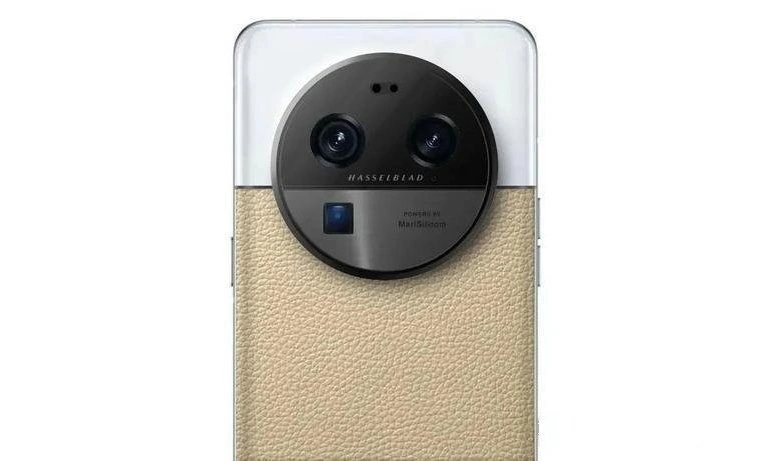
Earlier renders and live images of the Find X6 series show the device featuring a rectangular camera module, however, the new render feature a large circular rear multi-camera module with a centered alignment. It has three cameras, one of which (periscope telephoto) was canceled on the Find X3 and Find X5 series. It is located in the lower-left corner of the camera island.
The back of the device appears to be made of two materials. The top part is made of ceramic, while the lower part could be leather. The two materials also devise the camera island into two, with the top part featuring a black color scheme while the lower part has a metallic grey finish. Hasselblad and MariSilicon branding are also present on the back. As this new design goes against all the previously leaked renders, we suggest readers take it with a pinch of salt.
Oppo Find X6 specs
A recent leak suggests that the Find X6 standard version has a 6.74-inch Flexible AMOLED display with 2772 x 1240p (1.5K+) resolution. It has a refresh rate of 120Hz and will feature 2160Hz PWM dimming.
The Snapdragon 8 Plus Gen 1 chipset is expected to power the device. The device is expected to be powered by the Snapdragon 8 Plus Gen 1 chipset. A front-facing 32-megapixel Sony IMX709 camera could be included. On the back, it could have a 50-megapixel primary camera with OIS. A 4,800mAh battery with 80W charging capability is possible.
Google’s cloud game streaming service called Stadia is shutting down today, but before that, the company is allowing users to use the wireless stadia controller as a Bluetooth controller that can be connected to other devices.
Converting a Stadia controller into a Bluetooth controller is a manual process and won’t happen automatically for the users. Also, it’s an irreversible process, which means once it’s converted to a Bluetooth controller, you cannot go back.
The company has also revealed that the last date for users to make the switch for the controller is 31st December 2023. After that date, any unconverted Stadia controller will work as a wired gamepad but won’t get wireless connectivity support.
After the device has been enabled with Bluetooth mode, it can be connected to other devices by pressing the Y and Stadia buttons simultaneously for a couple of seconds. When the Stadia light flashes orange, it indicates that the controller is now in pairing mode. Once it’s paired with a device, it will auto-connect to the last paired device whenever turned on.
If you are an owner of a Stadia controller, then you can visit this web-based tool to unlock Bluetooth on the device. The process is quick, simple, and easy to follow. Make sure that the device is charged at least 10 percent before you attempt to start the process and is connected to the computer using the USB port.
A few months ago, Google announced that it would shut down the Stadia cloud gaming service, and then the company refunded all the game and hardware transactions starting November 2022. Some game studios also started offering free PC copies of the games purchased through Stadia.
The OPPO A78 5G is OPPO’s first smartphone for the Indian market in 2023. The “Upgrade Your Speed” tagline that the brand is using to advertise the phone clearly indicates that performance and 5G connectivity are the primary selling features of the device. It is packed with more RAM, more internal storage, the most recent software, and a large battery with fast charging. All this sounds fine until we talk about the display and some other things about the phone. Here is my review of the OPPO A78 5G.
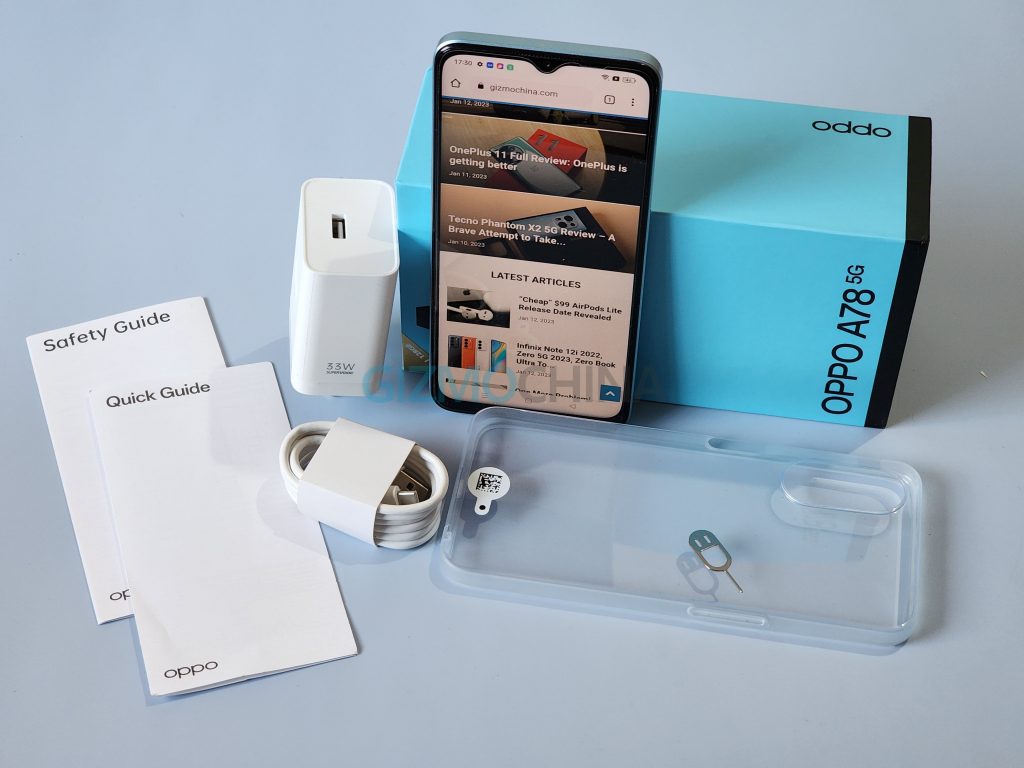
Oppo A78 5G: What’s in the box?
OPPO A78 5G
The following items are present in the retail package of the Oppo A78 5G
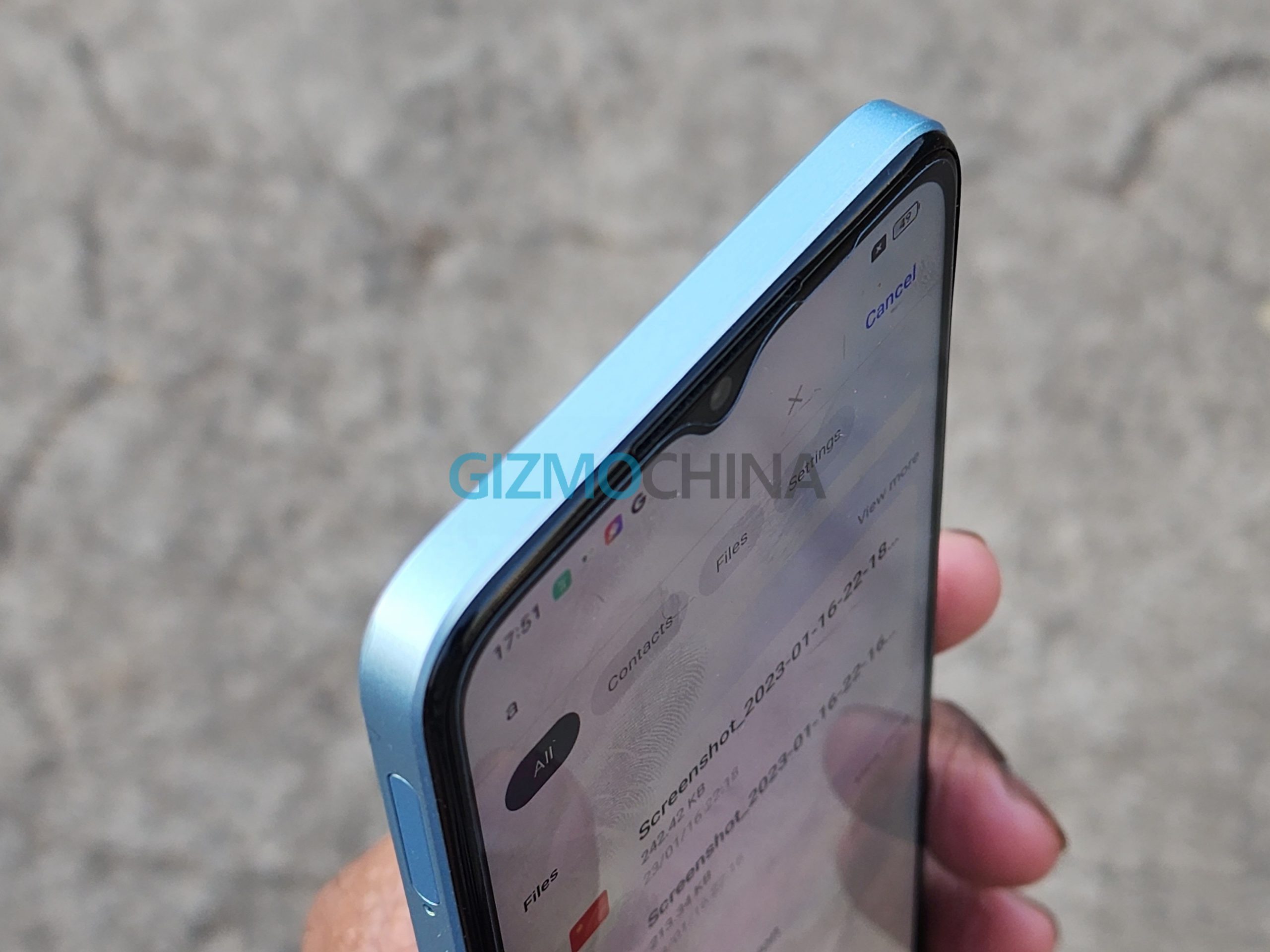
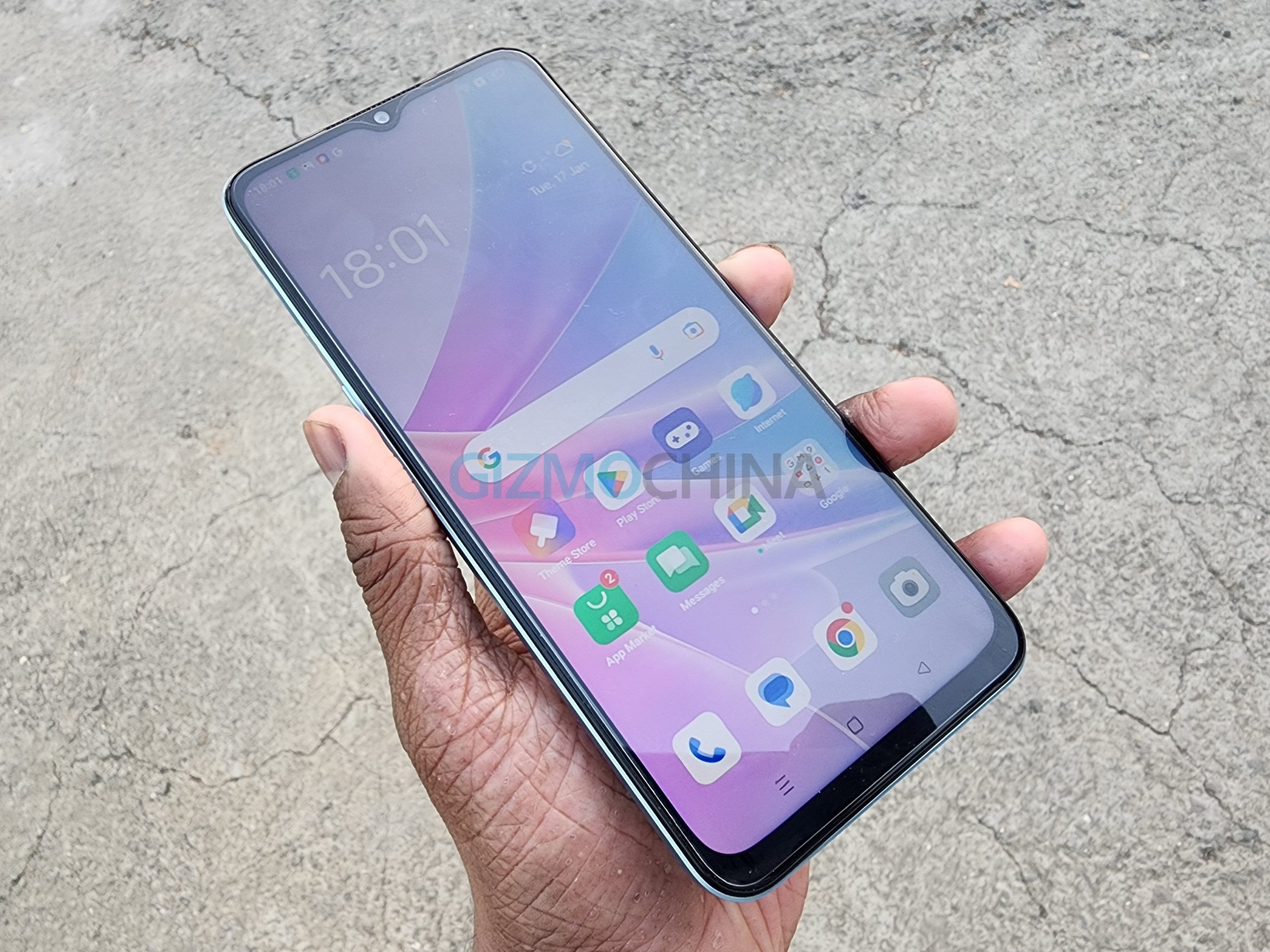
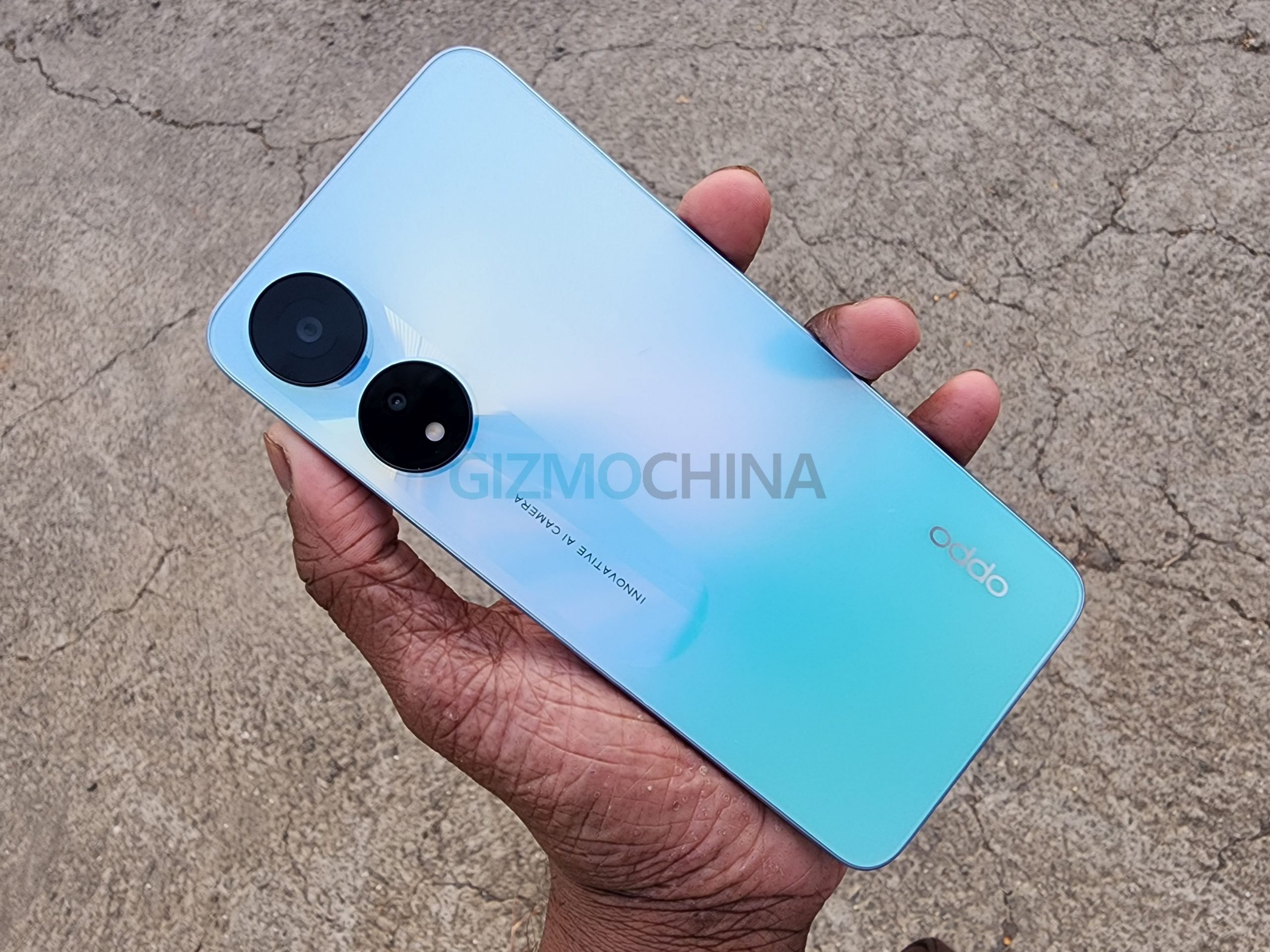
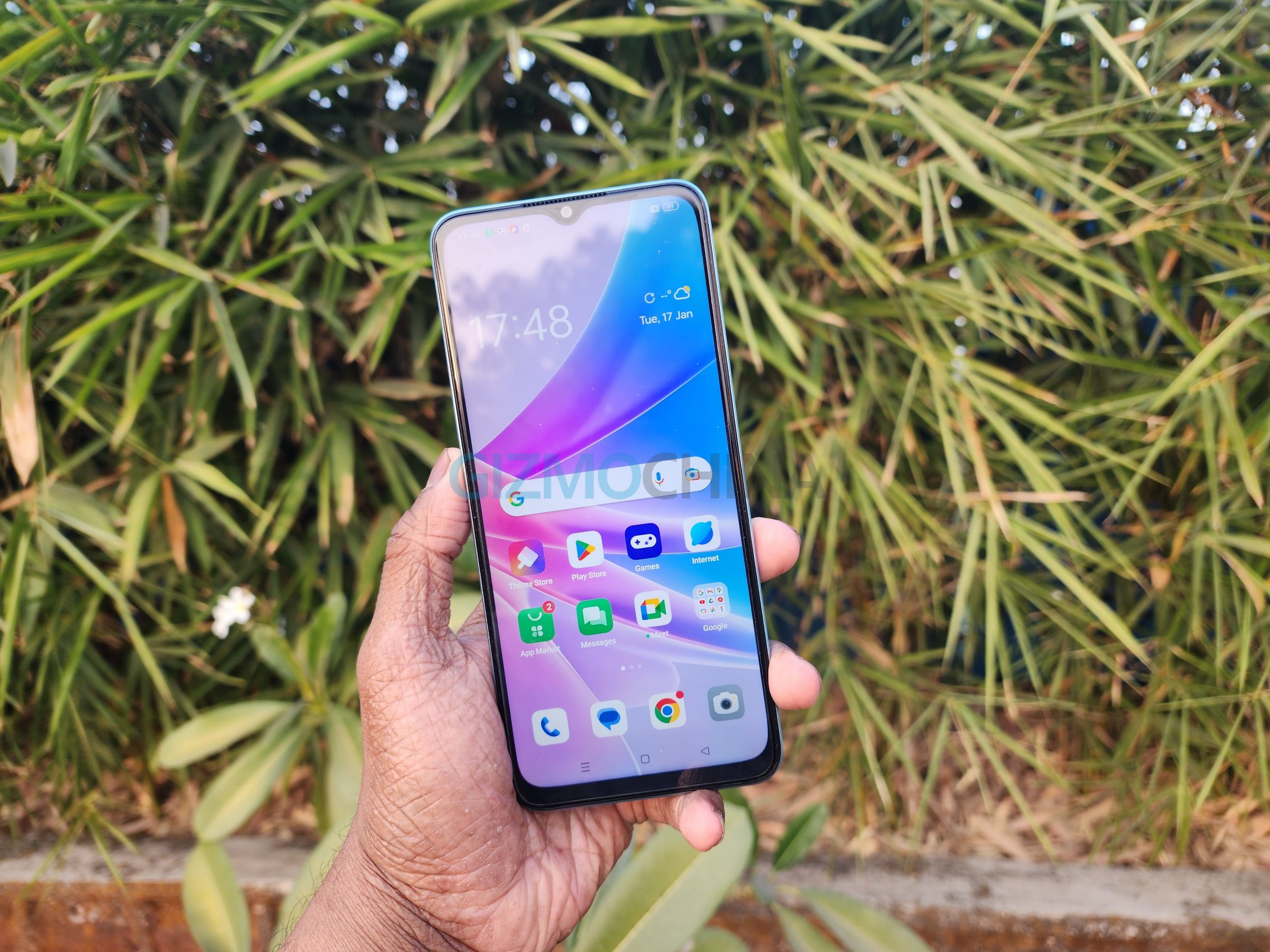
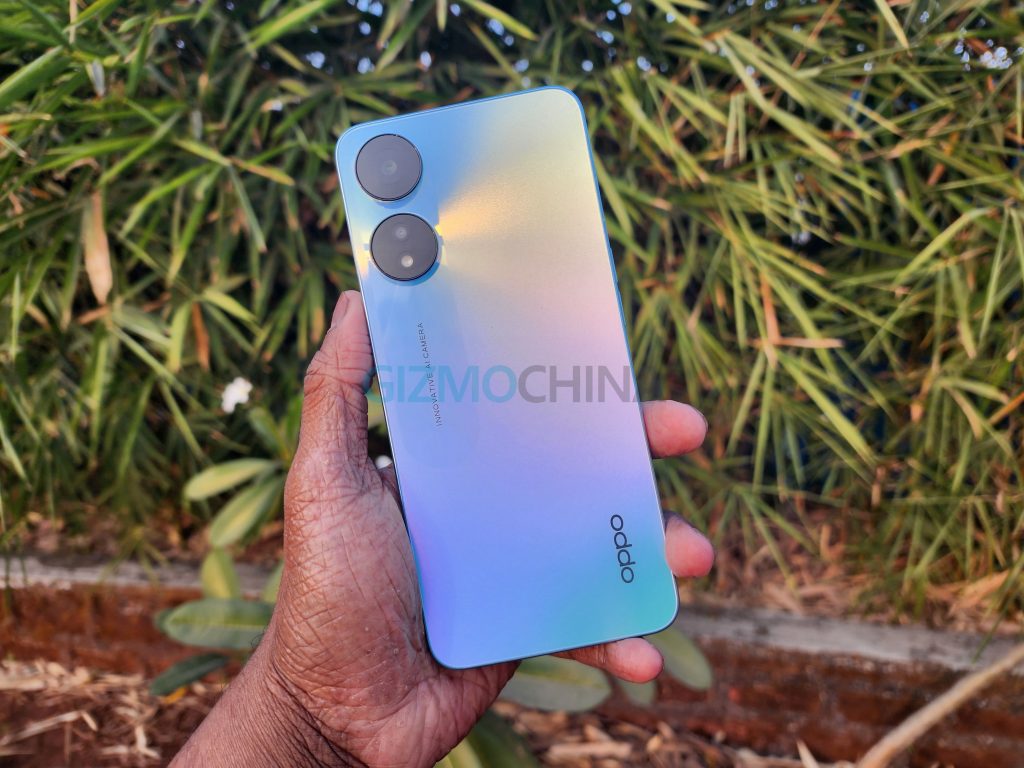
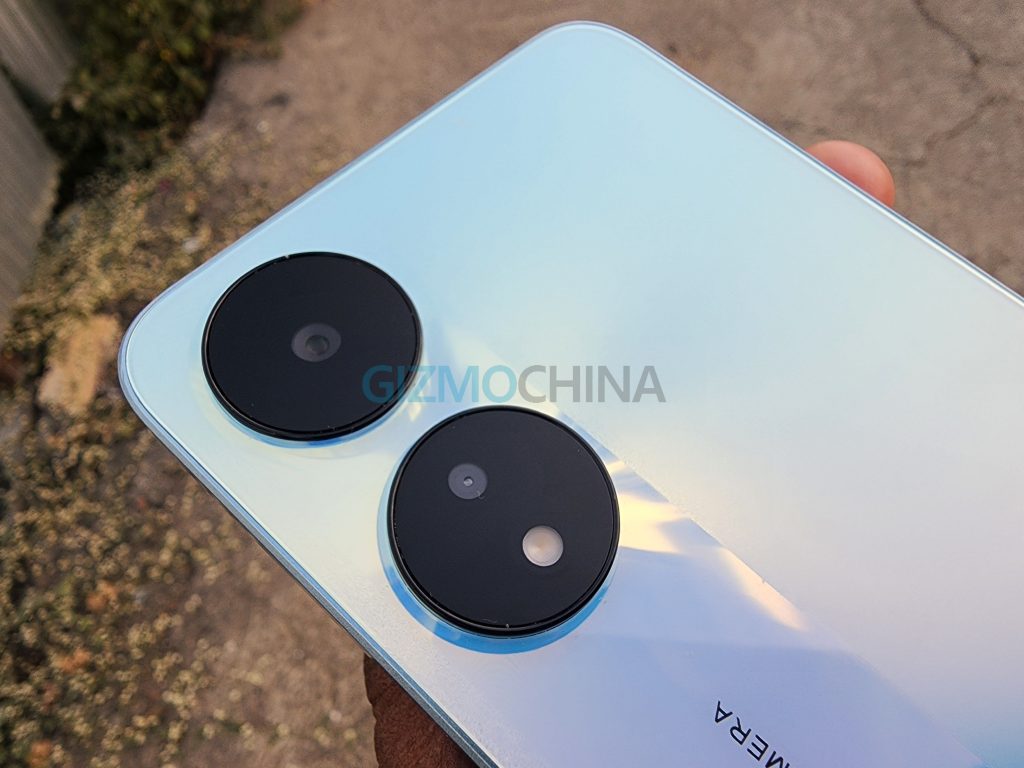
The Oppo A78 5G has a waterdrop notch display with a thick chin. While it is a dated design, some mainstream brands like Samsung and Vivo are still selling phones with a teardrop notch for around Rs 20,000 in India. The polycarbonate rear shell of the phone has a matte finish, which feels smooth. Depending on the light’s reflection, the back panel can exhibit different colors. There is a glossy strip extending downward from the camera area, which adds some uniqueness to the design.
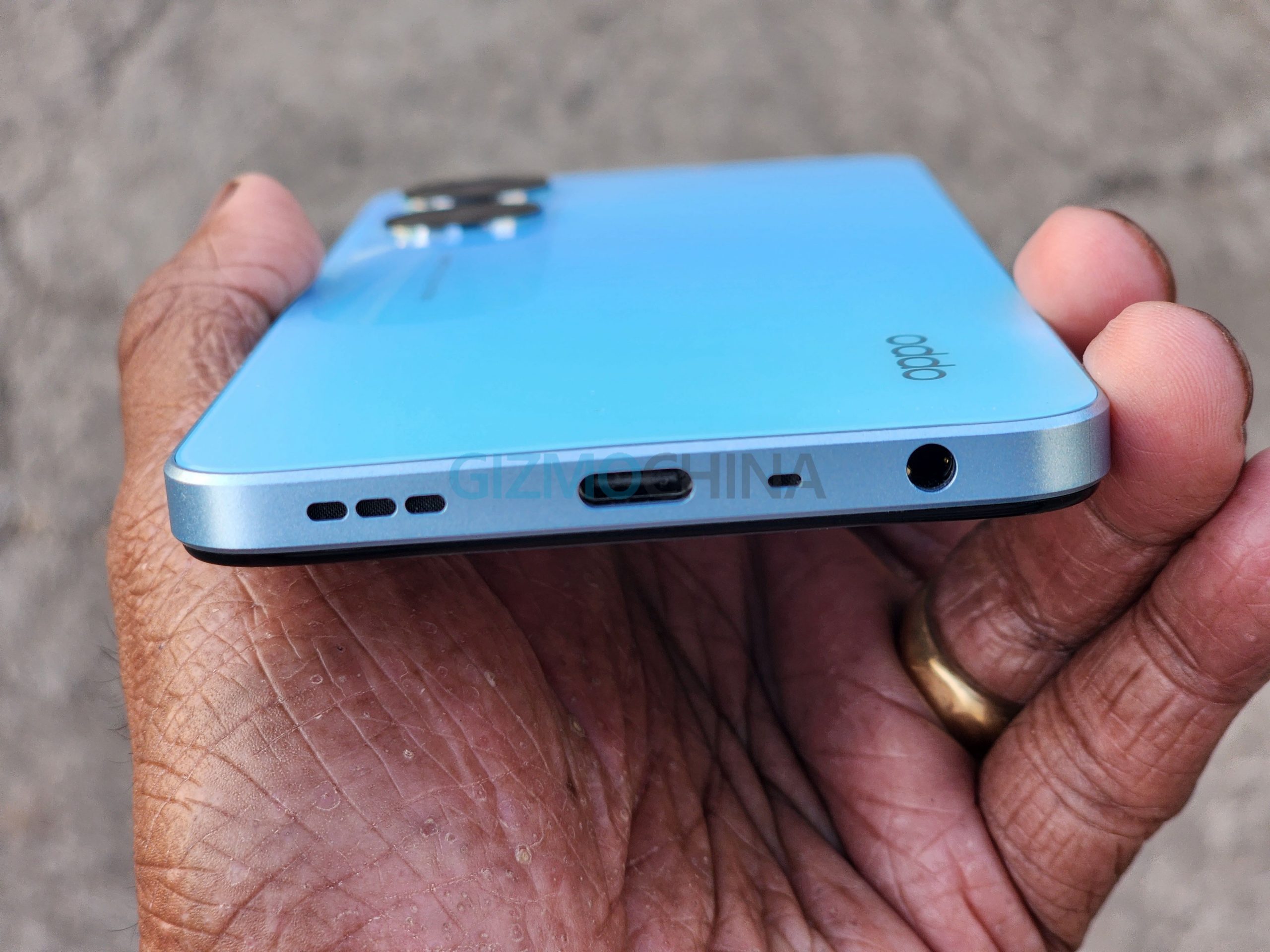
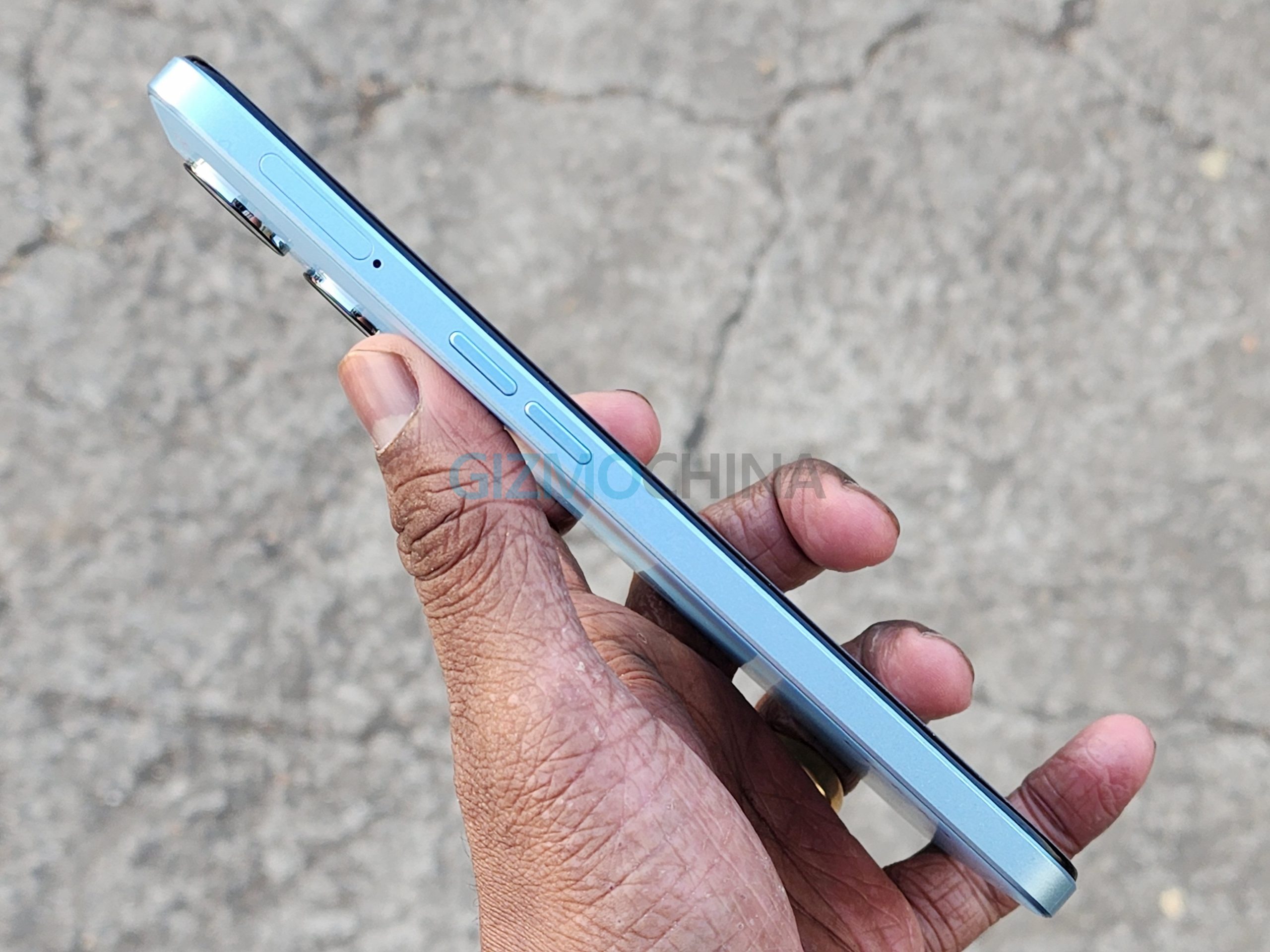
The A78 has flat edges, with nothing available on the topside of the device. The bottom edge has a 3.5mm headphone jack, a microphone, a USB-C port, and a speaker grille. The left side of the phone has a hybrid SIM slot. The volume up and down buttons are also available on the left.
OPPO A78 5G
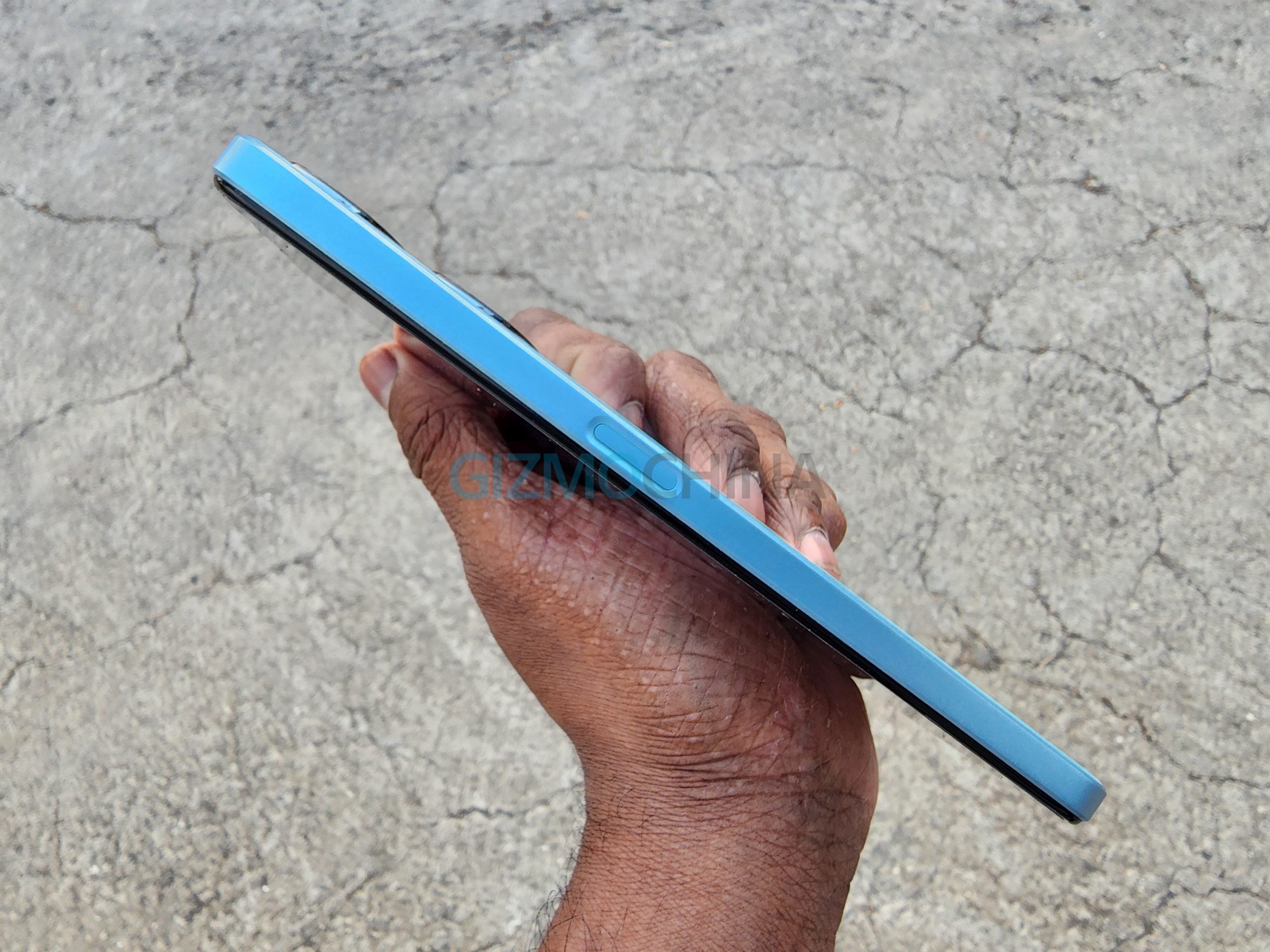
The right edge of the A78 has a power button, that is integrated with a fingerprint sensor. It has an IPX4 rating, which means it is resistant to water splashes. The earpiece available through the waterdrop notch doubles up as a speaker for stereo output.
OPPO A78 5G
The A78 5G has a 6.56-inch IPS LCD panel that delivers an HD+ resolution of 720 x 1612 pixels and up to 90Hz refresh rate. The display is bright and may not make you feel that it is an HD+ resolution screen. However, the display contents are not clearly visible under very bright sunlight. The A78 offers colour modes, such as Vivid and Natural. While the display is not really bad, Oppo should have offered Full HD+ resolution on the device. However, some brands are even offering up to 120Hz AMOLED display at a similar price as the A78. On the plus side, the HD+ resolution will allow the phone to consume less power and last longer.
Performance and Software
MediaTek Dimensity 700
5,000Ah battery
8GB of LPDDR4x RAM
33W SuperVOOC charging
128GB of UFS 2.2 storage
Android 13 OS with MIUI 13
8GB of virtual RAM
OPPO A78 5G camera
The Dimensity 700 and 8GB of LPDDR4X RAM are responsible for offering smooth performance. There is support for up to 8 GB of virtual RAM, which can help reduce lag while accessing demanding apps. However, thanks to the ample amount of physical RAM available, the phone runs smoothly in general.
The A78 is good enough for casual gaming. I played Asphalt 9 and it worked fine. A better display, on the other hand, would have allowed users to enjoy better, more powerful games on the device.
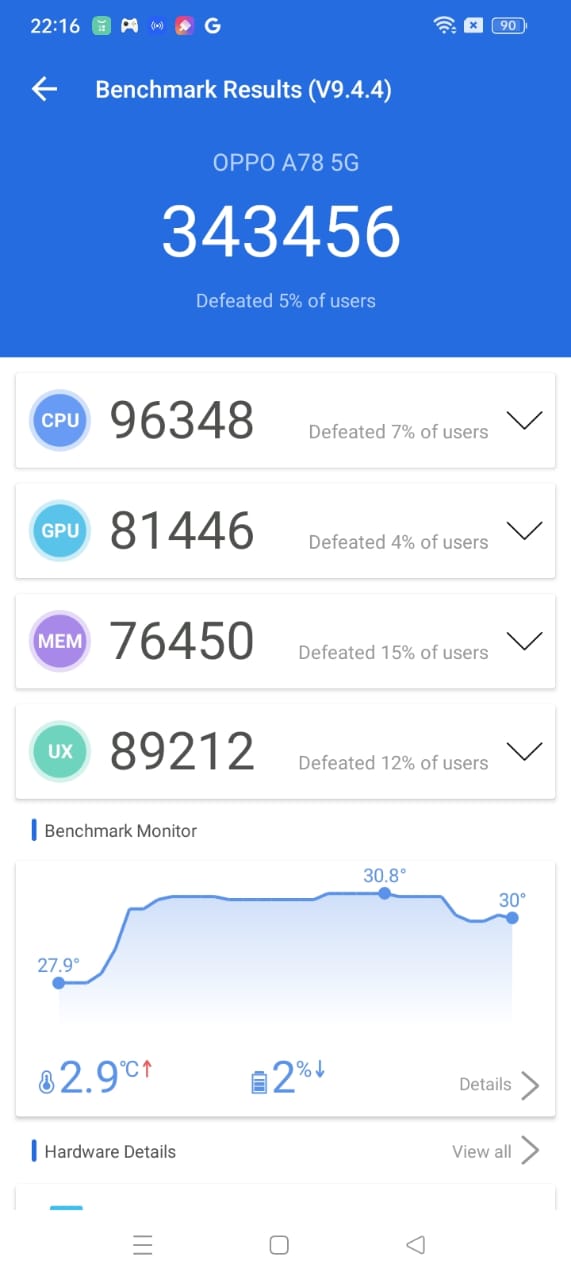
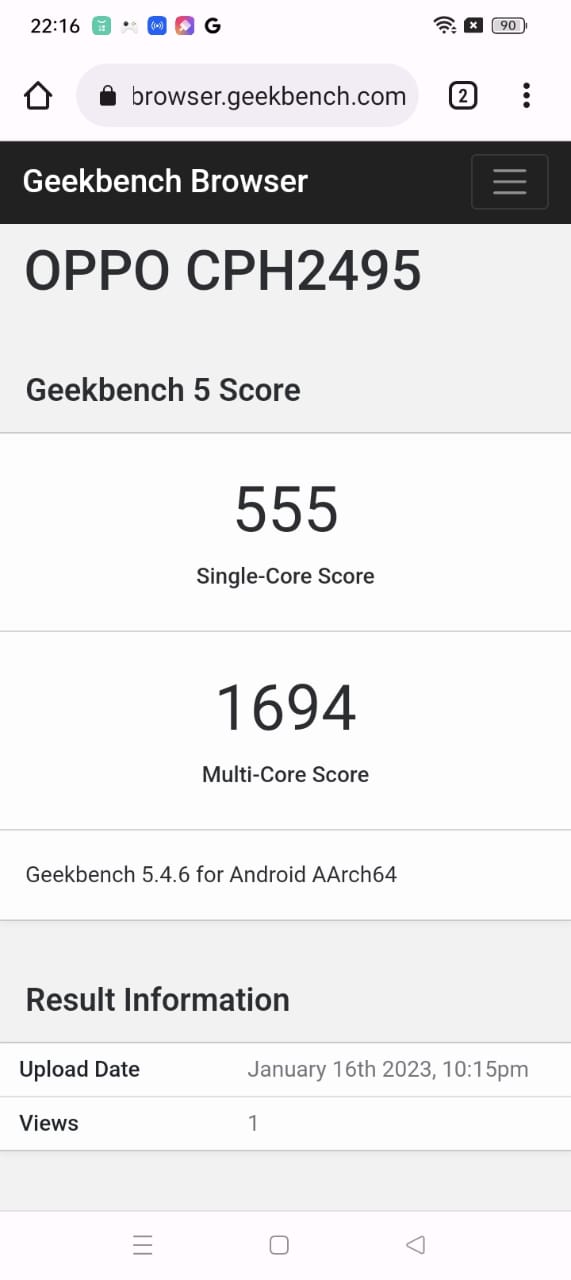
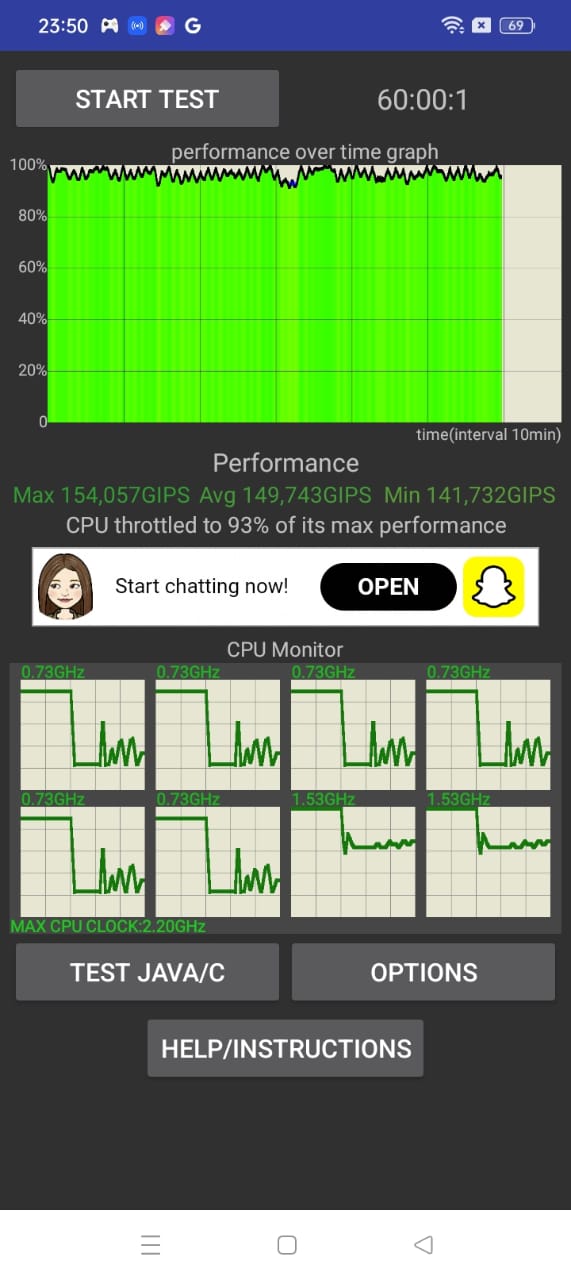
The A78 5G has a big internal storage of 128 GB as well as a microSD card slot for more storage. The 5,000mAh battery of the device can easily last more than a day with normal usage. It took around 70 minutes to fully charge the A78 from scratch. Here is how the device performed on the benchmark apps.
AnTuTuGeekbenchCPU Throttle
The ColorOS 13-based Android 13 OS comes preinstalled on the Oppo A78 5G. There is no word on how many years of OS and security updates it will be receiving. While the overall user experience is good, the device has plenty of unneeded apps.
Photography and Other Features
Rear Camera
Other features
50MP main camera
Side-facing fingerprint scanner
2MP macro camera
Face unlock
LED flash
6 5G bands: n1, n5, n8, n28, n41, n78
Hybrid SIM slot
Wi-Fi 802.11ac
Front Camera
Bluetooth 5.3
13MP front camera
Dual stereo speakers
3.5mm audio jack
The camera modes available on the OPPO A78 5G include Photo, Video, Portrait, Night, Pro, Extra HD, Panorama, Slow-Motion, Time-lapse, Sticker, and Text Scanner. It also provides other options, such as HDR, AI, 50MP, and Google Lens. The 50-megapixel main camera performs well in daylight. In the portrait mode, the background blur appeared a bit more aggressive than I expected. There is no ultra-wide camera on the device. The main snapper is paired with a 2-megapixel macro camera that captures mediocre quality images.
portraitselfie potraitpotrait
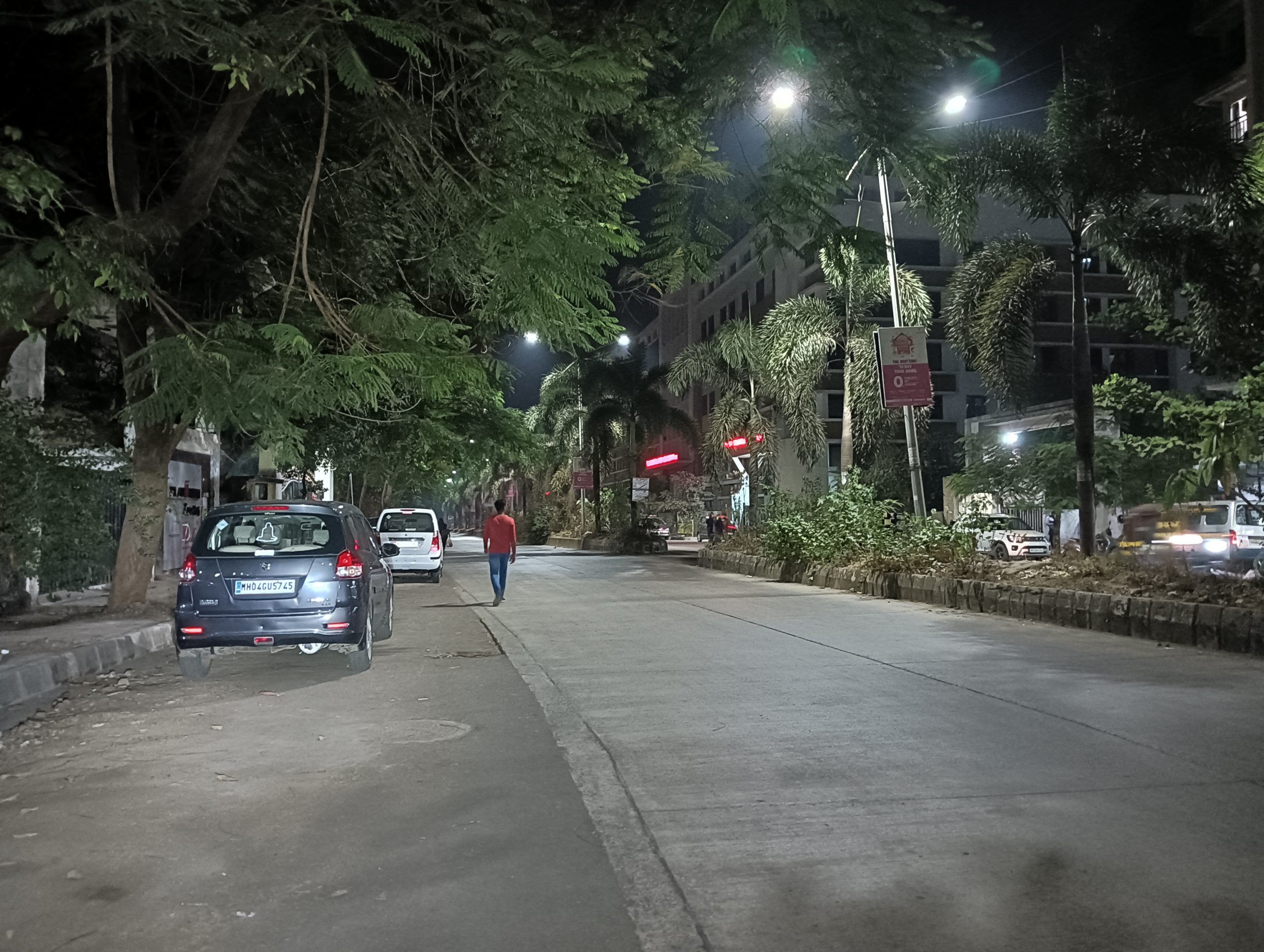
The main camera struggled in the low light, as it ended up capturing noisy shots. The night mode managed to refine the images captured in low light. The front and rear cameras are capable of shooting up to Full HD video at 30 fps. There is no EIS stabilization available onboard.
With night modeWith night modeWith night mode
Regarding other features, it is good to see that Oppo is offering dual speakers on the device for stereo output. I did not encounter any hiccups while using the side-facing fingerprint scanner on the device.
Verdict
OPPO A78 5G
The Oppo A78 5G is a capable device, but its Rs 18,999 (~$232) price tag would have been justified with a better display, like at least a 90Hz AMOLED screen. The camera performance is the other department where the device struggles to impress. Otherwise, the hardware specs, such as the chipset, RAM, storage, battery, and fast charging capabilities of the device, are fine. It would have been a better deal if the device had been priced around Rs 15,000 (~$184) or Rs 16,000 (~$196). It is still a device to consider if you are looking for a smooth-performing mid-range 5G phone.
The Oppo A78 5G is priced at Rs 18,999 (~$232) and comes in an 8GB+128GB variant only. Those who are interested can take advantage of the 10 precent cashback offer through ICICI Bank cards, SBI Bank cards, Bank of Baroda credit cards, IDFC First Bank credit / debit cards, One card, and AU Small Finance Bank credit cards. Buyers can avail of the device through Amazon India or the Oppo India website with up to 6 months of no-cost EMI. The handset is now available for pre-order and is scheduled to go on sale on Jan. 18 in India.
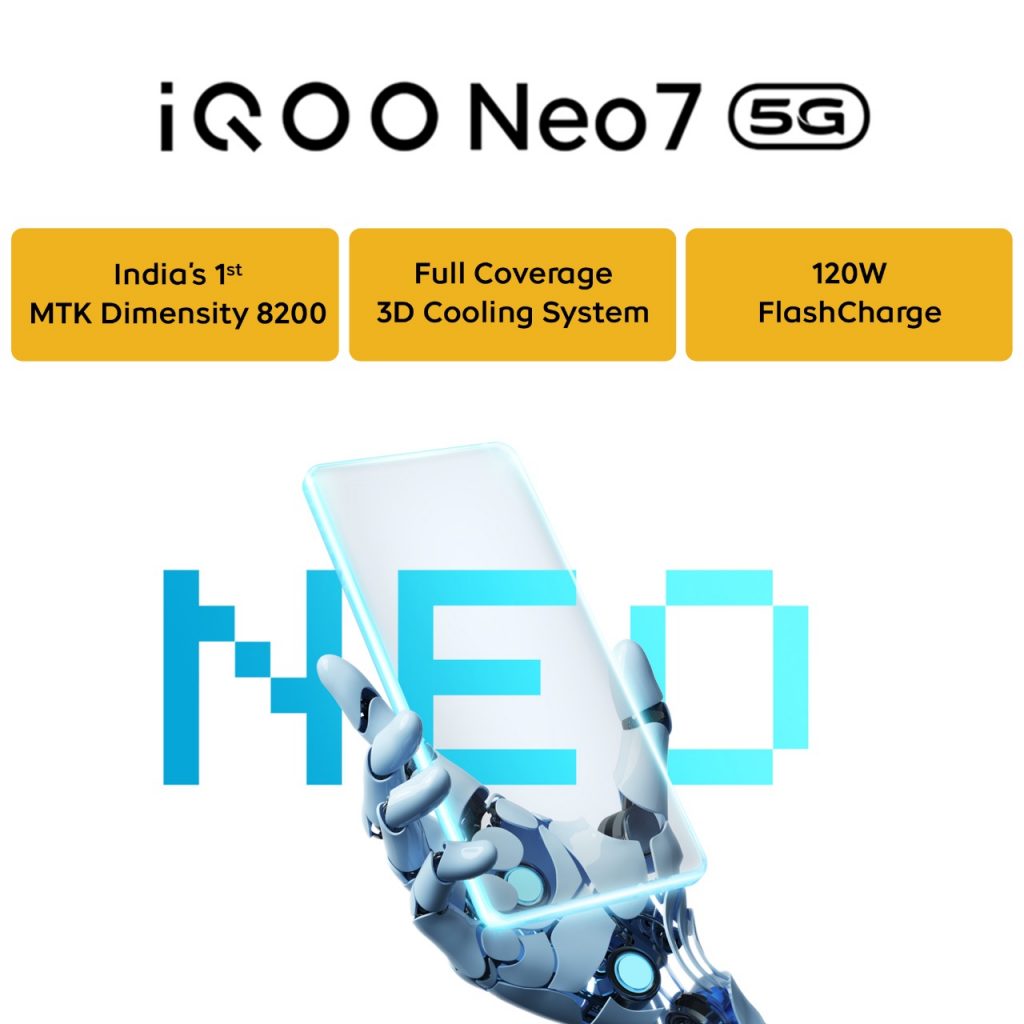
The iQOO Neo 7 5G will be launching on Feb. 16 in India. Ahead of the launch, the company is gradually confirming the key features of the device. It is already known that the Neo 7 5G will be India’s first Dimensity 8200-powered phone. Today, the company confirmed a few more details about the device.
As can be seen in the poster, the iQOO Neo 7 5G will be equipped with a 3D cooling system for heat dissipation. The other thing that the company has confirmed today is that the Neo 7 will support 120W FlashCharge technology.
Given that the iQOO Neo 7 5G lndia launch is less than a month away, the company is expected to gradually confirm the device’s other features. It is unclear whether the Neo 7 5G will be heading to other markets outside India.
Reports have revealed that the iQOO Neo 7 5G will be a rebranded version of the iQOO Neo 7 SE that went official in December 2022 in China. The Neo 7 SE available in China offers a 6.78-inch AMOLED FHD+ punch-hole display, which supports a maximum refresh rate of up to 120Hz and an under-display fingerprint scanner. It runs on an OriginOS 3-based Android 13. Since iQOO / Vivo is not offering OriginOS outside of China yet, it appears that the Neo 7 5G heading to India will be equipped with FunTouch OS 13-flavored Android 13.
The Dimensity 8200 and a 5,000mAh battery with 120W fast charging support power the iQOO Neo 7 SE. It comes with up to 12 GB of LPDDR5 RAM and 512 GB of UFS 3.1 storage. It has a dissipation area of about 35,090mm2, dual stereo speakers, a 16-megapixel front camera, and a 64-megapixel (main, with OIS) + 2-megapixel (macro) + 2-megapixel (depth) triple camera unit.
We use cookies on our website to give you the most relevant experience by remembering your preferences and repeat visits. By clicking “Accept”, you consent to the use of ALL the cookies.
This website uses cookies to improve your experience while you navigate through the website. Out of these, the cookies that are categorized as necessary are stored on your browser as they are essential for the working of basic functionalities of the website. We also use third-party cookies that help us analyze and understand how you use this website. These cookies will be stored in your browser only with your consent. You also have the option to opt-out of these cookies. But opting out of some of these cookies may affect your browsing experience.
Necessary cookies are absolutely essential for the website to function properly. This category only includes cookies that ensures basic functionalities and security features of the website. These cookies do not store any personal information.
Any cookies that may not be particularly necessary for the website to function and is used specifically to collect user personal data via analytics, ads, other embedded contents are termed as non-necessary cookies. It is mandatory to procure user consent prior to running these cookies on your website.