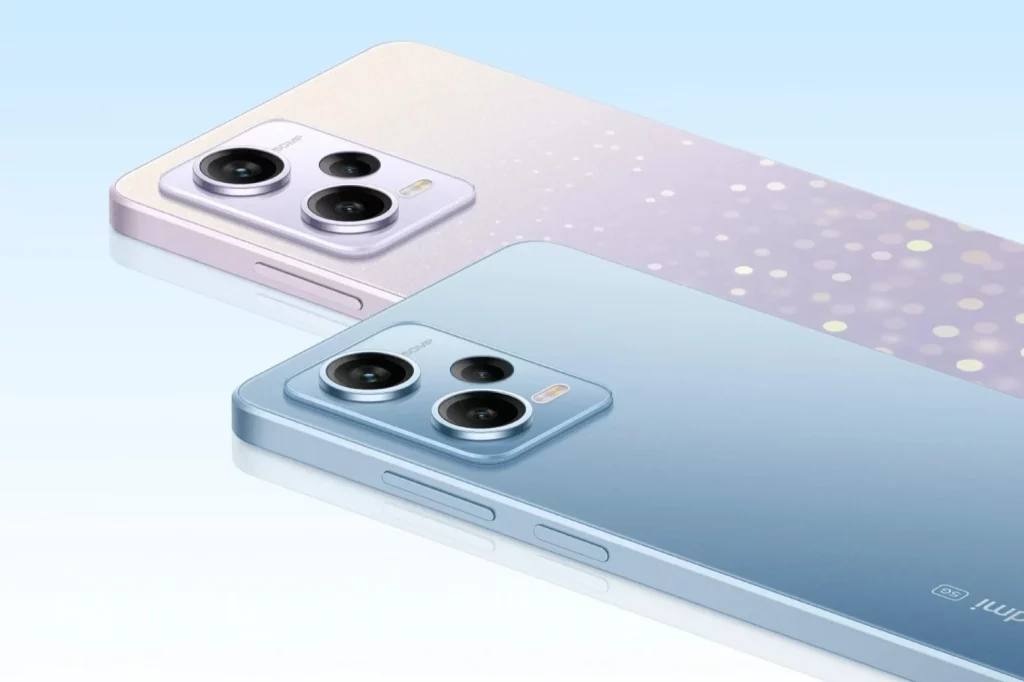
In October, Tecno unveiled the Pova 4 and the Pova 4 Pro in Bangladesh. Today, the company unveiled the Pova 4 in India. Like its predecessors, the new Pova smartphone features a massive LCD panel, a big battery, and 50-megapixel dual cameras.
Tecno Pova 4 specifications and features
The Tecno Pova 4 houses a 6.82-inch IPS LCD panel with a centrally positioned punch-hole. The screen offers an HD+ resolution of 720 x 1640 pixels, a 20.5:9 aspect ratio, a 180Hz touch sampling rate, a 90 percent screen-to-body ratio, and Widevine L1 support. On the front, it has an 8-megapixel selfie camera, which is assisted by an LED flash.
Tecno Pova 4
The rear camera setup of the Tecno Pova 4 has a 50-megapixel primary camera, an AI lens, and a dual-LED flash unit. The device boots to HiOS 12.0 based on Android 12 OS. For security, it has a side-mounted fingerprint scanner.
The Pova 4 is powered by the Helio G99 chipset. It offers 8 GB of RAM, 5 GB of virtual RAM, and 128GB of uMCP internal storage. For additional storage, it has a dedicated microSD card slot.
The Pova 4 draws power from a 6,000mAh battery that supports 18W charging via USB-C. It also supports 10W reverse wireless charging. The device offers other features like graphite cooling, Panther Game Engine 2.0, dual stereo speakers, a 3.5mm audio jack, dual 4G VoLTE, dual-band Wi-Fi, Bluetooth 5.0, GPS, and NFC.
Tecno Pova 4 price in India, sale date
The Tecno Pova 4 has arrived in India with a special launch price of Rs 11,999 (~$145). It comes in two colours: Cryolite Blue and Uranolith Grey. The first sale of the Pova 4 will soon take place on Dec. 13 on Amazon India.
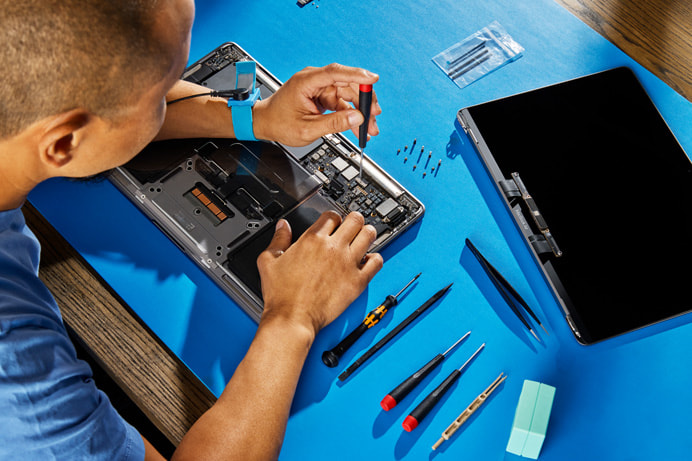
In April, Apple introduced the self-service repair program in the US. Additionally, the business has now brought the program to Europe as promised. Genuine Apple tools and parts are now available for purchase through this program in Belgium, France, Germany, Italy, Poland, Spain, Sweden, and the United Kingdom.
Image source: Apple
Tools, original Apple parts, and repair manuals have been made available through Apple’s exclusive Apple Self-Service Repair Store. Apple has offered assistance for the iPhone 12 and iPhone 13 models, and Mac computers equipped with Apple Silicon will be able to handle many of the most typical repairs.
Users who want to perform their own smartphone repairs should refer to the product’s repair manual at support.apple.com/self-service-repair. The necessary tools and parts can then be ordered by visiting the Apple Self-Service Repair Store.
Customers who do not wish to buy tools for a single repair will still have access to these expert repair tools thanks to Apple’s $49 tool rental kits. Customers will receive free shipping on the kits for weekly rentals.
Apple has promised that all genuine Apple components will be priced the same as those offered by the authorized repair providers in Apple’s network. Customers can also send Apple their replaced parts for recycling and refurbishment, and in many cases, they will receive a reimbursement.
Talking about the spare parts pricing, In Germany, replacement part bundles for the iPhone 13 battery start at €77 and go up to €330 for a display assembly bundle. In the UK, the same components and tools sell for £70 and £282, respectively. If you send Apple your repaired component, you will also receive credit.
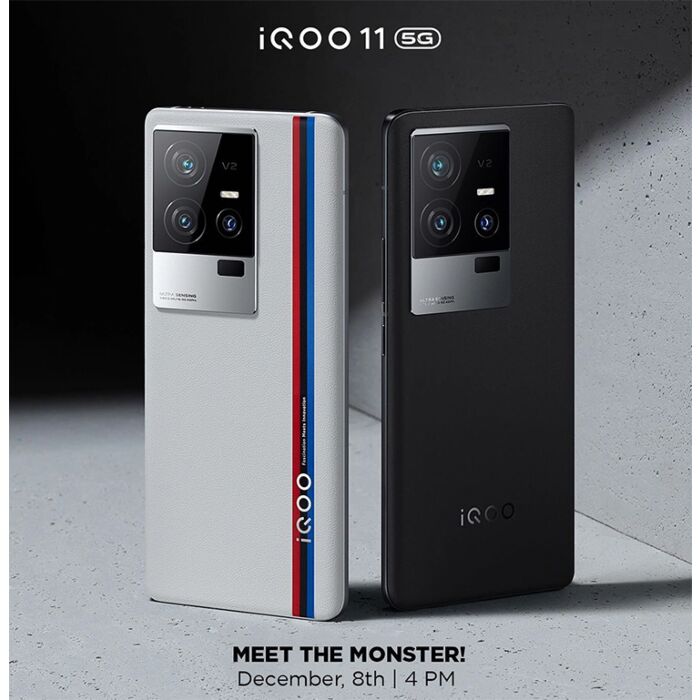
iQOO 11 series smartphones launch event, which was set to take place on 2nd December, was postponed out of respect for Jiang Zemin, the former general secretary of the Chinese Communist Party. Along with iQOO, several other Chinese companies postponed their smartphone launch event.
The launch event for the iQOO 11 series has been rescheduled to 8th December, as confirmed by iQOO Indonesia. It’s not yet confirmed when the company plans to launch this smartphone in its home country China.
The iQOO 11 5G launch event, which the company has titled “Meet The Monster!” will take place on 8th December, i.e. tomorrow, at 4:00 PM local time, which is 1:00 AM PST and 2:30 PM IST.
The event will be live-streamed by the company on its official YouTube channel. You can also watch the launch event live through the embedded video below or by clicking this link.
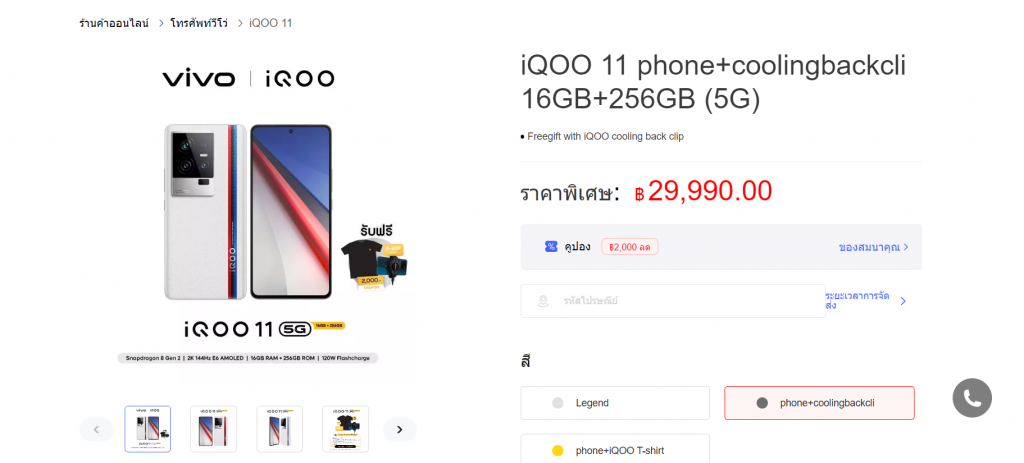
The smartphone has already been listed on Vivo Thailand’s website, revealing some key specifications and features. The iQOO 11 5G features a 6.78-inch E6 P-OLED display that is confirmed to offer a Quad HD+ screen resolution of 1440 x 3200 pixels and supports a high refresh rate of 144Hz.
Under the hood, the device is powered by the Qualcomm Snapdragon 8 Gen 2 processor, coupled with LPDDR5X RAM and UFS 4.0 internal storage. While there will be multiple models based on the memory configuration, one of the models listed online packs 16GB of RAM and 256GB of internal storage.
In the camera department, the phone features a triple-camera setup on the back that includes a 50-megapixel Samsung GN5 primary sensor, an 8-megapixel ultra-wide lens, and a 13-megapixel Samsung ISOCELL telephoto lens with 2x optical zoom. On the front side, there’s a 16-megapixel snapper for taking selfies and video calling.
As mentioned above, the launch of iQOO 11 5G series smartphones in the Chinese market hasn’t been confirmed by the company. In China, along with the 11 5G lineup, the company will also launch the iQOO Neo 7 SE smartphone.
Oppo is expected to announce the Find X6 series of flagship phones in Q1 2023 in China as well as the global market. The lineup is said to include at least two models, the Find X6 and the Find X6 Pro. Today, tipster Digital Chat Station shared a schematic to reveal the design of the standard Find X6’s final design.
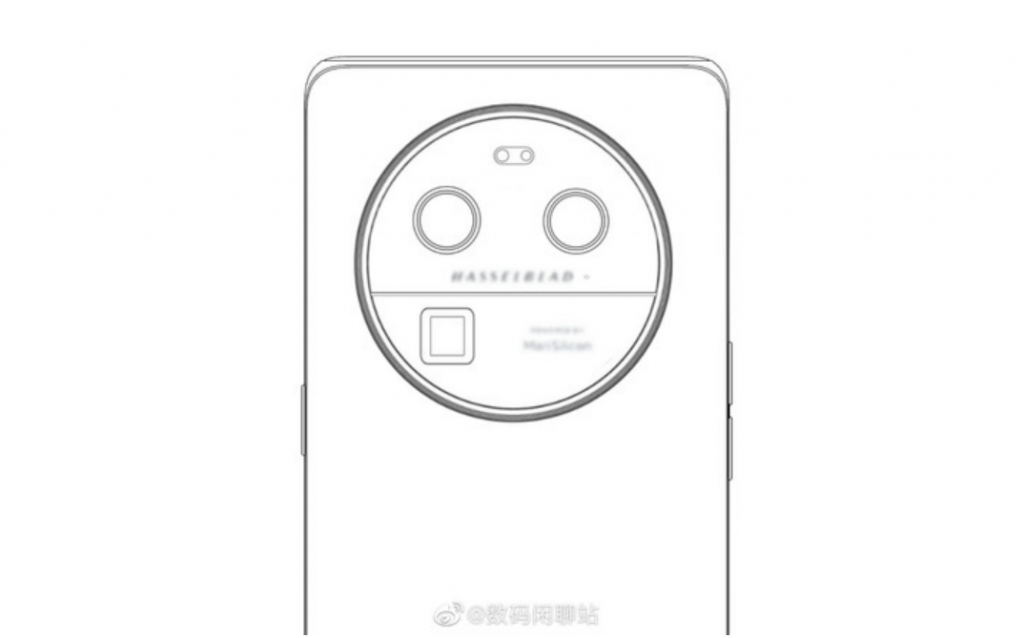
The leaked schematic shared by tipster Digital Chat Station reveals that Oppo will offer an entirely new camera design for the Find X6 series as compared to the Find X5 and X5 Pro. As can be seen in the image, the Find X6 will feature a round camera module.
It appears that the Find X6’s camera module houses three cameras and a dual-LED flash. The third camera in the setup appears to be a periscope zoom lens. The image also reveals Hasselblad and MariSilicon branding inside the camera module. The left side of the device has the volume up and down buttons, whereas its right spine will feature a power key.
Find X6 schematic
Rumors surrounding the Find X6 have claimed that its OLED display will support a 1.5K resolution. However, it is unclear whether it will feature the same 6.7-inch OLED display, which will be available on the Find X6 Pro.
The Find X6 series will feature a 32-megapixel Sony IMX709 front-facing camera. DCS revealed today that the X6’s rear camera setup has a 50-megapixel, 1.56-inch primary camera. The configurations of its auxiliary cameras are not known yet. The Find X6 Pro is said to arrive with three 50-megapixel cameras, of which the primary one will be a 1-inch Sony IMX989 lens. The X6 is likely to house a 4,800mAh battery, whereas the Pro model may pack a 5,000mAh battery. Both devices are expected to support 80W fast charging. The Pro model may also offer 50W wireless charging.
Samsung is gearing up to launch the Galaxy M04 smartphone in India. The smartphone will be an entry-level device with a price tag below Rs. 9,000. Now, Samsung has finally revealed the launch date of the Galaxy M04 through an Amazon India ad.
According to the promotion, the Galaxy M04 will be launching on December 9th, at 12 noon in India. Additionally, the landing page of the device has revealed some key specifications of the Galaxy M04. Let’s check them out.
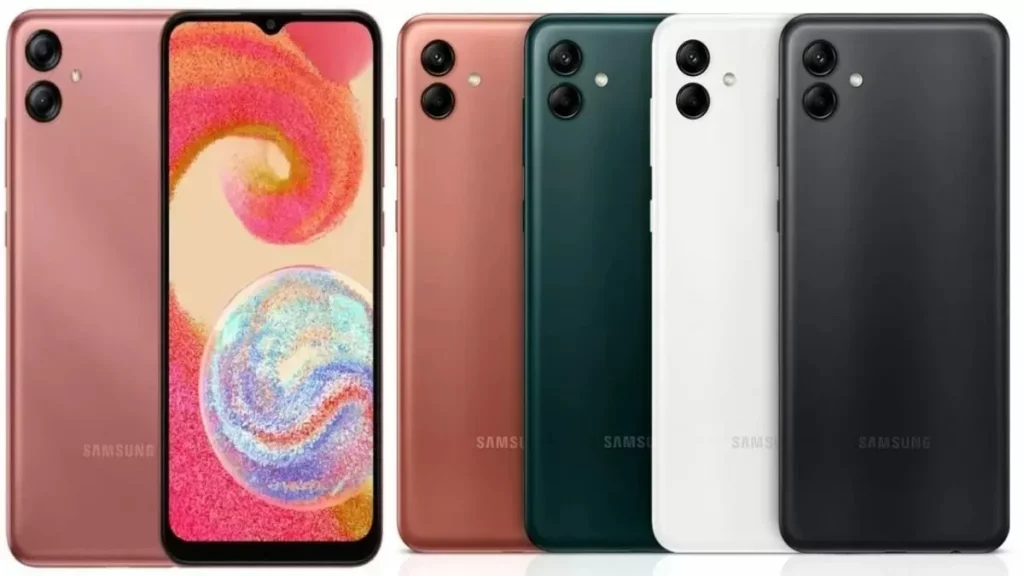
According to the landing page, the Samsung Galaxy M04 will be available in Sea Green and Shadow Blue color options. In addition, the device will have 8GB of RAM (including virtual RAM) and 128GB of internal storage. The Samsung Galaxy M04 will feature a dual camera setup on the back, with a camera sitting in a waterdrop notch on the front. The power and volume buttons will be located on the device’s right side.
Additionally, the landing page teases the smartphone’s price as Rs 8,XXX. From earlier reports, we know that this is likely Rs 8,999. Other details of the device are kept under wraps, so let’s take a look at all the rumored specs that have surfaced so far.
Samsung Galaxy M04 specs (rumored)
The Samsung Galaxy M04 will most likely have a 6.5-inch HD+ display with a waterdrop notch. The device’s processor is anticipated to be a MediaTek Helio P35, which will be paired with up to 8GB of RAM and 128GB of internal storage. The Samsung Galaxy M04’s cameras are expected to include a dual-rear 13MP + 2MP sensor and a 5MP front-facing camera. The device will almost certainly have a 5,000mAh battery. Finally, we can expect the Samsung Galaxy M04 to ship with Android GO Edition.
Samsung has been actively pushing out new updates for its Galaxy lineup of smartphones, and in recent times, the South Korean giant has rolled out Android 13 for several phones. Now, it’s the turn of the company’s cheapest 5G smartphone to get the new update.
The Samsung Galaxy A42 5G mid-range smartphone has started receiving the Android 13-based One UI 5.0 update. The phone debuted two years ago, which means that this could be the last major software update for the device.
Samsung Galaxy A42 5G
Samsung is one of the brands that has been actively involved with the revamping of its software strategy and is trying to expand the longevity of its devices with regular updates for a longer period of time compared to other Android phone makers in the market.
The Galaxy A42 5G, which was launched a couple of years back with the Android 10 operating system out-of-the-box, is now getting the Android 13 update. As the update has just been released, it may take some time for everyone to get it.
The One UI 5.0 update based on the Android 13 operating system with firmware version A426NKSU2DVK2 and November 2022 security patch has been spotted in South Korea. It appears that not all the carriers are offering the new update, which means that the wider rollout could take a few more weeks.
The Samsung Galaxy A42 5G features a 6.6-inch HD+ Super AMOLED Infinity-U display. It is powered by the Qualcomm Snapdragon 750 processor, coupled with up to 8GB of RAM and 128GB of internal storage. It also features an in-display fingerprint sensor for added security.
The phone has a quad-camera setup on the back that consists of a 48MP primary camera sensor, an 8MP ultra-wide angle lens, a 5MP depth sensor, and a 5MP macro lens. There’s also a 20MP snapper on the front side for taking selfies and video calling. The device is powered by a 5,000mAh battery with 15W fast charging.
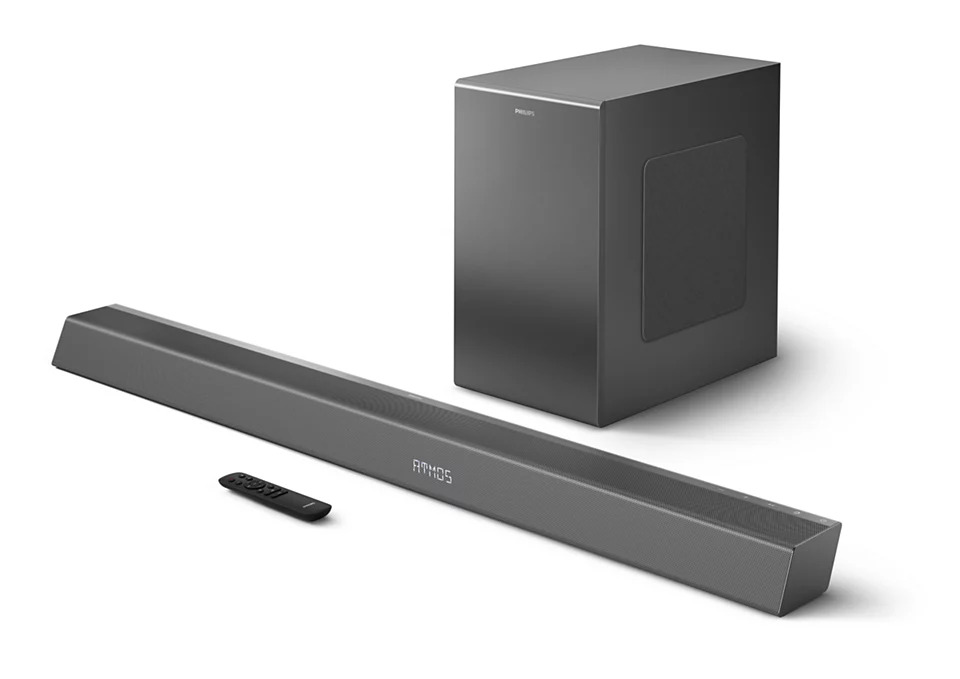
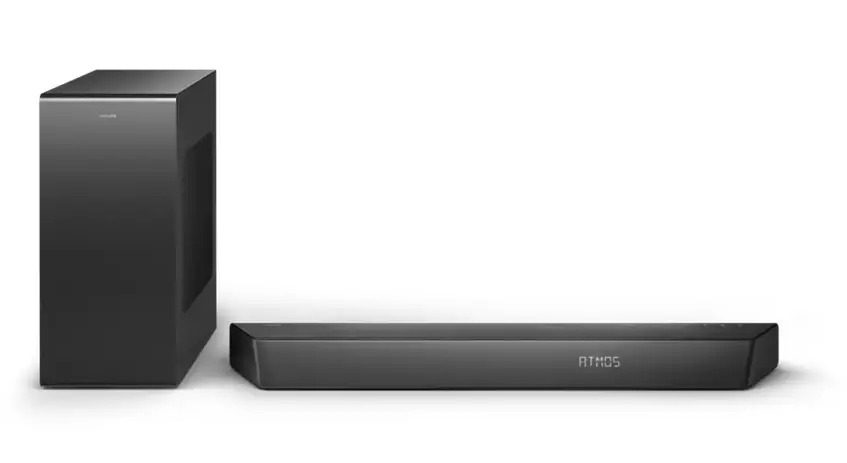
The TAB8947 and TAB7807 are two new soundbars from Philips that were just released in India. The soundbars are advertised as offering crystal-clear audio for a more immersive cinematic experience and greater bass from their wireless subwoofer. Both soundbars come with a wireless subwoofer and Dolby Atmos support.
Philips TAB8947
Any area will be filled with captivating soundtracks, booming effects, and crystal-clear speech thanks to the Philips TAB8947 soundbar’s 3.1.2 channels. It supports Dolby Atmos, boasts 330 watts of power, a 360-degree surround effect, and an AI voice assistant.
On the other hand, the Philips TAB7807 soundbar boasts two wirelessly connected 8′′ powerful subwoofers and 3.1 channels. Your listening experience will be improved by the ability to produce virtual 3D sound. It has six integrated drivers and a 620-watt power output.
Philips TAB7807
You may use the remote control to modify the EQ (equalizer) modes, bass, treble, and volume settings on your soundbar with the new sound bars, thanks to Philips Easylink technology. The soundbar offers EQ presets such as “Movie,” “Music,” “Voice,” “Stadium,” and “Custom.”
Both the TAB8947 and TAB7807 soundbars use Bluetooth 5.0 and dual-band WiFi (2.4GHz/5GHz) for connectivity. There are multiple ports present on the soundbars, including HDMI in x 1, HDMI out (eARC/ARC) x 1, USB playback, and 3.5mm Aux in (only in TAB8947).
The Philips TAB8947 soundbar costs Rs. 35,990, while the TAB7807 soundbar costs Rs. 28,990. It will be available at all major online and offline retailers throughout the country.
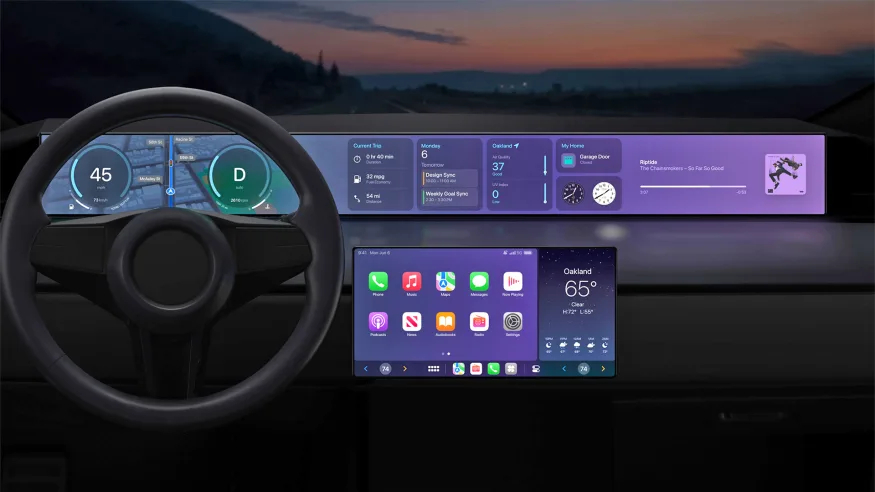
Apple has been working on its electric vehicle for years, which is currently being referred to as Apple Car. Internally, this vehicle project is called Titan, and it appears to be in limbo for the past few months.
According to the latest report, Apple Car is expected to launch in the year 2026, and the pricing will be under $100,000. It is also reported that the tech giant is scaling back its vision for the vehicle.
Earlier, the Apple Car was expected to go official by 2025, but now it has been delayed by a year as the Cupertino-based technology giant scales back its ambitious plans for a self-driving electric vehicle.
The company initially planned to design a car where passengers could face one another in a limousine-style car with no steering wheel or pedals. But the project has now been scaled back to have a more traditional design with a driver’s seat, steering wheel, and pedals.
Also, the fully autonomous driving or self-driving feature will not be available, but the car will be able to use a self-driving mode on highways. It will offer enough autonomy for users to play games or watch videos on the highway but ask to take control when driving on city streets or through adverse weather. The hands-free tech may debut in North America and expand to other regions over time.
Apple Car was originally planned to cost over $120,000, but it will now cost under $100,000 as the company has scaled down the features and technologies for the vehicle.
Currently, the company has not finalized a design for the Apple Car, but it plans to have it finalized by the end of next year, i.e., 2023. After that, the list of features for the vehicle is set to be completed by 2024, and the testing will begin sometime in 2025 ahead of the planned launch of the Apple Car in 2026.
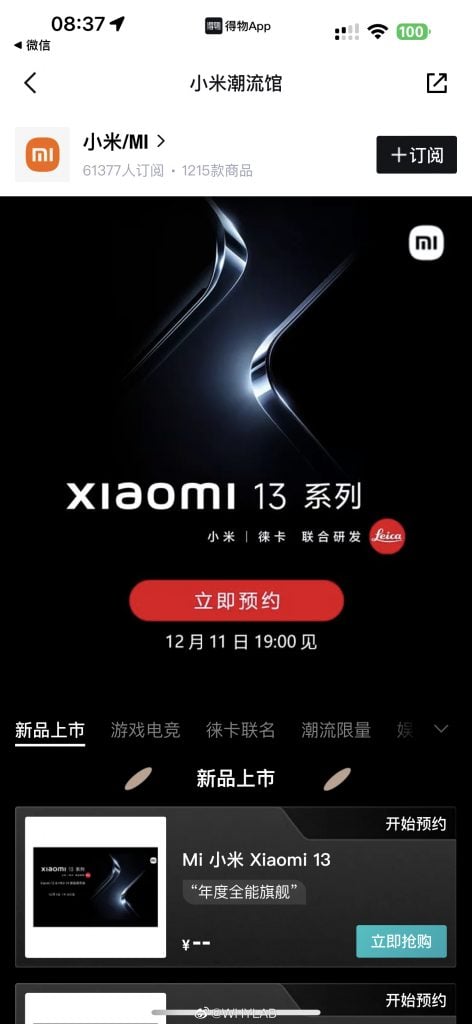
Xiaomi was originally scheduled to announce the Xiaomi 13 series on Dec. 1 in China. However, it decided to cancel the event, reportedly due to the death of China’s former leader Jiang Zemin. Xiaomi’s Weibo account and official website for China are yet to confirm the new launch date for the Xiaomi 13 series. However, screenshots of the Mi Store app that are now doing the rounds on Weibo show that the Xiaomi 13 lineup is all set to launch on Dec. 11, which falls on a Sunday.
The screengrabs show that the launch event will be held at 7 PM (local time) on the said date. Apart from the Xiaomi 13 series, the company is expected to unveil multiple products, such as the MIU 14, Xiaomi Watch S2, Xiaomi Buds 4, and the Xiaomi Mini Host, which will be the company’s first desktop PC.
The rumor mill has already revealed a lot of information about the Xiaomi 13 series. It is known that the vanilla model will arrive with a flat E6 AMOLED display that measures 6.36 inches. It will come with leather and glass back options. The Xiaomi 13 Pro, on the other hand, will have a 6.73-inch AMOLED QHD+ screen with curved edges. Both phones will support a 120Hz refresh rate. The Pro model will come in leather and ceramic back options.
The Xiaomi 13 and 13 Pro will be equipped with the Snapdragon 8 Gen 2, LPDDR5x RAM, and UFS 4.0 storage. The vanilla model will pack a 4,500mAh battery with 67W fast charging, whereas the Pro model will feature a 4,820mAh battery with 120W fast charging. The Pro variant will also offer 50W wireless charging.
The Xiaomi 13 features a 50-megapixel (main) + 12-megapixel (ultra-wide) + 10-megapixel triple camera unit. The Pro variant will have a 50-megapixel (main) + 50-megapixel (ultra-wide) + 50-megapixel (telephoto) triple camera system. Both phones are expected to come preloaded with MIUI 14-based Android 13 OS.
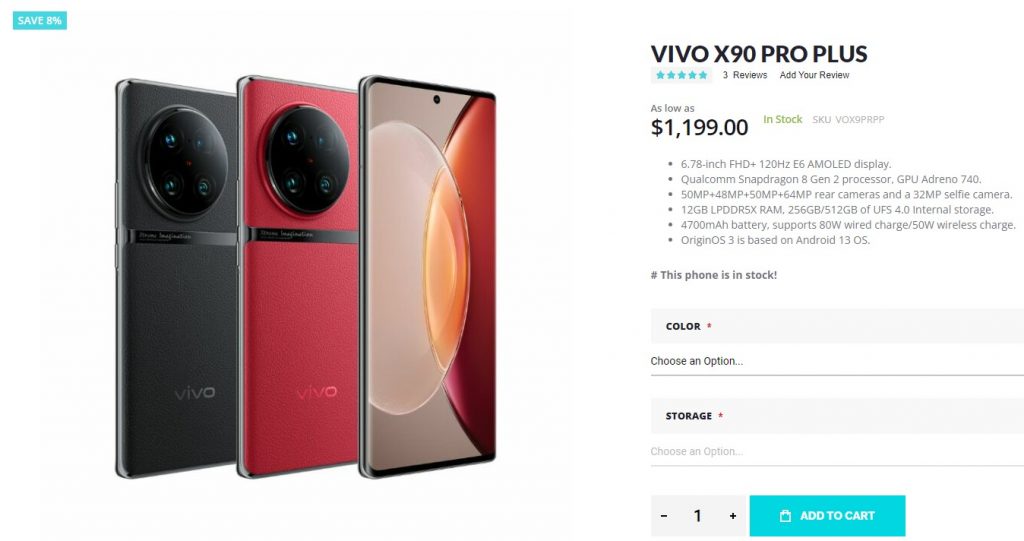
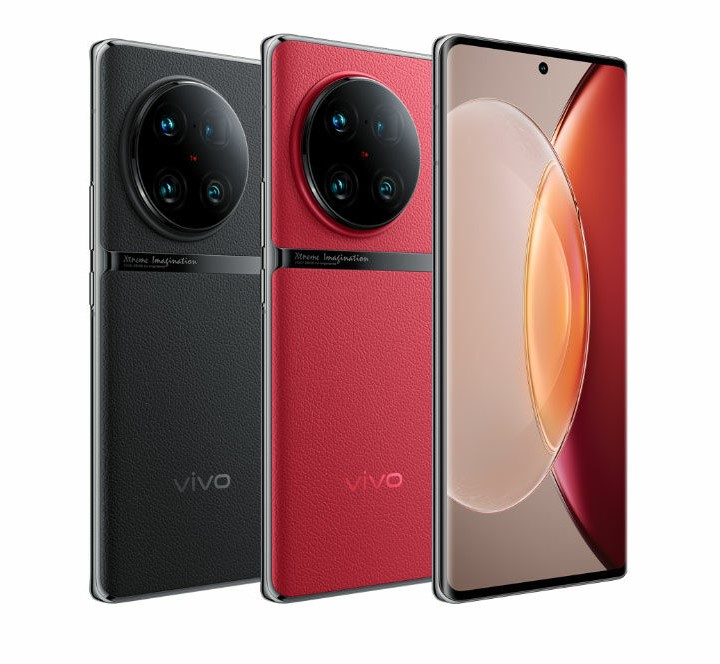
Great news for Vivo fans. The latest flagship phone VIVO X90 Pro Plus is now available for $1199 only on Giztop. Please note that the smartphone is in stock and can be shipped across the globe.
Vivo X90 Pro Plus phone features a 6.78-inch FHD+ E5 AMOLED display and a 120Hz refresh rate. The smartphone is powered by the latest Snapdragon 8 Gen 2 (4nm) chipset and comes with Adreno 740 GPU. The phone features multiple memory options viz. 12GB RAM and 256GB / 512GB UFS 4.0 internal storage.
Vivo X90 Pro Plus features Quad rear cameras, with premium Zeiss optics and Zeiss T* lens coating. The phone comes with a 50MP main camera, 64MP periscope telephoto lens, 50MP telephoto lens, and a 48MP ultrawide sensor. For your selfies, you have a 32MP camera in the front. Fueled with a 4700mAh battery the phone supports 80W fast charging, 50W wireless charging, and reverse charging.
Vivo X90 Pro Plus is now available for a starting price of $1199 only on Giztop. The phone comes in two color options viz. Black, and Red. Please note that this price is applicable to the base variant only.
For more information on such exciting deals and offers check out our deals hub.
A Denver, Colorado SWAT team has swooped on an old lady’s apartment after being notified that a stolen iPhone was tracked to the apartment. The incident reportedly saw the Police using maximum force to gain entry into the apartment, with damage to doors and other household items. The detective that led that raid is now facing charges for the damage.
It has been a mixed bag of fortunes for Apple’s AirTags and its Find My app. While it has led to the recovery of many stolen and missing items, the use of the devices for stalking has also been well-reported. The present incident is just another perspective on how law enforcement officers should be more circumspect in dealing with such information.
The case relates to a stolen truck with guns, drones, cash, and an iPhone inside. The truck was stolen earlier this year from a Denver Hyatt hotel. In investigating the case, Detective Gary Staab was informed by the victim that Apple’s Find My app pinpointed the apartment as the location of the smartphone. The detective, acting on that information, secured a warrant to raid the place.
Unfortunately, the location was a false negative, as Staab executed the warrant with some force and he left destruction in his trail. The person found inside the apartment was a 77-year-old lady and none of the missing items were found in the house. The SWAT team allegedly destroyed several valuables in the house. They reportedly used a battering ram to destroy two doors in the apartment. The detective has been reportedly sued for failure to verify the location independently. The grave error of judgment by the Denver Police Department was further exacerbated because of its inability to apologize for the incident.
Google Photos is arguably one of the best photo-storage apps. It comes loaded with a variety of features that make it easier to store, edit, and share pictures. The app also offers impressive search capabilities, allowing you to find images that contain specific objects, places, or people. It seems Google Photos’ search prowess is about to get even better, as the app is reported to be testing a new face-based search tool. Here are the details.
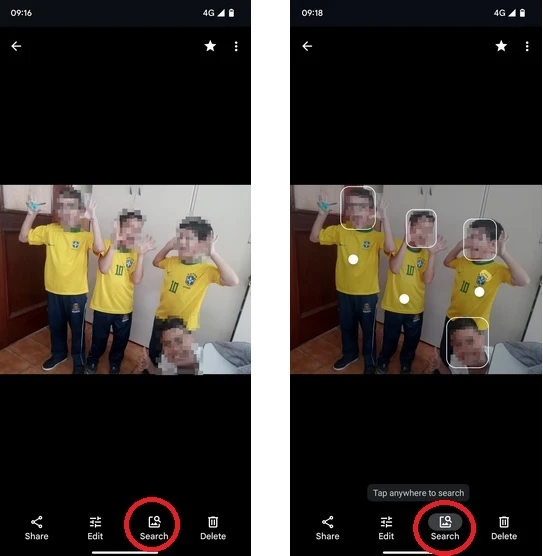
As reported by Android Police, Google is replacing the Lens button on the Photos app with a new generic search shortcut. You might have used the Lens option on the bottom of the screen while looking at a picture. It helps in conducting searches using images instead of words, as well as translating words from pictures that you’ve clicked.
(Source: Android Police)
The new search tool that is replacing the Lens tab combines the face recognition features of Google Photos. When you use this feature on an image with a face, the app searches for the same face in other images you’ve taken in the past. However, if you tap on an object in the same photo, you’ll be taken to the full Google Lens app. This new button gives you the option to revisit older pictures, but it isn’t a new feature.
Currently, the new search icon is only available on a limited number of Android devices, so you may still see the Lens tab in your Photos app. If the new feature receives good feedback, Google might roll it out with the next update.
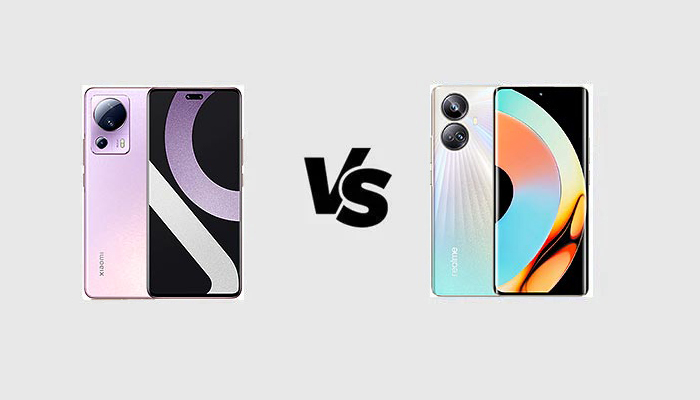
This is the year of beautiful phones. Yes, because besides the innovative form factor we saw with several foldable phones, the beautiful designs made their way into the midrange segment as well. A perfect example is the Xiaomi Civi 2 with its outstanding aesthetics: we know that there was already a predecessor with a beautiful design, but this year a lot more brands decided to release amazing mid-rangers in terms of design. One of them is definitely the Realme 10 Pro Plus, another handset that looks like a flagship and it is even more beautiful than the devices from the GT series. But besides knowing which is the most beautiful, people also need to know which one has the best specifications. Here is a comparison between the specifications of the Xiaomi Civi 2 and the Realme 10 Pro Plus that will help you to find out.
Xiaomi Civi 2 vs Realme 10 Pro+
Xiaomi Civi 2
Realme 10 Pro+
DIMENSIONS AND WEIGHT
159.2 x 72.7 x 7.2 mm,
172 g
161.5 x 73.9 x 7.8 mm,
173 g
DISPLAY
6.55 inches, 1080 x 2400 pixels (Full HD+), AMOLED
Triple 50 + 20 + 2 MP, f/1.8 + f/2.2 + f/2.4
Dual 32 + 32 MP f/2.0 front camera
Triple 108 + 8 + 2 MP, f/1.8 + f/2.2 + f/2.4
16 MP f/2.5 front camera
BATTERY
4500 mAh, fast charging 67W
5000 mAh, fast charging 67W
ADDITIONAL FEATURES
dual SIM slot, 5G
dual SIM slot, 5G
Design
In my opinion, the most interesting device in terms of design is the Xiaomi Civi 2. First of all, it is built with premium materials: glass for the back and aluminum for the frame. Further, it is one of the thinnest devices of this year, with a thickness of just 7.2 mm. Despite that, it contains a pretty good battery. Last but not least, it is equipped with a curved screen at the sides and a pill-shaped punch-hole that looks like the Dynamic Island of the latest iPhone 14 Pro and iPhone 14 Pro Max. The Realme 10 Pro Plus is another very beautiful phone, with a curved display at the sides, a very high screen to body ratio, and a minimalistic camera module on the rear side. However, it is bigger and thicker than the Xiaomi, which is the reason why I prefer the compact design of the Civi 2.
Display
The display specifications of these two devices are not so different, but on the paper, it looks like the Xiaomi Civi 2 has a slightly better panel. It is an AMOLED display with a diagonal of 6.55 inches able to show up to one billion colors with a Full HD+ resolution of 1080 x 2400 pixels, a 120 Hz refresh rate, HDR10+ certification, Dolby Vision support, and a peak brightness of 1,000 nits. On the other hand, the Realme 10 Pro Plus has a wider panel, with a diagonal of 6.7 inches. The AMOLED panel of the Realme 10 Pro+ sports a Full HD+ resolution of 1080 x 2412 pixels, it can display up to one billion colors, it has a 120 Hz refresh rate and a brightness of 800 nits. Both phones come with an in-display fingerprint reader, but the Realme is the only one with stereo speakers.
Specs & Software
The hardware setup of the Xiaomi Civi 2 is superior to the one found on the Realme 10 Pro Plus simply because this phone comes with a better chipset. We are talking about the Snapdragon 7 Gen 1 mobile platform, built with a 4 nm production process, sporting an octa-core architecture, and running at a max frequency of 2.4 GHz. With the Realme 10 Pro Plus, you get the Dimensity 1080 chipset by MediaTek built with a 6 nm production process and running at a max frequency of 2.6 GHz: the Dimensity 1080 is not only inferior to the Snapdragon 7 Gen 1, but even to the predecessor Snapdragon 778G. The highest-end memory configurations are the same, with 12 GB of RAM and 256 GB of native storage, but the Realme runs Android 13 out of the box, while the Xiaomi ships with Android 12.
Camera
The Xiaomi Civi 2 has a better camera setup: it includes a triple rear camera with a 50 MP main sensor, a 20 MP ultrawide shooter, and a 2 MP macro lens, as well as an amazing dual front camera composed of two 32 MP sensors, including an ultrawide one.
The Realme 10 Pro Plus provides a longer battery life thanks to the presence of a bigger 5000 mAh battery against just 4500 mAh found on the Xiaomi Civi 2.
Price
You need about €350/$366 to purchase the Xiaomi Civi 2, while the Realme 10 Pro+ starts from about €263/$275. Which one would you pick?
iQOO 11 is scheduled to launch in South East Asia on December 8. While there are still a couple of days until its formal debut, TechGoing has spotted the handset listed on Vivo Thailand’s official website with its key specs and pricing. Let’s look at all the details.
The listing confirms the iQOO 11 will debut with a 6.78-inch E6 P-OLED display that produces a Quad HD+ resolution of 1440 x 3200 pixels and supports a 144Hz refresh rate. The handset will feature a triple camera setup on the rear, comprising a 50-megapixel Samsung GN5 primary camera with OIS support. It will also have an 8-megapixel ultra-wide lens and a 13-megapixel Samsung ISOCELL telephoto unit with 2x optical zoom. The smartphone also features Vivo’s V2 ISP. For selfies, it will sport a 16-megapixel front camera.
The iQOO 11 5G will be backed by a 5,000mAh battery with support for 120W fast charging. iQOO has already confirmed that the flagship smartphone will be powered by Qualcomm’s latest and greatest Snapdragon 8 Gen 2 SoC. The processor will be paired with LPDDR5X RAM and UFS 4.0 storage.
The iQOO 11 5G is listed on Vivo Thailand’s official website with a price tag of THB 29,990 (roughly $860). This is the price of the 16GB RAM + 256GB RAM variant of the phone. It seems the handset will only be available in a single storage configuration. However, we can’t say for sure since this is a premature listing and iQOO may announce other storage variants at the time of launch.
As mentioned earlier, the iQOO 11 will officially debut on December 8. However, the company hasn’t announced the Chinese launch date of the iQOO 11 series yet. In its home country, the brand will also launch a new mid-ranger called iQOO Neo7 SE.
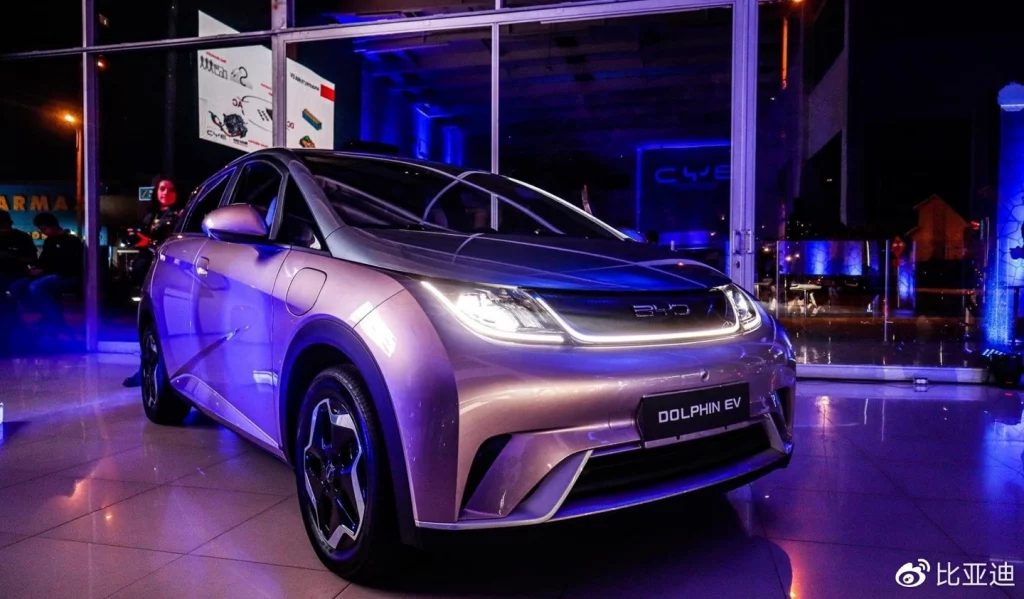
Chinese electric vehicle manufacturer BYD has teamed up with Colombian distributor MOTORYSA to officially unveil a new Ocean series model in the country. The model is dubbed Dolphin pure electric car and was showcased at the Colombian Fashion Week.
The BYD Dolphin is said to be the first mass-produced model based on BYD’s e-platform 3.0. The sleek electric vehicle is equipped with a BYD blade battery with a battery capacity of 44.9kW. The battery pack also delivers an NEDC pure electric cruising range of up to 405km.
At the unveiling, the company’s spokesperson disclosed that the Dolphin is BYD’s “pure electric new species” specially created for the new generation of young users and that it adopts the “marine aesthetics” design concept. The shape of the Dolphin EV is simple and stylish. The interior lines are soft with a unique finish and exquisite futuristic styling. The price of the EV in the country is yet to be disclosed.
Starting in 2020, BYD started partnering with domestic car dealer Motorysa to sell its full range of new energy passenger vehicles in Colombia, including medium and large luxury flagship sedan Han EV, luxury pure electric SUV Tang EV, as well as Qin PLUS DM-i and Song PLUS High-end plug-in hybrid models such as DM-i. So far, BYD has delivered nearly 3,000 new electric vehicles to Colombia.
Lenovo is a big name when it comes to laptops, but the brand is not exactly known for its smartphones. The company does manufacture gaming phones under its Legion PC brand, but they are limited to China. However, it seems the Chinese OEM is getting serious about smartphones and is planning to launch a new ThinkPhone handset. The Lenovo smartphone might launch very soon, as it has bagged China’s 3C certification.
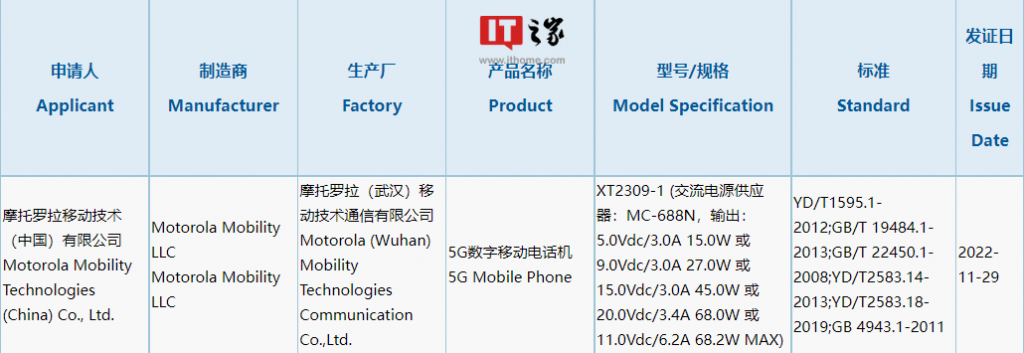
Lenovo’s ThinkPhone recently appeared on China’s compulsory 3C certification site with model number XT2309-1. The listing revealed the handset will arrive with a 68W charger. Interestingly, the 3C listing shows that the device will be manufactured by Motorola. For those who don’t know, Motorola is owned by Lenovo.
Model number XT2309-1 is also said to be associated with a Motorola smartphone codenamed “Bronco.” It will likely debut as part of the next Edge series. This suggests the phone may launch in two versions, one sold as a Motorola device and the other as a Lenovo phone.
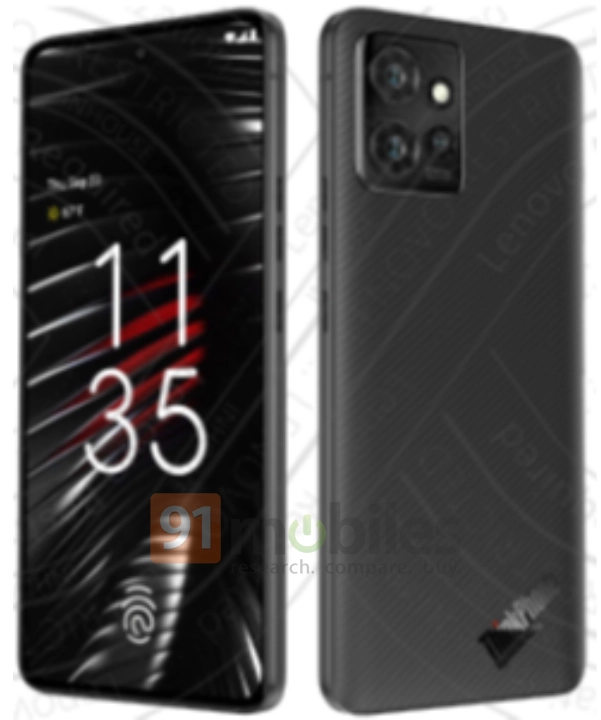
A recent report shared a design render of the Lenovo ThinkPhone. The image shows the device has “ThinkPhone” branding on the bottom right corner of the rear panel. The handset features a rectangular camera module, which houses three cameras and an LED flash. This is likely an early render of Lenovo’s ThinkPhone, so the design may change in the future.
Previously, it was revealed that Motorola Bronco could arrive with a Snapdragon 8 Gen 2 processor, an FHD+ resolution with a 165Hz refresh rate, and up to 12GB of RAM. The handset could have a 50-megapixel primary camera paired with a 13-megapixel ultra-wide-angle lens and a macro or 2-megapixel depth sensor. If the ThinkPhone is indeed a rebranded Motorola phone, we can expect it to feature these specs.
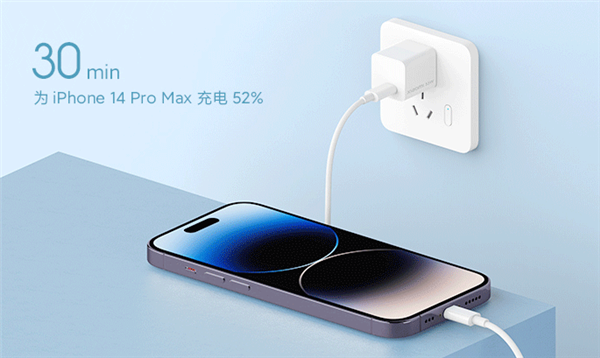
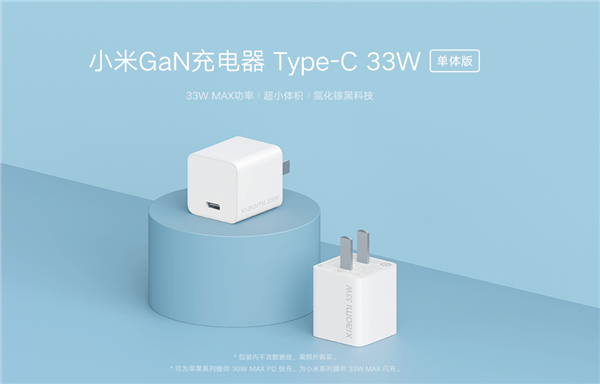
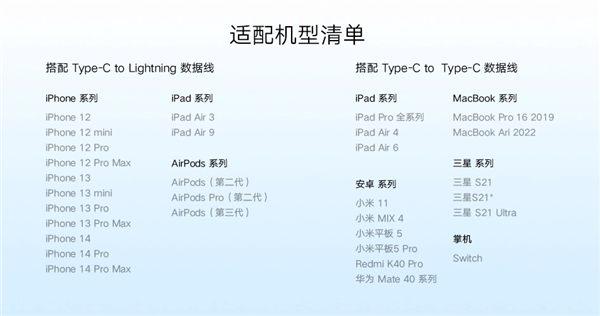
The new Xiaomi GaN charger delivers a maximum power of 33W in its type-C interface. The GaN charger comes in an ultra-small design and uses gallium nitride technology. Gallium nitride technology offers a lot of properties for a safe, lightweight, and durable charger. The charger is compatible with both Xiaomi and non-Xiaomi devices.
The charger has a type-C to lightning data cable for charging iPhones with up to 30W PD fast charging. It provides fast charging for the iPhone 14 Pro Max and takes about 30 minutes to charge up to 50%. The GaN charger 33W can also provide the same charging power as the original charger of the Redmi Note 11. The Redmi Note 11 can be fully charged in 68 minutes. The charger can intelligently identify the output current and provide optimized charging for smart devices.
The Xiaomi GaN Type-C 33W charger is made from materials with super thermal conductivity, temperature resistance, and acid/ alkaline resistance. The charger is lightweight, and offers greater performance and charging power conversion than non-GaN chargers. It has a length of 33mm and is about 56% smaller than the standard 33W chargers of Xiaomi smartphones. The charger also features high-precision resistance-capacitance sensing devices with improved safety and effectiveness.
There are multiple circuit protection layers to deal with overcharging, over-discharge, overheating, and short-circuiting. The Xiaomi GaN Type-C 33W charger is available in China for 69 yuan (~$10). Although the company is silent on the global availability of the product, we expect it to be available in other markets subsequently. Its impressive energy conversion features, durable materials, and versatility put the charger in good stead. It is also a compact and lightweight charger.
The Blaupunkt BTW20 TWS earbuds with 10mm dynamic drivers and up to 30 hours of playback have been launched in India. The new BTW20 truly wireless earbuds are coming on the heels of the earlier release of the BTW15 Bluetooth TWS earbuds with deep bass. The earbuds have an in-ear design with lightweight and comfortable materials on the ear.
The new Bluetooth TWS earbuds deliver powerful bass thanks to their large drivers. It also outputs clarity and crisp high tones for an extended listening experience. The Blaupunkt Bluetooth TWS earbuds are safe, lightweight, and comfortable to use even for extended periods. The earbuds’ smart LED digital display provides information on the battery status on the charging case. The charging case can be charged fully within a short time using USB-C fast charging.
The Blaupunkt BTW20 comes with high sensitivity and intelligent touch sensors. You can just tap the earbuds to skip songs without using your input audio device. You can also receive calls, reject calls, and similarly use the voice assistant. The earbuds are equipped with individual MEMS microphones and also are rated for dust and water resistance.
In terms of connectivity, the BTW20 is compatible with Bluetooth 5.0 with a range of 10 meters and supports for A2DP Profile. Each earbud has a 40mAh battery while the charging case comes with a 470mAh battery. The charging case supports TurboVolt charging, with 10 minutes of charging delivering up to 30 minutes of playtime.
The Blaupunkt BTW20 Bluetooth TWS earbuds are priced at Rs. 1,299 (~$16). It comes in black, white, blue, and green color options with Amazon India and Blaupunkt’s official website. There are no indications at this time of the availability of the BTW20 outside the subcontinent.
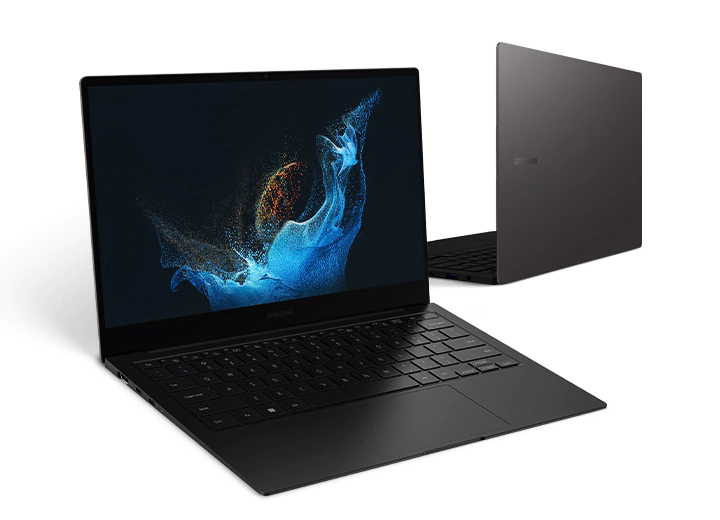
Samsung is reportedly working on a bunch of new Galaxy Book devices. Recently, the Galaxy Book 2 Go Wi-Fi and Galaxy Book 2 Go 5G appeared on the Bluetooth SIG database, and their support pages went live on the brand’s official website. Now, the two Samsung laptops have been spotted on the US FCC certification website, which reveals their key specifications. Here are the details.
The Federal Communications Commission (FCC) website reveals that the Samsung Galaxy Book2 Go Wi-Fi and Galaxy Book2 Go 5G have the codenames “Hermes 14” (WiFi) and “Hermes 14” (5G), respectively. This hints that the devices will feature a 14-inch display.
Samsung Galaxy Book 2 Pro
Further, the listing suggests the cellular variant will arrive in Silver and Light Grey hues whereas the Wi-Fi model will only be available in the Light Grey shade. They are listed to support 45W charging. In addition, FCC confirms the Galaxy Book 2 Go Wi-Fi will measure 224mm x 15mm x 324mm.
As mentioned, the notebooks were previously spotted on the Bluetooth SIG website, which confirmed the Samsung Galaxy Book2 Go (model number NP340XNA) and Book2 Go 5G (NP345XNA) will come with Bluetooth v5.2. They will likely run Windows 11 out of the box. Rumors suggest the Galaxy Book2 Go series will carry support for Qualcomm FastConnect 6700 as well as Wi-Fi 6E.
The support pages for the two Samsung devices also went live on the brand’s UK support website, hinting at an imminent launch. Details about the laptops are still pretty short. The Korean company is yet to confirm anything about the upcoming Galaxy books. We should learn more about them in the near future. Stick around for the latest updates.
Redmi Note 12 series debuted in China back in October and is yet to launch in the global market. While the company hasn’t officially confirmed any details yet, a popular tipster has claimed the lineup will soon make its Indian debut. He also shared some interesting details about the Indian variant of the higher-end Redmi Note 12 Pro Plus. Let’s have a look at all the details.
Tipster Mukul Sharma says the Redmi Note 12 series is “coming soon to India.” However, he didn’t share any specific dates or timelines. Sharma further revealed that the Indian variant of the Redmi Note 12 Pro+ will arrive with a 200MP main camera.
It’s possible that the Redmi Note 12 Pro+ launching in India will be different from its Chinese counterpart. That is because the MIUI codebase recently revealed that the Chinese Note 12 Pro+ will launch in the Indian market as Xiaomi 12i HyperCharge. This even makes sense since the Xiaomi 11i HyperCharge is a rebranded version of the Redmi Note 11 Pro+ 5G in China.
To recall, the Note 12 Pro+ debuted in China with a 6.67-inch centered punch-hole OLED display with a resolution of 2,400 x 1,080 pixels and a 120Hz refresh rate. The handset is powered by a MediaTek Dimensity 1080 SoC paired with LPDDR4x RAM and UFS 2.2 storage. It is backed by a 5,000mAh battery and supports 120W fast charging.
Redmi is also expected to launch the Redmi Note 12 5G and a 4G version of the Redmi Note 12 Pro 4G in the country. It has been revealed that the 4G handset will feature a Full HD+ display, the Snapdragon 732G mobile platform, and 8 GB of RAM.
We use cookies on our website to give you the most relevant experience by remembering your preferences and repeat visits. By clicking “Accept”, you consent to the use of ALL the cookies.
This website uses cookies to improve your experience while you navigate through the website. Out of these, the cookies that are categorized as necessary are stored on your browser as they are essential for the working of basic functionalities of the website. We also use third-party cookies that help us analyze and understand how you use this website. These cookies will be stored in your browser only with your consent. You also have the option to opt-out of these cookies. But opting out of some of these cookies may affect your browsing experience.
Necessary cookies are absolutely essential for the website to function properly. This category only includes cookies that ensures basic functionalities and security features of the website. These cookies do not store any personal information.
Any cookies that may not be particularly necessary for the website to function and is used specifically to collect user personal data via analytics, ads, other embedded contents are termed as non-necessary cookies. It is mandatory to procure user consent prior to running these cookies on your website.