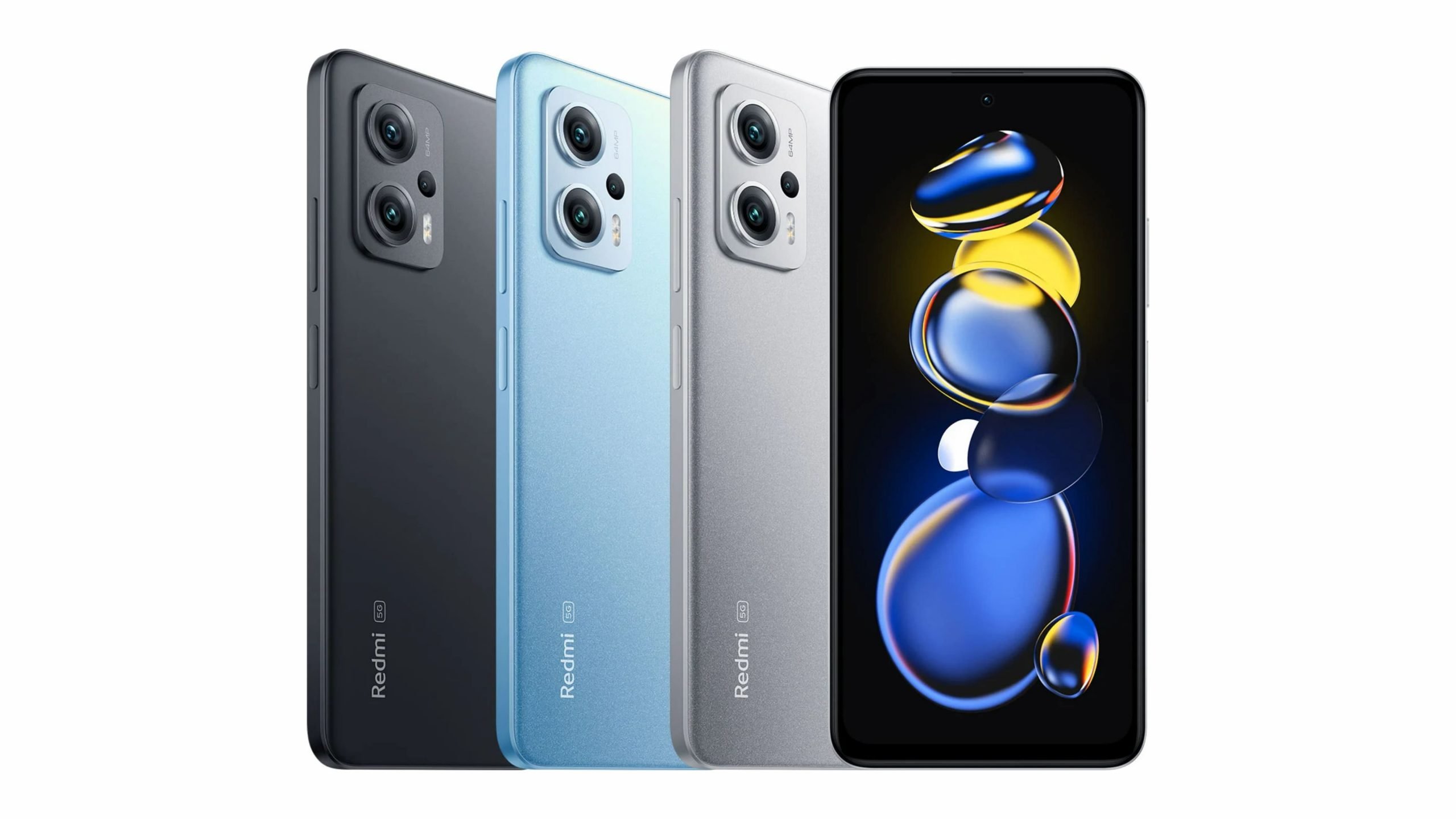
The Redmi K50i is available with an attractive offer on Croma in India. The device was announced with a starting price of Rs 25,999 (~$377) in July. However, it is now available with a discount of up to Rs 4,000 (~$50) on the retailer site. Continue reading to know the details of the offer.
Since launch, the Redmi K50i 5G has been available in two variants, such as 8 GB RAM + 128 GB storage for Rs 25,999 (~$377) and 8 GB RAM + 256 GB storage for Rs 28,999 (~$365).
Redmi K50i
During the ongoing Early Bird sale on Croma, the K50i is available with a flat discount of Rs 1,000 (~$13). HDFC Bank credit card users can get a discount of 10 percent (up to Rs 2,000) while purchasing the K50i. In addition, customers with ICICI credit card can take advantage of up to Rs 3,000 (~$37) cashback.
Hence, both variants can be purchased for as low as Rs 21,999 (~$277) and Rs 24,999 (~$314), respectively. It comes in three colors: Stealth Black, Quick Silver, and Phantom Blue.
Redmi K50i 5G specifications
The Redmi K50i 5G has a 6.67-inch AMOLED display that offers a Full HD+ resolution, a 20.5:9 aspect ratio, and a 144Hz refresh rate. It is powered by the Dimensity 8100 chipset, up to 8 GB of LPDDR5 RAM, and up to 256 GB of UFS 3.1 storage. It houses a 5,080mAh battery with 67W fast charging support.
On the front, the K50i has a 16-megapixel selfie camera. Its back panel features a 64-megapixel primary camera, an 8-megapixel ultra-wide lens, and a 2-megapixel macro camera. The handset boots to the Android 12 OS with the MIUI 13 on top. It has a side-facing fingerprint scanner.
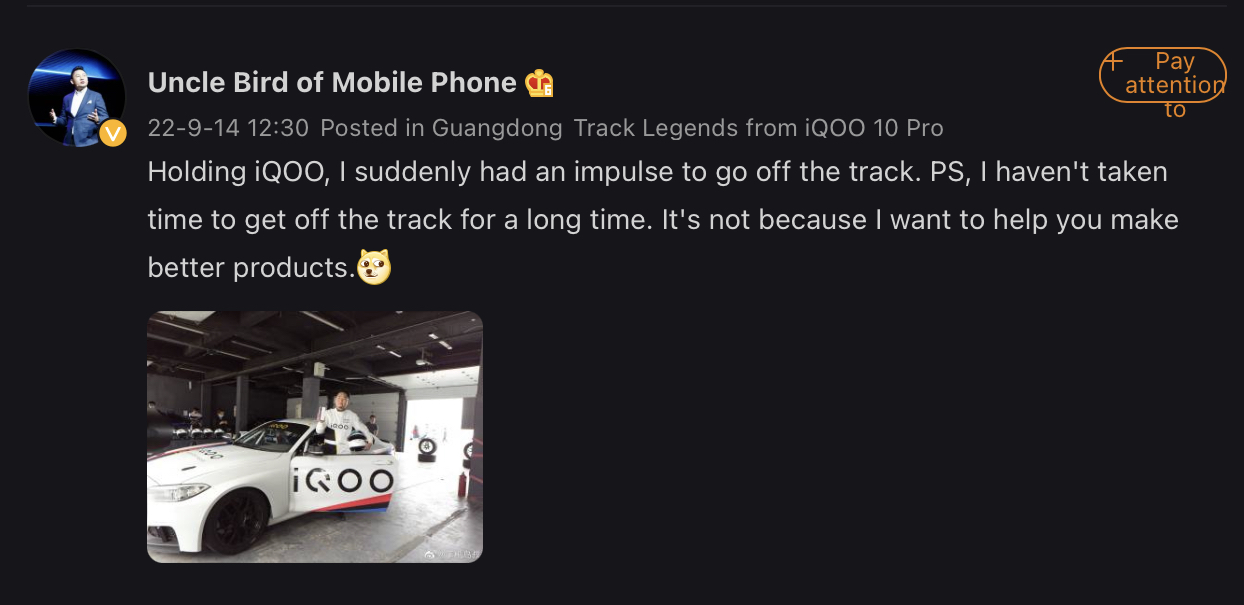
Recent reports have claimed that iQOO may announce the iQOO Neo 7 in October in China. The arrival of the close at hand as iQOO Vice President appears to have teased the launch of new products. He is probably hinting at the arrival of the Neo 7 and the iQOO 11 series.
The iQOO 11 series is going to launch only after Qualcomm announces the Snapdragon 8 Gen 2 chipset. Since the iQOO 10 series was unveiled in January 2022, it seems that the iQOO 11 lineup may go official in the same month next year.
While the launch of the iQOO 11 series seems to be a couple of months away, it appears that the company may start rolling out the teasers of the iQOO Neo 7. Recent reports have revealed a lot of information about the Neo 7.
iQOO Neo 7 specifications (rumored)
The iQOO Neo 7 is likely to feature a 6.78-inch AMOLED E5 display that offers a Full HD+ resolution and a 120Hz refresh rate. For security, it may feature an under-display fingerprint scanner. The device is likely to be powered by the Dimensity 9000 Plus chipset. It may come with up to 12 GB of LPDDR5 RAM and up to 256 GB of UFS 3.1 storage. It will run on the Android 12 OS with the iQOO UI on top.
The Neo 7 may come equipped with a 16-megapixel camera for snapping selfies. Its rear camera setup will include a 50-megapixel Sony IMX766V main camera with OIS support. It could be accompanied by a. 13-megapixel ultra-wide camera and a 12-megapixel telephoto sensor. The Neo 7 could be backed by a 4,700mAh battery with support for 120W fast charging. At present, there is no word on the price of the device.
The Vivo X80 Lite is expected to launch soon in the global market. Ahead of the launch, the publication Winfuture.de has published a report to reveal its specifications and renders. It appears that it will not take too long for the X80 Lite to go official.
Vivo X80 Lite specifications (rumored)
The Vivo X80 Lite will sport a 6.44-inch AMOLED display that produces a Full HD+ resolution and a 90Hz refresh rate. The screen will be integrated with a fingerprint scanner. The display notch will house a 50-megapixel front-facing camera with an f/2.0 aperture.
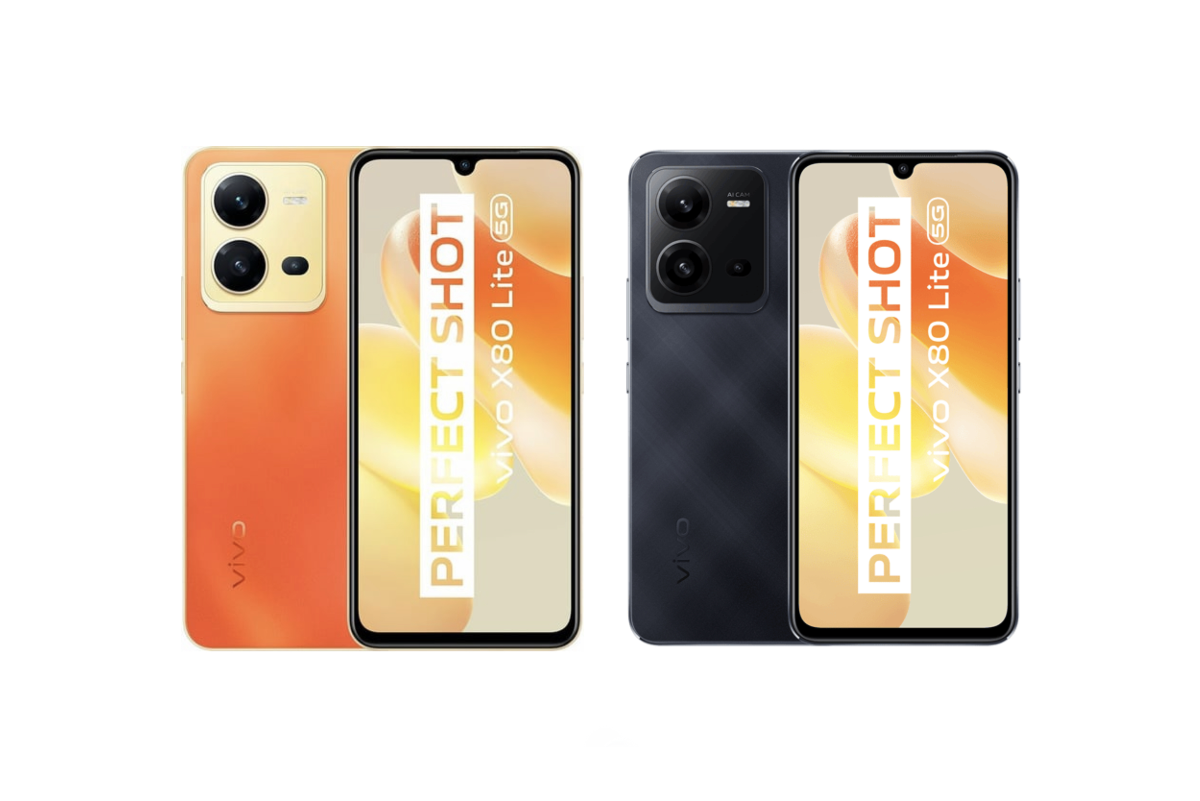
Vivo X80 Lite render by Winfuture.de
On the back, the X80 Lite has an OIS-enabled 64-megapixel main camera with an f/1.79 aperture. It is accompanied by an 8-megapixel ultra-wide lens and a 2-megapixel macro camera.
Under the hood, the X80 Lite will feature the Dimensity 900 chipset. The device will ship with 8 GB of RAM and 256 GB of built-in storage. There will be a microSD card slot on the device for additional storage.
The X80 Lite will pack a 4,500mAh battery that supports 44W fast charging. It will run on the Android 12 OS with the FunTouch OS UI on top. It will offer the usual connectivity features such as 5G, dual-SIM, NFC, Bluetooth 5.2, and USB-C.
The design and specifications of the Vivo X80 Lite are quite familiar. The reason behind it is that it is a rebranded version of the Vivo V25 5G, which is available in the Asian markets.
Vivo X80 Lite price (rumored)
According to the publication, the Vivo X80 Lite will be available for 450 euros. As can be seen in the image above, it will be available in orange and black colors.
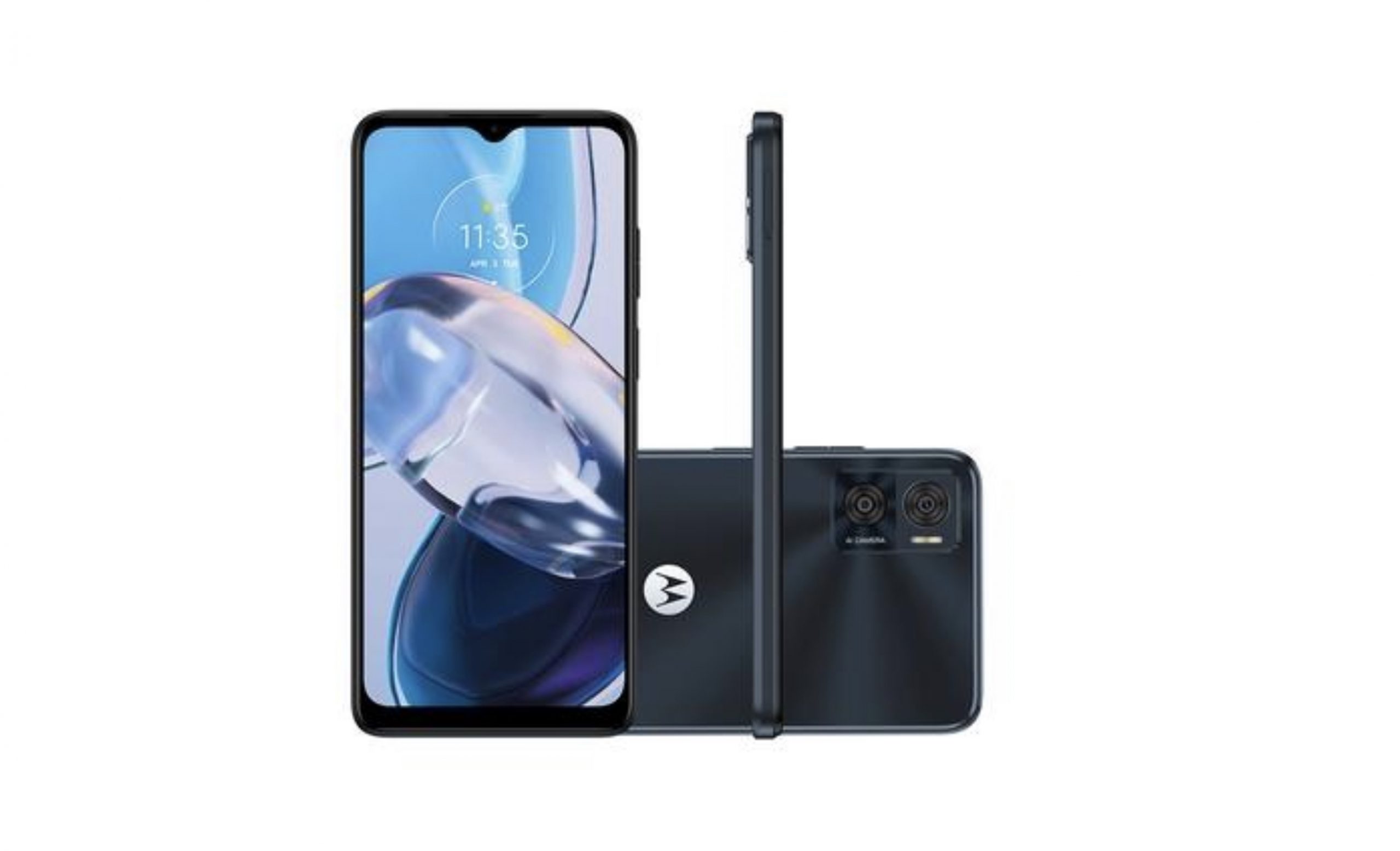
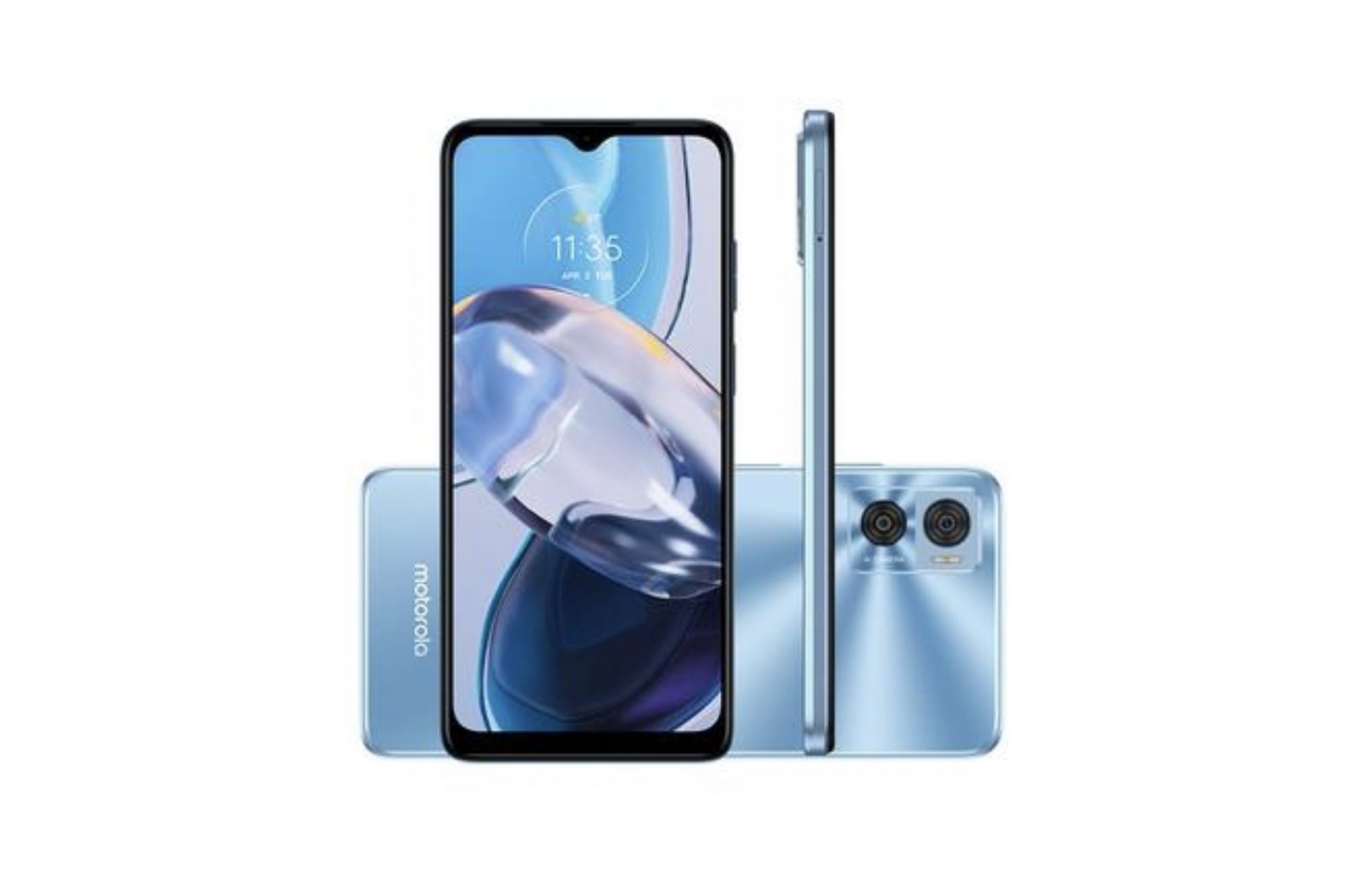
A recent leak claimed that Motorola would announce the Moto E22 on Sept. 16. The report revealed almost everything about the device, from its specifications to its price. Well-known tipster Roland Quandt has revealed that the Moto E22 is now listed on a Brazilian retailer site, Kabum. Here is all the information that has surfaced through the listing.
Moto E22 specifications
The retailer listing reveals that the Moto E22 has a 6.5-inch LCD display that offers an HD+ resolution of 720 x 1600 pixels, an aspect ratio of 20:9, and a refresh rate of 90Hz. The device comes preloaded with Android 12 OS.
The Moto E22 is powered by the Helio G37 chipset. The device will ship with up to 4 GB of RAM and up to 64 GB of storage. For more storage, it is equipped with a microSD card slot. It is backed by a 4,020mAh battery that supports 10W charging.
1 of 3
The E22 has a 5-megapixel front-facing camera. Its back panel has a 16-megapixel mani camera, a 2-megapixel depth sensor, and an LED flash. The device is equipped with Dolby Atmos-powered dual speakers.
The device offers connectivity features such as dual SIM, Wi-Fi 802.11ac, Bluetooth 5.0, GPS, FM radio, a USB-C port, and a 3.5mm audio jack.The handset has 163.5 x 74.6 x 7.99mm dimensions.
Moto E22 price
On Kabum, the Moto E22 is available in two configurations: 2 GB RAM + 32 GB storage and 4 GB RAM + 64 GB storage. There is no information on the price of the former, but the latter is listed for BRL 1,619 (~$225). It will be available in three colors: black, white, and blue. The E22 is now available for per-order on the retailer site. The listing reveals that its shipments will begin on Sept. 16.
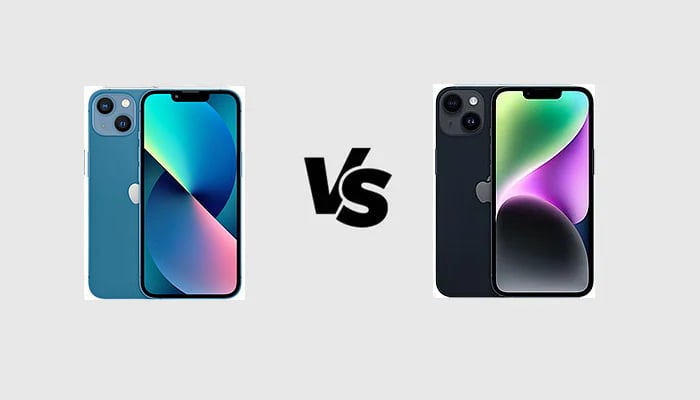
iPhone 14 officially went on sale and it will be available in several countries starting tomorrow. The new series by Apple brought to the market a higher level of differentiation between the standard variants and the Pro ones. But what did change between the new iPhone 14 and its predecessor? Well, a lot of people are wondering and the answer to this question is all but obvious. A lot of people are also wondering whether they should spend more to get the latest iPhone or they should save some money by purchasing the previous model as the new one does not bring so many changes. That is the reason why the question above deserves a dedicated article. This is a comparison between the main specifications of the iPhone 14 and the iPhone 13 that will tell you the differences between these two devices.
Apple iPhone 13 vs Apple iPhone 14
Apple iPhone 13
Apple iPhone 14
DIMENSIONS AND WEIGHT
146.7 x 71.5 x 7.7 mm,
174 g
146.7 x 71.5 x 7.8 mm,
172 g
DISPLAY
6.1 inches, 1170 x 2532 pixels (Full HD+), Super Retina XDR OLED
6.1 inches, 1170 x 2532p (Full HD+), Super Retina XDR OLED
It is very hard to distinguish the iPhone 14 from the iPhone 13 because they have more or less the same design. There are a few small differences, but overall, they are almost identical. The new model comes with a bigger camera sensor and a slightly thicker body, while the older one is slightly thinner and slightly heavier than the new one. For the rest, they are pretty much the same. They come with the same notch above the display and the same screen to body ratio, with symmetric and narrow bezels around the screen. The borders are flat just like all the iPhones starting from the 12 (with the exception of the latest SE). They come with a power key placed on the right side of the device and volume keys on the left. They are waterproof with the IP68 certification and you can put them underwater up to 6 meters deep for a max time of 30 minutes.
Display
The iPhone 13 and the iPhone 14 have exactly the same display. We are talking about a Super Retina XDR OLED panel, one of the best displays in terms of image quality but, unfortunately, with a standard 60 Hz refresh rate. So expect great quality, but do not expect the highest viewing smoothness. The display has a diagonal of 6.1 inches and a resolution of 1170 x 2532 pixels, as well as a 19.5:9 aspect ratio, the HDR10 certification, and Dolby Vision support. Just like all the latest Apple phones, it does not rely on a fingerprint reader for authentication but it supports 3D facial recognition thanks to the Face ID technology. The sensors for Face ID are placed in the notch above the display. The front glass is scratch resistant and it has an oleophobic coating.
Specs & Software
Despite their belonging to two different generations, the iPhone 13 and the iPhone 14 are powered by the same chipset. We are talking about the Apple A15 Bionic: an SoC built with a 5 nm production process and sporting an hexa-core architecture composed of two Avalanche CPUs (with high performance) running at a max frequency of 3.23 GHz, four Blizzard CPUs (with high efficiency) running at a frequency of 1.82 GHz, and a 5-core Apple proprietary GPU. But there is a difference in the hardware setups: the iPhone 13 has just 4 GB of RAM, while the iPhone 14 sports 6 GB of RAM. Another difference is the operating system: the former ships with iOS 15 out of the box (even though it can be updated to iOS 16), while the latter has iOS 16 out of the box, so it will get longer software support. The memory configurations available are three, with 128 GB, 256 GB, or 512 GB of internal storage.
Camera
At first glance, it looks like the iPhone 13 and the iPhone 14 have the same cameras, but if you dig deeper, you will find improvements on the iPhone 14. It comes with the same dual rear camera setup composed of a 12 MP main sensor with OIS and a 12 MP ultrawide camera, but the main camera of the 14 has a brighter f/1.5 focal aperture and it should be able to capture a higher level of detail with low light. The same is for the front camera of the iPhone 14, sporting a brighter f/1.9 focal aperture instead of f/2.2.
There is just a small difference between the batteries of these two phones, but the iPhone 14 wins again. It is equipped with a 3279 mAh battery, while its predecessor has just 3240 mAh inside. This results in a slightly longer battery life. The charging speeds do not change as both the handsets are able to reach 50 percent in 30 minutes, they support MagSafe and 15W Qi wireless charging.
Price
You need at least $999/€999 to purchase the iPhone 14, while you can easily find the iPhone 13 for less than €900/$900 thanks to the actual street prices. Would you spend more to get just iOS 16 out of the box, a slightly bigger battery and slightly better cameras?
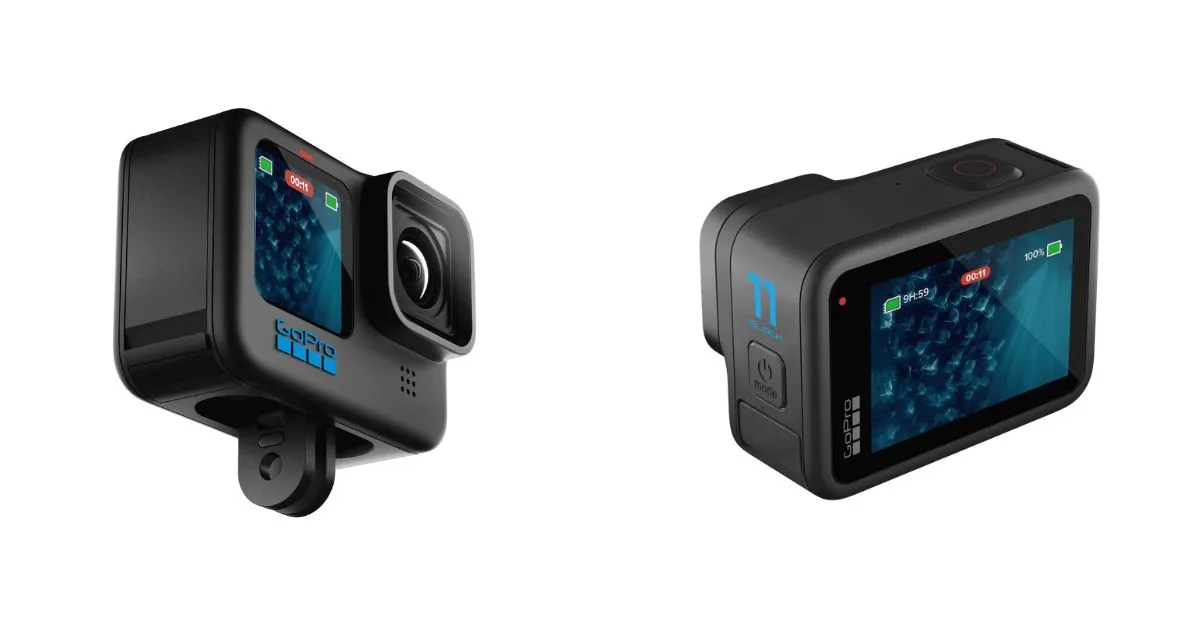
GoPro Hero 10 has announced two new flagship action cameras–the GoPro Hero 11 and Hero 11 Mini. They are the successors of the Hero 10 that was launched last year. The new cameras come with a larger sensor that can capture 8:7 aspect ratio photos and videos. Both devices have similar specifications, but the Mini one, as the name suggests, has a compact size. Let’s look at the details.
GoPro Hero 11 Black specifications
The GoPro Hero 11 Black comes with some impressive upgrades but its design is very similar to its predecessor. Just like Hero 10, it sports a 2.27-inch touchscreen display on the back and a color LCD display on the rear.
The camera comes with a new 27-megapixel sensor with a wider field of view. It will also allow users to capture 24.7-megapixel screen grabs. If we talk about video recording, the Hero 11 Black can shoot up to 5.3K videos at 60fps. It also supports 4k @ 120fps. Under the hood, it is powered by GoPro’s GP2 processor. The camera is also waterproof up to 10m.
The new camera also includes 10-bit color shooting; HyperSmooth 5.0 video stabilization with 360-degree Horizon Lock; new Timelapse modes for capturing star trails or car light trails; and a redesigned interface with Easy Controls for first-time users. The Hero 11 Black is backed up by a removable 1720mAh Enduro battery and can be charged through the Type-C port.
GoPro Hero 11 Black Mini specifications
As mentioned, the GoPro Hero 11 Black Mini is the same as the regular model in terms of specifications, but it comes with a new compact design. Also, it does not have a touchscreen display. The Hero 11 Black Mini is meant to be used in tighter and more constricted spaces and is claimed to be optimized for helmet mounting.
It will let you shoot up to 5.3K60fps cinematic video and capture 24.7-megapixel photos. In addition, the company claims the Hero 11 Black Mini is one of the most durable GoPro cameras as it is packed in a tough outer shell.
GoPro Hero 11 Black and GoPro Hero 11 Black Mini price
The GoPro Hero 11 Black price starts at $399 without a GoPro subscription. With the subscription, it costs $500. On the other hand, the Hero 11 Mini is priced at $300 (without a subscription) and $400 with a GoPro subscription. The Hero 11 Black will go on sale today through the company’s website, while the Mini model is expected to be available for purchase from October 25.
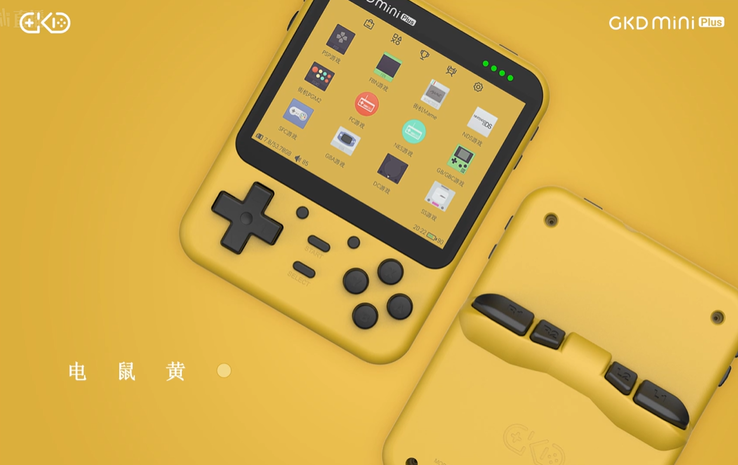
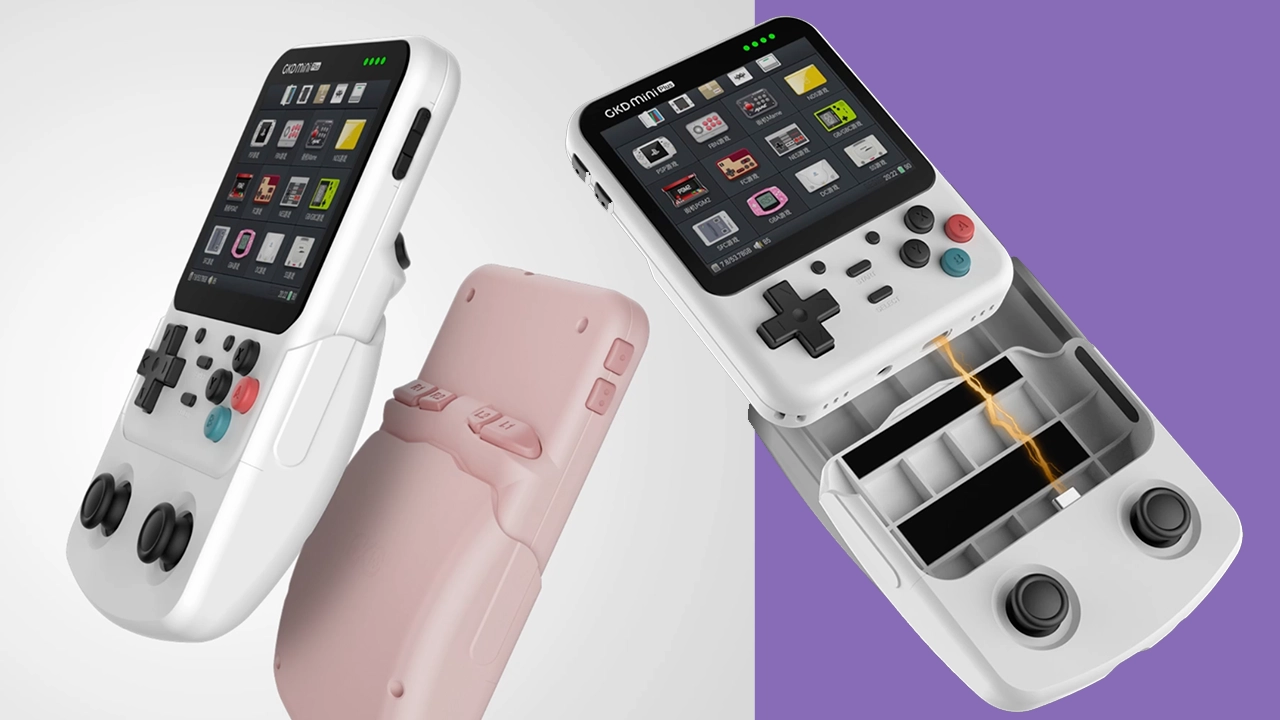
A retro-styled handheld gaming console is not something you see released often. The GKD Mini Plus handheld gaming console is one such device. The new device comes with a 3.5-inch display, a Rockchip RK3566 chipset, and a resolution of 640 x 480 pixels. The Mini Plus has a removable accessory with analog sticks and supports both Bluetooth and Wi-Fi connectivity.
The GKD Mini Plus is powered by the entry-level Rockchip RK2566 with four ARM Cortex-A55 CPU cores at 1.8GHz and a Mali-G52 GPU. It can play older titles from the Game Boy and Game Boy Advance consoles, reflecting its retro identity. It has 1GB RAM and a 3,000mAh battery. It also comes with several buttons together with quad shoulder buttons. You can charge the handheld via its USB-C port which is also a data transfer terminal. There are dual microSD card readers and a 3.5mm audio jack featured on the device as well.
The GKD Mini Plus detachable analog sticks can be plugged into the device via USB-C. The analog sticks were also featured in the Mini Plus Classic although GKD is silent on the release details of that variant. The GKD Mini Plus is retailed in China for 469 yuan ($67). There are no pricing details available for the GKD Mini Plus Classic at this time. The global availability of the Mini Plus is also unknown. Third-party retailers in China are some of the quick ways of buying the product.
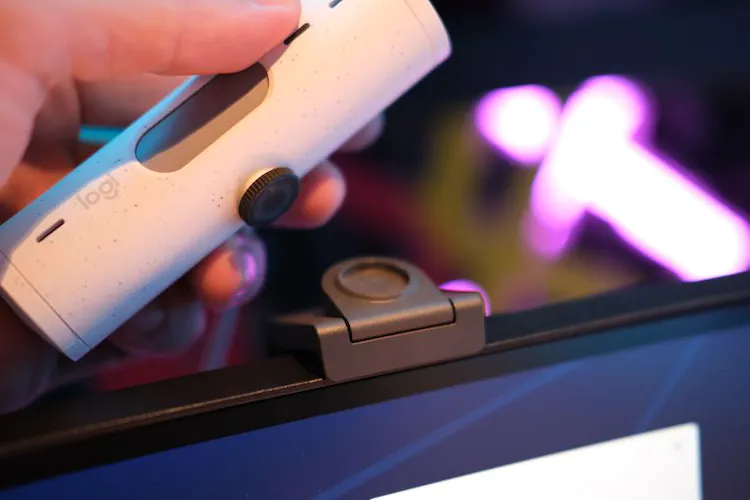
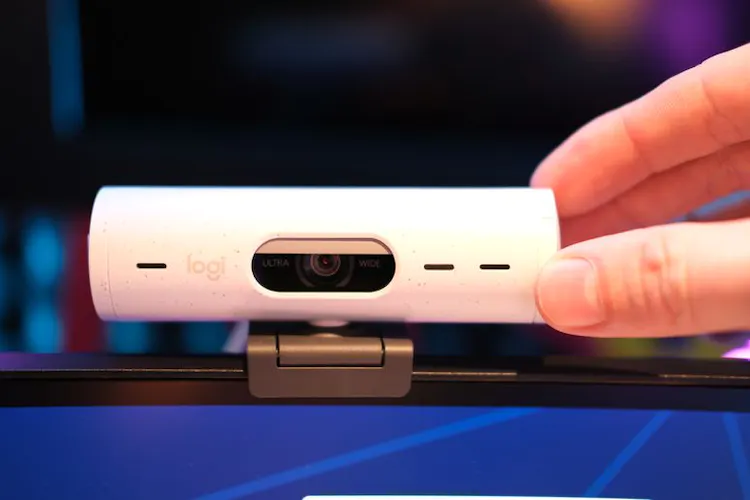
Logitech has unveiled its Brio 500 webcam with a built-in privacy shutter and a compact design. The privacy shutter in the webcam is neatly integrated into the device and it also features a Show Mode to broadcast what’s on your desk. The Brio 500 is however only capable of 1080p content unlike 4K webcams on the market.
The Logitech Brio 500 is an improvement on the classic Logitech C920 which also outputs 1080p. It features an upgraded sensor than its predecessor for better image quality. The webcam has a cylindrical design with a pair of beamforming microphones flanking the 4MP camera. The mics help to reduce background noise during calls for greater clarity. The privacy shutter can be brought down by turning a dial at the right of the webcam. You can also tilt the camera angle towards your desk to activate Show Mode. The 1080p resolution of the Brio 500 yields 30fps, but you can get a frame rate of 60fps when using 720p resolution.
The webcam’s field of view is 90 degrees but can provide tighter images at 78 or 60 degrees. It can automatically center on the person speaking and adjust the lighting in a dimly-lit environment. The Brio 500 has a magnetized mounting mechanism consisting of a standard plastic mount and the webcam attaches magnetically to the plastic mount. It can be rotated 360 degrees. Alternatively, a tripod mount can also be deployed for the Brio 500.
The Logitech Brio 500 webcam goes on sale this month at $129 via retailers like Amazon. Logitech will also release a new Bluetooth headset – the Zone Vibe 100 which is priced at $99.99. The Vibe 100 has up to 20 hours of battery life, while its mic arm can be muted by flipping it.
The Xiaomi 12T and 12T Pro have been in the headlines for quite some time now. Xiaomi fans are patiently waiting for the company to make an official announcement regarding the handset. But ahead of that, tipster Abhishek Yadav has revealed the Xiaomi 12T and 12T Pro could launch globally next week alongside the Redmi Pad and Redmi Buds 4 Pro.
Xiaomi 12T and Xiaomi 12T Pro
According to a recent report, Xiaomi 12T will come in 8GB RAM + 128GB storage and 8GB RAM + 256GB storage variants. Whereas the Pro model is said to debut in 8GB RAM + 256GB storage and 12GB RAM + 256GB storage options. The handsets could come in three colorways—Clear Blue, Cosmic Black, and Lunar Silver.
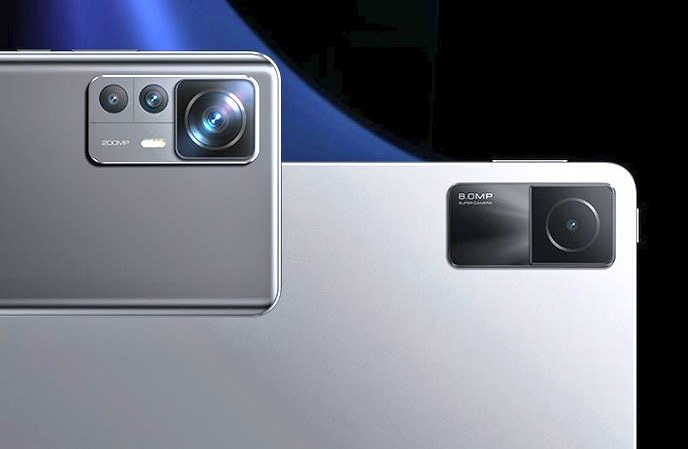
Xiaomi 12T Pro, Redmi Pad leaked image
The Xiaomi 12T Pro is expected to launch with Qualcomm’s latest Snapdragon 8+ Gen 1 SoC and sport a 6.67-inch AMOLED display that offers a 1,220 x 2,712 pixel resolution and a 120Hz refresh rate. It is also expected to flaunt a Samsung HP1 200-megapixel primary sensor that is paired with an 8-megapixel ultra-wide-angle lens and a 2-megapixel macro unit.
The lower-end Xiaomi 12T is expected to come with a 6.7-inch OLED display with a 120Hz refresh rate and HDR10+ support. It may be powered by a MediaTek Dimensity 8100 SoC. It is also said to feature a triple rear camera setup headlined by a 108-megapixel primary sensor.
Redmi Pad and Redmi Buds 4 Pro
The Redmi Pad is expected to be a mid-range tablet from Redmi. A recently leaked image revealed the device will have a flat back with an 8-megapixel camera without a flash. Rumors suggest it will come with an 11-inch 2K display and will be powered by a new MediaTek MT8781 chip, and a 7,800mAh battery with support for 22.5W fast charging.
The Redmi Buds Pro debuted in China back in May. They come with a 10mm dynamic driver and offer 35dB of noise cancellation with AI intelligent adjustment. It also features HiFi sound quality and virtual stereo sound. The Redmi Buds 4 Pro features 59ms low latency mode and comes with support for Bluetooth 5.2 connectivity.
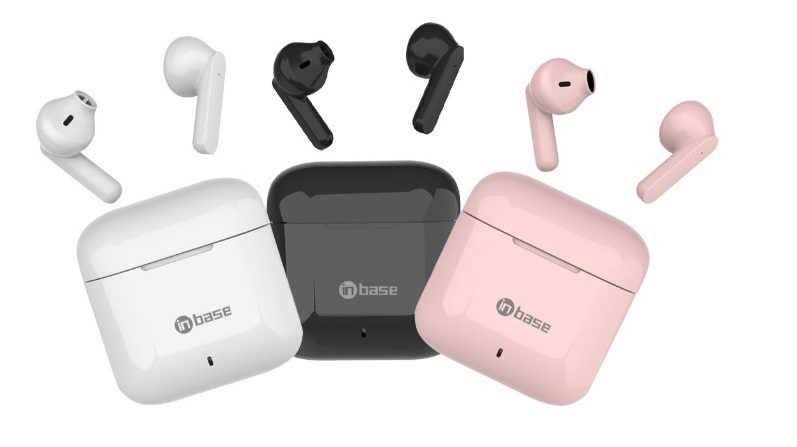
The Inbase Buds Mini Lite earbuds have been launched in India. The new earbuds are among the tiniest on the market and the case is as small as a matchbox. The Inbase Buds Mini Lite features 13mm drivers, up to 40 hours of playtime, and great audio output.
The Inbase Buds Mini Lite case is small enough to fit into your pocket due to some design changes. The petite size however does not reduce audio quality and battery life. The launch comes on the heels of the earlier release of the Inbase Urban Pro X and Urban Pro 2 earbuds. The TWS earbuds support Bluetooth 5.0 connectivity, have dual 13mm dynamic drivers and each earbud weighs 6g. Deep bass and crystal-clear audio is always delivered and comfort is assured even on the long haul. The buds are rated IPX5 and have capacitive touch controls. You can thus easily answer calls, modulate the volume, and use the voice assistant.
The Buds Mini Lite can pair instantly when the case is opened. The buds have a 30mAh battery that can play for 5 hours while the 200mAh battery in the case provides up to 35 hours. The device has a 300-hour standby time and can be charged fully within an hour.
The Buds Mini Lite is skin-friendly, ergonomically designed, and is offered at an introductory price of Rs. 1,299 (~$16). The price will subsequently revert to Rs. 1,999 (~$25) and the earbuds can be purchased from Amazon, Flipkart, and other leading outlets in India. The Inbase Buds Mini Lite can also be purchased from the Inbase website. A 6-month warranty is available for the earbuds while black, pink, and white colors options are available.
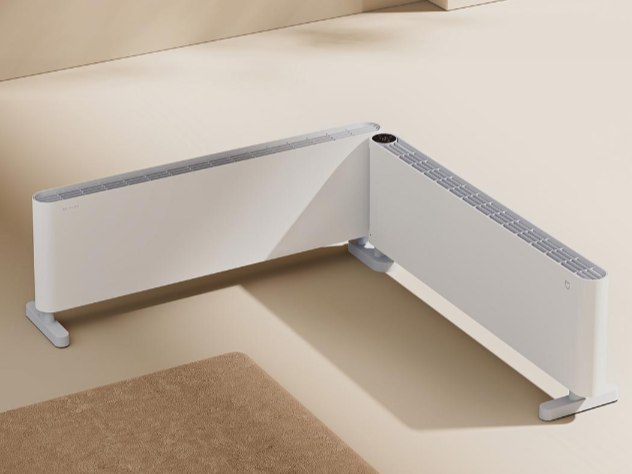
Xiaomi has launched the MIJIA Graphene Folding Skirting Board Electric Heater Ultra-Thin Model in China. The new electric heater is available for pre-order from September 14. The heater is rated at 2.22kW and can raise the room’s temperature by 5ºC in ten minutes. It can be folded in half making it compact for easy storage. The heater is 6cm thick and 1.5m long when unfolded. The heater’s panel can be folded at 90 degrees as well.
The MIJIA Graphene folding electric heater uses a 1.29m heating element made from graphene for more efficient heating. Xiaomi says the heating method provides comfort to the skin as the skin is not likely to be dried.
It maintains a constant temperature while an overheating protection switch is an added safety layer. Users can adjust the temperature via the heater’s touchscreen. You can also set a timer for up to 12 hours using the touchscreen. It can also be controlled by Xiao AI voice commands or the MIJIA app.
The Xiaomi MIJIA Graphene Folding Skirting Board Electric Heater is offered at an introductory price of 799 yuan ($115). The original price of the electric heater is 899 yuan ($130). Xiaomi has not provided any global availability and pricing details yet for the product. It is also unclear when the first deliveries will be made after the pre-order process kicks off.
Apple officially unveiled the iPhone 14 series at the “Far out” event held on September 7. And while people still wait to get their hands on the new iPhones, details about the upcoming iPhone 15 have already started to make headlines. A new report suggests the next generation A17 bionic, likely to be used in the iPhone 15 series, will be manufactured on TSMC’s 3-nm process node. In fact, Apple could be the first company to use this technology.
Nikkei Asia, citing sources, claims that Apple’s A17 Bionic chip that will be packed inside future iPhones will be made using Taiwan Semiconductor Manufacturing Co.’s latest 3nm process.
For the uninitiated, the “nm” (nanometer) parameter is the size of the transistors that make up a CPU and their distance from one another. The smaller the number (6nm, 4nm, or 3nm), the more transistors can fit on the chipset, making it more powerful, but also more difficult and costly to make.
The A17 processor will be available in the second half of 2023 and it will be used in the premium devices in the iPhone lineup slated for release in 2023, says the report. This means the non-pro models will likely be equipped with this year’s A16 chipset.
TSMC has claimed that the N3E (3nm process) will outperform the first iteration of the technology in terms of performance and energy efficiency. The process is also said to be more cost-effective than its predecessor.
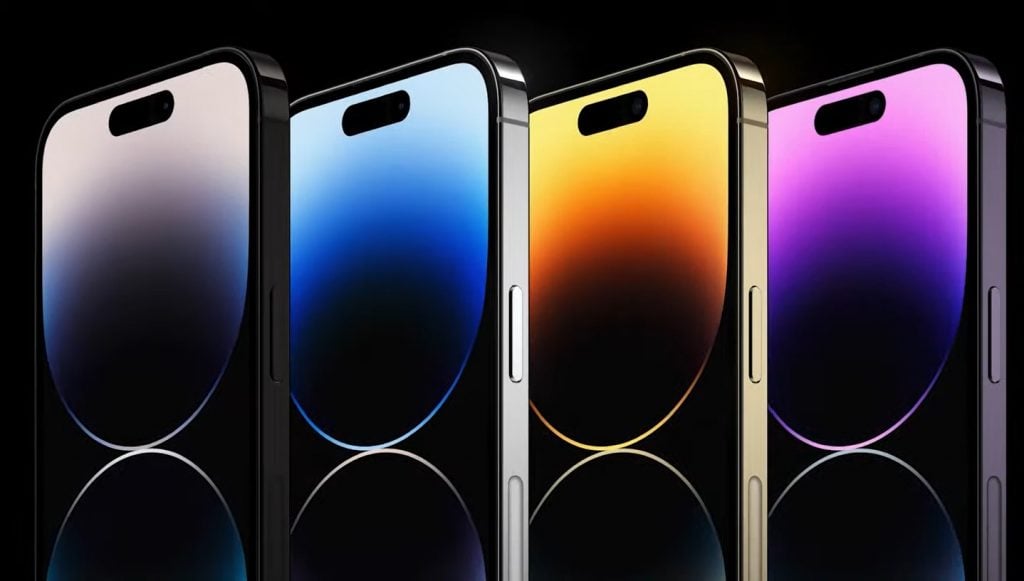
As mentioned, the iPhone 14 series debuted recently. While all the models in the series come with new upgrades and features, it’s the iPhone 14 Pro and Pro Max that are stealing all the attention. They are equipped with the new A16 bionic chipset that offers some serious improvements in performance.
While 5G is still a distant dream for many users, companies have already started to work on the next-gen 6G connectivity. However, LG seems to be ahead in the 6G race. The South Korean company has successfully tested the wireless transmission and reception of 6G terahertz (THz) data at a frequency range of 155 to 175 GHz over a distance of 320 meters outdoors.
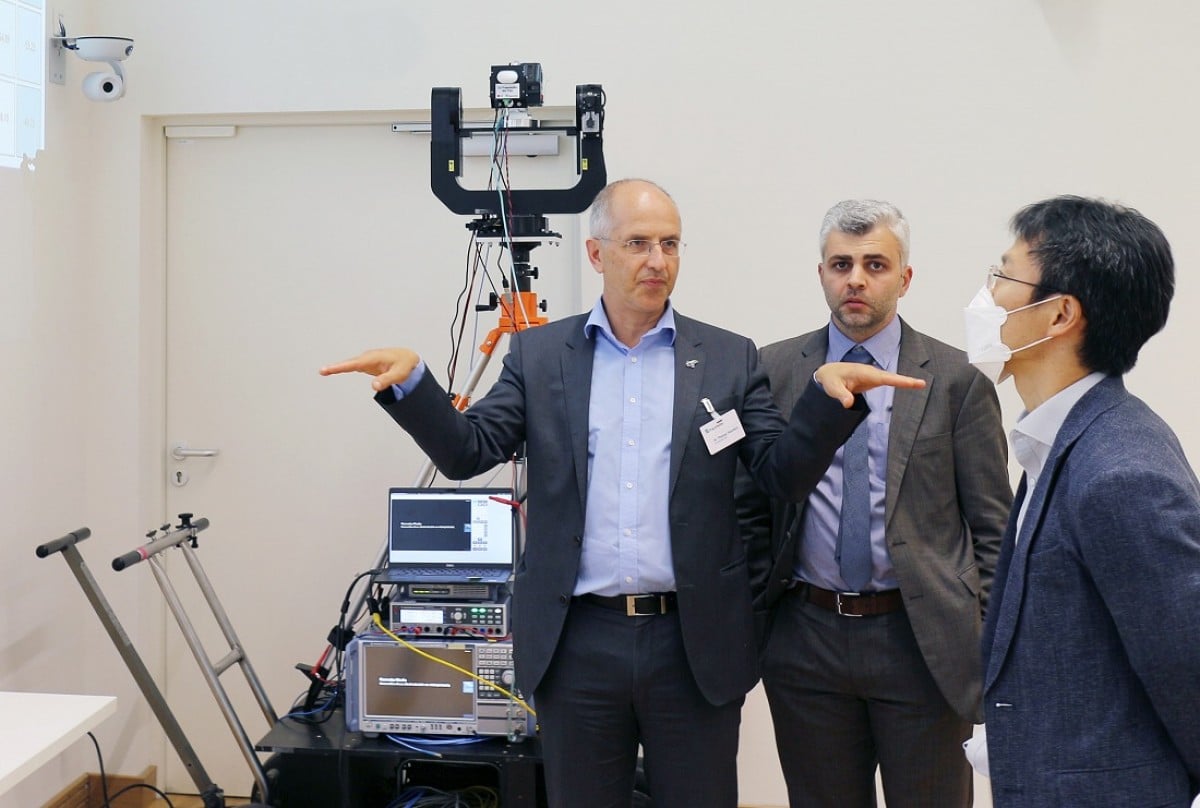
The test was conducted on September 7 at the Fraunhofer Heinrich Hertz Institute (HHI) in Berlin, Germany. It is an important step toward commercializing 6G THz in both indoor and outdoor urban environments, as the reference cell coverage of base stations for urban macro cells is around 250 meters outdoors, says LG.
The 6G technology, which utilizes ultra-wideband frequencies, has a relatively short range and can experience power loss during transmission and reception. To counter these, LG, Fraunhofer HHI, and Fraunhofer Institute for Applied Solid State Physics (IAF) have jointly developed a power amplifier capable of increasing transmission strength and a receiver low-noise amplifier that enhances incoming signal quality.
The multi-channel amplifier used in the recent demonstration has an output of more than 20dBm, an increase of more than 5dBm over the previous solution LG and Fraunhofer HHI & IAF used. The receiver was also fitted with a low-noise amplifier that greatly reduced the generation of noise during reception. LG’s latest module design incorporates these new technologies, making it capable of future IC (integrated circuit) fabrication to ease the path toward commercialization.
“With the success of our latest demonstration, we are one step closer to realizing 6G speeds of 1 terabit (TB) per second in both indoor and outdoor urban areas,” said Dr. Kim Byoung-hoon, CTO and executive vice president of LG Electronics. “LG will continue to cooperate with research institutes and industry innovators to further solidify its leadership in 6G technology. We expect 6G to be a major driver of future business and new user experiences, and there is no place we’d rather be than at the forefront of its development.”
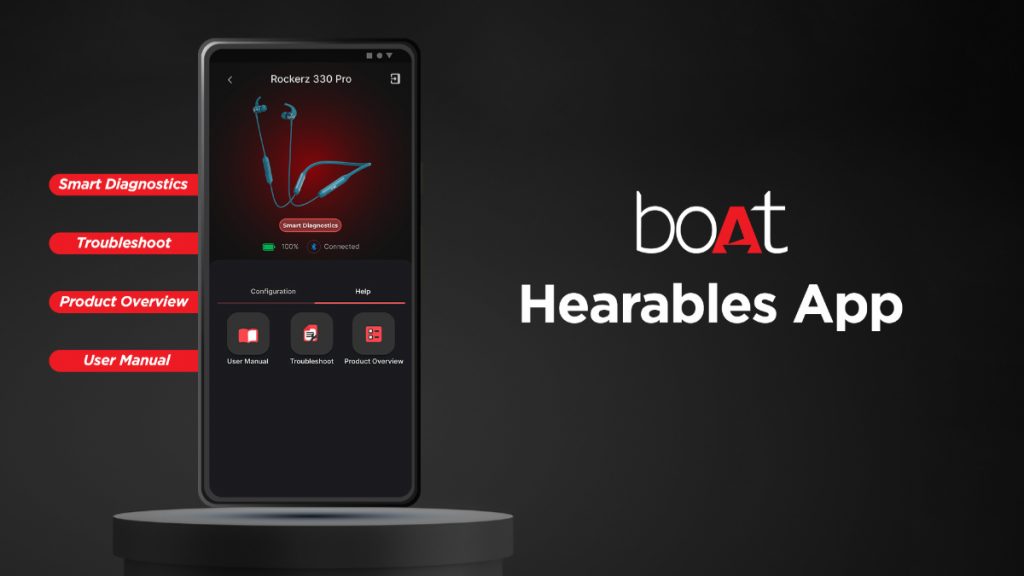
Homegrown brand boAt has launched its first companion app called ‘boAt Hearables’. It has become the first company in India to offer a companion app for all audio devices under one roof. The app is available for Android users on Google Play Store. An iOS version is said to arrive in the coming months.
The boAt Hearables app offers variety of functions. It is capable of resolving problems with Bluetooth connectivity, MIC status, speaker status, and battery health in the user’s audio devices with a single click. The self-diagnostics mode is said to be an industry-first feature. However. It is currently available on the Rockerz 330 Pro and Rockerz 333 Pro, but we can expect more devices in the future. Additionally, users can customise the hearable’s button functions and also download over-the-air software updates.
boAt said that in the initial phase of the app’s launch, users can connect and configure their audio devices and troubleshoot any issues they face. The company has promised to add compatibility for all their oldest and newest personal audio devices. In the second phase, the brand will incorporate personalised audio profiles, custom EQ choices, integrated streaming services, and HD audio personalizer.
boAt’s Chief Product Officer Sameer Mehta said ‘We have always strived to develop product solutions which are fast, easy and can make the customer experience richer and better. In addition, we shall expand the product portfolio with app compatibility and shall ensure that every newly launched product shall be supported in the boAt Hearables App by Out of The Box.’
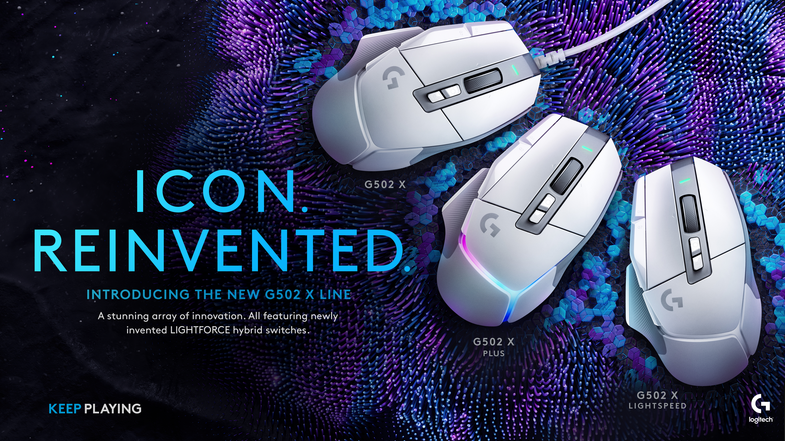
Logitech has launched G502 X line of mices in India mainly targeted at gamers. The lineup includes the G502 X, G502 X Lightspeed, and G502 X Plus. The G520 X is a wired mouse whereas the Lightspeed and Plus variants are wireless offerings. All three devices come with a few identical features. The G502 X is the most affordable option among the lot. Read on to know what the Logitech G502 X lineup offers out of the box.
The Logitech G502 X lineup looks similar to the MX Master 3S with a thumb rest on the left side in terms of design. All three mices come with a redesigned, removable, and removable DPI-shift button and a reworked scroll wheel that offers more stability and less weight. They also retain the G502’s iconic dual hyper-fast infinite scroll and precise ratchet modes.
The Logitech G502 X series features the brand’s LIGHTFORCE hybrid optical-mechanical switches. It is a microswitch technology that combines optical and mechanical switches offering speed, dependability, and precise actuation. According to Logitech, LIGHTFORCE uses galvanic contact pieces that work like mechanical switches. They provide optimal gaming performance.
The G502 X series is equipped with Hero 25K high-precision gaming sensor with 1-1 ratio accuracy at sub-micron levels and no smoothing, filtering, or acceleration. The wireless G502 X Lightspeed and Plus models offer 68 percent faster response times. They also come with the updated LIGHTSPEED wireless protocol for connecting two LIGHTSPEED devices to one receiver via the Device Pairing Tool in G HUB. The Plus variant also features battery optimisations. All three mices are compatible with Windows 10 or later and macOS 10.14 or later.
The Logitech G502 X, G502 X Lightspeed, and G502 X Plus gaming mice are priced at Rs. 7,995, Rs. 13,995, and Rs. 15,495, respectively. All three devices come in black and white colours and can be purchased from the company’s official website and Amazon. They carry a 2-year limited hardware warranty.
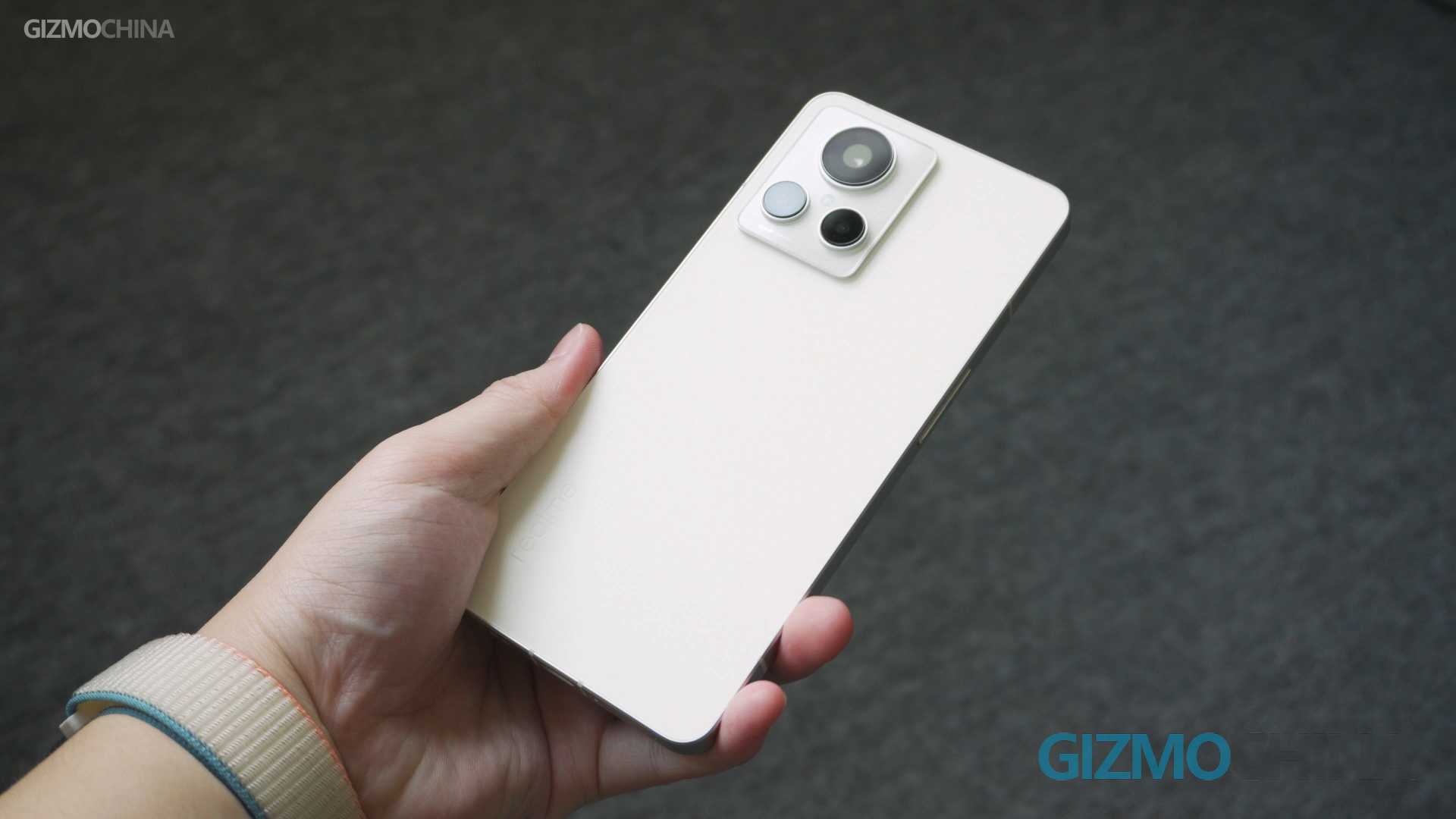
Over the last couple of years, Realme has been working on diversifying its product portfolio. One of the new products was rumored to be a new foldable smartphone model. However, a new report has suggested that the company’s new handset with flexible display might not be launching anytime soon.
The news arrives from a TechRadarreport, which included an exclusive interaction with Realme’s product manager Shreehari. The executive discussed the various technicalities of a vapor cooling system on smartphones. Furthermore, he also confirmed that the company has a team working on possibly announcing a new foldable device in the smartphone market.
However, the official did not reveal any specific timeline for this foldable phone’s release. In other words, it is likely not going to launch anytime soon. The Chinese smartphone maker has already expanded outside of smartphones alone and introduced smart TVs, tablets, audio accessories, laptops, IoT devices, and more under its belt. But despite its expansion efforts, the brand believes that a foldable smartphone might not be received well by its customer base.
According to Shreehari, Realme’s “consumers are very different from other brands, and their needs are different too.” Furthermore, he also added that smartphones with foldable displays will not be the right choice for its target customers. While the launch of the Realme foldable smartphone is still uncertain, we can not completely rule out the possibility of its release.
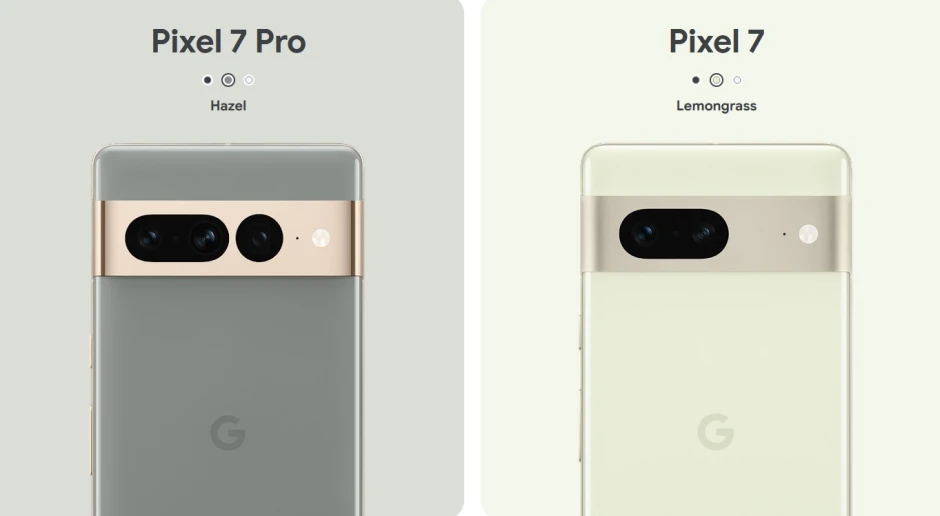
The Google Pixel 7 series launch is just around the corner. However, prior to the official announcement, there have already been a number of rumors and leaks regarding the two new flagship phones. Now, the company has officially revealed the colors of the Pixel 7 Pro in pretty odd manner.
The Search Engine giant took to its official Twitter handle for Japan and shared a tweet. However, this tweet wasn’t a simple announcement post. Rather, the Google Japan Twitter handle shared a link to its website that showed four different colorways that linked to different kinds of potato chip flavors. Looking at these colors, there is an Hazel Onion color for the off green color, Salty Lemon for the lime green option, Obsidian Pepper for the black variant, and Snow Cheese for the white version.
To put things simply, the brand basically revealed the color options for the Pixel 7 Pro in a very unique manner that included potato chips of all things. Notably, Google’s images have also revealed that the base Pixel 7 model will launch in Black and Lime Green option, so it appears that the off green and white color variants might b exclusive to the higher end Pro variant.
Although, this is still not confirmed and these colors may not be locked to just a single model. Furthermore, the tweet while weird isn’t exactly something that Google has pulled for the first time. It has used actual foods to advertise its smartphones before, with the Pixel 4 devices in fun cereal box style packages.
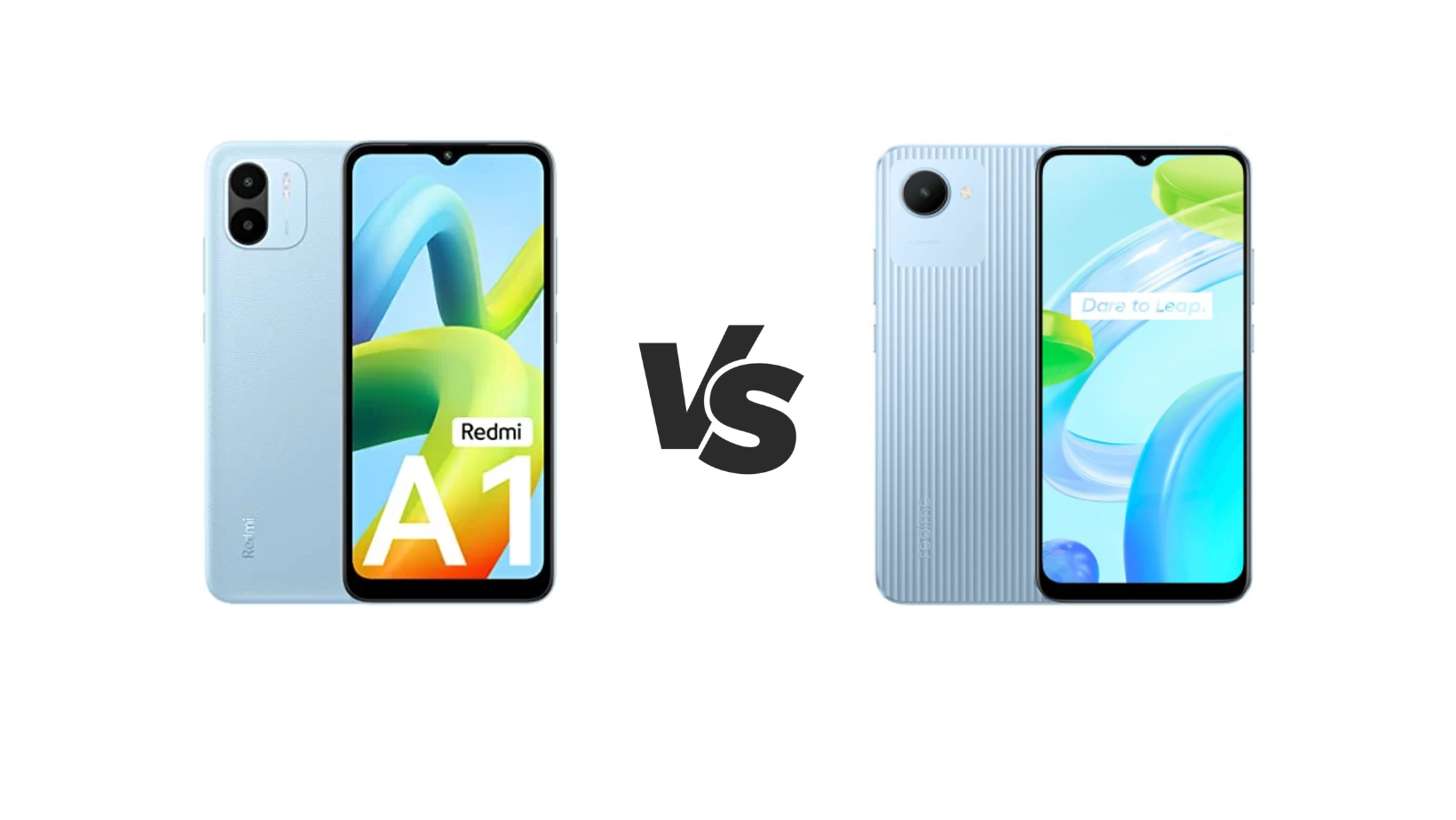
Last week, Redmi released its latest budget smartphone in the Indian market, the Redmi A1. The phone, part of a new series from the brand, focus on bringing good value for money in the INR sub-7000 market, targeting the likes of the Redmi 9A Sport and the Realme C30. We’ve already compared the Redmi A1 with the 9A Sport in a previous comparison, so today, let’s take a closer look at how the model fares against the brand rival, the Realme C30. Unlike the 9A Sport, the Realme C30 is a newer device launched back in June 2022. So, it’s better suited to be a competitor to the Redmi A1 which was also announced very recently.
As we have mentioned in our previous comparisons, designs on cheaper phones have come a long way from being boring and monotonous to looking a lot more premium and unique. The same applies to the two models we have for comparison today, the Redmi A1 and the realme C30. But the two phones adopt different approaches in their designs.
The Redmi A1 comes with a more toned-down look featuring fresh colors and rounded corners, giving it a simple but premium look. It does not look cheap and the light green and blue color options, in particular, feel pretty good.
On the other hand, the realme C30 features a more unique design, featuring a striped pattern that goes along its entire height on the back. Clearly, you’ll be able to distinguish the C30 immediately and with two color options of Lake Blue and Bamboo Green, you get a design that stands out in its price segment.
As for the dimensions, the Redmi A1 is slightly bigger than the Realme C30, despite having similarly sized screens. The Redmi A1 measures 164.9 x 76.5 x 9.1mm while the Realme C30 measures 164.1 x 75.6 x 8.5mm. As you can see, the C30 is both thinner and narrower than the Redmi model. Moreover, the C30 is also lighter at 182 grams instead of the 192 grams on the Redmi model.
Both designs are pretty good for a $100 smartphone. But end of the day, it’ll be your personal choice on what design you prefer, so we leave it up to you to decide which is a better pick in this department.
DISPLAY
Given that these are $100 smartphones, their specs and displays are going to be very similar. The Redmi A1 comes with a 6.52-inch IPS LCD panel with 400 nits brightness and an 81.4% screen-to-body ratio. On the other hand, the Realme C30 also features a 6.5-inch IPS LCD panel with 400 nits brightness and an 82% screen-to-body ratio. Both of them have HD+ displays featuring 1600 x 720-pixel resolutions.
Clearly, the two phones are tied in the display department.
SPECS
The two phones come with entry-level chips that are standard in the budget segment. The Redmi A1 features the MediaTek Helio A22 chipset with quad-core architecture clocked at 2.0GHz. On the other hand, the Realme C30 comes with an octa-core Unisoc Tiger T612 chip clocked at 1.8GHz. While the octa-core design should give the Realme model slightly more power, don’t expect any significant difference in their real-life performances.
Both phones will struggle with any kind of intensive gaming, so better not to get them for gaming purposes. One advantage of the Realme C30 is that it gives you a higher-end storage option if you are willing to shell out more. While the Redmi A1 maxes out at 2GB RAM and 32GB of storage, the Realme C30 can go up to 4GB RAM and 64GB of storage. However, if you are planning to shell out more for the higher storage variant, make sure to check out other options in the price range with better specs.
Both the phones rely on Google’s Android GO Edition, given their entry-level hardware. The Redmi A1 comes with the Android 12 Go edition without MIUI while the Realme C30 features the older Android 11 Go edition.
CAMERAS
Cameras are never the strong point of entry-level smartphones and the same is the case with the two smartphones we are comparing today. The Redmi A1 comes with a dual camera setup, a primary 8MP shooter, and a 0.3MP secondary shooter. The setup is supported by dual LED flash. You can imagine that the secondary camera won’t be of much use but the primary shooter should be able to capture decent samples in daylight.
The Realme C30 brings a single camera setup of 8MP and a single LED flash.
On the front, both phones have a basic 5MP camera for selfies and video calls.
CONNECTIVITY
The two phones feature Wi-Fi 802.11 a/b/g/n and Bluetooth 5.0 with LE support. Unfortunately, they both still come with microUSB 2.0 slots. Also, given their entry-level profile, both phones do not feature a fingerprint sensor.
BATTERY
Both phones feature a 5000mAh battery on board, with a 10W charger in the box.
Both phones are pretty much tied up in most departments. The Realme C30 will have a slight advantage in terms of sheer processing power, thanks to its octa-core chip, but it also features an older version of Android Go Edition. On the other hand, the Redmi A1 comes with the latest Android 12 Go edition without MIUI’s bloatware on top.
But the real distinguishing factor between the two devices will be the design. So it really boils down to whether you like Redmi or Realme’s design better and whether you want slightly faster processing power but is fine with an older version of Android Go.
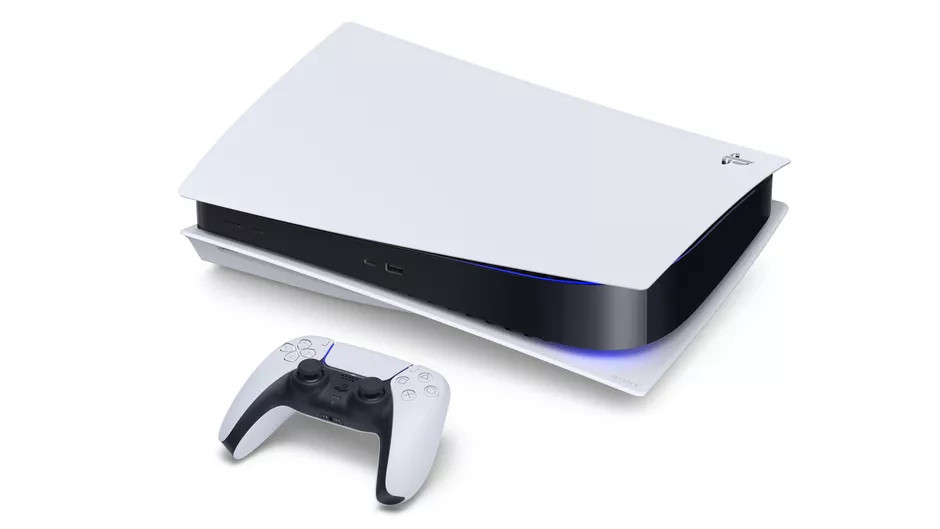
With the launch of the highly anticipated FIFA 23 being just around the corner, Sony is reportedly gearing up to launch its new PlayStation 5 Bundle that will include the new video game.
This would be in line with the company’s usual strategy of making a FIFA bundle following the launch of the latest annual FIFA video game release. However, a notable inclusion in the upcoming iteration of this bundle will include not only the PS5 (in both Digital and Optical version) and FIFA 23, but also an additional DualSense controller as well. For those unaware, the Japanese tech giant usually launches its PS5 with just one controller.
But the new bundle will feature two controllers out of the box. This also makes a lot of sense considering FIFA is also a co-op title and is often enjoyed with friends on the same game console. As of right now, the exact pricing for the Sony PlayStation 5 FIFA 23 bundle is still unclear. Furthermore, its availability details is also at large and it is unknown if the brand will be launching the bundle in markets like India.
Based on the report, the new FIFA 23 bundle for the PS5 will likely launch sometime around the launch of the game itself, which is set to release on 30th September 2022. The PlayStation 5 is already available in multiple bundles at the moment, including the PS5 Horizon Forbidden West and the Gran Turismo 7 bundles.
Flipkart has announced that the brand will be hosting its Big Billion Days sale from September 23 to September 30. The e-commerce platform has already shared some exciting upcoming offers, like the massive discounts on the Google Pixel 6a and the POCO F4.
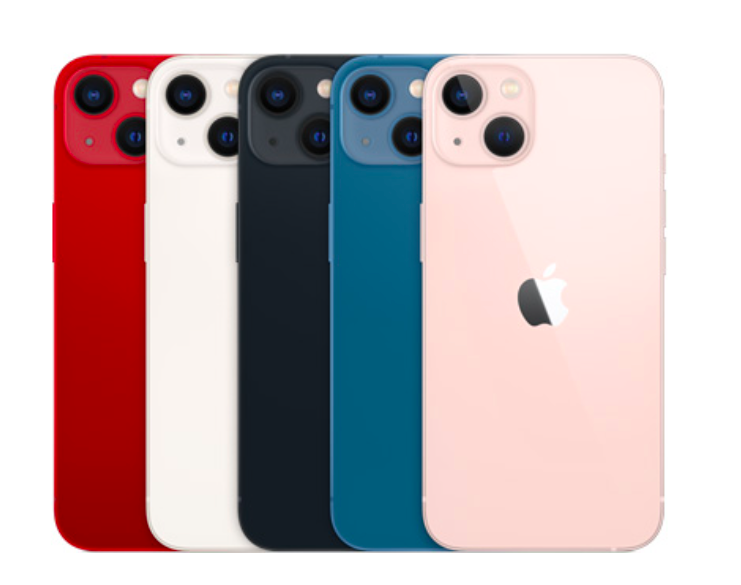
Now, discount offers for Apple iPhones have also been revealed. Flipkart has revealed that the iPhone 13 base model, which is currently priced at Rs 69,900, will go for as low as Rs 49,990 on the Big Billion Days sale. For the price, users will get 128GB of internal storage.
It features a 6.1-inch 60Hz OLED display with a wide notch for the 12MP front camera and Face ID sensors. It runs on an A15 Bionic chip with a 4-core GPU. The device also features a 12MP dual-camera setup on the back.
The iPhone 14, which costs Rs 79,900, offers the same display and the same A15 Bionic chip. The only real difference between the two devices is that the iPhone 14 has an extra GPU core, a slightly bigger battery, and a slightly larger camera sensor with an Auto Focus feature for the front lens. Considering this, the iPhone 13 at Rs. 49,999 is an awesome offer and you won’t be missing out on much from the latest gen.
Other than that, the iPhone 12 mini will also be available at a discounted price of under 40,000. Currently, the iPhone 12 mini is available for a price of around Rs 55,000.
We use cookies on our website to give you the most relevant experience by remembering your preferences and repeat visits. By clicking “Accept”, you consent to the use of ALL the cookies.
This website uses cookies to improve your experience while you navigate through the website. Out of these, the cookies that are categorized as necessary are stored on your browser as they are essential for the working of basic functionalities of the website. We also use third-party cookies that help us analyze and understand how you use this website. These cookies will be stored in your browser only with your consent. You also have the option to opt-out of these cookies. But opting out of some of these cookies may affect your browsing experience.
Necessary cookies are absolutely essential for the website to function properly. This category only includes cookies that ensures basic functionalities and security features of the website. These cookies do not store any personal information.
Any cookies that may not be particularly necessary for the website to function and is used specifically to collect user personal data via analytics, ads, other embedded contents are termed as non-necessary cookies. It is mandatory to procure user consent prior to running these cookies on your website.