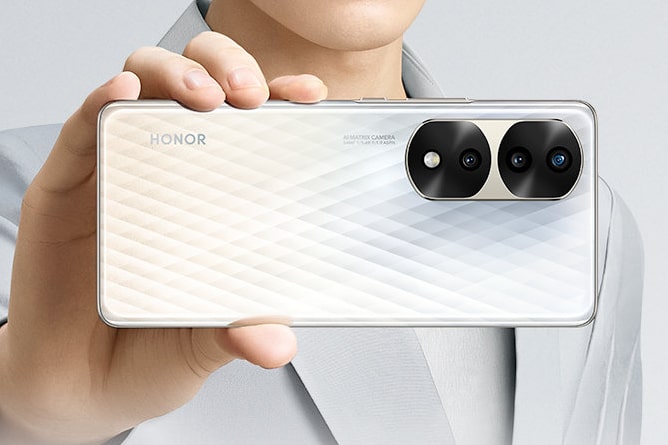
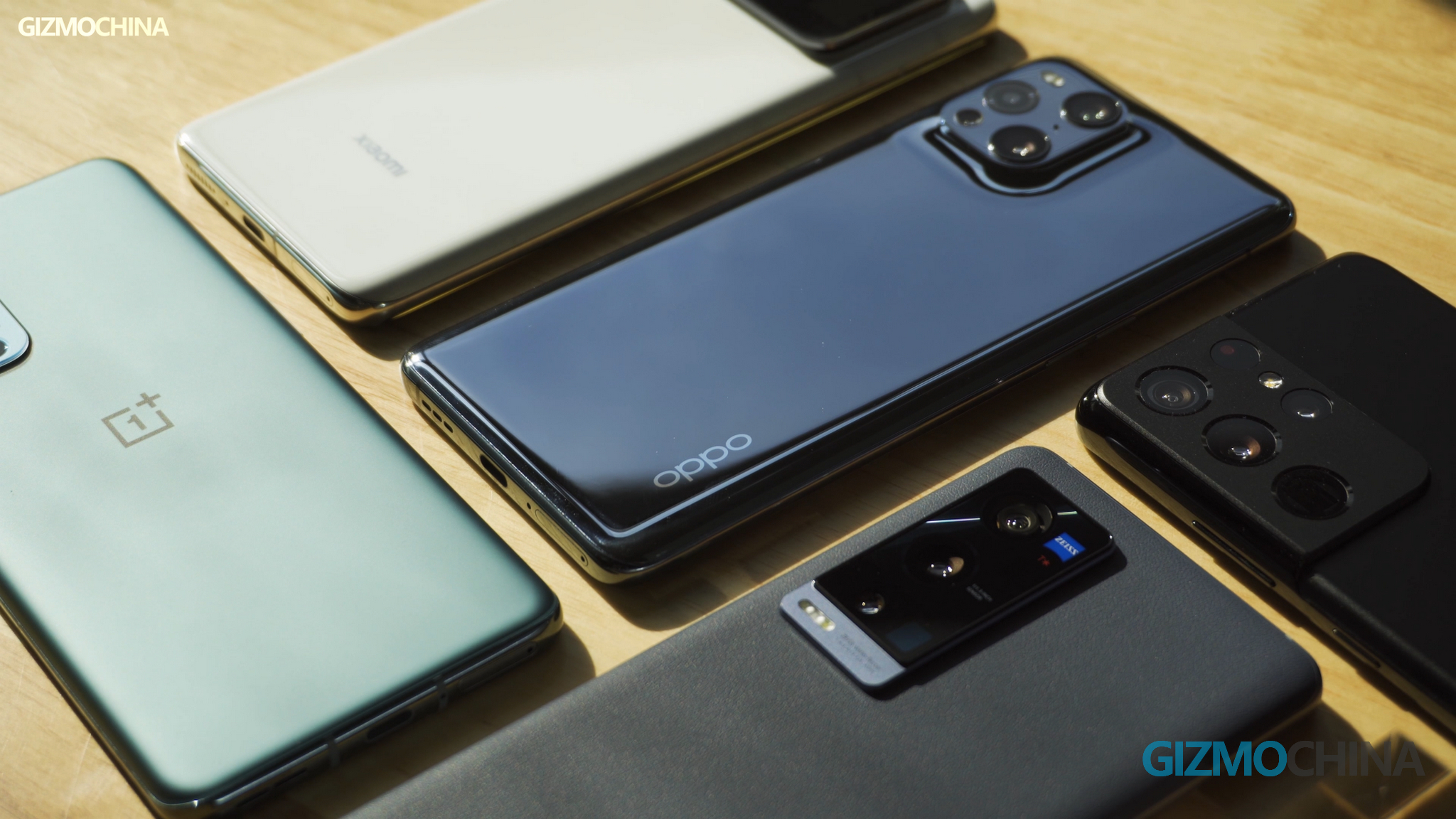
Honor is holding a launch event for its highly anticipated Honor 70 series flagship smartphones in China tomorrow May 30th (Monday) at 7:30 pm Beijing Time (UTC +8) / 5:30 pm IST (UTC +5:30) / 12:30 pm London Time (UTC +1).
The launch event this year will be live-streamed online for the general public to tune in. To watch the launch event, you can head on over to the link below on May 30th, 2022 7:30 pm Beijing Time sharp to follow the announcement.
The Honor 70 series of flagship smartphones is the successor to last year’s Honor 60 series which was launched exclusively in China. Unlike Honor’s Magic4 series which was launched earlier in 2022, the Honor 70 series aimed more toward the affordable flagship market.
The Honor 70 lineup is rumoured to have 3 device models: the standard Honor 70, the Honor 70 Pro and the Honor 70 Pro Plus.
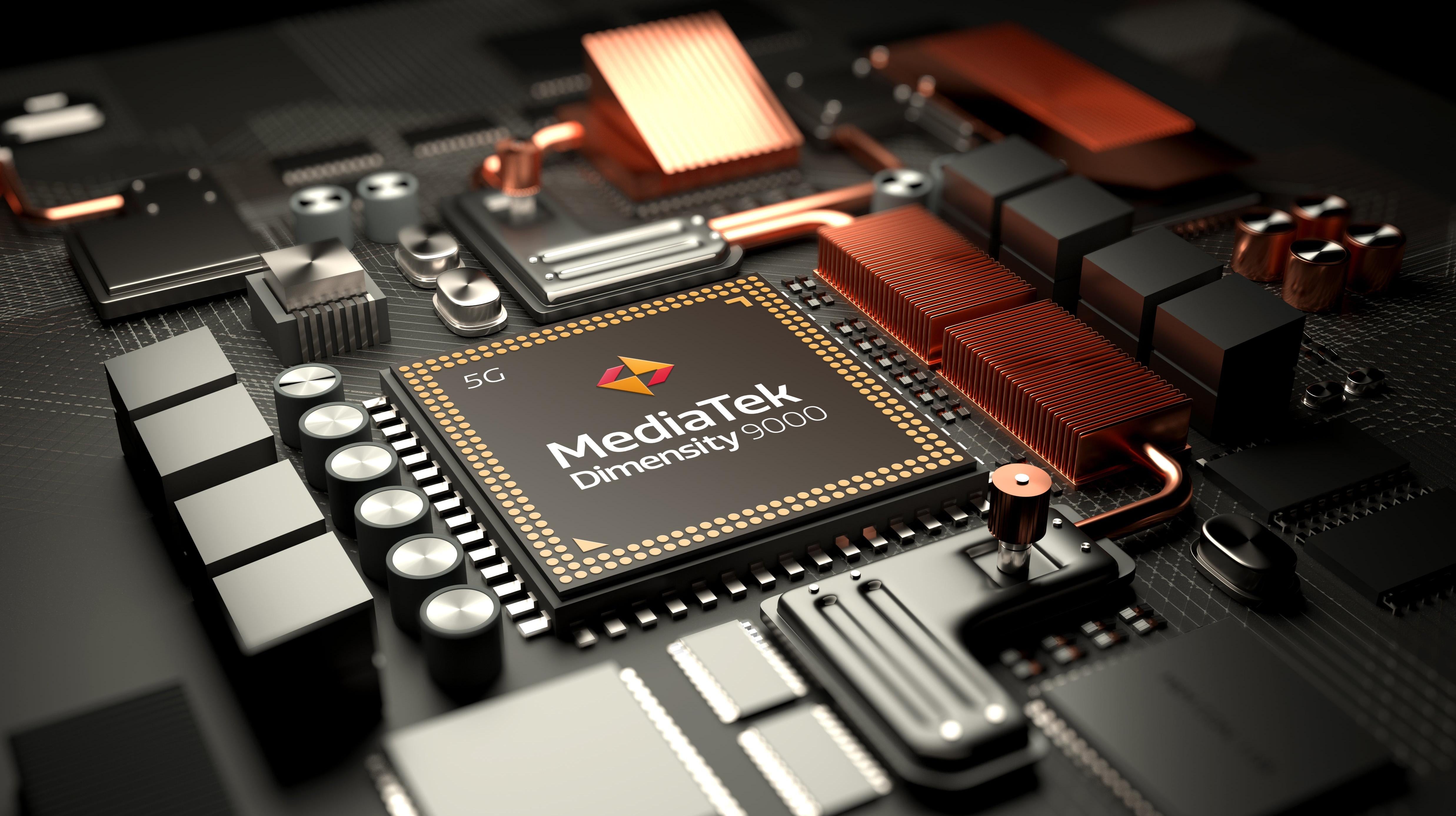
The Honor 70 Pro Plus will be the most expensive in the family with its flagship MediaTek Dimensity 9000 SoC, 10 bit 120Hz LTPO OLED display and Sony’s highest-end IMX800 imaging sensor to boot. The device was also revealed to sport 100W wired fast charging technology with its generous 4,600 mAh battery.
Meanwhile, the standard Honor 70 is rumoured to feature Qualcomm’s newly launched Snapdragon 7 Gen 1 chipset, whilst the Honor 70 Pro could feature MediaTek Dimensity 8000/8100 SoC onboard. Cameras-wise, the standard model will be sporting a 108MP primary + 8MP ultra-wide + 2MP macro triple-lens setup, while the Honor 70 Pro will be sporting a 50MP Sony IMX766 main sensor + 50MP ultra-wide + 8MP telephoto lens setup.
To know more about the Honor 70 series, head on over to our specs roundup article here, or stay tuned to our coverage here at Gizmochina on the Honor 70 series launch event tomorrow!
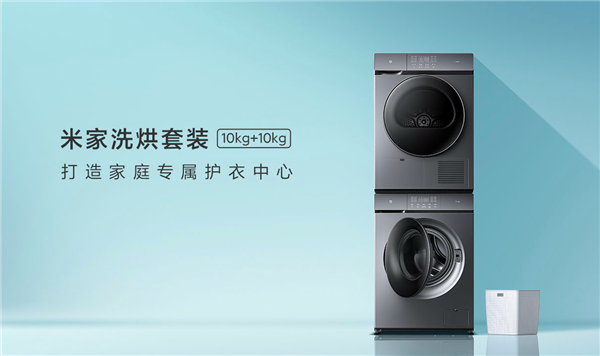
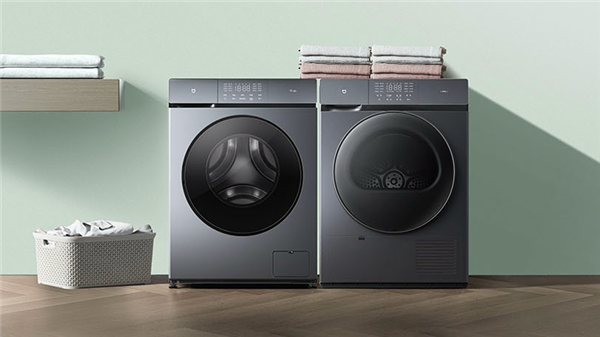
Xiaomi has unveiled the Mijia washing and drying set with dual 10kg capacities in China. The new gadgets have a minimum price of 4,798 yuan ($712). Xiaomi says the new Mijia washing and drying sets could deliver quick solutions to the family’s washing needs.
The Mijia washing and drying set comes with double sterilization and double mites removal technologies. It is equipped with silver ion sterilization technology to provide a high-quality laundry always. The in-built UVC lamp in the drying set also provides another layer of sterilization. It effectively eliminates mites and residual debris.
Up to 22 washing and care options are supported in the Mijia front-loading 10kg washing machine. This covers a wide variety of clothes for different situations including light clothes, jackets, delicate fabrics, white clothing, and so on. It has a 48-pole direct drive motor that can be controlled in a precise manner to achieve optimal washing of the fabric. There are 24 drying modes in the dryer which helps to also deliver optimal drying of clothes and fabrics. The drying mechanism is such that it carries out intelligent drying according to the nature of the fabric.
Washing and drying tasks can be controlled remotely using the Mijia app. The device can also master the washing and drying task at any time.
The Mijia washing and drying set is available in China via Jingdong (JD). It may subsequently ship to other markets but we can’t say when that will happen.
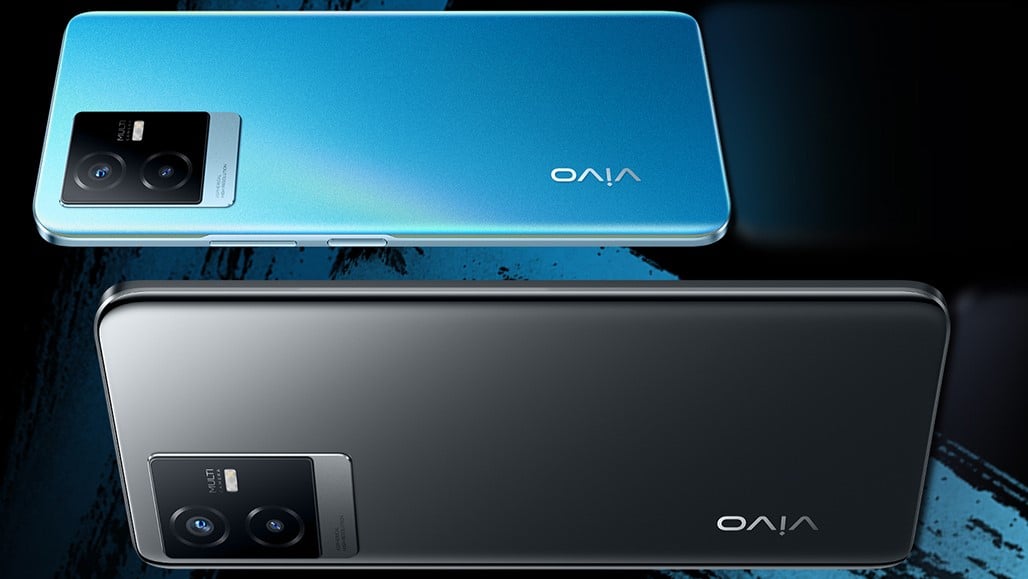
Earlier this week, Vivo was rumoured to launch the Vivo T2x on June 6, but it seems that we finally have a resolution to the launch of the Vivo T2x as the smartphone was quietly launched in the Chinese market today.
Vivo T2x
The Vivo T2x has been officially launched in China today May 29th via Chinese e-commerce platform, JD.com, and the device is planned to start shipping out to customers starting from June 12th onwards.
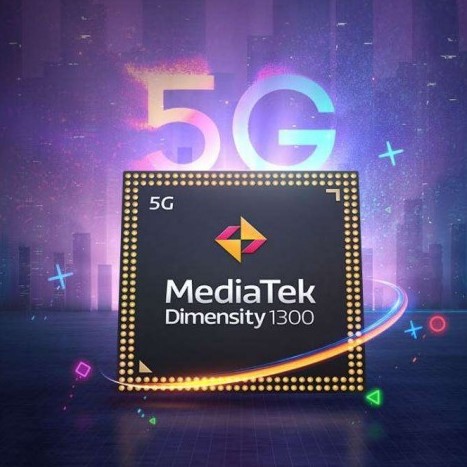
Powering the Vivo T2x smartphone is MediaTek’s newly launched Dimensity 1300 SoC. The aforementioned SoC is built on TSMC’s class-leading 6nm node to deliver exceptional power efficiency while still providing high performance for casual mobile gaming. Paired with the processor is 8GB of LPDDR4X RAM and up to 256GB of UFS 3.1 Enhanced storage to deliver blazingly fast read and write memory speeds.
As for the screen, Vivo has equipped the T2x with a 6.58-inch IPS LCD display, that has a refresh rate of up to 144Hz. The LCD panel also has a 240Hz touch sampling rate, DC Dimming, DCI-P3 colour space coverage, a peak brightness of 650 nits, and can go as low as 1 nit when you are the device in a dark environment.
Vivo T2x
Endurance-wise, the Vivo T2x is packing one of the largest batteries in the mid-range segment with a 6000mAh unit, that Vivo claims to deliver up to 20 hours of continuous video playback. Paired with Vivo’s Wired 44W FlashCharge, the battery can even to charged from 0% to 50% in 35 minutes. The device also supports 6W reverse wired charging, to charge other devices like your USB-C wireless earphones as well.
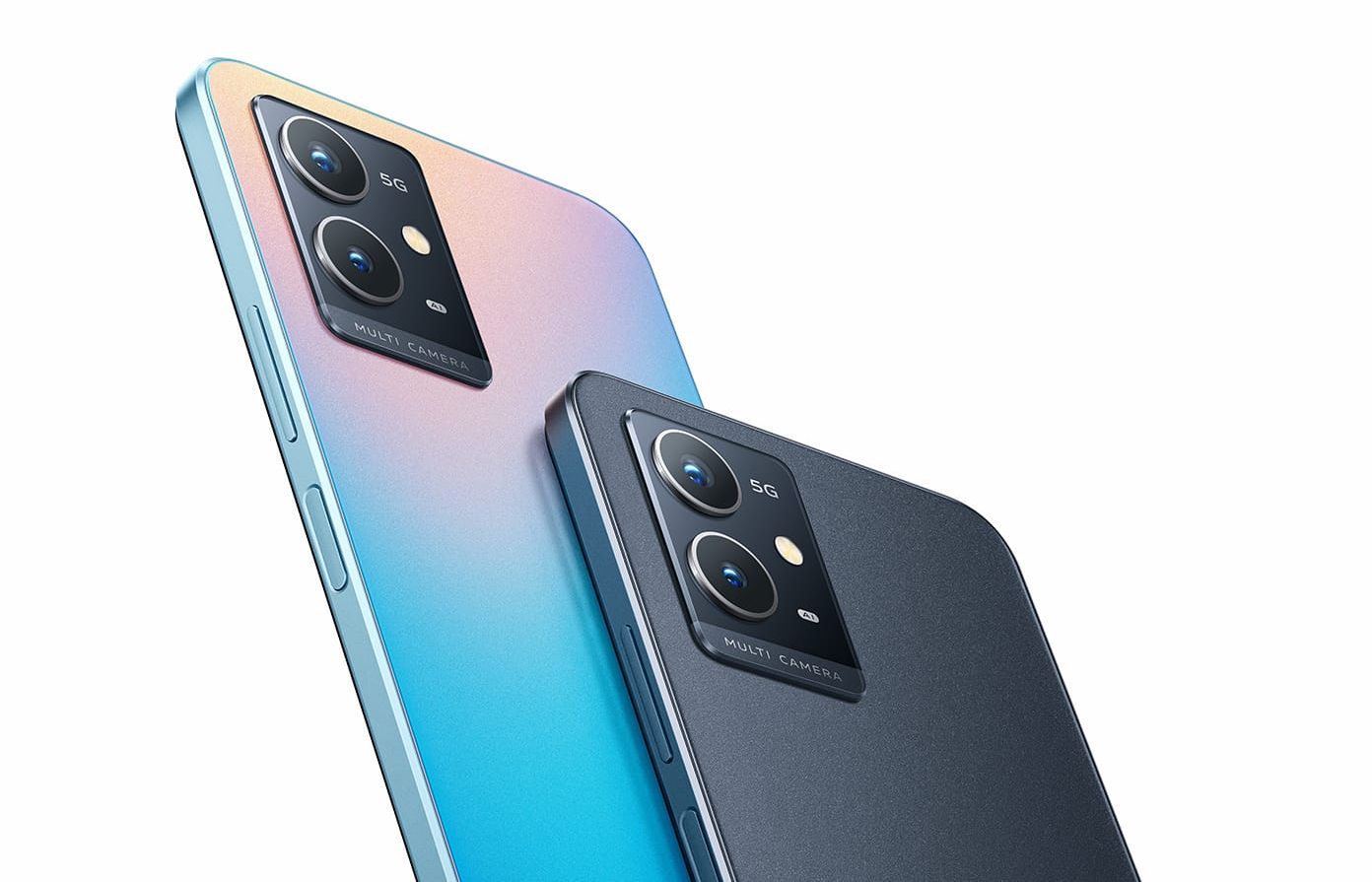
Vivo T2x Dual Cameras
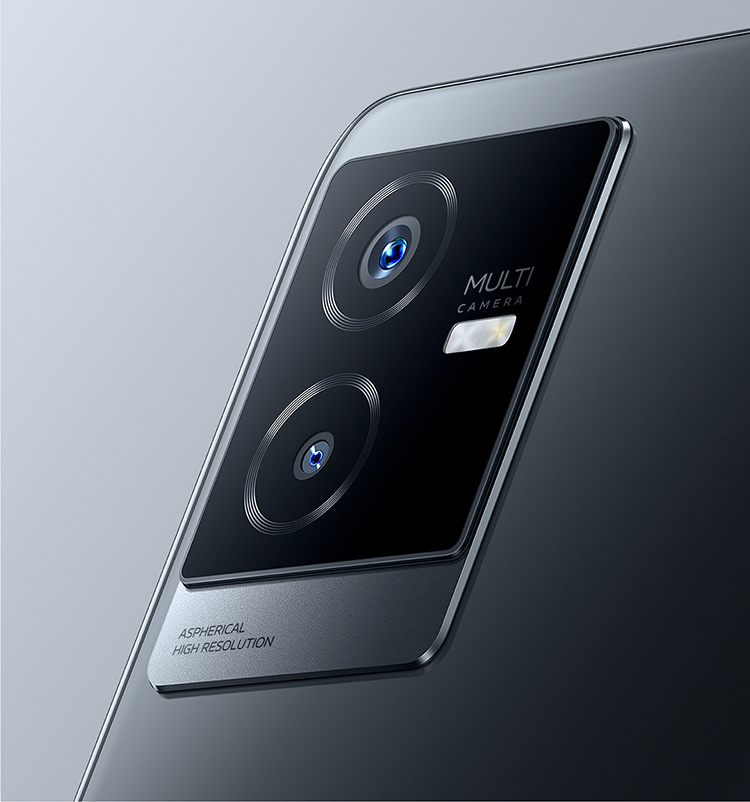
The camera setup on the Vivo T2x is a dual 50MP main lens + 2MP macro lens setup, and the device has been equipped with a brand-new linear axis vibration motor that can deliver a flagship-like experience on the device. (Vivo has not specified whether it is a Z-axis or X-axis motor)
The rear of the device is a matte finish made with AG Glass Technology. The Vivo T2x will be available in two colour options: Mist Blue and Mirror Black.
The RRP of the Vivo T2x is 1699 RMB (254 USD) for the 8GB + 128GB variant and 1899 RMB (284 USD) for the 8GB + 256GB variant. But Vivo China is launching an early pre-order promo whereby the 8GB + 128GB variant will be going for only 1599 RMB (239 USD) and the 8GB + 256GB will going for 1799 RMB (269 USD).
As an Android user, your overall software support user experience is not only determined by the amount of major Android OS updates, but also determined by the frequency of security updates.
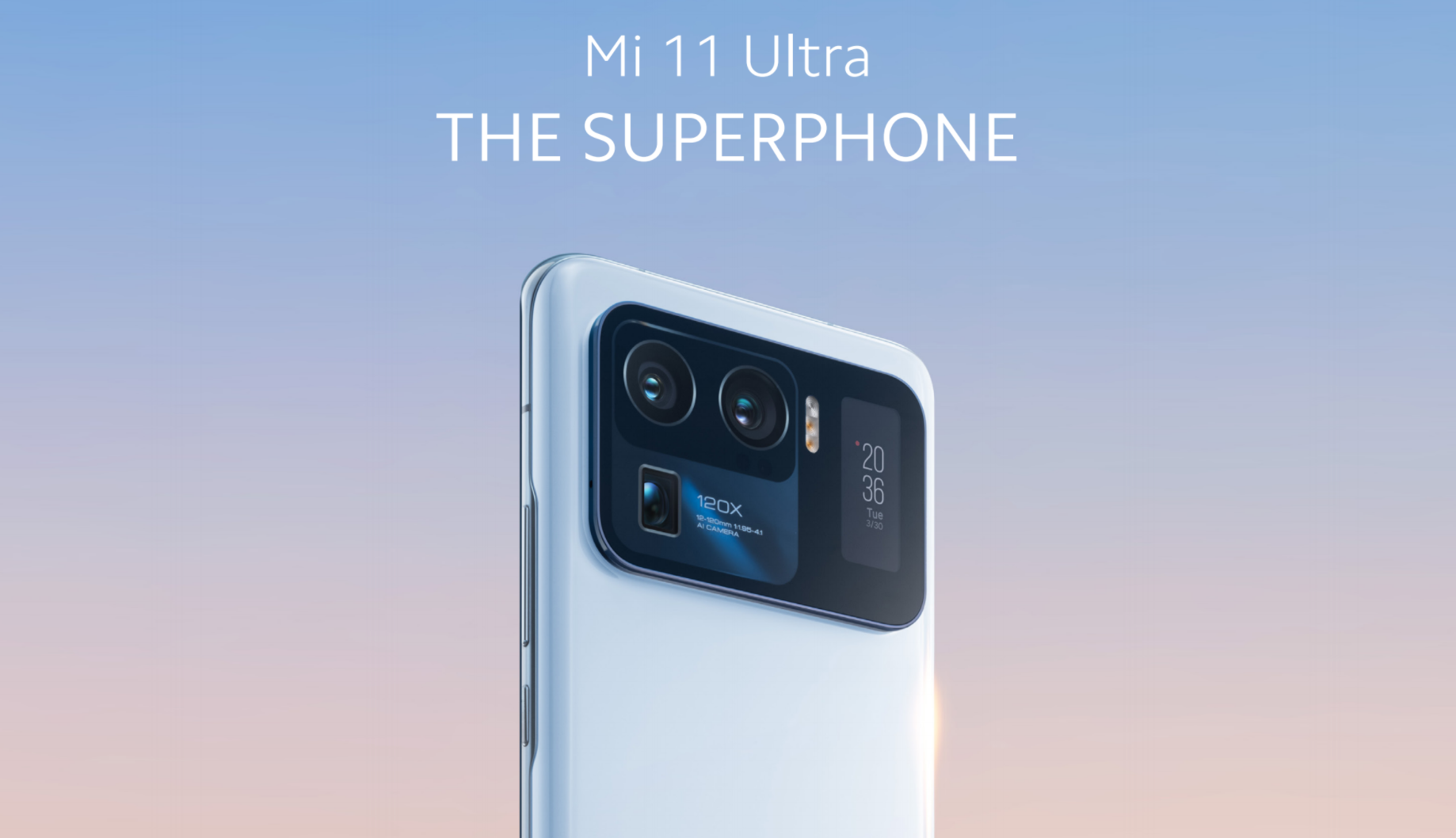
As one of the world’s Top 3 leading smartphone brands, Xiaomi knows this fact as well, thus the smartphone manufacturer has started rolling out the May 2022 Android Security Patch to the global variants of their Xiaomi, Redmi and Poco smartphones.
Currently, several users have reported that their devices have received the May 2022 Security Update that was pushed OTA to their devices. We have compiled a list of the (global) Xiaomi devices that have received the security update so far, and it is as follows:
Xiaomi Mi 11 Ultra
Poco X3 GT
Poco M3
Redmi Note 11
Redmi Note 11 NFC
Redmi Note 11 Pro 4G
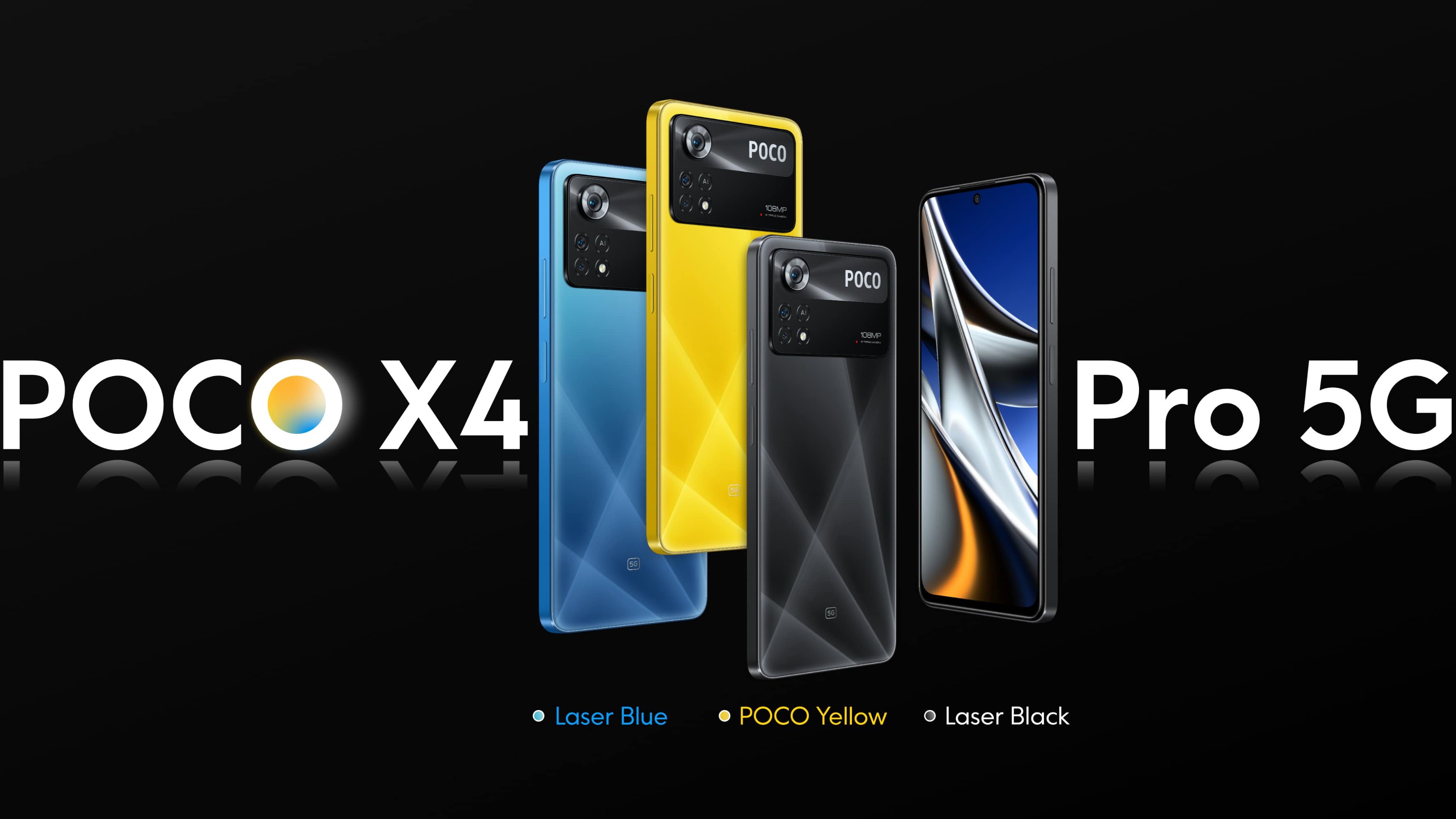
Redmi Note 11 Pro 5G / Poco X4 Pro 5G
If you are the owner of any of these aforementioned Xiaomi devices above, you are highly recommended to download the May Android security update as soon as possible, as to safe keep yourself from the cyberattacks on the internet and to prevent your vulnerable data from leaking out to the greater Internet.
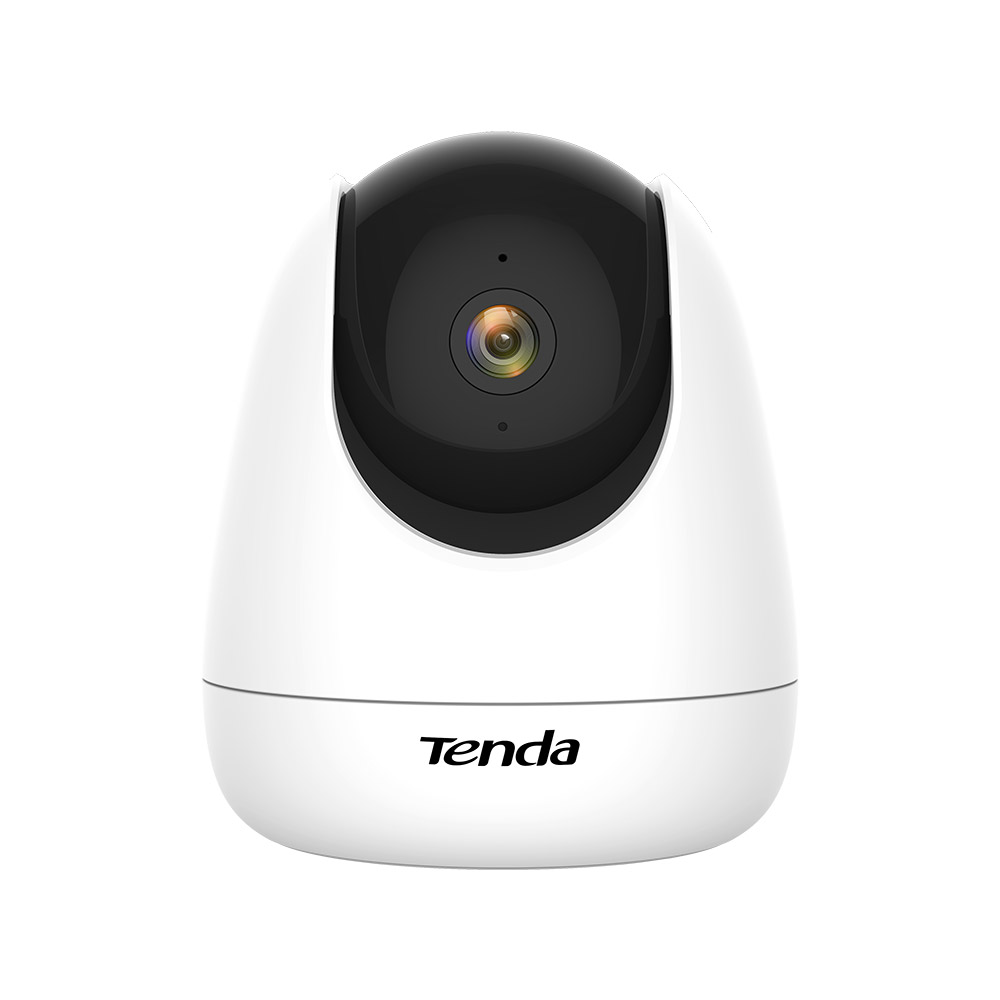
Tenda has announced its CP3 smart AI camera in India with an Rs. 2,999 (~$39) price tag. The Tenda CP3 comes with artificial intelligence (AI) capabilities and a 1080 pixel sensor for FHD footage. The Tenda CP3 also offers several features that make it a highly desirable smart security camera.
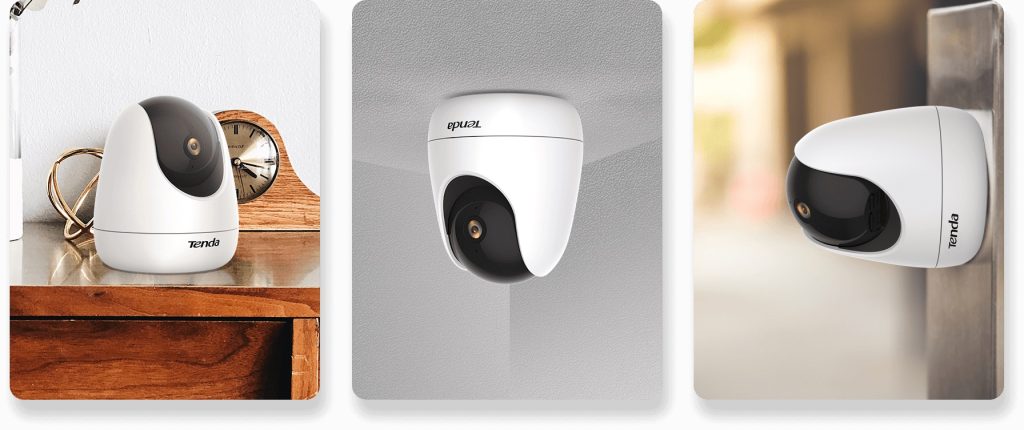
The Tenda CP3 has a pan/tilt design that makes for flexible rotation in any direction. The new camera is capable of 360 degrees horizontal movement and 155 degrees vertical movement (90 degrees up and 65 degrees down). Among its features are Auto Targeting and Tracking, S-Motion Detection, and a two-way full-duplex audio communication system. It supports Night Mode ICR infrared technology and its MicroSD card can support up to 128GB of storage.
The Tenda CP3 can automatically track the activity within its range. Its S-motion Detection feature detects and identifies human body forms and movement. It then triggers an alarm, while a notification is sent to the owner’s smartphone immediately.
The Tenda CP3 smart AI security camera supports Smart H.264 video encoding standard and wireless connectivity. It also has a red and a blue LED indicator. The new device is both affordable and sufficiently kitted as a smart security camera. It remains to be seen the type of reaction it gets from the Indian market.
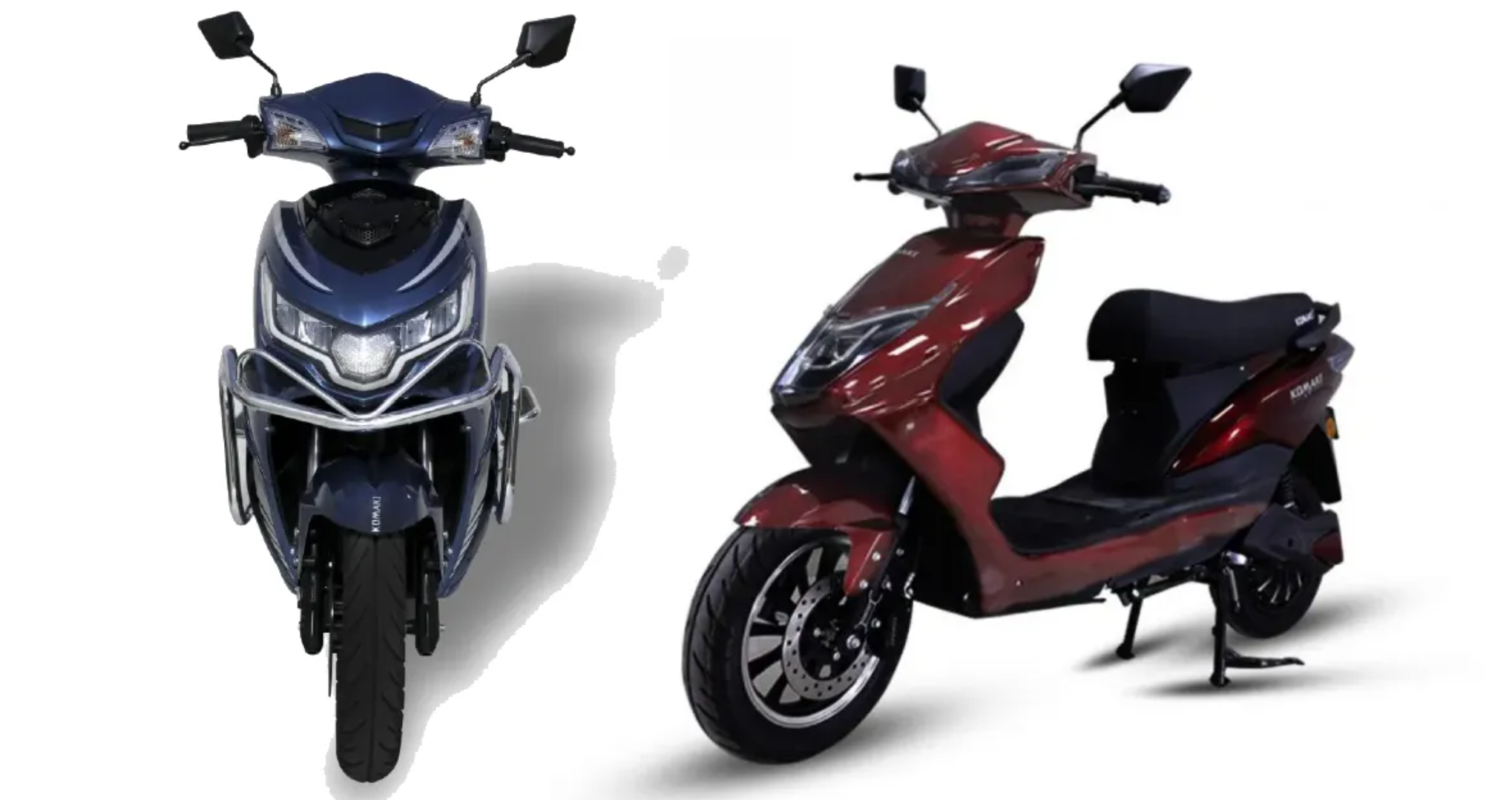
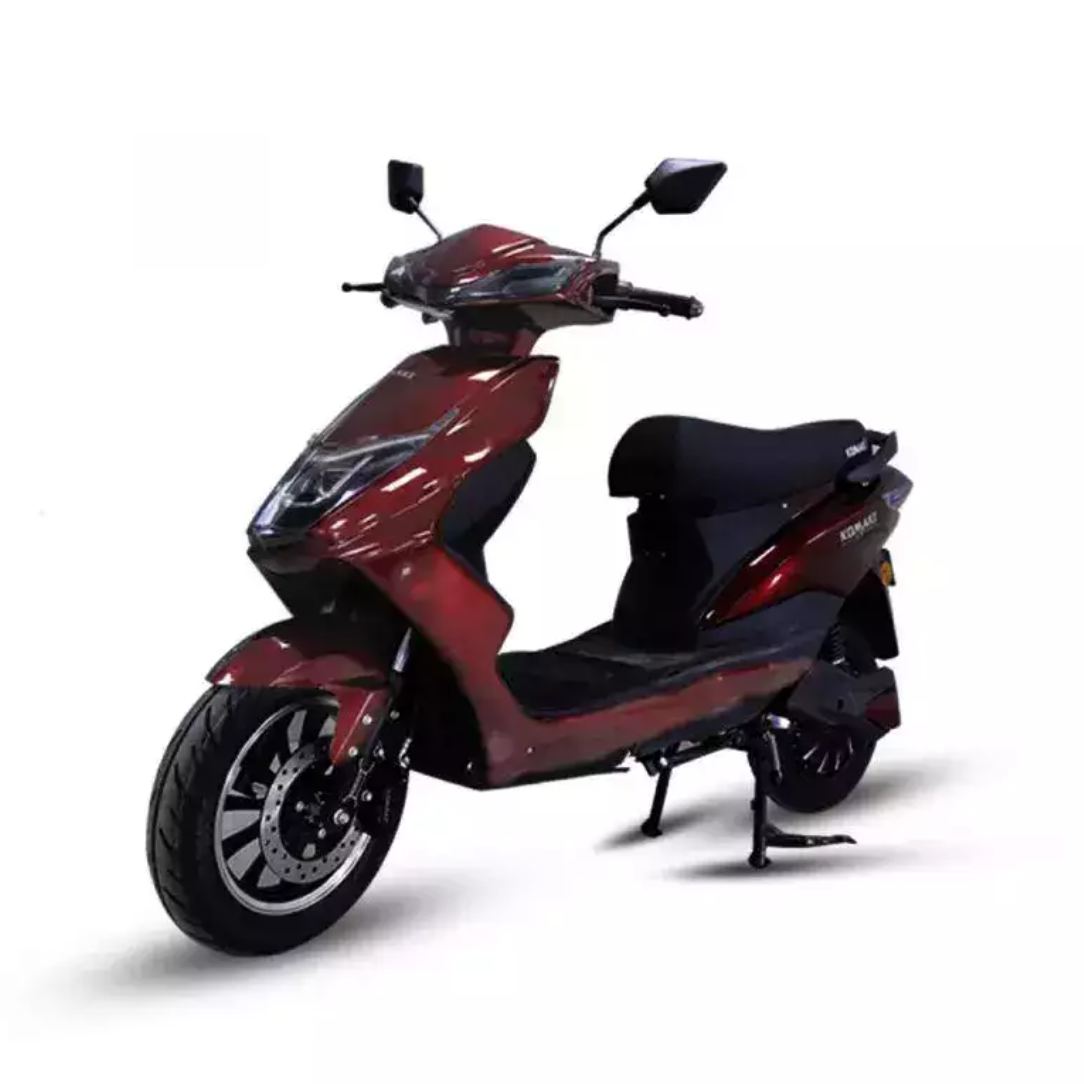
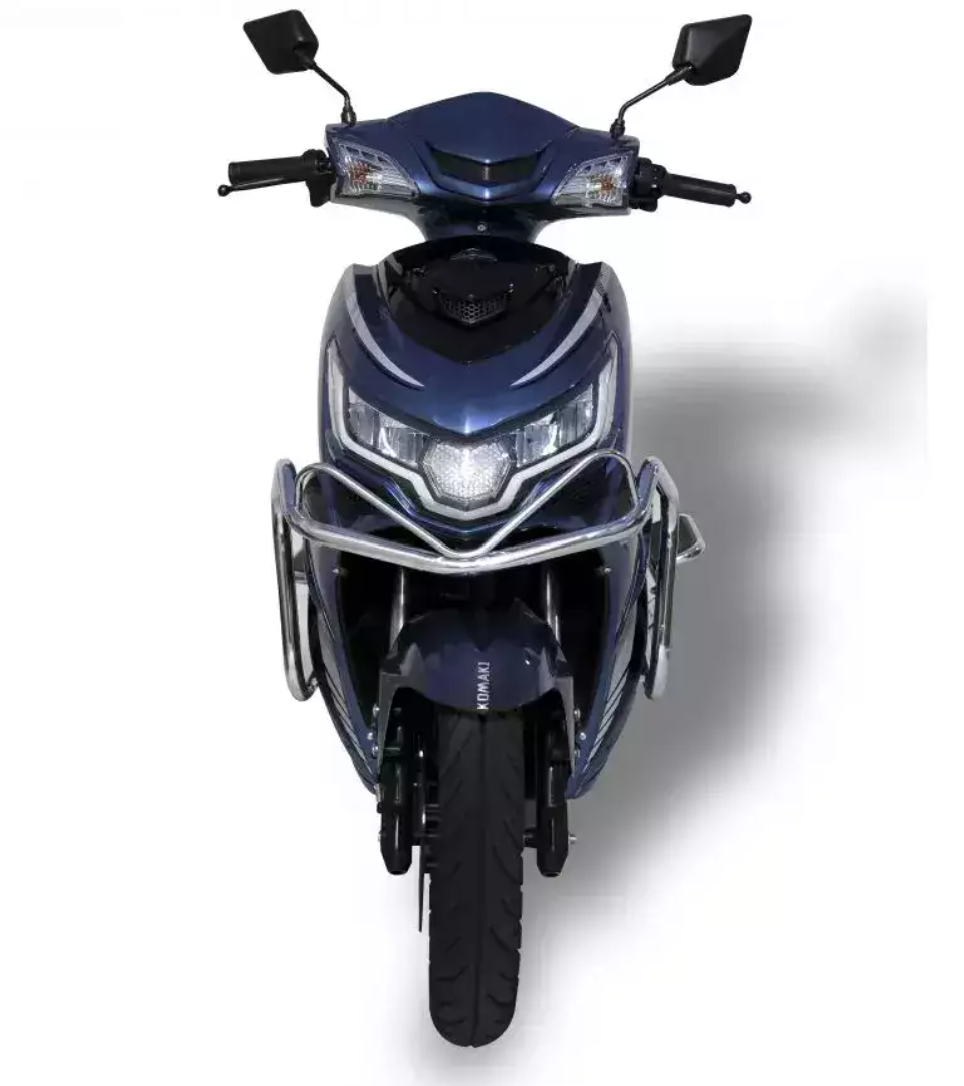
Komaki has added two new electric scooters to its fast-expanding lineup in India. The Komaki LY and Komaki DT 3000 e-scooters offer speed and performance, among other premium features. The new e-scooters also come with some industry-leading innovations and a minimum price of Rs. 88,000 ($1,134).
The Komaki LY is the first e-scooter in India to have anti-skid capabilities. It offers Ferro Phosphate batteries that can give a range of up to 90km. It also features disc brakes on both wheels, a telescopic shock absorber, and a hydraulic shock absorber at the front and rear respectively. The Komaki LY has 12-inch wheels and is available in Garnet Red, Jet Black, and Metal Grey color options.
Komaki DT 3000 e-scooter
The Komaki DT 3000 has a 52Ah lithium-ion battery which powers its 3kW BLDC electric motor. The Komaki DT 3000 has a top speed of 90km/h and a range of 180km on a full charge. The Komaki DT 3000 is obviously the higher model between the two. Its unique lithium-ion battery is one of the standout features of the DT 3000. It can be charged via a 15amp wall-mounted charger for about 4.5 hours. Four color options are available for the Komaki DT 3000 – blue, grey, black, and red.
Komaki LY e-scooter
The lower-priced Komaki LY costs Rs. 88,000 ($1,134) while the Komaki DT 3000 will go for Rs. 1.22 lakh ($1,572). Komaki now has 20 two- and three-wheeler EV models in the Indian market. The wholly-Indian brand continues to ride on the back of deliberate policies by the government, which is driving the EV revolution in India. It hopes to further shore up its share of the market with the two new e-scooter offerings.
Vivo Y33e 5G has gone official in China. In March, the company unveiled the Vivo Y33s 5G in China. The Y33e is a new variant of the Y33s. Here is all the information on the specifications, features, and price of the Y33e.
Vivo Y33e 5G specifications and features
The Vivo Y33e 5G has a 6.51-inch LCD display. The teardrop notch screen offers a 20:9 aspect ratio, an HD+ resolution of 720 x 1600 pixels, a 60Hz refresh rate, and 88.99 percent screen space. It has an 8-megapixel camera on the front for snapping selfies and video calls.
Vivo Y33e 5G
The rear camera array of the device has a 13-megapixel main camera. It is coupled with a 2-megapixel macro snapper. The device offers photography features, such as portrait mode, night scene, time-lapse, and more. It runs on the Android 12 OS, which is overlaid with the OriginOS Ocean UI.
The Dimensity 700 chipset is present under the hood of the device. It has 4 GB of RAM and 128 GB of internal storage. For more storage, it is equipped with a microSD card slot. It packs a 5,000mAh battery that supports 10W charging. It offers other features, such as a side-mounted fingerprint scanner, dual SIM support, Wi-Fi 802.11ac, Bluetooth 5.1, GPS, a USB-C port, and a 3.5mm audio jack.
Vivo Y33e 5G price and availability
The Vivo Y33e 5G is scheduled to go on sale in June in China. It comes in a single trim that offers 4 GB of RAM and 128 GB of built-in storage. It carries a price tag of 1,299 Yuan (~$194) and comes in two colors: Fluorite Black and Magic Blue.
OPPO recently unveiled the OPPO Pad Air tablet in India. It is the second tablet from the brand after the 5G-ready OPPO Pad, which debuted with Snapdragon 870 earlier this year. According to a new report by 91mobiles, the OPPO Pad Air will be launching as early as June in India.
According to the publication, its source, Yogesh Brar, has revealed that OPPO is testing the OPPO Pad Air and Reno 8 series of smartphones in India. Previous reports have stated that the Reno 8 series will come out in the country by the middle of June.
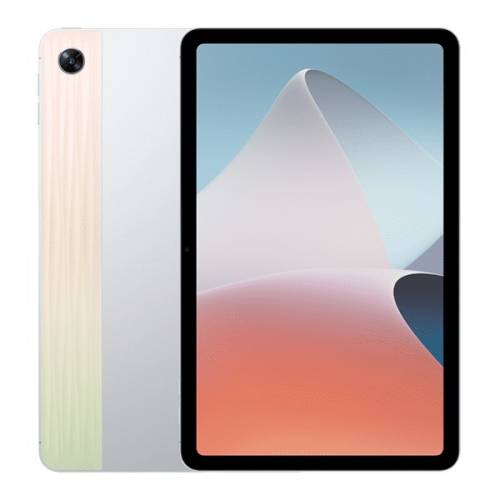
OPPO Pad Air
The OPPO Pad Air is speculated to launch alongside the Reno 8 lineup. However, Brar has claimed that the Reno 8 lineup will debut by late June or early July in the country. Unfortunately, the report has no information on OPPO Pad Air’s configurations, color options, and price for the Indian market.
OPPO Pad Air specifications
The OPPO Pad Air has a 10.36-inch LCD panel that offers a resolution of 1200 x 2000 pixels. The device carries support for the OPPO Pencil stylus. It comes preinstalled with Android 12 OS and ColorOS 12 UI. It has a front camera of 5-megapixel, and its back panel has an 8-megapixel camera.
The Snapdragon 680 chipset is present under the hood of the OPPO Pad Air. In China, the device comes with 4 GB / 6 GB of RAM and 64 GB / 128 GB of storage. It houses a 7,100mAh battery that carries support for 18W fast charging. Lastly, it comes with quad speakers. The Pad Air is priced at 1,299 Yuan ($194; Rs 15,065) in China. It comes in black and silver colors.
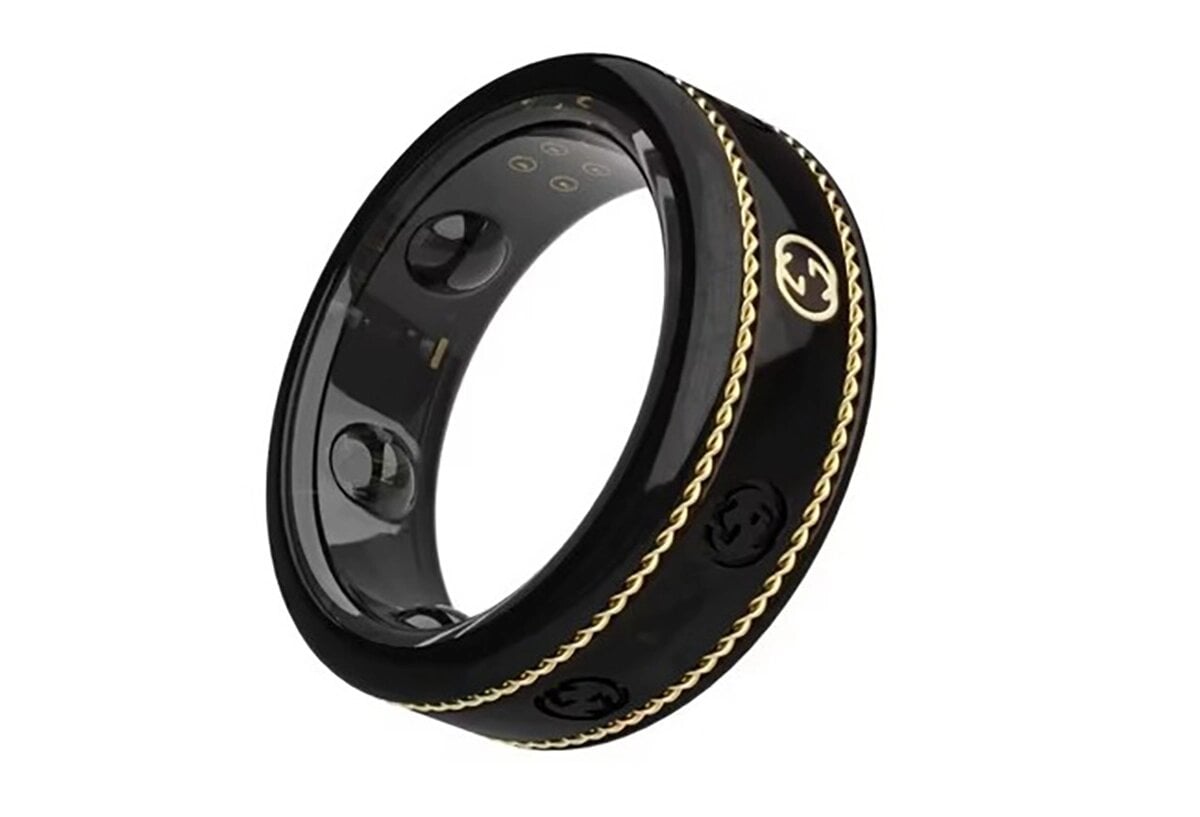
Gucci, the globally renowned luxury fashion brand and Ōura, the Finnish health electronics manufacturer, mostly known for its Oura smart ring, have joined forces to create a new premium smart ring for the market.
Priced at US$950, the Gucci x Oura Ring is equipped with all of the health monitoring features found on Ōura’s third-generation smart ring fitness tracker, but with an exquisitely luxurious exterior that is designed by Gucci.
So why should you consider dropping almost 950 USD for a smart finger ring, when you can get yourself a smart watch instead?
Let’s start with the build, the Gucci Oura Ring is fully decorated with high-end premium materials, including a black synthetic corundum base, surrounded by 18-karat gold braids, and a single 18-karat gold Gucci logo. As you can already tell, these are far more elaborate than the Oura Ring Gen 3’s standard finishings which are offered in either silver, gold, glossy black, or matte black painted colourways.
Coming to the tech features of the Gucci Oura Ring, the marketing materials reveal that the ring is a tailor-made wellness tech product.
“Revealing the idiosyncrasies of both the conscious and subconscious, the Gucci x Oura Ring becomes a full expression of the self”, the product claims. “With 24/7 heart rate monitoring, seven temperature sensors, and sleep analysis, the smart ring decodes each individual day through three daily scores measuring sleep, activity, and readiness. Each score adapts and responds according to the wearer’s personal patterns.”
As for the dimensions, since it is a finger ring, it only weighs in at 4 to 6 grams, but due to the miniature size, the finger ring does not have a screen. Instead, the finger ring is Bluetooth connected to your smartphone/another Bluetooth device to transfer your heart rate data and sleep cycle patterns over for storage. The ring is also rated for 100m depth of water resistance.
The Gucci Oura Ring is compatible with Apple Health and Google Fit health tracking applications for ease of analysis and reading your current health statistics.
In short, if you want to track your health, but you don’t want the size of the smartwatch or the fitness band, a smart finger ring might be your option. The Oura Ring Gen 3 retails for 399 USD, and if you want luxury to go along with it, the Gucci x Oura Ring retails for 950 USD.
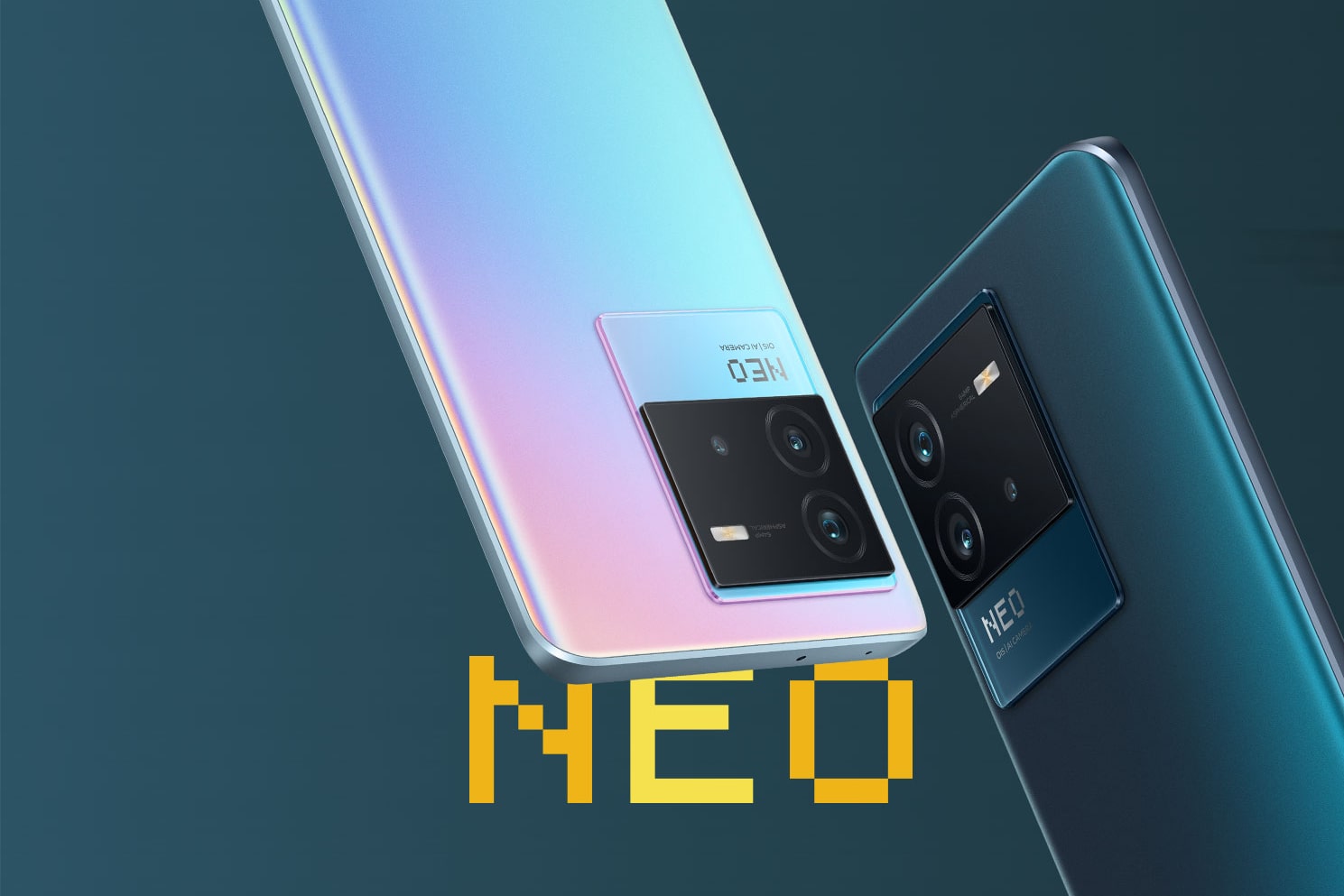
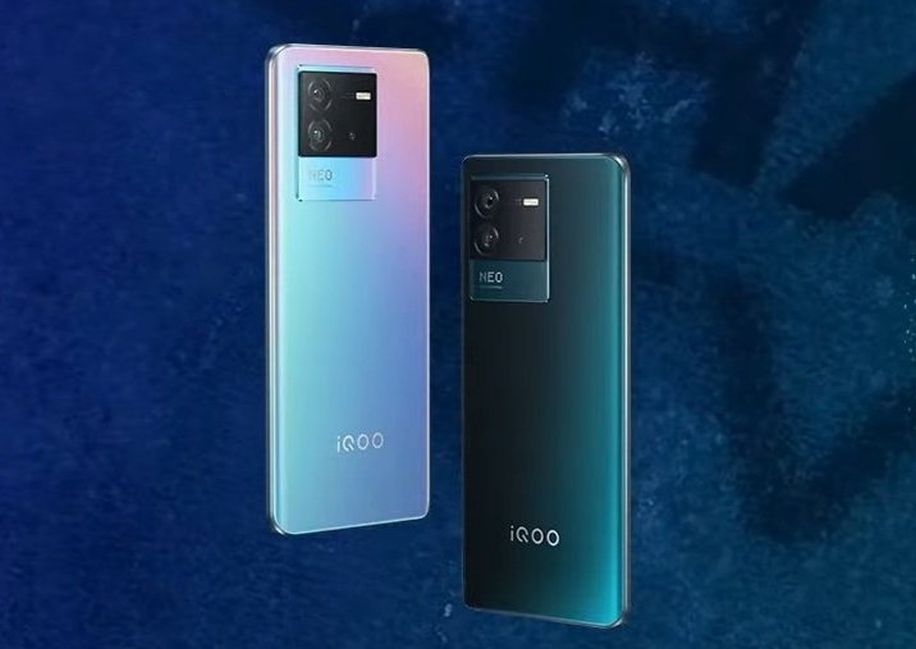
iQOO Neo 6 is scheduled to launch at 12 PM (local time) on May 31 in India. It is iQOO’s first Neo-branded smartphone for the Indian market. In the past few months, iQOO has unveiled the iQOO Neo 6 and Neo 6 SE smartphones in China. However, the Neo 6 heading to India is a different model. In fact, it is nothing but a rebranded version of the Neo 6 SE.
Design and Display
The iQOO Neo 6 Indian variant has an OLED display with a centrally positioned punch-hole. Its rear shell, which sports a matte finish, has a large camera module that houses a triple camera unit, an LED flash, and a Neo logo. The device lacks a 3.5mm audio jack.
iQOO Neo 6 Indian variant
It has a 6.62-inch E4 AMOLED display that offers an FHD+ resolution, a 120Hz refresh rate, a 1200Hz touch sampling rate, 10-bit colors, HDR10+ support, and 1,300 nits of brightness. The screen is integrated with a fingerprint sensor.
Specifications
The Snapdragon 870 is present at the helm of the iQOO Neo 6. It will ship with 6 GB / 8 GB of LPDDR4x RAM and 128 GB / 256 GB of UFS 3.1 storage. It runs on Android 12 with a layer of FunTouchOS UI on top. According to a leak by tipster Yogesh Brar, the Neo 6 will receive two Android OS upgrades.
iQOO Neo 6 Indian variant
The device will pack a 4,700mAh battery. It will be iQOO’s first phone in India to carry support for 80W fast charging. I will come with other features such as support for Netflix HDR, stereo speakers, VC liquid cooling, an x-axis linear motor, and an IR blaster.
Cameras
For selfies and video calls, the iQOO Neo 6 has a 16-megapixel front camera. The rear-facing triple camera unit of the device has a 64-megapixel main camera with OIS support. It is accompanied by an 8-mgeapixel ultrawide lens and a 2-mgeapixel macro camera.
Price and availability
The iQOO Neo 6’s base model could be priced at around Rs 29,000 in India. In China, it comes in three variants, such as 8 GB RAM + 128 GB storage, 8 GB RAM + 256 GB storage, and 12 GB RAM + 256 GB storage. These variants are priced at 1,999 Yuan (~$298; ~Rs 23,185), 2,299 Yuan (~$343, ~Rs 26,665), and 2,499 Yuan (~$373, ~Rs 28,985), respectively. The iQOO Neo 6 Indian variant will be available in Cyber Rage and Dark Nova colors.
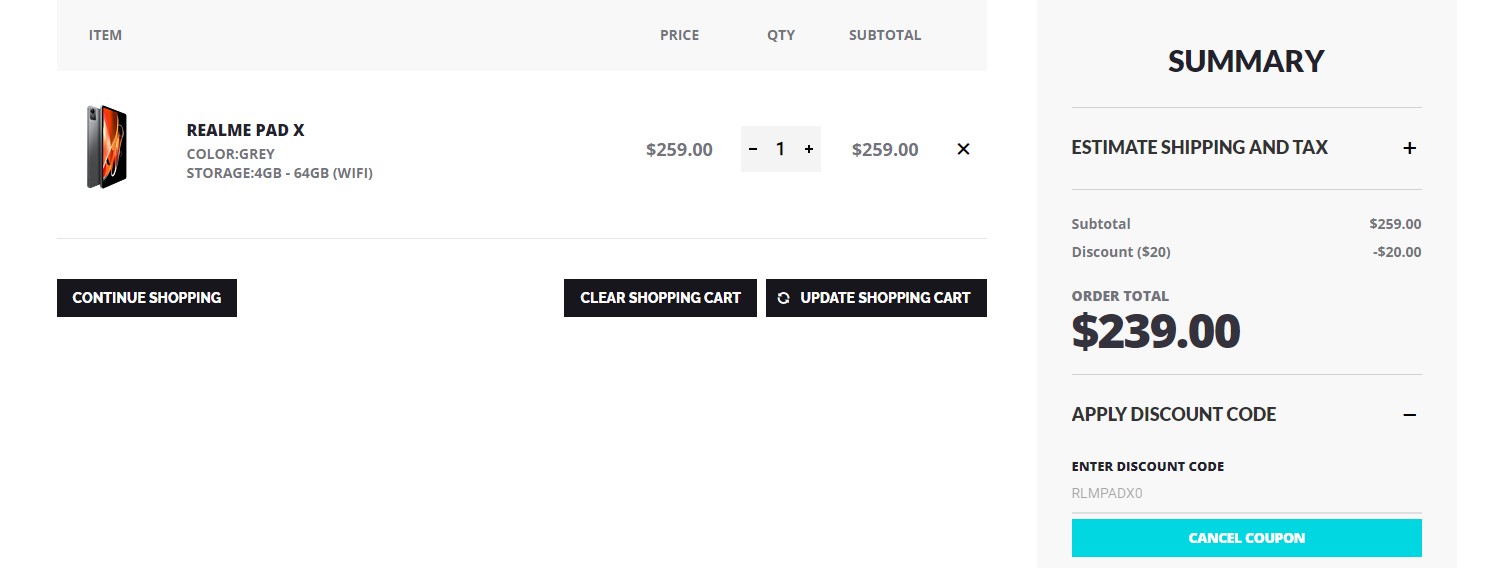
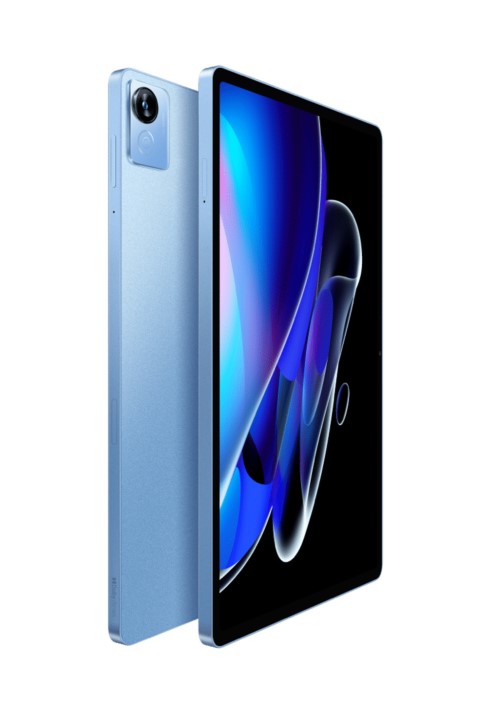
Giztop is giving a $20 discount coupon for the latest Realme Pad X. The tablet which generally retails for $259 is now available at a discounted price of $239 only by using the coupon code: RLMPADX0. Please note that this is a limited-time coupon.
Realme Pad X features an 11-inch 2K LCD display and supports a 120Hz refresh rate. The tablet is powered by Snapdragon 695 octa-core processor and comes with 4GB / 6GB LPDDR4 RAM and 64GB / 128GB internal storage options.
The tablet is specially designed for work and studies and comes with a 13MP rear camera and 8MP front camera which is perfect for your video calls and meetings. Fueled with an 8340mAh battery, the tablet supports 33W fast charging, reverse charging, and USB power delivery.
Generally retailing for $259 you can now buy the Realme Pad X for a discounted price of $239 only at Giztop. This is a limited-time deal. So place your order before the coupon expires.
For more information on such exciting deals and offers check out our deals hub.
Redmi‘s numbered series is among the most successful smartphones in the Indian budget segment. And now, the brand is reportedly planning to debut the Redmi 11 5G in India as an entry-level 5G smartphone.
Redmi 10 (India variant)
According to a 91mobiles report, Xiaomi plans to launch the Redmi 11 5G in Q2. This means that the smartphone will likely launch sometime next month. The report also mentions the specs that the device will come with, so let’s check it out.
Redmi 11 5G specifications (rumored)
The Redmi 11 5G will come with a 6.58-inch LCD display featuring an FHD+ resolution and support for a 90Hz refresh rate.
Under the hood, the device will come with the Dimensity 700 chipset paired with up to 4GB of RAM and 64GB of storage. Users will have a choice to expand their memory using a microSD card. It will be powered by a 5,000mAh battery with support for 18W fast charging.
For optics, the smartphone will sport a dual camera on the back including a 50-megapixel primary shooter coupled with a 2-megapixel secondary camera. On the front, the device is said to bring a 5-megapixel snapper for selfies and video calls.
Other than that, the smartphone will come with a side-mounted fingerprint scanner and will be 9mm in thickness. Lastly, the device is expected to launch with a Rs 13,999 price tag in India.
The OPPO Reno8 debuted in the Chinese market and it will soon debut in India and in Europe too with the launch of the Reno8 Lite. Meanwhile, even OPPO’s sub-brand OnePlus released a new midrange phone. The OnePlus Ace Racing Edition has a similar design to the new OPPO Reno8, but it comes with different specifications: while the former is more interesting for casual users, the latter is better for gaming. But which one is the best for your actual needs? This is a comparison between the specifications of the vanilla OPPO Reno8 and the OnePlus Ace Racing Edition which will clear your ideas in regards.
OPPO Reno8 Pro vs OnePlus Ace Racing Edition
OPPO Reno8
OnePlus Ace Racing Edition
DIMENSIONS AND WEIGHT
160.6 x 73.4 x 7.7 mm,
179 g
164.3 x 75.8 x 8.7 mm,
205 g
DISPLAY
6.43 inches, 1080 x 2400 pixels (Full HD+), AMOLED
6.59 inches, 1080 x 2412 pixels (Full HD+), IPS LCD
Triple 50 + 2 + 2 MP, f/1.8 + f/2.4 + f/2.4
32 MP f/2.4 front camera
Triple 64 + 8 + 2 MP, f/1.7 + f/2.2 + f/2.4
16 MP f/2.1 front camera
BATTERY
4500 mAh, fast charging 80W
5000 mAh, Fast Charging 67W
ADDITIONAL FEATURES
5G, dual SIM
5G, dual SIM
Design
As already mentioned above, the OPPO Reno8 and the OnePlus Ace Racing Edition come with a similar design including a camera module merged with the rear side and with the same color as the rest of the body. But the OPPO Reno8 is the winner of the design comparison because it is more compact, thinner, and lighter than its rival. Further, it has a cleaner camera module and includes an in-display fingerprint reader, while the OnePlus flagship killer has a side-mounted sensor. These two phones are not built with premium materials as they come with plastic bodies, but they still have a good build quality.
Display
Are you looking for the best image quality? If so, you should opt for the OPPO Reno8. Unlike its internal rival, it has an AMOLED panel showing brighter colors and deeper blacks. The panel sports a Full HD+ resolution of 1080 x 2400 pixels, a 90 Hz refresh rate, a peak brightness of up to 800 nits, and an in-display fingerprint reader, as well as the Gorilla Glass 5 protection. OnePlus Ace Racing Edition is not the best display out there in terms of image quality because it has an IPS panel, but it is a better screen for gaming because it sports a 120 Hz refresh rate and it has a wider 6.59-inch diagonal. Further, the OnePlus device comes with stereo speakers providing a better audio experience, as well as a 3.5 mm audio jack.
Specs & Software
If your goal is to get the most advanced performance, then the best choice for you is the OnePlus Ace Racing Edition. It is powered by the MediaTek Dimensity 8100 Max mobile platform built with a 5 nm production process and running at a max frequency of 2.85 GHz: it is an upgrade of the Dimensity 8100 coming with better AI performance and it is a high-end SoC. The OPPO Reno8 sports a lower-end Mediatek Dimensity 1300 chipset running at a max frequency of 3 GHz, but it is still a good midrange SoC. Both the handsets offer up to 12 GB of RAM and up to 256 GB of UFS 3.1 native storage, as well as the 5G connectivity and Android 12 out of the box, customized by ColorOS 12.1.
Camera
Despite being a phone made for gamers and power users available at a pretty affordable price, the OnePlus Ace Racing Edition has a more interesting rear camera than OPPO Reno8: it includes a 64 MP main camera, an 8 MP ultrawide sensor, and a 2 MP macro lens. The OPPO mid-ranger lacks an ultrawide camera and it replaced the 64 MP main sensor with a 50 MP camera. On the other hand, it sports a superior selfie camera with a resolution of 32 MP.
The battery of the OnePlus Ace Racing Edition is 500 mAh bigger with a capacity of 5000 mAh and the phone comes with a processor built with a better production process, so it lasts more on a single charge in several scenarios. On the other hand, the OPPO Reno8 offers faster charging speeds thanks to 80W fast charging.
Price
The starting price of the OnePlus Ace Racing Edition in China roughly translates into €280/$300 at the actual change, for the configuration with 8 GB of RAM and 128 GB of internal storage. The same memory configuration of the OPPO Reno8 carries a listing price that roughly translates into €350/$375 in China. Both these phones are currently available only in the Chinese market and their launch date for the global market is still unknown. We do not even know if the OnePlus handset will ever hit the global shelves. So which phone is the best to choose? If you are a gamer or a power user and you are looking for better performance, as well as a more versatile camera and a bigger battery, then you would better go for the OnePlus Ace Racing Edition. But this device has a disappointing IPS panel and a thicker design, so if the display is a more important priority, the OPPO Reno8 is actually a better choice. Overall, I would go for the OnePlus flagship killer. Which one would you pick?
OPPO Reno8 vs OnePlus Ace Racing Edition: PRO and CONS
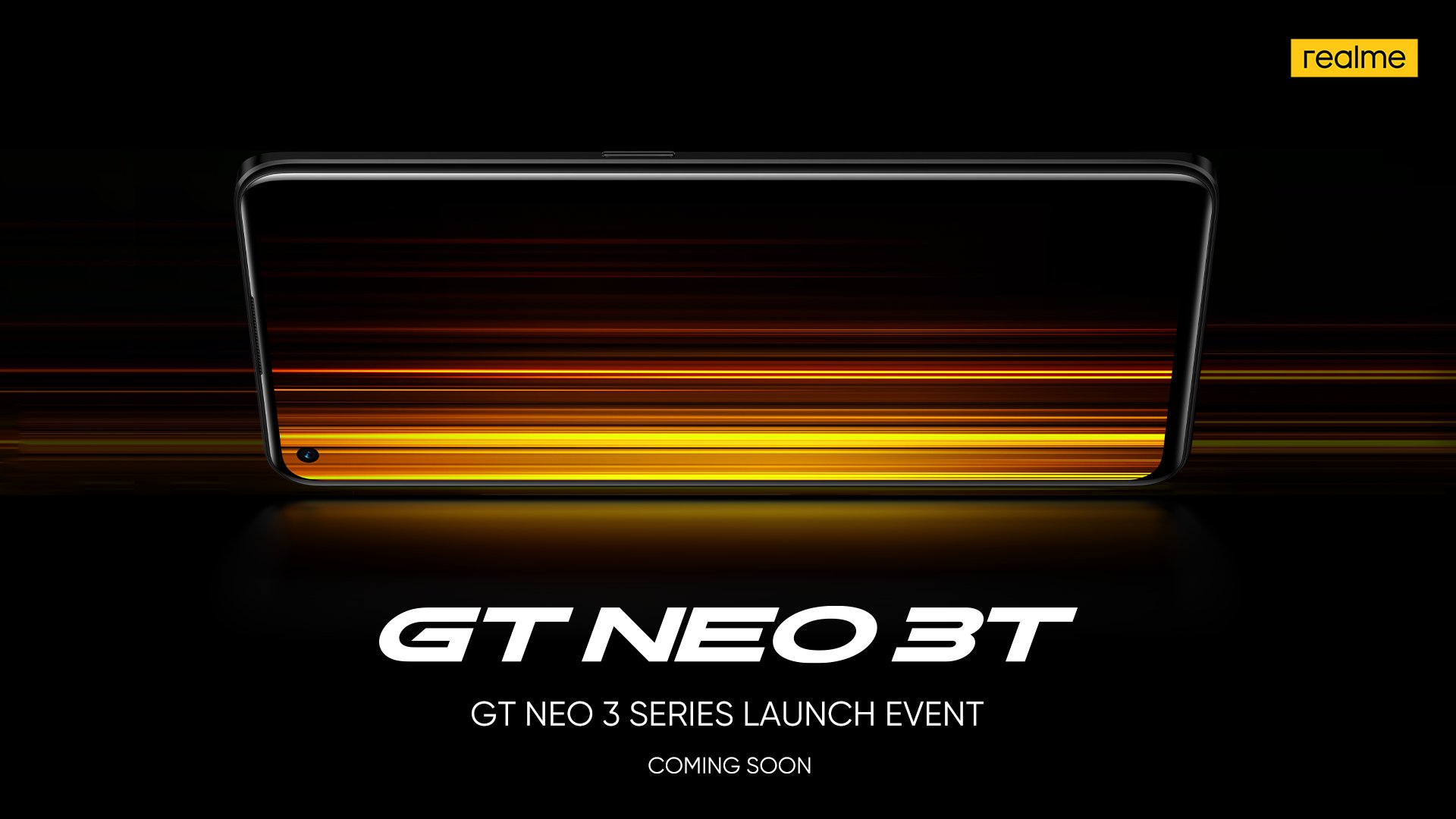
Last week, tipster Abhishek Yadav leaked that the Realme GT Neo 3T will be launching next month in the Indian market. Now, as we approach the end of May, the company has officially teased the upcoming global launch of the GT Neo 3T in a Twitter post.
Going by this teaser, we can expect the drive to debut globally in the coming weeks. So far, the company has kept the specs of the device under wraps. However, leaks have already revealed all of the key details, so let’s take a look.
Realme GT Neo 3T specs (rumored)
Going by the leaks, the GT Neo 3T is essentially a rebranded Realme Q5 Pro. The smartphone will come with a 6.62-inch E4 AMOLED display with a 120Hz refresh rate and Full-HD+ resolution. The panel will likely have 1,300 nits of peak brightness and 100 percent DCI-P3 color gamut coverage.
A recent Geekbench listing has revealed that the device will feature the Snapdragon 870 chipset paired with 8GB of RAM. However, it is also expected to come with 12GB RAM and up to 256GB of storage. The device will also come with a 5,000mAh battery and 80W fast charging. Though it remains to be seen if the smartphone will also be offered with 150W fast charging like the Realme GT Neo 3.
For optics, the smartphone will carry a triple camera setup featuring a 64-megapixel main sensor, an 8-megapixel ultrawide sensor, and a 2-megapixel macro camera. On the front, the device will likely get a 16-megapixel camera for snapping selfies and video calling.
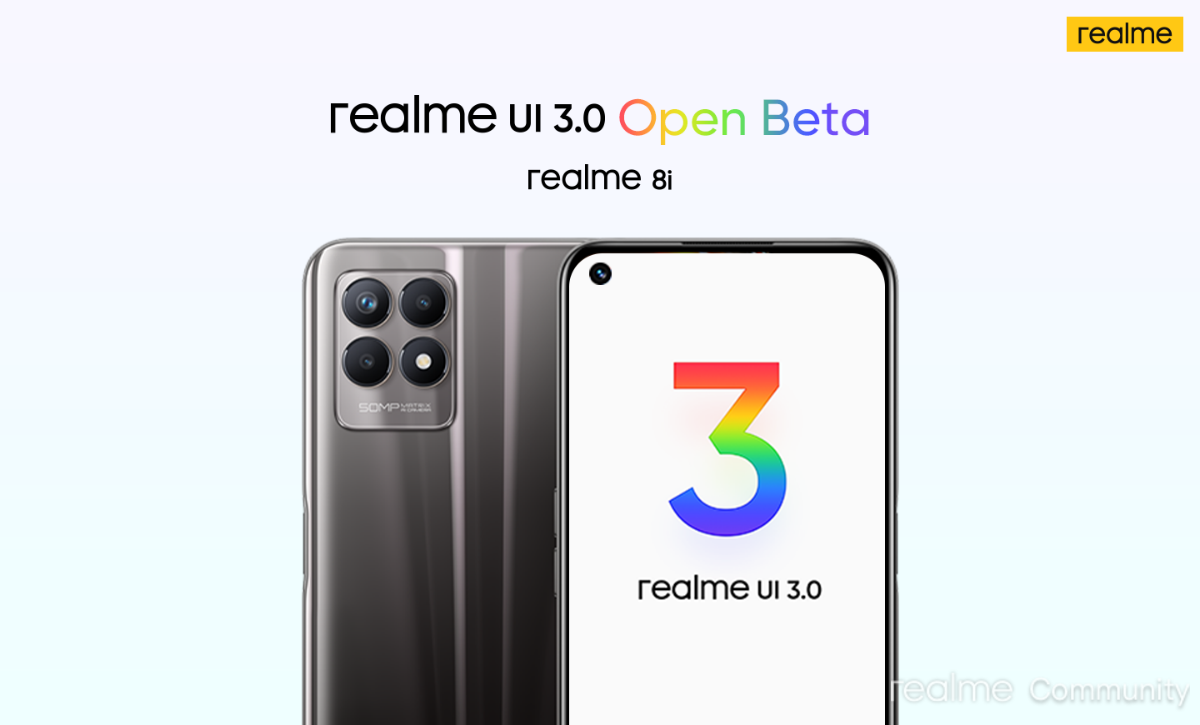
Unlike the Early Access programme, the Open Beta has no 1000 user limit, meaning that there is no limit to how many Realme 8i users can apply for the Realme UI 3.0 x Android 12 Open Beta. Also, Realme has noted that the latest Open Beta version will be chosen as the stable version and rolled out to all users (after the Open Beta programme ends). There is no difference if you have already joined the Open Beta program.
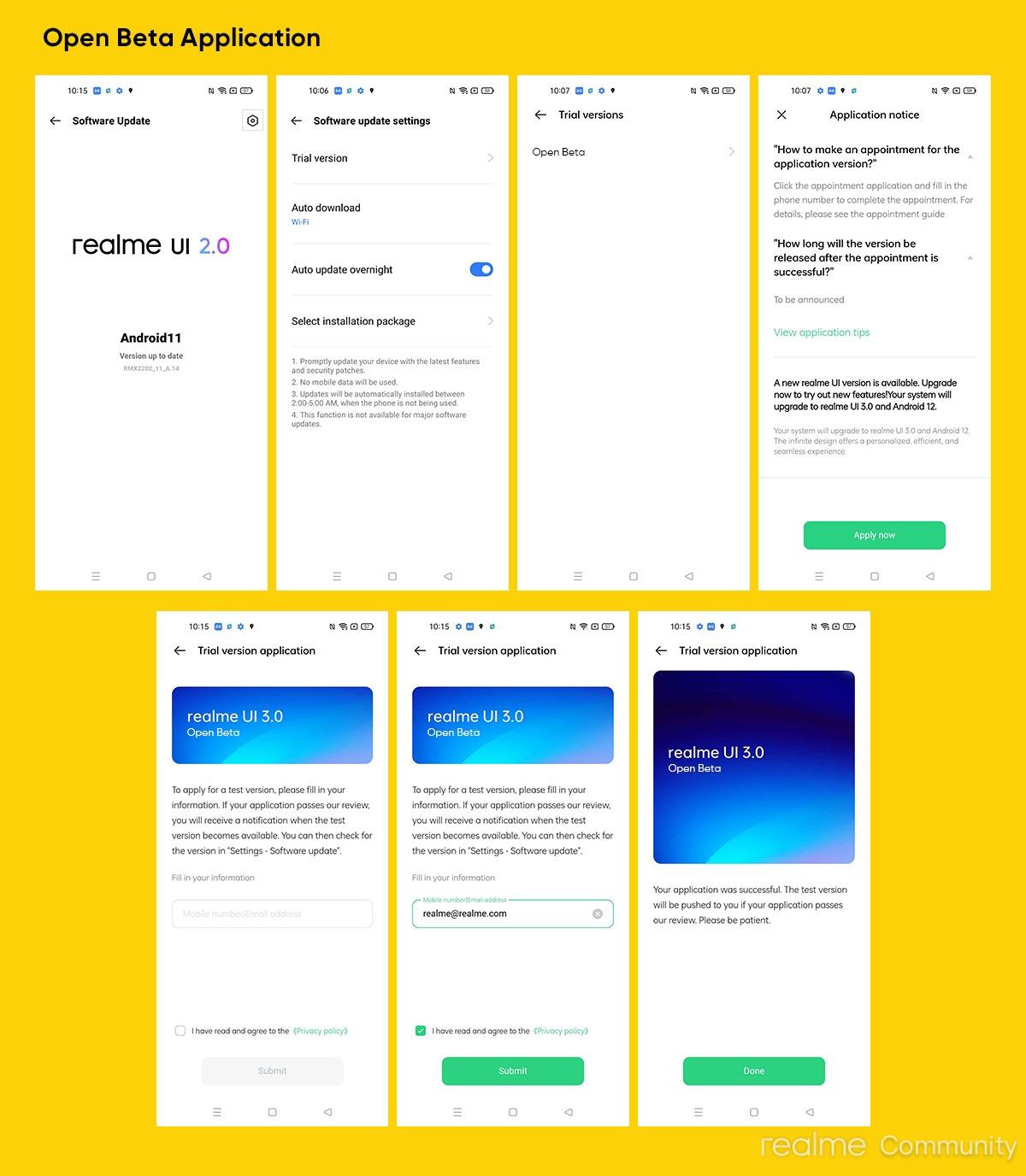
If you are a Realme 8i user yourself and are interested to join the programme, follow the steps as follows:
Make sure you are updated to the required version: RMX3151_11.A.41
Apply for the Open Beta via the Software Update Application channel: (Settings > Software Update > Tap on the settings icon in the top right corner > Trial Version > Submit your details > Apply Now).
You will receive the latest update if the application passes the review.
Realme 8i Open Beta Application Procedure
Realme notes several common issues it received from users after the Android 12 upgrade:
It may take a longer time to boot for the first time, especially if there are many third-party applications on your phone.
In order to improve the system operation efficiency and eliminate potential safety risks, the system will perform a series of actions such as application adaptation, background optimization and security scanning which may cause slight hanging and faster power consumption.
Realme also recommends open beta applicants to backup their personal data before proceeding with the programme to prevent any unnecessary data loss should any unfortunate bugs or glitches happen during the open beta programme.
The Realme 8i was launched back in September 2021 with a MediaTek Helio G96 chipset. The device was launched initially with Realme UI 2.0 based on Android 11.
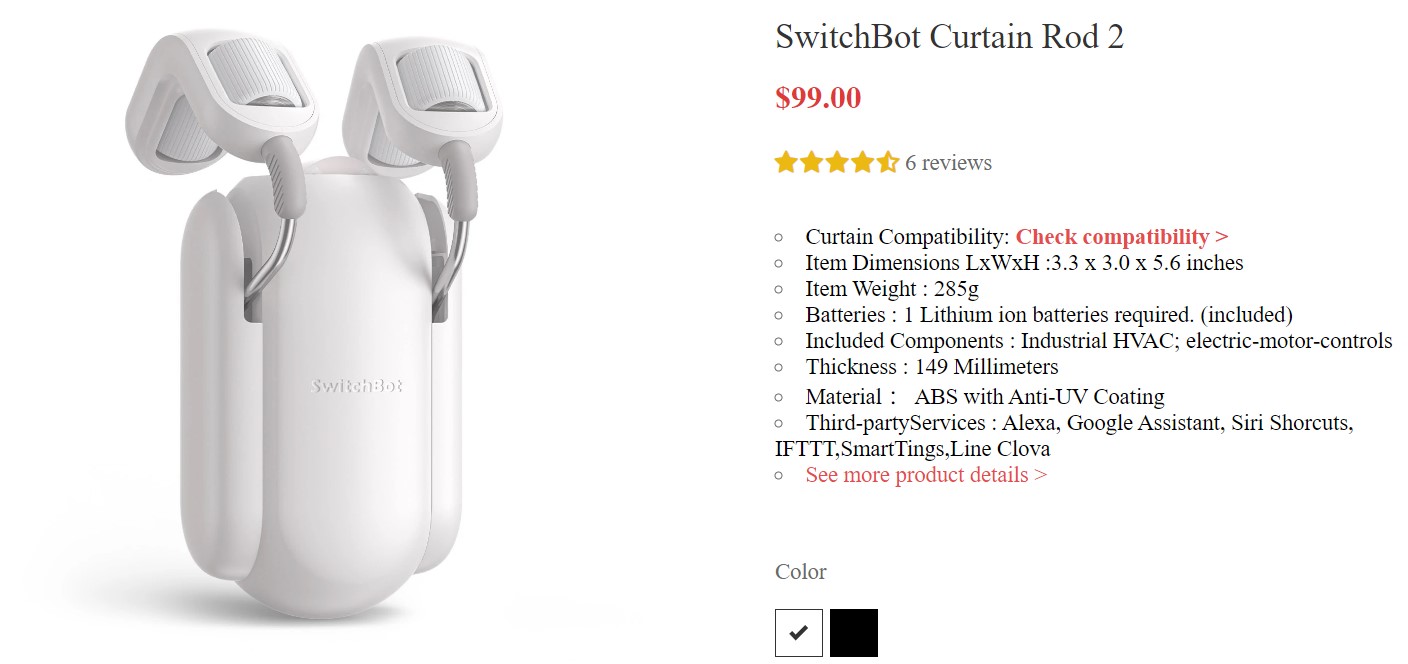
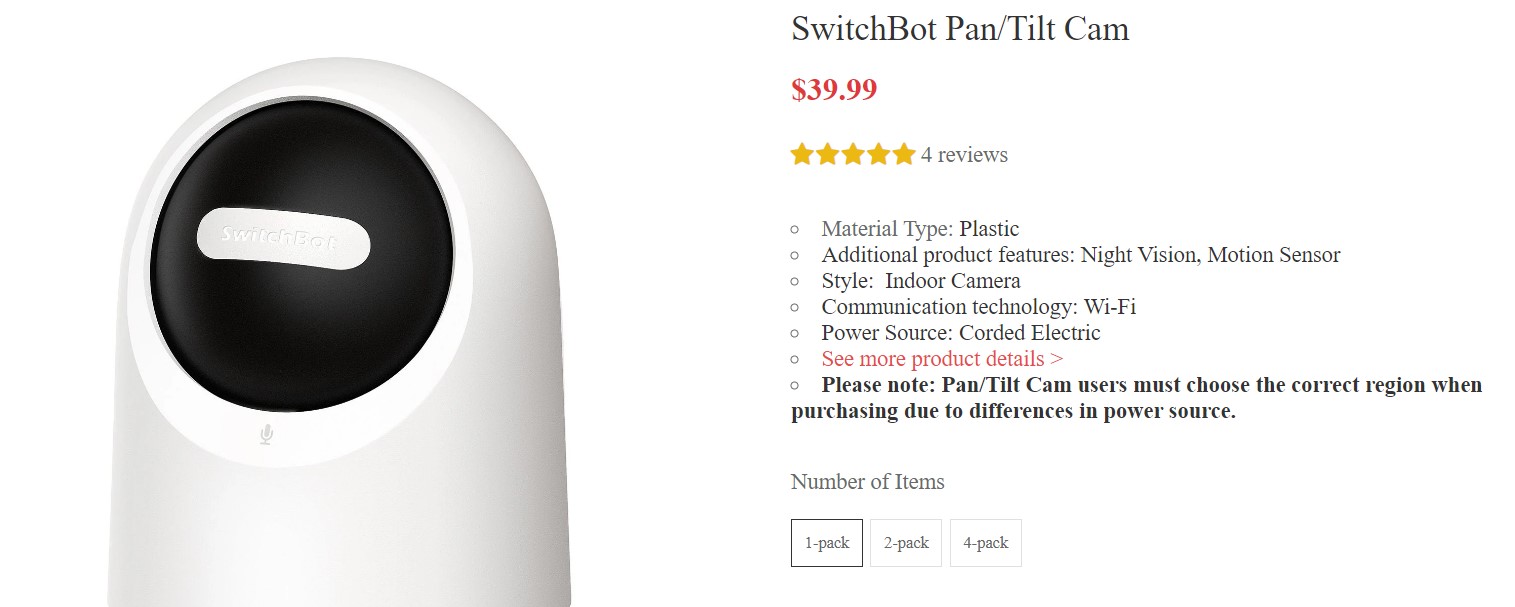
SwitchBot launches two new smart home products: The Curtain Rod 2 and Pan/Tilt Cam. The curtain rod 2 is a retrofitted device that can easily convert any regular curtain into a smart one without changing the original structure. It comes with upgraded features and functions and is available for $99 only at SwitchBot.com The company has also launched the Pan / Tilt Cam with a highly requested Privacy mask mode. The 360° Pan Tilt 1080P Camera comes with 10m Night Vision, two-way audio, smart tracking, and privacy mode, and costs $39.99 only. So let’s check out both the products in detail.
This is a lightweight, portable, and easy-to-install device that can convert any regular curtain into a smart home product. Winner of the 2022 Reddot Design award, the device is fitted with large rugged wheels inspired by off-road vehicles that help it to move smoothly across the curtain rod. It features a Dynamic Clamp design that can be installed in just 30 sec and can push up to 8 Kg (17 pounds) of the heavy curtain. The smart device automatically clamps onto your curtain rod and requires no manual adjustments.
Once installed you can use the SwitchBot App to control your curtains from the tip of your fingers. Compatible with both iOS and Android devices, the app helps you to open and close your curtains instantly, set time schedules for opening and closing the curtain, and supports voice assistants like Amazon Alexa, Google Assistant, Siri, IFTTT, etc. The device also supports touch and go function wherein a simple tug and pull will open your curtains. SwitchBot Curtain rod 2 comes with 8-month battery life which can be increased further by using a solar panel.
The SwitchBot Pan/ Tilt cam is a 360-degree camera that allows users to see their room from all directions in1080p HD video quality. The camera comes with advanced features like two-way audio, motion detection, night vision, voice control, instant notifications, video and image storage, etc.
The highlight feature of the camera is its Privacy mask mode wherein the camera lens automatically retreats inside the device once the users return home. With the privacy mask, the lens is completely covered giving you true privacy while you are in the house. The mask mode can also be used vice versa, to activate when someone enters your house.
For more information on such exciting deals and offers check out our deals hub.
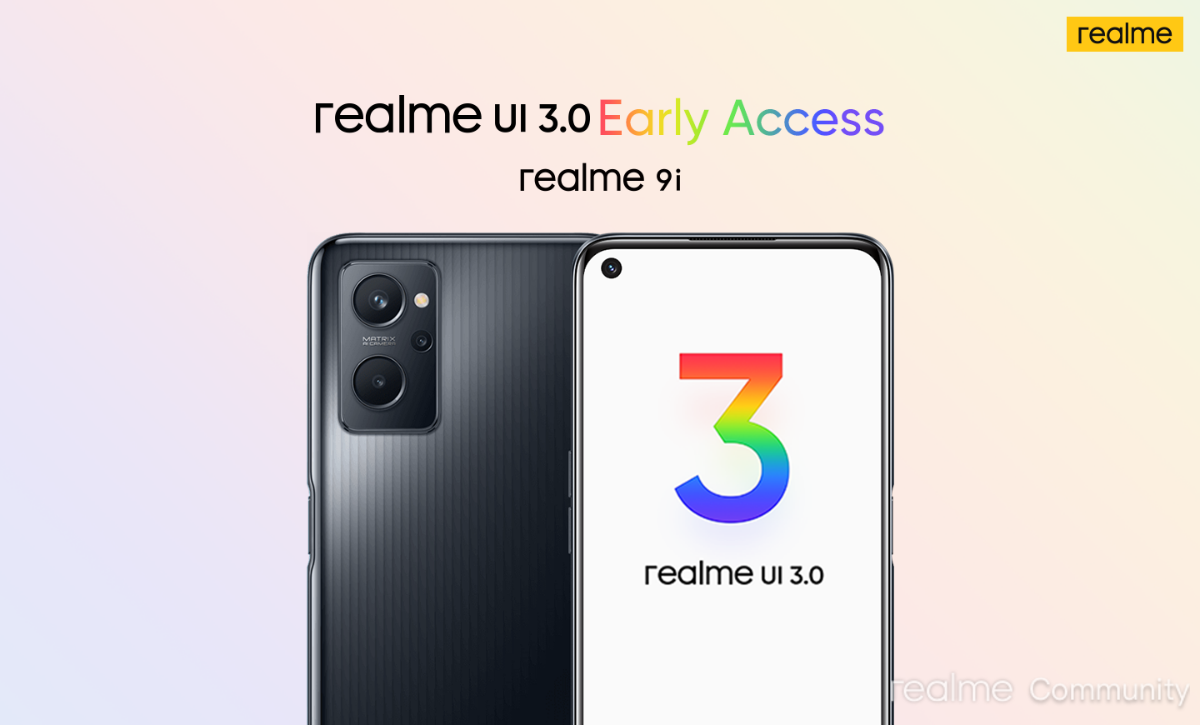
Realme has finally rolled out realme UI 3.0 based on Android 12 for the brand’s Realme 9i smartphone.
Today, on the Realme community forum, Realme announced a realme UI 3.0 early access programme for the device starting from 27th May whereby the first 1000 Realme 9i users who apply for the early access programme will be the lucky firsts to experience Android 12 on their devices.
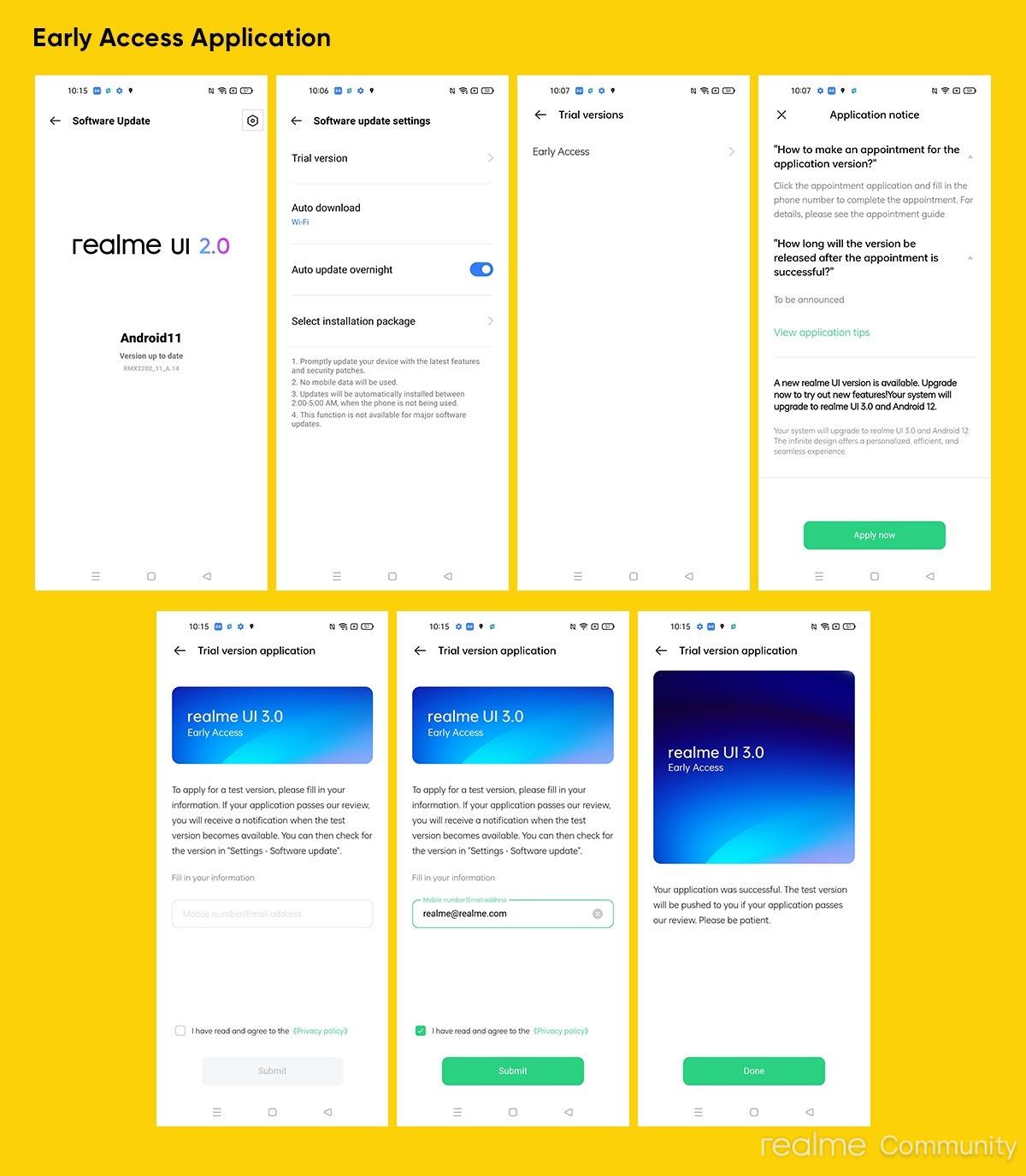
If you are a Realme 9i user yourself and are interested to join the programme, follow the steps as follows:
Update your device to the required UI version → RMX3491_11.A.13 / RMX3491_11.A.14
Apply for the Early Access via the Software Update Application channel: (Settings → Software Update → Tap on the settings icon in the top right corner → Trial Version → Apply Now → Submit your details and finish the quiz).
Realme UI 3.0 Early Access Application Procedure
The early access programme is somewhat of a closed alpha version of Realme UI 3.0 before the brand rolls out its Open Beta programme, which then allows the brand to roll out a stable version of the Android OS upgrade to all users.
Realme wants users to keep in mind that being an early software programme, there might be bugs and some apps might not work properly. It might not be recommended to install the Early Access software on your primary phone.
Realme also recommends early access applicants to backup their personal data before proceeding with the programme to prevent any unnecessary data loss should any unfortunate bugs or glitches happen during the early access programme.
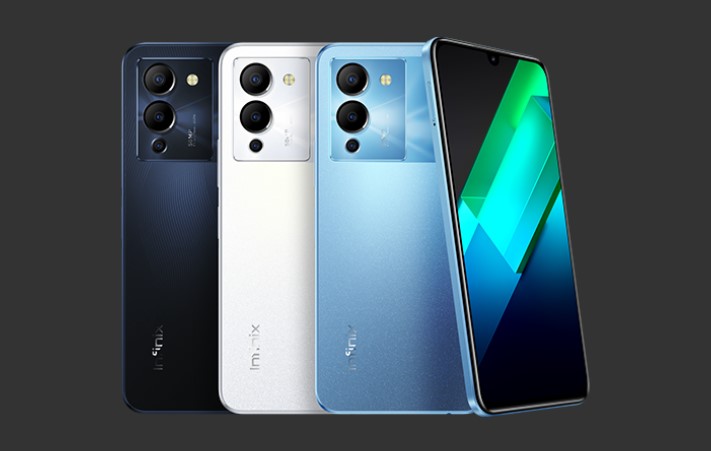
Last week, Infinix launched the Note 12 series in India consisting of the vanilla Note 12 and the Note 12 Turbo. The Turbo variant went on its first sale yesterday, and now, the vanilla variant is also available for purchase. So let’s take a look at its pricing, offers, and specs.
Infinix Note 12 price & offers
The Note 12 comes in two configurations – 4GB + 64GB priced at Rs.11,999 and 6GB + 128GB priced at Rs 12,999. It is available to purchase exclusively on Flipkart.
As a launch offer, Infinix is offering a discount of Rs.1,000 when purchasing the device using an Axis bank card. Other than that, Flipkart is also bundling a Back Cover + Screen Guard for just Rs.1.
Infinix Note 12 Specifications
The Note 12 has a 6.7-inch Full HD+ 60Hz AMOLED panel offering a 1080 x 2400 resolution. It has 1000 nits peak brightness, 180Hz touch sampling rate, and covers 100% DCI-PC color gamut.
For optics, the device comes with a 50-megapixel primary sensor, a 2MP depth sensor, and an AI lens. There is a 16MP selfie snapper on the front.
Under the hood, the smartphone houses a Mediatek Helio G88 processor with two fast ARM Cortex-A75 cores with up to 2 GHz and six efficient ARM Cortex-A55 with up to 1.8 GHz. The smartphone comes with up to 6GB RAM and 128GB storage. It has a 5,000mAh battery with support for 33W fast charging and operates on Android 11.
Other features include a MicroSD card slot, a fingerprint scanner, dual speakers with DTS, a 6-layer graphene cooling system, and a 3.5mm audio jack. The phone is 7.90mm thick and weighs 184.5g.
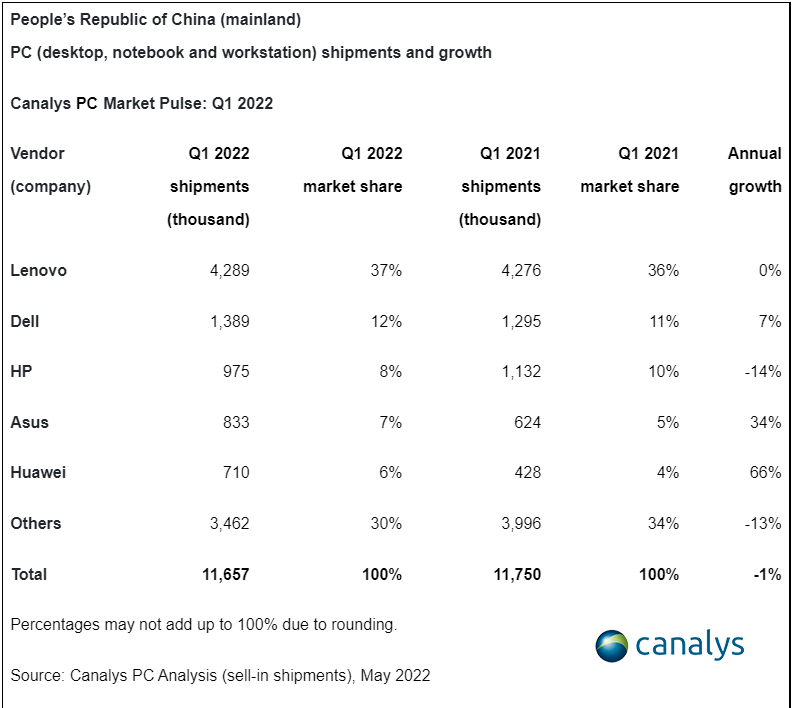
After a seven-quarter streak of net positive growth for the PC Market in Mainland China, Q1 2022 finally marks an end to the PC market growth in the region.
In Q1 2022, PC shipments in the country fell by 1% QoQ to 11.7 million units. Among these units, desktop PC shipments fell by 11% to 3.9 million units, while notebook laptop shipments continue to rise by 6% to 7.7 million units.
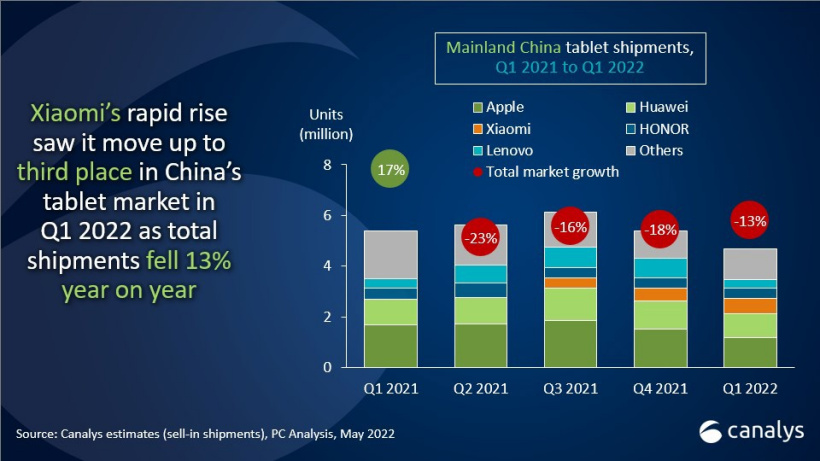
As for the tablet shipments in the region, shipments have continued to trend downward by 11%, to a new low of 4.7 million units. The main reason for this downward trajectory is the demand for tablets in both the general and enterprise markets.
Coming to market share, the PC Market in China for Q1 2022 was led by Lenovo with over 37% market share at 4.289 million units, then Dell in second with 12% market share. Coming in at third and fourth are HP and Asus respectively, while Huawei rounds out the Top 5 with 0.71 million PC shipments.
Huawei saw the biggest sales growth YoY with 66% positive net growth. The brand’s presence had grown from 428 thousand shipments in Q1 2021 to 710 thousand shipments in the region.
On the Chinese tablet market front, Apple is on the top with 1.2 million shipments amounting to 26% of the region’s market share, but Huawei comes in at a close second with 20% market share. Rounding out the top 5 are Xiaomi with 13% in third place, HONOR with 9% in fourth, and Lenovo with 7% in fifth.
In the report, Emma Xu, an analyst at Canalys, said: “While the first quarter of 2022 remained relatively strong, China’s PC industry faces further challenges on both the supply and demand sides as the impact of the country’s COVID-19 lockdown intensifies.”
“The supply shortage of key components such as SoCs has persisted. By the first quarter, production and logistics conditions deteriorated mainly due to the lockdown of key cities such as Shanghai and Kunshan. At the same time, business and consumer activities were restricted amid a deteriorating economy, threatening domestic demand for PCs, weakening consumer spending and constraining business demand, especially from SMEs. This will challenge China’s PC makers for the rest of 2022. Public sector procurement will also be curtailed as the government plans to tighten budgets this year.”
Emma had also remarked: “But the education sector in China will likely remain a bright spot, as the goal of closing socioeconomic disparities and improving vocational education programs will drive investment that favours the technology market. Finally, the competitive landscape for Chinese PC sellers will be more favourable for local brands. The government currently has security concerns over the use of hardware and software developed by foreign entities. Suppliers such as Huawei and Tongfang will see unprecedented opportunities as core players in China’s ‘start-up’ industry, which is focused on developing domestic IT Innovation.”
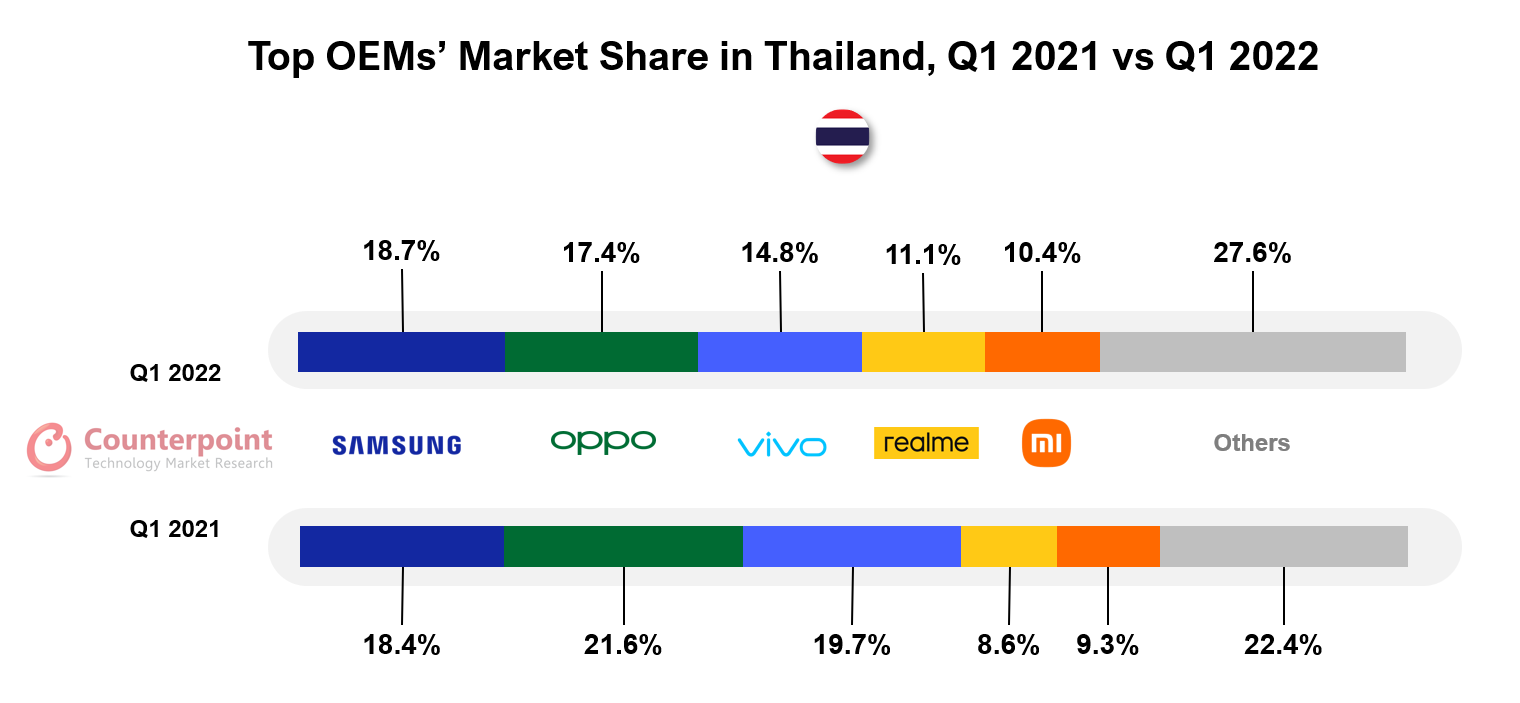
Thailand’s smartphone shipments witnessed a drop of 10% year-on-year in the first quarter of 2022, according to a report. Samsung maintained its leadership in the market. OPPO managed to take the second position, while Vivo remained in the third spot. Key reasons for the dip are believed to be the close-fisted consumers, supply constraints, especially for the low-end price segments, and rising inflation that is increasing the cost of ownership of phones across various price segments.
According to a report by Counterpoint Research, Smartphone shipments in Thailand have declined by 10% in the first quarter of 2022.
Samsung continued to lead the market and also succeeded in slightly improving its market share. Per Counterpoint, the company secured 18.7% of the total market share. Samsung retained its lead with the help of its well-planned distribution.
After Samsung, Oppo continued to be in the second position with a 17.4% market share. However, the company saw a decline of 4.2% year-on-year in the first quarter.
Vivo took the third spot in terms of smartphone shipments in Thailand with a 14.8% market share. Realme, one of the newest brands by BBK Electronics, ended up in the fourth position with an 11.1% market share followed by Xiaomi (10.4% market share).
“New models launched in Q1 2022 pushed volumes in the Thai market but the demand in the low-to-mid-level segments saw a slowdown. Tourism was supposed to pick up in Q1 but instead, the government was only able to loosen the restriction on international travel in Q2,” said Glen Cardoza, Senior Analyst with Counterpoint. “While the industry initiatives continue, consumers are reeling under rising inflation levels and a large number of them are holding on to their wallets,” Cardoza added.
The 5G percentage of smartphone shipments in Thailand reached 48 percent in Q1 2022 and is expected to rise further in the next months. The development of 5G industrial test cases and applications is being pushed in order to improve domestic efficiencies and export levels, as per the report.
We use cookies on our website to give you the most relevant experience by remembering your preferences and repeat visits. By clicking “Accept”, you consent to the use of ALL the cookies.
This website uses cookies to improve your experience while you navigate through the website. Out of these, the cookies that are categorized as necessary are stored on your browser as they are essential for the working of basic functionalities of the website. We also use third-party cookies that help us analyze and understand how you use this website. These cookies will be stored in your browser only with your consent. You also have the option to opt-out of these cookies. But opting out of some of these cookies may affect your browsing experience.
Necessary cookies are absolutely essential for the website to function properly. This category only includes cookies that ensures basic functionalities and security features of the website. These cookies do not store any personal information.
Any cookies that may not be particularly necessary for the website to function and is used specifically to collect user personal data via analytics, ads, other embedded contents are termed as non-necessary cookies. It is mandatory to procure user consent prior to running these cookies on your website.