On April 29th, OnePlus launched the Nord Buds TWS earphones at the OnePlus 10R launch event. The earbuds are now available to purchase in India, so let’s once again take a look at their pricing, specs, and features.
OnePlus Nord Buds price in India
The Nord Buds from OnePlus are priced at ₹2,799 (~$36) and are available in two colors namely Black Slate and White Marble. The buds can be purchased from Flipkart, Amazon, the OnePlus India website, and offline stores across India.
OnePlus Nord Buds specs & features
Coming to its specifications, the TWS earbuds feature big 12.4mm audio drivers and come with Bluetooth 5.2 support. They feature an in-ear style design that snugly fits for maximum comfort and a present listening experience.
Each individual earphone packs a 41mAh battery, while the charging case houses a 480mAh battery. It’s capable of up to 7 hours of audio playback on a single charge and up to 30 hours of playback with the charging case. One of the highlight features of the Nord Buds is its fast charging capability which allows up to 5 hours of playback with just a 10-minute charge.
The Nord Buds feature Dolby Atmos audio support, a dedicated 94ms low latency gaming mode on select smartphones, and a dual-mic setup that offers AI noise reduction. Other features offered on the TWS earbuds are an IP55 protection rating, USB Type C charging port, touch controls, Dirac audio tuned, three sound presets, and even fast pairing with OnePlus smartphones.
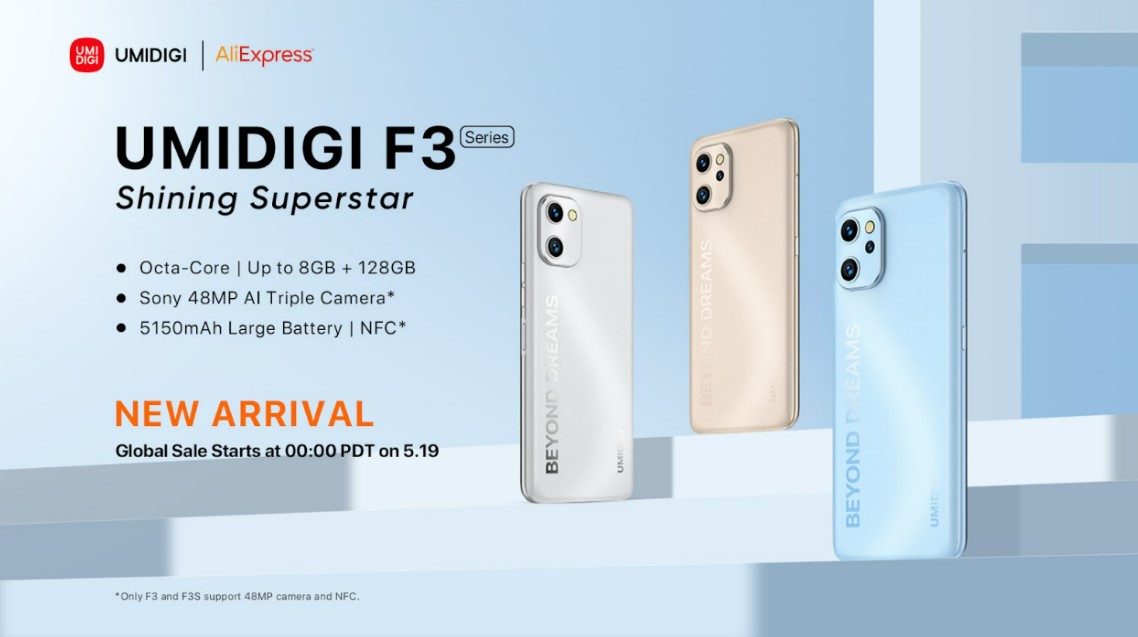
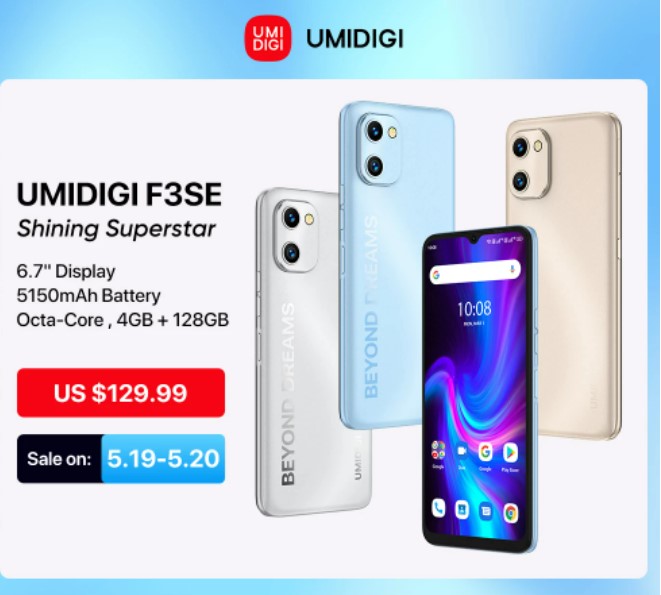
UMIDIGI is launching its much-awaited F3 series on 19 May 2022. Under this series, you have the F3, F3S, and F3 SE variants all available for sale to global consumers at the world premiere sale on AliExpress. With the F3 series, the brand is focusing on premium and high-quality photography, powerful performance, large memory, and massive battery all packed into a sleek and stylish design, made available at an affordable price. So let’s take a look at the specs of the F series.
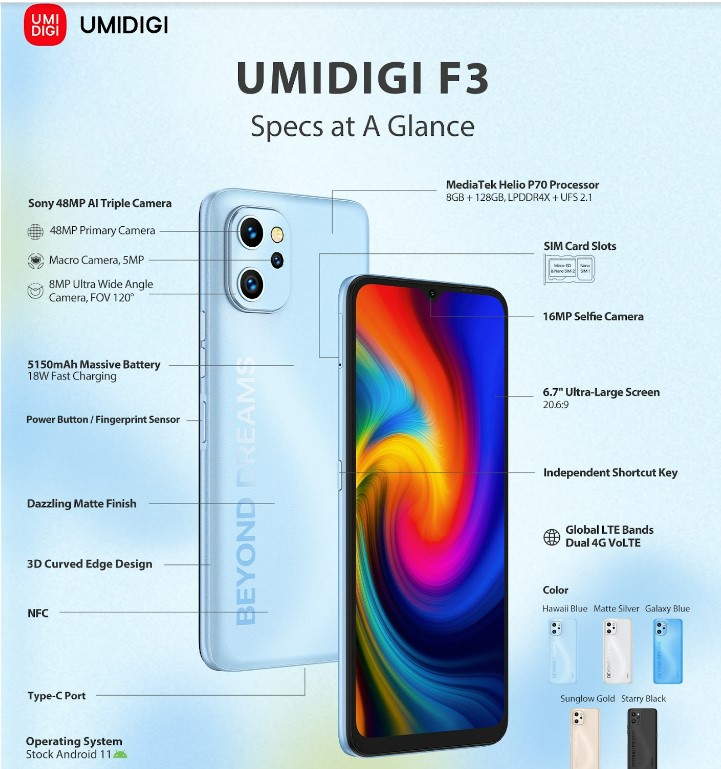
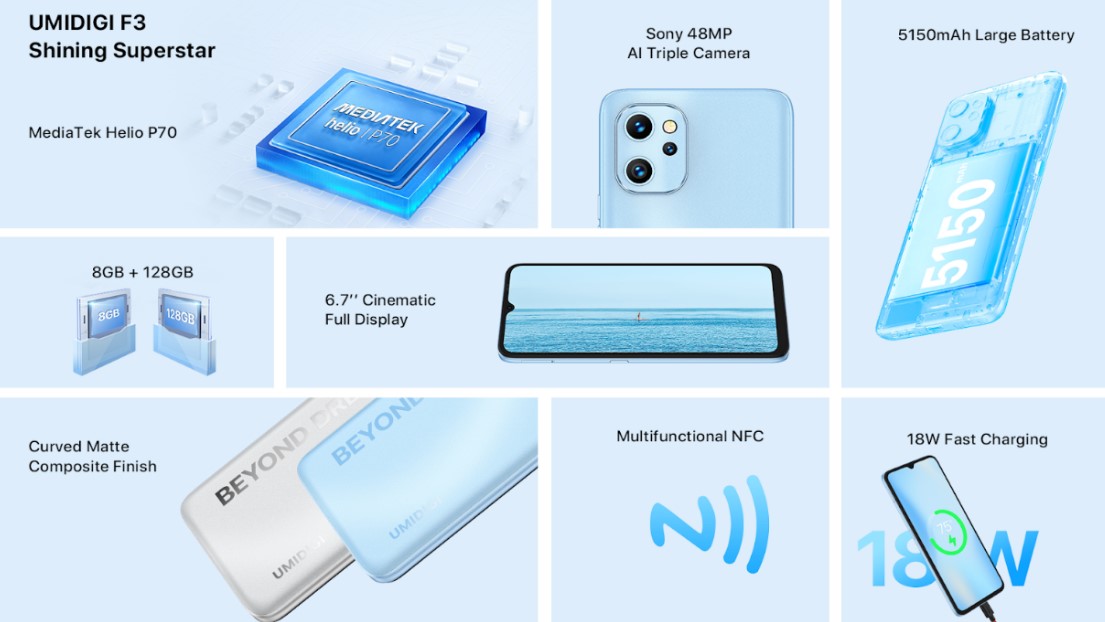
All phones in the UMIDIGI F series come with a 3D curved edge design and a dazzling matte finish that makes them look sleek and stylish. The F3 features a 6.7-inch display and is powered by a MediaTek Helio P70 chipset. It comes with 8GB RAM and 128GB internal storage.
For your pictures videos and images, you have a triple rear AI camera set up with a 48MP main camera, 8MP ultra-wide angle sensor, and a 5MP macro sensor. For your selfies, you have a 16MP sensor in the front.
The phone is fueled by a massive 5150mAh battery and supports 18W fast charging. Other interesting features include an integrated fingerprint sensor cum power button, AI Face unlock, NFC, headset free FM Radio, Quad Navigation system, etc.
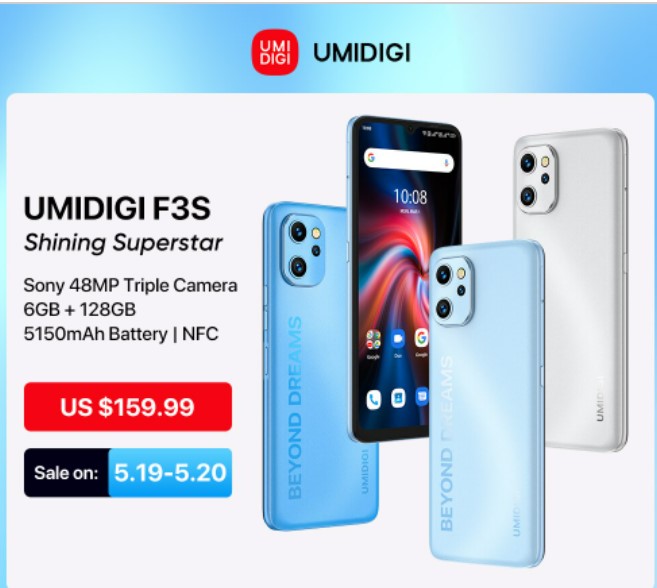
The F3S phone sports a smaller RAM as compared to the F3. It comes with 6GB RAM and 128GB storage and is powered by the UNISOC Tiger T610 chipset. The camera setup and battery remain the same in both F3 and F3S variants however you get only 10W fast charging as compared to the 18W in F3. Other interesting features include an integrated fingerprint sensor cum power button, AI Face unlock NFC, headset free FM Radio, Quad Navigation system, etc.
The F3 SE variant is a lot different from F3 and F3S. It comes with the smallest RAM option i.e. 4GB and does not feature NFC function. Also instead of triple camera, you have a dual rear camera setup with a 20MP main camera and 8MP secondary sensor.
UMIDIGI F3 VS F3S VS F3 SE – Full Specs Comparison
SPECS
F3
F3S
F3 SE
Display
6.7 inches,
1650 x 720p
6.7 inches,
1650 x 720p
6.7 inches,
1650 x 720p
Body Material
AG Matte Composite Finish
AG Matte Composite Finish
AG Matte Composite Finish
Processor
MediaTek Helio P70
Unisoc T610
Unisoc T610
RAM + ROM
8GB + 128GB
LPDDR4X + UFS 2.1
6GB + 128GB
LPDDR4X+eMMC 5.1
4GB + 128GB
LPDDR4X + eMMC 5.1
Operating System
Android 11
Android 11
Android 11
Rear Camera
Triple:48MP +8MP +5 MP
Triple:48MP +8MP +5 MP
Dual: 20MP + 8MP
Selfie Camera
16MP
16MP
8MP
Battery
5150mAh
5150mAh
5150mAh
Charging
18W, Type -C
10W, Type -C
10W, Type -C
Unlock
Side-fingerprint Sensor + AI Face Unlock
Side-fingerprint Sensor + AI Face Unlock
Side-fingerprint Sensor + AI Face Unlock
Bluetooth
v4.2
v5.0
v5.0
NFC
Yes
Yes
No
Navigation
GPS+ Glonass + Beidou + Galileo
GPS+ Glonass + Beidou + Galileo
GPS+ Glonass + Beidou + Galileo
Special features
Independent Shortcut Key &
Headset-free FM Radio
Independent Shortcut Key &
Headset-free FM Radio
Independent Shortcut Key &
Headset-free FM Radio
Colors:
Hawaii Blue, Silver, Galaxy Blue, Black and Gold
Hawaii Blue, Silver, Galaxy Blue, Black and Gold
Hawaii Blue, Silver, Galaxy Blue, Black and Gold
PRICE:
$179.99
$159.99
$129.99
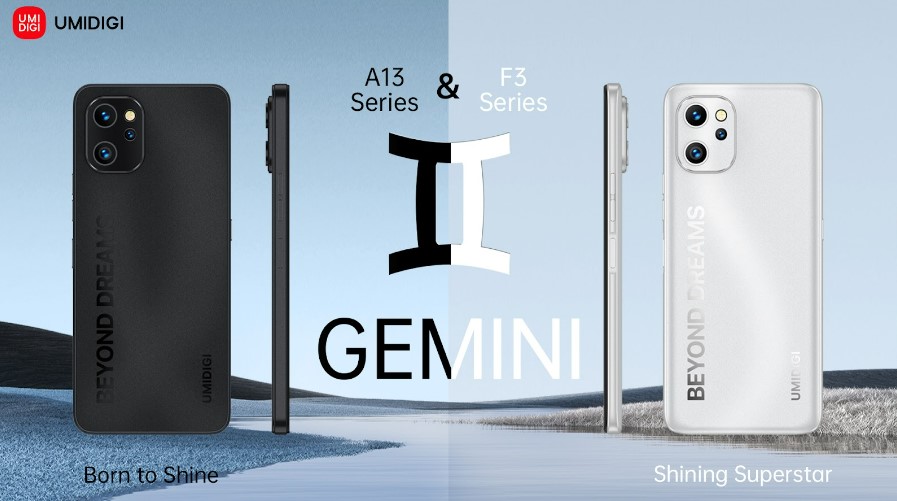
F3 Series + A13 Series, the Shining Gemini
UMIDIGI has come up with a novel branding concept called the UMIDIGI Gemini series wherein they have combined the F3 series with the similarly designed A13 to create a best-selling combo offer for the consumers. Both F3 and A13 series feature a dazzling matte back finish, but the F3 sports curved edges while the A13 series features a flat-edge design. SO if you are interested in buying the combo then checkout the Gemini offer.
Global Giveaway
From 4 May to 11 May 2022, UMIDIGI is hosting a global giveaway on their official Facebook page, where 3 winners can get the new F3 phone for free. If you are interested in this product or you want one for free, then check out their Facebook page to learn more and join in.
For more information on such exciting deals and offers check out our deals hub.
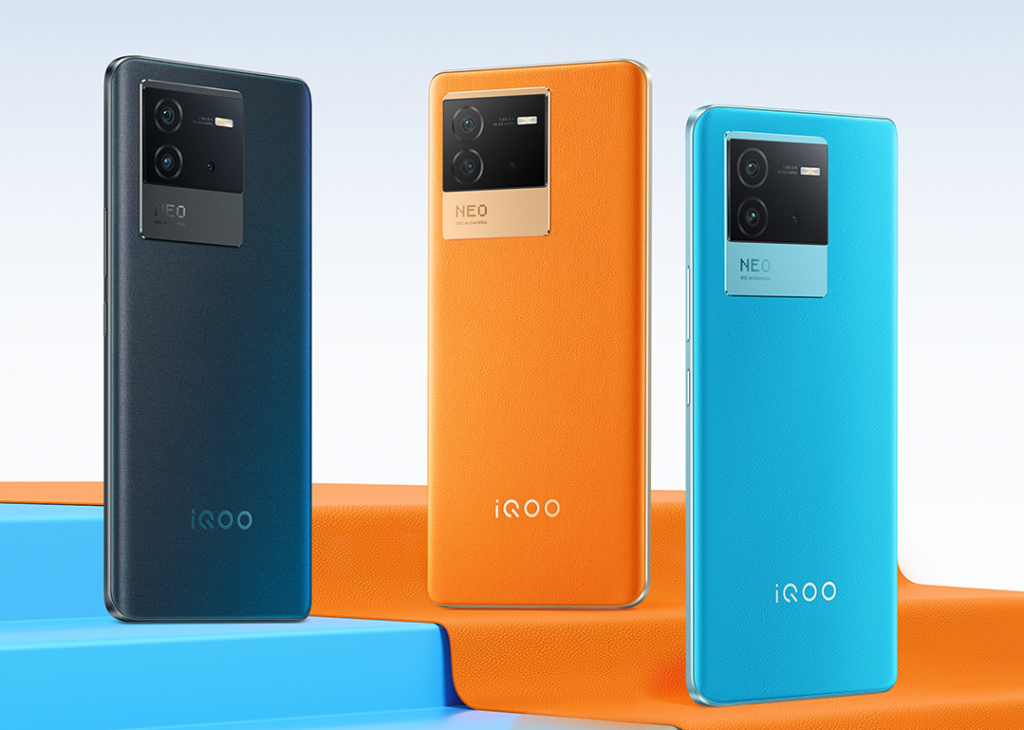
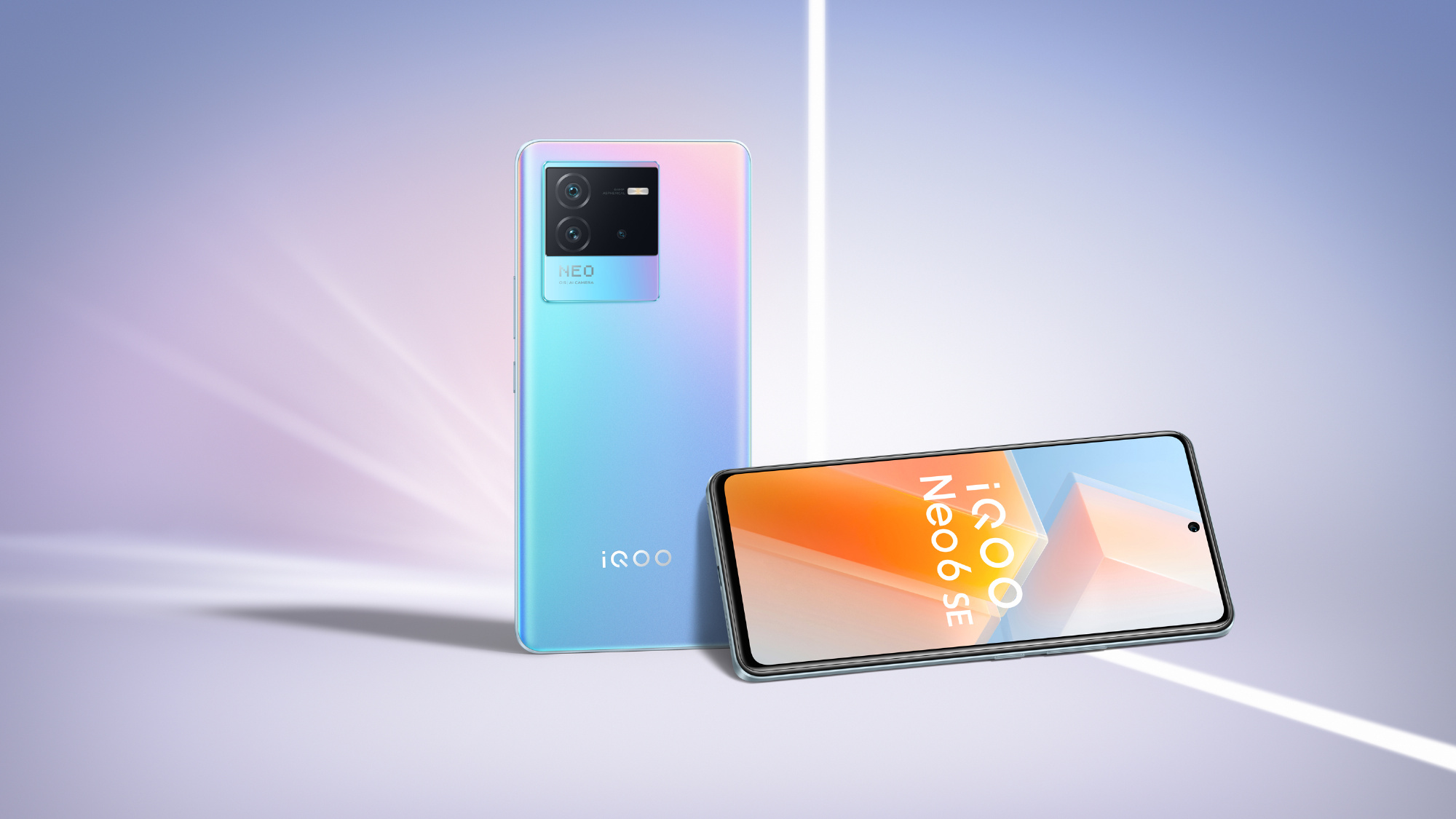
Last month, iQOO launched the Neo 6 smartphone with Snapdragon 8 Gen 1 in China. The company followed the launch by debuting the Neo 6 SE smartphone last week.
Now, tipster Mukul Sharma has revealed in a tweet that iQOO plans to soon launch the Neo 6 series in India. The smartphone will focus on providing an all-round flagship experience and will be priced between ₹30,000-₹35,000. The spec sheet, however, will differ for the Indian variants of the Neo 6 and the Neo 6 SE.
[Exclusive] Can confirm that #iQOO is finally bringing the Neo series smartphones to India.#iQOONeo6 will be the 1st to launch in the country Focus will be on an all-round flagship experience Price between 30K-35K Specs will differ for India Feel free to retweet 😉
It would be interesting to see what spec changes are made to the smartphone. The Chinese variant of the iQOO Neo 6 comes with the powerful Snapdragon 8 Gen 1 chipset while the Neo 6 SE features the Snapdragon 870 SoC, which is praised to provide excellent thermal performance compared to other 800 series chipsets.
Both devices feature a 6.62-inch FHD+ AMOLED display panel with 1300nits peak brightness and 120Hz refresh rate. The Neo 6 comes with the independent Display Chip Pro to provide a boost in gaming performance. The devices are offered in up to 12GB RAM and 256GB storage configurations and run Android 12 out of the box.
Both also have the same battery size and fast charging rate at 4700mAh and 80W respectively. And also offer similar camera setups with a 64-megapixel primary (with OIS) + 12-megapixel ultrawide + 2-megapixel portrait sensor (in the Neo 6) and depth sensor (in the Neo 6 SE). The front camera of both devices has a 16-megapixel resolution.
OPPO has a lot of mid-range launches planned for the upcoming months including the Oppo K10x and Oppo Reno 8 series devices.
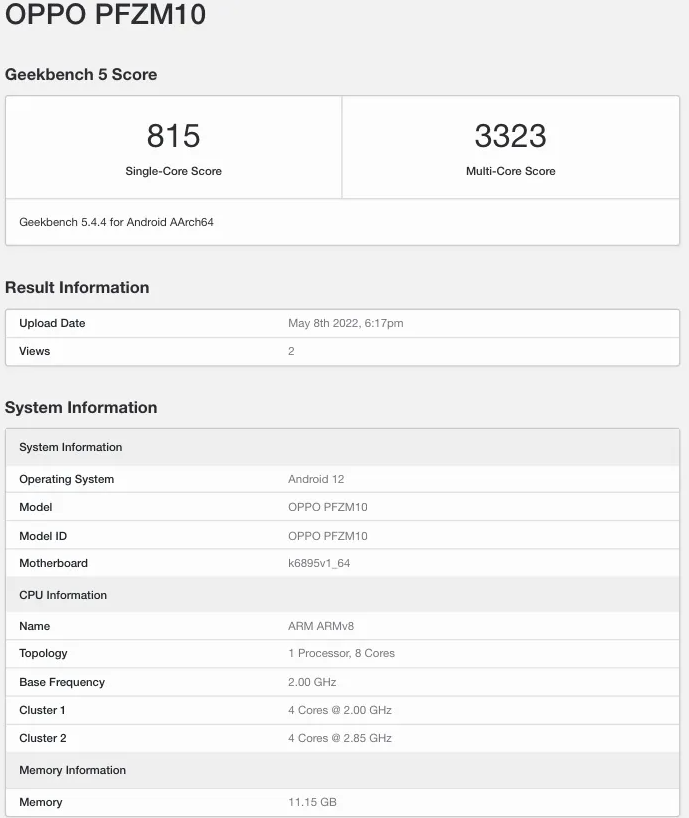
Now, an OPPO smartphone with a PFZM10 model number has appeared on Geekbench’s database rocking a premium-midrange MediaTek SoC.
According to the listing, the smartphone has an octa-core processor with four cores clocked at 2.00GHz and the other four clocked at 2.85GHz. Going by these details, this is most likely the Dimensity 8100 or the Dimensity 8100-Max SoC.
Other than that, the listing reveals that the smartphone has 12GB RAM and operates on Android 12. OPPO has yet to debut a smartphone with the Dimensity 8100 SoC. But according to recent rumors, the company will provide this chipset in the upcoming Reno 8 Pro. This leads us to speculate that the PFZM10 model number could belong to the Reno 8 Pro. However, this is still unconfirmed so we suggest our readers take it with a pinch of salt.
Separately, some specifications of the upcoming vanilla Reno 8 have already surfaced online. The device is expected to come with a 6.55-inch OLED display with a 120Hz refresh rate. It has a Snapdragon 7 Gen 1 SoC at its core, which will likely be coupled with 8GB of LPDDR5 RAM and up to 256GB of UFS 3.1 storage.
The device will draw juice from a 5,000mAh battery with 80W fast charging support and will operate on Android 12. For optics, the device will carry a 50MP IMX766 primary sensor clubbed together with an 8MP ultra-wide shooter and a 2MP camera. On the front, the device will get a 32MP snapper for video calls and selfies.
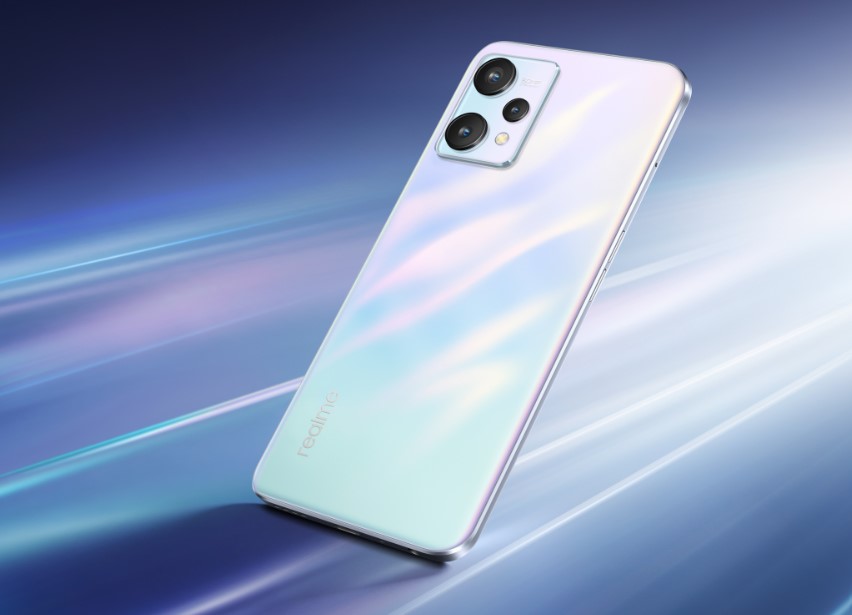
5G smartphones have basically become the standard for most modern smartphones in the high end and upper mid range market. However, the entry level segments have yet to see the same level of 5G penetration. While Realme had plans on changing this, it appears that an affordable budget 5G phone is still sometime away.
According to Madhav Sheth, CEO of the Chinese brand’s Indian unit, it will be difficult for the company to launch a 5G enabled handset in the region that is priced under 10,000 INR (roughly 130 US Dollars). The senior executive further added that the company is actively working on lowering the price tag of a 5G phone without compromising on specifications and performance. However, this is not a simple task and it will likely take sometime to achieve.
In other words, there is currently no set timeline for Realme’s first affordable 5G phone as of right now. The top official told ETthat “We have to make more affordable 5G devices. We want to be a prominent hardware provider for the government’s digitization vision with 5G. There are no new 4G chips in the making, so if you need any good performance phone, we have to bring in 5G chips. For brands, the biggest challenge is not to compromise on other specs by making 5G more affordable.”
Furthermore, Sheth added that while the sub 10,000 INR 5G model in 2022 is difficult, it might be possible next year since “we have already started seeing the democratization of 5G technology.” The CEO also believes that 5G shouldn’t be used as a marketing tool to sell your device and continued to talk about the ongoing supply chain issues. He said that the gap between demand and supply is much better than before.
Last year, OPPO debuted the Reno 7 series smartphones in China. Its successor dubbed the Reno 8 series is said to debut in the month of July.
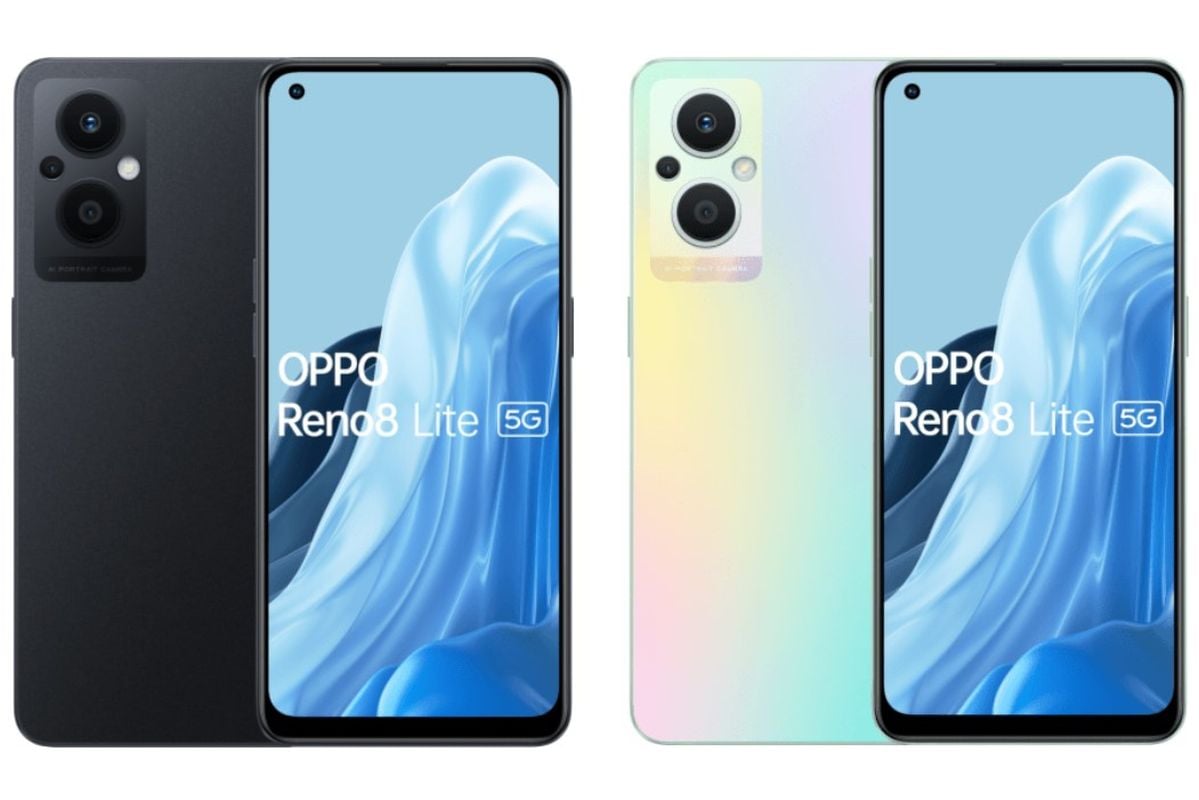
OPPO Reno8 Lite 5G
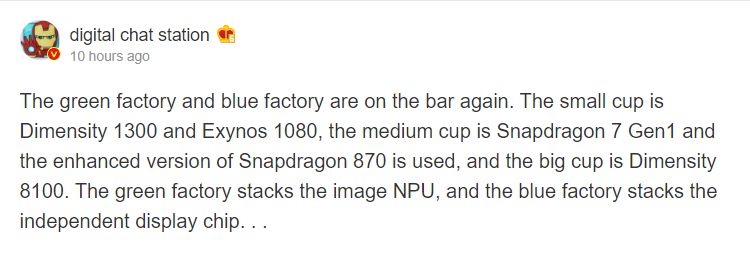
Ahead of its launch, the OPPO Reno 8 appeared on Geekbench with the unreleased Snapdragon 7 Gen 1 SoC. Now, popular Weibo tipster Digital Chat Station has leaked all the SoC configurations of the upcoming Reno 8 series.
According to the tipster, the upcoming OPPO Reno 8 series will come with the Snapdragon 7 Gen 1, Dimensity 1300, and Dimensity 8100 chipsets. This means that the OPPO Reno 8 will come with the Snapdragon 7 Gen 1, the Reno 8 SE with the Dimensity 1300, and the Reno 8 Pro will come with the Dimensity 8100 SoC. The tipster adds that these devices also come with an independent display chip.
OPPO Reno 8 specifications (Expected)
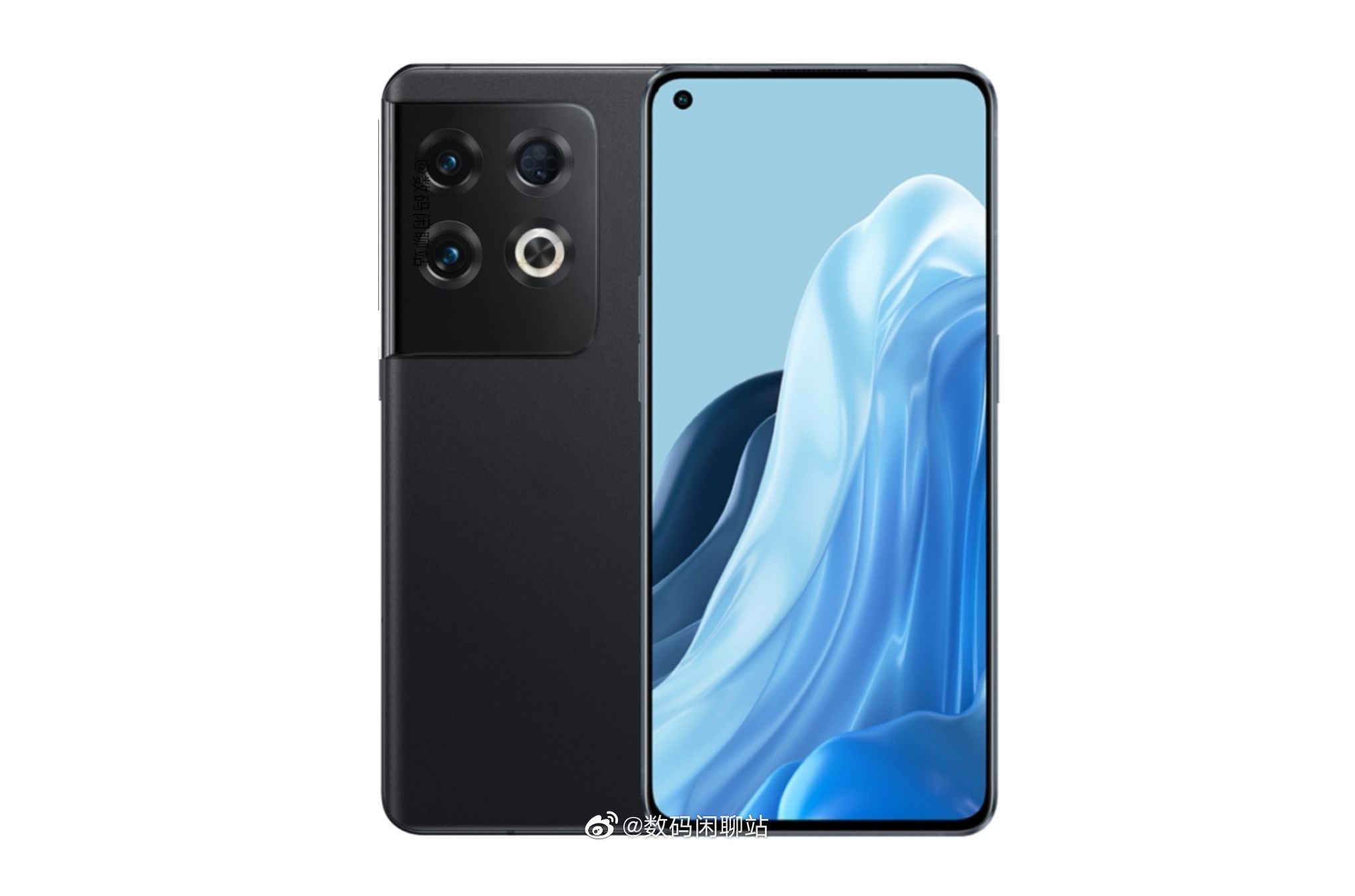
According to rumors so far, the vanilla Reno 8 is expected to come with a 6.55-inch OLED display with 120Hz refresh rate. Recent renders have revealed that its back panel has a stovetop camera module design like the OnePlus 10 Pro.
The Snapdragon 7 Gen 1 SoC will be paired with 8GB LPDDR5 RAM and up to 256GB of UFS 3.1 storage.
Powering the device will likely be a 5,000mAh battery with 80W fast charging support. Coming to optics, the smartphone is said to house a 50-megapixel Sony IMX766 primary sensor with OIS support. Its auxiliary camera setup is rumored to consist of an 8-megapixel ultra-wide lens and another 2-megapixel camera.
On the front, the device is expected to house a 32-megapixel Sony IMX709 front camera like its predecessor, the Reno7 series.
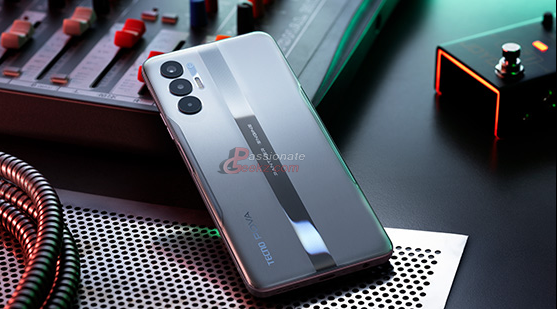
We already know that Tecno is working on launching a new smartphone within the POVA series. Now, we have more details regarding the POVA 3 as its renders has been leaked, which showcases its design.
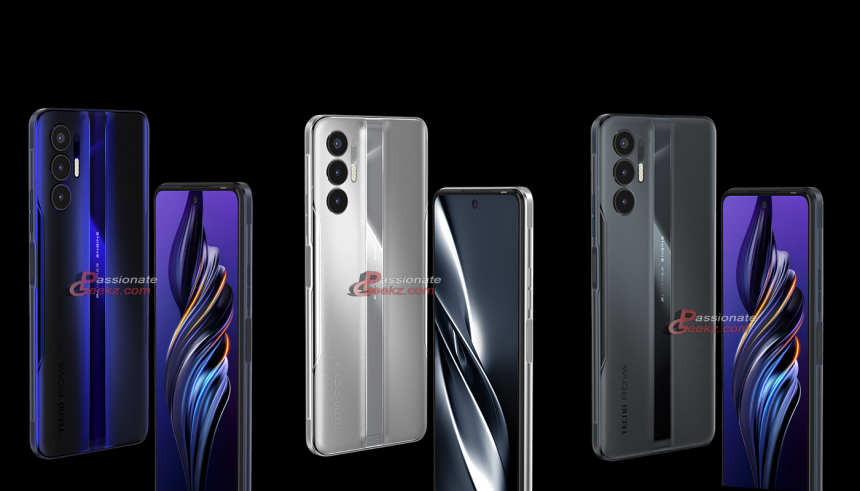
The latest leak was shared by tipsterParas Guglani. Looking at these renders, we have a close observation at the upcoming smartphone’s design and its possible color options as well. The handset will reportedly be available in three color variants, including a Electric Blue, Tech Silver, and Eco Black option. On the back of the device, we can see a triple camera setup that is stacked vertically on the top left corner, with the LED flash next to it.
Meanwhile on the front, the Tecno POVA 3 sports a center aligned punch hole cutout for the selfie camera. Notably, the rear panel also features a dual tone color finish with a vertical glossy strip dividing the two halves. Furthermore, the right side of the device also houses the volume rockers and the side mounted fingerprint scanner as well. Unfortunately, the leak did not reveal any other finer details regarding the new smartphone, but a previous report has offered us an idea regarding its specifications.
The POVA 3 sport a massive 6.9 inch display that has a Full HD+ resolution and a 90Hz refresh rate. Under the hood, it is believed to be equipped with a MediaTek Helio G85 SoC that is paired with up to 6GB of RAM and up to 128GB of internal storage. The primary rear sensor is expected to be a 50 megapixel sensor while the front may feature an 8 megapixel selfie shooter.
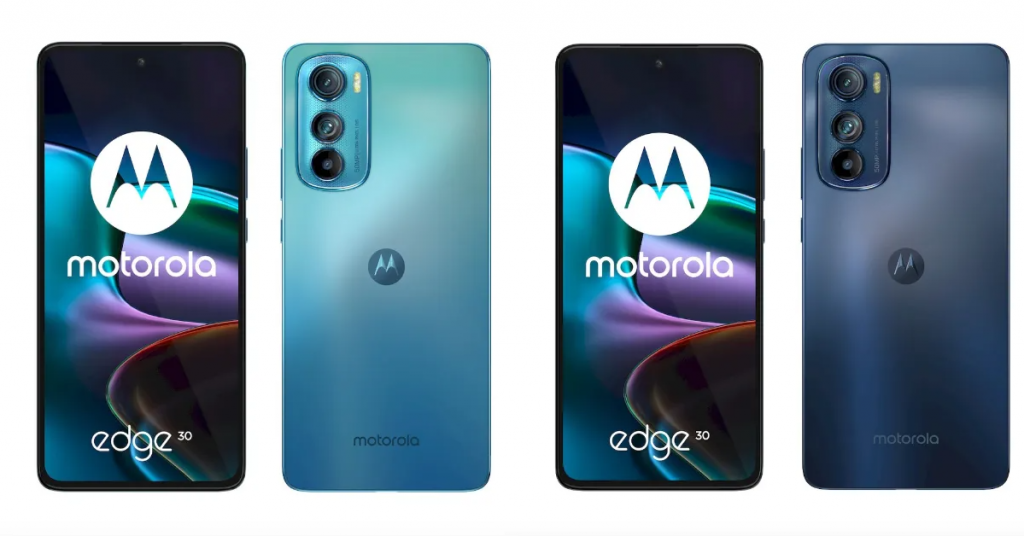
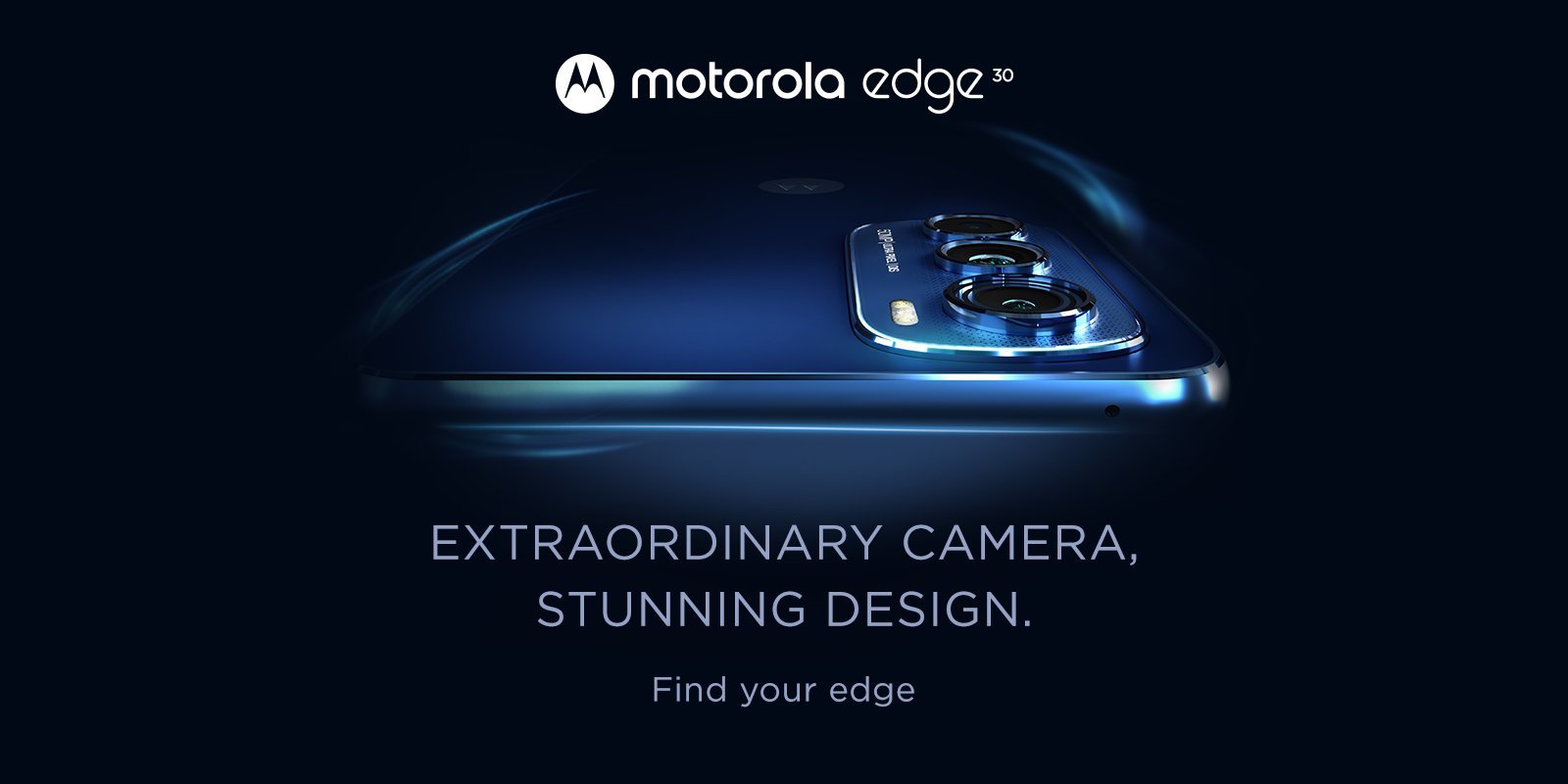
A couple of weeks back, Motorola announced the Edge 30 smartphone in Europe. The device is claimed to be the thinnest 5G smartphone and comes with the Snapdragon 778G+ chipset.
A recent leak revealed that the smartphone is set to debut in India on May 12th. Now, another leak has emerged shedding a light on the Indian pricing of the device. According to tipster Abhishek Yadav, The Motorola Edge 30 will debut in India with an asking price of ₹27,999 ($363).
The tipster adds that the device will have a ₹2,000 ($26) Bank offer at launch, bringing its price down to ₹25,999 ($337). This price tag will likely be for the base configuration of the device.
Motorola Edge 30 specifications
Coming to the specs, the device features a 6.5-inch FHD+ display with HDR10+ and a 144Hz refresh rate. It has a centered punch-hole for the selfie camera. It is also among the thinnest 5G smartphones with a thickness of just 6.79mm.
Under the hood, the device will have a Snapdragon 778G+ chipset which is basically an overclocked Snapdragon 778G. The chipset will come coupled with 8GB of LPDDR4x RAM and 128GB/256GB of storage.
The smartphone runs on Android 12-based My UX out of the box and has a 4,020 mAh capacity paired with 33W fast charging.
For optics, the device offers a 50-megapixel main camera OIS and all-pixel focus. The two auxiliary cameras are a 50-megapixel ultrawide camera, and a 2-megapixel depth sensor. On the front, it houses a 32-megapixel camera for selfies and video calls.
Just recently, Samsung Electronics released a new white paper that showcases its plans for the next generation standard of networking, which is 6G. It shared a paper titled “6G Spectrum: Expanding the Frontier,” so let’s have a look.
According to Sunghyun Choi, Samsung’s Executive VP and Head of the Advanced Communications Research Center, “We have started on our journey long ago to understand, develop and standardize the 6G communications technology. We are committed to taking the lead and sharing our findings to spread our vision to bring the next hyper connected experience to every corner of life.” In other words, the South Korean tech giant has begun work into bringing the next gen standard into the market.
Furthermore, 6G would require a spectrum with ultra wideband bandwidth that ranges from “hundreds of MHz to tens of GHz.” In simpler terms, this will allow for high fidelity mobile holograms and truly immersive extended reality (XR) as well. The company is also focusing on improving the coverage of the next gen communications standard. For this, it is considering all available bands for 6G, from low band under 1GHz to mid band in the 1 to 24Ghz range and even high bands that range in 24 to 300GHz range.
Arriving at the possible improvements 6G is offering, Samsung claims that the speeds from 6G might hit up to 1 Terabits per second (Tbps), which is the 50 times faster than the 20Gbps on 5G networks. During its tests back in June 2021, the company managed to demonstrate a 6Gbps data rate at a 15 meters distance indoors. At 30 meters distance indoors, the network managed to have a data rate of 12Gbps. Even at 120 meters distance, the data rate was still reaching 2.3Gbps. Samsung plans to share more details and the findings of its 6G research in the future as well, so stay tuned for more updates.
To ensure that the smartwatch is always up to date on the latest software, Huawei has also pushed out the HarmonyOS 2.1 May update for the Watch GT 3 Pro, which includes several new features and software improvements for the device.
The HarmonyOS 2.1.0.327 May Update has an update file size of 112MB and is officially available for Huawei Watch GT 3 Pro owners in China starting from today. Its changelog is as follows:
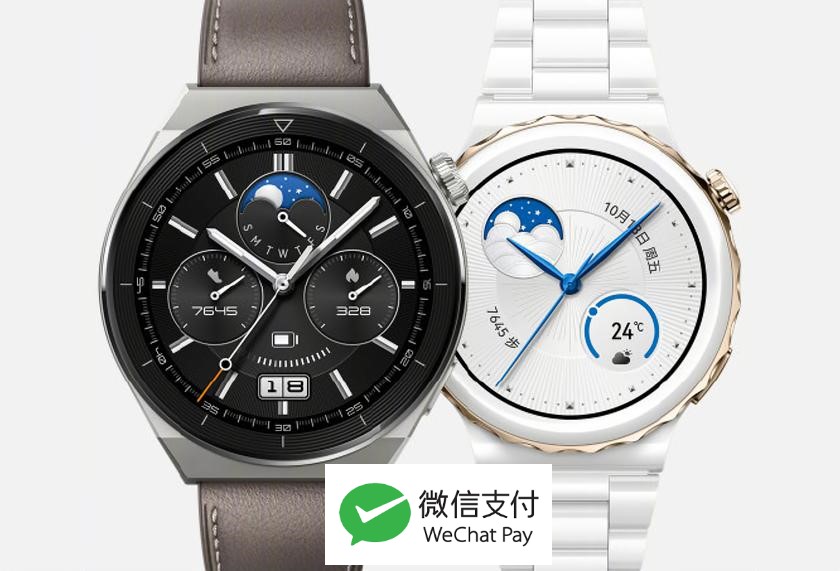
Support added for stand-alone and non-stand-alone WeChat Pay functionality.
Support for interconnectivity added for iOS devices (after Android and HarmonyOS devices), which includes connectivity across contactless transportation card wallets and music control functions.
New health apps, that include a breathing health tracker that scans and analyses your blood oxygen levels via the watch to indicate your current respiratory health. (Not available for iOS devices)
Bug fixes
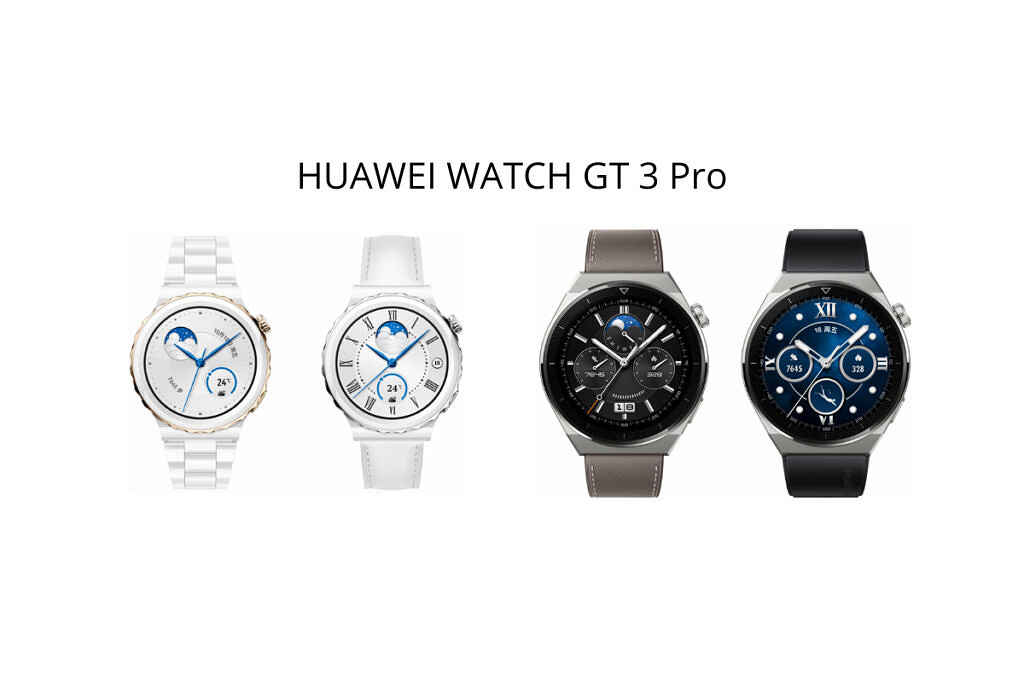
The Huawei Watch GT 3 Pro is a premium flagship smartwatch from Huawei. The device features a high-definition AMOLED display, ceramic body, and sapphire glass for its luxurious design. The smartwatch comes in two variants in China – 43mm and 46mm. The display size on the 46mm version is 1.43-inch while the 43mm version features a 1.32-inch display.
One of the highlighting features of this smartwatch is the ECG functionality to check the user’s heart’s rhythm and electrical activity. This feature on the smartwatch has even been approved by medical authorities of China, making the Huawei Watch GT 3 Pro a certified second-class medical device in the country.
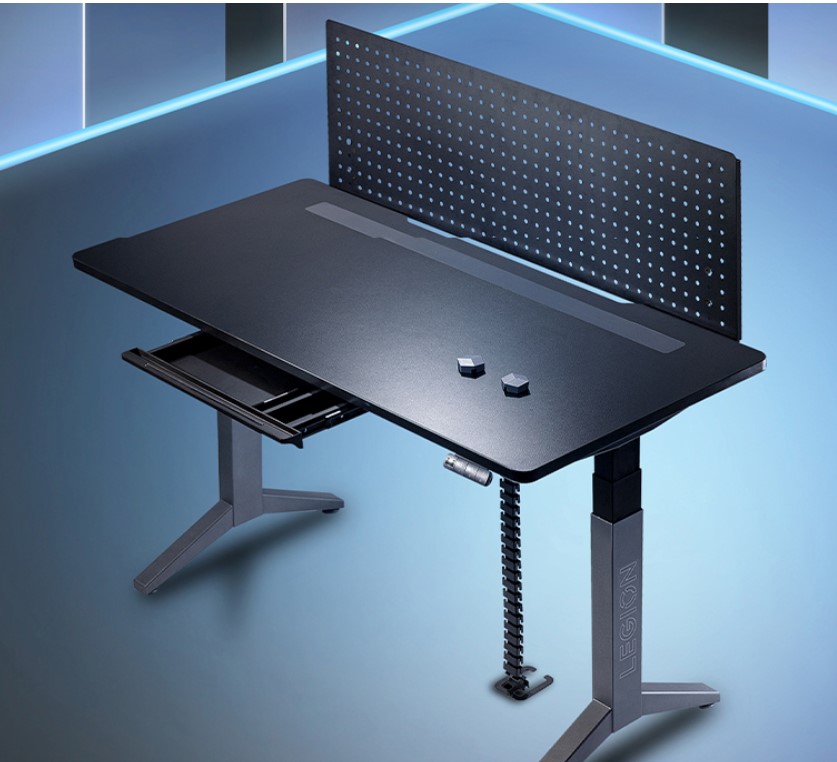
Lenovo Legion has launched the new Electric lift table T7 in China. The lift table comes equipped with 1600N (Newton) motors and can achieve a lift speed of up to 55mm/s. The new table is available at a price of 2699 Yuan which roughly converts to $403.
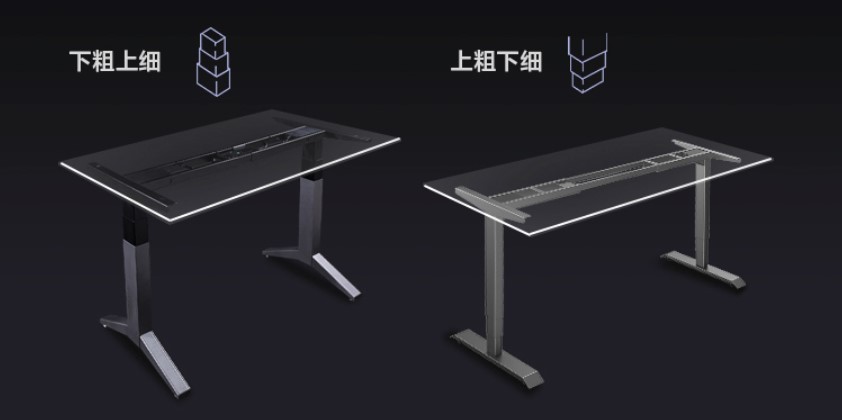
The Lenovo Legion Electric lift table T7 has a rectangular top. The tabletop comes with a matte finish and has round corners. Its legs are triangular in structure and are made with the help of a cold-welding process, which makes them more stable than the traditional T-shaped legs.
According to the company, the lift of the table uses two 1600N motors from Jiecang. Its lifting speed can reach up to 55mm/s while producing noise as low as 48db (decibel). The rated load during the lift is 125kg.
Judging from its features, the Electric lift table T7 appears to be fast, quiet, and sturdy. The lifting range of the table is between 68 to 128cm, making it suitable for users with a height of 130 to 190cm.
In addition to its lifting function, the T7 lift table also features magnetic cable organizers, storage compartments, harnesses, and other storage features. Moreover, it can be equipped with accessories like perforated boards.
The Electric lift table T7 can be used as a computer desk. Its magnetic block cable management system makes organizing cables easy and hassle-free. The T7 table adopts an integrated table frame structure, which can bear up to 250kg in the non-lifted state.
As mentioned above, the Lenovo Legion Electric lift table T7 is up for sale and can be purchased through the company’s official website.
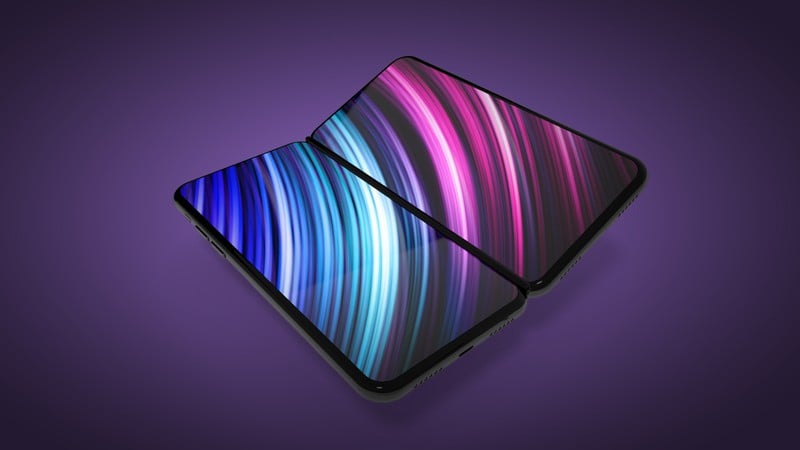
Apple has apparently started the development of an OLED panel that does not use a polarizer. In other words, it is possible that the company is working on its very first foldable iPhone that will use this display technology.
The news arrives from sources close to the matter who shared this information with TheElec. By removing the polarizer on the display, the panel will be even thinner, which means that it will also be optimal for foldable screen. For those unaware, the polarizers are used to allow only lights in certain directions to pass through. This improves the viability of the display. But, it also reduces the overall brightness of the panel as well.
Notably, Samsung Display was the first to make an OLED panel without a polarizer, which was used on the Galaxy Z Fold 3. This model was the company’s last foldable phone model. So, this means that it is possible that the Cupertino based giant is also possibly planning on building its very own foldable iPhone model as well. Although, it is still unclear if the brand is actually working on such a product at the moment.
We have reported on Apple patents regarding a foldable phone. Furthermore, analysts have also claimed that the company is planning on launching its first foldable sometime by 2025. So, the development of such an OLED panel a couple of years prior to its eventual release seems reasonable.
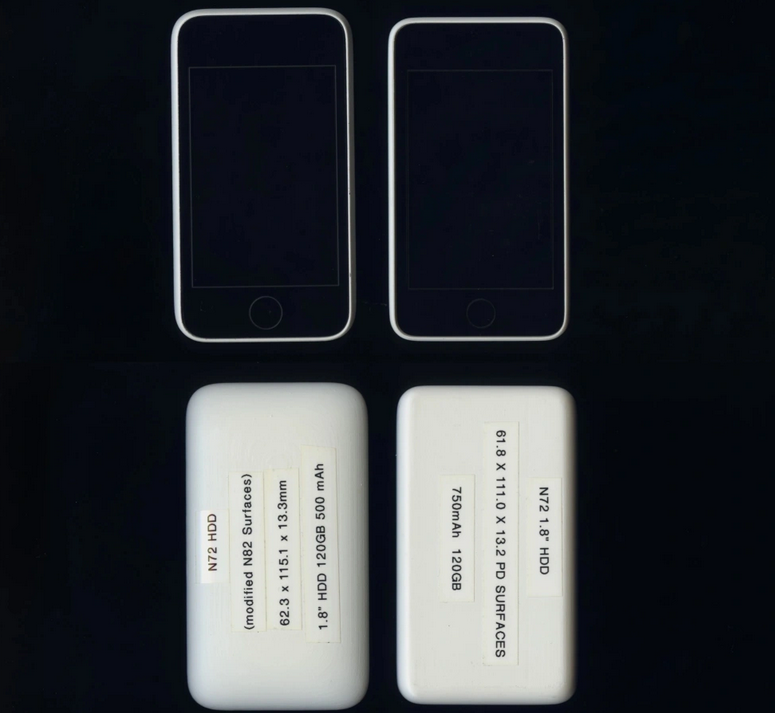
Apple had announced its first iPhone back in 2007. However, prior to the release of its game changing handset, the company was also working on a number of prototype models in secret. Now, one such prototype has emerged and it is quite unique to say the least.
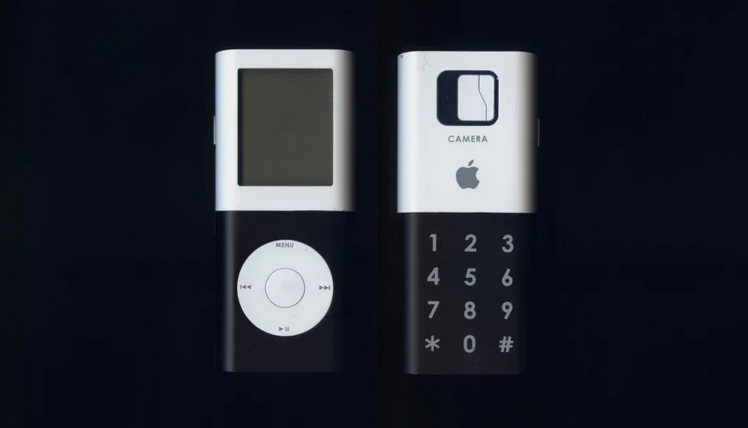
The prototype was shared by Tony Fadell (via TechCrunch), who was also behind the development of the iPod back in the 2000s. Recently, Fadell has been sharing details regarding his time working at the Cupertino based giant. Apparently, before the first iPhone, the company only had the iPod as a mobile device. So when working on some of the early prototypes, the brand was exploring the idea of adding the functionalities of a phone into an iPod.
Thus, one of the prototypes had a unique design, which included the iconic Click Wheel. Notably, this could even double as a number pad as well. Fadell stated that this early model was built by a third party manufacturer in the early stages of “iPod Phone” development. This model included a built in camera and a color scheme that resembles the actual first iPhone. A swivel would help users quickly change the bottom of the iPod to convert it into a phone.
Apparently, Steve Jobs himself had strongly insisted that the team would create an iPod phone rather than build a completely new device. The reason for this was due to the popularity of the iPod’s iconic design, which included the Click Wheel. However, it was soon realized that it wasn’t good experience when using the Click Wheel for the phone. Thus, it shifted to a large full touch screen design and a Mac OS X based operating system.
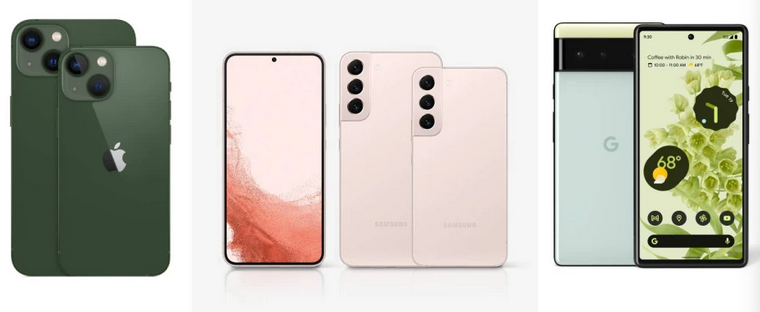
While the Samsung Galaxy S22 series and the Apple iPhone 13 lineup are premium grade smartphones that start from a similar price point, it seems that the Apple offerings depreciate much slower than its Android rival.
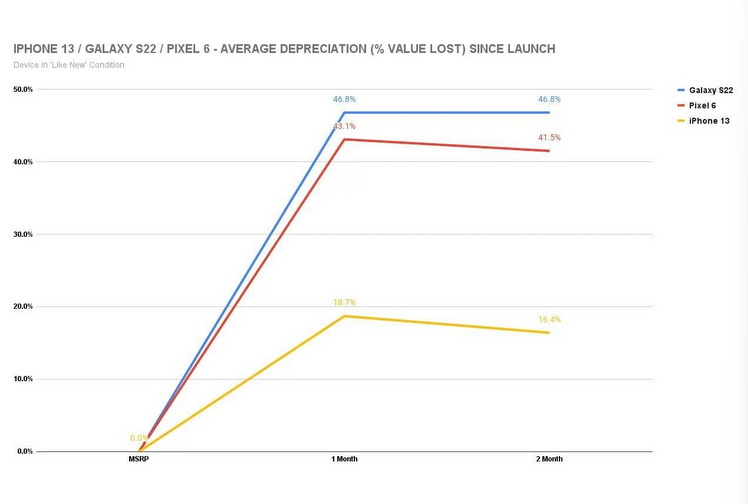
As per a new survey from SellCell, the South Korean tech giant’s current gen flagships depreciates three times faster than the iPhone 13 series. The research report compared the iPhone 13 mini that costs 699 US Dollars, the Galaxy S22 that has a price tag of 799 US Dollars, and the 599 US Dollars Pixel 6 as well. Within just two months of the launch, it was found that the iPhone 13 retained the best value if one decides to resell it.
Although, this isn’t particularly surprising since Apple models have typically always retained better value than its Android counterparts. The report further added that the Galaxy S22 had the worst retaining value, with its resale value dropping to 46.8 percent of its original in just two months after its launch. On the other hand, the Pixel 6 lineup only lost around 41.5 percent of its original value within the same time period. On the other hand, the iPhone 13 series only saw a relatively low fall of 16.4 percent in terms of value in the first two months.
Interestingly, the Pixel 6 regained some of its lost value after the first month, which is usually seen in iPhones alone. Breaking the numbers down, the Galaxy S22+ lost its value the fastest, while the Pixel 6 Pro was the worst performer in Google’s case. For Apple, the iPhone 13 mini lost the most value, while its iPhone 13 Pro Max model only lost around 3.8 percent of its original value even after 2 months of launch. So its clear, that an iPhone is a much better investment overall.
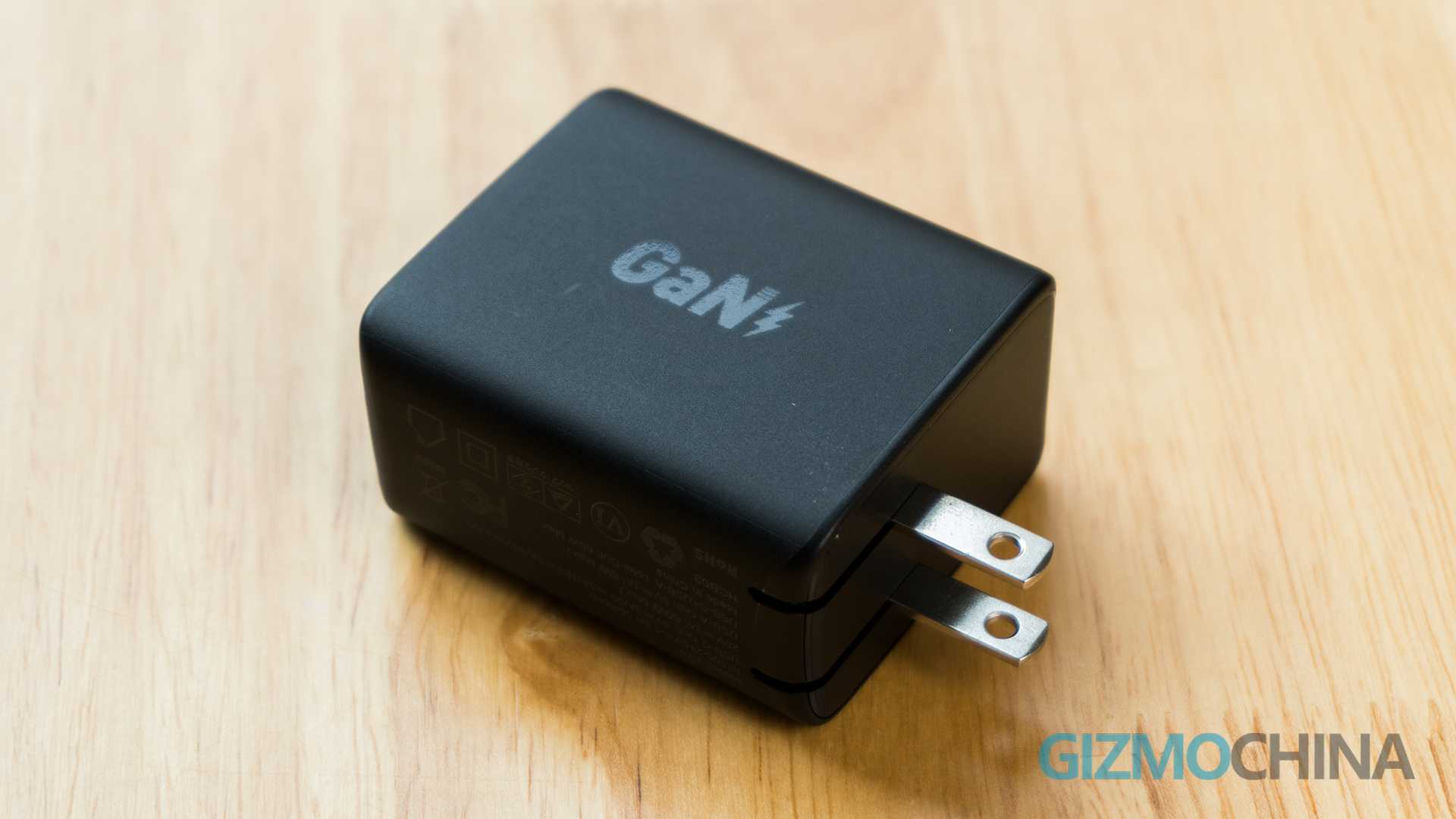
Gallium Nitride (GaN) chargers now are dominating the market. GaN chargers are physically smaller than current chargers. As a modern alternative to silicon, GaN is able to conduct far higher voltages over time than silicon. At the same time, it also means less energy is lost to heat while more effectively transferring current.
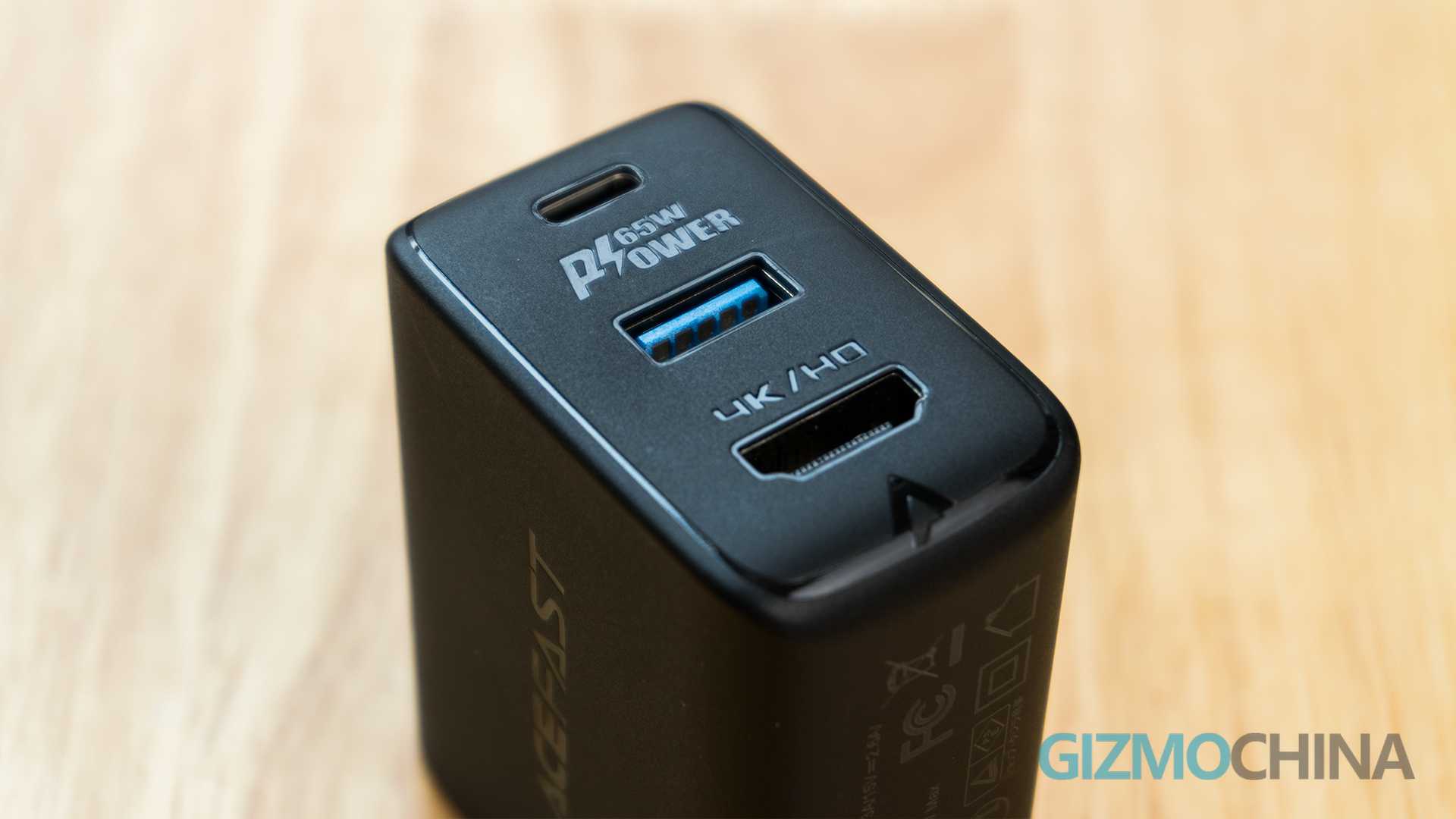
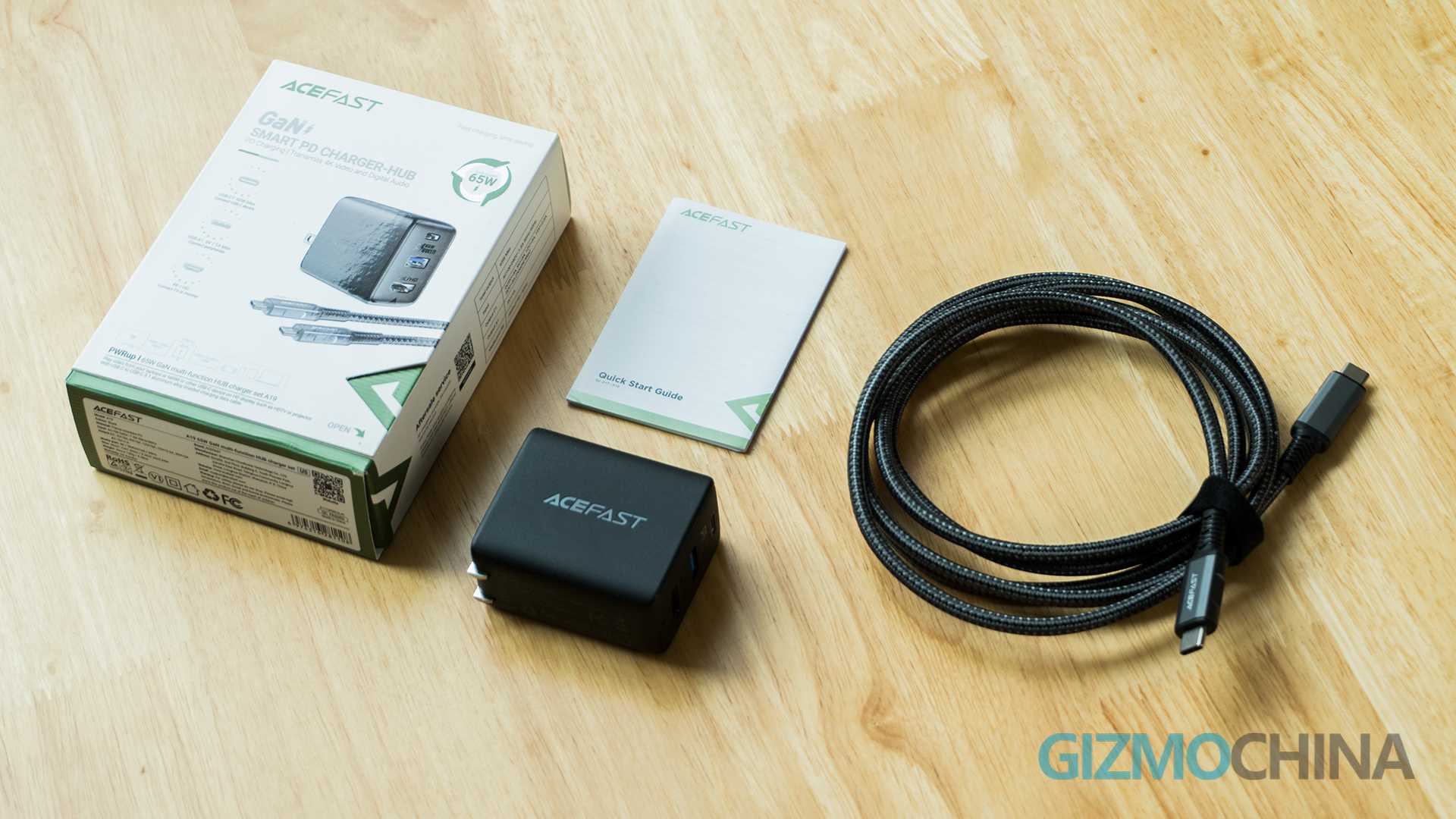
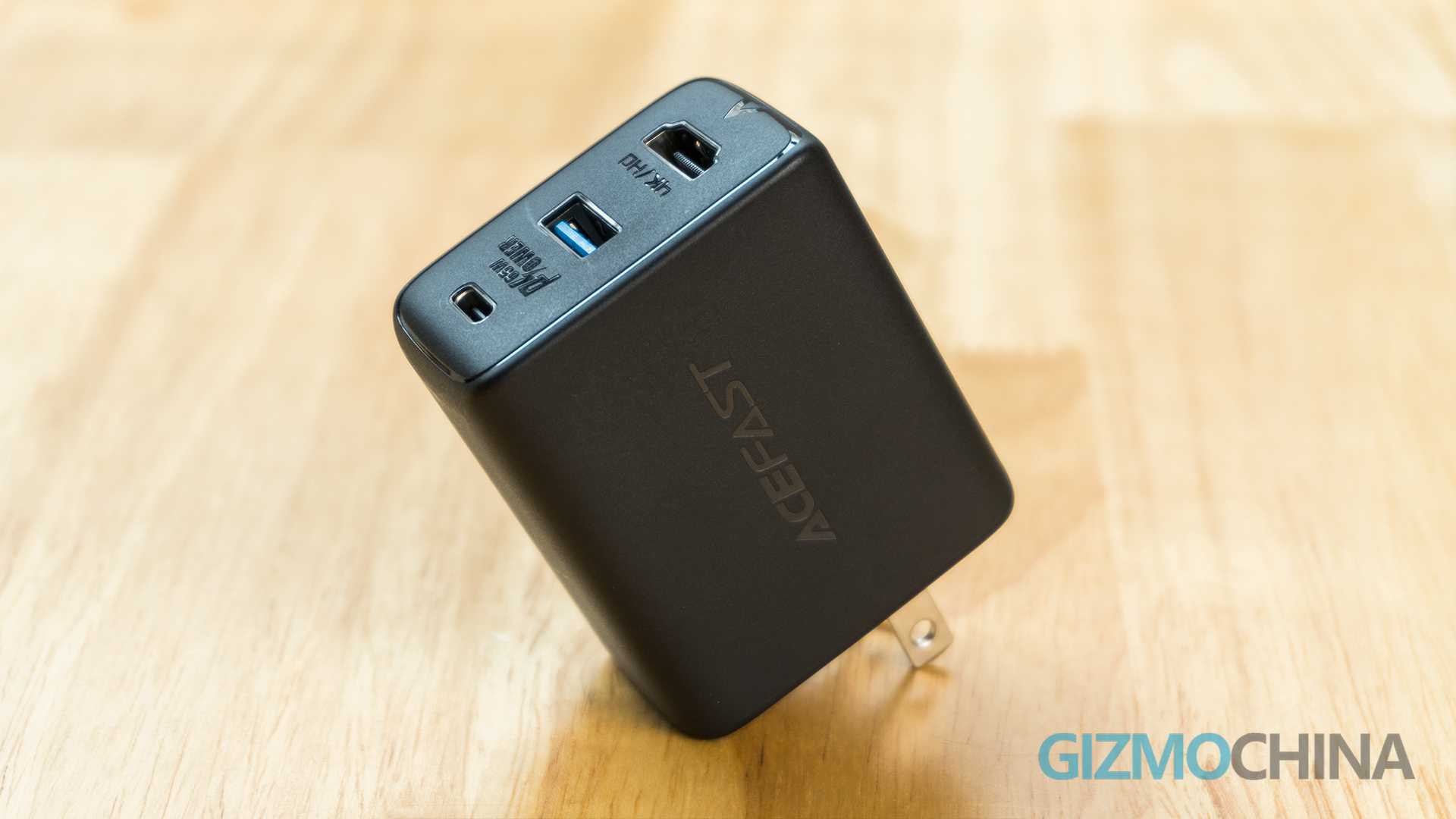
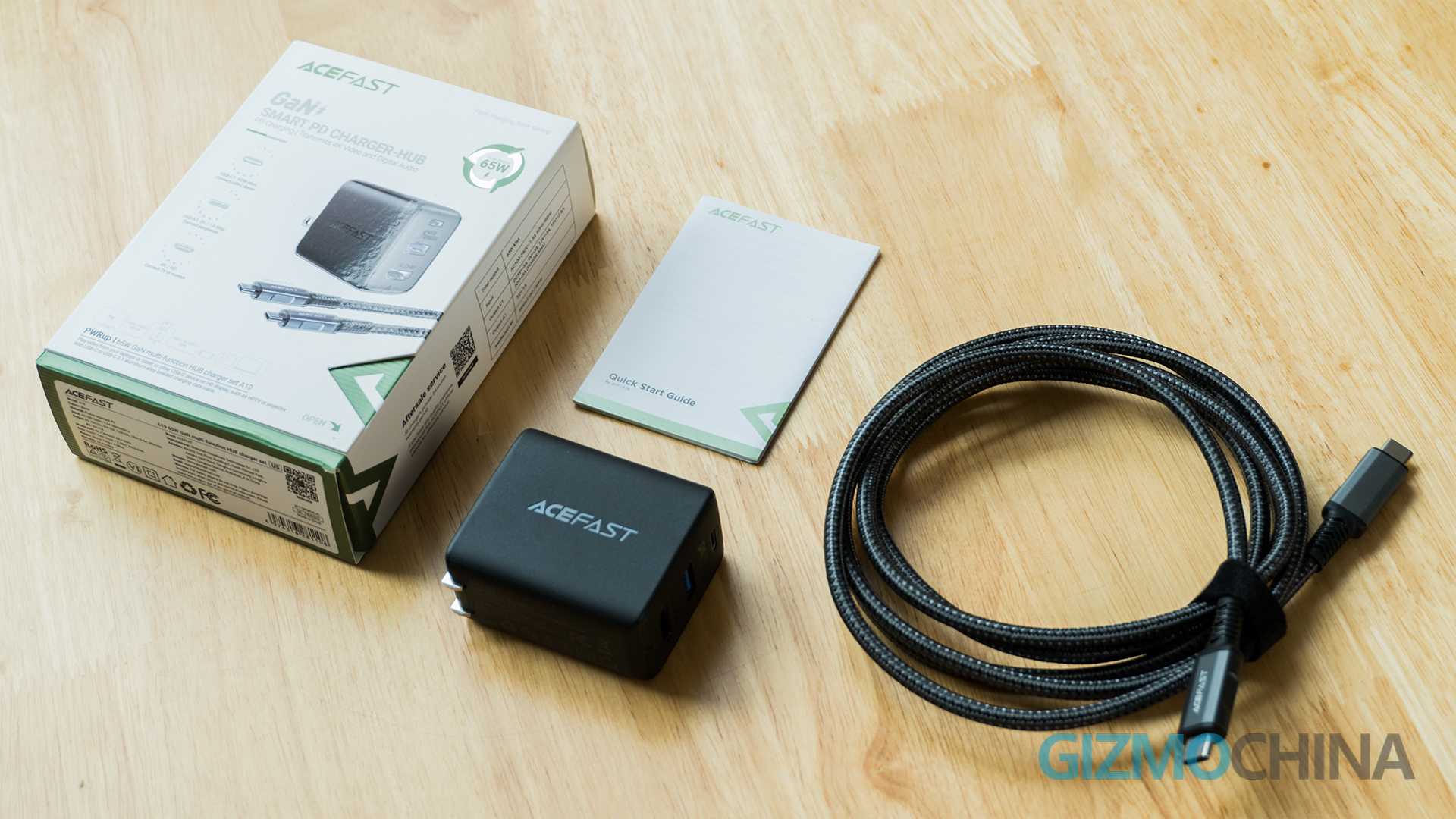
As a result, most of the high-voltage GaN chargers are able to offer multiple ports in a smaller size for multi-device charging. However, the manufacturer Acefast brought a new idea to their latest charger product, the A19 65W GaN multi-function-HUB charger set. Instead of being a charger, it is more like a compact docking station for USB-C devices like Laptop, tablets, and smartphones.
There are three ports on the charger-HUB, including a USB-C port, a USB-A Port, and another HDMI Port for media output.
Apart from providing up to 60W PD charging via a USB-C port, the USB-C port actually also supports transferring up to 4K video and digital audio signal for the connecting device, which could be your smartphone, tablet or PC. And then you can connect a HD display such as a monitor, HDTV, or projector via HDMI port, turning it into a bigger display for your device.
The remaining USB 3.0-A Port can then become an additional interface for your peripheral, such as Keyboard, mouse, joystick, flash drive, and other USB devices. Like other USB-A ports, it can also provide 5V/1A (5W) power to these USB devices.
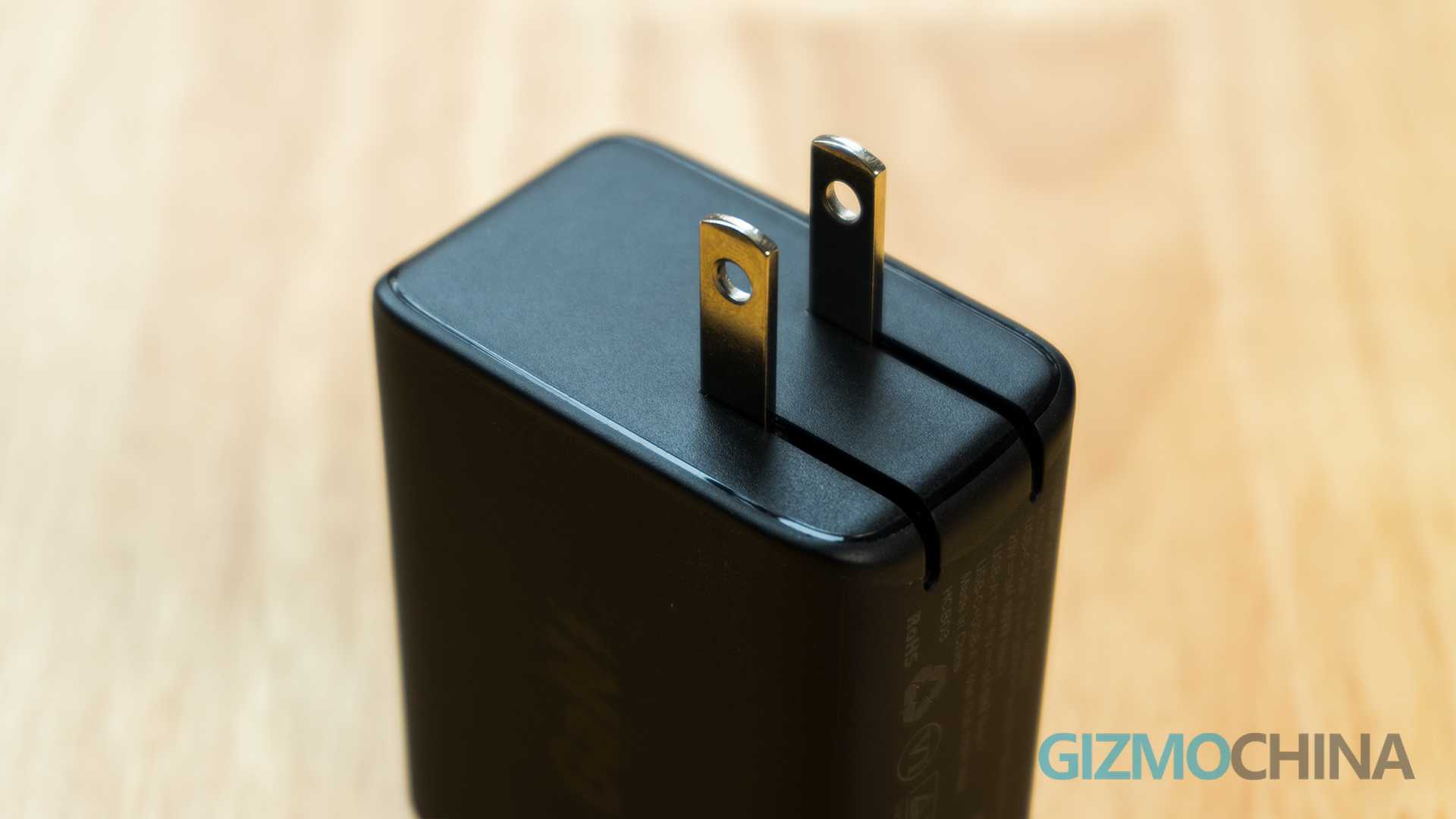
With this charger, I truly feel comfortable skipping a dedicated docking station to project a phone and PC onto a large TV or monitor, since organizing the visible cables used to be a tiresome task for me. And when you realize that the size of the charger-HUB is not much different from traditional chargers, you will also agree that plugging it into the wall is not a problem either.
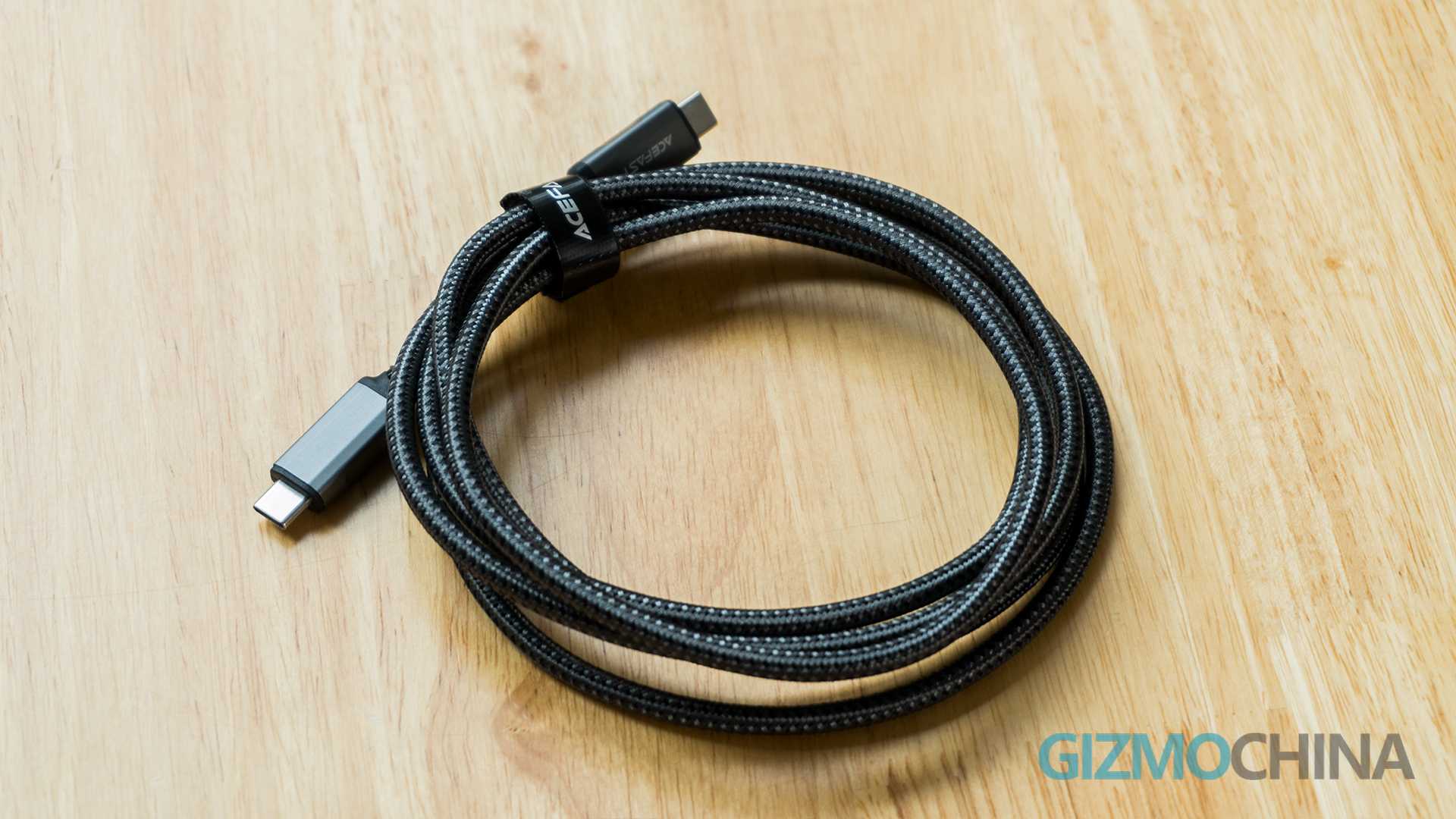
The 60W PD3.0 fast charge is one of the most cost-effective protocols for charging different devices. In addition to the PD3.0 protocol, the USB-C Port is also compatible with Apple2.4A, Samsung 5V-2A, Samsung AFC, QC4.0+/3.0/2.0, and PPS multiple charging protocols. The wide compatibility covers all the devices supporting USB-C charge. For example, with the 60W power, a MacBook Pro 13’’ even can be fully charged in just 2 hours.There’s a 6ft USB-C to USB-C aluminum alloy braid data cable that also supports PD 100W max charging. If you’ve already got a 100W charger or above, the cable even can be used for higher-power delivery. But with the Acefast 65W GaN charger-HUB, 65W is the max power efficiency you can have.
In the real-life charging test, the charger-HUB can fully charge the latest Android devices within 1 hour. For some older devices released years ago without fast-charge support, the charging time could be extended to about 2 hours.
In actual use, the charge-HUB is a perfect accessory for laptops to get an expanded display while charging, especially when your laptop doesn’t have a large enough screen.
And it’s also a perfect accessory for Switch. The only USB-C port of the Switch now is available for both charging and video output. But note that the Switch itself only supports 1080P video output, so even with the charger-HUB supporting 4K signal transfer, 1080P resolution is still the only choice.
In addition to this, there’s no problem for the charger-HUB to project 4K contents with extremely low latency, as long as your device’s USB-C port also supports 4K video output. And the USB-A port is also a great design for expansion. Especially for gamers, a necessary peripheral, such as a gamepad or mouse, can be connected through the charger-HUB without occupying an interface from the device.
The A19 65W charger-HUB is able to fast charge almost all of your techs via multiple protocols, from your laptop to your phone to even your power banks. And if you are also enthusiastic about using an external monitor or TV, the charger-HUB can certainly save you a lot of hassle.
If you like this charger, check it out here: Amazon.
A couple of months ago, Nothing, a new technology venture from OnePlus co-founder Carl Pie confirmed the brand’s upcoming Nothing Phone (1) smartphone. It was also revealed that the phone would be running the company’s own Nothing OS.
Nothing also decided to give users of select smartphones a glimpse of the upcoming Nothing OS through a custom launcher for Android phones, named Nothing Launcher, which is available for some smartphones in the Beta phase.
Now, the availability of Nothing Launcher is being expanded, and the application is now supporting all smartphones running the Android 11 or above version of the operating system. This is a wide range of supported apps compared to its previous support for only Pixel devices, OnePlus devices, and the Samsung Galaxy S21 lineup.
The updated version of the launcher comes with several minor tweaks, including the ability to quickly change the wallpaper with an on-screen pop-up, with a direct link to Nothing’s wallpapers and ringtones. There’s also a dedicated Nothing Launcher icon on the home screen with this update and a new set-up page upon the first launch.
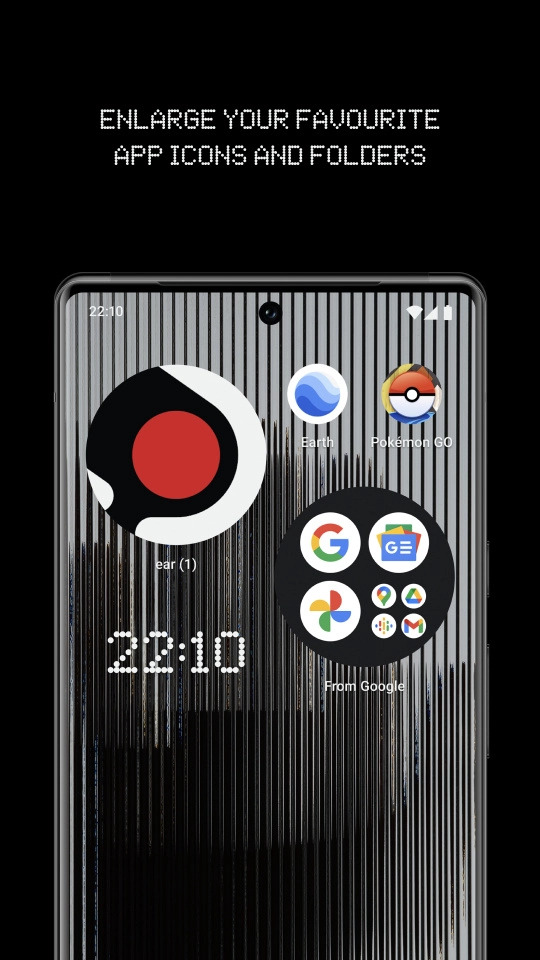
Nothing Launcher includes several tweaks and tuning, including what the company refers to as “Max Icons” and “Max Folders,” allowing users to press and hold app icons or folders and increase the space taken on the home screen.
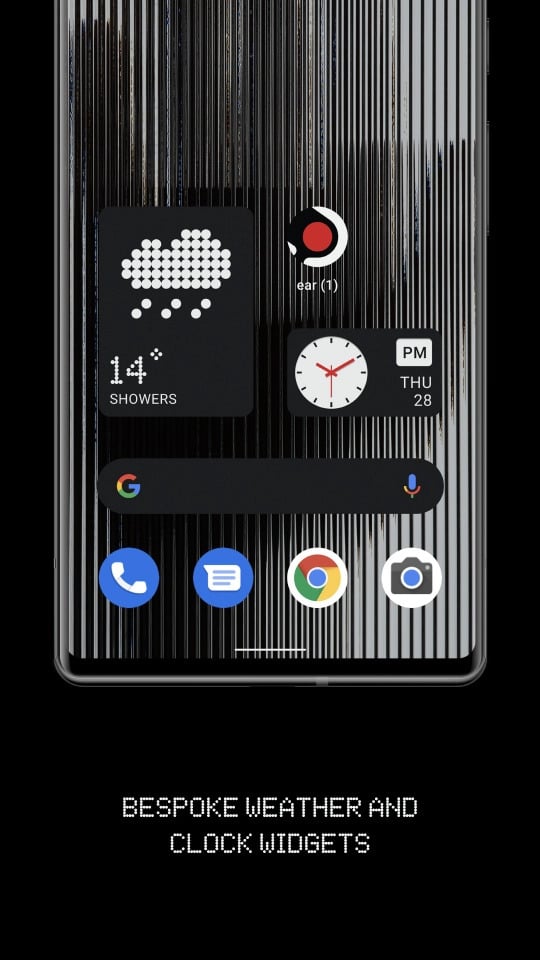
It also offers a series of unique wallpapers, weather, clock widgets, and ringtones but it lacks some of the features, like support for the Google Discover feed which is now becoming more commonplace on various OEM skins of Android.
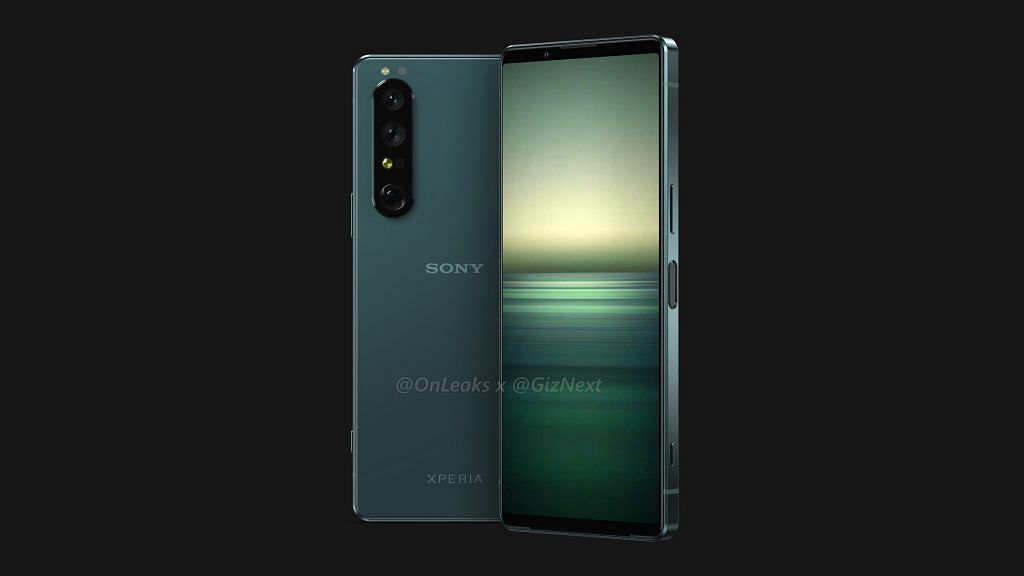
Sony is gearing up to launch its flagship smartphone in the market, dubbed Sony Xperia 1 IV. Along with that, the Sony Xperia 10 IV is also expected to get launched. The company has already confirmed that the launch event will take place on 11th May.
The event, which was teased by the company by asking “Are you ready for the next ONE?” will take place on 11th May from 12:30 PM IST. It will be live-streamed on Sony Xperia’s own YouTube channel.
You can watch the upcoming Sony Xperia 1 IV launch event by clicking here.
The Sony Xperia 1 IV is expected to feature a 6.5-inch display with 4K screen resolution, a 120Hz refresh rate, HDR support, and a 21:9 aspect ratio. The screen will be protected by a layer of the Gorilla Glass Victus on top.
Under the hood, the device will be powered by the Qualcomm Snapdragon 8 Gen 1 SoC, which will likely be paired with up to 12GB of RAM and up to 512GB of internal storage.
In the camera department, the phone will have a triple camera setup on the back with ZEISS branded lens, but there’s not much information available. But it’s known that the camera module has a primary sensor, a telephoto shooter, and an ultra-wide-angle lens.
The phone will run the Android 12 operating system out-of-the-box with the company’s own custom interface on top. It will be powered by a 5,000mAh battery and come with support for 45W fast charging.
If the rumors are to be believed, then the Sony Xperia 1 IV will be priced at 1,399 Euros, which roughly converts to $1,480. The smartphone is expected to come in three color options — Black, Violet, and White.
Xiaomi-backed Redmi brand is gearing up to launch a new Redmi Note 11 series smartphone in the market, dubbed Redmi Note 11T and Redmi Note 11T Pro. While the launch date is unknown, they are confirmed to go official this month.
Now, Lu Weibing, Partner at Xiaomi Group, President of Xiaomi China and International, and General Manager of the Redmi brand has teased the smartphone on his Weibo account.
He has posted a message on his personal Weibo account that just reads “Testing,” but the device identifier for the post says “Note 11T Android”, most likely referring to the upcoming Redmi Note 11T smartphone.
Recently, the company teased these two upcoming smartphones by sharing a poster. It also claimed that the smartphone has turbo-level performance, turbo-level tuning, and turbo-level experience. It will have several first performance acceleration technologies for the Note series to bring flagship-grade performance.
Based on the rumors so far, the Redmi Note 11T Pro will come with an LCD screen and have support for a 144Hz refresh rate. Under the hood, the device will be powered by the MediaTek Dimensity 8000 processor — a first for the Redmi smartphone.
The MediaTek Dimensity 8000 is manufactured using TSMC‘s 5nm process and consists of four Cortex-A78 cores and four Cortex-A55 cores, offering a clock speed of 2.75GHz.
The Redmi Note 11T is expected to come packed with a 4,980mAh battery and have support for 67W fast charging, while the Pro model could come powered by a 4,300mAh battery and have support for 120W fast charging.
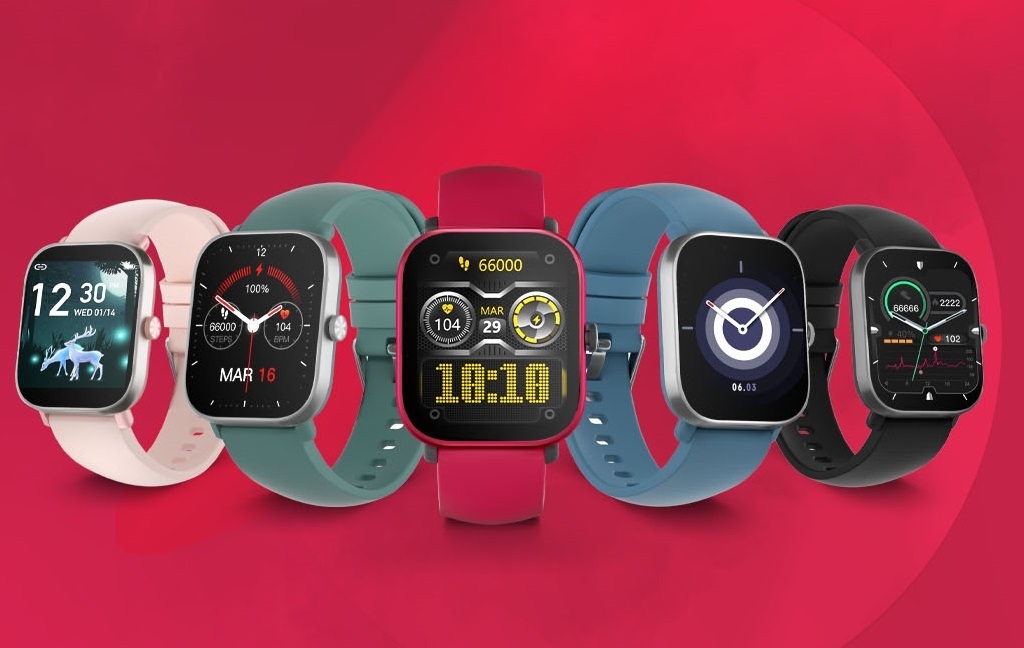
Inbase, a brand that specializes in gadgets and accessories, has announced a new smartwatch called the Urban Lite X. The device comes with a square-shaped display, important health sensors, and promises a long battery life. Here is all the information on the specifications, features, and price of the Urban X Lite.
Inbase Urban X Lite specifications
Beginning from the front, the Urban X Lite features a 1.6-inch bright display and a hybrid casing, which is comprised of aluminium and polycarbonate. It is a lightweight device that comes equipped with a skin-friendly silicone strap. The Urban X Lite is an IP68 rated, dust-resistant and waterproof device.
The X Lite features a Realtek chipset and Bluetooth 5.0 for stable connectivity. Once paired with a smartphone, it can show notifications for calls/messages. It can also be used to control some functions of the phone, such as cameras, volume, and so on.
Inbase Urban Lite X
When it comes to health and fitness, the Urban X Lite is packed with a blood oxygen (SpO2) tracker, a blood pressure monitor, and a heart rate sensor. It can also count steps and detect sleep patterns. Other health-focused features include sedentary alerts, guided breathing mode, and multiple sports modes for tracking activities like walking, running, climbing, yoga, football, basketball, badminton, swimming, skipping, and cycling.
The Urban X Lite can customize the look of the watch by choosing from a range of built-in watch faces. Users can also set any image as a watch face on the device. The exact battery size of the Urban X Lite is not mentioned on its official listing. The smartwatch promises up to 15 days of runtime and up to 60 days of standby time.
Inbase Urban Lite X price in India
The Urban Lite X is priced at Rs 2,299 (~$28) in India. Apart from the company’s official website, GoUrban.in, the smartwatch can be purchased through leading retail stores. It comes with a 1-year warranty. The smartwatch can be bought in colors like Jet Black, Crimson Red, Silver Blue, Silver Green, and Silver Pink.
Xiaomi has been leading the Indian smartphone market since late 2017. While Samsung overtook Xiaomi in the third quarter of 2020, the Chinese manufacturer managed to regain its lead in 2021. According to a new market survey by Counterpoint Research, Samsung has dethroned Xiaomi to become a market leader in India’s overall smartphone market.
According to market research, Samsung holds a 22 percent shipment and a 27 percent market share in India in March 2022. Samsung confirmed a 9 percent increase in value over the same period last year. According to Neil Shah, Vice President of Research, Counterpoint, “Timely portfolio expansion with 5G capability down to M, F, and A series and strong uptake of the Galaxy S22 and foldable flagship series helped Samsung grow back to the leadership position.”
The South Korean company is offering a wide range of Galaxy M, F, and A series of smartphones across different price points in India. The company offers around 15 5G-ready smartphones at the Rs 20,000 (~$260) price. At present, the Galaxy F23 5G, which starts at Rs 13,999 (~$180), is the most affordable 5G phone from the brand in India. Also, both the Galaxy S22 series and the Galaxy foldables have done well in the country’s market.
Three years ago, Samsung had lost its top spot in the premium smartphone market. Counterpoint Research found that the Galaxy S22 line of phones helped the South Korean company pass Apple and become the market leader in the premium smartphone market.
In March 2022, the Galaxy S22 Ultra achieved a 74 percent volume market share in India’s Rs 1,000,000+ (~$1,290) segment. With the sale of the S22 Ultra, the South Korean company achieved an 81 percent market share in the Rs 1,000,000 category. Furthermore, Samsung now has a 38% volume market share in the Rs 30,000+ (~$390) segment.
We use cookies on our website to give you the most relevant experience by remembering your preferences and repeat visits. By clicking “Accept”, you consent to the use of ALL the cookies.
This website uses cookies to improve your experience while you navigate through the website. Out of these, the cookies that are categorized as necessary are stored on your browser as they are essential for the working of basic functionalities of the website. We also use third-party cookies that help us analyze and understand how you use this website. These cookies will be stored in your browser only with your consent. You also have the option to opt-out of these cookies. But opting out of some of these cookies may affect your browsing experience.
Necessary cookies are absolutely essential for the website to function properly. This category only includes cookies that ensures basic functionalities and security features of the website. These cookies do not store any personal information.
Any cookies that may not be particularly necessary for the website to function and is used specifically to collect user personal data via analytics, ads, other embedded contents are termed as non-necessary cookies. It is mandatory to procure user consent prior to running these cookies on your website.