Redmi has released an official confirmation today that it will be launching the Redmi Note 11T and Note 11 Pro smartphones this month in China. Redmi’s confirmation debunks the rumors that claimed that it would be launching the Redmi Note 12 lineup in May. Here is everything that is known about the Note 11T duo.
Redmi revealed that the upcoming Note 11T series will deliver “turbo-level performance” and will be equipped with the company’s first performance acceleration technology. In addition, it will offer a flagship quality experience. However, the company has yet to confirm the hardware specs of the Note 11T and Note 11T Pro.
Redmi Note 11T series launching in May in China
Redmi Note 11T, Note 11T Pro specifications (rumored)
In recent weeks, two Redmi devices with 22041216C and 22041216UC model numbers have been spotted on Chinese certification platforms such as TENAA and 3C. The former is expected to launch with the Redmi Note 11T name, and it will be different from the same named phone available in India and other markets. The 22041216UC model is expected to arrive in China with the Redmi Note 11T Pro moniker.
The Redmi Note 11T is likely to come with a 6.6-inch display that probably offers a Full HD+ resolution. It is likely to come equipped with a 4,300mAh battery. Its 3C certification has revealed that it may carry support for 67W fast charging. The Note 11T is speculated to feature the Dimensity 1300 chipset.
When it comes to the Pro model, it will most likely be powered by the Dimensity 8000 chipset. It may feature the same 6.6-inch screen, which carries support for up to a 144Hz refresh rate. The device is powered by a 4,980 mAh battery and supports 120W fast charging. Both phones are expected to run on the Android 12 OS and MIUI 13. The other specs of the Note 11T series are under wraps.
As the OnePlus 10R has gone on sale in India yesterday, buyers in China have already started receiving their OnePlus Ace (the Chinese variant of the OnePlus 10R) devices in hand, and first impressions of the device have not been quite positive on social media, until OnePlus themselves had to start addressing the overheating issues to the mainstream press outlets in China.
According to the mainstream Chinese news outlet, Sina Finance, one Weibo user, had recently received his brand new OnePlus Ace device, and upon the first day of using the device, the user had already reported overheating issues that left the device uncomfortable to hold in the hands.
The user posted that he had only continuously played a mobile game for an hour but the device’s battery temperature had already reached a high 43.7 degrees Celsius, and the CPU was at 46.5 degrees Celsius. Another Weibo user had also chipped into the conservation by sharing a video showing that his OnePlus Ace battery came in even higher at 44.6 degrees Celsius, and the CPU was at an uncomfortable 60.4 degrees Celsius.
And it does not seem like the cases are standalone cases as well, as more and more buyers of the OnePlus Ace had joined in on the Weibo topic until the hashtag “#OnePlus Phones So Hot That It Burns Hands” (translated from Mandarin to English) was one of the trending searches on Weibo yesterday.
Addressing the matter, OnePlus has reached out to Sina Finance for a reply to the public stating that the aforementioned Weibo user had been playing Genshin Impact for an hour, and he felt that the phone was overheating because his hands felt uncomfortable when the phone was reaching temperatures of around 42 degrees Celsius. Thus, the buyer felt like the OnePlus Ace(rebranded globally as OnePlus 10R) he got had quality control problems.
In the press reply, OnePlus reiterates that in reality, the phone reaching high temperatures during gaming is a common occurrence, the high temperatures that the users have experienced are well within expectations and are considered normal, and it will not affect the daily functionality of the smartphone.
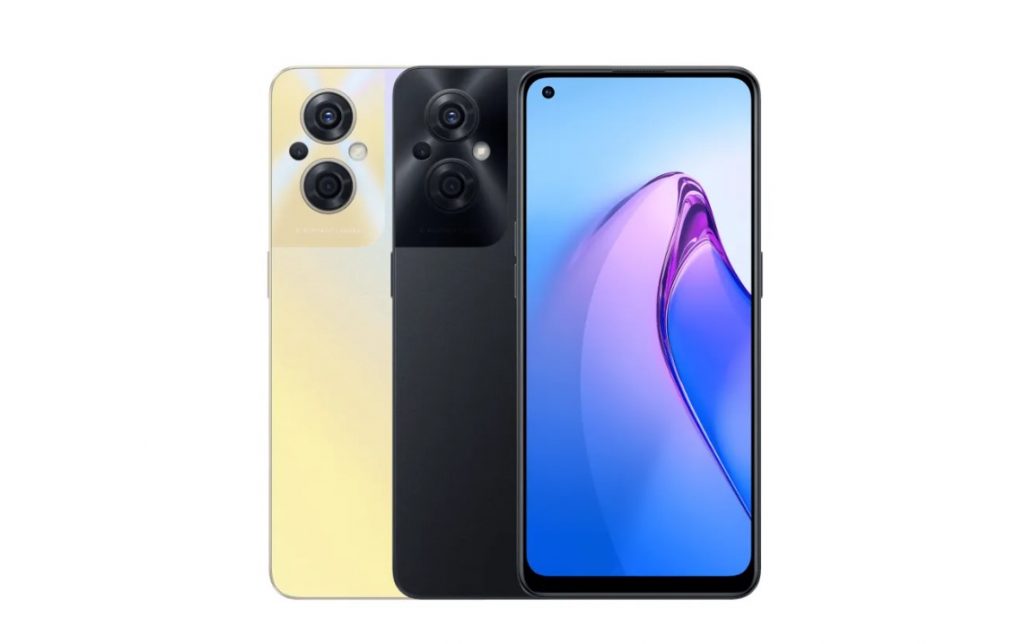
OnePlus Ace in Blue and Black.
The OnePlus Ace was originally launched in China on April 21st, and the phone was then the first-ever phone to feature the MediaTek Dimensity 8100 MAX which promised higher performance over the standard Dimensity 8100. The device was then launched globally as the OnePlus 10R as it made its debut in India on the 28th of April.
After launching the Realme 9 series and Realme Pad Mini in India, the company is all set to release them in the European markets. Realme has announced a launch for May 12 at 1 PM CET(4:30 PM IST/11 AM UTC). The launch will be streamed live on Realme’s Youtube, Twitter, and Facebook pages.
The Realme 9 series has two models — Realme 9 4G and Realme 9 5G. Both are already available in India, but the European Realme 9 5G will have a different specs sheet. As per the company website, the smartphone will come with a 120Hz LCD panel and a 50MP triple camera system. It will have Snapdragon 695 SoC as opposed to the Dimensity 810 SoC as seen in the Indian model of the Realme 9 5G.
Realme 9 4G Specifications (India model)
The Realme 9 4G sports a 6.4-inch Super AMOLED display with a 90Hz refresh rate. It has a Full-HD+ resolution and 360Hz touch sampling rate. The display also doubles up as an in-display fingerprint scanner. It has a triple camera system with a 108MP main lens, an 8MP ultra-wide sensor, and a 2MP macro lens. It is powered by the Snapdragon 680 SoC paired with up to 8GB of RAM and 128GB of UFS 2.2 internal storage. It packs a 5,000mAh battery with support for 33W fast charging.
Realme 9 5G Specifications (India model)
The Realme 9 5G comes with a different design. It features a 6.5-inch Full-HD+ resolution panel with a 90Hz refresh rate. It has a side-mounted fingerprint scanner as opposed to the 4G version’s in-display scanner. It has a triple camera system with a triple camera system having a 48MP main lens, a 2MP depth sensor, and a 2MP macro lens. The device has a 16MP selfie snapper. It is powered by the MediaTek Dimensity 810 SoC paired with up to 6GB of RAM and 128GB of internal storage. It has a 5,000mAh battery with 18W fast charging support.
Realme Pad Mini Specifications (India model)
The Realme Pad Mini has an 8.7-inch display with a 1340 x 800 pixels resolution. In India, the tablet comes with a UNISOC T616 SoC paired with up to 4GB of RAM and 64GB of internal storage. It has a 6,400mAh battery with a modest 18W charging speed. It features an 8MP single camera and a 5MP selfie snapper.
A few months back, the Samsung Galaxy A72 received the Android 12 update in Russia bringing a host of new features to the mid-range device. Now, the latest update has arrived in Brazil.
The Samsung Galaxy A72 is now receiving the One UI 4.1 update based on Android 12 OS. The update has the build number A725MUBU4BVC1 and is sized at 1.2GB. It brings the March 2022 security patch. Do note that the company did release the Android 12 build for the device last month in the region, but it had One UI 4.0.
Anyway, the One UI 4.1-based update is here and the A72 users can check for it in Settings. If you own a Galaxy A72, you should get the update notification provided that you reside in Brazil. As to what it brings? It has the updated Samsung Wallet, which now supports personal documents. It brings some updated proprietary apps. There’s also software improvement for the camera.
Released back in 2021, the Samsung Galaxy A72 has a 6.7-inch Super AMOLED display with Full-HD+ resolution. It has a 64MP + 8MP + 12MP + 5MP quad-camera system at the rear and a 32MP front camera. It is powered by the Snapdragon 720G SoC and has 6GB of RAM and 128GB of internal storage. The device has a 5,000mAh battery with 25W fast charging support.
Back in March 2021, Huami launched the Amazfit T-Rex Pro rugged smartwatch, and now, a new report has revealed that the brand might soon launch its successor along with another smartwatch.
A GSMArena report has revealed images and specs of the upcoming Amazfit T-Rex Pro 2 smartwatch and the Amazfit Vienna smartwatch, which is a premium rugged offering from the brand with features like titanium unibody casing and sapphire glass screen.
Amazfit T-Rex Pro 2
Amazfit T-REX Pro 2 images
1 of 4
Image via GSMArena
Image via GSMArena
Image via GSMArena
Image via GSMArena
Looking at the images, the Amazfit T-Rex Pro 2 will have a similar design to its predecessor with a rugged plastic build accompanied by silicone straps. The smartwatch will come in multiple color options including Classic Black, Astro Black, Gold, Wild Green, and Desert Khaki.
The report mentions that the T-rex Pro 2 will feature a 1.39-inch AMOLED display with a 454×454 pixels resolution and 1,000 nits peak brightness. The rugged smartwatch will come with military-grade 15 MIL-STD-810G toughness certification and with a 10 ATM waterproof rating.
The biometric sensor on the smartwatch will be the upgraded BioTracker 3.0 PPG and will monitor the heart rate and blood oxygen of the wearer. It is said to have a 500mAh battery with a life of around 24 days with mixed usage and 10 days of heavy usage. The watch will bring 32MB RAM and 512MB onboard storage.
Other features on the T-rex Pro 2 smartwatch are reported to be over 150+ sports, sleep and stress monitoring, accelerometer, gyroscope, barometer, geomagnetic sensor, ambient light sensor, dual-band GPS, and Bluetooth 5.0 for connectivity.
Amazfit Vienna smartwatch
Amazfit Vienna rugged smartwatch
1 of 3
Image via GSMArena
Image via GSMArena
Image via GSMArena
The Vienna will basically be a step above the T-Rex Pro 2 and will feature a titanium and sapphire glass build. It will have a 1.28-inch round AMOLED display with 416×416 pixel resolution and 1000nits peak brightness. The watch is said to come with improved 20ATM waterproofing, 2MB RAM, and 4GB storage.
The health and sports features will be the same as the T-rex Pro 2 and will also feature dual-band GPS and Bluetooth 5.0 for connectivity. It will also bring a 500mAh battery capable of lasting up to 14 days with typical usage.
Both the Amazfit T-rex Pro 2 and Amazfit Vienna are expected to debut this summer, so stay tuned for more info on the pricing and availability.
Samsung has quietly launched the new Galaxy S20 FE 5G in Mexico. As cited by SamMobile, this is the new (2022) model that was re-released last month in South Korea. The smartphone comes with a 120Hz AMOLED display, triple cameras, and a Snapdragon chipset.
The Samsung Galaxy S20 FE 5G (2022) is priced at MXN 13,499(~$667) for the 128GB variant and MXN 14,999(~$742) for the 256GB variant. It comes in five different color options – Red, Blue, White, Violet, and Mint.
Samsung Galaxy S20 FE 5G
The Samsung Galaxy S20 FE 5G (2022) is basically the same 2020 model with just a newer software skin. The smartphone boots on the latest Android 12 OS and has One UI 4.1 out of the box. Other than the OS, Samsung hasn’t revealed any details that set the 2022 edition apart from the 2020 model.
The smartphone sports the same traditional design with a plastic body. It has a 6.5-inch SuperAMOLED panel with a 120Hz refresh rate resolution and a Full-HD+(2400 x 1080 pixels) resolution.
The device boasts a triple camera system at the rear with a 12MP wide-angle lens, a 12MP ultra-wide shooter, and lastly,an 8MP telephoto lens. The telephoto lens features 3x optical zoom support. On the front, it has a 32MP selfie shooter that is capable of recording 4K videos.
Coming to the raw hardware, the phone is powered by the Qualcomm Snapdragon 865 octa-core SoC paired with 6GB of RAM and 128GB/256GB of internal storage. The phone has a 4,500mAh battery and features IP68 water and dust resistance rating.
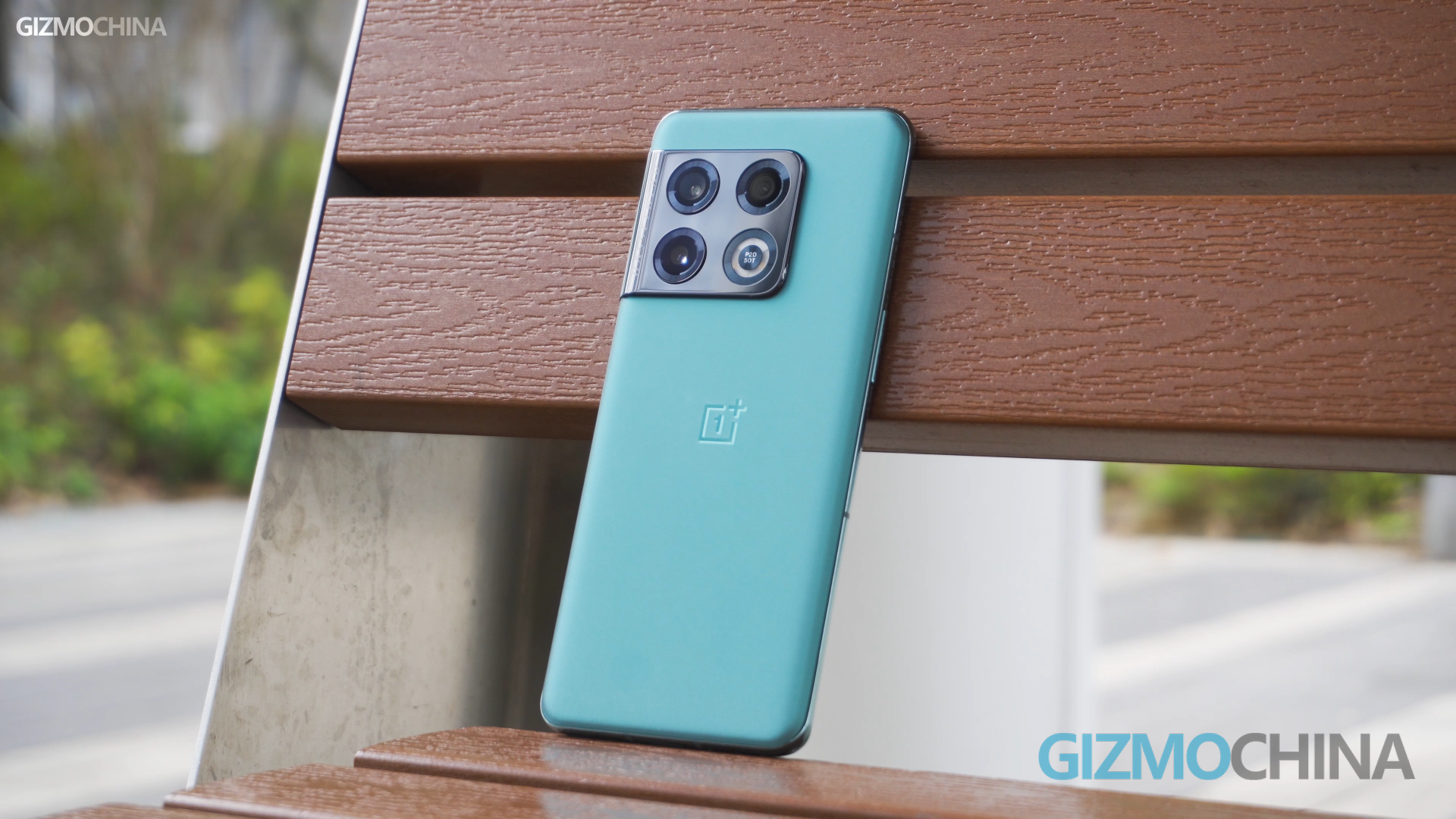
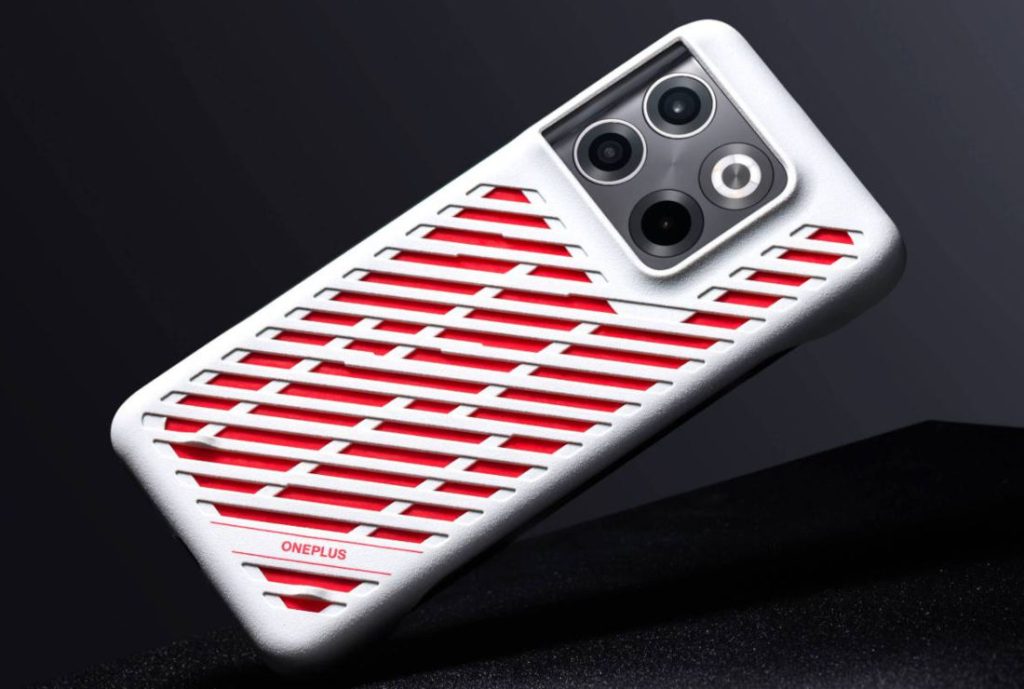
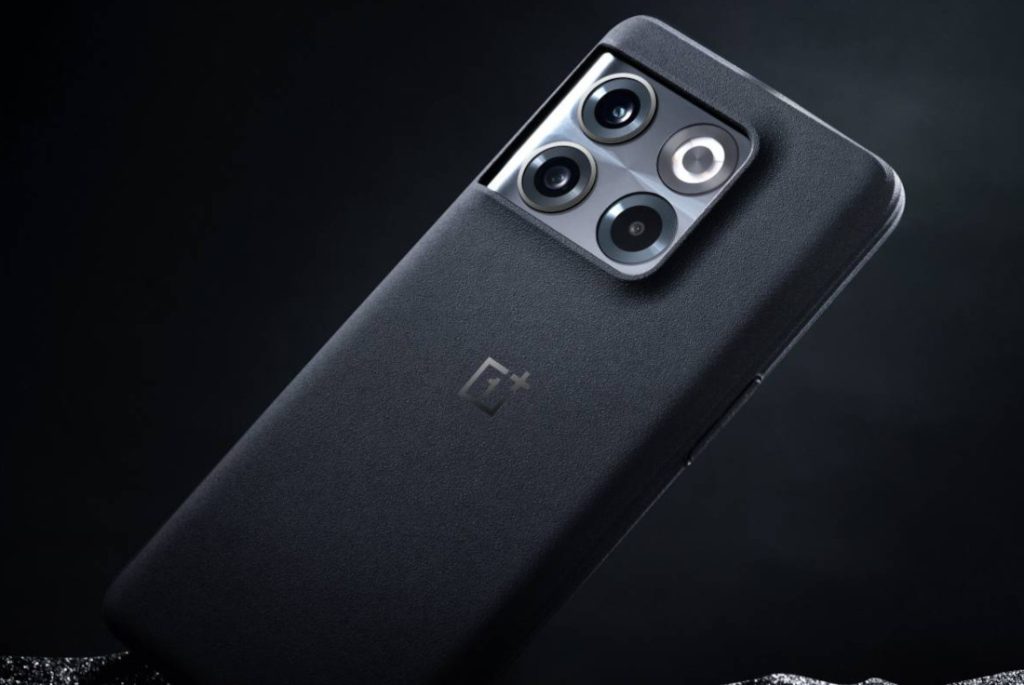
OnePlus has been focusing on expanding its smartphone portfolio. The company recently unveiled the OnePlus Nord CE 2 Lite and OnePlus 10R. Now a fresh leak by a reliable tipster reveals that the OnePlus 10 ultra is getting into the testing phase. The smartphone is speculated to focus on the camera and the Snapdragon 8 Gen 1+ SoC.
Tipster Yogesh Brar through a tweet revealed that the OnePlus 10 Ultra is getting into the testing phase. This means a launch could be expected in the coming months. According to the tipster, OnePlus intends to improve the camera experience of the OnePlus 10 Pro with its upcoming Ultra model.
OnePlus 10 Pro was not much appreciated by the users. The phone came with a downgraded camera system, so the company definitely has some big shoes to fill in.
Brar confirmed that the Ultra flagship will feature Qualcomm’s upcoming Snapdragon 8 Gen 1+ chipset, built on TSMC’s 4nm process. He further revealed that the Ultra model may feature a periscope camera, rivaling directly with the Galaxy S22 Ultras of the world. According to Brar, the OnePlus 10 ultra will be launched in August or September.
The tipster also revealed that the Vanilla OnePlus 10 may arrive with Dimensity 9000 and Snapdragon 8 Gen 1 chipset, depending on the market. The phone is expected to feature a 6.7-inch AMOLED FHD+ panel, 50MP primary camera on the back, and a 4,800mAh battery with 150W wired fast charging.
OnePlus 10 Ultra specification (rumored)
The 6.7-inch phone is expected to feature an AMOLED display providing a resolution of 1440 x 3216 pixels. The device is said to be fueled with a non-removable Li-Po 5000mAh battery. It is expected to carry 80W fast charging, 50W fast wireless charging, and a reverse wireless charging support. It is expected to be equipped with the OxygenOS 12 operating system.
OnePlus 10 Ultra features a 48 MP (wide) + 8 MP (telephoto) + 50 MP (ultrawide) rear camera setup on the back and a 32 MP (wide) sensor on the front.
Last week, Realme launched the GT Neo3 smartphone in India featuring the 150W SuperVOOC fast charging tech and the Dimensity 8100-Max chipset. Now, the device has been made available to purchase for the customers. So let’s take a look at its pricing, offers, and specifications.
Realme GT Neo3 Indian pricing & offers
The GT Neo3 has been launched in India in two different charging speed variants. First is the 80W fast charging variant that is priced at Rs 36,999 for the 8GB + 128GB configuration and the 12GB + 256GB which costs Rs 38,999.
The GT Neo3 with the 150W fast charging comes in 12GB + 256GB configuration and is priced at Rs 42,999.
The smartphone can be purchased from Flipkart & Realme Store with offers like flat Rs 7,000 discount via SBI and ICICI Cards.
Realme GT Neo3 specs & features
The smartphone features a 6.7-inch AMOLED display with Full HD+ resolution. It has a 120Hz refresh rate, 1000Hz touch sampling rate, 10-bit color, and 100 percent DCI-P3 color gamut coverage. The screen has a centered punch-hole for the front camera and houses an in-display fingerprint sensor for security.
Under the hood, the Realme GT Neo3 has the Dimensity 8100 chipset paired with up to 12 GB of LPDDR5 RAM and 256 GB of UFS 3.1 storage. For cooling, it features a VC unit with a nine-layer heat dissipation structure. There are two battery variants of the device. The 5000mAh battery variant features 80W fast charging while the 4500mAh battery has 150W fast charging.
For optics, the GT Neo3 has a 50-megapixel Sony IMX766 with OIS support, an 8-megapixel ultrawide camera with a 119-degree FOV, and a 2-megapixel macro camera.
Other features include Android 12-based Realme UI 3.0 operating system, dual SIM slots, Wi-Fi 6, Bluetooth 5.1, dual-frequency GPS, NFC, an X-axis linear motor, a USB-C port, Dolby Atmos powered dual speakers, and Hi-Res Audio support.
Apple has always marketed the iPad as a laptop alternative, as most iPads always had the slogan “your next computer is not a computer”. However, even as the latest iPads feature Apple’s shiniest Apple M1 silicon, many users still opt for the Macbook as their daily driver for laptop-related needs, because of one vital difference: the Macbooks run on macOS and the iPads run on iPadOS.
Nevertheless, the reality might change soon, as recent news indicate that Apple is currently researching bringing the macOS experience to its future iPads.
MacOS on iPad. For illustration purposes only.
This news comes from the folks over at Patently Apple, as the team had discovered on the U.S. Patent and Trademark Office database that Apple was recently awarded a detachable laptop-like iPad experience, running on a macOS-like experience.
Let’s start off with the form factor, the iPad shown off the patent is a tablet and has a hinged keyboard accessory(which does not look like the Magic Keyboard) that allows the tablet to be seamlessly mounted onto the keyboard via a specialised coupling mechanism. The keyboard also works as a case that protects the iPad screen from external conditions, similar to what you will find on a laptop.
Patent Illustrations. Source: Patently Apple
Next is the software experience, according to the patent illustrations, the iPad will feature a macOS-like user interface to elevate the user experience with the keyboard. However, will this affect your current iPadOS experience as an Apple user? The patent also addresses that problem as well, as it seems that the macOS-like user interface is available when mounted to the keyboard and that your conventional current iPadOS user interface is also available when not mounted to the keyboard.
Patent Illustrations. Source: Patently Apple
Another additional detail the patent reveals is also that the Apple Pencil can now be housed within the hinge that mounts the iPad to the keyboard. The port connection interface like USB-C will also be installed onto the hinge.
Patent illustrations. Source: Patently Apple
As for the camera, projectors, light and microphone, the patent reveals that Apple is going with a rather odd approach as these features are seen as additional accessories instead, which are then mounted onto the hinge if needed, and dismounted when not.
Since the patents have been approved, Apple could start the testing and prototype phases of this technology soon. And hopefully, within the next few years, we can finally witness the ultimate merger between Macbook and iPad for all the professionals who are always on the go.
After the success of tablet PCs during the pandemic, a lot of tech giants decided to focus more on this kind of device. Among these, there are the Chinese companies OPPO and Vivo: both the Green Factory and the Blue Factory launched their first tablets this year. Their names are very simple and obvious: OPPO Pad and Vivo Pad, respectively. They are two tablets placed in the same price range with similar specifications, that is the reason why it is hard to make a choice for a lot of people. Currently, these devices are on sale in China only: while waiting for their global debut, here is a comparison between the specifications of the Vivo Pad and the OPPO Pad.
The front design of the OPPO Pad and the Vivo Pad is more or less the same: there is a wide rectangular display with a 16:10 aspect ratio surrounded by very narrow bezels on all the sides, covering more than 84% of the front panel. The rear sides are different as the OPPO Pad comes with a more original design (including a texture made with the OPPO letters on the left side) and no camera module, while the Vivo Pad has a bigger camera module because it comes with a higher number of sensors. The Vivo Pad is my favorite one not only because it has a full aluminum unibody design, but also because it is thinner and lighter than its rival.
Display
The displays of the OPPO Pad and the Vivo Pad come with the same specifications. Unfortunately, you do not get OLED panels with these tablets, so do not expect those vivid colors and deep blacks you can get on OLED panels. However, you can still get a great image quality as we are talking about great IPS panels. These displays come with a diagonal of 11 inches, a Quad HD+ resolution of 1600 x 2560 pixels, and a 120 Hz refresh rate for a smooth viewing experience. There are no fingerprint readers and no headphone jacks, but you get great stereo speakers. Both the panels support a stylus and both the tablets can be attached to a keyboard transforming the tablet into a mini 2-in-1.
Specs & Software
The hardware departments are the same as well: you get a Snapdragon 870 mobile platform by Qualcomm built at 6 nm and running at a max frequency of 3.2 GHz, up to 8 GB of RAM, and up to 256 GB of UFS 3.1 internal storage. There is only one single difference: the OPPO Pad does not support 5G connectivity, while you get optional 5G support on the Vivo tablet. The version of the operating system is different as well: on the Vivo device, there is Android 12 out of the box, while the OPPO Pad is still based on Android 11, even though it is customized by ColorOS 12. On the other hand, the ColorOS 12 comes with a very interesting feature that is Multi-Screen Connect, allowing you to achieve a seamless experience between your tablet and your PC.
Camera
If you are looking for a better camera setup, opt for the Vivo Pad. Besides a 13 MP main camera, it provides you with an 8 MP ultrawide sensor and it even supports 4K video recording. The OPPO Pad has just one single 13 MP rear camera and it records videos just with a 1080p resolution. The front cameras come with an 8 MP resolution and an f/2.0 focal aperture.
The OPPO Pad is equipped with a bigger battery: the capacity is 8630 mAh against just 8040 mAh provided by the Vivo Pad. Given that the hardware components are the same (display and processor), the Vivo Pad will most likely provide a longer battery life in most scenarios. Last but not least, with the Vivo tablet you have a faster charging technology: the power is 44W against just 33W of the OPPO tablet.
Price
The starting price of the OPPO Pad in the Chinese market roughly translates into €330/$347, while you need about €360/$380 to purchase the Vivo Pad. Despite this price difference, Vivo’s first tablet wins the comparison because of its ultrawide camera, optional 5G connectivity, bigger battery, and faster charging.
Sennheiser CX Sport TWS earphones have been launched in India. As the name suggests, it is targeted at fitness enthusiasts. The audio device is a premium offering and competes against other TWS earbuds from brands like Sony, Jabra, Samsung, and more.
The Sennheiser CX Sport comes in only Black color and is priced at Rs 10,990 (~$144). It is available for purchase from Amazon, the brand’s official website, and leading electronic retail outlets across the country.
The Sennheiser CX Sport TWS earphones come with ear loops/fins for a comfortable fit.
The Sennheiser CX Sport features an in-ear design and a squarish touch surface. It comes in three different sizes of ear tips and four attachable ear fins for a comfortable fit. The earbuds are IP54 certified dust and splash resistant.
The Sennheiser CX Sport is equipped with a 7mm driver. It features the brand’s TrueResponse transducer, which is said to deliver a high-end sound experience with rich bass. Users can also fine-tune their sound experience with the Sennheiser Smart Control app. Each earbud is also equipped with two microphones.
The Sennheiser CX Sport packs an Adaptable Acoustics feature that allows users to choose between open or closed-end adapters to customize their listening experience. The open end adapter lets users be more aware of their surroundings. It is essentially an awareness or transparency mode found on many TWS earphones. The audio device comes with Bluetooth 5.2 and supports SBC, AAC, and aptX audio codecs.
The Sennheiser CX Sport is powered by a 400mAh battery unit, with each earbud backed by a 55mAh cell. It is touted to offer 9 hours of playback time and up to 27 hours with the charging case.
Back in February, Honor announced the Magic4 and Magic4 Pro smartphones at the MWC event. The devices were said to soon make their European debut, however, they have not been made available for purchase yet.
Now, the Honor Magic4 Pro has been listed on the company’s French and UK online shops, hinting at an imminent global launch. The price of the device has not been revealed yet, but going by the MWC announcement, the Magic4 Pro will come with a €1,099 price tag.
Honor Magic4 Pro specs & features
The device features a curved 6.81-inch 1312 x 2848p LTPO 2.0 OLED panel with a maximum 120Hz refresh rate. It has 460 PPI pixel density, 360Hz touch sampling rate, and 1000 nits peak brightness.
Under the hood, the device features a Snapdragon 8 Gen 1 octa-core SoC paired with up to 12GB RAM and 512GB UFS 3.1 storage. The smartphone also features a self-developed HONOR Image Engine chip to enhance the photography experience. It has a 4,600mAh battery that supports 100W wired and wireless charging.
For optics, the Magic4 Pro comes with an impressive triple camera setup on the rear. It has a 50MP Wide primary camera (f/1.8), a 50MP Ultra Wide Camera(f/2.2), and a 64MP Periscope Telephoto Camera (f/3.5) with 3.5x Optical Zoom, 100x Digital Zoom, and EIS+OIS stabilization. The camera module also features a Flicker sensor and an 8×8 dTOF Laser Focusing System.
On the front, the smartphone houses a 12MP 100 degrees FOV front camera coupled with a 3D depth camera enabling the smartphone to offer facial recognition features.
Other features include dual-band WiFi with 802.11 a/b/g/n/ac/ax, 2×2 MIMO, HE160, 4096 QAM support, Bluetooth 5.2, 5G, NFC, and GPS, A-GPS, GLONASS, BeiDou, and Galileo for positioning. Additionally, the device also comes with IP68 water and dustproof rating.
OnePlus Pad has been trademarked in India. It was spotted by tipster Mukul Sharma. Additionally, he stated that the tablet is under the internal testing phase in the country. This suggests that the brand’s first-ever tablet could debut in India soon.
The trademark was filed on July 5th 2021 and mentions OnePlus Technology (Shenzhen) as the proprietor. Apart from this, the listing doesn’t reveal any additional information. The company’s tablet had also been trademarked at the European Union Intellectual Property Office (EUIPO) in July last year.
Source: Mukul Sharma
OnePlus is owned by BBK Electronics which also owns OPPO, Vivo, and Realme. All three brands have already launched their tablets. Notably, they also have similar names i.e. OPPO Pad, Vivo Pad, and Realme Pad. Hence, it makes sense for OnePlus to enter the tablet segment and expand its product portfolio.
Going by the past reports, the OnePlus Pad is expected to debut in the first half of 2022. It will reportedly run on Android 12L OS that Google designed for large screen devices such as foldable smartphones and tablets. As for the core specifications, the OnePlus Pad is tipped to come with a 12.4-inch OLED screen bearing an FHD+ resolution. The tablet is tipped to be powered by a Snapdragon 865 processor coupled with 6GB RAM and 128GB onboard storage. It will reportedly be backed by a 10,900mAh battery with support for 45W fast charging. The OnePlus Pad is said to feature a 13MP + 5MP dual rear camera on the back.
The OnePlus Pad is rumored to be priced at 2,999 Yuan (~$471) for the base variant.
Elon Musk has just called out Apple for its App Store policies regarding payments. The latter has already faced scrutiny in various regions across the globe, with the latest criticism coming from the CEO of Tesla and SpaceX.
The senior executive from Tesla stated that “Apple’s store is like having a 30 percent tax on the internet. Definitely not ok,” from his official Twitter account. He further added that it is “Literally 10 times higher than it should be.” In other words, Elon Musk is clearly against the fee that the Cupertino based giant charges app developers and believes that the fee should be a tenth of what it currently is.
For those unaware, this isn’t the first time this argument has been brought up, with bodies like the EU also calling these charges as anti competitive as well. To be fair, the iPhone maker only charges 30 percent cut from app developers who make more than 1 million US Dollars through the App Store on an annual basis. On the other hand, smaller developers who make less than this figure are charged just 15 percent through the Small Business Developer Program.
Notably, this also isn’t the first time Musk has criticized Apple. Back in July 2021, he had called out the brand for creating a walled garden, stating that “I think we do want to emphasize that our goal is to support the advent of sustainable energy. It is not to create a walled garden and use that to bludgeon our competitors which is used by some companies.”
After the success of the Google Pixel 6 series, the search giant is reportedly working on a Foldable Pixel device dubbed the Google Pixel Notepad.
Images: LetsGoDigital
The Pixel Notepad is said to target a $1399 price point to offer a more affordable and attractive alternative to the upcoming Samsung Galaxy Z Fold4. Now, Ross Young from DSCC has revealed the dimensions of the outer display of the Pixel Notepad. According to Young, the upcoming Pixel Foldable will feature a smaller 5.8-inch outer display.
So unlike the Galaxy Z Fold4’s slim 6.19-inch outer screen, the Pixel foldable will likely come with a wider aspect ratio screen like the OPPO Find N. As we know, the Find N offers an almost square display when unfolded, so the Pixel Notepad is also expected to debut with a similar squarish inner screen.
So far, Google Notepad is said to run on the company’s own Tensor (GS101) chipset, coupled with up to 12GB RAM and 512GB storage. It is said to have a downgraded camera setup compared to the Pixel 6 lineup.
It will likely debut with the 12.2-megapixel Sony IMX363 primary camera sensor used on the Pixel 5. The device is also rumored to feature a 12MP ultrawide sensor on the rear and can get two 8-megapixel front camera sensors for the outer and the inner display.
A previous report revealed that Google is planning to kick off the production of the upcoming foldable in Q3 2022, so it is likely that the device will debut in Q4 2022 along with the Pixel 7 series.
Despite just recently getting into the electric scooter market, Ola Electric has already become the market leader in the segment. The popular ride hailing service has managed to take the lead, even amidst backlash over recent fire related accidents of its EVs.
To take the throne, the company even overtook the former market leader Hero Electric. According to the Vaahan Portal of the Ministry of Road Transport and Highways (MoRTH), the brand managed to sell 12,683 units of its electric scooters just last month, which marked a month on month rise of 39 percent over March 2022. Furthermore, Ola Electric has also recorded significant growth in EV sales even amid scrutiny from the government and complaints over its newly launched e-scooters.
For those unaware, we had previously reported on S1 Pro owners complaining of issues and bugs like the reverse mode. We had even covered the e-scooter catching fire in Pune and a man parading around the S1 Pro with a donkey after it stopped functioning mere days after it was purchased. The company is relatively young and had first launched the S1 Pro back in August 2021. Since then, it had seen robust orders and pre-orders for its latest release.
And despite fears of electric vehicle’s fire safety in India, the company managed to see a sharp sales rise even in the month of March 2022. On the other hand, Okinawa Autotech was the runner up in terms of sales while Hero Electric declined to the third spot after seeing a sharp fall of around 50 percent tin April 2022.
The Amazon India Summer Sale is in full swing right now with mind-blowing offers on devices like the iPhone 13. Other than that, Amazon has also highly discounted the previous generation of OnePlus flagships, bringing their prices down to an all-time low. So let’s check out these attractive deals.
Starting with the OnePlus 9 Pro, the Snapdragon 888 clad smartphone which usually starts at ₹64,999 (8GB + 128GB) is currently selling for just ₹47,999 ($629). The 12GB + 256GB variant has also received a similar price cut of ₹17,999 bringing its price down from ₹69,999 ($918) to just ₹52,999 ($695). The offer is valid till the end of the Amazon Summer Sale or till stocks last.
The vanilla OnePlus 9 on the other hand has also received a limited-time price cut bringing its starting price (8GB + 128GB) down to just ₹35,999 ($472). The 12GB + 256GB configuration of the device is also retailing at a discounted price of ₹40,999 ($538).
OnePlus 9 Pro specs
OnePlus 9 Pro features a 6.7-inch LTPO AMOLED display with QHD+ resolution, 120Hz refresh rate, 1,300nits of peak brightness, and Gorilla Glass 5 protection.
Under the hood, the smartphone houses a Snapdragon 888 chipset paired with up to 12GB of LPDDR5 RAM and up to 256GB of storage. It runs Android 11 out of the box and can be updated to Android 12-based OxygenOS 12. It comes with a 4500mAh battery with 66W fast charging.
For optics, the smartphone carries a Hasselblad branded quad-camera setup on the back. It has a 48MP f/1.8 Sony IMX789 main sensor, a 50MP Sony IMX766 ultra-wide camera, an 8MP telephoto lens, and a 2MP monochrome lens. On the front, the device has a 16MP selfie snapper.
Motorola is apparently planning on launching another new smartphone under its G series family later this year. The company’s Moto G62 5G has just been spotted on a certification website, which hints that it might be announced soon.
The smartphone maker’s upcoming device had recently surfaced on NBTC certification site. In other words, it could be launched in the global market soon. But ahead of any official announcement, the model number of the handset and its name was revealed in the online listing. The news arrives from MySmartPricewho found that the device carried the model number XT2223-1. But unfortunately, there is no finer details are available regarding the handset apart from its name and model number.
Although, the Moto G62 5G was initially spotted on FCC certification site as well. This listing had revealed that the smartphone will be powered by a large 4,700mAh battery pack that will support 20W fast charging as well. We also some leaked specifications to go on, which includes a Full HD+ display that supports either 120Hz or 90Hz refresh rate. It is unclear if the panel is OLED or LCD, but Motorola is likely to launch the Moto G62 5G with at least 8GB of RAM and 128GB of internal storage.
Moto G52
On the rear, the device is rumored to feature a triple camera setup, which includes a 50 megapixel primary sensor. This will be paired with an 8 megapixel ultra wide angle lens and a 2 megapixel depth sensor as well. Other features include a side mounted fingerprint scanner and would likely run on Android 12 OS out of the box.
Last week, Samsung launched the T7 Shield, its most durable portable SSD. Now the company has unveiled another durability-focused product known as the Samsung PRO Endurance microSD card. This latest card is designed to be used in devices like security cameras and doorbell cameras which require continuous capture and playback.
Devices like Security cameras continuously record and write data to the card. The regular memory cards cannot withstand this process for long. Hence, they need to be replaced every couple of years. This is not the case with the Samsung PRO Endurance, this microSD card is exclusively designed to meet the demand for continuous video recording.
Samsung claims that its new memory card can last up to 16 years (140,160 hours) of continuous recording time. Compared to the previous speed-focused cards, PRO Endurance series memory cards can last up to 33x longer, saving recurrent replacement costs and providing better reliability for continuous video recording.
The new microSD card is designed to provide stable performance even when subjected to extreme situations. The card comes with Samsung’s improved “six-proof durability” which makes it wear out and drop-proof and resistant to water, magnets, X-rays, and extreme temperatures.
The card measures 15 x 11 x 1mm and weighs approximately 0.25g. It comes with a write speed of up to 40Mb/s and a read speed of up to 100Mb/s. The operating temperature of the card is -25°C to 85°C. The new Pro endurance microSD card has a Class 10 rating, along with UHS-III and V30 classifications for video speeds. The card is also capable of handling Full HD and even 4K video recordings.
Samsung Pro Endurance microSD cards come in 32GB, 64GB, 128GB, and 256GB versions. The 32GB version is priced at $10.99, whereas the 64GB version costs $14.99. The 128GB and 256GB versions of the memory card cost $27.99 and $54.99, respectively. The card is available for purchase through Amazon.
A couple of days ago, the Apple iPhone 13 got discounted on Amazon India with deals offering up to ₹10,000 off. Now, as the Amazon India summer sale has commenced, the iPhone 13 has received even further discounts. So let’s check out the new deals.
Starting with the iPhone 13 128GB variant, the device usually retails at ₹79,990 ($1,049) in India, however, it is currently selling at ₹67,990 ($892) offering a discount of ₹12,000 ($157). This is by far the lowest price of the iPhone 13 in India.
Similar to the 128GB model, the iPhone 13 256GB and 512GB models have also received price cuts of around ₹10,000 ($131), bringing their prices down to ₹79,490 ($1,042) and ₹99,990 ($1,311) respectively. These offers are available on all the color variants of the iPhone 13.
It is worth noting that the iPhone 13 comes without a charging brick included in the box, so first-time iPhone buyers will likely have to spend an extra ₹1,899 for the Apple 20W USB-C Power Adapter.
Coming to the specs of the phone, it features a 6.1-inch Super Retina XDR OLED screen with 2532×1170p resolution and 460ppi pixel density. It is powered by the A15 Bionic chipset and has 4GB RAM onboard. As mentioned above, it is offered in three storage variants – 128GB, 256GB, and 512GB. The device also packs a 3,240mAh battery which is optimized to provide up to 19 hours of video playback.
For optics, the iPhone 13 features a highly capable 12-megapixel primary camera on the rear coupled with a 12-megapixel ultrawide sensor. On the front, it features a 12-megapixel sensor for selfies and facetime.
We use cookies on our website to give you the most relevant experience by remembering your preferences and repeat visits. By clicking “Accept”, you consent to the use of ALL the cookies.
This website uses cookies to improve your experience while you navigate through the website. Out of these, the cookies that are categorized as necessary are stored on your browser as they are essential for the working of basic functionalities of the website. We also use third-party cookies that help us analyze and understand how you use this website. These cookies will be stored in your browser only with your consent. You also have the option to opt-out of these cookies. But opting out of some of these cookies may affect your browsing experience.
Necessary cookies are absolutely essential for the website to function properly. This category only includes cookies that ensures basic functionalities and security features of the website. These cookies do not store any personal information.
Any cookies that may not be particularly necessary for the website to function and is used specifically to collect user personal data via analytics, ads, other embedded contents are termed as non-necessary cookies. It is mandatory to procure user consent prior to running these cookies on your website.