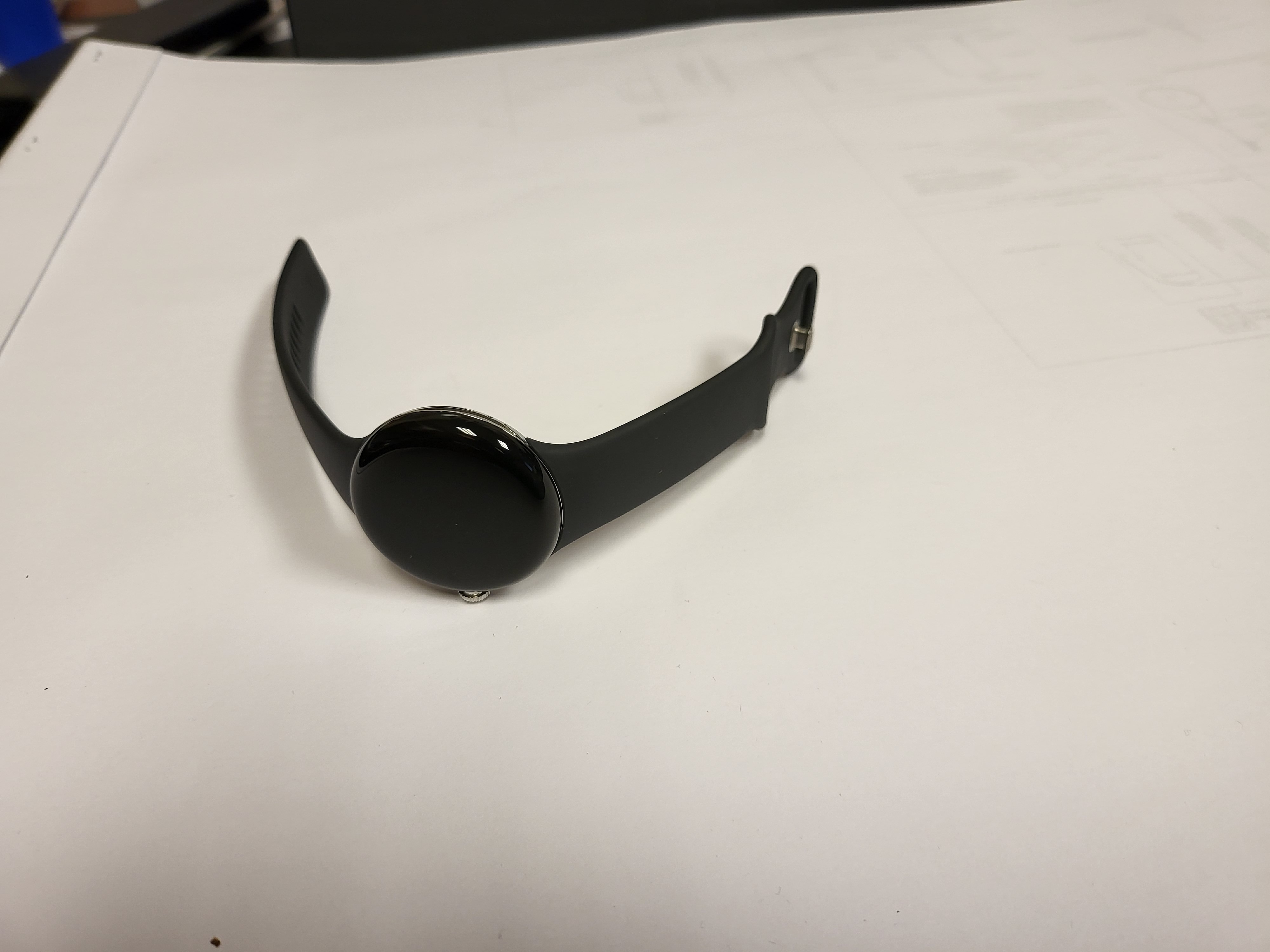
The hype around the unreleased Google Pixel Watch does not show any signs of waning. The headline smart wearable has been on the front burner for several days with a raft of details being released. Yet another component of the Pixel Watch jigsaw says the smartwatch will have a 300mAh battery. The Pixel Watch will also offer cellular connectivity, as the internal makeup of the device is gradually being unraveled.
This week has seen the first hands-on pictures of the Pixel Watch and the hint that it will only be available in select markets. The price range of the Pixel Watch has also been speculated to range between $300 and $400. Three different variants of the smart wearable have also been spotted. Although the expected battery life of the Pixel Watch is yet to be specified, we could expect between 24 hours and 40 hours of power for the device. Some close models in terms of battery capacity include the Galaxy Watch 4, the Fossil Gen 6, and the Skagen Falster Gen 6.
The new WearOS of the Pixel Watch could provide greater optimizations than earlier OS models. This could mean better battery performance. The charging potential of the Pixel Watch is still unknown at this time, which is also an important metric. There are a few other details about the Pixel Watch that are still prominent in the rumor mills. The tempo of leaks around the Pixel Watch could indicate an imminent launch, but the specifics are still lacking.
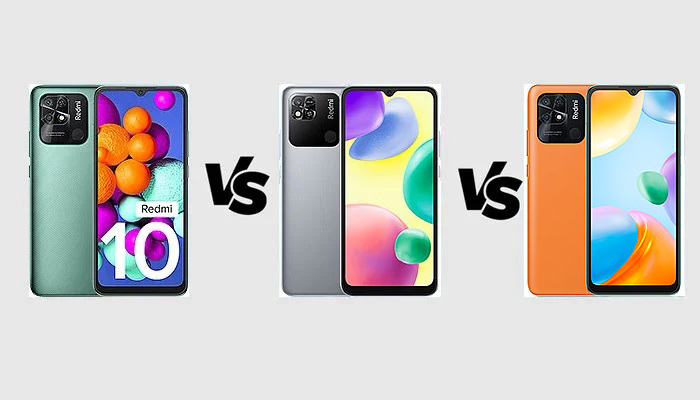
If you are looking for a new low-end phone available for a very affordable price, the Redmi lineup has a lot to offer in 2022. We are talking specifically about the Redmi 10 series, which now includes several new devices. Recently, the Xiaomi sub-brand launched the 2022 version of the vanilla Redmi 10, the new Redmi 10A, and even the Redmi 10 Power with higher-end specifications. If you are not an expert on phones, it will be hard for you to pick a device among the ones in this trio. That is the reason why we decided to publish a comparison between the specifications of the Redmi 10, the Redmi 10A, and the Redmi 10 Power.
Xiaomi Redmi 10 vs Xiaomi Redmi 10A vs Xiaomi Redmi 10 Power
Dual 50 + 2 MP, f/1.8 + f/2.4
5 MP f/2.0 front camera
Single 13 MP
5 MP front camera
Dual 50 + 2 MP, f/1.8 + f/2.4
5 MP f/2.0 front camera
BATTERY
6000 mAh, fast charging 18W
5000 mAh
6000 mAh, fast charging 18W
ADDITIONAL FEATURES
Dual SIM slot
Dual SIM slot
Dual SIM slot
Design
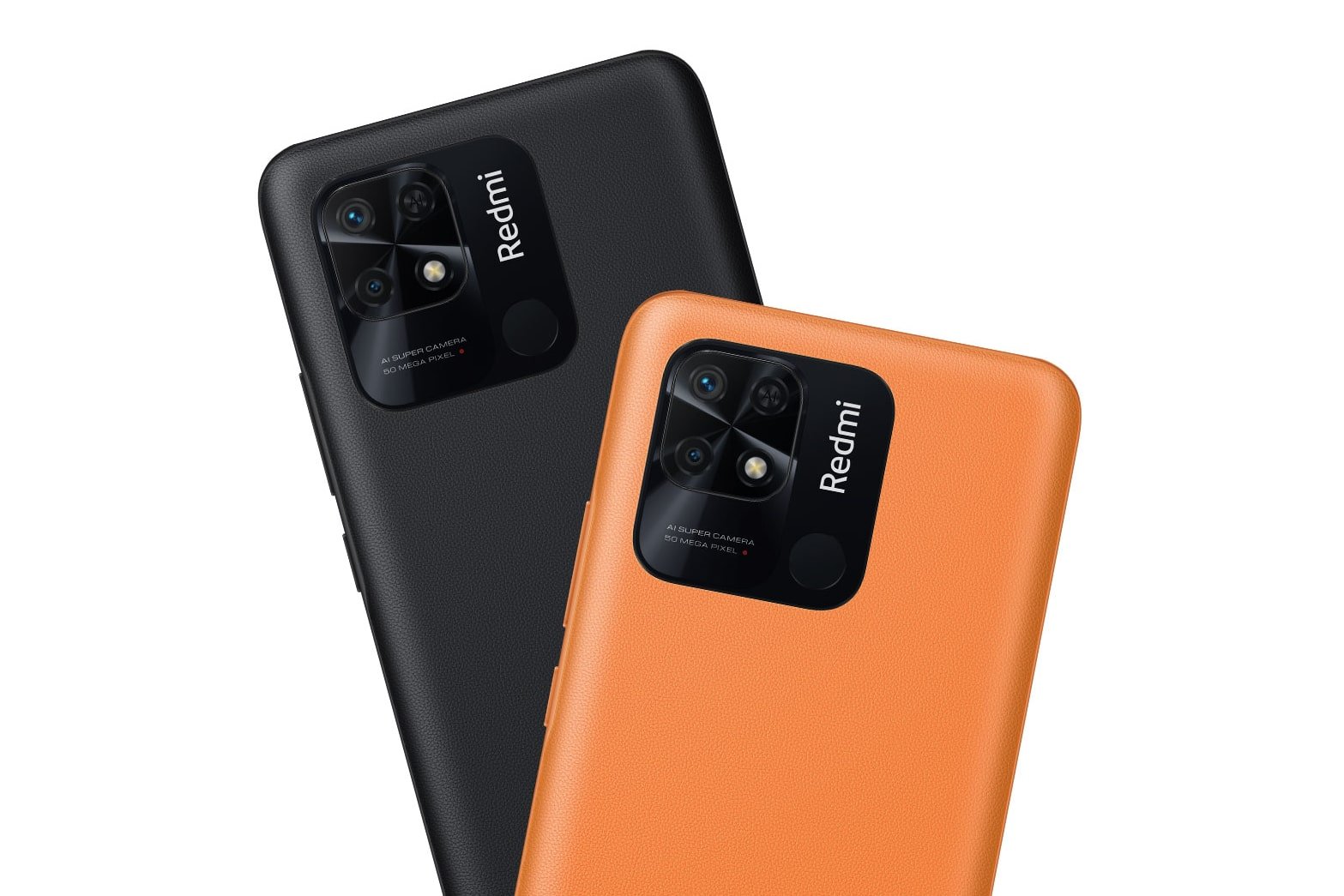
If you want the most impressive device in terms of design, then opt for the Redmi 10 Power. Unlike its siblings, it comes with a very attractive leather back and, alongside the OPPO F21 Pro, it is the only affordable phone in 2022 with a leather back. For the rest, the design is the same as the Redmi 10A and the vanilla Redmi 10, but it is a bit thicker because of the presence of a big battery and due to its leather back. The fingerprint reader of the phone is side-mounted and the front panel includes a waterdrop notch.
Display
The displays of the Redmi 10 Power and the Redmi 10 are exactly the same in terms of quality and specifications. They are below-average IPS LCD panels with HD+ resolution (720 x 1600 pixels) and a diagonal of 6.7 inches: do not expect anything special from these displays, but they are sufficient panels. The Redmi 10A comes with an IPS LCD panel with an HD+ resolution as well, but it is a smaller panel with a diagonal of 6.53 inches. This makes the phone more compact than its siblings. All of these phones have a waterdrop notch, mono speakers, and a pretty thick bezel on the lower side.
Hardware/Software
The Redmi 10A is the most disappointing device of the trio because it is fueled by an inferior MediaTek Helio G25 chipset built at 12 nm and running at a max frequency of 2 GHz. The SoC is paired with up to 6 GB of RAM and up to 128 GB of internal storage that you can furtherly expand with a micro SD. The Redmi 10 Power and the vanilla version are both powered by the Snapdragon 680 4G mobile platform built at 6 nm with a max frequency of 2.4 GHz, but the Power variant wins the hardware comparison. Why? Simple, because of the memory configuration: it comes with 8 GB of RAM and 128 GB of UFS 2.2 internal storage, while the vanilla version stops at 6 GB of RAM.
Camera
Again, the Redmi 10A is the less impressive one because it packs just one single rear shooter with a 13 MP resolution. The Redmi 10 and the Power variant come with a dual camera including a better 50 MP main sensor and a 2 MP depth sensor. The front cameras are all the same, with 5 MP resolutions.
Battery
If you are looking for longer battery life, then you should buy either the Redmi 10 Power or the vanilla Redmi 10. They have the same 6000 mAh battery capacity and a more efficient processor built at 6 nm. The Redmi 10A has a smaller 5000 mAh battery, but it is still a great battery phone.
Xiaomi Redmi 10 vs Xiaomi Redmi 10A vs Xiaomi Redmi 10 Power: Price
You need about €100/$105 to purchase the Redmi 10A, the Redmi 10 Power costs about €180/$190, and the vanilla version starts from €149/$157. The Redmi 10A can not compete with its siblings, while the Redmi 10 Power is a vanilla version with more RAM and a leather body. Which one would you pick?
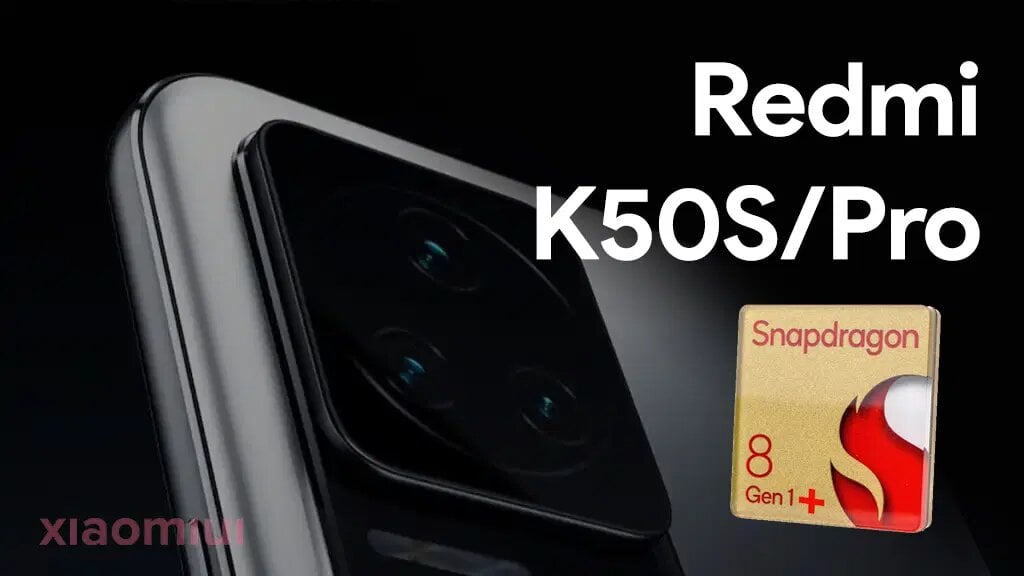
Although the Redmi K50 series was launched only in April, it seems that the ambitious Xiaomi company is already brewing up its successor, the Redmi K50S series to be released soon in the second half of 2022.
Source: xiaomiui.net
A report by xiaomiui.net has recently uncovered the flagship device models that will be launched soon by Xiaomi later in the year. The team that reported on the leak has gotten the info from Xiaomi’s MIUI software codebase.
According to the report, Xiaomi will be launching a total of 5 models from the Redmi K50S series and Xiaomi 12T series this year which are respectively the Redmi K50S Pro, the standard Redmi K50S, the standard Xiaomi 12T, Xiaomi 12T Pro, and Xiaomi 12T Pro HyperCharge.
The codebase also reveals the model number, region availability and processor that is running under the hood of these 5 upcoming flagships.
Let’s start with the “Pro” models first. The Redmi K50S Pro is to be announced in China under the model number 22081212C. The device is to be equipped with Qualcomm’s upcoming yet-to-be-announced flagship processor, the Snapdragon 8 Gen 1+.
Moving onto the Xiaomi 12T Pro, the device is said to be a rebrand of the Redmi K50S Pro but for the global market as it shares a similar model number 22081212G instead. The Xiaomi 12T Pro will also be available in Japan as well but with the model number 22081212R instead.
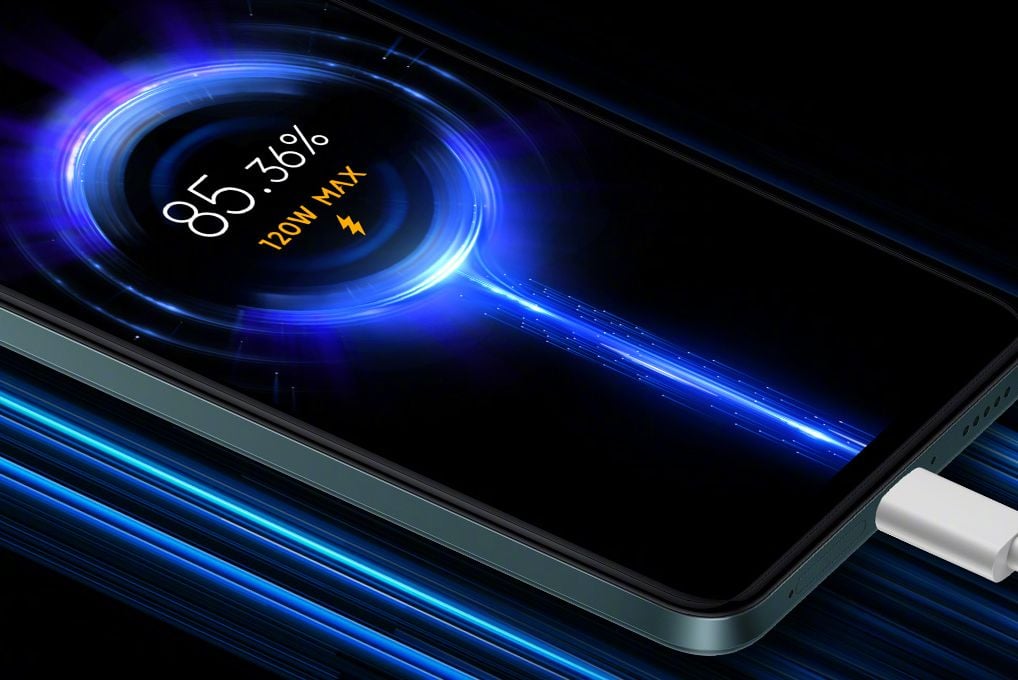
However, what is interesting is that Xiaomi is supposedly bringing a “Hypercharge” version of the Redmi K50S Pro, called the Xiaomi 12T Pro Hypercharge. This model seems to be not available in China and will be exclusive to the global market under the model number 22081212UG.
Xiaomi’s 120W Hypercharge Technology
Since the Xiaomi 12T Pro is a rebrand of the Redmi K50S Pro, the Xiaomi 12T Pro will be sporting the same Snapdragon 8 Gen1+ as its Chinese counterpart as well.
As for the standard models, the standard Redmi K50S will be launched in China under the model number 22071212AC whereas the Xiaomi 12T will be launched in the global market under the model number 22071212AG. The Xiaomi 12T is to be a rebranded version of the Redmi K50S launched for the global market.
Gathering from the codebase, it seems that the Xiaomi 12T/Redmi K50S will be powered by an unknown MediaTek Dimensity chipset instead of the Qualcomm Snapdragon 8 Gen1+.
It seems that Xiaomi is really trying to push into the upper mid-range and flagship premium segment hard in 2022, and for updates on the latest releases by Xiaomi, stay tuned to Gizmochina’s coverage on the latest news of gadgets and devices from China.
The Samsung Galaxy S9 was launched back in 2018 with Android 8.0 Oreo OS. The device received the Android 9 Pie-based OneUI update in 2019 and it was followed by the Android 10-based OneUI 2 update in 2020. However, the device didn’t receive the Android 11 update and the company officially removed it from the software support list. But Samsung seems to offer support for security updates even after more than four years as the smartphone has now received a recent security patch.
The Samsung Galaxy S9 and S9+ have received a new security update and it brings the March 2022 Security patch. Well, not the latest, but a recent one and it is also great to see a four-year-old phone still getting the security updates.
The firmware version of the update is G96xUSQU9FVB2 and it is currently rolling out for the carrier-locked S9 and S9+ models in the US. If you own a Galaxy S9 or S9+, head to Settings > Software Update and download and install the update.
The Samsung Galaxy S9 series was released with Snapdragon 845/Exynos 9810 SoCs (depending on the region). Both phones offered compact screens and up to dual-camera setup. The Galaxy S9 came with a 5.8-inch curved screen, while the S9 Pro featured a 6.2-inch panel. The vanilla version has a single 12MP rear camera, whereas, the Plus model has a 12MP main + 12MP telephoto dual-camera system.
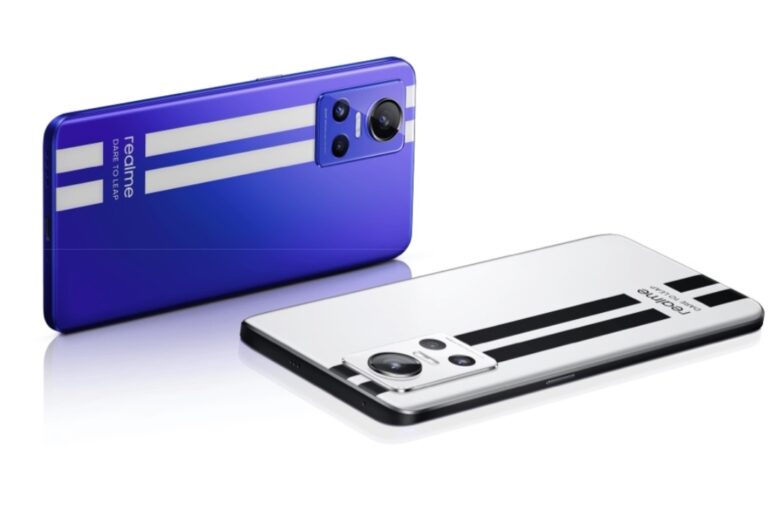
Yesterday, Realme launched the GT Neo 3 smartphone in the Indian market. Just like in China, the phone comes in two different battery and charging configurations – 5,000/80W and 4,500/150W. The official starting price of the device is Rs. 36,999, which is in the higher range than what the fans expected. However, you can get the device for as low as Rs. 29,999. Let’s see how.
The Realme GT Neo 3 with 80W charging is priced at Rs. 36,999/Rs. 38,999 for the 8GB +128GB and 8GB + 256GB options, respectively. The GT Neo3 with 150W charging is priced at Rs. 42,999 for the lone 12GB + 256GB option.
Realme GT neo3
But, if you own an SBI bank Debit or Credit card then you get flat Rs. 7,000 instant discount. So the phone can be bought for a starting price of Rs. 29,999. Do note that this card discount offer is only for a limited time. The phone can be purchased with this offer starting from May 4 to May 9. It is available in Nitro Blue, Sprint White, and Asphalt Black colors on the Flipkart website.
Realme GT Neo 3 Specifications
The Realme GT Neo 3 comes with a 6.7-inch punch-hole AMOLED display with an FHD+ resolution. The smartphone has a 120Hz refresh rate screen and 1000Hz touch sampling rate support. It has a 100% DCI-P3 color gamut and 10-bit colors.
It has a triple camera system at the rear with a 50MP Sony IMX766 main lens, an 8MP ultra-wide sensor, and a 2MP macro lens with a 4cm focal length. It is powered by the Dimensity 8100 SoC paired with LPDDR5 RAM and UFS 3.1 internal storage. The phone houses a 4,500 or 5,000mAh battery with support for 80W or 150W fast charging technology. Lastly, it boots on the Realme UI 3.0 based on Android 12 OS.
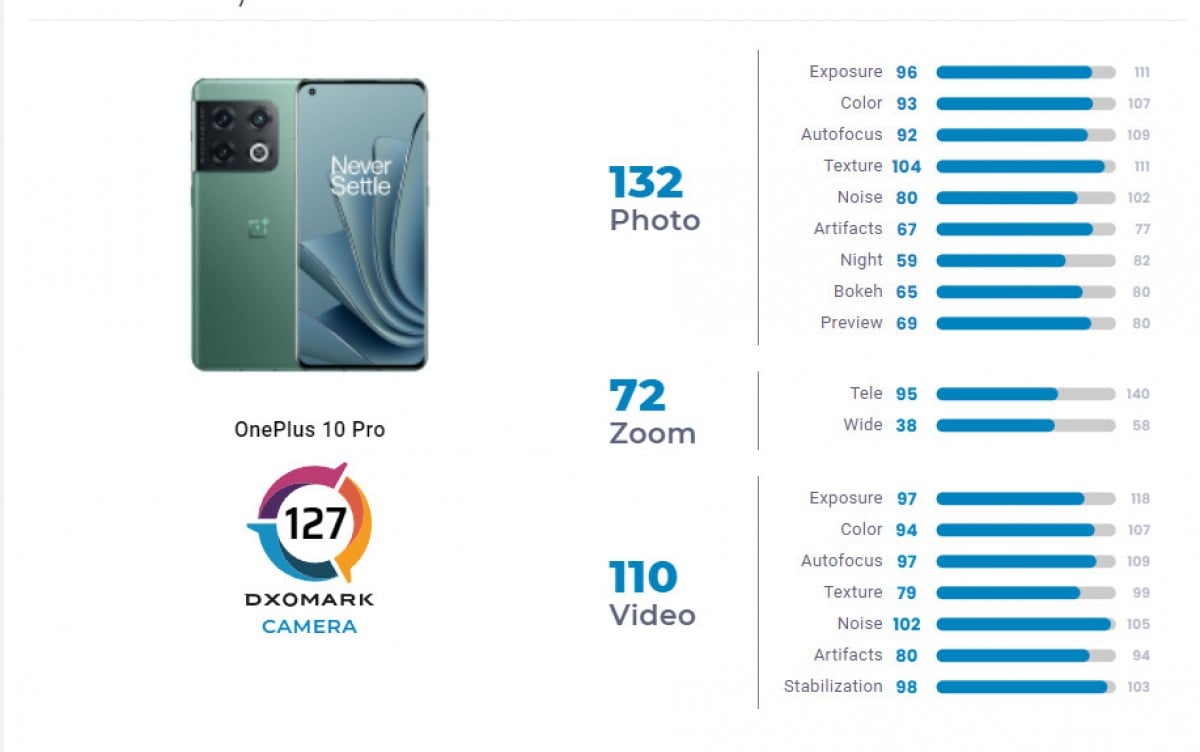
The OnePlus 10 Pro is currently the top-most smartphone offering from the brand. The device has some great specifications on paper and its cameras were also boasted to have been improved. However, the smartphone has failed to take the upper spots in DXOMark’s global rankings for smartphone cameras. The device also got defeated by previous-gen flagships.
The OnePlus 10 Pro takes the 27th spot on DXOMark’s camera test with a score of 127. This is way too low for a flagship smartphone. The device has lost to the 2020’s Xiaomi Mi 10 Pro and 2021’s Vivo X60 Pro+. Some premium phones from previous years like the Apple iPhone 12 Pro and Vivo X50 Pro+ have also beaten the OnePlus 10 Pro.
It appears that the Hasselblad branding on the phone just acts as a tag and does not really help in improving the phone’s camera capabilities. However, the device does have an improved camera over its predecessors. For instance, the OnePlus 9 Pro comes in the 33rd spot, while the OnePlus 8 Pro bags the 54th position. So, the cameras on the OnePlus 10 Pro do seem to do well in comparison to its predecessors, however, it doesn’t seem to be as good of a camera as you’d expect from a 2022 flagship.
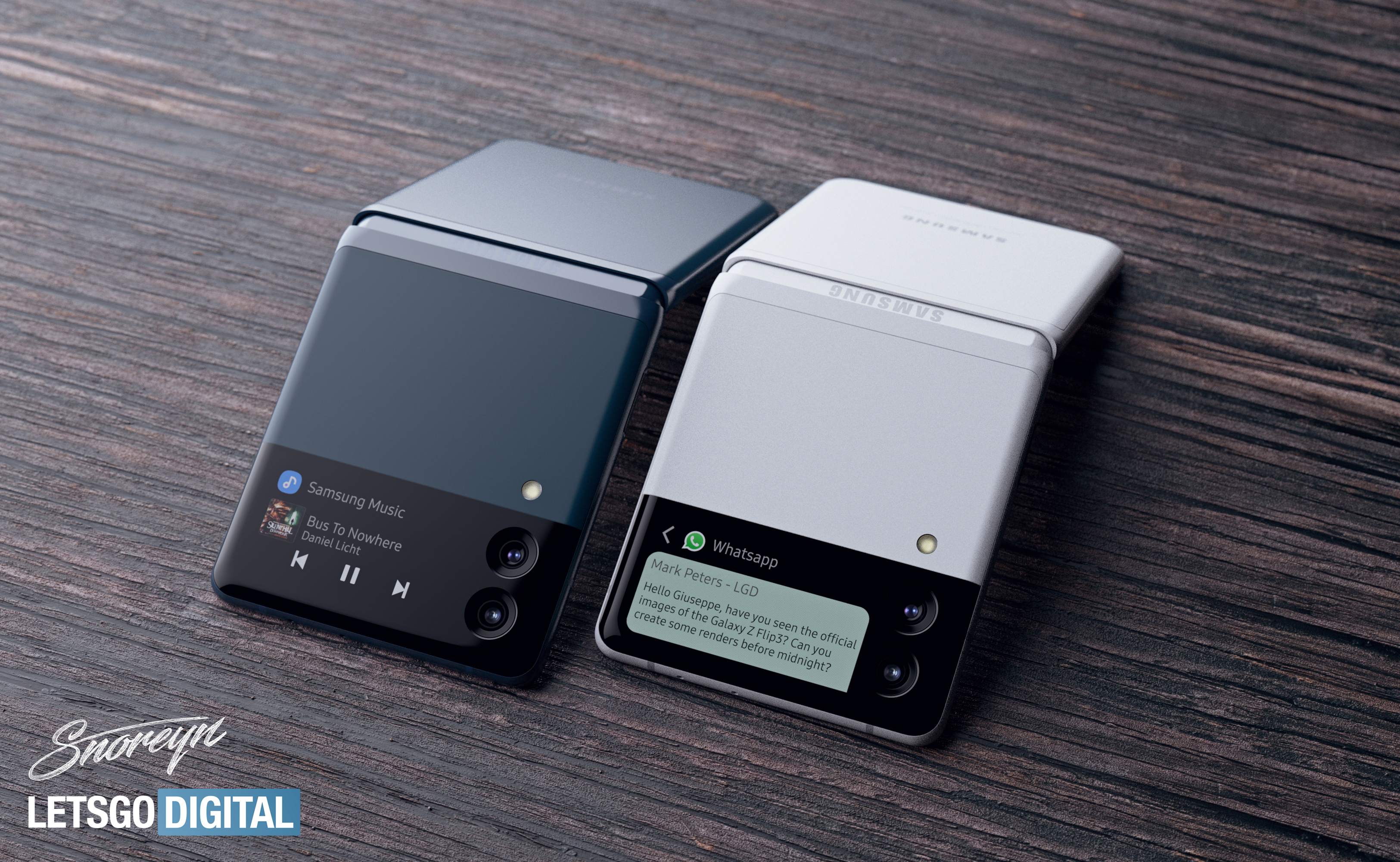
The Samsung Galaxy Z Flip4 has remained in the rumor mills since November 2021. It was hinted that it will be released this year. There had been speculation that the Galaxy Z Flip3 successor will come with the same battery capacity as its predecessor. A new report monitored in the Netherlands has however indicated that the Z Flip4 will come with a bigger battery than the Z Flip3.
Galaxy Z Flip 3 3D renders by LetsGoDigital (Giuseppe Spinelli)
As per the Dutch publication, the Samsung Galaxy Z Flip4 with model number SM-F721 will come with two batteries. The first battery is a sub-battery with a rated capacity of 2,400mAh, while the second battery is the main battery with a rated capacity of 903mAh. Therefore, the overall battery capacity of the Galaxy Z Flip4 is 3,303mAh, which is slightly higher than the Z Flip3’s total rated battery size. It is projected that the typical battery capacity of the new model will be at least 100mAh higher than its predecessor.
While the difference in battery capacity of the two devices is quite small (100mAh), it remains to be seen how much life Samsung will pack into the new battery in terms of efficient design improvements.
The current claims are still in the realm of speculations also, hence Samsung could come up with something quite different from the current speculations. There are no specifics yet about the exact release date for the Samsung Galaxy Z Flip4.
Foldable phones are all the hype these days. More and more companies are jumping into the concept. The foldable phone market is dominated by Samsung but slowly more smartphone brands are making room for them. Xiaomi entered the segment with the Mi Mix Fold. The Chinese company will follow it up with the Mix Fold 2 this year, and a new report sheds some light on what the upcoming foldable will look like.
There have been many rumors and speculations flying around regarding the Mix Fold 2. However, a recent report by XDA finally gives us the first glimpse of Xiaomi’s next foldable.
Kacper Skrzypek, a senior XDA member, discovered images of the Mi Mix Fold successor within the latest MIUI China builds.
The image does not provide much insight except the outline of the phone and camera placement. It can be seen that the camera bump on the back of the phone is a square with rounded corners, unlike the rectangular bump of Mi Mix Fold.
The inner display is clean and does not have any camera cutout, the handset can be seen to have a punch hole camera in the center of the external display.
Skrzypek also shared that the foldable phone is codenamed “Zizhan”. The MIUI code further reveals “Zizhan” will have the same display as “Umi” (codename for the Mi 10) which means Mi Mix Fold 2 may come out with a Super AMOLED display carrying support for 90Hz refresh rate and HDR 10+.
Previous leaks suggest that the device will have an improved crease and could be powered by TSMC-made Snapdragon 8 Gen 1 Plus. MIX Fold 2 is likely to have an internal screen size of 8-inches and a cover display size of 6.5-inches.
Samsung sources batteries for its smartphones from multiple suppliers in addition to its SDI subsidiary. It’s now looking to China for the batteries that will go inside its next foldable phones. According to a report by The ELEC, Samsung is considering adopting batteries from a Chinese company called ATL (Amperex Technology Limited). ATL is the world’s leading manufacturer of lithium-ion batteries and also supplies batteries to Apple.
The South Korean tech giant is likely considering using ATL batteries for its foldable phones to cut unit prices down of its existing supplier, Samsung SDI. It is rumored that Samsung will lower the price tags of its forthcoming foldable phones tentatively named the Galaxy Z Fold 4 and Z Flip 4.
Batteries constitute about 4% to 5% of the manufacturing costs of smartphones. A single battery costs the manufacturer around $4 to $6 depending on its capacity and other design attributes. Battery is not the most important element when companies decide the prices of their smartphones but it plays a significant role.
The majority of the batteries used in the Galaxy Z Flip and Galaxy Z Fold series were sourced from Samsung SDI. So if the partnership gets approved, it will be the first time that Samsung will use batteries from ATL for its Galaxy Z series of foldable phones.
Samsung is also reviewing batteries from LG Energy Solution on its latest foldable phones which shows that the company is trying to expand its sources and eliminate expensive suppliers in the chain.
It is worth mentioning that ATL once lost Samsung as customer due to the Galaxy Note 7fiasco, however, the partnership between the two companies got reinstated and ATL started supplying batteries for the Galaxy A and M series of smartphones. The Chinese battery manufacturer started providing batteries for flagship phones again with the Galaxy S21.
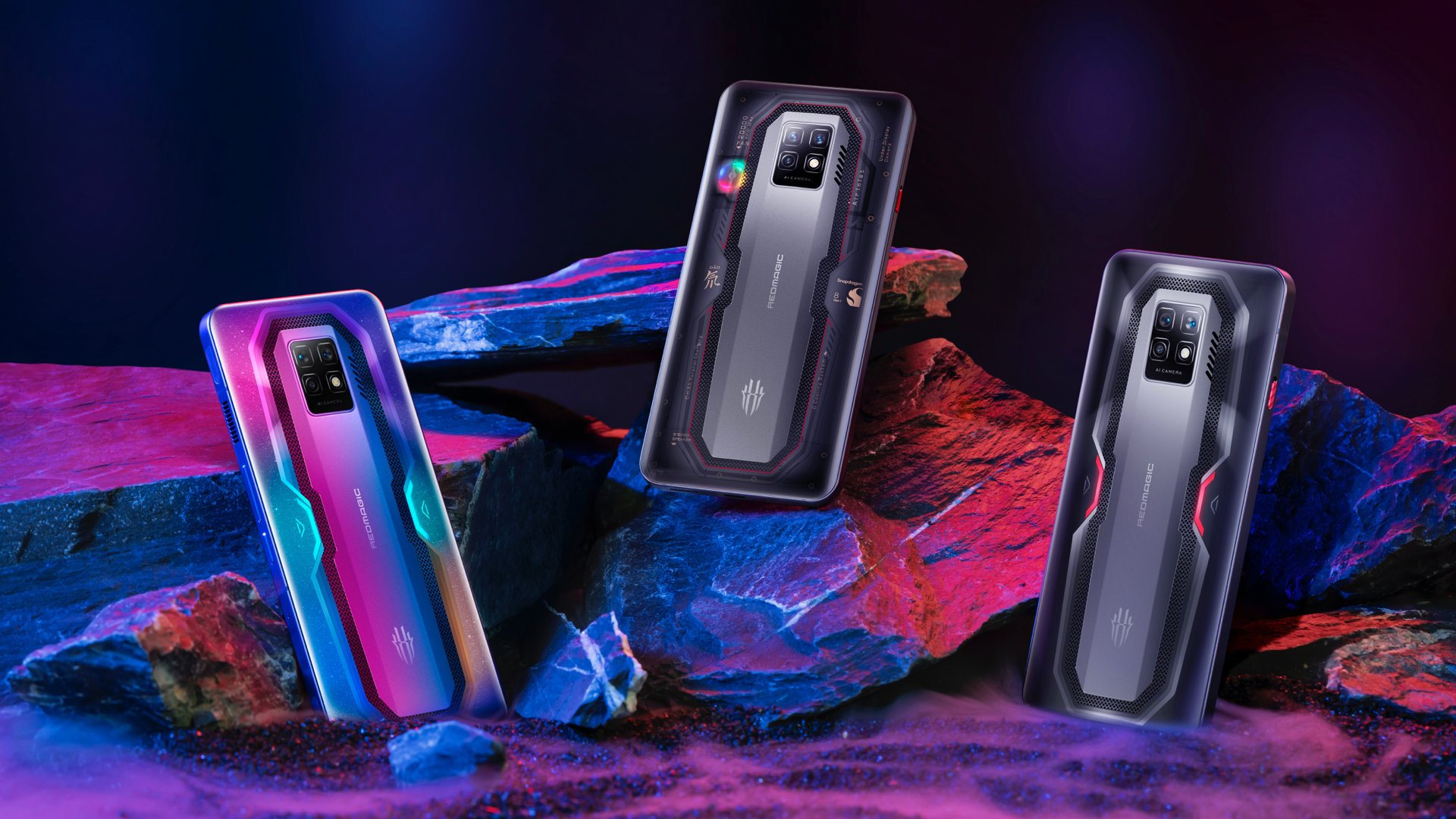
Earlier this month, Nubia debuted the Red Magic 7 Pro gaming smartphone in the global market. The smartphone is now available for purchase in different regions across the globe.
Nubia Red Magic 7 Pro price & availability
The Red Magic 7 Pro international variant comes in two configurations. The 16GB + 256GB is priced at $799/£679/€799 and the 16GB + 512GB configuration has a price tag of $899/£759/€899 in the US, UK, and European markets respectively.
Nubia Red Magic 7 Pro specs & features
The gaming smartphone has a 6.8-inch Full HD+ OLED display with a 120Hz refresh rate, 100 percent DCI P3 color gamut, 10-bit color, DC dimming, and more. It also features 960Hz multi-finger touch sampling rate and an in-display fingerprint sensor that doubles as a heart rate monitor.
Under the hood, the smartphone packs Qualcomm’s flagship Snapdragon 8 Gen 1 SoC paired with 16GB of LPDDR5 RAM and up to 512GB of UFS 3.1 storage. It also features the Red Core 1 independent gaming chip to help alleviate some of the load from the Snapdragon 8 Gen 1 chip, helping it perform at its peak for longer.
The device operates on RedMagic OS 5.0, based on Android 12. It features shoulder trigger buttons for a seamless gaming experience and houses a 5000mAh battery with 65W fast charging support. For cooling, the smartphone has the ICE 8.0 cooling system with an RGB fan that has a top speed of 20,000 rpm to keep the temperatures under control.
For optics, the Red Magic 7 Pro gets a triple camera unit headlined by a 64-megapixel main sensor. The other two cameras on the rear are an 8-megapixel ultra-wide-angle lens and a 2-megapixel macro sensor. On the front, the device features a 16-megapixel under-display selfie camera.
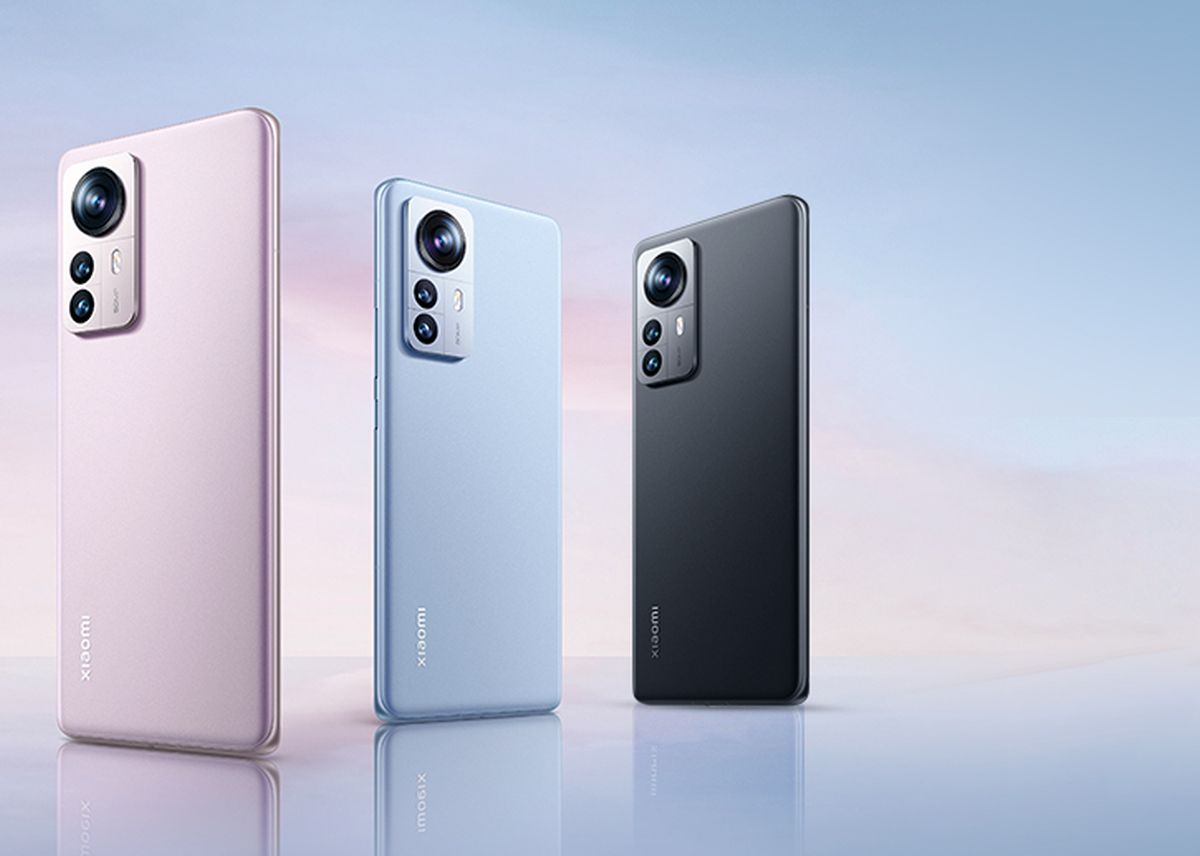
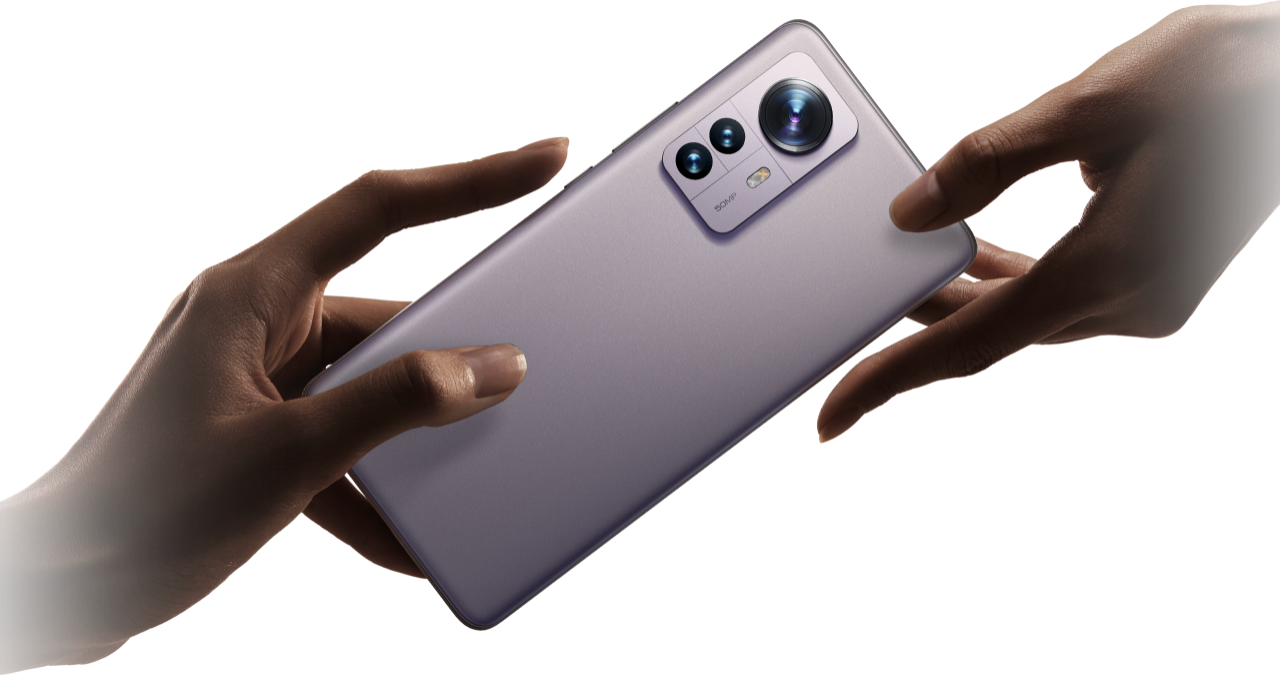
Earlier this week, the Xiaomi 12 Pro debuted in India with the latest Snapdragon 8 Gen 1 SoC and a starting price of ₹62,999. The first sale date of the device is officially set for May 2 in the country.
Now, Xiaomi has announced a special sale for the Xiaomi 12 Pro dubbed the Xiaomi Fan Sale. Customers will be able to purchase the latest Xiaomi flagship on May 1 for up to ₹20,000 off by exchanging their existing Xiaomi or Redmi Note series smartphones.
Users of devices like the Mi 10, Mi 10T, Mi 10i, Mi 11X, Mi 11X Pro, Mi 11 Ultra, etc can get ₹20,000 exchange value for their smartphones while buying the Xiaomi 12 Pro. While the Note 10 Pro Max users can get ₹18,999 exchange discount. Interested readers can check out this link for the complete list of eligible devices and their exchange value. The offer will be valid while purchasing the Xiaomi 12 Pro from Amazon India and Mi.com.
Xiaomi 12 Pro specs & features
The flagship device comes with a 6.73-inch LTPO E5 AMOLED display with a 2K resolution, 120Hz refresh rate, 1500nits peak brightness, HDR10+ support, and Dolby Vision certification.
Under the hood, it features the Snapdragon 8 Gen 1 SoC paired with up to 12GB of LPDDR5 RAM and up to 256GB of UFS 3.1 storage. It runs on Android 12-based MIUI 13 out of the box and is powered by a 4,600mAh battery with 120W wired fast charging support. It is also capable of 50W wireless fast charging.
For optics, the device features a triple camera setup with a 50-megapixel Sony IMX707 primary camera with an f/1.9 aperture and OIS support. The ultrawide lens is also 50-megapixel with an f/2.2 aperture and a 115-degree FOV and there is another 50-megapixel sensor for the portrait camera. On the front, the device houses a 32-megapixel shooter for selfies and video calls.
Last week, Xiaomi launched the Redmi 10 Power in the Indian market. The smartphone was a surprise launch by the brand and comes with the Snapdragon 680 and a whopping 8GB of RAM.
At launch, the company unveiled the price of the smartphone but kept its sale date under wraps. Now, the Redmi 10 Power has officially gone on sale.
Redmi 10 Power price & availability
The device has a price tag of ₹14,999 for 8GB RAM + 128GB storage. It is available in two colors – Sporty Orange and Power Black. The smartphone can be purchased from Mi.com, Mi Home Stores, Amazon India, and retail stores.
Redmi 10 Power specs & features
The Redmi 10 Power features a 6.7-inch IPS LCD display with HD+ resolution. The display panel has a 20:9 aspect ratio, 60Hz refresh rate, and Gorilla Glass 3 protection.
Under the hood, the device houses a Snapdragon 680 SoC paired with 8GB of RAM and 128GB of internal storage. The storage can be further expanded by 512GB via a Micro SD card. The device packs a massive 6000mAh battery which has support for 10W fast charging. The charger in the box, however, is an 18W charging brick. It runs on Android 11-based MIUI 13 out of the box.
Other features include Bluetooth 5.0, FM radio, WiFi 802.11 a/b/g/n/ac, a 3.5mm headphone jack, and a single speaker setup.
For optics, the Redmi 10 Power houses a dual-camera setup on the back comprising of a 50-megapixel primary camera with f/1.8 aperture and a 2-megapixel portrait sensor. The fingerprint scanner is also housed on the camera island. Upfront, we get a 5-megapixel snapper for selfies and videocalls.
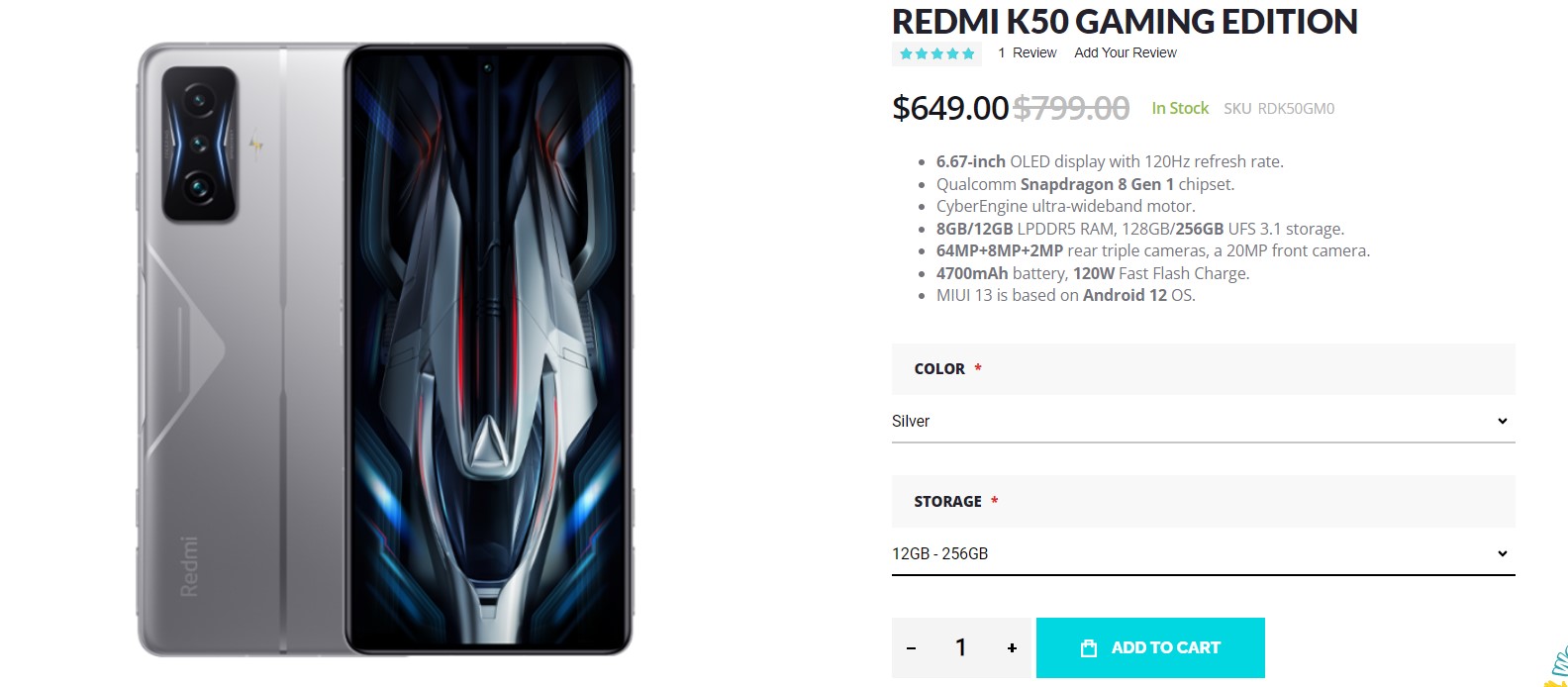
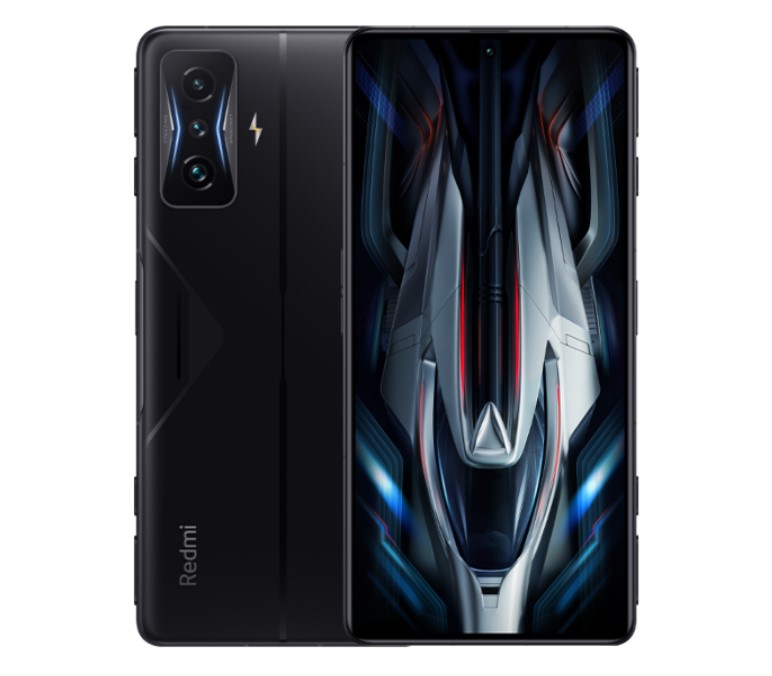
Giztop is giving $150 OFF on Redmi K50 Gaming Edition Smartphone. The gaming phone which generally retails for $799 is now available at a heavily discounted price of $649 only at Giztop.
Redmi K50 Gaming Edition features a 6.67” OLED display with 2400x1080p resolution and 120Hz refresh rate. Powered by the latest Qualcomm Snapdragon 8 Gen 1 Chipset it comes with 8GB /12GB LPDDR5 RAM options and 128GB /256GB internal storage options.
Redmi K50 Gaming edition comes with a triple rear camera setup with a 64MP main camera and 8MP + 2MP secondary sensors. For your selfies, you have a 20MP sensor in the front. Fueled by a 4700mAh battery it supports a 120W fast flash charge and runs the Android 12 OS-based MIUI 13.
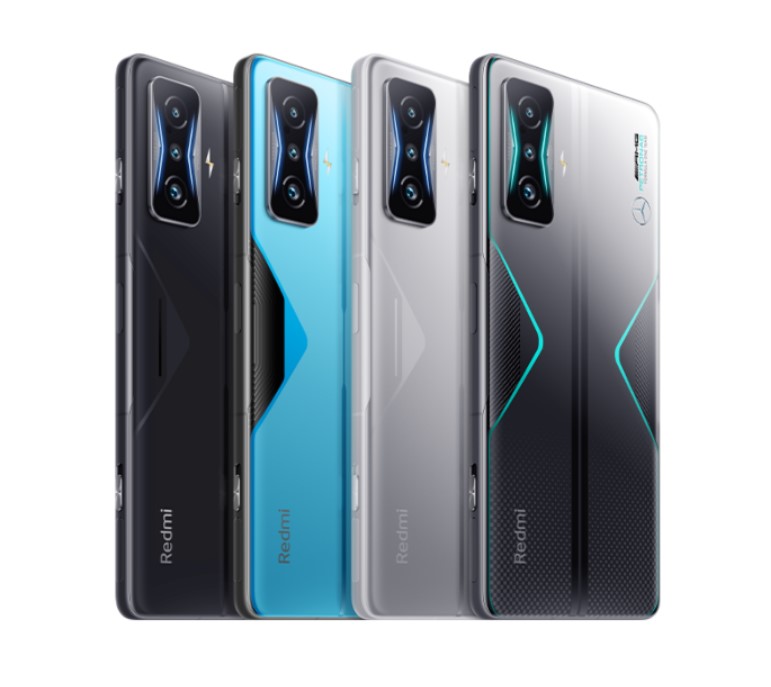
Available in three exciting colors viz. Silver, Black, and Blue, you can now buy Redmi K50 Gaming Edition at heavily discounted prices only at Giztop. Please note this price is applicable to the 12GB + 256GB variant only. However, you can find other variants also at discounted prices.
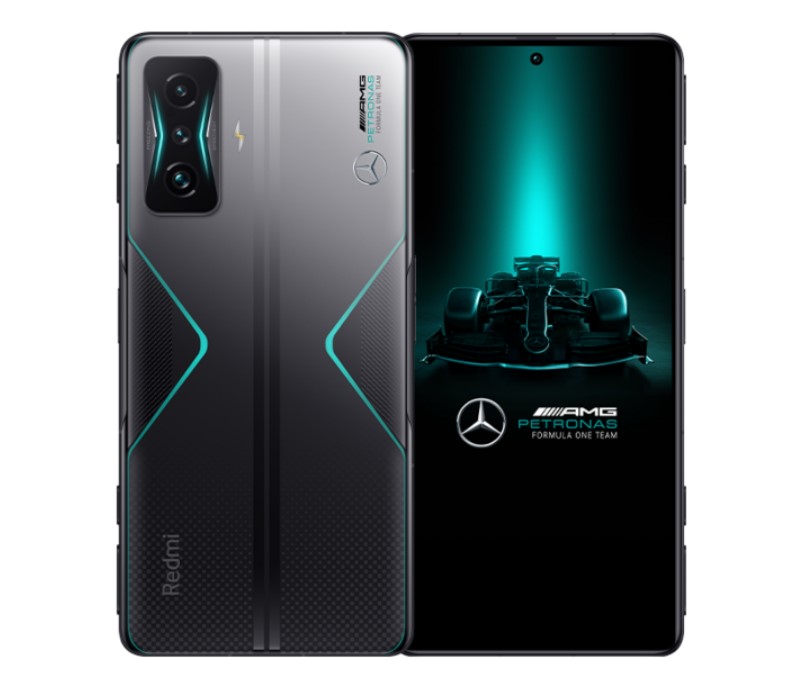
Also, note that the special Redmi K50 AMG F1 Versionis also available at a heavily discounted price of $779 only. This is a limited-time offer. So make sure to place your order before the deal expires.
For more information on such exciting deals and offers check out our deals hub.
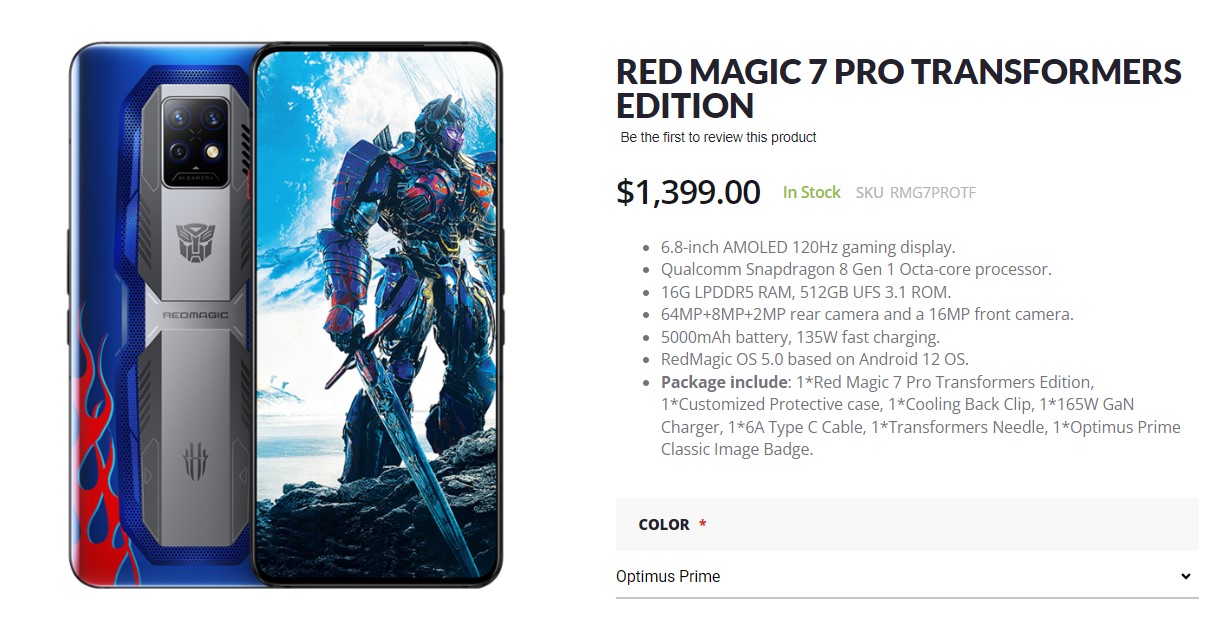
The Red Magic 7 Pro Transformers edition features a 6.8-inch AMOLED gaming display and supports a 120Hz refresh rate. Powered by the latest Snapdragon 8 Gen 1 octa-core processor, the gaming phone comes with 18GB LPDDR5 RAM and 512GB UFS 3.1 internal storage.
At the back, you have a triple camera setup with a 64MP main camera and 8MP + 2MP secondary cameras. For your selfies, you have a 16MP sensor in the front. The smartphone is fueled by a 5000mAh battery and supports 135W fast charging and runs on the latest Android 12 OS-based RedMagic OS 5.0.
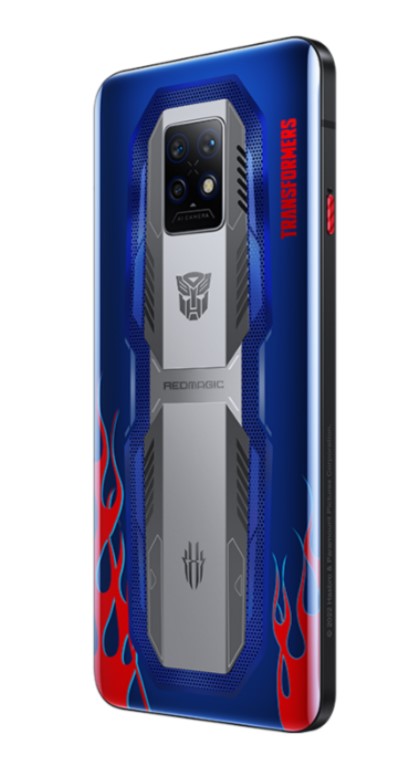
Red Magic 7 Pro Transformers Edition is tailor-made for gaming enthusiasts. Not only does it sport the gorgeous Blue and Red-colored Optimus Prime theme but also comes with the latest ICE 8.0 9 layers multi-dimensional cooling system, making it the first gaming smartphone with a cooling material area of up to 41279mm² and a 4124mm² super large VC cooling plate. This means the phone keeps your thermals low during high-action packed gameplay. Other interesting features include the DTS X Ultra stereo speakers, dual IC touch gaming shoulder keys, 4D game shock feature, etc.
You can now buy the Red Magic 7 Pro Transformers Edition for $1399 only at Giztop. The special edition package includes the Transformers Edition Smartphone, 1 x customized protective case, 1 x cooling back clip, 1 x 165W GaN charger, 1 x 6A Type C Cable, 1 x Transformers needle, and 1 x Optimus Prime classic image badge.
For more information on such exciting deals and offers check out our deals hub.
As Lenovo looks to capture a wider laptop market share with its ThinkPad lineup, the Hong Kong-based laptop manufacturer in 2022 has put out the premium high-end ThinkPad X1 series to cater to the professional who demands fashion with professionalism, the best-selling T-series for conventional business users, the Z-series marketed for the younger Gen Z audience, and its mid-range premium offering the P series for those who want more but not looking to drop a fortune for the product.
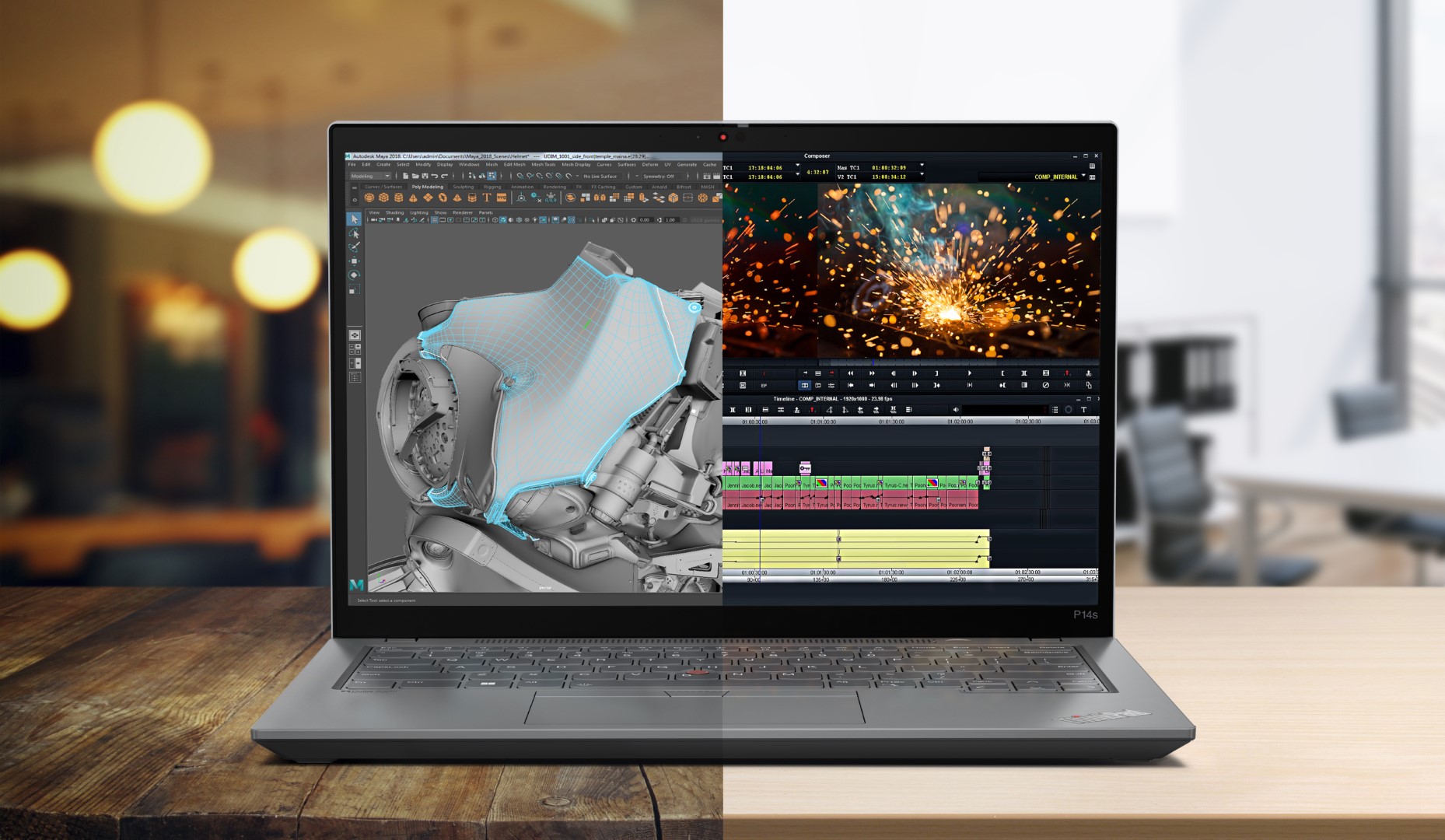
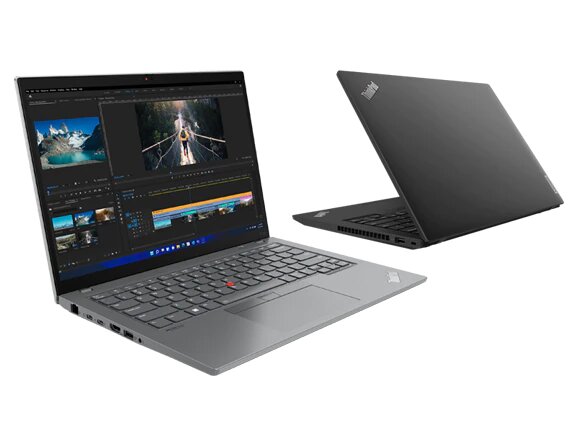
Like clockwork, Lenovo has lifted the wraps on its latest 2022 refresh for the ThinkPad P series, the ThinkPad P14s Gen 3 which is powered by Intel’s latest 12th Gen Alder Lake CPUs.
Source: Lenovo
Lenovo claims that the Lenovo ThinkPad P14s Gen 3 might be the best release of 2022 for entry-level professionals, educators, and students alike as the mobile workstation provides its users with the ability to innovate freely, anywhere. In simpler terms, the laptop is perfect for high performance on the go users.
The first highlight of the laptop is the screen. The Lenovo ThinkPad P14s Gen 3 can be configured with an up to 14-inch 4K Ultra HD 16:10 IPS LCD display that is equipped with 500 nits of peak brightness, covers 100% of the DCI-P3 colour gamut, supports HDR-400 content and is certified for Dolby Vision support which enables the screen to display content in not only a more vibrant manner but also make colour pop out more realistically than your conventional laptop screen.
Source: Lenovo
Next are the processors powering the Lenovo ThinkPad P14s Gen 3. The device can be paired with Intel’s latest 12th Gen CPUs which are respectively the Core i5-1240P or the Core i7-1260P and as for the GPU, buyers can opt for the configuration with the NVIDIA GeForce RTX T550 dedicated GPU with 4GB of VRAM. Coupled with up to 48GB of DDR4 3200MHz, up to 2TB NVMe PCIe Gen4 of fast SSD Storage, Lenovo promises that the ThinkPad P14s Gen 3 powers through applications like AutoCAD, Revit, and SolidWorks without missing a beat.
In addition, the laptop has a broad array of advanced ThinkShield security features and its ability to meet stringent US military tests for durability, ruggedness, and reliability enables this mobile workstation to empower you to work in almost any environment.
Source: Lenovo
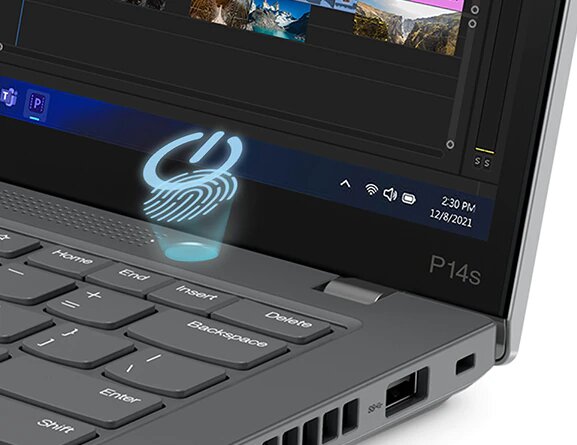
Last but not least, a professional business laptop is not complete without its security features. The ThinkPad P14s Gen 3 comes with ThinkShield— Lenovo’s comprehensive portfolio of end-to-end protection and customizable security features, including advanced data encryption, biometric authentication technology such as an enhanced fingerprint scanner, and a screen privacy filter.
The Lenovo ThinkPad P14s Gen 3 is currently on sale in the US starting from only 2529 USD, and Lenovo is already planning to bring the laptop to more regions soon in the next month like in Europe, Canada, South East Asia and Japan as well.
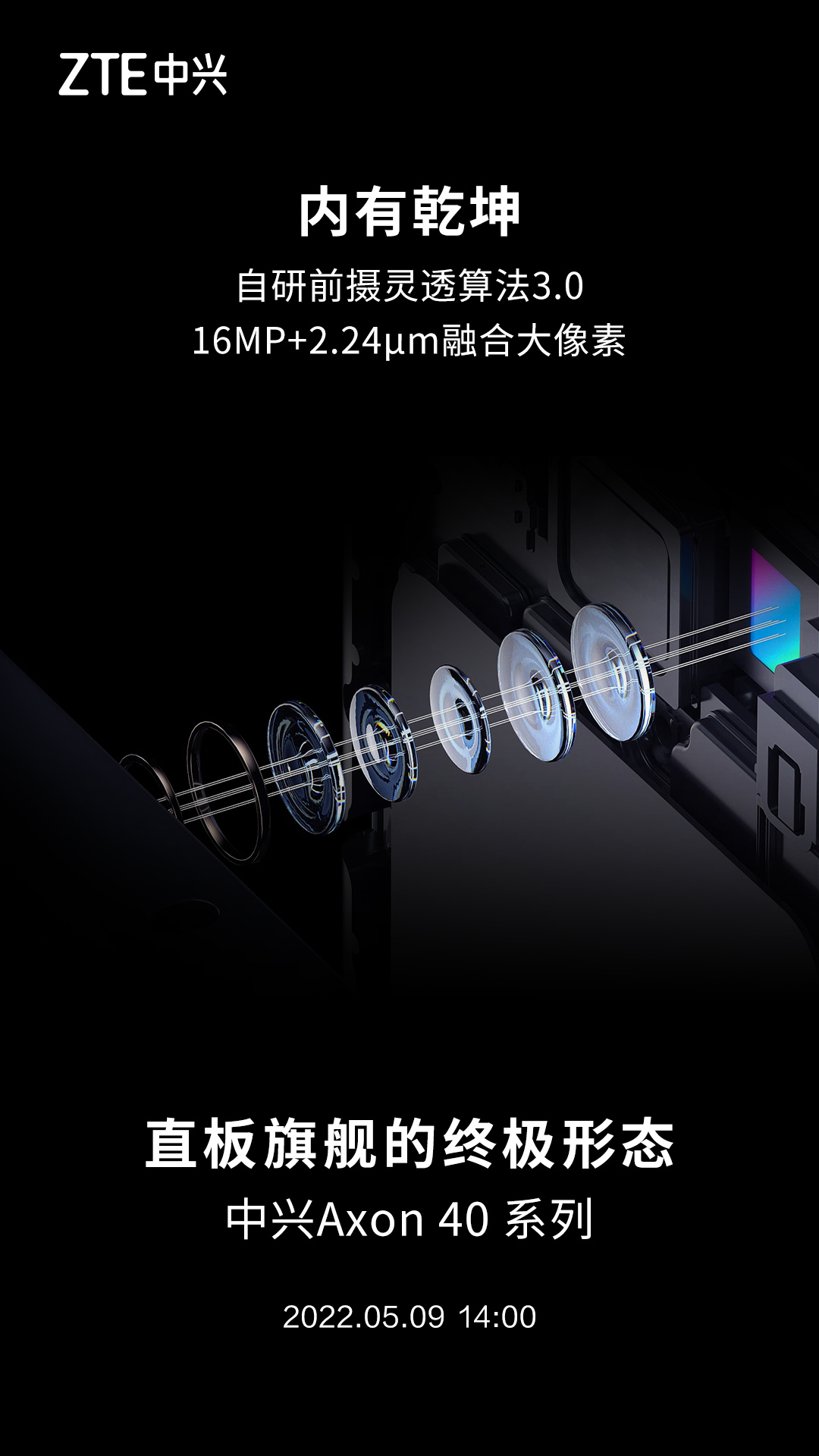
ZTE has scheduled an event for May 9 in China for the launch of the ZTE Axon 40 Ultra. Before it even debuts, the company has been on a teasing spree. Recently, the company revealed the rear camera setup of the Axon 40 Ultra, and now, the brand has teased the under-display camera of the phone.
ZTE on its Weibo page shared a teaser of its under-display camera technology. The smartphone is touted to come with a 16MP front-facing camera with 2.24μm pixel fusion technology.
ZTE Axon 40 Ultra Under-Screen Camera
In a subsequent post, the company confirmed that it has 400PPI flexible under-screen camera technology. Furthermore, the front camera has support for self-developed Proactive Vision Algorithm 3.0. This means we can expect the Axon 40 Ultra to offer better selfie portraits. The company has also shared a selfie camera sample of the phone.
1 of 2
Apart from this, the smartphone will have a triple camera system on the back with a 64MP Sony IMX787 main lens with OIS support. It will also have a 64MP ultra-wide and a 64MP OmniVision OV64GB telephoto unit with again the OIS support for the latter.
Other specs of the phone include a bezel-less OLED screen, Snapdragon 8 Gen 1 SoC, and up to 16GB of LPDDR5 RAM/512GB of UFS 3.1 storage. The phone will house a 5,000mAh battery with 65W fast charging support.
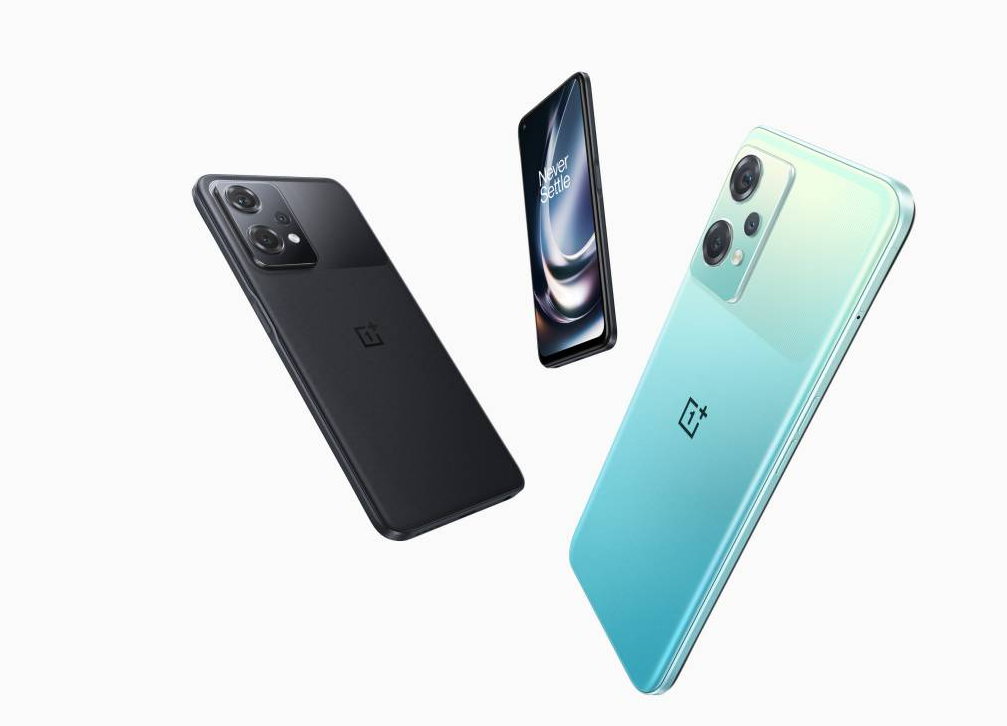
A day back, OnePlus released its cheapest 5G smartphone in India dubbed the OnePlus Nord CE 2 Lite 5G. Coming under Rs. 20,000, the device offers a great specs sheet that includes the 120Hz refresh rate display, triple cameras, and Snapdragon chipset. Starting today, the phone has gone on sale in India.
The OnePlus Nord CE 2 Lite 5G is now on sale on Amazon and the OnePlus’ official website. The smartphone is priced at Rs. 19,999(~$261) for the 6GB + 128GB variant and Rs. 21,999 for the 8GB + 128GB variant. However, those who have SBI band credit cards can get Rs. 1,500 instant discount on the phone.
Buyers will also get 3 months of Spotify Premium for Free, which can be claimed from the Red Cable Club. The device can be purchased in two color options – Blue Tide and Black Dusk.
OnePlus Nord CE 2 Lite 5G Specifications
The OnePlus Nord CE 2 Lite 5G comes with a 6.59-inch punch-hole LCD display with a 120Hz refresh rate and Full-HD+ resolution. The device has a triple camera system with a 64MP main lens, a 2MP depth sensor, and a 4CM macro lens. Upfront, it has a 16MP camera for selfies and video calls.
It is powered by the Qualcomm Snapdragon 695 SoC paired with 6GB/8GB of RAM and 128GB of internal storage. The phone packs a 5,000mAh battery with support for 33W fast charging support. OnePlus claims that it can go up to 50% in just 30 minutes of charging.
OnePlus has retained the 3.5mm headphone jack on the bottom alongside the USB Type-C port. Lastly, it boots on OxygenOS 12.1 and has Android 12 OS out of the box. OnePlus has also promised two years of major Android updates and 3 years of security updates.
What do you think about the OnePlus Nord CE 2 Lite 5G? Do tell us in the comments below.
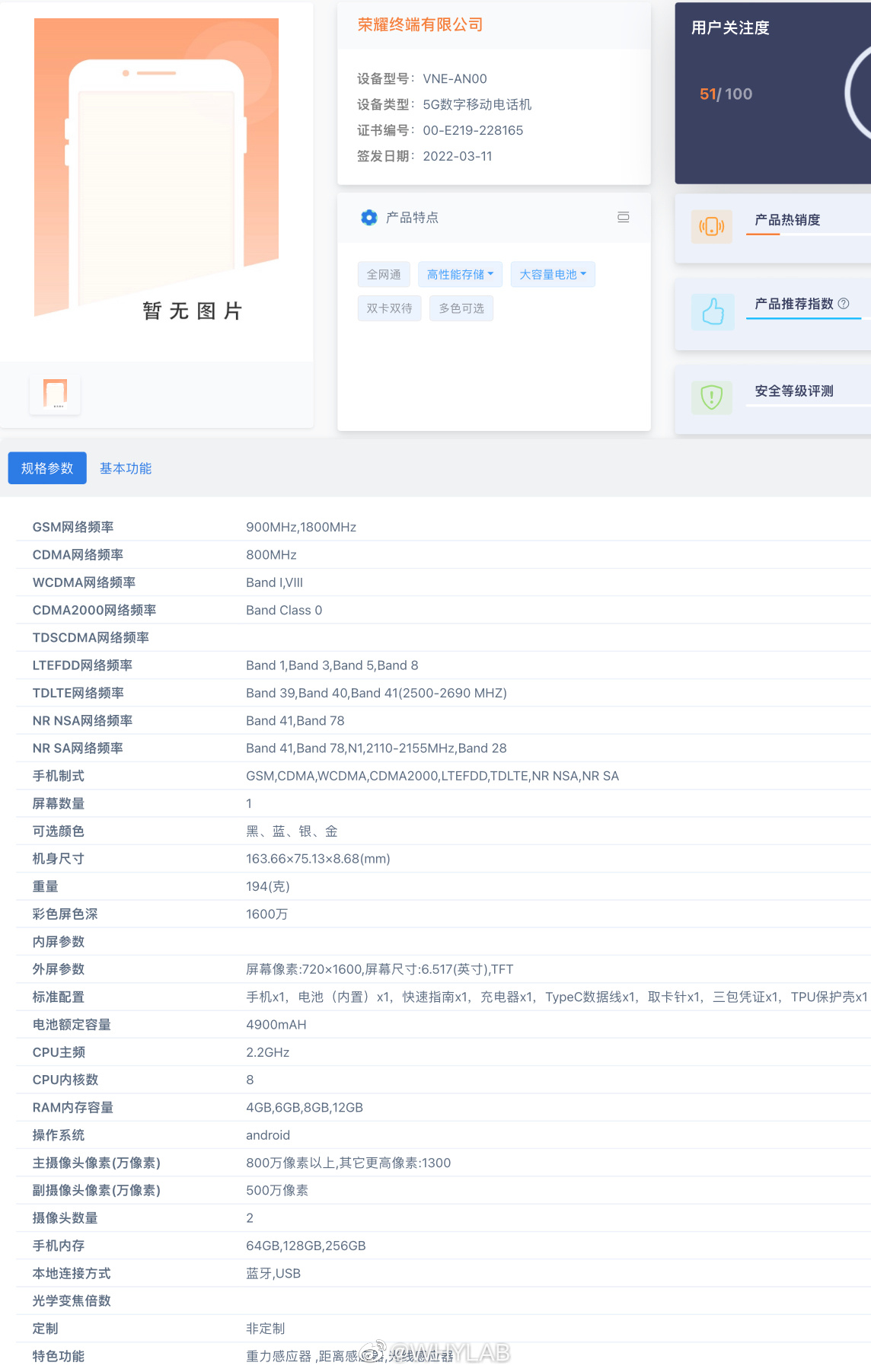
Honor appears to have a new smartphone under the Play series in the pipeline. A new device dubbed Honor Play 30 has now been certified by the Ministry of Industry and Information Technology(MIIT) in China. It reveals the key details of the smartphone confirming its screen, cameras, battery, and more.
As reported by the tipster WHYLAB, the Honor Play 30 has the model number VNE-AN00. The device is said to be a 5G phone and we expect it to arrive in the mid-range segment. The smartphone sports a 6.5-inch TFT display with HD+(720 x 1600 pixels resolution). It has the following measurements – 163.66 x 75.13 x 8.68mm. It weighs 194 grams.
Honor Play 30 – VNE-AN00
The smartphone is powered by an unknown octa-core chipset clocked at 2.2Ghz. The certification reveals that the phone has 4GB/6GB/8GB/12GB RAM options and 64GB/128GB/256GB storage options. Furthermore, it will also have a microSD card support of up to 512GB.
Coming to the cameras, the phone will have a dual-camera system with a 13MP main lens and a 5MP secondary unit. The device will also come with a 3.5mm headphone jack support. It will pack a 4,900mAh battery, which is probably the rated capacity.
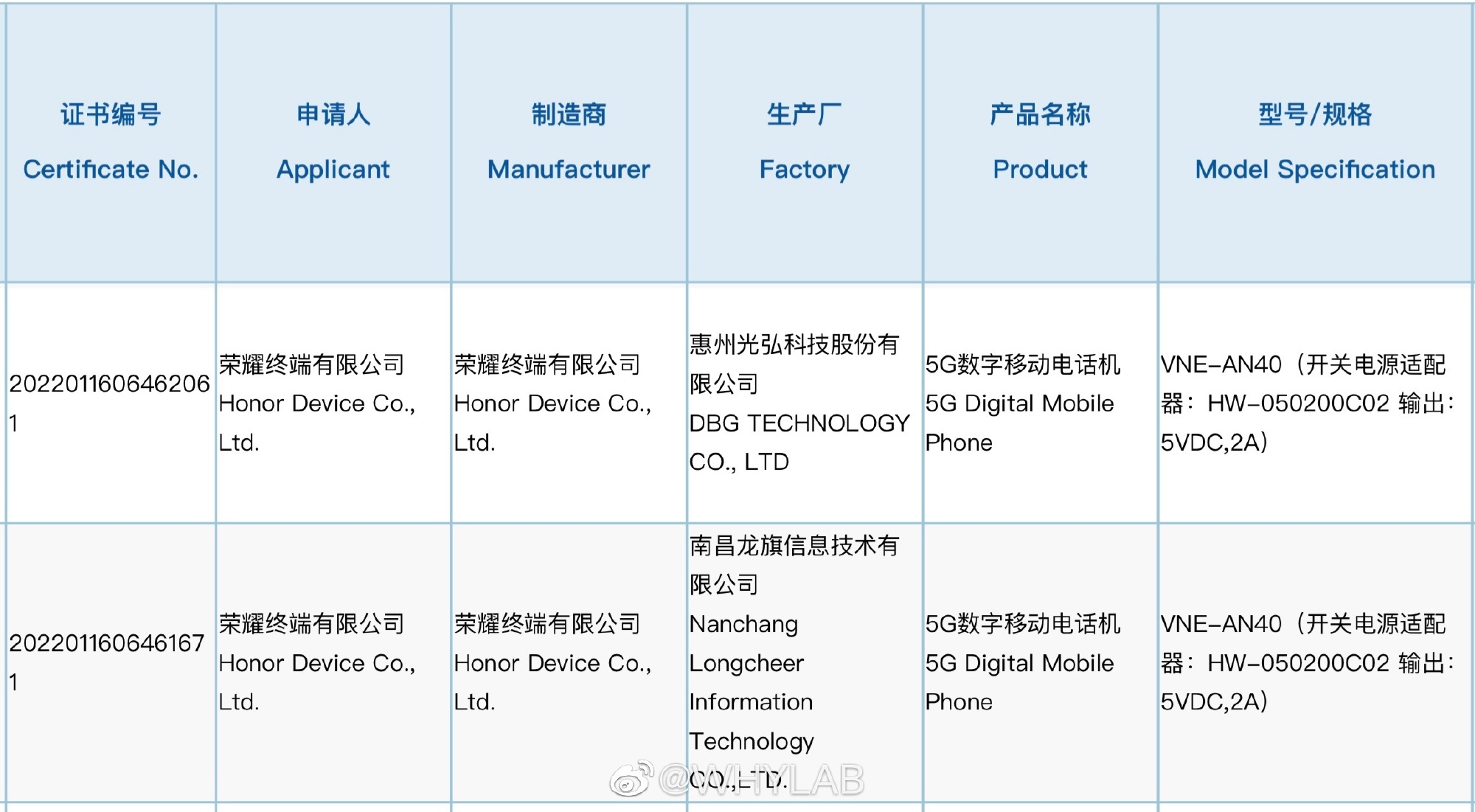
The phone was also spotted on the 3C certification and it has the model number VNE-AN40. It confirms that the phone has a 5V and 2A charging speed which translates to a 10W speed.
Xiaomi group’s Vice President Lu Weibing announced in a Weibo post that Xiaomi Mi Home’s largest flagship store in China will have a grand opening on April 30. The new flagship store will open in Wanxianghui on Zhongshan Road in the southern Chinese city of Nanning.
Xiaomi has taken the Mi Home stores to a whole new level with the concept of the flagship store in China, which houses all the tech giant’s products.
As per the promotional posts of the Guangxi Province Xiaomi Store, the new Xiaomi Mi home flagship store is built in an area of 1,000 square meters. The store can be seen to have three floors. As visible in the poster, there is also a huge naked-eye 3D digital billboard above the store.
The new store will reportedly host 2000+ smart products and services including smartphones, smart speakers, smart TVs, and other products in the Xiaomi ecosystem. The tech giant is also giving away freebies like Redmi Buds 3, XiaoAI Speaker Play one, and much more to selected people through lucky draws.
From the renders, the store’s architecture looks commendable. So maybe if you happen to be in China, you can drop by the Mi Home flagship store in Nanning and see what it has to offer.
Xiaomi first started as an online-only brand, but gradually began expanding offline. The Chinese tech giant has built a strong offline presence in recent years. Currently, it has over 10000+ Mi home stores in its home country China.
As part of its continued efforts to integrate sales and services, Xiaomi will provide after-sales services in its authorized stores at the county level. Xiaomi plans to establish a service center in every county in China in the future.
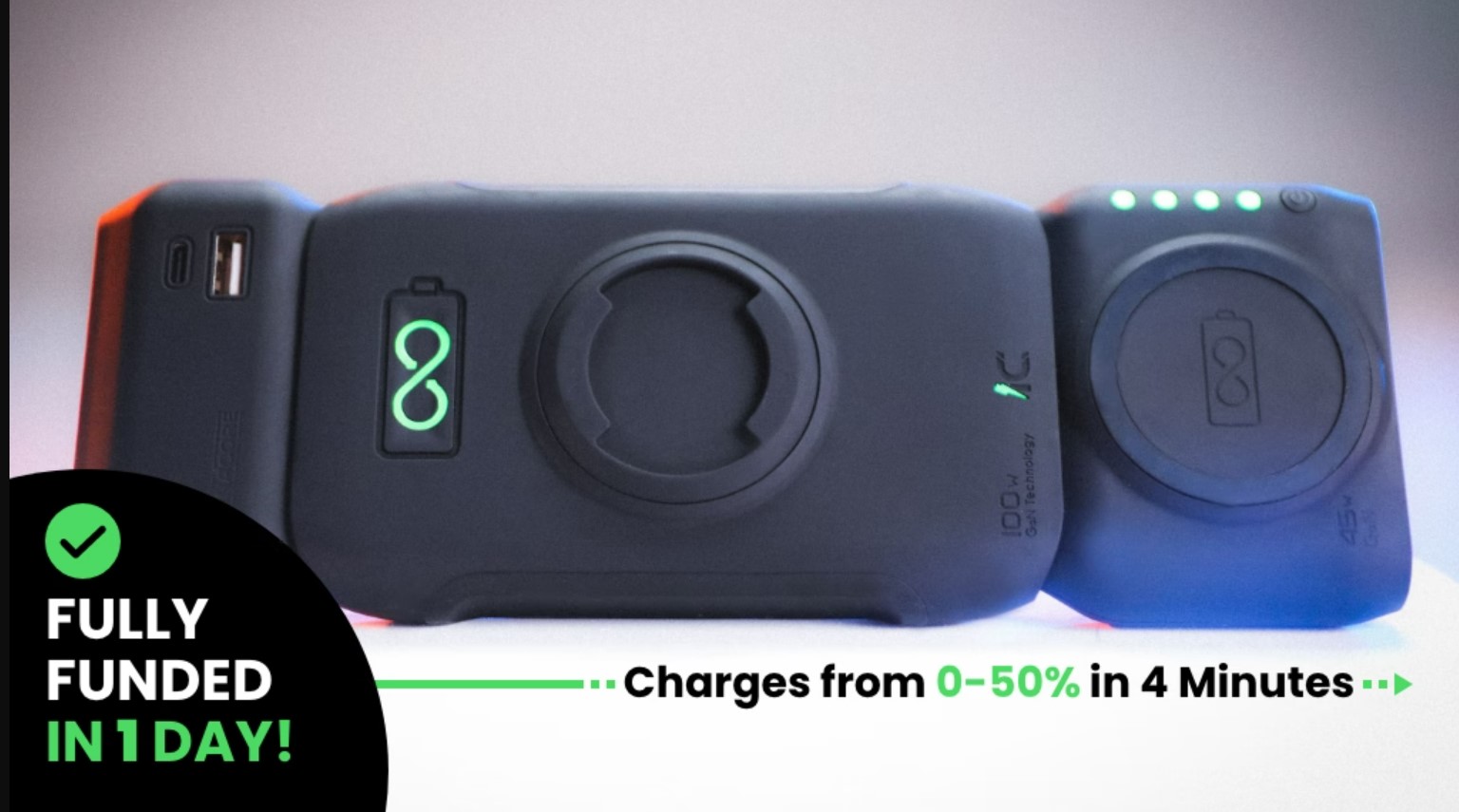
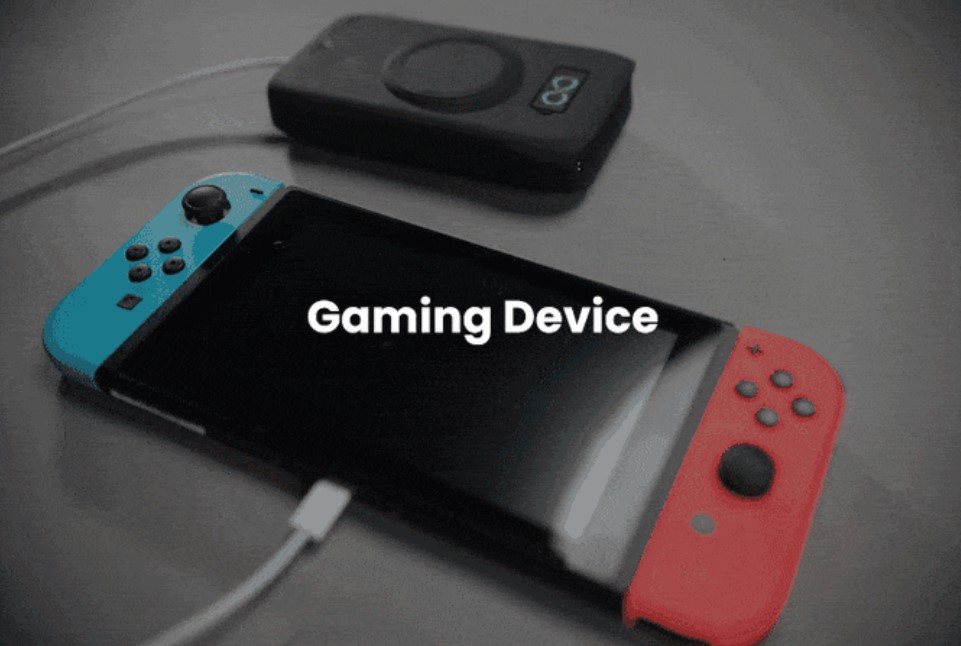
P4 3 in 1 Universal Power Bank is now live on Kickstarter. The project which was fully funded from day 1, brings you a completely wireless universal charging solution. With P4 you can forget about the old and obsolete heavyweight power banks as this lightweight device gives you 3 different charging solutions viz: an A/C wall charger, a magnetic power bank, and a smaller magnetic power bank.
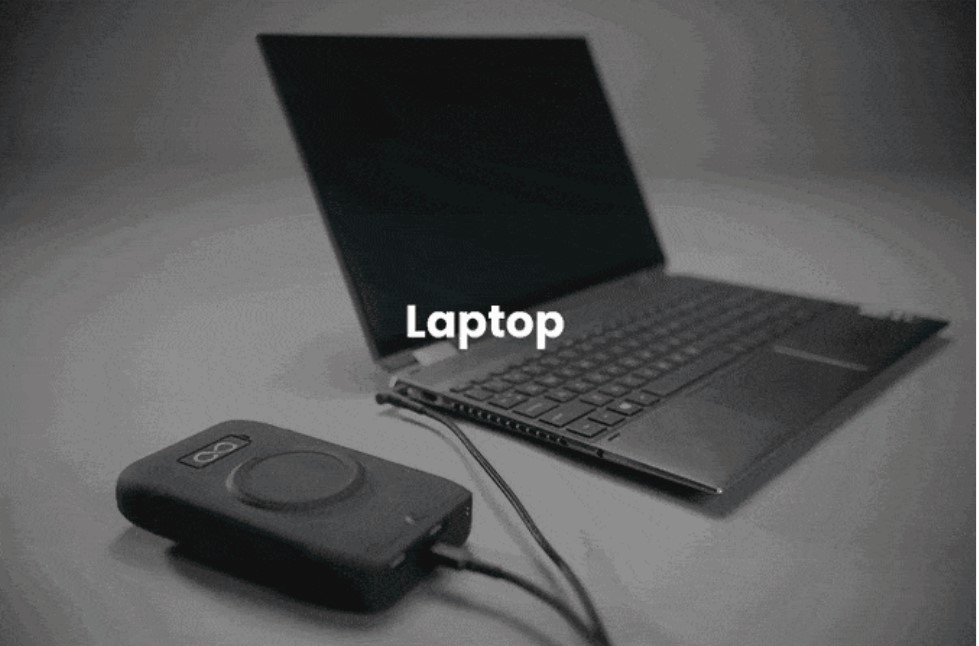
The P4 comes with a unique 3 in 1 design which makes it universally compatible and extremely portable. P4 is composed of three different parts namely the Plug, the Hub, and the Mobile. The device comes with an A/C wall charger ( with three global adapters), a large 12000mAh power bank, and a mini 6000mAh power bank. Moreover, you can magnetically connect all three pieces together to convert them into a massive 18000mAh power bank. Thus P4 can be easily converted into a mini power station capable of charging your laptops and tablets on the go.
We use cookies on our website to give you the most relevant experience by remembering your preferences and repeat visits. By clicking “Accept”, you consent to the use of ALL the cookies.
This website uses cookies to improve your experience while you navigate through the website. Out of these, the cookies that are categorized as necessary are stored on your browser as they are essential for the working of basic functionalities of the website. We also use third-party cookies that help us analyze and understand how you use this website. These cookies will be stored in your browser only with your consent. You also have the option to opt-out of these cookies. But opting out of some of these cookies may affect your browsing experience.
Necessary cookies are absolutely essential for the website to function properly. This category only includes cookies that ensures basic functionalities and security features of the website. These cookies do not store any personal information.
Any cookies that may not be particularly necessary for the website to function and is used specifically to collect user personal data via analytics, ads, other embedded contents are termed as non-necessary cookies. It is mandatory to procure user consent prior to running these cookies on your website.