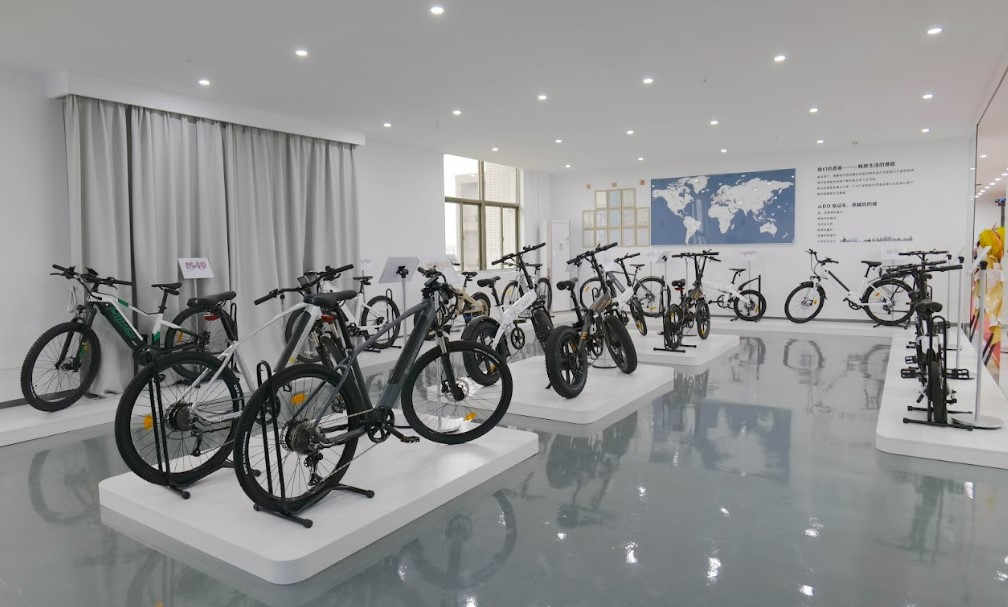
ADO: A DECE OASIS is a start-up brand that creates powerful and stylish electric bikes, electric scooters, and accessories that can be your urban commute partner. Apart from urban commuting they also cater to the needs of cross-country bikers, adventure enthusiasts, mountain climbers, campers, etc., and have specially designed bikes for different venues and needs. ADO is a fast-growing brand and within just a year they have achieved several laudable milestones including 10000 plus users, 100 million-plus export value, and 60 regional agents spread across 600 cities across the globe.
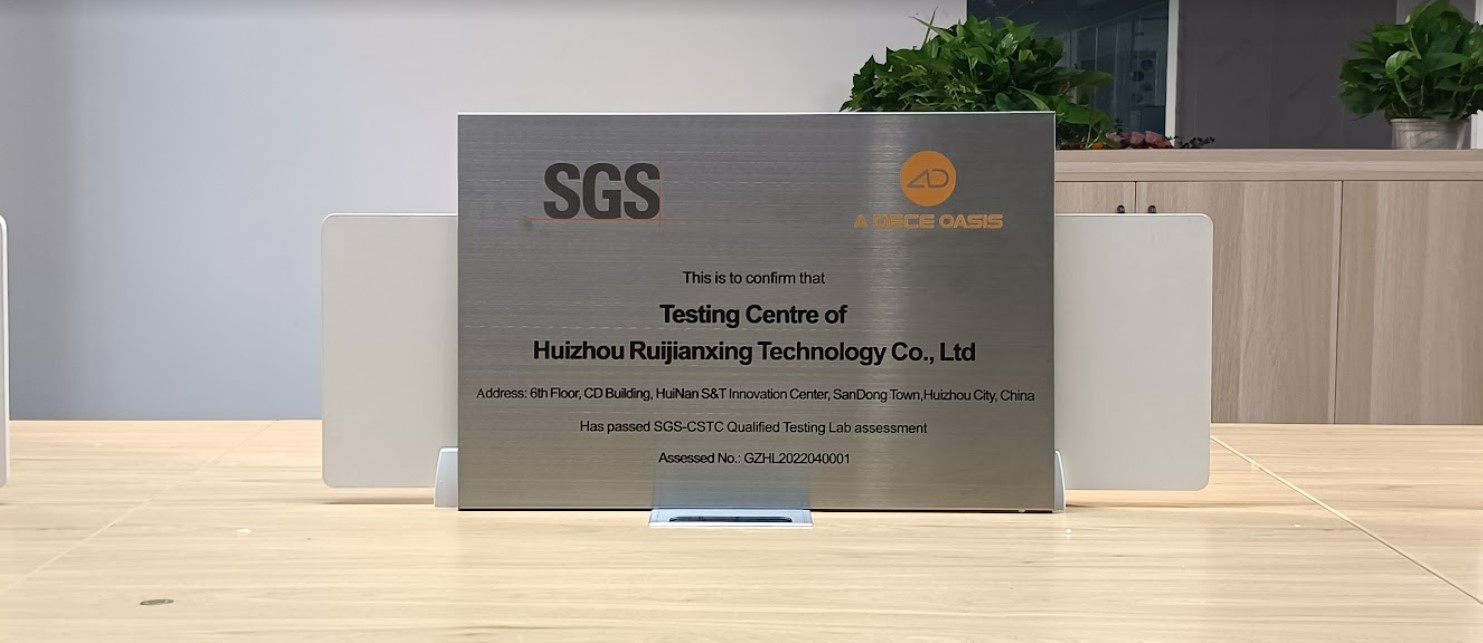
And now to add to these achievements the ADO Ebike Laboratory has got the internationally recognized SGS certification as a “QTL laboratory”. This certification is a recognized benchmark for quality and integrity. It provides comprehensive testing in accordance with EU, Canadian and other standards and issues widely recognized authoritative testing reports. ADO laboratory has already met the SGS facility requirements and has many advanced testing instruments that can handle testing items such as comprehensive support for new product testing, component testing, electrical system safety assessment, and mechanical fatigue testing.
With a total investment of 15 million RMB, the ADO R&D Lab is a hub of technological revolution housed in about 3300 square meters of space, in the south of Huizhou. The brand is committed to researching new technology for building better electric bikes and incubating leading innovative products. To date ADO has got more than 16 patents and 6 software copyrights, and developed the ADO G-Drive dual-mode control system, forming a differentiated competitive advantage in product performance. And now with the support of SGS, CE certification, and QTL laboratory certification, ADO has an international leading edge in product quality and specifications.
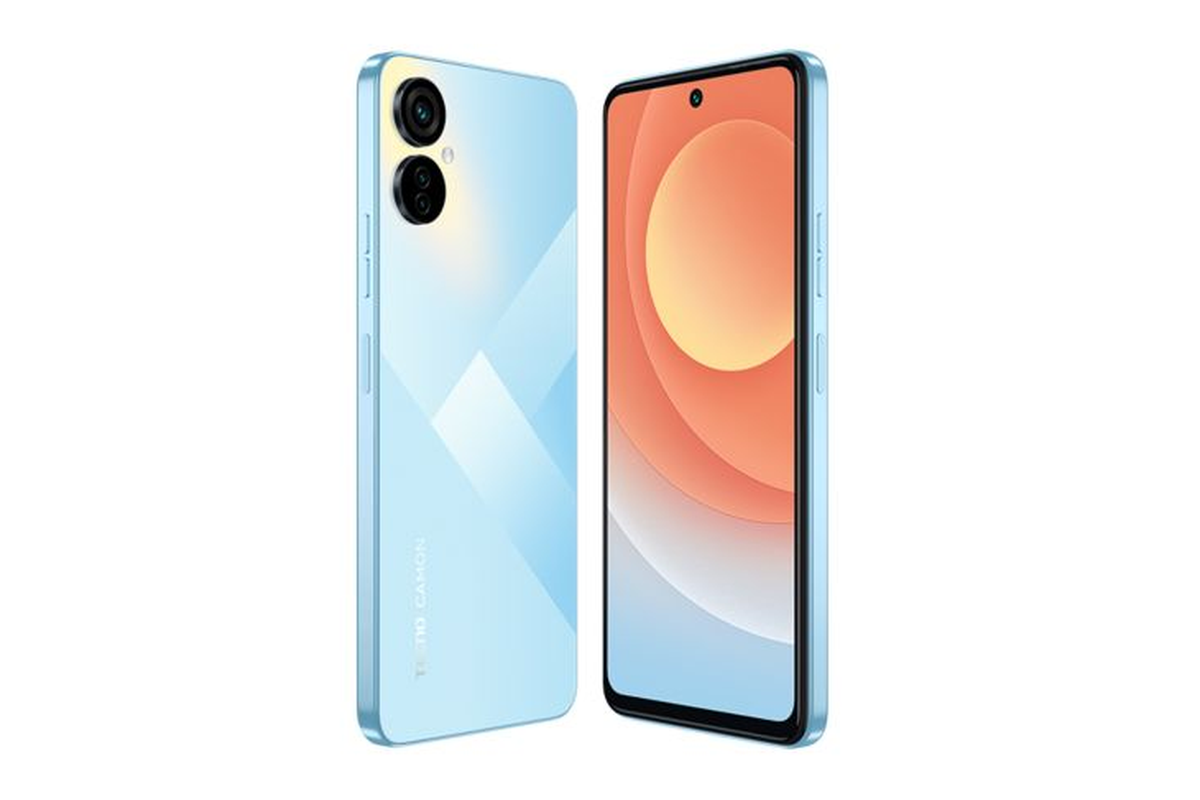
Tecno recently confirmed that it will be holding a launch event on June 14 to announce the Camon 19 lineup. However, before the launch event, the company announced the Camon 19 Neo handset in Bangladesh. This indicates that the upcoming Tecno event could see the arrival of other devices such as the Camon 19 and Camon 19 Pro 5G. Here is all the information on the specifications, features, and price of the Camon 19 Neo.
Tecno Camon 19 Neo specifications and features
The Camon 19 Neo has a 6.8-inch IPS LCD panel with a punch-hole design. The screen delivers a Full HD+ resolution and a 90Hz refresh rate. For security, it features a side-facing fingerprint scanner.
Tecno Camon 19 Neo
The rear shell of the device features a 48-megapixel triple camera unit with LED flash. The rest of the back has an attractive diamond-cut pattern. There is a 32-megapixel camera on the front for snapping selfies.
The Helio G85 chipset is present under the hood of the Camon 19 Neo. The device is equipped with 6 GB of RAM and 128 GB of built-in storage. For more storage, it has a microSD card slot. It packs a 5,000mAh battery with 18W fast charging support. It comes preloaded with Android, which is overlaid with Tecno’s HiOS UI.
Tecno Camon 19 price and availability
The Camon 19 Neo is available for purchase in Bangladesh. The sole 6 GB + 128 GB edition of the device is priced at BDR 18,490 (~$196) in the country. It is unclear which other markets will receive the Camon 19 Neo.
ASUS is all set to unveil the ROG Phone 6 series on July 5 in Taiwan, China, and the US. It will be one of the first smartphones to feature the Snapdragon 8+ Gen 1 chipset. Ahead of the launch, two variants of the ROG Phone 6 have surfaced in the database of China’s 3C certification platform (via).
At the beginning of this year, tipster Paras Guglani had evidence of ASUS developing firmware for the ROG Phone 6 series. It was found that the Taiwanese brand is working on six models, such as the ASUS AI2201_A, AI2201_B, AI2201_C, AI2201_D, AI2201_E, and AI2201_F. The tipster mentioned that the AI2201_B and AI2201_D variants could be heading to India. The former could be called the ROG Phone 6 Pro, whereas the latter could be the ROG Phone 6 Ultimate.
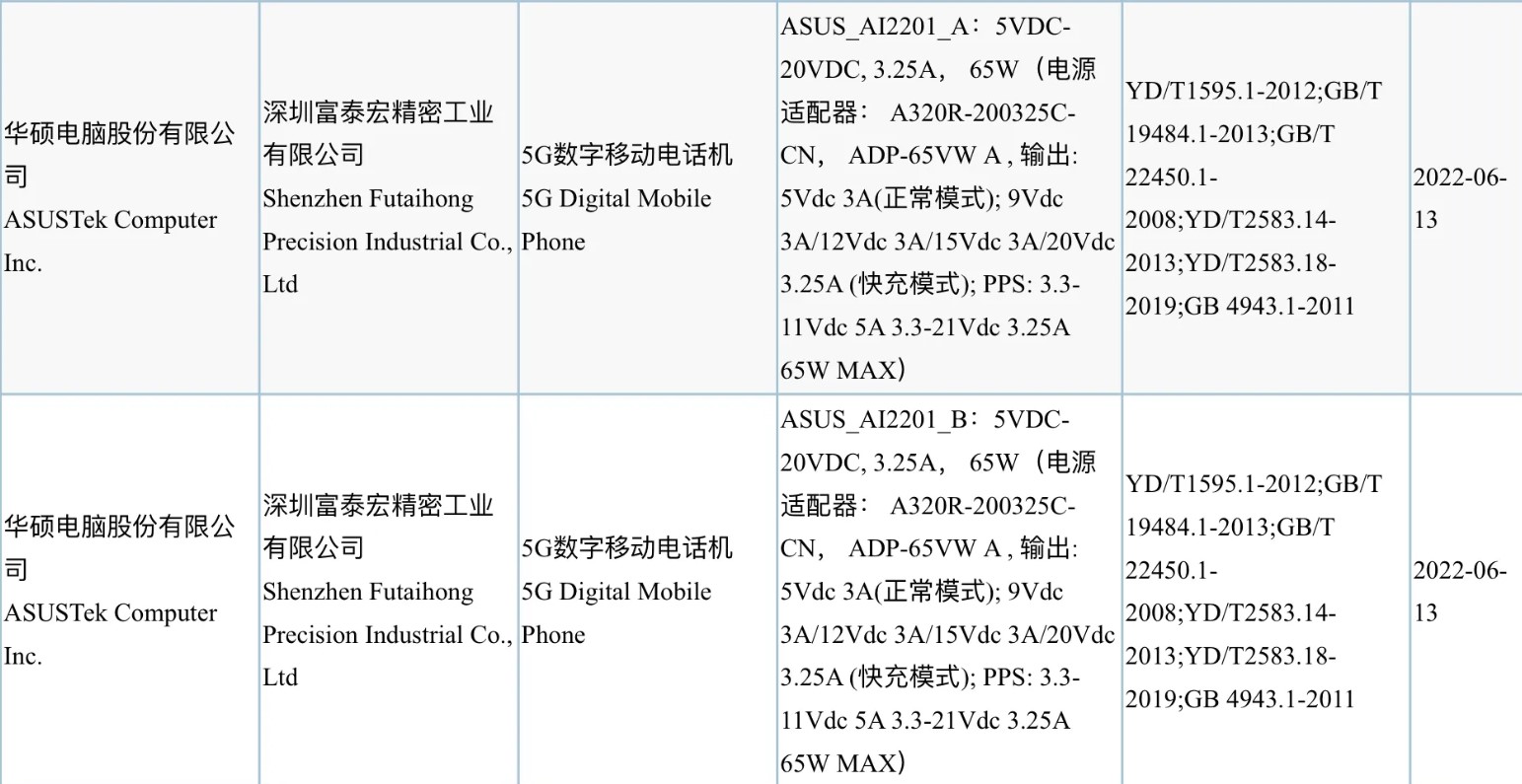
Coming back to the 3C certification, the two variants of the ROG Phone 6 that have been approved include AI2201_A and AI2201_B. The 3C listing reveals that a 65W charger will accompany both devices.
ASUS ROG Phone 6 series 3C listings
To recall, the ROG Phone 5 series and the ROG Phone 5s lineup, which debuted in 2021, carry support for 65W fast charging. So, it looks like the ROG Phone 6 line may not be better at charging than its previous generation.
ASUS has already confirmed that the ROG Phone 6 series’ display will carry support for a 165Hz refresh rate. The Taiwanese manufacturer is yet to confirm the other details of the lineup. The alleged 2D renders of the ROG Phone 6 / 6 Pro that appeared at the beginning of this year revealed that these may arrive with some design improvements. It appears that the A2201_A and A2201_B models will soon appear in TENAA’s database with images and specifications in the next few days.
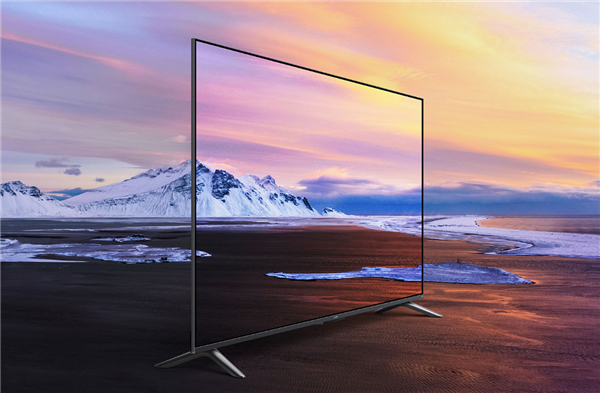
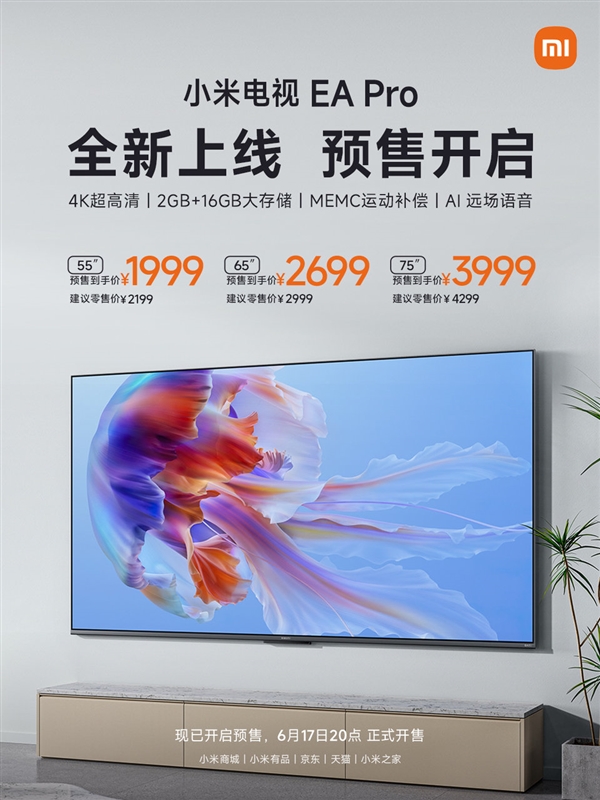
Xiaomi has officially released the Xiaomi TV EA Pro in China. The smart TV comes in three sizes comprised of 55-inch, 65-inch, and 75-inch units. The Mi TV EA Pro series is available for pre-order in China and it starts at ¥1,999 (~$296) for the base model.
Xiaomi TV EA Pro has some impressive features including a 4K display. The TVs support 4K HDR streaming with better brightness and clarity. Xiaomi’s built-in image quality adjustment technology is also supported in the new TVs. Also featured are MEMC motion compensation and a powerful color display.
The Xiaomi TV EA Pro series offers a full-screen design with a screen-to-body ratio between 95% and 96%. The fuselage of the models comes from an integrated molding process using unibody metal. The frame of the TV and the backplane also offer greater integration. Connectivity options for the new Xiaomi TVs include HDMI, USB, AV, Antenna, and network cable options.
The built-in stereo of the Xiaomi TV EA Pro series supports DTS sound decoding using a balanced and intelligent sound system. The Xiaomi TV EA Pro series also has the MediaTek MT9638 chip for high-frequency screen activities and daily multitasking. The device runs on MIUI TV 3.0 and offers a 2GB/16GB RAM/ storage configuration. There are no details at this time on the global availability of the new Xiaomi TVs.
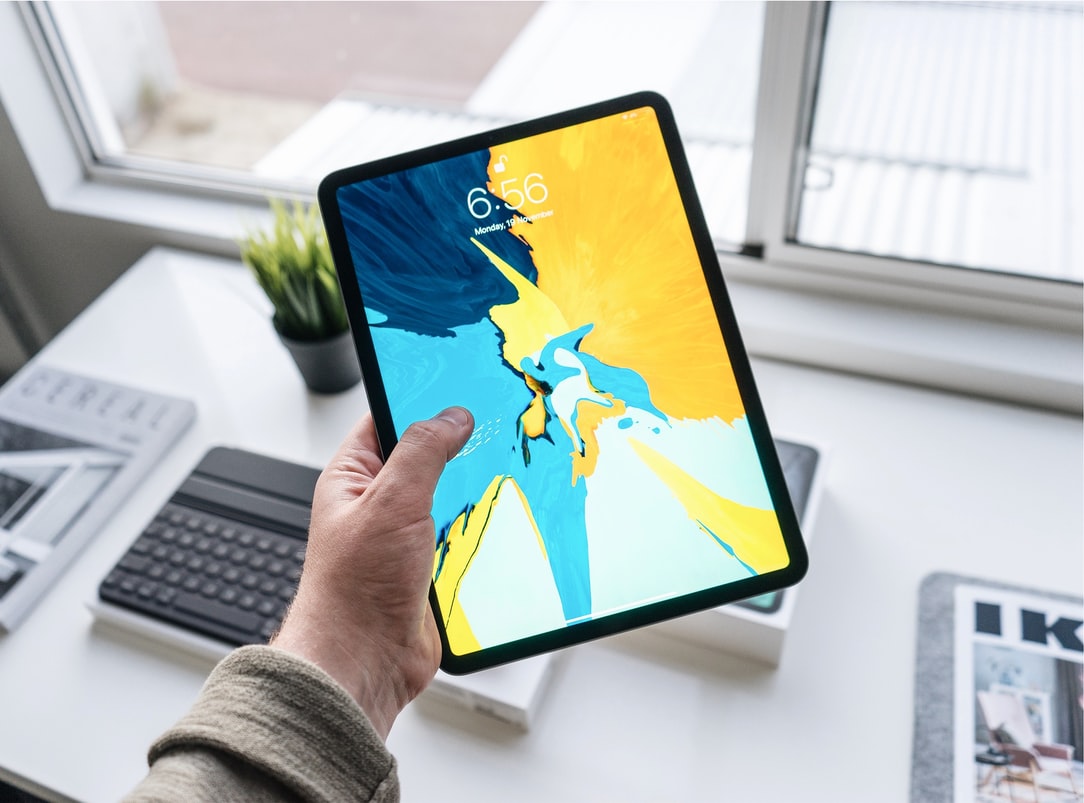
Apple recently unveiled its new Apple Silicon M2 chipset that is powering the new Apple MacBook Air and MacBook Pro laptops and now the company is gearing up to use the same chipset for the next-generation iPad Pro.
The Apple iPad Pro getting launched this year, which will be an upgraded model of the current-generation Apple M1-powered iPad Pro, will come with the new chipset. Now, we have a potential timeline for the launch of the tablet.
As per the report, the new iPad Pro powered by the Apple Silicon’s M2 chipset could go official sometime in September or October this year. Apart from the new processor, the device is also expected to come with features like wireless charging as well as a new and upgraded camera system.
Going by the previous reports, it appears that the technology giant is still gearing up to launch the iPad Pro in the same size as the current models but there will be new models getting launched sometime next year.
Recently, it was revealed that the iPad Pro launching later this year or in 2023 could get a new 14.1-inch display size and if that turns out to be true, then it will be the biggest display size for an iPad in the company’s history. As of now, Apple is selling the iPad Pro in two screen sizes — 11-inch and 12.9-inch. The new 14.1-inch model is expected to have a Mini-LED display with ProMotion technology.
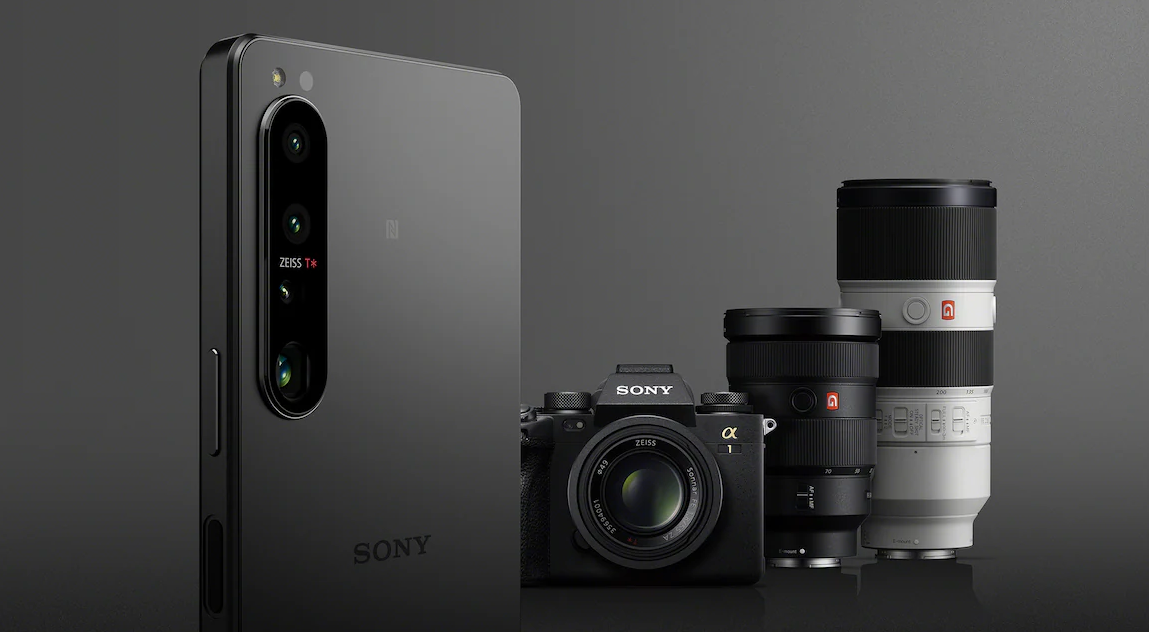
Sony might not be as big of a smartphone brand as it used to be years ago but the company is still making premium phones with some of the best camera features and now the Japanese company is hinting at further improvements.
A new report coming from Nikkei indicates that Sony believes its breakthrough technologies will see smartphones match and even overtake the capabilities of DSLR and mirrorless cameras in a couple of years.
Terushi Shimizu, President and CEO of Sony Semiconductor Solutions (SSS) said during a recent briefing that “still images will exceed the image quality of single-lens reflex cameras within the next few years.” A presentation during the briefing points to 2024 as the timeline where Sony sees that smartphones could exceed ILC image quality.
It will be interesting to see how Sony manages to live up to this claim. The company has already launched Xperia Pro I with a 1-inch 20MP camera sensor but the premium smartphones from the brand typically use a 12MP sensor due to distance constraints between the lens and sensor.
But, even if the camera sensors for smartphones can’t become big to rival APS-C cameras, smaller sensors will be able to capture much more light in the near future. While it is not known when exactly will this happen for smartphones but the technology has already appeared in Sony’s flagship mirrorless cameras.
The company also talks about the growth in the AI processing capabilities that pushes the boundaries of multi-frame HDR, longer-range zoom, and higher-quality video recording.
There has not been a major development in terms of camera technology for the past few integrations of smartphone cameras, which is mostly because the companies have reached the saturation point. But it will be interesting to see how the camera technology for smartphones keeps pushing the boundaries.
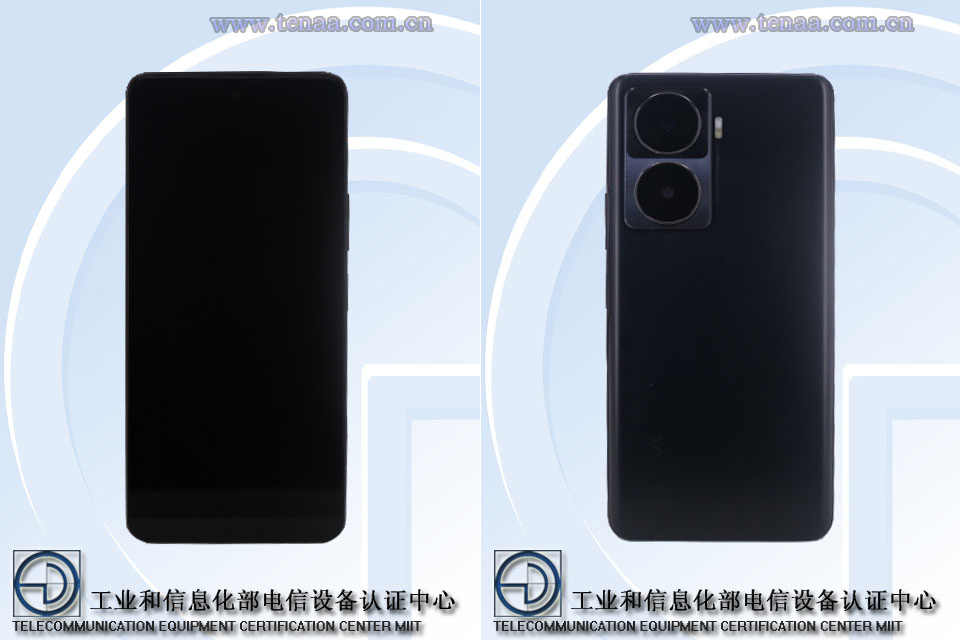
Rumors have it that Vivo is working on a new X-series phone that has a model number of V2219A. The mysterious device has bagged TENAA and 3C certifications in China. As usual, these certifications have revealed the key details of the V2219A before its official announcement.
Vivo V2219A specifications
The TENAA listing of the Vivo V2219A smartphone reveals that it is equipped with a 6.67-inch AMOLED screen that produces an FHD+ resolution of 1080 x 2400 pixels. It is yet to be confirmed whether it supports a high refresh rate. It’s not clear if the device has a fingerprint reader built into the screen or on the side.
Vivo V2219A TENAA images
The V2219A has an 8-megapixel camera on the front. The rear camera module houses two large-sized camera sensors. The TENAA listing confirms it has a 50-megapixel main camera and a 2-megapixel auxiliary lens. Like the recently released Vivo phones in China, the V2219A device is likely to run on the Android 12 OS and OriginOS Ocean UI.
The V2219A has an unknown 2.2GHz octa-core processor with 5G support onboard. The device is likely to arrive in China in RAM options like 6 GB, 8 GB, and 12 GB, and storage editions such as 128 GB, 256 GB, and 512 GB.
Vivo V2219A 3C listing
The mysterious Vivo X-series phone has a 2,190mAh dual-cell battery. It is known through the 3C certification of the device that it may support 80W rapid charging. The handset has dimensions of 164.17 x 75.8 x 8.59mm and weighs nearly 194 grams. The listing also states that the device will be available in black and white.
At present, there is no information on the marketing name of the Vivo V2219A smartphone. With TENAA and 3C certifications under its belt, it appears that it may debut later this month in China.
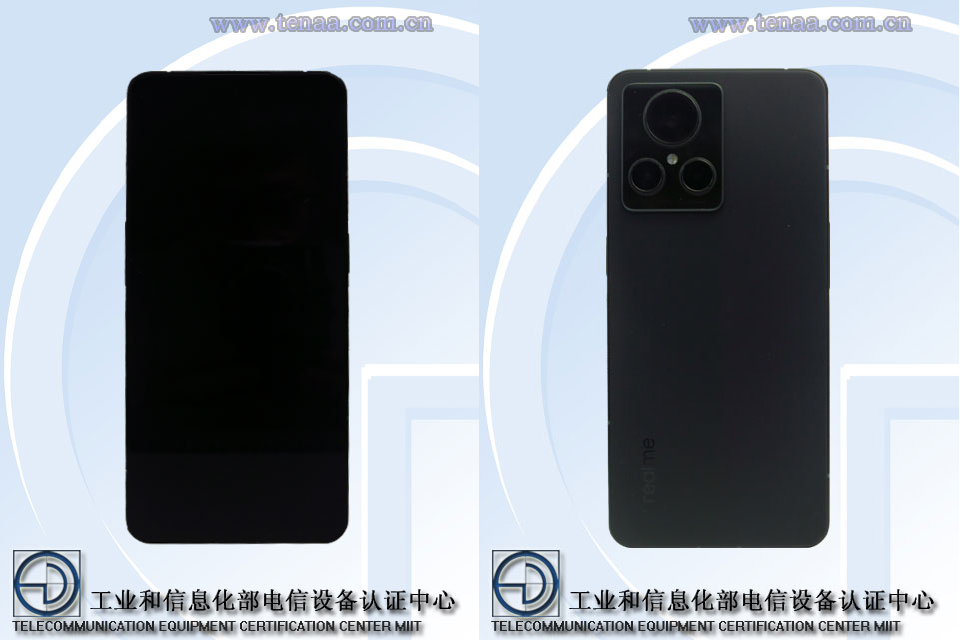
Realme GT 2 Master Explorer Edition is Realme’s upcoming flagship phone that will feature the powerful Snapdragon 8 Plus Gen 1 chipset. Rumors surrounding the device have claimed that the company may announce it in July in China. Ahead of its expected launch, the Realme GT 2 Master Explorer Edition has bagged TENAA certification, through which its images and specifications have been revealed.
Previous reports have revealed the GT 2 Master Explorer Edition has an RMX3551 model number. At the beginning of this month, the device was certified by China’s 3C regulatory body. The listing showed that it could be the first phone from Realme that can be charged at 100W.
The Realme GT 2 Master Explorer Edition’s TENAA listing reveals that it has a 6.7-inch AMOLED Full HD+ display with a punch-hole placed at the top-centre position. It is likely to carry support for a 120Hz refresh rate.
Realme GT 2 Master Explorer Edition TENAA images
The Snapdragon 8+ Gen 1 mobile platform, which clocks at 3.2GHz, will power the smartphone. The phone will come in RAM editions like 6 GB, 8 GB, and 12 GB. It will come in 128 GB, 256 GB, and 512 GB storage choices.
The Realme GT 2 Master Explorer Edition will feature a 50-megapixel main camera, a 50-megapixel secondary snapper, and a 2-megapixel lens. On the front, it will have a 16-megapixel camera. The phone will most likely boot into Android 12 with Realme UI 3.0 on top.
It is speculated that the GT 2 Master Explorer Edition could come in two battery variants, such as a 4,800mAh battery model with 150W charging and a 5,000mAh battery variant with 100W charging. The TENAA listing does not mention the battery variants but states that it has a 2,440mAh dual-cell battery. Lastly, it measures 161.3 x 74.3 x 8.2mm and weighs around 199 grams. It will come in white, brown, and green colors.
POCO is expected to soon announce the POCO F4 5G flagship phone in global markets and India as well. The device will arrive as a spiritual successor for POCO F1, which debuted back in 2018. A new leak by tipster SnoopyTechhas revealed the configurations and color variants of the upcoming POCO flagship. At the same time, the tipster also revealed the configuration and color options of the forthcoming Xiaomi 12 Lite 5G smartphone.
Xiaomi 12 Lite 5G variants, color options
The new leak reveals that the Xiaomi 12 Lite 5G will come in a single trim that offers 8 GB of RAM and 128 GB of storage. It will be available in three colors: black, pink, and green.
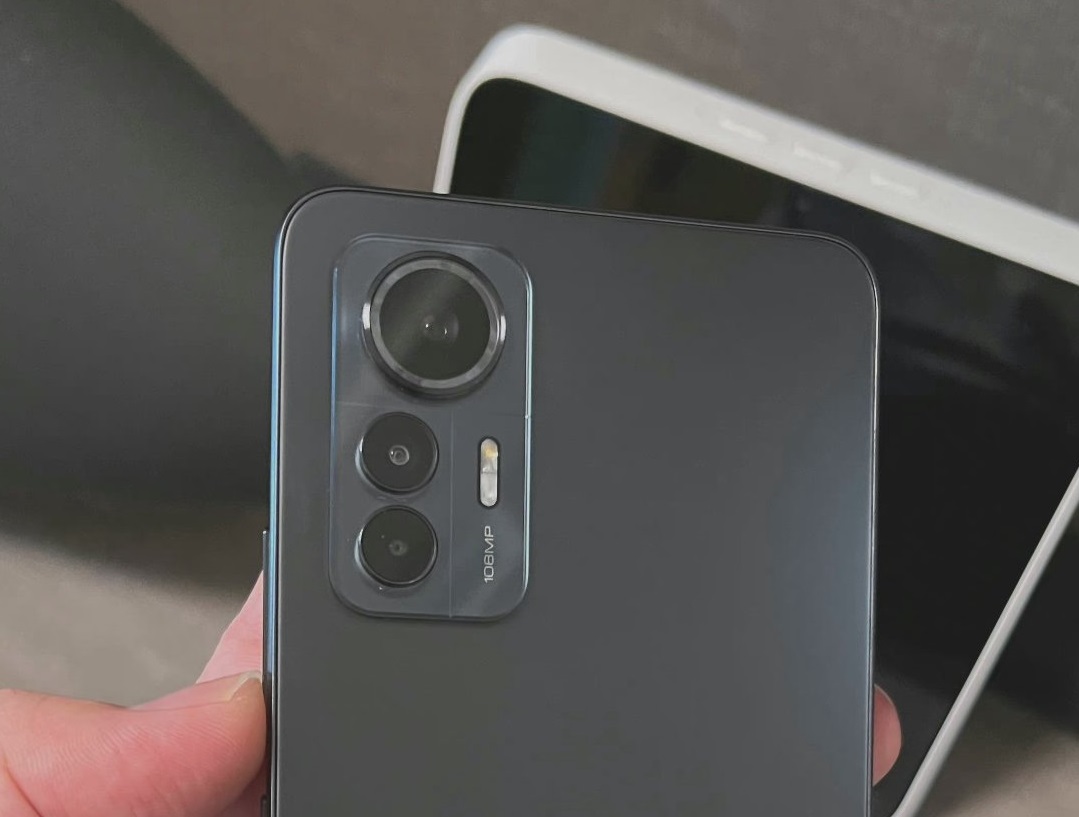
Xiaomi 12 Lite 108MP camera
Past reports have revealed that the Xiaomi 12 Lite 5G will feature a 6.55-inch AMOLED FHD+ 120Hz display, a Snapdragon 778G chipset, and a 4,500mAh battery that supports 67W fast charging. It will feature a 16-megapixel front camera, and a 108-megapixel / 64-megapixel (main, with OIS) + 8-megapixel (ultrawide) + 5-megapixel (macro) triple, and an in-display fingerprint scanner.
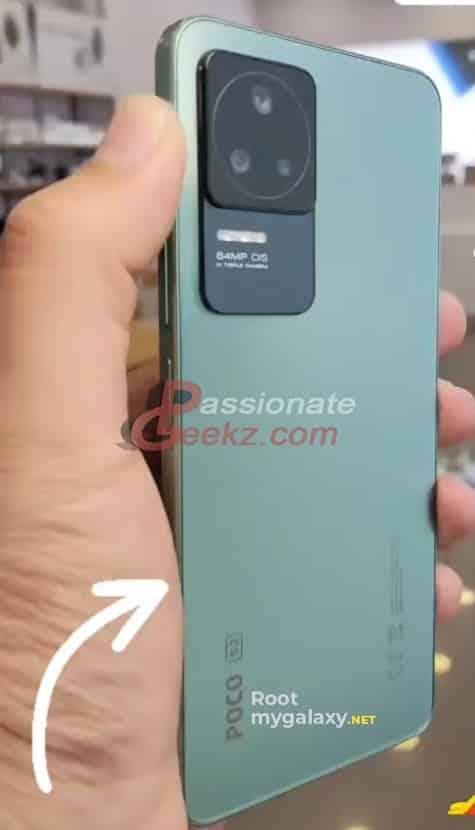
POCO F4 5G variants, color options
The tipster further revealed that the POCO F4 5G will be available in two configurations: 6 GB RAM + 128 GB storage and 8 GB RAM + 256 GB storage. It will arrive in black, silver, and green colors.
Image via Rootmygalaxy
The POCO F4 5G is said to be a tweaked version of the China-exclusive Redmi K40S. It will offer specs like a 6.67-inch AMOLED FHD+ 120Hz display with an in-screen fingerprint scanner, Snapdragon 870, LPDDR4x RAM, UFS 3.1 storage, and a 4,500mAh battery with 67W fast charging support. For photography, it will feature a 20-megapixel front camera and a 108-megapixel / 64-megapixel (main) + 8-megapixel (ultrawide) + 2-megapixel (macro) triple camera unit.
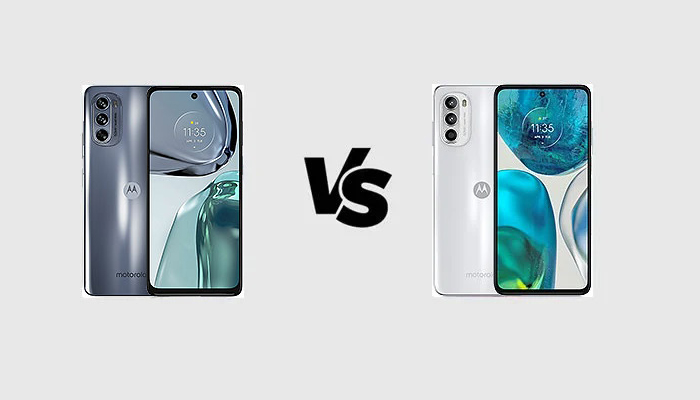
Motorola launched several devices this year, from the flagship to the entry-level segment. Among the most interesting budget phones, there are the Motorola Moto G62 5G and the Motorola Moto G52. The former is a 5G phone but its specifications are less impressive, while the latter does not support the 5G connectivity but it comes with a better specs sheet. Should you sacrifice the 5G connectivity in order to get a better phone or it is better to opt for 5G because the specifications of the first device are sufficient for your needs? We will try to answer this question in this comparison between the specifications of the Motorola Moto G62 5G and the Motorola Moto G52.
Quad 50 + 8 + 2 + 2 MP f/1.8 + f/2.2 + f/2.4
16 MP f/2.4 front camera
Triple 50 + 8 + 2 MP, f/1.8 + f/2.2 + f/2.4
16 MP f/2.5 front camera
BATTERY
5000 mAh, fast charging 20W
5000 mAh, fast charging 30W
ADDITIONAL FEATURES
Dual SIM slot, water repellent design
Dual SIM slot, water repellent design
Design
It is almost impossible to distinguish the Motorola Moto G62 5G from the Motorola Moto G52 because their designs are almost identical. They have a flat display with a centrally-placed punch hole and the same design for the rear camera module, so they look very similar. But there are a few small differences: the first one is the overall dimension, with the Motorola Moto G52 being slightly bigger due to its wider display. Further, it is thinner than its internal rival and it comes in different color variants: Charcoal Gray and Porcelain White instead of Green and Graphite. Both the phones are water repellent but they do not have any certification against dust and water. They are pretty elegant devices to be just budget phones, especially because they come with narrow bezels and punch-hole displays, as well as good color variants.
Display
Do not expect an amazing image quality from the displays of the Motorola Moto G62 5G and the Motorola Moto G52. The former comes with an average IPS LCD panel sporting a Full HD+ resolution of 1080 x 2400p. Nothing special, but it has a high refresh rate: the Motorola Moto G62 5G wins the refresh rate comparison because its refresh rate is 120 Hz, while the Motorola Moto G52 stops at 90 Hz. Is it possible to feel the difference between 120 Hz and 90 Hz? Definitely yes. However, the image quality provided by the G52 is higher because it comes with an AMOLED panel. Note that these two displays also differ in their diagonals: 6.5 inches and 6.6 inches, respectively. The fingerprint readers of these two phones are both side-mounted even though one of them sports an AMOLED display.
Hardware/Software
Usually, the chipsets from the Snapdragon 4xx are inferior to the ones from the Snapdragon 6xx. But this is not the case: the Snapdragon 480+ 5G SoC is actually better than the Snapdragon 680 4G found on the Motorola Moto G52. Not only it does support the 5G connectivity while the Snapdragon 680 does not, but it even provides better CPU and GPU performance thanks to the Kryo 460 custom cores running at a max frequency of 2.2 GHz and the Adreno 619 GPU. On the other hand, the Snapdragon 680 is built with a 6 nm production process which makes it more efficient, so the battery of the Motorola Moto G52 might last longer in several scenarios. Last but not least, you can get more RAM with the G52: up to 6 GB, while the G62 5G only comes in a single memory configuration with 4 GB of RAM and 128 GB of native storage. These handsets run Android 12 out of the box with a nearly stock experience.
Camera
There is not any difference between the cameras of these two devices. They are equipped with triple rear cameras including a 50 MP main sensor with an f/1.8 focal aperture, an 8 MP ultrawide lens with an f/2.2 focal aperture, and a 2 MP macro camera with an f/2.4 focal aperture. It is the classic setup of budget phones, nothing special, but they are not disappointing. They are able to shoot sufficient photos for social networks and so. The front cameras come with a 16 MP resolution and even in this case, we are talking about the average front cameras of budget phones.
Battery
The Motorola Moto G62 5G and the Motorola Moto G52 come with the same battery capacity: 5000 mAh. But given that the G52 has a chipset built with a better production process (6 nm), its battery life is potentially longer in several scenarios. That is not all: the G52 even comes with a faster technology to charge the battery, thanks to a 30W power.
Motorola Moto G62 5G vs Motorola Moto G52: Price
The starting price of the Motorola Moto G52 is €250/$260, while the price of the Motorola Moto G62 5G is yet to be announced. Overall, if we exclude the 5G connectivity, the Motorola Moto G52 looks like a more interesting phone because of its AMOLED display and faster charging. But the G62 5G has 5G and a better chipset, so you should not underestimate it.
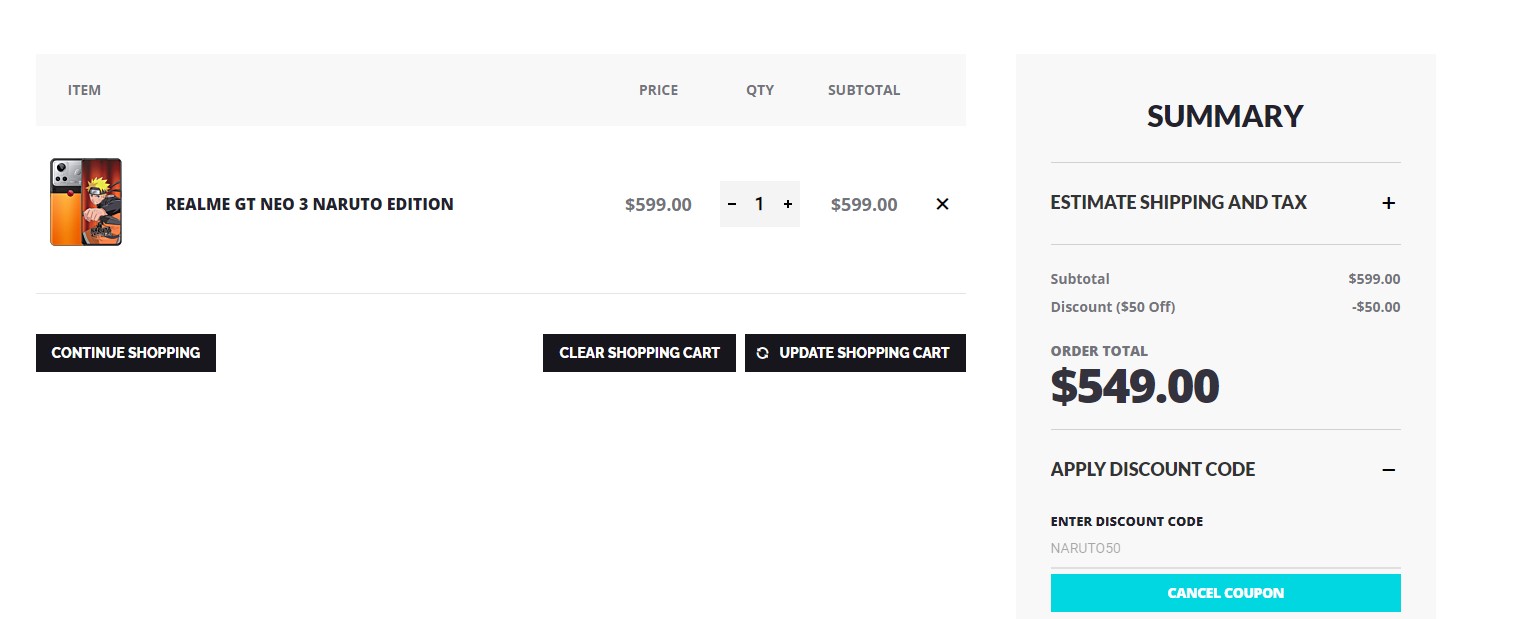
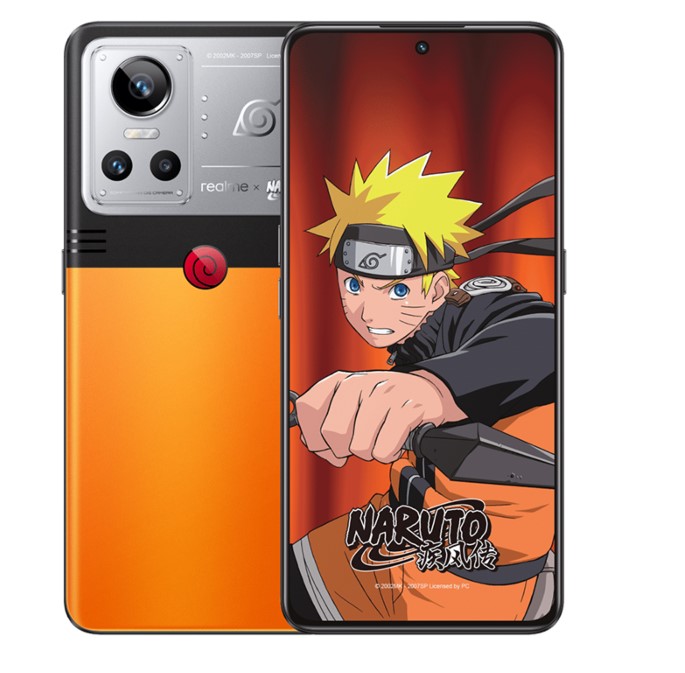
Giztop is giving a $50 coupon for Realme GT Neo 3 Naruto Edition. The smartphone which generally retails for $599 can be now bought for a discounted price of $549 only by using the coupon code:NARUTO50. Please note that this coupon expires on 18 June 2022.
Realme GT Neo 3 Naruto Edition features a 6.7” FHD+ AMOLED display and supports a 120Hz refresh rate. The smartphone is powered by MediaTek Dimensity 8100 Octa-core processor and comes with 8GB LPDDR5 RAM and 256GB internal storage.
The phone comes with a triple rear camera setup with a 50MP main sensor and 8MP + 2MP secondary sensors. For your selfies, you have a 16MP sensor in the front. Running on Android 12 OS-based Realme UI 3.0, the phone supports features like NFC, an under-display optical Fingerprint sensor, 5 Navigation systems, and more.
Fueled with a 4500mAh battery, it supports 65W fast charging and comes with a dedicated GT 3.0 mode that offers leapfrog performance while gaming with enhanced image quality. You can now buy the Realme GT Neo 3 Naruto edition for $549 only by using the coupon code on Giztop. This is a limited-time offer. So place your orders before the coupon expires.
For more information on such exciting deals and offers check out our deals hub.
The TECNO CAMON 19 series global launch event will be held in the iconic Rockefeller Center in New York City. And one of the highlight features of the new series is the launch of the TECNO Wallet.
The Wallet is a digital and financial hub and lifestyle platform that aggregates products, services, and merchants from across the market, allowing TECNO users to transact, access credit, and enjoy exclusive rewards and promotions as soon as they unbox their smartphones.
TECNO wallet will allow users to make easy and secure payments for various services, including money transfers, airtime, data, bills, and shopping. The wallet will be available for download on selected existing Tecno devices and will come pre-installed with new TECNO smartphones, including the upcoming CAMON 19 series that will be unveiled in June 2022.
In May the company launched the pilot project for the TECNO wallet in Nigeria and rolled out the same to Kenya by mid-June. By the end of 2022, the company aims to launch the wallet in many more countries including Ghana, Tanzania, Uganda, Code d’Ivoire, and Senegal.
TECNO Wallet
Key Features:
Integrated digital payment platform
Pay for airtime, data, groceries, bills, shopping, and much more
Access to different financial services on one app
Connect existing cards and bank accounts to the app
Instant credit
Cash backs and promotional offers in the future
Please note that the new CAMON 19 Series will come with a pre-installed TECNO wallet app. Other interesting features include the Android 13 Beta version, RGBW camera sensor + glass, which has been co-developed with Samsung, and a cutting-edge dual-ring triple-camera layout.
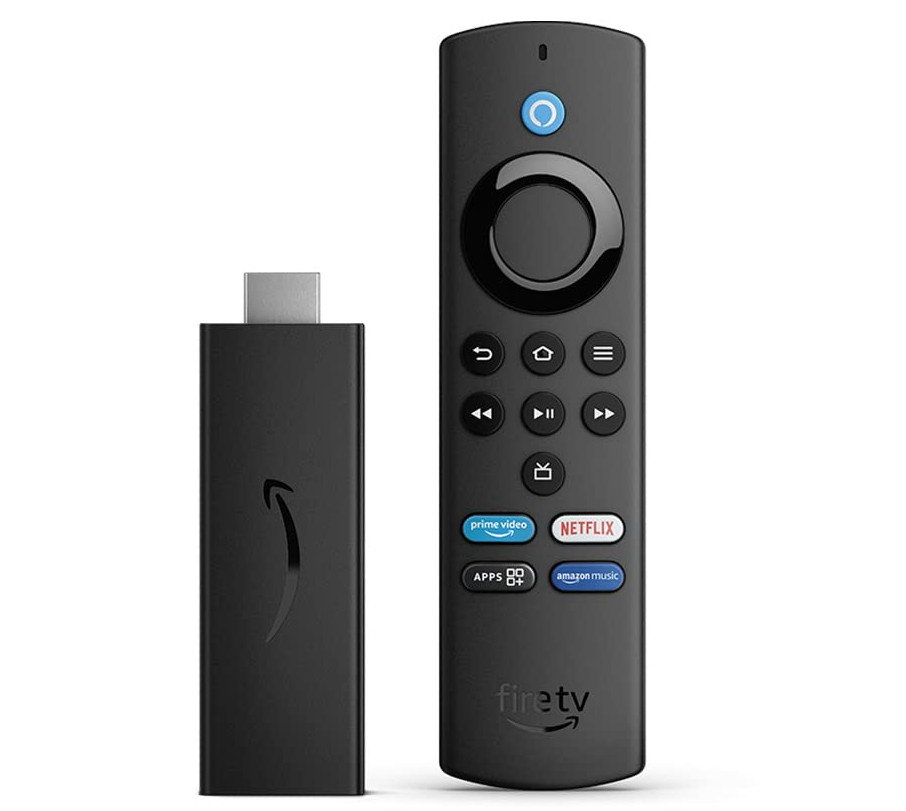
Amazon has just launched its 2022 Fire TV Stick Lite refresh in India. The new Fire Stick Lite comes with a couple of new features compared to the previous Fire TV Stick Lite launched back in 2020. So, let’s take a look at these new features.
Amazon Fire TV Stick Lite 2022 specs & features
The 2022 Fire TV Stick Lite has the new Alexa Voice Remote Lite feature and carries shortcut buttons for Amazon Prime Videos, Netflix, and Amazon Music. The remote also comes with a shortcut button to access the rest of the apps installed on your Fire TV Stick.
Other than that, it carries the same features as the 2020 model including a 1.7 GHz quad-core processor with IMG GE8300 GPU, 1080p HDR streaming, dual-band (2.4GHz + 5GHz), dual-antenna Wi-Fi, Bluetooth 5.0, and Bluetooth Low Energy to connect Bluetooth accessories and Dolby audio.
Pricing & availability
The Amazon Fire TV Stick Lite (2022) is priced at Rs. 2,999 and is available from Amazon India. The older Amazon Fire TV Stick Lite is still available for Rs. 2,499.
Recent events in India point to the Contessa being released as an EV. It could become the first muscle electric vehicle to be produced commercially in India. Hindustan Motors has trademarked the Contessa brand name in India. This is seen as a move by the EV maker to revive the fortunes of the once-dominant luxury sedan.
The HM Contessa was a very popular model in the 1980s and its EV version will pack a new powertrain and chassis. The design and interior of the new EV will also reflect significant improvements from its gas-powered predecessor. Hindustan Motors has a burgeoning joint venture engagement with Peugeot to drive the development. It is being speculated that the Contessa will resurrect in a dual ICE and electric hybrid of sorts. French Peugeot will provide the needed expertise in the engine design of the new Contessa model.
The new Contessa will also see significant safety improvements in its design. It will have a mix of the old and modern, striking a chord in the hearts of millions of fans of the iconic Contessa. The electric system in the upcoming HM Contessa will benefit from new technology. It will support the latest cutting-edge technologies. The instrument cluster and interior will be an array of impressive gadgets.
There are speculations that the HM Contessa could be launched after the unveiling of the HM Ambassador. The HM Ambassador could come on stream by 2024 at the most, but there are no specifics on its release date yet for the Contessa.
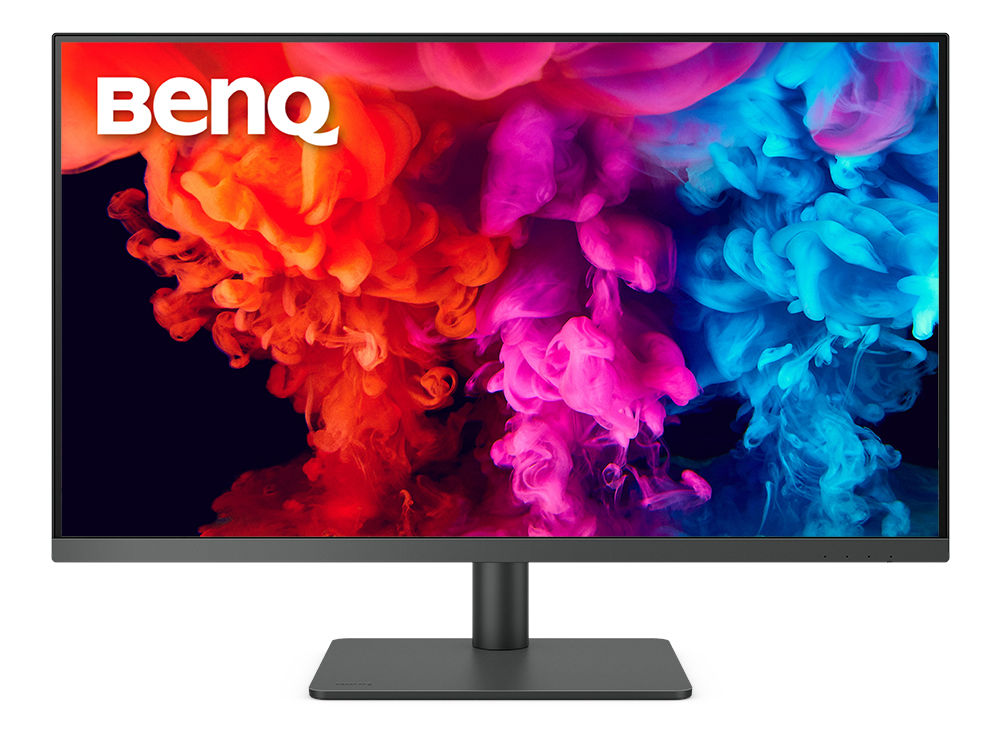
BenQ has unveiled its DesignVue 4K monitors in India. The BenQ PD2705U and PD3205U are sized 27” and 32” respectively. The two monitors are now available in several retail outlets in India for Rs. 49,990 (~$640) and Rs. 64,990 (~$832) respectively.
The BenQ DesignVue 4K monitors are the updated version of the DesignVue series. The new 4K IPS monitors are professional designer monitors and offer stunning clarity for designers. They are Calman Verified and come with several other certifications and technologies. BenQ says that the new DesignVue 4K monitors (PD2705U and PD3205U) guarantee top-notch image fidelity for users. Their 4K UHD IPS screen features AMD FreeSync Technology. Their display refresh rate is 60Hz and the monitor also offers 350 nits of peak brightness.
The BenQ DesignVue series has an HDR10 display with a 99% sRGB coverage for its color gamut. There are multiple display color modes including Darkroom and Animation modes. Multi-tasking is also enhanced in the new monitors with the Picture in Picture and Picture by Picture modes. These allow the user to work with two different computers simultaneously with both screens displayed.
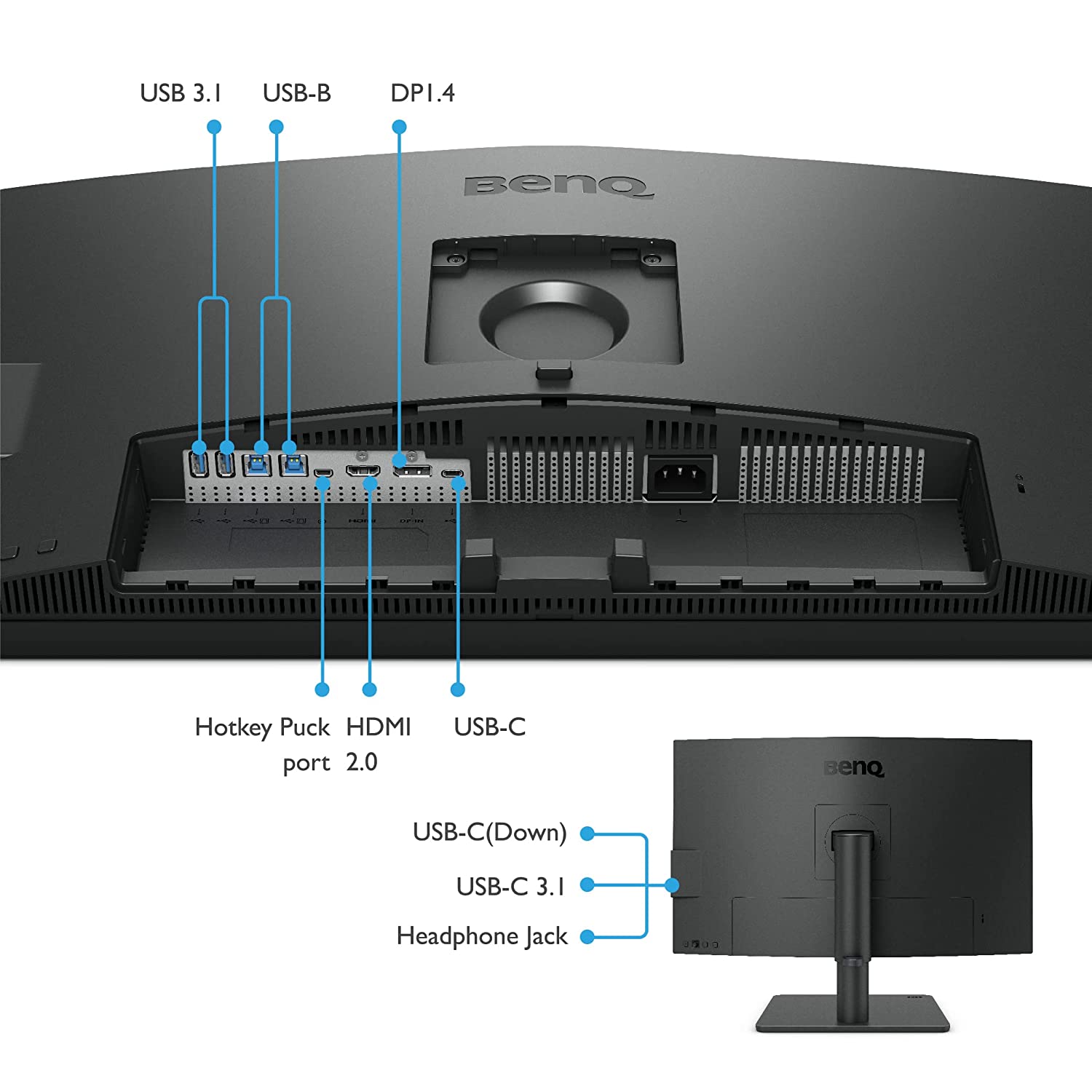
Connectivity for the new 4K monitors is achieved via their HDMI 2.0, DP 1.4, and USB-C ports. A new Hotkey Puck G2 provides quick access to the monitor’s menu. BenQ is offering an on-site warranty of 3 years for the DesignVue 4K Monitors. They are already available in the subcontinent at designated outlets.
Nothing has confirmed that the first smartphone by the company dubbed the Nothing Phone (1) will launch in India on July 12. Earlier this week, tipster Yogesh Brar stated that the Nothing Phone (1) will likely be manufactured in India. Now, this rumor has been confirmed.
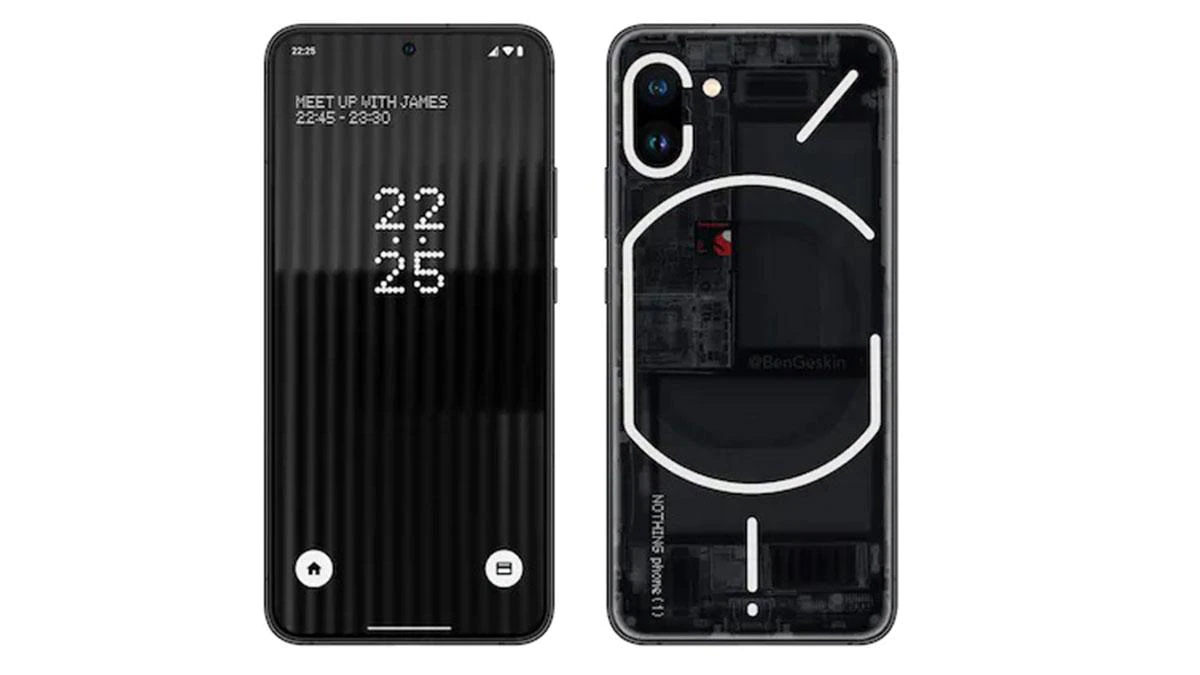
Nothing Phone (1) Representative picture
Nothing India’s General Manager and Vice President Manu Sharma confirmed that the Phone (1) will be manufactured locally. The GM added that the company’s first smartphone will be manufactured in Tamil Nadu and sold via Flipkart. So what does this mean?
For starters, the device will be a lot cheaper to produce in India than if it were made overseas, which will help the company save costs. The company will also be able to avoid the heavy customs duties and tariffs that the Indian government imposes on goods manufactured outside India. This will help the company price the Phone (1) much more aggressively in the Indian market which is known for having tough competition in the mid-range segment.
Sharma did not reveal any other details regarding the upcoming smartphone in his interview with Economic Times, however, we have a good idea of what to expect thanks to the various leaks surrounding the smartphone.
The device will come with a transparent back, and on the front, it will likely have a 6.55-inch full HD+ OLED display with 1080 x 2400 pixels resolution and 90Hz refresh rate.
On the inside, the device is expected to come with Qualcomm Snapdragon 7 Gen 1 chipset paired with 8 GB of RAM, and 128 GB of storage. It may be powered by a 4500mAh battery and support wired and wireless fast charging.
Samsung has just launched a new smart TV in India called the Samsung Crystal 4K Neo. As the name suggests, it is a 4K TV featuring a bunch of exciting features, so let’s take a closer look at the Crystal 4K Neo.
Samsung Crystal 4K Neo TV specs and features
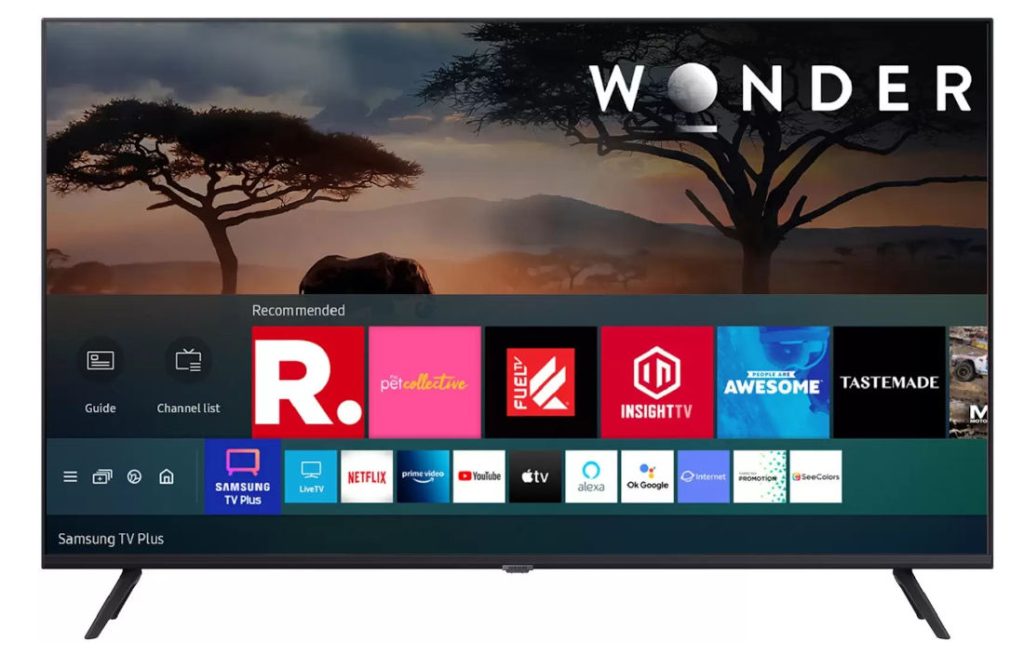
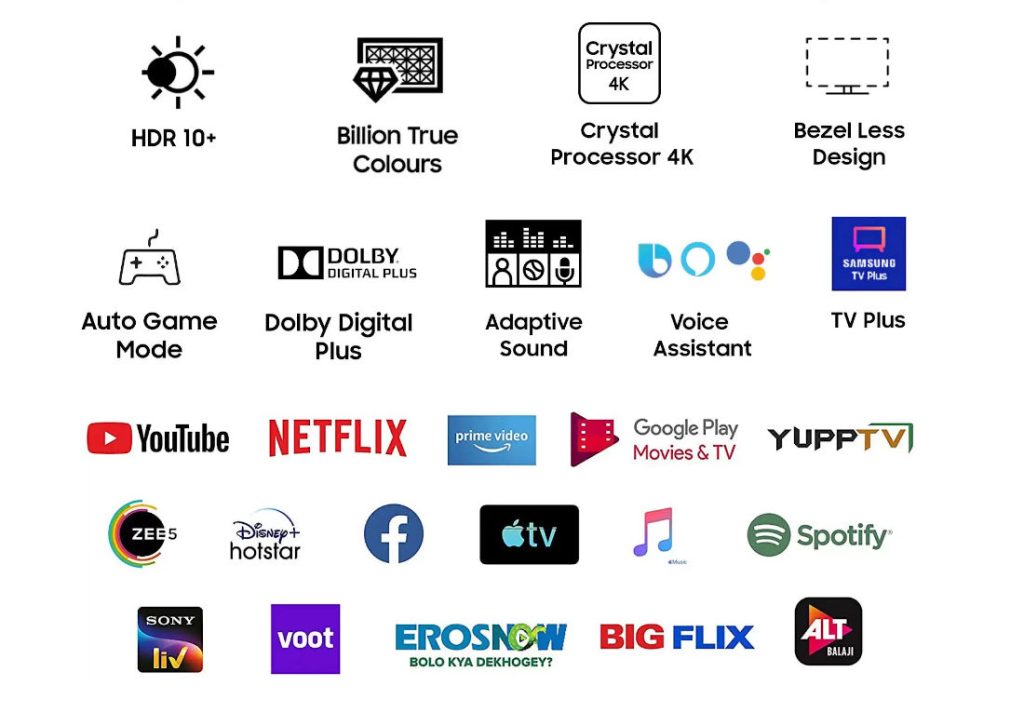
The smart TV measures 43-inch in size and offers a 3-side bezel-less design. 3,840 x 2,160 pixels resolution. It has 50Hz refresh, HDR10+, One Billion True Colors, and the Crystal 4K processor. The Crystal 4K Neo features Samsung’s PurColor technology that exposes a wide range of colors to ensure optimal picture performance, delivering a captivating visual experience.
The smart TV offers the Motion Xcelerator feature which automatically estimates and compensates frames from the content source to deliver smooth action sequences and impressive performance while gaming or consuming media. On the topic of gaming, the smart TV also comes with Auto Game mode which offers better frame transition and low latency.
For audio, the smart TV comes with 20W speakers offering Dolby Digital Plus and a smart adaptive sound feature that adjusts the sound according to the content being viewed on the TV. It also has the Q-Symphony feature that synchronizes the sound from the speakers and soundbar, making for a surround sound-like effect.
The smart TV also offers a PC mode that enables users to create documents and work from the cloud. The Crystal 4K Neo has three HDMI ports, one USB port, and access to a number of OTT platforms like Netflix, ZEE5, and more.
Price and Availability
The Samsung Crystal 4K Neo 43-inch smart TV has a price tag of ₹35,990 ($460) and is available to purchase from Amazon India, Flipkart, and Samsung Shop. The TV also has a 55-inch version, however, it’s pricing is still under wraps.
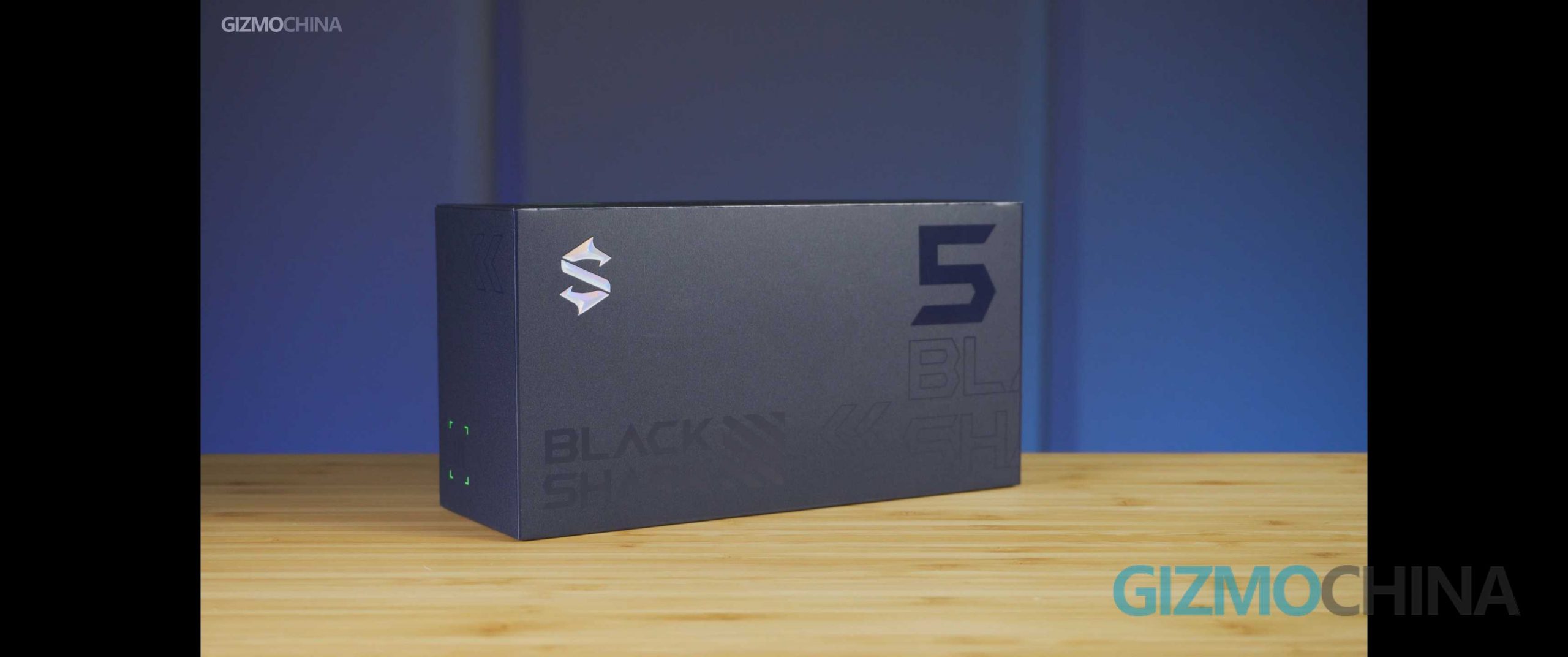
We’ve kept following the evolution of gaming phones for years. Recently, Black Shark launched the global version of their latest gaming phone, the Black Shark 5. Compared to previous flagship gaming phones, the Black Shark 5 is more of a budget gaming model that carries fair performance with good high-end power solution and cooling system. It looks like it wants to continue the success of its predecessor, the Black Shark 4.
Black Shark 5 Gaming Phone – DESIGN
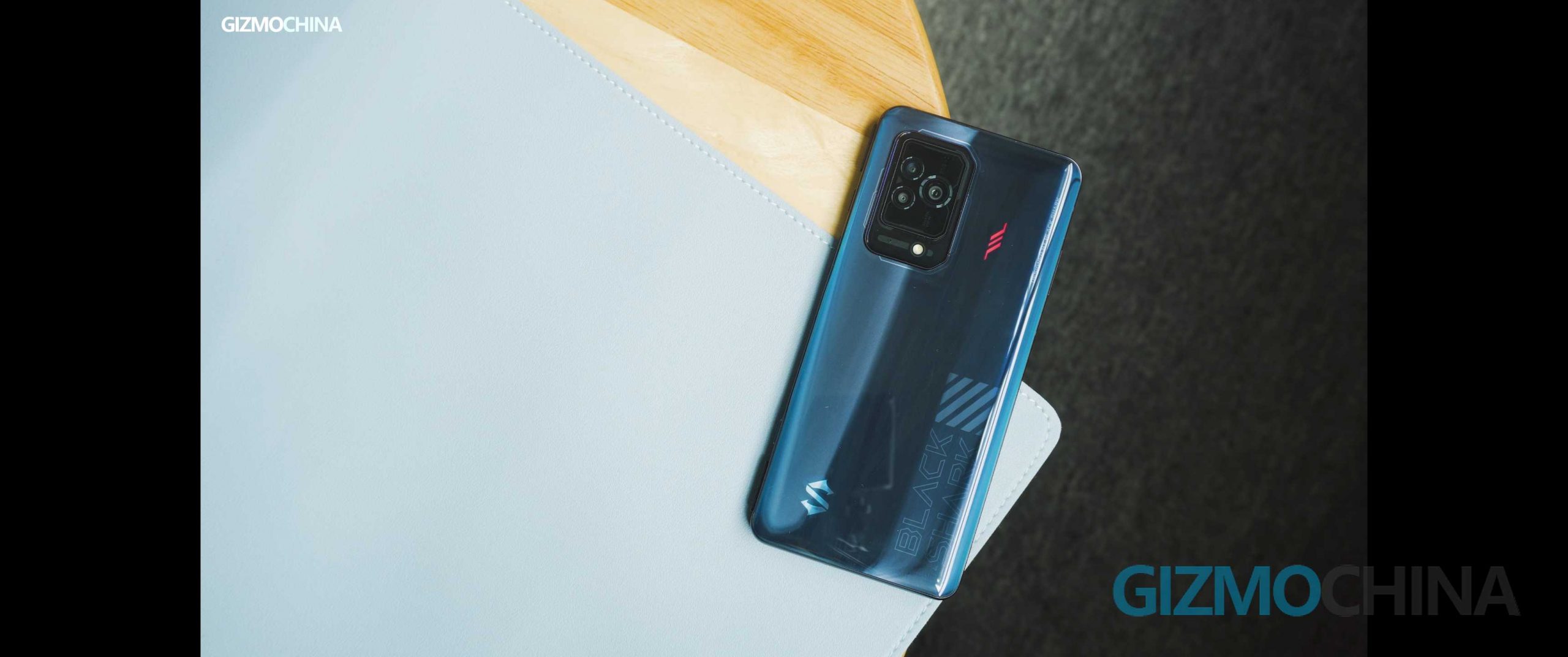
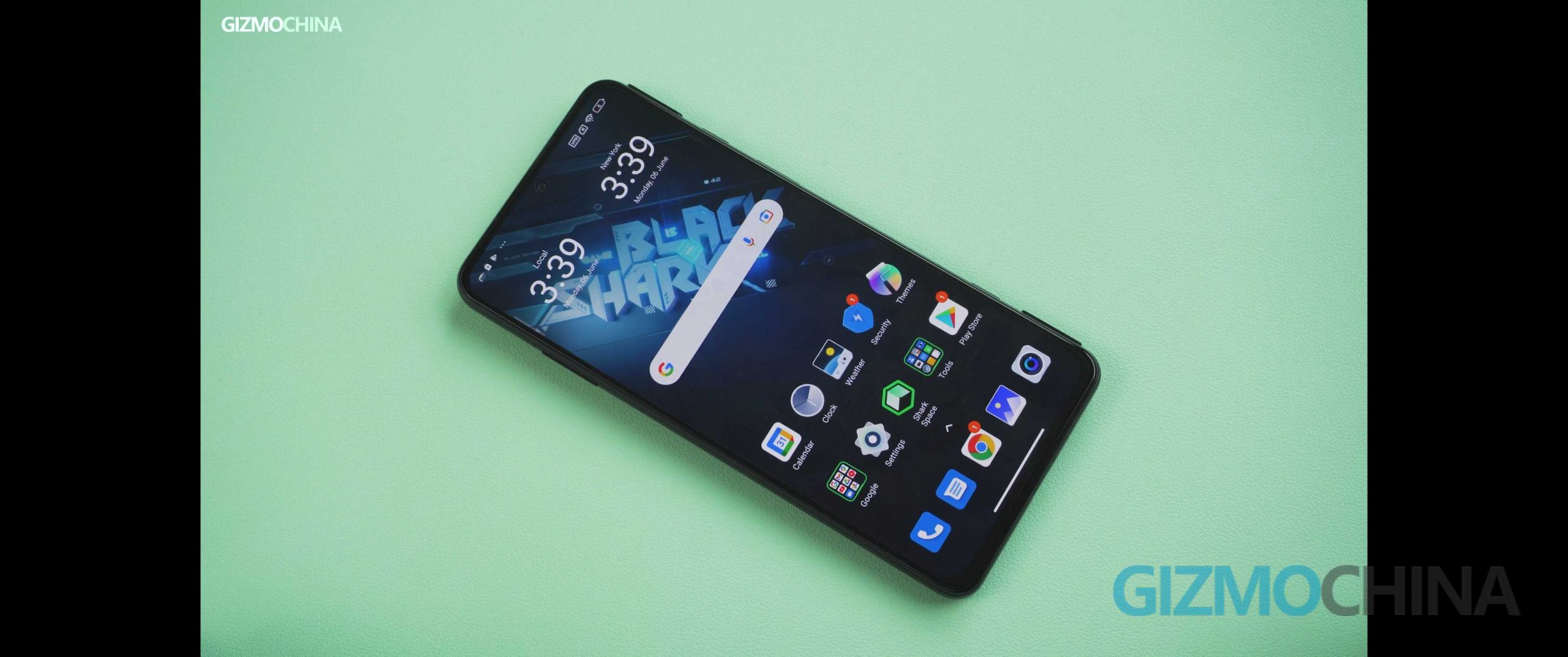
Continuing the design philosophy that began with its predecessor, the Black Shark 5 looks more mainstream in appearance. Apart from the remaining camera module with a futuristic design, the edge-curved back cover might make you think that it’s one of those new flagship models. However, it still looks more interesting than most new flagships.
The Black Shark 5 still applies a similar structure to the Black shark 4 series. It comes with a metal frame with a glass back cover, but I have to say that the new mech-style pattern on the rear looks much better. Along with the camera module, there’s an RGB LED flash, asserting its dignity as a gaming phone. The camera bump is acceptable and even fit the design well. But at the same time, please note that like the other gaming phones, the Black Shark 5 is a bit bulkier than most regular phones. But when holding it in your hands, its great built quality might make you ignore its compromise on weight.
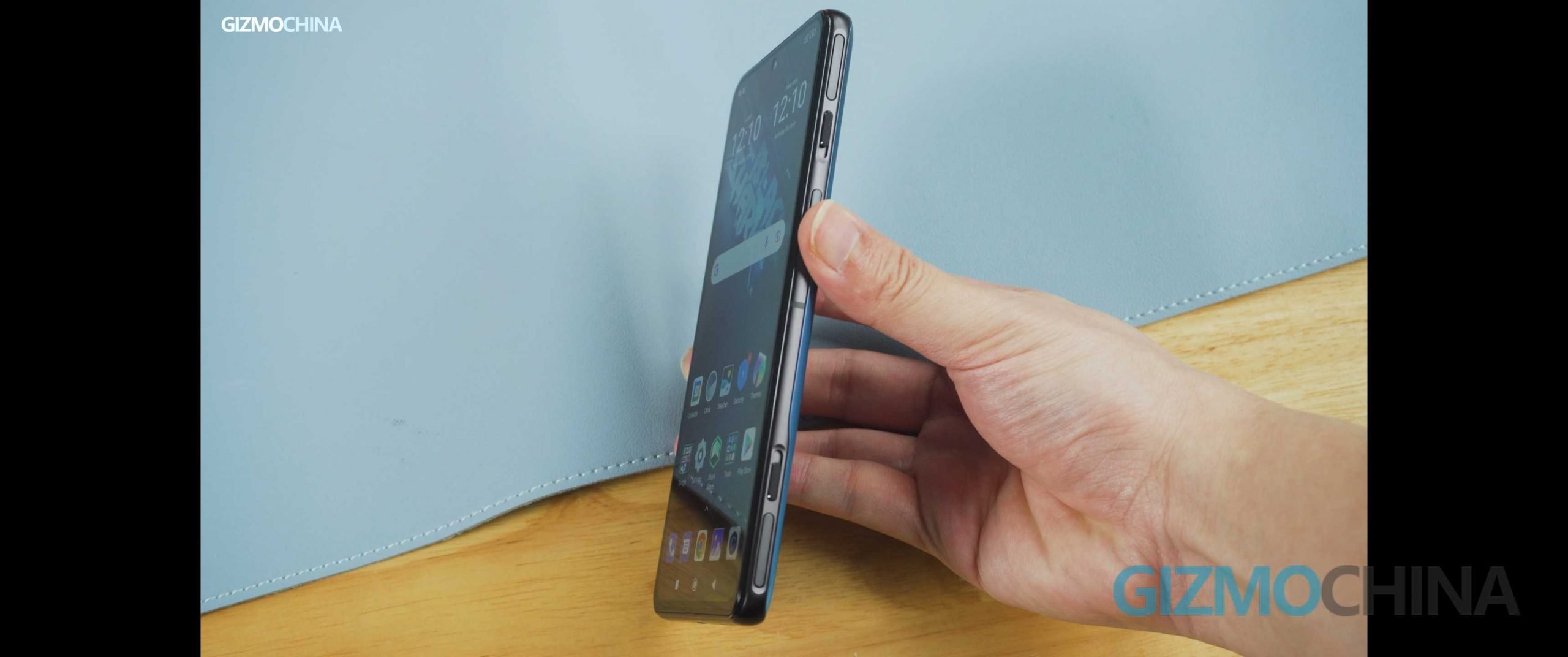
Thankfully, the Black shark 5 retains the brand’s iconic pop-up shoulder buttons, which is my favorite design of this series. The physical feedback on the fingers makes it the closest phone to a handheld gaming console. Every time I toggle the magnetic switch back and forth, in addition to the mechanical trigger sounds, the phone would also simulate the sound of a gun loading. Further, the triggers and switches can be separately customized into shortcuts for opening apps or triggering functions. For example, I enjoy using one of them as the camera shutter button.
And if you’re still not satisfied with just two shoulder buttons for gaming, the Black Shark 5 also reserved the Magic Press operation, including two pressure-sensitive areas for gaming operation, which allow you to map two virtual buttons by pressing the screen. And the Magic Press also works for shortcut uses outside the game space, which now has included 15 shortcuts for customization. But some of them like scanning Alipay, WeChat, and health code is only widely used in China. Anyway, we have to say that the thoughtful features of the Magic Press and shoulder triggers actually make it even more convenient for daily use than regular models.
Black Shark 5 Gaming Phone – DISPLAY
Well speaking of the display, actually, we don’t see many upgrades on the Black Shark 5. However, the display is still one of the best among gaming phones. The 6.67-inch AMOLED display features up to 144Hz refresh rate with HDR10+ support, and around 1300 nits peak brightness. Even compared with other regular phones at similar pricing, this display is still at the top-notch level.
The upgraded dual-speaker system is the biggest surprise of the Black Shark 5. It’s even able to hit the top 3 among all the phones we reviewed.
Black Shark 5 Review – Performance & Gaming
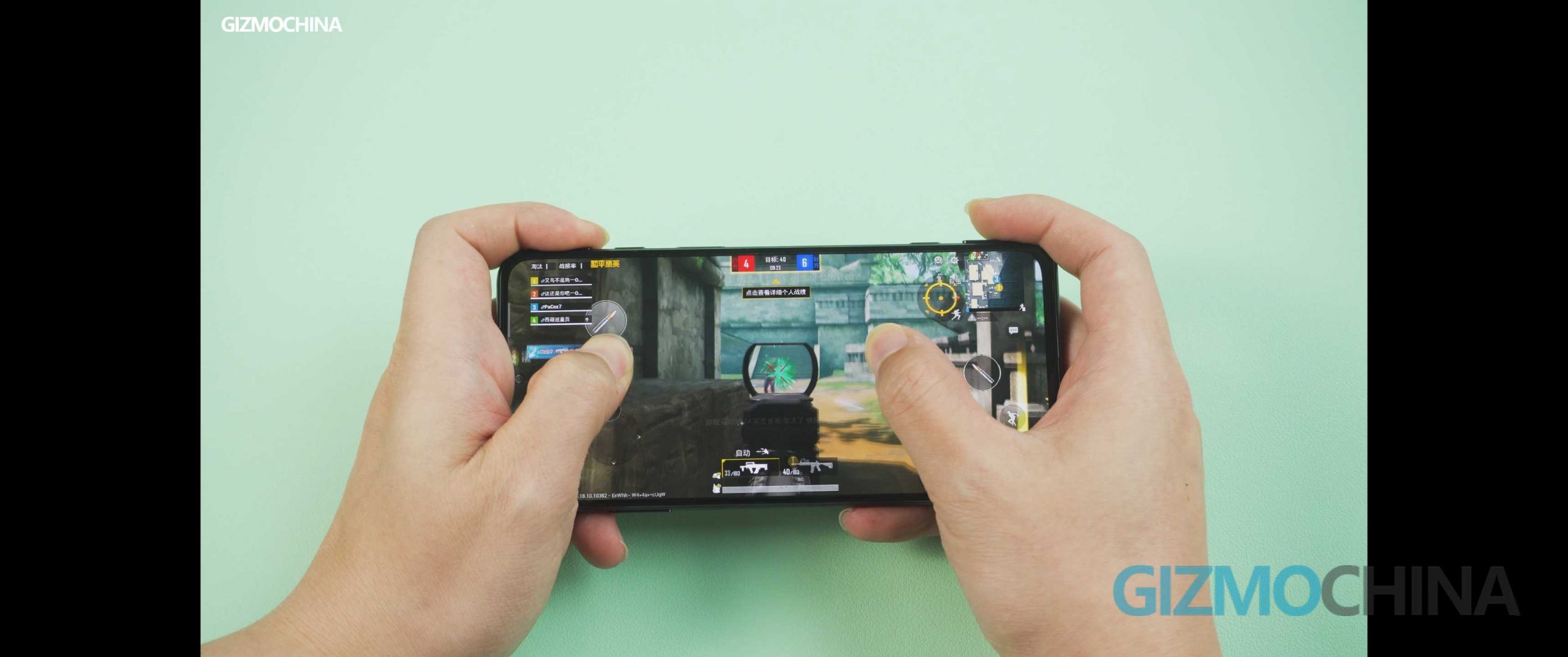
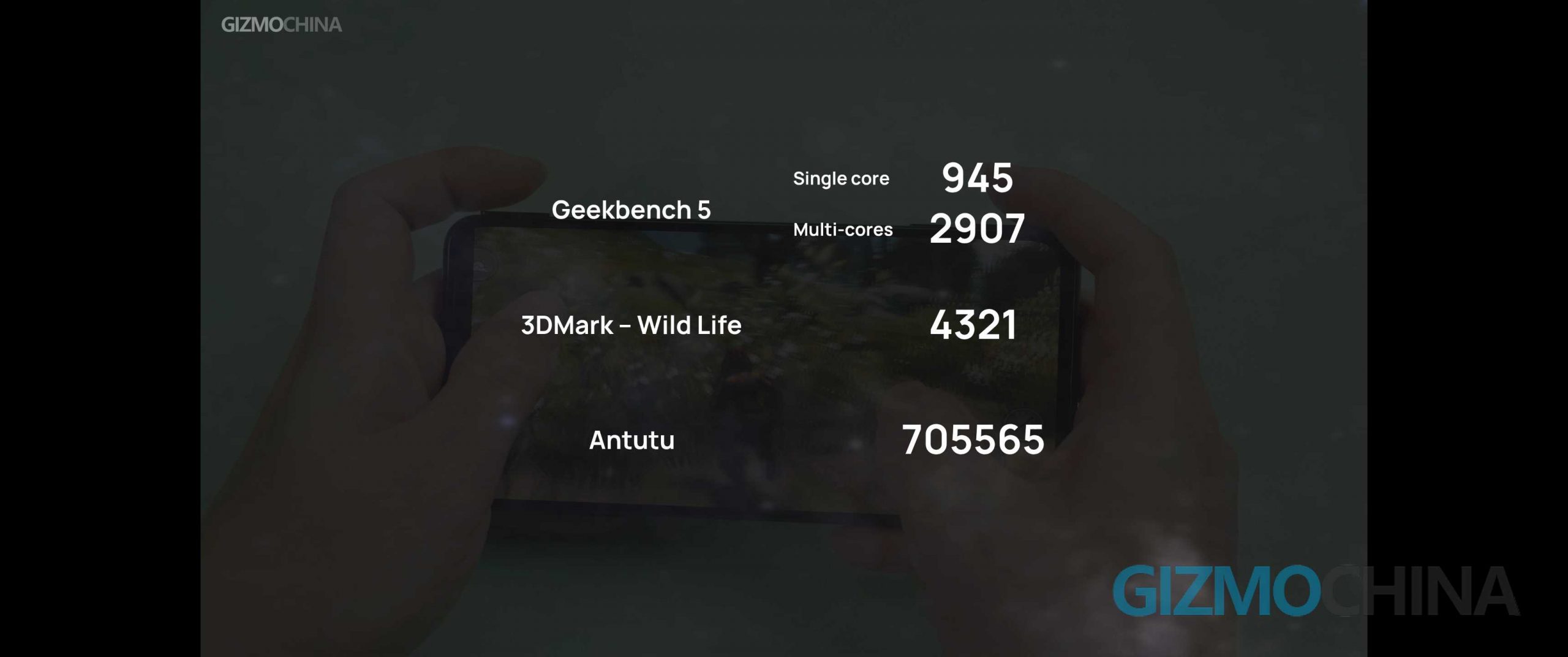
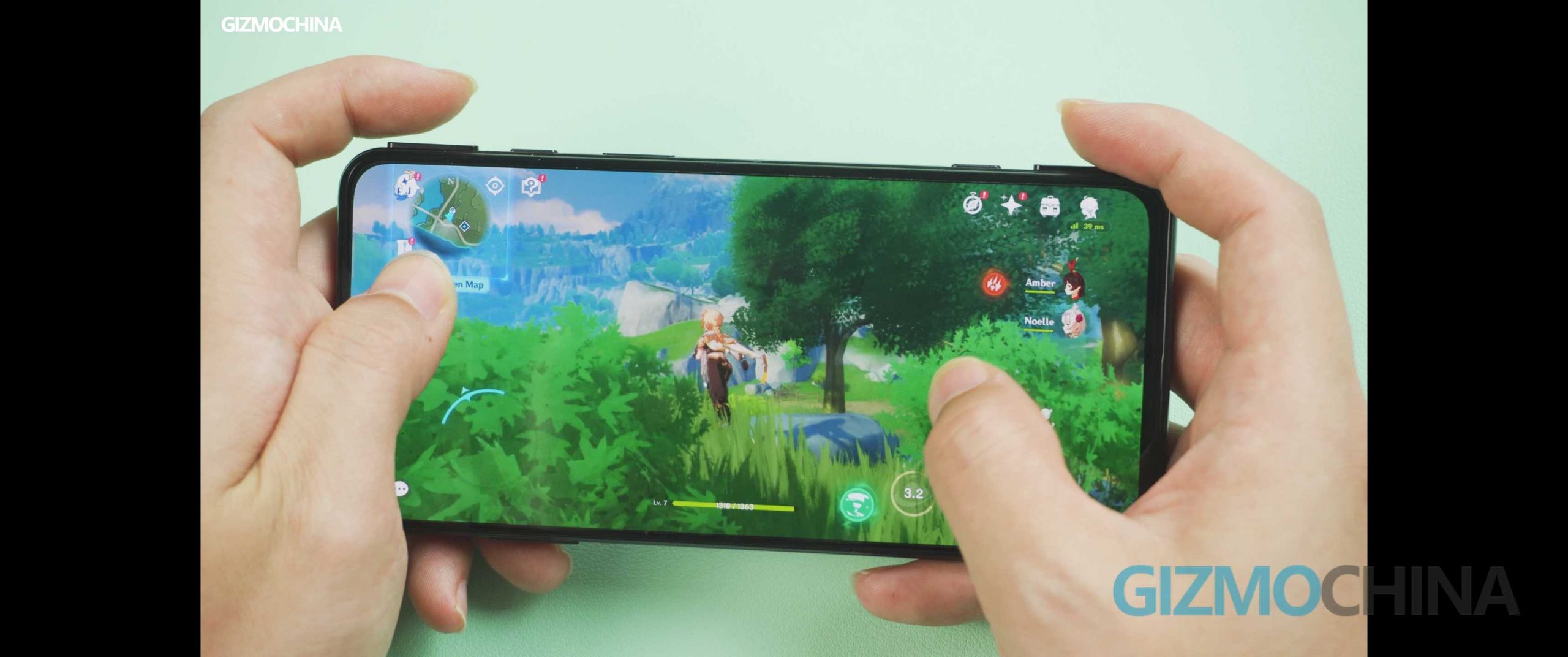
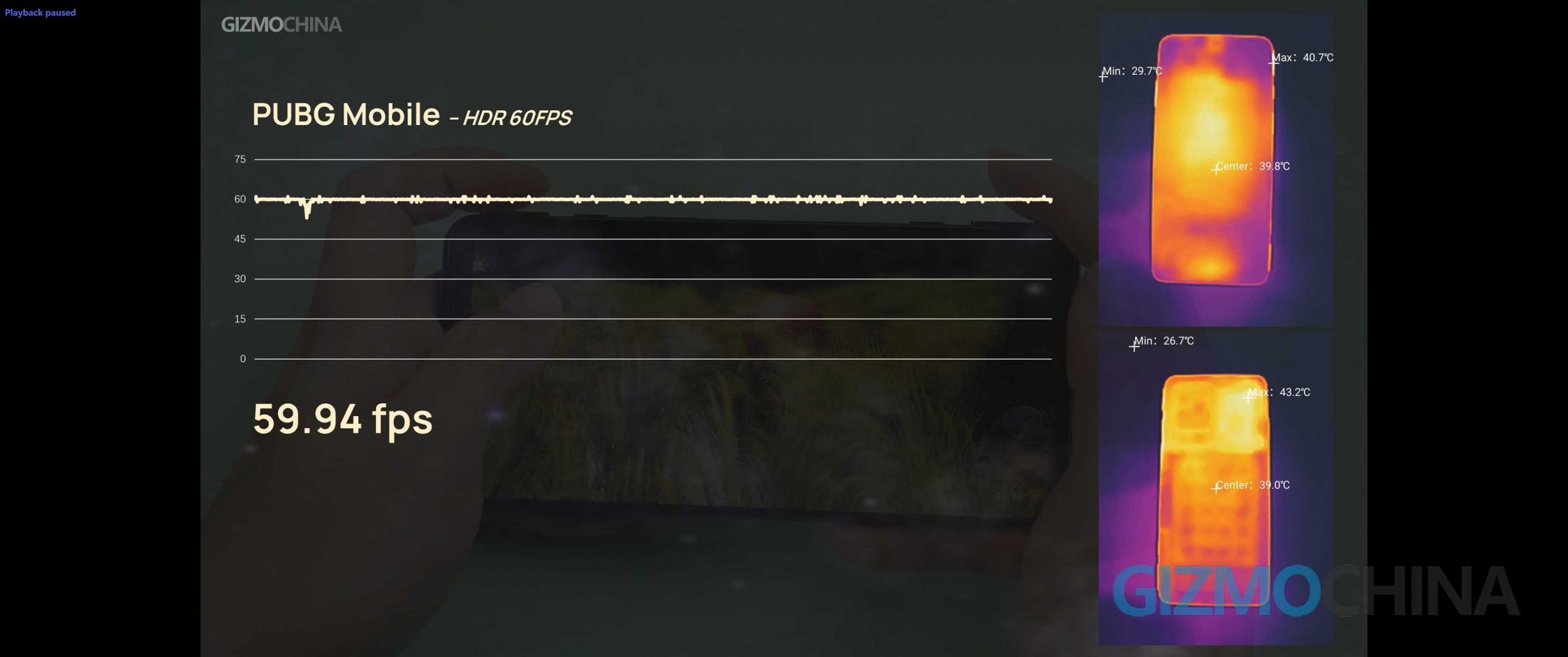
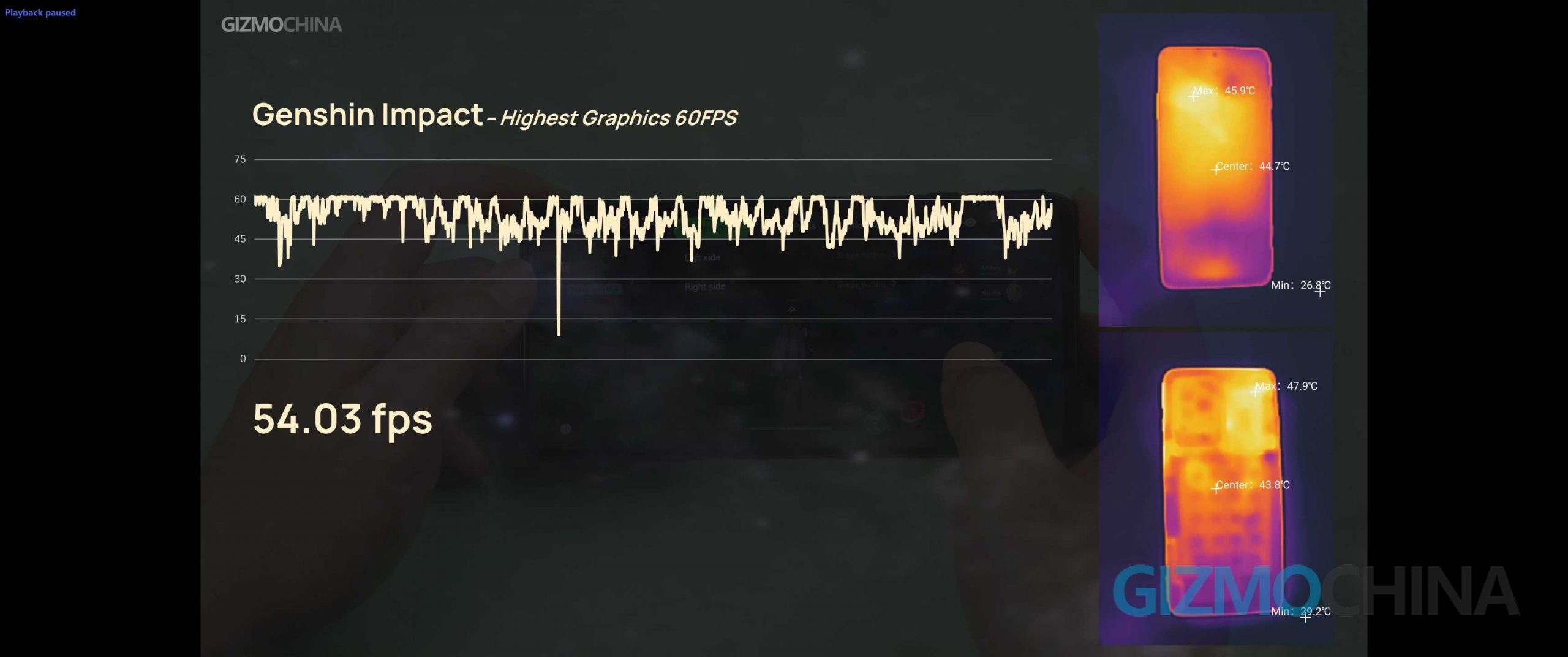
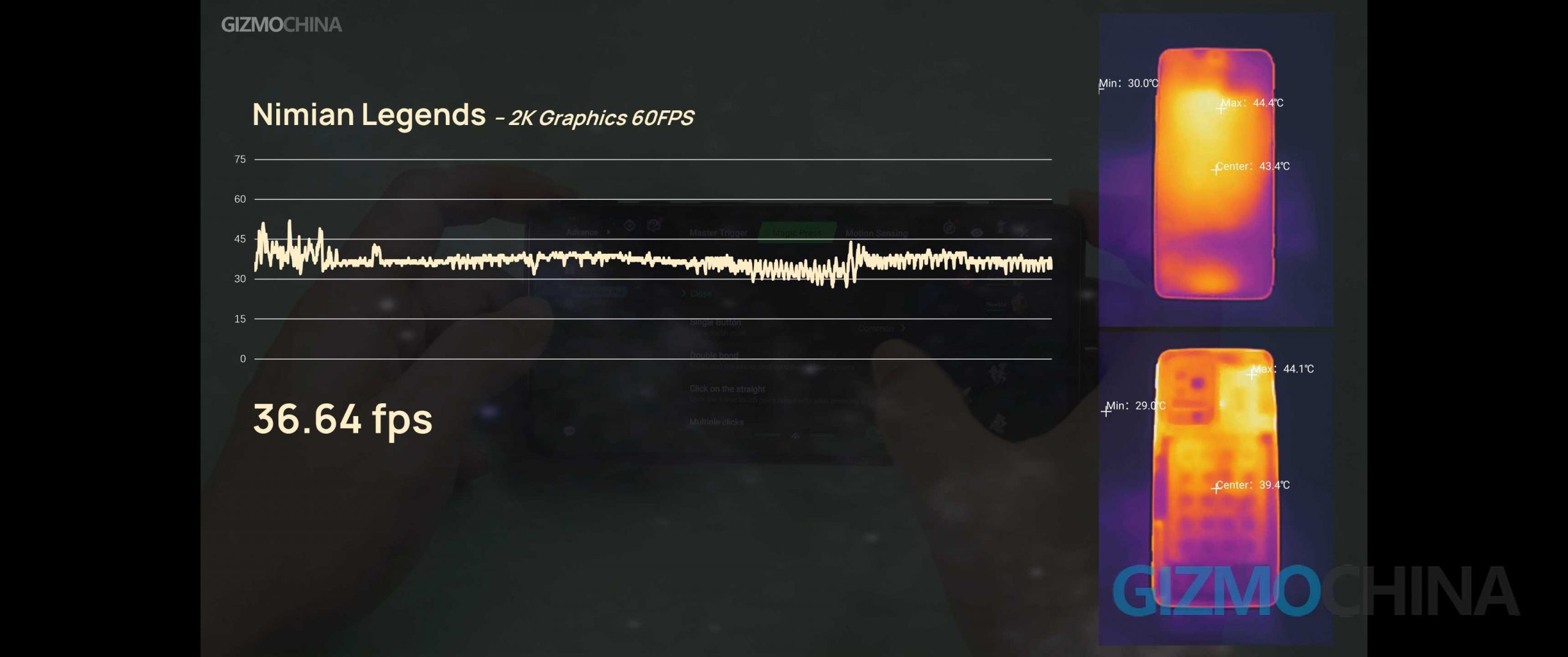
The Black Shark 5 doesn’t get upgraded with its processor. It’s still powered by the Snapdragon 870 chipset. Actually, as a highly cost-effective model, it seems the 870 chipset is still the best option in the market. Just blame it on Qualcomm. Indeed, we’ve learned much about how well-performed the 870 chipset is over power efficiency and heating. So about its performance and gaming, you can just check out the results here.
So, from the results, it’s quite clear that the Black Shark 5 is still good enough to do its job as a gaming phone. Especially the phone’s heating management and power consumption are still impressive. And if you’re looking for a gaming model that runs games stably without serious heating issue and high-power drain, the Black Shark 5 could be a good option and save you a lot of money.
1 of 3
Black Shark 5 Review – Camera Performance
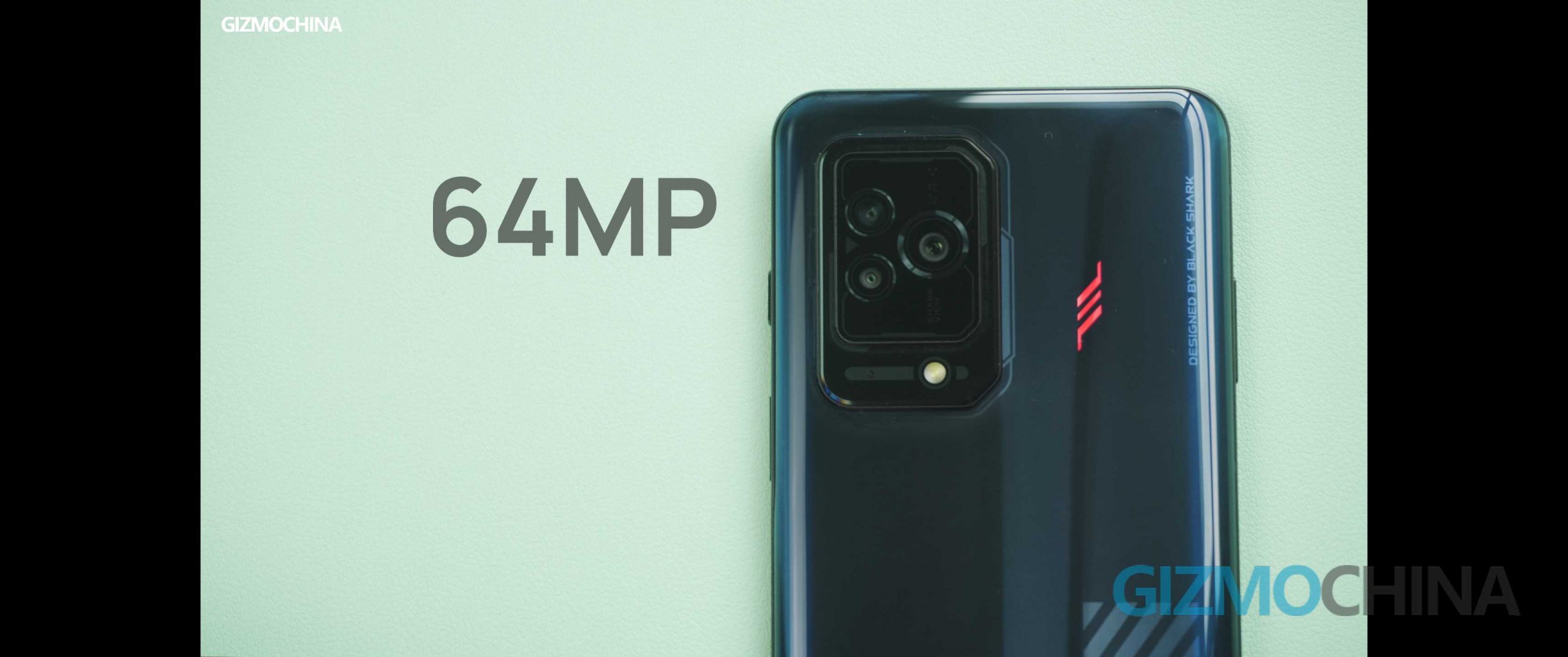
Although the Black Shark 5 is a gaming phone, it still has a small upgrade in terms of the camera system. The main camera has been upgraded from 48MP to 64MP. Even though there’s still a gap if you compare its imaging capacity with those camera phones. But it’s still good to learn that the series got improved beyond gaming-related features.
1 of 10
Main Cam
UW
UW
UW
UW
UW
Main Cam
Main Cam
Main Cam
Macro
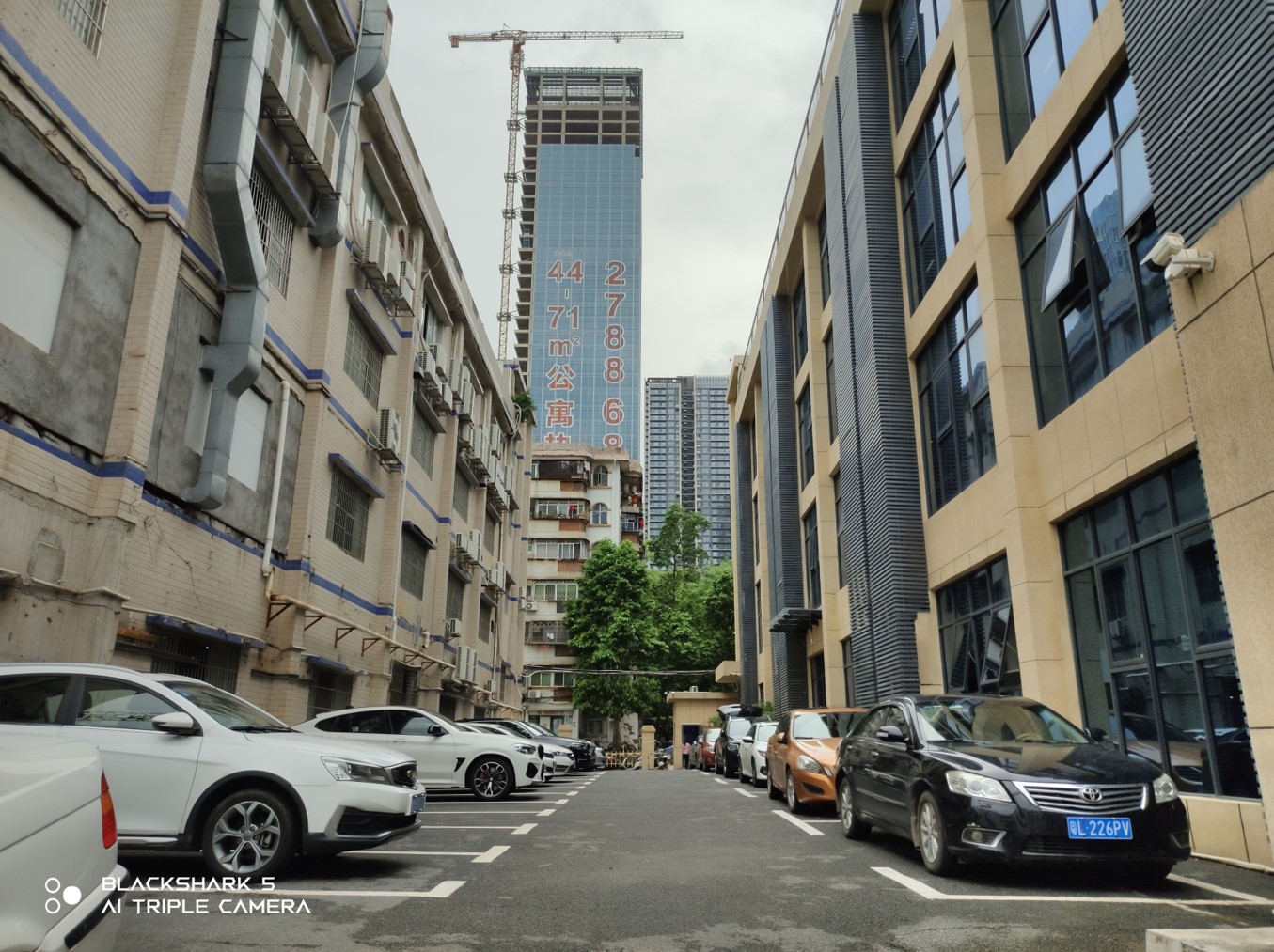
Anyway, let’s look at some samples shot on the Black Shark 5. The samples have relatively natural color reproduction and better image detail with the 64MP sensor. And the white balance performance is also more stable. On the other hand, the 13MP wide-angle camera is also not bad. Although the 13MP resolution is not as good as the main lens’ 64MP, we still could have rich detail and consistent colors with the main lens.
And the last camera is a macro one, which is nothing different from the ones we reviewed before. It can shoot close enough but don’t expect too much on the imaging department.
The main camera also has improved dynamic range in low light conditions, which looks much better than what we saw on the Black Shark 4.
Black Shark 5 Review – Battery & Charging
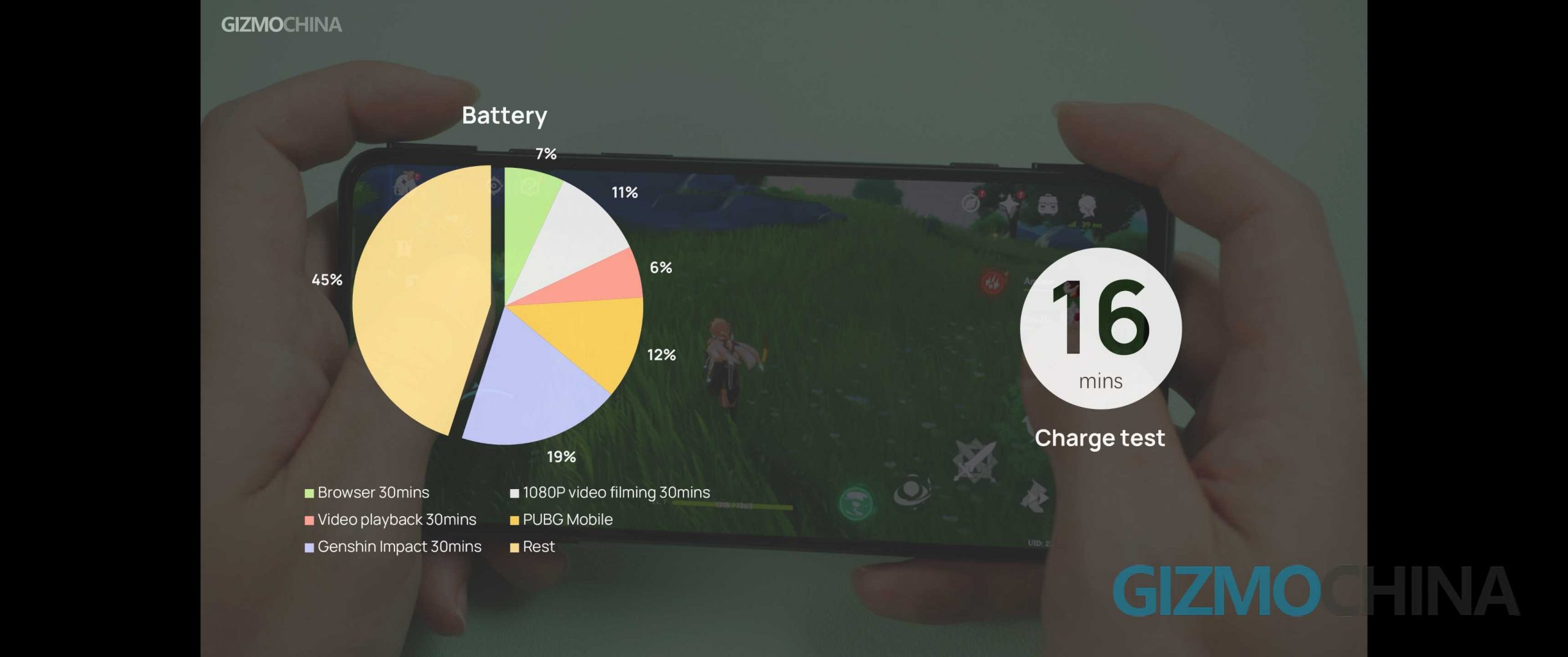
As for the power solution, the Black Shark 5 has not shrunk compared to the Pro version. It also comes with a 4650 mAh battery with 120W wired fast charge. It only took us 16 mins to finish the charging test, which is also one of the fastest charging solutions on the market right now.
And its battery also looks good. In our battery test, even though it features a 144Hz display, the battery life didn’t get much affected.
So that’s all for the Black Shark 5. This phone has made us feel that it’s no longer just designed for gamers, but more like a highly cost-effective model for wider general users. Given that most Android games do not really require high performance, we still consider the Black Shark 5 one of the best options for mobile gamers in the first half of 2022.
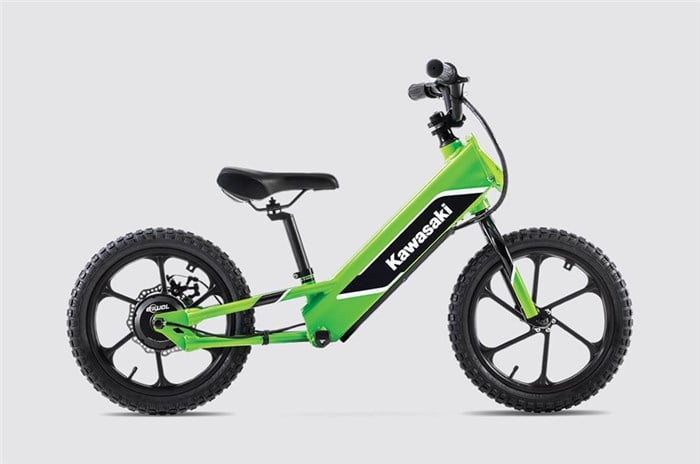
Kawasaki’s first foray into the fully electric two-wheeler segment is a kids’ bike. Kawasaki has unveiled its first-ever fully electric bike, the Elektrode. The Elektrode is meant for children between the ages of three and eight years. Kawasaki’s entry into the electric two-wheeler market has thus been an offering outside the adult category.
The Kawasaki Elektrode is a balance bike for children who are transiting to two-wheel bikes for the first time. Kawasaki says that the Elektrode will fit snugly between pedal-powered bicycles and small-displacement motorbikes. The Kawasaki Elektrode offers up to 2.5 hours of ride time on a single charge and three power modes are available. The 5.1Ah lithium-ion battery pack is housed inside the bike’s frame. AC charging is supported for the Elektrode and this takes less than 3 hours.
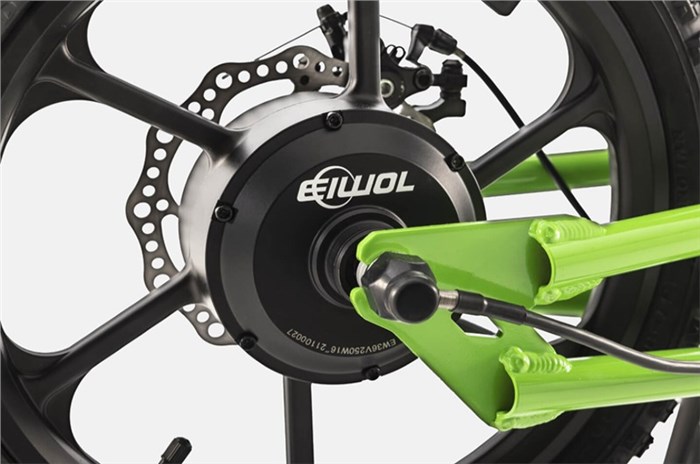
The three riding modes supported are Low, Medium, and High. The riding modes correspond to top speeds of 8km/h, 12km/h, and 20km/h, respectively. A 250W brushless electric motor powers the Elektrode. Kawasaki says it takes 500 cycles for the battery to deplete to 80% capacity. The riding modes are passcode-protected as an added safety layer. The bike can also be used as a pushbike. The Elektrode weighs just 15kg and is capable of carrying loads up to 45kg. The handlebar and seat are adjustable as well.
The release of the Elektrode could however signal a strong entry into the market for Kawasaki. The next logical step will be the development of full-sized electric motorbikes or scooters. The full specs of the Elektrode are not available yet but it is priced at $1,099.
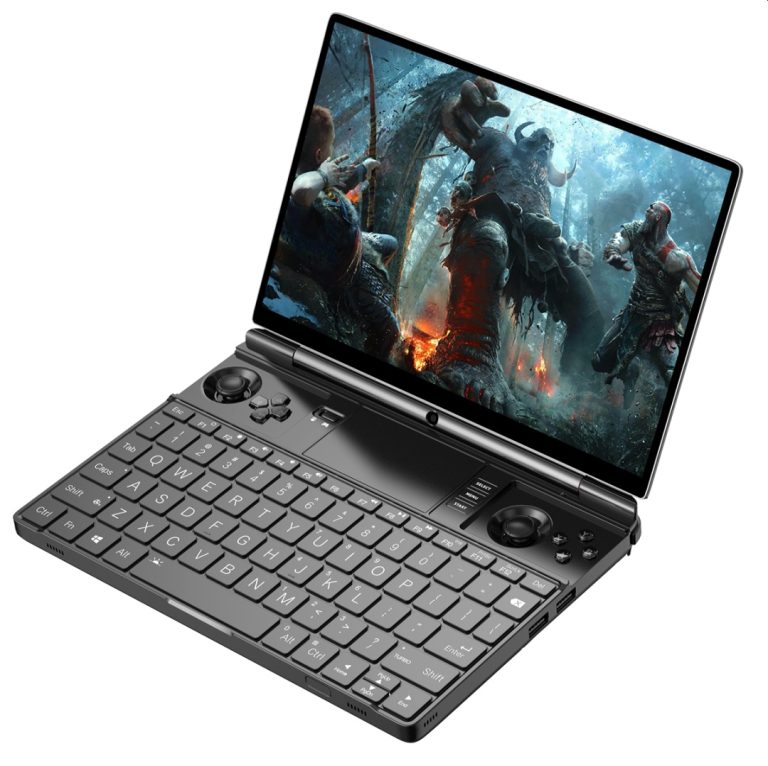
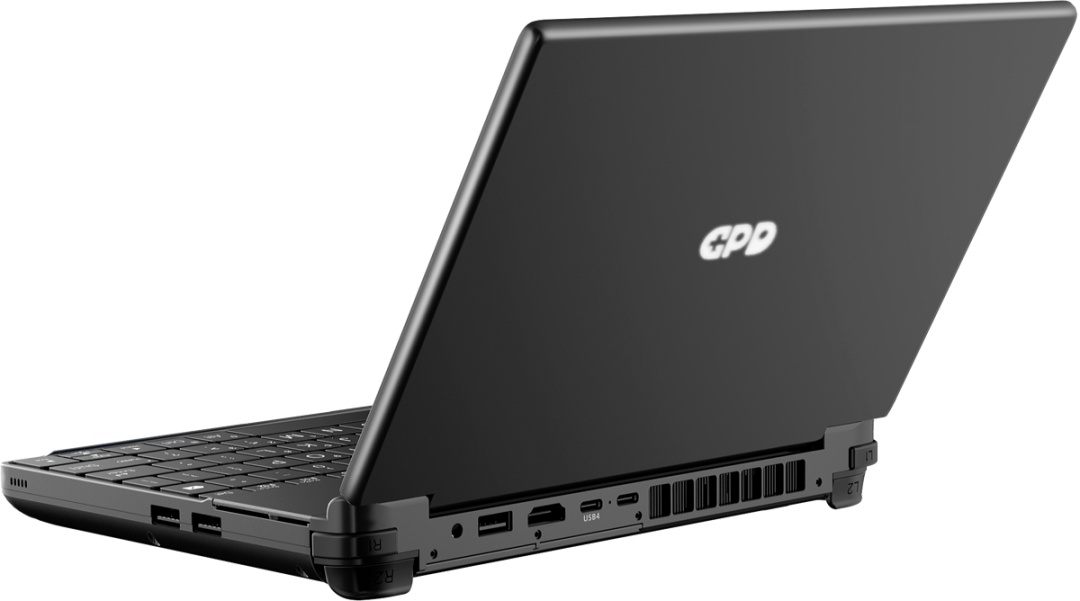
Shenzhen-based gaming handheld startup GPD announced the upcoming Win MAX 2 handheld gaming PC in March this year. The company has now showcased the design of the portable PC via a couple of images and a short video.
The GPD Win Max 2 handheld gaming PC will be powered by either an Intel Core i7-1280P Alder Lake CPU or an AMD Ryzen 7 6800U processor. It also offers the Intel Iris Xe or Radeon 680M graphics to go with the processor options.
The Win Max 2 supports up to 32GB of RAM and has a refined QWERTY keyboard, game controllers, and two SSDs. It was first announced in March 2022 and its availability will be via a crowdfunding campaign later this year.
The GPD Win Max 2, going by recent real images and videos, sports a refreshingly new design. It has dimensions of 8.9 x 5.7 x 1 inches and has slimmer bezels around the screen. The Win Max 2 offers RAM/storage configurations between 16GB/1TB and 32GB/2TB.
Gaming performance is enhanced with the Win Max 2’s 1920 x 1200 pixels resolution. This resolution is, however, adjustable to suit the user’s preferences. The lower display resolution could be further enhanced with integrated graphics. The new Intel/ AMD chips will deliver significant improvements and allow up to 60fps resolutions.
The GPD Win Max 2 has a 10-point capacitive touch with stylus support compatible with Microsoft Surface Pen Protocol. The Intel chip models have two Thunderbolt ports, while the AMD chip models have two USB4 ports with lower power consumption. The USB4 ports are not Thunderbolt-capable but the AMD models offer better memory speeds. An optional 4G LTE network module is present in the GPD Win Max 2.
The GPD Win Max 2 has a built-in camera, a backlit keyboard, a cooling fan, and quad speakers. Its aluminum-magnesium alloy chassis provides some degree of ruggedness. The power button sits at the side of the device and it lacks a fingerprint sensor. There are also covers for the joysticks which offer design versatility. This gives the device a traditional laptop looks. The Win Max 2, given its specs, is expected to be priced on a premium scale. Its monster capabilities could however justify the expected high pricing of the GPD Win Max 2.
We use cookies on our website to give you the most relevant experience by remembering your preferences and repeat visits. By clicking “Accept”, you consent to the use of ALL the cookies.
This website uses cookies to improve your experience while you navigate through the website. Out of these, the cookies that are categorized as necessary are stored on your browser as they are essential for the working of basic functionalities of the website. We also use third-party cookies that help us analyze and understand how you use this website. These cookies will be stored in your browser only with your consent. You also have the option to opt-out of these cookies. But opting out of some of these cookies may affect your browsing experience.
Necessary cookies are absolutely essential for the website to function properly. This category only includes cookies that ensures basic functionalities and security features of the website. These cookies do not store any personal information.
Any cookies that may not be particularly necessary for the website to function and is used specifically to collect user personal data via analytics, ads, other embedded contents are termed as non-necessary cookies. It is mandatory to procure user consent prior to running these cookies on your website.