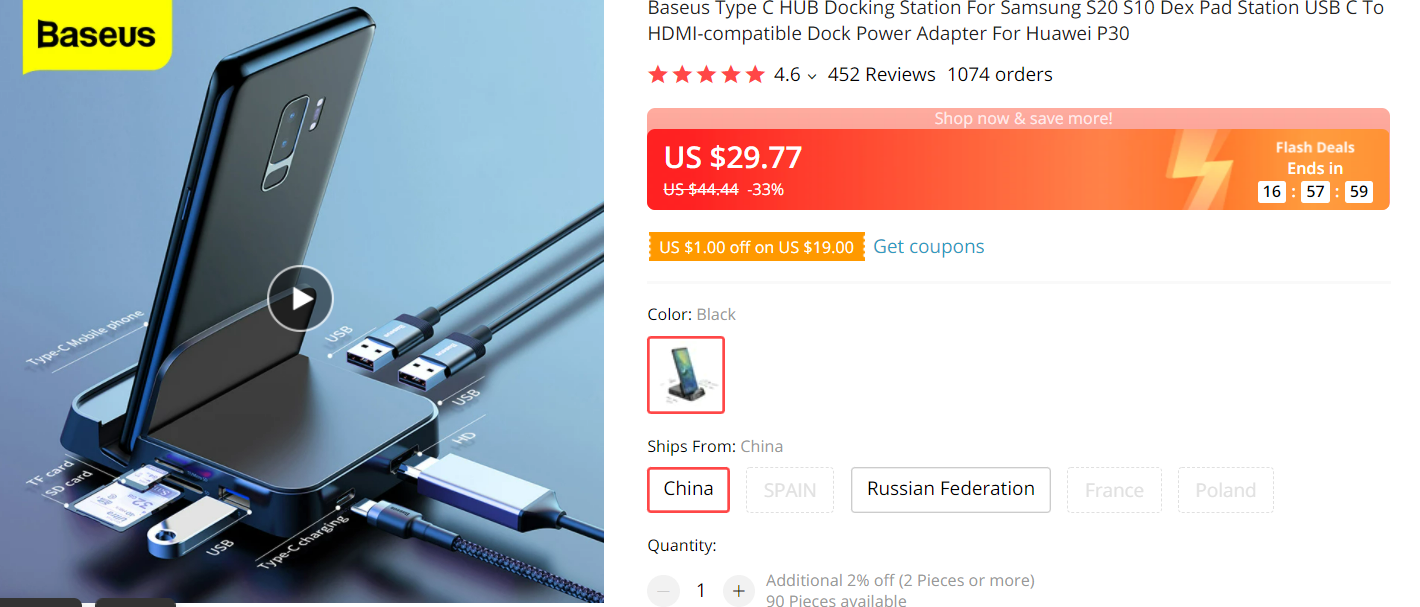
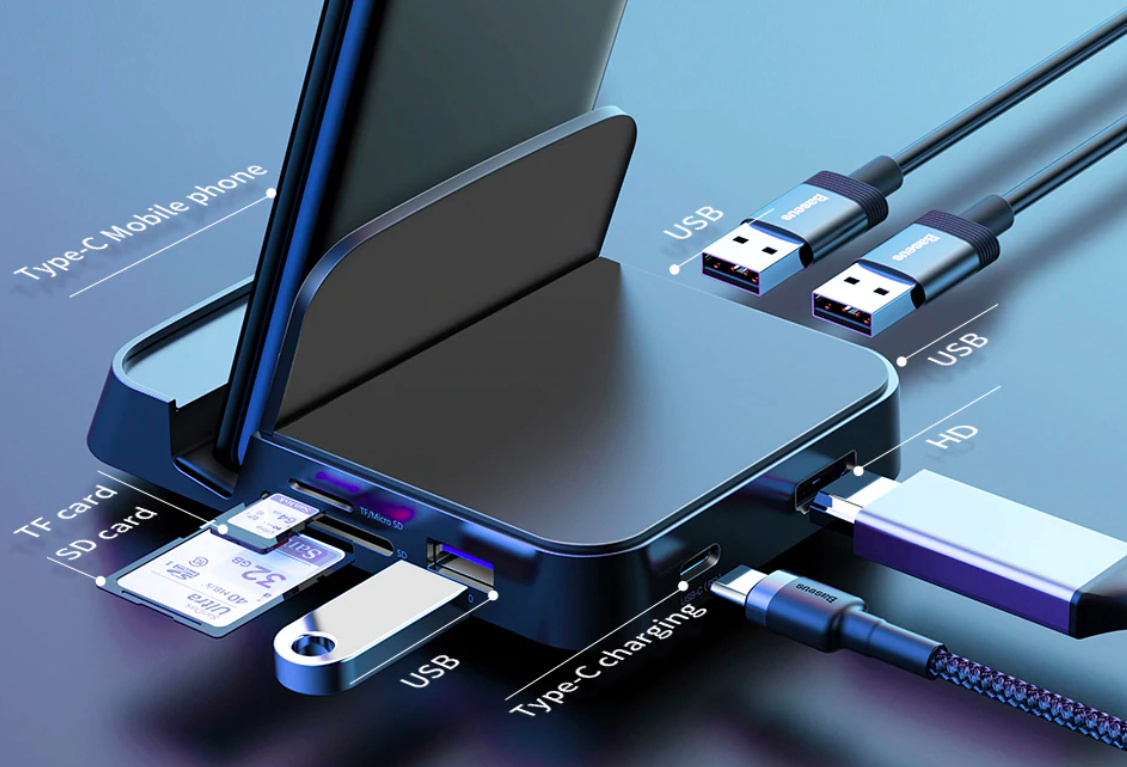
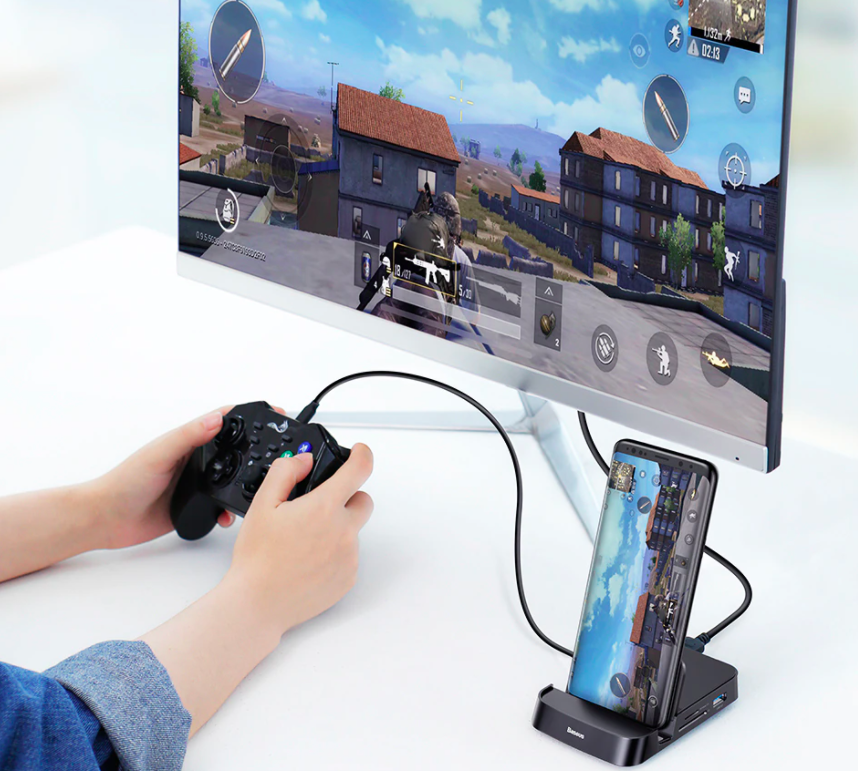
The docking station is a multi-functional device that converts your regular smartphone into a professional computer or TV that can be used in your office as well as home. Fitted with three USB ports, the device helps you to connect a mouse, keyboard, USB flash drive, etc to your smartphone, thereby converting it into a mini laptop. You can also connect your gamepad to the hub and enhance your gaming experience. With a projector connection and additional SD/ Micro SD slots, the hub solves your storage issues. All you have to do is plug in your smartphone and start reading from your SD/Micro SD card.
Designed with a Type C power jack, the device gives you an endless supply of 15W high energy, and the aesthetic and smart design lets you put down your smartphone for expansion and simply go hands-free. With a Computer and TV mode, you can either split your screen for operations or simply synchronize the display of your phone and TV.
Designed exclusively for TYPE C phones the hub is customized to use with Huawei (Mate 20/Pro, Mate 10/Pro, P20/Pro) and Samsung (S10/10 plus, S9/S9 plus, Note9).
This lightweight and highly portable multi-functional docking station is now available for $29.77 only at AliExpress. This deal ends in 16 hours. So place your order asap.
Please note that the above price is region-specific and the final price may vary according to your shipping region, warehouse, and regional taxes.
For more information on such exciting deals and offers check out our deals hub.
* Please Note: When you buy something using the links in our articles, we may earn a small commission at no cost to you.
A few days back, we learned that Tecno could soon launch a Spark-series phone with 6GB in India. Now, PassionateGeekz has revealed that this device will be the Tecno Spark 8C and has shared a poster image of the smartphone.
According to the publication, Tecno will launch the Spark 8C in India for under Rs 8,000(~$107). For that price, the phone will offer 6GB of RAM which sounds impressive. However, it is said to be a 3GB + 3GB total RAM support. It means that the phone will only have 3GB of actual RAM and the other 3GB will be with the help of Tecno Memory Fusion technology. The phone will take up the additional 3GB virtual RAM from the 64GB of internal storage.
The other specs of the phone are visible on the poster. The Spark 8C will come with a 6.6-inch Dot-Notch display with an HD+ resolution. It will have a 90Hz screen refresh rate and a 13MP dual rear camera system.
The Tecno Spark 8C was launched in markets outside India recently. It comes with an 8MP selfie shooter and has an AI lens alongside the 13MP main lens at the rear.
The camera supports 1080p video shooting capability and has HDR and bokeh effects. It packs a 5,000mAh battery and 10W charging speed. The smartphone comes with NFC support and has UNISOC T606 SoC.
It’s that time of the year when we see a new realme Number Series and this year we’ve got the Realme 9 series for budget customers. In this article, we’ll focus on the top-end model in the lineup, the realme 9 Pro Plus. So let’s see what upgrades are available in this new plus model.
Before we start this review, we want to add that we are giving away one unit of the Realme 9 Pro to one of our lucky readers. If you guys want it, don’t forget to subscribe to our channel and then click on the link here.
Realme 9 Pro Plus Review: Design & Display
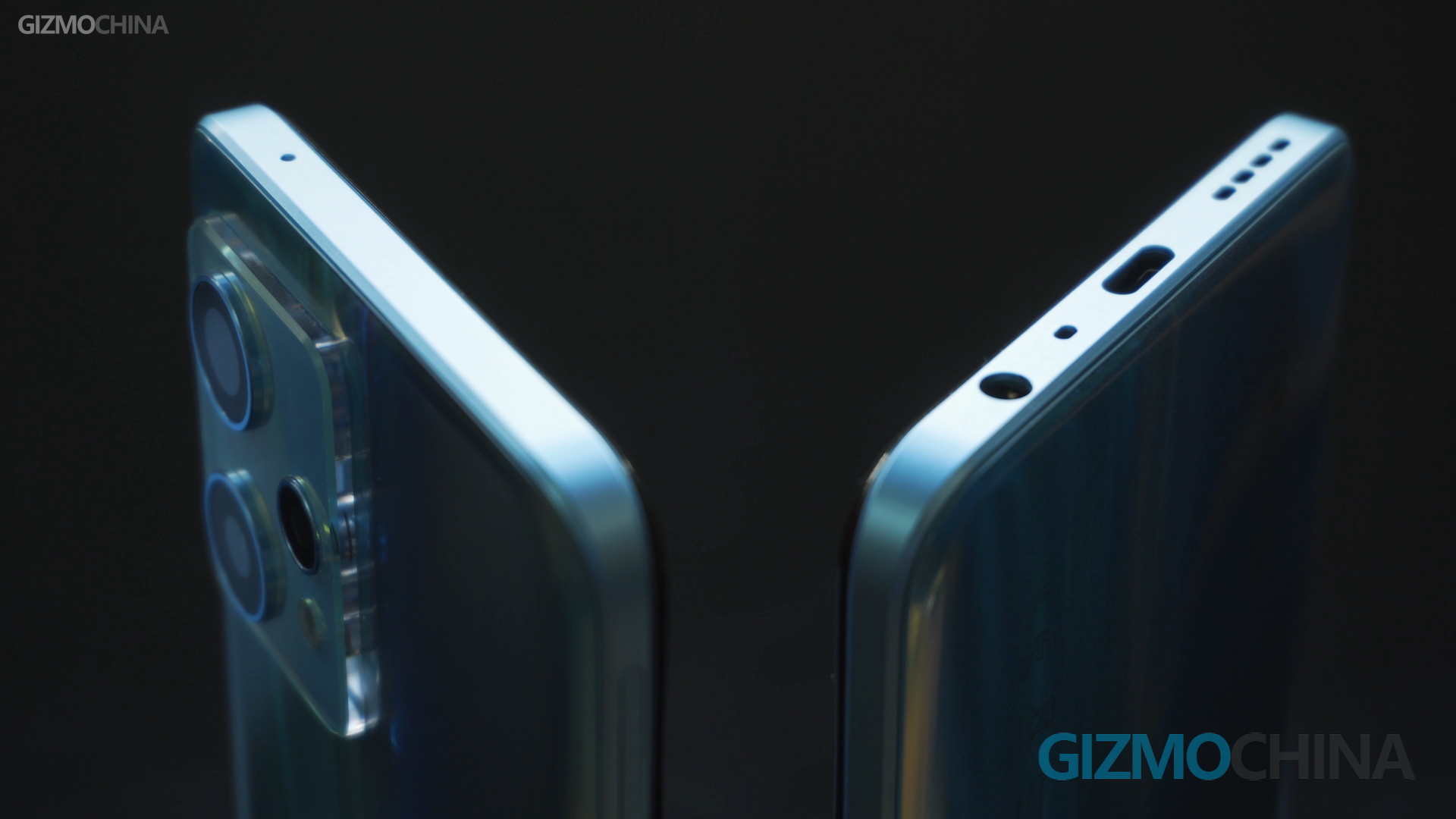
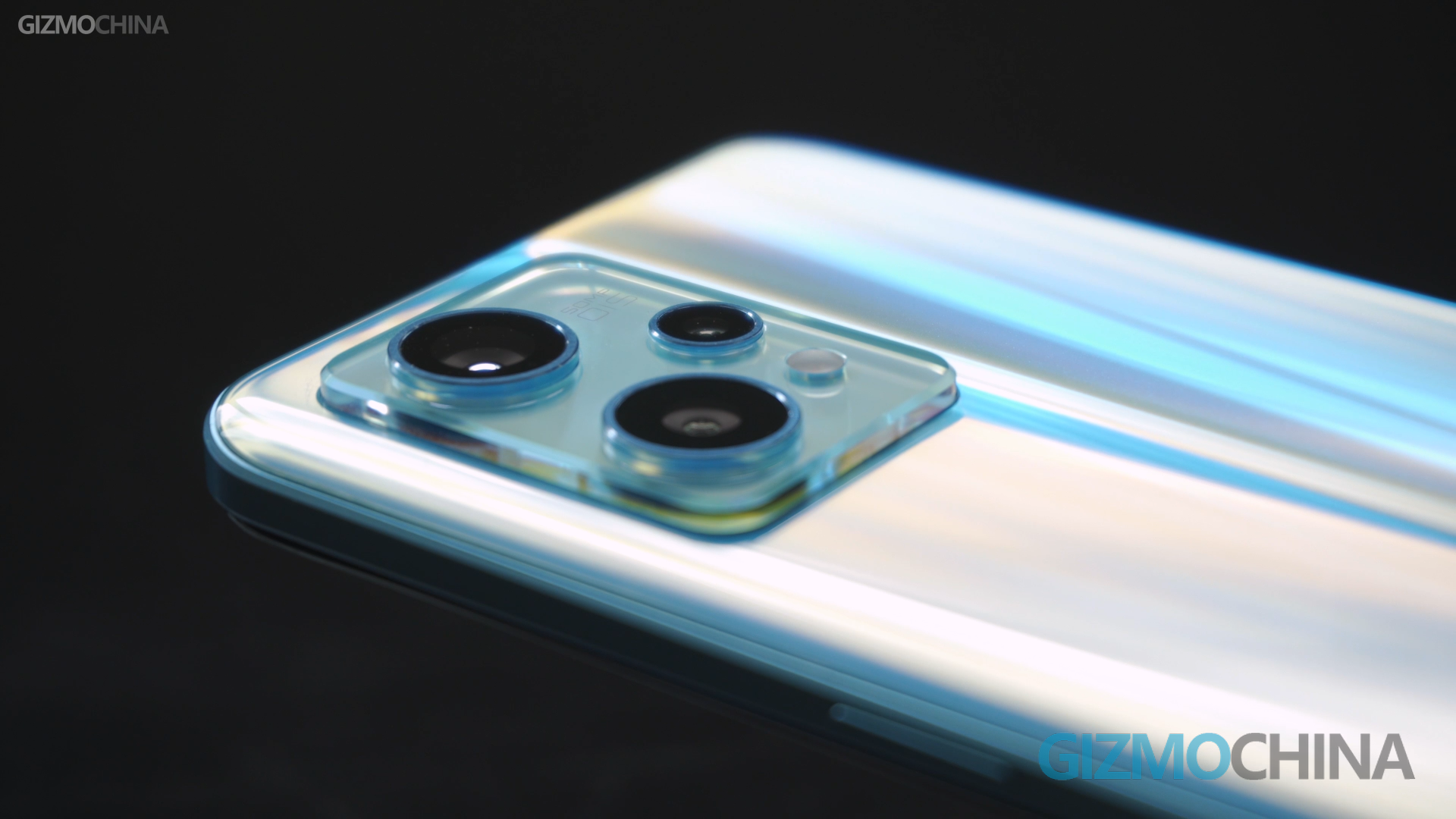
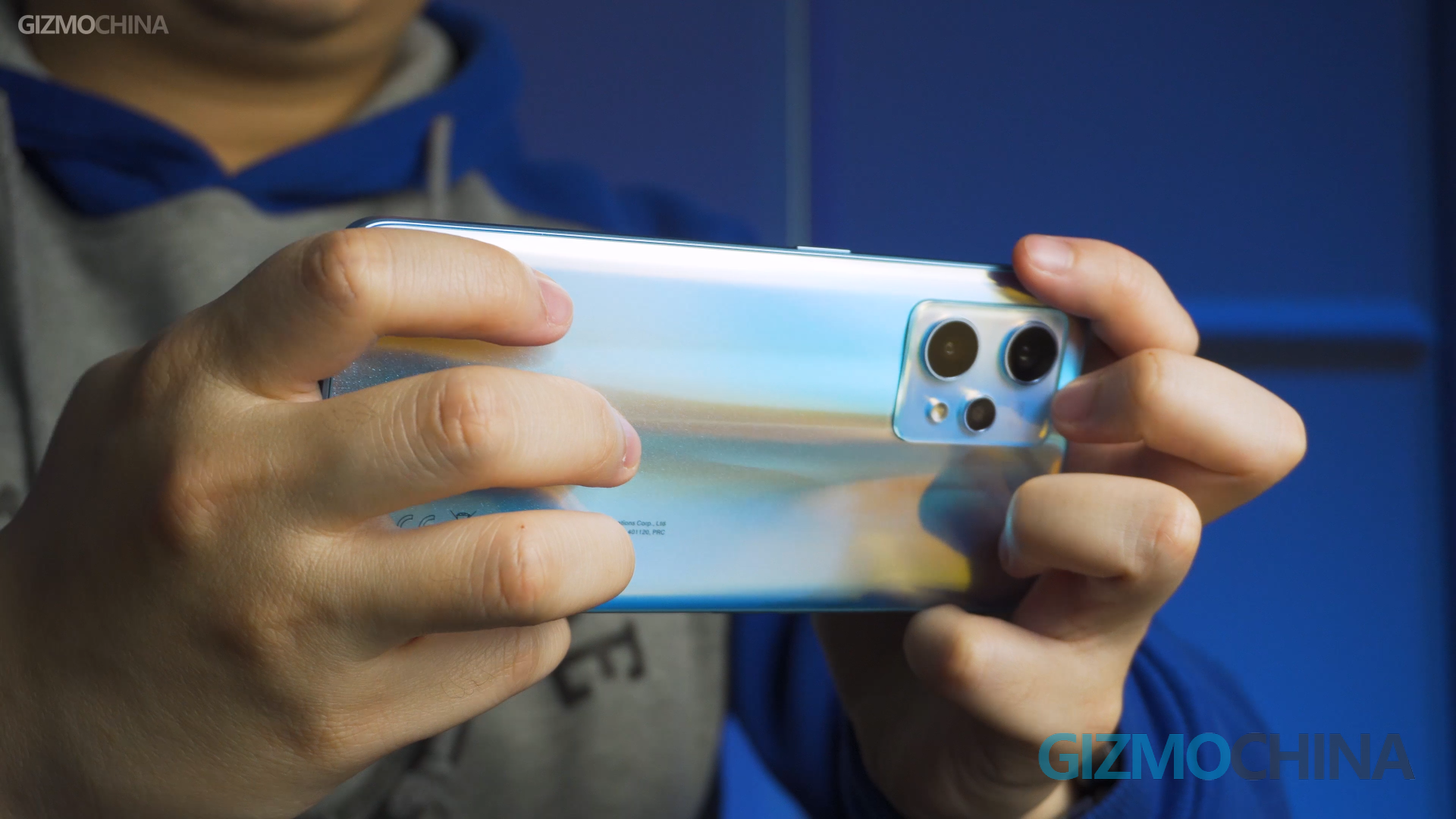
The design of the realme 9 Pro Plus is still similar to the previous realme phones. In fact, the lens design is basically the same as the GT 2 series.
The SIM Card Tray can hold two SIM cards, but not a Micro SD card. There is an NFC and headphone jack, but no IR blaster. The vibration motor has been upgraded to an X-axis linear motor and when you are typing, it feels very crisp.
The speakers have also been upgraded to stereo dual speakers. Remember that fluorescent back cover of realme 8 pro?
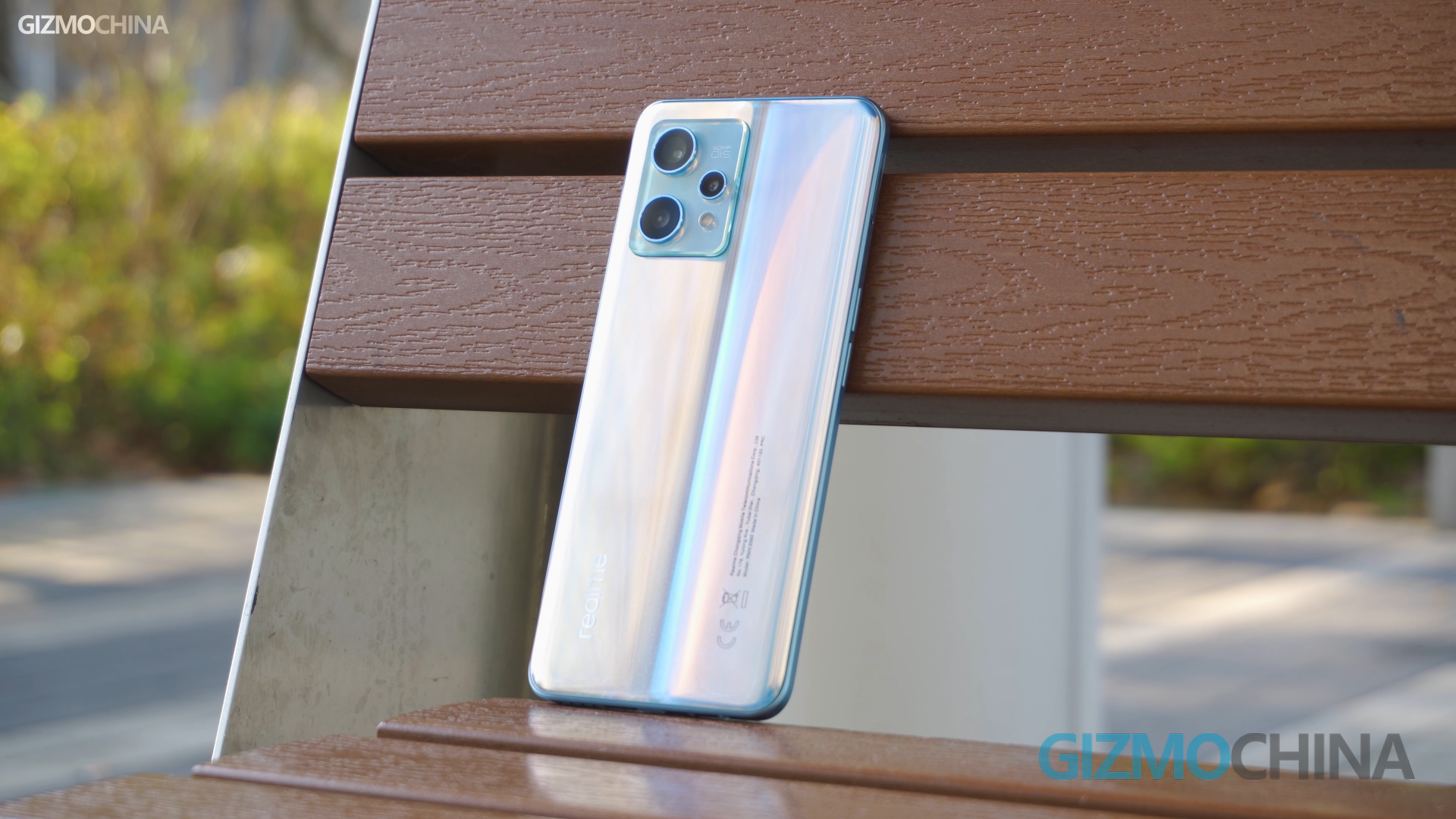
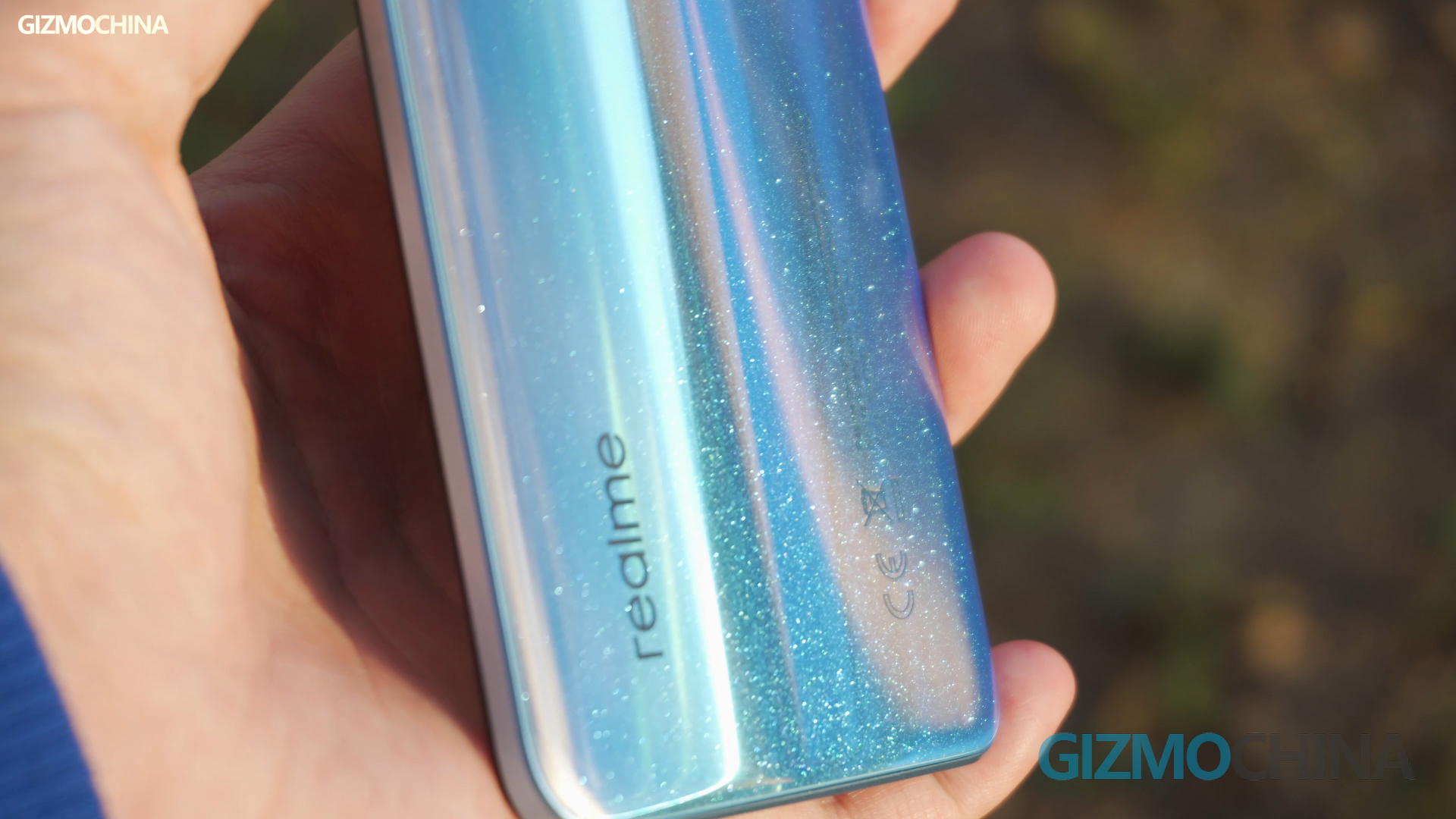
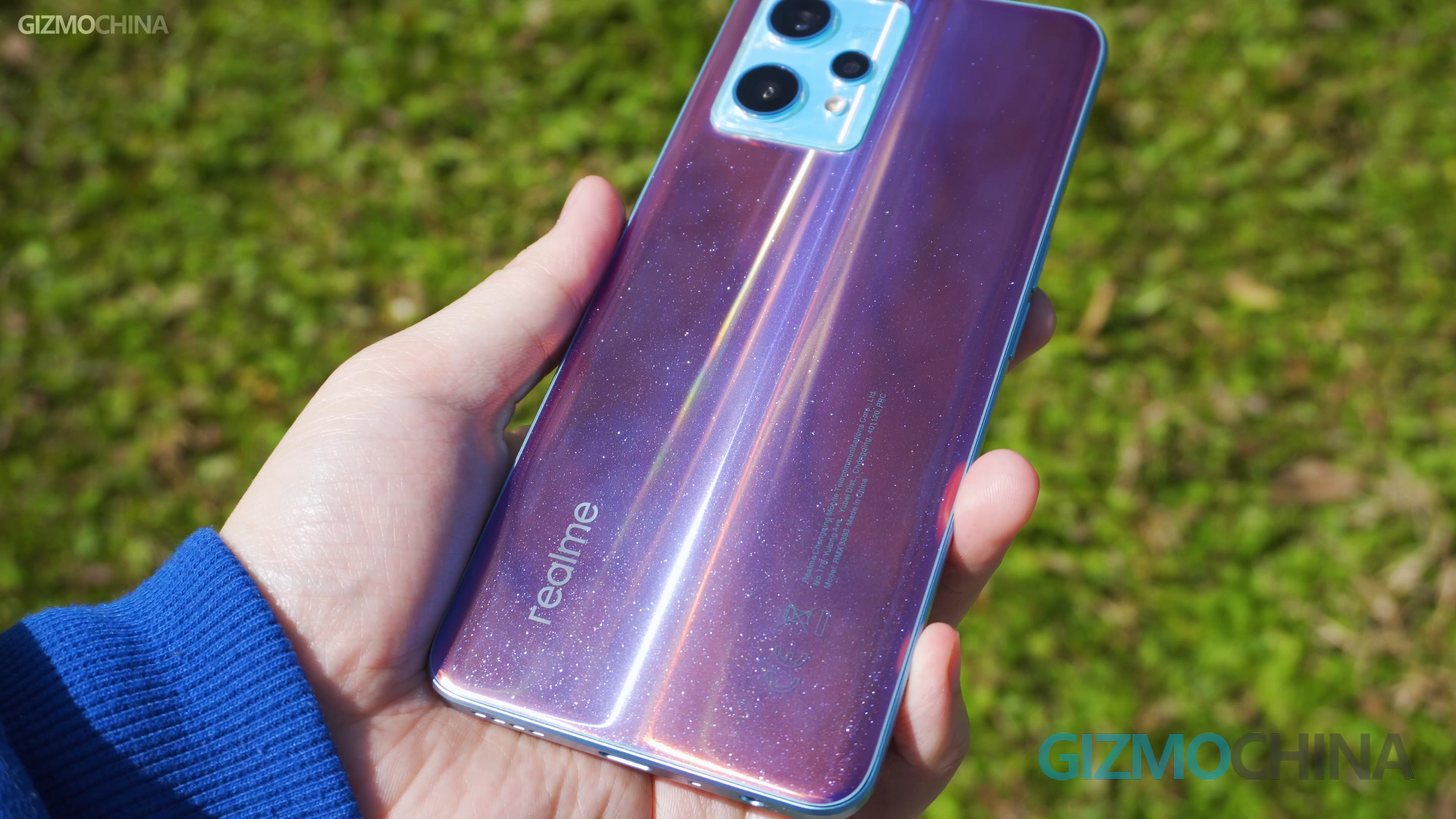
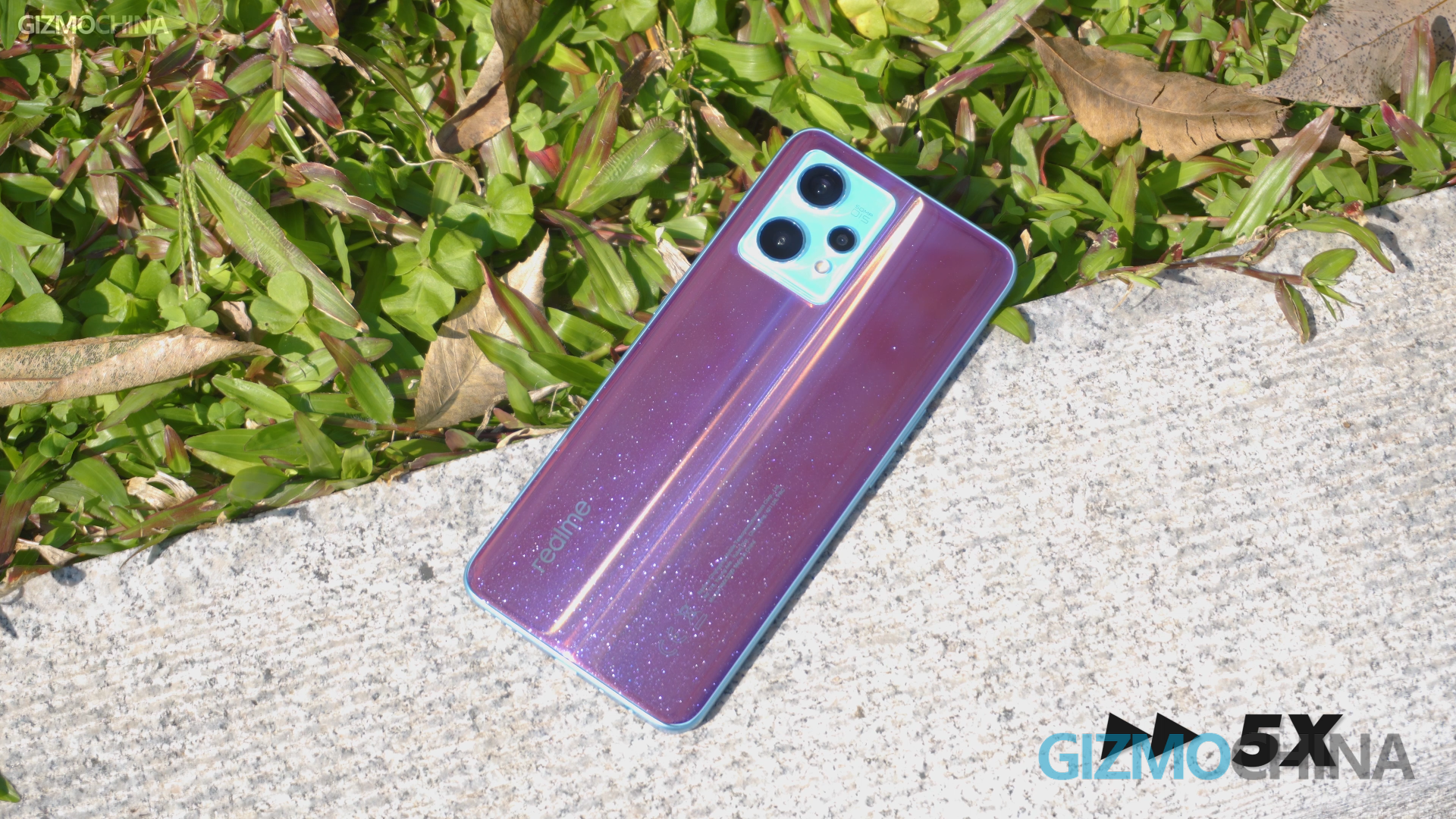
This time the 9 Pro Plus has a new technology on the back cover as well. The realme 9 Pro Plus comes in a new Sunrise Blue shade, which we’ve got here. This is the first time realme has used a Chameleon Design. This Light shift design allows your back cover to change color when exposed to sunlight.
Blue
If you are indoors or in a place without sunlight, this phone looks just plain blue. Shiny and sparkly, like the sky at night. When you are exposed to the sunlight for a while, this phone will turn red. It’s like the sun slowly rising in the morning, very beautiful. I am sure there will be many people who will like this design.
Under sunligh the color changes to Reddish purple
Who wouldn’t like a phone that changes color, right?
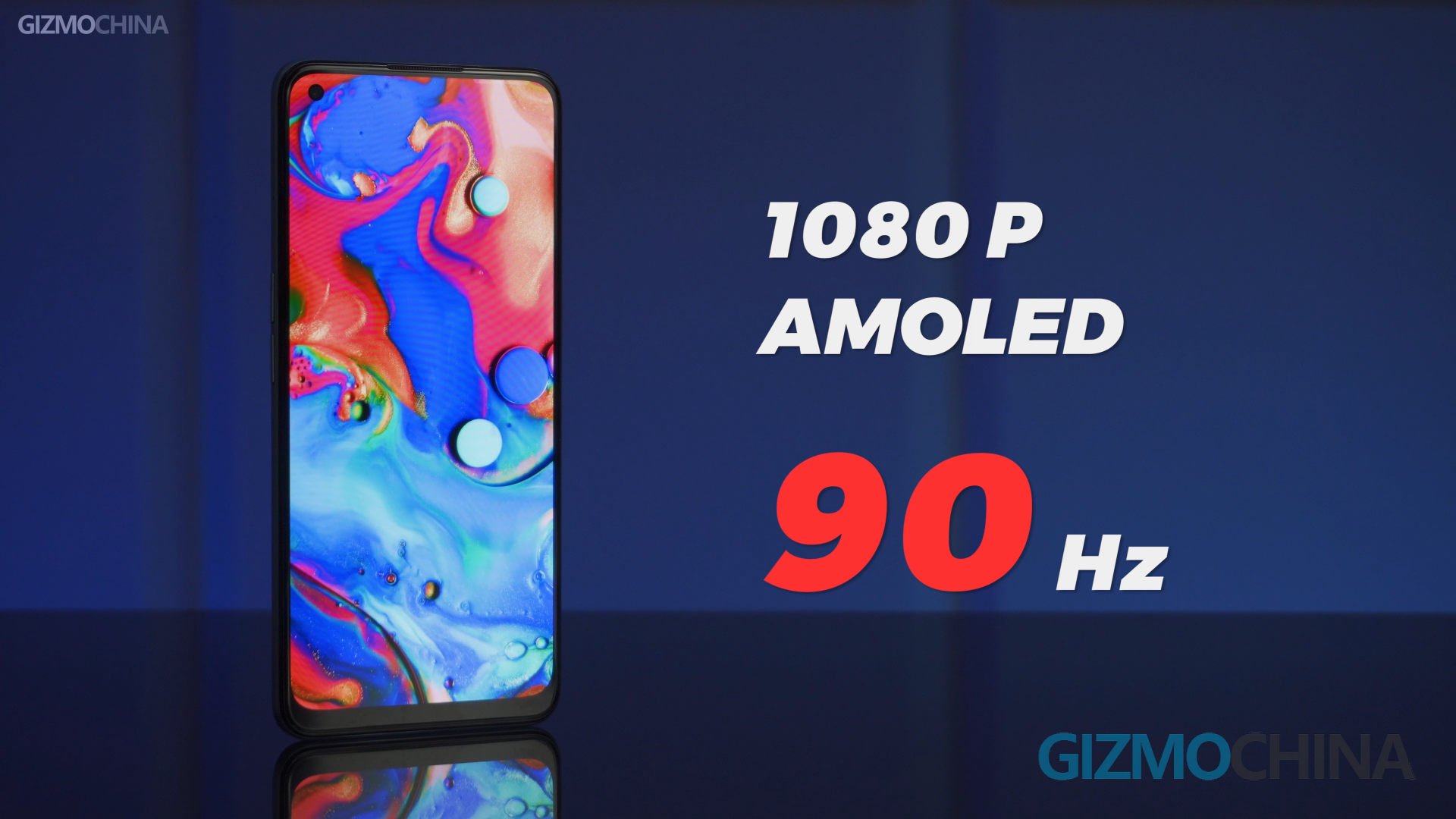
The screen of realme 9 Pro Plus has not changed much compared to last year’s 8 Pro. It’s still a 1080P resolution AMOLED Display, but the refresh rate has been upgraded to 90Hz. And there is also DC dimming. The lower bezel is still as thick as ever, I personally hope realme can make the lower bezel a little narrower. The fingerprint recognition type is In-display fingerprint recognition, and heart rate measurement is possible. The colors are vibrant and it also has AOD. But you can’t say the realme 9 Pro Plus screen isn’t improved, after all it has an upgraded refresh rate. But it’s really not a big upgrade. At least you won’t be buying this phone for this screen.
Realme 9 Pro Plus Review: Hardware & Gaming
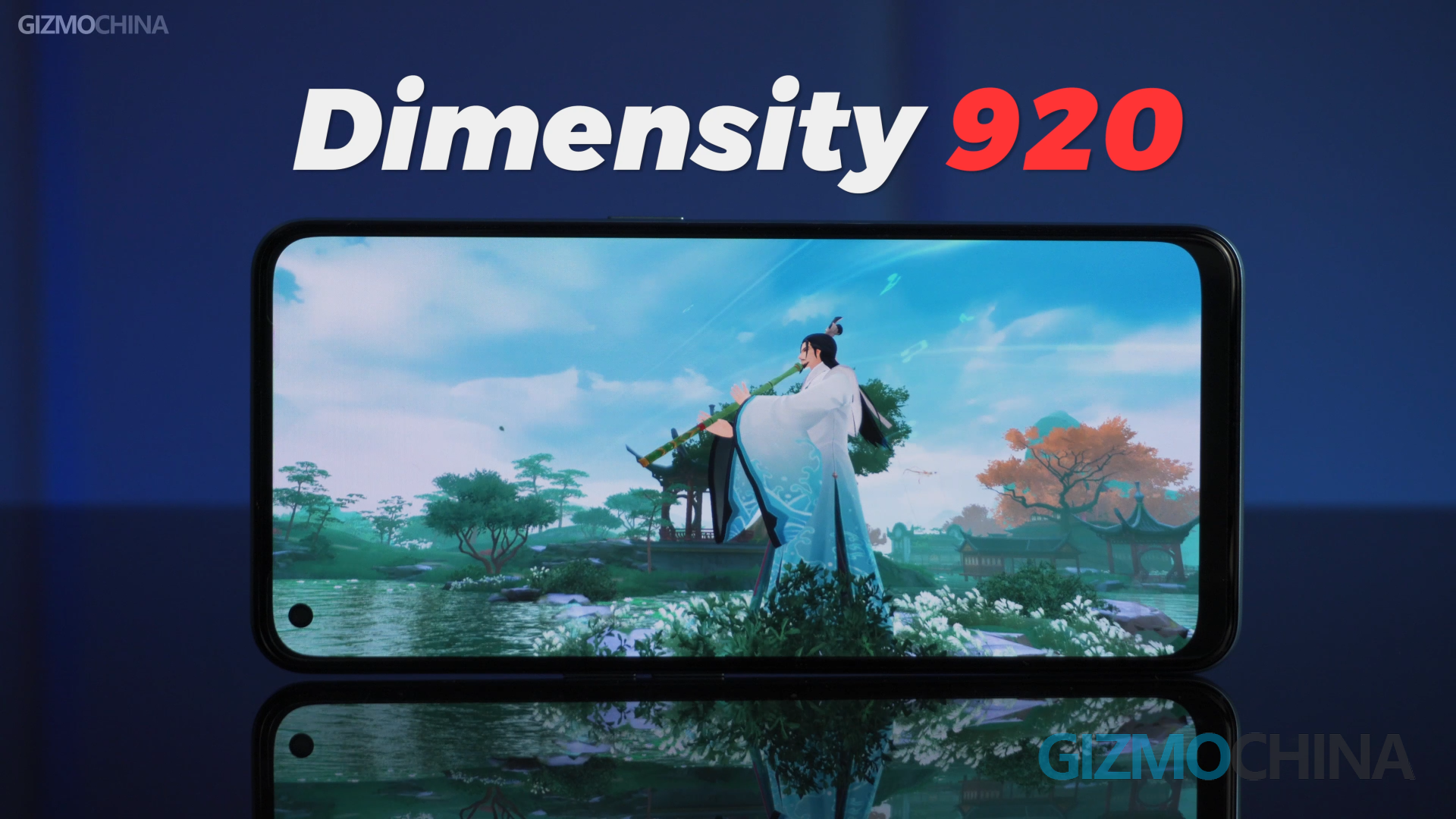
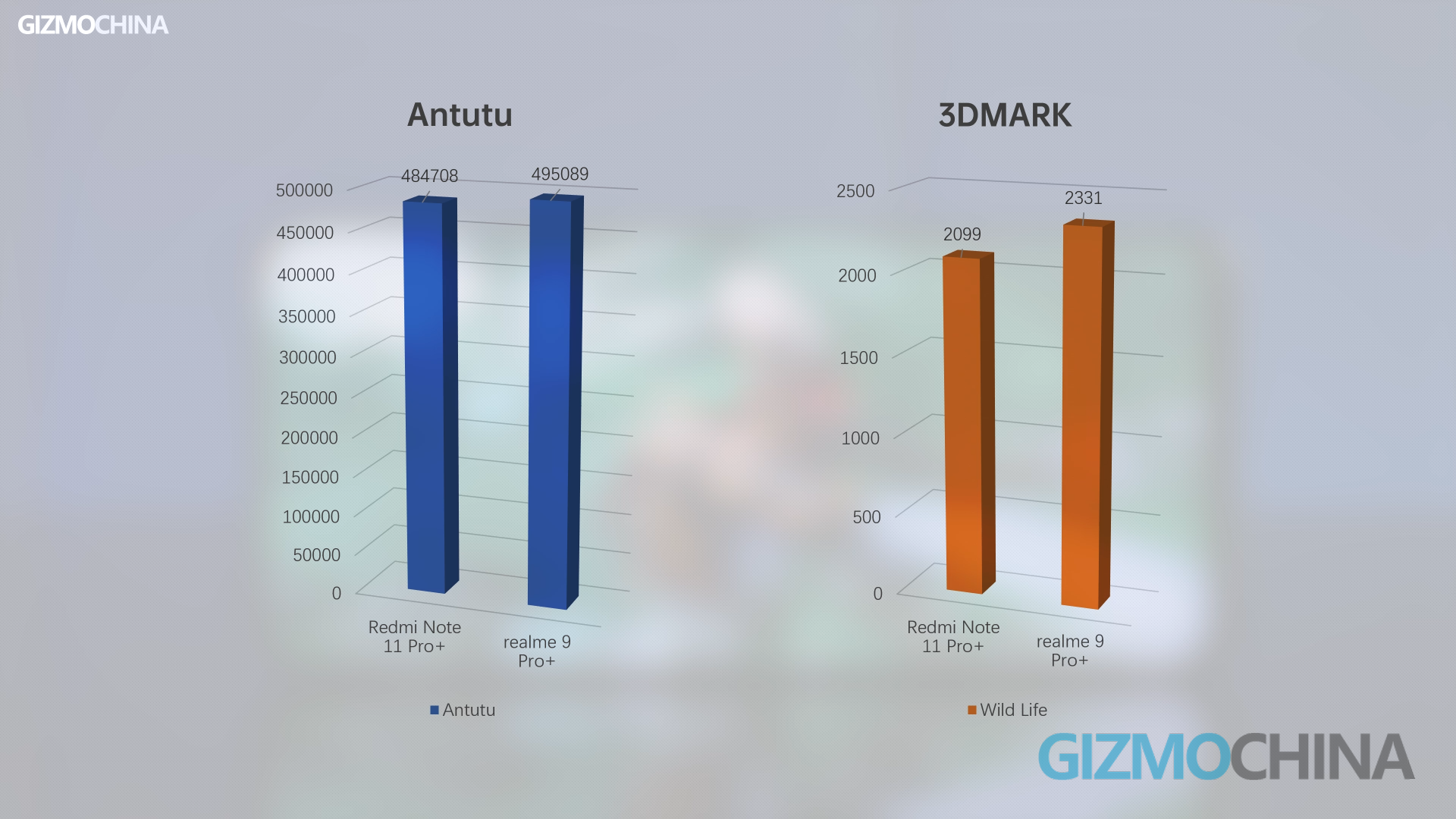
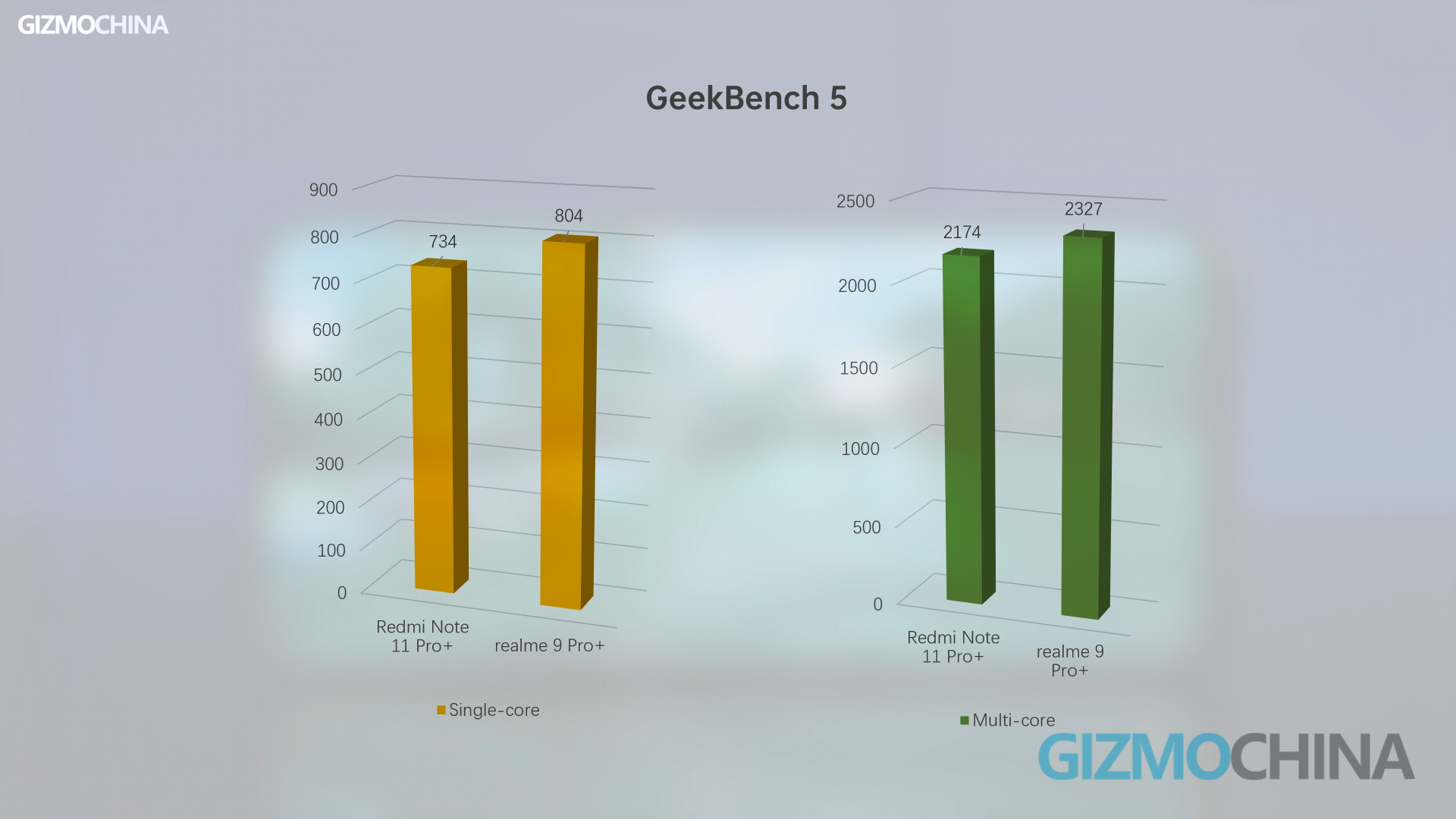
The realme 9 Pro Plus is powered by the MediaTek Dimensity 920, a mid-range processor that we’ve seen in the Redmi Note 11 Pro and Pro Plus China versions, and has a Benchmark score that compares side-by-side with the Redmi Note 11 Pro Plus China version. Antutu is close to 500,000 points. 3D Mark 2300 points. GeekBench 5 scores are also a bit higher than the 11 Pro Plus for both single and multi-core. Probably because realme 9 Pro plus uses the Vapor Chamber Cooling System, the larger heatsink area allows the 9 Pro plus to unleash even more performance.
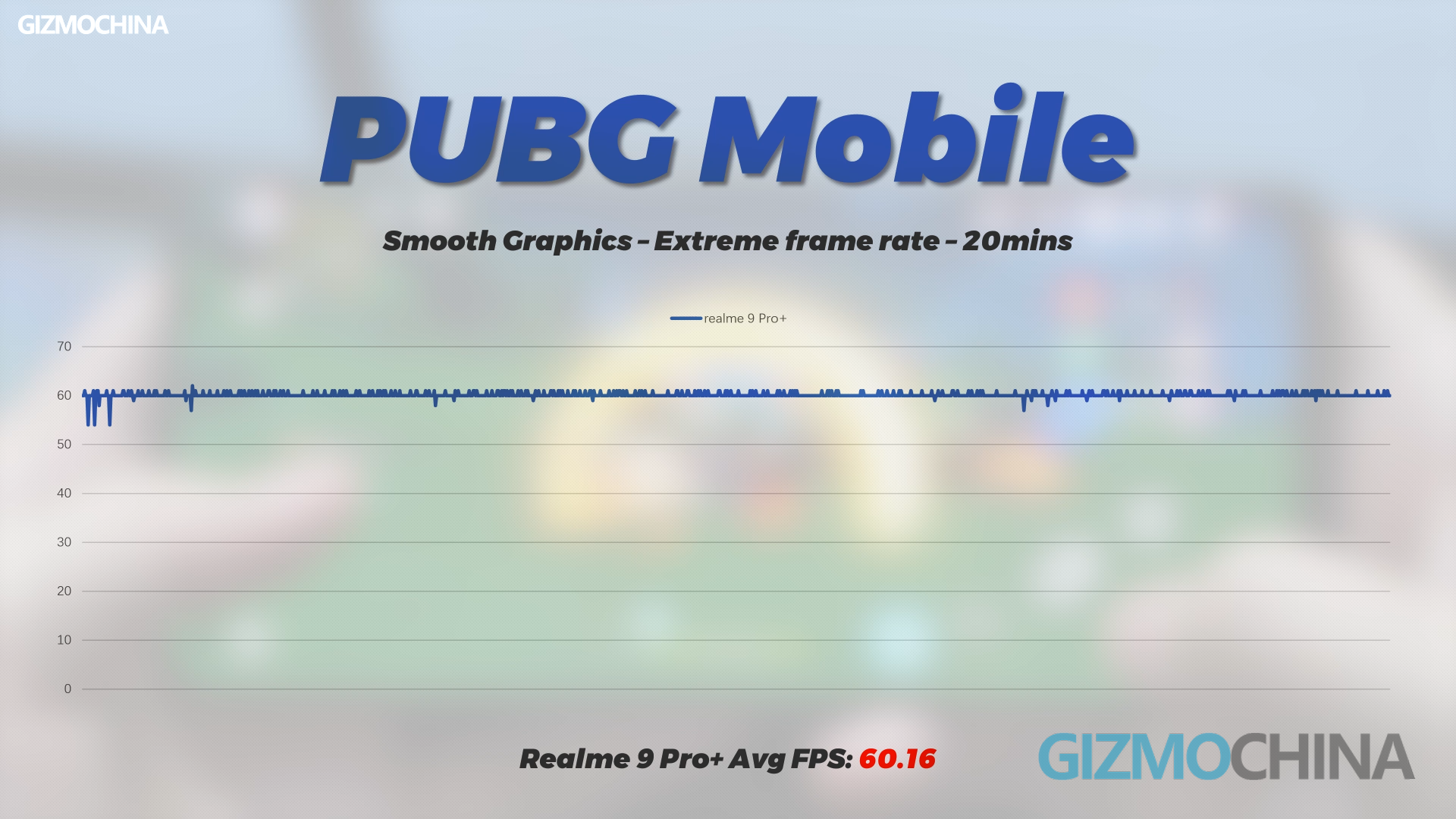
The actual gaming performance is also in line with my expectations. PUBG Mobile only runs at Extreme Frame rate on Smooth Graphics. Like the Redmi model, it runs at 60fps throughout.
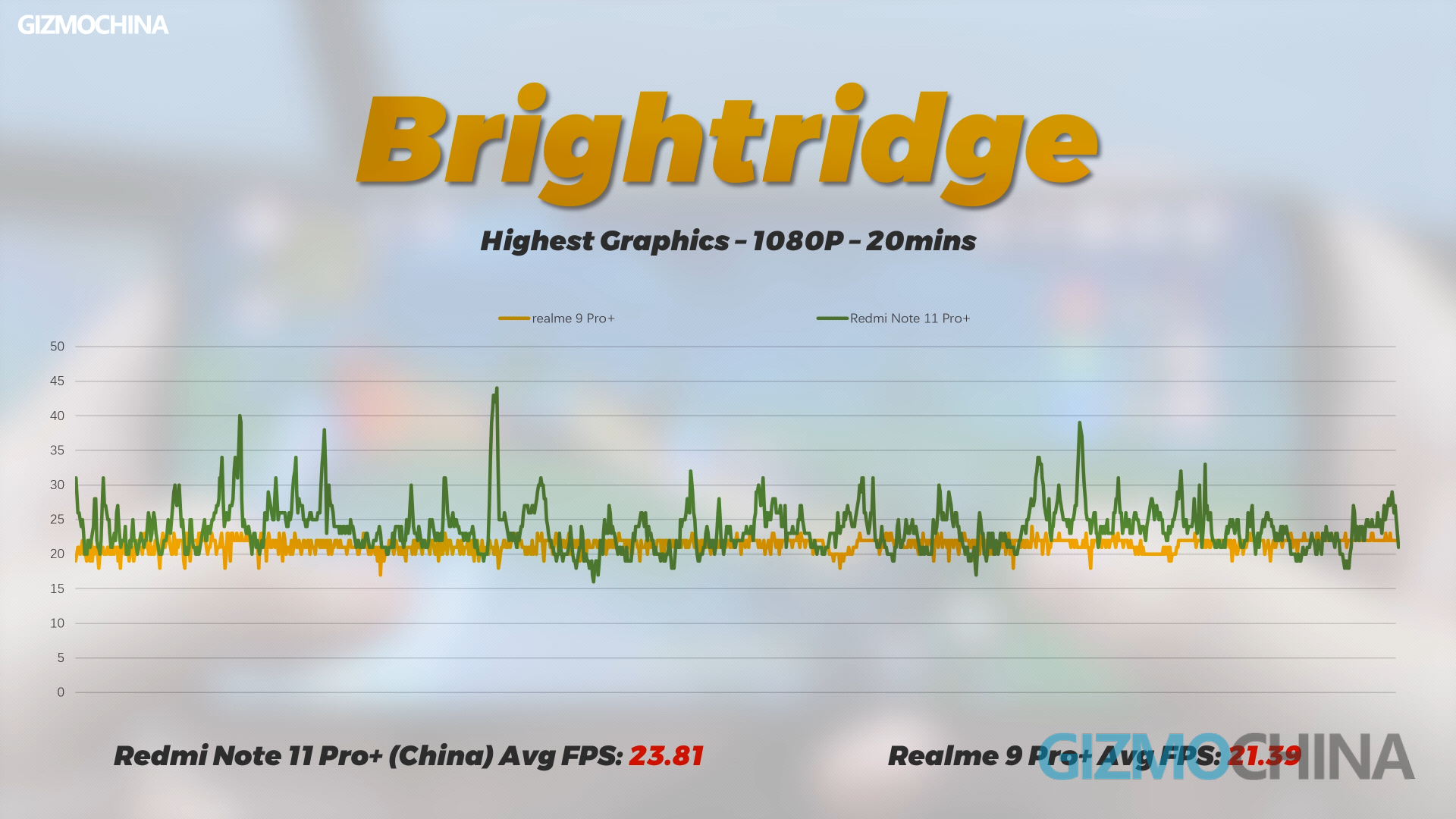
Brightridge is locked at 22fps on the realme 9 Pro Plus, and the phone’s temperature is only 36 degrees Celsius. So we can’t see the real gaming performance of realme 9 Pro Plus either.
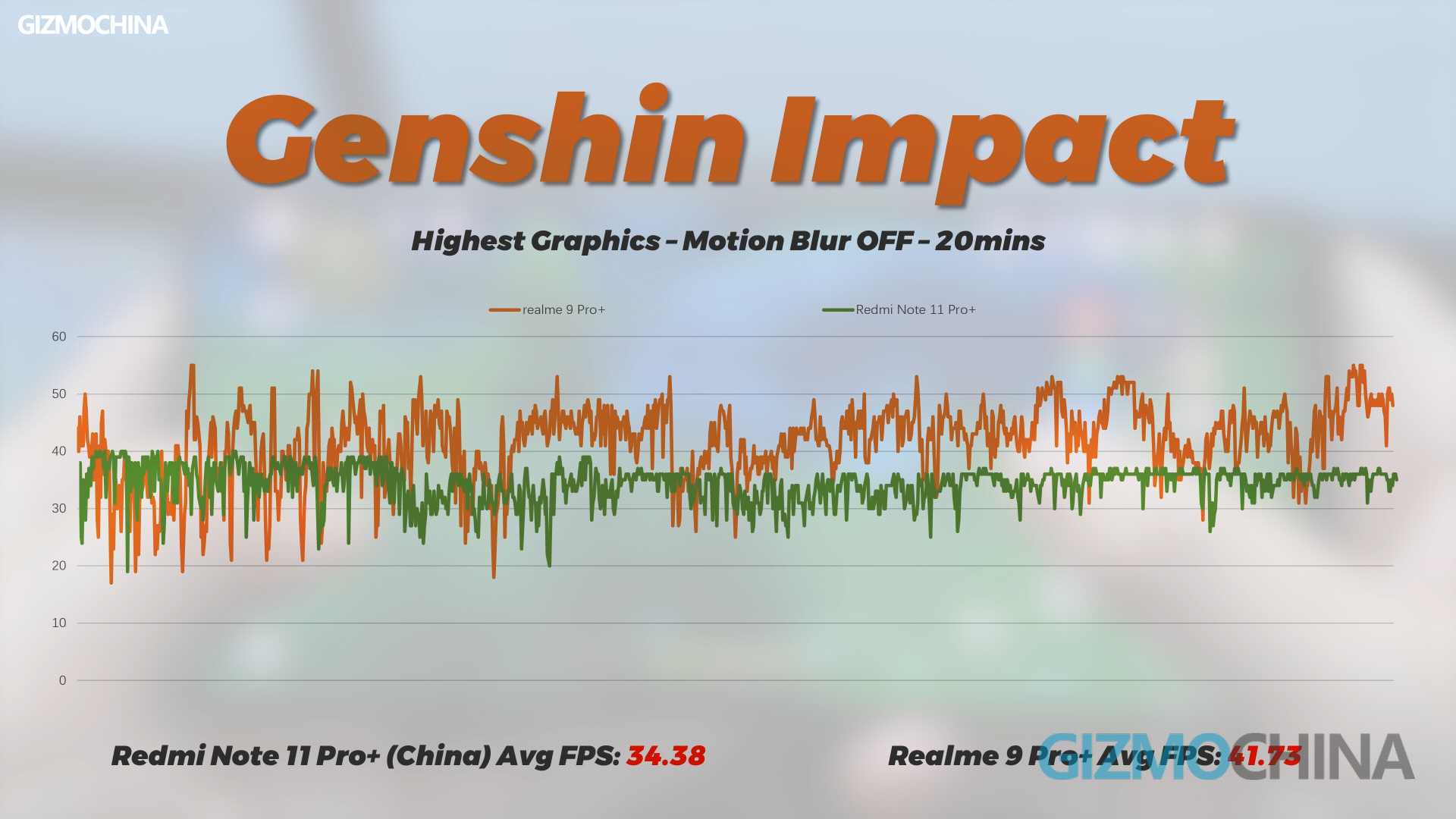
The Genshin Impact without locked frame rates averaged 41 fps, a full 7 fps higher than the Note 11 Pro Plus, and the body temperature was only 42 degrees Celsius. But that’s not to say that the 9 Pro Plus is suitable for Genshin, as the large frame rate fluctuations doesn’t make for the best gaming experience either.
So although it is an improvement over the previous realme 8 Pro’s Snapdragon 720G, the Dimensity 920 is still an under-performing processor.
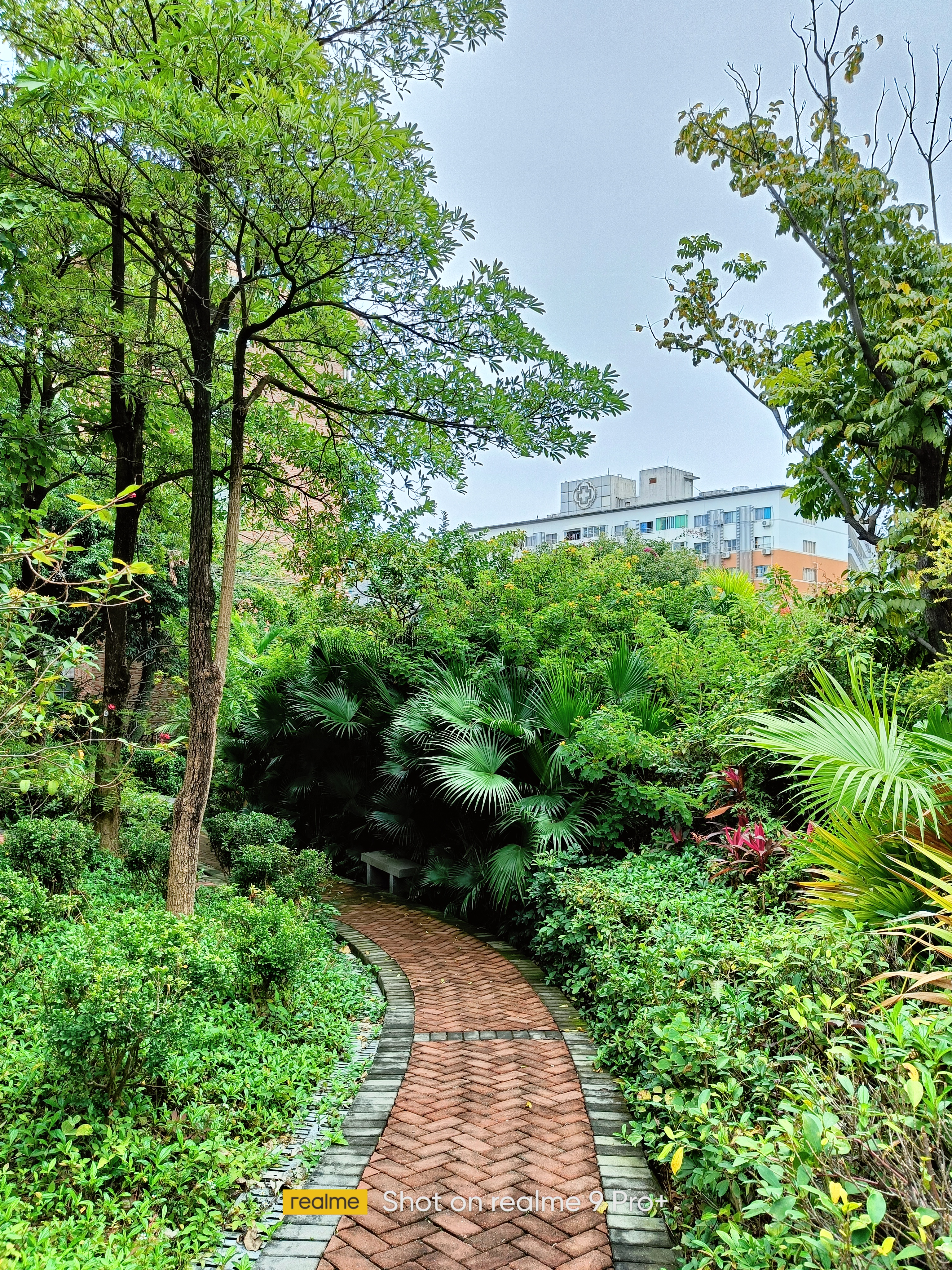
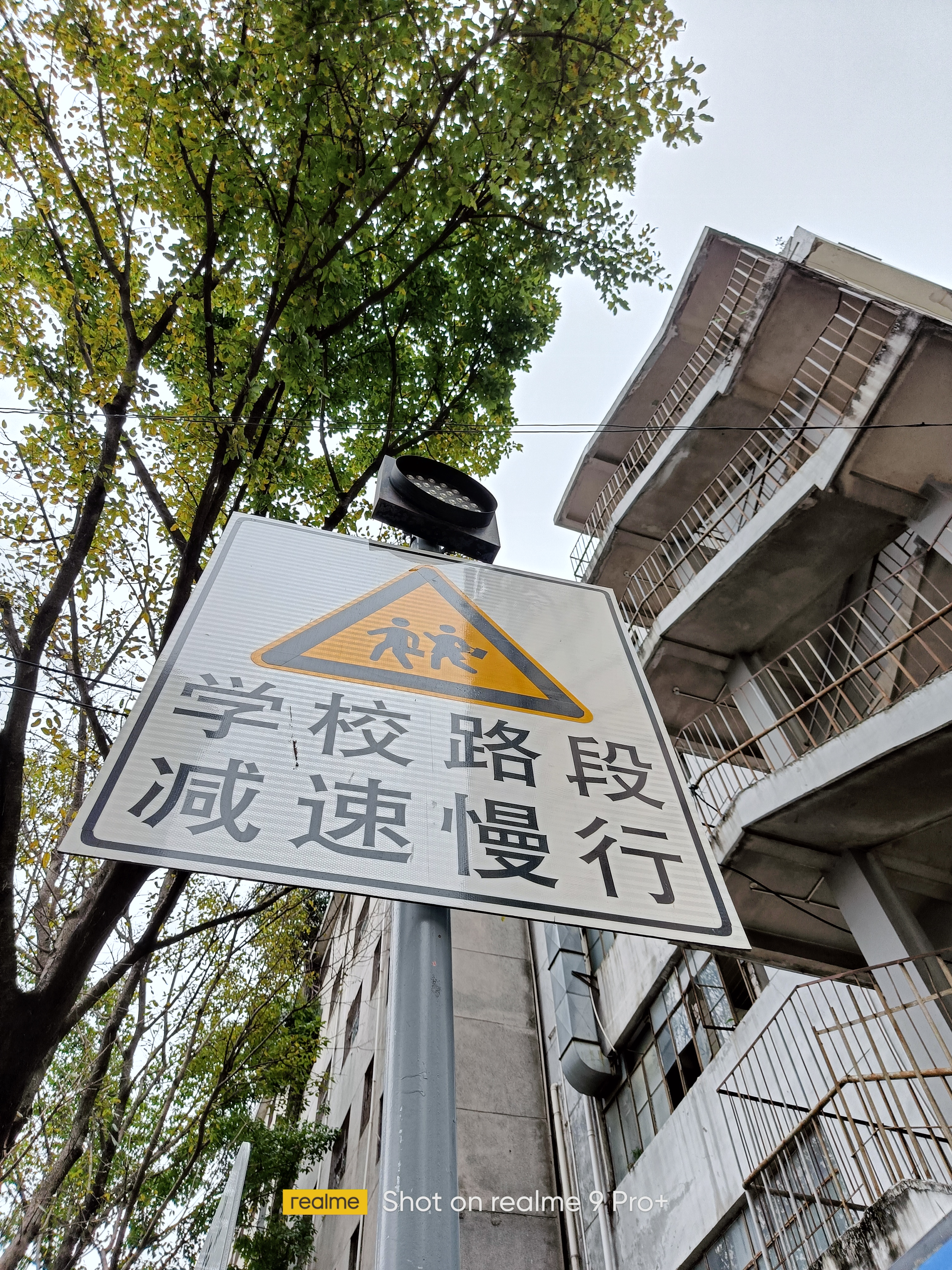
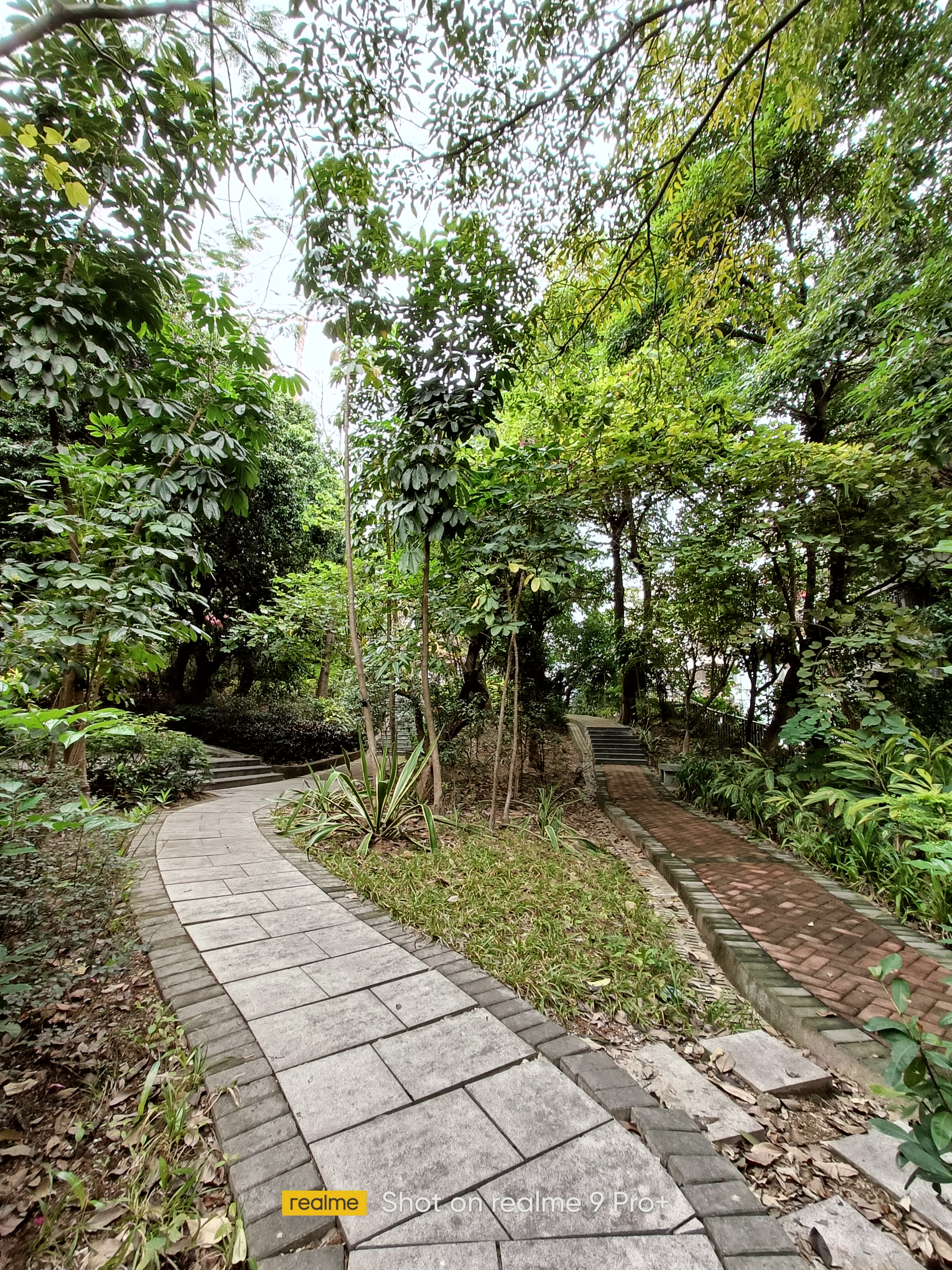
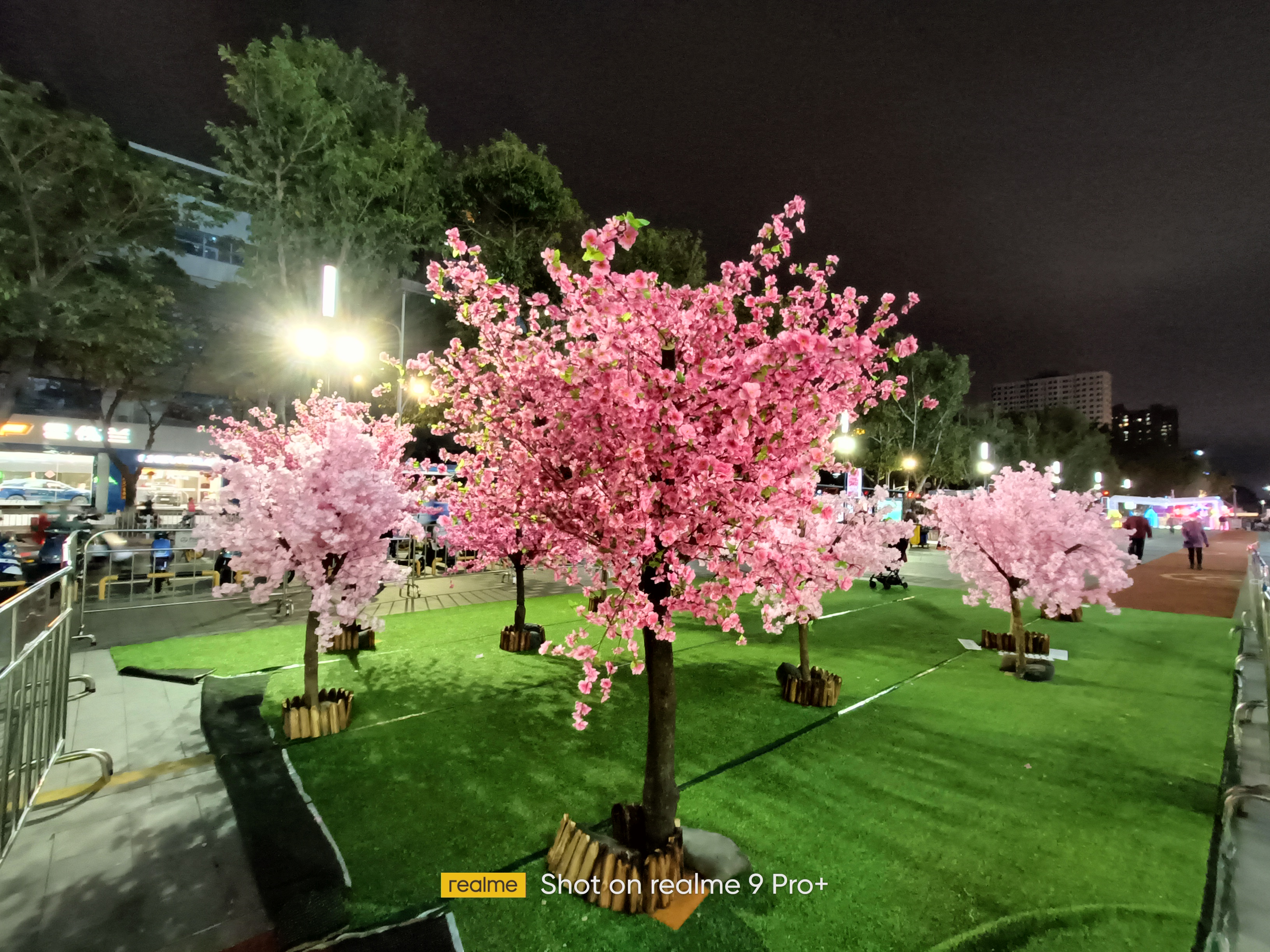
We thought using HM2 sensor as the main camera on a mid-range phone was already a luxury. But realme 9 Pro Plus actually uses IMX 766 as its main camera at this price point, and it also has OIS, which means it has flagship-level photo potential.
Main Camera
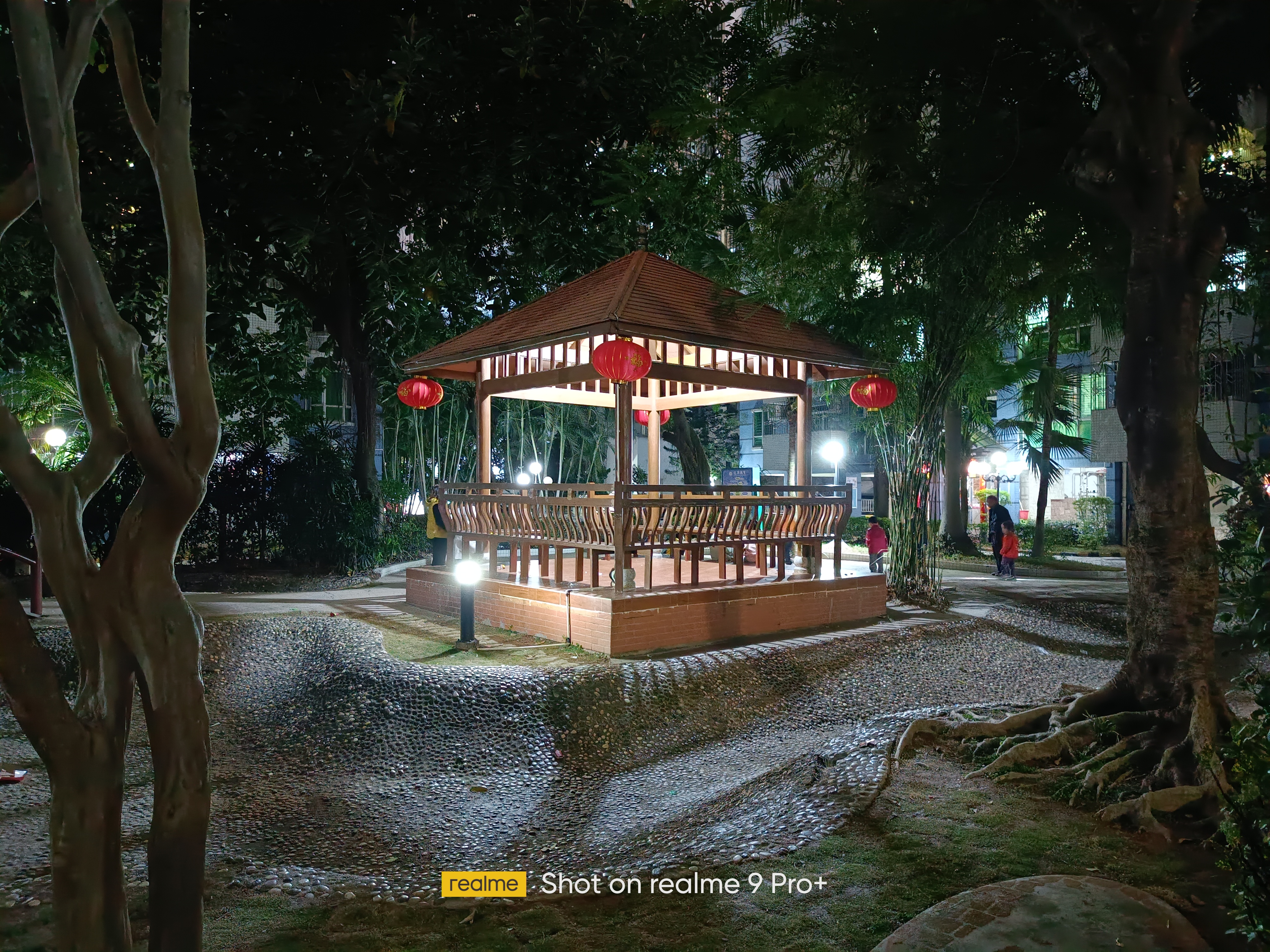
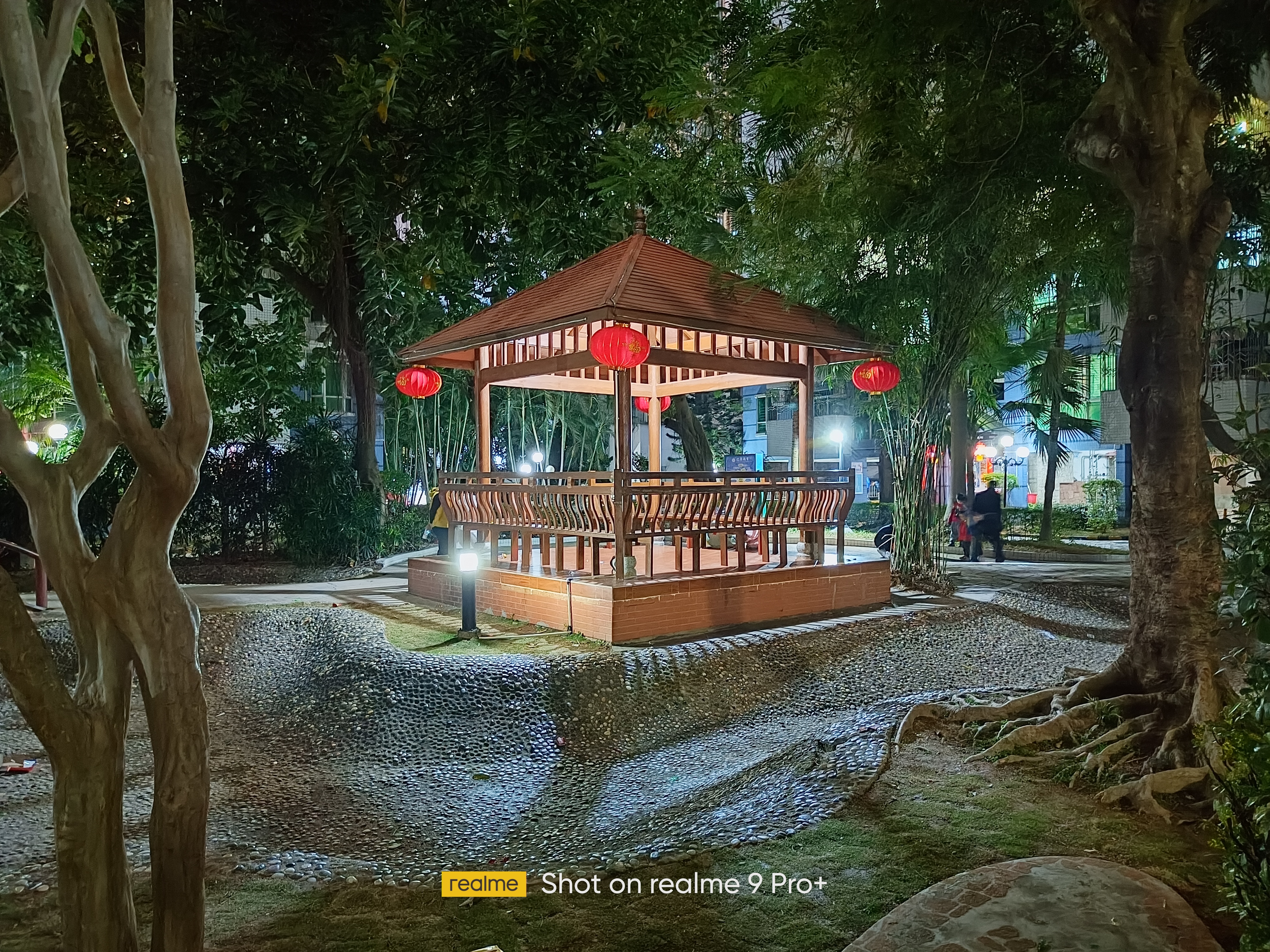
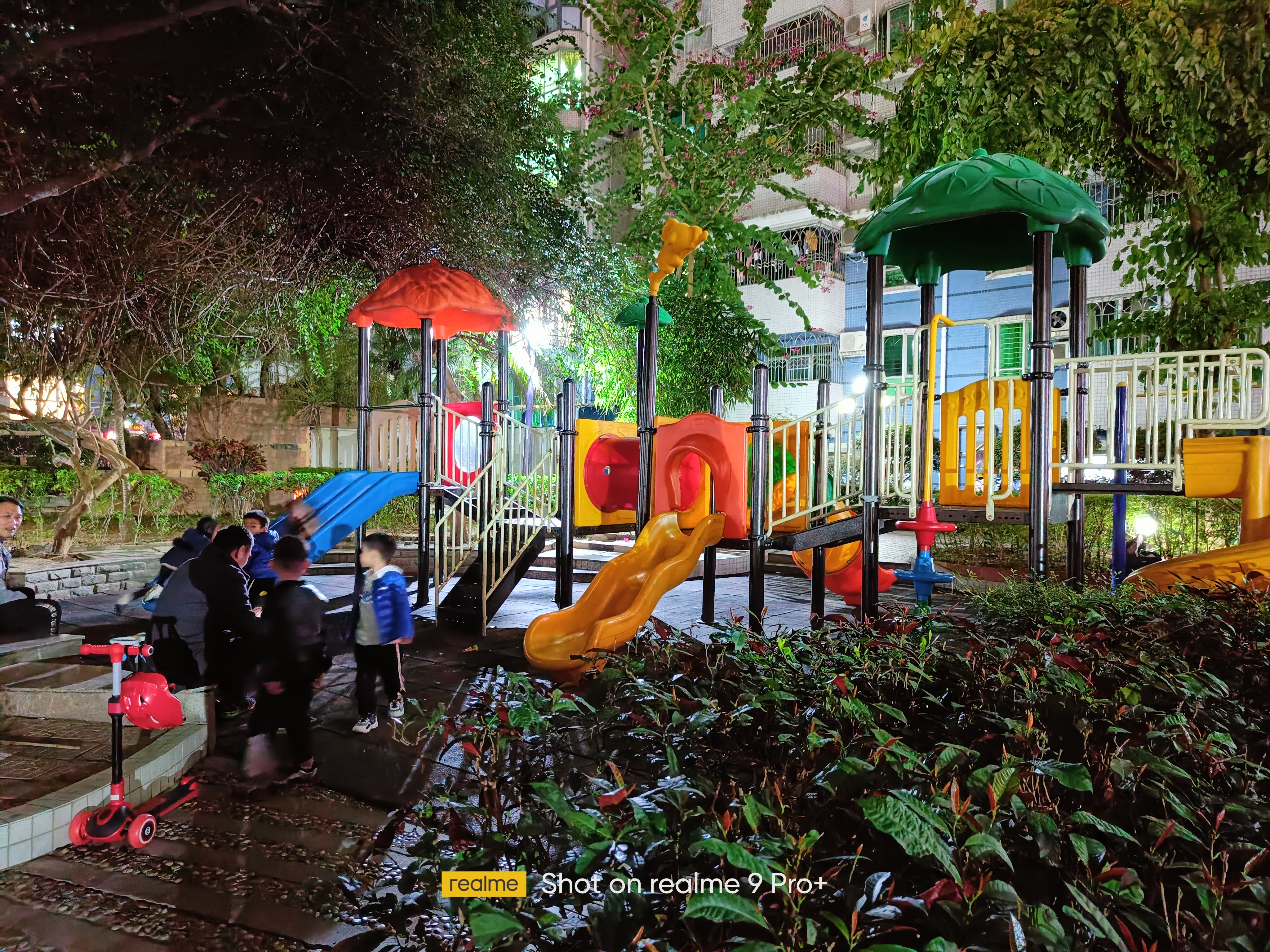
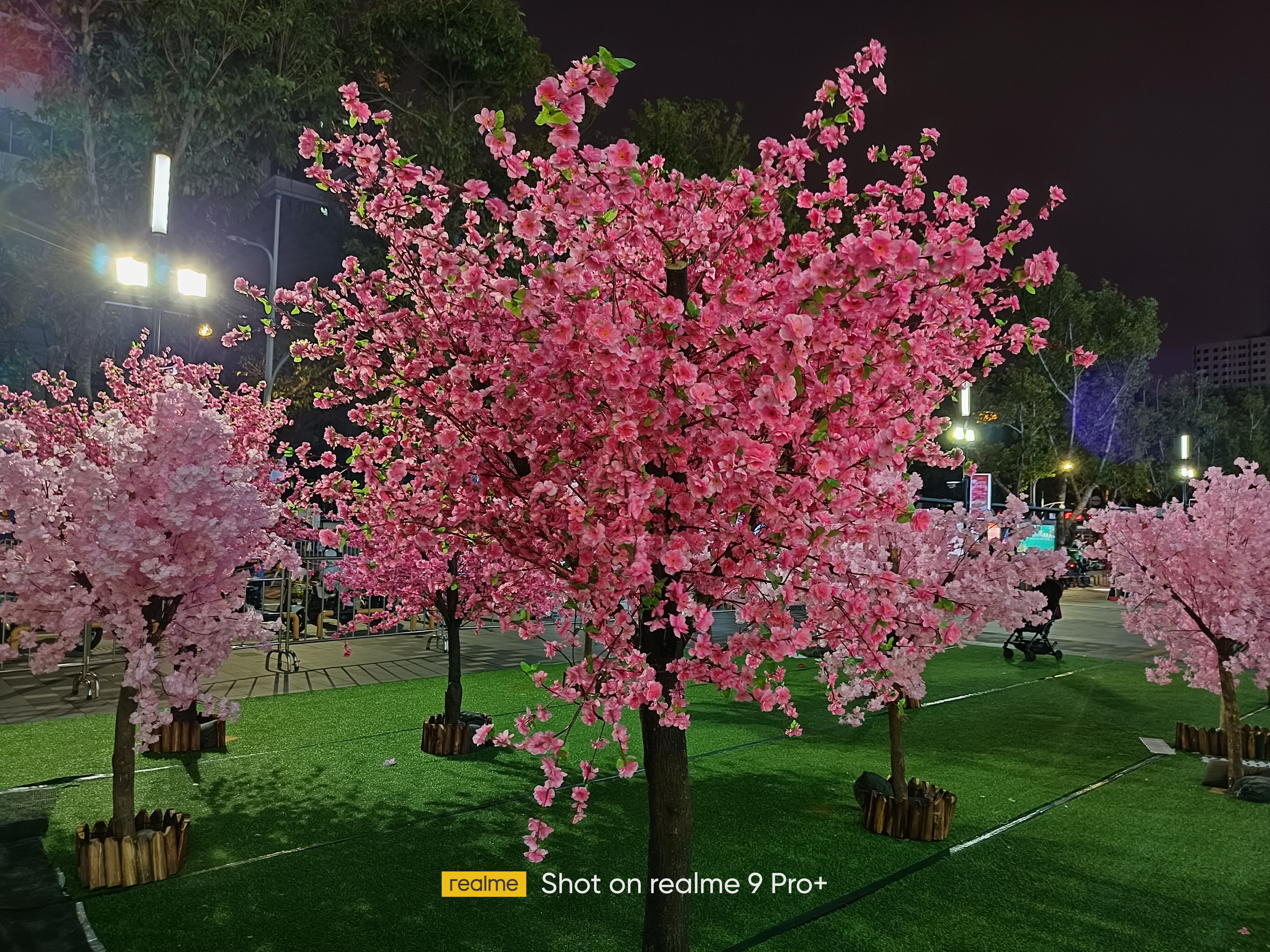
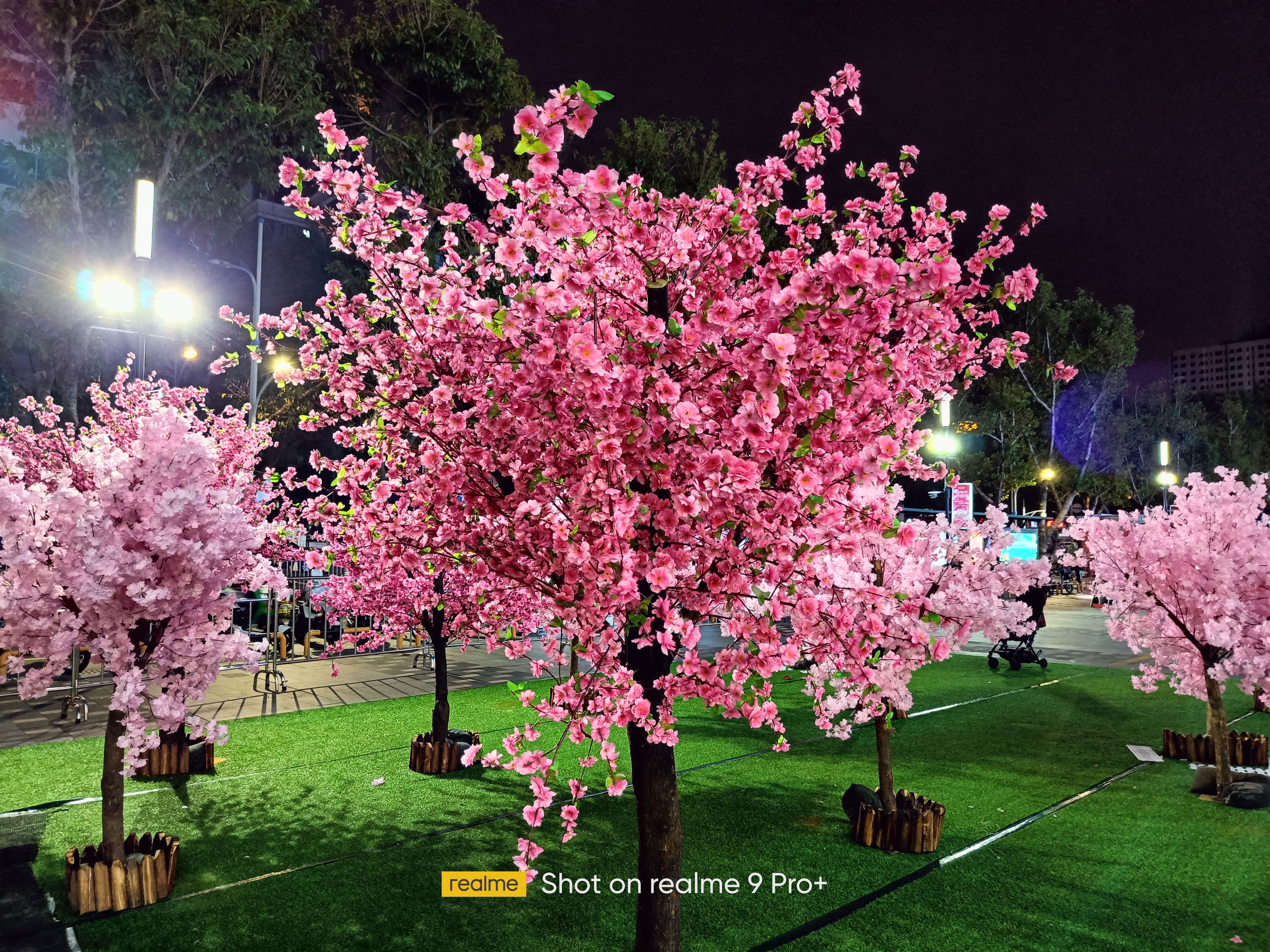
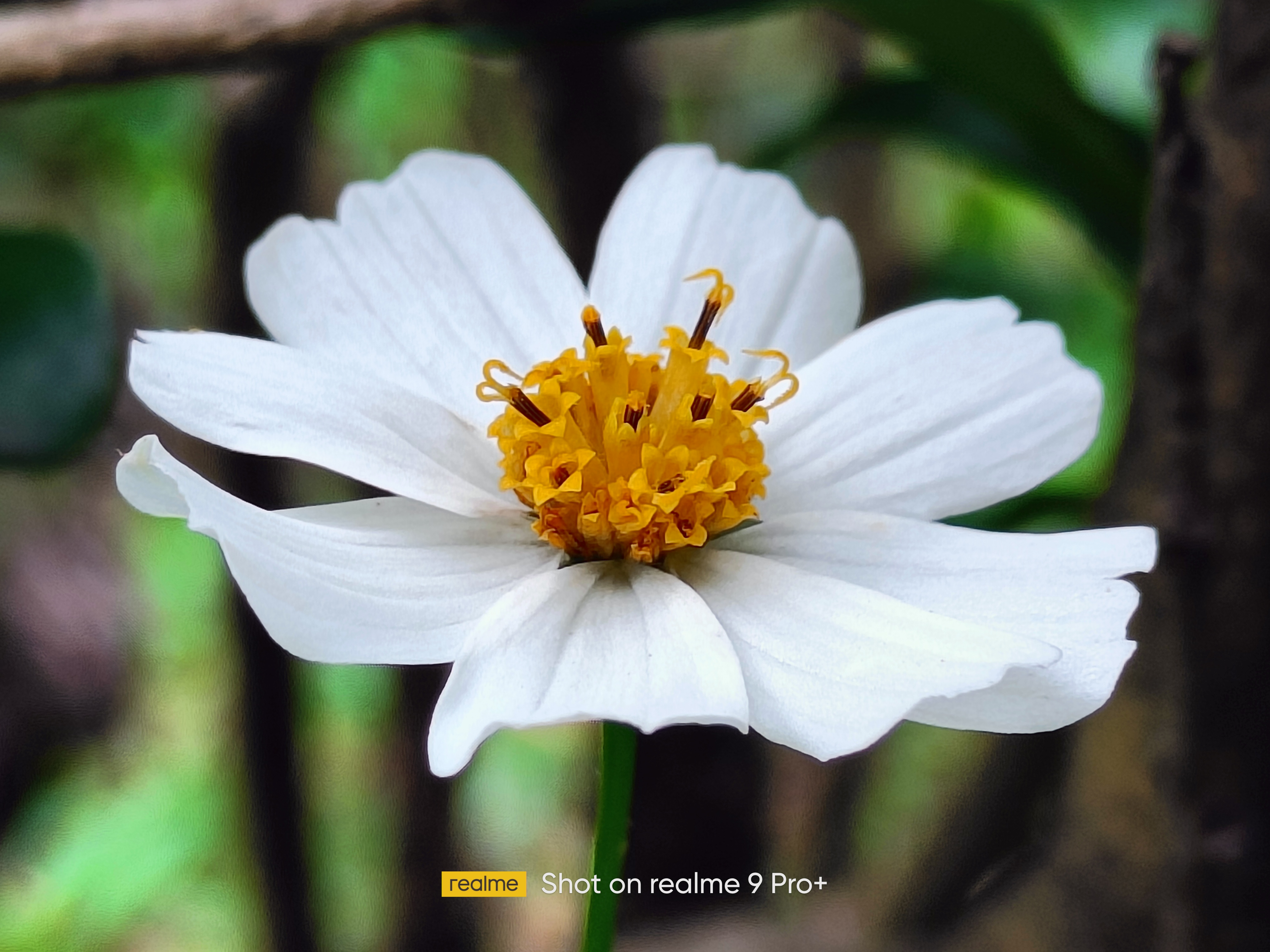
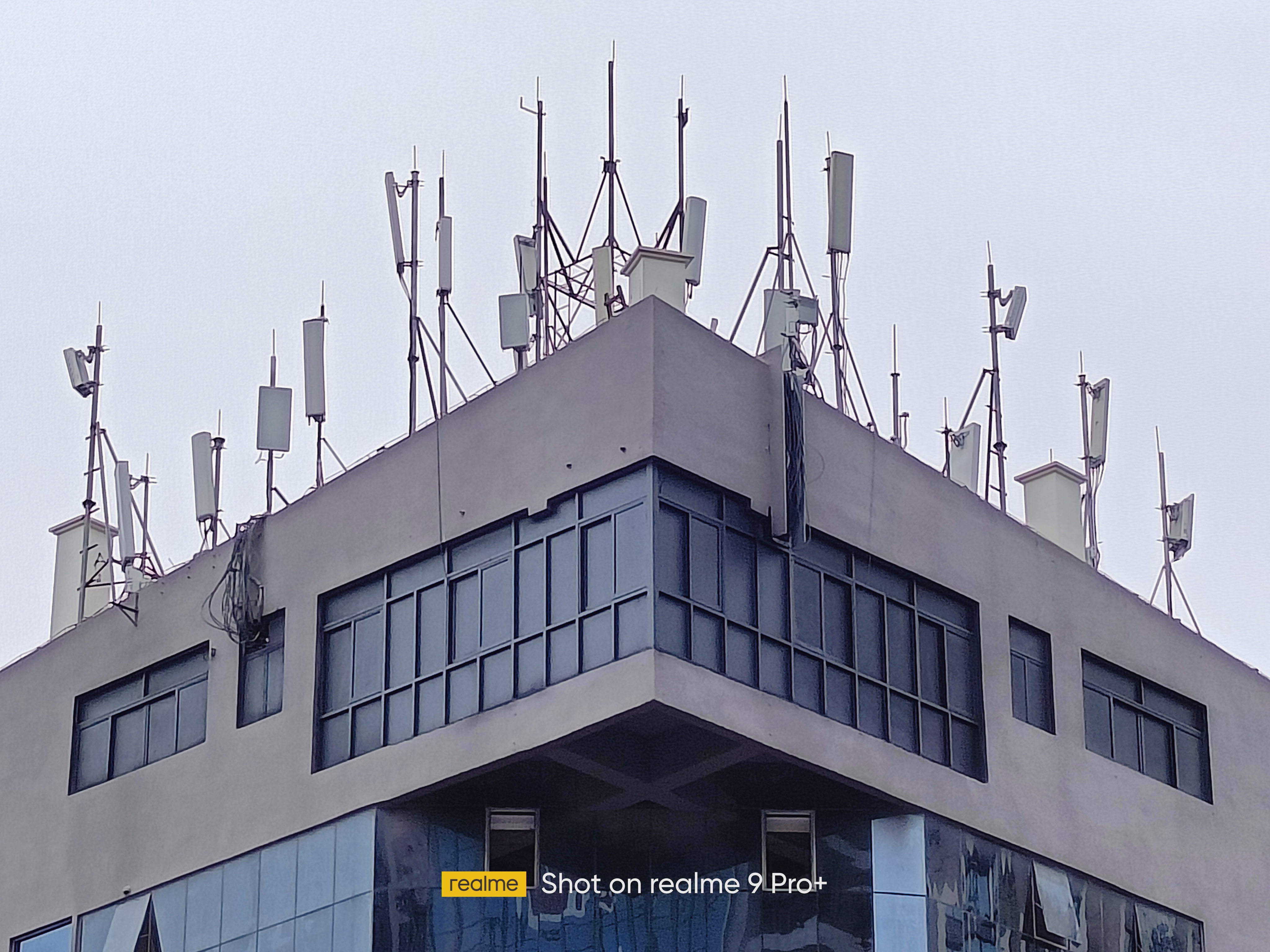
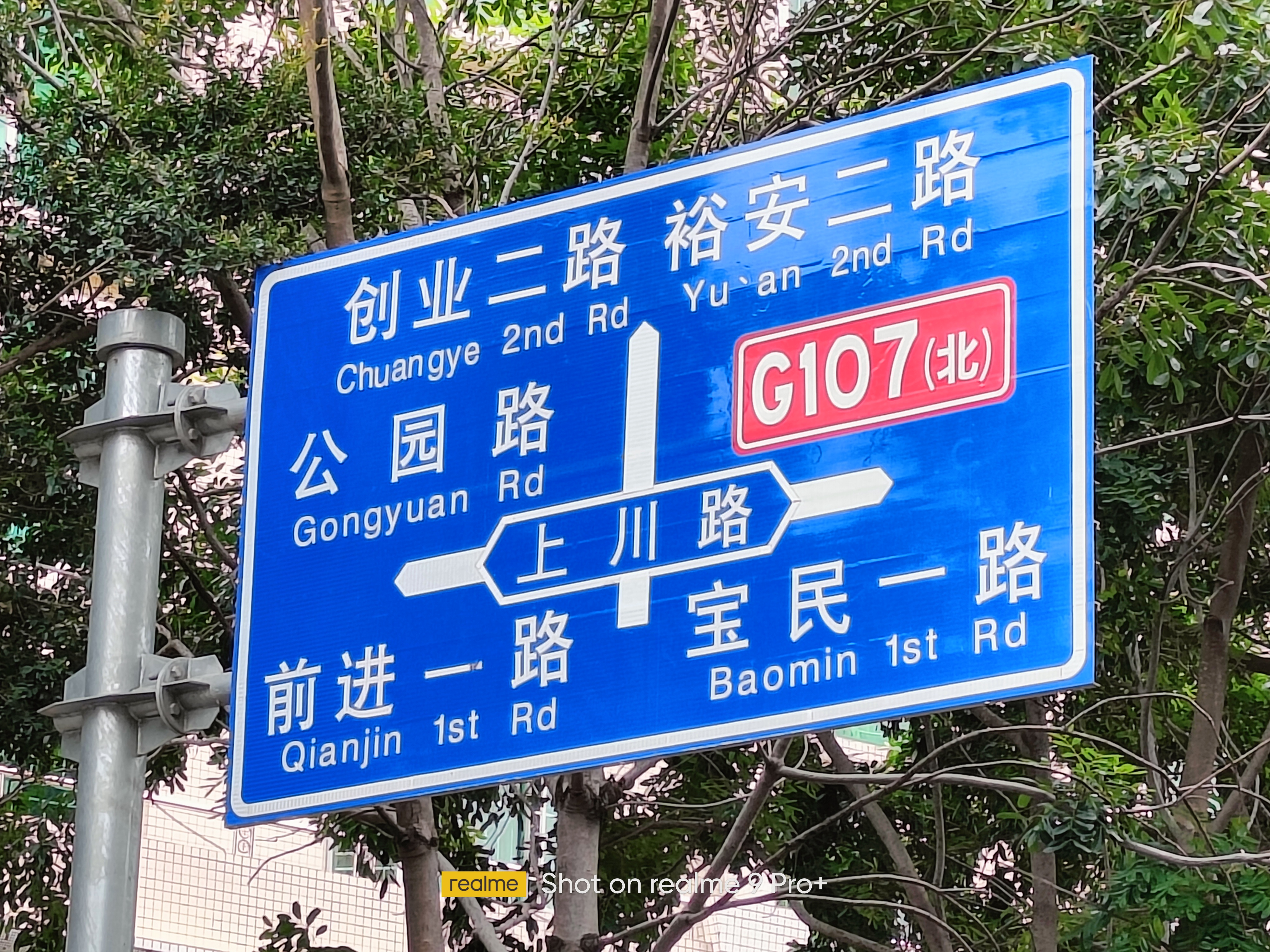
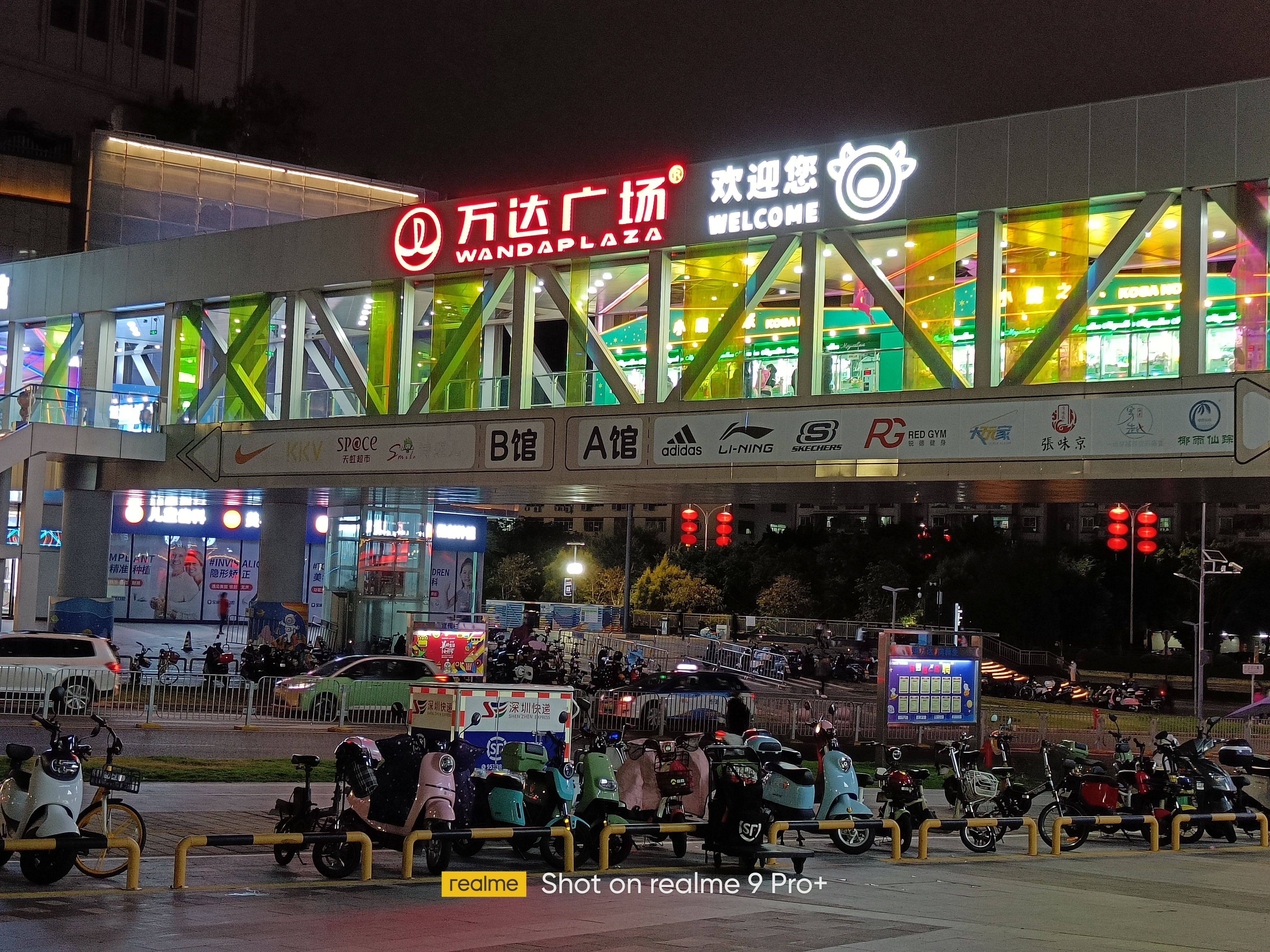
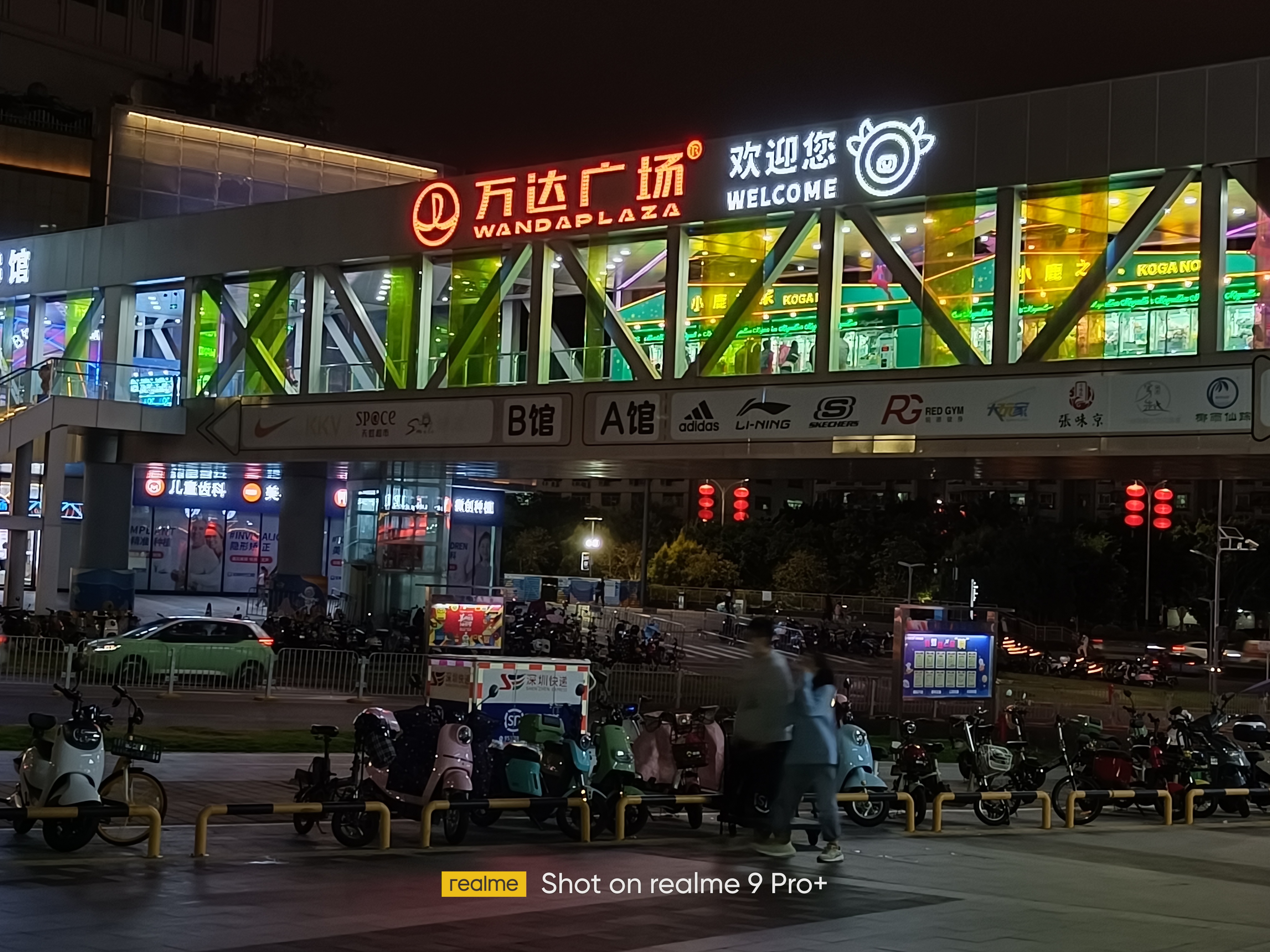
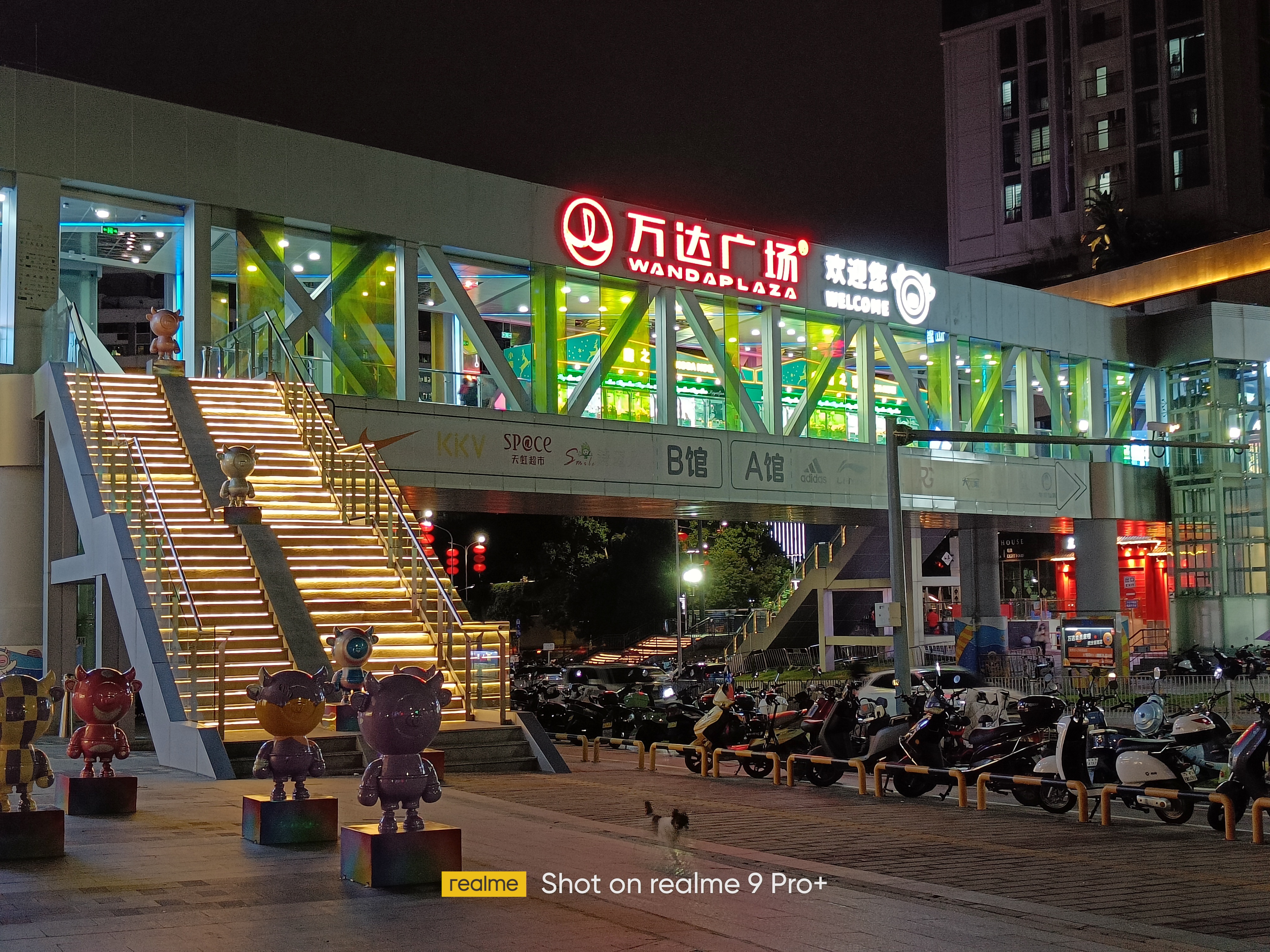
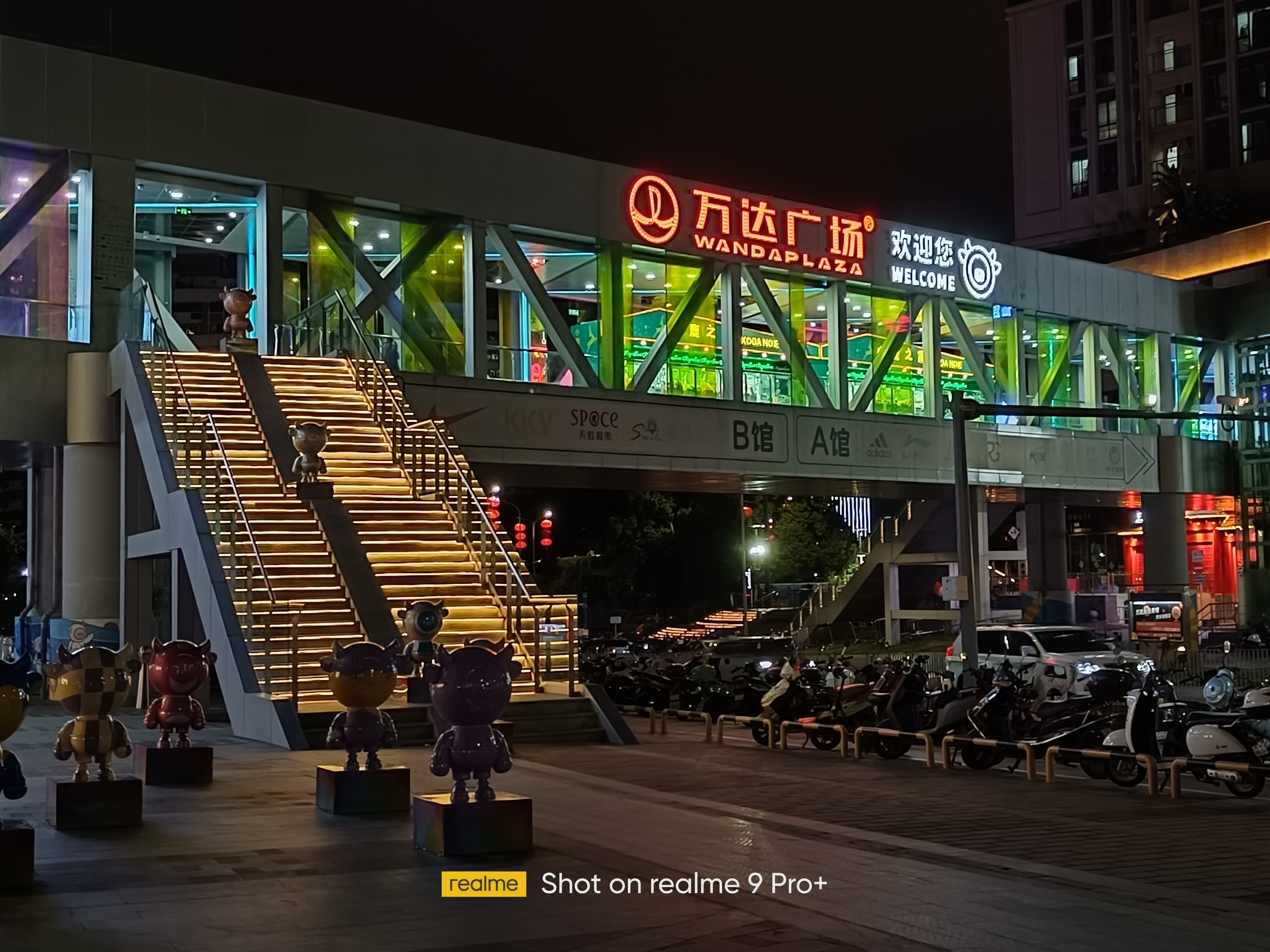
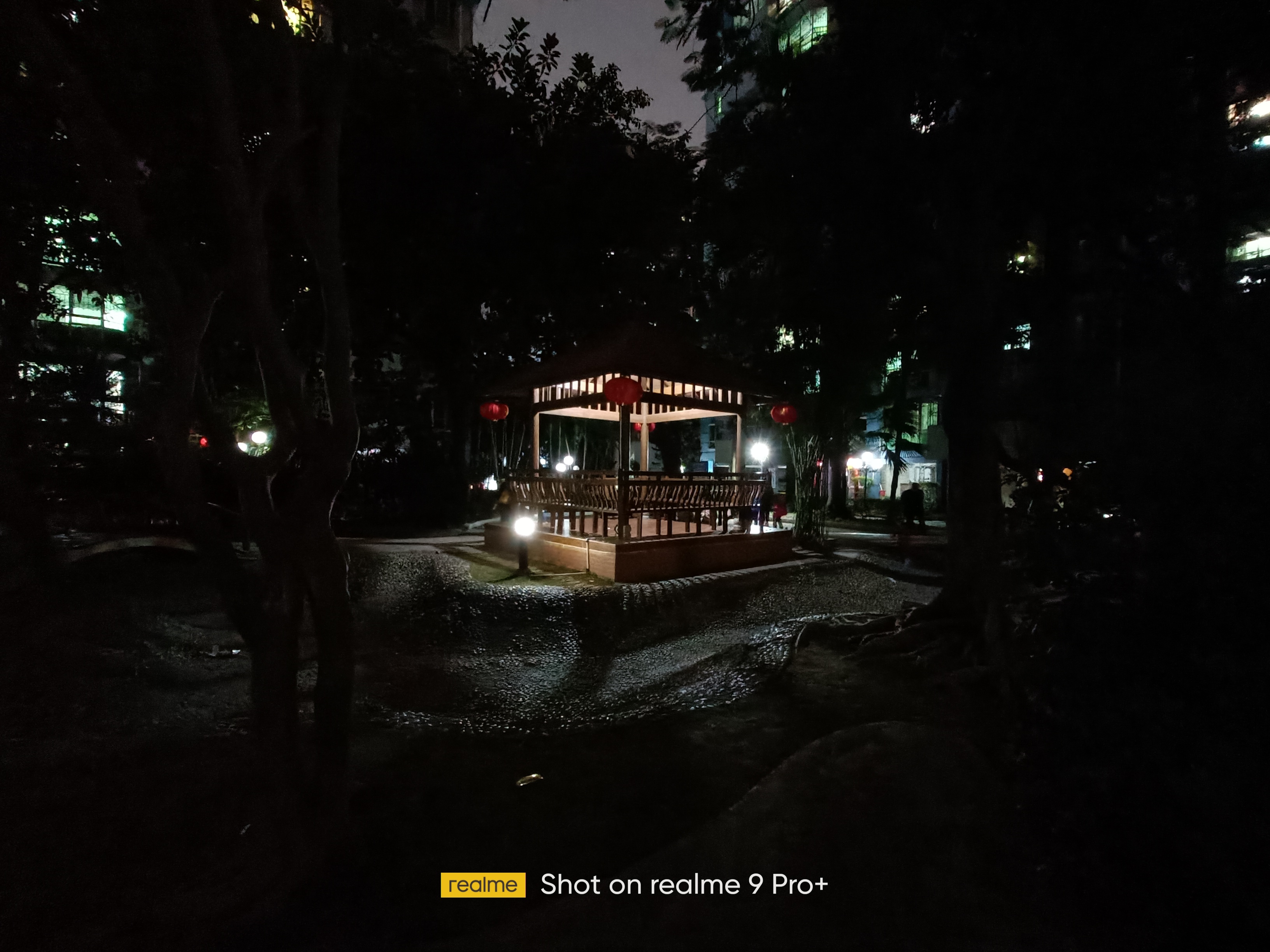
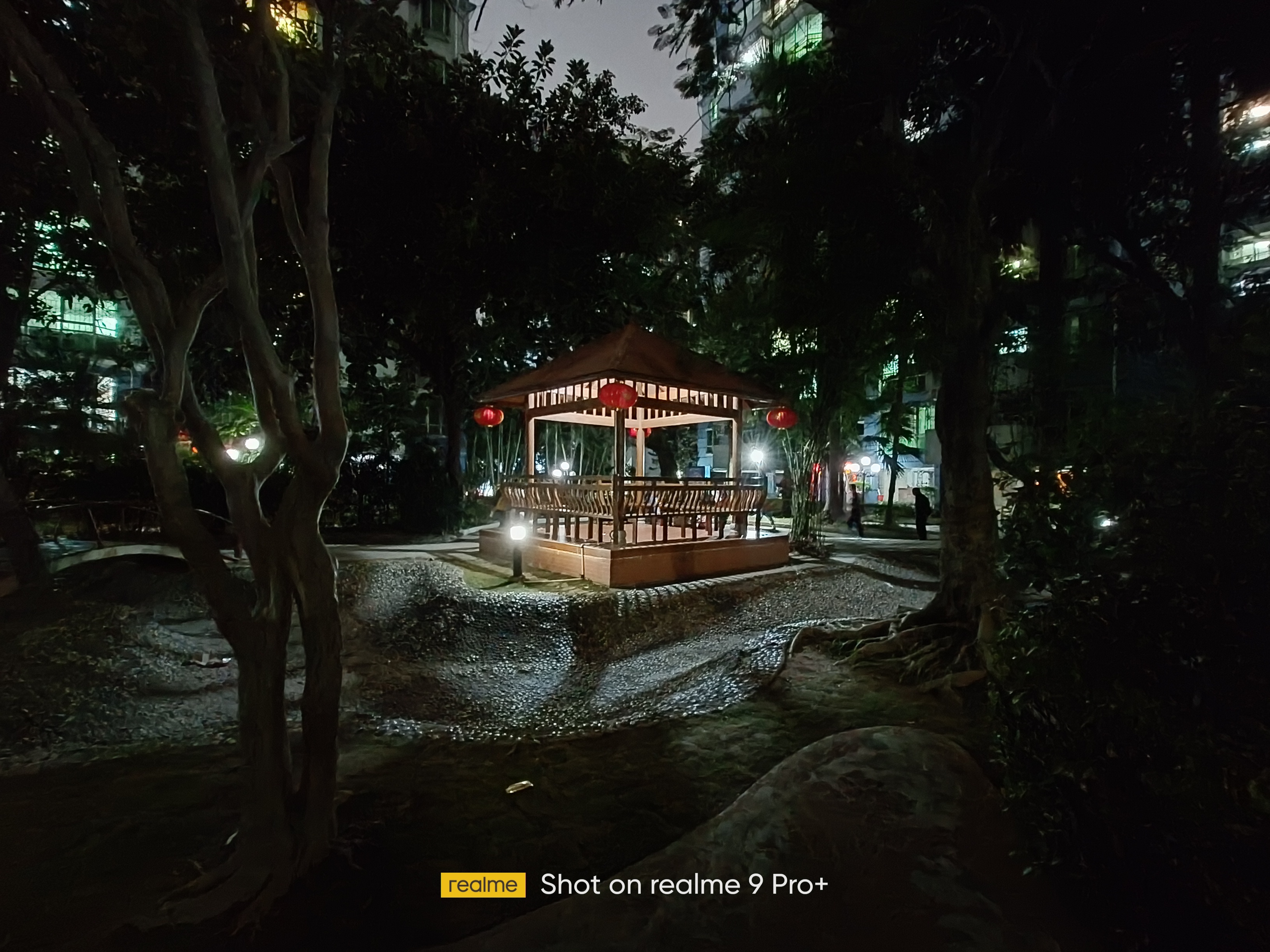
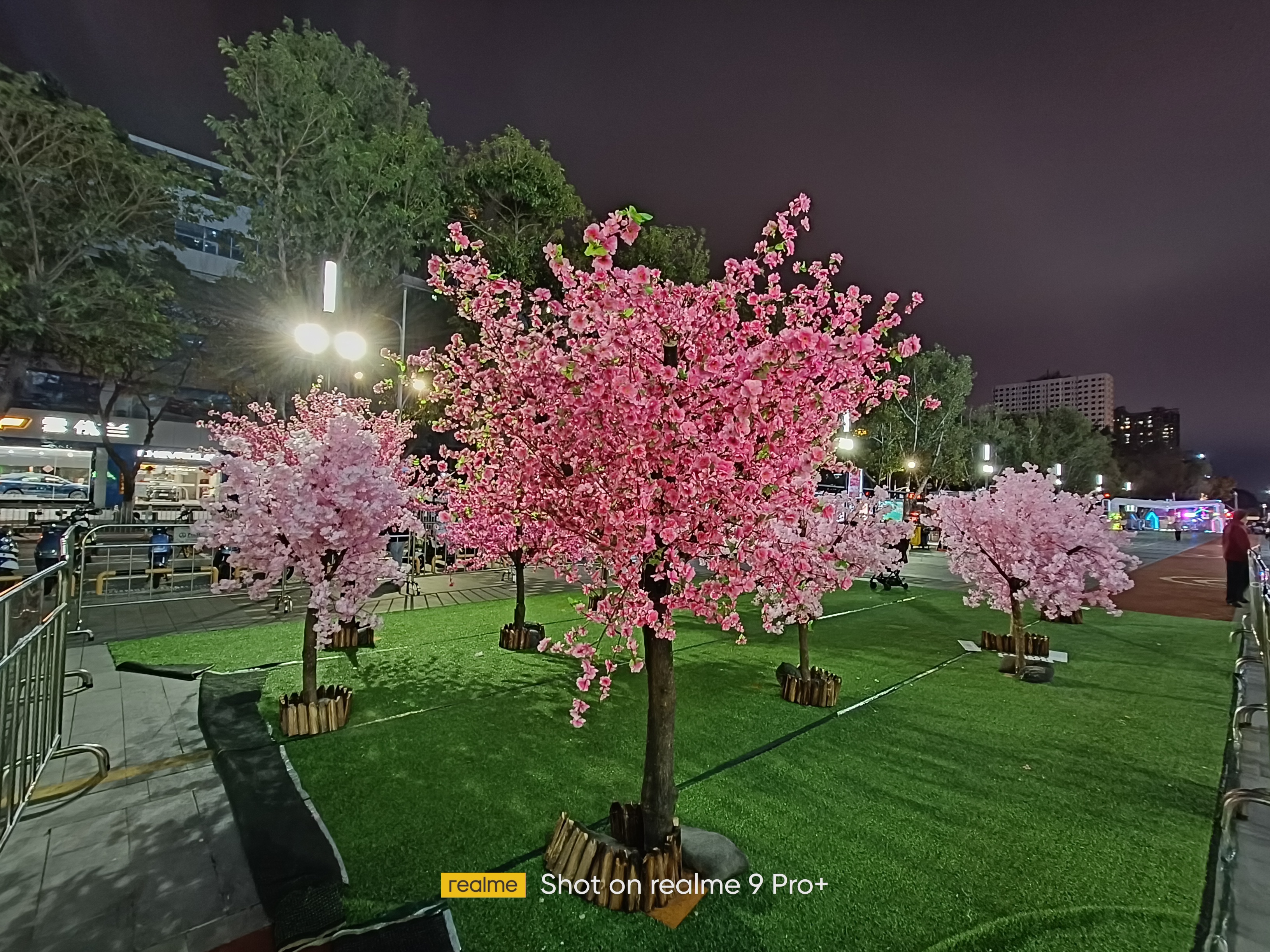
In fact its main camera does manage to reach close to top flagship levels as well. The daytime colors are vibrant, and the dynamic range is excellent. Thanks to this excellent sensor, you can get an excellent picture even if you use 2x digital crop to take a picture in good light. If the scene being photographed is not too complicated, even a 5x image is sufficient for most people. When night falls, the IMX 766’s strength can only be fully realized. Every photo is very clear and sharp. Both exposure, dynamic range and noise control are top level. And because of the addition of OIS, there is basically no blurring of photos due to hand shake. I’ll put a photo comparison with Redmi Note 11 Pro Plus in the same scene here, and you’ll see how good realme 9 Pro is. To be honest, this is the first time I’ve gotten such good photos on a Budget phone. If you showed me these photos and asked me to guess which phone took them, I would never guess that it would be a mid-range phone that could take these photos.
1 of 24
Main Camera
Main Camera
Main Camera
Main Camera
Main Camera
Main Camera
Main Camera
Night Mode
Main Camera
Night Mode
Main Camera
Night Mode
Main Camera
Night mode
5X
5X
5X
5X
2x
2x night
2x
2x
2x
2x night
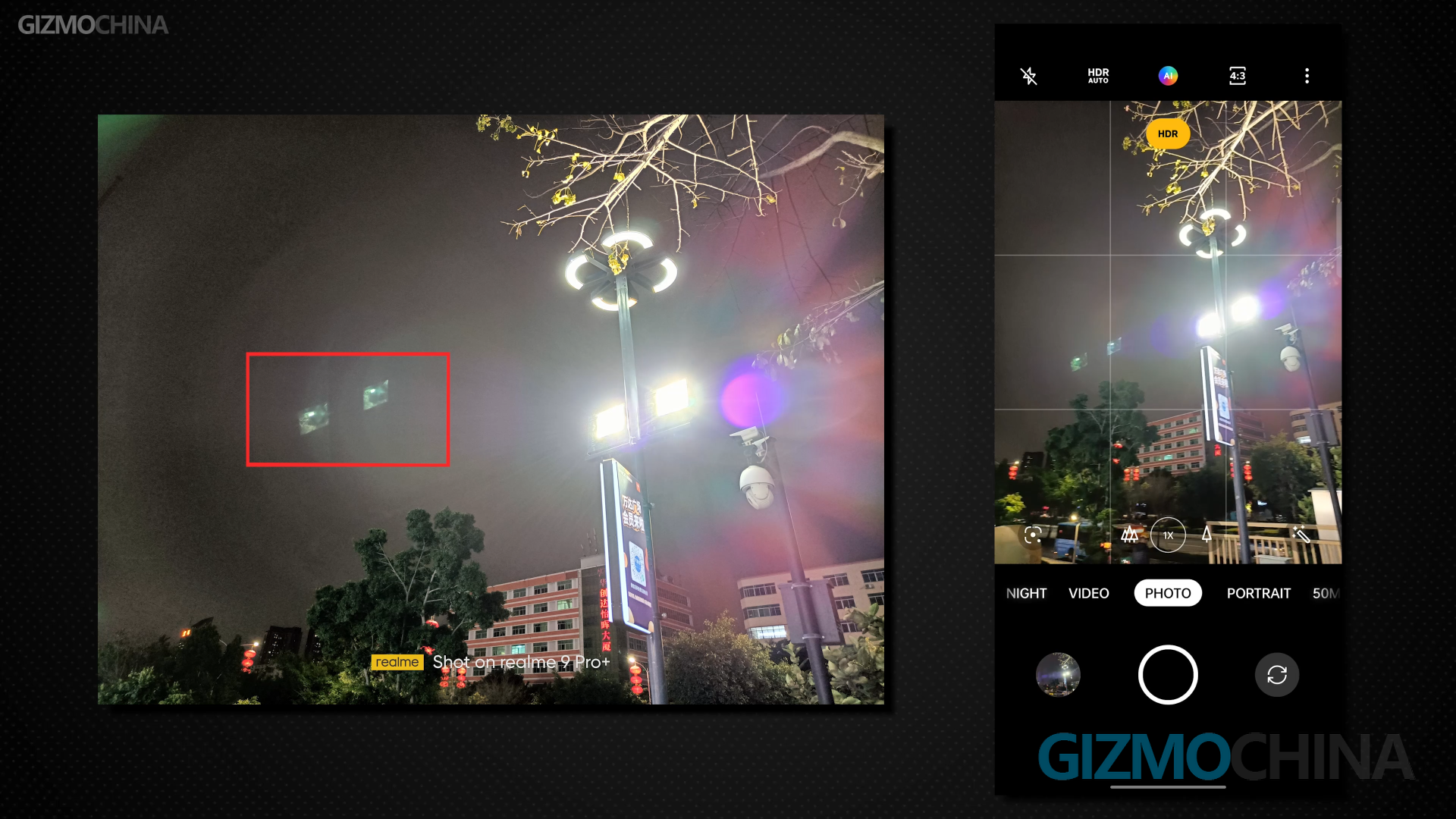
Although it has a great main camera, it doesn’t mean it’s perfect. The biggest drawback is that its lens coating is not good enough. It causes the reflection of the light to appear in your picture. And there is also a lot of flare, which will ruin your photos.
Realme 9 Pro plus’s night mode will improve the dynamic range of your photos, but it will also reduce the exposure and make the photos darker. This bug has also appeared in previous realme phones. They may fix this problem in new system version after sale.
Ultra Wide Camera
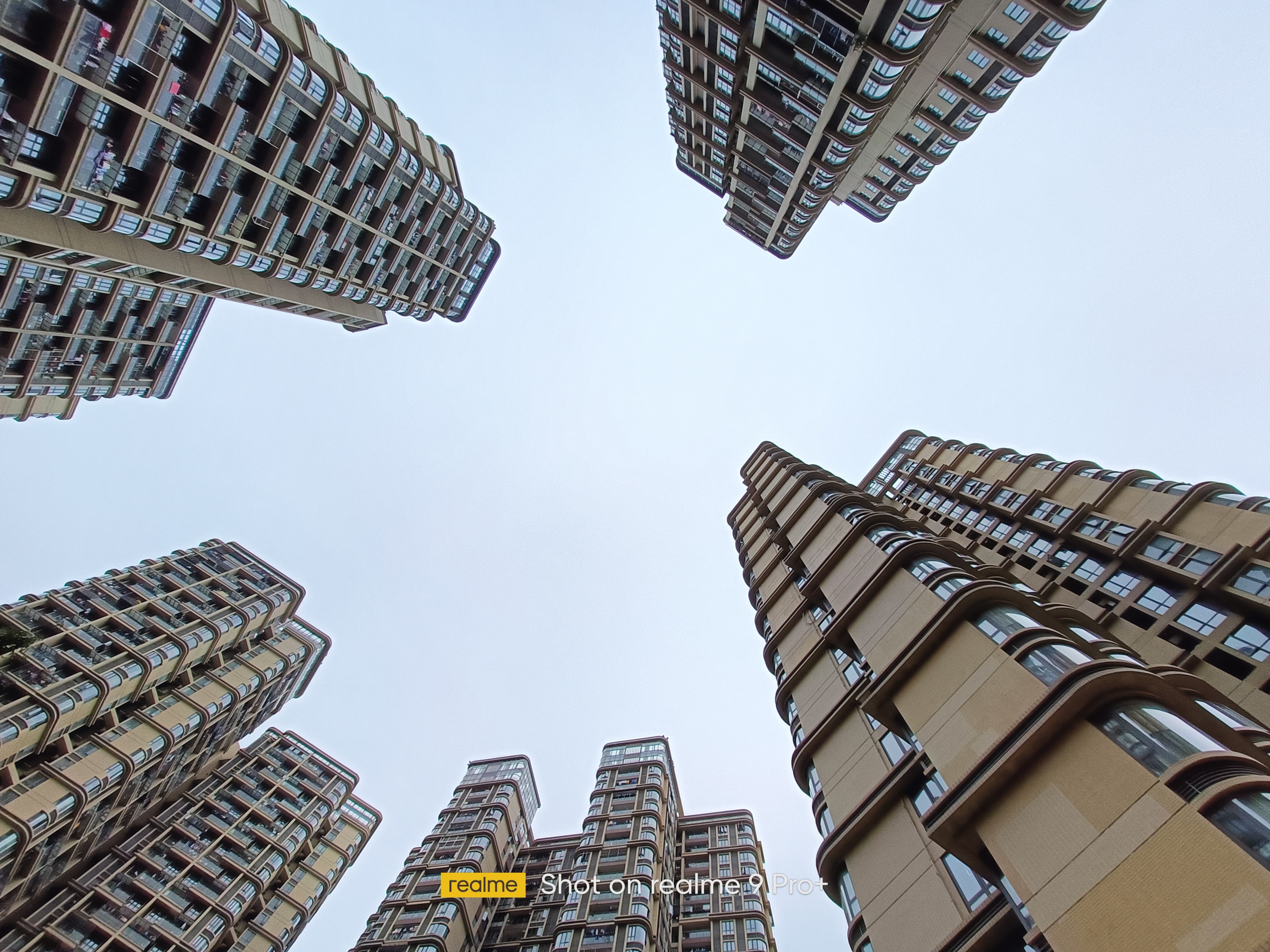
The ultra-wide camera doesn’t perform as well against the main camera. If there is enough light, the ultra-wide camera performs quite well, at least the colors are pleasing and the dynamic range is okay. But when there is not enough light, this 8 MP ultra wide angle camera is not so good. Whatever you shoot is blurred, like a layer of fog in front of the lens. The quality of photos will be much better when you turn on the night mode.
UW
1 of 10
UW
UW
UW
UW
UW
UW Night
UW
UW Night
UW
UW Night
Of course, it may be because our system version is not the final official version, so realme still needs to optimize the photo effect in auto mode of ultra wide angle camera before sending the phone to the users.
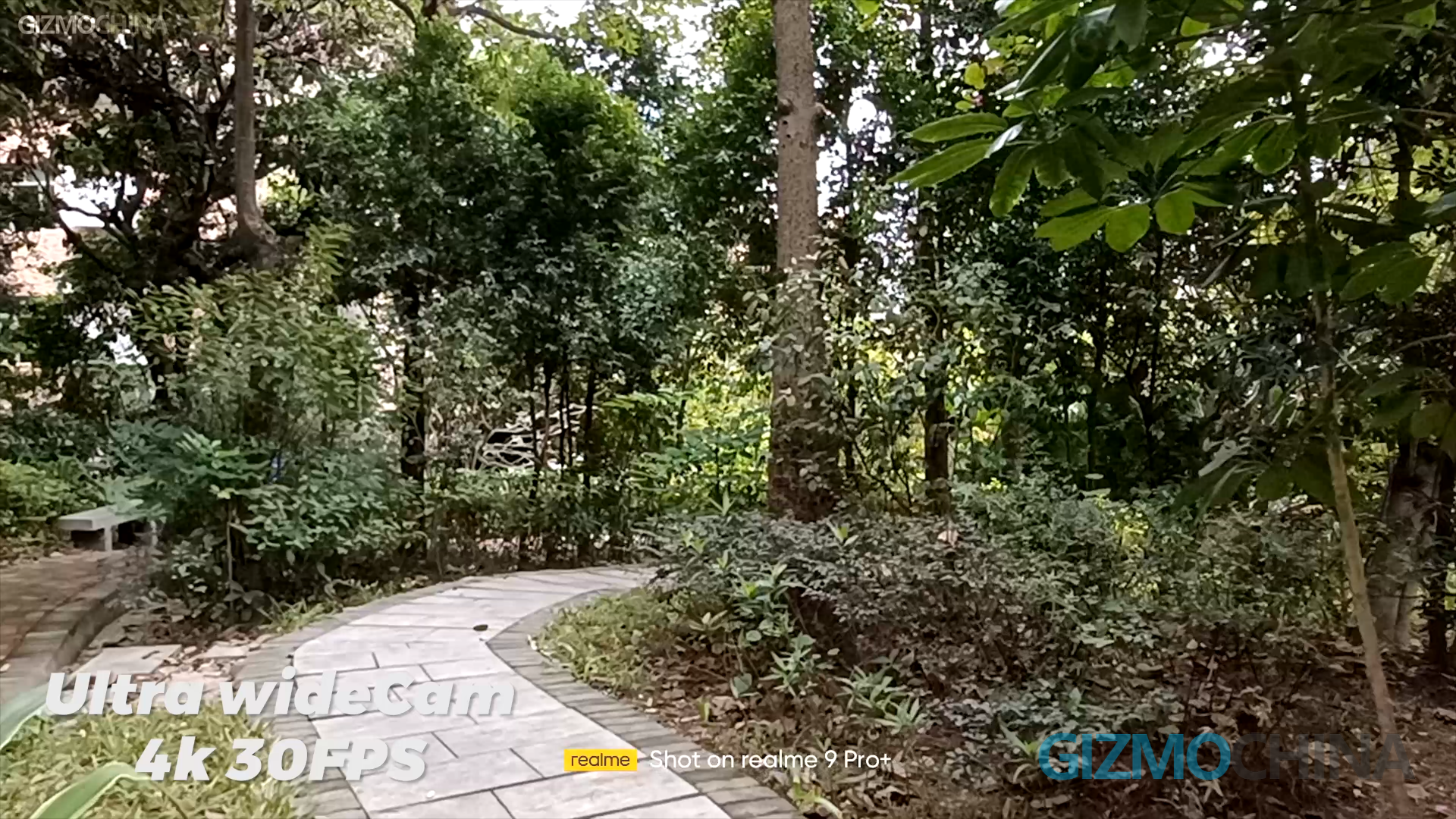
This is the main camera 4k 30 fps video recording footage, you can see the picture is very clear and natural colors. But you must have noticed that the footage is very shaky. Because of its weak performance, there is no way to add EIS in the 4K resolution, only rely on OIS is no way to do a stable image. Dynamic range is also very dependent on the performance of the processor, so dynamic range is actually not particularly good. The ultra-wide camera can only record 1080P 30fps video. The low quality of the video made me wonder for a while whether I had chosen a 1080P resolution. My advice is to try to avoid using ultra-wide camera video.
Charging & Battery Life
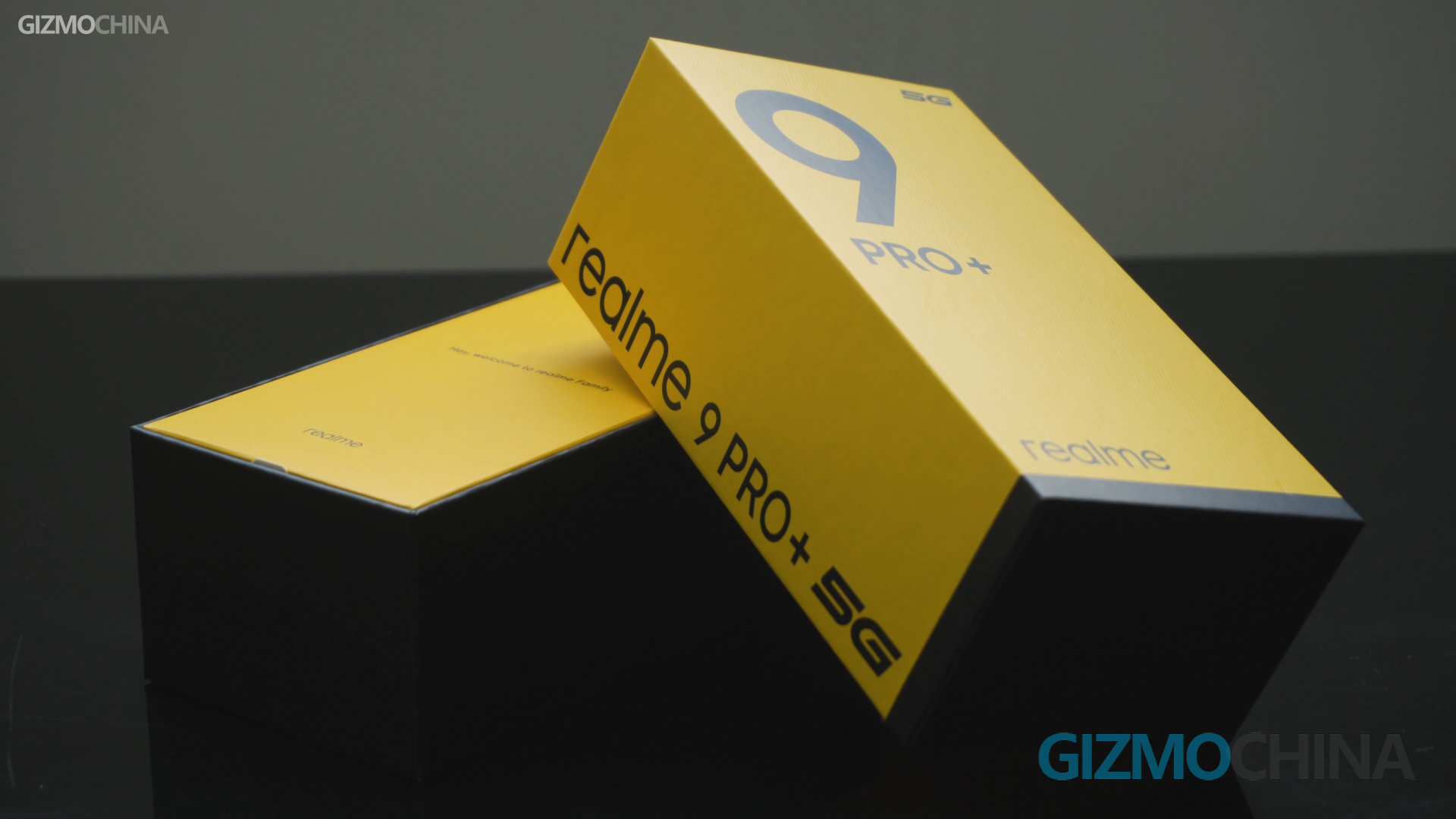
This time the box is designed to look better than the previous one. Inside the box there is a charger, charging cable and phone case. The charger is 65w, but the phone only supports up to 60w. Ten minutes to charge 41%, half an hour to charge 90%, and only 40 minutes to fill to 100%. The battery capacity is the same as realme 8 Pro’s 4500mAh.
Half hour online video consumes 4%, Tiktok consumes 5%, playing the three games consumes 6%, 6%, and 10% power respectively. Since the performance is not powerful, the battery life should be very long.
Realme 9 Pro Plus Review: Verdict
realme 9 Pro Plus is designed with the same idea as the realme 8 Pro. Performance is a lower priority and the focus is on enhancing the camera. The other specs are as good as you can get. It is not for those who like to play games, but for those who like to take pictures but don’t have much budget, it may be the most suitable choice.
As the old saying goes, there is no perfect phone, only the most suitable phone for you.
I have to remind you again we are giving away one realme 9 Pro. Participate in the giveaway using the link here.
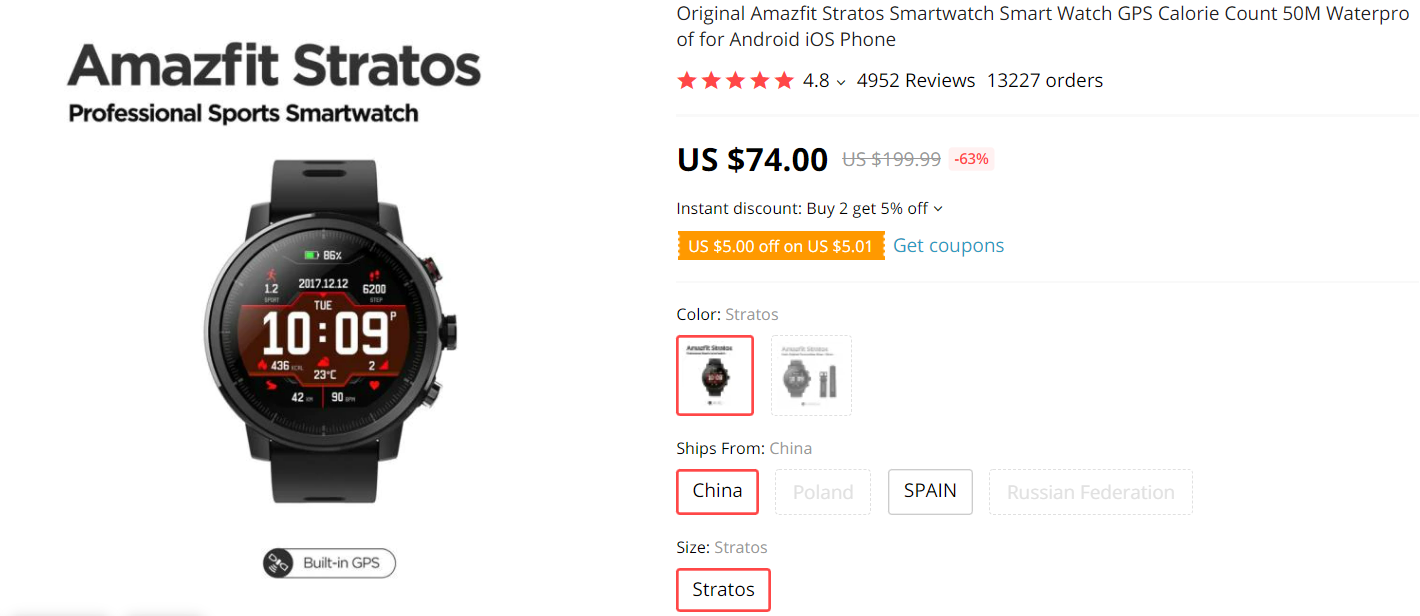
Amazfit Stratos Smartwatch embodies the perfect combination of design and technology. Its simple yet graceful design is reflected through the 1.34-inch reflective color display and delicate markers surrounded by a hand-polished ceramic bezel.
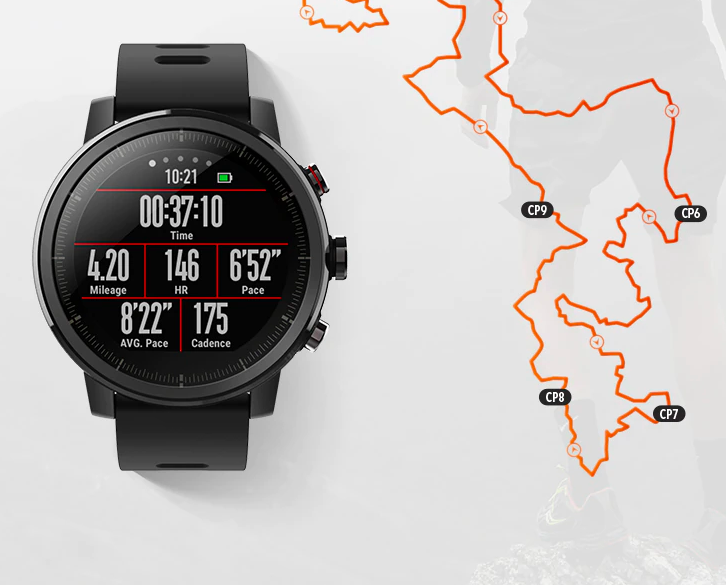
The smartwatch is 50m water-resistant. This means you can dive into a swimming pool or swim in the open seas without worrying about damaging the smartwatch. Moreover, the multiple sports mode function gives more than 16 different activity tracking options, making the watch suitable for almost everyone. Run, Walk, Swimming, Triathlon, Trail Run, Climb, Soccer, Tennis, etc are some of the modes available along with daily activity tracking.
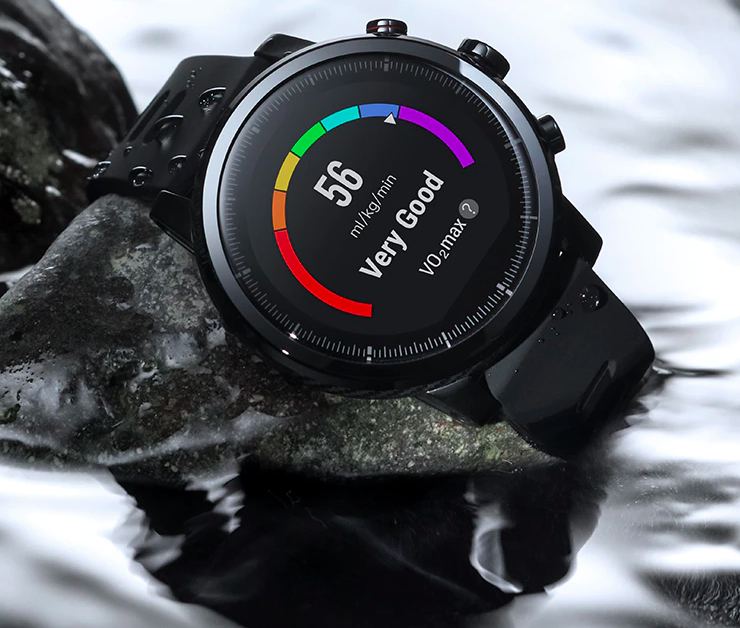
However, the highlight of Amazfit Stratos is its VO2max Fitness Level Analysis. This premium function gives you important physiological information which is generally used by professional athletes. With this function, you can take your training to the next level and get professional and tailored guidance for your fitness and athletic goals.
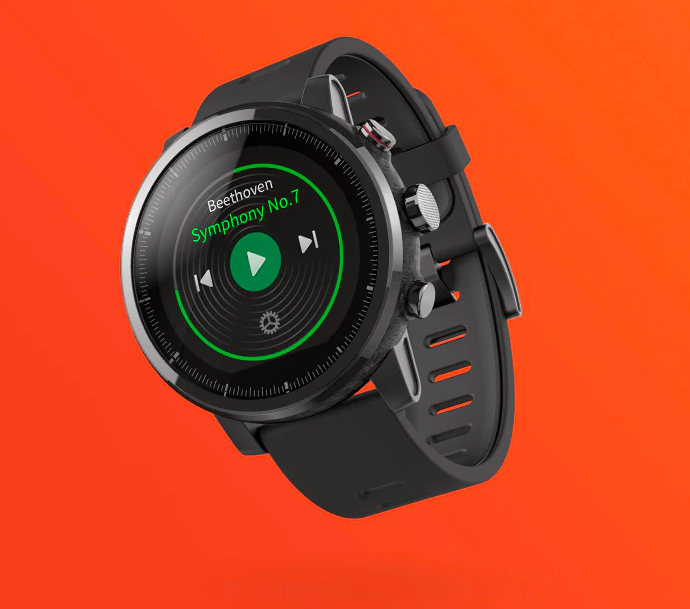
The smartwatch comes with 5-day battery life on normal mode and 35-hour battery life on a continuous sports mode. Additionally, the onboard music function lets you leave your phone behind as you can simply store your favorite music on the smartwatch and then enjoy it via Bluetooth headphones.
Amazfit Stratos Smartwatch is the winner of the RedDot Design Award 2018 and the Good Design Award 2018. Generally retailing for $150, you can now buy this smartwatch for $74 only at AliExpress.
Please note that the above price is region-specific and the final price may vary according to your shipping region, warehouse, and regional taxes.
For more information on such exciting deals and offers check out our deals hub.
* Please Note: When you buy something using the links in our articles, we may earn a small commission at no cost to you.
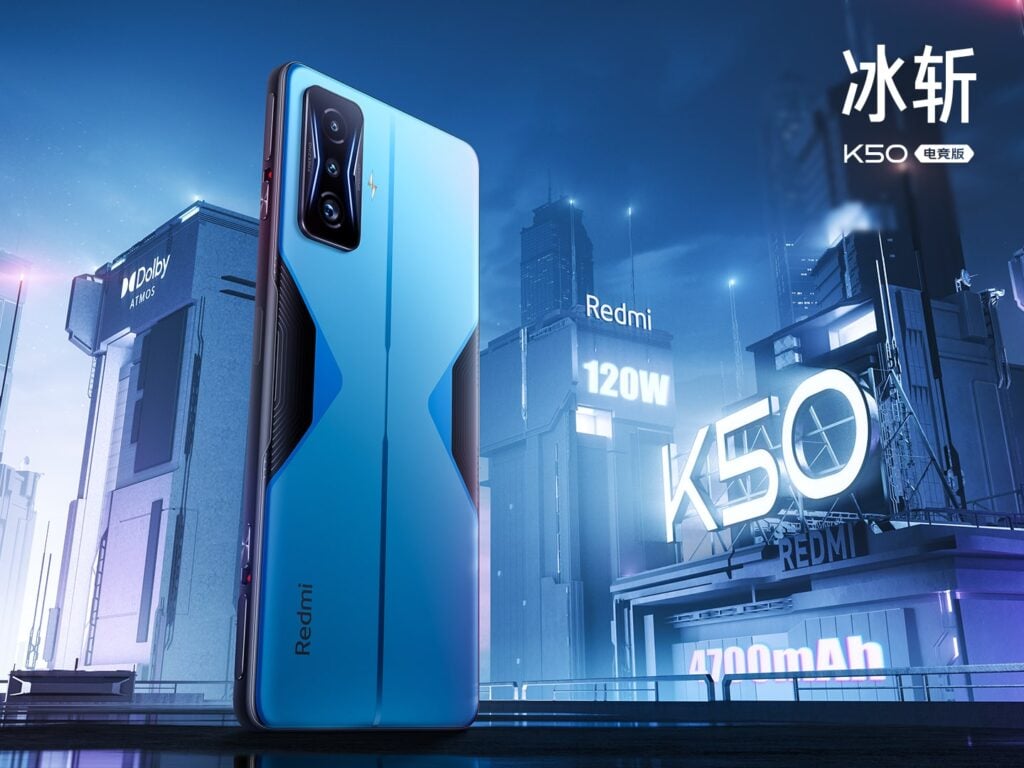
Redmi has just launched the Redmi K50G aka the Redmi K50 Gaming Edition at their launch event in China. The smartphone carries the latest Snapdragon 8 Gen 1 SoC and is equipped with various features to maximize performance and enhance the gaming experience of the device.
Design
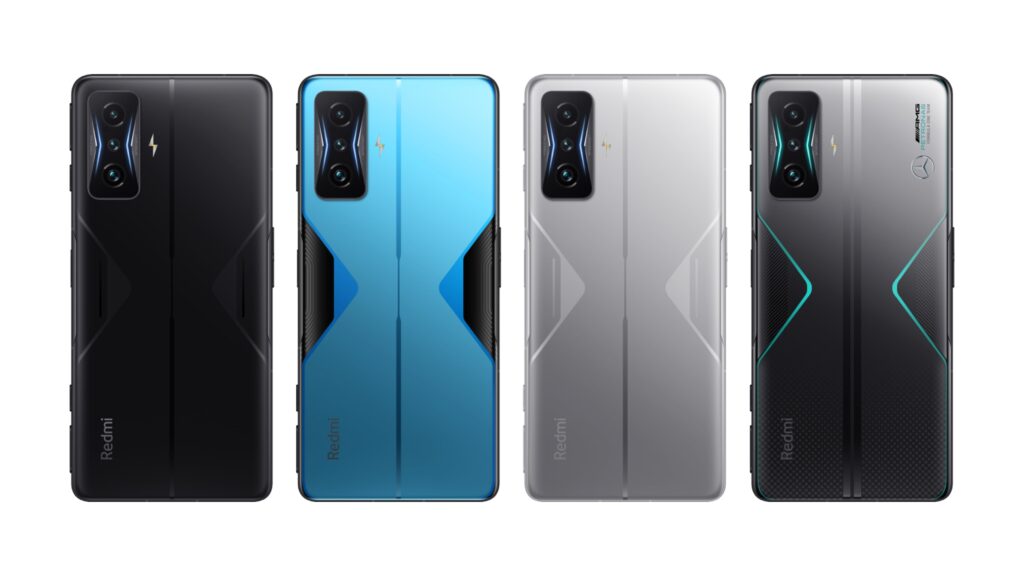
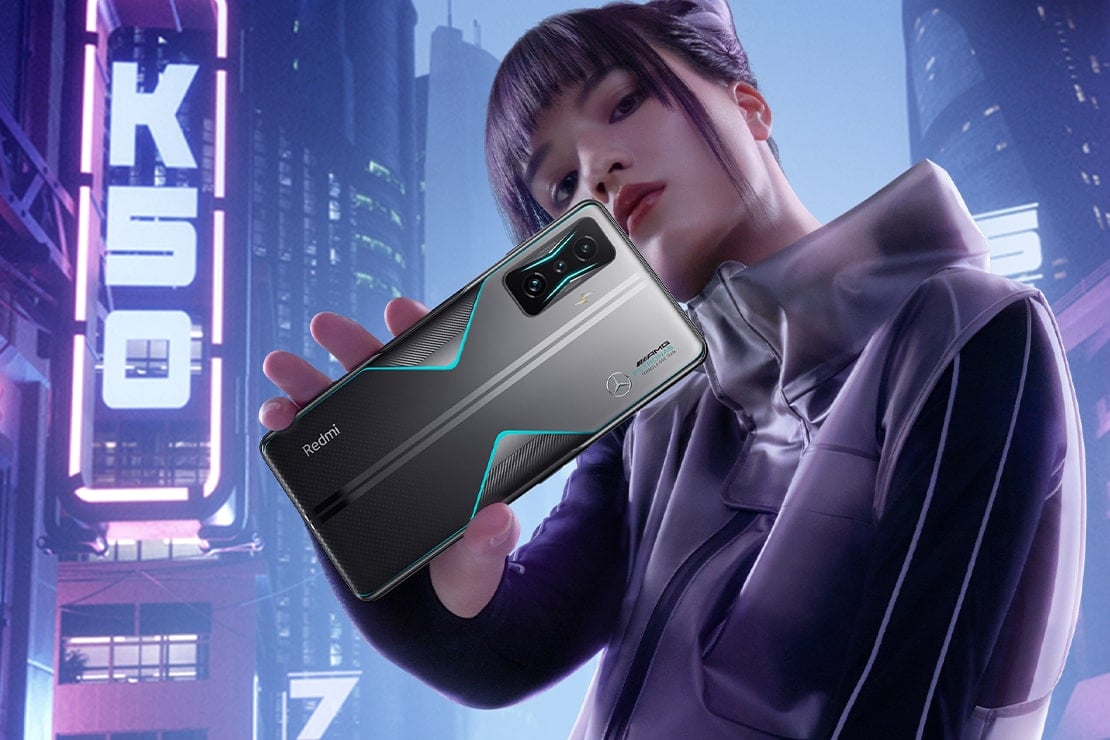
The Redmi K50G features a sports automobile-inspired design with a streamlined body with well-crafted details. The smartphone also has an “X” shaped theming that can be observed on its back panel, the camera module, and even its speaker opening. The camera frame also has an LED strip that doubles as a notification light.
The K50G has two shoulder triggers on the right side, pushing the power button positioning a little bit lower than the traditional smartphones. On the left, we get a volume rocker which is also positioned a bit lower than usual. The device has a metallic frame and comes with an AG Glass finish on the back.
Display
The K50G offers a 6.67″ OLED FHD+ display with a 120Hz refresh rate and 480Hz touch sampling rate. The display covers the DCI-P3 color gamut and supports HDR 10+, MEMC. The screen of the K50G comes with Display Mate A+ certification. The phone’s screen is also protected by Gorilla Glass Victus.
Cameras
Redmi K50G Primary camera sample
The Redmi K50G offers a triple camera setup on the back comprising of a 64-megapixel Sony IMX686 sensor for the primary camera. The sensor offers a maximum resolution of 9248 x 6944 pixels and offers a pixel size of 0.8 μm to 1.6μm (pixel binning). It also has an 8-megapixel 120-degree ultrawide camera and a 2-megapixel telemacro camera. The camera module also houses a flicker sensor that detects the frequency of fluorescent lights and adjusts shutter speed and ISO accordingly, so you don’t get banding effects in your photos or videos.
The front camera on the K50G comes equipped with a 20-megapixel Sony IMX596 and offers Xiaomi’s AI beautification features for better selfies.
Performance
Redmi K50G sports the Snapdragon 8 Gen 1 based on a 4nm process that offers improved CPU performance and an almost 52% increase in GPU performance compared to the Snapdragon 888. Paired with the SoC, we get up to 12GB of LPDDR5 RAM and 258GB of UFS 3.1 storage.
However, having a powerful SoC and an abundance of fast RAM means nothing if the phone can’t keep the thermals down. And that is where the Redmi K50G shines with its cooling setup that offers dual second-generation stainless steel vapor chambers, covering 4,860mm² total area. The vapor chambers transfer the heat absorbed from the SoC, battery, and IC to its Second generation white graphene heat spreaders which are 20% more efficient than the last generation.
To take the cooling of the device even further, users can buy Redmi’s custom metal heat dissipation magnetic shell which can be hooked with a magnetic heat dissipation external fan to keep temperatures low across long gaming sessions.
Redmi K50G comes with a 4,700 mAh battery coupled with 120W wired charging, which the company claims is capable of charging the device to 100% in 17 minutes.
Redmi has also focused more on an immersive experience this time around offering the world’s first CyberEngine ultra-wideband X-axis motor on the K50G, which is currently the largest X-axis vibration motor on an Android smartphone. The sound system on the smartphone is also quite impressive with one main speaker and one tweeter on both sides making for a quad-speaker setup for immersive and high fidelity sound.
Redmi K50G is equipped with three Wi-Fi antennas, enhancing gaming. With further improved anti-interference and low-latency optimization algorithms, it can effectively reduce game latency by 30% compared to traditional dual Wi-Fi antennas. Redmi K50G also supports WiFi 6E, providing faster connection and network stability. NFC support is also provided in the new smartphone, supporting transportation cards in more than 300 Chinese cities, Mi Pay, door cards, and other functions. For security, it comes with a side-mounted fingerprint sensor.
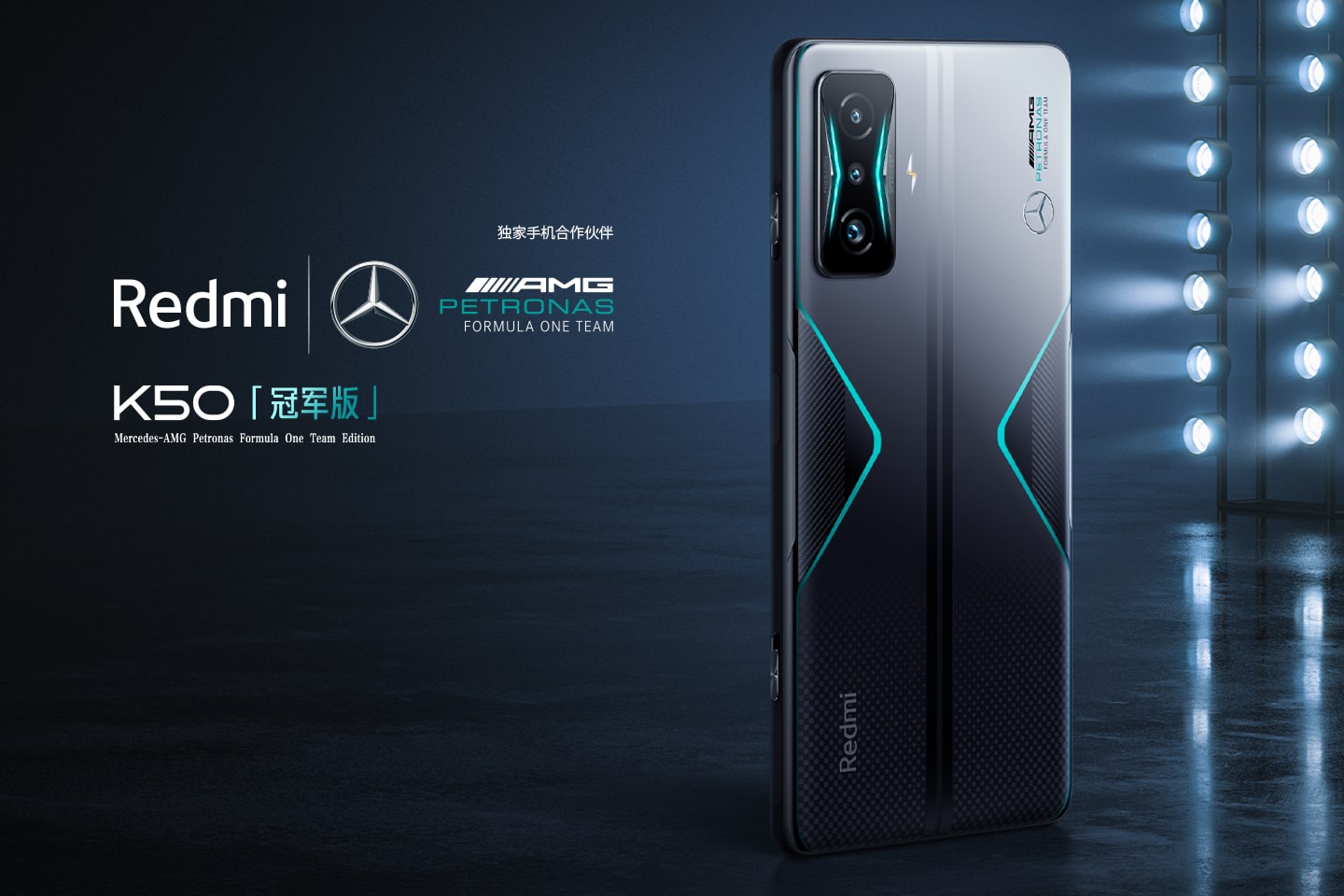
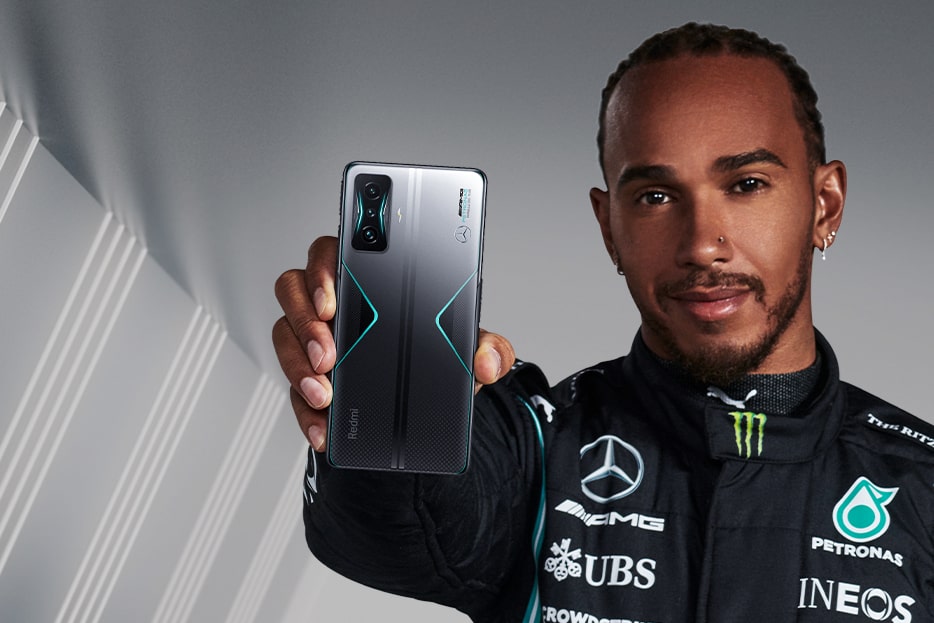
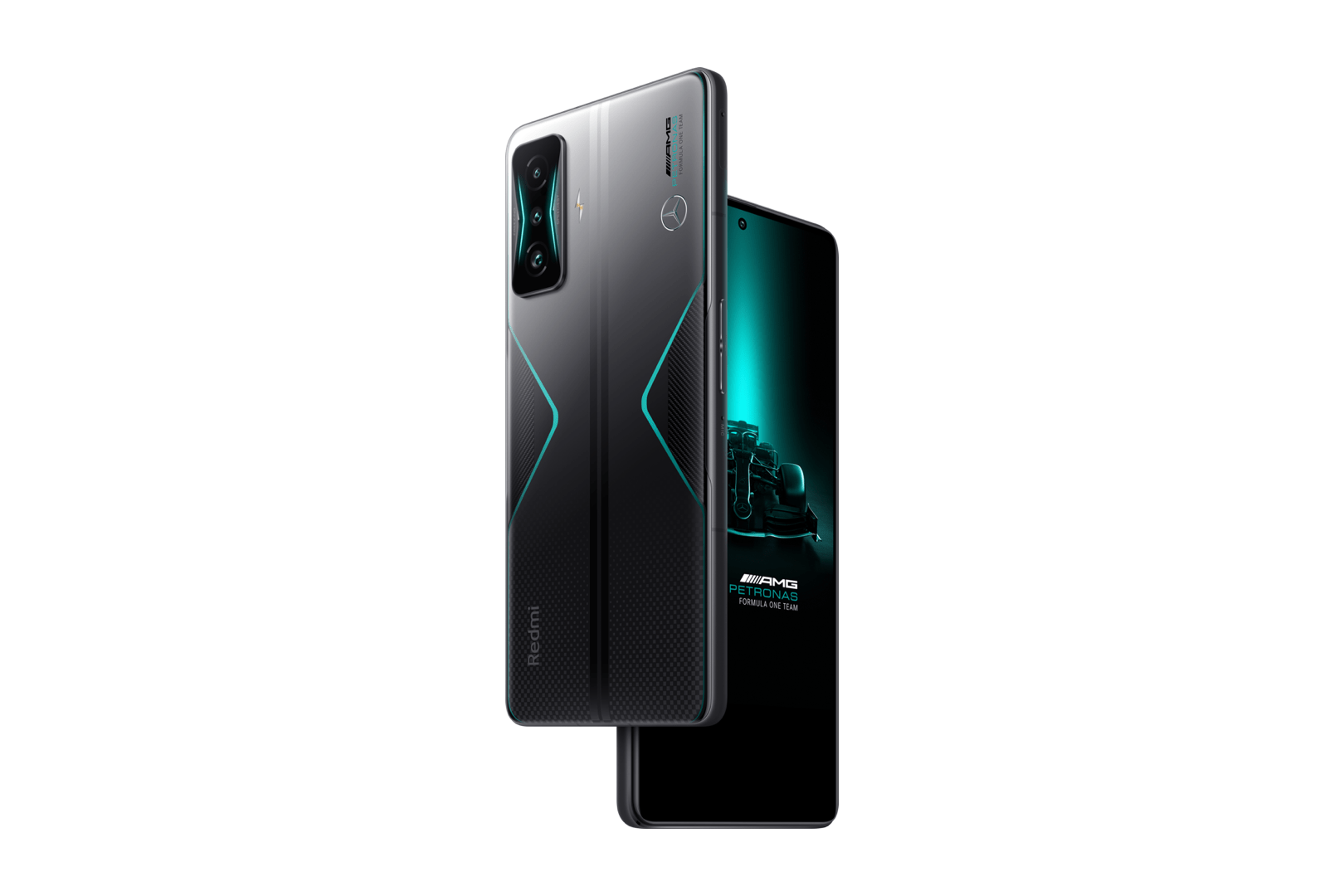
Redmi K50G Mercedes-AMG Petronas Formula One Team Edition
Redmi K50G Mercedes-AMG Petronas Formula One Team Edition
1 of 4
Redmi has partnered with Mercedes-AMG Petronas Formula One Team to create a special Mercedes-AMG Petronas-themed Formula One Edition of the K50G. The Smartphone is offered in a distinct grey color theme with cyan color LED notification light and the “X” on the back is also in the same Mercedes-AMG Petronas themed color. The back features two dark grey color racing stripes and has the Formula 1 flag pattern on the lower back.
Memory variants, Pricing, and Color options
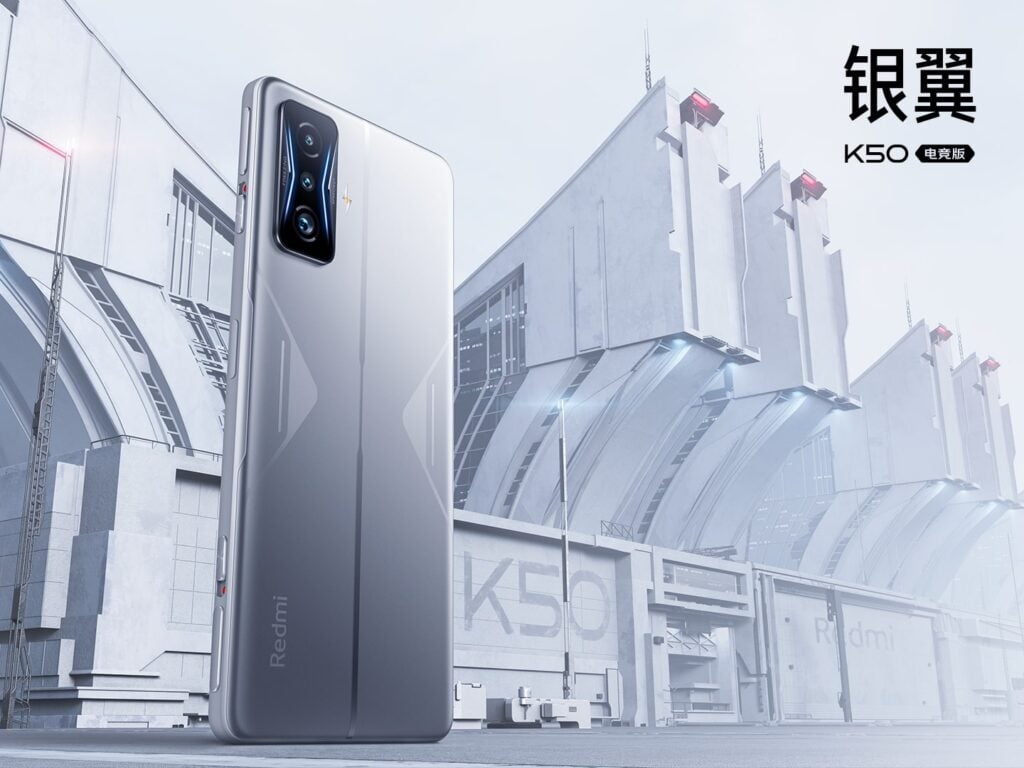
The Redmi K50G is made available in three color variants namely Blue, Silver, and Black, excluding the special Mercedes-AMG-themed devices.
The devices come in three memory configurations – 8GB + 128GB, 12GB + 128GB and 12GB + 256GB. These are priced at 3,299 yuan ($520), 3,599 yuan ($568), and 3,899 yuan ($615) and will be available for purchase starting at 10 am on February 18 in the Chinese market.
The K50G Mercedes-AMG Petronas Formula One Team Edition is priced at 4199 yuan ($662) and is only available in 12GB+256GB configuration. This special edition is limited to only 10,000 units and will go on sale at 10 a.m. on February 18.
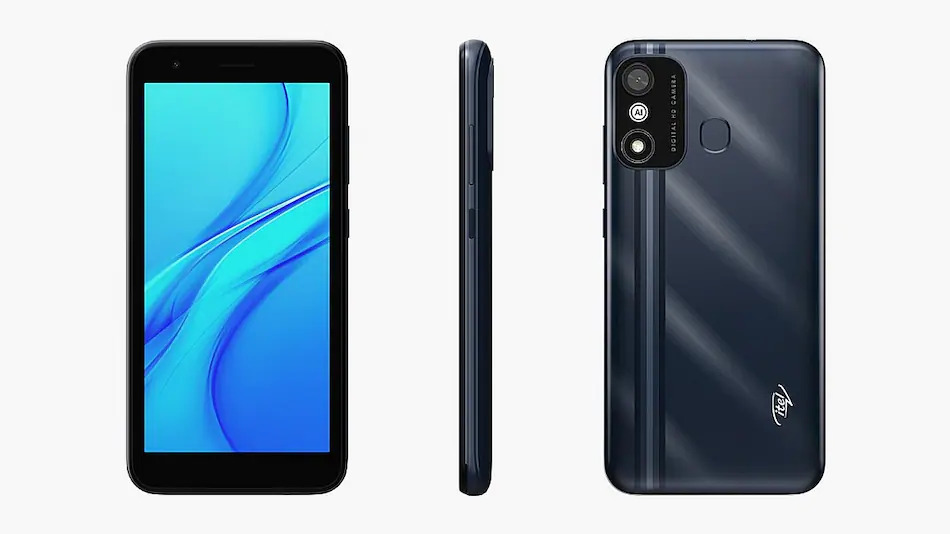
Chinese phone maker itel has quietly launched the itel A27 entry-level phone in the Indian market. It is a compact phone that comes with a quad-core chipset and runs on the Android 11 Go Edition.
The itel A27 is priced at Rs. 5,999(~$80) for the lone 2GB RAM and 32GB storage variant. The device has three color options – Crystal Blue, Deep Gray, and Silver Purple. It is already available in the offline market in India.
itel A27 Specifications
The itel A27 comes with a 5.45-inch display with an HD+ resolution. The phone has a 2MP selfie snapper and a 5MP rear camera. The device can shoot HDR photos and comes with different modes. It has beauty mode, portrait mode, short video option, AR filters, and stickers.
It is powered by an unknown quad-core chipset clocked at 1.4GHz. It has 2GB of RAM and 32GB of internal storage. The company has provided a microSD card slot for storage expansion up to 32GB. The device runs on Android 11 Go Edition and has a rear-mounted fingerprint scanner.
In related news, itel launched the itel A58 series last month in Nigeria. The series includes the itel A58 and A58 Pro both offering an almost similar specs sheet. Both have a large 6.6-inch display featuring an HD+ resolution. The phones come with a 50MP dual-camera system and a single selfie shooter. There’s UNISOC SC7731E inside the phone and 1GB RAM in the A58 and 2GB in the A58 Pro.
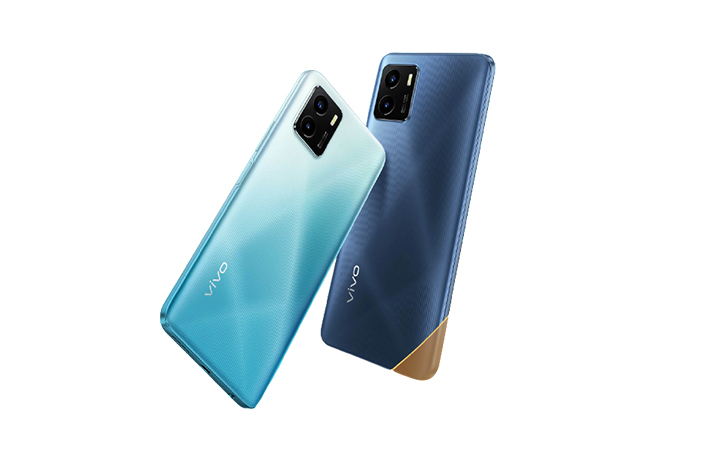
Back in 2021, Vivo unveiled the Y15s in Singapore, later it landed in Pakistan last month. Now, the Vivo Y15s is heading to India and MySmartPrice has revealed the launch timeline and pricing of the smartphone.
Vivo Y15s will launch this month in the Indian market. The publication reveals that the smartphone will arrive as early as this week. Its exact launch date is still a question, the company might do a silent release of the device.
Coming to the pricing, the Vivo Y15s will be priced between Rs. 10,000(~$133) to Rs. 12,000(~$160) in the country. To recall, the phone was priced at PKR 23,999(~$136) in Pakistan and SGD 179(~$133) in Singapore.
It was launched in Mystic Blue and Wave Green colors globally. We can expect the same colors to arrive in India.
Vivo Y15s Specifications
The Vivo Y15s is expected to have the same specs as the models launched globally. It will come with a 6.51-inch HD+ water-drop notch display. It will be an IPS LCD display with a 20:9 aspect ratio.
The smartphone’s camera will have multiple modes including the Bokeh mode, Live Photo, Face Beauty, Pro mode, Time-Lapse, and a Panorama mode. Upfront, it will have an 8MP selfie camera and a 13MP + 2MP camera system at the rear.
The global model has MediaTek Helio P35 SoC paired with 3GB RAM and up to 64GB of internal storage. It houses a 5,000mAh battery and supports 10W charging speed. It features a side-facing fingerprint scanner and a USB Type-C port for charging. The smartphone runs on Android 11 OS and has FunTouchOS on the top.
After postponing the January launch, Lenovo has finally confirmed an event this month. At the event, the company is expected to launch the upcoming gaming phone, the Lenovo Legion Y90, and the Legion Y700 tablet. The devices will debut on February 28 in the Chinese market. The launch will commence at 7 PM CST(4:30 PM IST).
Lenovo Legion Y90, Legion Y700 Specifications
The Lenovo Legion Y90 will bring some powerful internals carried by a landscape design. It will have a 6.92-inch Samsung E4 AMOLED display with a 2460 x 1080 pixels resolution. Given that it will be a gaming phone, it will support a whopping 144Hz refresh rate and a 720Hz touch sampling rate.
Recently, the smartphone got benchmarked on China’s Master Lu and it scored an impressive 1.11 million points. It has a fluency score of 202.84 points. These numbers will be owing to the Snapdragon 8 Gen 1 chipset inside the Legion Y90. It will be paired with 18GB of RAM and have up to 1TB of internal storage.
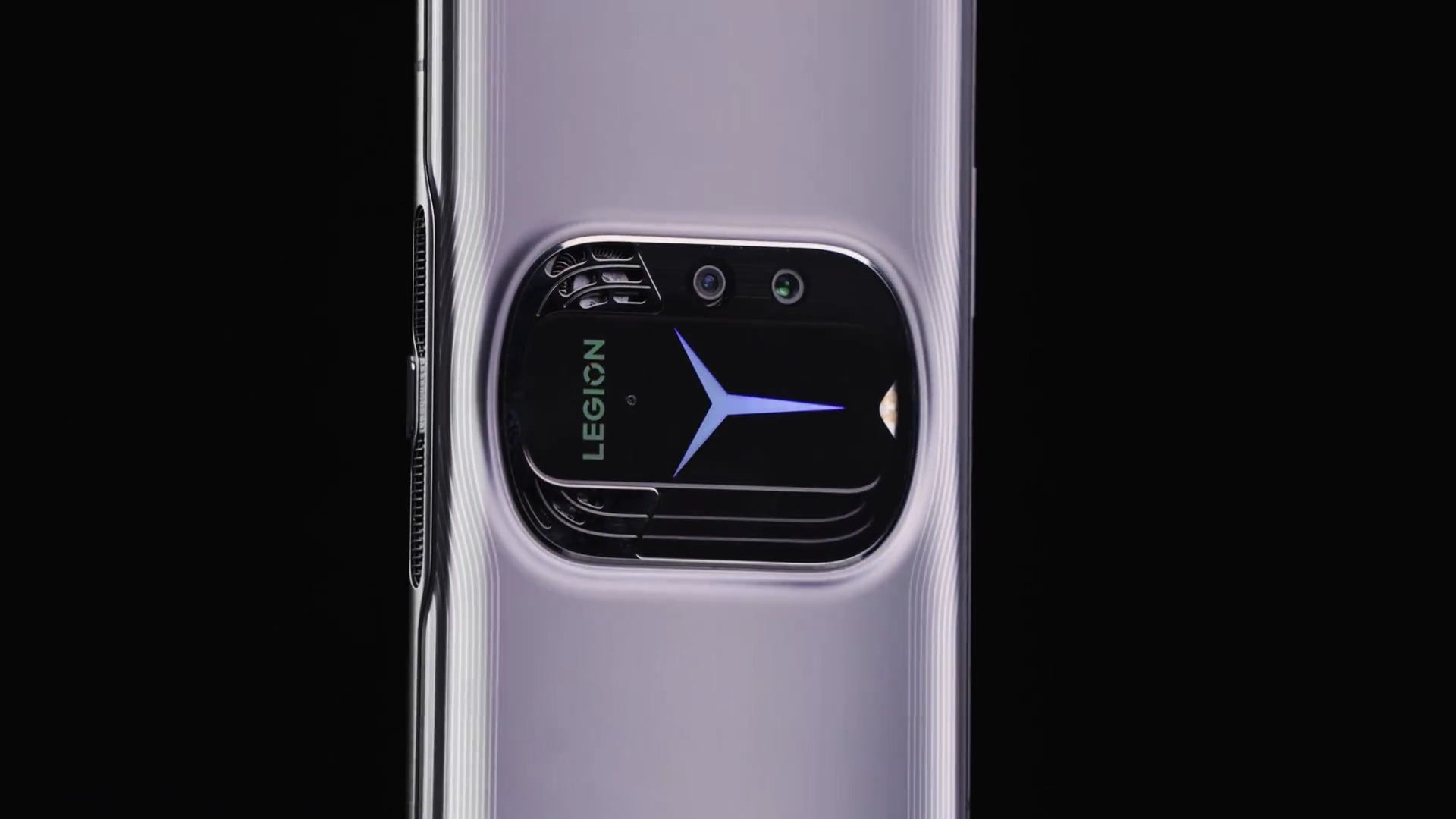
The device will come Frost Blade Cooling system that is said to have a 300% higher cooling capacity than the earlier iteration. It will have the fancy RGB lights and a Legion logo at the back. The gaming smartphone will pack a 5,600mAh(2,800 X 2) battery with support for 68W fast charging technology. As for cameras, the phone is expected to have a 64MP + 13MP dual-camera system and a 16MP selfie snapper. The phone will have Dolby Atmos branded front-firing stereo speaker system.
The phone’s global release isn’t planned yet, however, a previous leak suggested that it could launch as Lenovo Legion Phone 3 globally.
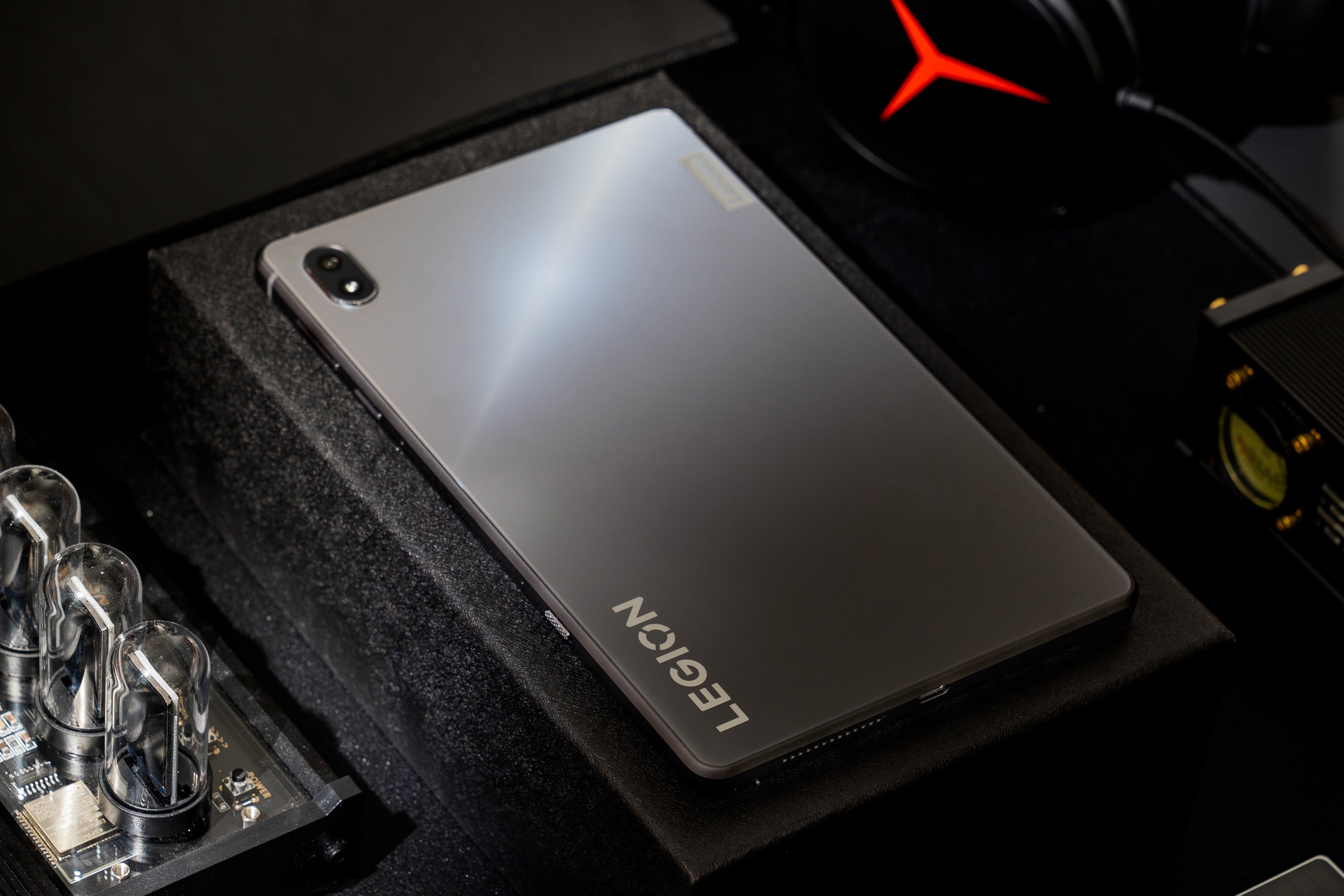
The Lenovo Y700 is also expected to arrive at the event. The tablet will feature an 8.8-inch display with a 2560 x 1600 pixels resolution and 120Hz refresh rate. It will have a 240Hz touch sampling rate. The tablet will come with Ultra Wide Viewing mode, where users can switch the aspect ratio from 16:10, 16:9, or 21:10. It will be powered by the Snapdragon 870 SoC and feature a dual speaker setup.
Chinese phone maker nubia has officially confirmed the launch date of the upcoming nubia Z40 Pro. The smartphone will debut this month itself and bring flagship specs to the table.
The nubia Z40 Pro will debut on February 25 in China. The launch is scheduled for 2 PM CST(11:30 AM IST). The launch poster shared by the company seems to put emphasis on the cameras. It confirms the device’s 35mm focal length lens.
As per previous rumors, nubia was expected to launch two devices — Z40 and Z40 Pro. But seems like there’s no vanilla model and there’s only the Pro.
In terms of cameras, the Z40 Pro is advertised to be the first smartphone to come with Sony’s IMX787 primary sensor. The sensor will have a 35mm focal length and an aperture of f/1.6 with a 1/1.3± inch outsole. ZTE’s Ni Fei shared a camera sample of the smartphone and it looked quite impressive.
Other than this, the device will run on Android 12 out of the box and have a new aerospace-grade heat dissipation cooling system. As of now, the display details and other specs of the phone are yet to be known. But considering that the phone’s launch date is confirmed, we can expect some leaks to surface on the internet soon.
The Galaxy S22 Ultra, just like its predecessor, comes without a charger in-box. Many users will be okay with this if they already got Samsung’s standard 25W brick lying around. However, the S22 Ultra comes with 45W fast charging, which raises the question of whether it’s worth paying an additional $50 for a fresh 45W brick.
Sammobile has put the flagship phone to the test, comparing its 45W charging capabilities to that of charging speeds with the standard 25W, to help you decide.
Now, Samsung claims that the 45W charging on the S22+ and S22 Ultra can fill up their batteries to 50% in under 20 minutes, suggesting that the company has made some improvements in the department compared to previous flagships.
But as clear from the video test above, while 45W is indeed faster, the difference between it and 25W is negligible. The S22 Ultra charged up to 45% with the 45W charger and 39% with the 25W charger after 20 minutes, which is a mere 6% disparity. This difference remains more or less consistent as the battery reaches 100%, with charging using the 45W brick being only 4 minutes faster than the lower wattage charger.
To conclude, spending an additional $30 to get a 45W charger for a few minutes faster 0-100% charging time on the Galaxy S22 Ultra wouldn’t make sense. You’d be better off with the $19.99 25W standard charger (vs the $49.99 45W charger). Not only does it offer better value for money, but it’s also slightly lighter.
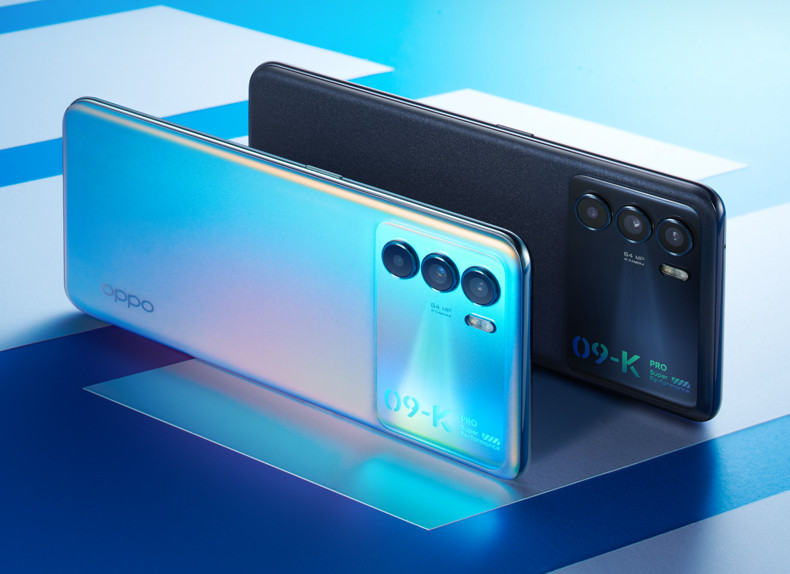
At the end of last month, OPPO revealed the list of smartphones that will get access to beta and stable builds of ColorOS 12 based on Android 12 in February in China. Following that schedule, the company announced the open beta program for the OPPO K9 Pro 5G in its home country.
OPPO K9 Pro 5G
According to an official announcement post on OPPO Community China, the company has already finished recruiting the first batch of ColorOS 12 open beta testers for the OPPO K9 Pro 5G in its home market.
The initiative was supposed to begin for the device today (February 16). However, as usual, the brand had opened the registrations a day earlier and has closed today already.
The firm says that the applications will be reviewed within 5 working days. Participants who get selected will receive the update via OTA within 3 working days from the announcement of the result.
As far as stable release is concerned, OPPO hasn’t provided a timeline yet. But going by the rollout so far, the handset could receive it as soon as next month (March). The OPPO K9 Pro is a China-exclusive smartphone. Hence, there will not be any regional builds for this phone.
That said, the vanilla OPPO K9 5G is scheduled to get the Android 12-based ColorOS 12 stable update on February 22 alongside OPPO Reno5 K 5G and OPPO A93 5G. These three devices entered the open beta program at the end of December.
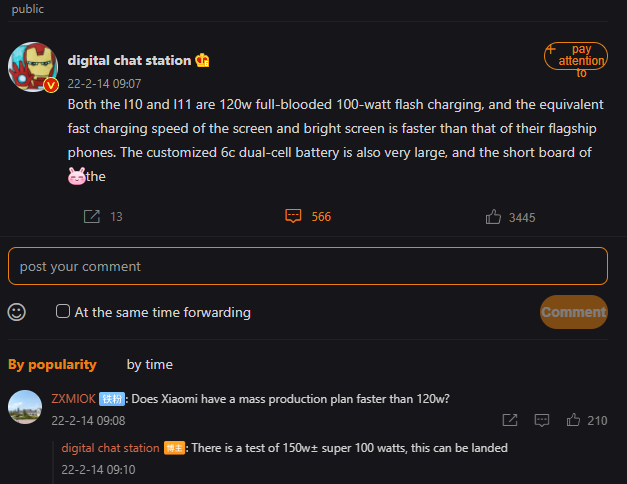
Xiaomi is currently announcing the Redmi K50 series in China. Within the series, the Redmi K50 Gaming Edition offers an impressive 120W fast charging support. But it appears that this might soon be outpaced as the brand is reportedly working on an even higher fast charging solution.
The news arrives from known tipster Digital Chat Station on Weibo (a Chinese microblogging website). According to the tipster, the company is currently working on pushing the boundaries of fast charging technology. Looking at the social media post, they add that the Redmi K50 Gaming Edition and Redmi K50 Pro+ offer 120W and 100W fast charging respectively thanks to the company’s 6c dual cell battery design.
With 120W fast charging, the Redmi K50 Gaming Edition can charge in just 17 minutes, so 150W would likely offer even shorter charge times. Digital Chat Station adds that the Chinese tech giant has already prepared a fast charging solution faster than 120W, which is almost ready for mass production as well. This will be somewhere around 150W and would likely be featured in next gen flagship smartphones like the Xiaomi 12 Ultra or the upcoming Xiaomi MIX lineup. Unfortunately, that is all the information the tipster shared regarding this technology, but stick around for more as we will be providing updates when additional information is available regarding this matter.
Lenovo today announced the new Tianjiao all-in-one computer, built for the purpose of educating primary and middle school students. The device comes with a number of intelligent built-in learning tools.
The computer is called ‘all-in-one’ obviously because it comes with an inbuilt CPU and because of its 16-inch panel that can be converted to a vertical desktop, regular desktop, or even a mobile tablet per the requirement. The panel appears to be detachable from its base, making portability possible.
The 16-inch display also comes with Rhine TUV certification, meaning it will be easy on the eyes of young ones, especially during extended study sessions. The certification ensures that blue-light emittance levels are kept low.
Lenovo had last year launched another all-in-one computer called Tianjiao 16 with a 16-inch 2K screen and i5-1155G7 processor.
The newer all-in-one machine is expected to be an upgraded version of the Tianjiao 16, coming with three display modes and is suitable for a variety of learning scenarios.
Information regarding the pricing of the Lenovo Tianjiao all-in-one computer is unavailable at the moment but should be provided once the product goes live on March 4th. The product appears to be China-exclusive and will probably not be making its way to the global market.
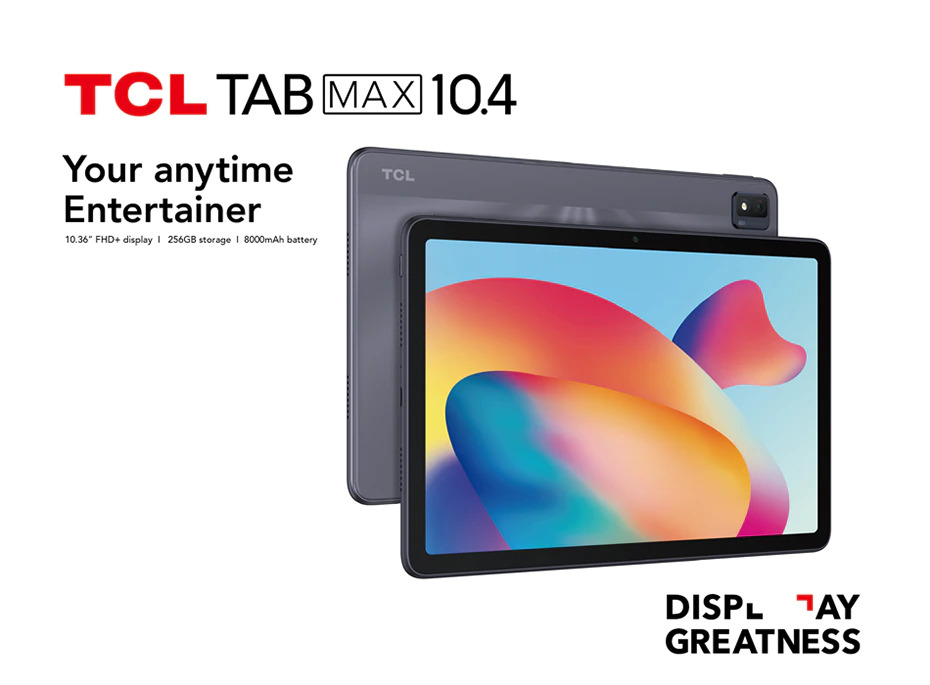
TCL has officially launched a new tablet in the market dubbed TCL TAB MAX. The all-new tablet comes with a 10.4-inch display, Stylus Pen support, and a USB Type-C audio jack.
The TCL TAB MAX is priced at $219 on the AliExpress and will go on sale starting from February 21. It comes in the Grey color variant and has three accessories to tag along. These accessories include a Flip case, a Stylus Pen, and a Keyboard.
TCL TAB MAX 10.4 Specifications
The TCL TAB MAX has a 10.4-inch display with an FHD+(2000 x 1200 pixels) resolution. Although it comes with a modern design, it still has noticeable bezels on all sides. The display has Eye-Comfort modes making sure that the harmful blue light is reduced.
It comes with an 8MP selfie camera that’s placed on the right bezel if you hold it vertically. It also has a 13MP rear camera. The rear camera is accompanied by an LED flash that’s positioned below the lens.
Inside, the tablet has the Qualcomm Snapdragon 665 SoC paired with 6GB of RAM and 256GB of internal storage. It also has a microSD card slot for additional storage. It packs an 8,000mAh battery and has 9V/2A i.e. 18W fast charging technology.
The tablet boots on Android 11 out of the box and has the TCL Kids app pre-installed. It has Wi-Fi 802.11a/b/g/n/ac and Bluetooth v5.0 support. It comes with dual speakers and has no 3.5mm headphone jack. Instead, users have to rely on the USB Type-C port for audio as well as for charging needs.
Apple is expected to update all of the M1-powered Mac devices to the next-generation models powered by the upcoming Apple M2 chipset. Now it appears that the launch of this new processor could happen next month.
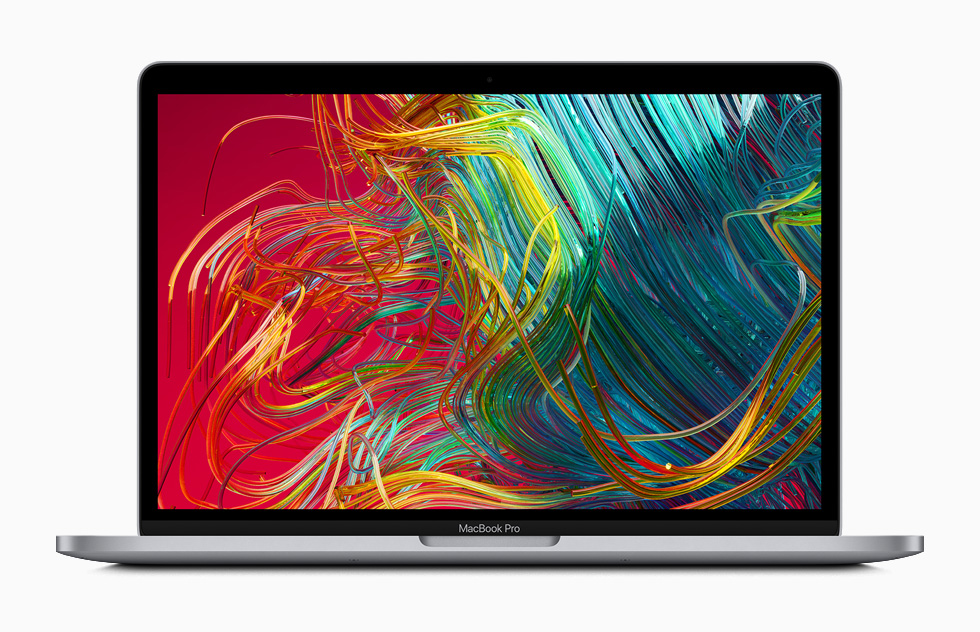
A new report coming from MacRumors, citing a source with close links to Apple’s supply chain claims that the new 13-inch MacBook Pro powered by the Apple M2 chipset will go official next month.
It is the same source that revealed last year’s last-minute Apple MacBook Pro notch for the webcam but not Face ID, which turned out to be true. This new report is in line with the preview report from DigiTimes.
It further adds that there won’t be any major changes in terms of the design for the upcoming MacBook which means that it will look exactly the same as the M1-powered 13-inch MacBook Pro. It will continue to have a Touch Bar but unlike the 14-inch and 16-inch models, there won’t be ProMotion display or a notch on top of the screen.
While the company has not yet confirmed this, rumors indicate that Apple will host its first event on this year on 8th March. At the upcoming spring event, the technology giant is expected to launch the next-generation iPhone SE with support for 5G connectivity.
Apple M2 will mark the debut of the second-generation Apple Silicon processors after the company launched the M1 chipset a couple of years back. Apart from the MacBook Pro, the M2 chipset will power the new MacBook Air and other devices that are already powered by the current-generation M1 processor.
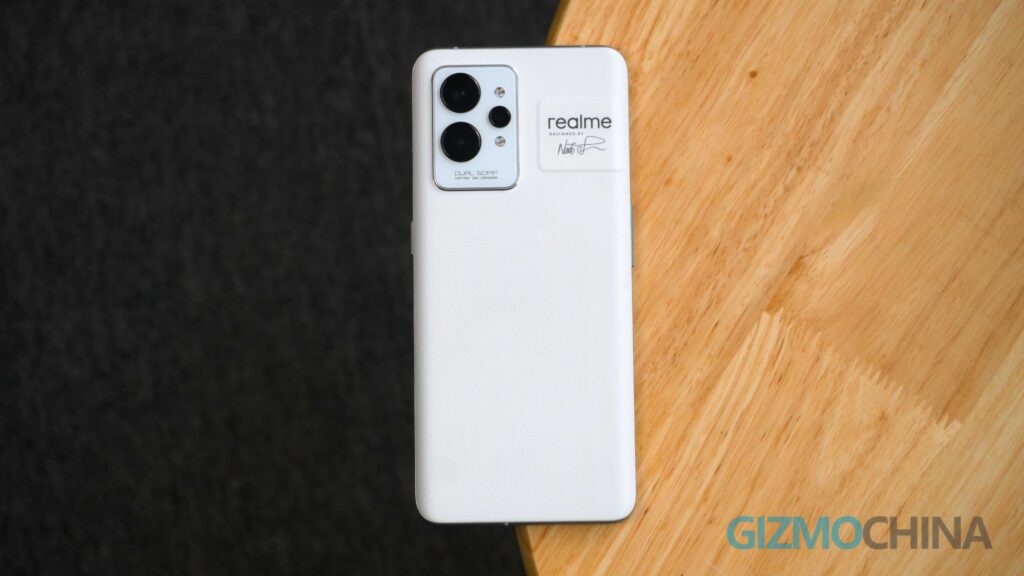
Realme GT2 Pro is the brand’s latest flagship smartphone. It was announced in China last month and it is set to debut in international markets at MWC 2022 on February 28. The handset recently received a price cut in its home country. Followed by that, earlier today, the price of the base variant was slashed by a large amount on the company’s official website. Turns out it was a glitch.
Realme GT2 Pro
After the recent price drop, the base 8GB + 128GB variant of Realme GT 2 Pro had been retailing at ¥3,499 ($552). For the unaware, it was introduced at ¥3,699 ($584).
But earlier today, this version of the phone was listed at only ¥2,999 ($473) on the official website of the brand. Hence, it was thought that the company had reduced the price again by ¥500 ($79).
However, it wasn’t the case. Xu Qi Chase, one of the VPs and the President of Global Marketing at Realme, clarified on Weibo that the difference in price was due to an error and it has been fixed.
The executive confirmed that the company will not cancel the orders of the customers who were able to grab the smartphone at an unbelievable price just a month after its release.
The Realme GT 2 Pro is Realme’s first proper flagship smartphone. Some of its highlights include a 6.7-inch QHD+ 120Hz LTPO 2.0 AMOLED display, Qualcomm Snapdragon 8 Gen 1 SoC, 50MP Sony IMX766 primary camera, 50MP 150˚ ultra-wide camera, 5,000mAh battery, and 65W fast charging.
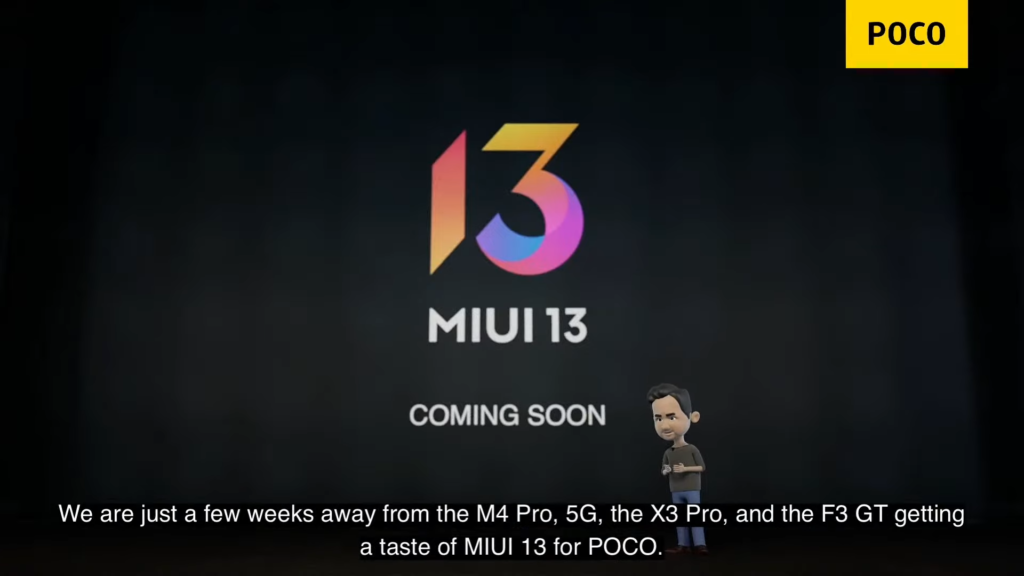
MIUI 13 was announced for India earlier this month as a minor update over MIUI 12.5, bringing along a number of under-the-hood improvements and some new wallpapers. While the event had revealed the first wave of Xiaomi and Redmi devices set to receive the update, POCO devices had been given a miss. POCO is, after all, an “independent” brand. But that has changed with yesterday’s POCO M4 Pro 5G launch event.
A few seconds of said launch were dedicated to MIUI 13 for POCO devices, with the official claiming that the update stays just as clean but becomes faster and more efficient than ever before. Along with this, the first batch of POCO phones set to receive MIUI 13 was also announced:
POCO M4 Pro
POCO M4 Pro 5G
POCO X3 Pro
POCO F3 GT
Exact dates weren’t revealed but it was stated that the aforementioned models will get the MIUI 13 in the coming weeks.
But these devices are only a part of a lengthier list that also includes a bunch of older devices. While POCO is yet to announce an official update timeline for all of the MIUI 13-eligible devices, Xiaomiui has curated an unofficial list which we have given below.
POCO X2
POCO X3 (India)
POCO X3 NFC
POCO M2
POCO M2 Reloaded
POCO M2 Pro
POCO M3
POCO M3 Pro 5G
POCO M4
POCO F2 Pro
POCO F3
POCO C3
POCO C31
Not all of these devices will get MIUI 13 with Android 12, though. MIUI is sort of independent from Android, so a number of devices will also get MIUI 13 based on Android 11.
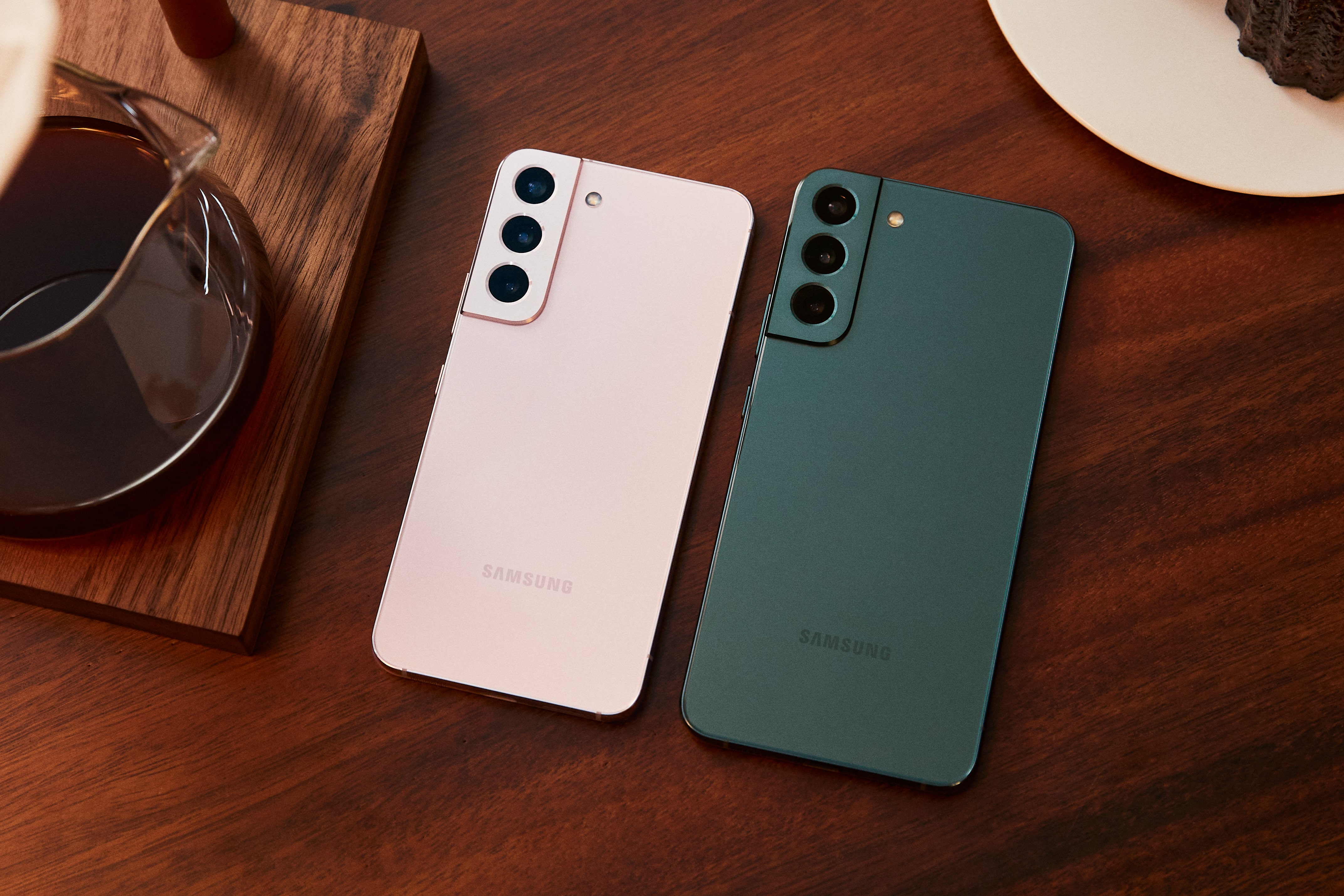
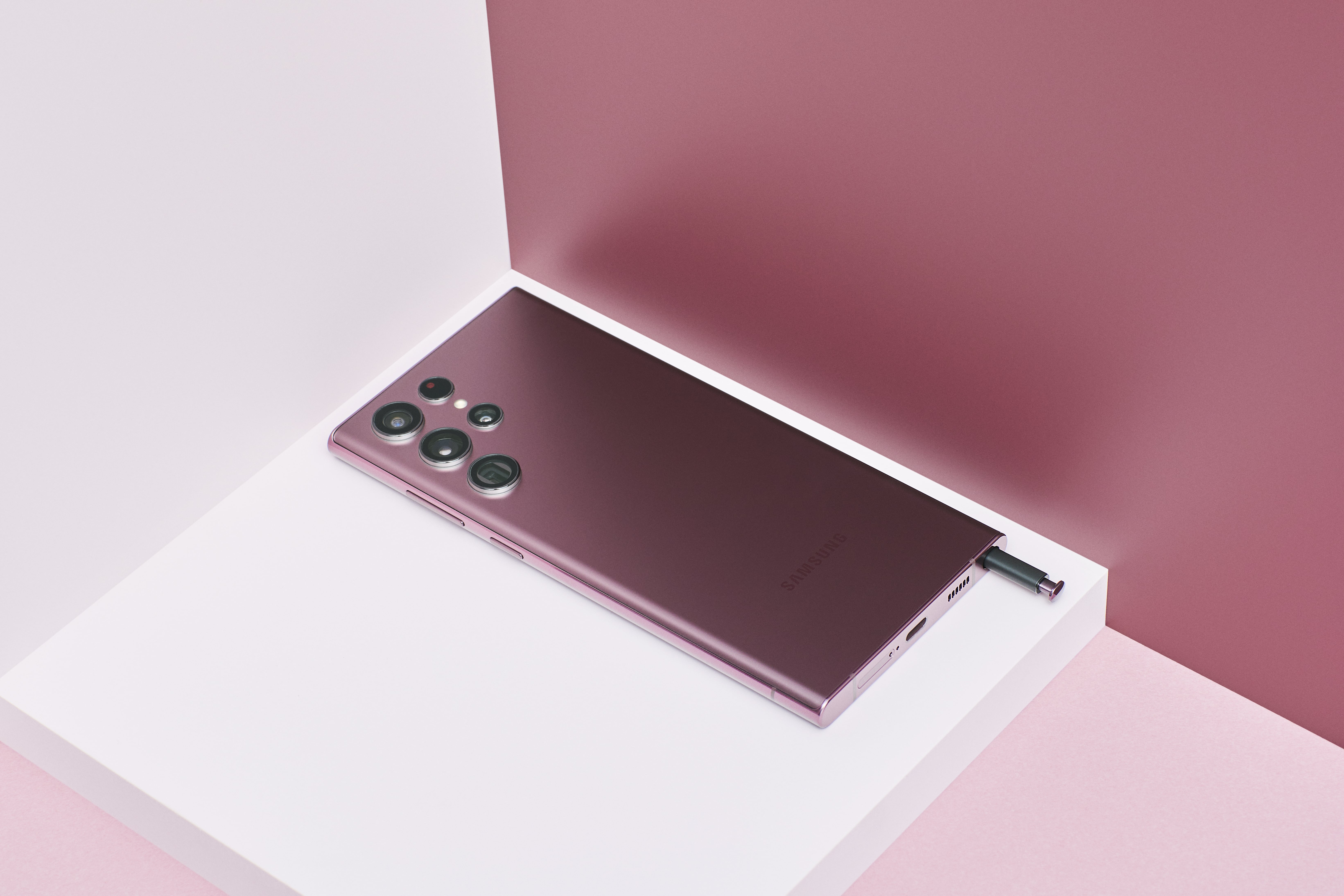
Earlier this month, Samsung had finally unveiled its highly anticipated Galaxy S22 series. Now, a new report has revealed that the company is gearing up for the Indian launch of its flagship lineup, with the new smartphones expected to be announced tomorrow.
Galaxy S22 & Galaxy S22+
The news arrives from known tipster Ishan Agarwal who shared the information on Twitter. According to the tipster, the South Korean tech giant will hold an online launch event in India at 12:30 pm IST on 17th February 2022. During this conference, the brand will likely reveal the pricing for the Galaxy S22 series, including the base S22, S22+, and the S22 Ultra. Apart from this, the company might also reveal details related to its high end tablet series, the Galaxy Tab S8, as well.
For those unaware, the Samsung Galaxy S22 lineup has been available for pre-reservations for a few days now. However, there was no official news regarding when bookings will go live. But, the pricing for the three models arriving in India was tipped earlier this week. Looking at these prices, the base Galaxy S22 model will start from 69,900 INR (roughly 929 US Dollars). Meanwhile, the Galaxy S22 Ultra will reportedly start from 109,900 INR (roughly 1,460 US Dollars).
Galaxy S22 Ultra
Keep in mind that this is still an unconfirmed report so take it with a pinch of salt for now. If the company is actually releasing the Galaxy S22 series in India tomorrow, we will be covering the launch event for the official availability and pricing for the region. So stay tuned for more updates regarding this matter.
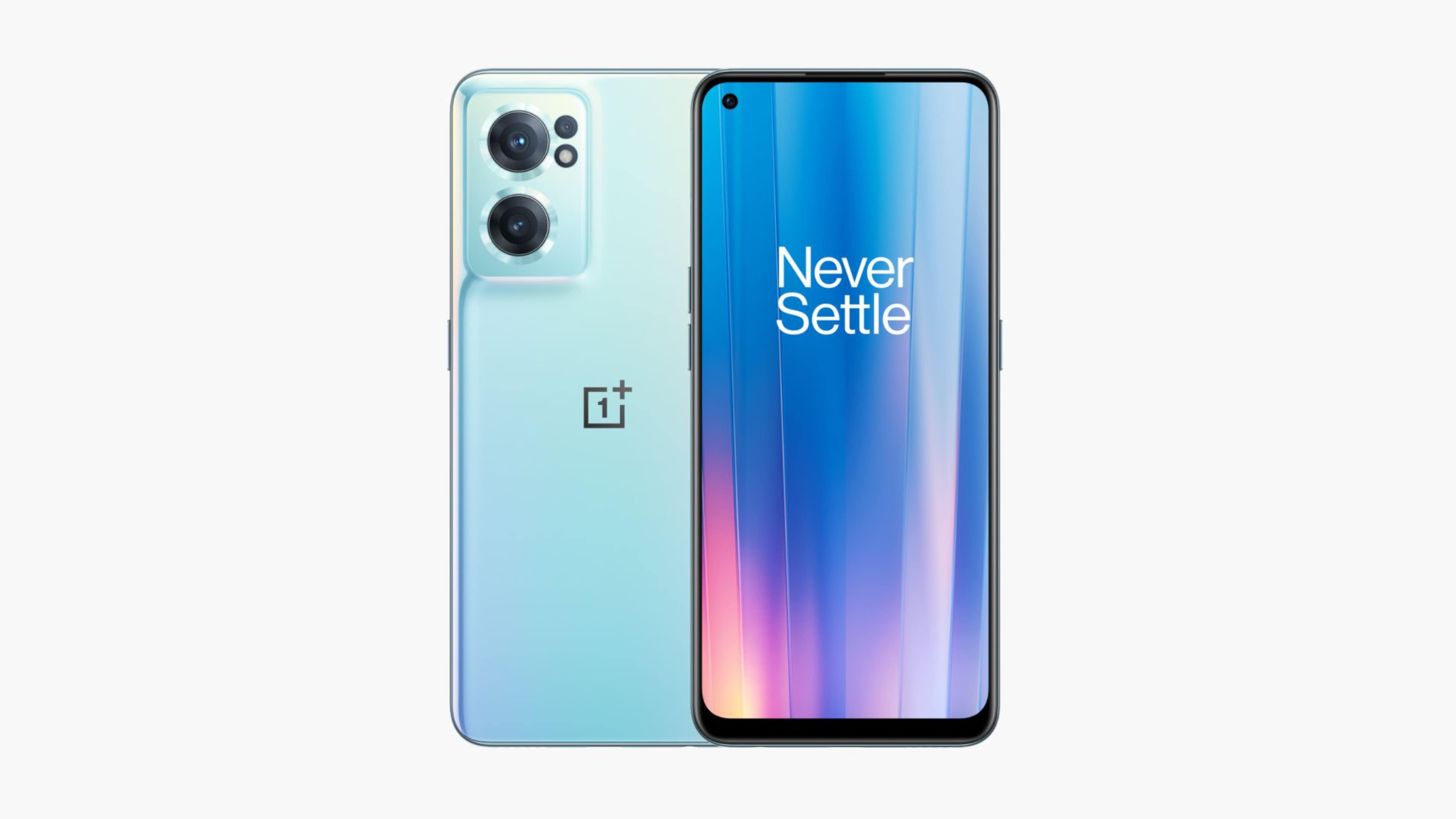
OnePlus will take wraps off the Nord CE 2 tomorrow i.e February 17 in India. Before its debut, the specs and pricing of the phone were leaked recently. Now, the tipster Abhishek Yadav has revealed the first sale date of the smartphone.
As per the tipster, the OnePlus Nord CE 2’s first sale date is February 21 for Red Cable Club members. In addition to this, tipster Yogesh Brar recently revealed the price of the smartphone.
The OnePlus Nord CE 2 is said to arrive at a starting price of Rs. 23,999(~$317) for the 6GB RAM and 128GB storage variant and Rs. 25,999(~$344) for the 8GB RAM and 128GB storage variant. It is tipped to have two color variants Bahama Blue and Gray Mirror.
OnePlus Nord CE 2 Specifications(Rumored)
Coming to the specs, the OnePlus Nord CE 2 is expected to come with a 6.43-inch punch-hole AMOLED panel with a 90Hz refresh rate and an FHD+ resolution. It will have a triple camera system at the rear with a 64MP main lens, an 8MP ultra-wide snapper, and lastly a 2MP macro lens.
Under the hood, it is expected to come powered by the MediaTek Dimensity 900 SoC paired with 6GB of LPDDR4x RAM and 128GB of UFS 2.2 internal storage. It will have a microSD card slot and pack a 4,500mAh battery. The battery will have 65W SuperVOOC fast charging support.
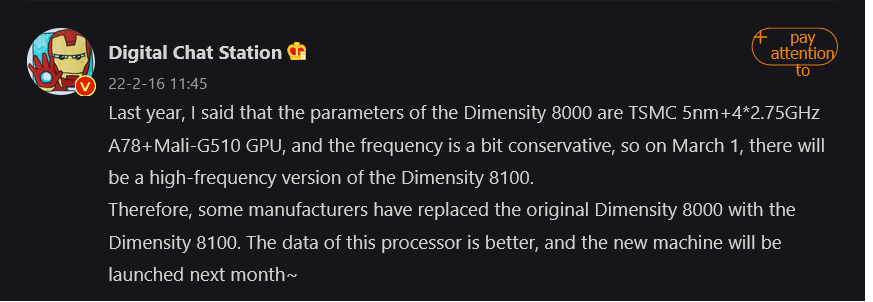
MediaTek is all set to launch an iterative update to last year’s Dimensity 8000. Dubbed Dimensity 8100, the chip will support higher frequencies and will debut on March 1st.
The info comes from notable industry insider Digital Chat Station who says that the 8100 is being launched possibly due to its predecessor’s CPU frequencies being on the more “conservative” side. The Dimensity 8000 is comprised of 4x Cortex-A78 (2.75 GHz) and 4x Cortex-A55 (2.0 GHz) CPU cores.
Judging by the naming scheme, the chip is an upper mid-range unit, making such frequencies indeed slow. The Dimensity 9000, for comparison, peaks out at 3.05GHz. And on top of that, the Dimensity 8000 also uses older ARMv8 designs.
While it’s unlikely that the Dimensity 8100 will be bringing any changes design-wise over the 8000, the frequency boosts should result in better performance.
Manufacturers obviously know of this and DCS says that some have even replaced their Dimensity 8000 orders with Dimensity 8100. A new device with the chip is expected to launch as early as March next year, which is around the same time Dimensity 8000 devices were earlier expected to go live. This makes it possible that MediaTek actually means to replace 8000 with 8100 rather than selling them together, but that’s just a theory.
The AnTuTu benchmark score of the MediaTek Dimensity 8000 reached 750,000 points, surpassing that of Qualcomm’s Snapdragon 870, whose score averages at around 700,000 points. The Dimensity 8100 will thus obviously bring in some even more impressive scores.
We use cookies on our website to give you the most relevant experience by remembering your preferences and repeat visits. By clicking “Accept”, you consent to the use of ALL the cookies.
This website uses cookies to improve your experience while you navigate through the website. Out of these, the cookies that are categorized as necessary are stored on your browser as they are essential for the working of basic functionalities of the website. We also use third-party cookies that help us analyze and understand how you use this website. These cookies will be stored in your browser only with your consent. You also have the option to opt-out of these cookies. But opting out of some of these cookies may affect your browsing experience.
Necessary cookies are absolutely essential for the website to function properly. This category only includes cookies that ensures basic functionalities and security features of the website. These cookies do not store any personal information.
Any cookies that may not be particularly necessary for the website to function and is used specifically to collect user personal data via analytics, ads, other embedded contents are termed as non-necessary cookies. It is mandatory to procure user consent prior to running these cookies on your website.