Advertisement

OnePlus 9 series gets fix for auxiliary camera access on GCam ports

The infamous OxygenOS 12 update for the OnePlus 9 series not only introduced many changes but also different kinds of bugs. One of them blocks access to auxiliary cameras on GCam ports. OnePlus promised to fix this issue in a future update. Keeping up with its words, the brand has fixed the problem silently.
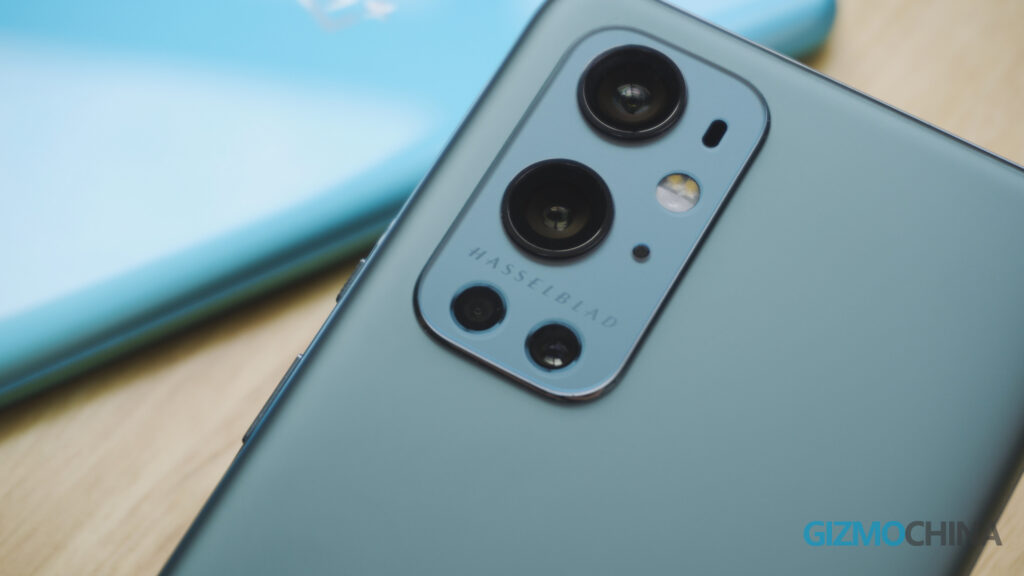
OnePlus 9 Pro camera featured 03
OnePlus 9 Pro

Recently, OnePlus rolled out a new software update for the OnePlus 9 and the OnePlus 9 Pro. The update arrived as OxyegnOS 12 C.44 with a long changelog.

According to XDA Developers, the latest system update for the handsets allows GCam ports to access auxiliary cameras, at least on the OnePlus 9 Pro. But for some reason, OnePlus hasn’t mentioned the fix in the changelog.

Therefore, if you happen to own either of the two OnePlus 9 models and are on the latest software build, then do try any GCam port to check whether you can access other camera sensors apart from the primary rear module and selfie shooter.

Hopefully, OnePlus irons out other issues with OxygenOS 12 before rolling it out to the remaining devices. So far, only the last year’s primary flagships are on the new version of the software. The Android 12 rollout is probably the slowest software delivery by OnePlus in a long time.


RELATED:


Samsung Galaxy S22 Ultra cases surface online prior to its launch

While Samsung is just a few days away from finally unveiling its highly anticipated Galaxy S22 series, protective cover manufacturers have already began listing their products online. So now, we have an official look at some Galaxy S22 series cases.

Samsung

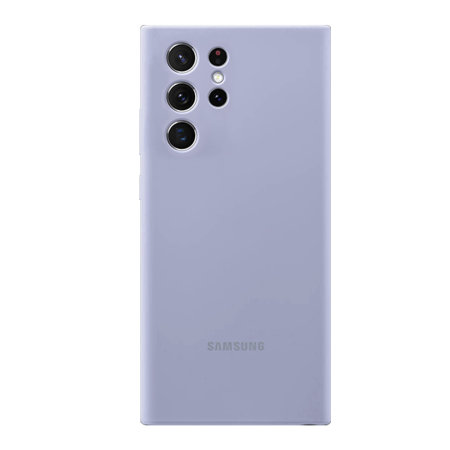
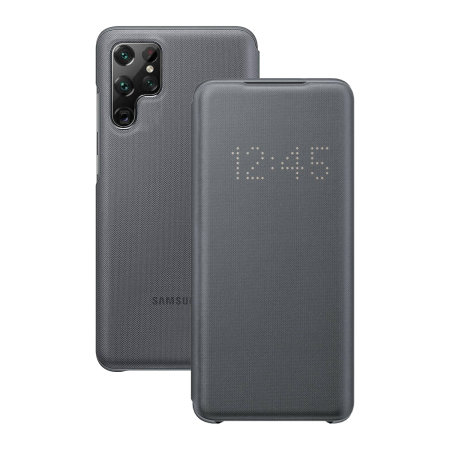
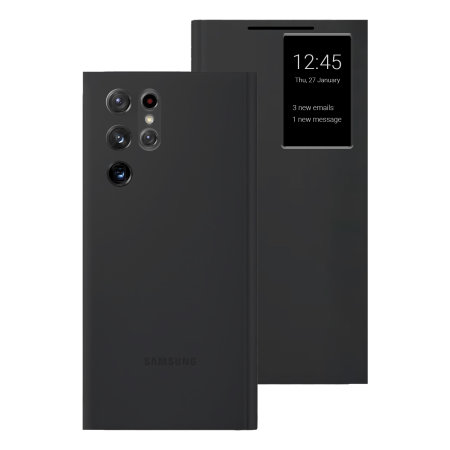
These cases were spotted from a UK based website called MobileFun (Via PhoneArena). Here, we can see a number of different types of protective covers for the upcoming Galaxy S22 series top end Ultra model ahead of its February 9 Galaxy Unpacked launch event. Usually, the South Korean tech giant’s protective cases tend to be one of the best offerings in the market. And now, the latest leak listing mostly all of them for the Galaxy S22 Ultra.

Looking at the online listings, the Galaxy S22 Ultra’s cover also features a design that resembles last gen models. The company has made a cover for nearly every situation, which is perfect for those that do not wish to buy a cover from a third party accessories maker. The online listing showcase the classic silicone cover, which fits snug on the phone and features a minimalist design that also protects the rear panel from scratches. It is also a lightweight offering that likely supports fast charging, while offering full access to all ports and controls as well.

Samsung

Similarly, the Smart LED is another classic case that displays the notifications along with some basic information on the cover, without need to open the case. Moving forward, we can also see the Ultra Clear View case, which as the name suggests, offers a direct view to the display. This small segment also offers basic information, and displays notifications too. MobileFun also lists a clear standing cover, which is another beloved cover that lets users have clear look at their premium grade handset along with some added protection. The bottom portion even has a kickstand. The website also has a number of third party covers as well.

RELATED:


Redmi Note 11 India launch likely with Note 11S on February 9

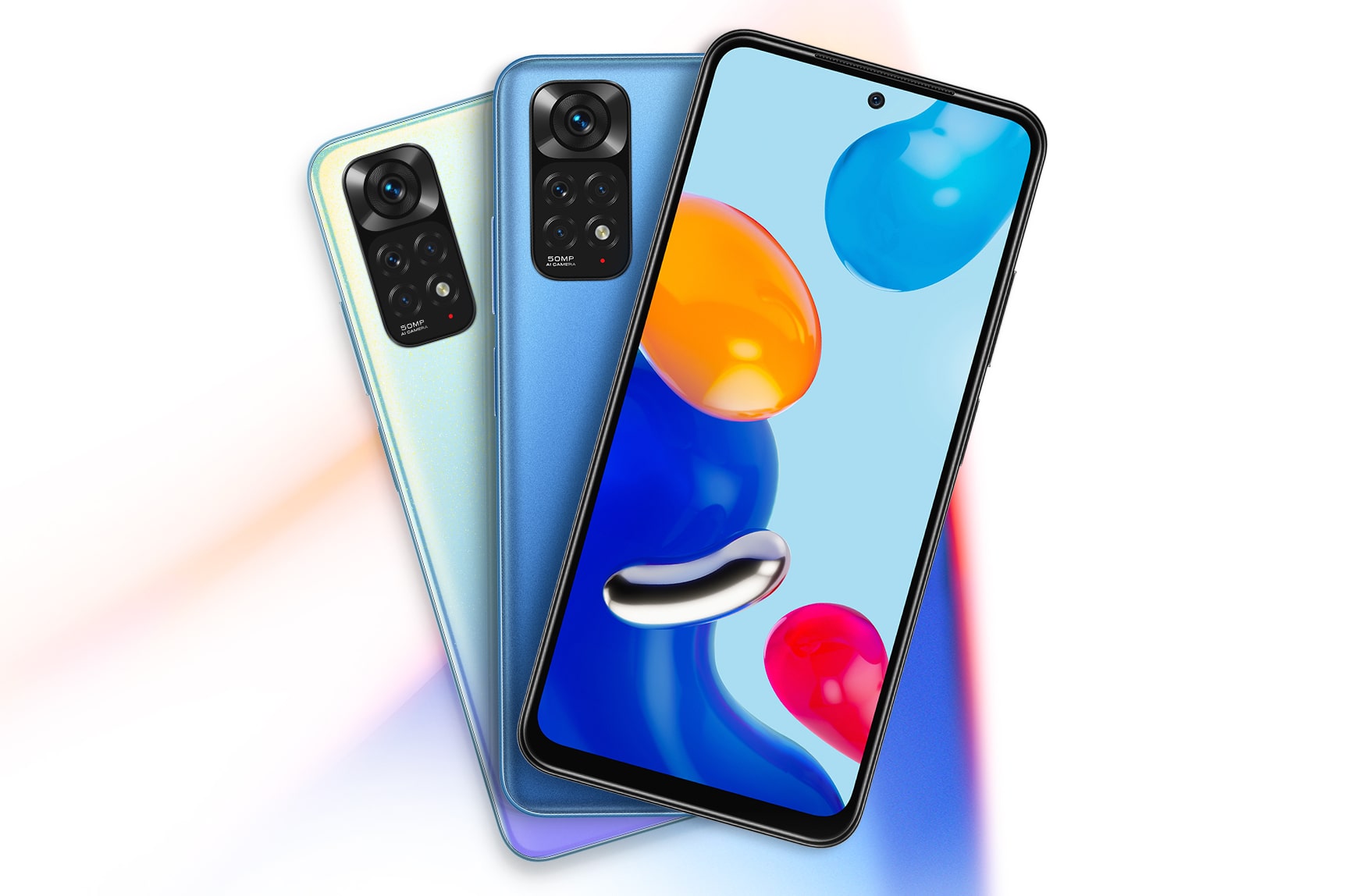
The Redmi Note 11S is scheduled to debut on Feb. 9 in India. It is likely to be the same device that was recently announced for the global markets. A recent teaser by Redmi India suggested that one or more Note 11 series phones may debut alongside the Redmi Note 11S on Feb. 9.

According to PassionateGeekz, the Note 11 and Note 11S will launch on Feb. 9. The former may come in 4 GB / 6 GB RAM variants, while the latter may arrive with up to 8 GB of RAM. These devices may go on sale for the first time on Feb. 11. Both handsets are expected to arrive in black, white, and blue colors. The same source had recently claimed that the Note 11S may carry a starting price of Rs 17,999 (~$240).

Redmi Note 11 Global

Redmi Note 11 specifications

The Redmi Note 11 has a 6.43-inch AMOLED display that offers a Full HD+ resolution and a 90Hz refresh rate. It has a front camera of 13-megapixel, and its rear camera setup has a 50-megapixel main camera, an 8-megapixel ultrawide lens along with a pair of 2-megapixel snappers for macro shots and depth effects.

The Note 11 features the Snapdragon 680 chipset, up to 6 GB of LPDDR4x RAM, and up to 128 GB of UFS 2.2 storage. It comes with MIUI 13 based Android 11 OS. It offers other features like a 5,000mAh battery, 33W fast charging, dual stereo speakers, and a side-mounted fingerprint scanner.

The upcoming Feb. 9 launch event will also see the arrival of other Redmi products such as Smart Band Pro fitness tracker and Redmi Smart TV X43 with Dolby Vision support. Probably, the company may hold a separate launch event in March to announce the Redmi Note 11 Pro series.

RELATED:

LineageOS 18.1 arrives to give OnePlus 9 and multiple Xiaomi phones a taste of stock Android

Android custom ROMs aren’t popular as they once were but continue to be a great alternative for those tired of their bloatware-infested, slow, and dated stock software. One of the most popular names in the game is LineageOS, mainly because of its stability and extensive device support. The custom ROM hit version 18.1 (based on Android 11) last year with support for over 60 devices and has been expanding its roster ever since.

The latest additions to the officially supported LineageOS 18.1 devices list include the following, and you can download their respective latest builds by clicking on their codenames (via Android Police).

  • OnePlus 9 (lemonade)
  • Mi 10T Lite/Mi 10i/Redmi Note 9 Pro 5G (gauguin)
  • Mi 10 Lite 5G (monet)
  • Asus ZenFone Max M1 (X00P)

While the OnePlus 9 has already received OxygenOS 12 based on Android 12, the update hasn’t gone down well with everyone since it’s based on ColorOS. LineageOS 18.1 will thus serve as a great replacement.

Both Xiaomi Mi 10T Lite and Mi 10 Lite 5G currently run Android 11 layered with MIUI atop. The heavily-skinned software has always been a hit or miss with users, and those looking for something lighter would love LineageOS 18.1.

The Asus ZenFone Max M1 no longer receives updates and is still stuck on Android 9 following a failed Android 10 beta program. It already has extensive custom ROM developer support and it’s great to see another gem added to its roster.

Additionally, Asus ROG Phone 2 and ZenFone 6 have been dropped from LineageOS support, meaning the duo will no longer be receiving new official builds.

RELATED:

Harmano’s premium Hearfit smartwatches will soon launch in India

The Indian audio gadgets manufacturer Harmano has announced its entry into the smartwatch segment. The brand is best known for high quality and durable audio products which they offer at honest and reasonable prices.

The company will soon enter the smart wearables market with the launch of its upcoming premium smartwatches under the Hearfit brand name.

Hearfit smartwatch

No details about the specifications of this upcoming smartwatch are available as of yet. However, through the image provided by the brand, we can observe that the smartwatch will have a rounded dial, and come featuring a premium metallic body. The Hearfit smartwatch will also have two physical buttons on the side and will probably come with durable silicon straps.

The name of the brand indicates that the Hearfit smartwatch will be a fitness-focused wearable and can be expected to have a SpO2 sensor and a heartrate monitor. The smartwatch might also pack different sports modes and a steps tracker which are standard features in modern-day smartwatches.

Harmano brand has a reputation of offering value for money products and going by that, we can expect the smartwatch to be easy on the pocket compared to the set of features it’ll bring with it.

The company has not revealed a potential timeline for the release of the Hearfit smartwatch, but judging by the press release, interested customers can expect the product to launch soon.


RELATED:


Xiaomi CEO Lei Jun responds to rumors of him retiring from the company

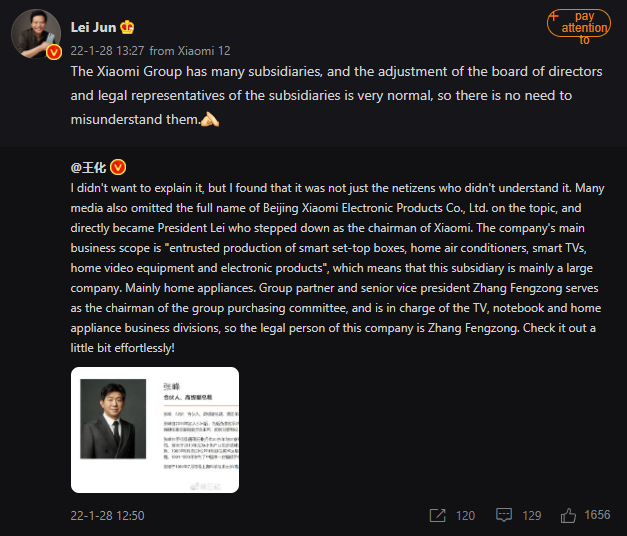
Earlier today (28th January 2022), Wang Hua, the General Manager of Xiaomi public relations, took to Weibo (a Chinese microblogging website) to clarify the news of the company’s CEO, Lei Jun, stepping down from his chairman position. Many have misunderstood the information as Jun is leaving the brand completely, but the exec has now also offered some clarification.

Netizens in China recently discovered that Lei Jun had stepped down from his position as Chairman from Beijing Xiaomi Electronic Products Co Ltd. However, this information was mistaken as him resigning from the Xiaomi Group entirely. Thus, the general manager of Xiaomi’s PR clarified that Lei Jun has stepped down from his leadership from just the electronics unit and has not completely left the Chinese tech giant group. He further added that the executive is placing his focus on the brand’s car manufacturing plans.


Xiaomi

Similar to Wang Hua’s statement, Lei Jun also offered more clarification on his own Weibo account. In the social media post, he stated that the Xiaomi Group has a large number of subsidiaries. So, its not uncommon for the board of directors and legal representatives of these subsidiaries to see a shuffling/adjustment. Jun said that his move of stepping down from his chairman of Xiaomi Electronics should not be misunderstood as anything more drastic. While the unit is a large part of the brand, the group overall is much larger than just its consumer electronic products.

RELATED:


Tecno Memory Fusion tech to be rolled out for these devices, will expand RAM

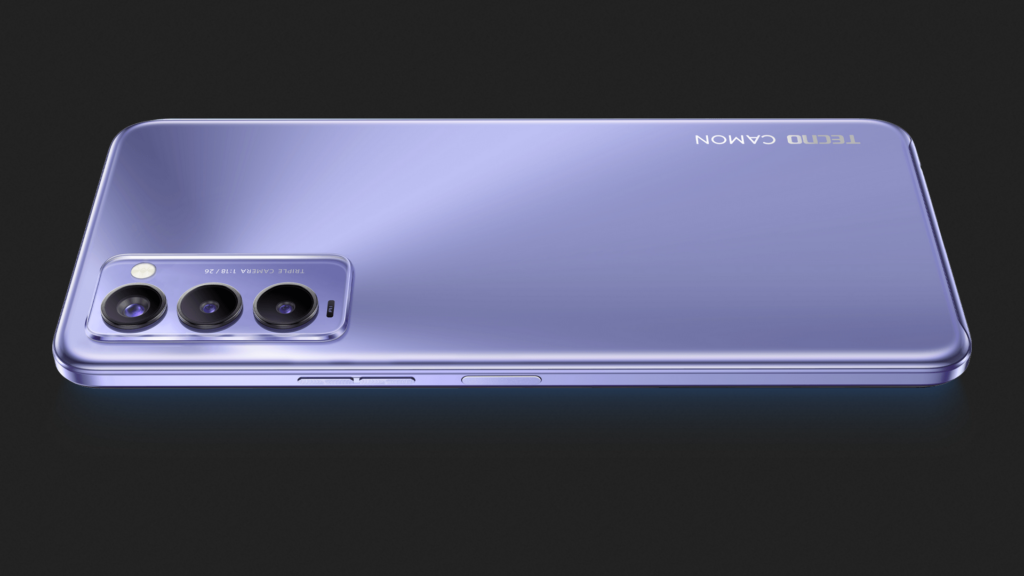
Tecno Camon 18, Tecno Pova Neo, Tecno Spark 8T, and Tecno Spark 8 Pro will soon be able to virtually expand their RAM with Memory Fusion. Tecno claims that the feature reduces average app startup time by 80 percent and helps keep twice the number of backend cache applications in memory.

tecno camon 18 featured

An OTA update with the feature will be released soon for the aforementioned devices. Tecno’s Memory Fusion feature is similar to vivo’s Extended RAM and works by dedicating a bit of memory (usually 2-5 GB) from a phone’s internal storage to RAM. It is obviously no replacement for physical RAM but has been claimed to improve performance and allow more apps to run simultaneously.

On the 4GB RAM variants of the Tecno devices, users will be able to extend RAM by up to 3GB, taking the total to 7GB. The 6GB RAM variants will allow an even greater stretch, with Memory Fusion nearly doubling the memory with 5GB of virtual RAM, to a total of a massive 11GB.

While 6GB of memory has sort of become the sweet spot for Android phones, offering the perfect balance between price and performance, smartphone OEMs seem obsessed with going the extra mile. Tecno is joined by the likes of Samsung, Xiaomi, and OPPO with their newfound love for expandable RAM.

RELATED:

Apple CEO Tim Cook hints at AR apps soon filling the App Store

Tim Cook, the CEO of Apple, teased that the App Store currently has around 14,000 apps that are based on Augmented Reality (AR) technology. But, he added this figure will only grow even more as the company maintains its investment in the technology.

Apple

According to a PhoneArena report, the executive teased the future of App Store earlier this week, when talking about the Cupertino based giant’s plans for augmented reality. For those unaware, AR technology essentially adds a layer on top of the real world rather than bring the user to an entirely virtual world like VR (Virtual Reality). In response to a reporter’s question about the iPhone maker’s plans with the Metaverse, Cook stated that “We see a lot of potential in this space and are investing accordingly.”

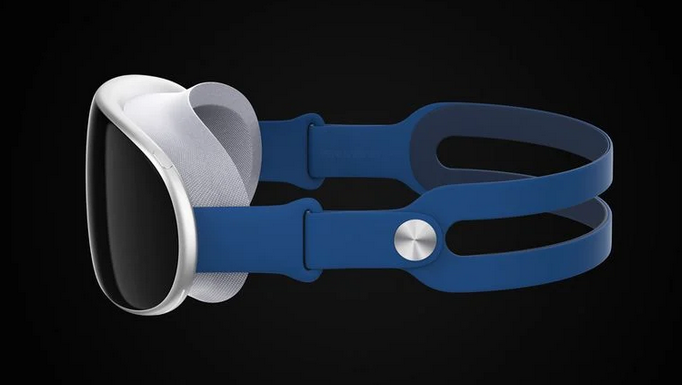
This statement is in line with recent rumors that have hinted at Apple working on its first AR/VR mixed reality headset. As per our previous report, the headset was initially planned for a 2022 release, but now, the company has apparently delayed its launch to 2023. In other words, the mixed reality headset may be arriving alongside another one of Apple’s highly anticipated products, the Apple Glass.

Apple AR Glasses

For those unaware, this pair of glasses would appear to be no different from a regular one. But it will include AR functionalities. Cook also talked about the company’s research and development team has been working on various aspects like hardware, software, and services. He further added that “That’s where the magic really happens. There’s quite a bit of investment going into things that are not on the market at this point.”

RELATED:


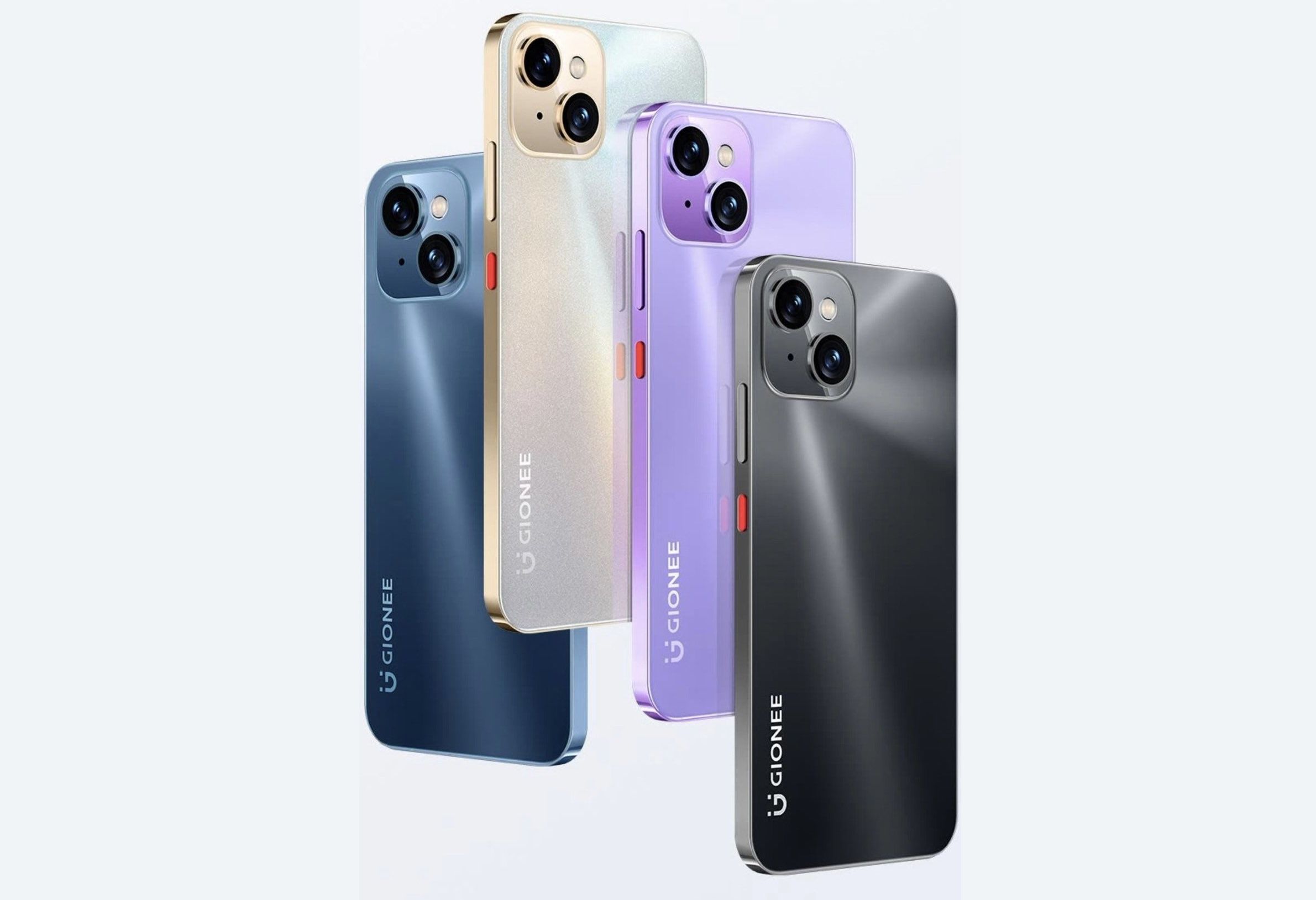
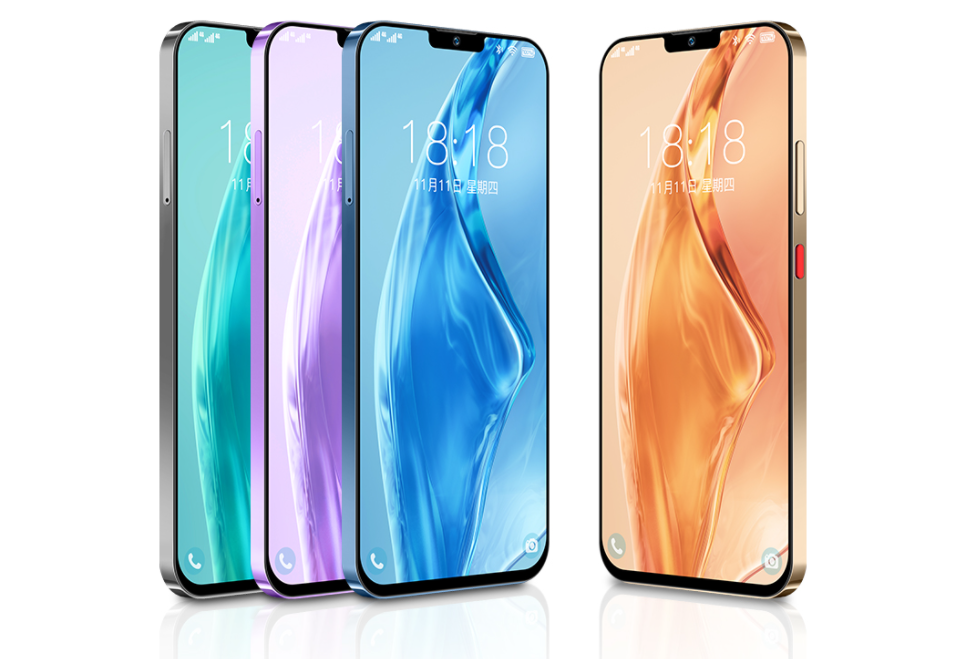
Gionee 13 Pro launched with HarmonyOS, iPhone 13 inspired design

Gionee 13 Pro has debuted in China. The very first look at the phone will make you say that it looks like the Apple iPhone 13 / iPhone 13 Pro handset. The other highlight of the device is that it is the first non-Huawei phone to come equipped with HarmonyOS. Here is all the information on the specifications, features, and pricing of the Gionee 13 Pro.

Gionee 13 Pro specifications

The Gionee 13 Pro has a 6.26-inch LCD panel with a large notch. It offers an HD+ resolution, a 19:9 aspect ratio, and a 90.3 percent screen-to-body ratio. The display notch houses a single camera of 5-megapixel for selfies and video calls. It does not feature a fingerprint scanner but comes with support for face unlock.

Gionee 13 Pro
Gionee 13 Pro

The iPhone 13-like rear camera module of the Gionee 13 Pro has a 13-megapixel dual-camera system, which is accompanied by an LED flash and a microphone. There is no word on the secondary camera of the device. Like the iPhone 13 lineup, the Gionee 13 Pro is equipped with flat edges. The right spine of the device has a volume rocker and a red-coloured power key.

Gionee 13 Pro
Gionee 13 Pro

The Unisoc T310 chipset is present under the hood of the device. It comes in two variants such as 4 GB RAM + 32 GB storage and 4 GB RAM + 128 GB storage. The device is packed with a 3,5000mAh battery, which can be charged using a USB-C port. The device runs on HarmonyOS and gives access to HMS (Huawei Mobile Services).

Gionee 13 Pro pricing

The Gionee 13 Pro has a starting price of 529 Yuan (~$83). It comes in four colors namely, Deep Sea Blue, Glow Gold, Brilliant Purple, and Graphite Black. Gionee phones that have been released in China in the past few years haven’t been made to global markets. Hence, the Gionee 13 Pro may not release in markets outside China.

RELATED:

Redmi 10A China variant with Helio G25 processor makes Geekbench appearance

The Redmi 9A and Redmi 9i launched back in 2020 were long due for a refresh, and it now looks that they’ll be getting just that with the soon-to-launch Redmi 10A, which has made a fresh Geekbench appearance.

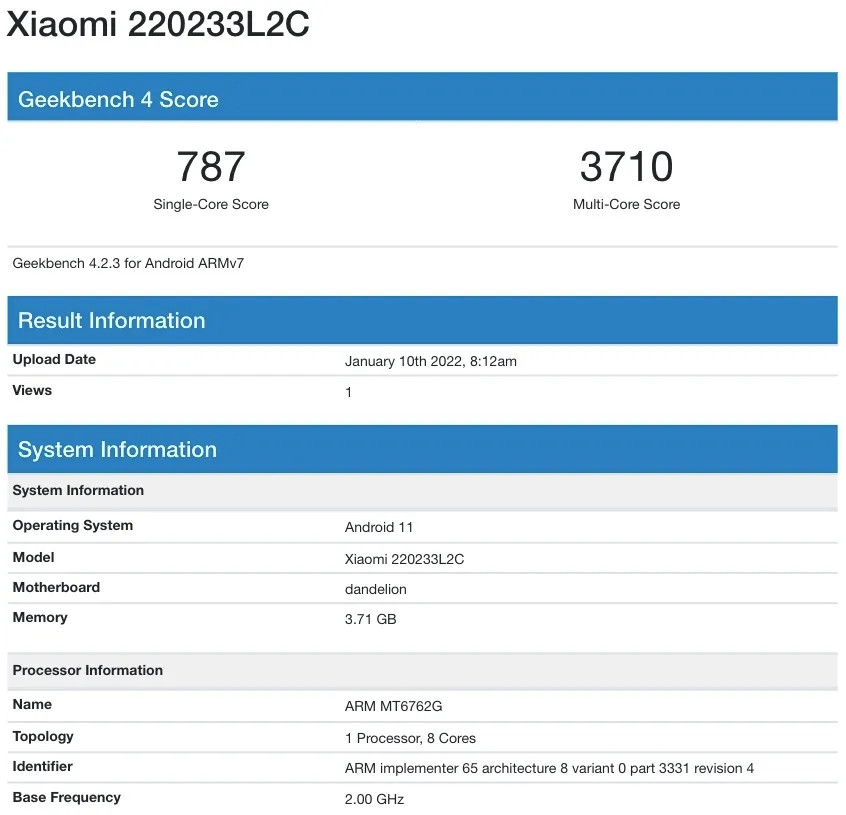
The Geekbench 4 listing (MySmartPrice) reveals that the Redmi device carrying model number 220233L2C scores 787 points and 3,710 points in the single-core and multi-core tests, respectively. Powering the phone will be the MT6762G, which is a codename for the entry-level MediaTek Helio G25 processor.

Redmi-10A-China-Geekbench

The octa-core chip is rather old and slow by 2022 standards and isn’t really an upgrade considering the Redmi 9A also came with it. Hopefully, the recycling of an older chip will mean better-optimized software.

The benchmark listing further reveals that the MediaTek chip on the Redmi 10A will be supported by 4 gigs of RAM, out of which 3.71GB appear to be actually available. It is likely that more configs will be available at launch though.

On the software front, the Redmi 10A will be booting into Android 11 out of the box, which while isn’t the latest, will hopefully be layered with MIUI 13 atop.

Do keep in mind here that the handset in question is the Chinese variant, and a global variant of the Redmi 10A with model number 220233L2G has already appeared on the IMEI database. Both will likely be launching quite soon.

redmi 9a featured
Redmi 9A

As for the specs other than mentioned on the Geekbench listing, they’ll again most likely not differ much from the Redmi 9A. The Redmi 10A will hence likely offer a large HD+ display and be equipped with a 5,000mAh or larger battery.

RELATED:

China smartphone market grows by just 1% in 2021, with Vivo in the lead

Earlier today (28th January 2022), a new report revealed some interesting information regarding the China smartphone market in 2021. While we have already reported on smartphone brand rankings previously, the latest information shares more details regarding the overall market.

Vivo Y15s

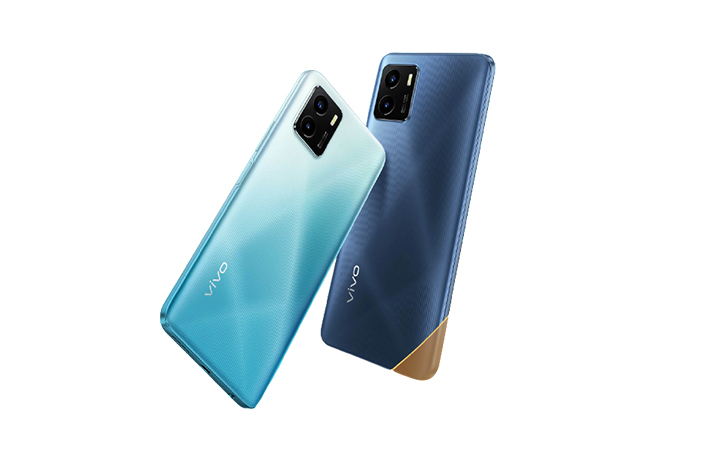
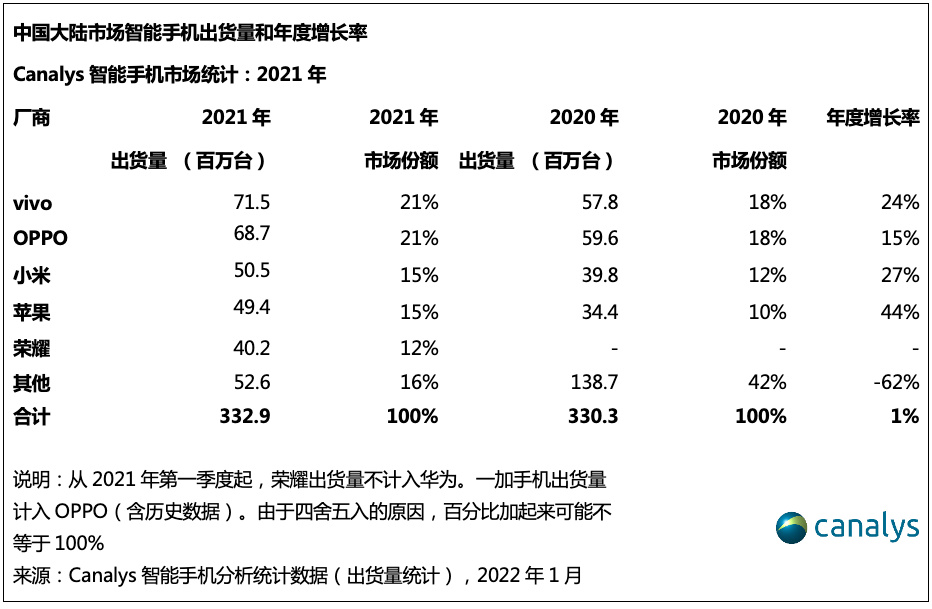
According to an ITHome report, a known analytics based firm Canalys revealed that the smartphone market in Mainland China barely saw any growth last year. The report adds that the Chinese market had a rough road in 2021 with a number of ups and downs. While the first quarter of last year, saw aggressive expansion from various brands, the second and third quarters saw a slight cool down. By the fourth quarter, growth had further declined, recording just 3 percent year on year.

All in all, the overall smartphone shipments in the region hit 333 million units, which marked a barely noticeable rise of 1 percent over the previous year. On the other hand, comparing this figure to the pre pandemic 2019 market, the market fell by more than 10 percent. Thanks to the launch of the iPhone 13 series, Apple took the lead as it shipped 21.5 million units in the fourth quarter of 2021 alone. As per our previous report, the Cupertino based giant had a 23 percent market share in China.

China

Furthermore, Oppo (including OnePlus) ranked second with 14.3 million smartphones being shipped while Honor followed close behind with 14.2 million units. Xiaomi and Vivo took the fourth and fifth spots respectively with 13.5 million and 13.4 million smartphones units being shipped in the fourth quarter of 2021. But while Q4 was in Apple’s favor, Vivo, Oppo, and Xiaomi took the top three spots in China in terms of annual market share. Vivo and Oppo held a 21 percent share, while Xiaomi accounted for 15 percent.

RELATED:


Samsung Galaxy S22, S22+, S22 Ultra charging speeds revealed

Samsung is scheduled to announce the Galaxy S22, Galaxy S22 Plus, and Galaxy S22 Ultra on Feb. 9. These models will be announced through a virtual global launch event. Plenty of leaks has revealed the appearance and specifications of all three smartphones. Now, fresh findings that have appeared in the DEMKO certification platform have revealed the charging rates that could be supported by the Galaxy S22 family members.

Rumors have revealed that the Galaxy S22 will be housing a 3,700mAh battery. At the DEMKO certification, the S22 has appeared with its SM-S901E, SM-S901E/DS, and SM-S9010 model numbers. The certification shows that it may carry support for 25W rapid charging.

The Galaxy S22+ is likely to house a 4,500mAh battery. It has surfaced with model numbers SM-S906E, SM-S906E/DS, and SM-S9060 along with a 45W charger at the certification site. The Galaxy S22 Ultra is speculated to come packed with a larger 5,000mAh battery. At DEMKO, the device has appeared with its SM-908E, SM-S908E/DS, and SM-S9080 model numbers and a 45W charger.

Earlier this month, reliable tipster Roland Quandt had teased an image (shown above) of Samsung’s 45W PD power adapter. It is unclear whether the charger will be included in the retail package of the S22+ and S22 Ultra. It is likely that the South Korean company may sell the charging brick separately.

The Galaxy S22 trio are likely to carry support for wireless charging and reverse wireless charging. The S22 series will be available with Exynos 2200 or Snapdragon 8 Gen 1v chip depending on the market. The S22, S22+, and S22 Ultra may ship with a 6.1-inch, a 6.6-inch, and a 6.8-inch AMOLED display with an ultrasonic in-screen fingerprint scanner. The Ultra model will support Quad HD+ resolution, while the S22 and its Plus edition will offer FHD+ resolution.

(via)

RELATED:

Face ID on iPhone 12 and newer models will now also work with masks

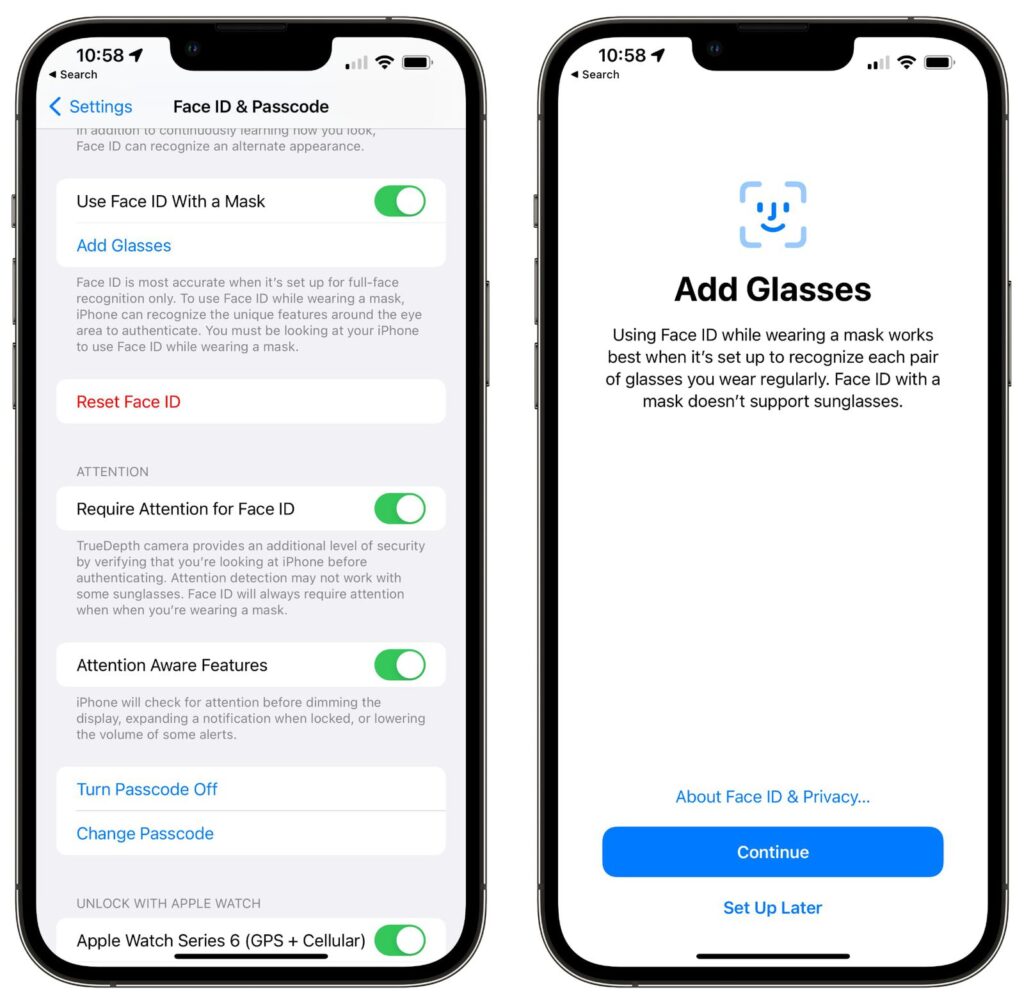
Apple has rolled out iOS 15.4 beta for developers and with it comes a useful new feature that allows Face ID to unlock the iPhone even if its user got their mask on, although you do need an iPhone 12 or newer to enable it.

Currently, iPhones require you to take your mask off to use Face ID, which isn’t convenient at all when you are outside in the age of the pandemic. Apple does offer a workaround in the form of the Apple Watch, which lets users unlock the iPhone even when wearing a mask or sunglasses, but that is obviously not an option for everyone.

The new option on iOS 15.4 beta now aims to address this shortcoming (via MacRumors).

face id with mask feature
Image: MacRumors

“Face ID is most accurate when it’s set up for full-face recognition only. To use Face ID while wearing a mask, iPhone can recognize the unique features around the eye area to authenticate,” a warning within the page for enabling the new “Face ID with a Mask” feature reads.

Obviously, Face ID is at its best when full-face authentication is used, but while Face ID with a Mask may be a bit less secure, it does fix a major inconvenience. Another perk is that unlike Face ID with Apple Watch, the mask version can also be used to authenticate third-party apps.

Do keep in mind here, though, that Face ID still requires you to take your sunglasses off. You will still be better off removing your sunglasses than your mask in public, so there’s that. Hopefully, Apple with time will also make Face ID accurate enough to work with sunglasses as well, with little to no compromise on security.

It would also be great if “Face ID with a Mask” is added to older iPhones as it currently only supports the iPhone 12‌, 12 mini, 12 Pro, 12 Pro Max or an iPhone 13, 13 mini, 13 Pro, or 13 Pro Max. The reason for this limitation isn’t clear at the moment.

RELATED:

Redmi Smart TV X43 with Dolby Vision to launch in India on February 9

Back in March 2021, Xiaomi debuted the first-ever Redmi-branded televisions in India in the form of the Redmi Smart TV X series. The lineup includes three models. They have the exact same set of features, except for the size. Almost a year later, the company is now all set to introduce a fourth model in the family.

Redmi Smart TV X43 Launch Date Teaser

According to the official Twitter account of Xiaomi TV India, the firm will be launching the Redmi Smart TV X43 on February 9. The new television will be unveiled alongside the Redmi Note 11S and the Redmi Smart Band Pro.

The teaser page on the company’s official website reveals some details about the upcoming TV. The television will arrive with a 4K panel with support for HDR and Dolby Vision. It will run the latest version of PatchWall with IMDb integration and will house Dolby Audio-powered 30W speakers.

The aforementioned features and the renders of the Redmi Smart TV X43 suggest that it will be identical to the older three models, except for the size. As the name suggests it will flaunt a 43-inch canvas as opposed to 50-inch, 55-inch, and 65-inch panels on the other models.

The Redmi Smart TV X50 currently retails at ₹37,999. Therefore, the price of the Redmi Smart TV X43 will be lower as it is smaller.


RELATED:

AutoX expands autonomous RoboTaxi service zone to 1000km² in China

AutoX, a pioneer in autonomous driving technology, has just announced that it will be expanding its self driving taxi’s operations in China. Now, the RoboTaxi service will have an ‘Operatinal Zone’ of more than 1,000 km² in the region.

AutoX

For those unaware, the company is the one behind the Level 4 fully autonomous RoboTaxis that are currently running in China. The service includes an unmanned vehicle that helps people in commuting and is wholly autonomous. To expand on its service, the Chinese brand will now have its RoboTaxis navigate through roads inside a large 1,000 square kilometer area.

This region will include small and congested streets, as well as, highways and major roads. According to AutoX, the expansion in services would enable it to improve its presence in China, especially in major cities like Shenzhen, Beijing, Shanghai, and Guangzhou. These cities are large in terms of area, so the bigger operation zone would enable it to better cover these regions.

AutoX

The company even shared a new video announcing this expansion, in which we can see the RoboTaxi driving through the commercial center and highways of Shenzhen and finally arriving at the Shenzhen international airport. This highlighted a total of six hours of driving without any issues. As of right now, the brand’s RoboTaxis have been in service for a whole year, with commercial operations first commencing in January 2021. Since its launch, the service area in Shenzhen has also expanded to become the largest fully driverless RoboTaxi zone in China.

RELATED:


Vu Premium 32 inch Smart TV launched in India, features thin bezels & Dolby Audio

Vu has just launched a new product in India. The company is one of the most popular smart TV brands in the region, and has just unveiled the Vu Premium Smart TV 32 inch in India, which arrives with minimal bezels and more.

Vu

As the name suggests, the new smart TV from the brand sports a 32 inch D-LED display that has a resolution of 1,366 x 768 pixels. It also offers an A+ grade high bright panel with 300 nits of maximum brightness. Despite not being a high end model, it still manages to feature a near bezel less design on the front for a more modern look from its matte black finish. For audio, the smart TV houses a 20W speaker setup with support for DTS TruSurround and Dolby Audio as well.

But for those planning on using an external speakers, the TV also houses ARC, Optical, and a headphone jack. Under the hood, it is powered by a quad core CPU along with 1GB of RAM and 4GB of internal storage. In terms of software, the Vu Premium TV 32 inch runs on Linux smart OS and features popular streaming apps like Netflix, YouTube, YouTube Music, Eros Now, YuppTV, Prime Video, and other such platforms. Connectivity options include Wi-Fi IEEE 802.11b/g/n, 2.4 GHz, a LAN port, two USB ports, two HDMI ports, AV port, Digital Audio, ARC, and optical audio output.

Vu

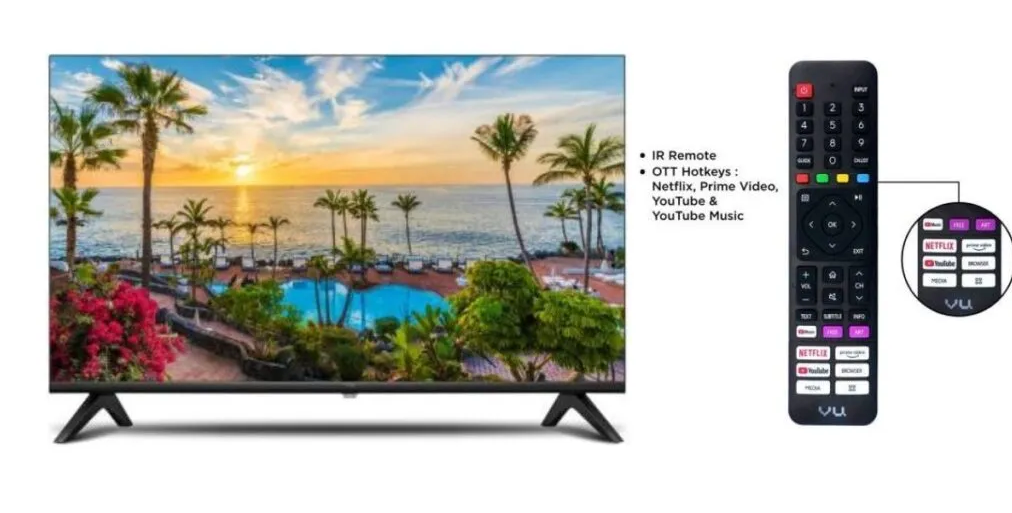
The new smart TV also arrives with an IR remote with hotkeys for Netflix, YouTube, Prime Video, YouTube Music, Browser, apps, and Internet browser. It is currently available for pre orders in India via Flipkart. The first sale is set for 1st February 2022 and the company is even offering a wall mount bracket in the box. So for those interested, you can buy the smart TV for 12,999 INR (roughly $173). Notably, the company is also offering various bank offers as well, which includes:

  • 10% off on Axis Bank Credit Cards, up to Rs 1,250 (roughly $16.65)
  • 10& off on Citi Credit/Debit Cards, up to Rs 1,500 (roughly $20)
  • 5% Unlimited Cashback on Flipkart Axis Bank Credit Card
  • Get Google Nest Hub (2nd Gen) at Rs 4,999 (roughly $66.59)
  • Get Google Nest Mini at Rs 1,999 (roughly $26.63)
  • Get Lenovo Smart Clock Essential at Rs 2,999 (roughly $40)
  • Get up to Rs 500 off on select furniture

RELATED:


Redmi 9, Redmi Note 9, and POCO M2 to get Android 12 update: Report

Xiaomi is known for providing two Android updates and three MIUI updates for the majority of its smartphones. However, most phones powered by MediaTek usually only get fewer updates when compared to the Qualcomm models. Thankfully, that’s not the case for three popular MediaTek-powered Xiaomi handsets from 2020.

Redmi Note 9 All Colors Featured
Redmi Note 9

According to Xiaomiui, Redmi 9, Redmi Note 9, and POCO M2 will not only receive MIUI 13 but  Android 12 as well. The trio has already got an internal update based on the latest version of Android.

Most of the time, Xiaomi limits the budget MediaTek smartphones to a single or no Android update. However, the company manages to deliver at least one MIUI update.

The aforementioned phones have already received an Android update in the form of Android 11. Hence, Android 12 will be their second Android update. At the same time, MIUI 13 will also be their second major MIUI update as all three debuted with MIUI 11 and were updated to MIUI 12.

This means the forthcoming Android 12-based MIUI 13 update will likely be the last major software update for Redmi 9, Redmi Note 9, and POCO M2. Finally, it is worth noting that the former two handsets are also known as Redmi 9 Prime and Redmi 10X 4G in India and China respectively.


RELATED:


Here’s the list of smartphones getting ColorOS 12 update in February

It’s been a few months since OPPO announced its latest ColorOS 12 custom user interface for its smartphones. The ColorOS 12 is now also available on smartphones manufactured by OnePlus after both OPPO and OnePlus merged their operations as well as the codebase of custom UIs ColorOS and OxygenOS.

The newly announced custom user interface from OPPO comes with several improvements and is also one of the first brands to roll out the Android 12 update for its devices. Last month, it had revealed the ColorOS 12 update rollout plan for Q1 2022.

ColorOS 12 Logo Featured A

Now, the company has revealed the list of smartphones getting the new ColorOS 12 update in the month of February 2022. The list includes devices set to receive the stable update as well as the public Beta update.

Stable Update:

  • 22 February: OPPO Reno5 K 5G, K9 5G, A93 5G
  • 23 February: OPPO A72 5G
  • 24 February: OnePlus 9R 5G
  • 28 February: OPPO Ace2, Ace2 EVA Limited Edition

Beta Update: 

  • 16 February: OPPO K9 Pro 5G
  • 17 February: OPPO Reno4 SE 5G
  • 24 February: OPPO Find X3 Pro Photographer Edition
  • 28 February: OPPO Reno3 Pro 5G, Reno3 Vitality Edition, Reno3 Pro 5G Classic Blue Custom Edition, OPPO K7

The company recently introduced ColorOS 12.1 version which is currently limited to the newly launched OnePlus 10 Pro smartphone in China. It comes with new features like HyberBoost to improve the gaming performance, Omoji, and the company promises a faster and smoother software experience for the users.

RELATED: 

Global smartphone market records 4% growth for first time after 2017, Apple takes lead

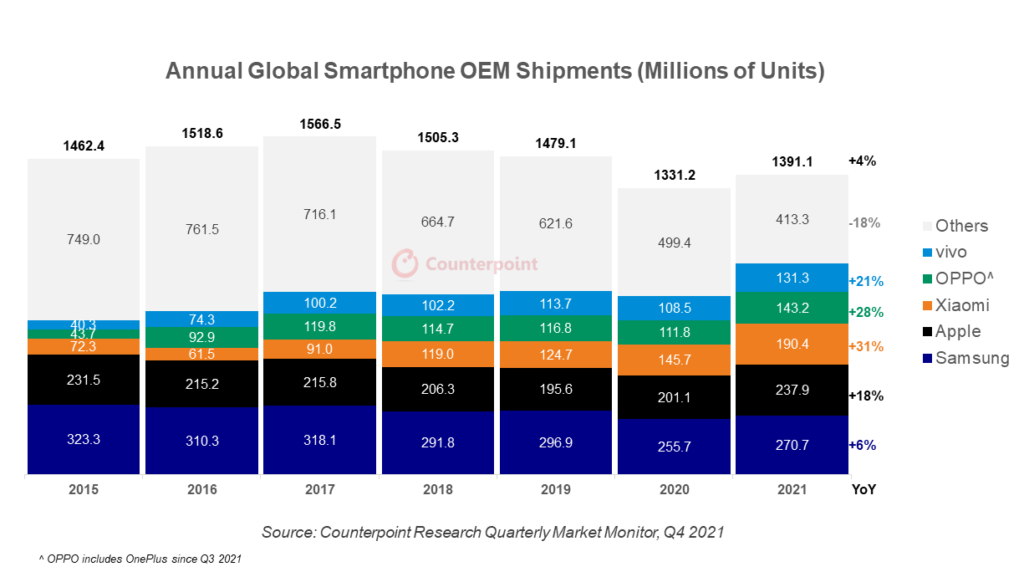
The global smartphone market recorded growth for the first time in almost 5 years, with annual shipments touching 1.39 billion units in 2021. But despite 4% year-on-year growth, yearly sales still remained lower than pre-pandemic levels due to component shortages paired with the impact of COVID-19, Counterpoint has revealed.

For comparison, global smartphone shipments were the highest ever in 2017, reaching 1.55 billion units — a record that remains unbroken.

The restoration of growth was driven to the post-peak-pandemic pent-up demand in regions like North America, Latin America, and India. In the US, it was mostly the demand for Apple‘s first 5G-supporting offering — the iPhone 12 series. And in India, good sales came from higher replacement rates, better availability, and more attractive financing options. China came as a surprise though, with the market shrinking due to supply-side issues combined with demand-side issues from lengthening replacement cycles.

Global Annual Smartphone Market Shipments 2021
Image: Counterpoint Research

Apple’s global smartphone shipments grew 18% YoY to reach a record 237.9 million units in 2021 due to great response for the iPhone 12 series. The Cupertino-based company even became the top smartphone brand in China, passing vivo, and consequently overtaking Samsung as the #1 phone brand globally in Q4 2021.

Xiaomi‘s global shipments reached a record high as well, totaling 190 million units in 2021, which is a 31% YoY growth. While it performed well in the first half of the year, supply shortages in H2 2021 led it to slip in the fifth position in its home country.

Joining the aforementioned is also OPPO that’s yet another OEM achieving record shipments in 2021, growing by 28% and selling 143.2 million units. OPPO again suffered due to supply constraints in the final quarter and a larger part of its shipments came from H1 2021.

vivo grew 21% YoY, reaching annual shipments of 131.3 million units last year. This was thanks to its strong offline penetration and a wide-ranging product portfolio. However, it declined 9% YoY in Q4 2021, after getting dethroned by Apple in China.

RELATED:

Lenovo Legion Y7000P 2022 teaser reveals some key details about the gaming laptop

Lenovo is gearing up to launch a new range of gaming devices under the Legion brand, including a smartphone, tablet, and laptop. The upcoming gaming laptop from the company is the Lenovo Legion Y7000P 2022.

The device has been leaked online previously and now the company has officially shared a new teaser image for the product, which reveals some of the key details about the laptop.

Lenovo Legion Y7000P 2022 Teaser

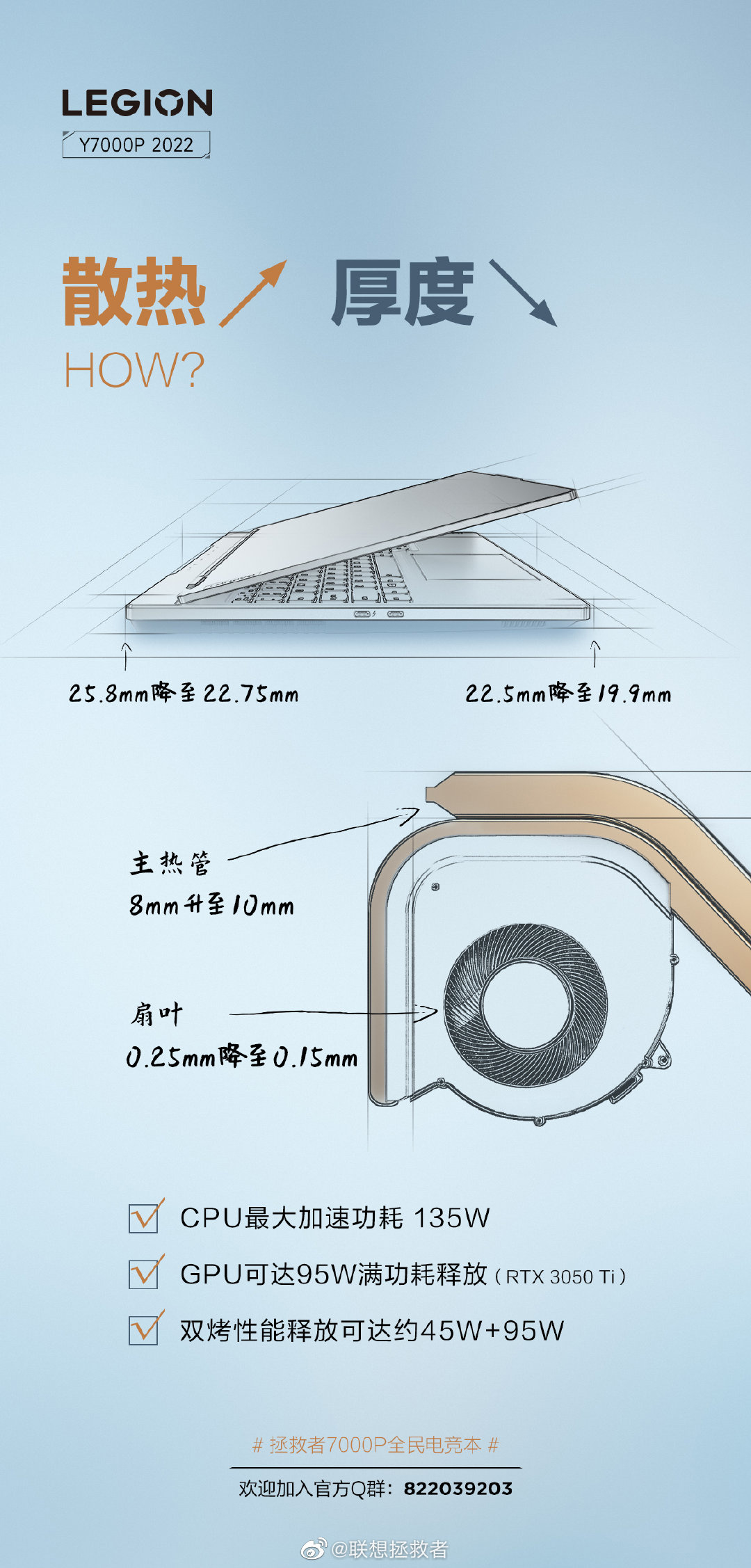
The poster image confirms that the Legion Y7000P 2022 gaming laptop will be 11.6 percent thinner than the previous generation model. Further, it adds that the thinnest part of the fuselage is just 19.9mm.

The company has also clarified that the heat dissipation has not been affected even though the thickness of the device has been reduced. The main heat pipe has been upgraded from 8mm to 10mm and the fan blade has been reduced from 0.25mm to 0.15mm.

Lenovo Legion Y7000P 2022 has a maximum CPU power consumption of 135W while the GPU, which is RTX 3050 Ti, has a full power consumption of 95W. The image adds that the dual-bake performance can be achieved at 45W + 95W.

Previously, the company had revealed thorugh a teaser poster that the upcoming gaming laptop will come with a 16:9 aspect ratio display and the screen resolution will be upgraded to Quad HD+ while the refresh rate will be increased to 165Hz.

We expect the company to share more details about the Lenovo Legion Y7000P 2022 laptop’s specifications and features in the coming days or weeks. The company has not yet confirmed the launch date for the device, but we expect that to be revealed soon.

RELATED: